Why we teach basic photography to children with disposable cameras
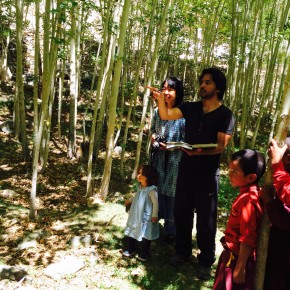
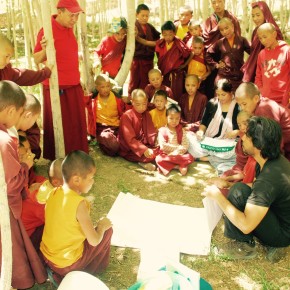
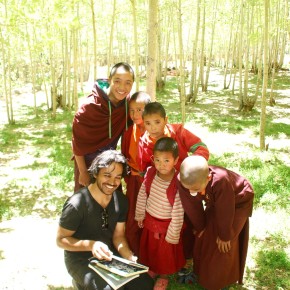
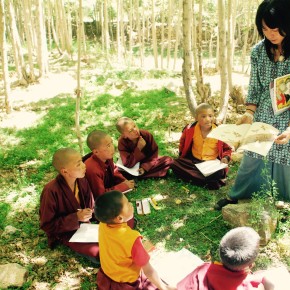
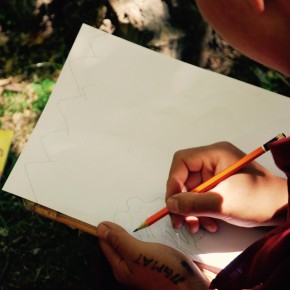
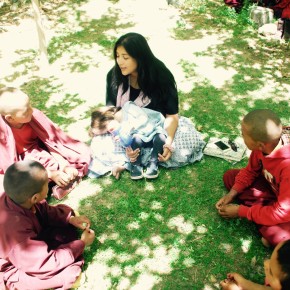
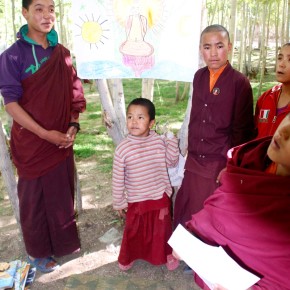
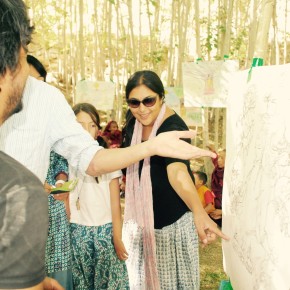
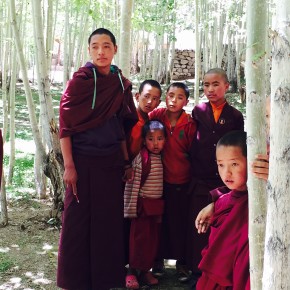
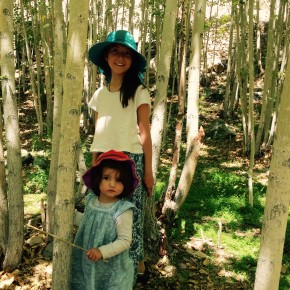
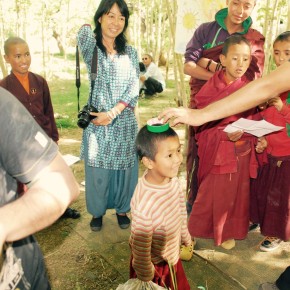
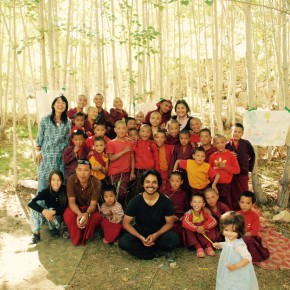
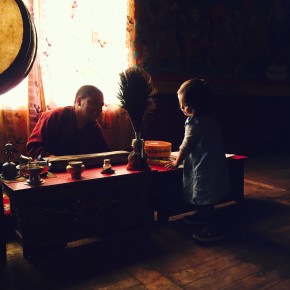
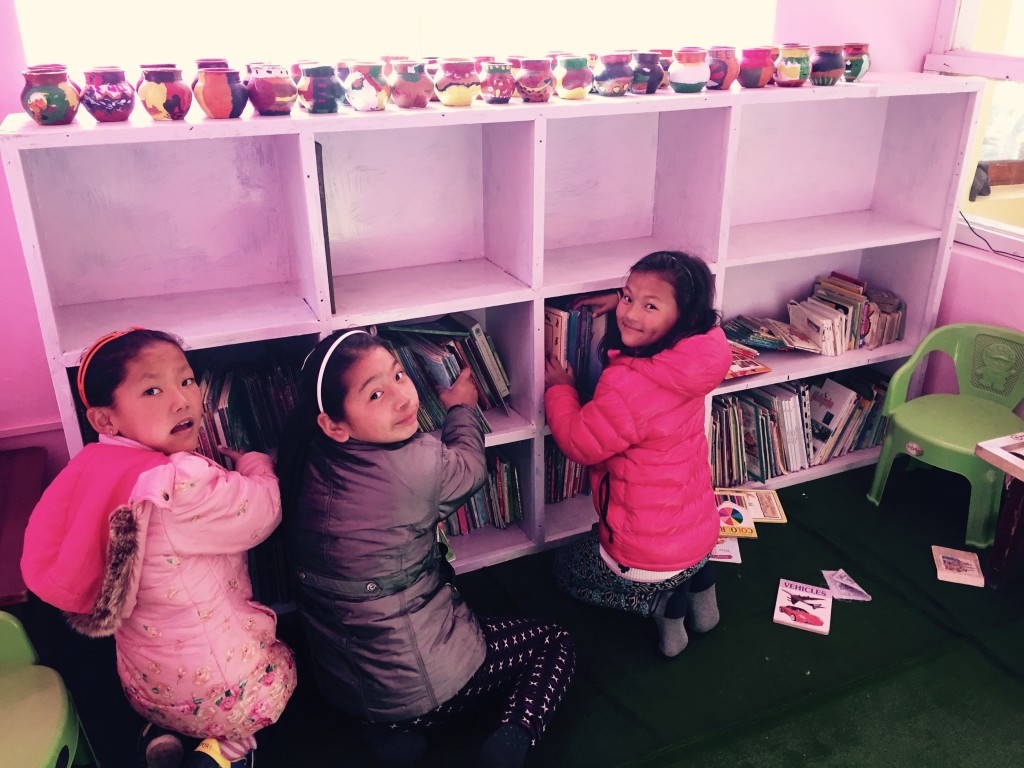
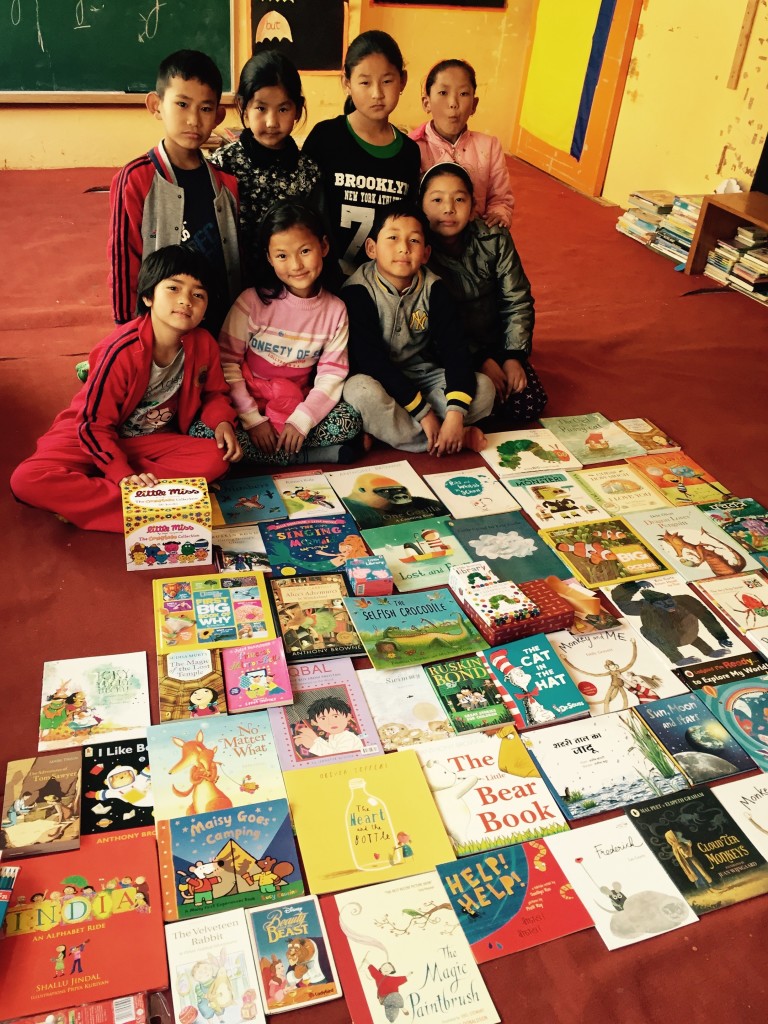
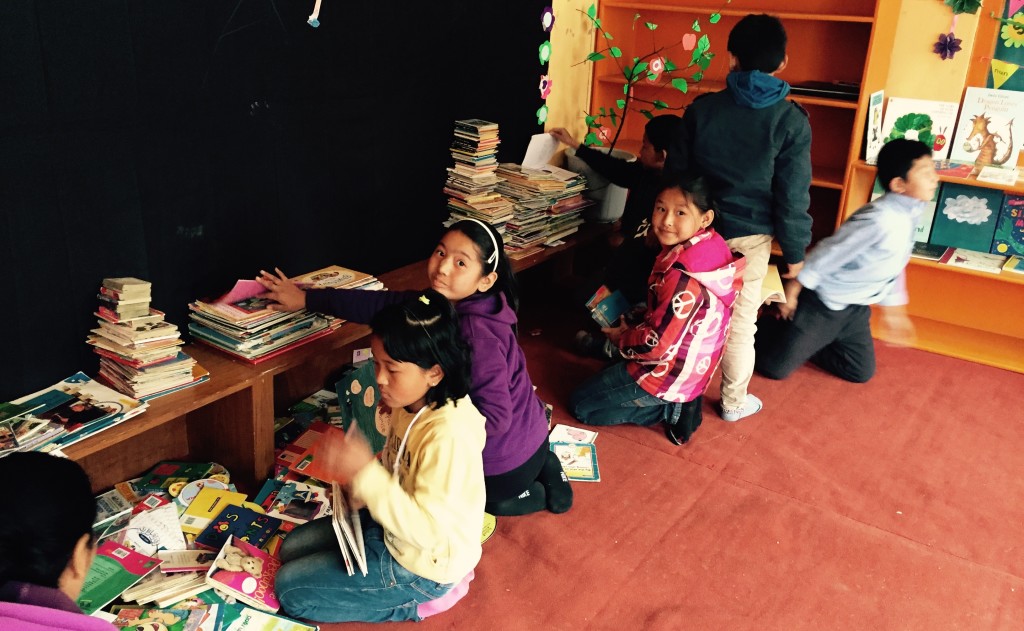
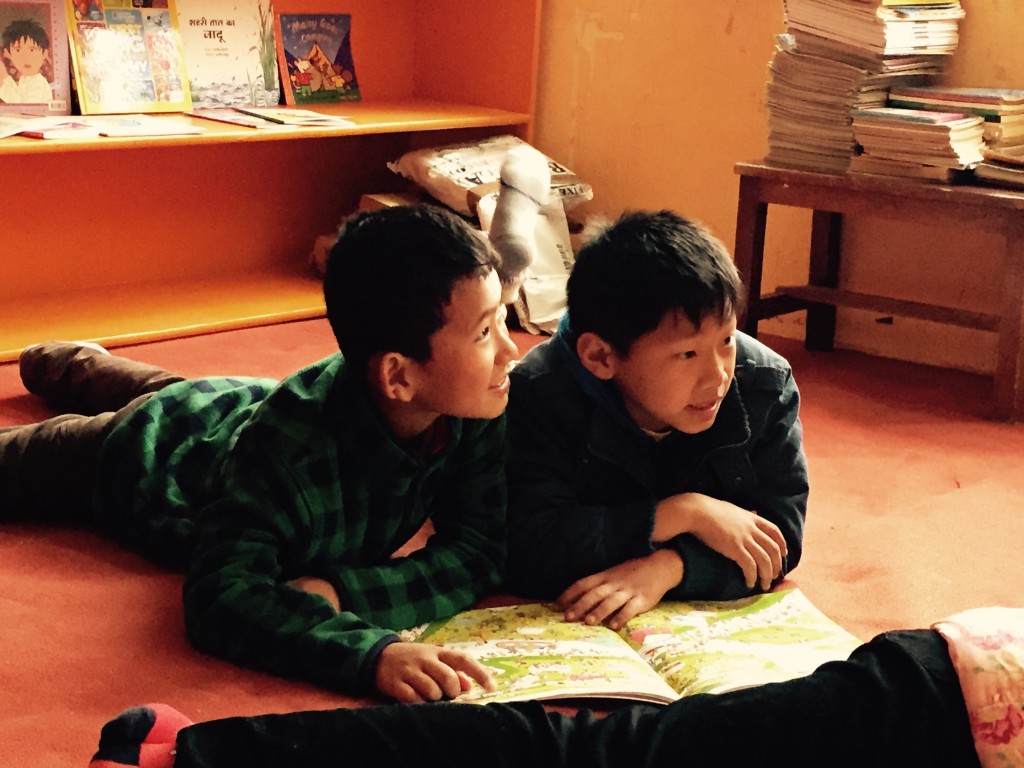
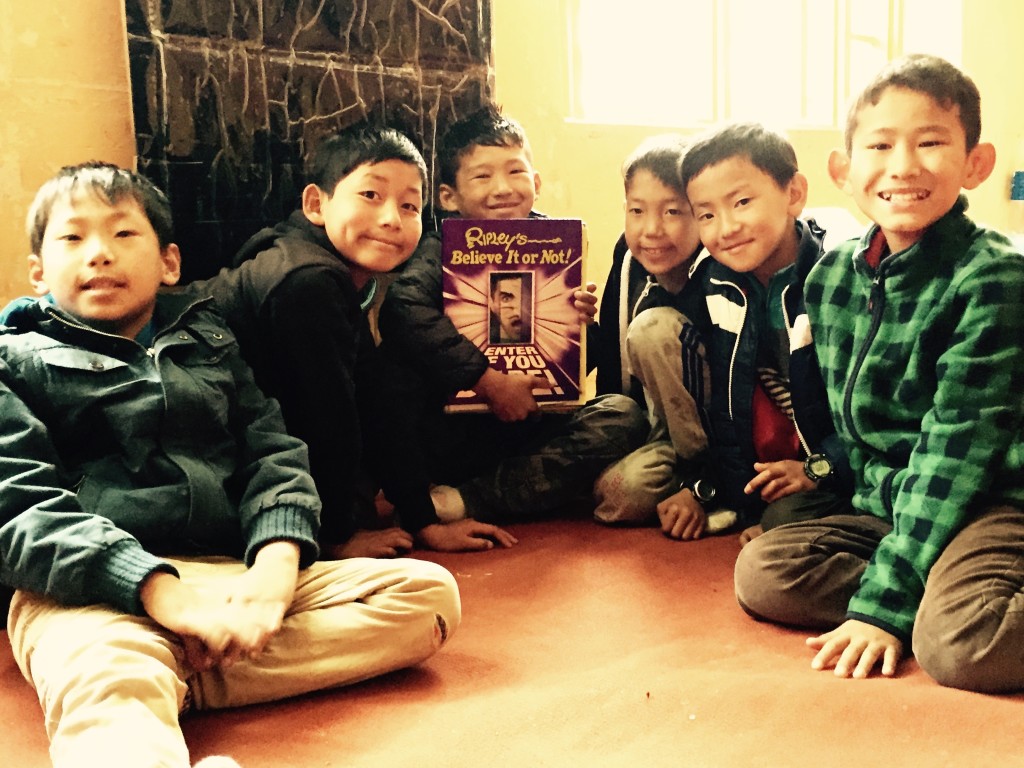
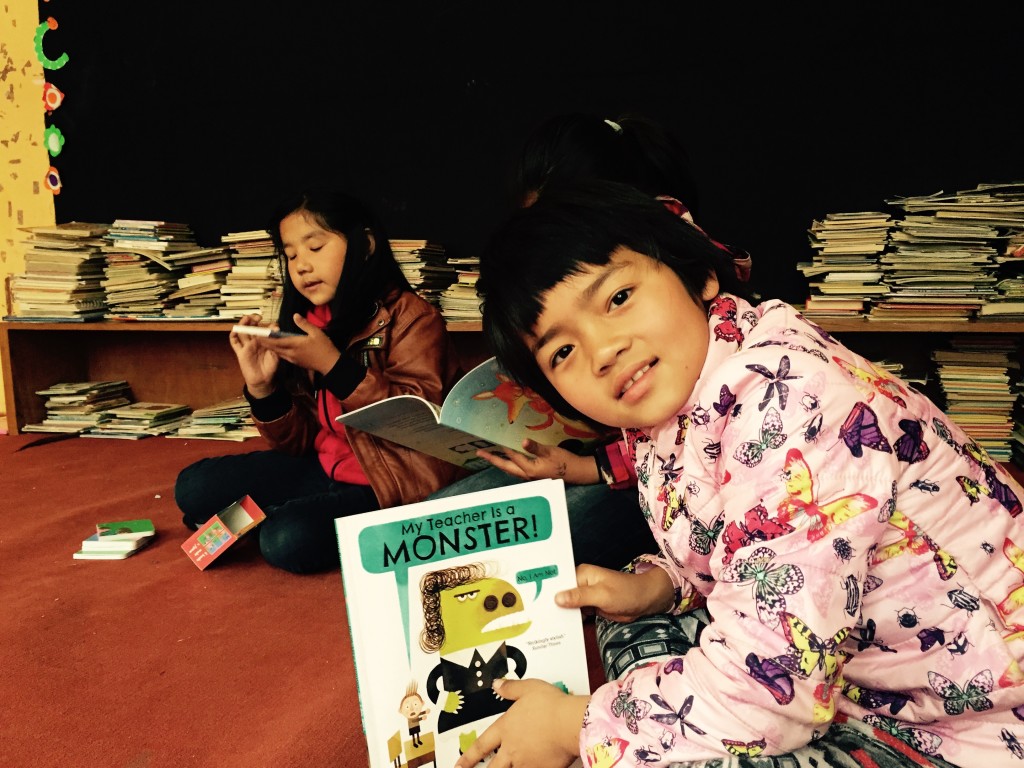
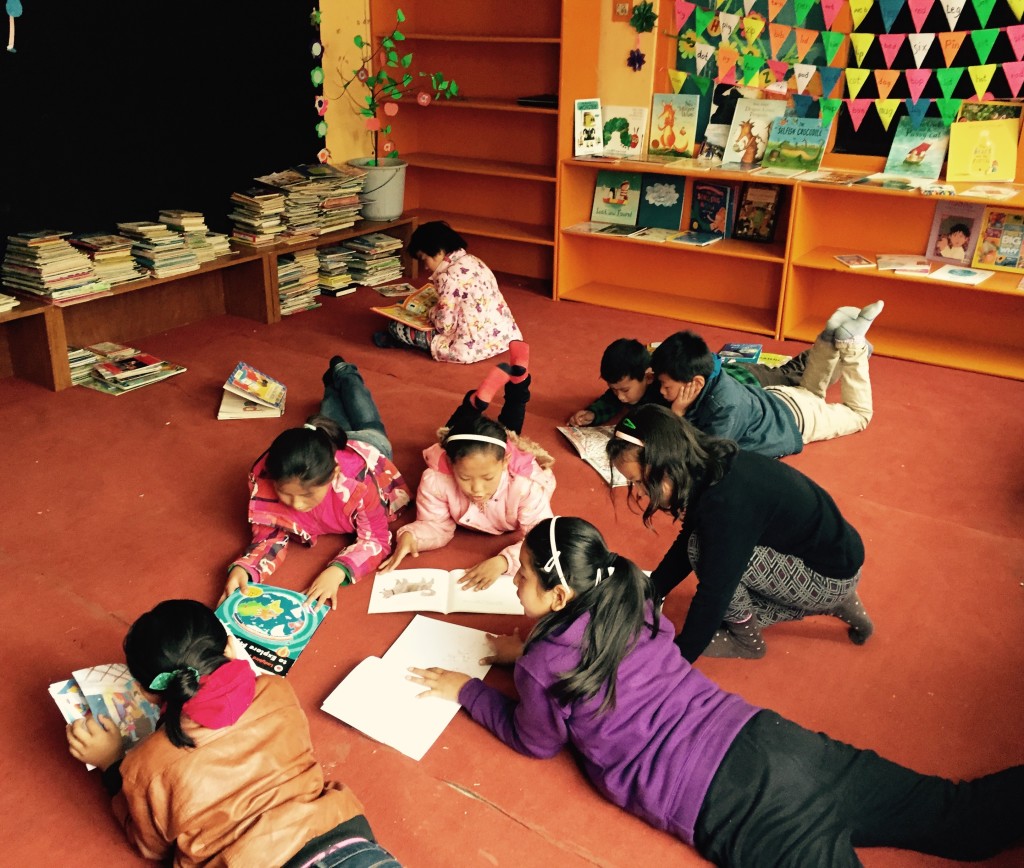
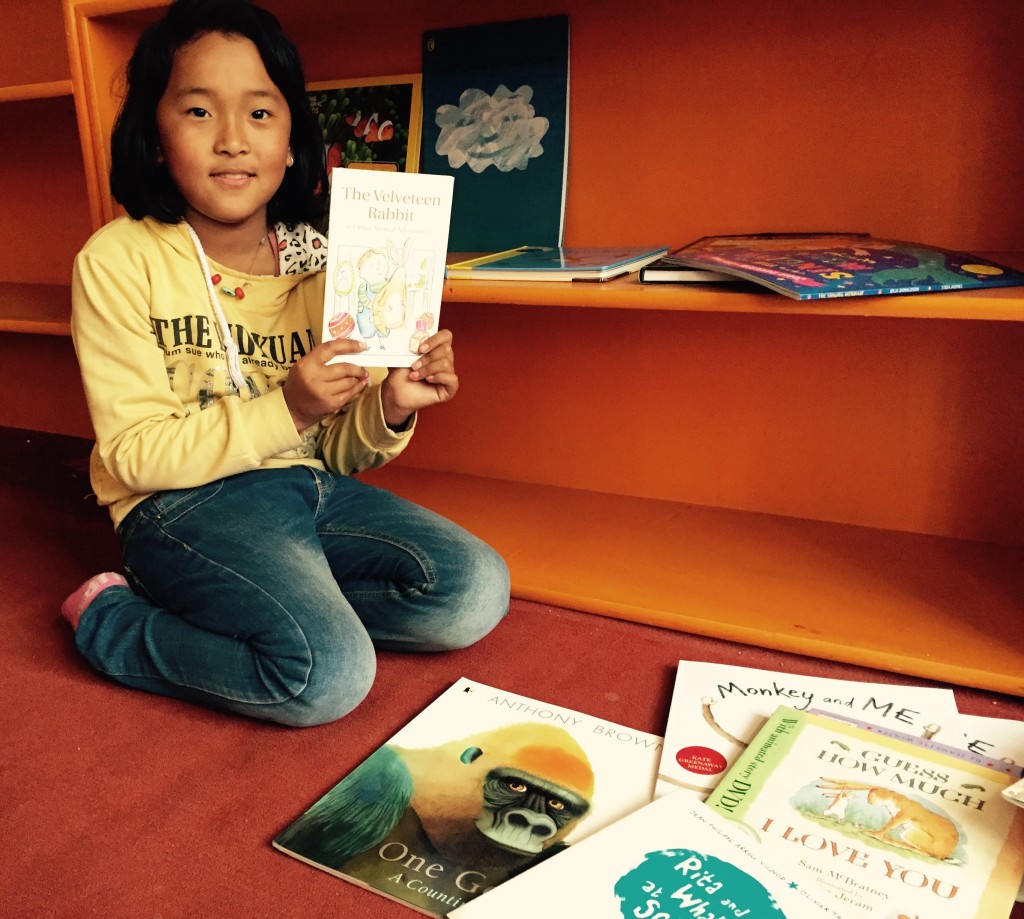
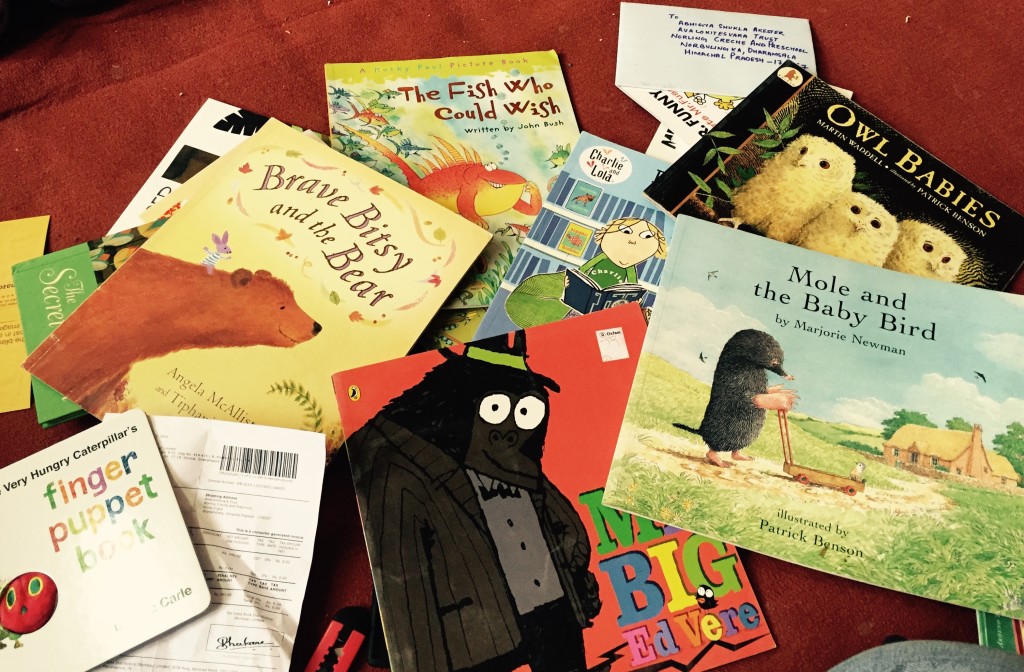
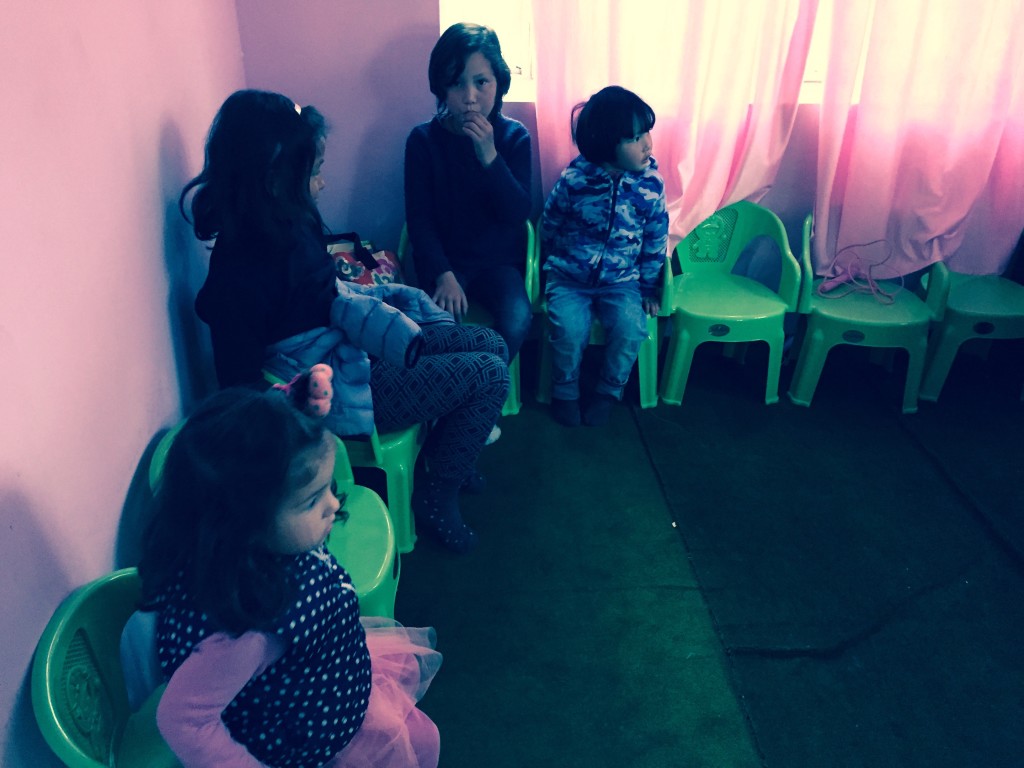
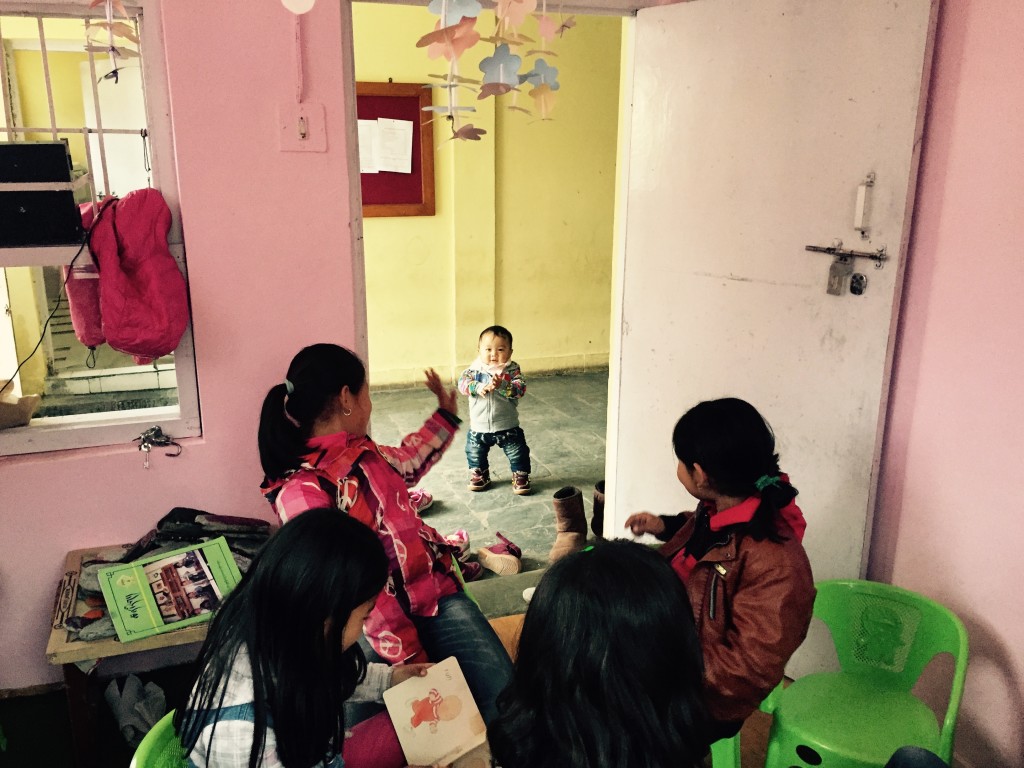
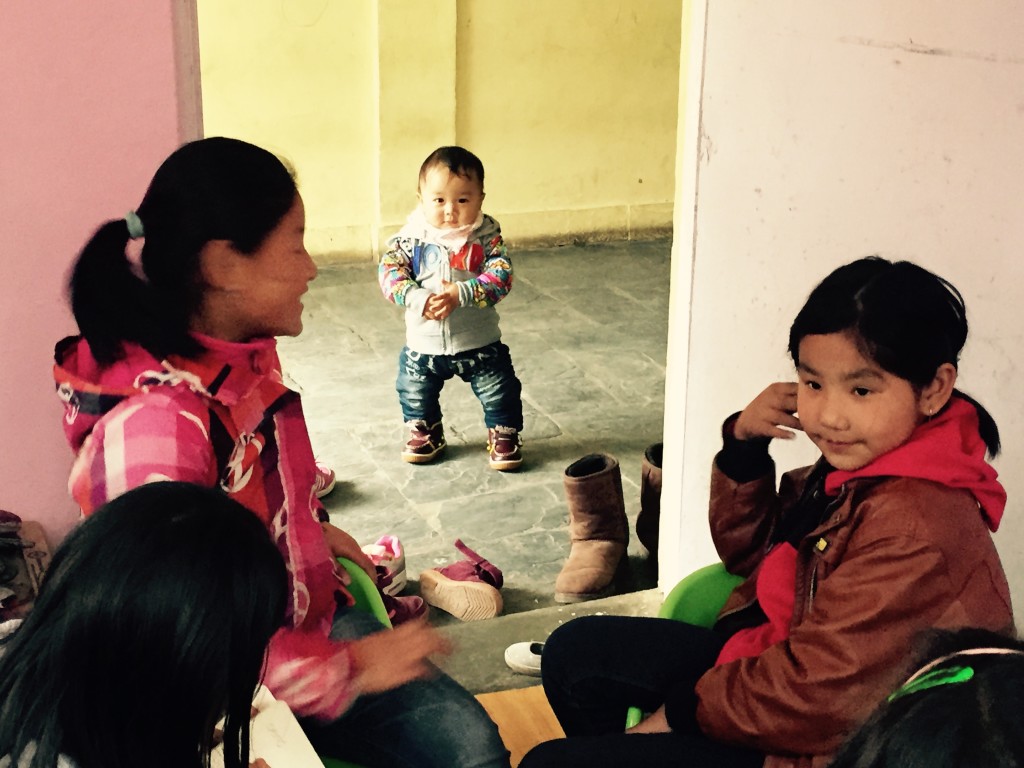
At Avalokiteśvara Trust, a camera can sit naturally beside a story circle or reading room. A child receives a simple single-use camera, chooses what deserves attention, and brings back images to discuss, print, and perhaps place beside a favourite book. The activity is modest, yet it gives young people in Ladakh a way to record daily life, express ideas, and notice the textures of the world around them.
Basic photography also supports habits that serve wider learning: looking closely, making choices, sequencing an activity, and explaining a decision. A disposable camera offers only a limited number of frames, so children cannot retry endlessly. They learn to prepare, pay attention, and treat every image as a purposeful act.
Seeing through a different medium
Visual literacy is the ability to interpret what we see and understand how an image communicates. Teaching it through a camera gives that skill a concrete form. Children learn that a small change in position can alter a photograph, while light, distance, colour, and background shape what the viewer notices.
| Single-use camera |
Smartphone |
| A limited set of frames encourages deliberate choices |
Unlimited shots can encourage rapid experimentation |
| Little or no preview creates a stronger focus on attention |
Instant previews make feedback immediate |
| Usually fixed controls keep attention on the subject, light, and composition |
Flexible controls support lessons on focus, exposure, and editing |
| Lightweight, inexpensive, and simple to pass between children |
More capable, but costly, fragile, and distracting for some learners |
A single-use camera changes the learning rhythm. With no preview screen, children must decide before pressing the shutter; with usually fixed focus and exposure, they become familiar with the limits of their equipment. Some cameras include a flash, but it does not make every indoor subject clear.
The photographs should therefore be treated as records of thought rather than judged by polished technique. A tilted horizon or unusual crop may reveal exactly what a child found meaningful.
Skills that grow from taking pictures
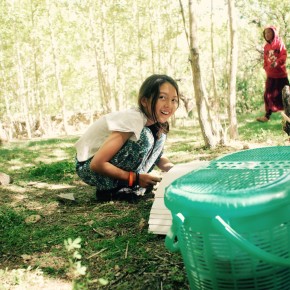
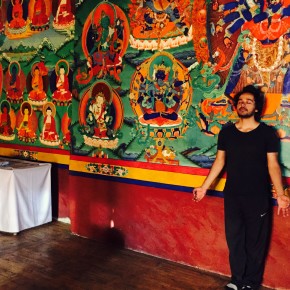
Careful looking begins with noticing. Children who hunt for textures in a courtyard, shadows at a monastery, or patterns on a wall are practising sustained observation. Choosing one detail from many also supports concentration and helps them understand that a photograph can hold a point of view rather than reproduce everything in front of the lens.
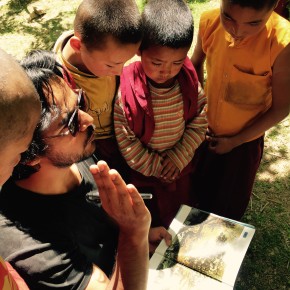
Photography also supports language and storytelling. A sequence of frames can be given captions, arranged as a short narrative, or matched with a written memory. A child may say that the first picture establishes the place, the second introduces a person, and the third shows what changed. Such descriptions build vocabulary, sequencing, and the ability to connect evidence with an interpretation.
Using a camera can build confidence and agency. Young monks and children decide which subjects deserve a frame, ask permission before including others, and accept that a photograph may not turn out as planned. Discussing those choices creates a supportive setting for judgement, patience, and respectful observation. The result is not a guaranteed academic boost, but a meaningful form of active learning that children can see and share.
A child-friendly photography practice
Basic instruction works best when it stays connected to a purpose. Instead of a long technical lesson, a teacher can use a short sequence that moves from noticing to taking a picture to explaining it.
Core ideas to practise
- Looking: Invite children to scan a scene from near to far.
- Framing: Practise placing a subject clearly while leaving purposeful space.
- Light: Compare shadow, reflection, and the direction of sunlight.
- Focus and distance: Explore what looks clear when the camera moves.
- Sequence: Use the numbered order of frames to build a visual story.
Once these ideas are familiar, activities can make the rules playful while preserving the discipline of purposeful shooting.
Activities that build confidence
- One place, several views: Photograph the same subject from different positions.
- Texture hunt: Focus on rough surfaces, fabric, food, leaves, and stone.
- Movement sequence: Capture a gesture, action, or changing scene in order.
- Ask first: Agree that people and private spaces require permission.
- Caption exchange: Pair each photograph with a short spoken or written account.
A simple review closes the cycle. Children select one image, describe what they noticed before taking it, and identify what they would change. Prints can be shared at a reading-room display, while selected images can support group discussions about place, memory, and creative choices.
Bringing an Australian perspective
In Australia, smartphones are the familiar tool. Many children use one for school projects, family photographs, and social media, so a fixed single-use camera offers a genuinely different learning environment. Its value is not that it is better; it is that its constraints remove some of the instant feedback and technical choice that can otherwise dominate the activity.
Local conditions make the exercise vivid. Australian sunlight can be strong, producing glare and deep shadows, while parks, beaches, and garden paths provide varied subjects; Melbourne’s Royal Botanic Gardens, the foreshores of Sydney Harbour, and Adelaide’s parklands are familiar examples. An educator might encourage children to “have a squiz” through the viewfinder, but the real lesson comes from comparing one bright view with a shaded one. Heat, wind, and sudden rain also teach careful preparation.
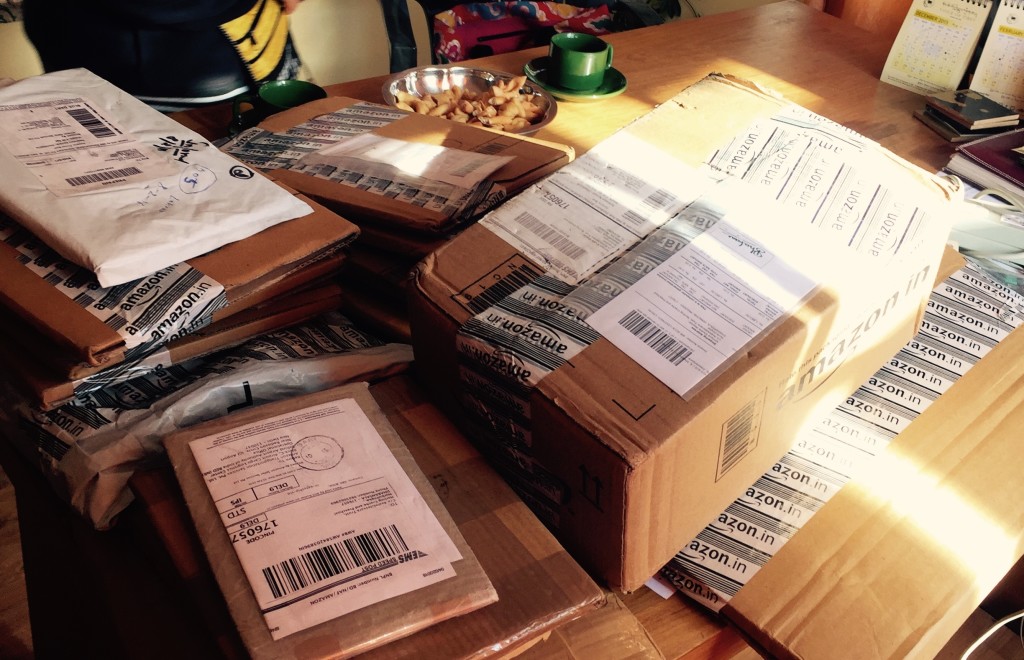
Access and disposal require practical attention. Single-use cameras are still sold through some Australian retailers, although stock and film-processing services vary, particularly outside major cities. Families should confirm that a local laboratory or store will process the camera before buying several. Used cameras belong in an appropriate e-waste stream rather than a household bin. Supporters sending equipment to Ladakh should also allow extra time for international delivery and check carrier and Indian customs requirements, especially for built-in batteries.
A small beginning that can grow
At Avalokiteśvara Trust, the programme can remain simple and repeatable: prepare the cameras, choose a nearby subject, take a short walk, review the photographs, and connect them with stories or reading-room activities. Teachers can invite children to write captions, compare two frames, or explain the choices behind an image. This makes photography part of literacy and community conversation rather than a separate art lesson.
For Australian families, volunteers, and donors, useful support is a complete set: working cameras, clear instructions in plain language, a way to name and return images, and advice on safe use and responsible disposal. When sending cameras overseas, do not add loose batteries, check how their built-in cells are classified, and confirm current postal and import conditions before packing.
The practical takeaway is to keep the equipment simple and the learning visible: one camera, a short walk, a conversation about what was noticed, and a photograph handled with care. In this way, disposable cameras give children a practical way to see, read, and tell the story of their world.