Why Local Artists Help Bring Reading Rooms To Life
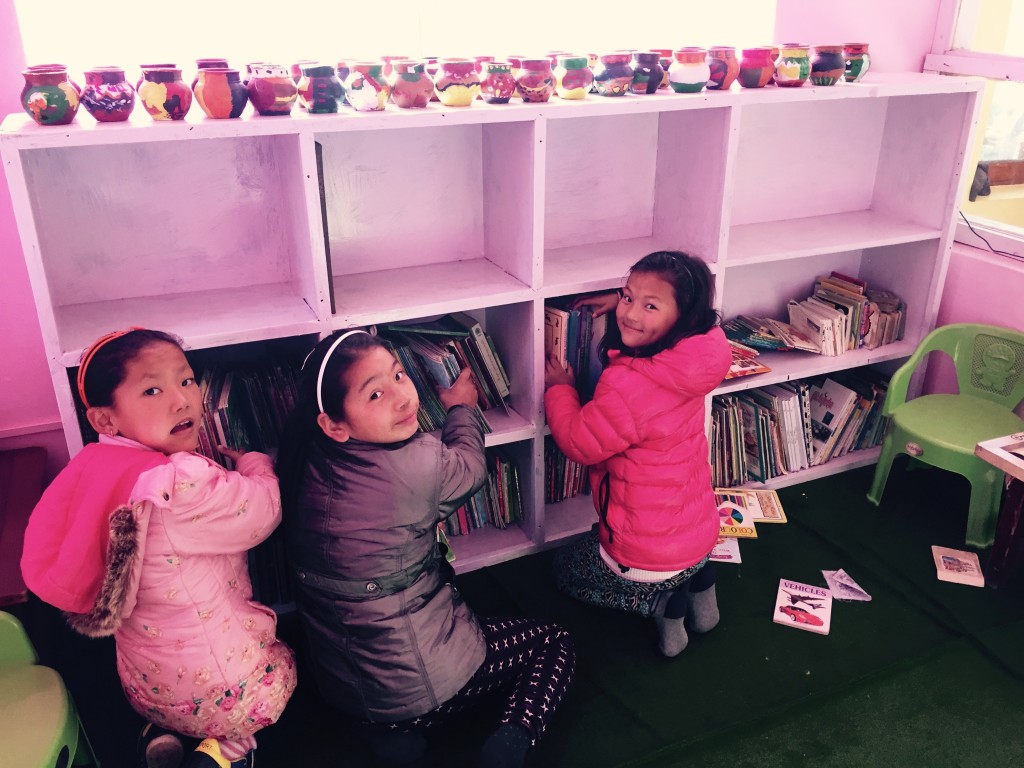
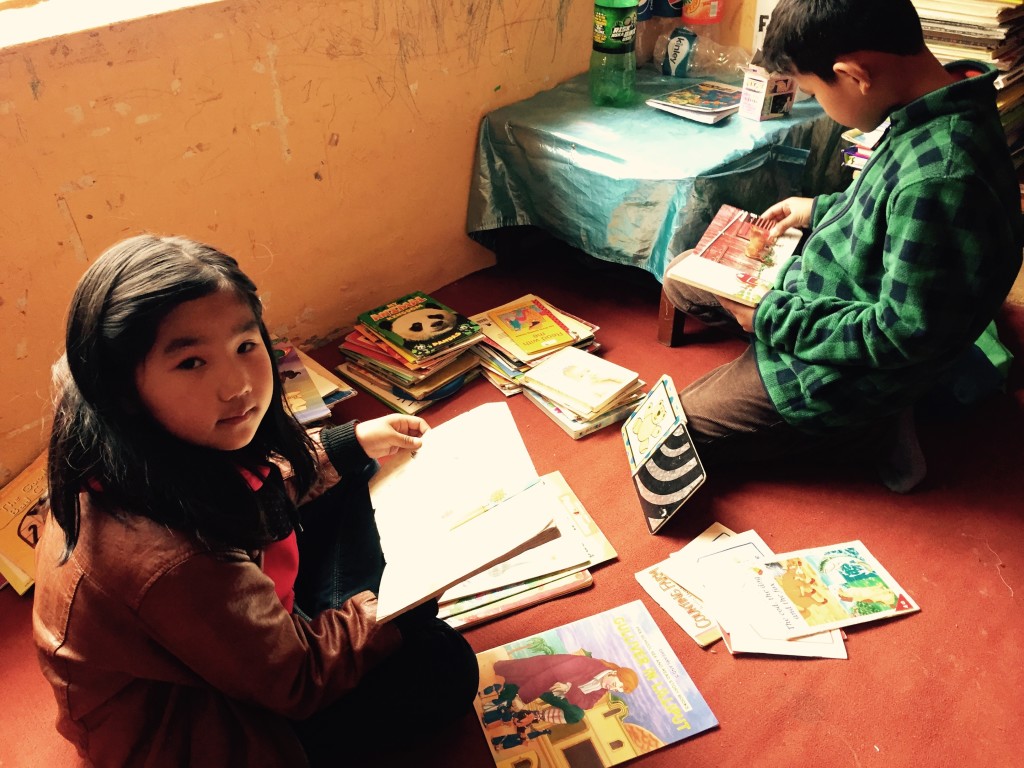
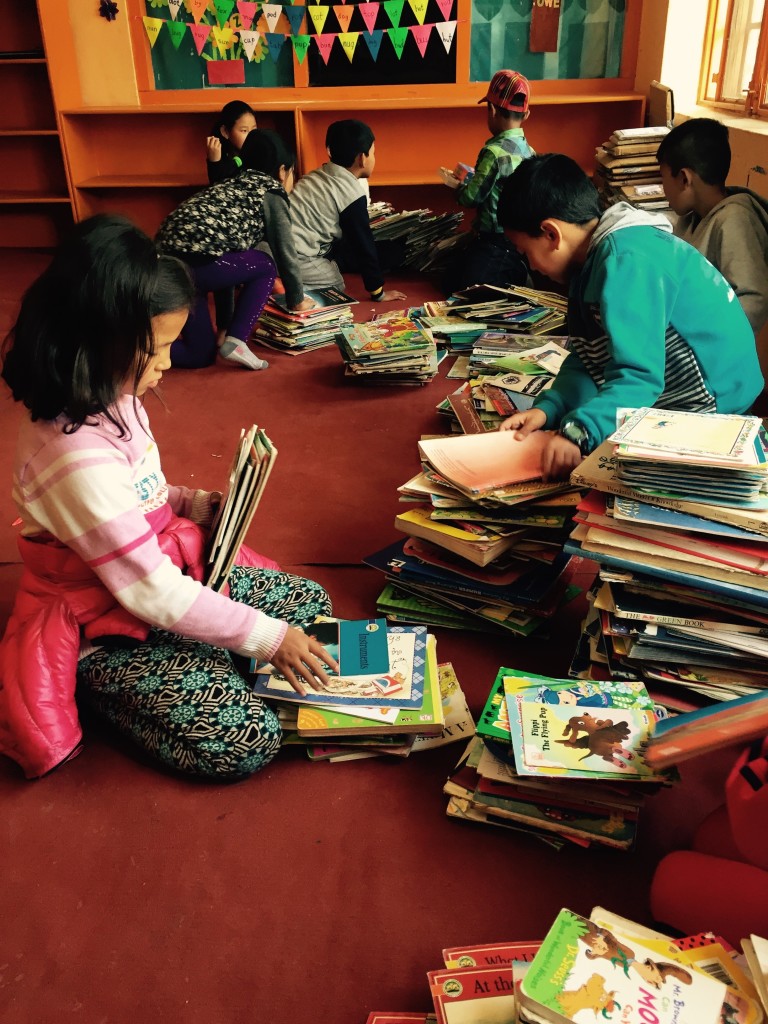
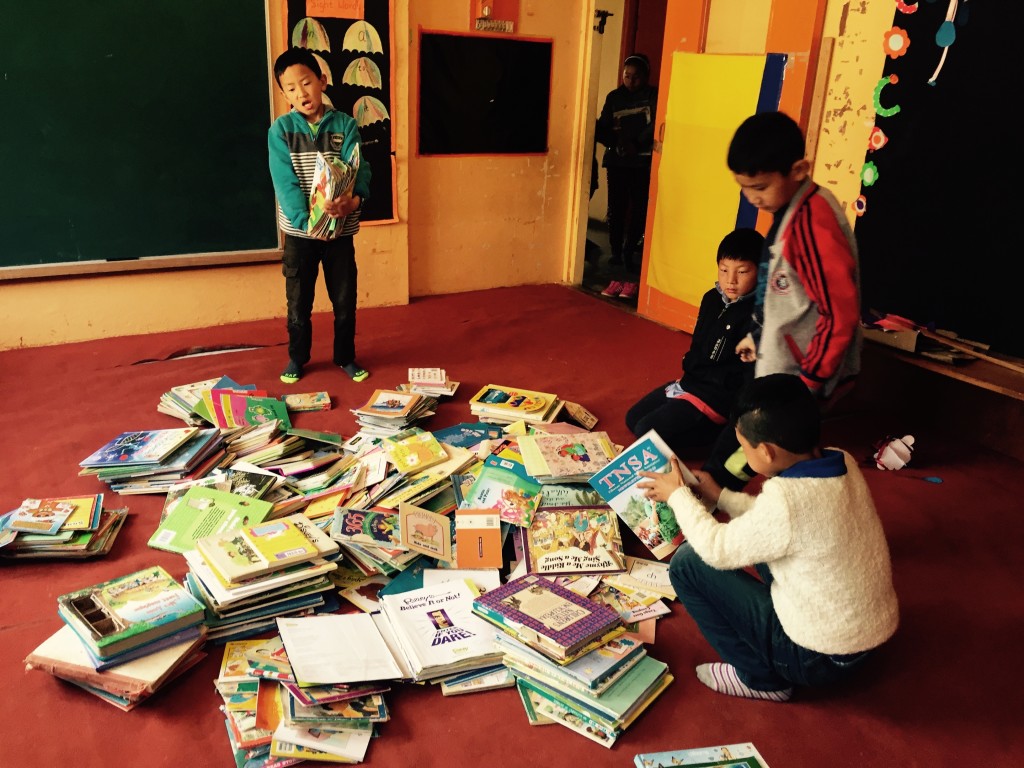
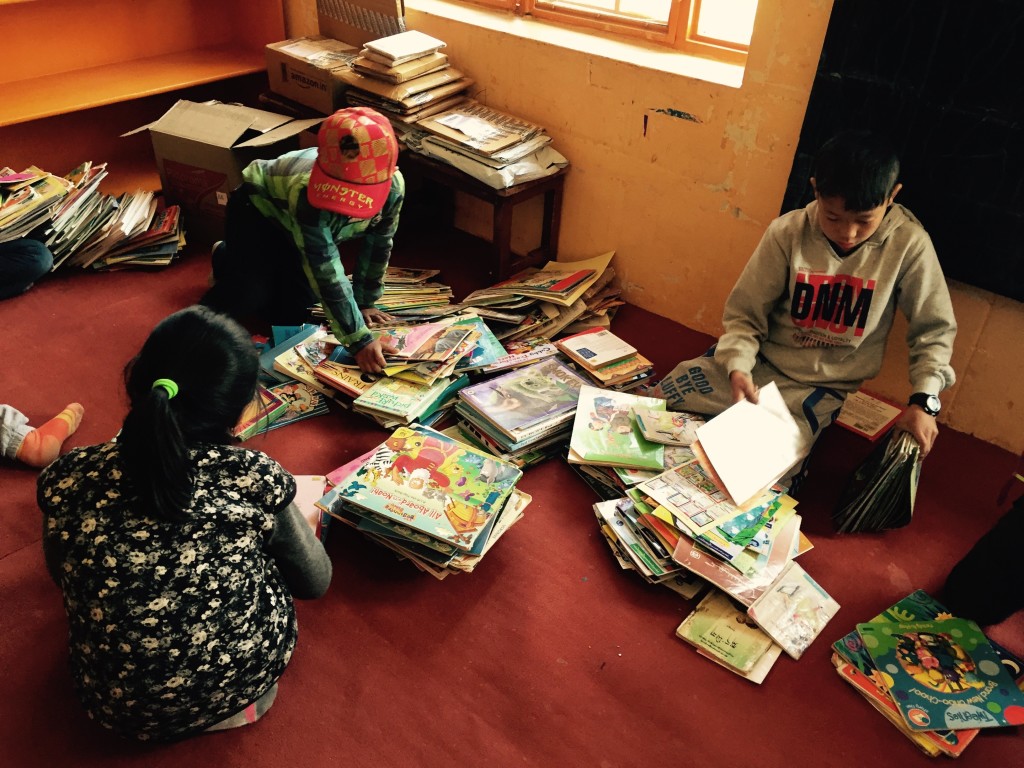
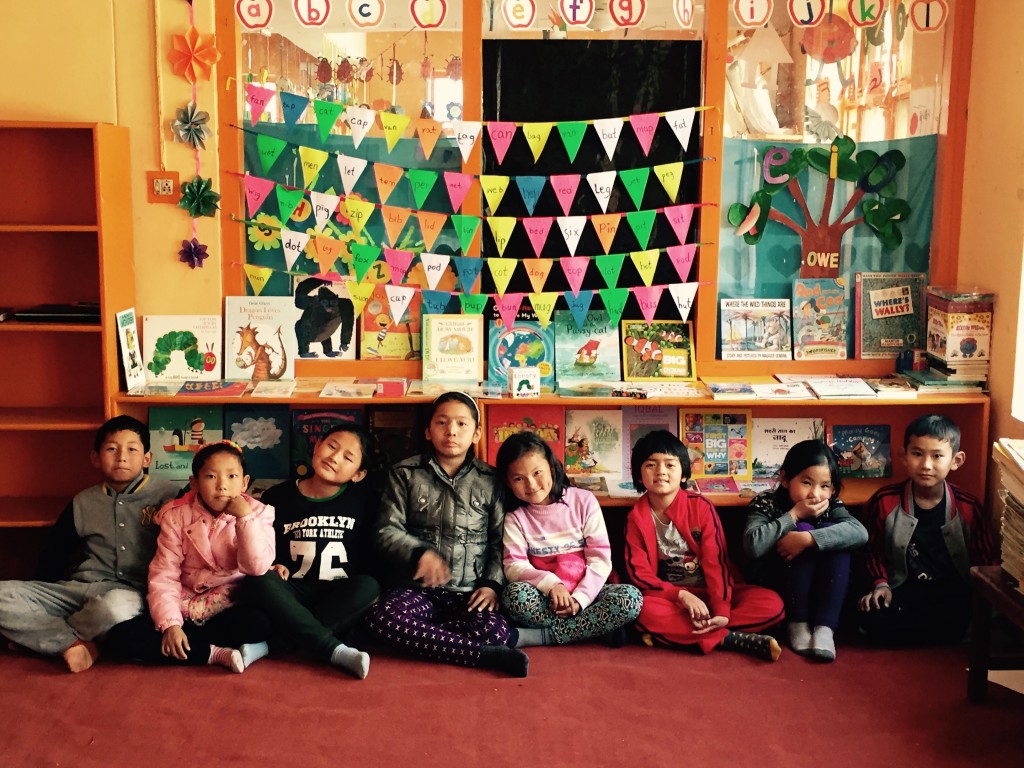
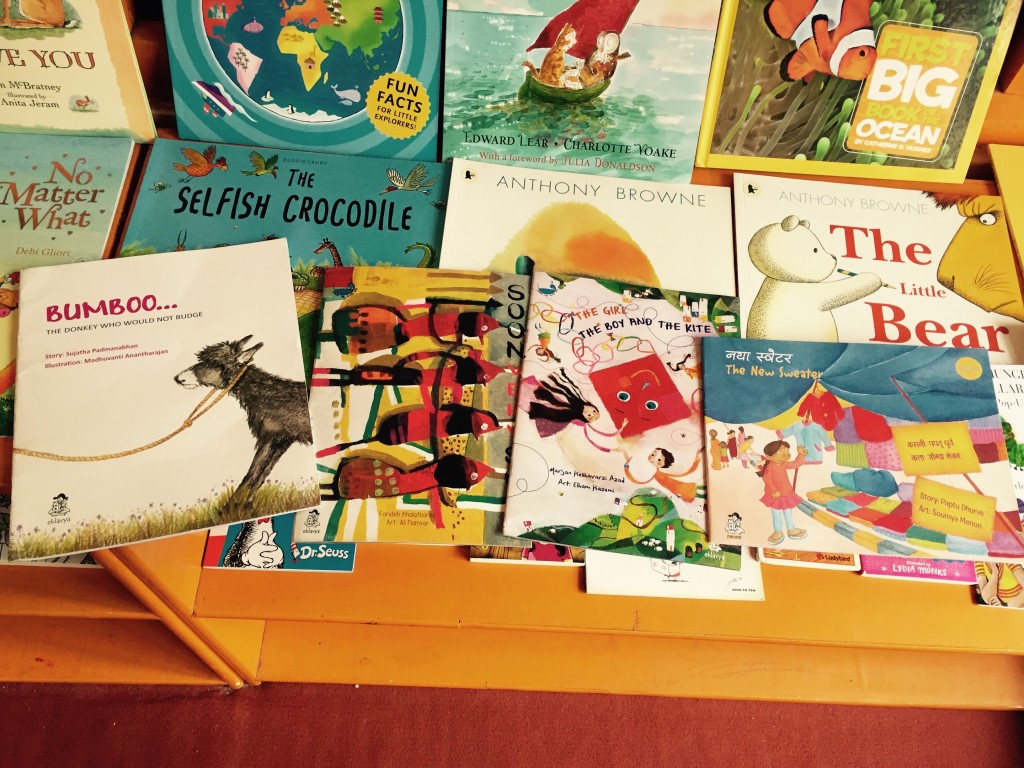
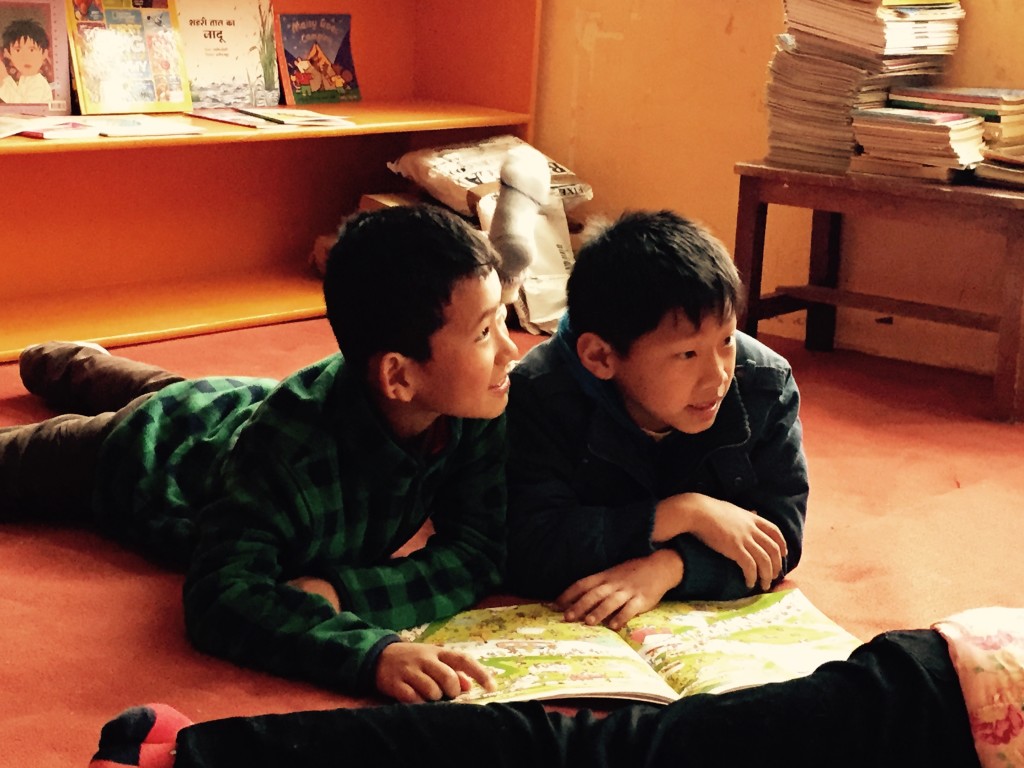
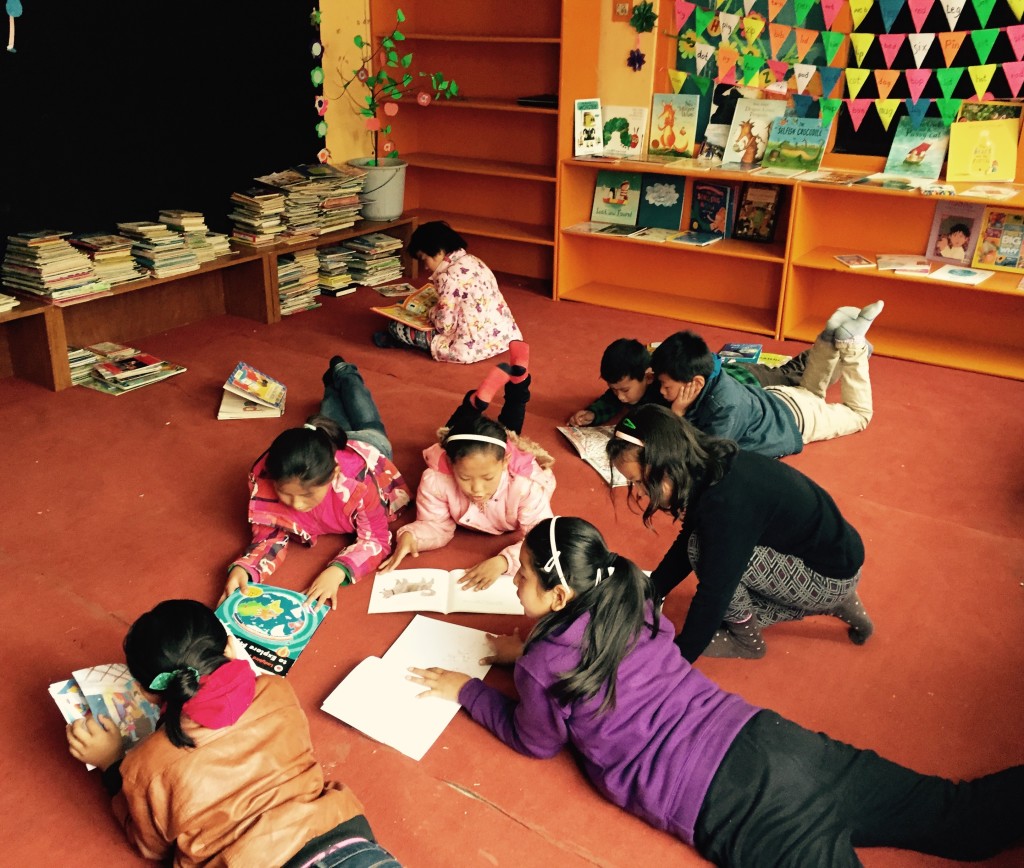
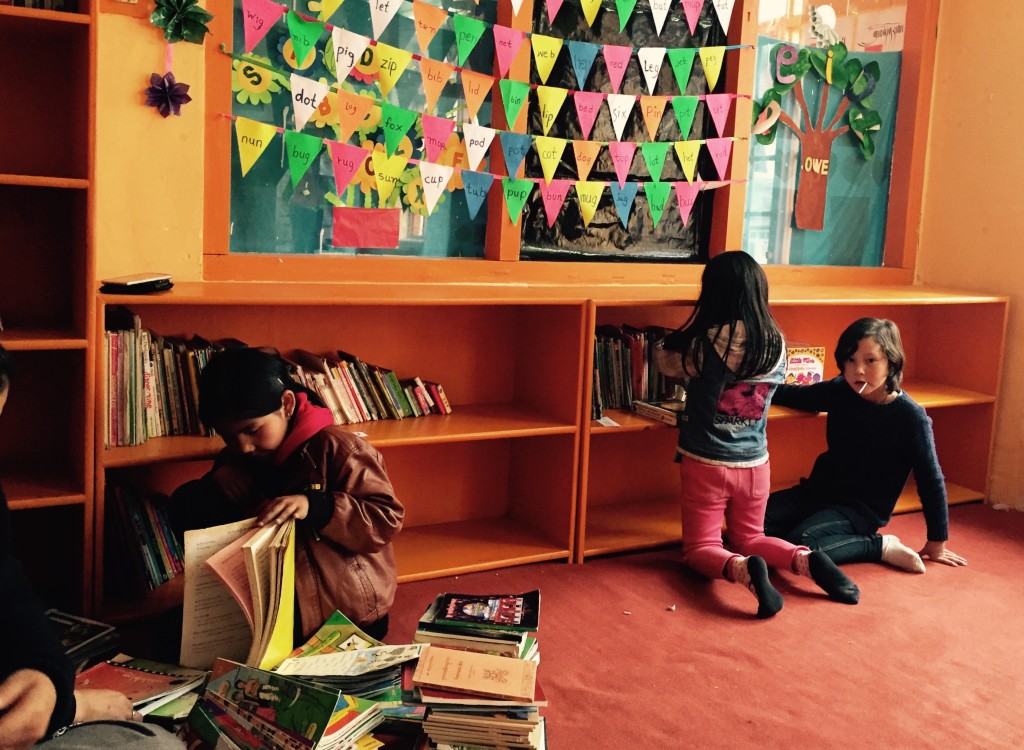
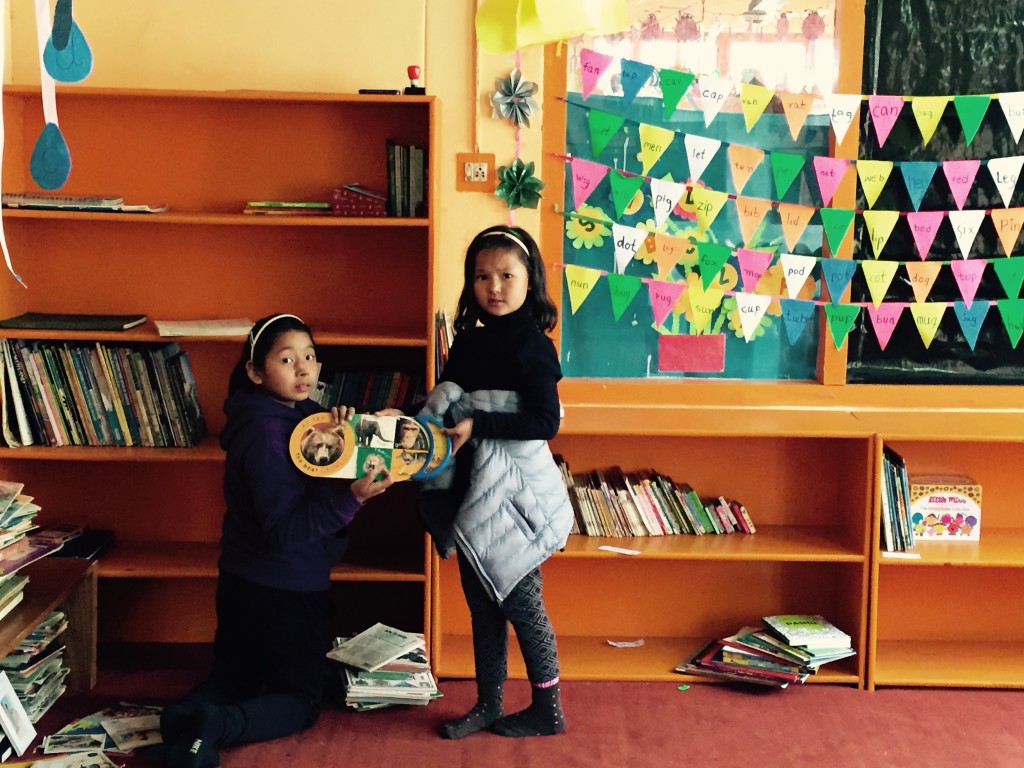
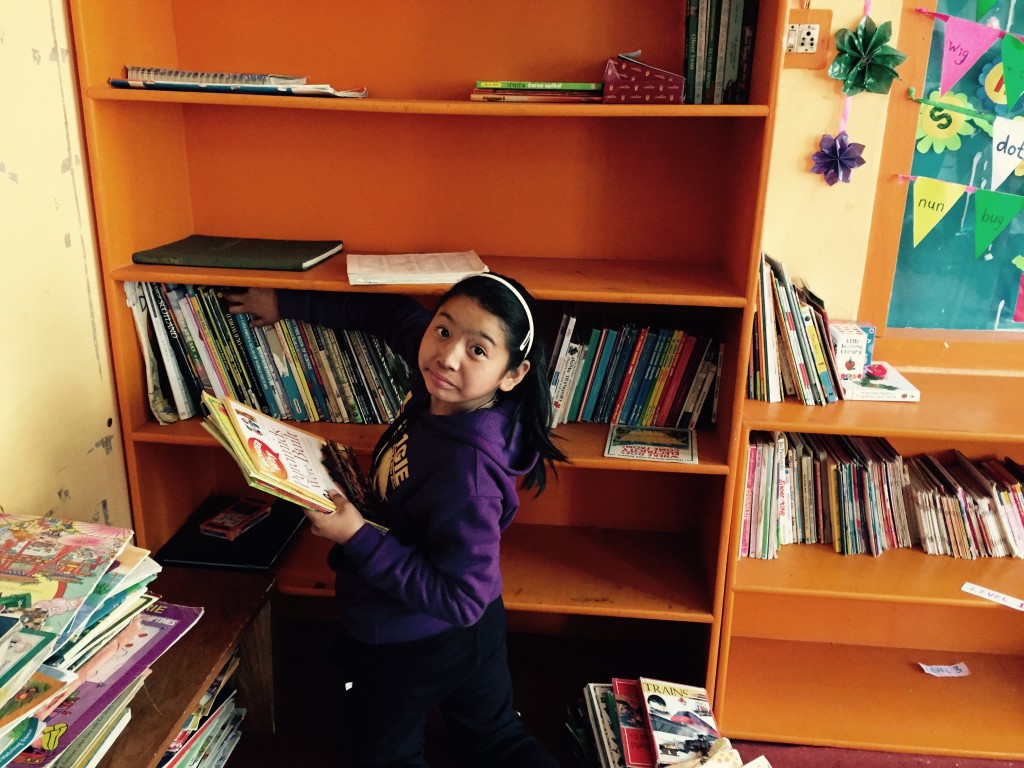
A reading room can give children access to books, quiet study, and a welcoming place to gather. Its atmosphere also influences how young readers feel when they enter. A room that reflects local colors, stories, landscapes, and creative traditions can feel familiar rather than borrowed, helping children see learning as part of their own world.
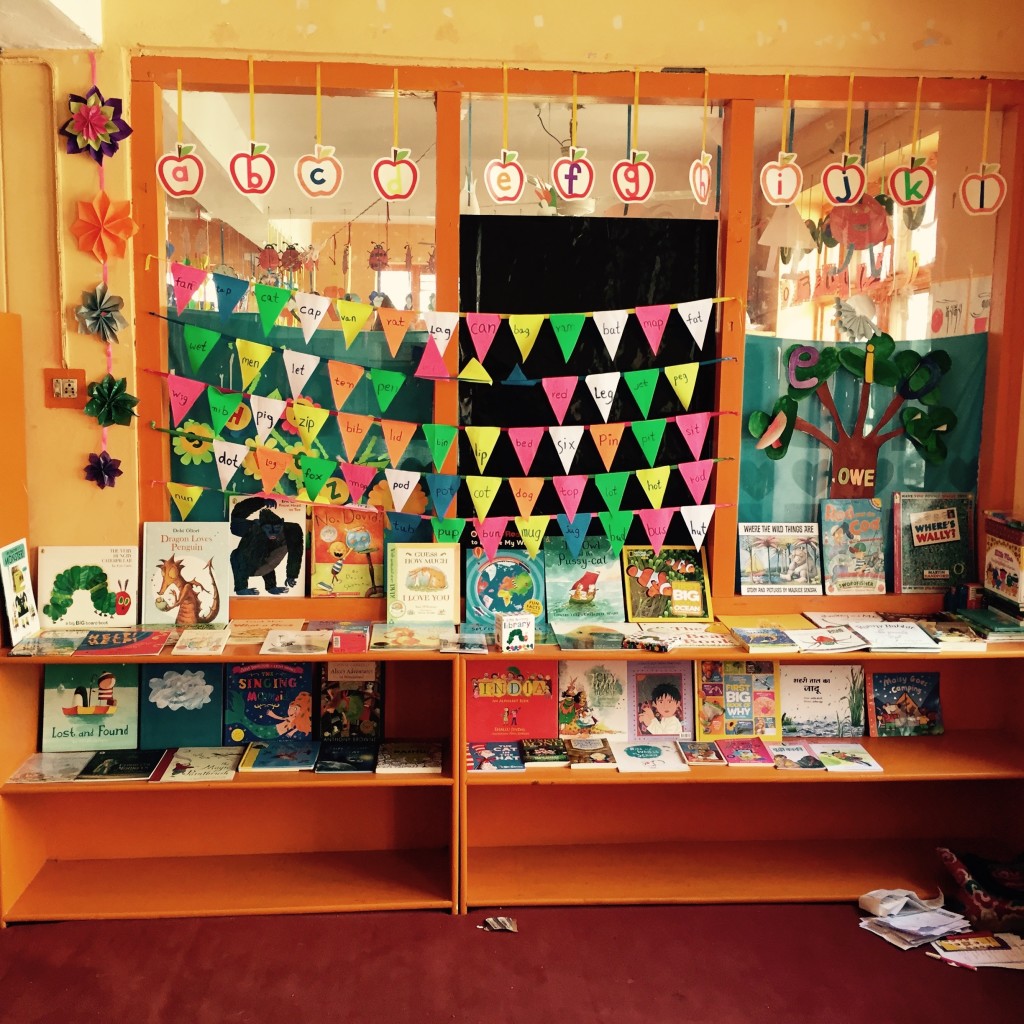
At Avalokiteśvara Trust, we partner with artists from the communities where our reading rooms are based. In Ladakh and other Himalayan communities, these creative collaborators understand the visual language, materials, symbols, and daily experiences that shape local life. Their work helps turn functional spaces into places with character and meaning.
This approach connects literacy with creativity. Children encounter books alongside murals, patterns, illustrations, and handmade details that invite observation and conversation. The result is a learning environment designed with the community, rather than simply installed in it.
Creating A Sense Of Belonging
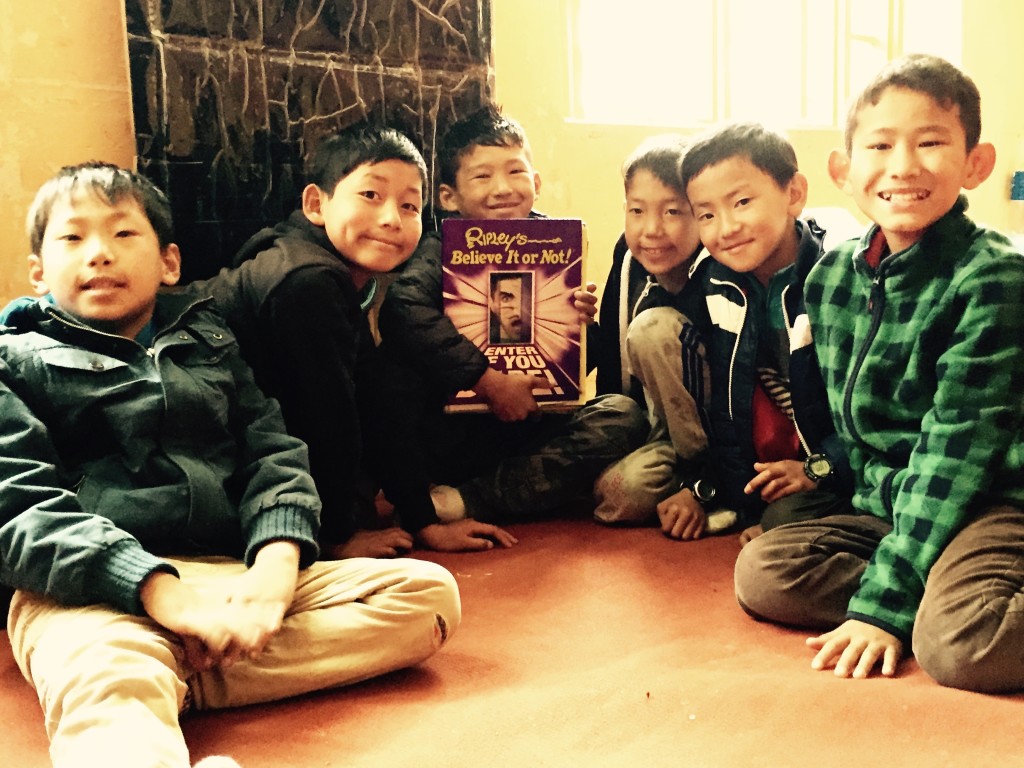
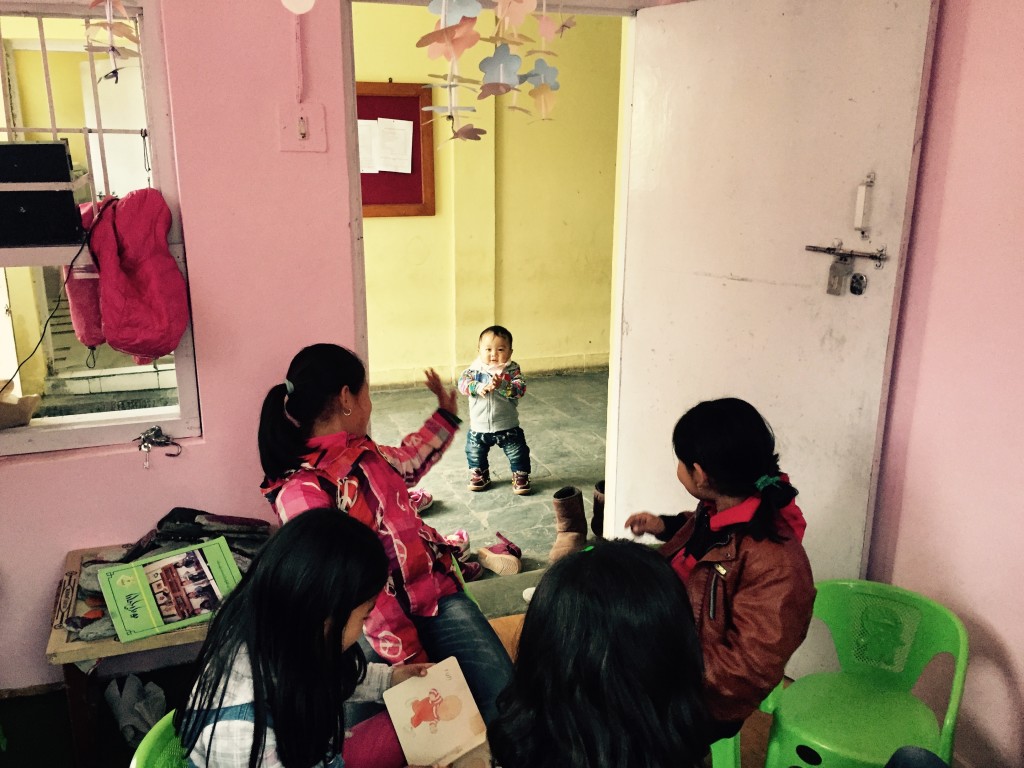
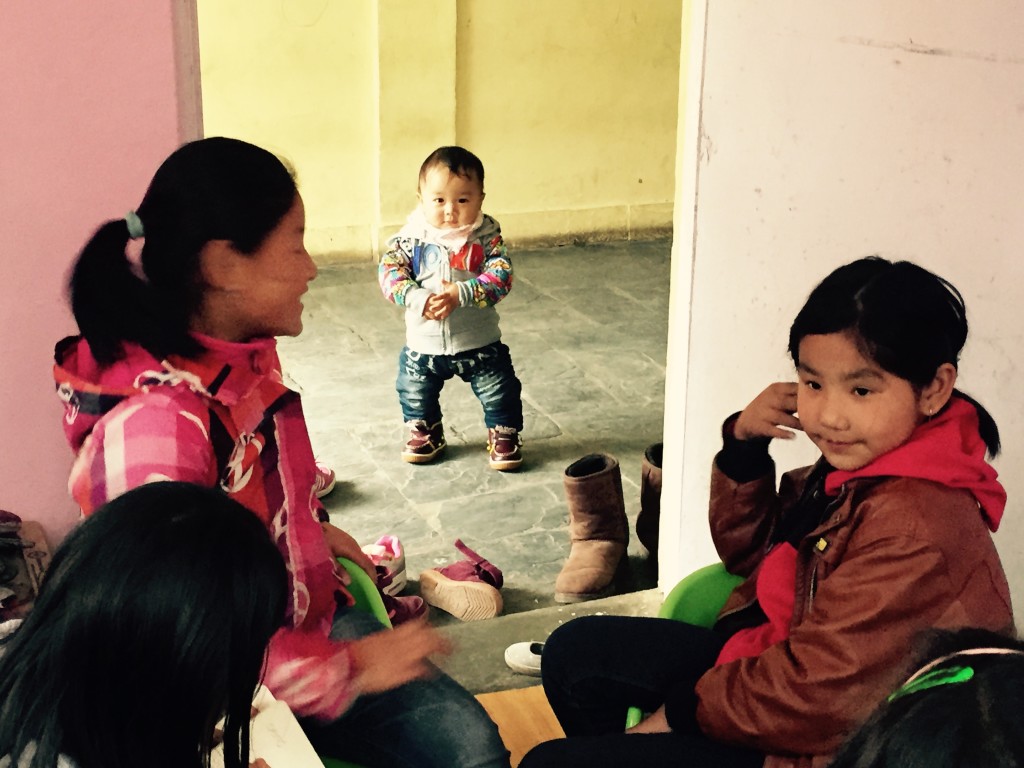
Children are more likely to feel comfortable in a reading room when the space reflects something recognizable from their surroundings. A painted mountain ridge, a familiar plant, a local animal, or a pattern inspired by regional craft can create an immediate sense of connection. These details make the room feel like a shared community space.
Local artists bring an understanding of what images mean to families and children. They can identify which visual references are appropriate, which colors feel welcoming, and how cultural elements can be presented with care. Their insight helps avoid decoration that feels generic or disconnected from the community.
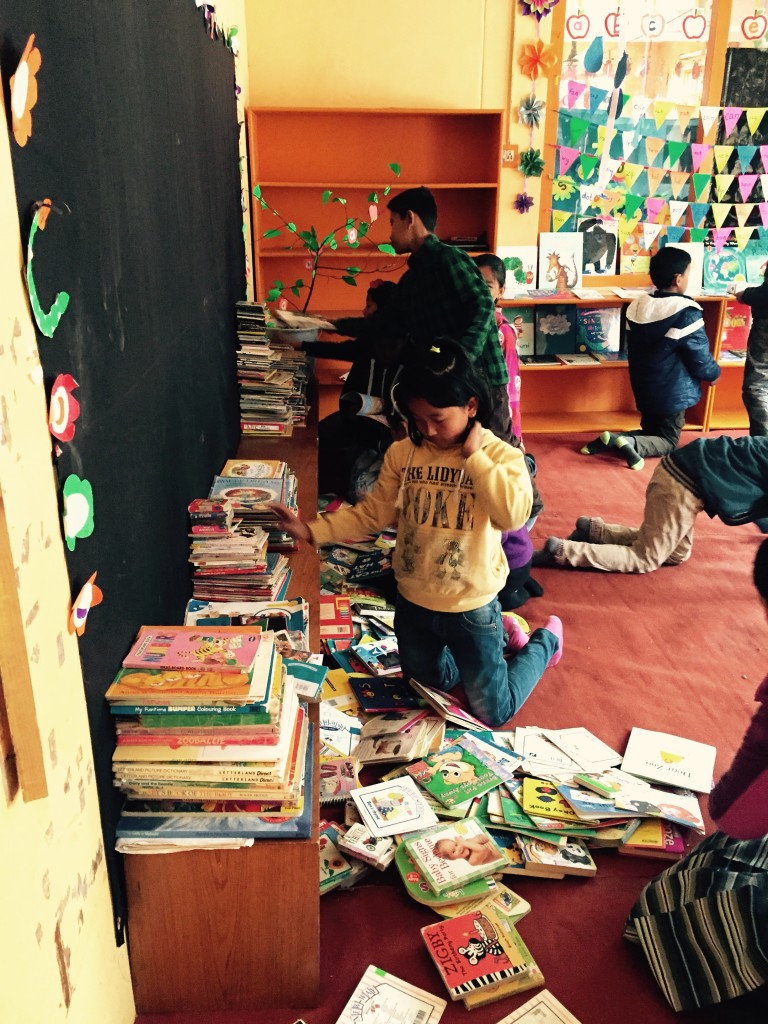
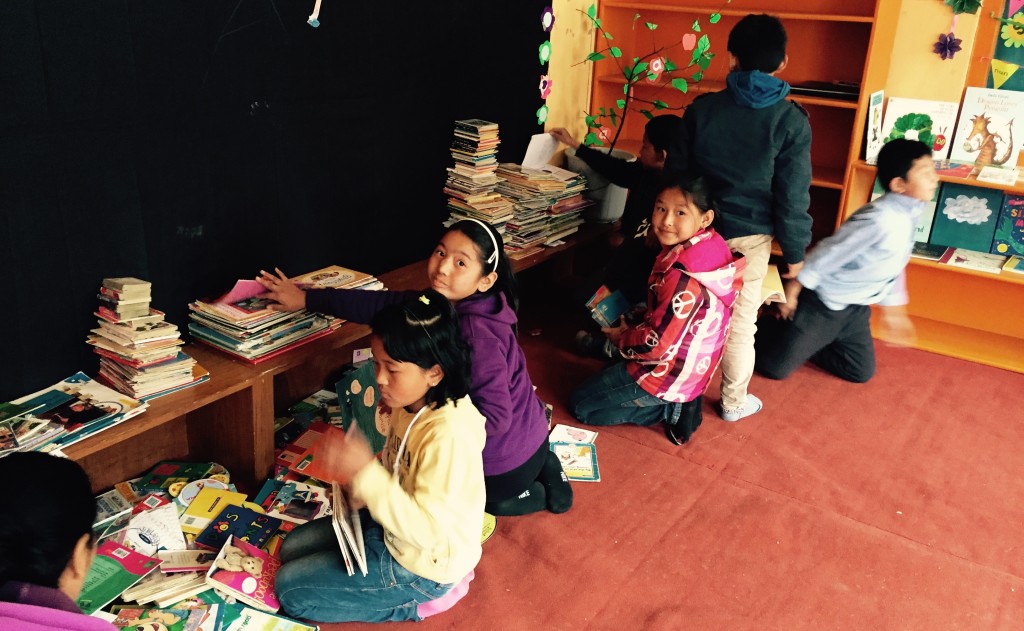
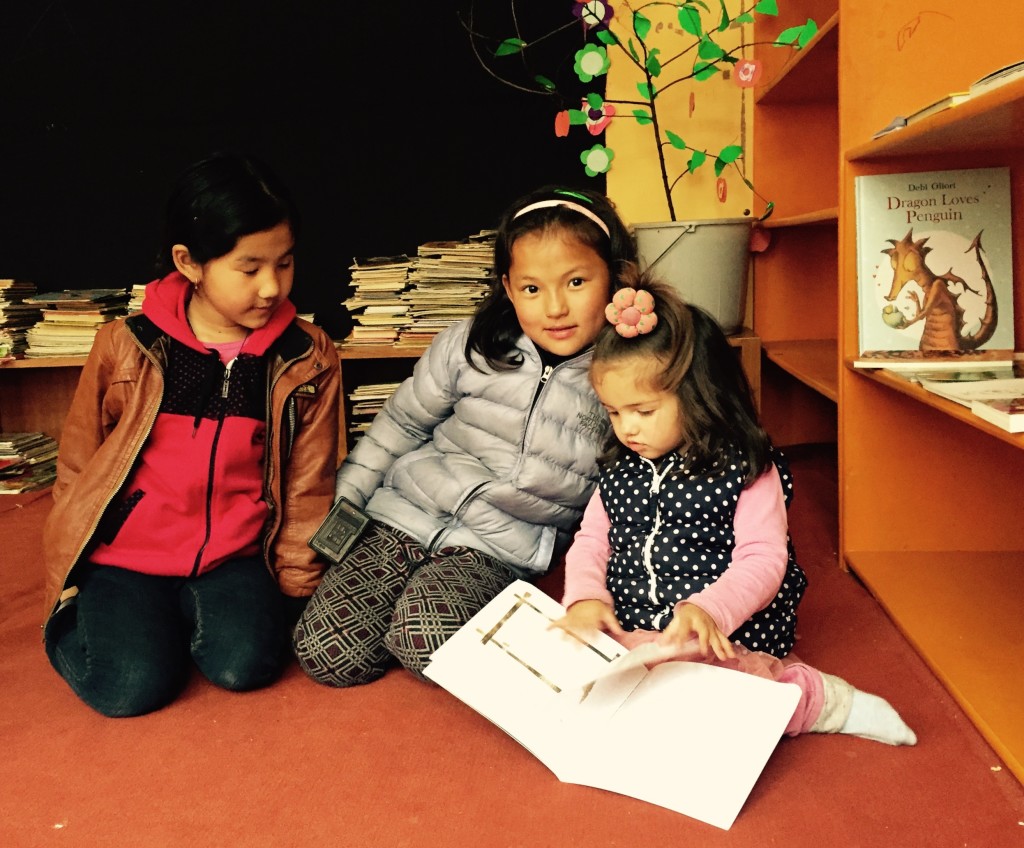
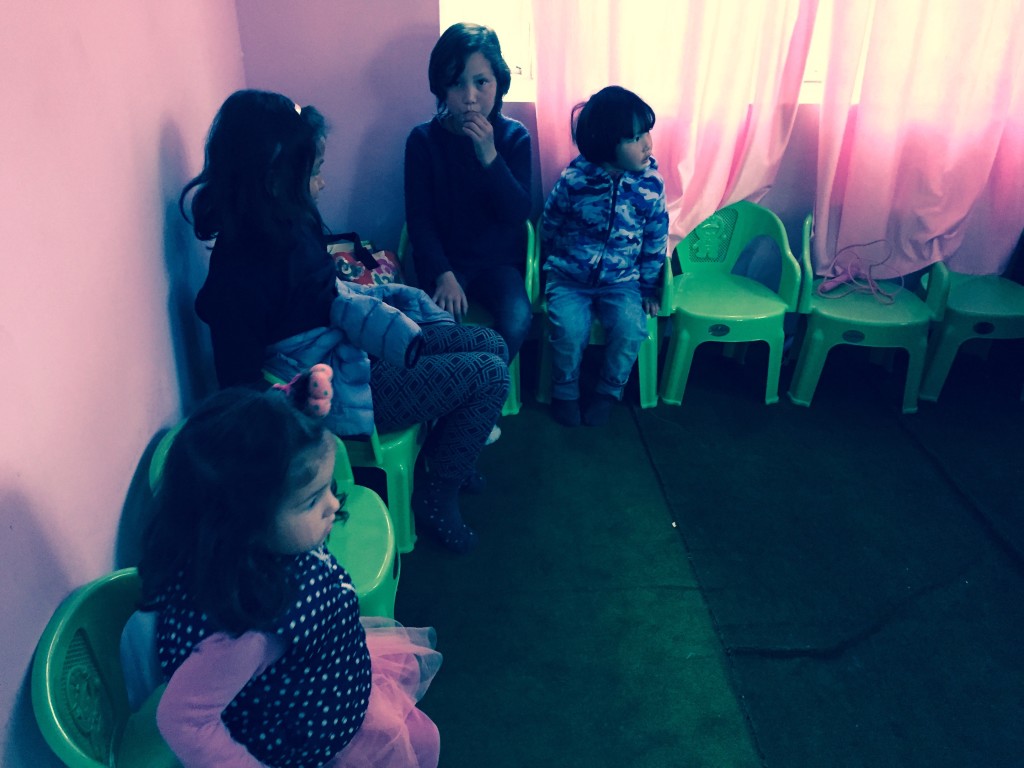
A welcoming room also supports children who may be shy about reading aloud or joining an activity. Warm, thoughtful surroundings can reduce the formality of learning and encourage young visitors to spend more time exploring books, drawing, listening, and talking together.
Preserving Local Stories Through Art
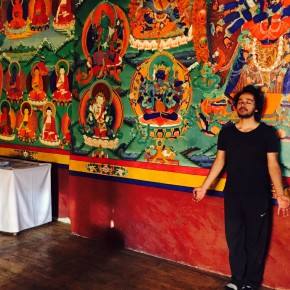
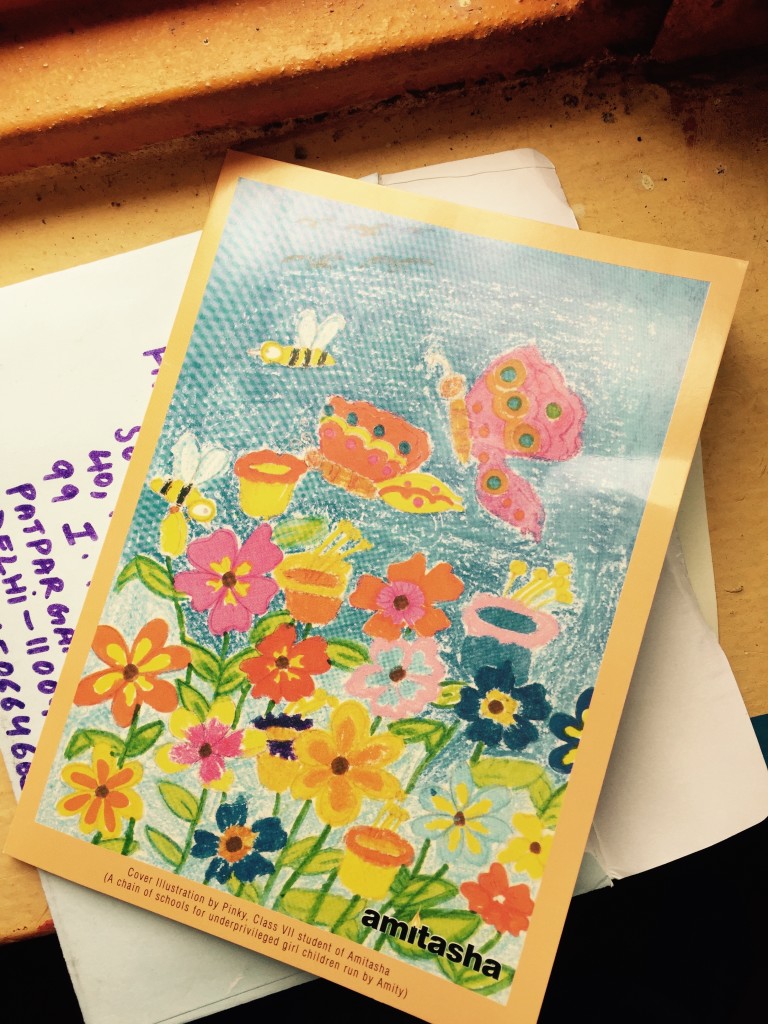
Art can carry stories across generations. In Himalayan communities, visual traditions often connect landscapes, spiritual life, animals, seasonal work, and community memory. When local artists bring these themes into reading rooms, children see that their heritage belongs in educational spaces.
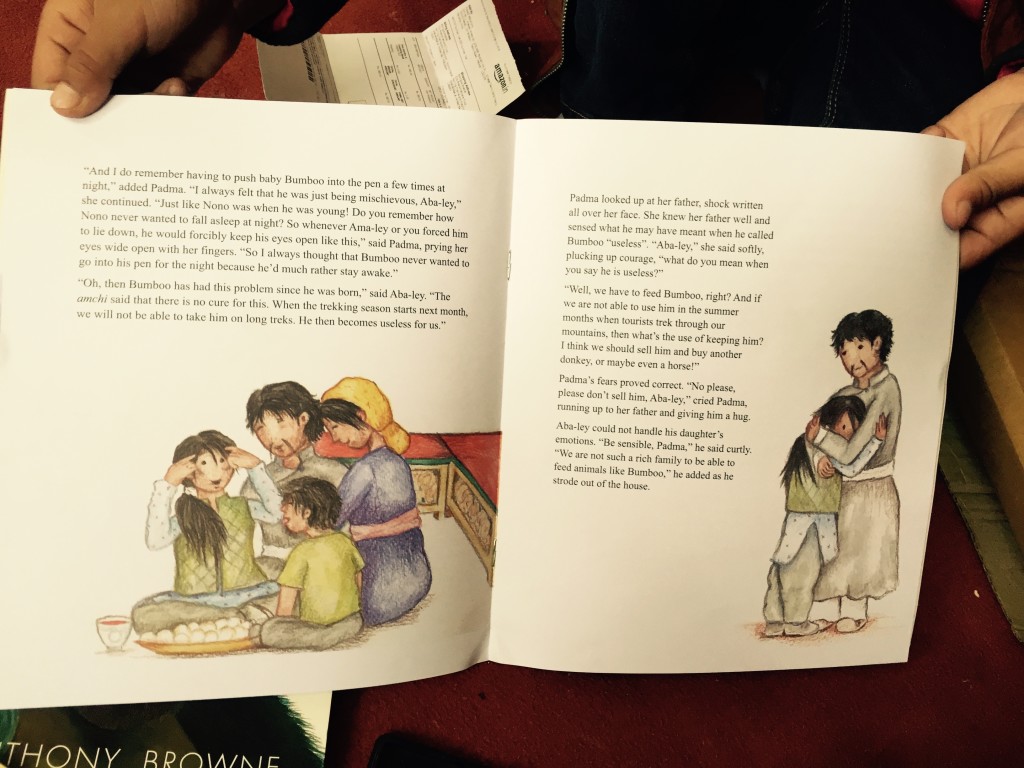
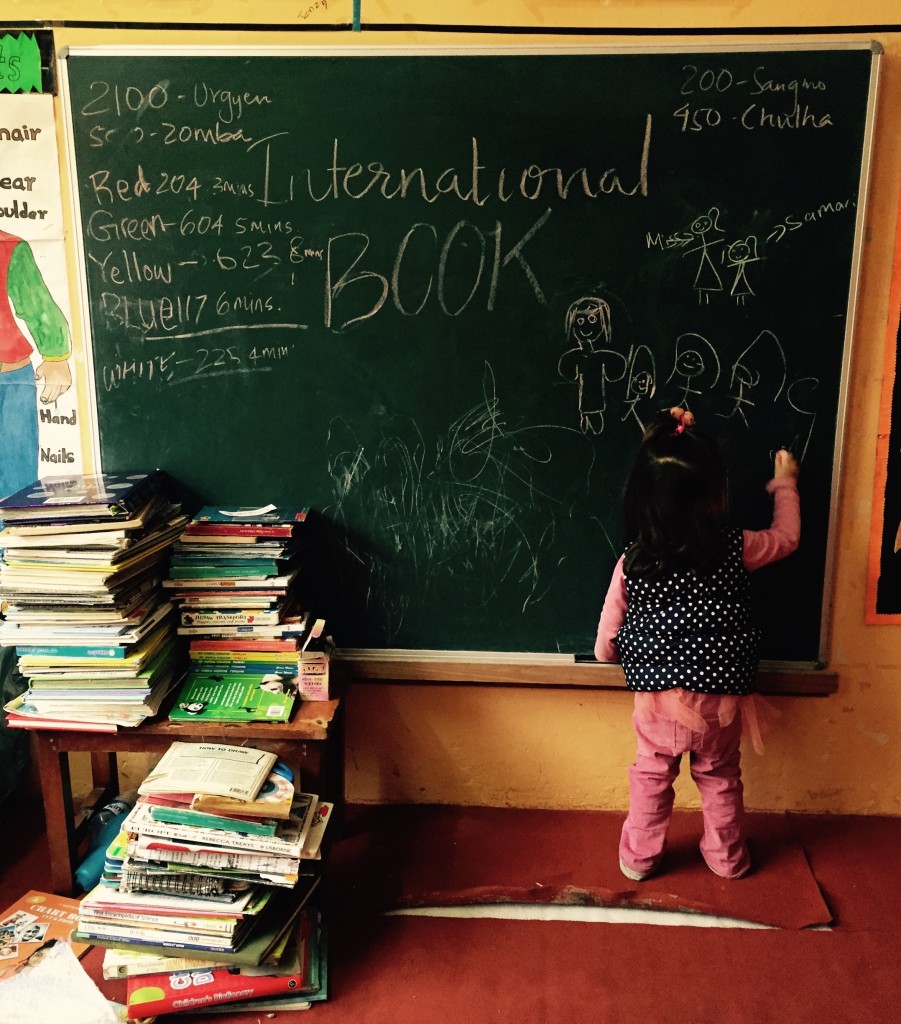
Murals and illustrations can also become starting points for literacy activities. A scene on a wall may prompt children to create a story, describe a character, learn new vocabulary, or write about a place they know. Teachers and volunteers can use these images as conversation prompts during reading sessions.
This connection between books and local culture gives children multiple ways to engage with learning. A child who is hesitant to begin with a long text may first respond to a picture, pattern, or familiar scene. That first connection can lead naturally toward storytelling and independent reading.
Designing Spaces That Encourage Discovery
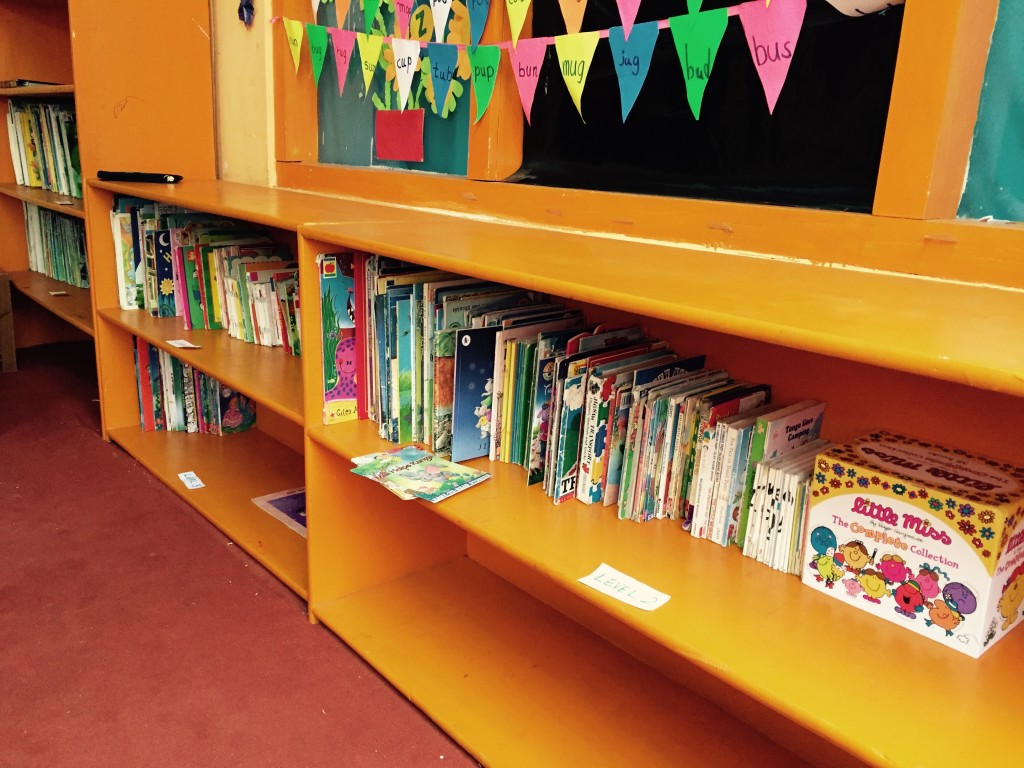
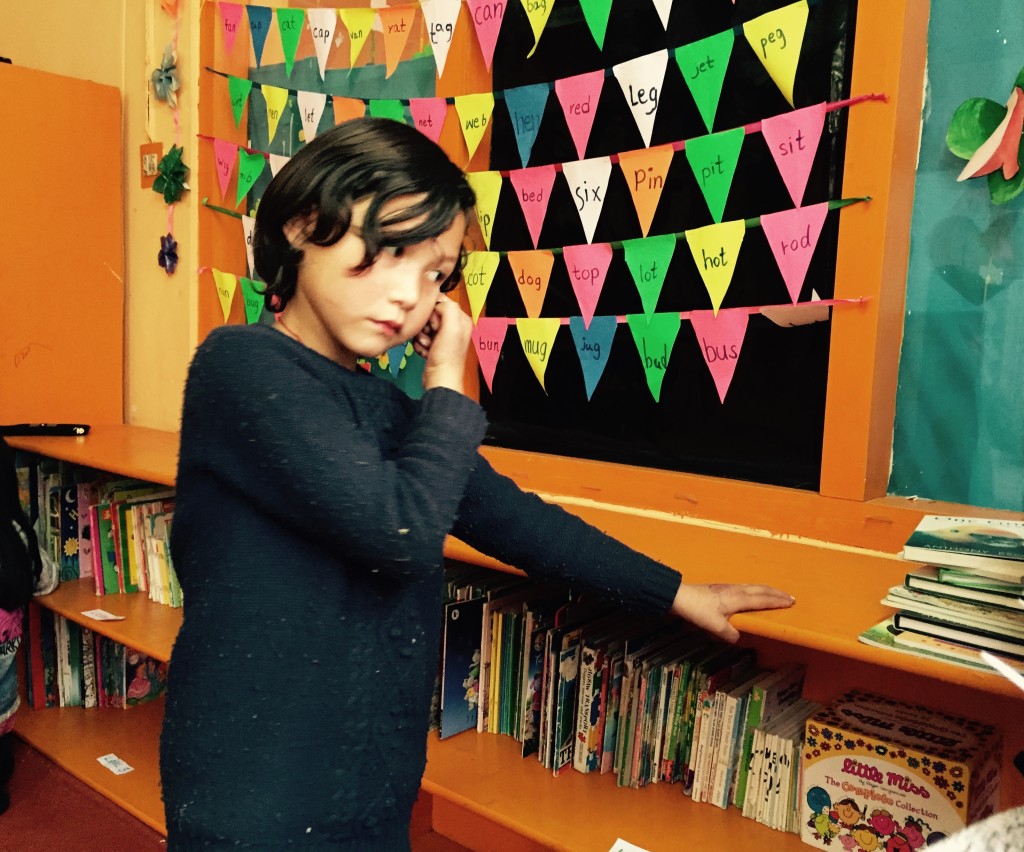
The decoration of a reading room should serve its purpose. Artwork can guide movement through the space, identify different activity areas, and make shelves easier for children to recognize. Simple visual cues can help younger readers understand where to find picture books, creative supplies, or group activities.
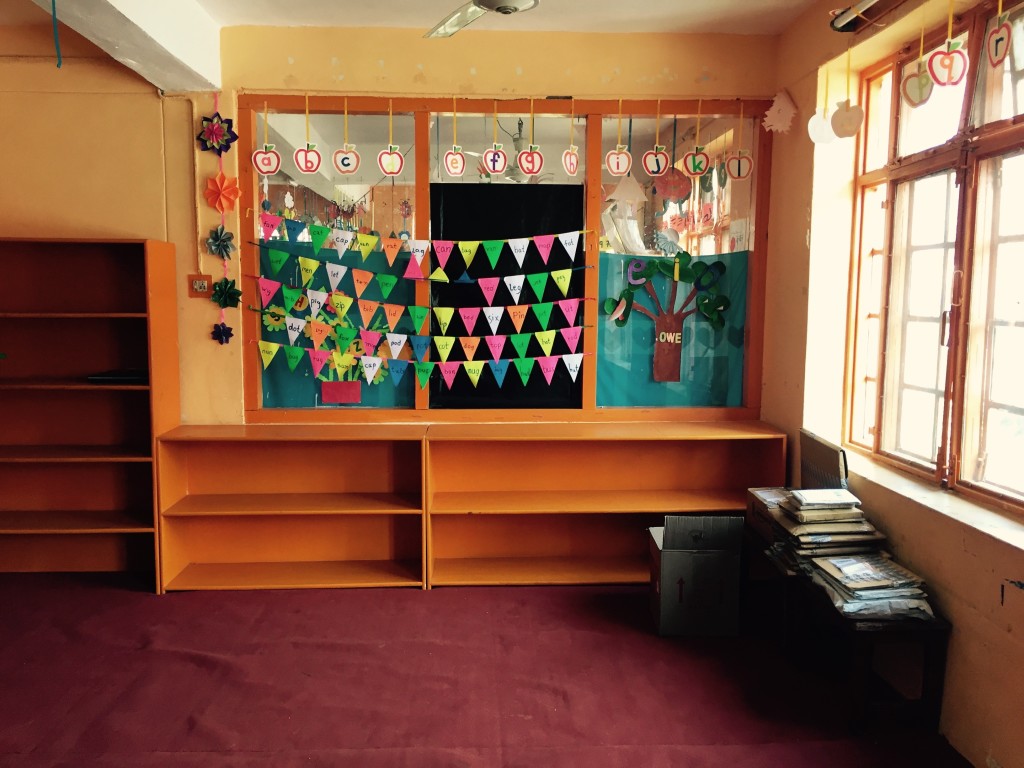
Artists can work alongside the Trust’s team to consider scale, lighting, wall space, and the practical needs of children. A mural should leave room for shelves and displays. A painted corner can create a calm place for quiet reading. Carefully placed illustrations may support alphabet learning, vocabulary building, or imaginative play.
Materials also matter. In remote locations, supplies may need to be transported over difficult routes, and maintenance options can be limited. Choosing durable, low-toxicity paints and locally available materials makes the artwork more sustainable. Good design combines beauty with the realities of climate, use, and long-term care.
| Area |
Standard Decoration |
Locally Designed Artwork |
| Cultural connection |
May use general educational themes |
Reflects local stories, landscapes, and visual traditions |
| Children’s participation |
Often limited to viewing |
Can involve drawing, storytelling, and creative workshops |
| Community involvement |
Primarily planned by an outside team |
Shaped through collaboration with artists, families, and volunteers |
| Practical design |
Added after the room is arranged |
Considered alongside shelves, lighting, movement, and activities |
| Long-term value |
Creates atmosphere |
Supports identity, learning, and community ownership |
Building Partnerships With Local Creators
Working with local artists begins with listening. The Trust can discuss the purpose of the reading room, learn about the community’s expectations, and explore how the artist’s style might serve children’s learning. This process gives creative decisions a strong foundation.
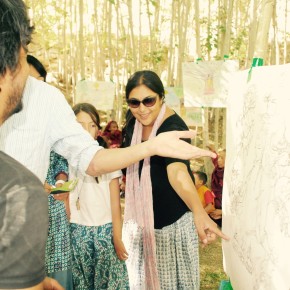
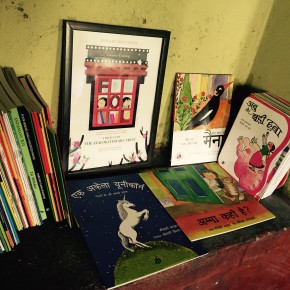
A partnership may include mural painting, illustrated signs, hand-painted furniture, workshops, or the development of visual materials for book activities. Each project can be adapted to the artist’s skills and the room’s needs. Some artists may work with natural forms and landscapes, while others may specialize in traditional motifs, portraiture, lettering, or contemporary illustration.
Fair compensation is an important part of the relationship. Paying artists for their time and expertise recognizes creative work as skilled professional work. It also directs charitable funding into the local economy and strengthens the network of people invested in the reading room’s future.
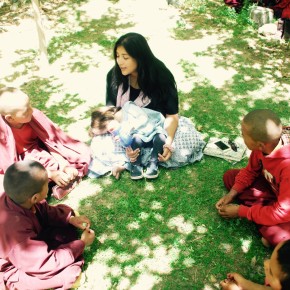
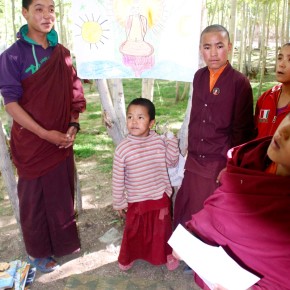
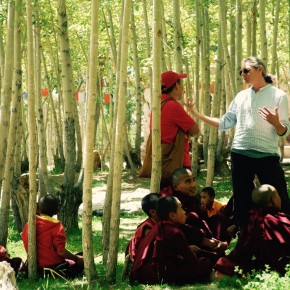
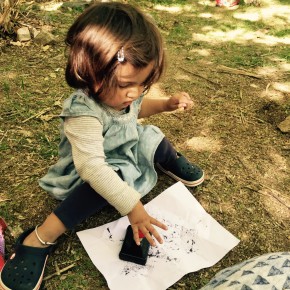
Children can sometimes participate in age-appropriate ways, such as contributing small drawings, discussing favorite stories, or helping prepare a community display. The artist remains responsible for the creative direction and safe working practices, while children gain a meaningful experience of making something together.
Connecting Creativity With Literacy
Reading rooms are places for books, yet literacy develops through many forms of expression. Drawing, music, drama, and storytelling can help children build vocabulary, confidence, concentration, and communication skills. A visually engaging room supports this broader understanding of learning.
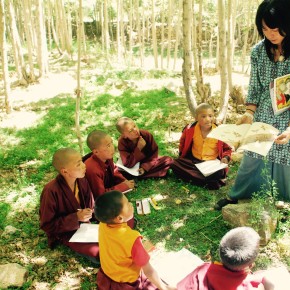
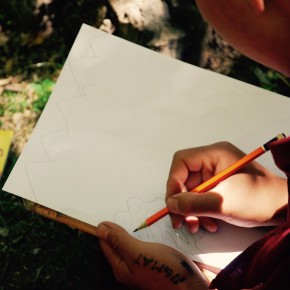
An artist-led workshop might invite children to illustrate a folktale, create book covers, or invent a character based on a mural. These activities encourage children to interpret what they see and communicate their own ideas. They also provide opportunities for collaborative learning, where older children can assist younger participants.
Creative experiences can make reading feel active rather than passive. Children may return to a book after noticing an image connected to its setting or theme. They may choose a new story because its cover or display catches their attention. Small moments of curiosity can help establish lasting reading habits.
The artwork also gives volunteers useful tools for engagement. A mural can become part of a language lesson, a writing prompt, or a group discussion about the local environment. In this way, decoration continues to support programming long after the paint has dried.
Making Community Ownership Visible
A reading room becomes stronger when local people recognize their contribution to it. Artists help make that ownership visible. Their presence shows that the space has been shaped by community knowledge and creative ability, rather than delivered as a finished product from elsewhere.
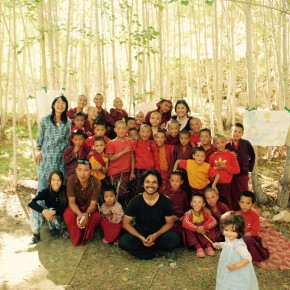
This sense of shared responsibility can encourage families to care for the room, recommend books, attend activities, and tell others about its resources. Community members may also suggest future workshops or identify subjects that children want to explore. The room becomes a living place that develops with its users.
For the Trust, partnership also creates an opportunity to document local creativity respectfully. Photos and stories from a project can show donors and supporters how their contributions are used, while giving proper credit to participating artists and communities. Documentation should focus on the work, the process, and the children’s experience without treating local culture as a decorative backdrop.
Ways To Support Creative Reading Spaces
Supporters can contribute to the connection between art and literacy in several practical ways:
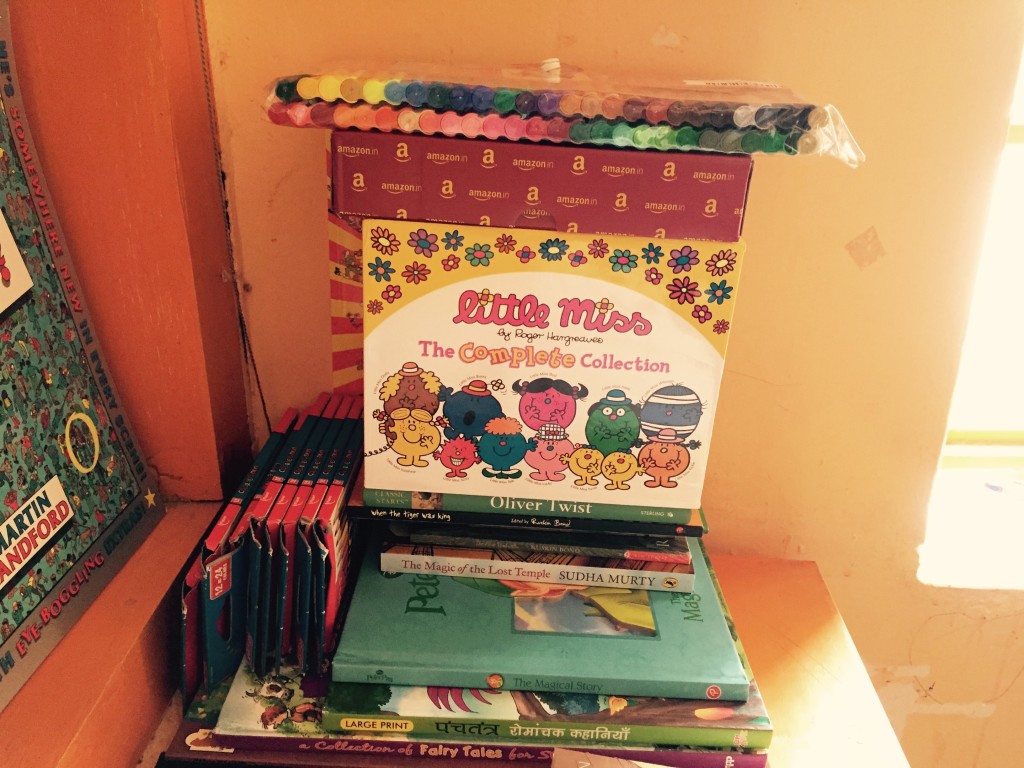
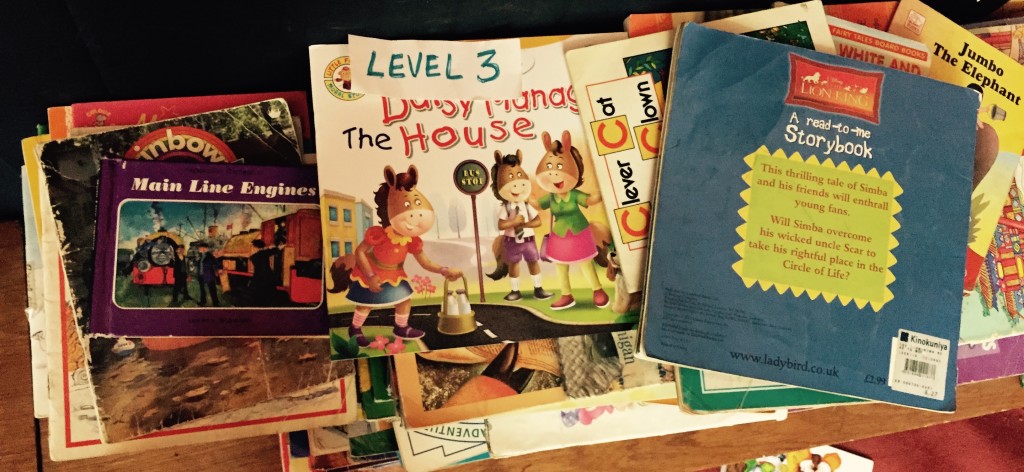
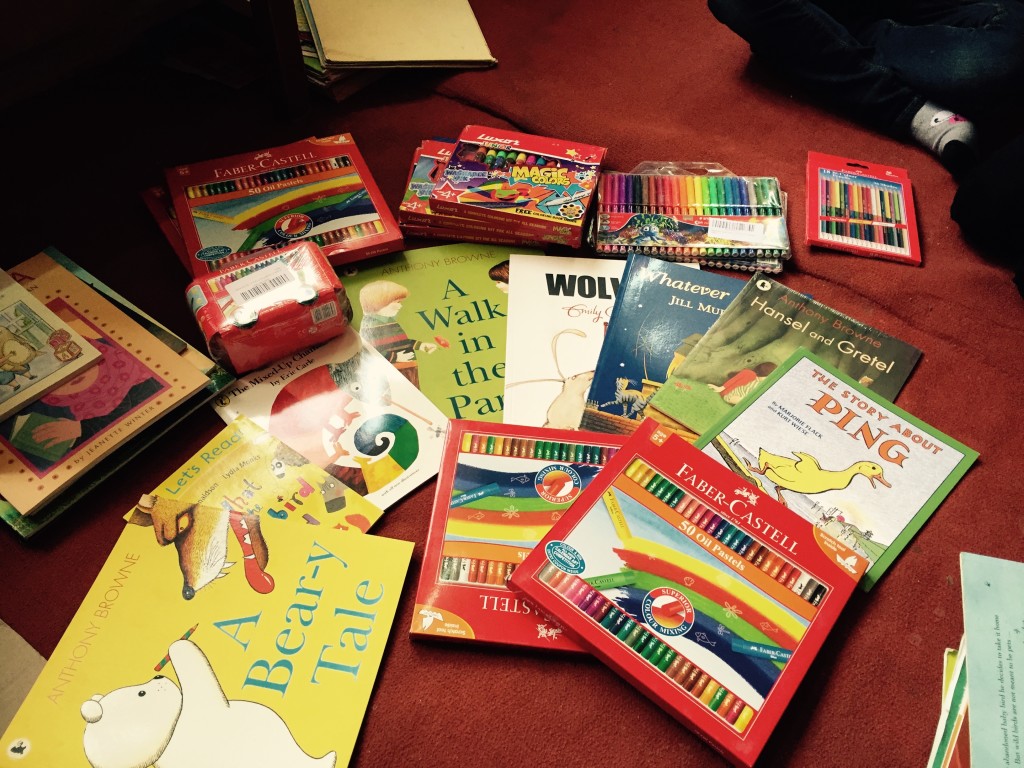
- Donate toward paint, durable art supplies, shelving, books, and workshop materials.
- Sponsor a local artist’s time for mural design, installation, or children’s creative sessions.
- Share stories about reading rooms to help more people learn about community-led education.
- Volunteer skills in photography, arts programming, literacy support, or project documentation.
- Encourage schools, cultural groups, and book clubs to organize reading and art fundraisers.
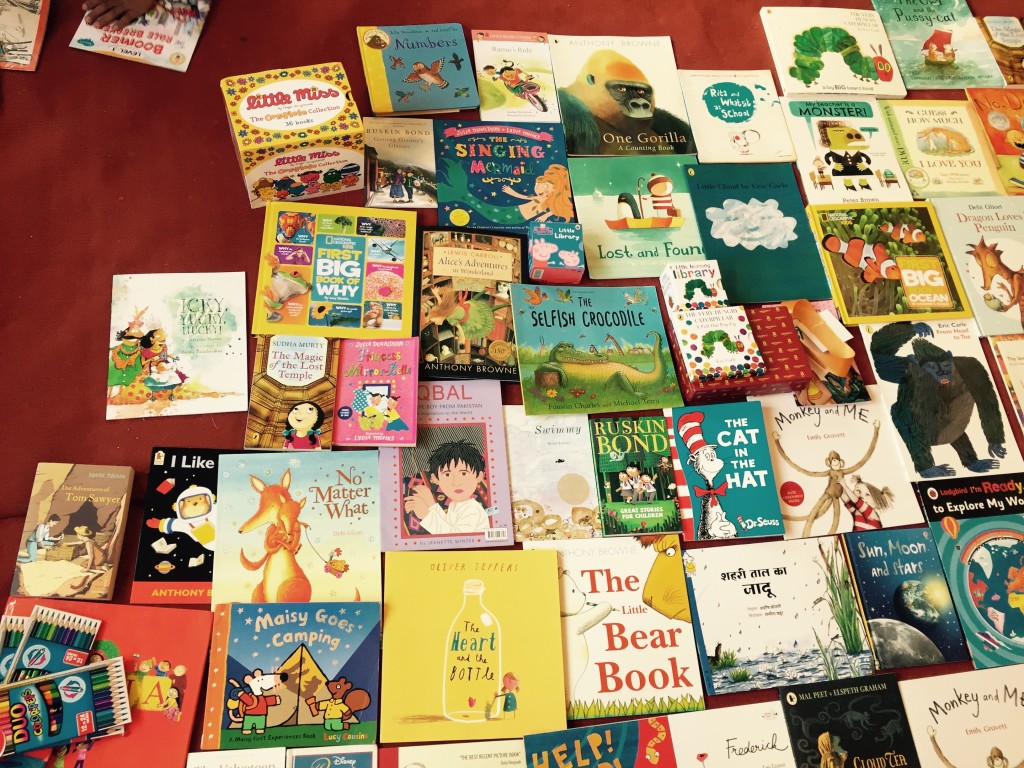
Every contribution helps create an environment where children can read, make, and imagine. A donated book fills a shelf; a thoughtful visual space can help children feel that the shelf belongs to them.
The most effective projects bring these elements together. Books, artists, volunteers, families, and children each add something essential. When they collaborate, a reading room becomes more than a place to store resources. It becomes a welcoming center for curiosity, expression, and connection.
Help Bring More Creative Learning To Children
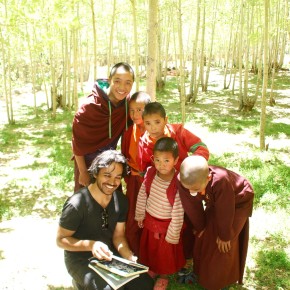
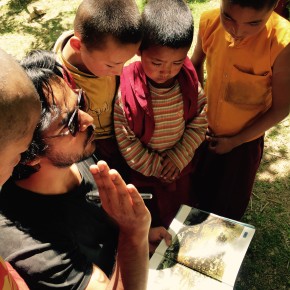
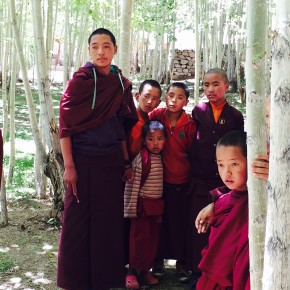
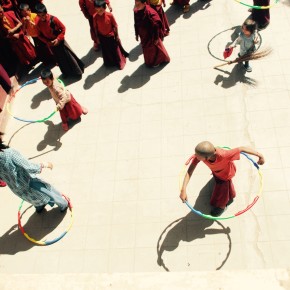
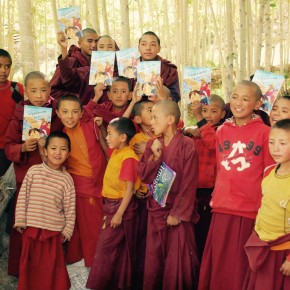
Partnering with local artists is part of our commitment to building reading rooms that respect community identity and encourage joyful learning. Your support can help provide quality books, creative materials, artist partnerships, and educational activities for children and young monks across the Himalayan region.
Donate, volunteer, or share Avalokiteśvara Trust’s work with someone who values literacy and cultural creativity. Together, we can help make every reading room a place where children feel at home among books and inspired to tell their own stories.