How Book Clues Turn Reading Into A Shared Adventure
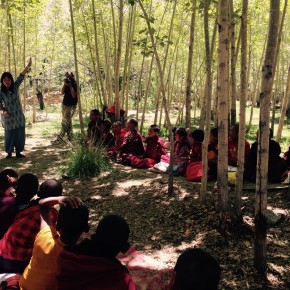
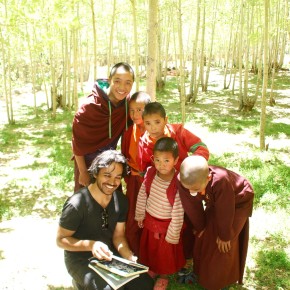
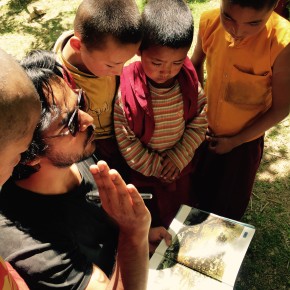
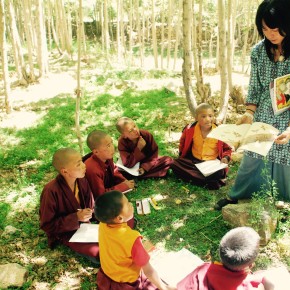
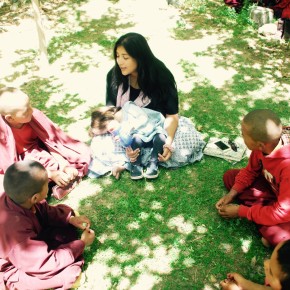
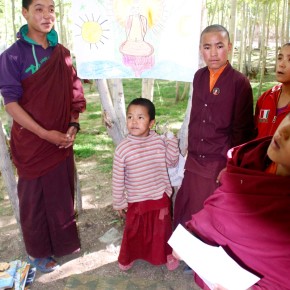
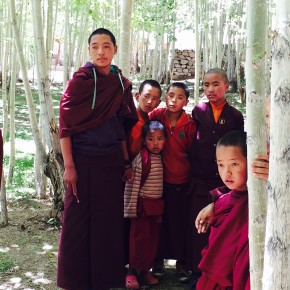
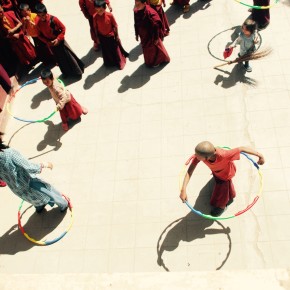
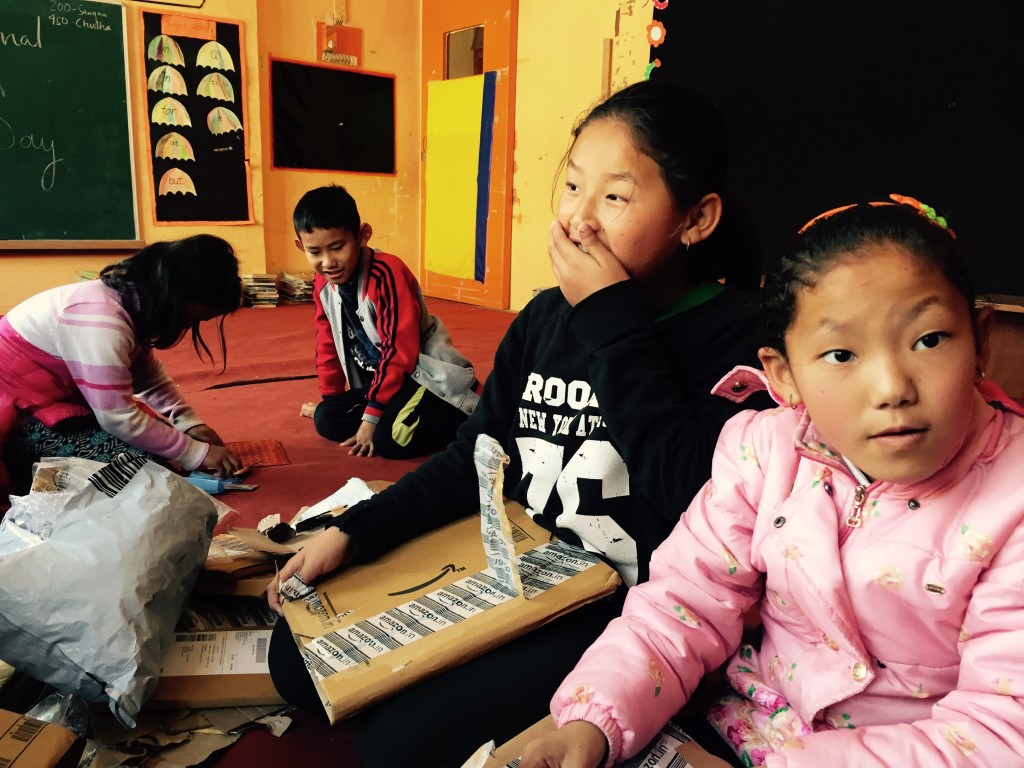
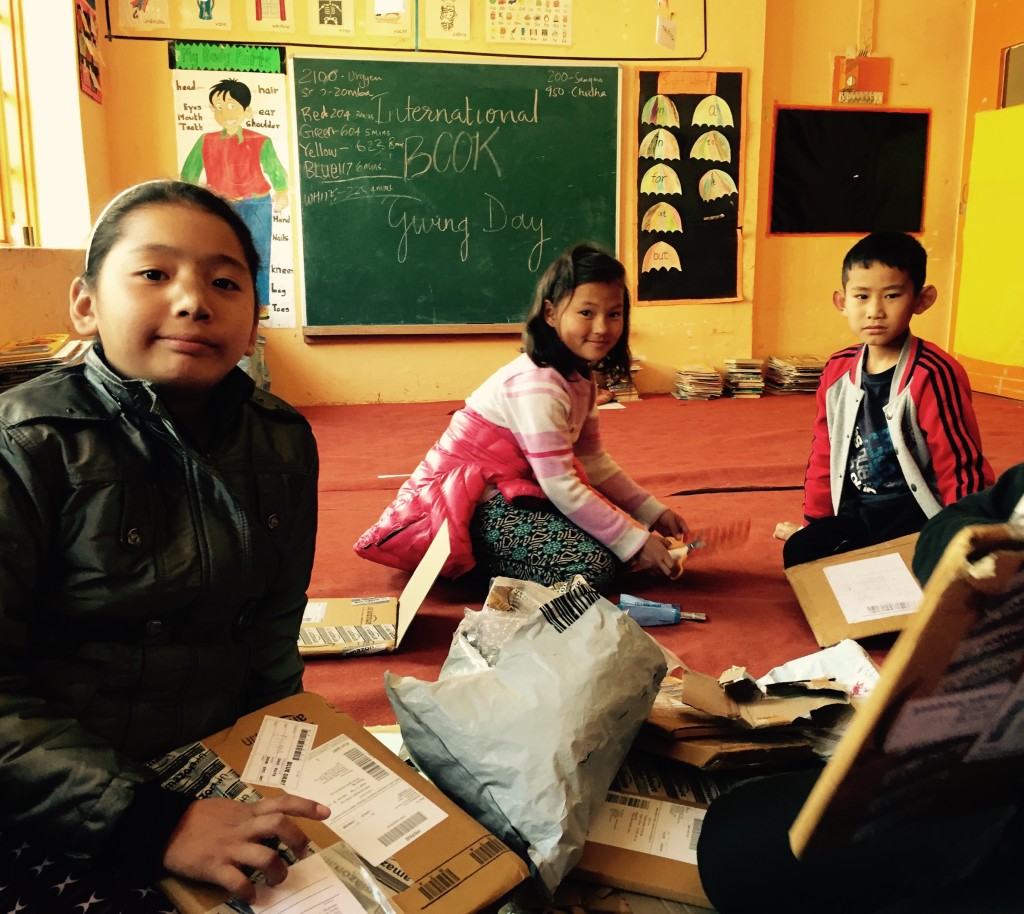
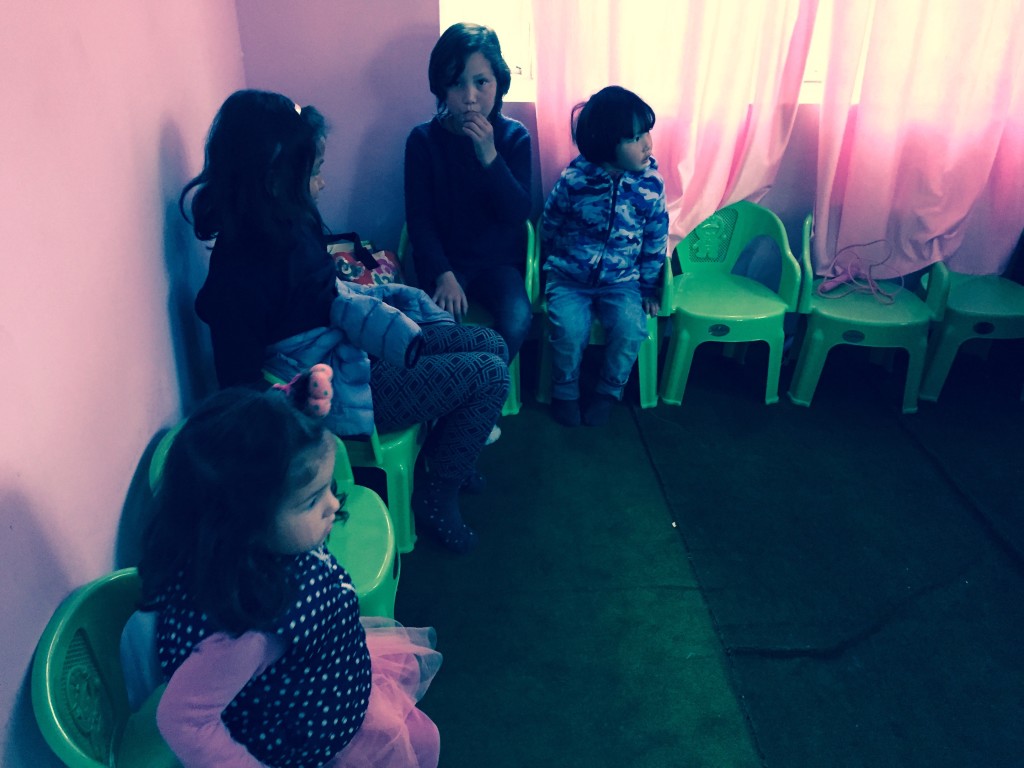
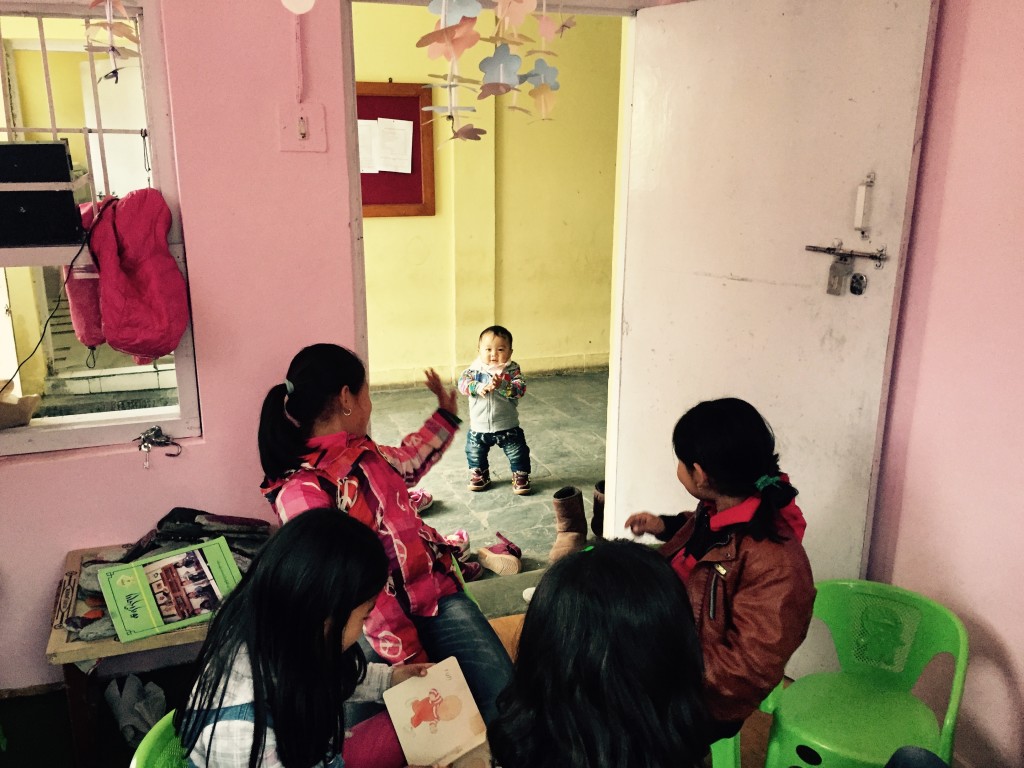
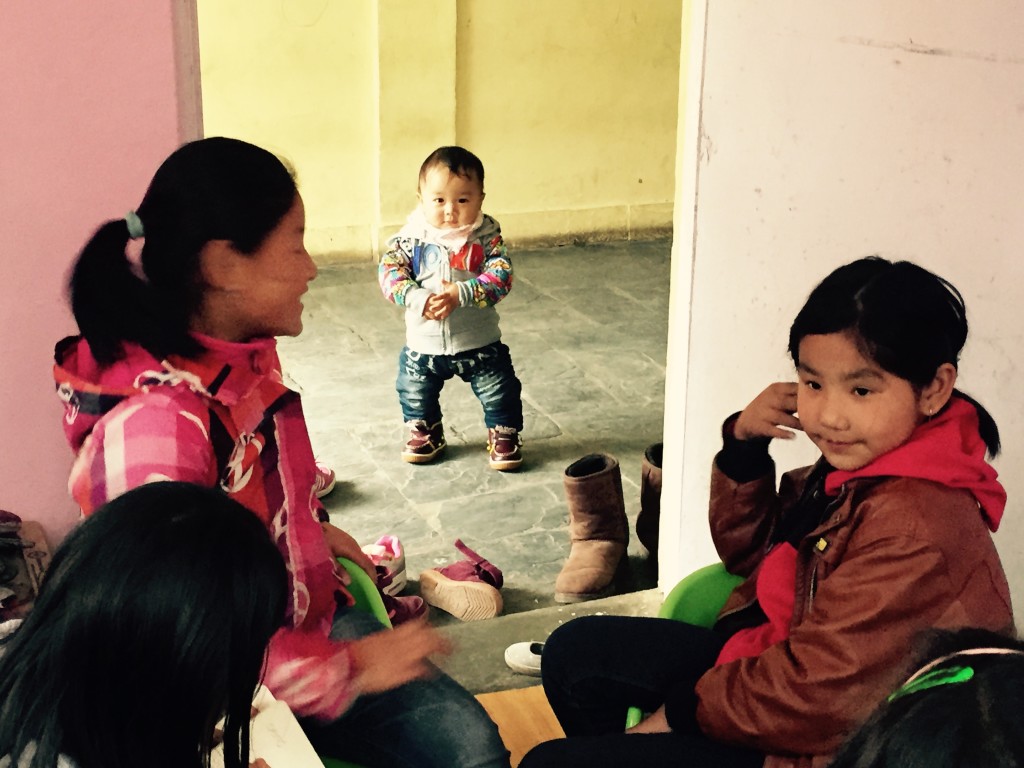
A child opening a book enters a world shaped by imagination, language, and discovery. At Avalokiteśvara Trust, that discovery can become a shared experience through an annual treasure hunt built around stories, characters, poems, and ideas found in books. The activity brings reading into the open, turning pages into pathways that children can follow together.
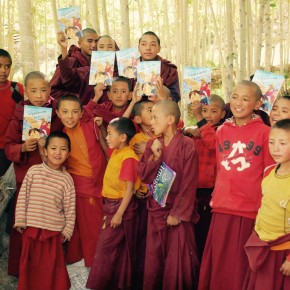
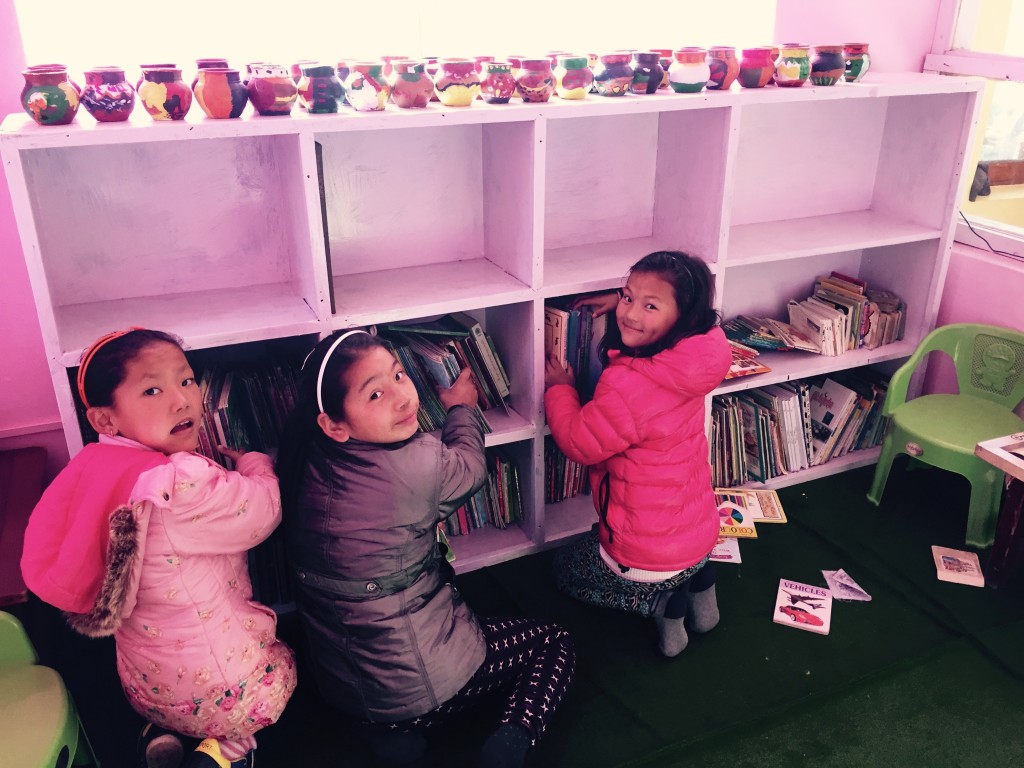
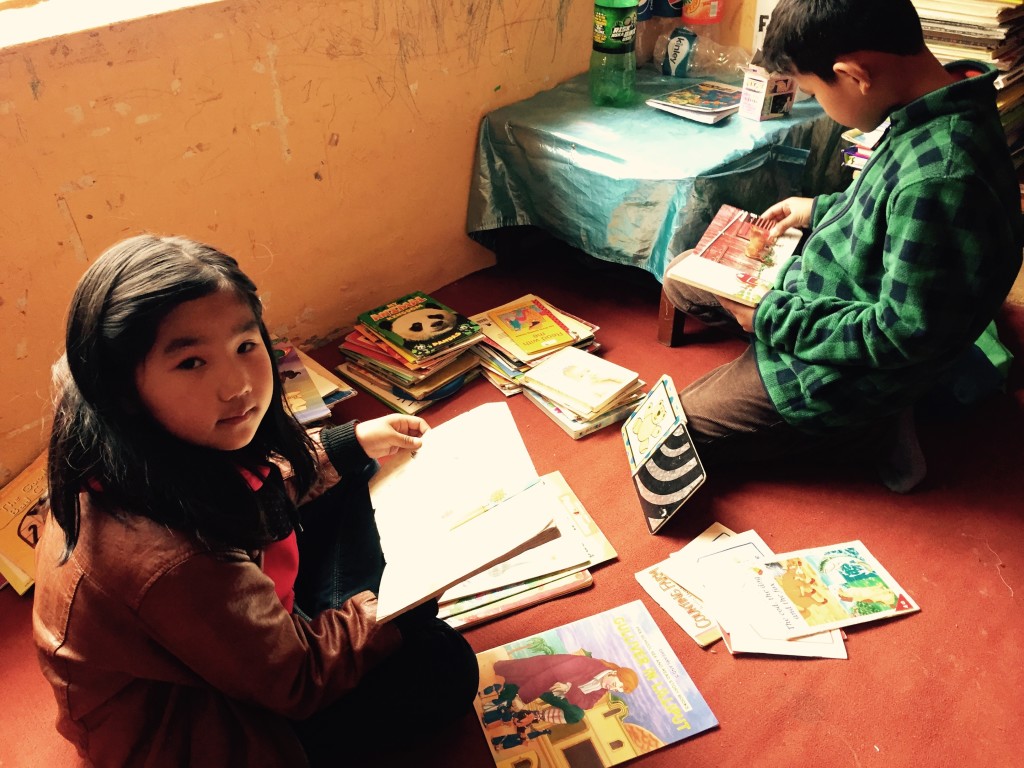
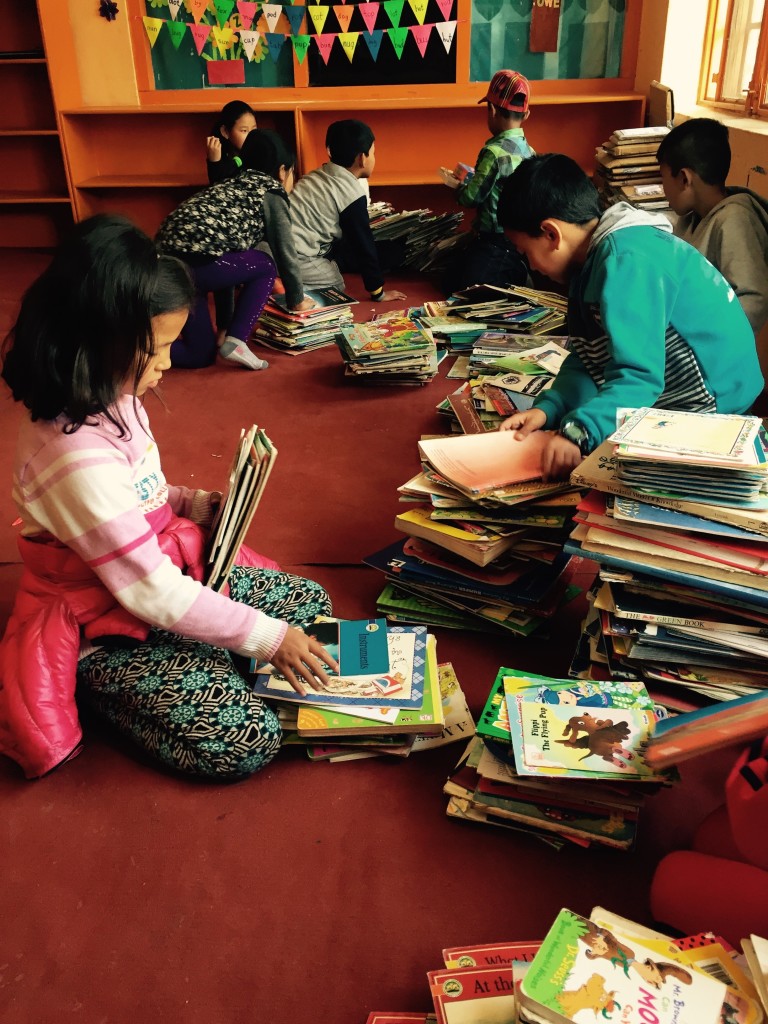
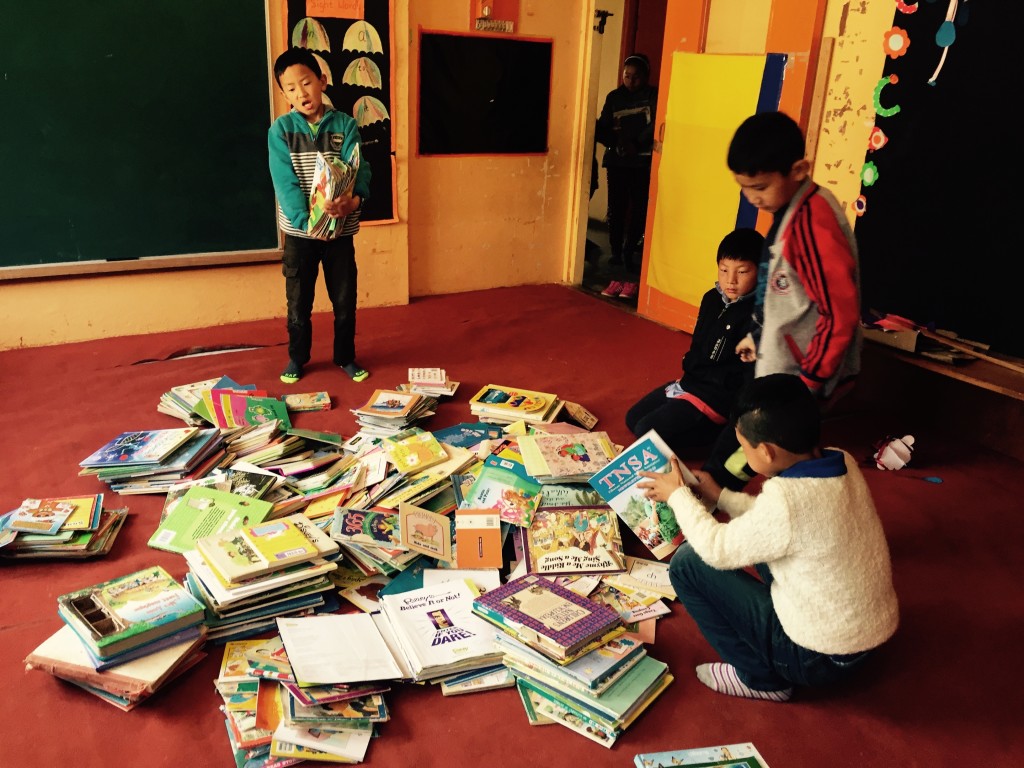
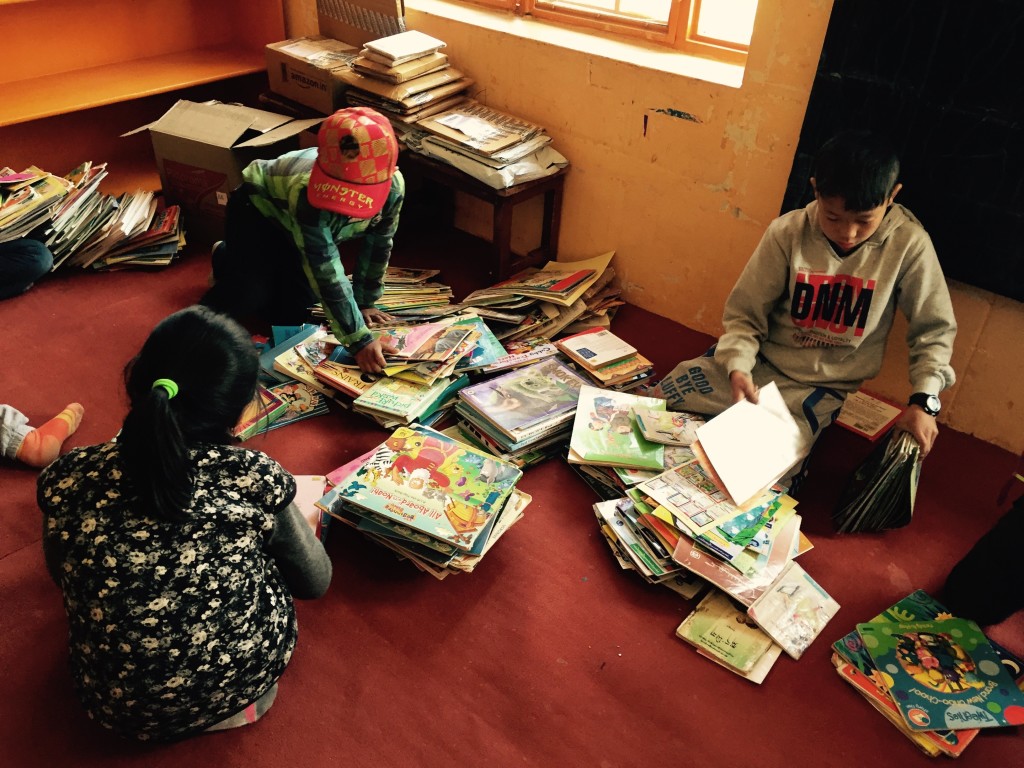
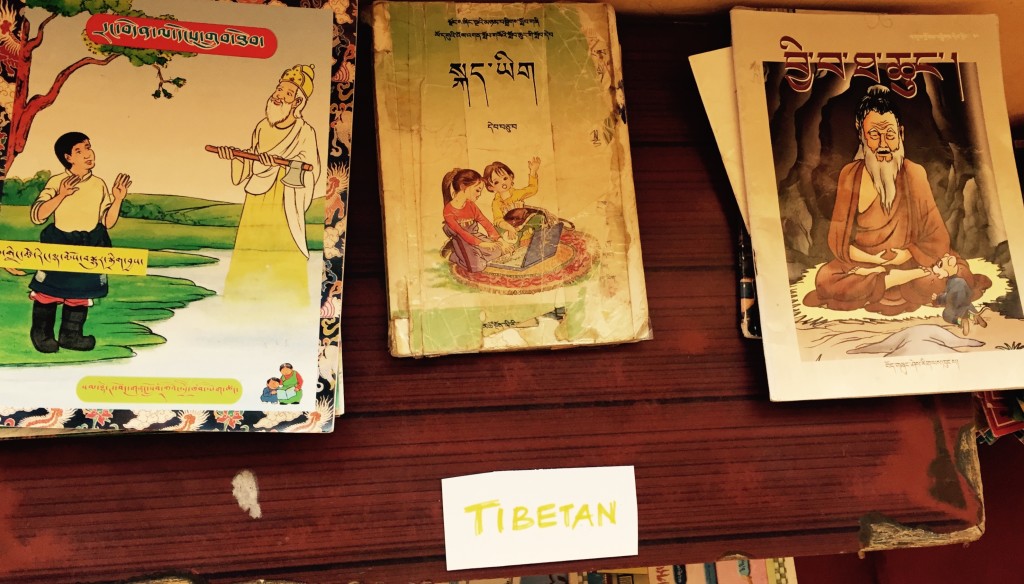
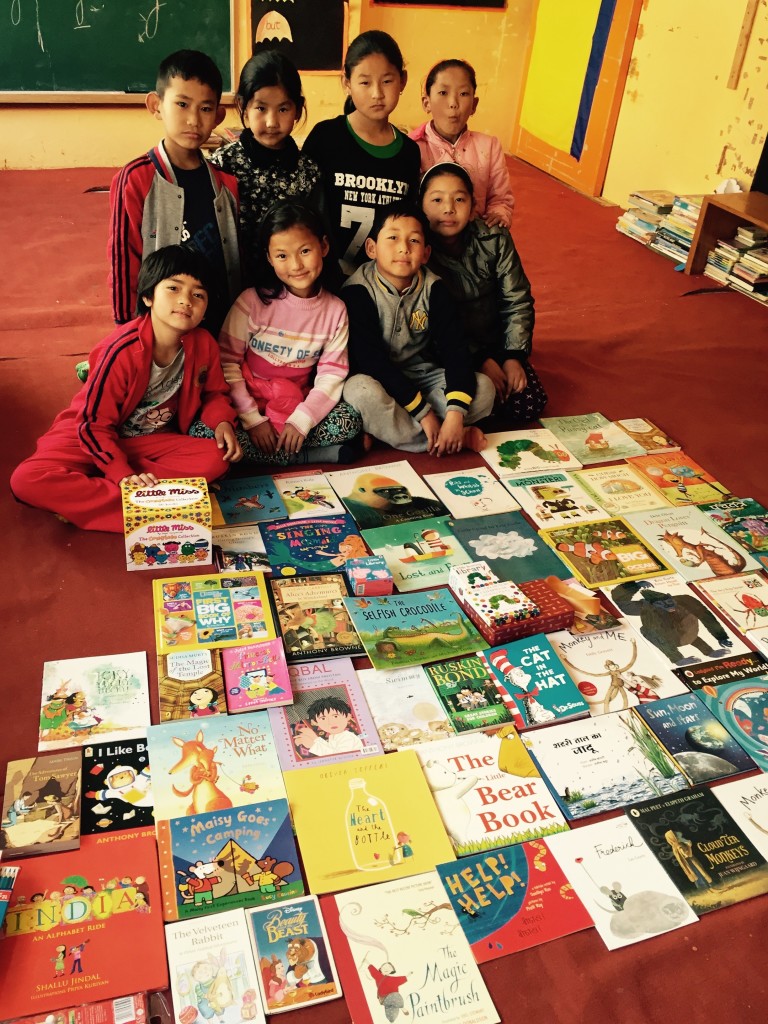
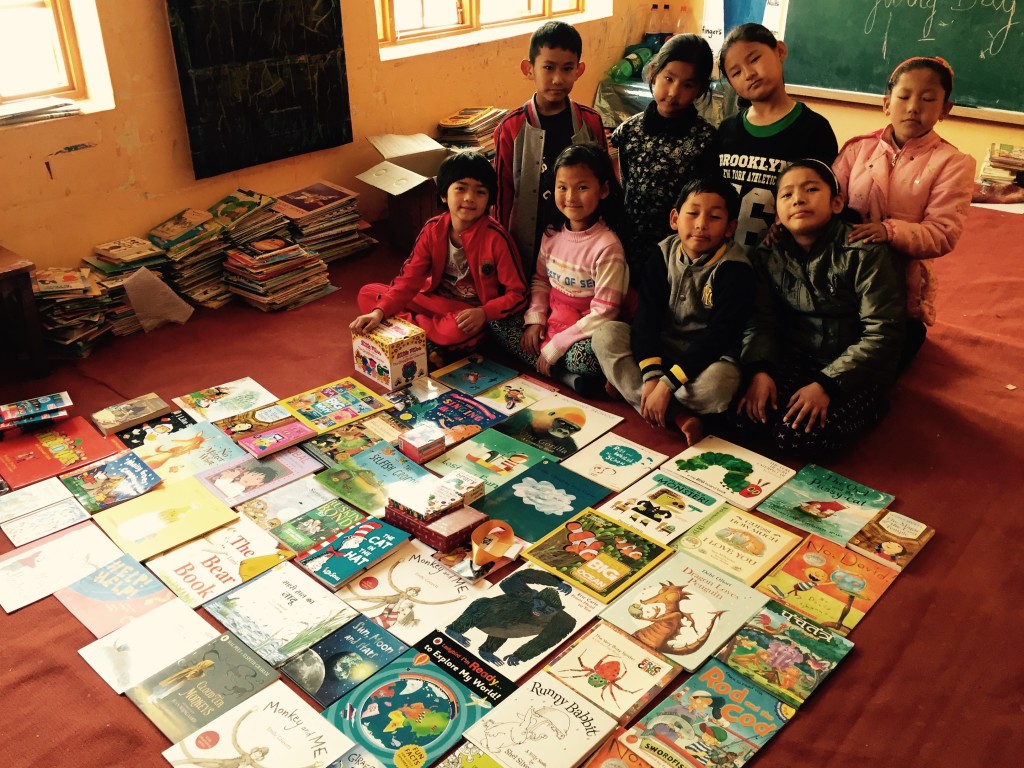
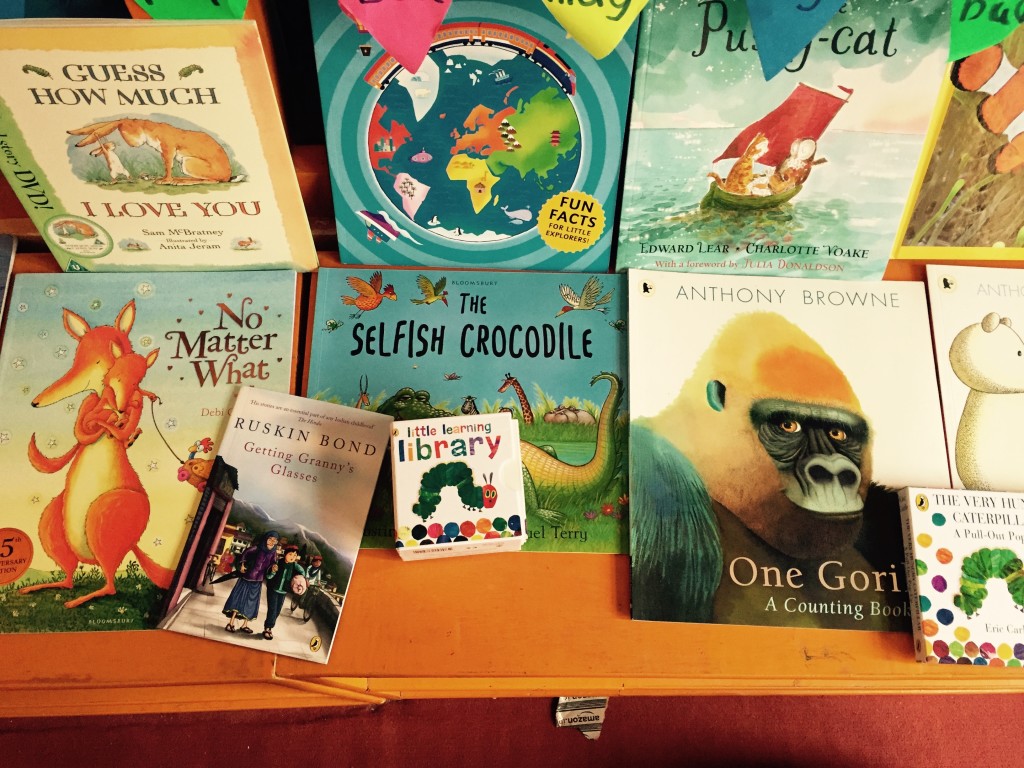
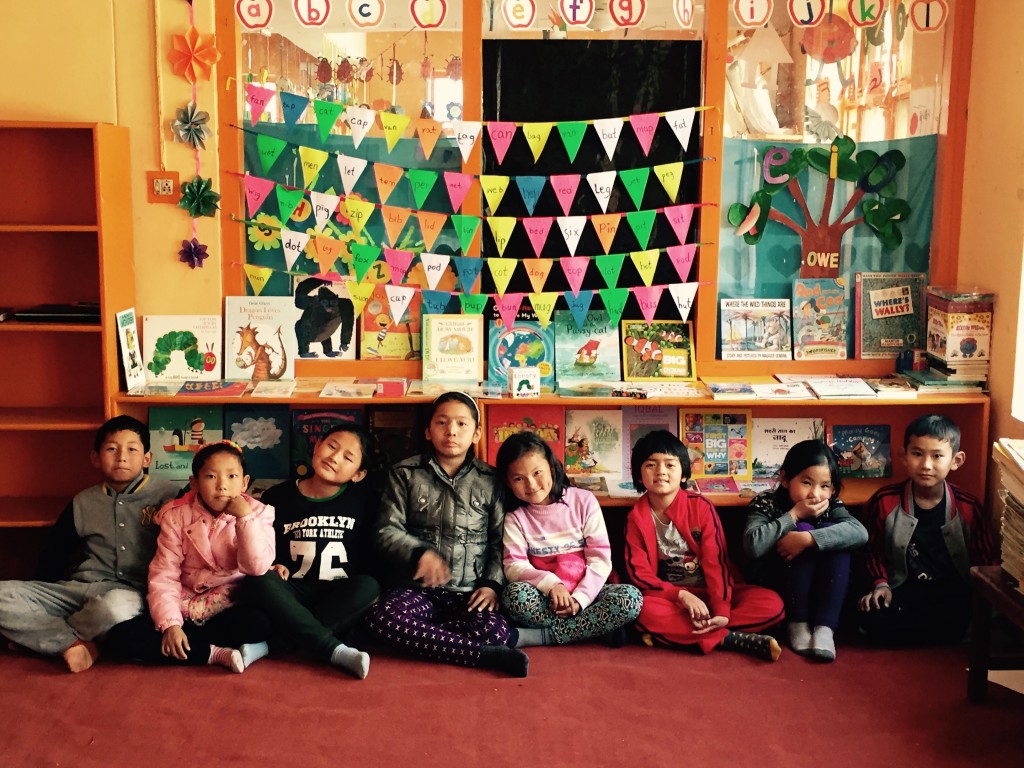
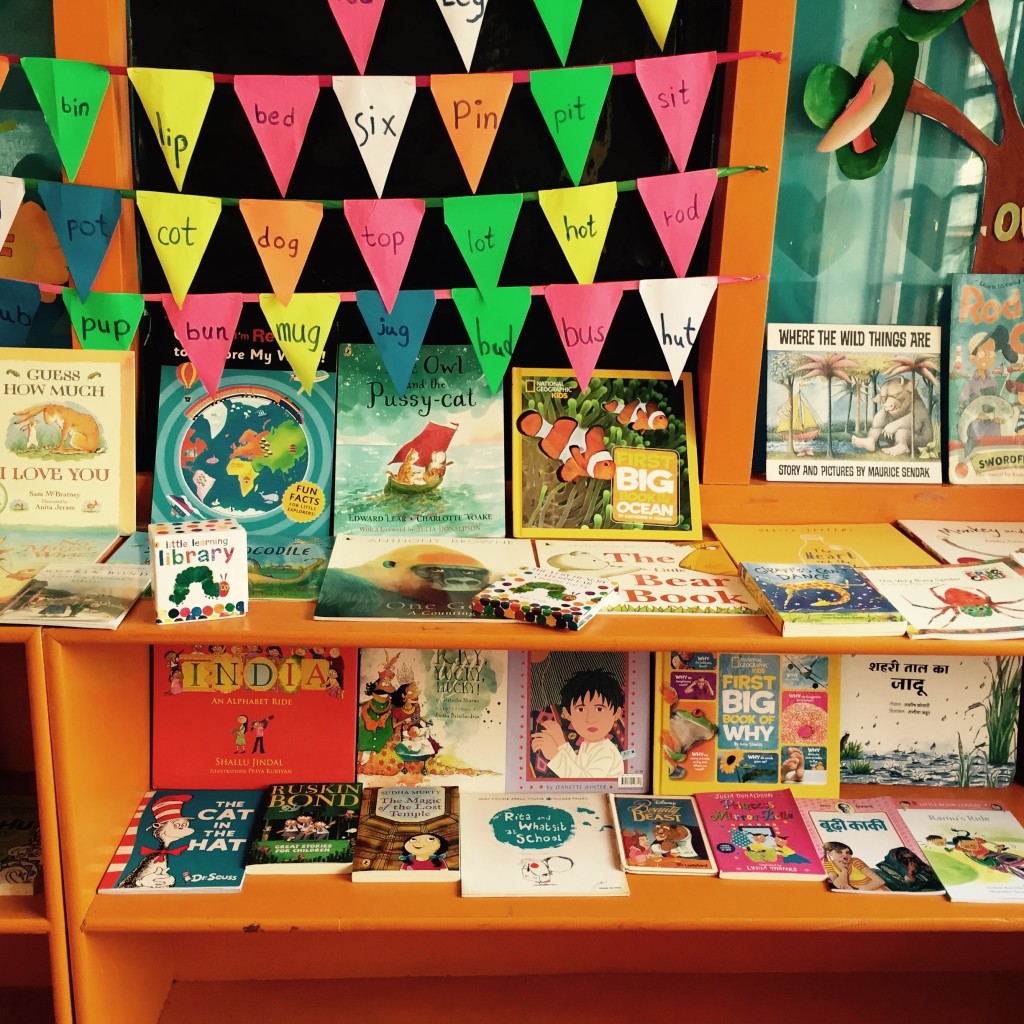
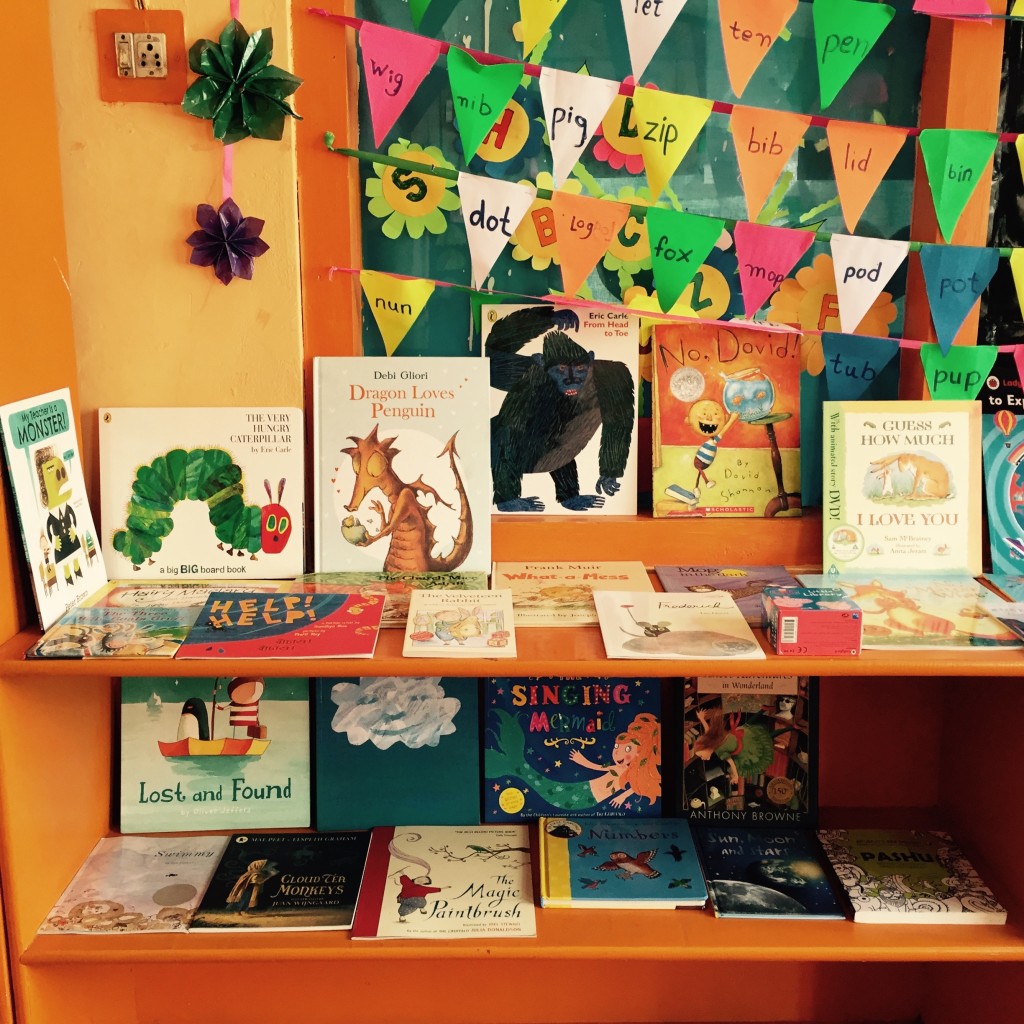
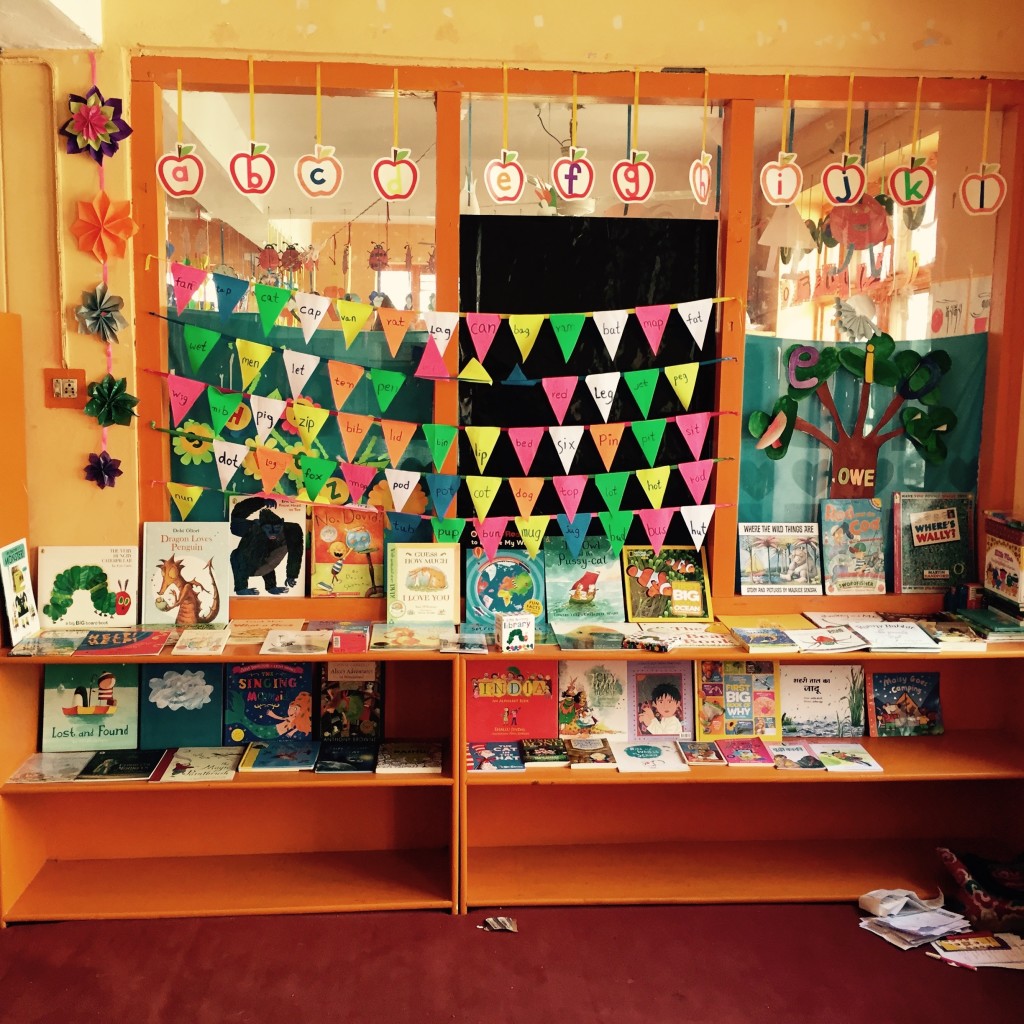
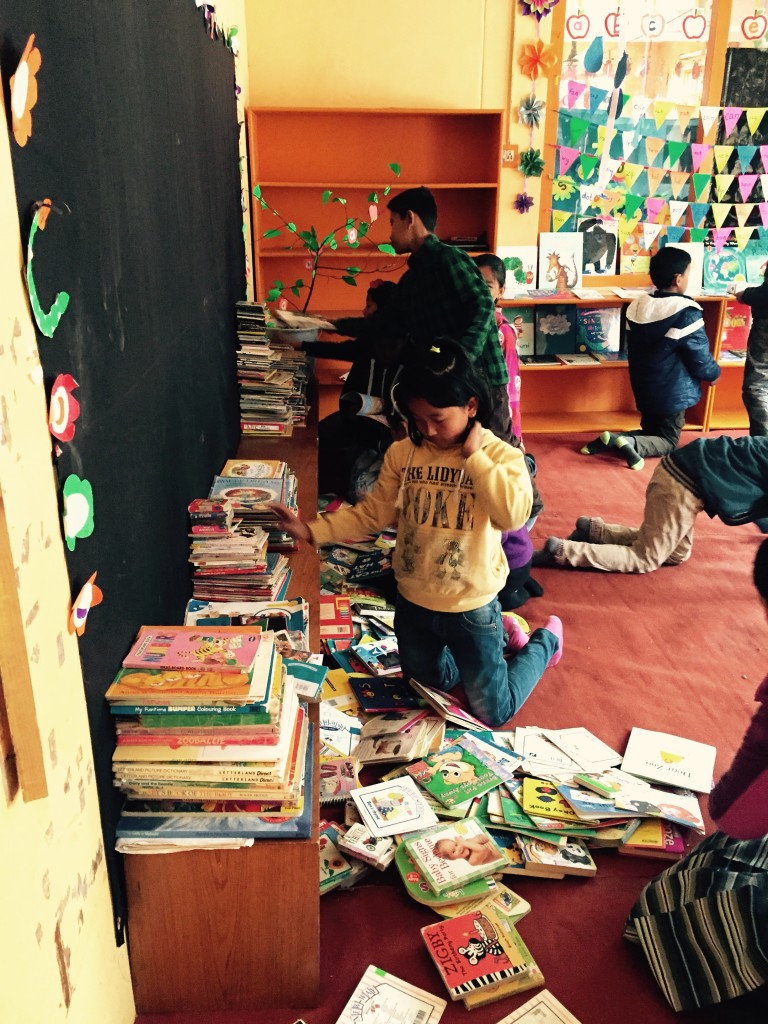
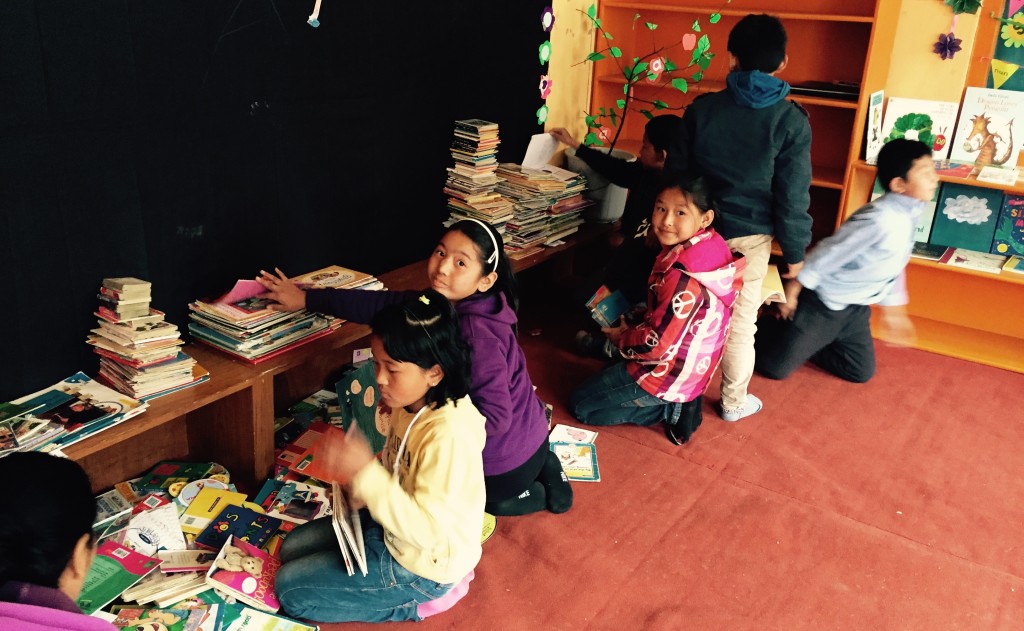
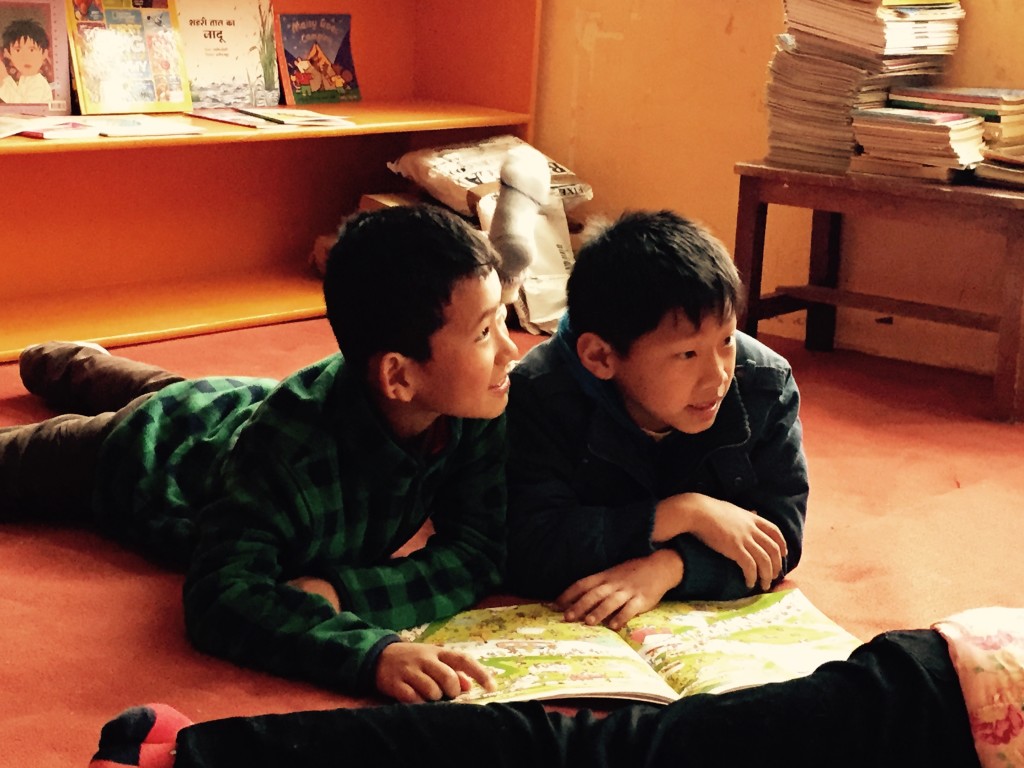
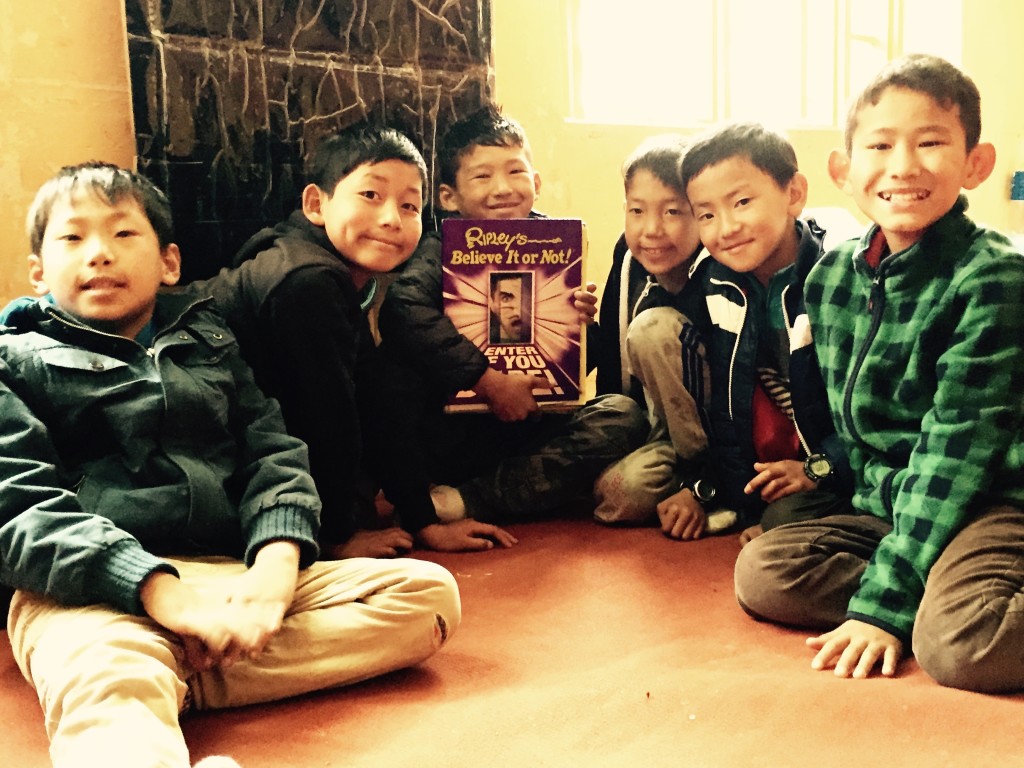
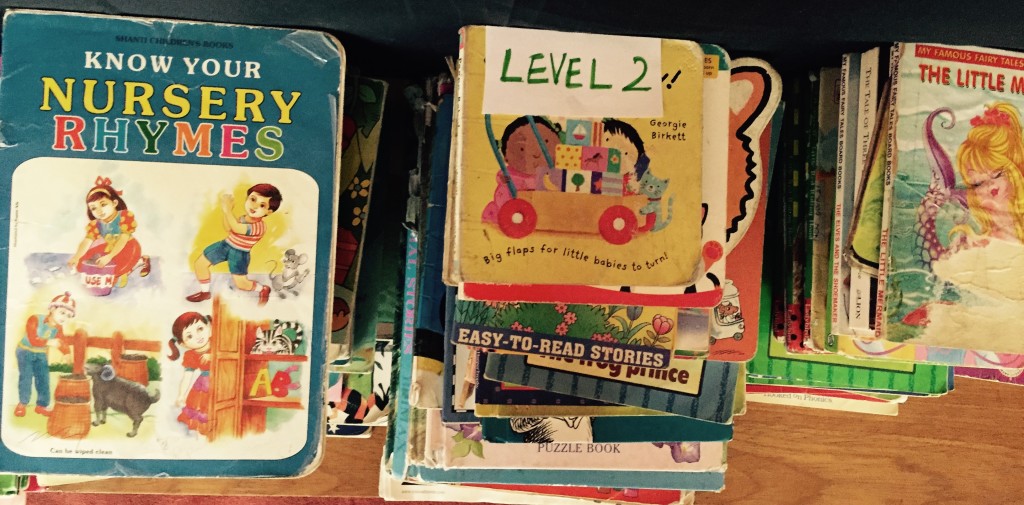
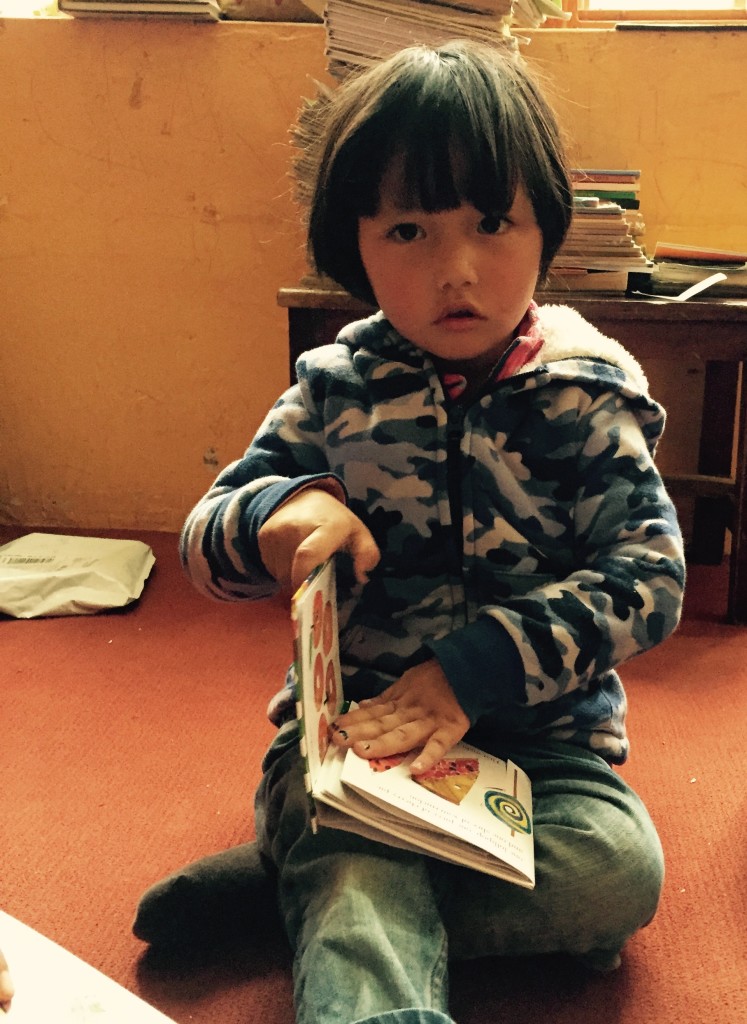
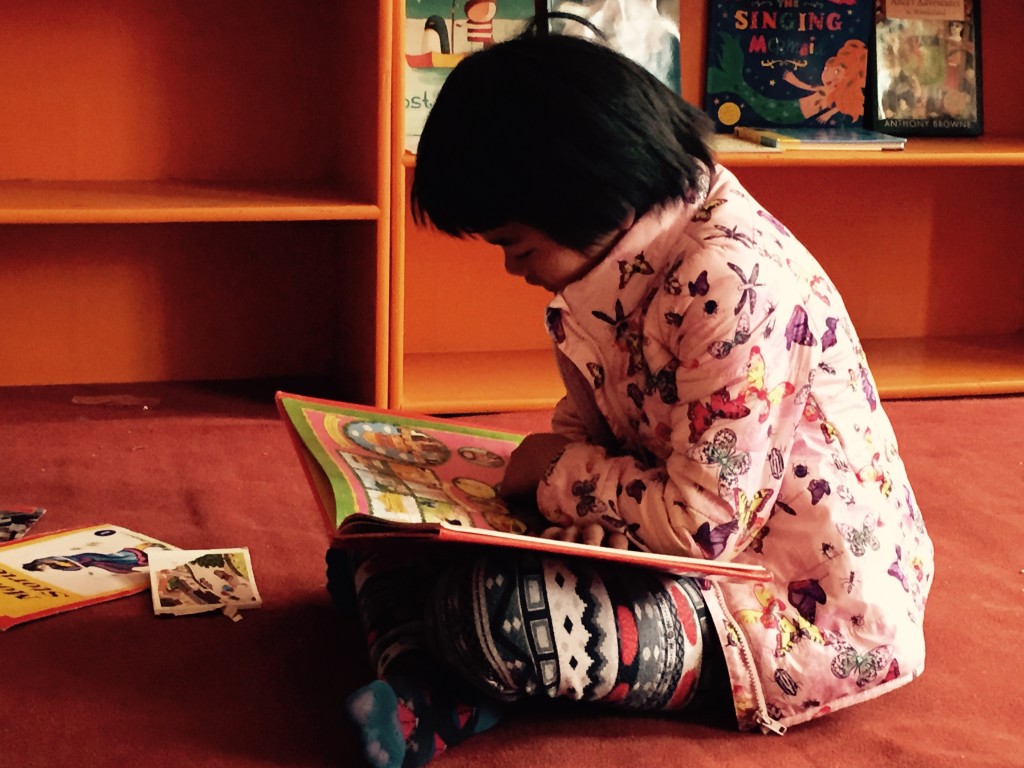
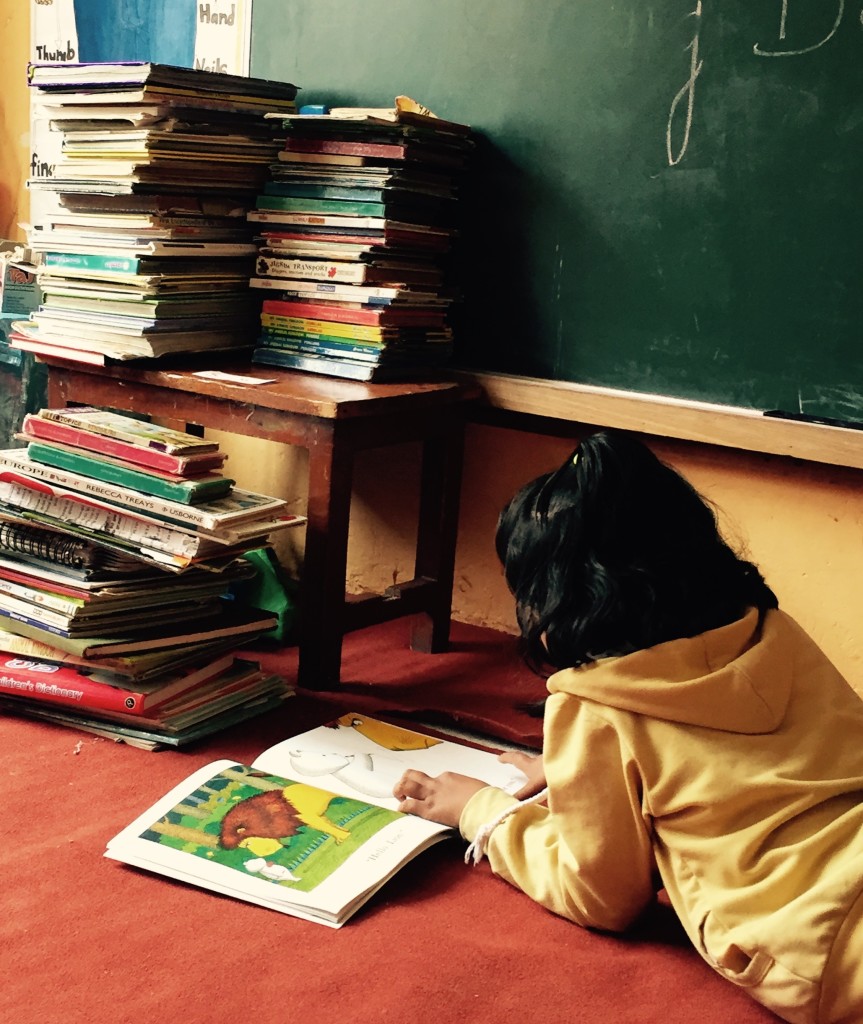
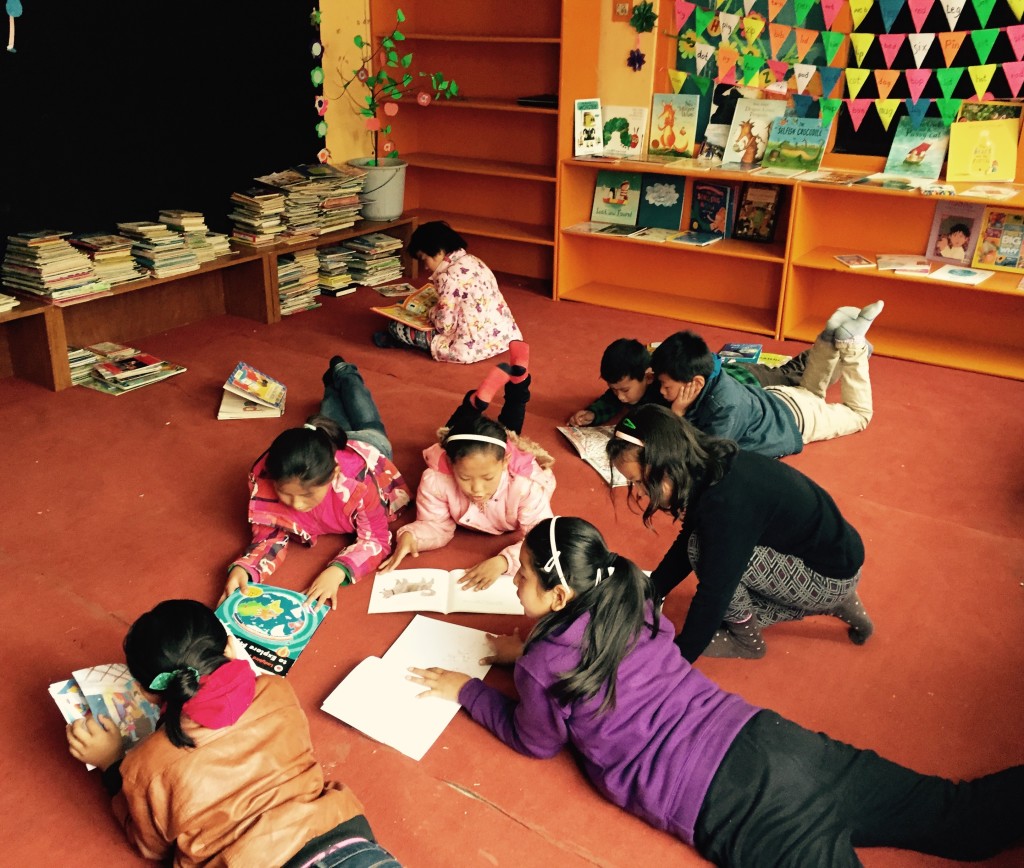
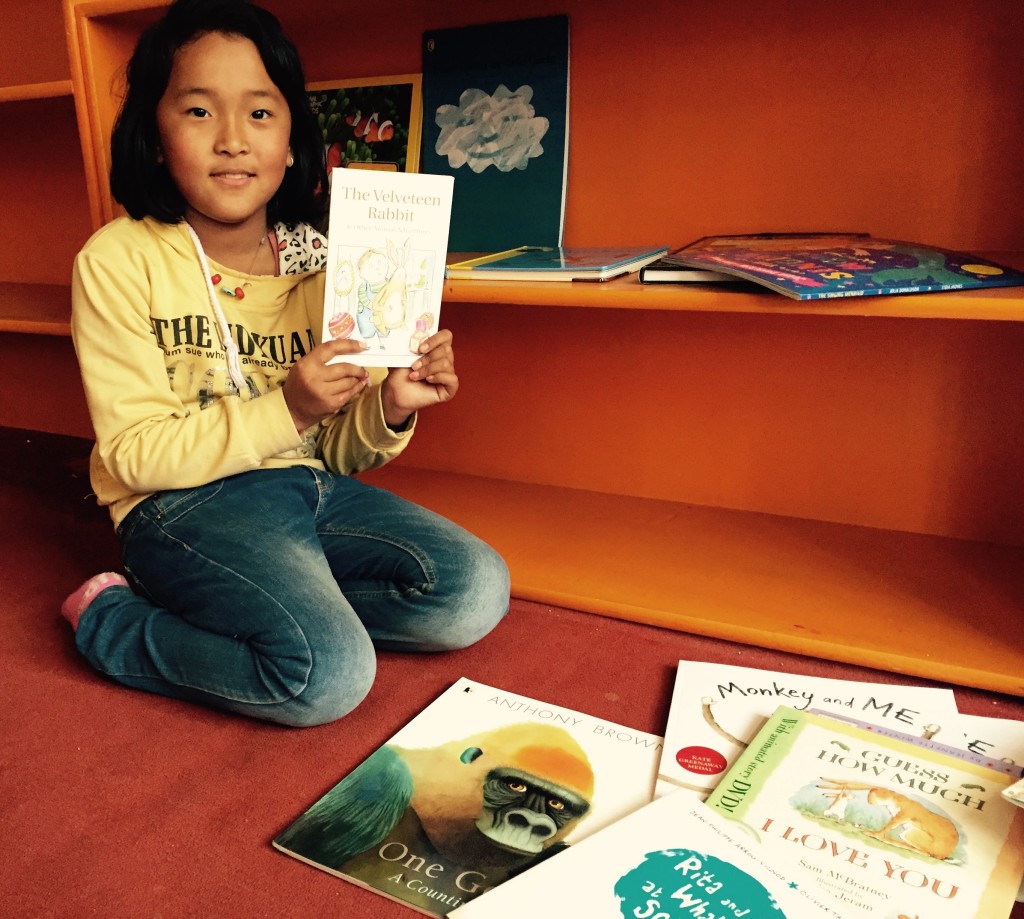
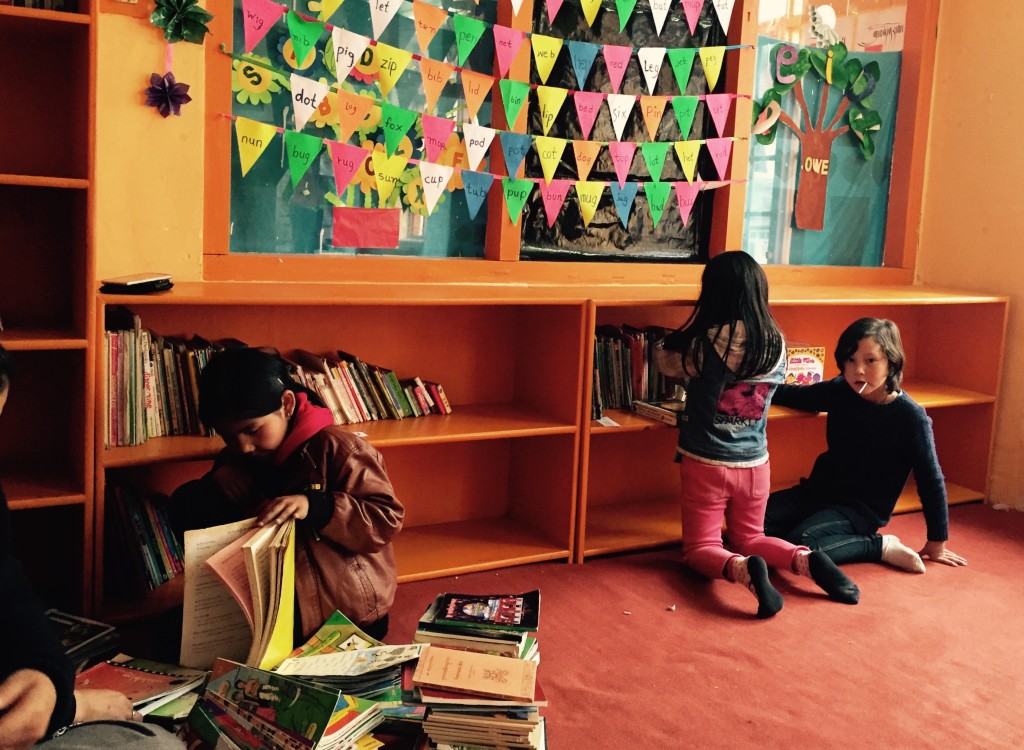
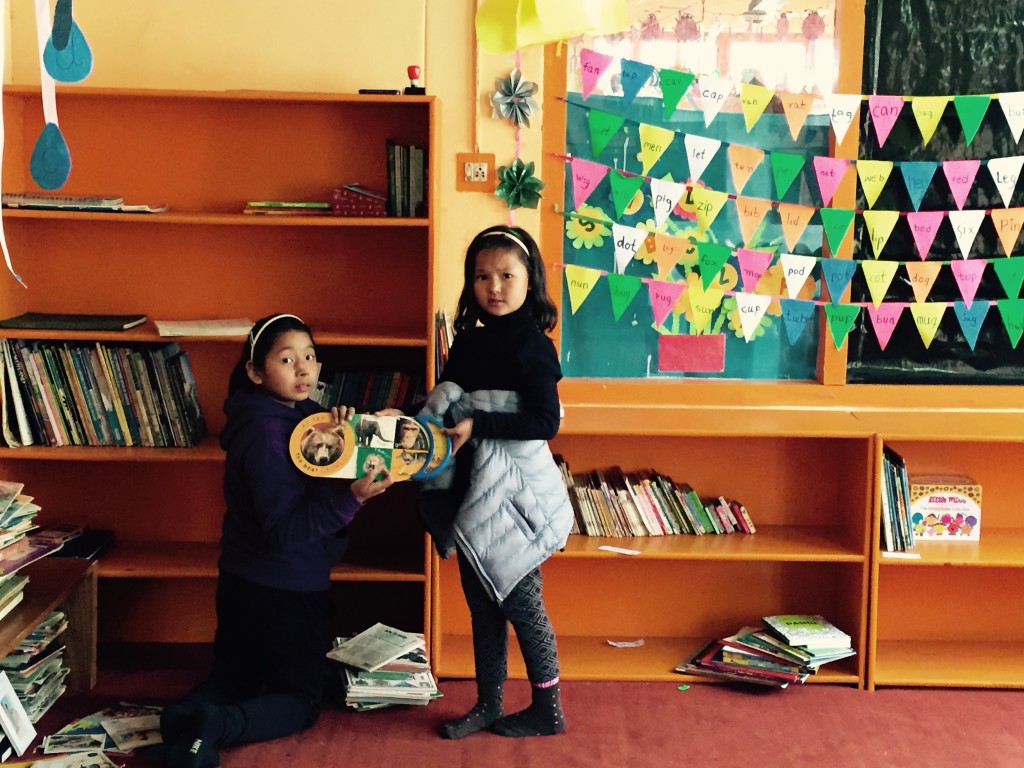
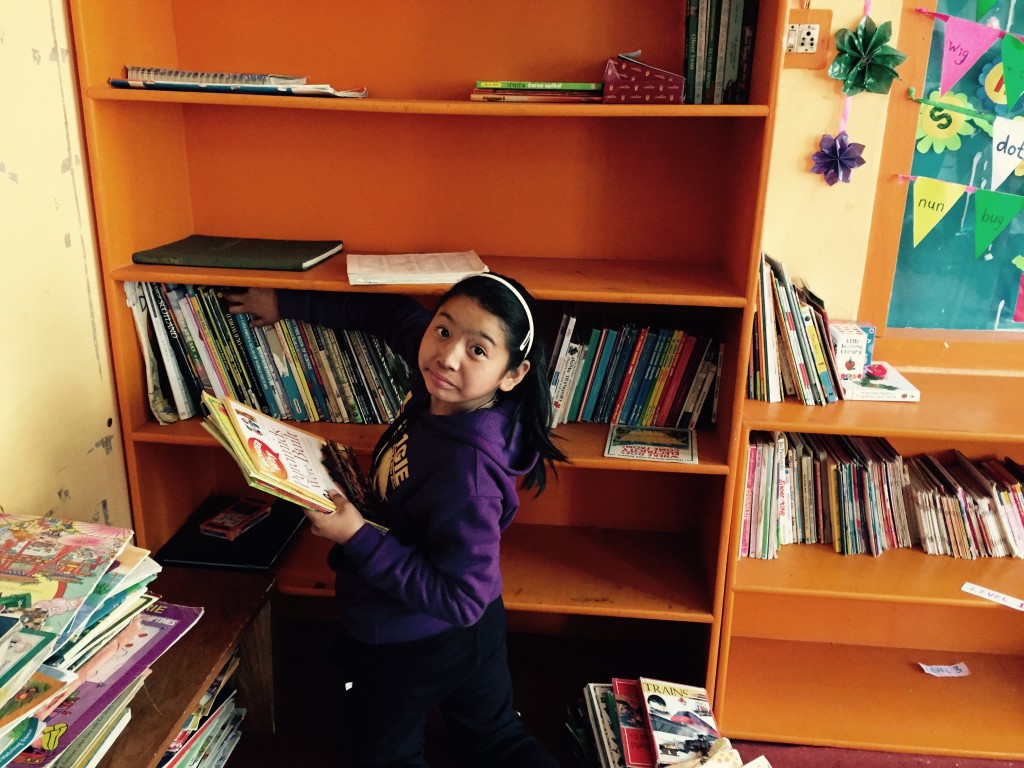
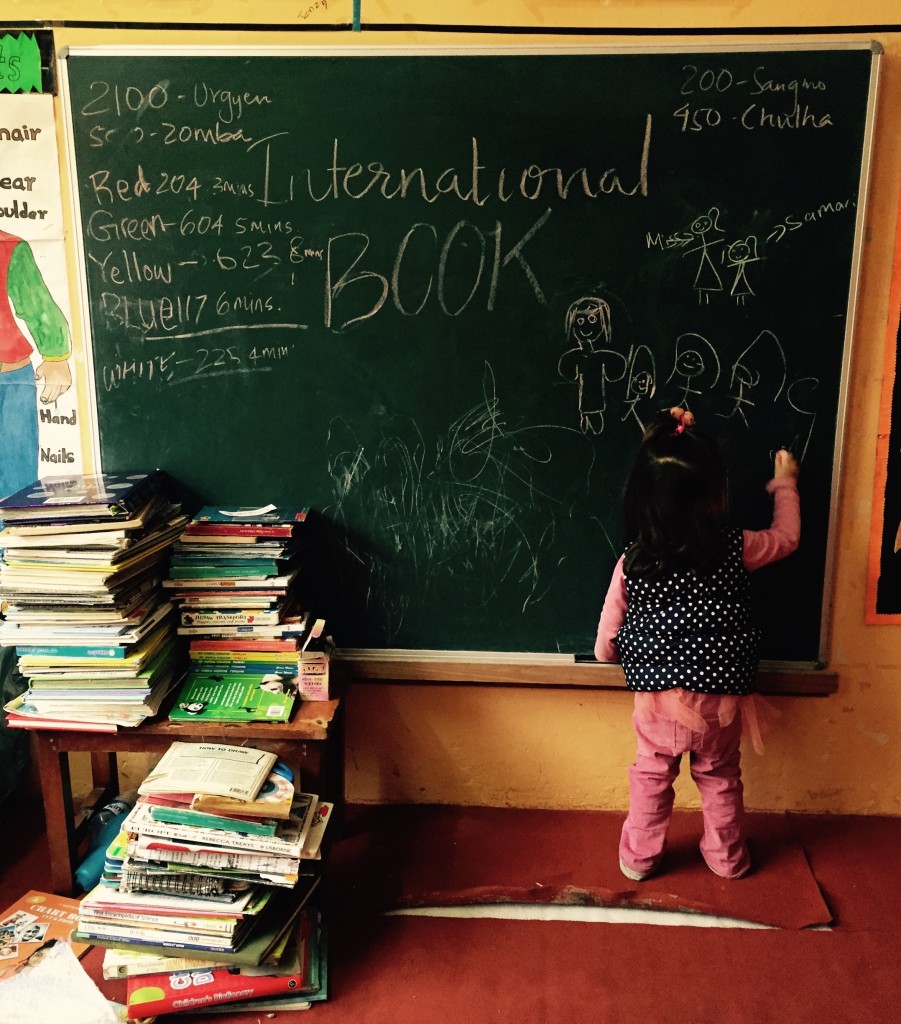
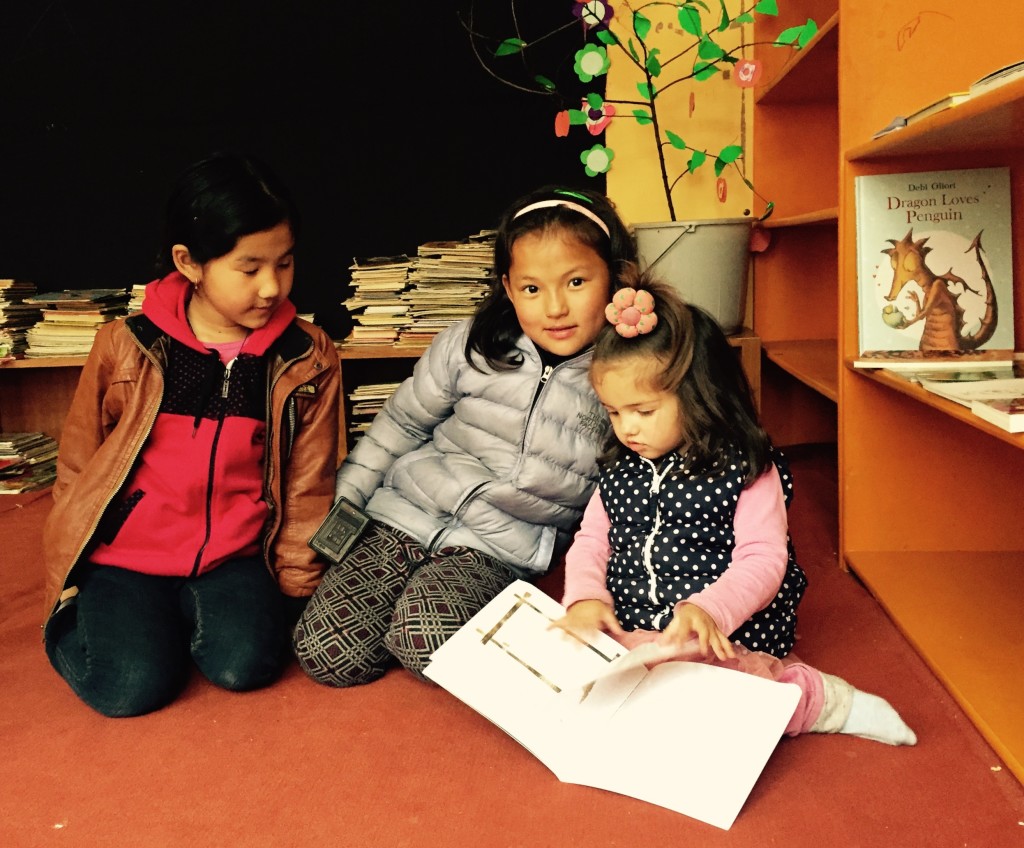
For children and young monks in the Himalayan region, access to quality books can create opportunities that reach far beyond a single reading session. A well-designed literary treasure hunt encourages participants to explore reading rooms, discuss what they have read, and use their knowledge in creative ways. It gives books a visible and joyful place in community life.
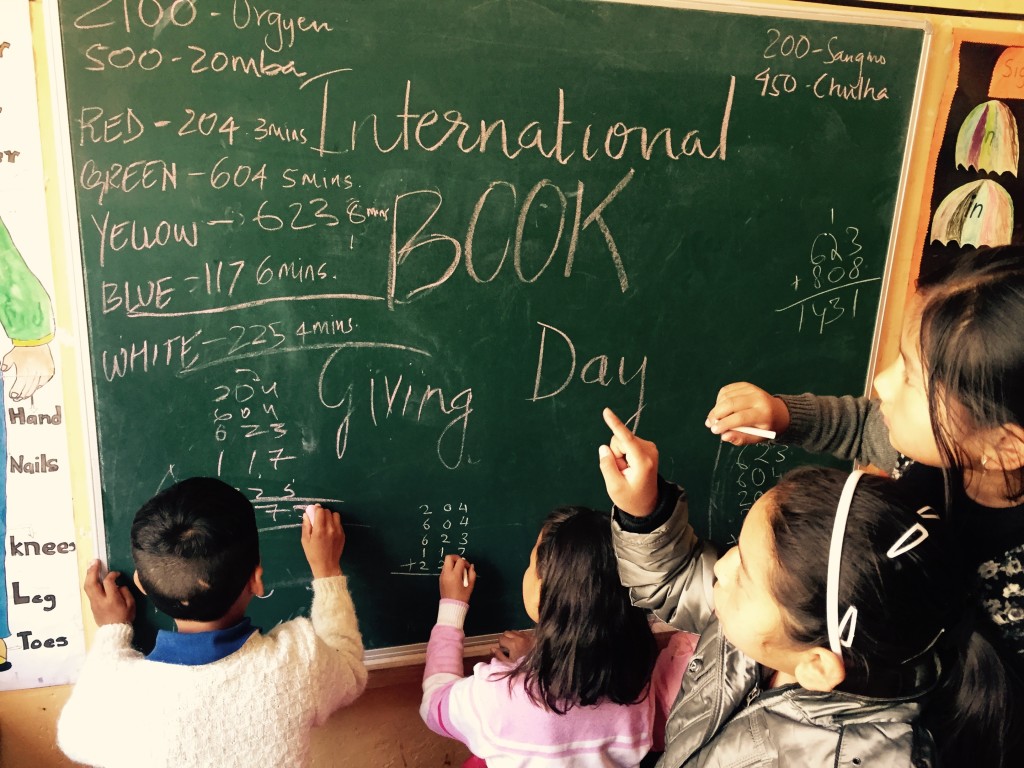
The event also reflects the Trust’s wider work in Ladakh and other communities. Book drives, educational activities, art, music, and volunteer support all contribute to a learning environment where curiosity is valued. The treasure hunt connects these efforts through a memorable day of teamwork, play, and literacy.
Making Books Feel Alive
A traditional reading activity can sometimes seem quiet or solitary, especially for children who are still developing confidence with books. A clue-based adventure changes the atmosphere. A line from a story may point to a particular shelf, while a character’s decision may provide the answer to the next challenge. Children begin to see books as active spaces filled with clues, surprises, and possibilities.
This approach does not replace careful reading. It gives children a reason to read closely. They may look for a repeated word, identify a setting, compare two characters, or remember an important detail from a folktale. Each small discovery reinforces comprehension while keeping the experience playful.
A literary treasure hunt also welcomes different kinds of readers. Some children enjoy solving word puzzles, while others contribute through drawing, memory, performance, or teamwork. A young participant who is hesitant to read aloud may still help a group interpret a picture or locate a familiar title.
Strengthening Literacy Through Play
Reading comprehension grows when children have meaningful reasons to use what they know. Book-based clues encourage them to connect information, recognize patterns, and explain their thinking. These are practical literacy skills, yet they develop naturally when the goal is to solve a mystery rather than complete a worksheet.
The activity can support vocabulary development as well. Clues may introduce unfamiliar words in context, allowing volunteers or older students to discuss meaning without making the lesson feel formal. Children can encounter new language through adventure stories, poetry, biographies, and books related to Himalayan culture and daily life.
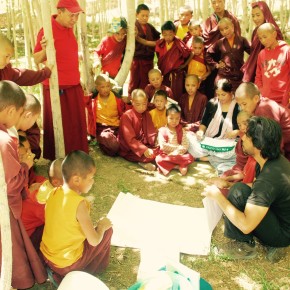
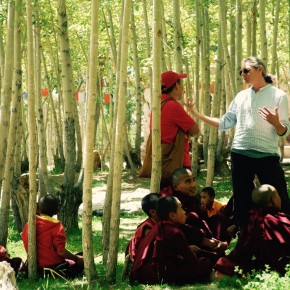
For young monks, the event can complement existing study and reading routines. It may invite reflection, collaboration, and attentive observation, while giving participants a chance to enjoy books beyond required lessons. In mixed-age groups, older children can guide younger readers, strengthening both leadership and communication.
Creating Community Around Reading
An annual event creates anticipation. Children remember the excitement from the previous year, talk about favorite clues, and look forward to discovering what the next hunt will bring. That sense of continuity helps establish reading as a regular community tradition rather than an occasional activity.
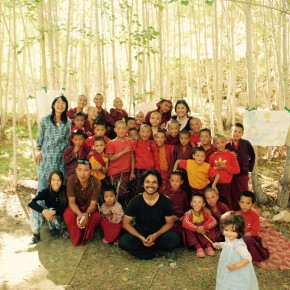
The gathering also brings together people who support the Trust in different ways. Volunteers may prepare clue stations, donors may help provide new books and supplies, and local educators or community members may guide teams. Children see that their reading lives matter to a wider circle of adults and peers.
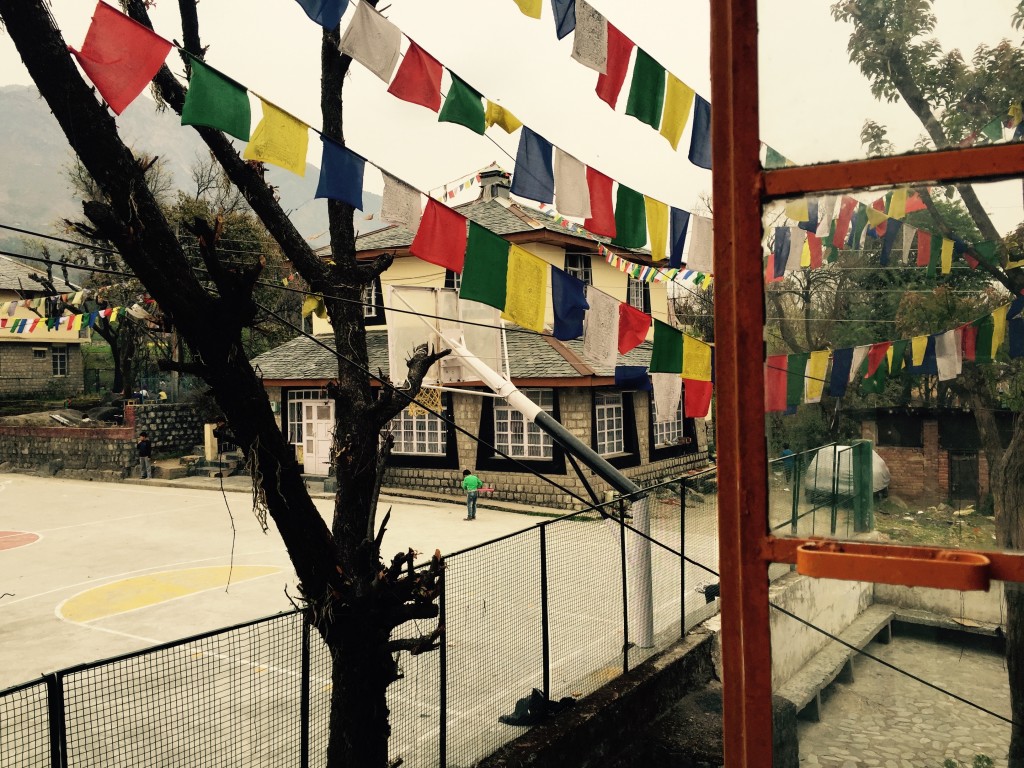
The hunt can be adapted to a reading room, monastery setting, school space, or outdoor community area. Its flexibility makes it suitable for different Himalayan communities and age groups. Whether the clues lead to a shelf, a courtyard, or a display of student artwork, the shared purpose remains the same: making learning social, accessible, and enjoyable.
| Element |
What Children Practice |
How It Supports The Trust’s Mission |
| Story-based clues |
Close reading, recall, and inference |
Encourages regular use of books |
| Team challenges |
Communication and cooperation |
Builds supportive learning communities |
| Art and visual prompts |
Creativity and observation |
Links literacy with artistic expression |
| Local stories and themes |
Cultural awareness and vocabulary |
Connects reading with lived experience |
| Volunteer guidance |
Confidence and participation |
Expands personal support around children |
| Book-based rewards |
Motivation and ownership |
Makes quality books meaningful and memorable |
Reflecting Local Culture And Curiosity
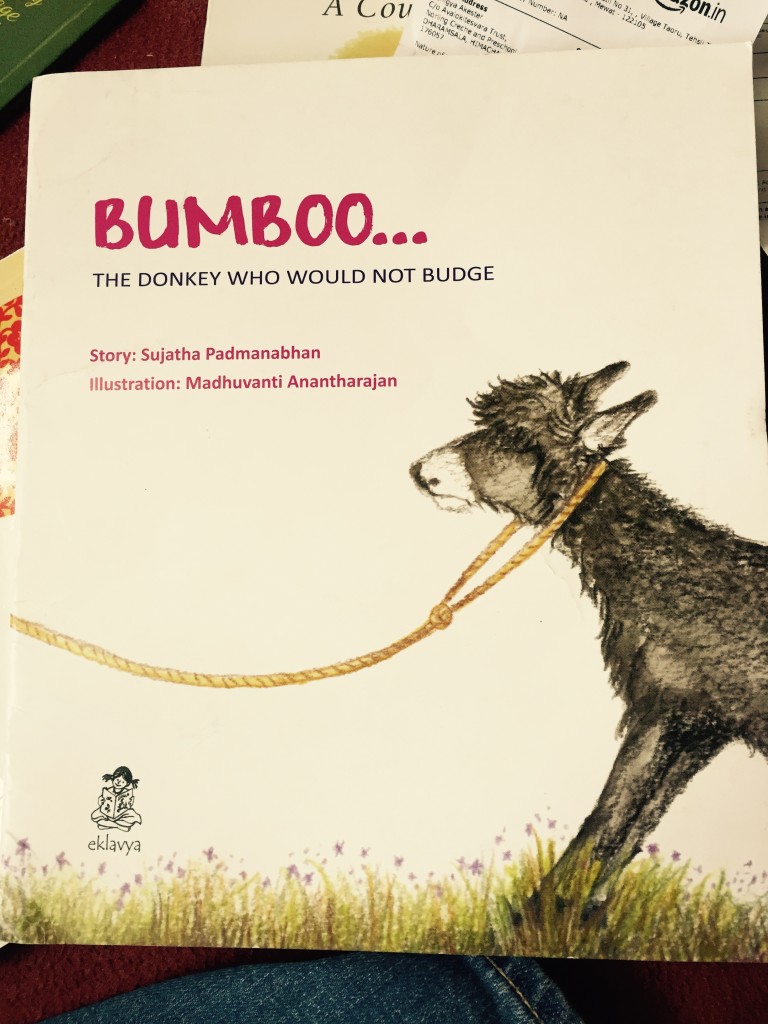
A treasure hunt is most effective when its clues feel familiar and relevant. Stories connected to mountains, monasteries, animals, seasonal traditions, journeys, and local communities can help children recognize their own surroundings in the reading material. Books from wider regions can then broaden their horizons without making local identity feel secondary.
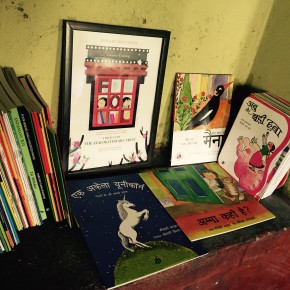
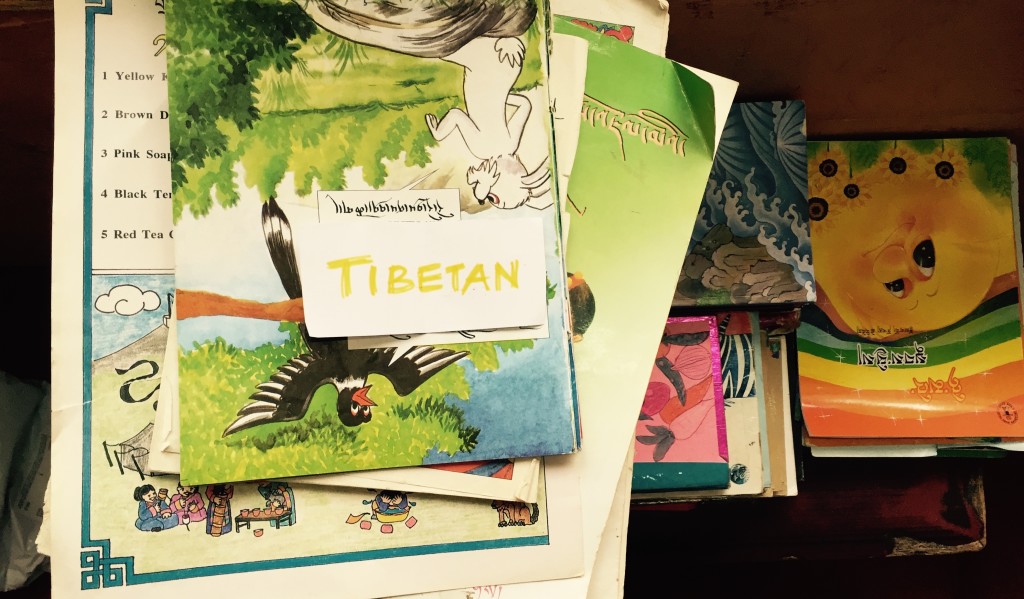
Multilingual resources can add another layer of inclusion. A clue might use a familiar phrase, invite children to compare words, or encourage them to ask how an idea is expressed in another language. This supports language learning while respecting the rich linguistic environment of Himalayan communities.
The event can also make space for oral storytelling. Some clues may be solved through a story shared by an elder, teacher, monk, or volunteer, then linked to a book on the shelf. This connection between spoken tradition and printed literature shows children that reading belongs within a larger culture of sharing knowledge.
Giving Volunteers A Meaningful Role
Volunteers help transform an idea into a welcoming experience. They can select age-appropriate books, write clear clues, arrange reading stations, and make sure every team receives encouragement. Their role is less about providing answers and more about helping children discover them.
Good preparation is especially important when participants have different reading levels. Volunteers can create simple clues for emerging readers and more complex puzzles for confident readers. They can also pair children thoughtfully, ensuring that stronger readers support others without taking control of the activity.
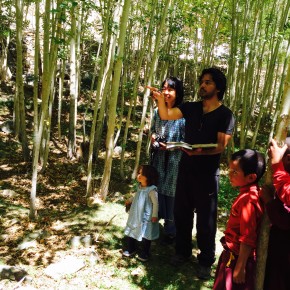
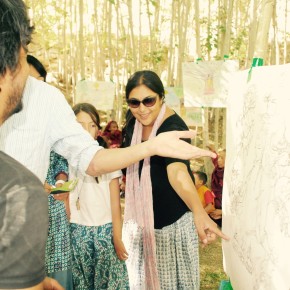
The event offers volunteers a direct way to contribute to literacy in Ladakh and other communities served by Avalokiteśvara Trust. Someone with an interest in education may help develop comprehension activities, while an artist can design visual clues and a musician can create a celebratory closing activity. These contributions bring the Trust’s educational, artistic, and musical programs into one shared experience.
Keeping The Adventure Inclusive
A successful hunt should reward participation, cooperation, and curiosity rather than speed alone. If the fastest team receives all the attention, quieter children may feel excluded. Clear instructions, flexible timing, and varied tasks allow more participants to contribute in meaningful ways.
Activities can include reading, listening, drawing, matching, movement, and discussion. This variety supports children with different strengths and keeps the experience accessible to those who are still building confidence in English or another language used in the books.
Simple rewards can reinforce the purpose of the event. A new book, a handmade bookmark, a certificate, or the chance to choose a story for group reading can all celebrate effort. Recognition might also honor careful teamwork, creative thinking, kindness, or persistence, showing children that every contribution matters.
Building A Tradition That Lasts
To keep the annual treasure hunt fresh, each edition can have a distinct theme. One year might focus on journeys, another on animals, another on poetry, and another on stories from different Himalayan communities. A changing theme encourages children to explore new sections of the reading room while preserving the familiar excitement of the event.
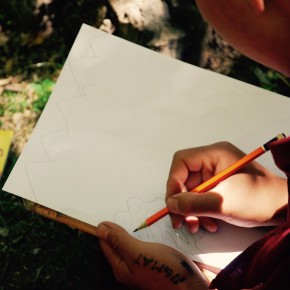
The hunt can also inspire activities after the day ends. Children might write their own clues, illustrate a favorite character, perform a scene, or recommend books to younger readers. These follow-up projects extend the learning and help participants move from consuming stories to creating and sharing them.
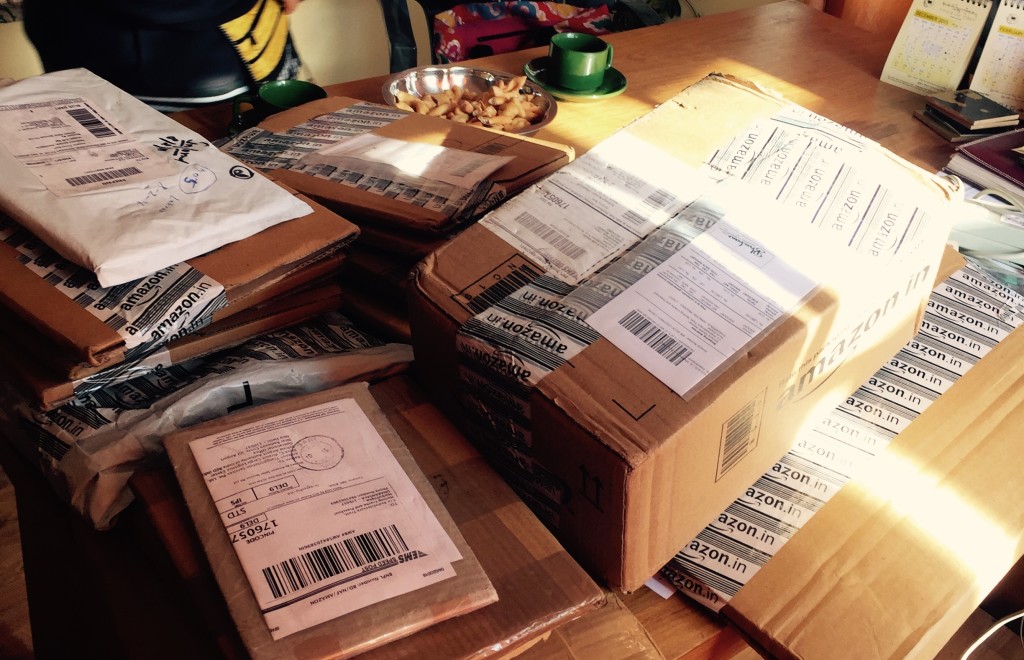
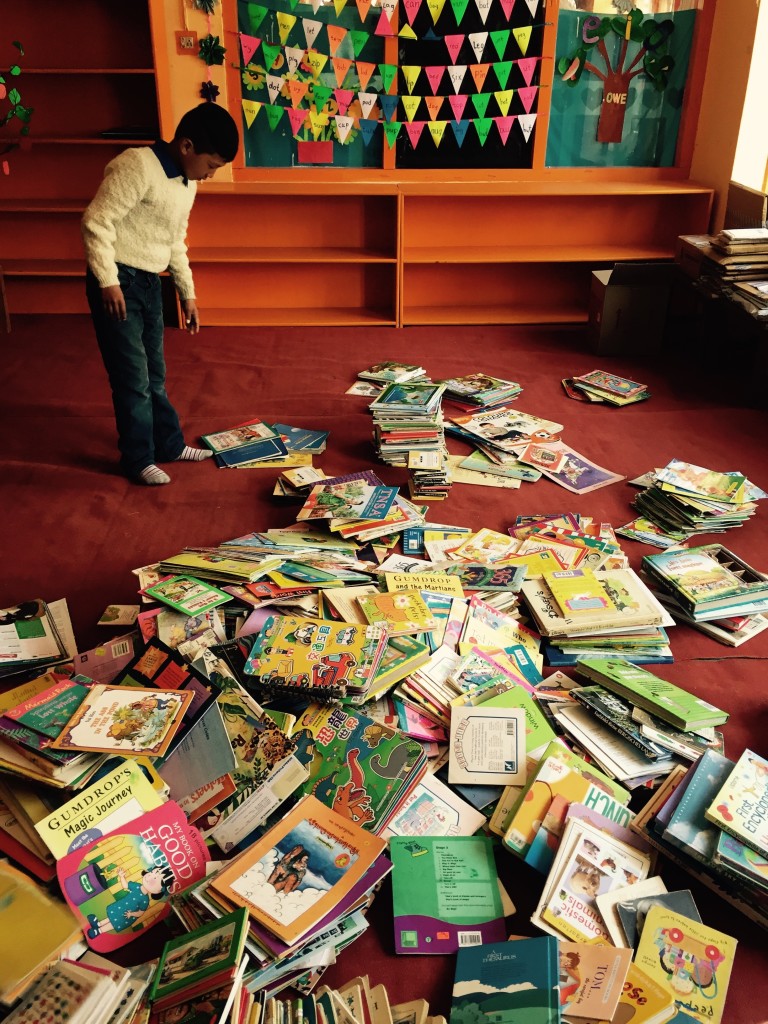
For donors and supporters, the event offers a visible example of how books become tools for confidence, connection, and creativity. Funding a reading room or contributing to a book drive has an impact that can be experienced through many small moments: a child finding an answer, a team helping a hesitant reader, or a young monk discovering a title worth returning to.
The most useful support for future hunts includes:
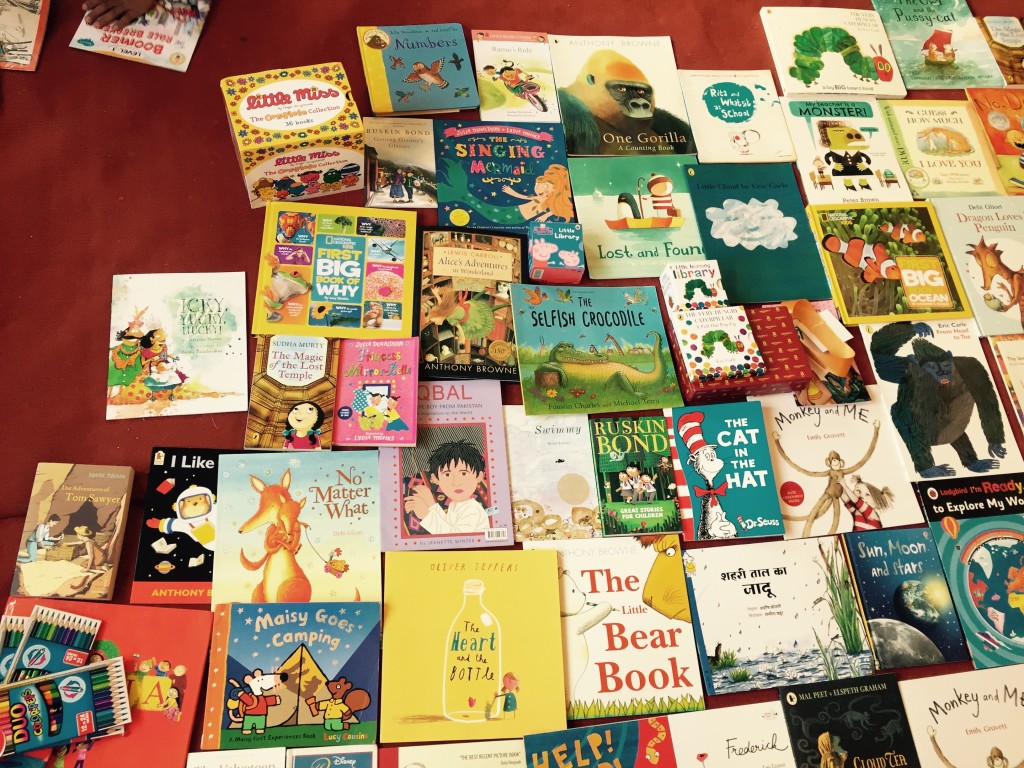
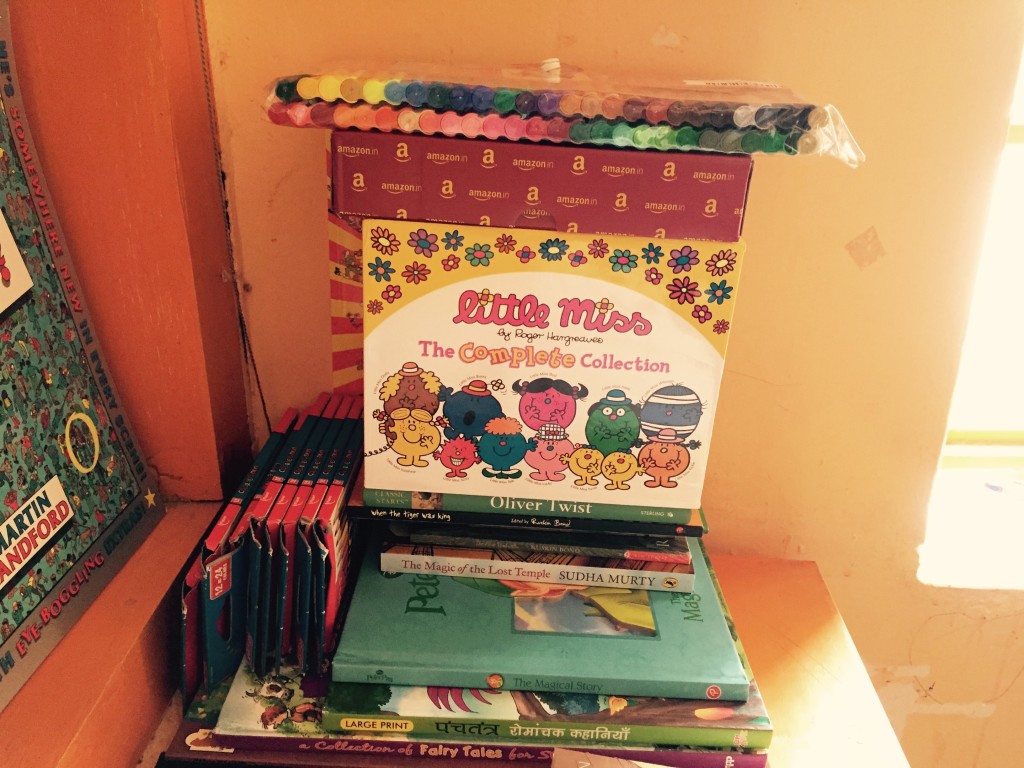
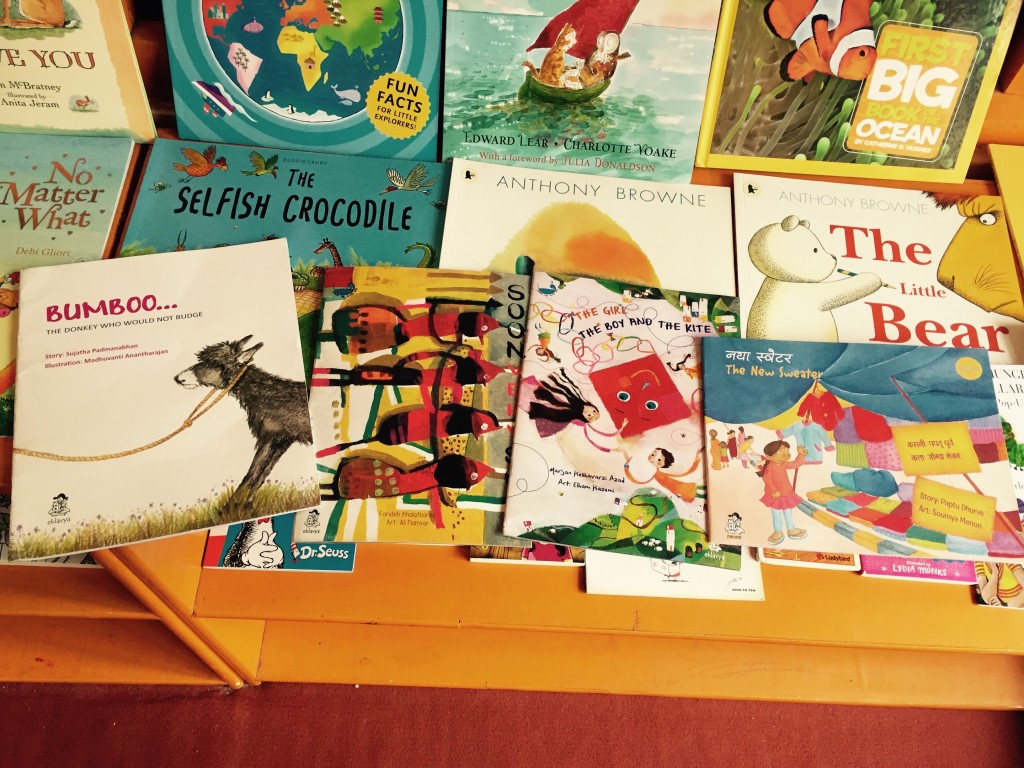
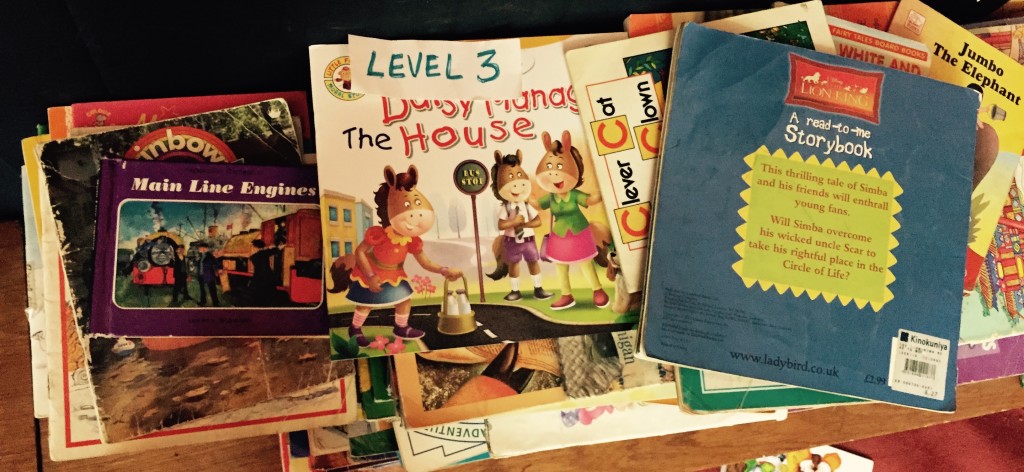
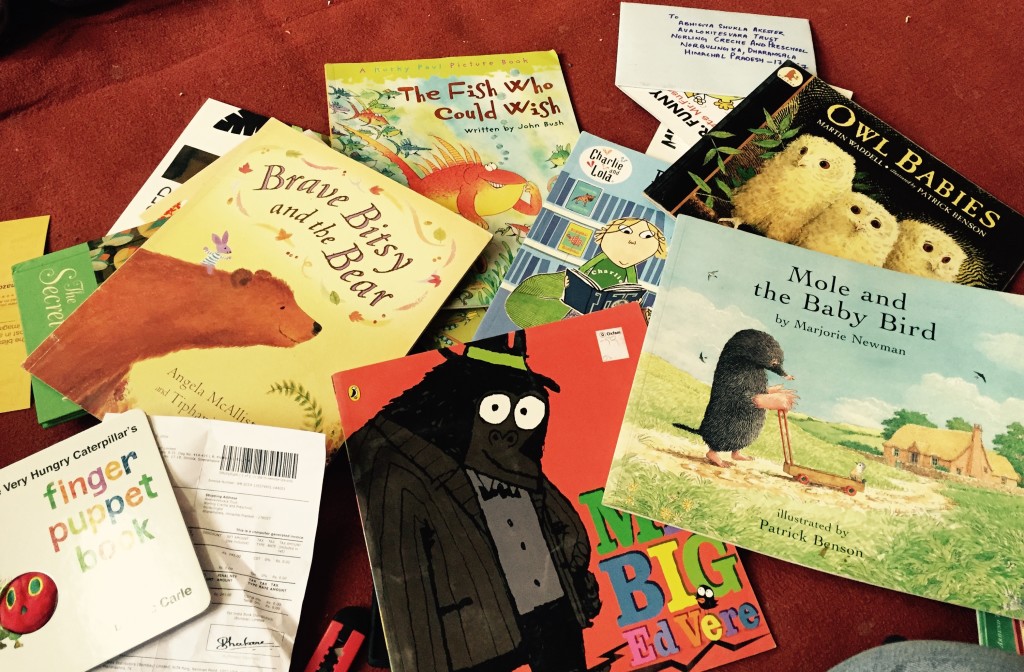
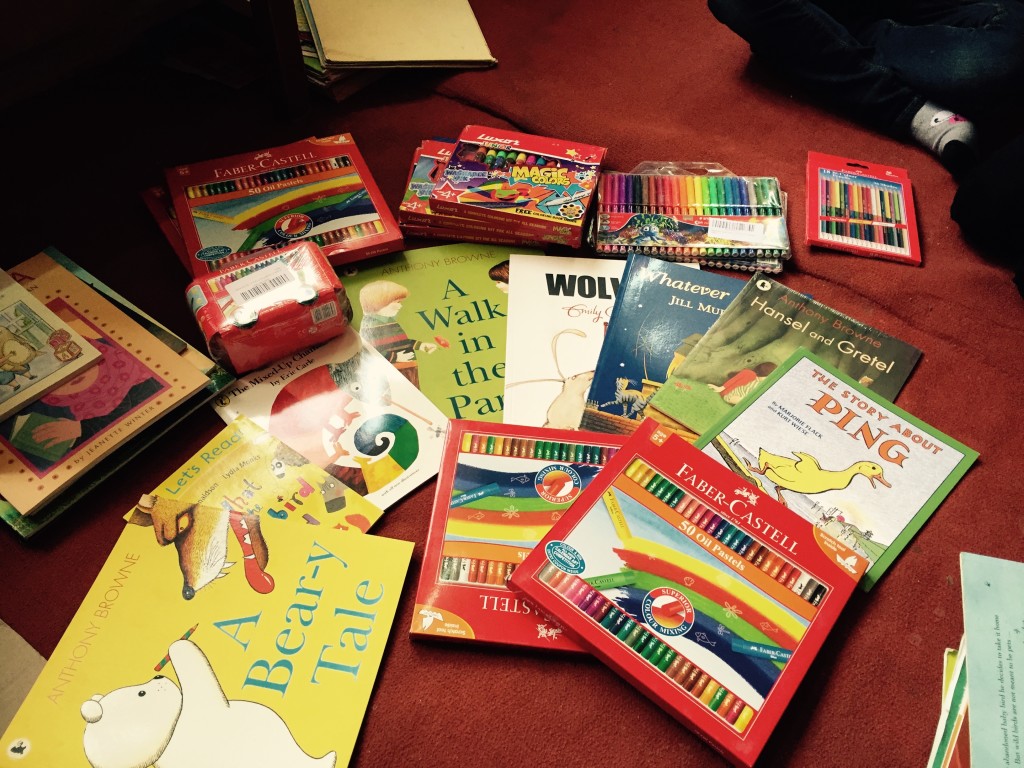
- Donating new or gently used books suited to different ages and reading levels
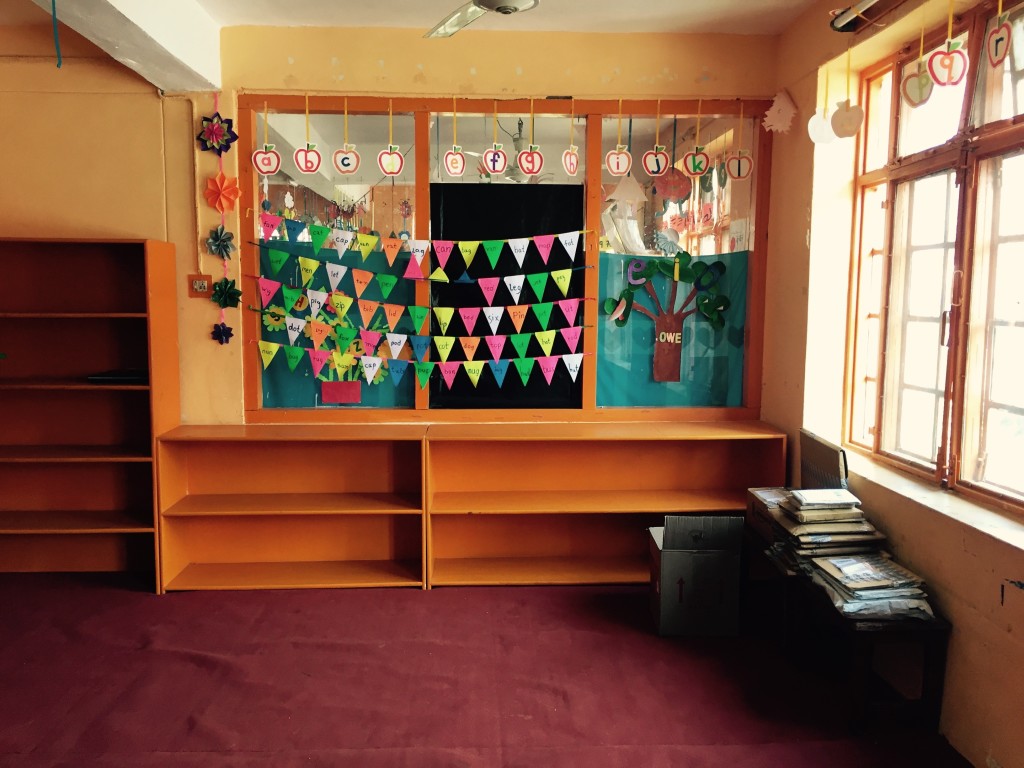
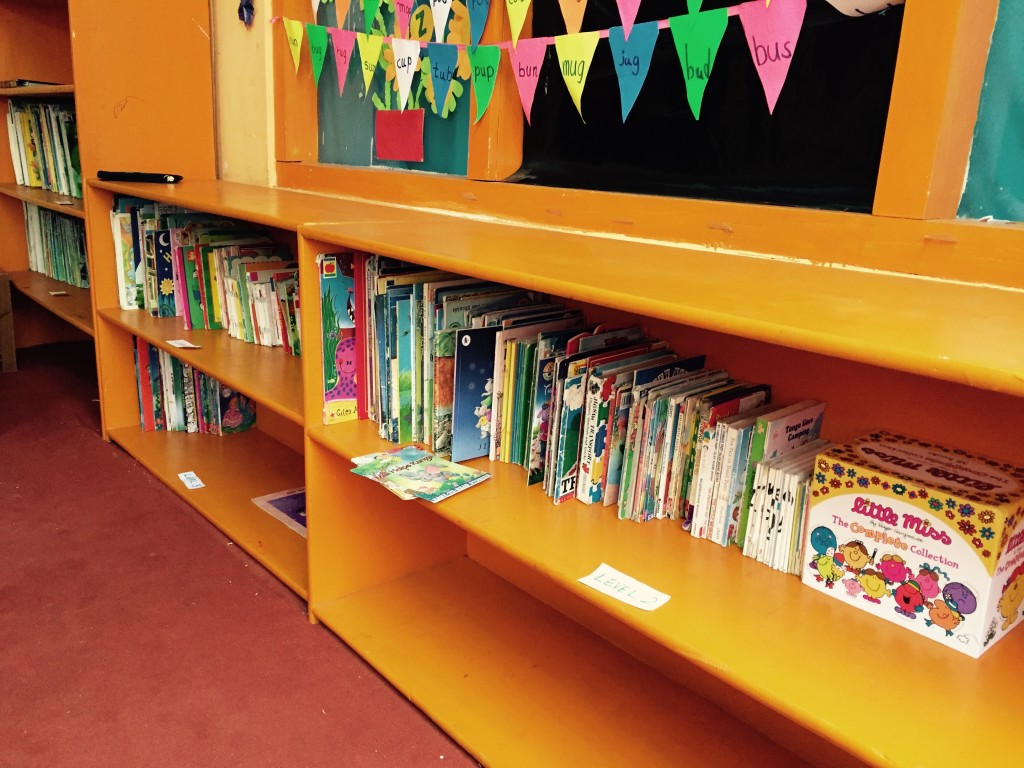
- Supporting reading rooms with shelves, seating, lighting, and learning materials
- Volunteering time to prepare clues, guide teams, or lead creative activities
- Sharing local stories and cultural knowledge that can enrich book-based challenges
- Sponsoring art supplies, musical activities, and small literacy-focused rewards
A book clue may look like a small invitation, but it can open a much larger path. It leads children toward stronger reading habits, deeper friendships, and the confidence to explore unfamiliar ideas. In Himalayan communities, where educational resources can be limited, a joyful event built around books helps make learning visible and shared.
Avalokiteśvara Trust’s annual treasure hunts give supporters a practical way to participate in that work. Through donations, volunteering, book contributions, and encouragement, each person can help create more moments of discovery for children and young monks. When the next hunt begins, every clue can point toward a future where books, creativity, and opportunity are within closer reach.