Why Every Reading Room Needs a Quiet Corner for Reflection
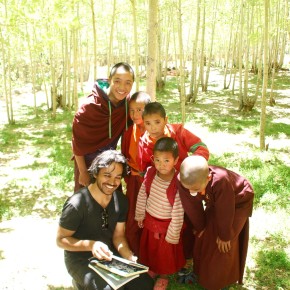
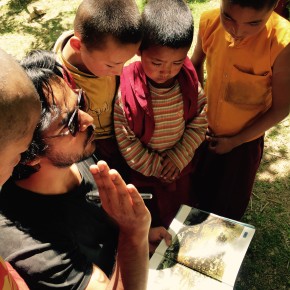
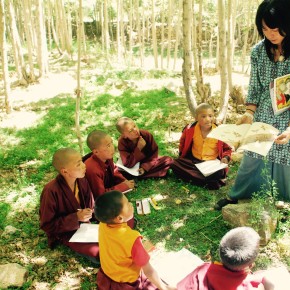
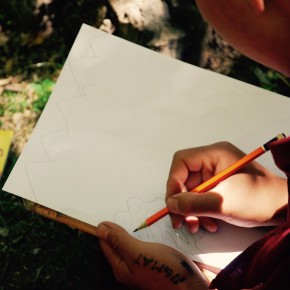
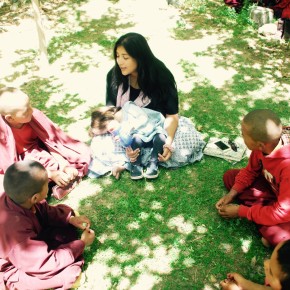
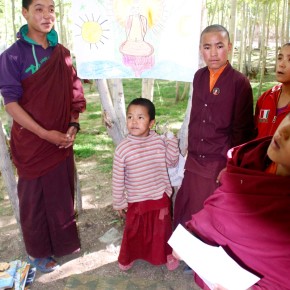
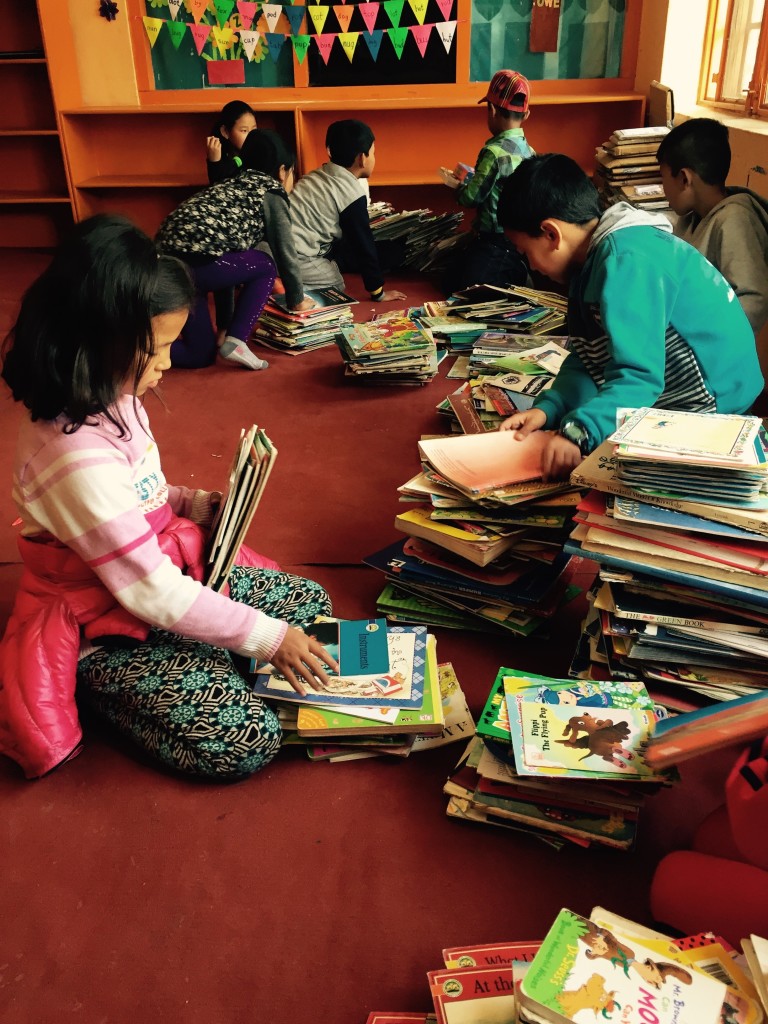
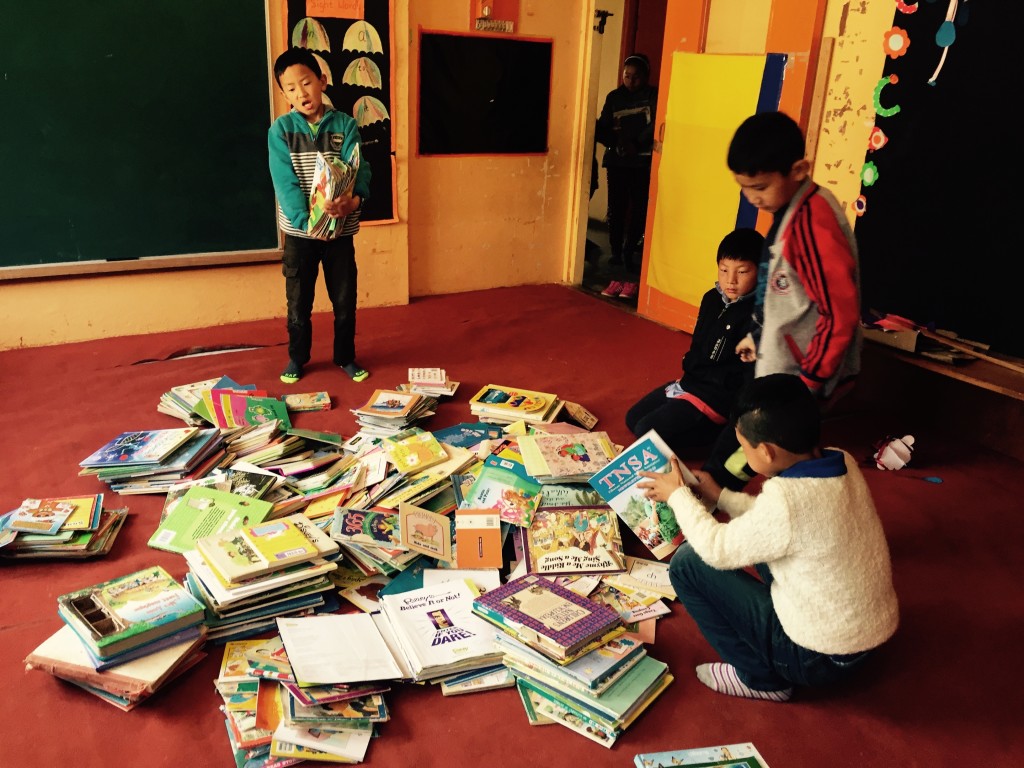
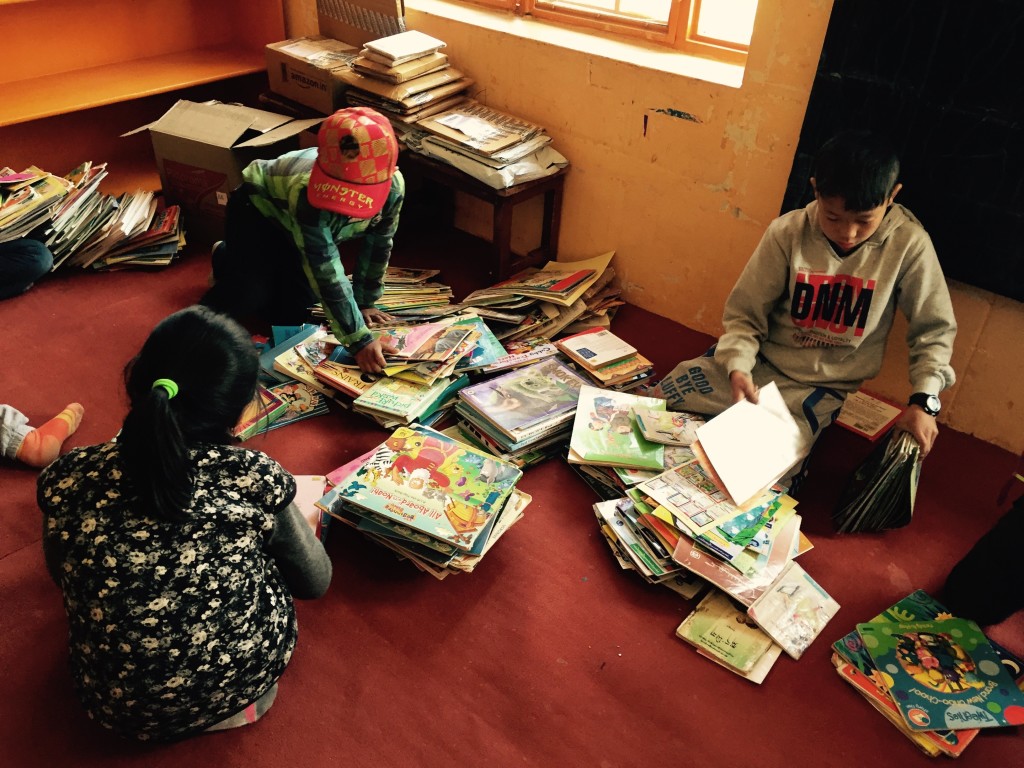
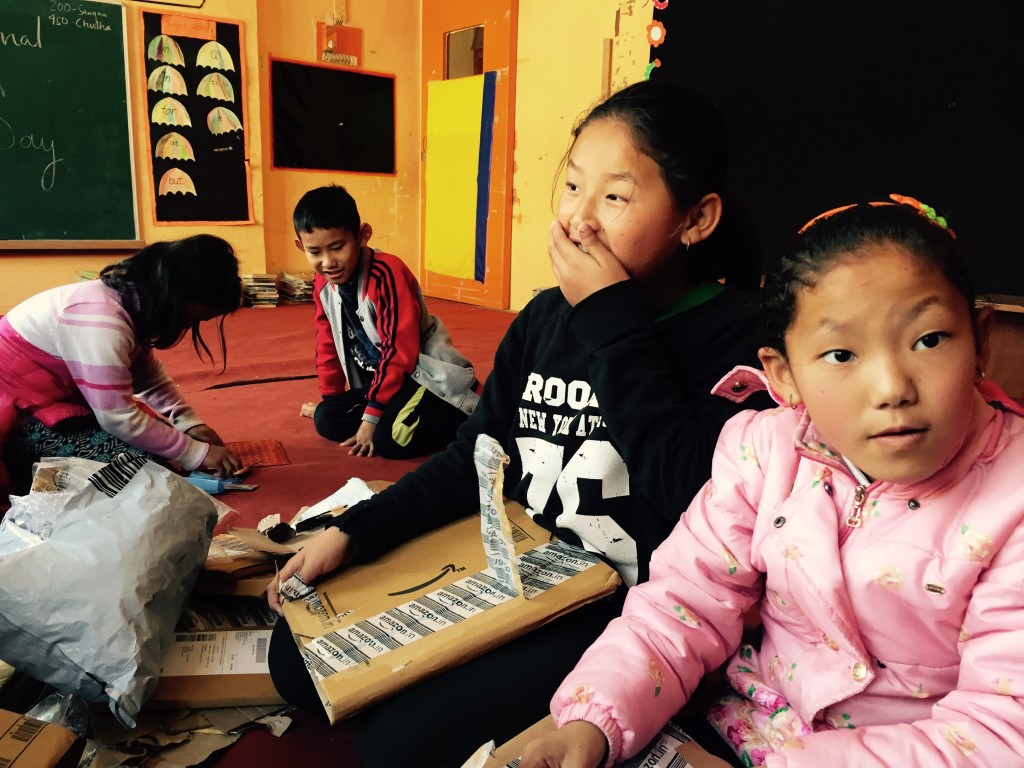
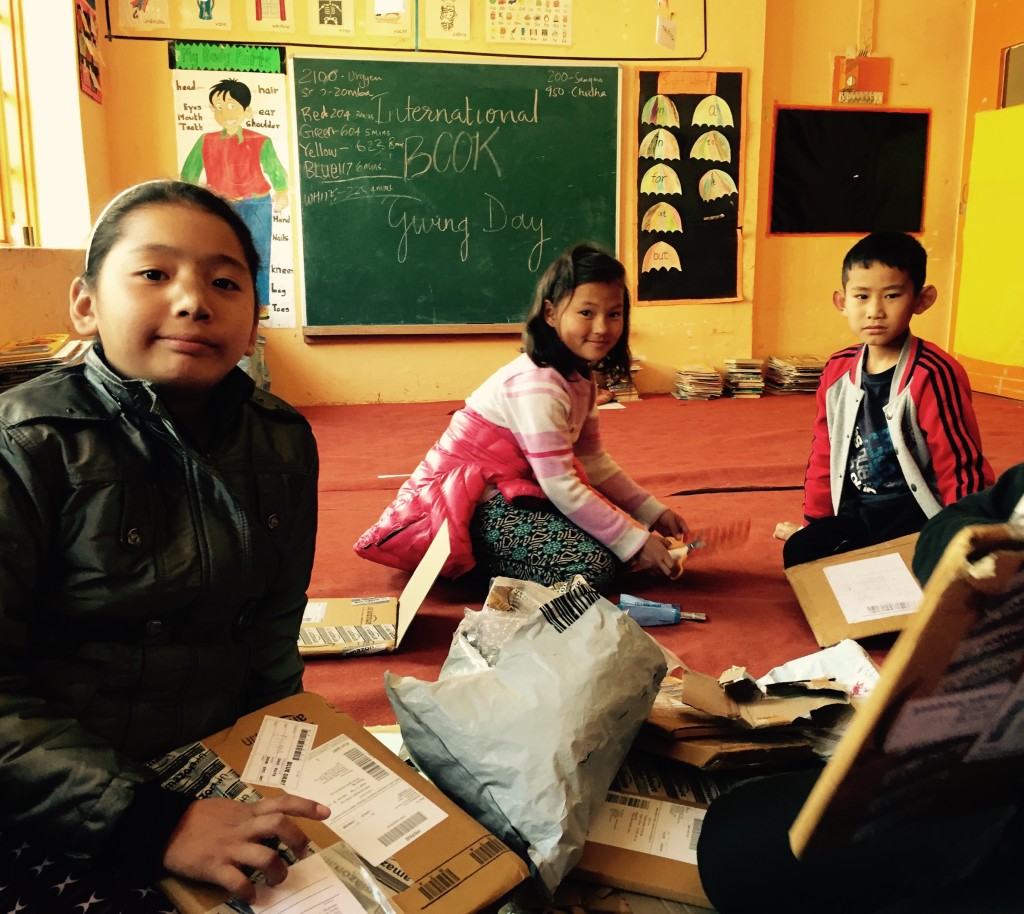
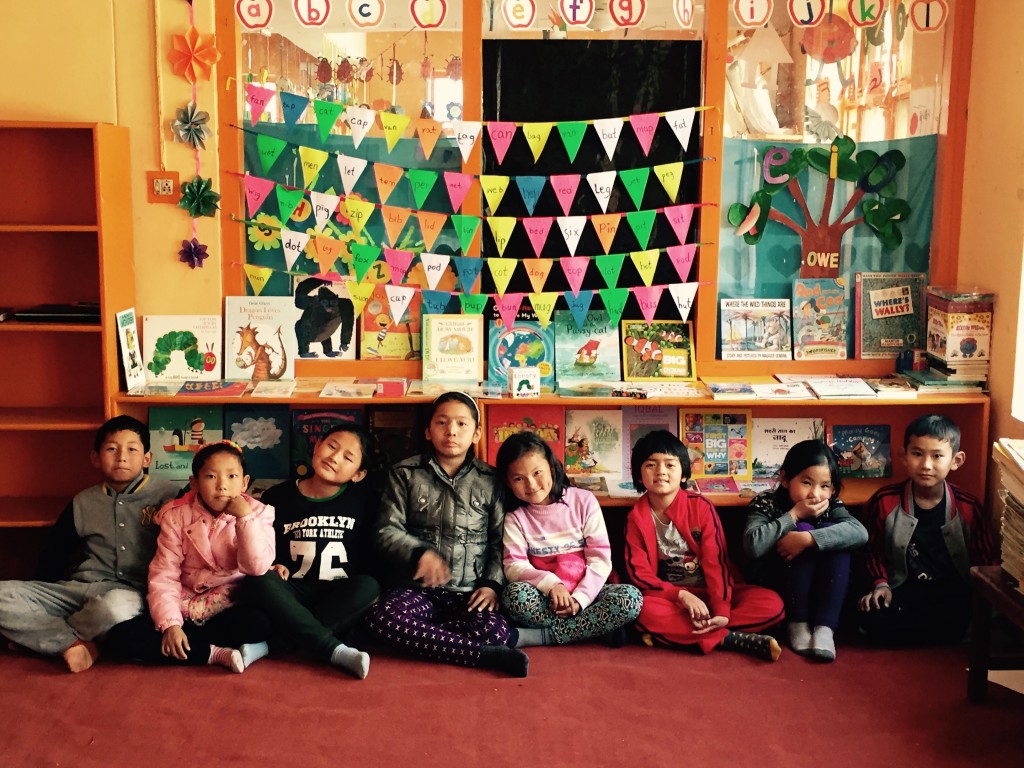
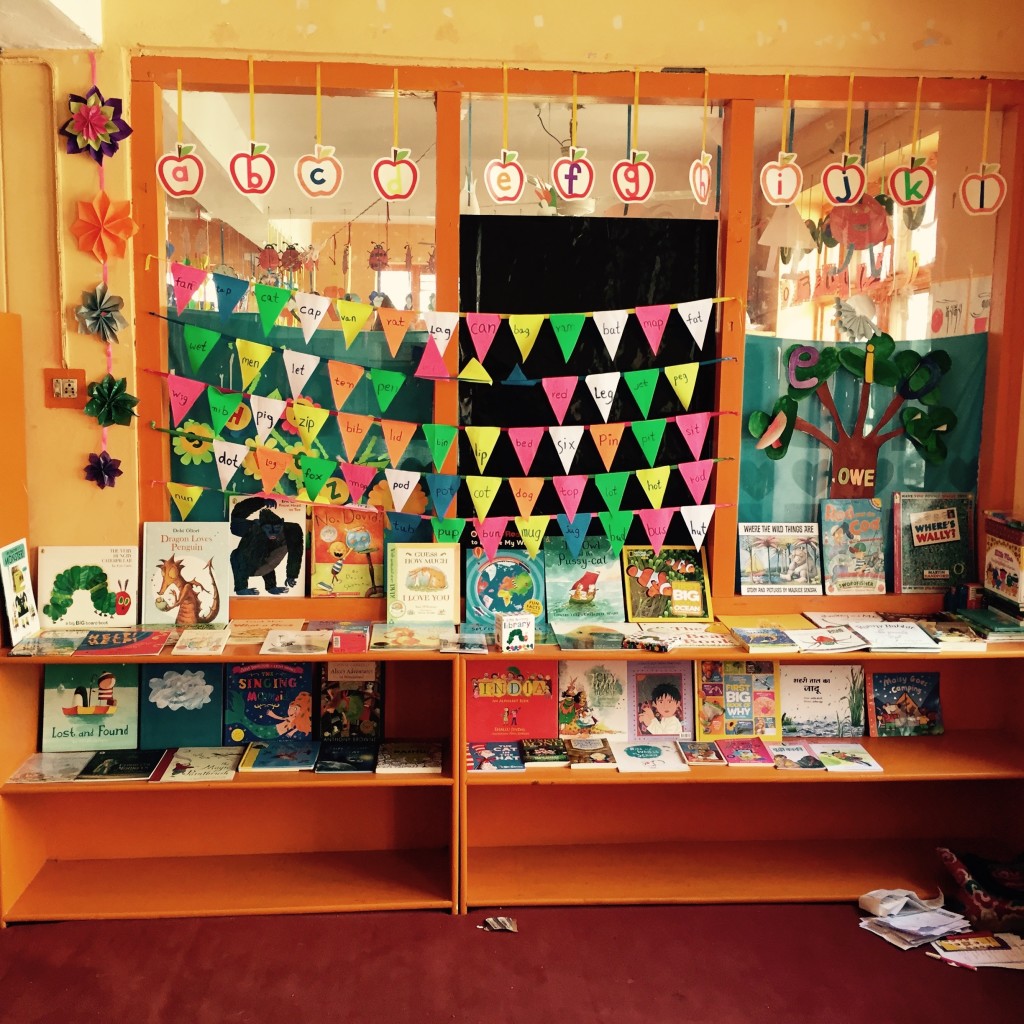
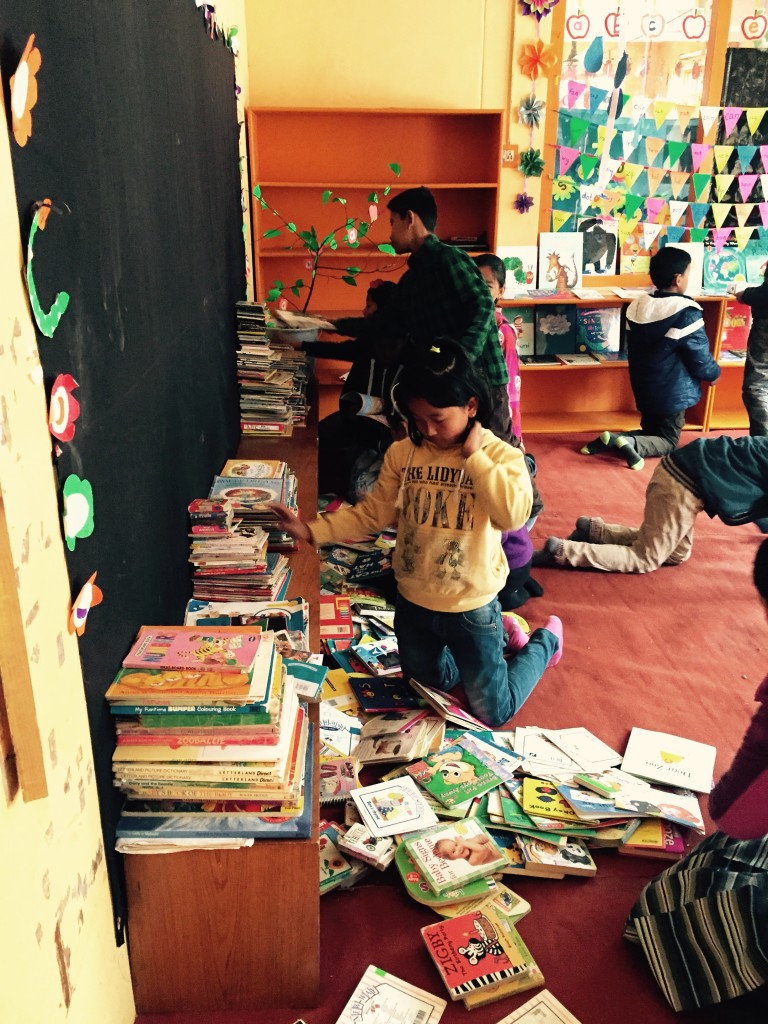
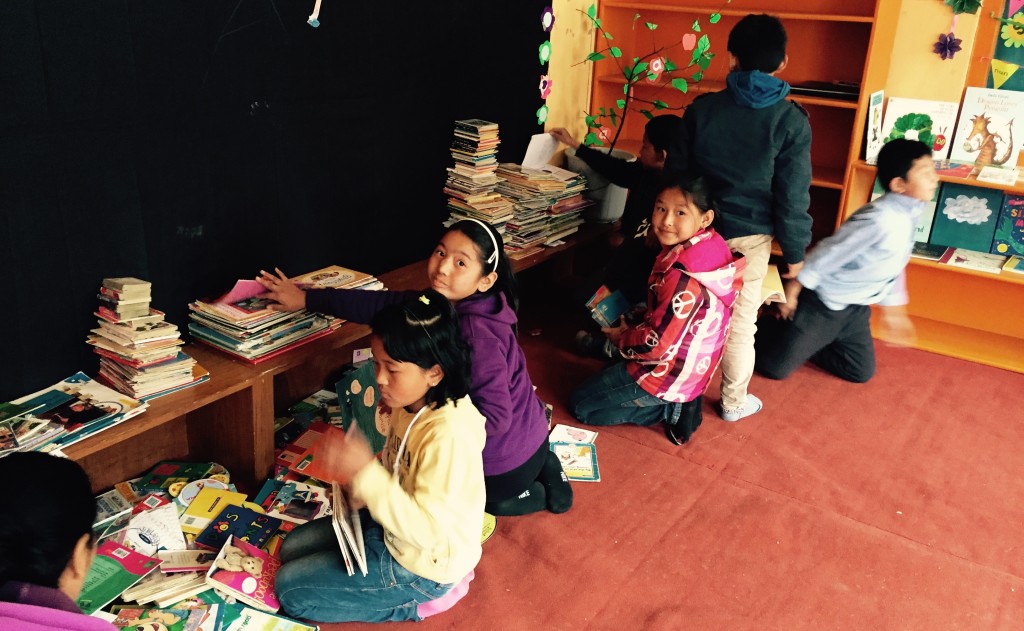
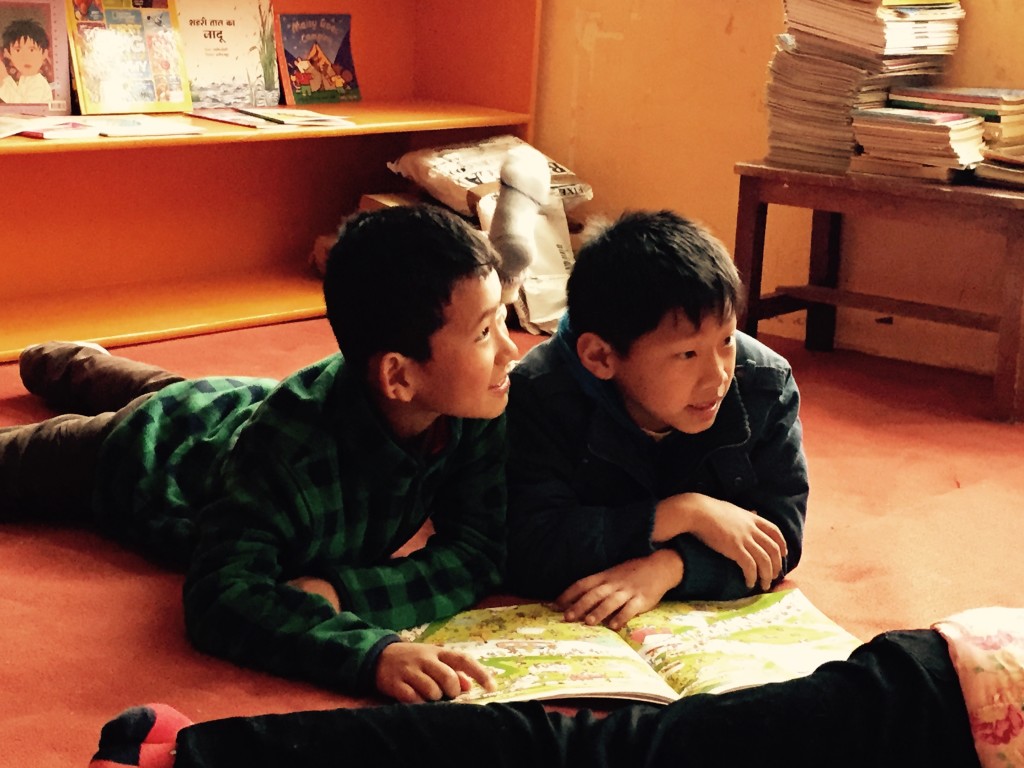
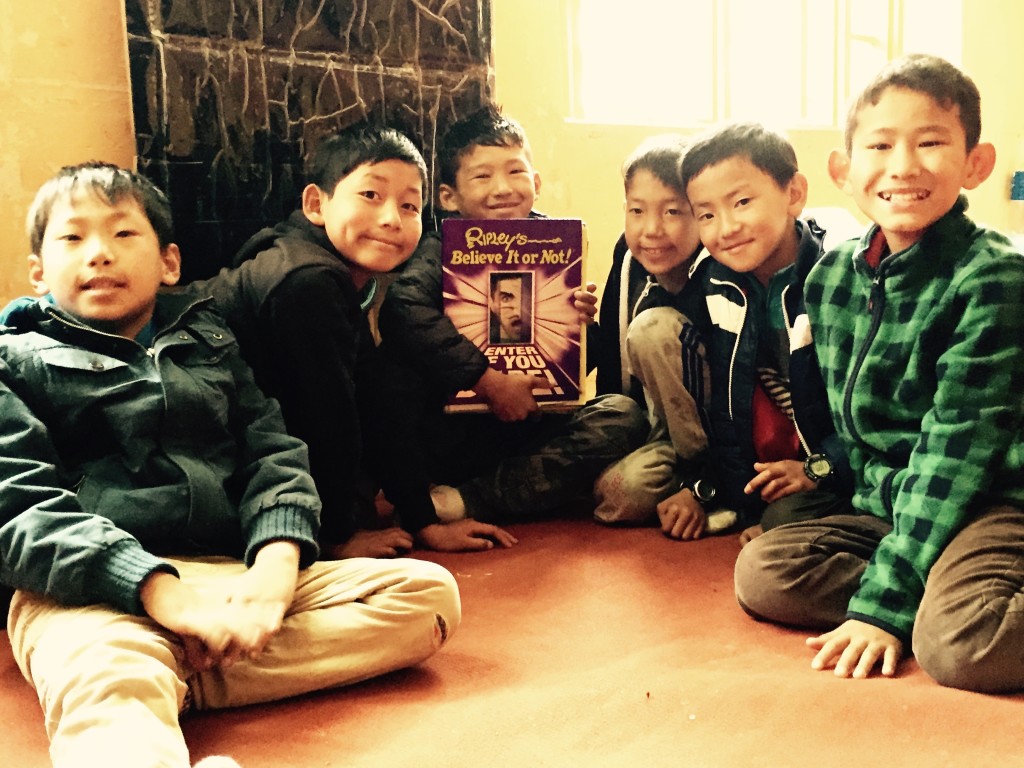
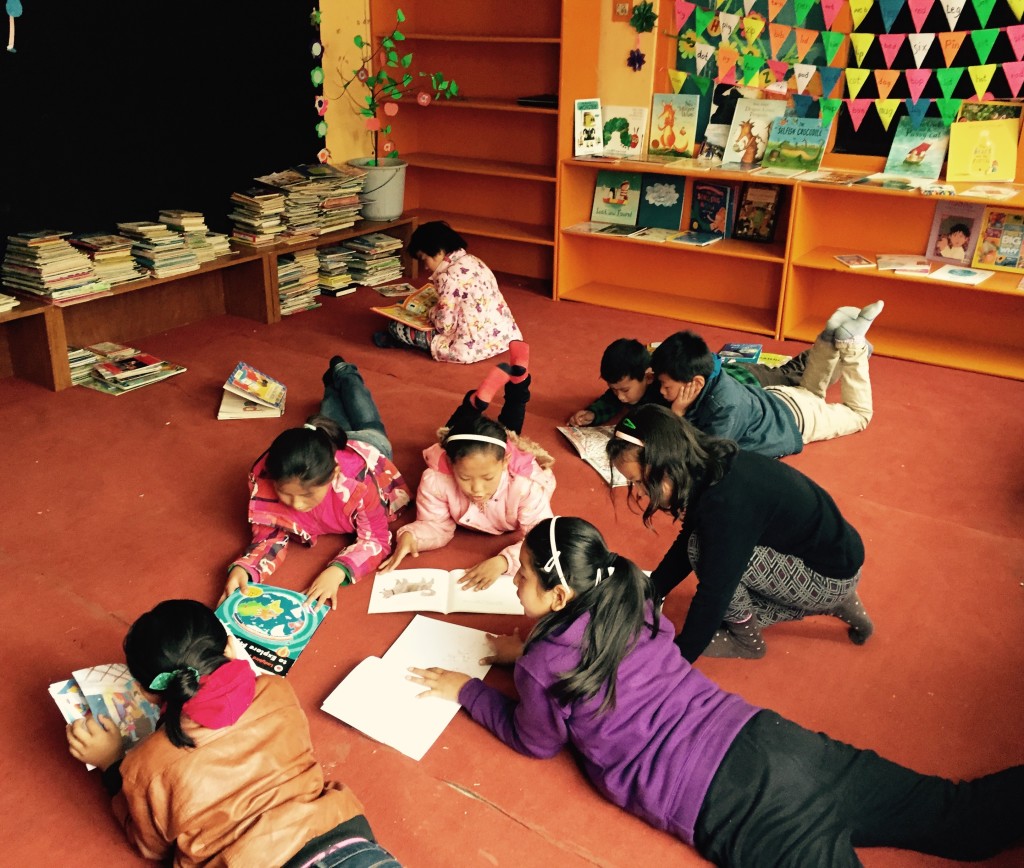
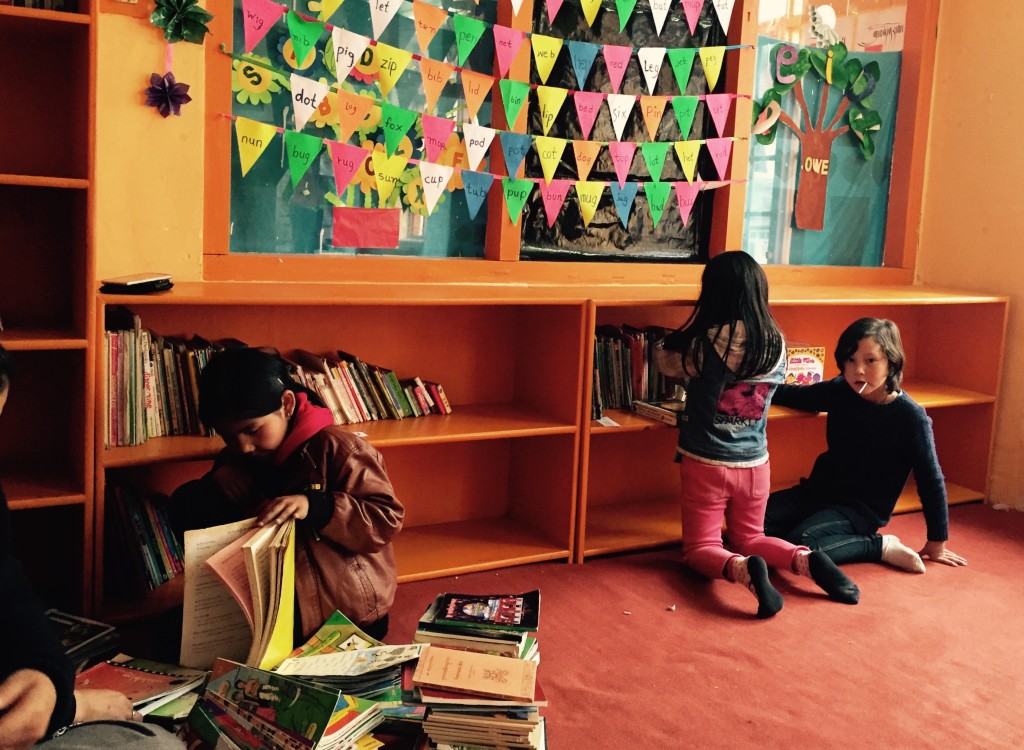
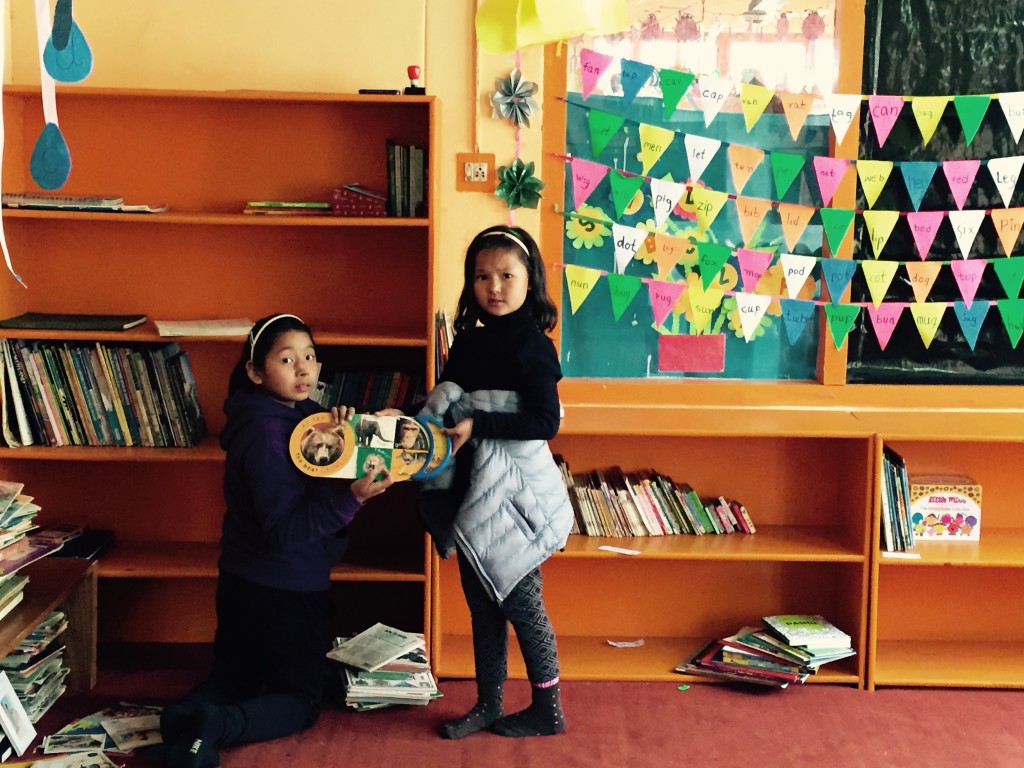
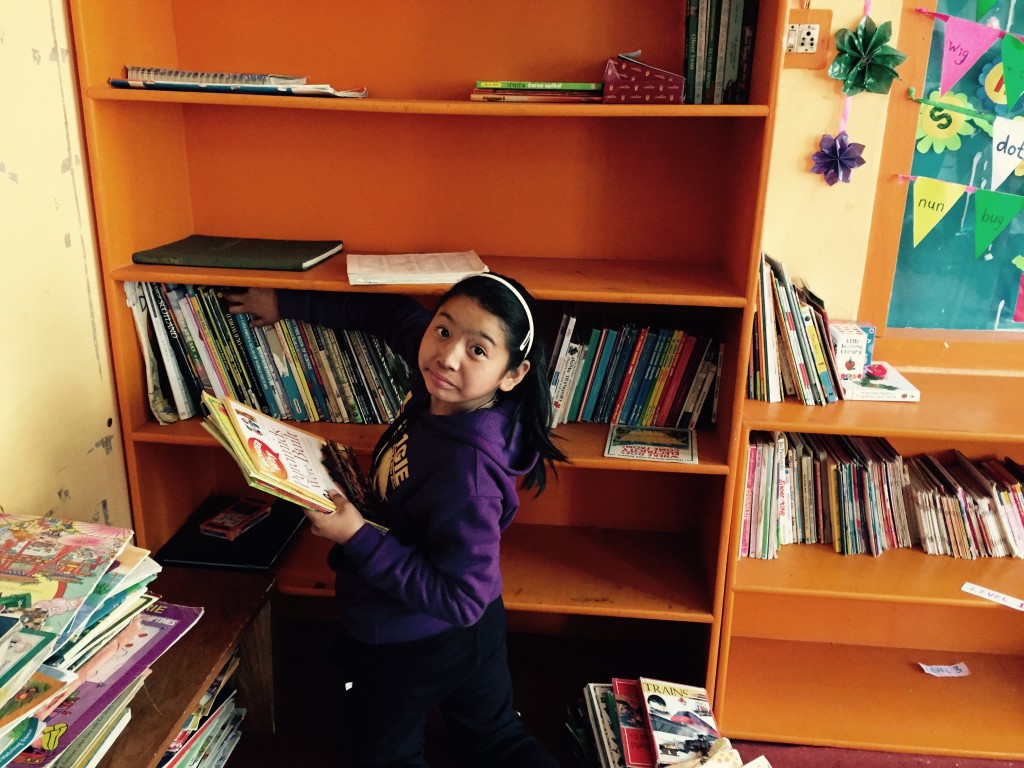
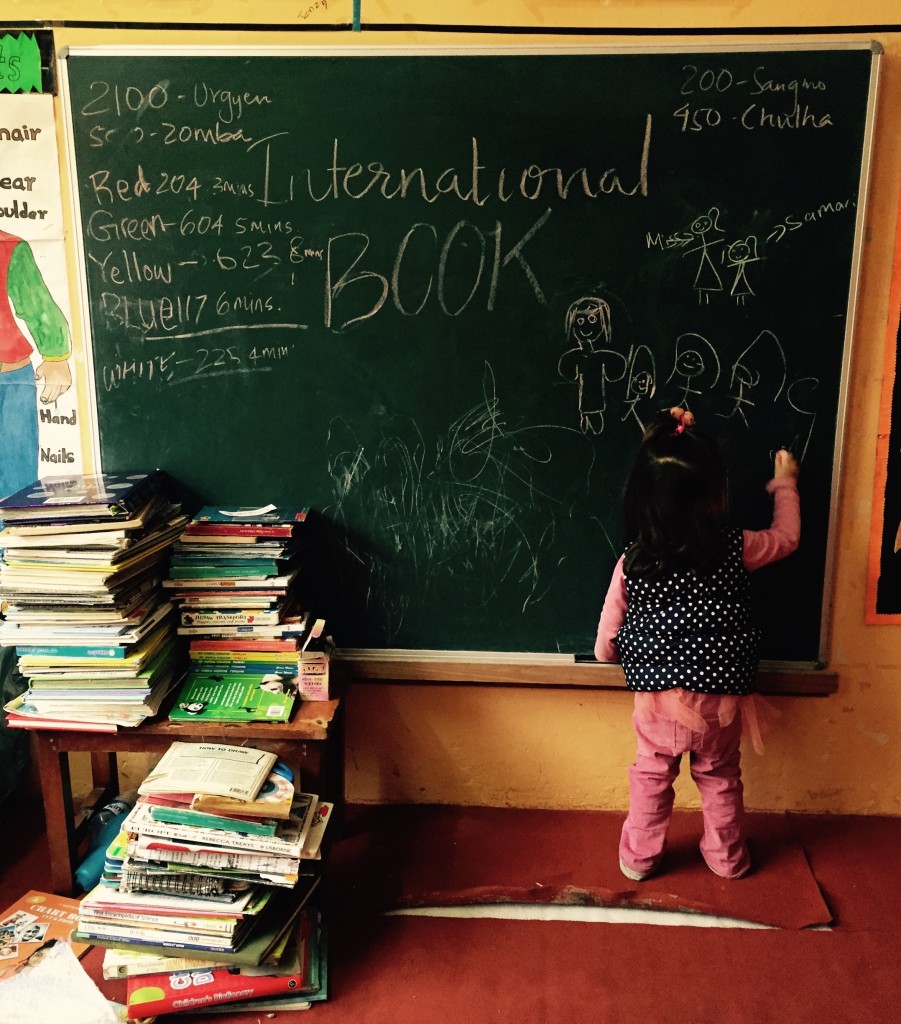
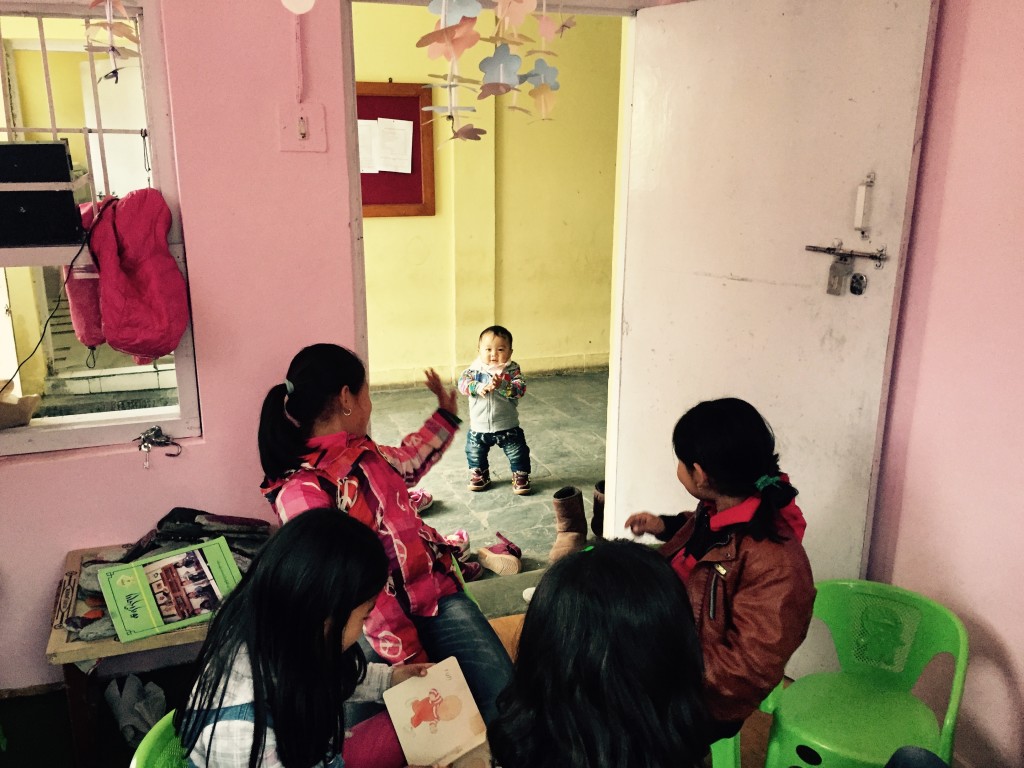
A reading room can be lively without becoming noisy. Children may arrive eager to browse picture books, practise handwriting, draw Himalayan landscapes or listen to a story, while young monks may use the same space for study and conversation. Within that activity, a small quiet corner offers a different kind of invitation: a place to pause, settle and return to learning with greater attention.
In the communities supported by Avalokiteśvara Trust, books are part of a wider educational environment. Access to quality reading material matters greatly, yet literacy also grows through concentration, curiosity and the confidence to spend time with a page. A calm nook, set apart from the busiest shelves, supports these habits without making silence a rule for everyone.
Meditation in this setting does not need to be formal or tied to a particular belief. It may involve a few quiet breaths, looking at a picture book, listening to soft music, or sitting peacefully after a busy school day. The purpose is to make room for awareness and self-regulation, while respecting the cultural and spiritual traditions of Himalayan communities.
Australian supporters may recognise the idea from school libraries, neighbourhood houses and public libraries in Melbourne, Sydney, Brisbane or regional towns. A comfortable chair near a window, a woven mat and a basket of books can change how a child experiences a shared room. In Ladakh and other Himalayan communities, the same principle can be adapted to local architecture, climate, customs and daily rhythms.
A pause that supports learning
Reading asks children to move between attention and imagination. They need to notice letters, follow a sequence, remember characters and make sense of unfamiliar ideas. When several activities happen at once, a quiet place provides a gentle transition from stimulation to focus.
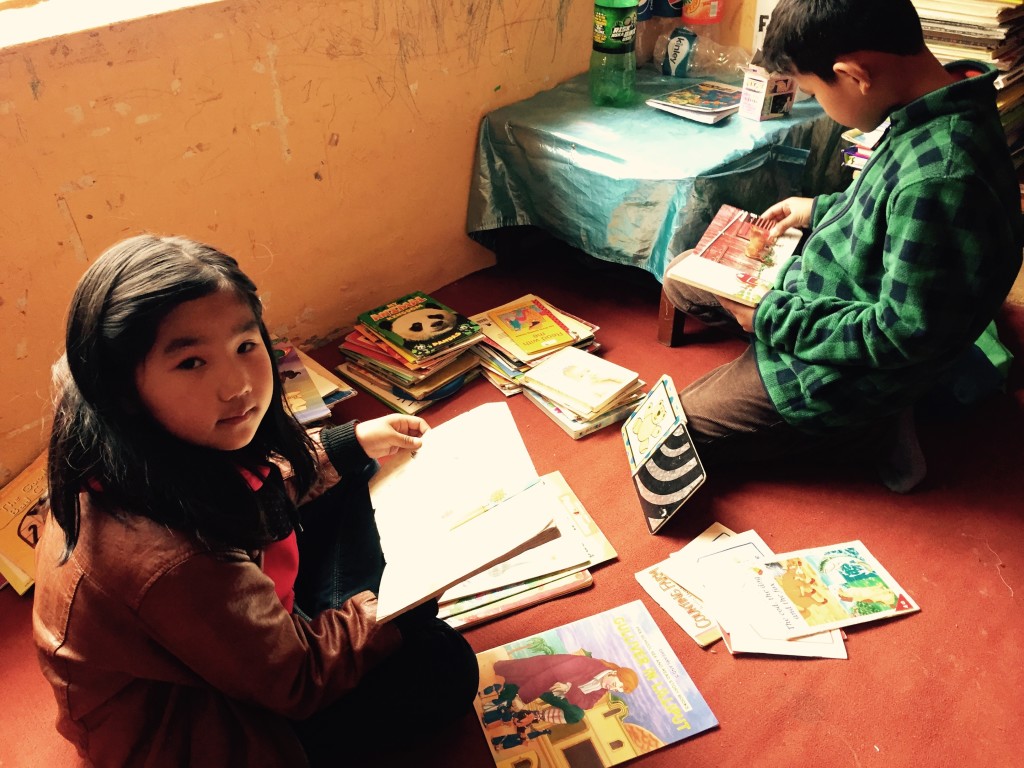
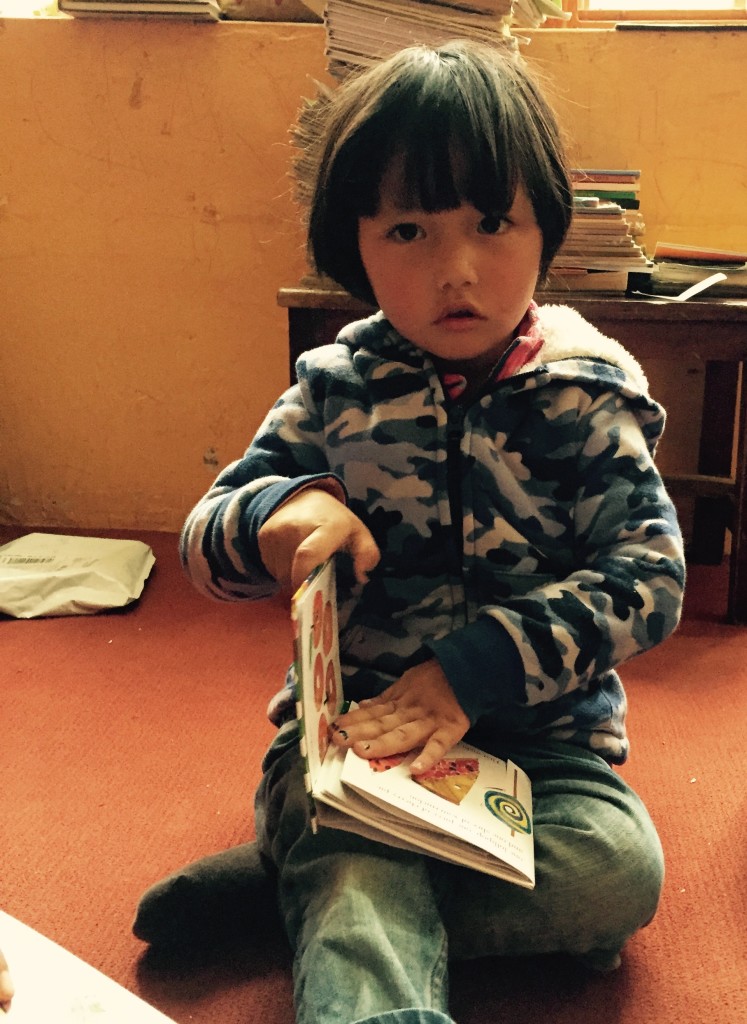
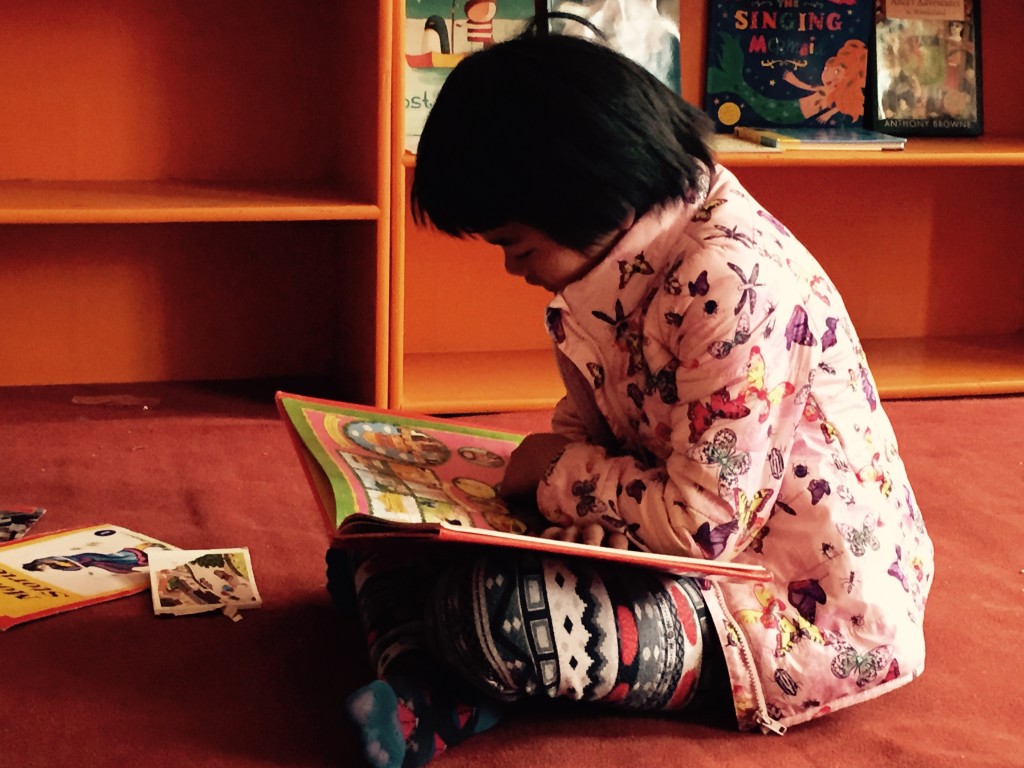
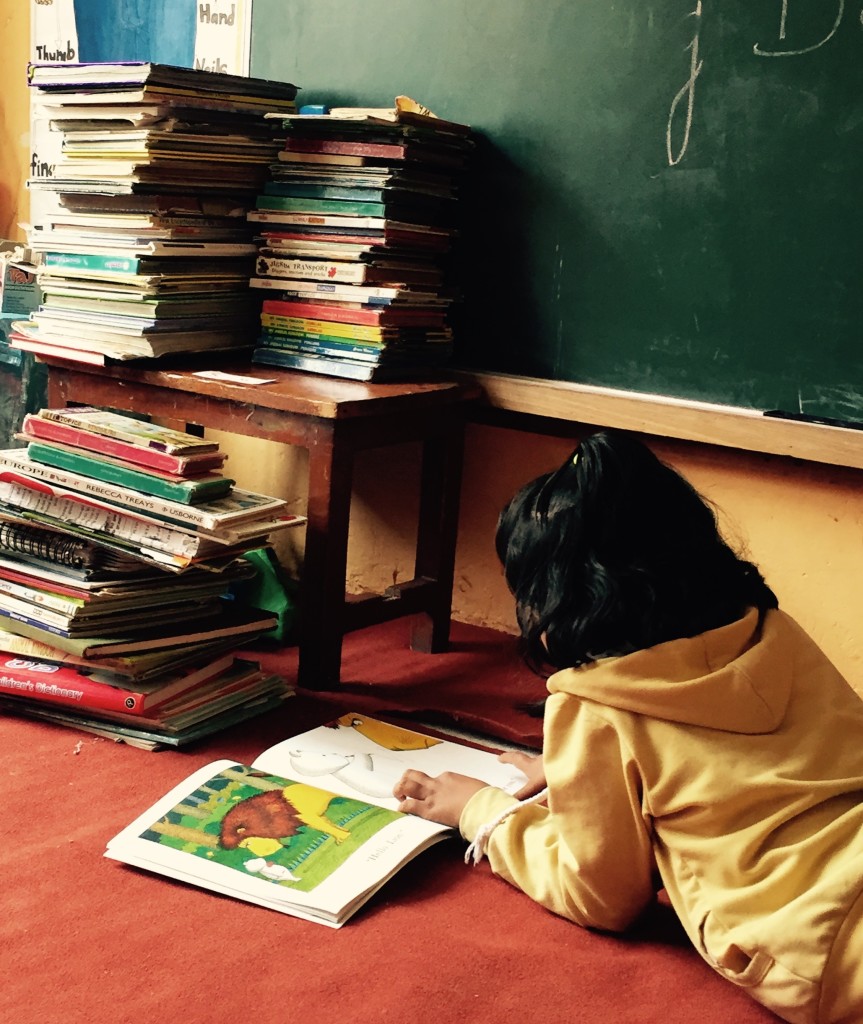
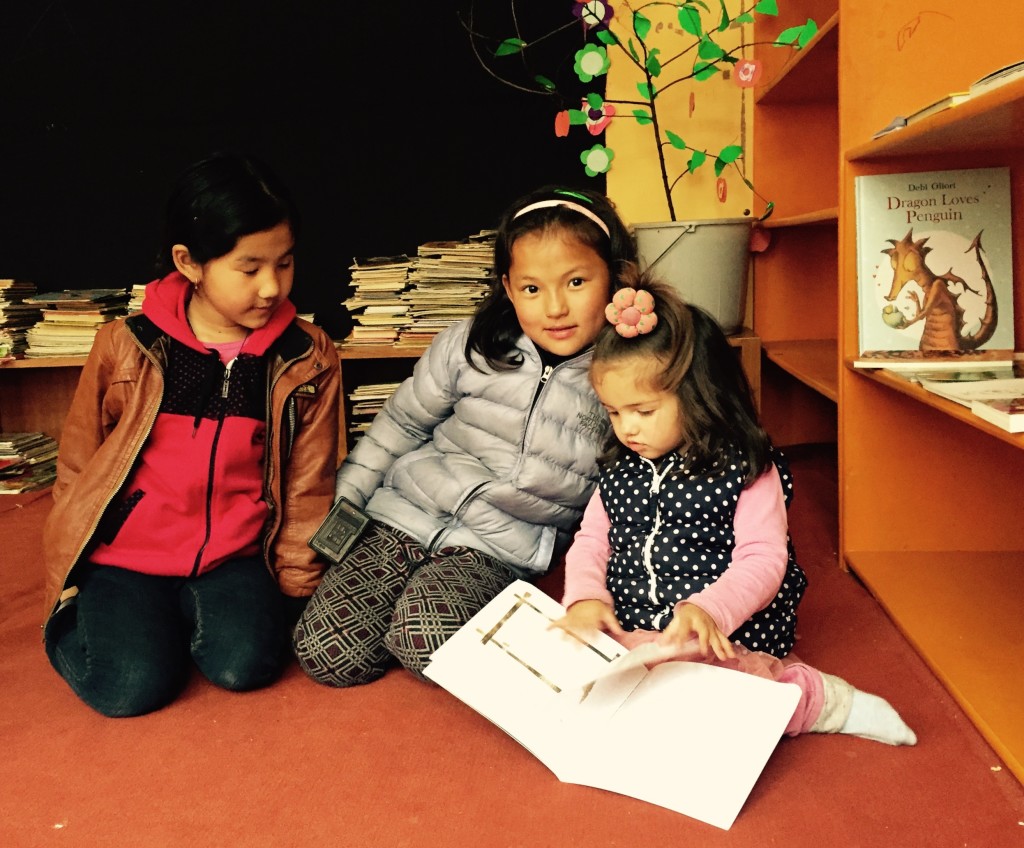
For some children, the corner is useful before reading; for others, it helps after an energetic group activity. A young visitor might sit for two minutes before choosing a book, while another may spend longer looking through a wordless picture story. These small choices help children discover what allows them to concentrate.
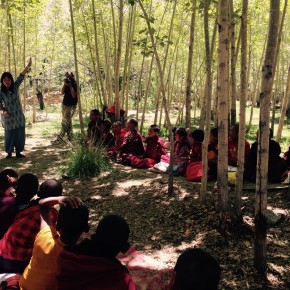
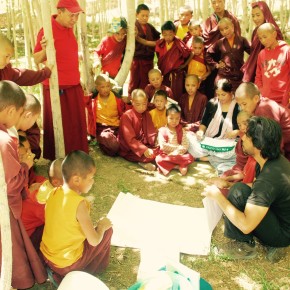
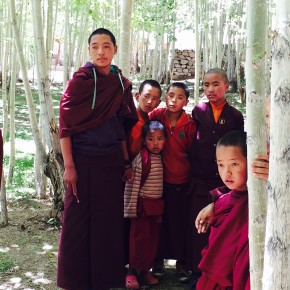
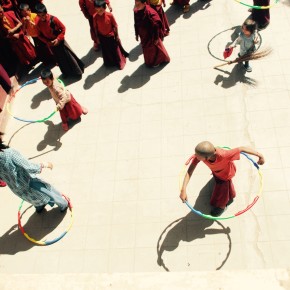
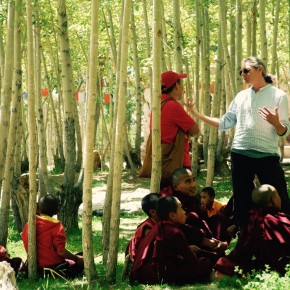
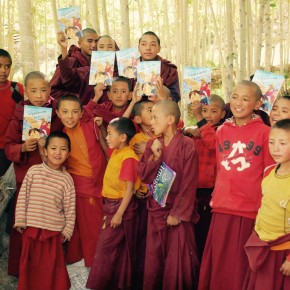
The space can also support young monks whose days may include study, ritual, communal responsibilities and recreation. A reading room should offer a complementary environment: welcoming, calm and open to both individual reflection and shared learning. Quiet does not replace friendship or discussion; it gives those activities a balanced setting.
Designing calm without making it exclusive
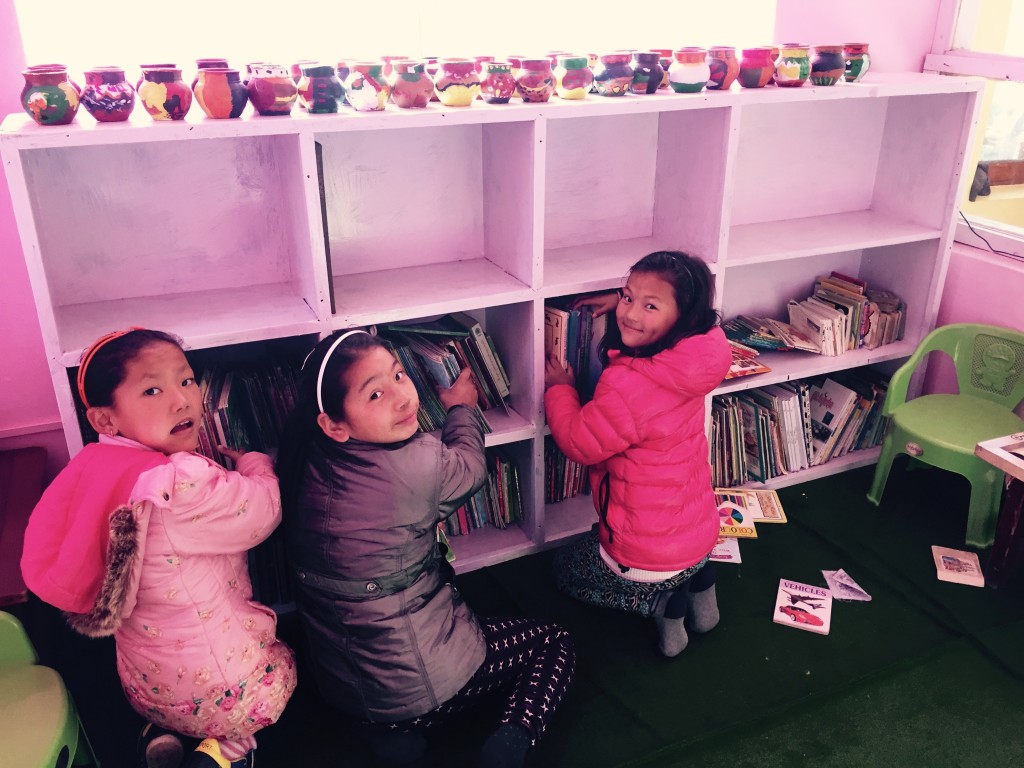
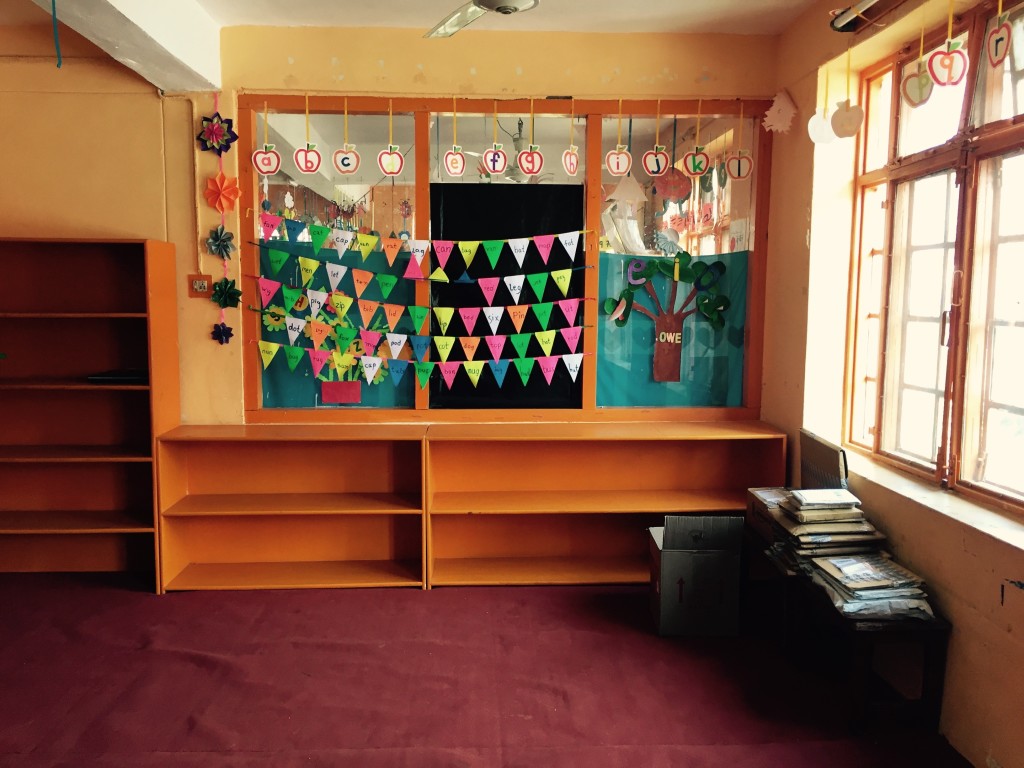
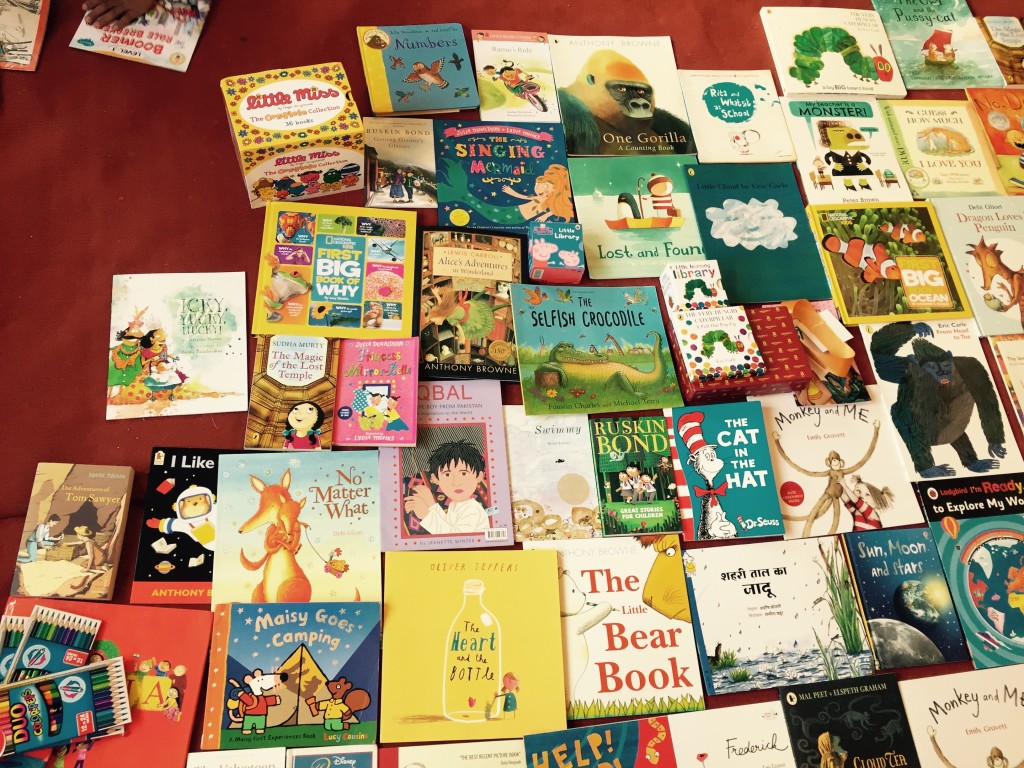
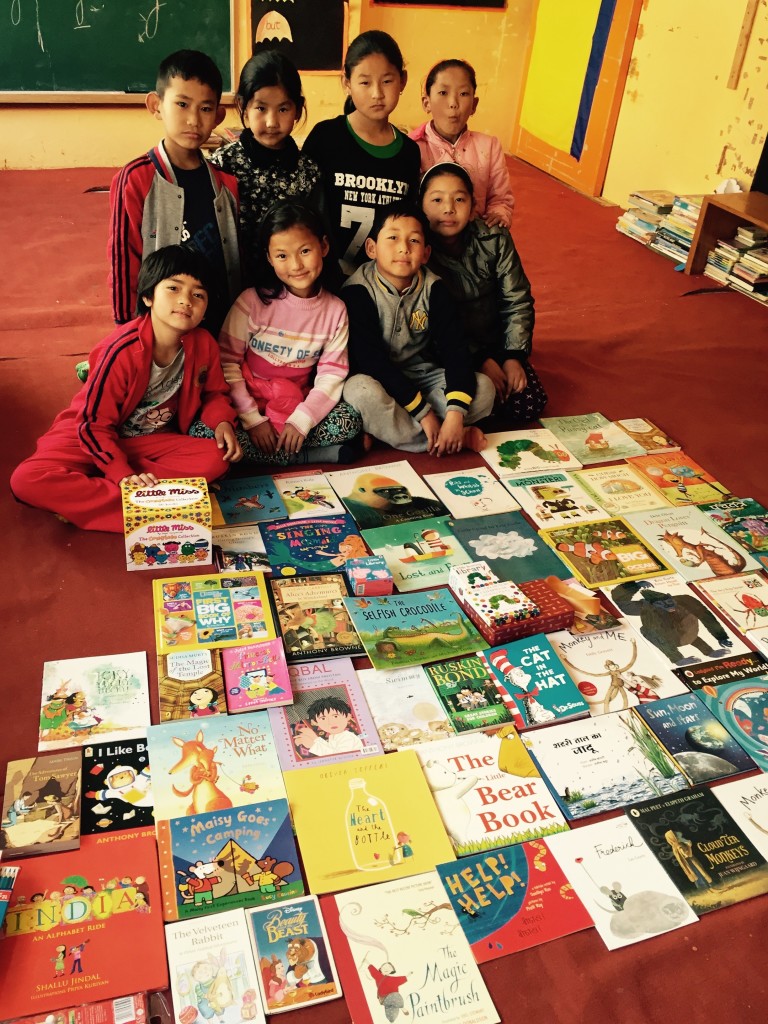
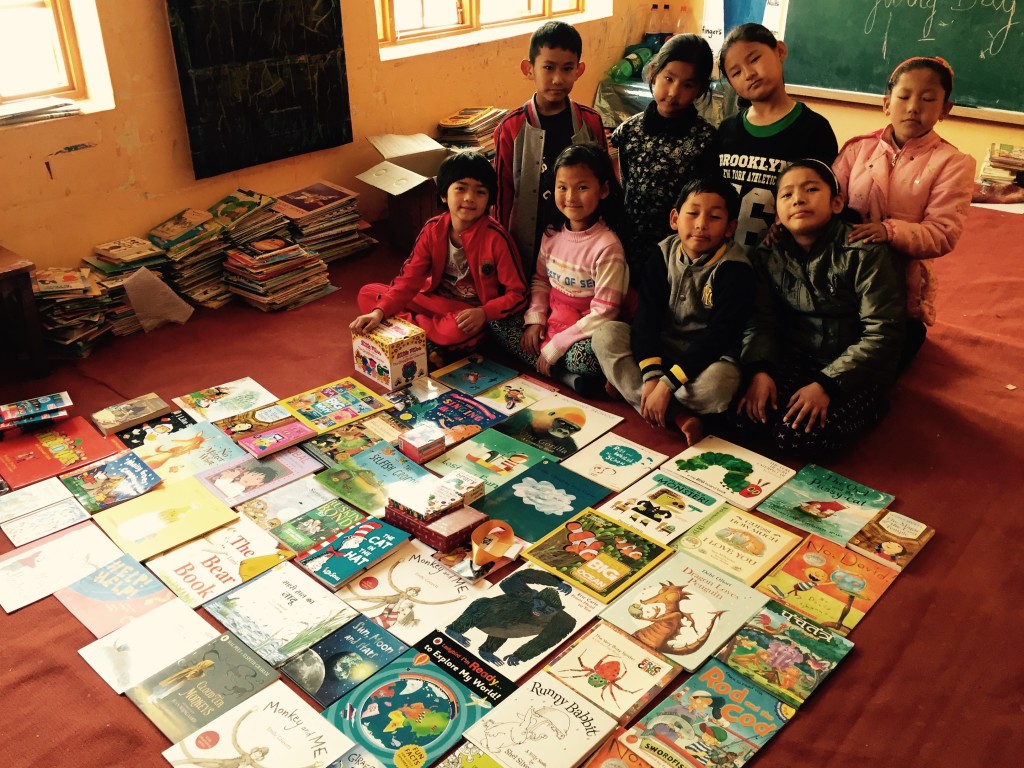
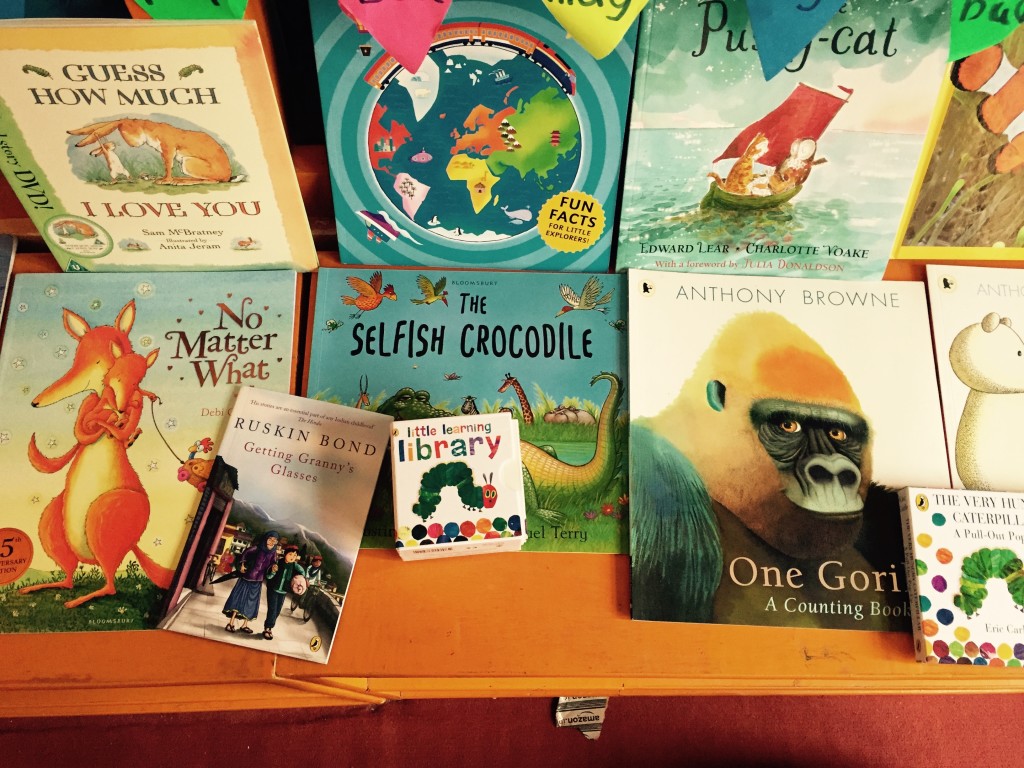
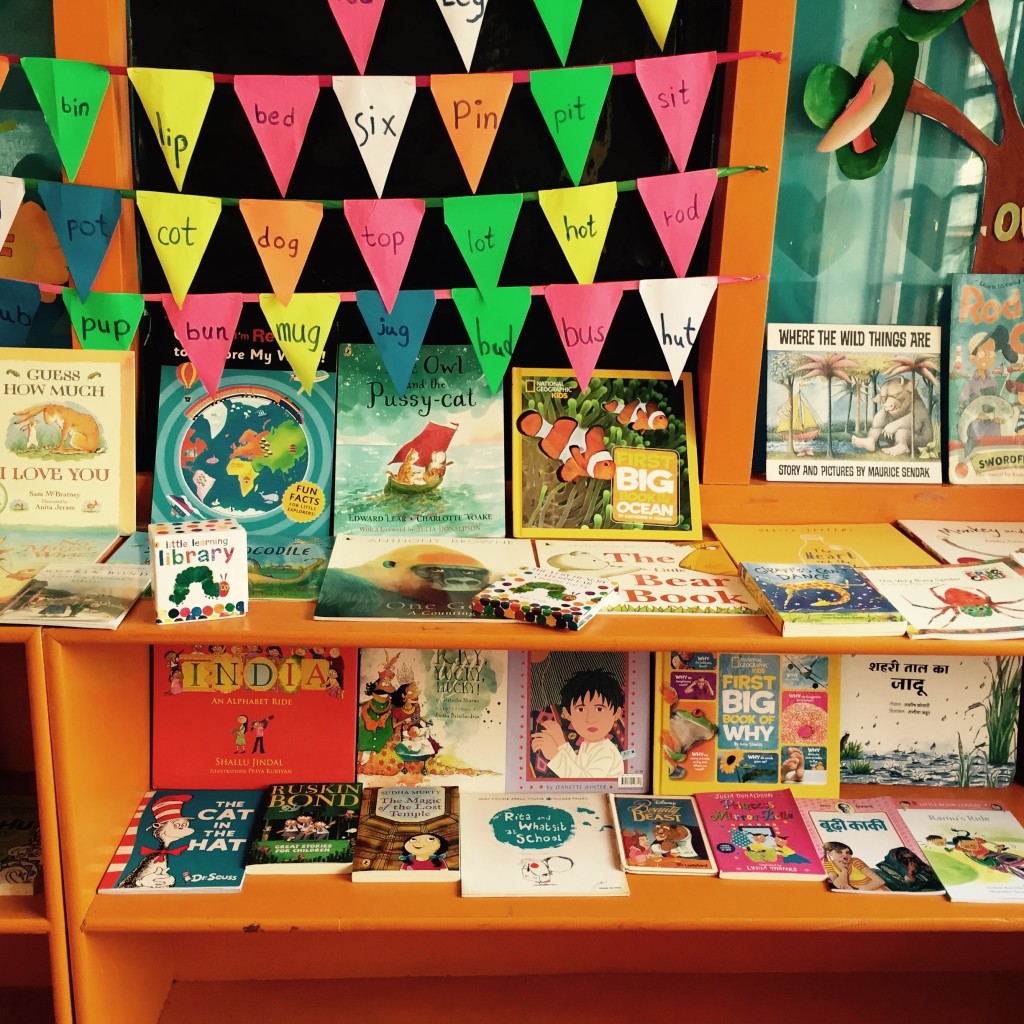
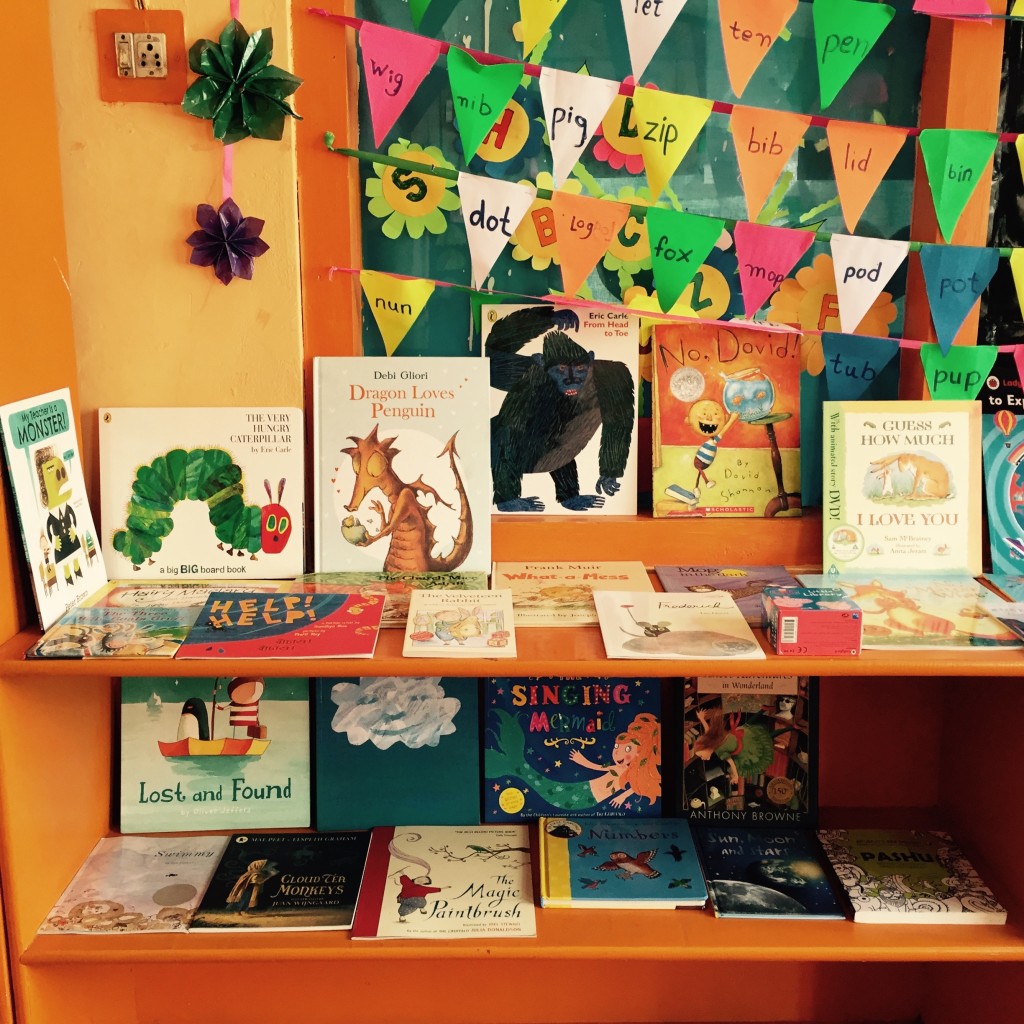
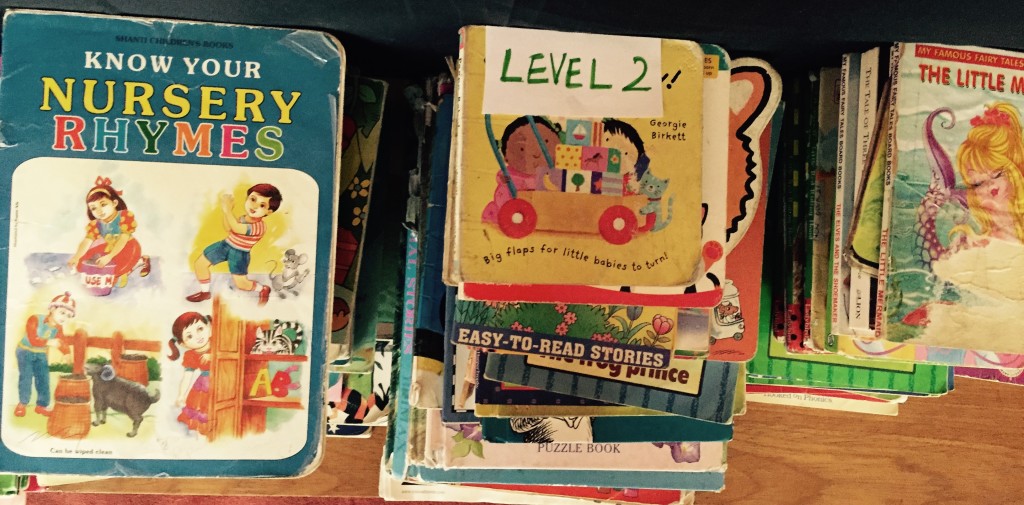
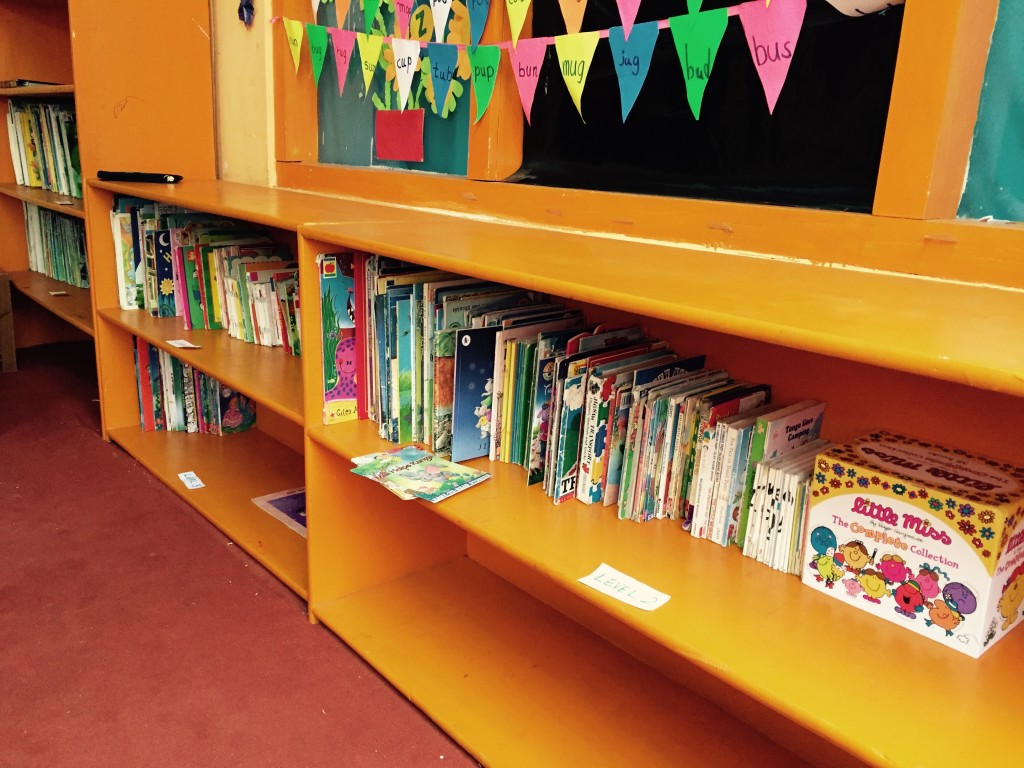
A meditation corner works best when it feels like part of the reading room rather than a restricted area. Low shelves, a small rug, cushions, natural materials and soft lighting can define the space without creating a barrier. Books about nature, poetry, art and feelings may sit alongside children’s stories and beginner readers.
Practical design matters in Himalayan locations. Cold winters, dusty roads and limited power supplies can influence the choice of flooring, furniture and lighting. Durable fabrics, washable covers and easy-to-move items make the corner suitable for changing seasons and different age groups. Where electricity is unreliable, daylight and battery-powered lamps can provide a simple solution.
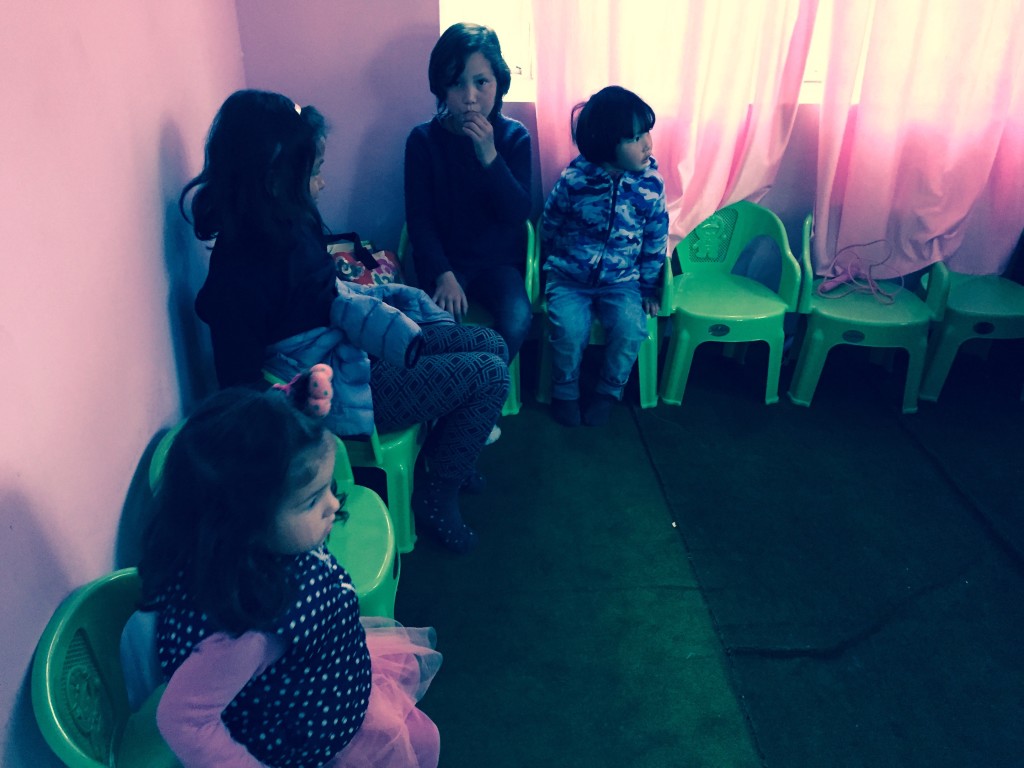
Accessibility should guide every decision. A child should be able to enter without asking permission or feeling observed. The area needs enough room for different bodies and mobility needs, and activities should not rely solely on sitting cross-legged. A chair, floor cushion or leaning mat can make the space comfortable for more children.
Simple practices with a local character
There is no single correct meditation practice for a reading room. A facilitator might invite children to notice five sounds, trace a slow pattern with a finger, listen to a short piece of music or breathe while watching a small lantern. These activities can be explained in plain language and offered as choices rather than instructions that demand participation.
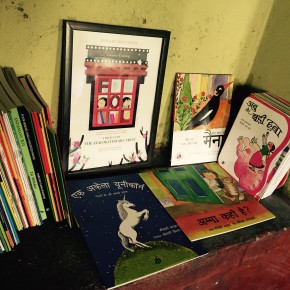
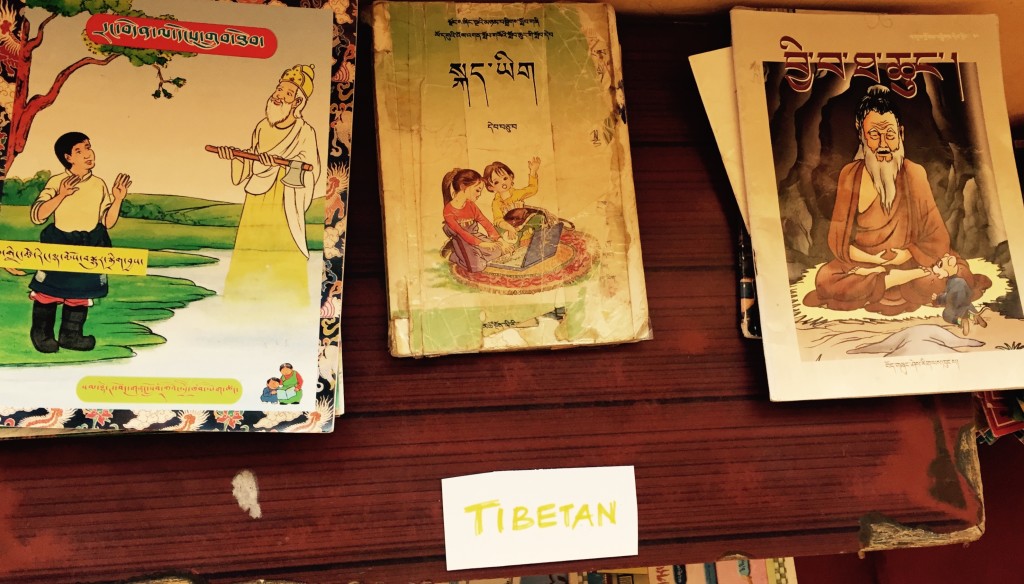
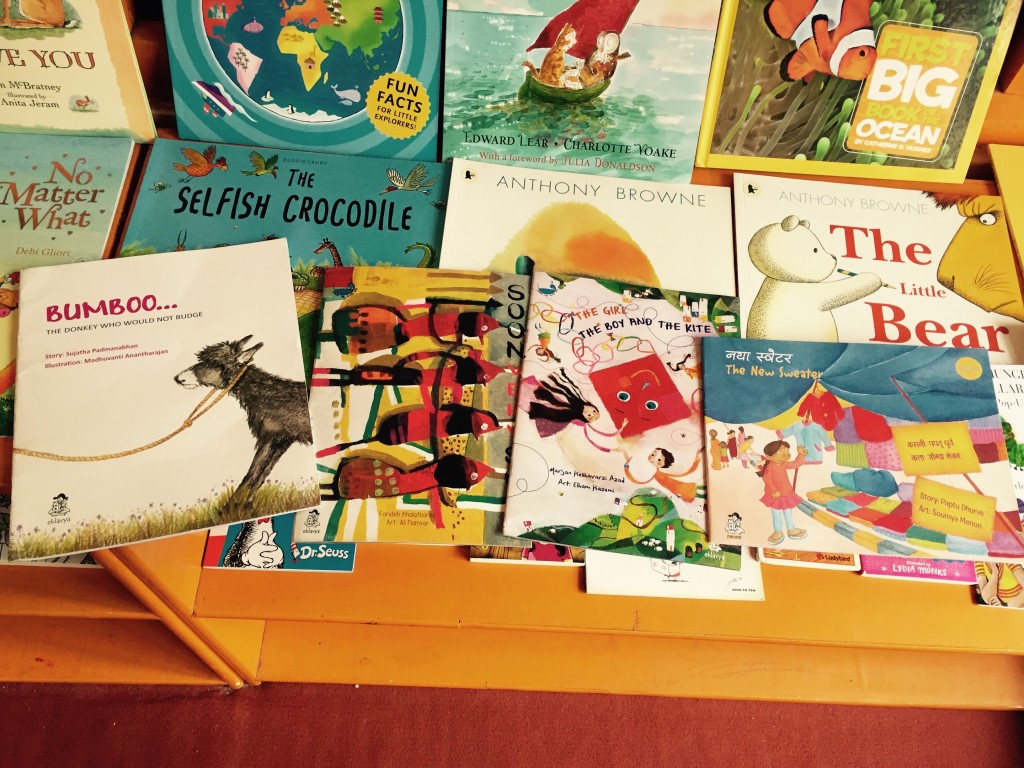
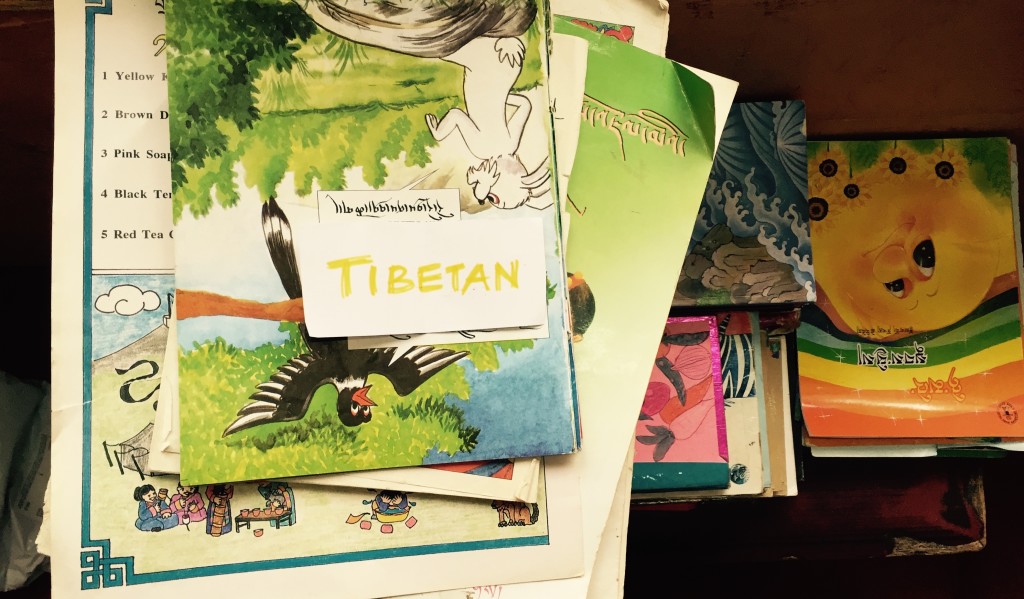
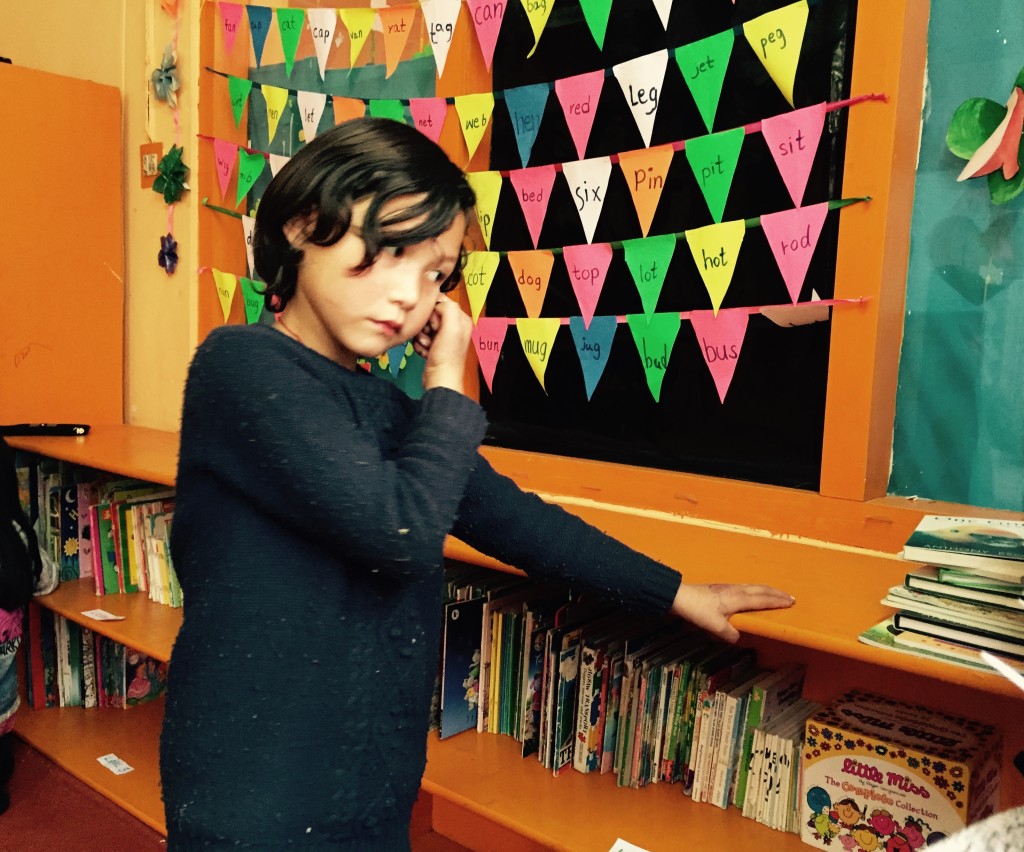
Local culture gives the corner its character. In a Himalayan village, children might reflect on mountain weather, monastery courtyards, yaks, rivers or the changing light on nearby peaks. A shelf could include bilingual books, folk stories, locally made illustrations and texts that reflect the languages spoken by the community. The goal is a sense of recognition, not a generic wellness display.
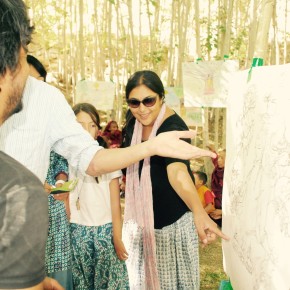
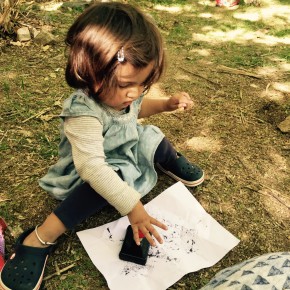
Art and music also belong naturally in this space. Children can create mandala-inspired patterns, sketch leaves or listen to gentle instrumental sounds before settling with a book. Such activities connect concentration with creativity, which is especially valuable in communities where educational resources may be scarce but artistic traditions remain strong.
Building a respectful shared routine
A quiet corner becomes meaningful through consistent, low-pressure use. Volunteers and educators can model the practice by lowering their voices, returning cushions neatly and allowing children to leave when they are ready. A short routine before story time may include one minute of stillness, followed by a clear invitation to choose a book.
Clear boundaries protect the atmosphere. The corner should not be used for punishment, forced silence or exclusion from a group. Children who are upset may be offered the space, but they should receive support rather than being sent away. Staff can explain that the area is for resting, reading and calming down, not for avoiding participation indefinitely.
Families and community members can help shape the routine. Their views may influence the placement of images, the use of music, the languages on signs and the kinds of books selected. This consultation is particularly important when a reading room serves children from varied religious and cultural backgrounds. Respect grows when the space reflects the community rather than imposing an outside idea of mindfulness.
A modest investment with wide benefits
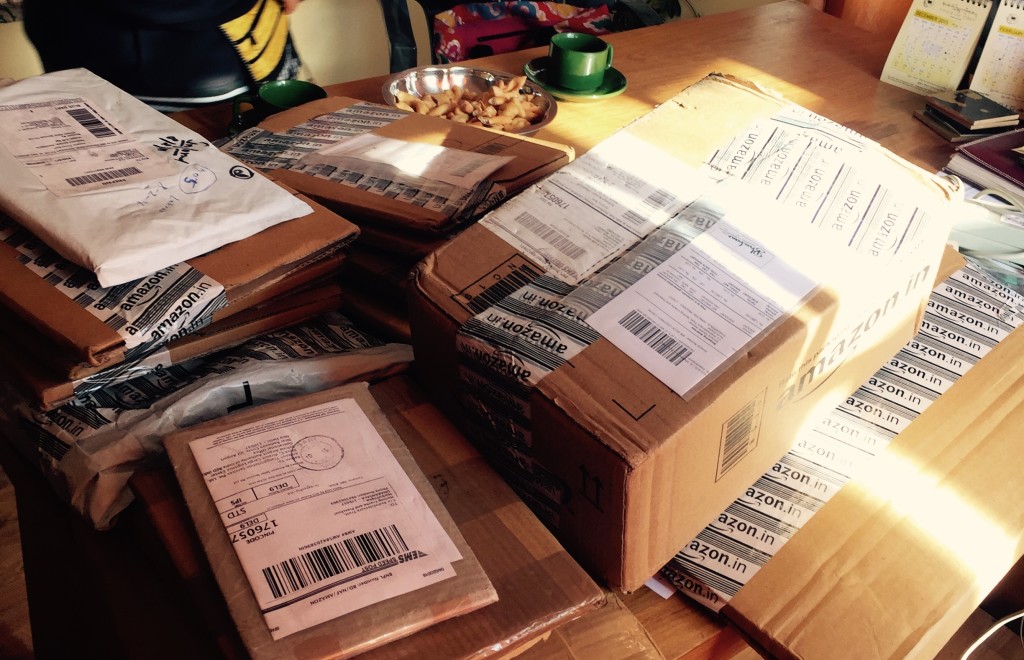
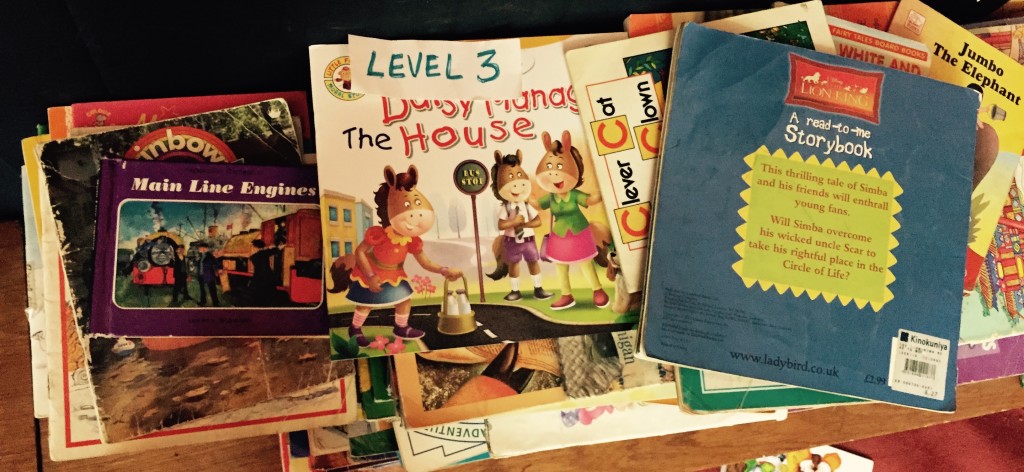
A quiet corner does not require expensive equipment. A community reading room may begin with a donated rug, a low shelf, several cushions, a basket of books and a handmade sign. Australian supporters can contribute through book drives, school partnerships and local fundraising, while recognising that shipping books overseas can be costly and that suitable, culturally relevant titles are often more useful than large quantities.
Libraries and schools in Australia already demonstrate how small areas can support different kinds of learning. A council library in regional Victoria, a primary school in Western Sydney or a community centre in Perth may use a sensory nook, reading tent or reflection space. These local examples can inspire donors, but the final design should be selected by the people who use the Himalayan reading room.
The benefits are gradual. Children may become more willing to browse independently, stay with a challenging story or express how they feel. Volunteers may find that group sessions begin more smoothly. A young monk might use the space to gather his thoughts before study, while a younger child may simply enjoy a peaceful corner away from the crowd.
| Element |
Purpose |
Simple implementation |
| Comfortable seating |
Gives children options for posture and rest |
Use a cushion, mat, small chair or bench |
| Thoughtful book selection |
Connects reflection with literacy |
Include local stories, poetry, picture books and bilingual titles |
| Gentle routine |
Makes the space familiar without making it compulsory |
Offer a minute of breathing, listening or quiet looking |
| Natural and durable materials |
Supports comfort and long-term use |
Choose washable covers, low shelving and daylight where possible |
| Community guidance |
Keeps the space culturally appropriate |
Invite families, educators and local leaders to shape it |
| Clear boundaries |
Protects dignity and inclusion |
Never use meditation as punishment or forced participation |
The quiet corner is therefore more than a decorative feature. It gives children a practical way to move between activity and attention, and it shows that reading rooms can care for the whole learner. In Ladakh and across the Himalayan region, its form may be humble, but its message is generous: learning has room for curiosity, creativity, silence and rest.
A useful starting point is simple: choose one safe corner, add comfortable seating, place a few welcoming books within reach, and establish a brief voluntary pause that children can make their own.