Why Every Reading Room Keeps a Guest Book
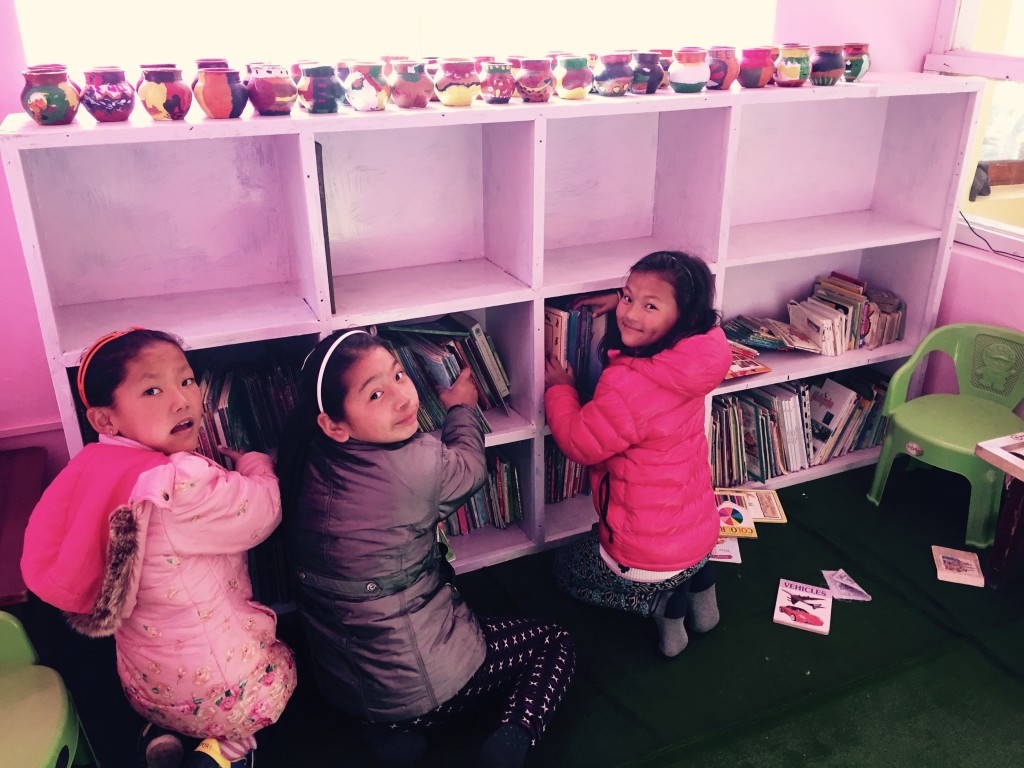
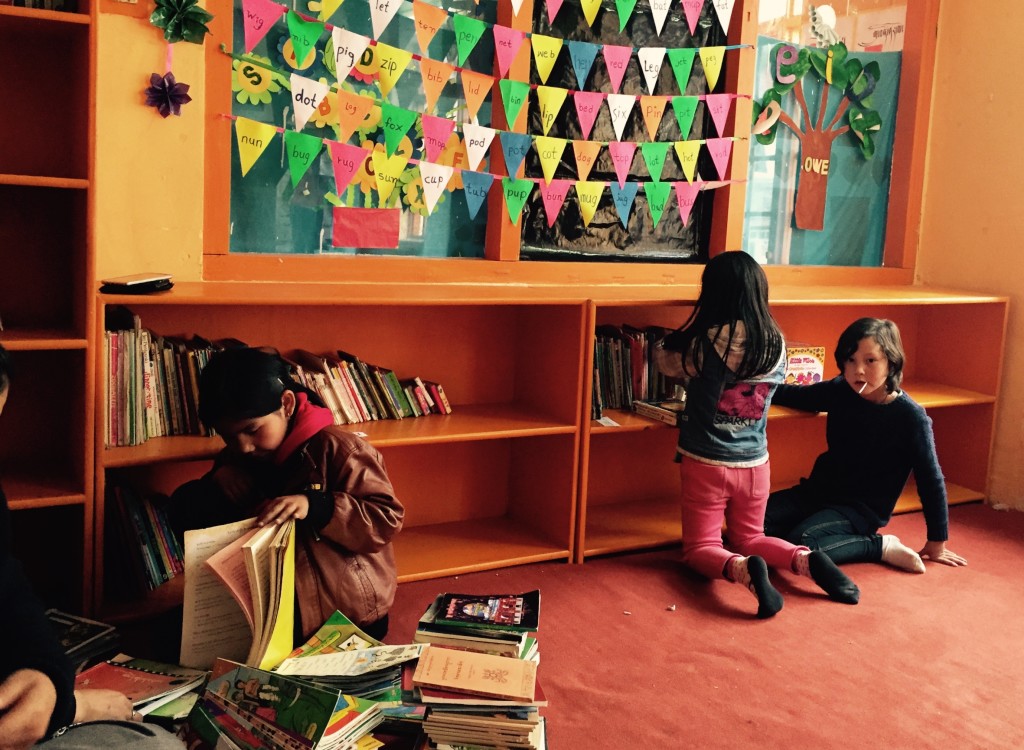
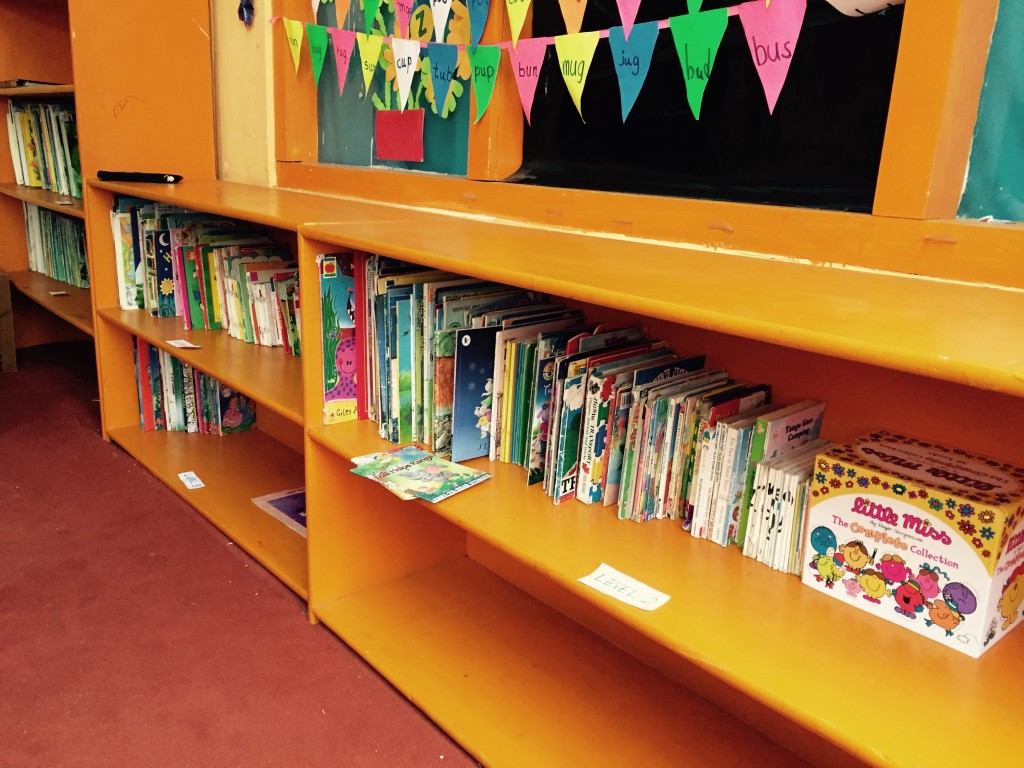
A reading room is shaped by the people who use it. Shelves, cushions and tables create the setting, but visitors bring the memories, questions and encouragement that give the space its living character. In a Himalayan village, a guest book makes those connections visible long after a visitor has returned home.
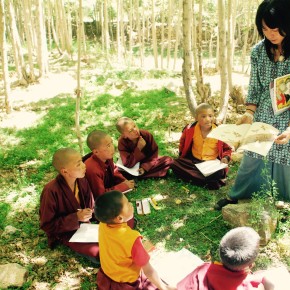
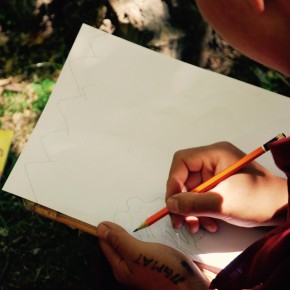
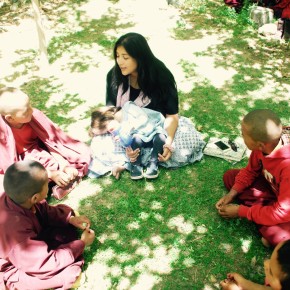
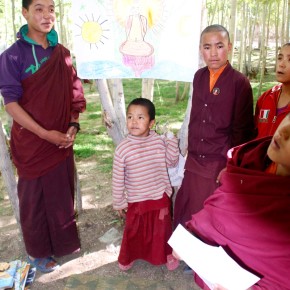
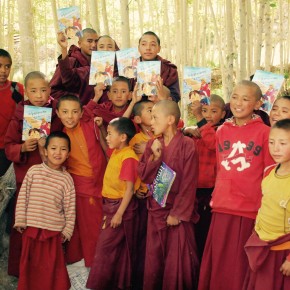
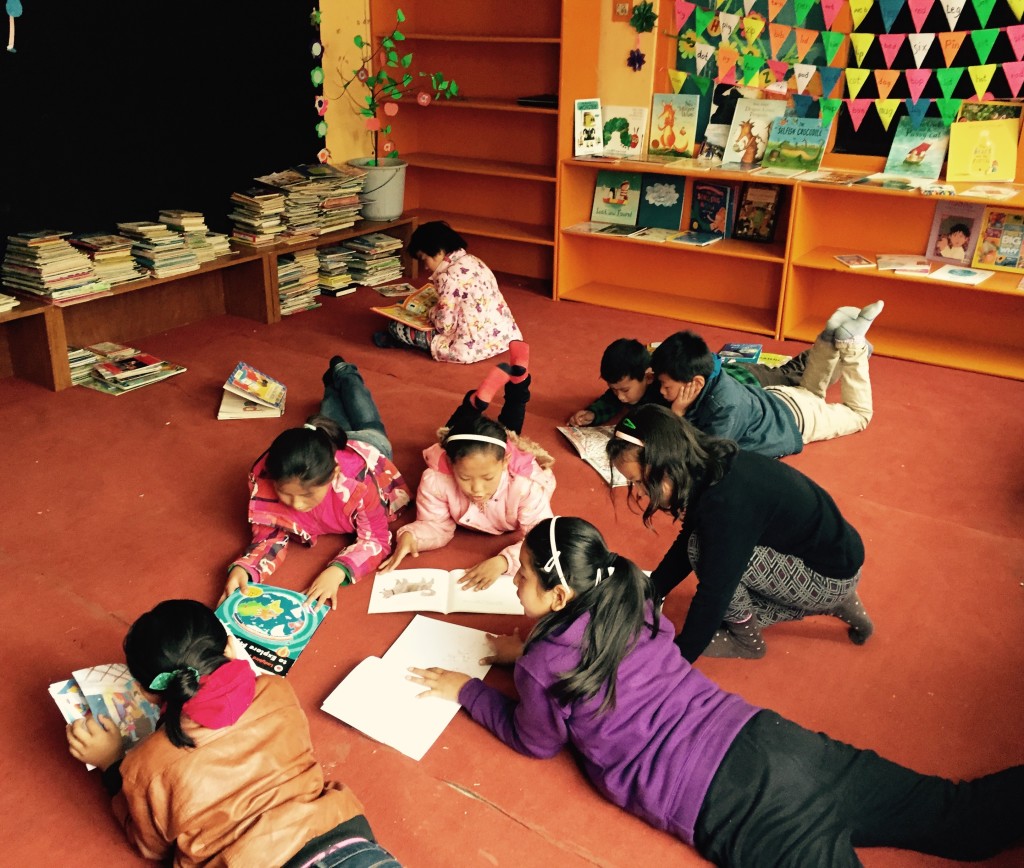
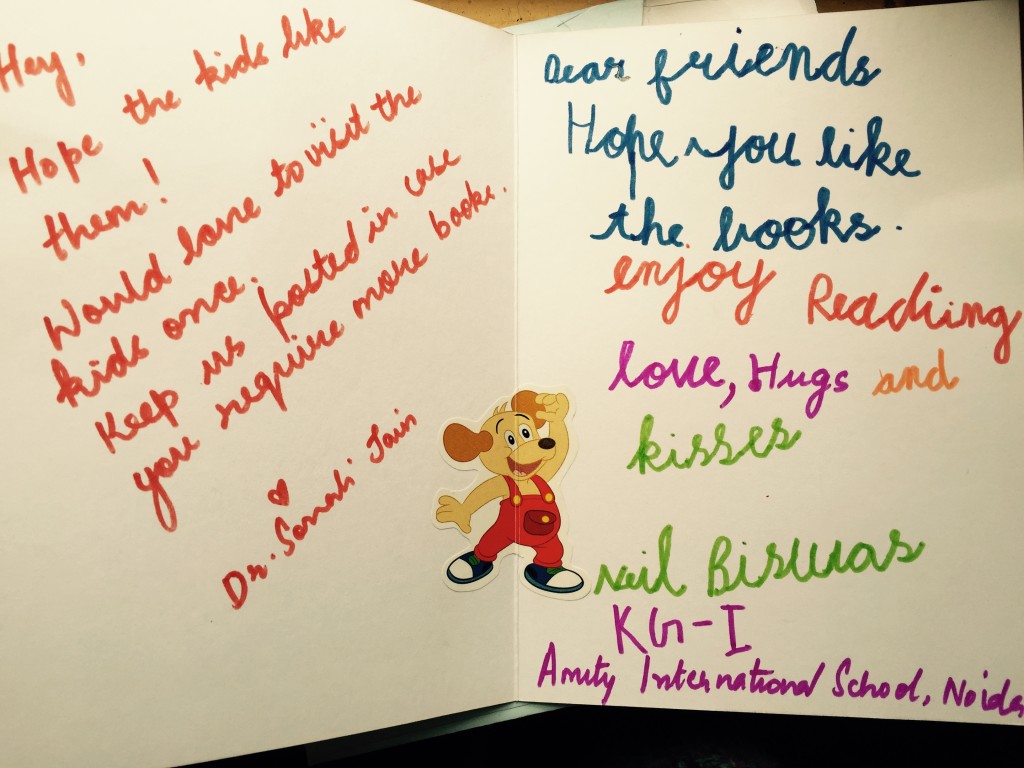
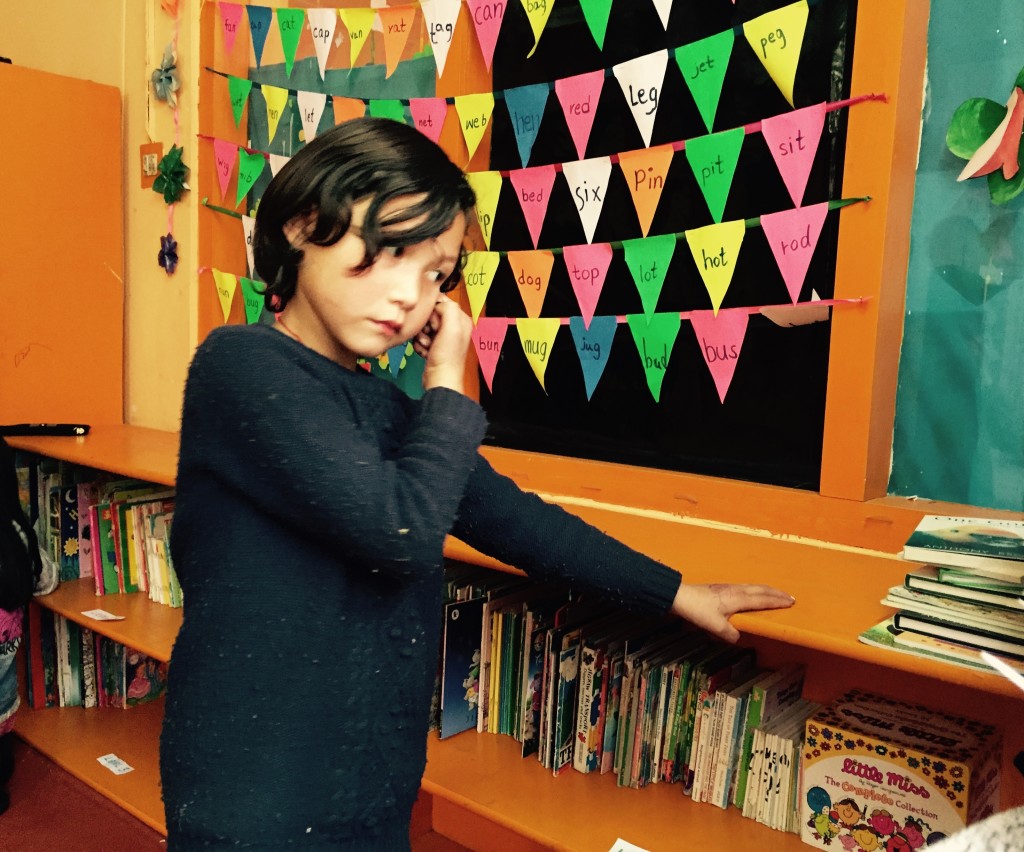
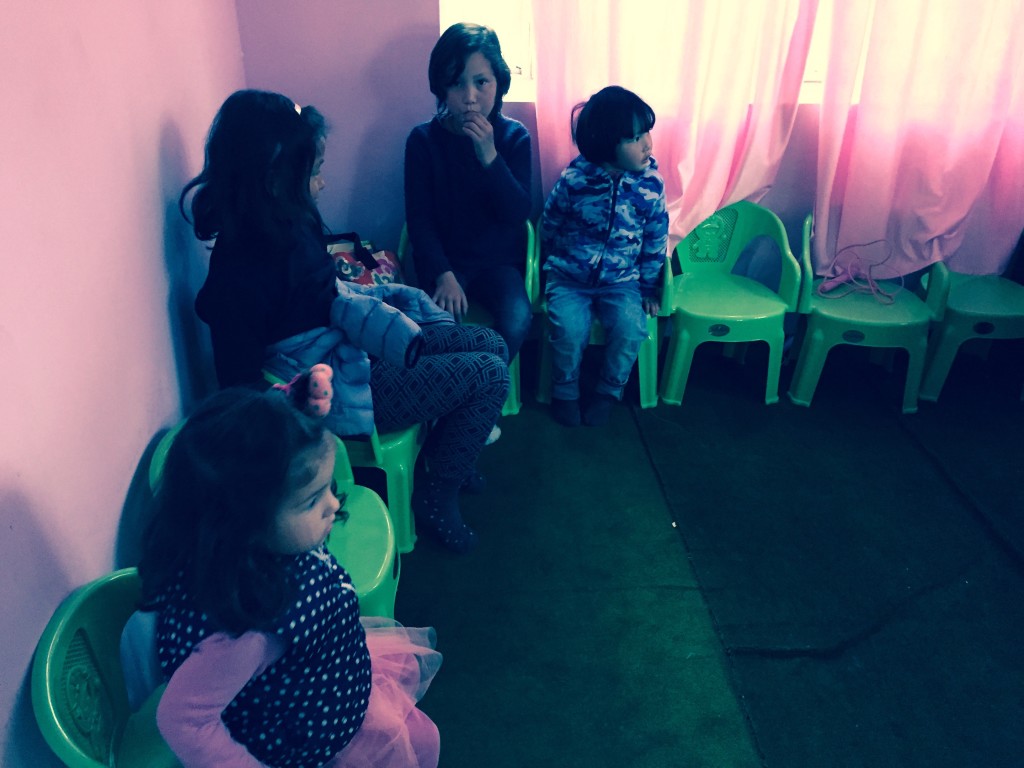
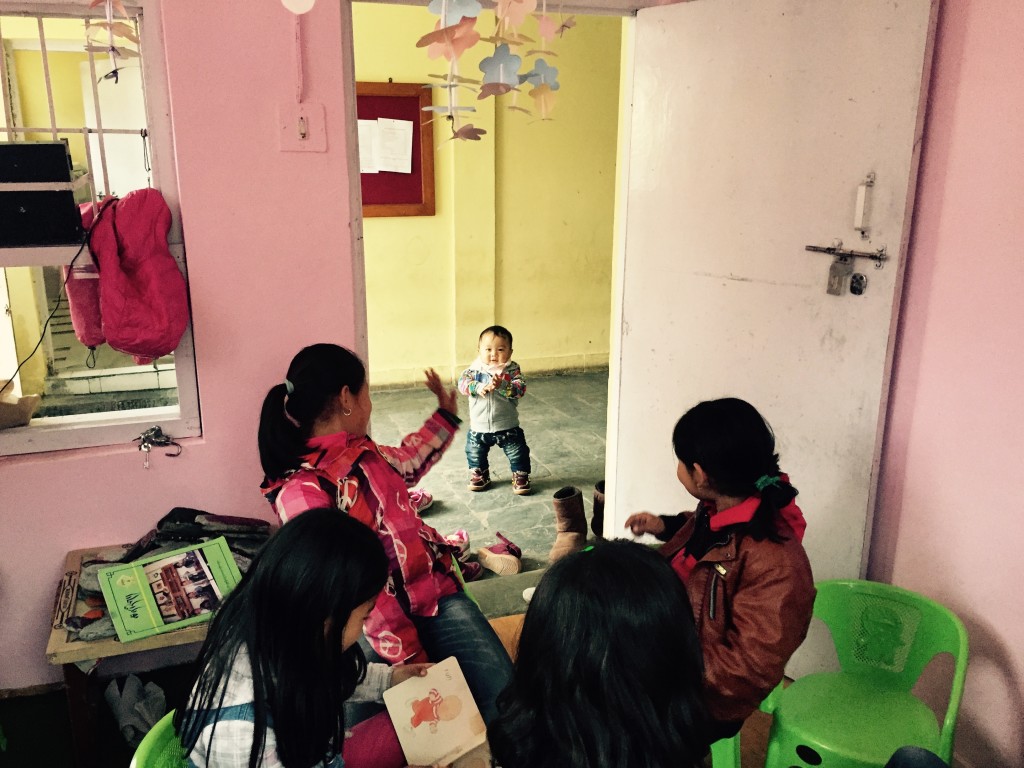
The books are open to everyone: children choosing a story, young monks discovering a new subject, local families, teachers, volunteers and travellers. A short note can record a first visit, recommend a favourite title or describe a moment of discovery. A drawing from a child can be just as meaningful as a carefully written paragraph.
For Avalokiteśvara Trust, these pages form a gentle record of shared learning. They help visitors feel that their presence matters, while giving children a sense that people far beyond Ladakh care about their reading, creativity and future. The result is part diary, part welcome book and part bridge between communities.
| What a visitor leaves |
What children may gain |
Why it matters |
| A memory of the room |
A sense of belonging |
The reading room feels like a shared community space |
| A book recommendation |
A new story to explore |
Reading becomes a social exchange |
| A sketch or message |
Encouragement to create |
Art and writing sit naturally beside books |
| A note about a visit |
A record of connection |
Children can see that their work reaches others |
| A volunteer’s reflection |
Practical insight for future activities |
The programme grows with experience |
A bridge between visitors and children
A guest book turns a quiet arrival into a small act of participation. Someone may write about the mountain landscape, the calm of the room or the excitement of seeing a familiar picture book in a new setting. These observations show children that a reading room can welcome many kinds of people and ideas.
The practice also connects with a long tradition in libraries. Visitors to library guest books often leave behind evidence of affection for a place that has helped them learn, meet others or feel at home. In Ladakh, the setting is different, yet the impulse is familiar: people want to acknowledge a useful, generous space.
For an Australian visitor, this may feel similar to signing a community library’s visitors’ book after a school holiday activity in Melbourne or a regional storytelling session in northern New South Wales. The gesture is simple, but it says that the room is more than a facility. It is a place where relationships are being built.
More than a record of names
A list of names would tell only a small part of the story. The richest entries describe a child’s favourite character, a new word learned in English, a young monk’s interest in science or a group’s excitement about a painting activity. These details help preserve the everyday life of the programme.
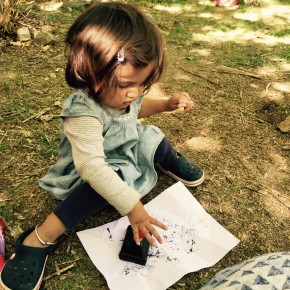
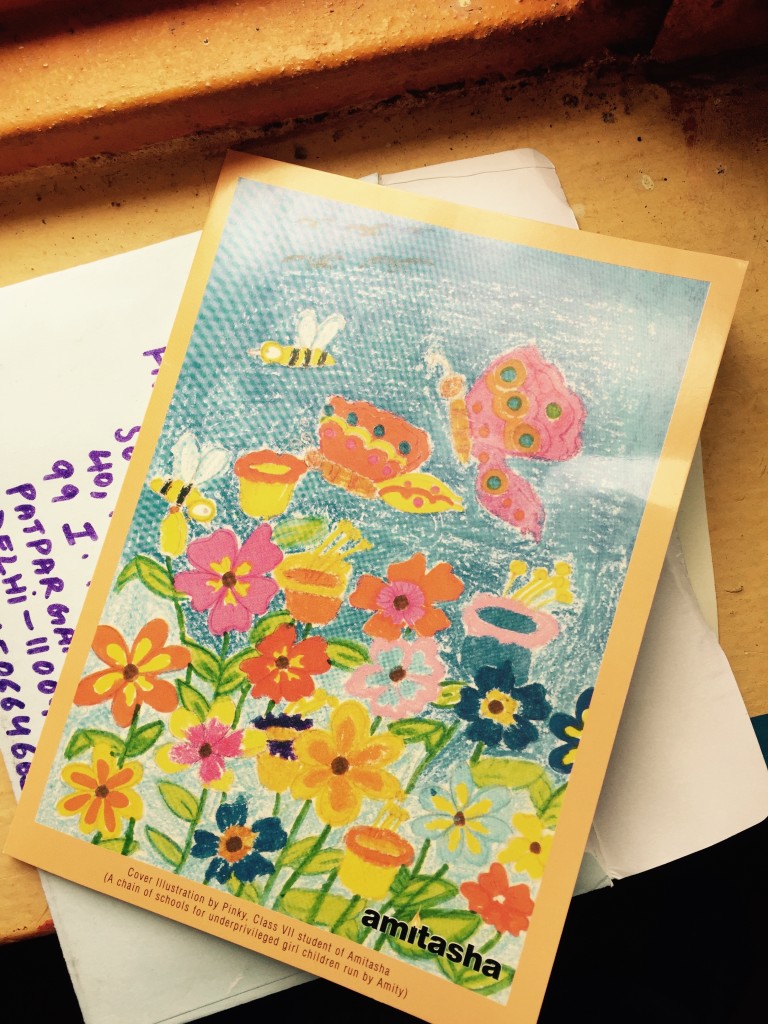
Children may also contribute drawings, small poems and messages in more than one language. A page filled with different handwriting styles shows that reading and creativity do not belong to one age group or one culture. It creates a visual conversation between local participants and visitors from other parts of India, Australia and the wider world.
This matters in communities where access to books can be limited by distance, household income or the availability of suitable materials. A guest book cannot replace books, trained educators or reliable learning spaces. It adds something different: recognition. It records the idea that each child’s curiosity deserves attention.
What the pages teach us
Over time, the entries reveal patterns that may be easy to miss during a busy visit. Several children might mention the same adventure story, ask for more books about animals or draw musical instruments after a creative session. Volunteers can use these clues when planning book selections and activities.
The comments can also show how visitors experience the room. A teacher may notice that younger children need more floor space for group reading. A parent might suggest books with larger print. A volunteer could record which art materials worked best for a mixed-age workshop. Such reflections become useful knowledge rather than disappearing when the day ends.
This kind of informal feedback has value in Australia too, where local councils and community organisations often rely on participation records when applying for grants or planning programmes. A reading room in Brisbane, Perth or a remote town may use attendance figures, written feedback and stories from families to explain why a service deserves continued support. The guest book gives a Himalayan project a similarly human record.
A shared space for many voices
Visitors do not all arrive with the same role. A donor may see the room for the first time, a volunteer may spend several weeks teaching, and a child may return each afternoon to read independently. The guest book gives each person an equal-sized space to contribute, without requiring formal expertise.
That equality is important for young monks and children who may be shy in conversation. They can express themselves through a picture, a single sentence or a favourite word. A visitor can respond with encouragement, creating a quiet exchange across differences in age, language and background.
Australian guests often understand the value of this kind of community participation. At a local council library, a “cheers” in the comments book, a note written during Book Week or a quick message after a school holiday craft session can help staff see the emotional effect of their work. In a Himalayan reading room, similar words can become a lasting reminder that learning is supported by a wide circle of people.
The book also helps visitors slow down. Travel through Ladakh can involve long roads, high passes and carefully planned itineraries. After arriving in a reading room, writing a few lines encourages attention to the children, the books and the atmosphere rather than treating the visit as a brief stop for photographs.
How stories become support
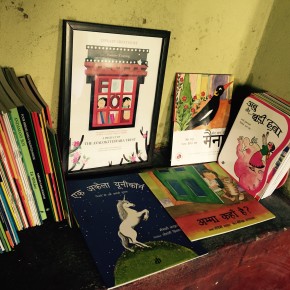
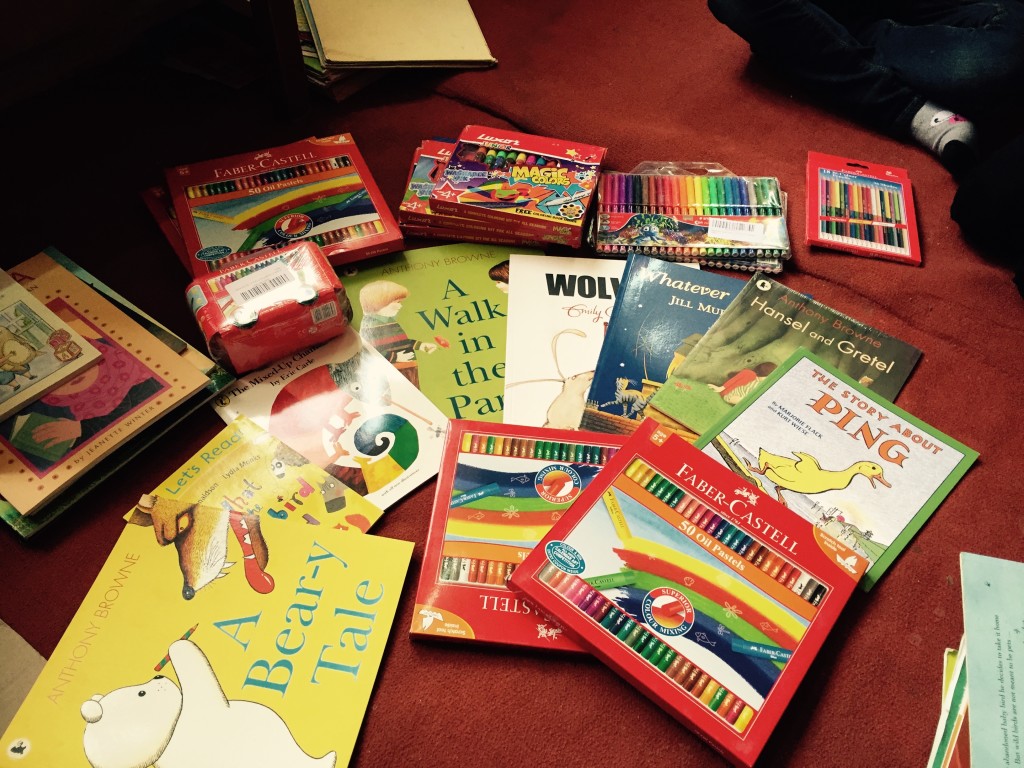
A guest book can influence practical support when its stories are shared responsibly. A volunteer’s reflection may help a future visitor understand why picture books, stationery, musical instruments or age-appropriate science titles are needed. A donor may see the effect of a reading room through a child’s drawing rather than through statistics alone.
This is especially useful for supporters in Australia, where donations often move through registered charities, workplace giving schemes, school communities and local fundraising events. Shipping books from Sydney or Adelaide can be expensive, and imported collections may not always match local needs. Personal accounts help supporters focus on relevant resources, such as quality second-hand books, art supplies or funds for locally selected materials.
The pages can also connect people to the wider work of Avalokiteśvara Trust, including reading rooms, book drives and educational activities. A visitor who writes about a music session or a child’s enthusiasm for a particular story creates a small piece of public history. With permission, these reflections can be shared in newsletters, exhibitions or community presentations.
Care is essential when sharing them. Children’s privacy, cultural context and personal dignity should come before publicity. Names may need to be omitted, translations checked and photographs used only with appropriate consent. The guest book works best when it remains a safe space for honest, warm and respectful contributions.
A page that keeps travelling
The physical book stays in the reading room, yet its stories travel widely. A volunteer returns to Australia with a memory of a child choosing a book. A family tells friends in Canberra about a village library in Ladakh. A school group in Hobart raises funds after hearing how a small collection can change the rhythm of an afternoon.
These connections create continuity between visits. Children can look back at earlier pages and see evidence of people who came before them. Volunteers can return to their own words years later. Future visitors can read the record and understand that they are joining an ongoing community rather than beginning a separate event.
The guest book also leaves room for surprise. A quick sketch may become the image that a visitor remembers most clearly. A sentence written by a child may show a new confidence in English. A simple recommendation may lead another reader to a book they would never have chosen. Learning often moves through these small, unplanned exchanges.
The next time you visit a reading room, leave one specific memory, one book recommendation or one encouraging drawing on its final available page.