Why we host weekly poetry readings in our reading rooms
In a quiet reading room, a poem can become a doorway. A few carefully chosen lines may carry children from a classroom in Ladakh to a mountain path, a riverbank, a distant city, or a feeling they have never found words for before. This is why poetry has a regular place in the work of Avalokiteśvara Trust.
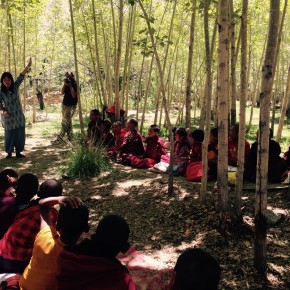
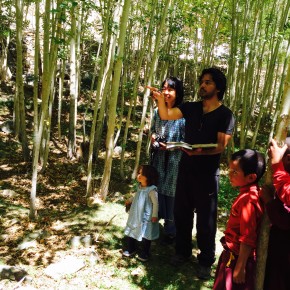
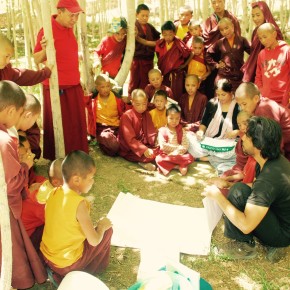
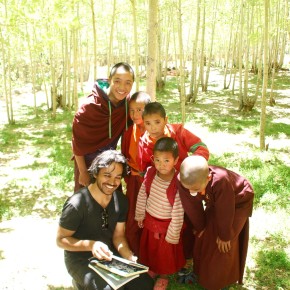
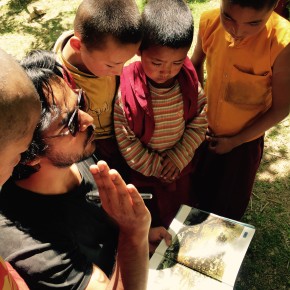
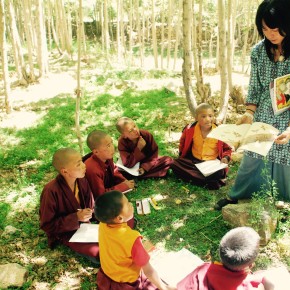
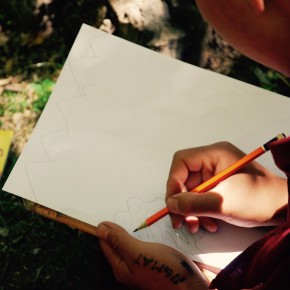
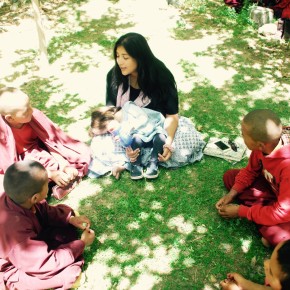
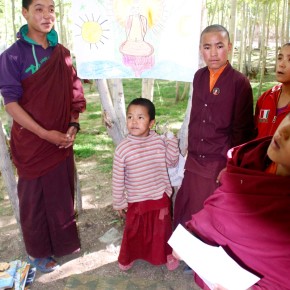
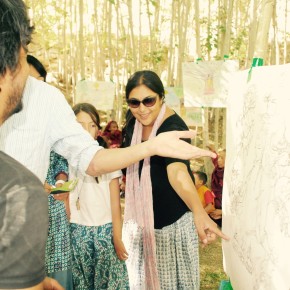
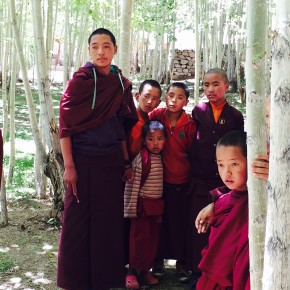
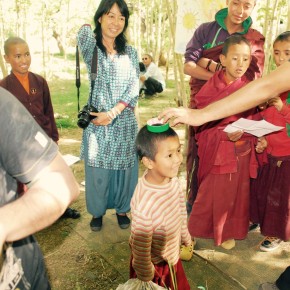
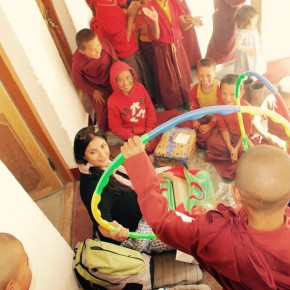
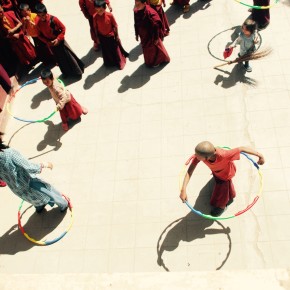
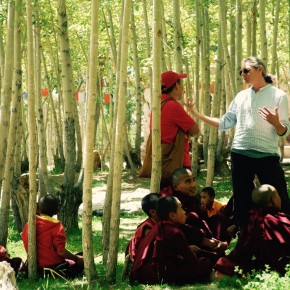
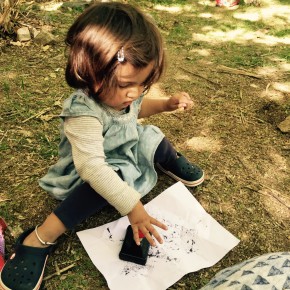
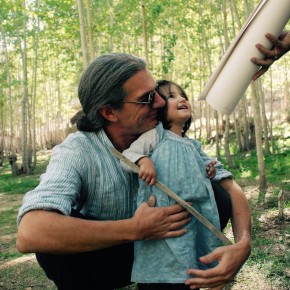
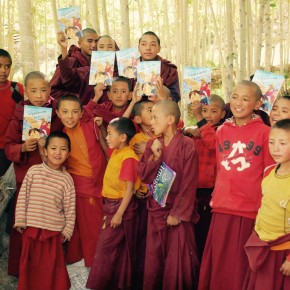
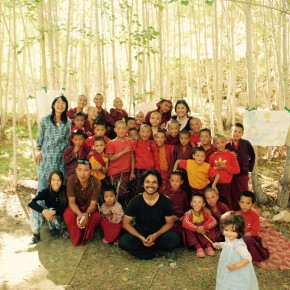
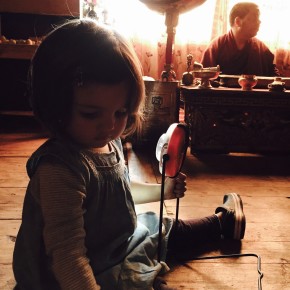
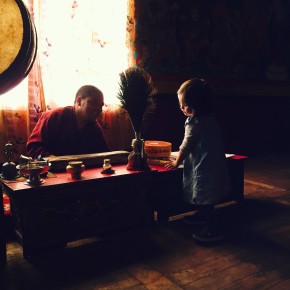
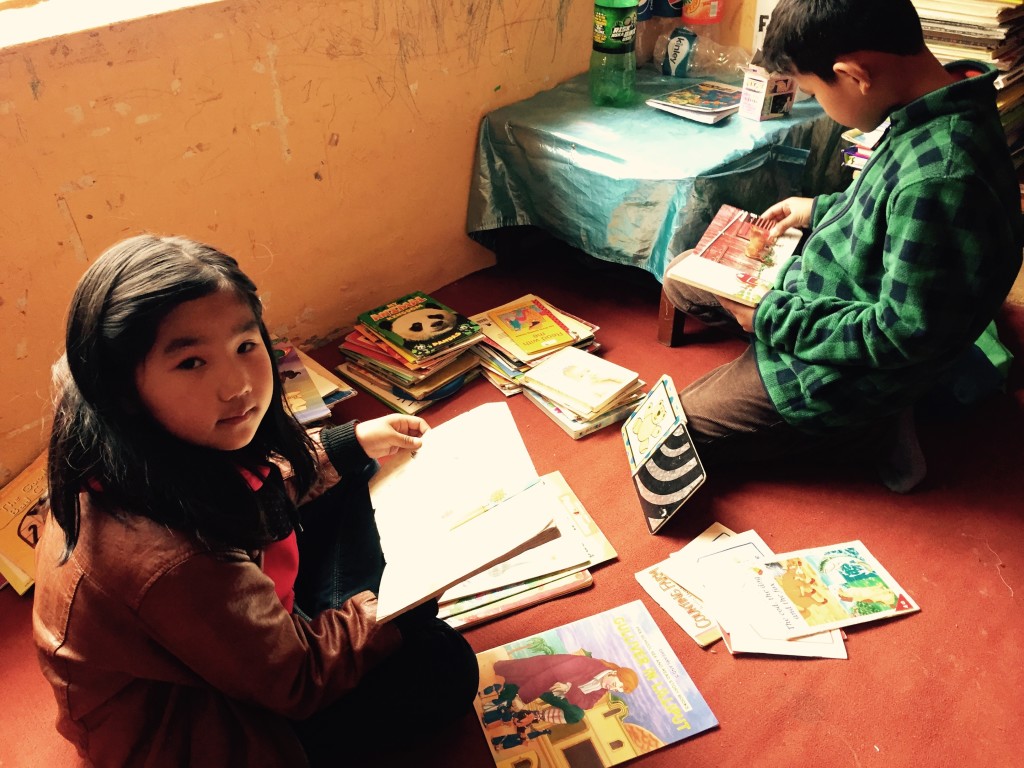
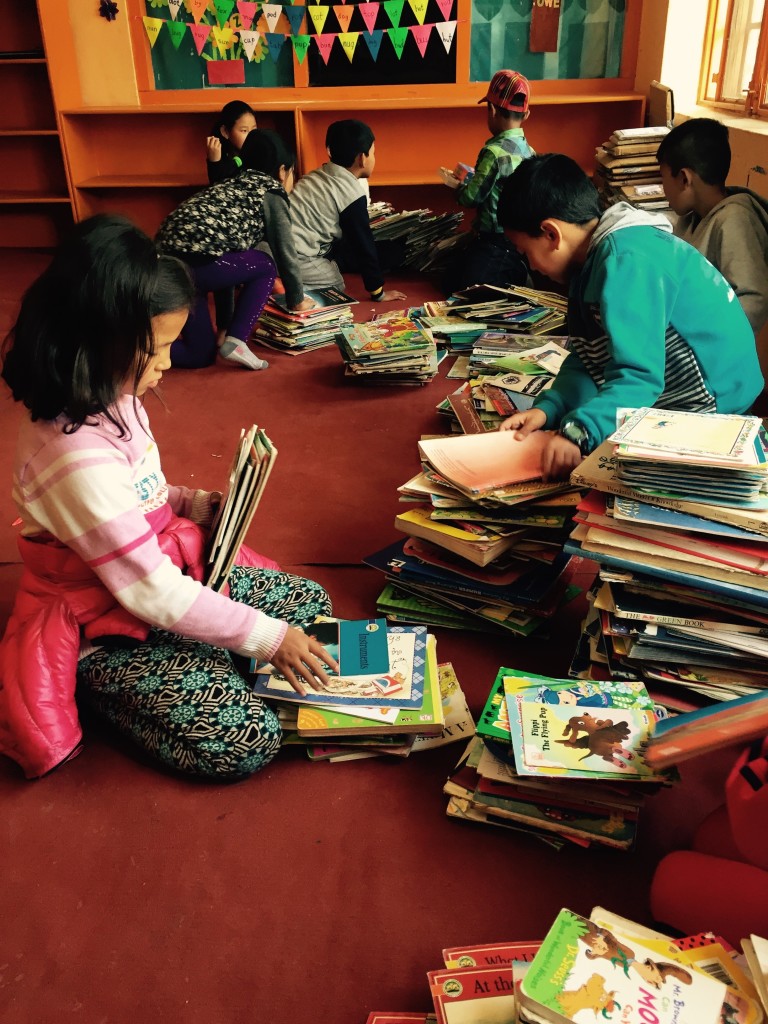
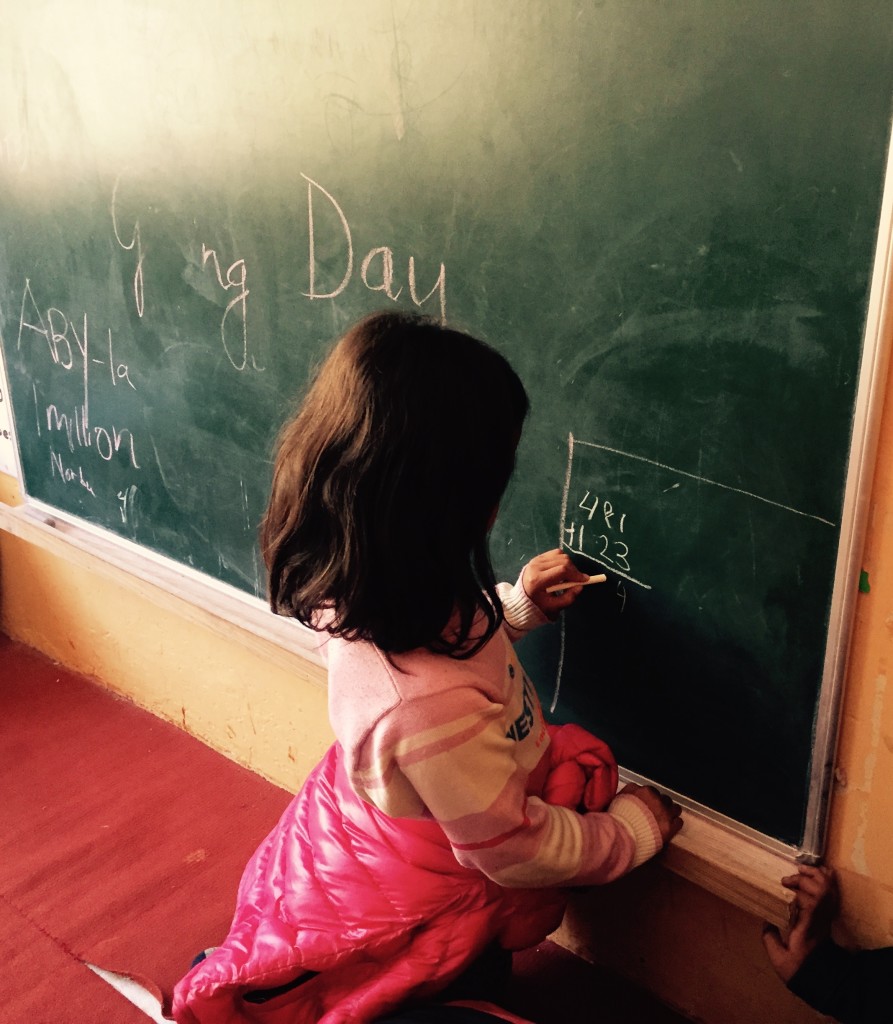
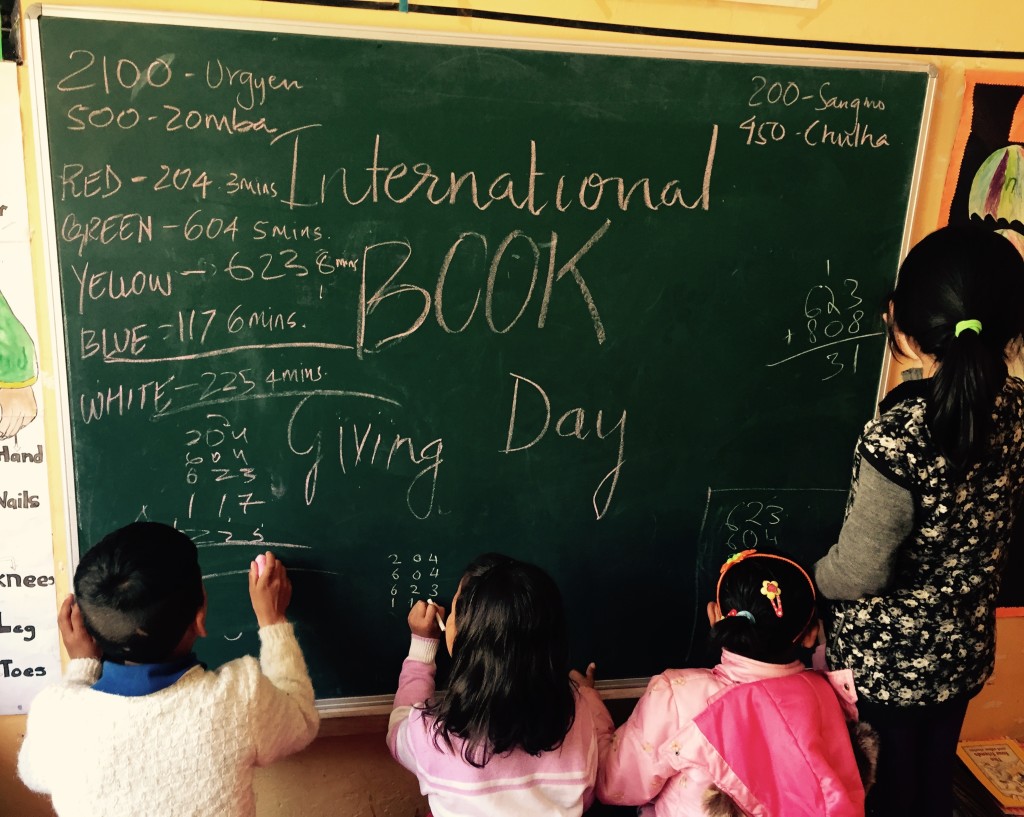
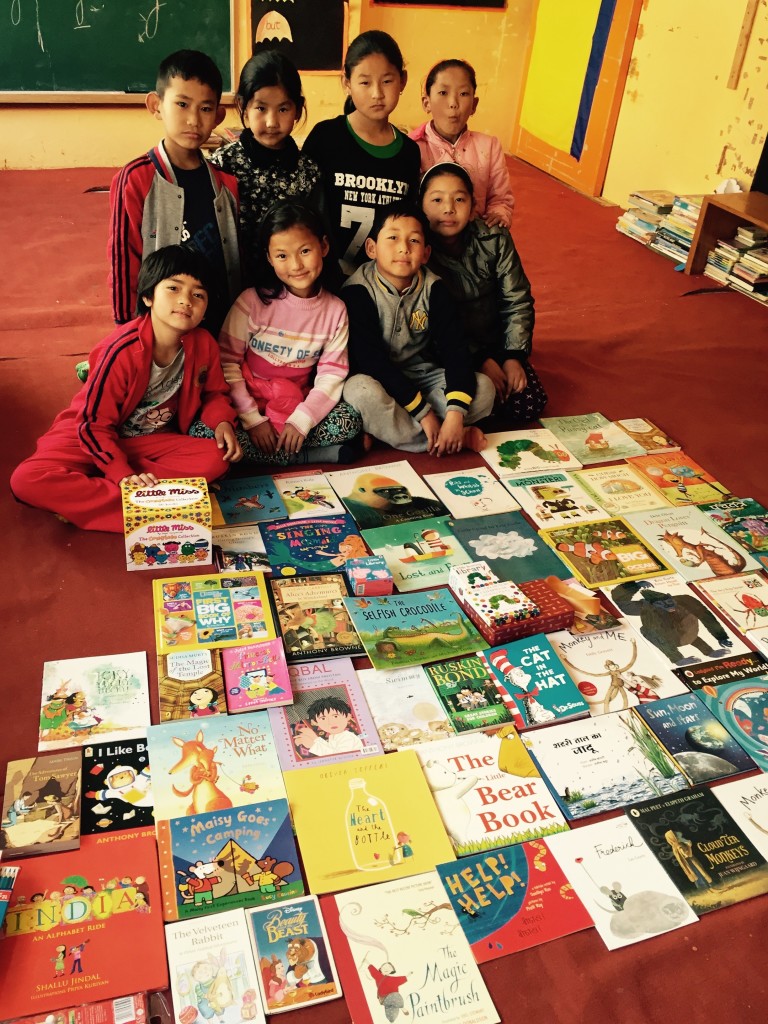
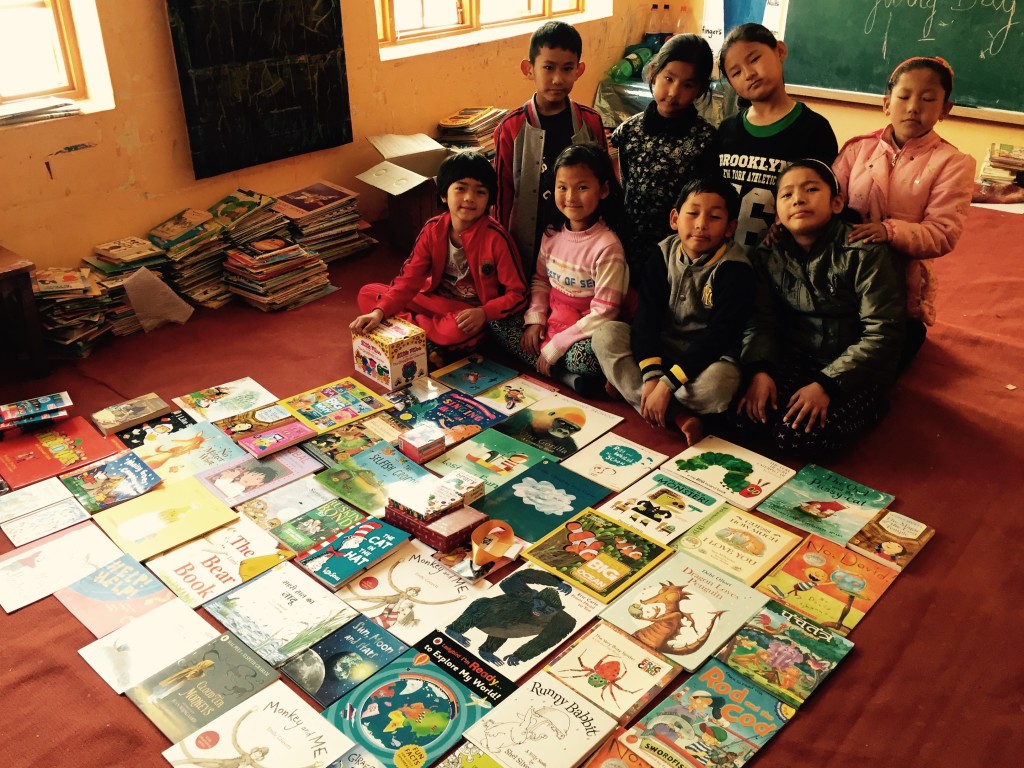
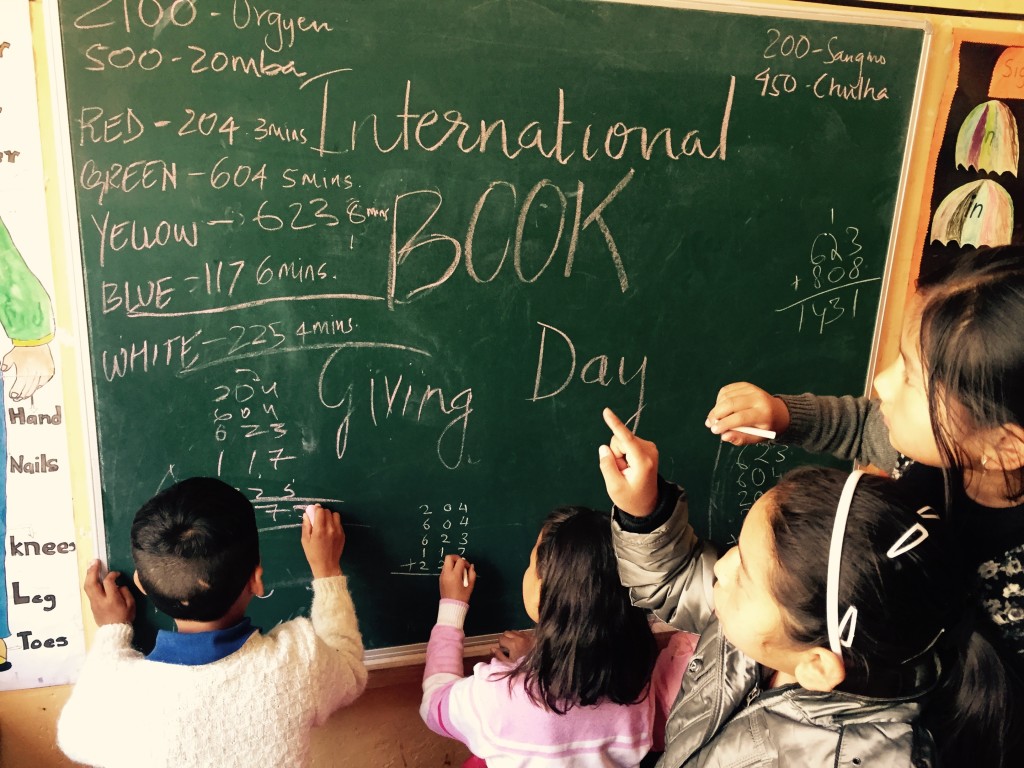
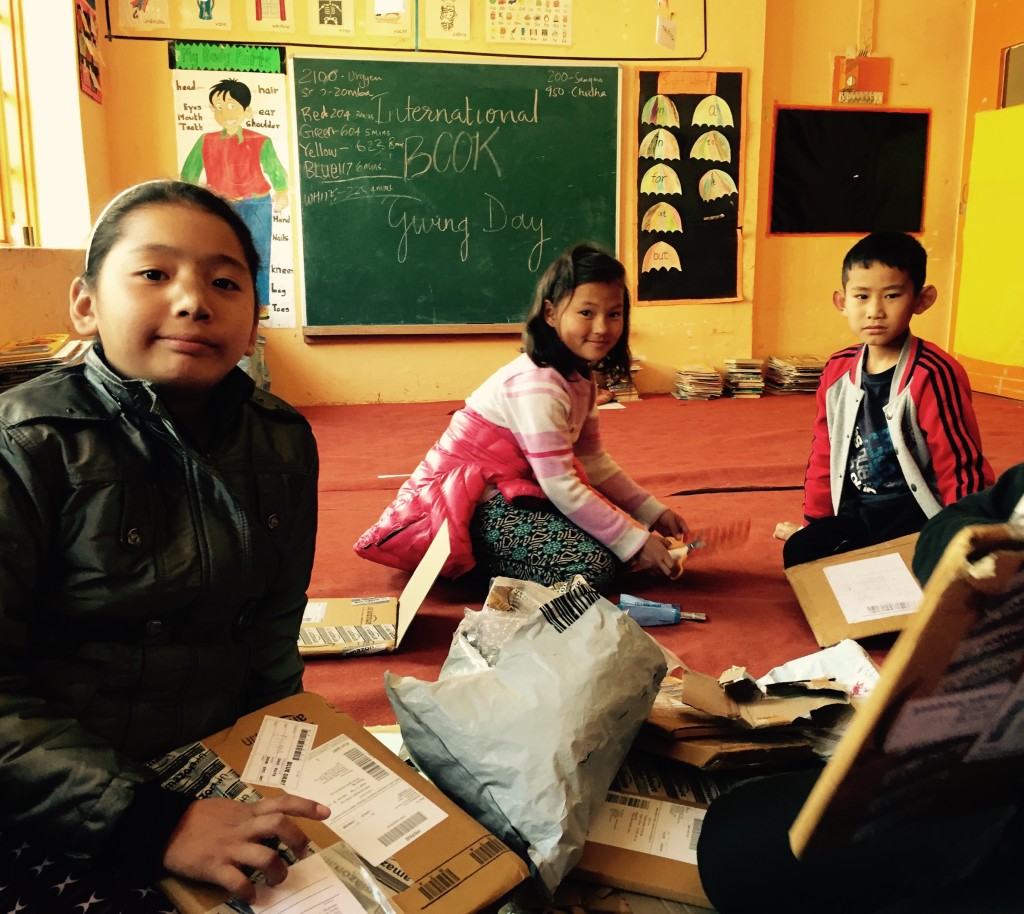
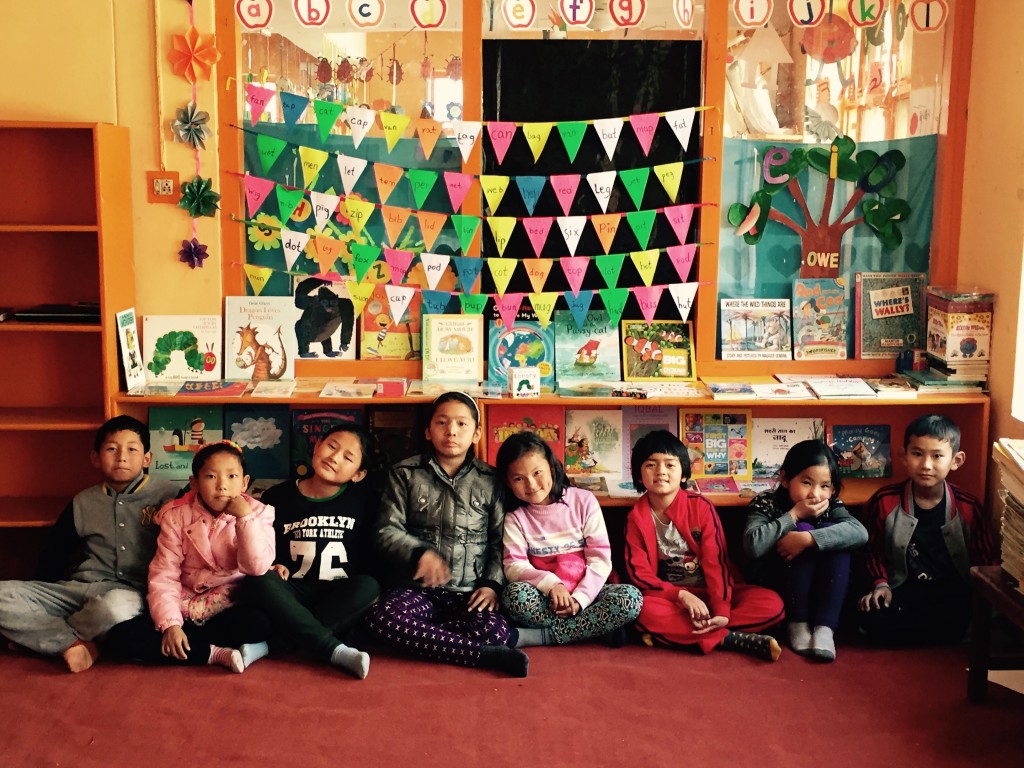
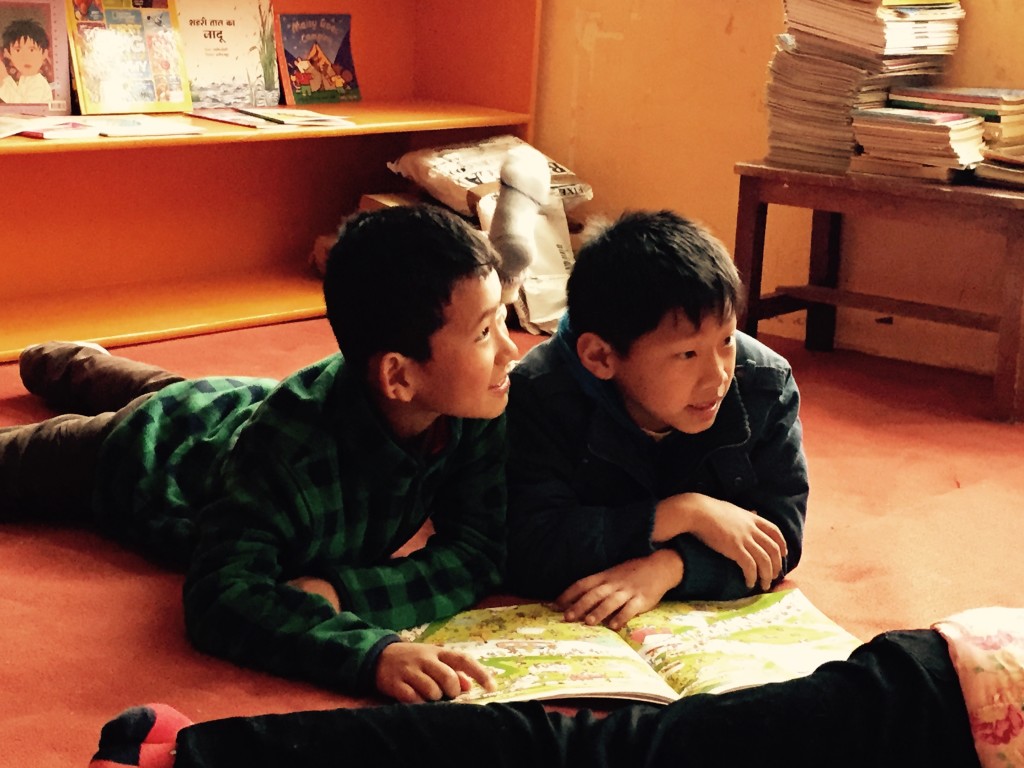
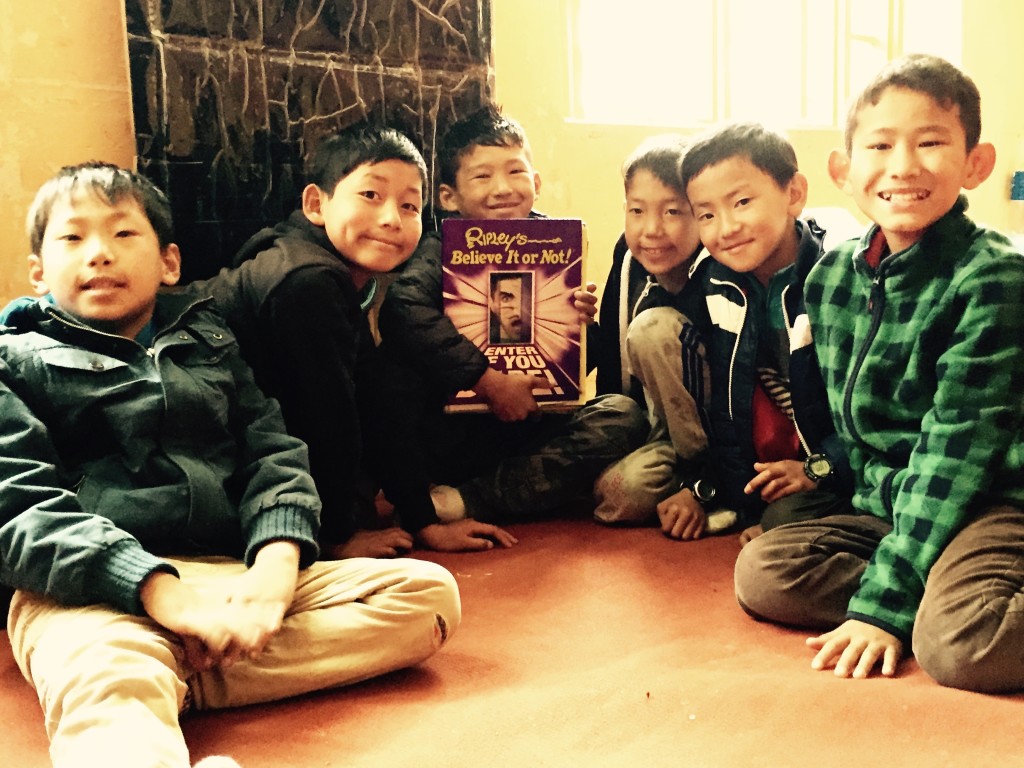
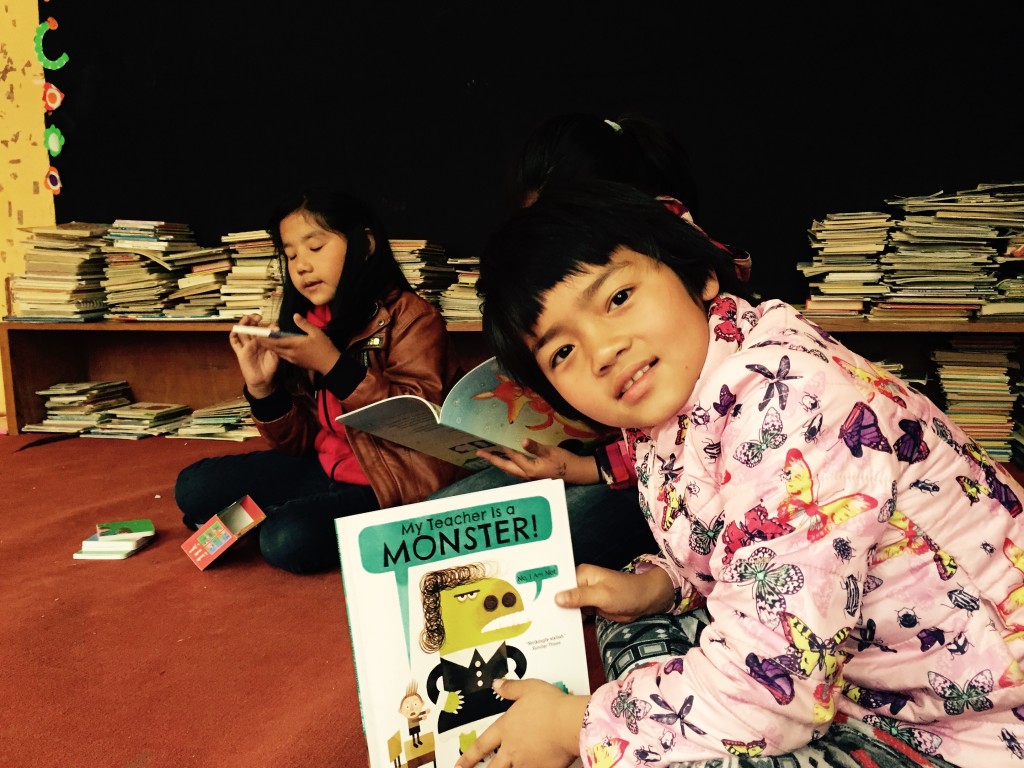
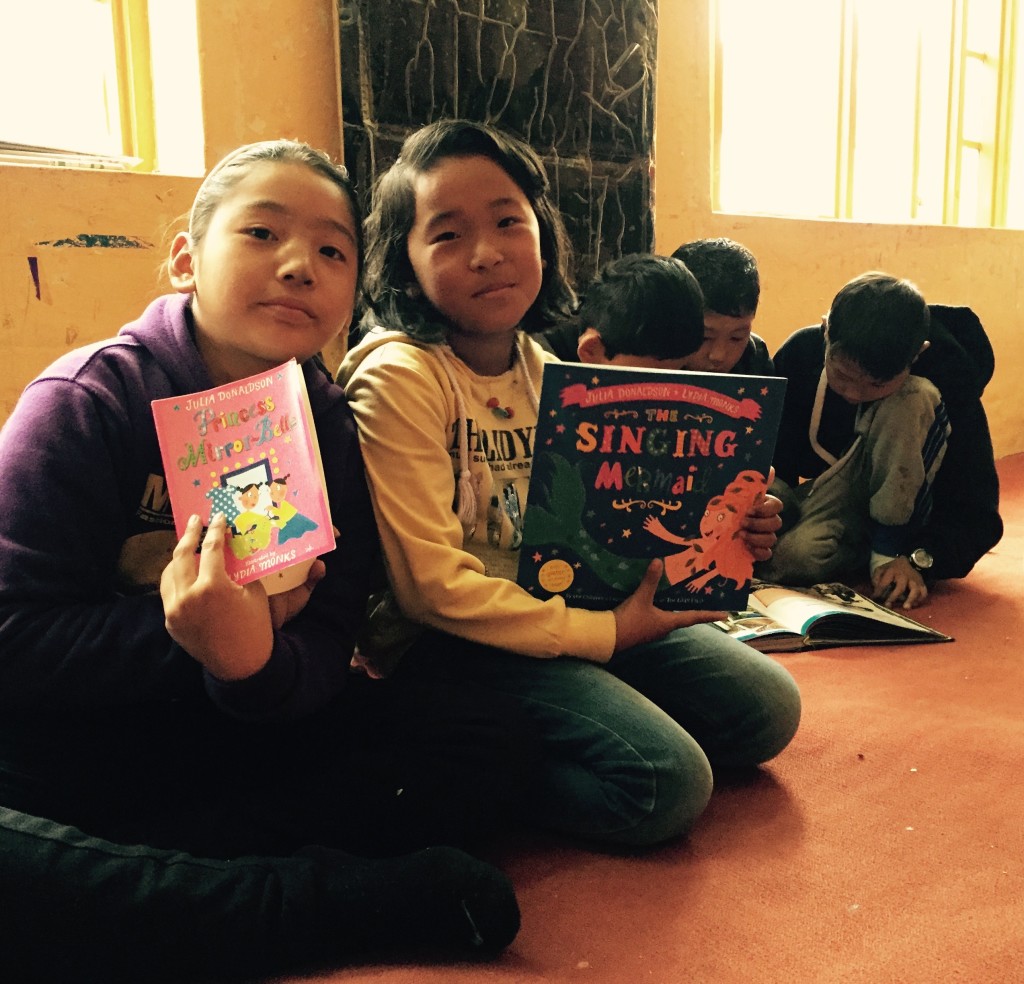
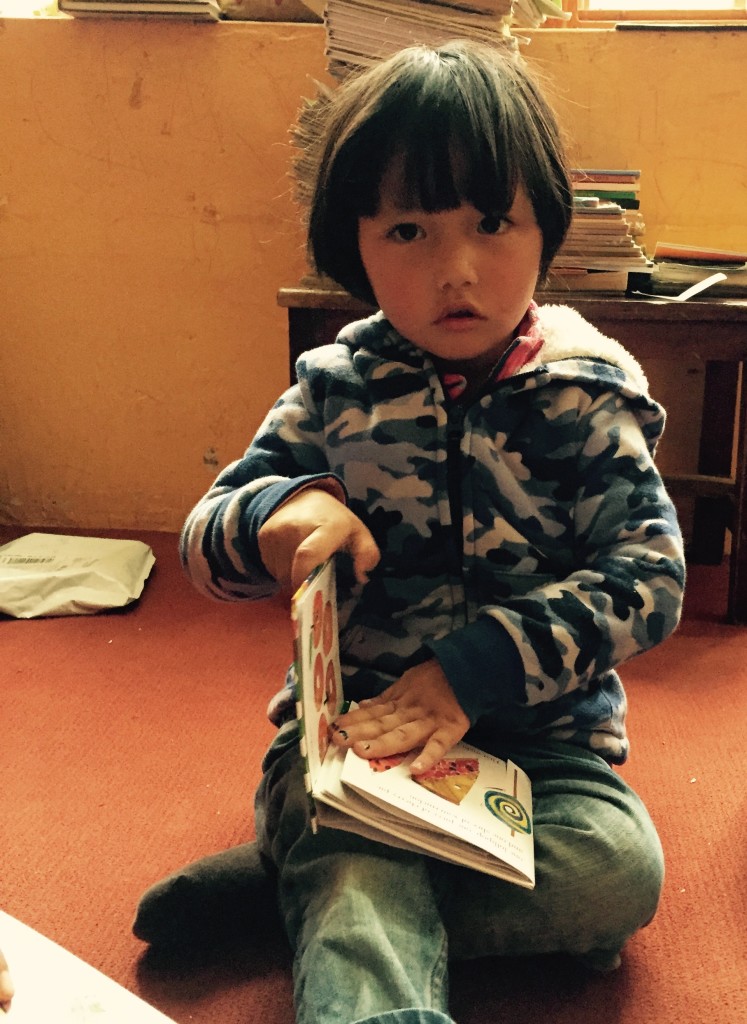
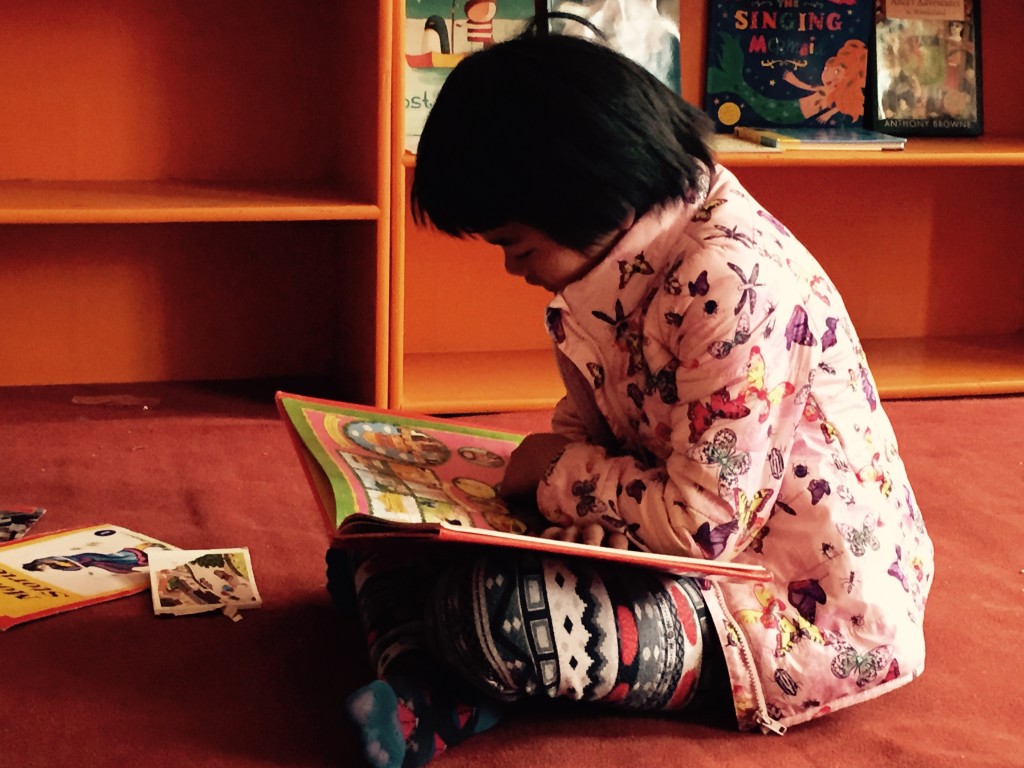
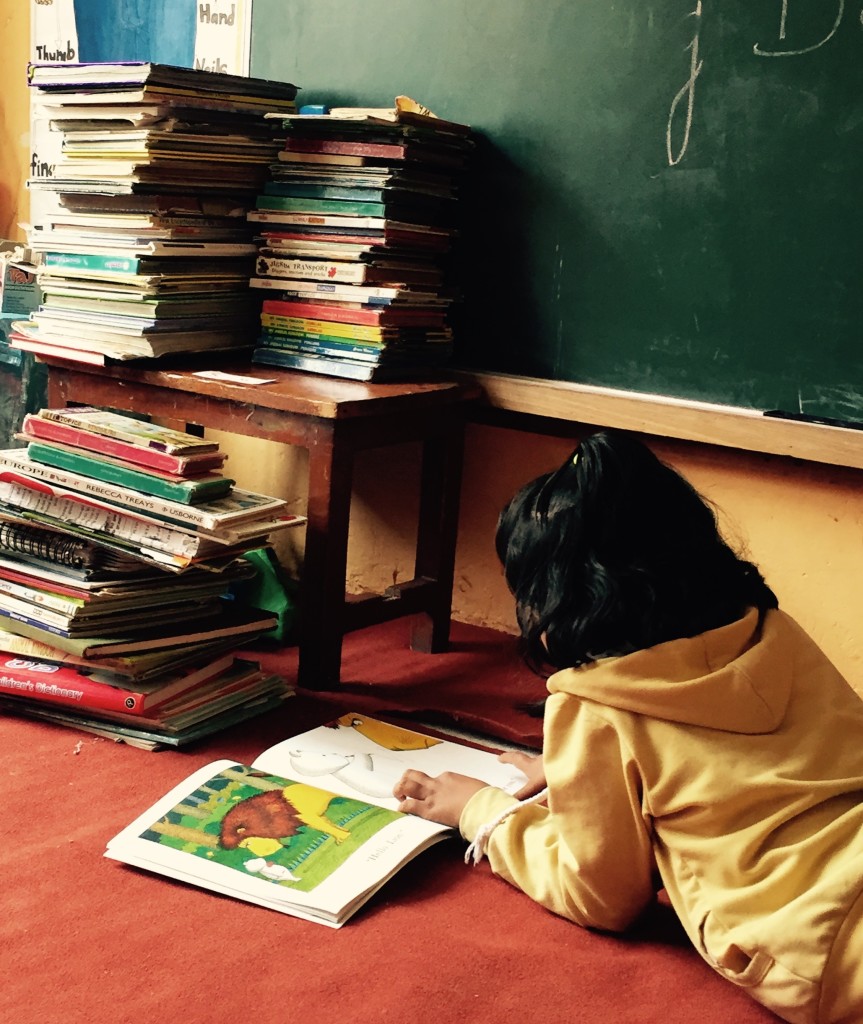
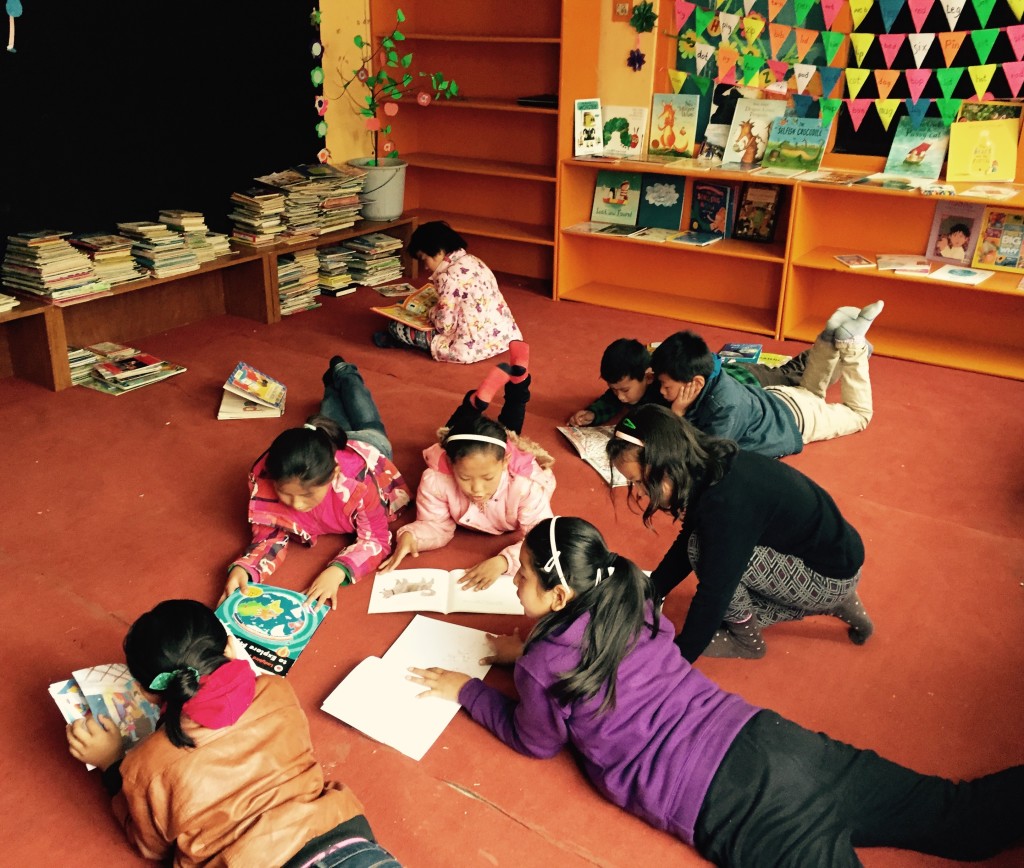
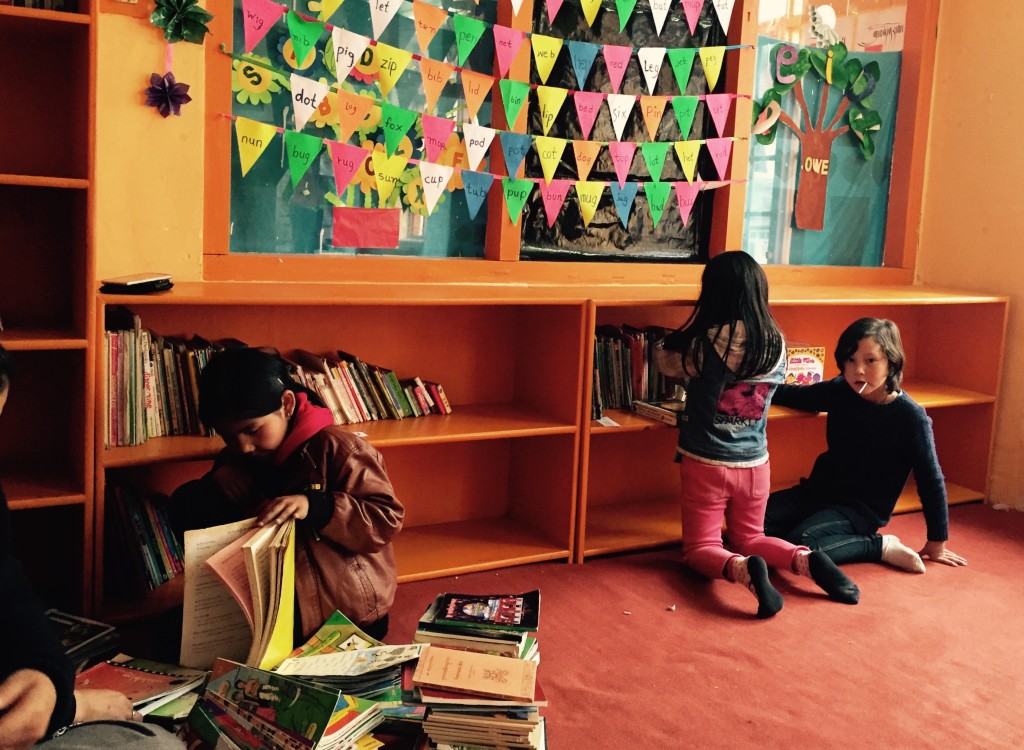
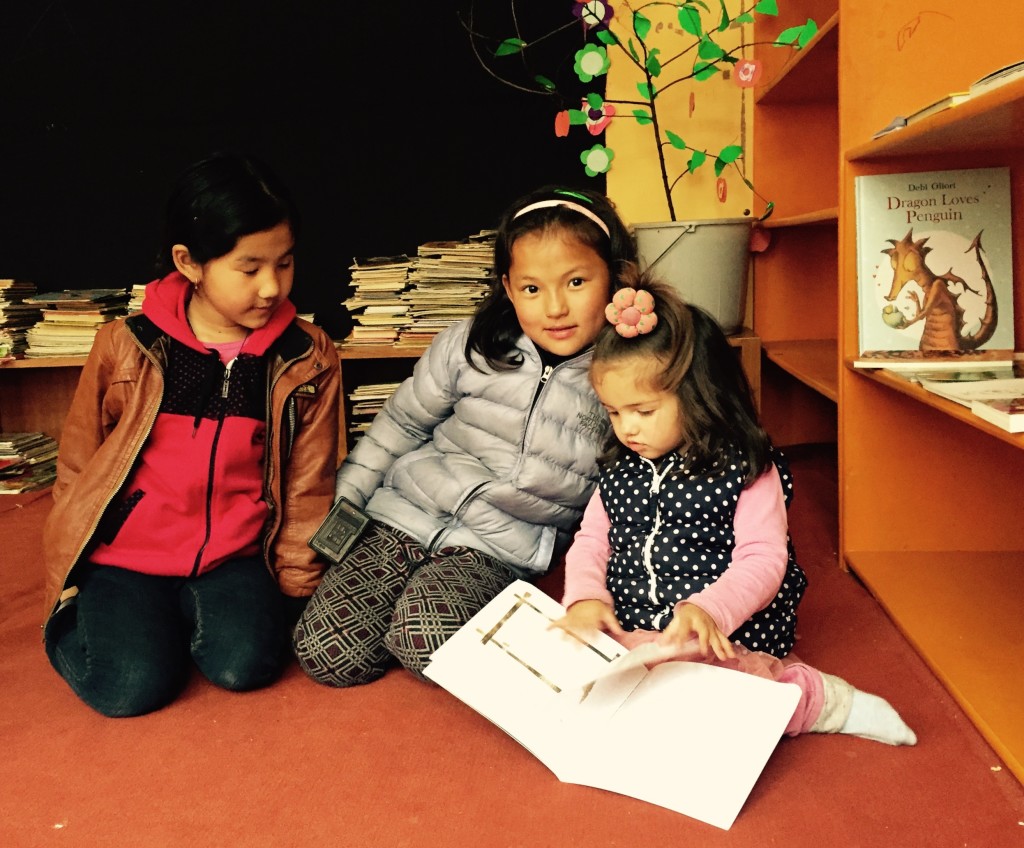
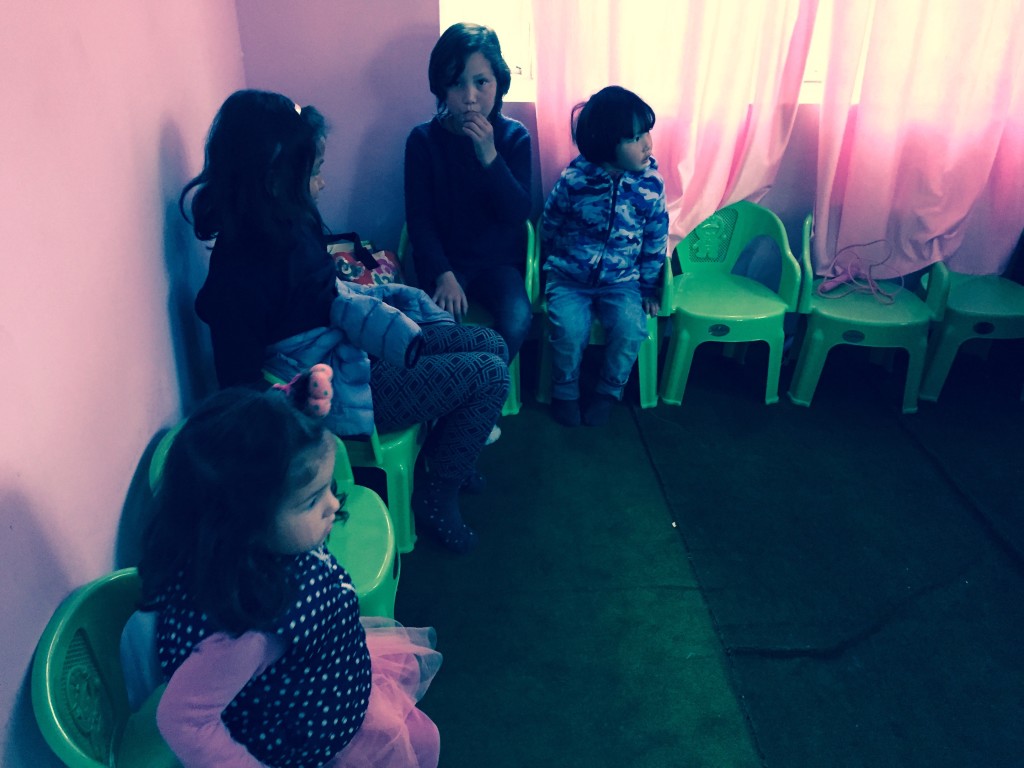
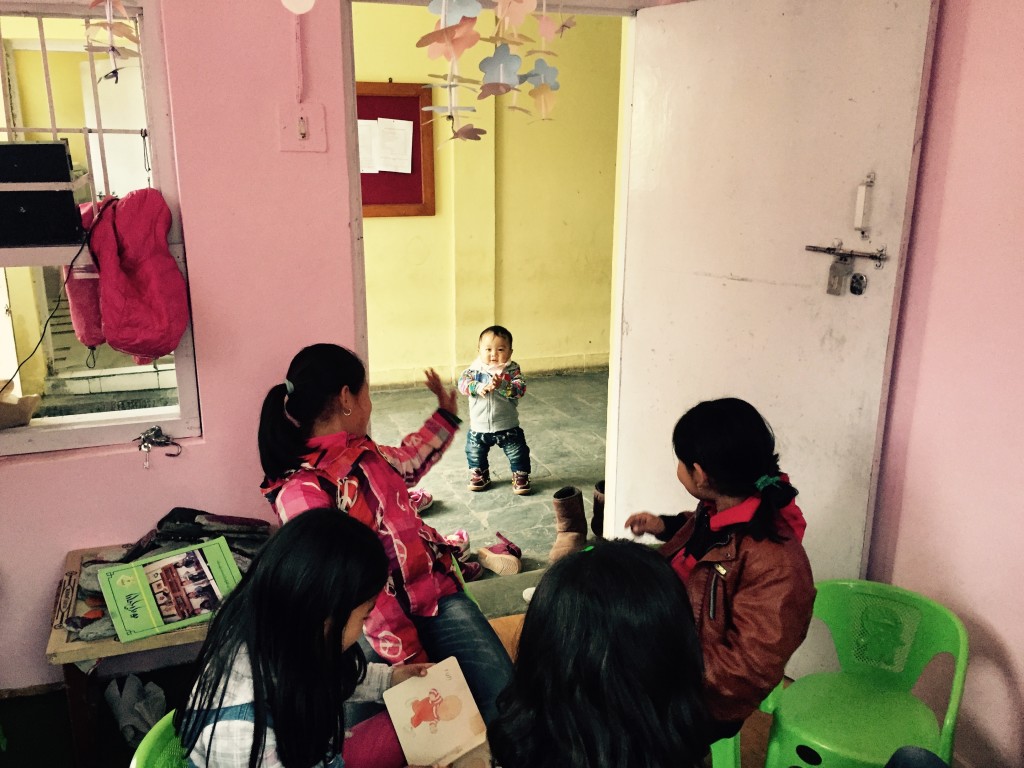
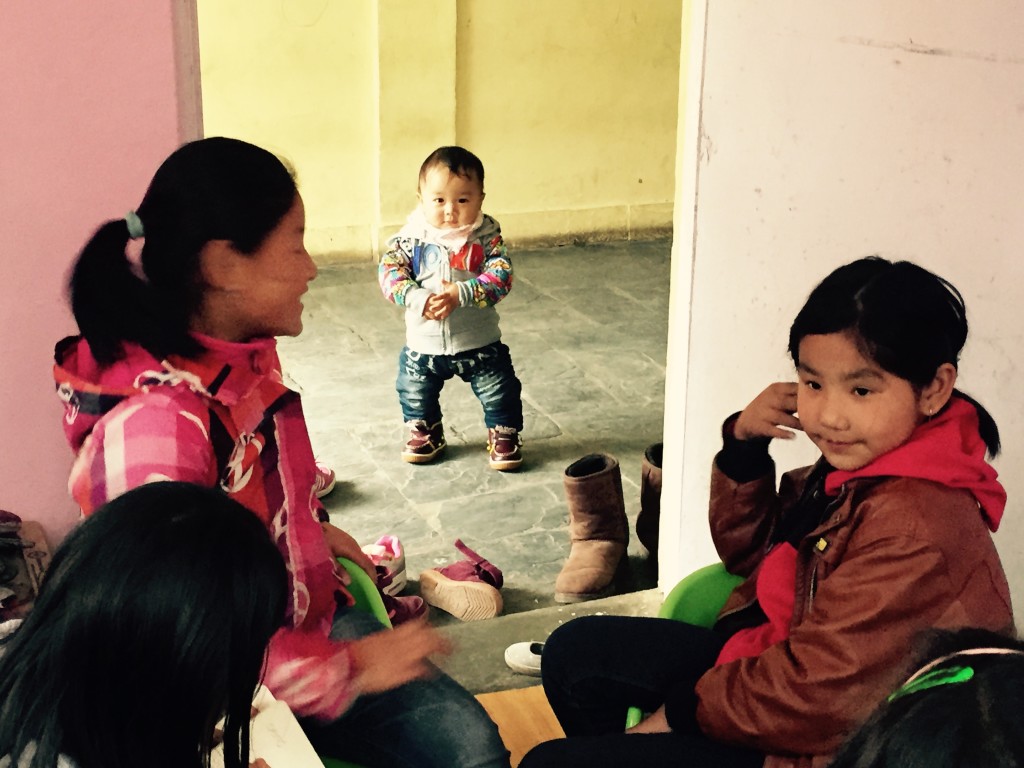
Our weekly gatherings are simple by design. Children and young monks sit together, listen to a poem, read aloud, draw, discuss unfamiliar words, and sometimes write a few lines of their own. The activity does not require expensive equipment or advanced literacy. It begins with attention, curiosity, and the confidence to share a voice.
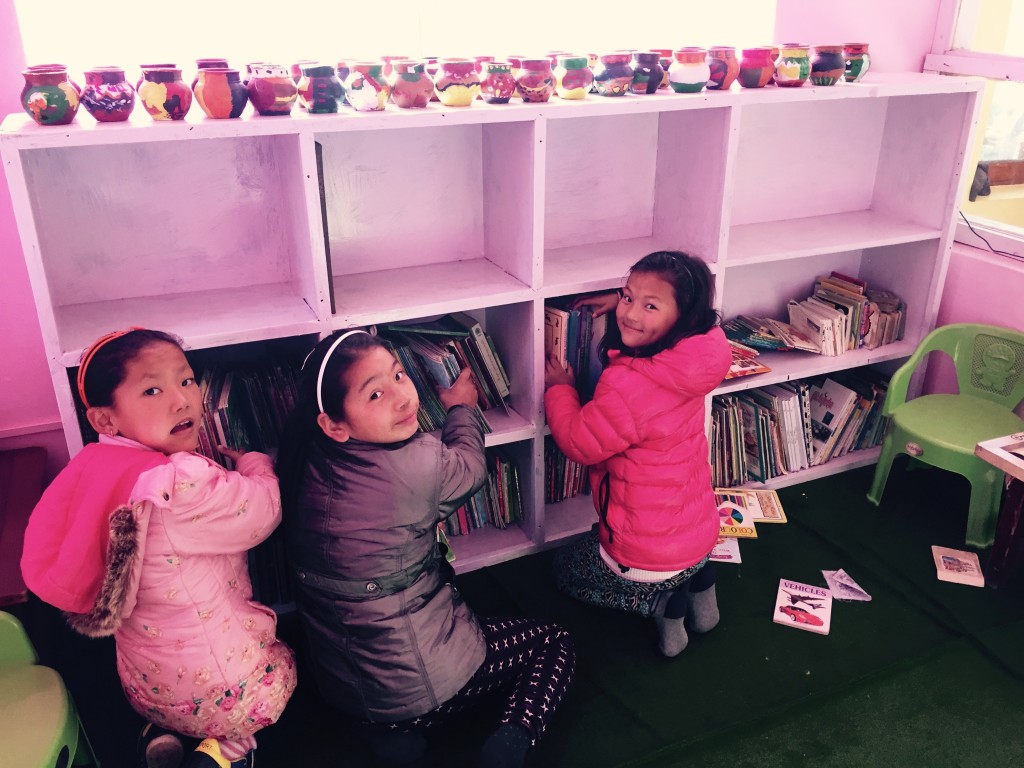
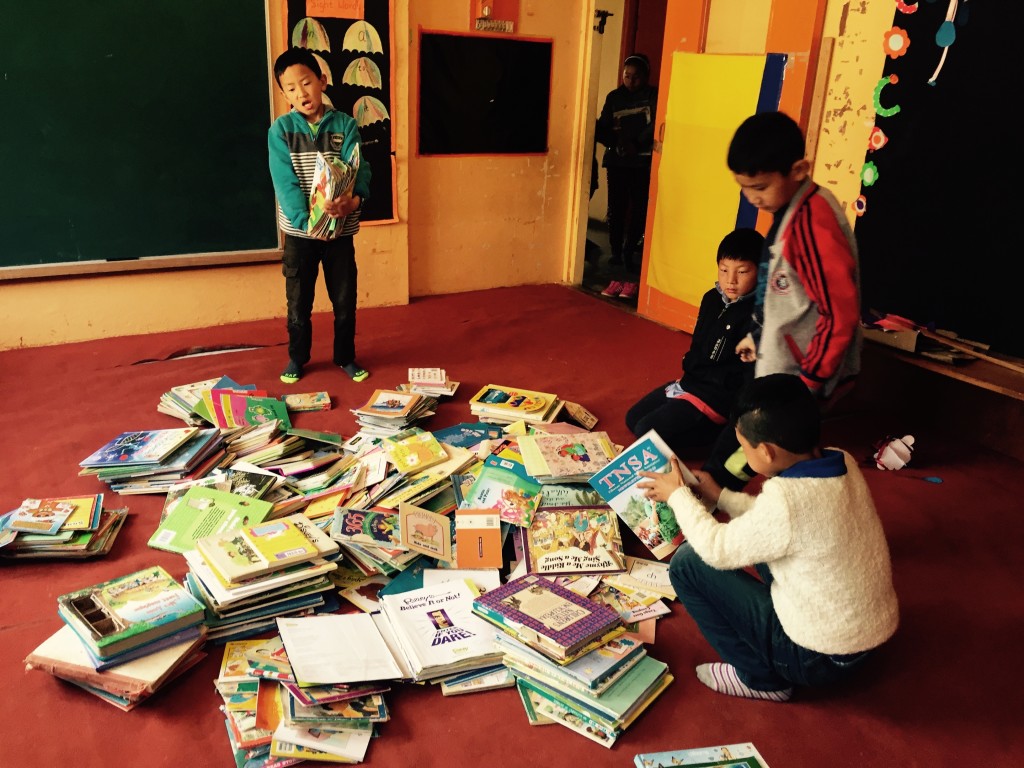
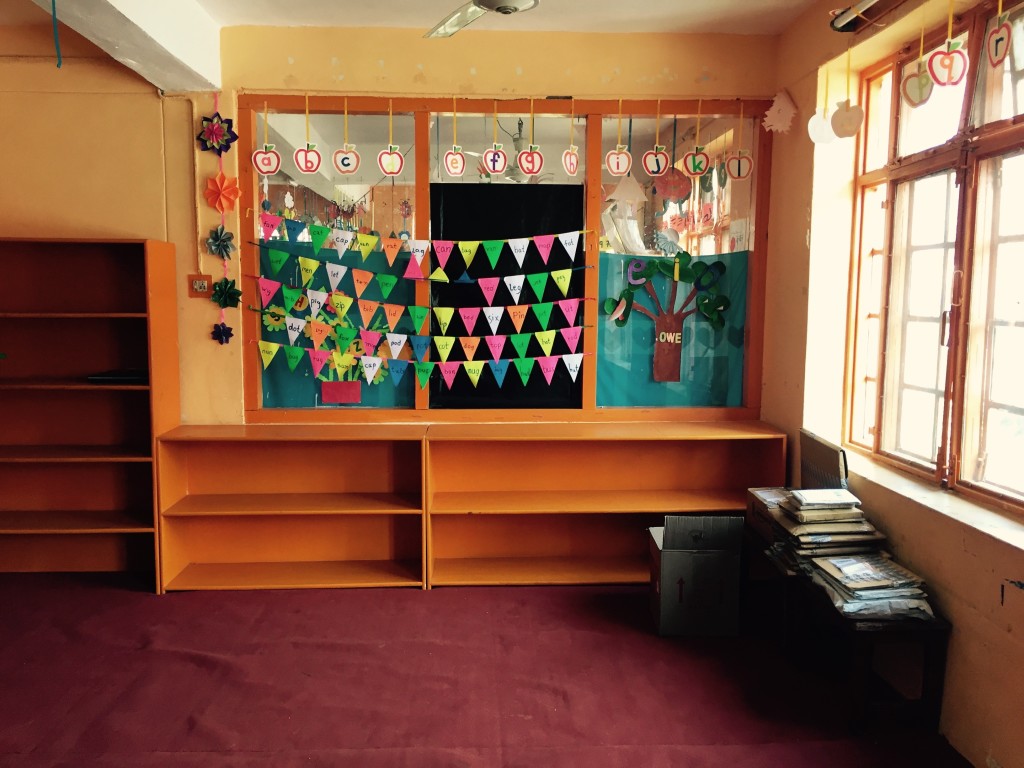
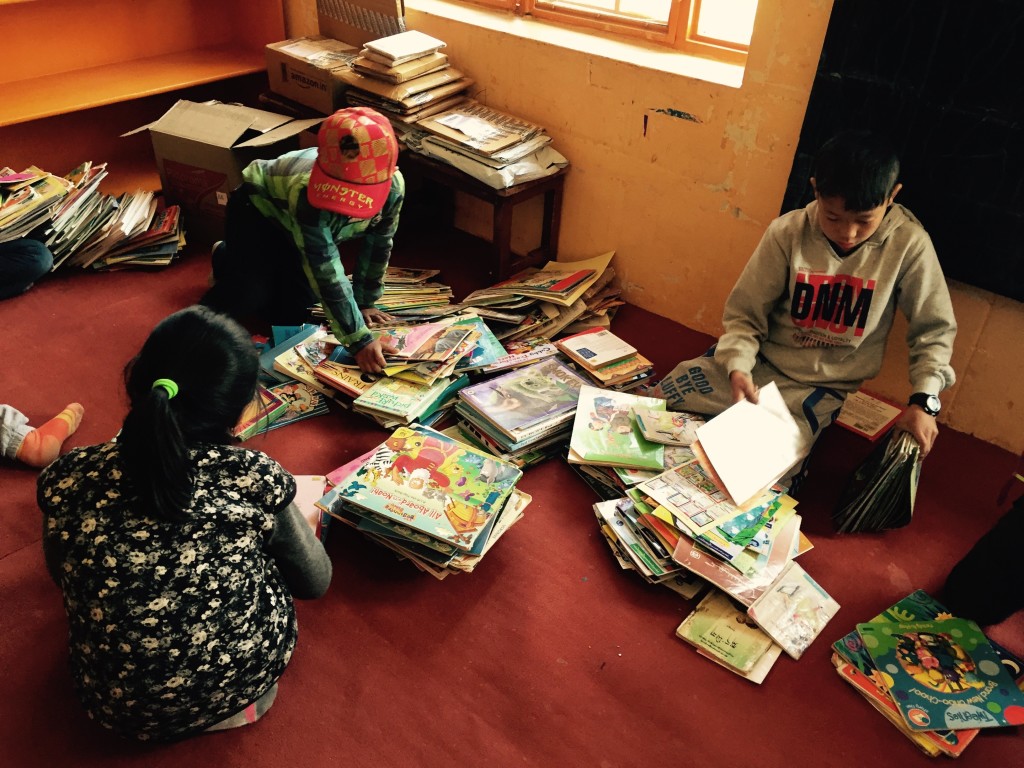
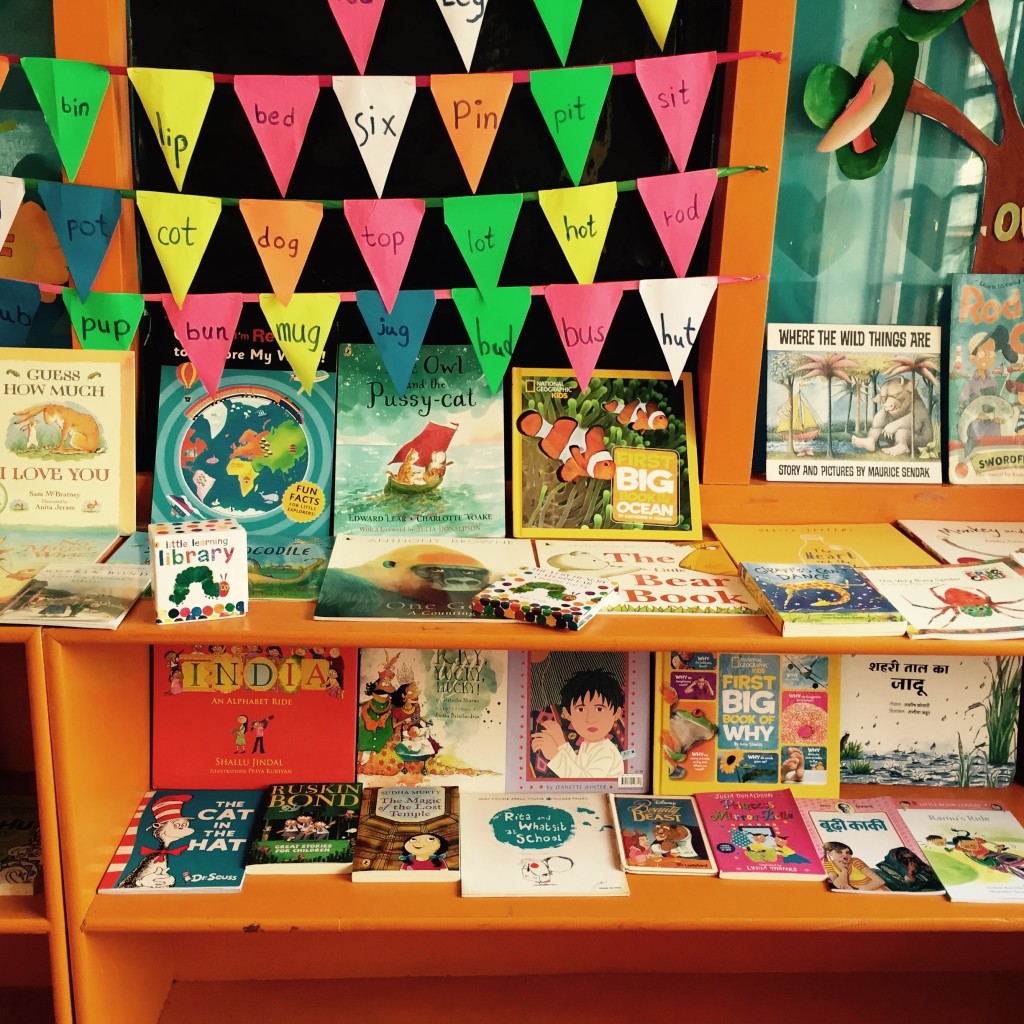
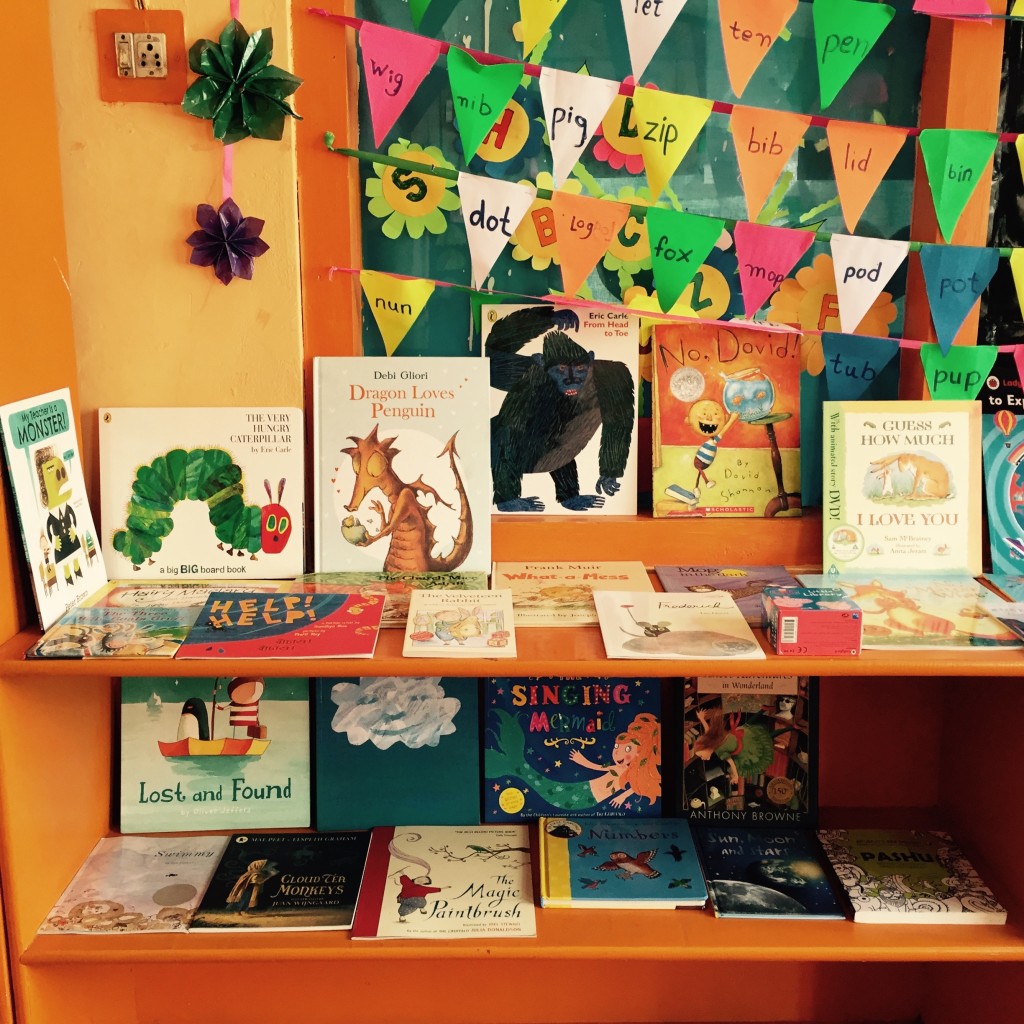
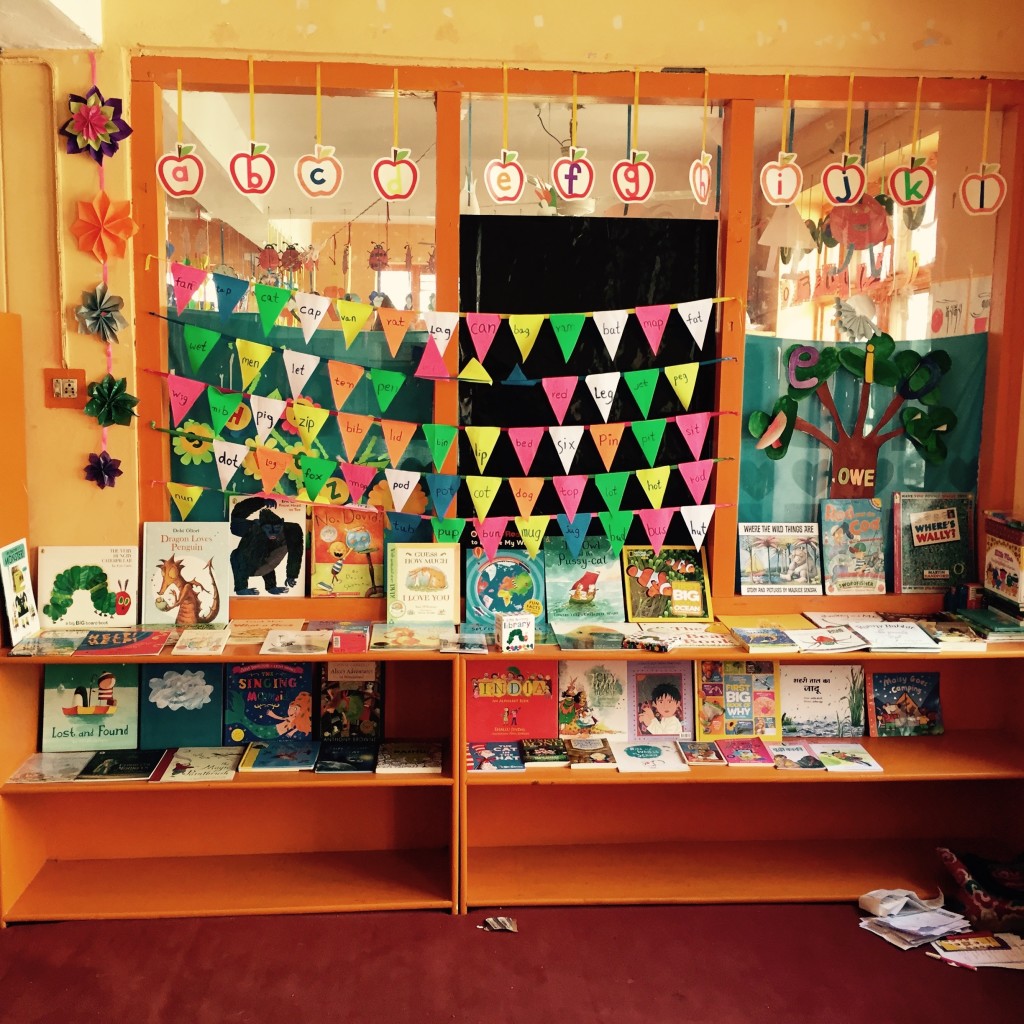
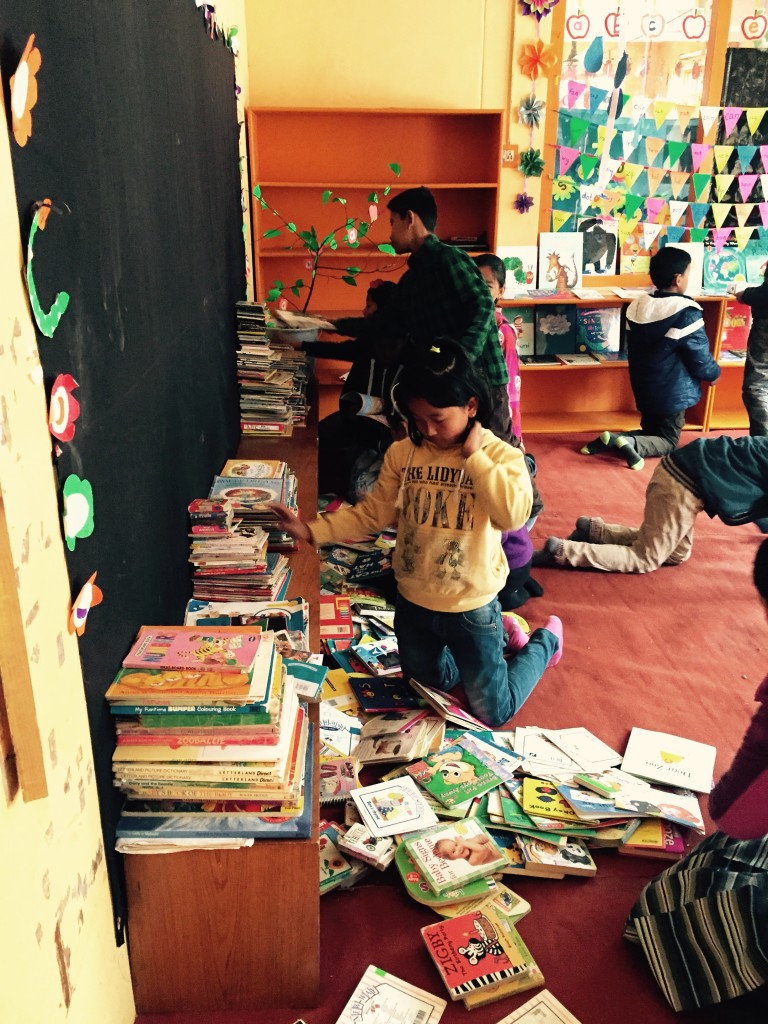
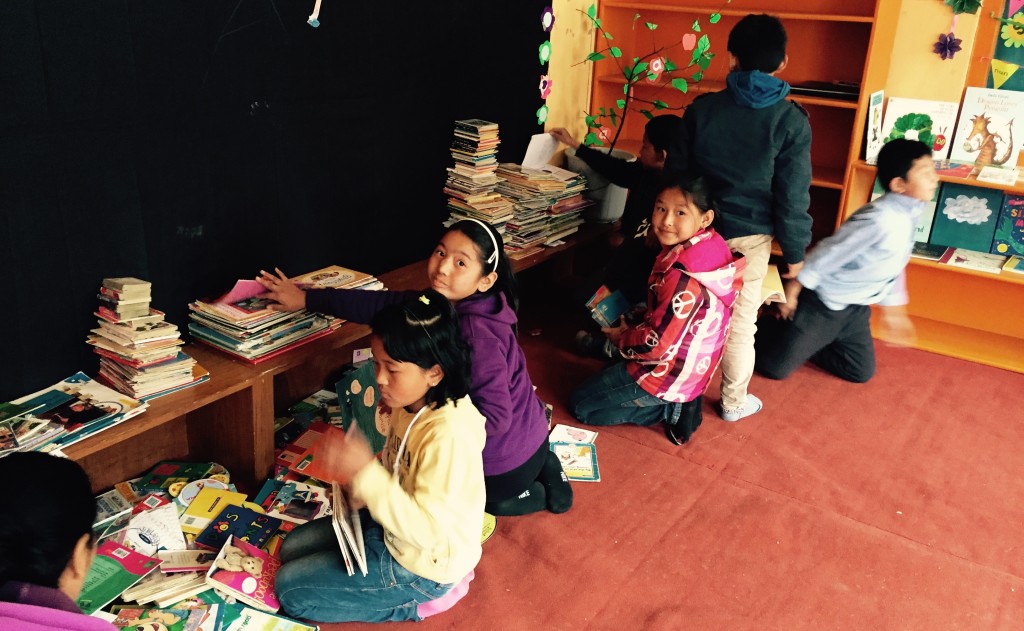
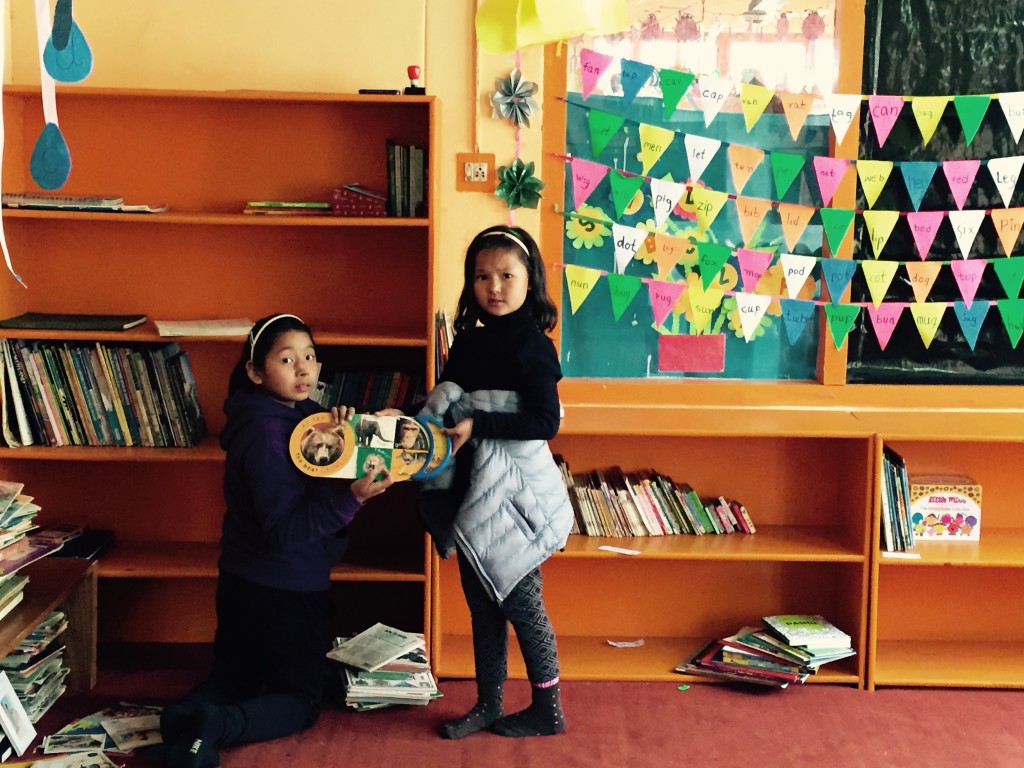
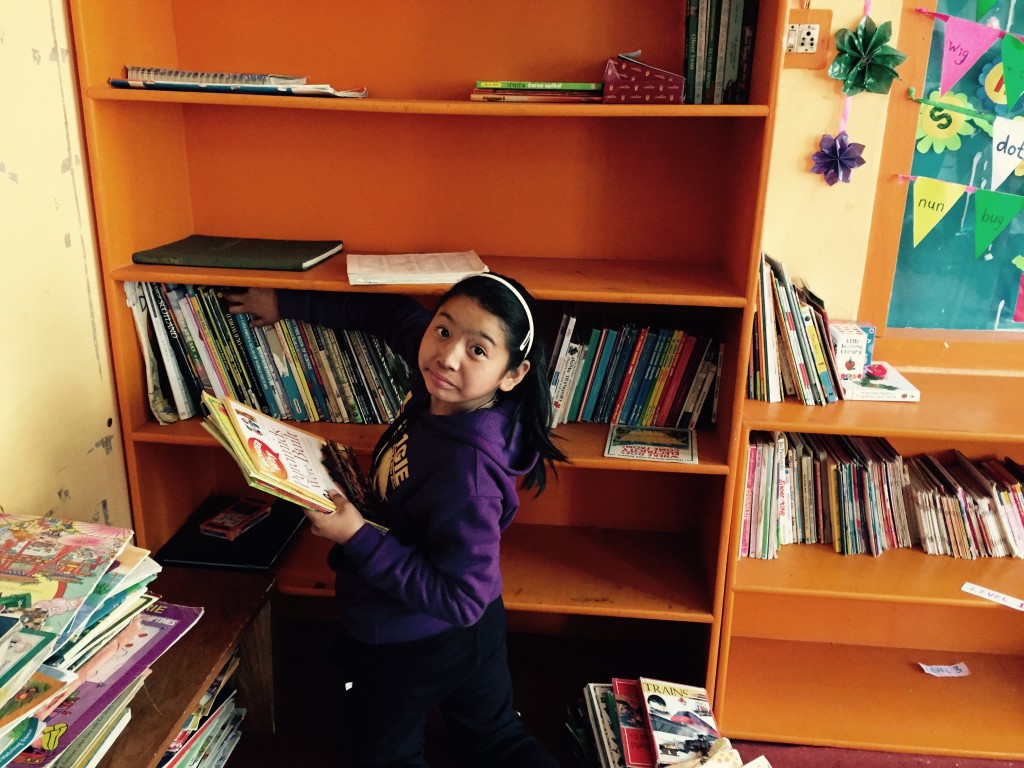
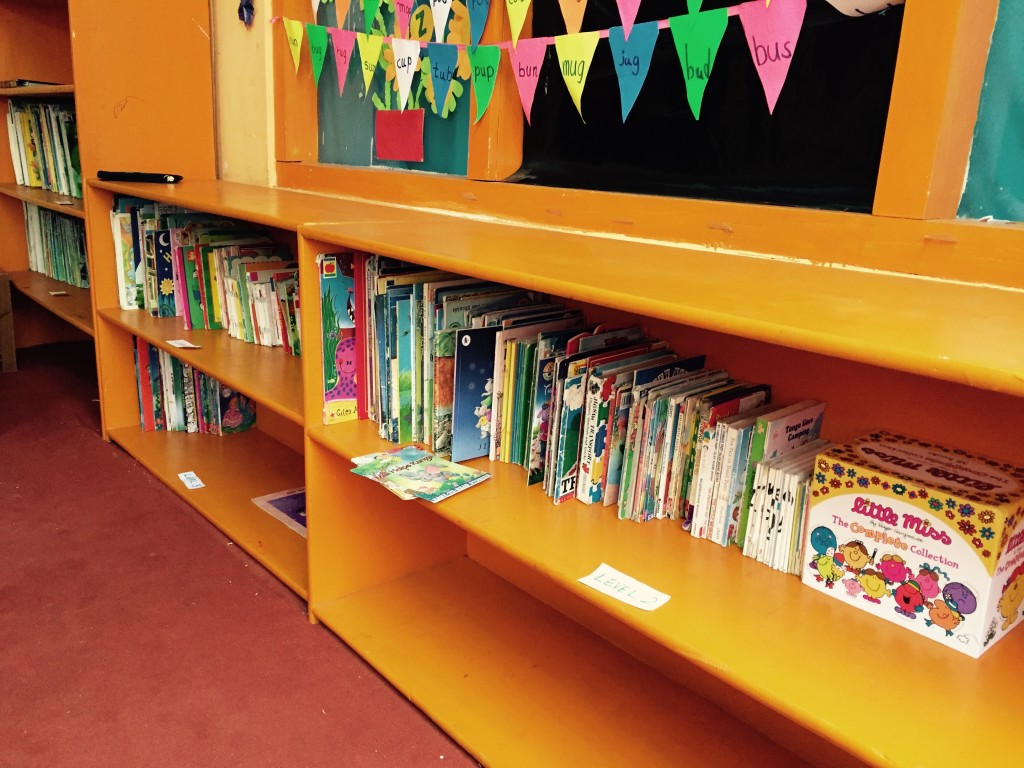
Poetry readings also help our reading rooms become more than places where books are stored. They turn libraries into welcoming community spaces where learning is social, creative, and connected to daily life. Each session strengthens the habit of returning to books and discovering that reading can be joyful as well as useful.
A regular hour for wonder
Children benefit from predictable opportunities to pause and imagine. A weekly poetry reading creates that dependable moment. Even when schoolwork, travel, weather, or family responsibilities make life busy, participants know that a familiar group will gather around words and stories.
The rhythm of the session matters. A poem may be read once by an adult, again by the children, and a third time in small groups. With each reading, a different detail can emerge: a repeated sound, an image of snow, the movement of an animal, or an emotion hidden in a simple phrase. Repetition makes difficult language less intimidating and gives every child time to participate.
This regular practice also encourages attentive listening. Children learn to notice pauses, tone, rhythm, and meaning. Those skills support classroom learning, but they also help young people communicate with patience and respect in everyday relationships.
Reading aloud builds confidence
Many children understand more than they initially feel comfortable expressing. Reading aloud gives them a gentle way to cross that distance. A short poem offers manageable lines, natural pauses, and room for interpretation, allowing a hesitant reader to take part without feeling pressured to perform perfectly.
Facilitators can support different levels of confidence by offering several roles. One child may read the opening lines, another may explain a word, and a third may choose an image for a drawing. Group reading allows quieter participants to speak with the support of others, while individual reading gives confident children a chance to encourage their peers.
Over time, these small successes accumulate. A child who once avoided speaking may volunteer to read a stanza. A young monk may begin composing verses in a notebook. These changes are valuable because literacy grows through practice, but confidence grows through being heard and taken seriously.
Poetry connects language and place
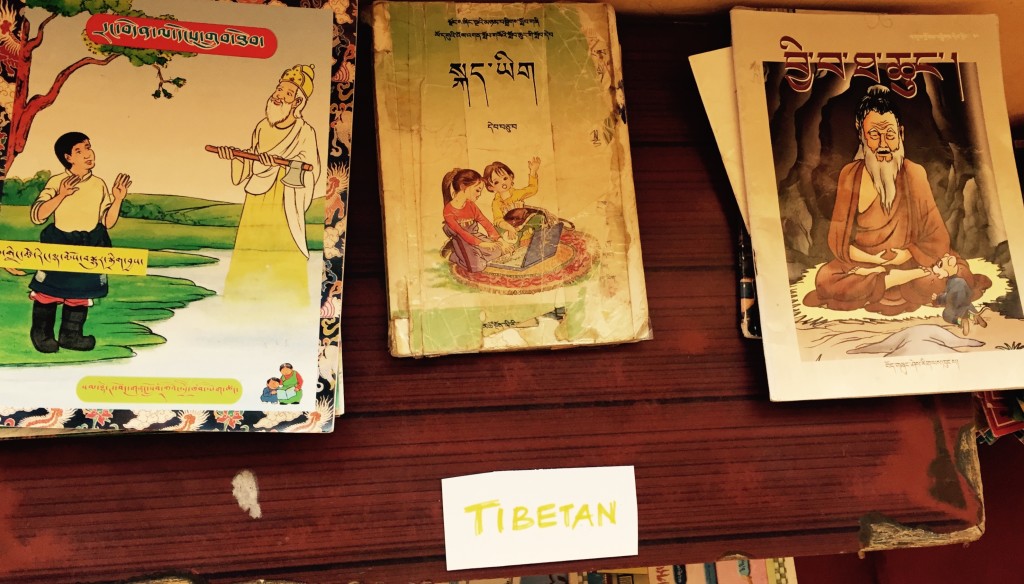
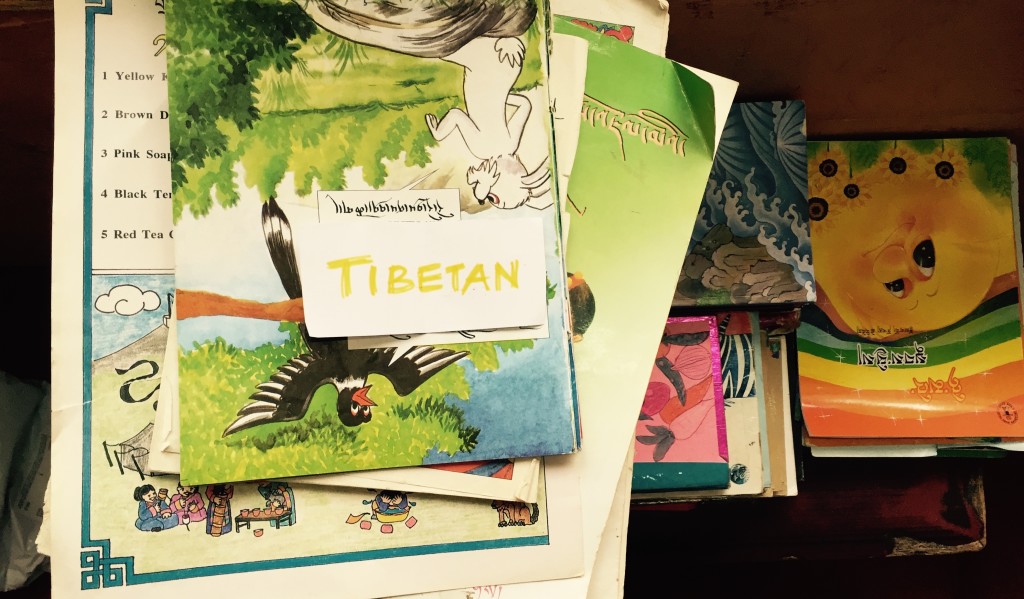
The Himalayan region is home to many languages, traditions, landscapes, and forms of oral expression. Poetry gives children a way to explore that richness. Readings may include translated works, local voices, nature poems, folk-inspired writing, and contemporary pieces that reflect experiences familiar to participants.
A poem about wind across a high pass can prompt memories of a village road. Lines about a family meal may lead to a conversation about food, hospitality, or seasonal customs. When children connect literature with their surroundings, books feel less distant. Reading becomes a way of recognizing their own lives as worthy of description.
Poetry can also create respectful bridges between cultures. A child may encounter a writer from another country and discover that a feeling expressed in unfamiliar language still feels recognizable. This kind of literary exchange builds empathy without erasing local identity. It shows that difference and connection can exist in the same conversation.
What happens during a reading room session
Our weekly gatherings usually combine listening, discussion, creative activity, and independent exploration. The structure is flexible enough to suit different ages and group sizes, while the familiar sequence helps children know what to expect. A session might include the following elements:
| Activity |
What children practise |
Why it matters |
| Shared reading |
Pronunciation, rhythm, and listening |
Builds fluency and attention |
| Word discovery |
Vocabulary and interpretation |
Makes unfamiliar language approachable |
| Group discussion |
Speaking, reasoning, and respectful disagreement |
Strengthens communication |
| Drawing or music |
Creative response and memory |
Lets children express meaning in different forms |
| Quiet book browsing |
Choice and independent reading |
Encourages lasting reading habits |
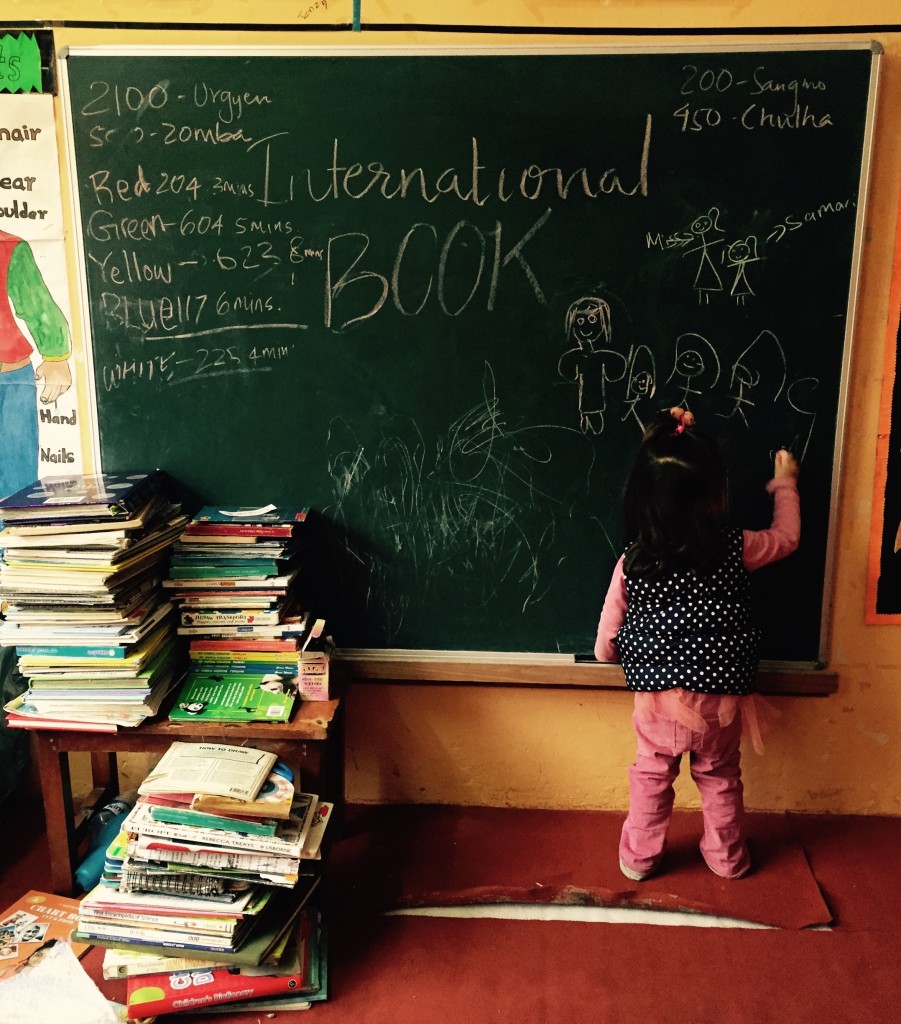
A facilitator may begin with a visual prompt, a question about nature, or a sound connected to the poem. After reading, children can identify a favourite line, act out an image, create a simple rhythm, or write a response in any language they know. There is no single correct interpretation, and that freedom helps children see reading as an active process rather than a test.
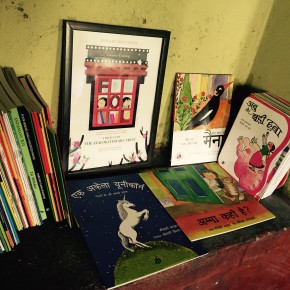
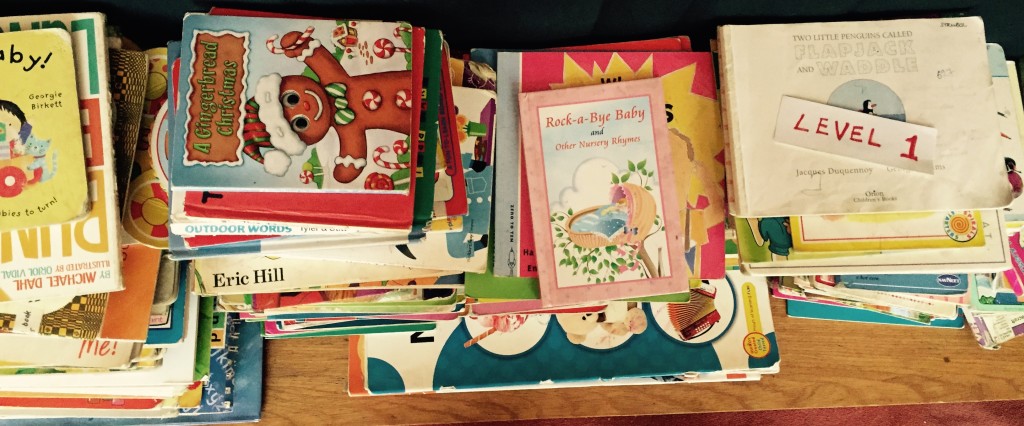
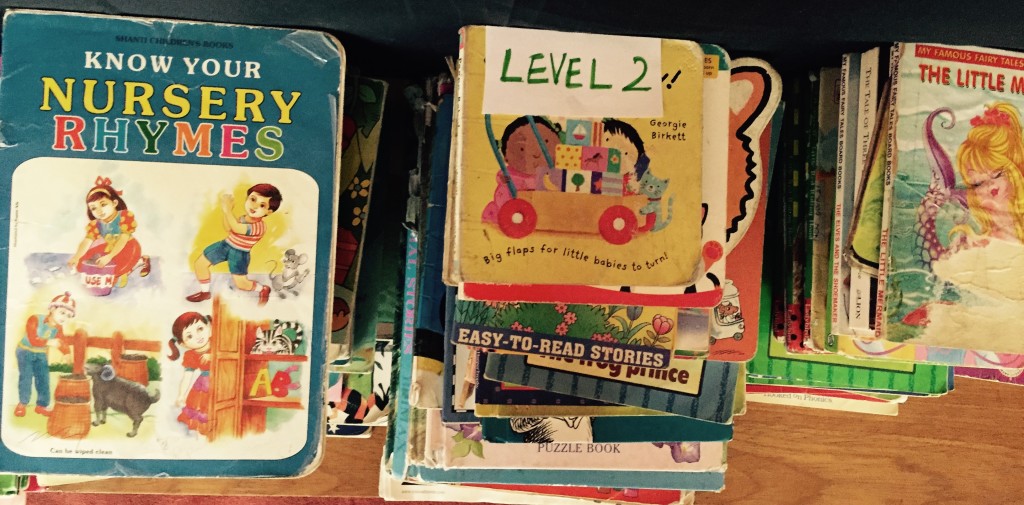
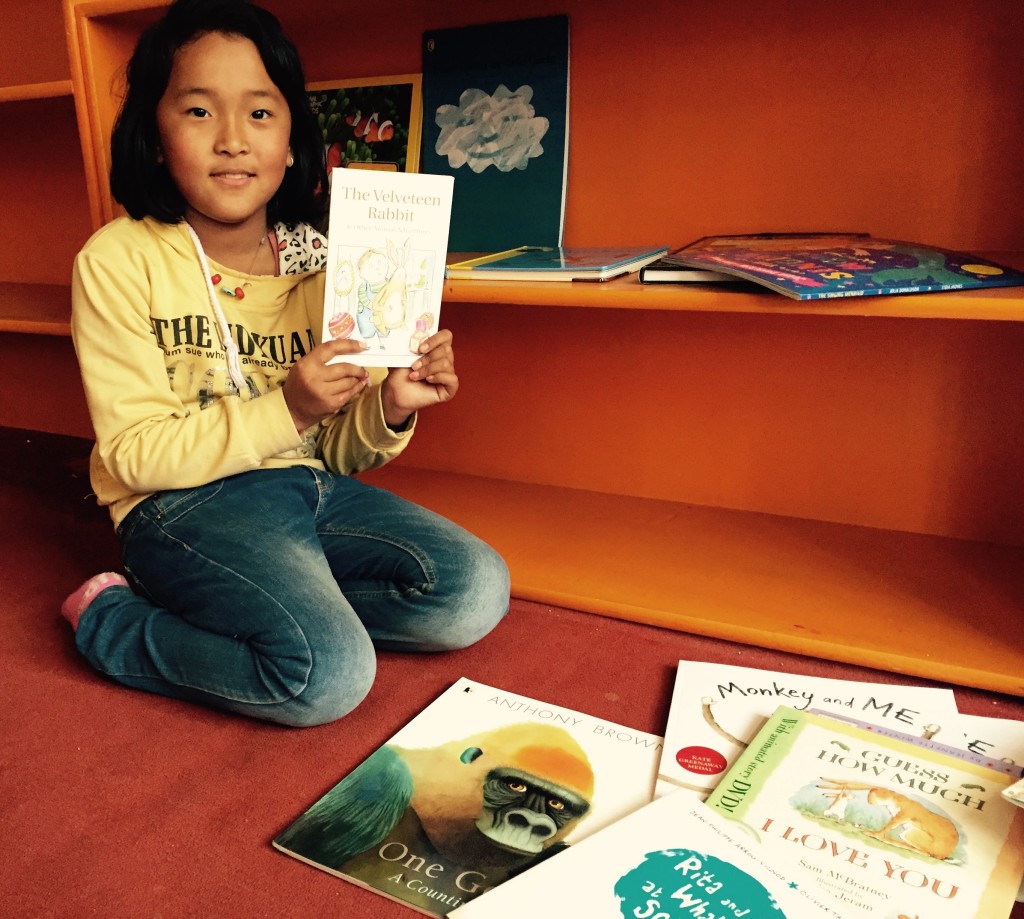
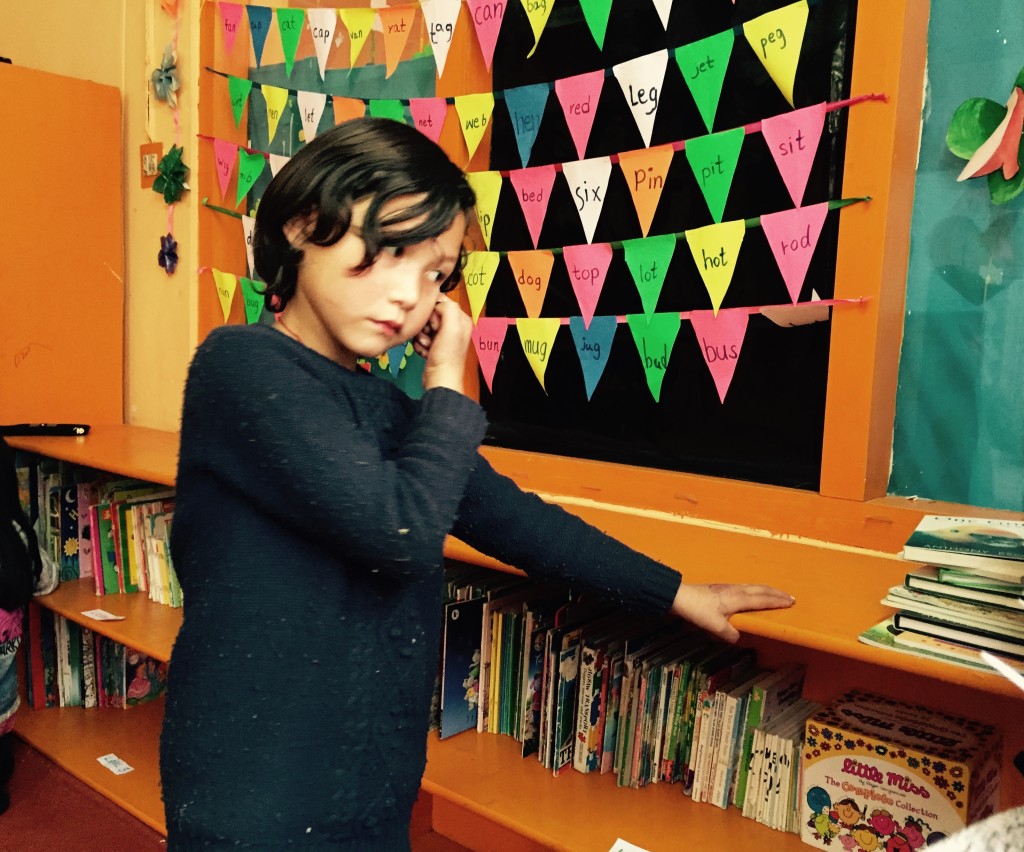
The final minutes often return to the bookshelves. Children may look for another poem by the same writer, find a picture book connected to the theme, or borrow a title for the week. This transition from a shared activity to personal choice is important: it turns a special event into an invitation to keep reading.
Books support thoughtful curiosity
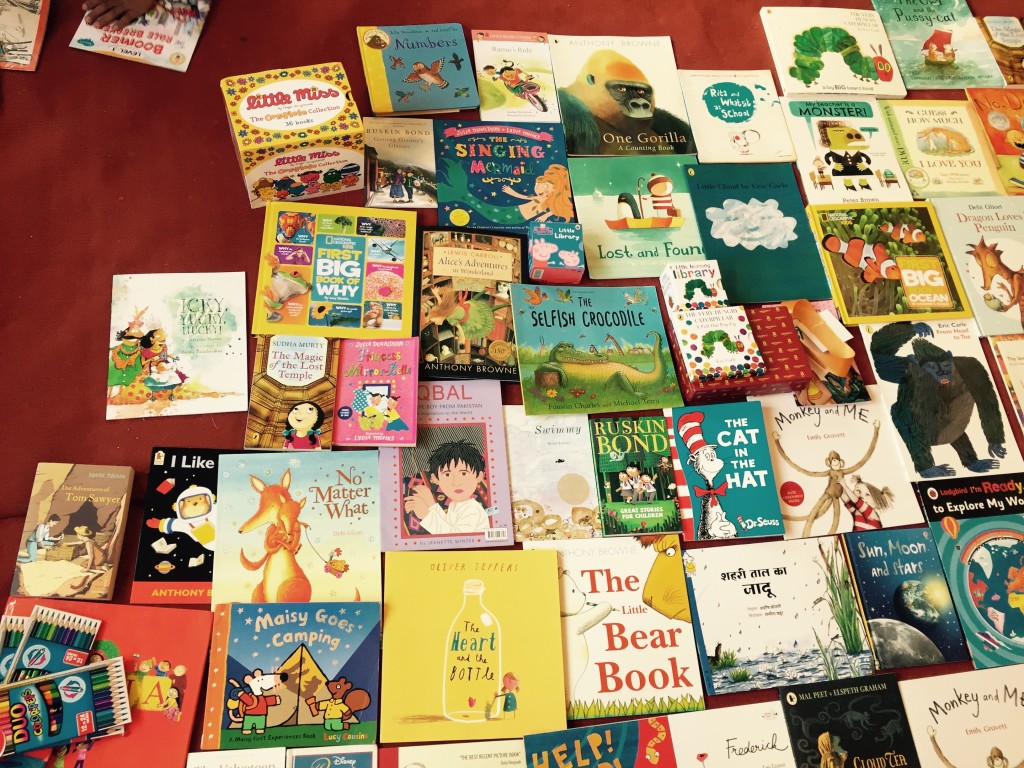
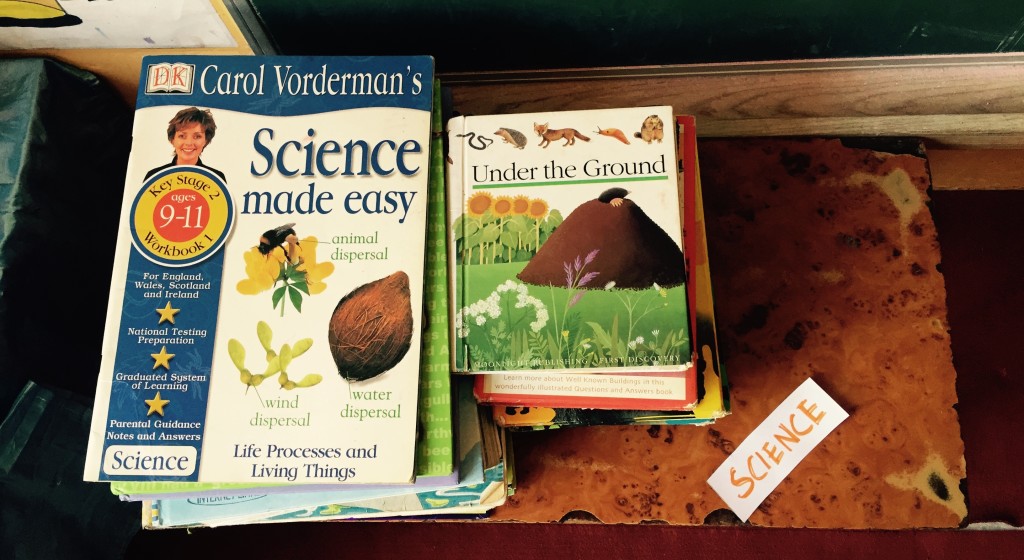
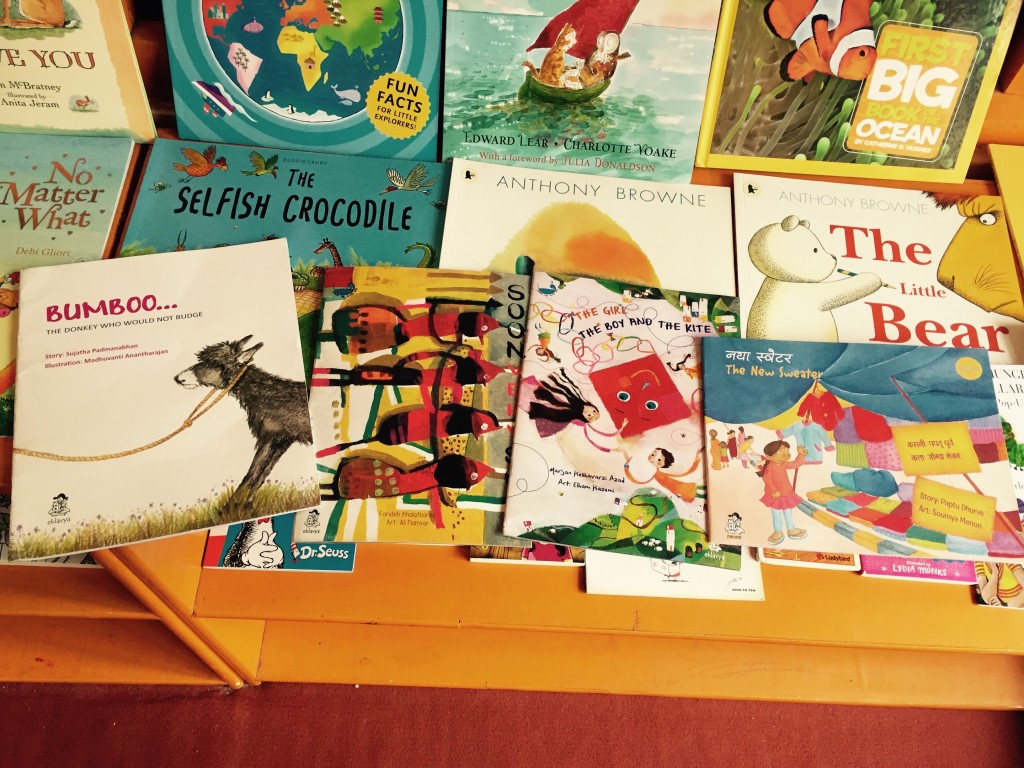
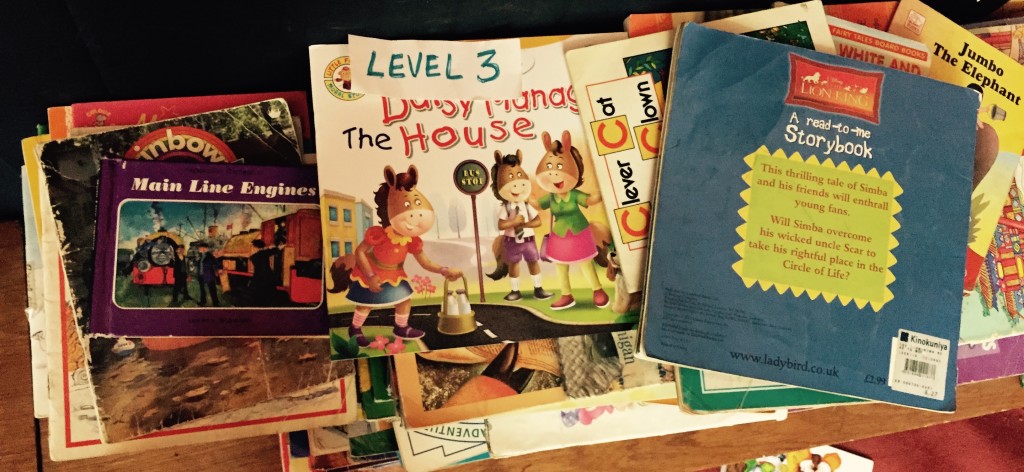
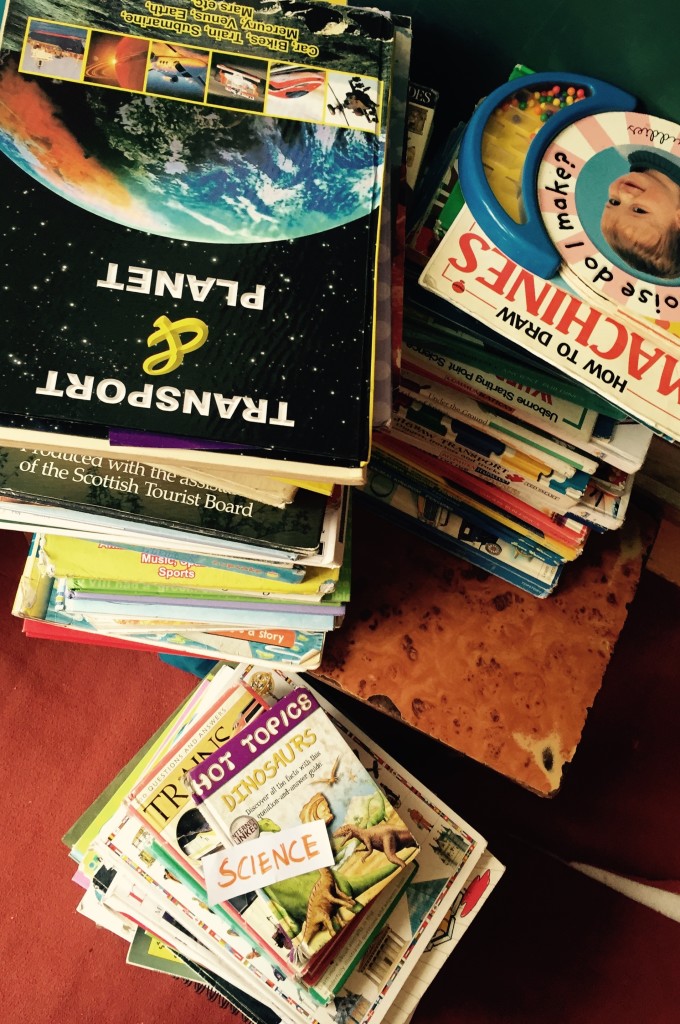
Poetry is part of a wider approach to literacy. Reading rooms give children access to stories, reference books, biographies, art books, music resources, and age-appropriate material that may not be available at home or school. Weekly readings help participants learn how to approach all these resources with curiosity and judgment.
Discussion can include how a writer chooses words, how a publisher presents information, and how readers decide whether a claim is trustworthy. For older participants, facilitators can explore media literacy through examples such as probability in games, asking how persuasive language, statistics, and presentation can influence an audience. The purpose is not to promote the subject, but to help young people distinguish evidence from confident-sounding claims.
This kind of thoughtful reading is increasingly important. Children encounter information through books, phones, posters, conversations, and websites. Poetry strengthens sensitivity to language, while guided discussion helps them notice context, intention, and accuracy. Together, these skills support responsible learning in a changing world.
Ways to strengthen the reading culture
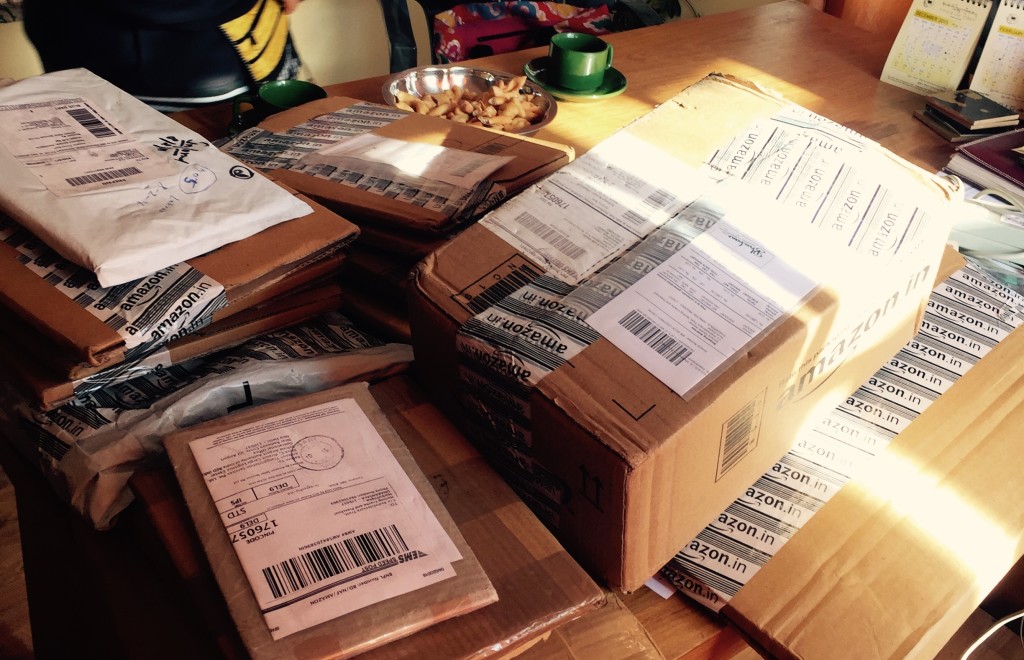
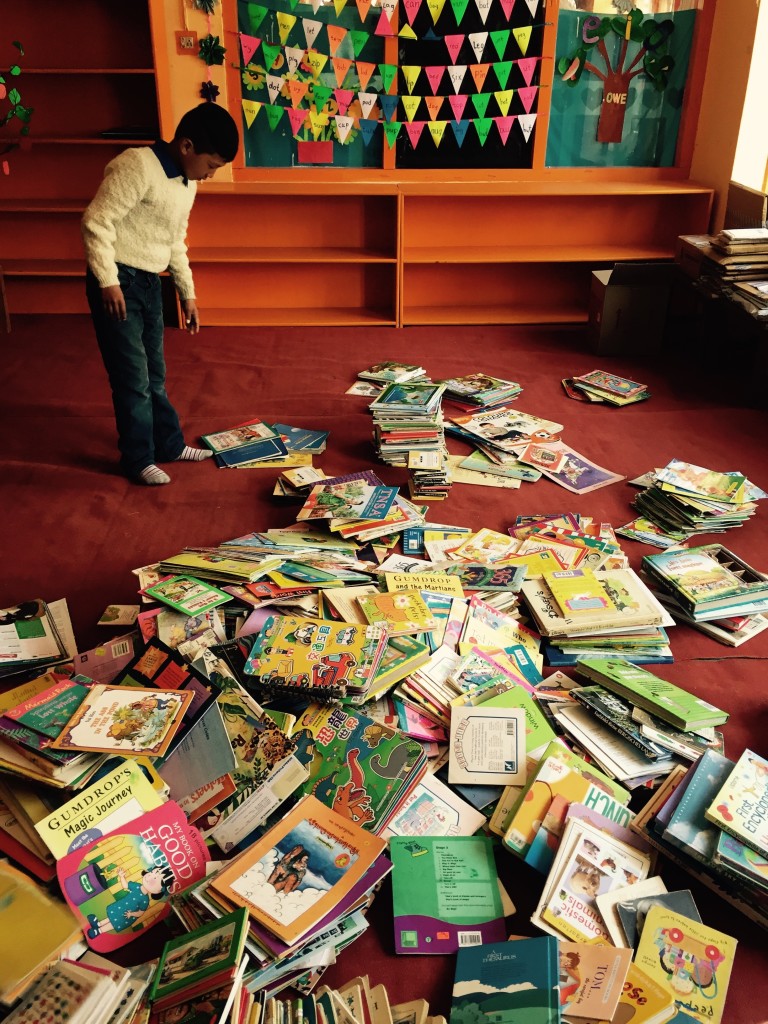
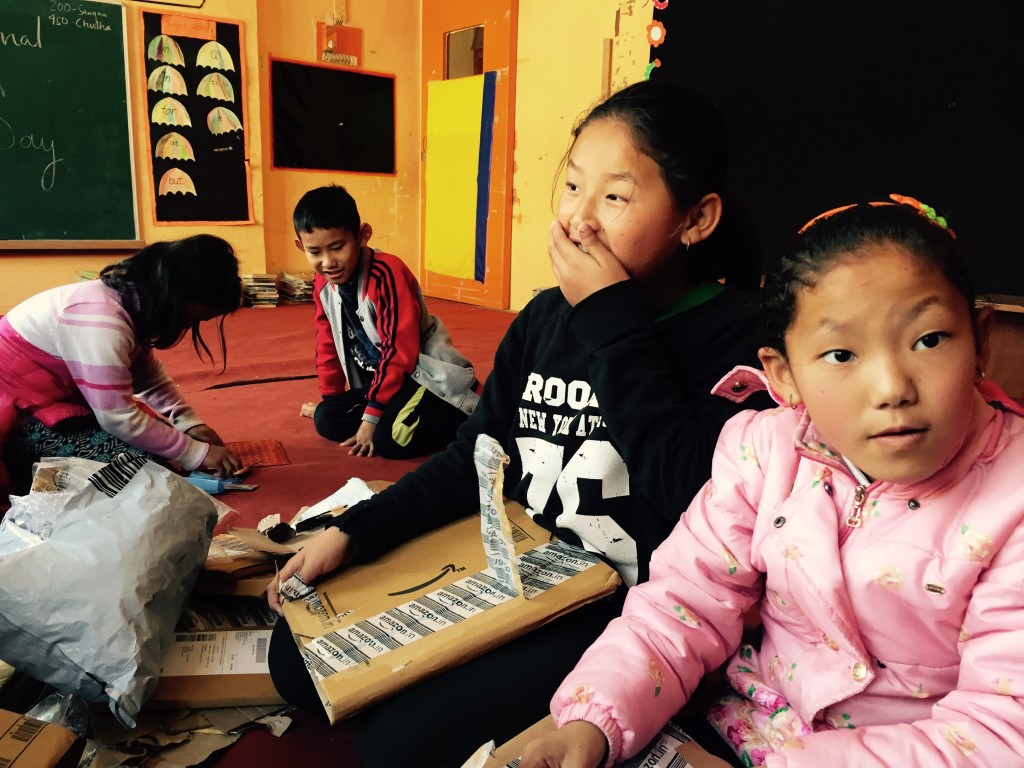
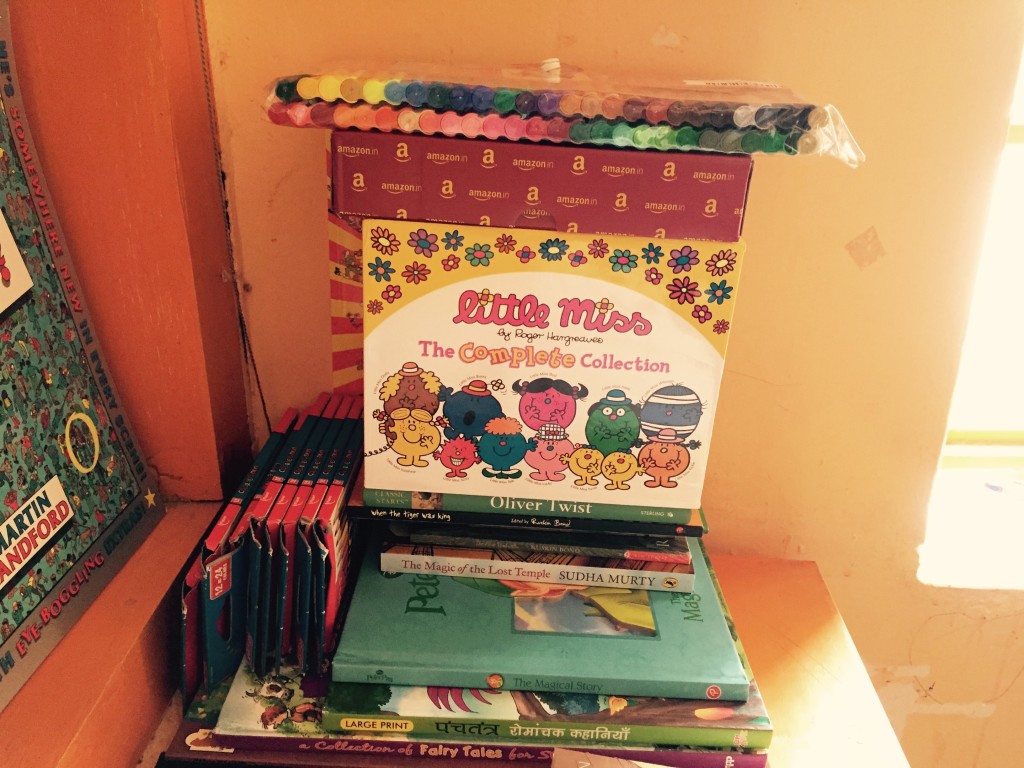
A lively reading room depends on many small contributions. Donors help us purchase books suited to local interests and different reading levels. Volunteers can read, translate, organize activities, or help children choose books. Teachers, families, and community members also bring knowledge about stories and traditions that enrich every session.
Supporters can help in practical ways:
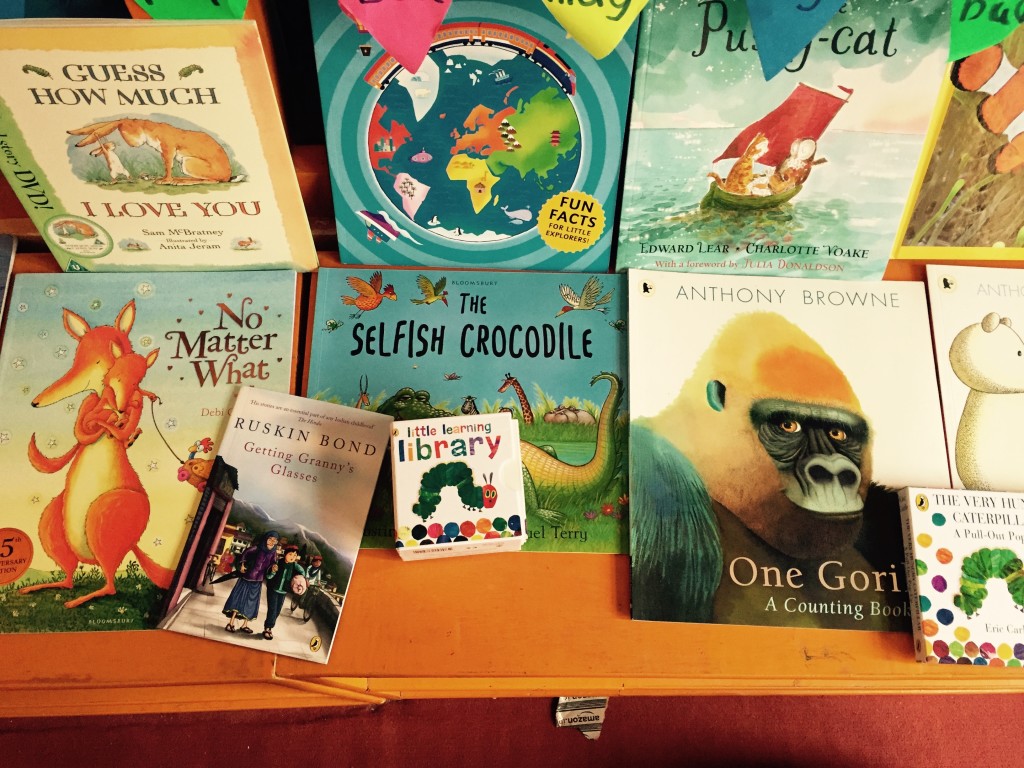
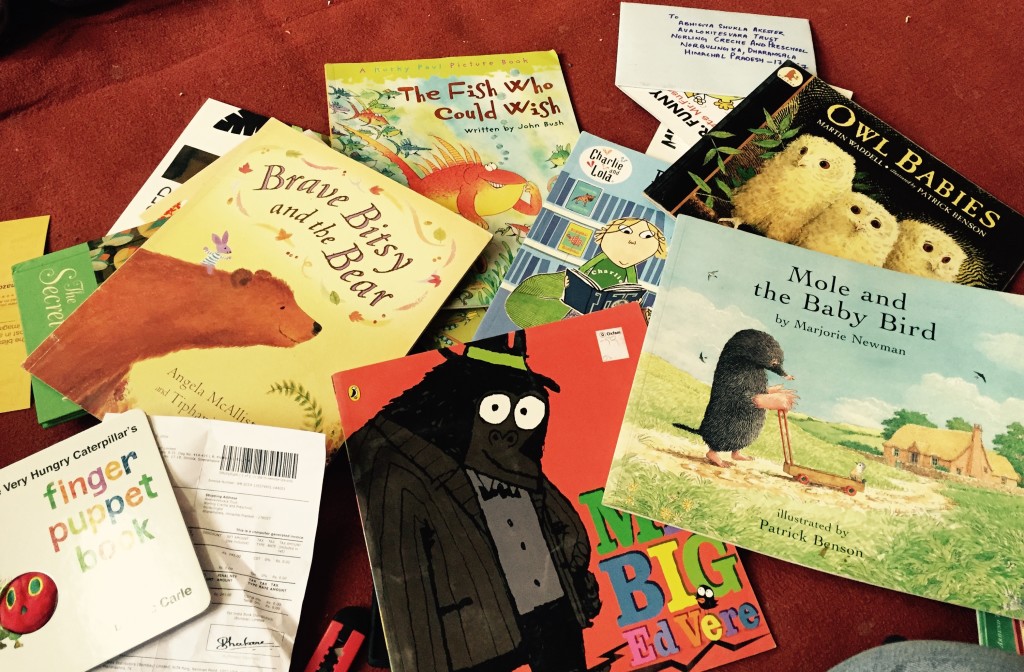
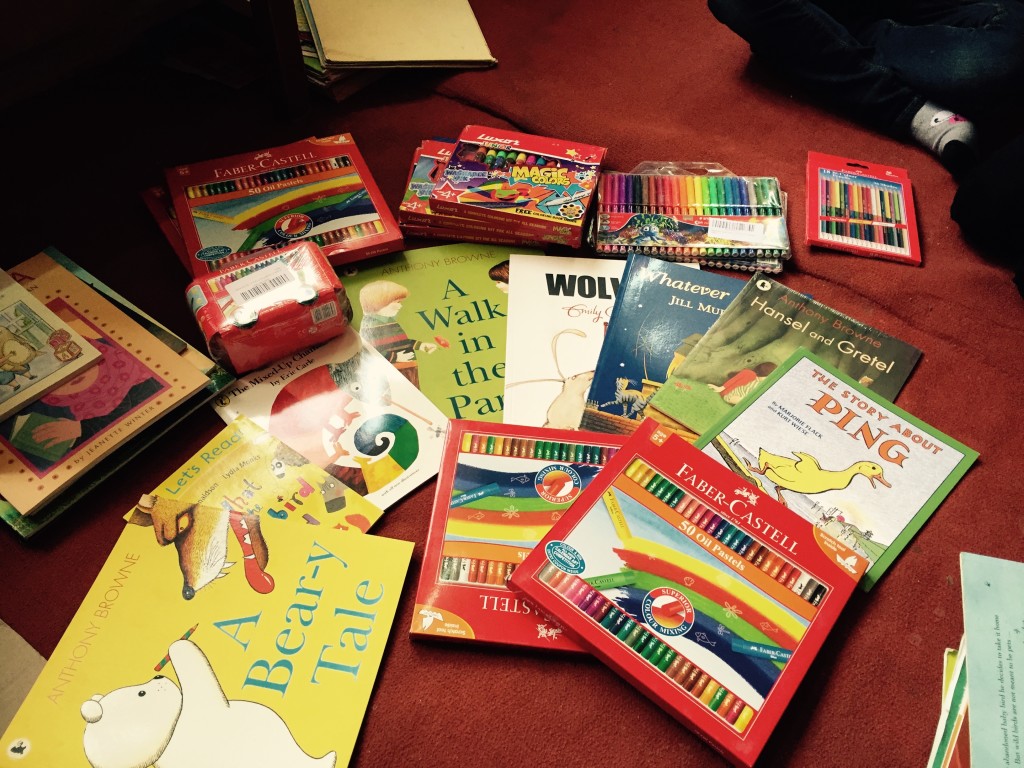
- Donate new or gently used children’s books that reflect varied cultures, interests, and reading abilities.
- Sponsor art, writing, or music materials for creative responses to poetry.
- Share information about the reading rooms with schools, libraries, and community groups.
- Volunteer time for reading sessions, book organization, translation, or educational activities.
The most useful support is consistent and thoughtful. A carefully selected collection is more valuable than a large shipment of unsuitable books, and a regular volunteer presence can help children build trust. When resources and relationships continue over time, reading becomes part of community life rather than a one-time event.
Weekly poetry readings are small gatherings with lasting possibilities. They help children listen closely, speak bravely, imagine freely, and recognize the power of their own words. In Himalayan communities where access to quality books can be limited, each shared poem contributes to a larger culture of learning.
You can help keep that culture growing by supporting Avalokiteśvara Trust’s reading rooms, sharing our work, or contributing books and educational resources. Every poem read aloud gives a child another opportunity to discover language, creativity, and a wider world.