Stories Across Generations in Himalayan Communities
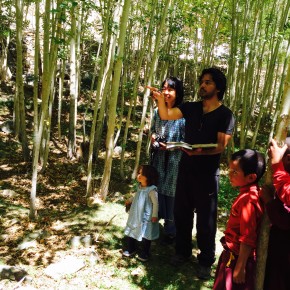
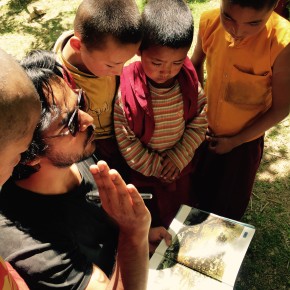
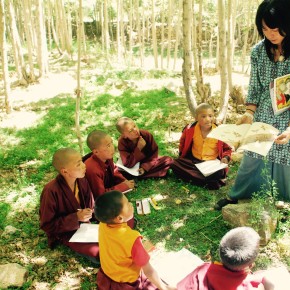
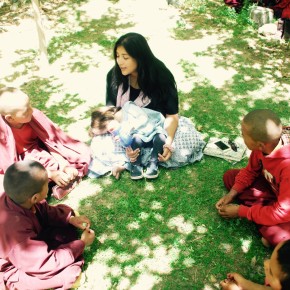
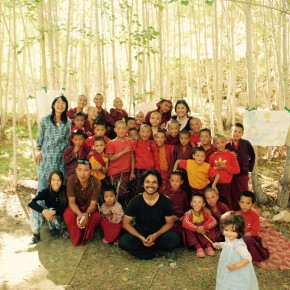
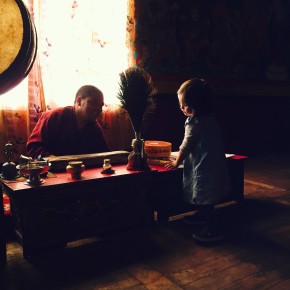
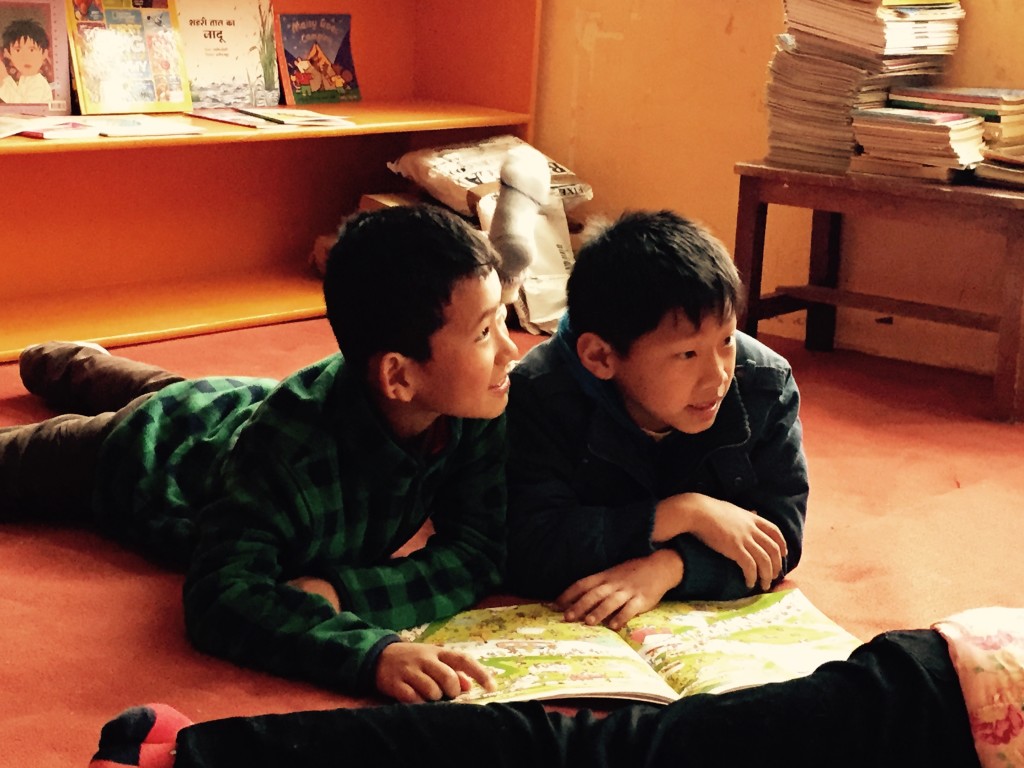
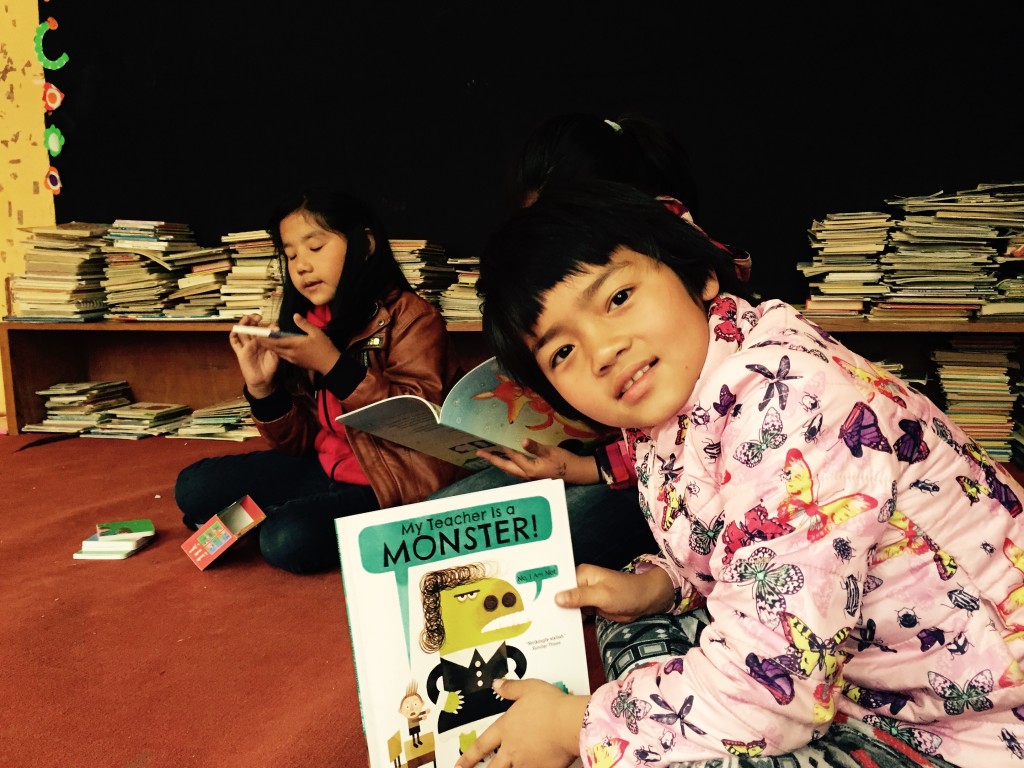
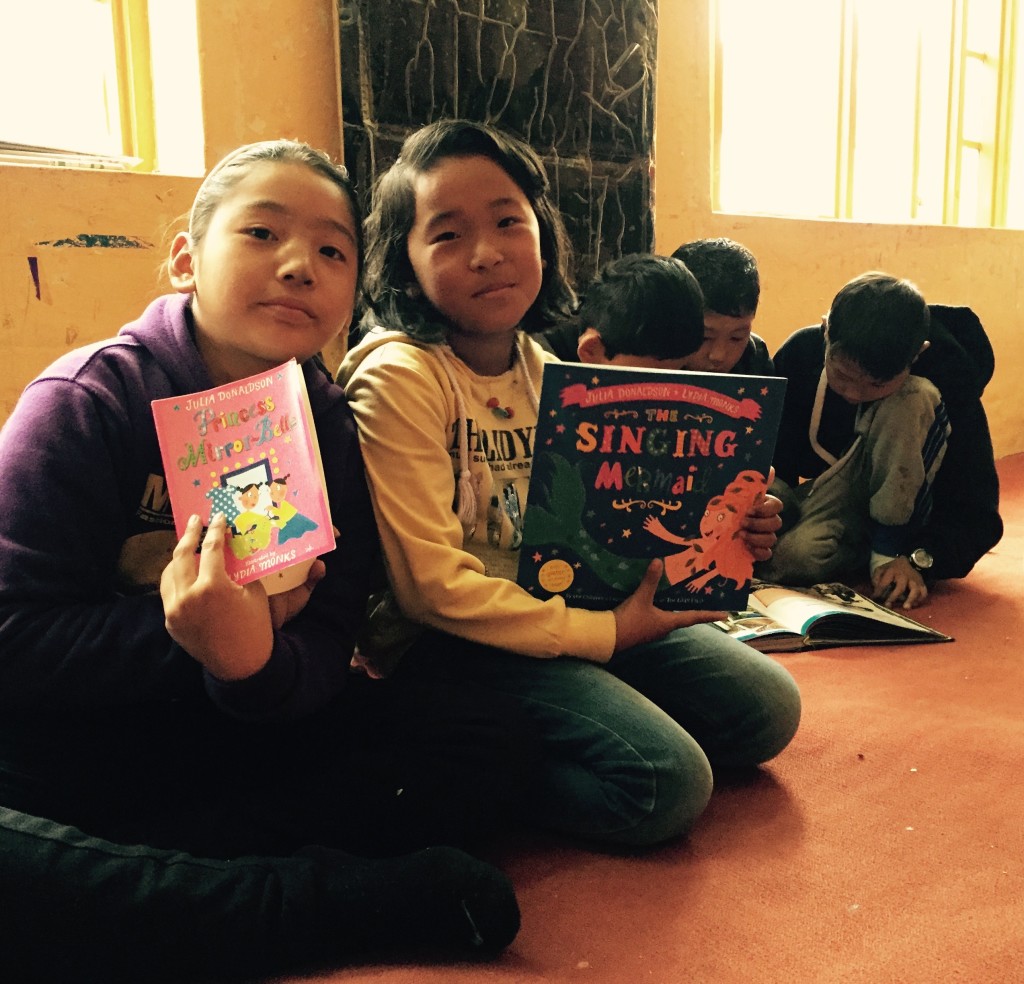
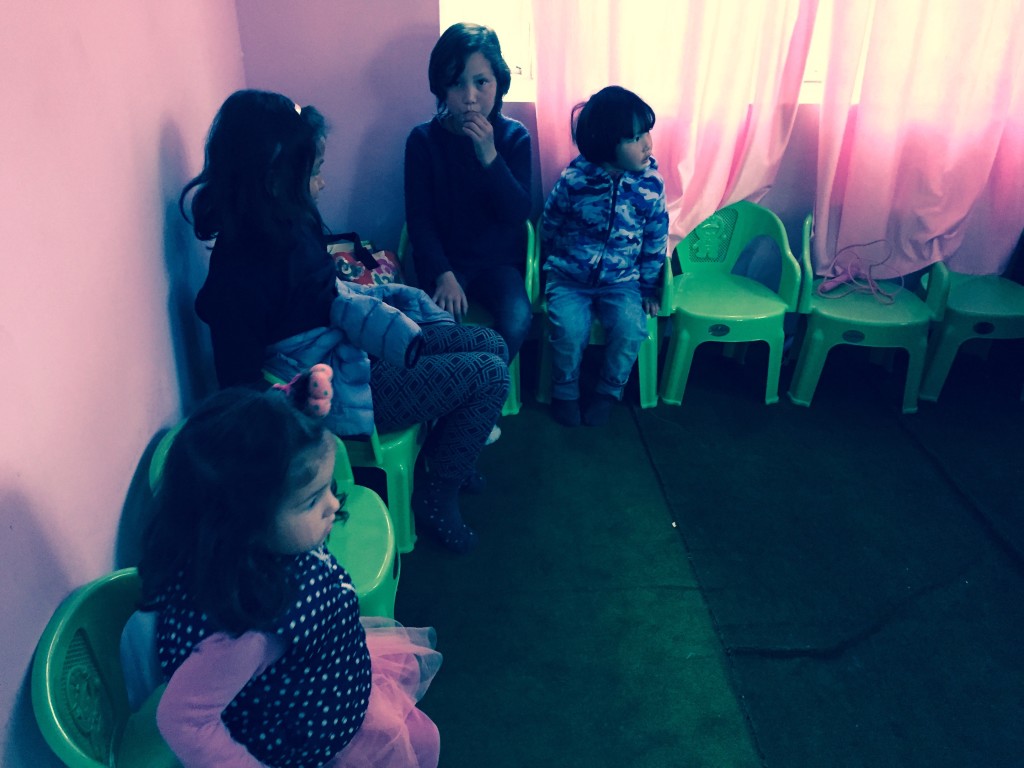
In a Himalayan village, a story night can begin with a monk describing a journey through mountain passes and end with a child reading a newly discovered book aloud. These gatherings bring together people who may share a language, neighbourhood or spiritual tradition while living very different daily lives. The evening becomes a space where memory, imagination and attention are shared freely.
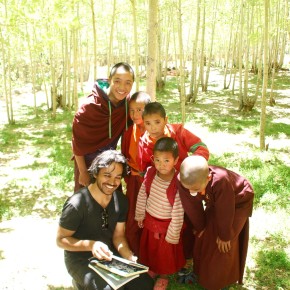
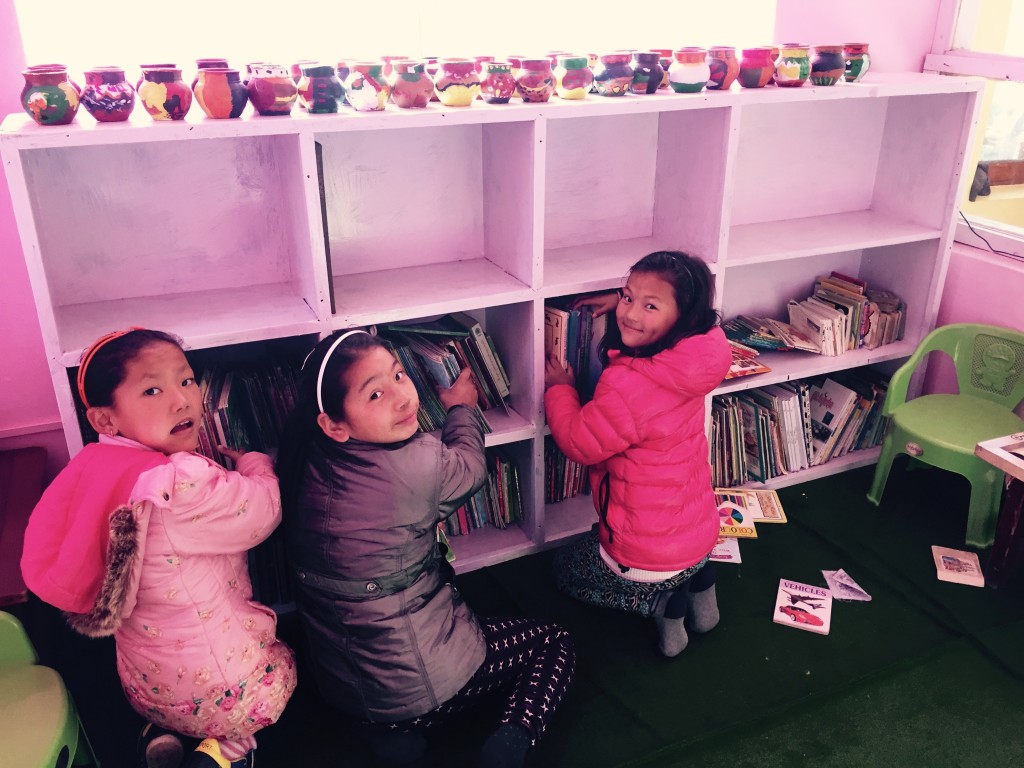
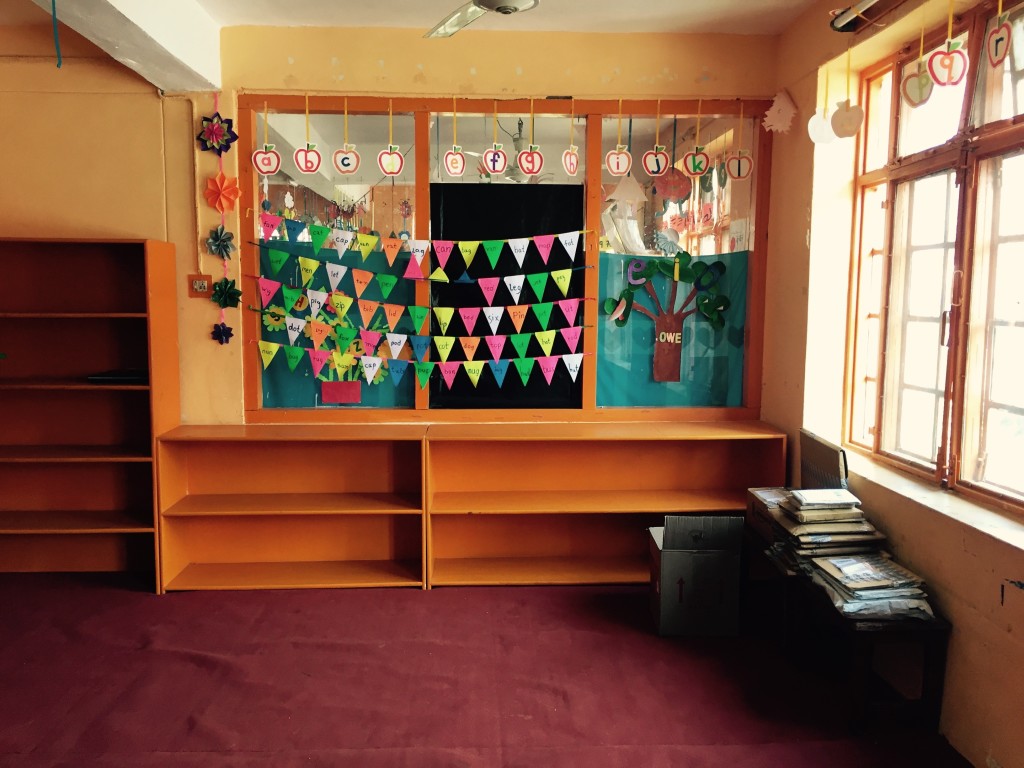
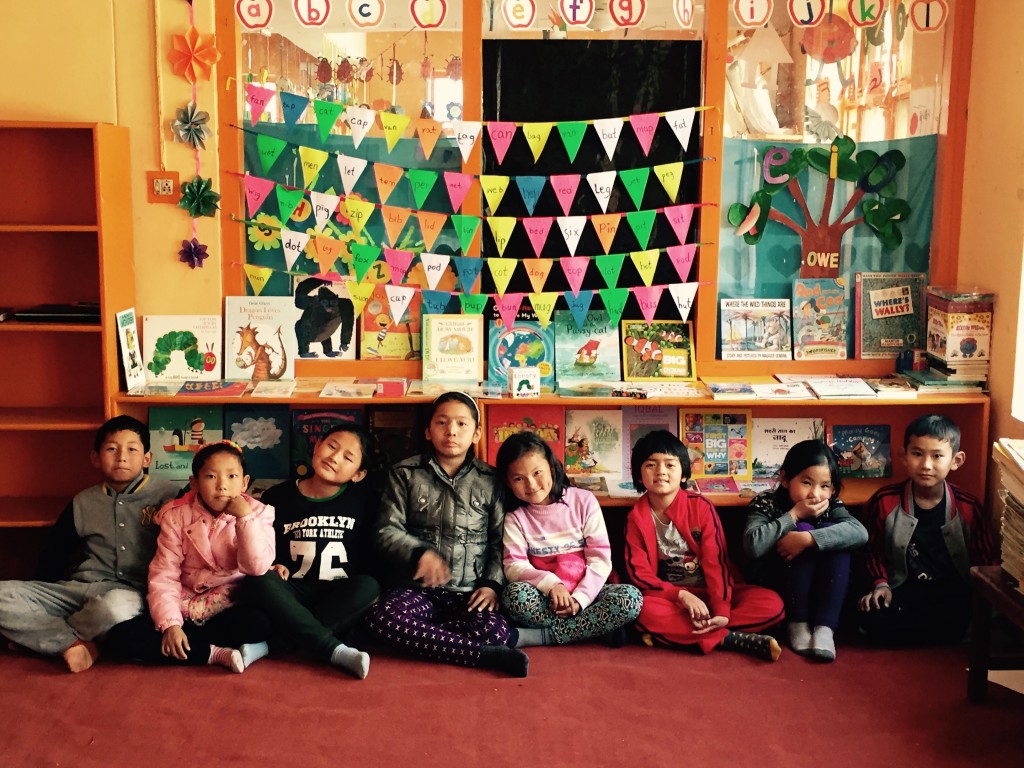
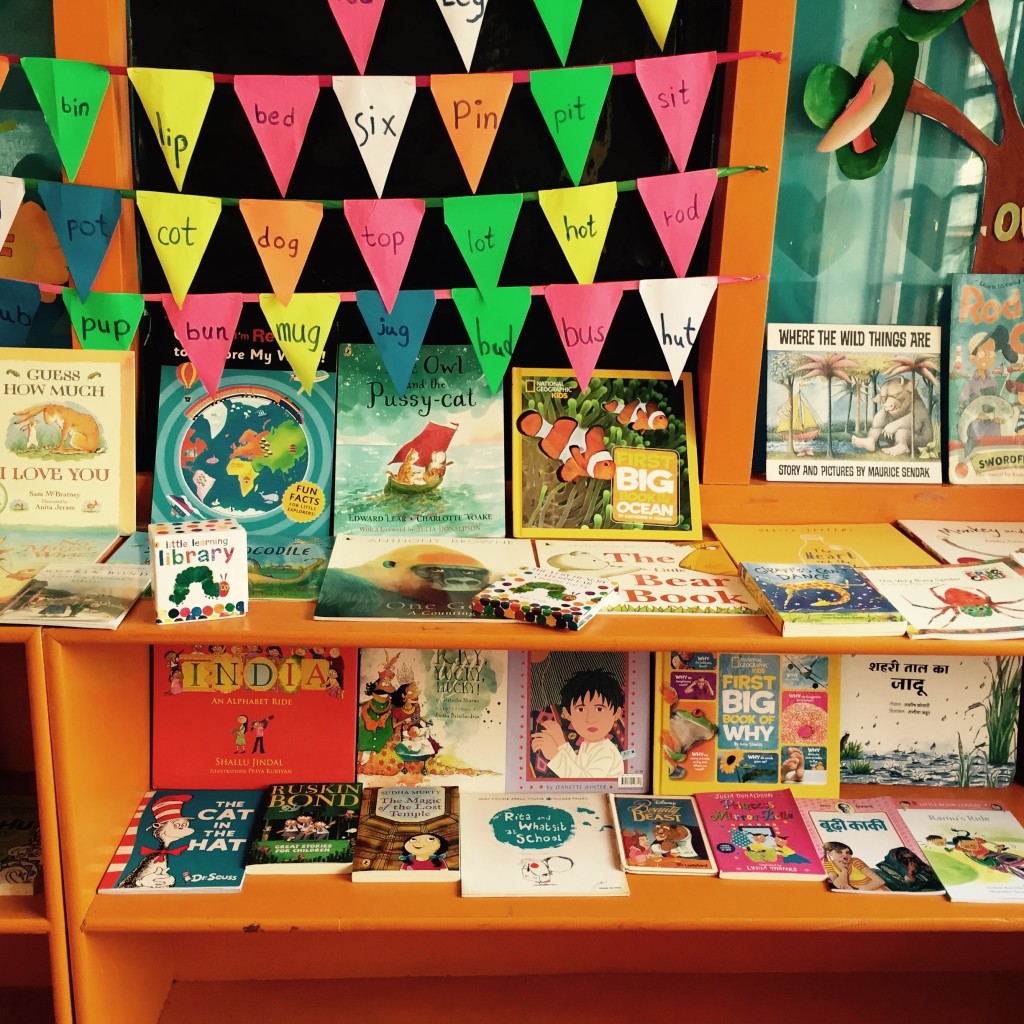
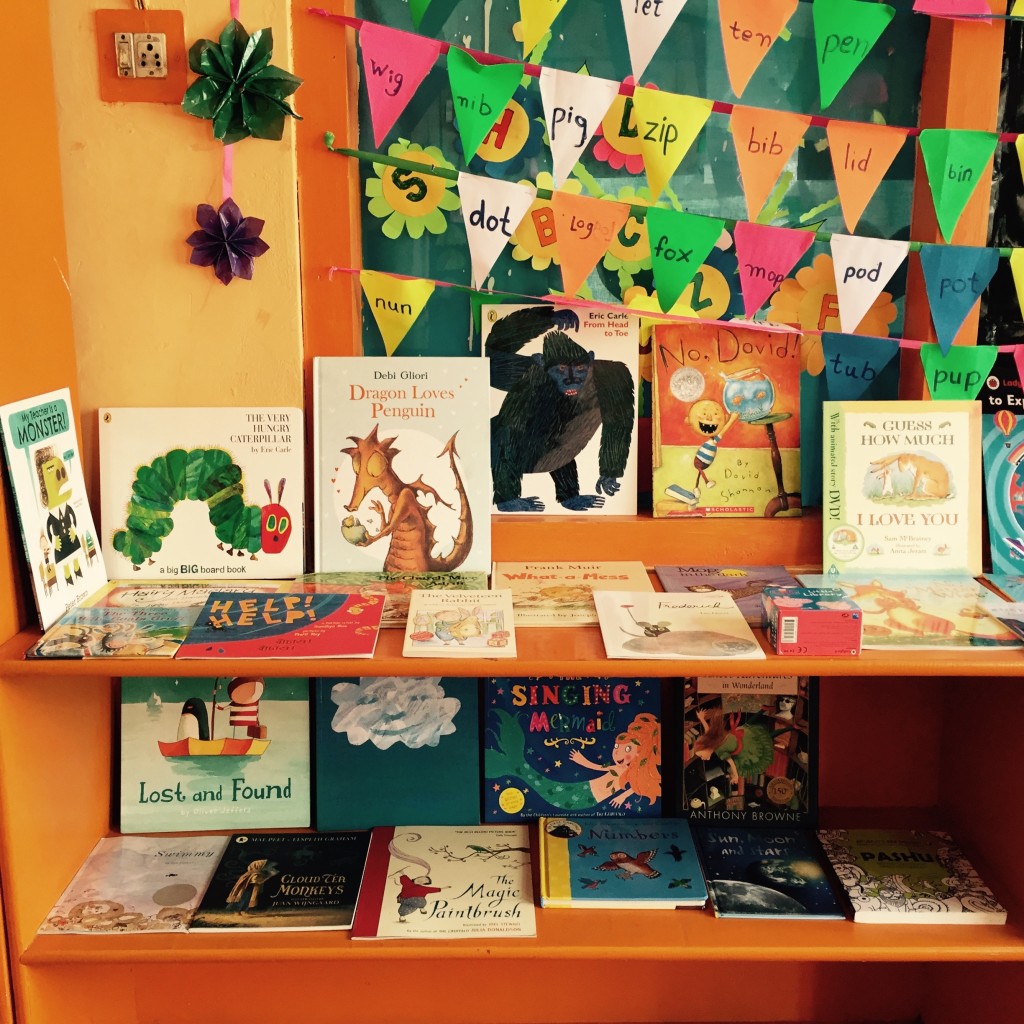
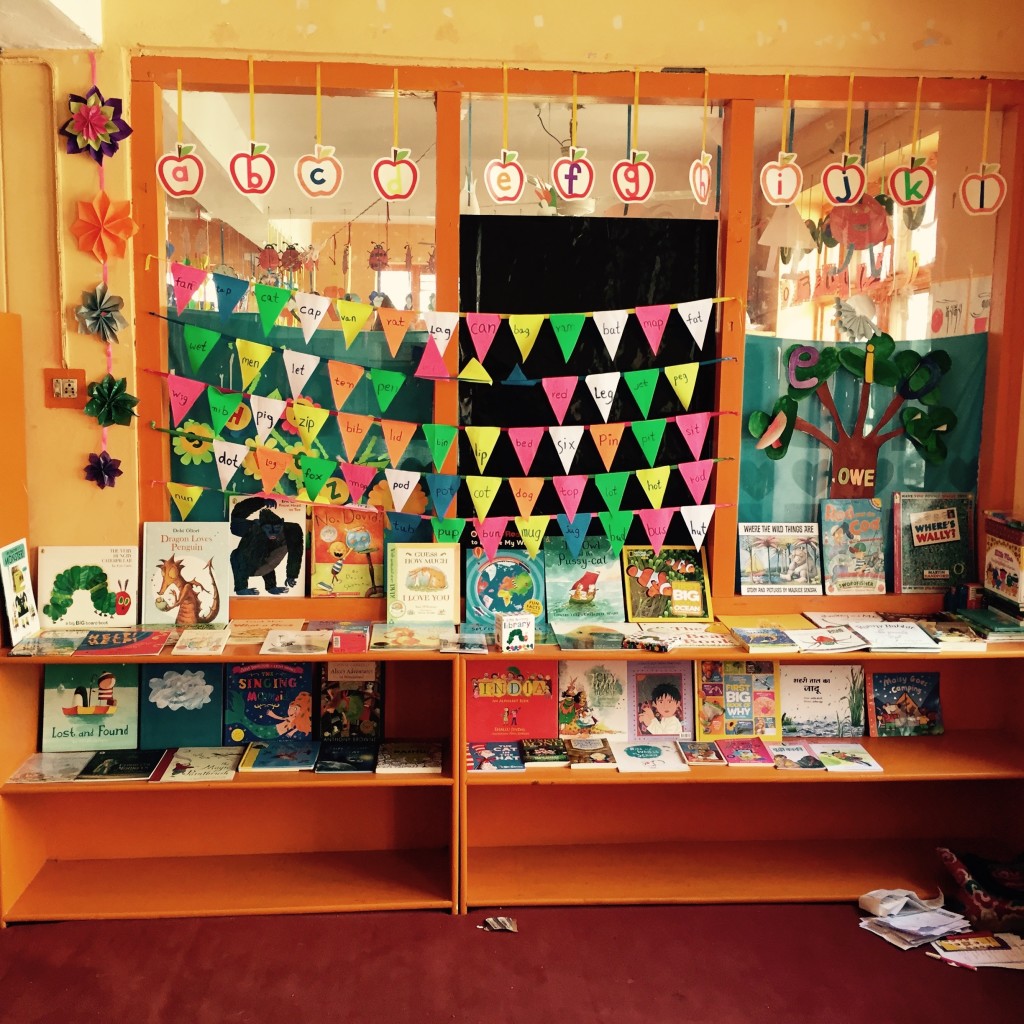
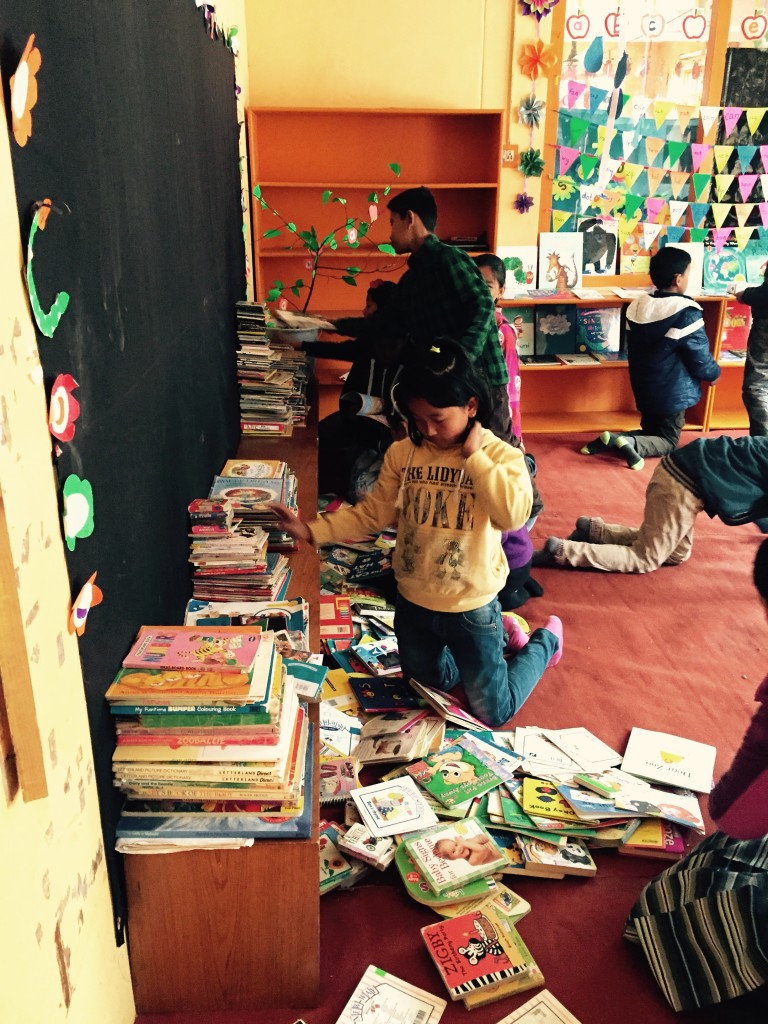
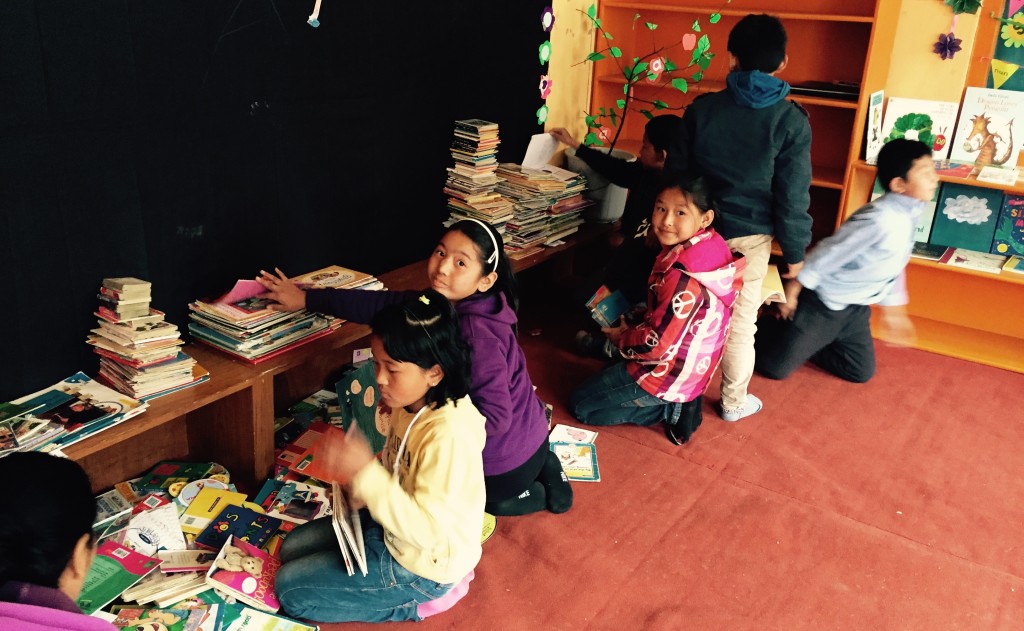
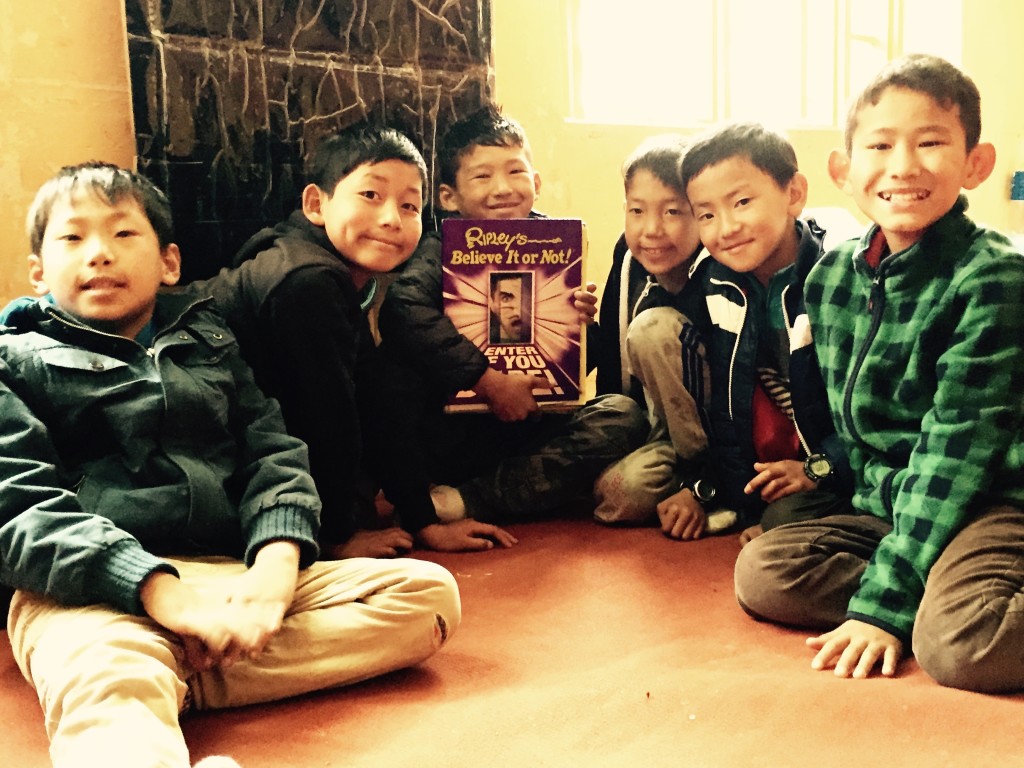
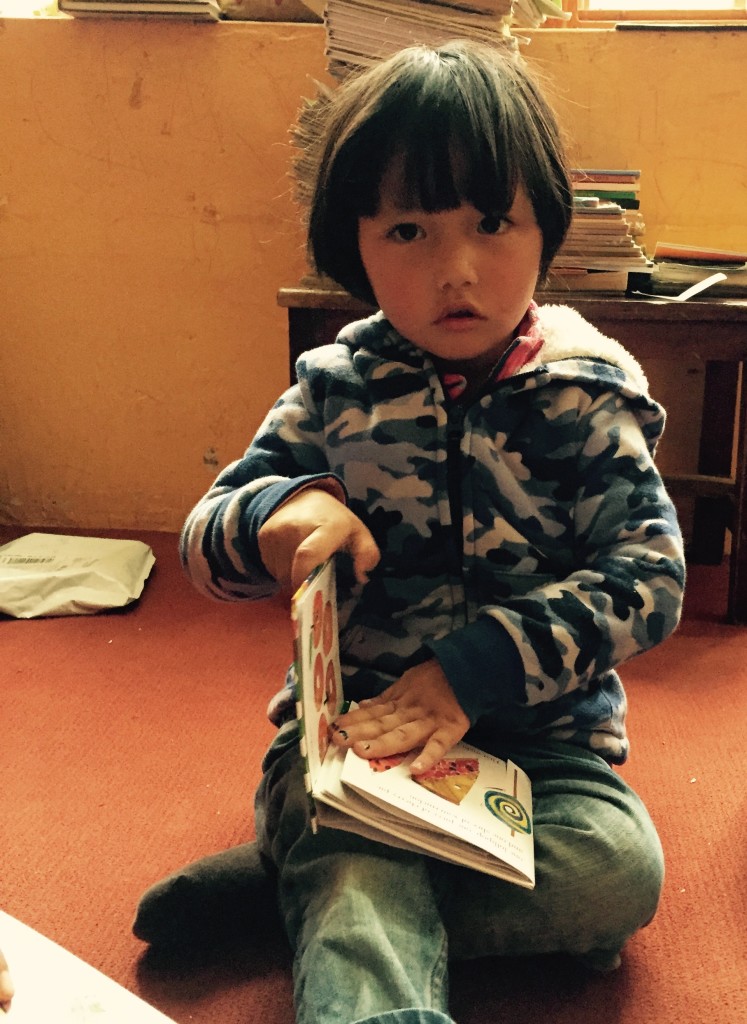
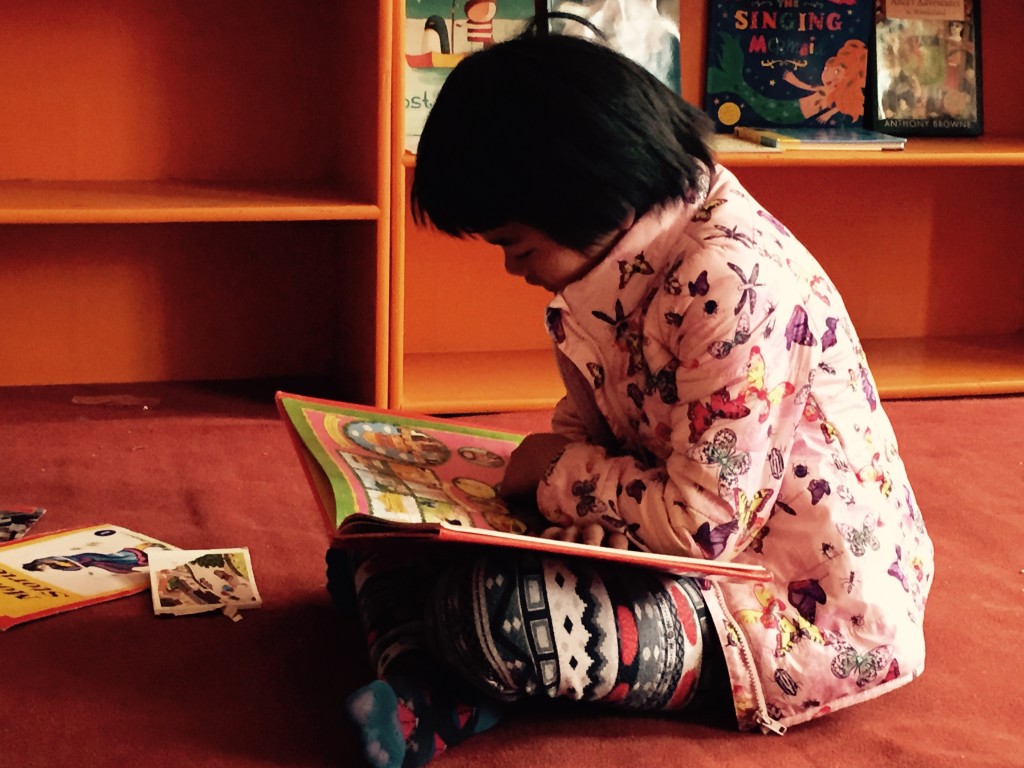
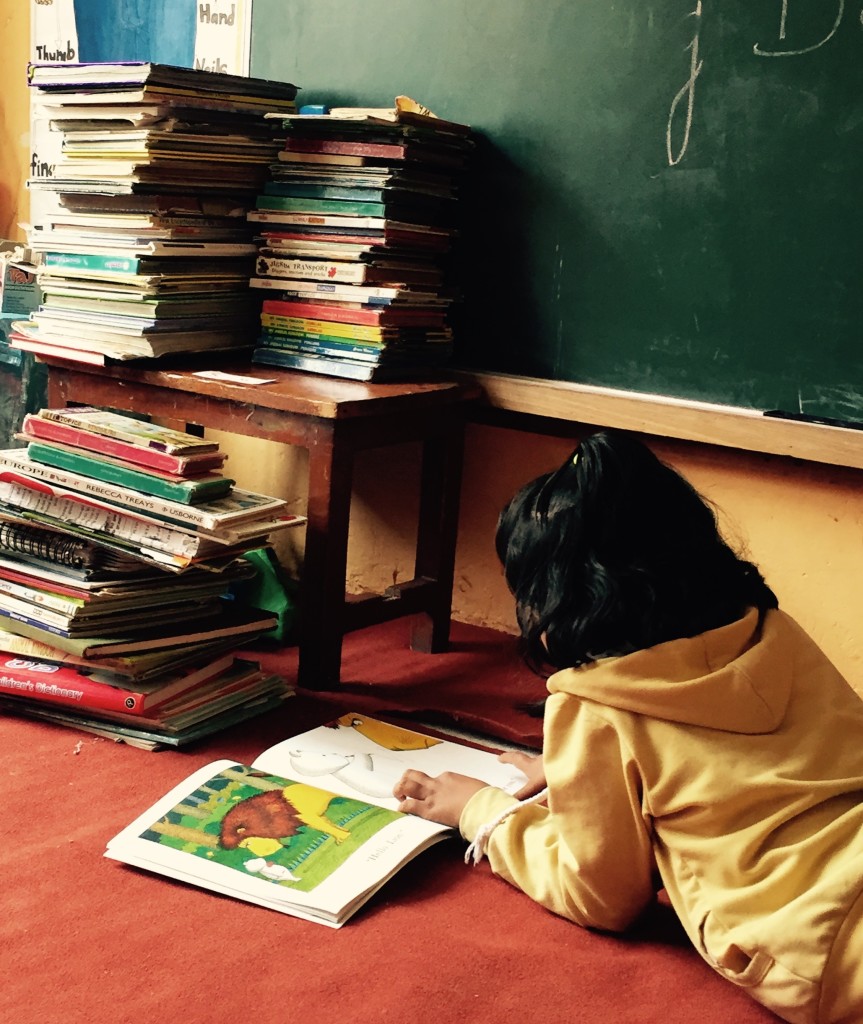
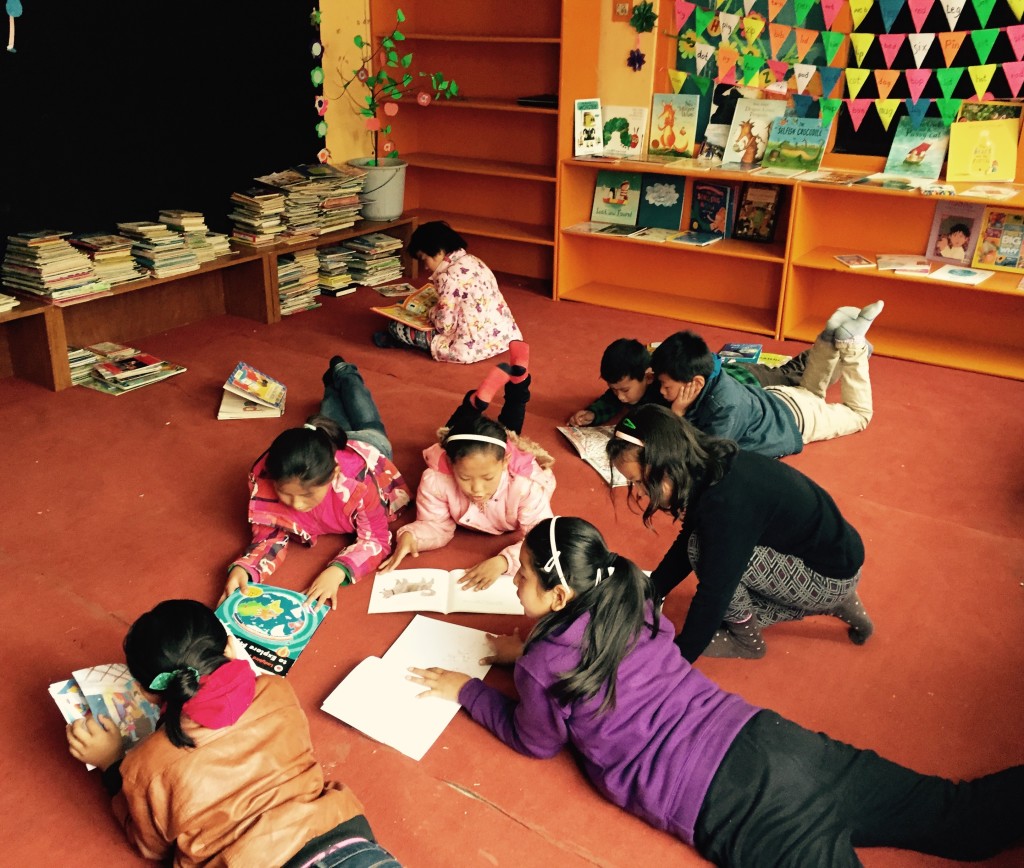
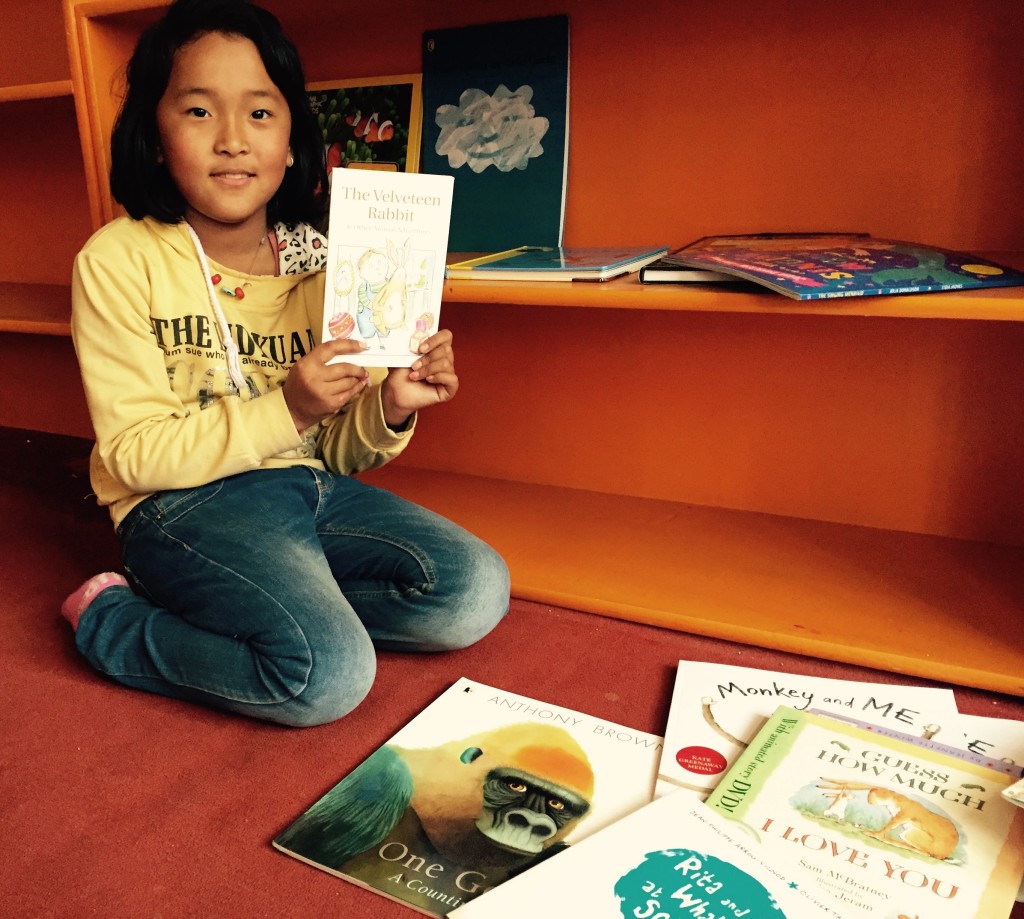
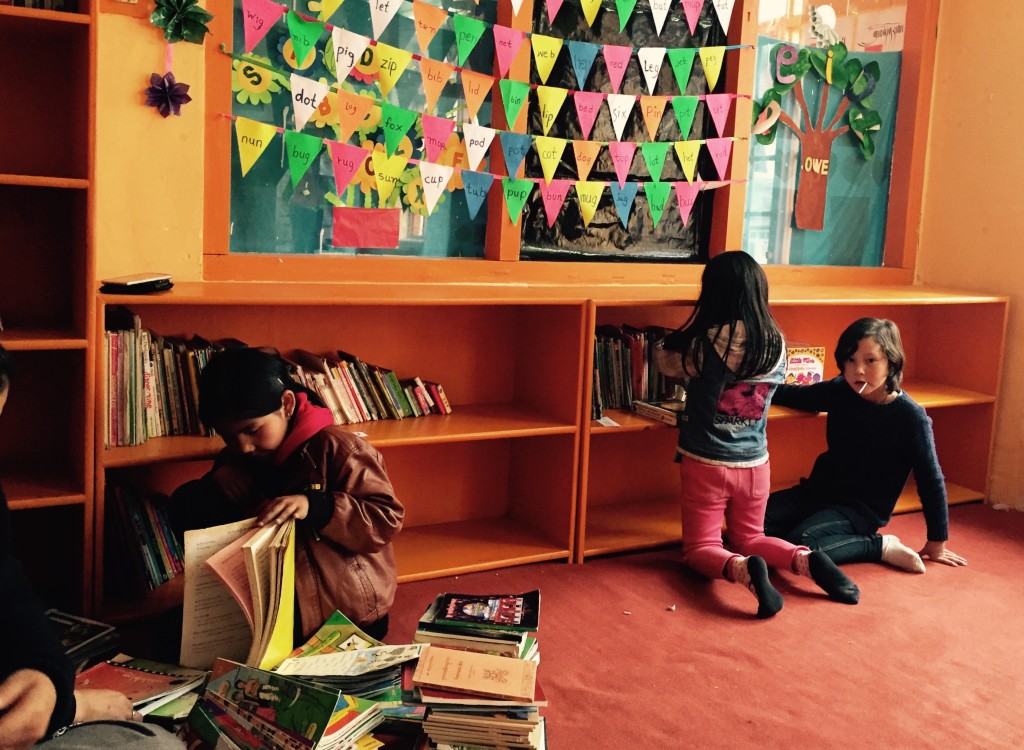
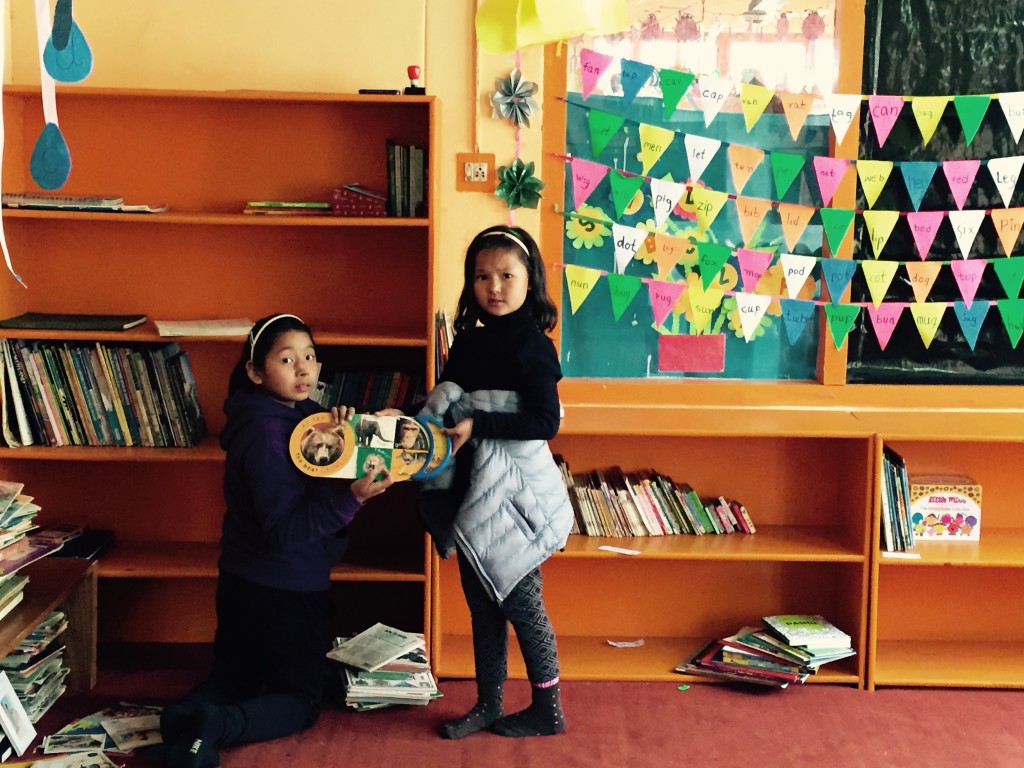
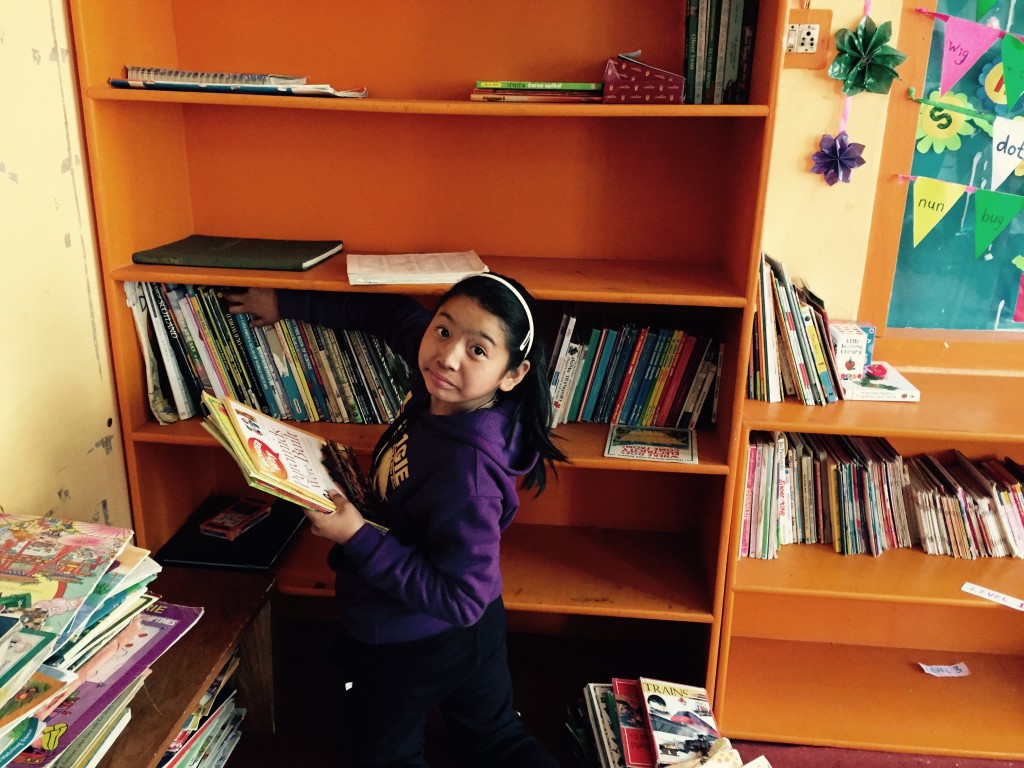
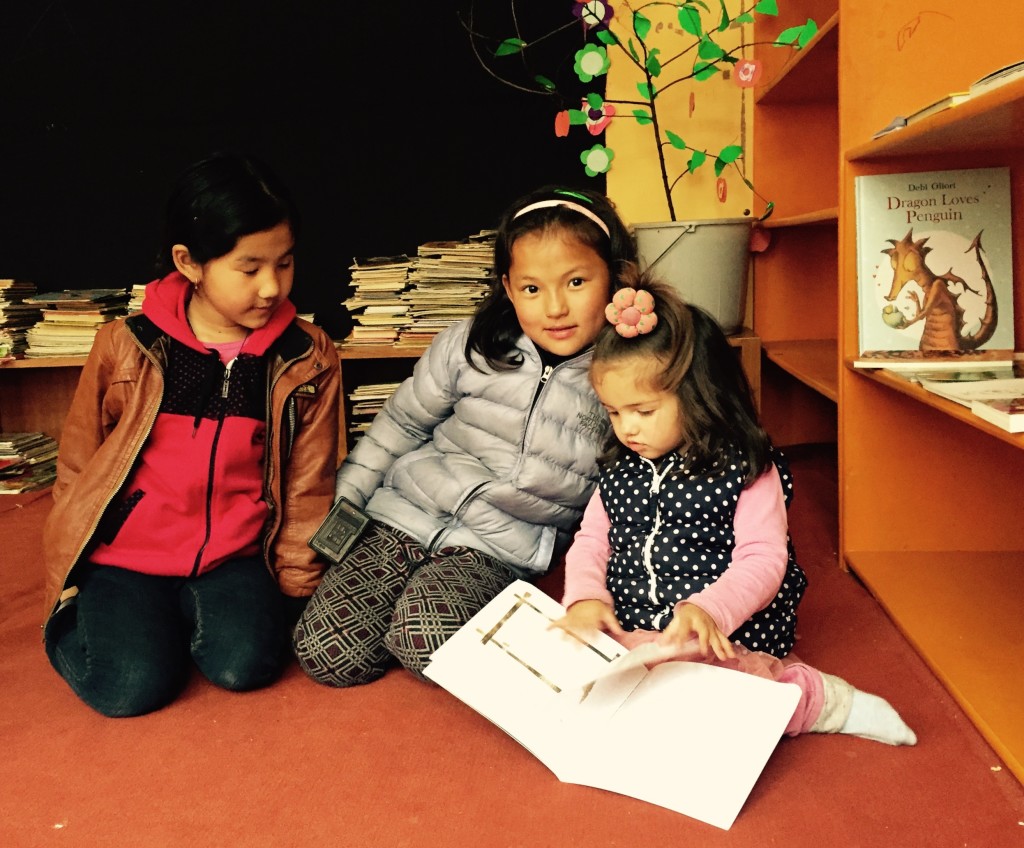
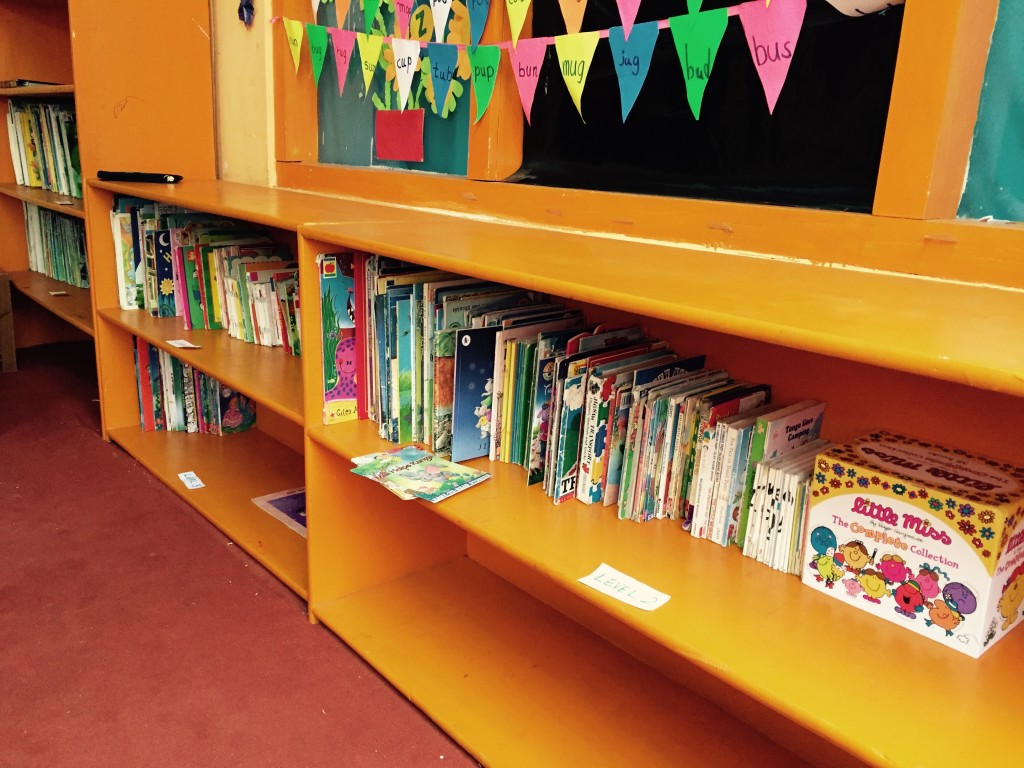
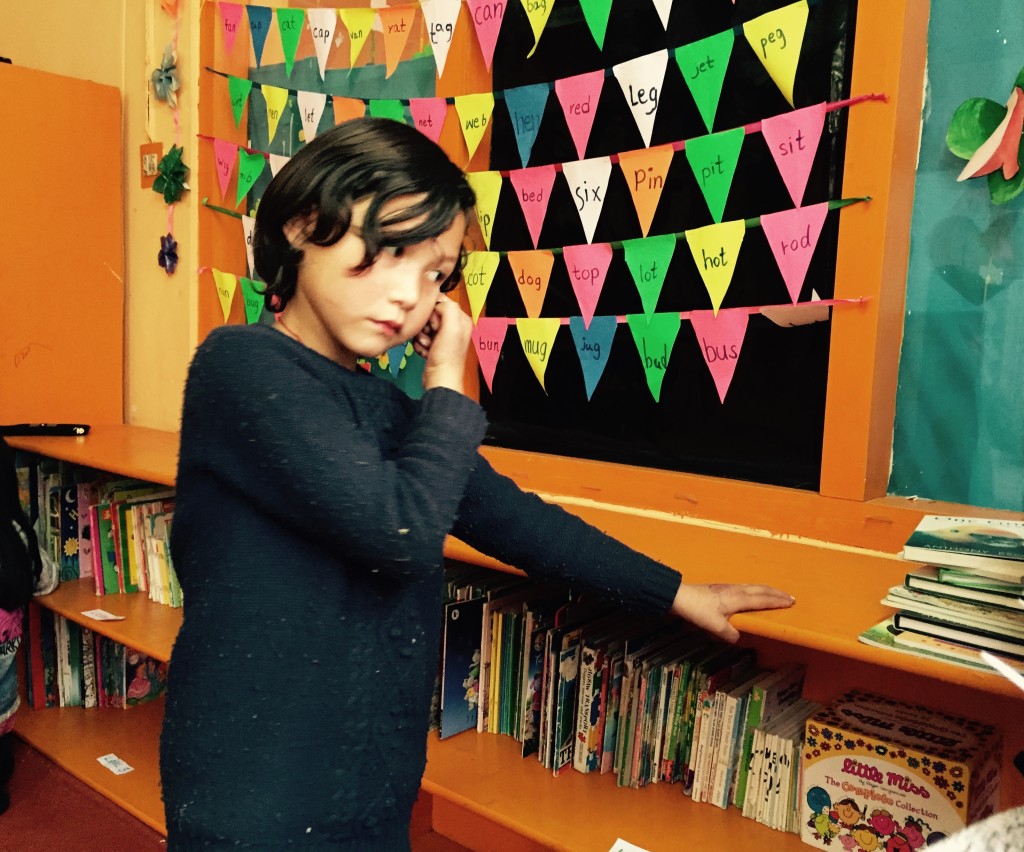
Avalokiteśvara Trust hosts intergenerational story nights with monks and local residents because literacy grows through relationships as much as through books. A reading room gives children access to stories; a gathering gives those stories a human voice. Older participants contribute experience, young people bring curiosity, and monks offer a calm setting for reflection, humour and thoughtful conversation.
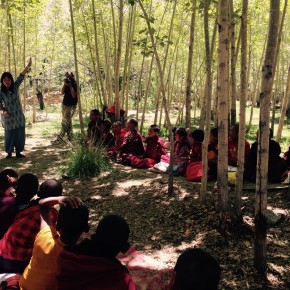
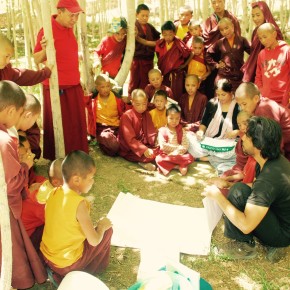
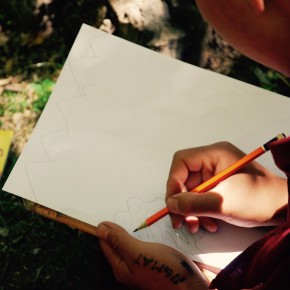
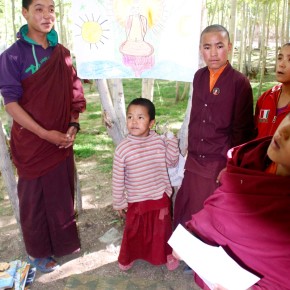
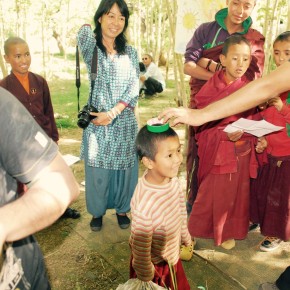
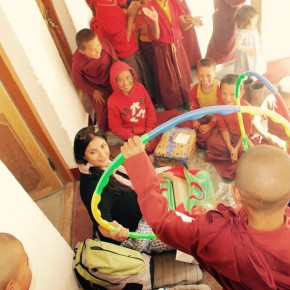
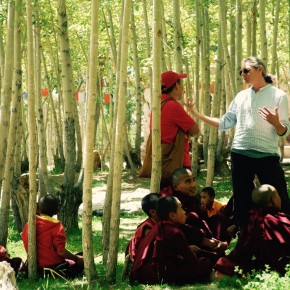
The format is simple. A guest tells a folktale, remembers a childhood event or reads a passage from a favourite book. Children may draw scenes, ask questions or perform a song. Young monks can share stories from their studies and community life, while local elders help connect the evening to customs, landscapes and family histories.
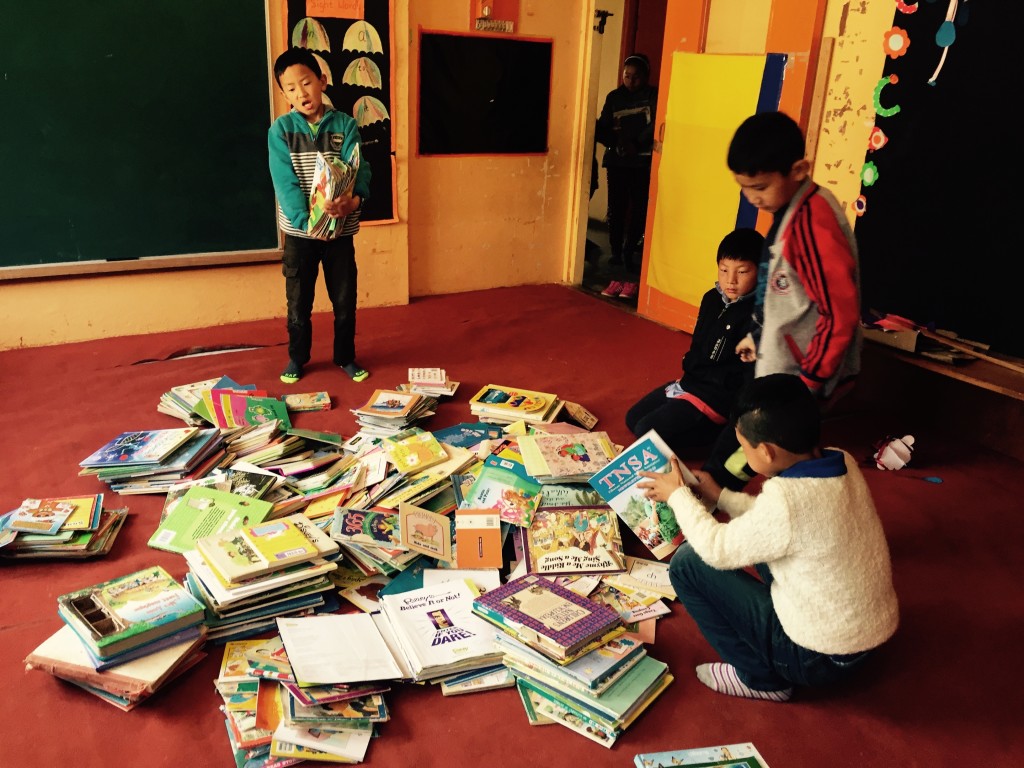
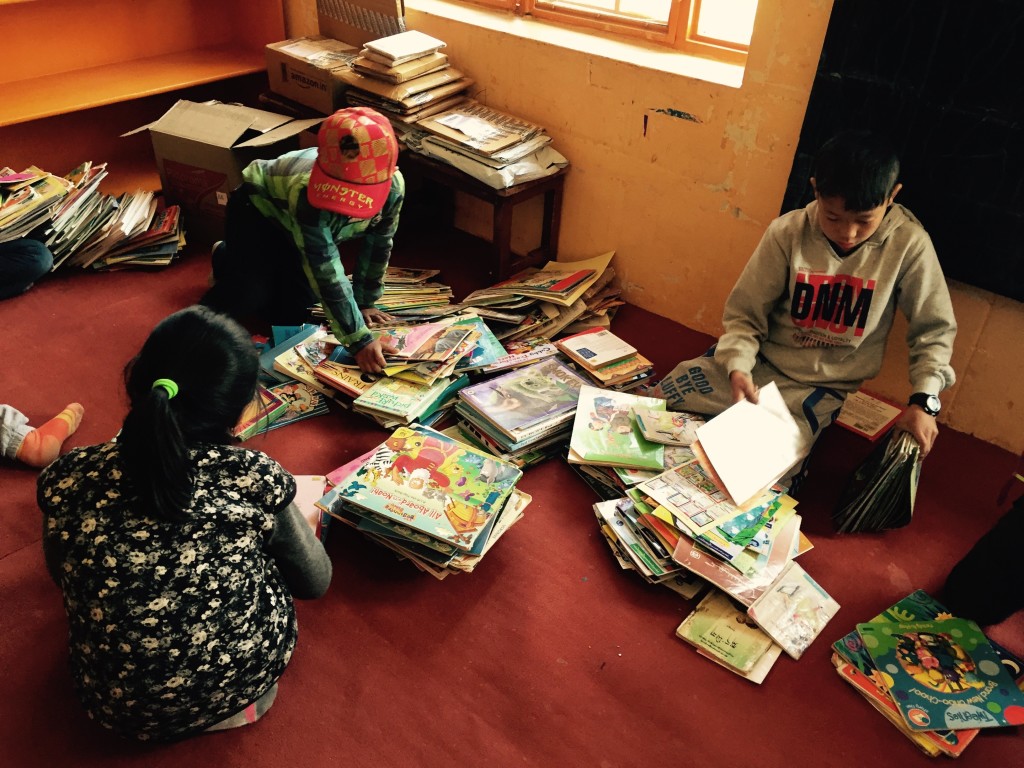
For supporters in Australia, these events offer a clear picture of how educational projects work in practice. A book drive in Melbourne, a donation from a family in Perth or a volunteer’s support during school holidays can help create the resources behind one evening of shared learning in Ladakh. The value lies in the books, and in the community that gathers around them.
| Participants |
What They Bring |
What They Gain |
| Children |
Questions, drawings, imagination and emerging reading skills |
Confidence, vocabulary and a sense of belonging |
| Young monks |
Stories from study, discipline and daily community life |
Communication skills and connection with local families |
| Elders and local residents |
Oral history, folktales, humour and cultural knowledge |
Recognition, companionship and a chance to mentor |
| Volunteers and educators |
Facilitation, books, creative activities and encouragement |
A deeper understanding of local priorities and learning needs |
Oral Tradition Meets Reading Culture
Storytelling has long been a practical way to pass knowledge between generations. A tale can preserve an understanding of weather, animals, migration routes, family responsibilities or Buddhist values. When children hear these accounts from people they know, learning feels connected to their own surroundings rather than limited to a classroom exercise.
Books extend that connection. A child who listens to a local folktale may later find a related story in a picture book, biography or collection of world literature. The comparison encourages reading for meaning, not simply reading to complete an assignment. It also shows that local knowledge belongs in a reading room beside books from other regions.
Story nights therefore support both oral literacy and print literacy. Children practise listening, speaking, sequencing events and expressing opinions. Those skills help them approach a new book with greater confidence. For young monks, explaining a story to children can strengthen clear communication and encourage a generous, patient style of teaching.
A Shared Space For Monks And Locals
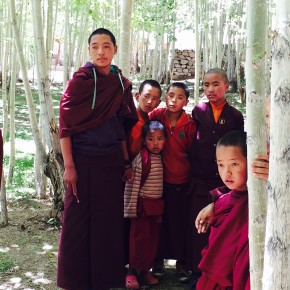
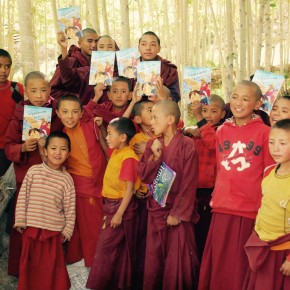
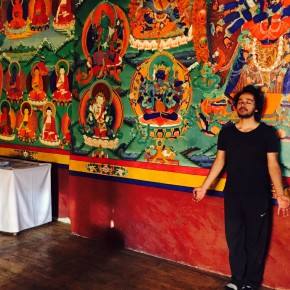
Monastic communities are important parts of life across the Himalayan region, yet children and monks may not always have many informal opportunities to meet. A story evening creates a relaxed setting where a monk can be seen as a reader, artist, musician or storyteller as well as a religious practitioner. This helps children recognise learning as a shared community activity.
Local residents also shape the atmosphere. Parents, grandparents and neighbours may bring a traditional tale, a family memory or a song in the local language. Their participation affirms that education does not replace community knowledge. Instead, a well-stocked reading room and a welcoming gathering can help preserve that knowledge while giving it new forms.
The gatherings are designed with respect for different ages and responsibilities. Stories can be short, translated when needed and followed by creative activities that allow quieter children to participate. A drawing, a question or a few lines read aloud can be as meaningful as a long performance.
Why Intergenerational Learning Matters
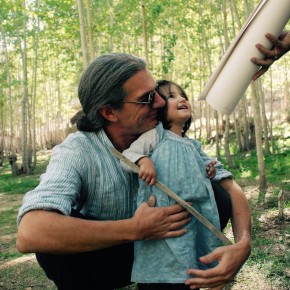
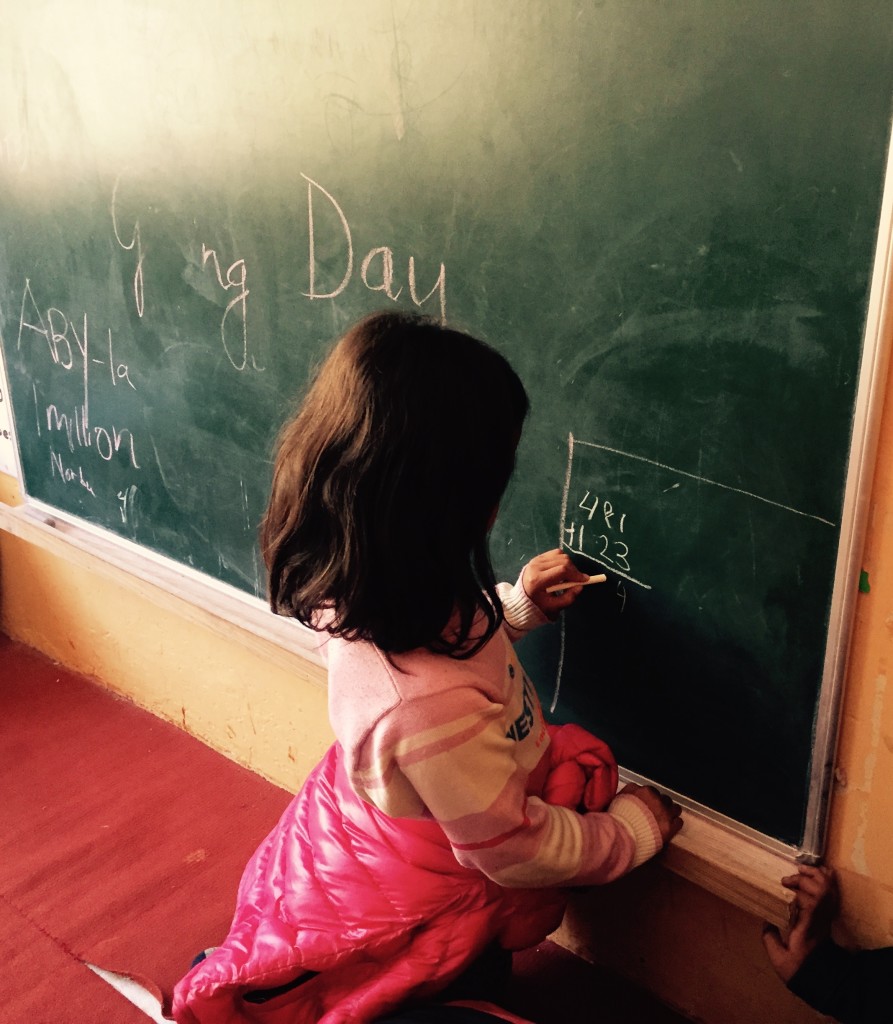
Children learn confidence by seeing adults listen to them. When an elder pauses to hear a child’s interpretation of a story, the child receives a powerful message: their ideas are worth sharing. This is especially important for young readers who may be hesitant to speak in formal educational settings.
Older participants benefit as well. Telling a story requires memory, concentration and a willingness to explain details. The presence of children can make familiar traditions feel alive again, while the inclusion of new books introduces different characters, places and perspectives. The exchange is active rather than nostalgic.
This approach can also reduce isolation. In remote communities, travel, weather and limited public facilities may make social gatherings difficult. A regular story night offers a predictable occasion for connection. It can bring families into a reading room, introduce them to available learning resources and create a reason to return.
For Australian supporters, the idea may feel familiar. Public libraries in Sydney, Adelaide and regional towns often host author visits, bilingual story times and school holiday activities because reading improves when it is social. A Himalayan story night uses a different cultural setting, yet it draws on the same principle: children become stronger readers when trusted adults make space for curiosity.
Building Creativity Beyond The Page
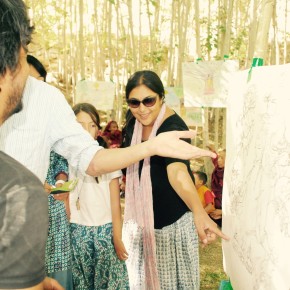
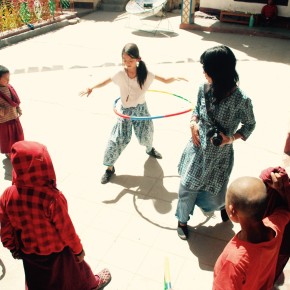
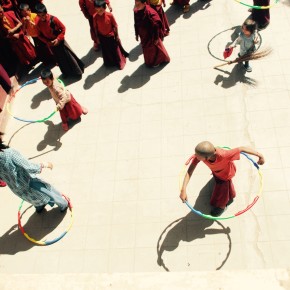
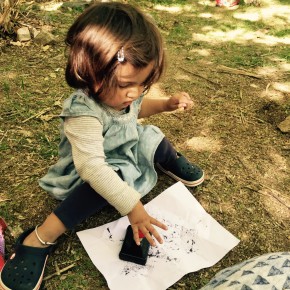
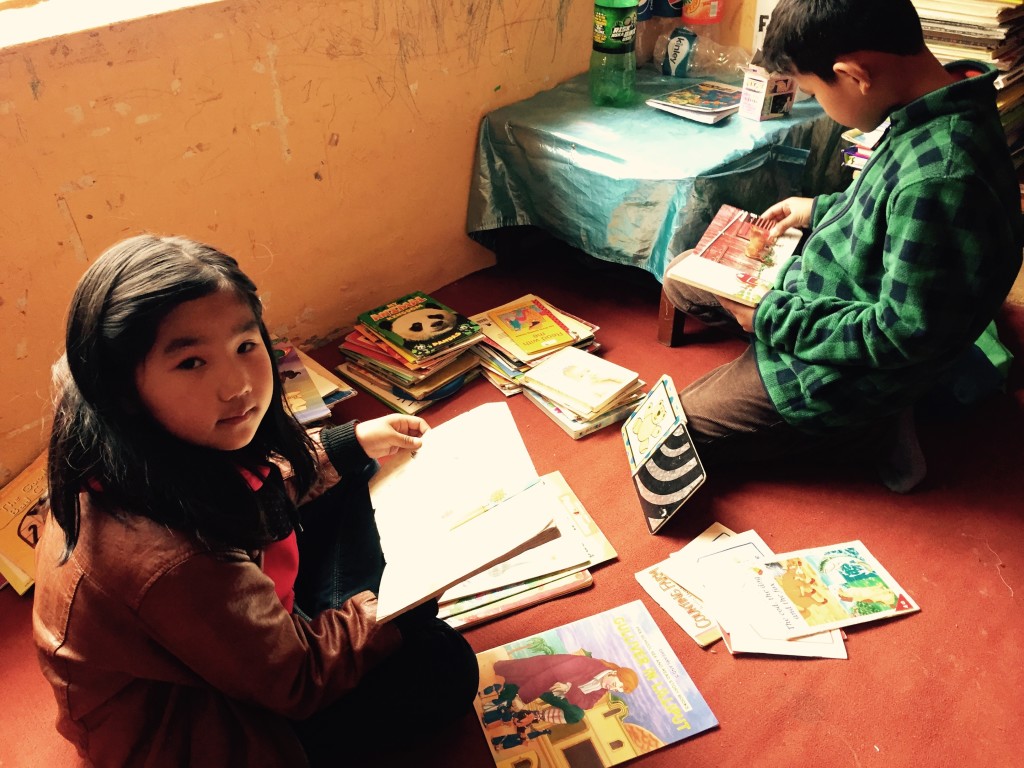
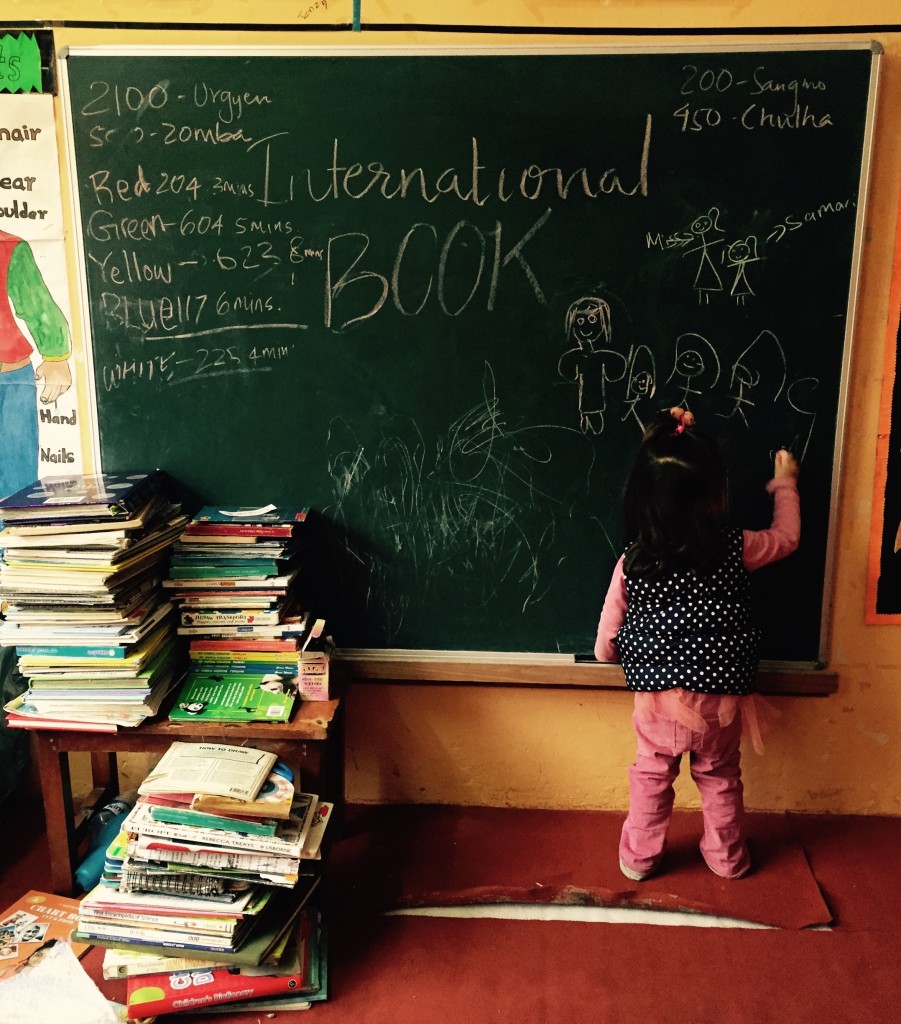
Story nights are rarely limited to reading. A folktale might lead to a collaborative mural, a traditional song, a simple theatre performance or a discussion about the landscape where the story takes place. These activities help children process what they hear through movement, colour, music and conversation.
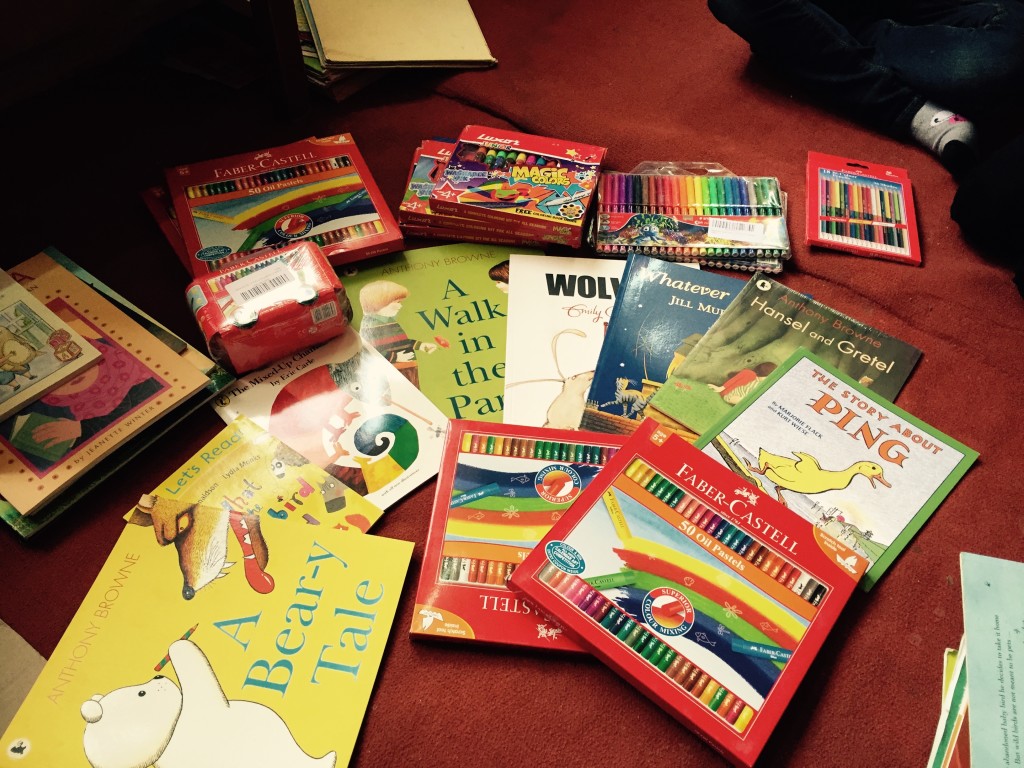
Creative work is especially valuable where children have limited access to art supplies, musical instruments or organised cultural programmes. The Trust’s educational activities give young people permission to experiment without requiring expensive equipment. A pencil sketch, a handmade puppet or a rhythm tapped on a table can become part of the evening.
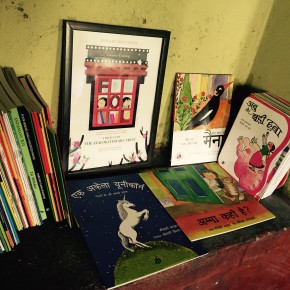
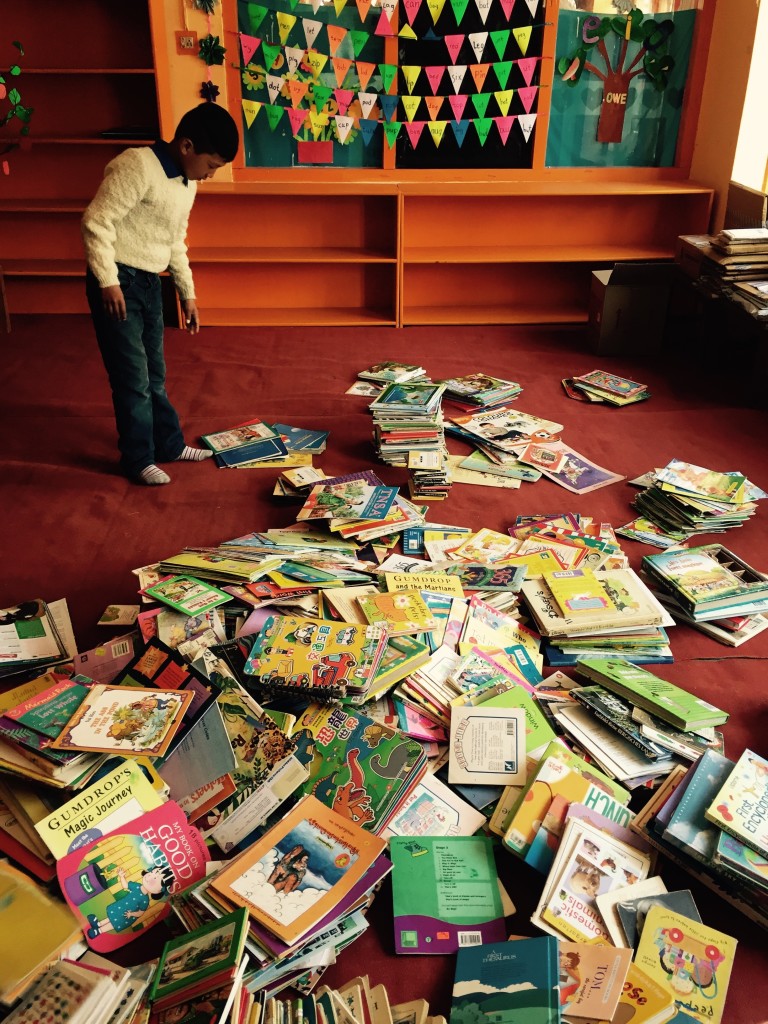
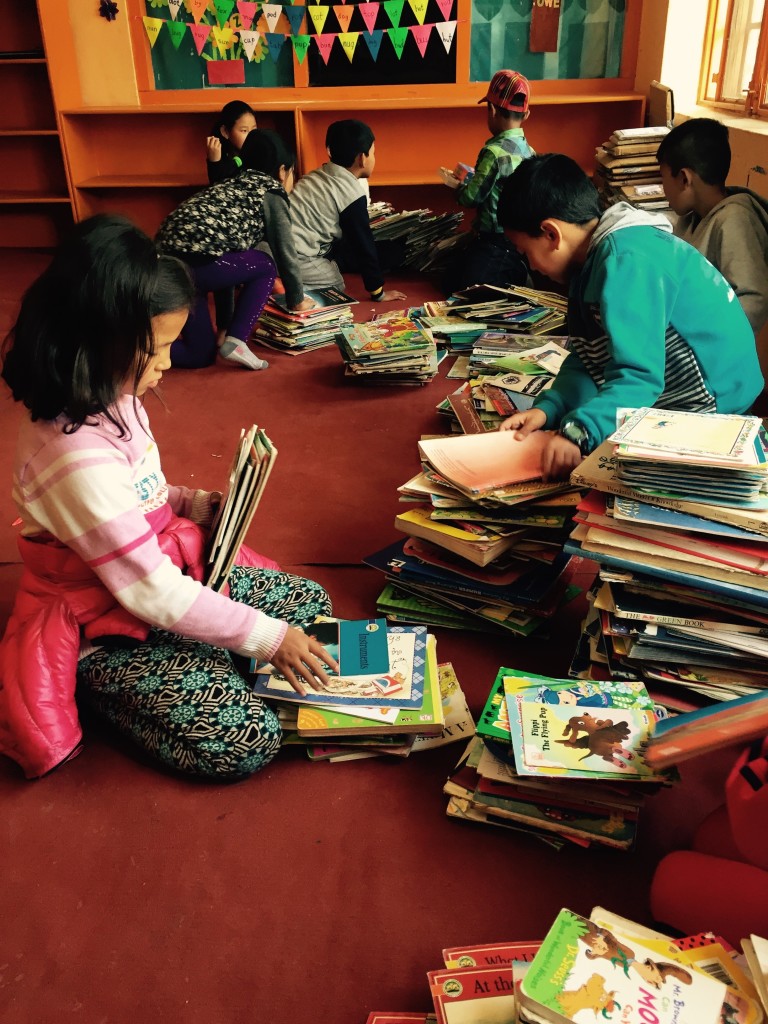
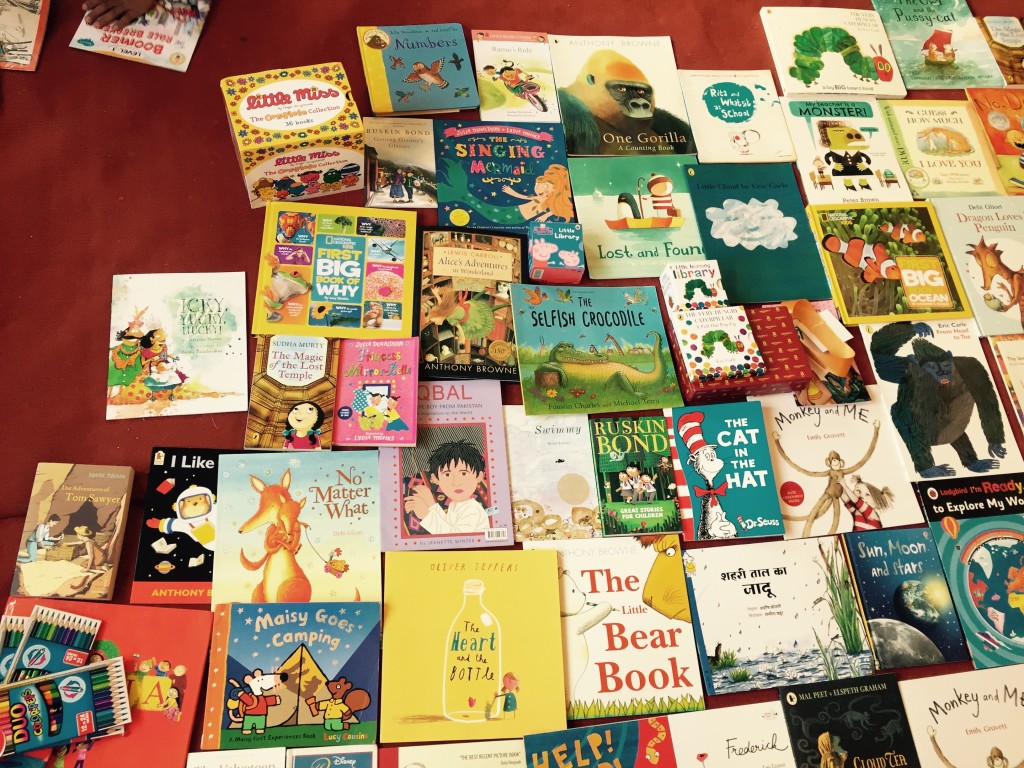
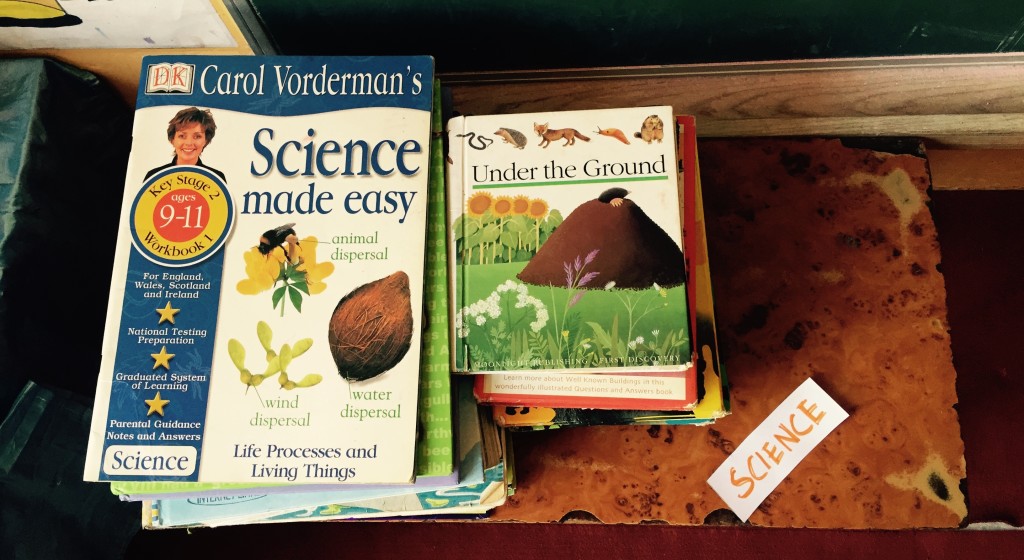
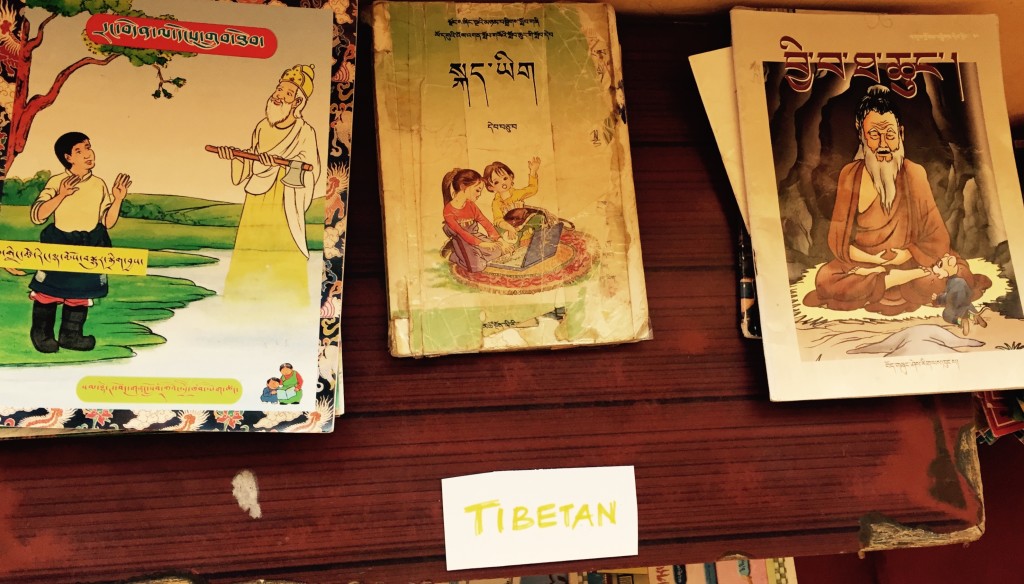
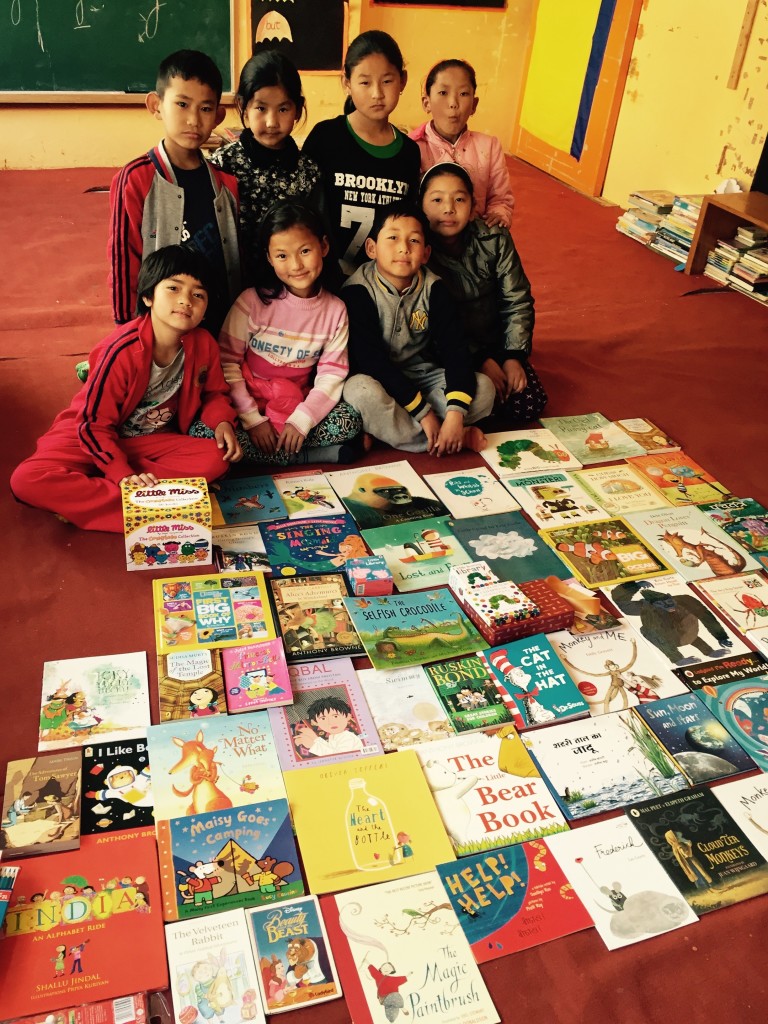
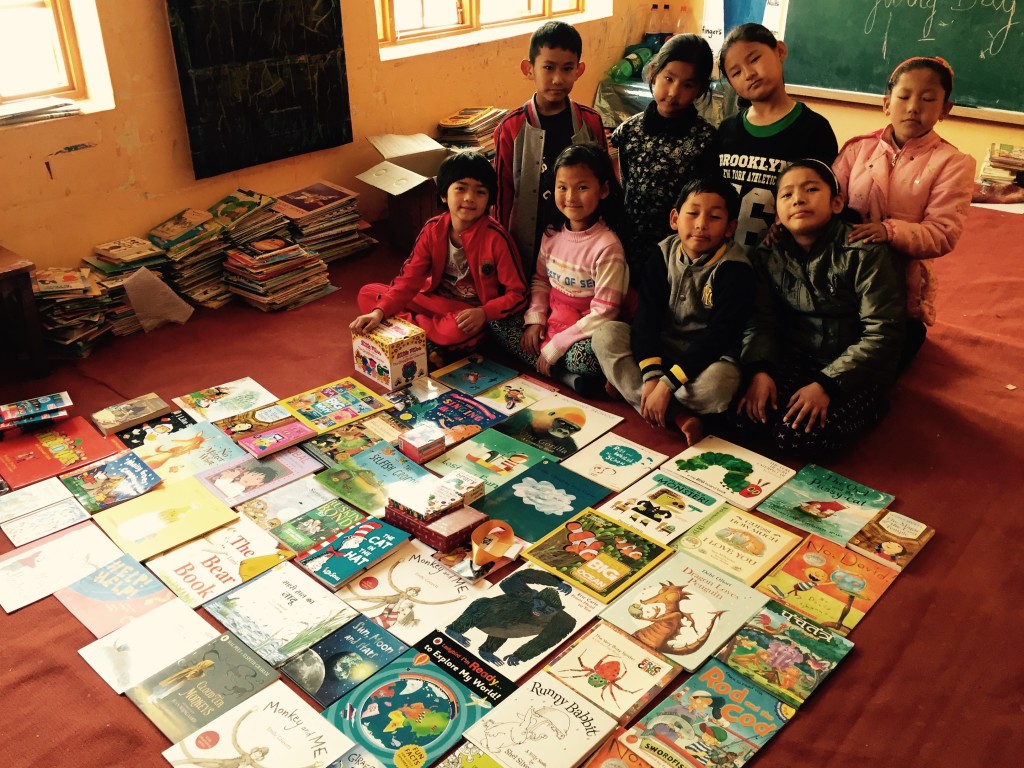
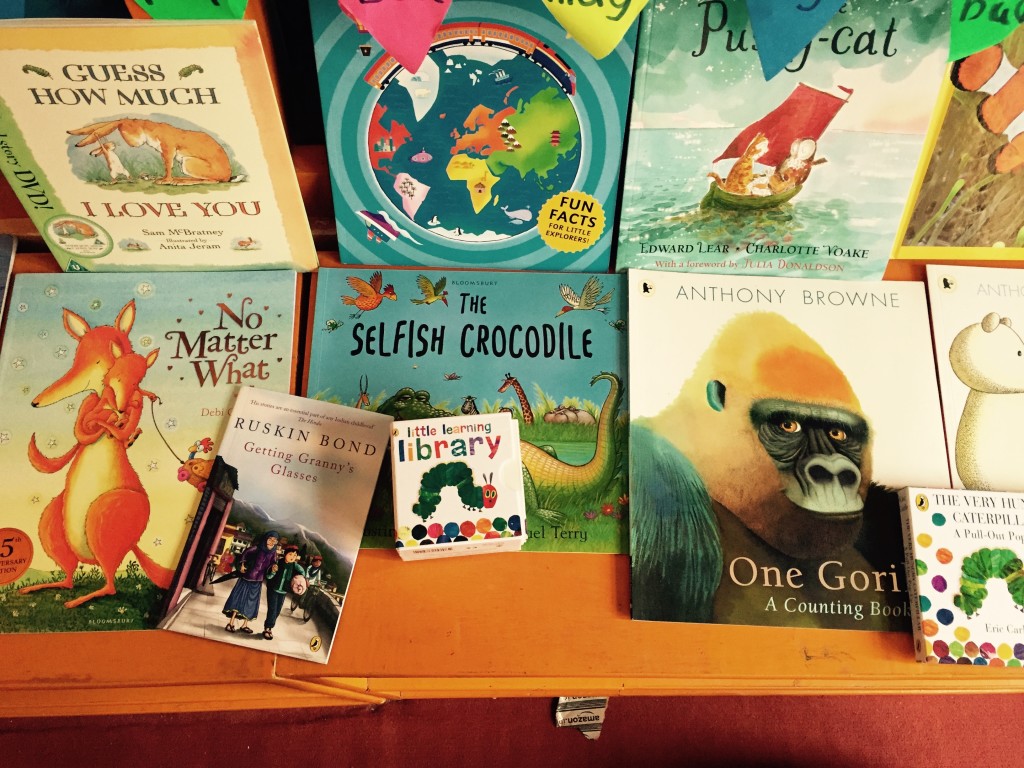
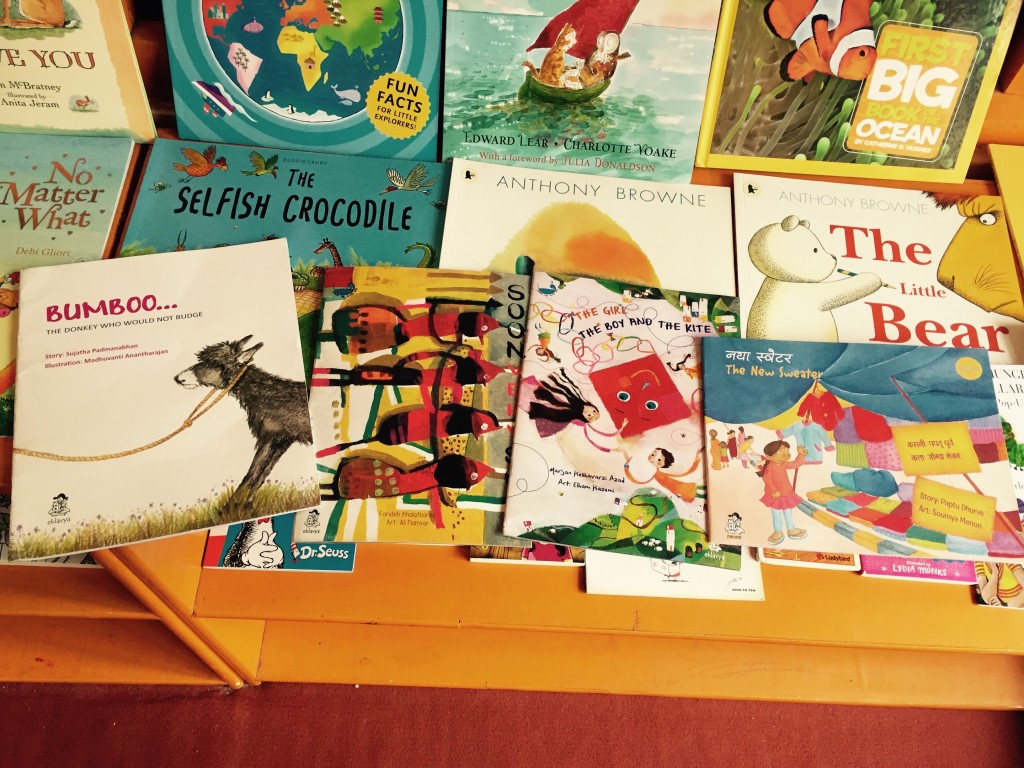
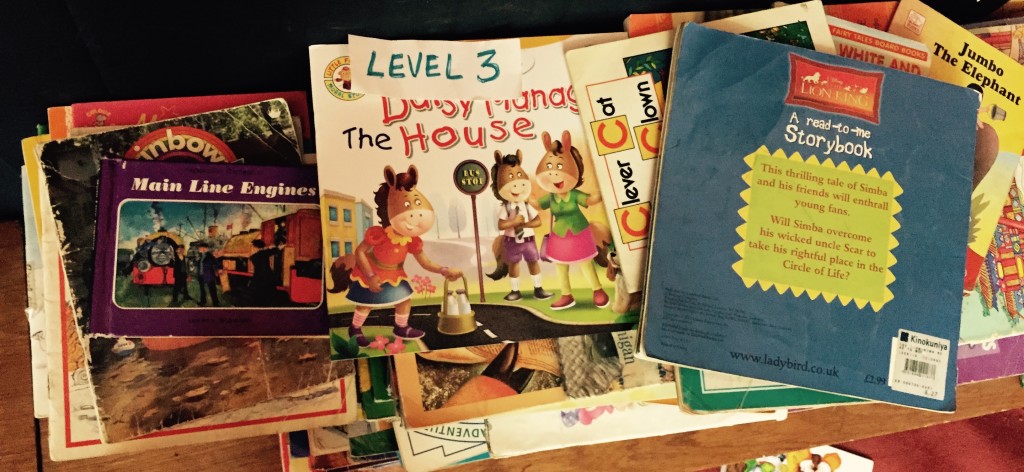
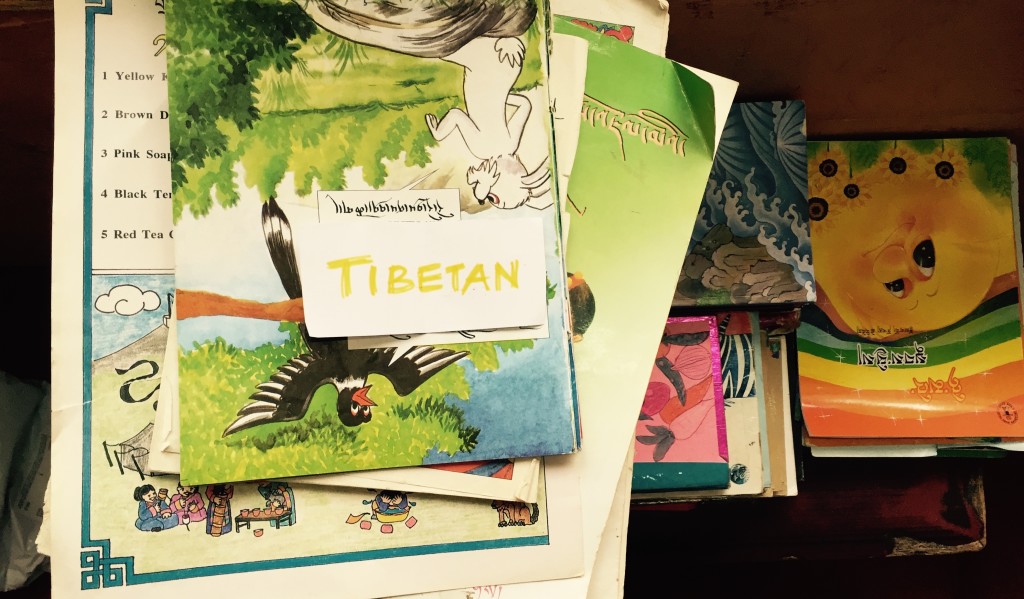
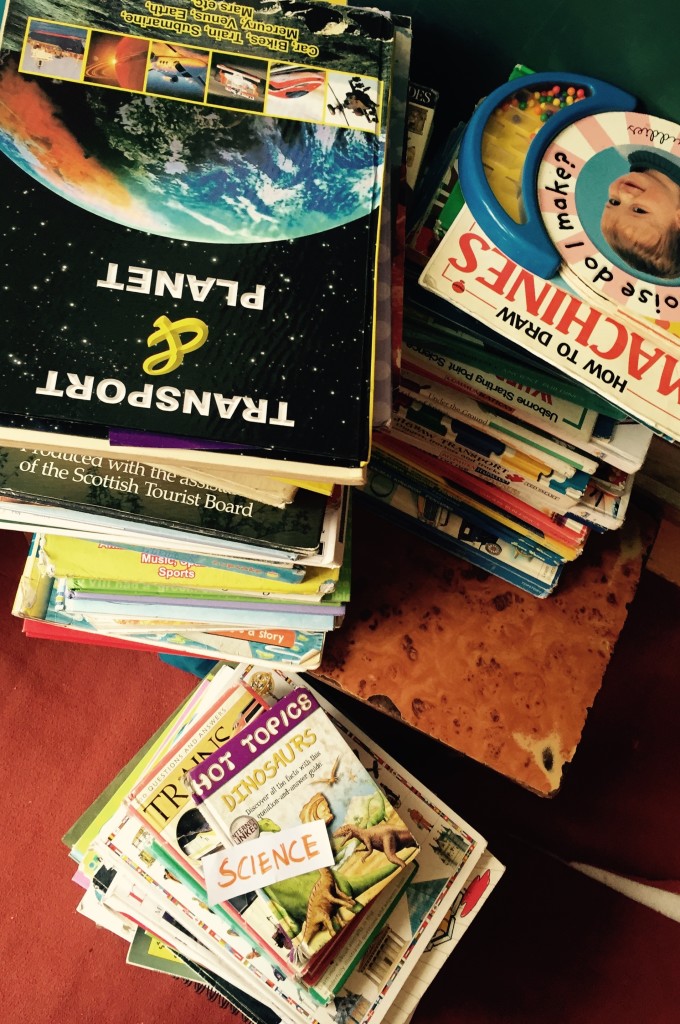
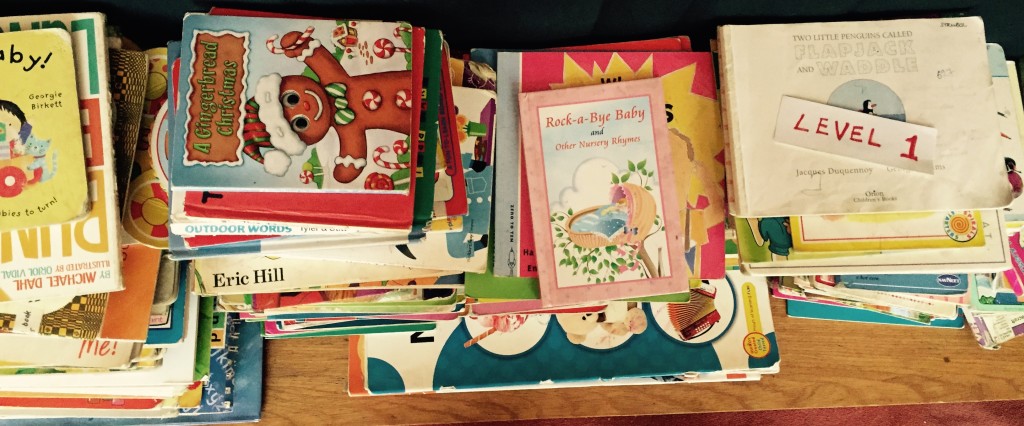
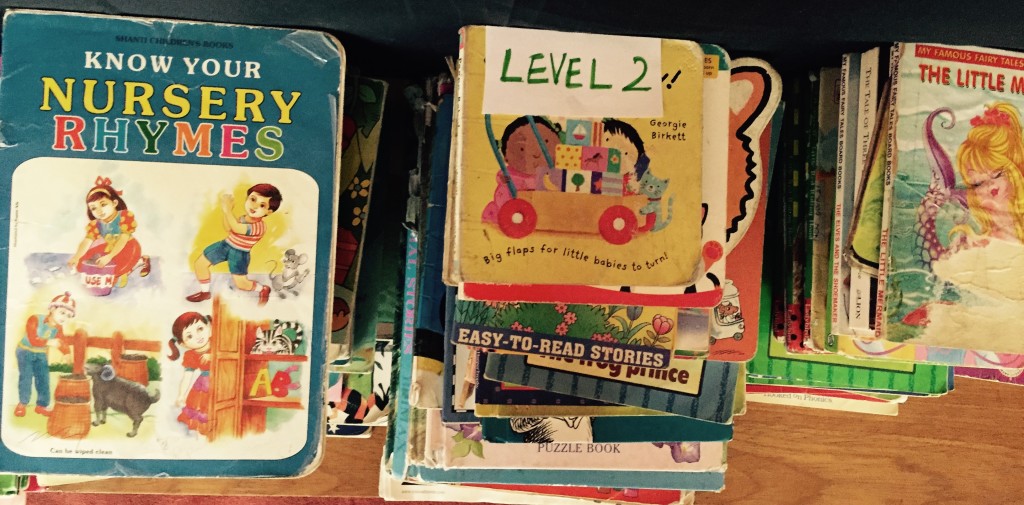
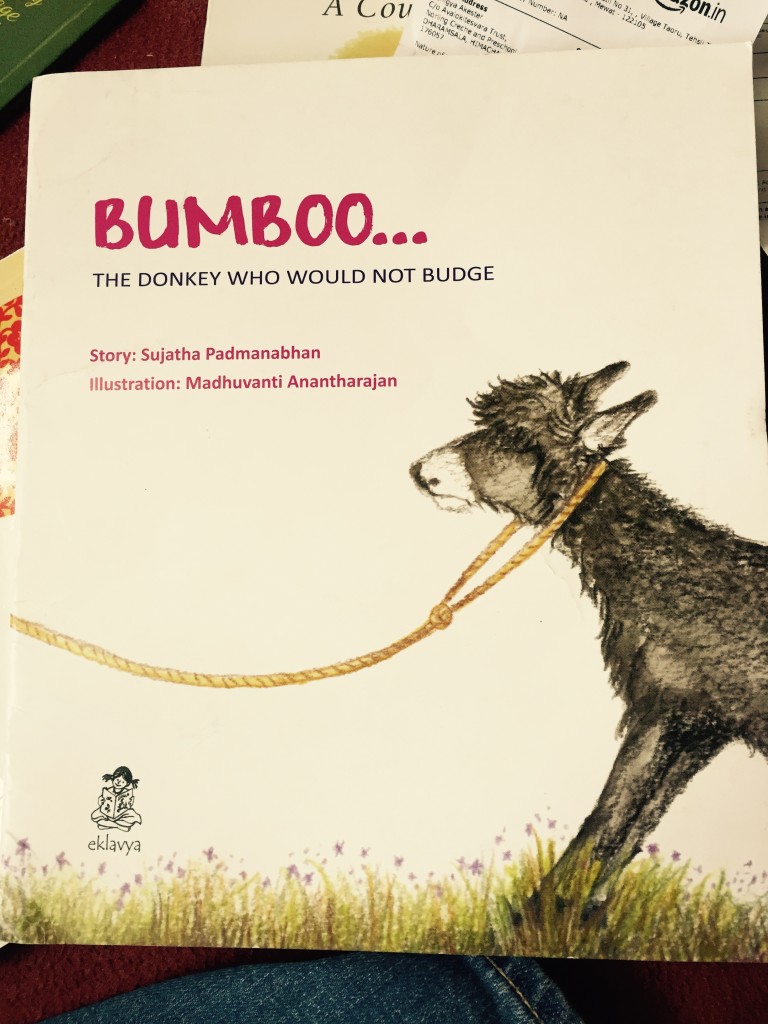
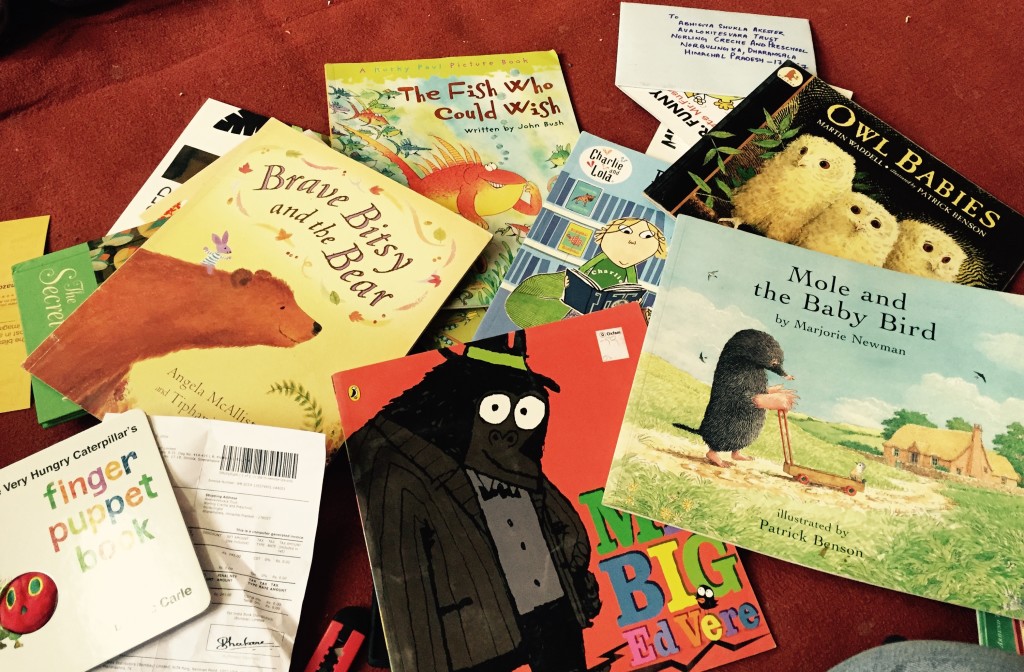
Book selection matters too. Children need picture books, early readers, folk collections, poetry and non-fiction that reflect both their own lives and the wider world. Books in local languages can sit alongside translated works and English-language resources. This balance supports language development without suggesting that one culture or language is more valuable than another.
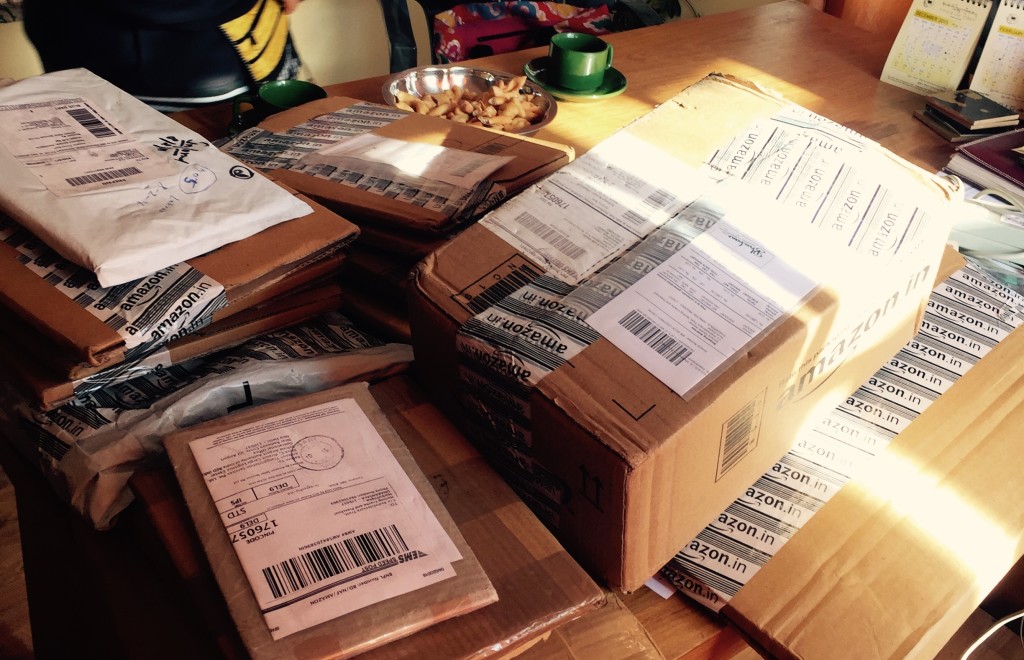
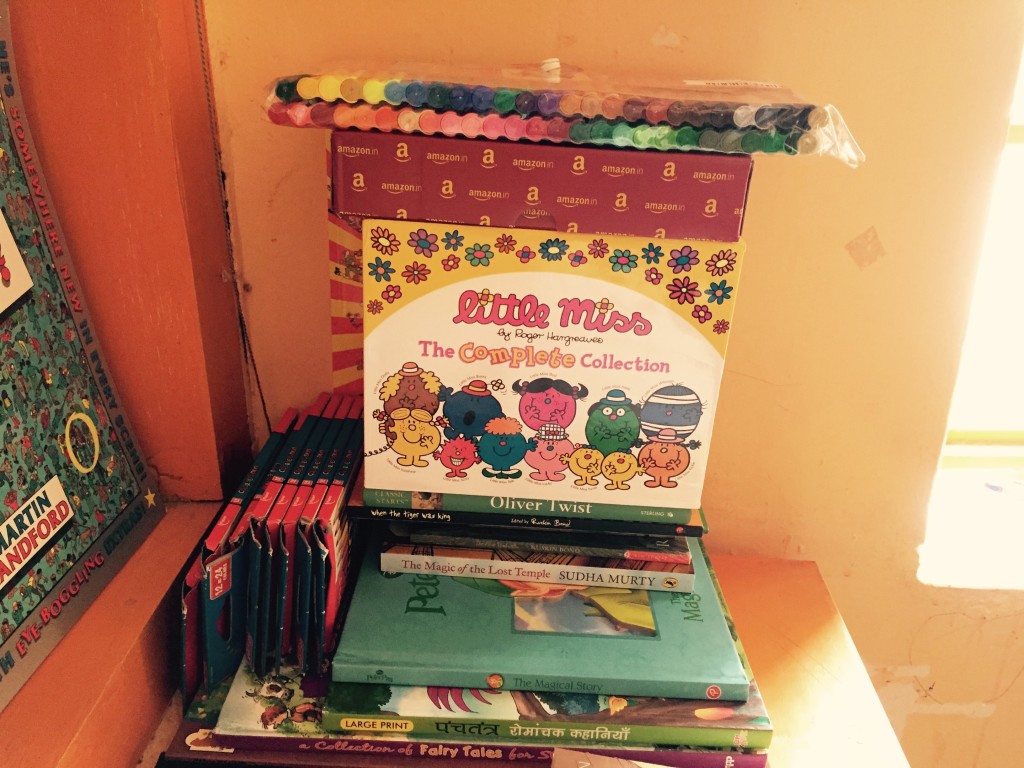
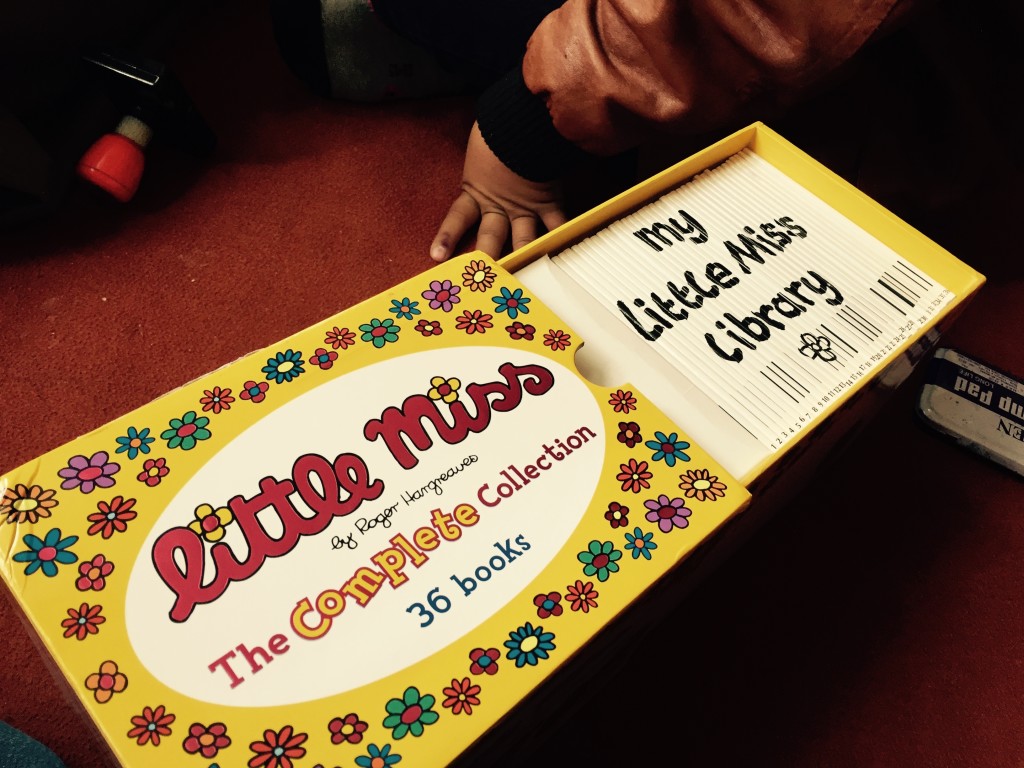
People supporting the work from Australia can connect with this principle through local giving. A family visiting a weekend market in Brisbane or Canberra might buy a second-hand book for a community collection, while a school library can organise a carefully selected book drive. The best donations are useful, age-appropriate and in good condition rather than simply unwanted items.
Making Story Nights Sustainable
A successful gathering depends on preparation, cultural sensitivity and continuity. The aim is not to stage an occasional spectacle for visitors. It is to build a dependable community practice led by local relationships and shaped by the interests of children, monks and families.
Helpful priorities include:
- Choose books and stories with local educators, monks and community members.
- Include local languages, oral histories and familiar landscapes wherever possible.
- Keep activities accessible for different reading levels, ages and abilities.
- Pair storytelling with drawing, music, drama or discussion to welcome varied learners.
- Record photographs and short reflections respectfully, with appropriate consent.
- Review which books and materials children return to most often before planning the next collection.
A regular schedule helps children anticipate the gatherings and gives volunteers a practical rhythm. In Australia, supporters are accustomed to planning around school terms, public library calendars and community festivals. A similar awareness of local routines is essential in Himalayan communities, where seasonal work, religious observances, weather and travel can influence attendance.
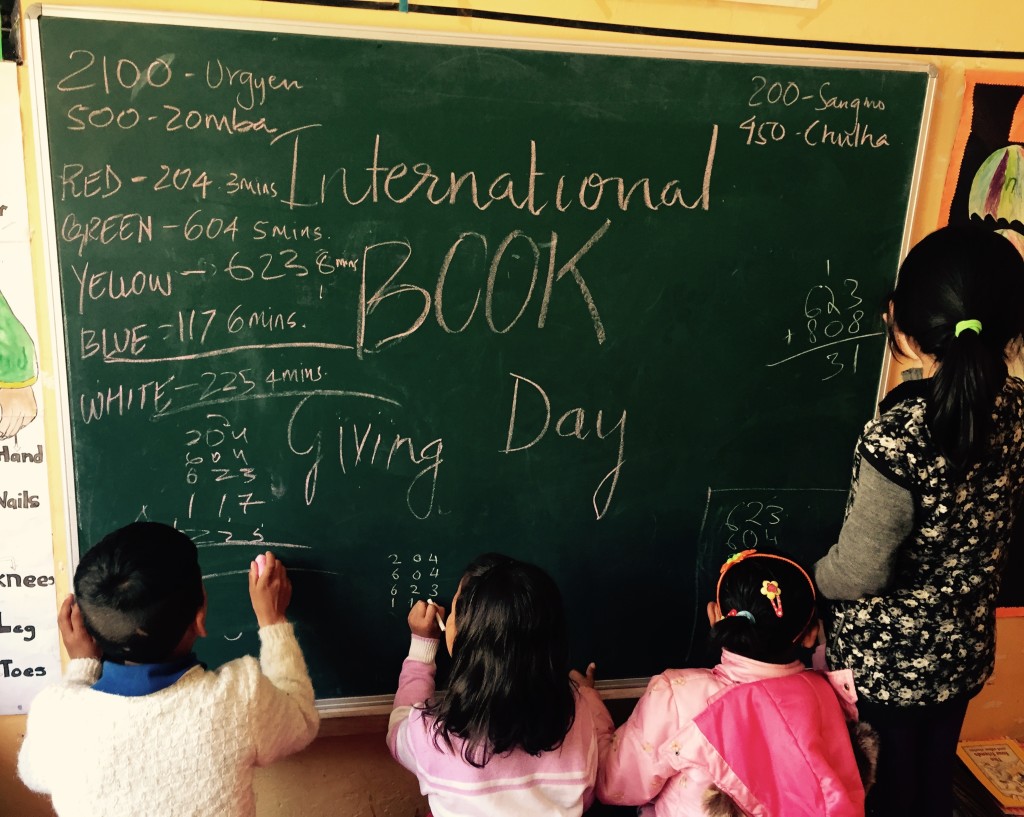
The Trust also values thoughtful documentation. A photograph of children listening, a short account from a monk or a drawing made after a story can show donors how resources are being used. These records should protect privacy and dignity while communicating the ordinary moments that make the programme worthwhile.
Carrying Stories Forward
Intergenerational story nights bring education into the centre of community life. They recognise monks as teachers and participants, elders as holders of knowledge, and children as active contributors rather than passive recipients. The gathering can strengthen reading habits while protecting space for memory, creativity and local identity.
For Australians supporting Himalayan communities, the connection is tangible. A donation made in AUD, a school collection in Melbourne, or a volunteer sharing library skills can help place books in the hands of children who may have few other learning resources. The result is measured in repeated visits, confident voices, new drawings and stories that continue after the evening ends.
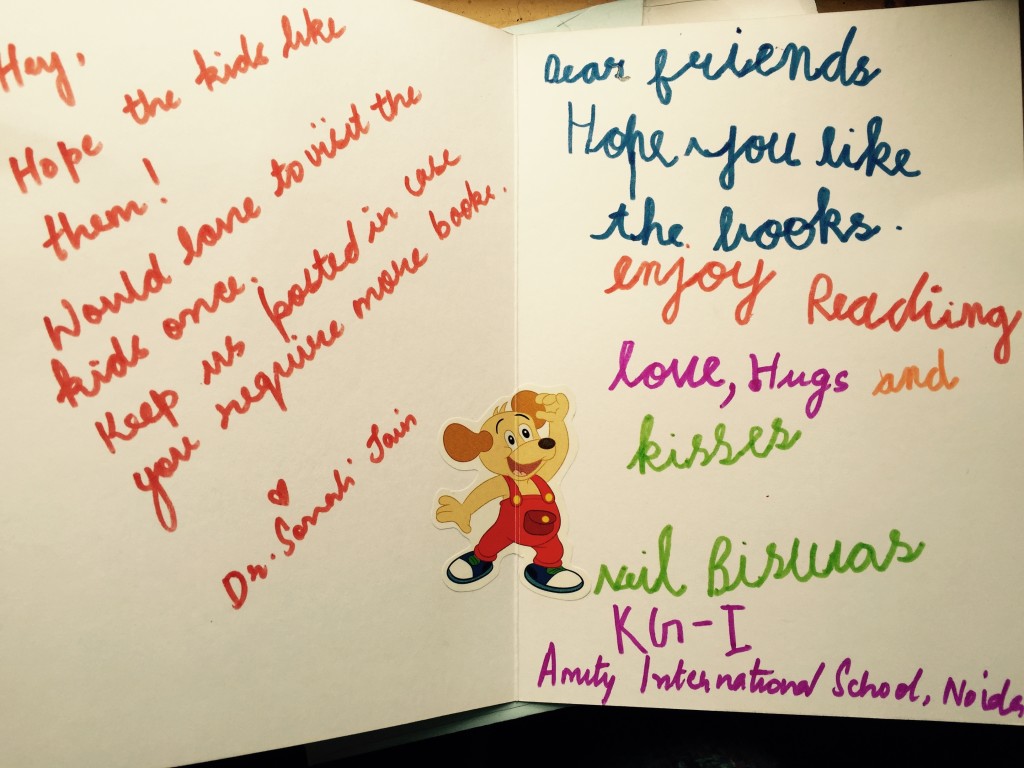
The next practical step is to select one age-appropriate book in good condition and pair it with a short note about why its story deserves to be shared.