Why spelling bees matter in Himalayan learning communities
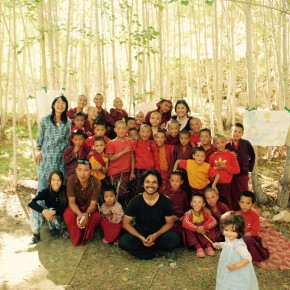
An annual spelling bee can look like a simple school competition: children hear a word, think carefully, and spell it aloud. In the Himalayan communities supported by Avalokiteśvara Trust, the event carries a wider purpose. It brings children and young monks together around books, language, confidence and the pleasure of learning.
Hosting spelling bees in English and local languages recognises the realities of children’s education. English can open access to science, technology, travel and international books, while local languages carry family histories, cultural knowledge and everyday communication. When both are valued, literacy becomes a bridge rather than a replacement for identity.
| English spelling bee |
Local-language spelling bee |
| Builds vocabulary used in wider education and international resources |
Strengthens reading, writing and cultural connection |
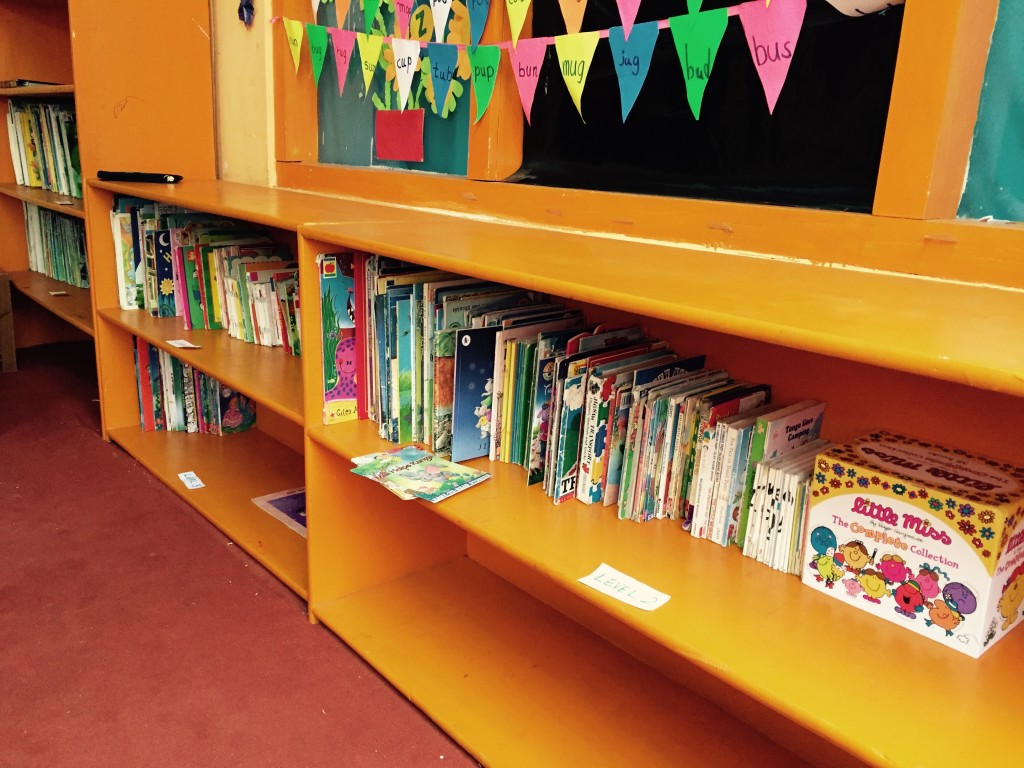
| Helps children engage with English books in reading rooms |
Encourages pride in home languages and familiar stories |
| Develops pronunciation, listening and public speaking |
Supports accurate use of local scripts, sounds and meanings |
| Connects Himalayan learners with supporters and resources abroad |
Keeps community knowledge active across generations |
A celebration of reading and confidence
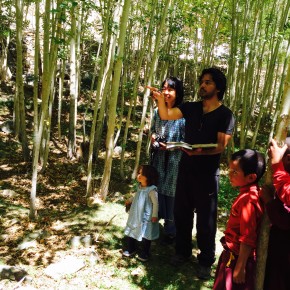
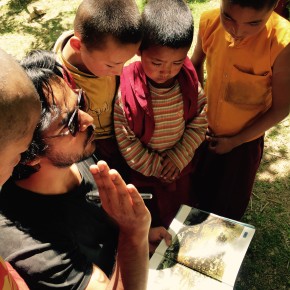
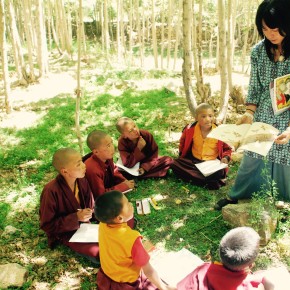
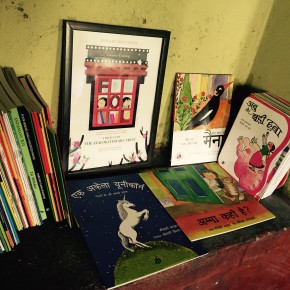
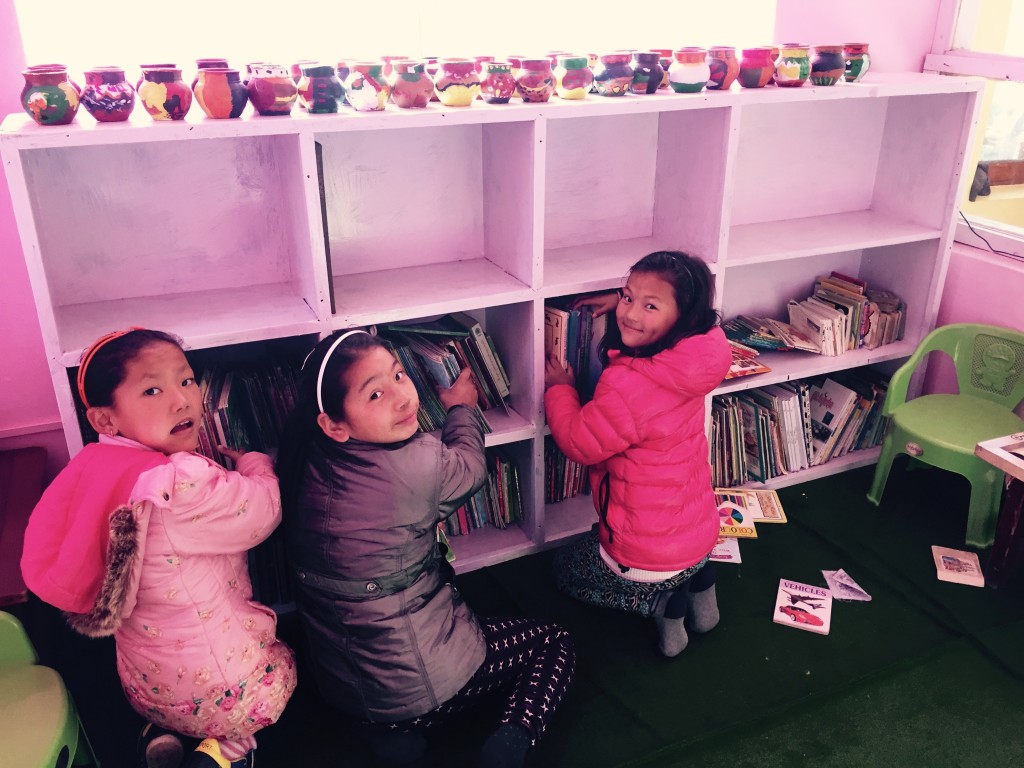
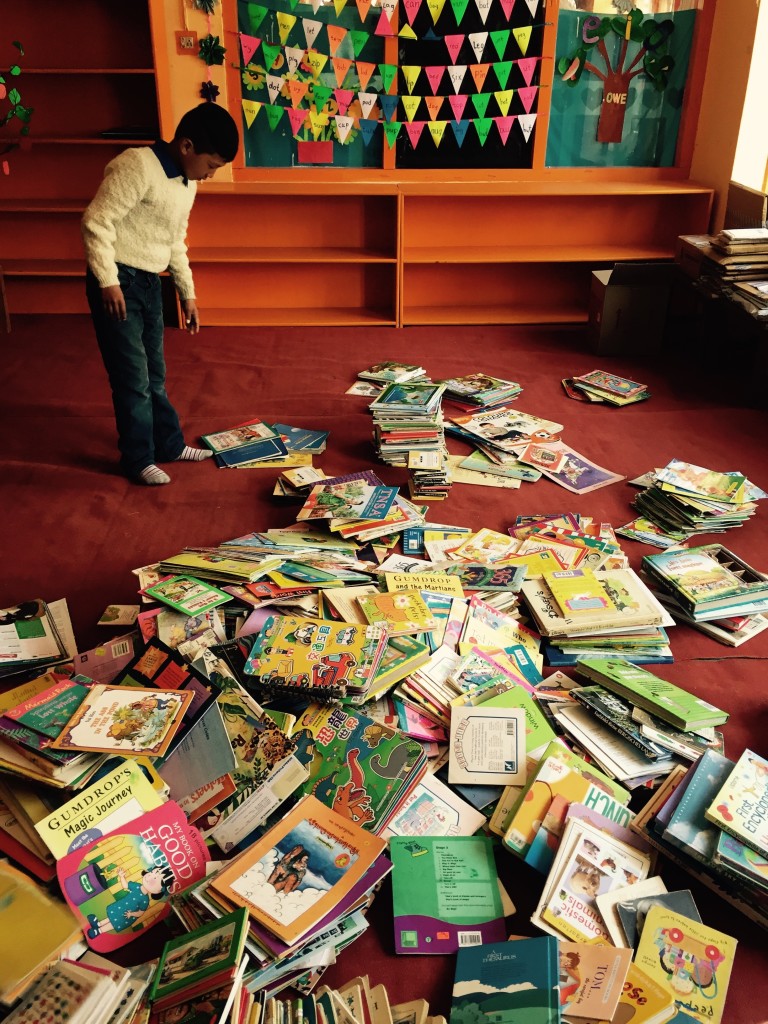
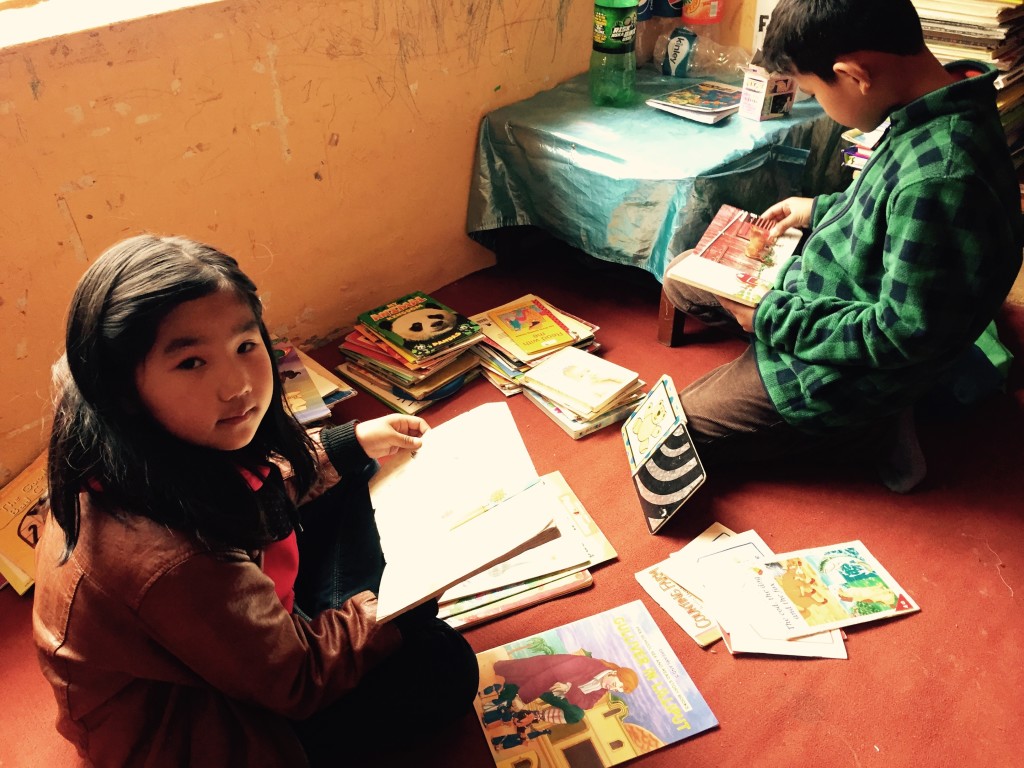
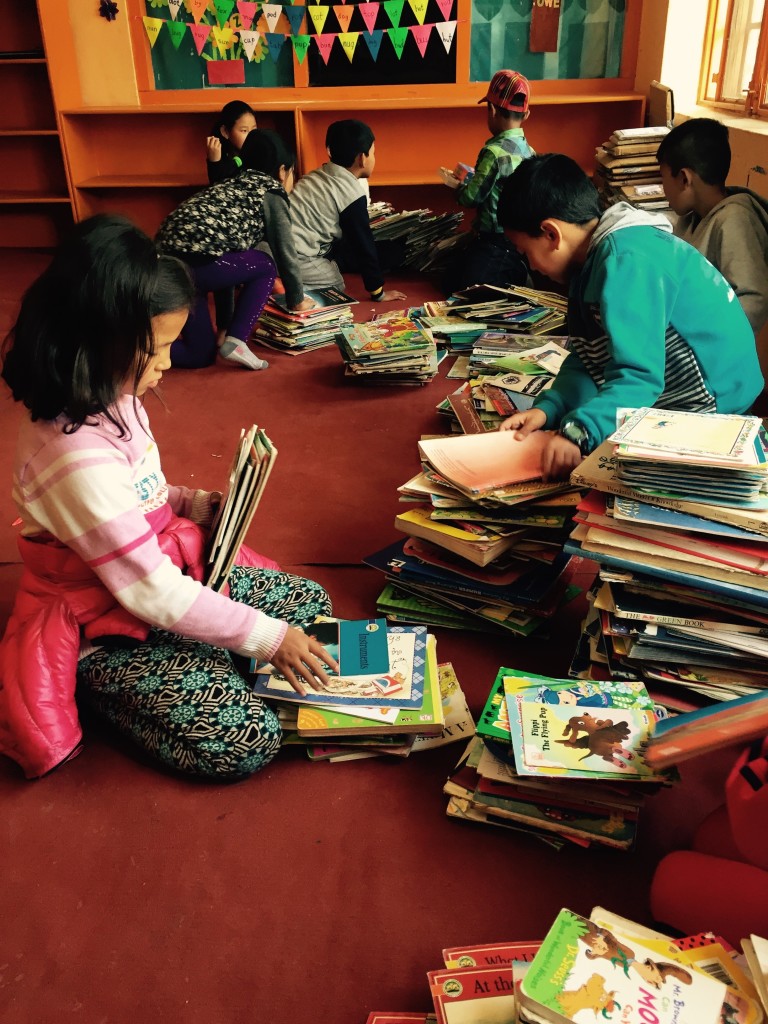
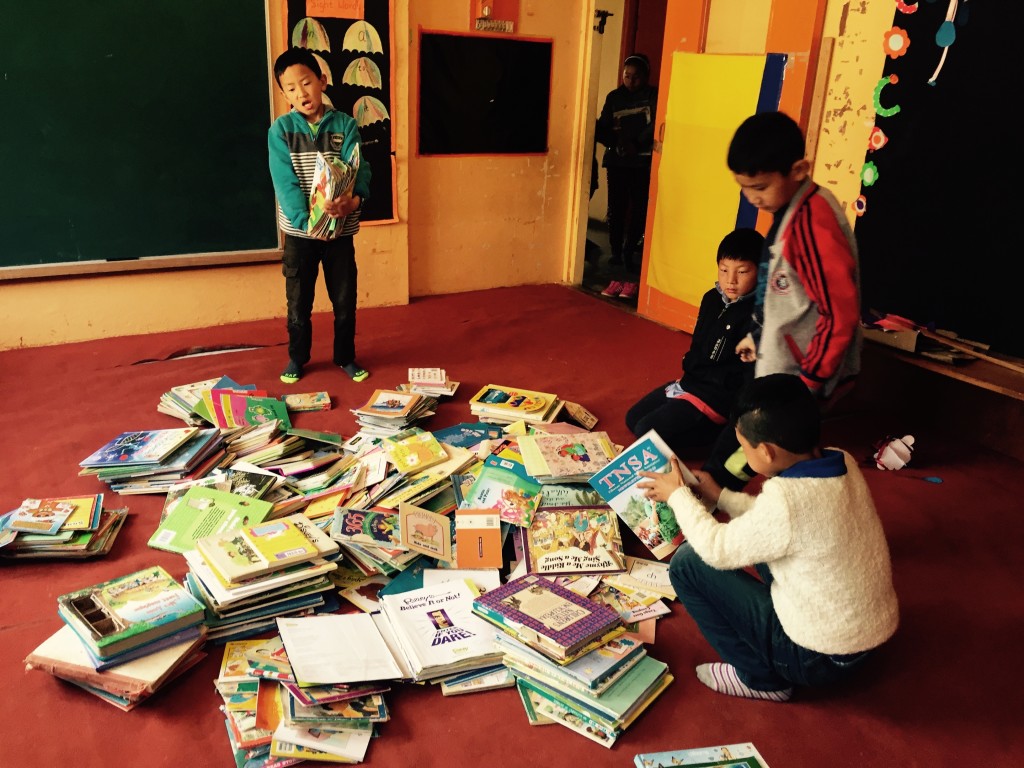
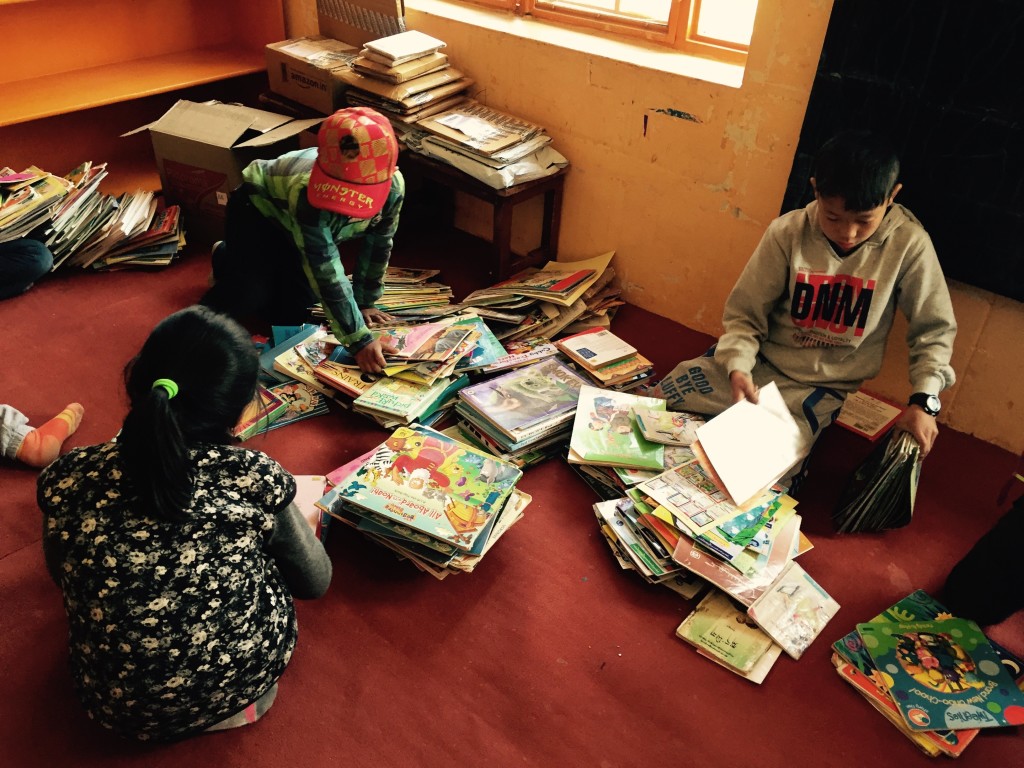
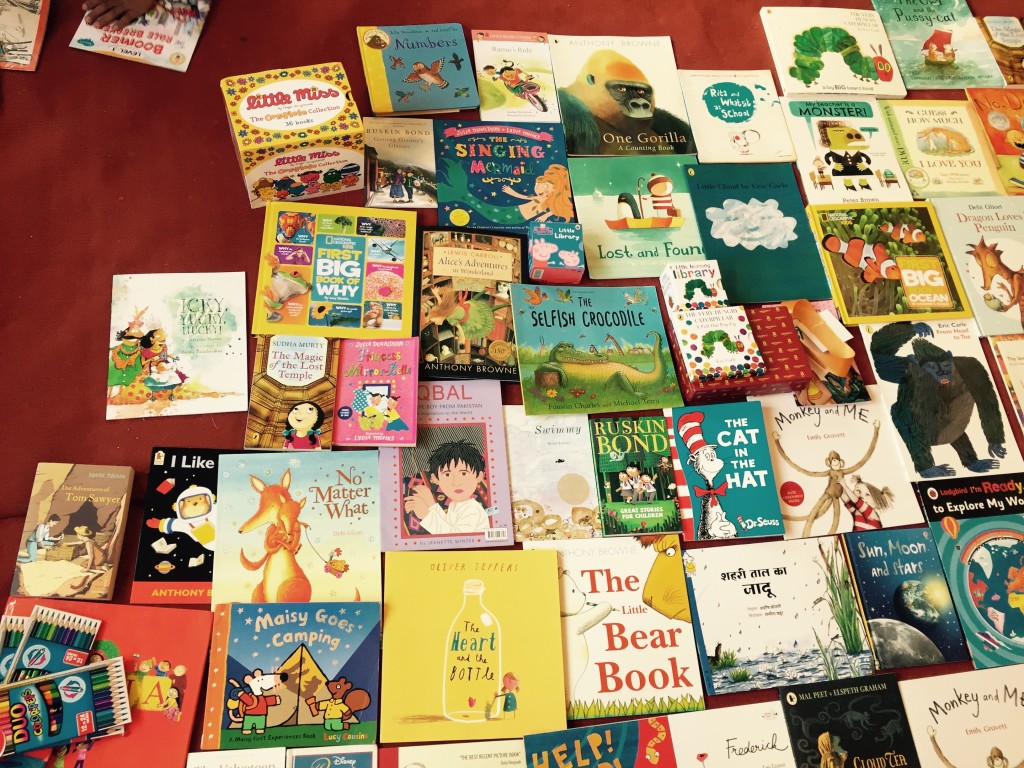
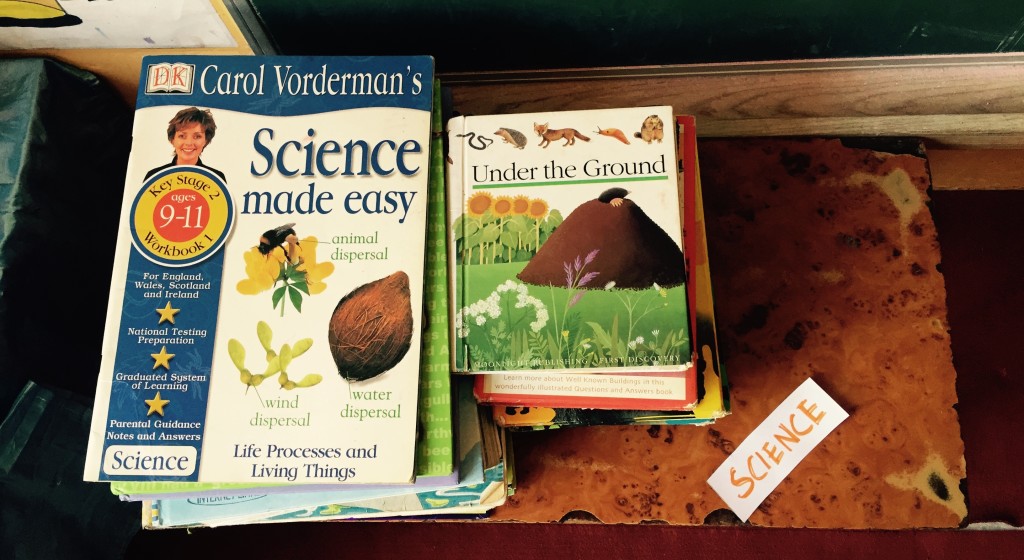
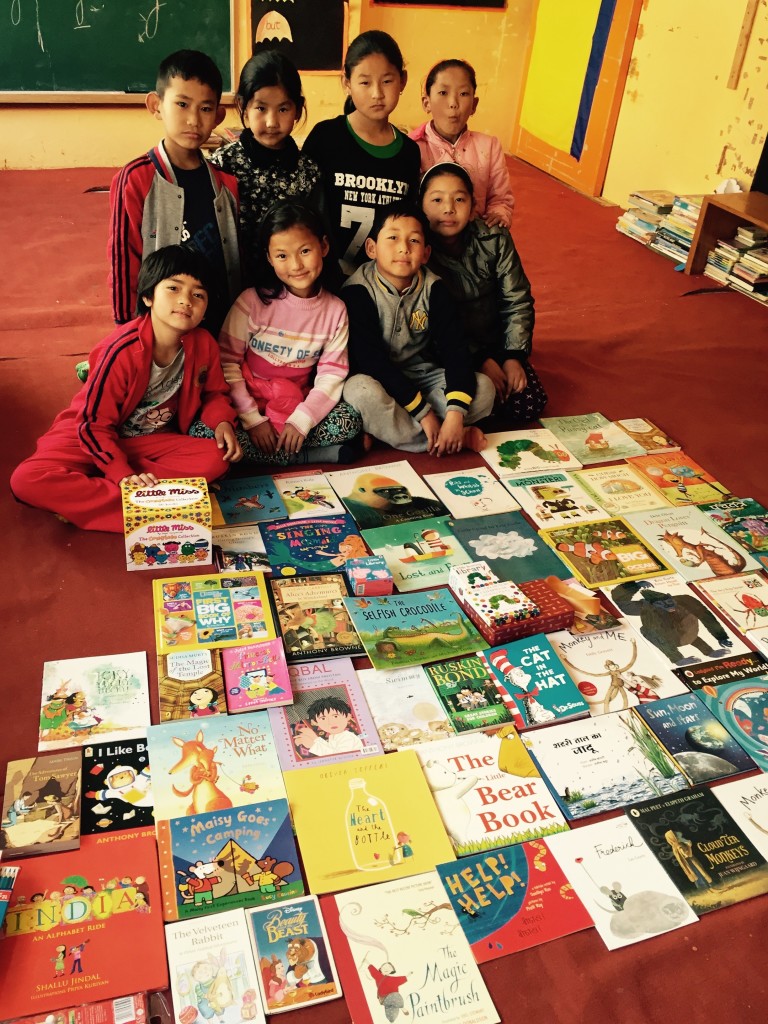
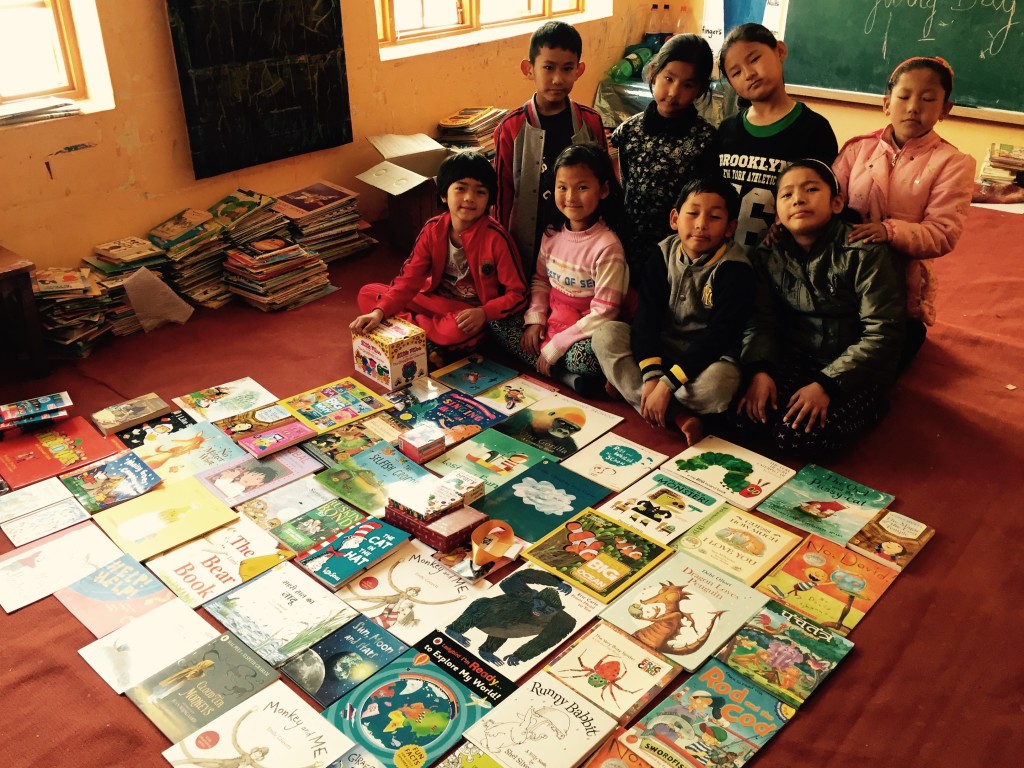
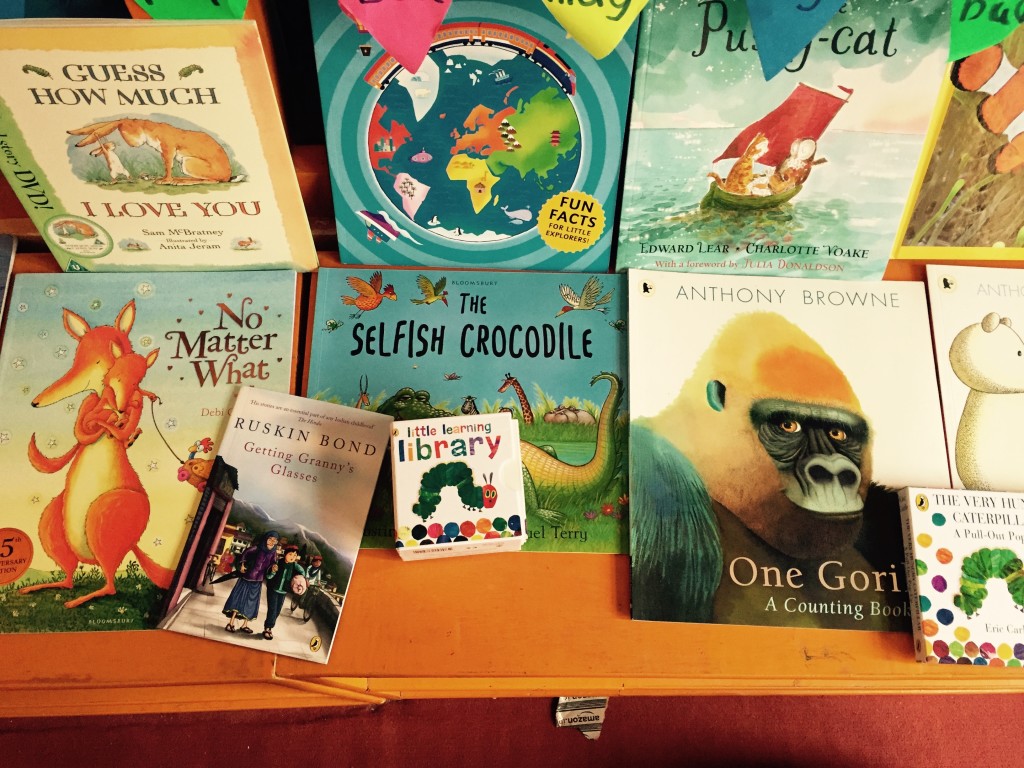
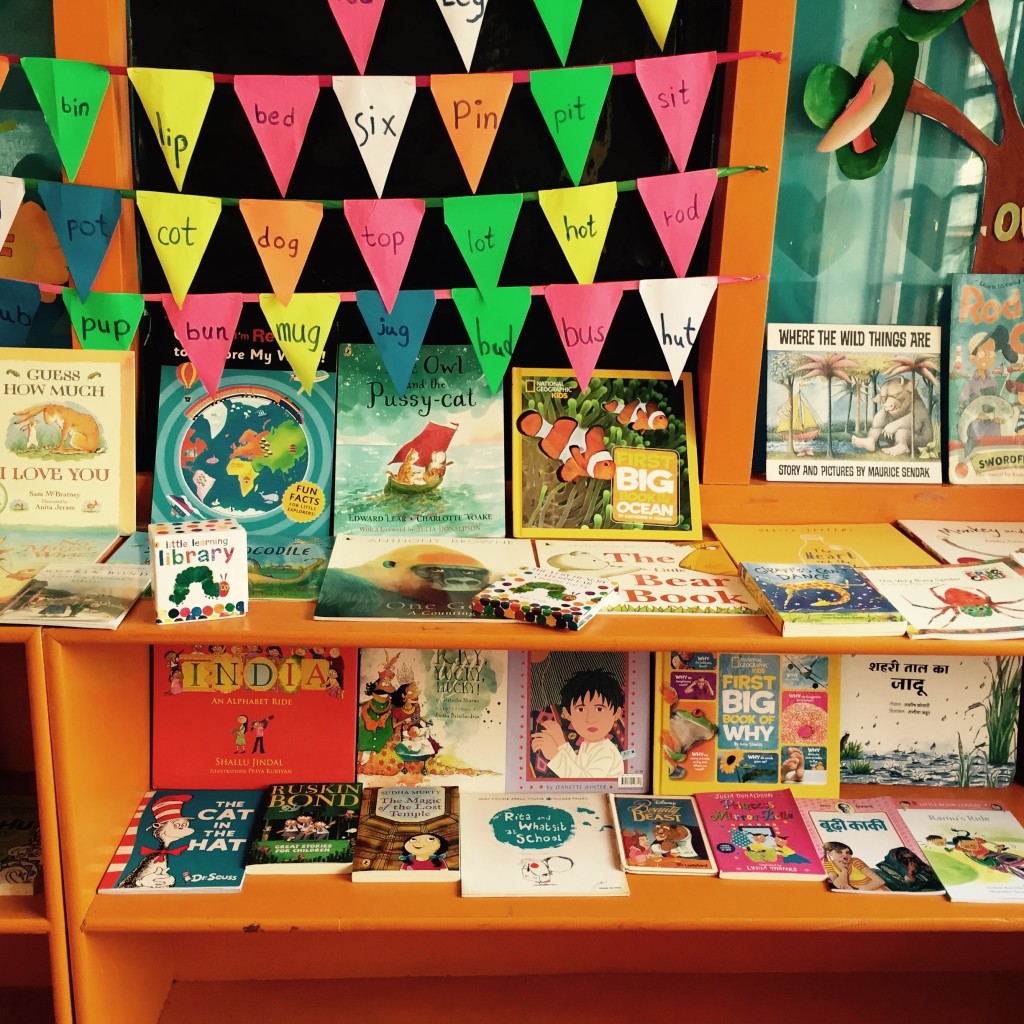
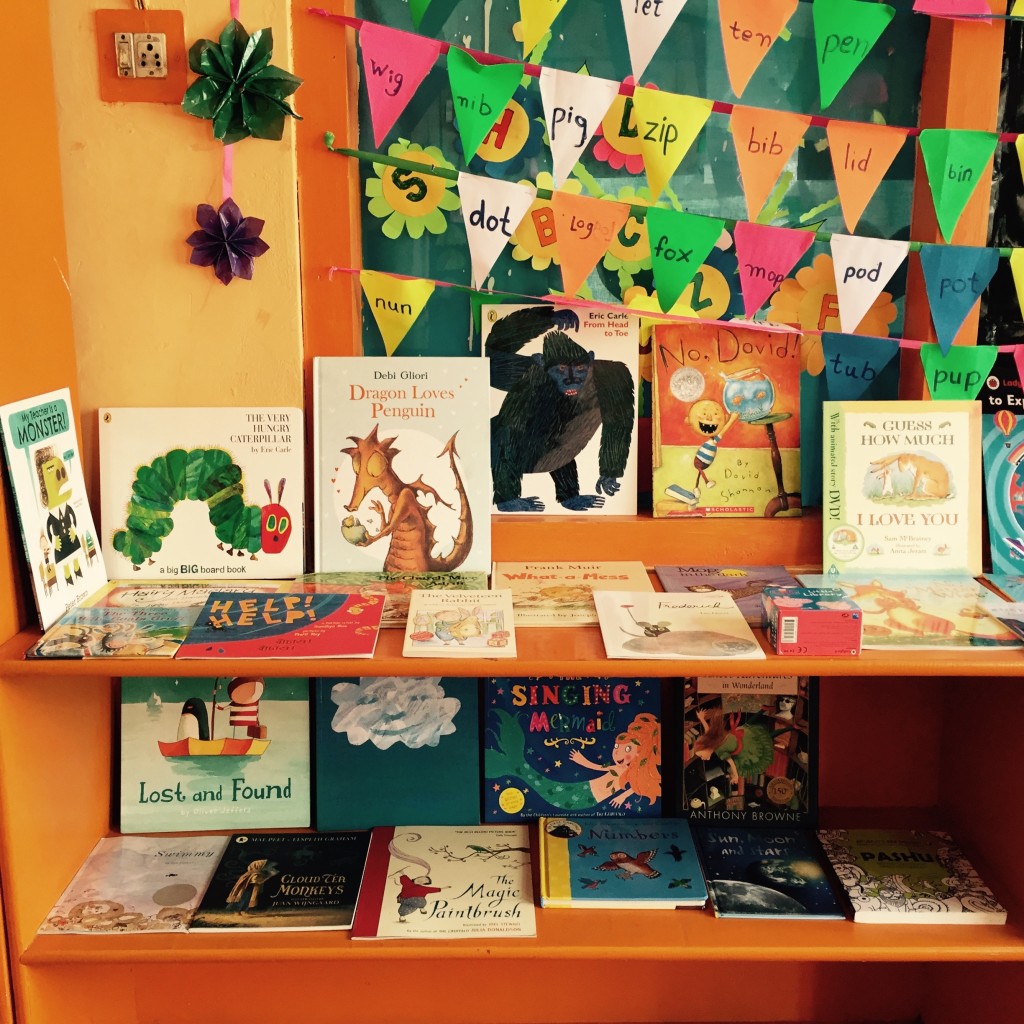
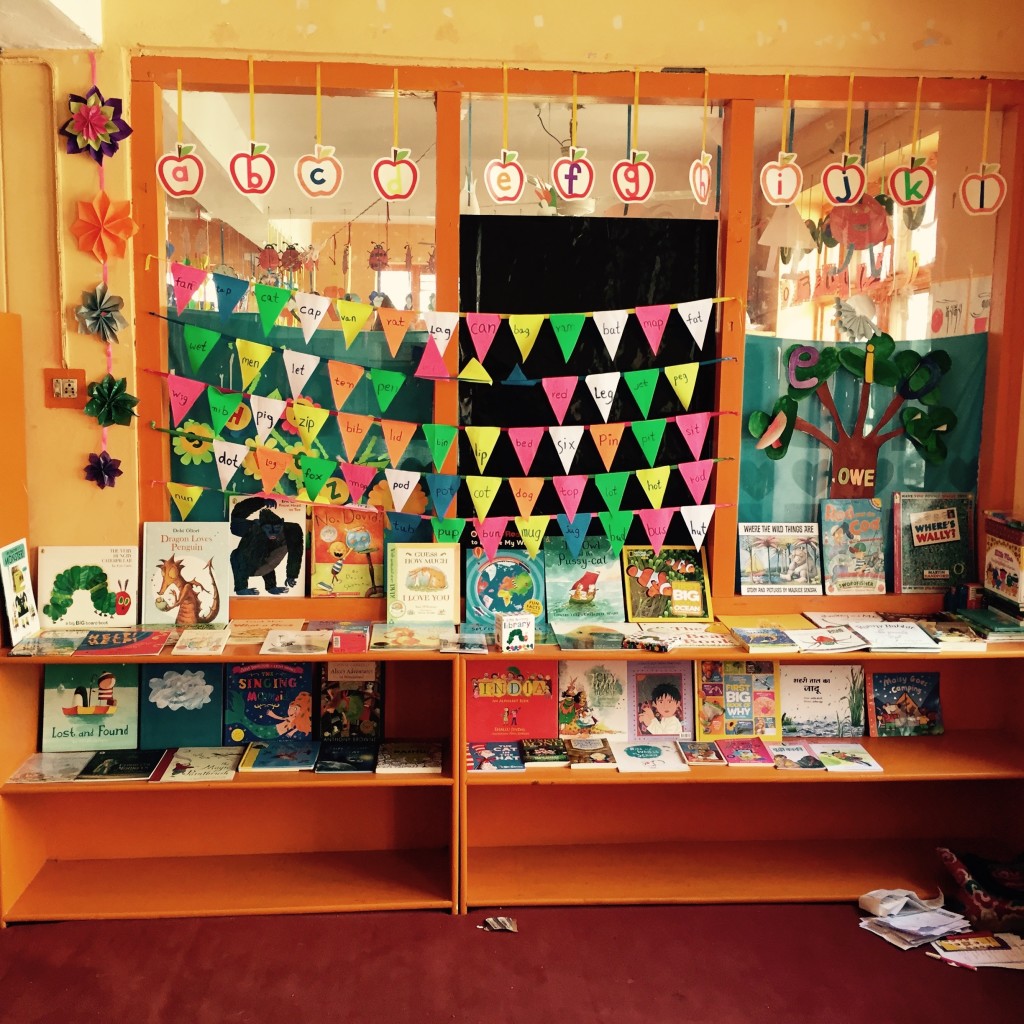
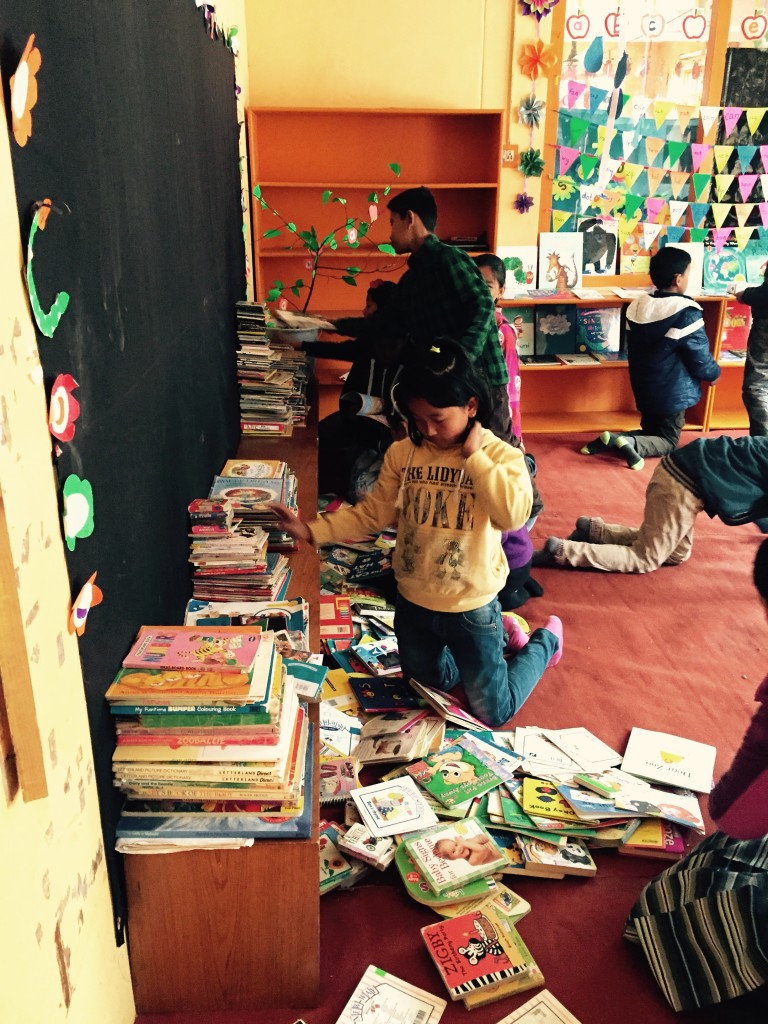
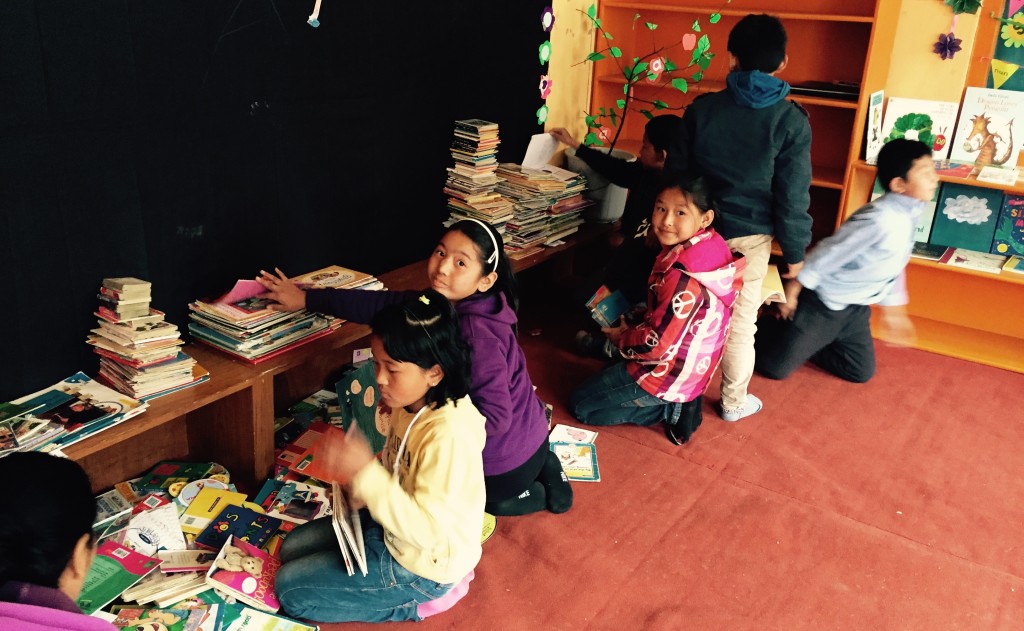
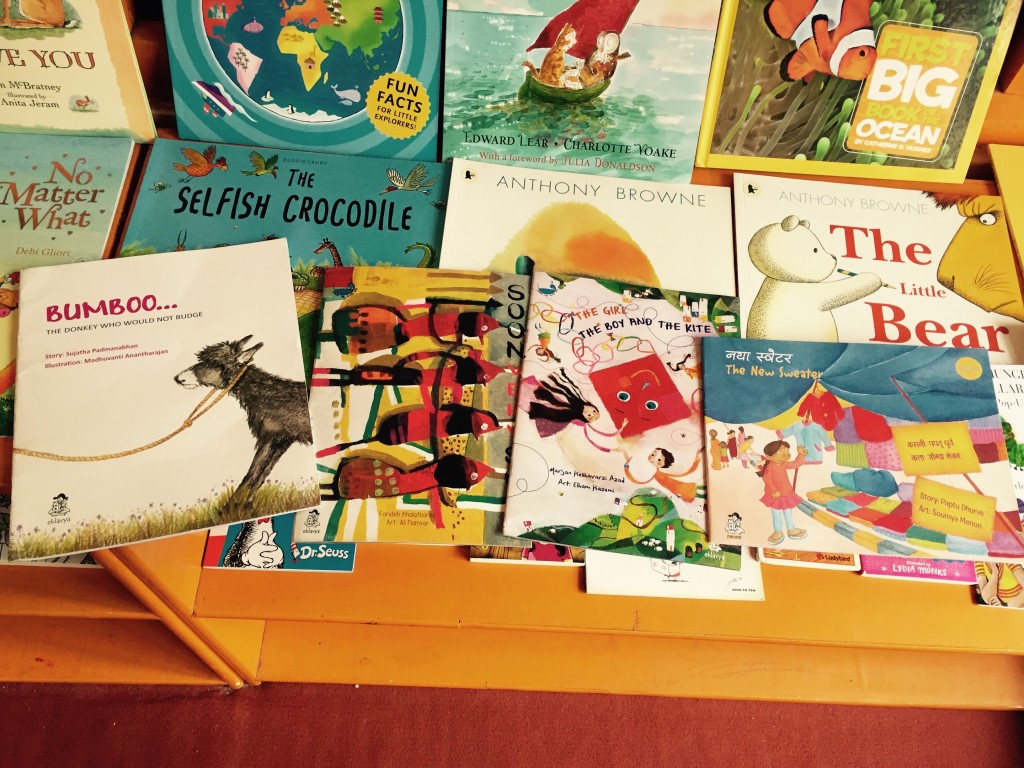
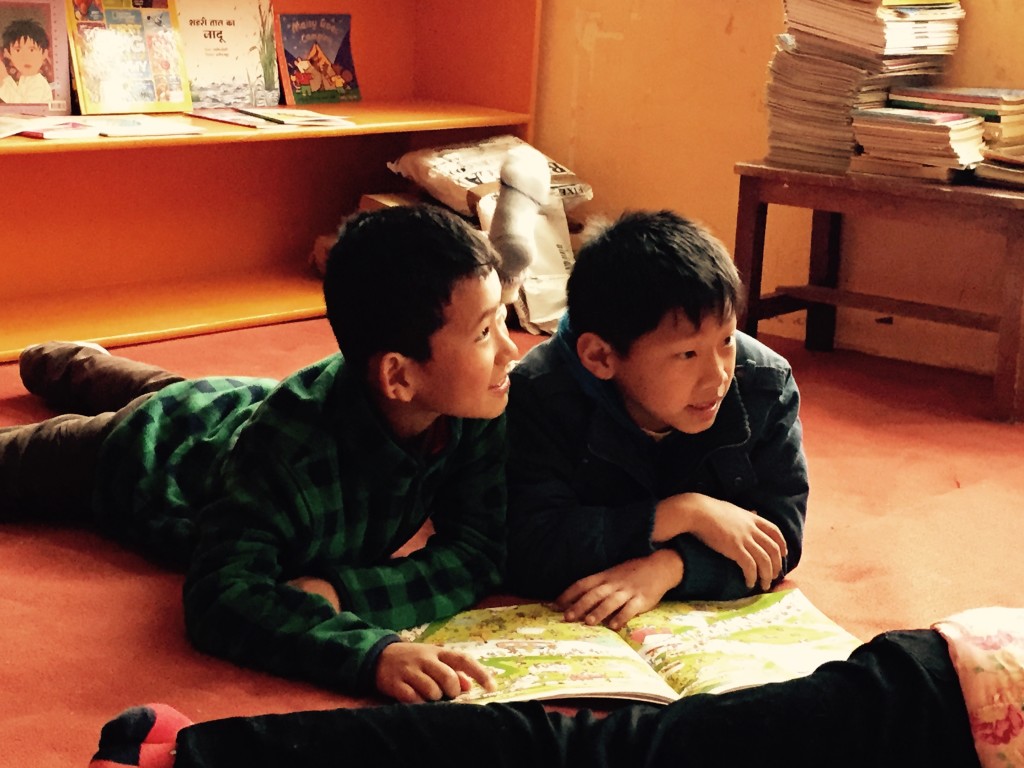
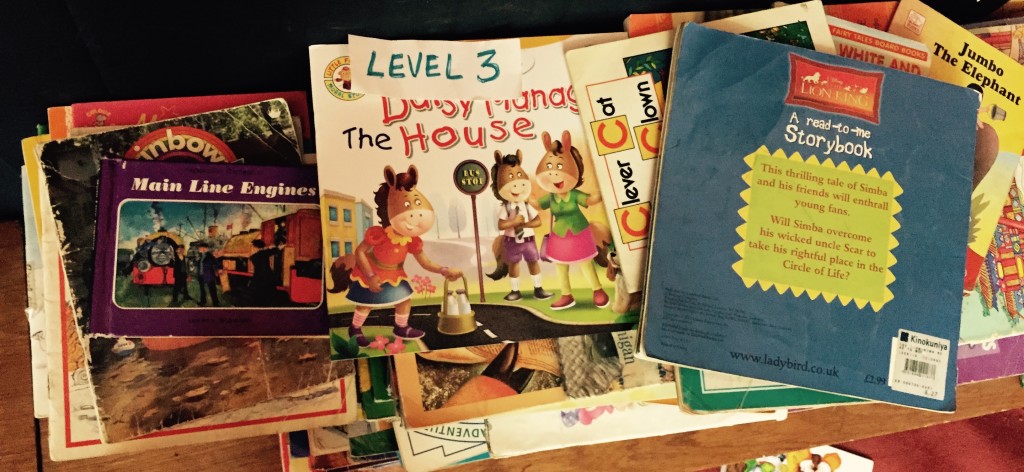
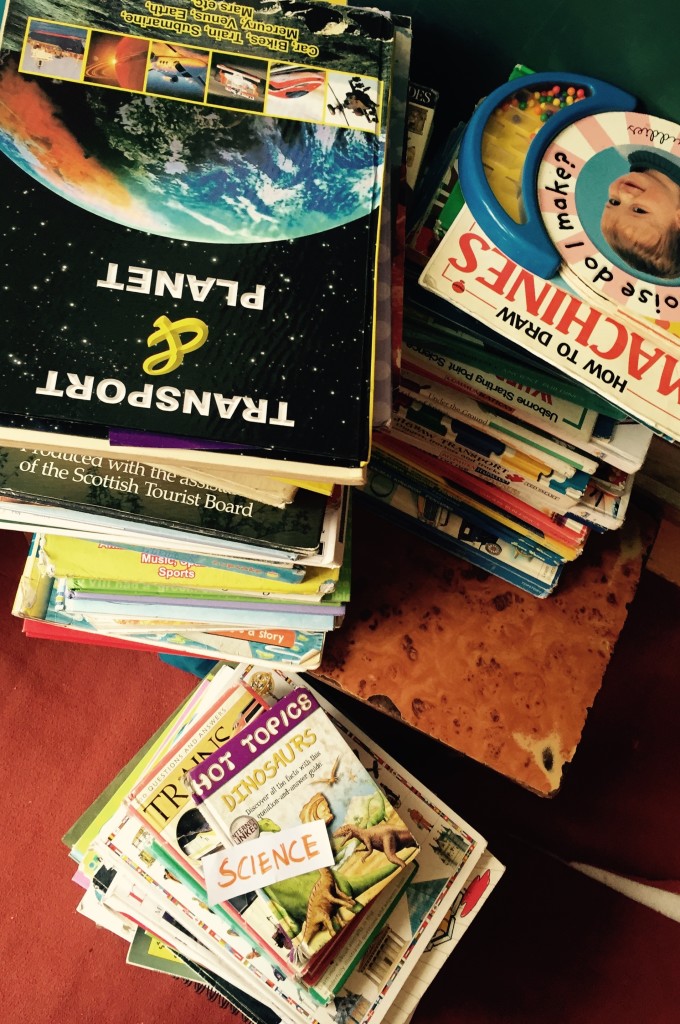
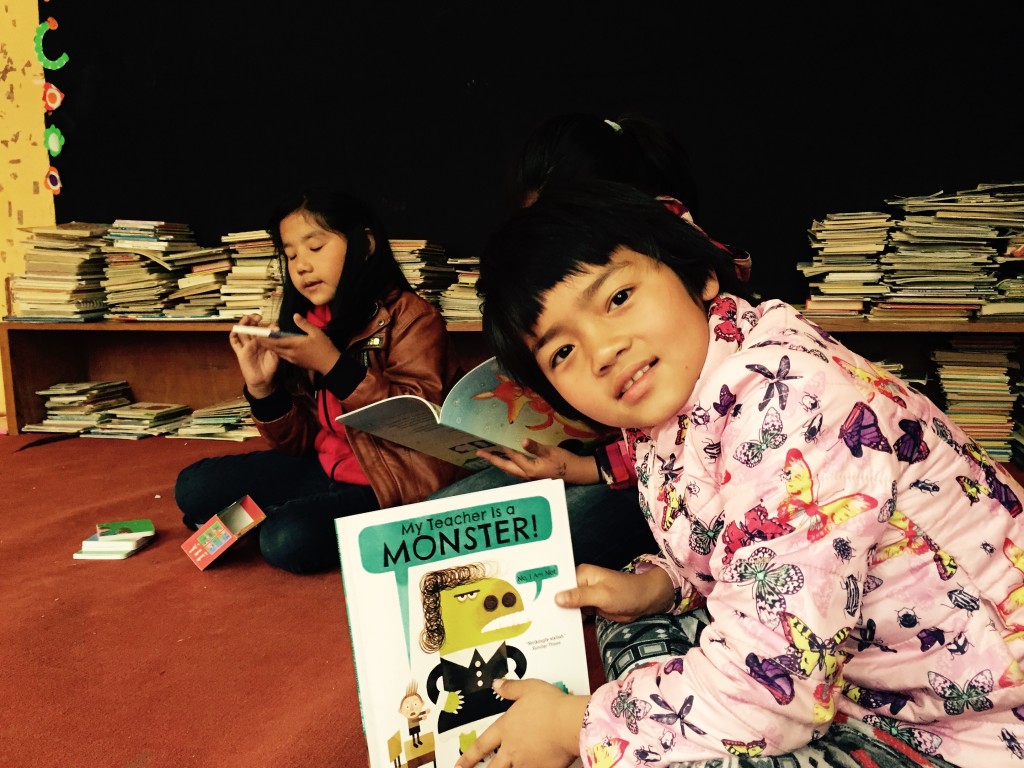
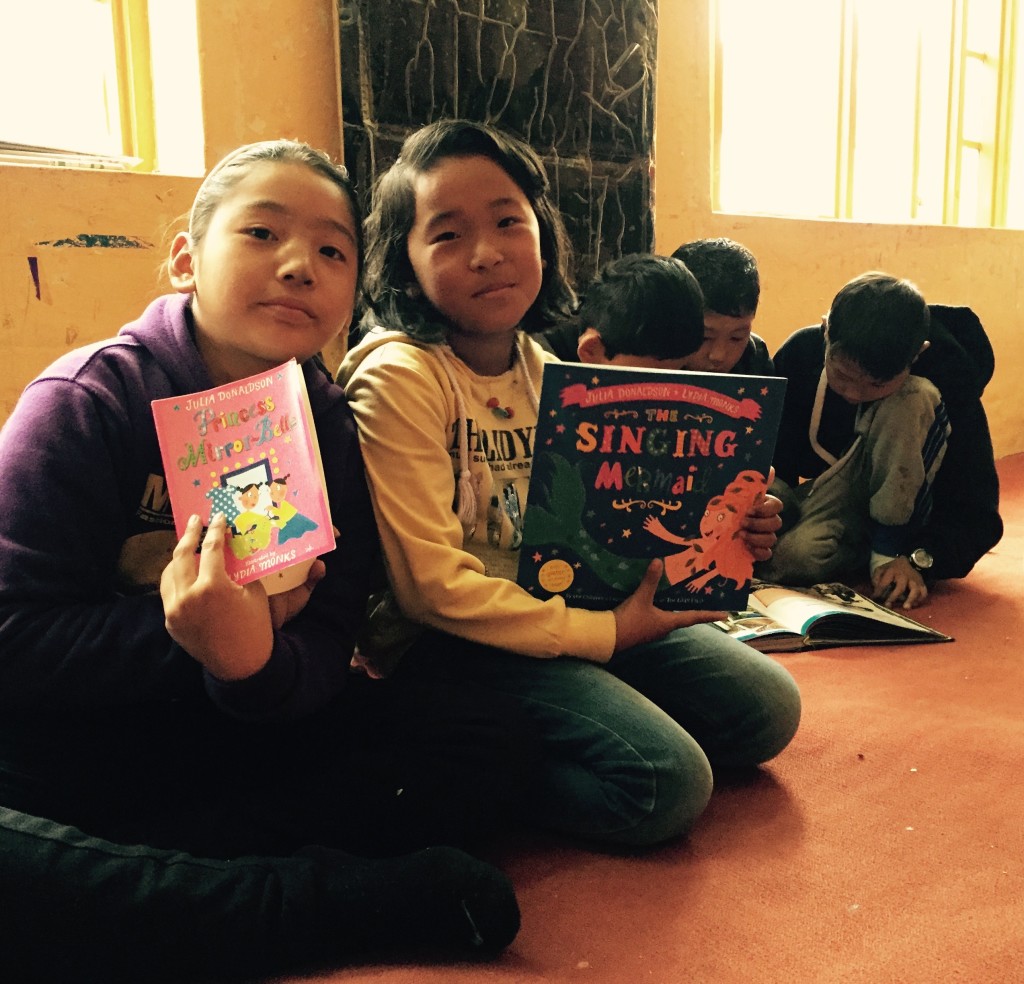
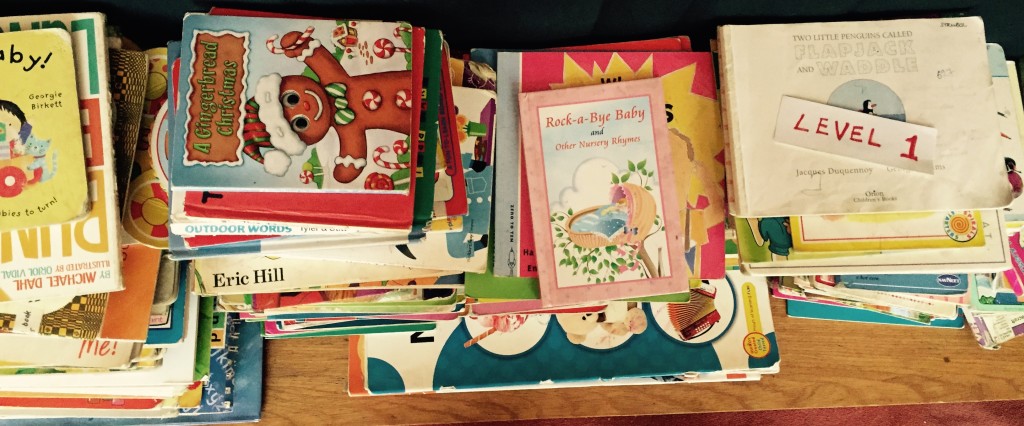
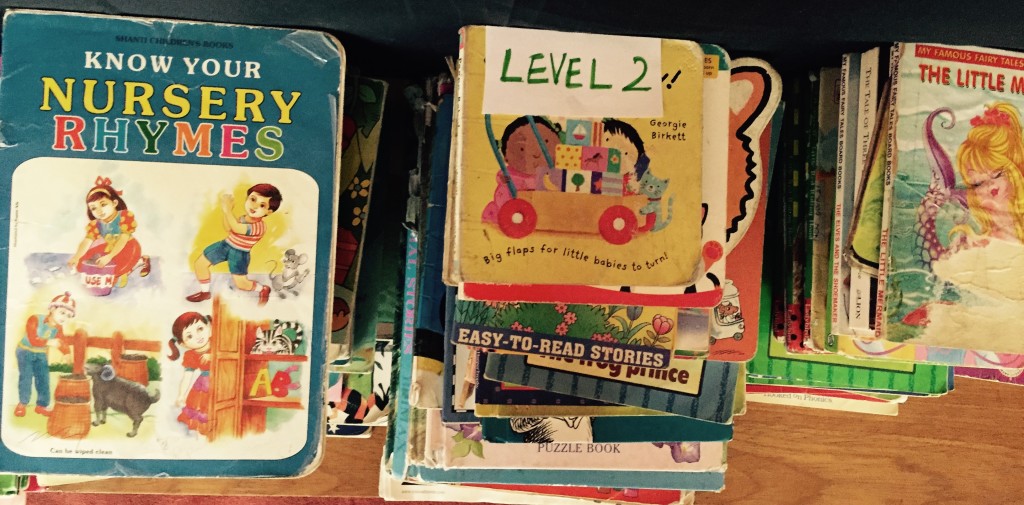
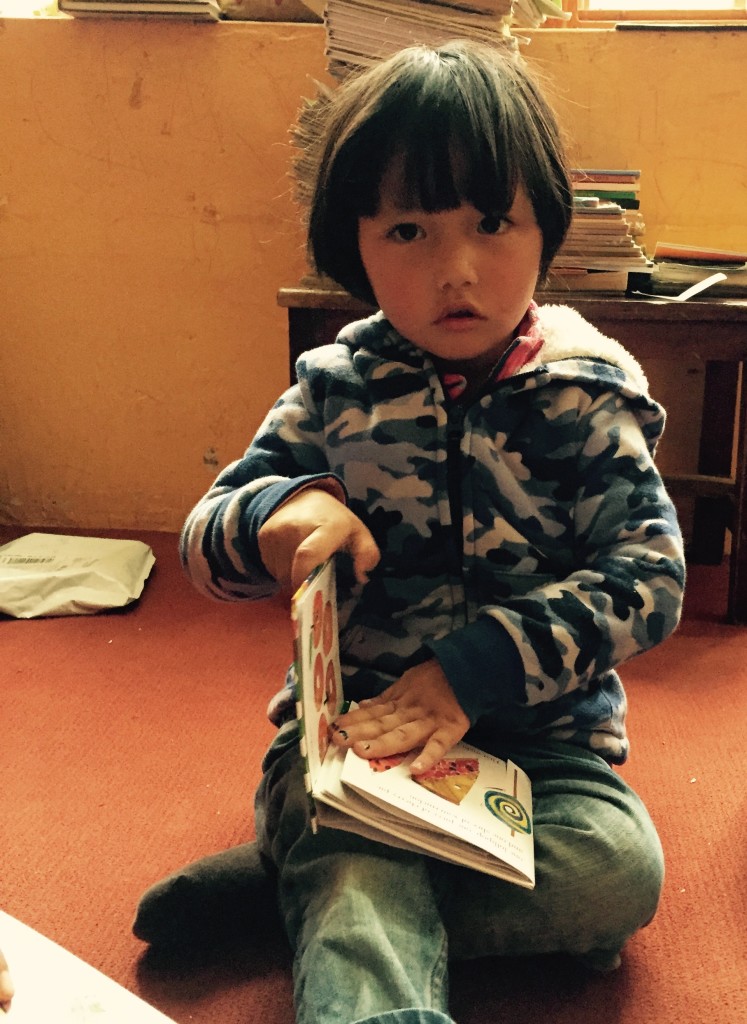
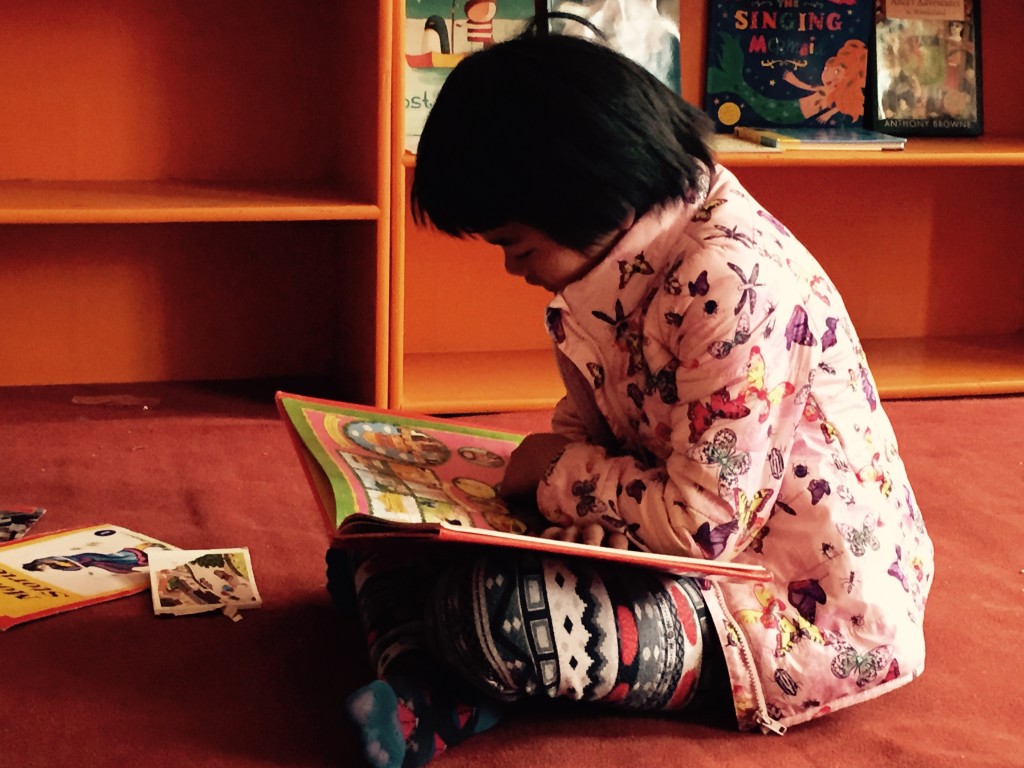
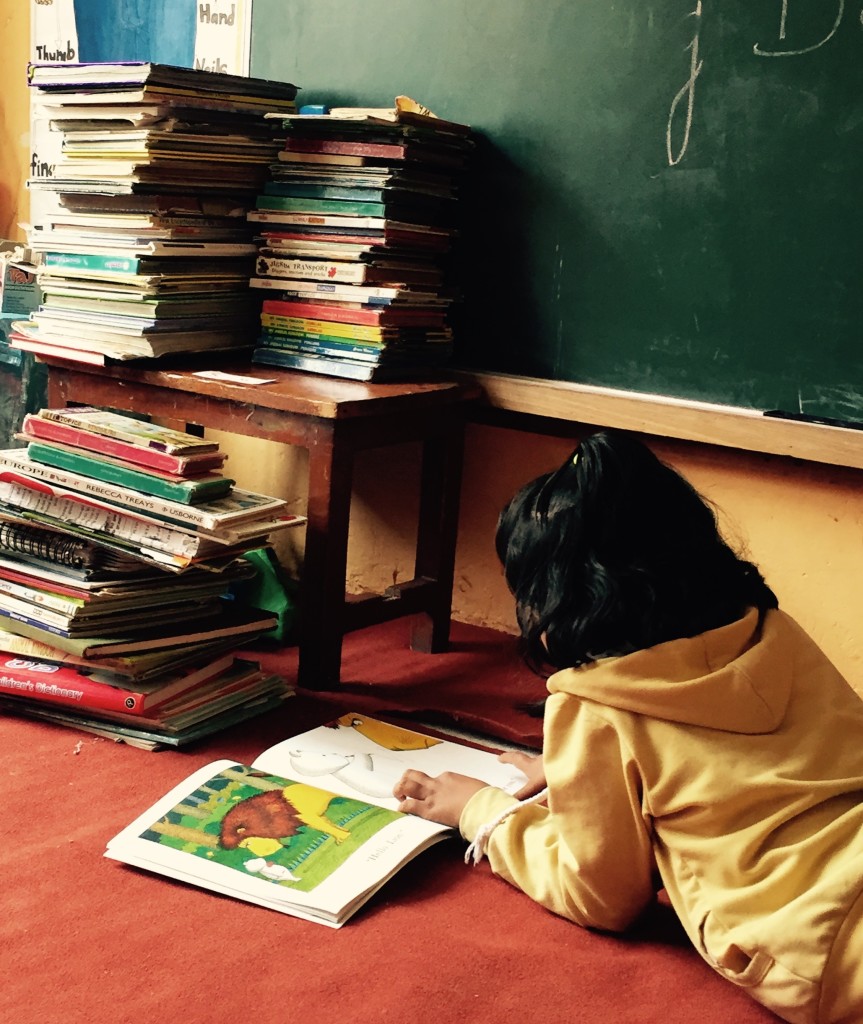
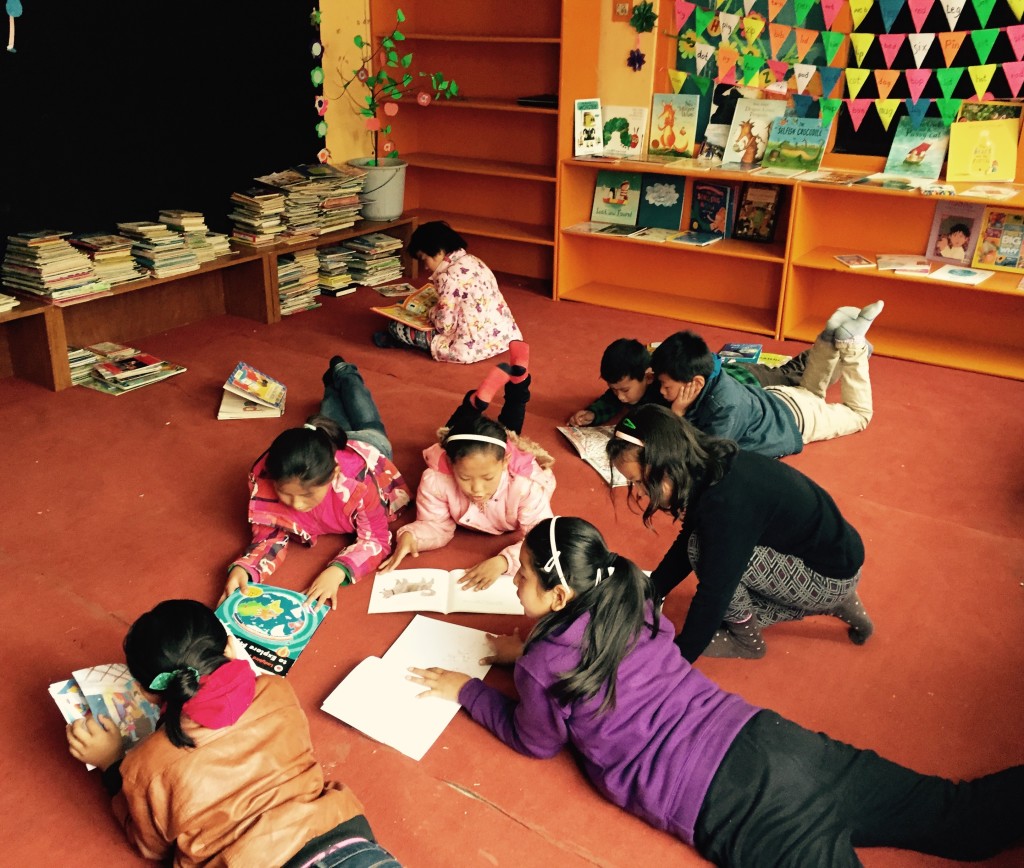
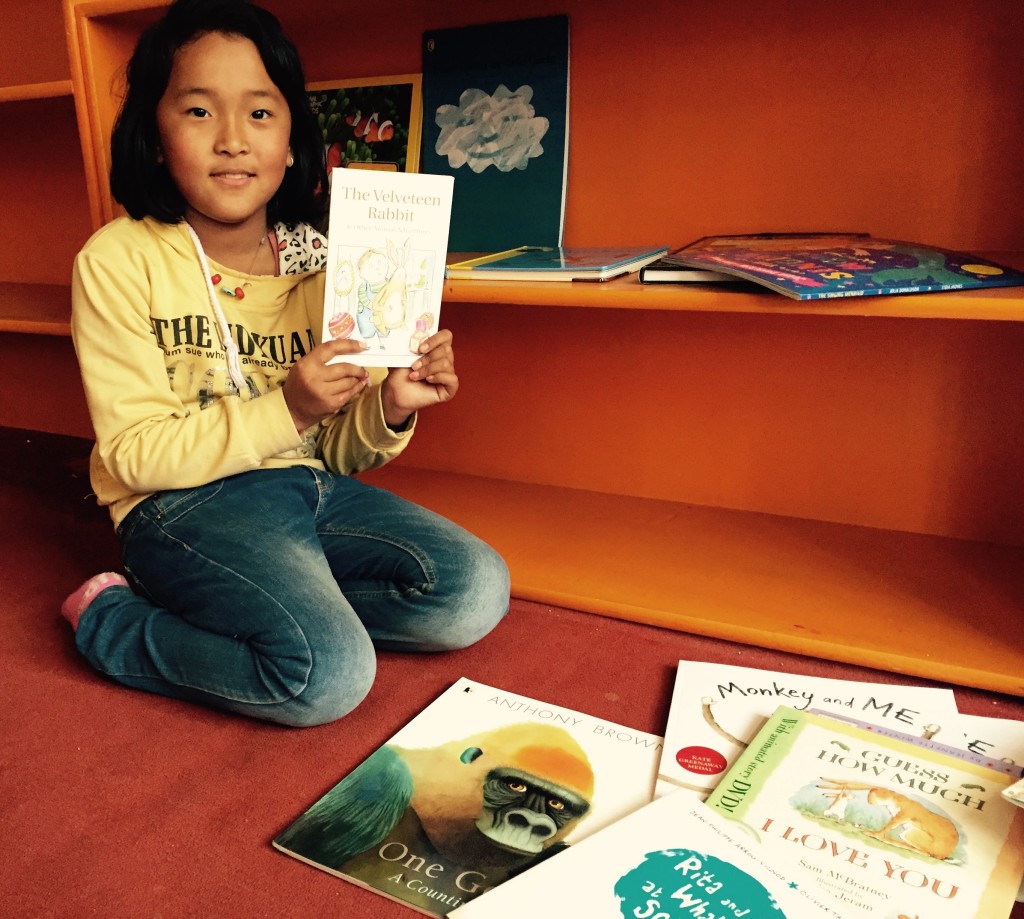
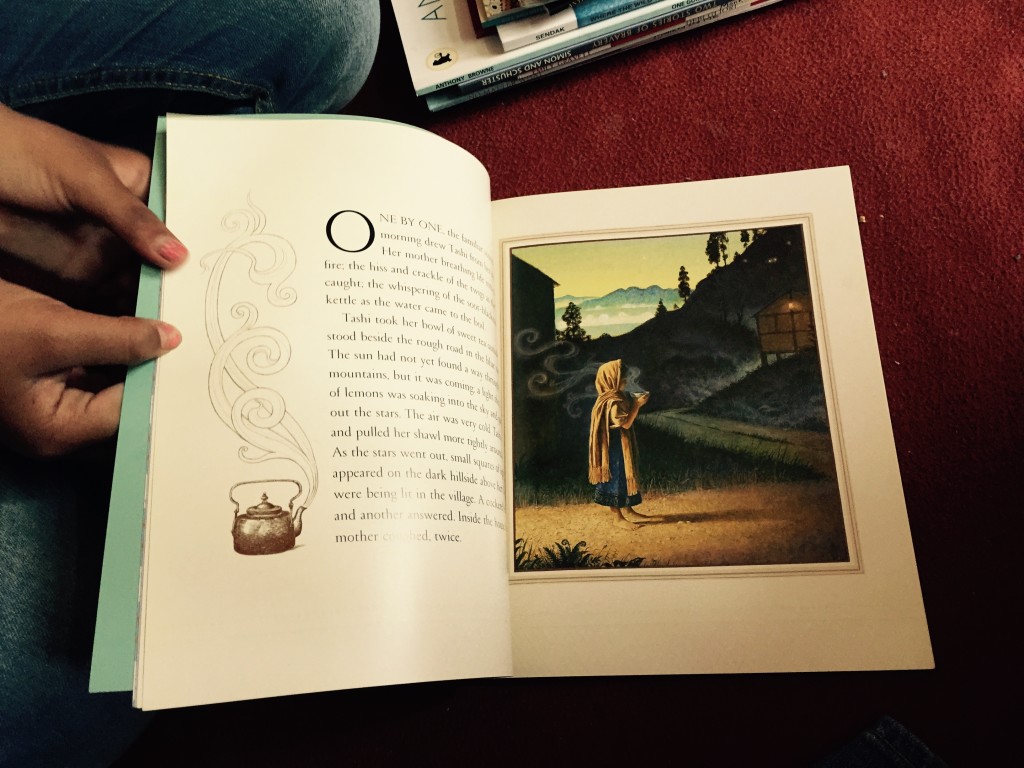
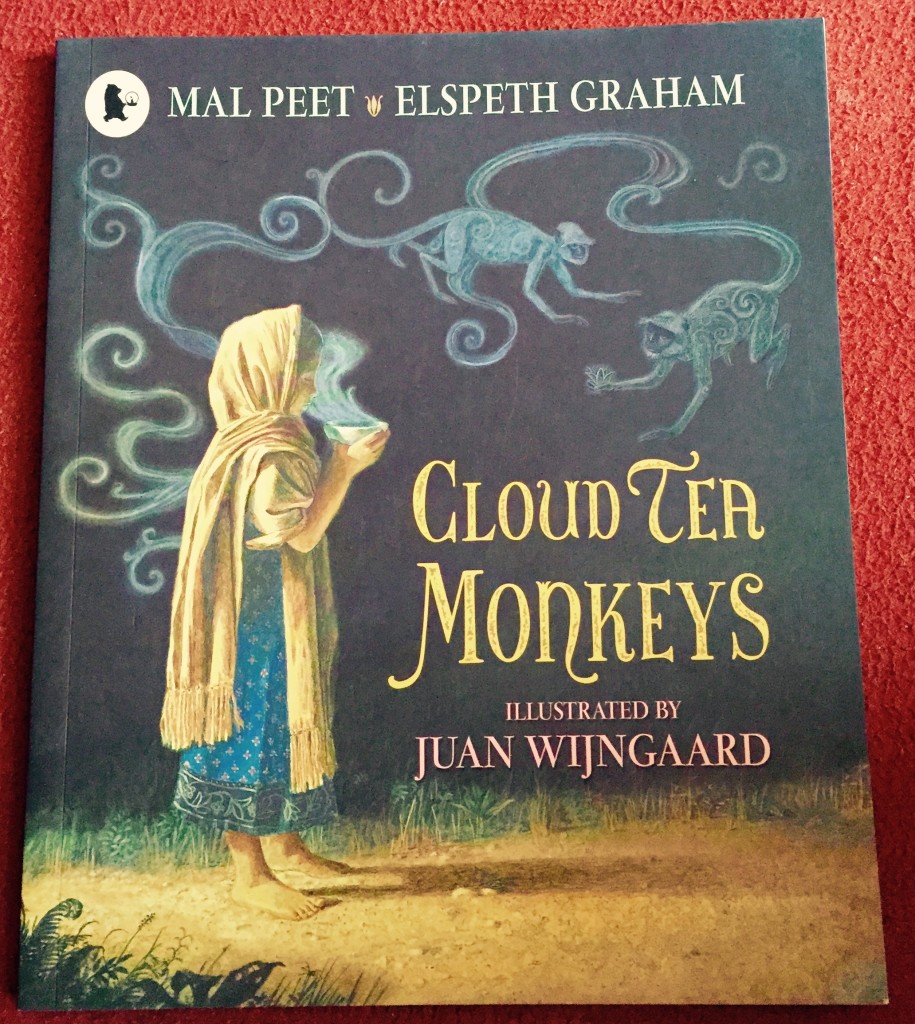
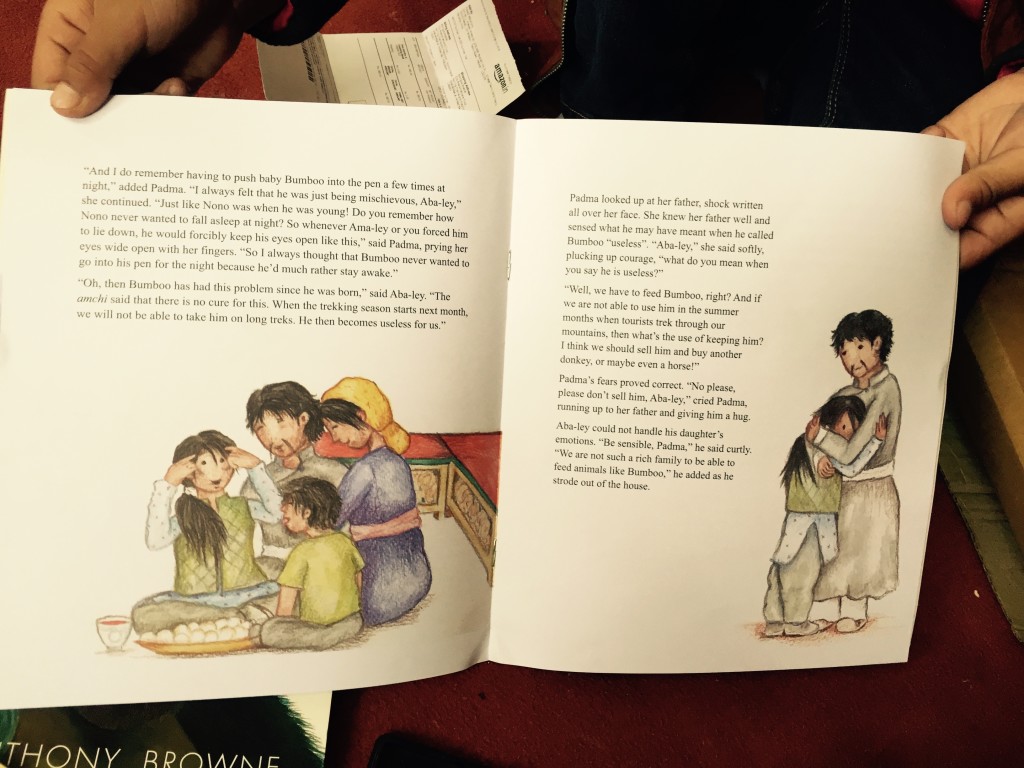
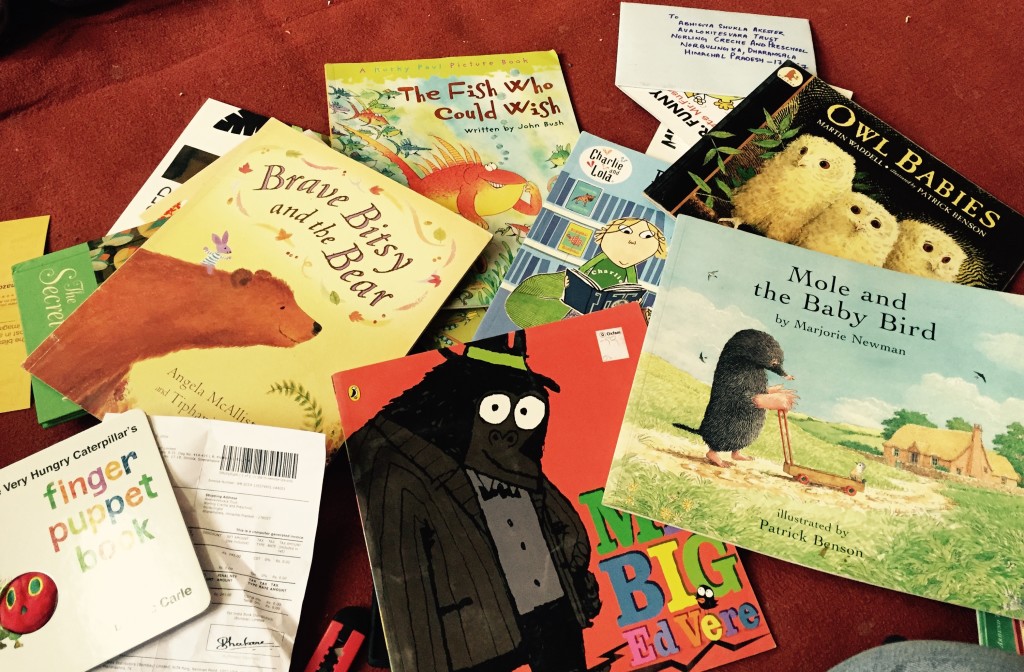
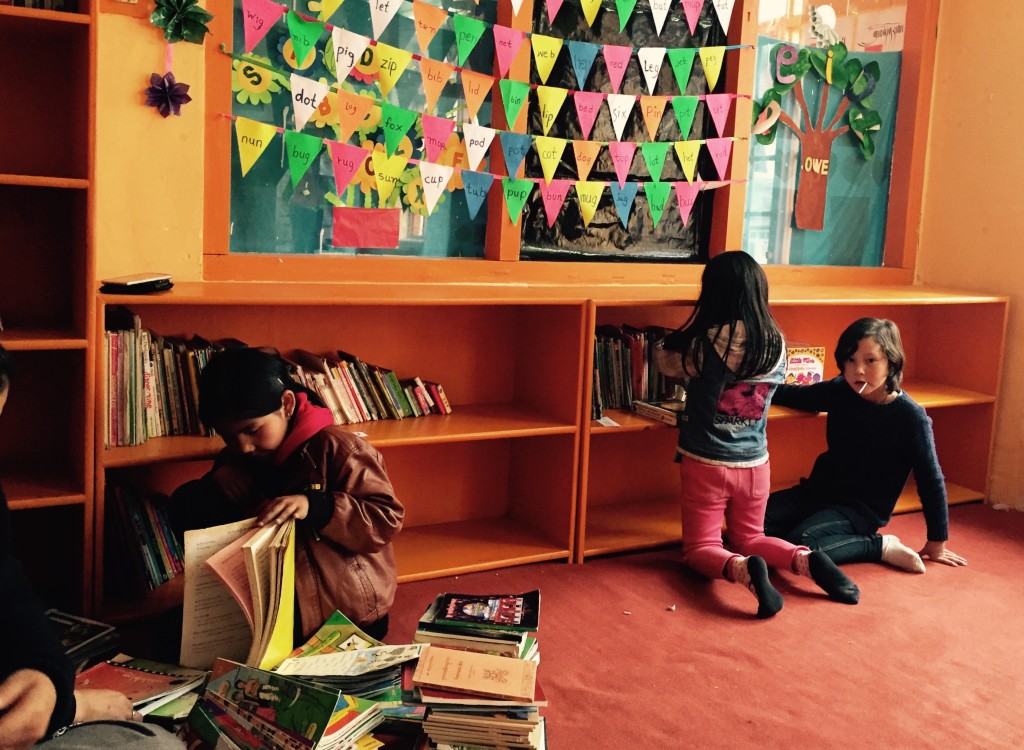
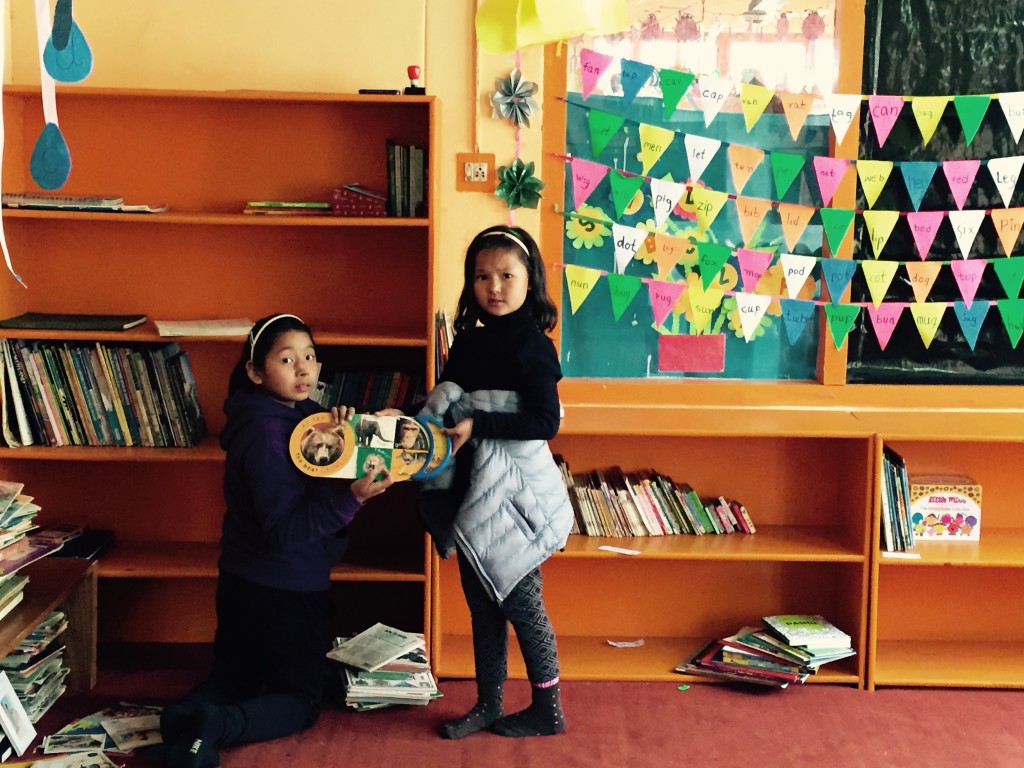
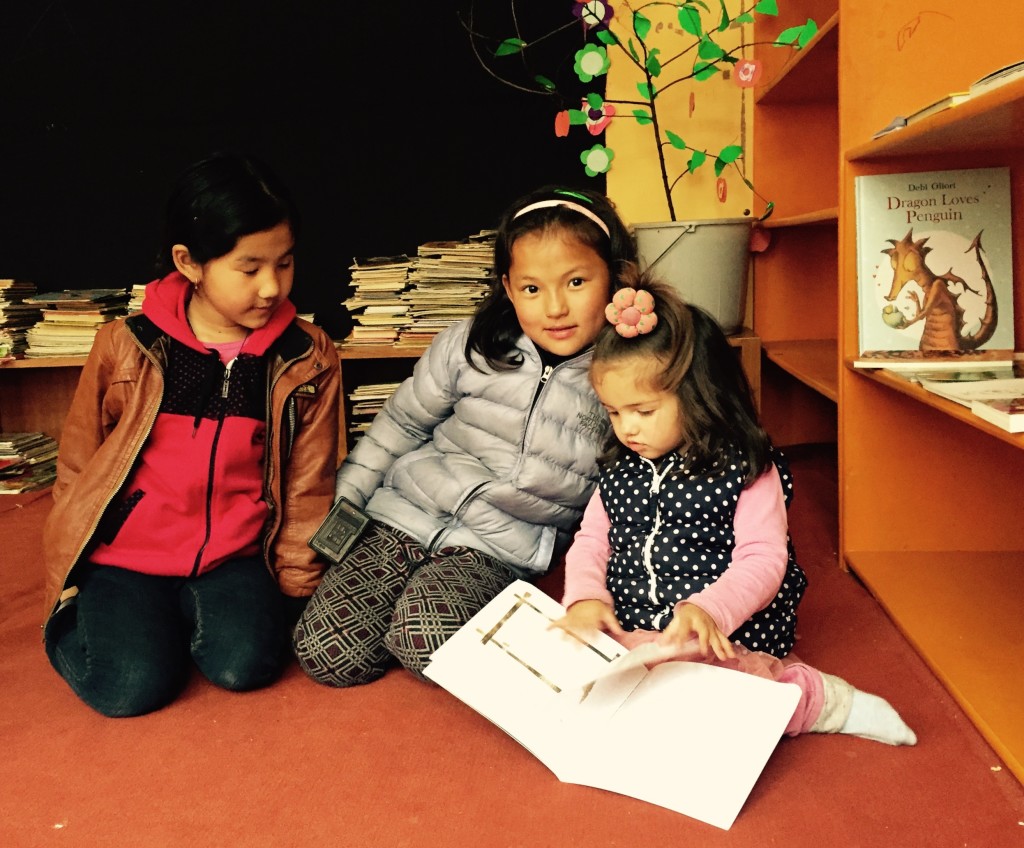
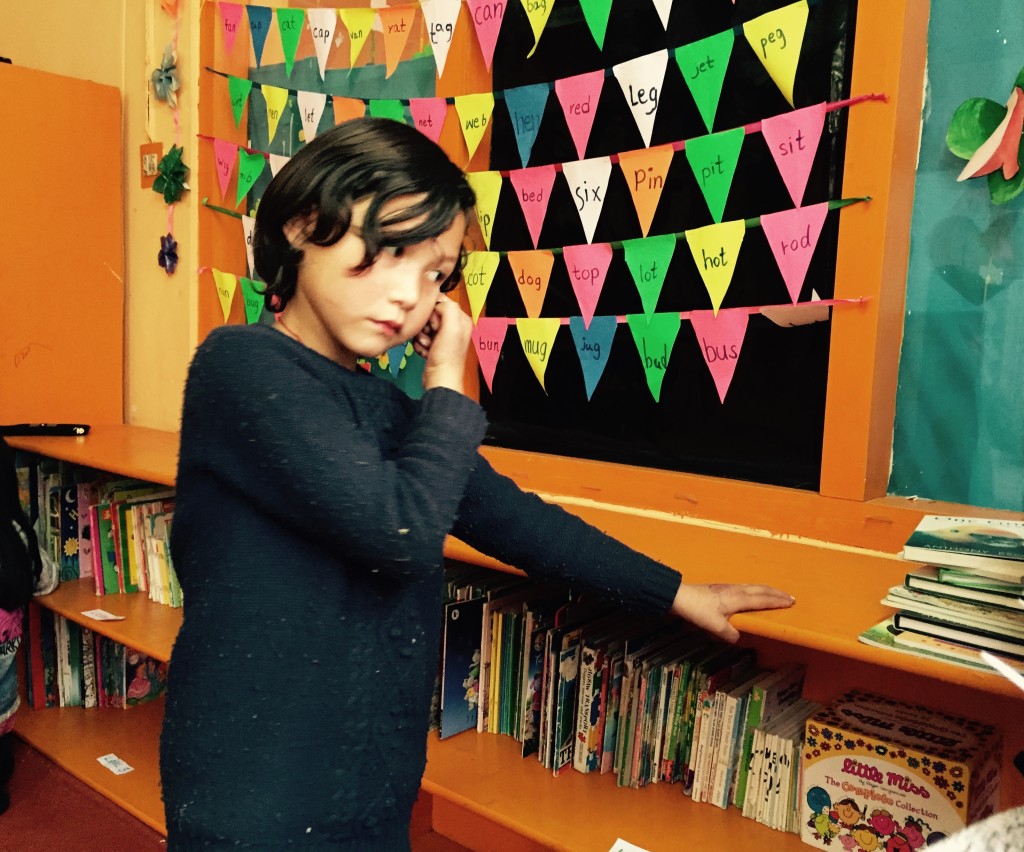
The spelling bee begins long before the final round. Children encounter new words through storybooks, poems, illustrated reference books and classroom activities. In a reading room, a word may first appear in a tale about animals, a science text or a book about another country. The competition gives that word a memorable place in the child’s mind.
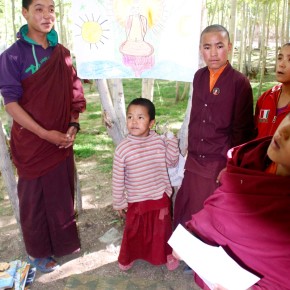
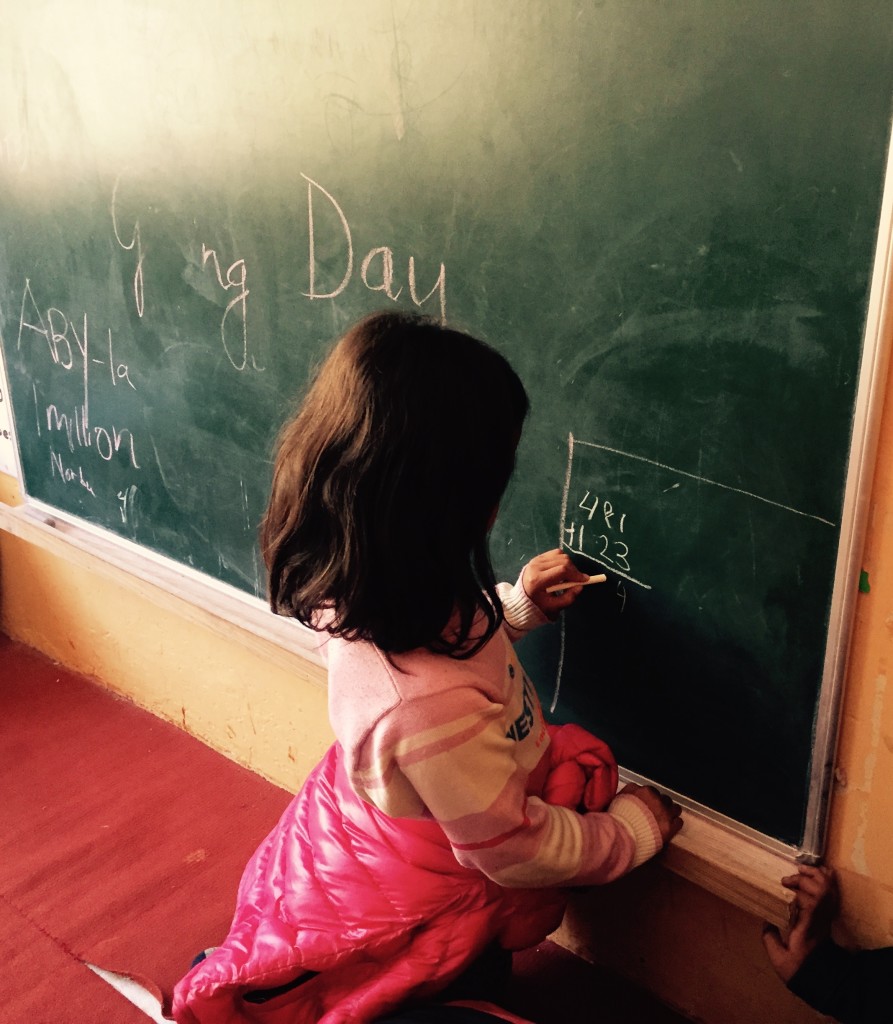
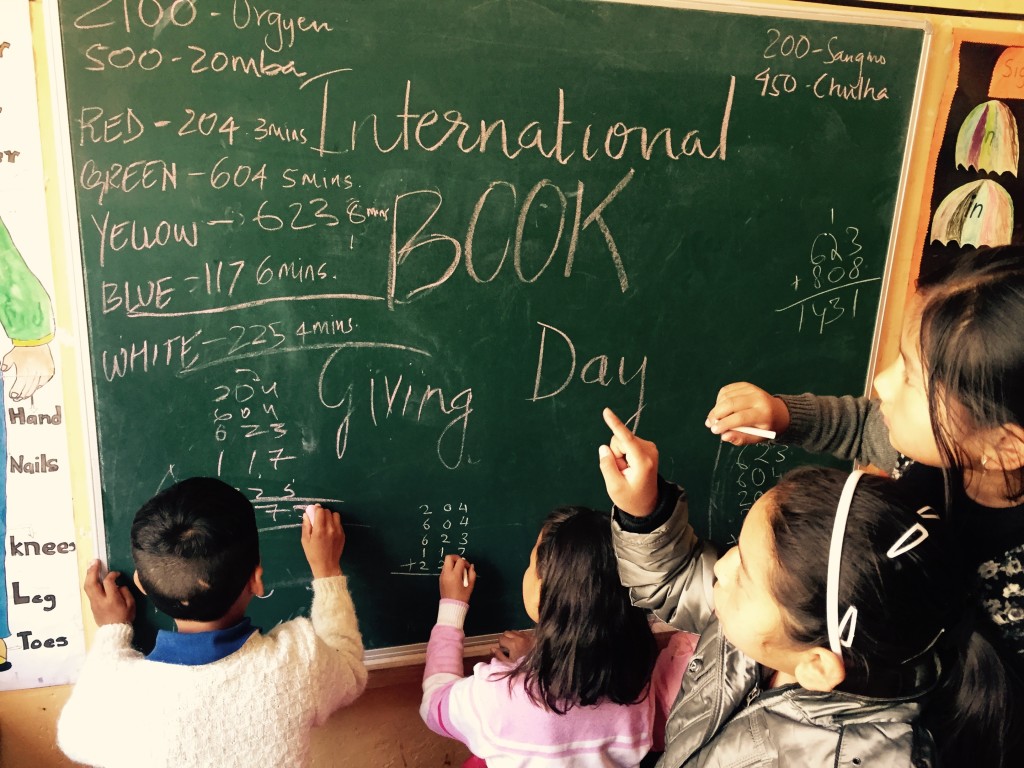
For many participants, standing before teachers, friends and family is a significant achievement. A child may know the answer but feel hesitant about speaking clearly in public. Regular practice helps develop concentration, listening skills and the courage to try. Applause for effort matters as much as recognition for correct spelling, especially for children who have had limited access to books or formal learning opportunities.
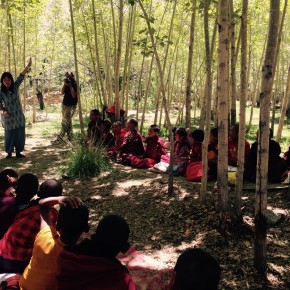
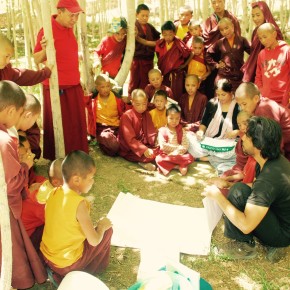
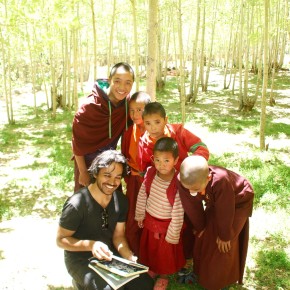
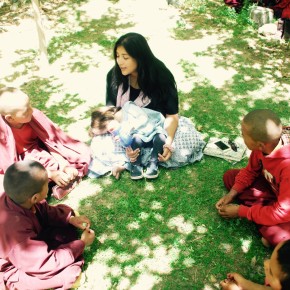
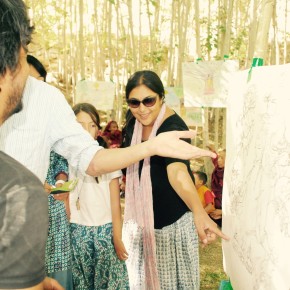
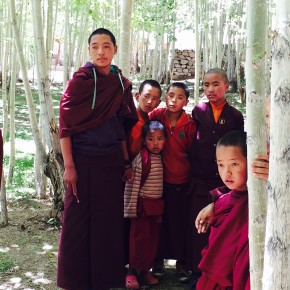
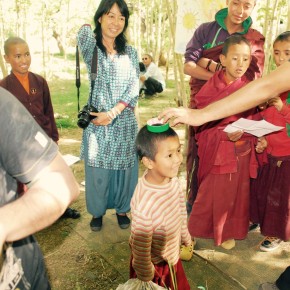
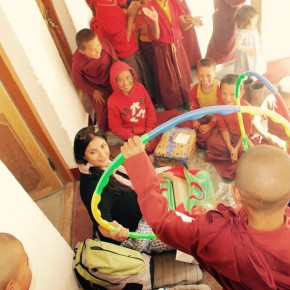
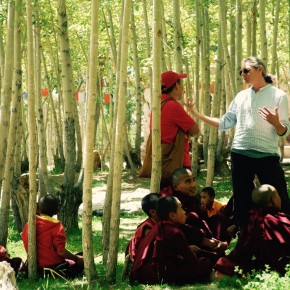
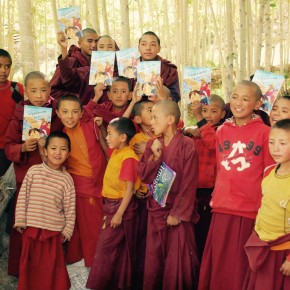
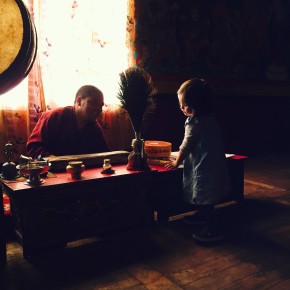
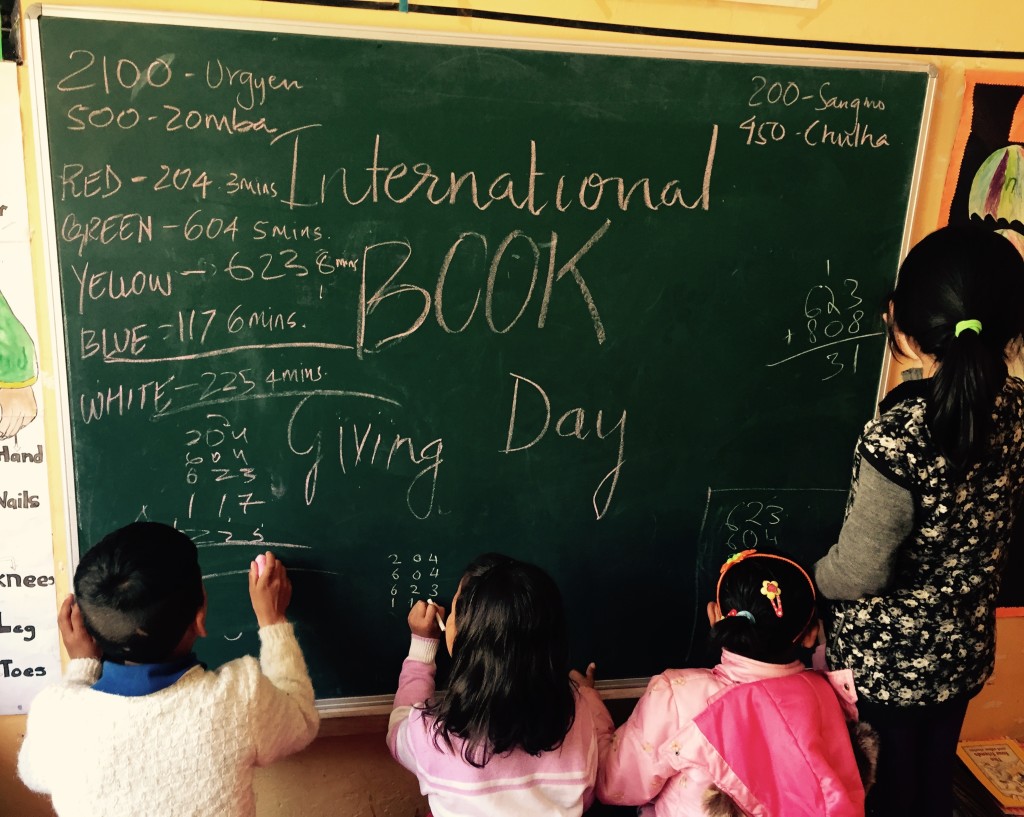
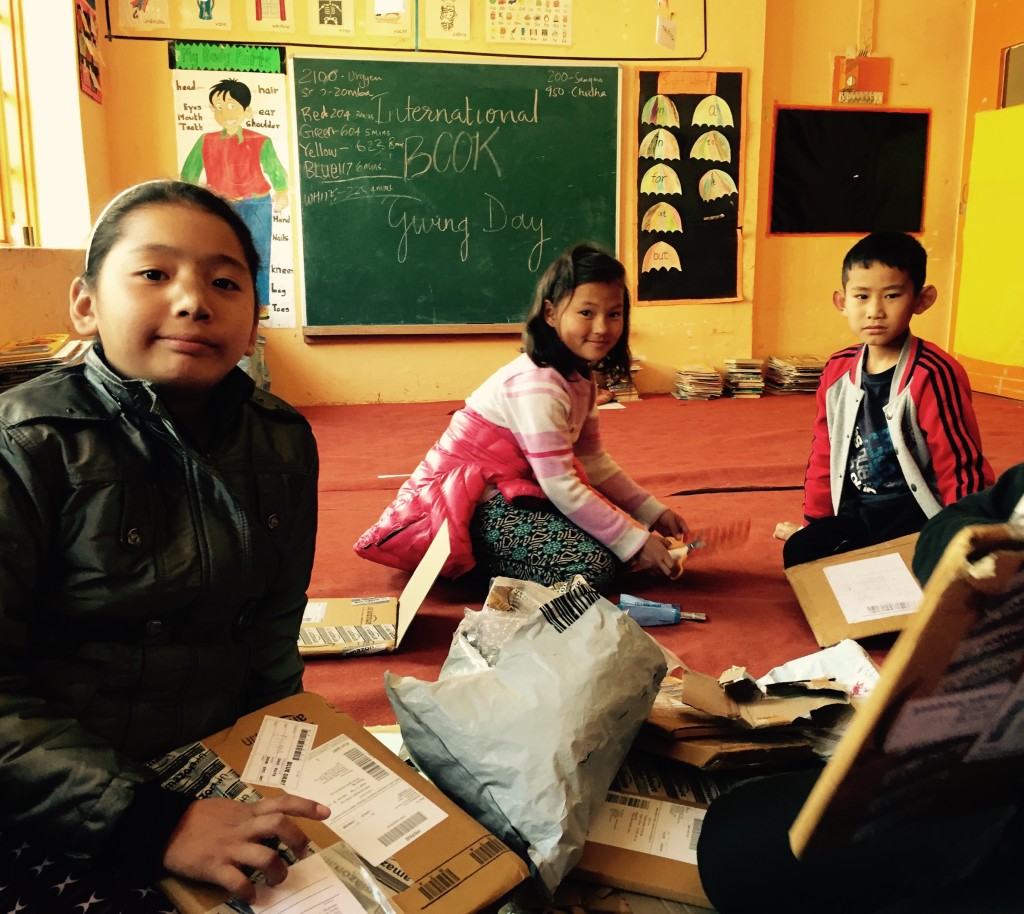
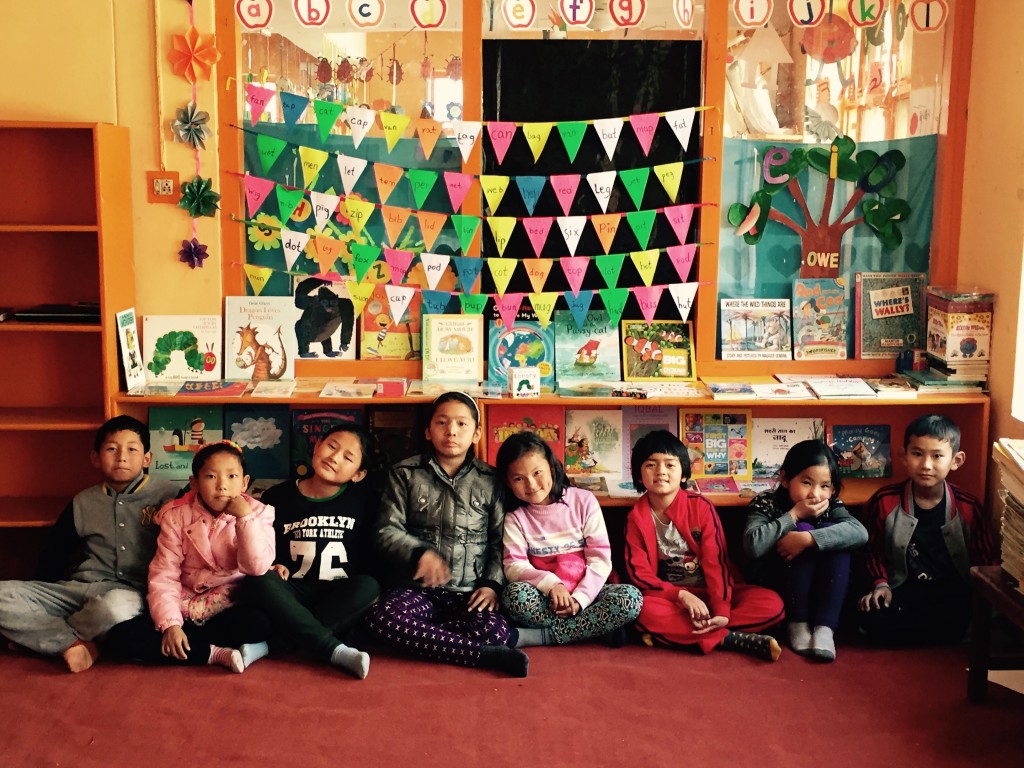
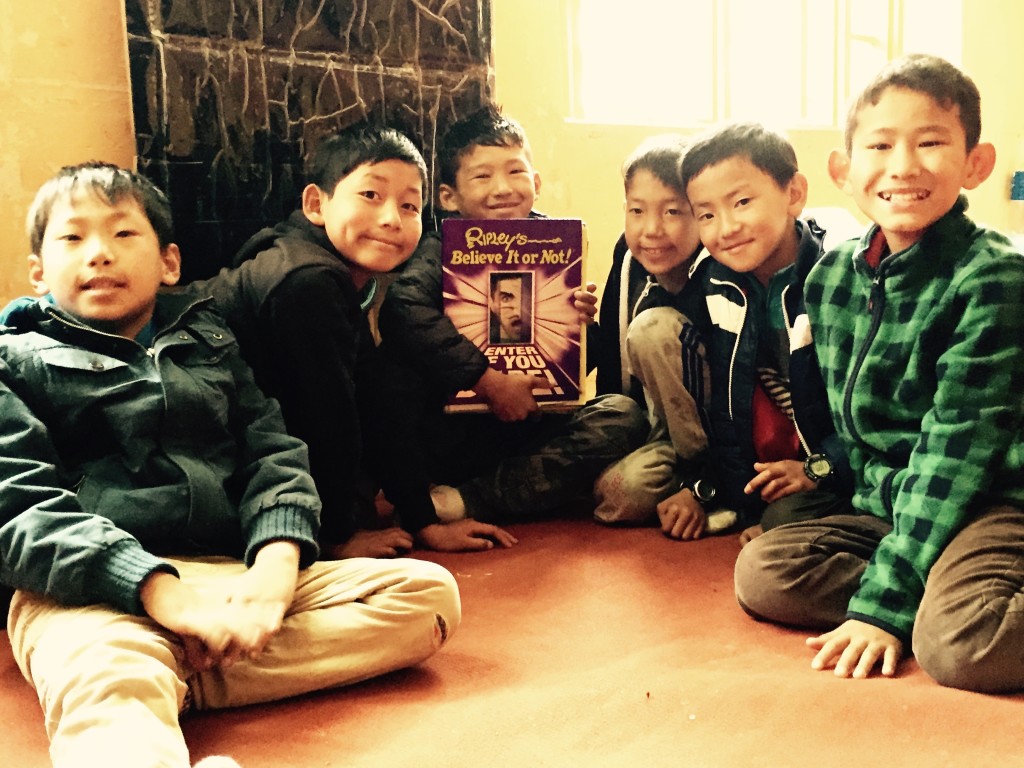
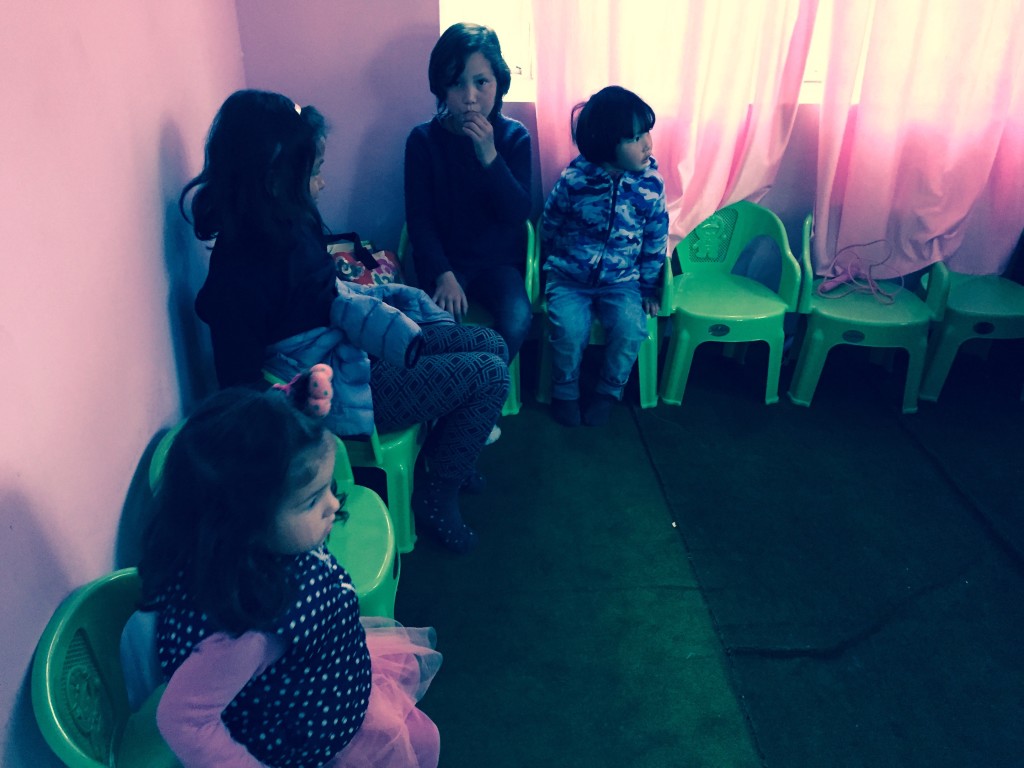
The event also creates a shared occasion for communities separated by mountain terrain. Children and young monks can meet, learn from one another and celebrate progress together. A spelling bee becomes part of the local educational calendar, alongside artistic performances, music and other activities supported by the Trust.
Two languages, shared learning
English has a practical role in many Himalayan education settings. It appears in textbooks, digital resources, higher education and communication with organisations beyond the local area. Building English vocabulary can help children understand more of the books available in Trust reading rooms and make future study pathways easier to navigate.
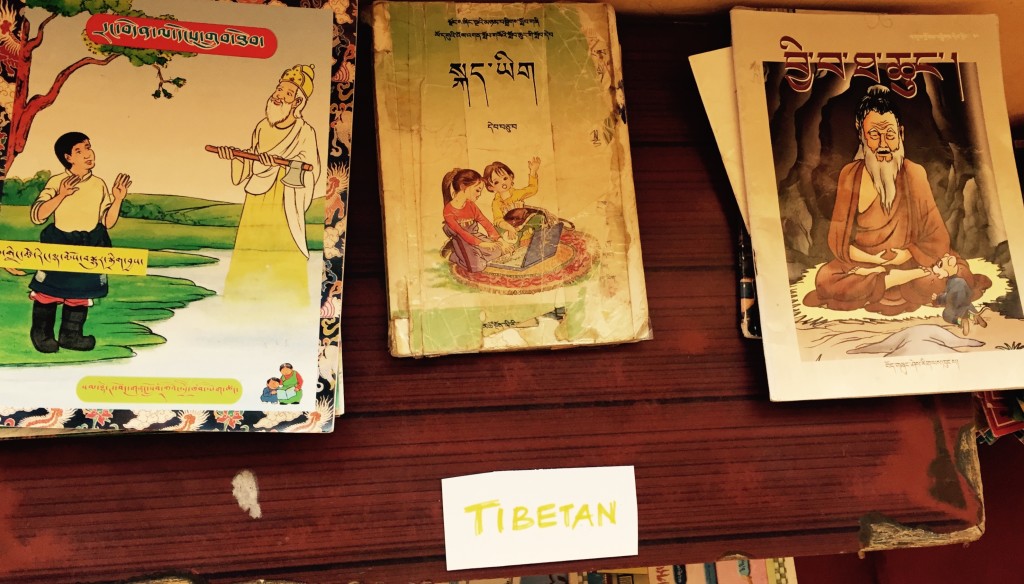
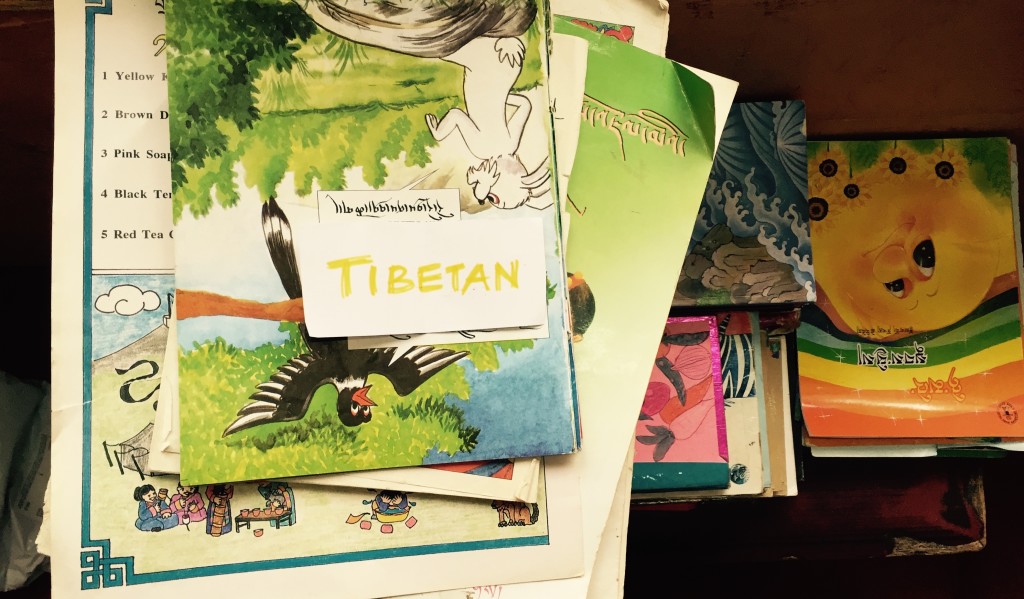
Local-language spelling deserves equal care. Ladakhi and other Himalayan languages contain distinctive sounds, scripts and forms of expression that cannot be reduced to translations of English words. A local-language round can include common vocabulary, names of plants and places, traditional terms and words found in community stories. It gives children a chance to demonstrate knowledge that might be overlooked in an English-only activity.
Useful features of a bilingual spelling bee include:
- Separate rounds for English and the relevant local language
- Age-appropriate words drawn from books, school subjects and daily life
- Pronunciation guidance from local teachers and language speakers
- Recognition for improvement, teamwork and careful preparation
- Scripts and formats adapted to the community hosting the event
This approach avoids treating one language as a measure of intelligence. Children can be strong in different areas: one may excel at English vocabulary, another at local script, and another at listening or pronunciation. Together, the rounds create a fuller picture of their abilities.
What children learn beyond spelling
Spelling requires close attention to sound, sequence and meaning. Children learn to distinguish similar sounds, remember letter patterns and connect spoken words with written forms. These skills support reading fluency and writing accuracy, especially when learners are developing confidence in a second or additional language.
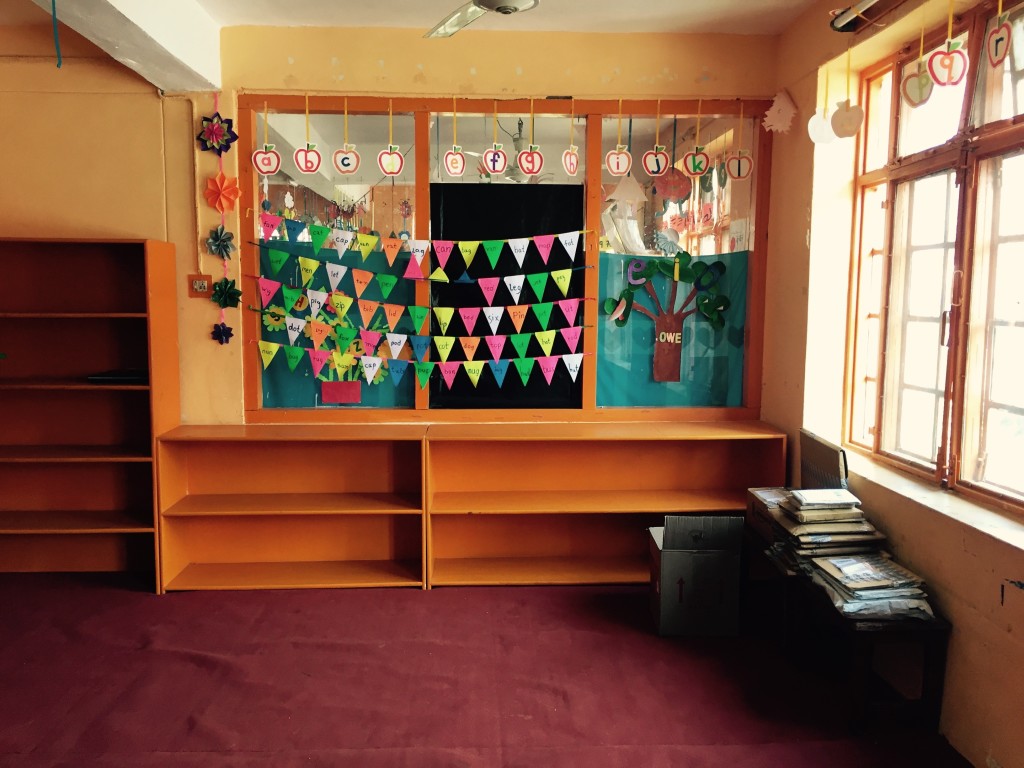
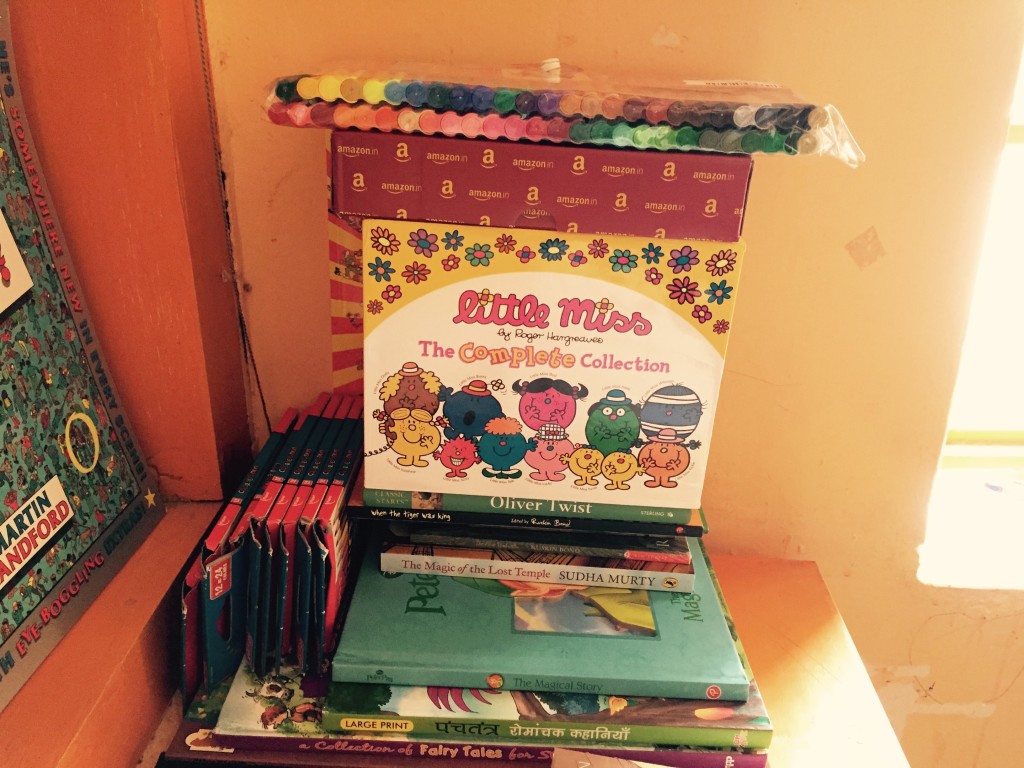
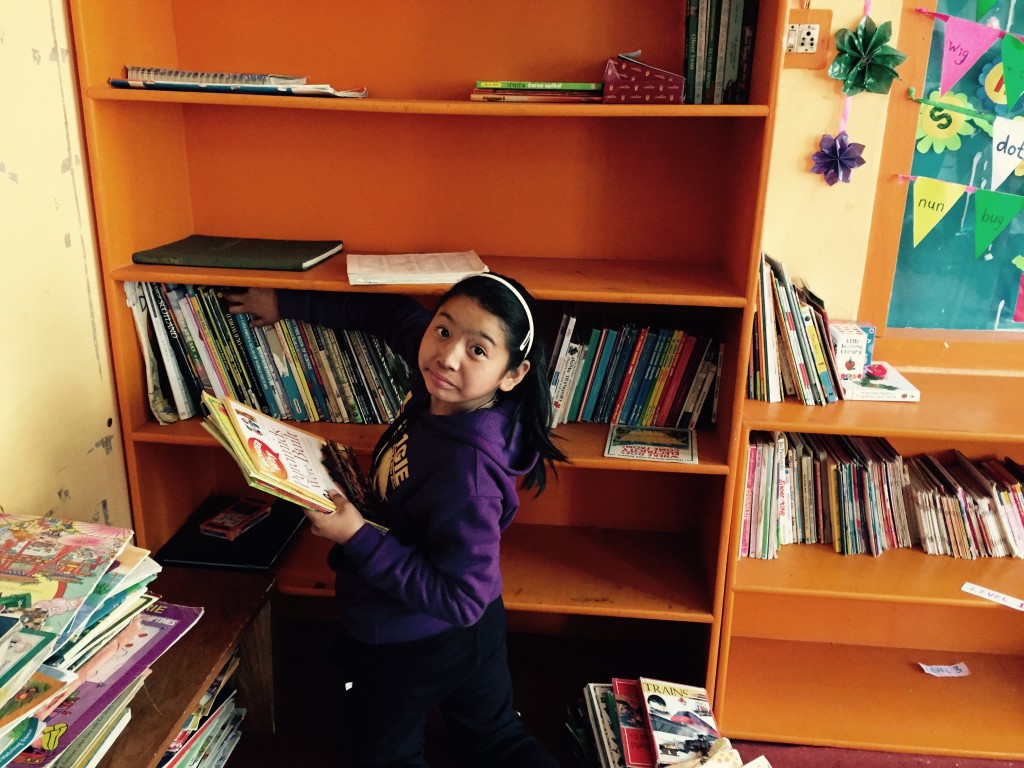
Preparation also encourages independent study. Children may keep personal word lists, read aloud with a friend or look up unfamiliar terms in a dictionary. Such habits are valuable in communities where books and reliable learning materials are limited. A well-stocked reading room can turn preparation into an enjoyable routine rather than a narrow exercise before one annual event.
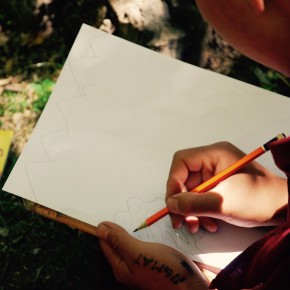
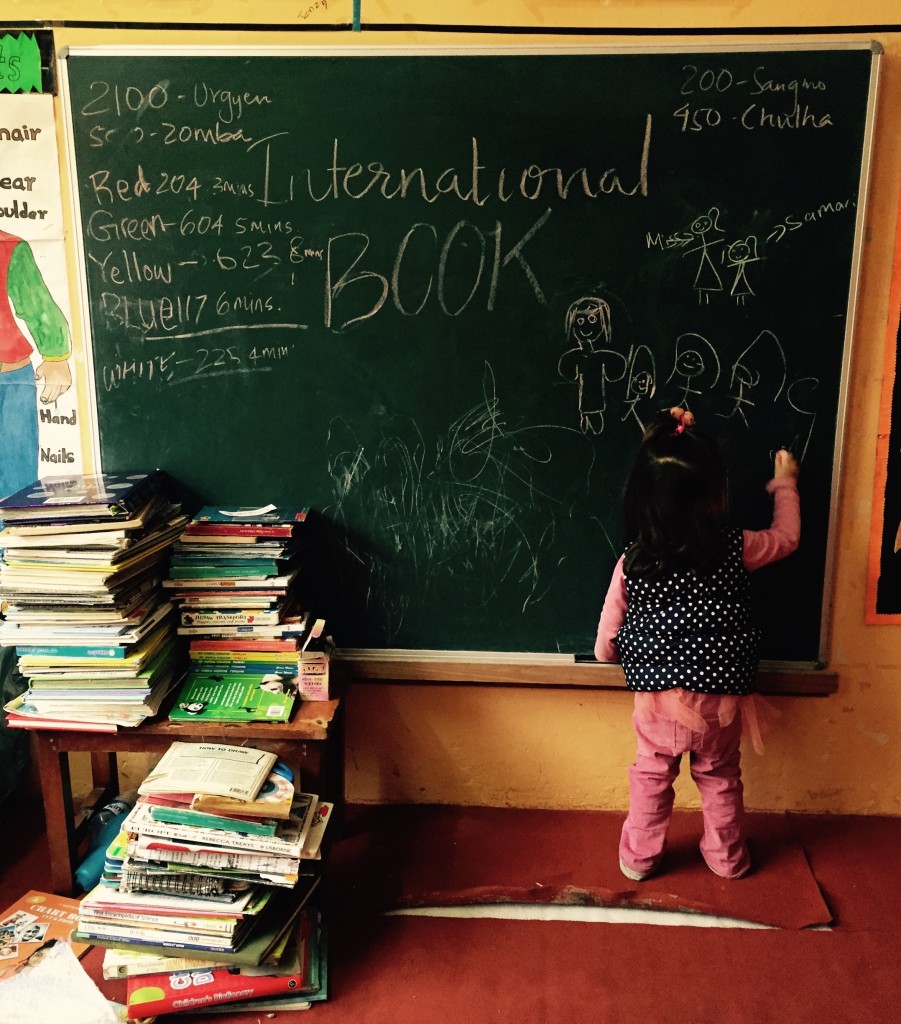
There is a strong creative dimension as well. Teachers can invite children to use new words in short stories, drawings, songs or small performances. Young monks might explore vocabulary from religious, historical or natural texts, while other children may choose words connected with family life, local landscapes and science. The spelling bee then supports artistic expression and curiosity instead of separating language from the rest of learning.
Making the event fair and welcoming
A responsible spelling bee is designed around participation, not pressure. Organisers can offer practice sessions, explain the rules in familiar languages and make sure children understand that mistakes are part of learning. Younger participants may take part in a relaxed group round, while older students can attempt more demanding vocabulary.
Good planning also respects the differences between communities. A format that works in a Ladakhi school may need adjustment in another Himalayan village, monastery or reading room. Local teachers should help select words, guide pronunciation and ensure that the activity reflects the language actually spoken by children.
A welcoming event can include:
- Clear rules explained before the competition begins
- Word lists shared with families and teachers in advance
- Quiet practice areas for children who need extra support
- Certificates or books for every participant
- Judges who understand local pronunciation and language context
- Time for music, drawing, storytelling or shared reading
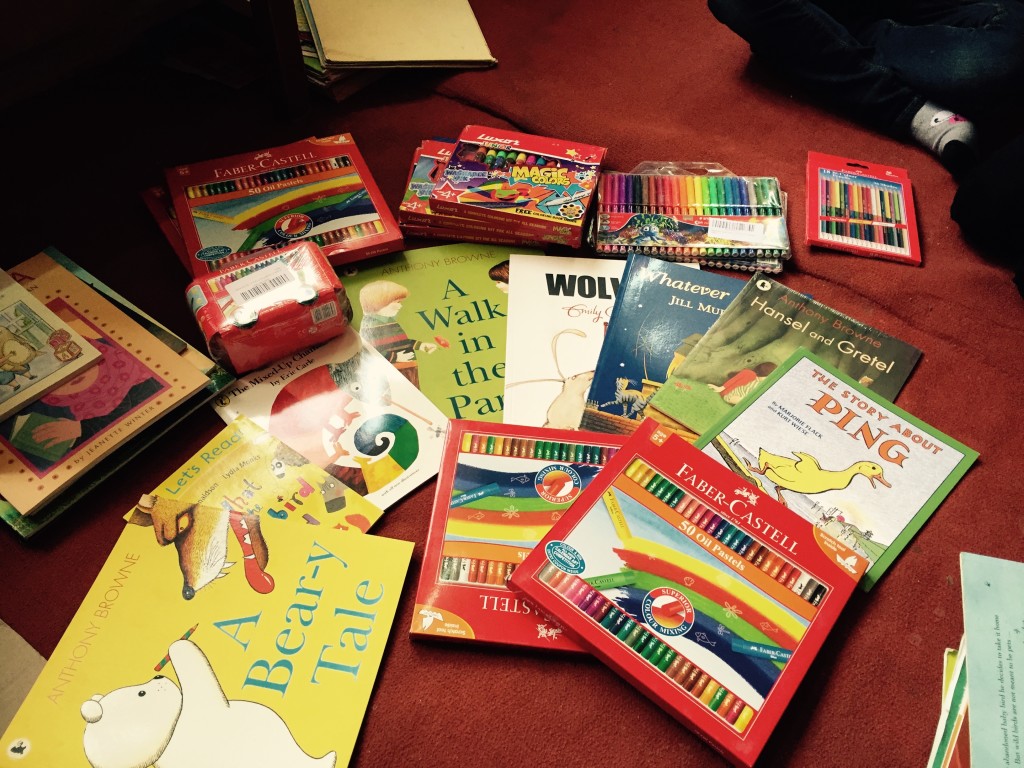
Prizes can be modest and meaningful. A new storybook, art set or place in a special reading session may encourage continued learning more effectively than a large competitive reward. Celebrating every child helps prevent the event from becoming an experience reserved for the most confident speakers.
Why the tradition connects with Australia
Australian supporters can recognise the same joy in language activities through familiar events such as National Simultaneous Storytime, school Book Week and library reading challenges. A spelling bee in a Himalayan community may have a different setting, yet it shares the belief that books can widen a child’s world. Supporters in Melbourne, Sydney, Brisbane and regional towns can see a clear connection between their own libraries and the reading rooms created through the Trust.
Australia’s linguistic diversity also offers useful perspective. Many Australian schools and communities are working to respect Aboriginal and Torres Strait Islander languages, particularly through programs connected with NAIDOC Week and local cultural education. This reinforces why local languages should be included with care and authority, rather than treated as decorative additions to an English program.
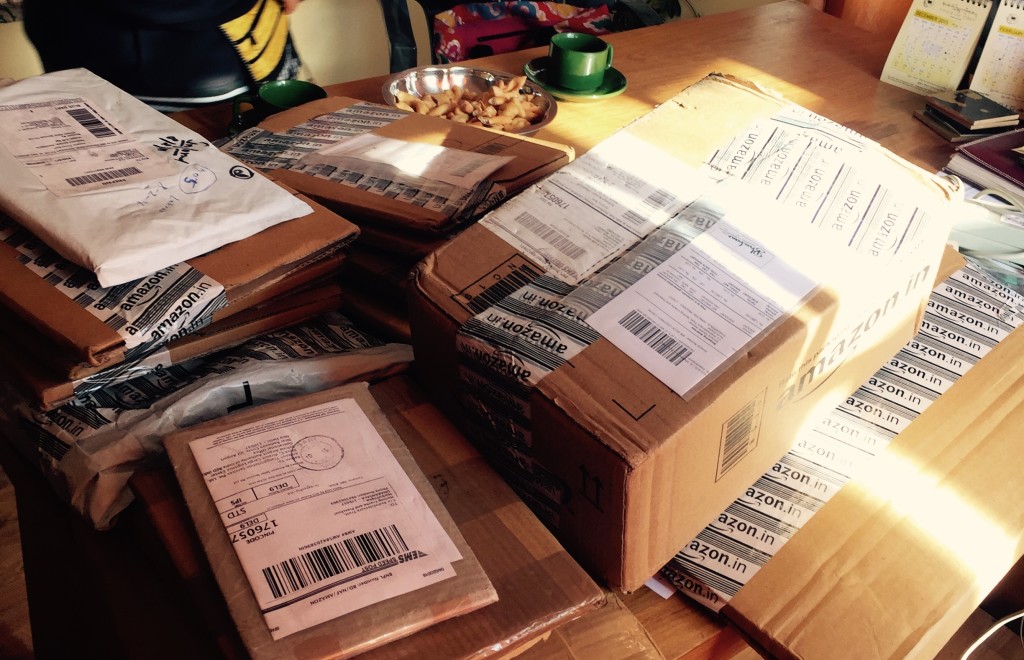
The Australian fundraising environment has its own customs. A school book drive, community stall, workplace giving program or weekend fete can help fund dictionaries, children’s novels, bilingual materials and event supplies. Donors may give in Australian dollars, while the impact is felt through books purchased, reading spaces opened and educational gatherings held in Himalayan communities.
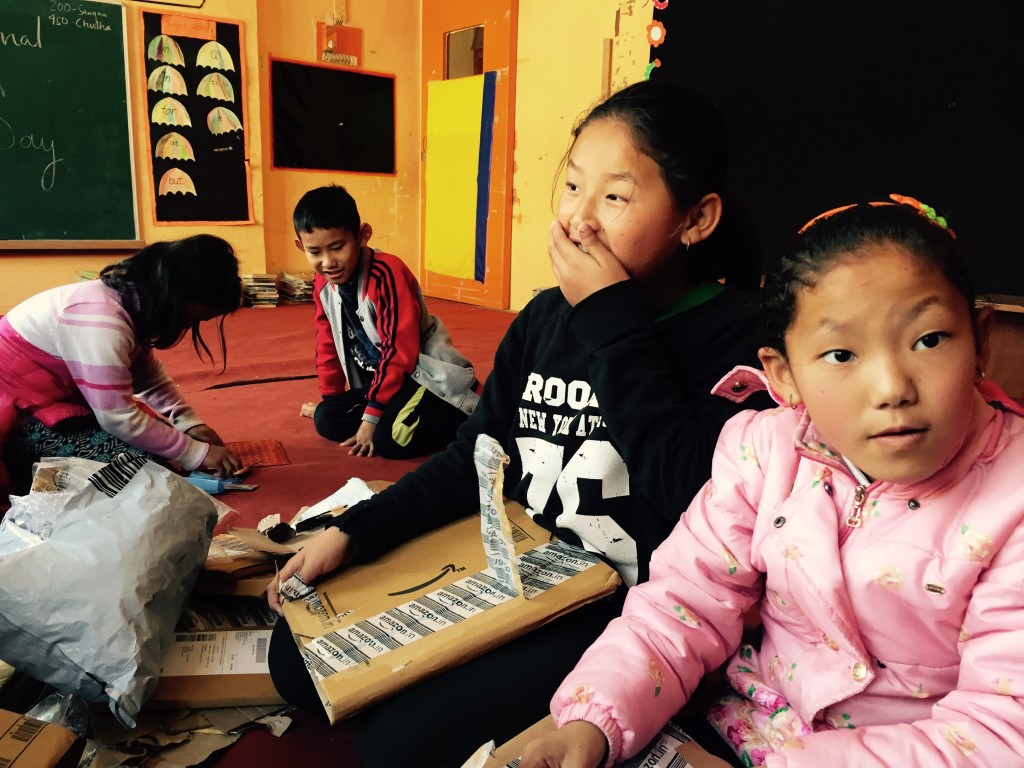
The Trust’s stories and photographs help supporters understand that these activities are practical investments in access and confidence. A contribution can support a child preparing with a book, a teacher creating a word list or a community hosting an event where children feel their language and effort are respected.
A tradition with lasting value
An annual spelling bee creates a point of focus, but its educational value continues throughout the year. The words children learn lead them towards stories, facts, conversations and questions. Teachers can revisit the vocabulary in writing lessons, music activities and science projects. Reading rooms can display winning words alongside book recommendations, turning the competition into a pathway to further reading.
The event also produces a record of progress. Children who once avoided speaking may return the following year with greater confidence. A young monk may discover an interest in teaching. A local-language round may encourage families to share stories or help preserve words that are rarely written down. These outcomes are difficult to measure with a single score, yet they are central to meaningful education.
For Avalokiteśvara Trust, the spelling bee belongs alongside book drives, creative workshops and music sessions because all these activities make learning social and memorable. English gives children access to wider resources; local languages anchor learning in community and place. Together, they support readers who can move confidently between worlds.
The next step is to choose one age-appropriate English word list and one locally approved language list for the next community spelling bee, with teachers checking every word before practice begins.