Why We Host a Weekly Riddle Contest to Sharpen Critical Thinking
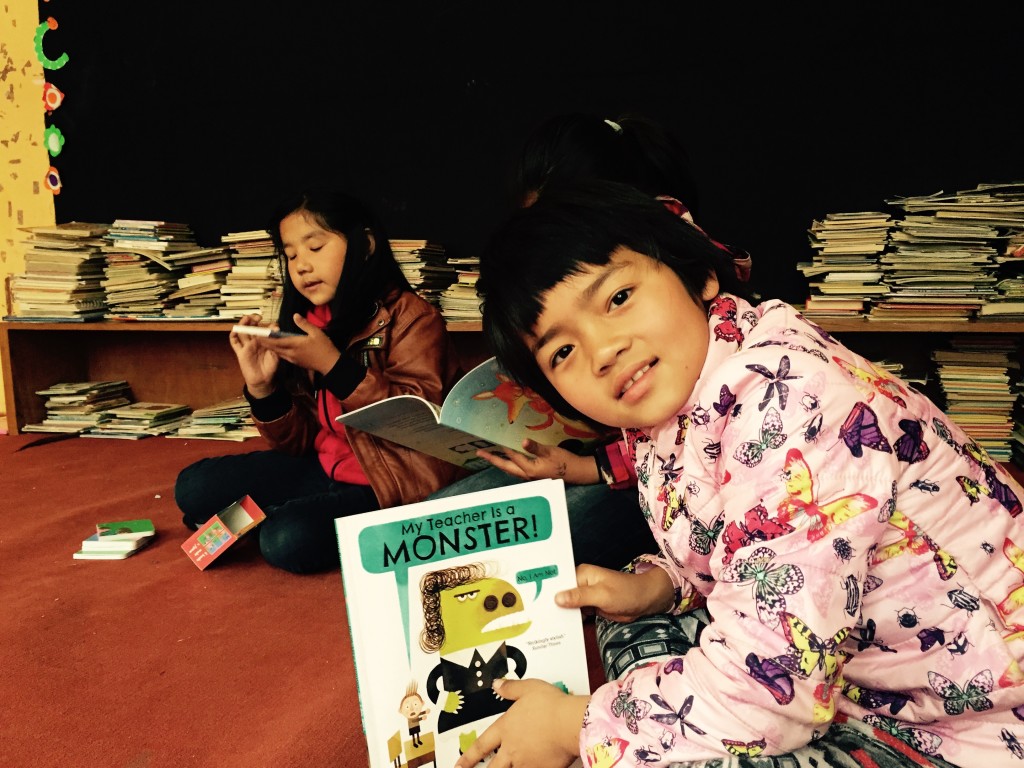
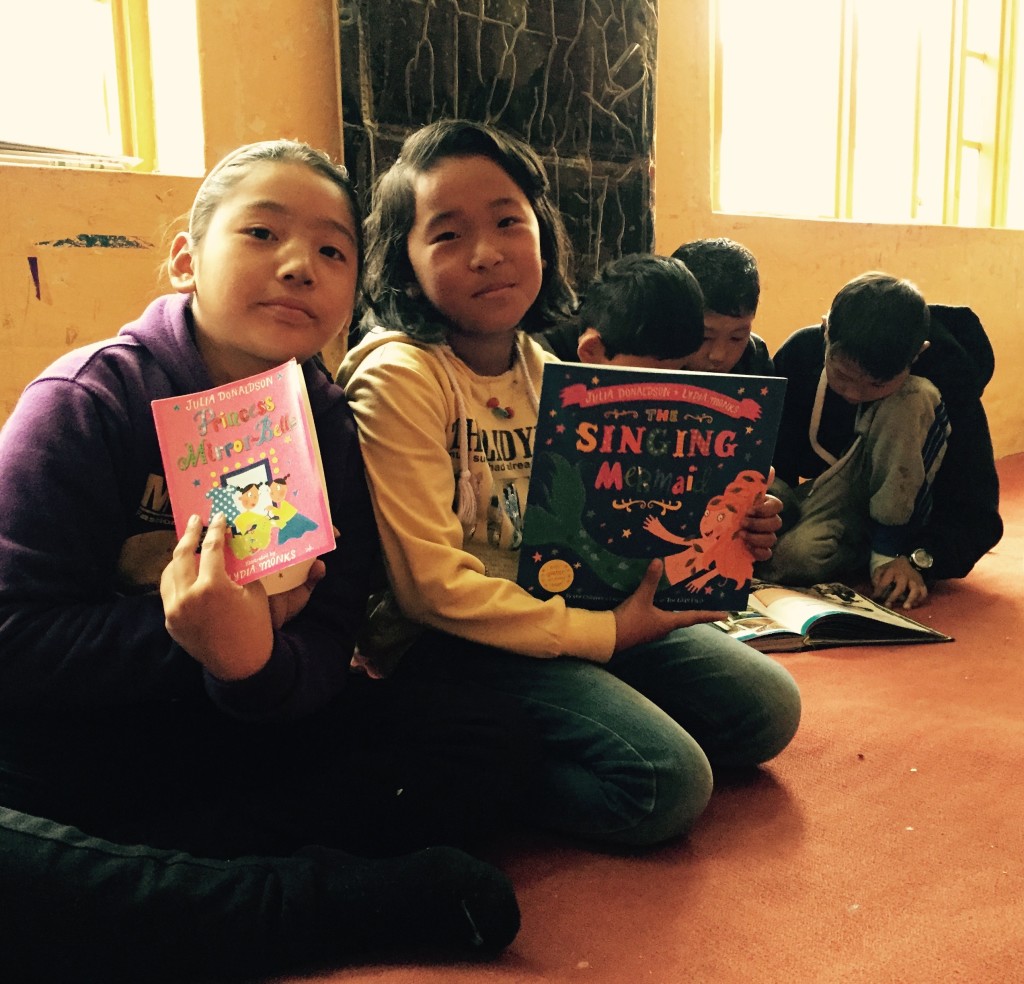
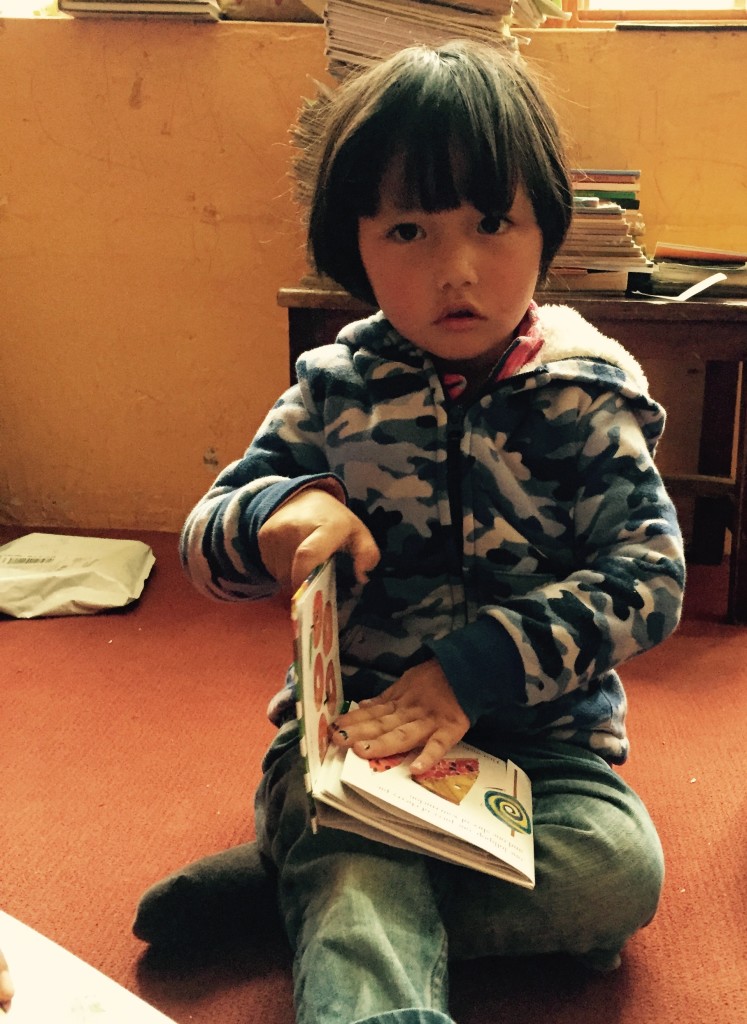
At Avalokiteśvara Trust, each week a short riddle goes out through our reading-room network in Ladakh and other Himalayan communities. Children respond in writing or tell an adult their reasoning, turning a moment of curiosity into a small but meaningful learning routine.
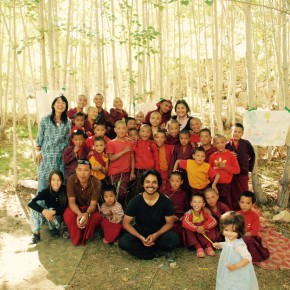
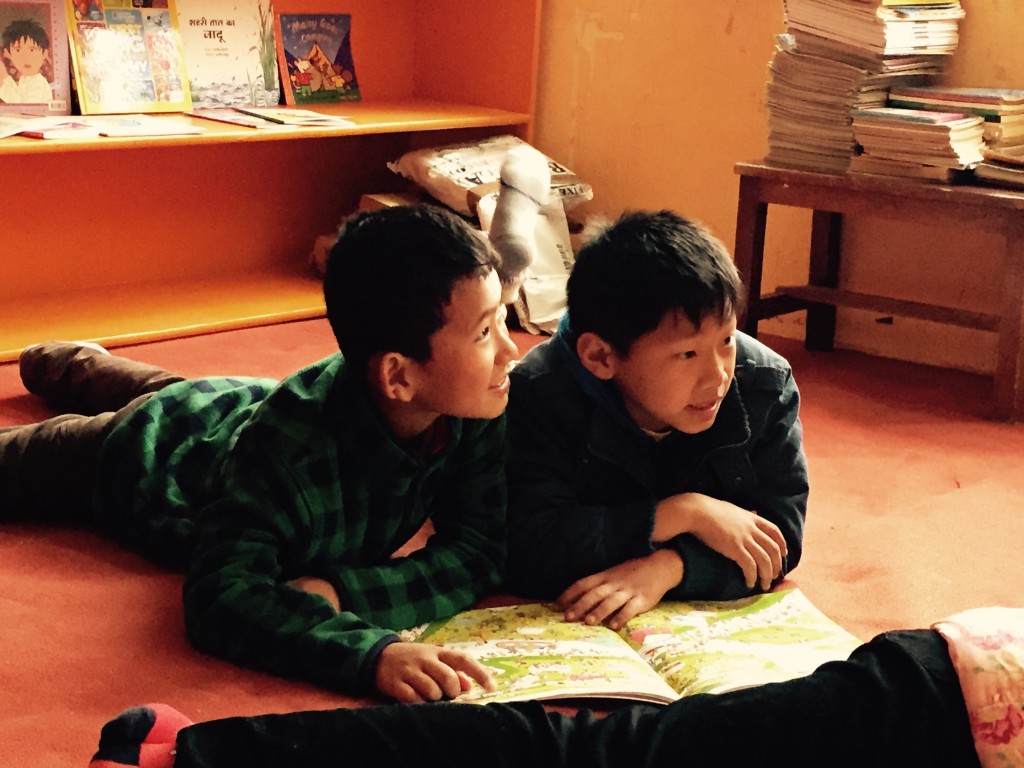
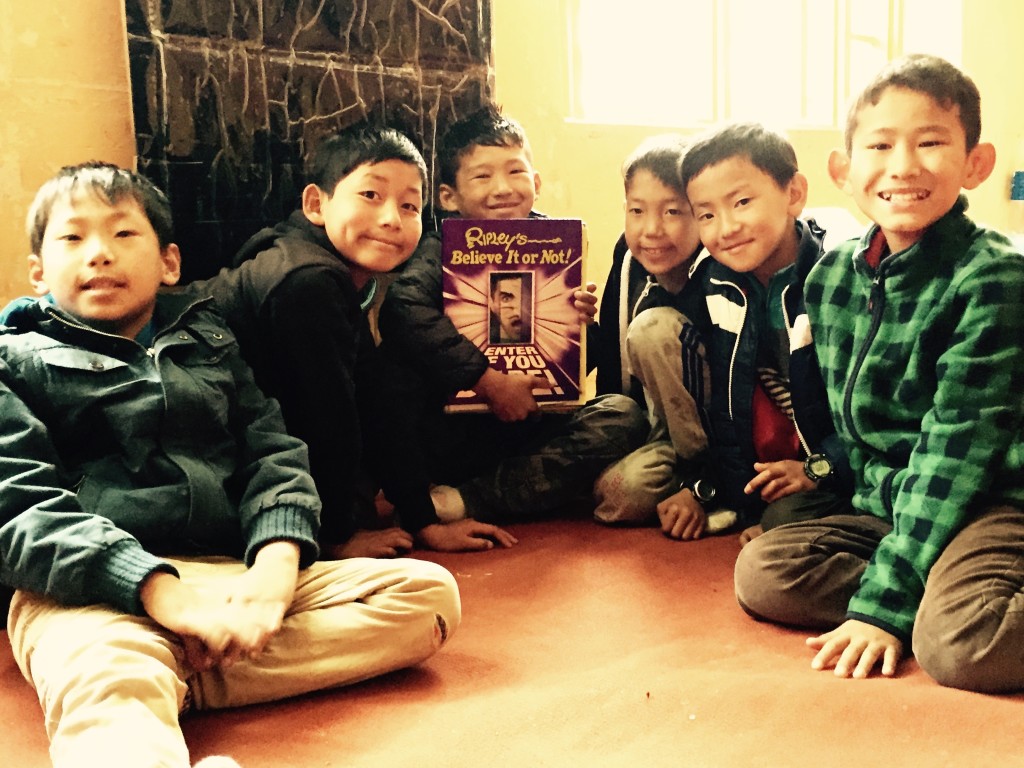
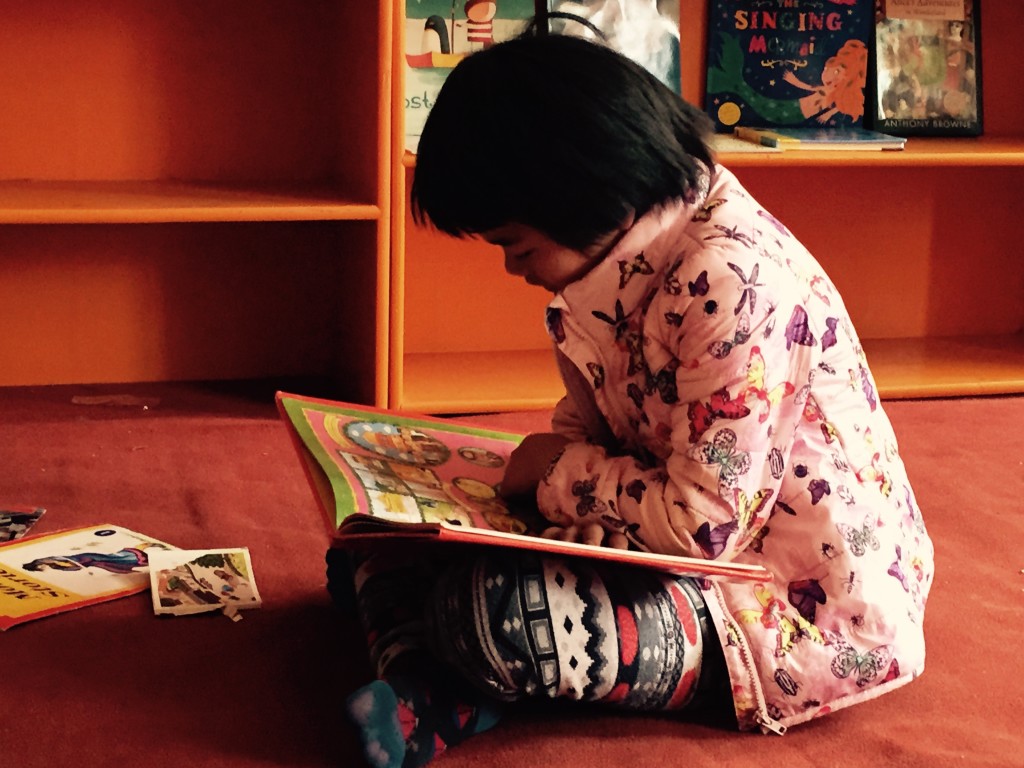
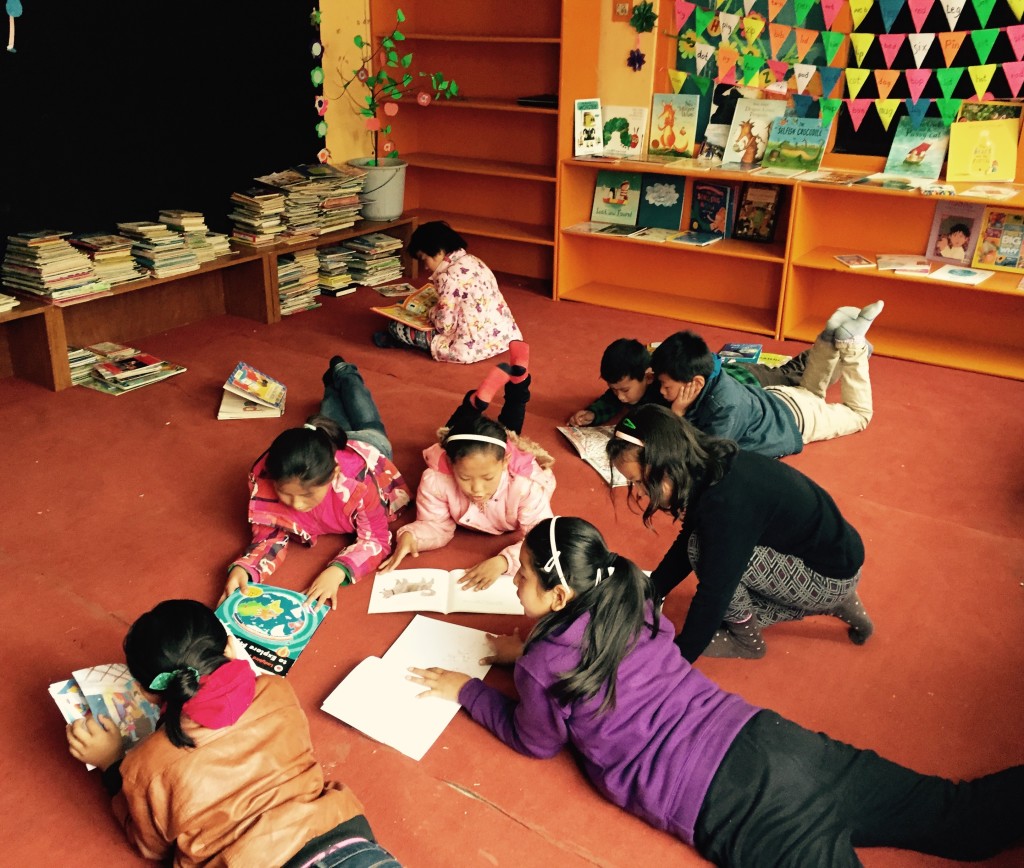
For children and young monks, the contest complements the books, art and music in our reading rooms. It gives learners a reason to revisit a sentence, test a possibility and persist when the first answer does not fit.
The aim is not simply to find the quickest solver. It is to practise careful thought, explain choices and discover that a well-reasoned question can be more valuable than an immediate answer.
From Playful Questions to Stronger Reasoning
A riddle invites close reading without feeling like schoolwork. The solver must notice precise words, identify what the clue rules out and decide which detail matters most. That is inference, deductive reasoning and evidence checking in a form young people can enjoy.
The reasoning matters more than the answer. Participants explain what they assumed, what they noticed and what changed their minds. We can then praise a sound argument even when its final answer differs from the expected one.
A weekly contest creates a dependable rhythm. One clue builds on the vocabulary, confidence and habit developed during the previous week, so puzzle-solving becomes part of reading and discussion rather than a one-off activity.
What Children Learn Through Riddles
Each well-made clue has layers. Literal clues test comprehension, wordplay tests vocabulary, and story-based riddles ask for inference. We vary the difficulty and avoid obscure references because confusion caused by missing context is not useful critical thinking.
Mistakes are valuable when they are handled safely. A wrong answer can expose an assumption, and comparing two explanations helps a child see that evidence can support more than one possibility. We discuss alternatives instead of treating uncertainty as failure.
Younger solvers may need fewer words and a picture, while older readers can consider motive, hidden meanings or multiple solutions. Shared clues let different ages approach the same problem without competing on speed.
Keeping Participation Fair and Accessible
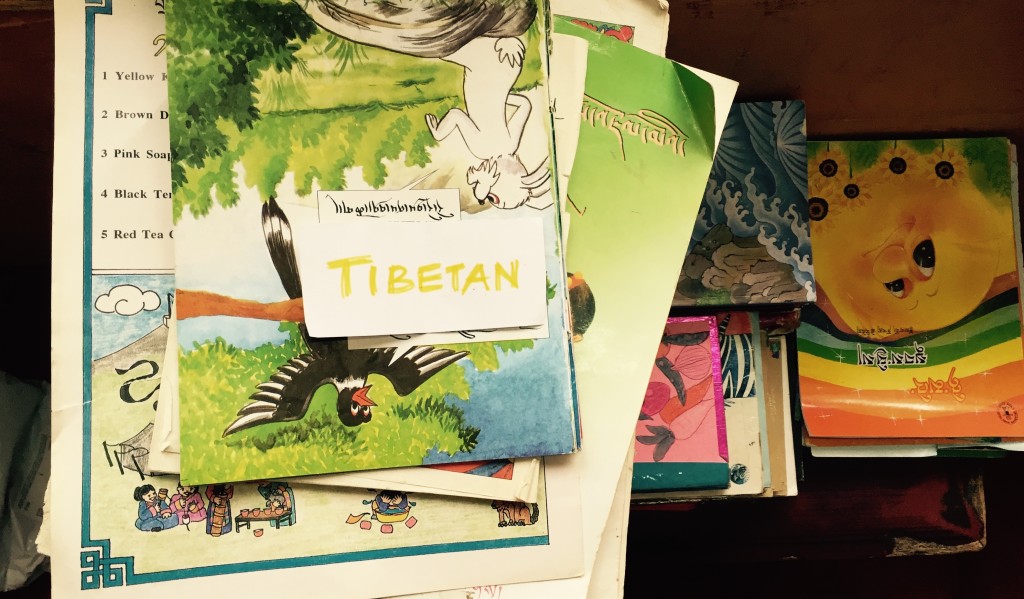
Participation must feel fair. We use age bands, plain-language versions and key terms translated where needed. Children in Himalayan communities should not be excluded because English is their second or third language, nor should any cultural reference become a test of status.
Access also depends on how children take part. We accept a written slip, a response read to a facilitator and a simple phone message, so a device or reliable internet is not required. Australian supporters can contribute wording that uses familiar expressions such as arvo, have a go and cuppa, always with enough context to explain them.
Recognition should reward thinking rather than public rank. Certificates, a small book prize or a featured riddle at the next reading-room gathering encourage effort without humiliation. We keep winners and non-winners in the same supportive circle.
Connecting the Contest to Books and Creativity
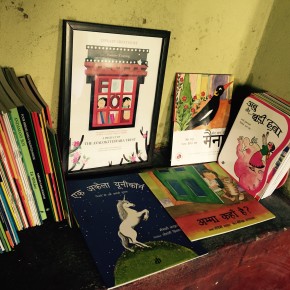
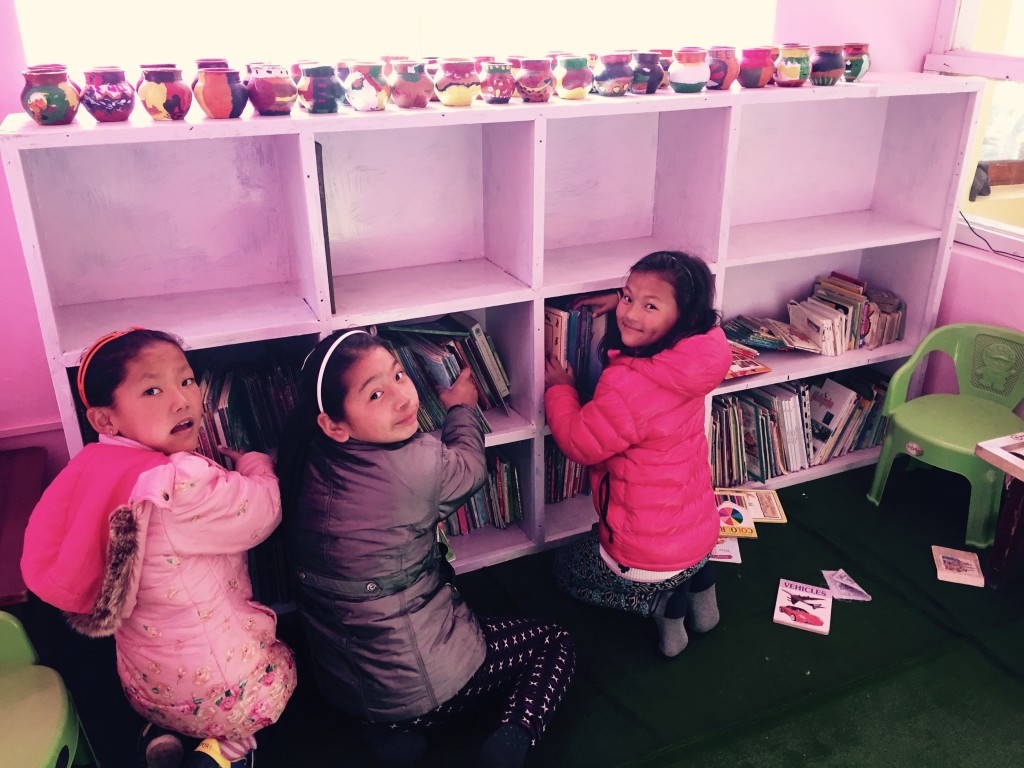
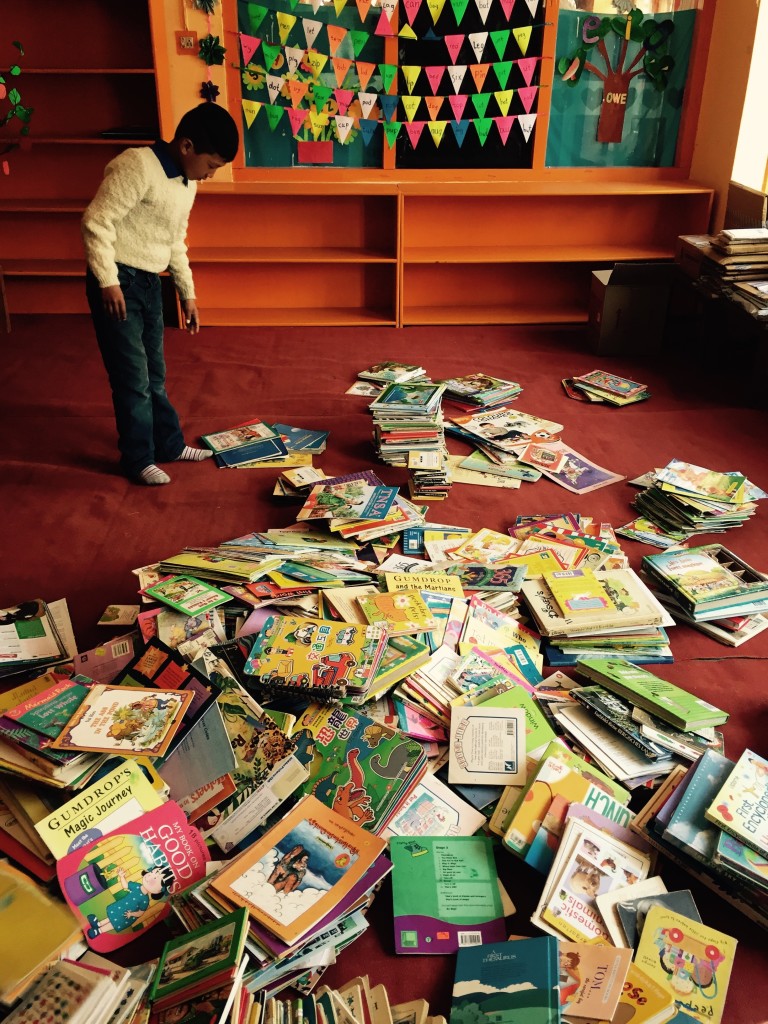
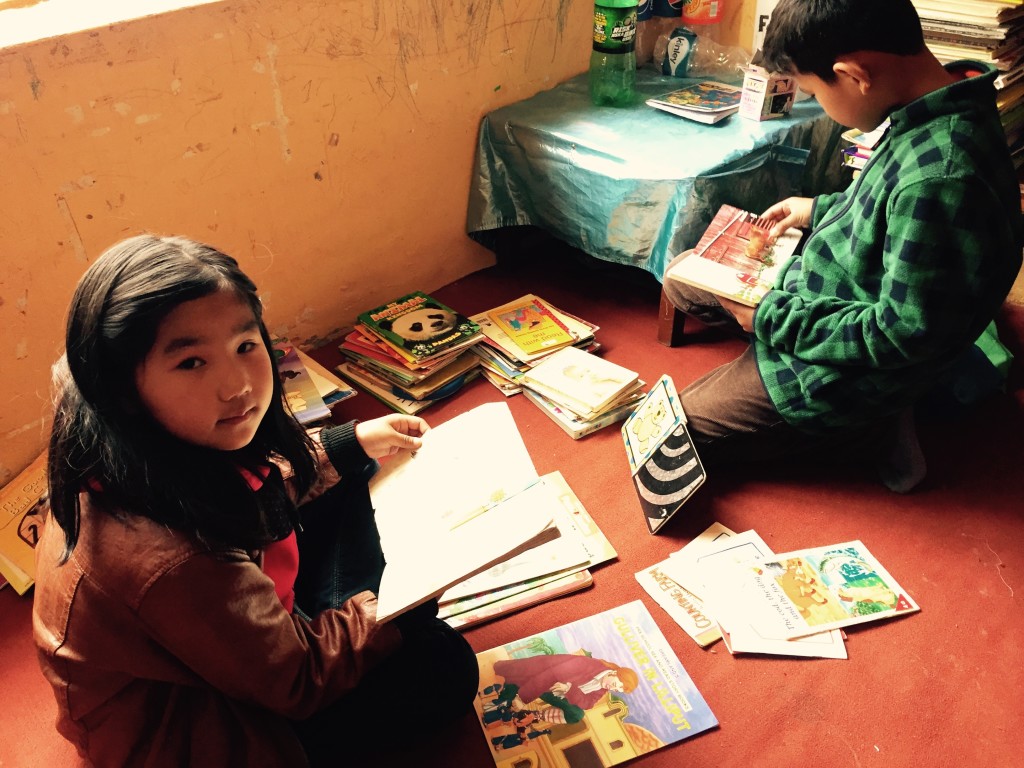
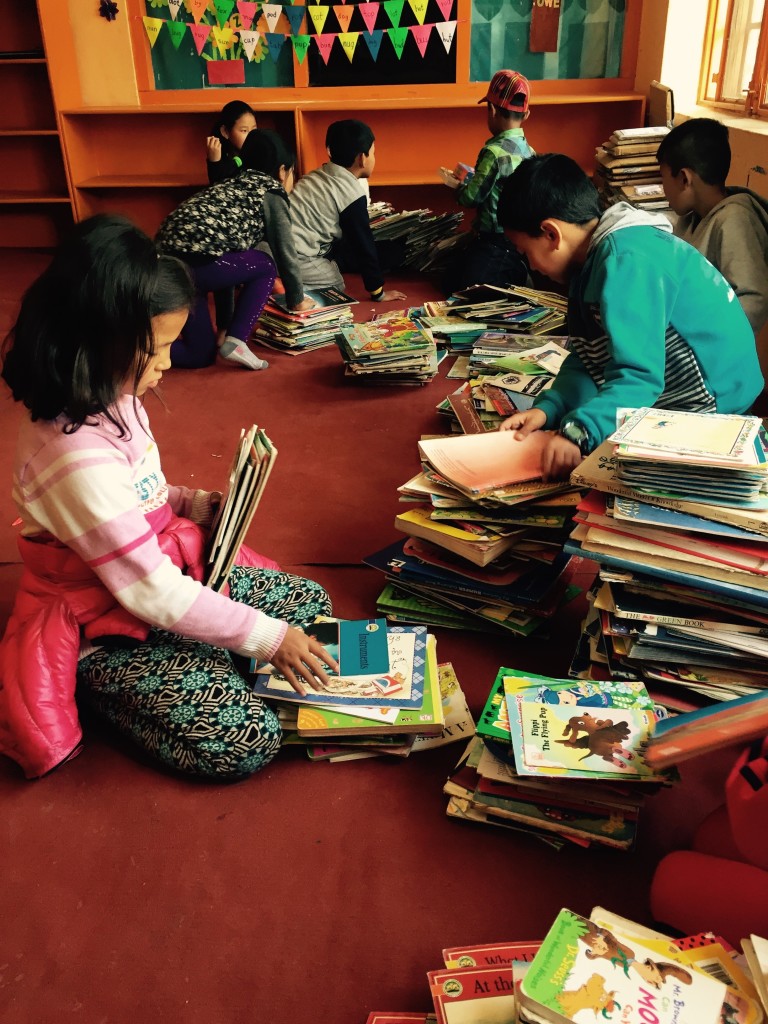
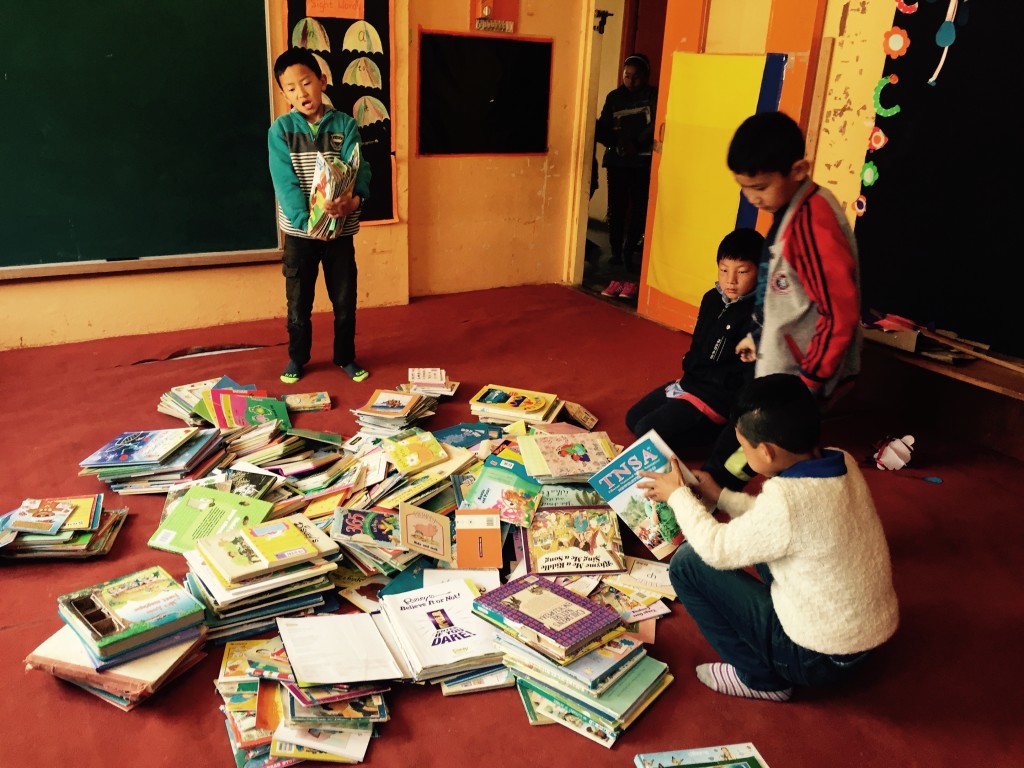
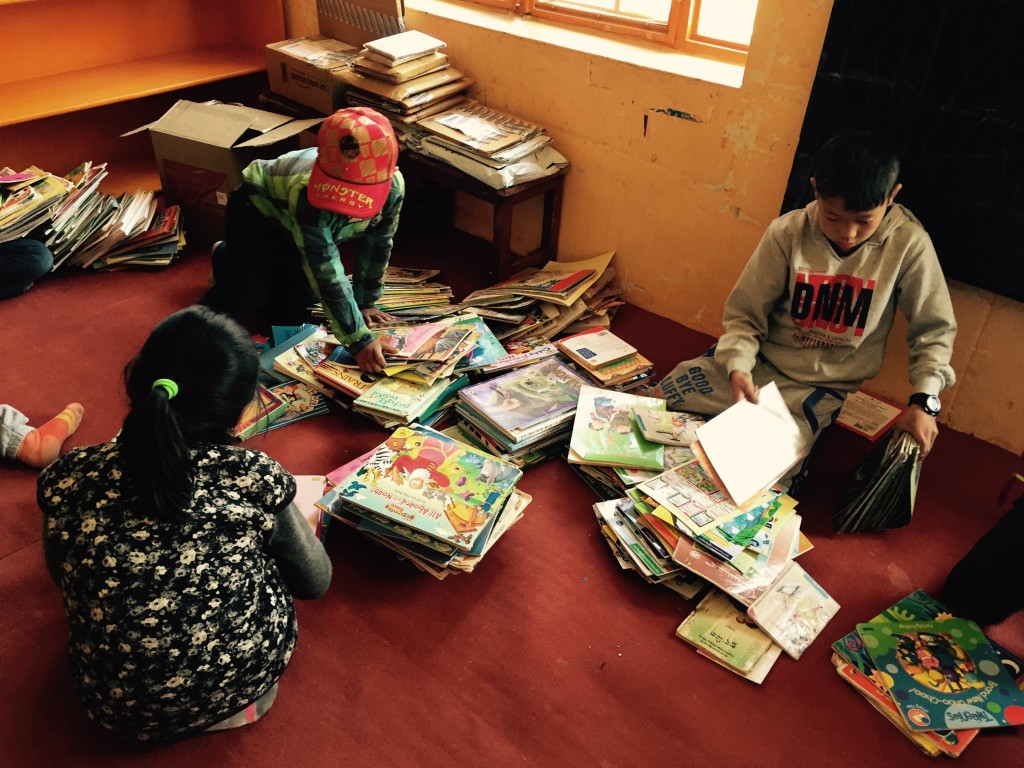
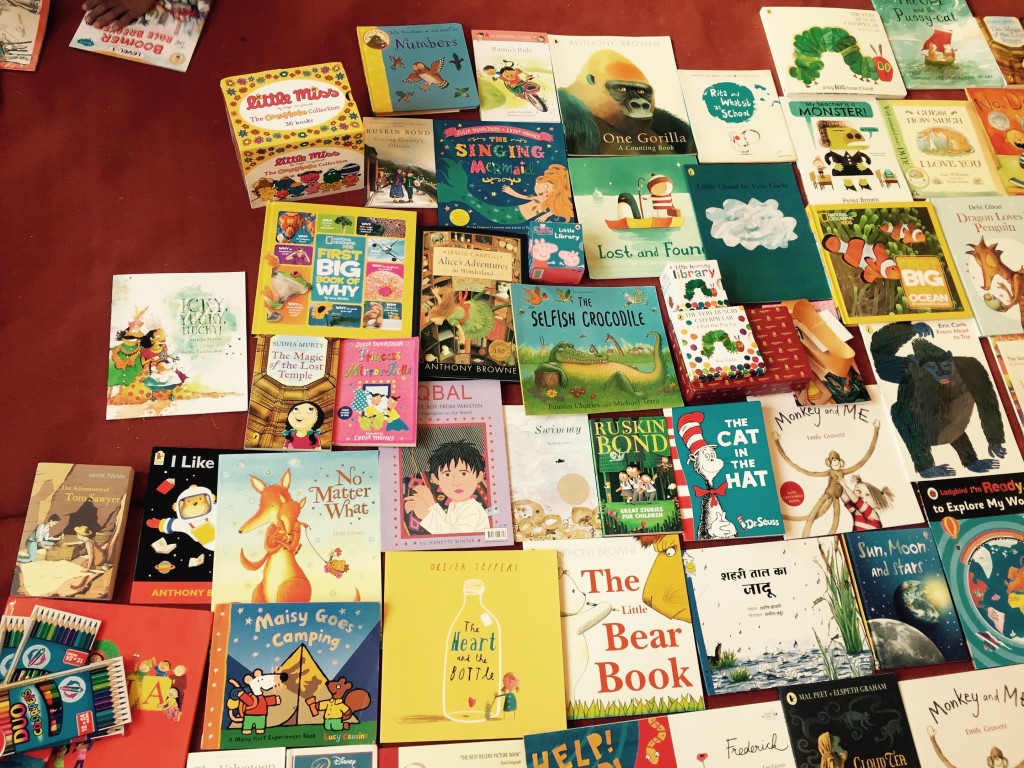
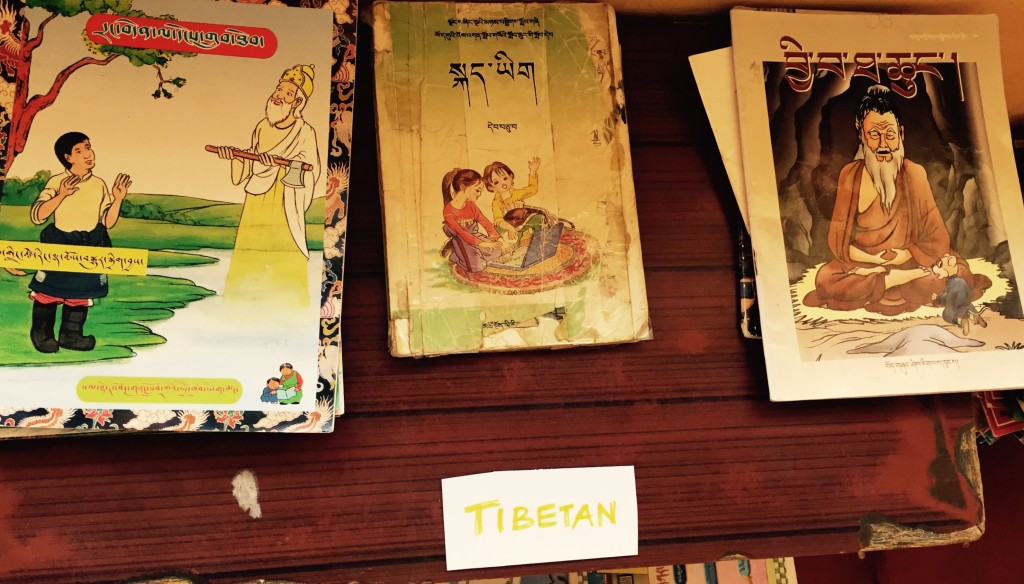
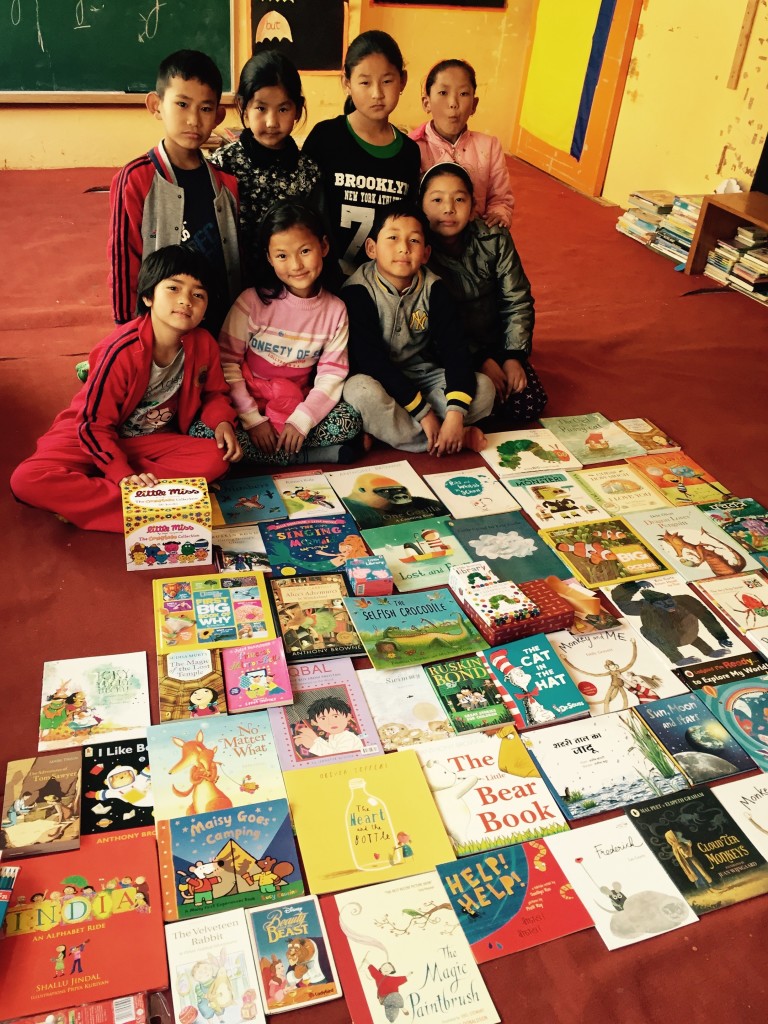
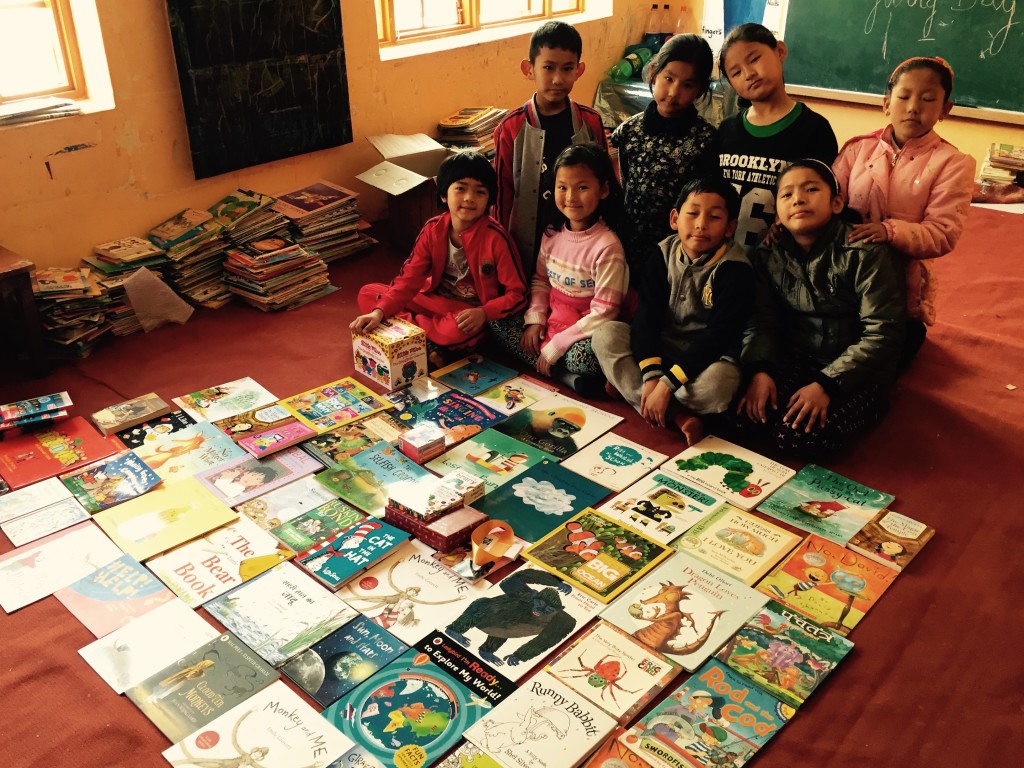
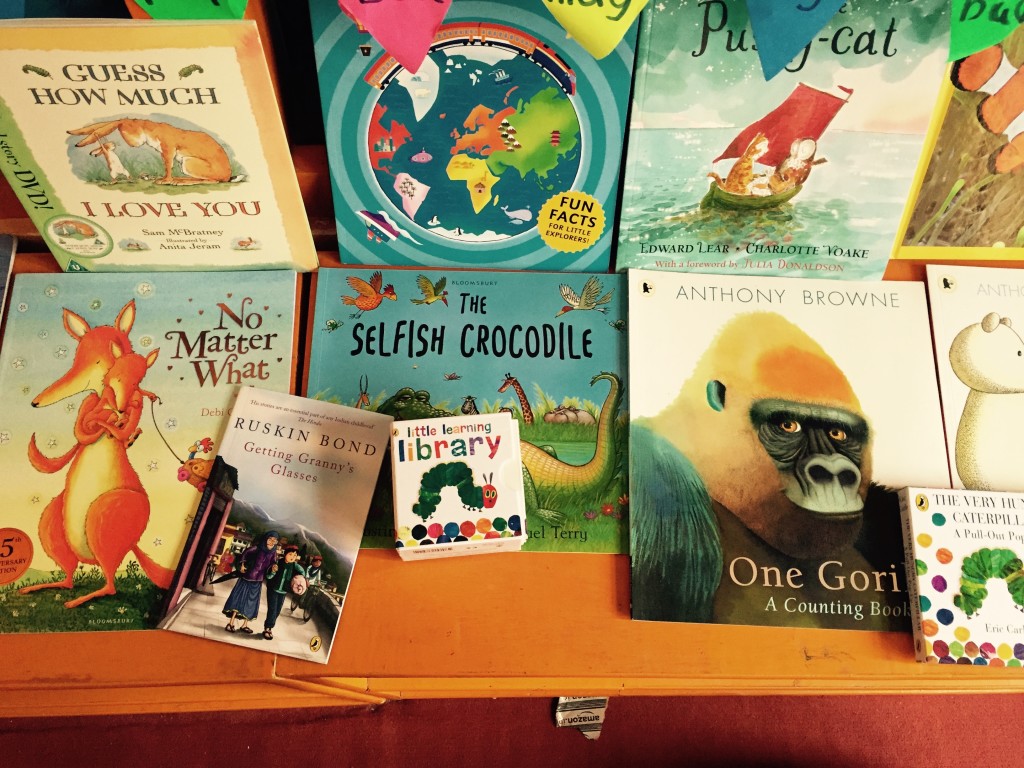
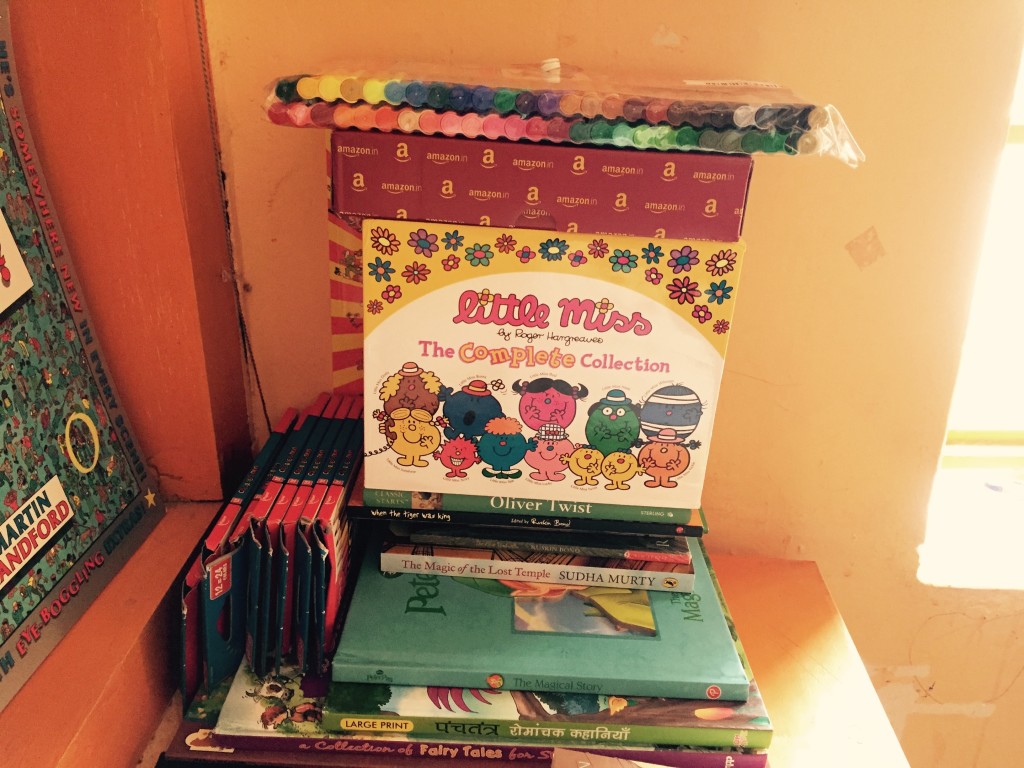
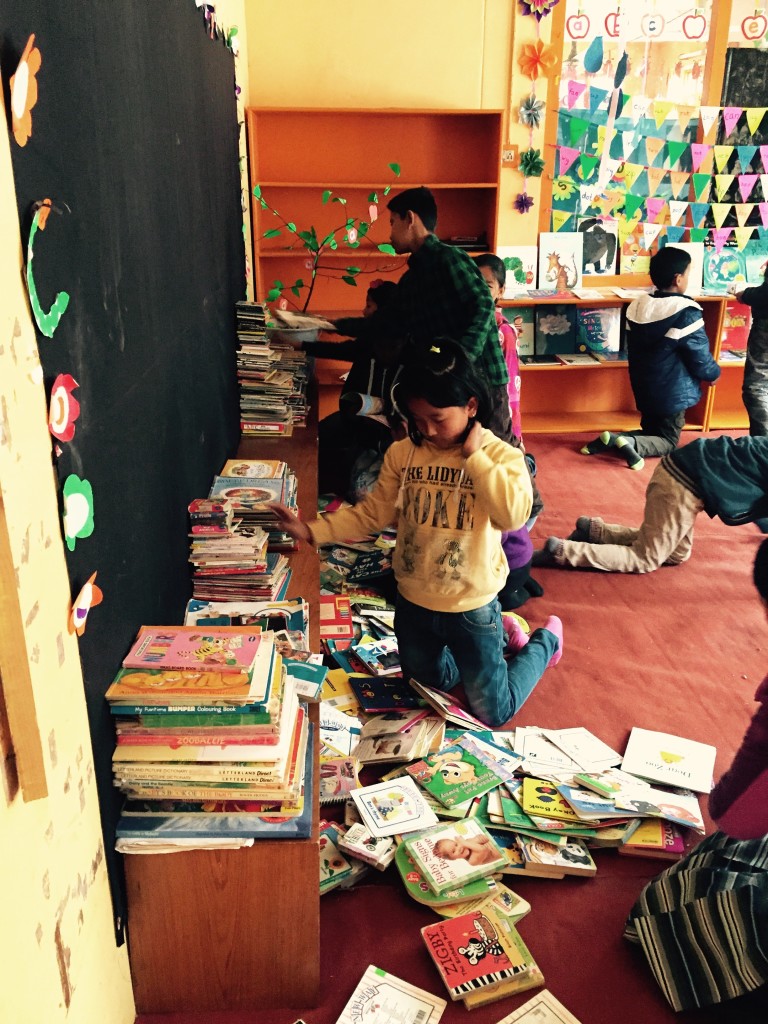
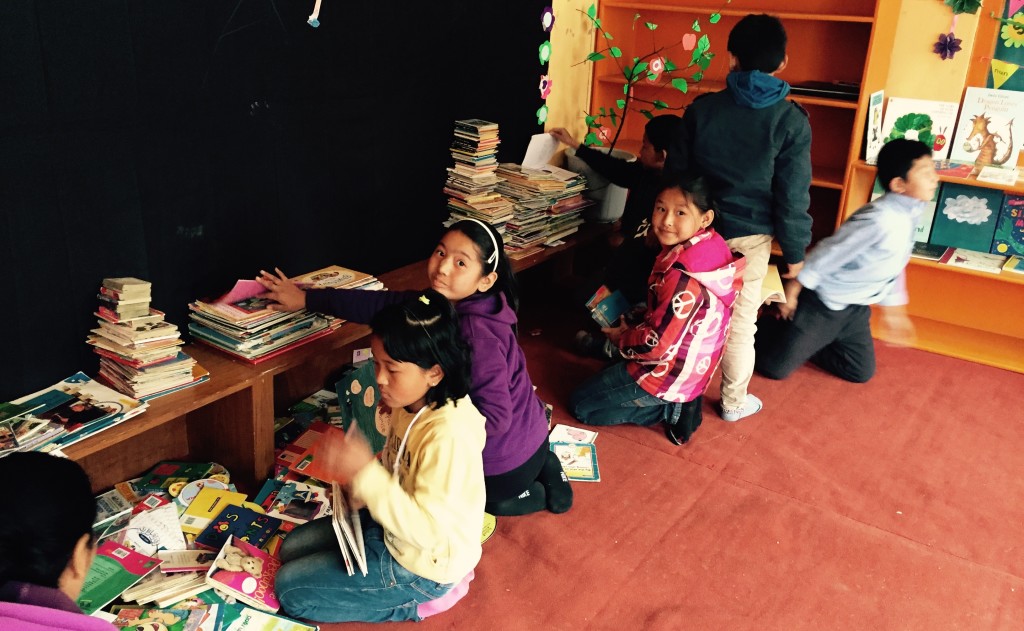
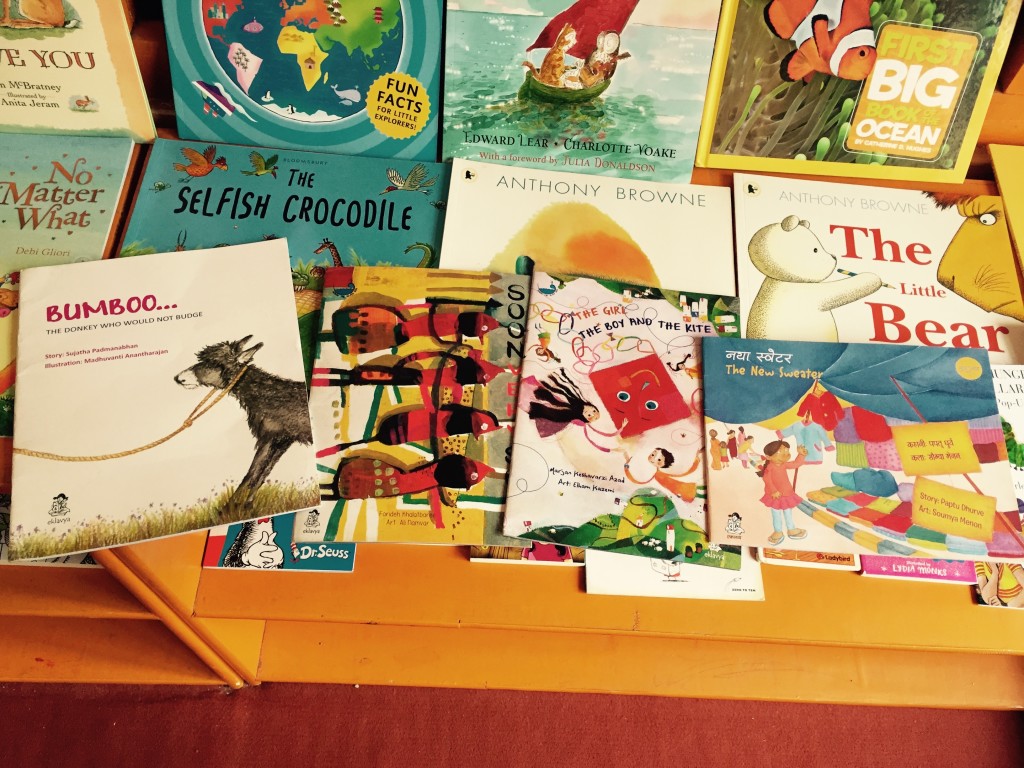
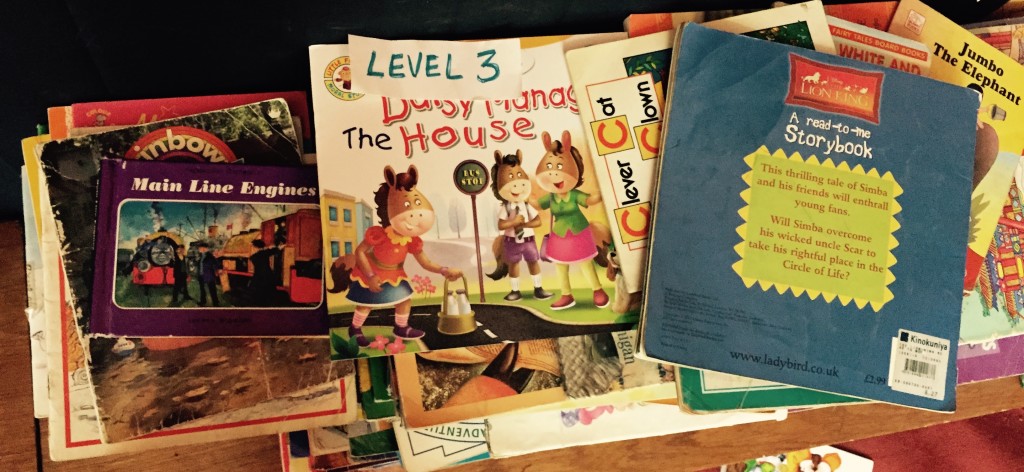
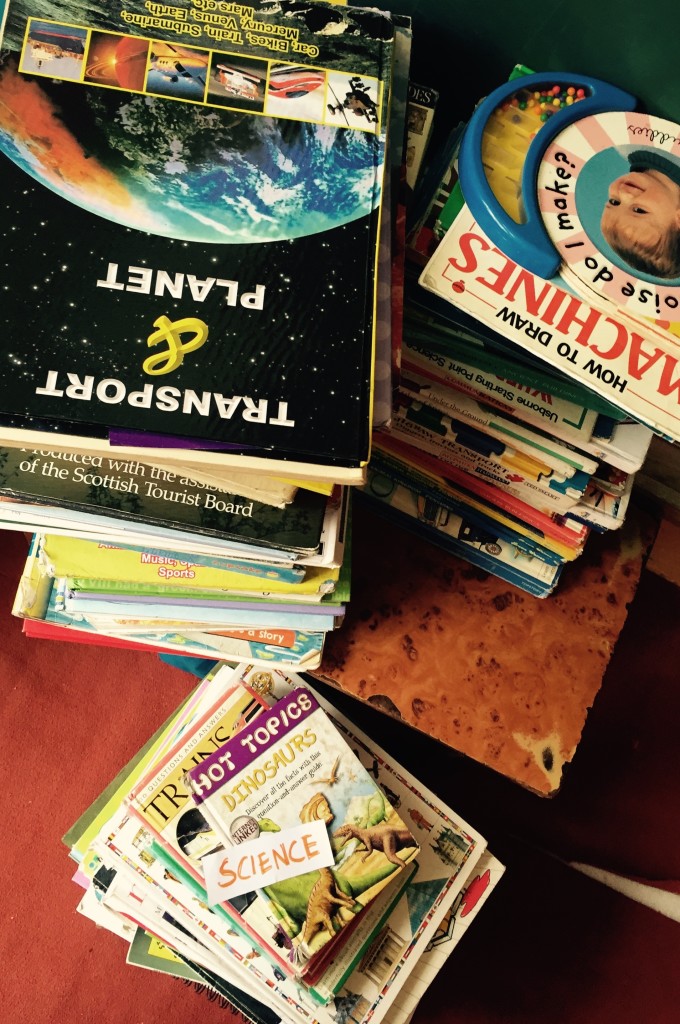
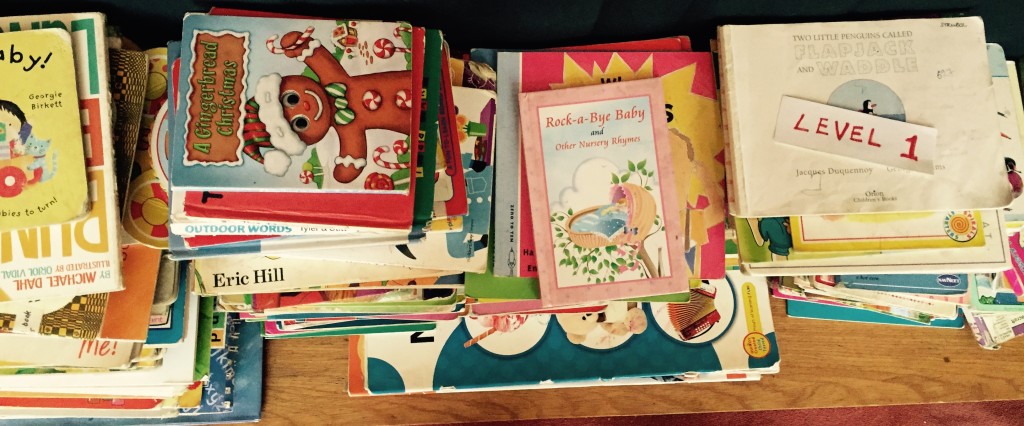
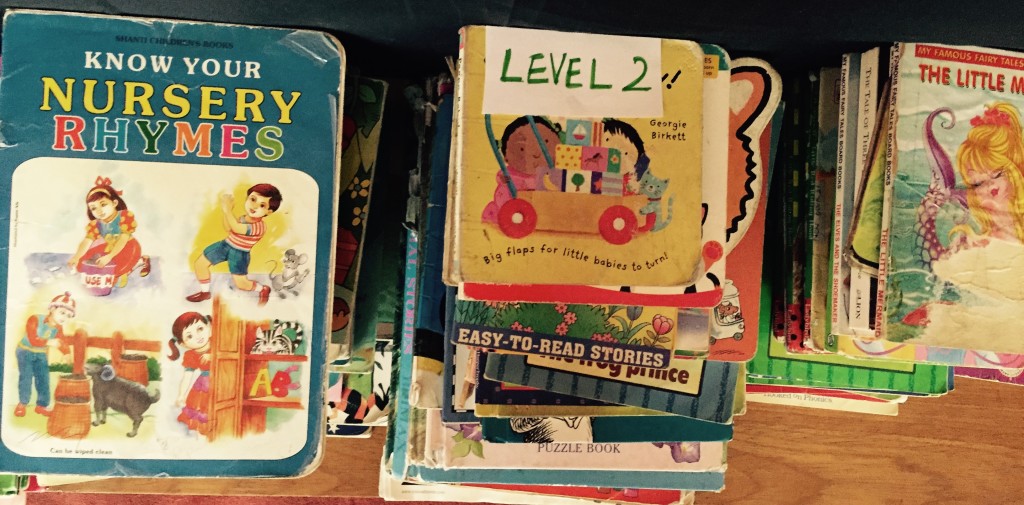
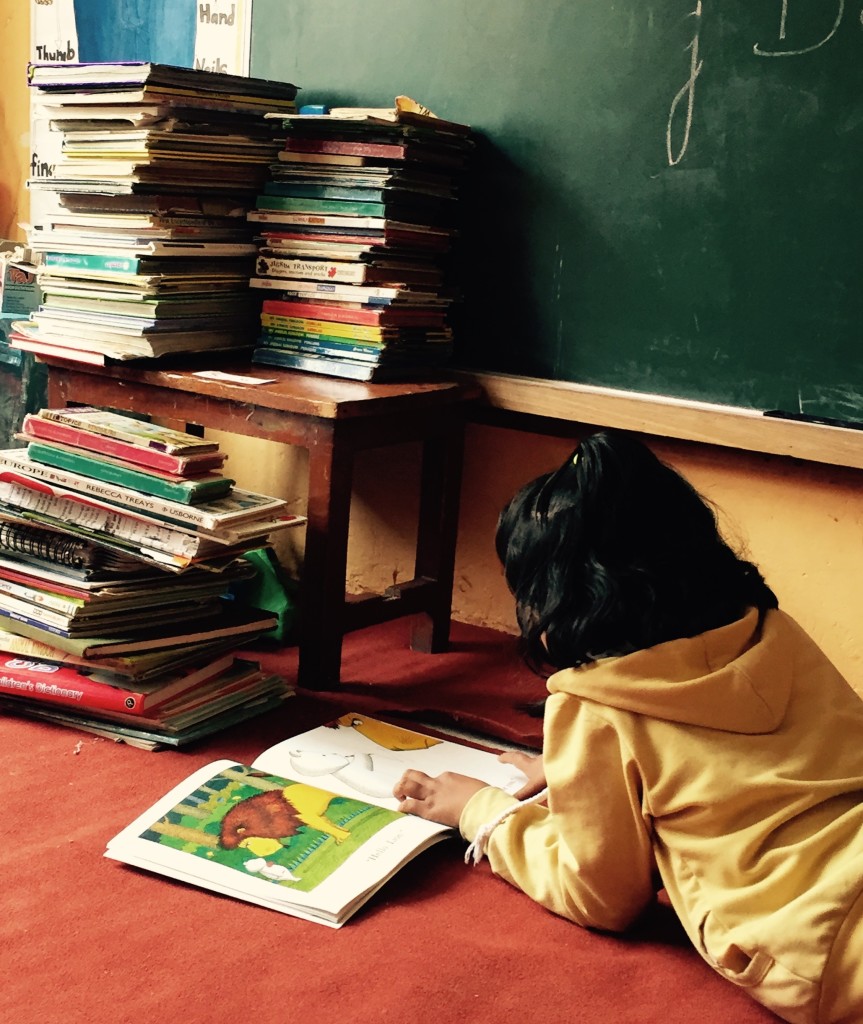
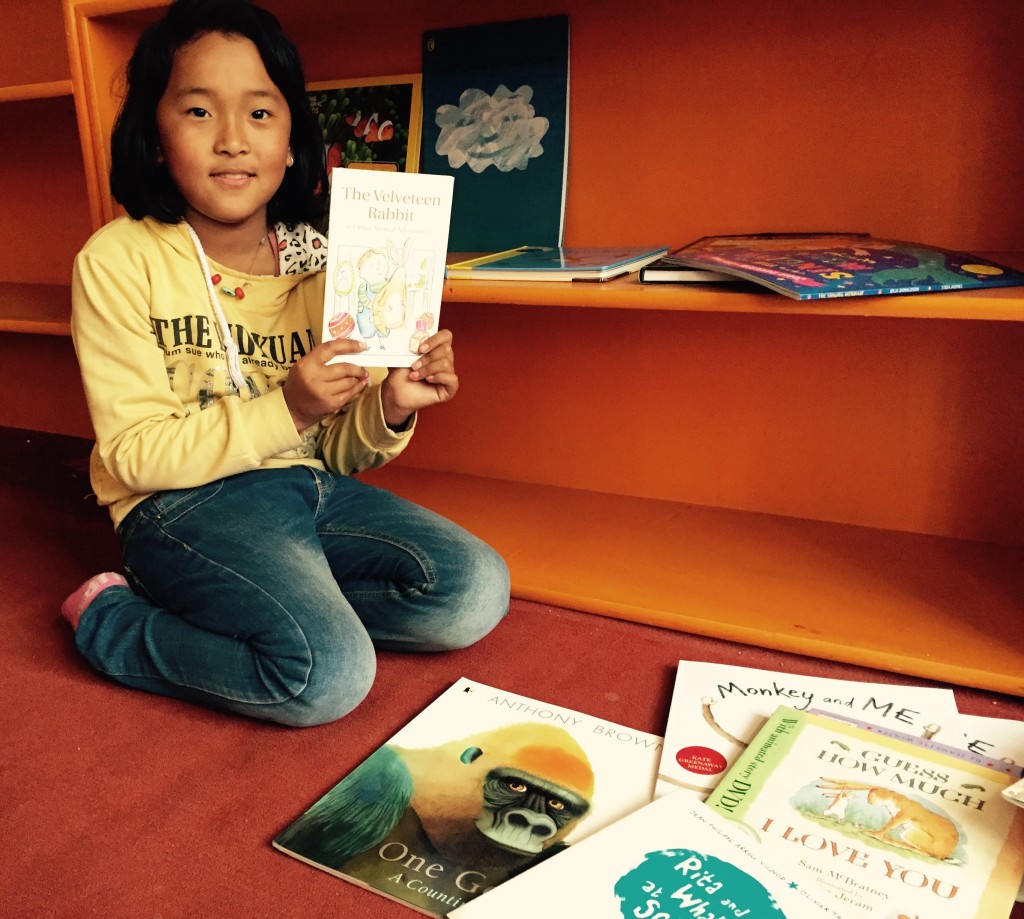
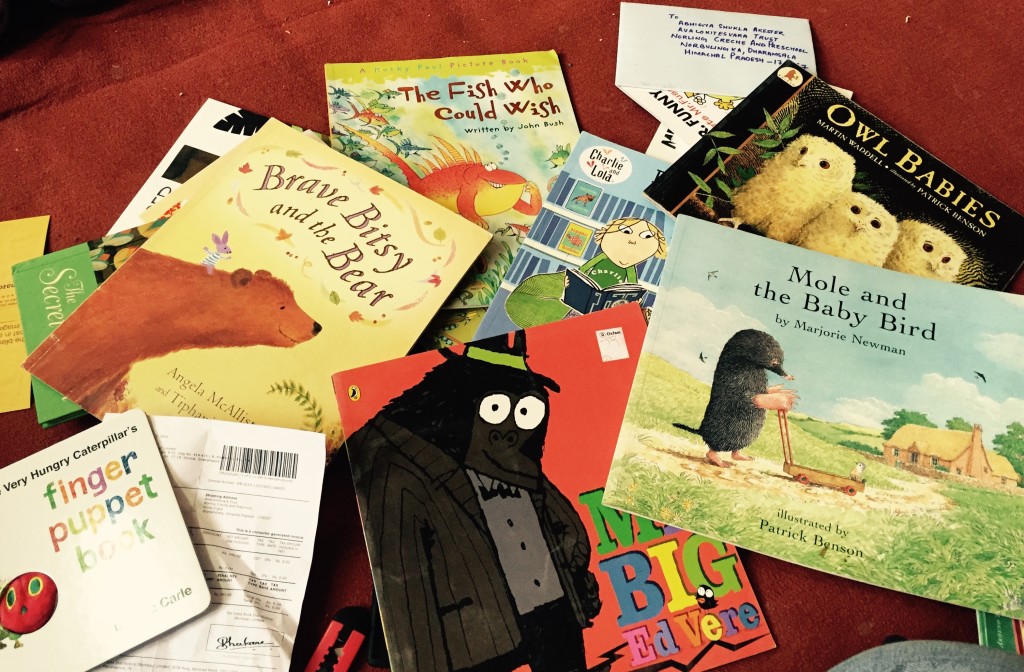
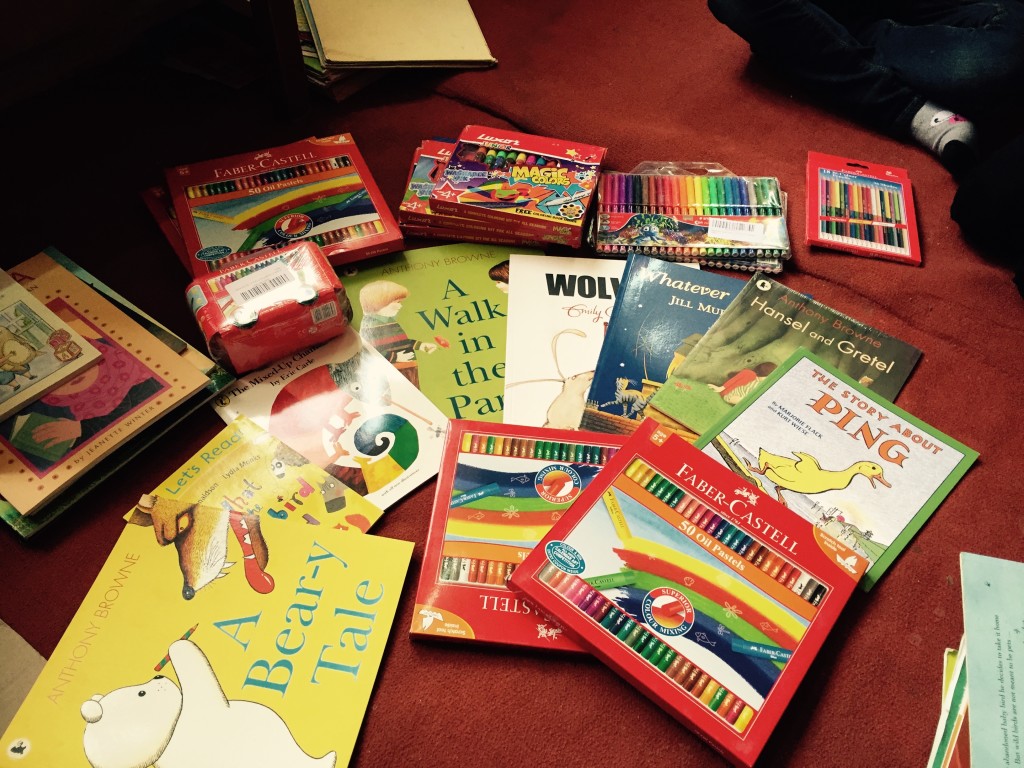
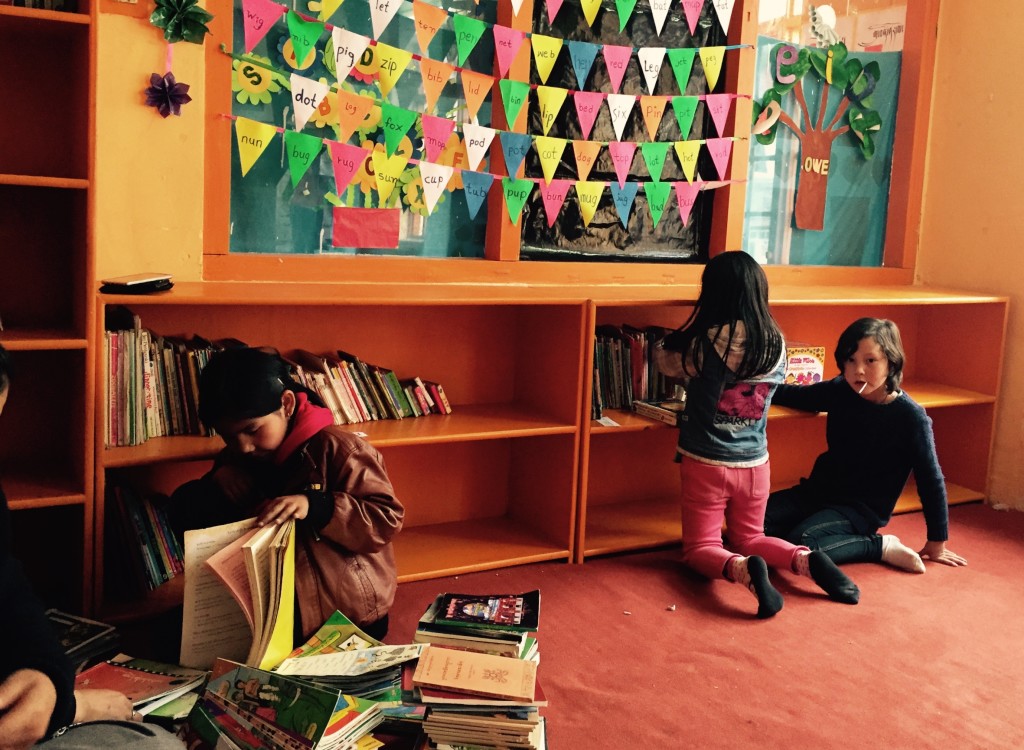
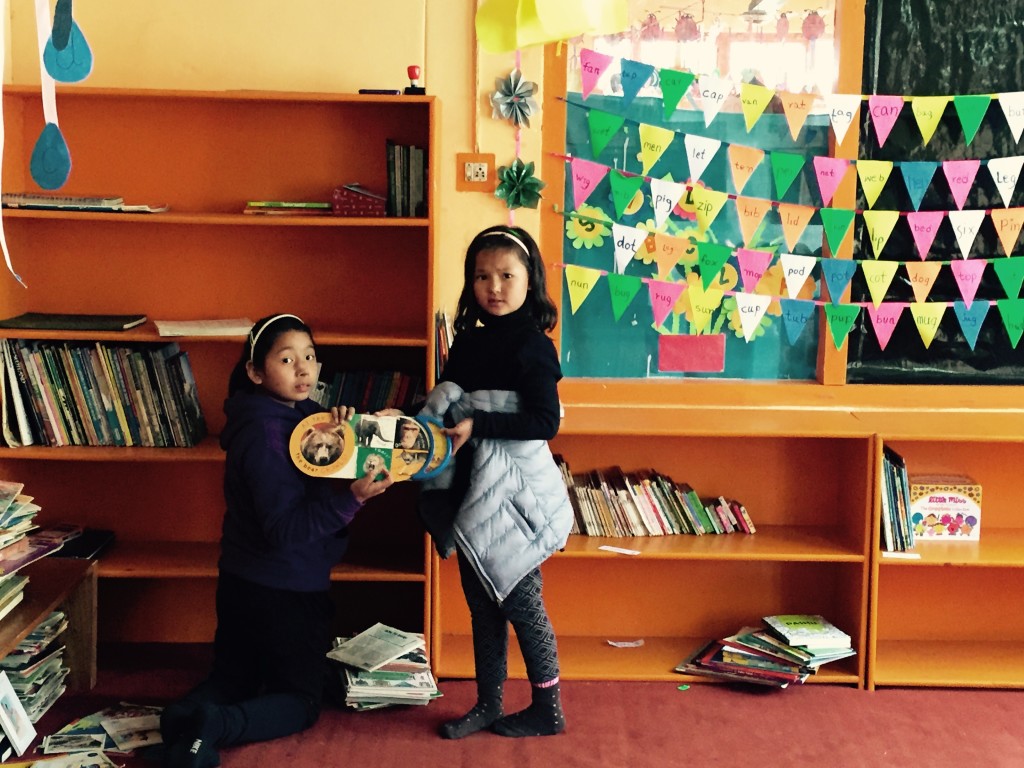
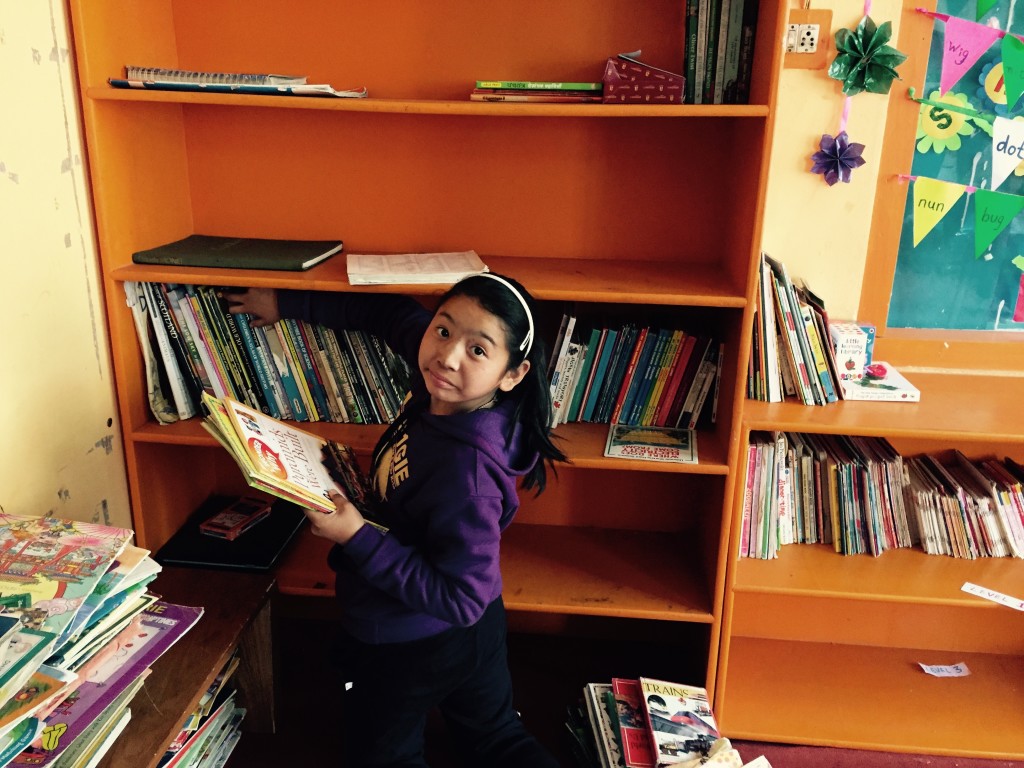
Every clue can lead back to books. A child might find a poem with similar wordplay, read a folktale linked to the theme, or use the riddle as a prompt for a new story. The contest gives our book drives a living purpose beyond collecting volumes.
Creativity is another route in. Participants can illustrate a clue, compose a riddle about Ladakh or perform a short rhythmic version with the music group. Solving and creating together exercises imagination, collaboration and attentive listening.
For supporters in Australian cities, the programme fits familiar volunteer networks. Community groups in Footscray, Richmond and Parramatta can hold book drives, while local libraries, school holiday programmes and CBCA Book Week activities offer ready-made audiences for a weekly question. Australia’s charity market also relies on clear information about deductible gift recipient status, workplace giving and practical partnerships with community organisations.
A Simple Weekly Contest Format
Each cycle begins with one clearly stated clue and closes on a fixed day. Participants have several days to respond, allowing time for reflection and conversation with family, teachers or mentors. The answer key is shared only after the submission period.
A facilitator then records the common interpretations. One short explanation shows the intended solution, while another notes a reasonable alternative and the clues supporting it. Children learn that checking a conclusion means comparing it with the available evidence.
Results guide the next round. If a clue is too obscure, we rewrite it; if several children need the same context, we add a picture or glossary note. Australian library partners can display the same clue during school holidays, keeping the conversation active between visits.
Recommendations for Building Reasoning Skills
Different formats train different kinds of reasoning. A balanced weekly mix makes the contest more accessible and prevents one style of puzzle from becoming the only route to success.
| Clue format |
Main skill |
Best use |
Point to watch |
| Text riddle |
Close reading and inference |
Vocabulary-rich weekly clues |
Hidden cultural assumptions |
| Image riddle |
Visual interpretation |
Younger solvers and art activities |
Ambiguous visual details |
| Story puzzle |
Evidence-based reasoning |
Older children and group discussion |
Too many plausible answers |
| Number puzzle |
Logic and systematic checking |
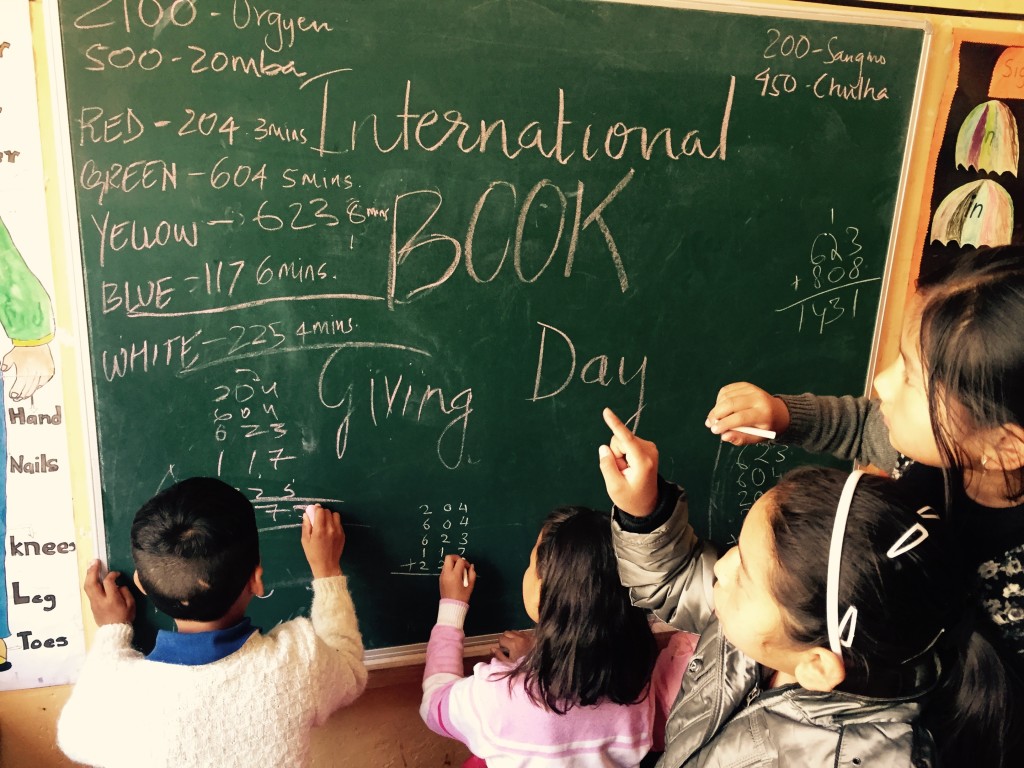
Numeracy practice |
Patterns guessed without explanation |
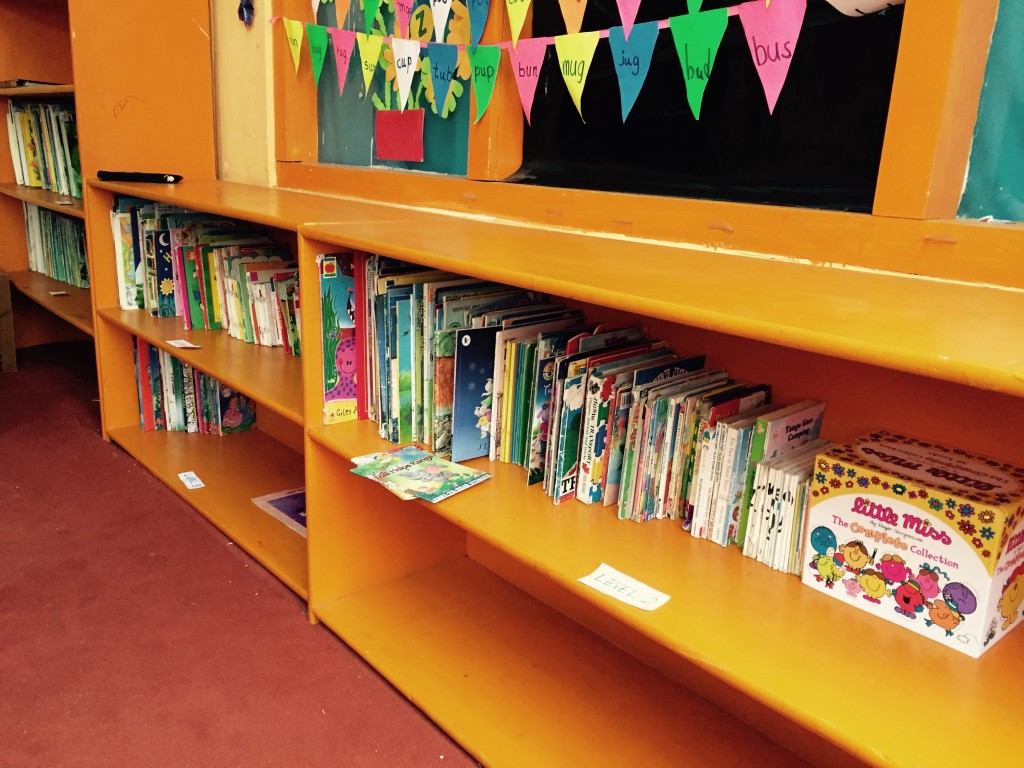
Mixing these formats also lets us match the contest to our wider activities. A visual clue can lead into an art session, while a story prompt can finish beside the reading-room bookshelf. We keep one rule across every format: solvers must explain how their answer follows from the clue.
- Alternate text, image, story and number clues over a four-week cycle, providing an accessible version of each.
- Keep age bands for judging while allowing younger and older solvers to attempt the same central idea.
- Ask participants to provide the clue-based evidence for an answer, not only the answer itself.
- Provide paper, spoken and phone submission routes so participation does not depend on devices or fast internet.
- Review each clue with teachers, facilitators and young readers, then publish corrections and explain alternative solutions.
Carrying the Habit Beyond the Contest
The contest matters because the habits outlast the prize. Children who regularly ask what a clue assumes, look for context and revise an explanation carry those habits into reading, study and creative work. Our role is to keep making that practice welcoming, rigorous and connected to real books.
At the next reading-room session, we will print one clue for each age band, place it beside the book box and open a journal for the first written explanations.