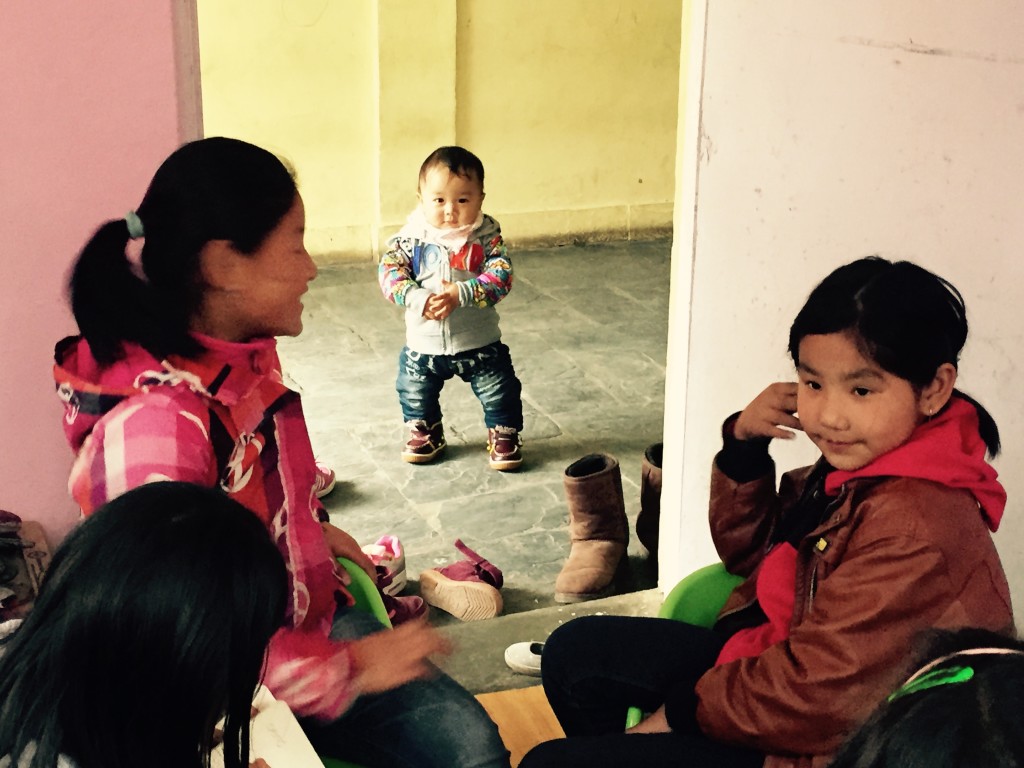
A film night powered by the Himalayan sun
We host a monthly film screening using a solar-powered projector because children in Ladakh deserve more than occasional entertainment. The regular schedule creates a dependable rhythm, while portable equipment lets us bring cinema to a village hall, school courtyard, or open patch of ground without depending on a wall socket. Film becomes a shared experience rather than a private form of leisure.
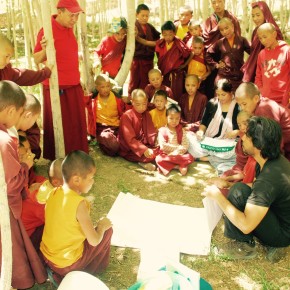
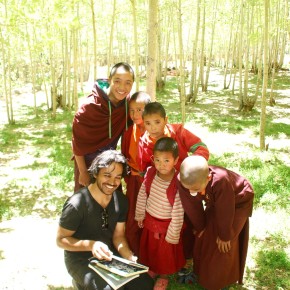
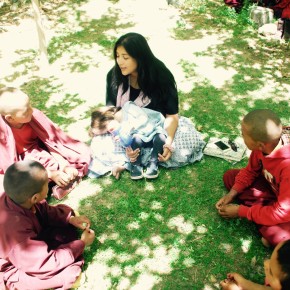
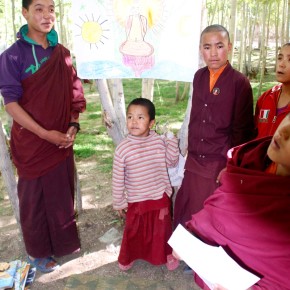
The screening also supports Avalokiteśvara Trust’s wider work in literacy, creativity, and learning. After the credits, children can explore the story through books, drawing, music, conversation, and activities designed for young monks. Solar power makes that extension possible in communities where conventional infrastructure is limited and where every additional resource must be used carefully.
More than a night out
Children often learn best when a story is visible, audible, and open to interpretation. An outdoor movie gives them a reason to observe character, sequence, colour, sound, and mood while giving facilitators material for a simple discussion. Even animated films can introduce vocabulary, history, geography, and ideas about cooperation without feeling like classroom instruction.
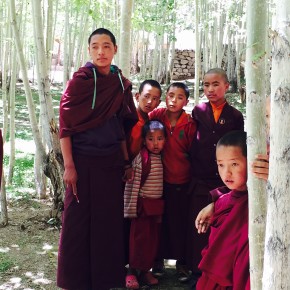
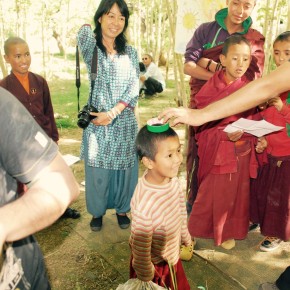
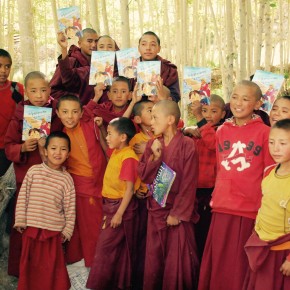
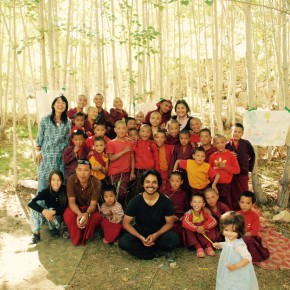
The monthly frequency matters. One film can be memorable, but repeated cinema nights build familiarity, confidence, and a sense of belonging. Children begin to recognise familiar faces in the audience, suggest stories, ask questions, and see that books can lead to whole worlds. For young monks especially, the event offers an informal learning space outside religious duties and formal lessons.
Planning for solar power
A solar cinema setup normally includes a photovoltaic panel, charge controller, battery bank, projector, speaker, cables, and a secure transport case. The panel needs direct sun and a clear position where nobody is likely to move it. Battery capacity must cover the projector, sound system, charging devices, and reserve power for an unexpected delay. Brightness specifications are helpful, but they do not replace testing the complete arrangement in the actual venue.
Screening time requires particular care. Ladakh’s strong sunlight can wash out an image long before the sky becomes dark, so the best window often begins in the late afternoon and continues into dusk. During the first part, short introductions or musical activities can occupy the audience while the battery reaches a stable charge. Winter adds another constraint because cold reduces battery performance, while snow, dust, and wind can damage connectors or interrupt the projection schedule. A protected power bank and a backup indoor venue provide valuable resilience.
Choosing films with purpose
Our selection process begins with local facilitators and age-appropriate themes. Animation, gentle documentaries, folklore, nature, and stories centred on friendship or family tend to work well. We consider whether children already know the characters, whether humour translates across languages, and whether the ending leaves room for discussion. Films should widen their world without presenting inaccurate or stereotyped pictures of Himalayan life.
Public performance rights are part of that preparation. A film purchased for home viewing, streamed through a personal account, or borrowed from a school may not automatically be lawful to show to a large audience. We therefore confirm permission before announcing the programme and keep a record of the licence. Subtitles in Ladakhi, Hindi, or English can be prepared when needed, depending on the film and the audience.
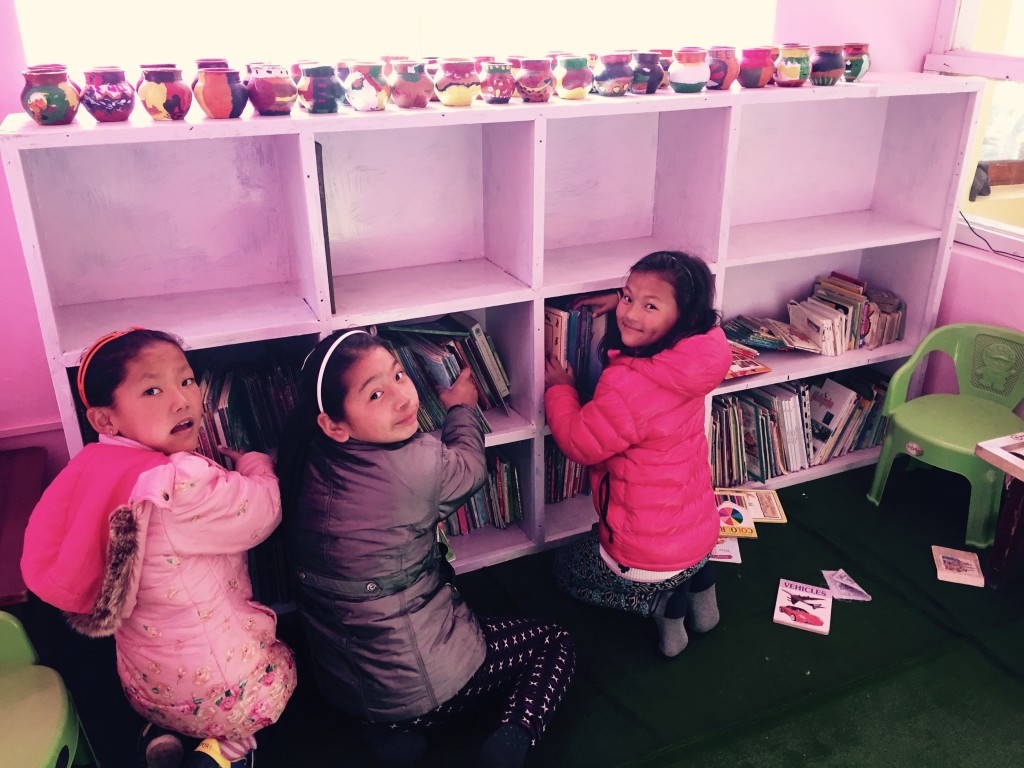
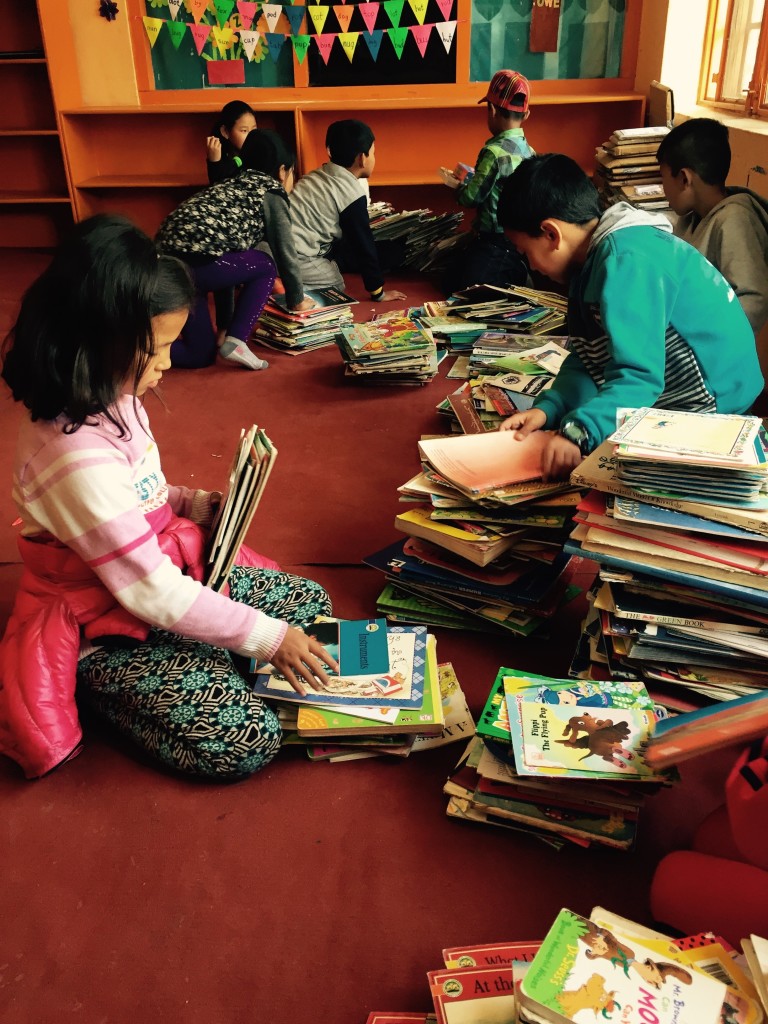
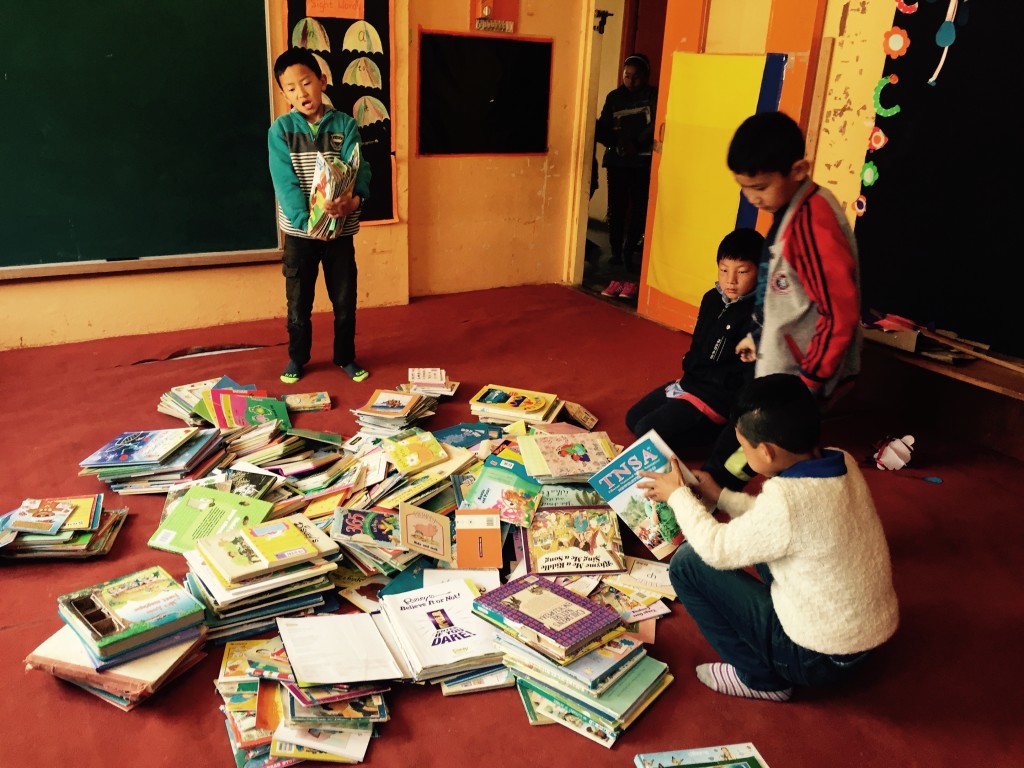
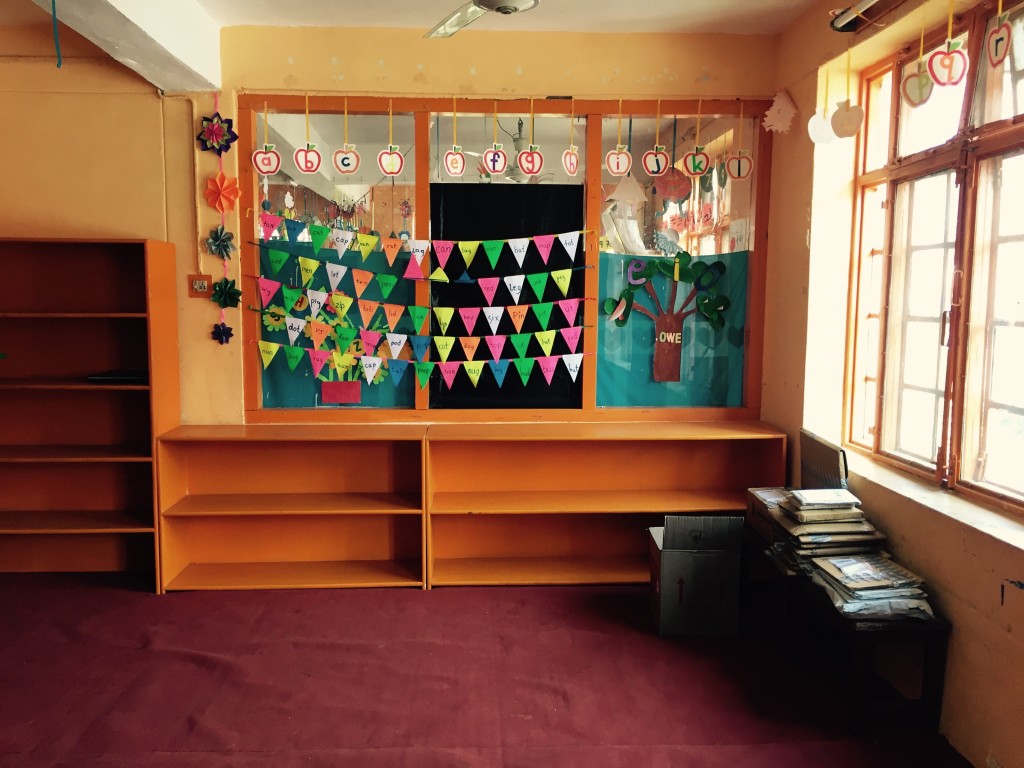
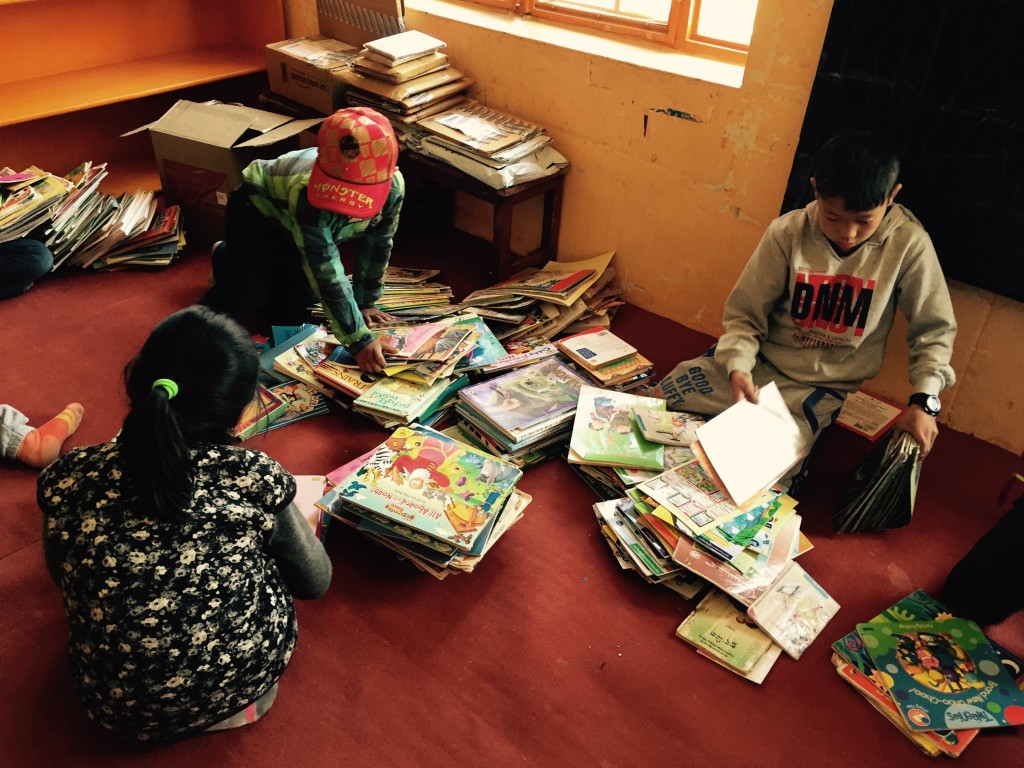
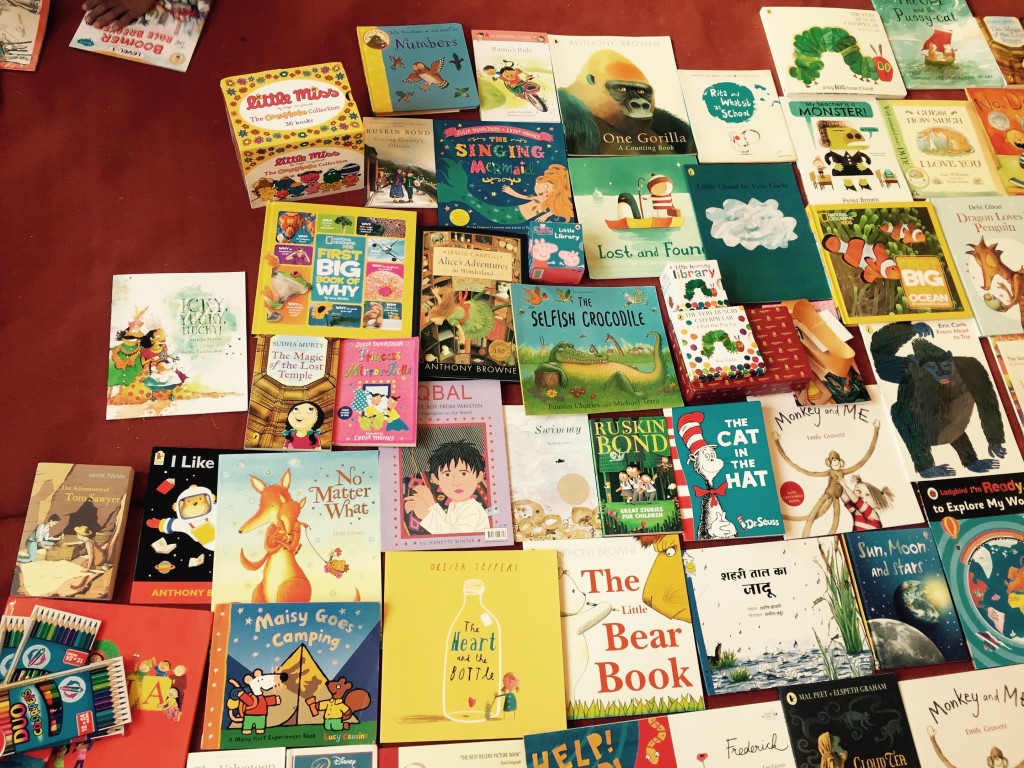
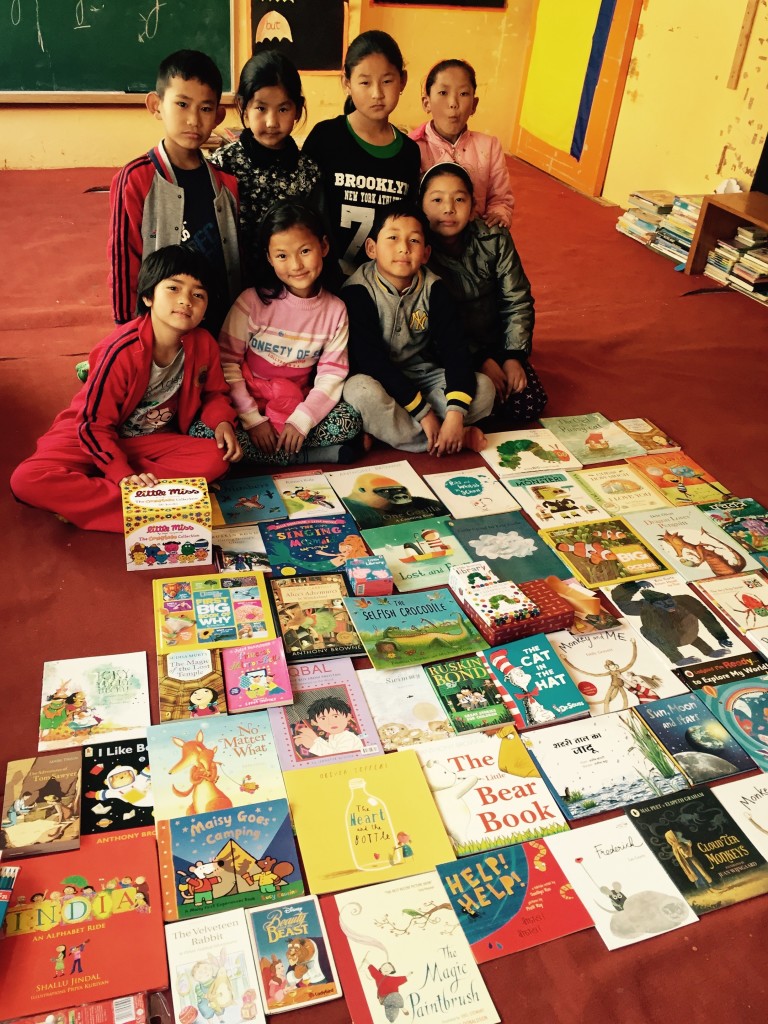
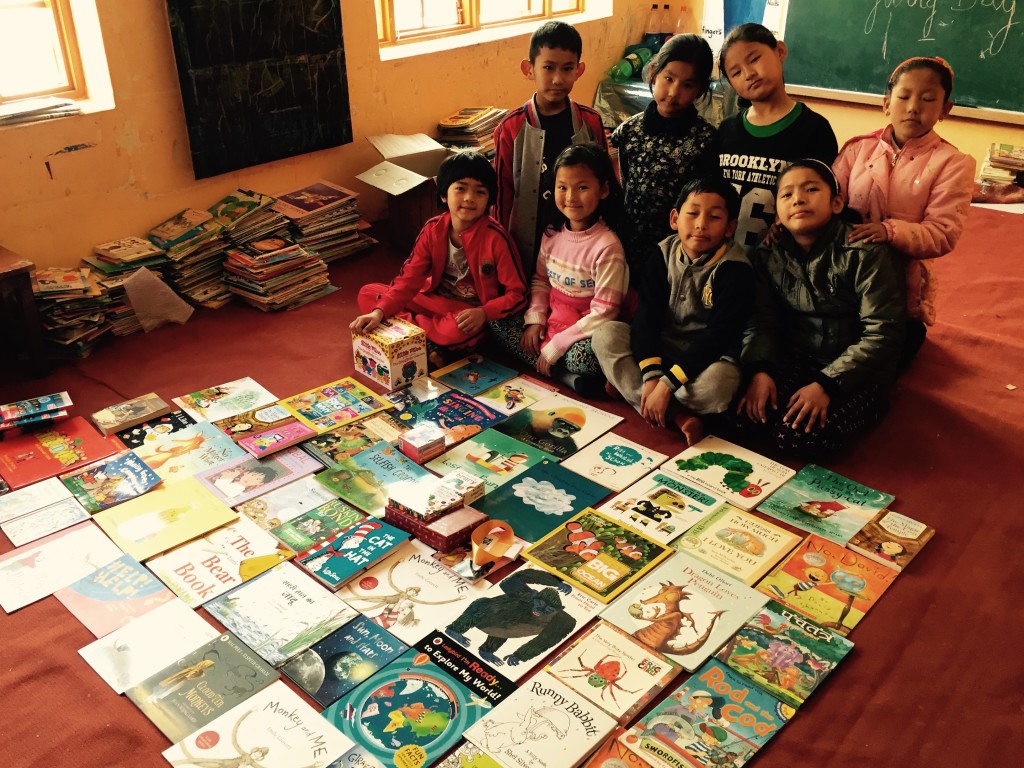
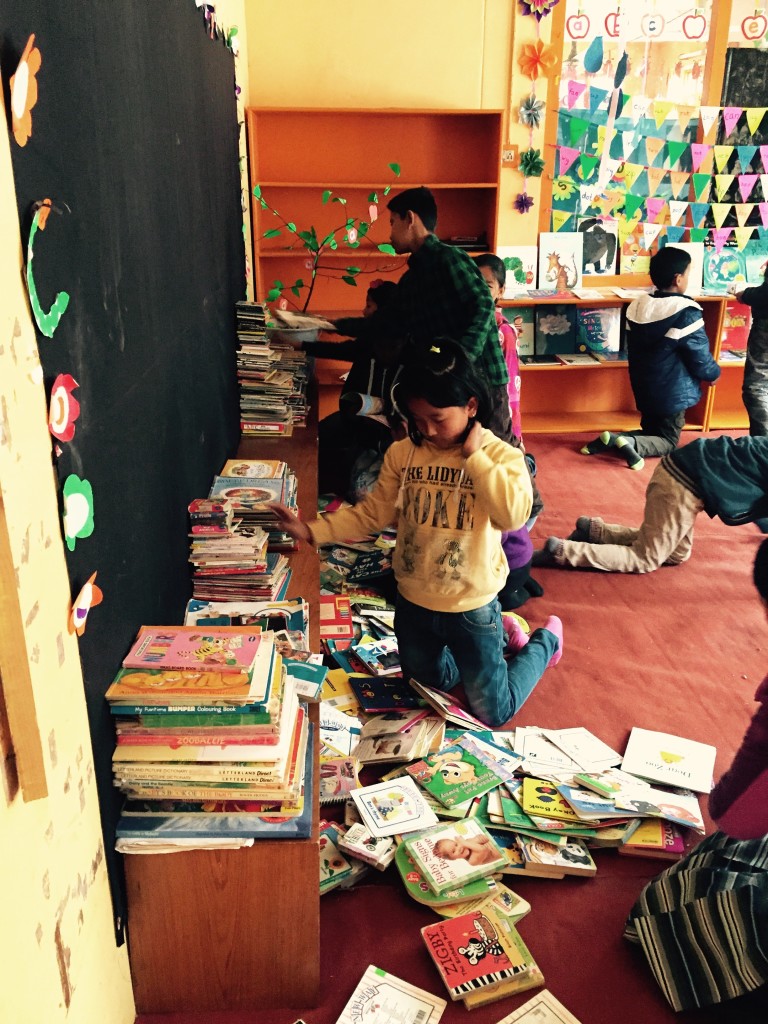
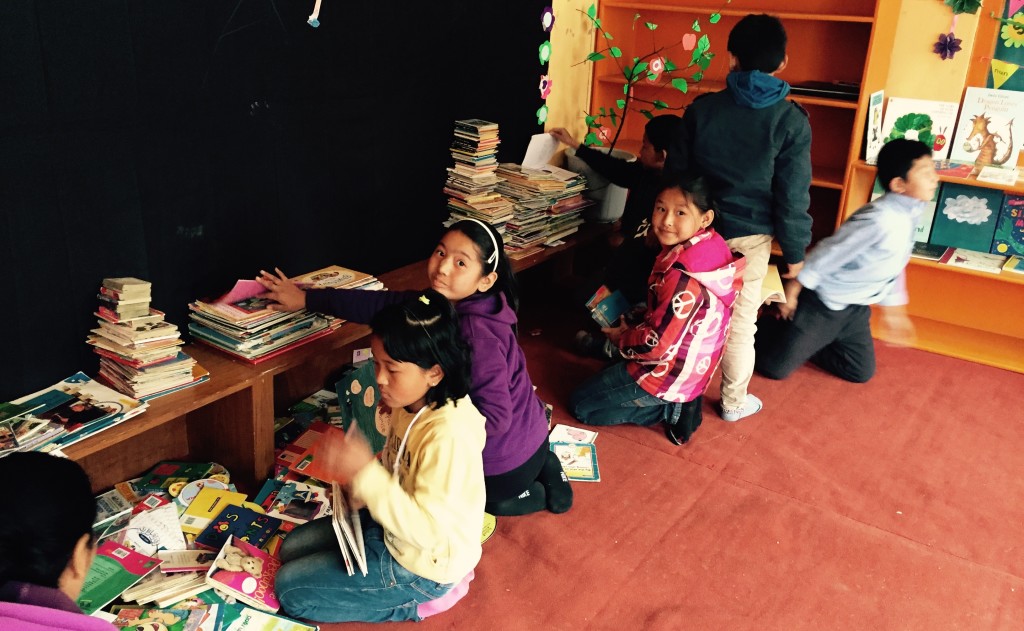
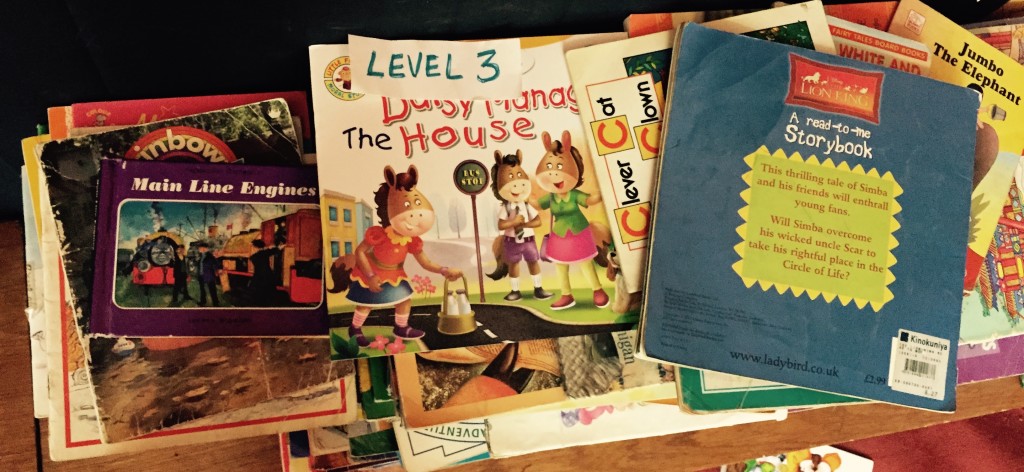
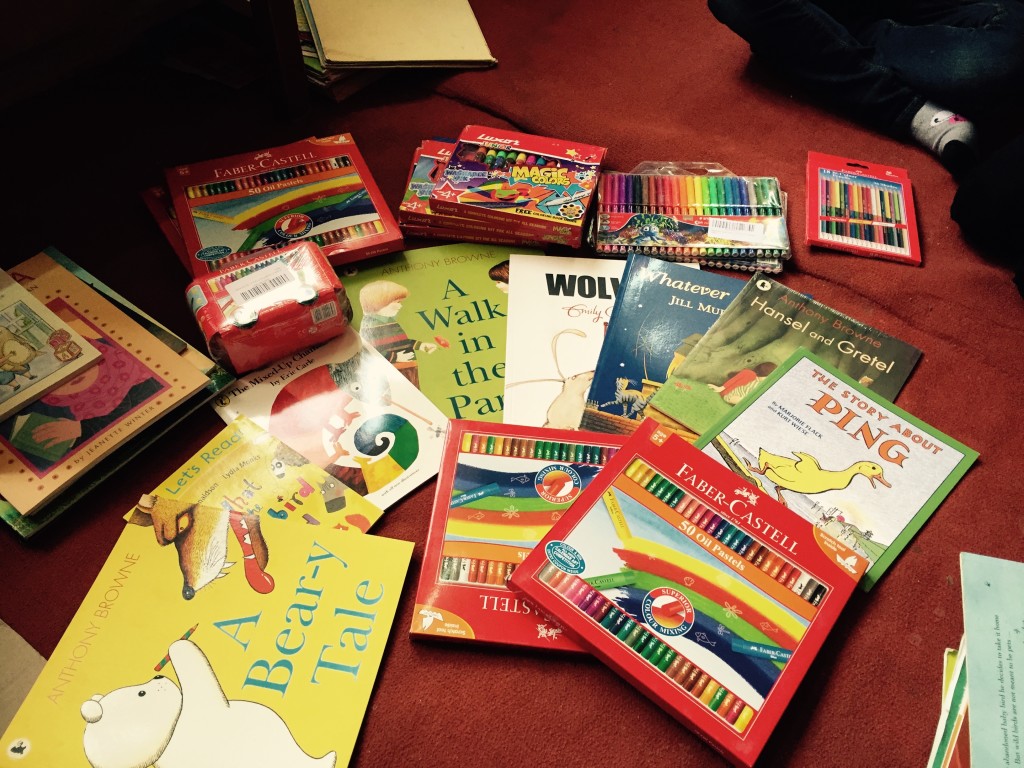
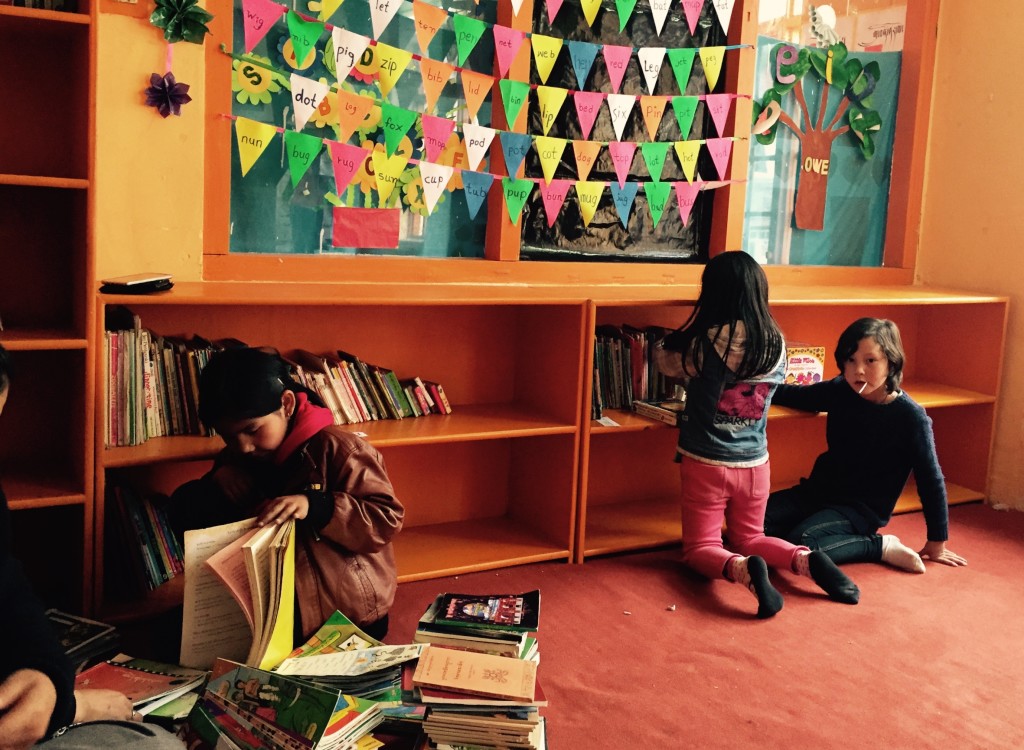
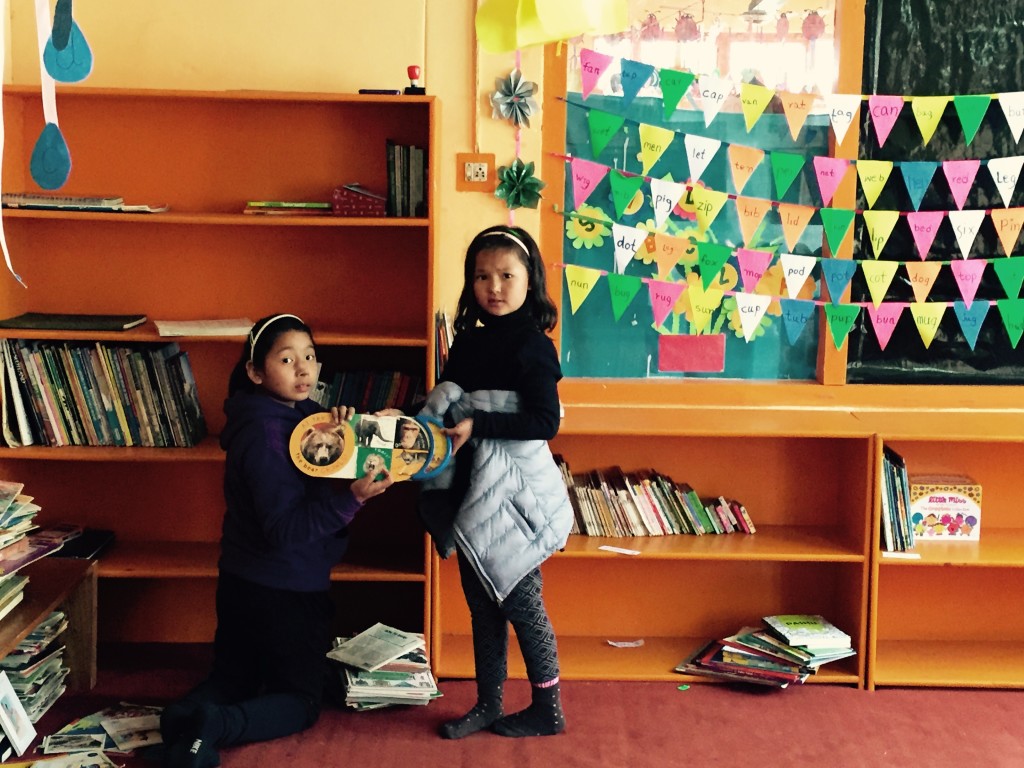
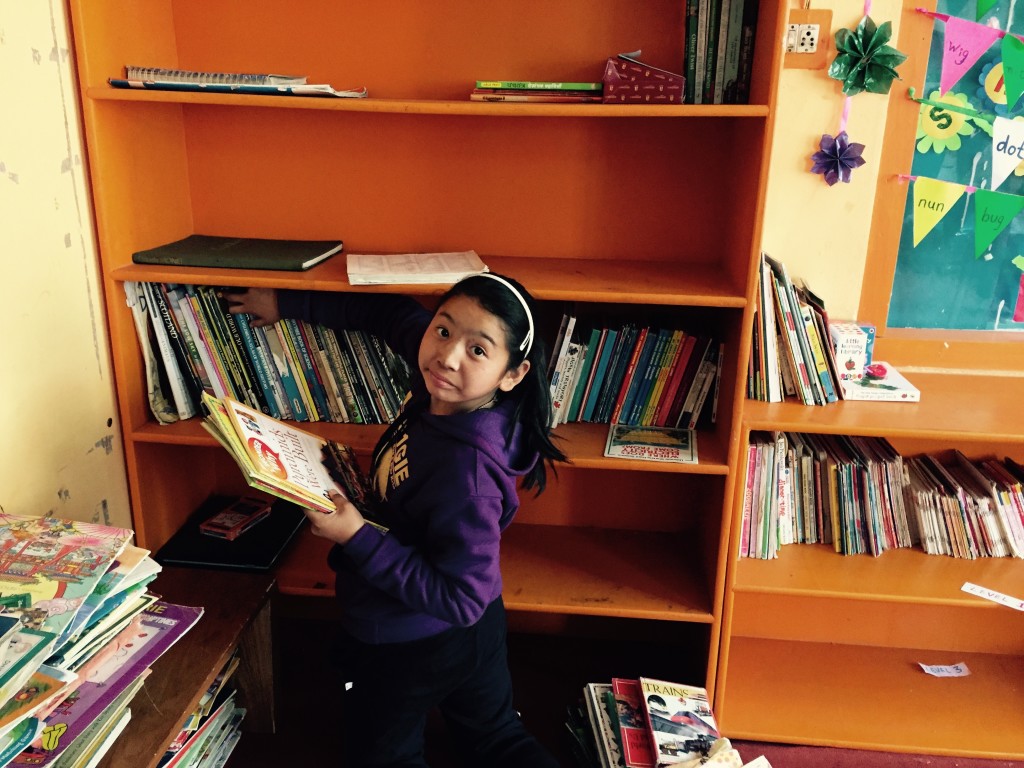
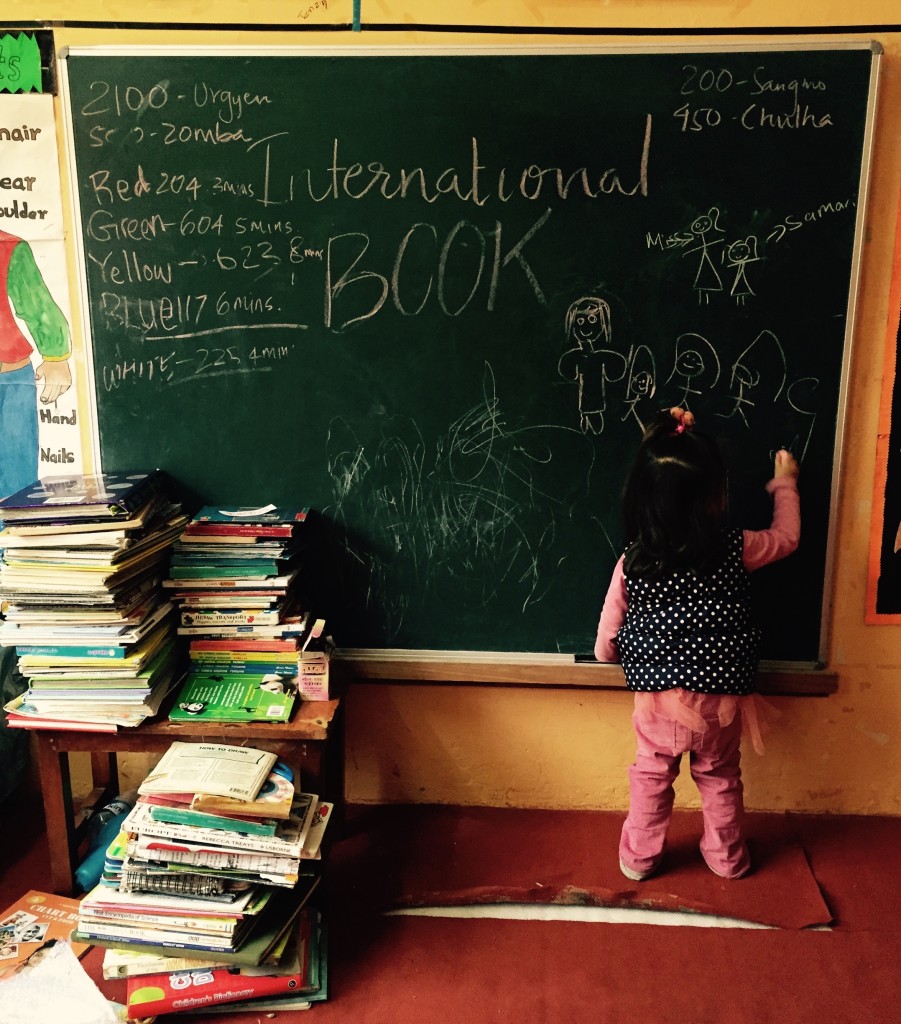
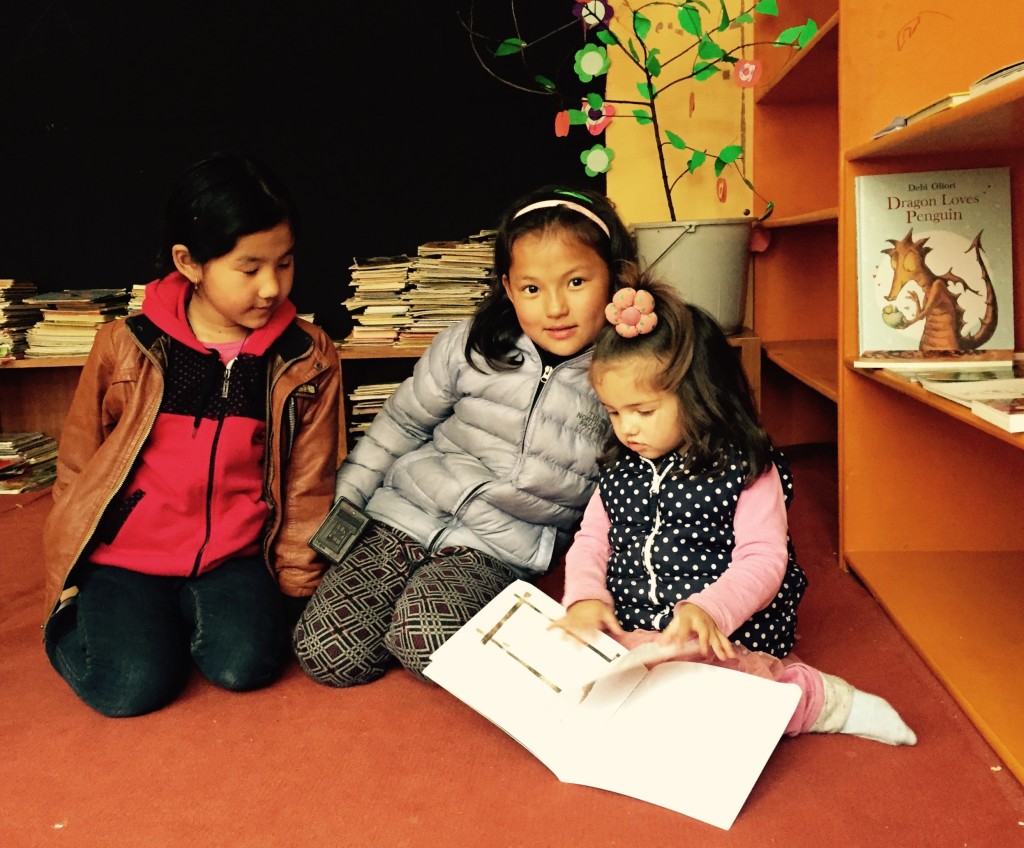
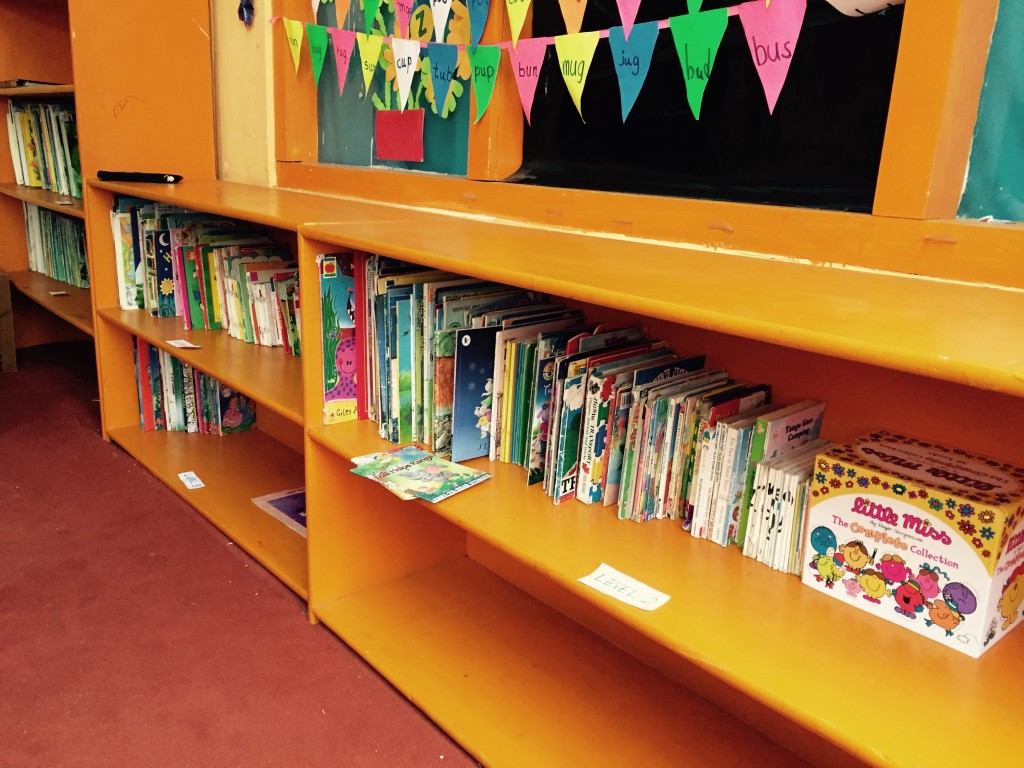
The wider programme documented by Avalokiteśvara Trust shows why the screening belongs within a broader educational effort. Reading rooms, book drives, music, art, and film each reinforce the same idea: children need varied ways to encounter stories and express what those stories mean to them.
Turning watching into learning
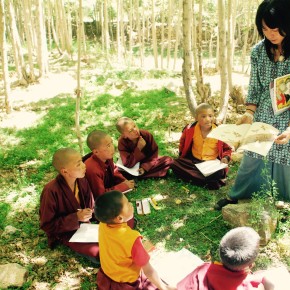
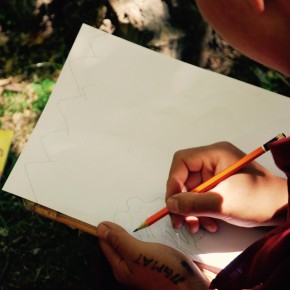
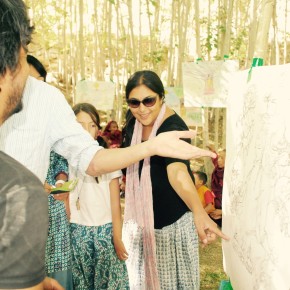
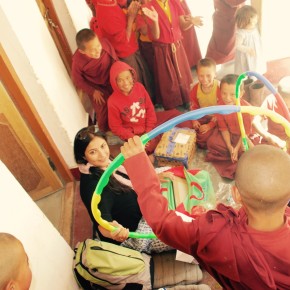
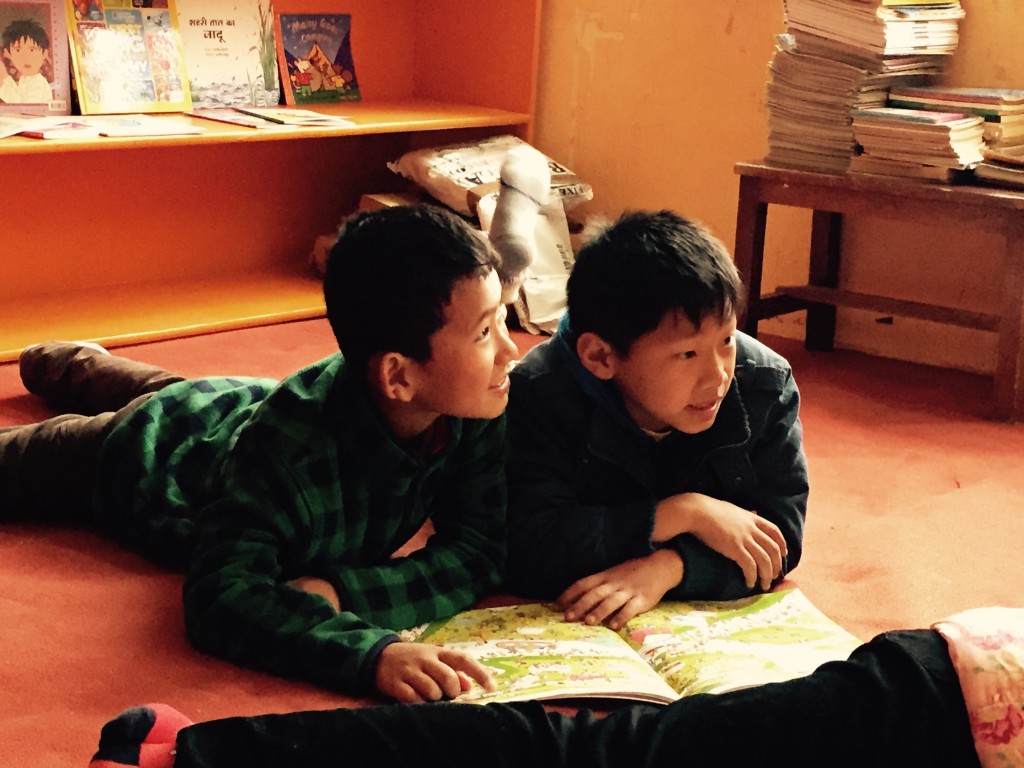
After the credits, the film does not simply end. A facilitator might ask what a character wanted, what changed, and which scene could be retold differently. Children can draw a favourite moment, invent a new ending, or select a book connected to the theme. These activities support visual literacy and storytelling while keeping the film fresh in their minds.
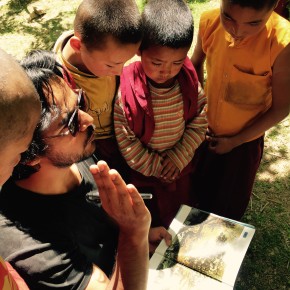
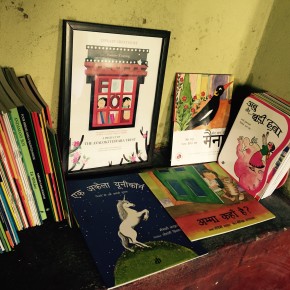
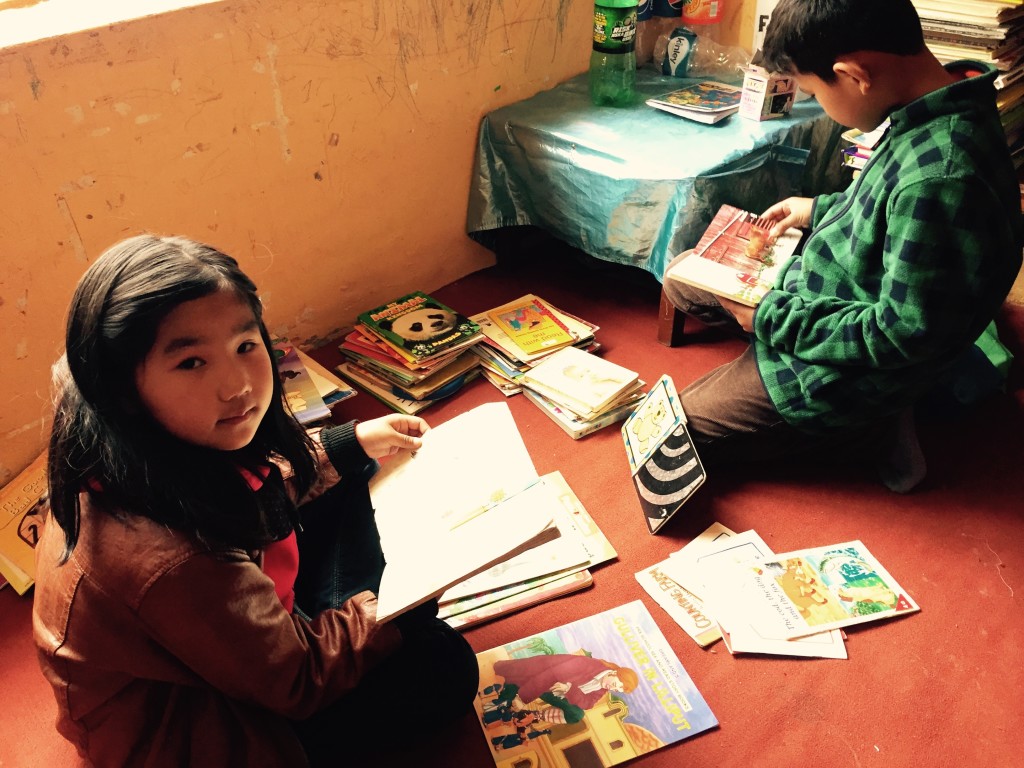
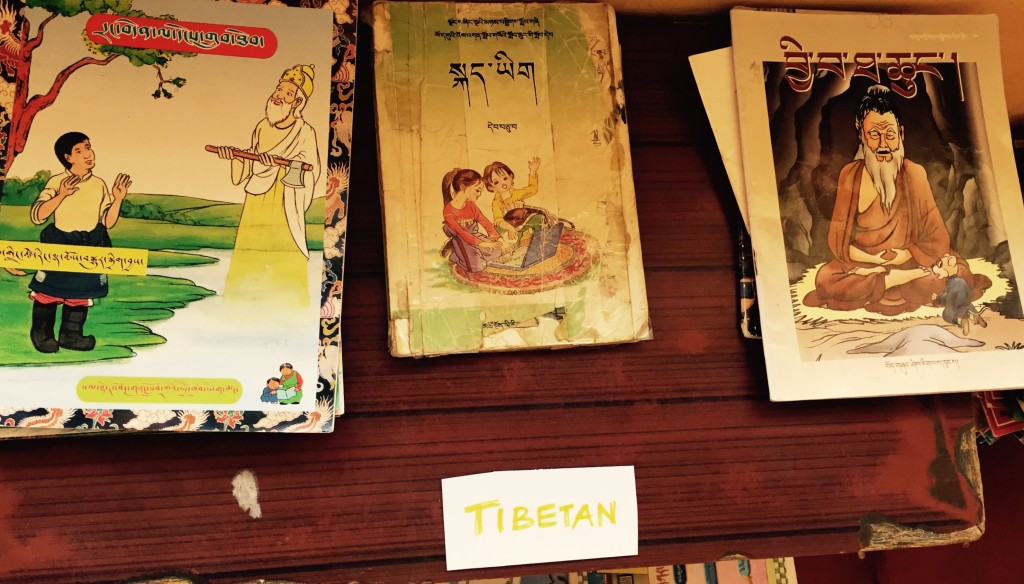
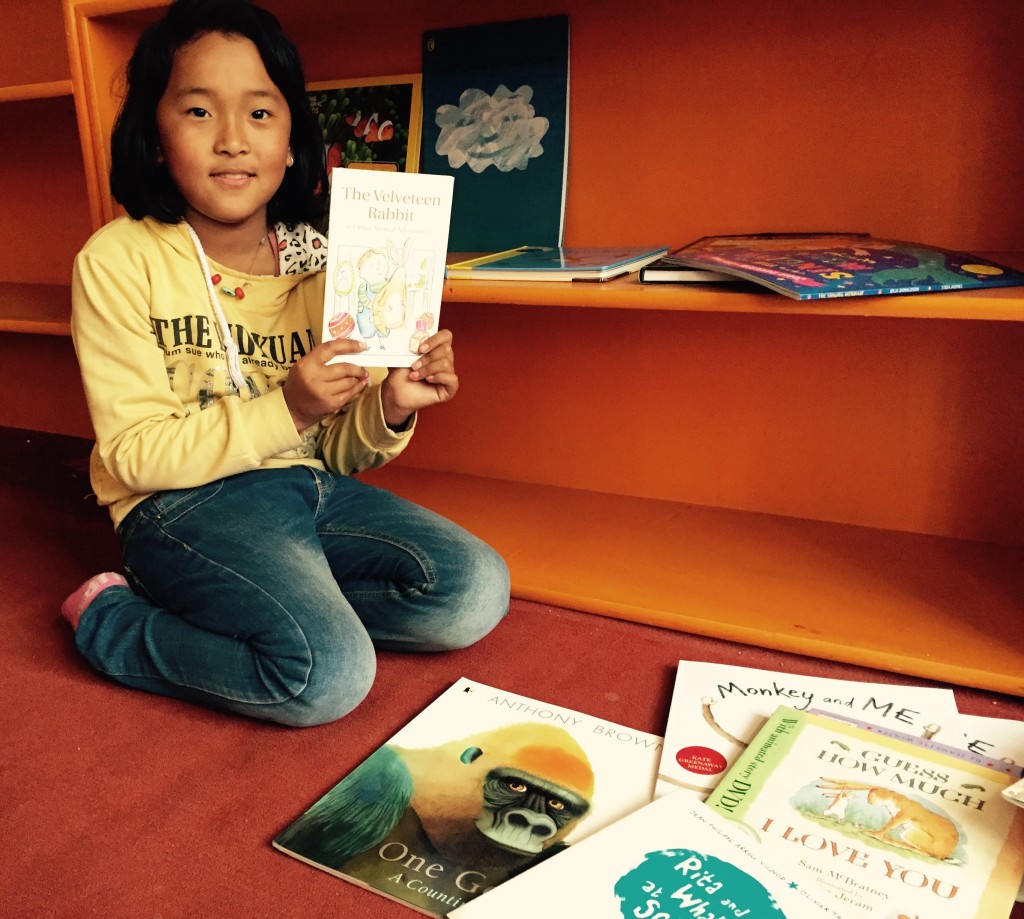
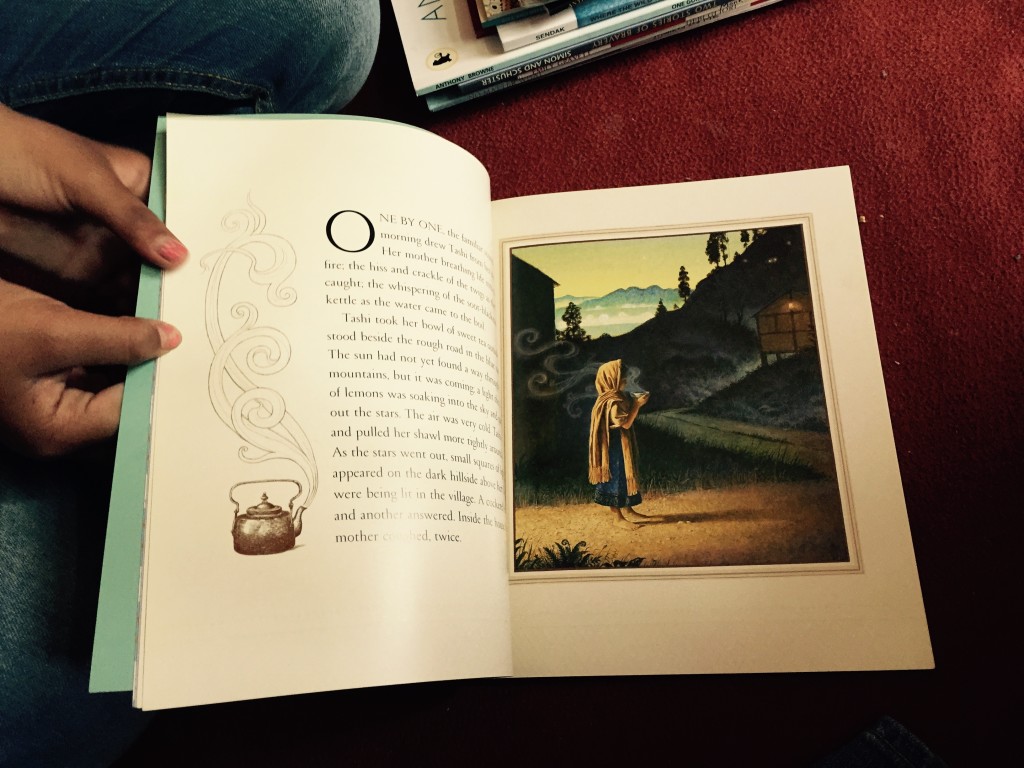
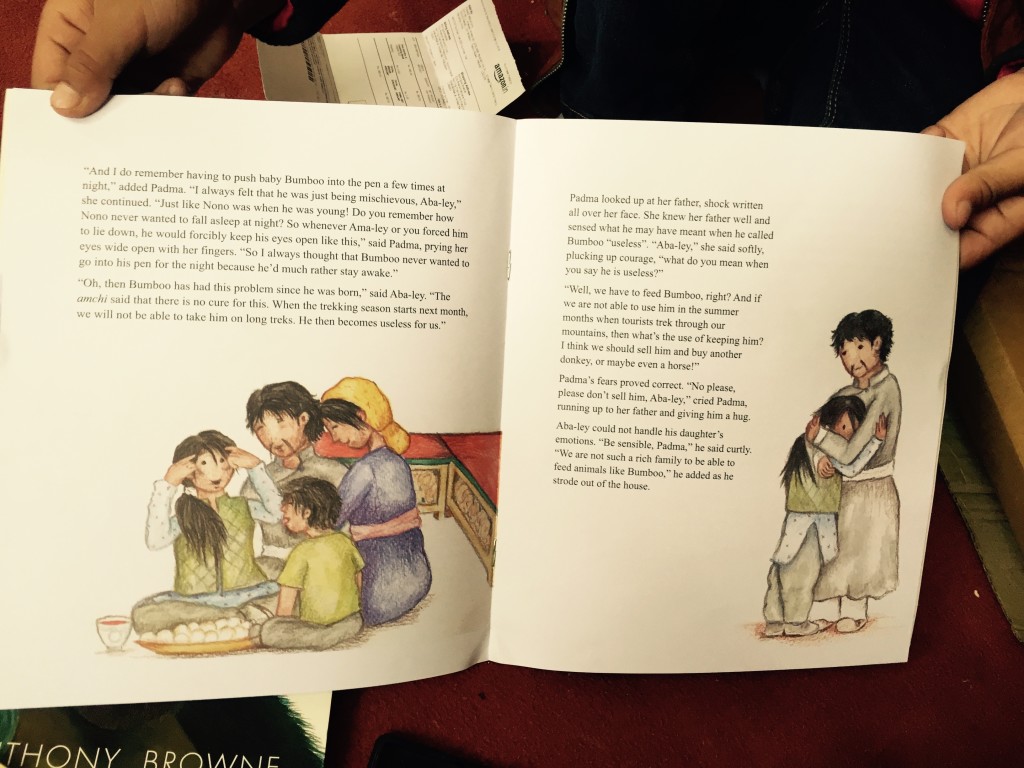
A book-to-film approach also opens conversations about adaptation. Young monks can compare the action on screen with illustrations or written descriptions, then discuss what each format makes easier to understand. The principle connects with Friends of the Library, where local volunteers sustain access to books and shared learning. In Ladakh, locally chosen books and familiar stories remain essential because they allow the film discussion to continue within the children’s own cultural context.
Australian lessons for community screenings
Australian organizers can relate to the practical challenge of serving communities across vast distances. Alice Springs, regional New South Wales, northern Queensland, and parts of the Northern Territory contain settlements where travel, volunteer numbers, and reliable infrastructure differ sharply from metropolitan areas. Portable projection equipment can bridge that gap, although Australian summers bring extreme heat, intense ultraviolet exposure, dust, smoke, and sudden storms. Shade structures, protected equipment, and flexible indoor plans are just as important there as they are in Himalayan winter.
Community halls, libraries, schools, and outdoor cinema events provide familiar Australian venues. A friendly “arvo” start, “BYO” tea or dinner, and relaxed “no worries” atmosphere can make an event feel welcoming to families. The local funding market often works through council grants, state arts agencies, service clubs, sponsors, and partnerships with schools or libraries. Volunteer-run cinemas add another model, while public liability insurance and confirmed screening rights are standard requirements rather than optional details.
Comparing practical screening options
Before deciding which setup suits a community, we compare power, image quality, portability, operating cost, and resilience in poor weather.
| Setup |
Main strength |
Main limitation |
Best fit |
| Mains-powered projector |
Sharp image and simple operation |
Requires reliable electricity and a fixed venue |
Halls with dependable power |
| Solar projector with battery |
Portable and independent of wiring |
Requires sun, battery planning, and weather protection |
Remote schools and outdoor screenings |
| Large outdoor screen |
Bright, bold images for large audiences |
Expensive, difficult to transport, and weather-sensitive |
Larger community festivals |
| Television or laptop |
Inexpensive and easy to arrange |
Limited image size and poorer outdoor visibility |
Small-group or indoor activities |
For our purposes, the solar setup offers the best balance. It is less dependent on infrastructure than a conventional projector and more flexible than a permanent outdoor screen. The important comparison is not simply equipment against equipment, but technical capability against the community’s location, weather, audience size, and available volunteers.
Building a dependable monthly ritual
A recurring cinema night depends on preparation shared among facilitators, technicians, teachers, and community members.
Before the audience arrives
- Check the weather, solar charging conditions, and backup venue.
- Test the projector, speaker, cables, subtitles, and screen placement.
- Confirm that the film and its public performance rights are in order.
- Prepare a short activity that connects the film with reading, art, or music.
- Invite children, young monks, families, and local facilitators to the session.
During and after the screening
- Begin introductions while the panel charges and daylight still affects visibility.
- Position speakers carefully so dialogue remains clear across the audience.
- Keep spare adapters, batteries, and a protected copy of the film nearby.
- Use post-film discussion to gather reactions and favourite scenes.
- Record attendance, technical problems, and requests for future themes.
The equipment supplies the image, but the shared effort creates the value. What should remain with everyone who attends is not simply that a film played outdoors in a remote community, but that children were given time, stories, and a place to imagine beyond their immediate surroundings.