Why We Host an Annual Festival of Stories, Songs, and Skits
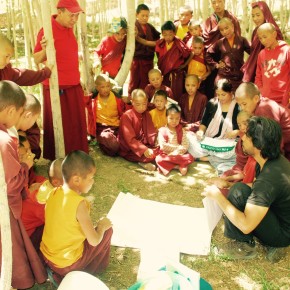
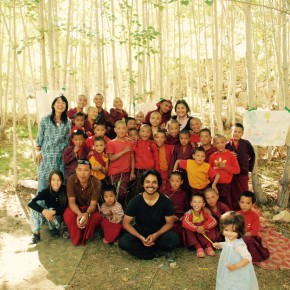
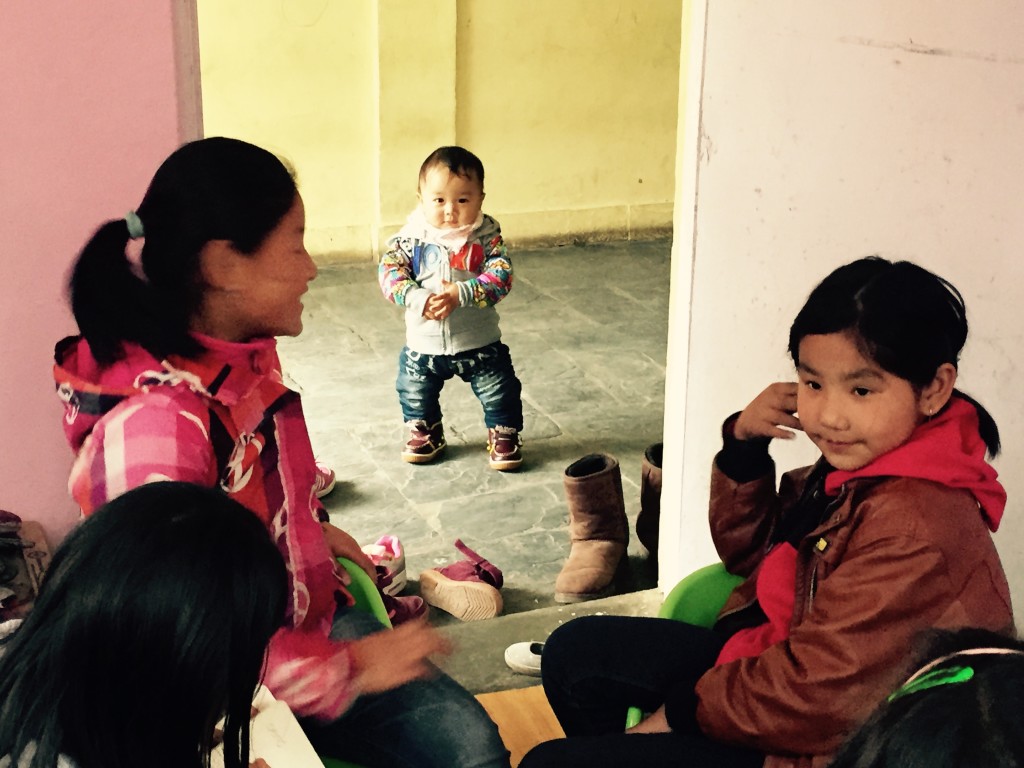
At Avalokiteśvara Trust, the festival brings children and young monks together around something simple and powerful: taking part. Stories read aloud, songs sung in groups and short comic or dramatic skits give every performer a place on stage. The occasion turns reading, music and creative expression into a shared celebration rather than keeping them as separate classroom activities.
Preparation is as meaningful as performance. Children rehearse lines, learn new words, follow cues, work with partners and discover that mistakes can be funny rather than shameful. Families, teachers and volunteers see the same child grow more willing to speak, listen and try something unfamiliar. By the time the audience arrives, confidence has been built quietly through participation.
Australian friends often recognise the format from school assemblies, public library story times and community hall performances in Sydney, Melbourne and regional centres. What may be new is the Himalayan setting and the blend of cultural tradition with creative learning. The connection is easy to understand: children want to belong, be heard and share a memorable day with other people.
Reading aloud builds confidence and belonging
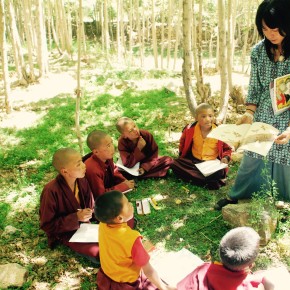
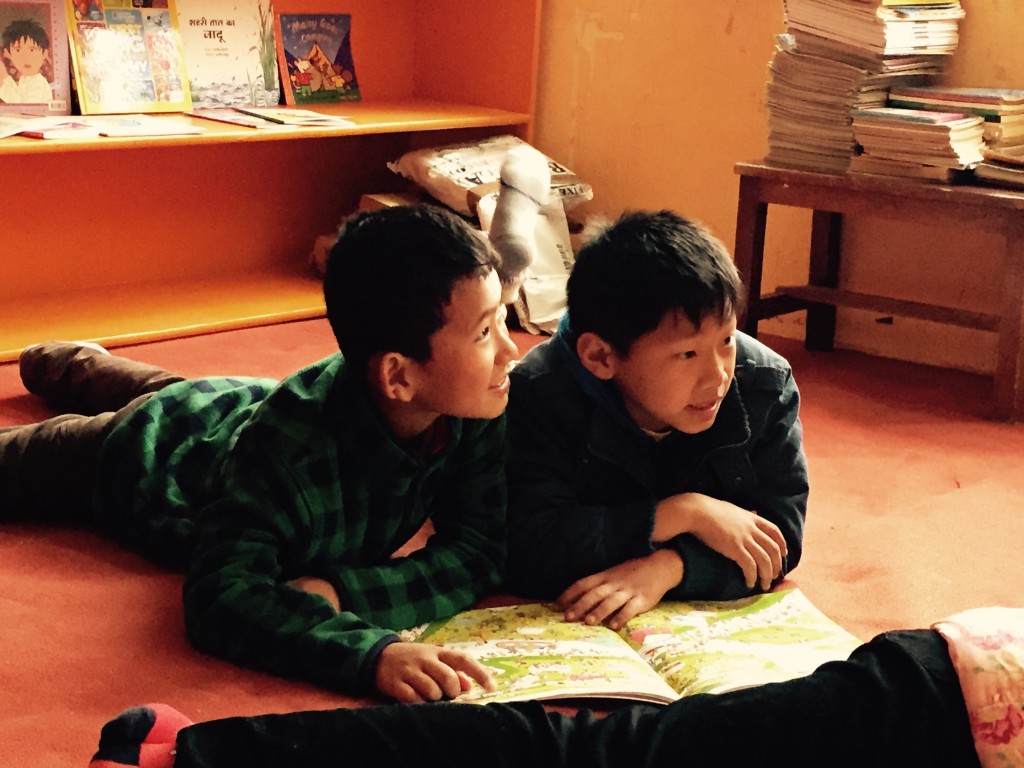
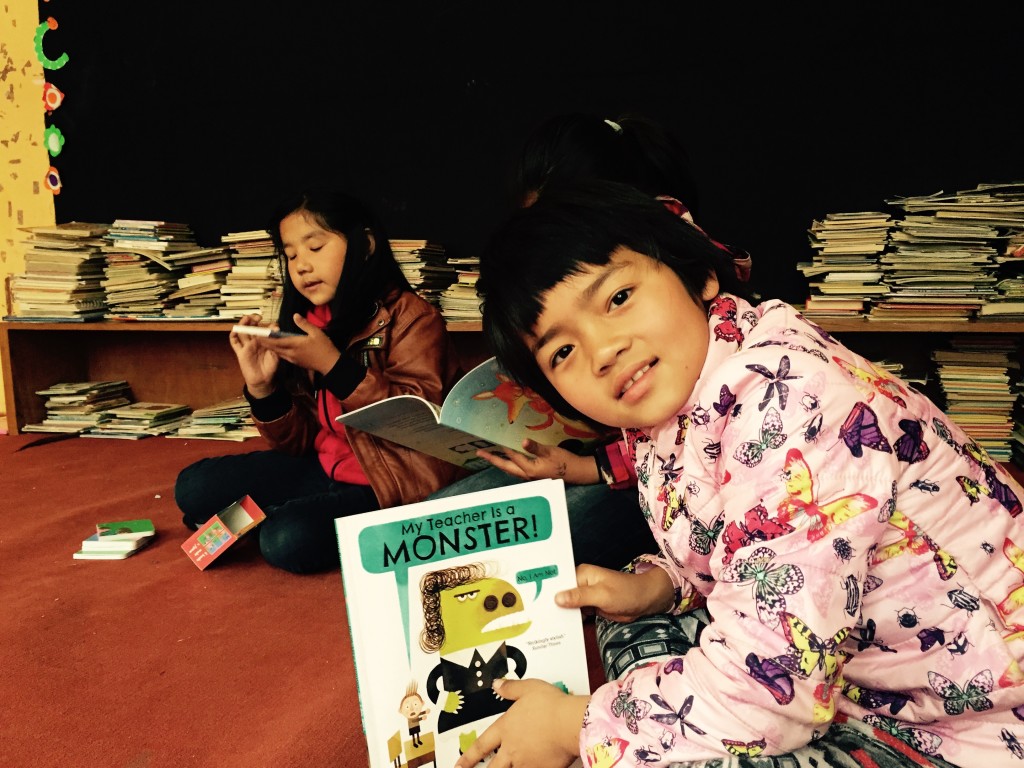
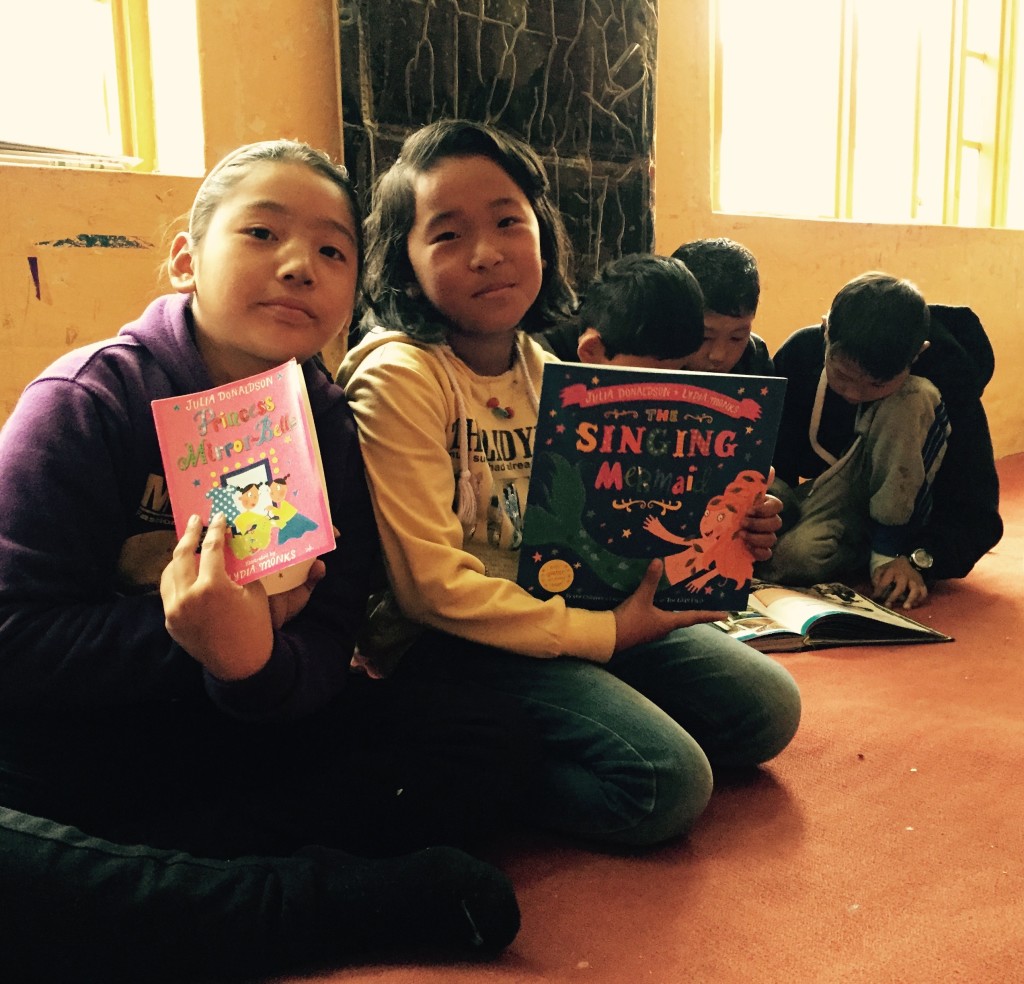
Reading a story in front of an audience asks for more than memorised words. Children must pronounce unfamiliar language, listen for their cue and respond to listeners in real time. A hesitant narrator gains confidence with each sentence, while quiet children discover that a story can create a safe place for their voice.
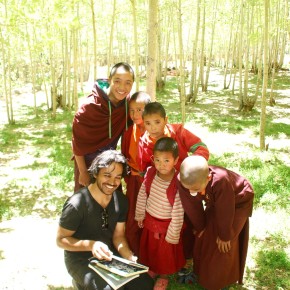
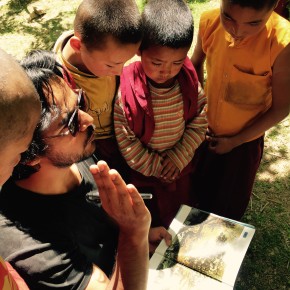
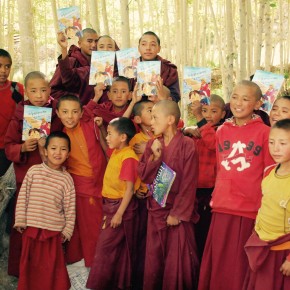
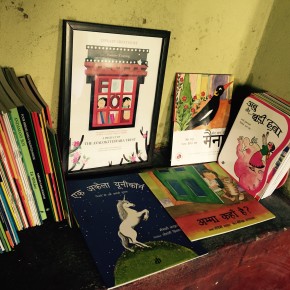
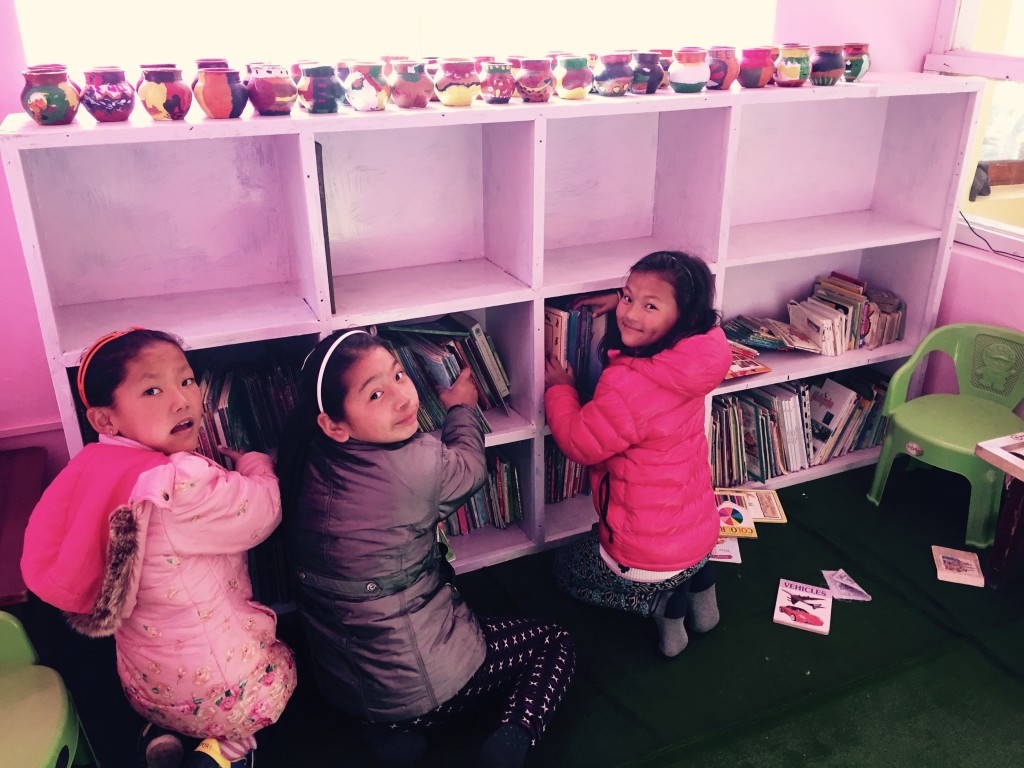
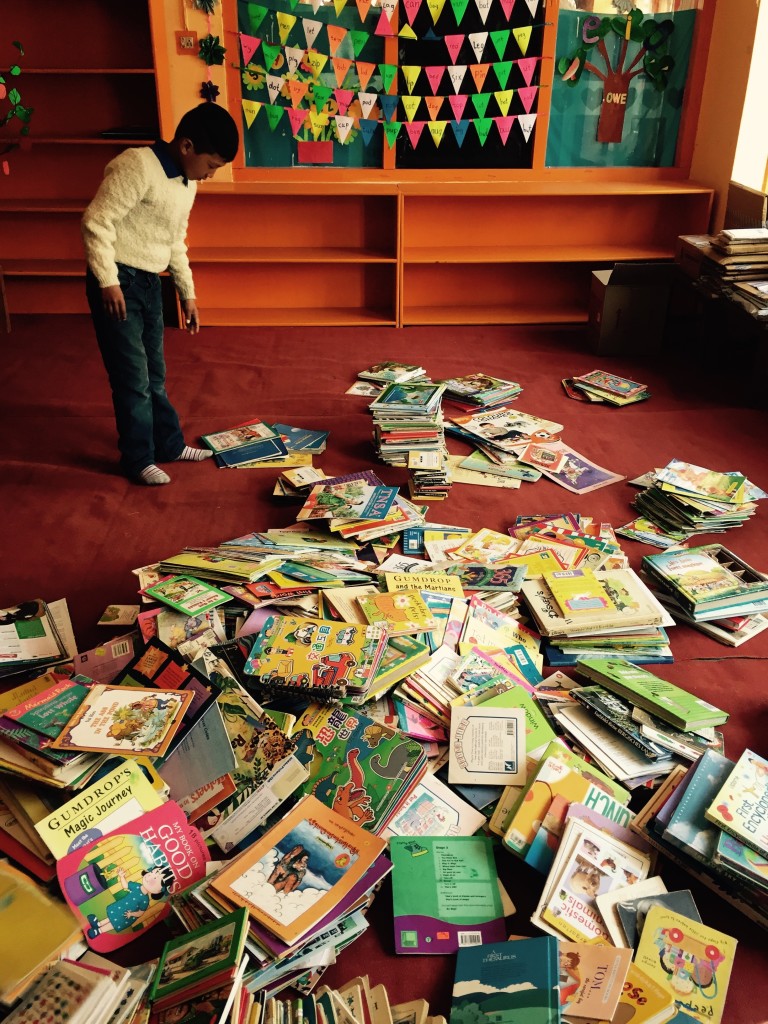
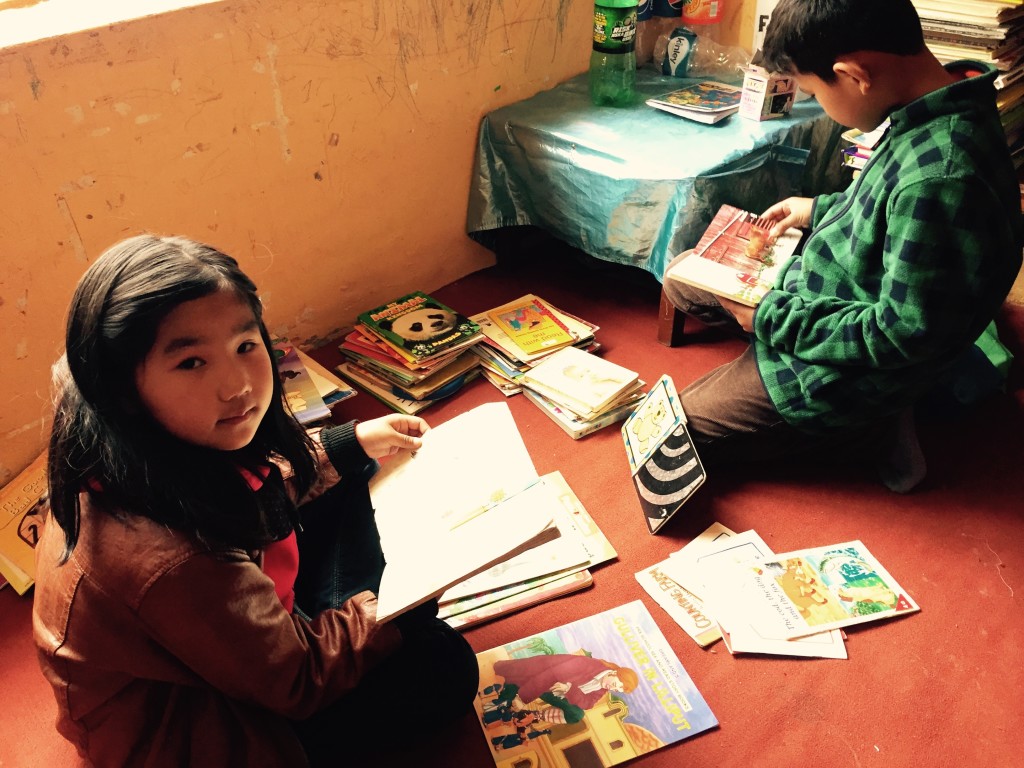
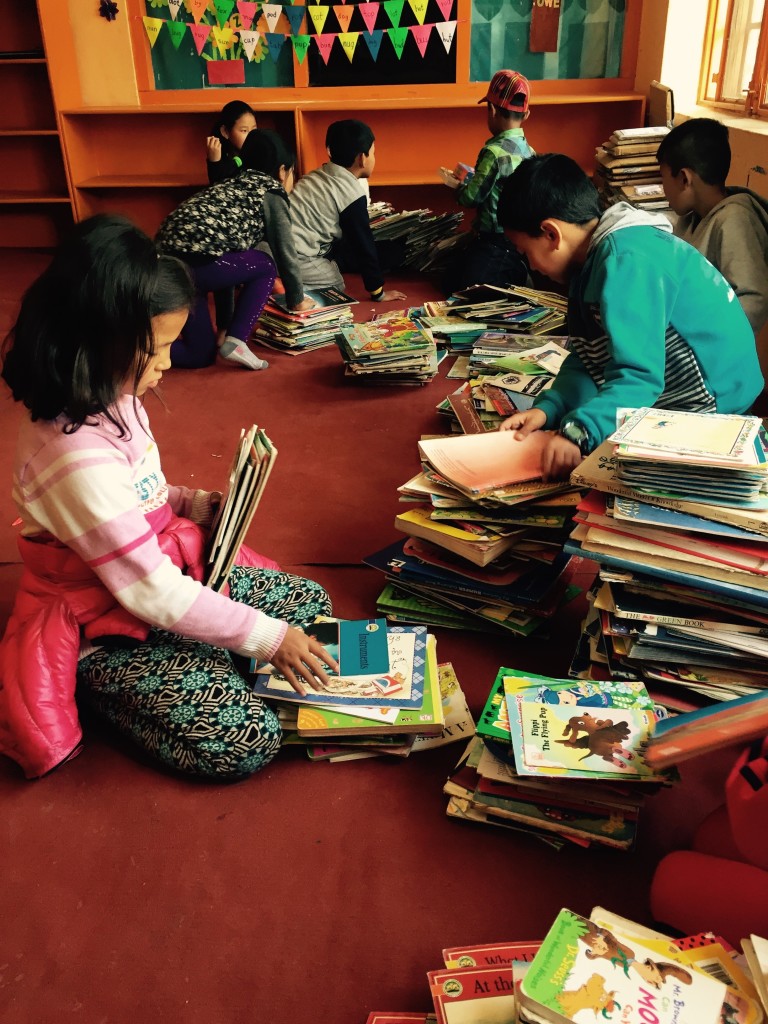
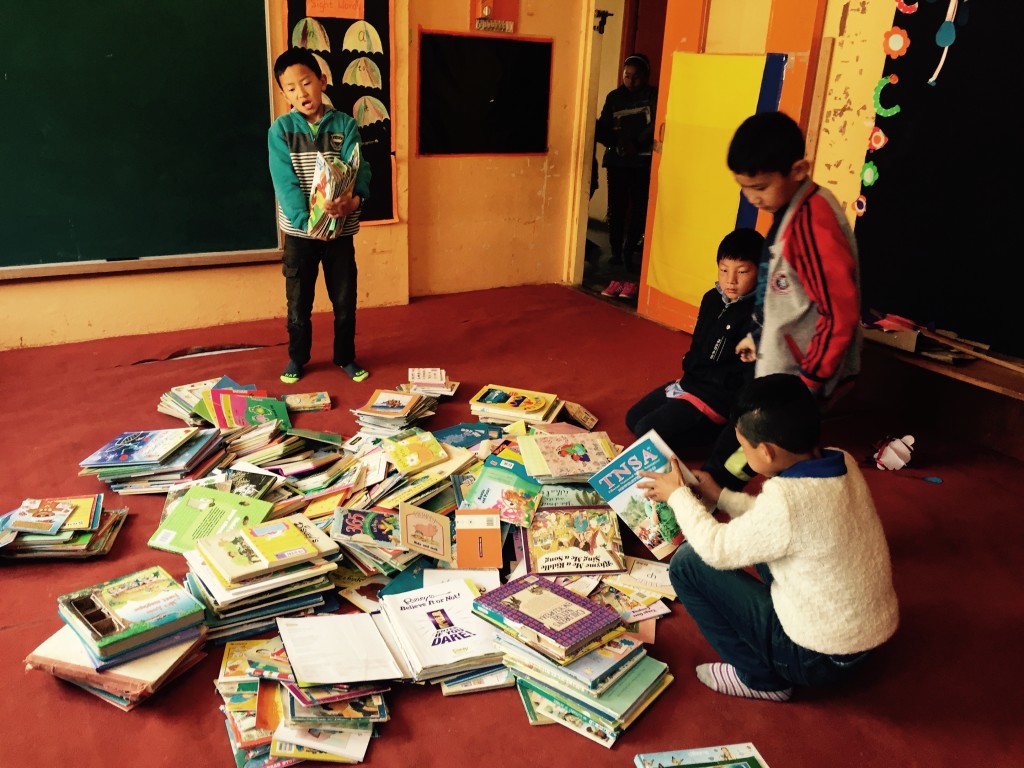
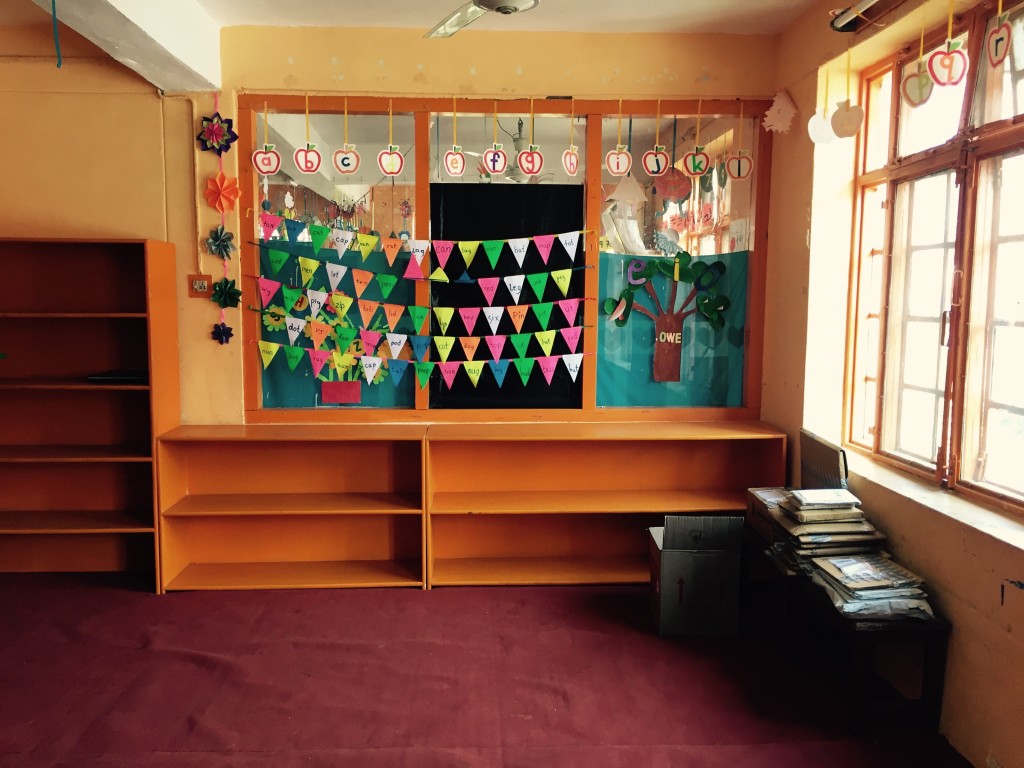
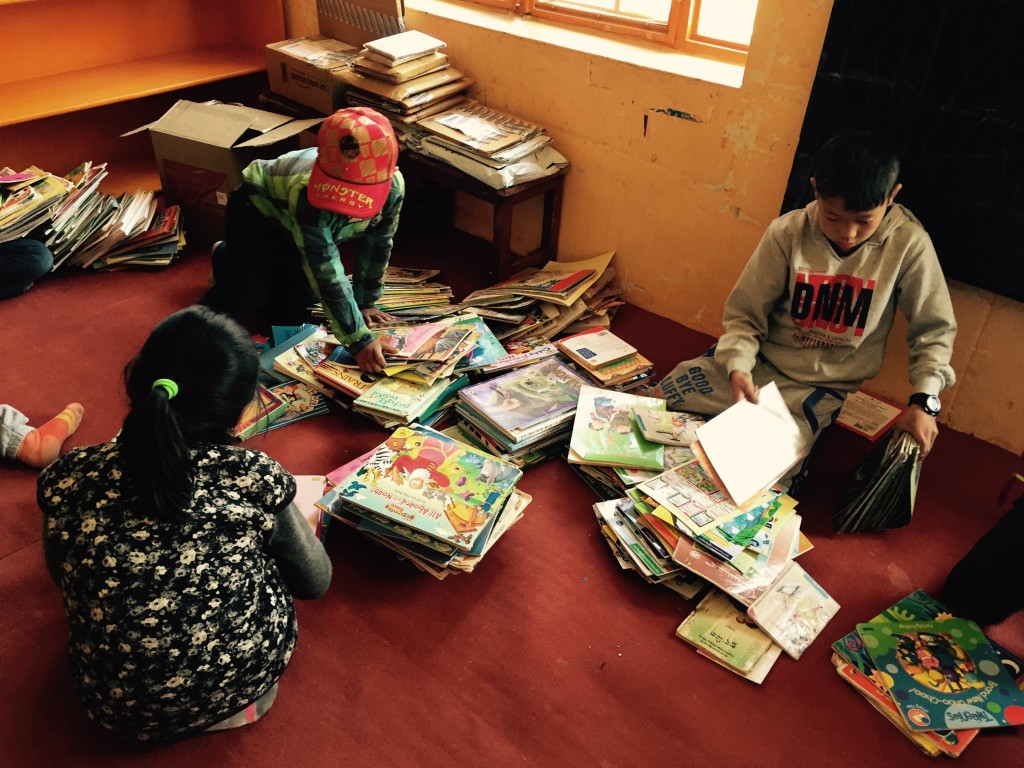
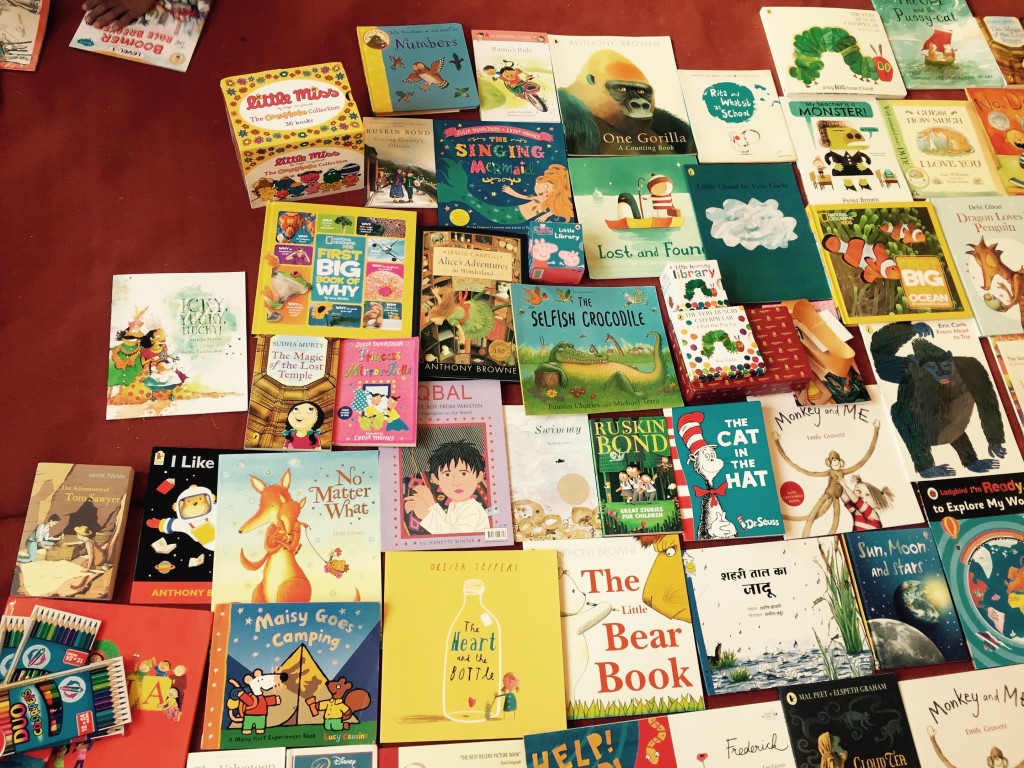
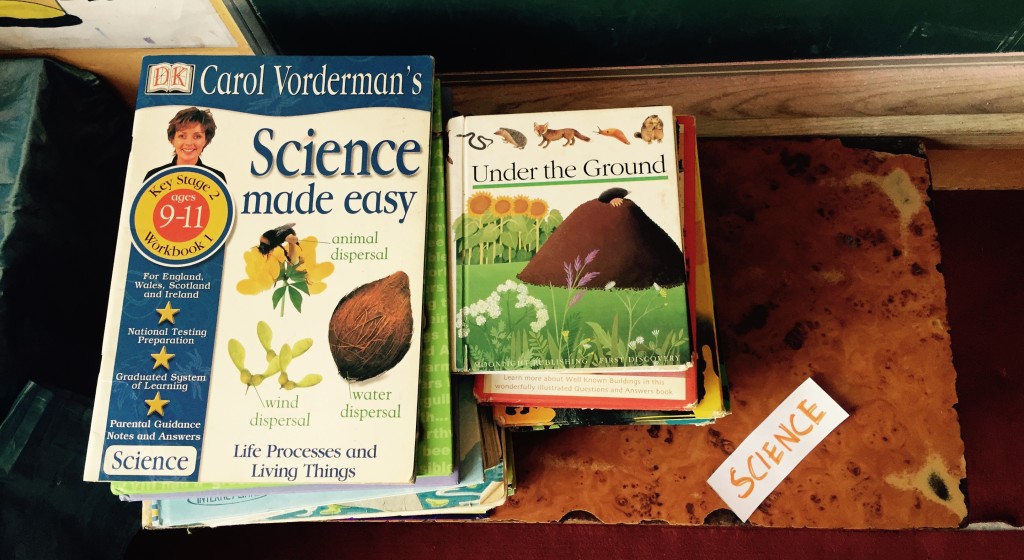
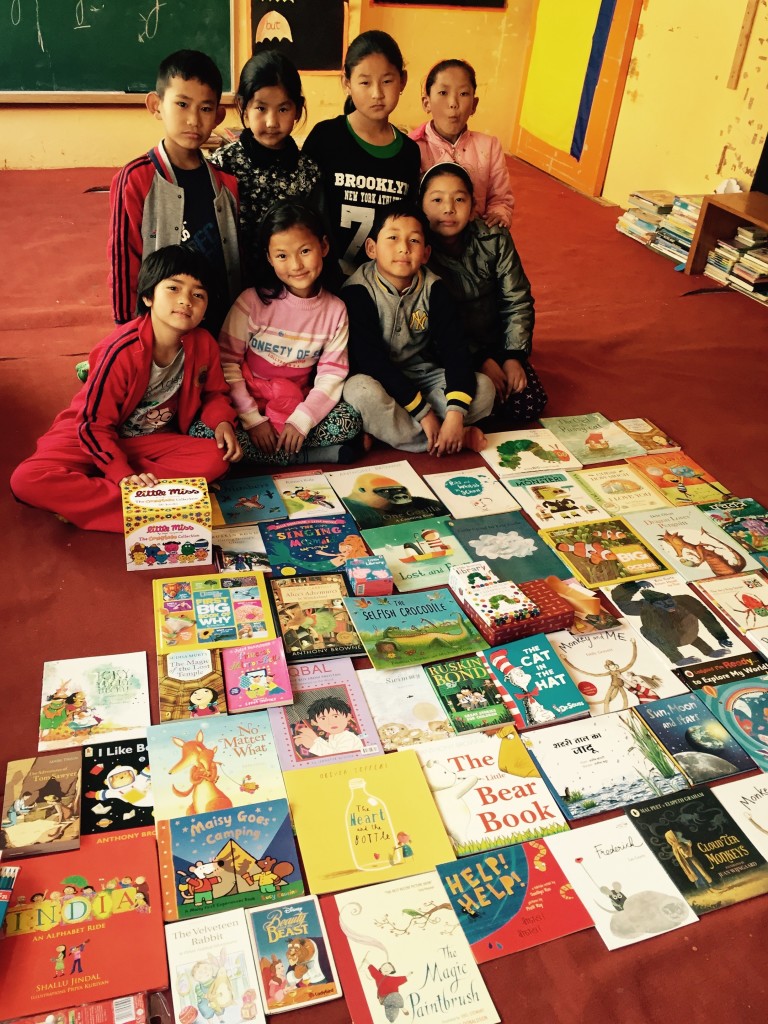
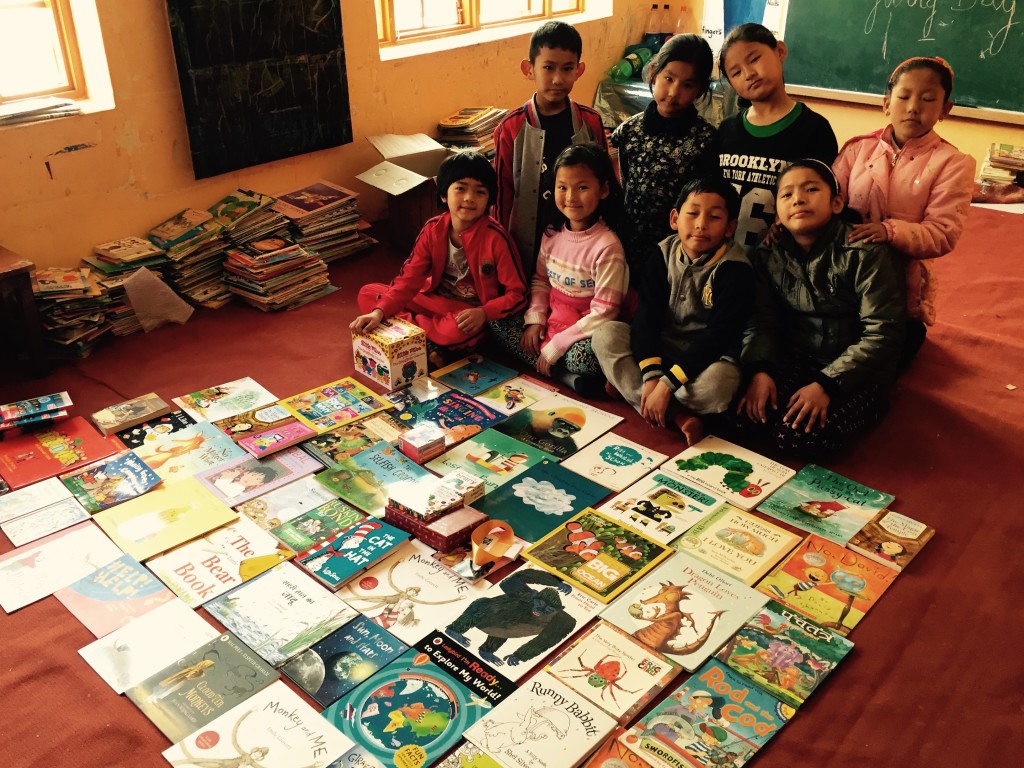
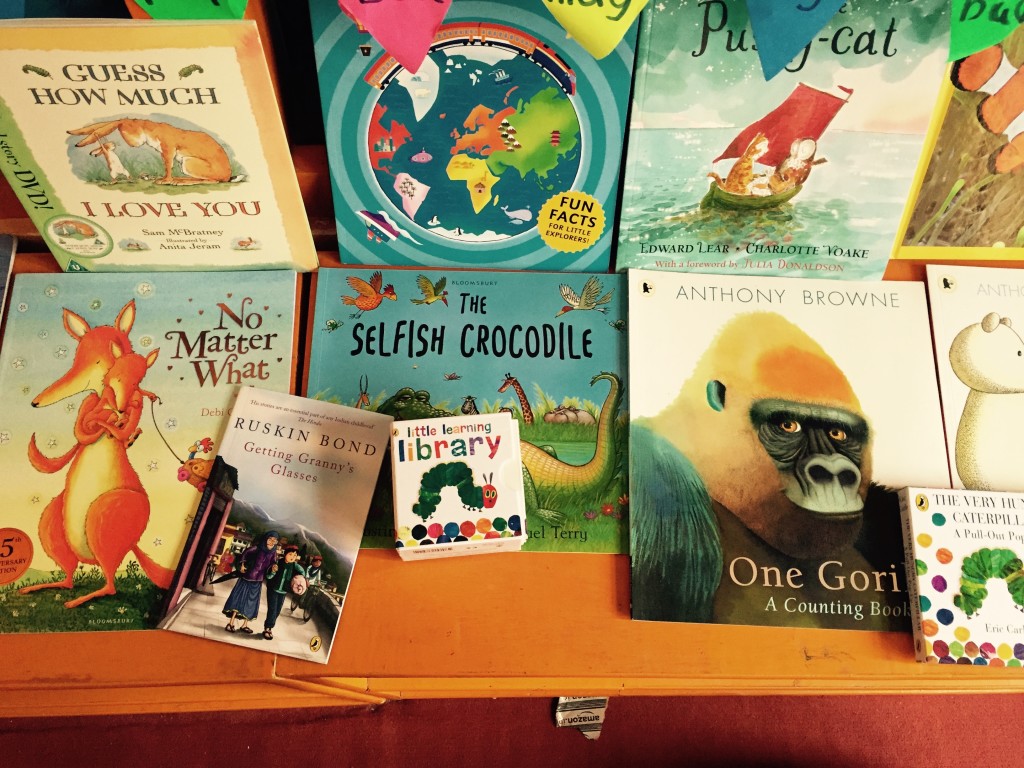
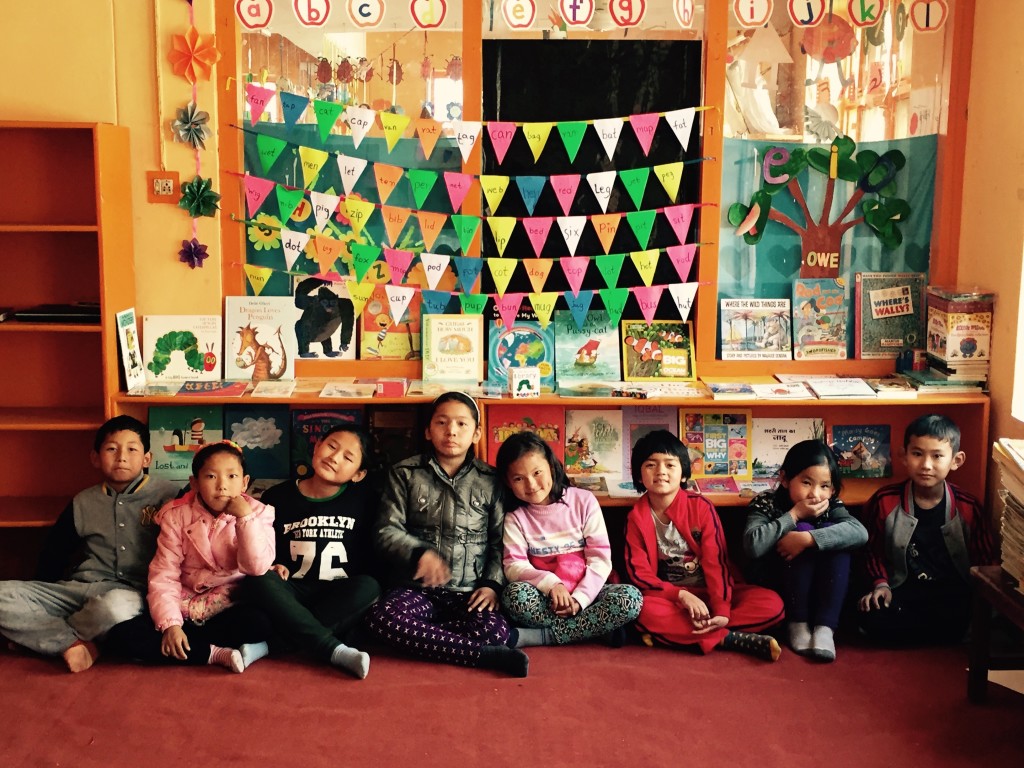
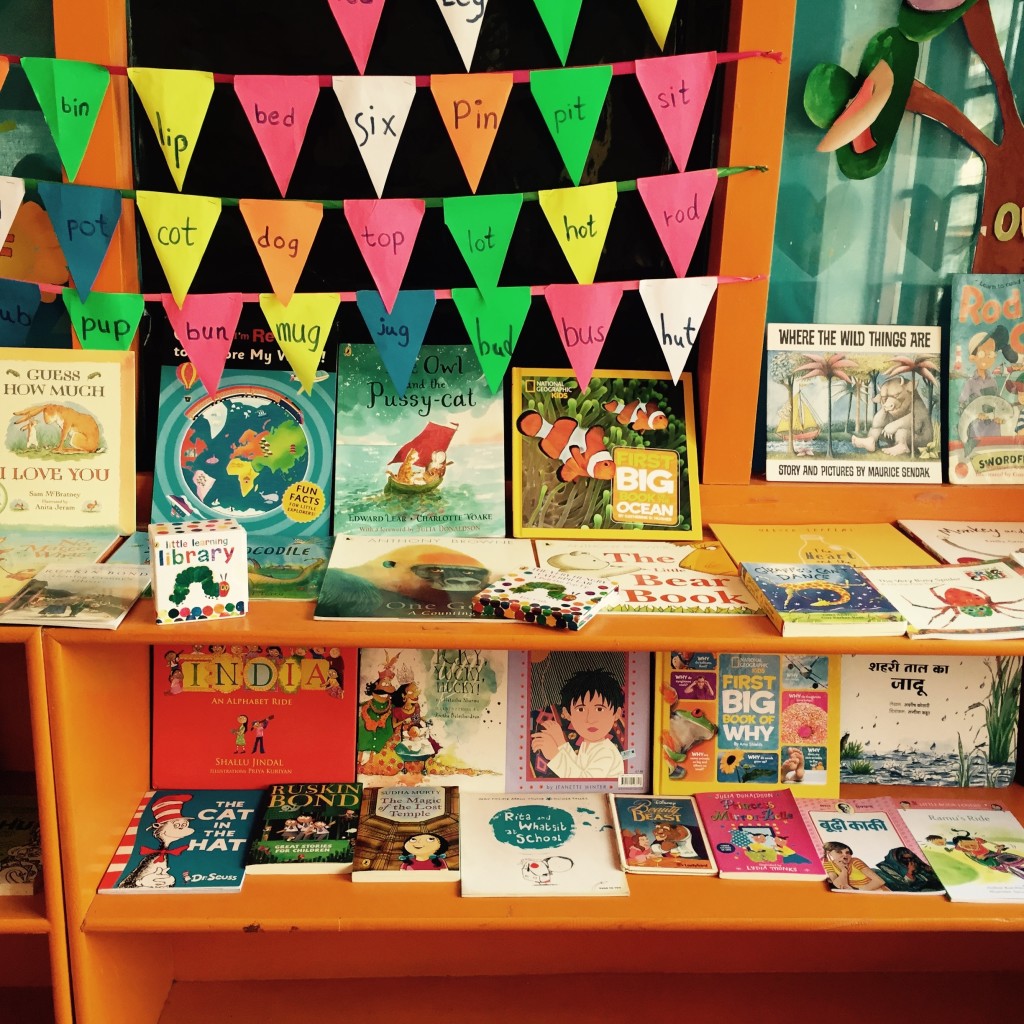
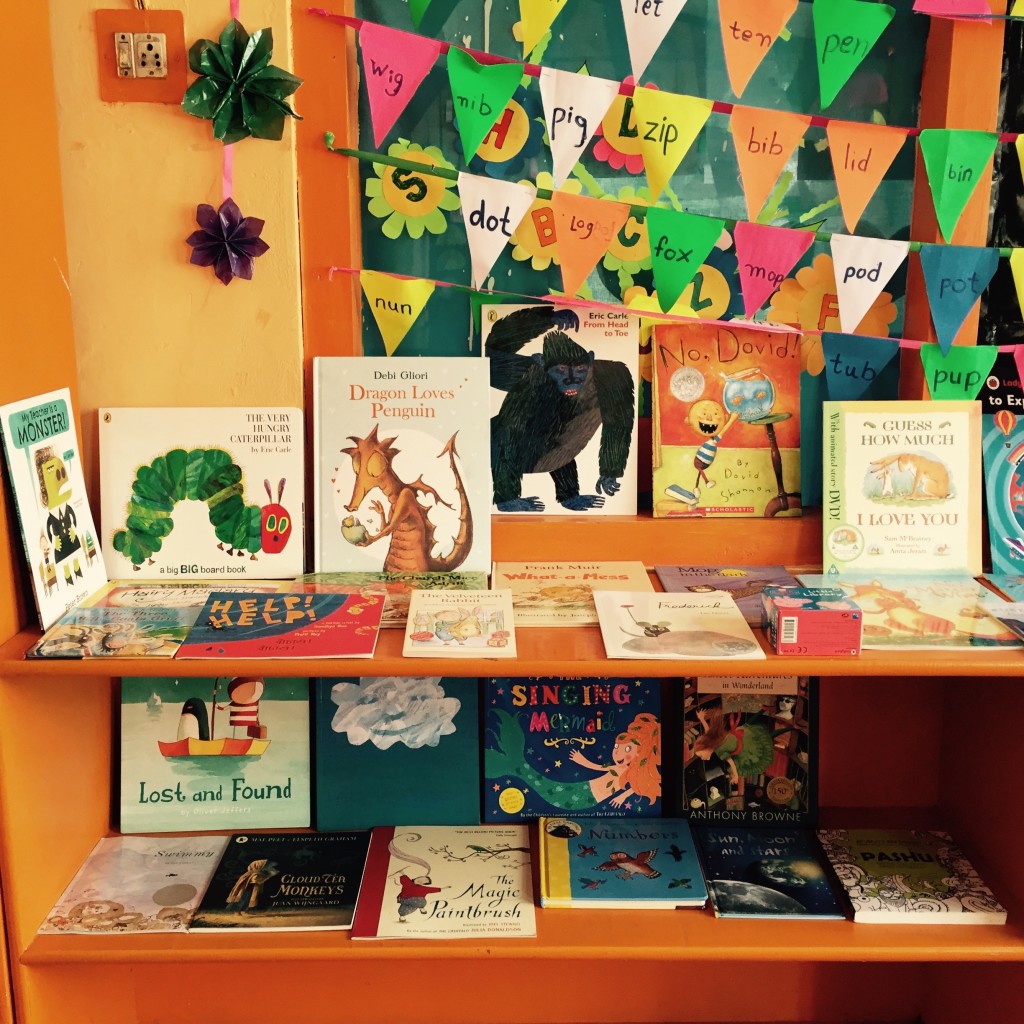
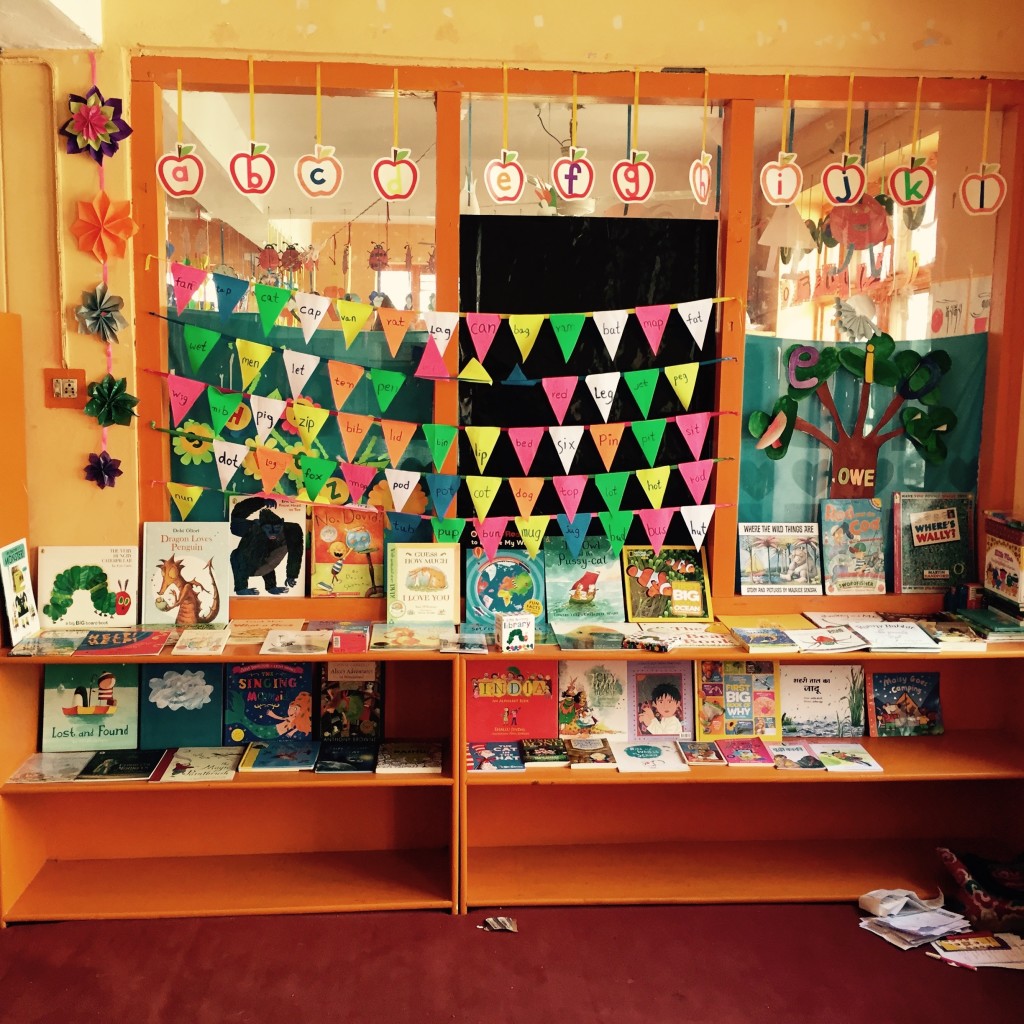
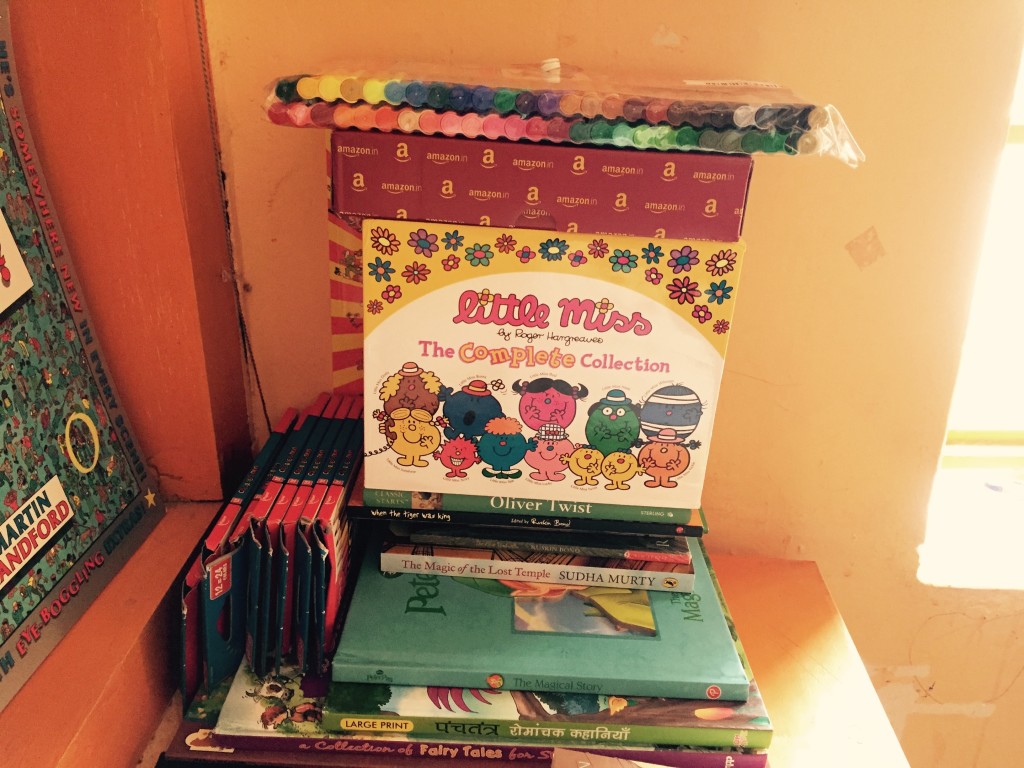
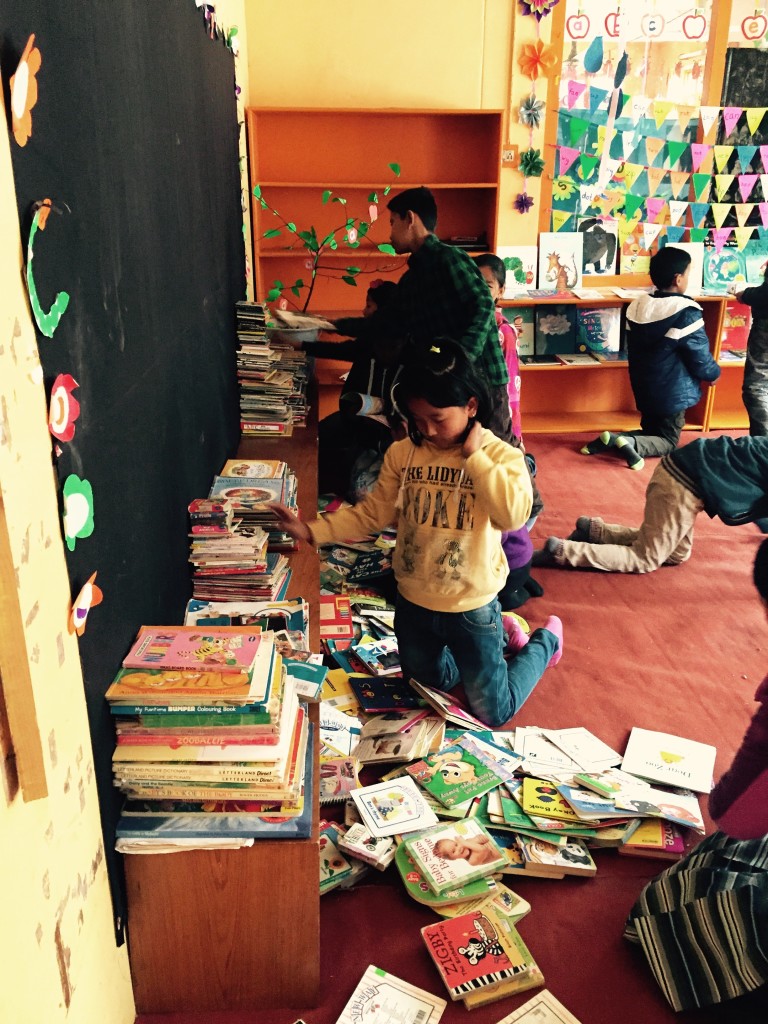
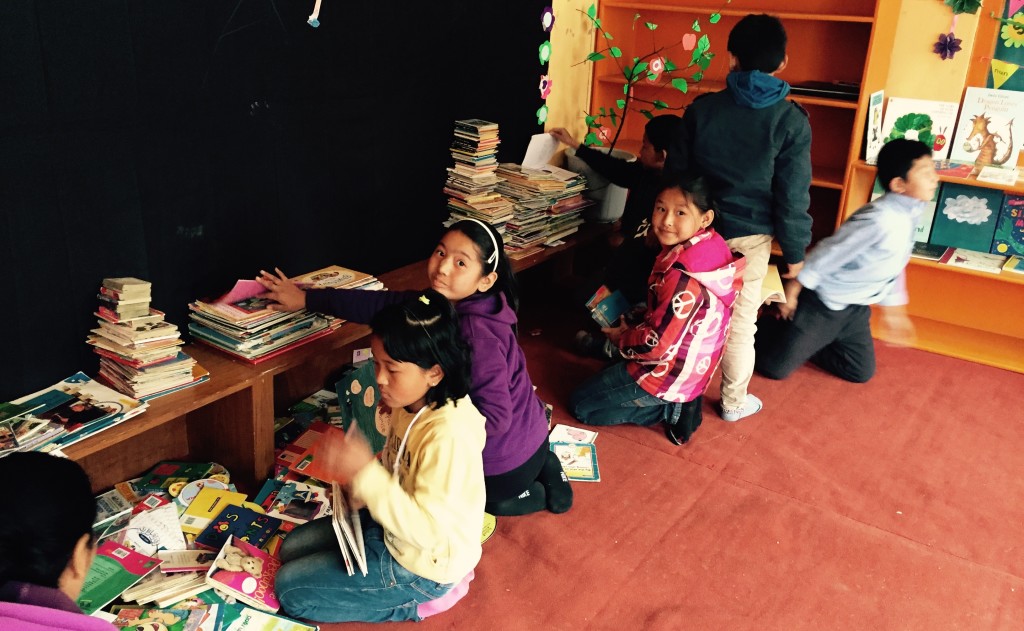
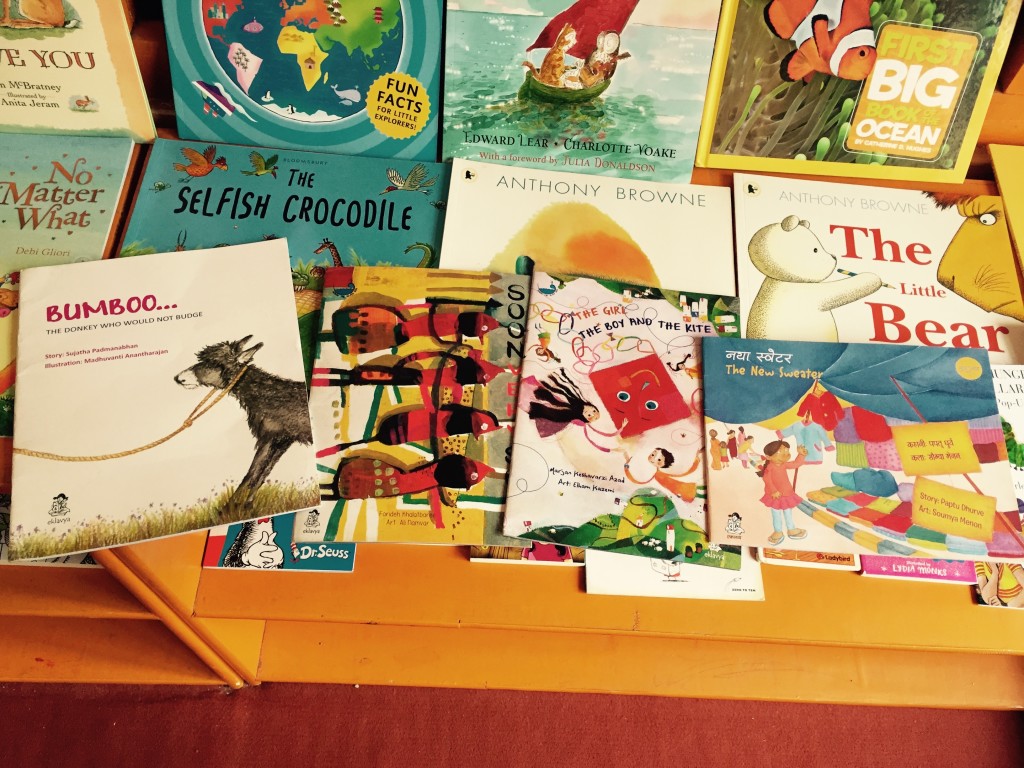
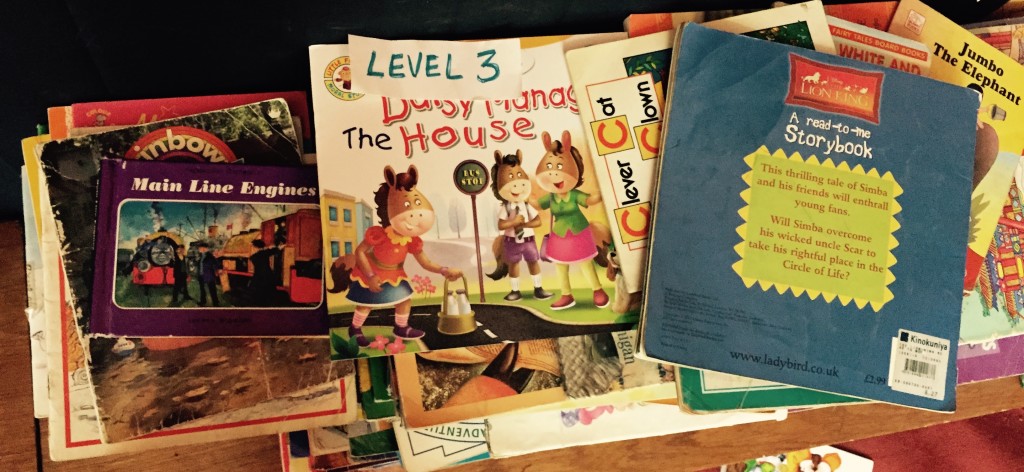
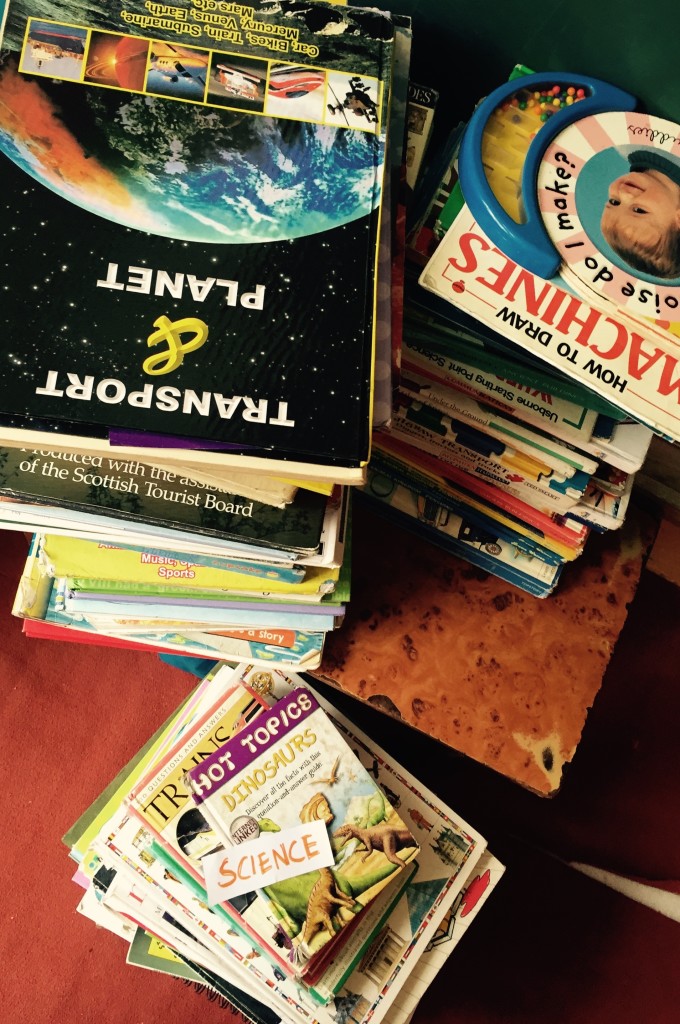
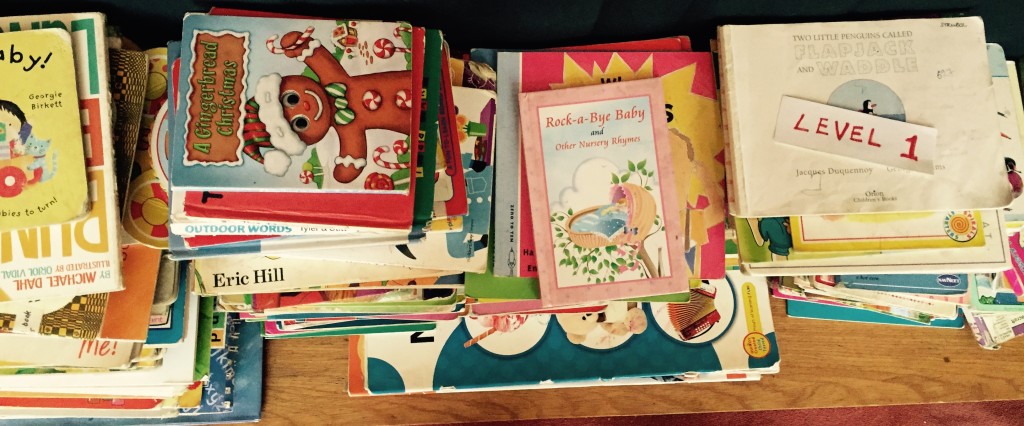
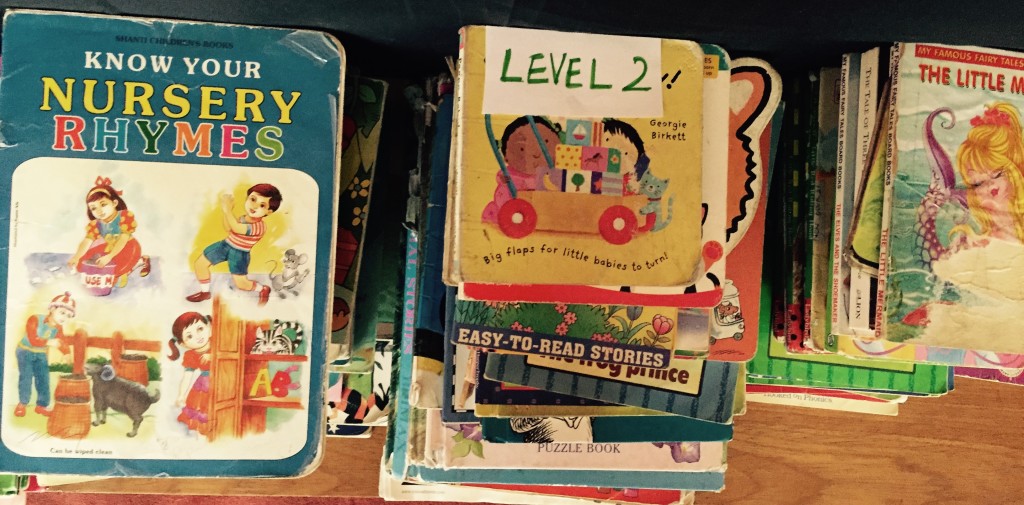
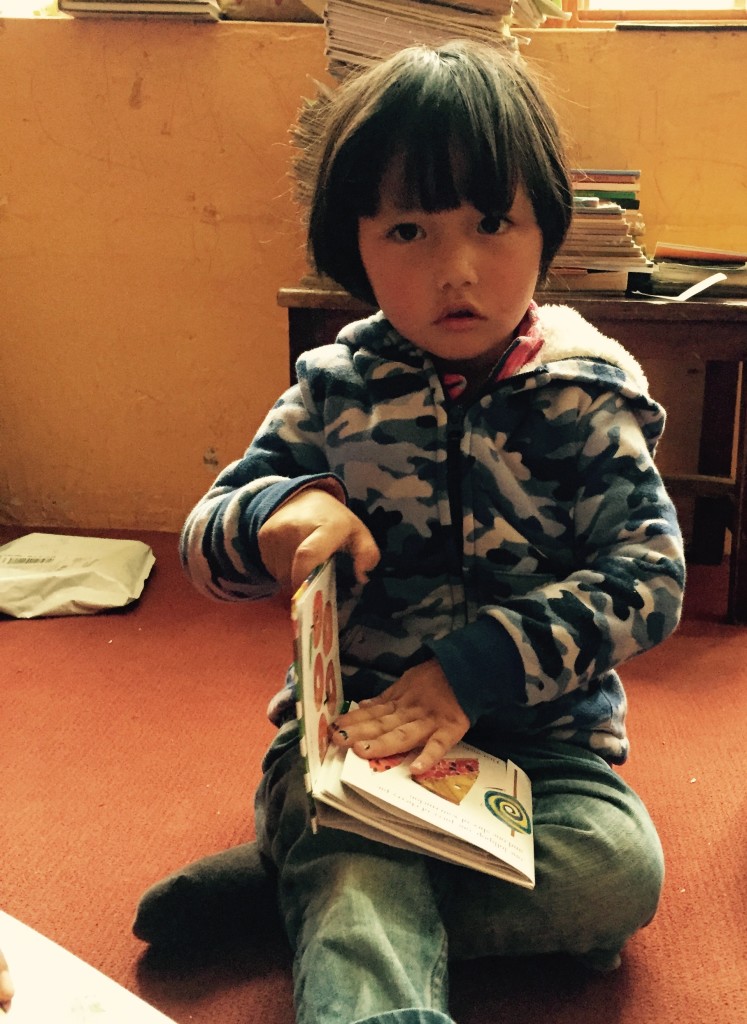
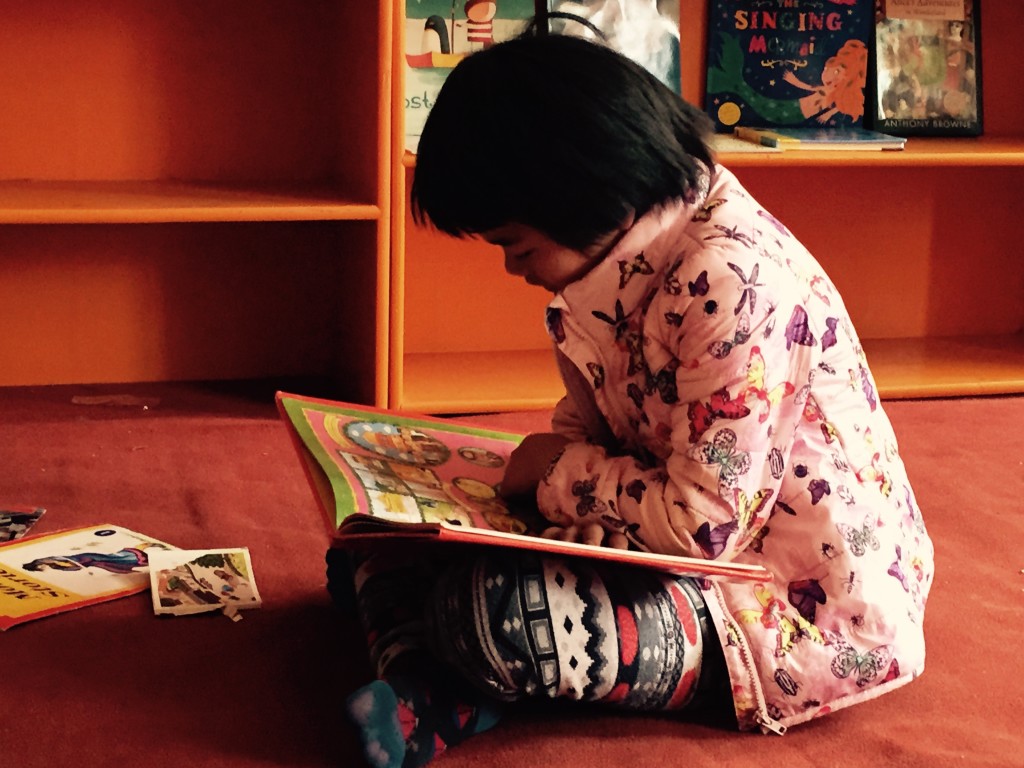
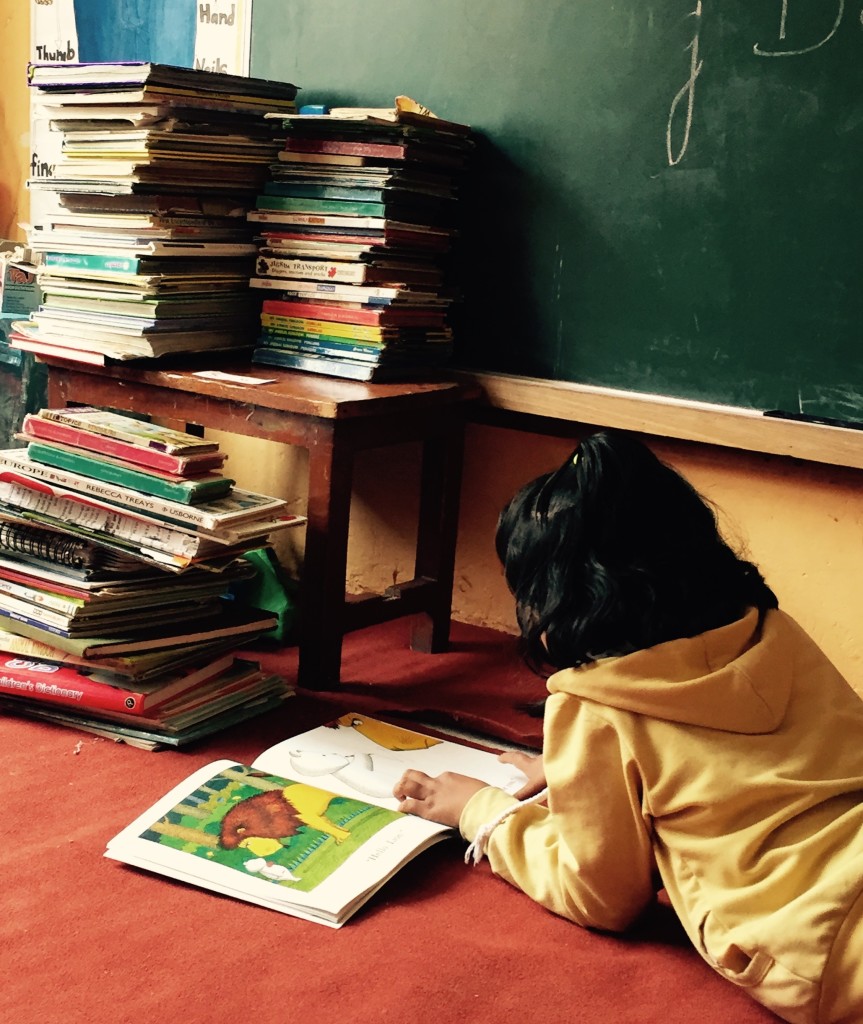
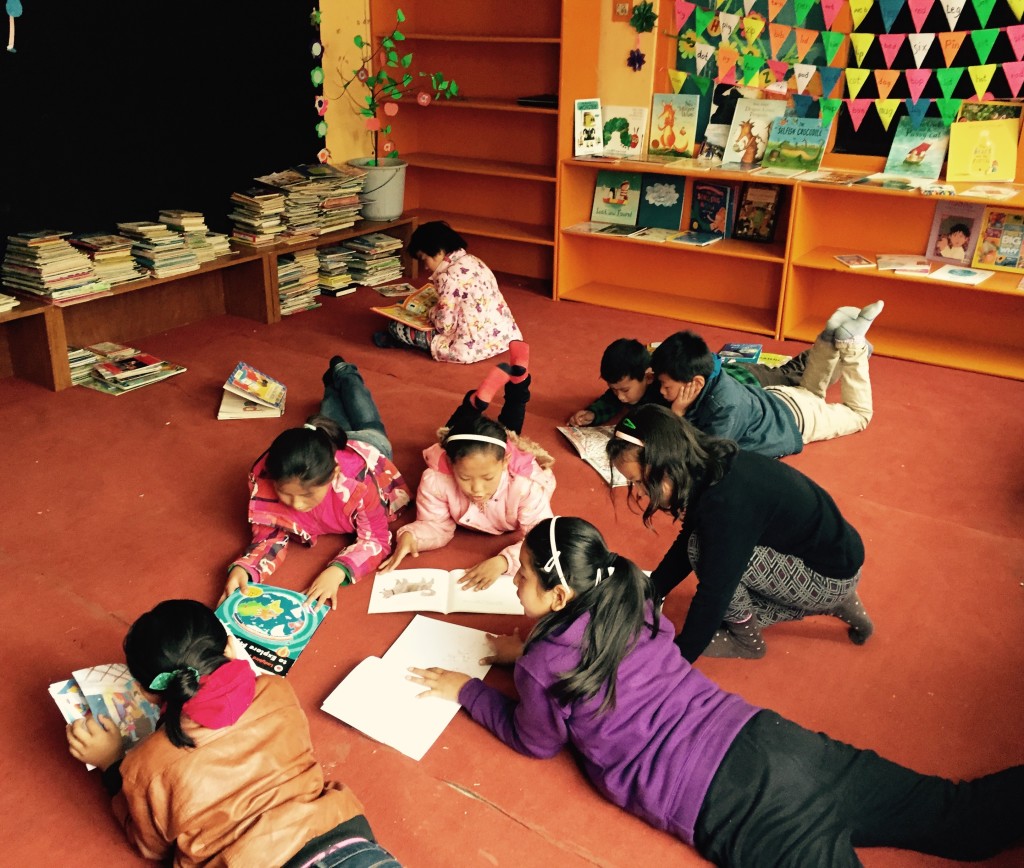
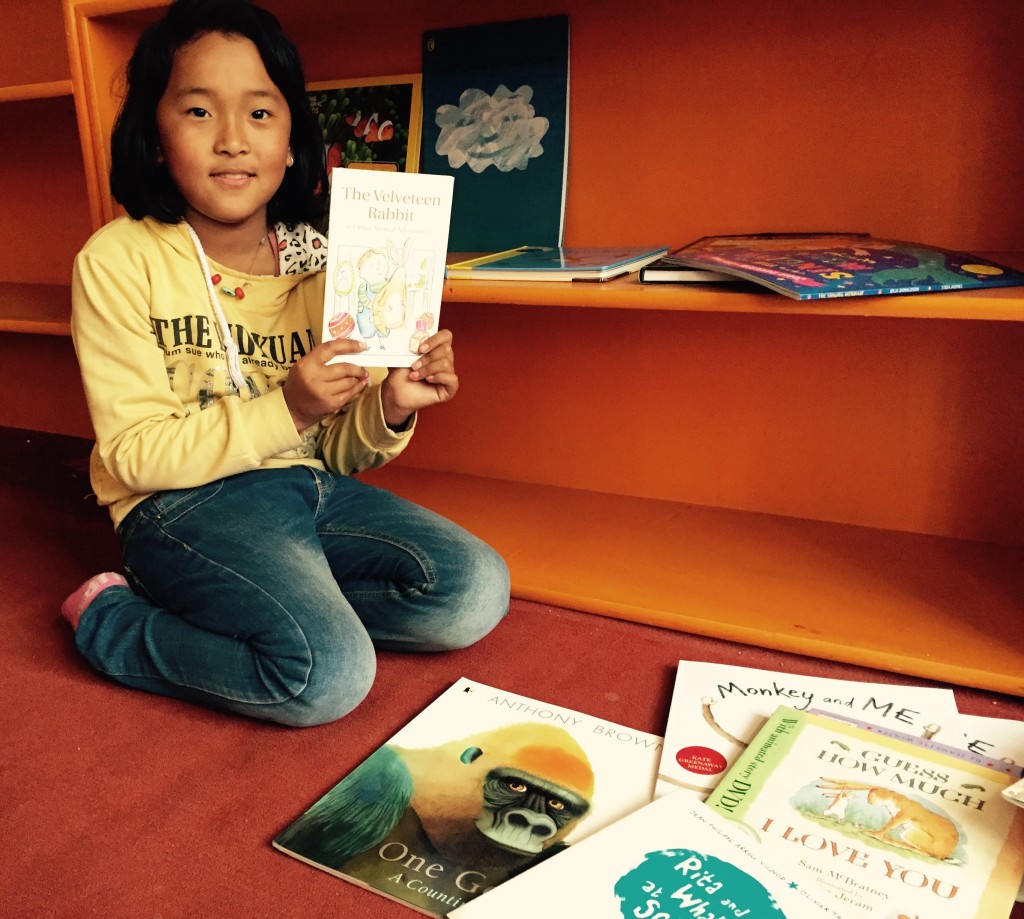
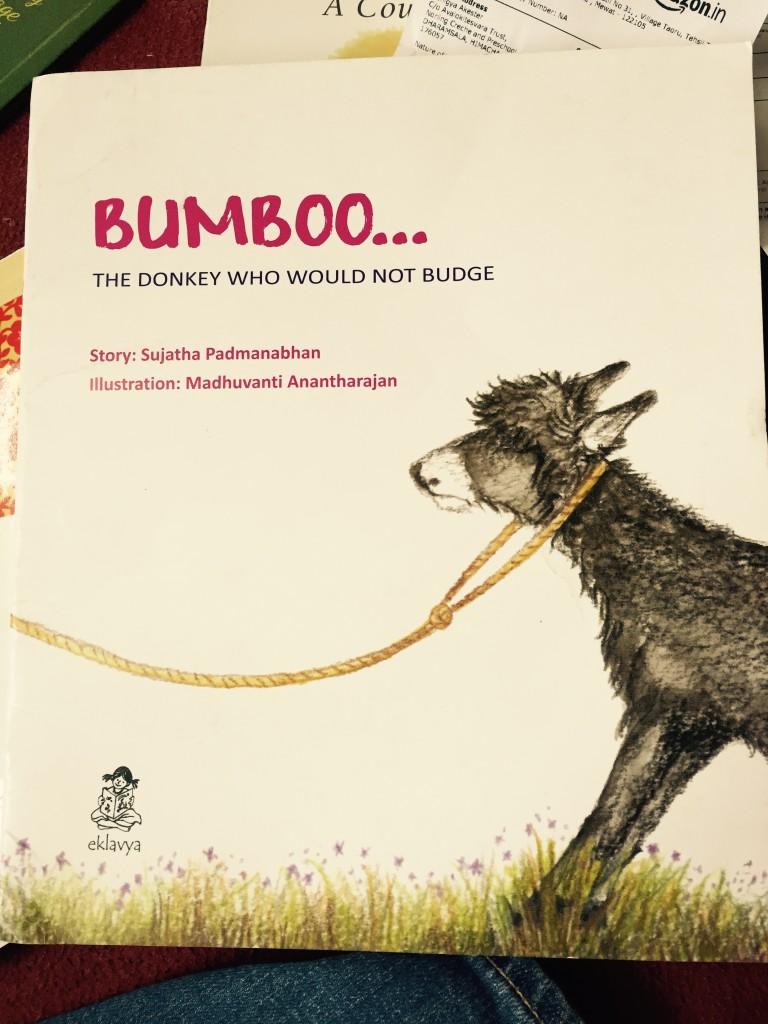
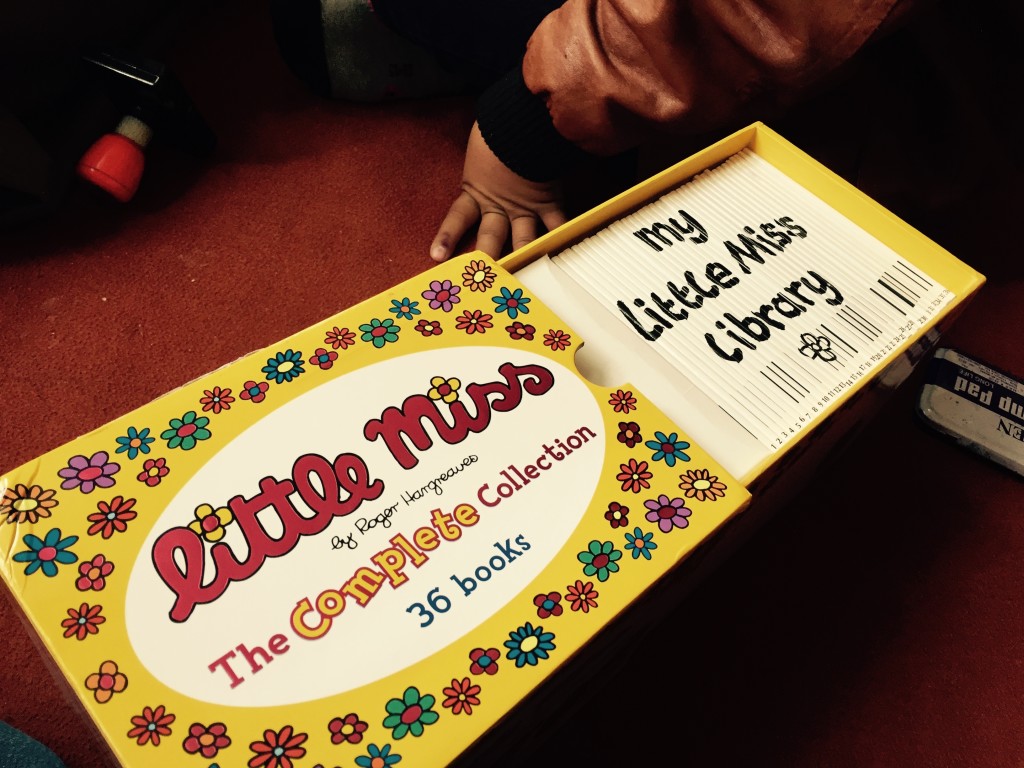
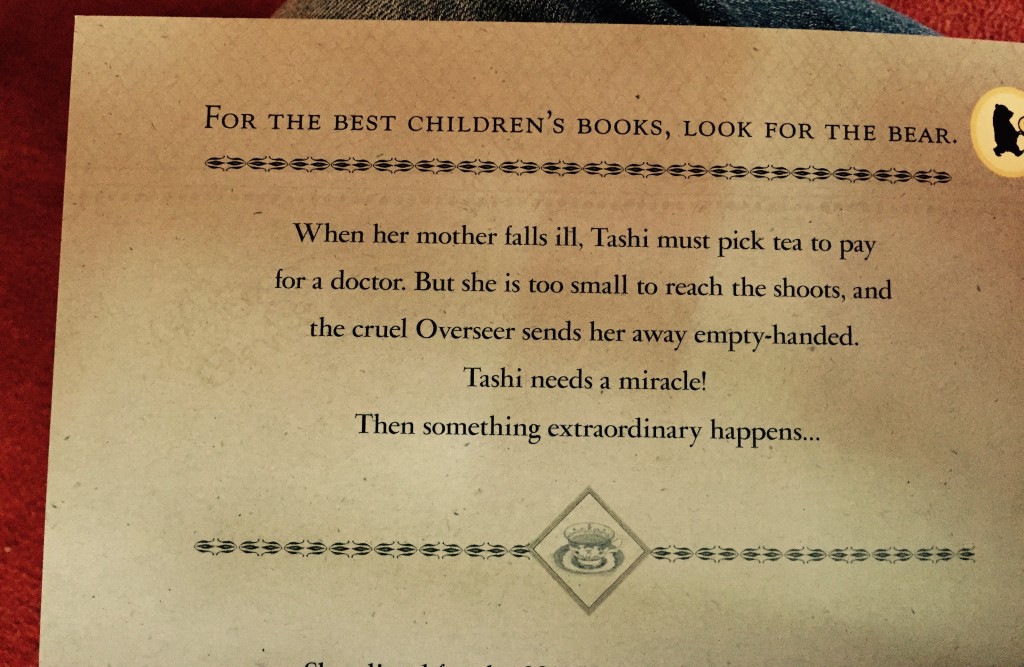
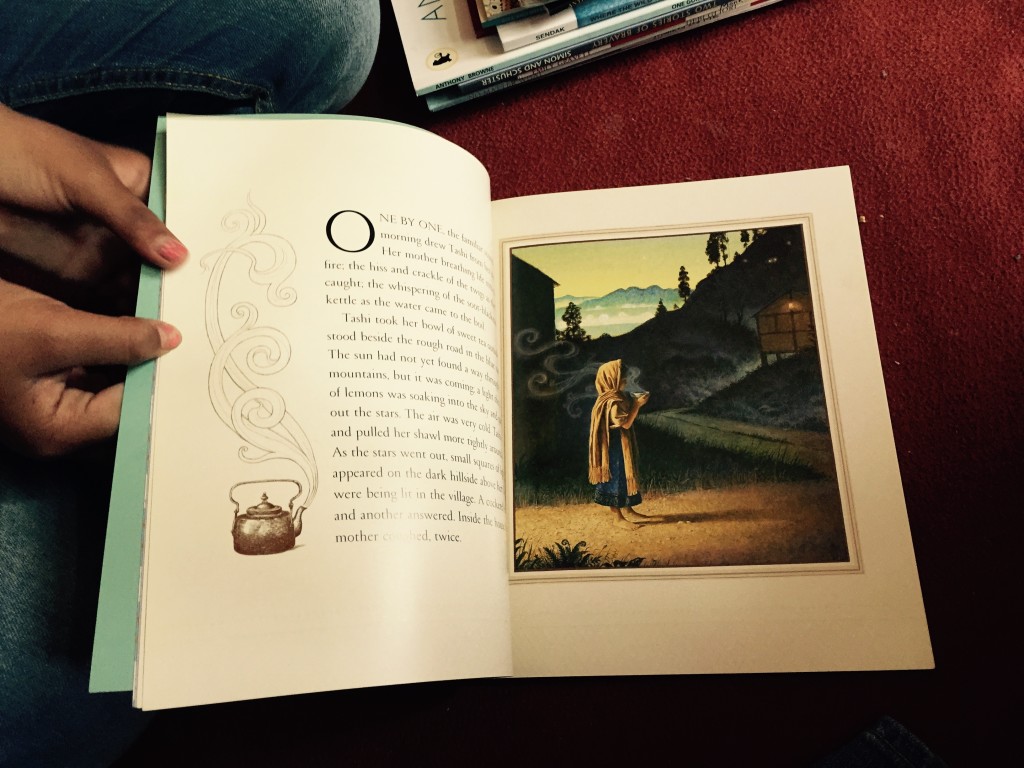
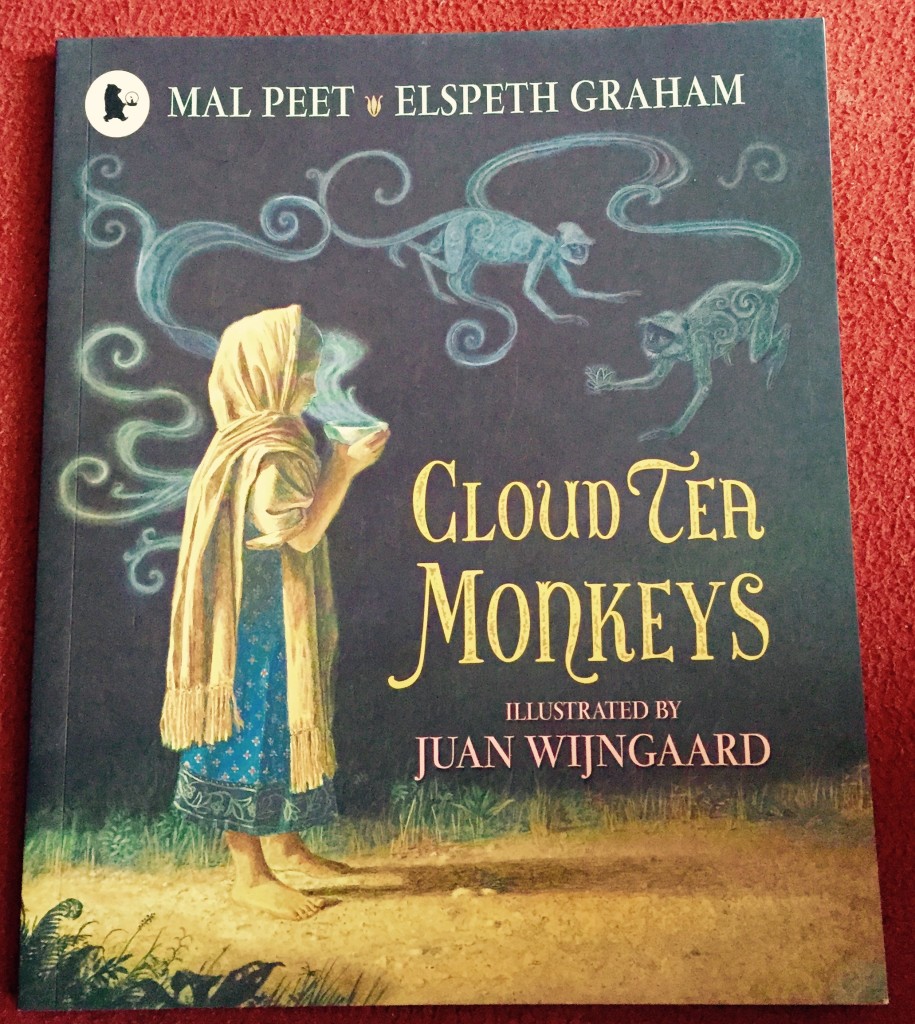
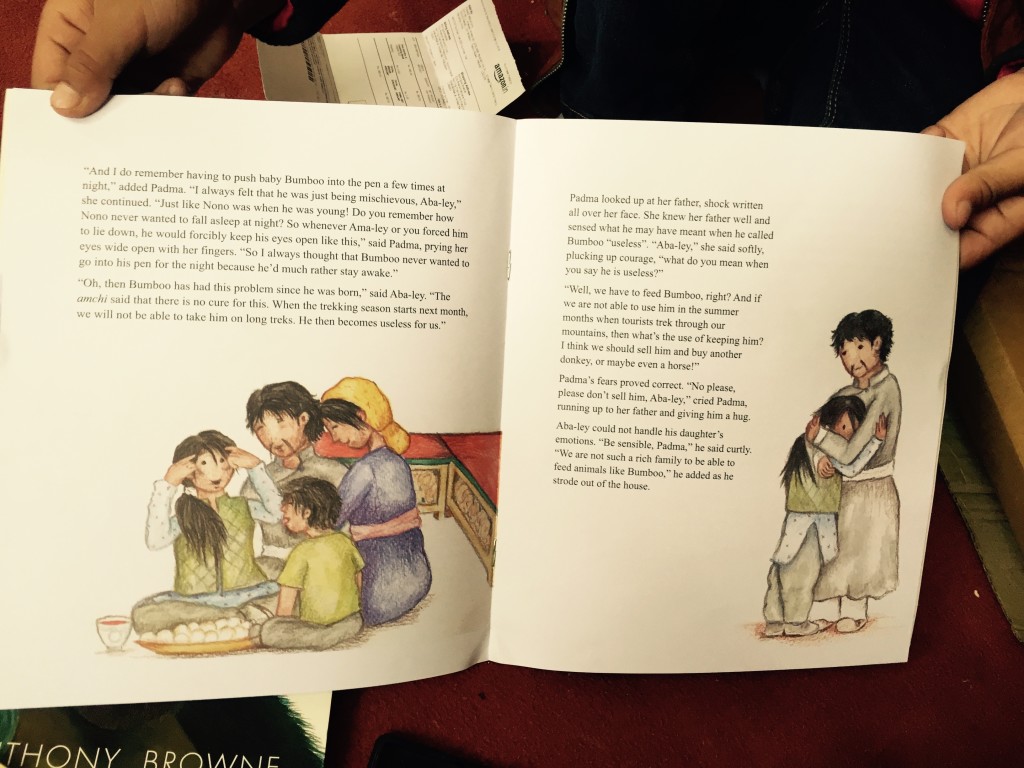
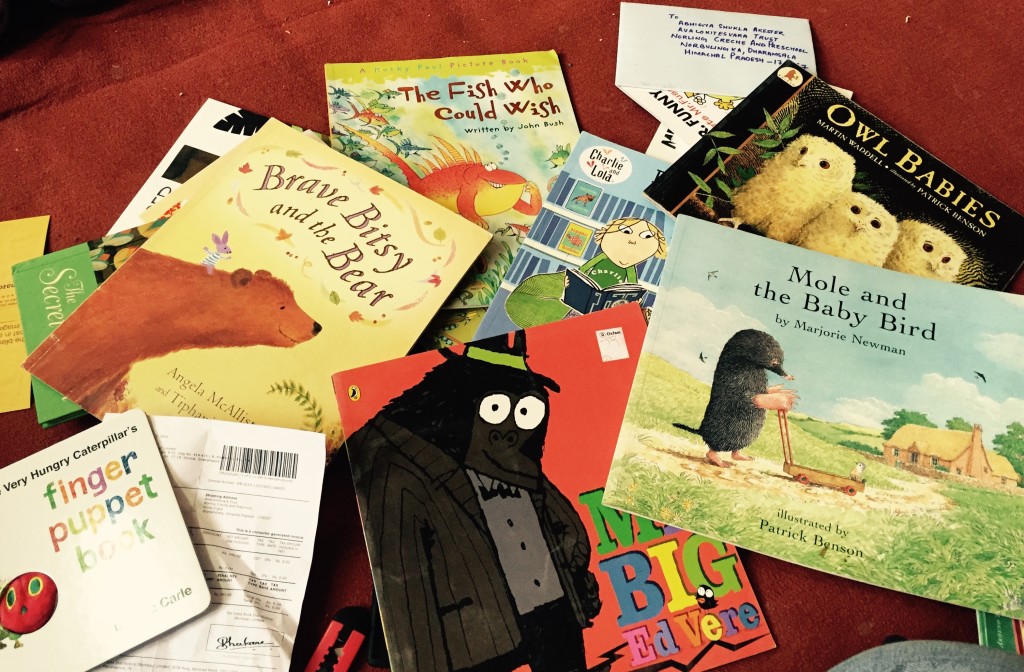
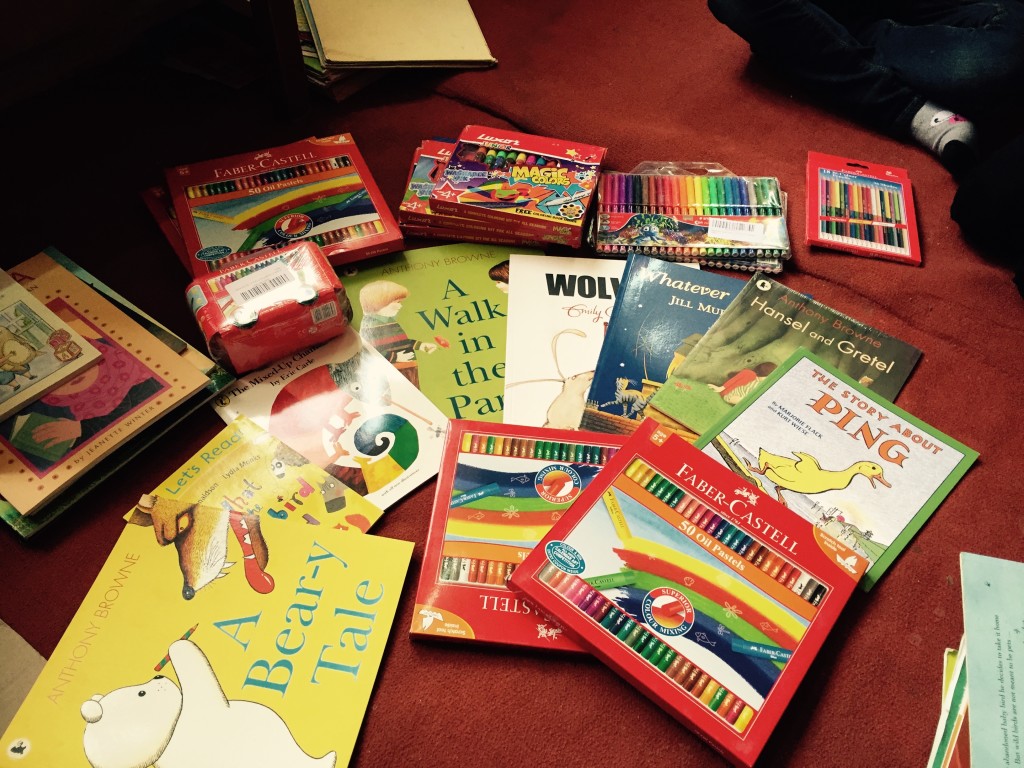
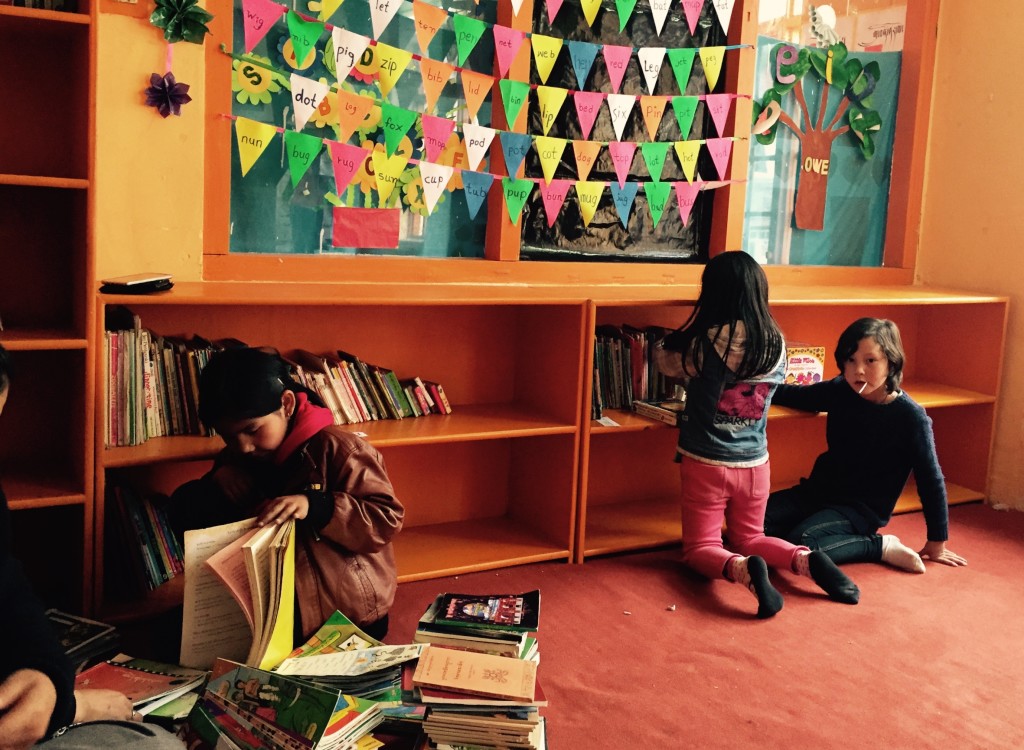
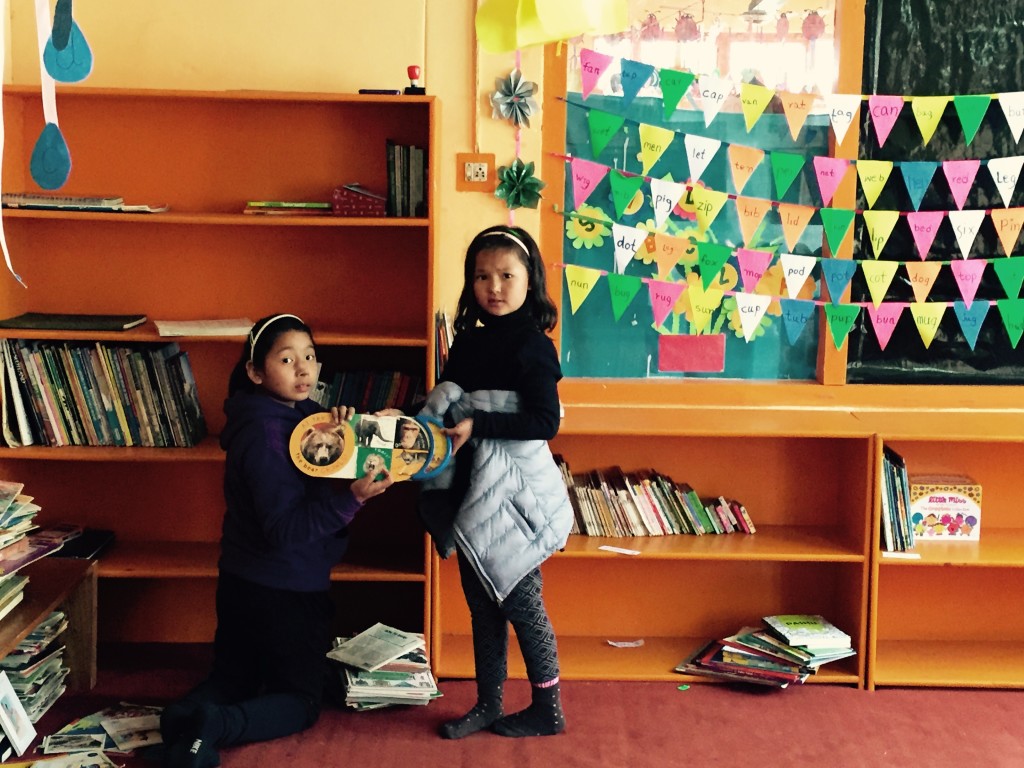
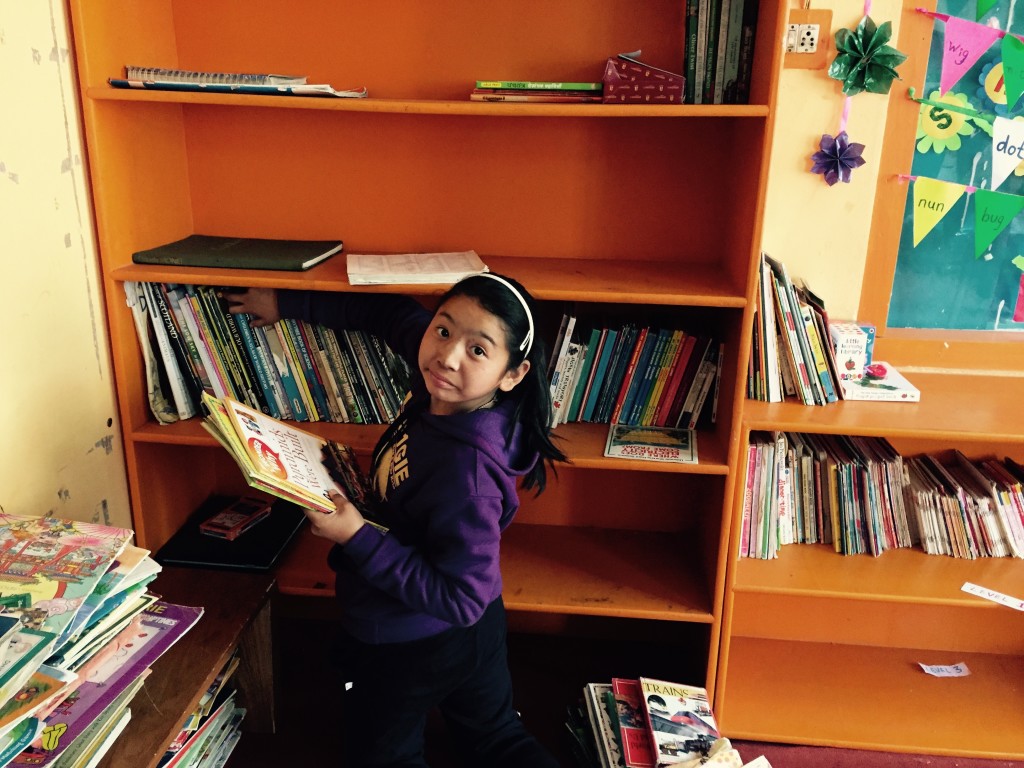
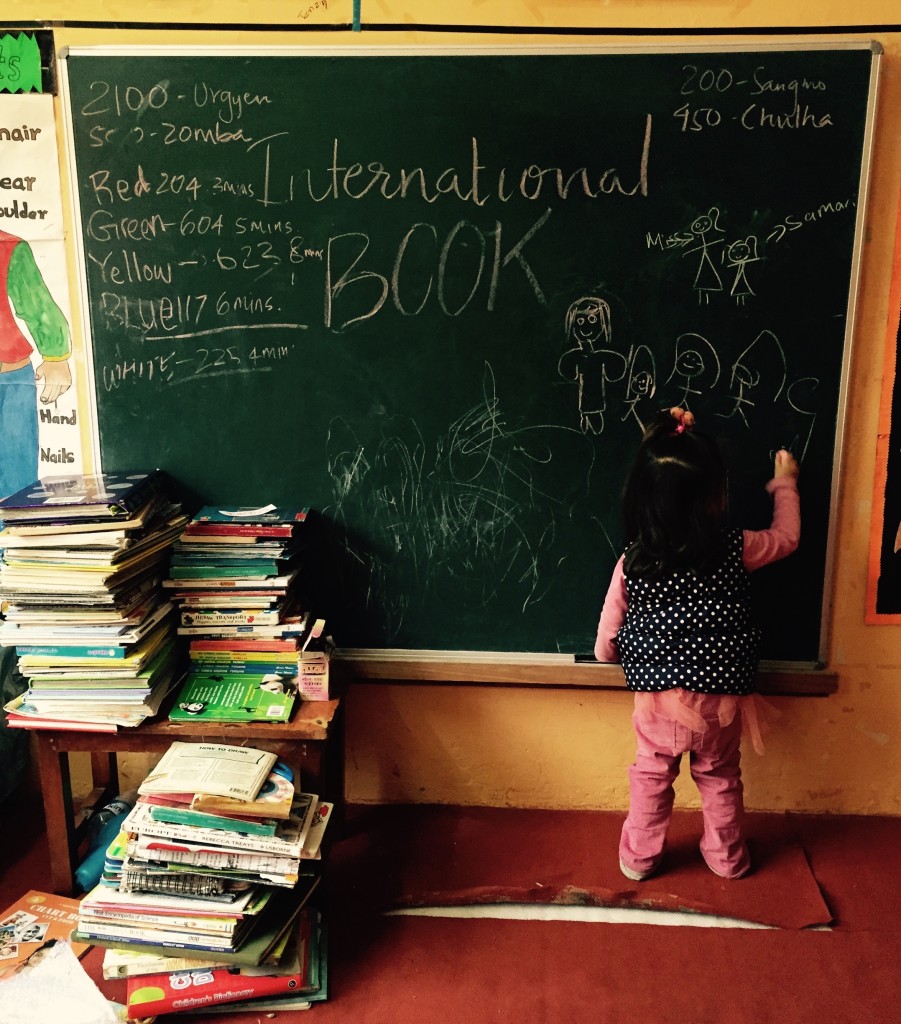
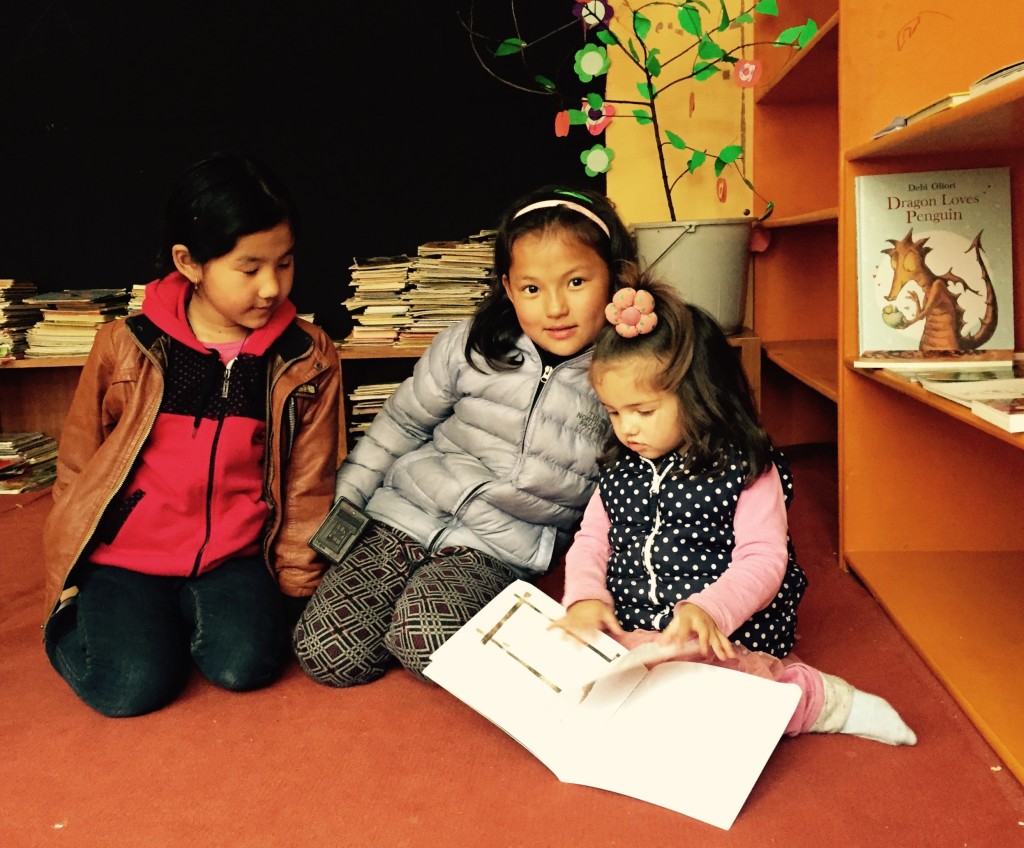
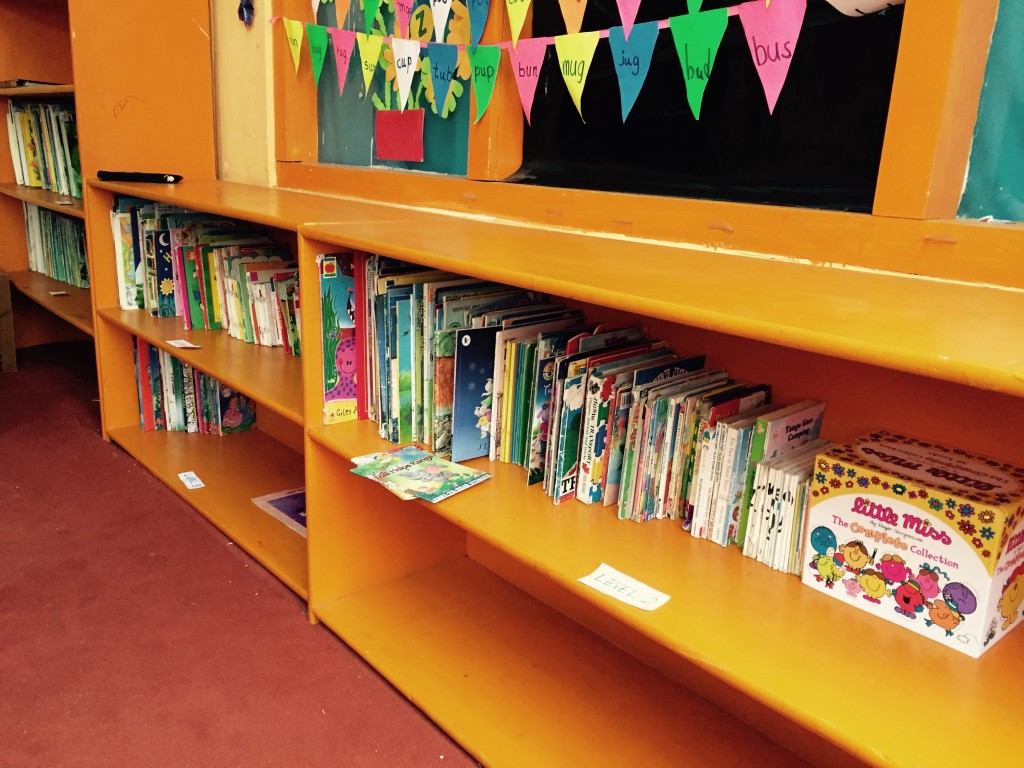
Our reading rooms and book drives support this process throughout the year. Quality books give performers material to explore, while visiting a reading room shows children that books are for pleasure as well as study. A folktale passed between generations, an adventure from a donated novel and an everyday story from Ladakh can all become part of the festival. The performance gives those stories a new life in the community.
Music and theatre make learning memorable
Songs connect movement, rhythm and language. Children learn lines by singing them, making new vocabulary easier to recall and giving shy performers a way to join in. A group performance also creates a sense of equality: the child with a strong singing voice stands beside the child still learning the words, and both contribute to the same sound.
Skits offer another route into expression. Young performers can try a new character, change their tone of voice or imagine how another person feels. Humour makes rehearsal less intimidating, while short scenes allow each child to have a meaningful role. Even a simple entrance, gesture or spoken line can become a source of pride.
These activities also preserve cultural expression. Stories and songs connected with Himalayan life can be presented alongside material chosen from the wider world of children’s literature. The aim is not to place one culture against another, but to show children that their voices belong within a larger creative community. Their work deserves an audience, and the audience receives an afternoon of warmth, music and laughter.
Different parts of the festival work together
The programme connects literacy with performance rather than treating them as separate aims. Each contribution has a practical learning role and a wider social value.
| Festival element |
What children practise |
What the community gains |
| Storytelling and reading aloud |
Vocabulary, comprehension, pronunciation and confidence |
Shared histories become part of a public celebration |
| Group singing |
Rhythm, memory, listening and coordination |
Music connects participants across age and background |
| Skits and theatre |
Dialogue, imagination, teamwork and empathy |
Laughter encourages conversation and lowers social barriers |
| Reading-room visits |
Choosing books and reading for pleasure |
Children see reading as a welcome source of enjoyment |
| Book-drive contributions |
Collecting, sorting and sharing useful titles |
Better access to quality books continues beyond the event |
Together, these elements create a full day of participation. A child may begin by choosing a book, rehearse a passage with friends, perform it and then encourage a younger audience member during the final story. The festival connects learning with friendship, creativity and community support in ways that a single classroom lesson cannot.
A yearly rhythm creates momentum and memory
An annual gathering gives children a goal that returns at a known time each year. Younger participants can anticipate the event, while older children may remember their first performance and prepare to guide newcomers. Rehearsal becomes a shared tradition with its own language, songs and memories.
The festival also brings different generations together. Families attend with children, teachers and volunteers support the preparations, and community members contribute stories or practical help. In Ladakh, where a journey across the valley may be necessary for children to reach a shared hall, gathering in one place carries special meaning. The event becomes evidence that a community can organise, encourage and celebrate its young people together.
Many Australians understand the value of travelling to attend a school or community event, particularly those living in regional or remote areas. What matters is not the distance alone, but the effort made by families and organisers so children can participate. That effort is central to the festival, where attendance represents encouragement from the wider community.
Practical ways Australian supporters can help
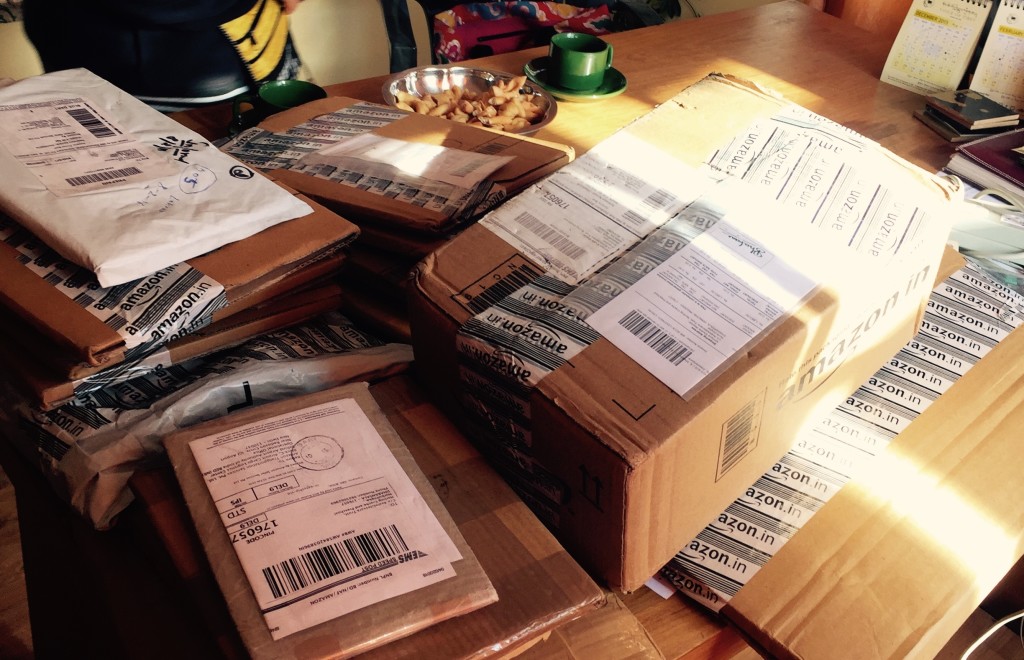
Support is most effective when it responds to a current need rather than arriving as an untargeted gift. Organisers can identify missing books, suitable instruments, art materials, translation support or volunteer skills. This keeps donations useful and helps prevent well-intentioned parcels from creating extra costs for the team.
Many Australian supporters appreciate plain, direct communication. Questions such as “What is still needed?” or “How can we help?” are often welcomed, while phrases such as “have a go” and “no worries” can make first conversations with an unfamiliar charity relaxed. Australian charitable giving commonly includes donations, grants and workplace programmes. Registered charities can also provide tax receipts for eligible donations, while schools, libraries and community groups often organise their own fundraising efforts.
- Ask the programme team for a current wish list before buying books, equipment or creative materials.
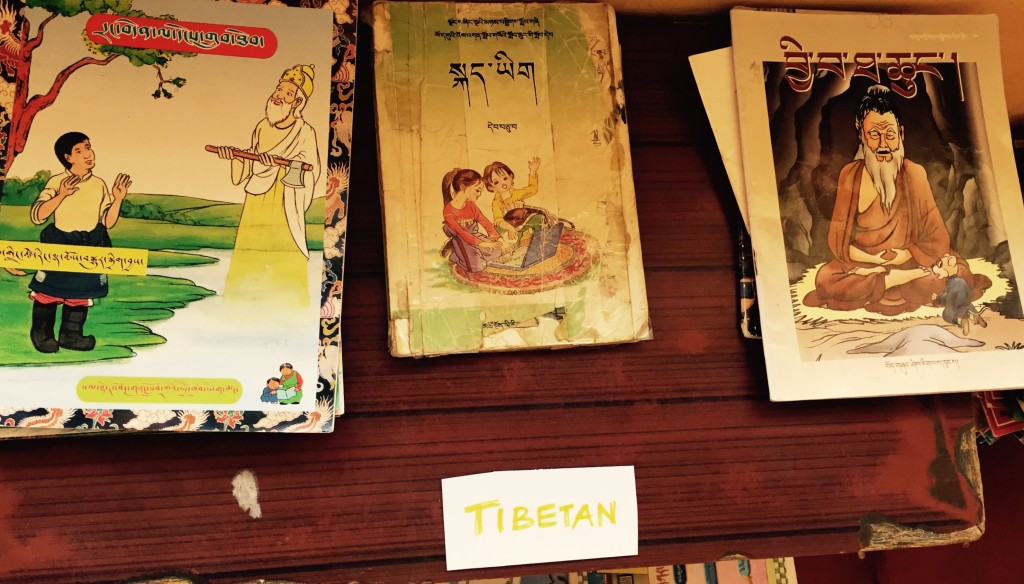
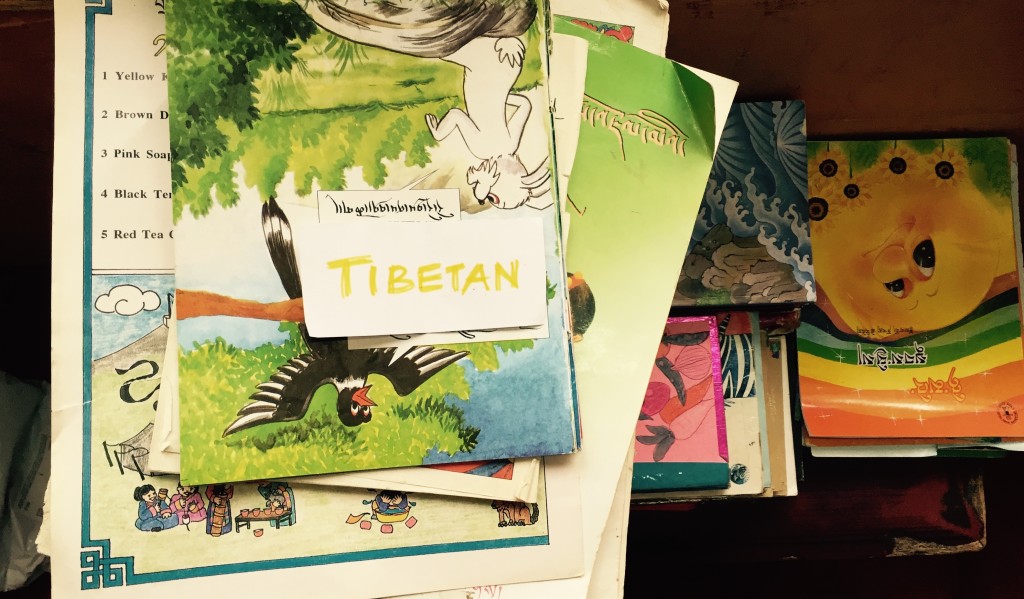
- Fund titles selected for the festival, including books in local languages where they are needed and useful.
- Support practical costs such as instruments, art supplies, rehearsal space and transport for participating children.
- Offer volunteer expertise in storytelling, music, theatre, photography, translation or event administration.
- Run a fundraiser through a school, workplace, library or community group, and direct the proceeds to a specific item.
- Share photographs and stories only with permission, respecting children’s privacy and the Trust’s safeguarding practices.
The lasting value of shared stories
The festival’s achievement is not measured by polished performances alone. It is found in a child who once hid behind a friend but now speaks alone on stage, a group learning a song together, or an audience laughing at a skit they have watched rehearsed. Books, music and theatre give children different ways to express what they know and what they imagine.
What should remain in the reader’s memory is simple: learning becomes powerful when children are trusted to create, supported by their community and given a place to share it. The festival gives them that place, turning reading rooms and donated books into confident voices, memorable songs and stories that belong to everyone.