Why We Hold Storytelling Competitions in Our Reading Rooms
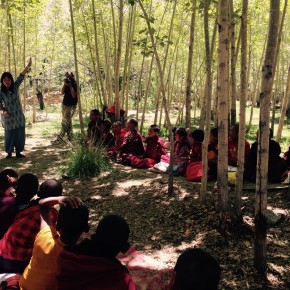
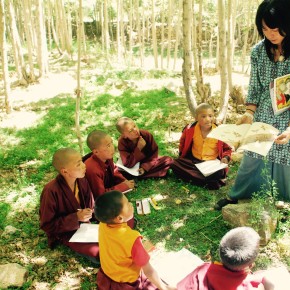
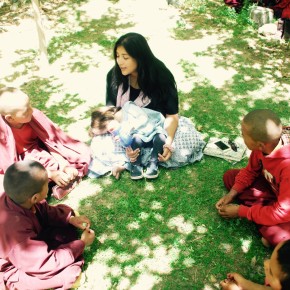
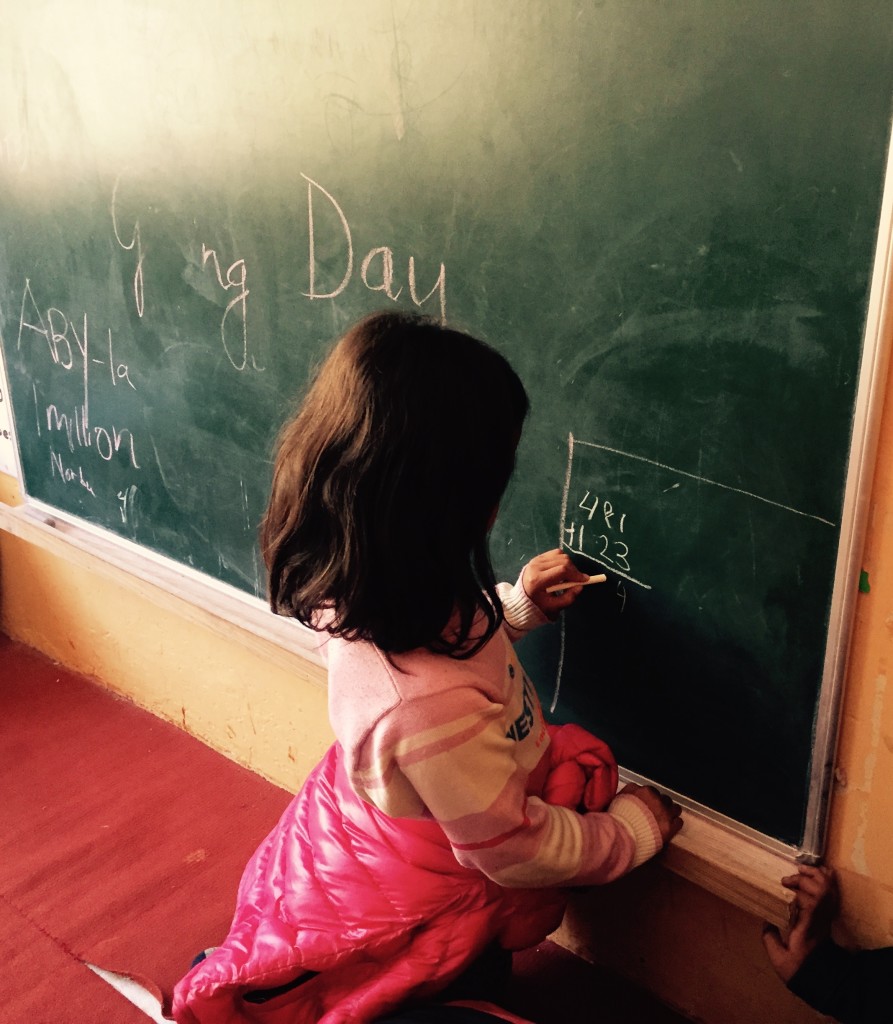
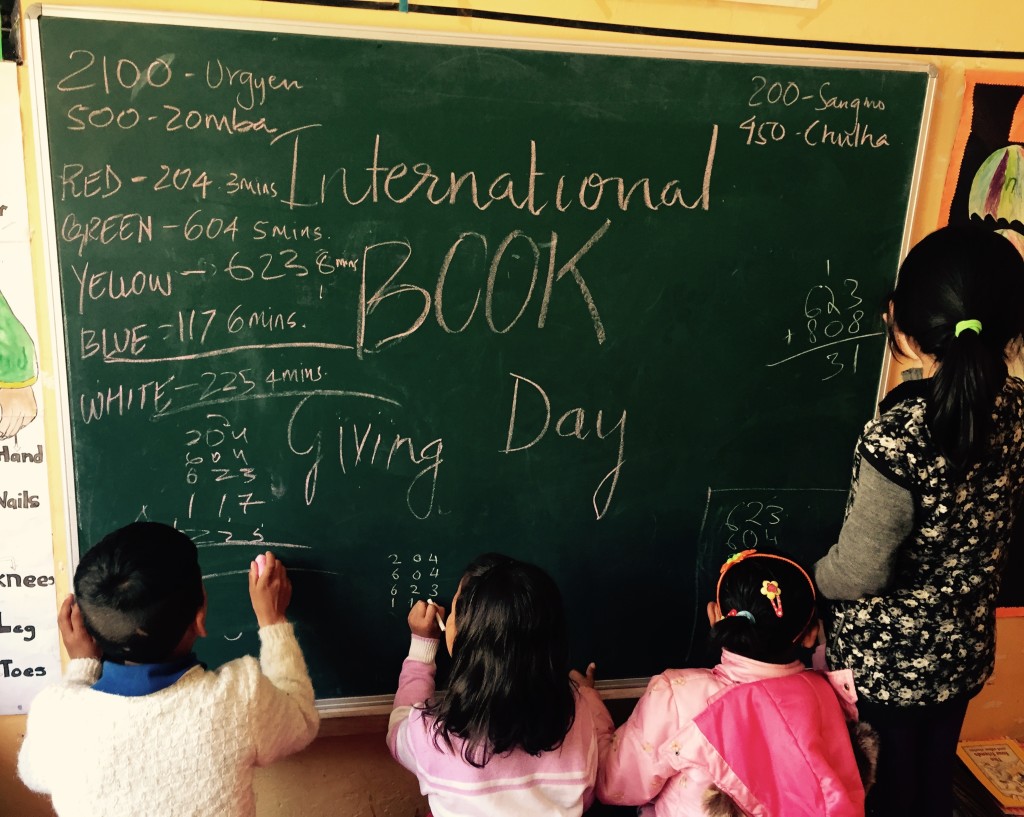
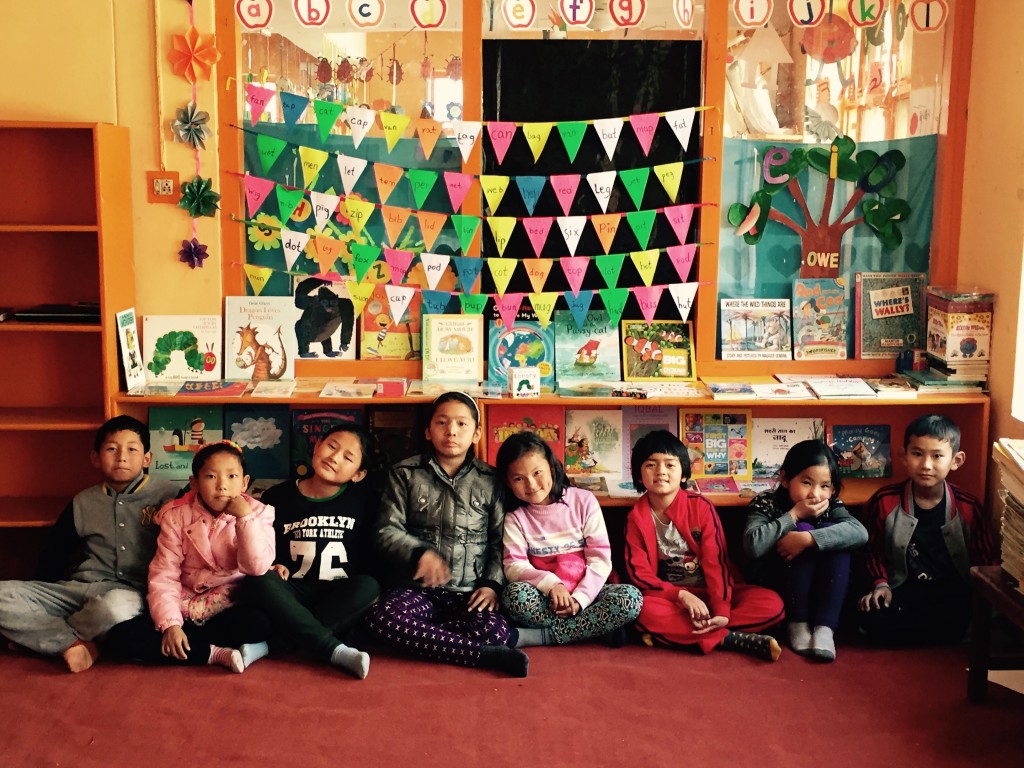
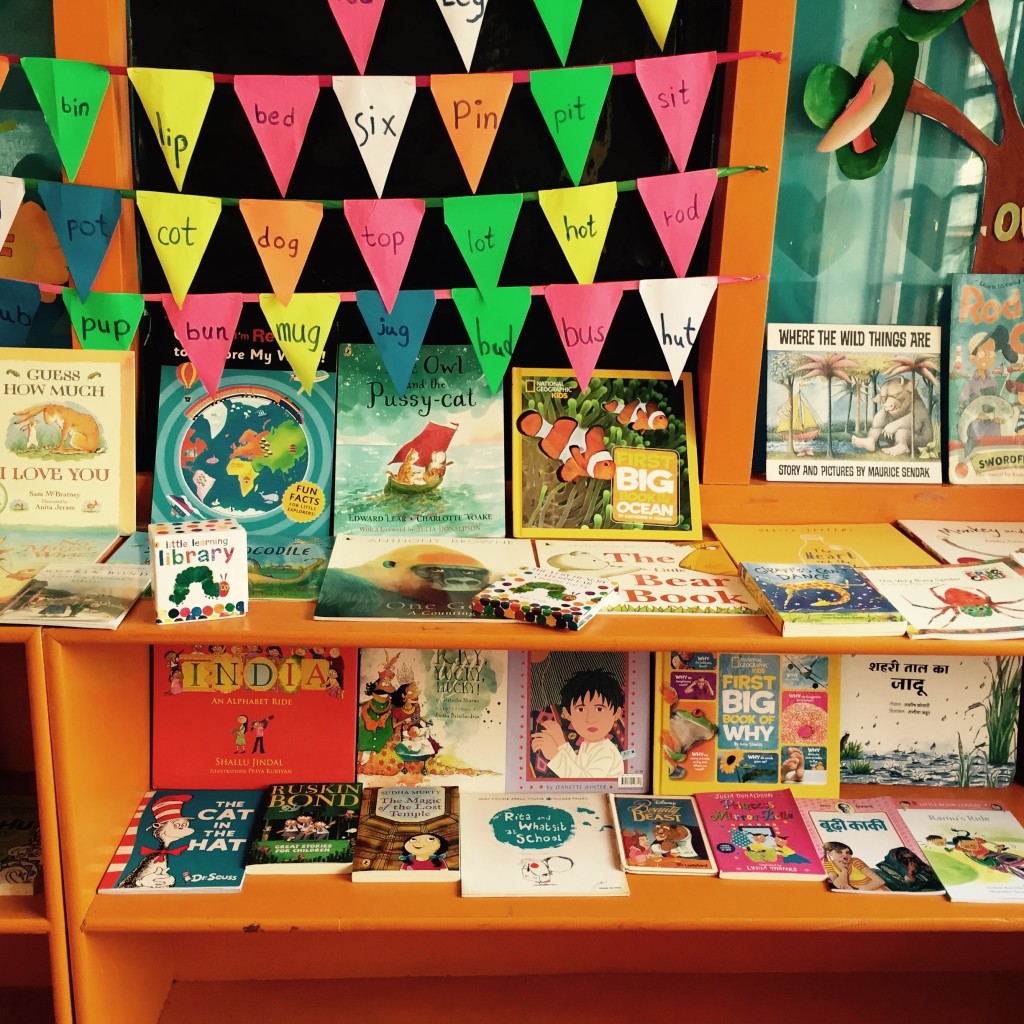
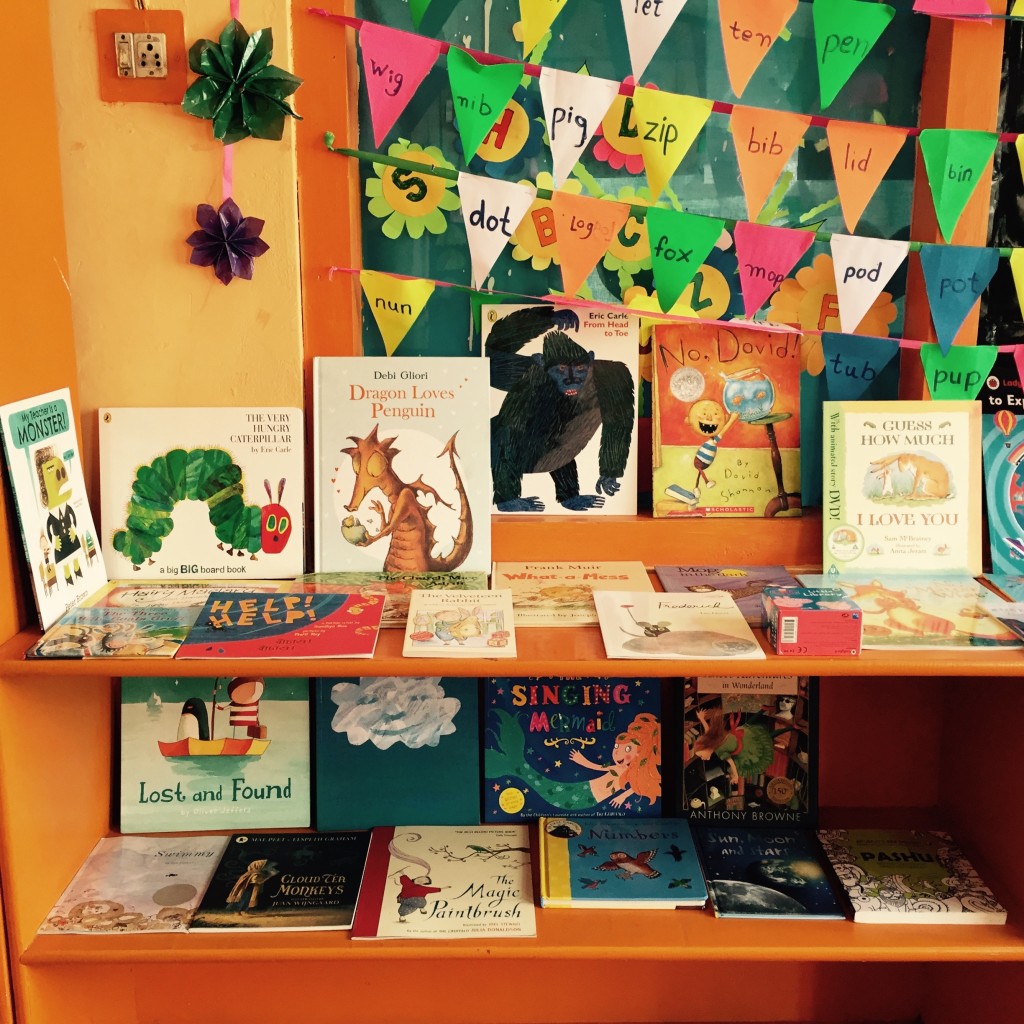
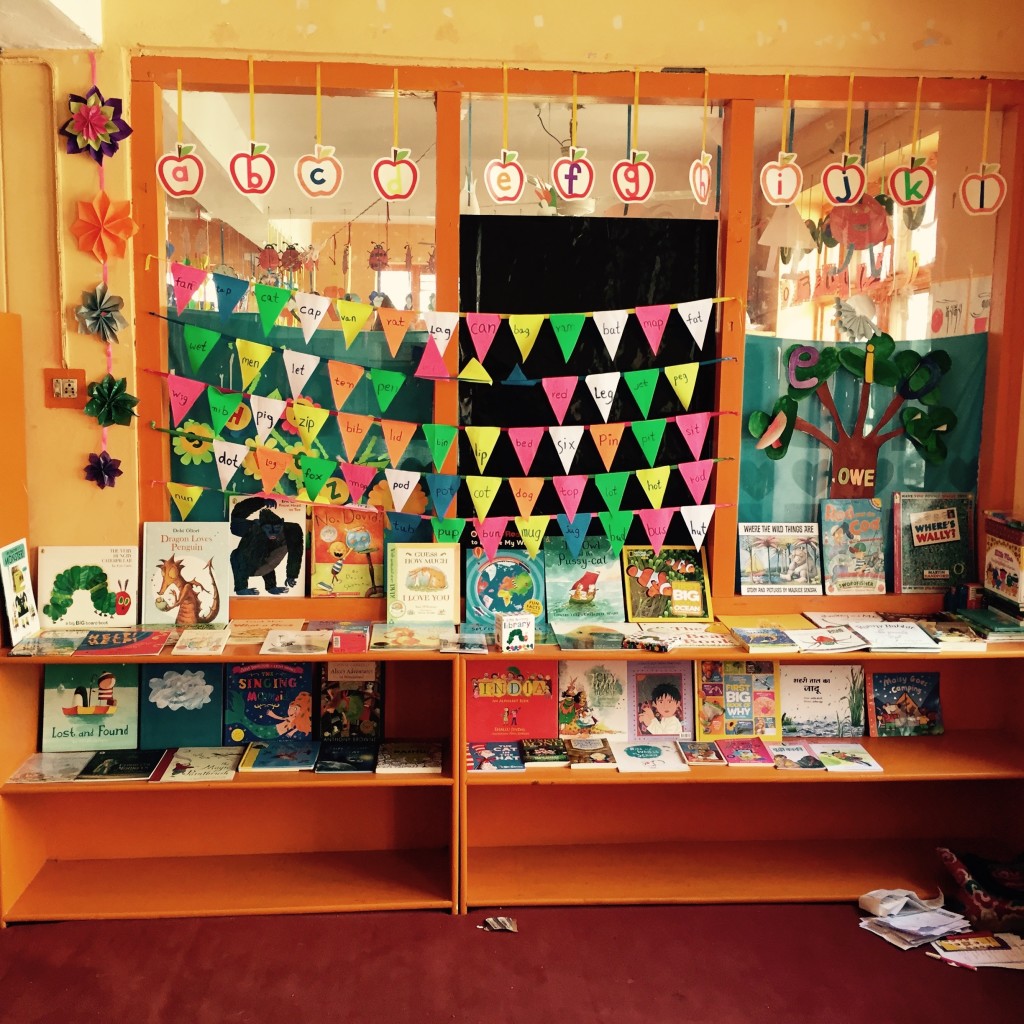
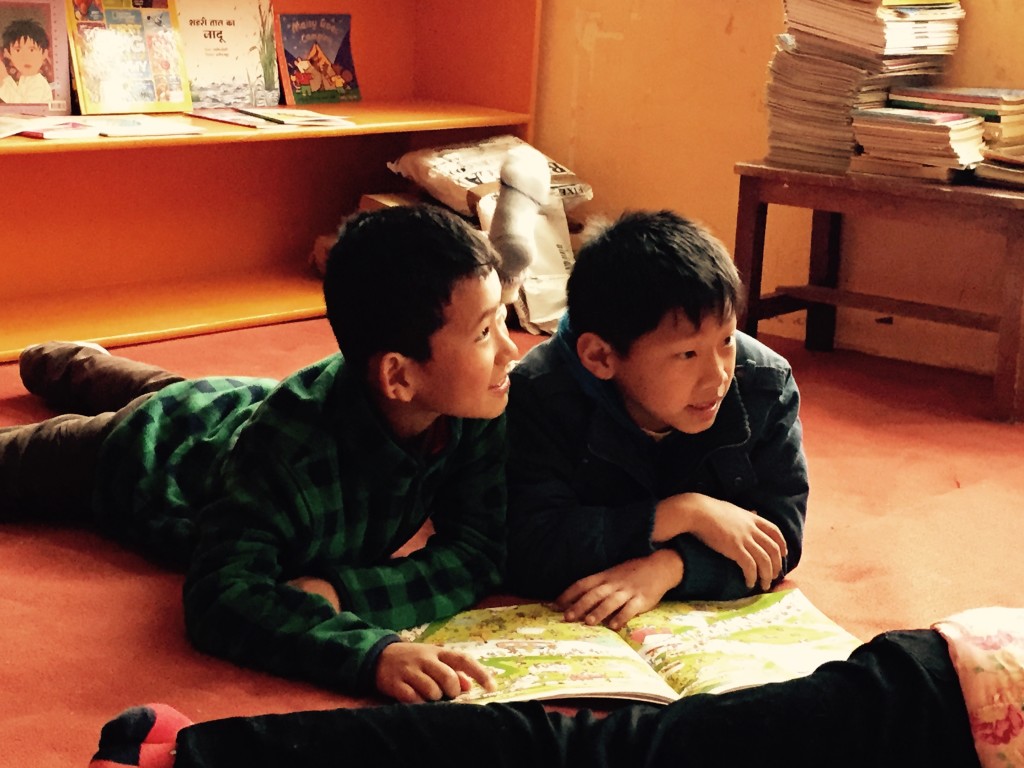
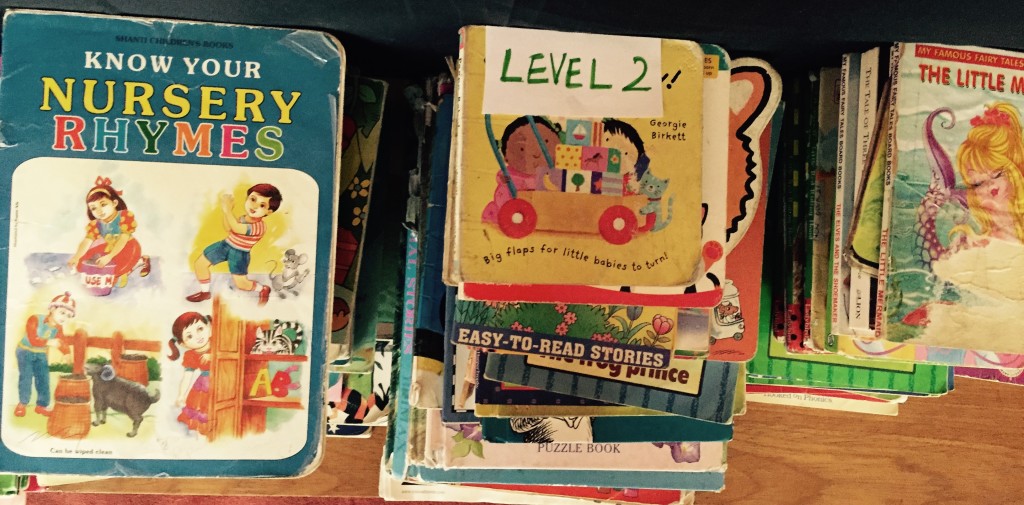
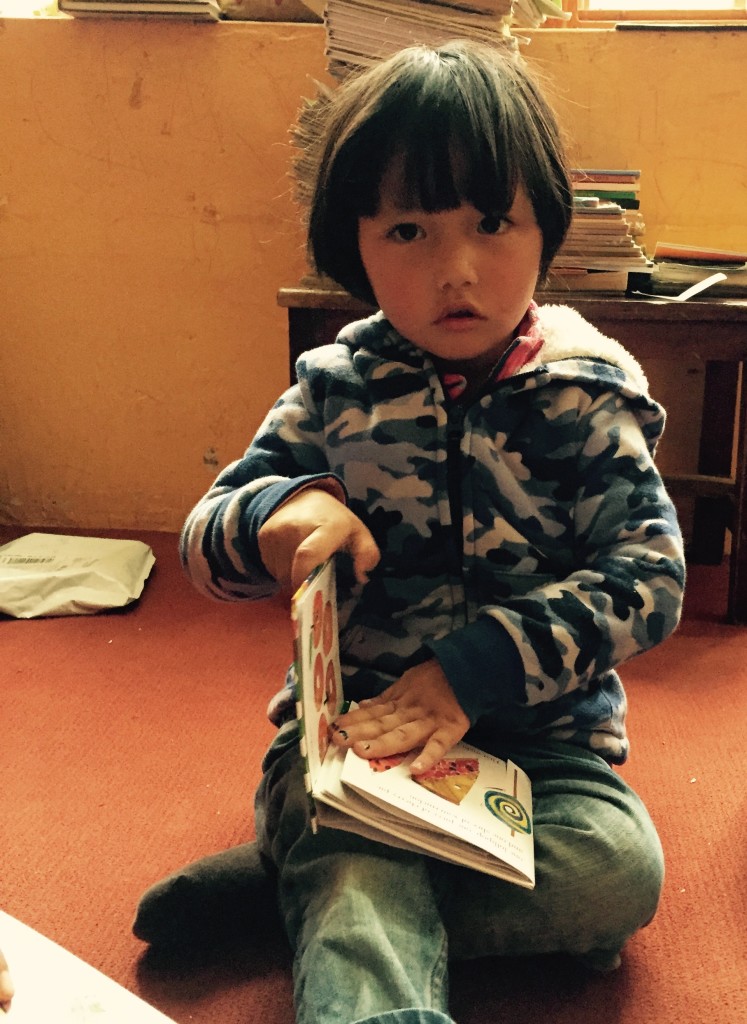
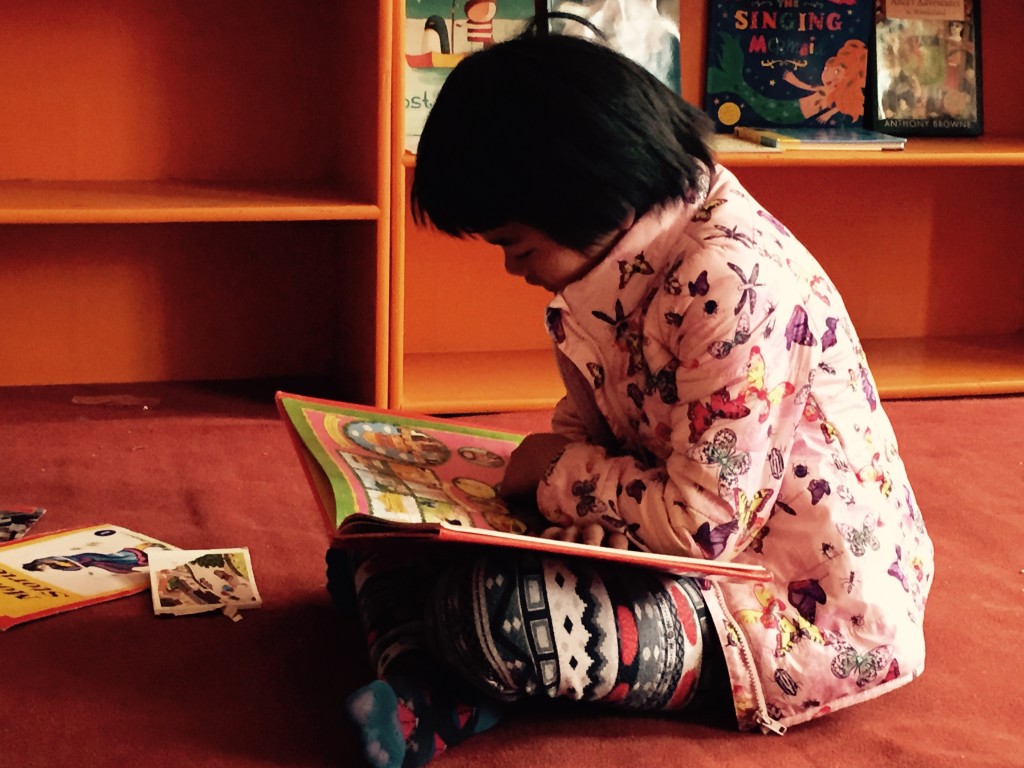
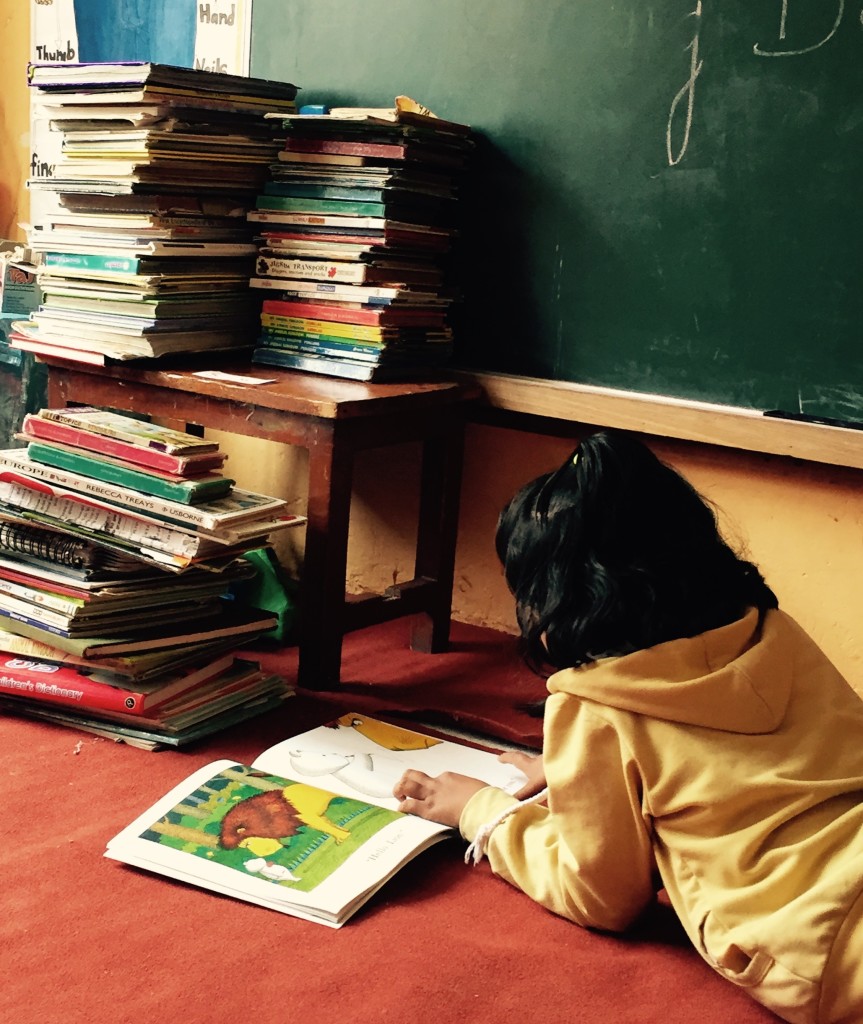
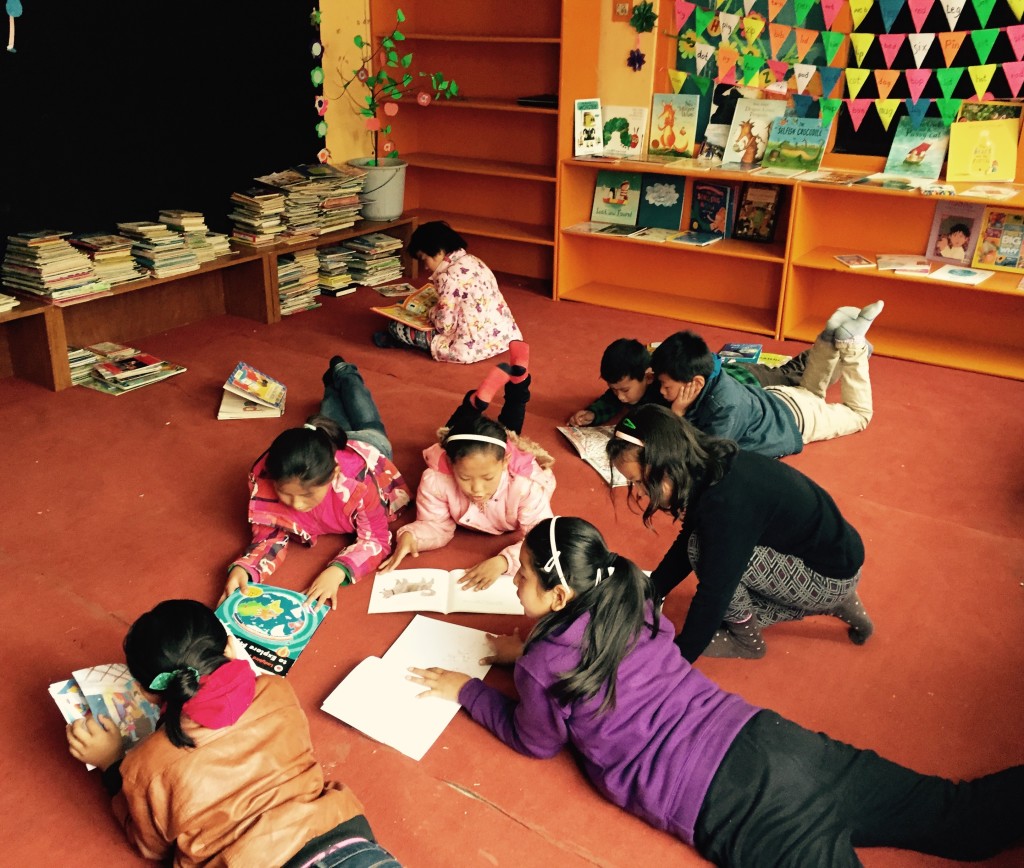
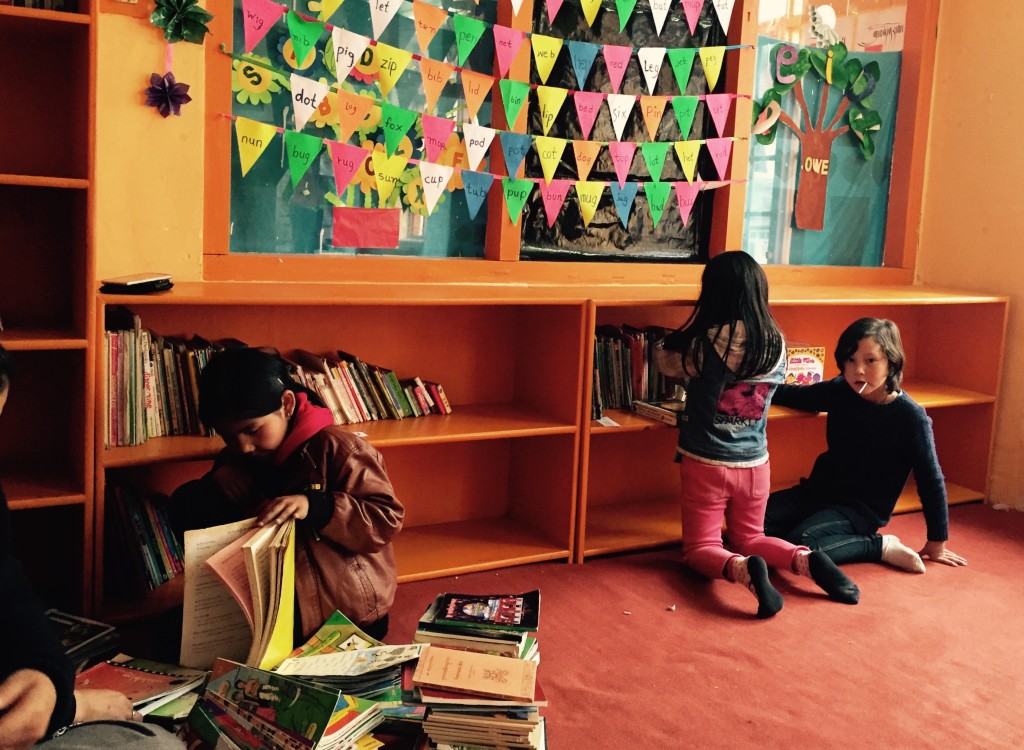
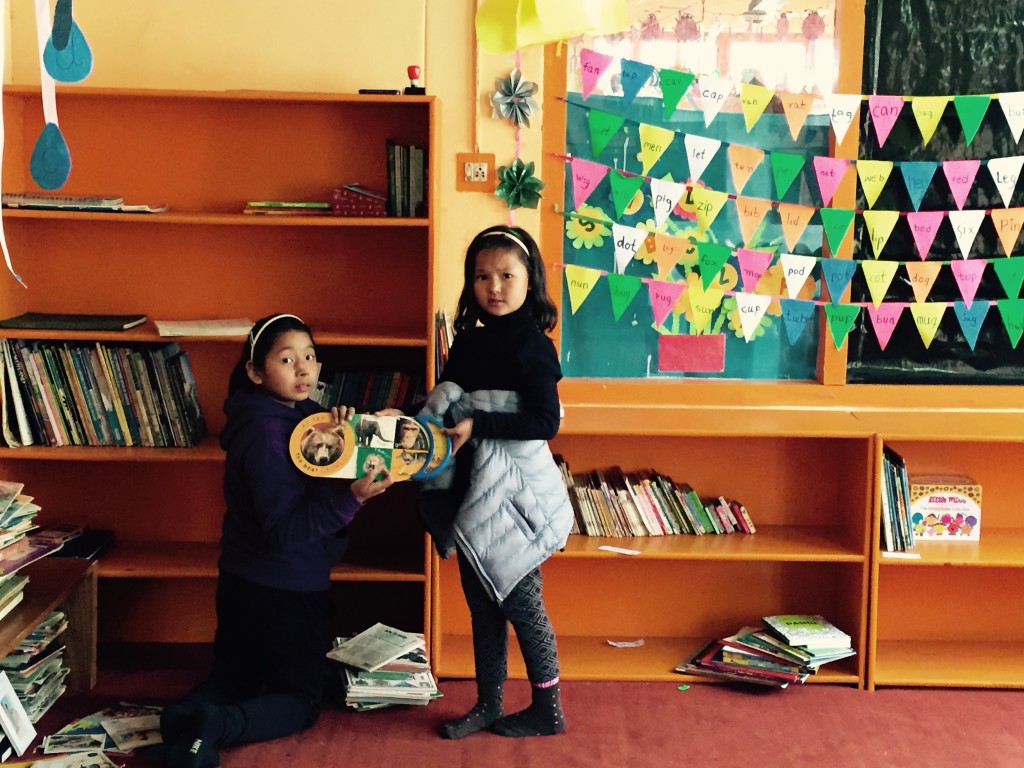
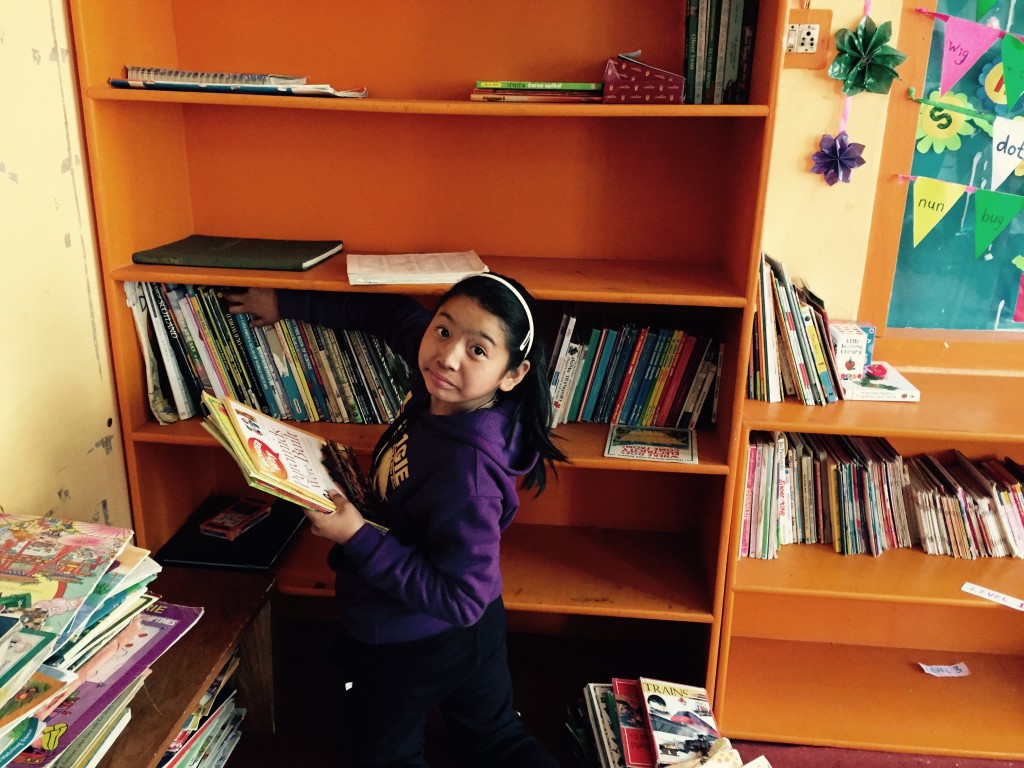
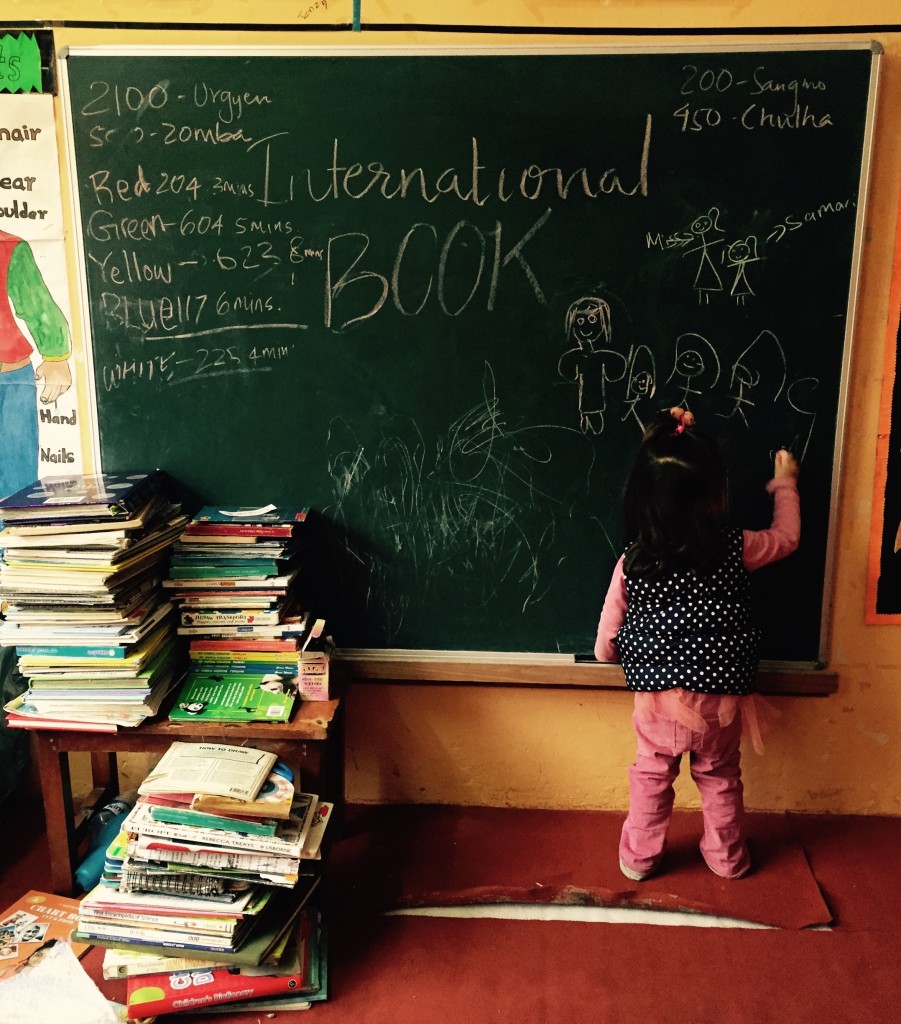
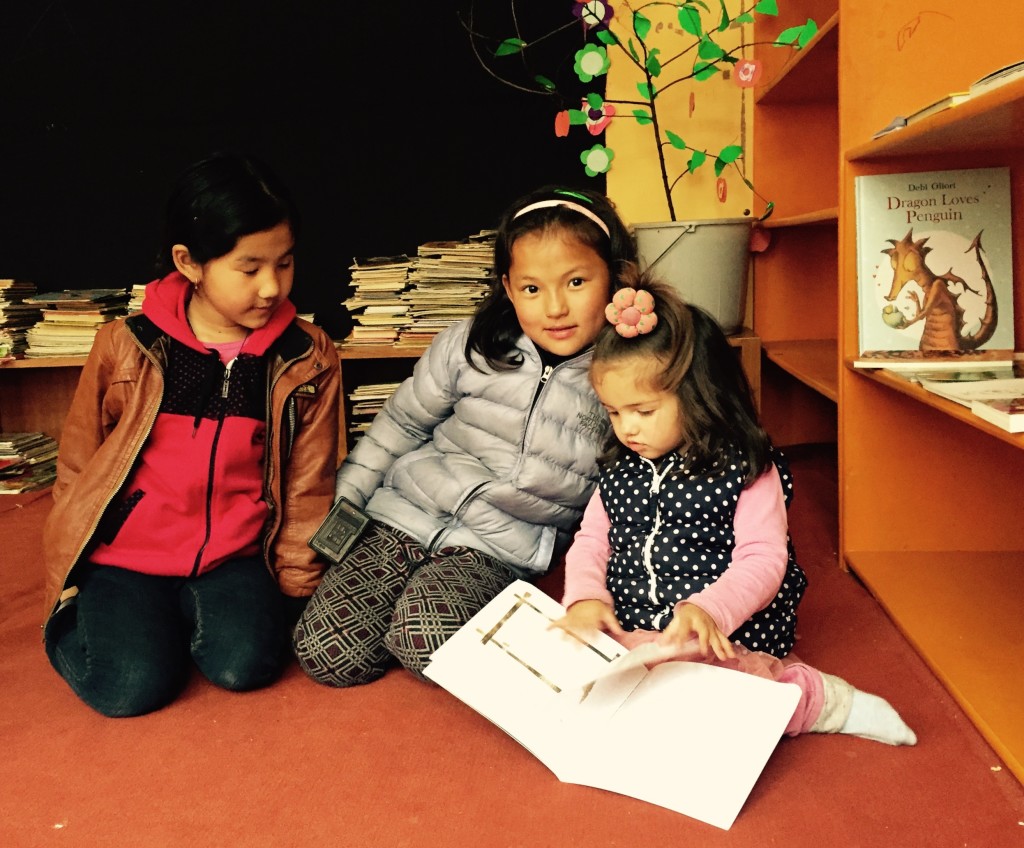
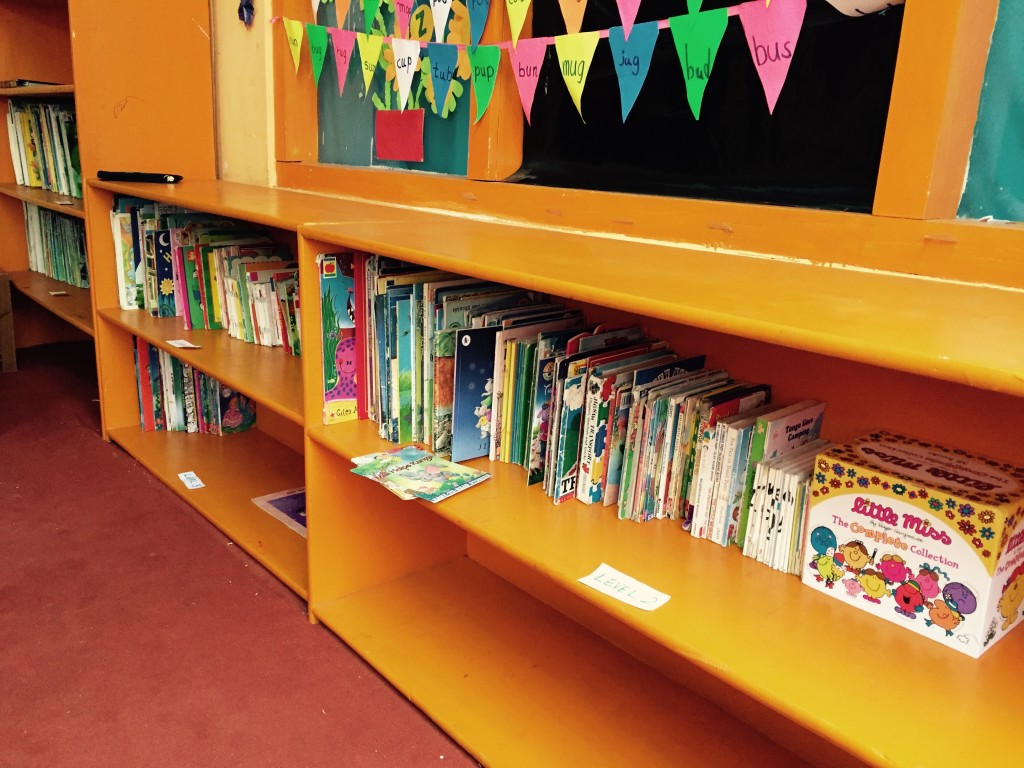
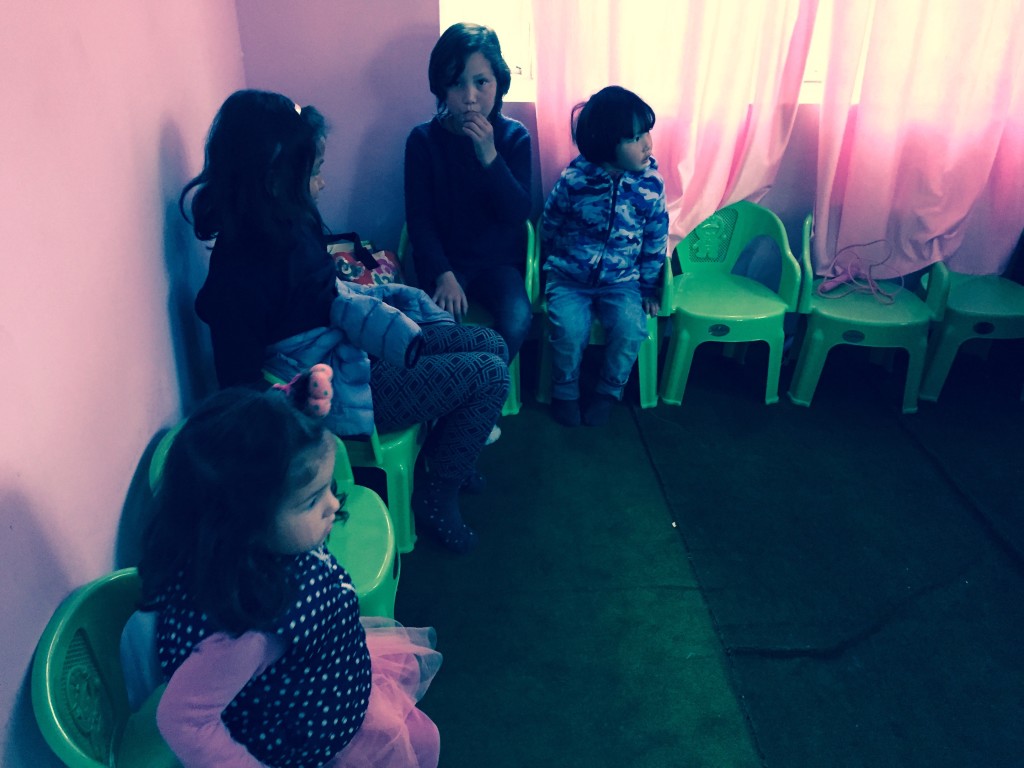
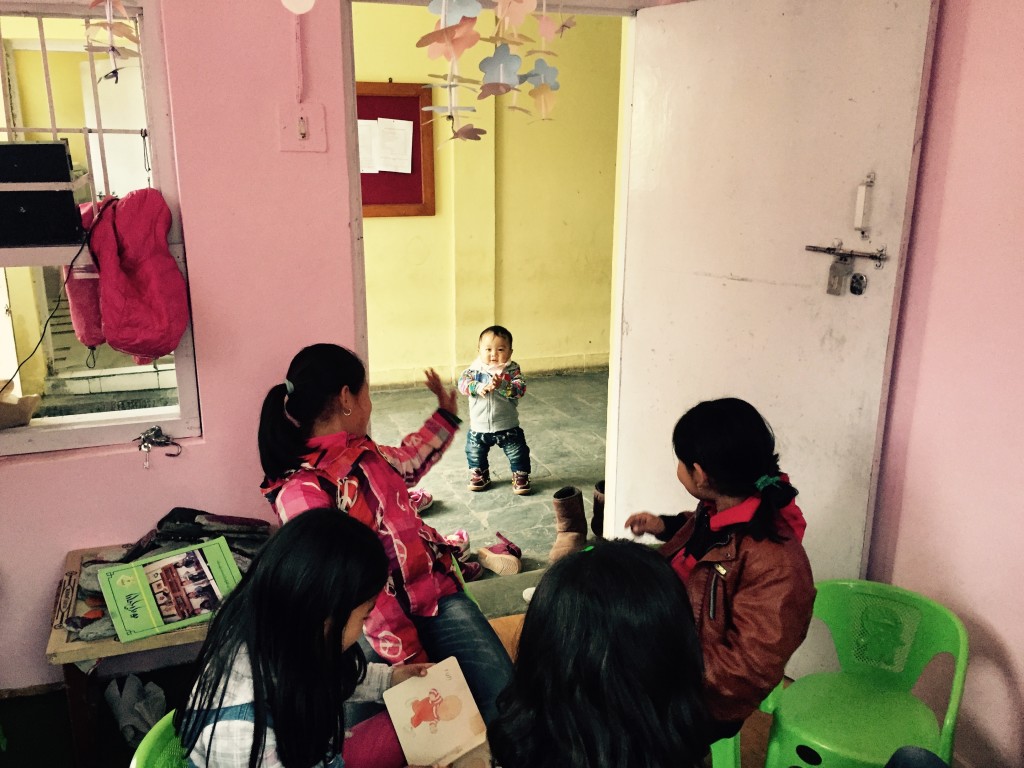
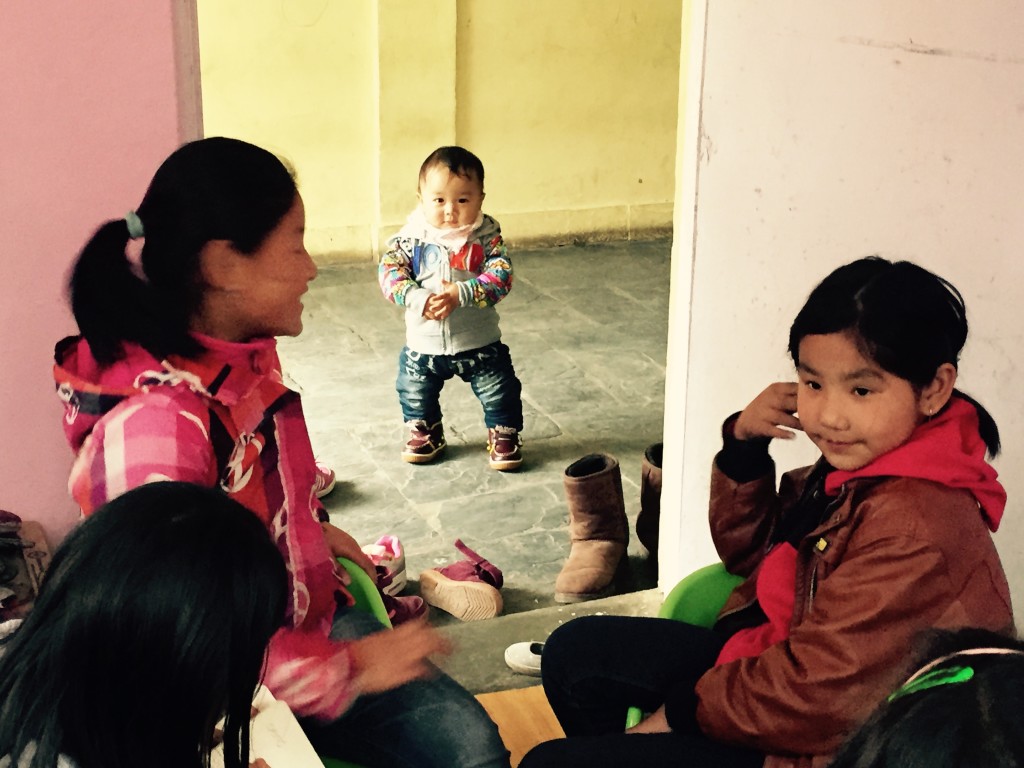
In the Himalayan region, a reading room can become much more than a quiet place filled with books. In Ladakh and neighboring communities, it can be a welcoming space where children discover new ideas, young monks practice communication, and every learner finds encouragement. Our reading rooms are designed to make books accessible, but their deeper purpose is to help children use what they read.
Storytelling competitions bring that purpose to life. They invite children to choose a story, understand its meaning, and share it in their own voice. Some participants retell a traditional tale, while others create an original adventure inspired by a picture book, a family memory, or life in the mountains. Each performance turns reading into an active, social experience.
These events are friendly gatherings rather than formal examinations. The aim is not to identify a single “best” child. It is to nurture literacy, imagination, confidence, listening skills, and a lasting relationship with books.
Turning Reading Into A Living Experience
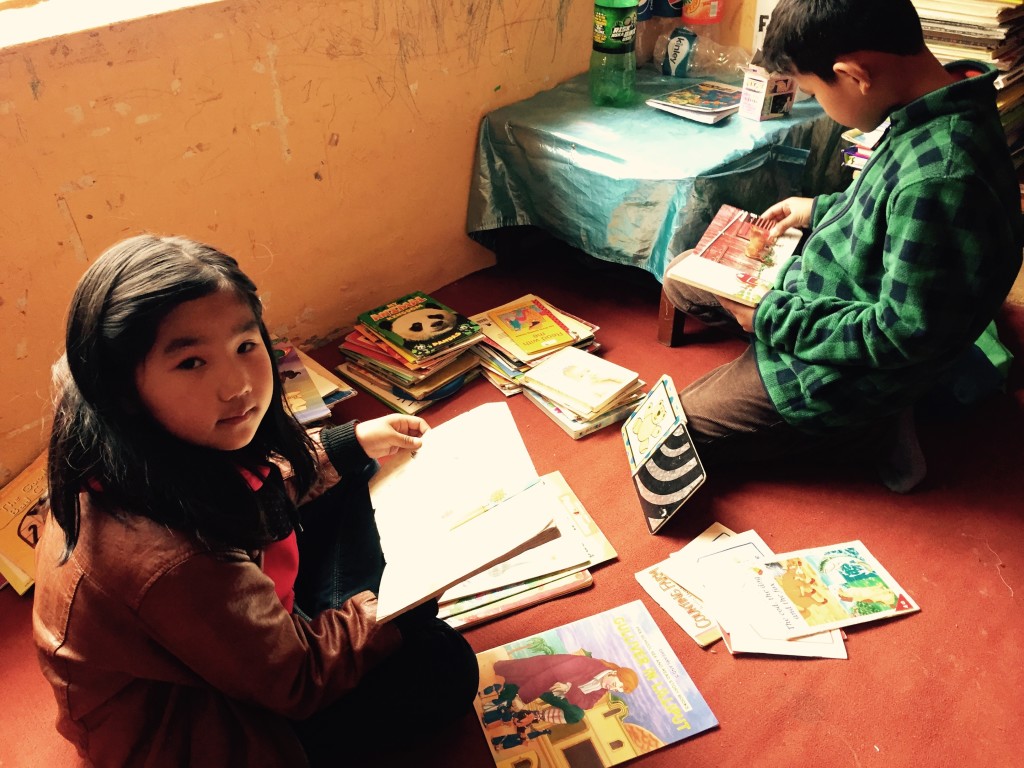
Reading silently is valuable, yet children often understand a story more deeply when they speak about it. Preparing for a storytelling event encourages them to notice characters, sequence, setting, emotion, and cause and effect. They learn that a story has shape and that each detail can help an audience follow the journey.
A child who retells a folk story must make choices. Which parts should be emphasized? Where should the voice become softer or stronger? How can a character’s feelings be expressed? These decisions develop reading comprehension while making the learning process memorable and enjoyable.
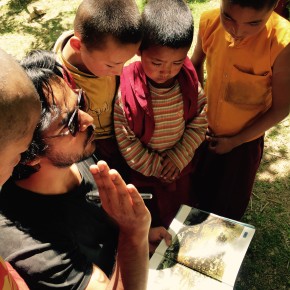
The activity also helps children connect printed language with everyday communication. A new word encountered in a book can become part of a spoken performance. A description of a distant landscape can lead to a conversation about local valleys, monasteries, animals, or family traditions.
Building Confidence Through Shared Attention
Many children are hesitant to speak in front of a group, especially when they are learning in more than one language. A supportive storytelling competition gives them a manageable opportunity to practice. They can begin with a short tale, use picture prompts, or perform alongside a friend before taking the stage alone.
Applause matters, but attentive listening matters just as much. When children see their peers listening carefully, they learn that their ideas deserve time and respect. This can strengthen self-esteem in the reading room and in other settings, including school, community activities, and family life.
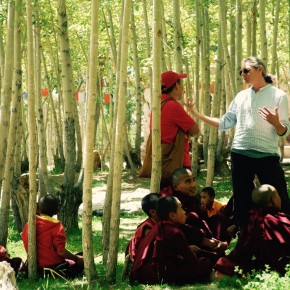
Confidence grows through preparation as well. Volunteers and facilitators help participants rehearse pronunciation, organize their thoughts, and use gestures naturally. The child remains the storyteller and decision-maker; adults provide encouragement without taking over the performance.
Honoring Local Voices And Wider Worlds
Books open windows to places children may never visit, while local storytelling keeps community knowledge close. Our events make room for both. A child may share a Himalayan folktale one month and a story translated from another culture the next. Together, these choices show that literature can be rooted in a particular landscape and connected to the wider world.
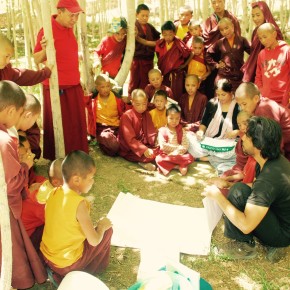
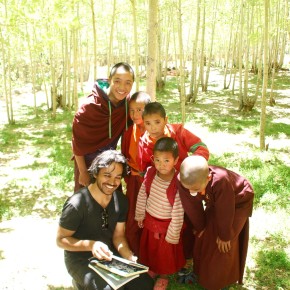
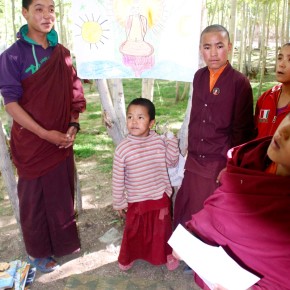
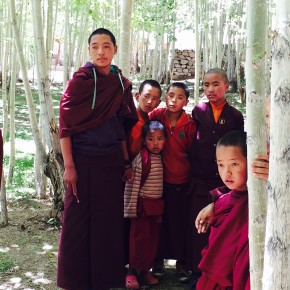
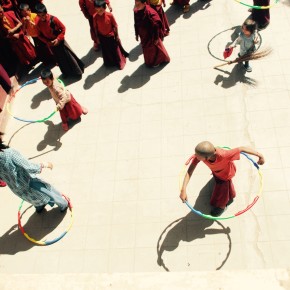
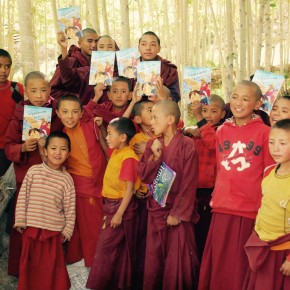
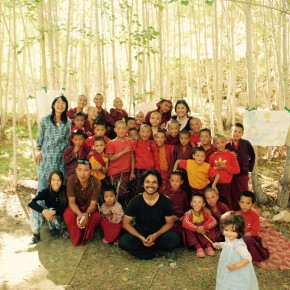
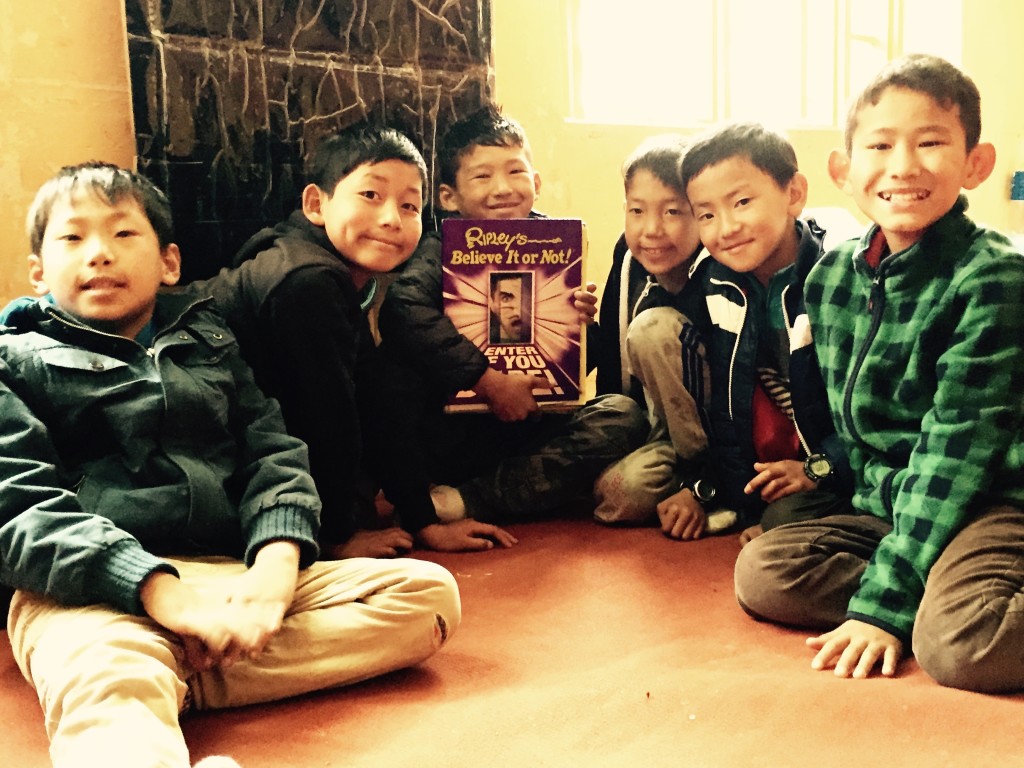
For young monks, storytelling can offer a creative complement to study and daily discipline. It gives them space to explore humor, compassion, courage, and moral choices through narrative. Children from nearby communities can participate in the same activities, creating opportunities for friendship and cultural exchange.
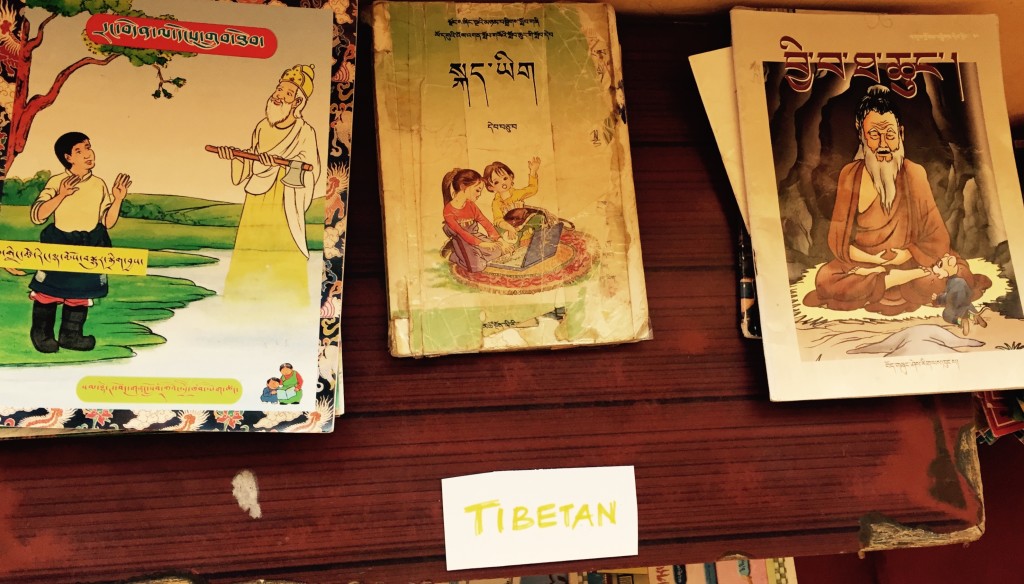
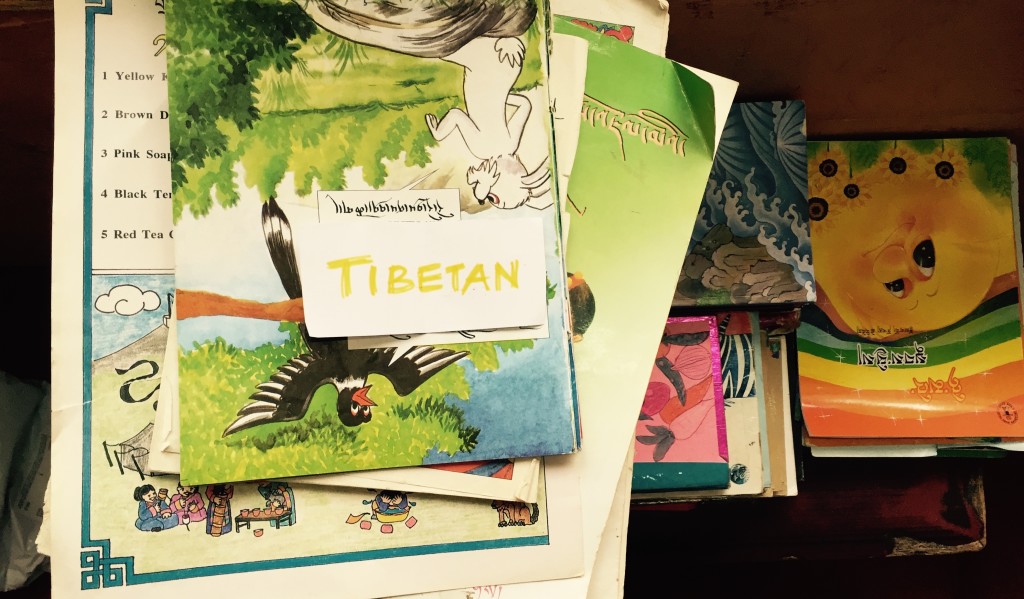
Language diversity is treated as an asset. A story may be told in English, Hindi, Ladakhi, or another language familiar to the participants, with support for understanding across languages. Hearing different forms of expression helps children appreciate the richness of communication and encourages them to preserve stories that might otherwise be overlooked.
| What Children Practice |
How The Competition Supports It |
Lasting Benefit |
| Reading comprehension |
Selecting key events and explaining a story’s meaning |
Stronger understanding of books and lessons |
| Oral communication |
Speaking clearly, using expression, and addressing an audience |
Greater confidence in school and community settings |
| Creativity |
Adapting tales, inventing characters, and choosing performance styles |
More imaginative thinking |
| Listening |
Paying attention to other children’s performances |
Respectful communication and empathy |
| Collaboration |
Rehearsing with peers, volunteers, and facilitators |
Cooperation and shared responsibility |
| Cultural awareness |
Sharing local traditions alongside global stories |
Pride in heritage and curiosity about other cultures |
Making The Reading Room A Community Space
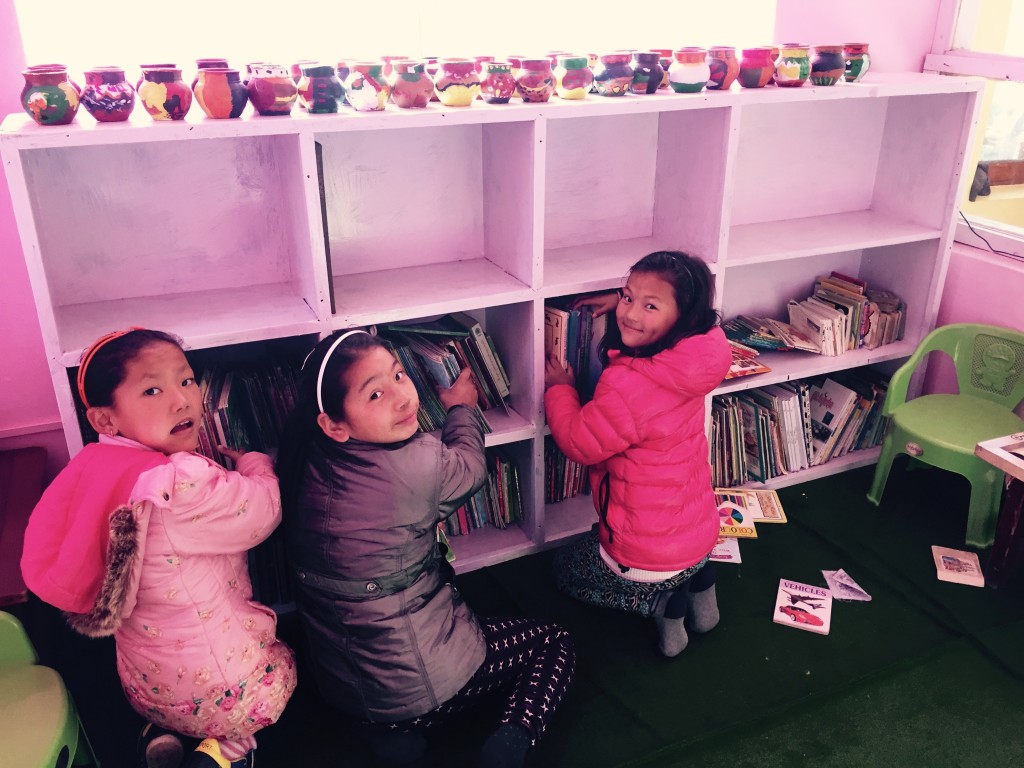
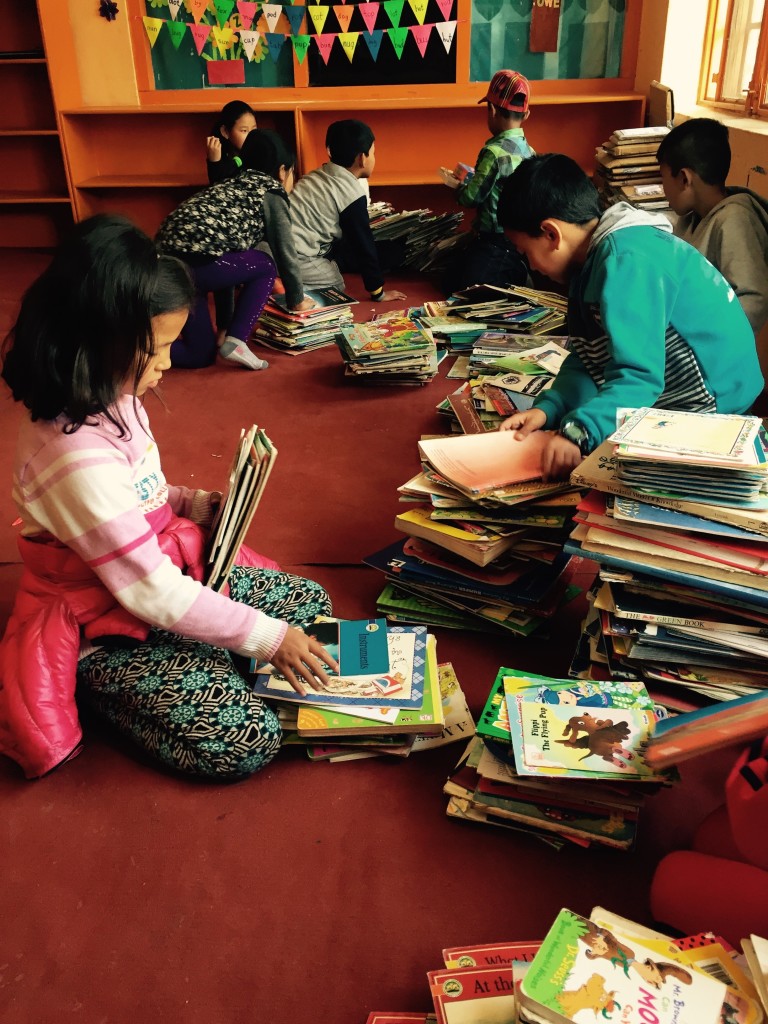
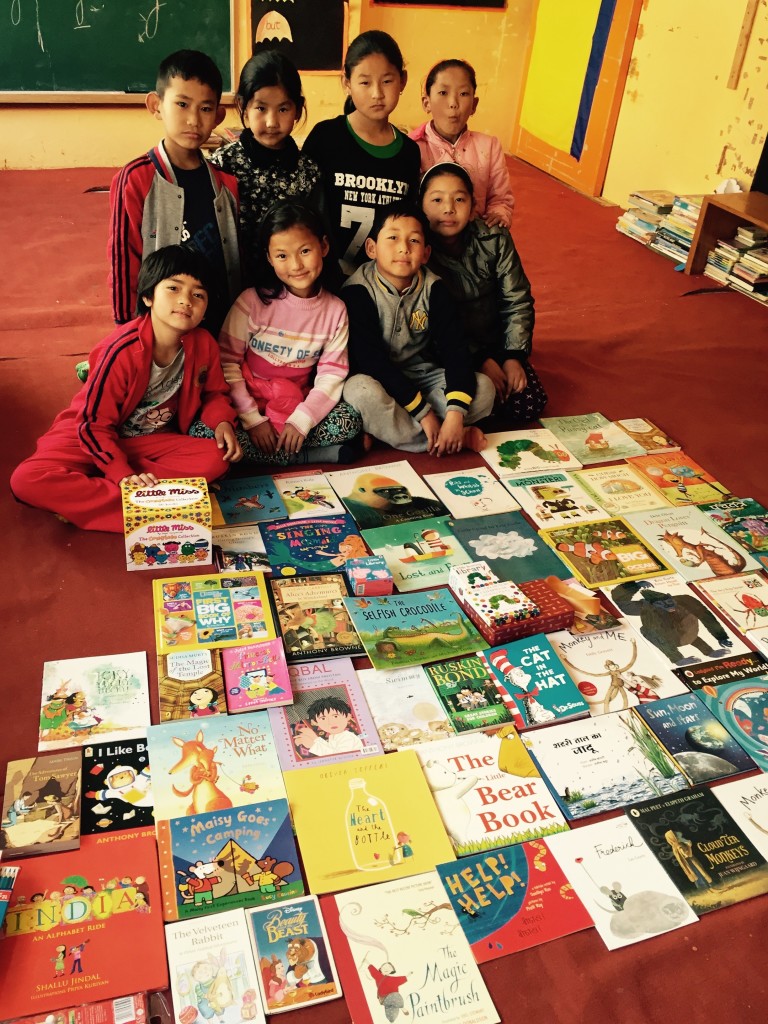
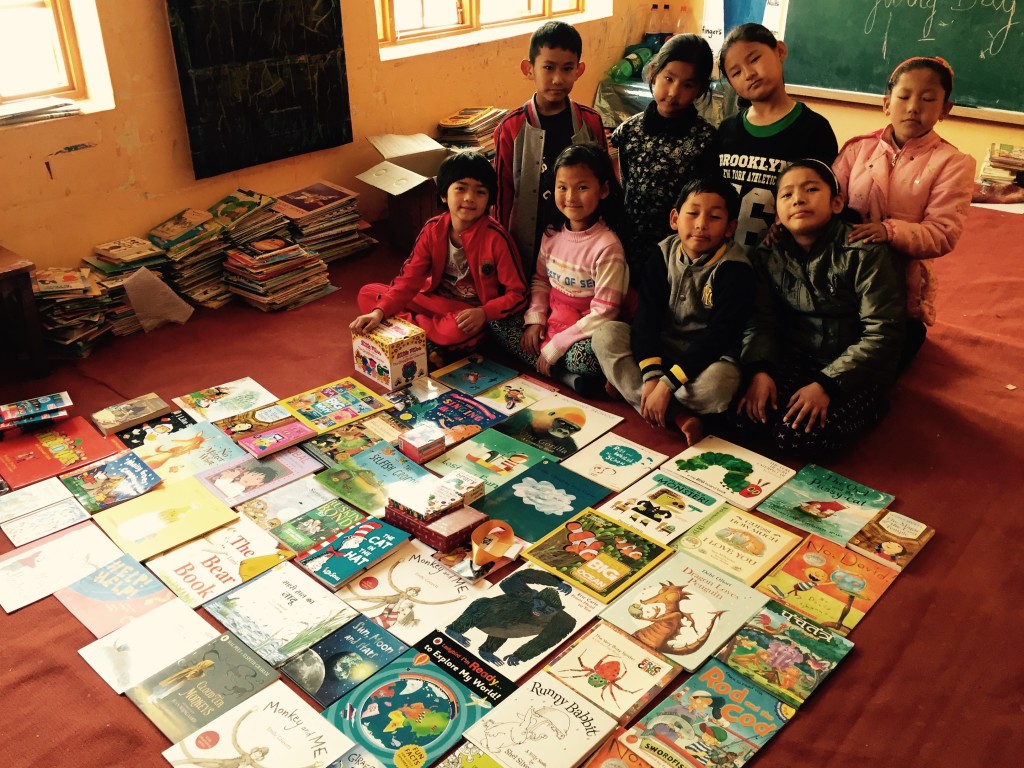
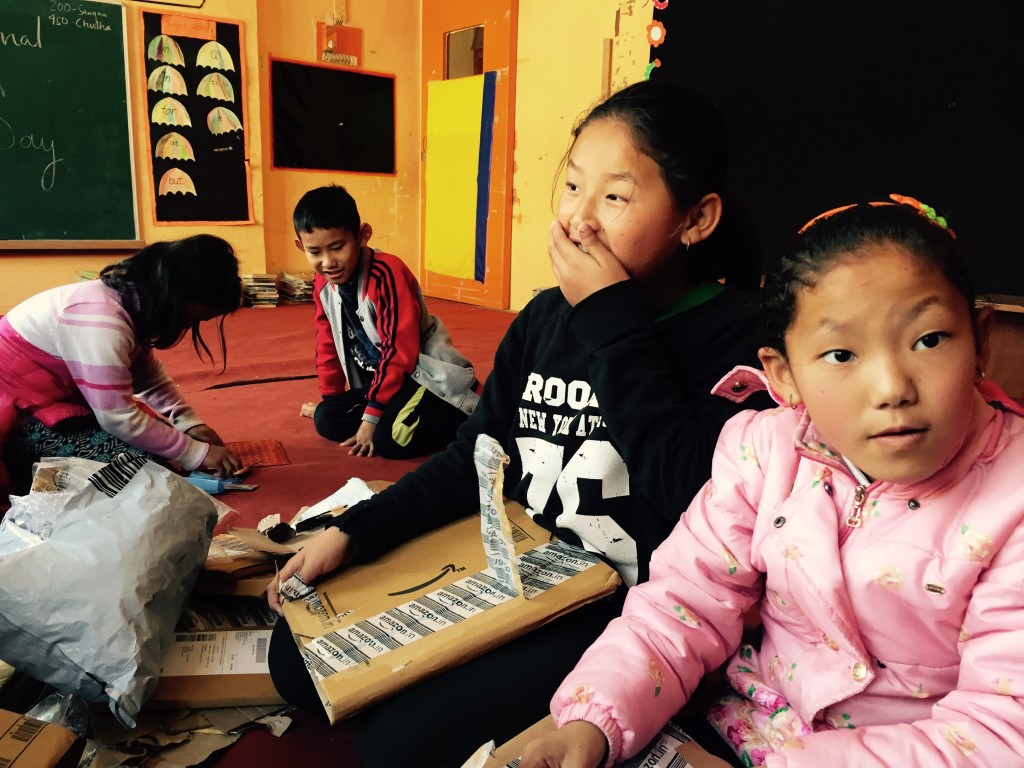
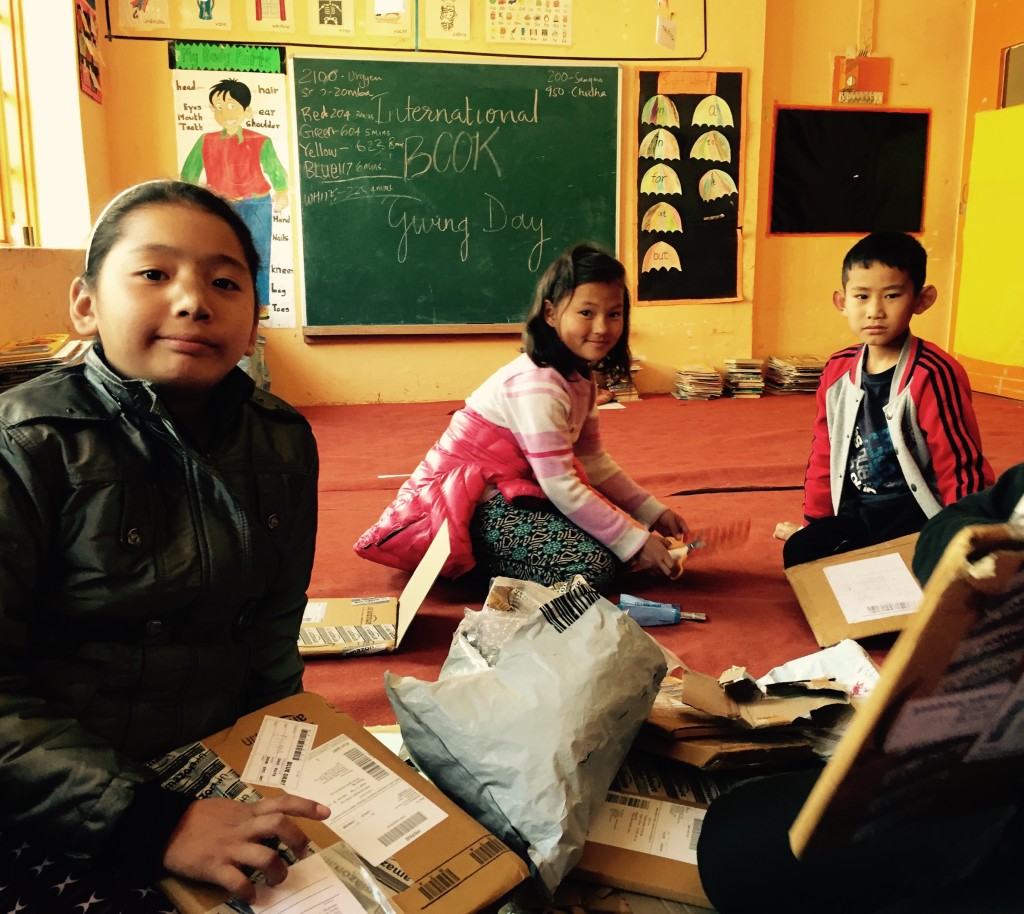
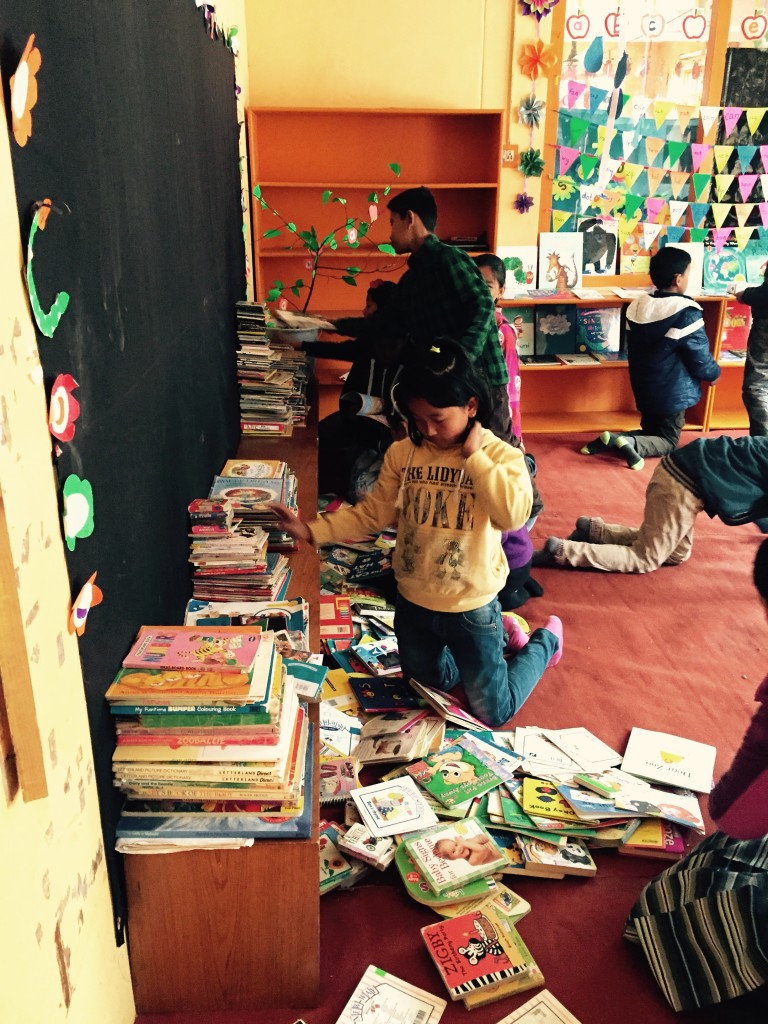
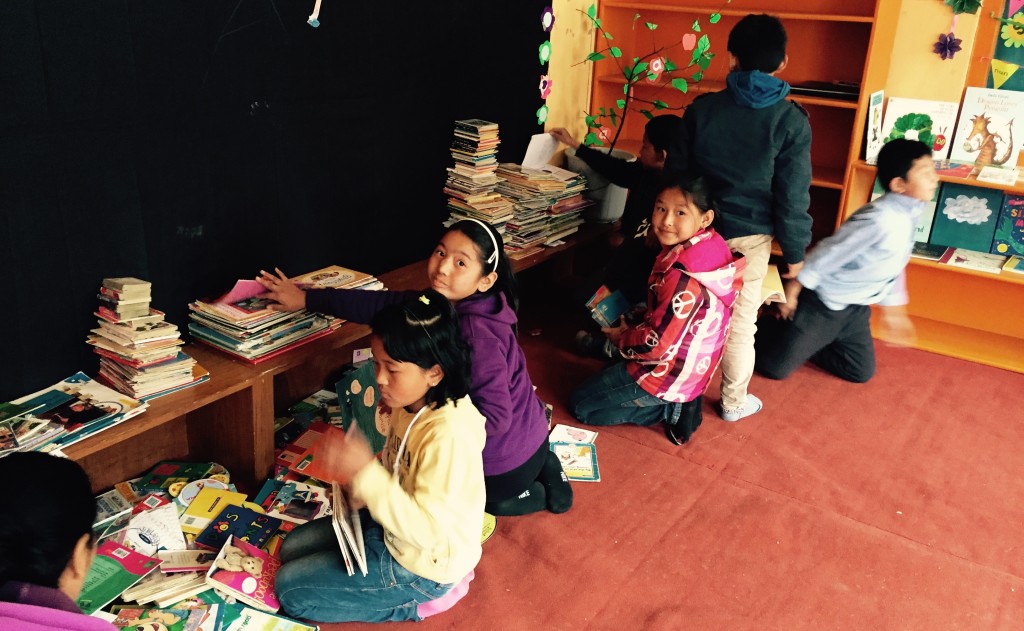
A book drive can bring valuable titles to a village, but a regular activity helps those books become part of community life. Storytelling competitions draw children into the reading room and show families that it is a place for participation, celebration, and discovery.
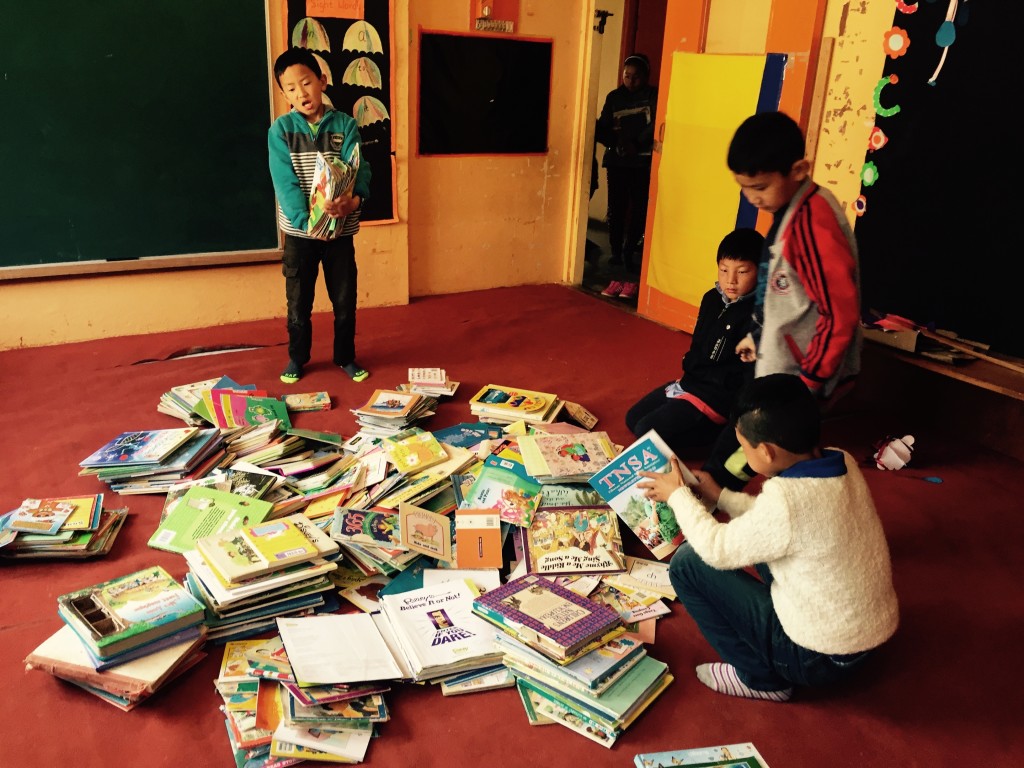
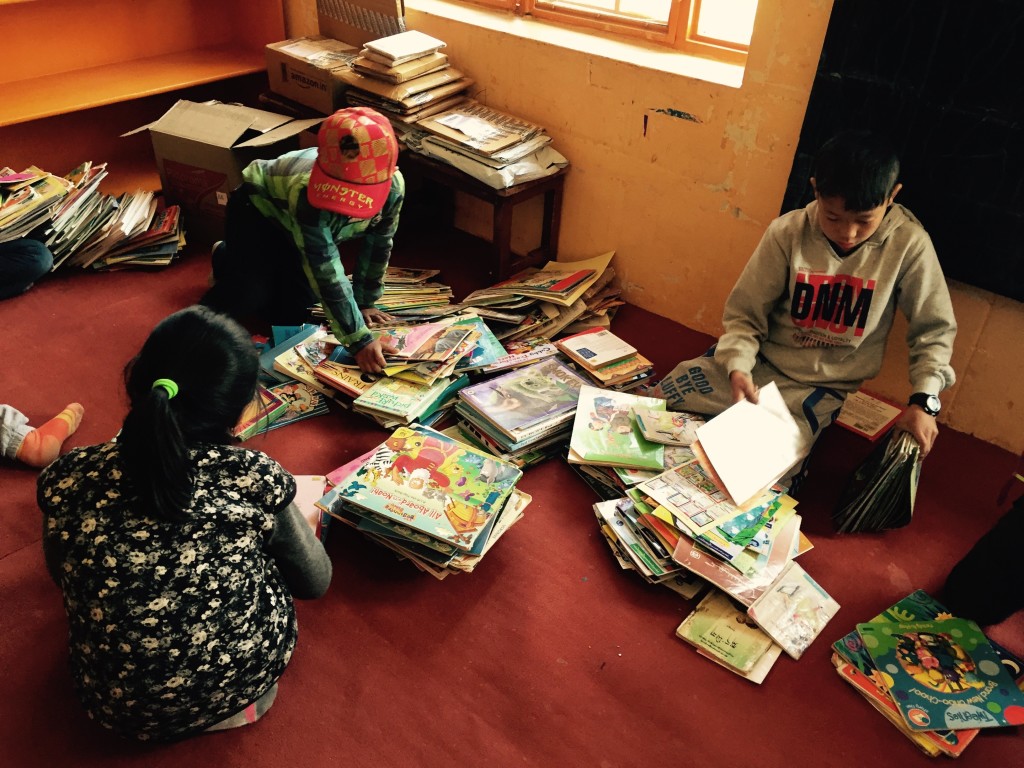
The event often becomes a shared effort. Children borrow books, volunteers arrange seating, families encourage performers, and local supporters may help provide refreshments or small prizes. These contributions strengthen relationships around the reading room and make literacy a collective priority.
The atmosphere is deliberately welcoming. A child does not need expensive clothing, advanced equipment, or previous stage experience to take part. A clear voice, a chosen story, and the courage to share are enough. This simple format makes the activity accessible in communities where educational resources can be limited.
Encouraging Creativity Beyond The Page
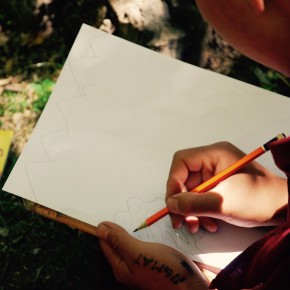
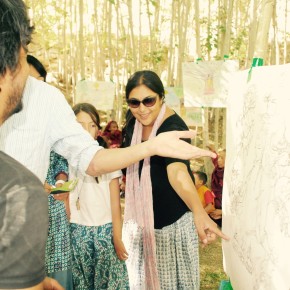
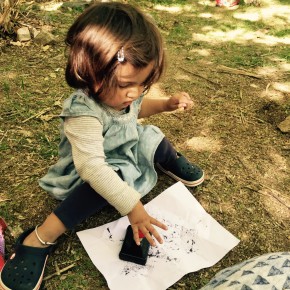
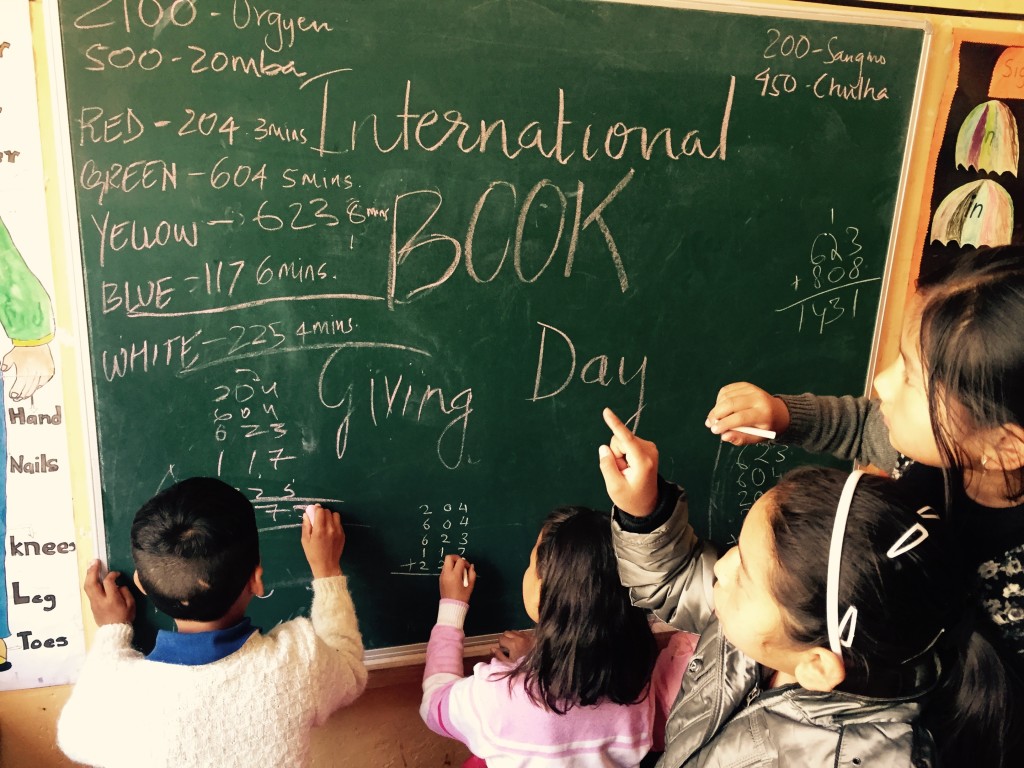
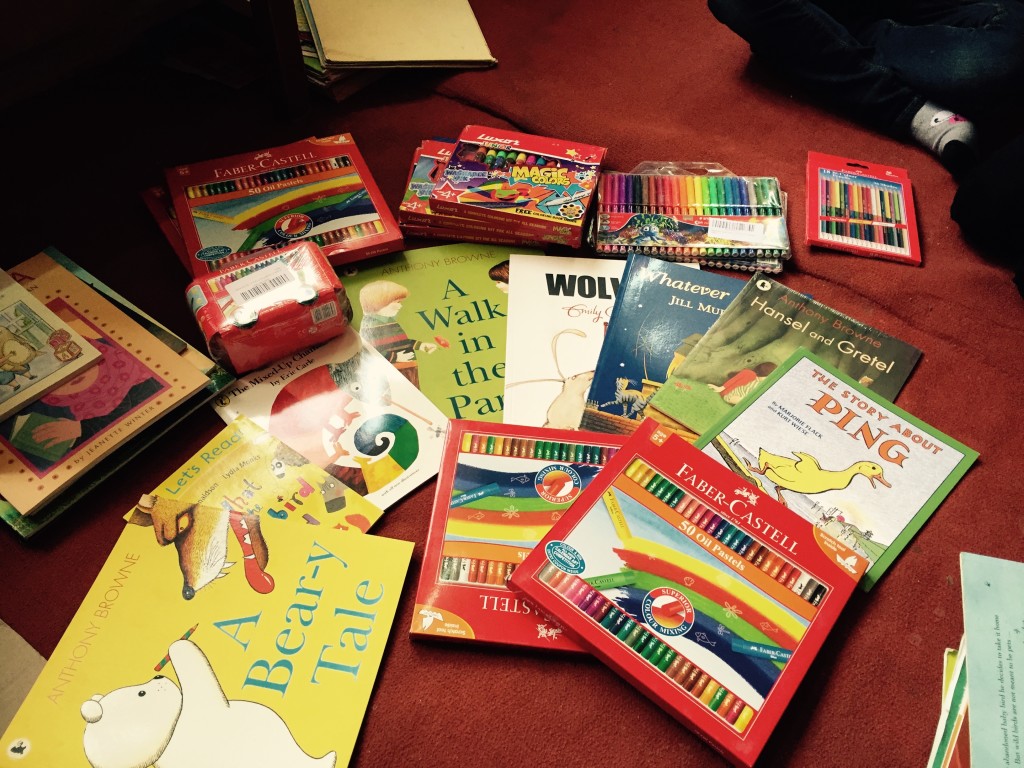
Storytelling is a natural bridge to other forms of artistic learning. After a competition, children may draw scenes from the stories they heard, write a different ending, create puppets, or set a tale to music. Reading becomes connected with visual art, performance, rhythm, and creative writing.
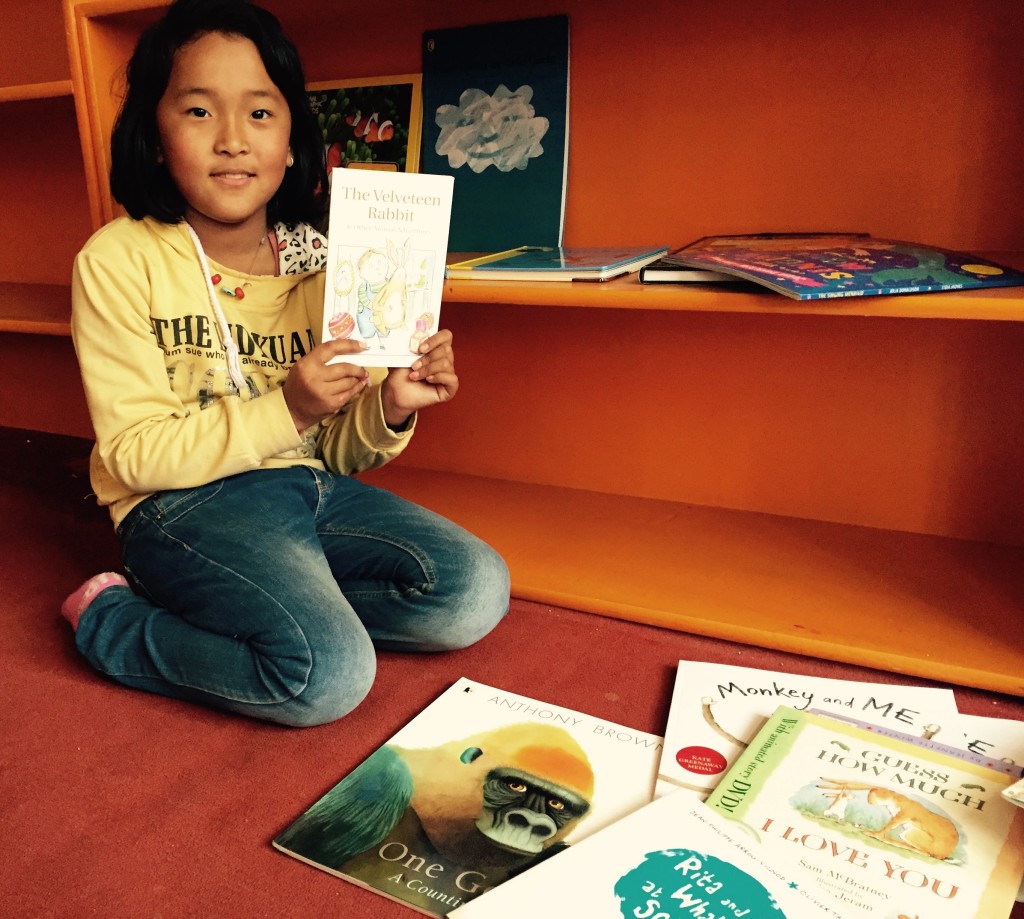
These connections are especially important for children who may not immediately think of themselves as strong readers. A child who loves acting can enter through performance. Another may prefer illustrating a character or adding sound effects. By offering several ways to respond to books, facilitators help more children discover the pleasure of literacy.
Creative activities also encourage flexible thinking. Participants learn that a story can be interpreted in different ways and that mistakes can become part of the creative process. This freedom supports curiosity rather than fear of being judged.
What A Meaningful Event Looks Like
A successful competition is carefully prepared but does not feel rigid. Facilitators select age-appropriate books, explain the format clearly, and allow enough time for practice. Judges or guests can focus on storytelling qualities such as clarity, expression, originality, and effort instead of rewarding only polished English or confident stage presence.
Recognition can take many forms. Certificates, bookmarks, donated books, and warm words from the community all tell children that their participation matters. It is useful to celebrate different strengths, such as expressive performance, thoughtful interpretation, creative adaptation, or attentive listening.
The event should also leave something behind. Children can be invited to borrow the books they encountered, record a story for younger readers, or help prepare the next reading session. In this way, a single gathering becomes part of an ongoing cycle of reading, sharing, and learning.
How Supporters Help These Stories Continue
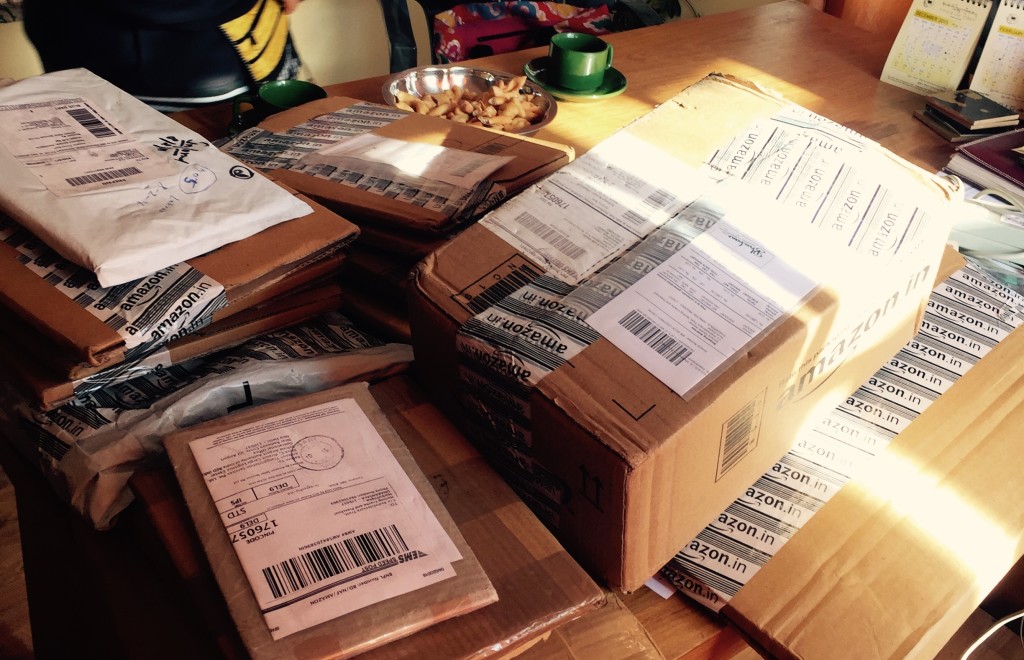
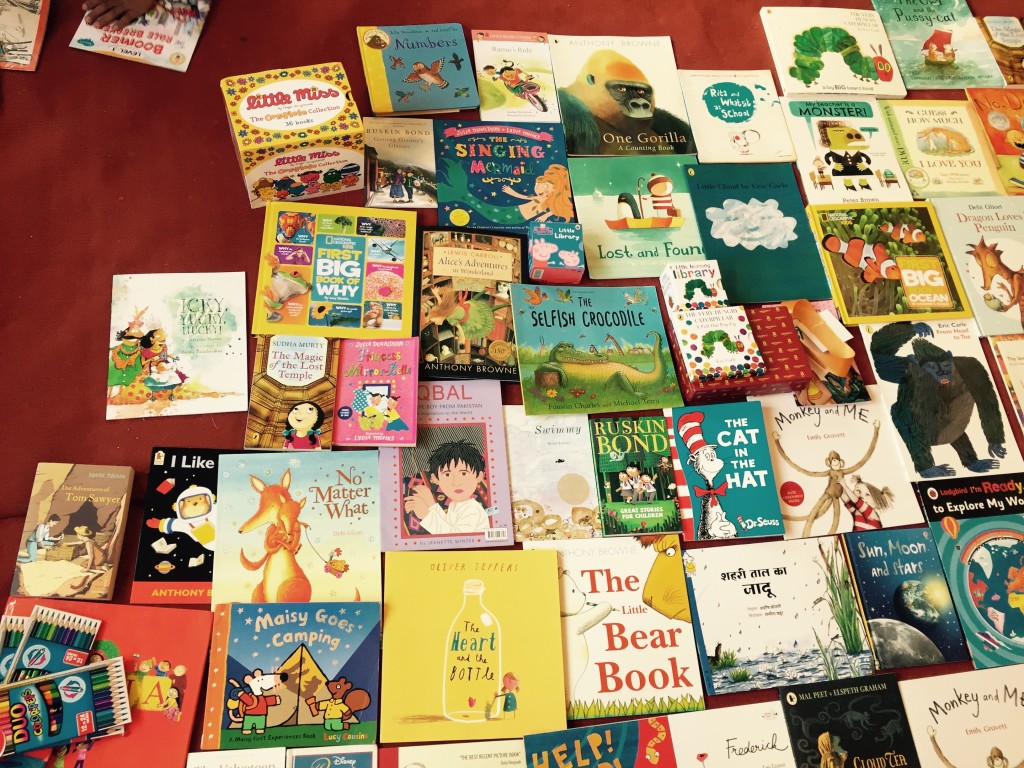
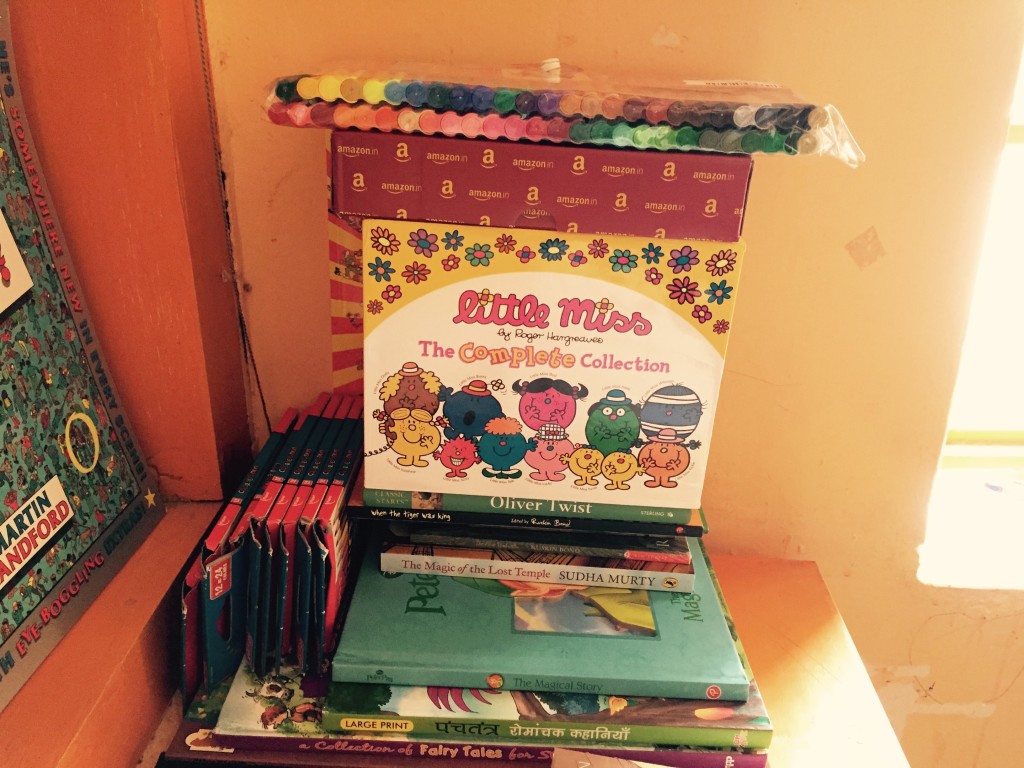
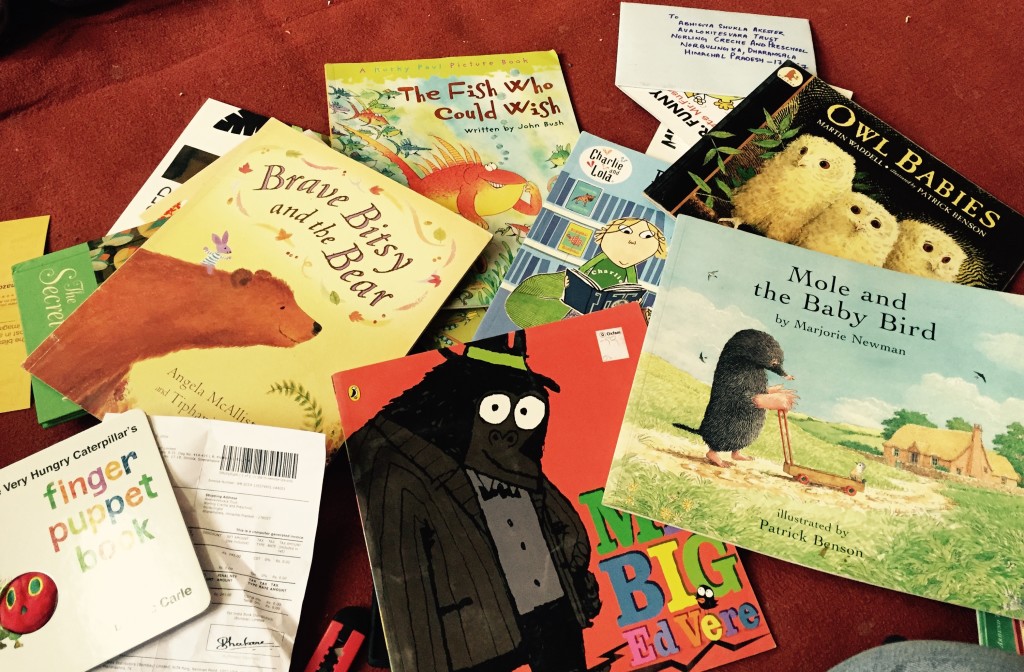
Donors and volunteers make inclusive literacy activities possible. Contributions can help us purchase age-appropriate books, transport materials to remote communities, maintain reading rooms, and provide art supplies or musical instruments that enrich storytelling sessions.
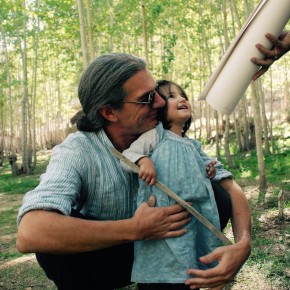
Volunteers may read aloud, help children rehearse, translate instructions, organize book displays, or document events through photographs and stories. Their role is grounded in patience and respect. The most valuable support is consistent encouragement that allows children to take ownership of their learning.
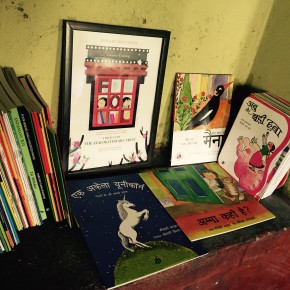
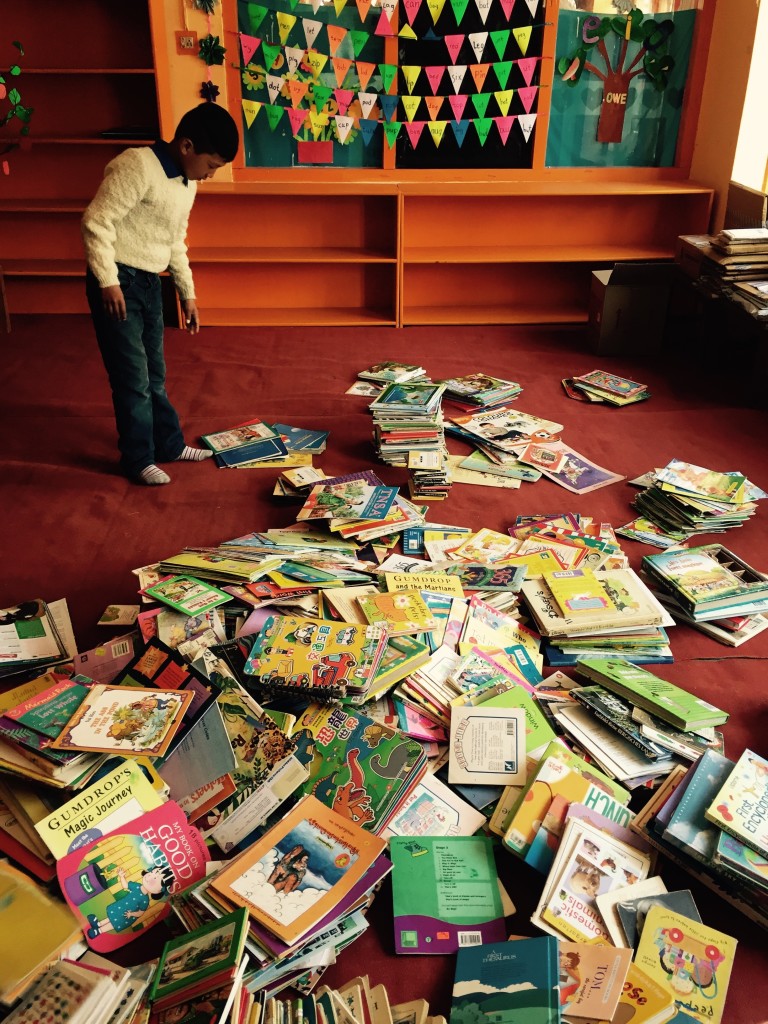
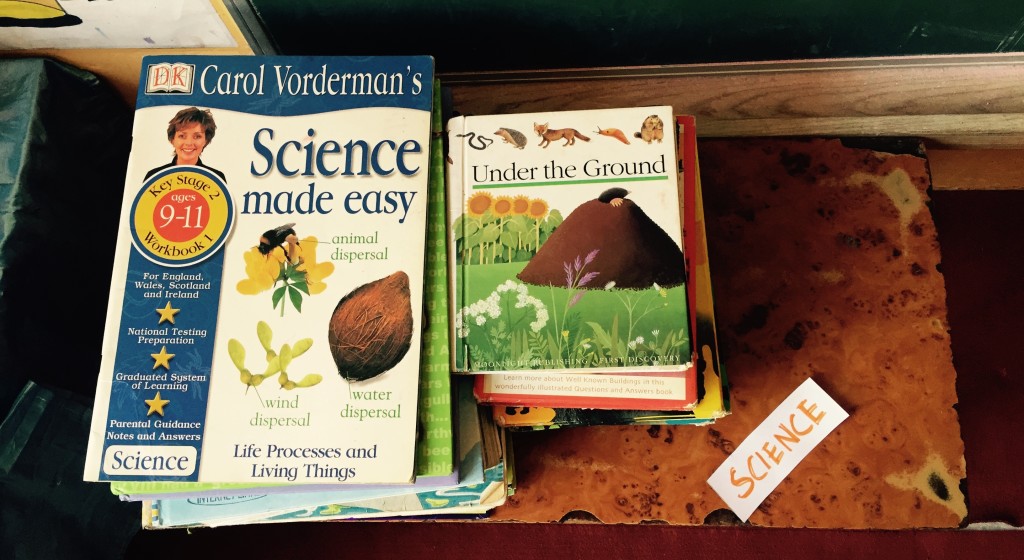
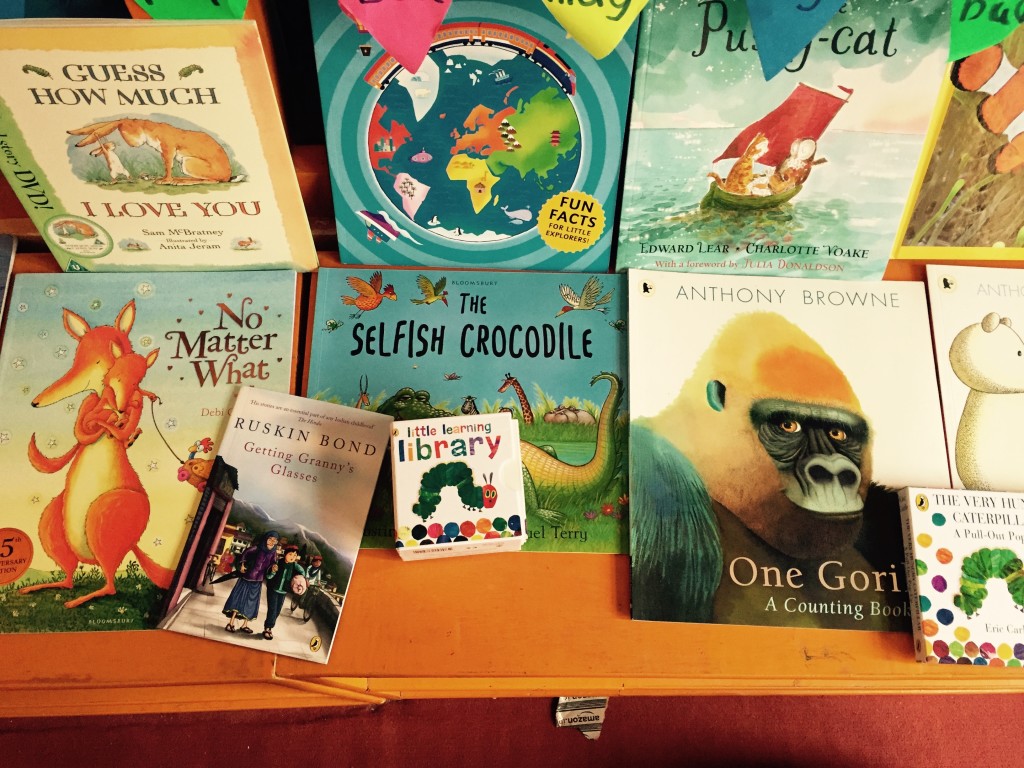
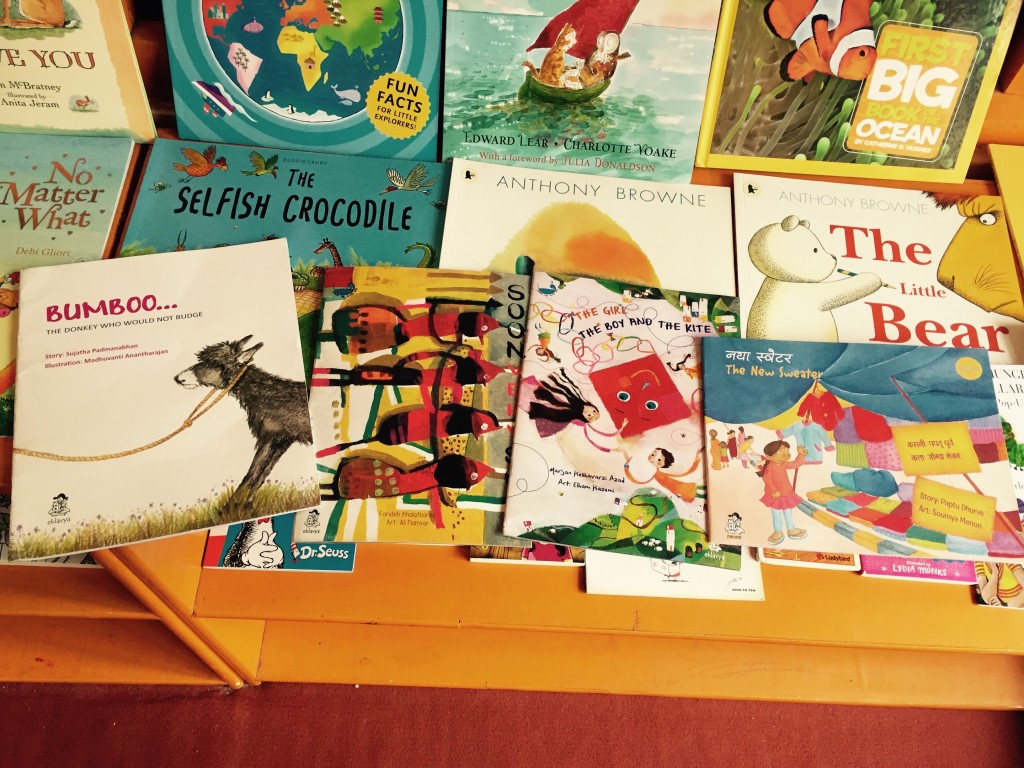
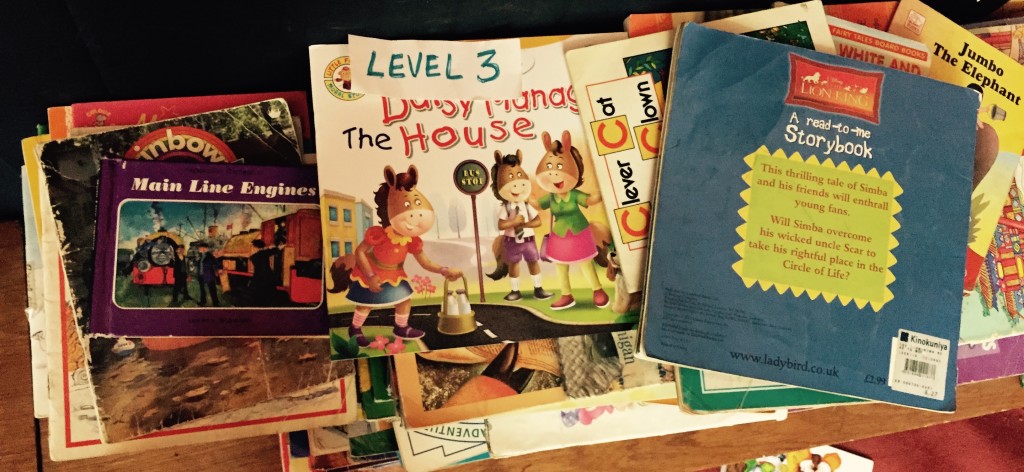
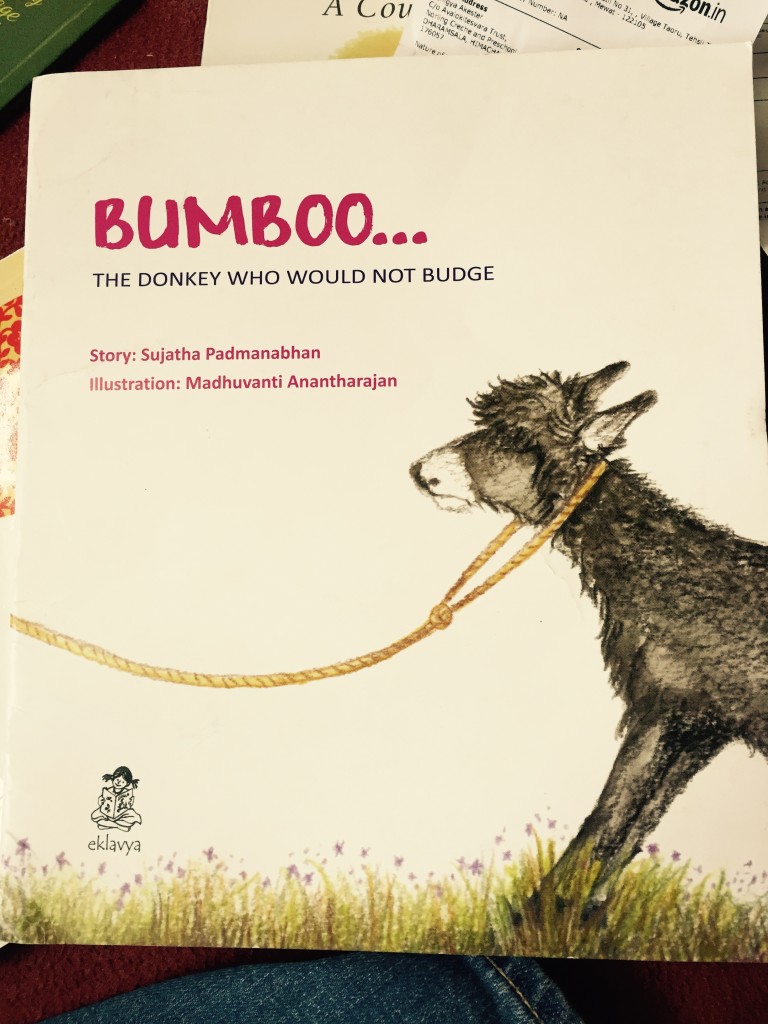
Supporters can also help expand the range of stories available. Donations of carefully selected books in relevant languages give children more opportunities to see their own experiences reflected in print and to encounter perspectives beyond their immediate surroundings.
- Donate children’s books that are engaging, durable, and suitable for different reading levels.
- Sponsor reading room activities that combine storytelling with art, music, and creative writing.
- Volunteer time for reading aloud, language support, event preparation, or mentoring.
- Share the work of Avalokiteśvara Trust with people who care about Himalayan education and literacy.
- Help us create welcoming spaces where children and young monks can learn with confidence.
A storytelling competition may last for an afternoon, but its effects can continue for years. A child gains the courage to speak, discovers a favorite author, or learns that personal experiences are worthy of being shaped into a story. A reading room becomes a place where books are opened, voices are heard, and imagination is shared.
Support Avalokiteśvara Trust by donating, volunteering, or helping provide books and creative resources for our reading rooms in Ladakh and across the Himalayan region. Together, we can keep stories moving from page to voice, from voice to community, and from one generation of readers to the next.