Poetry recitals under the stars of the high desert
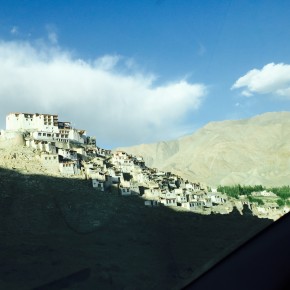
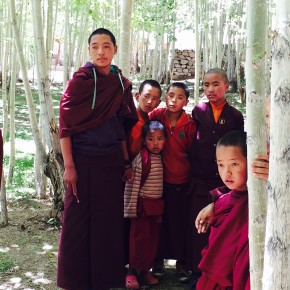
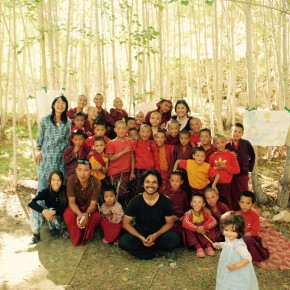
The moon sits low over the Indus in winter, and the wind drops just enough for a child's voice to travel two kilometres along the valley floor. In villages like Thiksey and Diskit, where the Avalokiteśvara Trust runs reading rooms, October evenings are dry, quiet, and so clear that the Milky Way throws faint shadows. Children arrive wrapped in woollen gonchas, breath clouding, ready to recite.
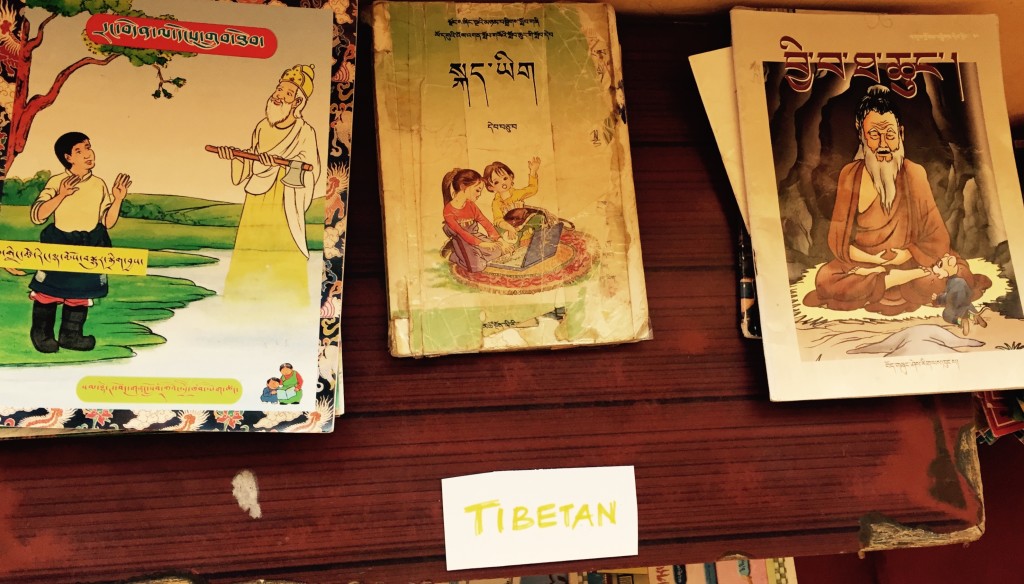
The Trust did not invent reading aloud outdoors. Ladakh has always carried stories that way: verses of Gesar, blessings from the monastery, folk songs across the Changthang. What the Trust has done is braid that inheritance with a literacy push, so that the cold courtyard becomes the second classroom of the week.
For readers in a Sydney suburb, at a kitchen table in Perth, or at a café in Fitzroy, poetry nights at three thousand metres can feel impossibly remote. The Trust hopes it feels otherwise. The sky over Ladakh and the sky over Tasmania are the same sky. A child in Hemis and a teenager in Hobart look at the Southern Cross in the same hour.
Below we look at the silence of high desert air, the practicalities of staging a recital outside, the way oral practice shapes reading confidence, and the small lessons that travel home with returning volunteers. Every paragraph comes from a Tuesday, a Thursday, or a Sunday on the ground.
Where earth meets sky in the cold desert
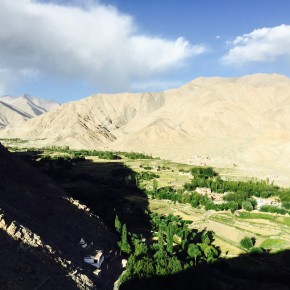
Ladakh is called a cold desert for good reason. Annual rainfall in Leh averages under twelve centimetres. Humidity is so low that paper stored in the Trust's reading rooms needs rotating more often than in a Melbourne library, because dryness cracks spines. At night, the same dryness makes the atmosphere exceptionally transparent. Altitude sharpens everything. At three thousand metres, the air carries sound with less scattering than at sea level. A poem spoken softly from a monastery wall is understood at the foot of the slope.
The cold is part of the discipline. Parents tell us that children who recite at minus ten are different the next day in class: calmer, listening longer. Whether that is the cold, the stars, or the ritual, we are not sure. We know we see it.
Voices carried across the valley
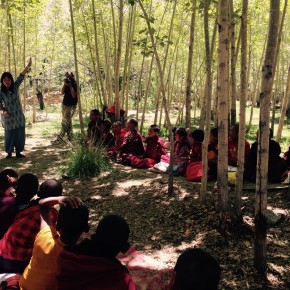
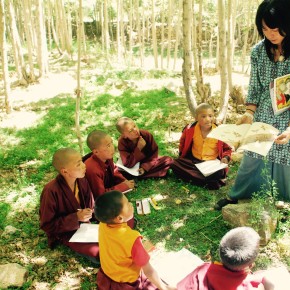
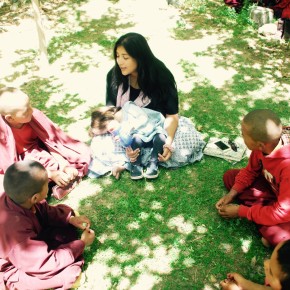
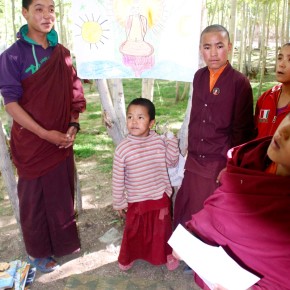
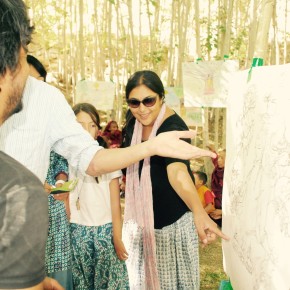
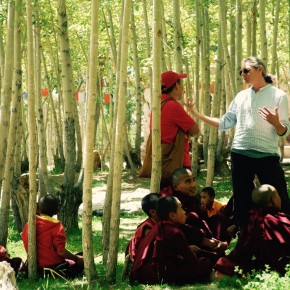
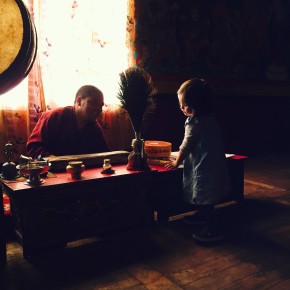
A recital outdoors is a community event in a way an indoor performance rarely is. Families bring thermoses of butter tea. Monks from the local gompa drift over after evening prayers, and once a year they bring a drum. The child reciting is not performing for an audience so much as speaking to the valley, and the valley answers with echo.
We have learned to keep verses short: twenty lines, sometimes thirty. Longer than that and the cold wins. The chosen poems are usually a stanza from the Heart Sutra, a Rumi verse in English, or a short piece written by the child. Cold hands cannot hold a book the next morning.
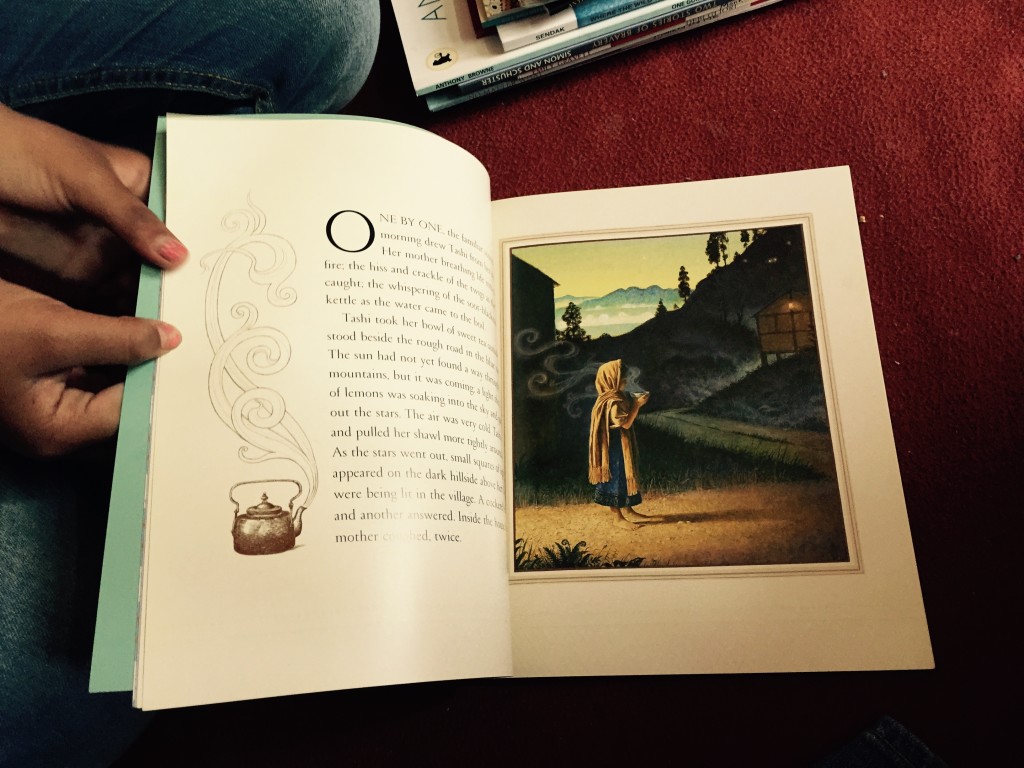
Last winter, a girl named Tsering recited a four-line poem about her grandmother's kitchen in three languages. By the fourth line, a small boy at the back had pulled out a torch and held it up, because he thought the poem deserved light. That moment cannot be engineered. It can only be set up and trusted.
Verse as a bridge to reading
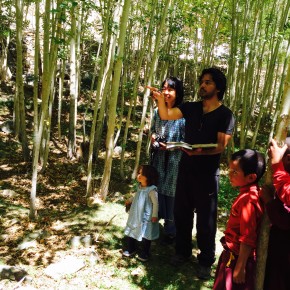
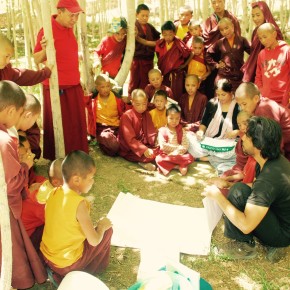
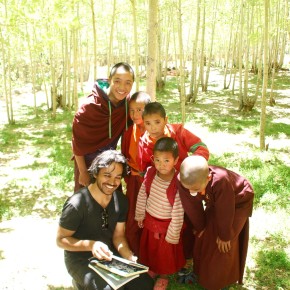
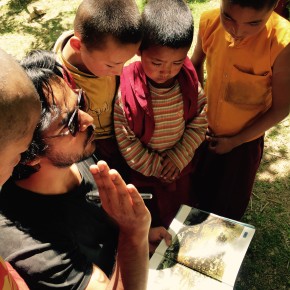
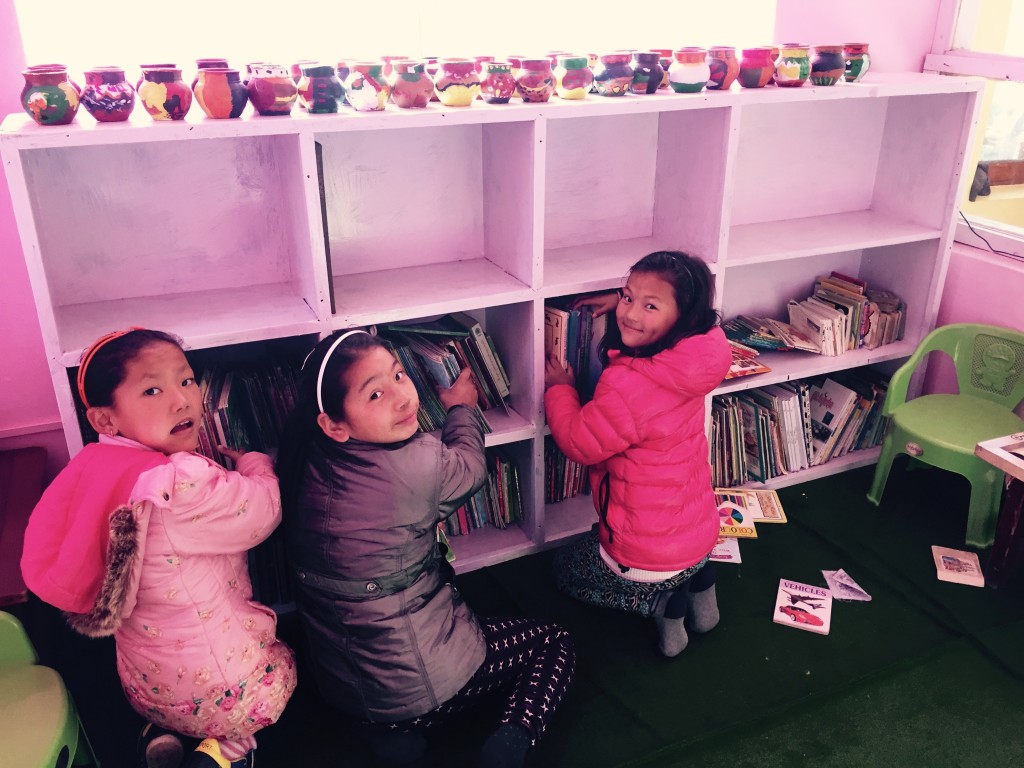
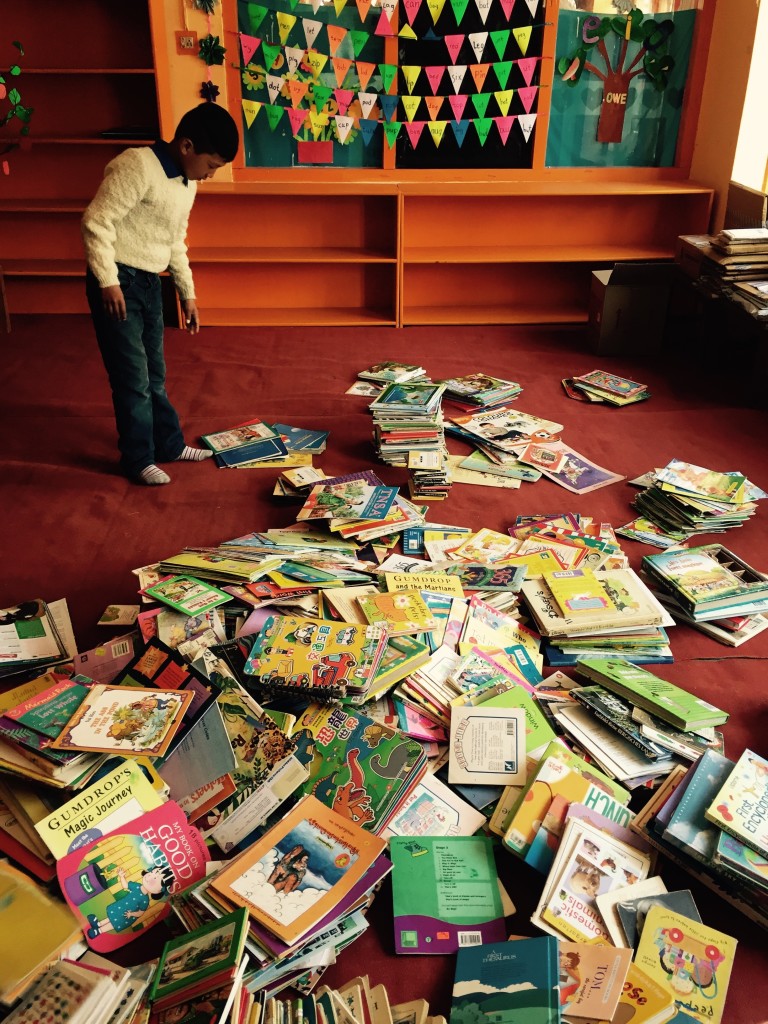
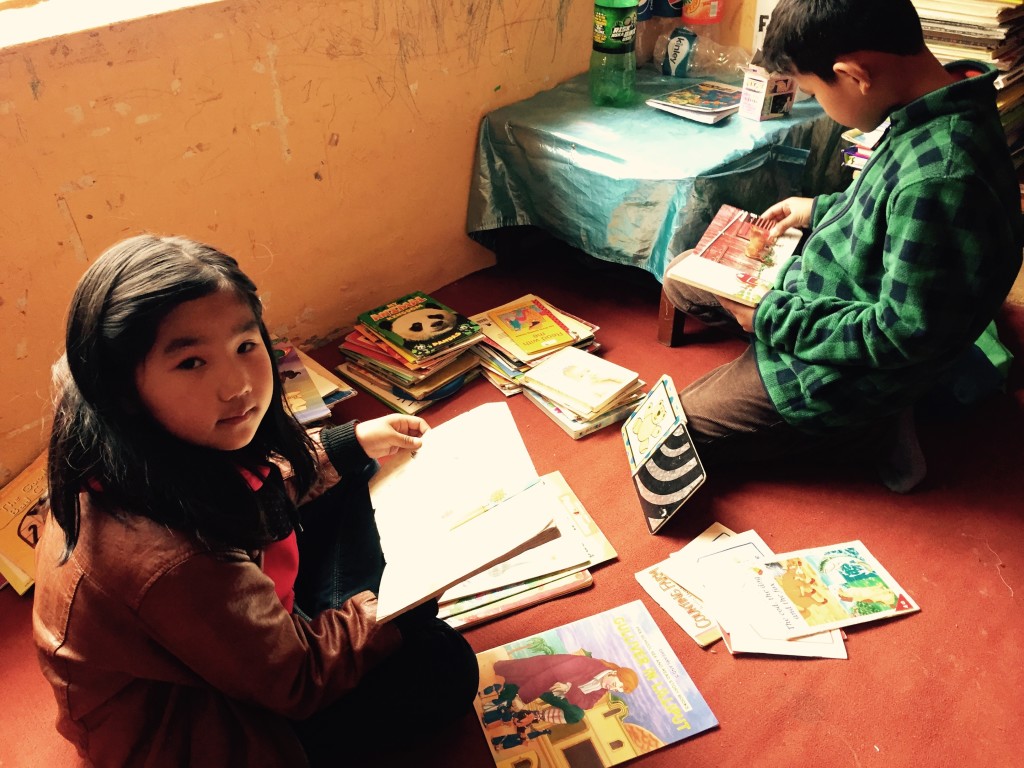
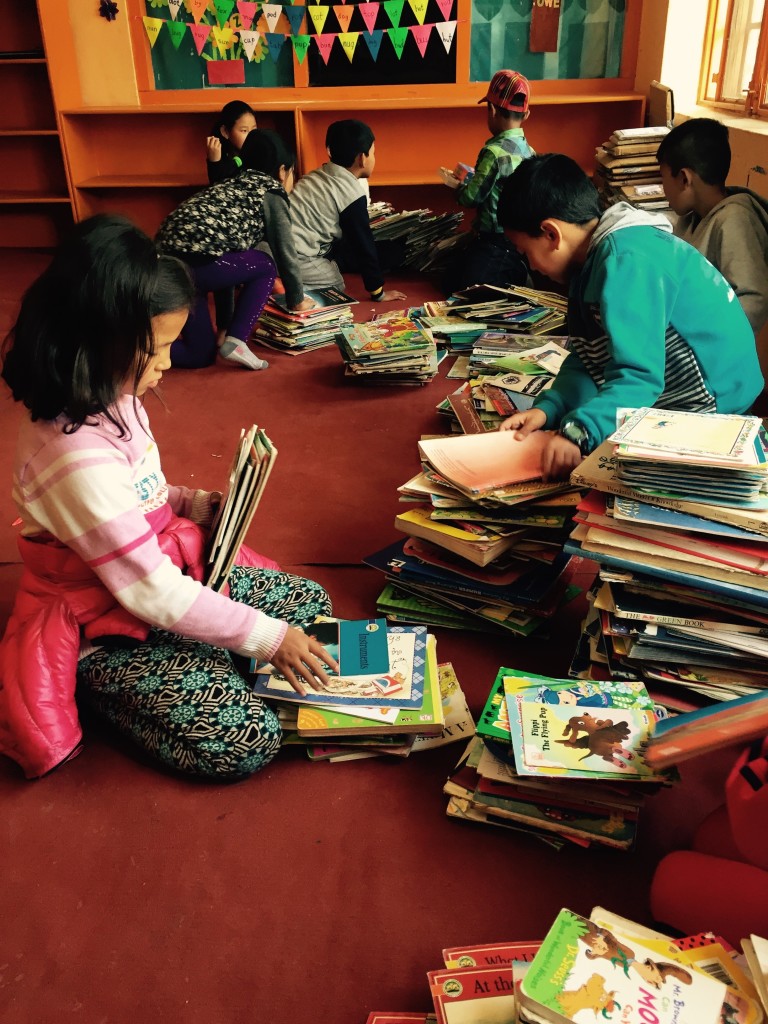
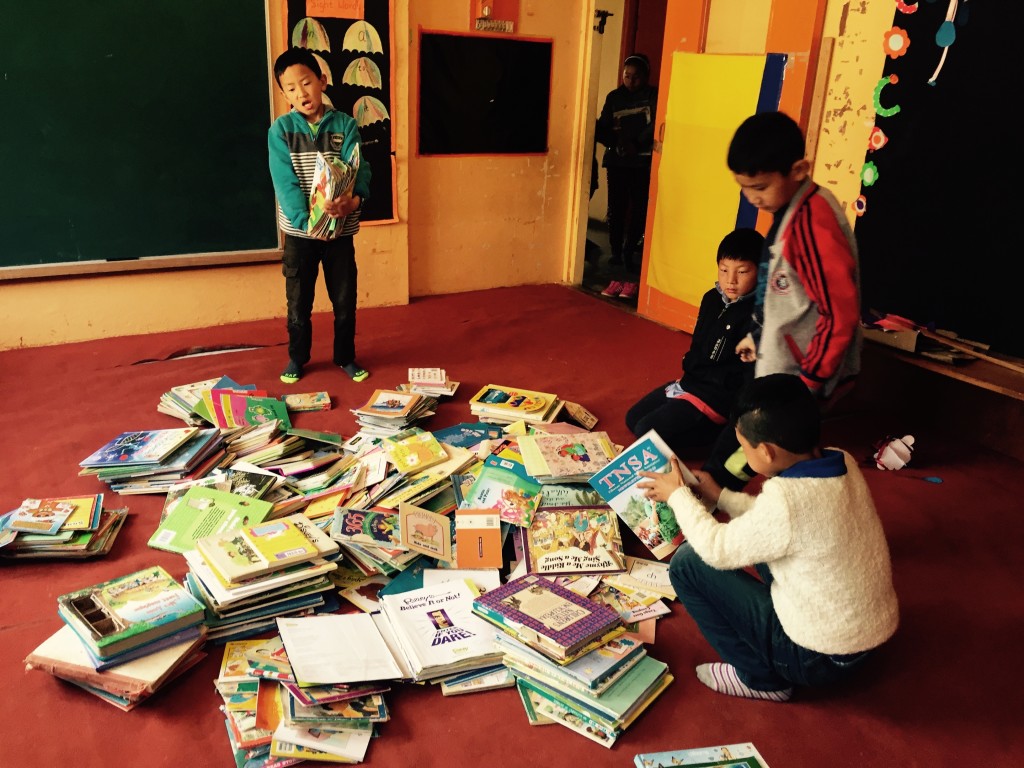
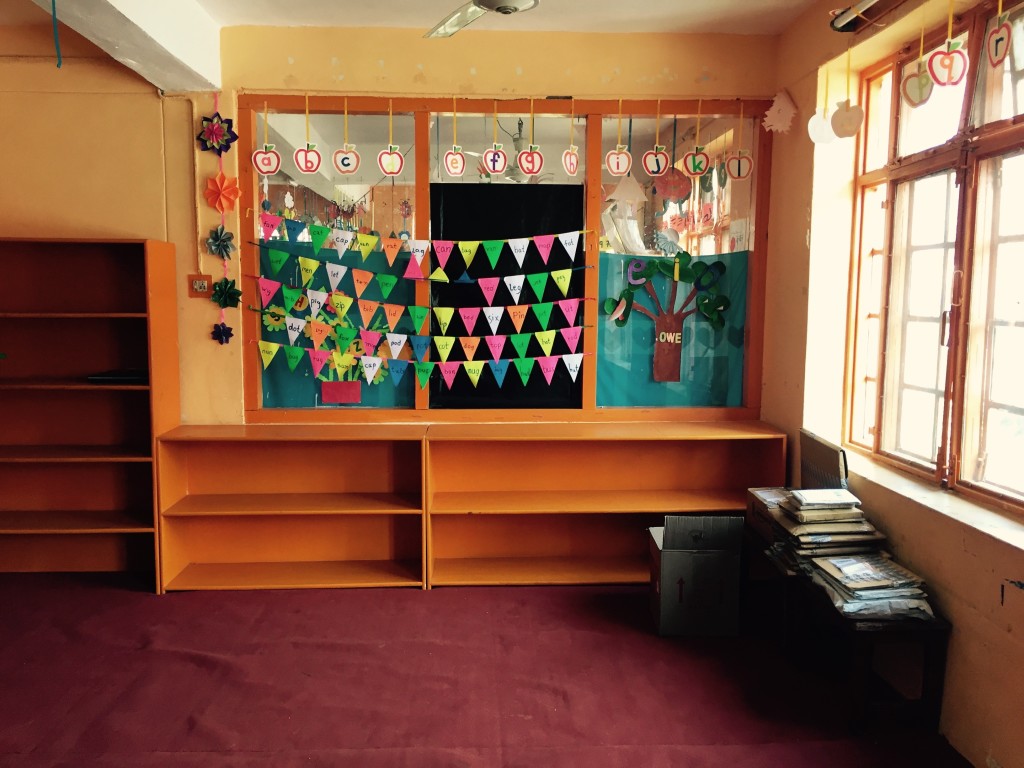
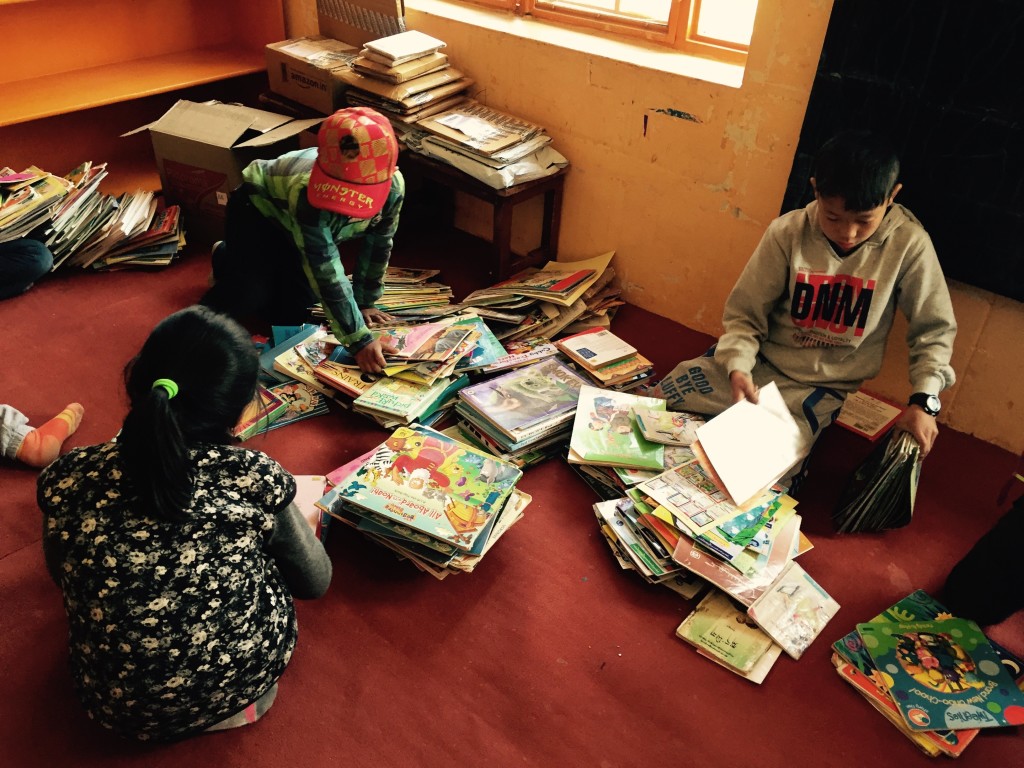
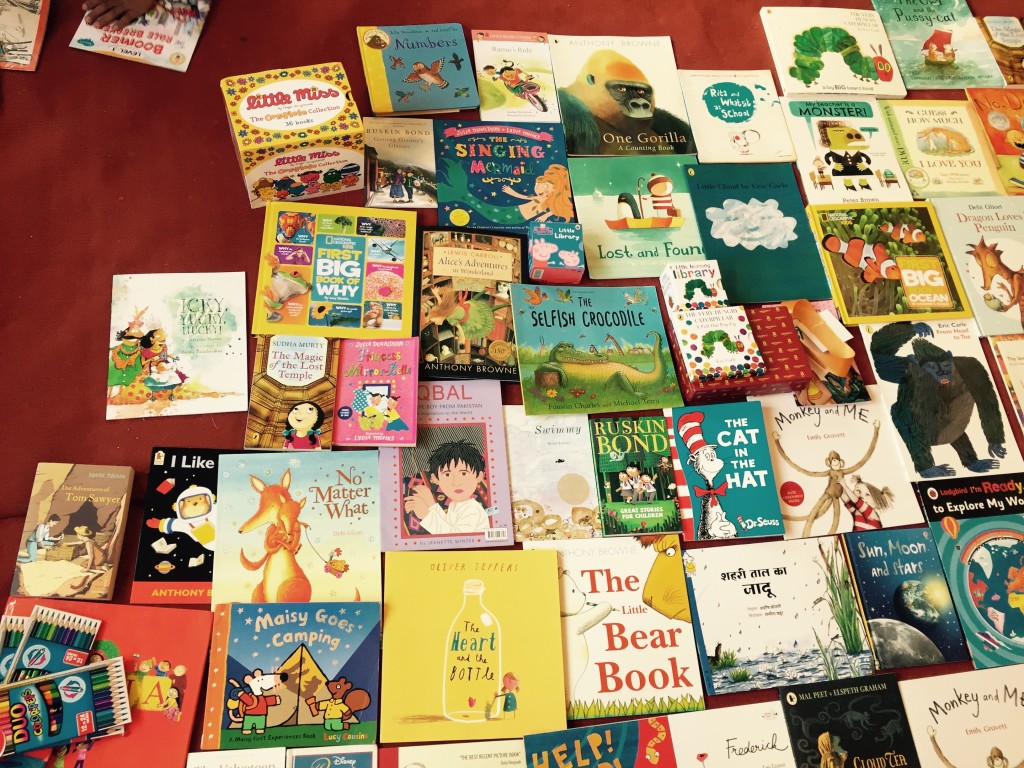
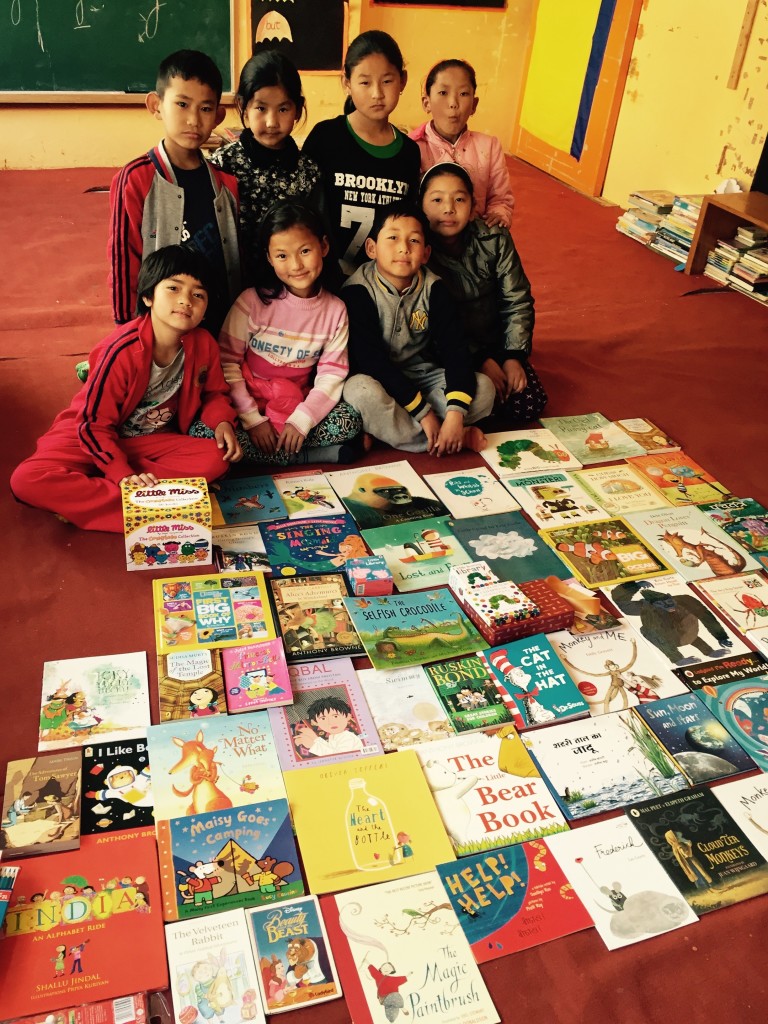
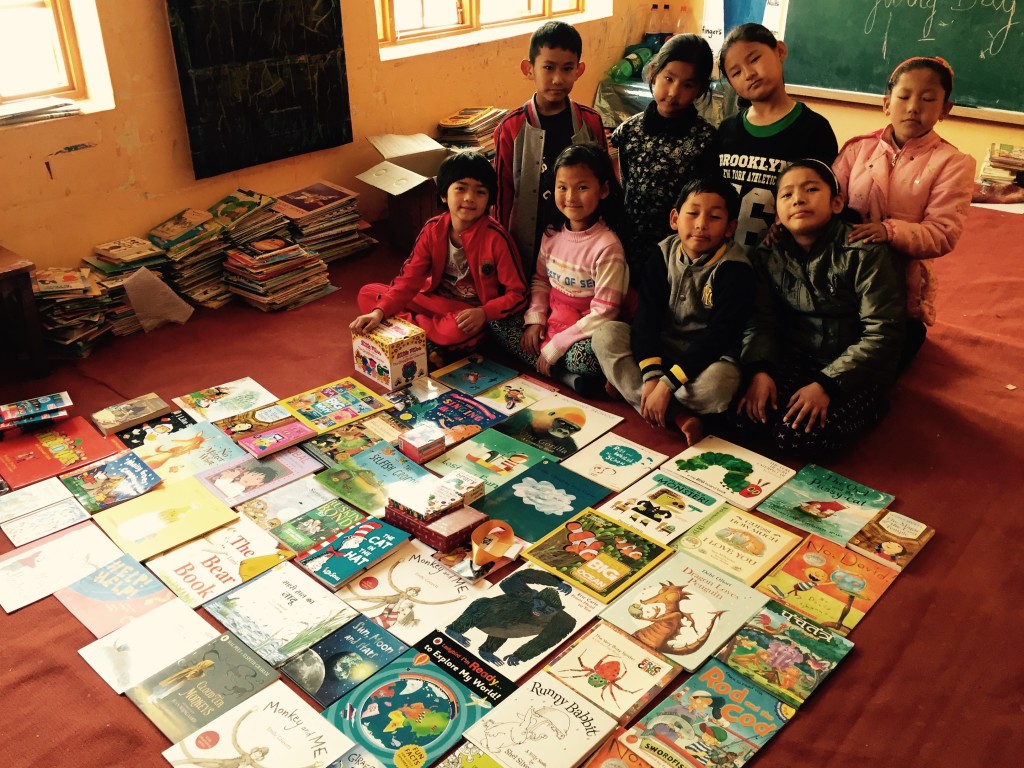
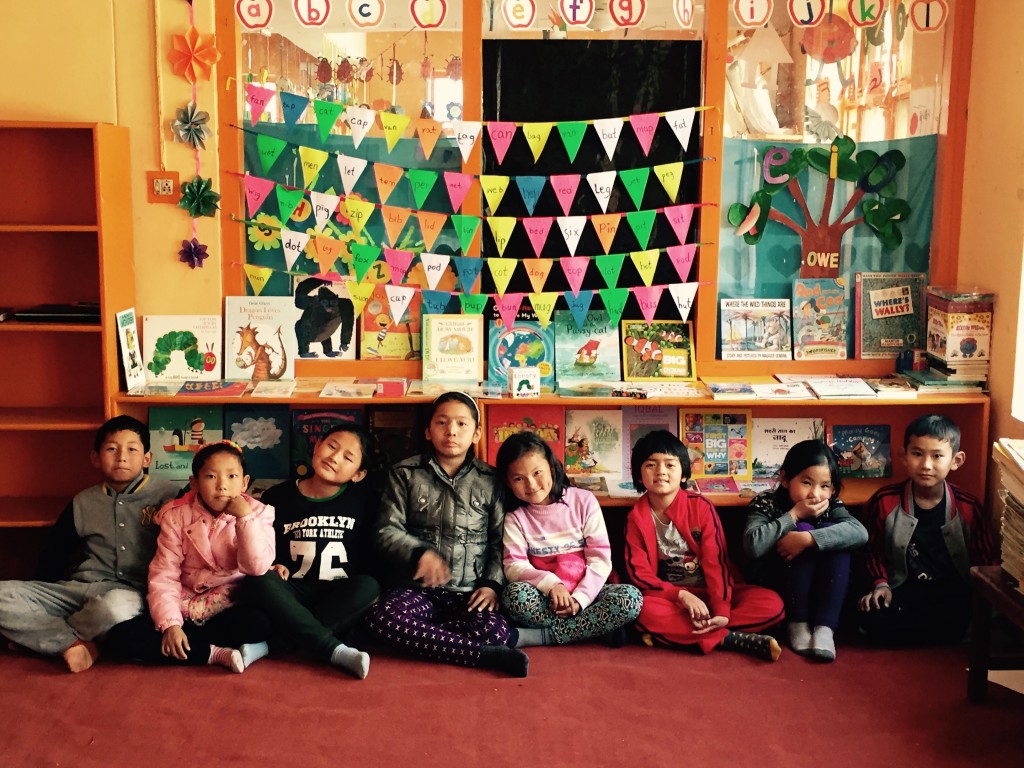
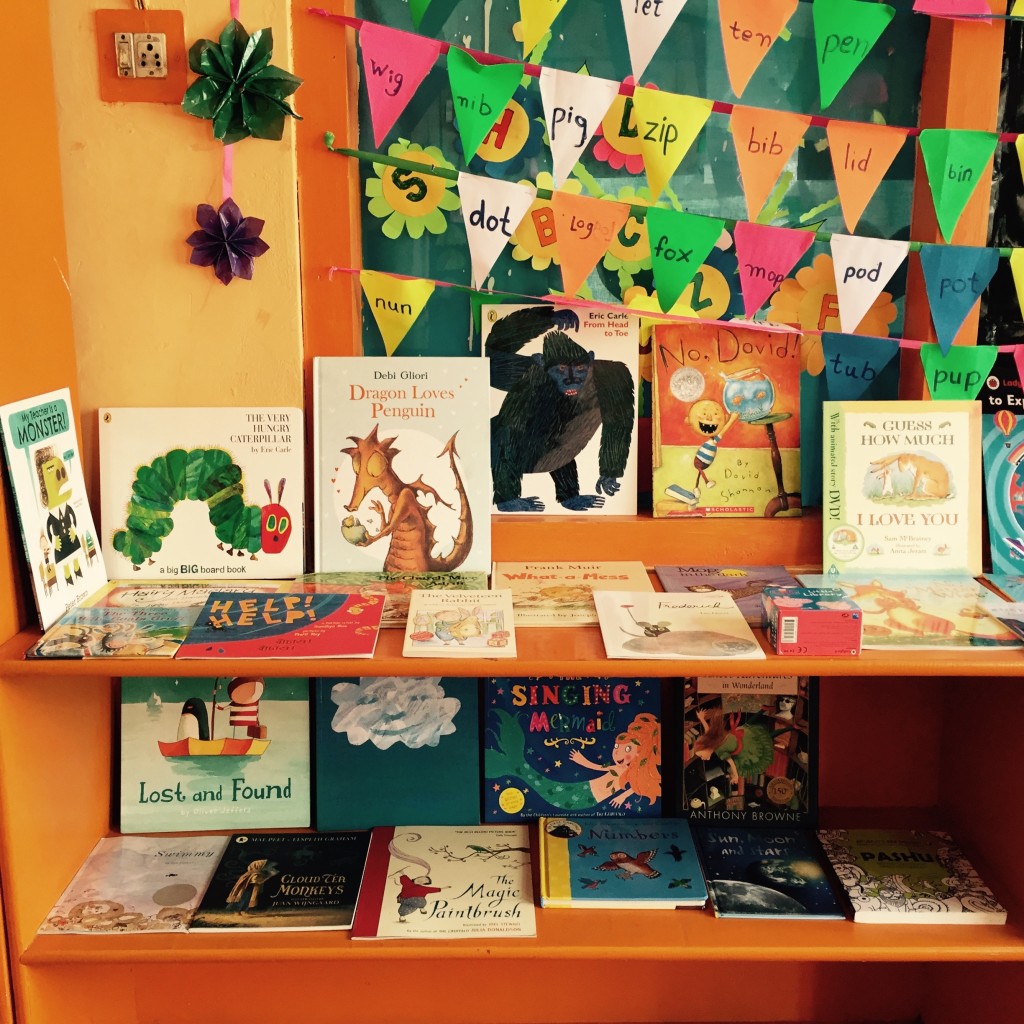
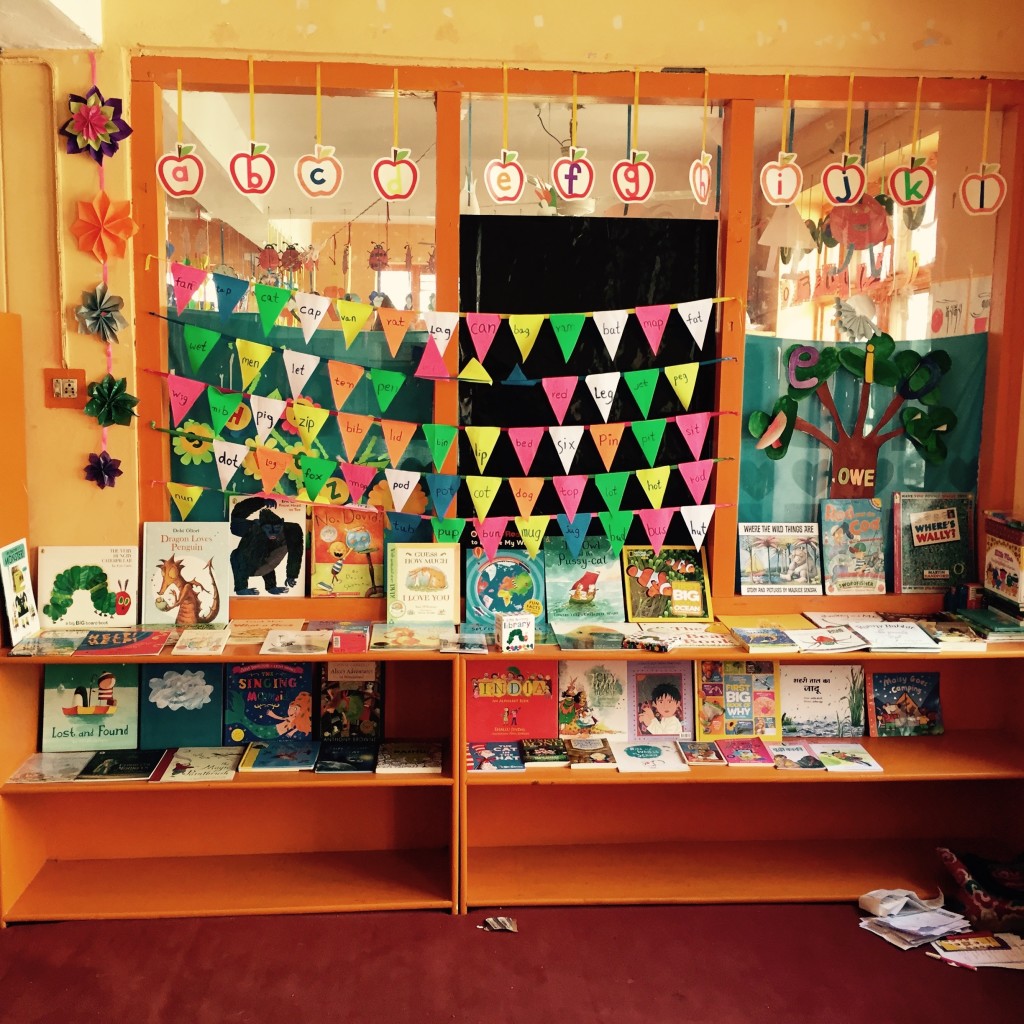
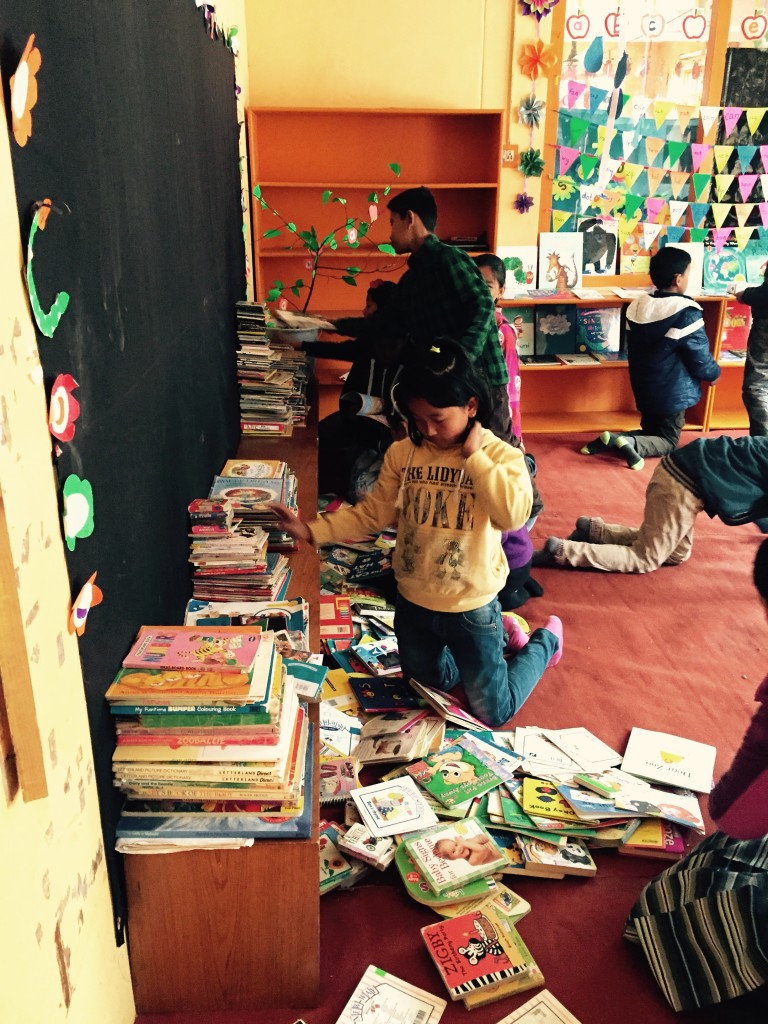
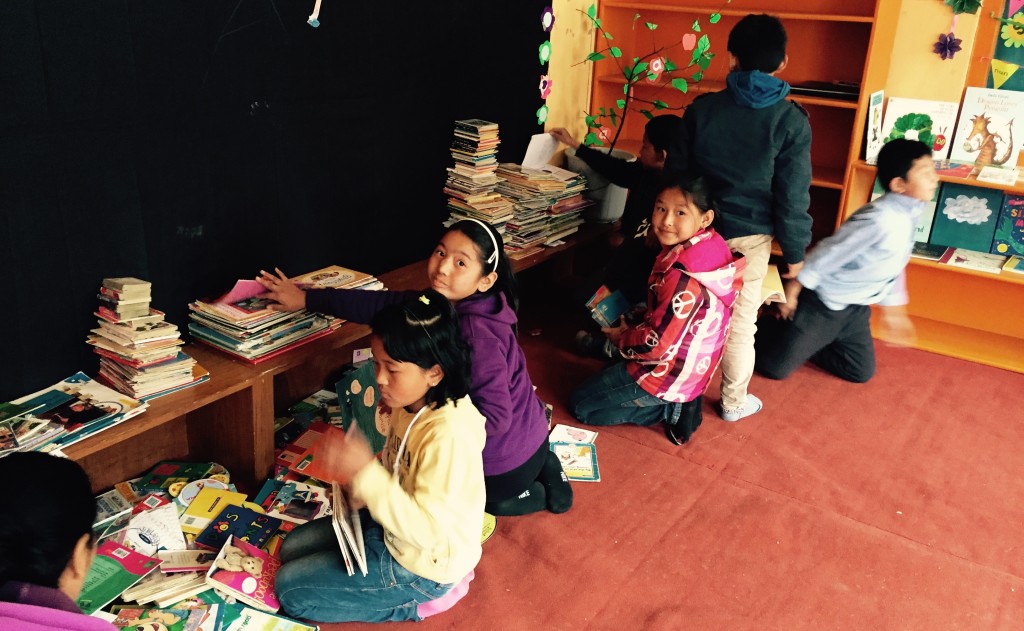
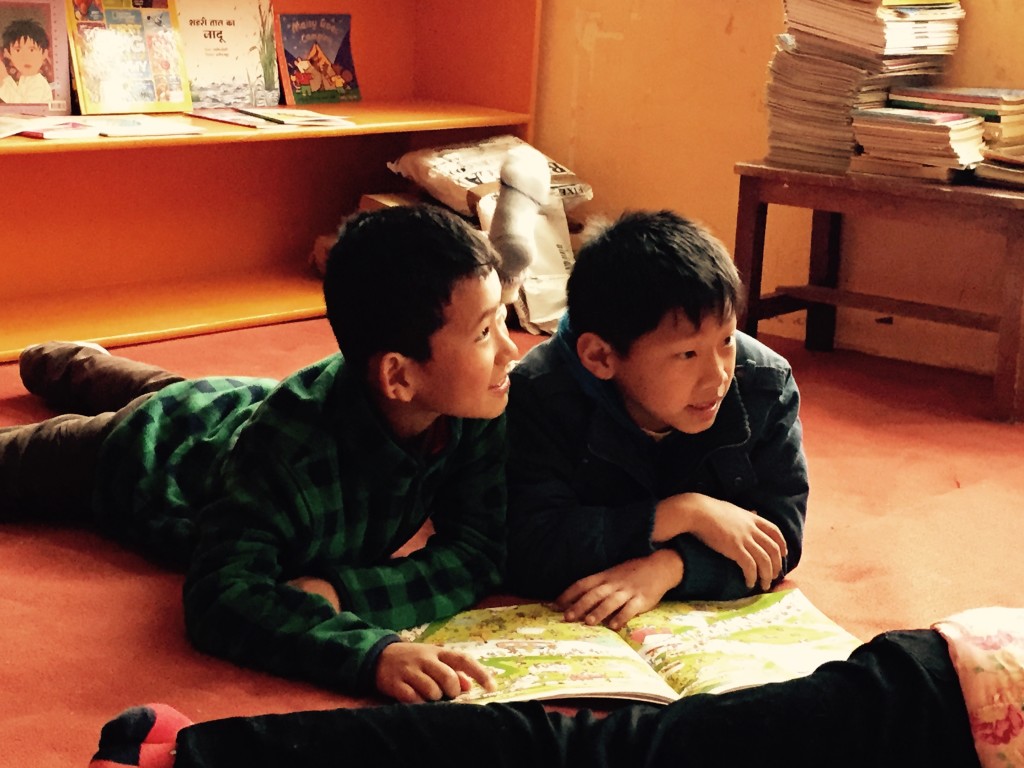
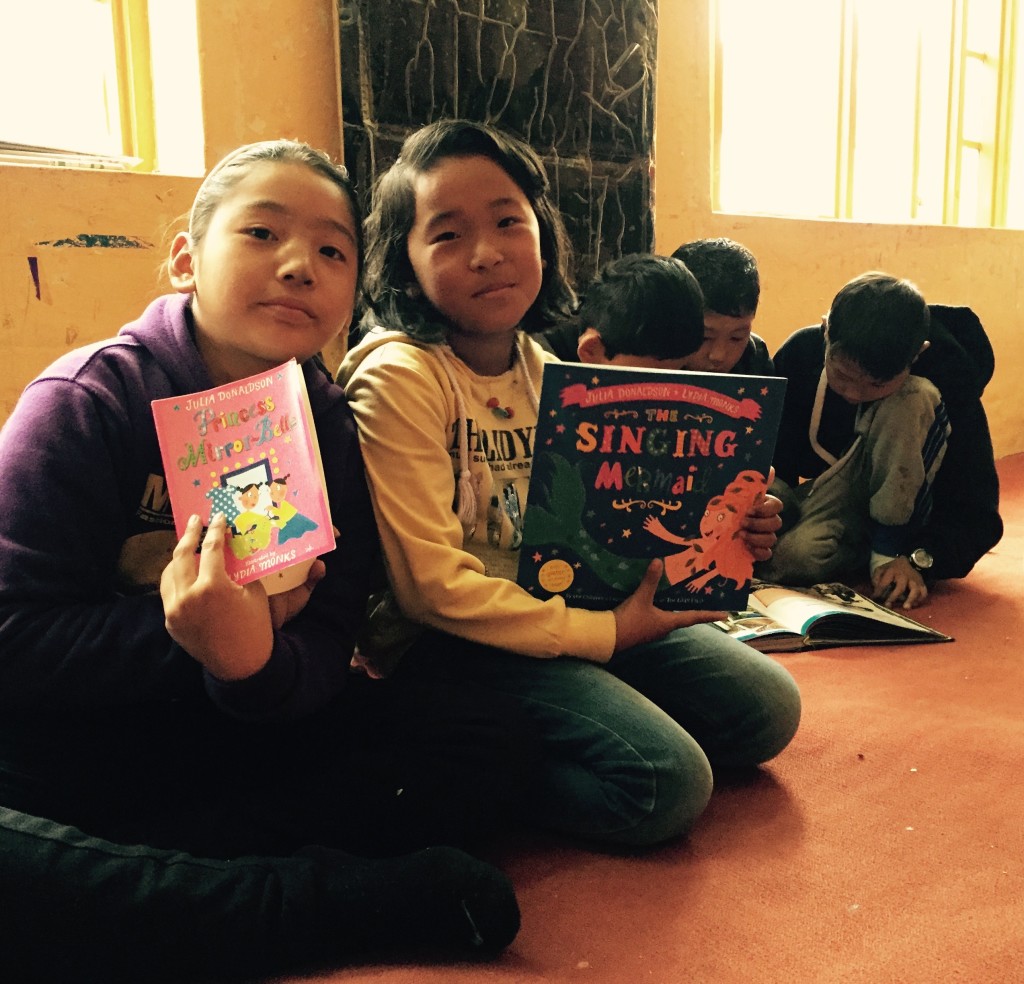
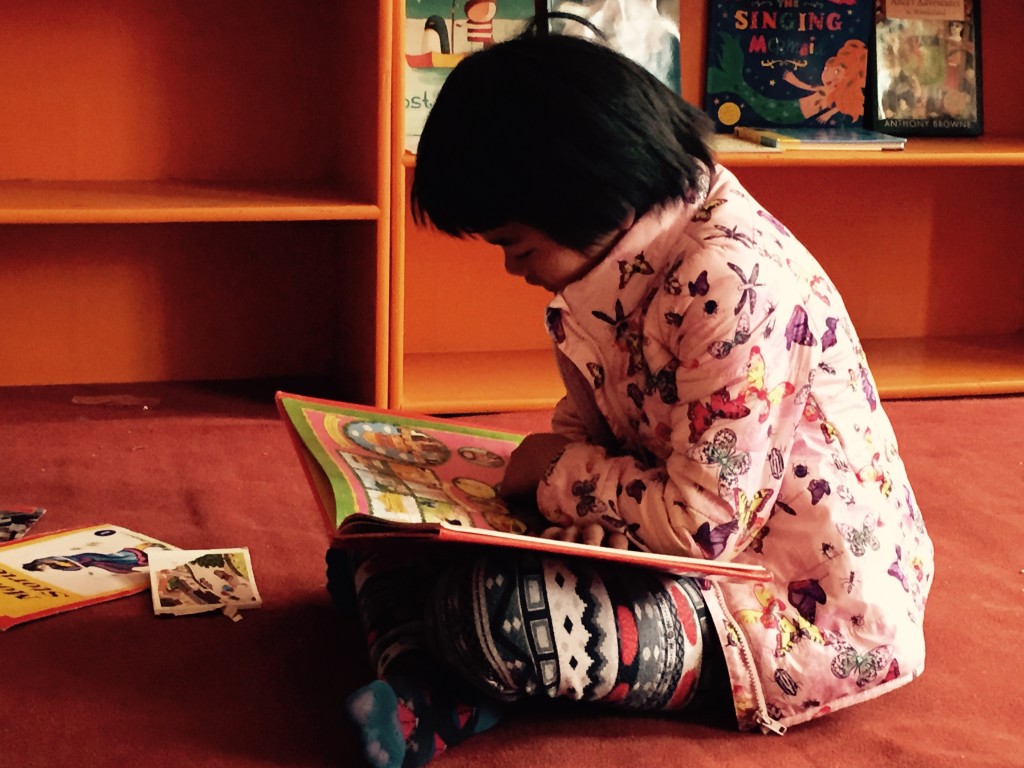
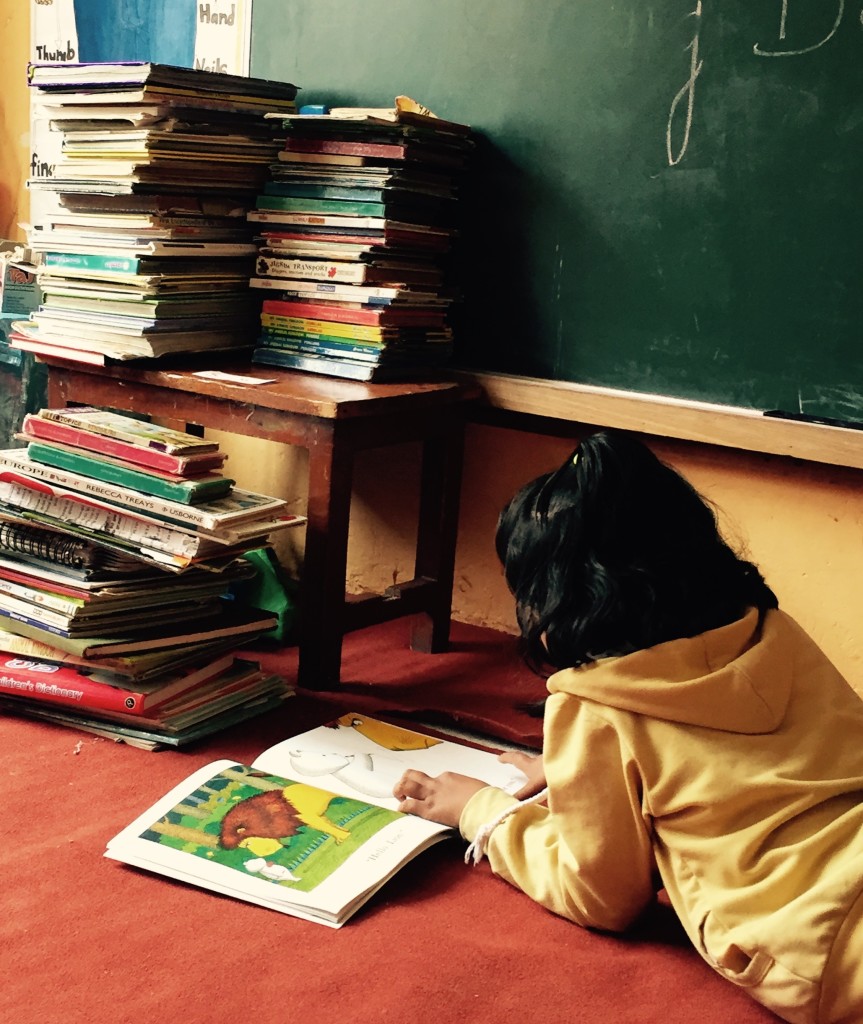
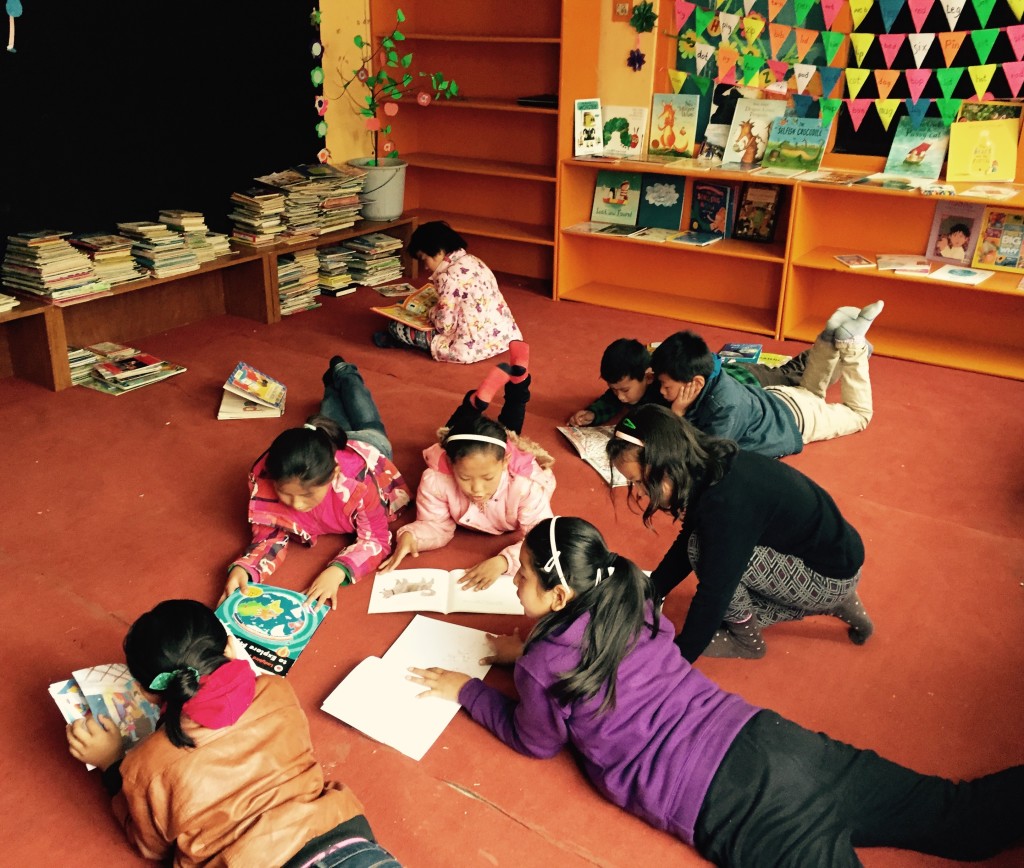
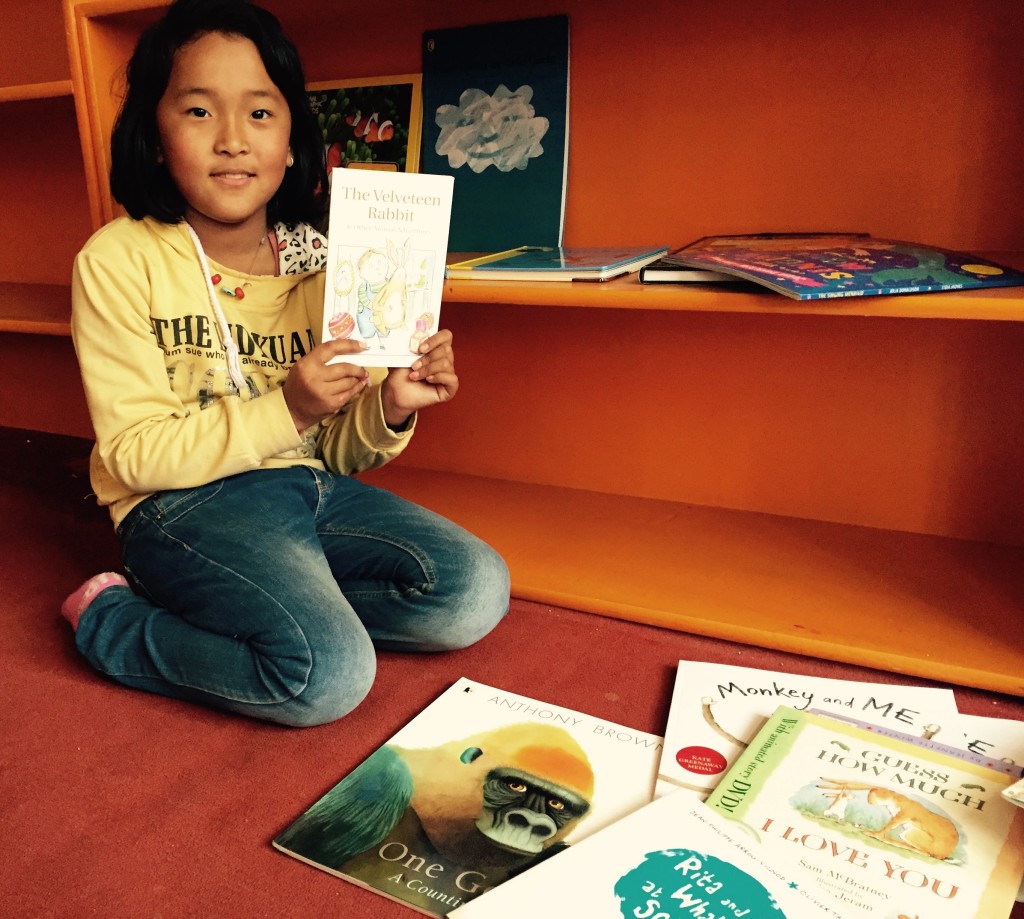
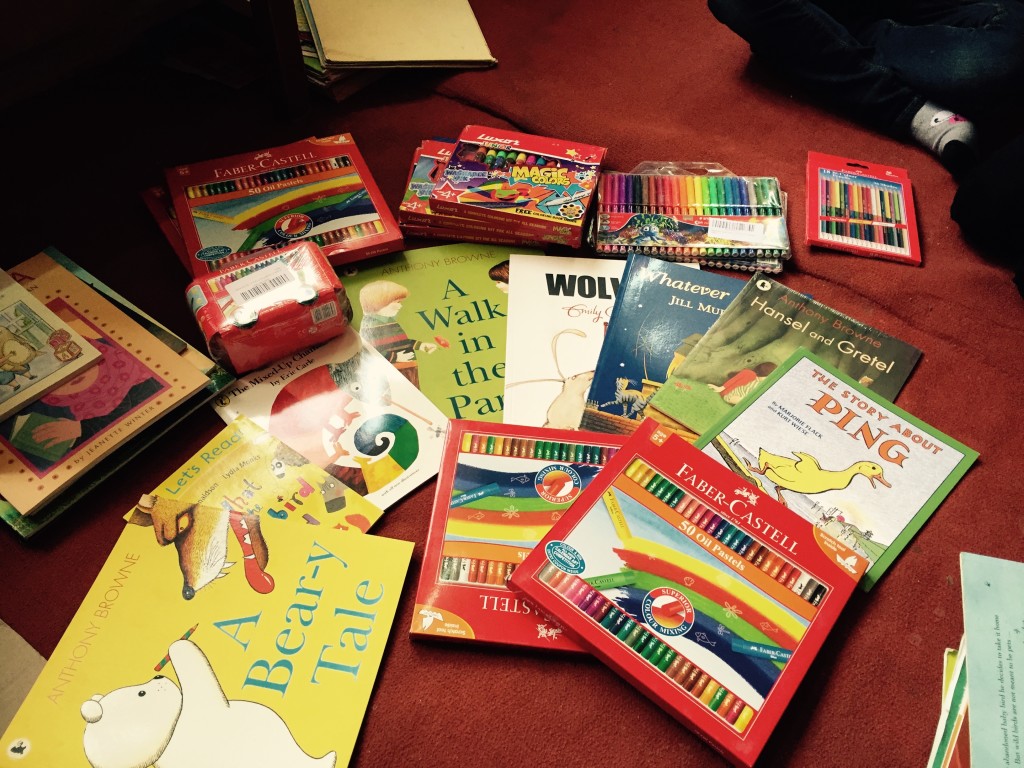
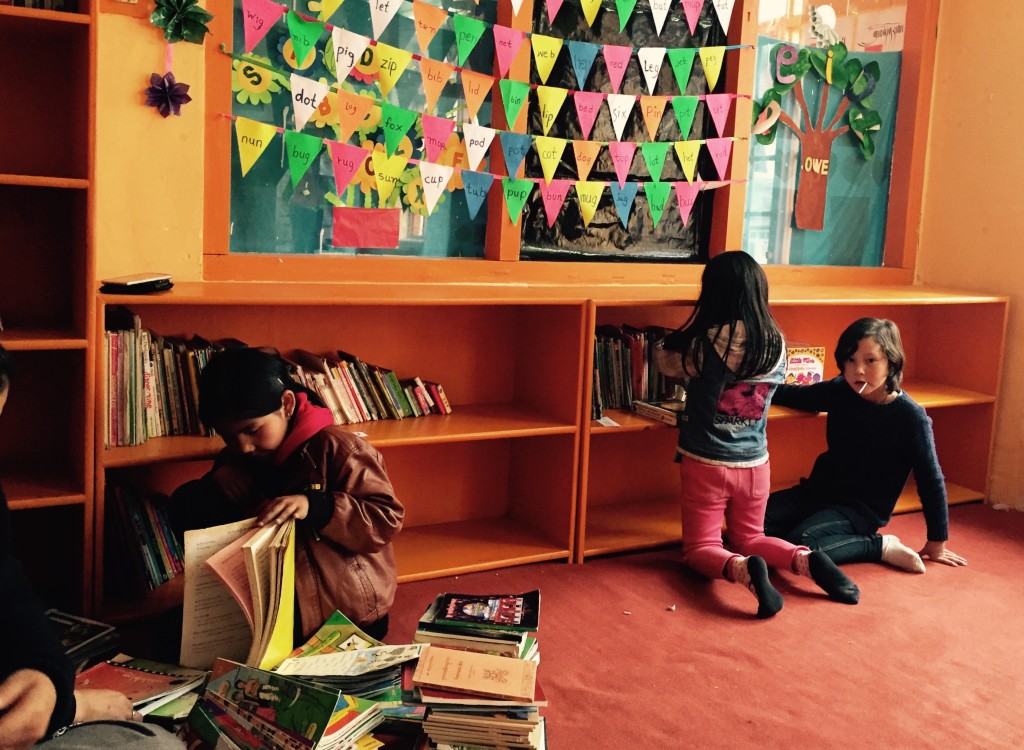
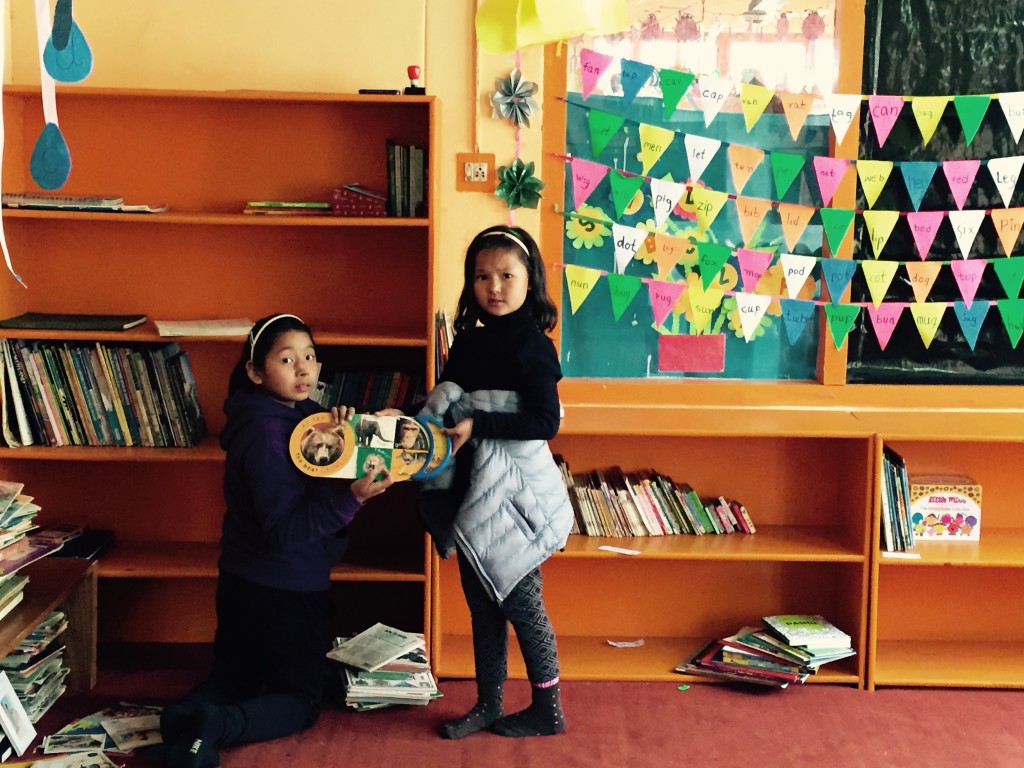
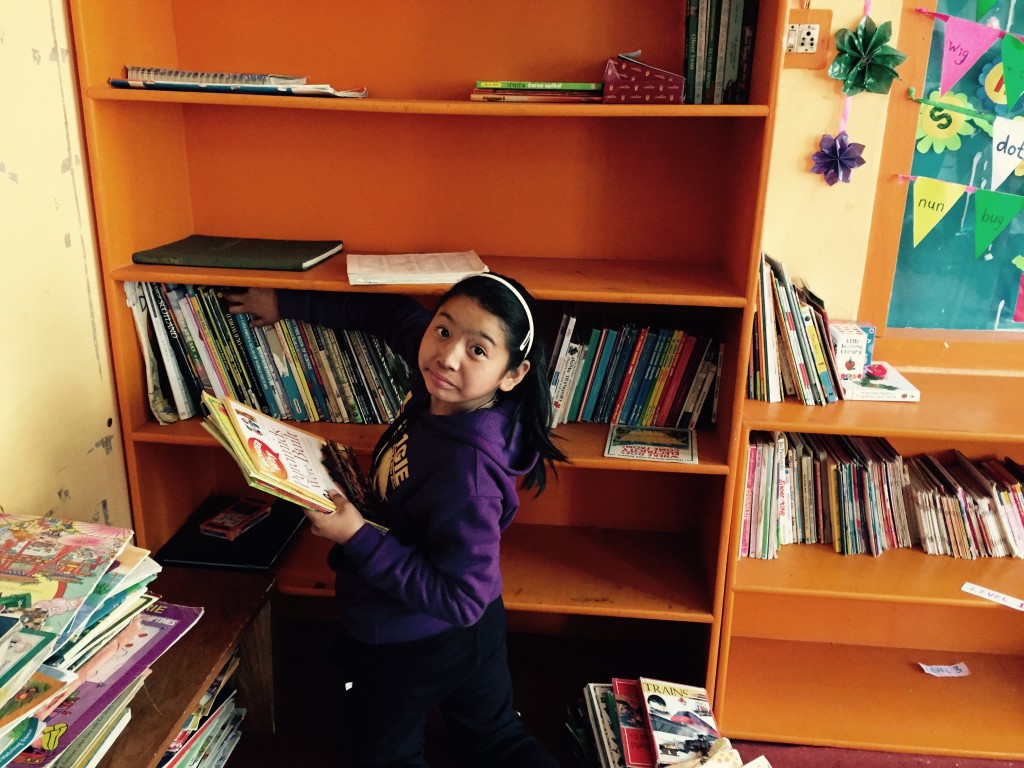
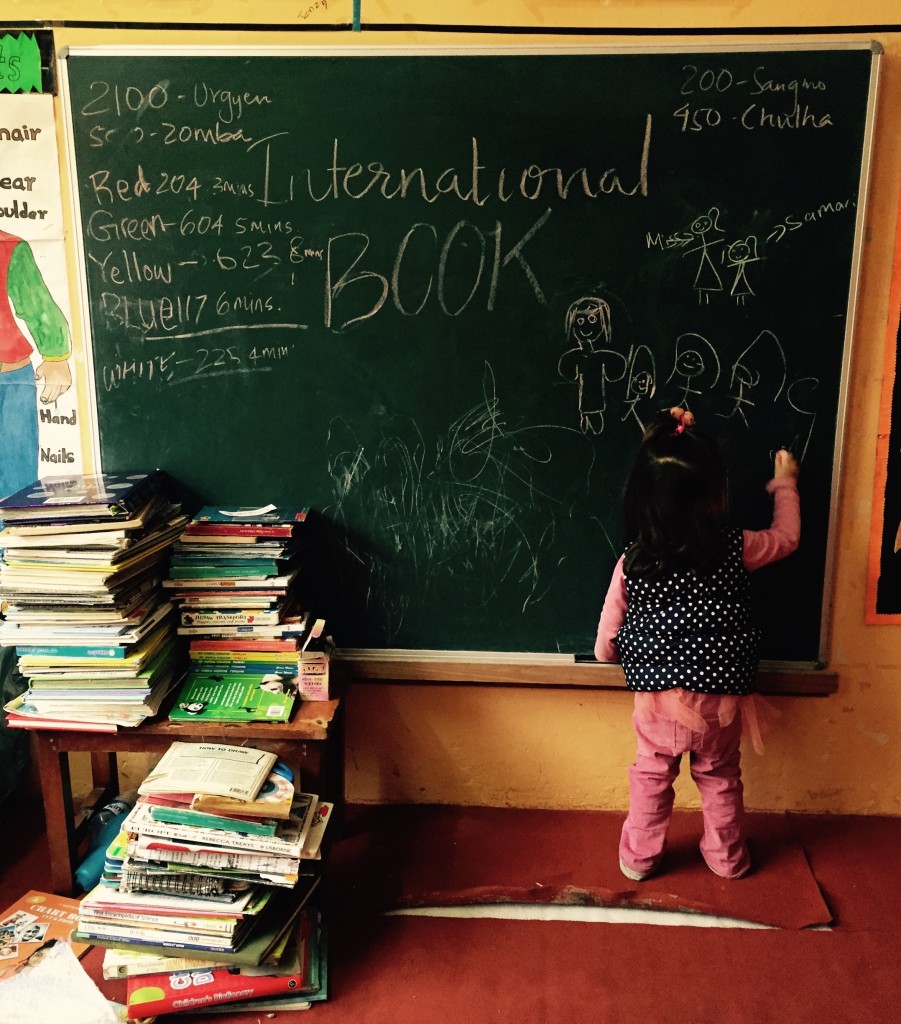
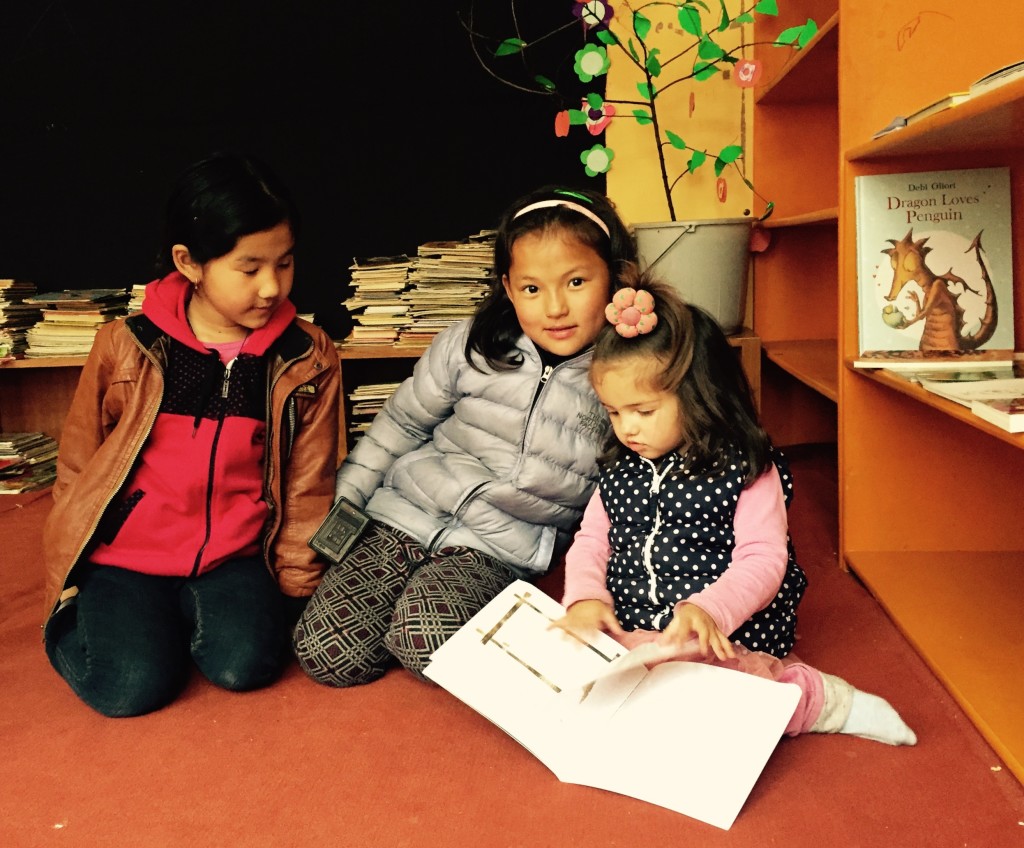
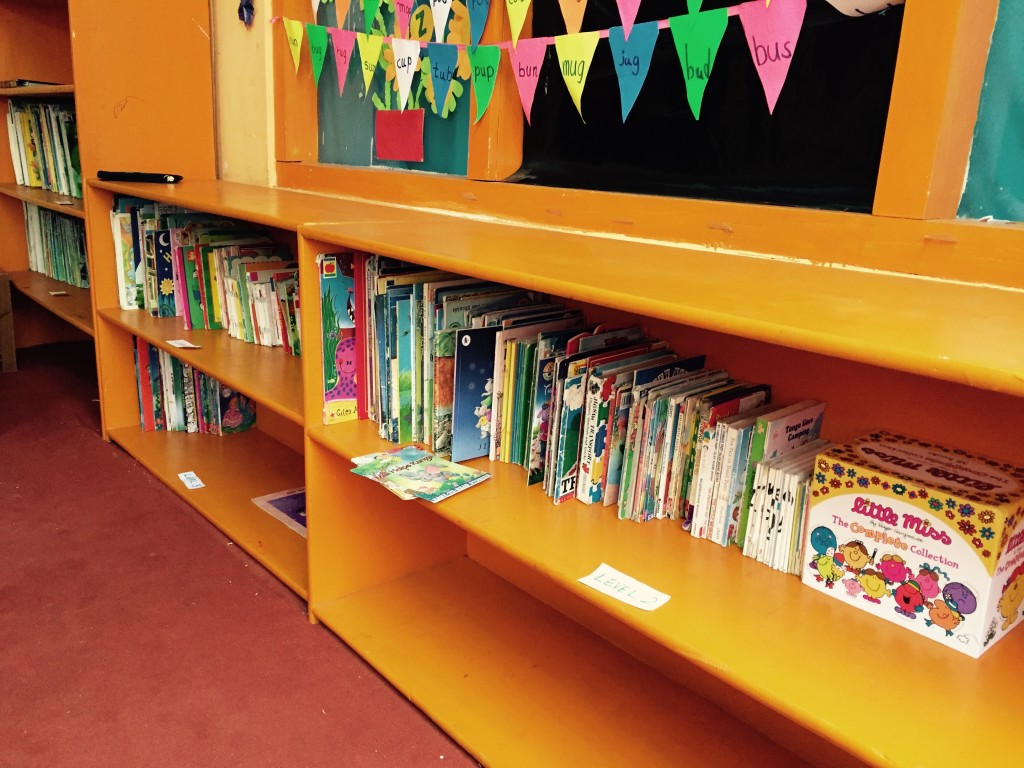
The Trust's literacy work is built around reading rooms in three villages and one monastery. Books are precious in Ladakh, and heavy; many families cannot keep children in school beyond twelve. The recitals are not a separate program. They are the front door of the reading rooms. Children who perform under the sky borrow the most books. A child willing to stand outside in the cold and recite is, six months later, leading a reading group indoors. Verse gives them a stake in the written word. They want to know what else is on the page.
In our indoor-only libraries, attendance is steady and borrowing consistent. But children who break into solo reading, who request poetry anthologies, and who later help younger siblings are almost always those who first stood under a sky and read aloud. The recital is a literacy intervention disguised as an evening.
Books, blankets, and the practicalities of a night outside
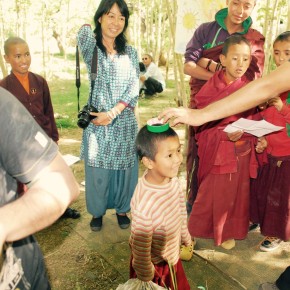
Staging a recital at altitude is a logistics exercise wrapped in wool. We time the event an hour after sunset, when the temperature has stabilised. We position the speaker against a wall, not facing the wind. We carry the books inside twenty minutes before the children arrive. A retired teacher in Hemis brings salted butter tea from the back of a small truck. The Trust provides verses and a hand-warmer for each child. Ladakhi applause is a quiet nod and a cup of tea.
| Element |
Indoor Reading Room |
Outdoor Star Recital |
| Winter attendance |
Steady, smaller |
Larger, weather-dependent |
| Session length |
About 90 minutes |
40 to 50 minutes |
| Borrowing rate after three months |
Consistent |
Noticeably higher |
| Children joining as solo readers |
Steady |
Strongest cohort |
| Volunteers per child |
One for every eight |
One for every four |
| Main equipment |
Shelves, lamps, rugs |
Lanterns, blankets, hand-warmers |
| Weather risk |
None |
Snow, wind, sub-zero cold |
The pattern holds across years. A volunteer who travels from Brisbane or Perth to help with one of these nights returns home with a changed sense of what a book can do.
The same sky from two hemispheres
Many volunteers have never seen the Milky Way from the southern hemisphere, and vice versa. The Trust runs a small exchange with the Australian outback, where communities around Uluru and the Flinders Ranges share the same arid clarity. We have hosted reading nights in remote South Australian schoolyards in the dry months, using the same format: short verses, blankets, a thermos, a sky. Children who would not read aloud in a classroom will read aloud under the stars.
In Melbourne, supporters have hosted fundraising evenings with the same spirit. A few verses in a back garden, lanterns strung up, a small audience. The point is the gesture: a community choosing to give voice to words in the open air instead of under a ceiling.
Practical notes for supporters and volunteers
A few notes for readers thinking about how to support this work, or borrow the format in their own community:
- Read the volunteer briefs on the Trust's website before assuming a placement involves trekking; most are village-based.
- Fund a hand-warmer or woollen gloves rather than a book, since the immediate need is often warmth.
- If you live in a dry, clear part of Australia such as Uluru, the Flinders Ranges, the Pilbara, or Tasmania's east coast, try one outdoor reading evening and report back.
- Bring a translator if reading in a language your audience does not speak; recitals work best when every child hears the poem in at least two tongues.
- Keep verses short in cold weather; a recital that runs late loses its audience to the temperature.
- Photograph sparingly and only with consent; the night belongs to the children, not to social media.
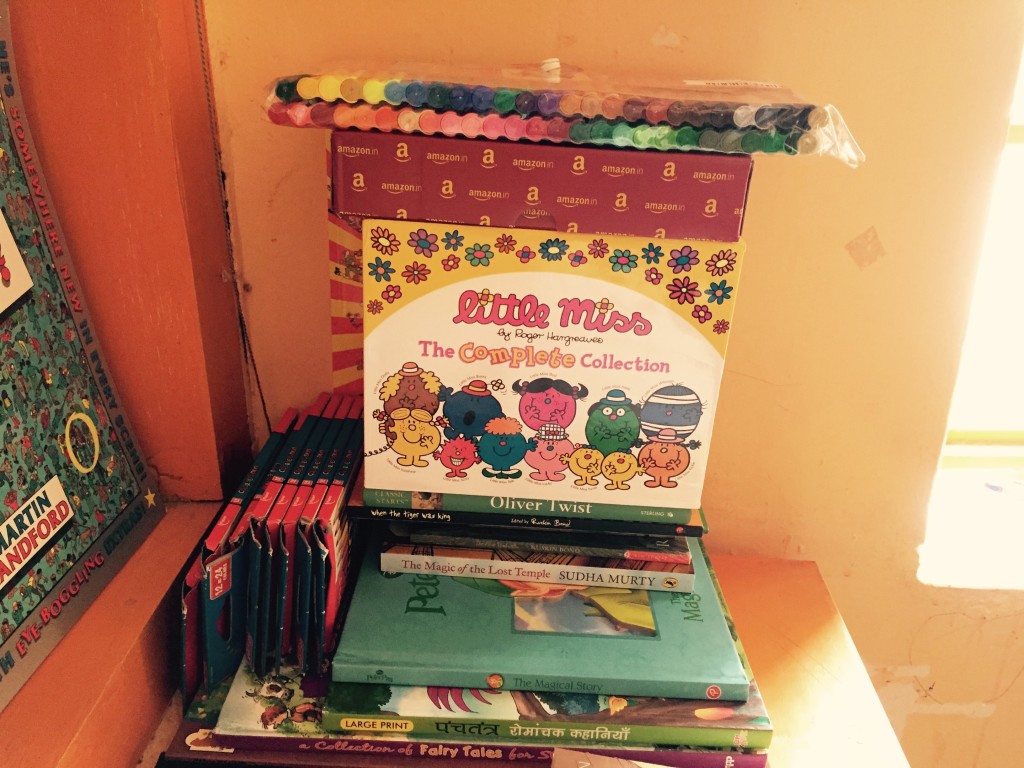
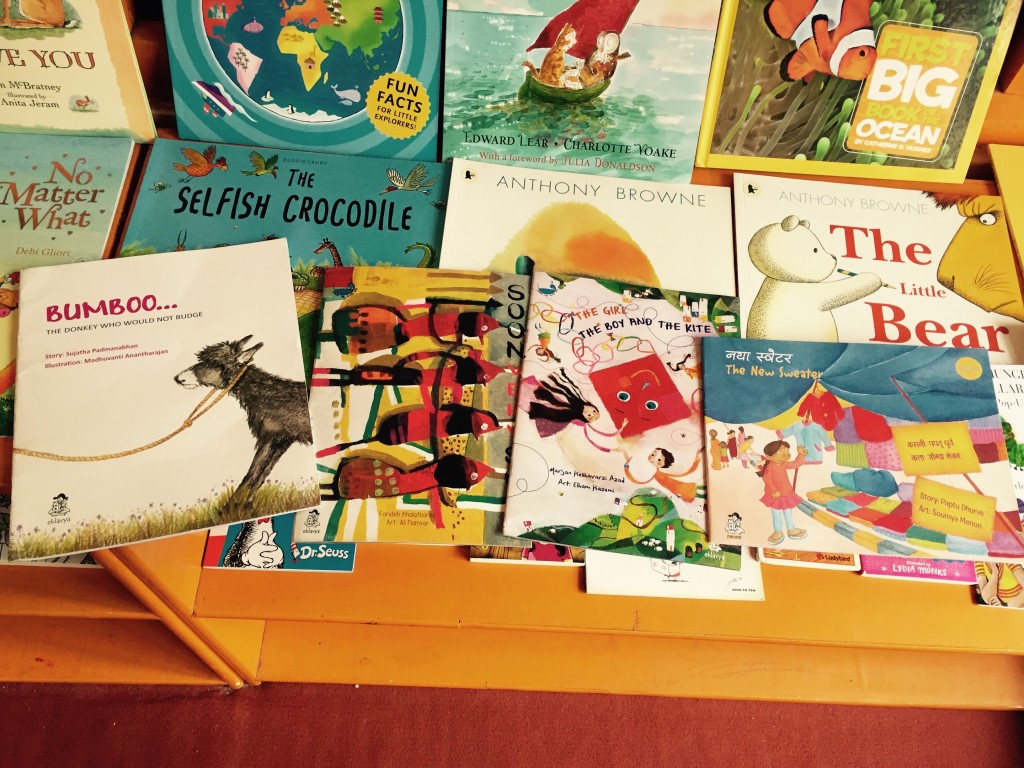
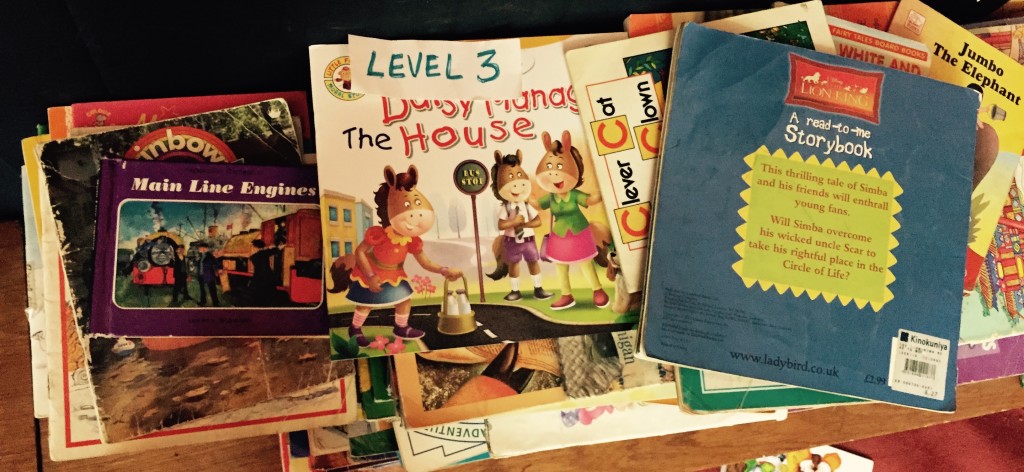
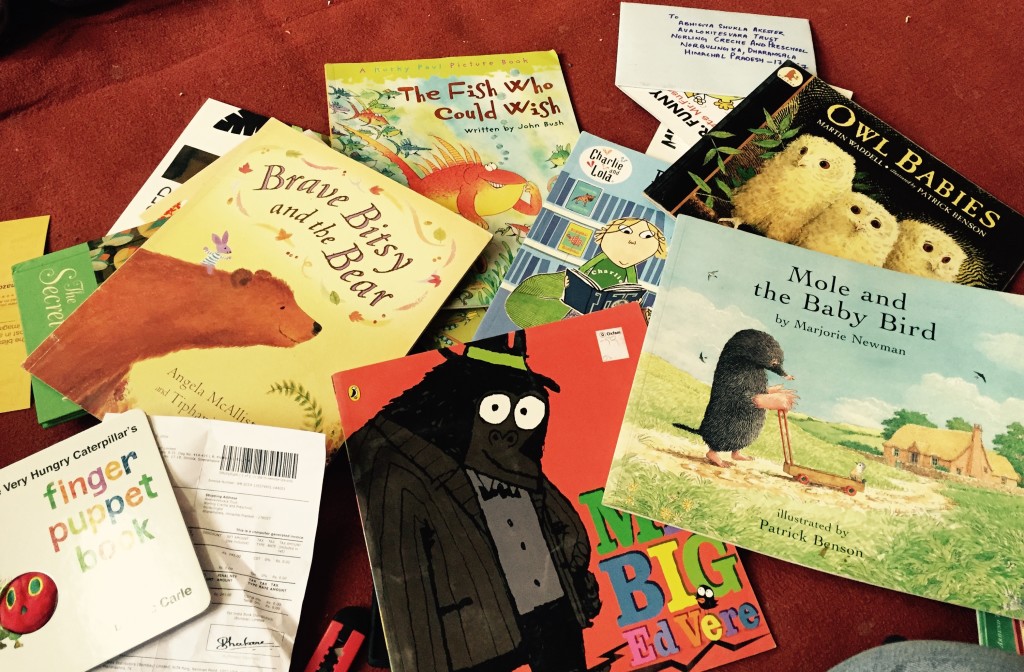
- Donate books that have been read and loved, not pristine copies; the children prefer books that look inhabited.
There are things a child learns under the stars that a textbook cannot teach: how to breathe before speaking, how to wait while the valley is quiet, how to feel the difference between a sentence read silently and a sentence heard. Volunteers who travel home to Australia often tell us the recitals changed the way they read aloud. A teacher in Adelaide now takes her class outside on clear winter evenings. A librarian in Brisbane has started a backyard poetry club. A bookseller in Sydney donated a shelf of translated verse to a Glebe school after one night in Ladakh. None of that was in the plan.
What to carry away from this article is small but firm. The night sky over Ladakh is not a backdrop for a recital. It is the second reader. The cold is the third. When those two are present, a child who has never trusted her own voice finds it, and the book she picks up the next morning has a different weight. The Trust will keep doing this every winter for as long as the cold desert stays cold, the sky stays clear, and the children keep walking out of the reading room, blankets on, breath held, ready to read to the stars.