Why We Hang Children's Artwork on the Walls of Every Reading Room
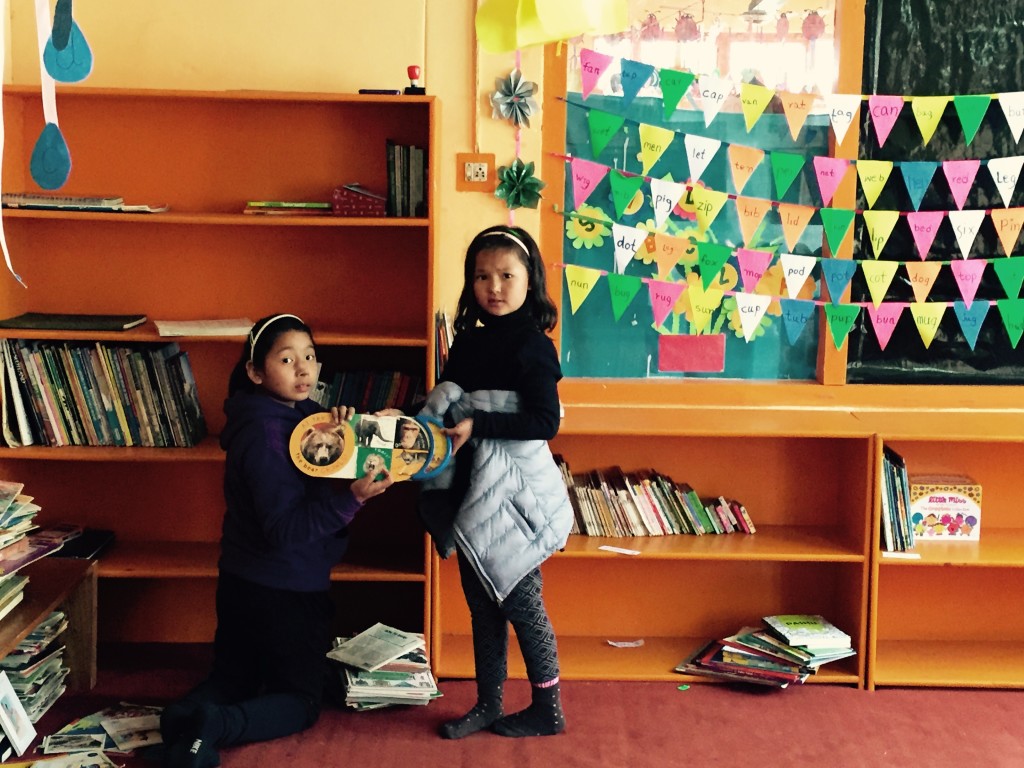
We place children's work on the walls of every reading room because a reading space is more than shelves and books. It becomes a shared place when children see their ideas, language and effort held alongside the stories they are beginning to read. The drawings are not decoration. They show that young people belong in the room and that learning has a voice there.
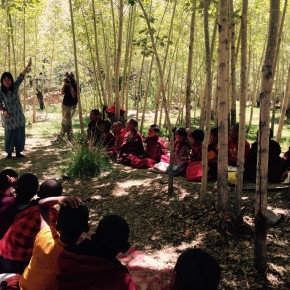
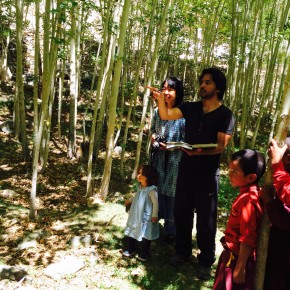
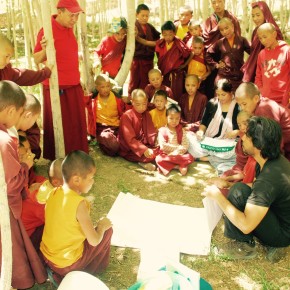
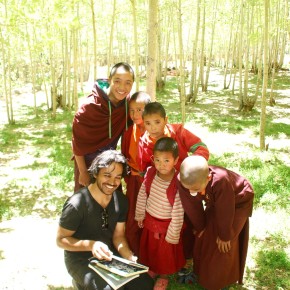
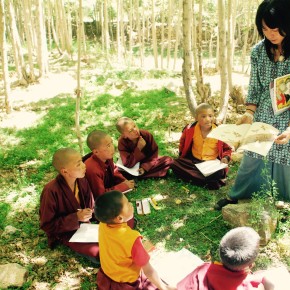
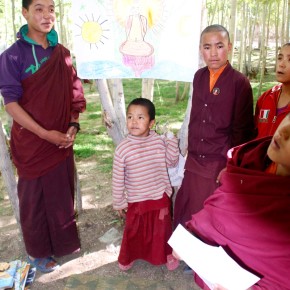
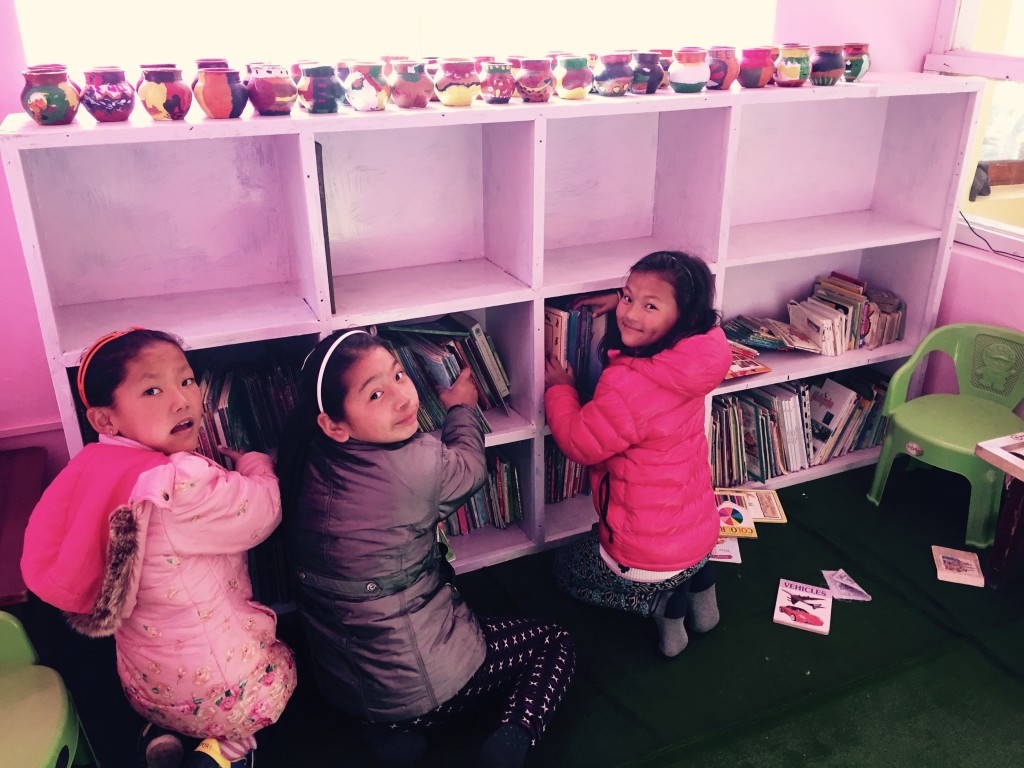
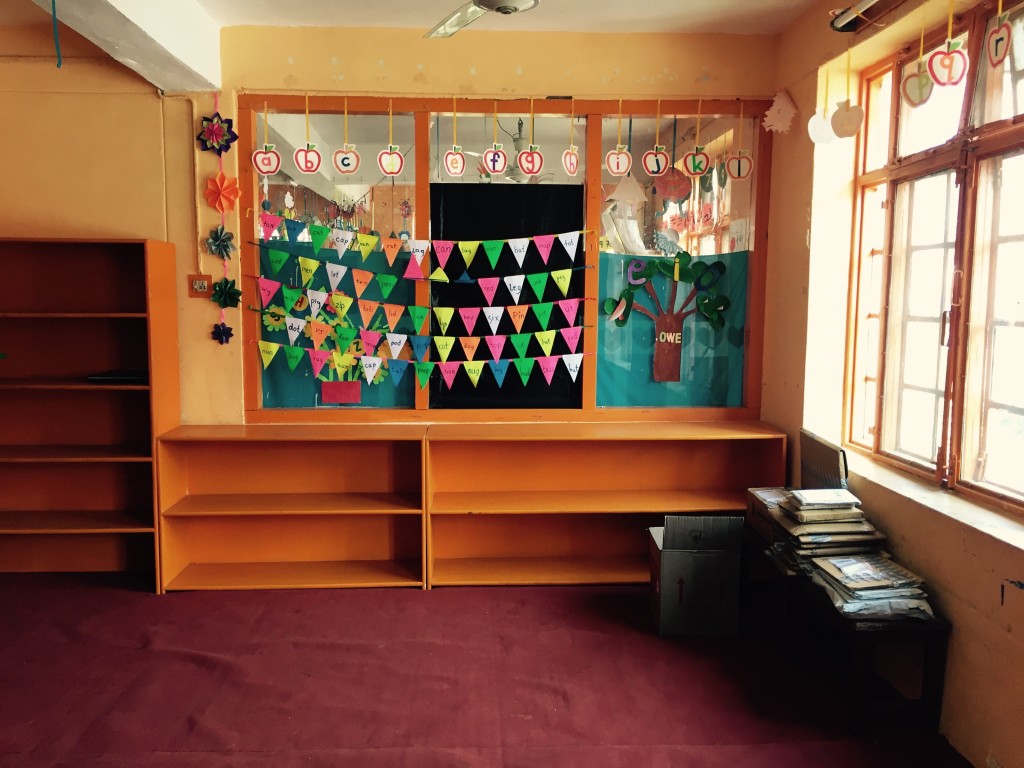
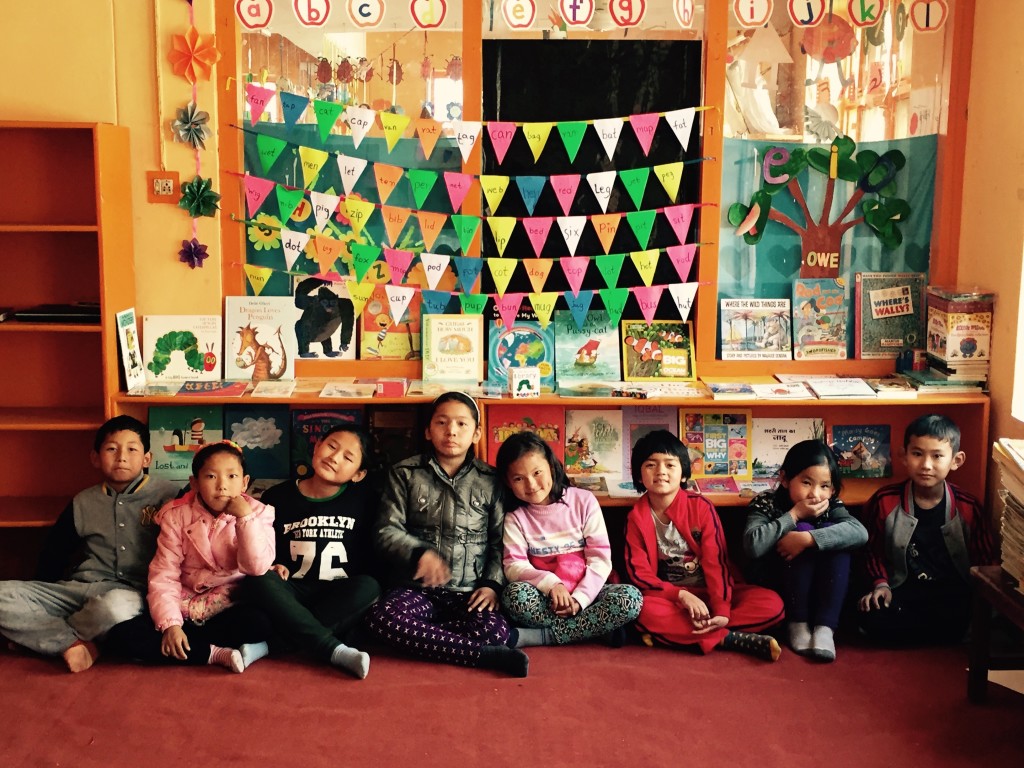
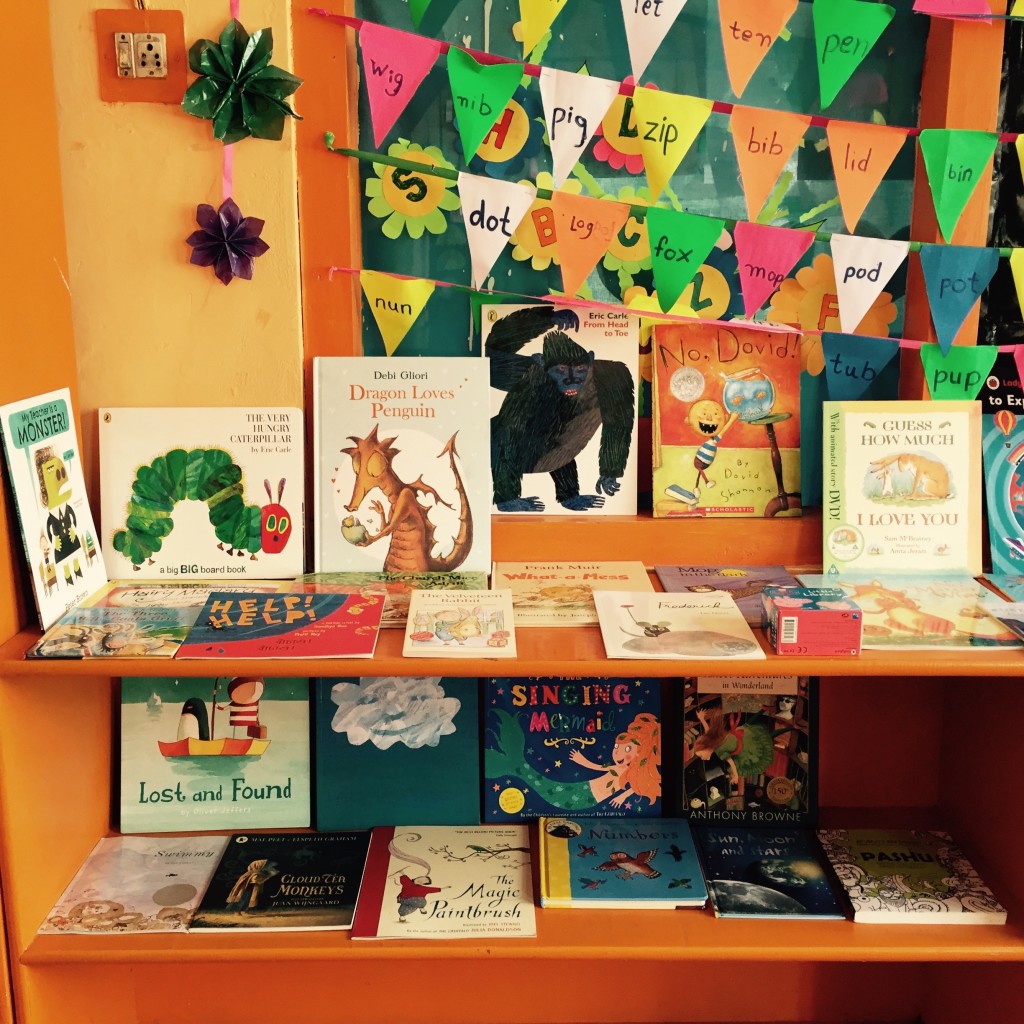
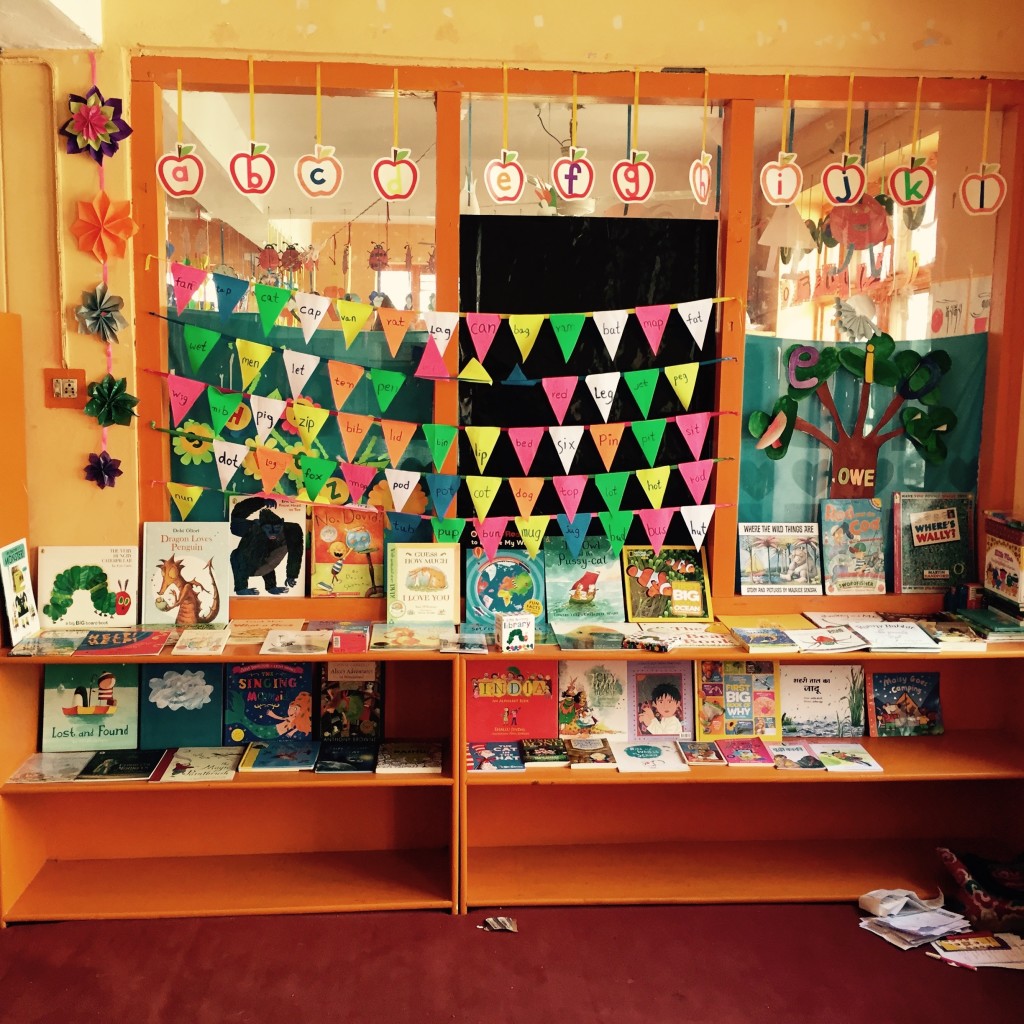
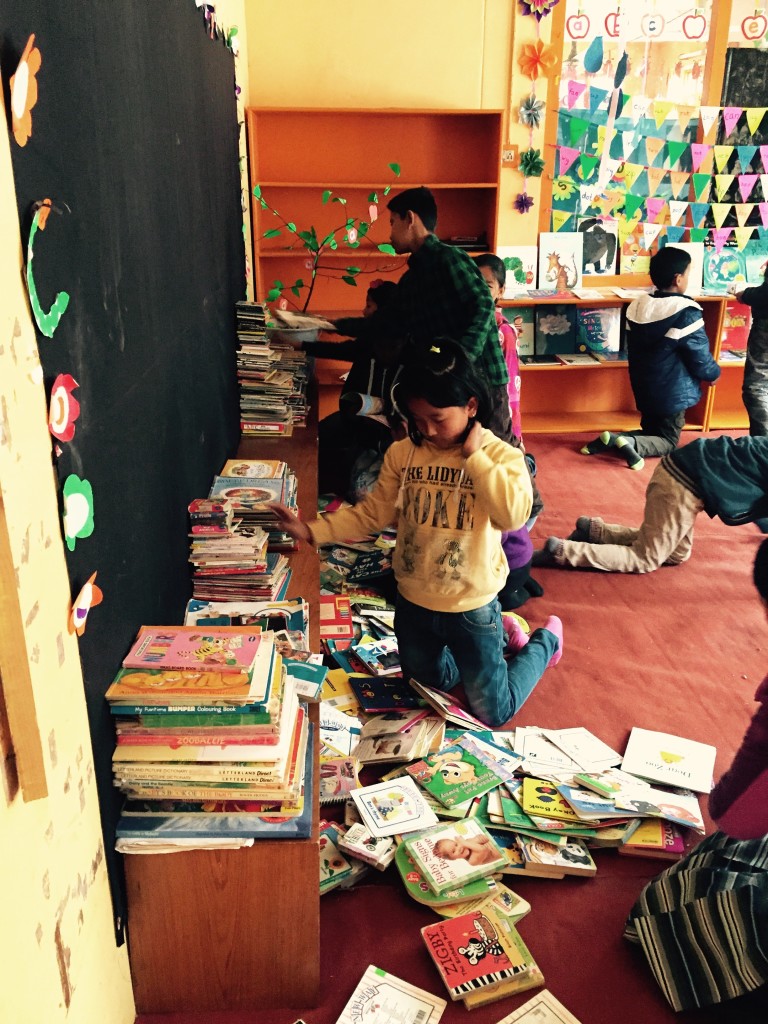
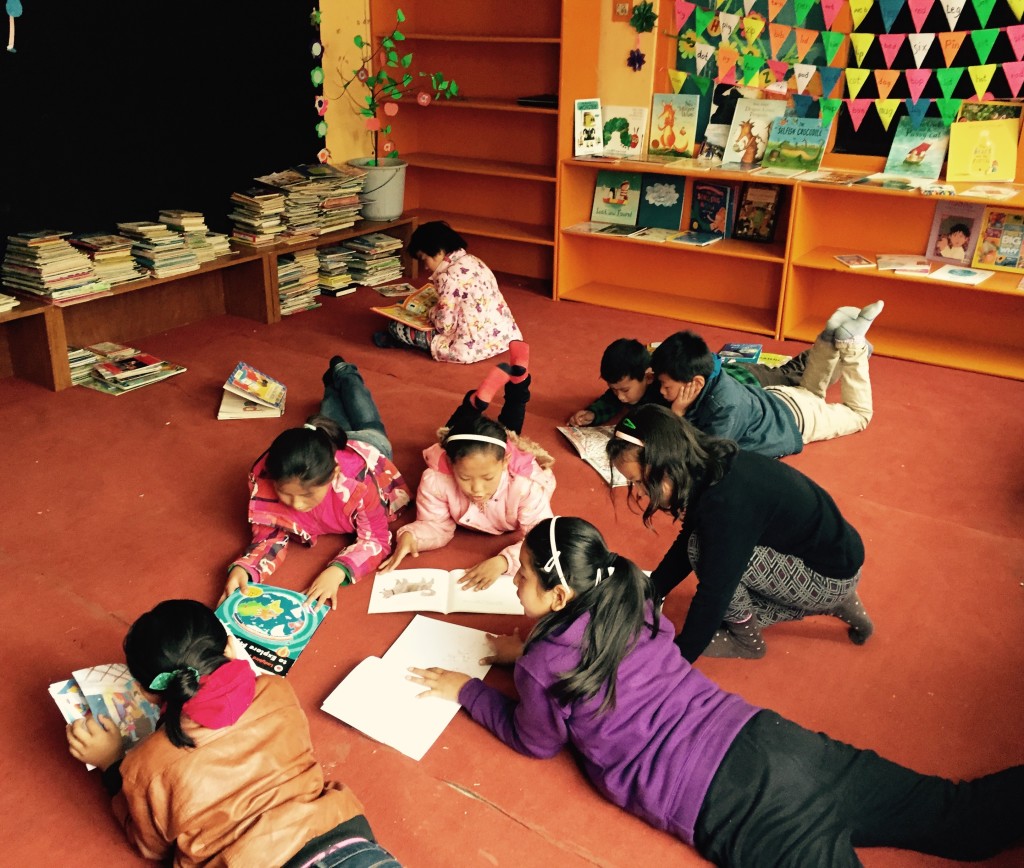
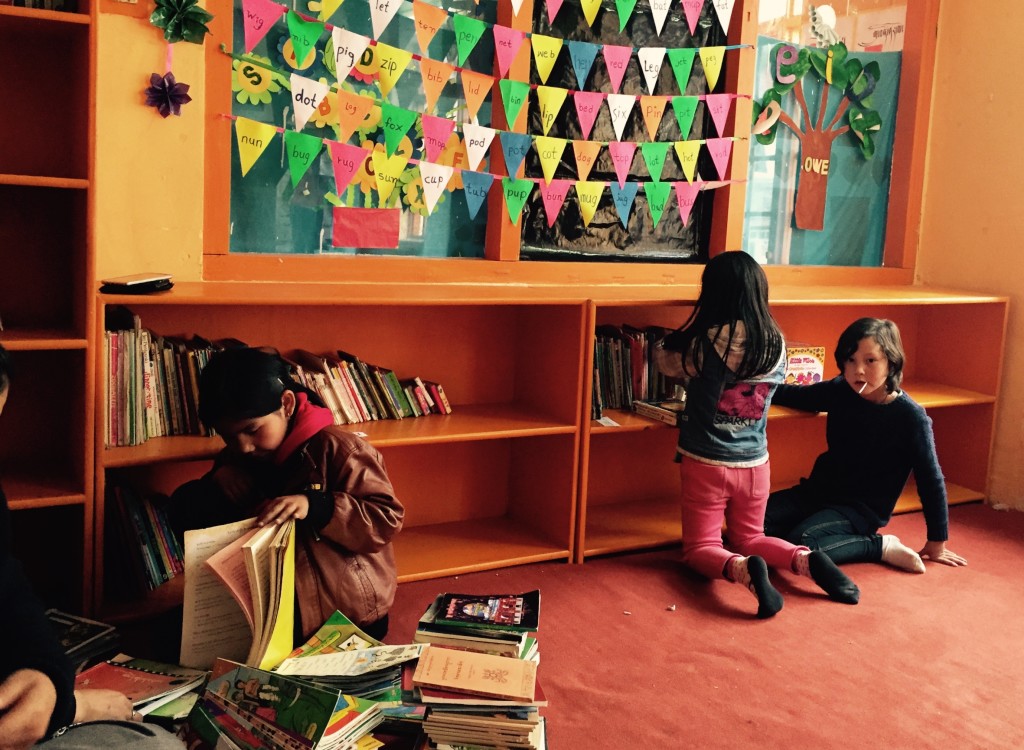
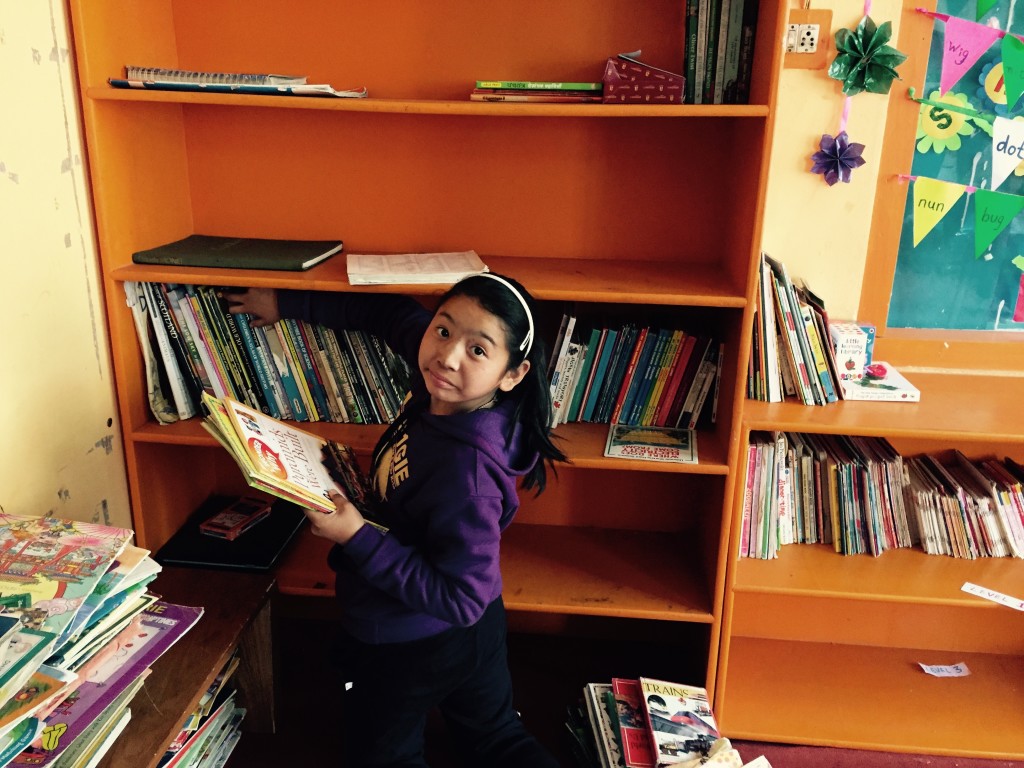
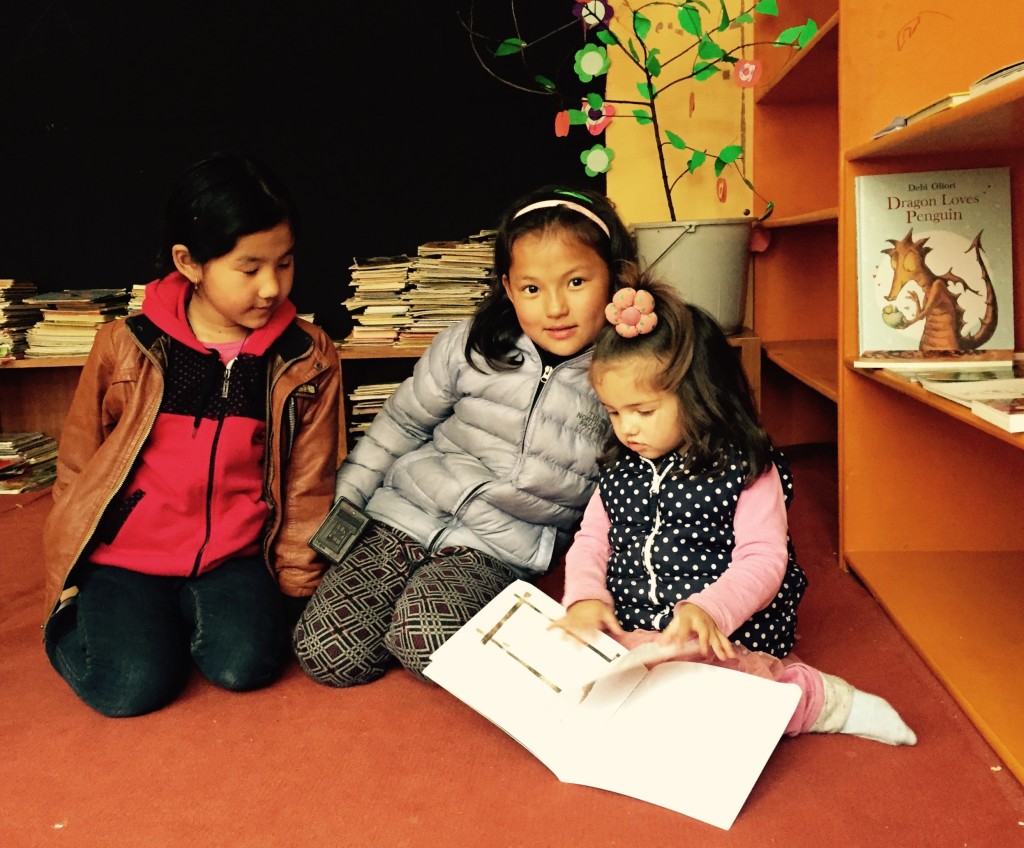
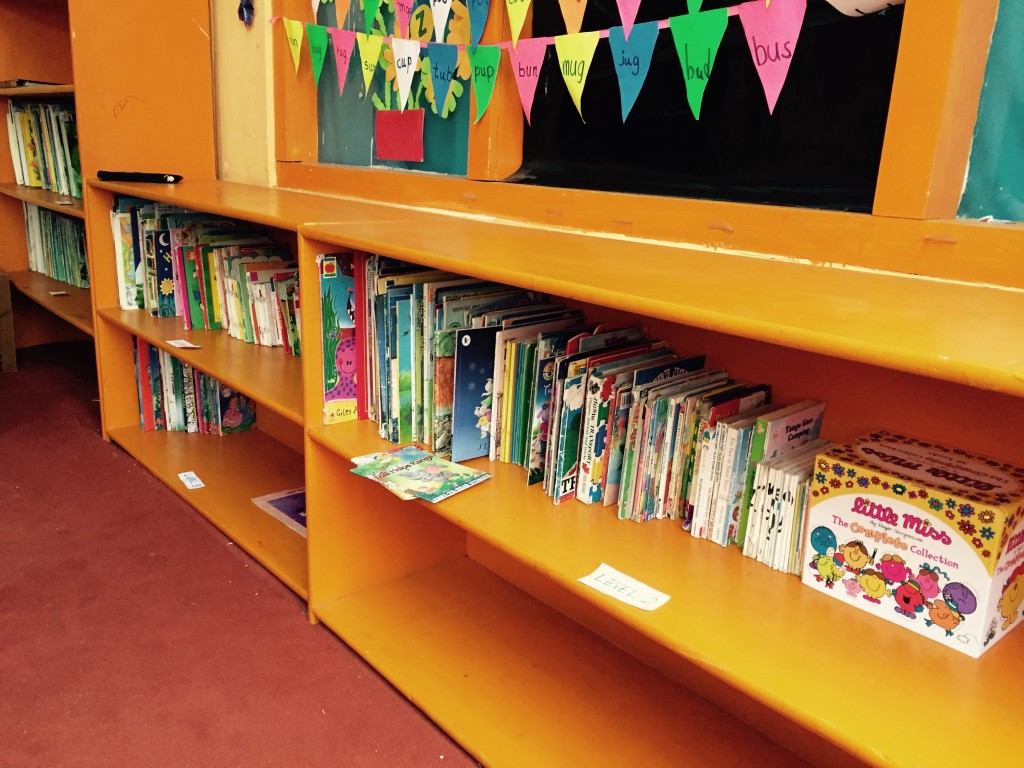
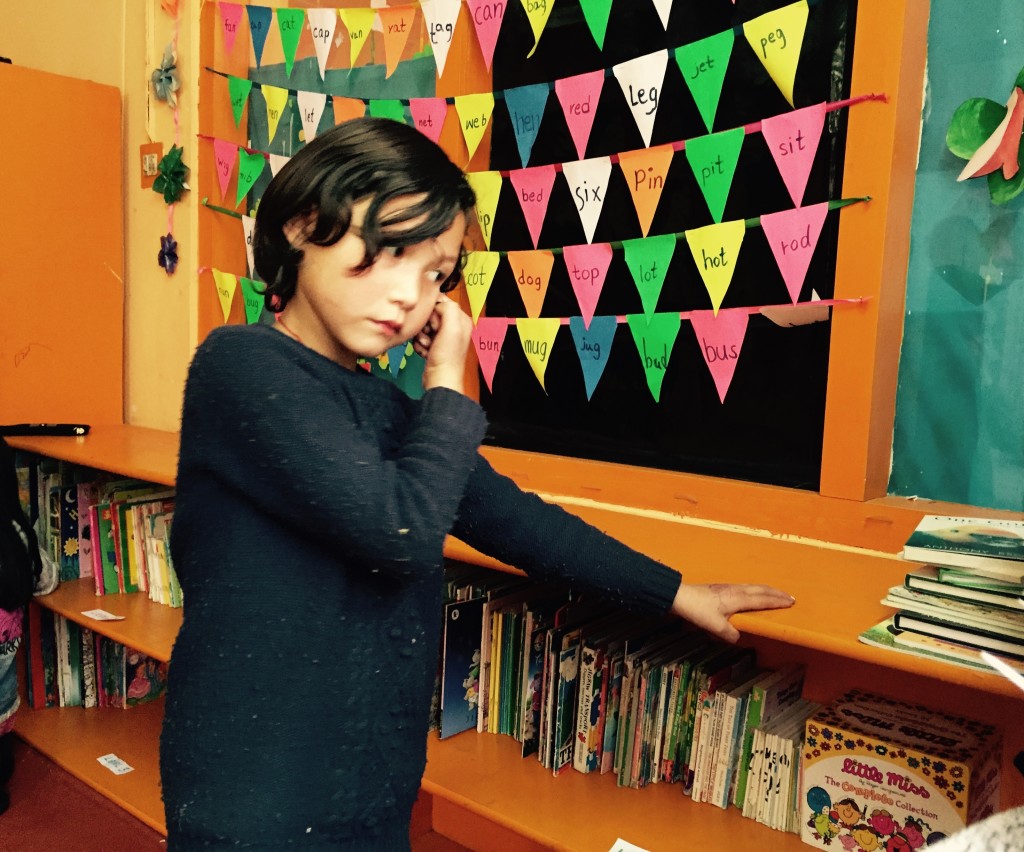
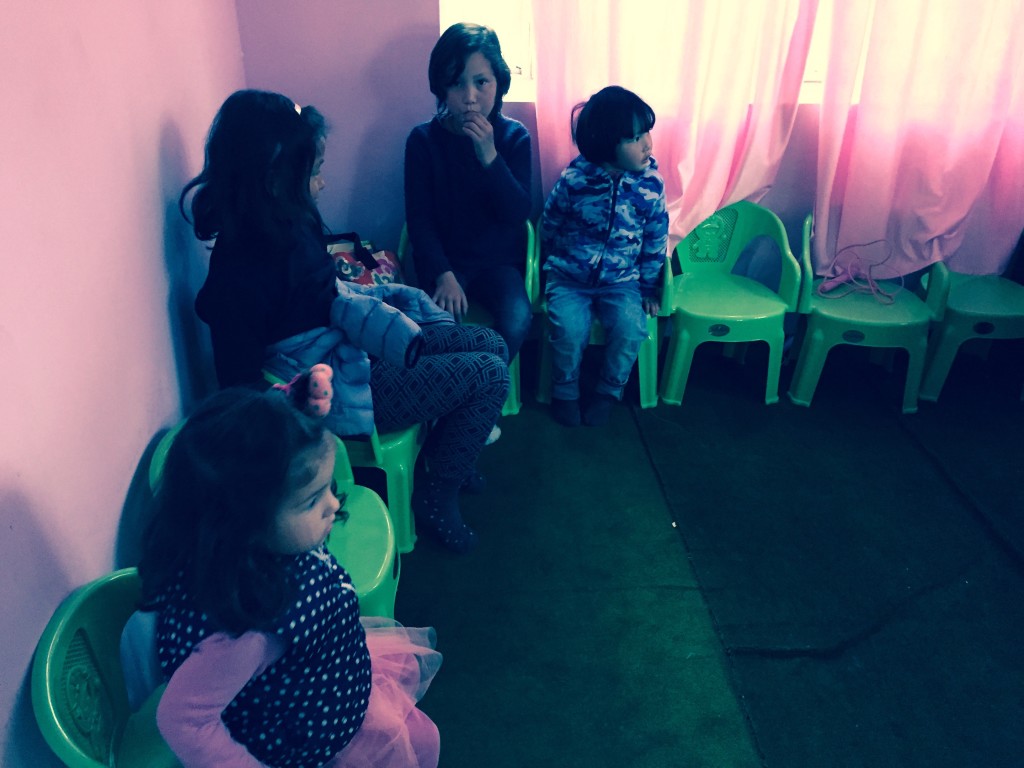
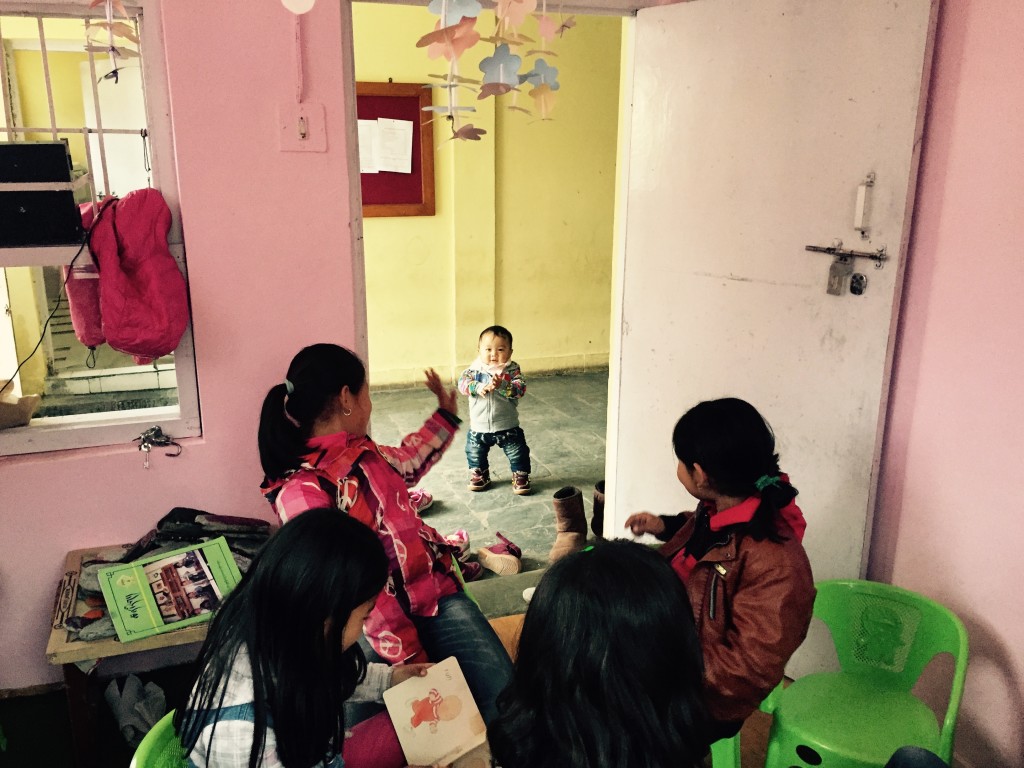
In Ladakh and other Himalayan communities, reading rooms are often modest, bright and carefully arranged. Children arrive for books, music, art and quiet time with volunteer tutors. A wall of their own work changes the atmosphere. It welcomes first-time visitors, links activities and gives the room the character of a community rather than a storeroom for donated volumes.
For Australian readers and supporters, the idea may feel familiar. Public libraries in Melbourne, Sydney and regional towns lend rooms for school exhibitions, and council libraries often host displays during the school fete season. Families know laminated work on a library wall, but here the artwork also demonstrates why a room needs to remain open after opening day.
Our reason for displaying it is practical as well as humane. Art can encourage children to enter, show that their observations matter and give adults a new way to discuss books. Done with consent and care, the display supports literacy, creativity and confidence without turning private thoughts into a public performance.
A child-friendly room starts with visible participation
A blank wall leaves visitors to guess who the room is for. Children's pictures, patterns and words answer that question before anyone speaks. They make the room easier to use: a child who recognises a face or animal has an immediate reason to look closer, settle in and ask a volunteer what the picture means.
| Bare wall |
Wall with children's work |
Visible change |
| Feels formal or borrowed |
Feels lived-in and shared |
Children enter as participants |
| Relies on staff to explain the room |
Shows who the room serves |
Purpose is immediately clear |
| Offers little to discuss |
Invites pointing and questions |
Reading begins with conversation |
| Hides the learning process |
Shows effort and development |
Growth becomes visible |
The change is not cosmetic. Children are not passive recipients of charity; they are readers, makers and neighbours. Displaying their work recognises that role. It also prompts us to ask whether a room reflects the community it serves, from the languages represented in picture books to the interests that shape children's conversations.
Artwork gives reading a visible voice
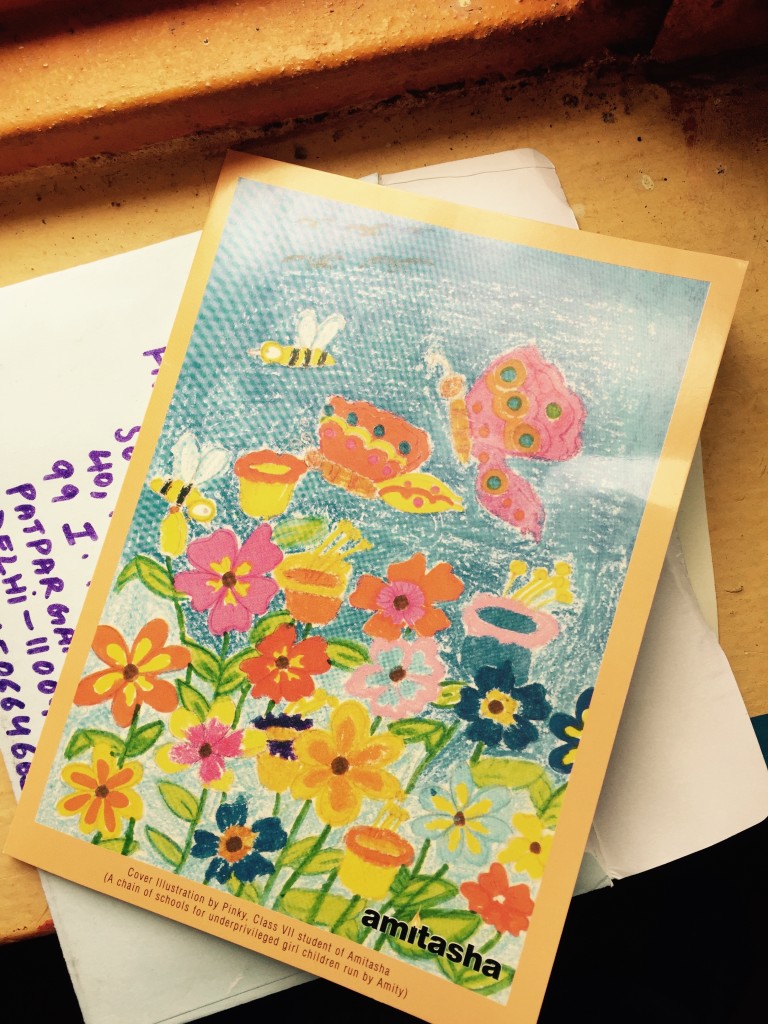
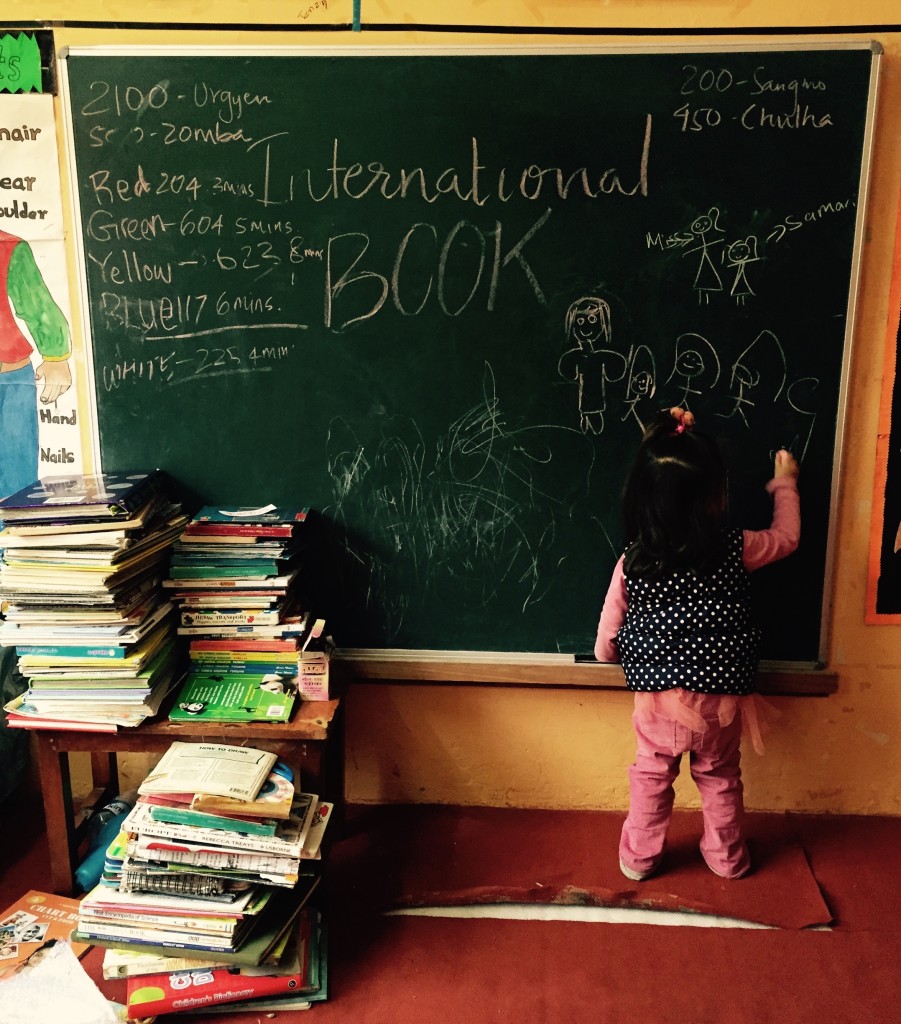
Reading is often described through words, yet children meet meaning through signs, stories, sequences and pictures. A drawing can work like an early book. A line may show a journey, colour may reveal a choice, and a repeated shape may carry an idea. Hanging the work near books gives visual literacy somewhere to grow.
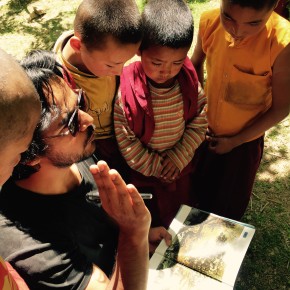
In multilingual Himalayan communities, a child may move among spoken languages, school language and the language of a book. We do not ask children to explain every image, nor treat a picture as a puzzle to be solved correctly. A librarian can ask open questions: what do you notice, what happened first, and what might come next?
The practice also brings us closer to the books. Children's picture books rely on illustration, pacing and visual detail as much as vocabulary. Looking at a wall of art can help young readers understand that making a book is creative work too, and that their images deserve an audience.
Belonging without fixed expectations
We avoid turning a display into a collection of predictable mountain scenes. Children in Ladakh draw more than Buddhist symbols, prayer flags and snow. They draw homes, vehicles, football, family routines, imagined animals and jokes that may be lost on visitors. A varied display shows culture as alive rather than frozen in a postcard.
This reflects Australian public libraries and school halls, where one wall can hold many communities at once. Displays in Melbourne and Sydney often sit beside work from different language groups and family backgrounds. The lesson is transferable: welcome children by making room for what they actually make, not the category adults have chosen.
Rotation keeps the principle honest. Work can change with a term, theme or new group of artists, and each child can withdraw a piece whenever they wish. The wall records participation without making a permanent claim about a child or community.
The walls connect generations
Artwork gives older readers something gentle to respond to. A grandparent might recognise a detail from village life; a volunteer may notice a story technique in a picture; a teacher can connect a child's symbols to an illustration in a book. These exchanges make the room a meeting place where knowledge travels both ways.
During Australian Children's Book Week in August, council libraries often use art, storytelling and themed activities to attract families. A display developed with children fits that spirit, although the best event may be an ordinary Tuesday when the work stays in place. Children can revisit it after hearing a story, and readers can see that literacy includes drawing, speaking and listening.
For Avalokiteśvara Trust, music and storytelling sessions can sit alongside quiet reading. A drawing made before a song may lead to questions about rhythm; a character in a story may return in a painting. The wall records how creative forms connect, helping volunteers see that each activity has a role in learning.
Practical care for artwork and privacy
Children's work deserves the same care as published material. We seek permission before display, explain where the work will appear and give the child an easy way to remove it later. Full names, school photographs and personal details stay off labels unless a family specifically agrees. Digital images are shared only through approved channels.
The physical display should be simple and safe, with paper or fabric fixed using child-safe methods and kept away from damp surfaces and direct heat. We leave space around each work so visitors can view it without touching it. When originals are returned, the room receives photographs or copies made with consent.
Good display design is inclusive. Labels can be brief, written in language the community understands and paired with an audio description where useful. For a child who communicates differently, being an artist need not depend on handwriting. Finger painting, collage and sculpture can all belong on the wall.
Ways to sustain the display
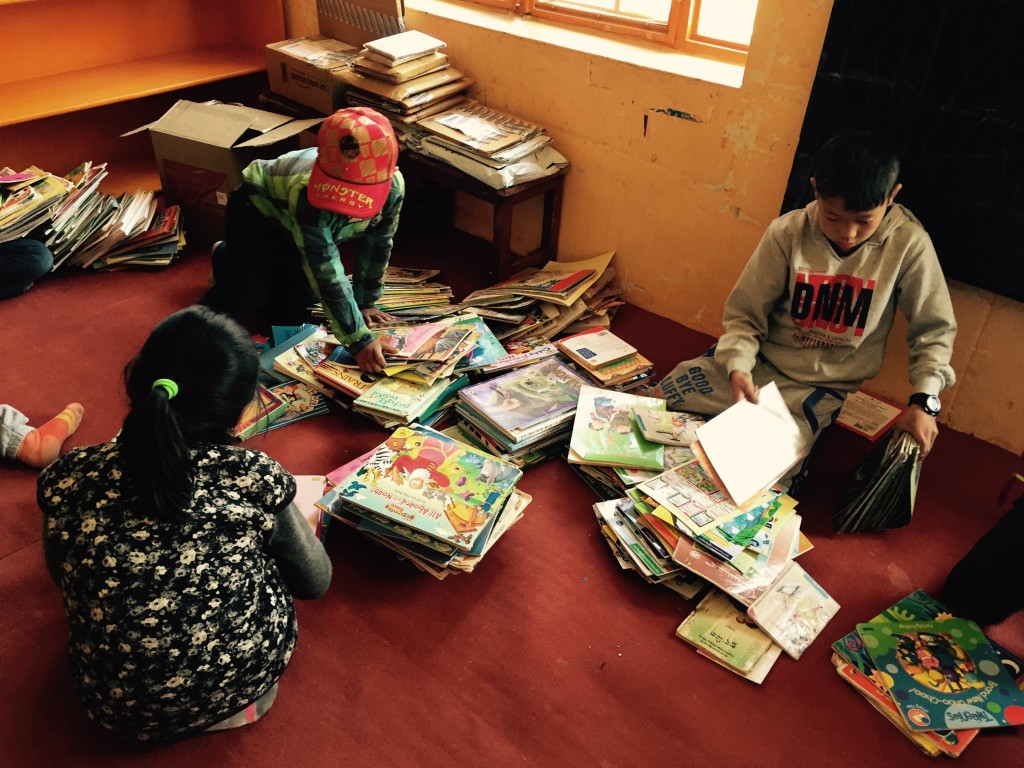
A display works best when the people who use the room help shape it. Australian supporters are familiar with school book drives and council-library swaps, where families bring usable books and volunteers sort them by age. The same practical habits that make school fetes and council-library exhibitions successful can support a Himalayan reading room: simple coordination, visible credit and a clear route for families to participate.
For reading-room teams
- Reserve one uncluttered, protected wall where the work is easy to see.
- Rotate pieces every few weeks and keep a simple consent record.
- Invite artists, teachers and elders to suggest a theme, leaving room for spontaneous work.
- Pair each display period with reading, storytelling or music that gives the pictures context.
These tasks keep the wall connected to learning rather than turning it into storage for old projects.
For families and volunteers
- Ask children what they would like visitors to notice, without correcting the message.
- Record an optional artist statement in the child's words, with translation support if requested.
- Carry work in reusable folders and deliver it in protective envelopes.
- Share photographs only under the permission recorded for that child.
Many Australian volunteers call themselves helpers, and that plain description fits. A helper can prepare clips, read a caption aloud or sit with a child while they add a title. The most useful support is patient attention, not adult interpretation of every image.
Begin with one carefully prepared wall
The strongest display will not be the largest. It will be the one children recognise as their own and visitors understand as part of reading. Starting with one wall keeps the idea affordable and lets us learn which labels, mounting methods and themes work in each community.
Before installation, the team can meet participating children, families and teachers to agree on consent, display length and accompanying words. A short walk through the room will show whether people can see the art, read the labels and move between the display and the books without obstruction.
The next practical step is to prepare one protected display area in the next reading room, select a small group of consented artworks with the children who made them, and hang them beside the books they first chose to read.