Why Children Should Write Their Own Folktales
A folktale is more than an old story passed from one generation to the next. It carries a community’s memory, humour, fears, values and ways of seeing the world. When children write their own folktales, they become active participants in that tradition rather than passive readers of stories created by someone else.
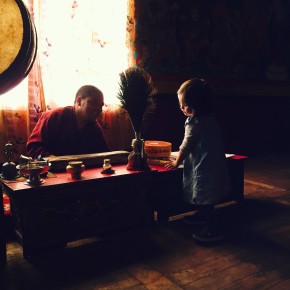
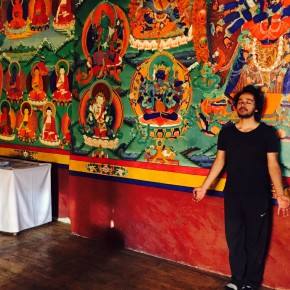
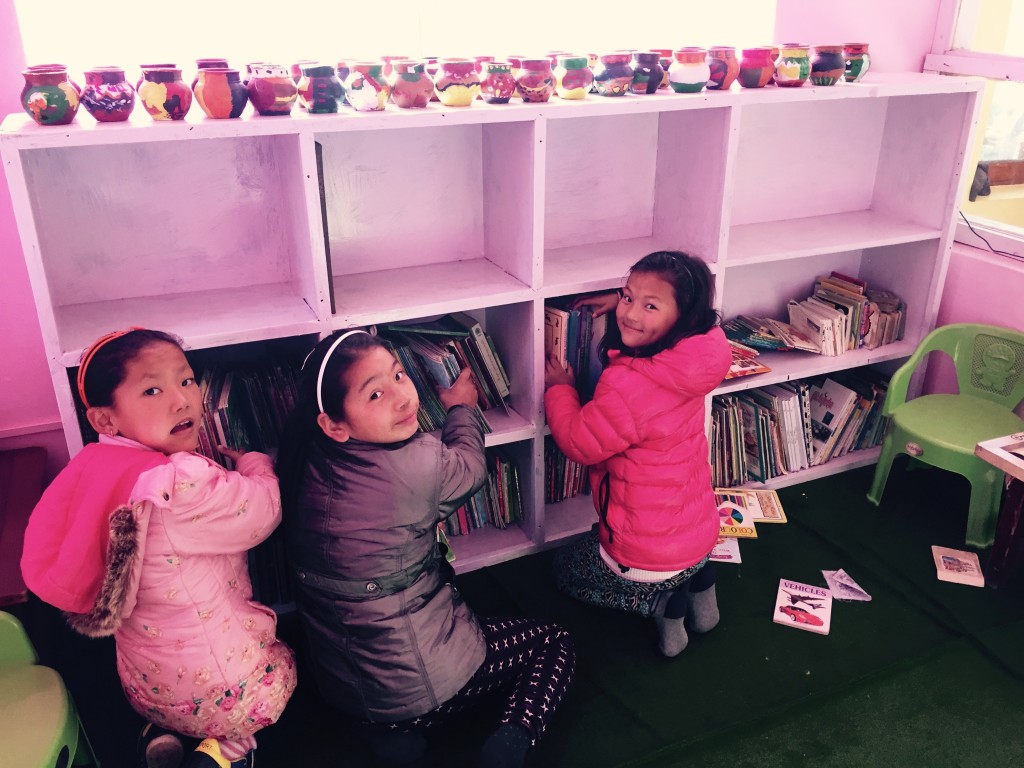
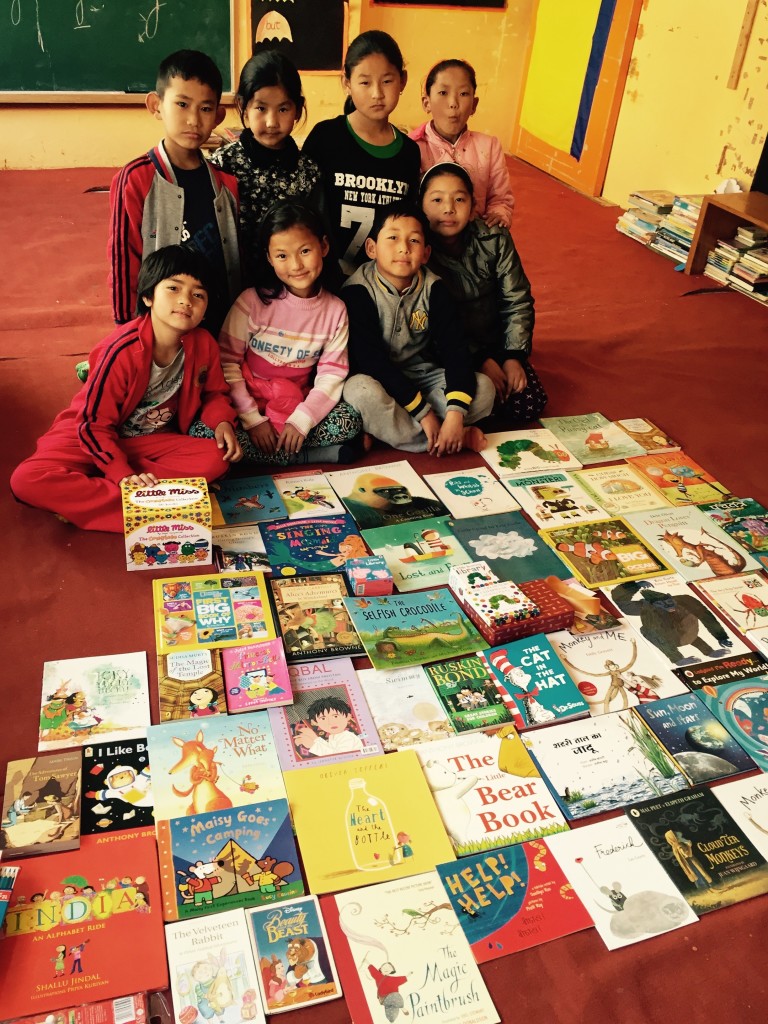
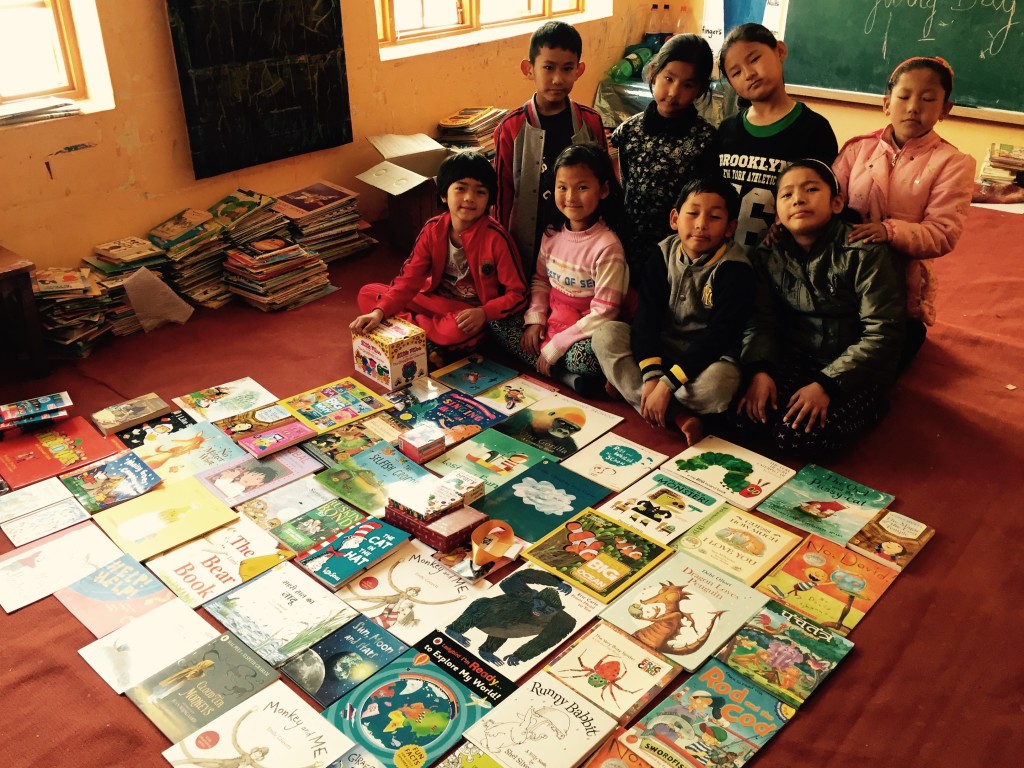
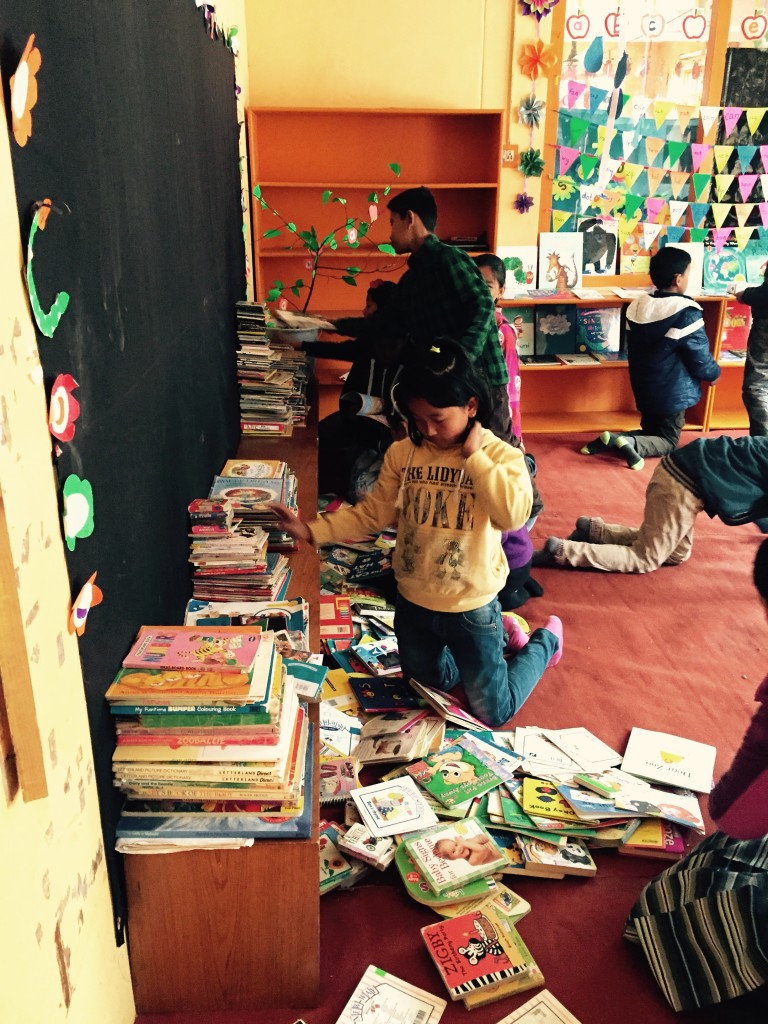
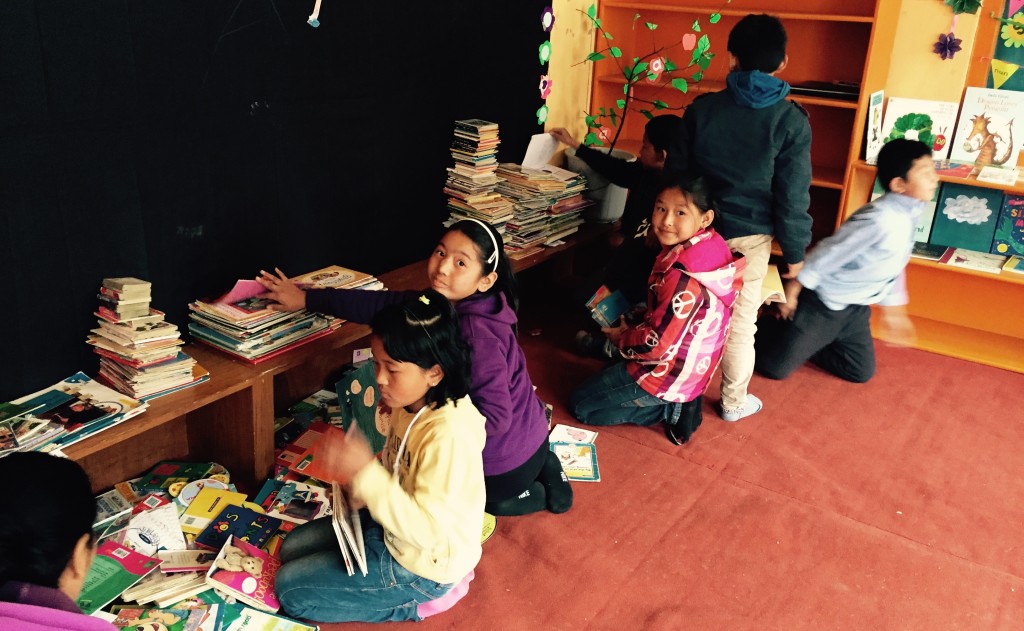
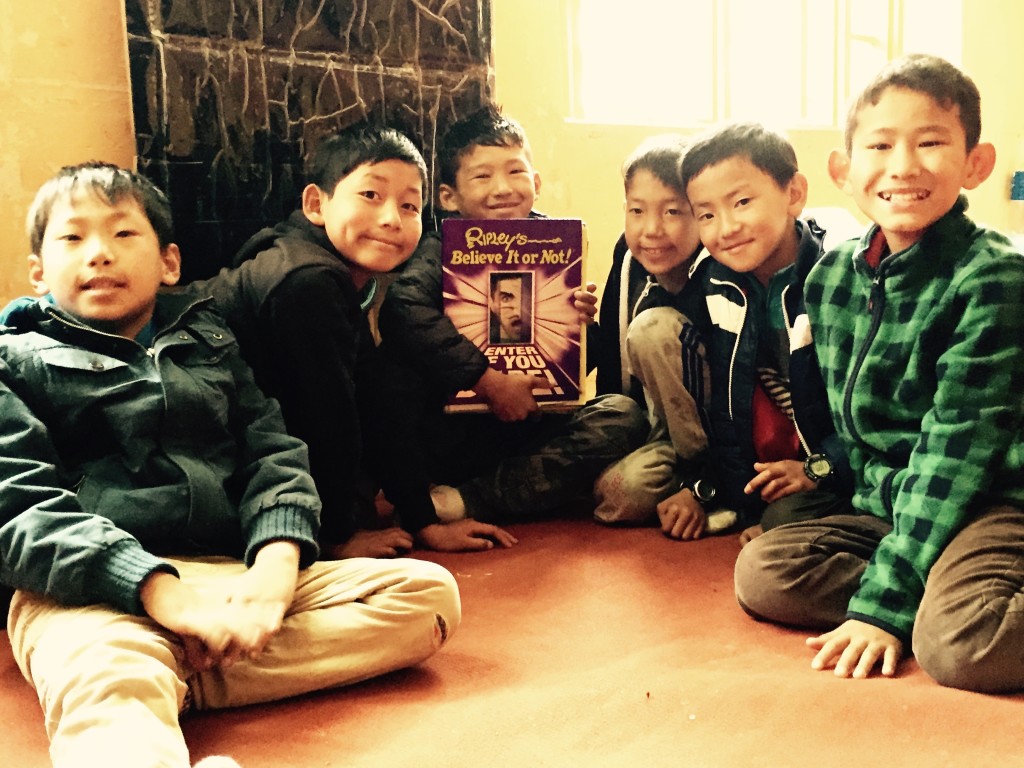
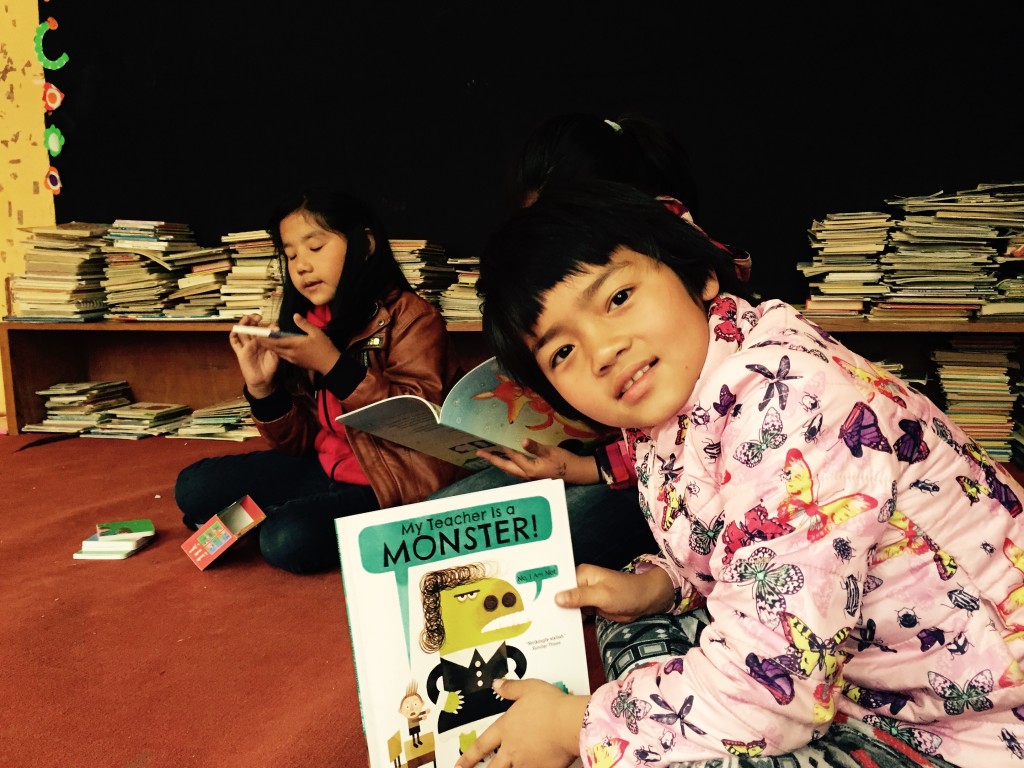
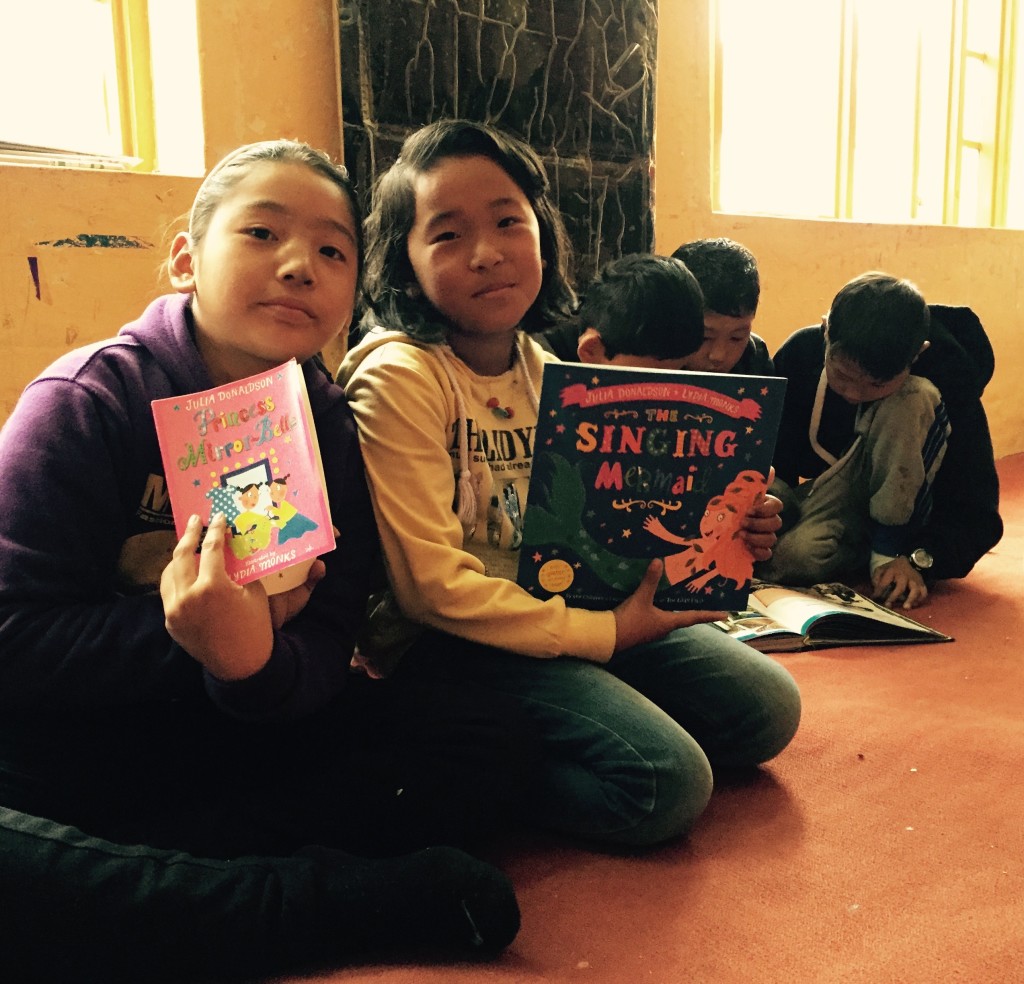
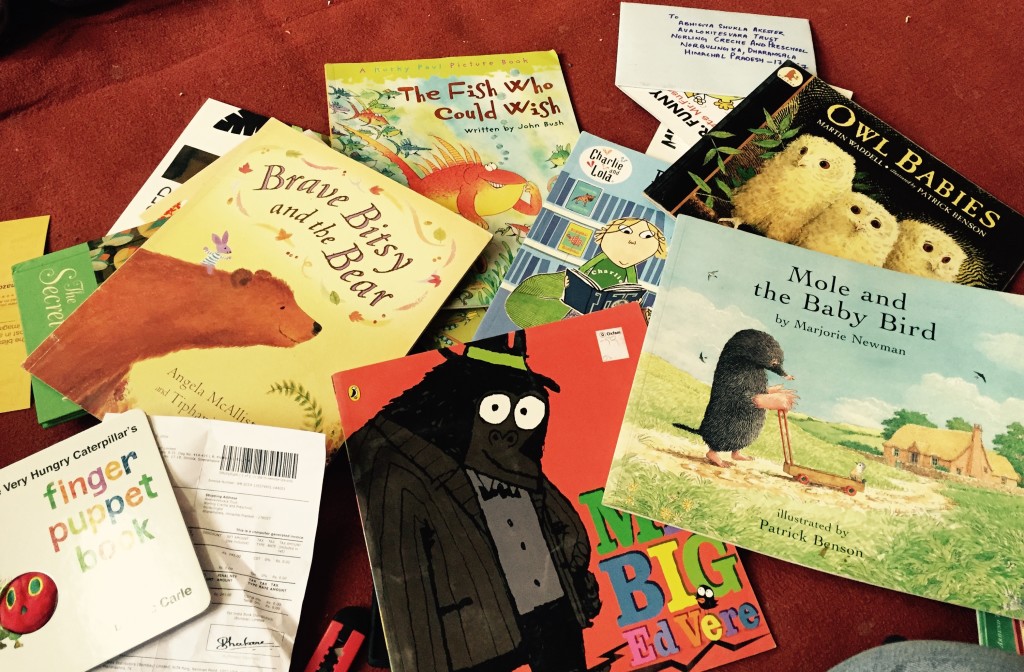
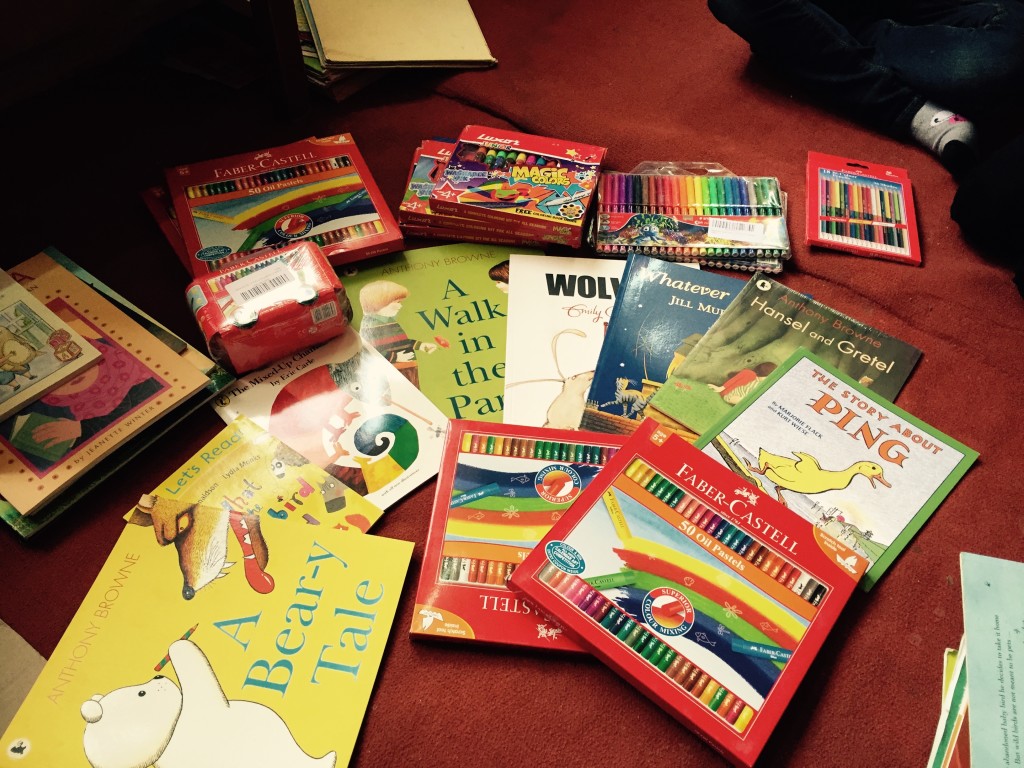
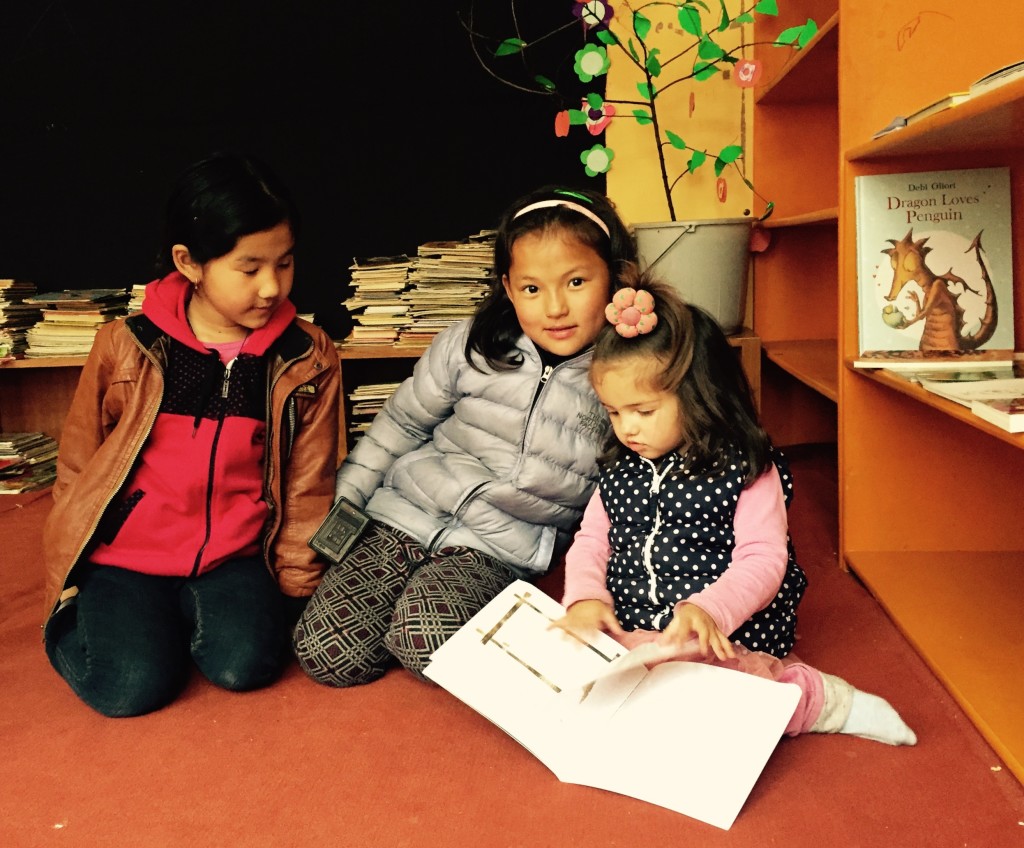
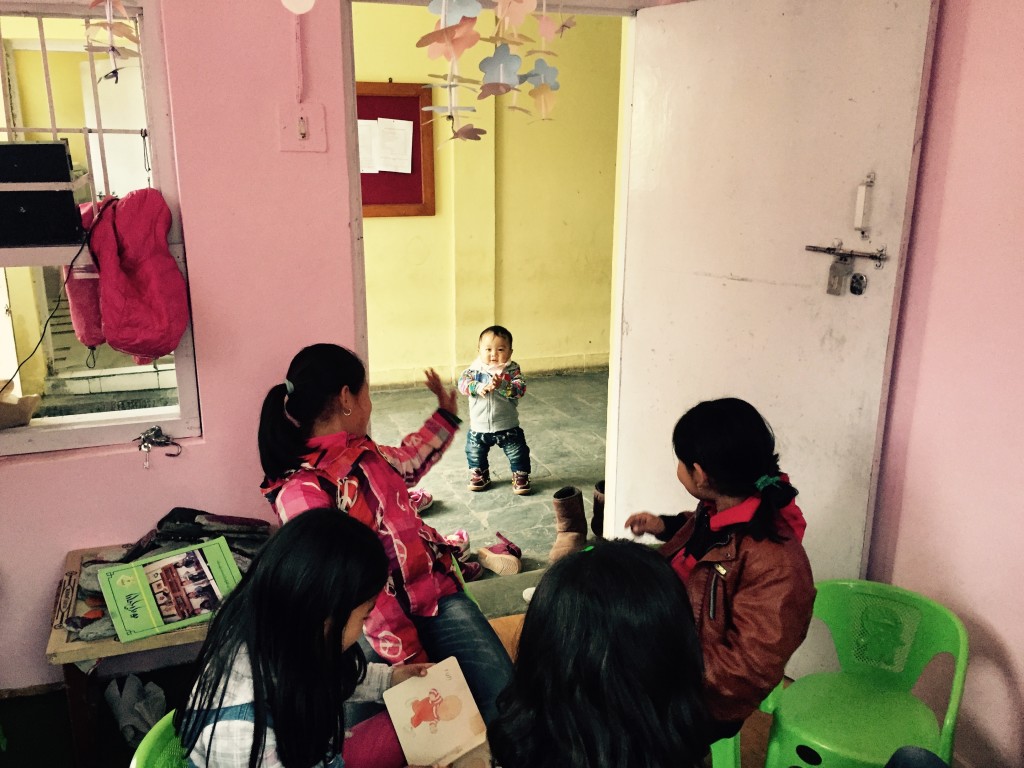
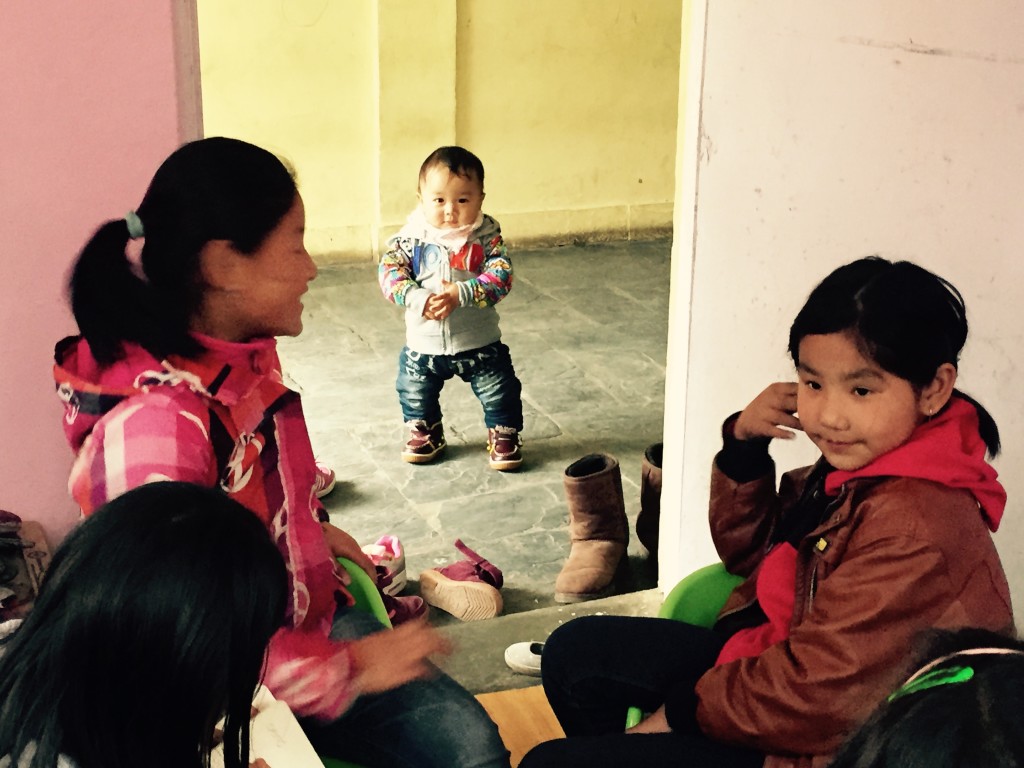
At Avalokiteśvara Trust, creative writing sits naturally beside reading rooms, book drives, music and art activities. In Ladakh and other Himalayan communities, children can draw on mountain landscapes, monastery life, family journeys, animals, weather and local legends to create stories that sound like their own lives. For Australian supporters, this work also connects with familiar ideas from school libraries, community arts centres and weekend reading programmes.
Stories Give Children A Voice
Writing an original folktale gives a child a safe way to explore experiences that may be difficult to explain directly. A story about a clever yak crossing a high pass might express worries about change, separation or responsibility. A tale about a village child helping an injured bird can reveal ideas about kindness, courage and belonging.
This form of storytelling respects children as thinkers. They decide what matters, which character deserves help and how a problem should be resolved. Their choices may reflect family customs, Buddhist teachings, local ecology or everyday community life. The result is a creative record of how young people understand the world around them.
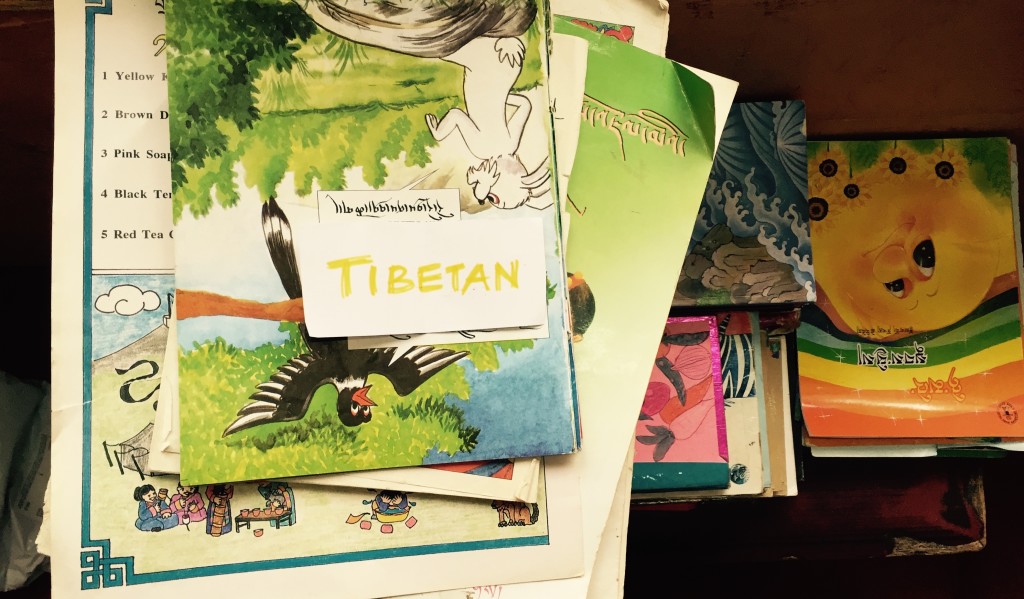
The process also supports language development. Children practise sequencing events, choosing vivid words, writing dialogue and shaping a beginning, middle and ending. For a young monk learning in more than one language, folktale writing can strengthen confidence in English while leaving room for Tibetan, Ladakhi or another home language. A shared reading session then turns individual writing into a social experience.
Folktale Writing Builds Useful Skills
A child who invents a folktale is practising far more than spelling. They are learning to observe closely, remember details, solve narrative problems and imagine another person’s feelings. These skills support reading comprehension because children begin to recognise how characters, motives and consequences work in the books they read.
The activity also encourages patience. A first draft may have a strong idea but an unclear ending. Revising it teaches children that good writing develops through small changes. They might replace a general description with the colour of a prayer flag, add the sound of wind against a window or explain why a character chooses to return home.
Digital literacy can be part of this learning too. Children can compare a traditional story with a modern online version, identify exaggerated claims and discuss who created the content. A facilitator might use an online media example to show why unfamiliar information should be checked before it is repeated. The lesson is simple: stories can entertain, but readers still need judgement.
Choosing the Right Story Activity
Different writing approaches suit different ages, confidence levels and learning goals. Some children need a clear story frame, while others are ready to transform a local legend or create a completely new world. The comparison below helps facilitators choose an activity without treating every child as if they learns in the same way.
| Story activity |
Best for |
Main learning benefit |
Useful materials |
| Retelling a local legend |
Early writers and language learners |
Builds sequencing and listening skills |
A spoken story, picture cards, notebooks |
| Changing the ending |
Children familiar with a folktale |
Develops prediction and problem-solving |
A shared book, drawing paper, pencils |
| Writing from an animal’s view |
Imaginative and developing writers |
Encourages empathy and descriptive language |
Nature photographs, word banks |
| Creating a place-based tale |
Older or confident writers |
Connects identity, memory and setting |
Maps, local stories, research books |
| Collaborative story circle |
Mixed groups |
Strengthens listening and cooperation |
Large paper, story prompts, coloured pens |
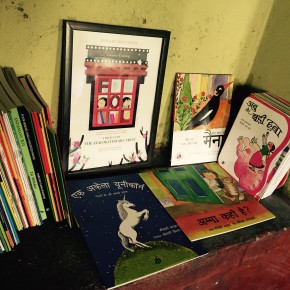
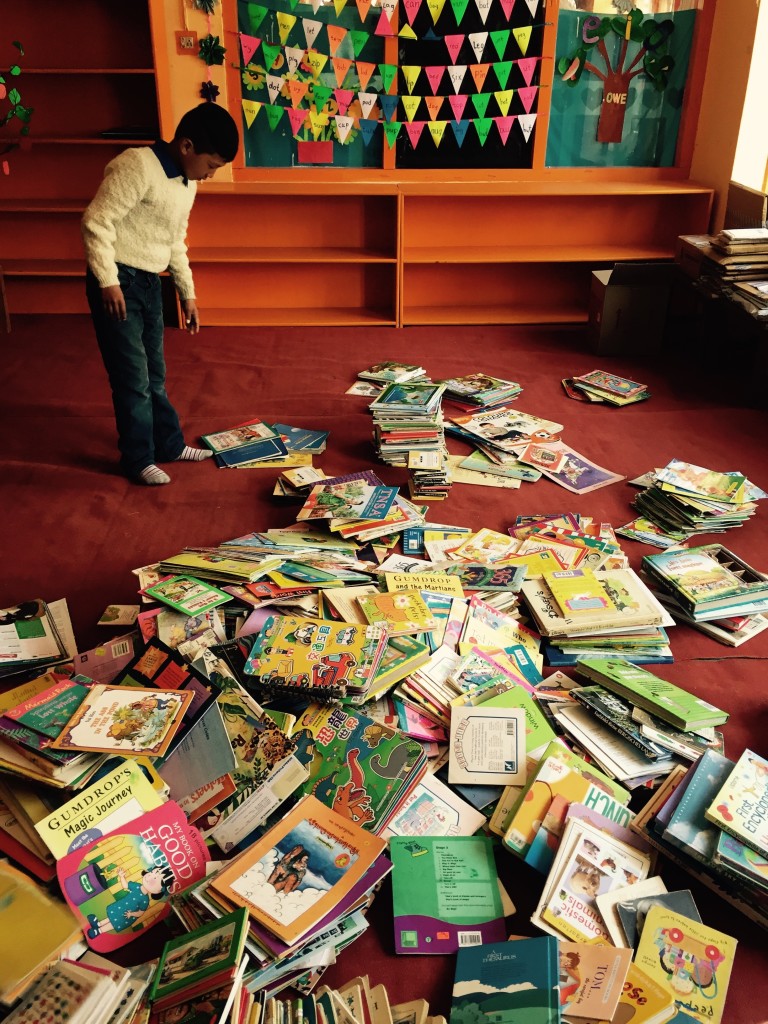
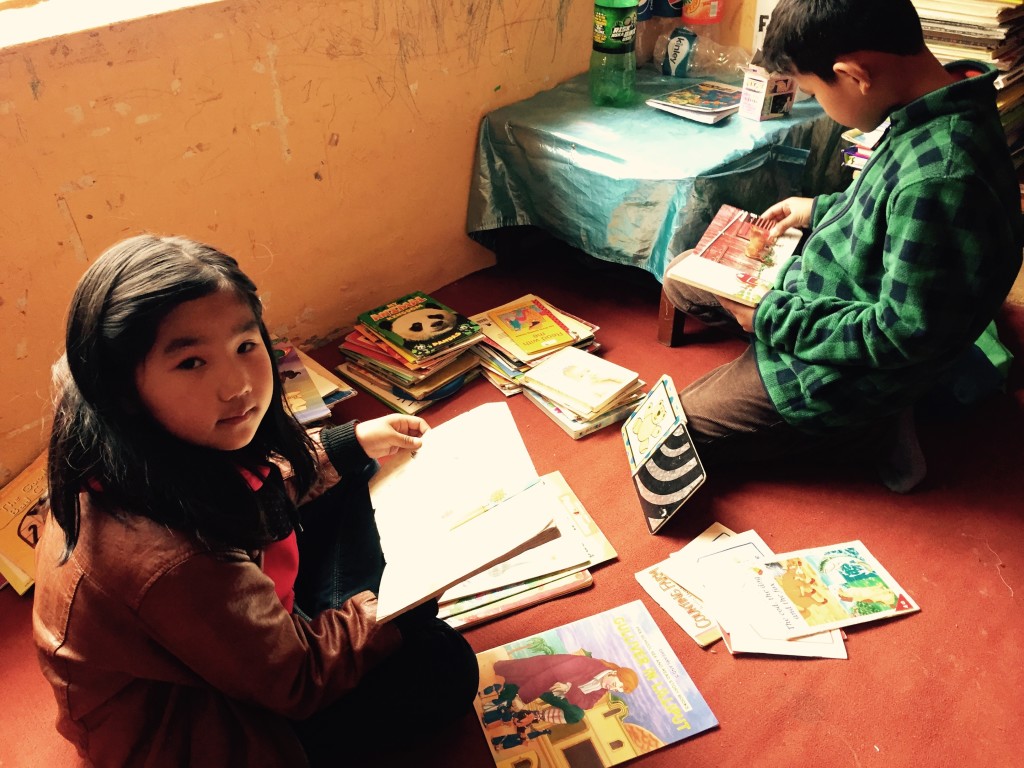
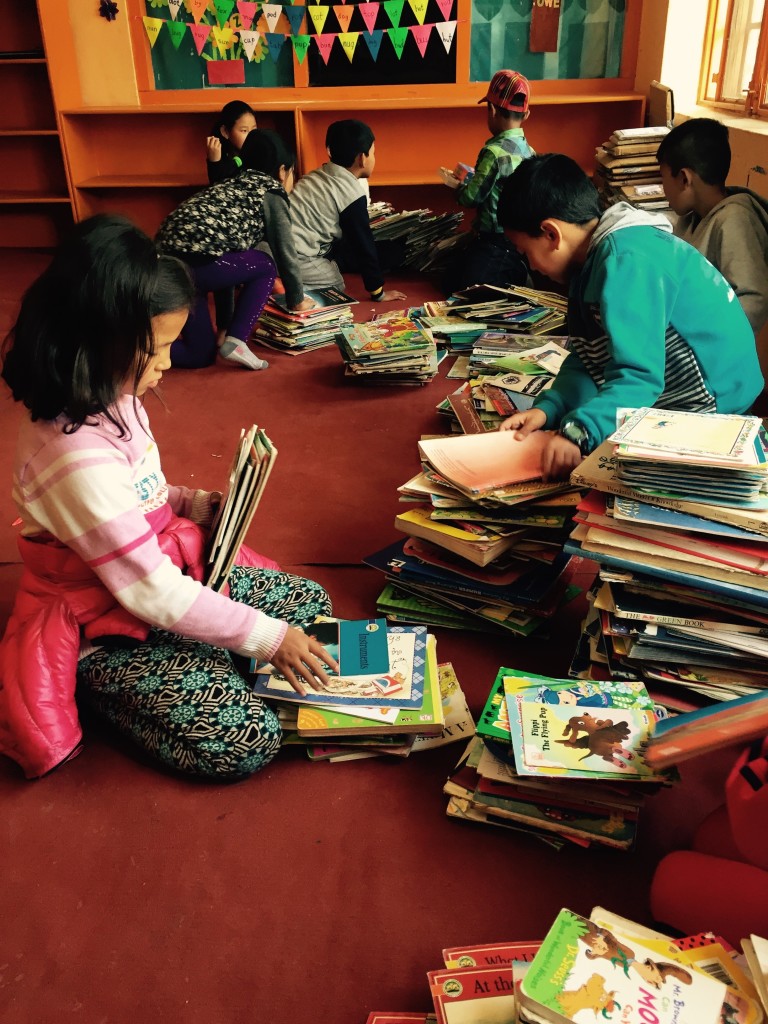
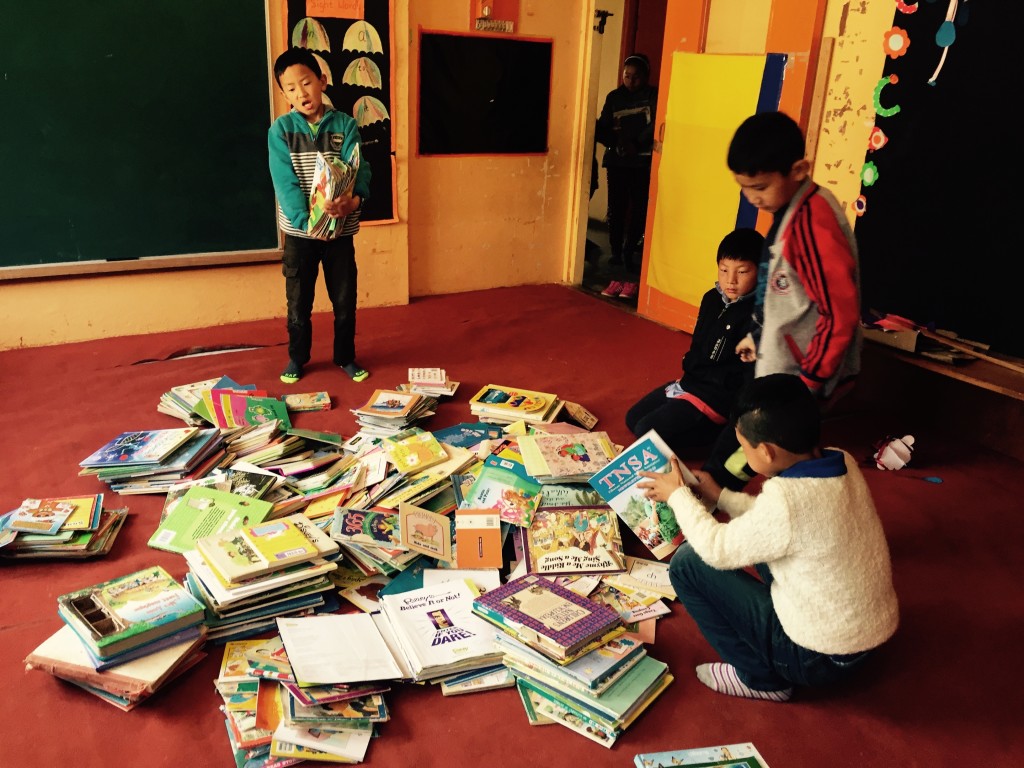
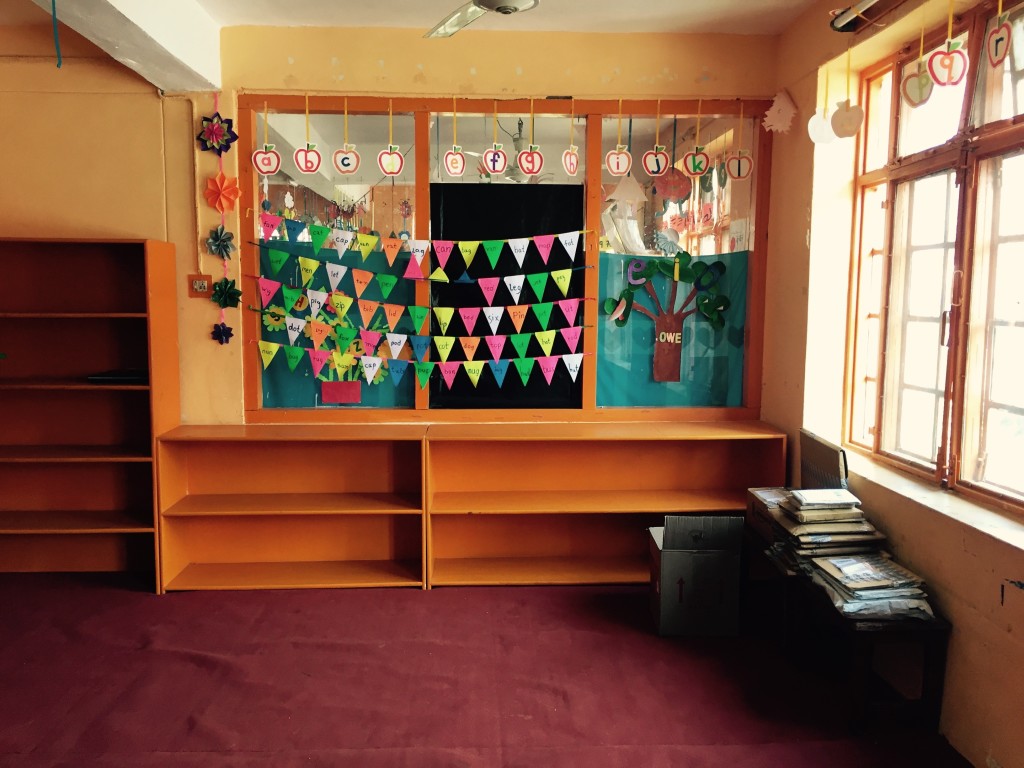
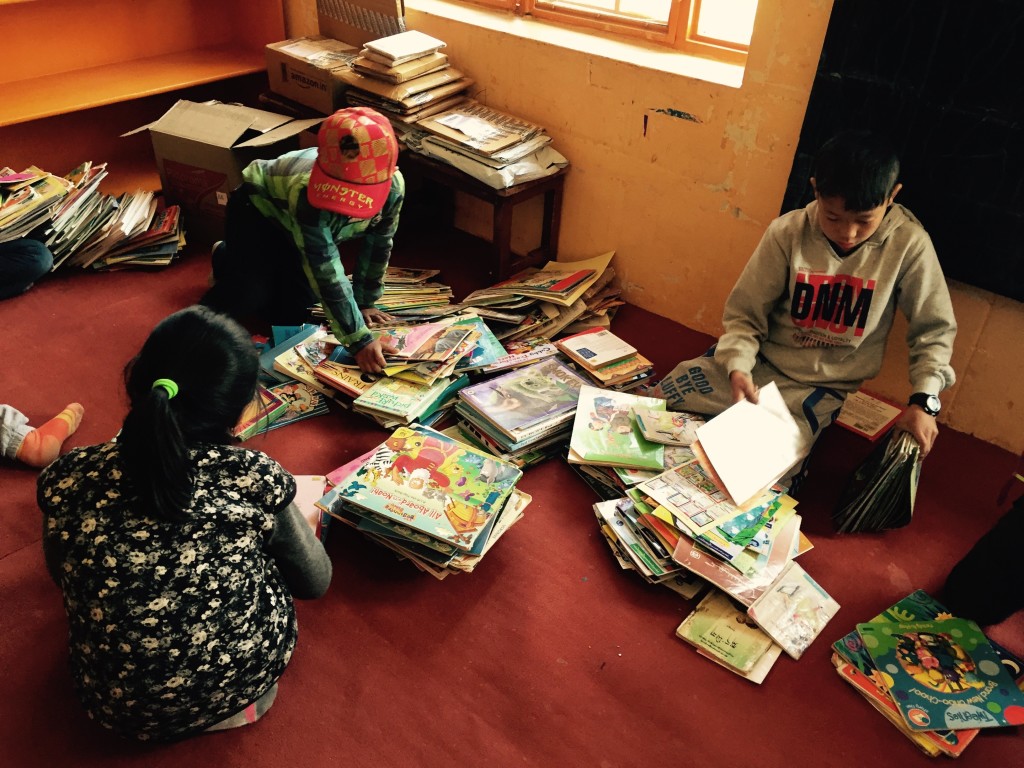
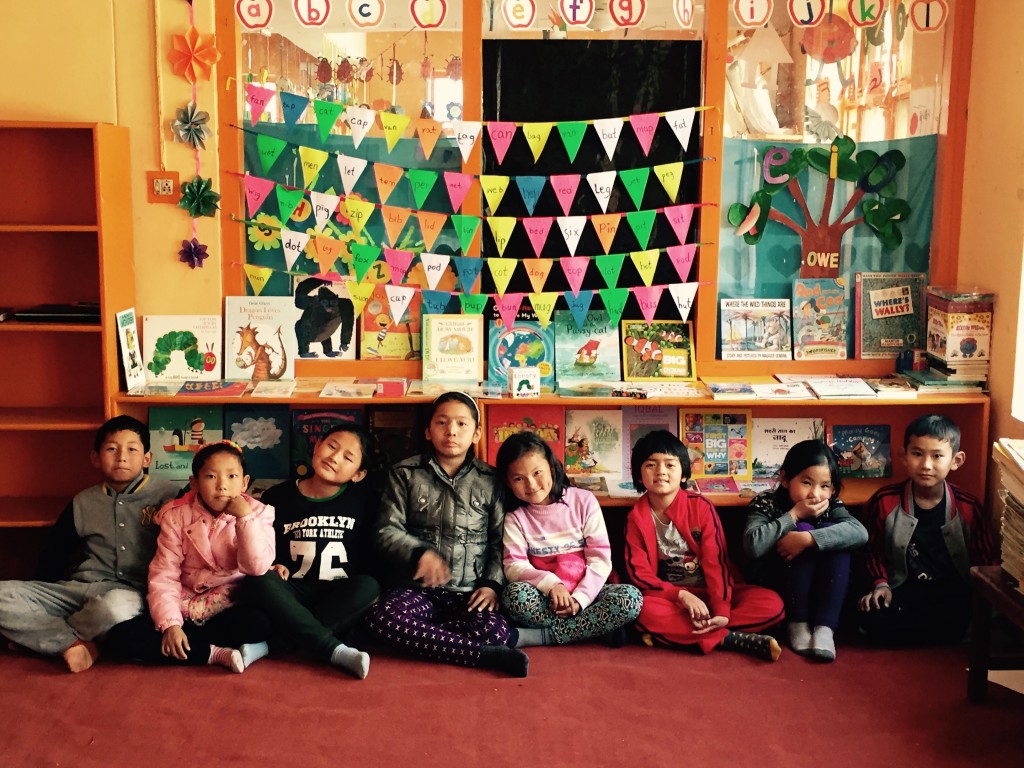
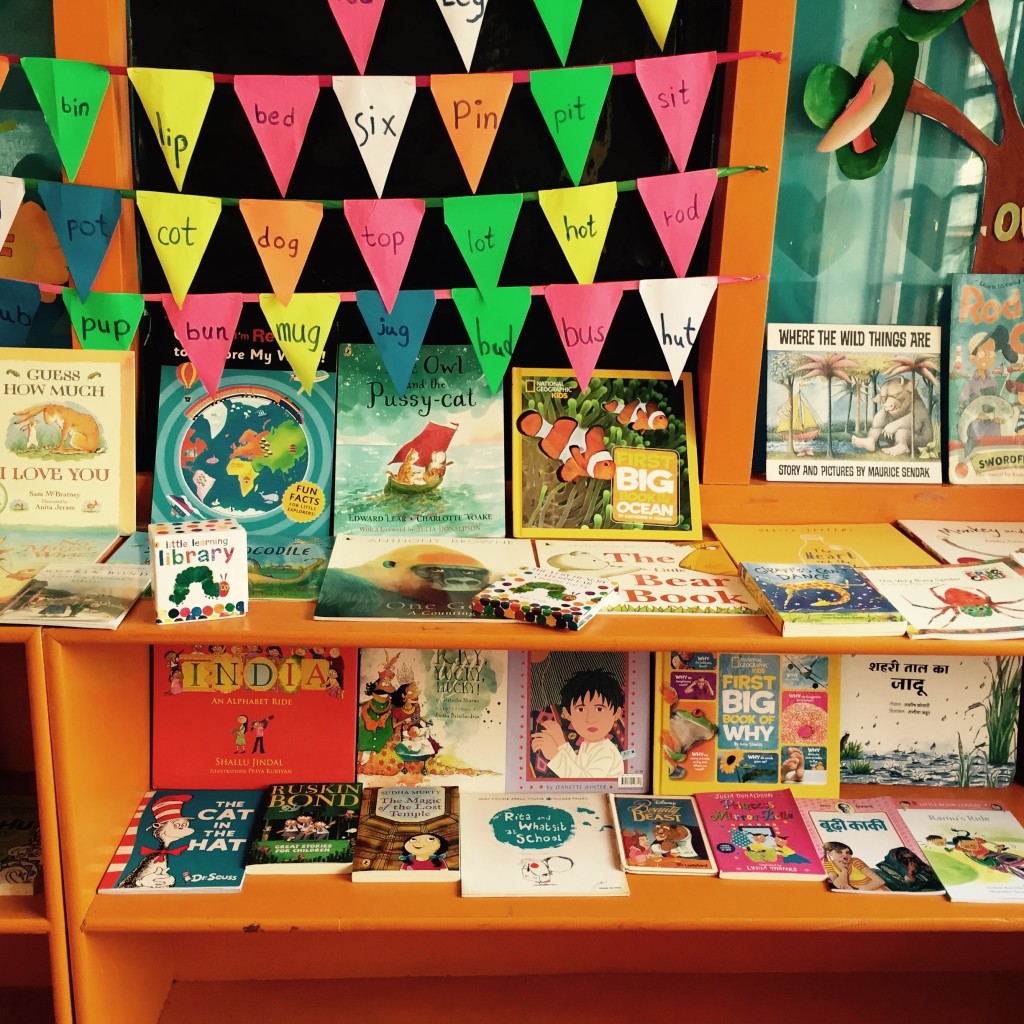
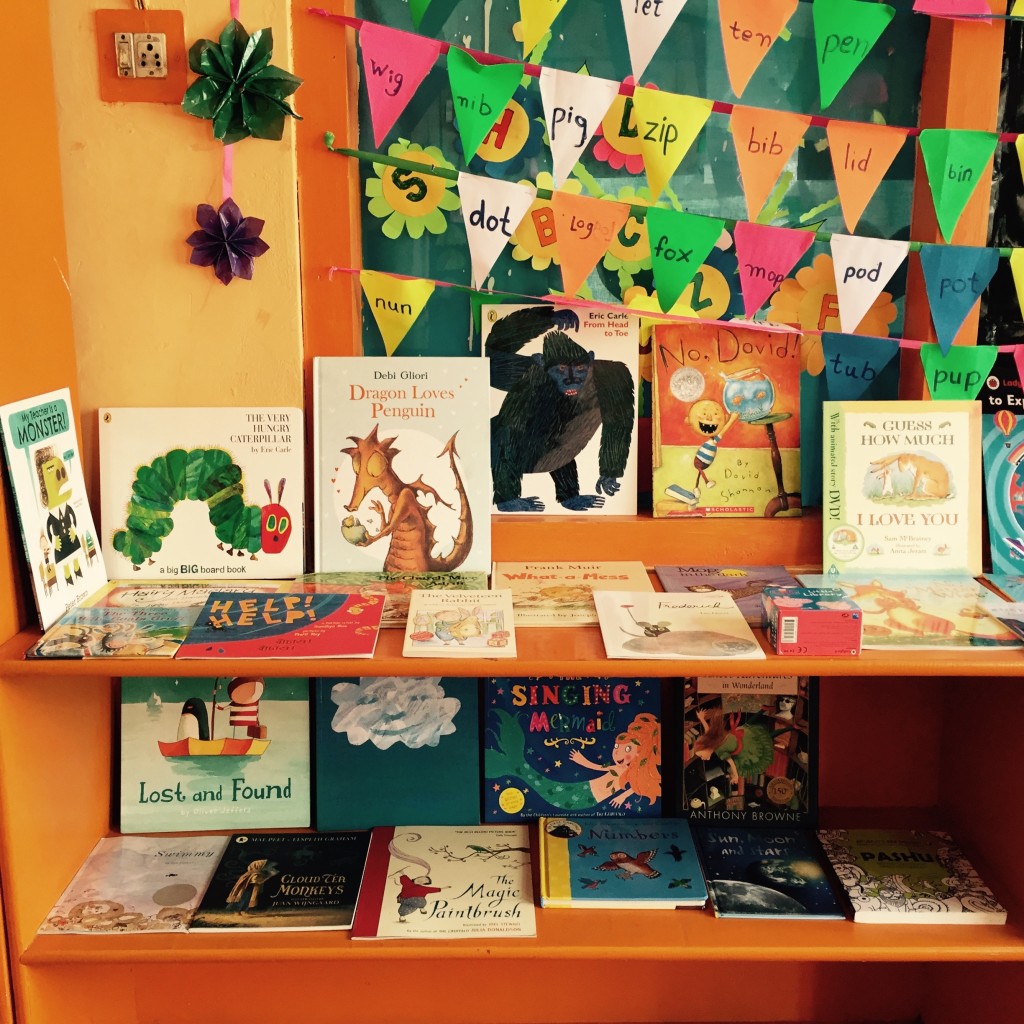
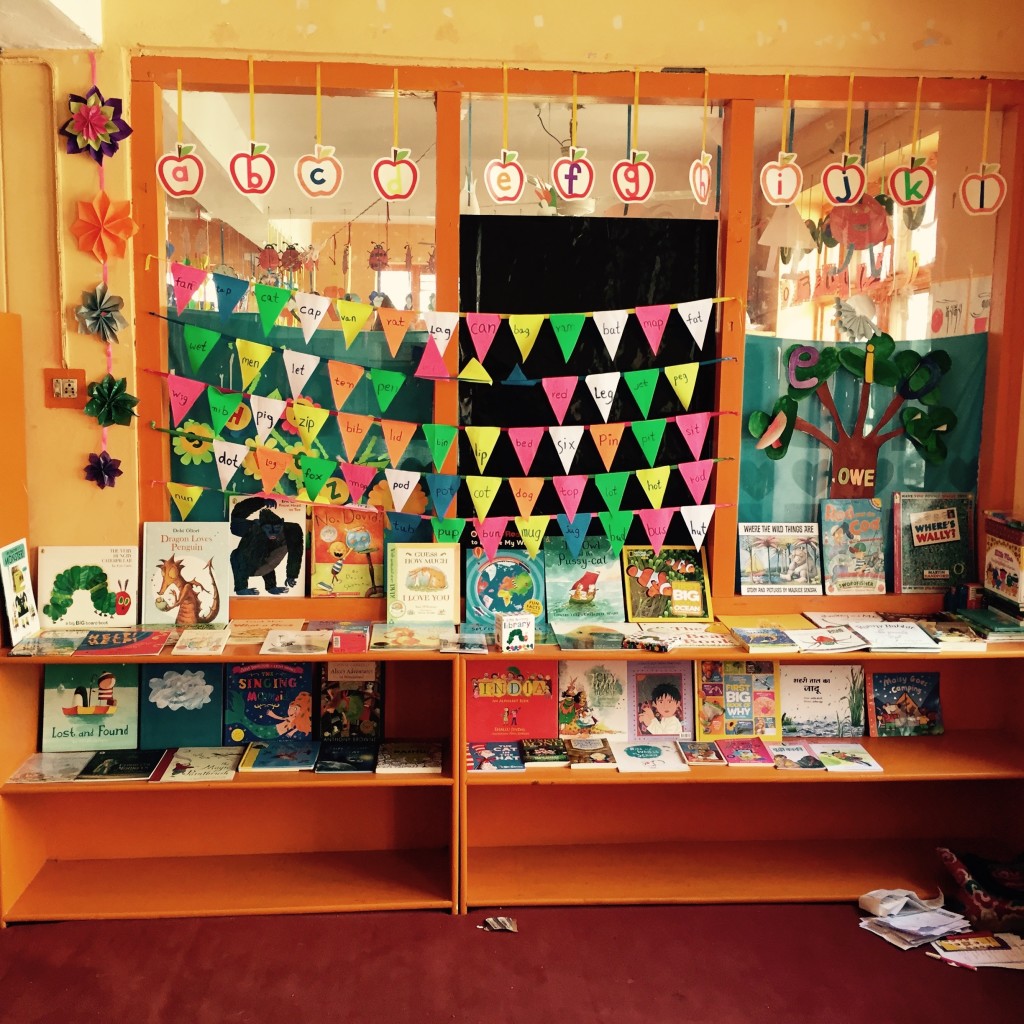
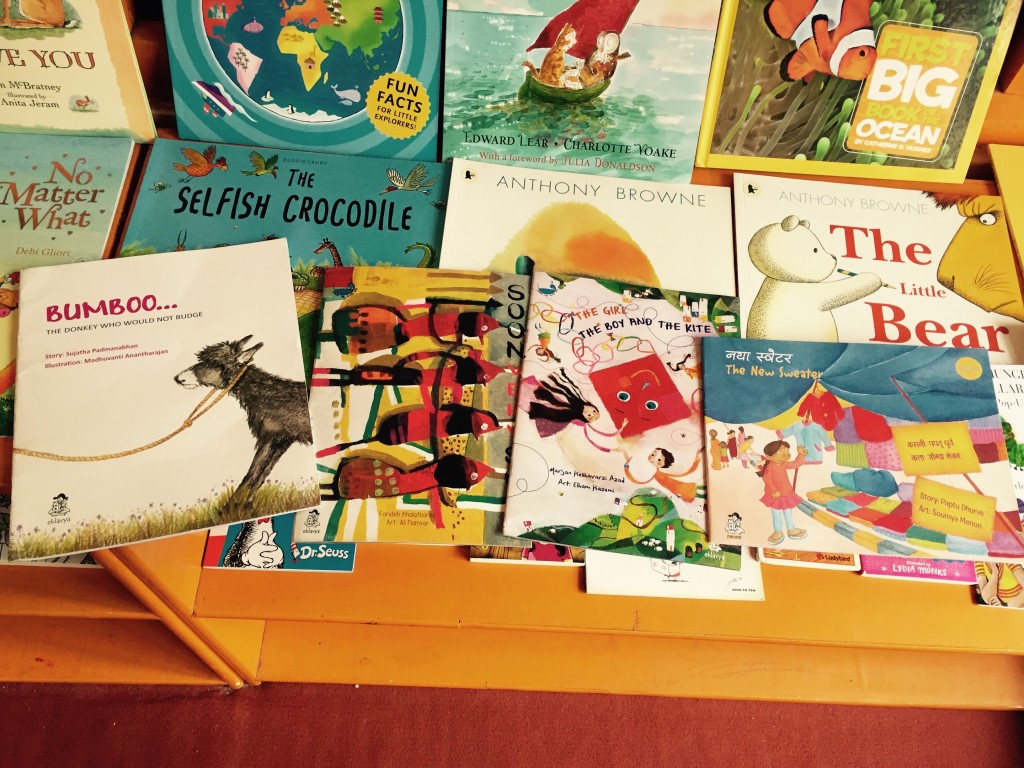
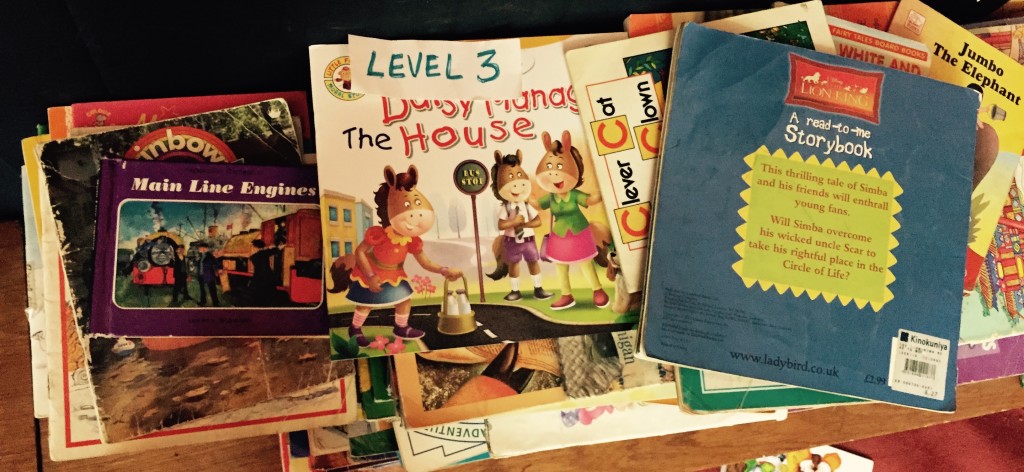
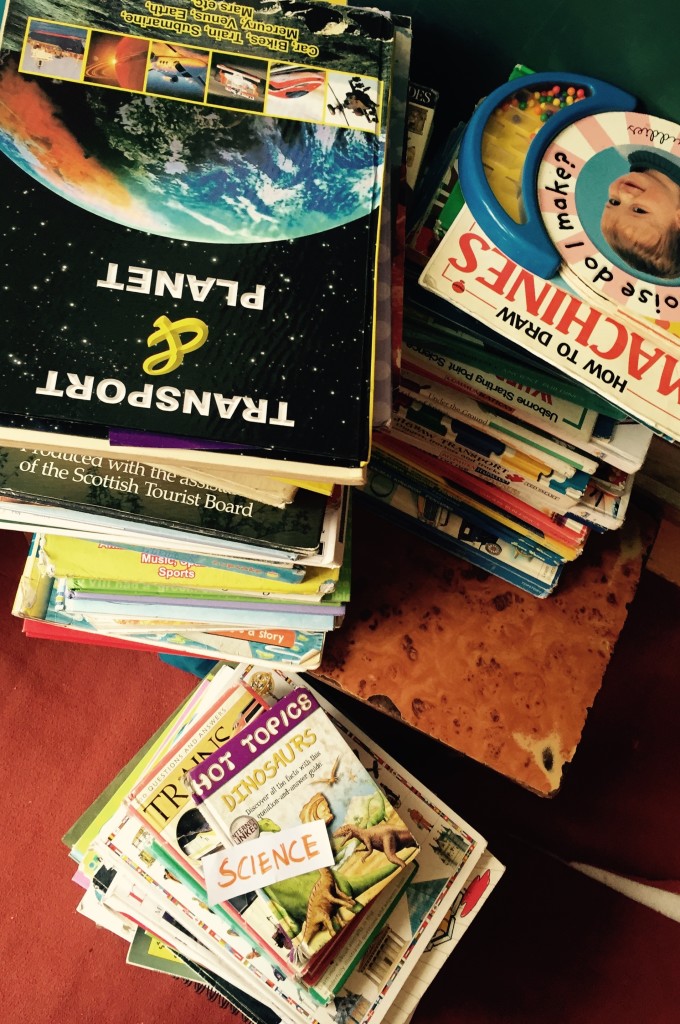
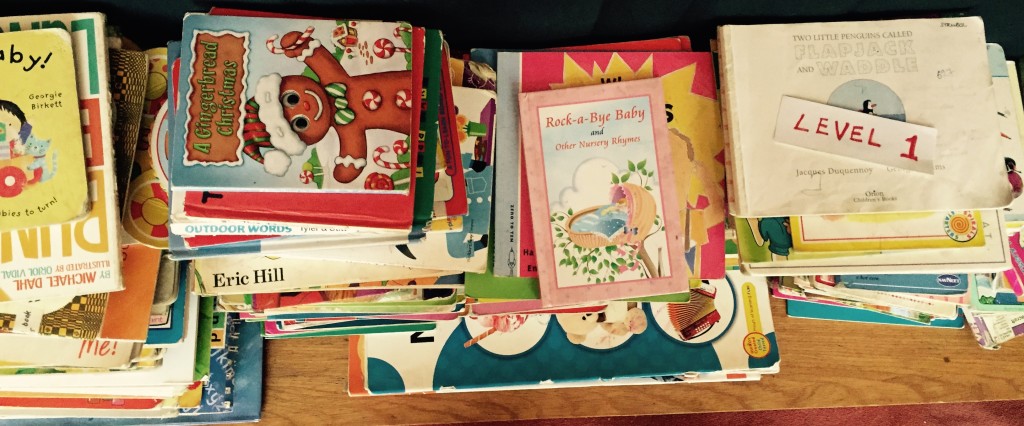
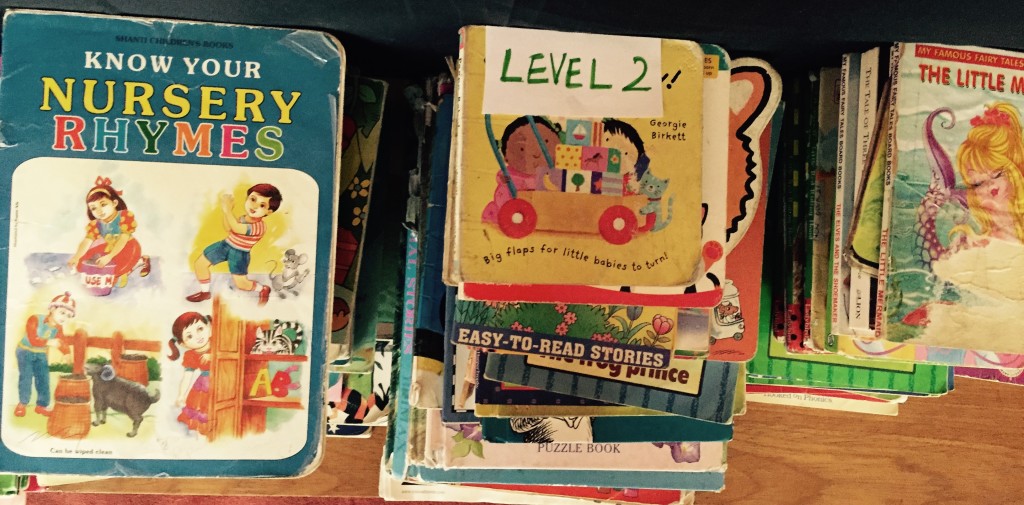
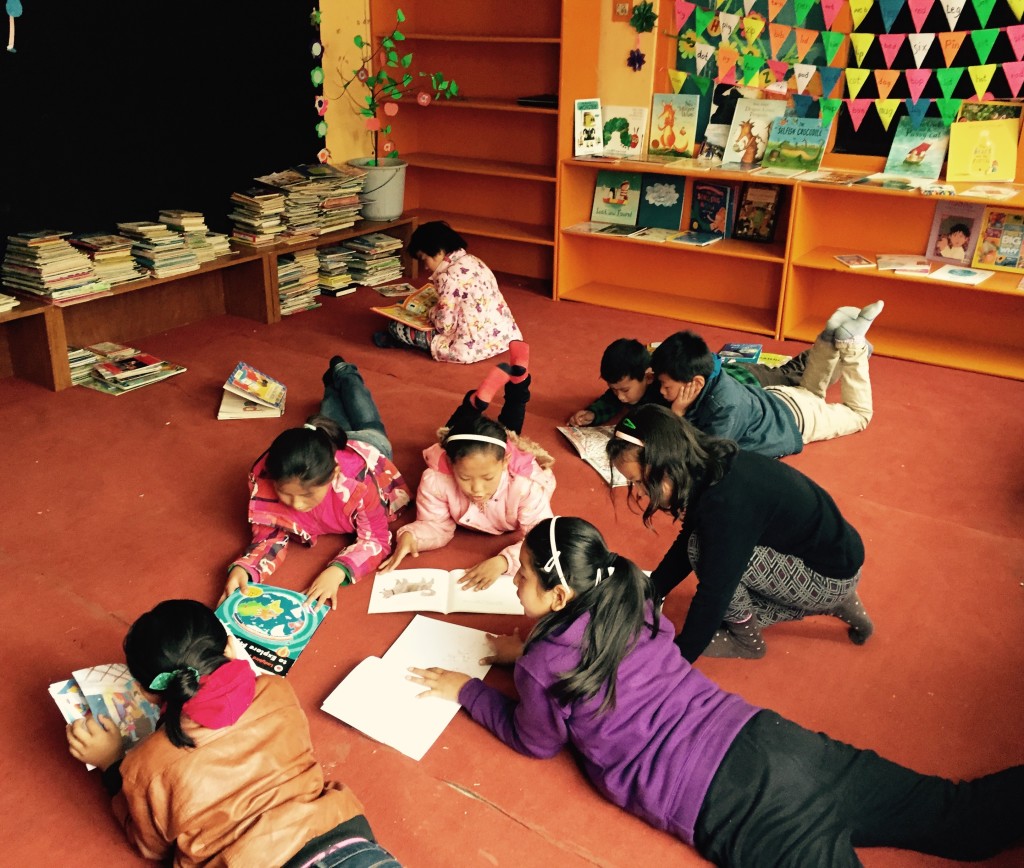
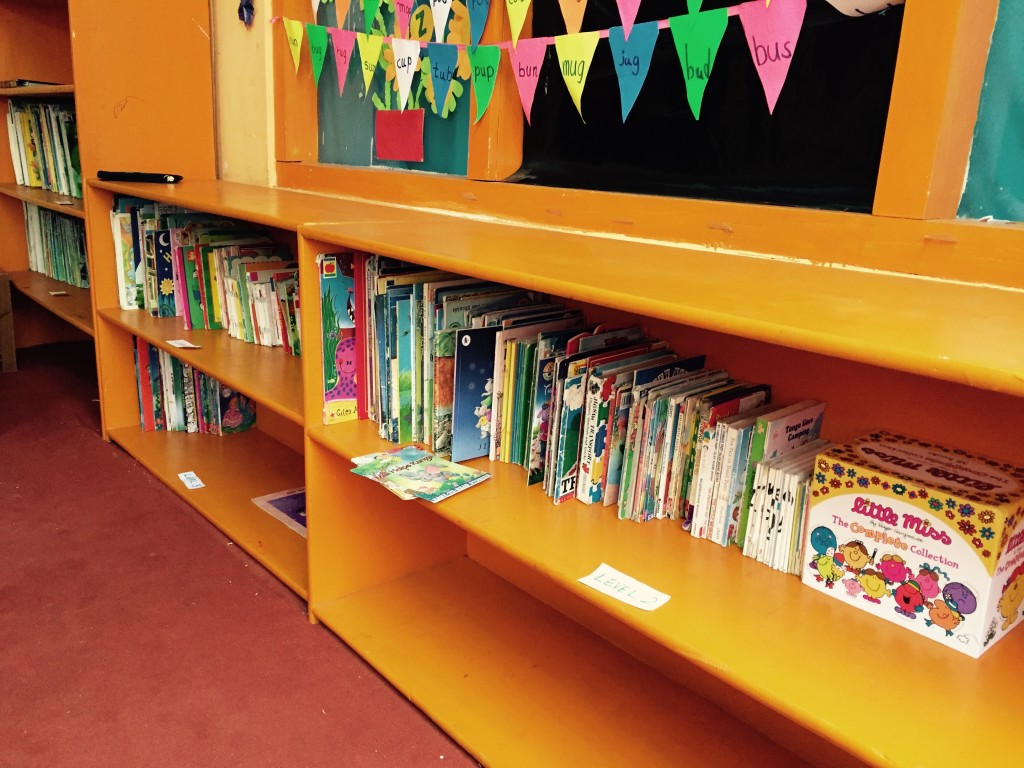
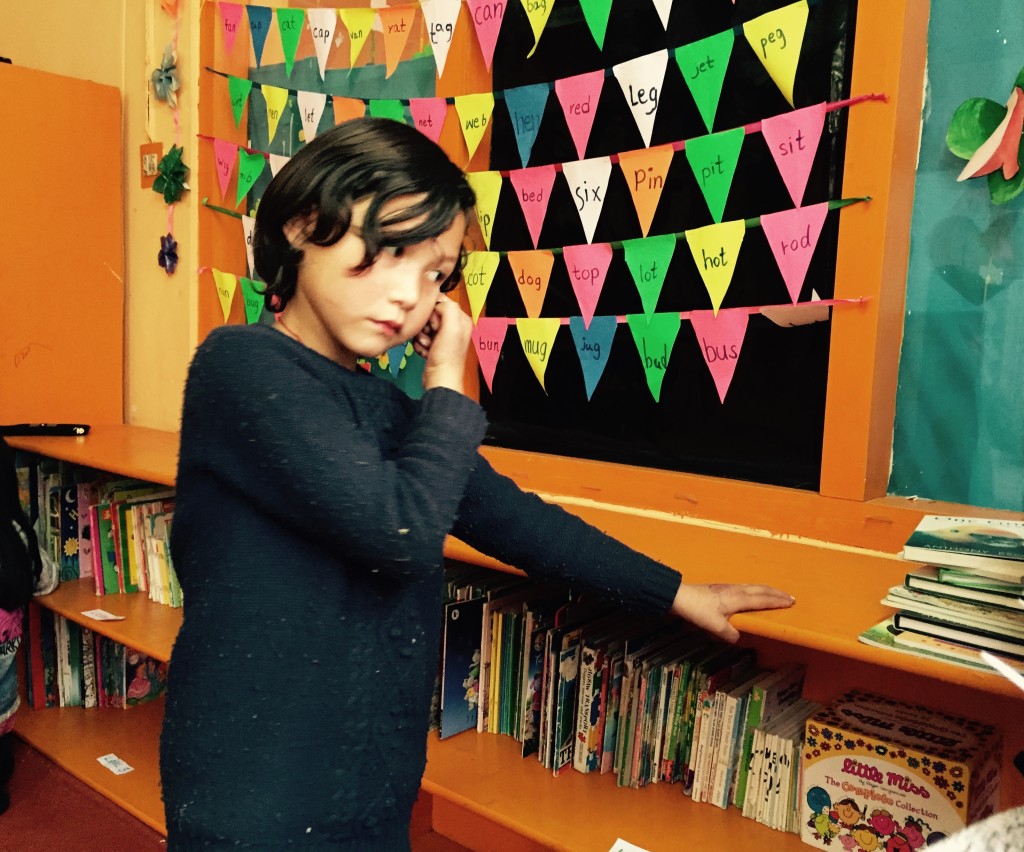
A reading room can offer all these options with modest resources. A shelf of illustrated books, a few notebooks and a quiet corner may be enough to begin. Where books are scarce, children can work from oral histories shared by elders, teachers or family members, then preserve the stories in handwritten or illustrated form.
Australian schools and libraries will recognise this flexible approach. A teacher in suburban Melbourne might use a local creek or tram ride as a setting, while a group in regional Queensland could build a tale around drought, rain or a community gathering. In the Himalayas, the setting may be a cliff path, a monastery courtyard or a high-altitude stream. The method is shared, while the details remain local.
Making Space For Young Storytellers
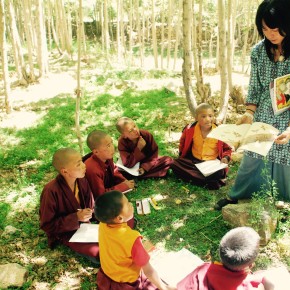
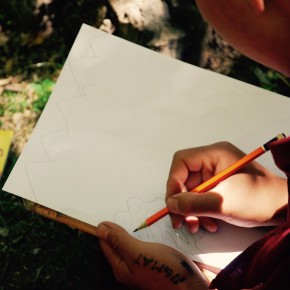
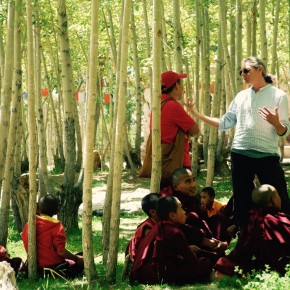
Children write more freely when adults value the process rather than correcting every sentence. A facilitator can begin with a spoken story, invite children to sketch a character and then ask them to describe what happens next. This progression helps reluctant writers enter through conversation, drawing or performance.
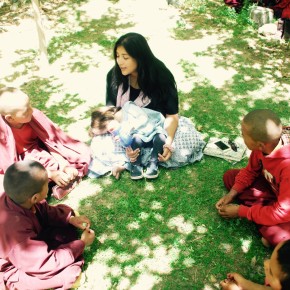
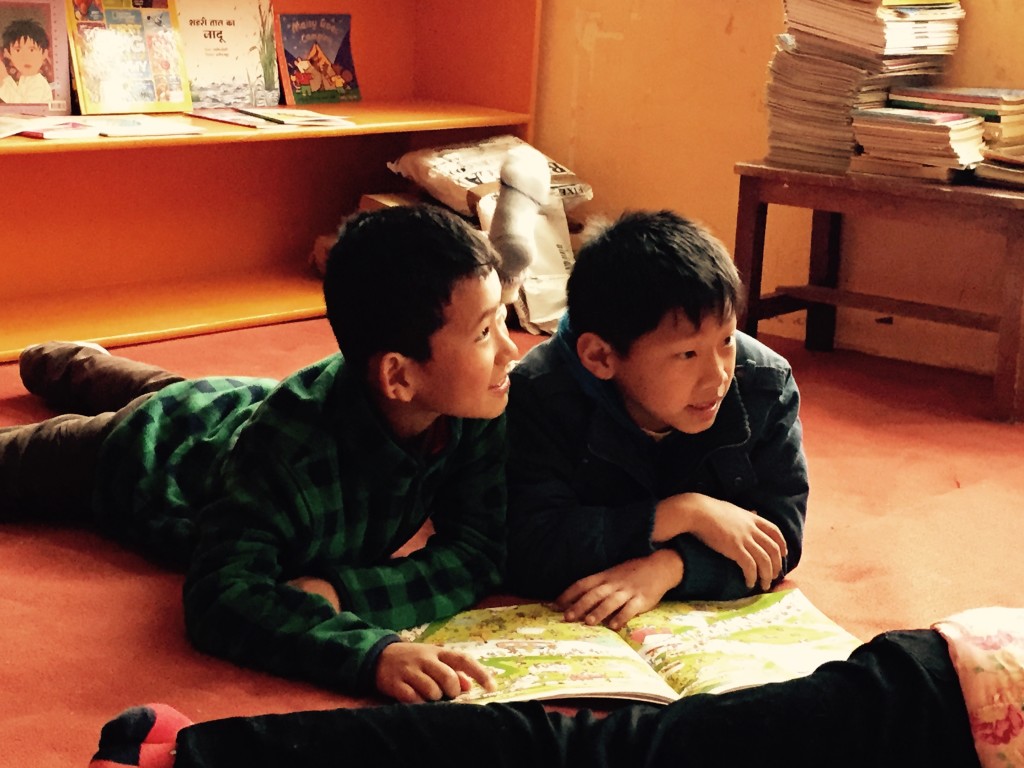
The strongest activities are welcoming and practical. They make room for different literacy levels, allow children to work in pairs and celebrate several forms of expression. In an Australian context, a volunteer might call it a relaxed arvo writing session, but the same idea can work in a Ladakhi reading room, a monastery classroom or an outdoor community space.
Helpful Ingredients For A Writing Session
- A familiar story, local memory or picture as a starting point
- Time for children to talk before they begin writing
- Drawing, acting and oral storytelling for children who are not ready for long text
- A small collection of descriptive words connected with place and weather
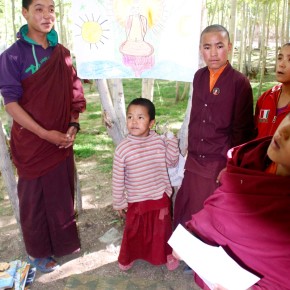
- A chance to read, perform or display the finished work
- Encouragement that focuses on ideas, effort and originality
Signs Of Meaningful Progress
- Children add specific details instead of relying only on simple labels
- A character faces a problem and makes a meaningful choice
- The story reflects something about the writer’s community or imagination
- Children listen respectfully to stories that differ from their own
- A second draft becomes clearer, richer or more complete
- Young writers begin choosing books and topics independently
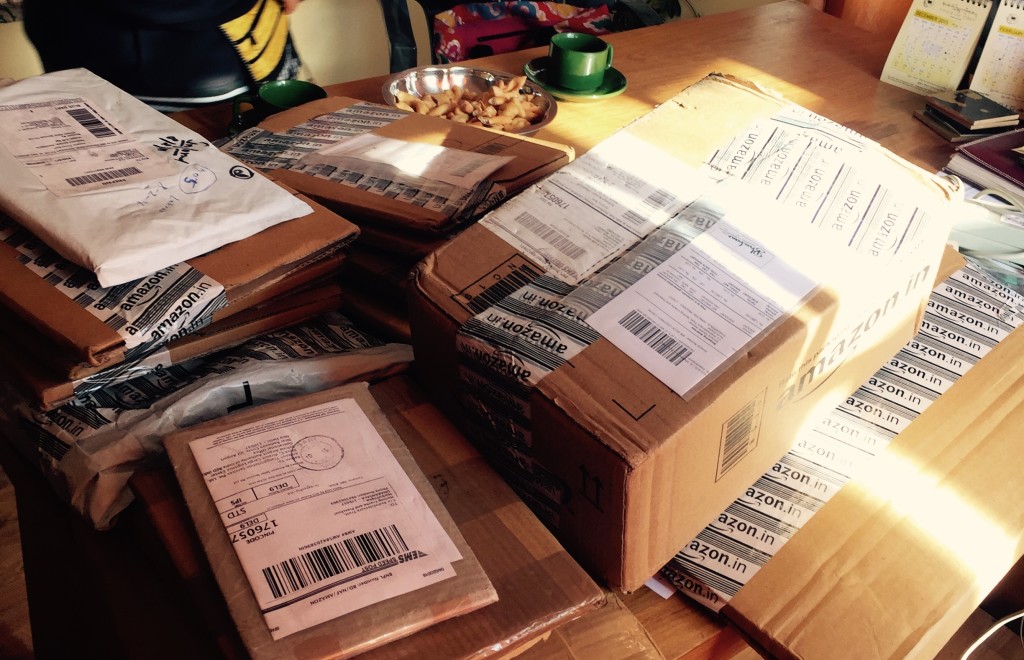
These outcomes matter to donors and volunteers because they show how educational support becomes everyday confidence. A book drive can stock the shelves, yet a writing activity helps children use those books as springboards for their own thinking. The value is visible in the pages children create, the conversations they start and the pride they show when their work is shared.
Local Knowledge Deserves A Place On The Shelf
Publishing children’s folktales, even in a simple photocopied booklet, tells a community that its young people have something worth preserving. A story may include a phrase from a home language, a familiar landscape or a lesson that would never appear in a commercially produced reader. Keeping these details matters because literacy should expand a child’s world without asking them to leave their identity behind.
This principle has a clear connection with Australia’s multicultural libraries and community publishing projects. A children’s collection in Sydney, Adelaide or Perth may include stories from many language groups, while a remote community library may rely on visiting educators and donated books. In each case, locally created stories help readers see themselves on the page. The same is true in Himalayan communities where access to quality books can be limited and imported material may not reflect local life.
There is also a practical reason to encourage original folktales: stories travel well. A child’s illustrated tale can be read aloud in a village, shared with a partner school, displayed in a reading room or included in an update for supporters. Australian donors often look for clear evidence of how funds are used, and a collection of children’s writing offers a human, tangible view of educational impact without reducing the children to statistics.
The next step is to place a blank notebook and one local story in a reading room, then invite a child to write what happens after the final page.