Why Children Should Create Their Own Storybooks
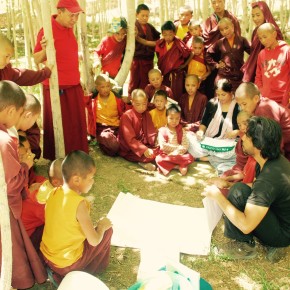
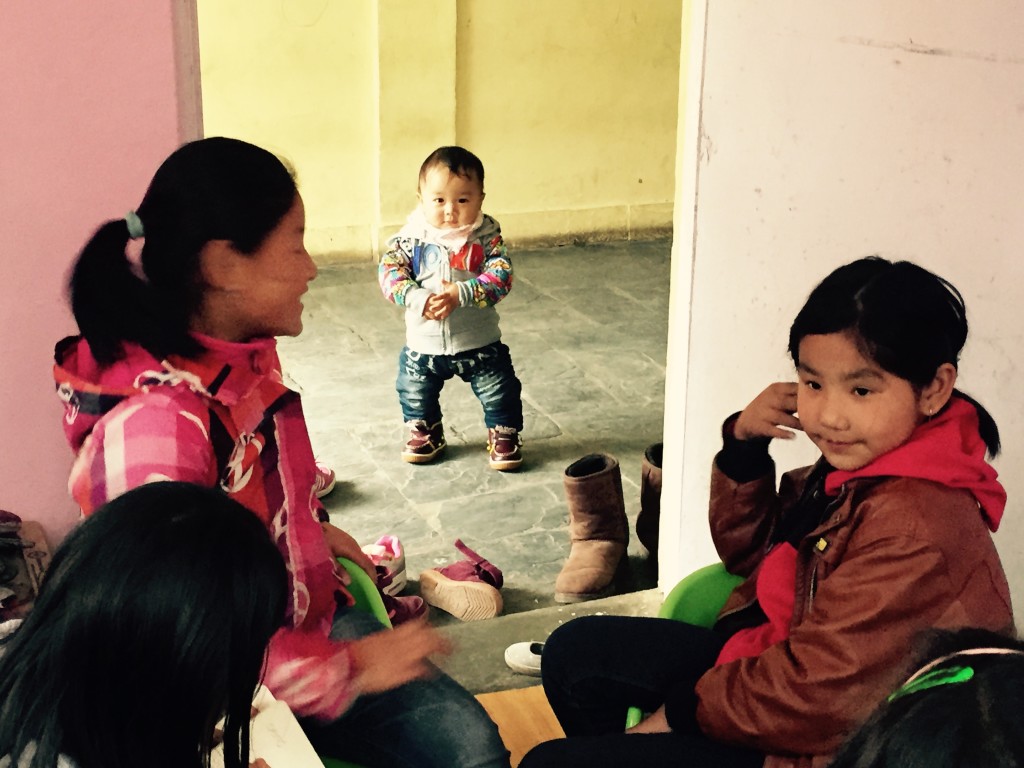
A child who writes and illustrates a storybook is doing far more than completing a creative activity. They are choosing words, shaping ideas, solving problems and making meaning visible. For children in Ladakh and other Himalayan communities, this process can turn a quiet reading-room session into an opportunity for confidence, expression and shared discovery.
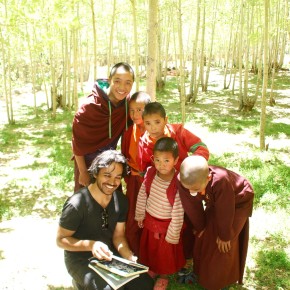
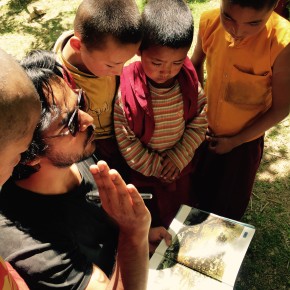
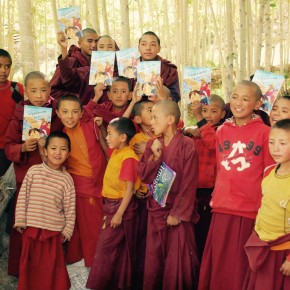
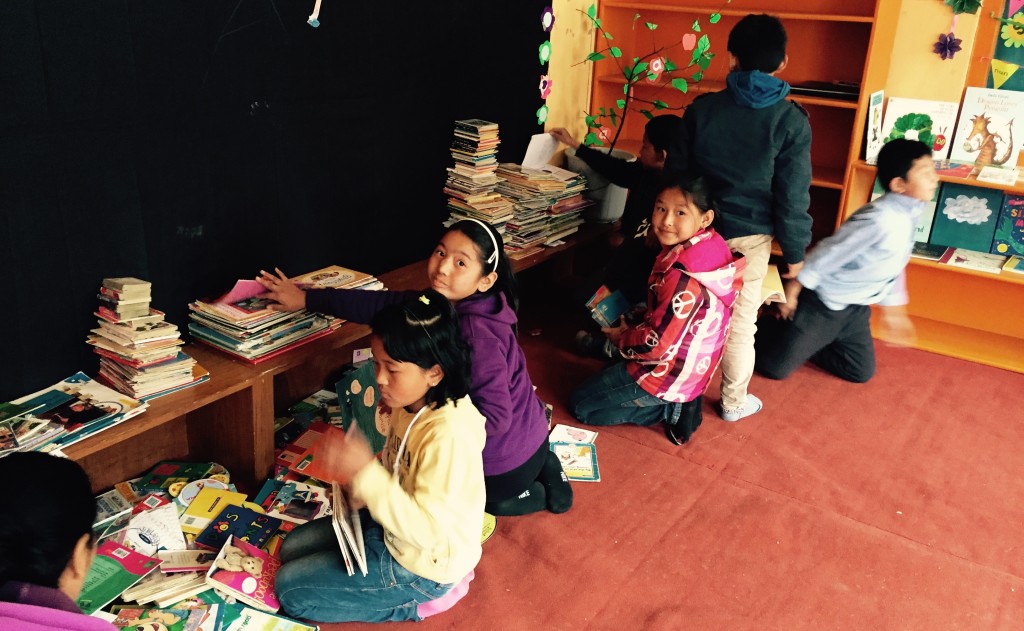
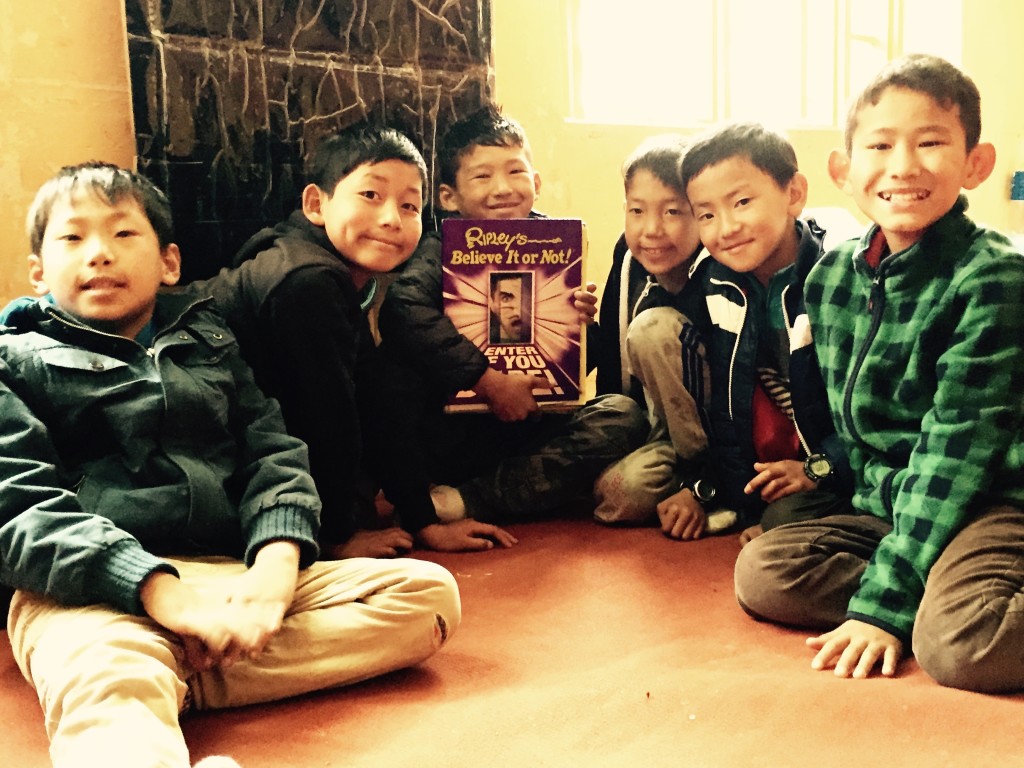
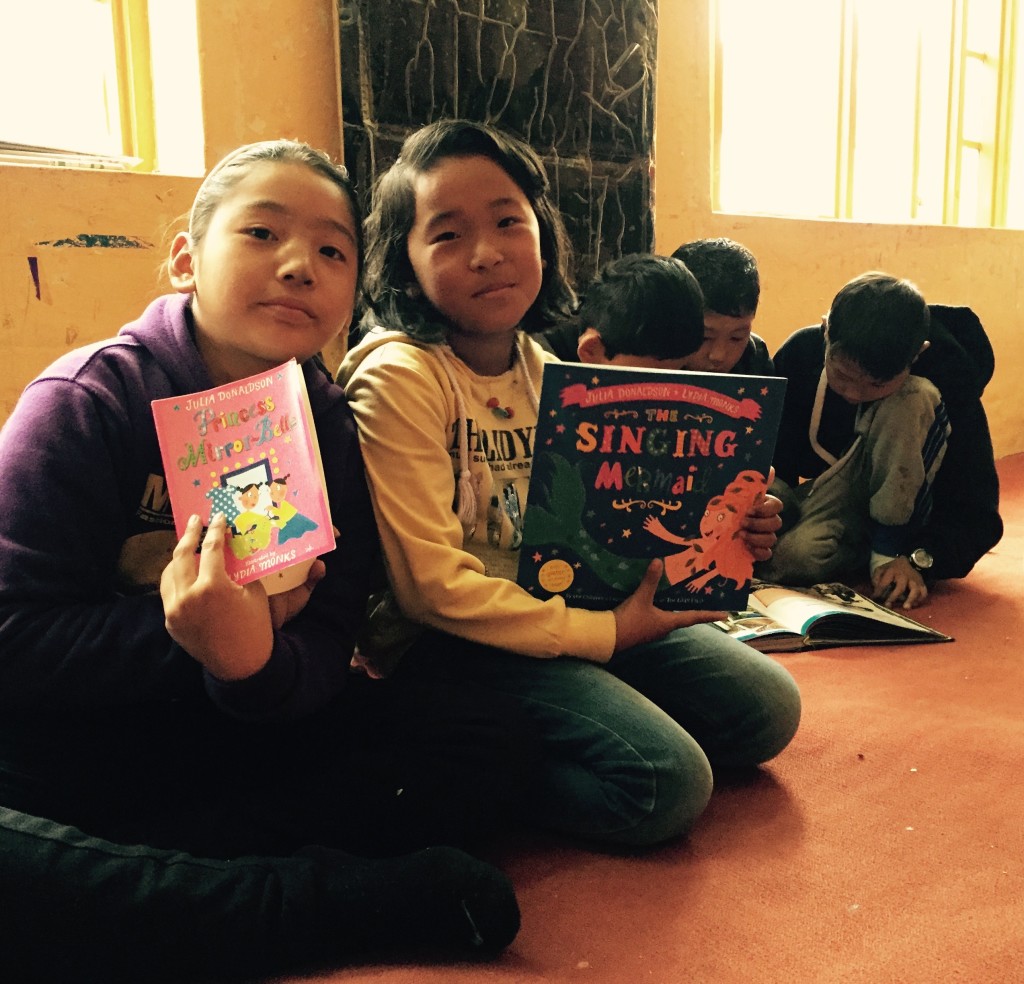
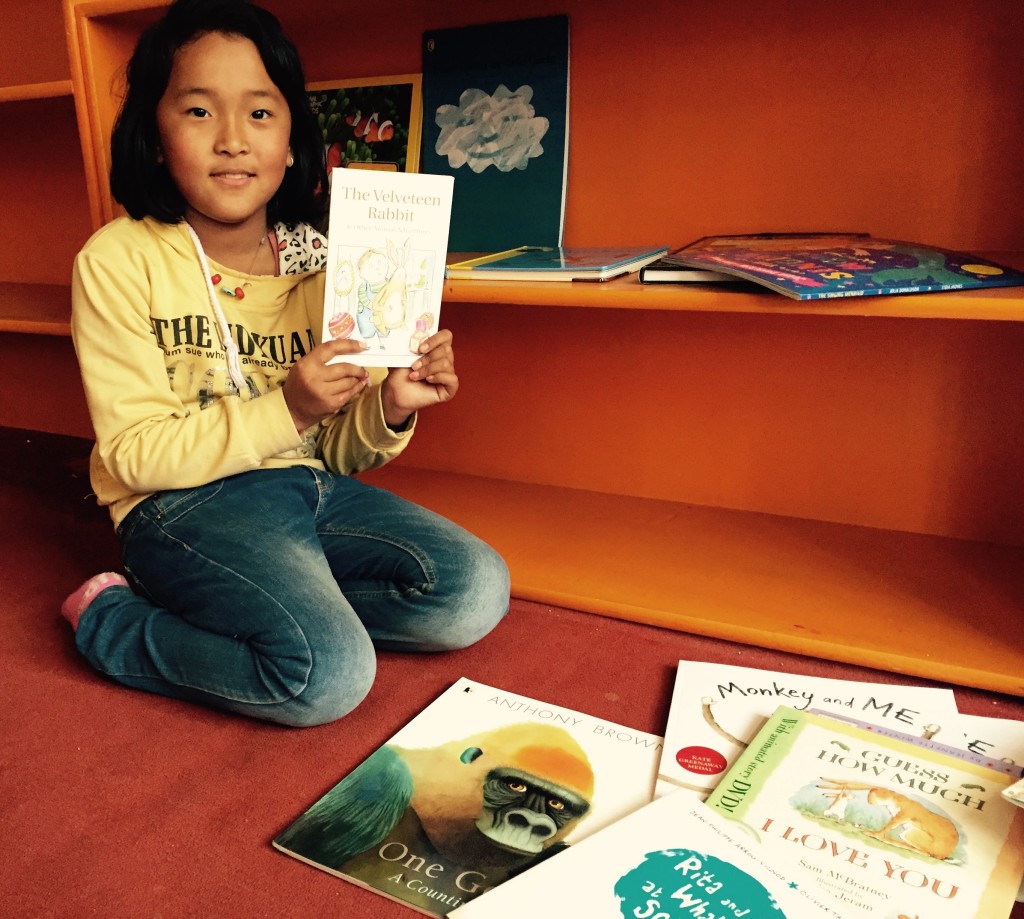
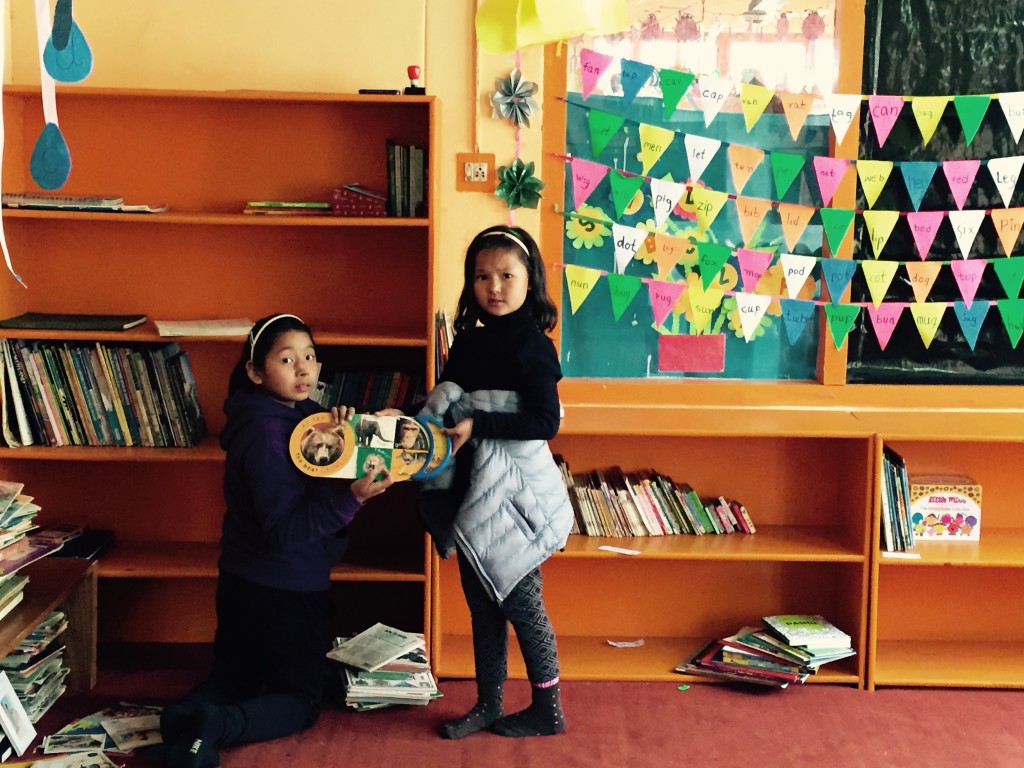
At Avalokiteśvara Trust, books are a gateway to learning, imagination and connection. Encouraging children and young monks to create their own stories helps ensure that literacy is active and personal. Their books can reflect mountain landscapes, family life, local animals, festivals and hopes for the future, while showing young readers that their own experiences deserve a place on the page.
Writing Gives Children A Voice
When children write a story, they decide what matters. A character may be a yak crossing a high pass, a novice monk learning a new chant, or a child travelling to a village school. These choices help children describe their surroundings and think about relationships, responsibility and change.
For children who are still developing confidence in English or another school language, story-making offers a gentle reason to practise vocabulary and sentence structure. They can begin with a few words, dictate ideas to an adult, or work with a friend. The emphasis is on communication rather than perfect spelling.
Creating a personal story also supports emotional literacy. A child may place fear, homesickness or excitement into a character’s journey, then explore possible solutions through the plot. This can make difficult feelings easier to discuss and helps adults understand what children may be carrying quietly.
Illustration Turns Ideas Into Meaning
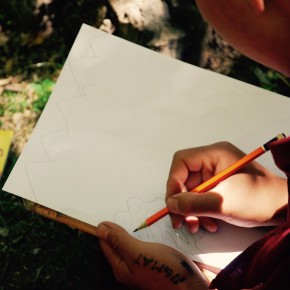
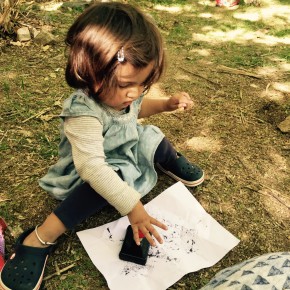
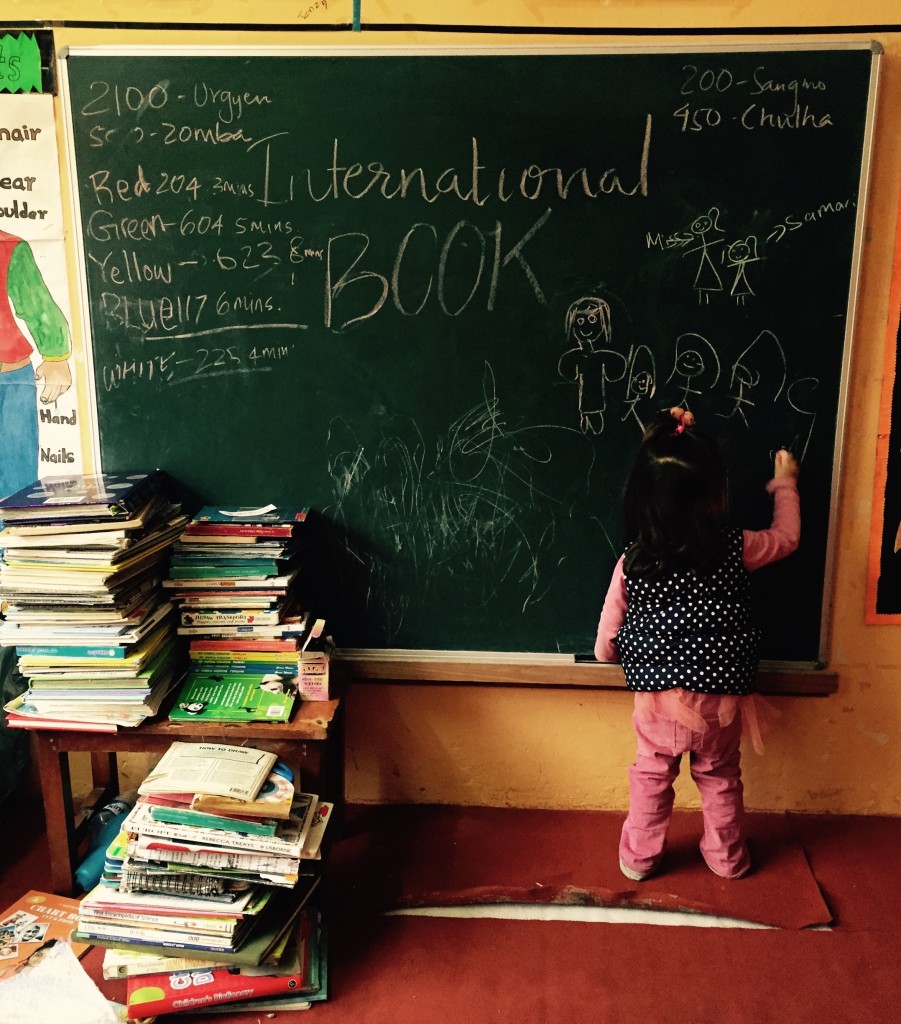
Drawing gives children another language. A picture can show the colour of a prayer flag, the shape of a mountain trail or the warmth of a family meal before a child has the words to describe it. Combining images with text supports children who learn best through visual, tactile or imaginative activities.
Illustration also teaches observation. Children notice patterns in clothing, animals, buildings and natural landscapes. They experiment with line, colour, proportion and sequence. A simple picture book may introduce ideas from art, geography and science without feeling like a formal lesson.
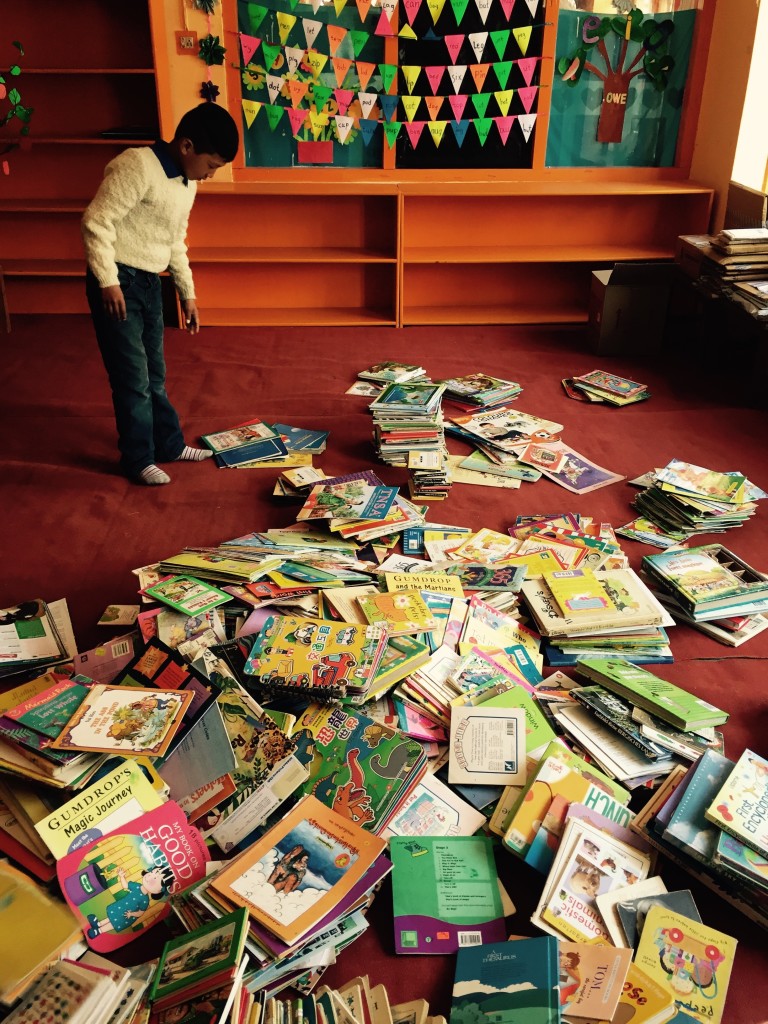
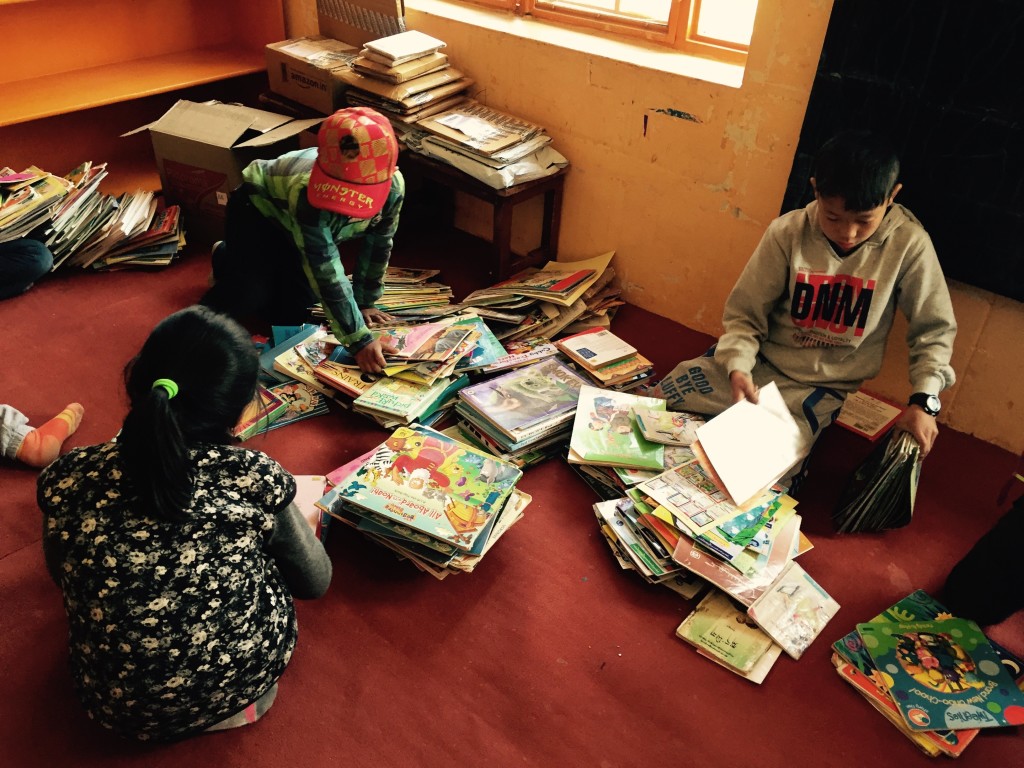
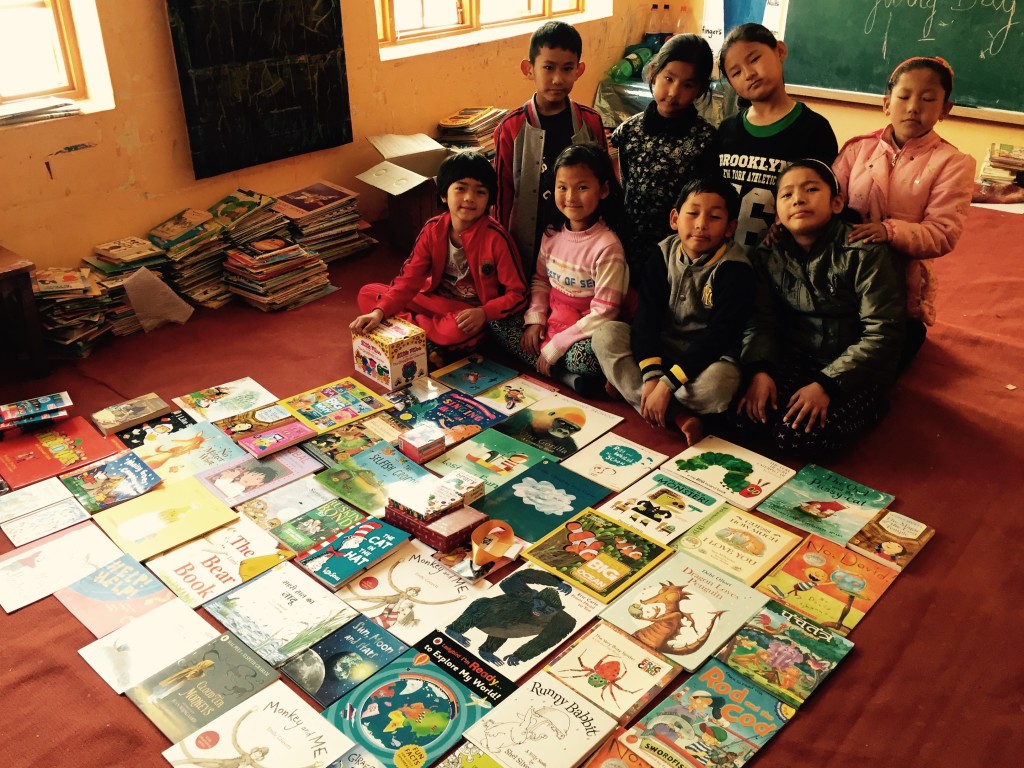
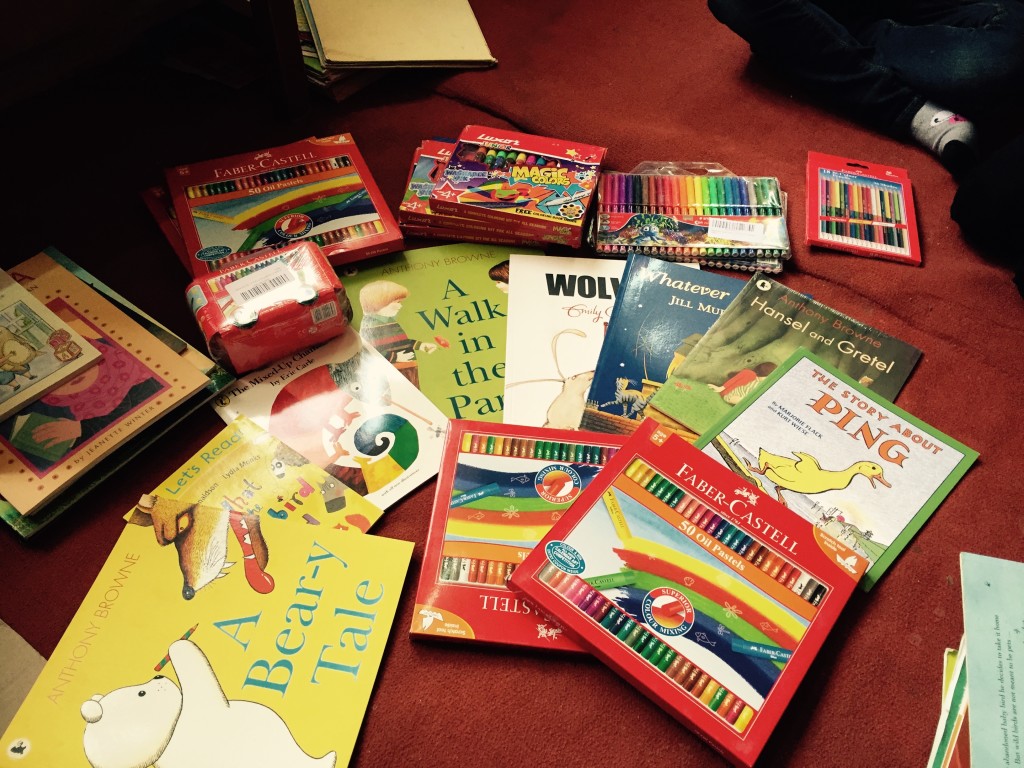
The process does not require expensive materials. Pencils, crayons, donated paper, recycled cardboard and water-based paints can support meaningful work. In an Australian reading room, children might use materials collected through a school book drive; in a Himalayan village, the same activity may begin with a small set of shared supplies.
Storybooks Build A Learning Community
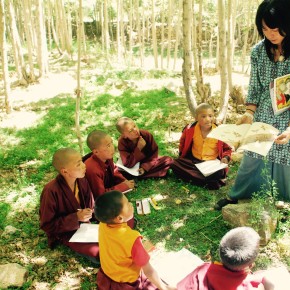
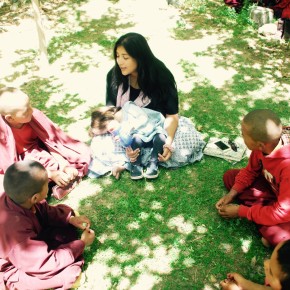
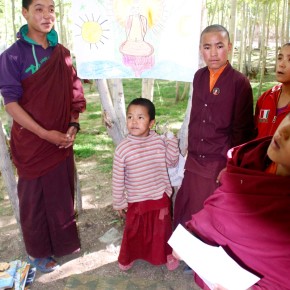
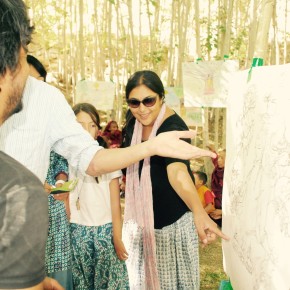
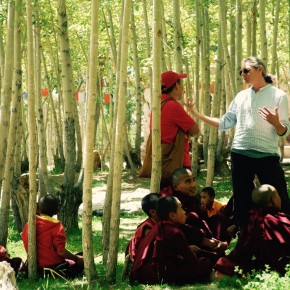
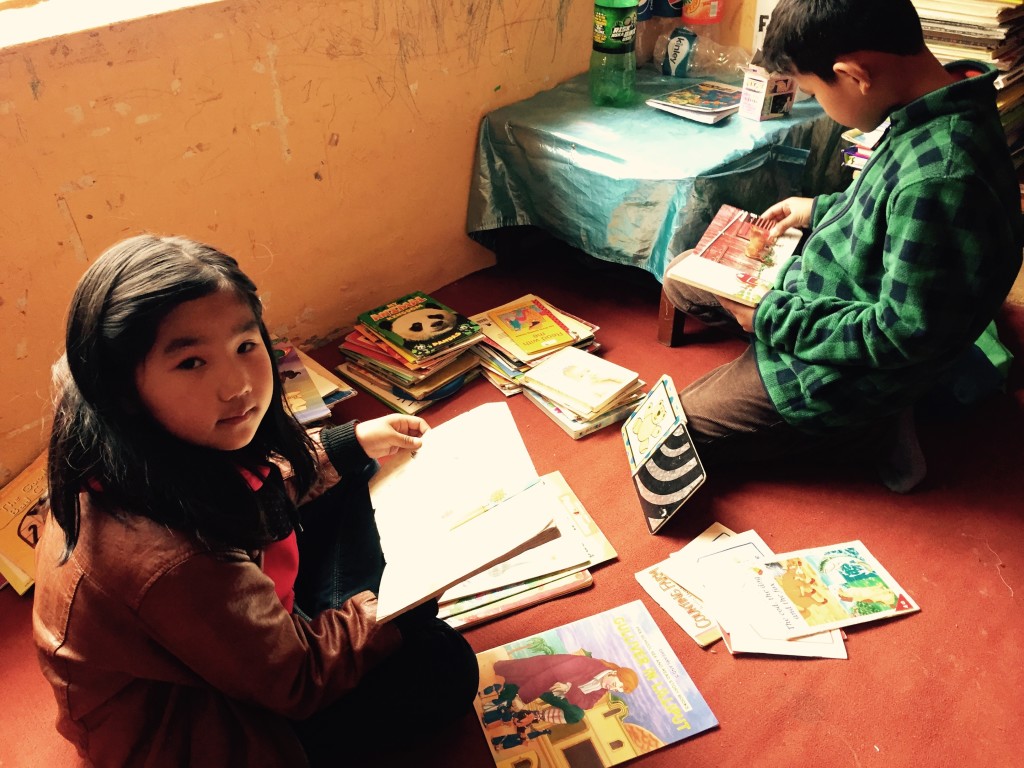
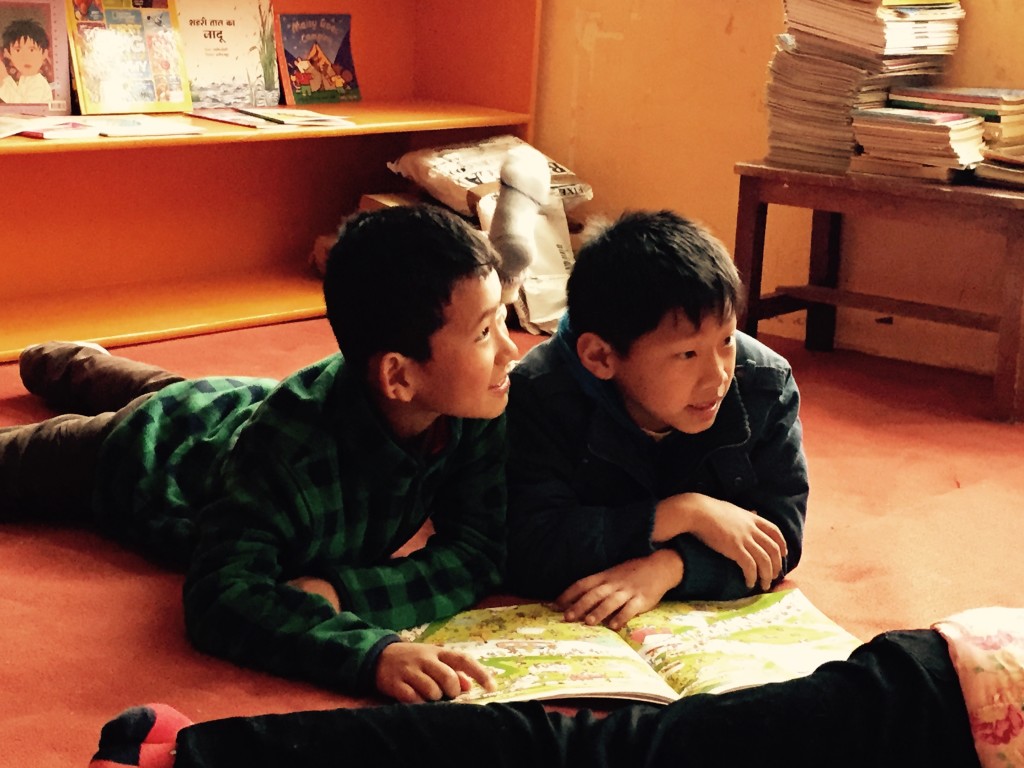
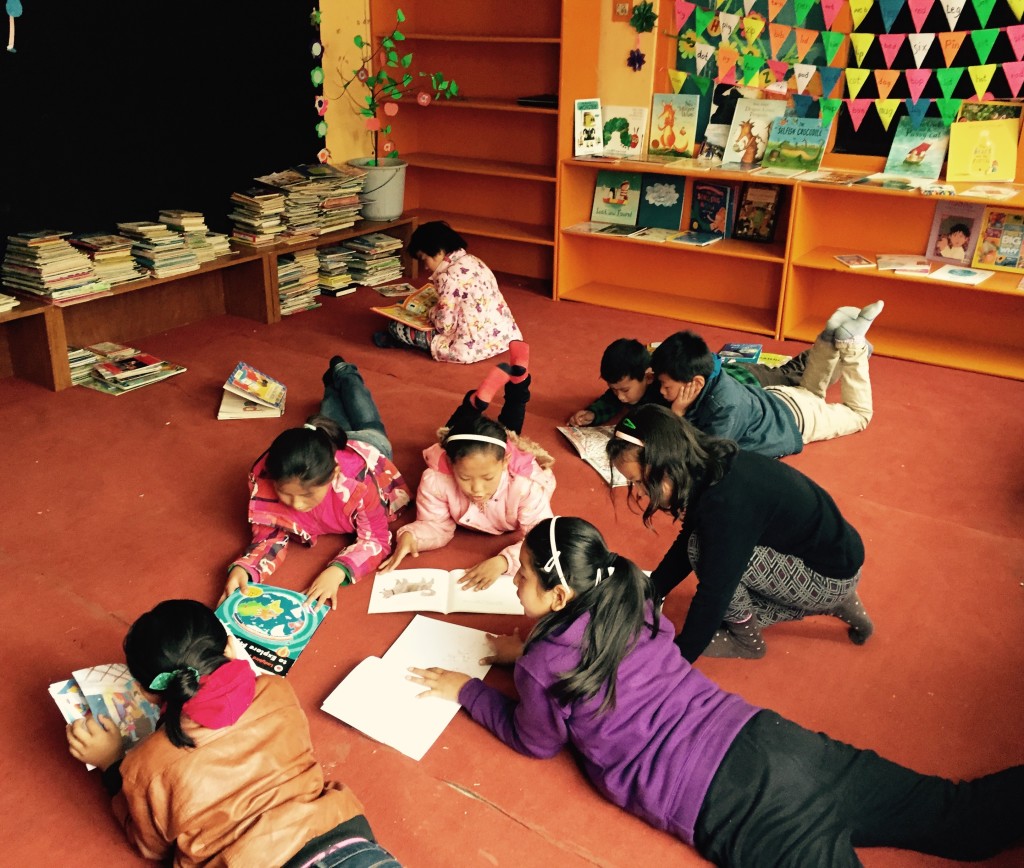
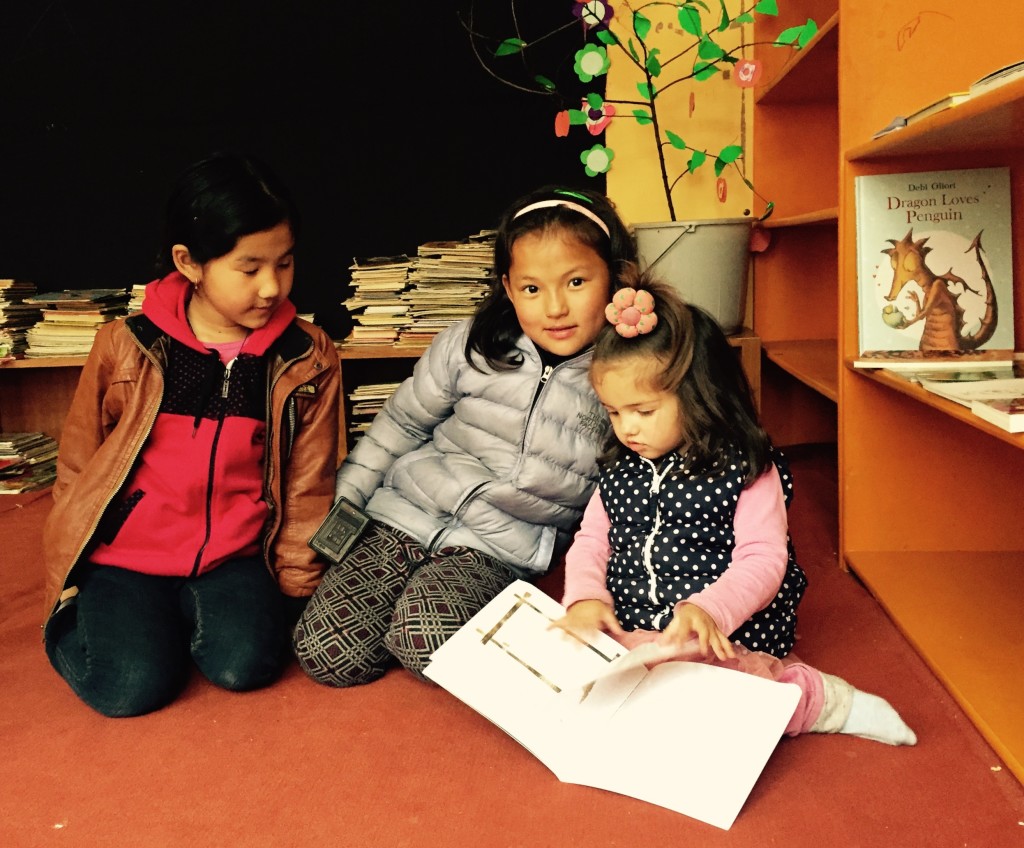
A homemade book becomes especially powerful when children read it aloud to others. The writer practises speaking, the audience practises listening, and everyone learns that a peer’s ideas deserve attention. Young monks can share stories with younger children, while older students can help edit, bind or display new books.
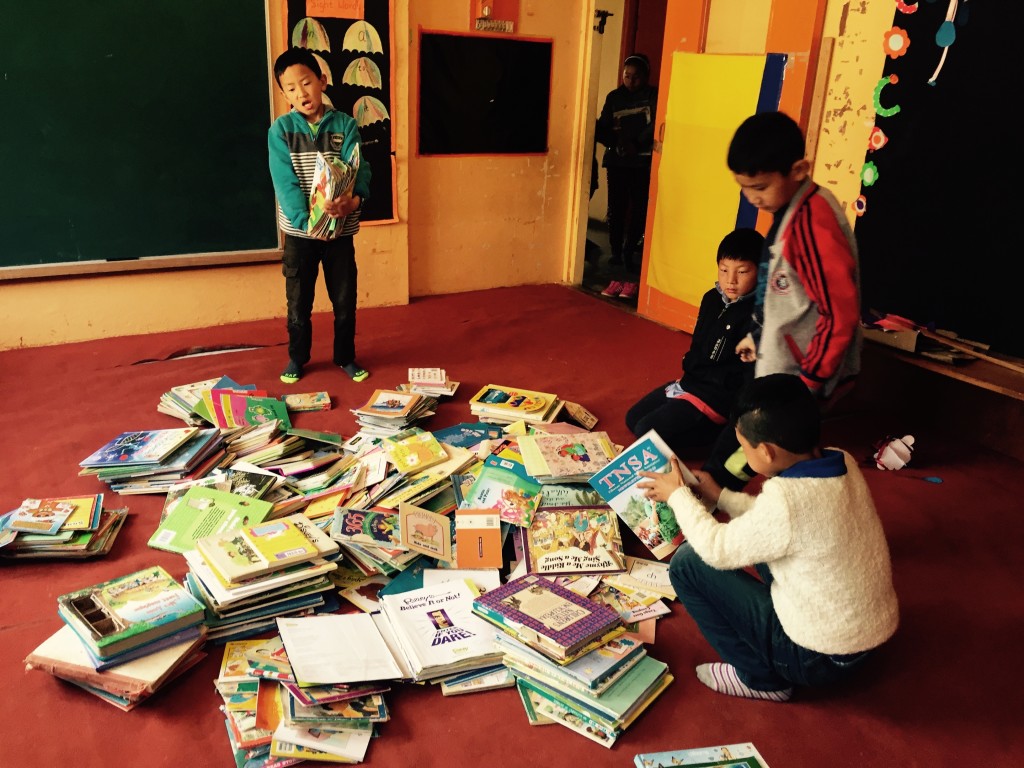
Collaborative publishing creates useful roles for different abilities. One child may develop the plot, another may draw the characters, and a third may assemble the pages. This makes literacy inclusive and gives children experience with cooperation, feedback and shared responsibility.
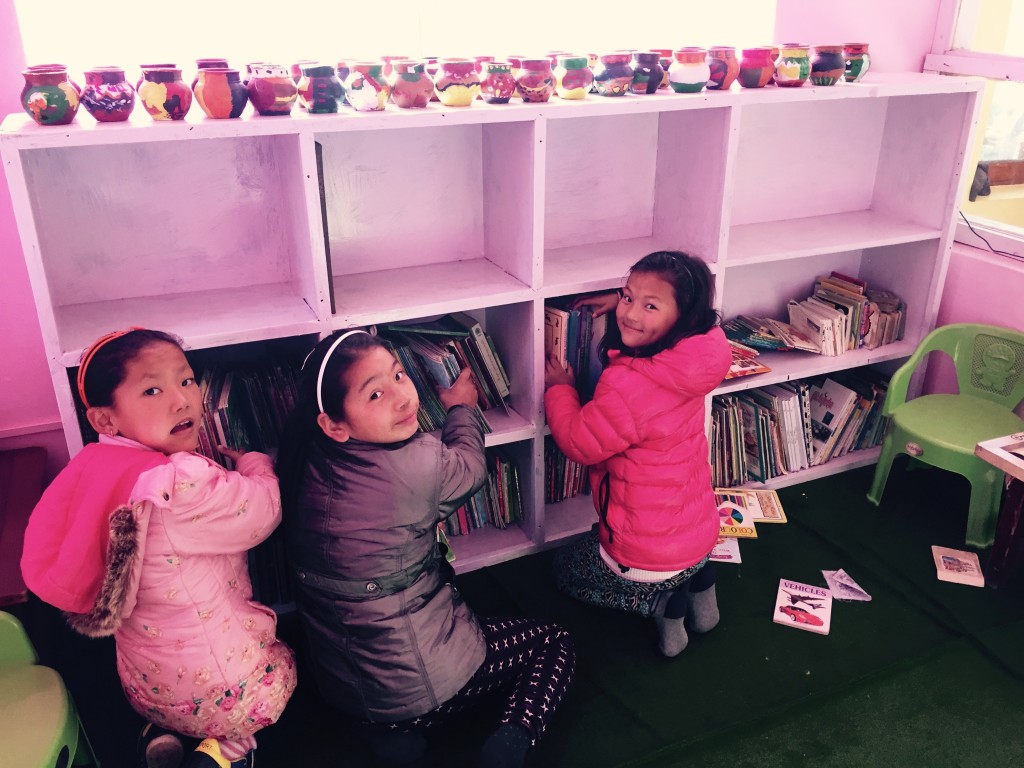
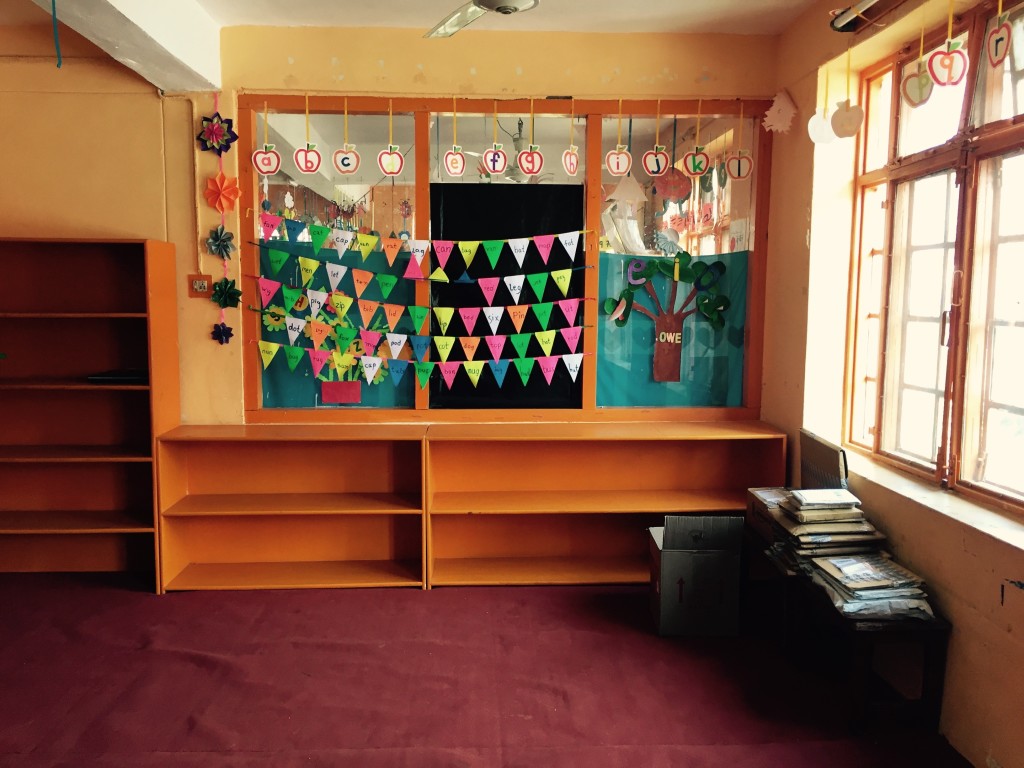
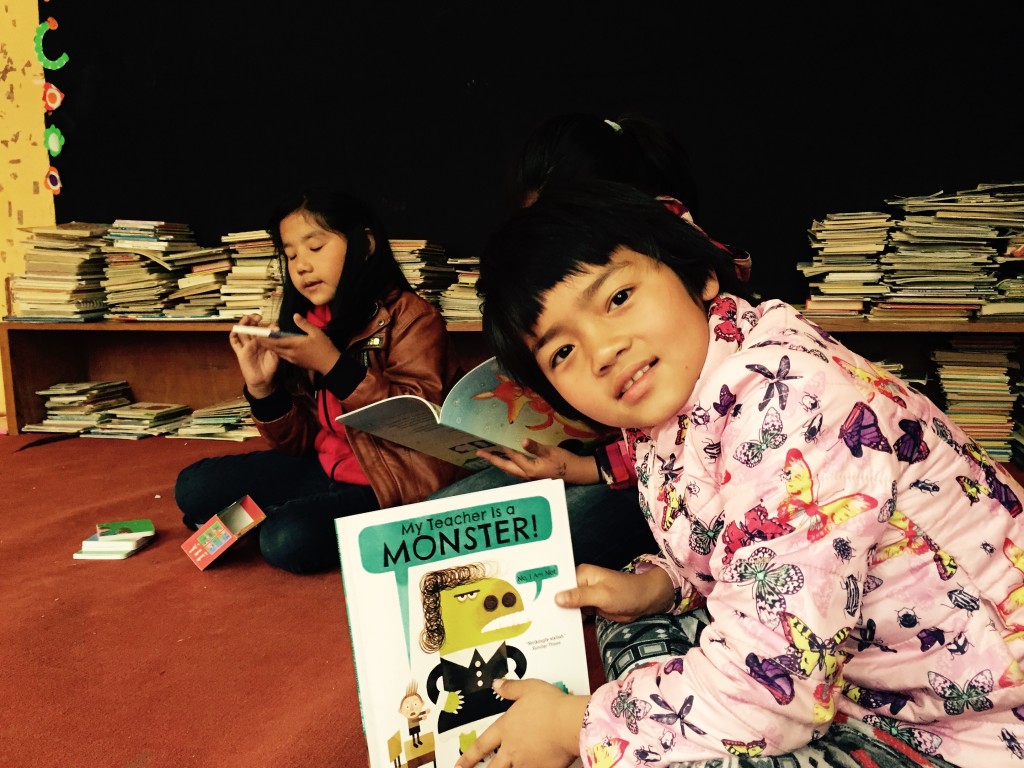
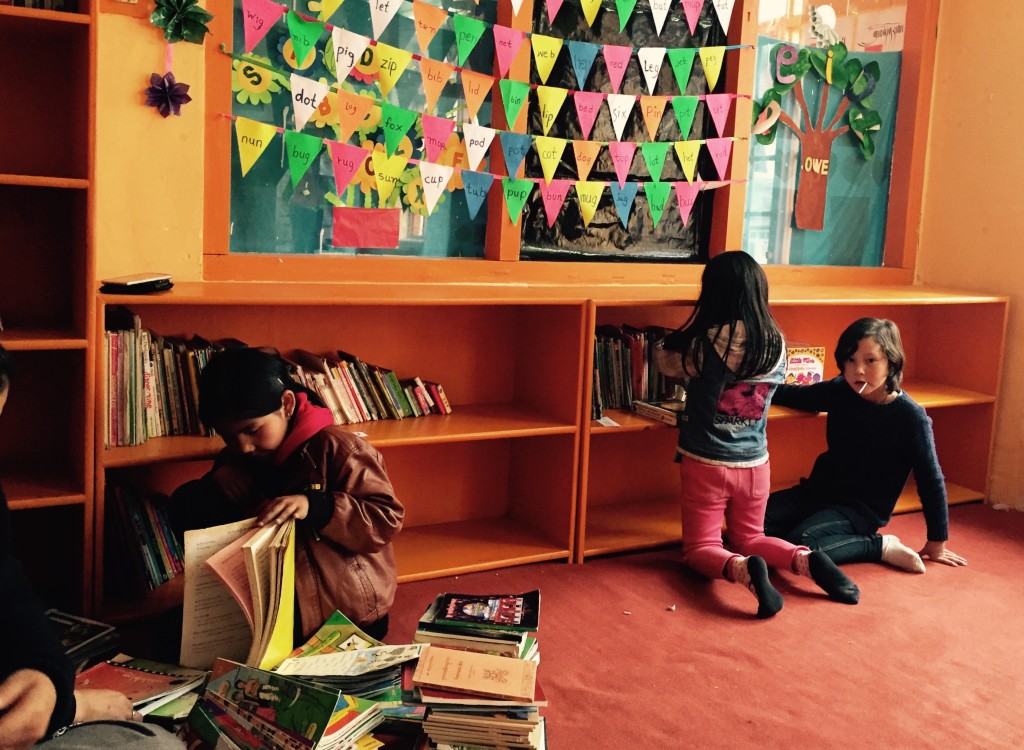
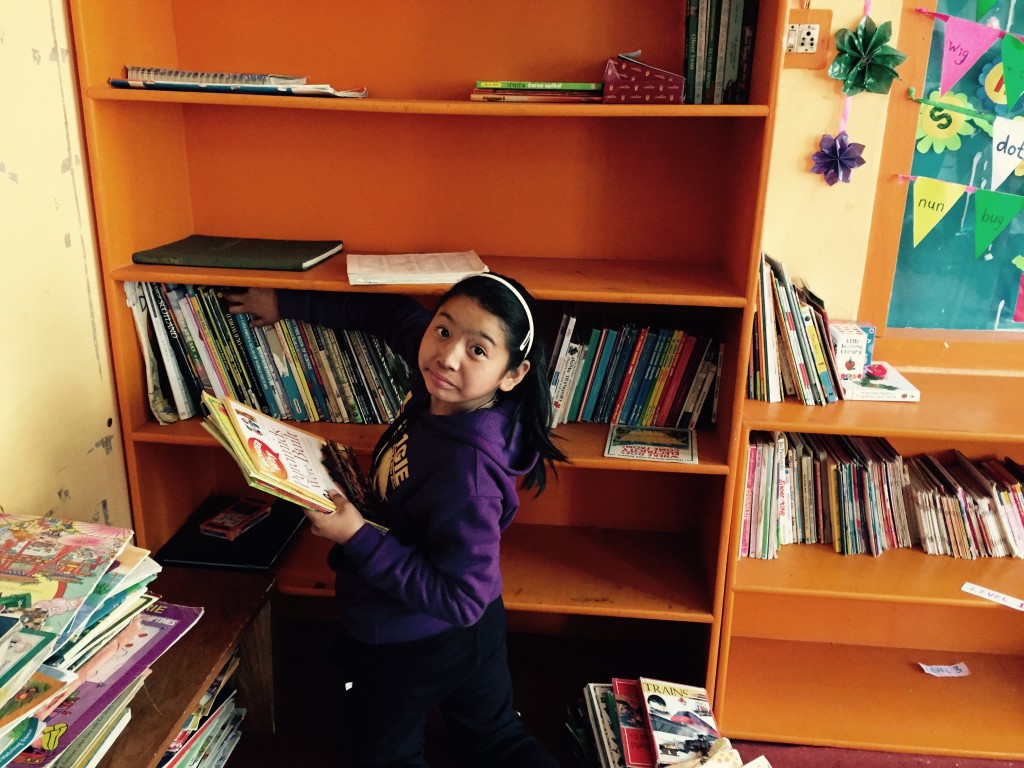
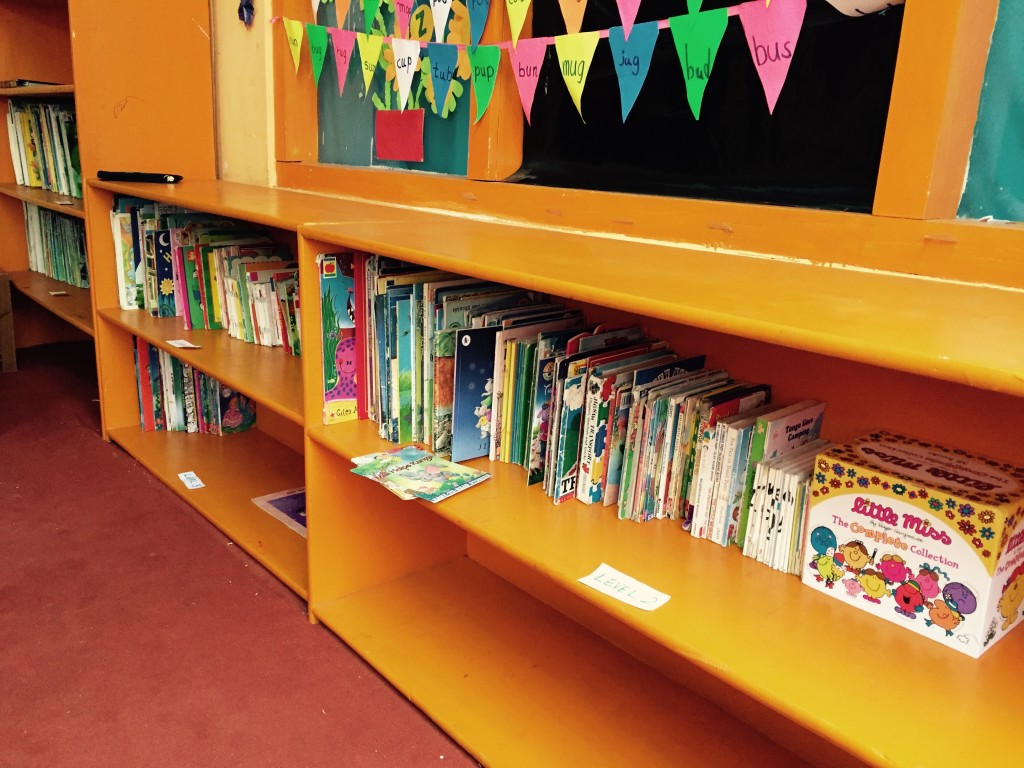
A reading room can preserve these books in a small community collection. Over time, the shelves become a record of children’s imagination and local culture. Families and visitors can see how ideas develop across seasons, and children can return to earlier work with pride and fresh understanding.
Benefits That Continue Beyond The Page
Writing and illustrating support a broad group of skills that matter at school and in everyday life. Children plan events, make decisions, revise their work and communicate with an audience. These habits can strengthen classroom learning in subjects ranging from language and history to visual arts.
The creative process also helps children develop:
- Confidence in expressing personal ideas
- Vocabulary, sequencing and early editing skills
- Fine motor control through drawing and page-making
- Patience when revising a story or artwork
- Empathy through imagining another character’s experience
- Pride in contributing to a shared library
For Australian supporters, this approach connects with familiar childhood habits. A child in Melbourne or Brisbane might create a book after a Saturday library visit, between school, homework and weekend sport. Children in Ladakh may draw from a different daily landscape, yet the need to be heard, encouraged and taken seriously is widely shared.
Making Space For Safe And Inclusive Creativity
Good story-making activities leave room for different languages, abilities and cultural perspectives. Children should be able to write about ordinary life as well as fantasy. A facilitator can offer prompts, picture cards and examples, while allowing children to reject the prompt and follow their own idea.
Adults also need to protect children’s dignity and safety. Permission should be obtained before sharing a child’s name, photograph, drawing or story online. In Australia, organisations working with children must follow relevant state or territory requirements, and volunteers may need a Working With Children Check. Clear safeguarding practices matter when supporters, visitors and children work together.
Copyright is another practical consideration. Under Australia’s Copyright Act 1968, a child’s original writing and artwork is generally protected as their creative work. If a story is scanned, printed, displayed or published, the organisation should keep a clear record of permission and credit the young creator appropriately.
From A Handmade Book To A Wider Audience
Children’s storybooks do not need to compete with commercial publishing. Their value comes from authenticity, participation and local meaning. Still, careful presentation can help a collection reach families, schools and supporters. A simple cover, page numbers and a short note about the child’s inspiration can turn an activity into a lasting resource.
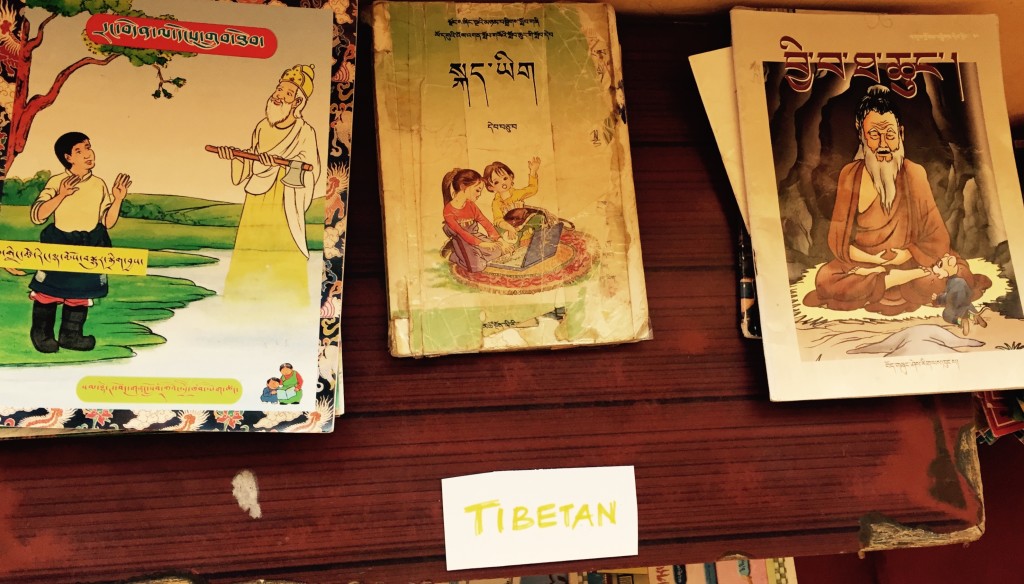
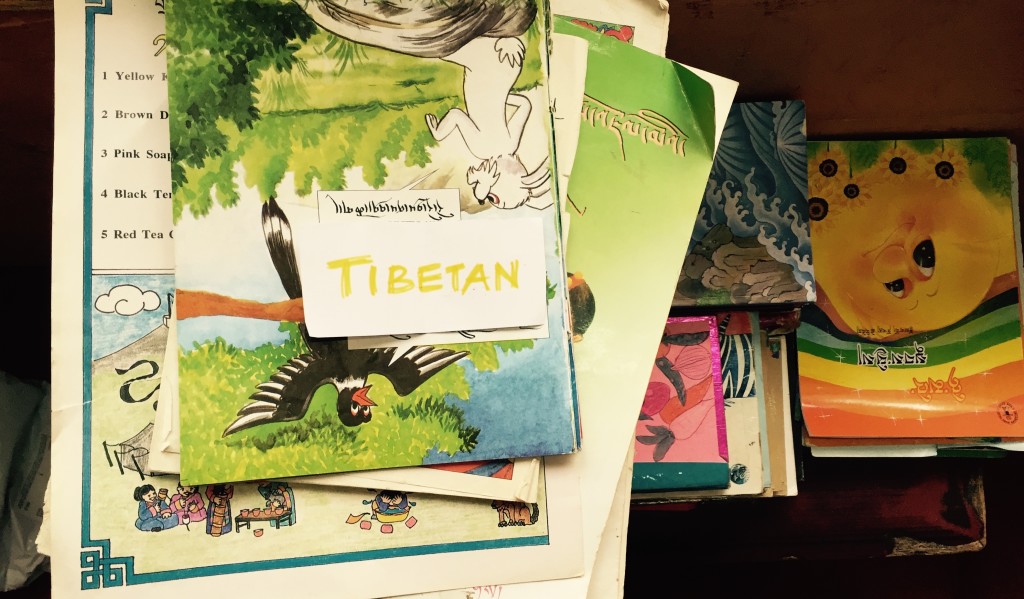
Australian book culture offers useful reference points. Public libraries, independent bookshops and school libraries often host author talks, reading circles and holiday workshops. Community groups can adapt these familiar practices for Himalayan settings, using local stories and multilingual books rather than relying only on imported material.
| Creative stage |
What children practise |
Support that helps |
| Choosing an idea |
Observation and decision-making |
Picture prompts, local objects and shared discussion |
| Planning the story |
Sequencing and cause-and-effect |
Story maps with a beginning, middle and ending |
| Writing the text |
Vocabulary and communication |
Scribing, word banks and peer support |
| Creating illustrations |
Visual thinking and fine motor skills |
Drawing materials, examples and time to experiment |
| Revising and binding |
Patience and problem-solving |
Friendly feedback, recycled card and simple bookmaking |
| Sharing the book |
Speaking, listening and confidence |
Reading circles, displays and family celebrations |
A finished collection can be shared in a reading room, sent to a partner school or included in a carefully managed digital gallery. It should always remain connected to the children who made it. Their names, languages and cultural references deserve accurate, respectful treatment rather than being treated as decoration.
Small Steps For A Lasting Practice
A regular storybook programme works best when it becomes part of the rhythm of a reading room. A monthly theme might focus on journeys, animals, friendship, weather or home. Children can read related books, discuss the theme, create their own pages and celebrate the finished work together.
A practical session might include:
- A short read-aloud from a well-loved book
- A conversation about characters, setting and feelings
- Time for individual or group story planning
- Drawing and writing with shared materials
- A reading circle or small exhibition
- Safe storage for completed books
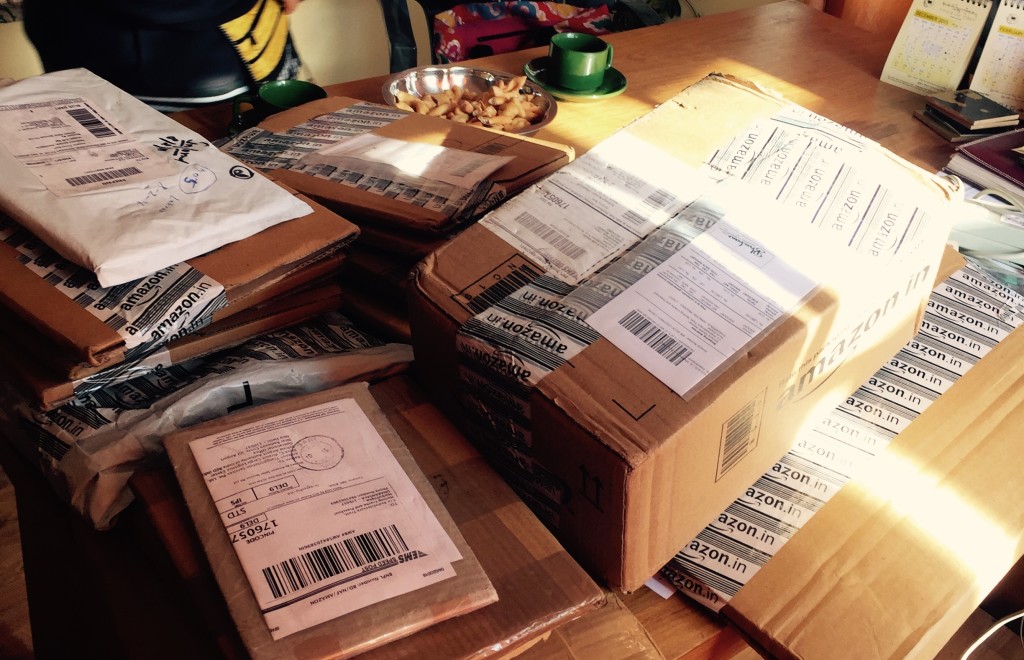
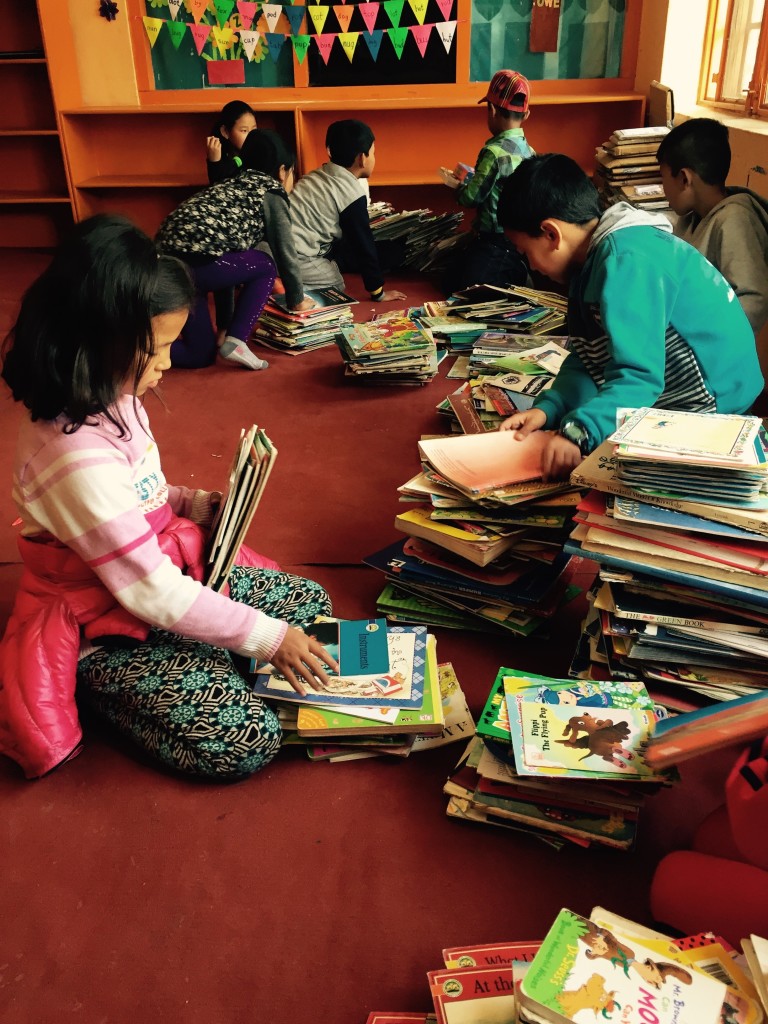
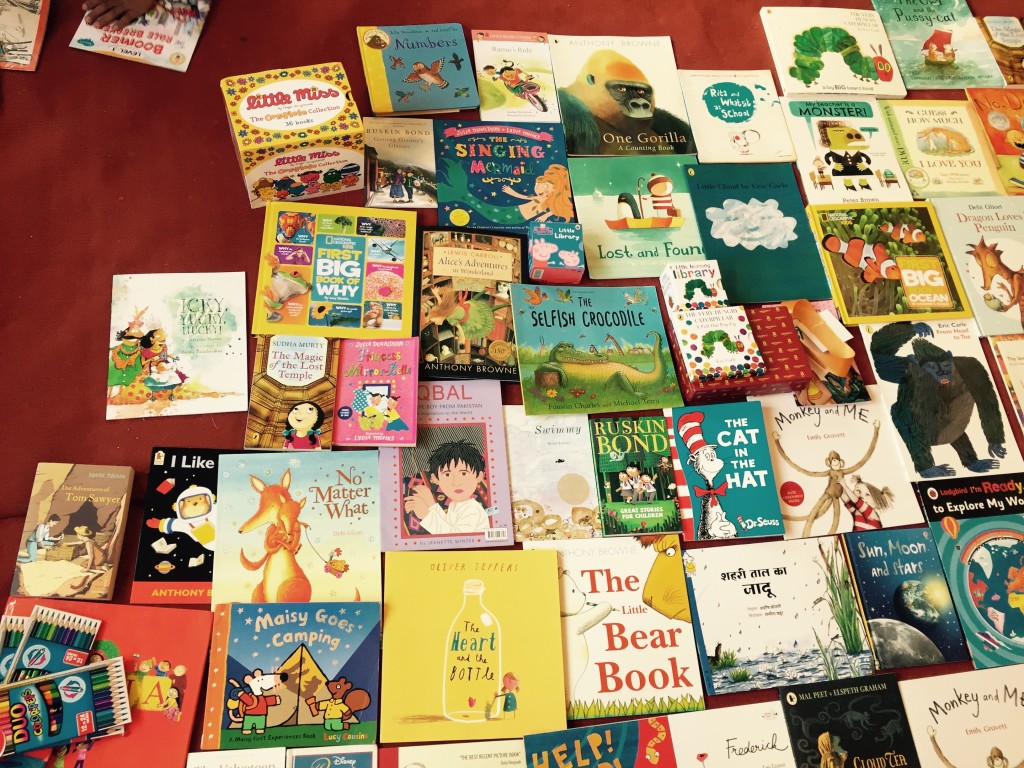
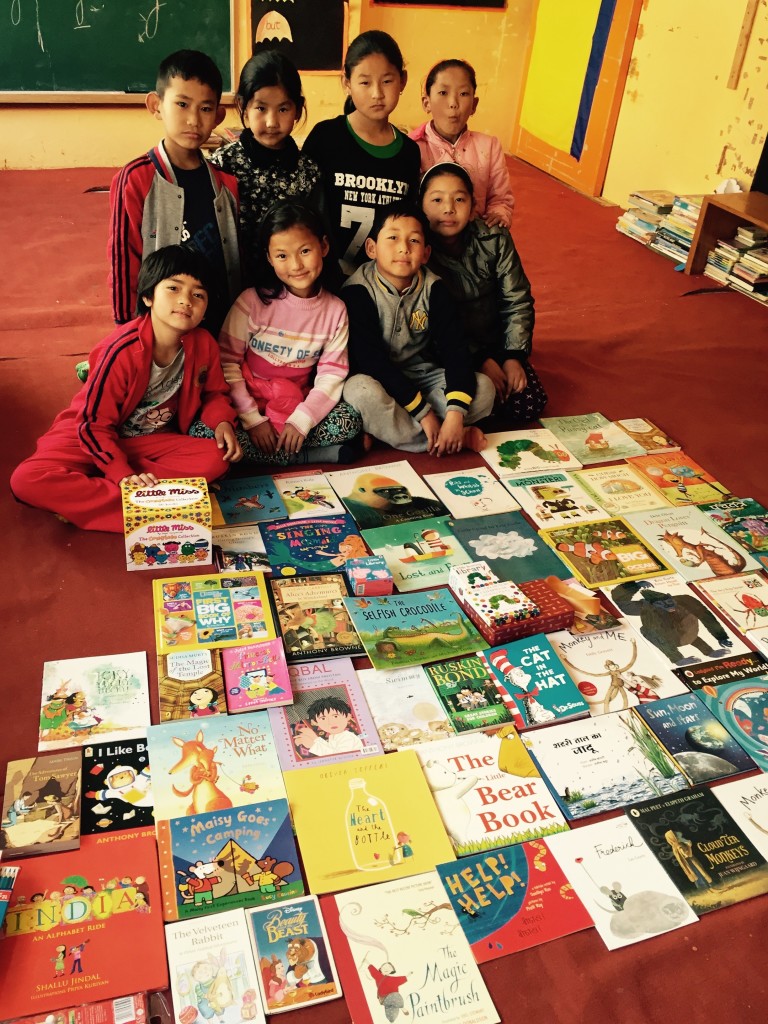
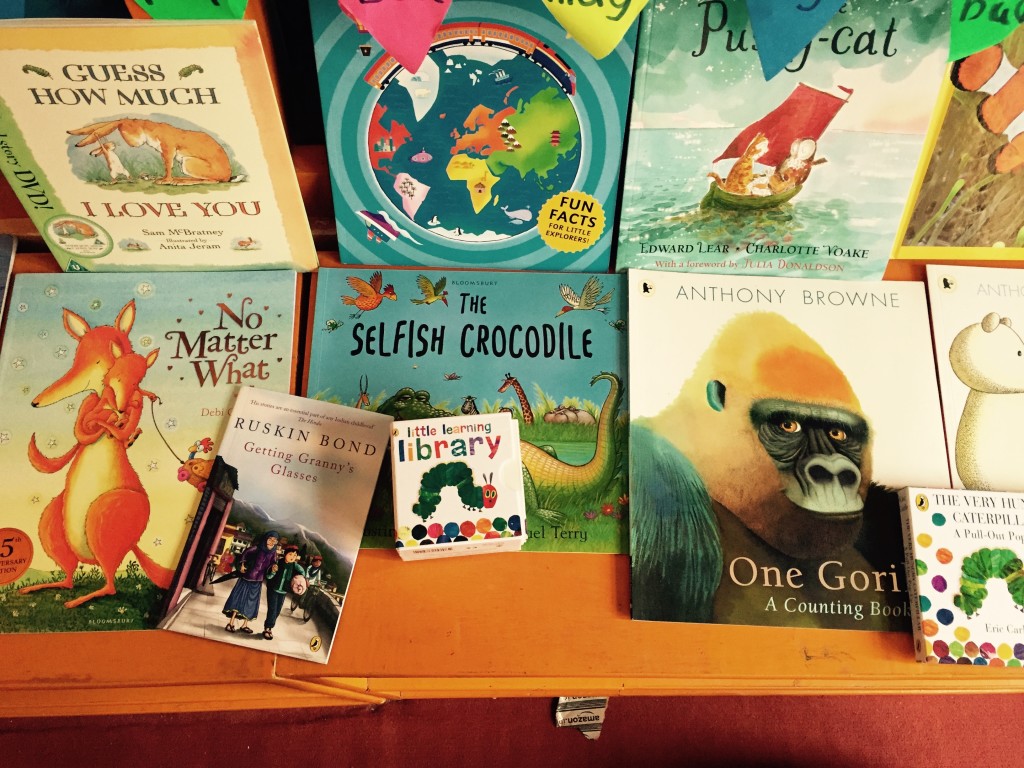
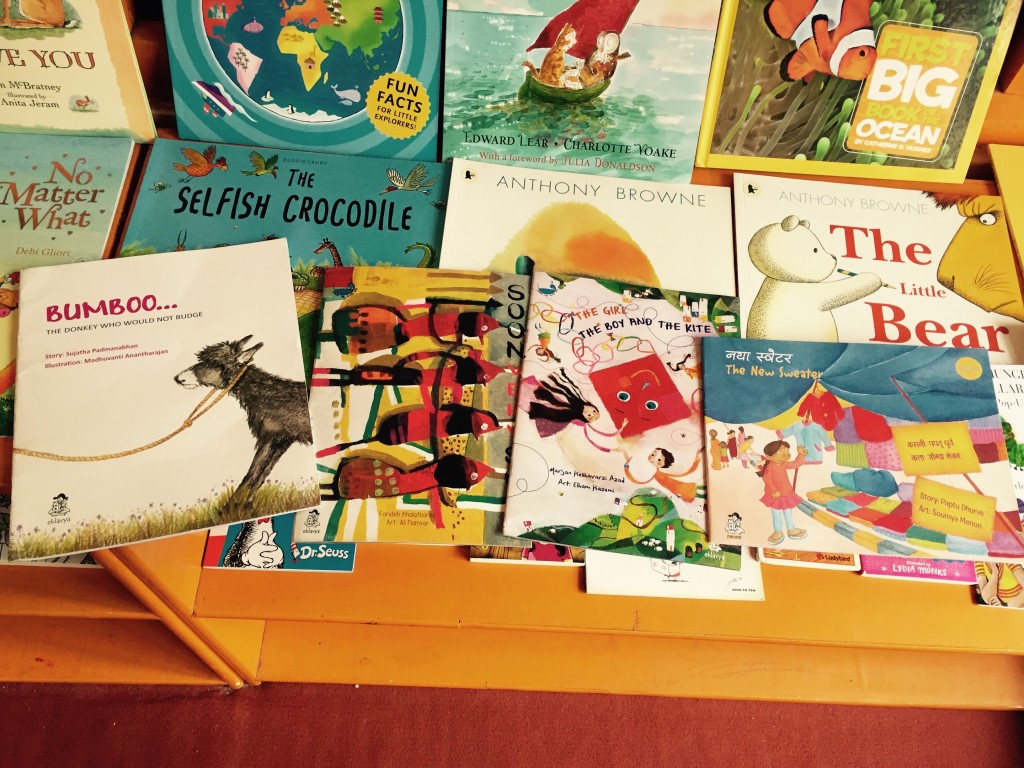
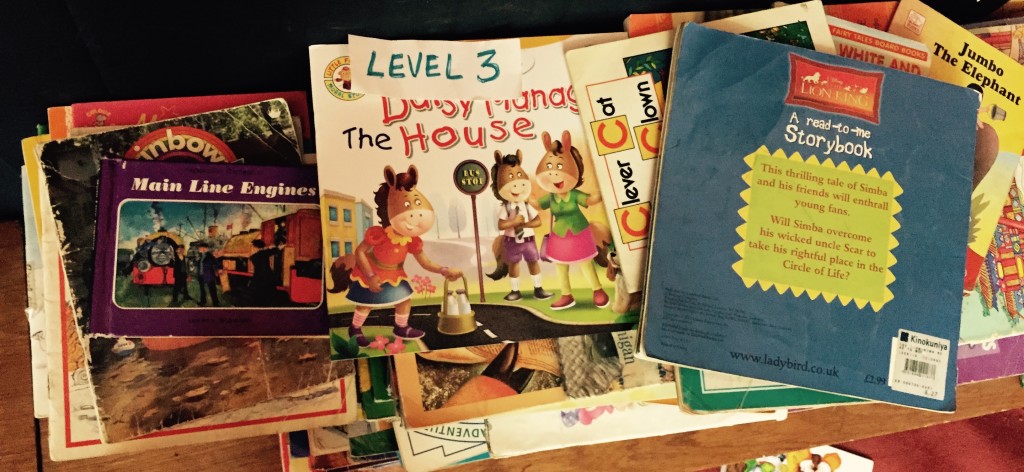
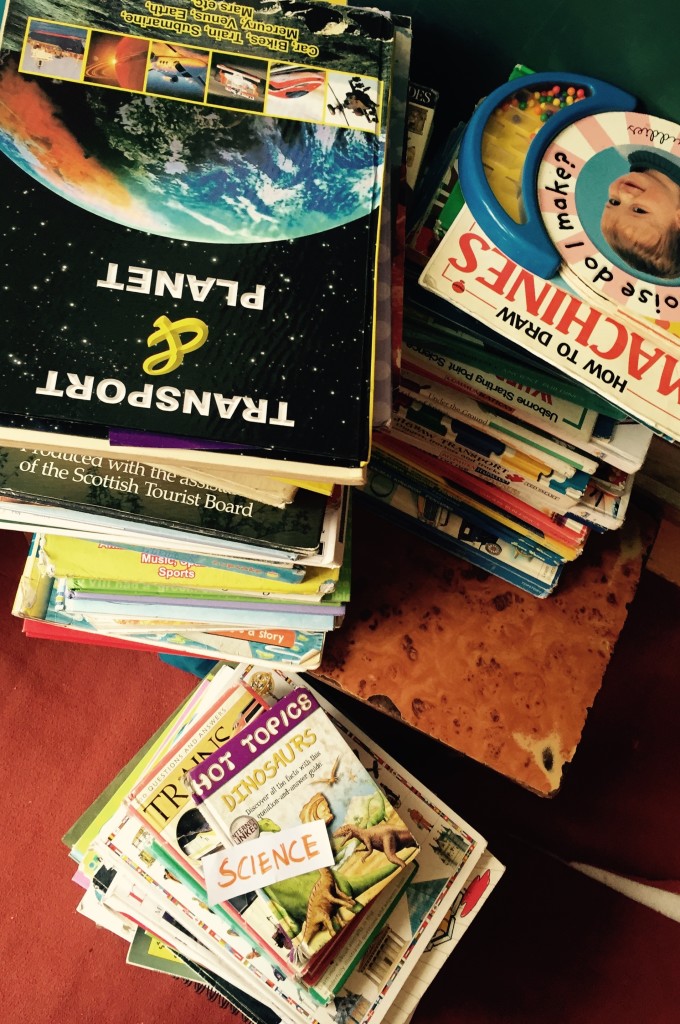
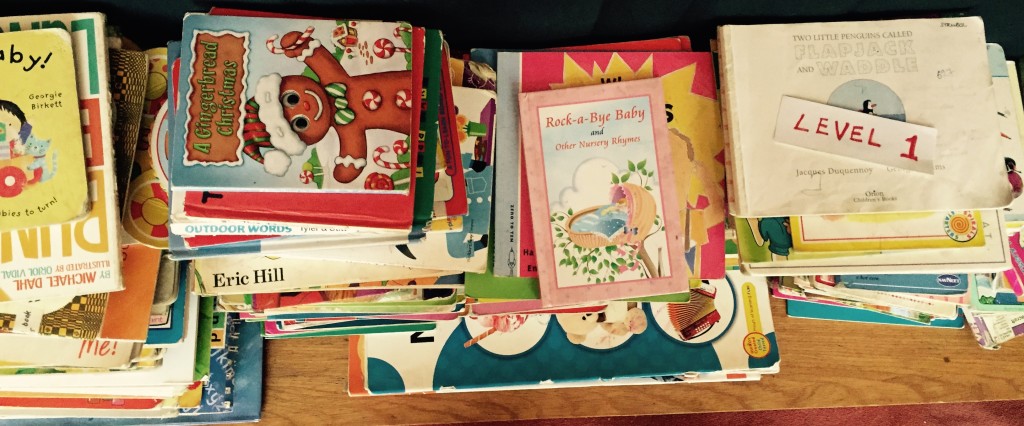
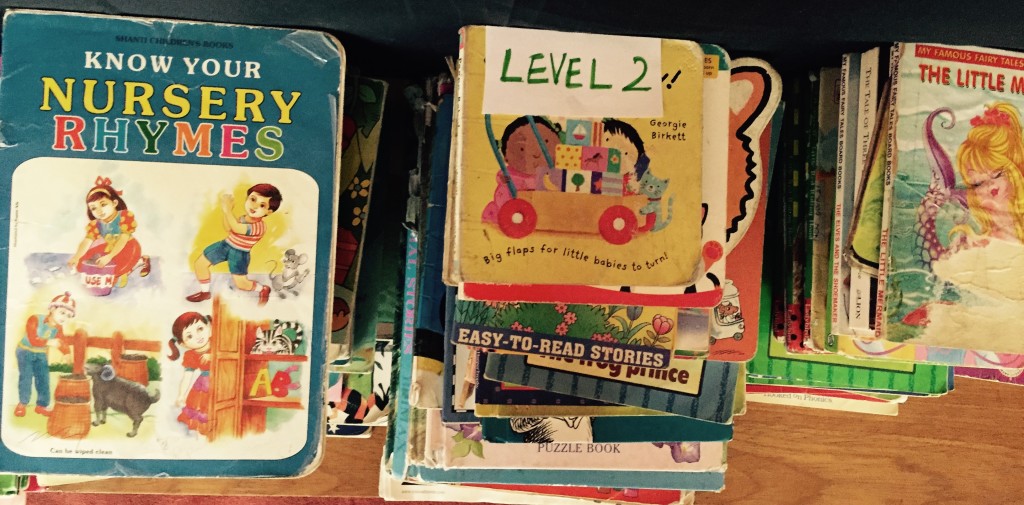
Supporters can strengthen the programme by donating age-appropriate books, art supplies, binding materials or funds for trained facilitators. Australian schools and community groups may also organise a book drive that includes new and high-quality second-hand titles, with attention to culturally diverse voices and varied reading levels.
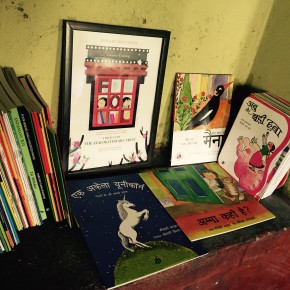
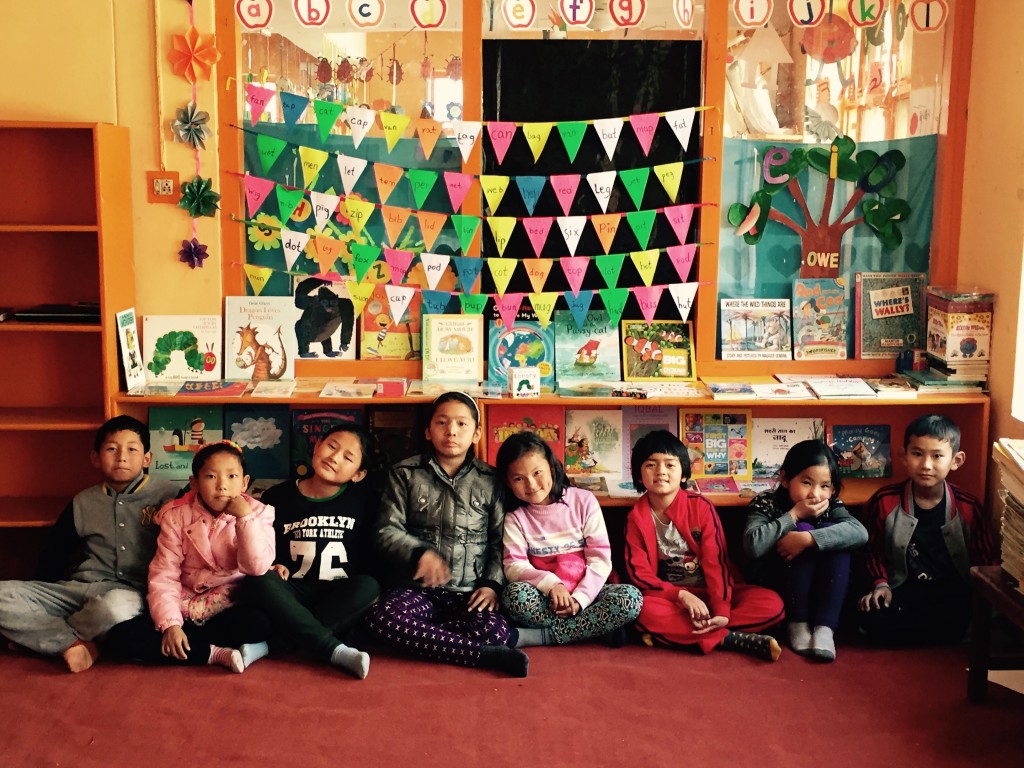
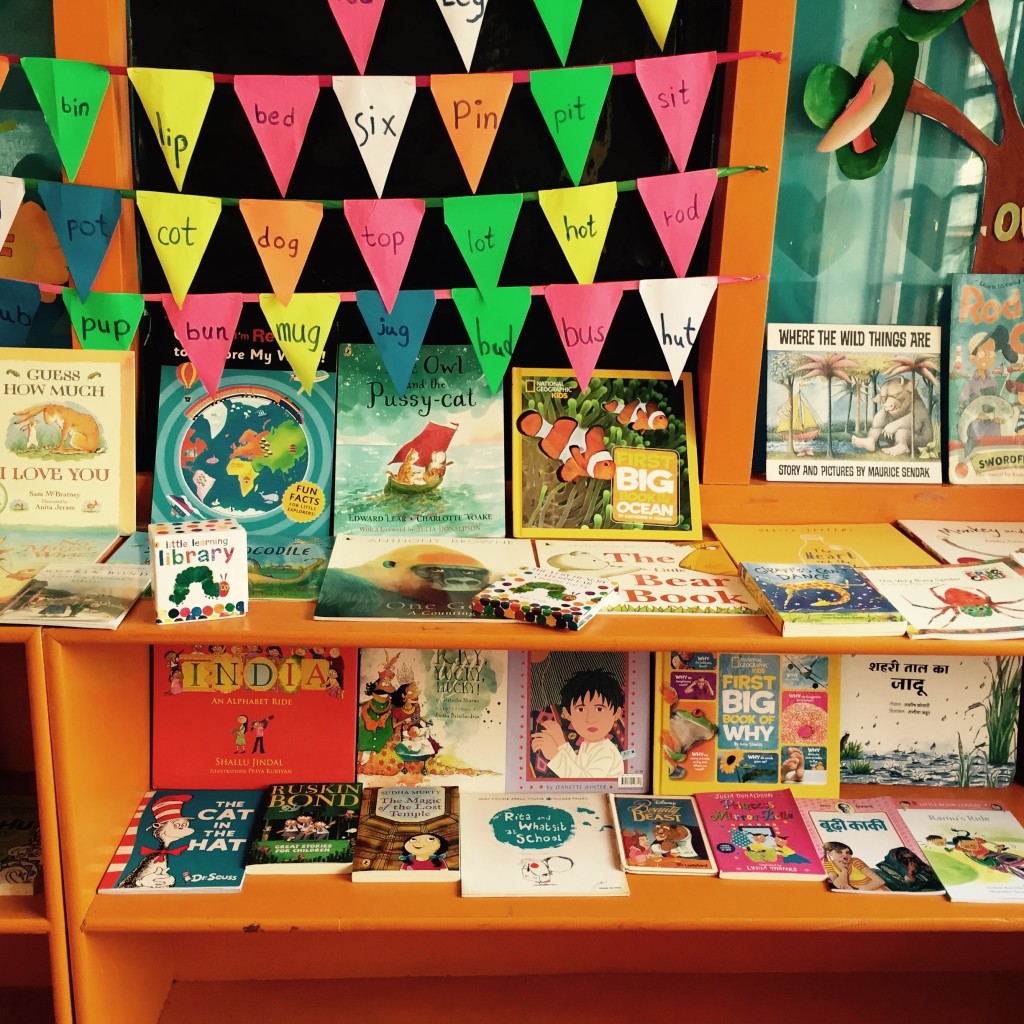
The most important resource is consistent encouragement. When children see their stories displayed beside donated books, they learn that creativity belongs in a library. The next step is to set aside one shared session, provide paper and pencils, and invite each child to make the first page of a story drawn from their own world.