Why children keep nature diaries of local wildlife
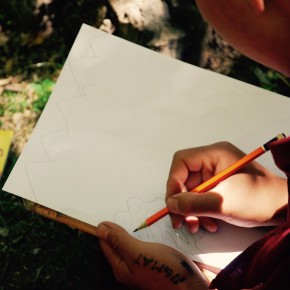
A nature diary gives a child a simple way to slow down and notice the living world. A feather on a verandah, ants crossing a footpath, a gecko under a garden pot or a magpie calling at dawn can become the beginning of a careful observation. The child does not need specialist equipment or perfect drawing skills. A notebook, pencil and a few quiet minutes are enough.
For children in the Himalayan region, this practice can connect reading and writing with the landscapes around them. In Ladakh, a young observer might record a Himalayan marmot, a soaring lammergeier, a river bird or the changing plants beside a village path. In Australia, children may watch rainbow lorikeets in Brisbane, brush turkeys in Sydney, cockatoos in Canberra or tiny skinks warming themselves in Perth gardens. Each entry turns local wildlife into a subject worthy of attention.
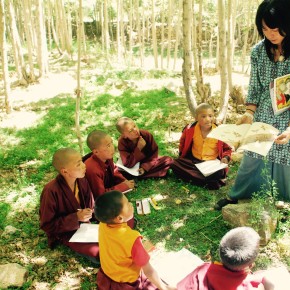
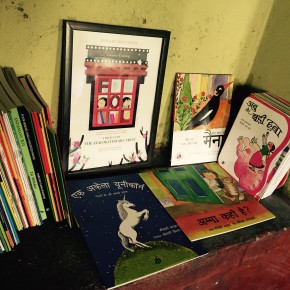
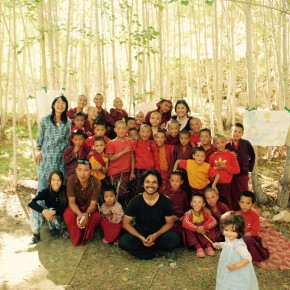
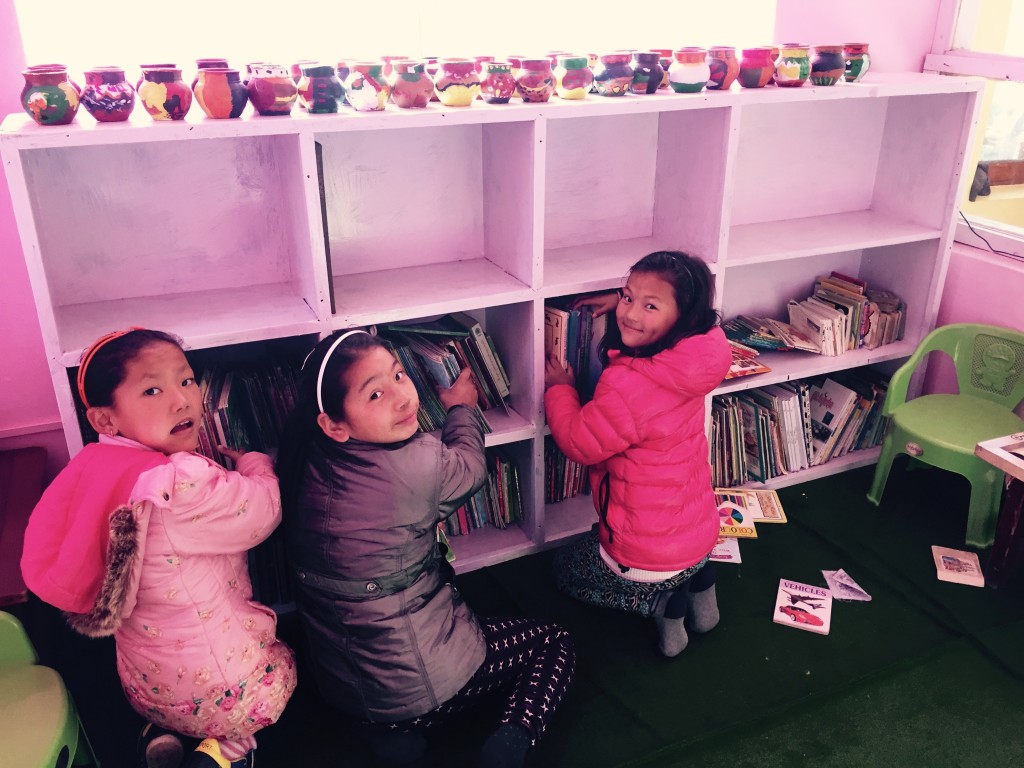
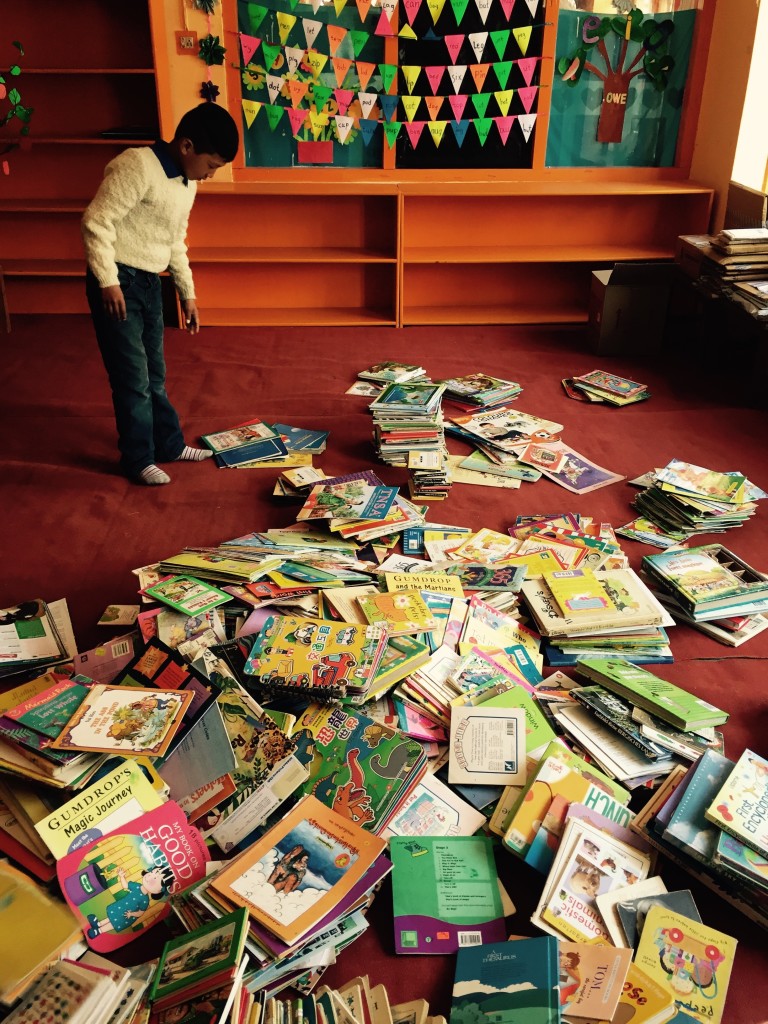
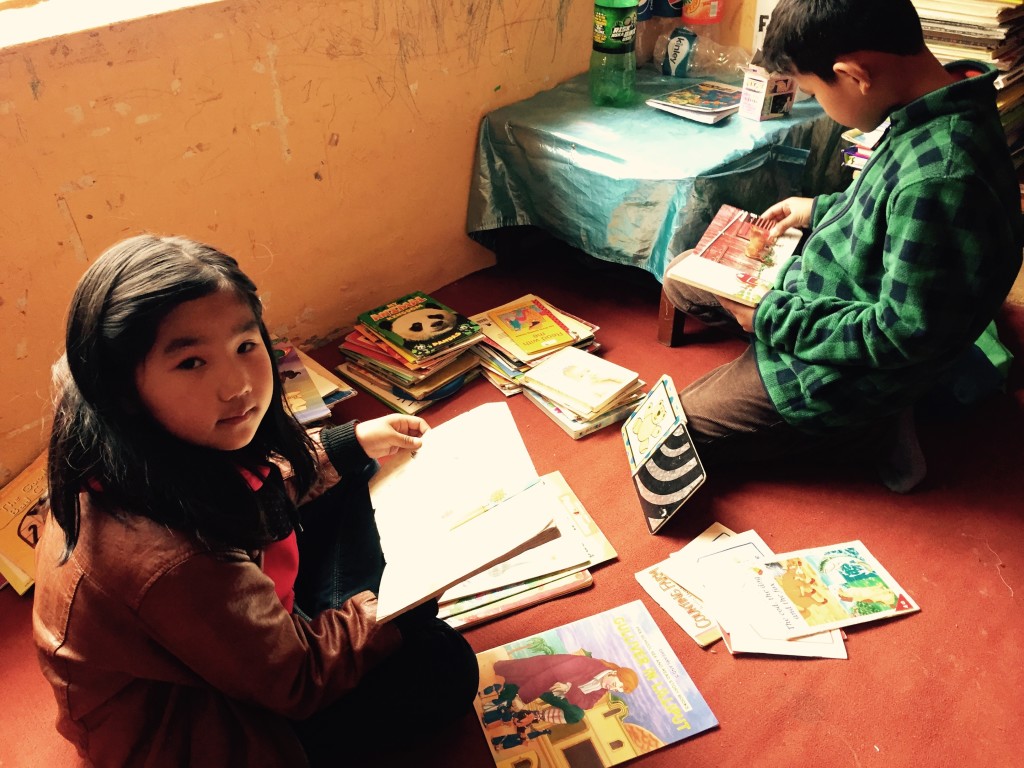
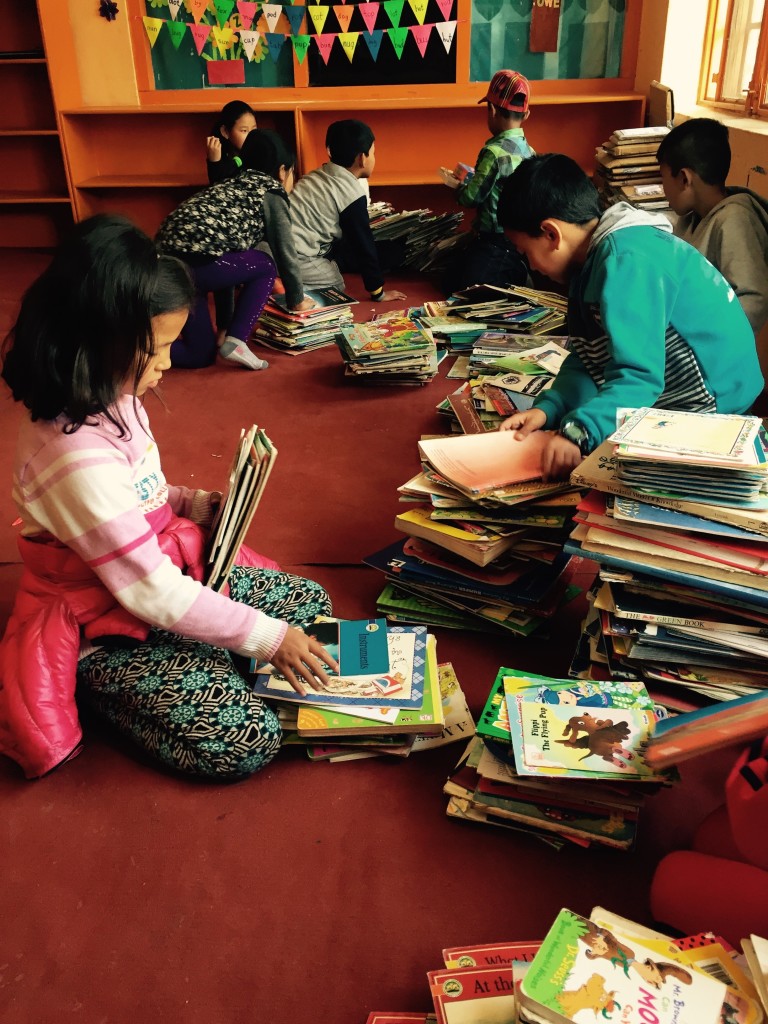
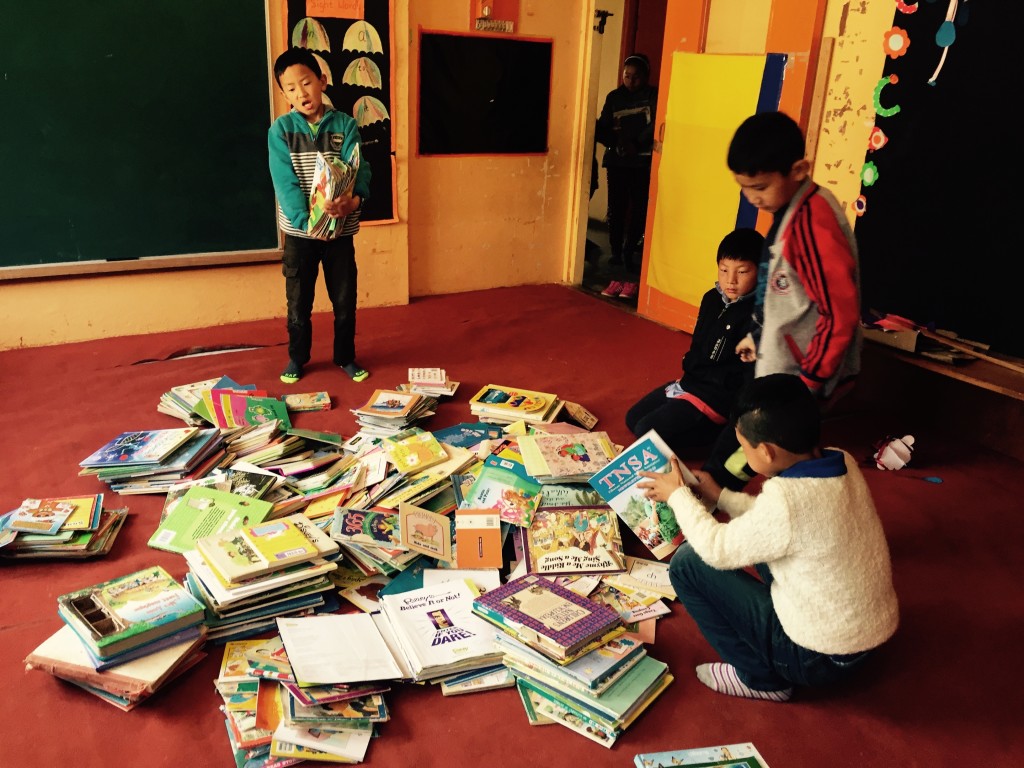
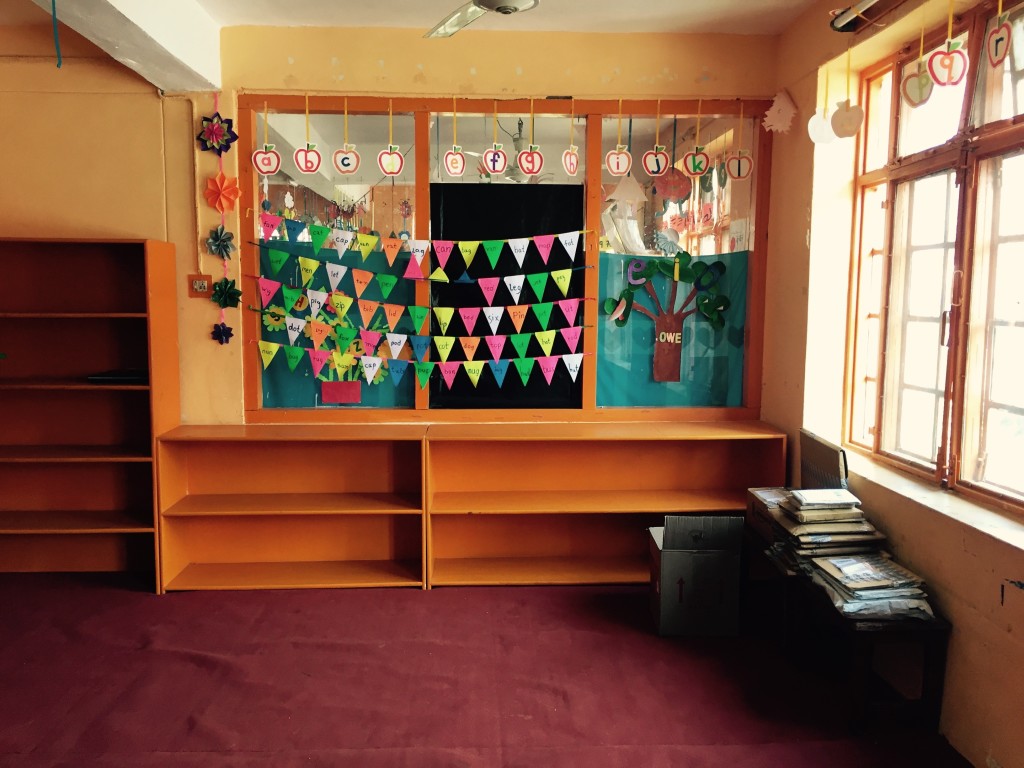
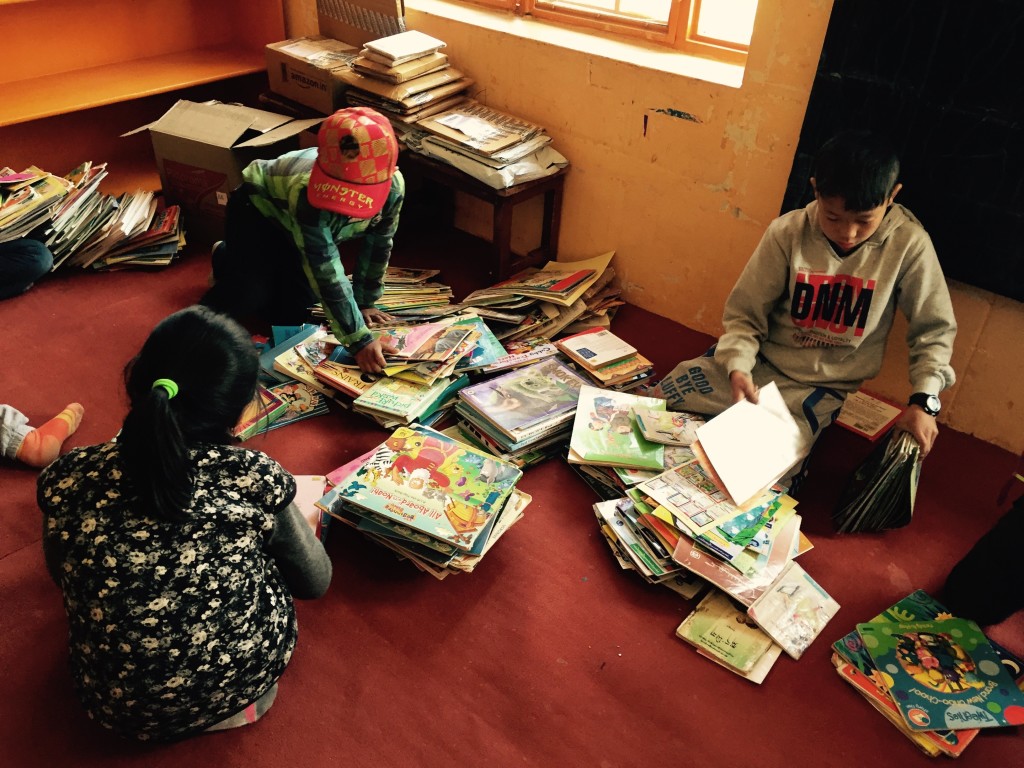
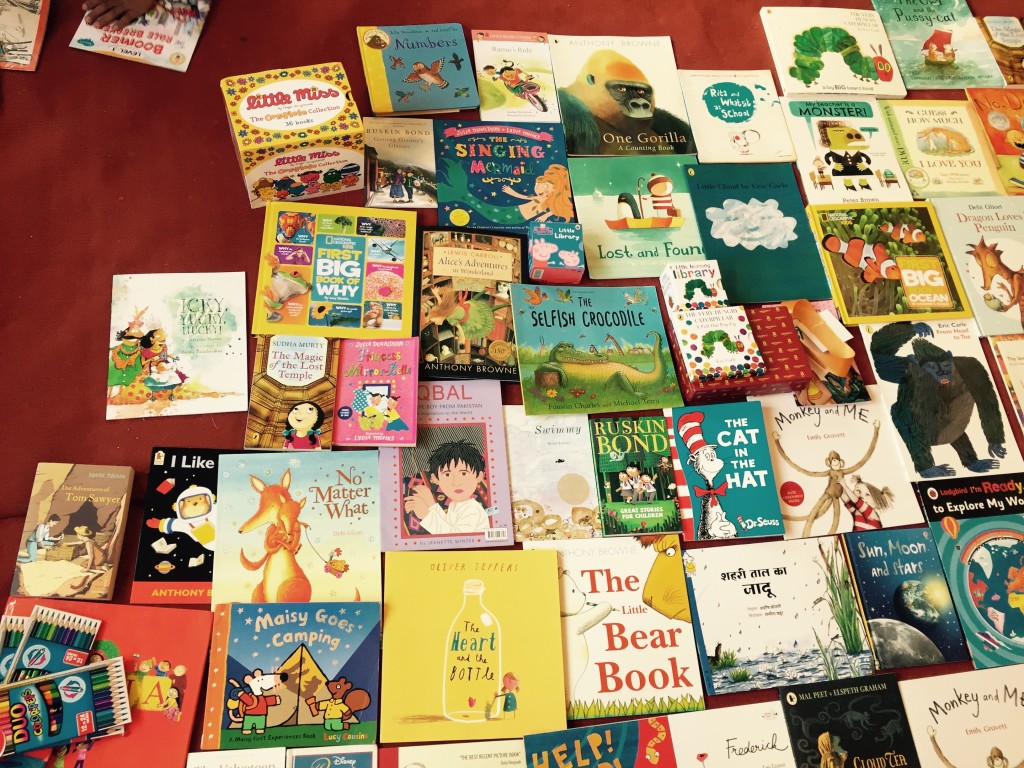
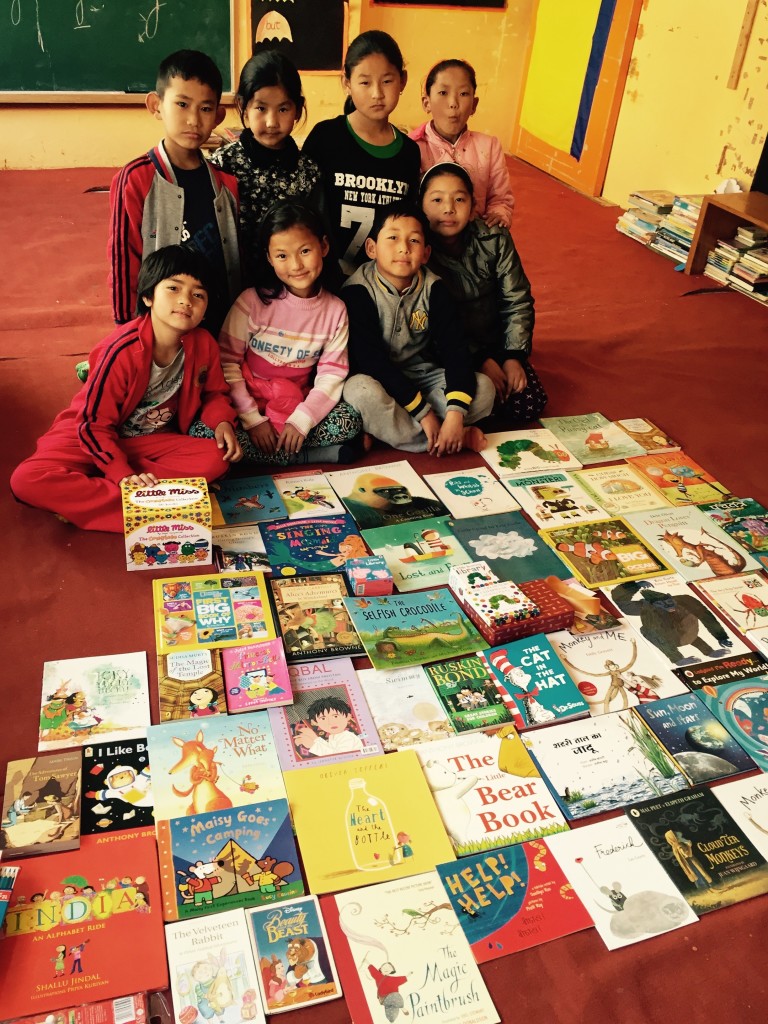
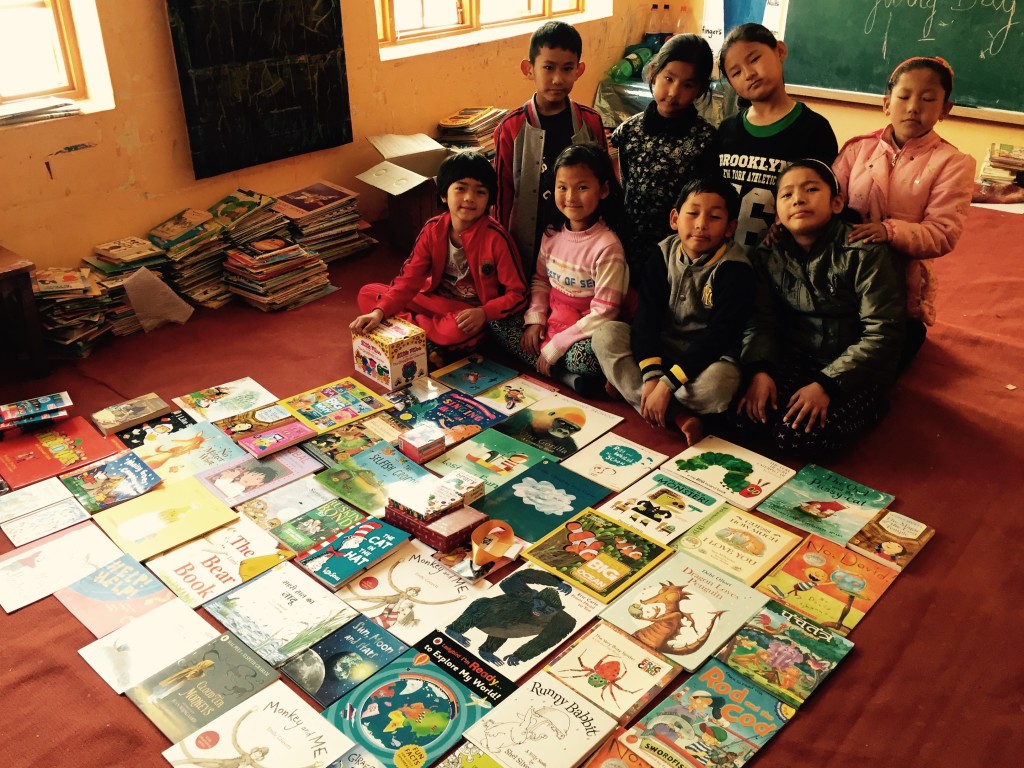
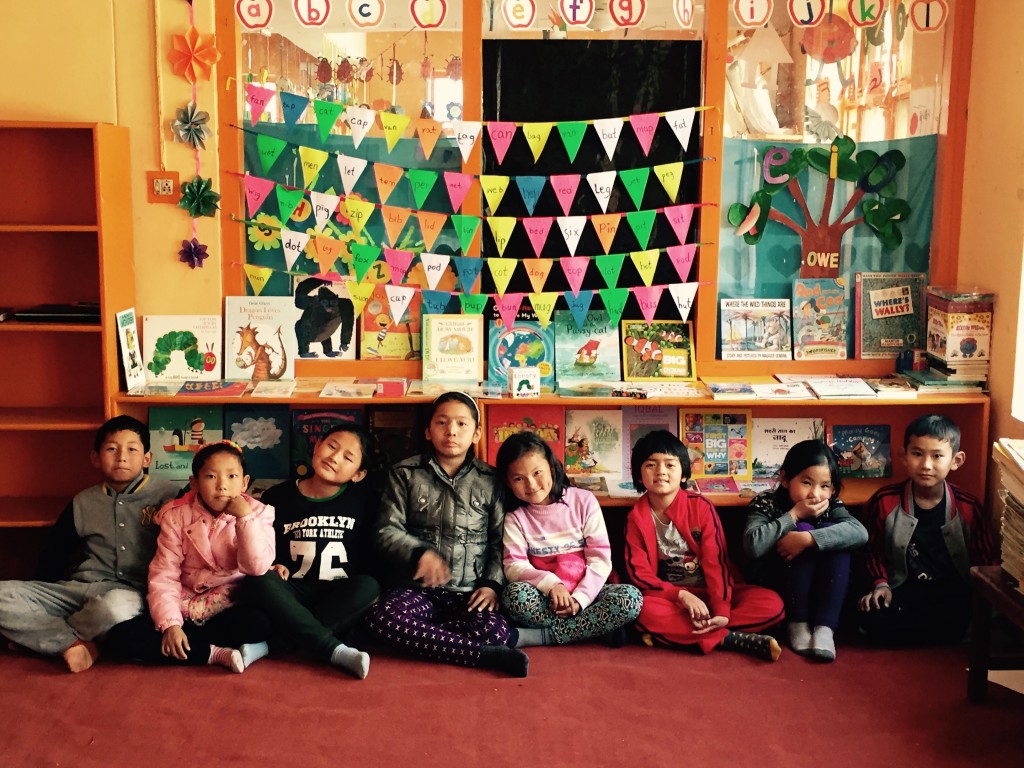
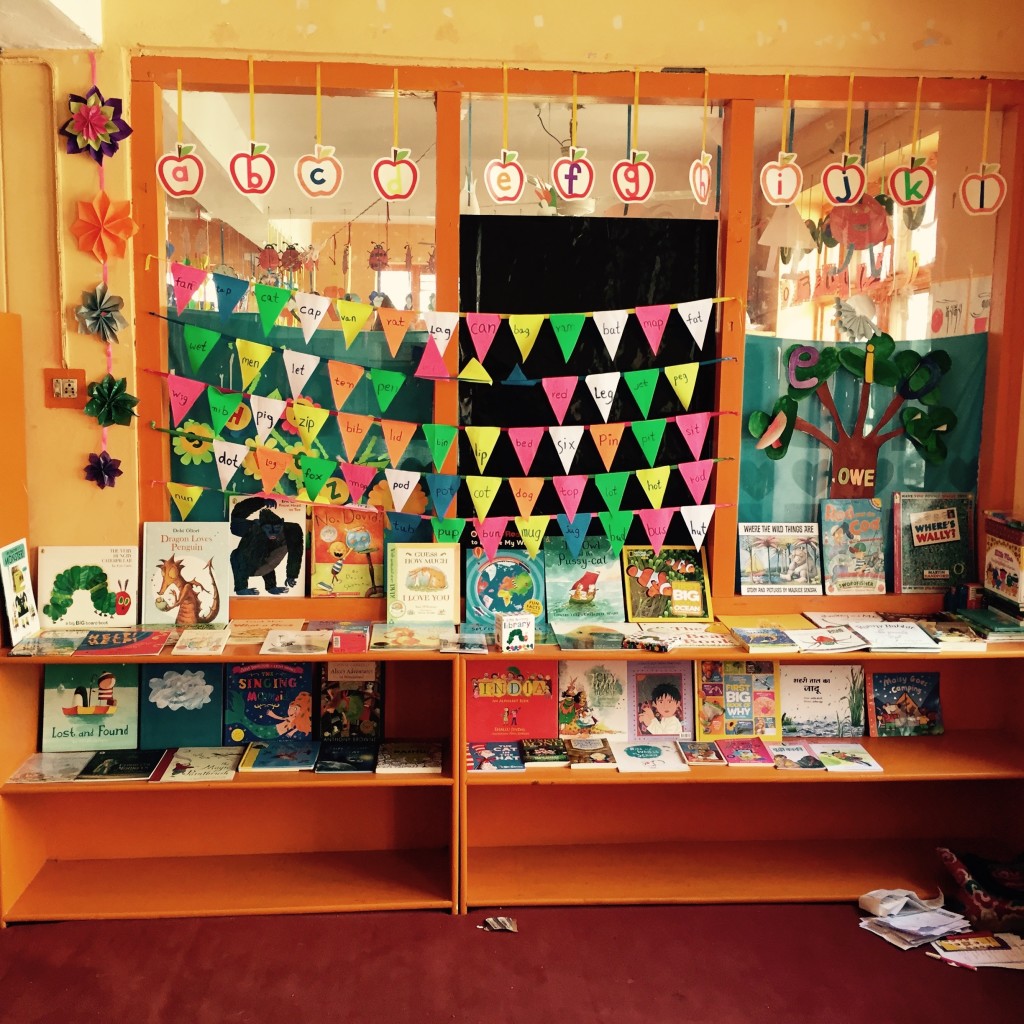
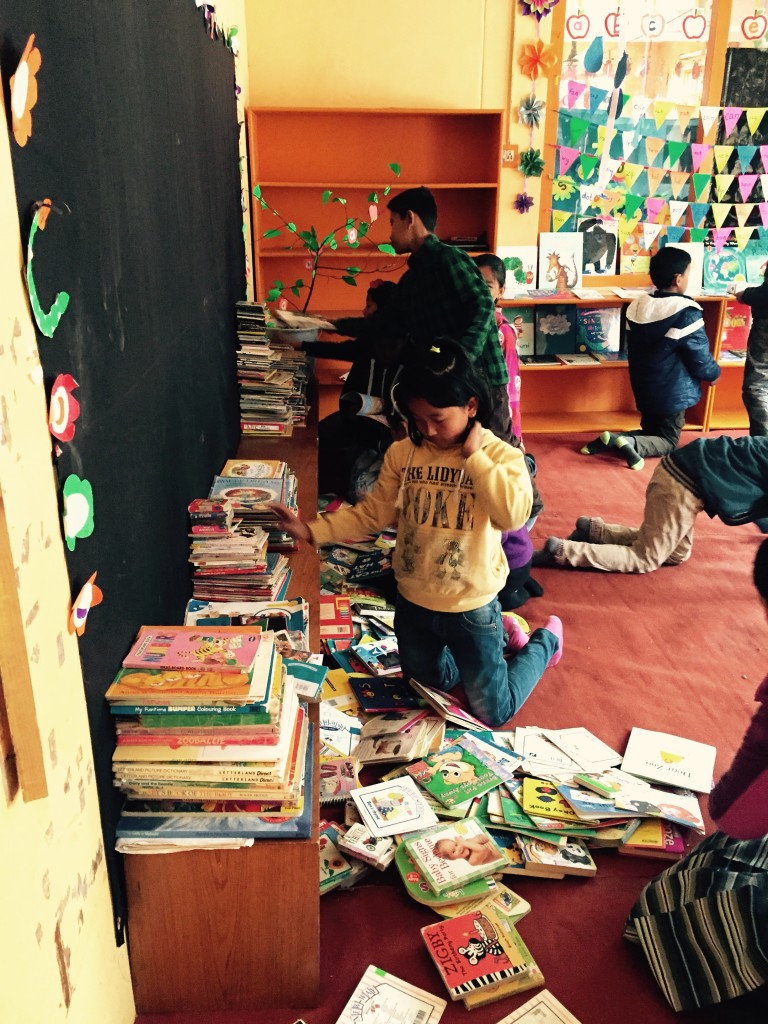
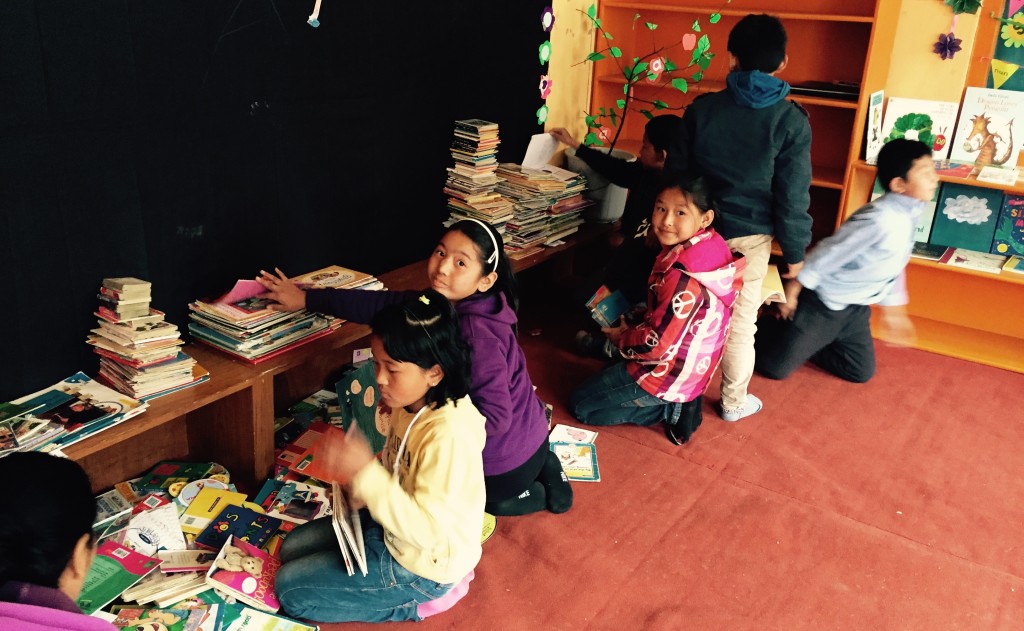
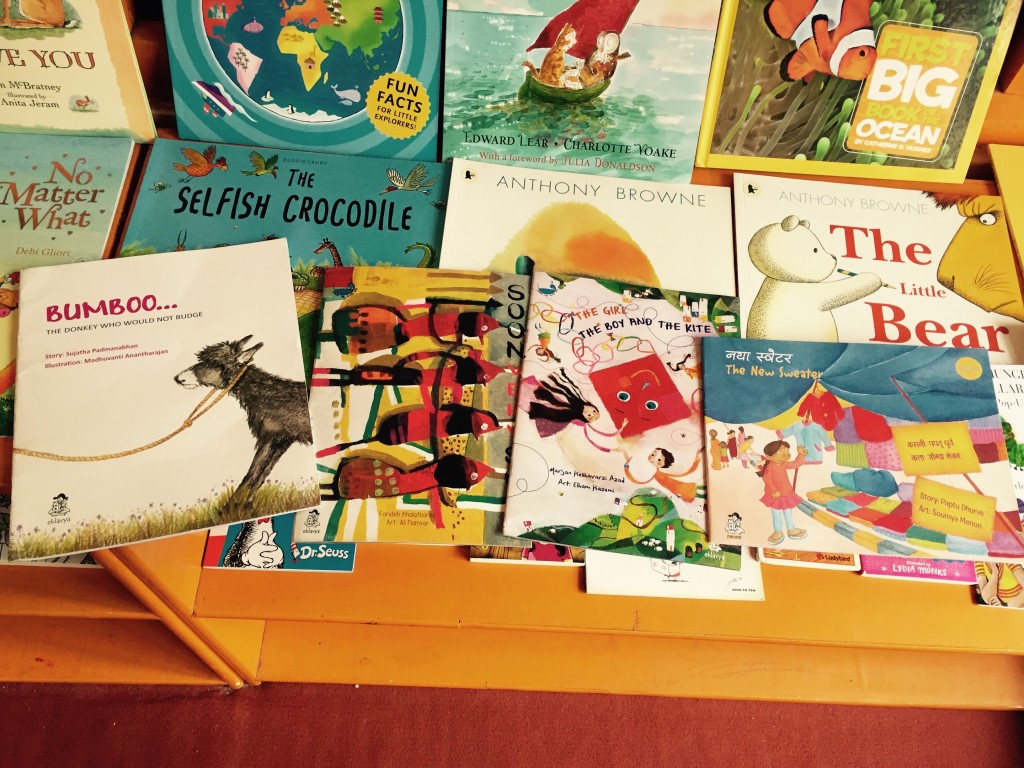
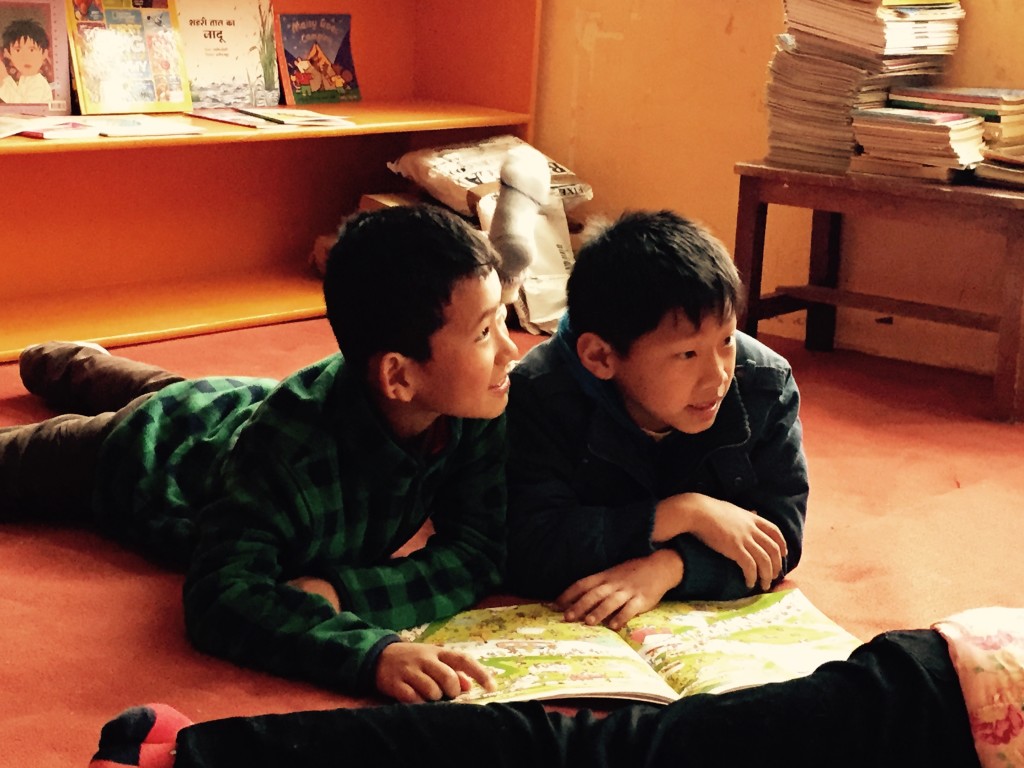
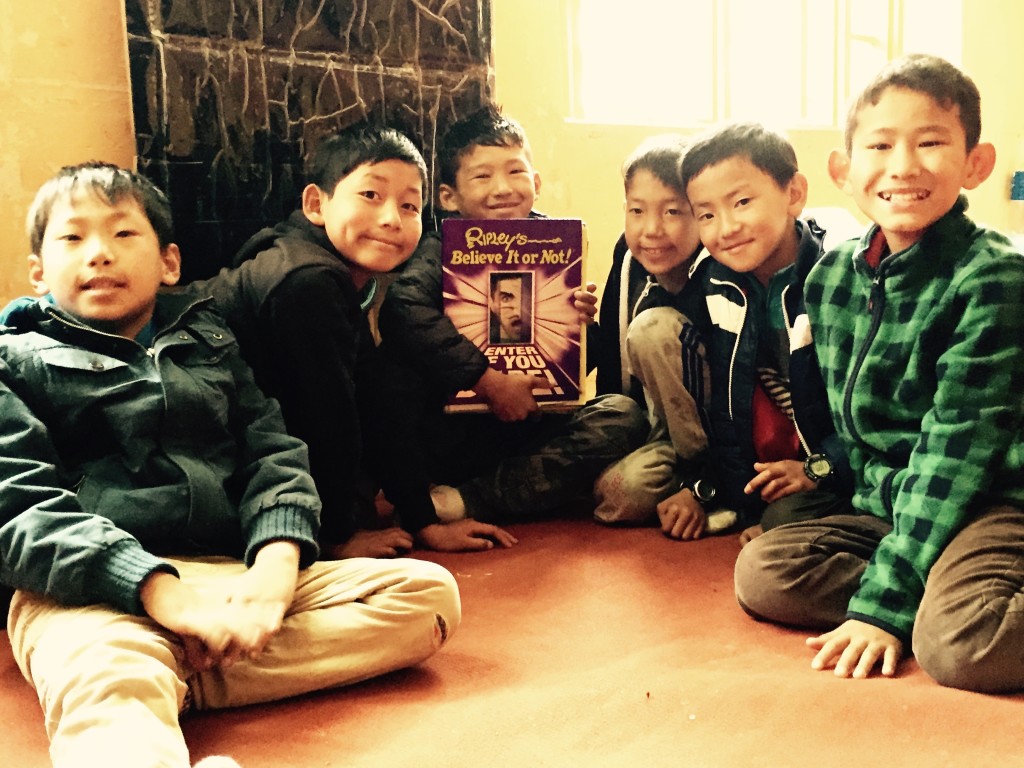
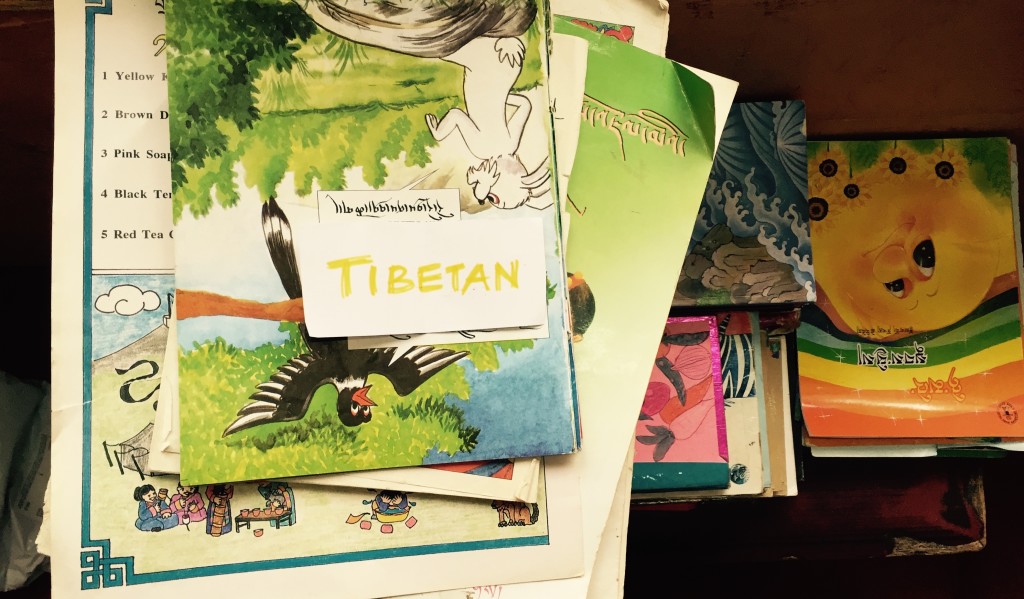
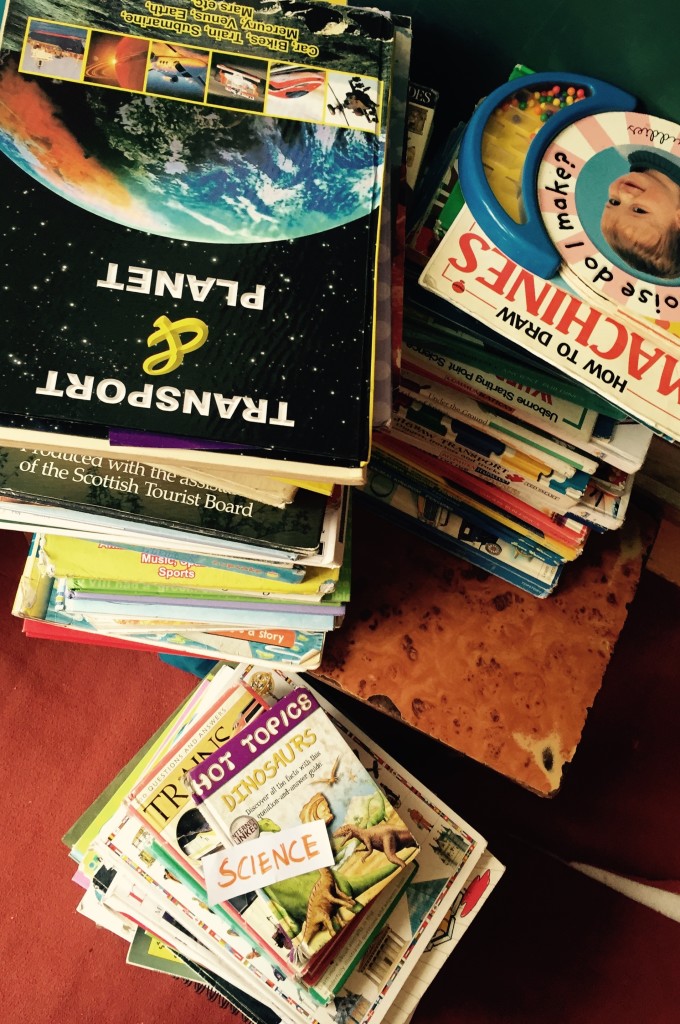
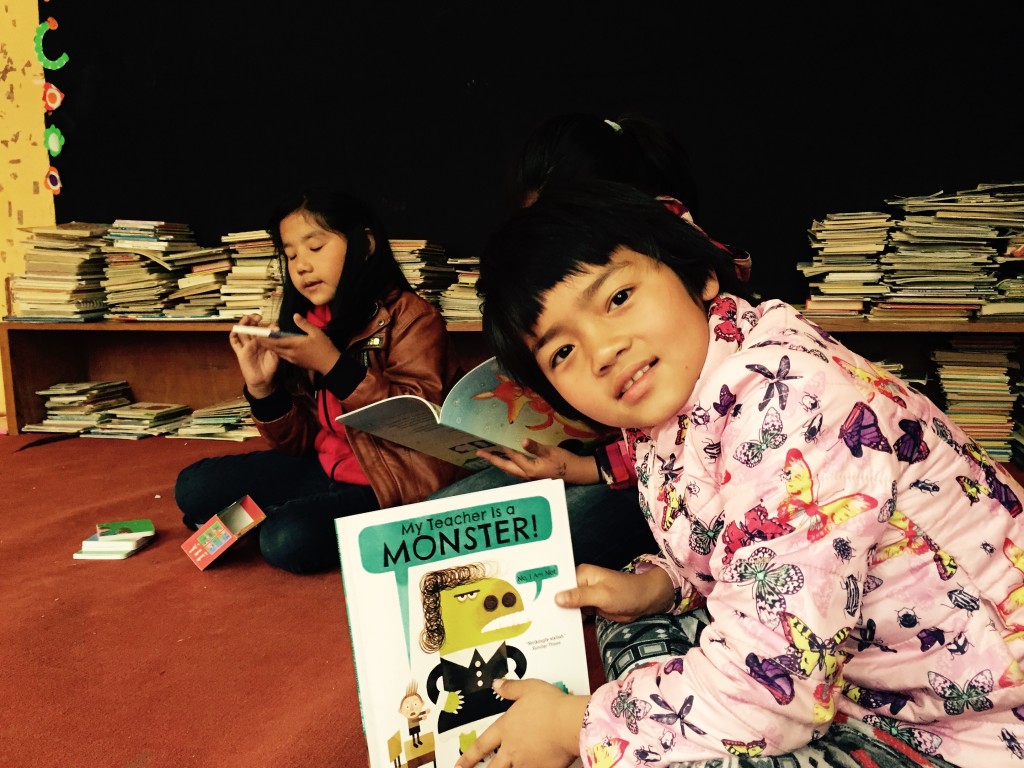
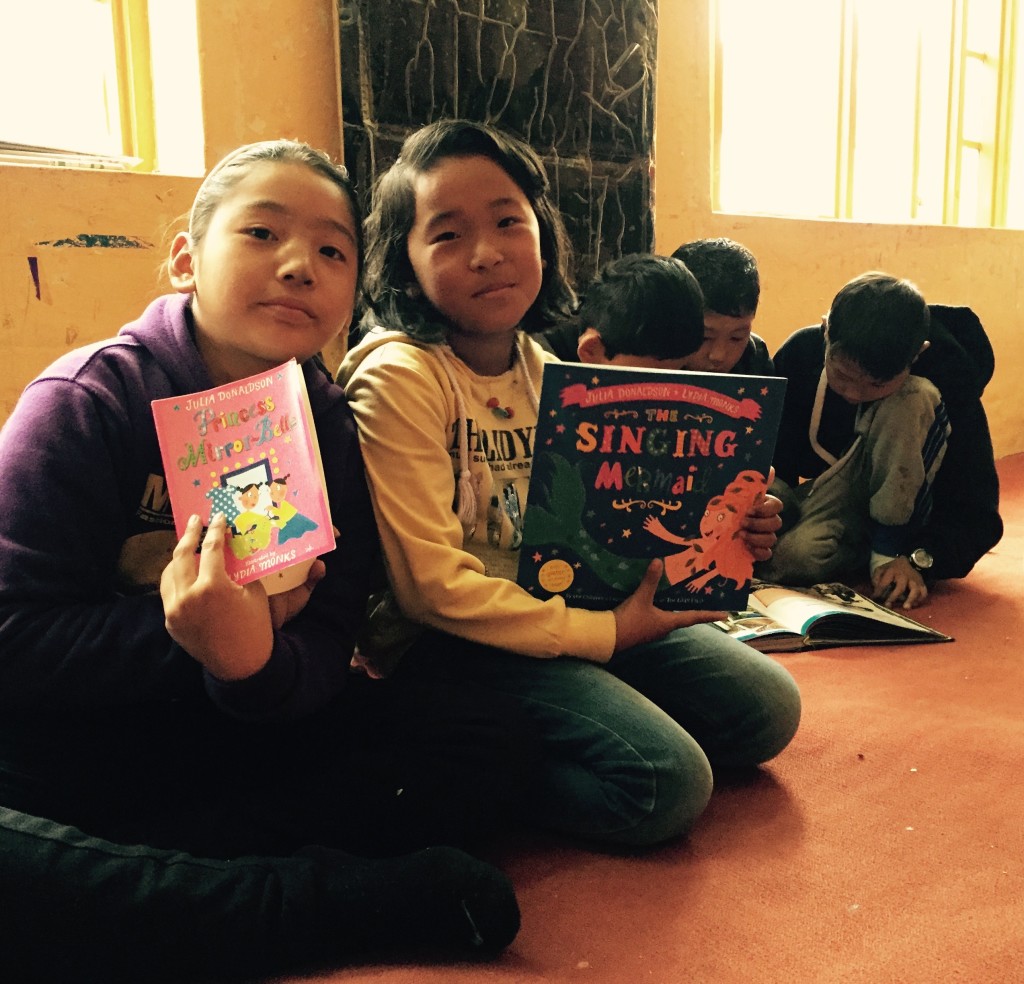
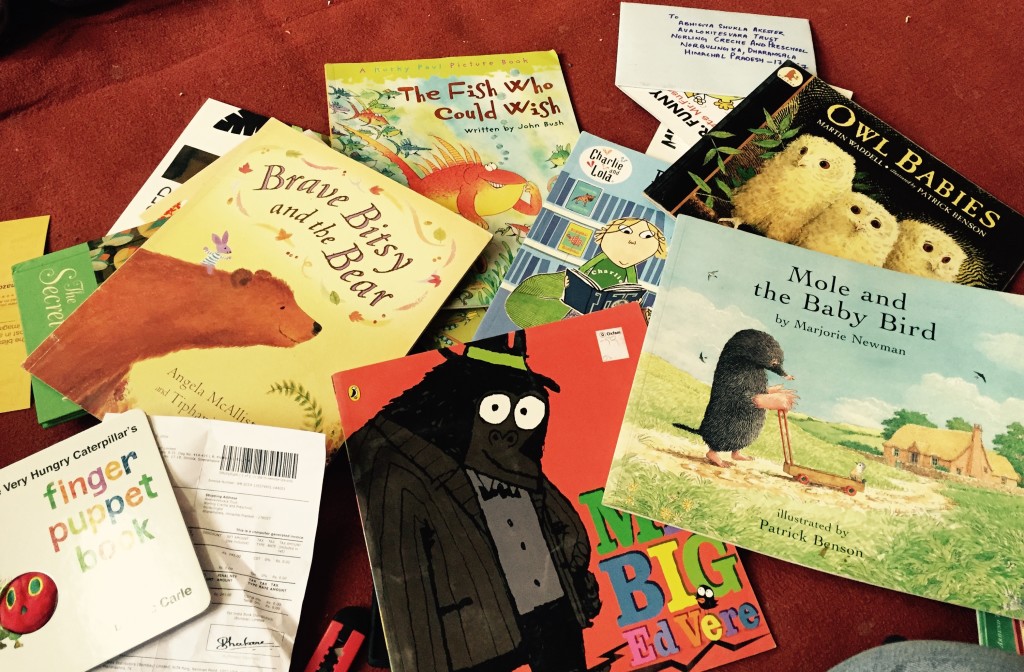
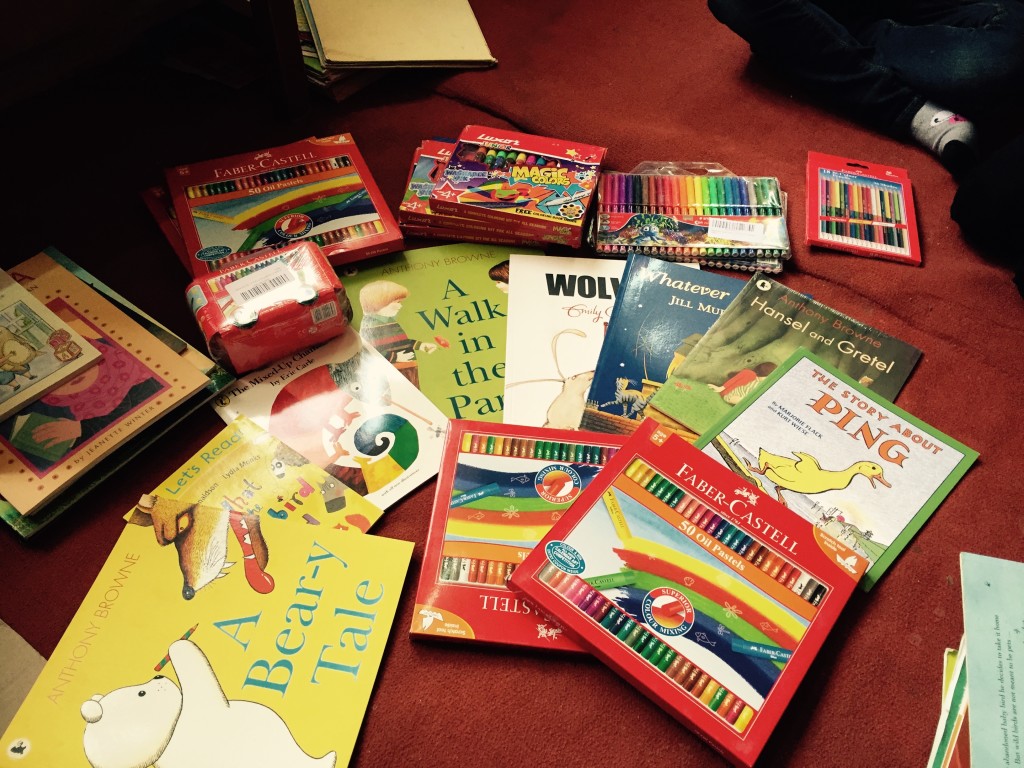
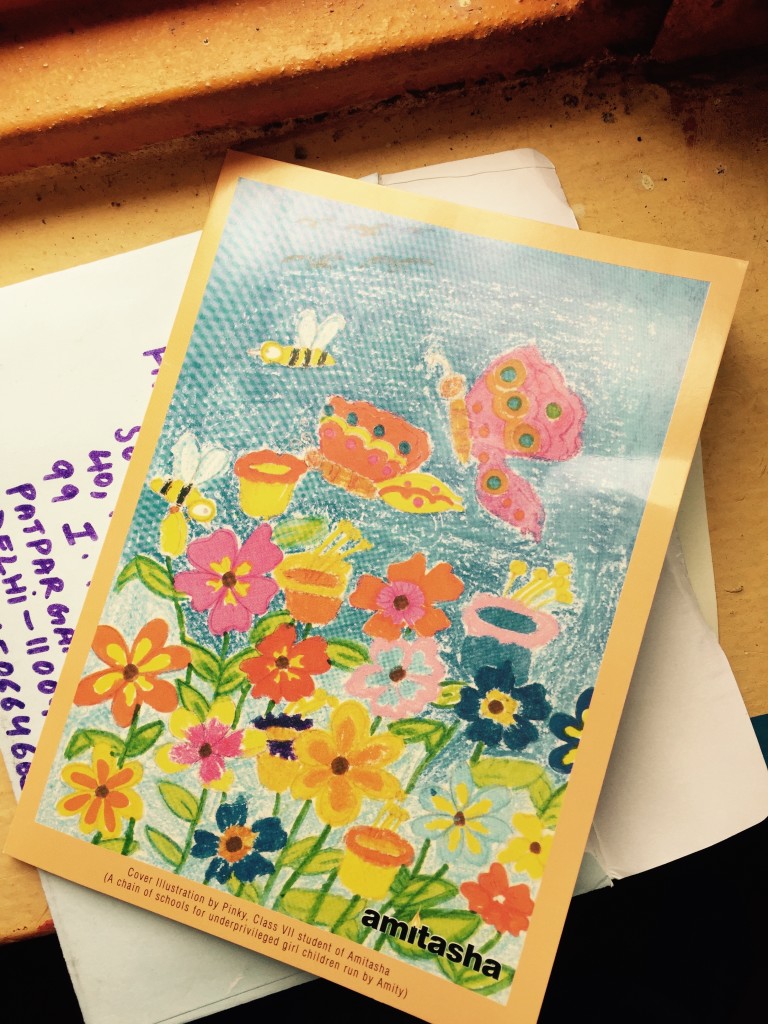
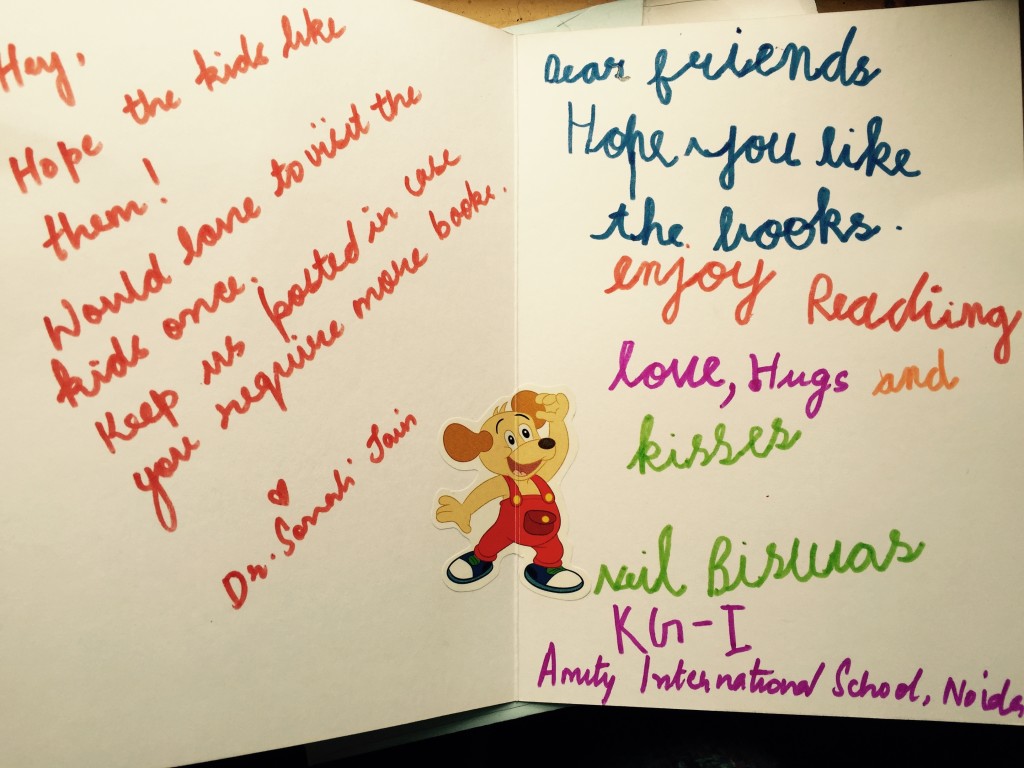
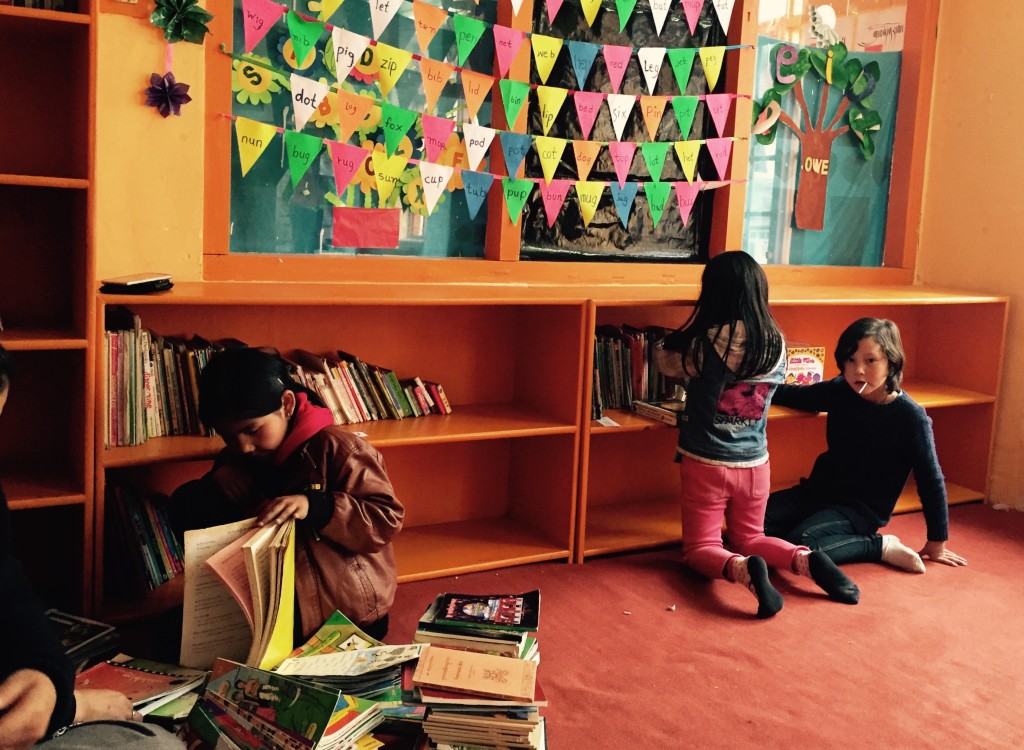
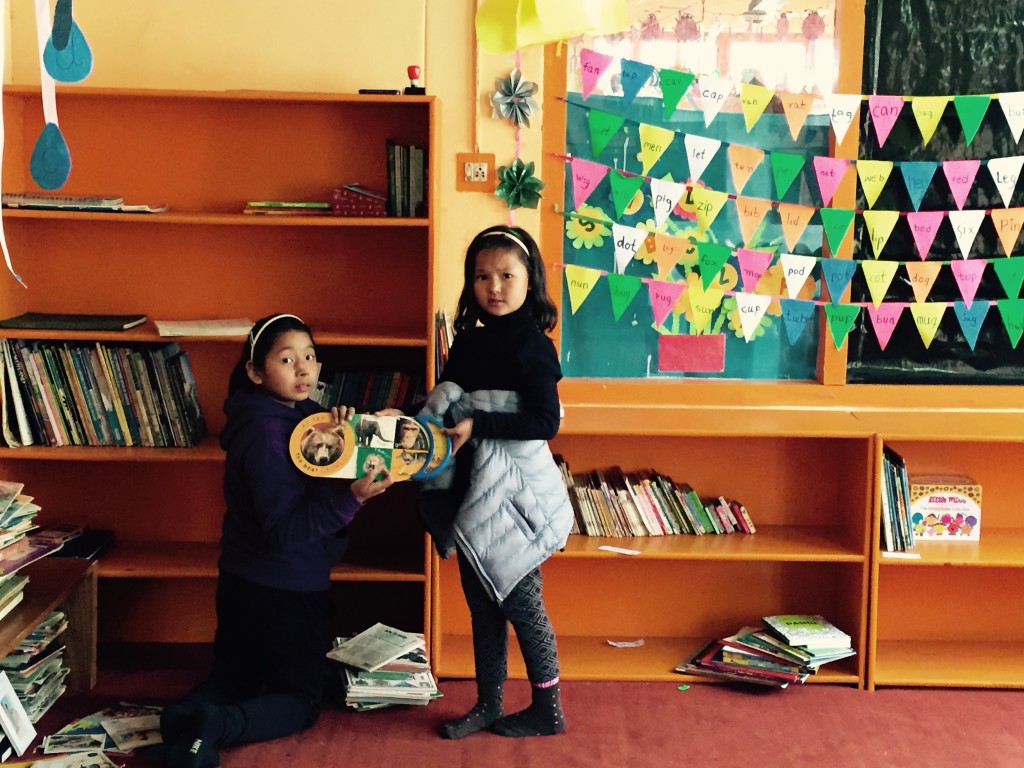
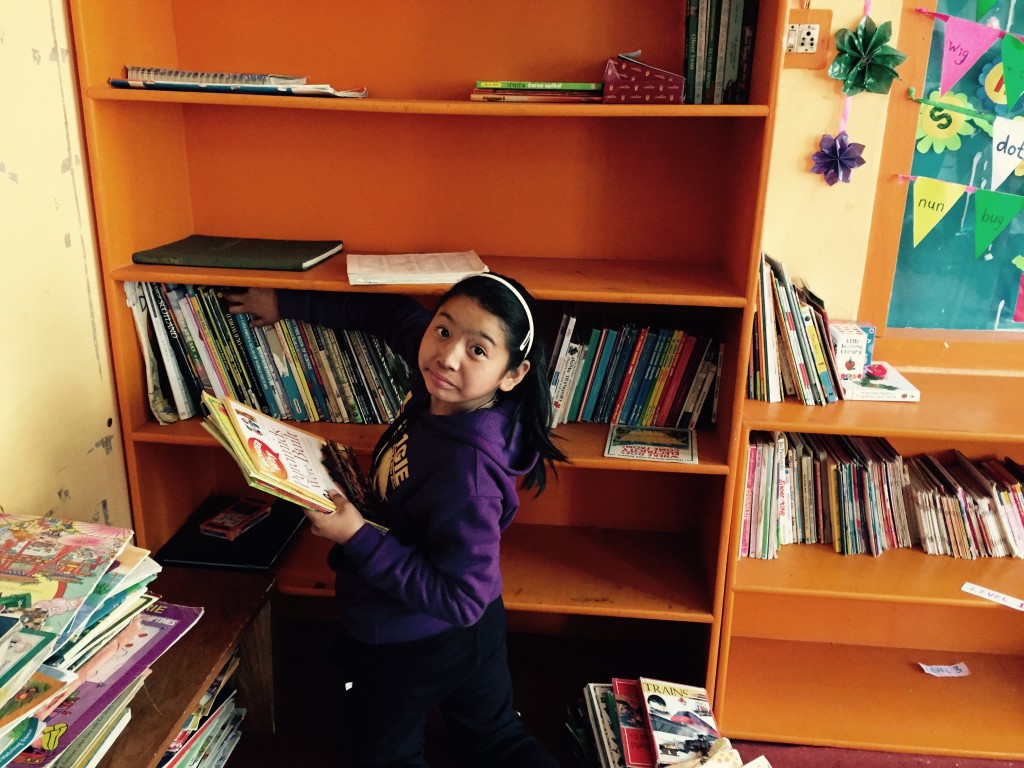
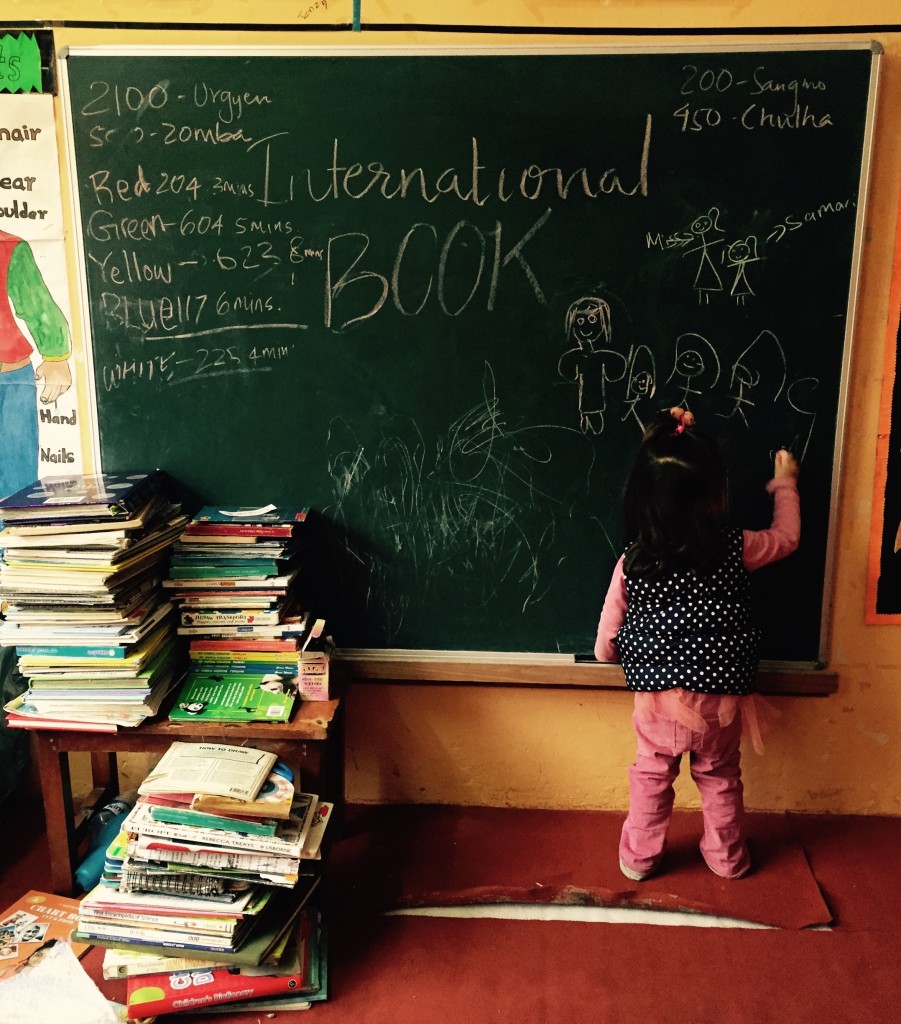
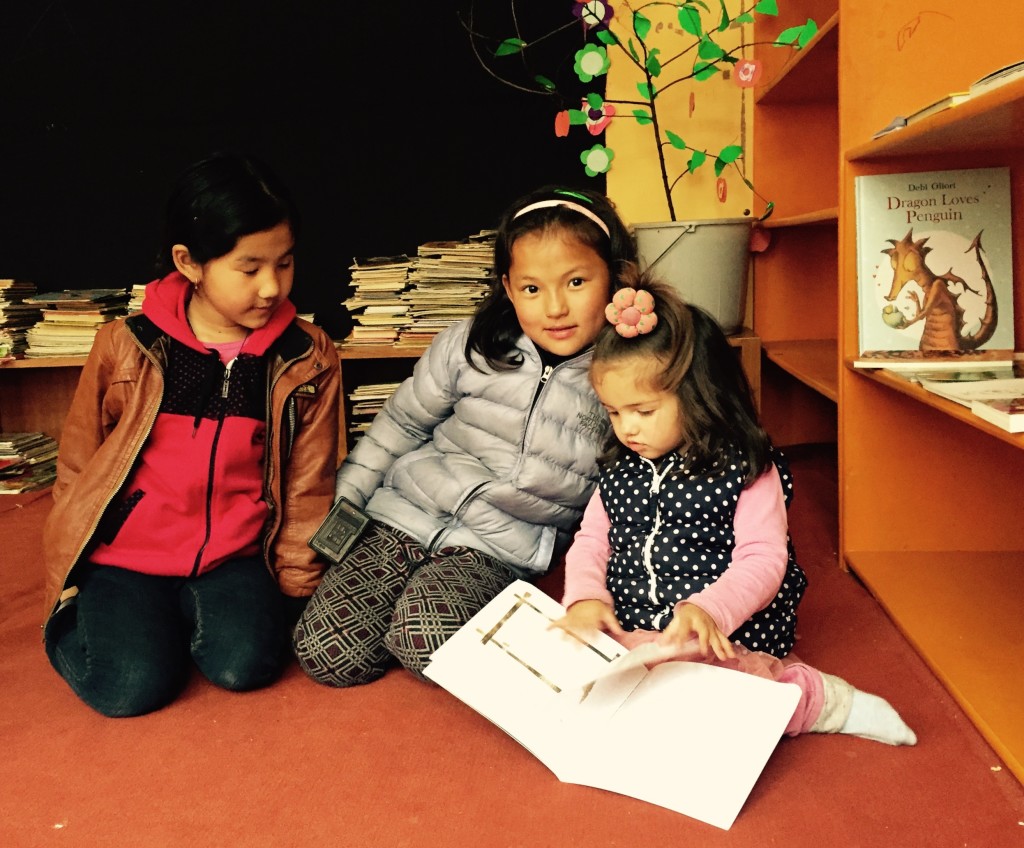
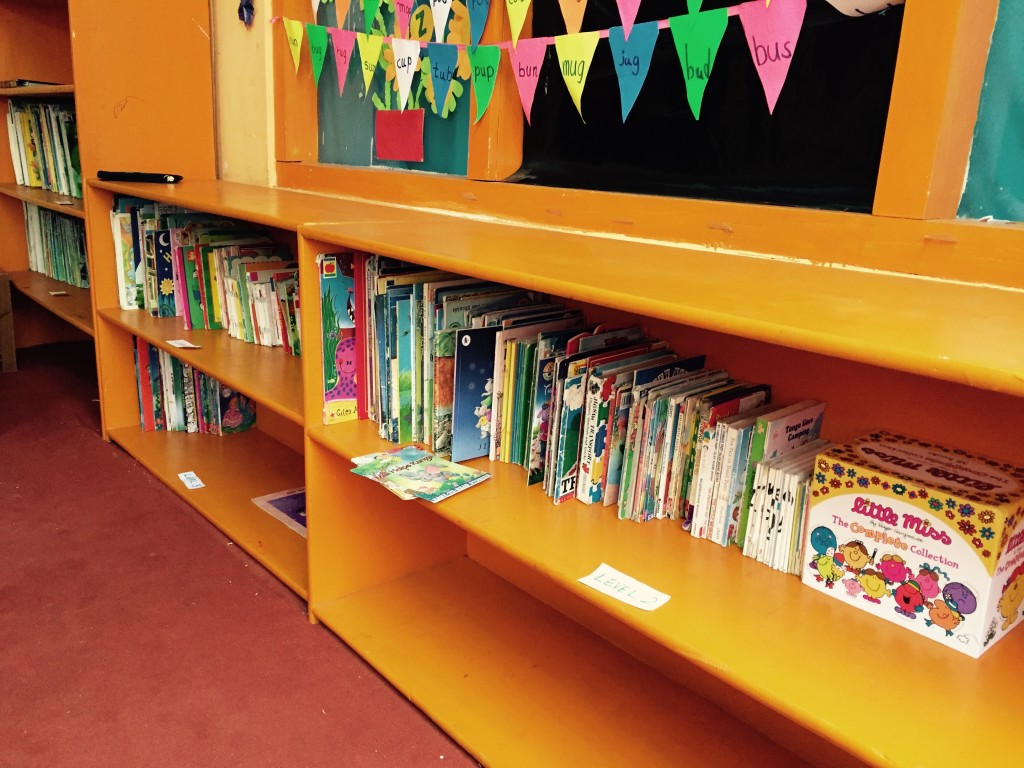
Nature journalling also fits naturally with the work of Avalokiteśvara Trust. Reading rooms, book drives and creative activities help children build confidence with words and images. A wildlife diary extends that learning outdoors, where curiosity becomes research, drawing becomes visual communication and a short note becomes a record that can be revisited months later.
| Approach |
What children practise |
Suitable setting |
| Pencil and paper |
Description, sketching and handwriting |
Home, school or reading room |
| Photo-supported diary |
Date recording, comparison and visual memory |
Garden, park or nature walk |
| Shared group journal |
Listening, discussion and collaborative research |
Classroom or youth group |
| Quiet individual journal |
Patience, attention and personal reflection |
Balcony, courtyard or village path |
Attention grows through small discoveries
Children often expect wildlife encounters to be dramatic. A nature diary teaches them that an ordinary observation can be valuable. A single bee visiting rosemary, a spider rebuilding a web after rain or a bird carrying grass for a nest offers several details to record: time, place, colour, movement, weather and behaviour.
This practice develops sustained attention. Instead of rushing past a tree on the school run, a child may pause to notice whether the same noisy miner appears each morning. In Melbourne, that might happen beside a suburban reserve; in Brisbane, it could happen under a paperbark tree; in a remote Himalayan settlement, it might take place along a stream or near a monastery. Regular entries help children see patterns that are invisible during a quick glance.
Observation also creates a healthy balance with screen-based entertainment. A phone can be useful for taking a photograph, checking a field guide or recording a bird call, but the diary asks children to look first and search later. The most important tool remains their own attention.
Writing makes science approachable
A wildlife journal introduces scientific thinking without making learning feel like a test. Children form questions, make predictions and compare evidence. “I saw three ants near the same crack after rain” is a useful record. “The ants like wet weather” is a possible explanation that can be checked through future observations.
Simple categories make this process manageable. Each entry can include the date, location, species if known, habitat, behaviour and a child’s question. Young writers may use a few words and a drawing, while older children can add measurements, a food web or a short paragraph about seasonal change. Spelling can be corrected gradually; the first priority is honest observation.
Australian children can connect their journals with local biodiversity projects such as bird counts or council planting days. A child does not need to identify every species immediately. Writing “small brown bird with a sharp call” is more useful than copying an uncertain name. Later, a library book, a local naturalist group or a trusted field guide can help refine the identification.
Local places become living classrooms
Nature diaries encourage children to value the habitats close to home. A national park is wonderful, but meaningful wildlife can also be found in a school garden, a community garden, a creek corridor, a roadside verge or a balcony planted with native species. Urban children in Sydney can study ibis behaviour in a park; those in Adelaide might observe insects among native flowers; children in Hobart may record wattle, wrens or coastal birds.
Everyday Australian routines provide natural opportunities for observation. A family walking the dog, cycling to school or visiting a weekend farmers’ market can pause for a short wildlife entry. Local plant nurseries and community markets often sell native species that support insects and birds, giving children a chance to connect gardening choices with habitat. Wildlife should never be fed casually, since processed food can harm animals and alter their behaviour.
The same principle applies in Ladakh and other Himalayan communities. A reading room can keep a shared seasonal calendar showing when certain birds arrive, when wildflowers appear or when snow changes access to a familiar path. These records respect local knowledge while giving children a practical reason to read, draw, compare and discuss.
Careful records build respect
A diary should encourage curiosity without disturbing animals. Children can watch from a safe distance, avoid touching nests and eggs, leave rocks and plants where they are, and keep quiet near feeding or breeding sites. These habits matter in Australian bushland, where signs may ask visitors to stay on marked tracks or keep away from vulnerable wildlife.
Legal protections are part of responsible nature study. Australia’s Environment Protection and Biodiversity Conservation Act protects matters of national environmental significance, while state and territory laws cover many native animals, plants and habitats. Rules differ between places, so children should follow park notices, council guidance and instructions from rangers. Photographing a lizard is very different from collecting it, moving it or taking it home.
Respect also includes cultural knowledge. Aboriginal and Torres Strait Islander communities hold deep connections with Country, seasons and species. A child’s project should avoid presenting cultural stories as material to copy without permission. Schools and families can use resources created by Indigenous organisations and acknowledge local Traditional Custodians when learning about wildlife and land.
Creativity gives every child a place
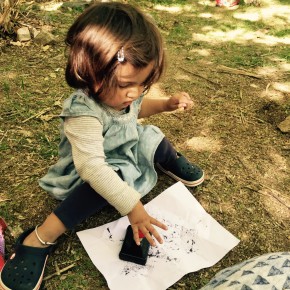
Some children are confident writers; others communicate more easily through colour, sound, mapping or collage. A nature diary can include a bark rubbing made with permission, a labelled sketch, a rainfall symbol, a poem, a sound description or a map of where an animal was seen. This range of formats makes environmental learning accessible to children with different interests and abilities.
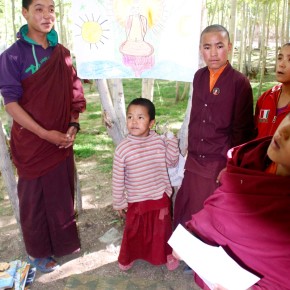
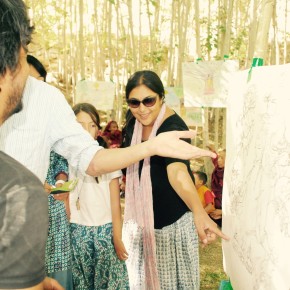
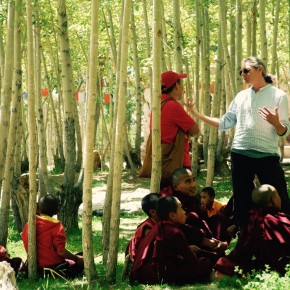
Art and music are especially valuable in shared projects. A group might create a mural of local species, compose a rhythm based on bird calls or make a small exhibition for a reading room. In a Himalayan monastery community, young monks could combine observations of mountain landscapes with painting or reflective writing. Australian children could compare the sounds of a suburban dawn chorus with recordings from a high-country or desert environment.
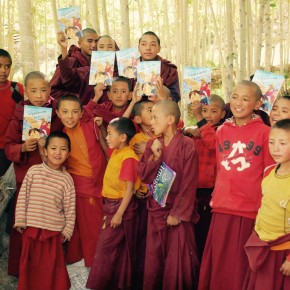
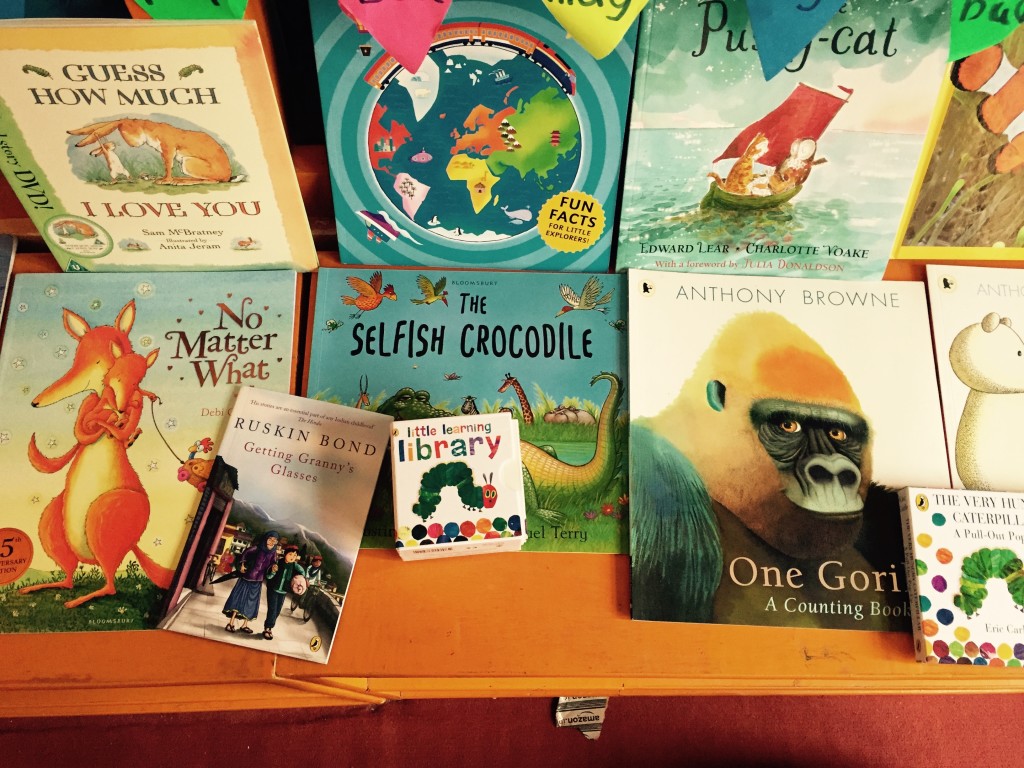
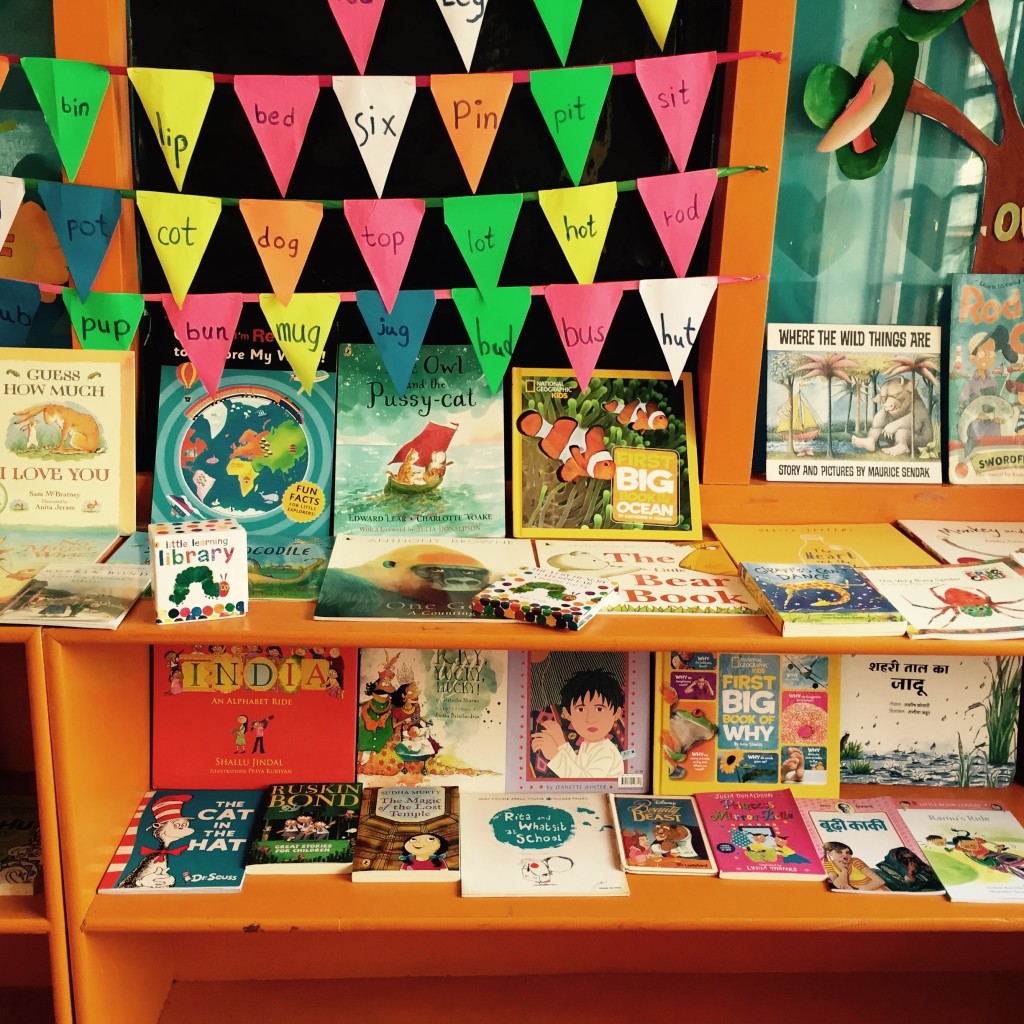
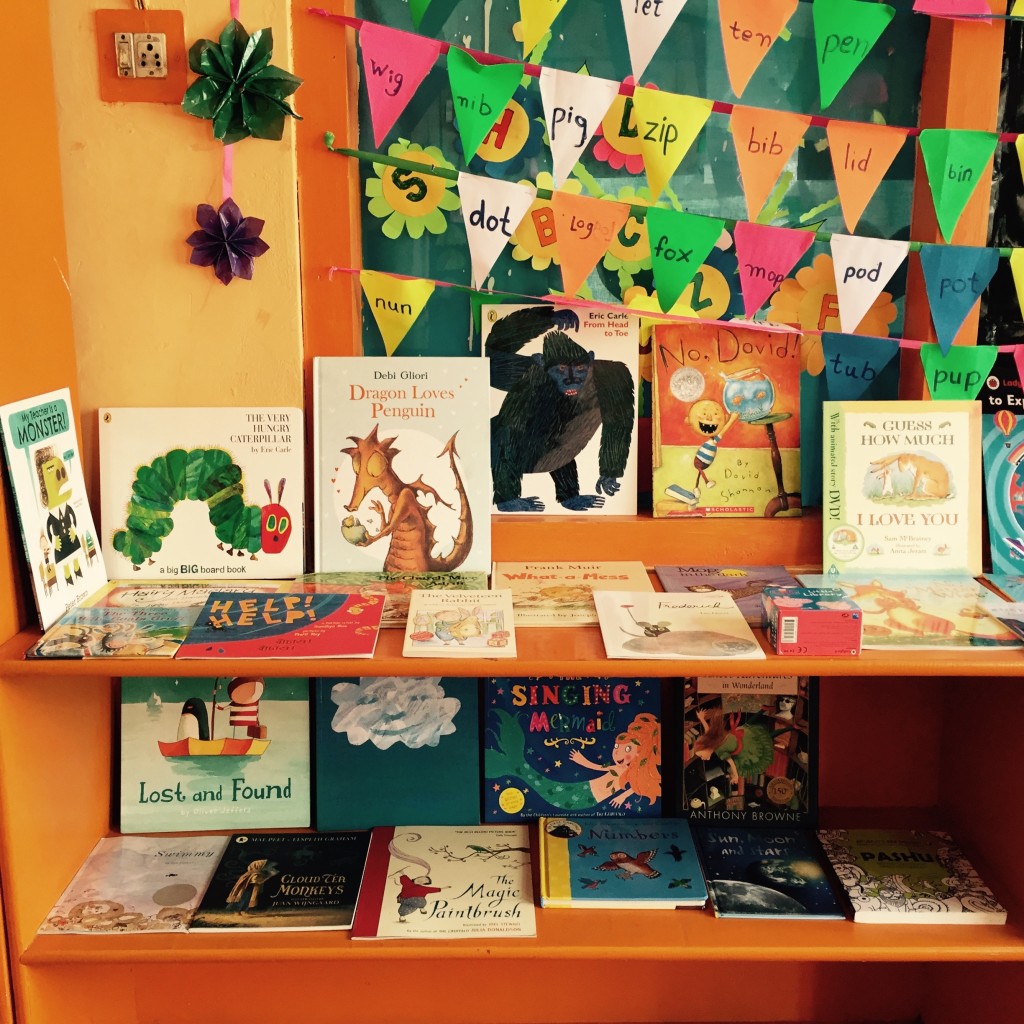
Books deepen the experience. A well-chosen wildlife guide, storybook or collection of Indigenous-authored writing gives children language for what they have seen. Book drives and library partnerships can help communities build shelves that support both factual learning and imaginative responses to nature.
A habit that grows with the seasons
The value of a nature diary appears over time. A single page records a moment, while a year of pages reveals change. Children may notice the first blossoms of spring, the arrival of migratory birds, longer insect activity in warmer months or the effect of drought and heavy rain. In Australia, seasonal observations can differ sharply between tropical Darwin, temperate Melbourne and alpine communities, making local records especially meaningful.
Reviewing old entries strengthens memory and encourages thoughtful questions. Why did a familiar bird disappear for several weeks? Did a new plant attract more bees? Was the creek clearer after rain? These questions can lead to research, conversations with elders, visits to a library or participation in community science.
The finished diary is more than a school exercise. It is a child’s evidence that their neighbourhood, village or mountain valley deserves careful attention. To begin, place a blank notebook and pencil beside a window or doorway today, then record one animal, plant or sign of wildlife with the date and exact place where it was noticed.