Why Shared Books Strengthen Himalayan Village Childhoods
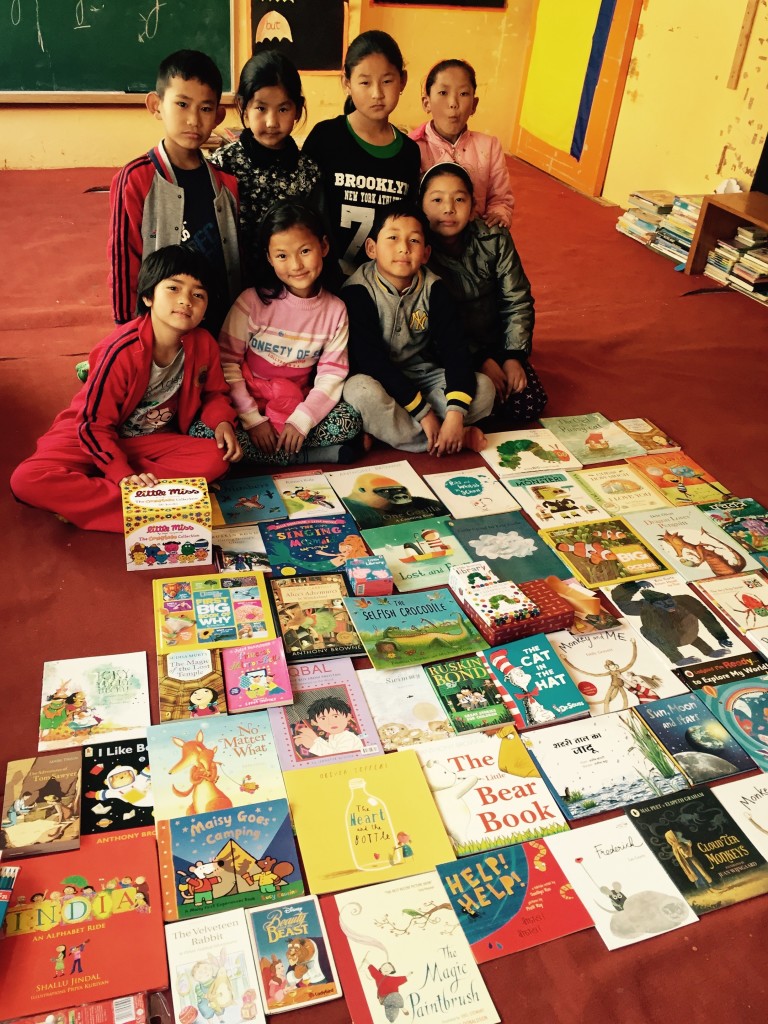
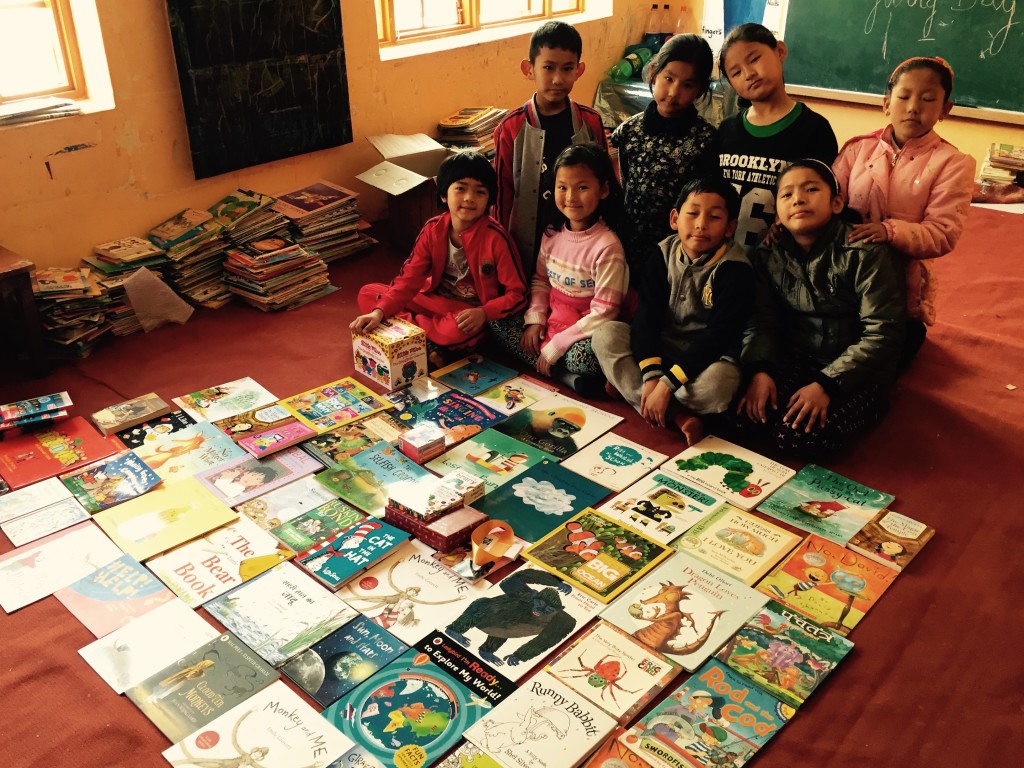
A book can travel further than a child. In the Himalayan region, one story may begin in a reading room in Ladakh, cross a mountain road, and arrive in a neighbouring village where children have never seen that title before. Exchanging books gives young readers access to fresh ideas while creating a gentle connection between communities separated by distance, altitude and language.
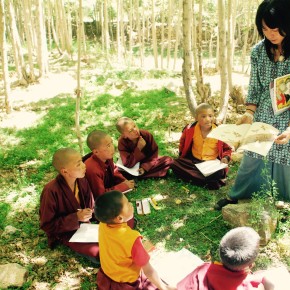
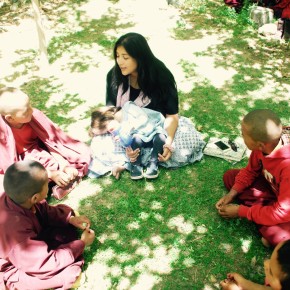
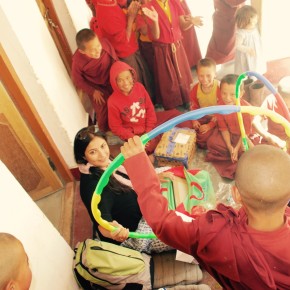
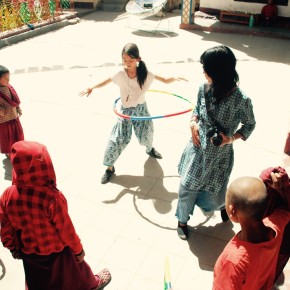
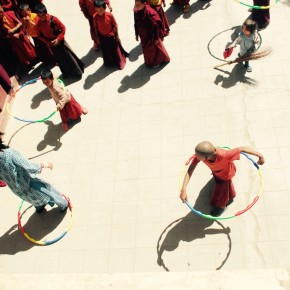
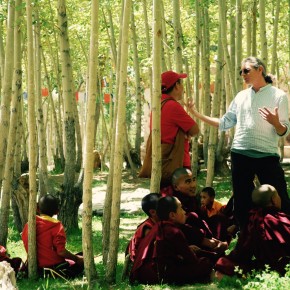
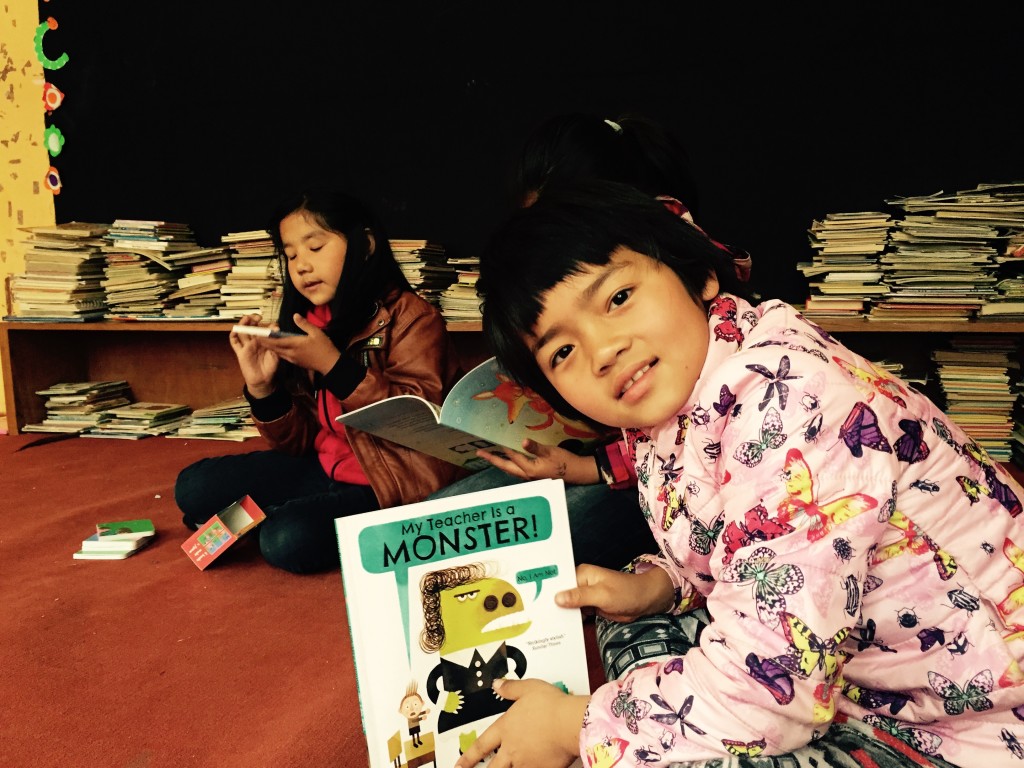
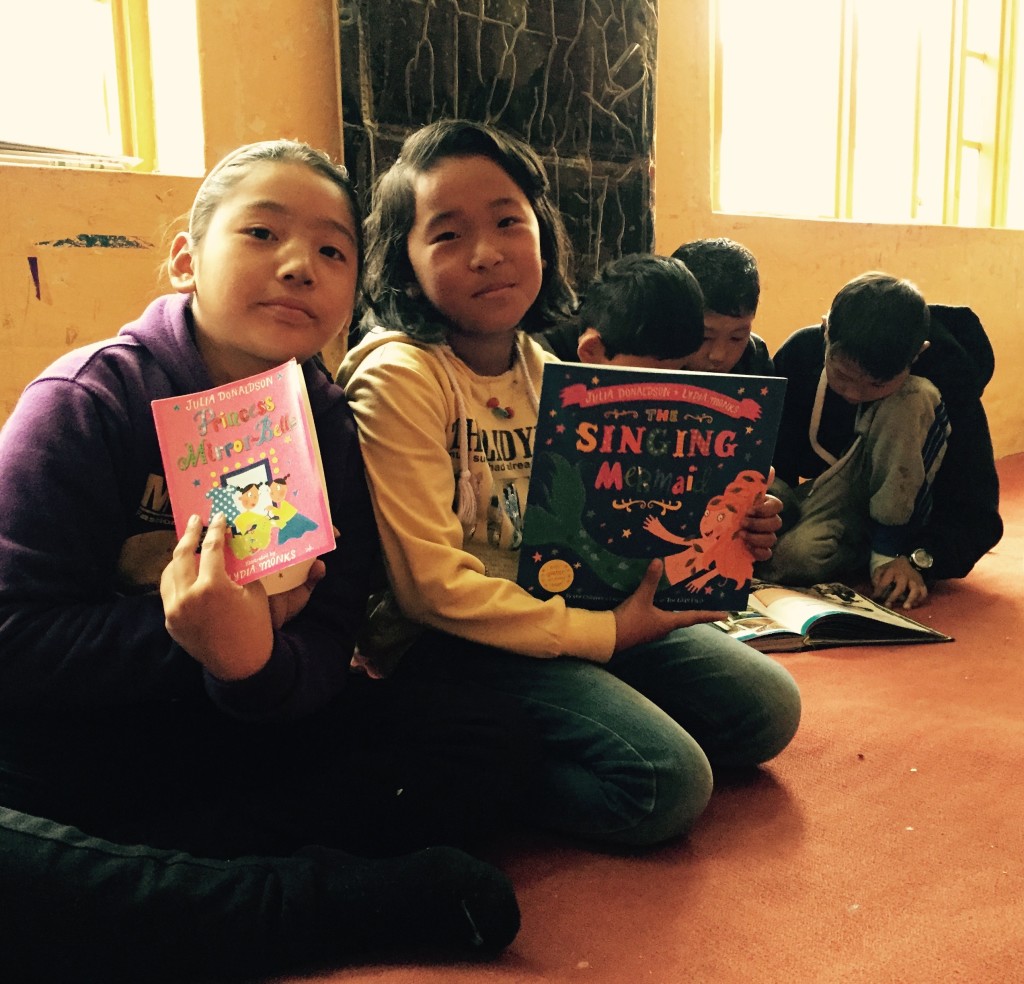
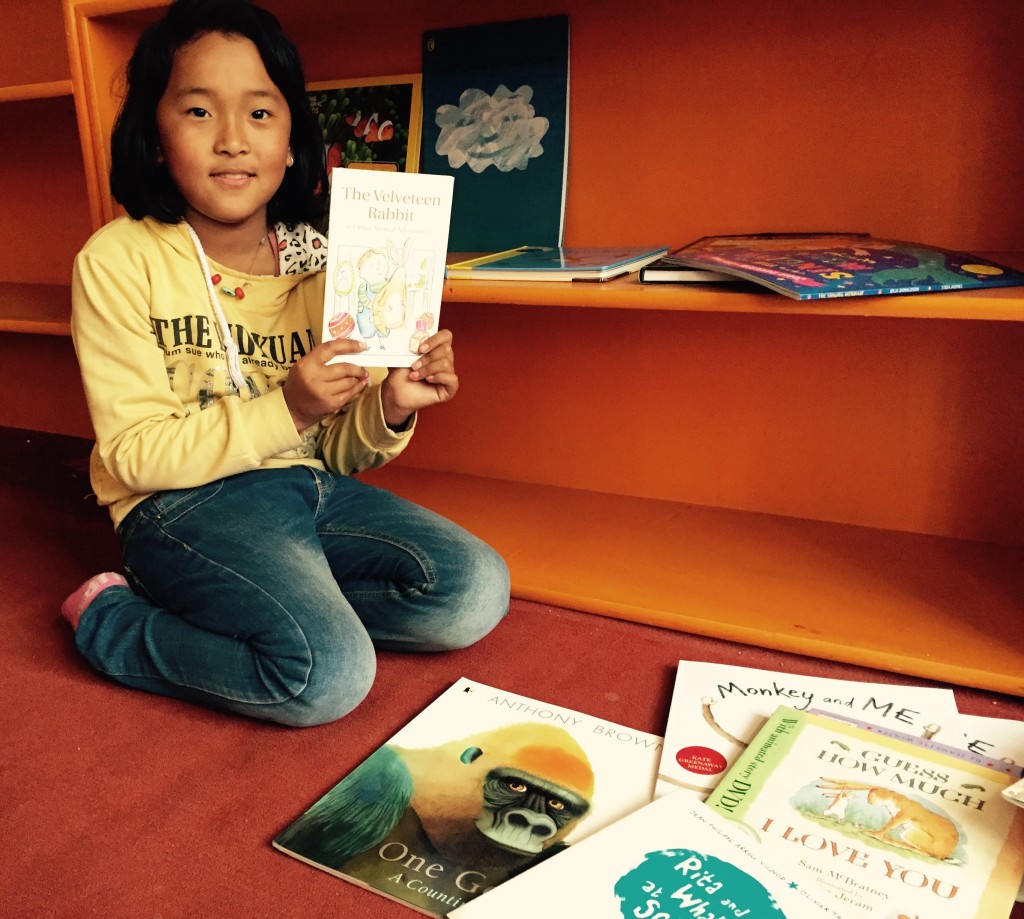
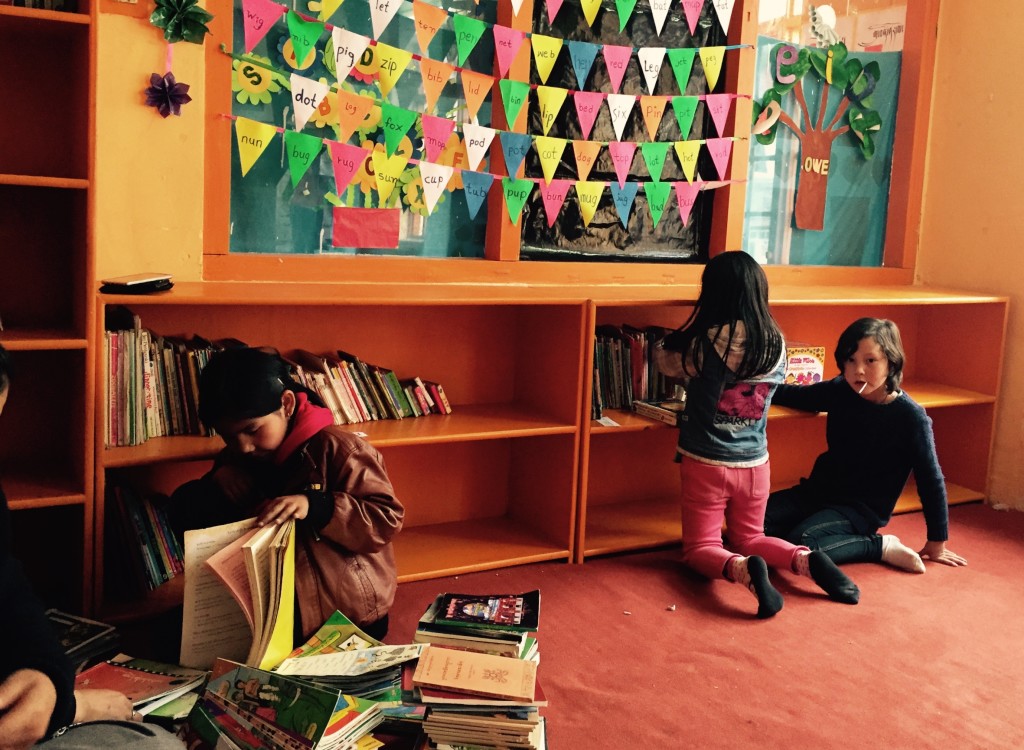
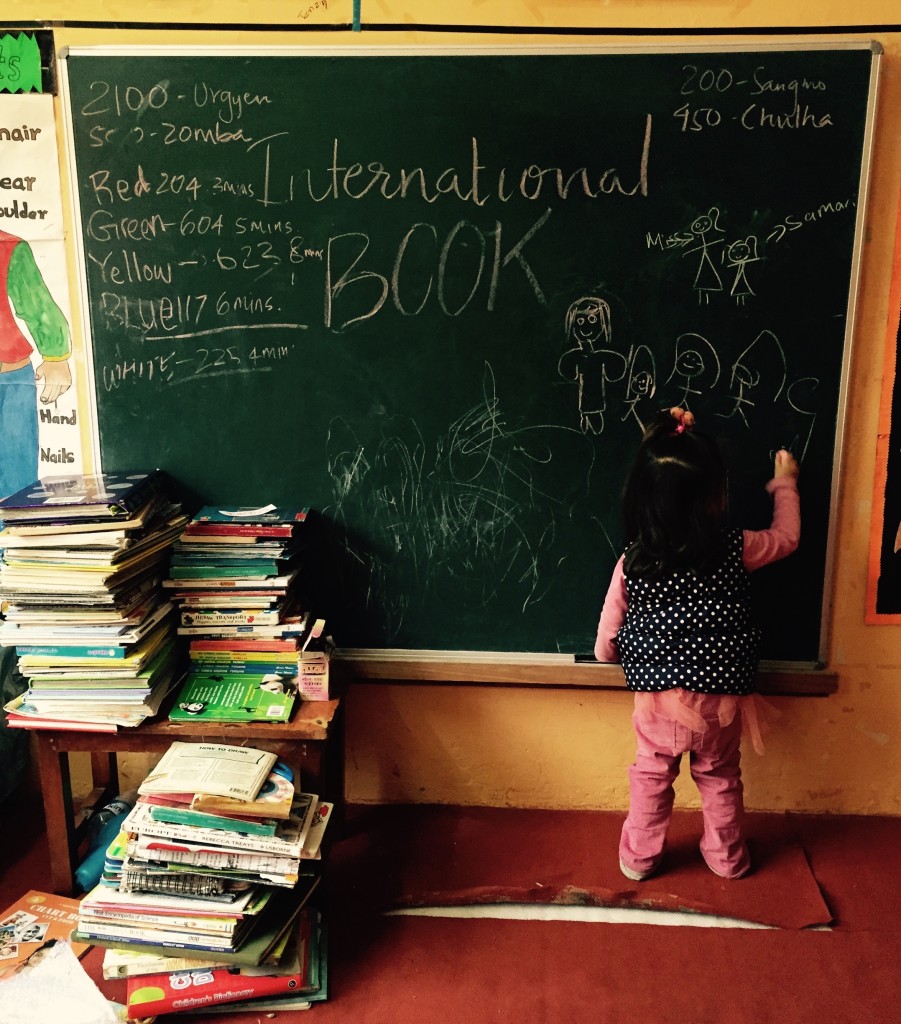
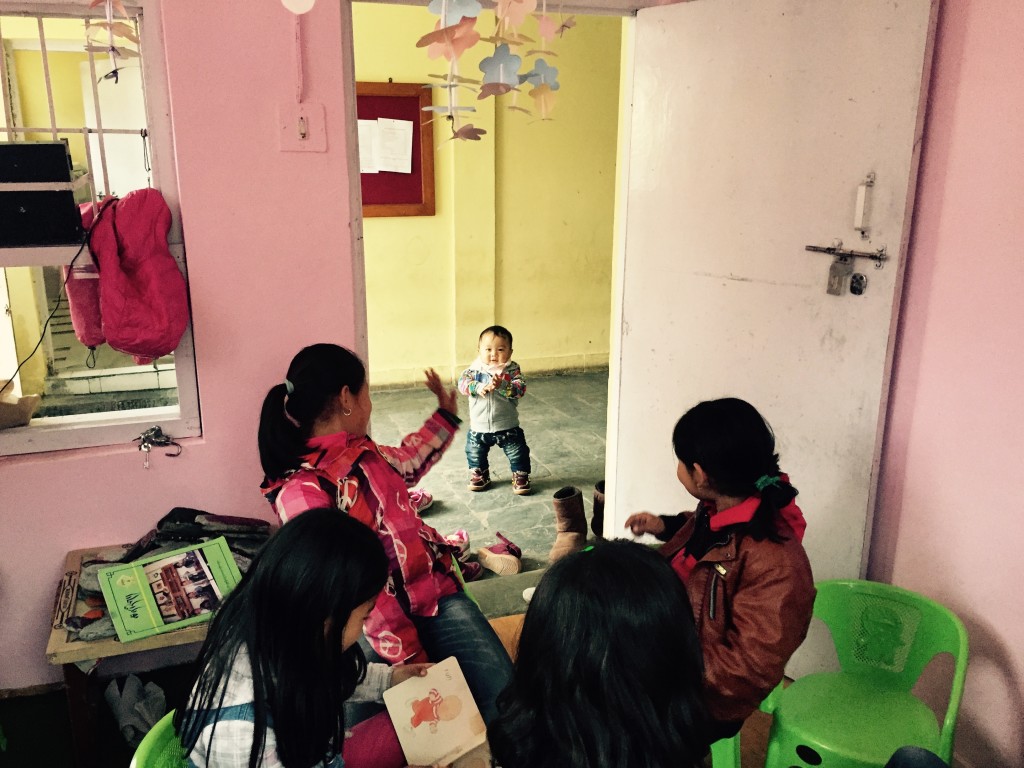
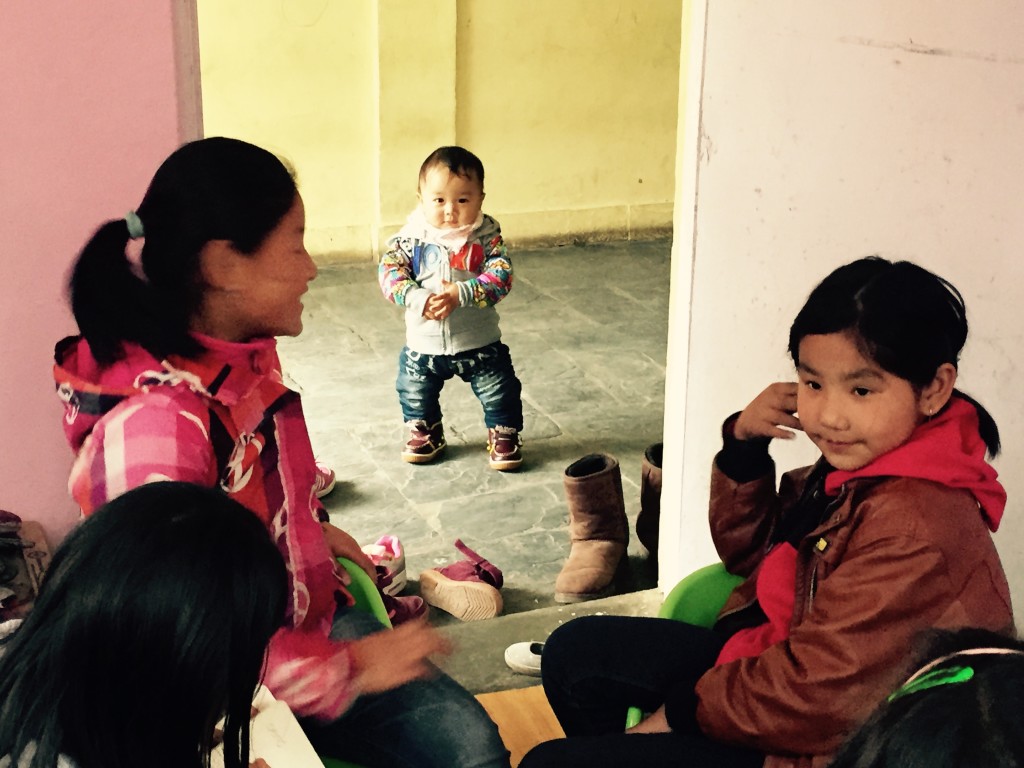
At Avalokiteśvara Trust, books are shared alongside drawing, music, storytelling and other creative activities. The purpose is larger than building a collection on a shelf. It is to help children discover that learning can move between villages, friendships can grow through shared interests, and every child deserves regular access to engaging, good-quality reading.
Books Travel Beyond One Reading Room
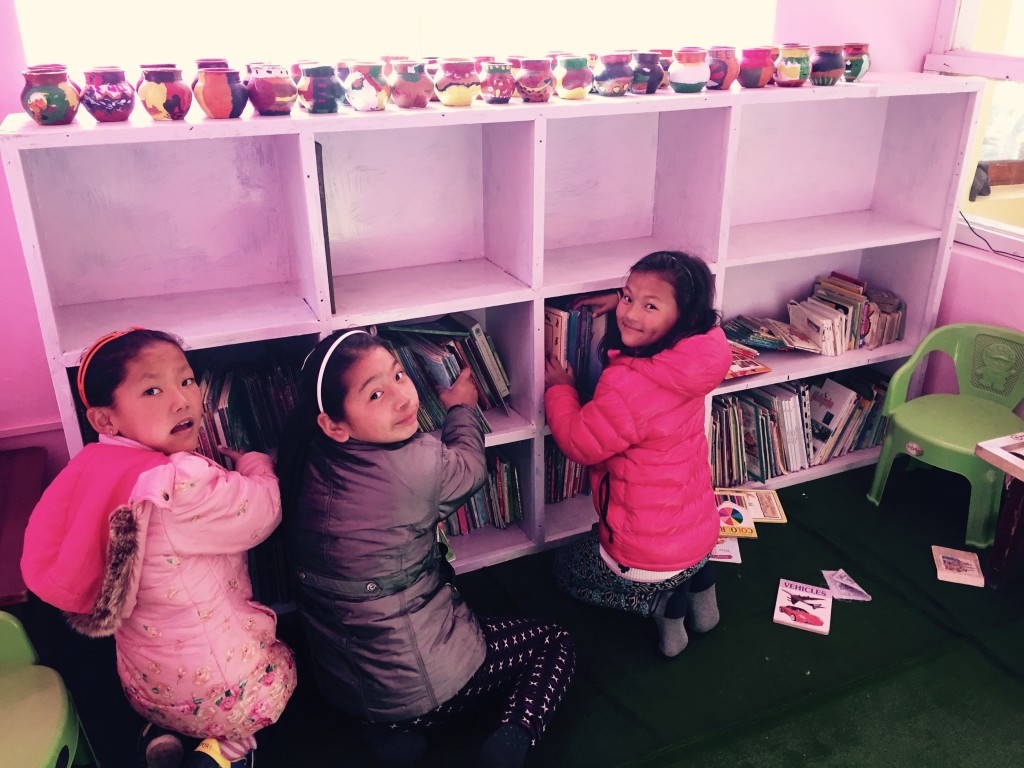
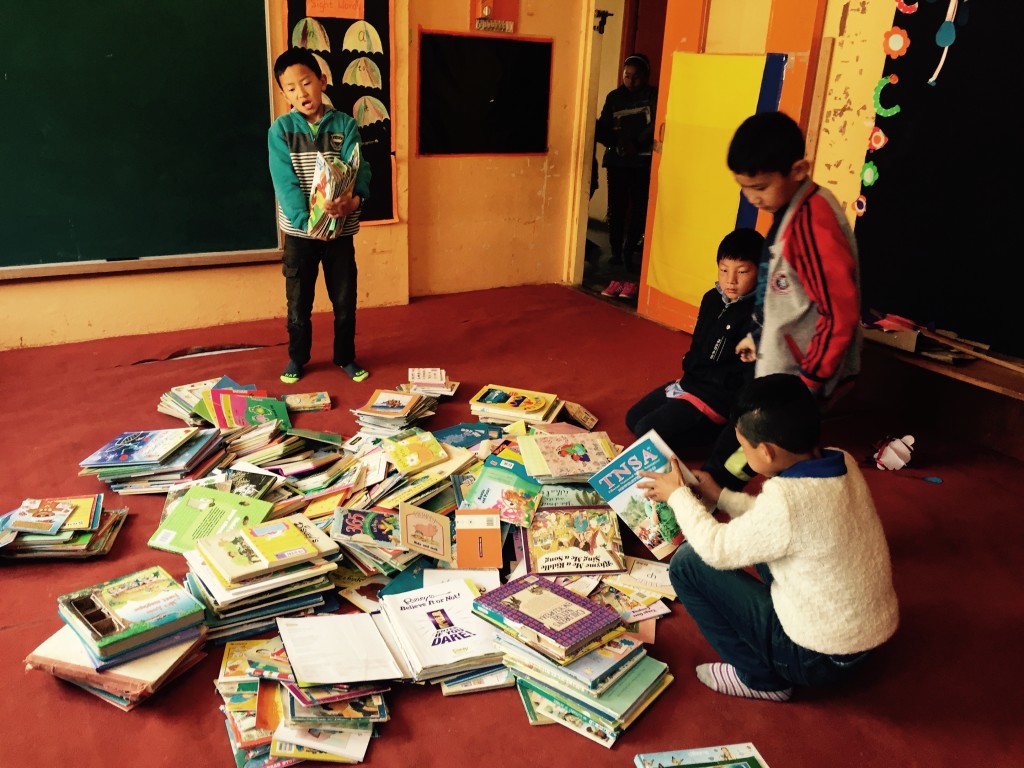
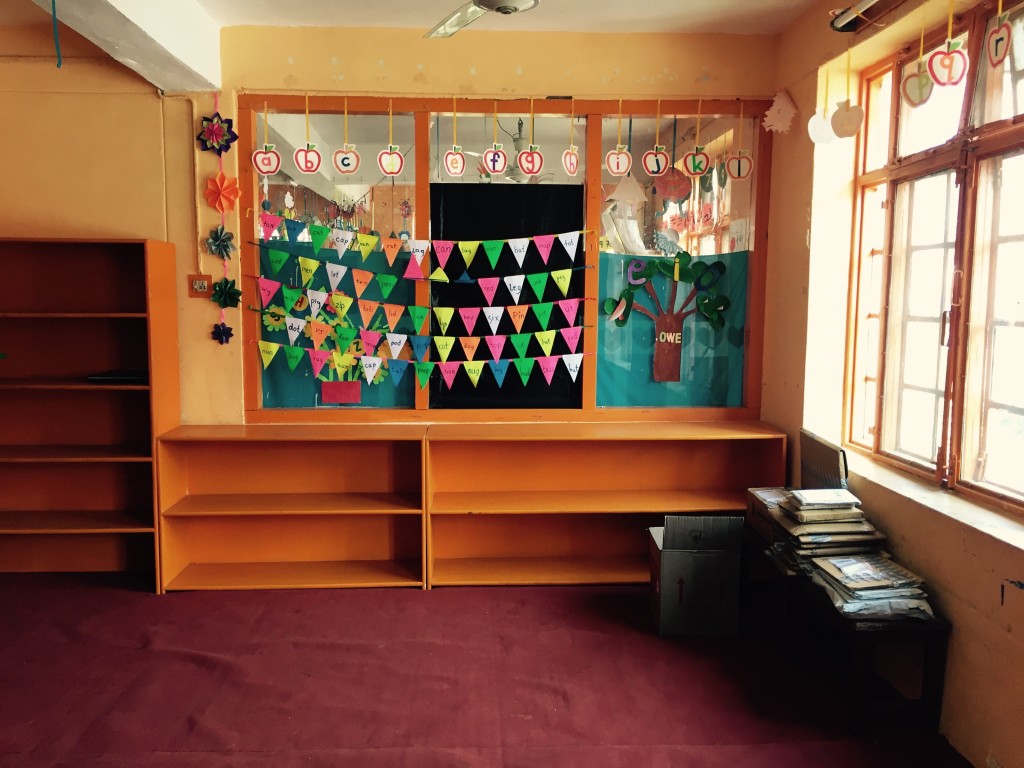
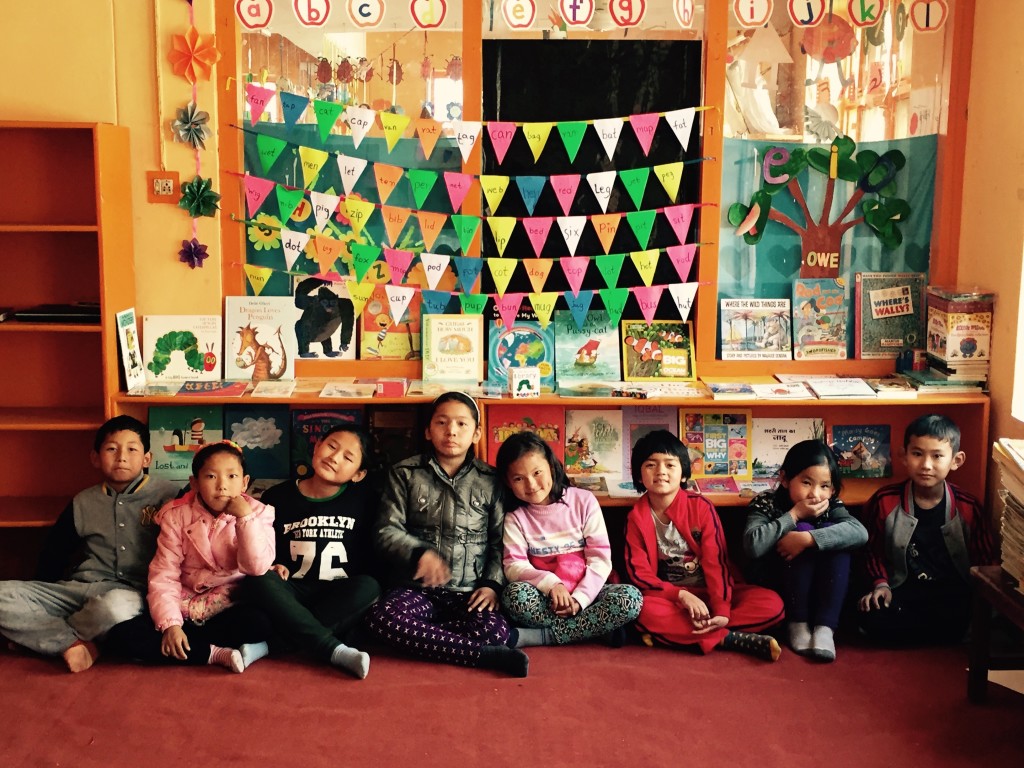
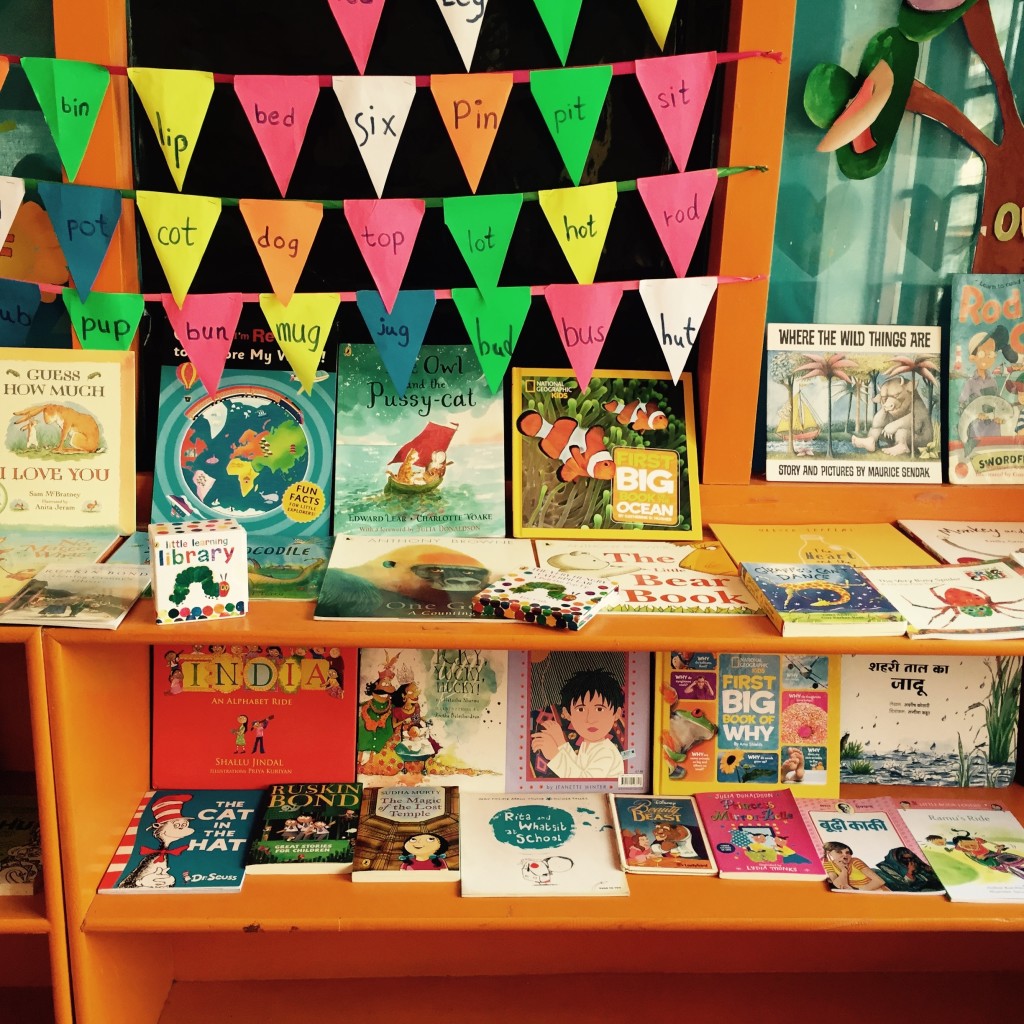
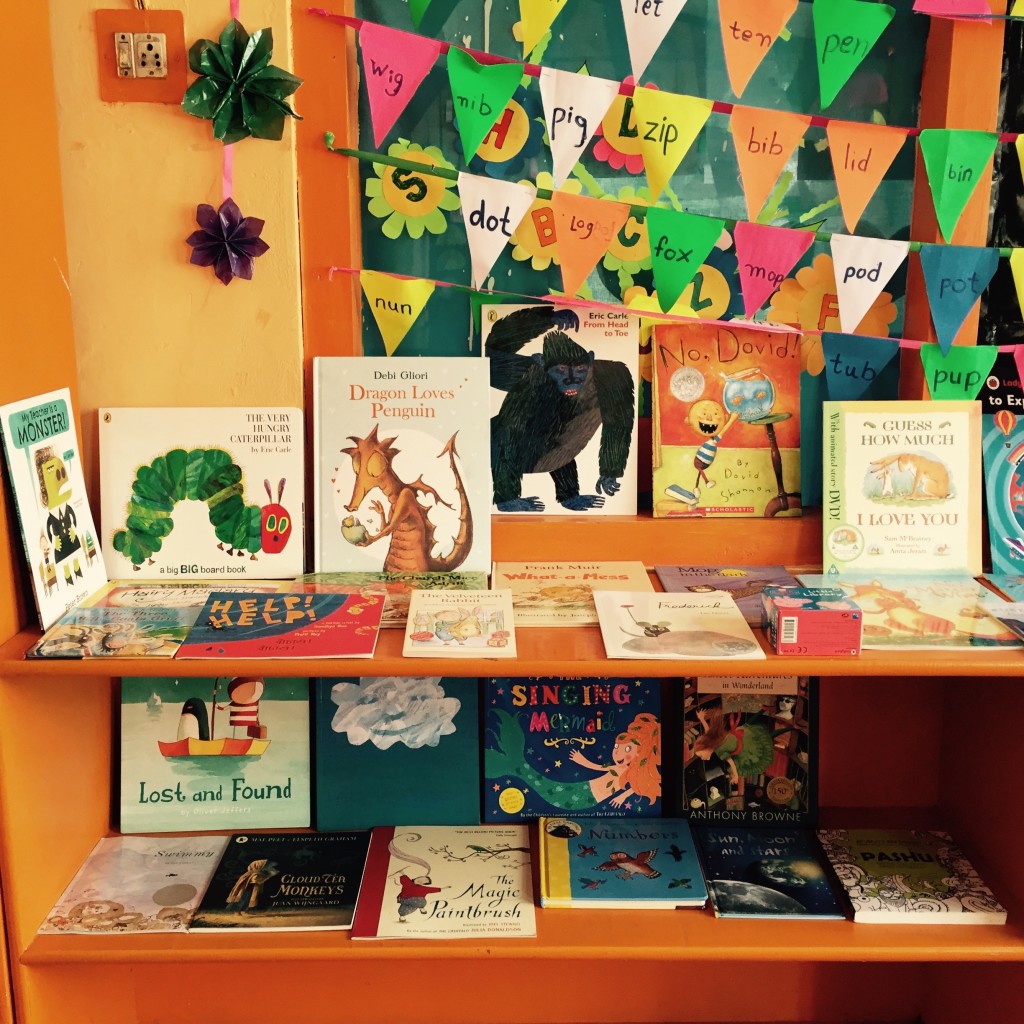
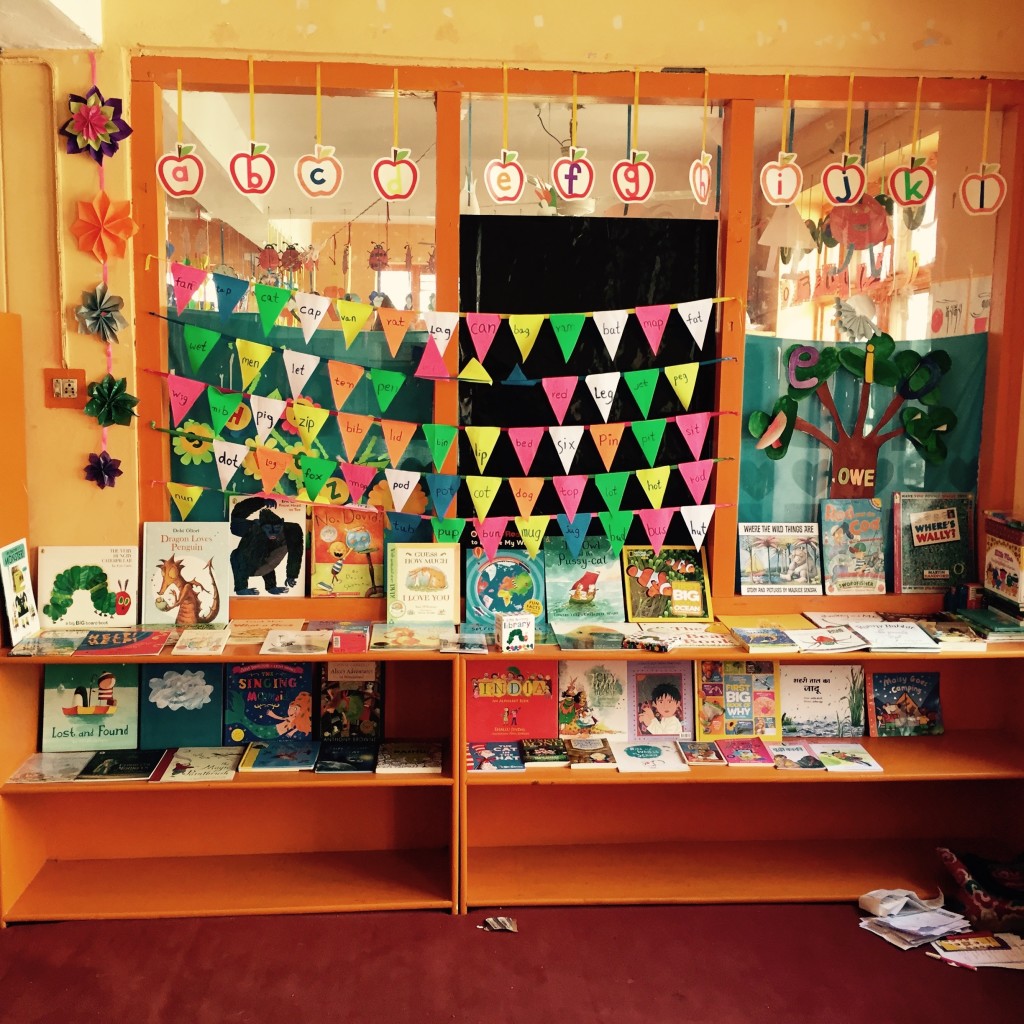
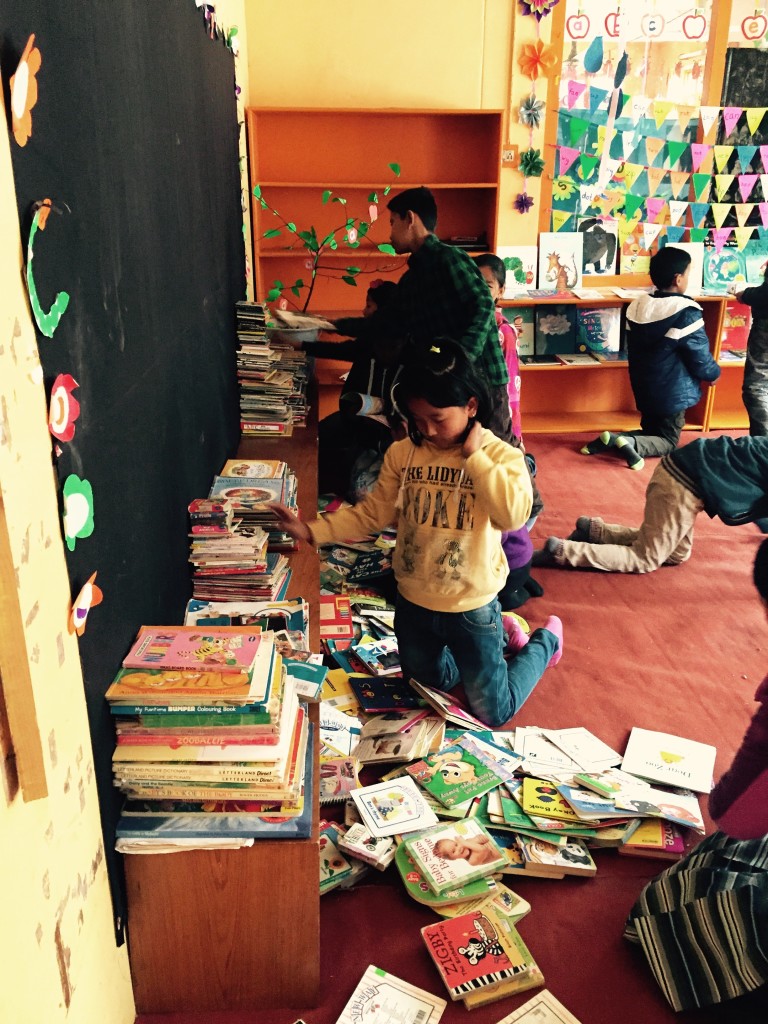
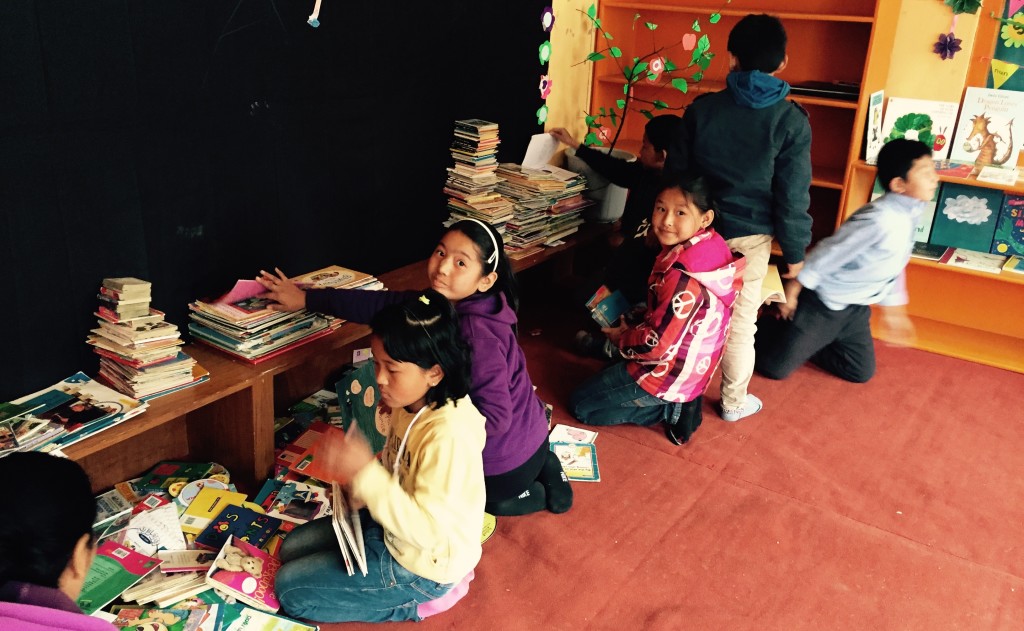
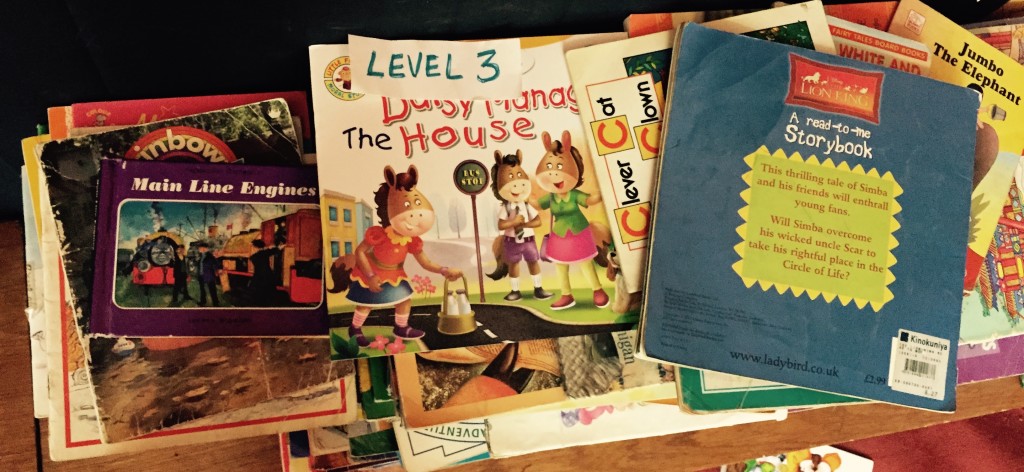
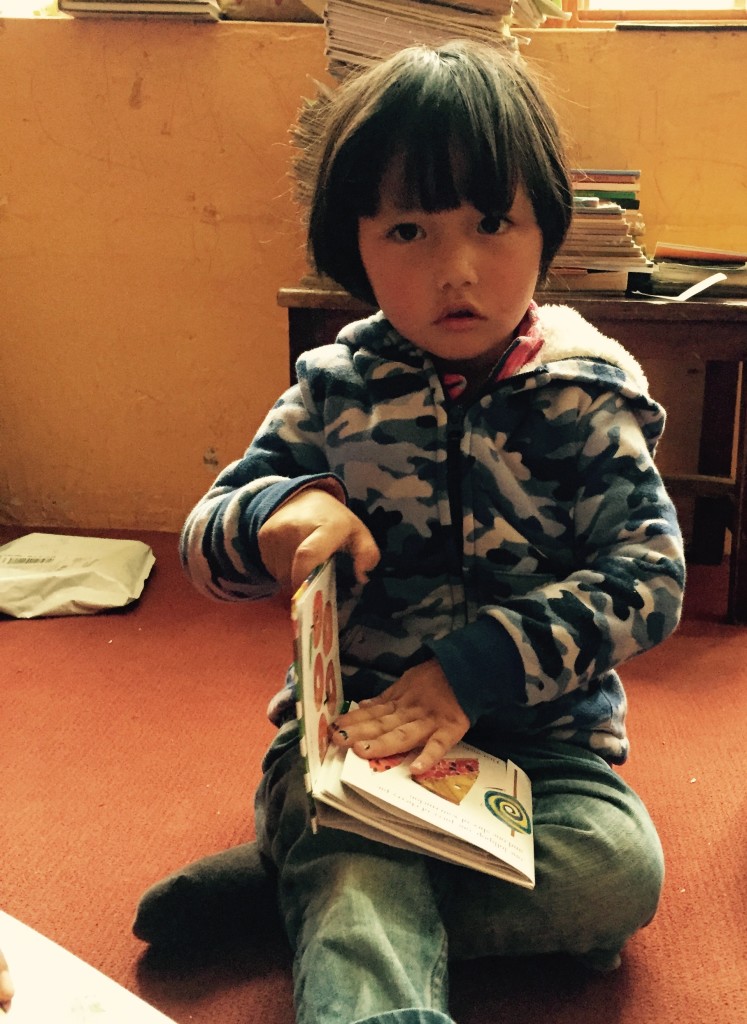
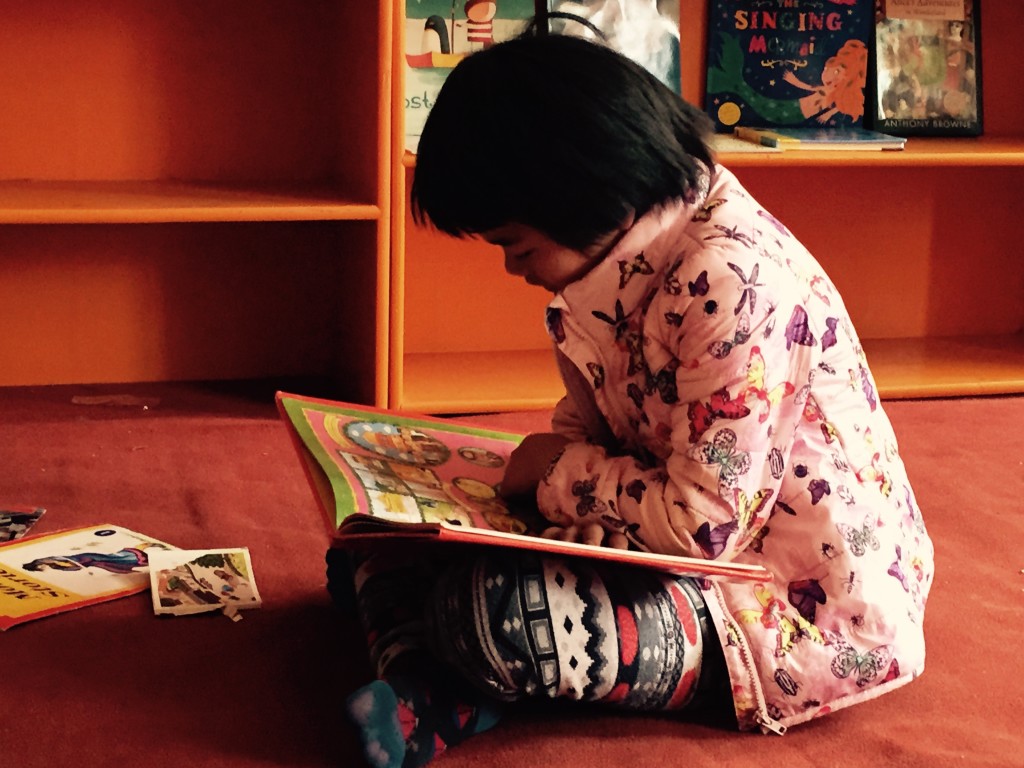
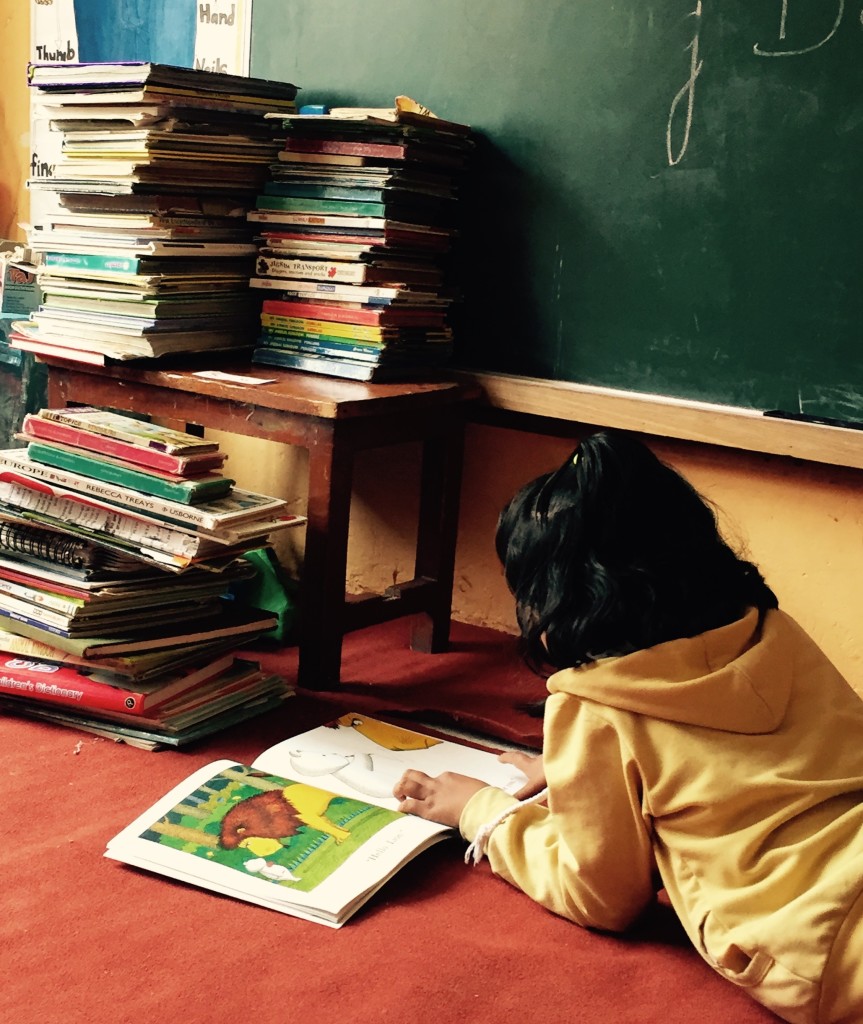
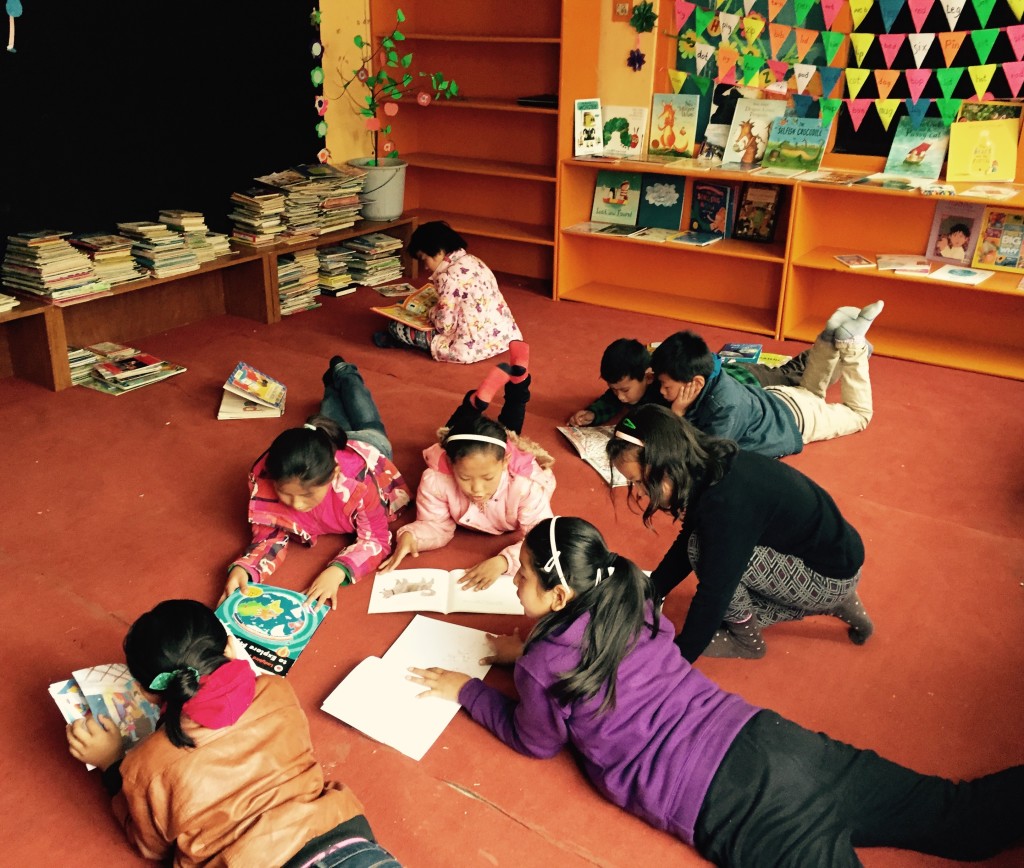
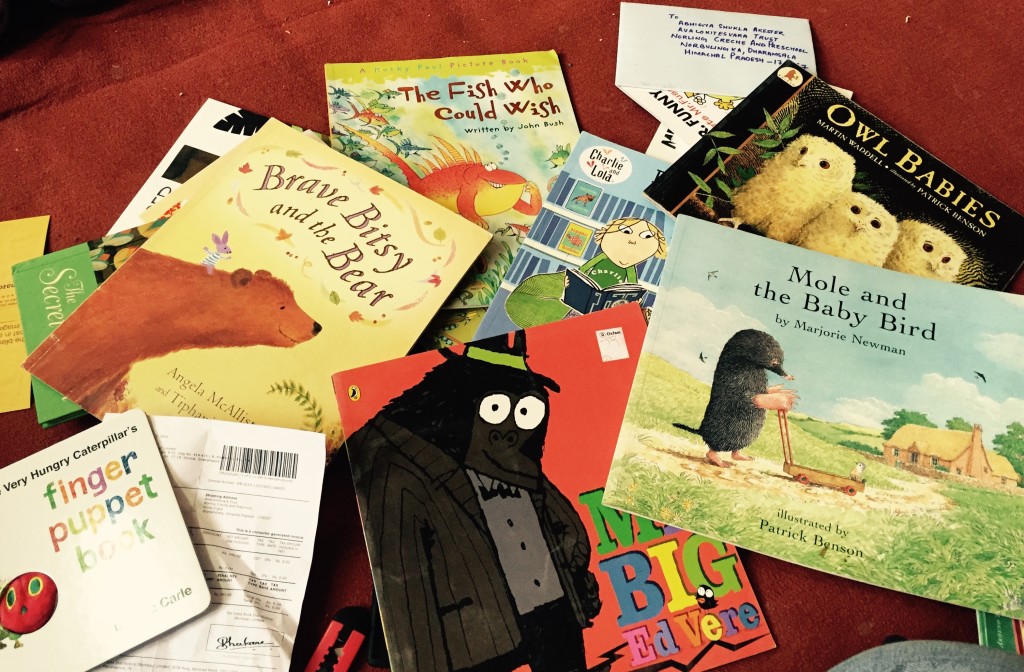
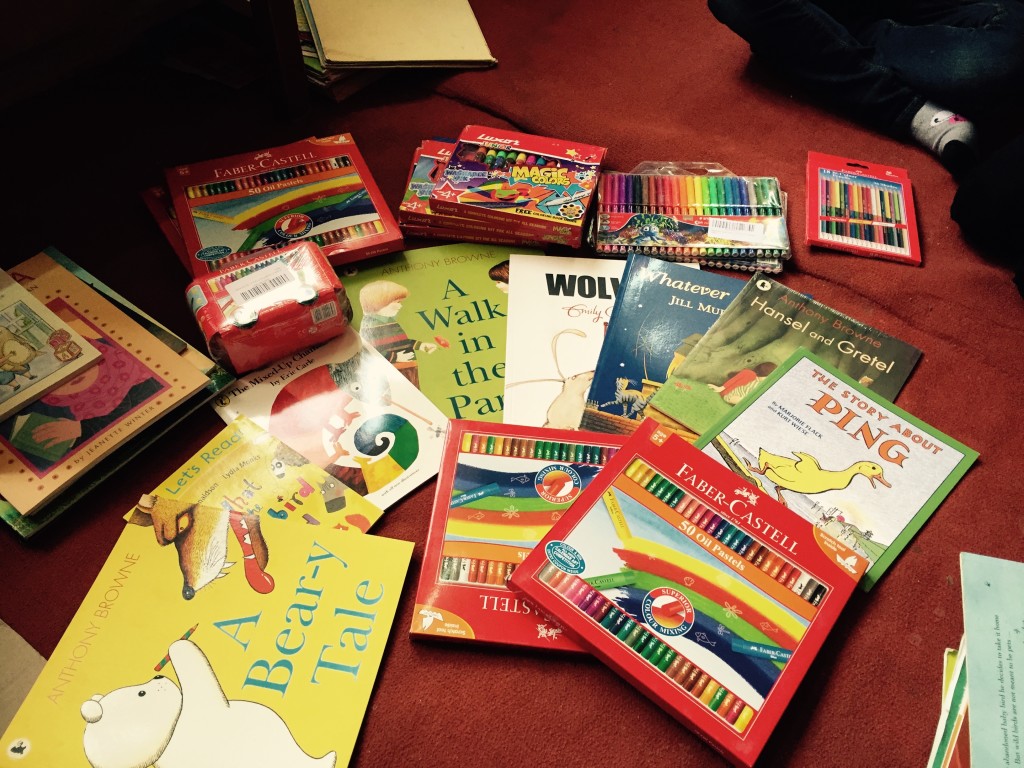
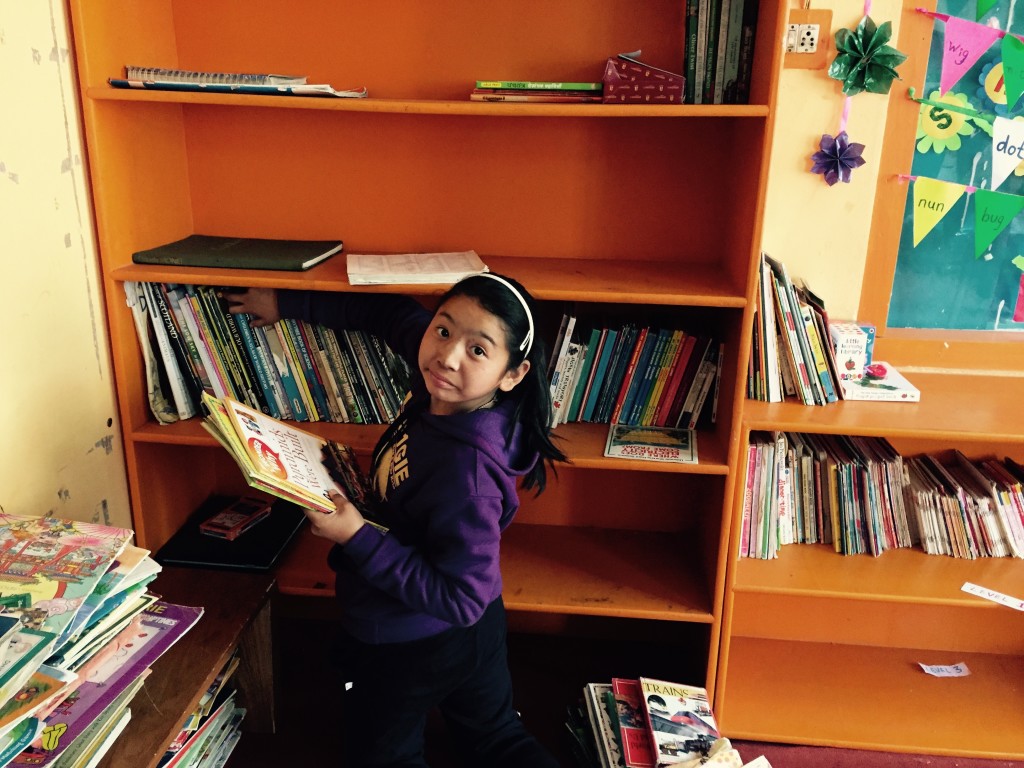
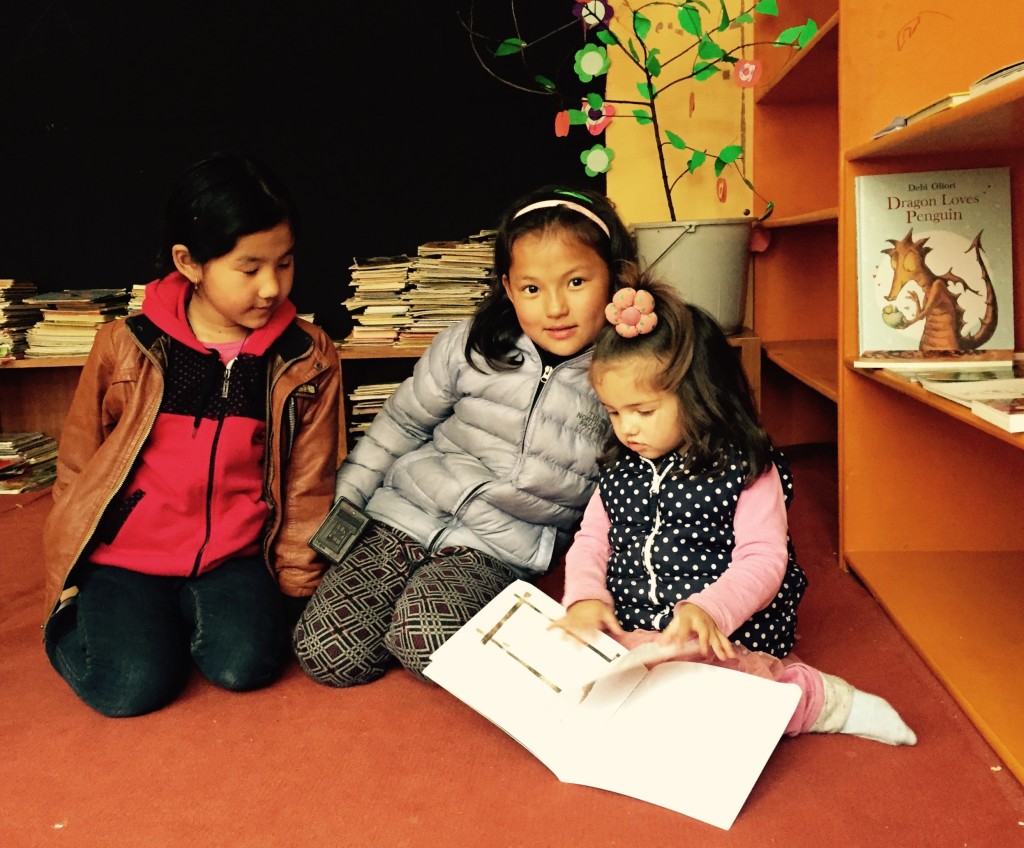
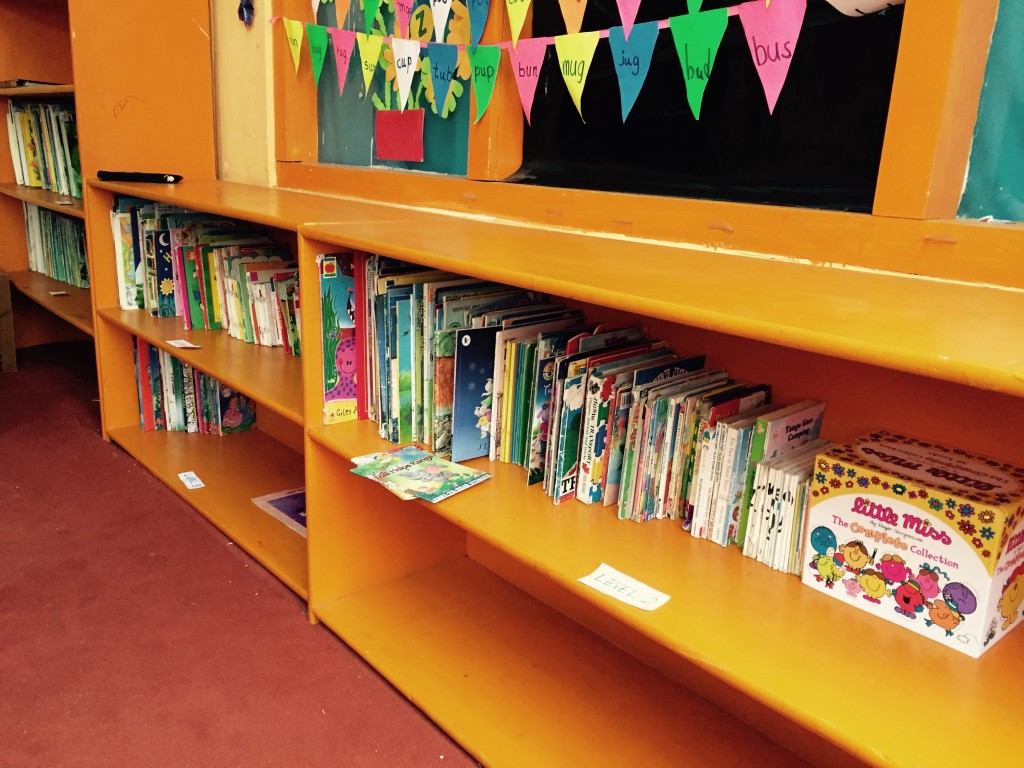
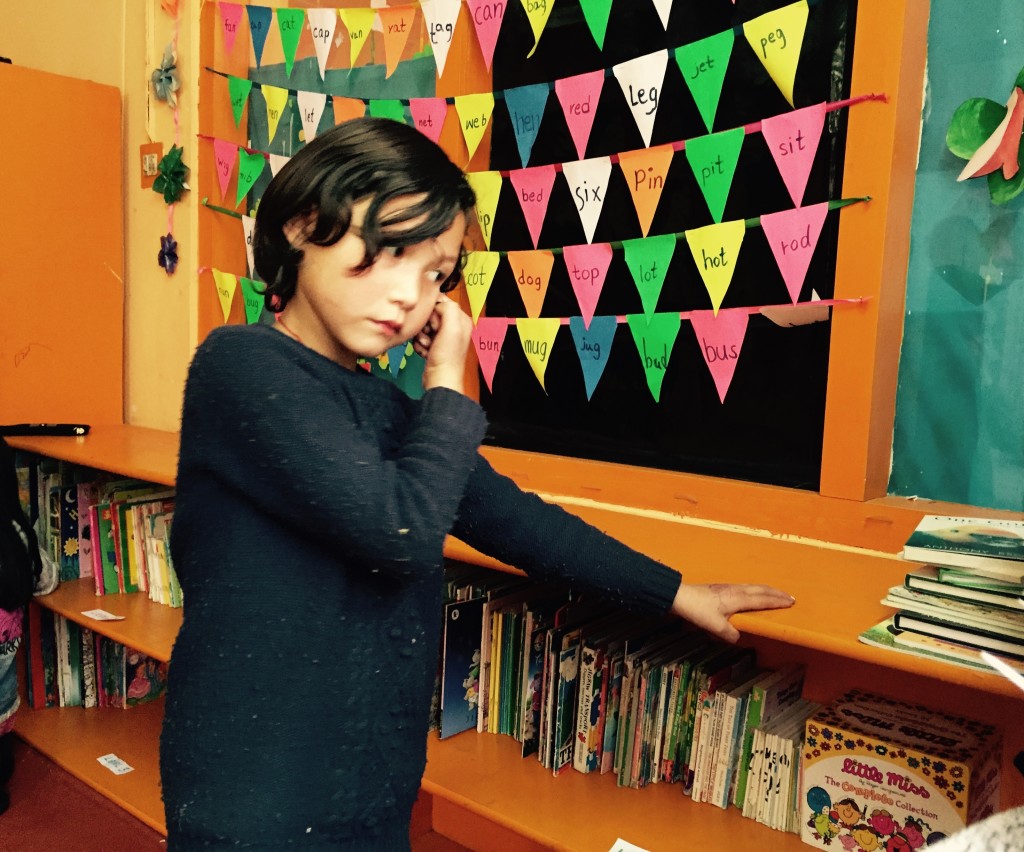
A village reading room may have a welcoming space, colourful materials and a carefully chosen collection, yet its shelves can still be limited. Families may live far from a large town, and visiting a bookshop or public library may require time, transport and money. When children exchange books with neighbouring villages, the same collection becomes a living network rather than a fixed resource.
This movement gives books a longer and more useful life. A picture book, folktale or beginner reader can reach many children instead of being read by a small group in one place. It also helps volunteers understand which subjects attract attention, which languages are most comfortable for young readers and where additional resources are needed.
The idea has parallels in Australia, where school libraries, council libraries and mobile library services help connect readers across wide distances. In regional New South Wales, Queensland or Western Australia, a library book may travel between branches or arrive on a mobile service. In the Himalayas, village-to-village exchange adapts that same principle to mountain communities.
A Wider Window On Childhood
Children learn about their own surroundings through books, but reading can also offer a safe view of another place. A story from a nearby village may describe a familiar landscape, local customs or seasonal work in a slightly different way. That small difference can prompt conversation: Do children there celebrate the same festival? Do they see the same animals? What games do they play after school?
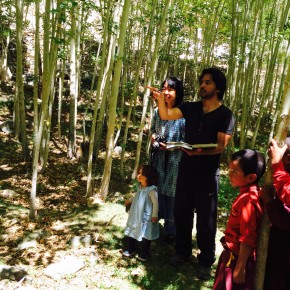
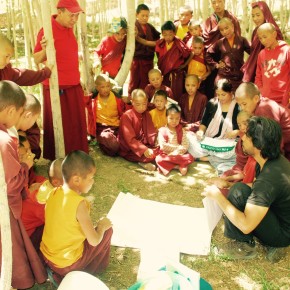
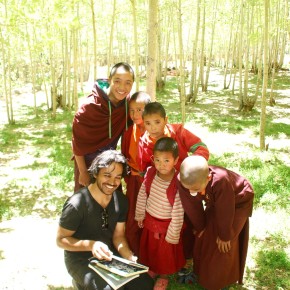
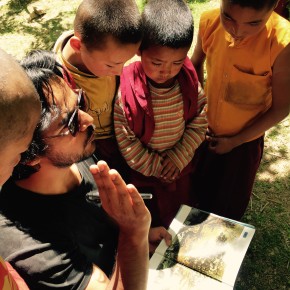
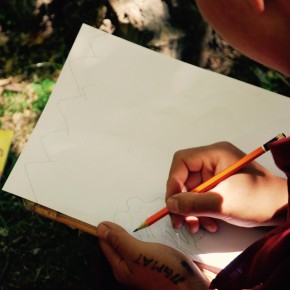
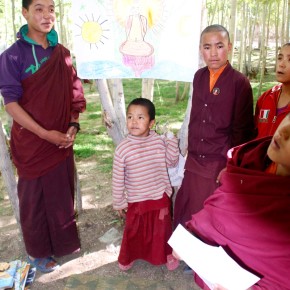
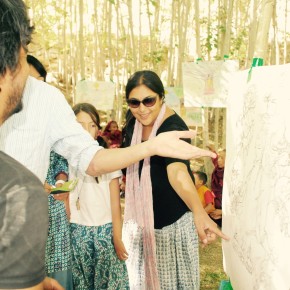
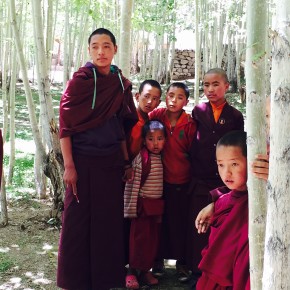
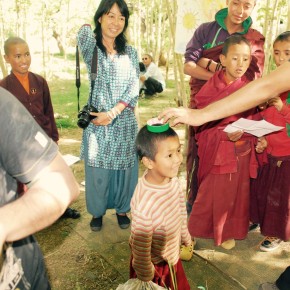
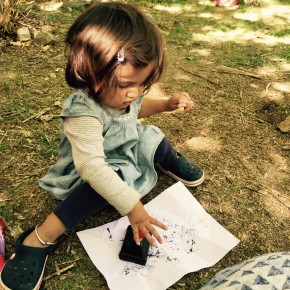
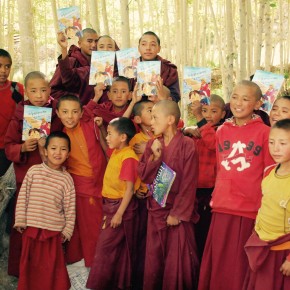
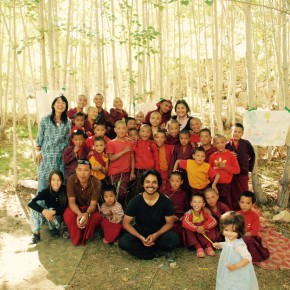
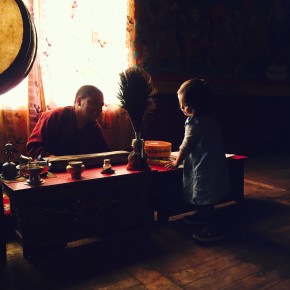
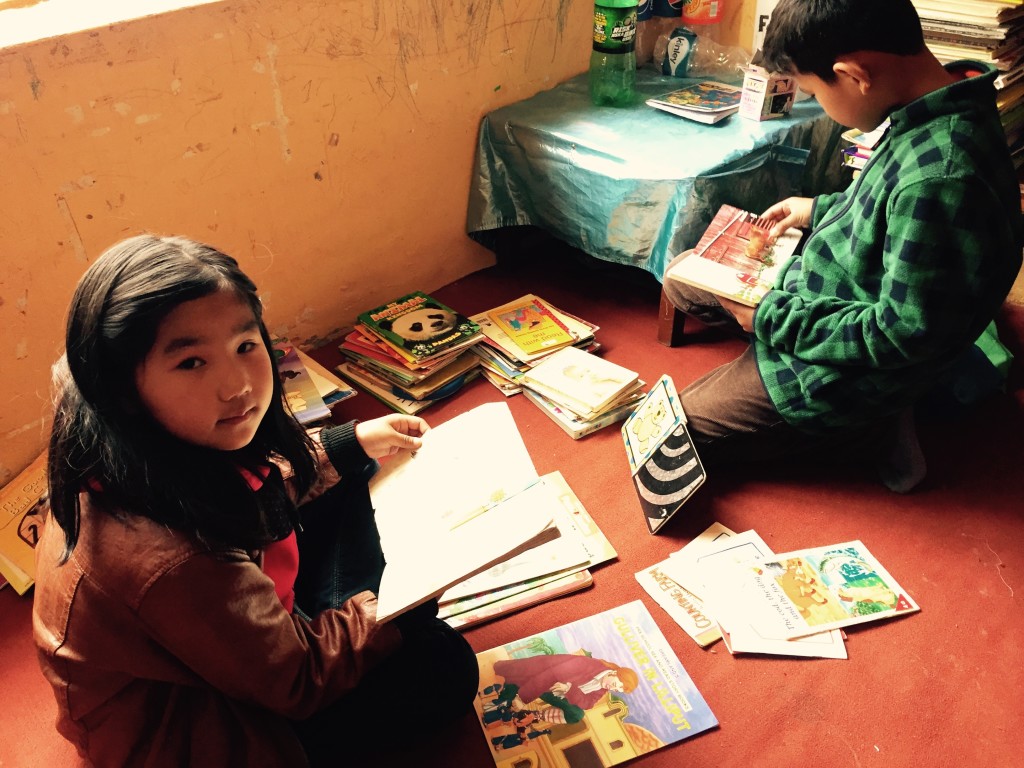
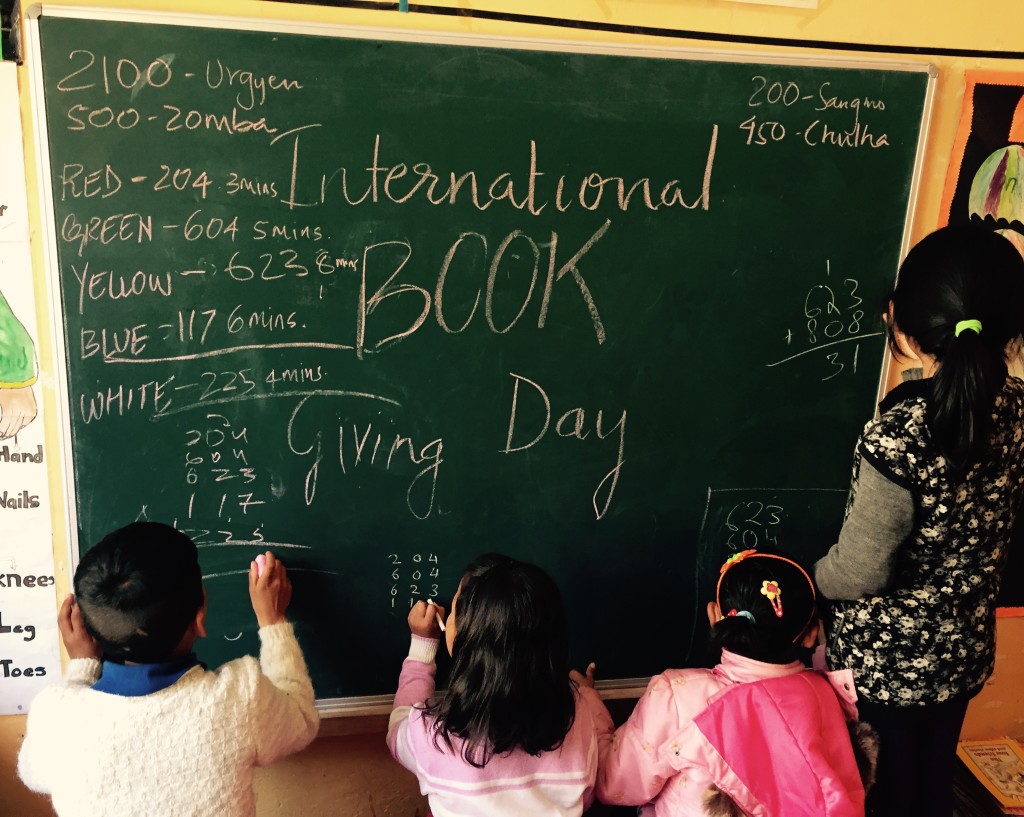
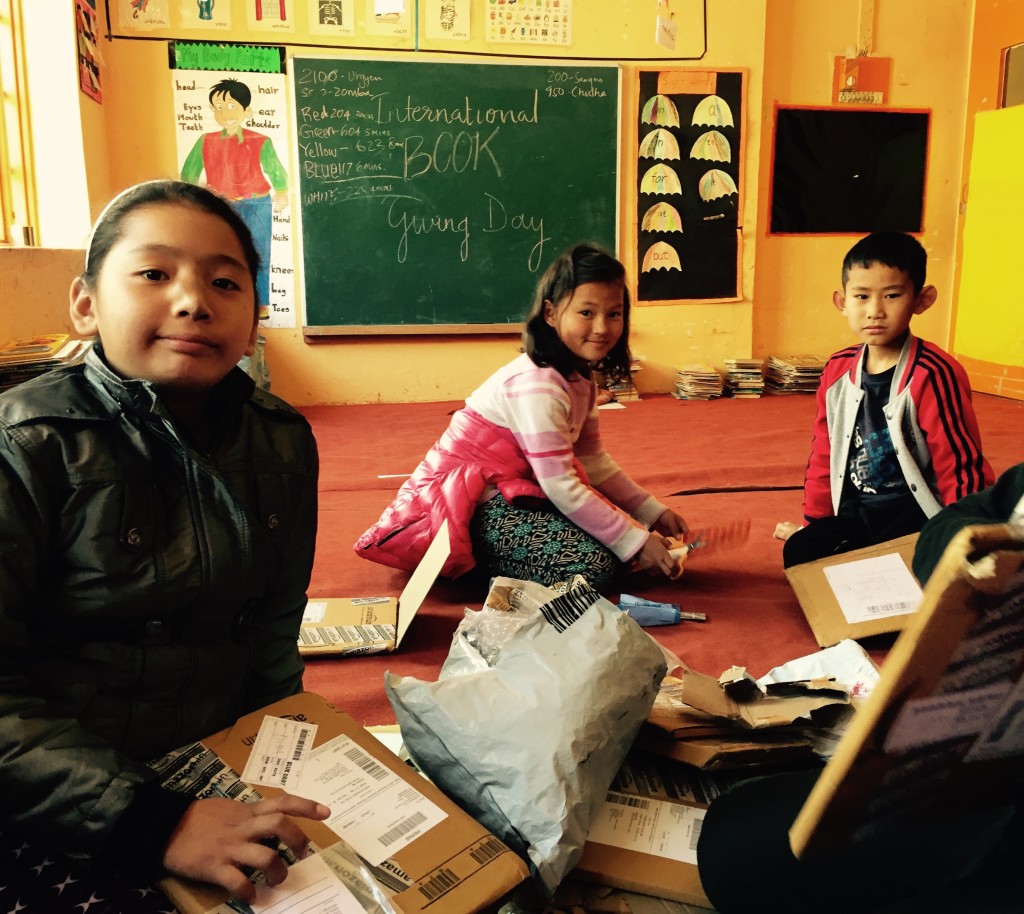
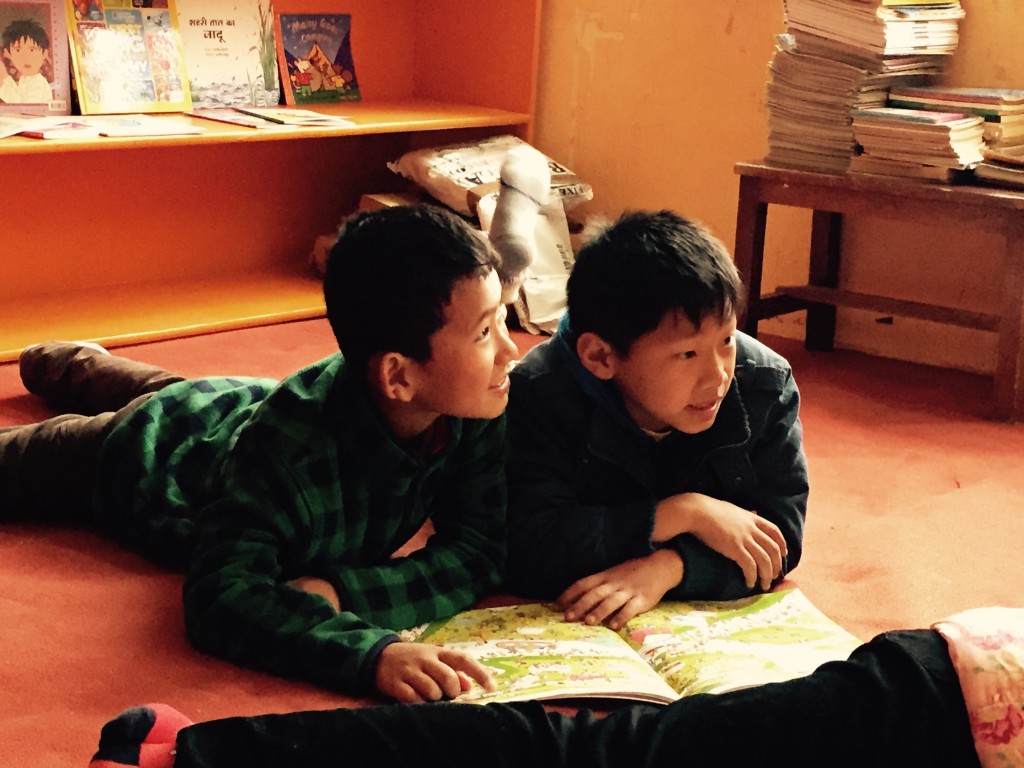
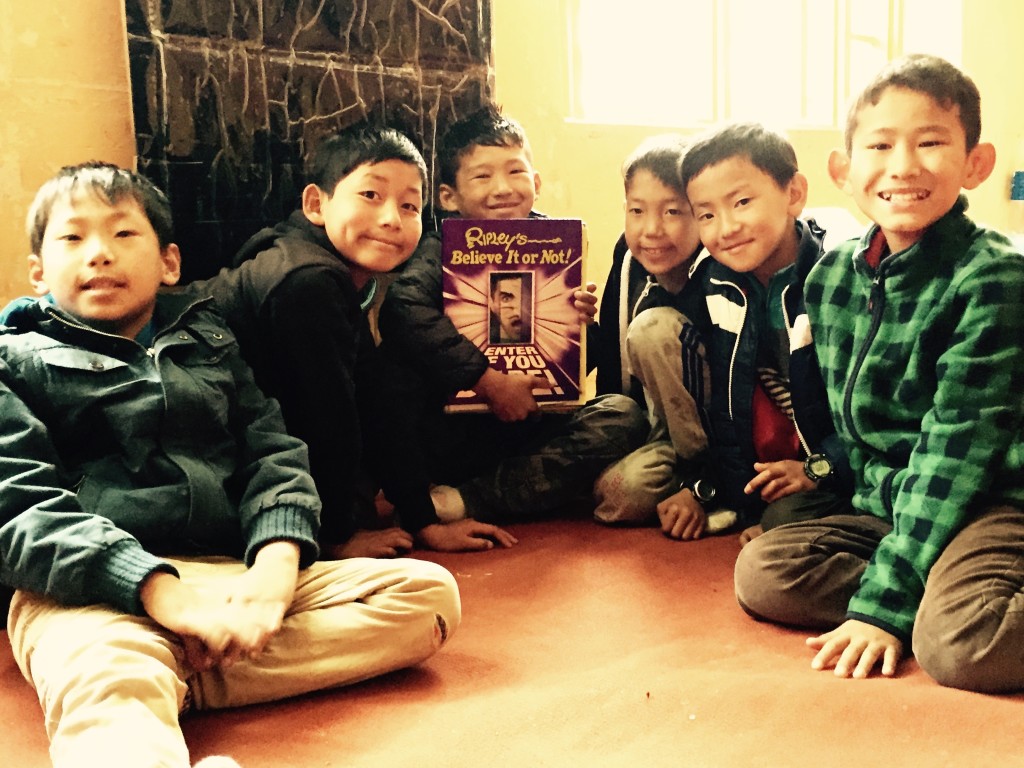
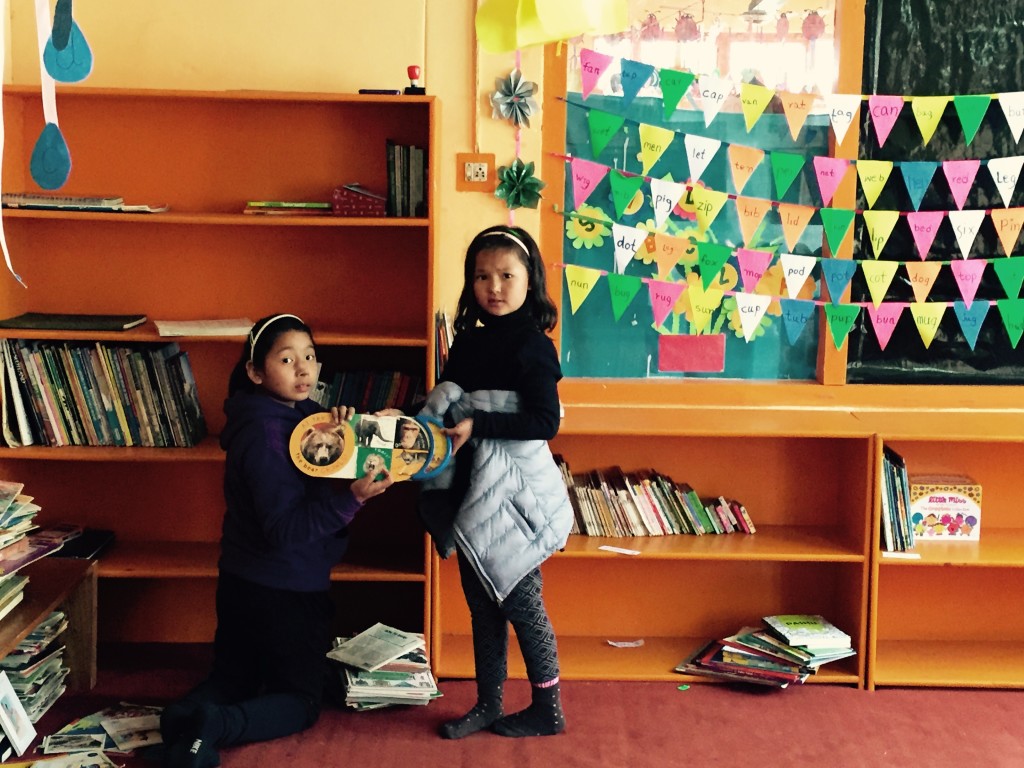
Such exchanges make reading social. Children can recommend a favourite character, illustrate a scene or leave a short note for the next reader. A young monk might share a book with a child in a lay community, while children from different valleys discover common interests through stories, art and music.
This matters because educational opportunity is shaped by geography. A child should not need to leave their home community to encounter new ideas. Shared reading helps broaden horizons while allowing children to remain connected to their own culture, family knowledge and local environment.
Learning Across Languages And Generations
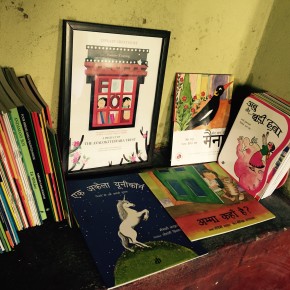
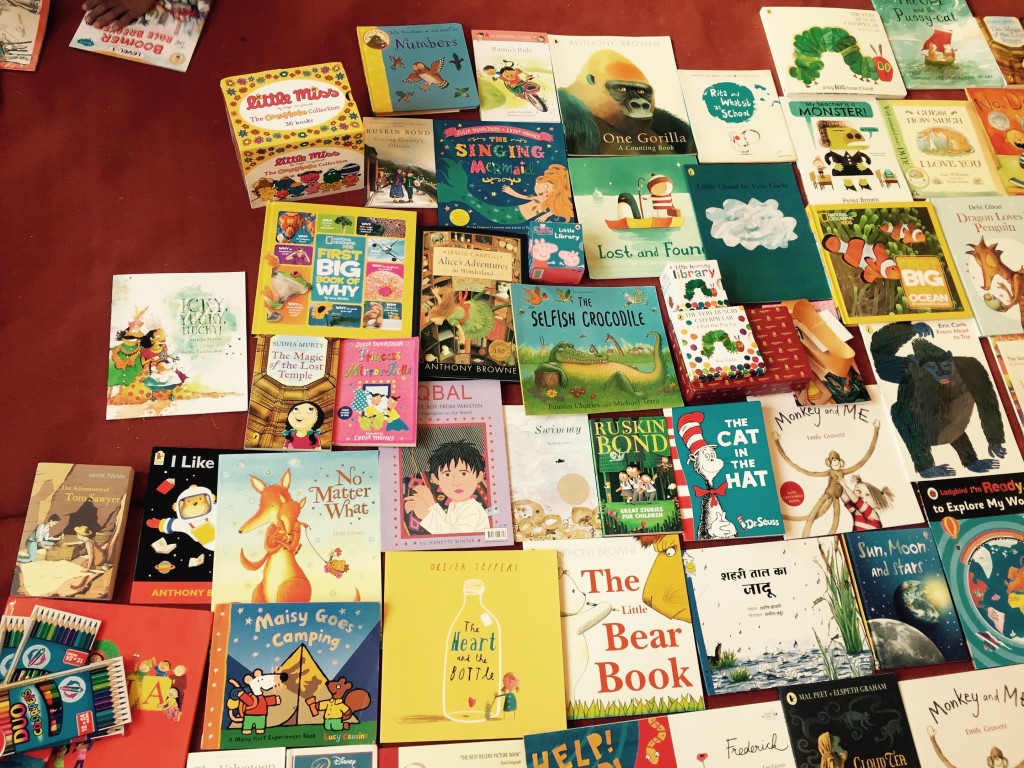
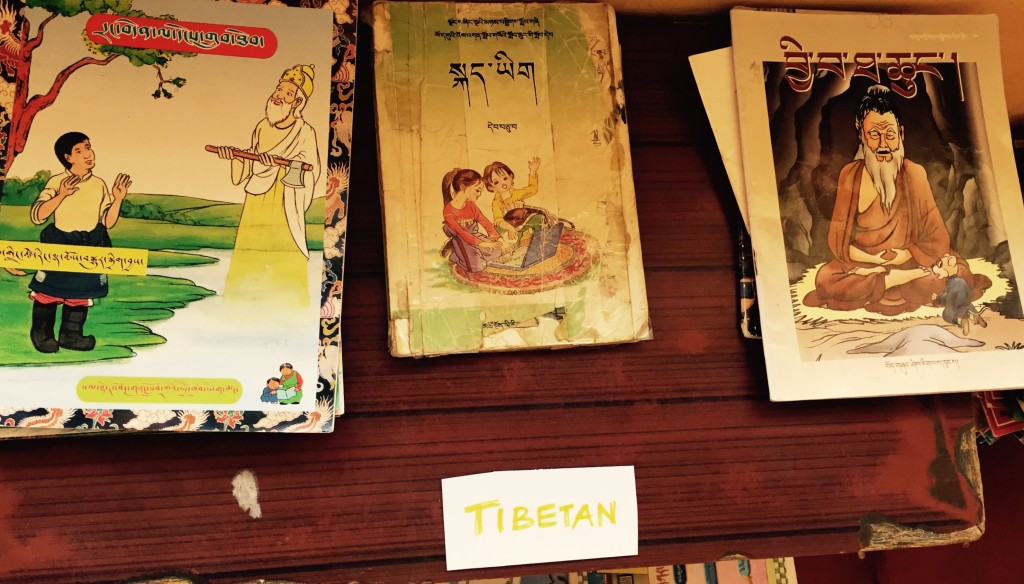
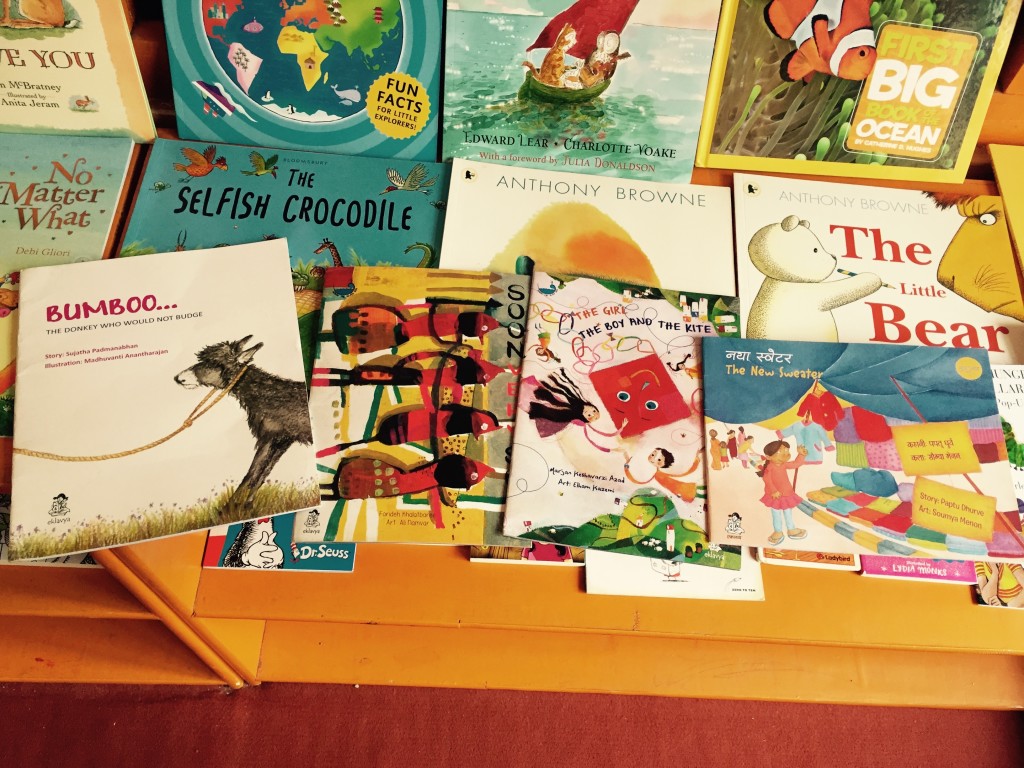
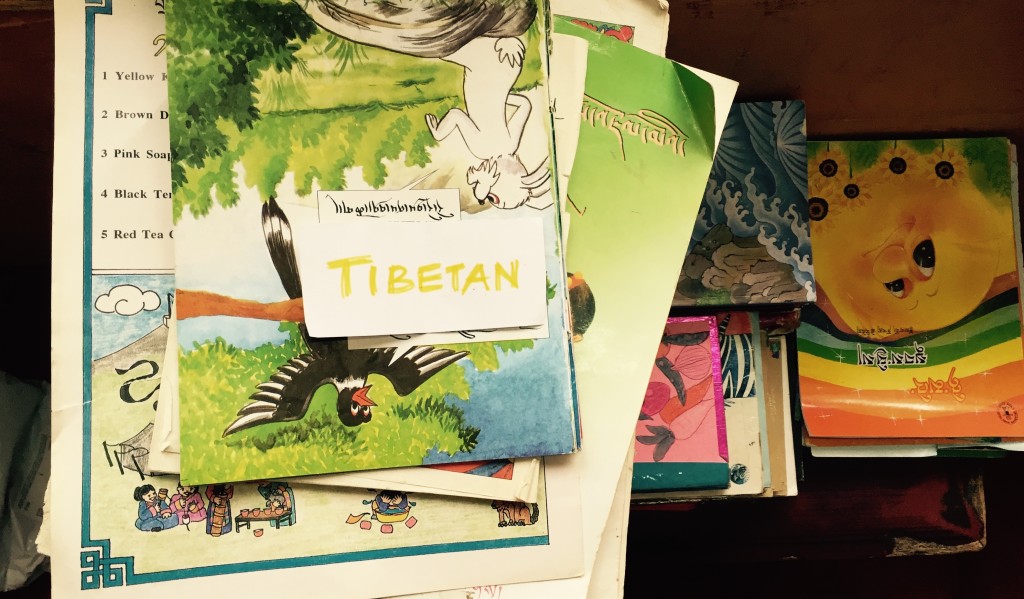
Books in English, Tibetan, Hindi and local languages can serve different purposes. Some strengthen early literacy, some support school learning, and others encourage imagination through pictures and narrative. A mixed collection allows children to choose material at an appropriate level rather than treating reading as a single pathway.
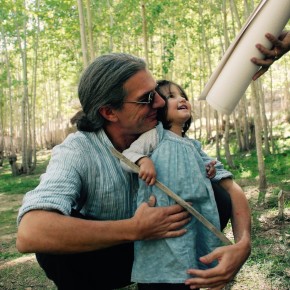
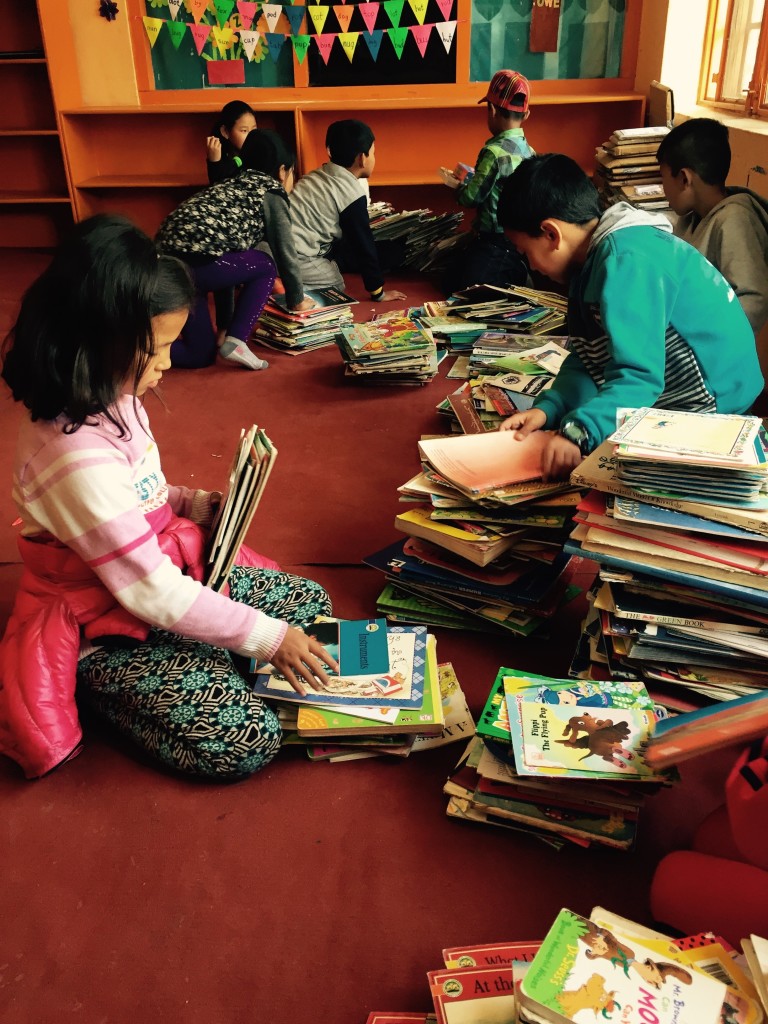
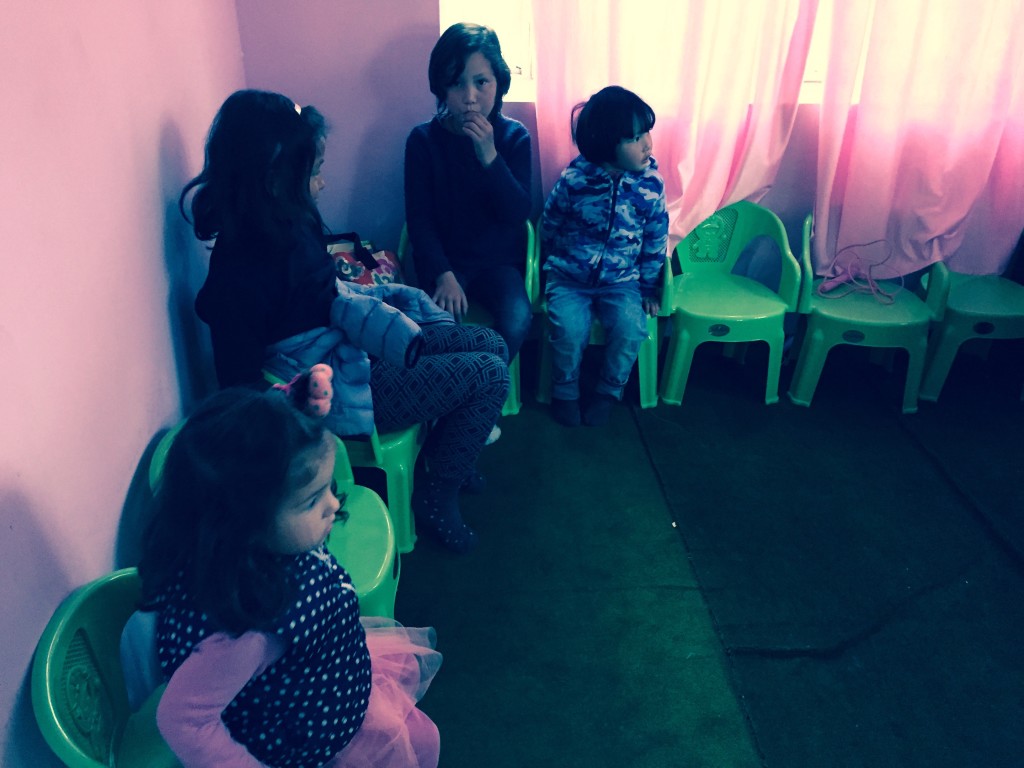
Older children can support younger readers by reading aloud, explaining unfamiliar words or helping them discuss a story. This creates useful responsibility without turning reading into a formal lesson. Grandparents, parents, teachers and monks may also recognise stories that connect with oral traditions, religious education or community history.
Australian families will recognise the value of reading aloud, whether it happens at a school library, a weekend story session or during a quiet “arvo” at home. The setting may differ, but the basic experience is familiar: a child becomes more confident when reading feels shared, enjoyable and free from embarrassment.
Relationships Built Through Giving
Exchanging books teaches children that resources can be cared for and passed on. A reader learns to keep pages clean, return a book on time and consider the next child who will use it. These habits support responsibility, but the deeper lesson is generosity.
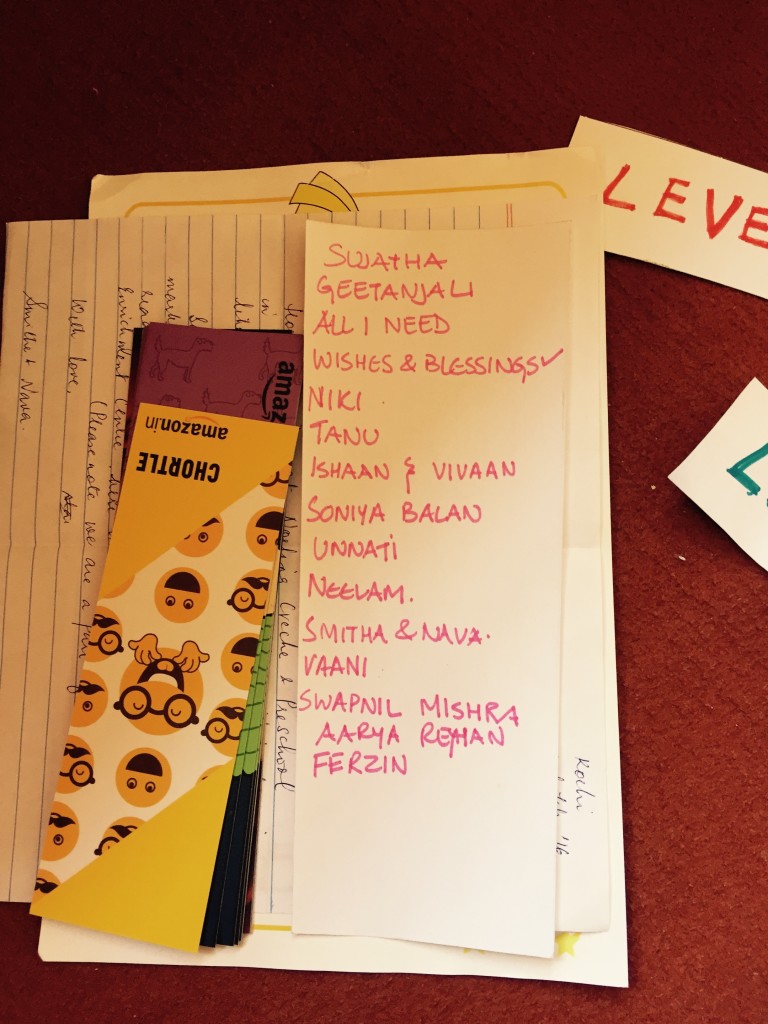
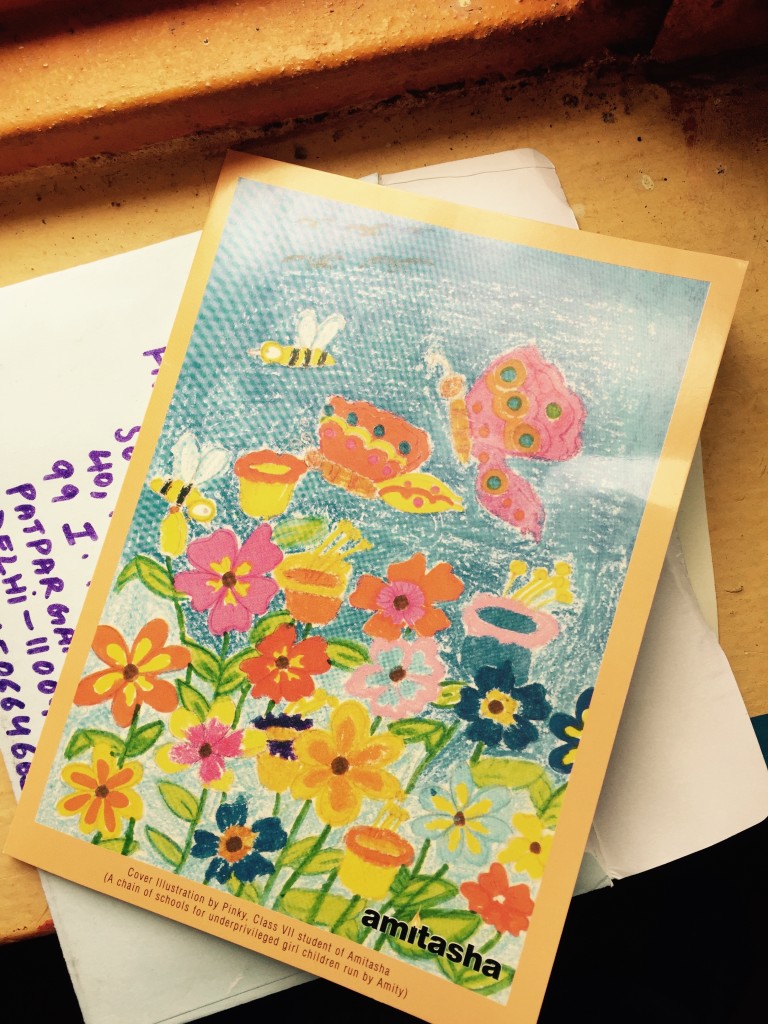
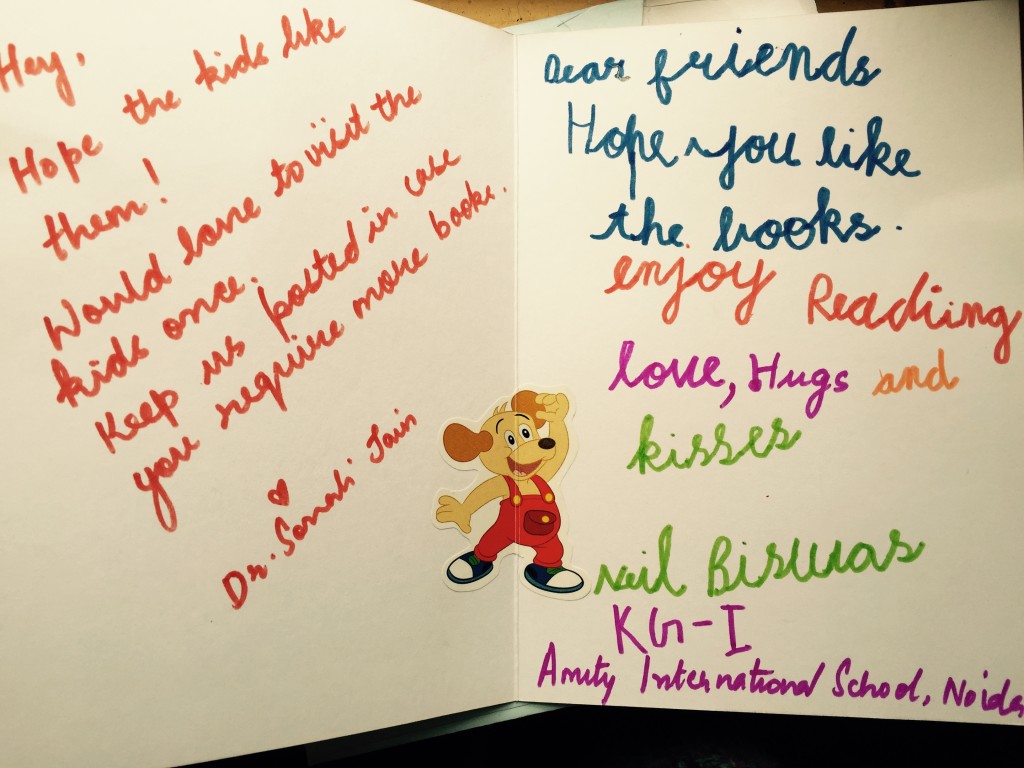
A shared book can also become a small ambassador between villages. Children may draw a welcome card, include a list of recommended stories or record a short message for another reading group. These acts make distant communities feel more present in everyday life.
Supporters overseas can see similar values in community library networks, where access to books depends on cooperation, stewardship and local participation. The Himalayan setting has its own needs, yet the principle is widely understood: reading grows stronger when people build systems that allow resources to circulate.
What A Book Exchange Can Teach
A carefully managed exchange offers lessons that go beyond vocabulary and comprehension. Children practise decision-making when choosing a title, communication when discussing it and empathy when imagining the life of a character. They also learn that knowledge is something to share rather than something to guard.
The exchange can encourage curiosity about neighbouring communities without suggesting that one village is more advanced than another. Each place contributes something: a story, a song, a drawing, a local memory or a different way of explaining the natural world. This balance helps children value both difference and connection.
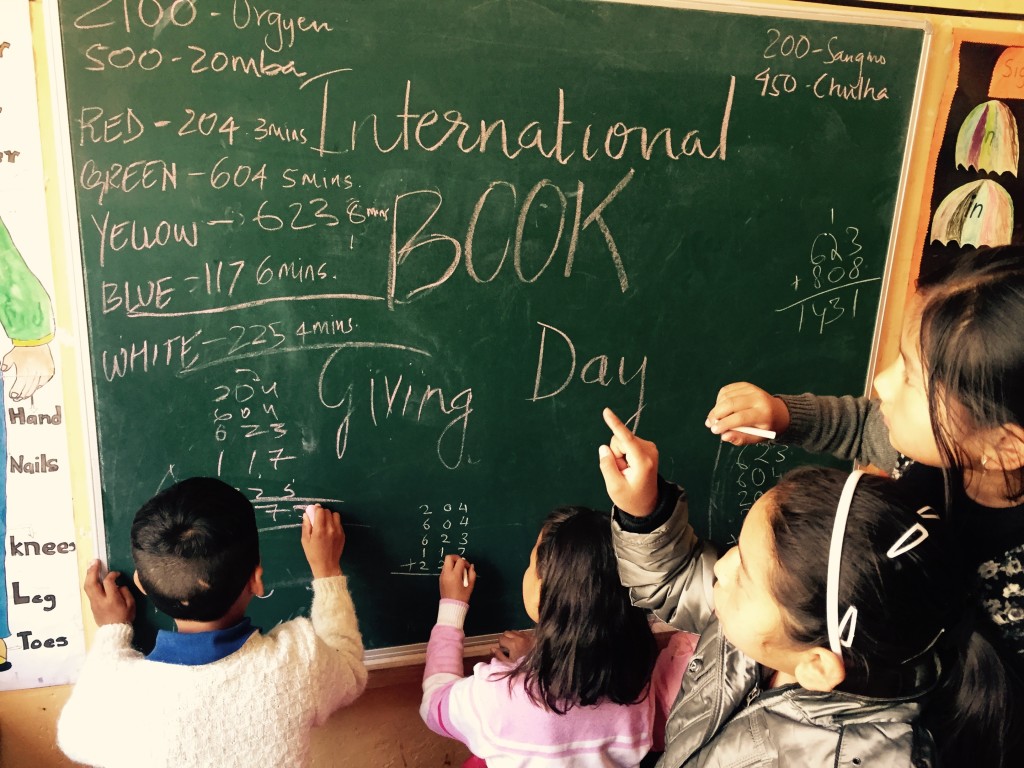
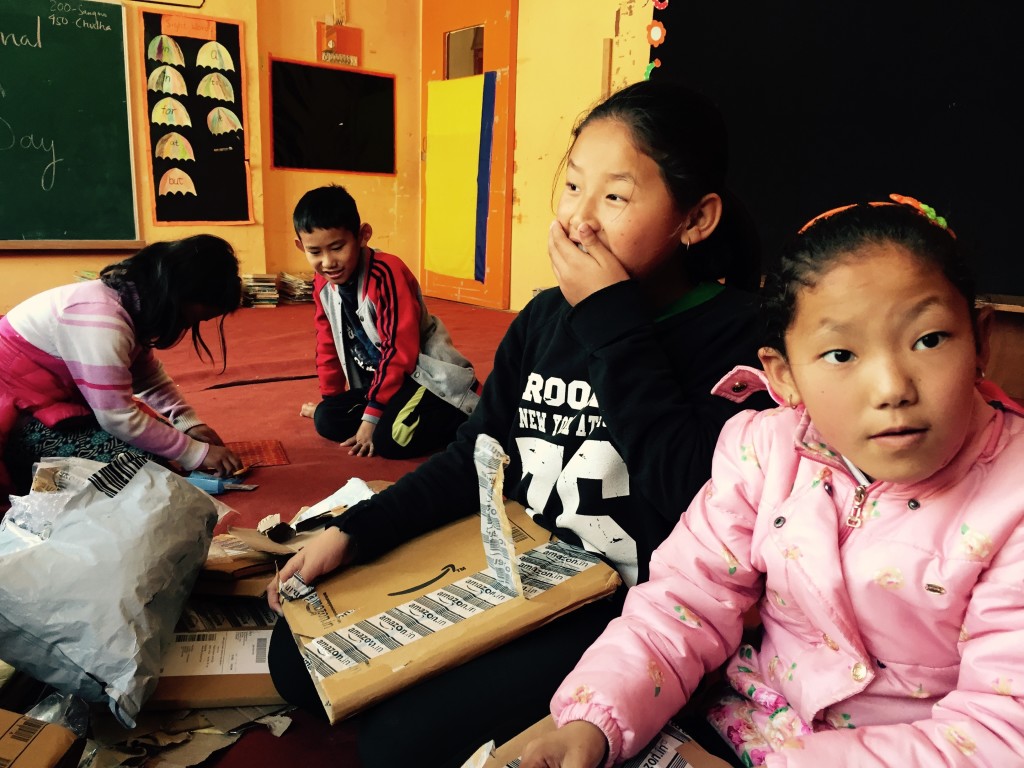
For Australian donors and volunteers, the model may feel familiar through school Book Week, local book swaps, op-shop discoveries and community fundraising. A gently used book in Melbourne or Perth may have finished its first chapter with one family, yet still offer years of enjoyment when selected, transported and placed thoughtfully in a Himalayan reading room.
Making Exchanges Work Well
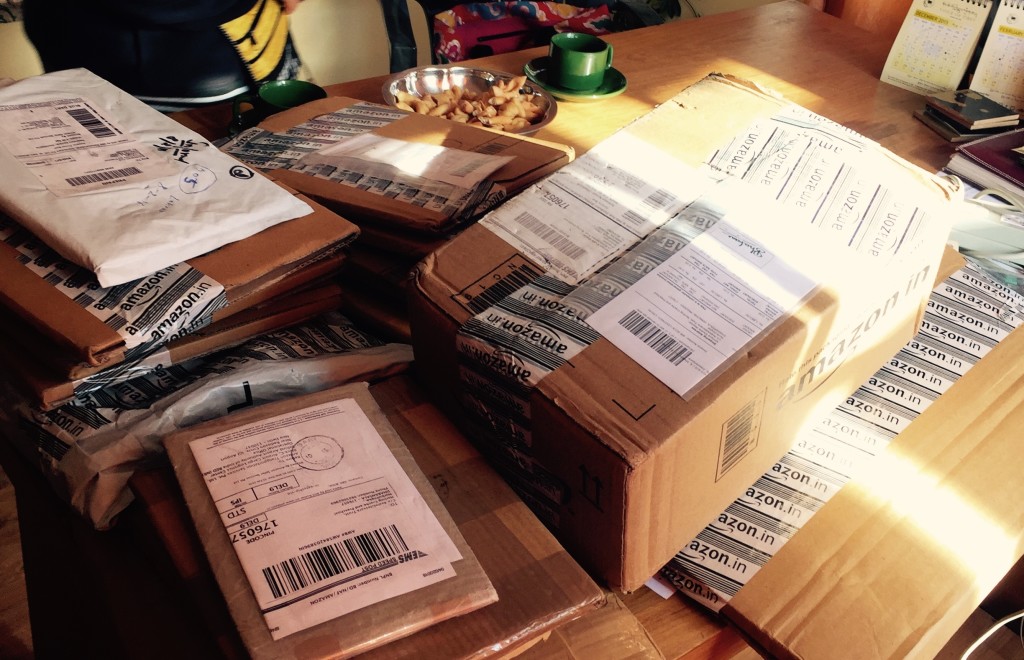
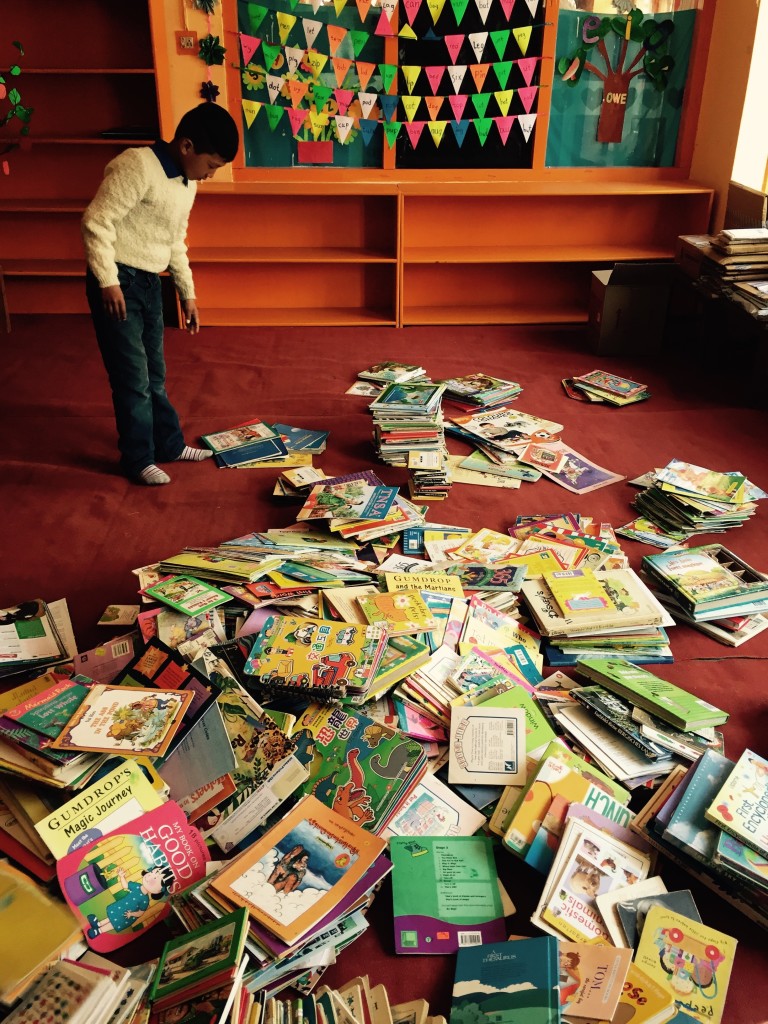
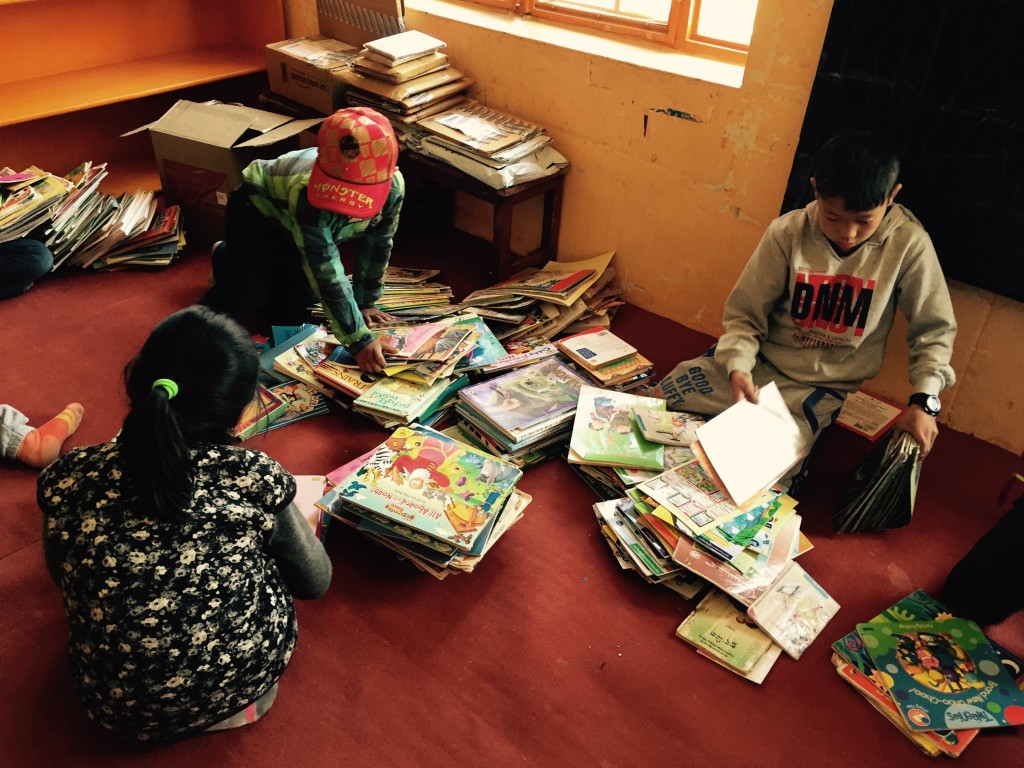
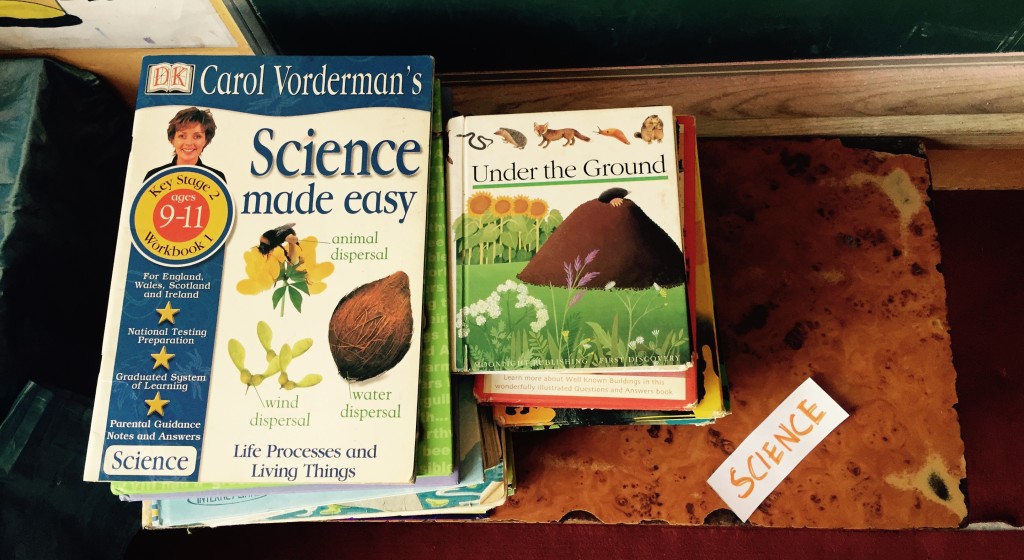
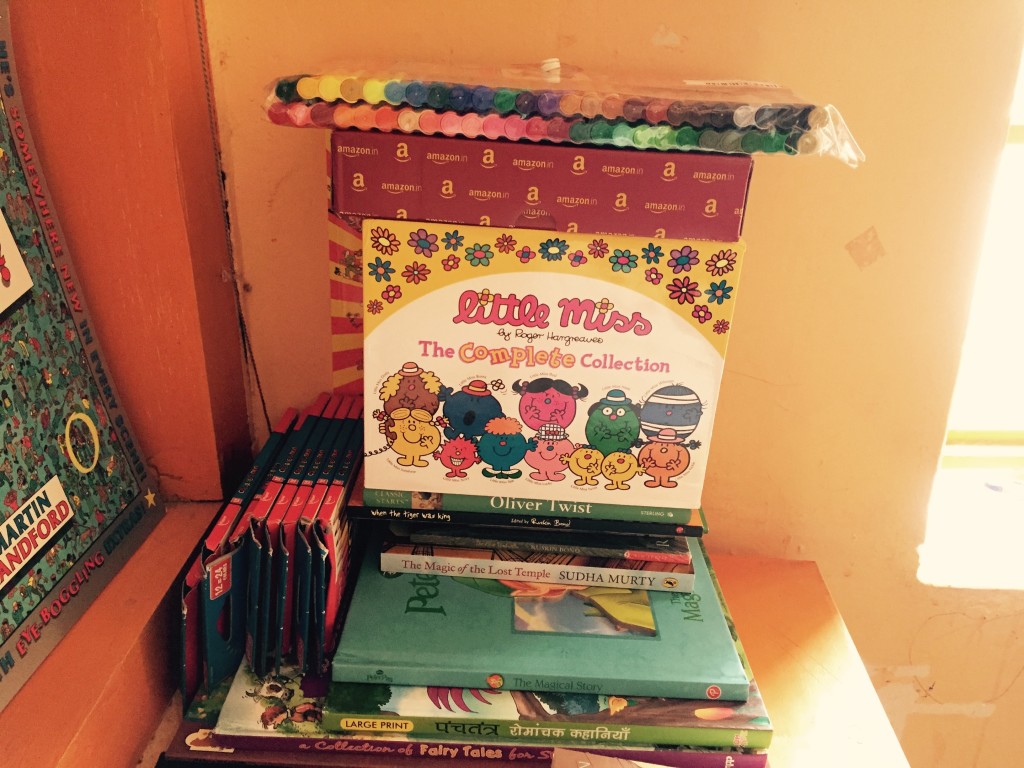
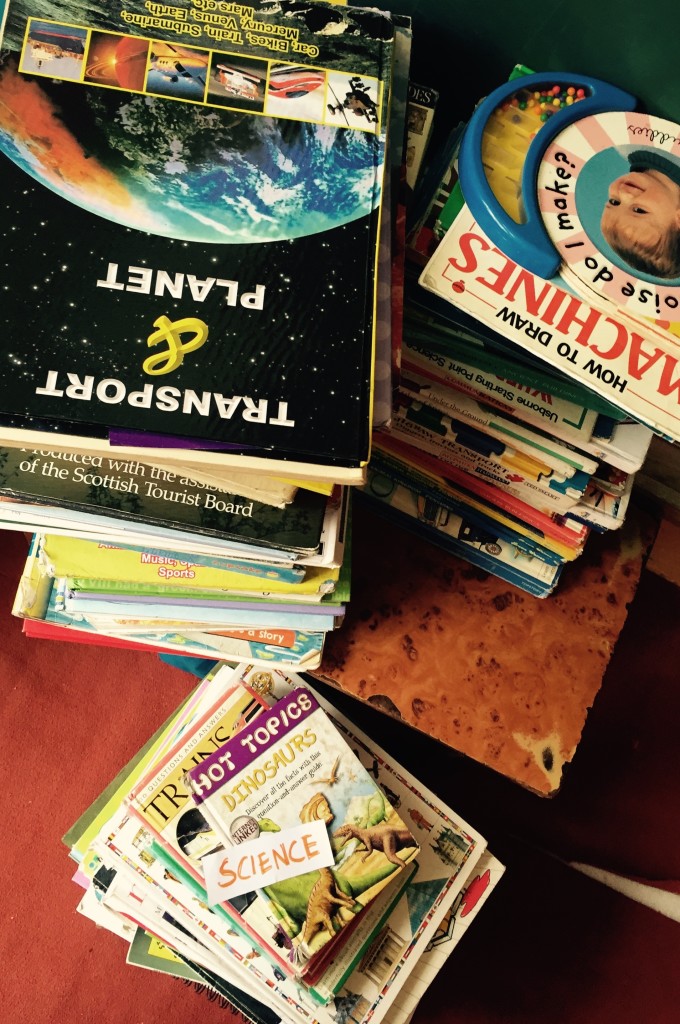
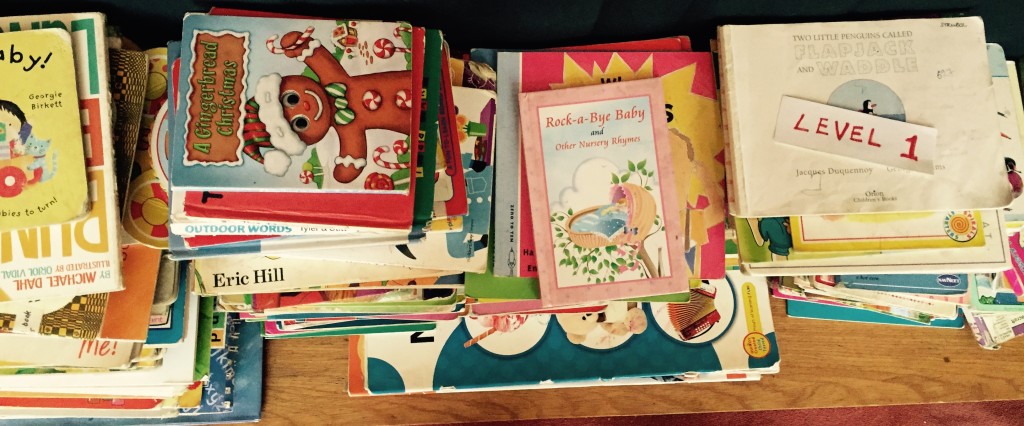
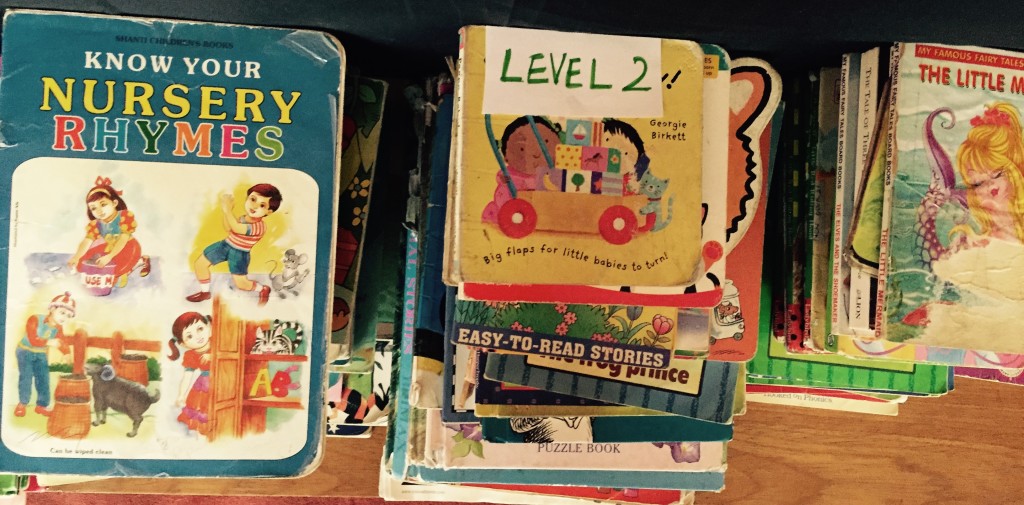
Book sharing is most effective when it is organised around children’s real needs. Collections should include sturdy books, varied reading levels and subjects that reflect both local life and wider interests. Books must be checked for condition, sorted clearly and transported with realistic expectations about roads, weather and storage.
Teachers, volunteers and reading-room coordinators can keep a simple record of where books travel. This need not be complicated. A notebook, stamp or small card inside each book can show its journey and invite readers to add a favourite sentence or drawing. Such records turn circulation into a visible story of cooperation.
Useful ways to support village-to-village reading include:
- Donate durable, age-appropriate books in relevant languages and reading levels.
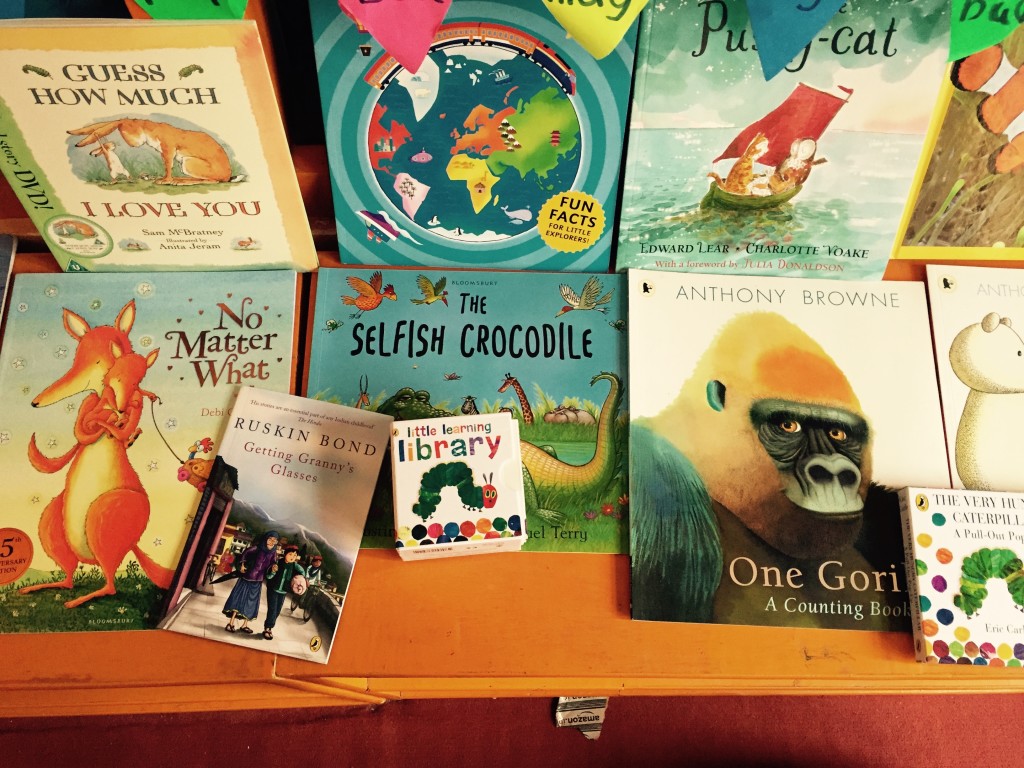
- Choose stories with strong illustrations for early readers and mixed-age groups.
- Support transport, shelving and weatherproof storage as well as book purchases.
- Encourage children to add drawings, recommendations or friendly notes.
- Fund reading sessions that combine books with music, art and storytelling.
- Respect local teachers, families and monastic communities when selecting materials.
In Australia, donors can also think carefully about freight. A large box of unsuitable books may cost more to transport than a smaller, better-curated collection. Working with an organisation that understands Himalayan communities helps ensure that contributions are practical, culturally respectful and genuinely useful.
Comparing A Fixed Collection With A Shared Collection
A permanent shelf gives children dependable access to familiar material, while a circulating collection introduces freshness and variety. Both have a role. The strongest reading programmes usually combine a stable core of local and educational books with titles that move between nearby communities.
| Feature |
Fixed Village Collection |
Shared Village Collection |
| Access |
Reliable in one location |
Reaches several communities |
| Variety |
Changes slowly |
Refreshes as books circulate |
| Community role |
Focuses on local care |
Builds cooperation between villages |
| Learning benefit |
Supports regular reading habits |
Encourages comparison and wider curiosity |
| Practical need |
Shelving and maintenance |
Tracking, transport and coordination |
| Best use |
Core reference and favourite books |
Additional stories, themes and reading levels |
A shared collection should never empty a reading room completely. Children benefit from books they can revisit, especially when building confidence in a new language. Circulation works best when popular titles remain available locally while other books travel according to a simple schedule.
The process can also reveal gaps. If several villages request early readers, environmental stories or bilingual materials, future book drives can respond more accurately. In this way, exchange becomes a form of listening as well as giving.
Keeping Stories In Motion
The value of a book exchange is measured in more than the number of titles delivered. It can be seen in children waiting for the next collection, recommending books to friends, drawing scenes from a story or welcoming readers from another village. These small moments show that literacy is becoming part of community life.
For Avalokiteśvara Trust, keeping books in motion means investing in relationships, imagination and opportunity across the Himalayan region. It gives children a reason to look beyond the boundaries of their village while reminding them that their own stories belong on the shelf as well. The practical takeaway is simple: choose useful books carefully, connect reading rooms thoughtfully, and let each well-loved book keep travelling.