Family Reading Challenges That Bring Everyone to the Page
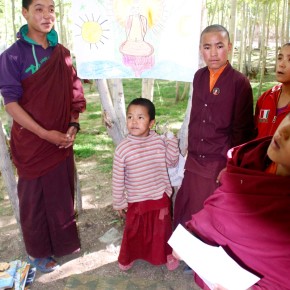
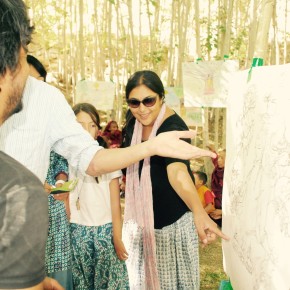
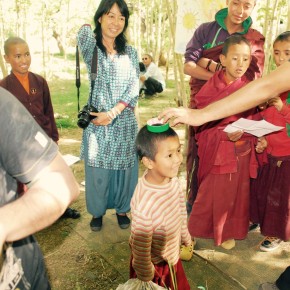
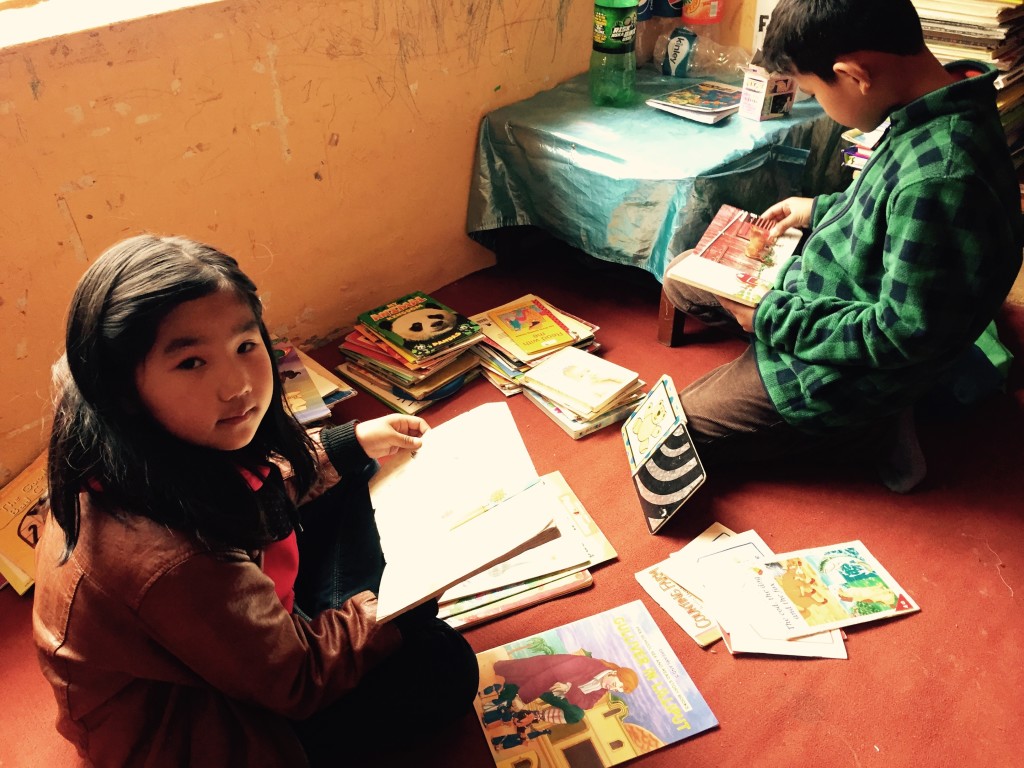
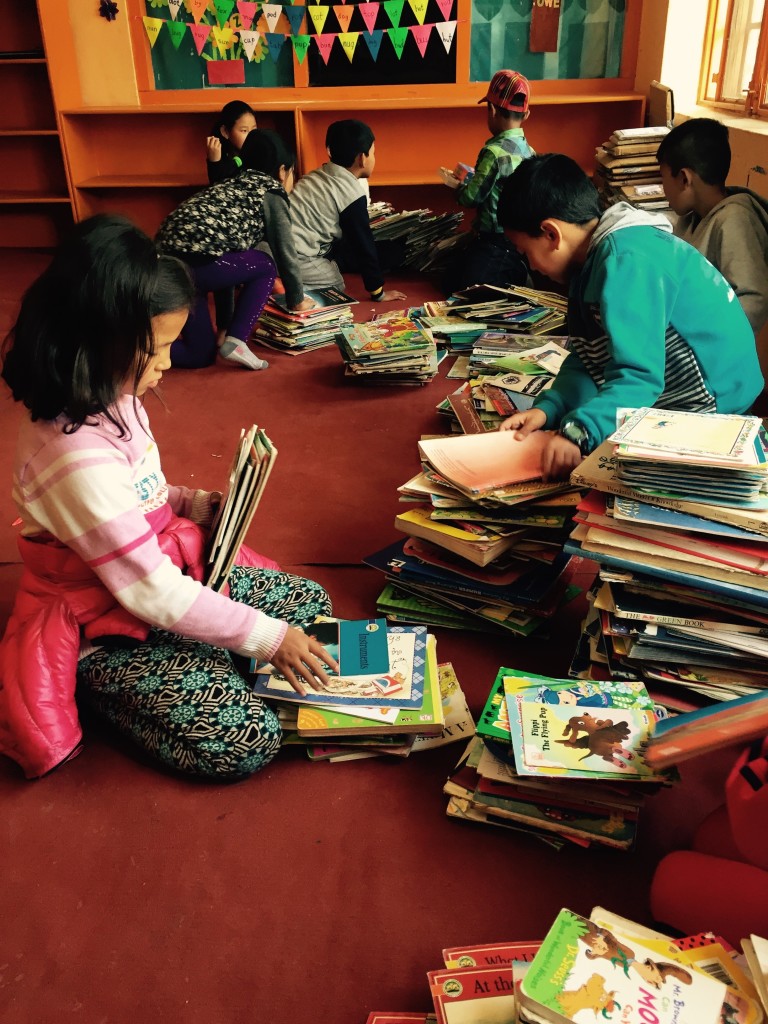
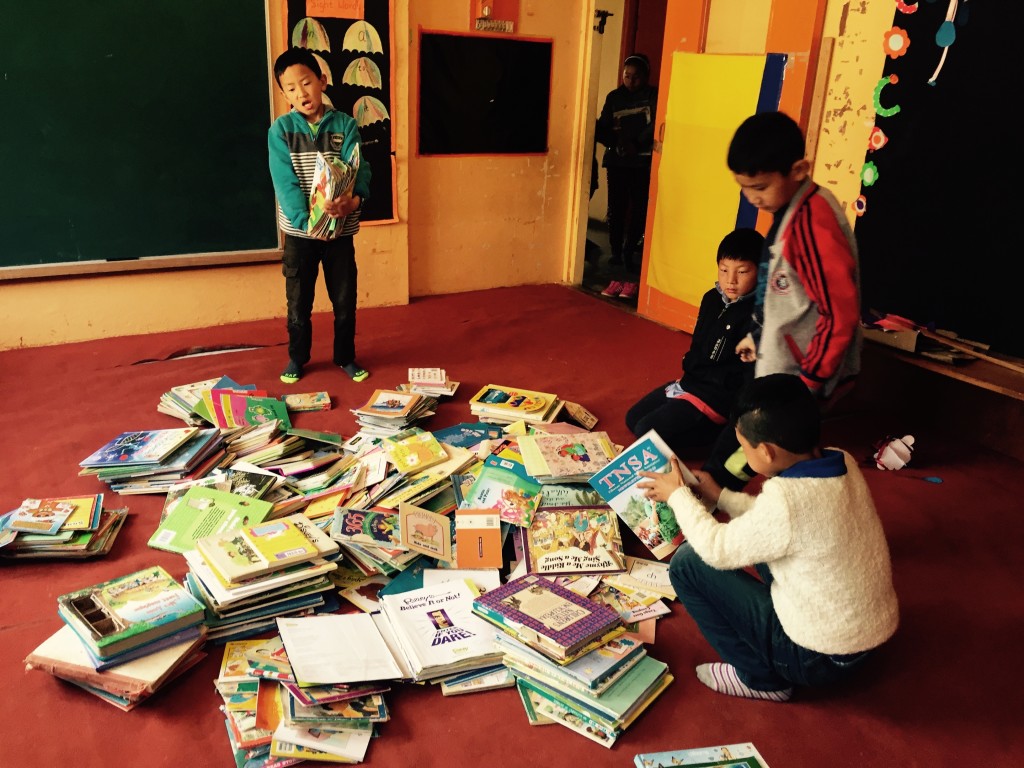
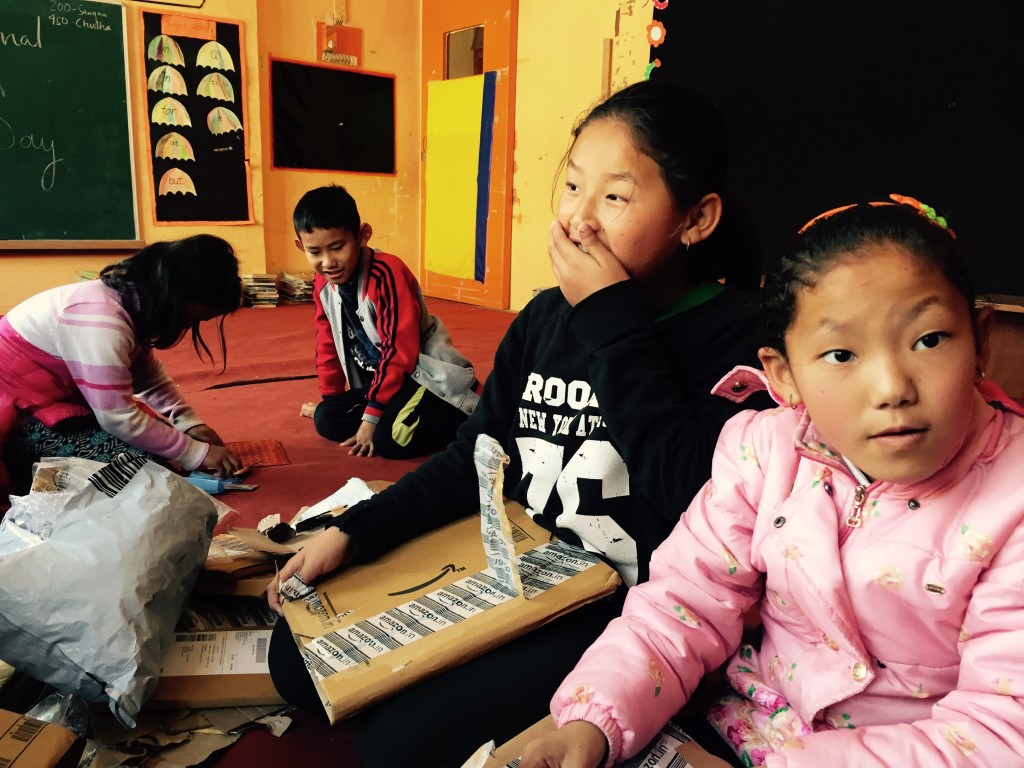
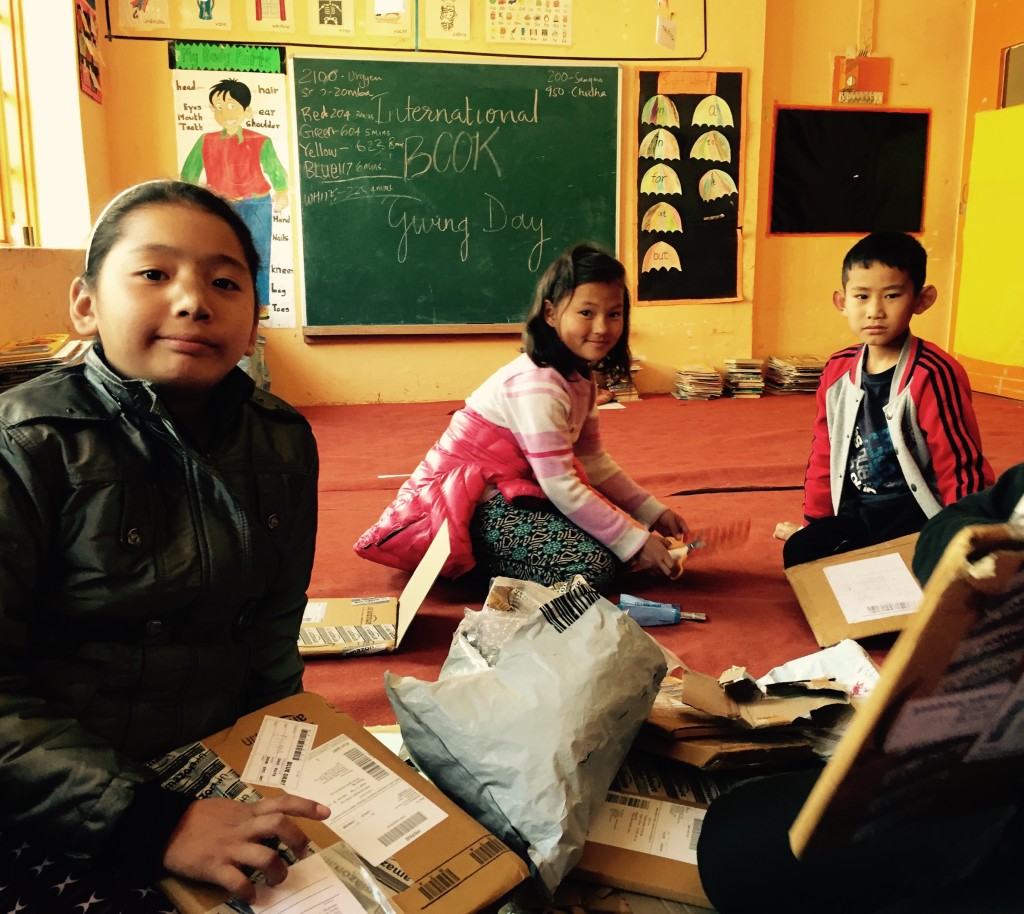
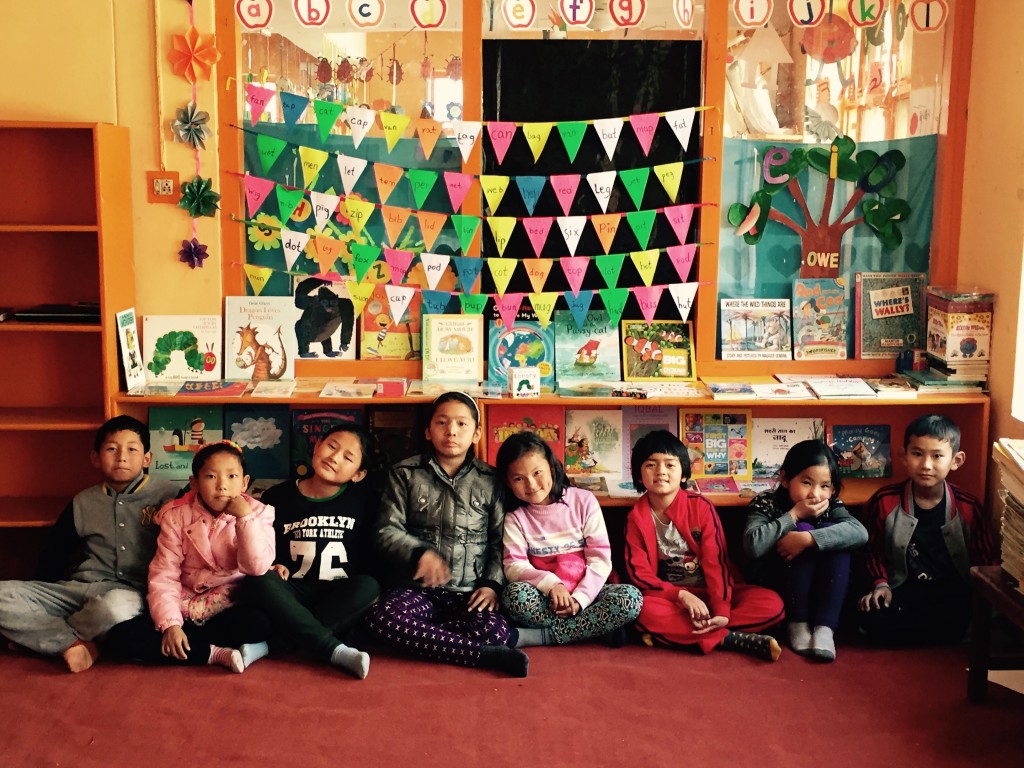
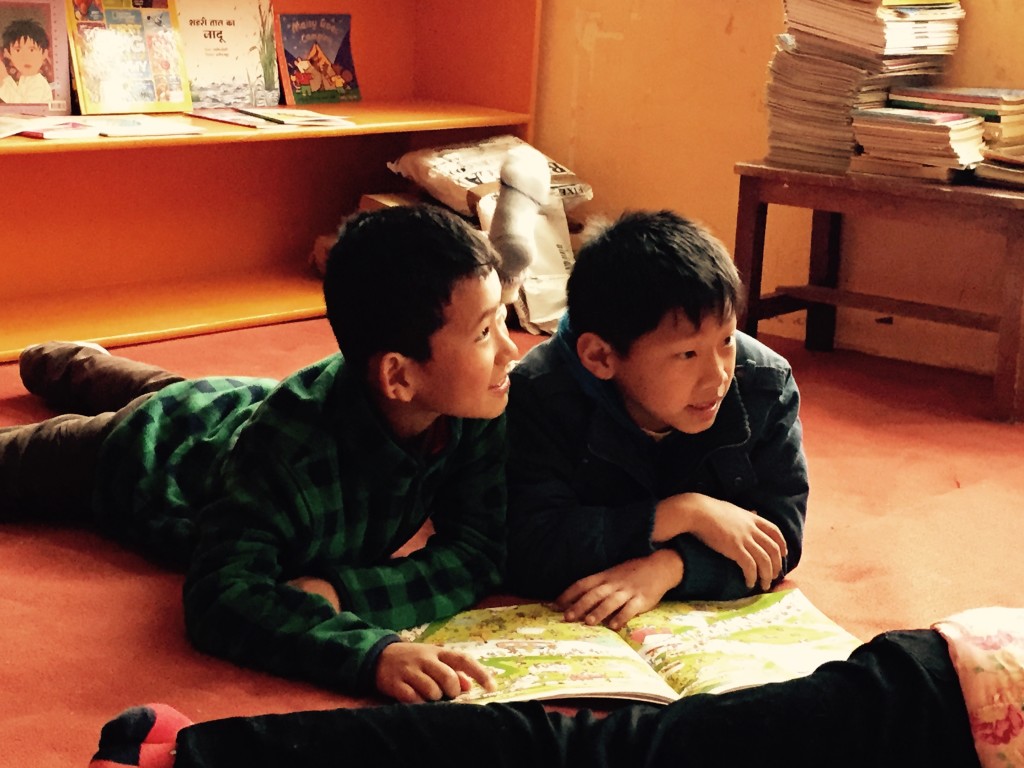
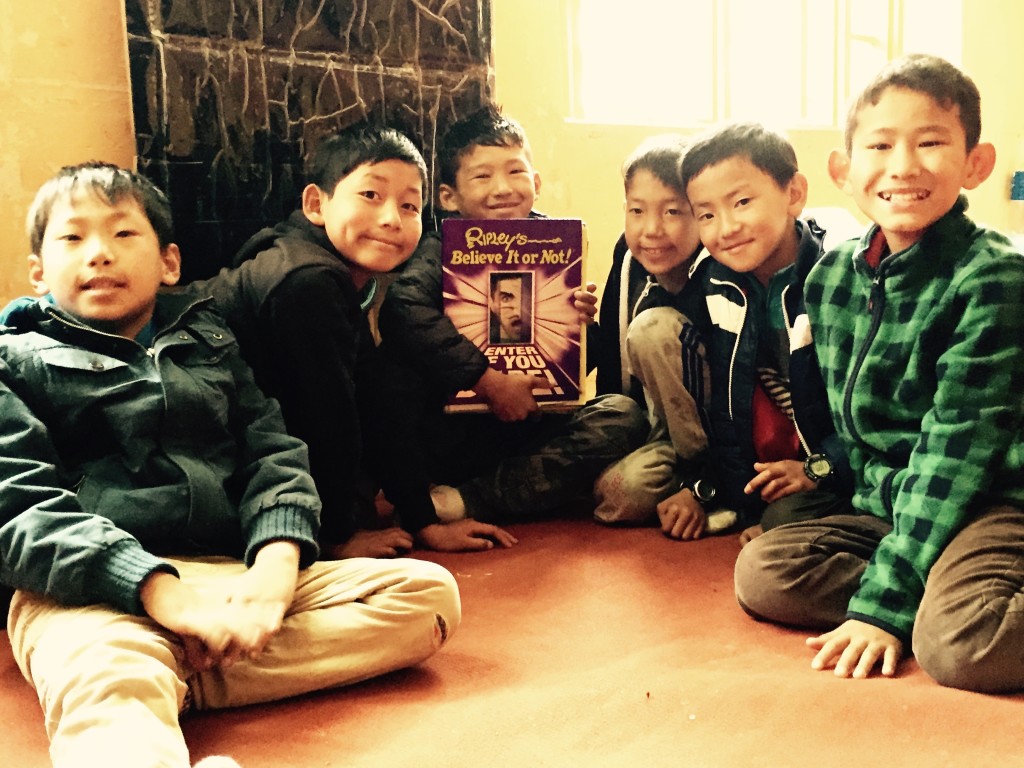
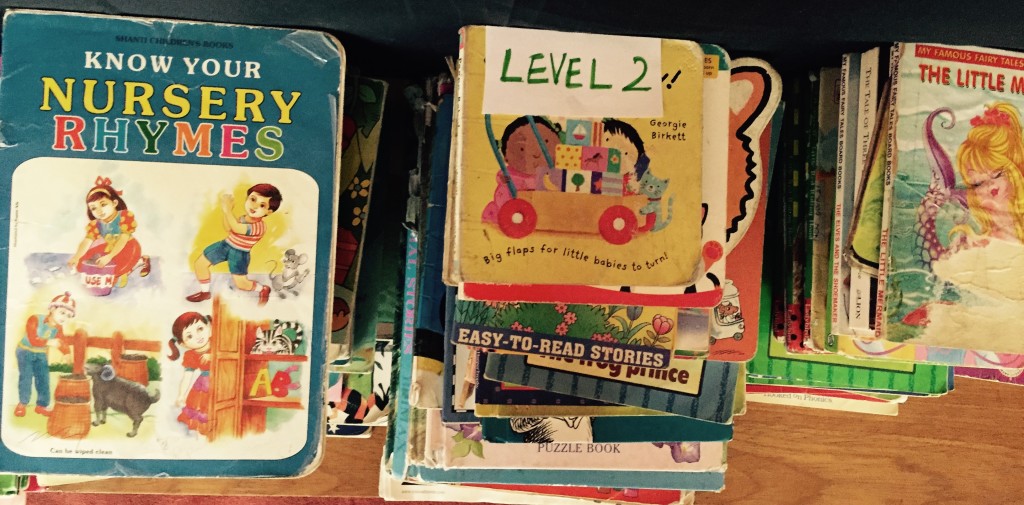
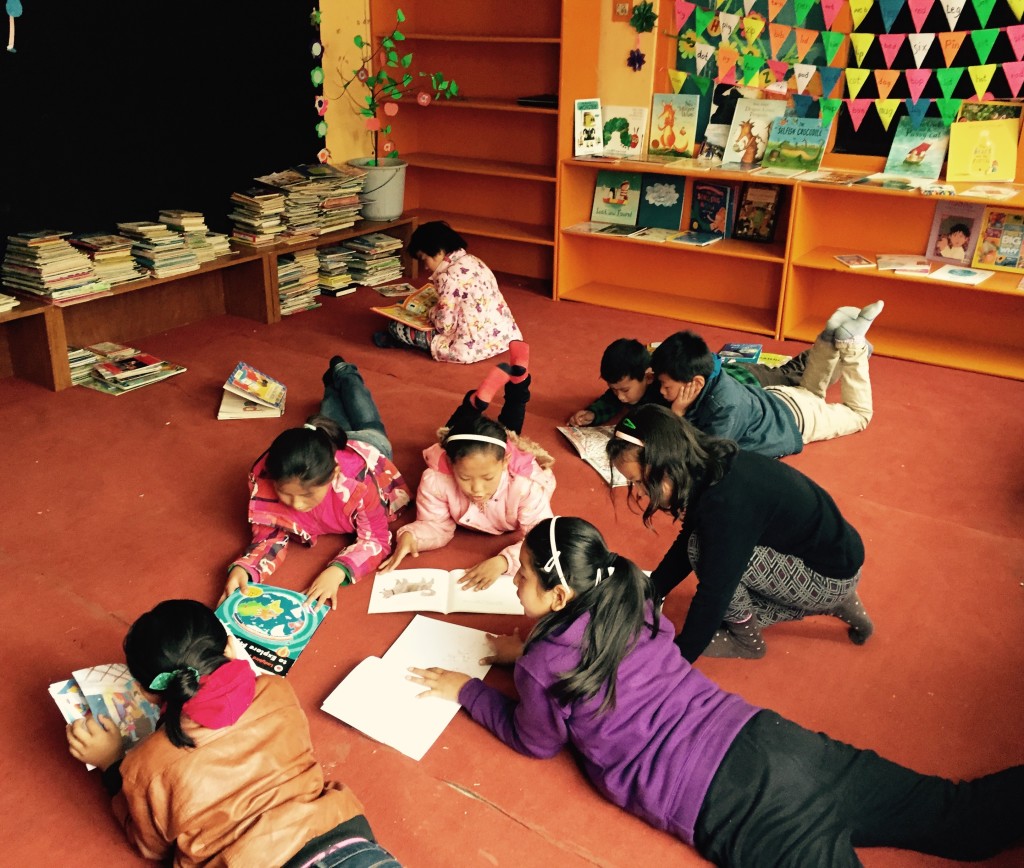
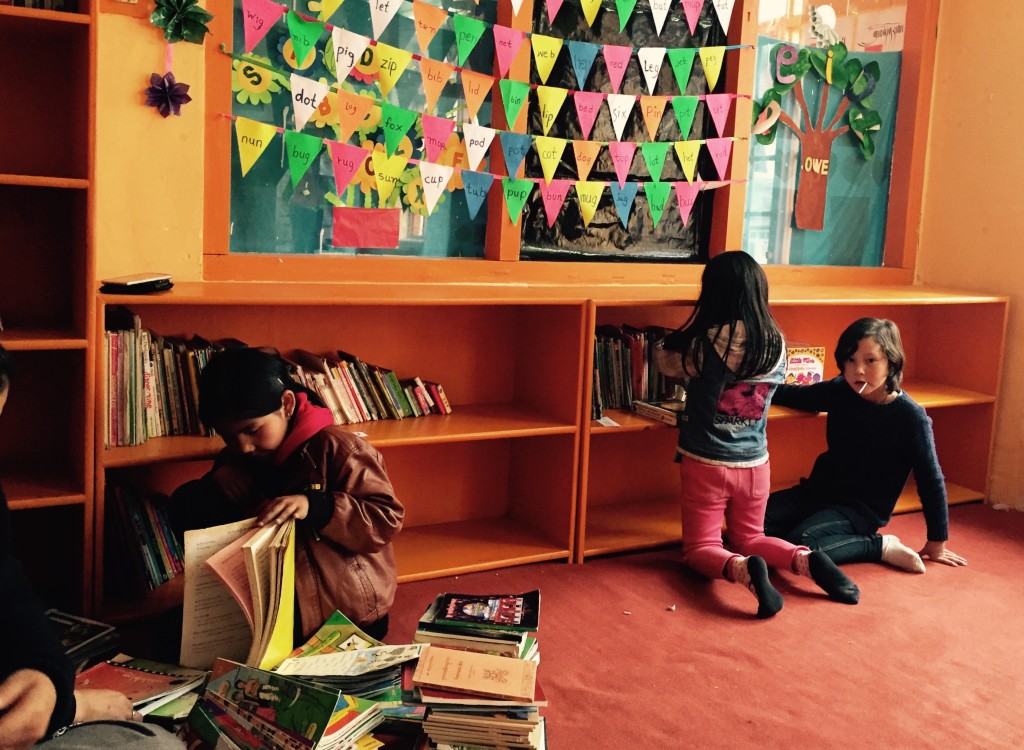
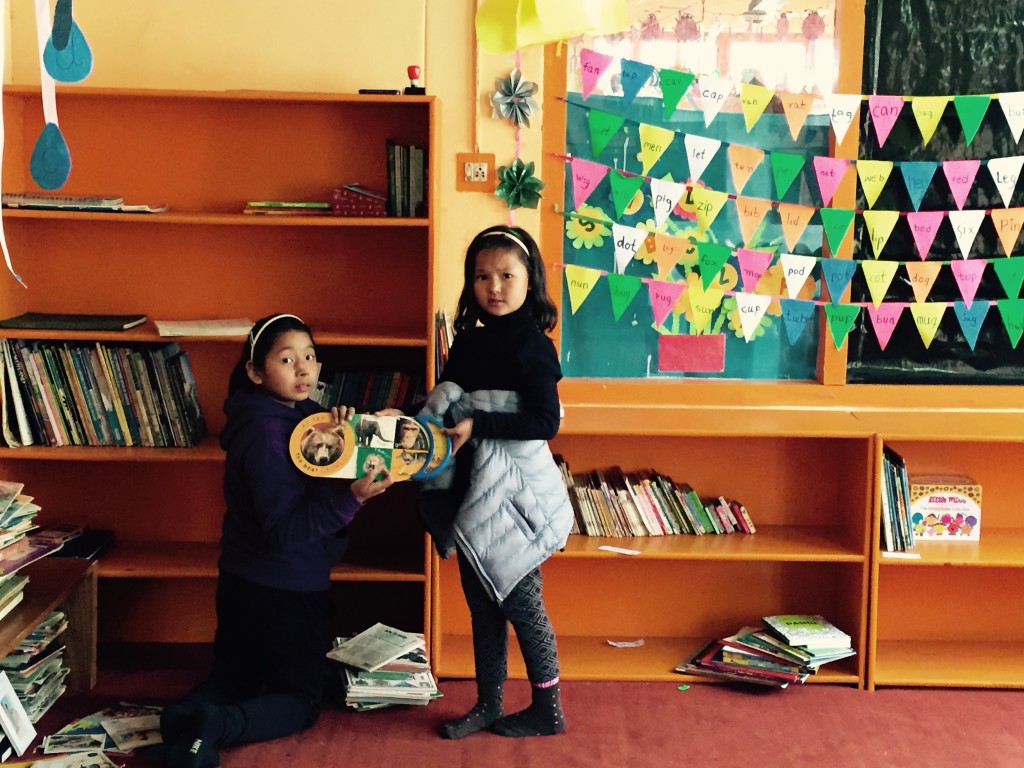
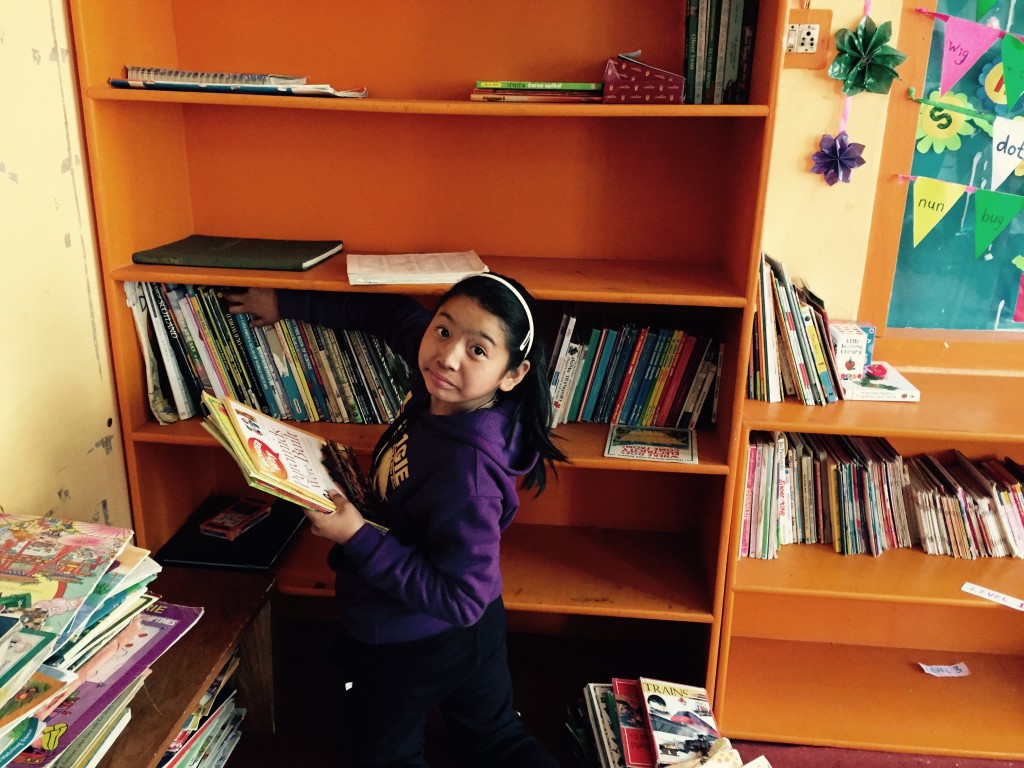
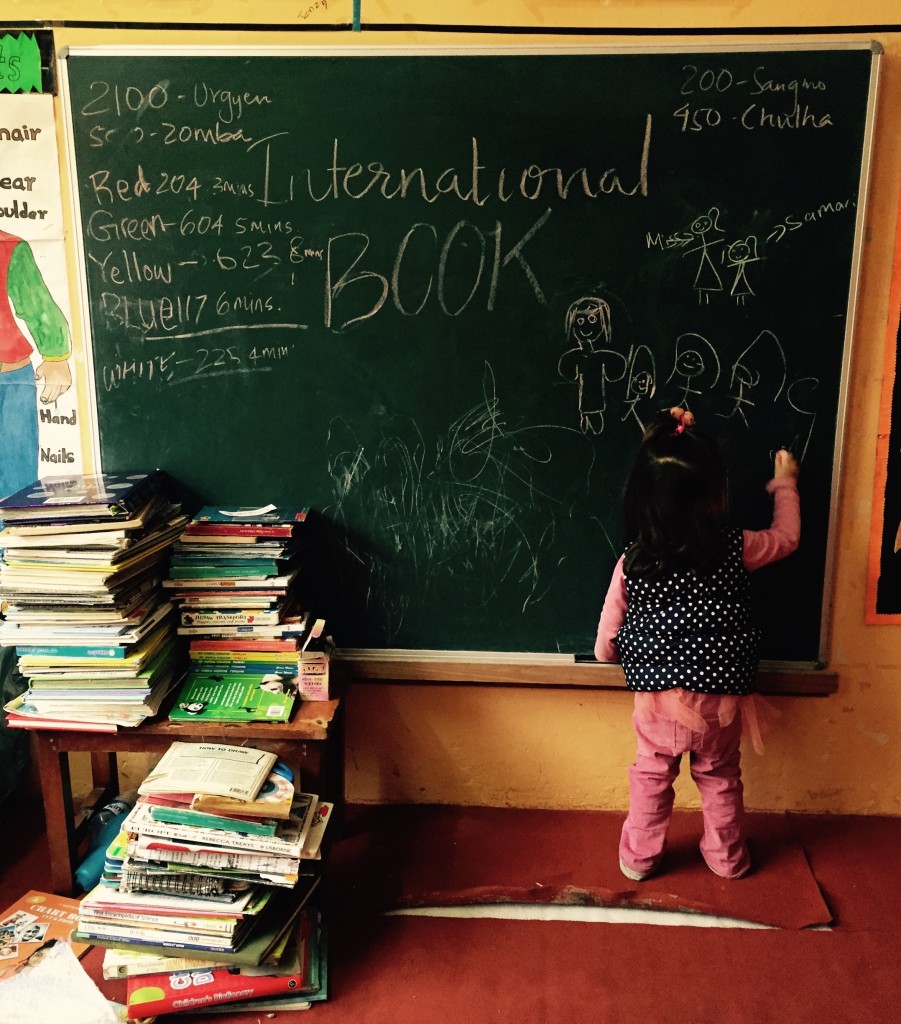
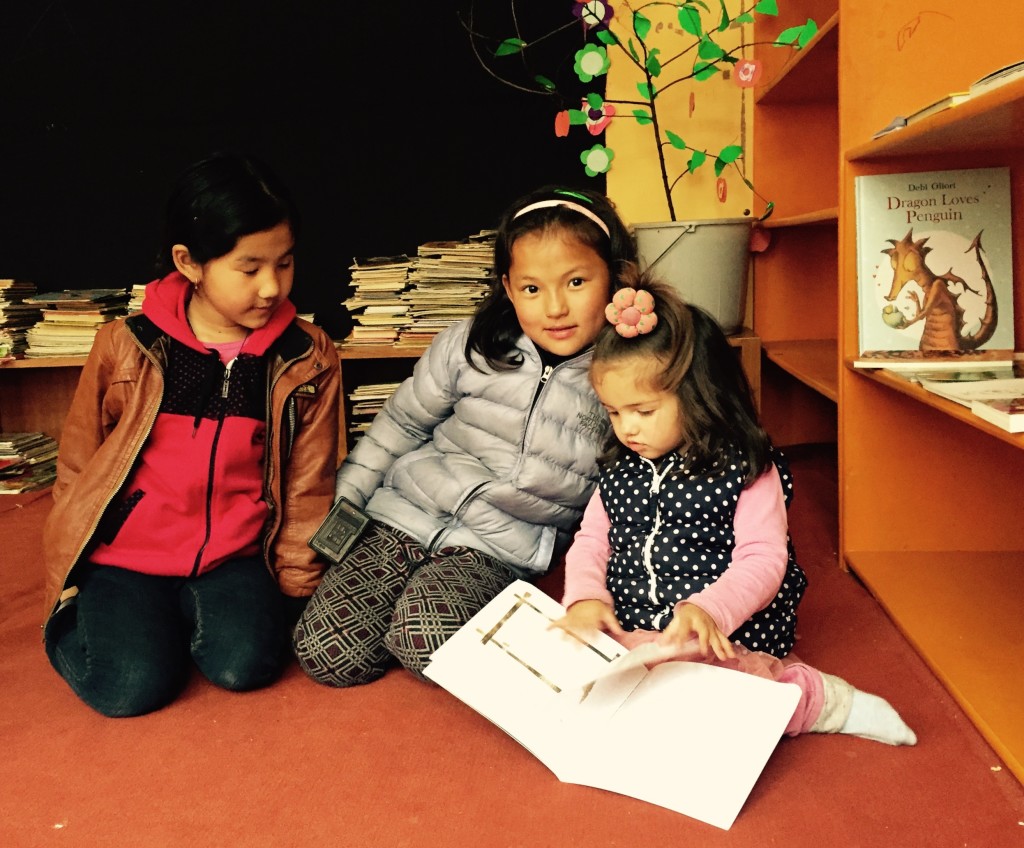
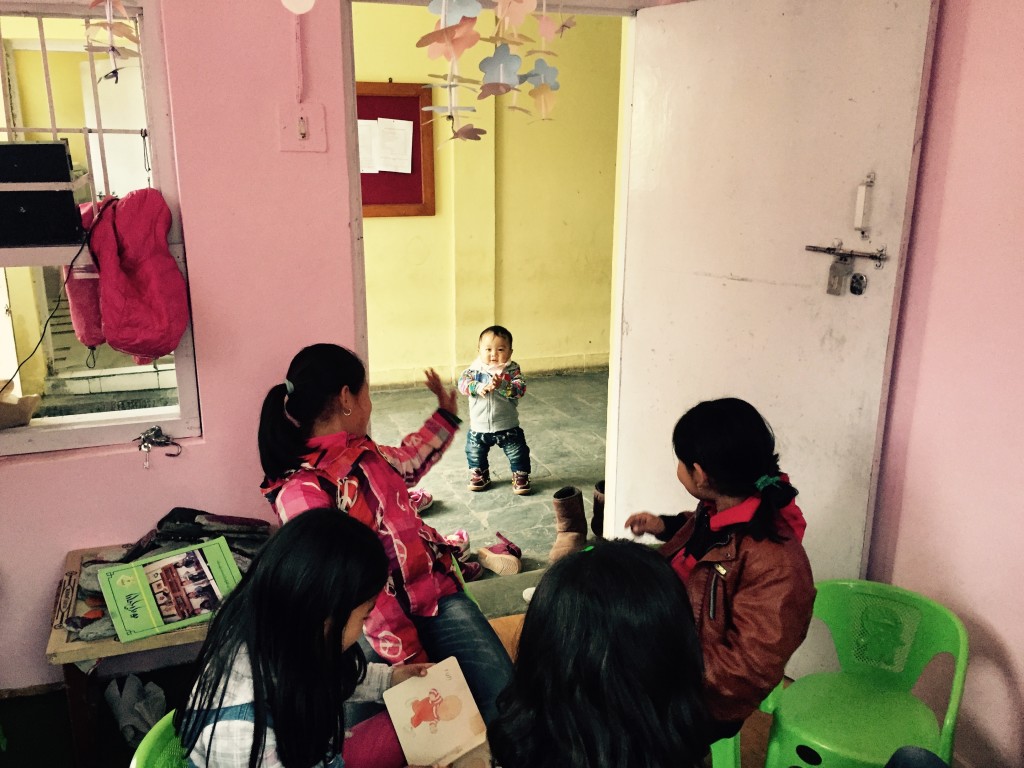
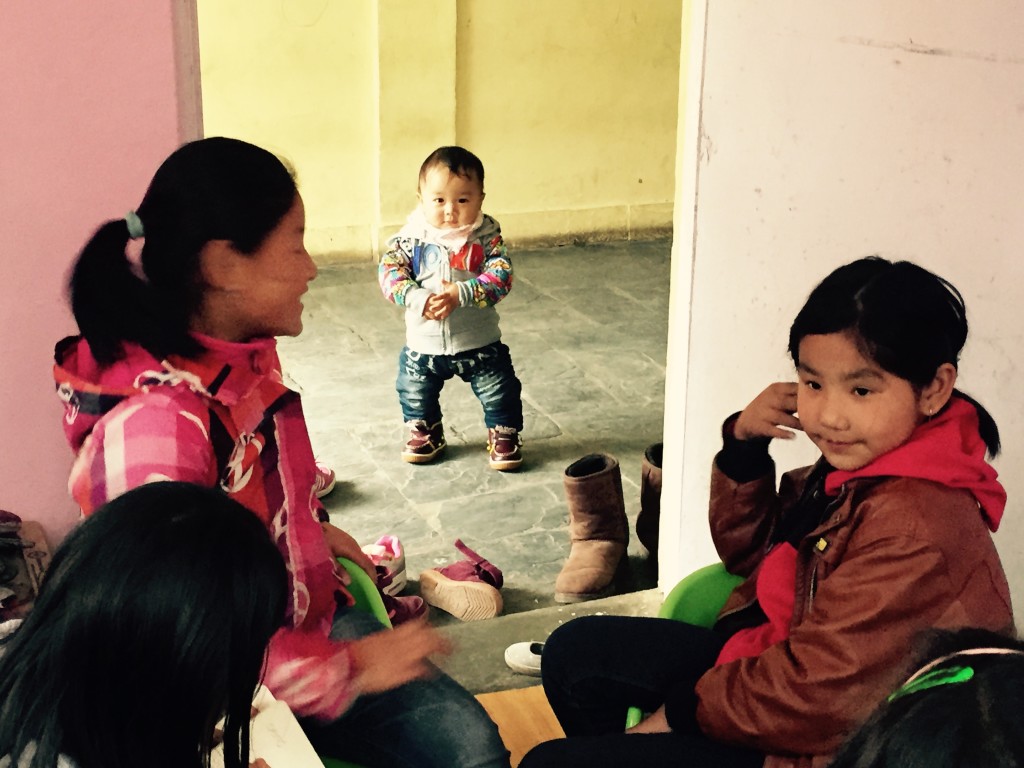
Across the households we visit in Ladakh and the wider Himalayan region, the strongest readers tend to come from families where books are shared, discussed, and passed between hands rather than left on a single bedside shelf. When we set reading tasks that ask a grandparent, parent, and child to read the same story over a week, something quietly shifts: the book becomes a shared reference point, a topic for the evening meal, a reason to sit together. This approach has shaped how we design every reading challenge that leaves our reading rooms, and it reflects what literacy research consistently shows about how reading habits take root.
In Australia, where more than a third of adults read for pleasure daily and where public libraries lend over 100 million items a year, the appetite for family reading is strong. Yet many parents still think of reading as a child's solitary activity, finished before dinner and graded at school. The reality is that reading habits built in childhood almost always have a family fingerprint, and Australian households are uniquely placed to turn that fingerprint into something louder.
Why a single reader in the family is not enough
When only one person in a household has a book on the go, the rest of the family tends to treat reading as private, optional, or even slightly odd. Books sit unopened on devices while everyone else scrolls separately in the same room. Children model their reading habits on what the adults around them actually do, not on what adults tell them to do, so a child who never sees a parent read is unlikely to read for pleasure as a teenager.
A family challenge changes the atmosphere. Suddenly Mum in Parramatta is comparing notes with her ten-year-old about a graphic novel, while Dad in Brisbane is reading aloud to the youngest after dinner. The book gets discussed at breakfast, quoted in the car, referenced in arguments. Reading becomes part of the household rhythm rather than a side activity squeezed into the school commute.
| Approach |
Who reads |
Where habits form |
Typical outcome |
| Individual school reading log |
One student |
Classroom |
Compliance, not enjoyment |
| Solo parent recommendation |
One adult, one child |
Bedroom |
Modest gains, fragile |
| Family reading challenge |
Multiple generations, one book |
Kitchen table, lounge room, park bench |
Shared vocabulary, sustained habit |
This snapshot is not a ranking. It simply shows that when more family members carry the same story, the places where reading happens multiply, and so does the chance that the habit survives a busy week.
Building daily reading routines that survive real life
Australian families live busy lives. School runs from the inner west to the Adelaide Hills, weekend sport across suburban Melbourne, FIFO rosters out of Perth, and the long drives that thread through regional towns. A reading challenge that demands an hour a day will not survive contact with a Wednesday evening training session. The ones that work are small, repeated, and slightly playful.
Our reading rooms in Ladakh use a simple formula: pick a book, set a family finish date, and check in together at three points. Australian families can borrow the structure without copying the contents. A picture book finished in three sittings works as well as a novel finished in three weeks. What matters is that the family agrees on a finish line and celebrates crossing it, whether that means pancakes on Sunday in Fremantle or extra story time at bedtime in Geelong.
How Australian families are already reading together
Plenty of Australian households are already practising what we preach. The annual Australian Reading Hour, supported by the Australian Library and Information Association, encourages families to put aside one hour on a set day for shared reading, and community libraries from Hobart to Cairns run family reading challenges throughout the year. The Children's Book Council of Australia Book of the Year awards generate kitchen-table debates that are themselves a form of family reading.
These initiatives matter because they shift reading from a child's responsibility to a household ritual. When a Year 3 student in Sydney knows that her older brother is also reading the same shortlist, the books become a sibling conversation rather than a homework chore. The Indigenous literacy gap, which the Closing the Gap initiative tracks closely, reminds us that not every child arrives at school surrounded by books at home. Family challenges that include aunties, uncles, and cousins can stretch a small home library into a wider reading community.
Reaching remote and Outback communities
Distance is a defining feature of Australian family life. In remote parts of the Northern Territory and the far west of New South Wales, the nearest public library may be hours away, and postal deliveries of books can take more than a week. A reading challenge that assumes every family has a bookshelf full of options simply will not work in these places.
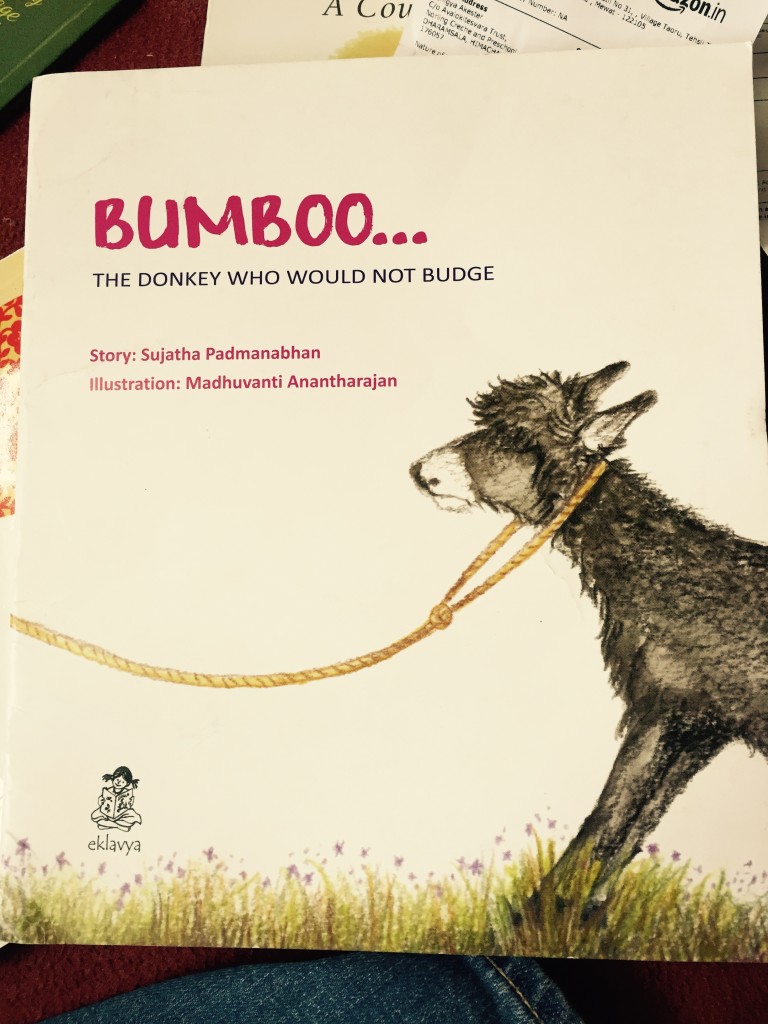
That is why our approach leans on shared, low-resource titles and on challenges that can be completed with one book, a notebook, and a phone with a torch. A family on a station homestead can read the same chapter as a family in suburban Hobart, then compare notes by text or video call. The Copyright Act 1968 and Australia's parallel importation rules shape which books we can ship across borders cheaply, but they do not change the basic fact that a single well-chosen picture book can anchor a week of conversation in any household, anywhere.
Lessons from the Himalayan reading rooms
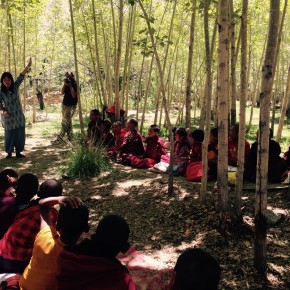
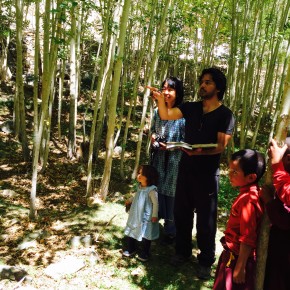
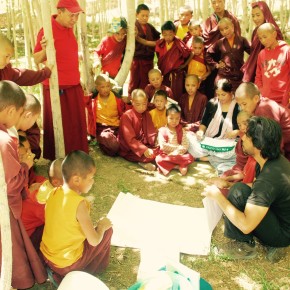
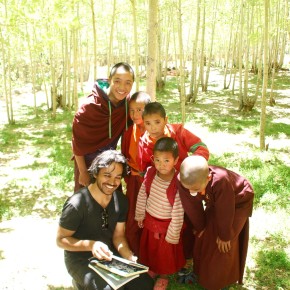
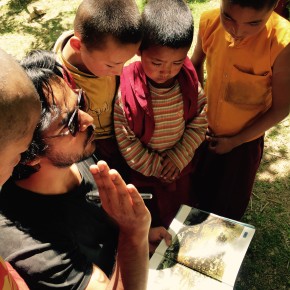
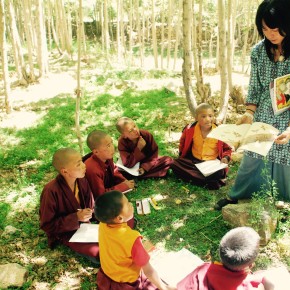
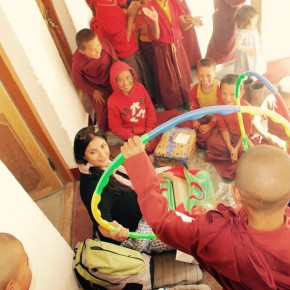
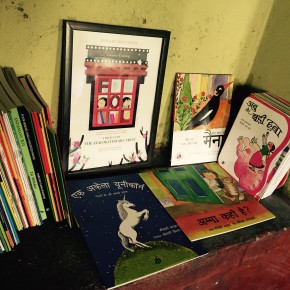
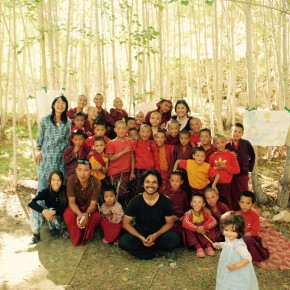
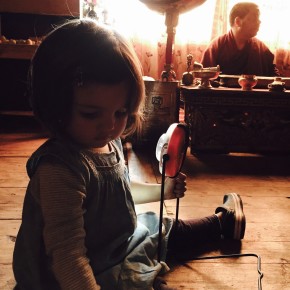
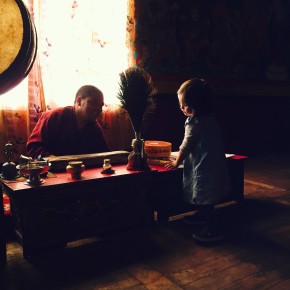
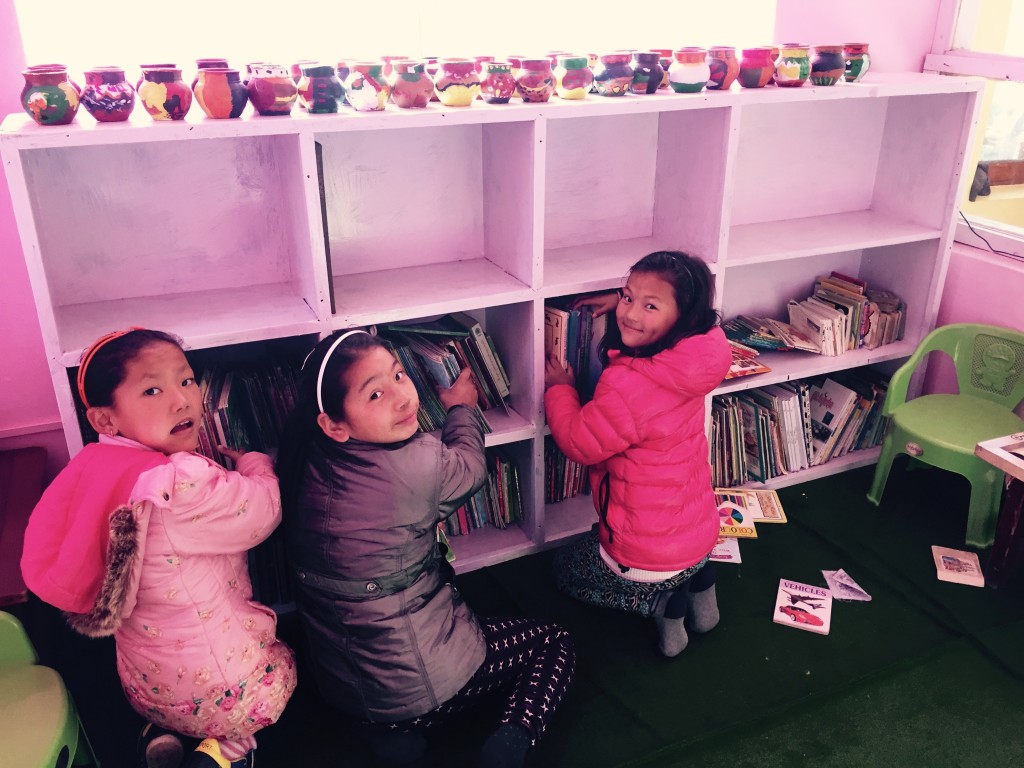
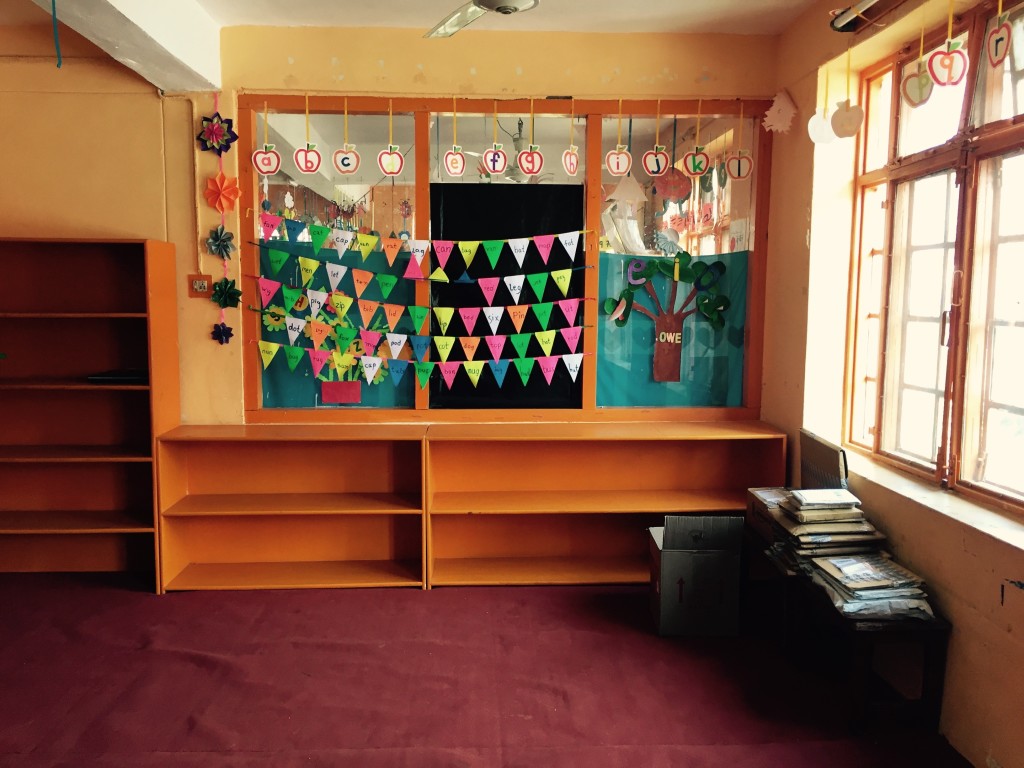
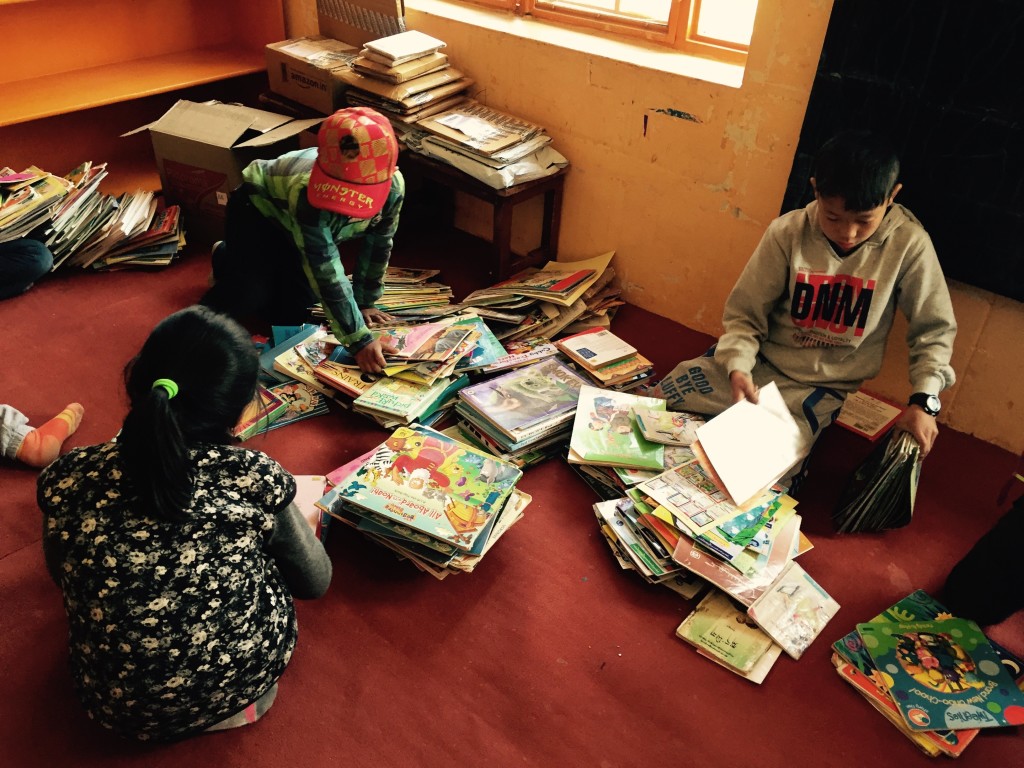
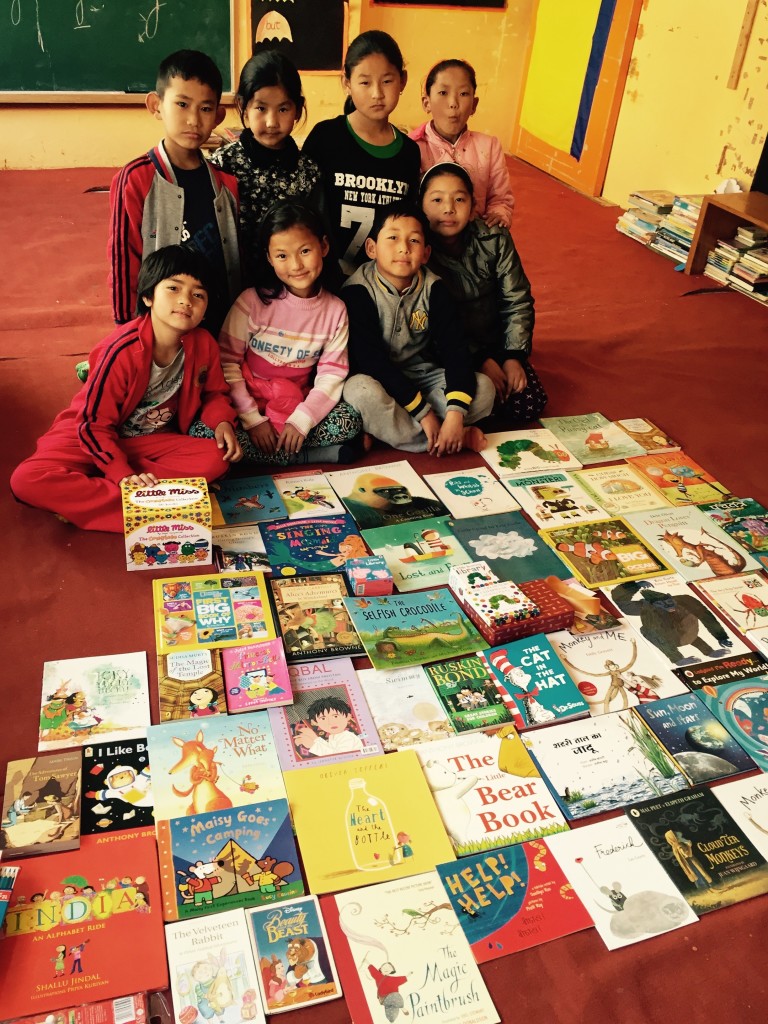
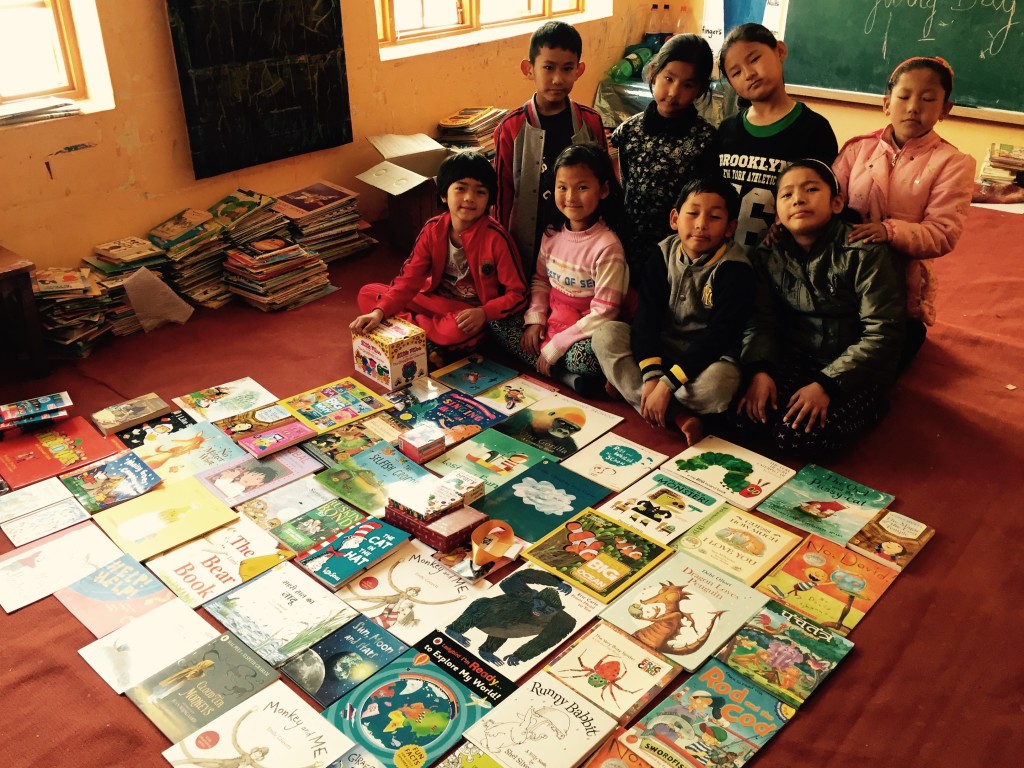
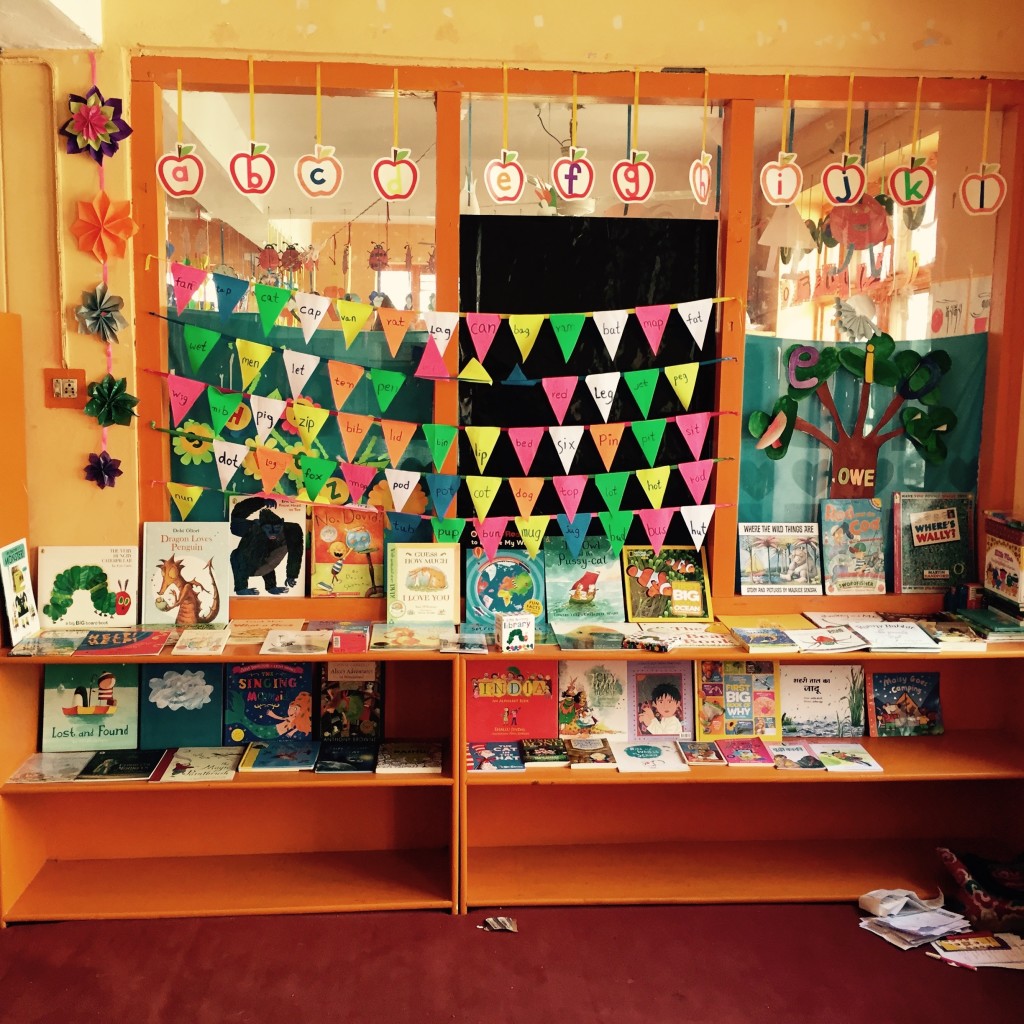
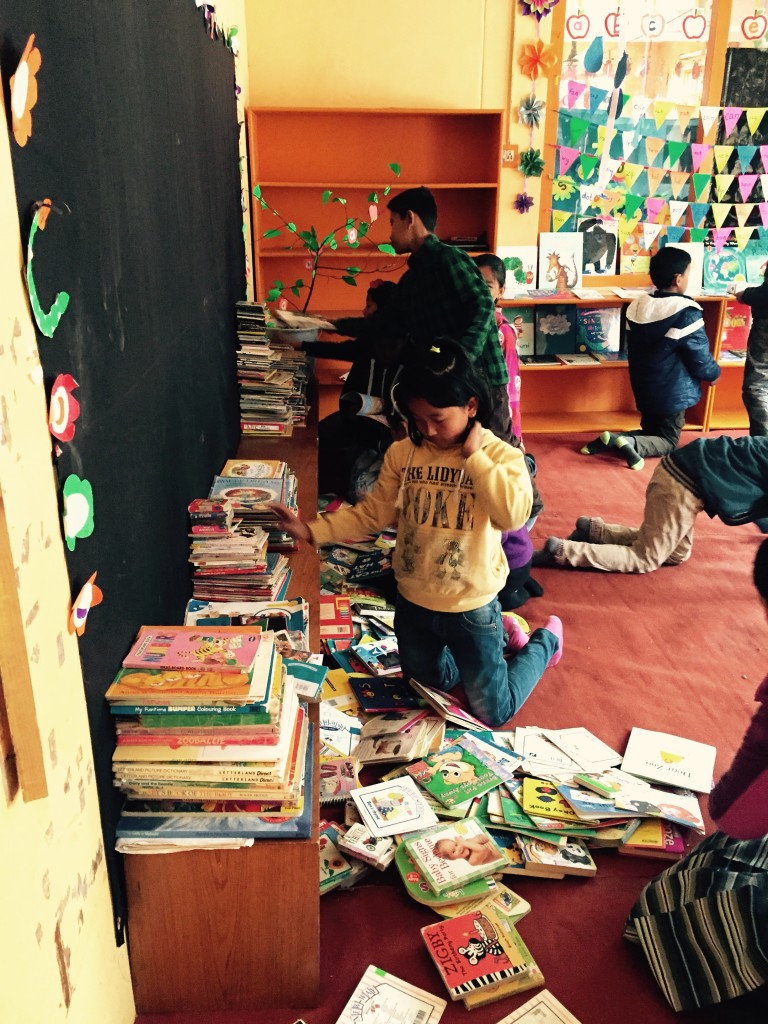
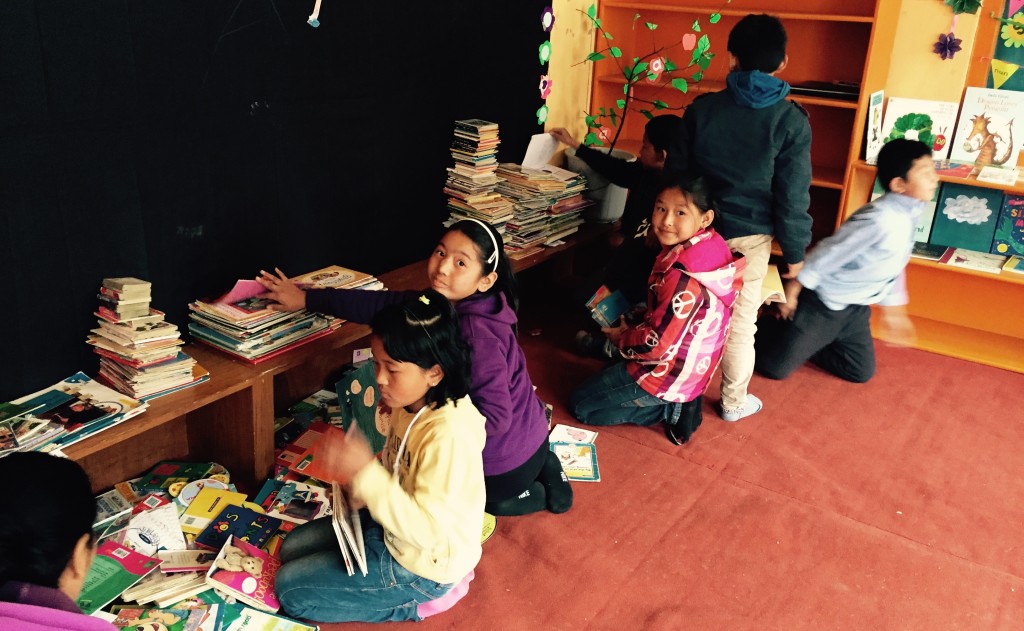
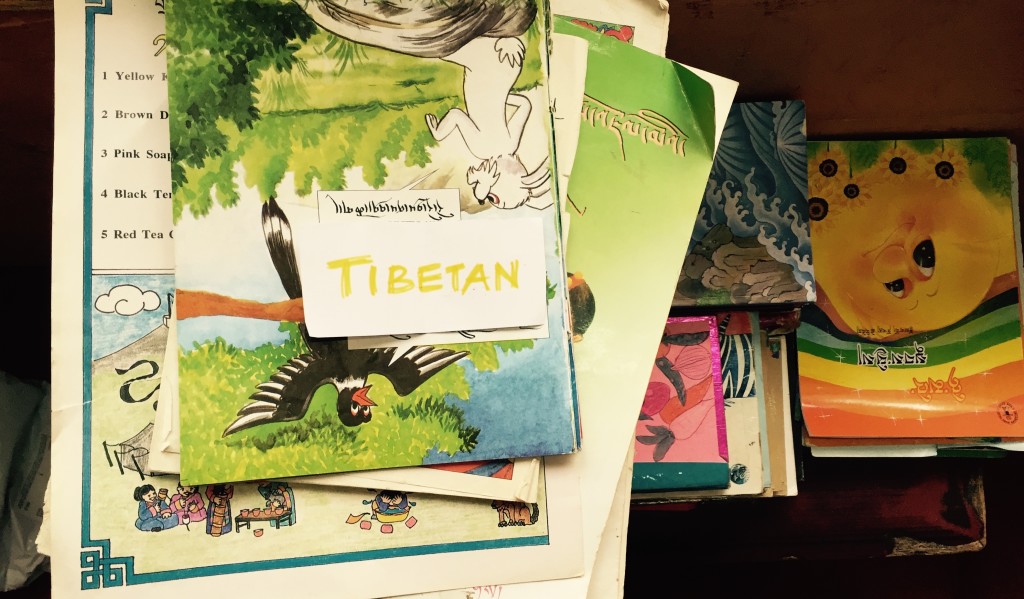
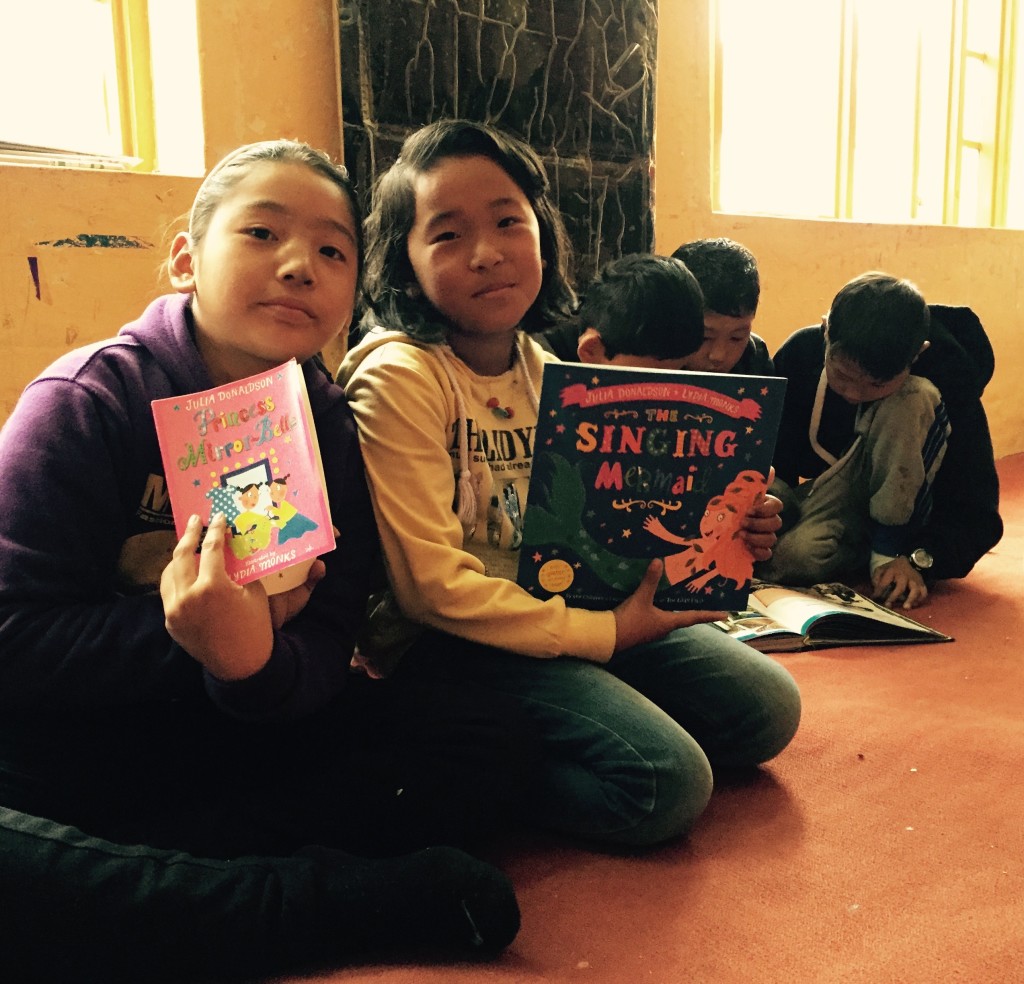
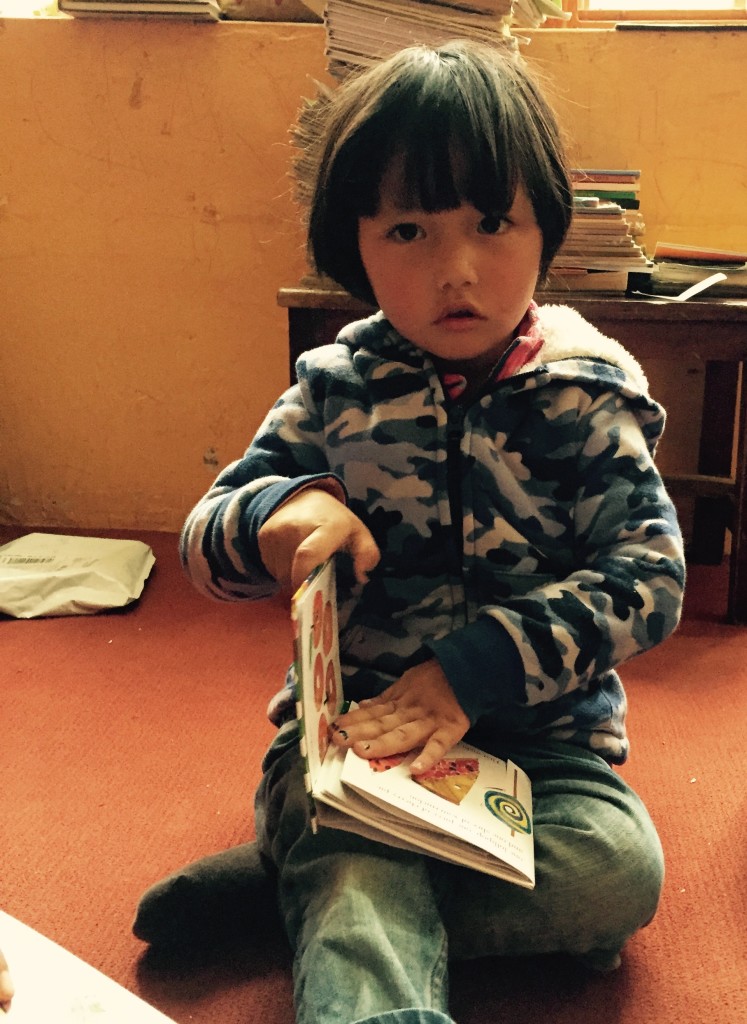
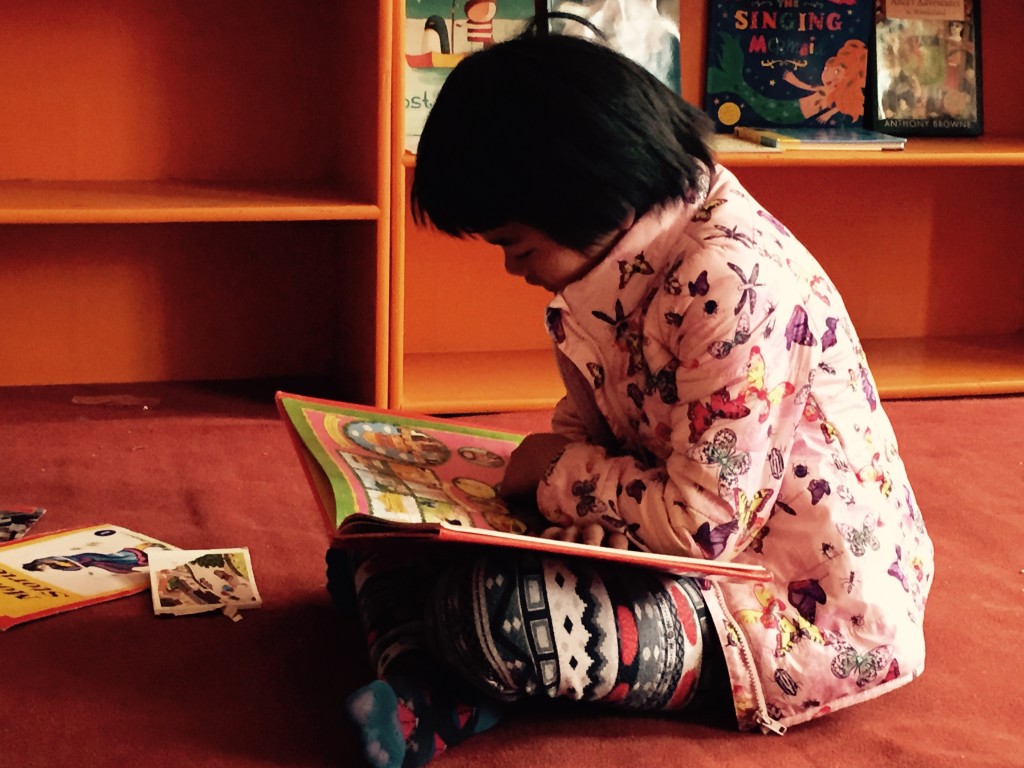
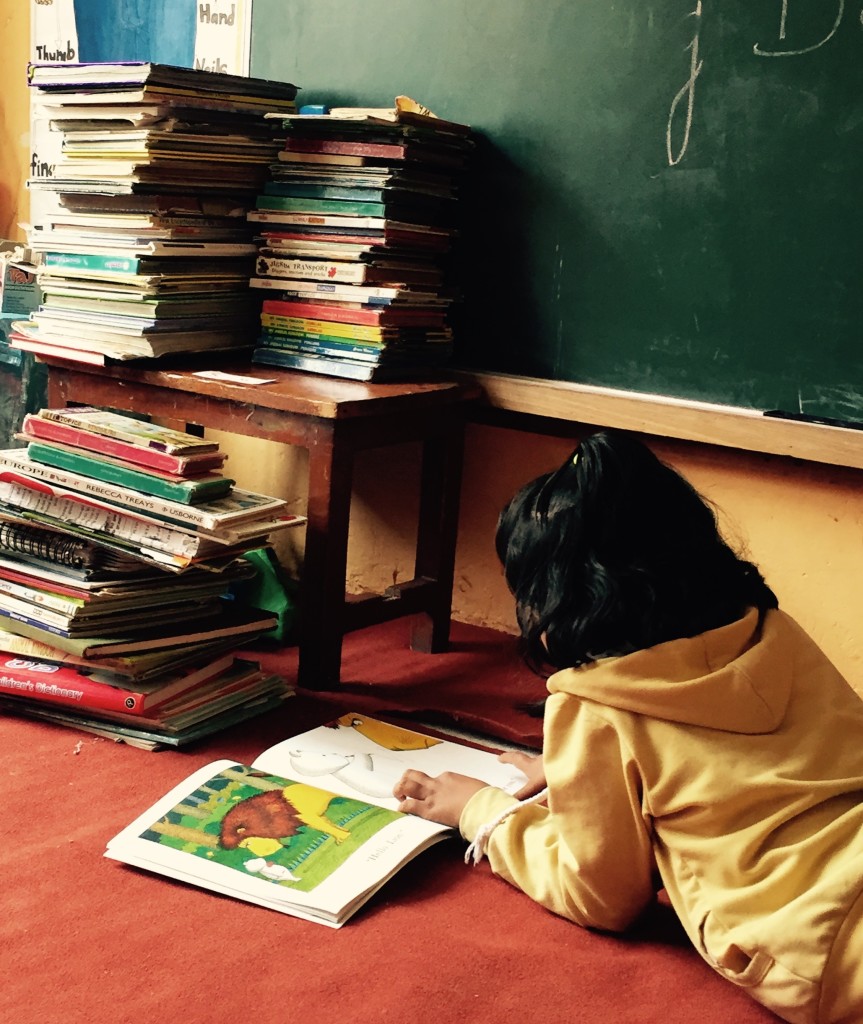
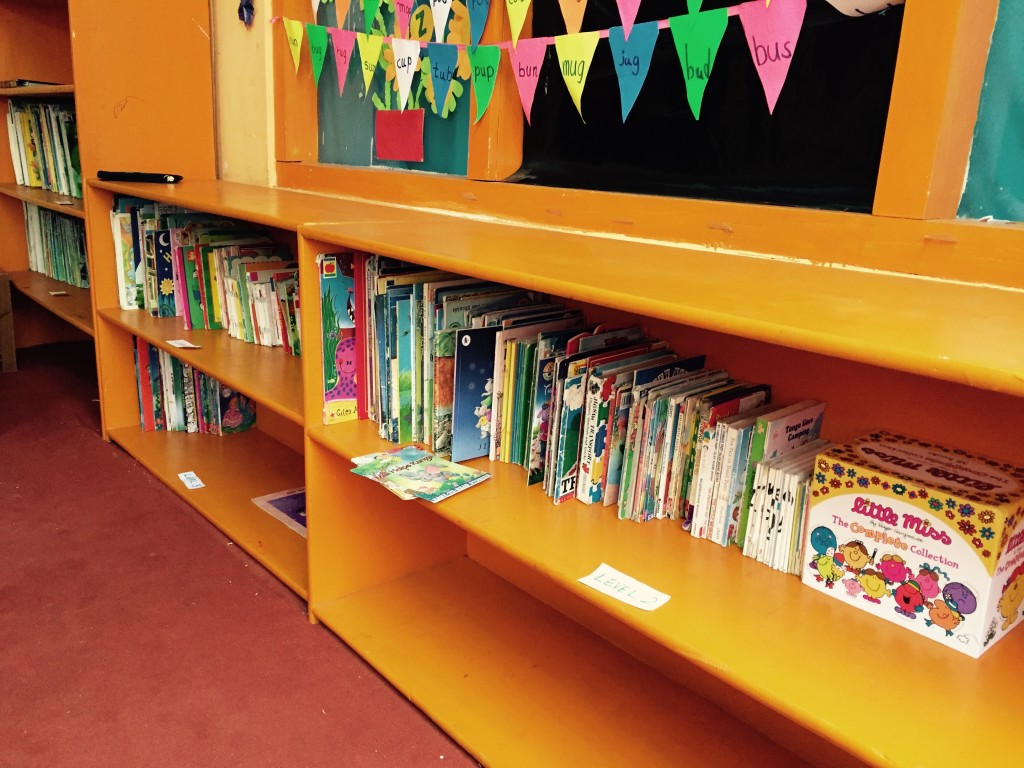
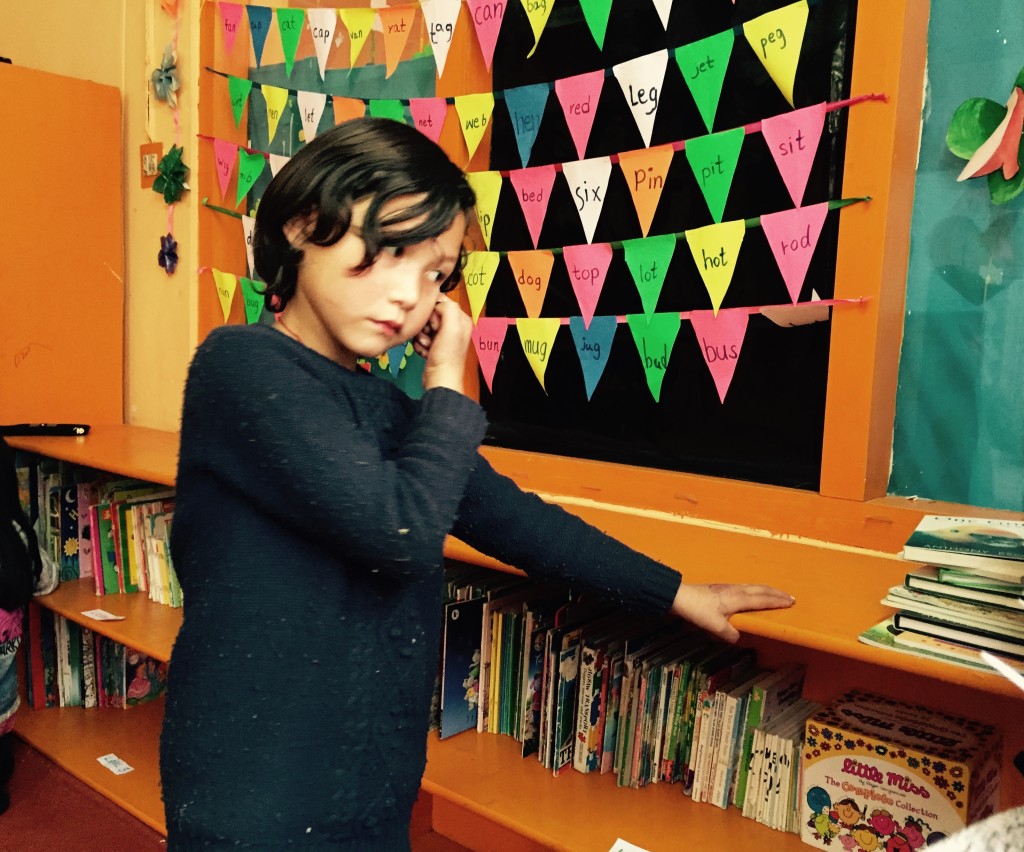
Our reading rooms in Ladakh and the surrounding villages were designed with multigenerational use in mind. A monk might sit on one mat translating a folk tale while a child reads an English picture book on the next, and the day's reading challenge is discussed at the shared lunch. Nothing about this is high-tech. It works because everyone in the room knows that the same book is being attempted by someone else in the room.
Australian families who want to recreate this at home do not need a reading room. A corner of the kitchen, a marked shelf, a Friday afternoon cup of tea, and a shared book are usually enough. The National Library of Australia's Trove database and the state libraries in Victoria, Queensland, and Western Australia all offer free digital loans that make it easier for families in different postcodes to read the same title in the same week.
How to start a family reading challenge this week
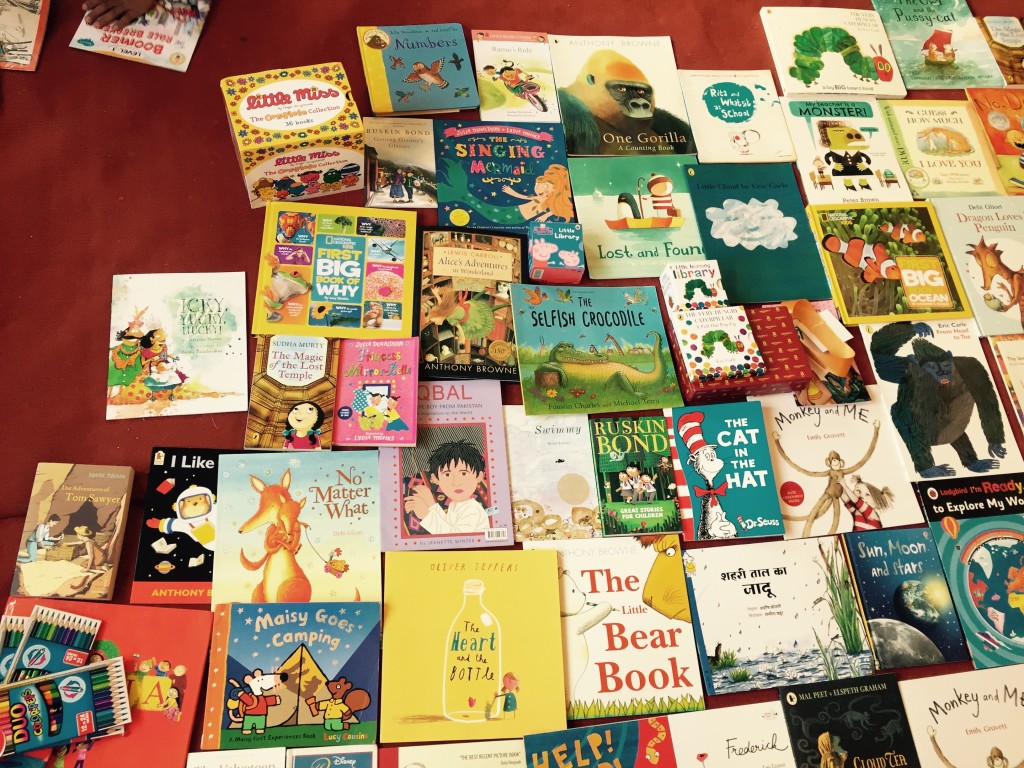
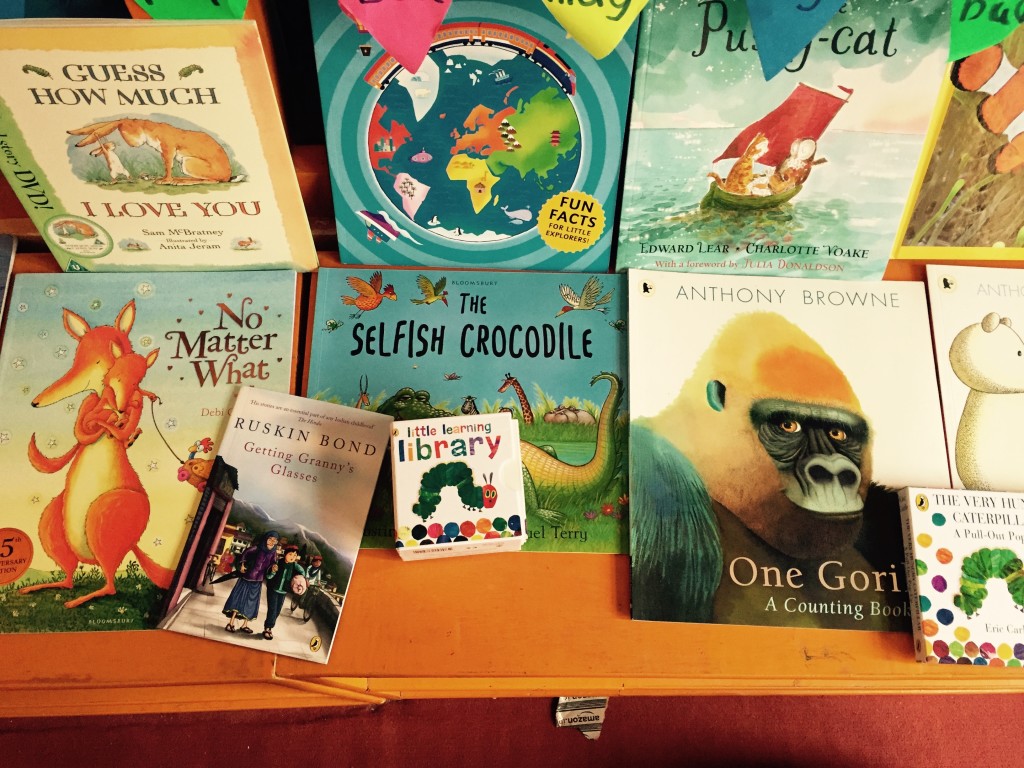
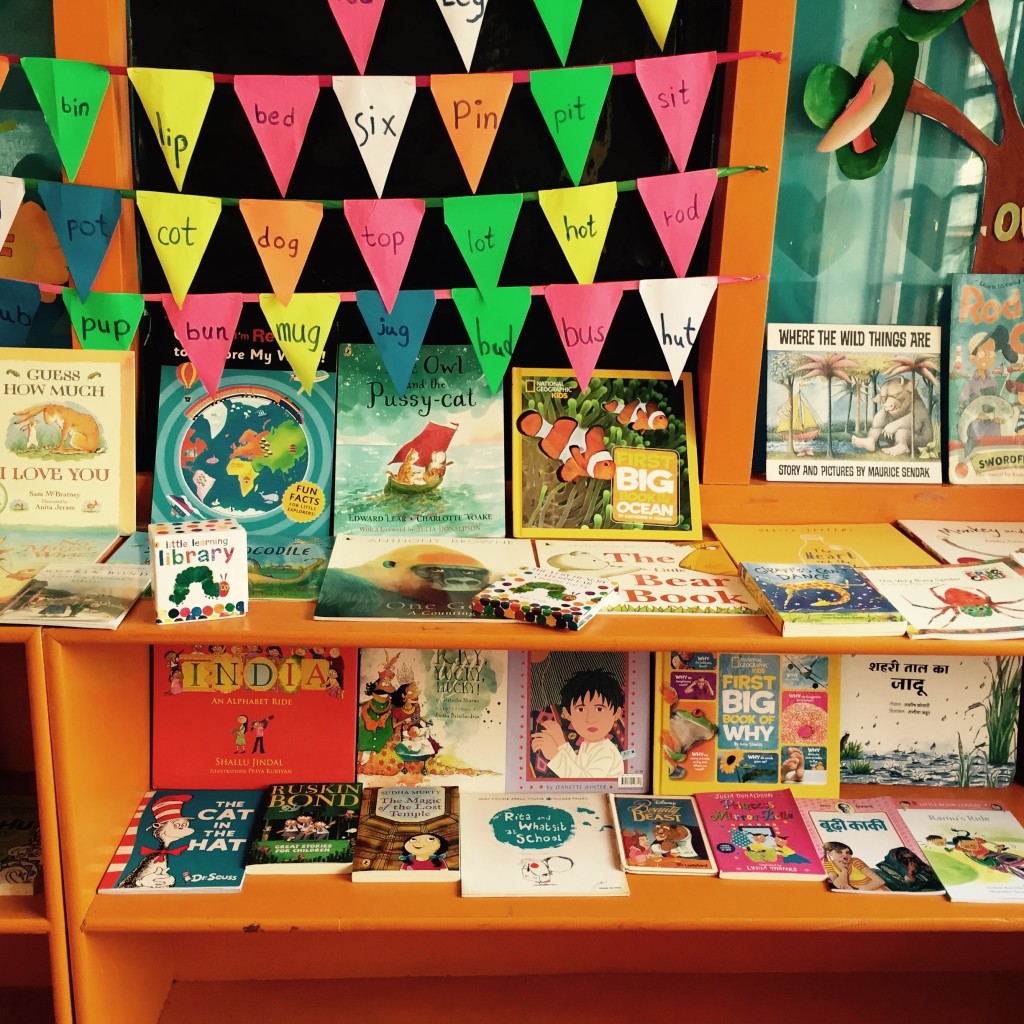
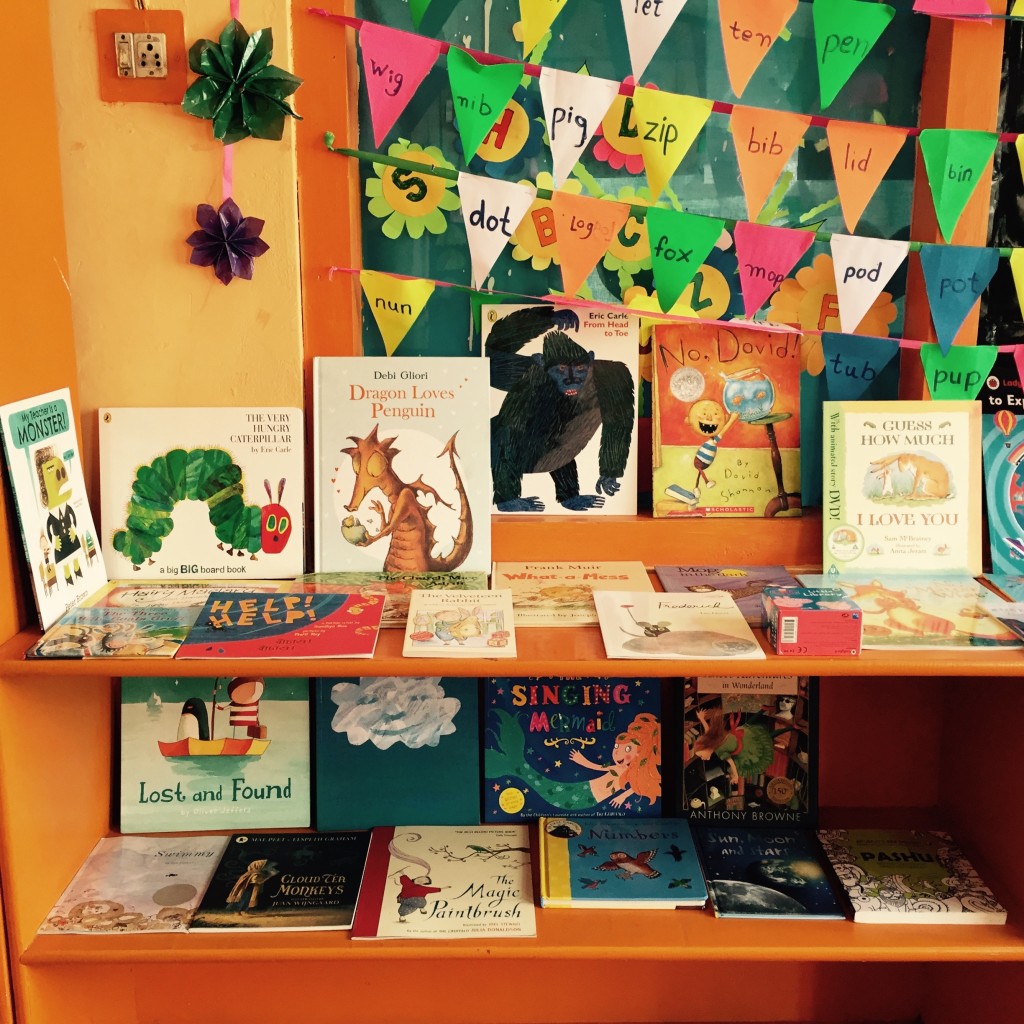
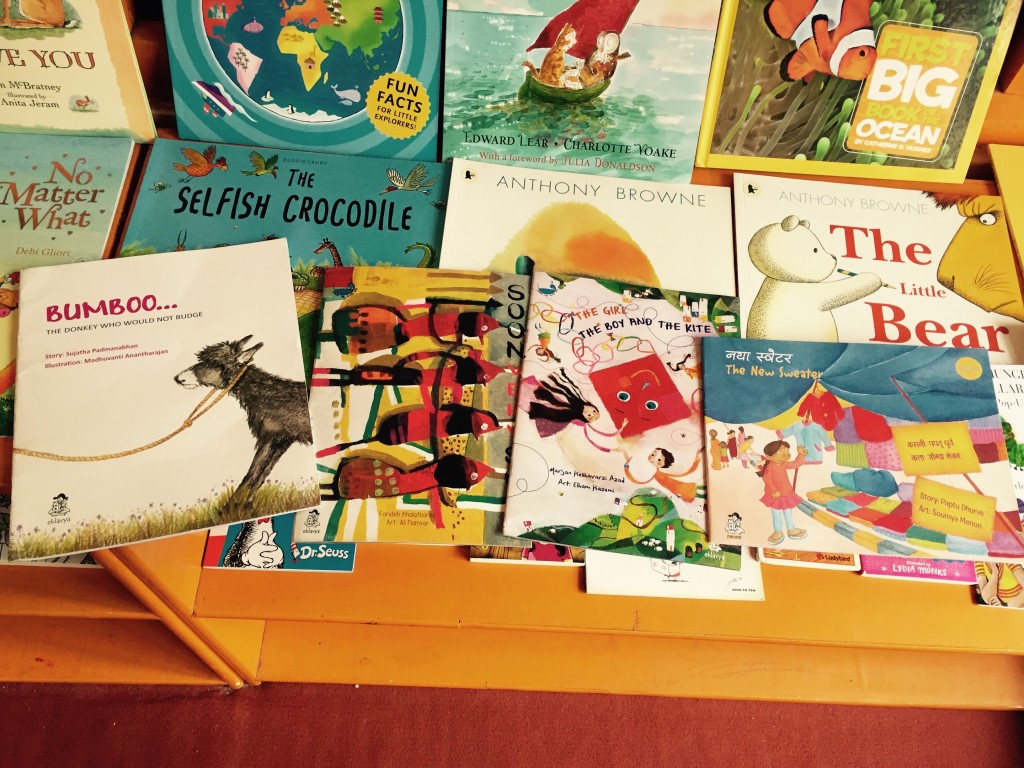
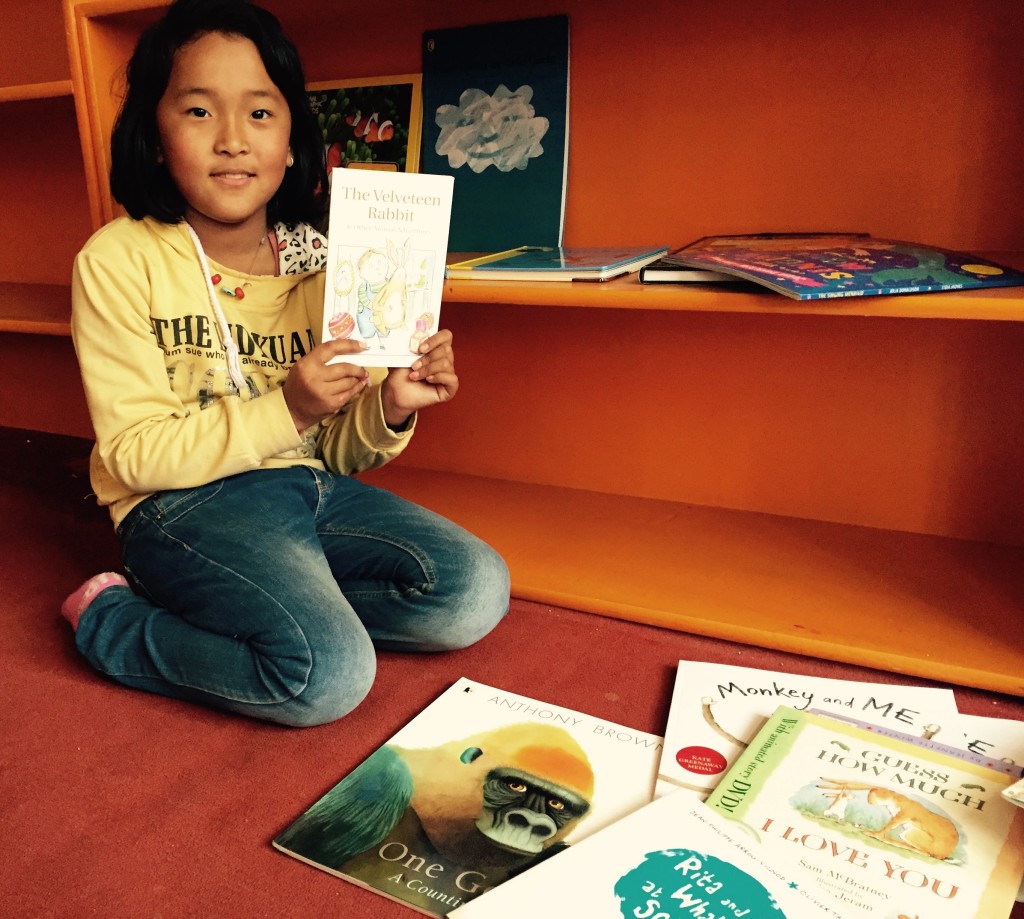
Pick one book that fits roughly the youngest reader in the room but that an adult will also enjoy. Picture books with strong visual stories work for mixed ages, as do short novels with strong characters. Set a finish date that respects the busiest week your family actually has, not an idealised one. Agree on a small celebration when you finish: a meal, a film of the book, a donation of a new title.
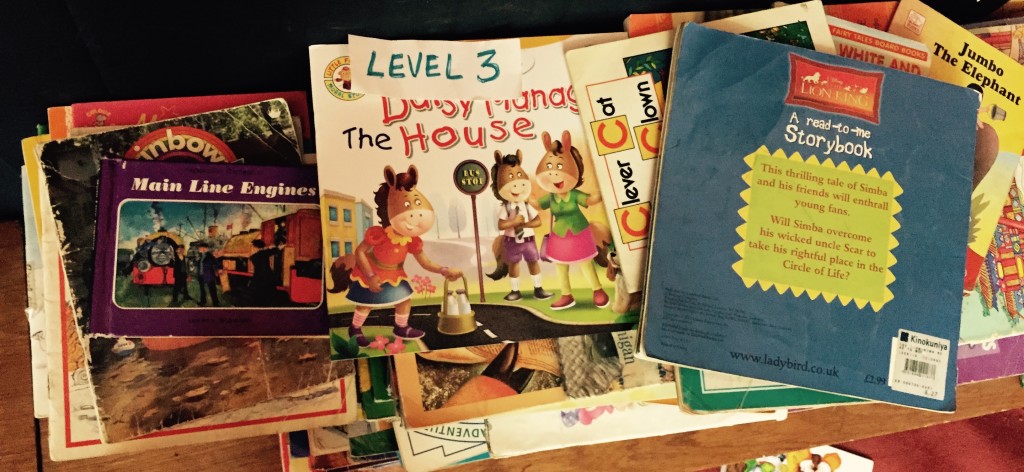
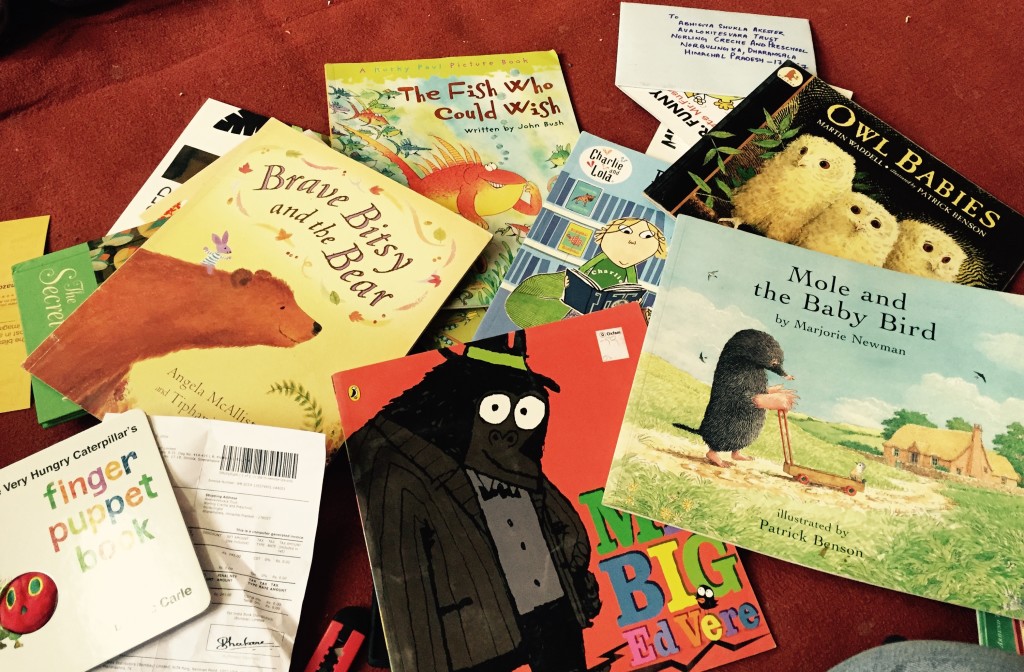
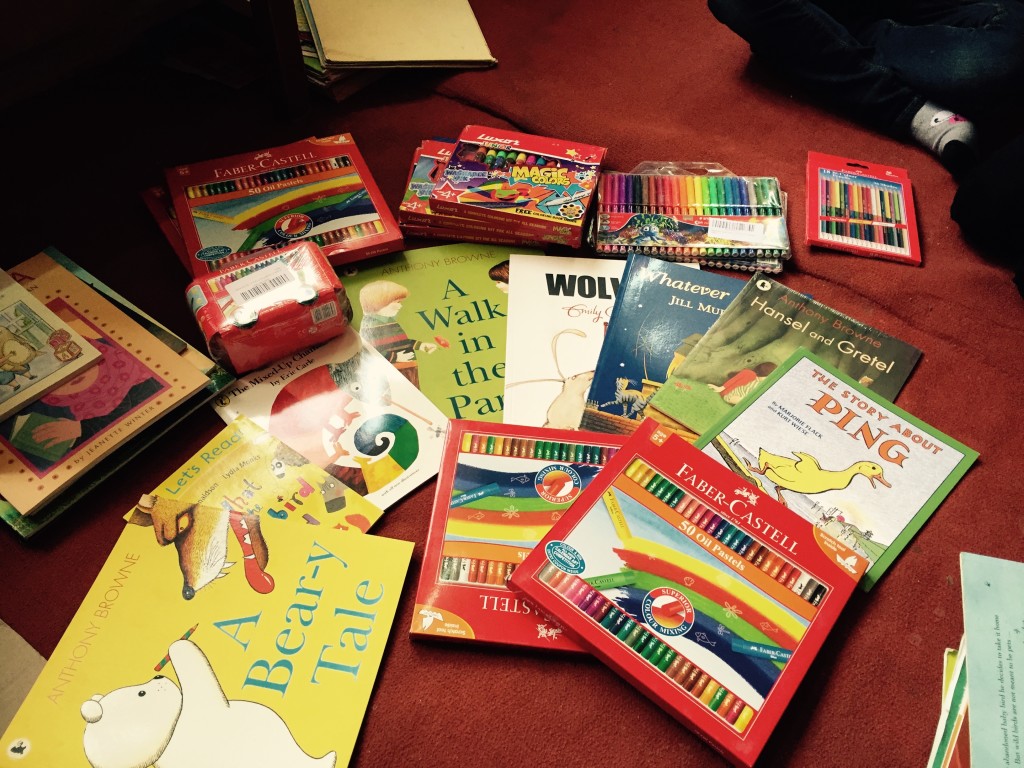
Reading challenges modelled on this family-first approach already run through our reading programmes, and the books families choose feed directly into the next shipments to our Himalayan reading rooms. The next book that travels to a reading room in Ladakh could be the same one your family finishes at the kitchen table next month.