Why We Celebrate Every Child’s Handmade Book
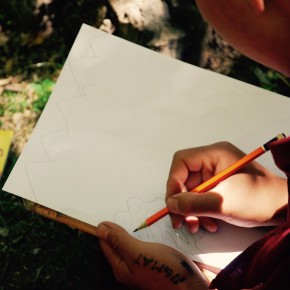
A handmade book may begin with a few folded pages, a pencil drawing and a story that has never been written down before. When a child finishes it, the result is far more than a craft activity. It is a visible record of imagination, effort and growing confidence.
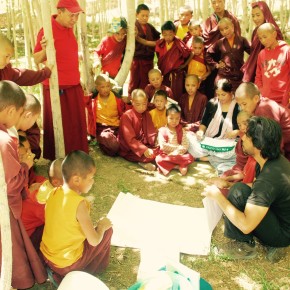
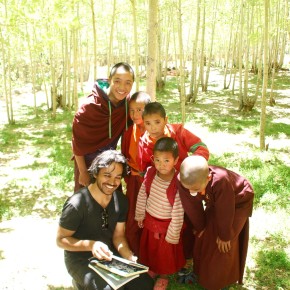
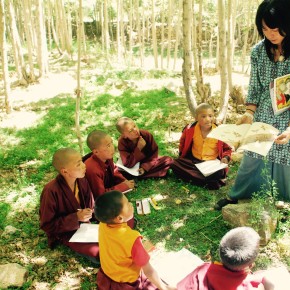
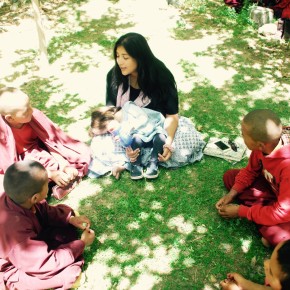
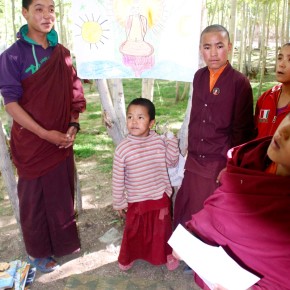
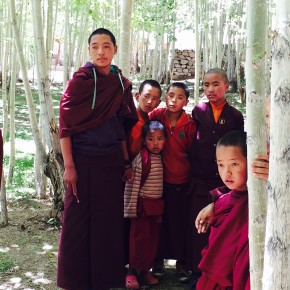
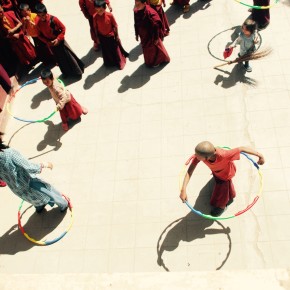
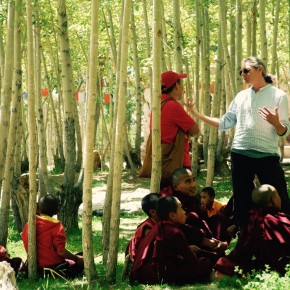
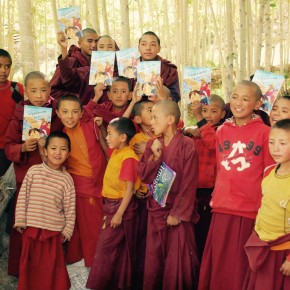
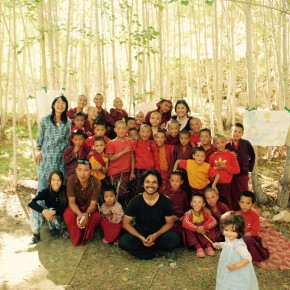
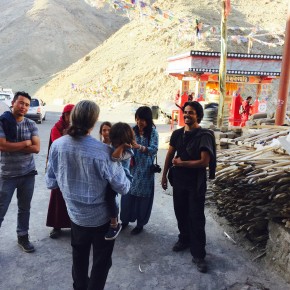
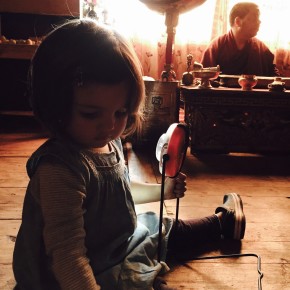
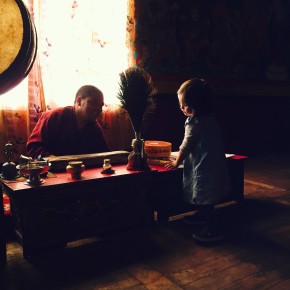
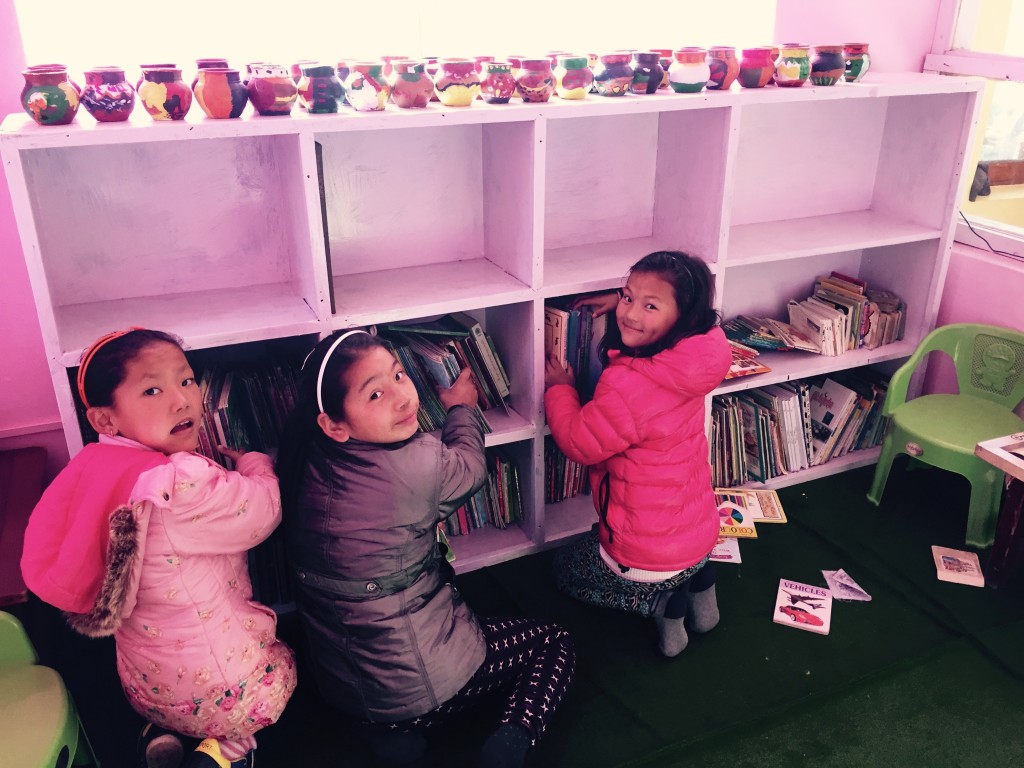
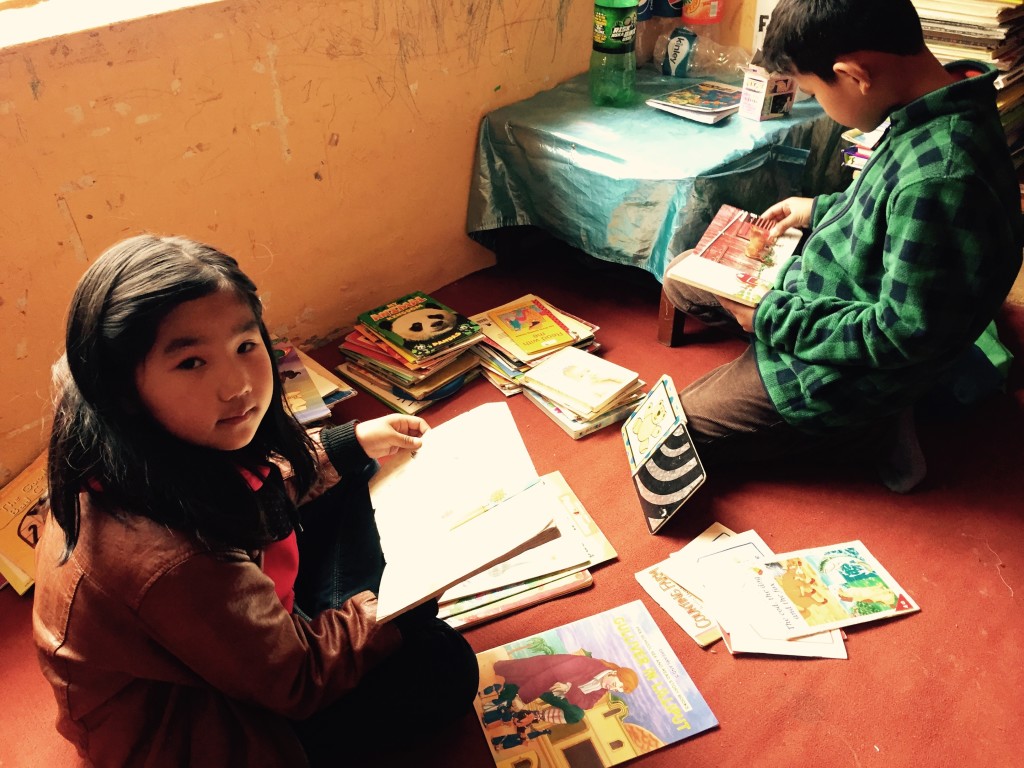
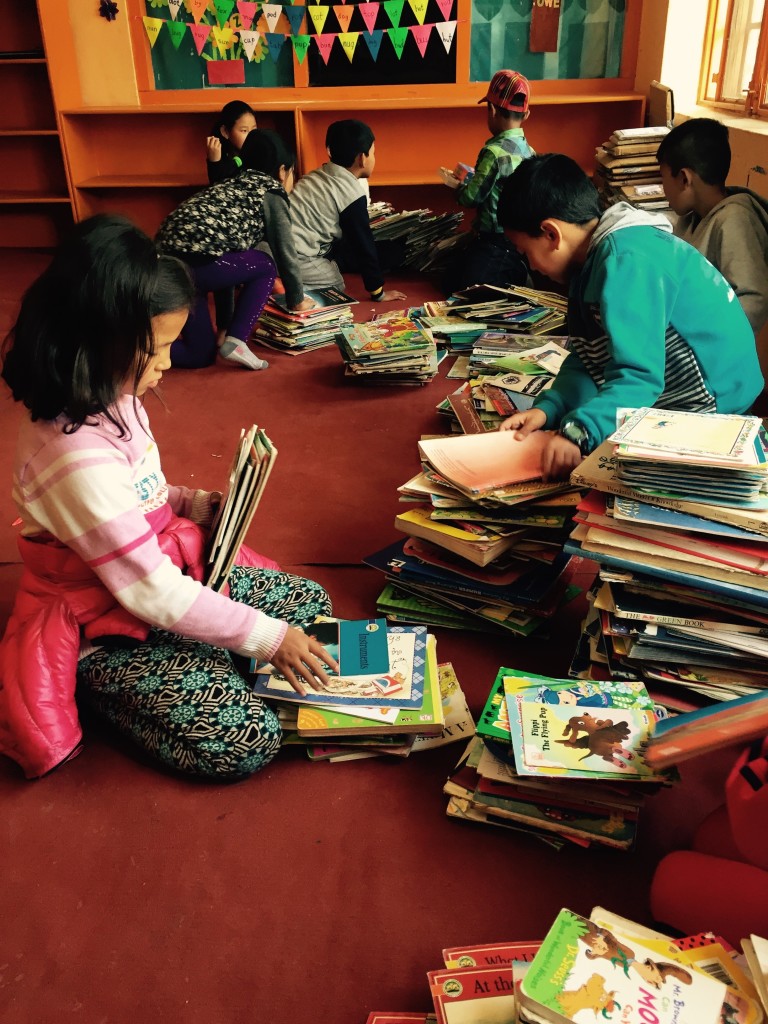
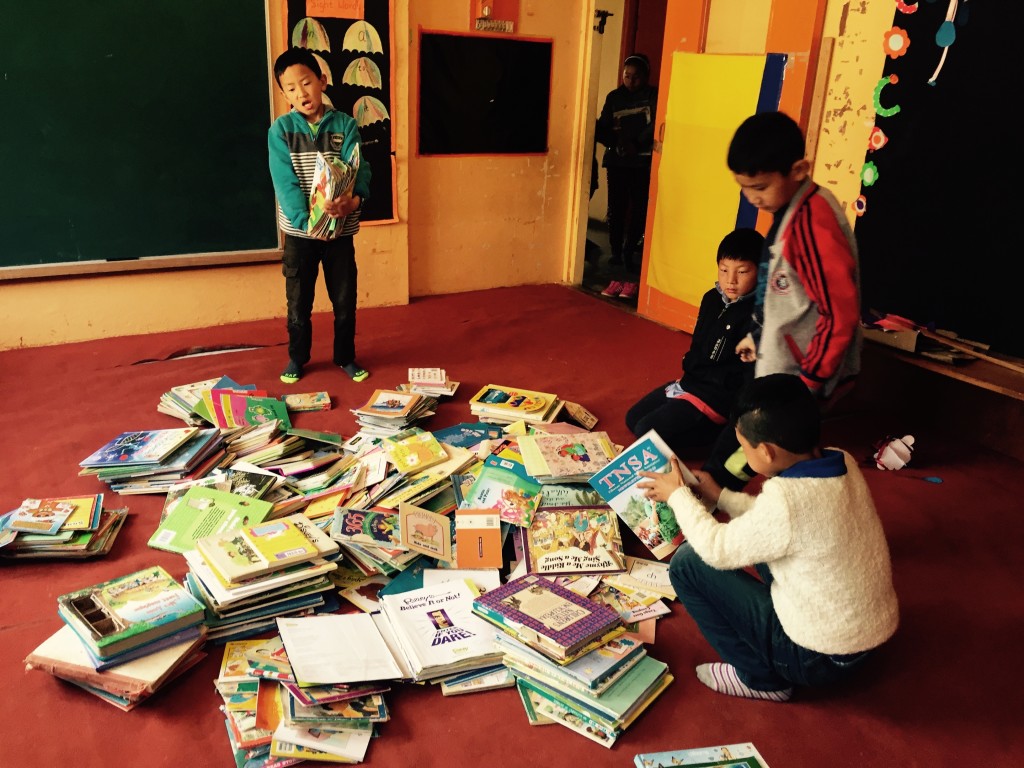
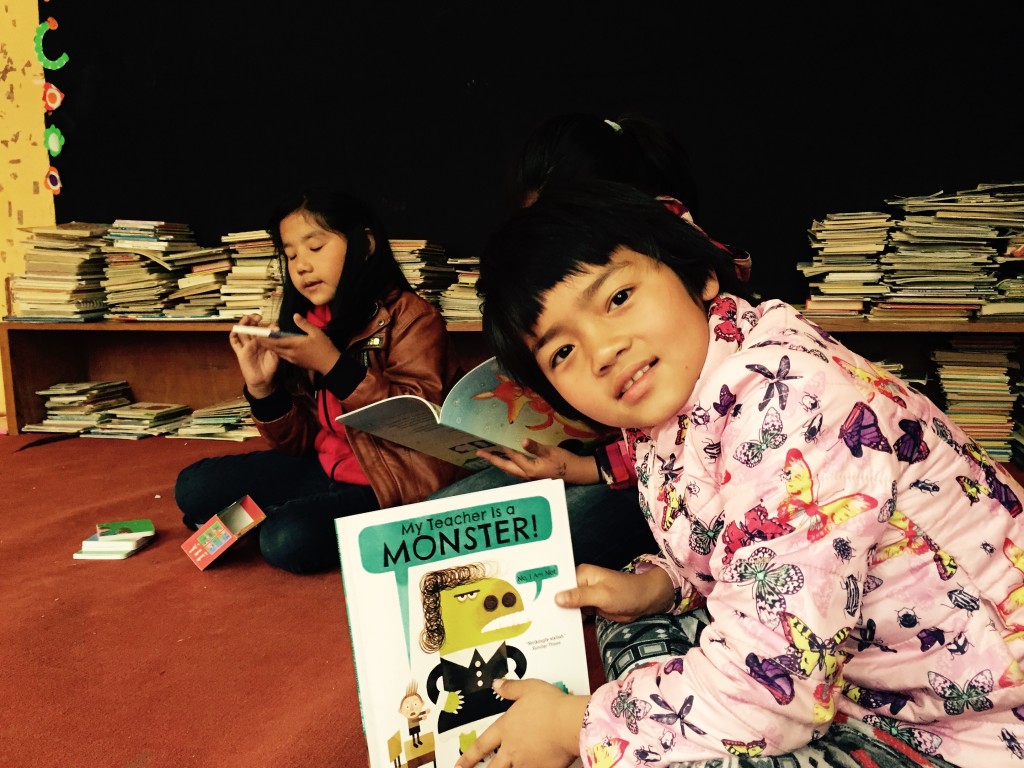
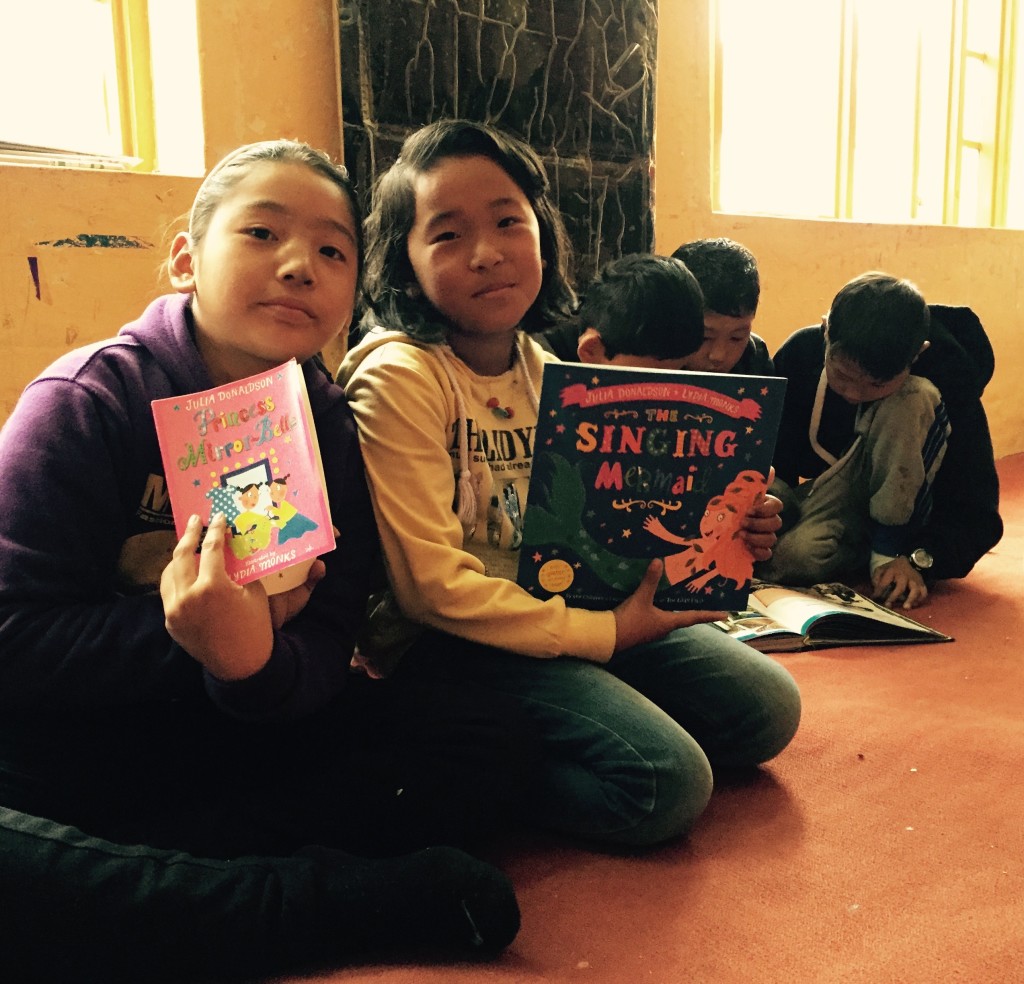
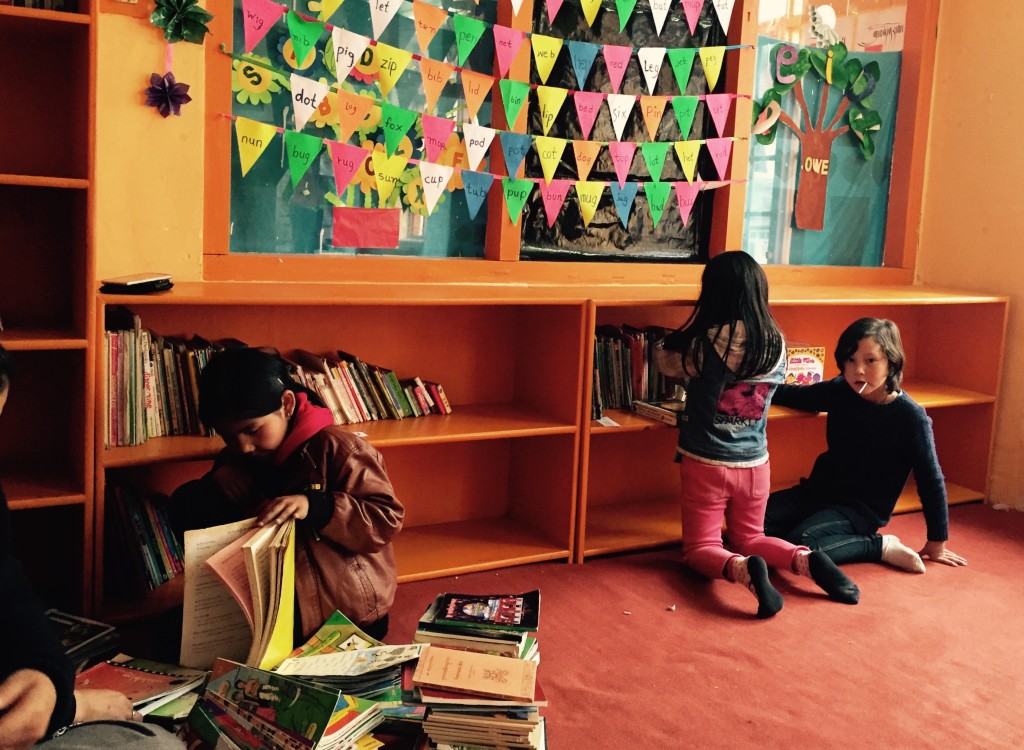
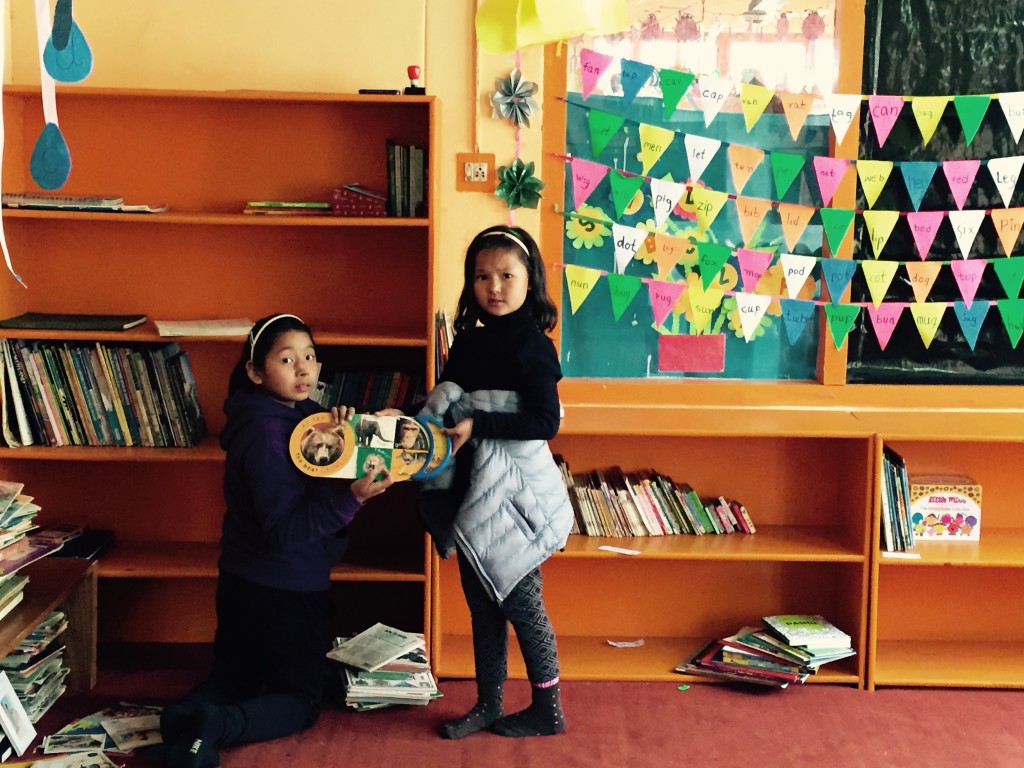
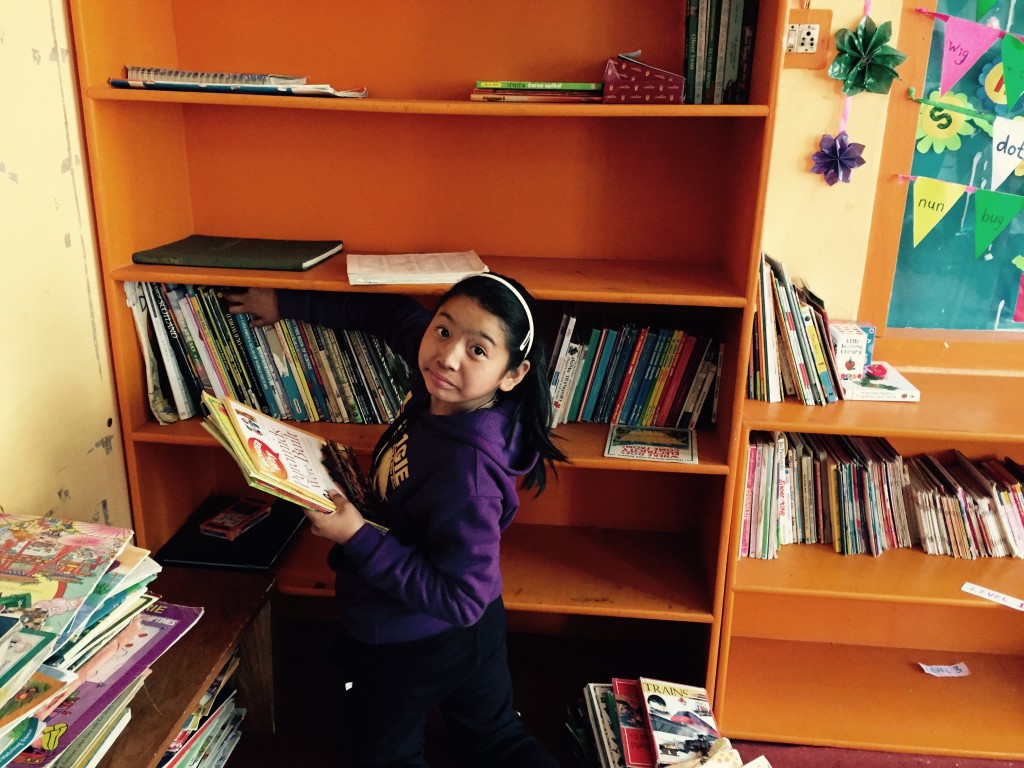
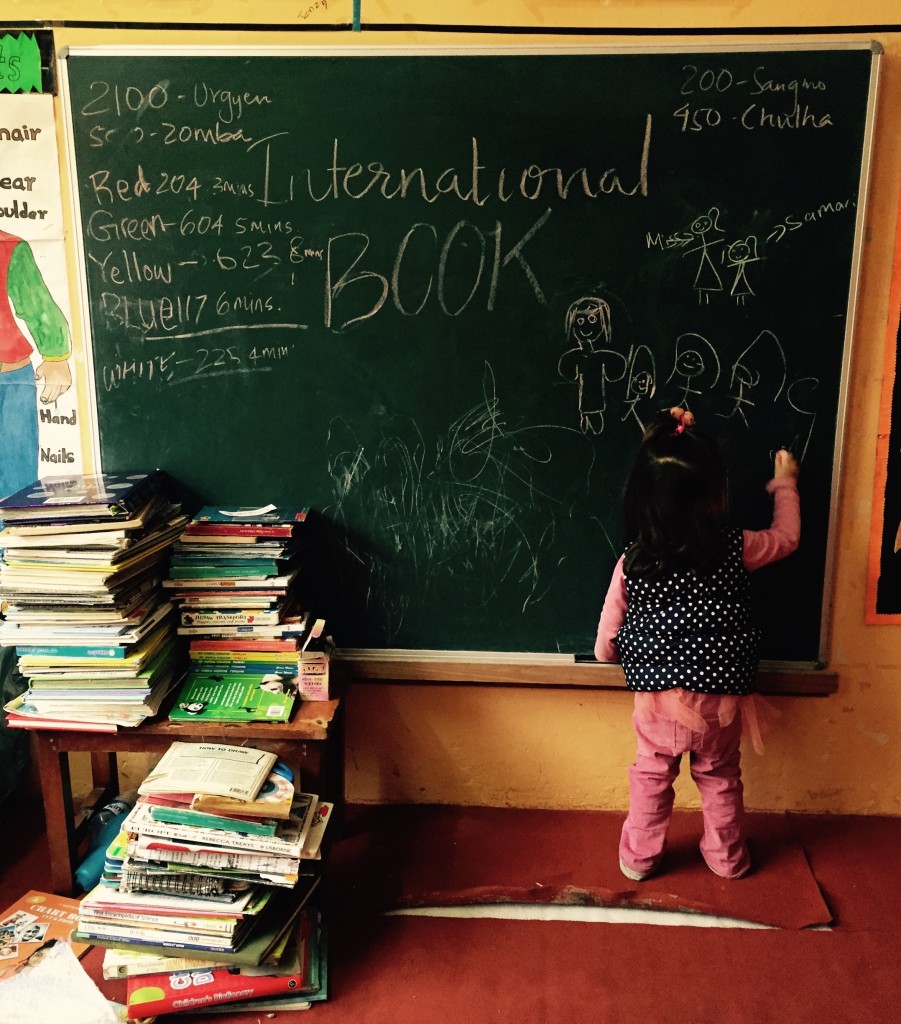
For children and young monks in Himalayan communities, creating a book can connect reading with everyday life. A child may write about a family meal, a monastery courtyard, a favourite animal or the mountains outside the window. These personal subjects make literacy feel useful, joyful and close to home.
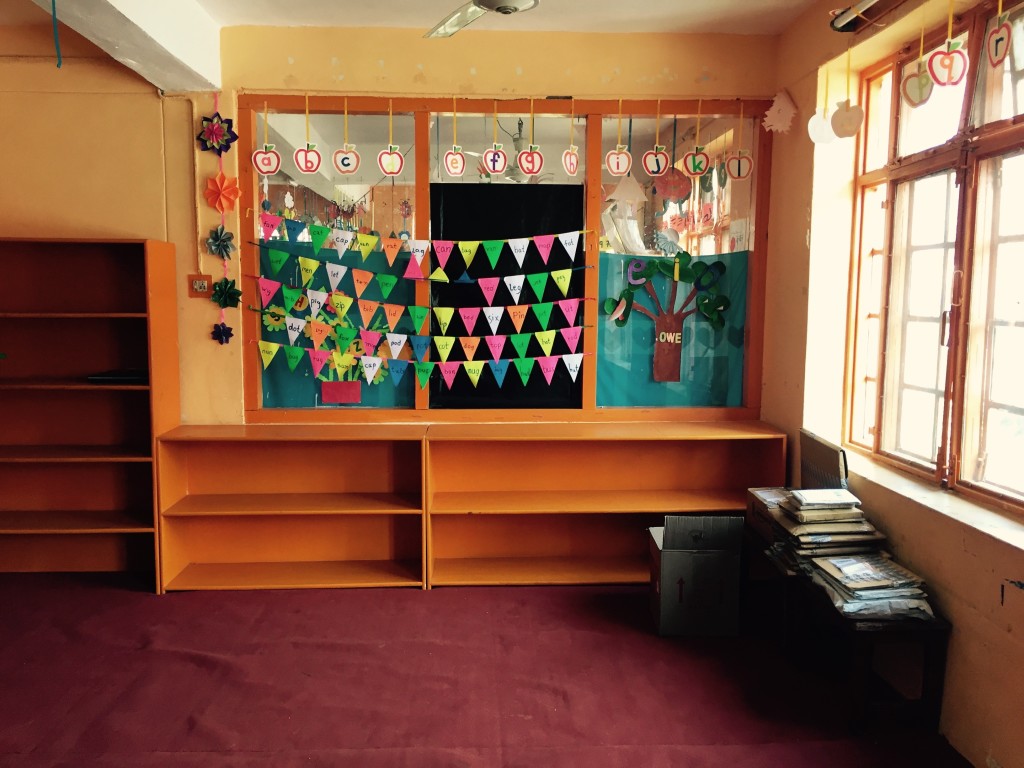
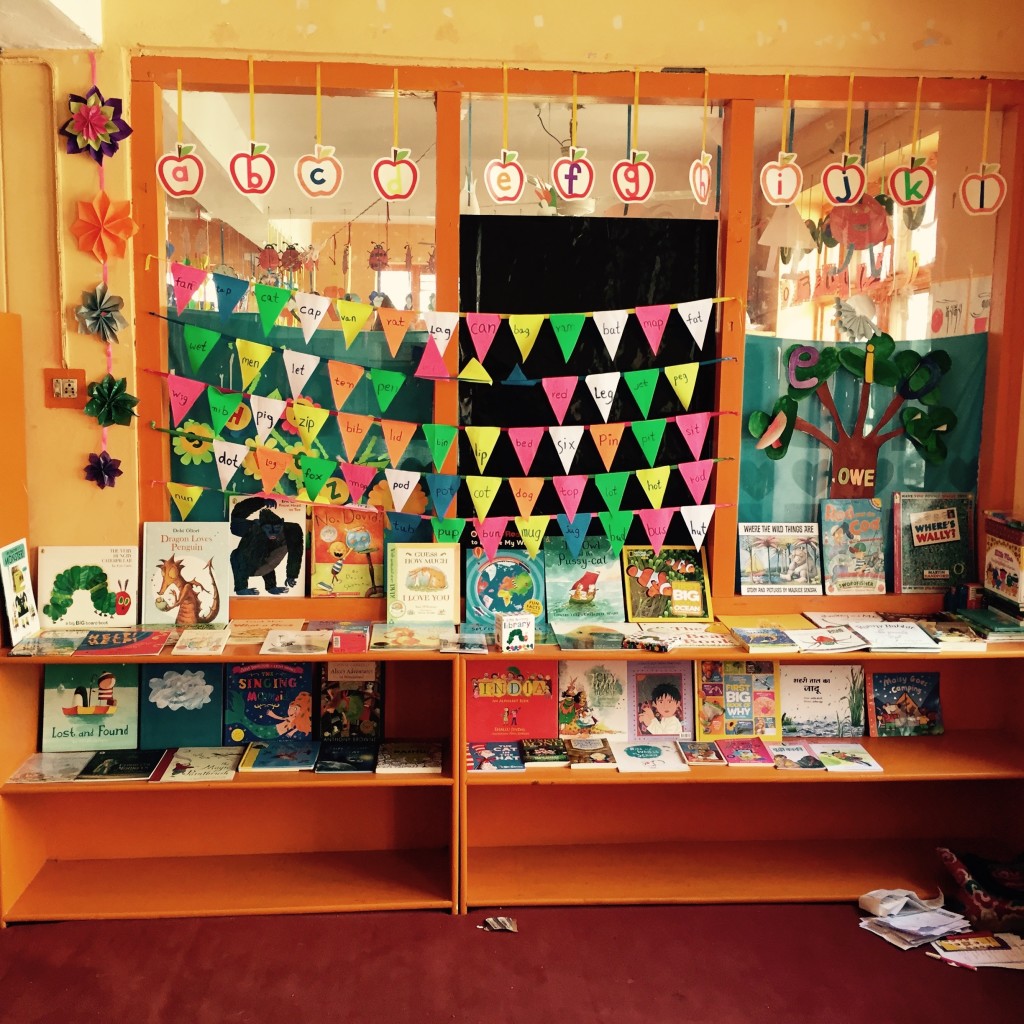
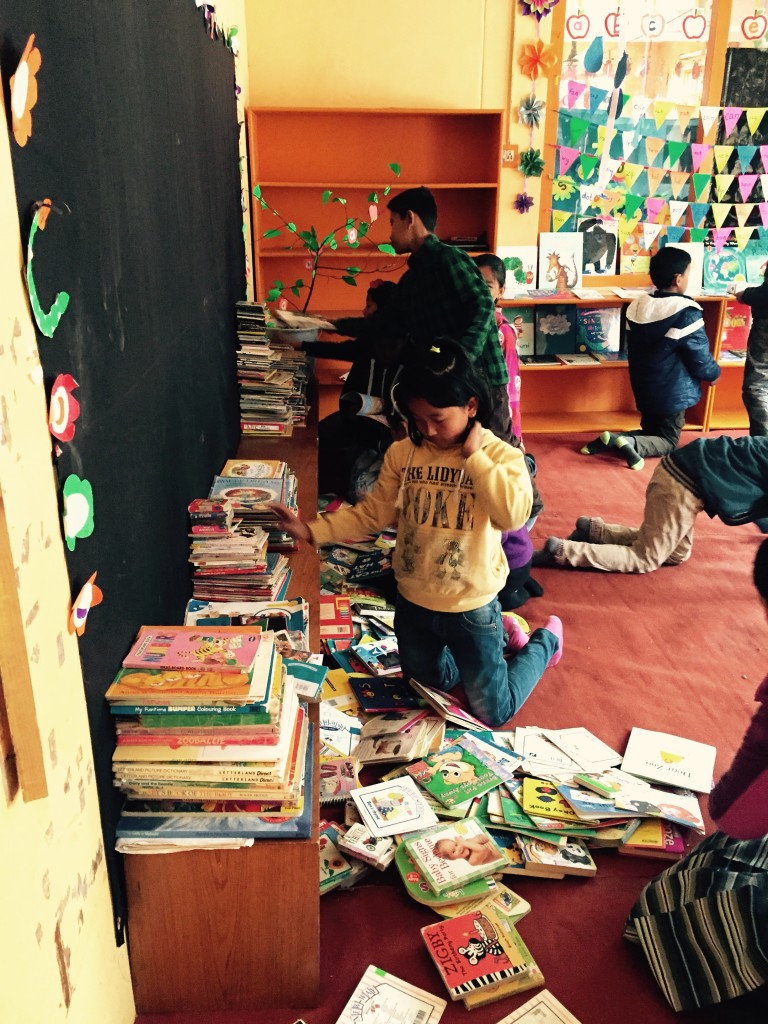
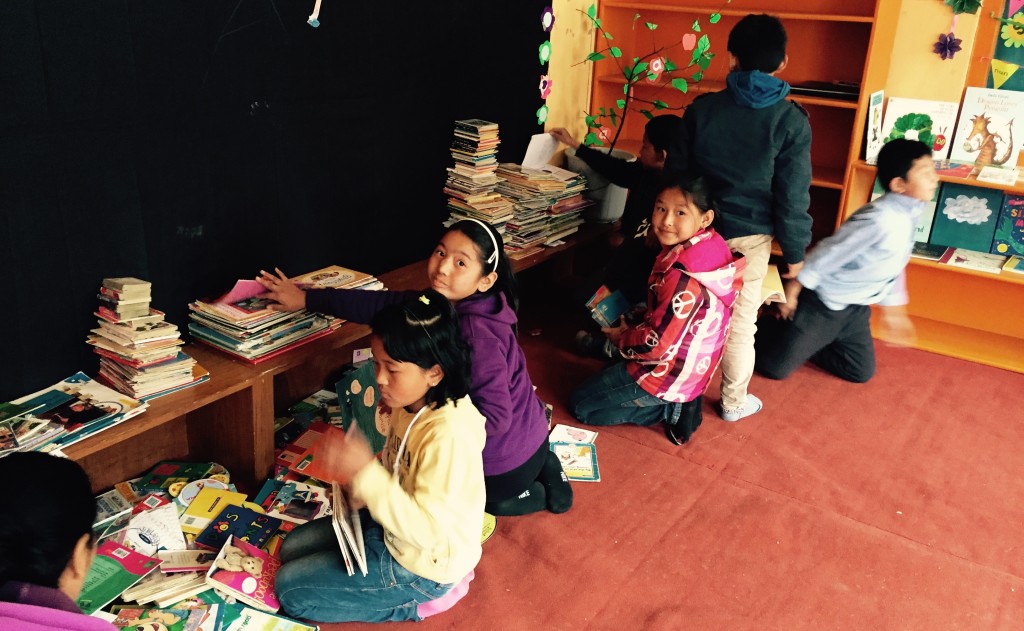
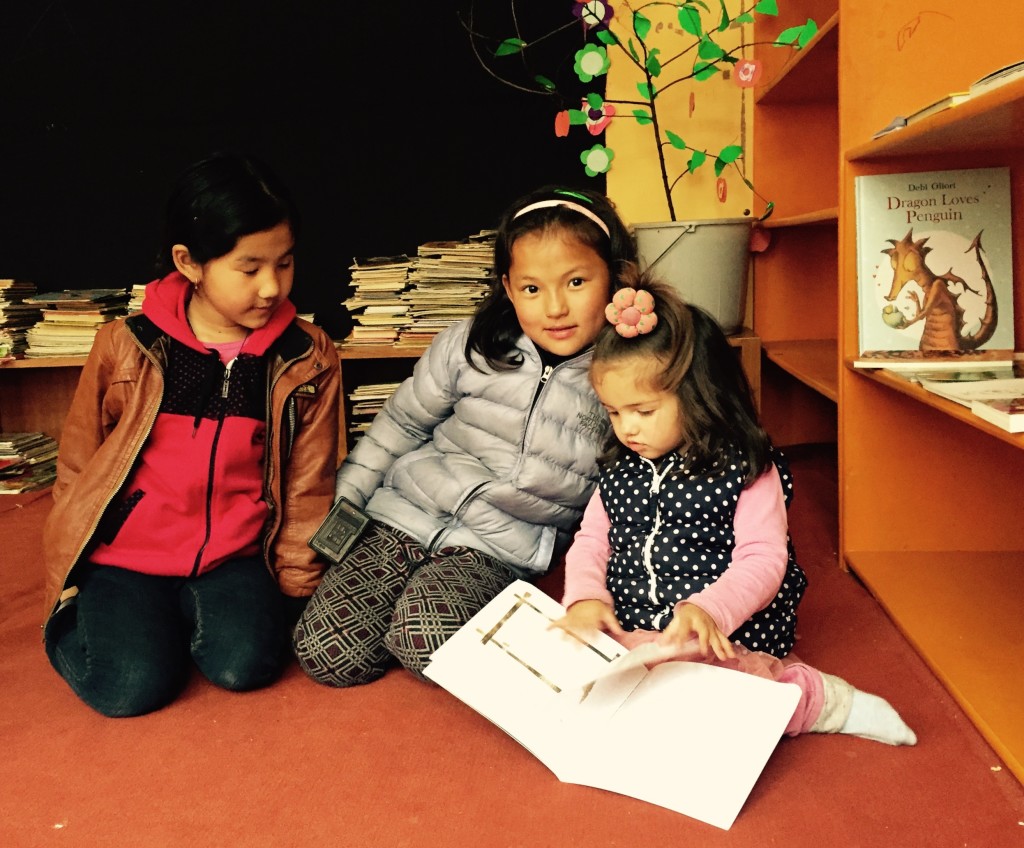
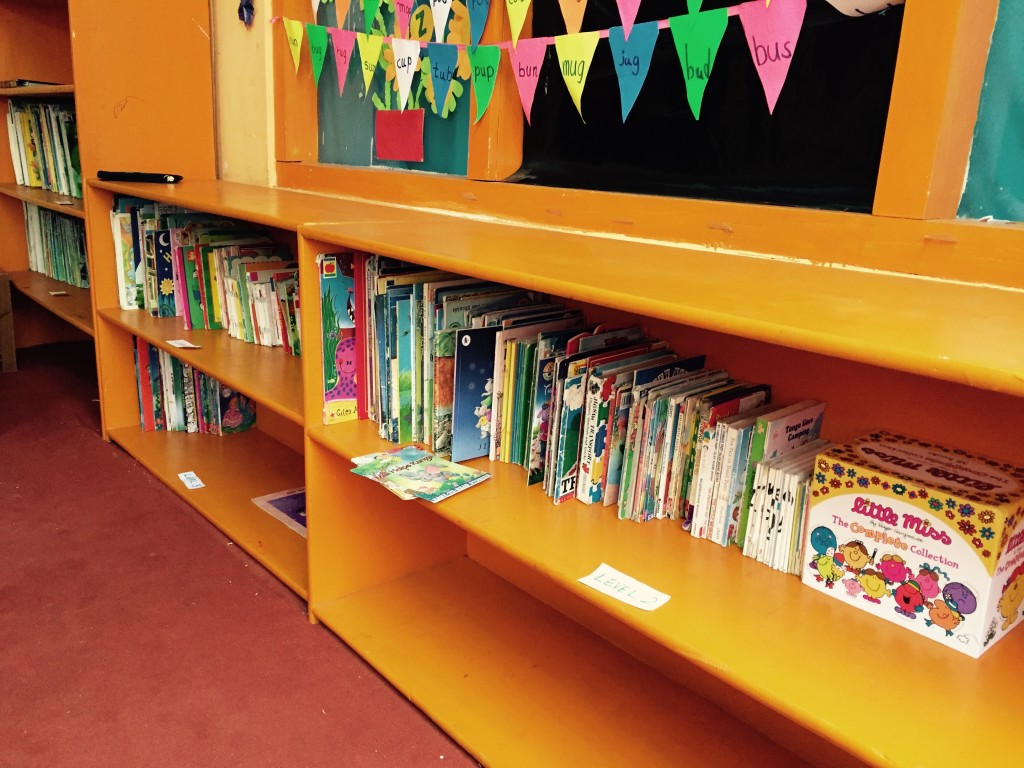
This is why Avalokiteśvara Trust values the completion of every child’s book. The celebration recognises the child as an author, gives the work an audience and shows that a small reading room can become a place where ideas are made, shared and remembered.
A Finished Book Makes Learning Visible
Many achievements in childhood are gradual. A child may become more comfortable sounding out words over several weeks, or learn to hold a pencil with greater control through repeated practice. Those changes can be difficult to see from one day to the next. A completed handmade book gathers them into one tangible object.
The cover, sequence of pages, illustrations and written sentences all show decisions made by the child. Even a short book demonstrates planning: choosing a subject, beginning a story, developing an idea and bringing it to an ending. For a young learner, that sense of completion can be powerful. “I made this” is a meaningful statement of capability.
In Australia, adults understand this feeling through school readers, library borrowing and the familiar habit of keeping children’s drawings on the fridge. A handmade book extends that experience to communities where quality books and creative resources may be harder to access. It makes learning personal rather than abstract.
Authorship Builds Confidence and Belonging
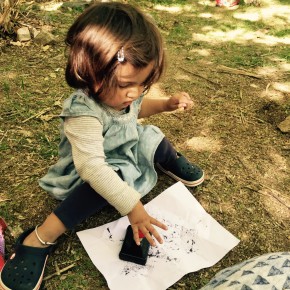
Children often encounter books as objects produced by adults, publishers and distant writers. Making one changes the relationship. The child moves from reader to author, deciding what matters and how it should be represented. That shift can encourage a stronger interest in books because reading is now connected with self-expression.
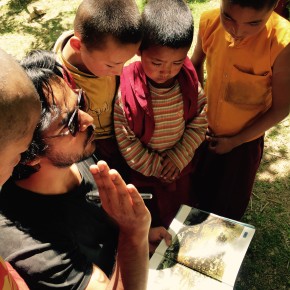
A celebration also creates a respectful audience. When peers, teachers, family members or visiting volunteers look through a child’s pages, the work receives attention without being judged only for spelling or neatness. A drawing, a local phrase or an unusual story detail becomes something worth hearing.
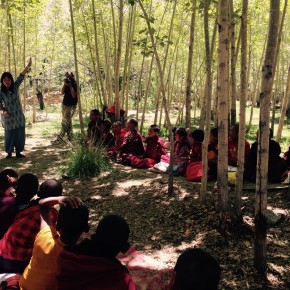
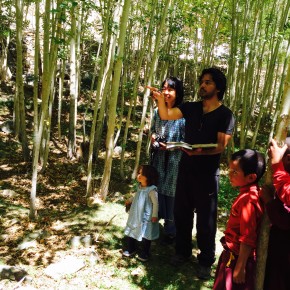
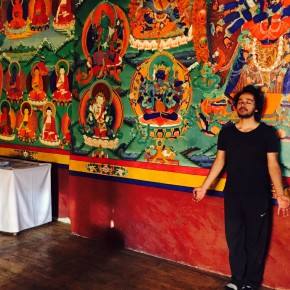
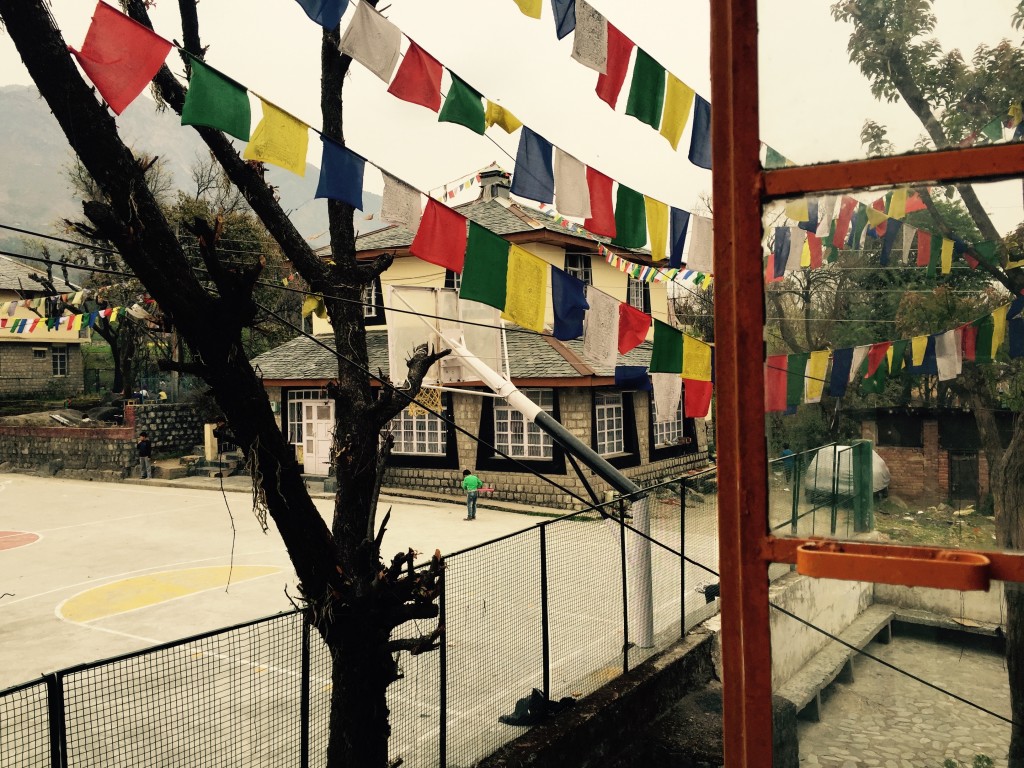
The setting matters. In Ladakh and other Himalayan communities, children may grow up among distinctive landscapes, languages, traditions and religious practices. Handmade books can preserve small details of that world while allowing each child’s individual voice to emerge. The activity supports cultural pride without requiring every story to follow the same pattern.
Creativity Turns Pages Into Shared Experience
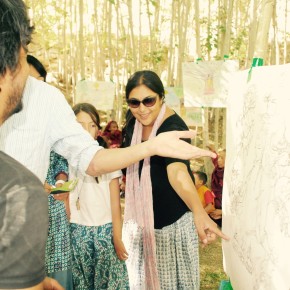
Bookmaking combines several forms of learning at once. Writing develops vocabulary and communication; drawing encourages observation; folding and assembling pages strengthen coordination; reading the finished work aloud supports speaking and listening. Music, drama and storytelling can also be woven into the process, giving children different ways to participate.
The value of the finished book can be seen clearly when compared with a standard worksheet or a commercially printed book:
| Learning experience |
What the child contributes |
What the group can celebrate |
| Worksheet |
Answers within a set format |
Accuracy and task completion |
| Printed story |
Attention and interpretation |
Understanding and discussion |
| Group story |
Ideas shared with others |
Cooperation and listening |
| Handmade book |
Words, images, structure and presentation |
Ownership, persistence and creative voice |
This kind of activity suits Australian supporters because it reflects familiar community habits. A Saturday library session in Melbourne, a school holiday workshop in Brisbane or a family reading routine in Perth can all encourage children to make and share stories. The materials may differ, but the underlying message is the same: books belong in children’s hands, not only on shelves.
The Ceremony Gives Effort a Place
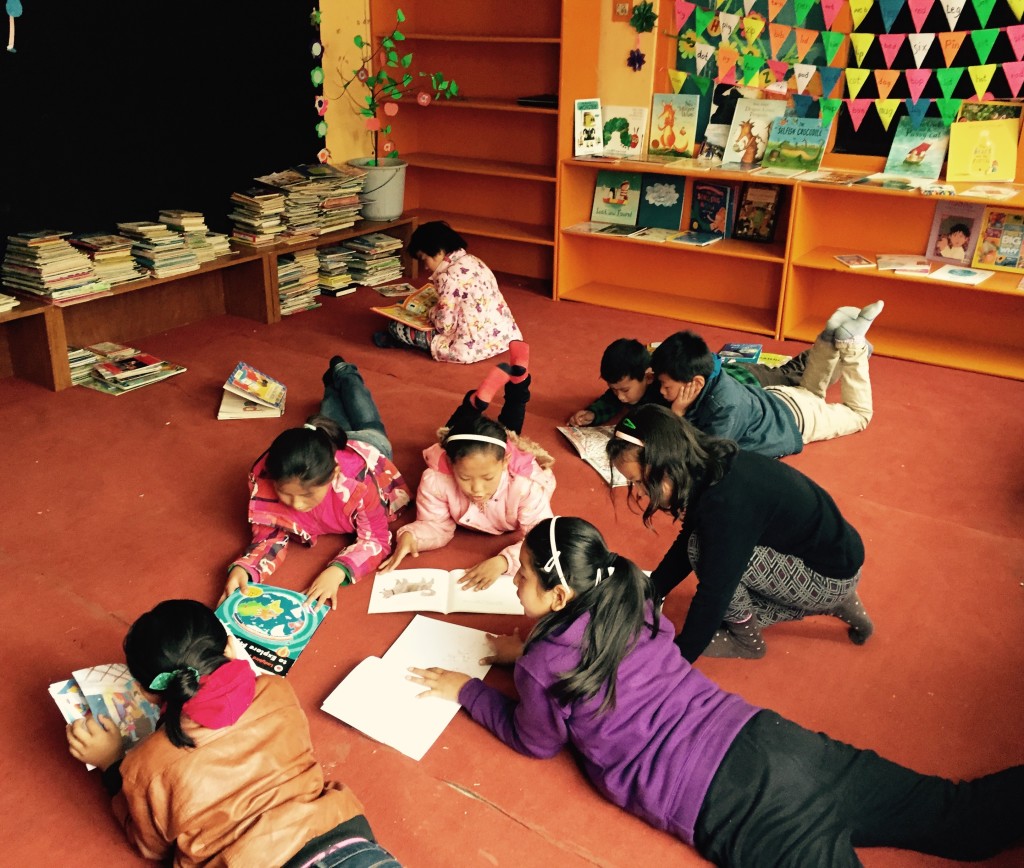
Celebrating a finished book does not need to be elaborate. Children might display their work on a reading-room shelf, read a page to a friend, add a signature to a class collection or receive applause during a small gathering. These simple rituals mark the transition from unfinished project to valued contribution.
A ceremony also helps children understand persistence. Pages may tear, words may be erased and illustrations may need to be redrawn. Finishing after those difficulties teaches that creative work is allowed to develop slowly. The celebration honours the process as much as the polished result.
For volunteers, the occasion offers a chance to listen rather than take over. Adults can ask about a character, notice a carefully chosen colour or invite the author to explain an unfamiliar place. This approach protects the child’s ownership. Corrections should support future learning without diminishing the pride attached to the completed book.
Books Connect Local Stories With Wider Communities
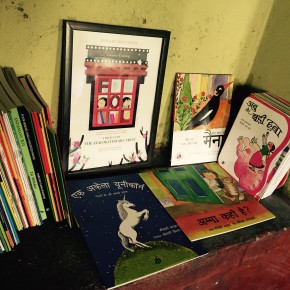
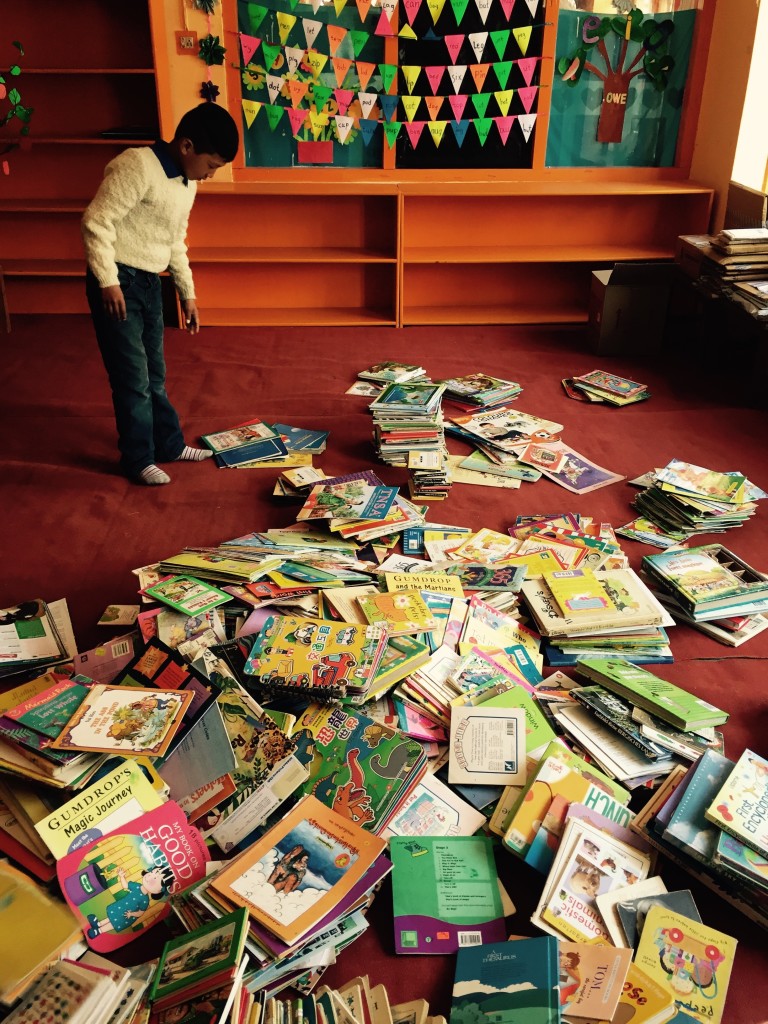
A handmade book can travel in several ways. It may remain in a community reading room, be shared with younger children or become part of a local collection. Photographs and carefully selected stories can also help supporters in Australia understand the purpose of literacy projects without reducing children to statistics.
Responsible sharing is essential. Children’s names, faces, voices and creative work deserve consent and respectful handling. Australian organisations working with children commonly pay close attention to child-safe practices, Working with Children Checks and privacy obligations under frameworks such as the Privacy Act 1988. These principles are useful when documenting educational activities across borders as well.
The Australian Charities and Not-for-profits Commission also encourages public confidence through responsible governance and transparent communication. For donors and volunteers, that means valuing the story behind a project while protecting the dignity of the child who created it. A book should be shared because it celebrates a young author, not simply because it makes attractive content.
A Small Book Can Carry a Long Future
When a child completes a handmade book, the achievement reaches beyond one afternoon. The child has practised literacy, creativity, concentration and communication. The reading room has gained a new resource made by one of its own learners. Other children may open the book later and recognise that they, too, can write, draw and publish their ideas.
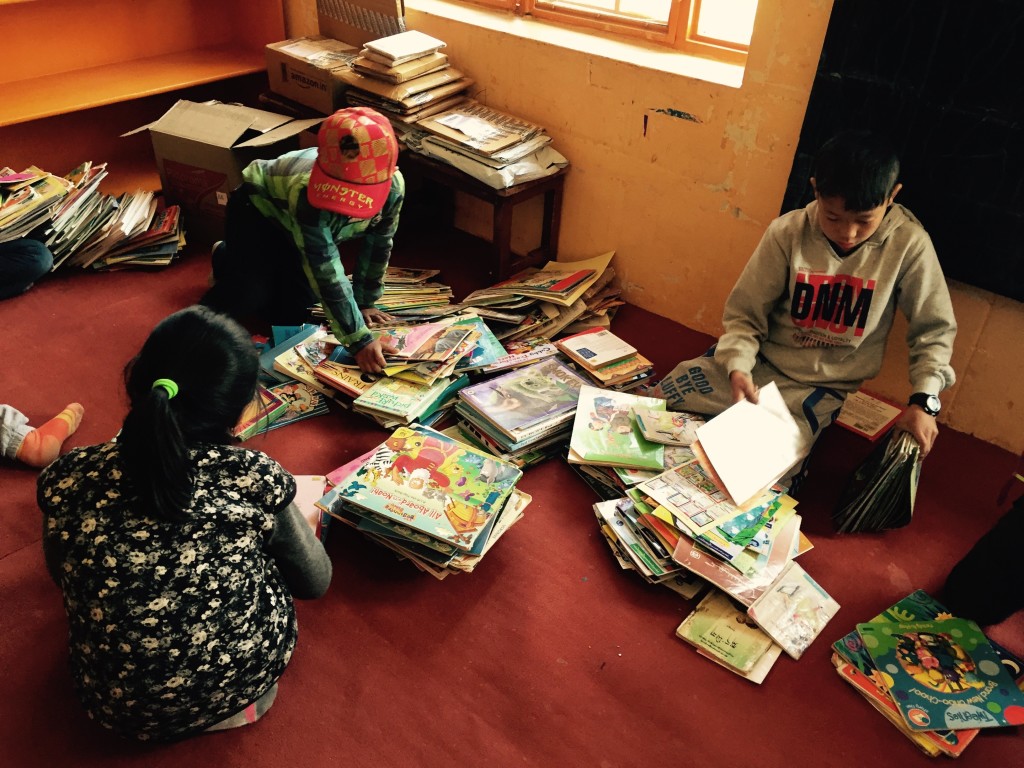
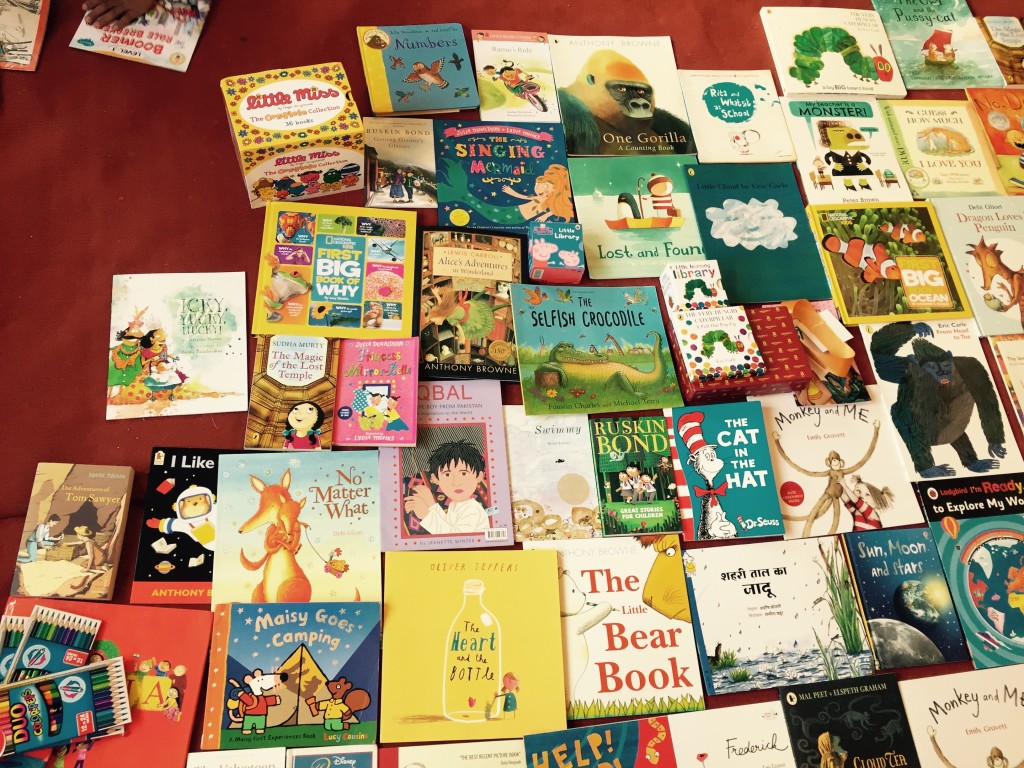
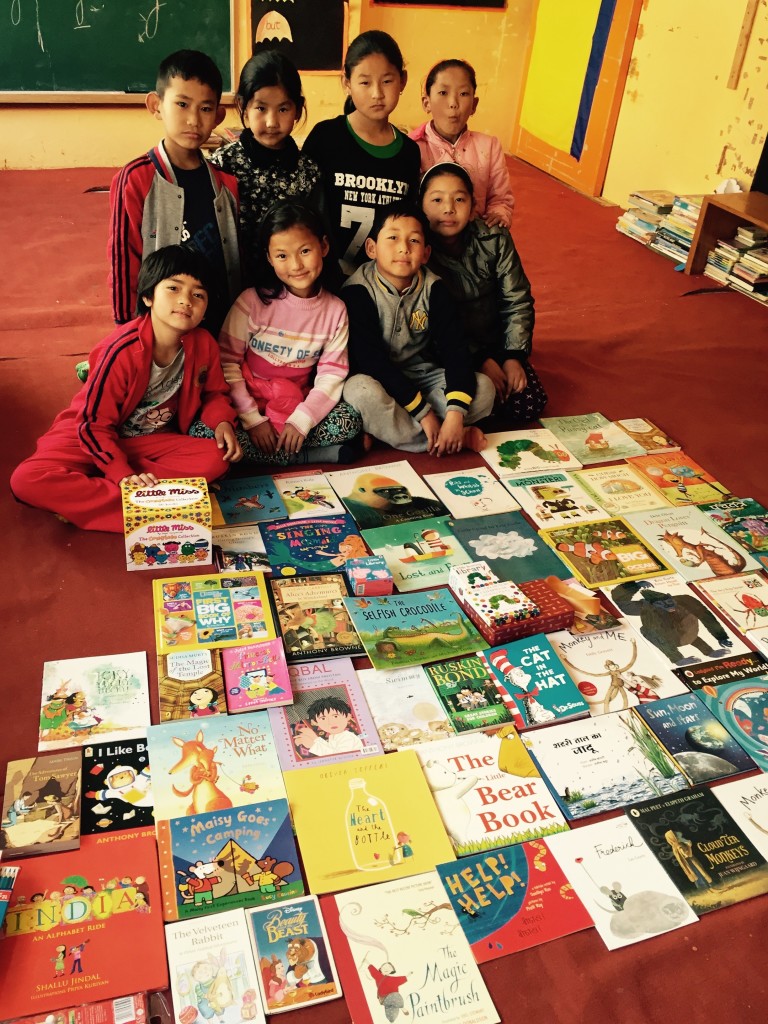
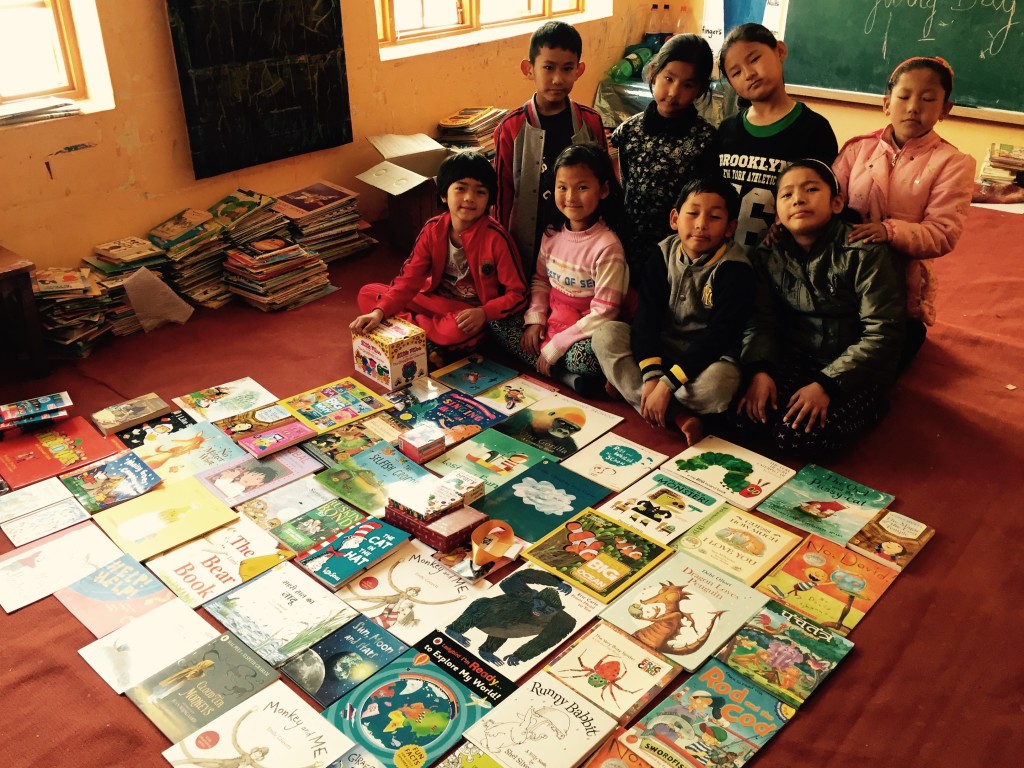
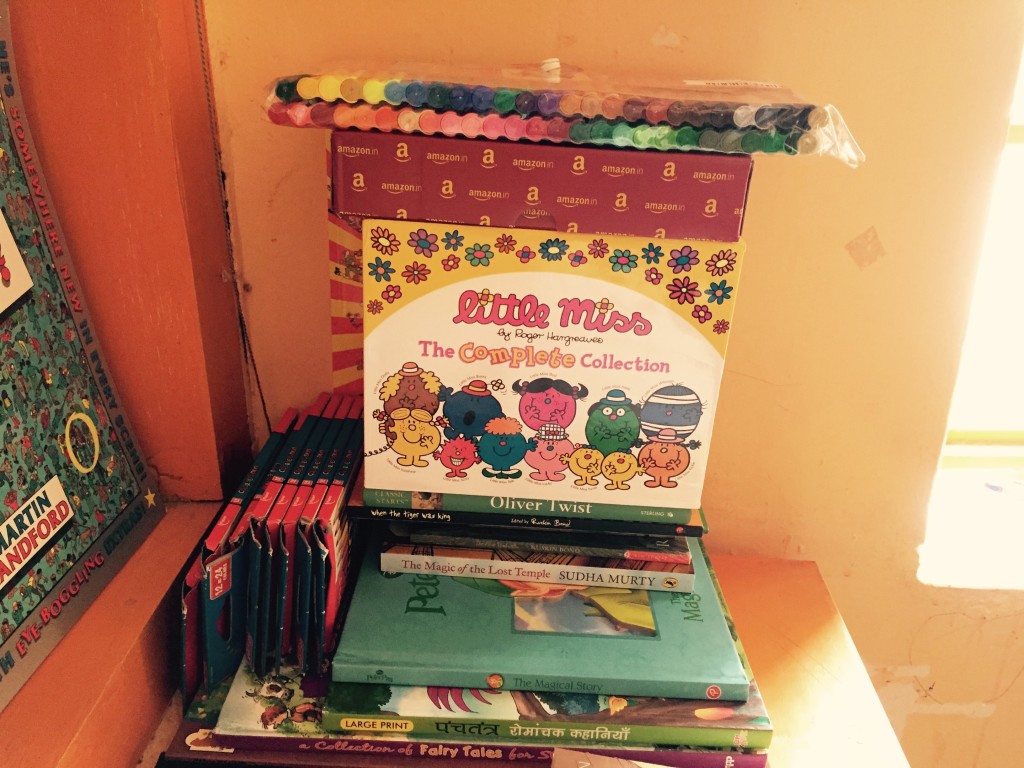
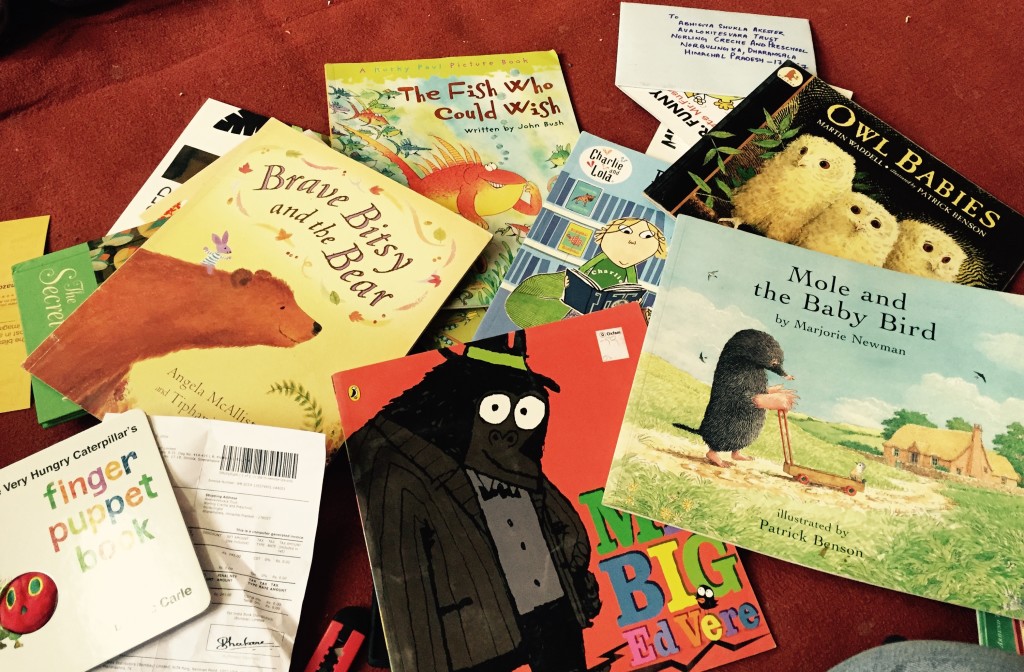
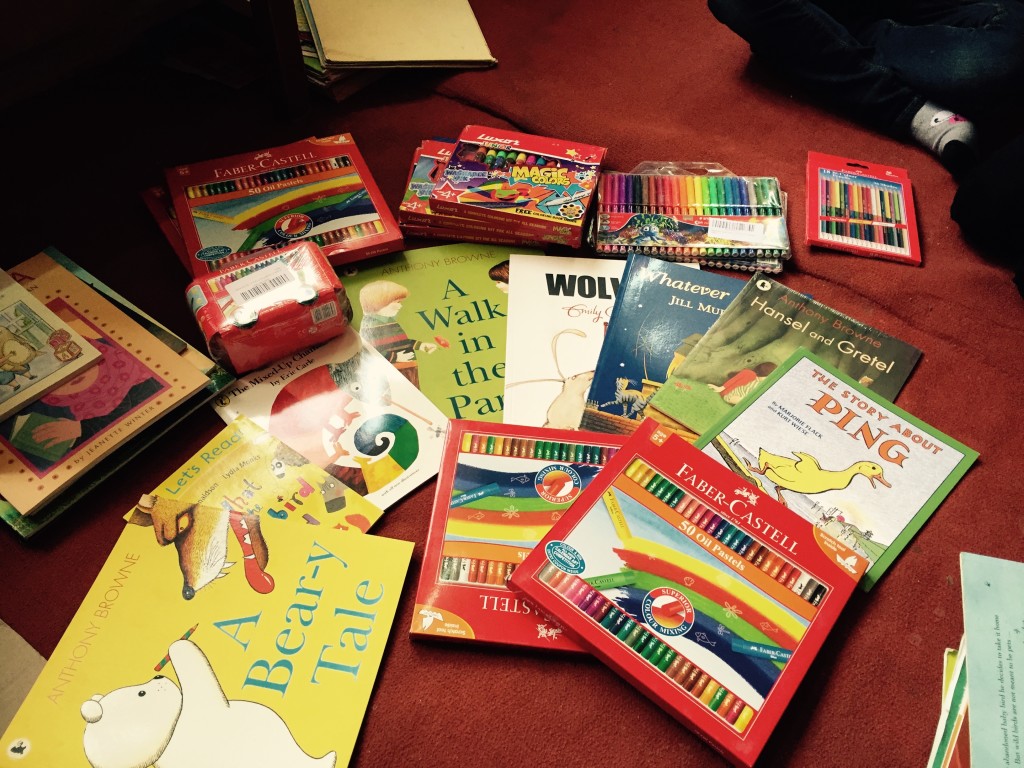
For supporters in Australia, this perspective gives book drives and donations a deeper meaning. Buying quality children’s books at a local independent bookshop, collecting gently used titles or contributing art materials can help create the conditions for more authors to emerge. A resource is valuable because of what it makes possible: a story shared, a question asked or a child encouraged to keep learning.
The next step is to set aside one reusable notebook, fold it into pages and create a first handmade book to share with a child-focused reading project.