Why every book drive needs a local champion
A book drive can begin with a generous idea: collect quality books, send them to children, and help a community build a stronger reading culture. Yet goodwill alone does not determine whether those books become useful resources. The success of a collection depends on people who understand the local setting, identify real needs, and stay involved after the boxes arrive.
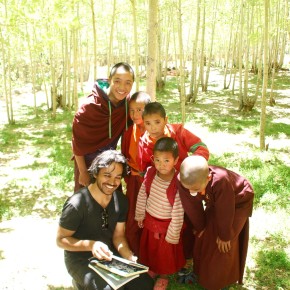
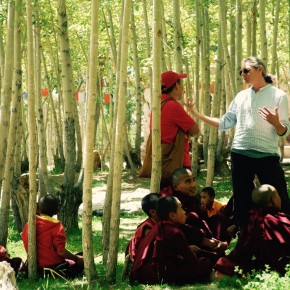
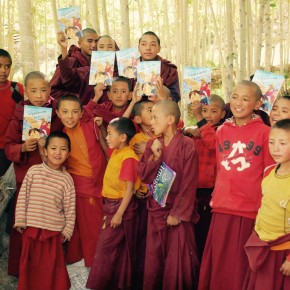
A local champion connects donors with readers. This person may be a teacher, librarian, youth worker, monk, parent, volunteer, or community organizer. Their knowledge helps a book drive serve children and young monks with materials that are relevant, accessible, and suited to the rhythms of life in Himalayan communities.
For organizations such as Avalokiteśvara Trust, local relationships are central to creating reading rooms, organizing book drives, and offering educational, artistic, and musical activities. A community-based approach turns donated books into an ongoing opportunity for literacy, imagination, and shared learning.
Local knowledge shapes a useful collection
People outside a community may know that books are needed, but they may not know which books will be read. A local champion can describe the age groups served, the languages children understand, the reading levels in a classroom, and the subjects that spark interest. This information prevents a donation from becoming a random shipment of titles.
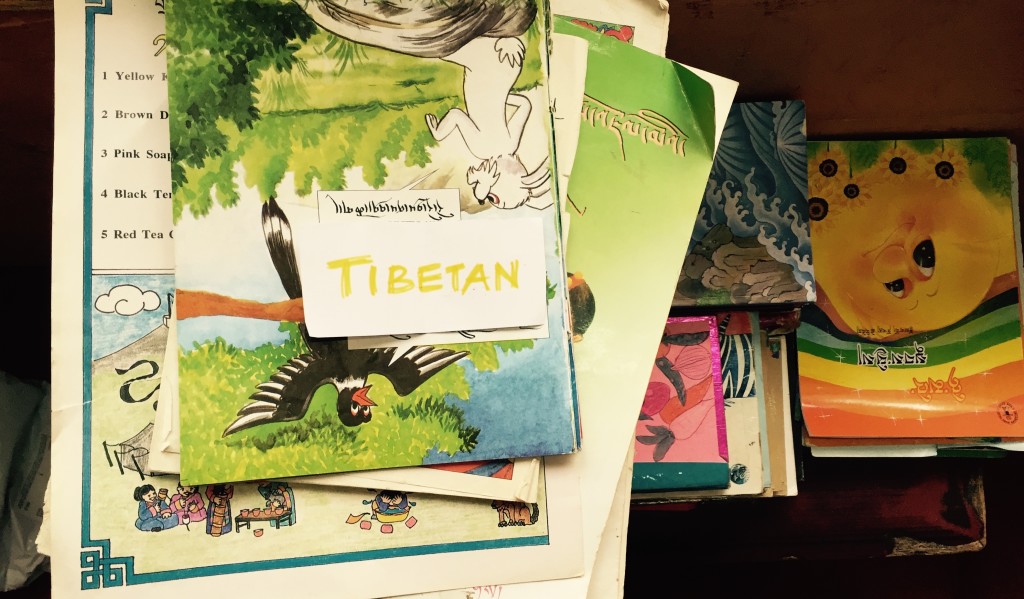
Local guidance also helps identify practical needs. A remote school may need picture books, early readers, reference materials, or bilingual stories rather than advanced novels. A reading room serving young monks may benefit from books about history, science, art, music, nature, and world cultures alongside literature connected to their own traditions.
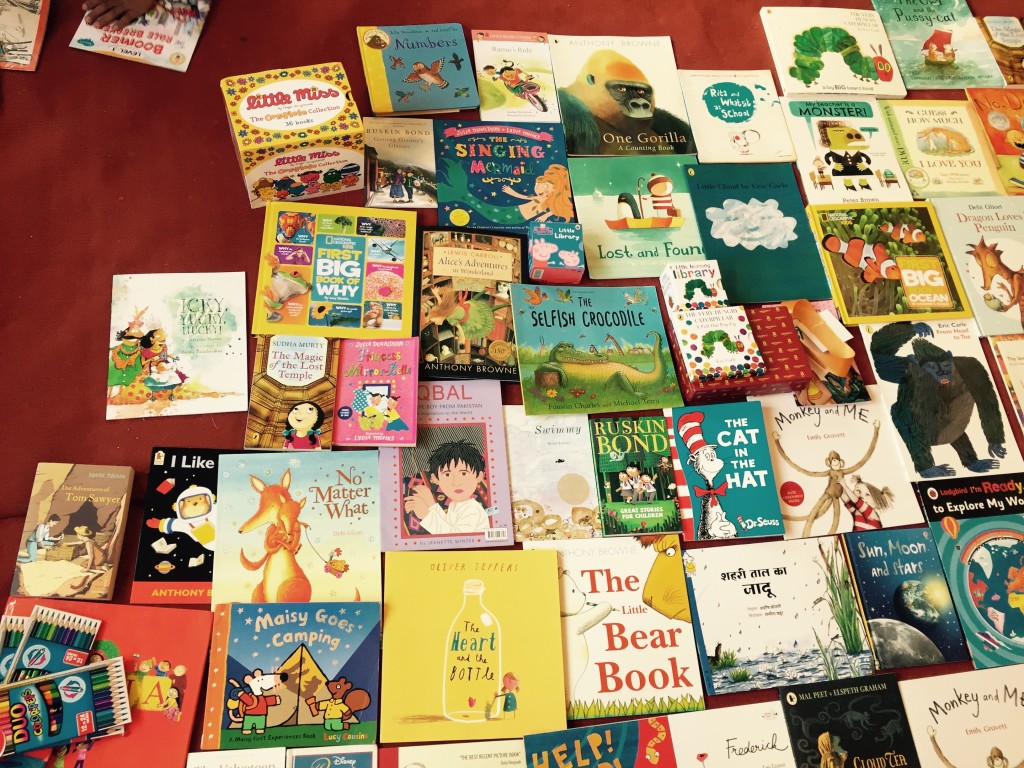
This kind of insight makes every contribution more meaningful. Donors can focus on condition, relevance, and variety instead of measuring success by the number of books collected. A smaller, carefully selected library often serves children better than a large assortment that requires extensive sorting or leaves important gaps.
Trust turns donations into participation
A local champion is more than a delivery contact. They help build trust between a charitable organization, donors, schools, families, and learners. In communities where outside projects may come and go, a familiar person can explain the purpose of a book drive and show how residents can take part.
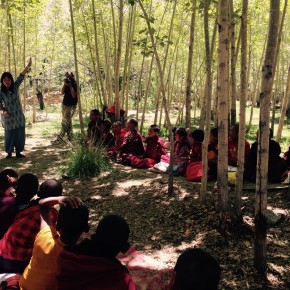
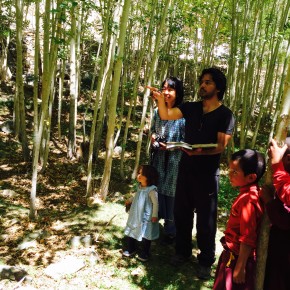
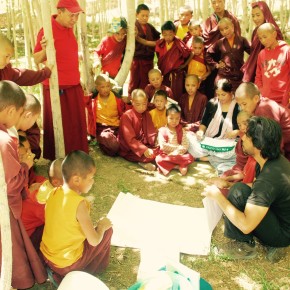
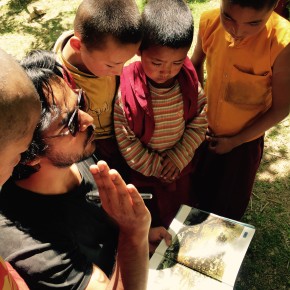
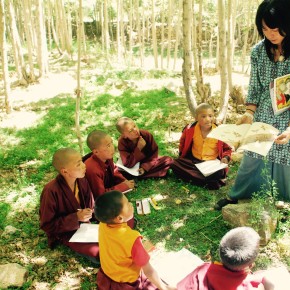
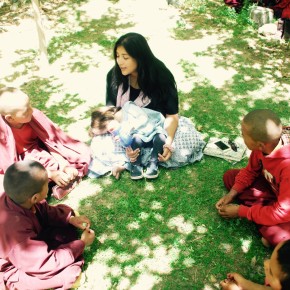
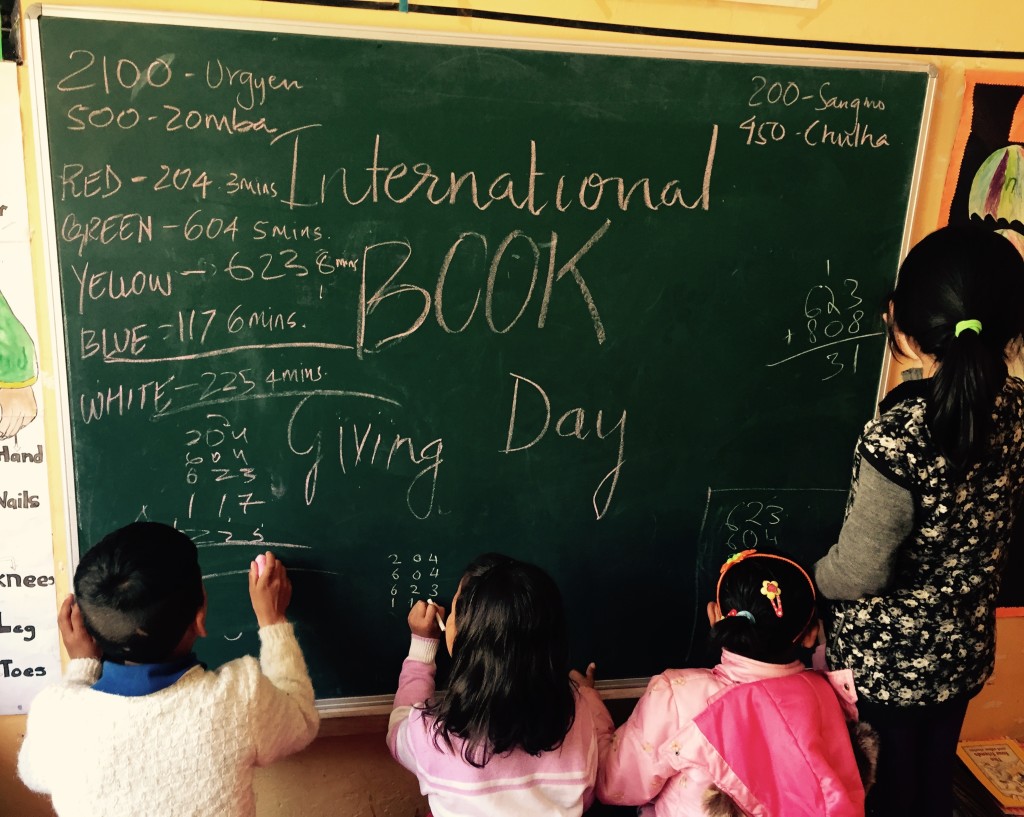
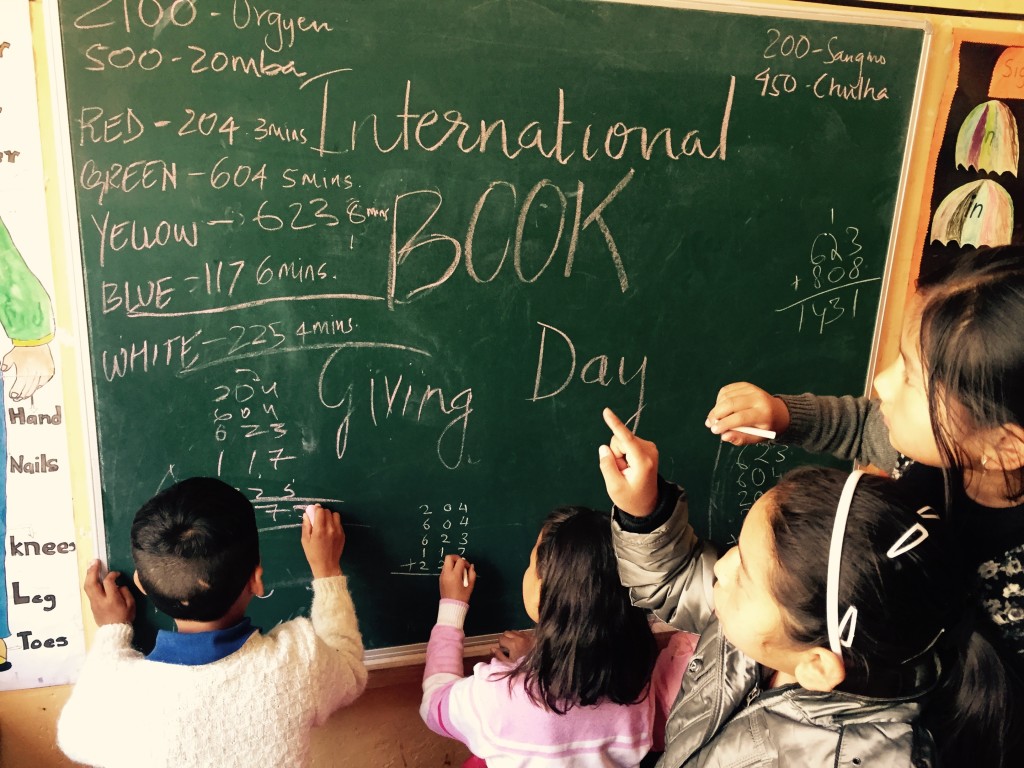
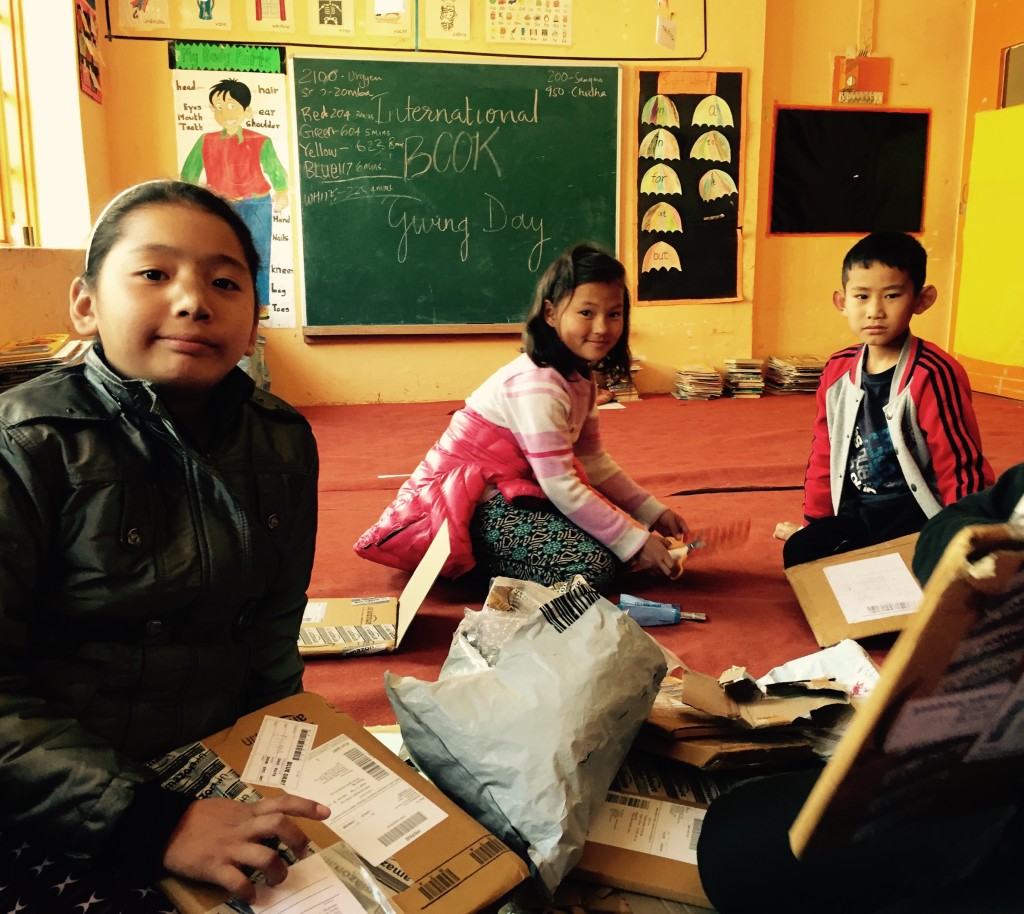
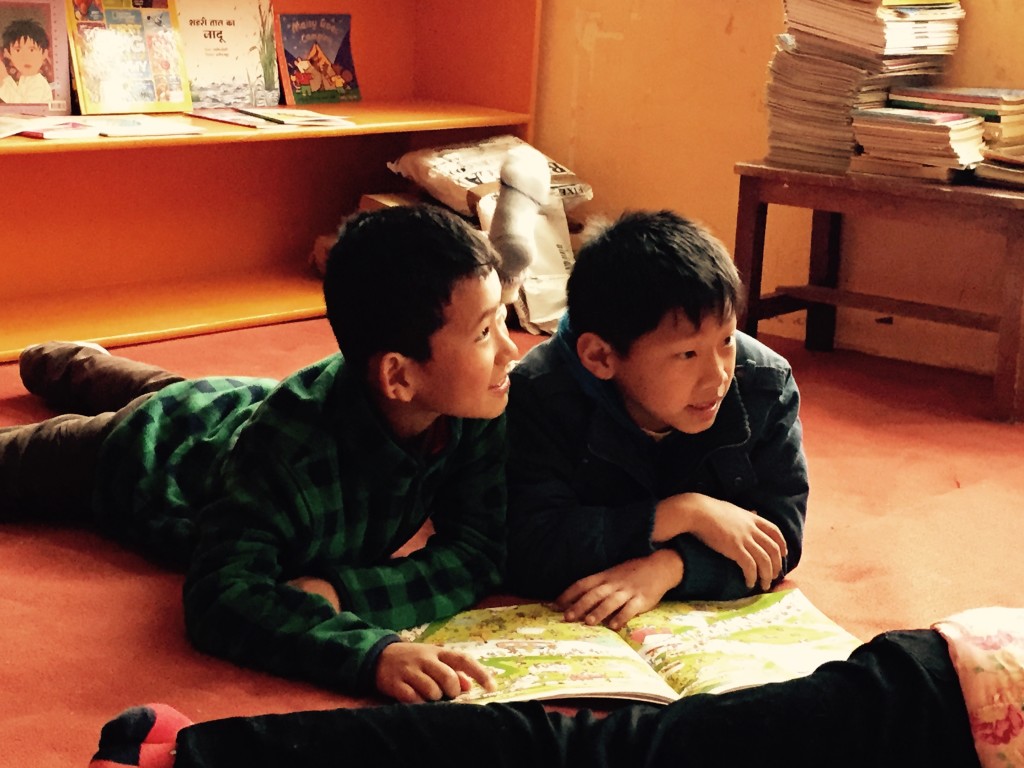
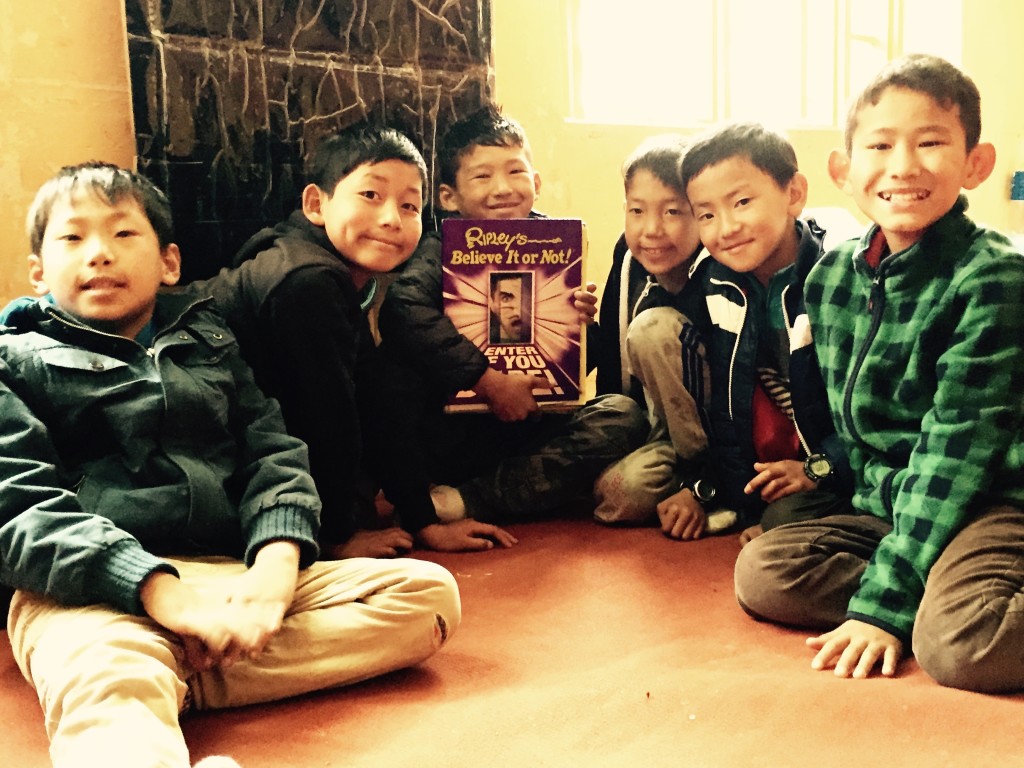
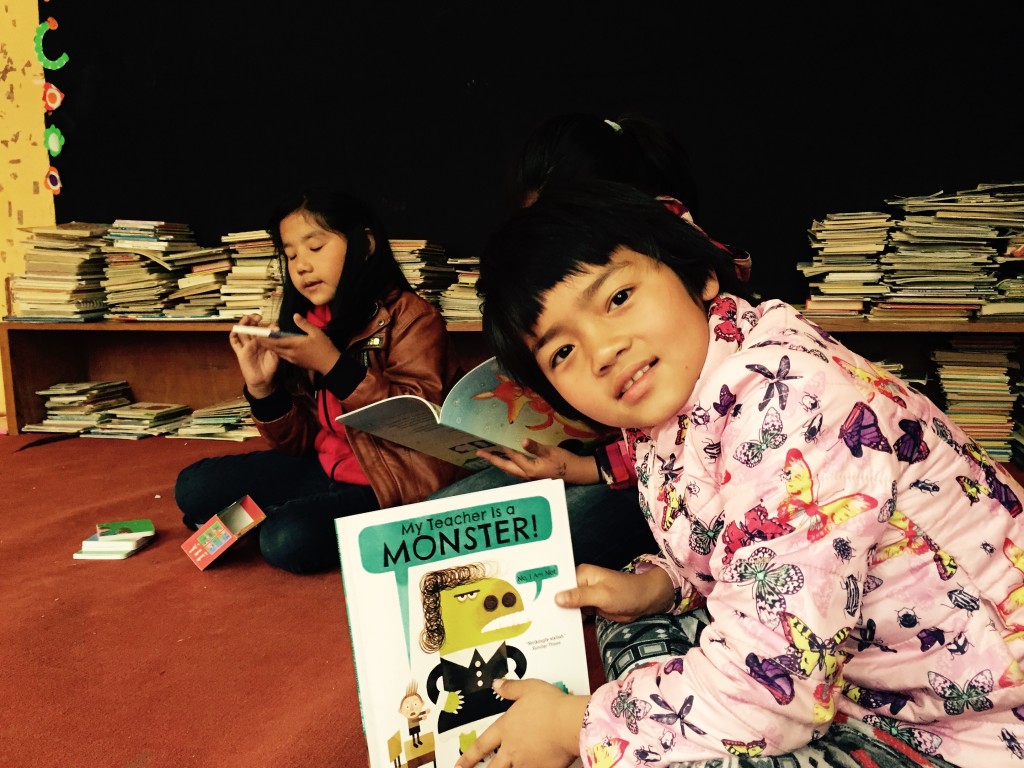
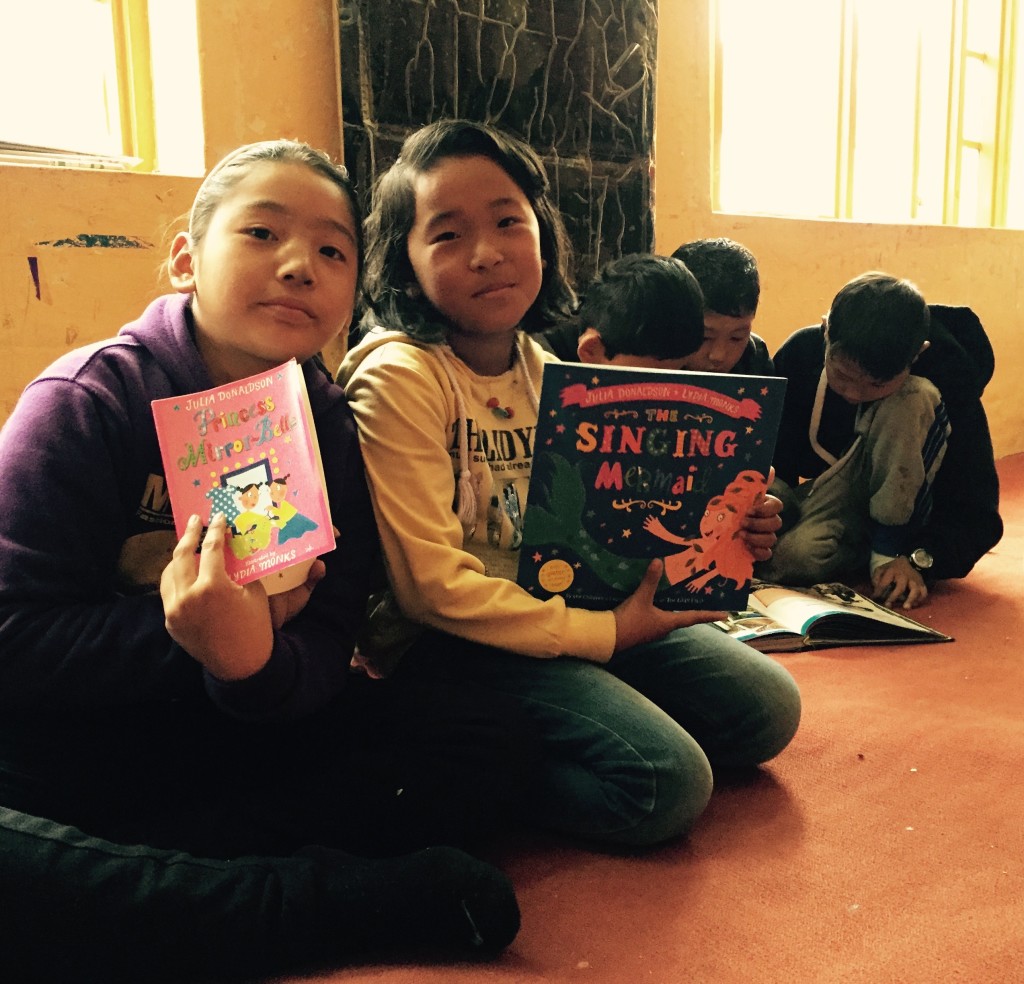
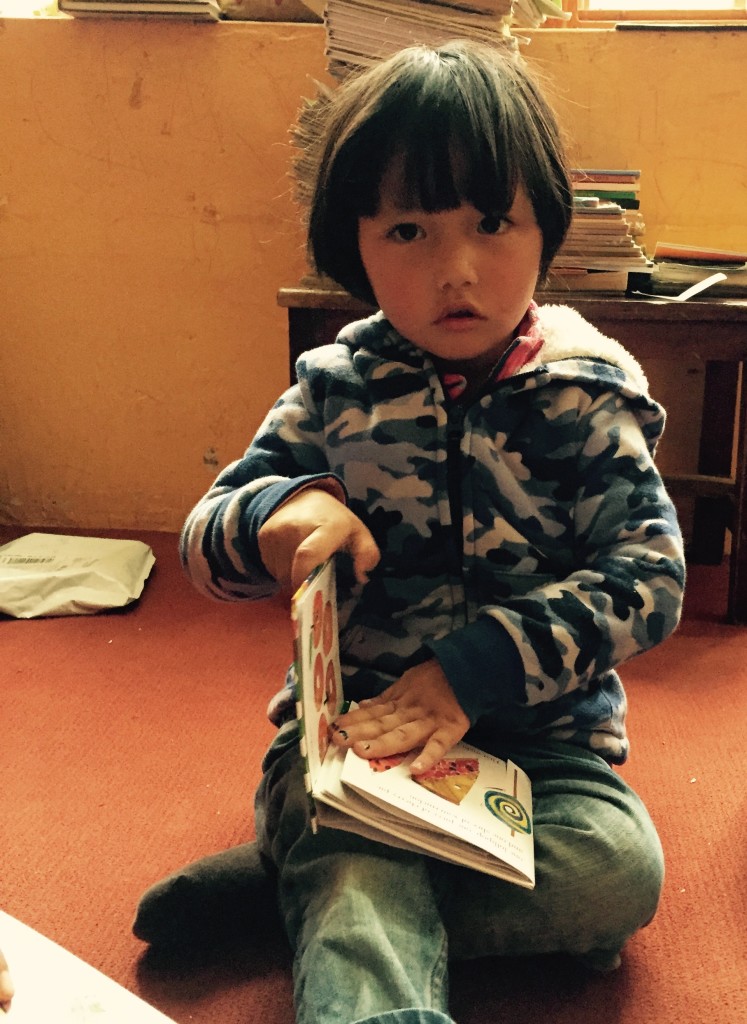
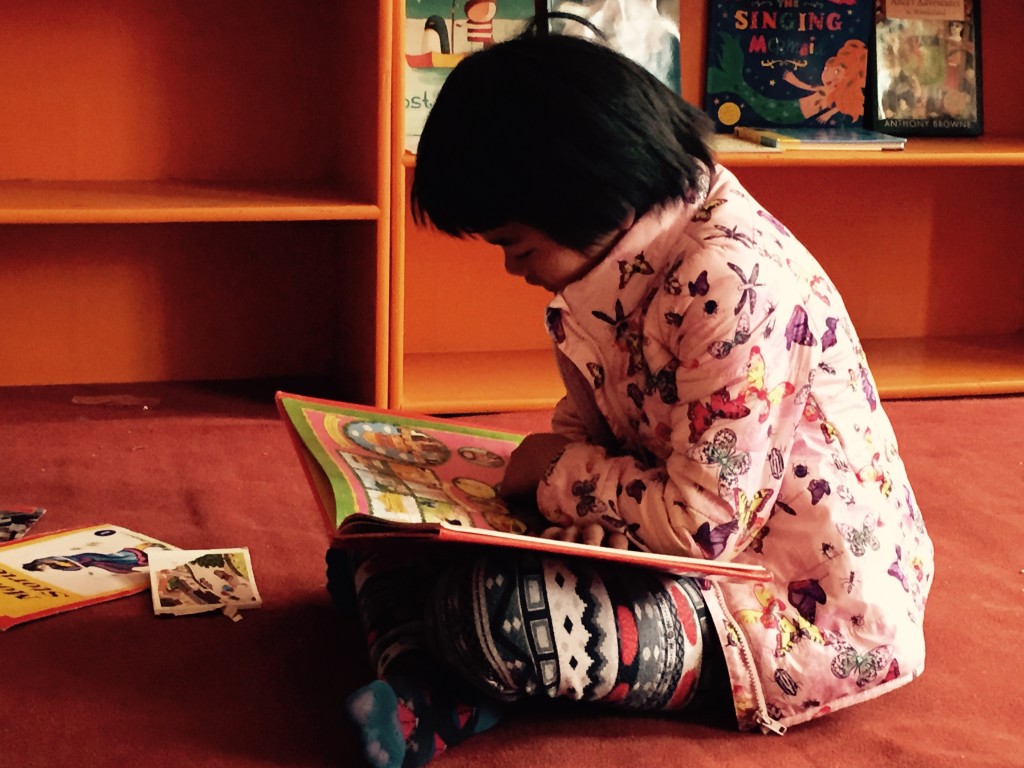
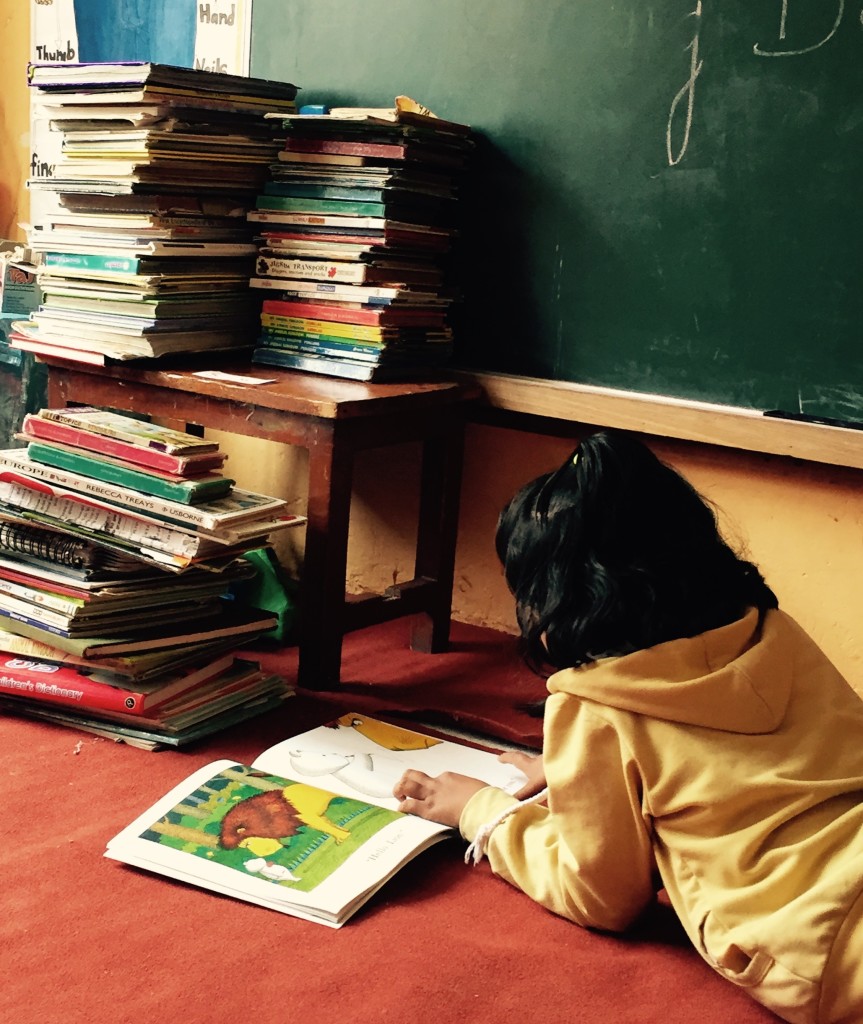
That involvement might include inviting children to choose books, arranging reading circles, helping teachers use new materials, or organizing storytelling sessions. When books become part of regular community life, children are more likely to see reading as an enjoyable activity rather than a one-time event connected to receiving aid.
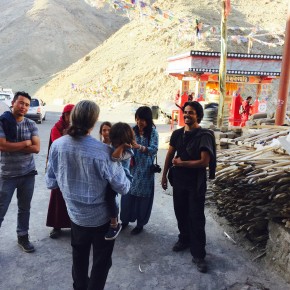
Trust also supports respectful partnership. Local leaders can advise visiting volunteers about customs, schedules, communication styles, and appropriate ways to work with children and young monks. Their presence helps ensure that educational support strengthens existing community efforts instead of unintentionally replacing them.
Good planning protects every book
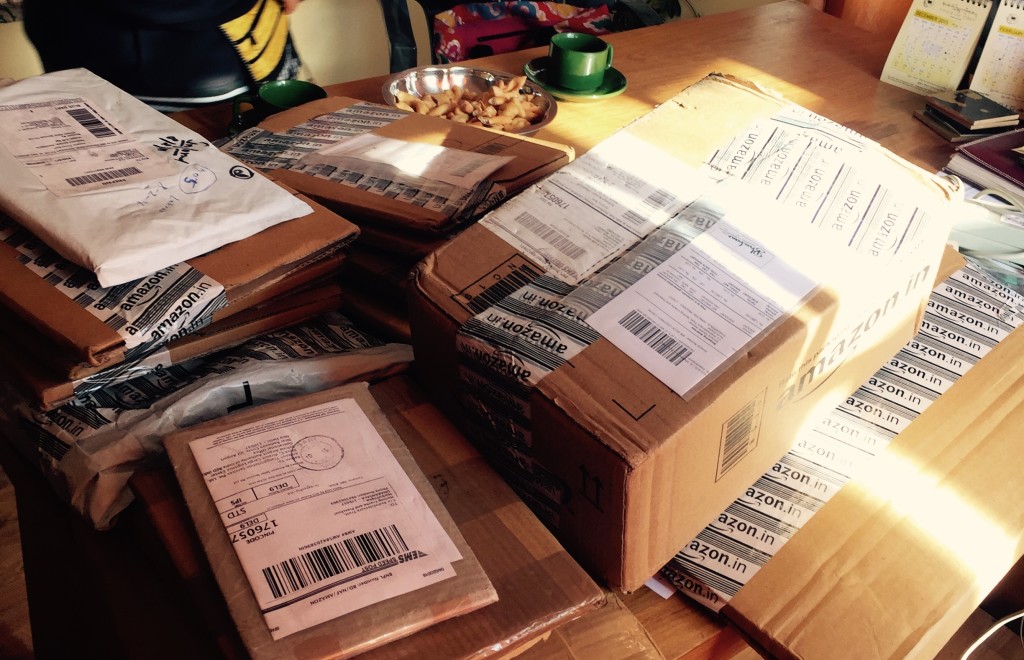
Transporting books to Himalayan communities can require careful coordination. Long distances, difficult roads, seasonal weather, storage limits, and changing school calendars all affect how a collection should be prepared. A local champion can help determine when materials are needed, where they should go, and how they will be stored safely.
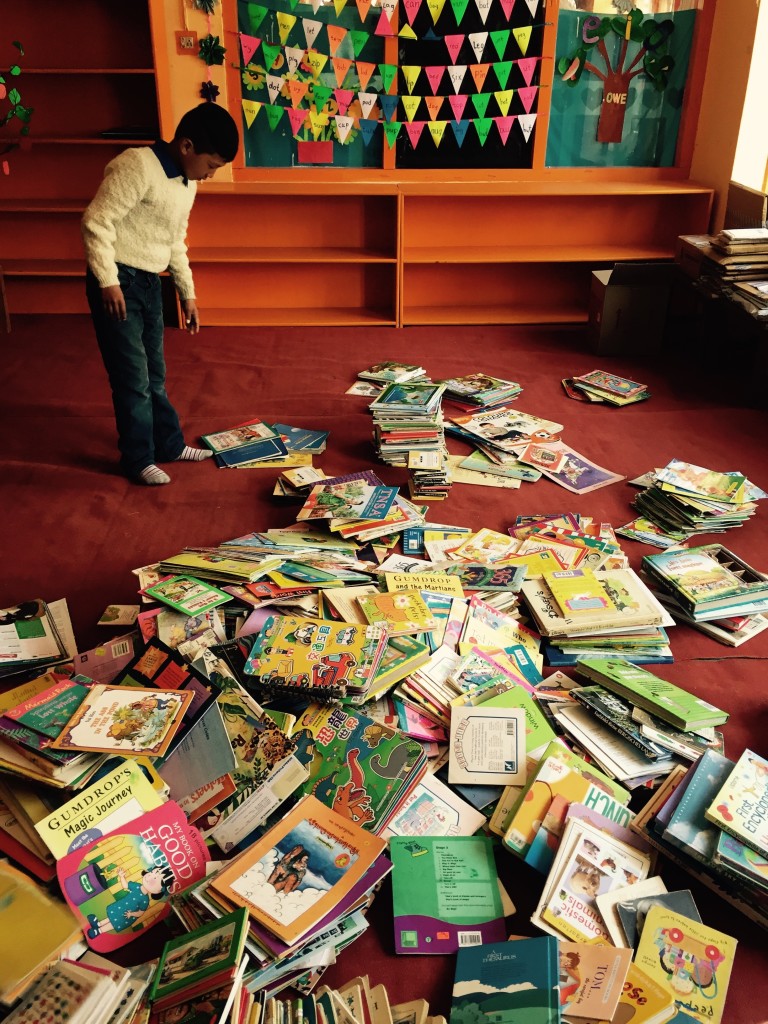
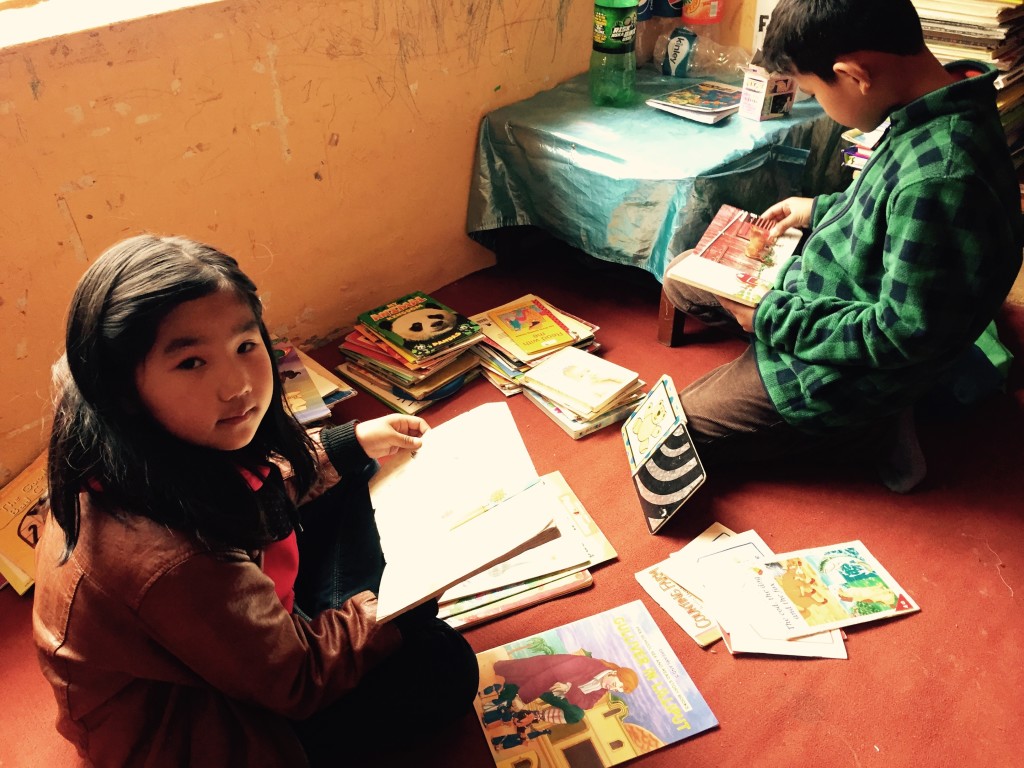
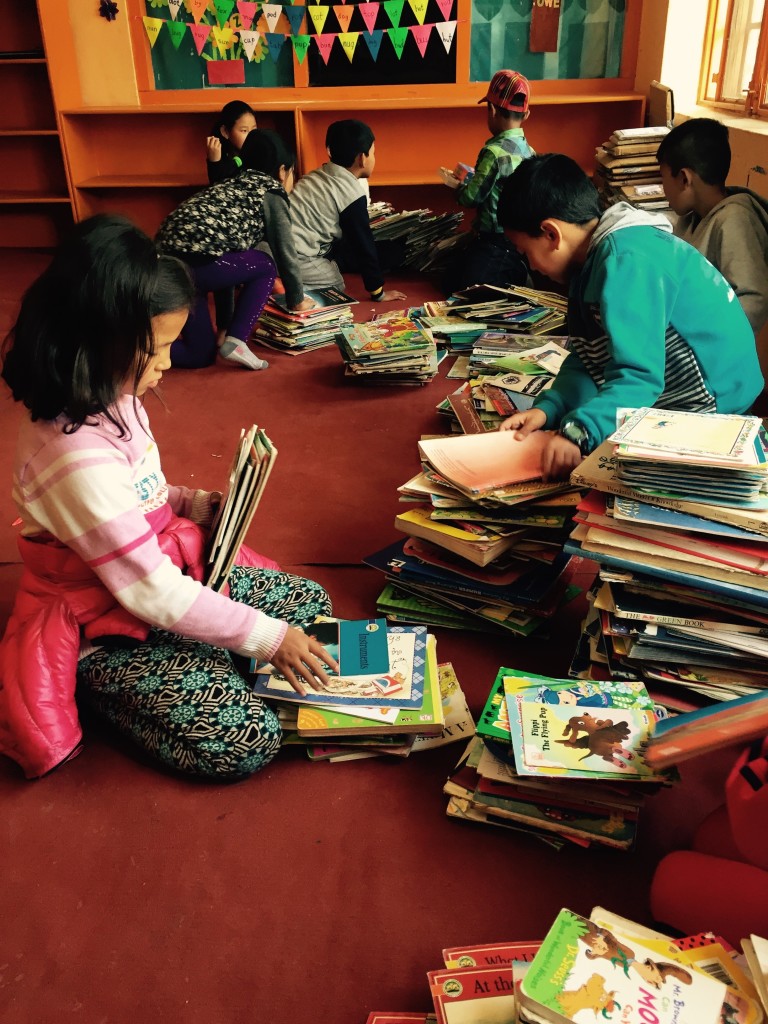
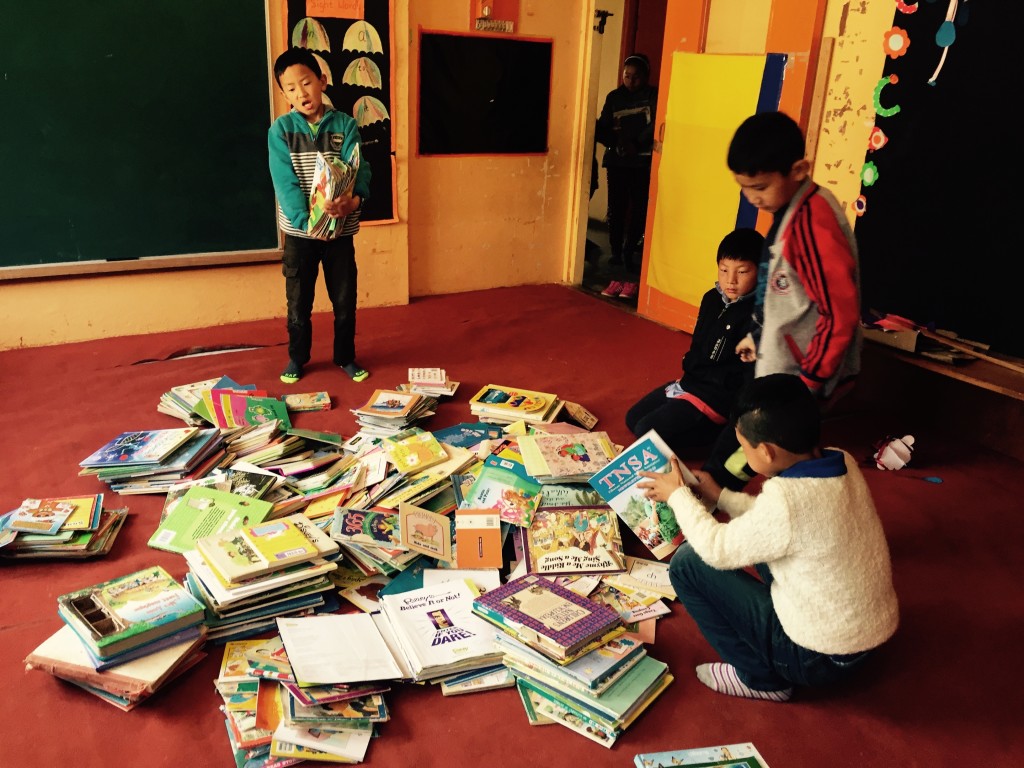
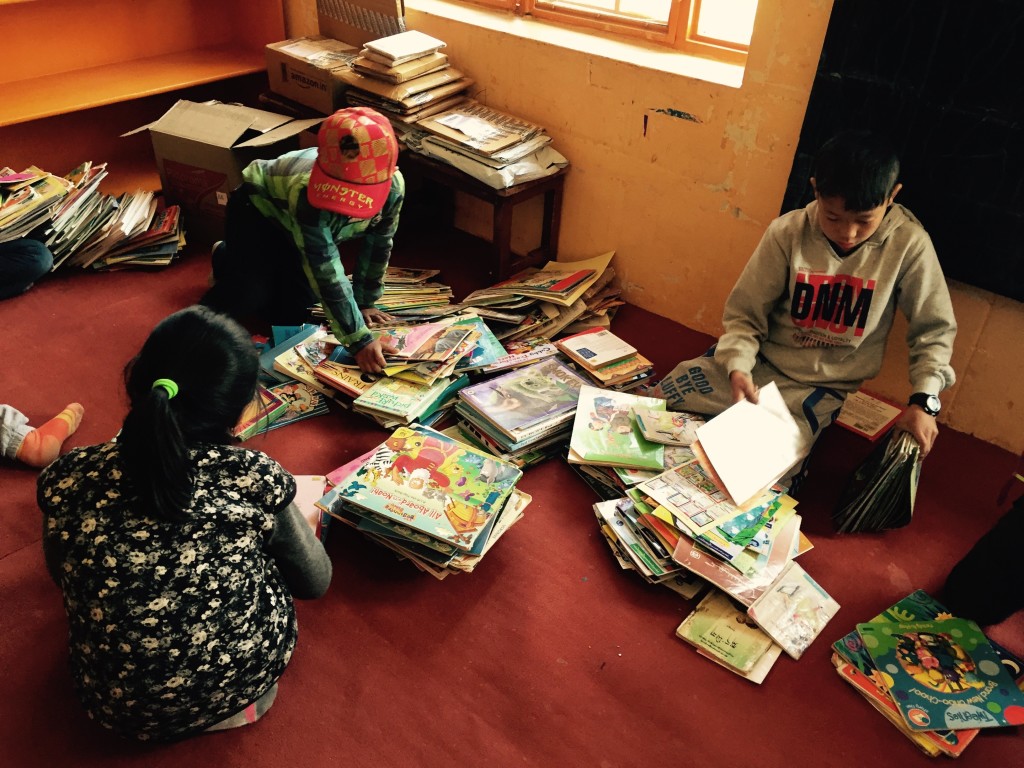
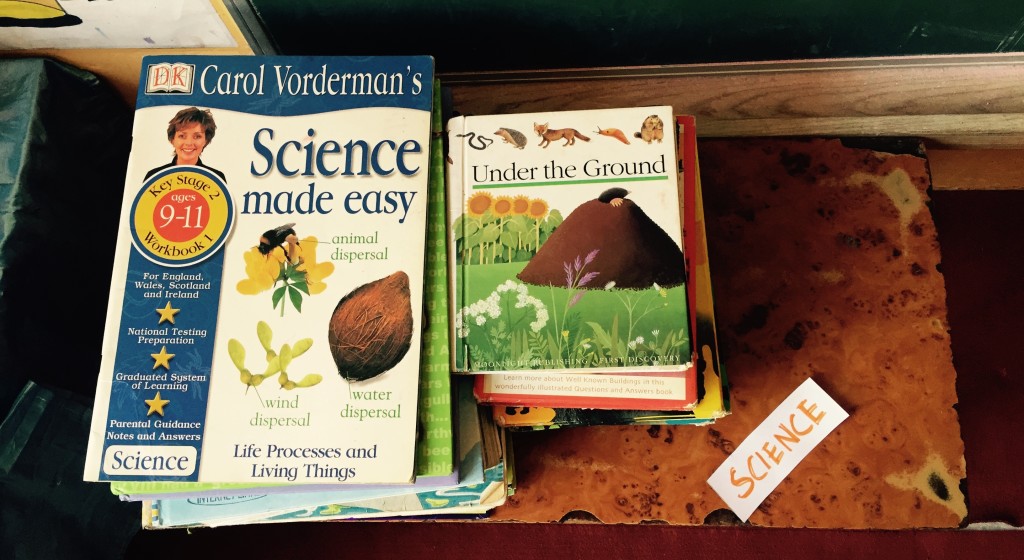
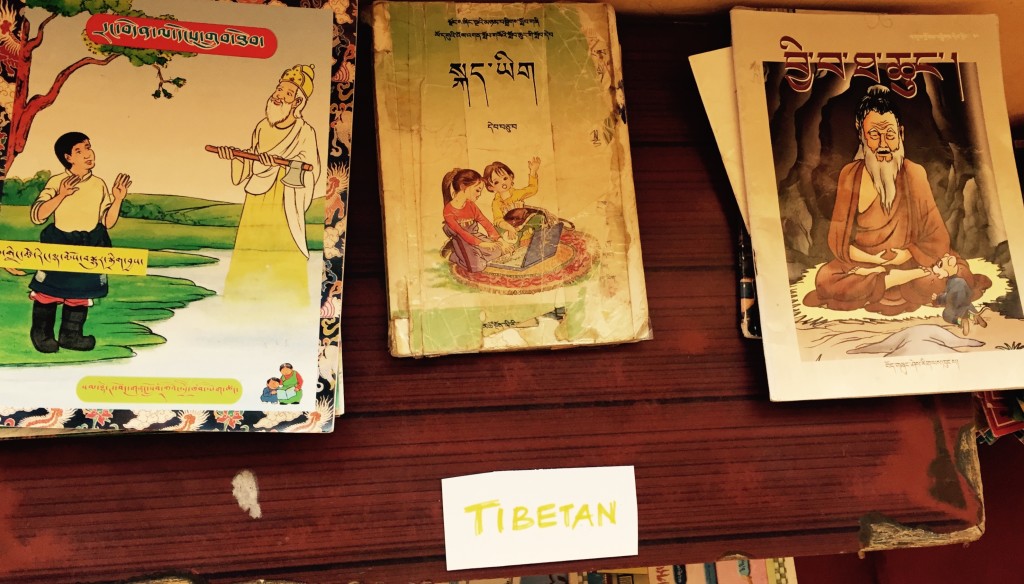
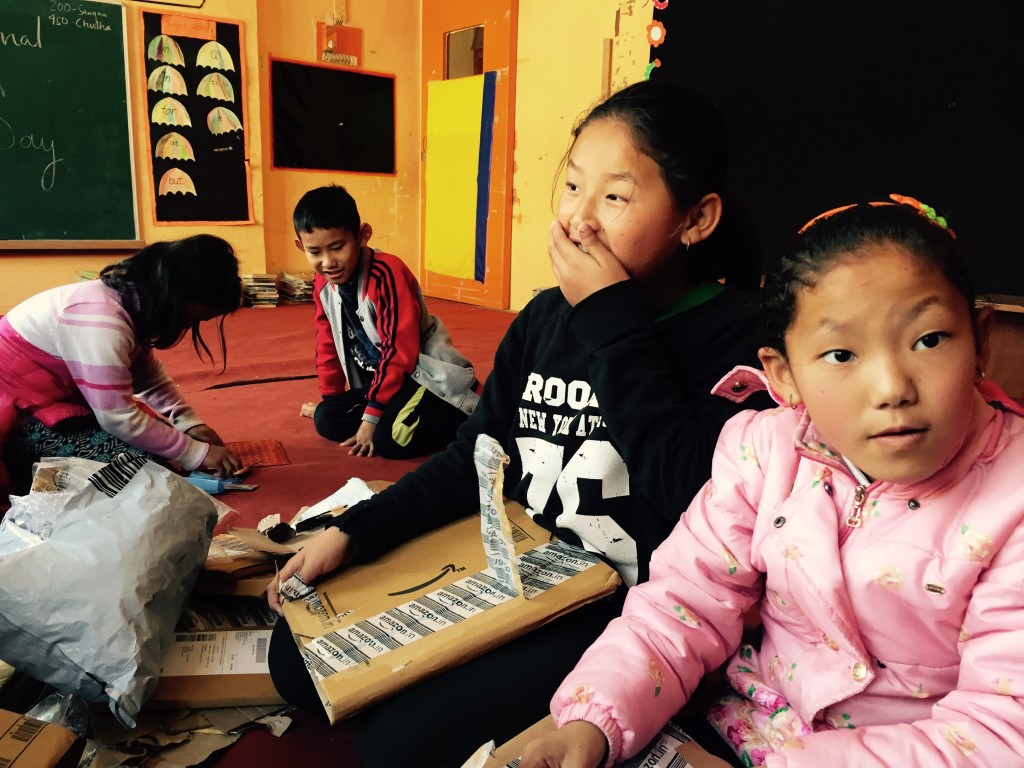
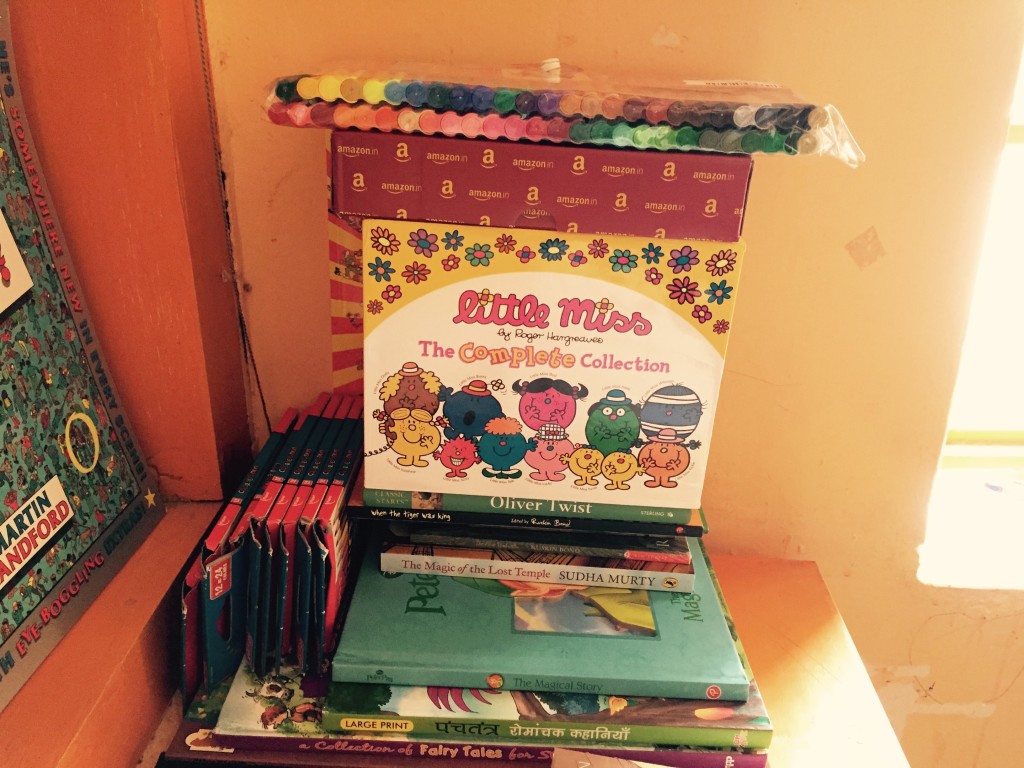
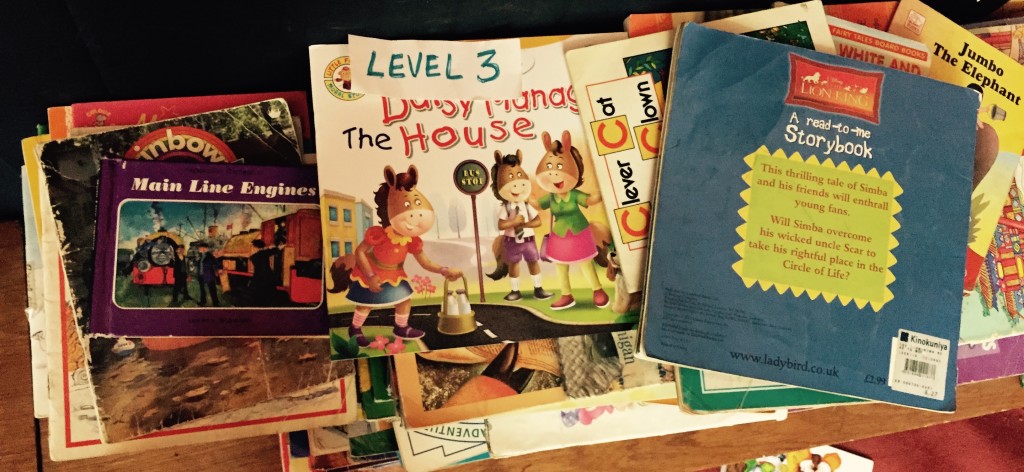
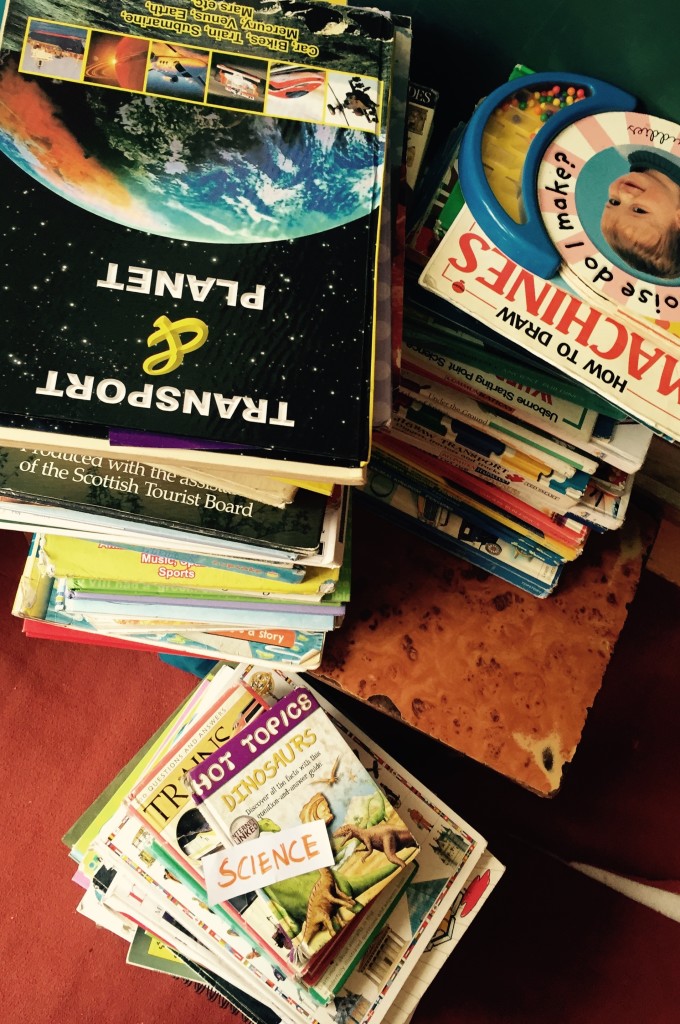
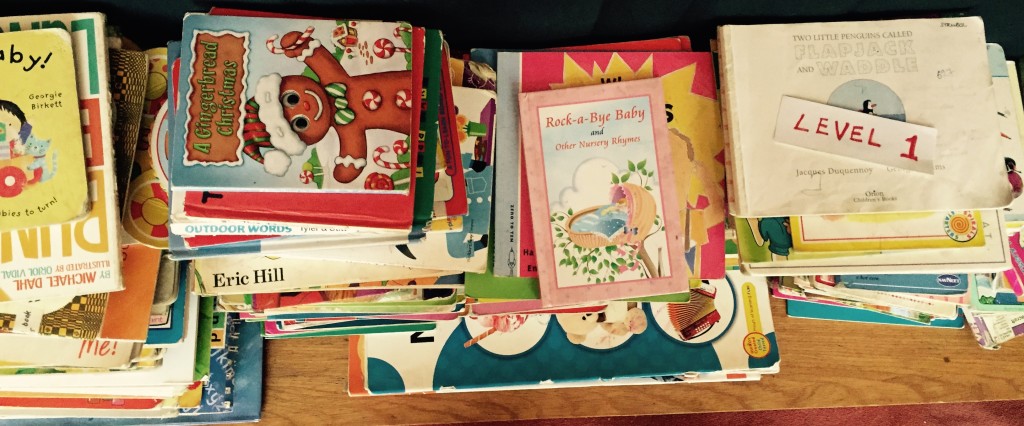
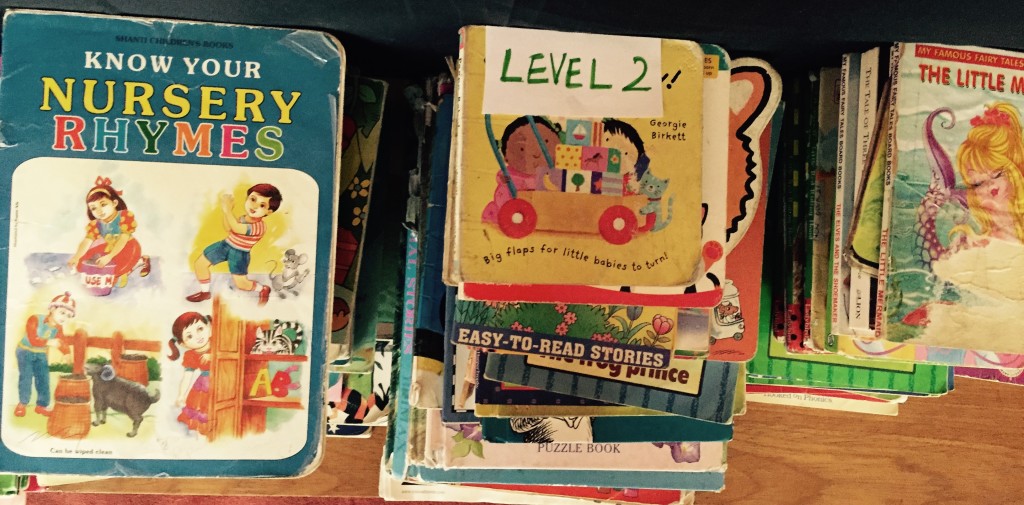
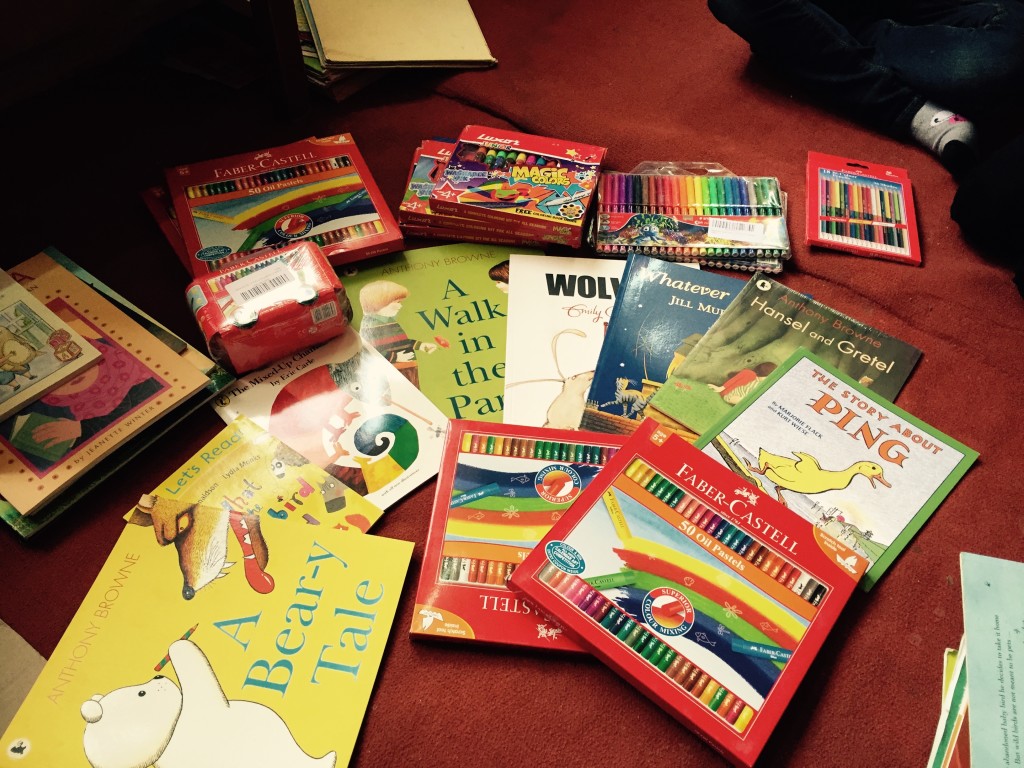
They can also help coordinate book sorting before shipment. Damaged, outdated, or unsuitable titles should be removed, while books should be grouped by age, subject, reading level, and language where possible. Clear labeling makes it easier for teachers and volunteers to organize a reading room once the materials arrive.
| Book drive decision |
Why local guidance matters |
Practical result |
| Selecting titles |
Identifies reading levels, languages, and interests |
Children receive books they can understand and enjoy |
| Setting priorities |
Reveals gaps in classrooms and reading rooms |
Donations address genuine educational needs |
| Planning delivery |
Accounts for roads, weather, schedules, and storage |
Books arrive at a useful time and in good condition |
| Creating activities |
Connects books with local teaching and cultural life |
Reading becomes a shared habit |
| Measuring progress |
Provides regular observations from the community |
Support can develop with changing needs |
Planning does not remove the generosity from a book drive. It protects that generosity by reducing waste and making each donated title more likely to reach a reader.
A champion keeps the reading room alive
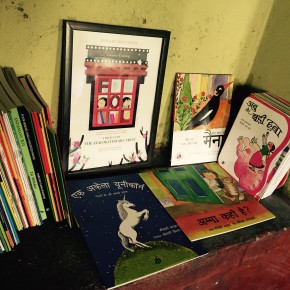
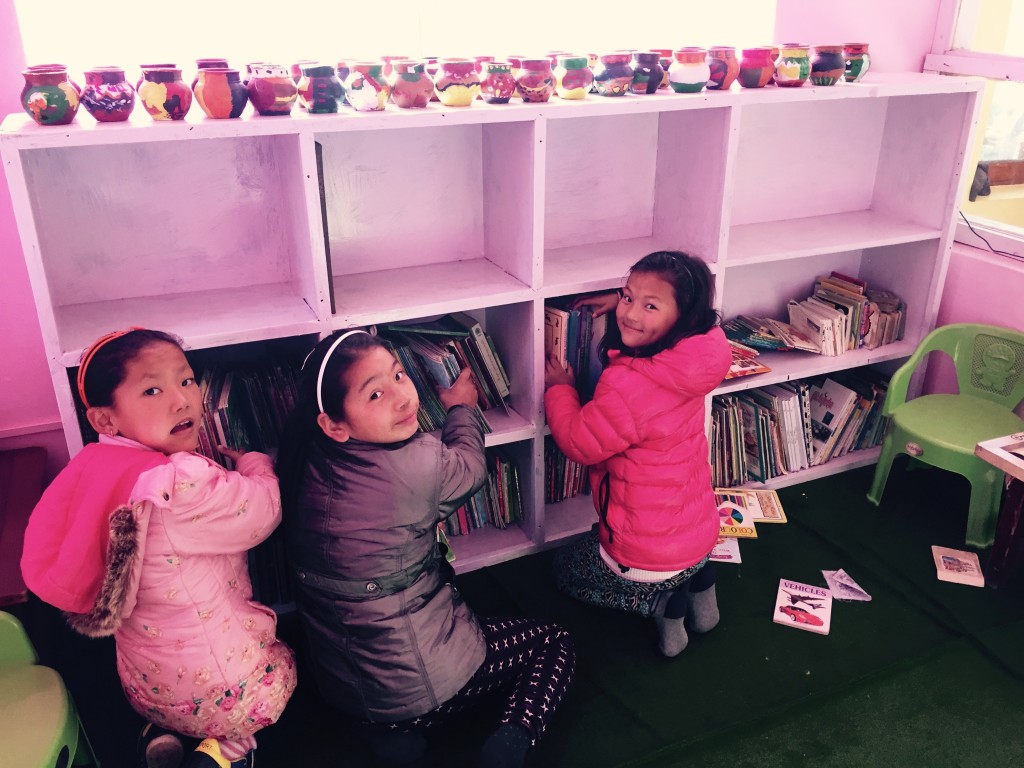
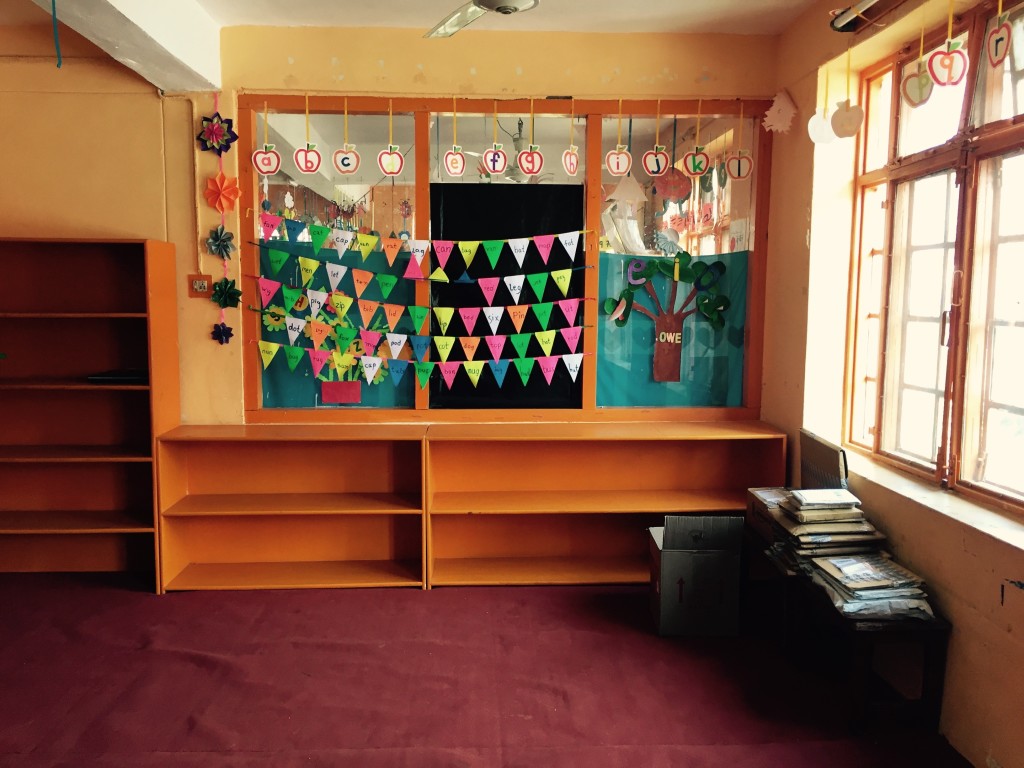
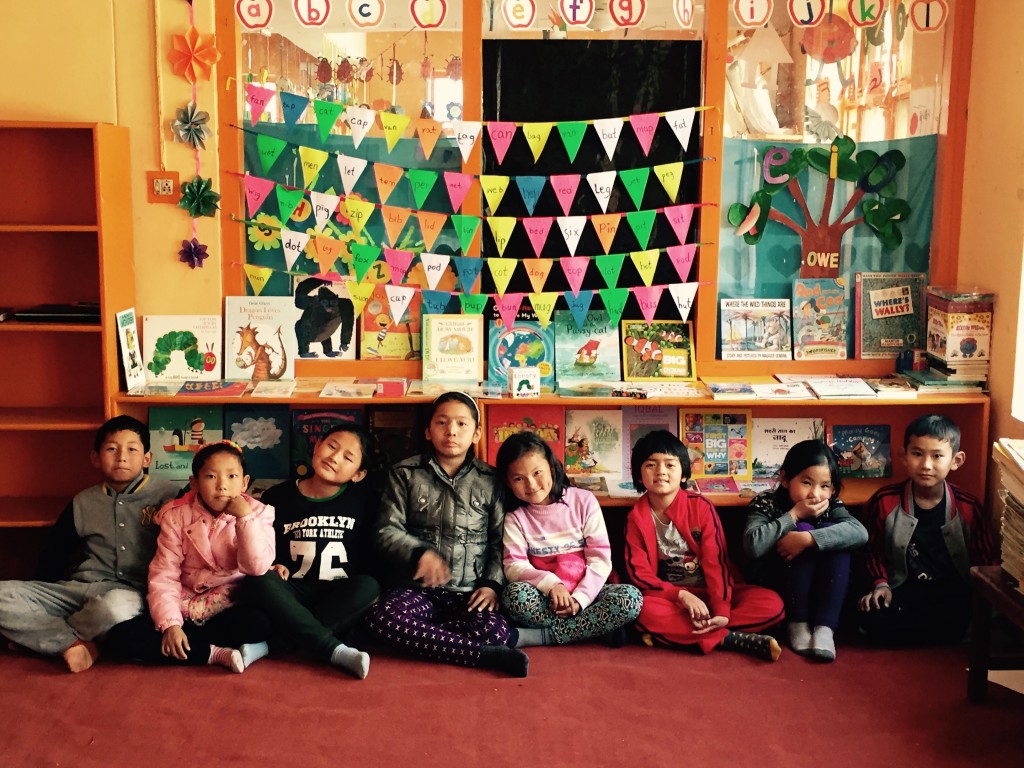
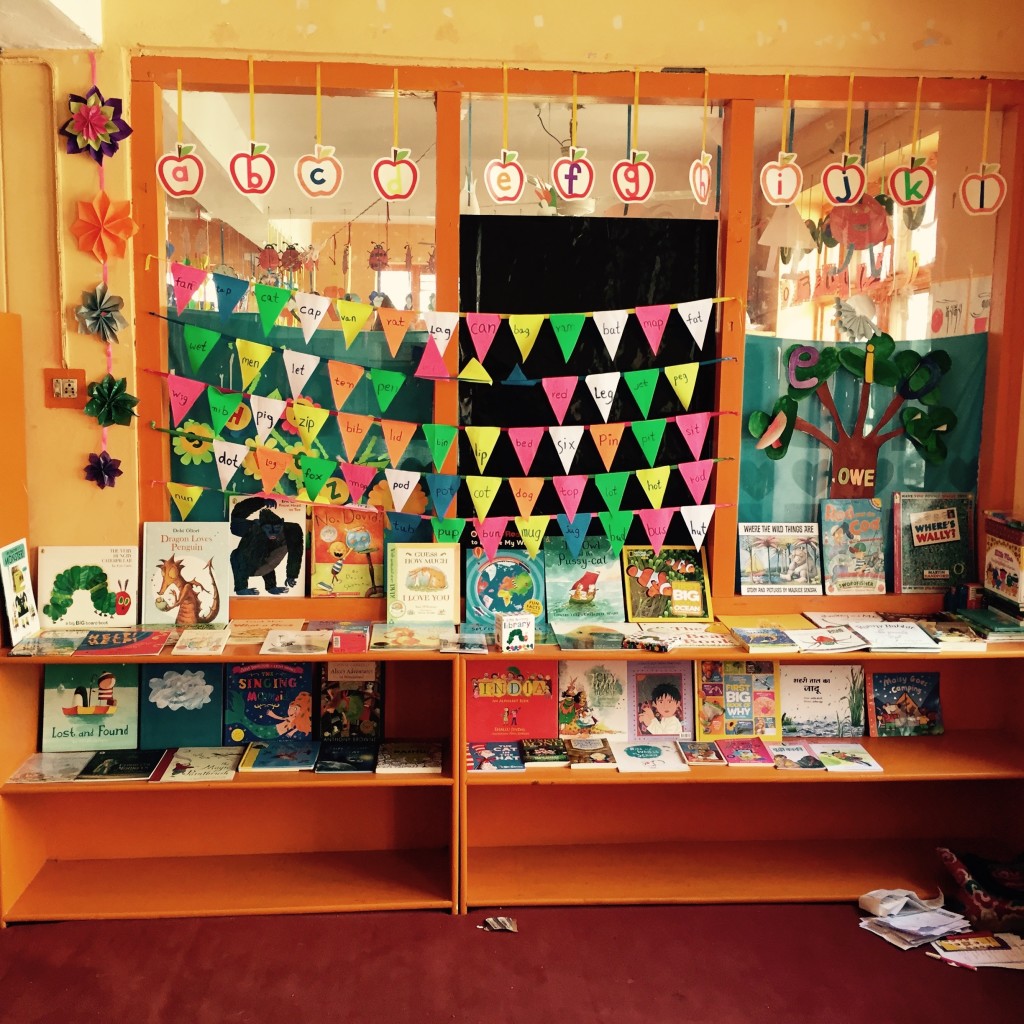
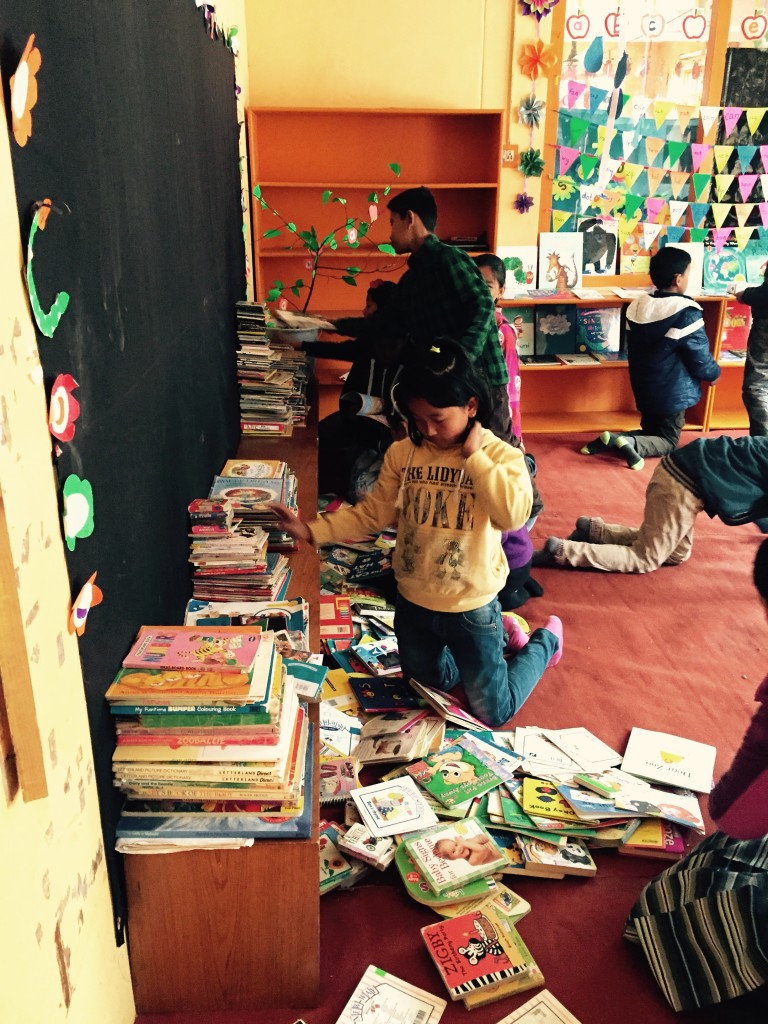
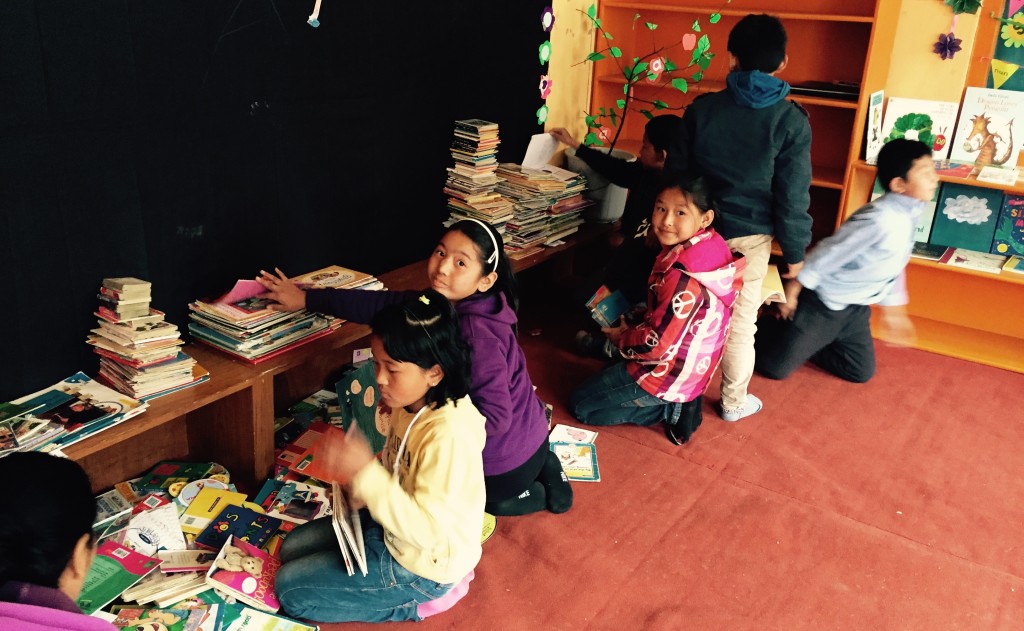
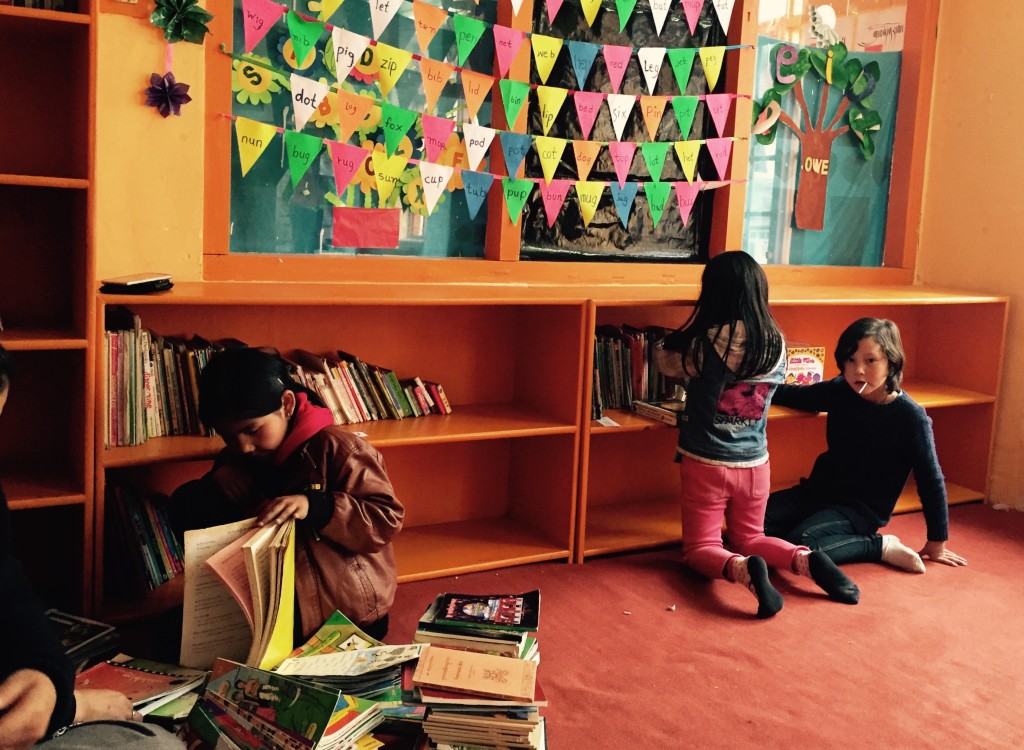
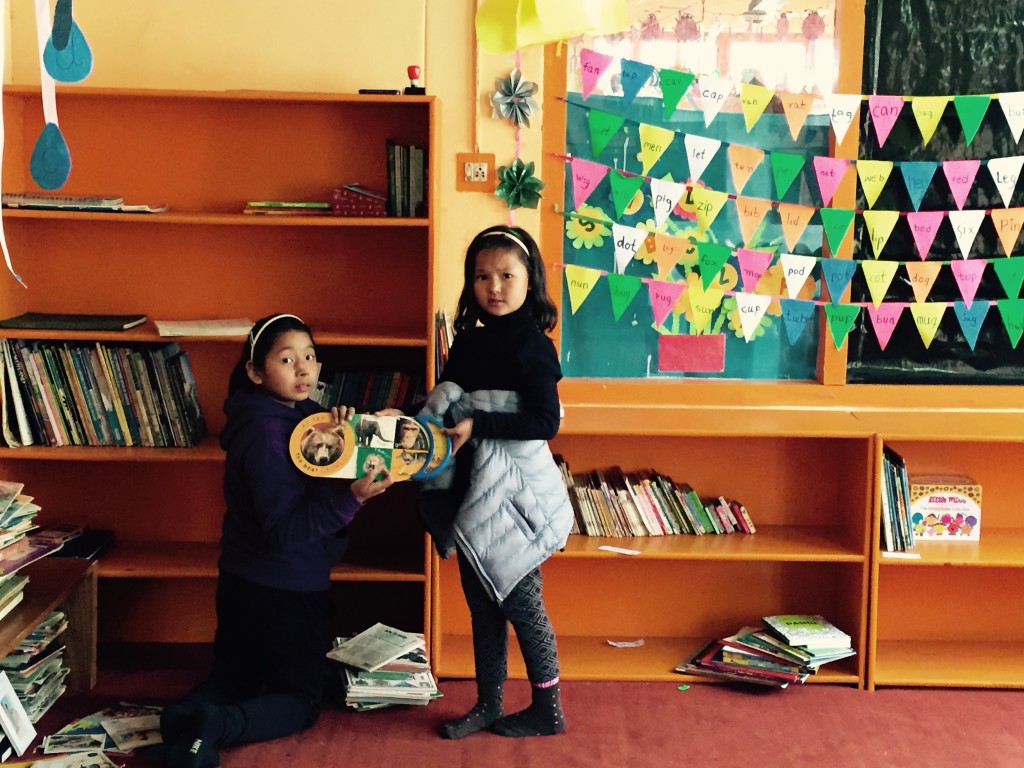
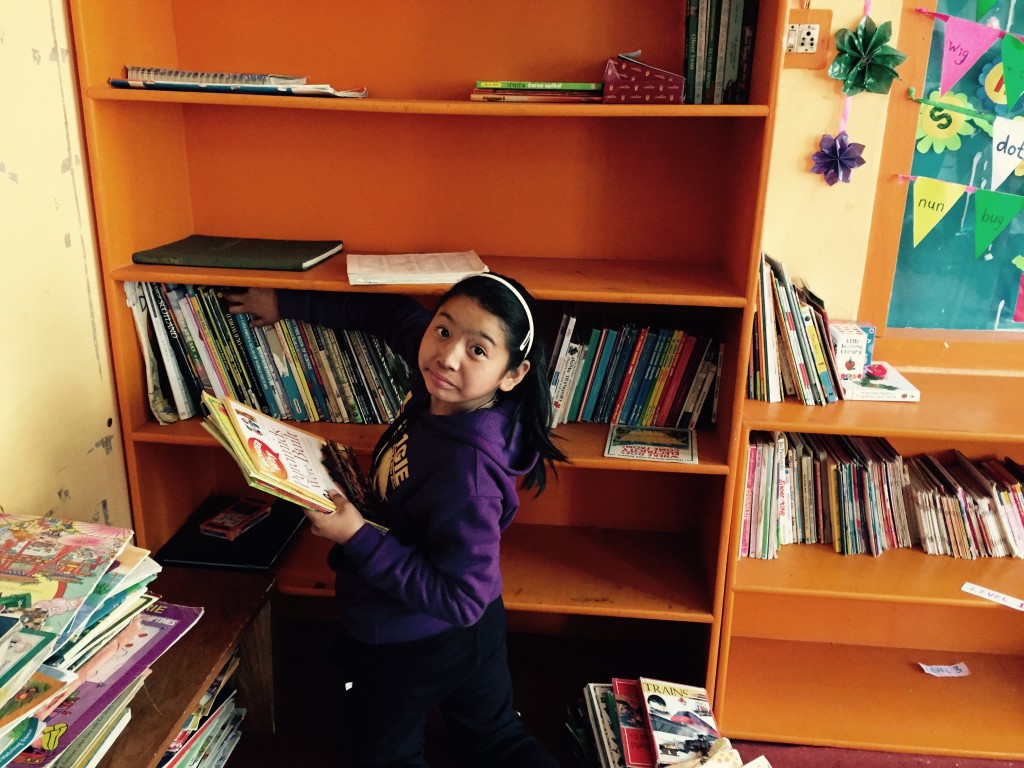
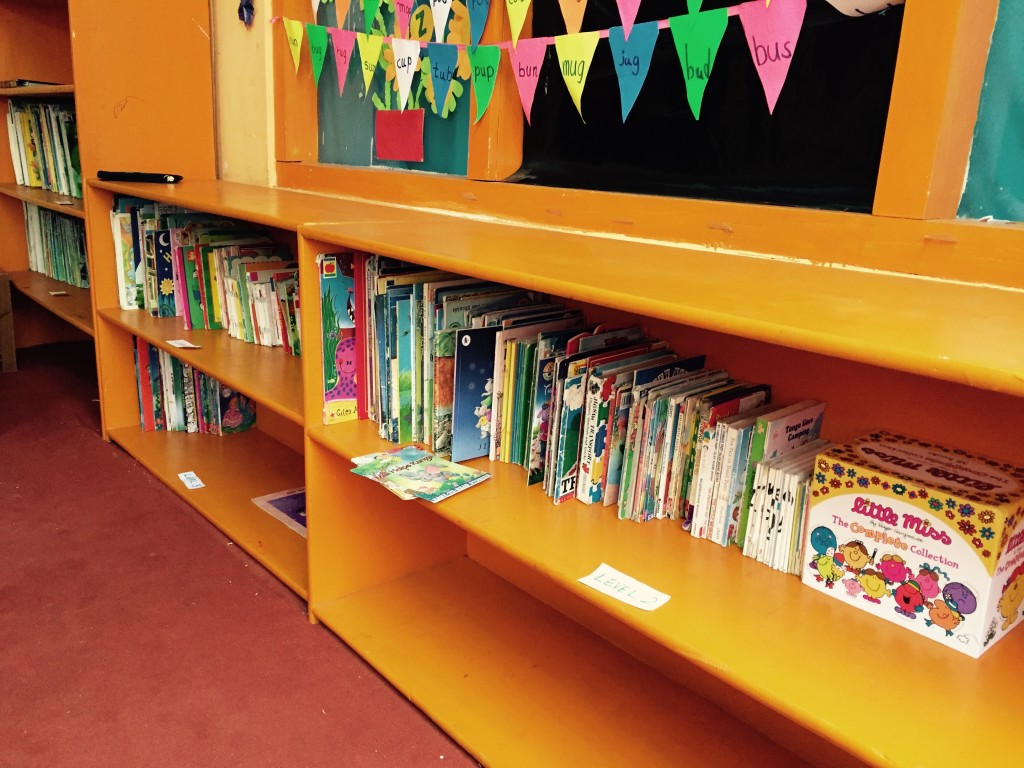
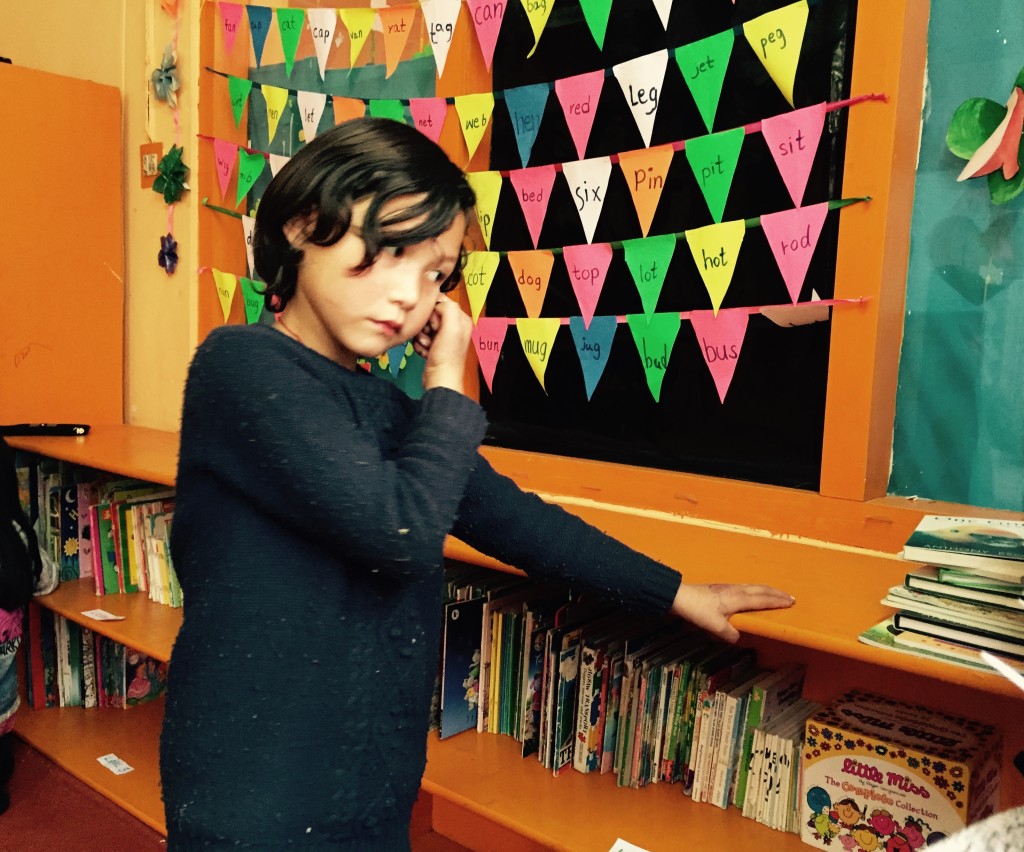
Opening a reading room is an important milestone, but a room filled with books does not automatically create regular readers. Someone must welcome children, explain how the collection works, maintain a borrowing system, and encourage learners who may feel uncertain about reading.
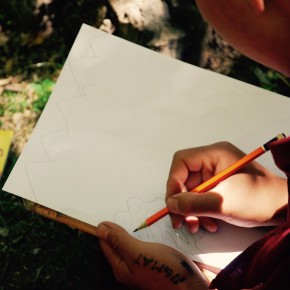
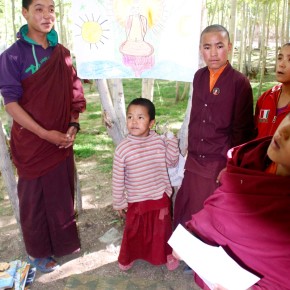
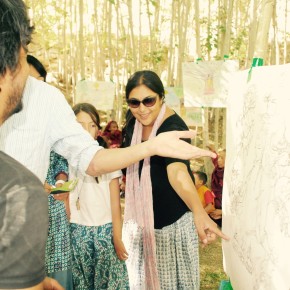
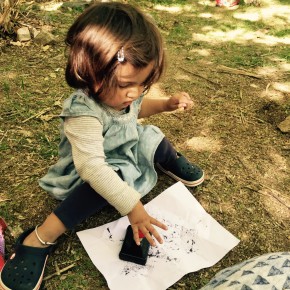
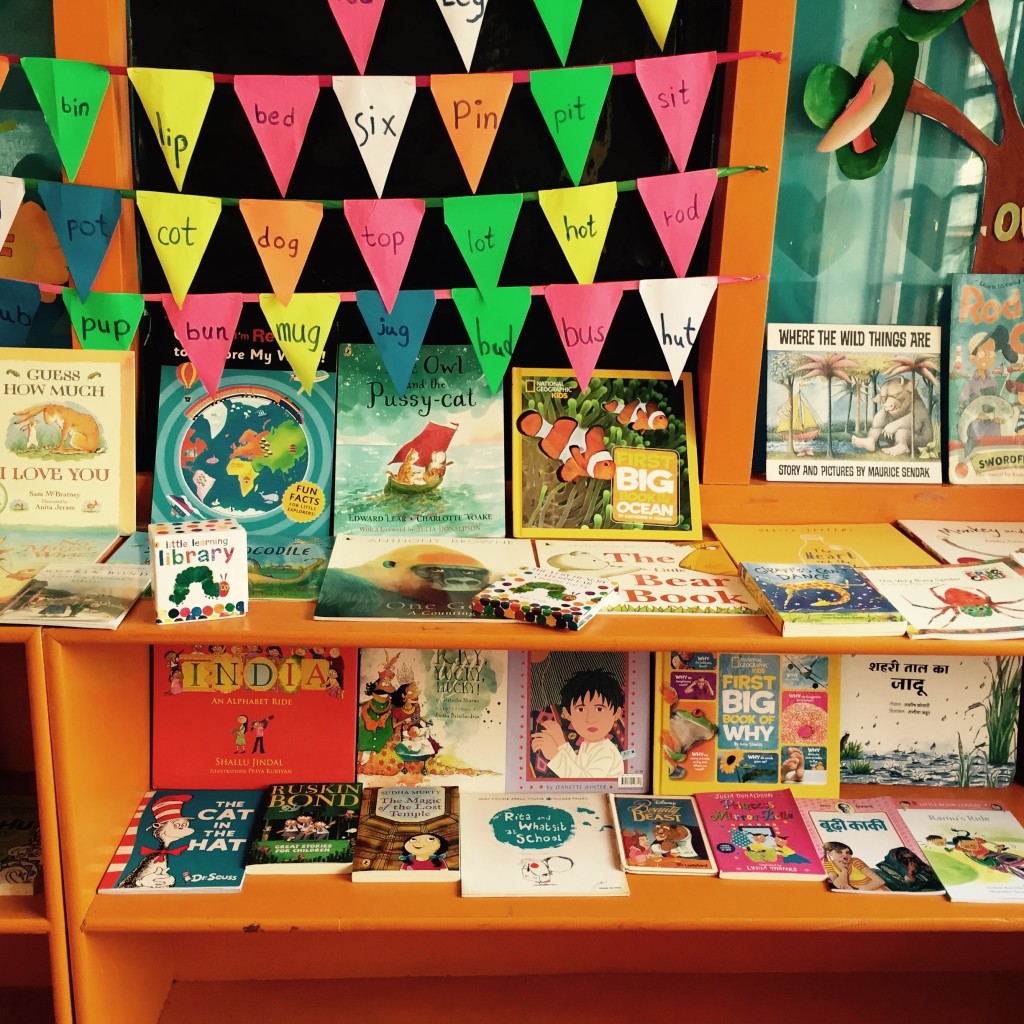
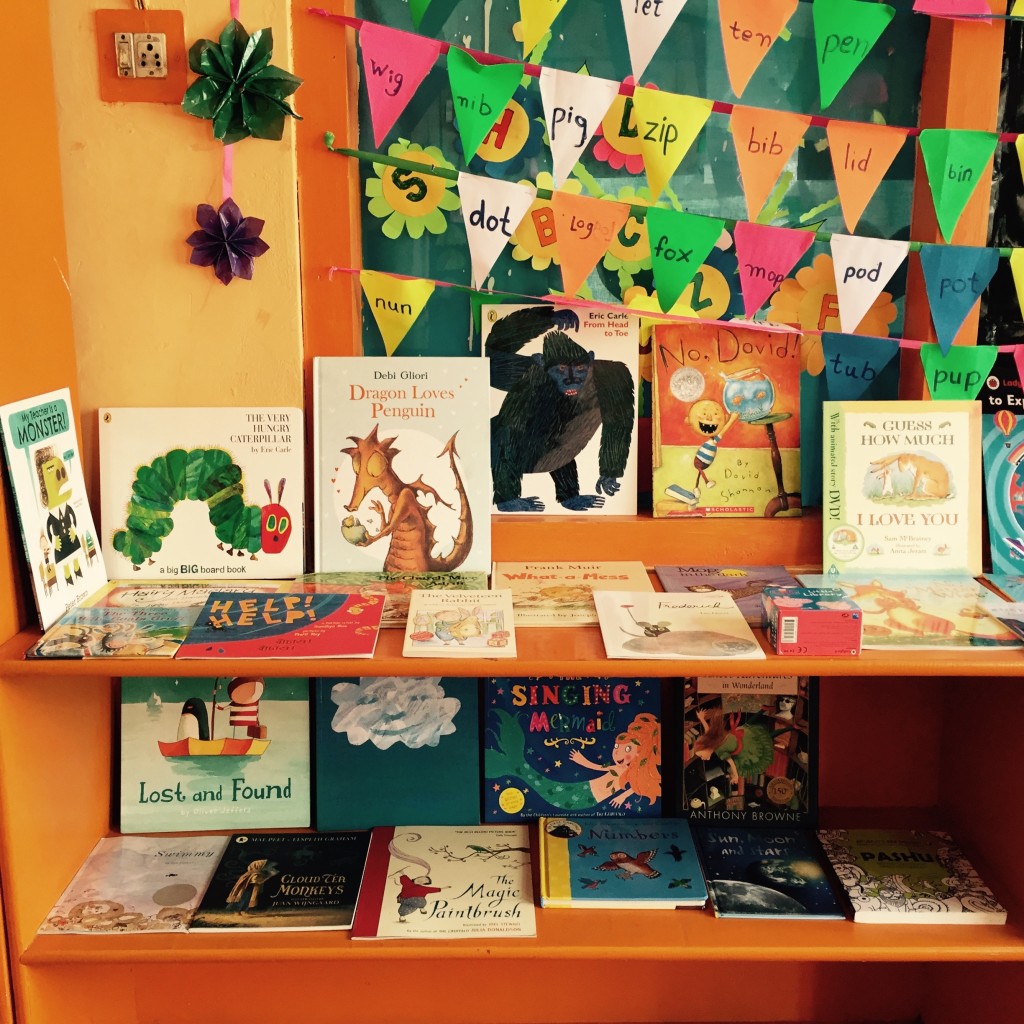
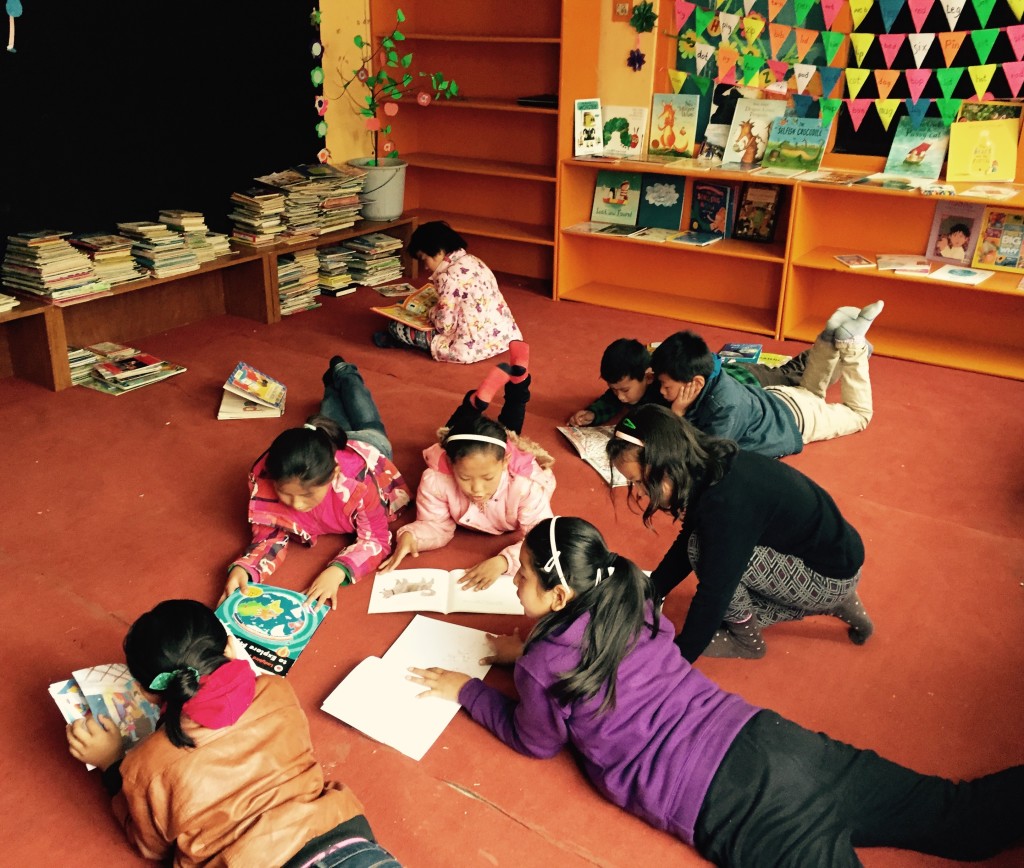
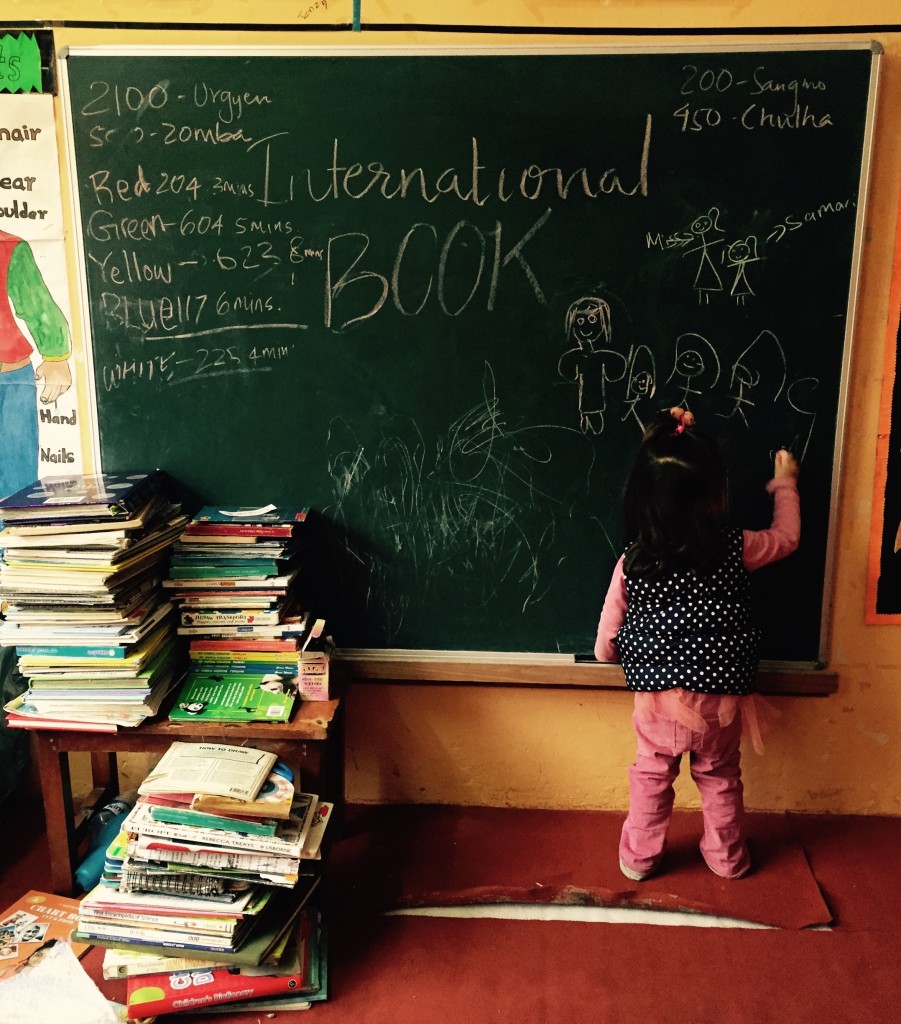
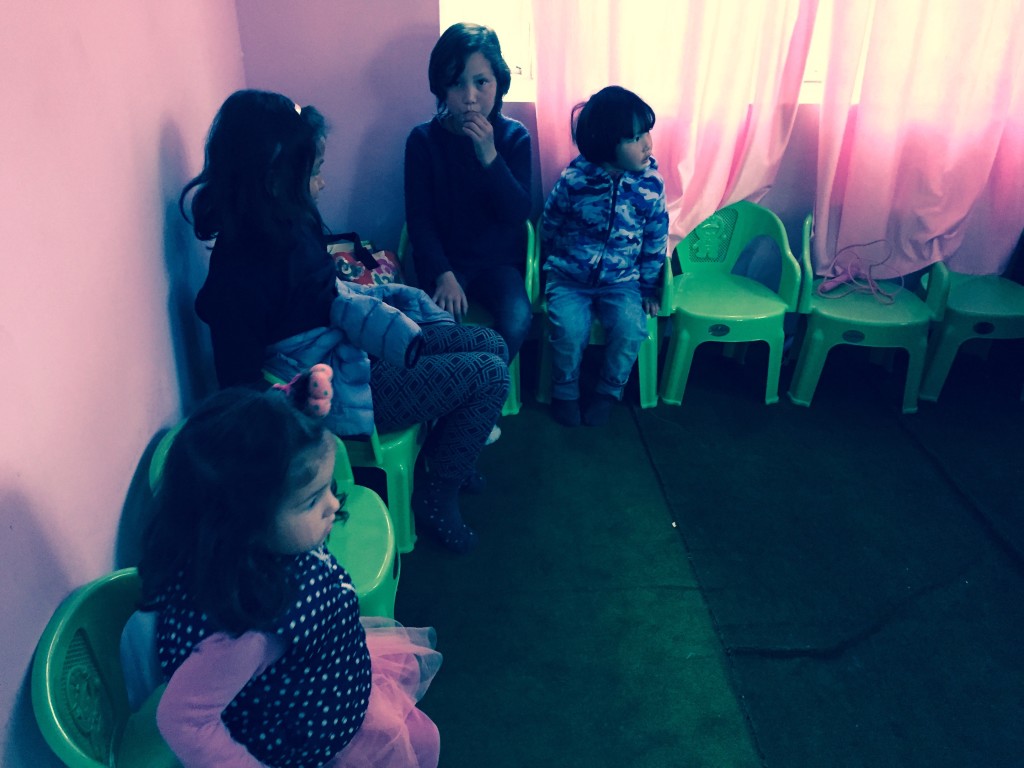
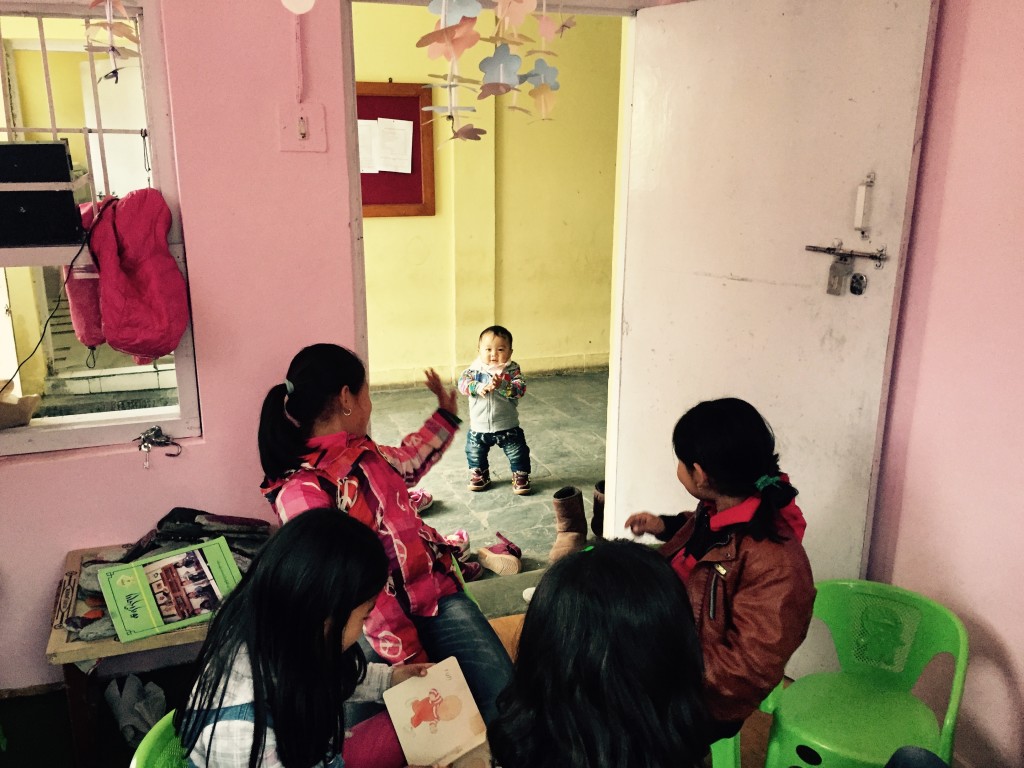
A local champion can establish simple routines that fit the community. These may include weekly story hours, quiet reading periods, book discussions, drawing sessions inspired by stories, or music and drama activities based on what children discover. Such activities connect literacy with creativity and make the space inviting for different kinds of learners.
Ongoing care matters as well. Books need to be repaired, rearranged, and replaced as interests change. A local coordinator can record which materials are popular, notice which age groups are underserved, and communicate those findings to the organization and its supporters. This creates a feedback loop between the reading room and future book drives.
Local champions make impact visible
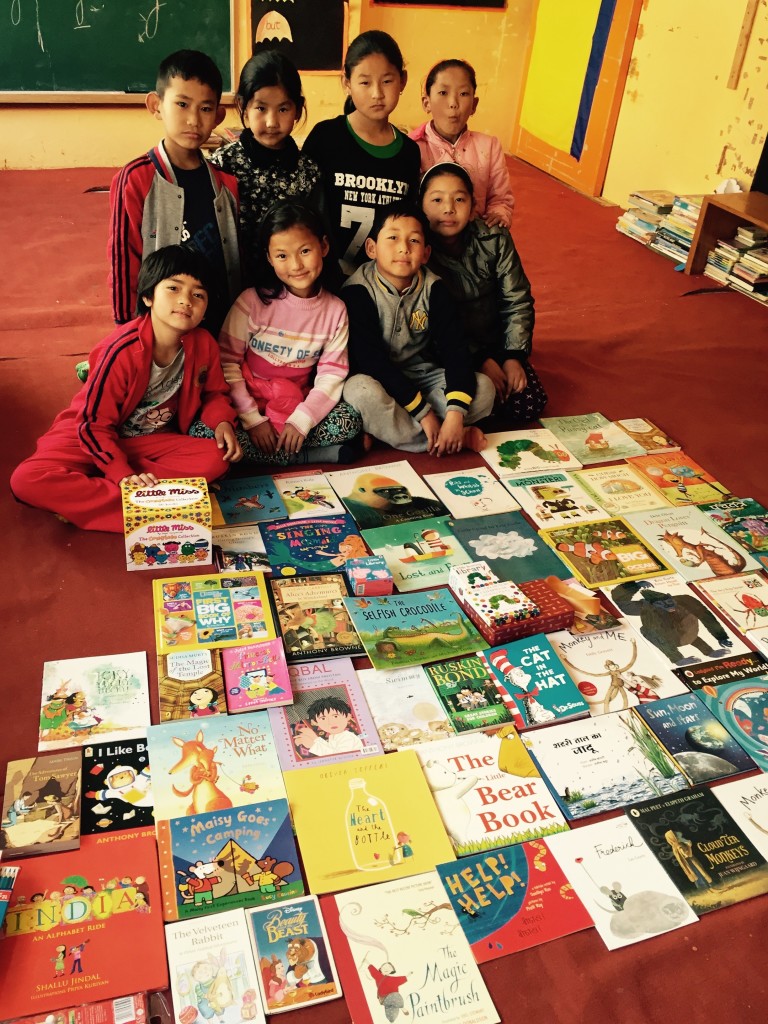
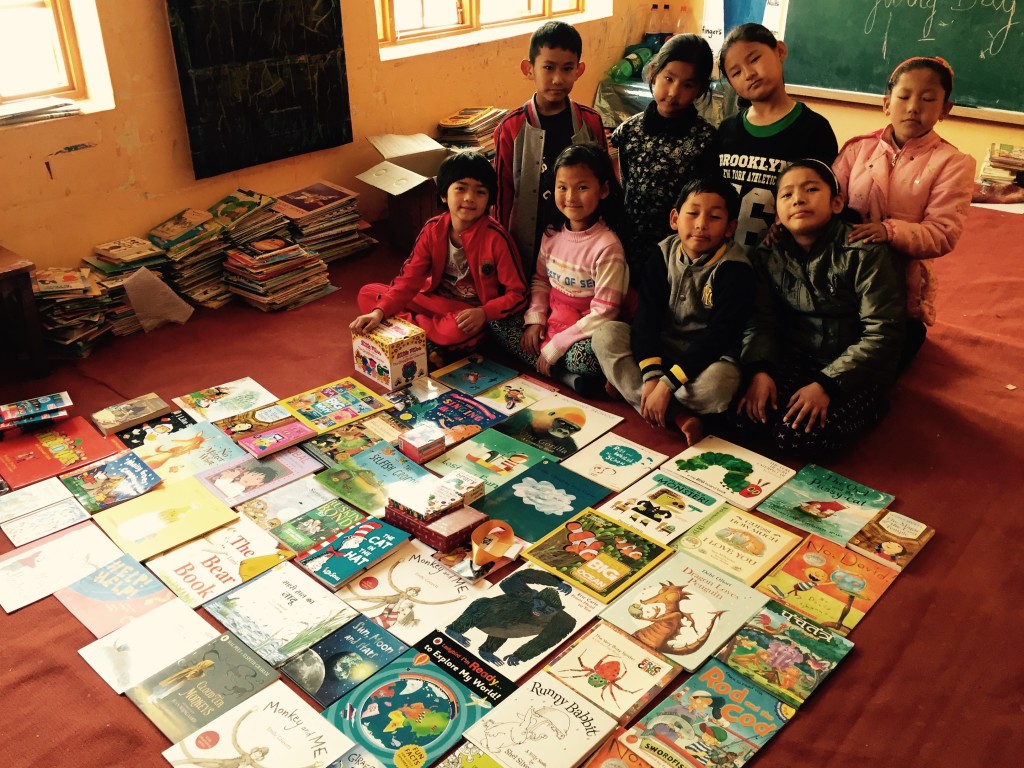
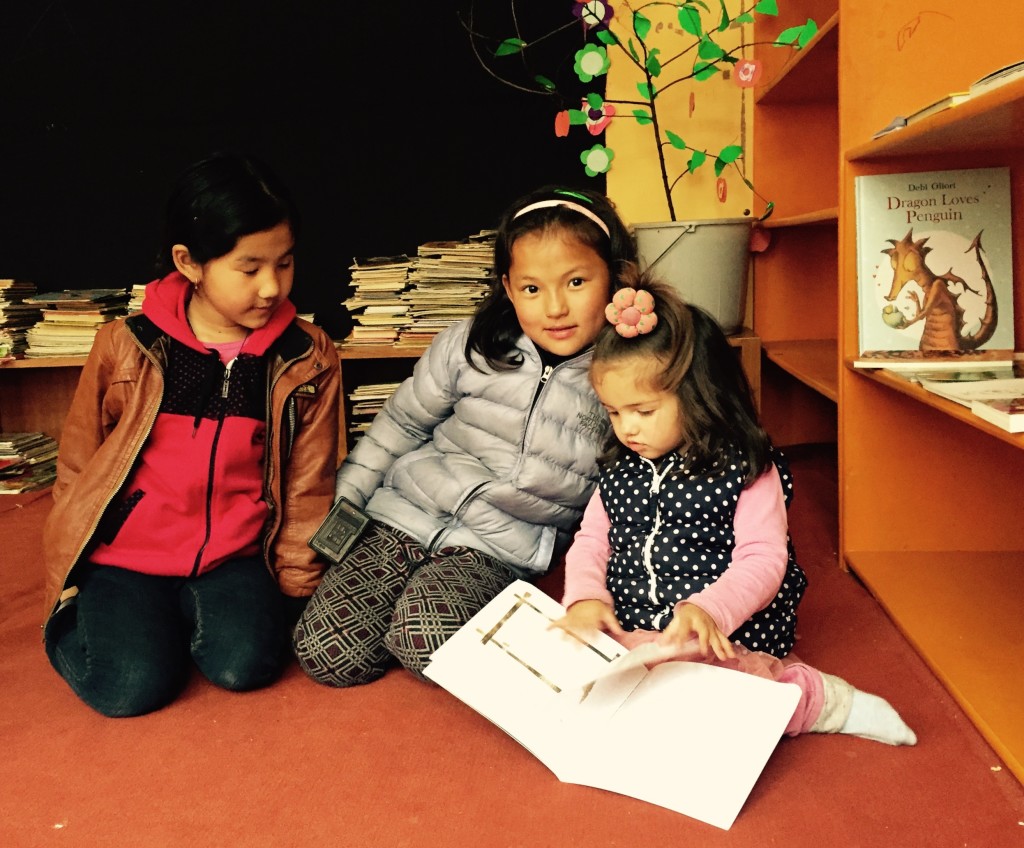
Donors often want to know whether their contributions have made a difference. Numbers such as books collected or children reached can be useful, but they do not tell the whole story. A local champion can share richer evidence: a child choosing a book independently, a group returning each week, or a young monk using a reference book to explore a new subject.
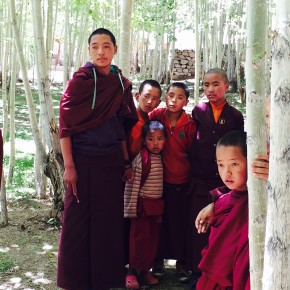
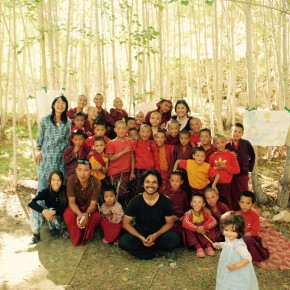
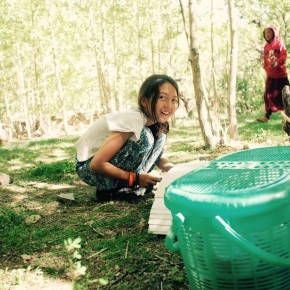
Stories and photographs, shared with appropriate care and permission, help supporters see the human value of educational resources. They can show how a reading room is used, how children respond to creative activities, and how volunteers contribute to a welcoming learning environment.
Local reporting also encourages accountability. If certain books are not suitable, a champion can explain why. If a program needs more language resources, art materials, or shelves, the organization can respond based on observation rather than assumption. Honest communication strengthens long-term support.
Ways to support a community-led book drive
A successful collection begins with listening and continues through cooperation. Donors, volunteers, schools, publishers, and charitable organizations can all help local champions do their work effectively.
- Ask community partners which age groups, languages, subjects, and reading levels need support before collecting books.
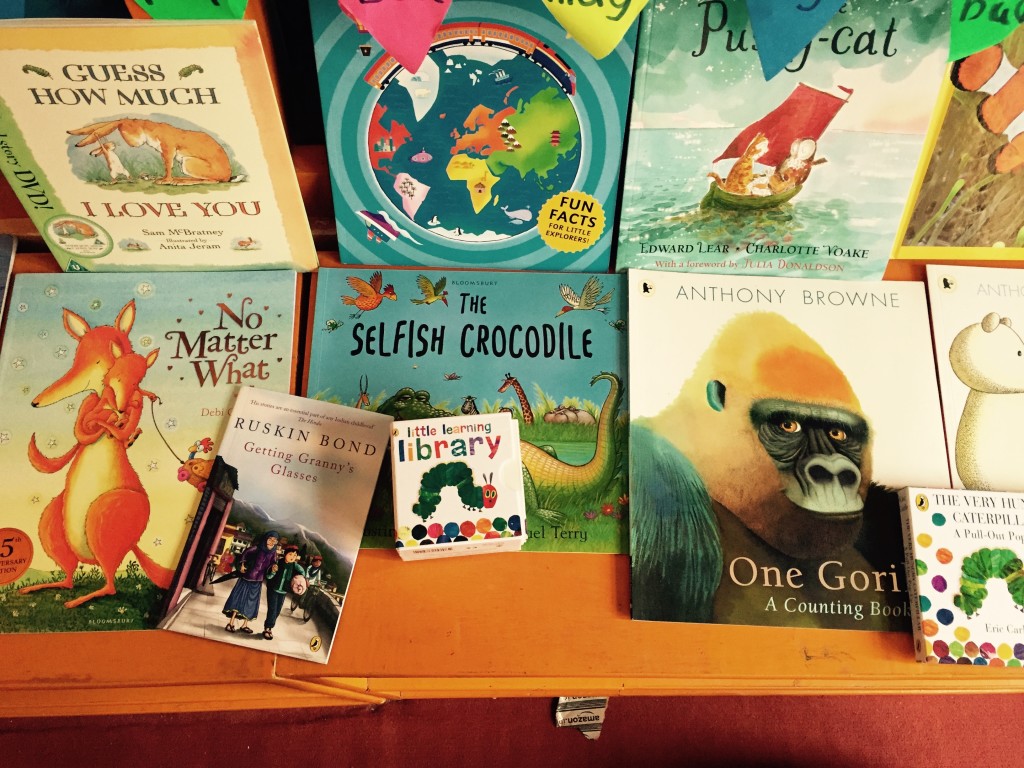
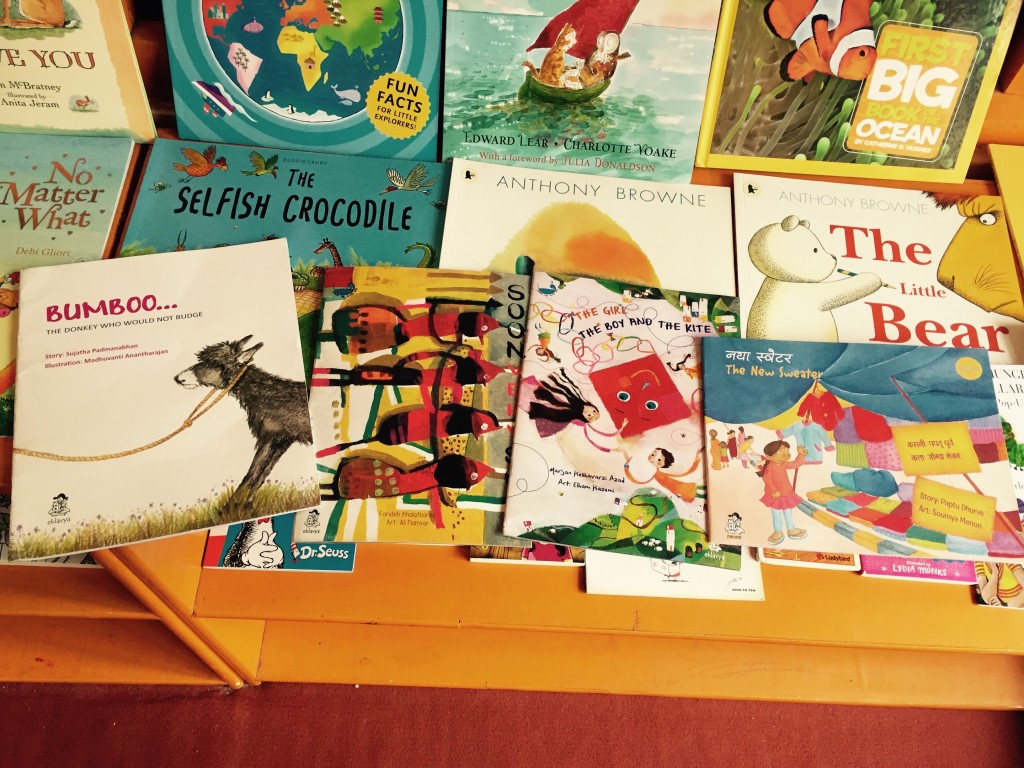
- Choose clean, durable, age-appropriate titles with strong educational, literary, artistic, or cultural value.
- Provide sorting, packing, and transport assistance so local coordinators can focus on readers and activities.
- Support reading circles, storytelling, music, and art sessions that encourage children to use the collection regularly.
- Share feedback with the local champion and adapt future donations to what the community is actually using.
Partnership gives books a longer life
The strongest book drives are built as partnerships rather than one-way transfers. Donors provide resources, but local champions provide direction, context, continuity, and care. Together, they help ensure that books reach the right readers and become part of an active learning environment.
This principle is especially important in places where access to quality books may be limited by distance or cost. A thoughtful collection can open a window onto science, literature, history, and creative expression. With local leadership, it can also affirm children’s own experiences and encourage them to tell stories from their communities.
Avalokiteśvara Trust’s work in Ladakh and other Himalayan communities reflects the value of this sustained connection. Reading rooms, book drives, and educational activities become more powerful when they grow from local relationships and respond to the interests of the children and young monks they serve.
Support a community-led book drive by donating suitable books, contributing to educational programs, volunteering your time, or sharing the work of organizations that make access to reading resources possible. When each collection is guided by someone who knows the community, every book has a better chance of reaching a curious mind and becoming the beginning of a lasting love of learning.