What We Do with Damaged Books: Recycling and Upcycling Ideas
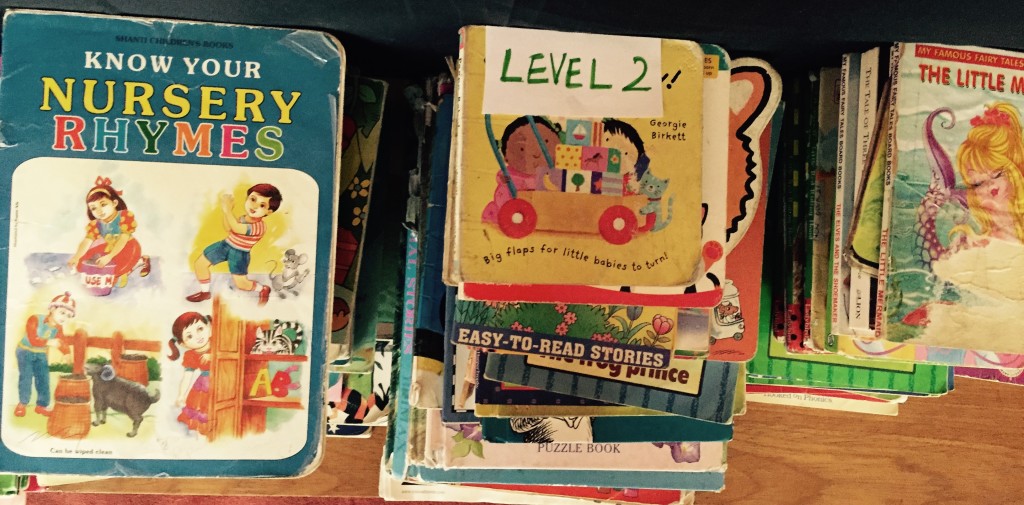
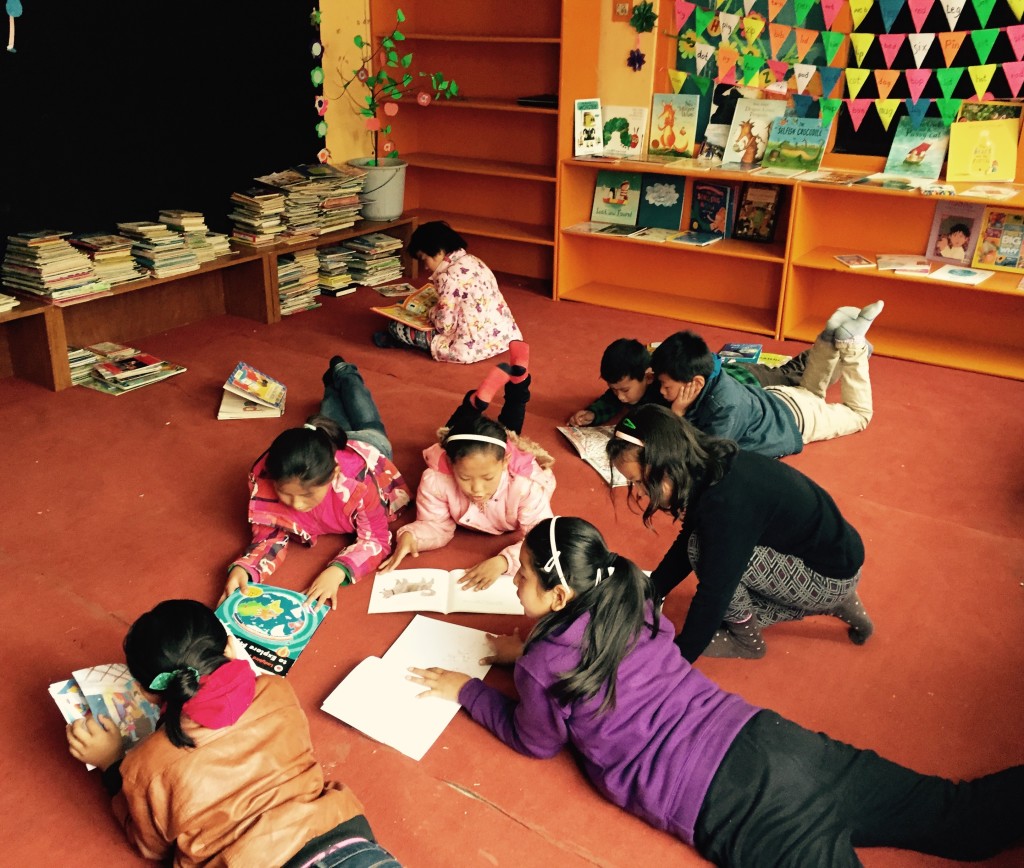
A well-used book carries evidence of learning: softened corners, fingerprints, pencil marks, and pages turned many times. In reading rooms and classrooms, that wear often means the book has served its purpose. Yet some volumes become too damaged for safe reading long before their paper and covers lose all value.
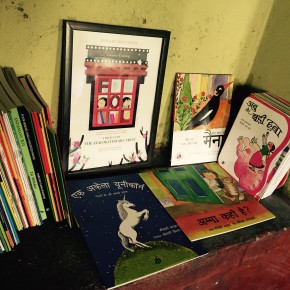
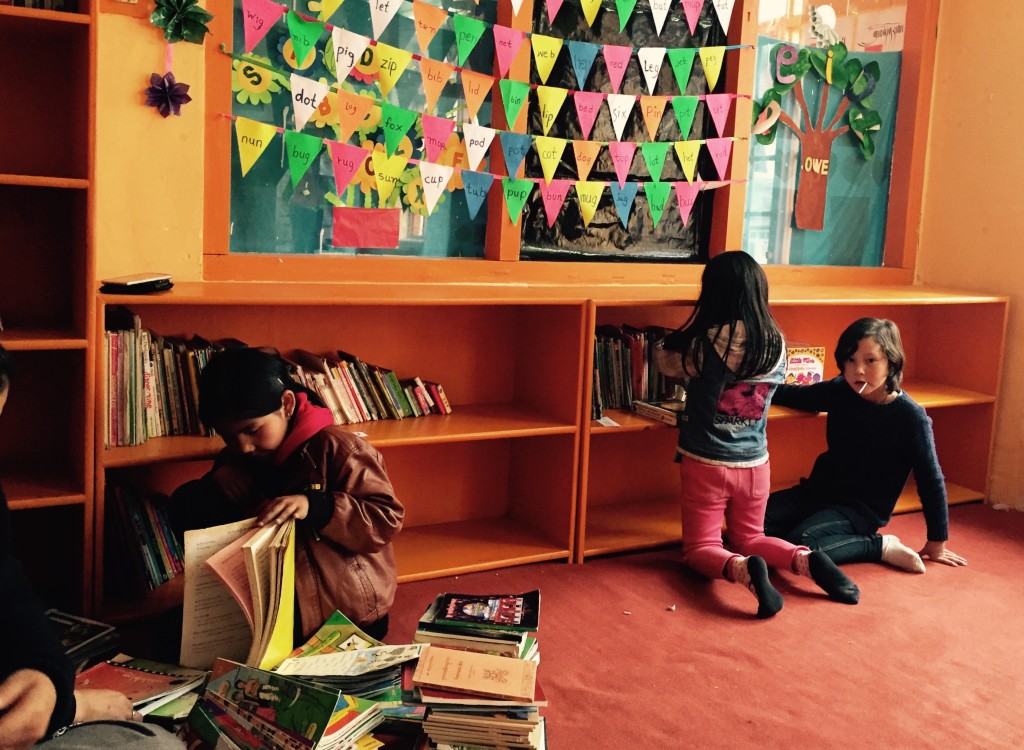
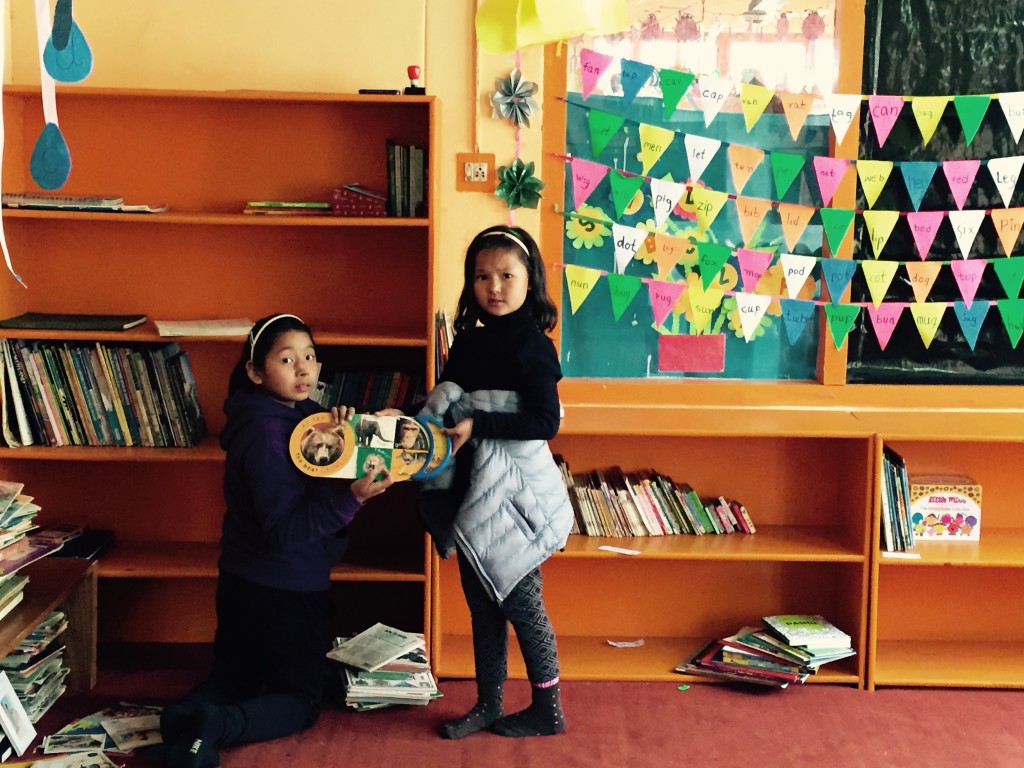
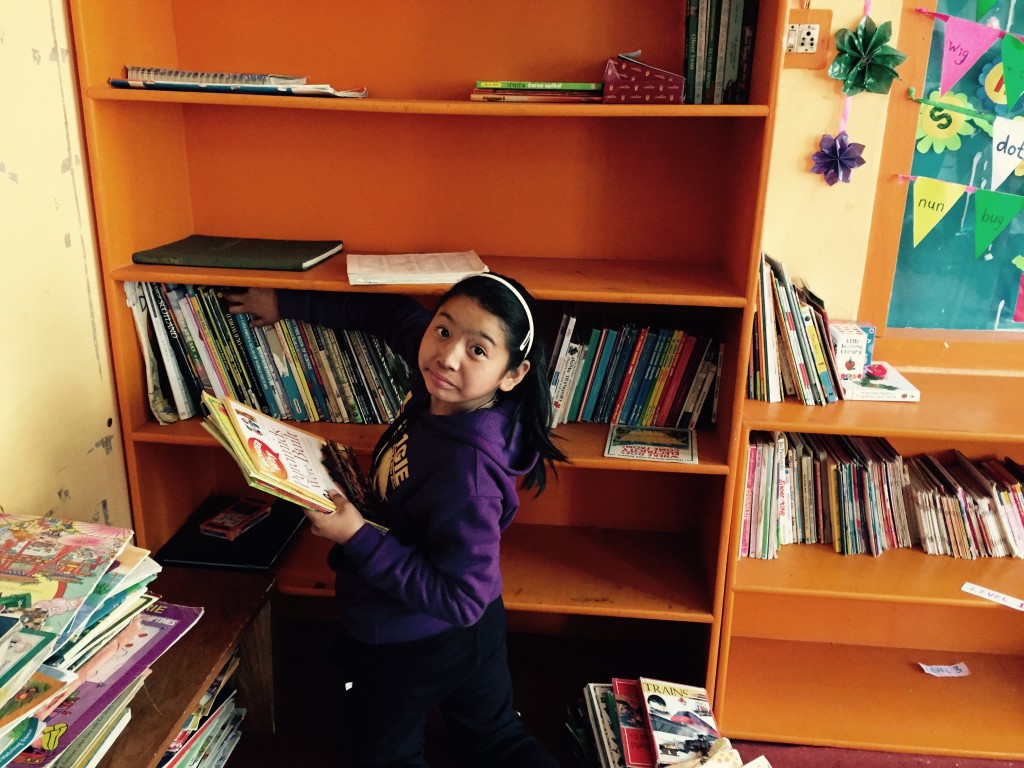
For communities in the Himalayan region, where books may travel long distances and replacement copies can be expensive, careful reuse matters. A torn storybook might become an art resource, while a damp or moldy volume may need responsible recycling. The goal is to keep useful materials in circulation without compromising children’s health or the quality of shared learning spaces.
The work of Avalokiteśvara Trust connects literacy with creativity, educational access, and practical care for resources. Damaged books can support that mission in several ways, from simple repairs to handmade bookmarks, collage materials, and paper recycling.
Assess Before You Discard
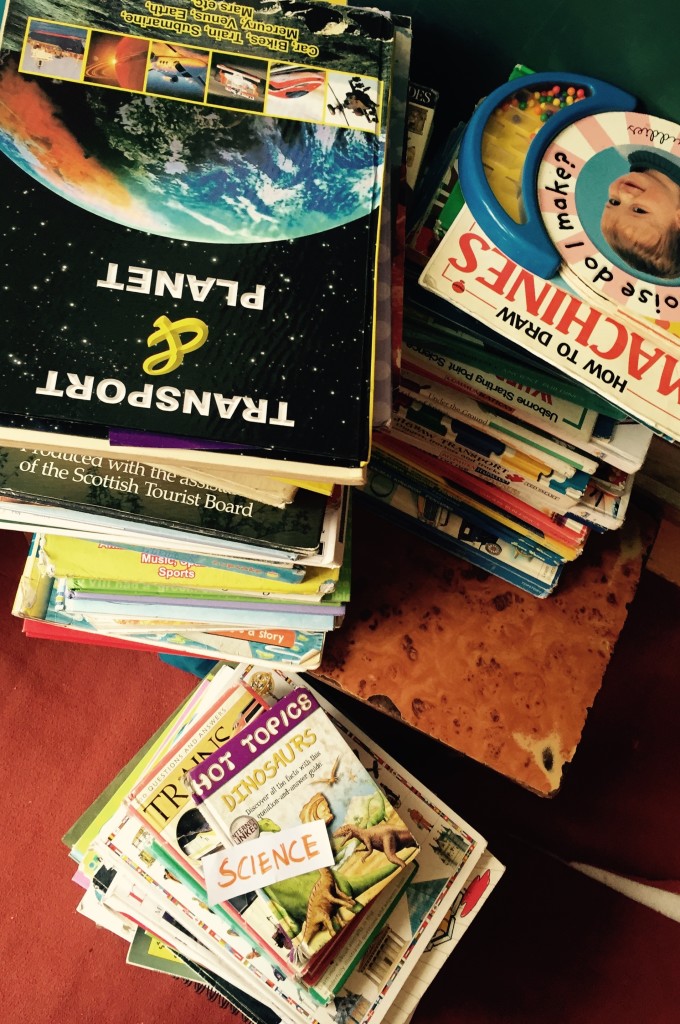
The first step is a condition check. Look for loose pages, detached covers, water stains, missing sections, insect damage, and mold. A book with a torn dust jacket or bent cover may still be fully usable after a small repair. A children’s book with a few scribbles may also remain suitable for an art corner, especially if the text and illustrations are intact.
Health and safety should come first. Books with active mold, a strong musty odor, extensive dampness, or contamination should be isolated from other materials. Do not place them in a reading room or pass them to children for craft work. Let a local waste service or recycling facility advise on disposal, since some contaminated items require handling apart from ordinary paper.
A short assessment prevents unnecessary waste. It also helps volunteers distinguish between books that need repair, books that can be repurposed, and books that are ready for paper recovery.
Repair And Reuse In Reading Rooms
Many damaged books need only basic conservation. Clear archival tape can stabilize a small tear, while book repair tape can reinforce a weak spine. Loose pages can be reattached with suitable bookbinding adhesive, and a protective cover can extend the life of a frequently handled paperback. Avoid ordinary household tape when possible because its adhesive can yellow, dry out, and damage paper over time.
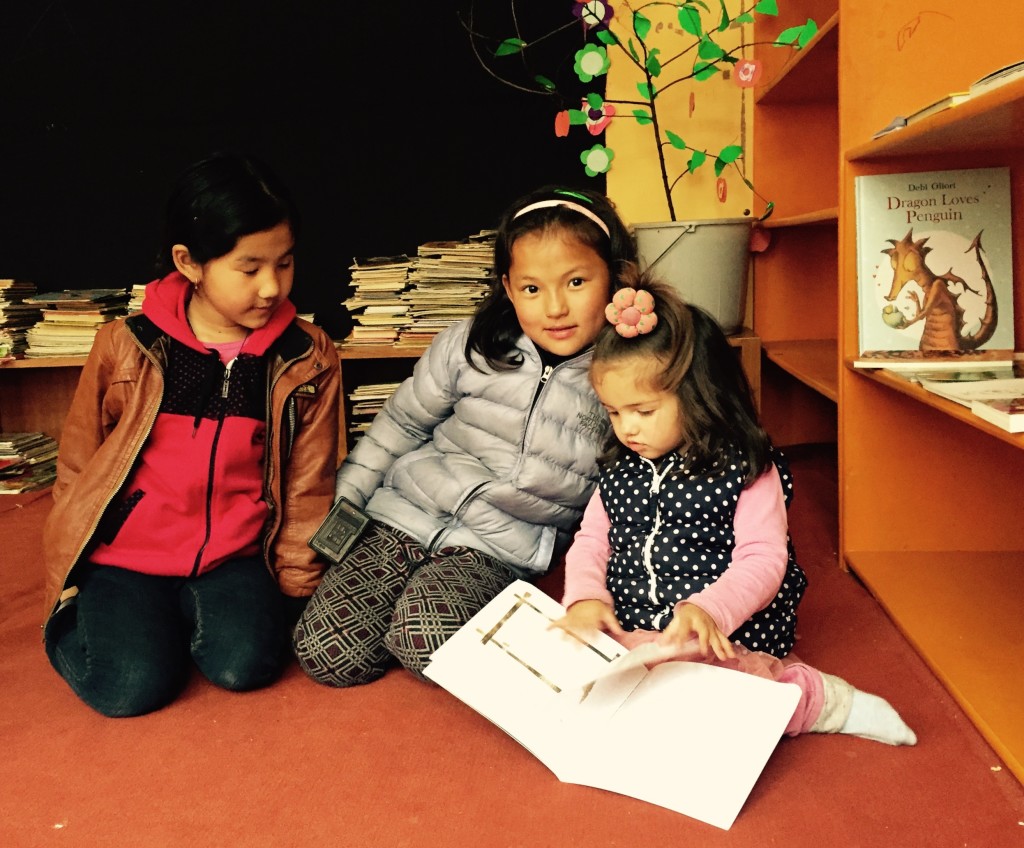
Books with missing pages may still be useful as reference materials or inspiration for creative sessions. An incomplete atlas can provide maps for geography projects, and a picture book with a damaged final page can support storytelling exercises in which children invent their own ending. Older books can also be placed in a supervised “make and mend” area where young people learn simple binding and paper skills.
Repair work should match the book’s purpose. A treasured text deserves careful conservation, while a mass-market workbook may be better suited to repeated drawing, cutting, and collage. This practical approach keeps usable reading material available and directs fragile items toward a second life.
| Book condition |
Best next use |
Helpful action |
| Minor tears or loose cover |
Continued reading |
Repair with archival materials |
| Worn but complete pages |
Reading room or lending shelf |
Add a protective cover |
| Missing pages or heavy writing |
Art and literacy activities |
Use for collage or storytelling |
| Clean, dry paper with no reuse value |
Paper recycling |
Remove non-paper parts first |
| Moldy, wet, or contaminated |
Specialized disposal |
Isolate and follow local guidance |
Creative Upcycling Projects
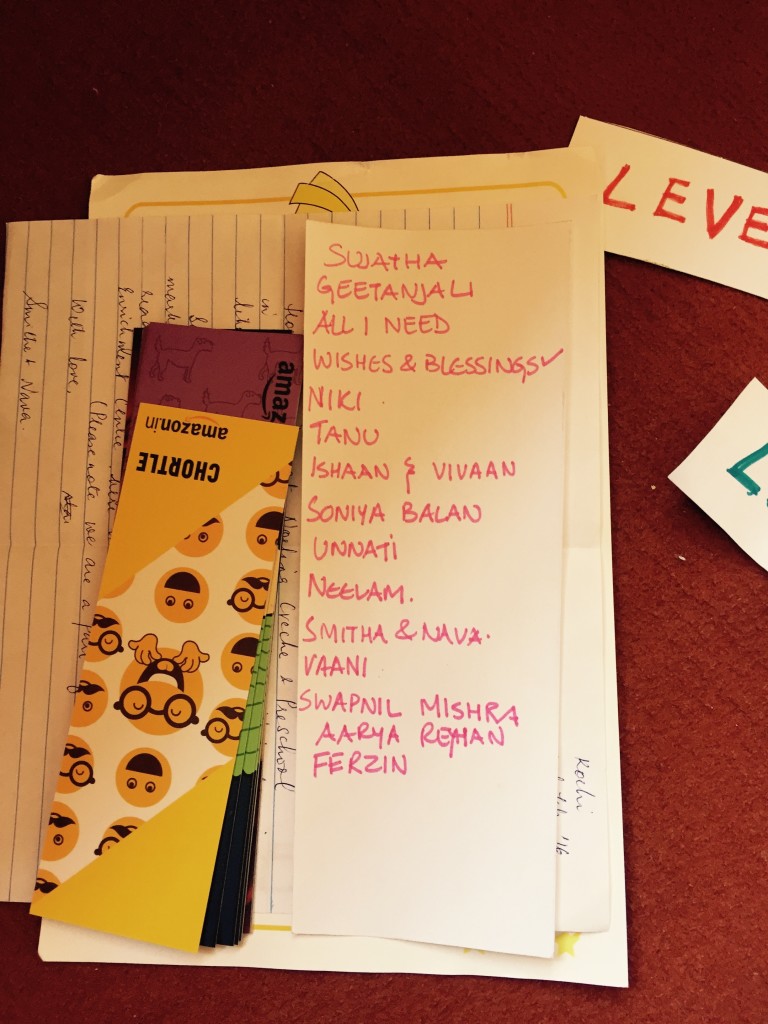
Upcycling turns old books into useful or beautiful objects without reducing the material immediately to pulp. Pages can become bookmarks, gift tags, envelopes, paper beads, greeting cards, or collage backgrounds. Illustrations from damaged children’s books are especially valuable for visual projects, provided the material is clean and appropriate for the activity.
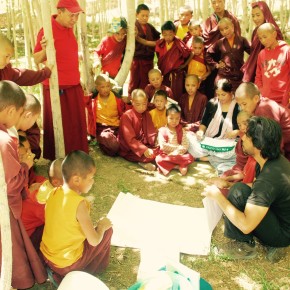
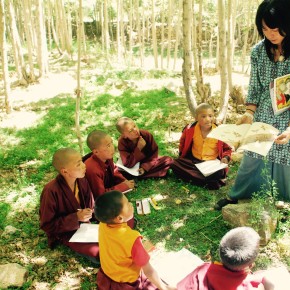
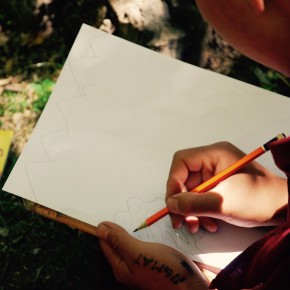
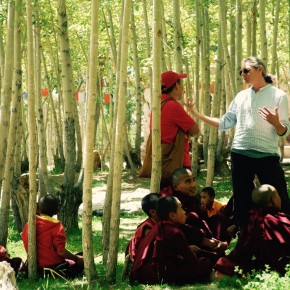
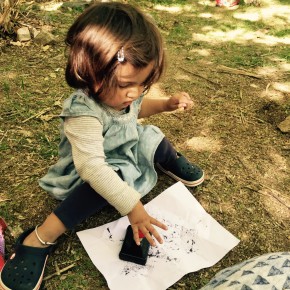
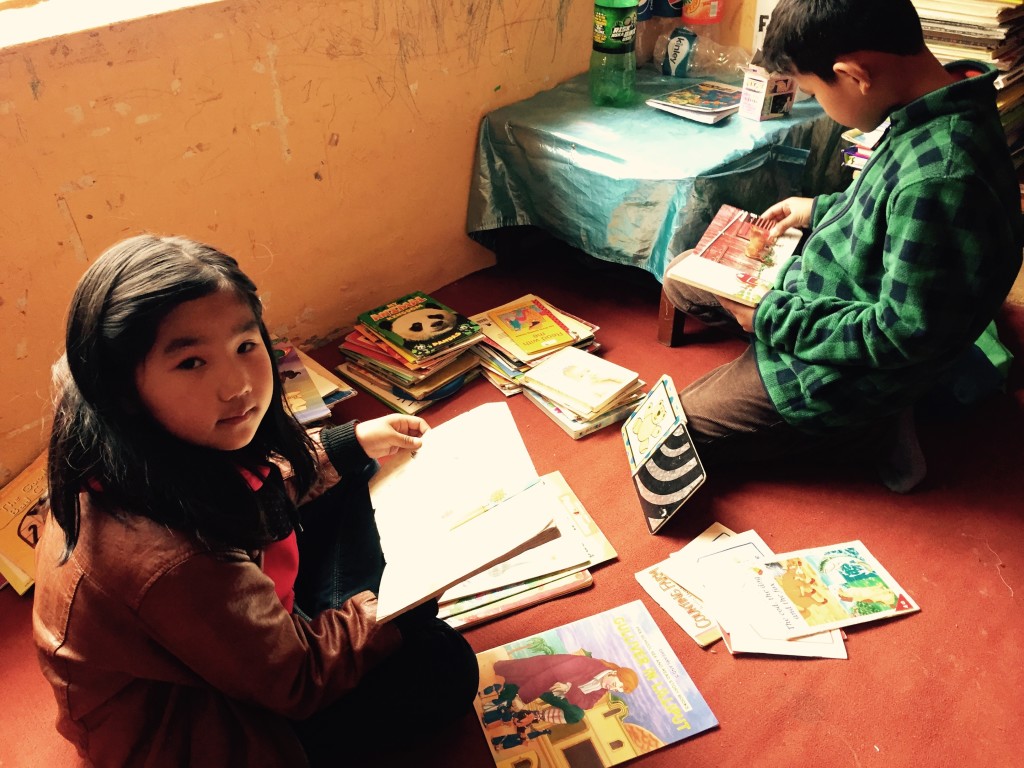
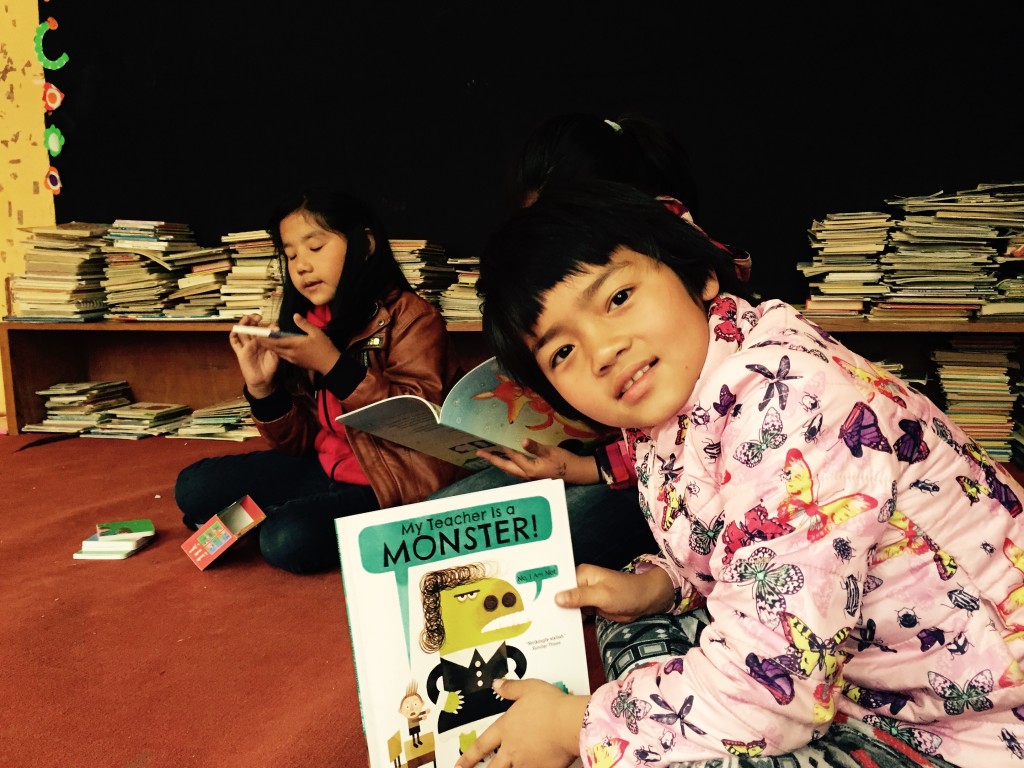
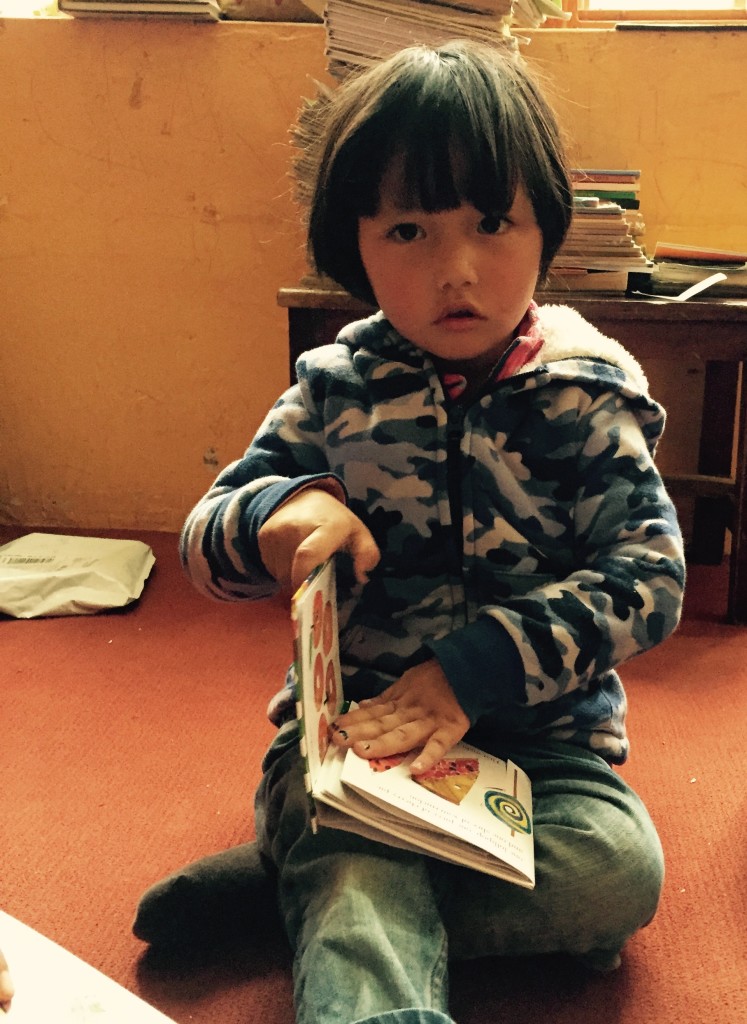
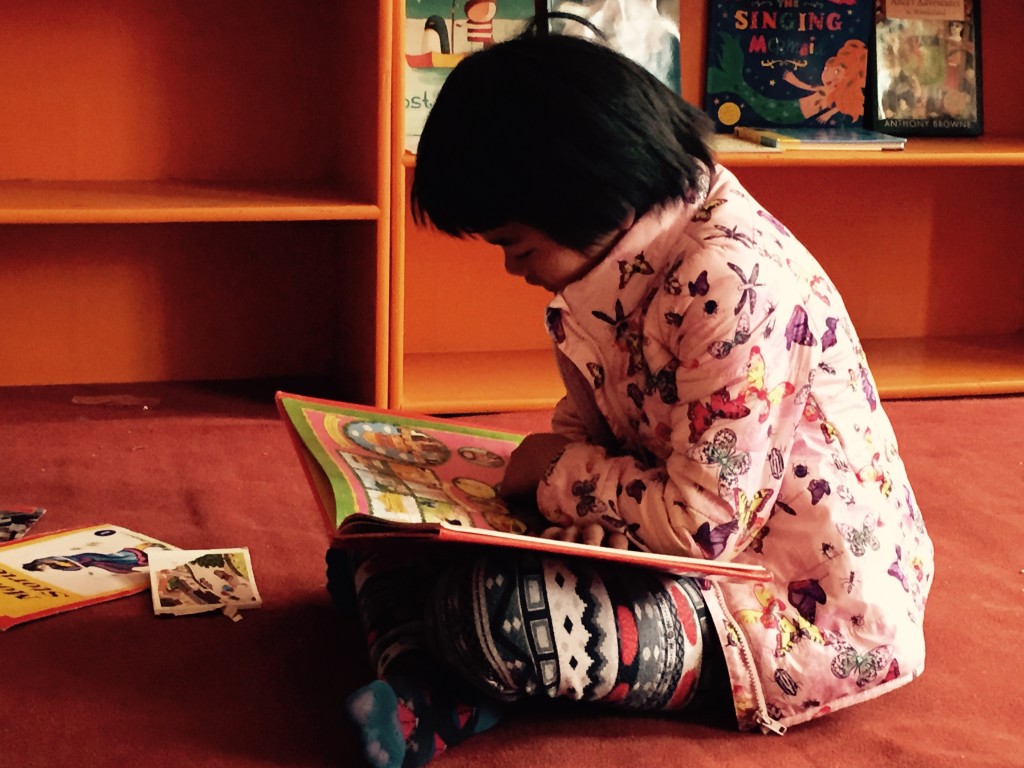
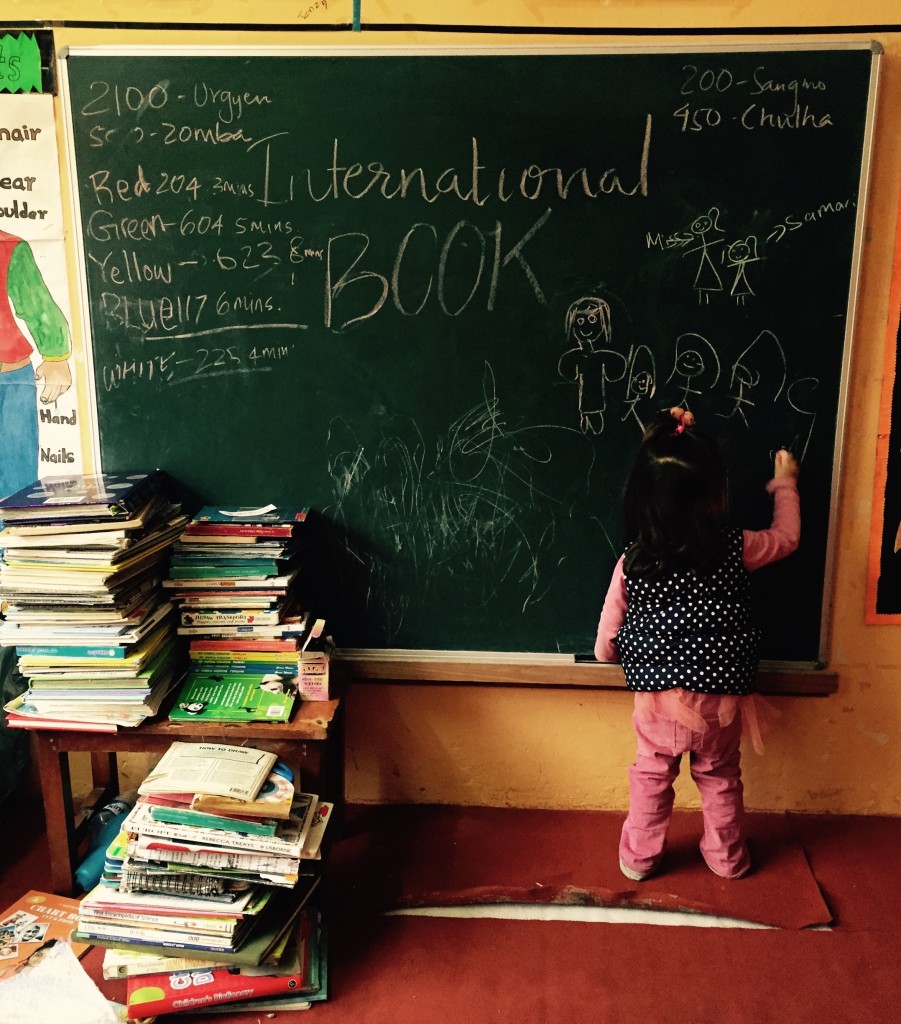
A reading room can host a small creative station with scissors, glue, pencils, string, and recycled card. Children might design bookmarks featuring animals from Ladakh, create word collages from discarded pages, or build paper mosaics around a favorite story. These activities reinforce vocabulary, fine motor skills, and imagination while showing that damaged materials still have potential.
Book covers can be reused as sturdy backing for flashcards, signs, folder labels, or miniature art boards. Hardcover boards may also serve as the foundation for simple journals made from blank scrap paper. For younger children, adults should prepare sharp edges and supervise cutting, especially when removing staples or glued sections.
When Recycling Is The Right Choice
Recycling is appropriate when a book is too damaged for reading or craft work but remains clean and dry. Paper recycling facilities generally prefer materials free from food residue, oil, plastic, and heavy metal parts. Before sorting, remove plastic sleeves, laminated covers, spiral bindings, elastic, and large quantities of tape when local guidance permits.
Not every book can enter the same recycling stream. Glossy pages, heavily coated paper, photographs, and laminated sheets may require separate processing or may not be accepted at all. The rules differ between municipalities, so volunteers should follow the instructions of the nearest waste collection point rather than assuming every page is recyclable.
Pulp recovery gives paper fibers another use in packaging, tissue, cardboard, or new paper products. It is less resource-intensive than sending books to landfill, but it should follow repair and creative reuse in the hierarchy of options. Keeping a book in service usually preserves more of its original value than processing it into new material.
Building A Local Materials Cycle
In remote or mountainous communities, transport and storage can shape every recycling decision. Sending a small volume of damaged books to a distant facility may require more fuel and coordination than reusing the materials locally. A community-based system can therefore combine repair shelves, craft boxes, and periodic recycling collections.
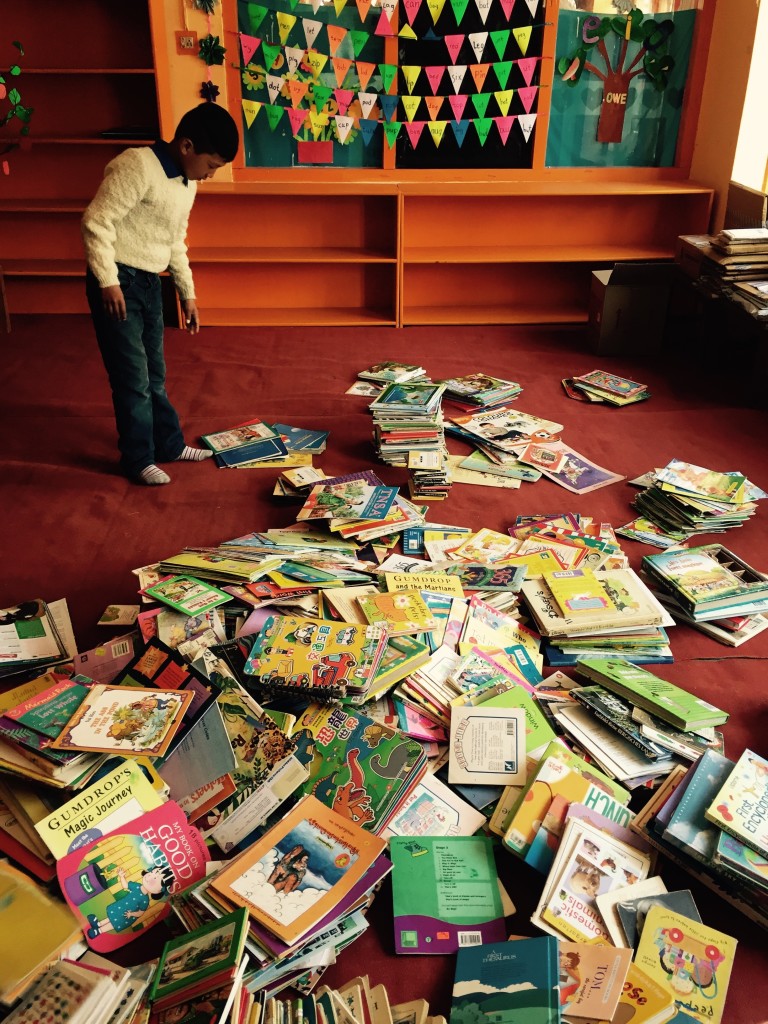
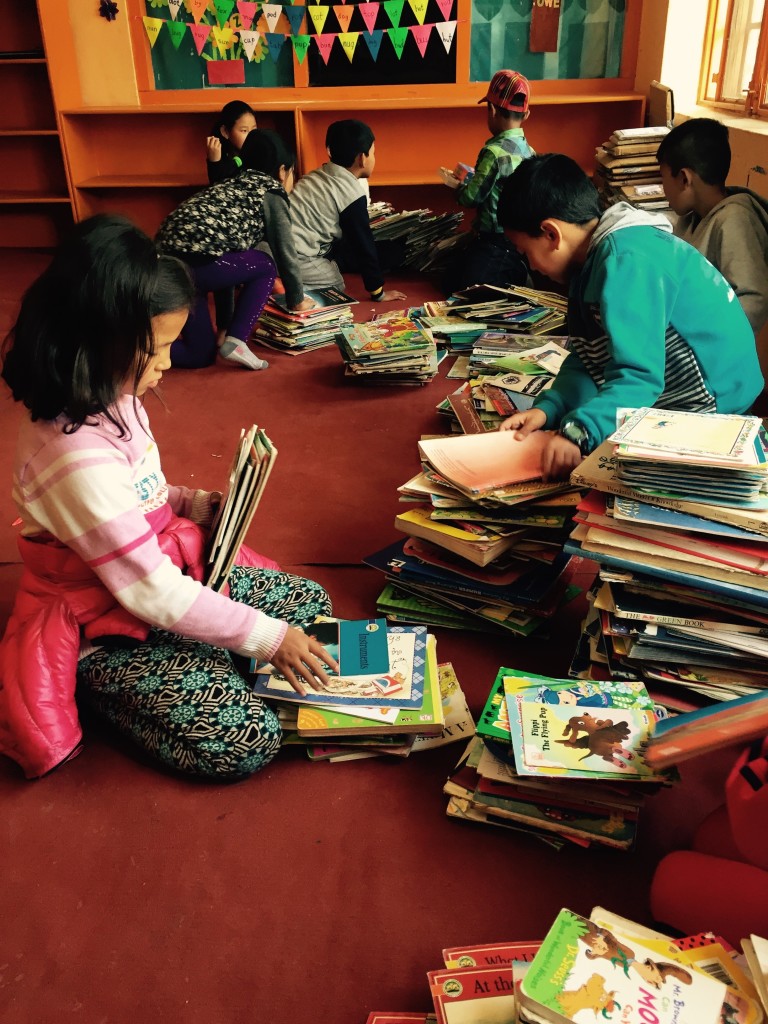
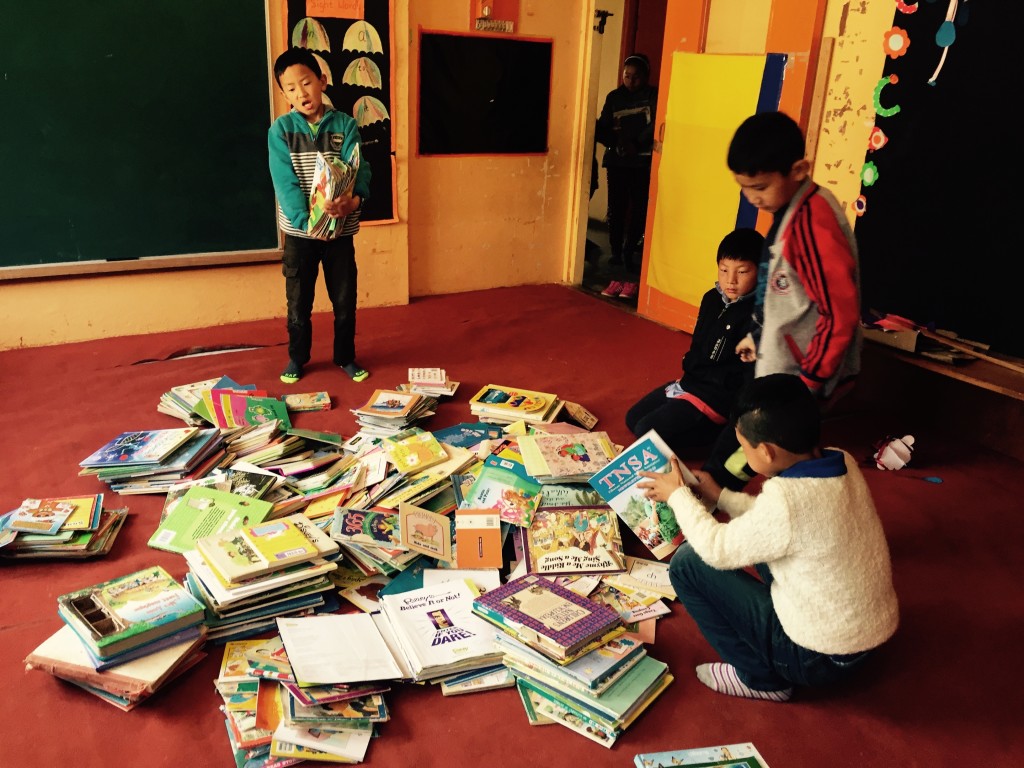
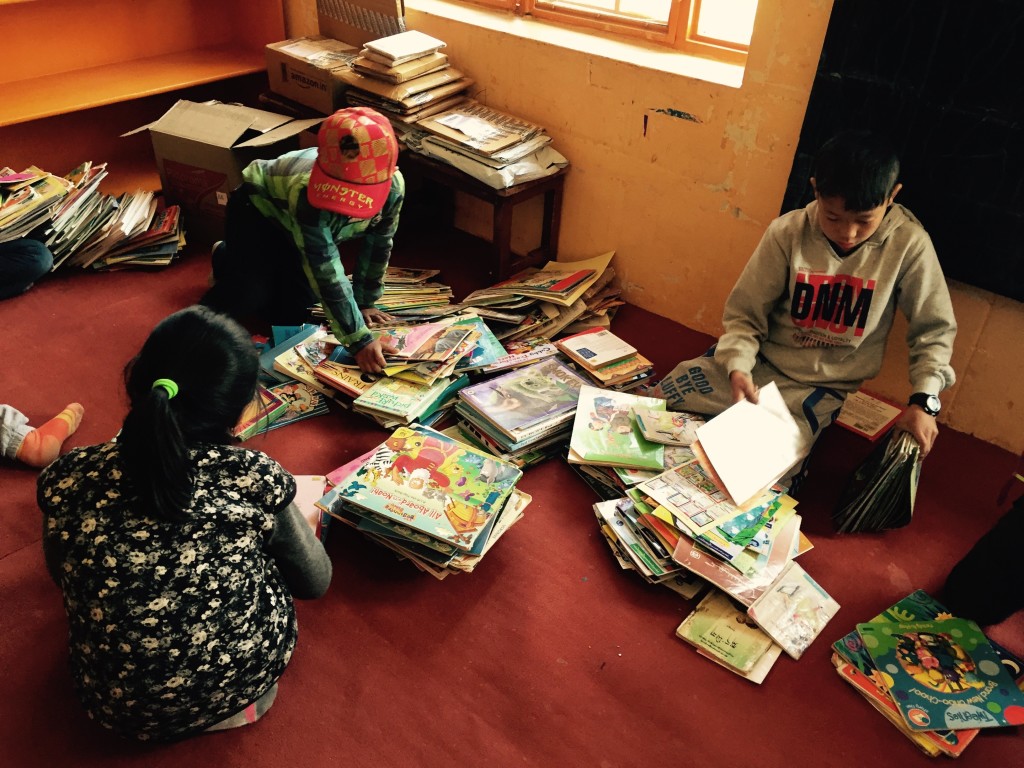
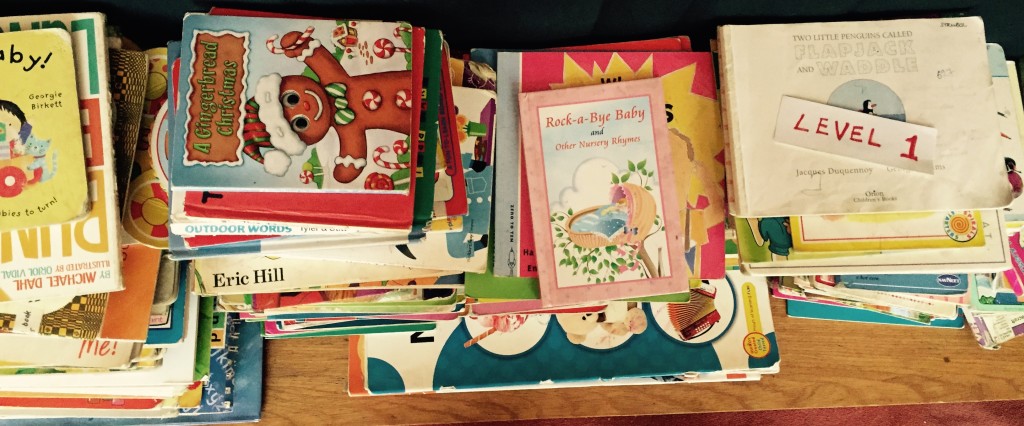
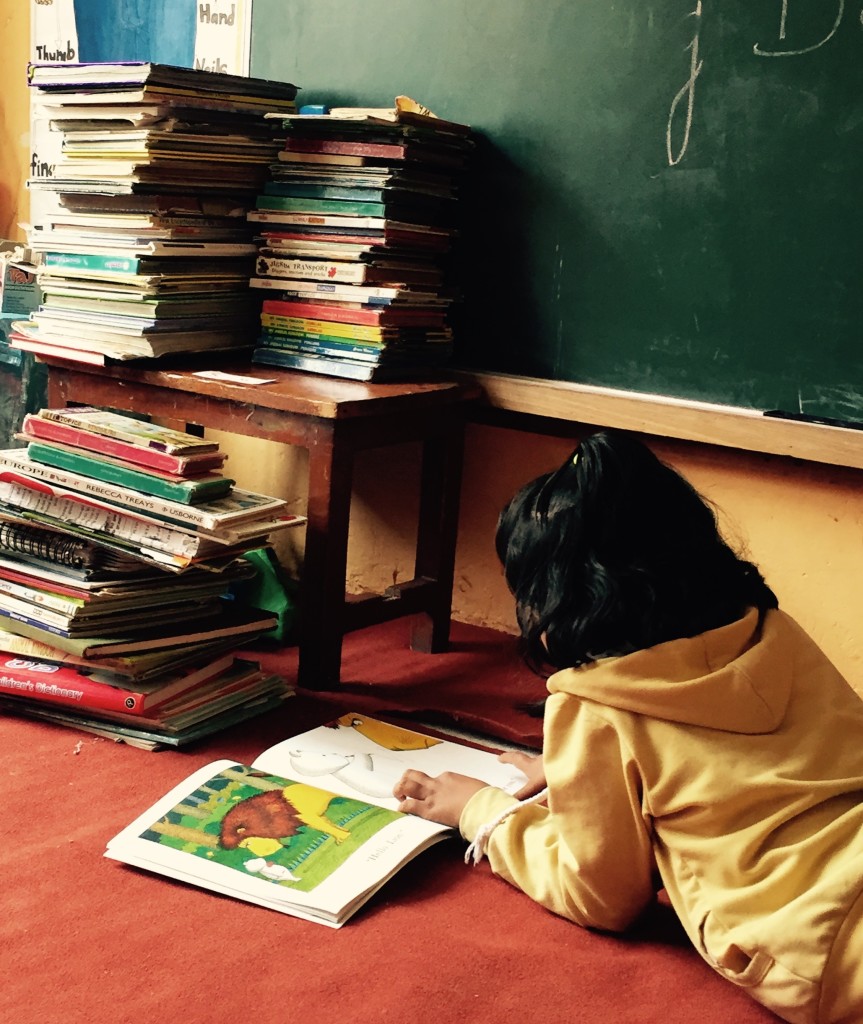
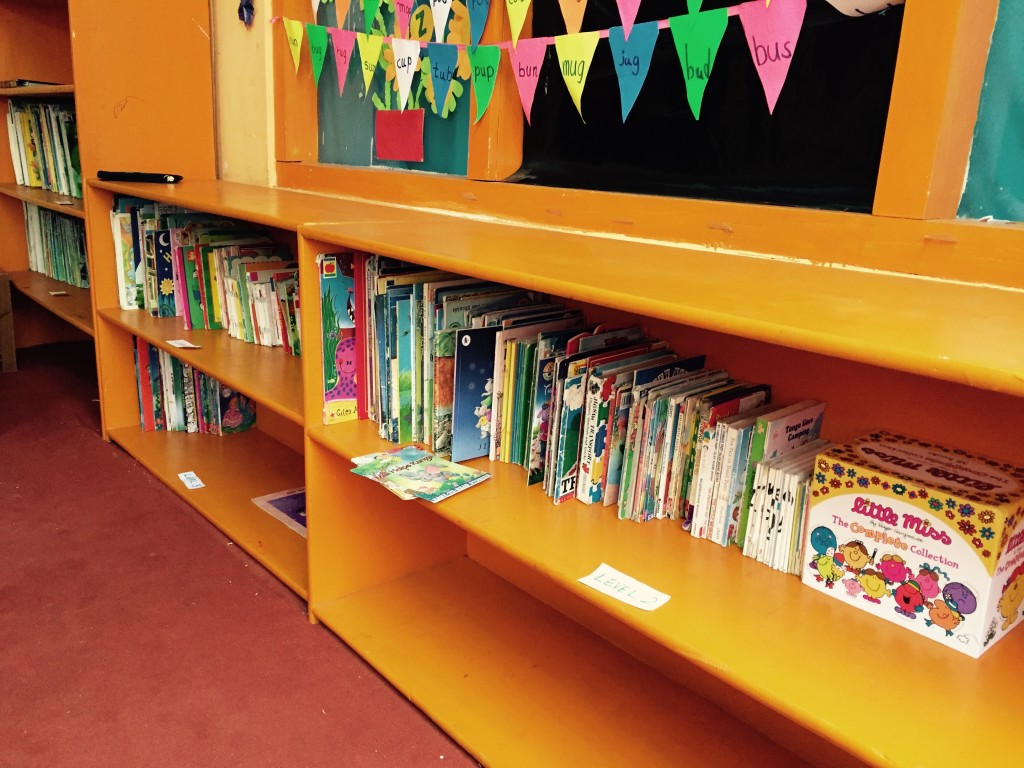
Volunteers can label containers clearly: “repair,” “creative reuse,” “paper recycling,” and “unsafe materials.” This simple arrangement helps prevent moldy books from being mixed with clean supplies and makes sorting easier during book drives. It also gives children a visible example of responsible stewardship.
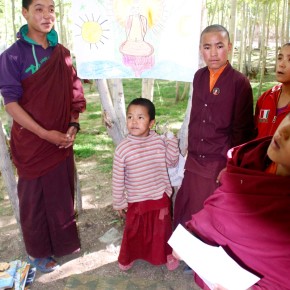
Local artists, teachers, monasteries, and community centers may have ideas for useful transformations. Old covers can become display boards, while clean pages can support music, drama, and visual arts activities. When reuse decisions are made with local participants, projects are more likely to reflect the community’s needs rather than imposing a single waste solution.
Practical Choices For Volunteers
A small set of consistent habits can make book recovery safer and more effective:
- Inspect donated books before placing them on shelves or in storage.
- Separate repairable, reusable, recyclable, and contaminated materials.
- Use clean, age-appropriate pages for children’s craft activities.
- Keep paper dry and protected from insects, moisture, and direct weather exposure.
- Record recurring damage so future book purchases and storage methods can improve.
Volunteers should also explain the process to children. A brief conversation about why one book is repaired, another becomes a bookmark, and a third must be recycled turns waste sorting into a lesson about care. Children learn that reading resources have material value as well as intellectual value.
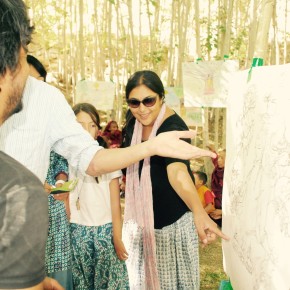
Photographs of finished projects can encourage families and donors to see the full impact of book donations. A damaged volume may no longer appear on a shelf, yet its pages could become dozens of bookmarks or a collaborative mural. Sharing these outcomes builds trust and celebrates practical creativity.
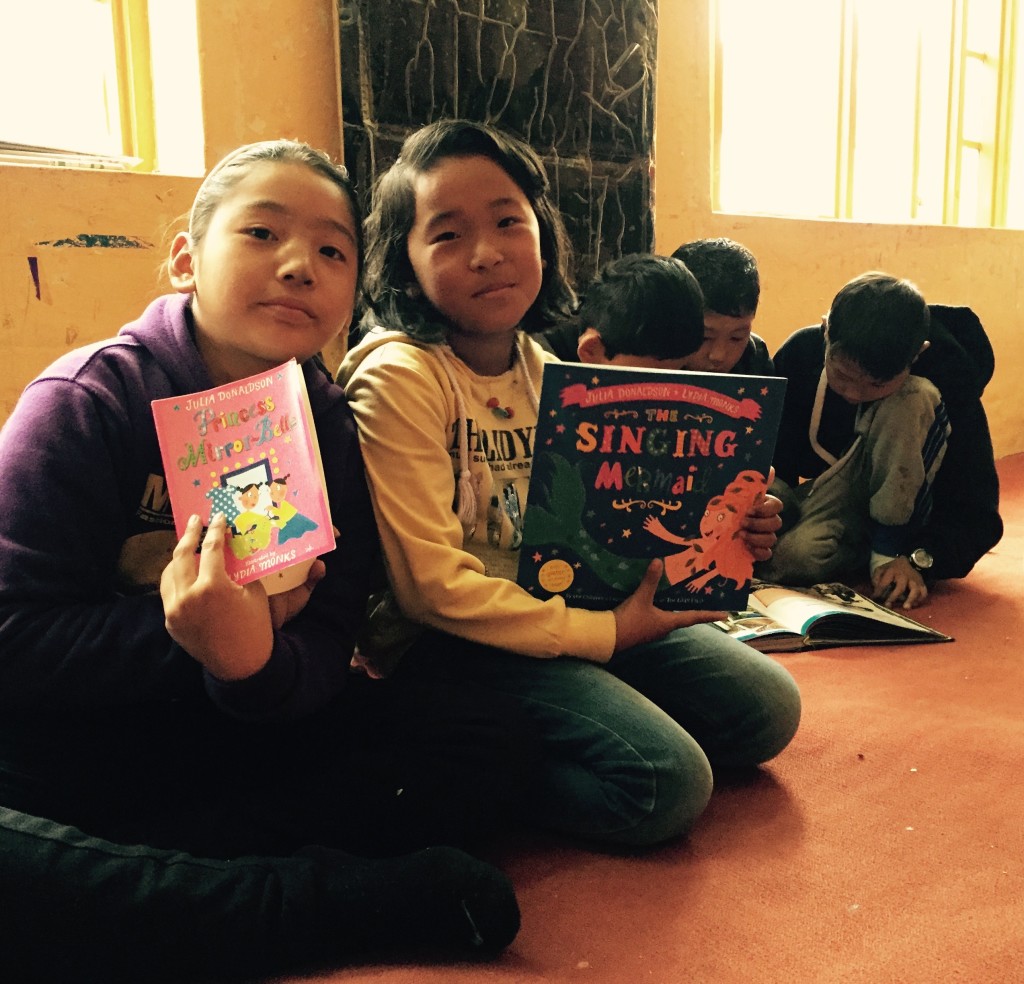
The best recycling and upcycling ideas begin with respect for the book and the people who will use its materials. Whether a volume returns to a reading shelf, supports an art lesson, or enters a paper recovery stream, thoughtful handling extends its contribution. In Himalayan communities, that contribution can help connect literacy, creativity, and environmental responsibility.
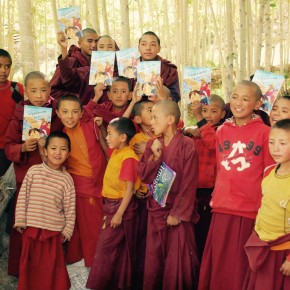
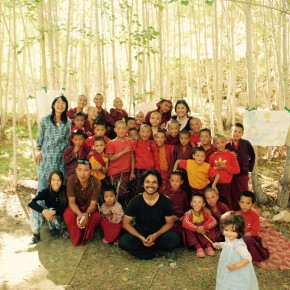
Support this work by donating clean, useful books, contributing repair and art supplies, or volunteering time to sort and restore materials. Each carefully handled book can help create a more welcoming place for children and young monks to read, learn, and imagine.