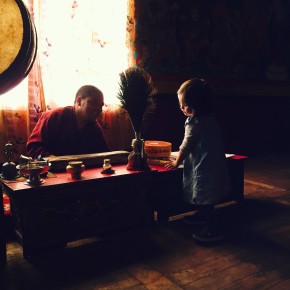
What Science Fiction Means to a Young Monk in the Mountains
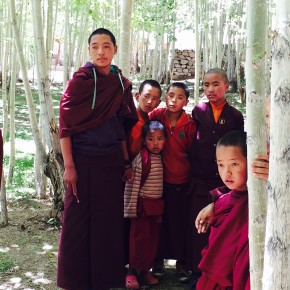
In a mountain community, a science fiction book can open a door far beyond the valley. Its pages may carry a young reader from a quiet monastery to a distant planet, an underwater city, or a future shaped by machines and human choices. For a young monk, these imagined journeys can become a way to explore curiosity, compassion, responsibility, and the meaning of change.
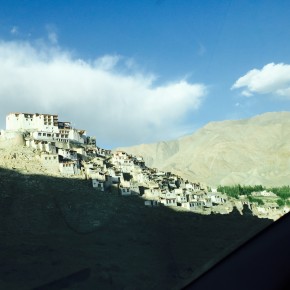
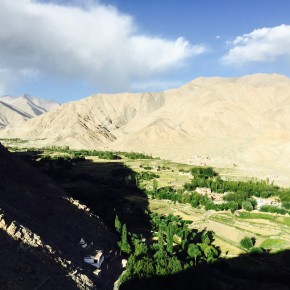
Reading in Ladakh often takes place within a landscape that already feels extraordinary. High passes, clear skies, ancient monasteries, and immense distances can make the world seem both intimate and infinite. Against this setting, stories about space travel and unfamiliar civilizations do not feel entirely remote. They extend the questions that young people are already asking about nature, society, and their own place in the universe.
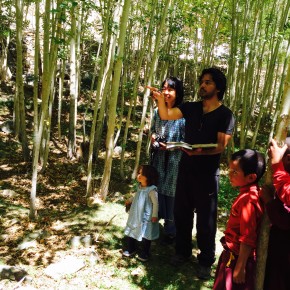
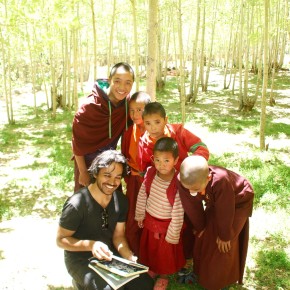
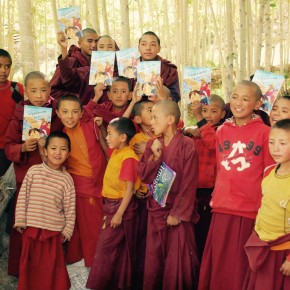
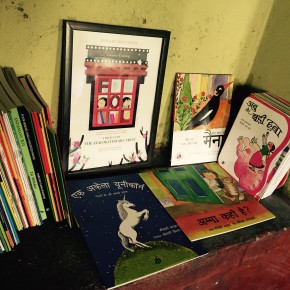
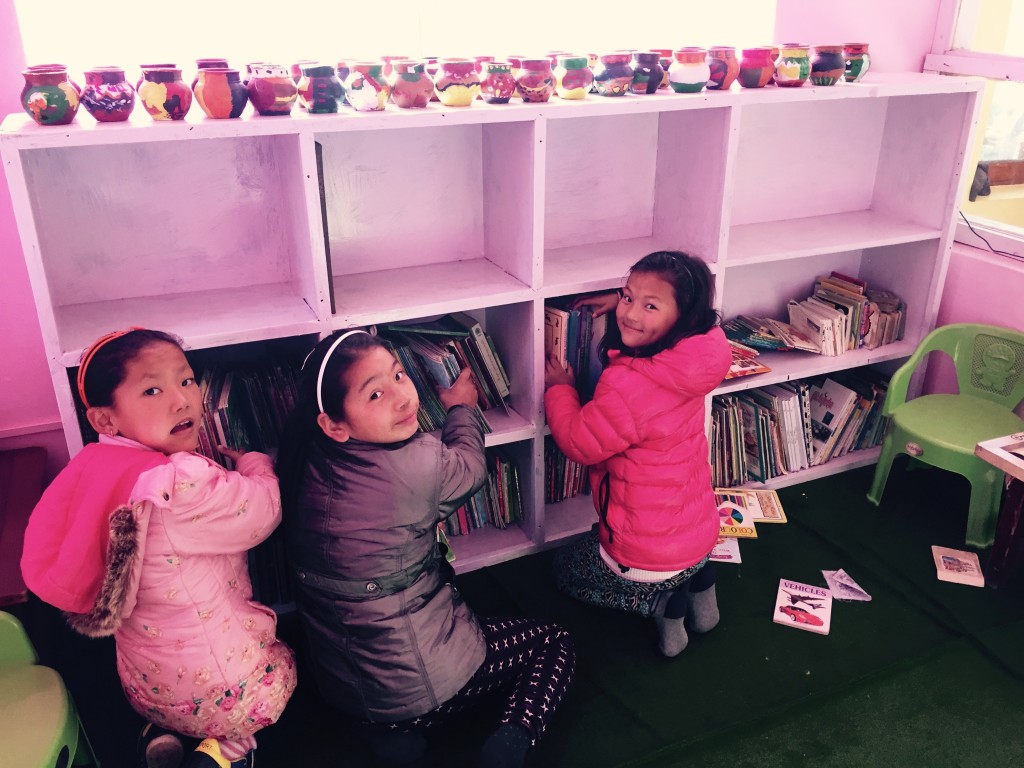
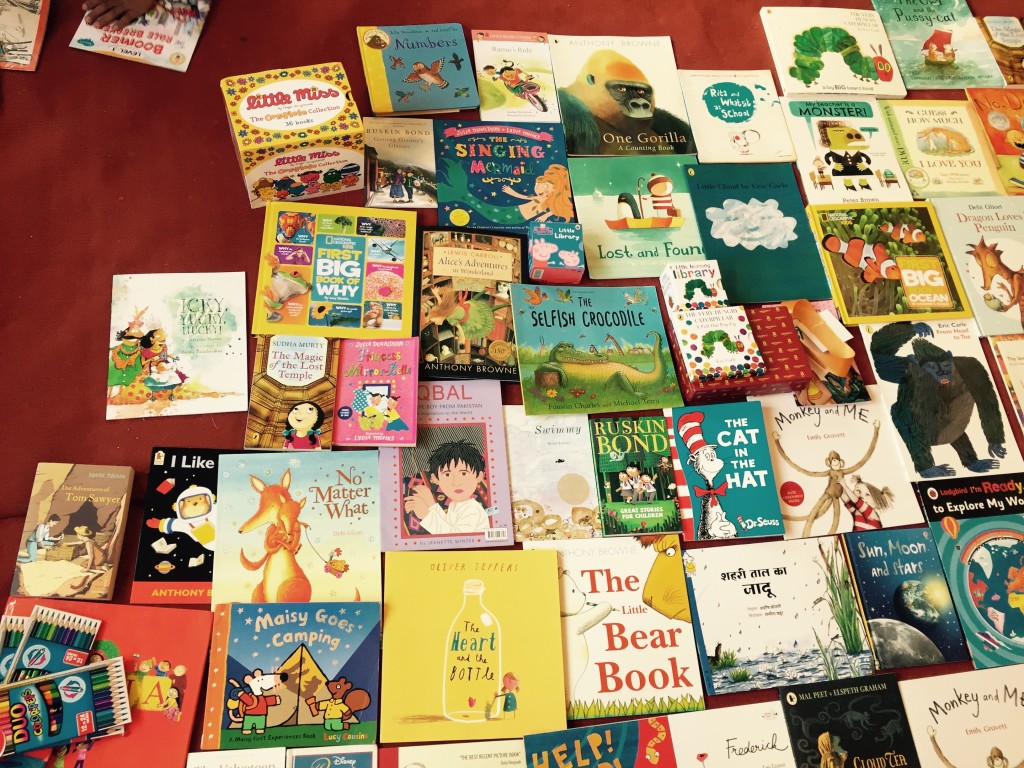
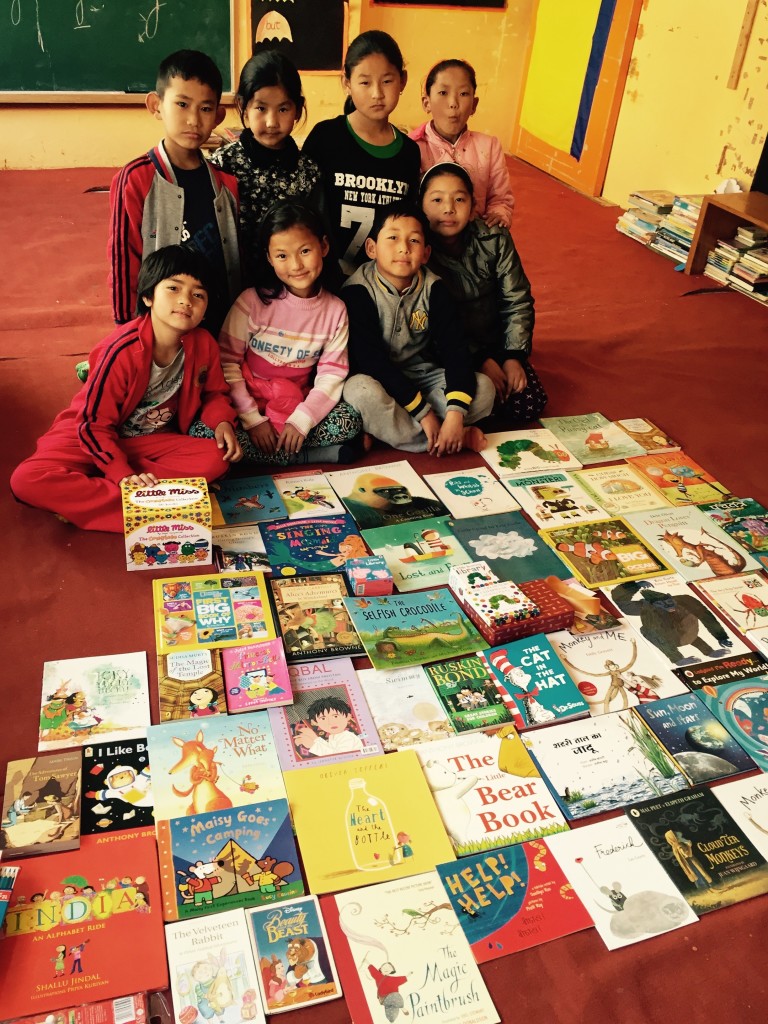
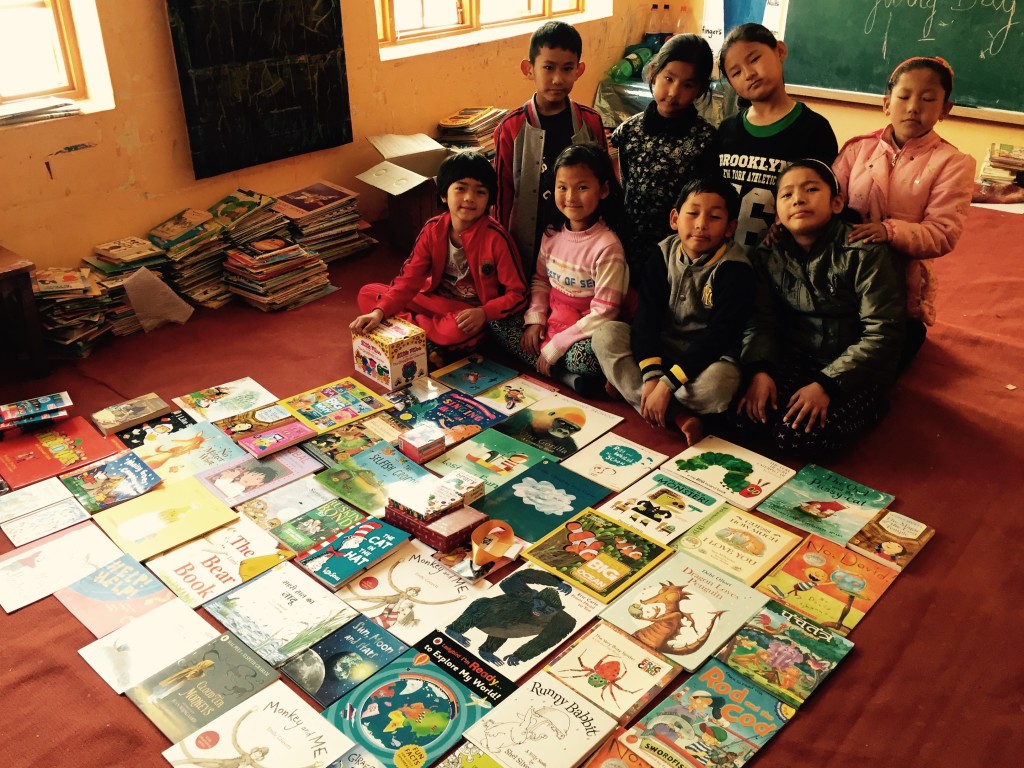
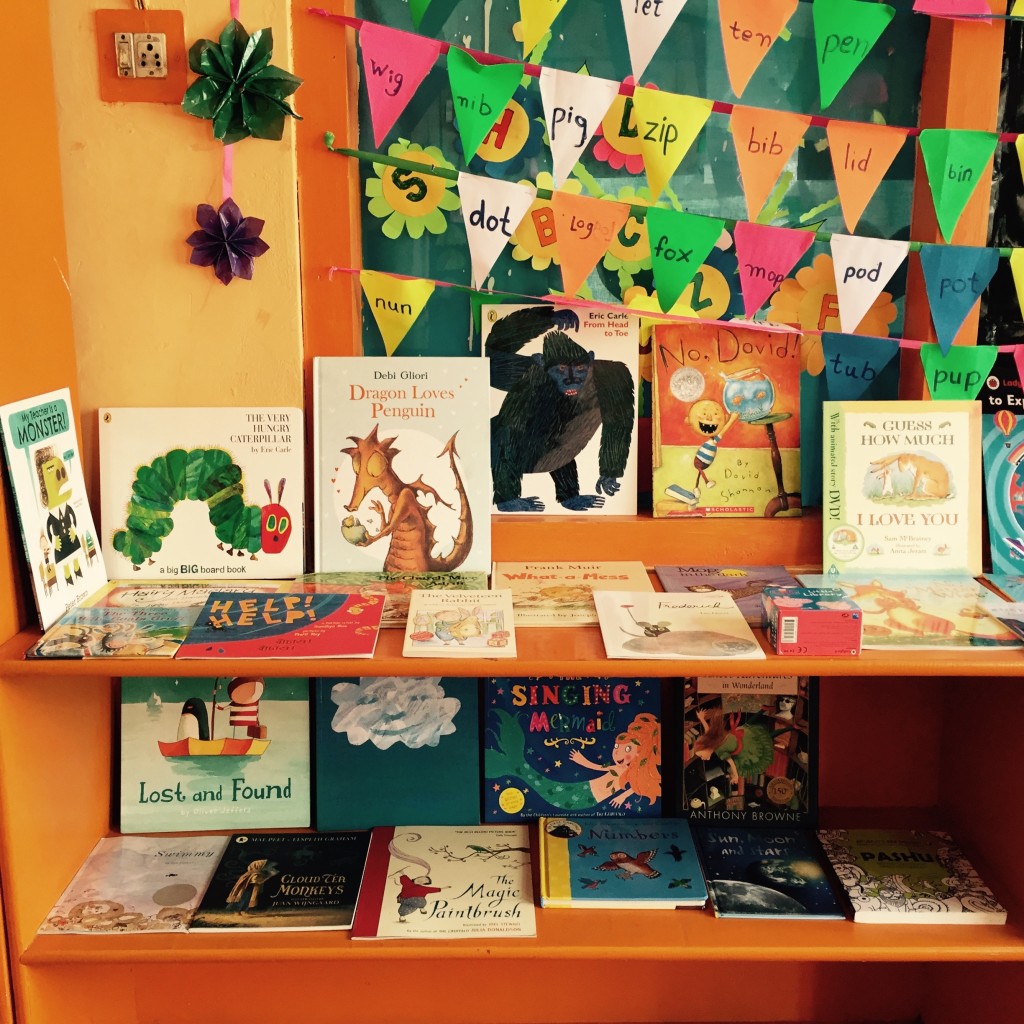
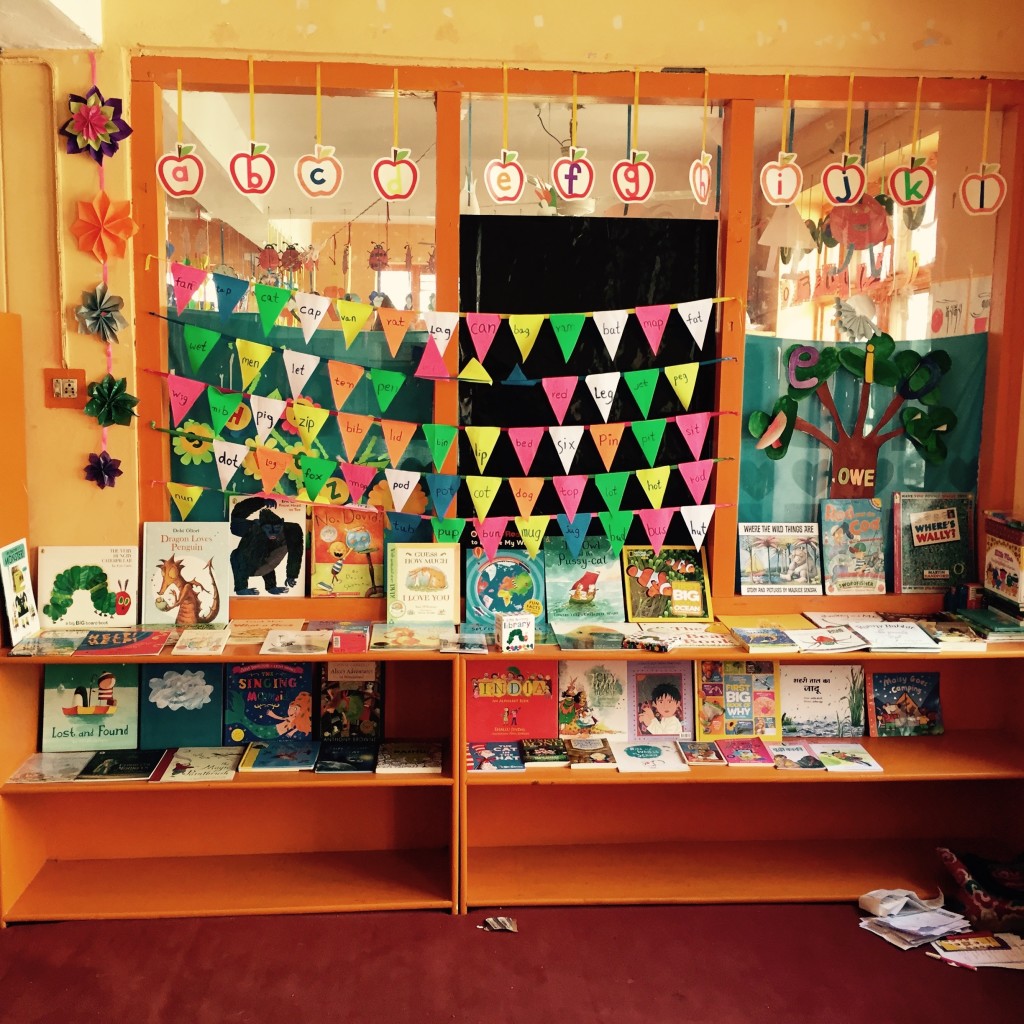
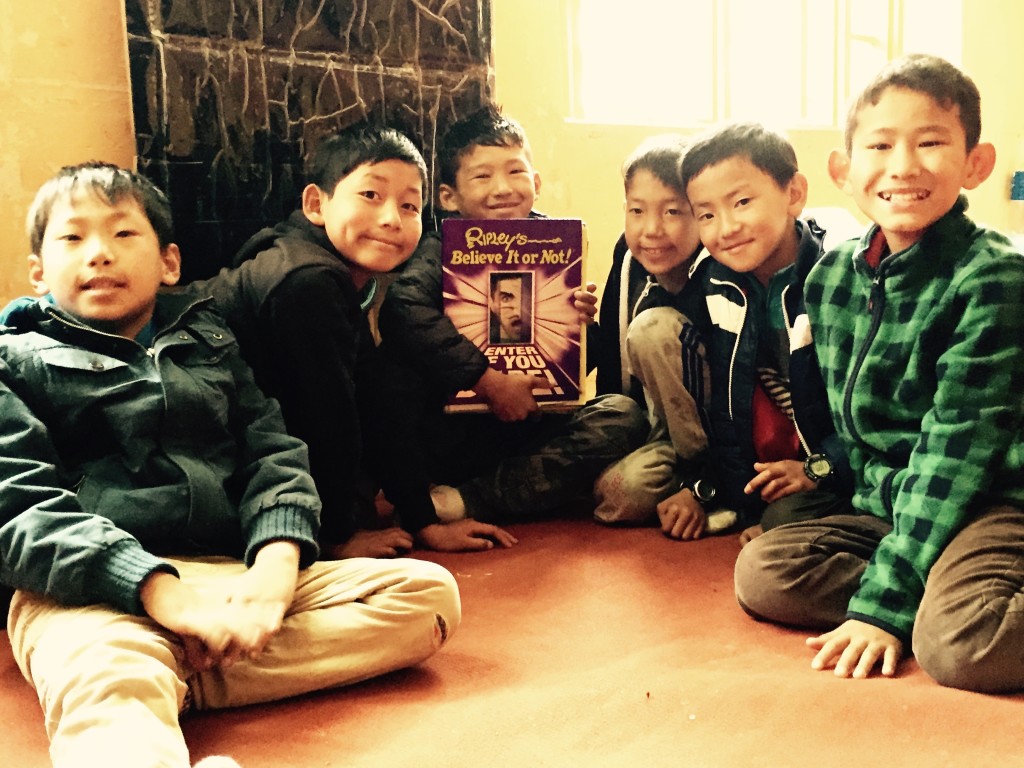
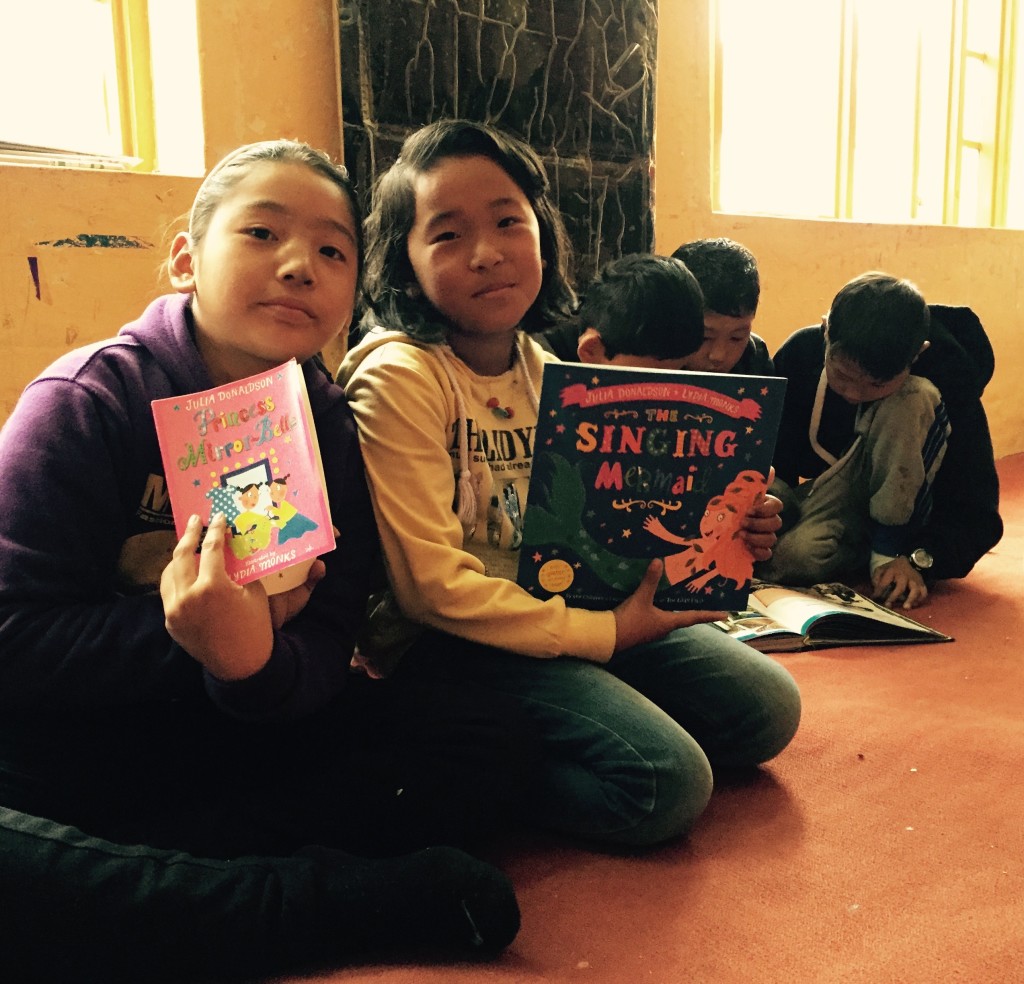
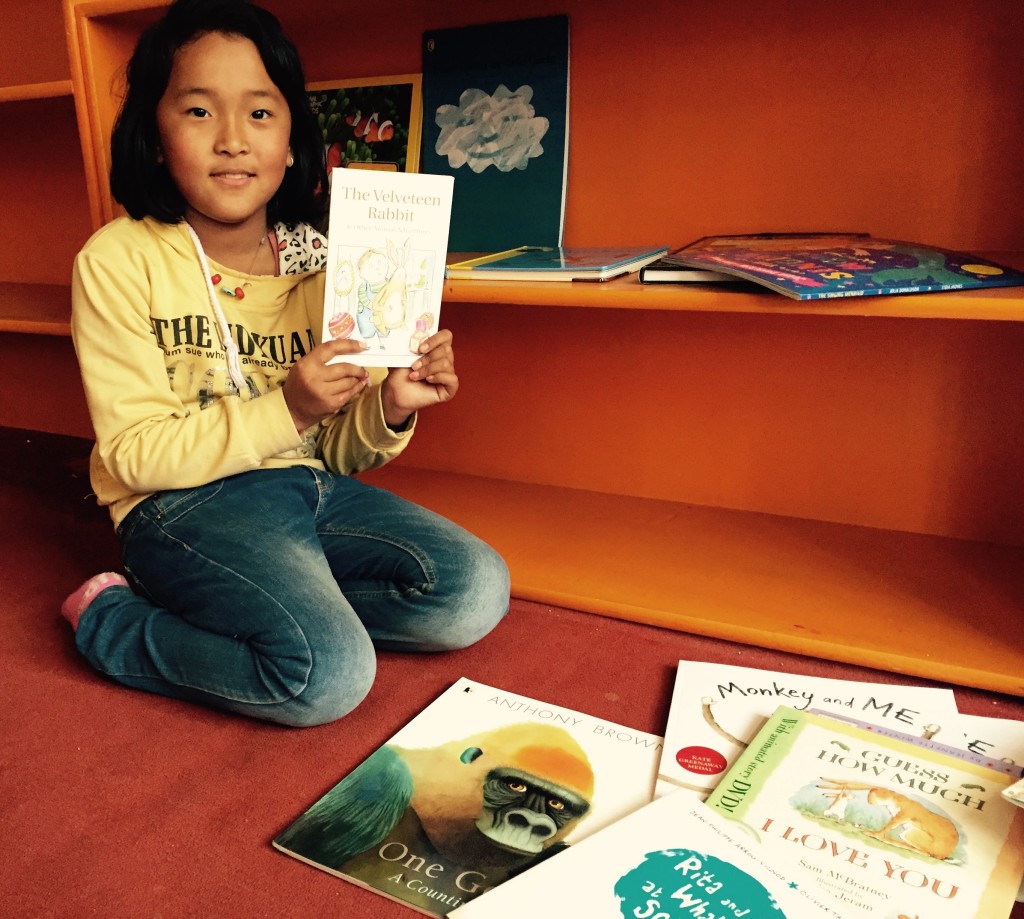
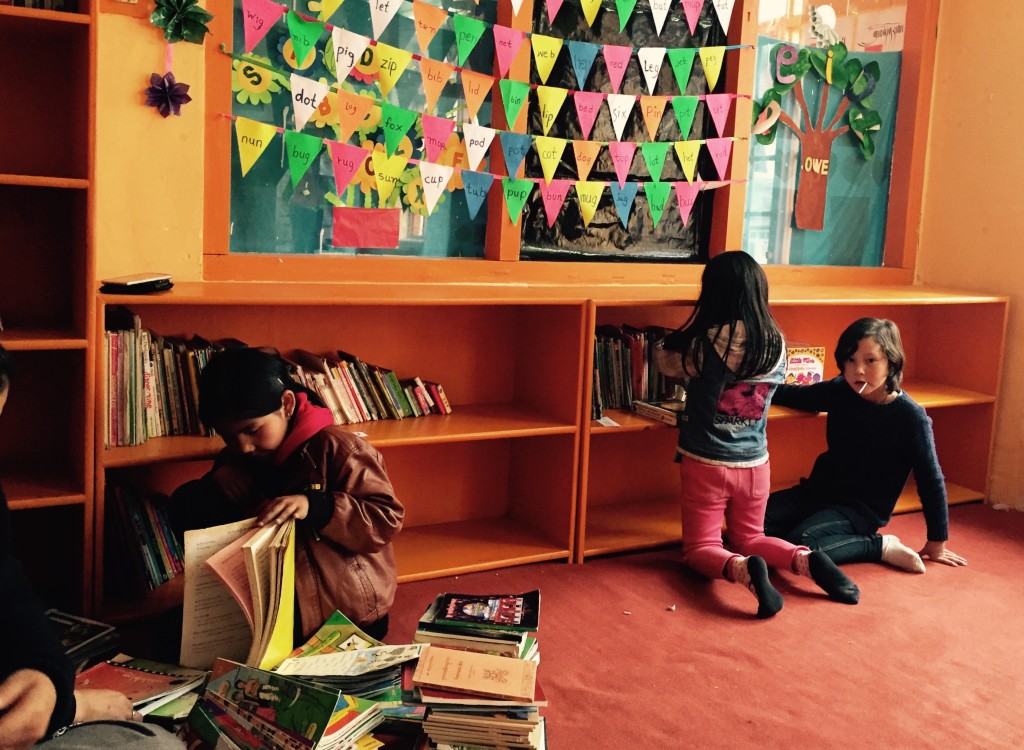
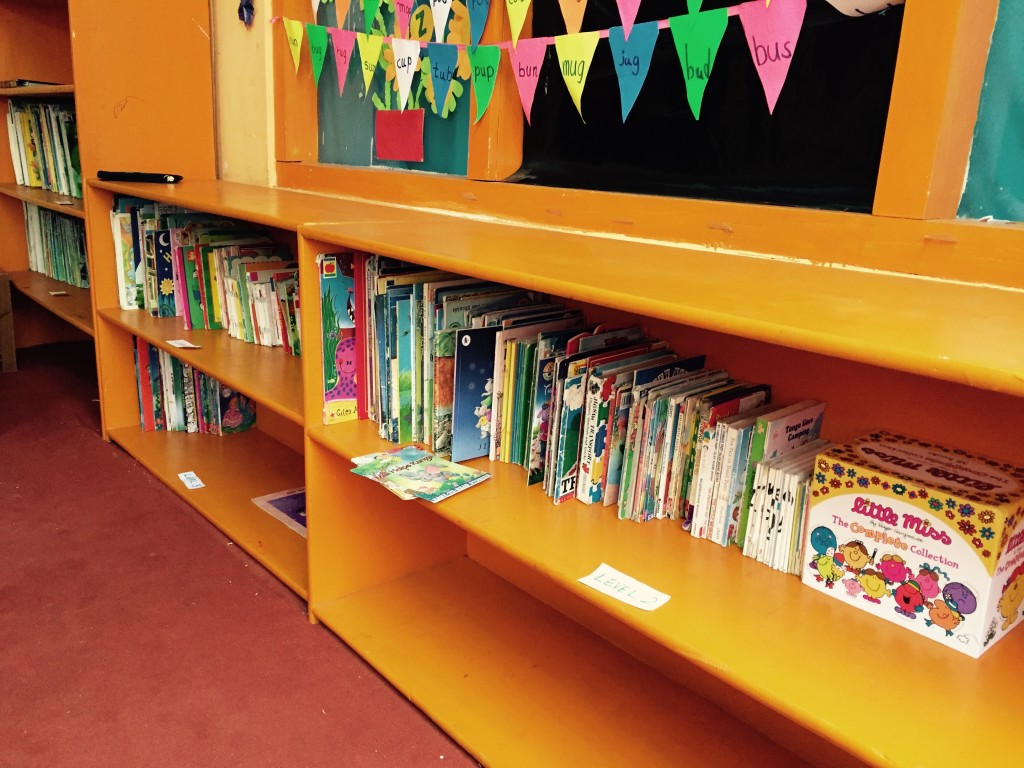
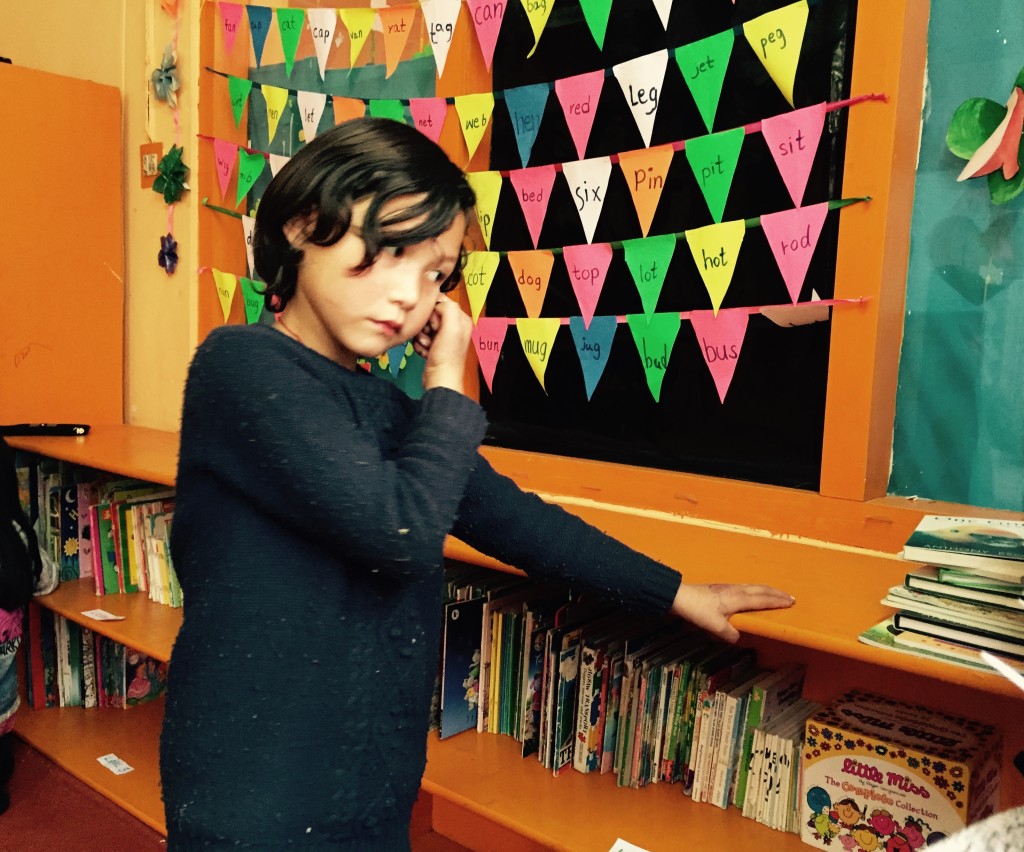
A well-stocked reading room gives children and young monks access to ideas that may not be available in their classrooms or homes. Science fiction offers imaginative entertainment, yet its deeper value lies in encouraging close reading, creative thought, and conversations across cultures. A single novel can become a shared journey for a whole group of readers.
A Window Beyond the Valley
Mountain life can be shaped by geography. Travel between communities may take time, and educational resources can be limited by distance, weather, and cost. Books help reduce that distance. Through a story, a young monk can encounter astronauts, inventors, ecological researchers, and children living in societies that look very different from his own.
This imaginative movement does not require abandoning local traditions. Instead, it can strengthen a reader’s ability to compare experiences. A tale about a colony on Mars may prompt discussion about water, cooperation, and survival in Ladakh. A story about a robot learning empathy may lead to questions about consciousness, kindness, and the qualities that make a person responsible for others.
Science fiction also makes the unknown approachable. It gives names and images to possibilities that might otherwise seem too abstract: climate change, artificial intelligence, space exploration, renewable energy, and life beyond Earth. For a young reader, these subjects become less intimidating when they arrive through characters, conflict, humor, and wonder.
Curiosity With a Purpose
The appeal of speculative fiction often begins with a simple question: What if? What if humans could travel between stars? What if a machine could remember every conversation? What if a community had to rebuild after an environmental disaster? Such questions encourage children to look closely at the world they know and imagine how it might be different.
For a young monk, curiosity may be connected to a reflective way of learning. Stories can create space for contemplation rather than demanding immediate answers. A narrative about a future civilization facing scarcity can invite thought about attachment, consumption, interdependence, and care for the natural world. Fantasy and futuristic fiction may therefore support ethical learning alongside literacy.
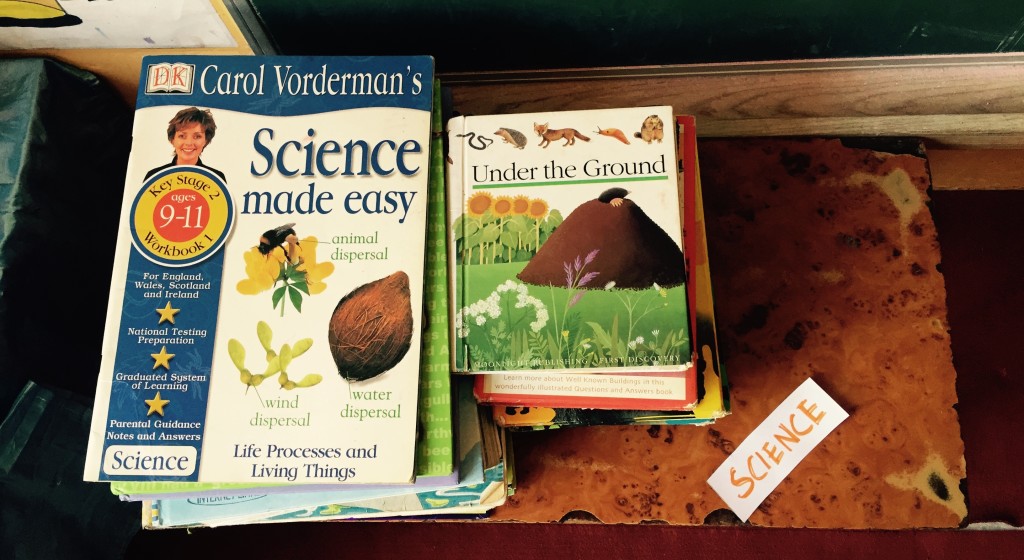
Reading fiction does not replace study in science or mathematics. It can motivate it. A child fascinated by spacecraft may want to learn about gravity, engineering, and astronomy. Another reader drawn to stories of changing ecosystems may become interested in biology or environmental science. Imagination gives knowledge a personal meaning.
Stories That Cross Cultures
Books can help young readers understand lives far beyond their own, but they can also reveal connections between distant communities. A protagonist from another country may face loneliness, family expectations, friendship, or the fear of making a difficult decision. These emotions are recognizable even when the setting is a spacecraft or an imaginary planet.
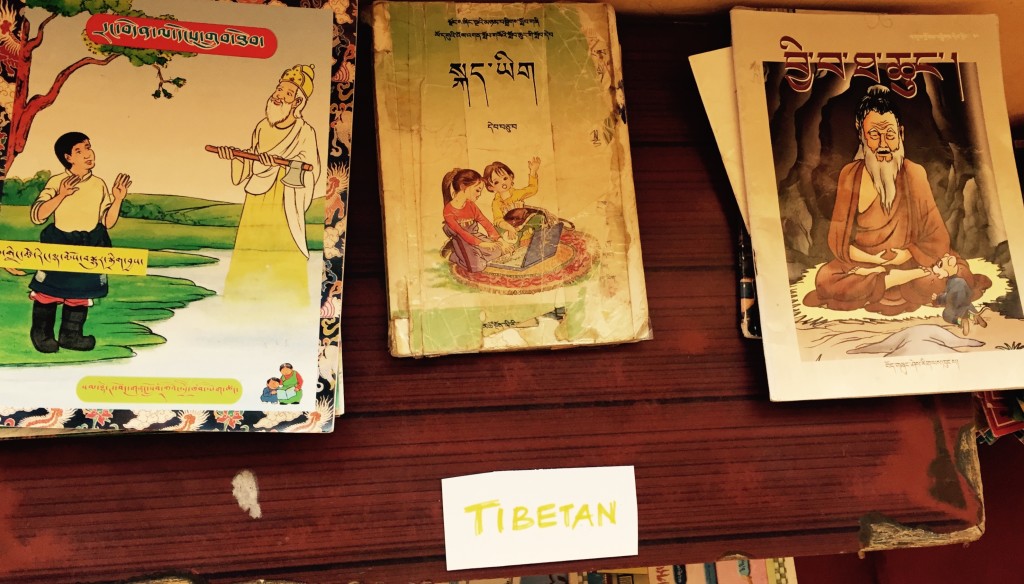
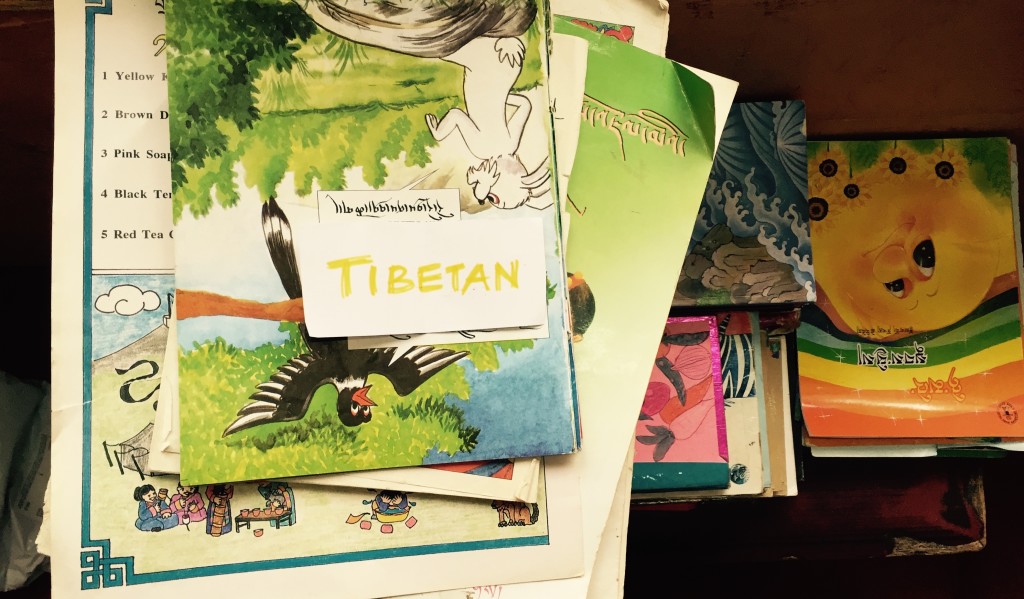
For children in Himalayan communities, international books can broaden cultural awareness without erasing local identity. Reading rooms can place global stories beside regional literature, Buddhist teachings, folktales, poetry, and books about mountain ecology. This variety allows young people to see that their own experiences deserve a place in the world’s library.
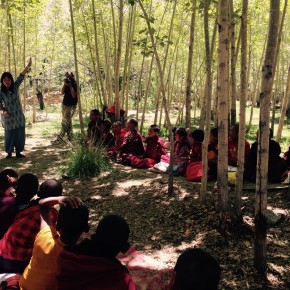
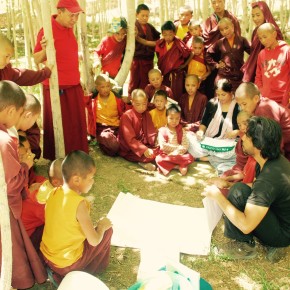
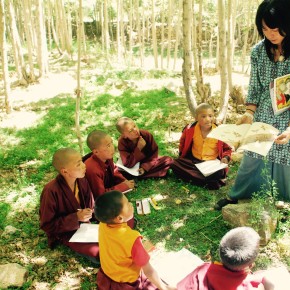
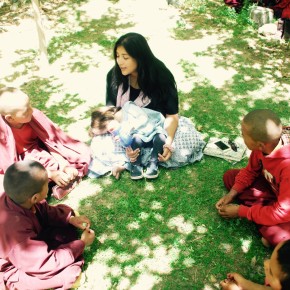
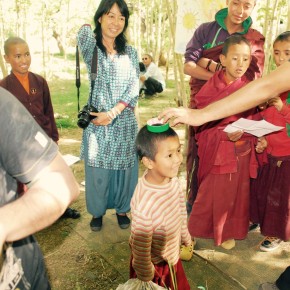
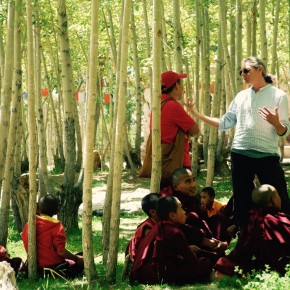
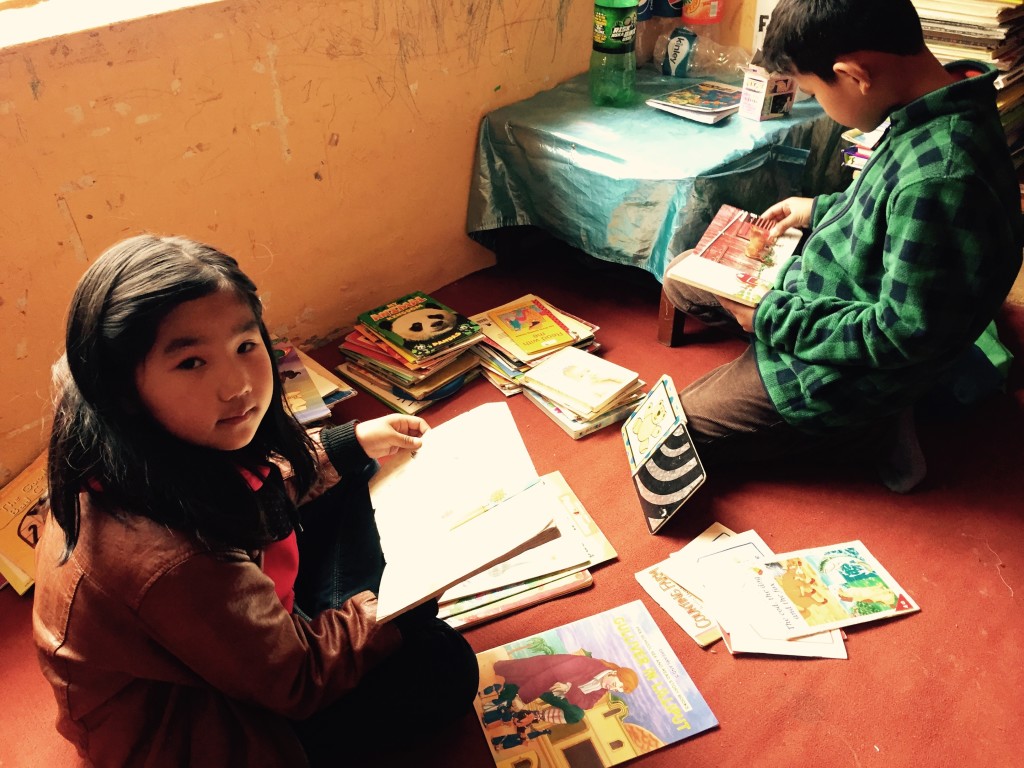
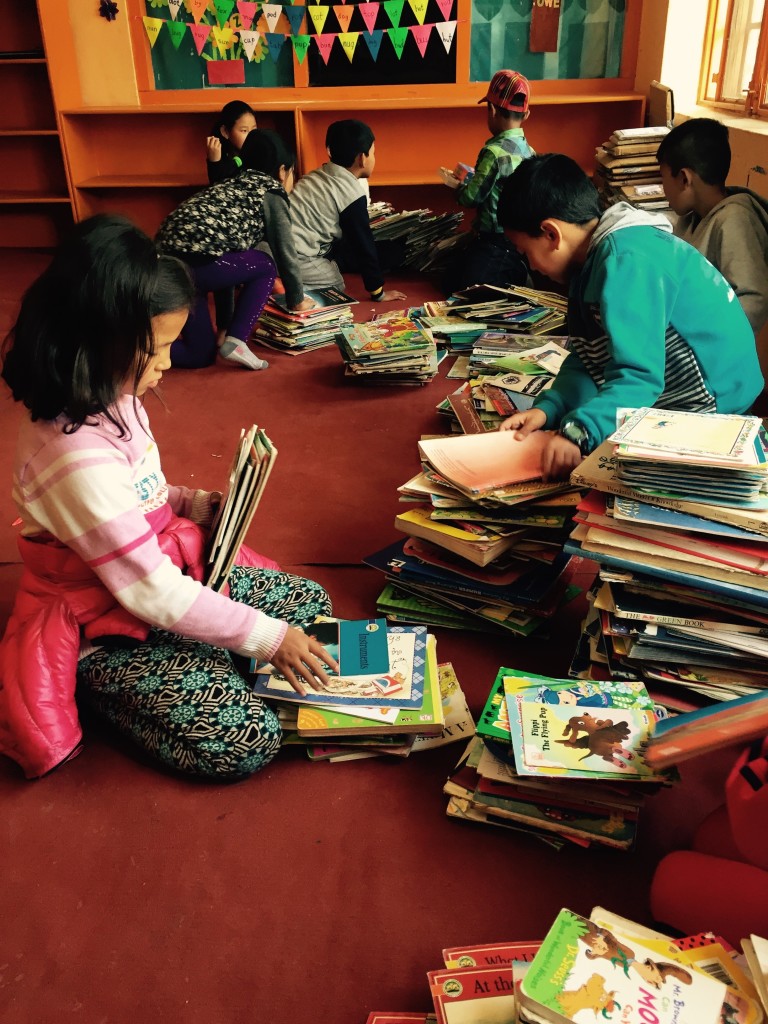
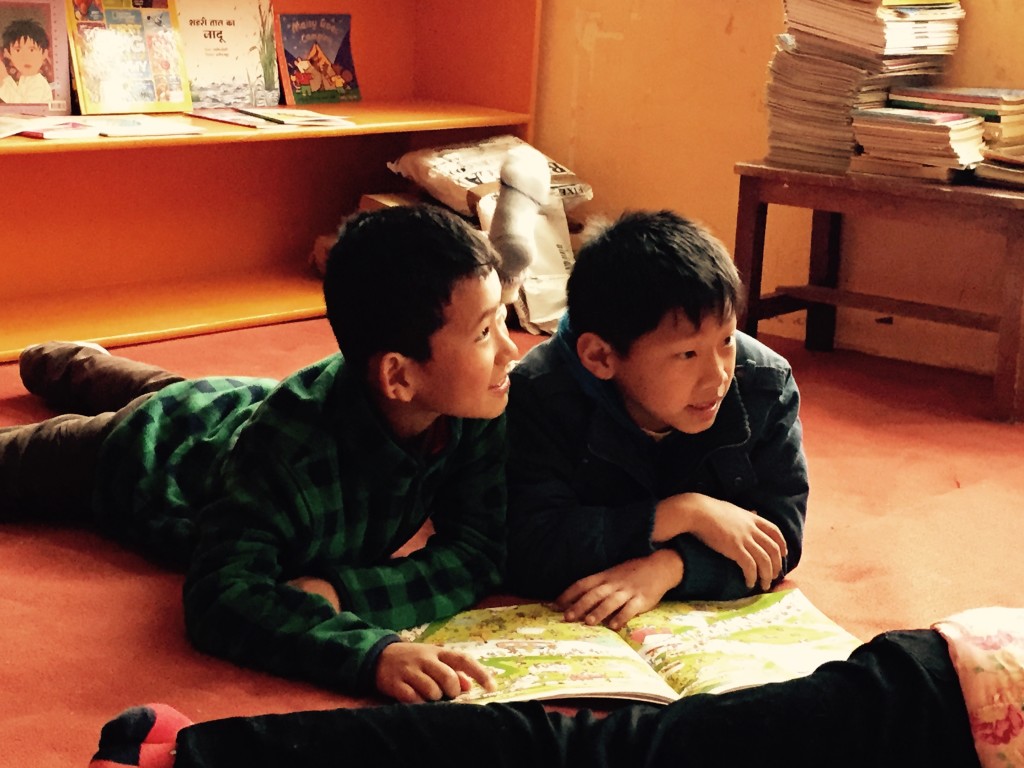
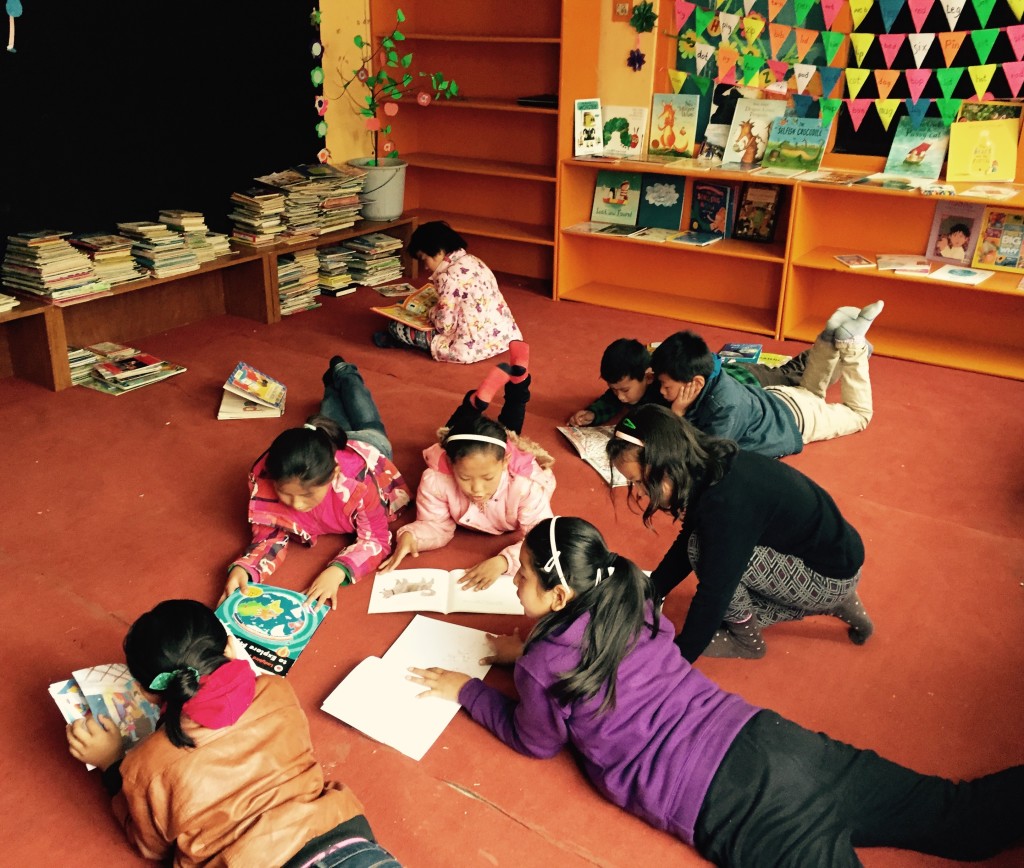
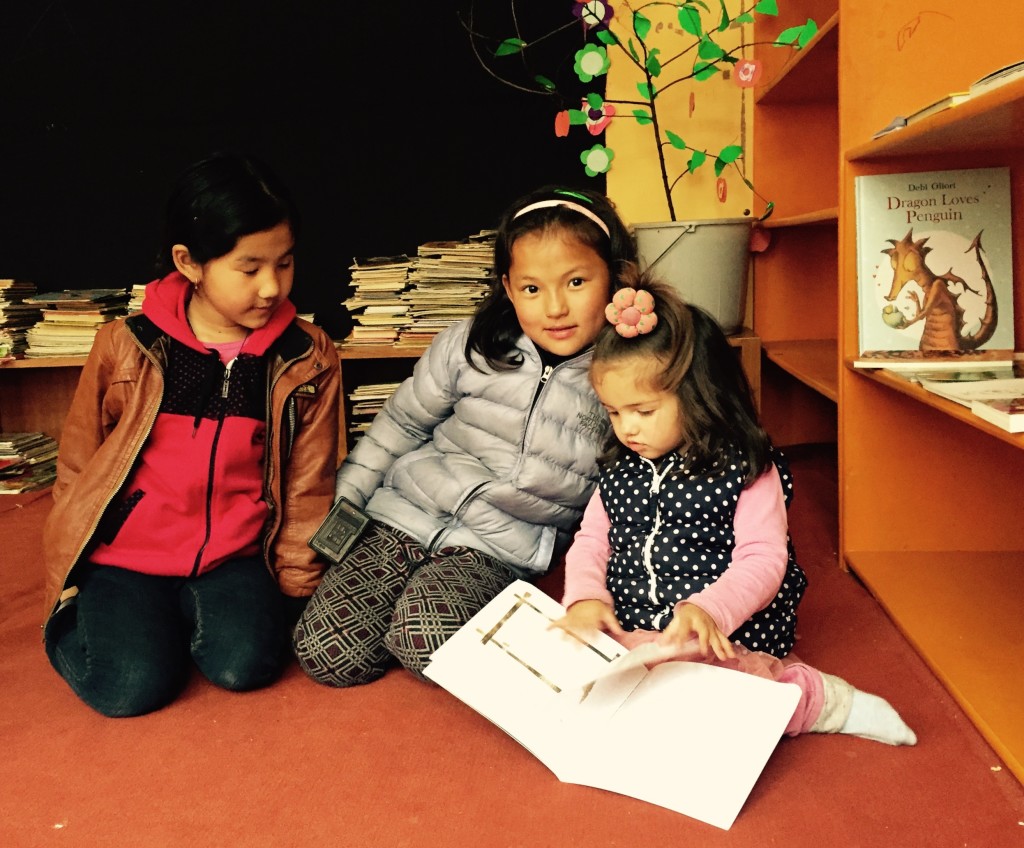
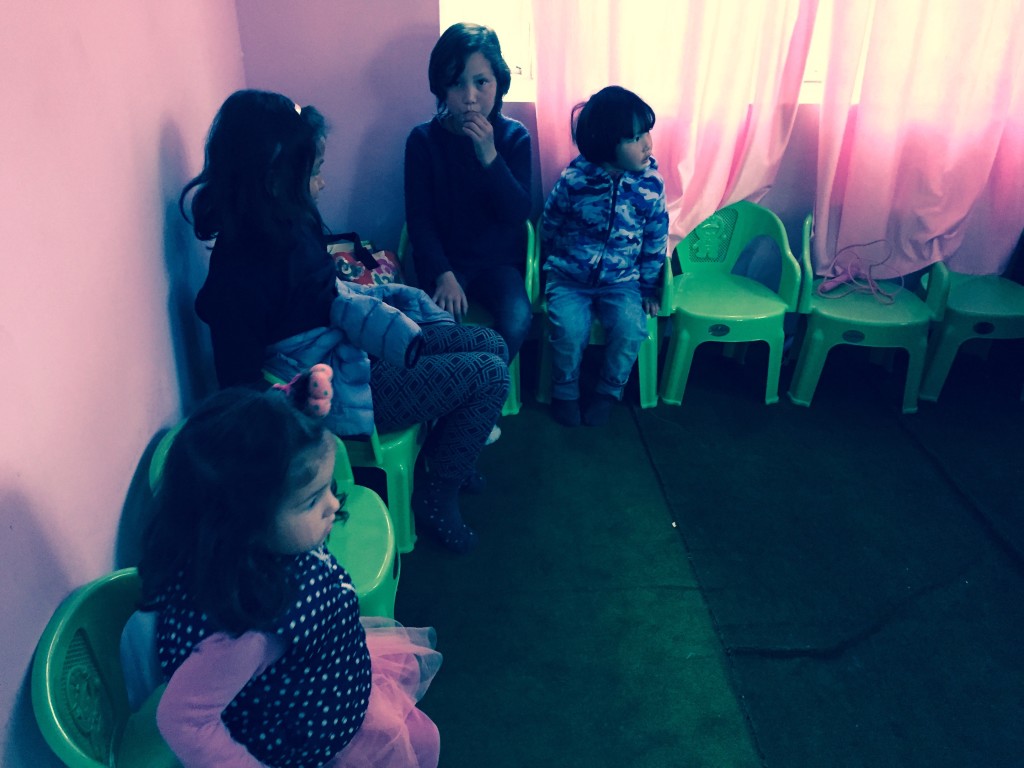
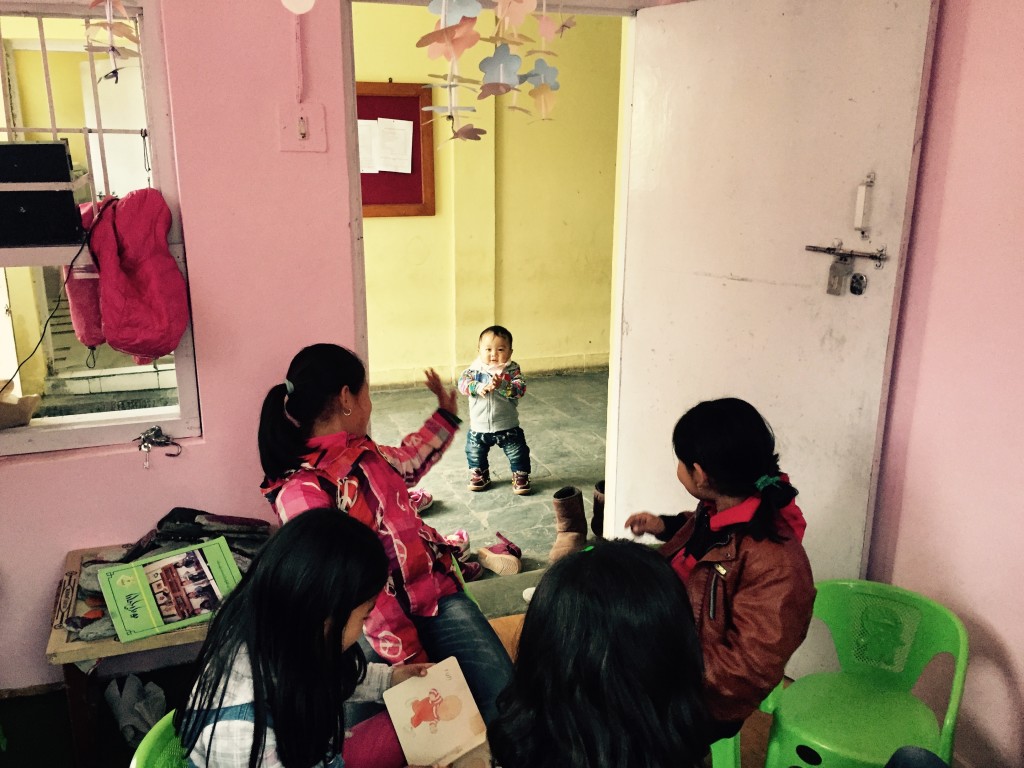
A shared reading session can deepen that exchange. Young monks may talk about whether a fictional society is fair, how a character handles power, or what makes a good leader. These conversations build communication skills and respect for different viewpoints. They also show that reading is a social activity, even when the reader first encounters a book alone.
| Element in a science fiction story |
Possible connection for a young monk |
| A distant planet |
Wonder about astronomy, geography, and the scale of the universe |
| A community facing scarcity |
Reflection on cooperation, compassion, and responsible use of resources |
| An artificial intelligence |
Discussion of knowledge, awareness, ethics, and human relationships |
| A journey through unknown territory |
A metaphor for learning, discipline, and personal growth |
| A changed natural environment |
Interest in conservation and the fragile mountain ecosystem |
Imagination, Art, And Expression
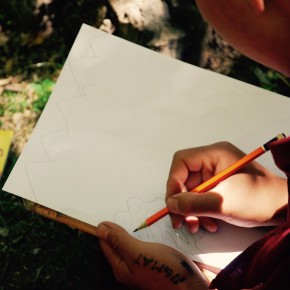
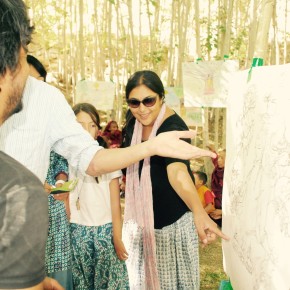
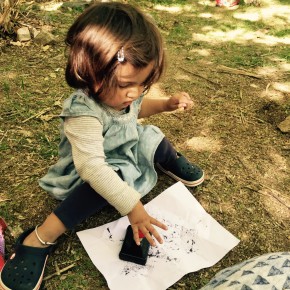
Science fiction rarely remains inside the printed page. A young reader may draw a lunar monastery, design a vehicle for crossing a frozen planet, or compose music for an imagined civilization. Creative activities help children process new ideas in forms that feel natural to them.
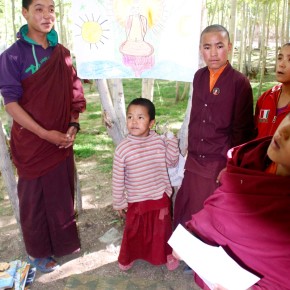
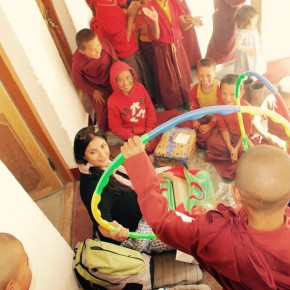
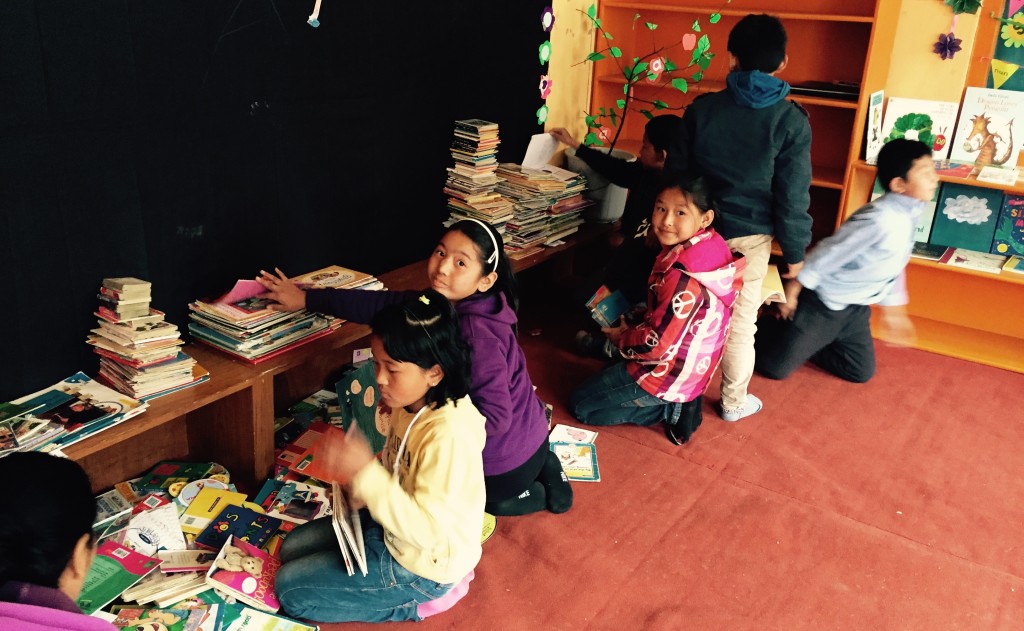
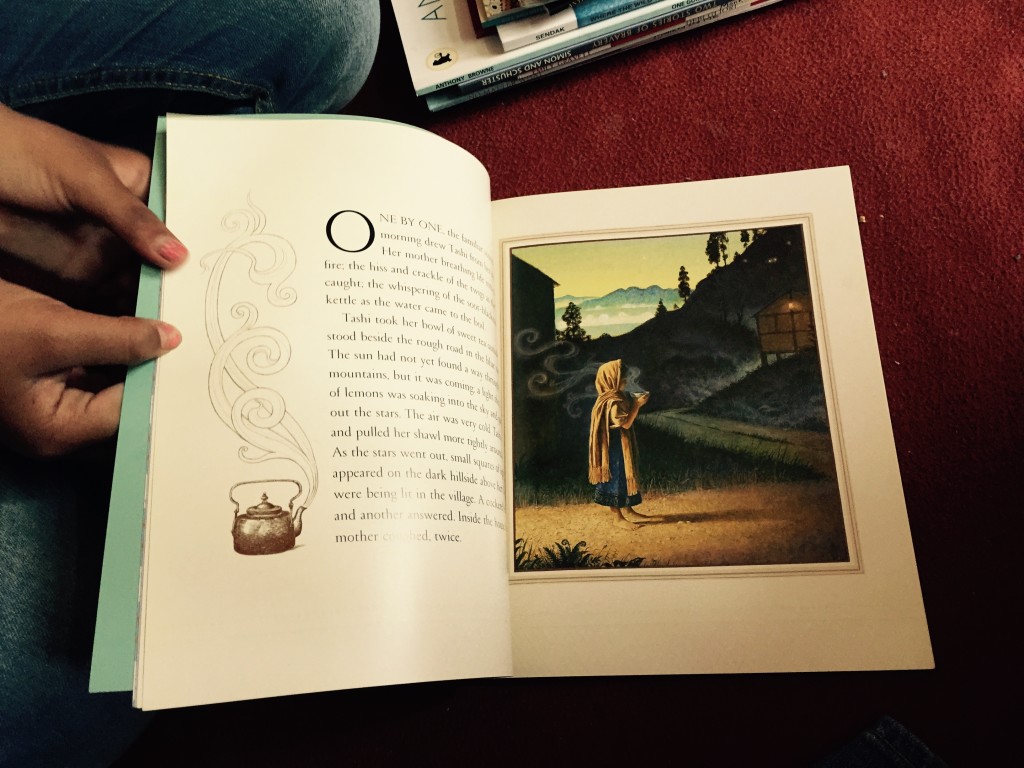
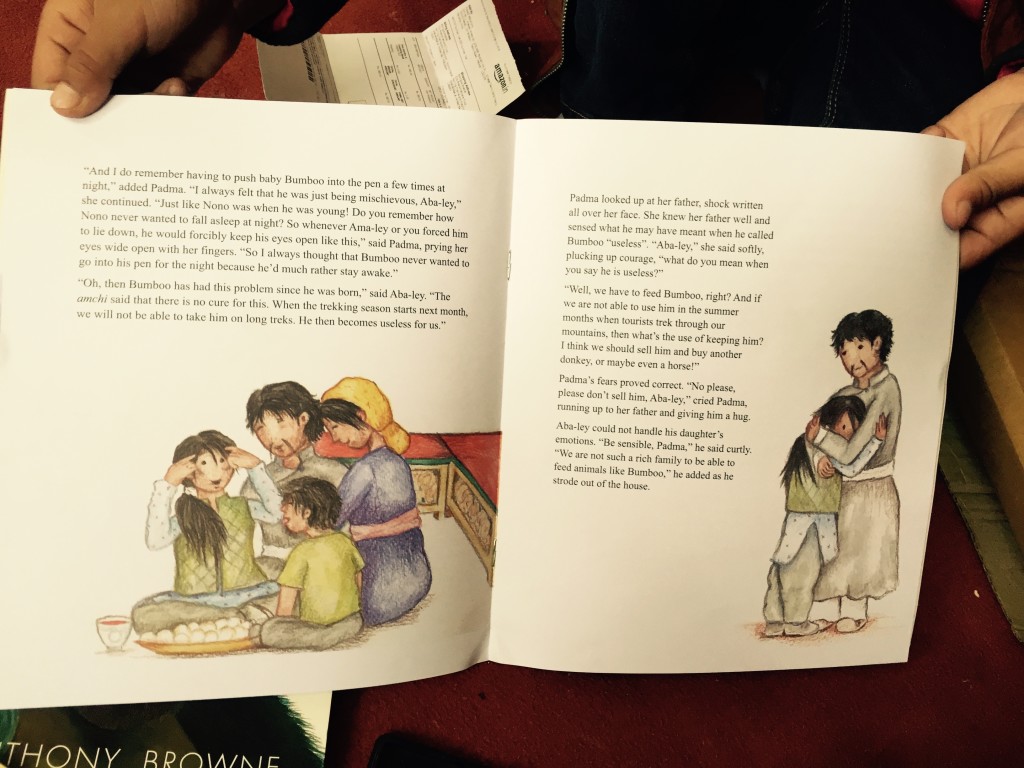
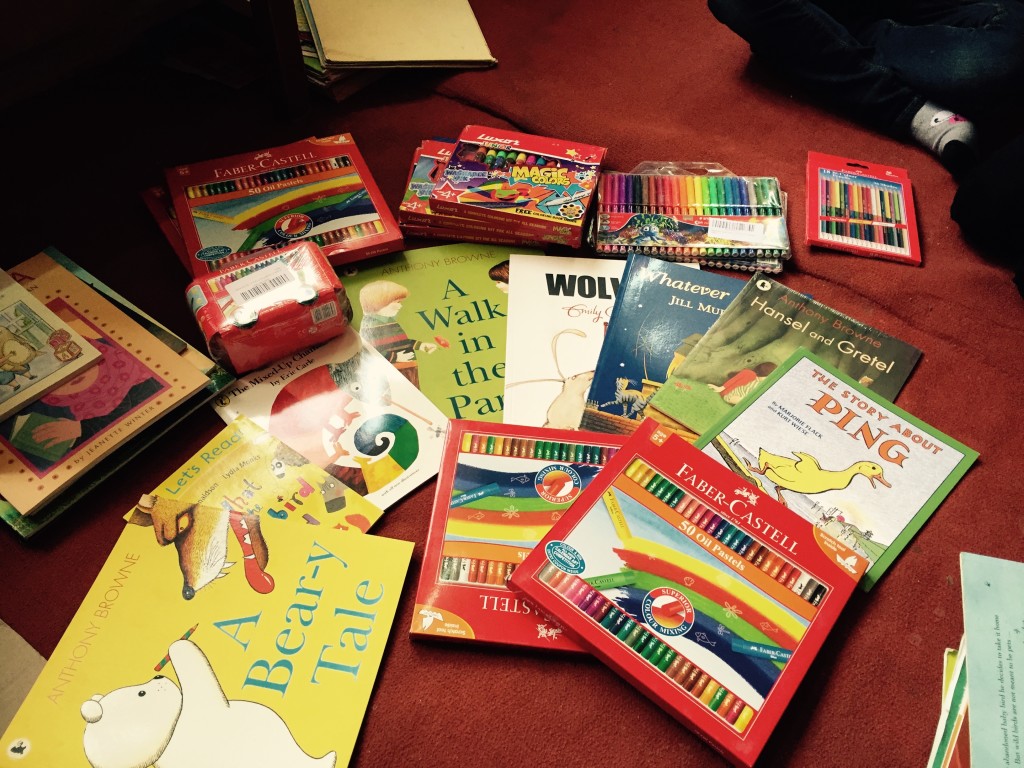
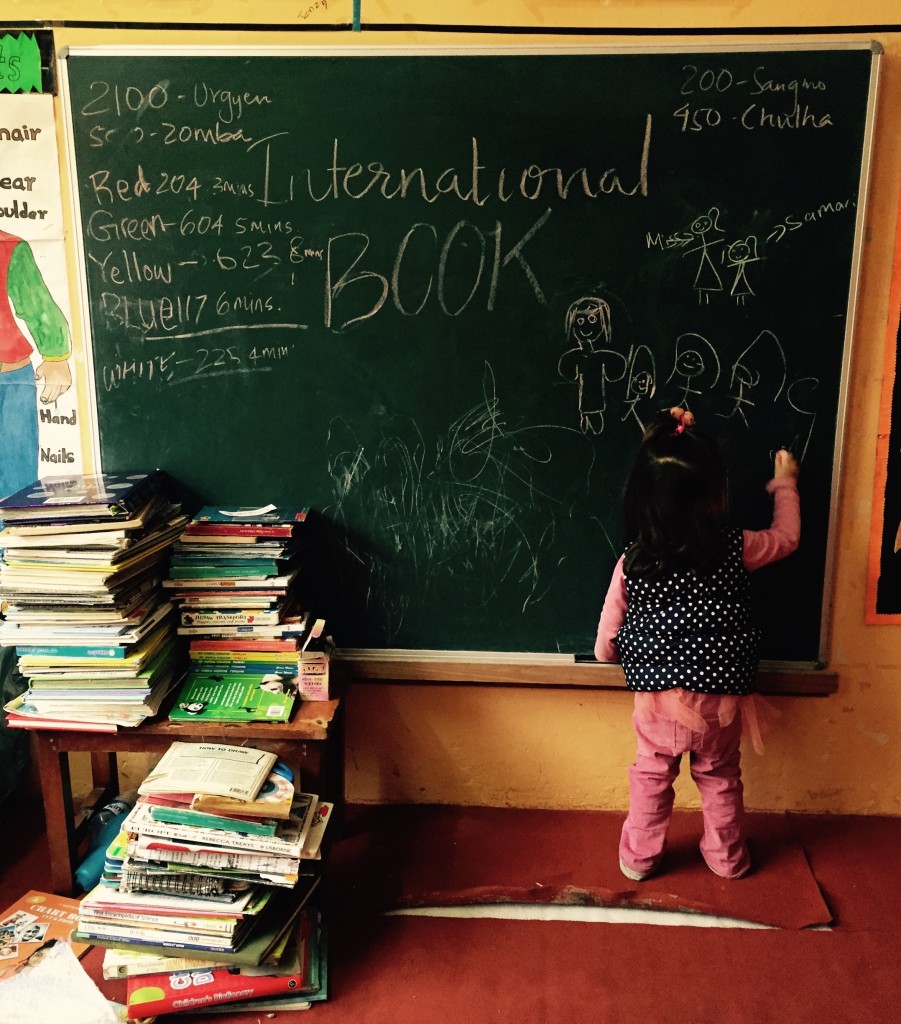
Art and storytelling are especially valuable for young monks who may have limited access to recreational materials. A reading room with pencils, paper, craft supplies, and age-appropriate books can become a place where imagination is visible. Children can illustrate scenes, act out dialogue, or write alternative endings for a story.
These activities support confidence as well as creativity. A child who is hesitant to speak during a group discussion may express a thoughtful idea through a drawing or short story. Another may discover an interest in writing, illustration, drama, or music. Educational programs that combine books with artistic expression make learning active and memorable.
Learning In A Changing World
The future imagined in science fiction is often filled with inventions, yet technology is only part of the story. The strongest books ask how people should use their tools and how progress affects communities. This is an important perspective for children growing up in a time of rapid technological change.
Digital devices, online education, and modern communications can connect Himalayan communities with wider sources of knowledge. At the same time, young people need opportunities to think critically about information, privacy, distraction, and unequal access. Science fiction can provide a safe setting for exploring these issues before they appear in everyday decisions.
A story about an automated society may lead to a conversation about work and dignity. A novel about a damaged planet may encourage care for local water sources and wildlife. A tale about isolated travelers may highlight the importance of friendship and mutual support. In this way, futuristic fiction can help readers prepare for real responsibilities in the present.
What A Reading Room Makes Possible
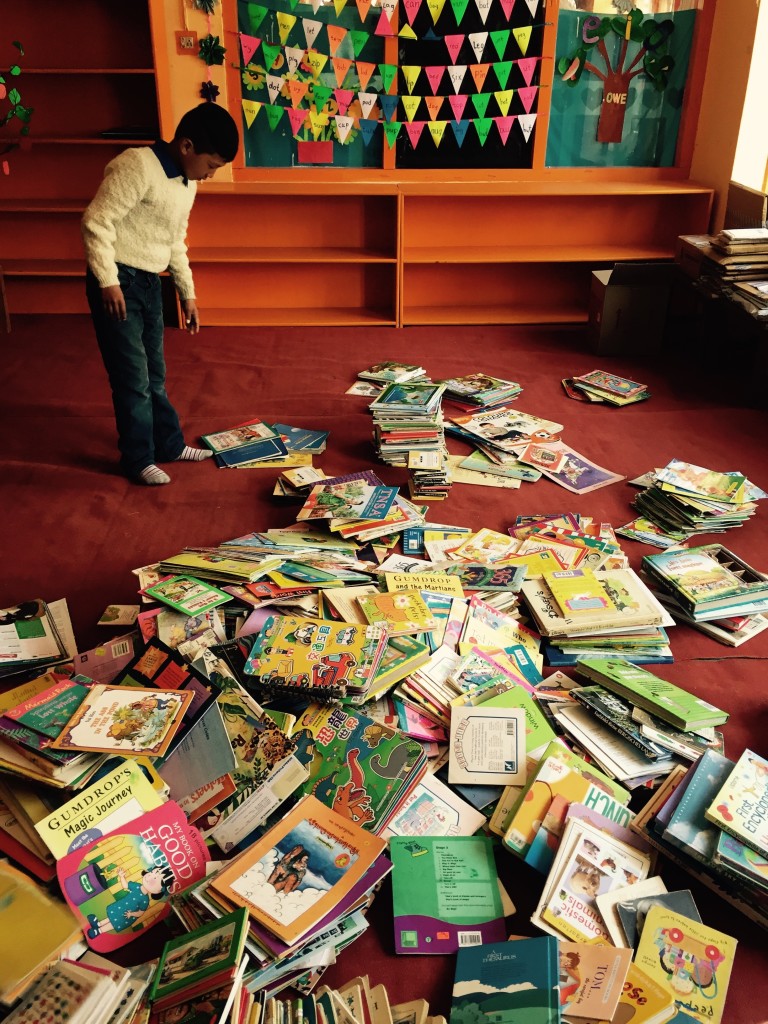
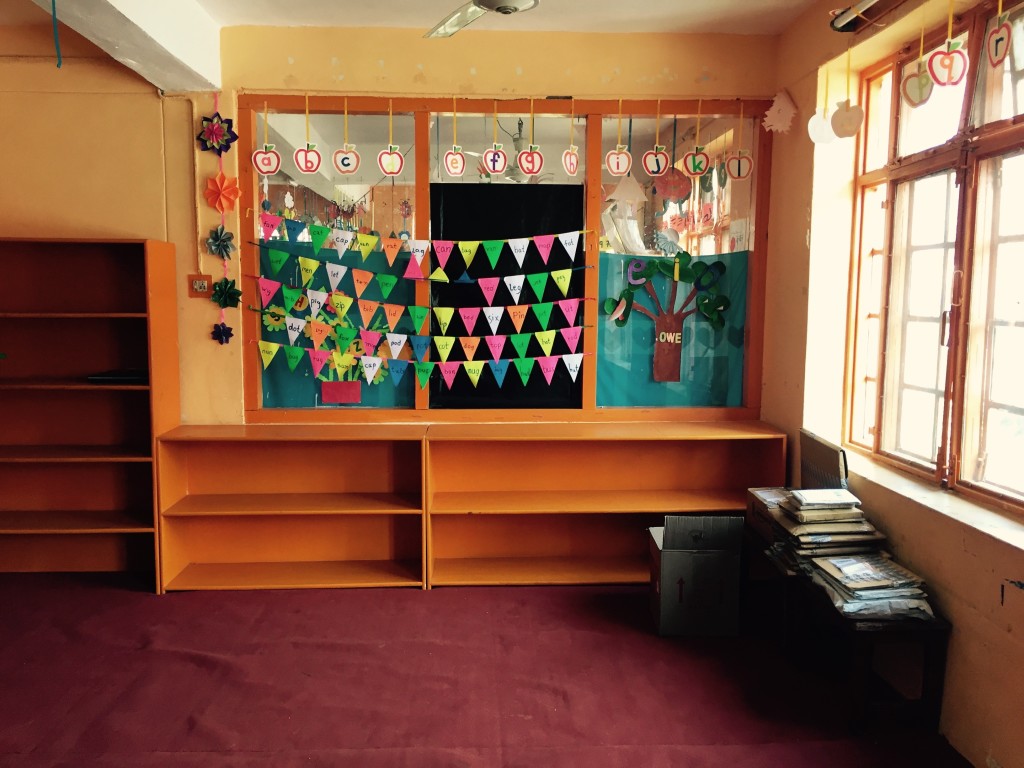
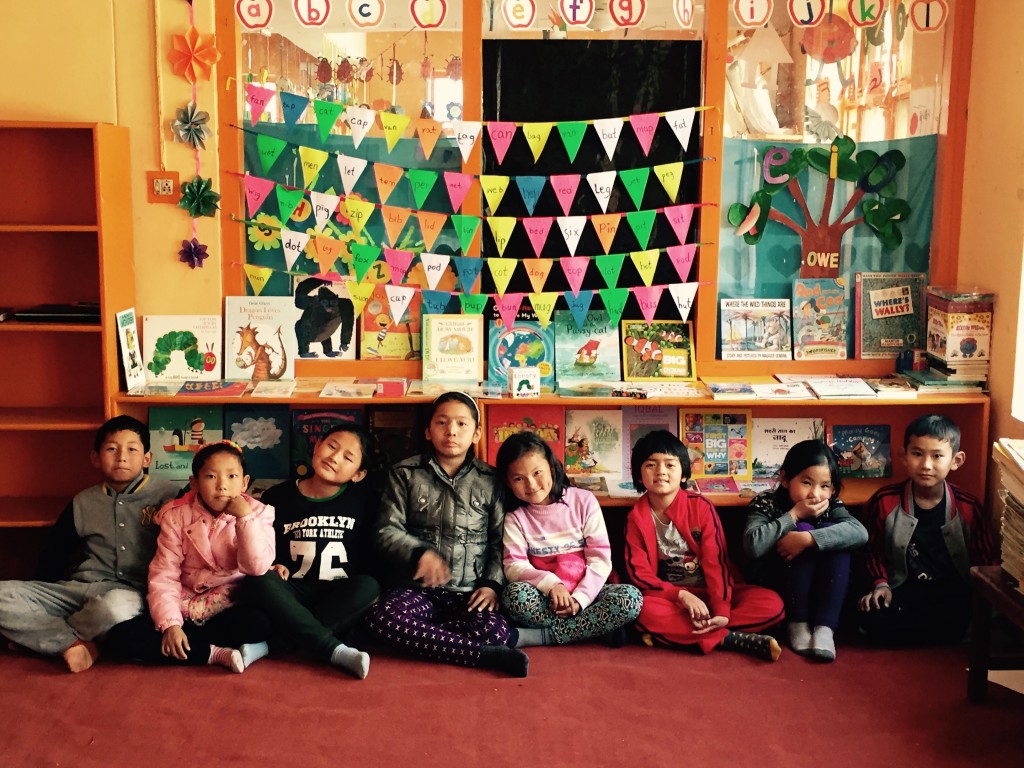
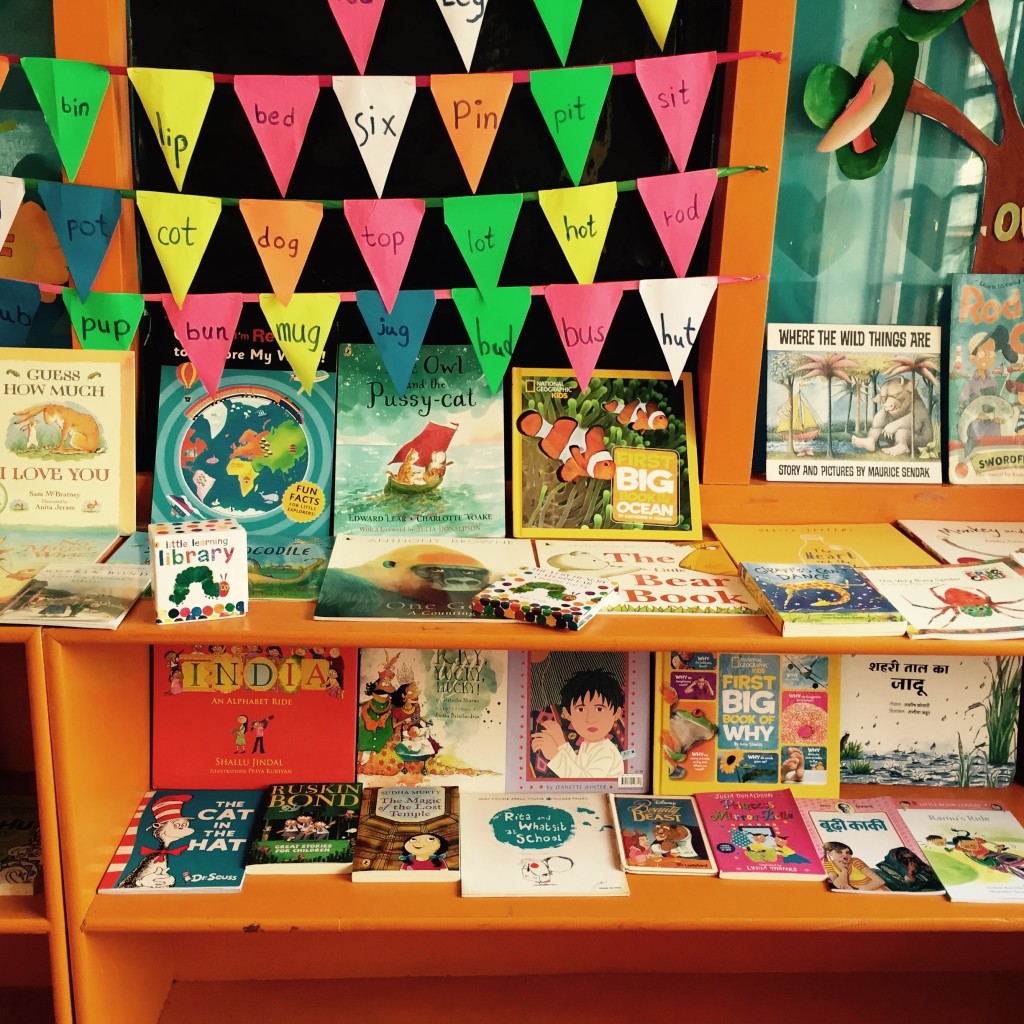
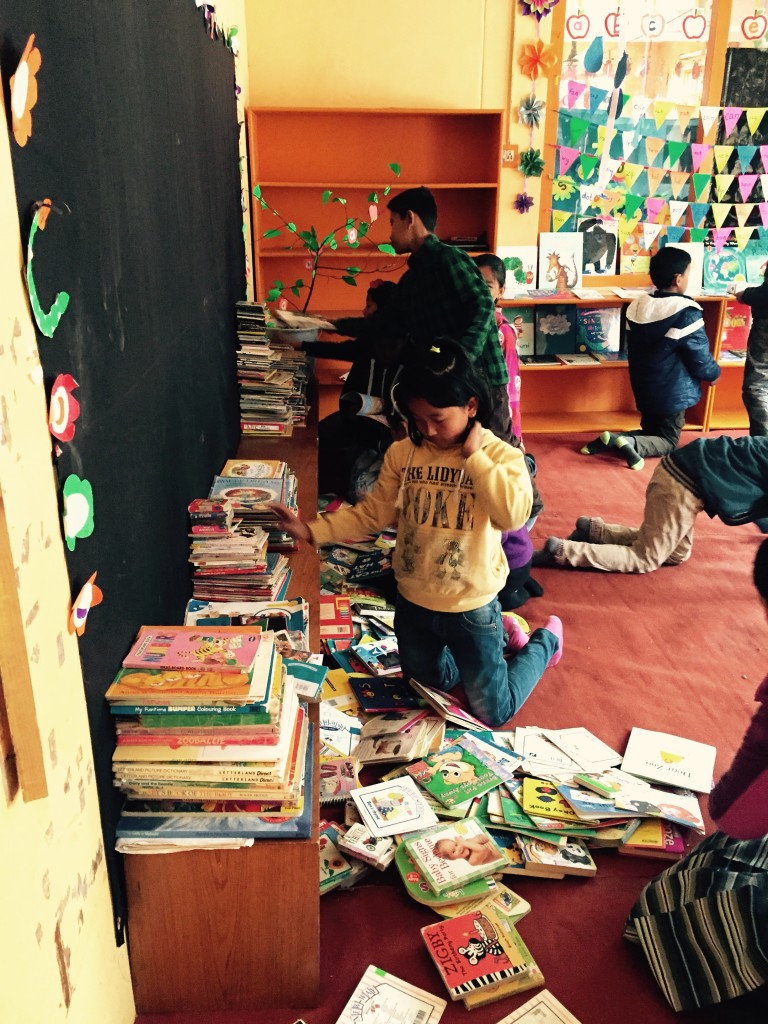
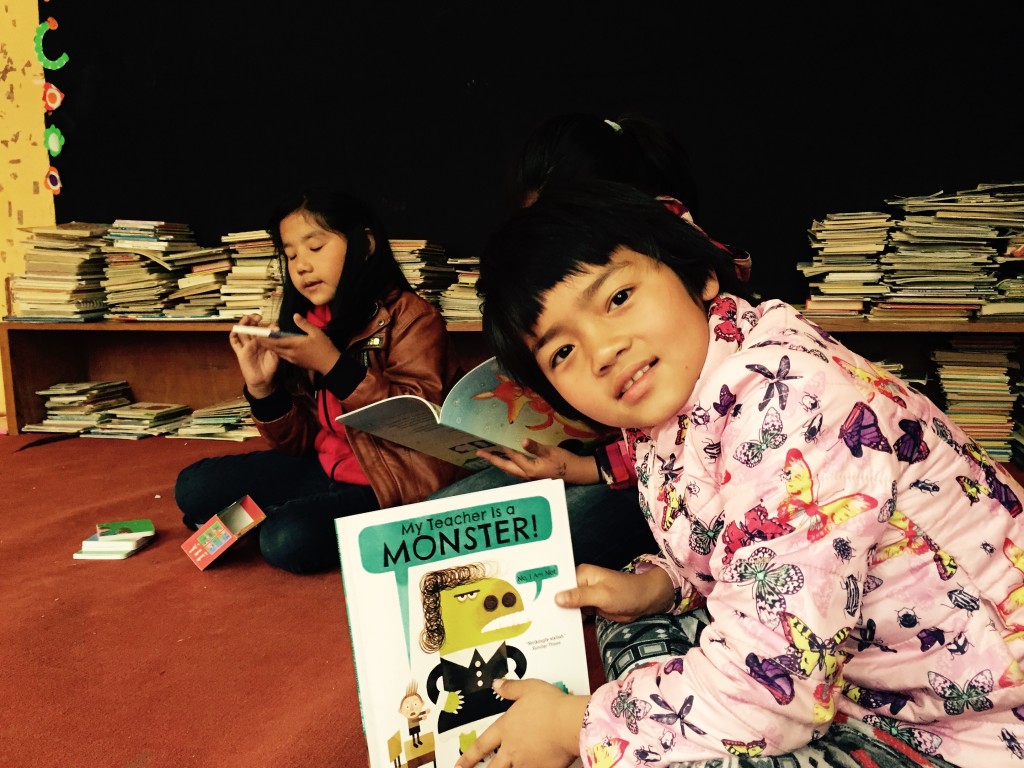
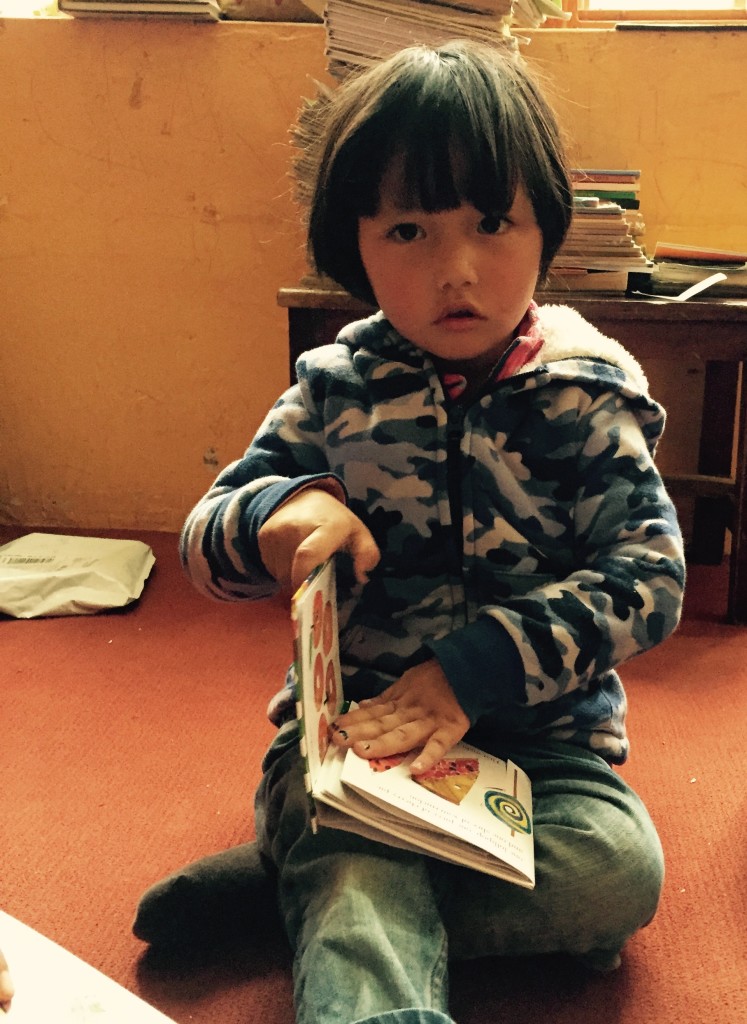
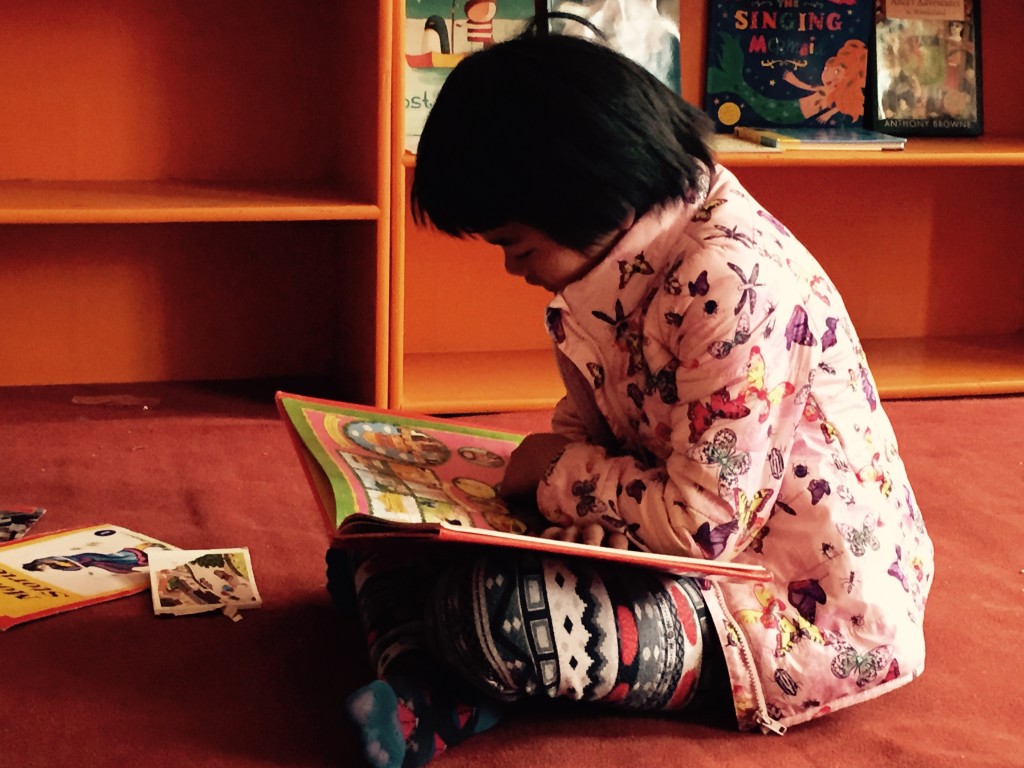
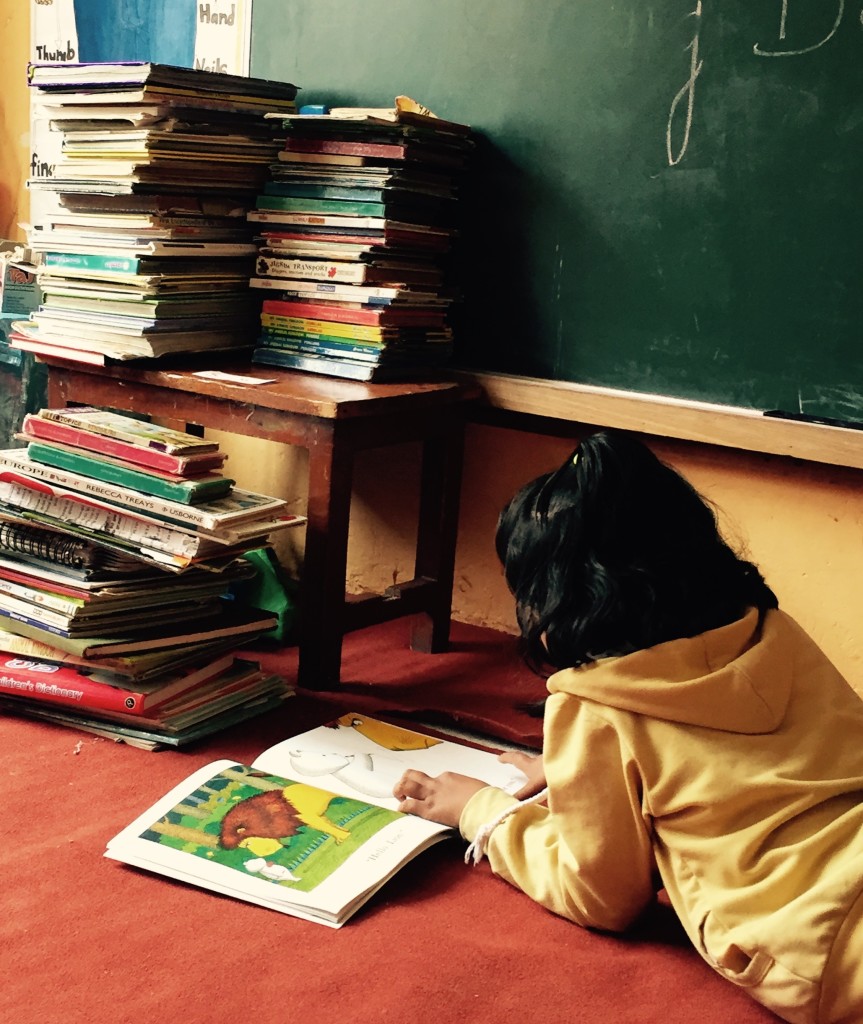
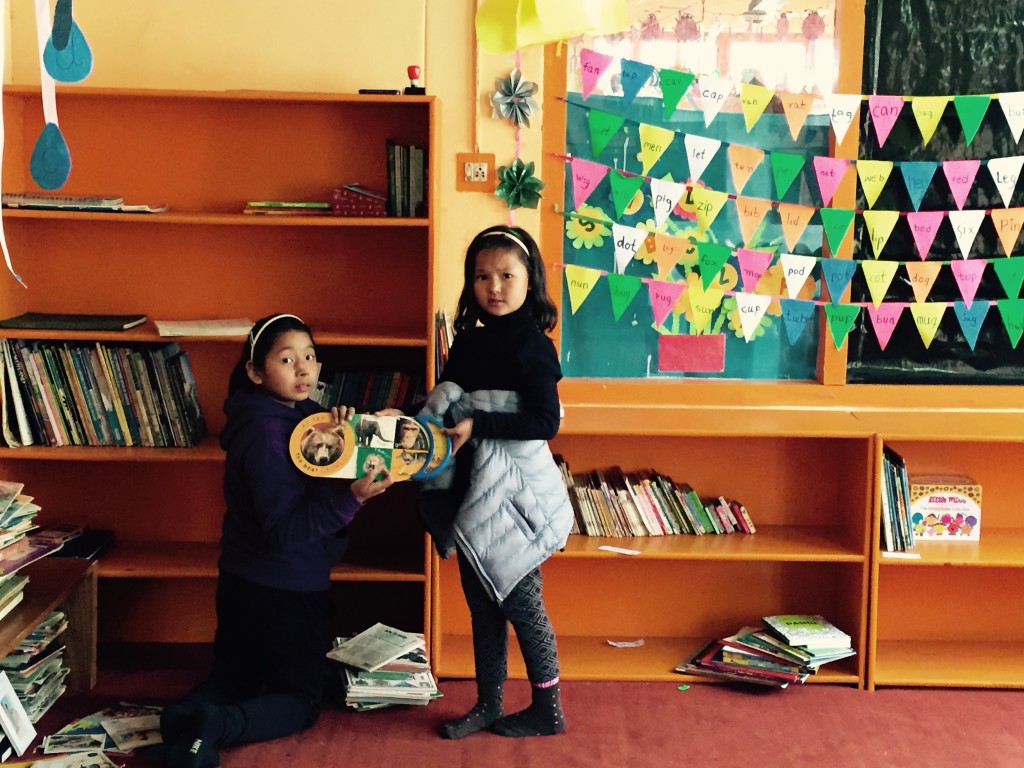
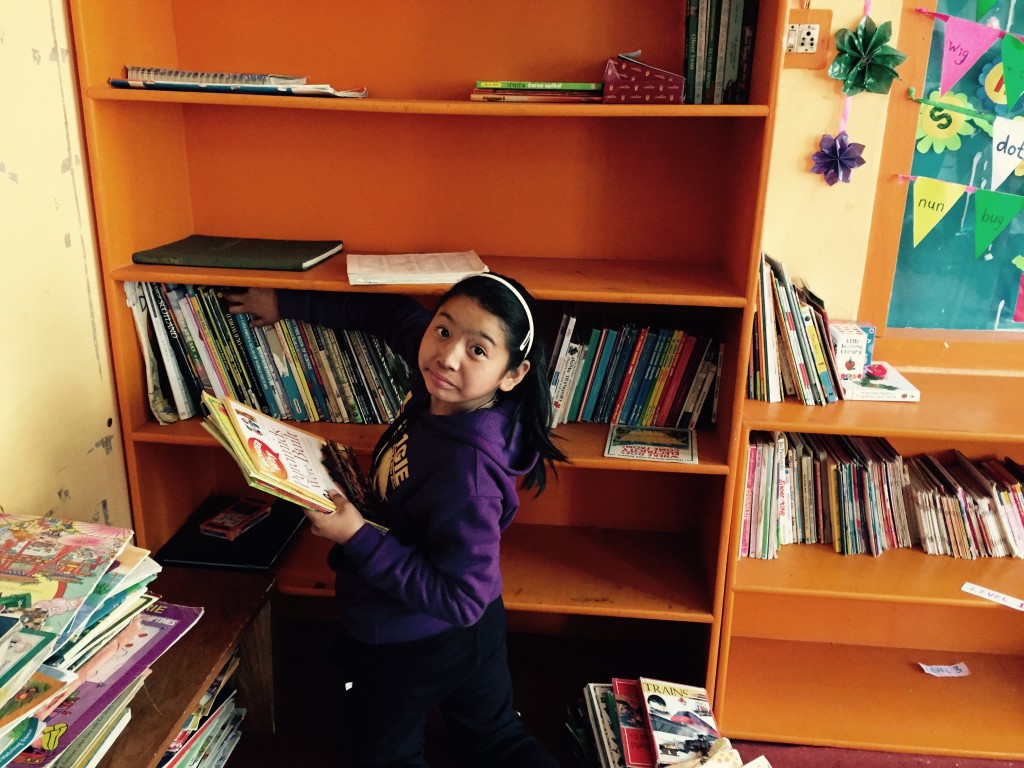
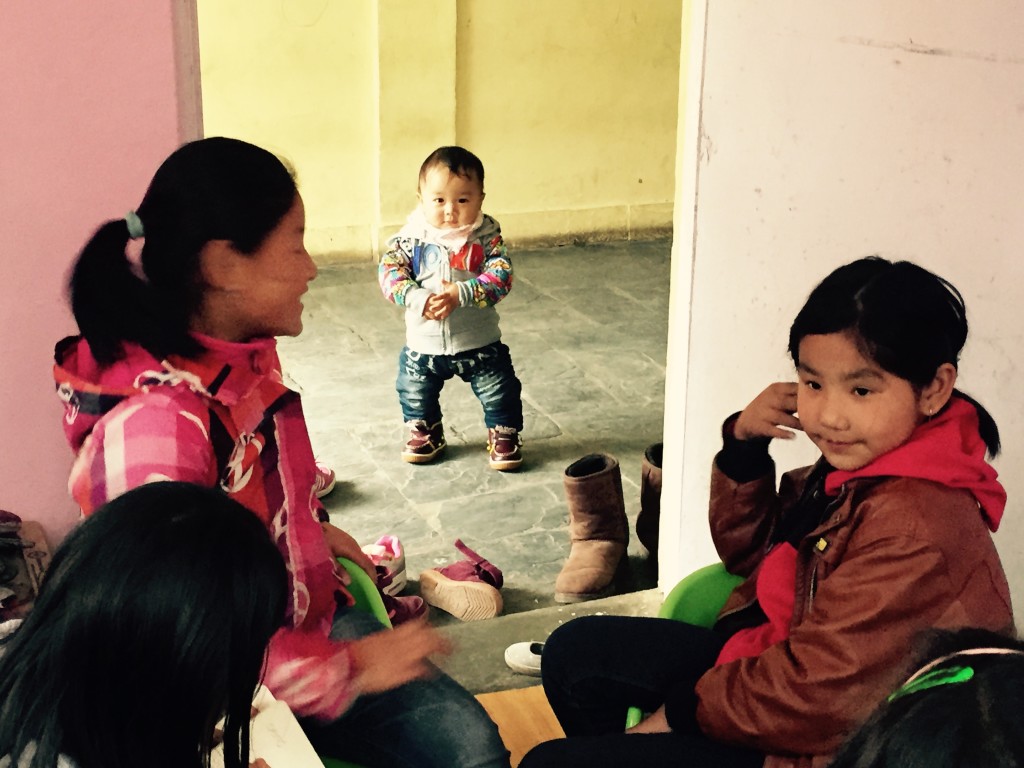
A reading room is more than a shelf of books. It is a shared environment where children can read at their own pace, revisit favorite stories, and encounter subjects beyond a standard curriculum. For young monks, it can offer a quiet balance to formal study, spiritual practice, and daily community life.
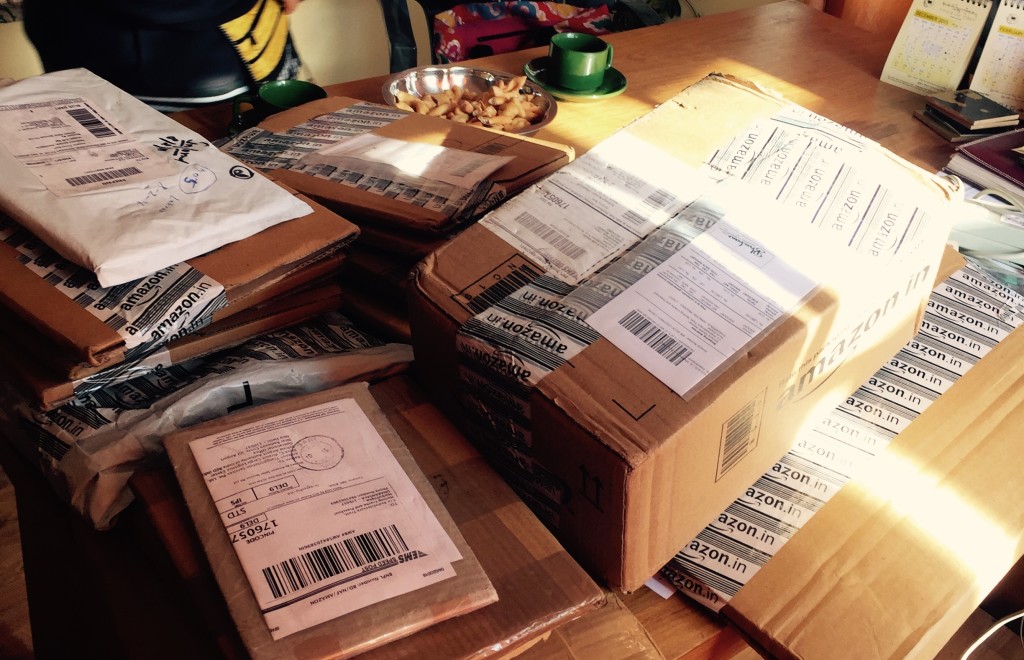
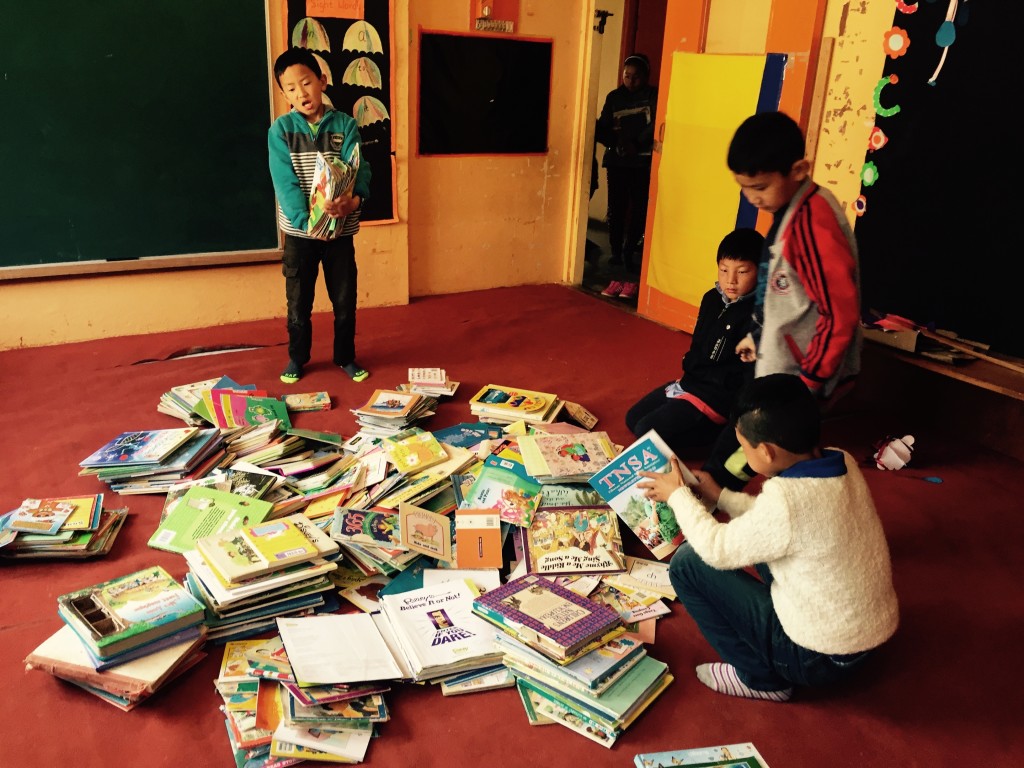
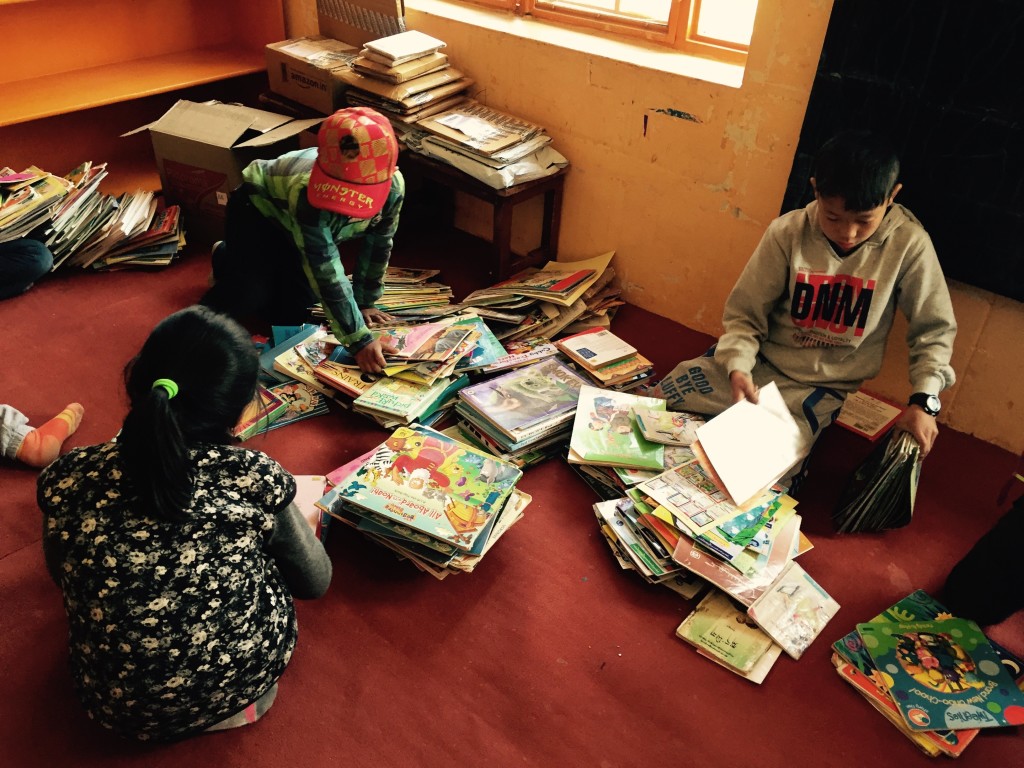
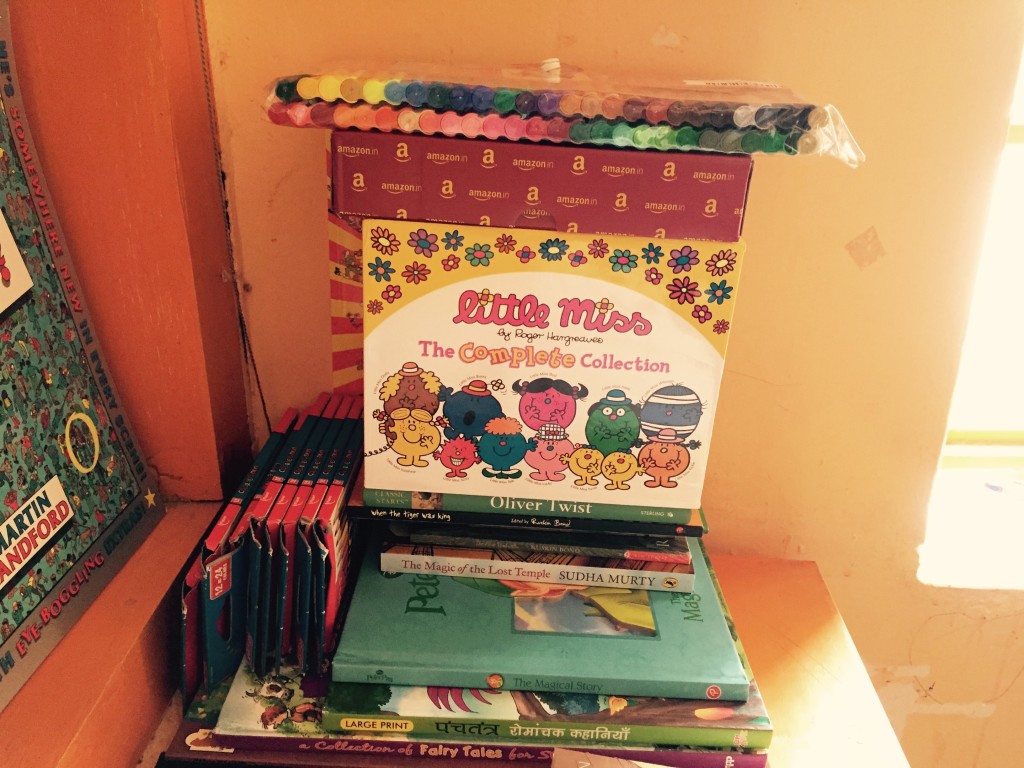
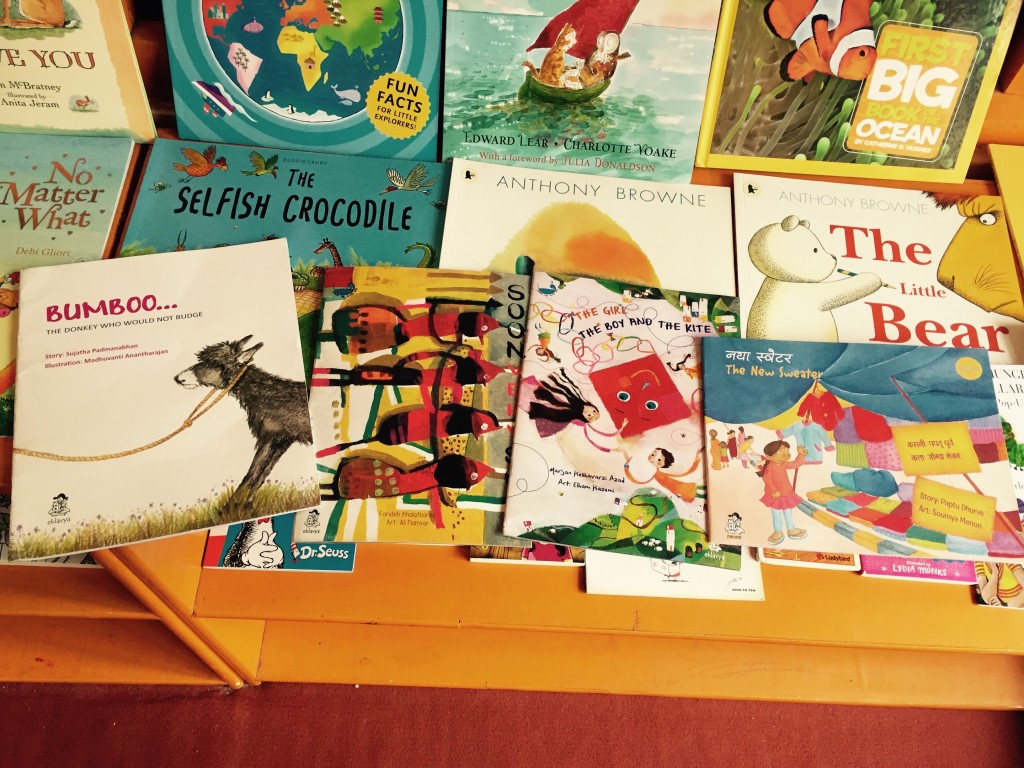
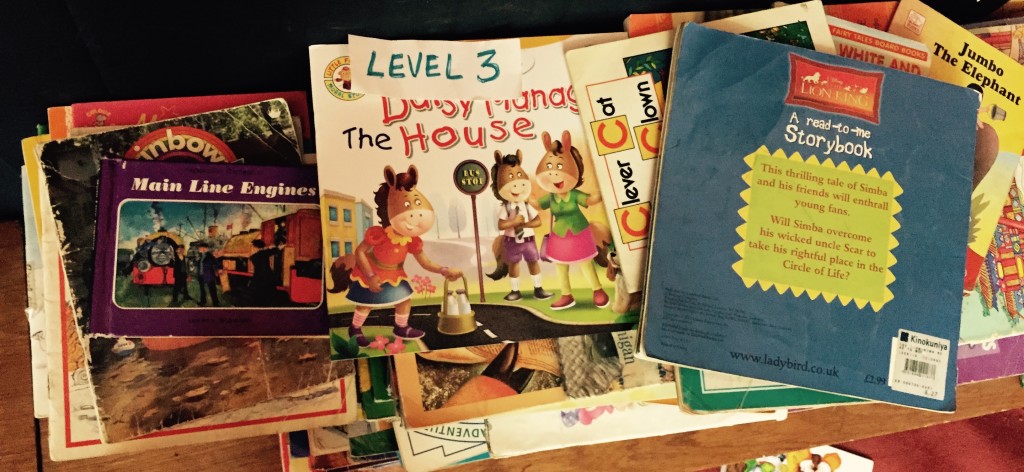
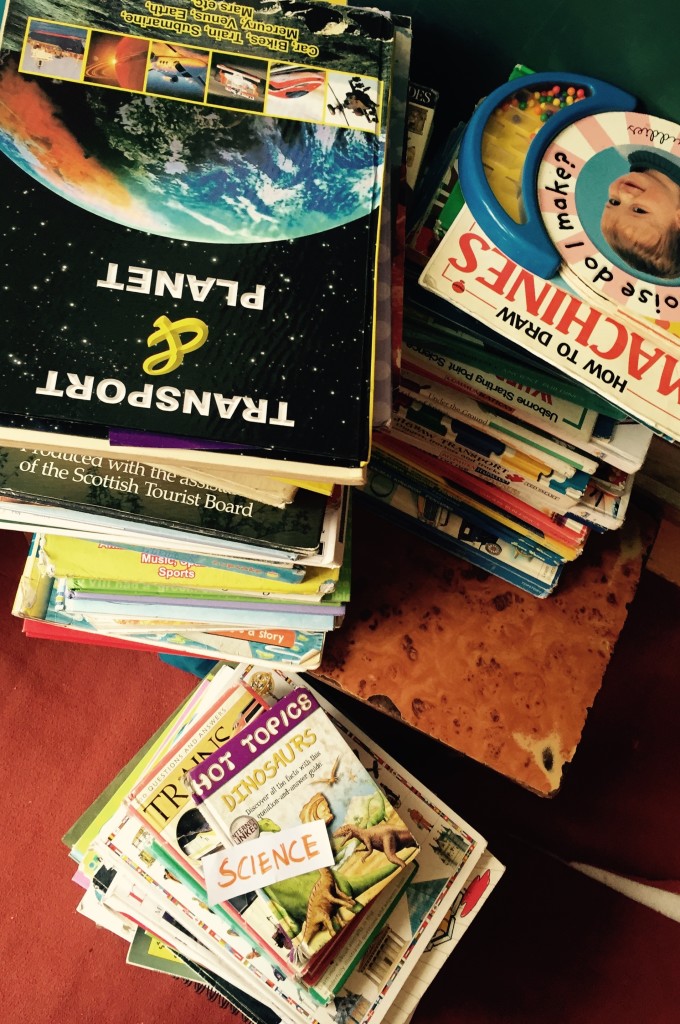
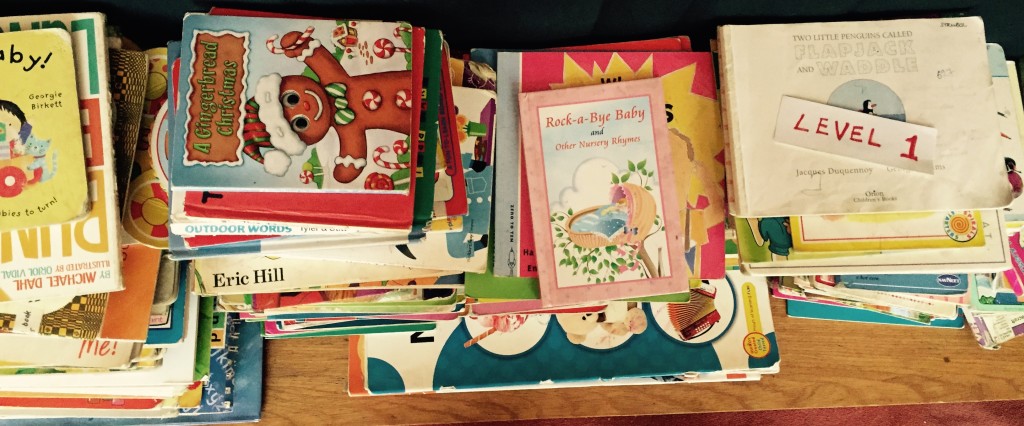
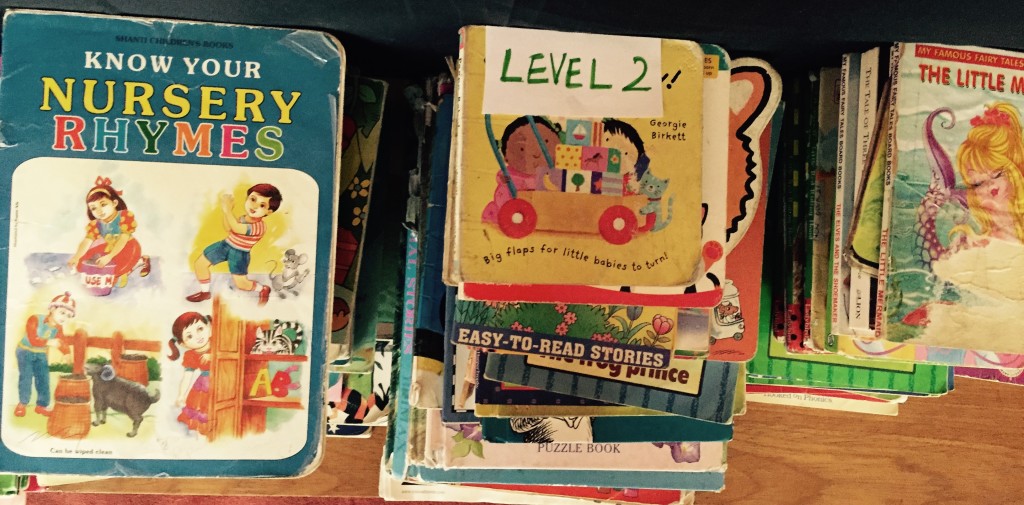
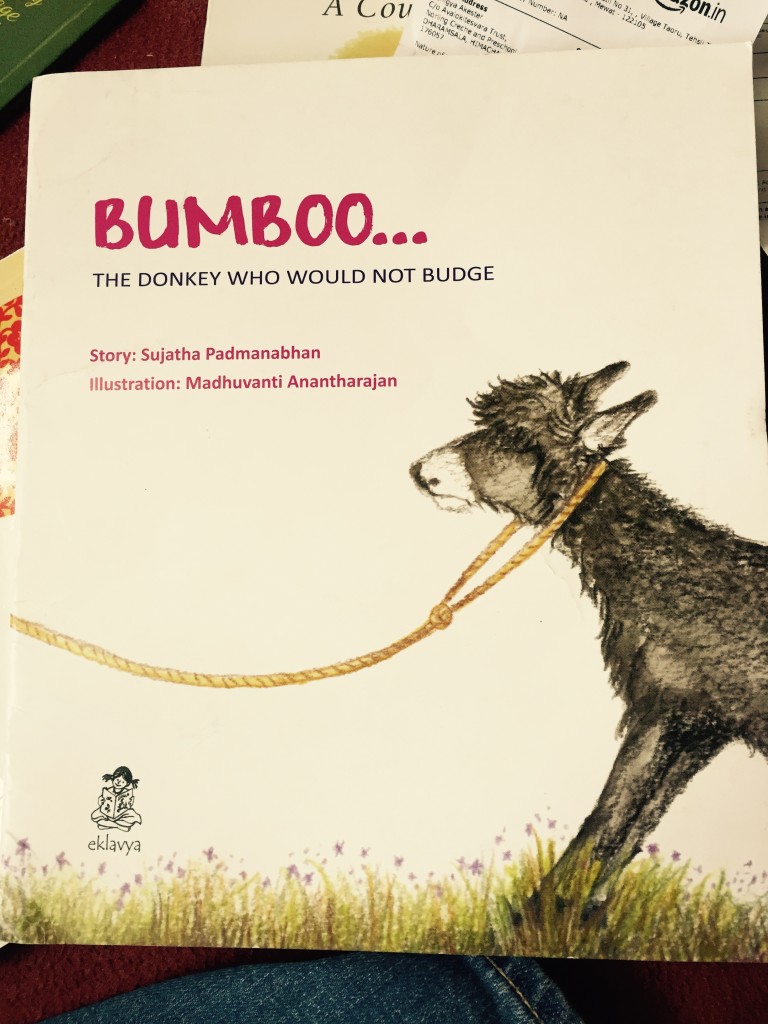
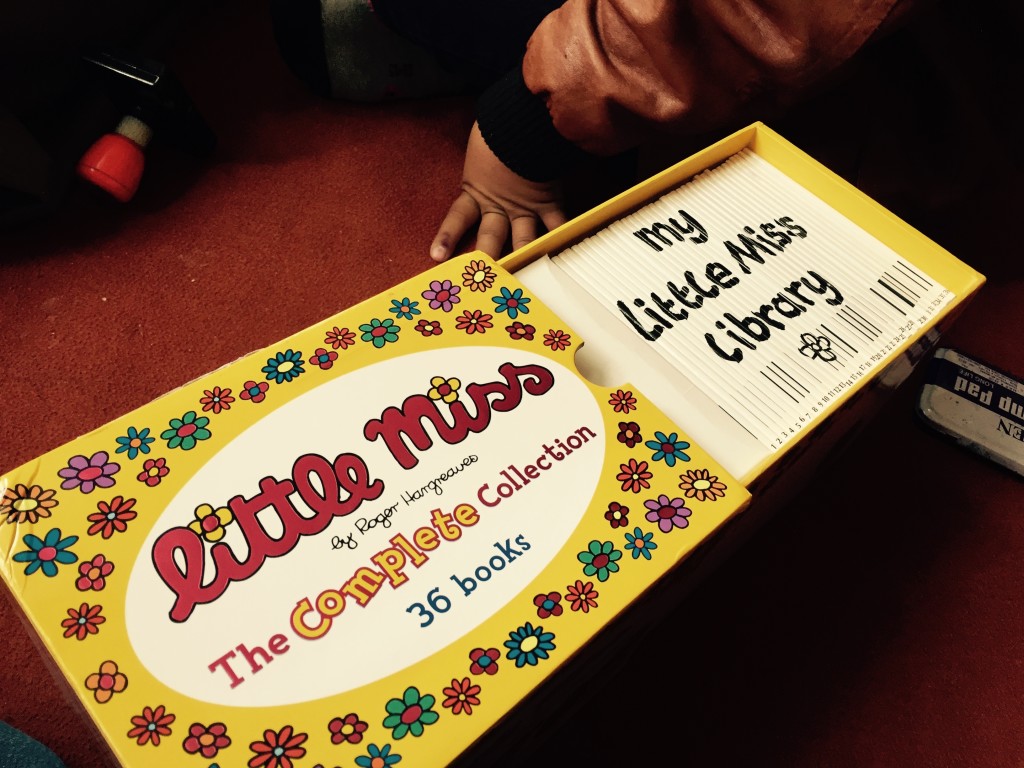
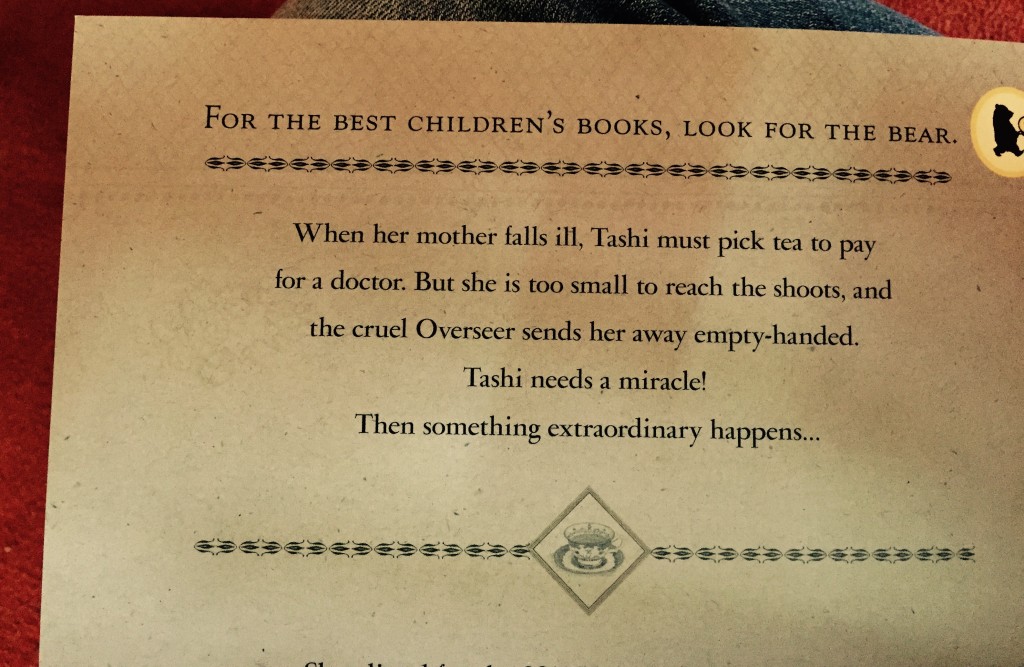
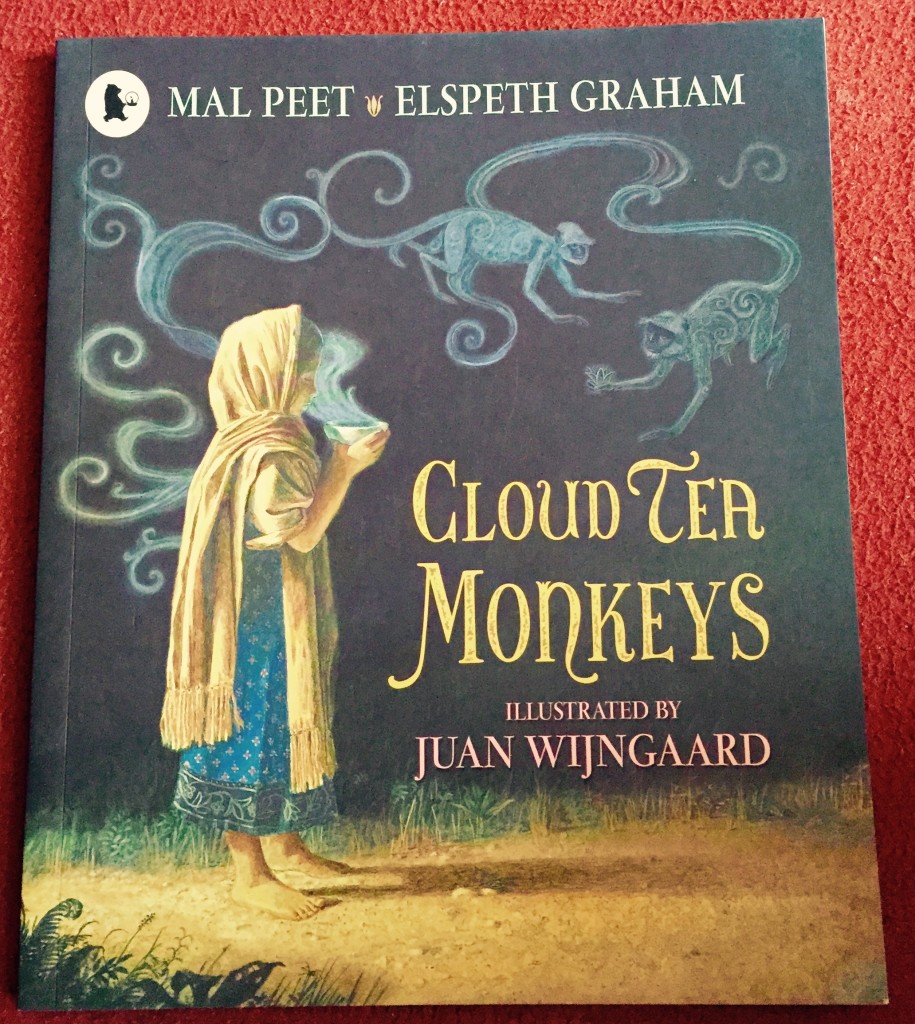
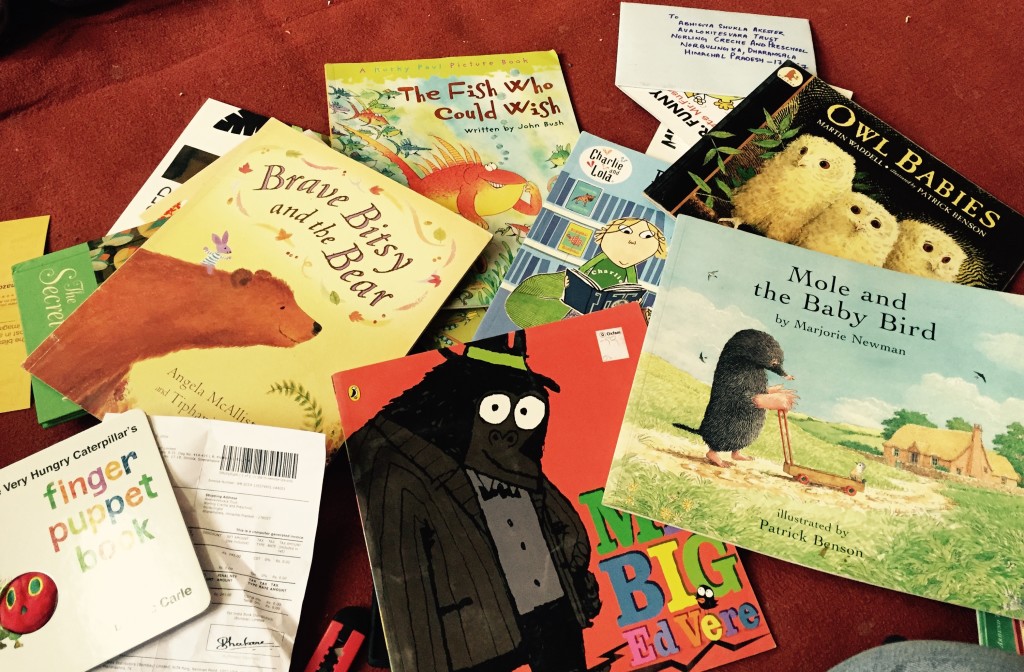
Book drives are important because access determines whether curiosity can continue. A child who discovers a love of astronomy needs books that deepen that interest. A reader who enjoys adventure may eventually seek biographies, science texts, poetry, or history. A varied collection allows interests to grow rather than ending with the few titles first placed in a child’s hands.
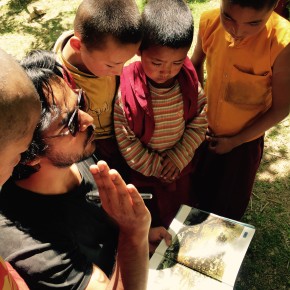
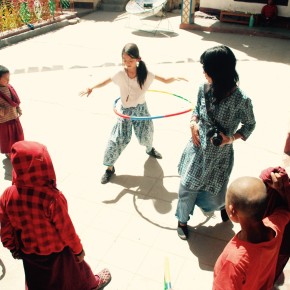
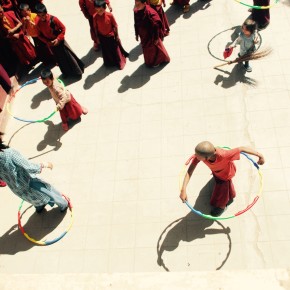
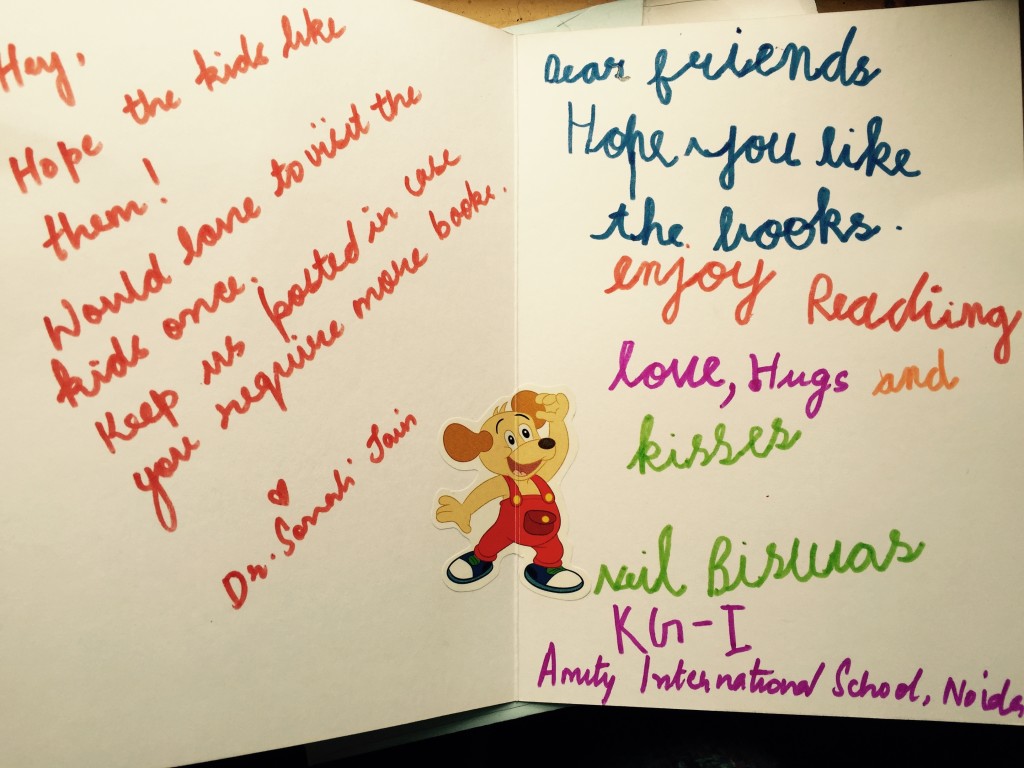
Volunteers can support this process by reading aloud, helping children choose books, leading creative workshops, and listening carefully to their responses. Donors help make the wider ecosystem possible: transportation, shelves, learning materials, musical instruments, art supplies, and books suited to different ages and reading levels.
Ways To Help Young Readers Explore
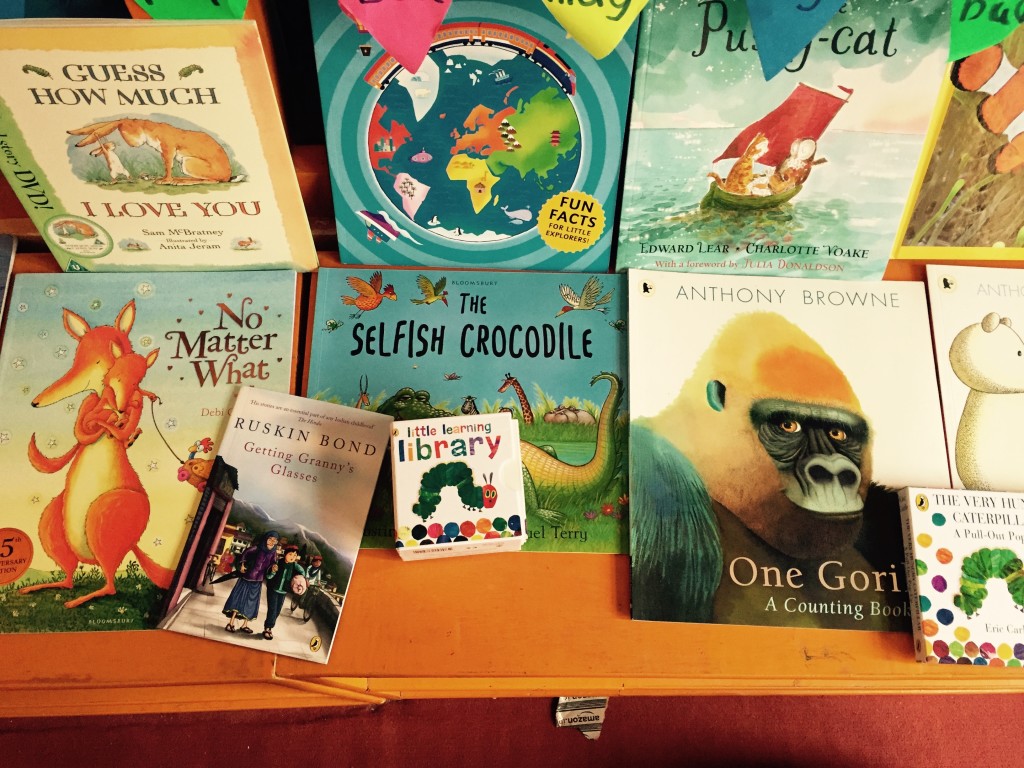
- Donate new or gently used children’s books, especially accessible science fiction, astronomy, environmental science, and illustrated nonfiction.
- Support reading rooms with funds for shelves, lighting, floor seating, art materials, and reliable educational resources.
- Volunteer time for read-aloud sessions, book discussions, creative writing, drawing, music, or storytelling activities.
- Encourage book collections that include local voices, Himalayan subjects, translated works, and stories from many cultures.
- Share the work of community education programs so more people understand the value of literacy in remote regions.
When a young monk reads about a starship crossing the darkness, he may be thinking about far more than space. He may be considering how communities survive, how knowledge should be used, and what kind of future is worth creating. The mountains do not limit that imagination. They give it a remarkable place from which to begin.
Support Avalokiteśvara Trust by helping place quality books, creative materials, and welcoming reading spaces within reach of children and young monks in the Himalayan region. A donated book, a volunteer session, or a contribution to a reading room can help one young reader travel farther than any road.