Building A Book Drive Across Three Himalayan Countries
A book drive that crosses national borders is a community project, a logistics operation, and an educational program at the same time. Collecting books is only the visible part. The deeper work involves understanding what children and young monks need, moving donations through different systems, and ensuring that every package reaches a welcoming reading space.
For organizations such as Avalokiteśvara Trust, the purpose is especially meaningful. Books can support literacy in remote communities, enrich school learning, encourage artistic expression, and give young readers access to stories beyond their immediate surroundings. A well-planned campaign can connect donors in one country with children, monasteries, schools, and community libraries in two others.
The strongest international book drives begin with listening rather than collecting. Local educators, volunteers, families, and monastery leaders can explain which languages are read, which age groups are underserved, and what types of books are suitable. Their knowledge keeps generosity focused and prevents useful funds and transport capacity from being consumed by unsuitable donations.
Define The Educational Purpose
Before asking for books, organizers need a clear description of the learning gap they want to address. A campaign might focus on early readers, bilingual storybooks, science materials, creative arts, or reading resources for young monks. A specific purpose makes it easier for donors to choose appropriate materials and helps partners assess results.
The three participating countries may have different curricula, languages, book markets, and reading traditions. A title that is popular in an urban school may be difficult to use in a high-altitude village. Local partners should identify the reading levels, scripts, subjects, and formats that match each destination.
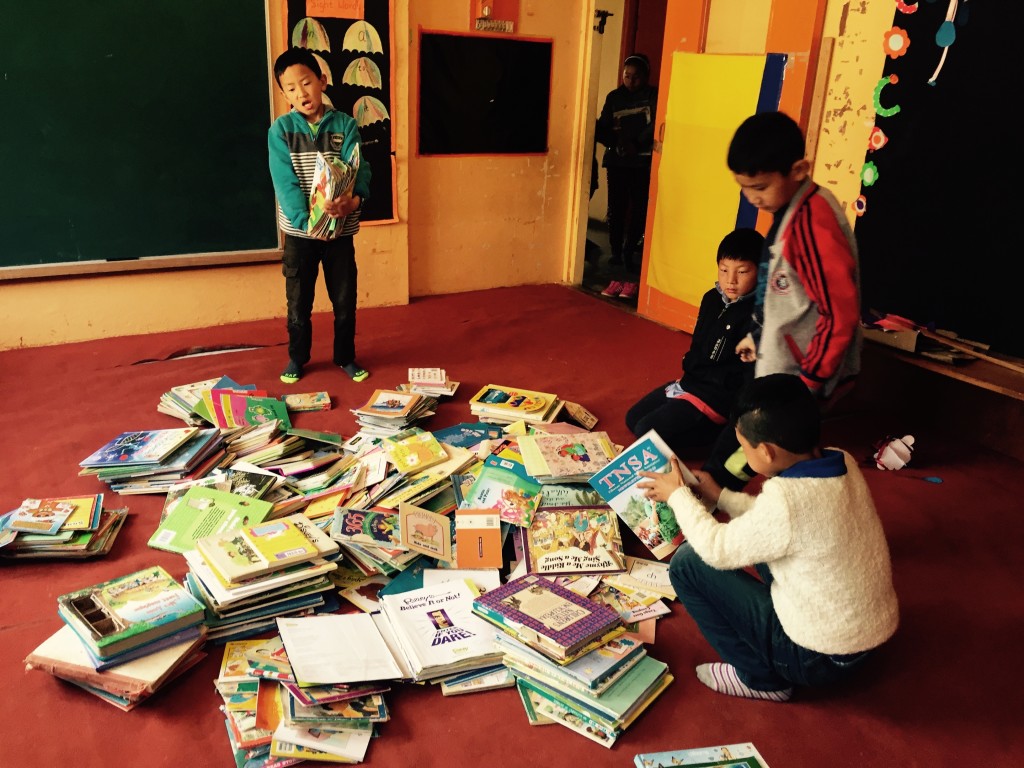
The campaign also benefits from a written acceptance policy. It can explain that books should be clean, complete, age-appropriate, culturally respectful, and relevant to the receiving community. Clear standards protect volunteers from sorting an unmanageable collection and help donors understand that quality matters as much as quantity.
Build A Reliable Country Network
Cross-border giving works best when each country has a named coordination team. One group can manage donor outreach and collection points, another can oversee consolidation and transport, and local partners can receive, sort, and distribute the books. Assigning these responsibilities early prevents delays caused by unclear ownership.
A useful network may include schools, bookstores, libraries, monasteries, community centers, freight providers, and volunteer associations. Partners should agree on collection dates, packaging standards, inventory records, communication channels, and procedures for damaged or unsuitable items.
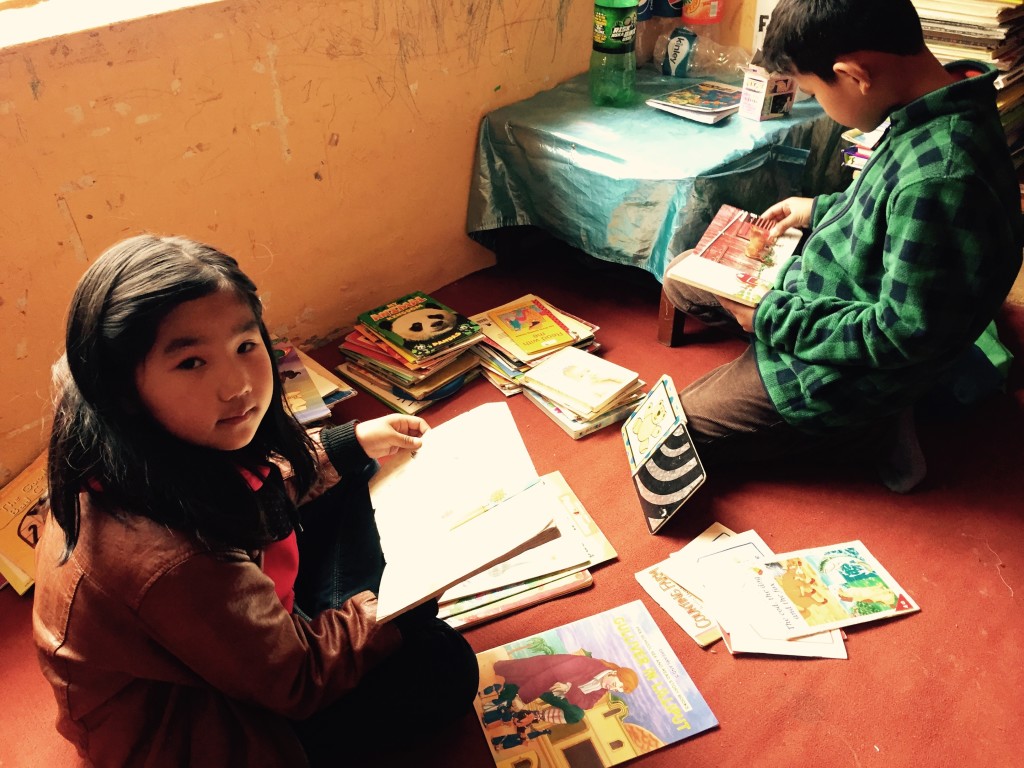
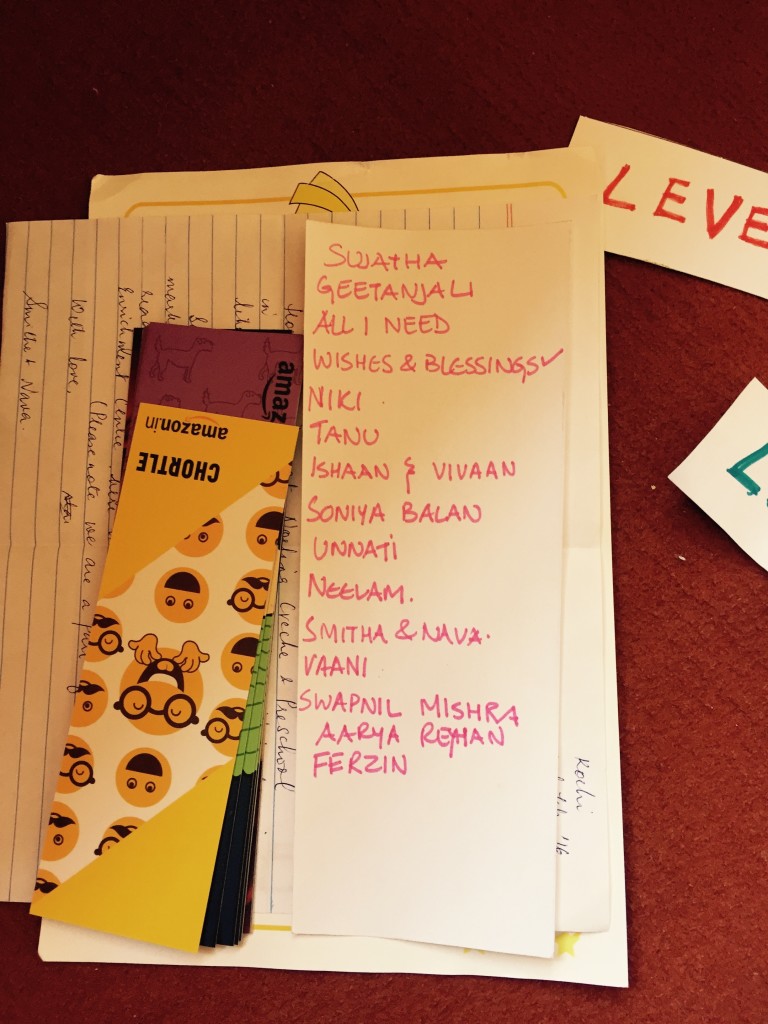
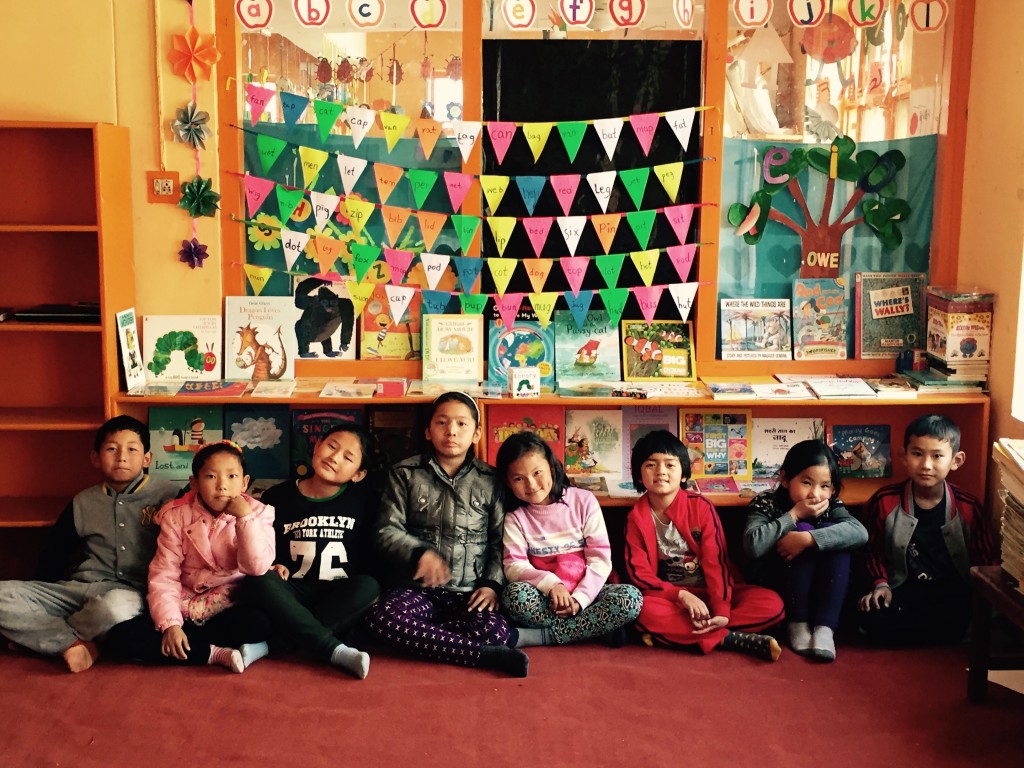
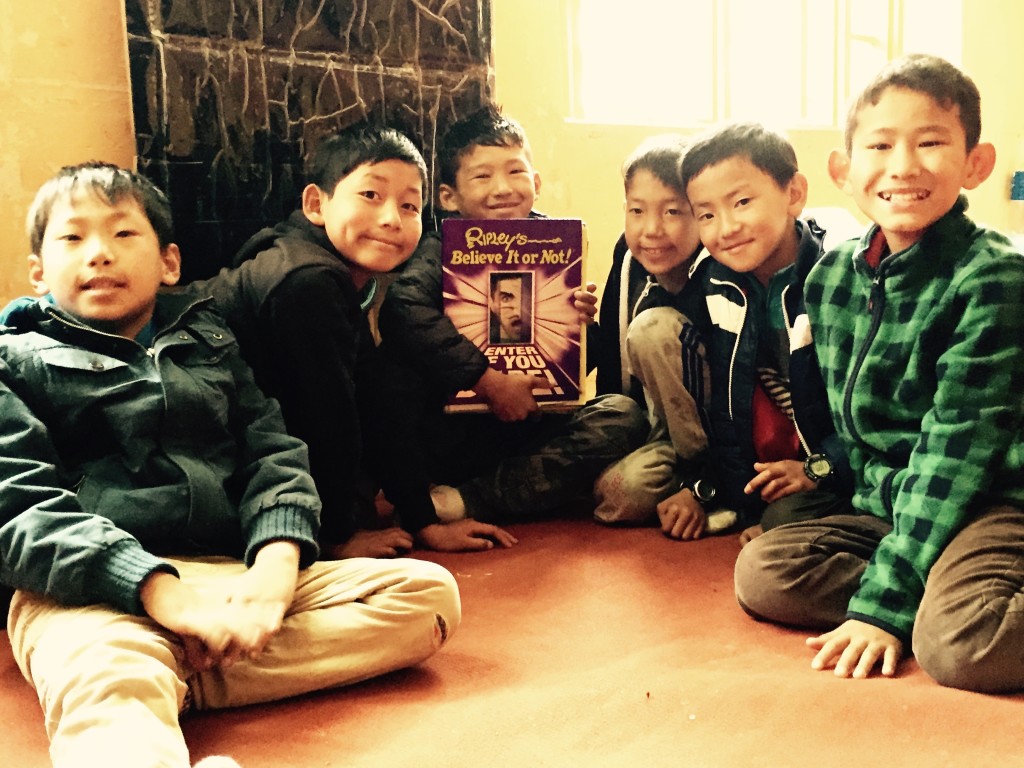
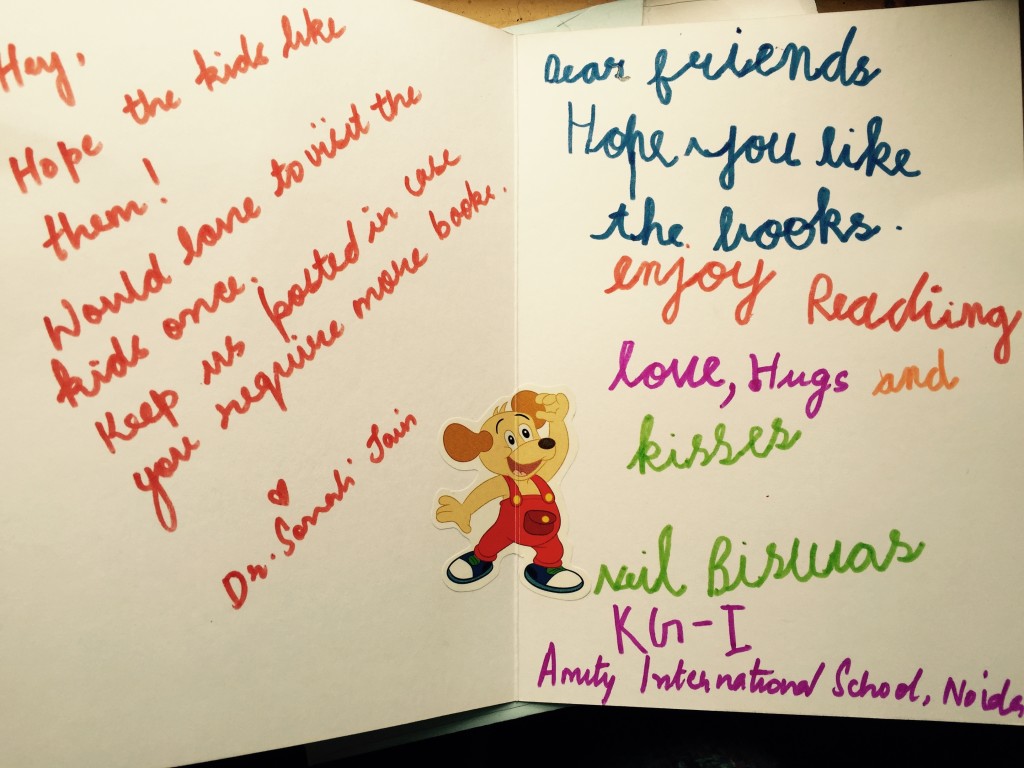
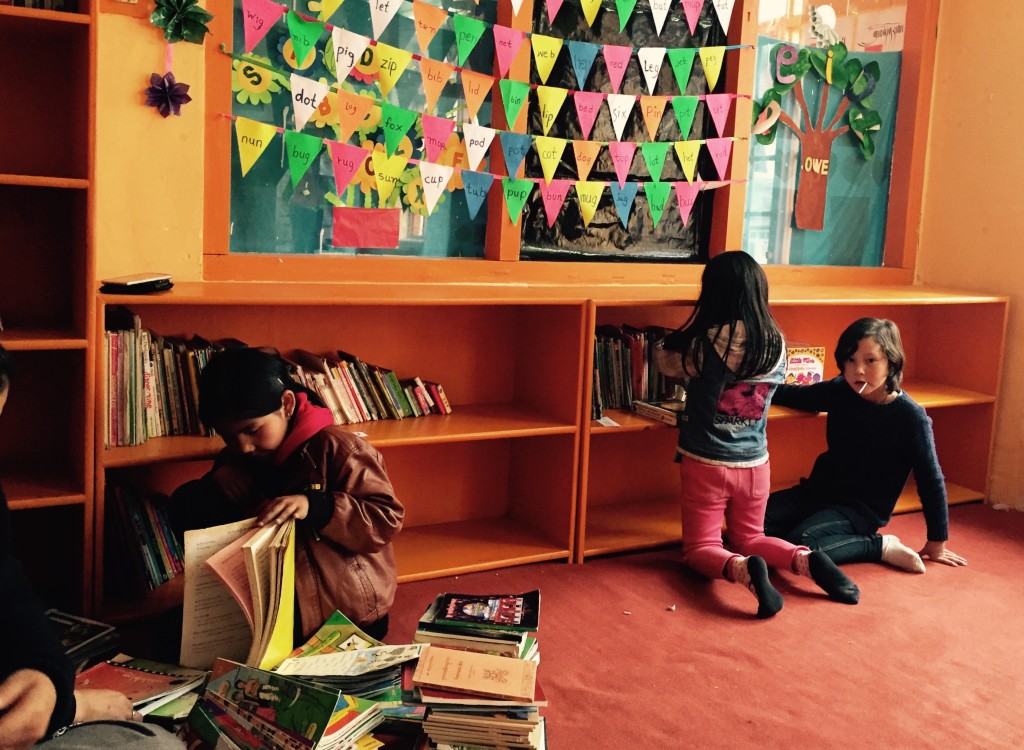
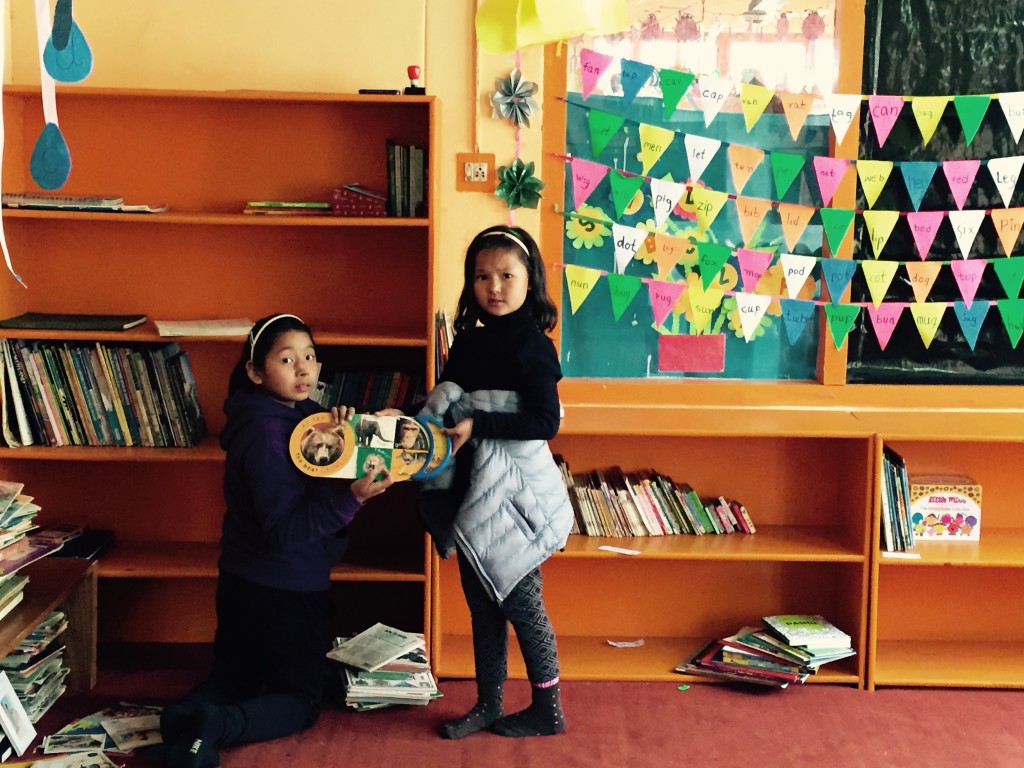
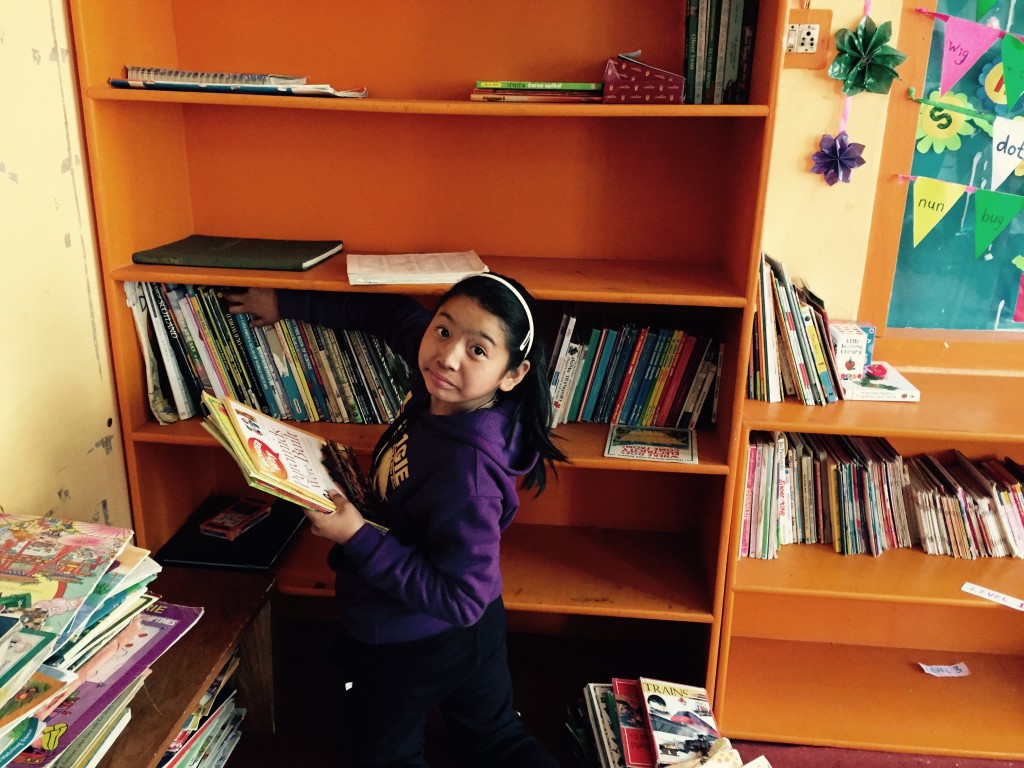
Trust is central to the process. Donors want to know that their contribution has reached children, while local communities should not feel treated as passive recipients. Sharing photographs, reading-room updates, and short stories from educators can demonstrate progress while respecting privacy and obtaining consent before any child is pictured.
Select Books For Real Readers
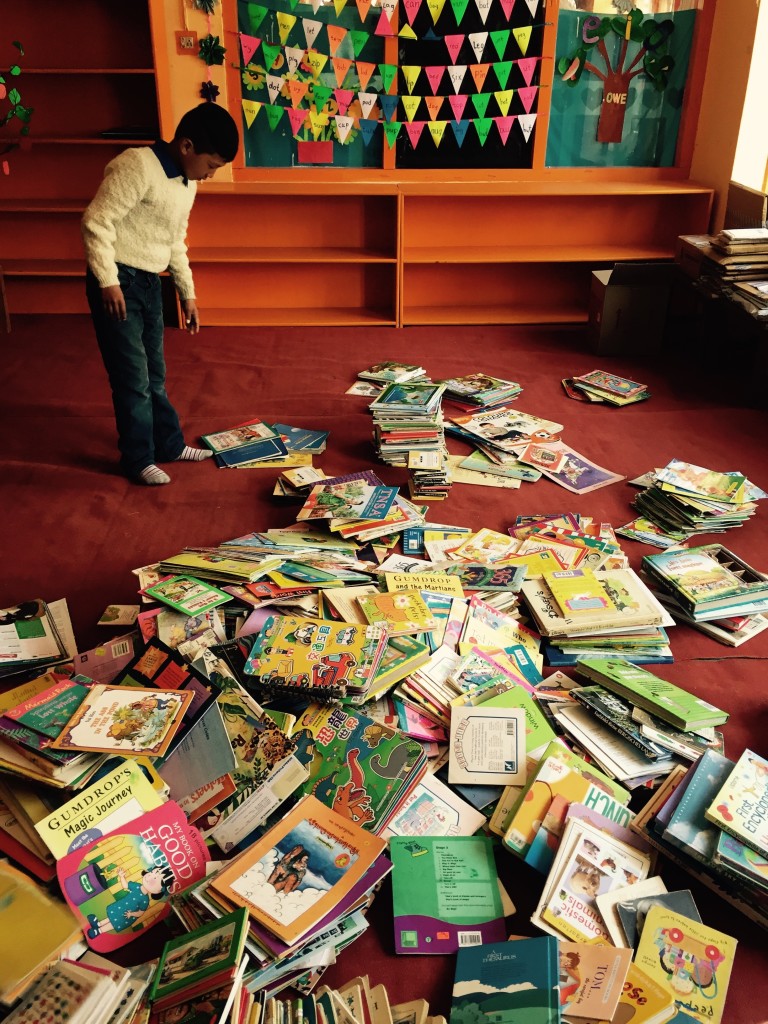
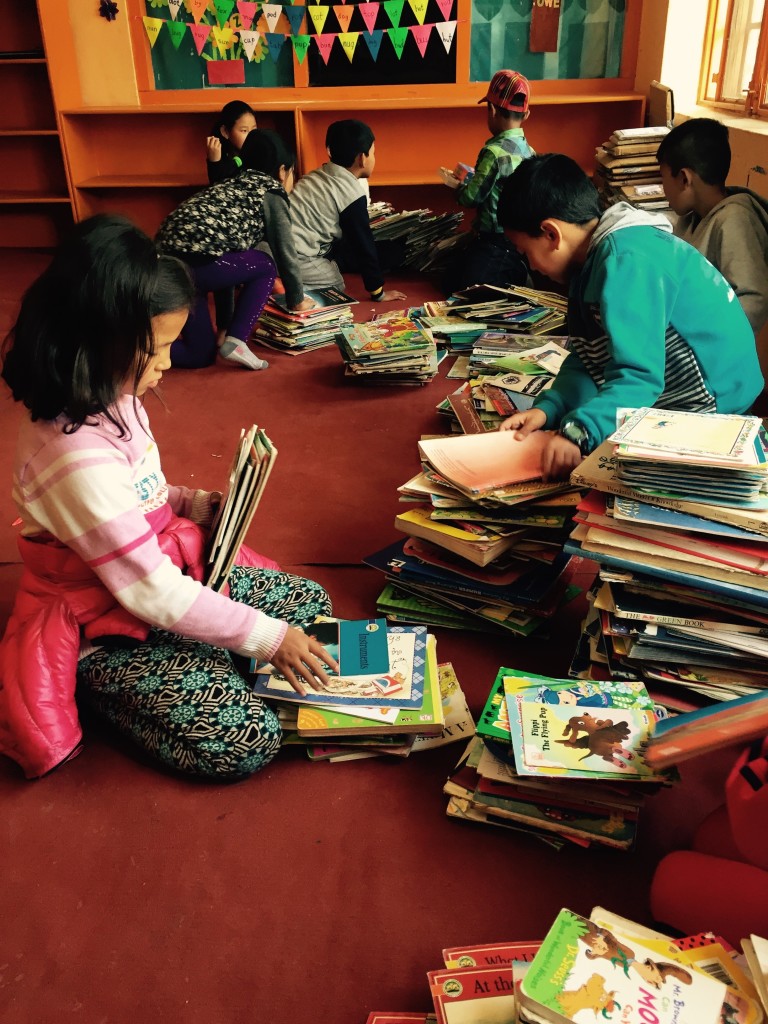
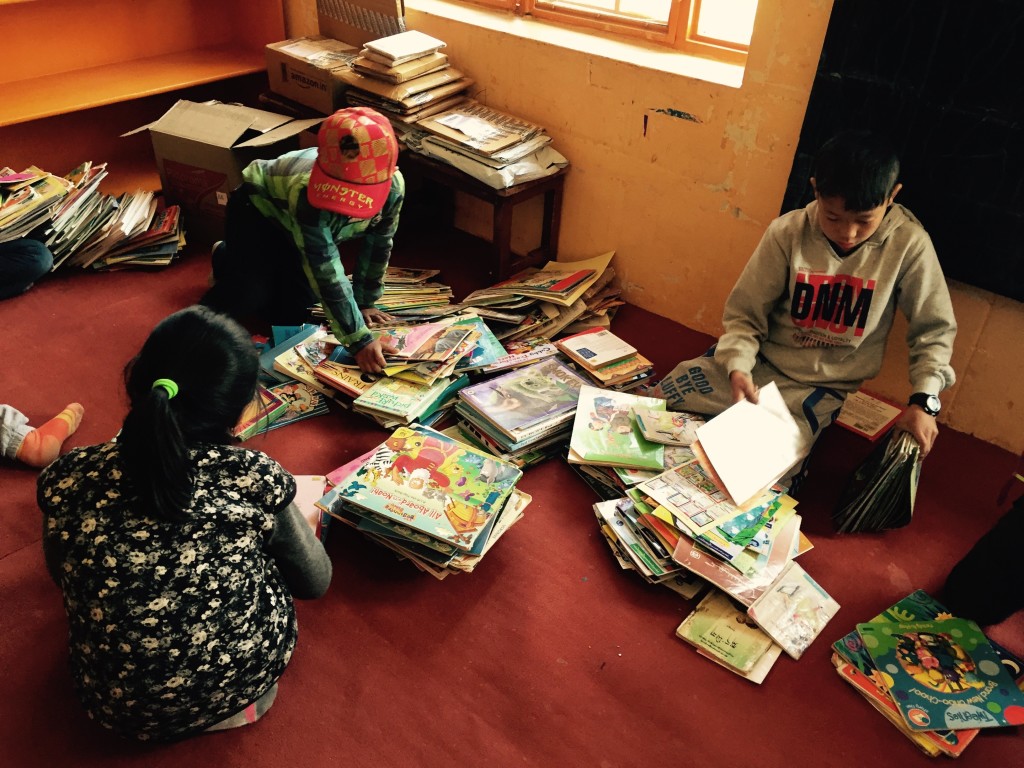
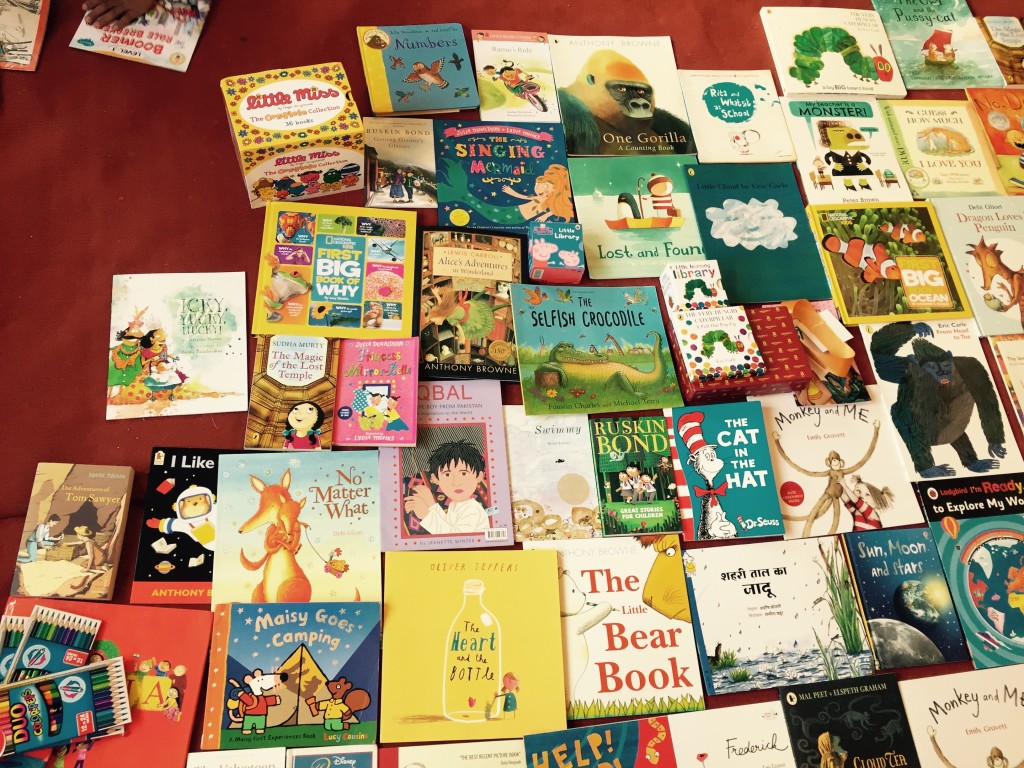
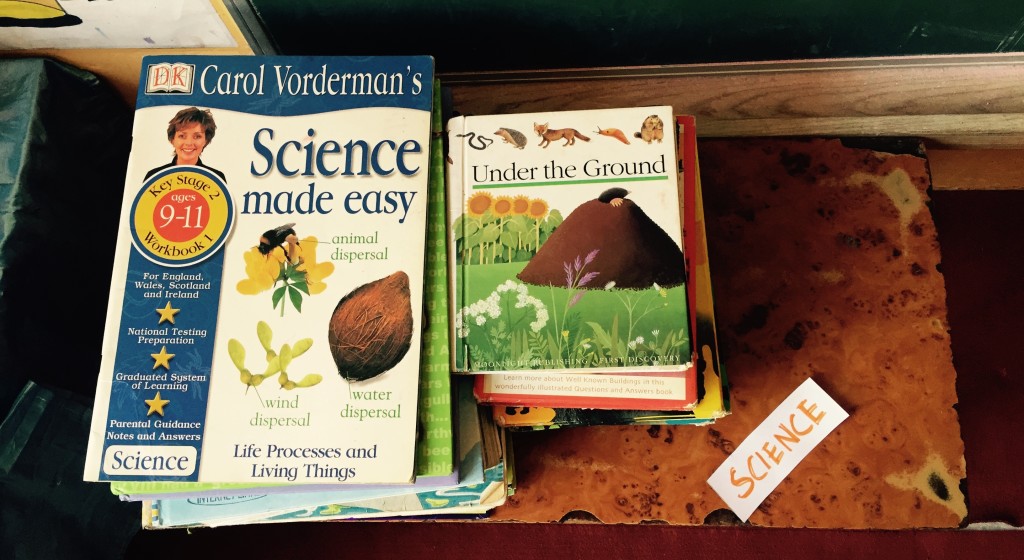
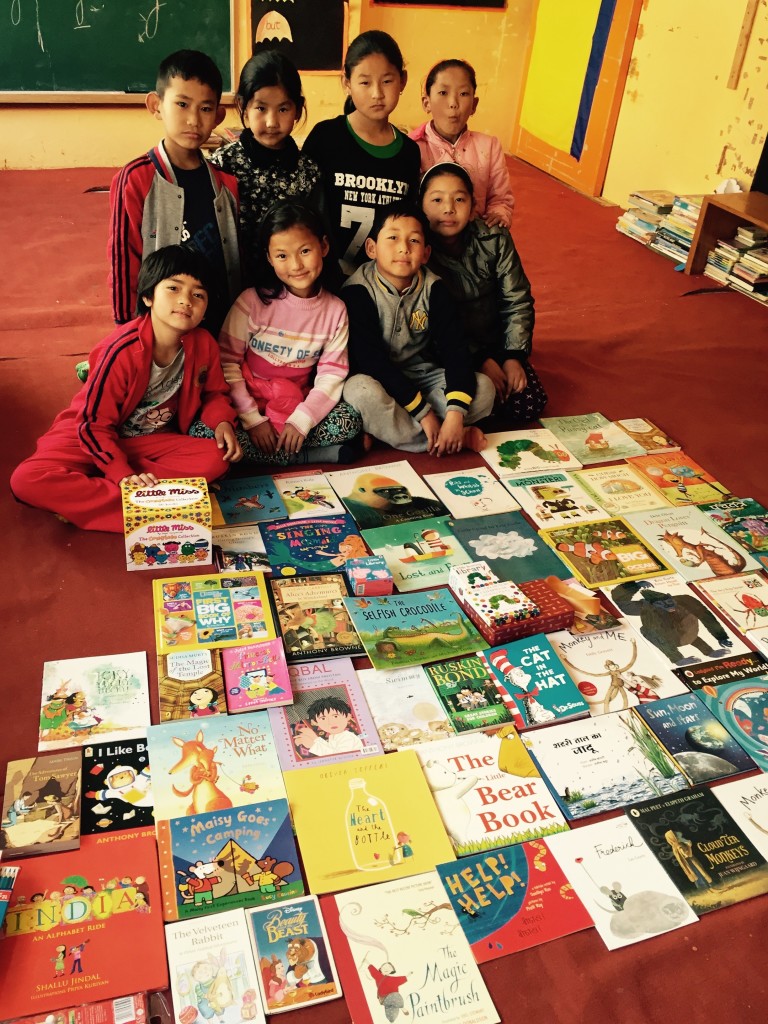
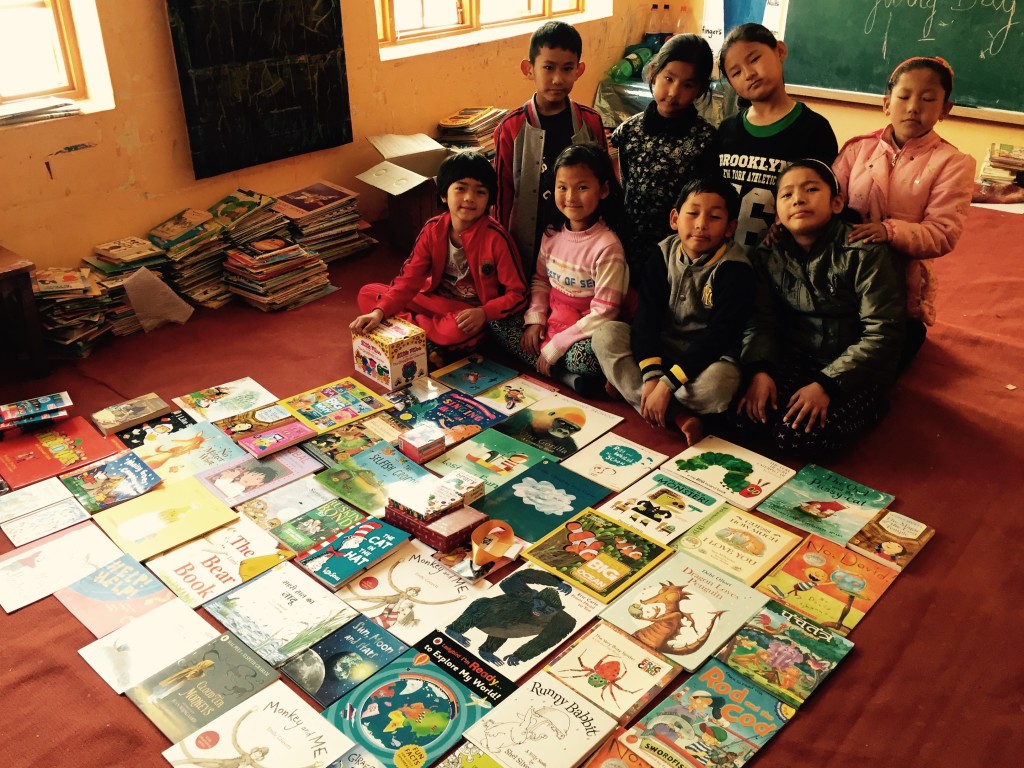
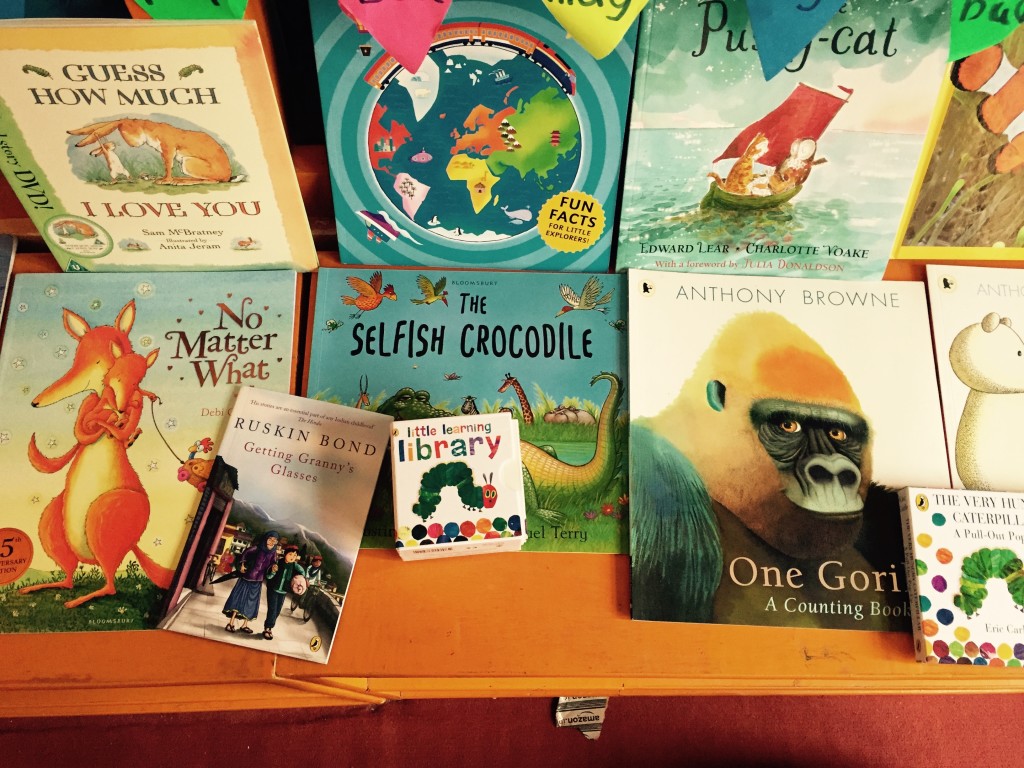
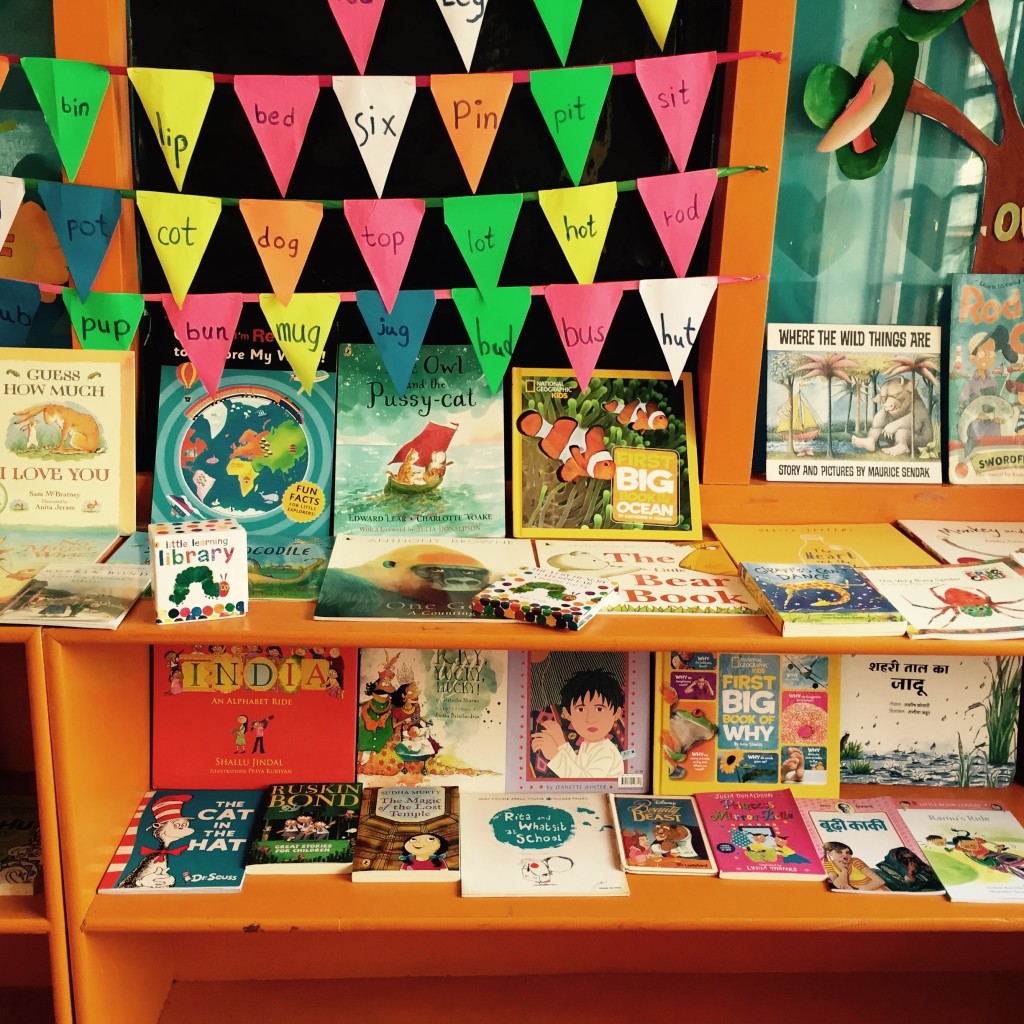
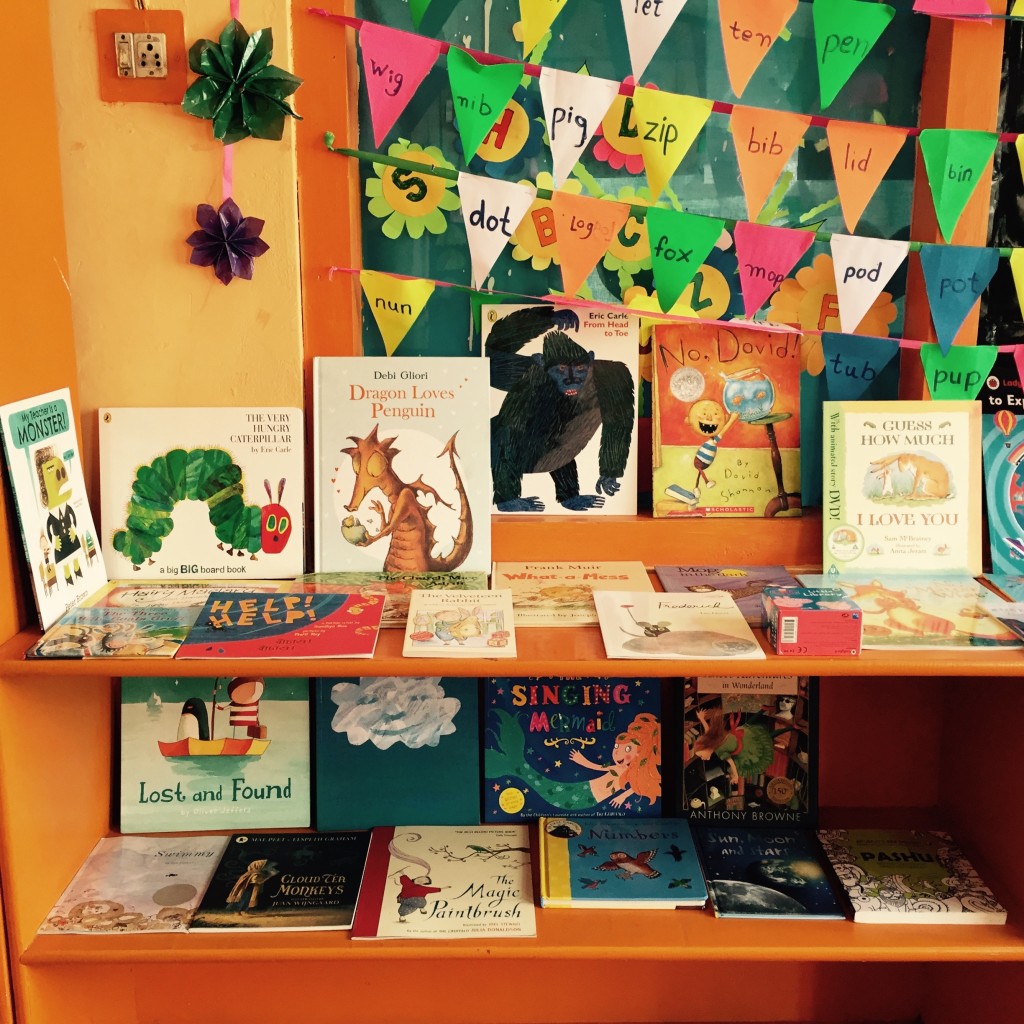
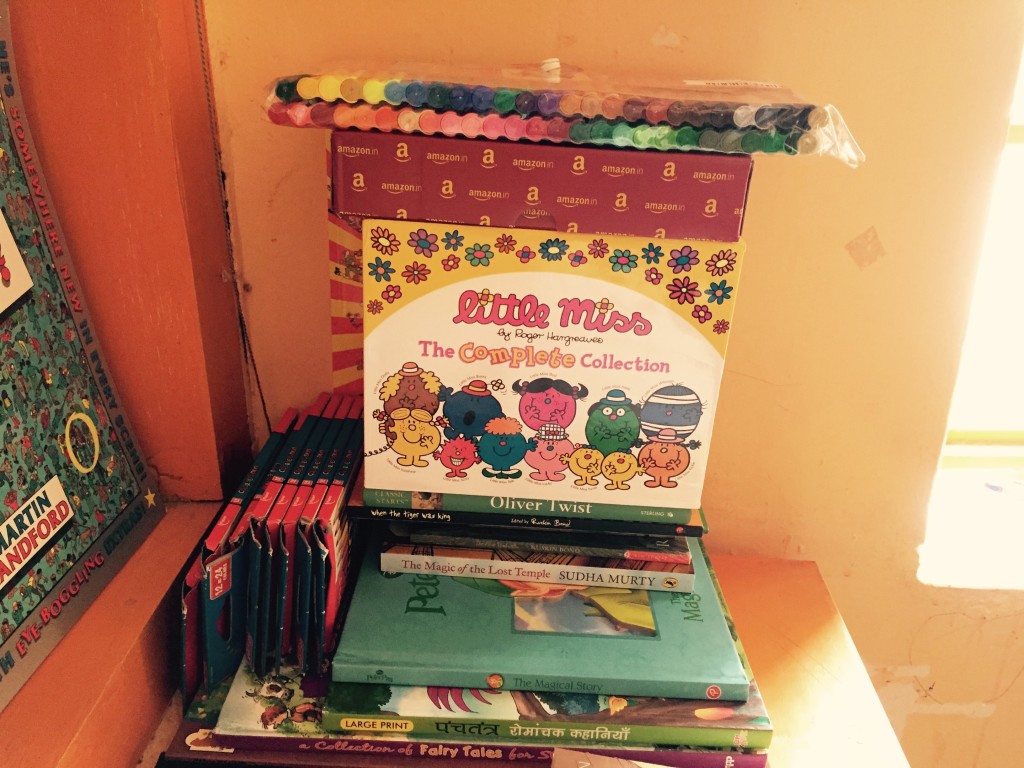
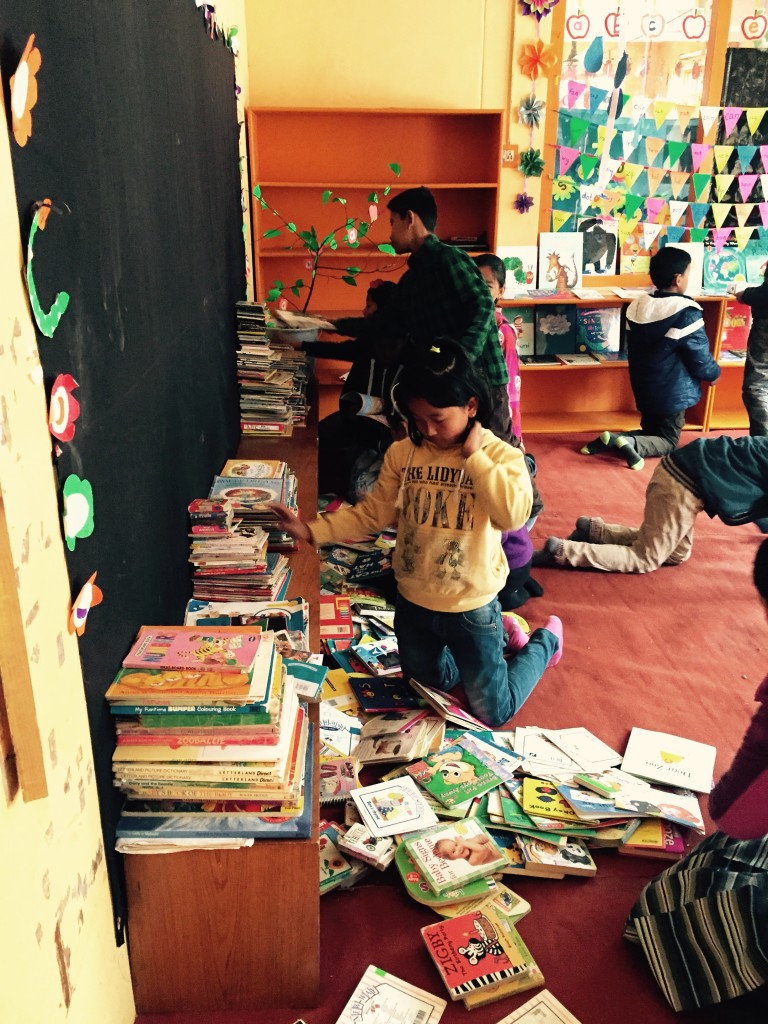
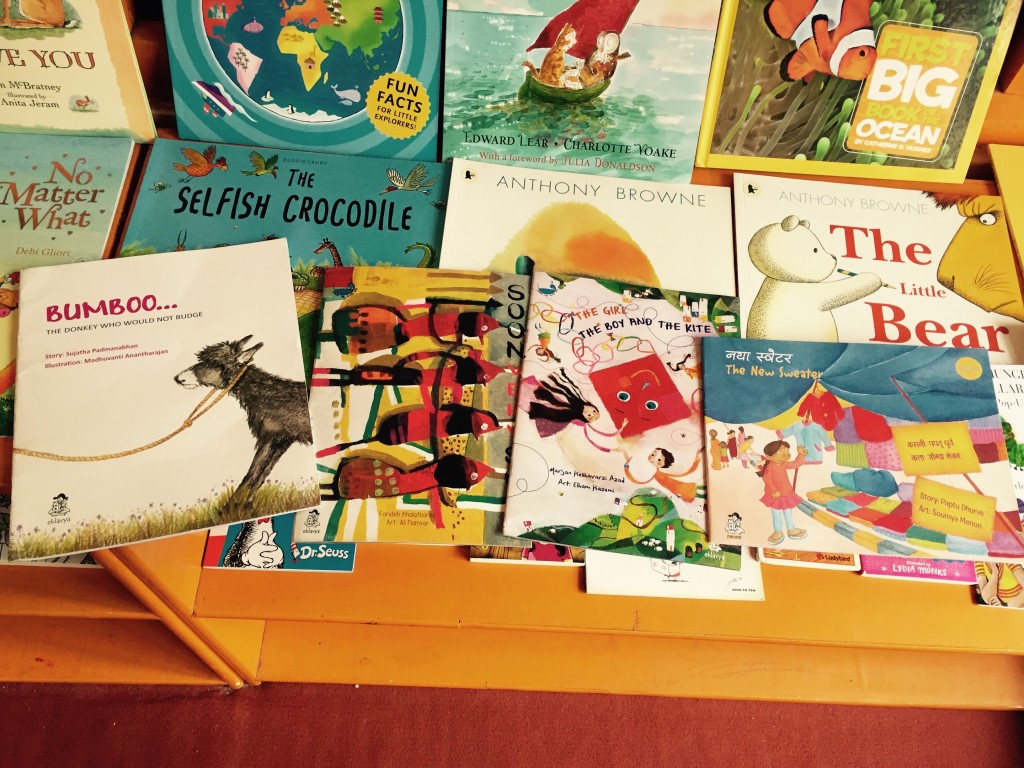
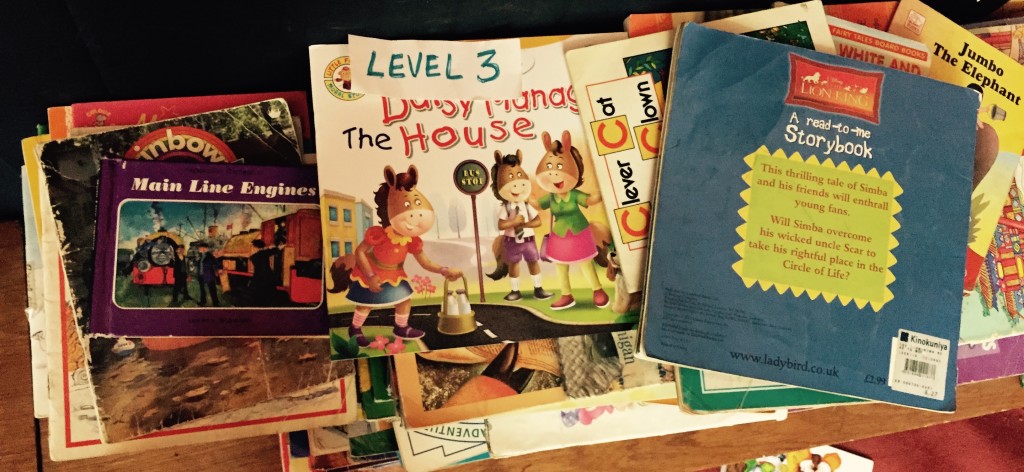
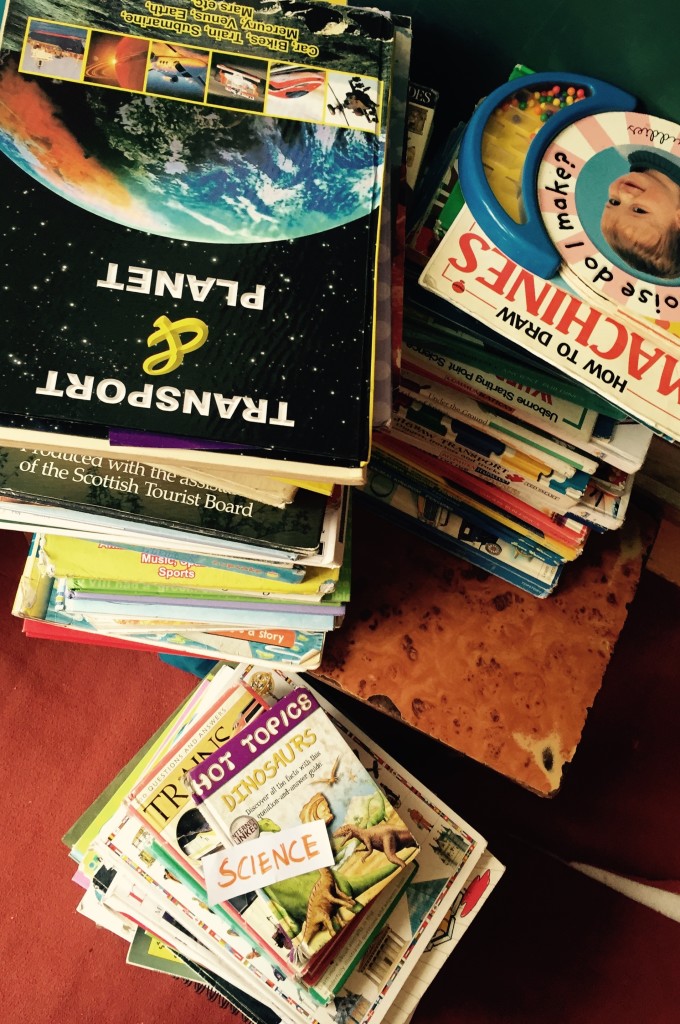
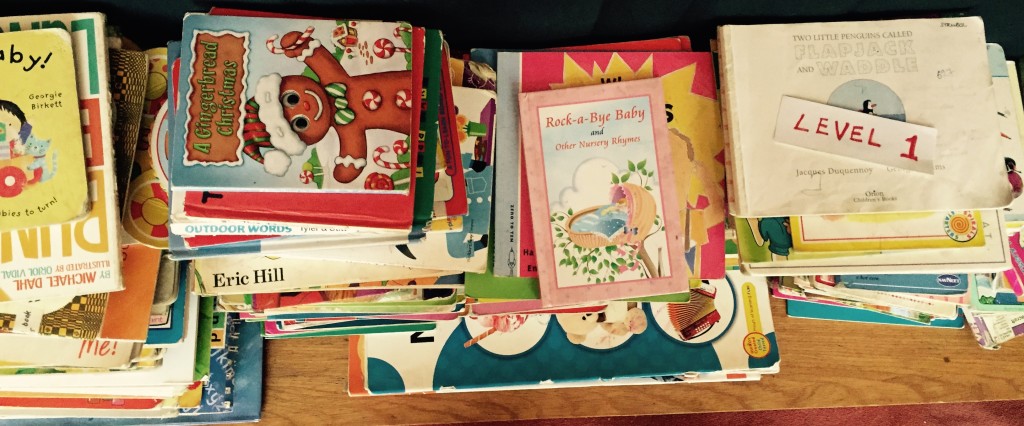
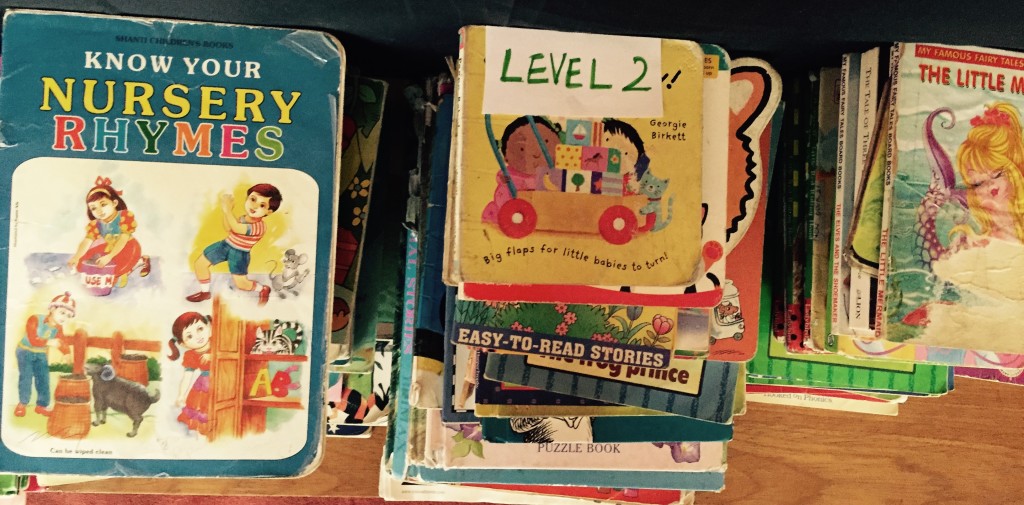
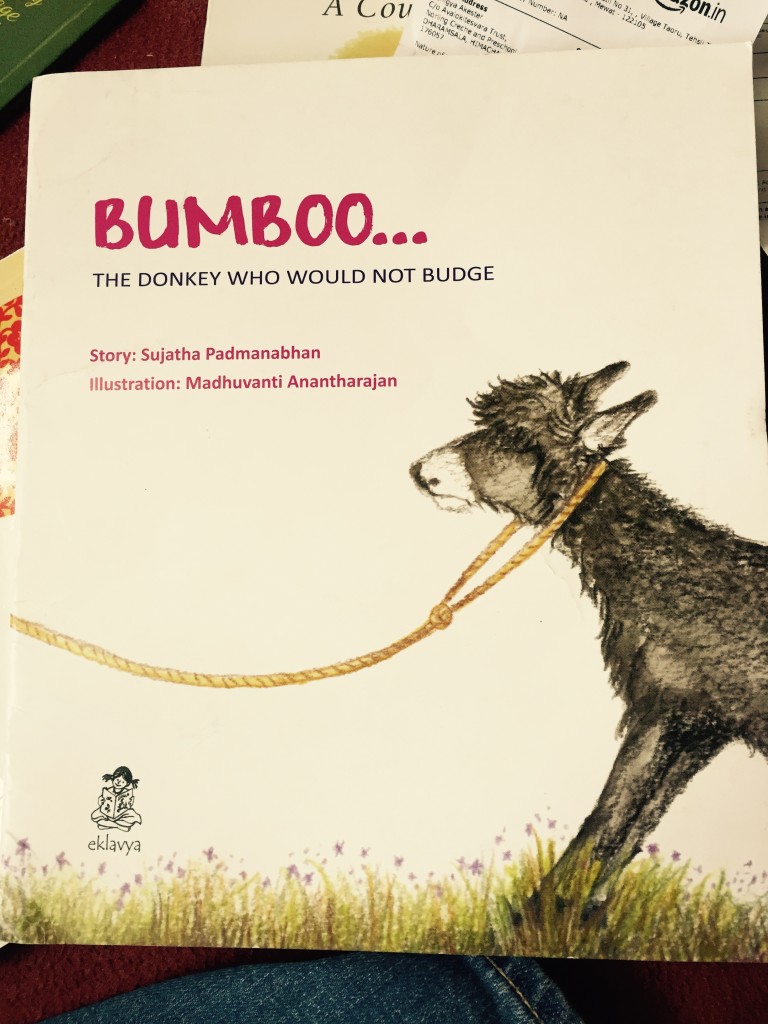
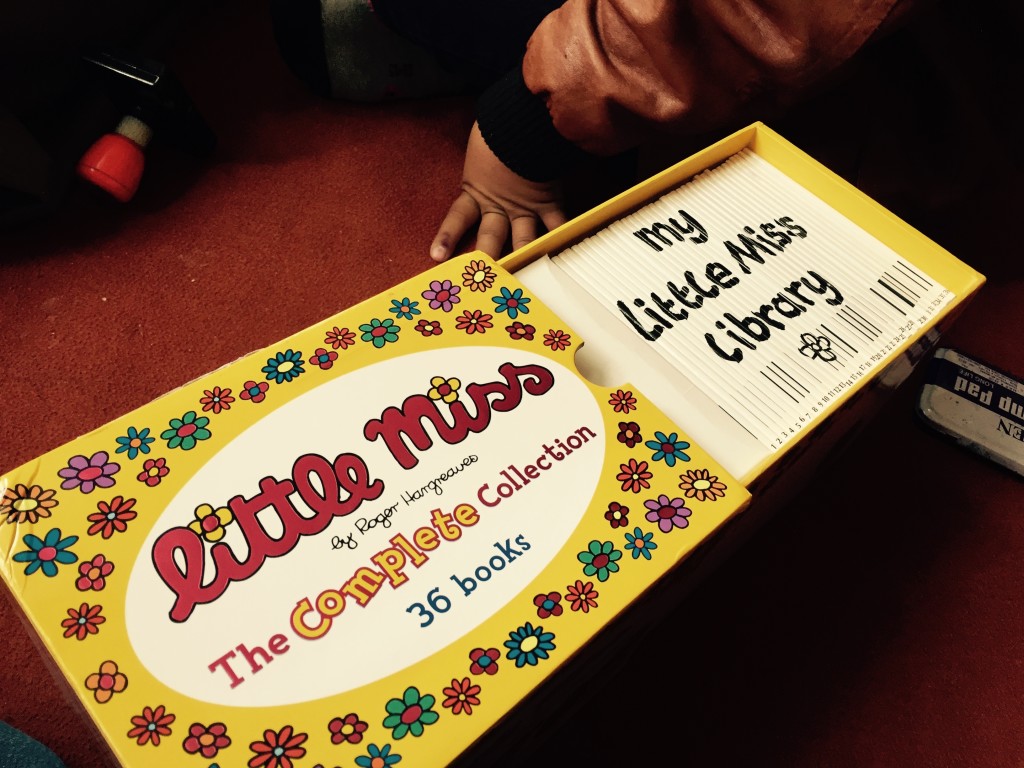
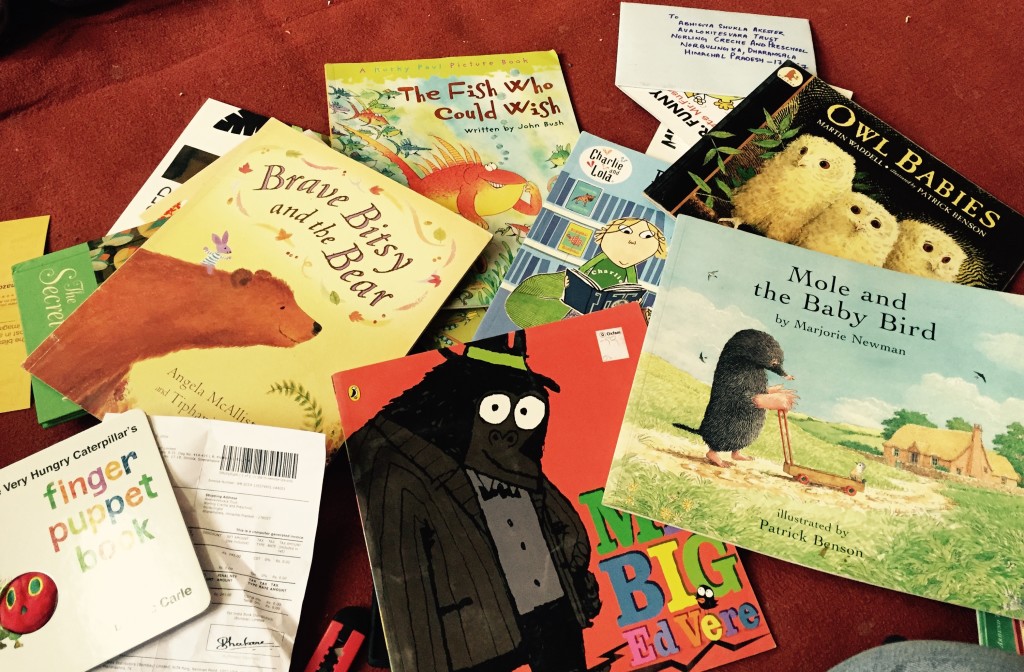
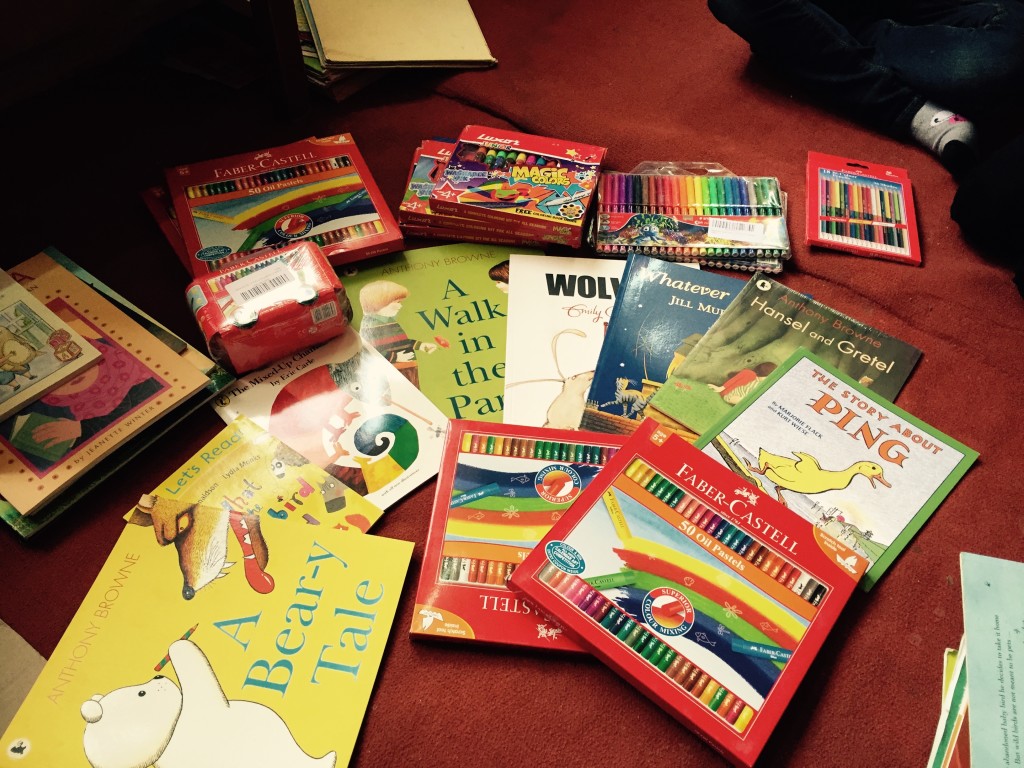
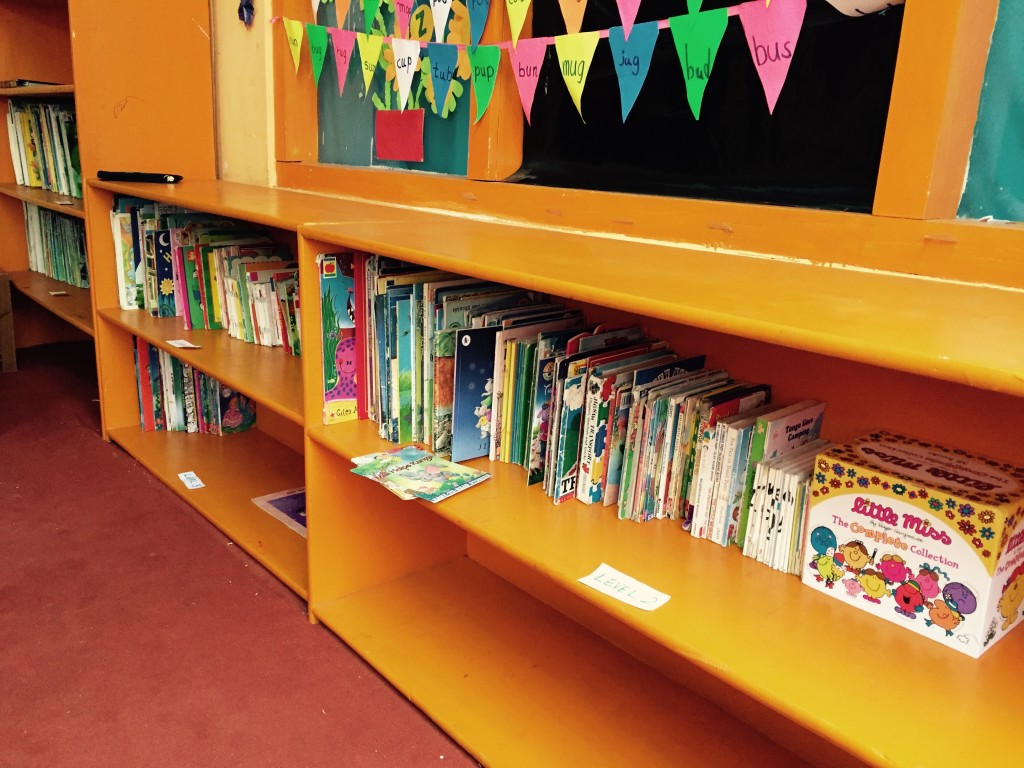
An effective book donation campaign is curated, not indiscriminate. Picture books, early readers, illustrated reference books, atlases, poetry, fiction, biographies, and practical learning materials can all have a place, but each category should match a known need. Books with torn pages, missing sections, outdated information, or heavy ideological messaging should be removed during sorting.
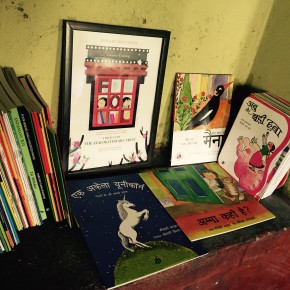
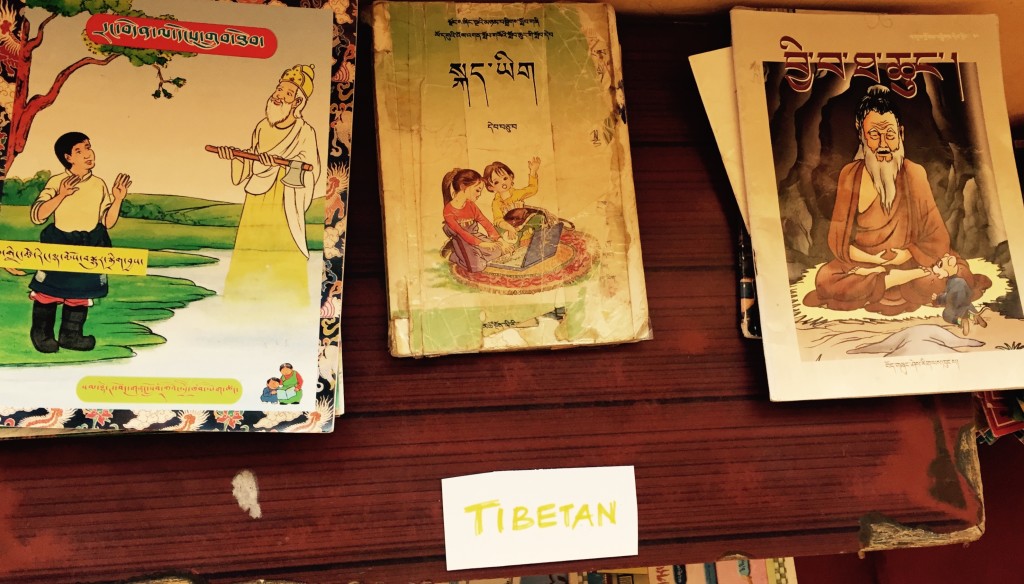
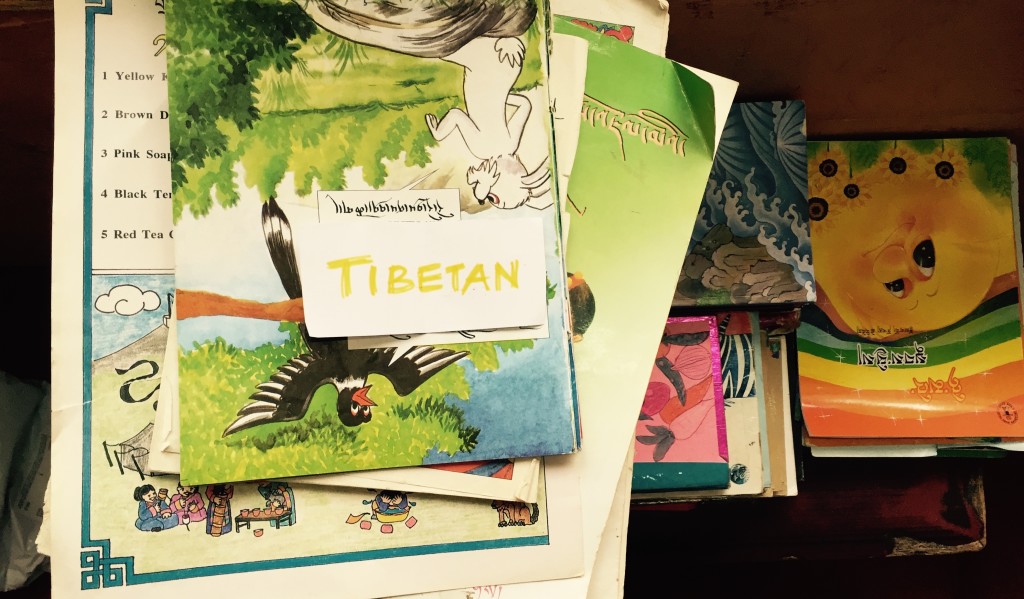
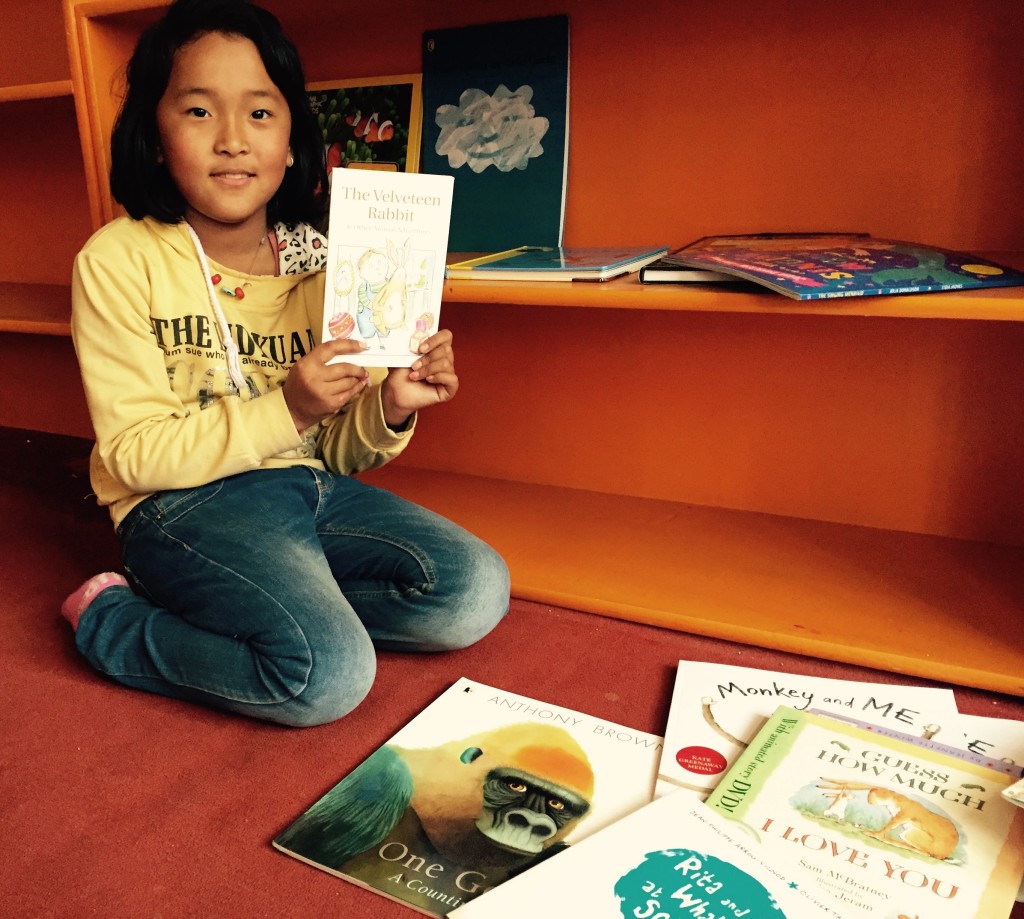
Language planning is especially important across Himalayan communities. English-language books may support language learning, while regional-language materials can make reading more accessible and enjoyable. Bilingual books, visual dictionaries, wordless picture books, and books with strong illustrations can help children participate even when their reading confidence is still developing.
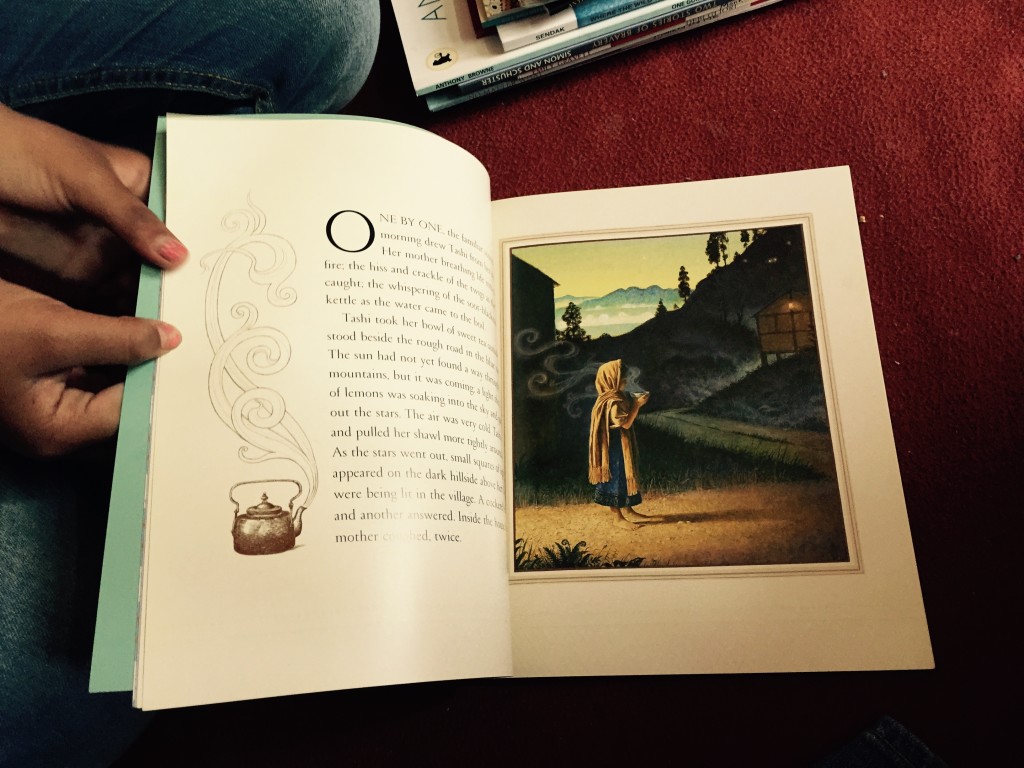
Books should also reflect a broad range of experiences. Stories about friendship, family, nature, disability, courage, and cooperation can encourage empathy and discussion. Materials connected to local geography, Himalayan ecology, traditional arts, and everyday life may help readers see their own communities represented on the shelf.
Plan The Journey Across Borders
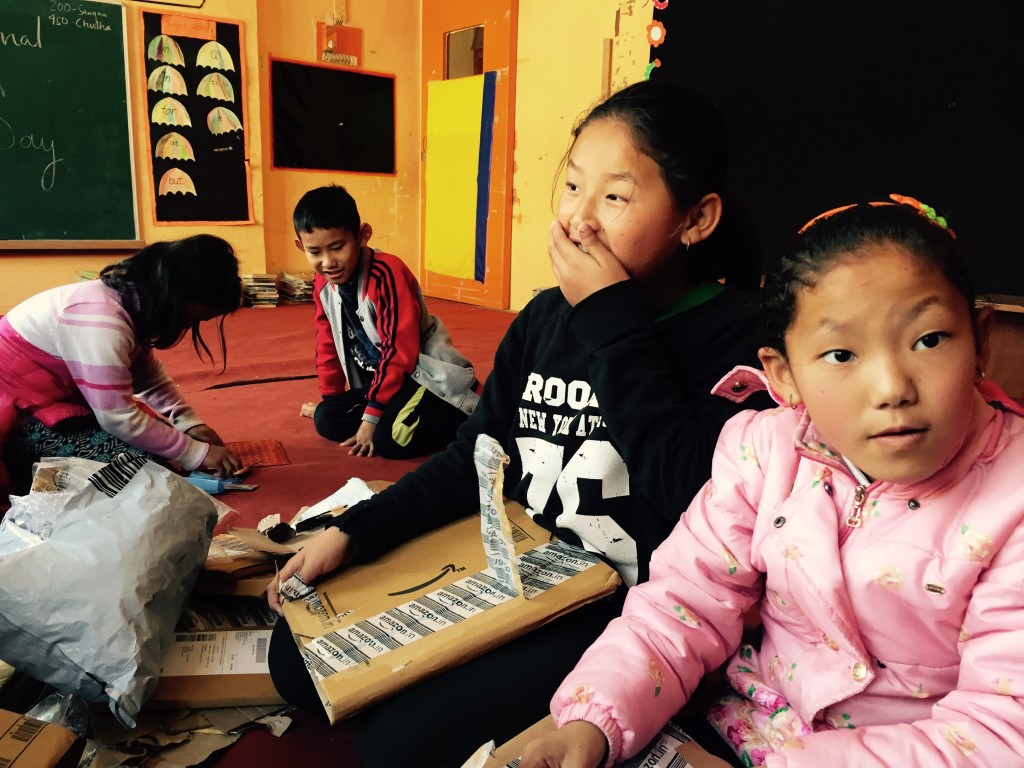
International book distribution requires more preparation than a domestic collection. Organizers need to confirm transport routes, border documentation, import requirements, storage capacity, and final-mile delivery. The cheapest route is not always the most practical if it creates long delays or leaves boxes at a distant customs point.
| Stage |
Main Responsibility |
Practical Check |
| Collection |
Donor and volunteer teams |
Are books clean, complete, and suitable? |
| Sorting |
Country coordinators |
Are titles grouped by age, language, and subject? |
| Packing |
Logistics volunteers |
Are boxes labeled, protected, and within safe weight limits? |
| Cross-border movement |
Transport and administrative partners |
Are documents, declarations, and permissions ready? |
| Local delivery |
Community or monastery partners |
Is there a secure place to receive and store the books? |
| Distribution |
Educators and reading-room teams |
Will children have regular access to the materials? |
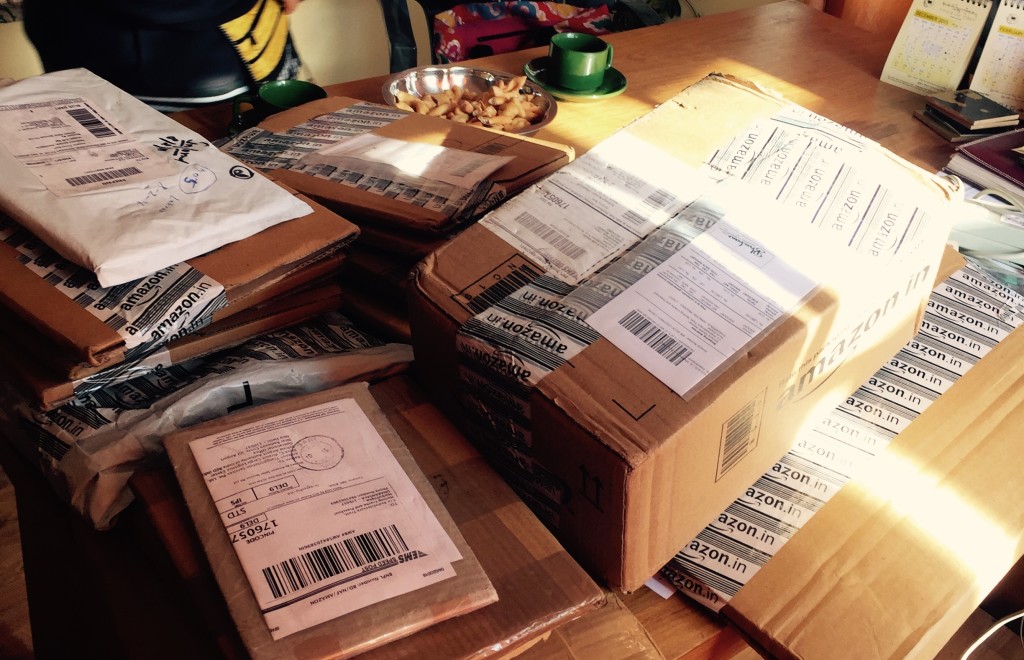
A basic inventory makes every stage easier. Record the number of boxes, approximate quantities, language groups, age ranges, and destination communities. Digital copies should be stored by more than one coordinator. Labels can include the destination, box number, contents, and handling instructions, reducing confusion when shipments are divided among several locations.
Packaging must reflect local conditions. Strong cartons, moisture protection, internal padding, and manageable box sizes can prevent losses during mountain transport. In remote areas, deliveries may involve road travel, porters, or several transfers. A large shipment that is difficult to handle may be less useful than smaller, carefully prepared consignments.
Coordinate Volunteers And Community Partners
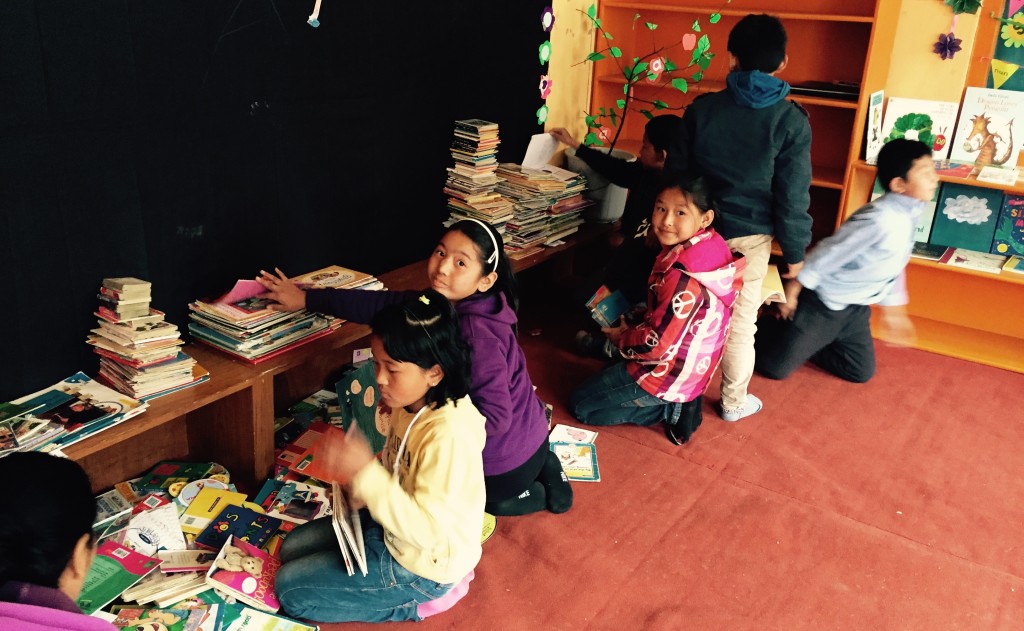
Volunteers are often the energy behind a book drive, yet enthusiasm needs structure. Each collection site should have a short briefing covering accepted donations, sorting rules, privacy, safe lifting, and reporting procedures. A volunteer who knows the purpose of the campaign can explain its value more convincingly to families and schools.
Community partners should participate in decisions about distribution. A school may need leveled readers, while a monastery learning center may prioritize reference books, art materials, or music resources. Giving local teams authority over final selection increases relevance and helps the project continue after the shipment has arrived.
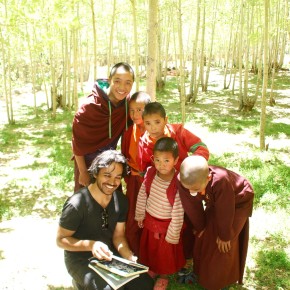
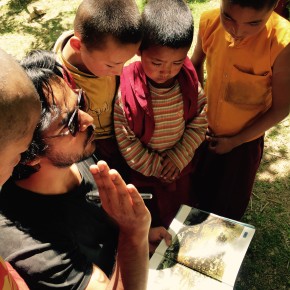
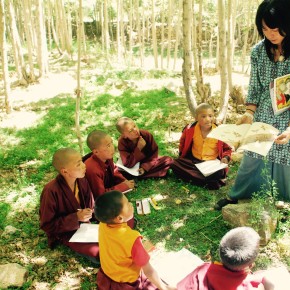
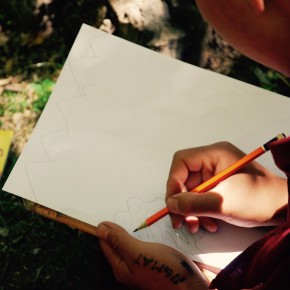
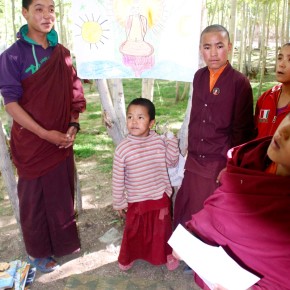
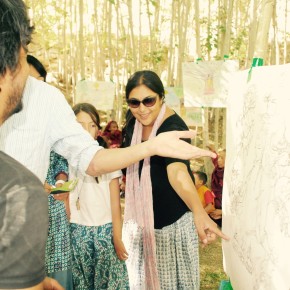
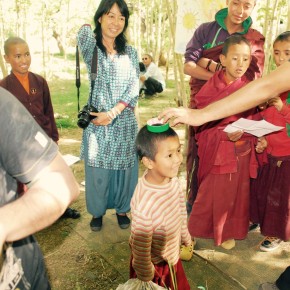
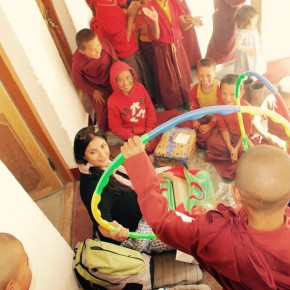
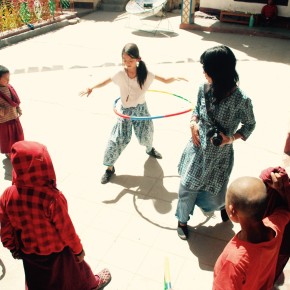
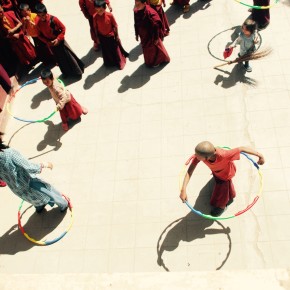
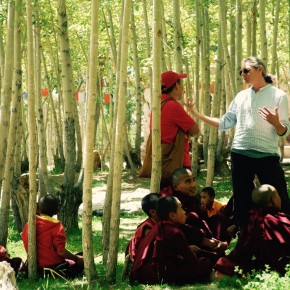
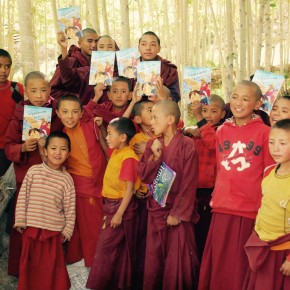
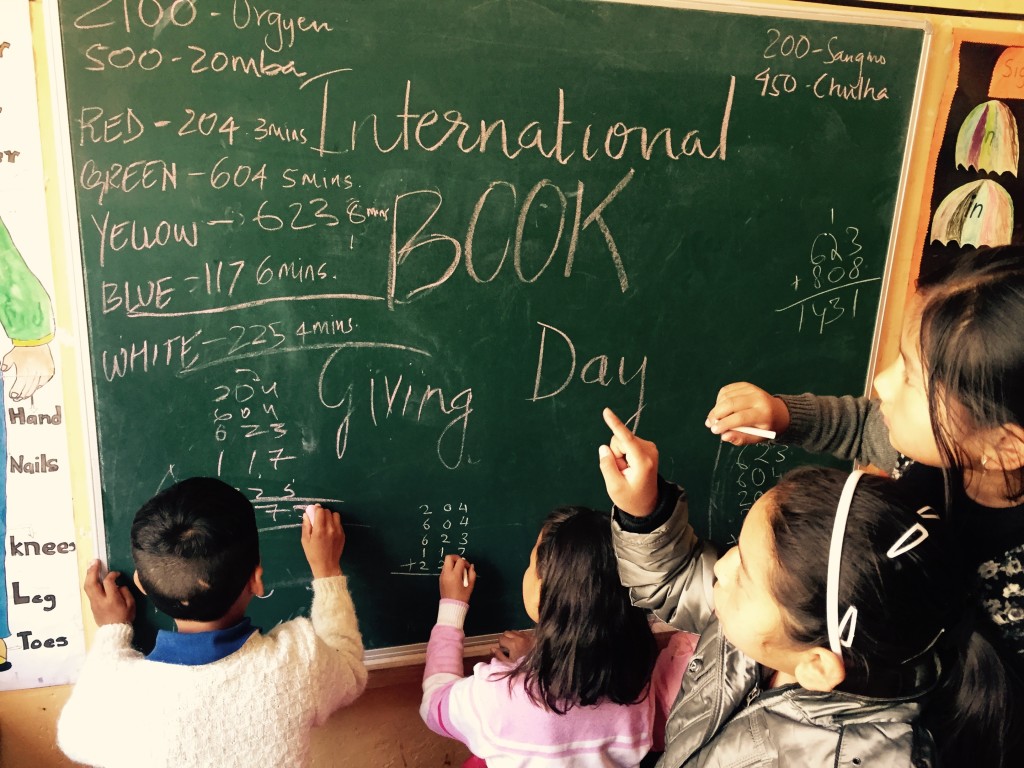
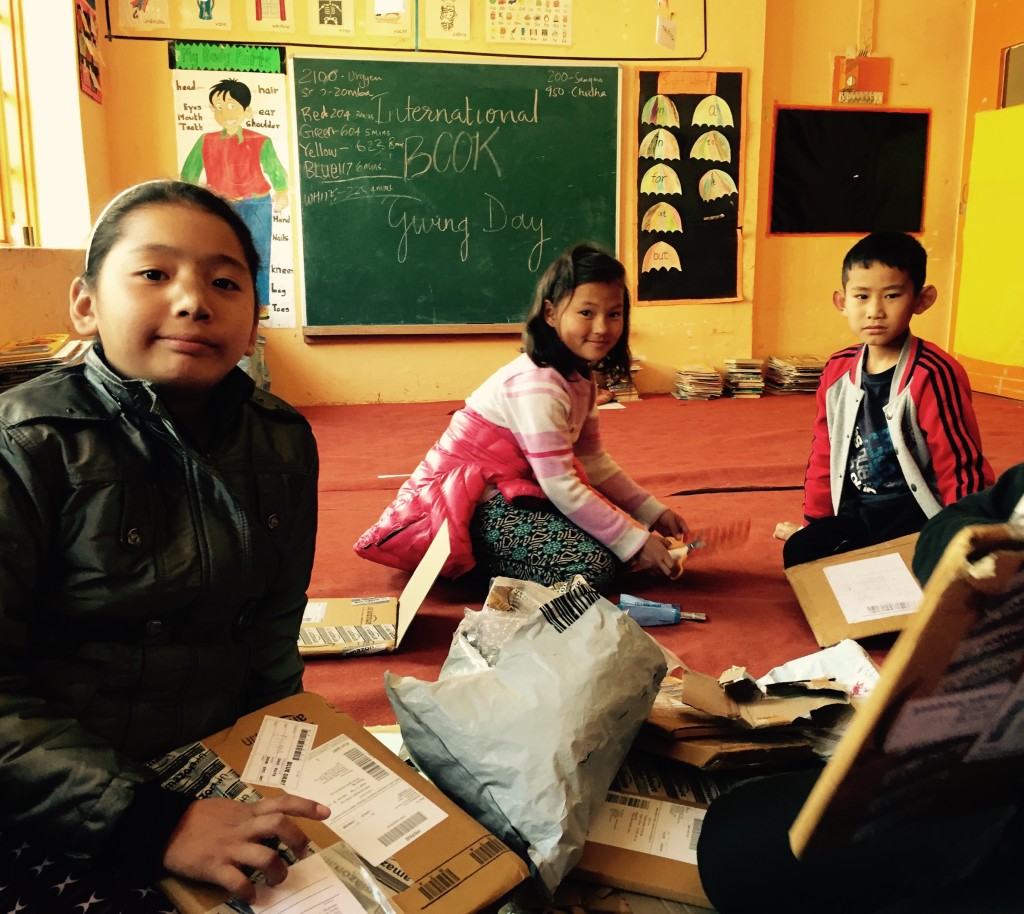
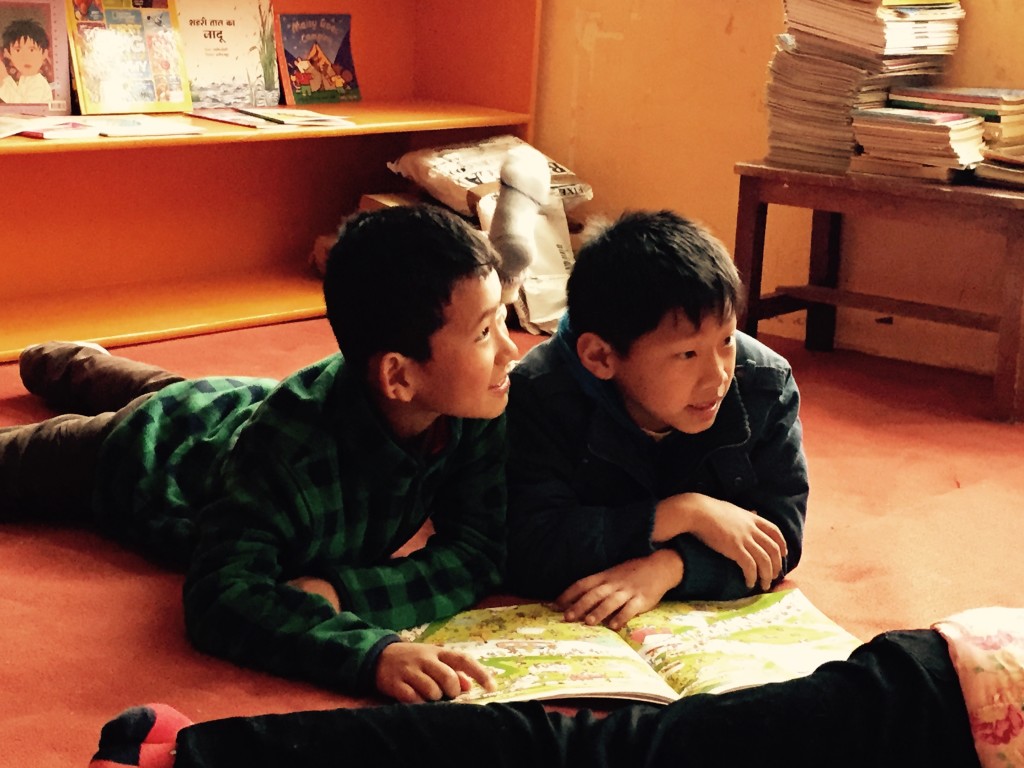
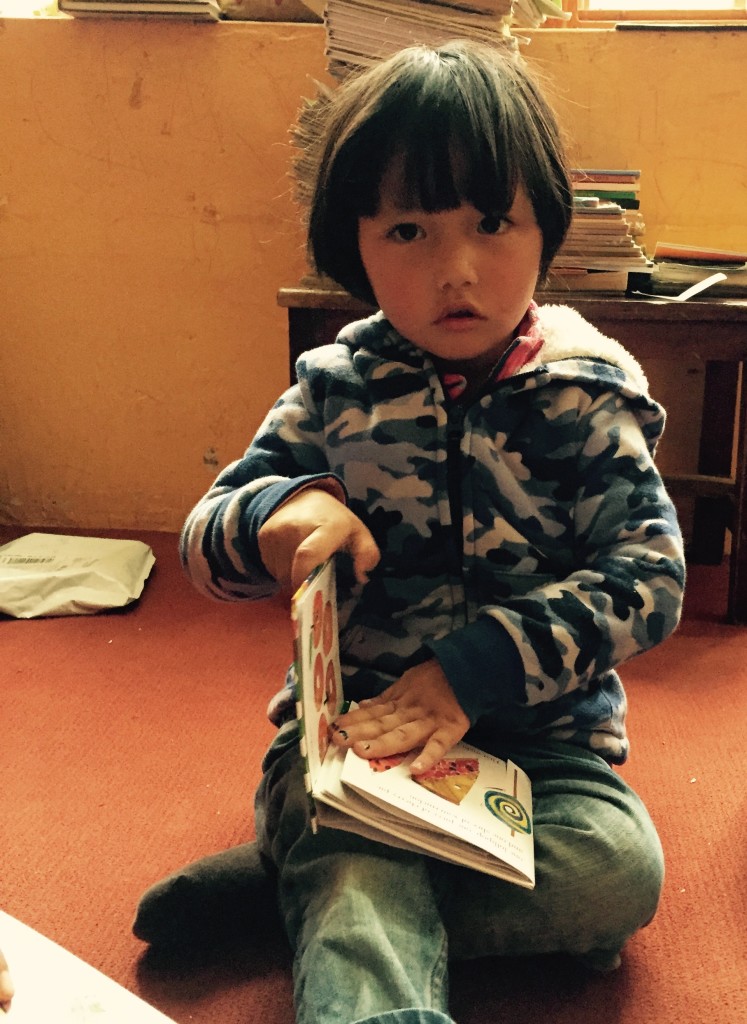
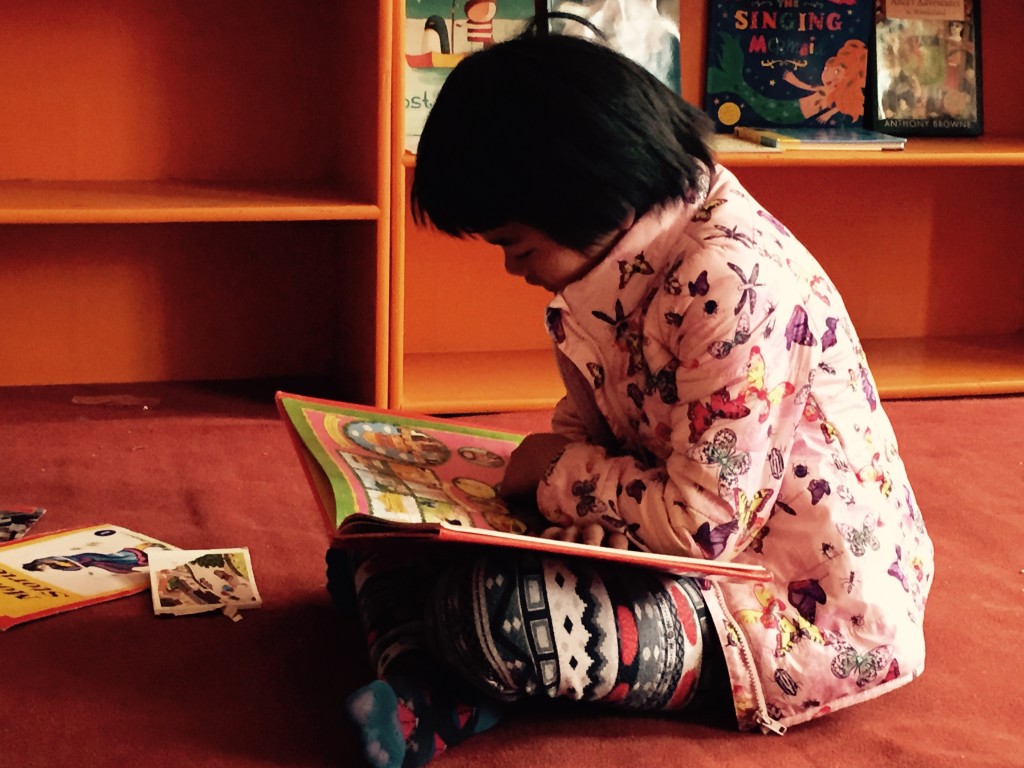
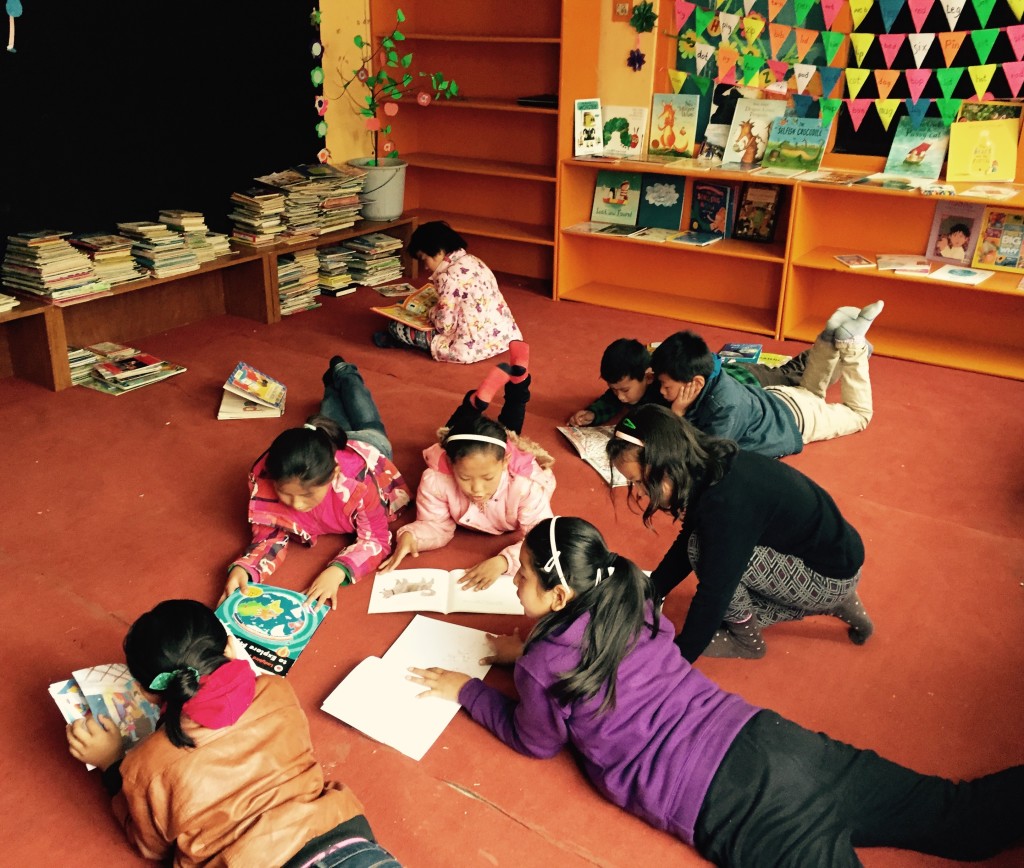
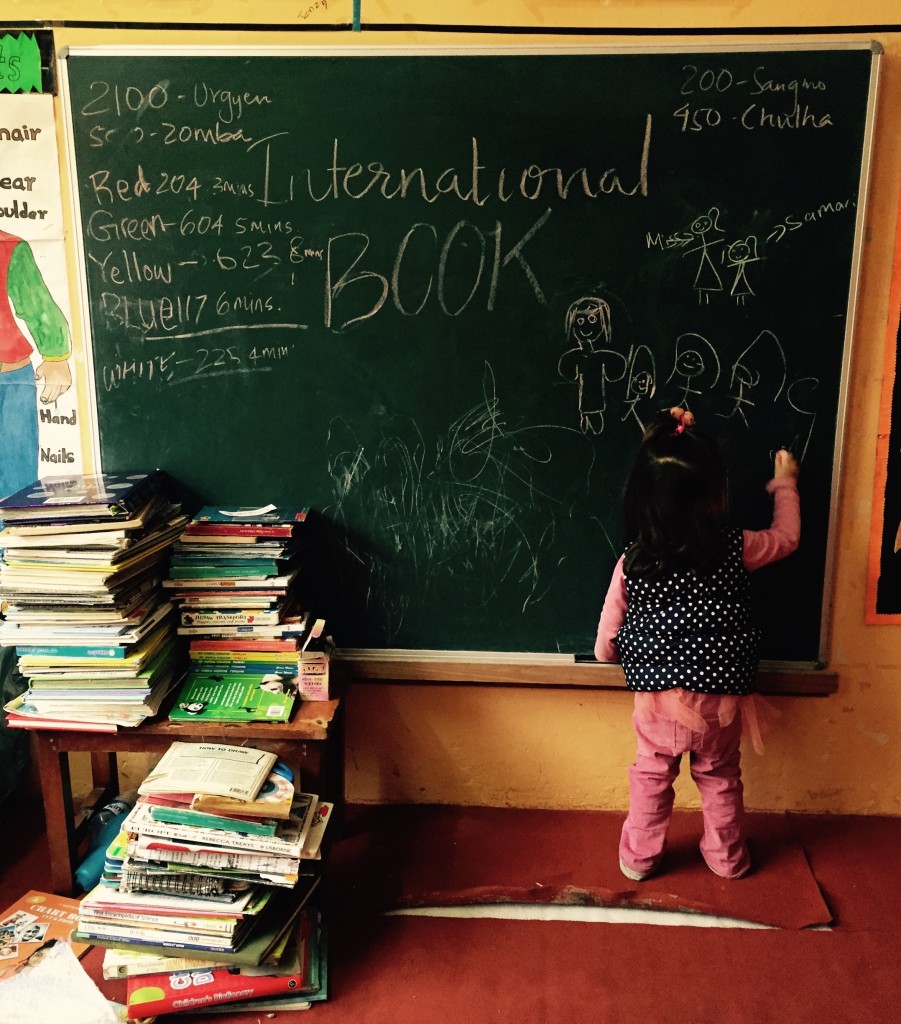
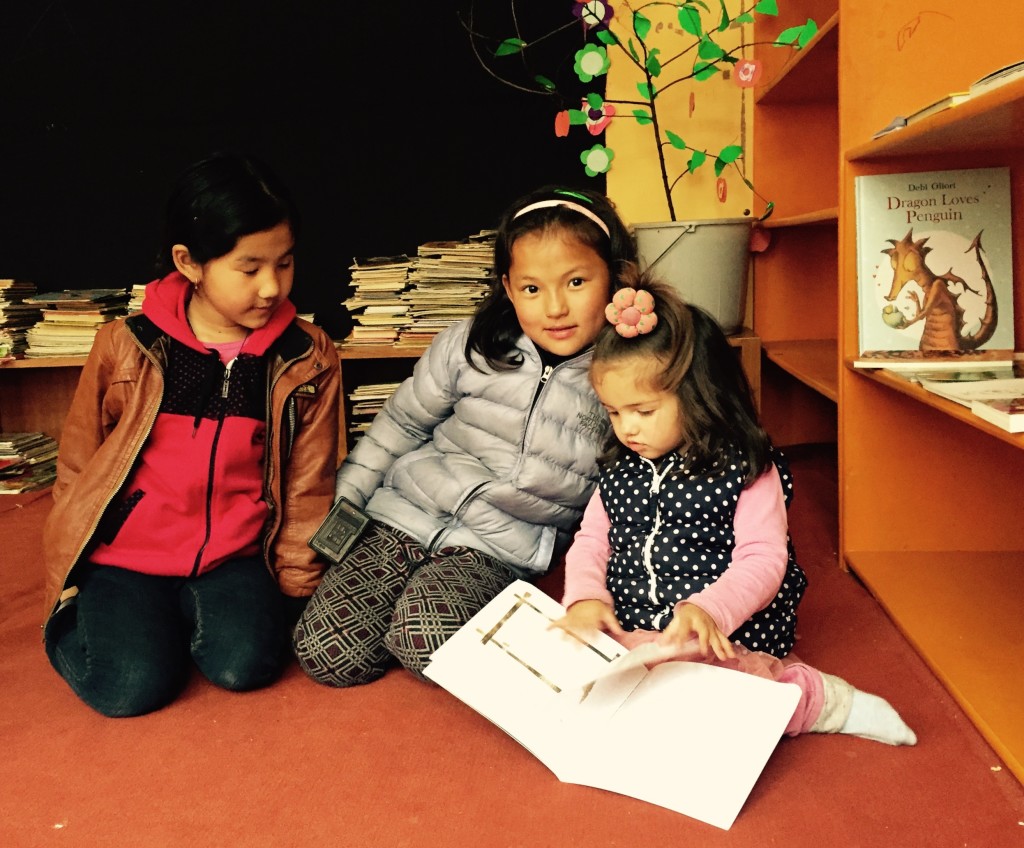
Reading activities can turn a delivery into a living program. Storytelling sessions, book clubs, drawing workshops, music lessons, and reading challenges encourage children to use the materials regularly. For young monks, books can support language learning, cultural study, creativity, and quiet independent reading alongside formal instruction.
Track Results With Care
Counting donated books is useful, but it does not fully measure educational impact. Organizers can also record the number of participating children, reading-room visits, active partner sites, group activities, and books borrowed. Simple feedback from teachers and facilitators can reveal which materials are most useful and which gaps remain.
Impact reporting should be accurate and respectful. Avoid presenting children as symbols of hardship or using personal stories without permission. A photograph of a new reading corner, a quote from an educator, or an anonymized account of increased library use can communicate value without compromising dignity.
Reviewing the campaign after distribution creates a stronger foundation for the next drive. Teams can identify customs delays, popular titles, damaged packaging, unmet language needs, and successful volunteer practices. These lessons turn a one-time donation effort into an improving cross-border education program.
Practical Ways To Strengthen The Drive
Small operational choices can determine whether books arrive in good condition and remain useful for years. A shared calendar, consistent labeling system, and central contact list can reduce avoidable mistakes across three countries.
Organizers can strengthen the campaign by:
- Appointing one coordinator in each country with clear decision-making authority.
- Publishing an acceptance guide that lists preferred languages, ages, subjects, and formats.
- Using destination-based sorting instead of sending mixed boxes with no local plan.
- Setting aside funds for transport, customs support, shelving, repairs, and reading activities.
- Recording distribution data while protecting children’s privacy and personal information.
Fundraising can complement physical donations. Financial contributions may cover freight, local purchases, translation, shelving, or books that are unavailable in the collection country. This flexible support often fills gaps more efficiently than sending every item across a border.
Make Every Shipment Part Of A Reading Culture
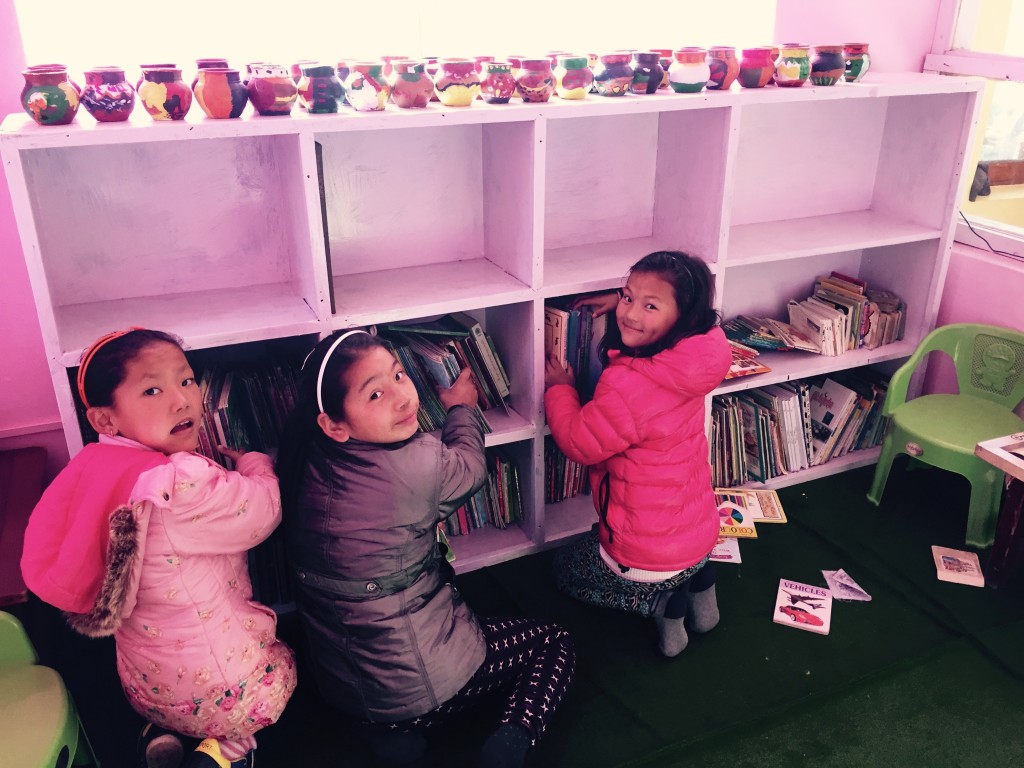
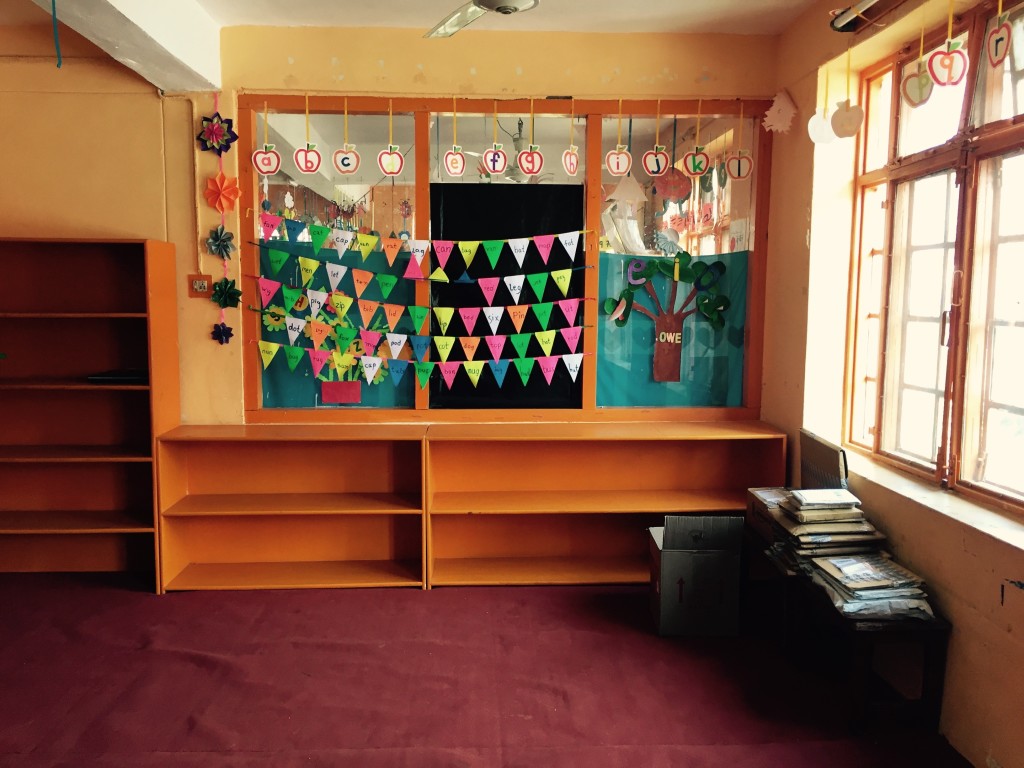
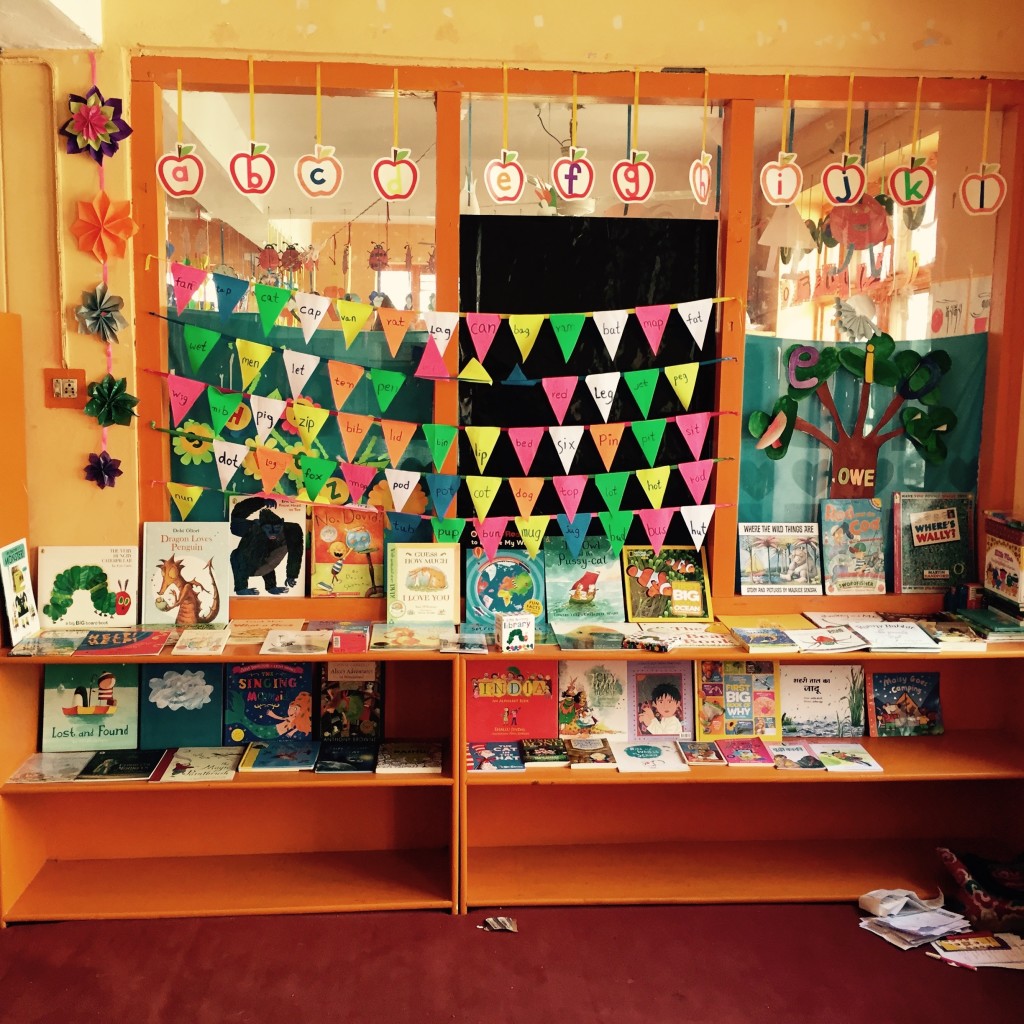
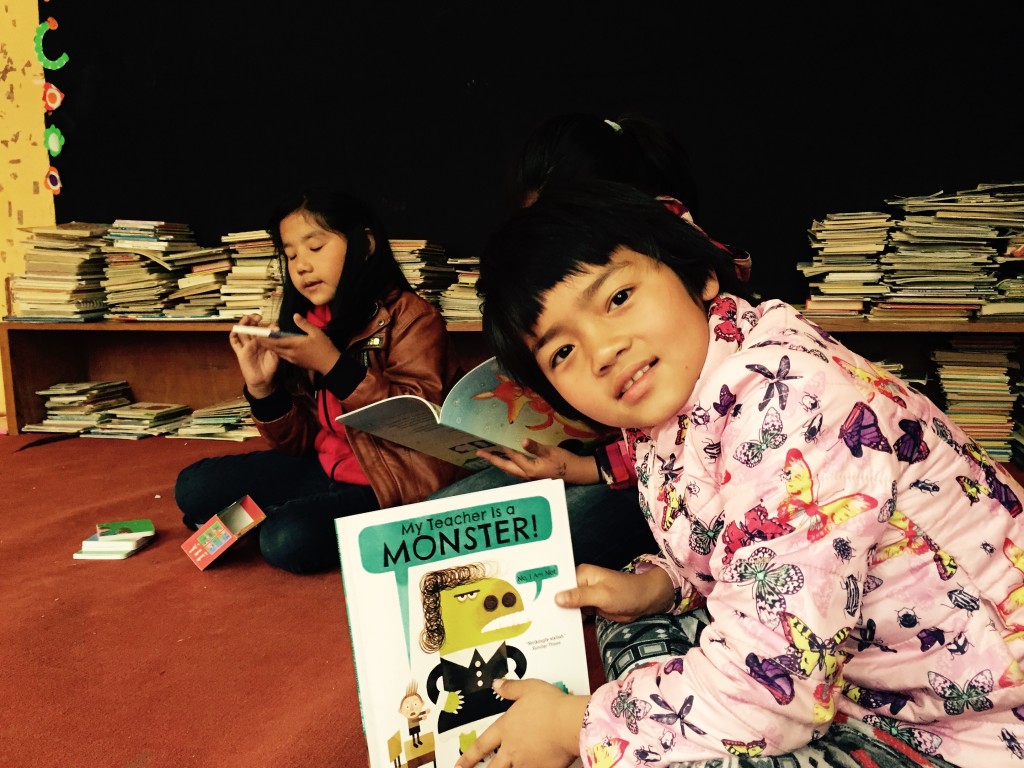
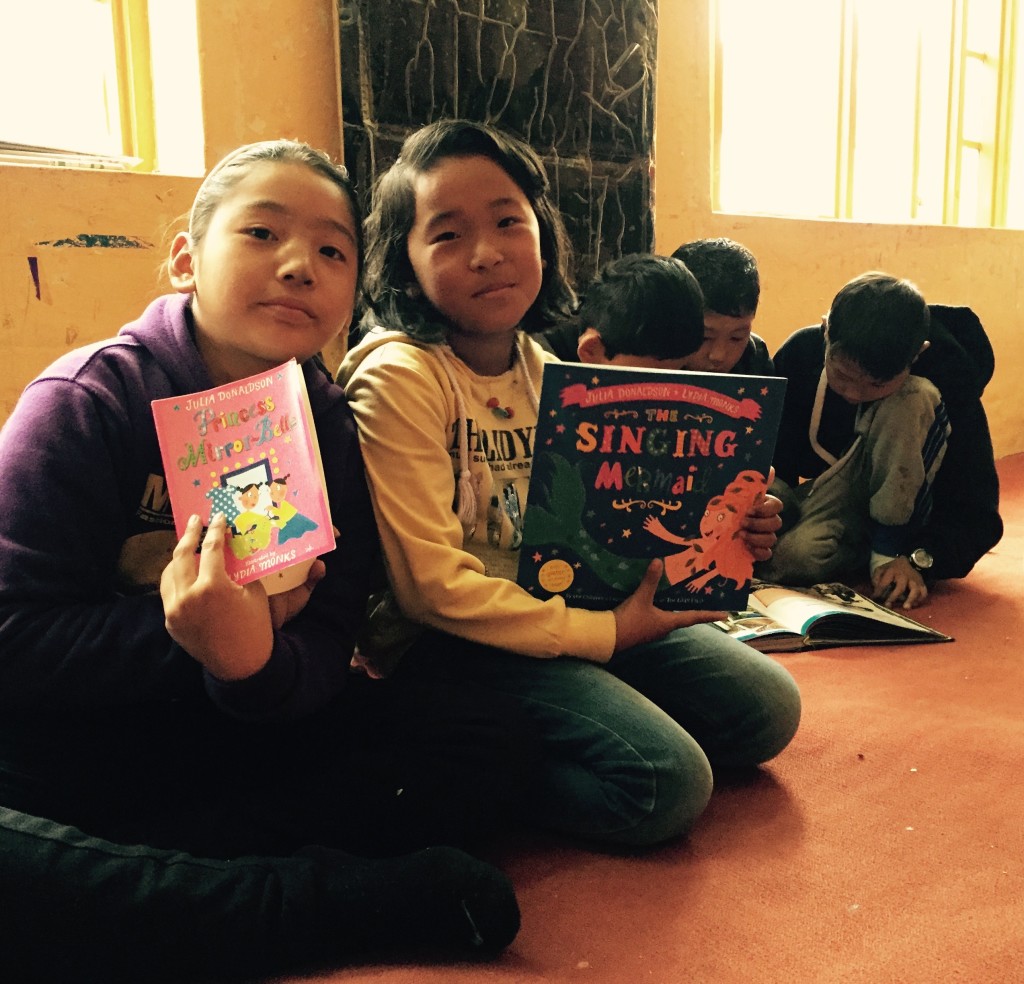
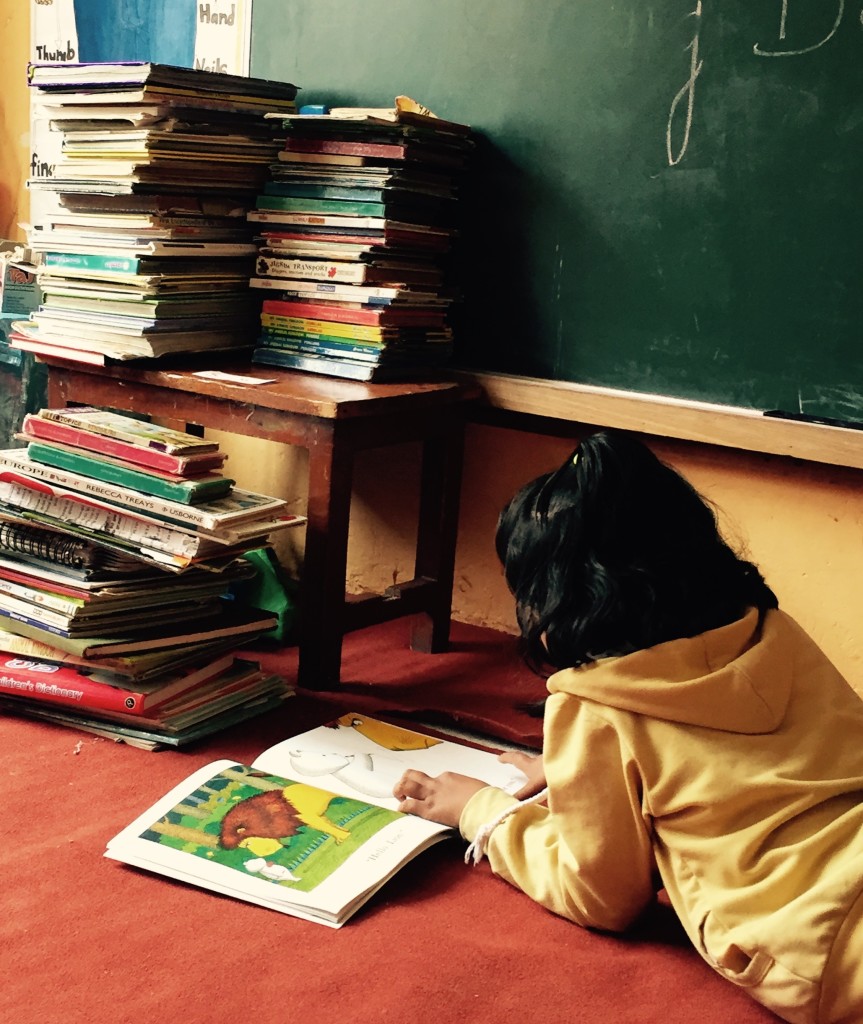
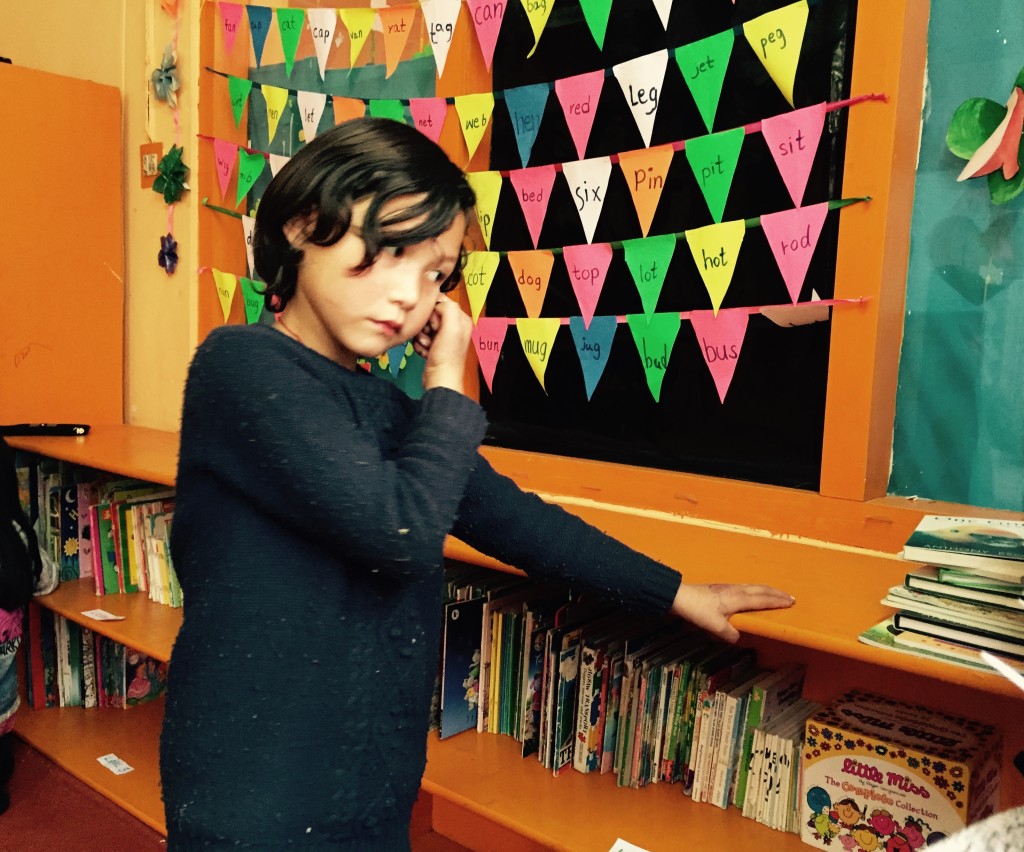
The lasting value of a book drive is found in what happens after delivery. A reading room needs welcoming adults, regular activities, basic cataloging, and opportunities for children to choose books independently. Even a modest collection can become powerful when it is used consistently and cared for collectively.
Avalokiteśvara Trust’s work in literacy, creativity, and educational access shows why cross-border cooperation deserves thoughtful investment. Donors, volunteers, educators, and community leaders each contribute a different part of the journey, from selecting a story to placing it in a child’s hands.
Support a future book drive by donating suitable books, sponsoring transport, organizing a collection point, or contributing to a reading room in the Himalayan region. With careful planning and trusted local partnerships, a box of books can become a durable pathway to confidence, imagination, and opportunity.