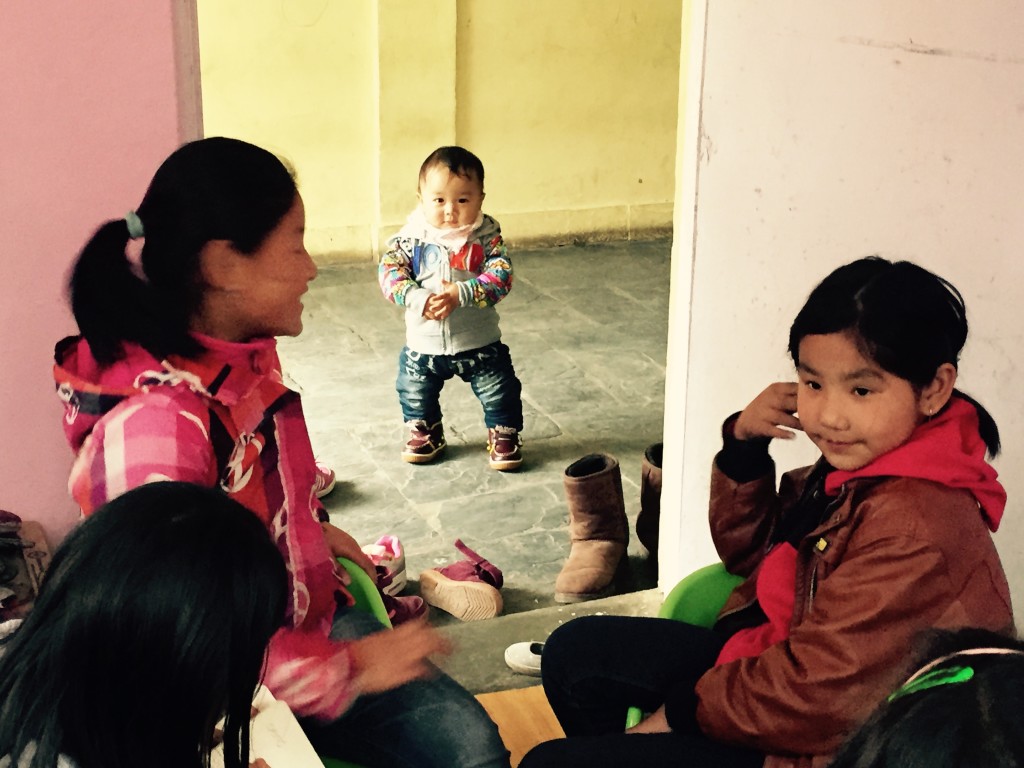
What Happens When Children In Ladakh Play With Lego Sets
For many children in Ladakh, a box of LEGO bricks offers a new kind of invitation: build something that does not yet exist. The experience may begin with curiosity about the colours and shapes, then quickly become a practical lesson in balance, planning, patience and imagination. In a reading room or community learning space, a building activity can bring the same energy as a new storybook.
This matters in a region where access to educational resources can vary greatly between communities. Ladakh’s high-altitude landscape, long travel distances and cold winter months can make regular access to books, toys and creative programmes difficult. When children gather around a shared set of bricks, they gain an opportunity to experiment together in a welcoming, low-pressure setting.
The first box changes the rhythm of learning
A first encounter with a LEGO set often starts with sorting. Children examine the pieces, compare colours and work out which shapes might connect. Some may follow the picture on the box, while others begin building a house, animal, vehicle or imaginary monastery from their own ideas.
This process gives children permission to learn through trial and error. A wall may fall down, a bridge may be too narrow, or a tower may lean. Instead of treating mistakes as failure, the group can adjust the design and try again. That small cycle of building, testing and rebuilding is a powerful learning habit.
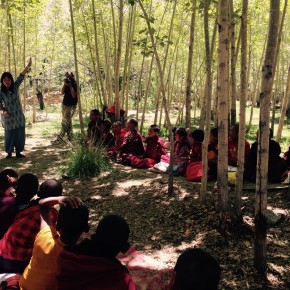
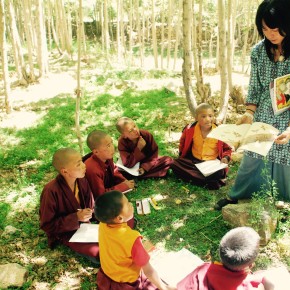
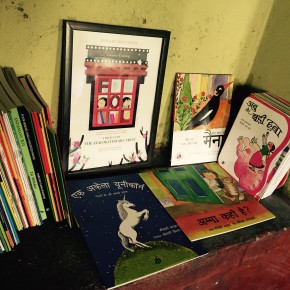
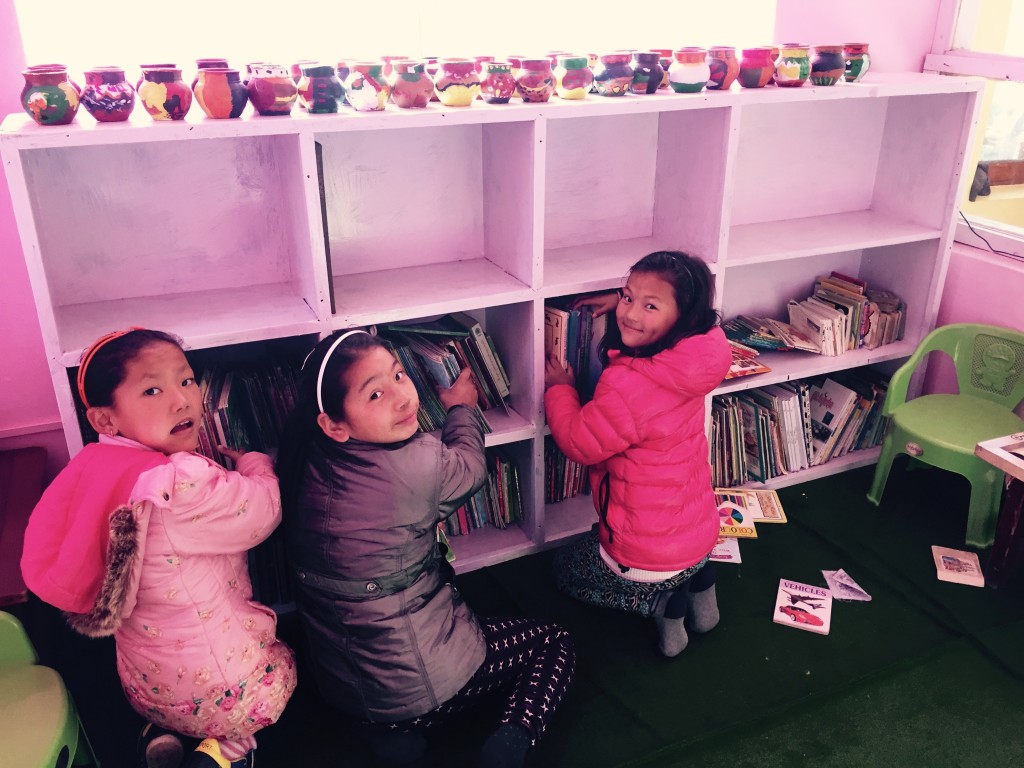
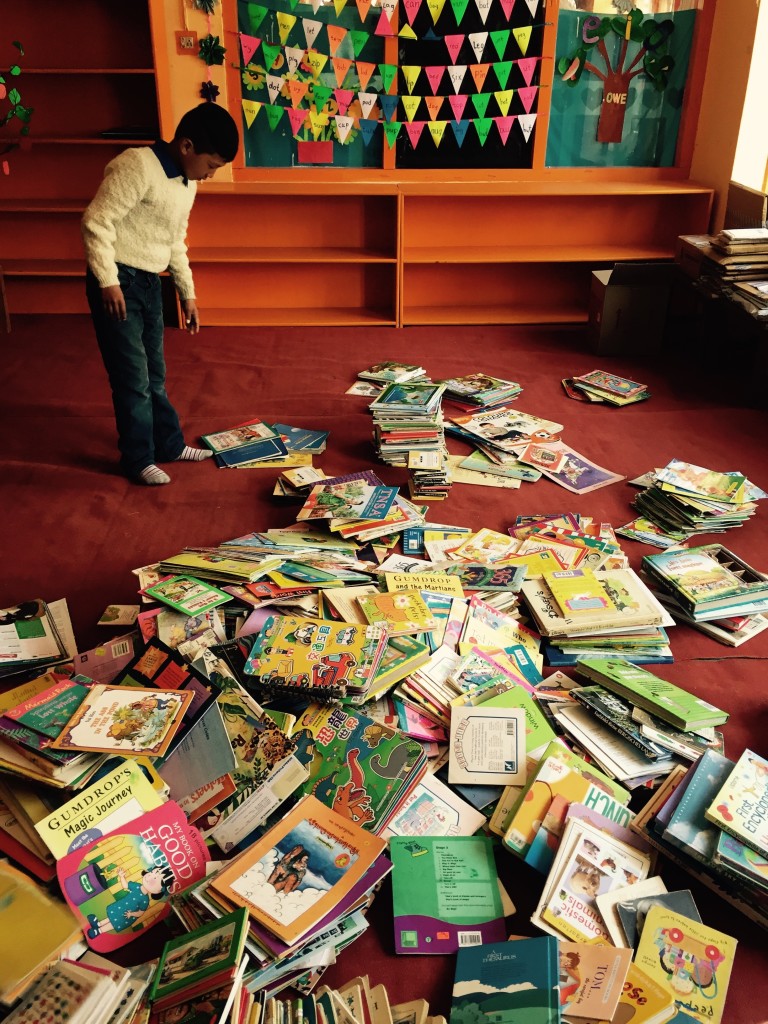
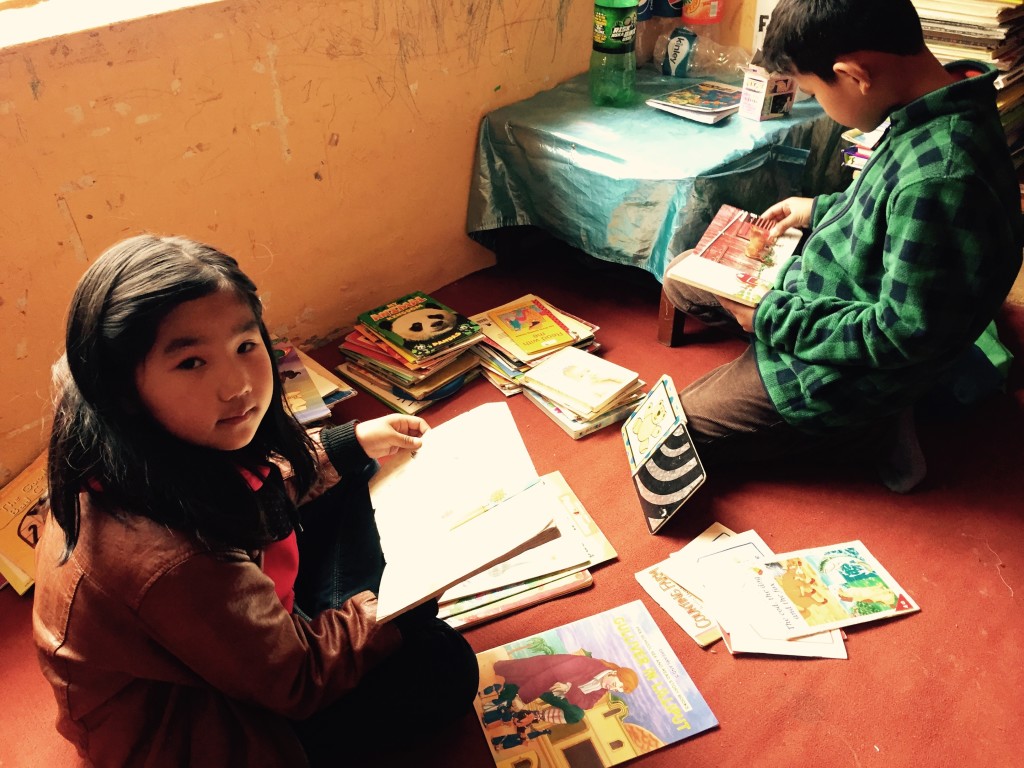
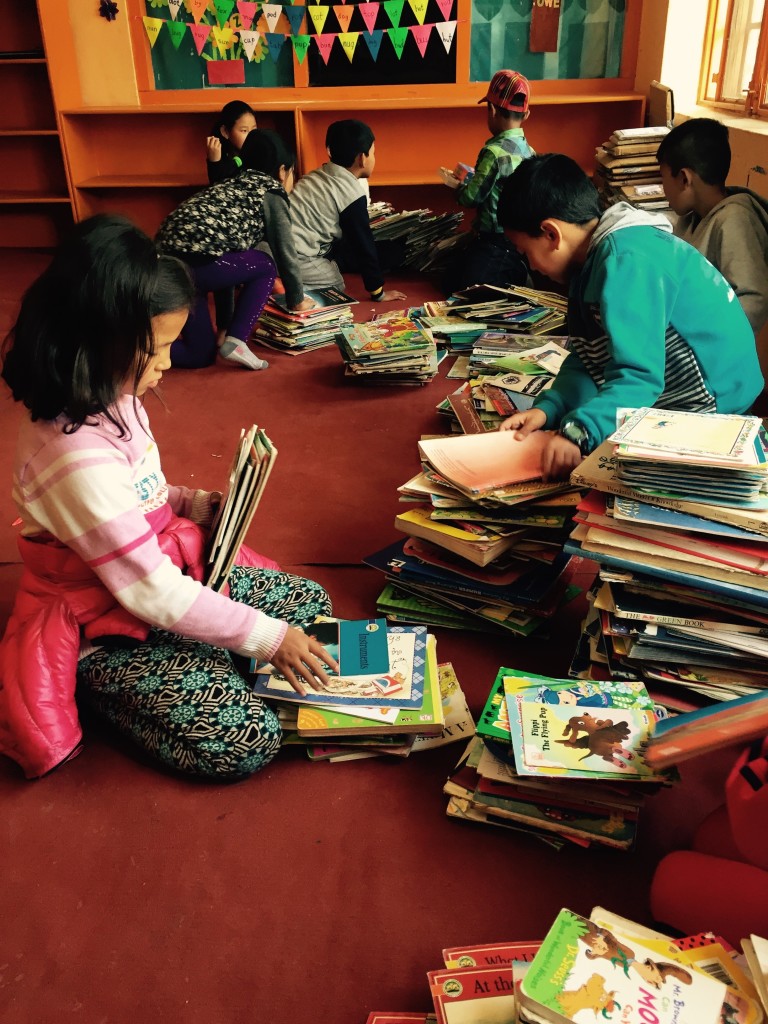
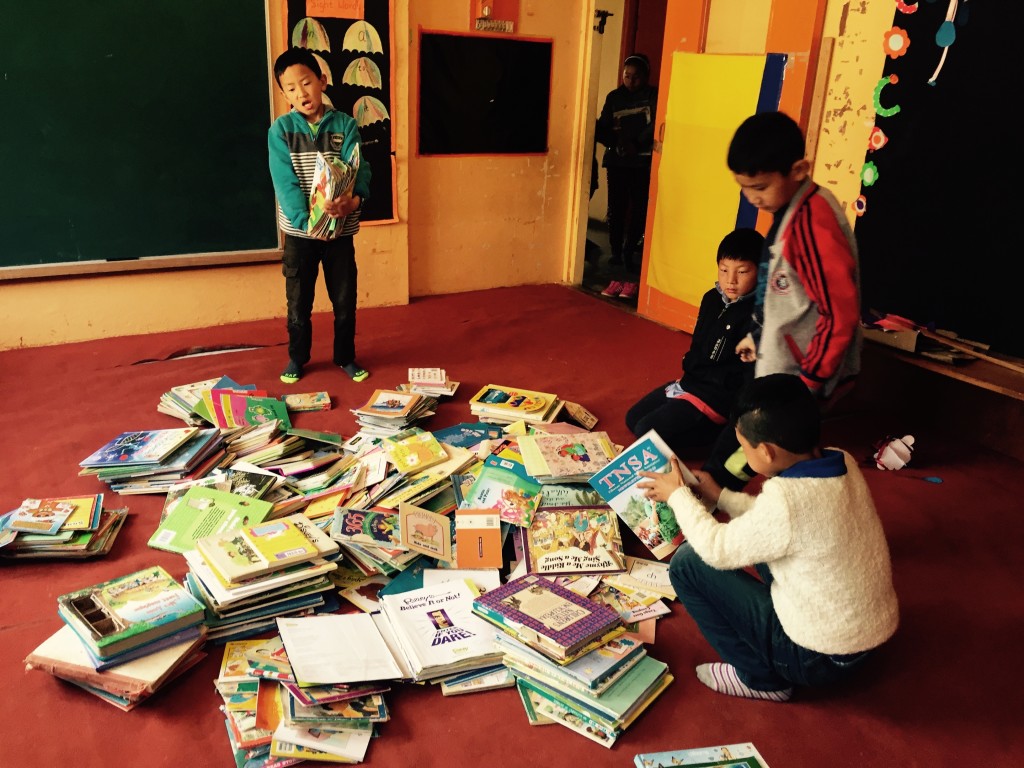
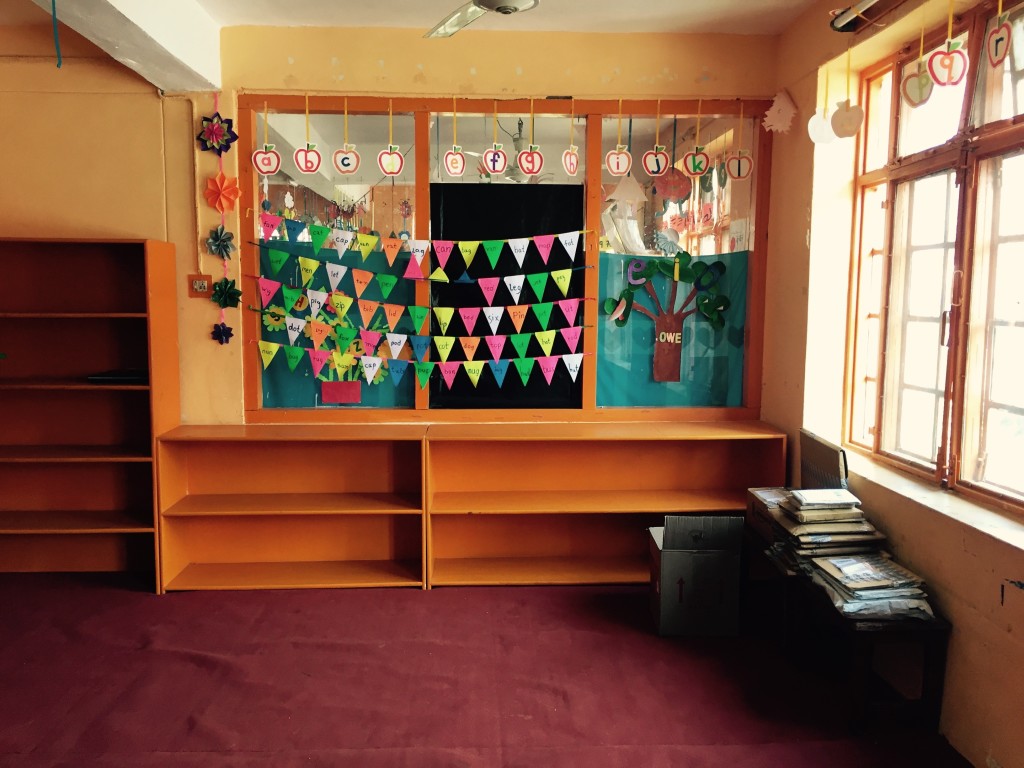
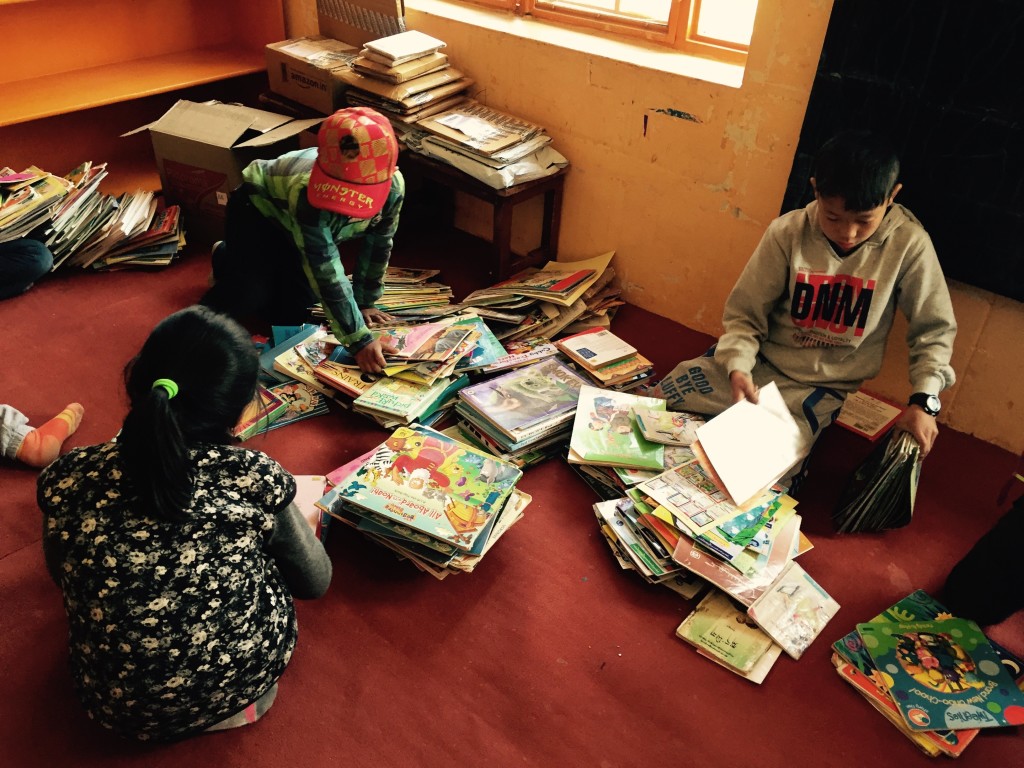
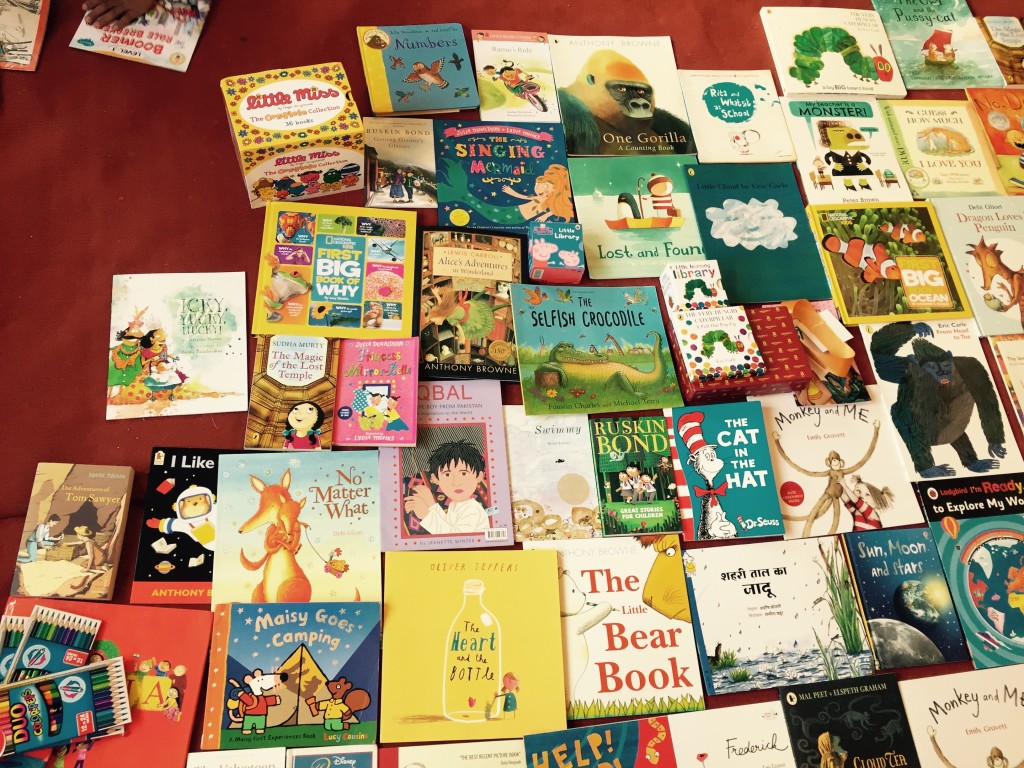
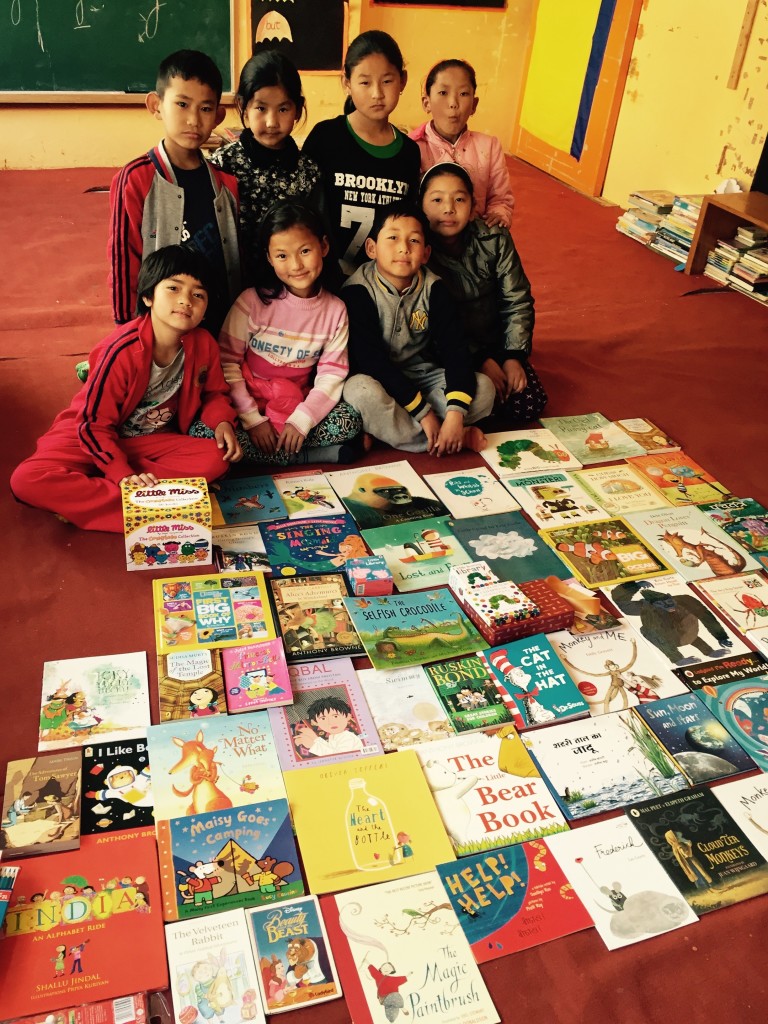
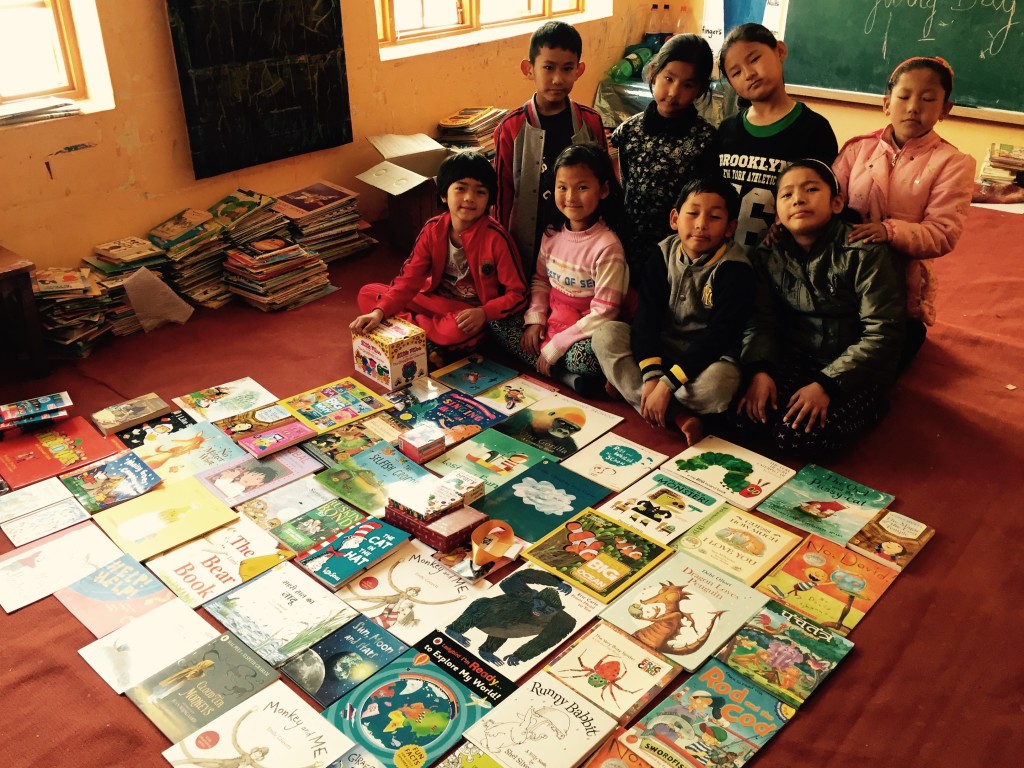
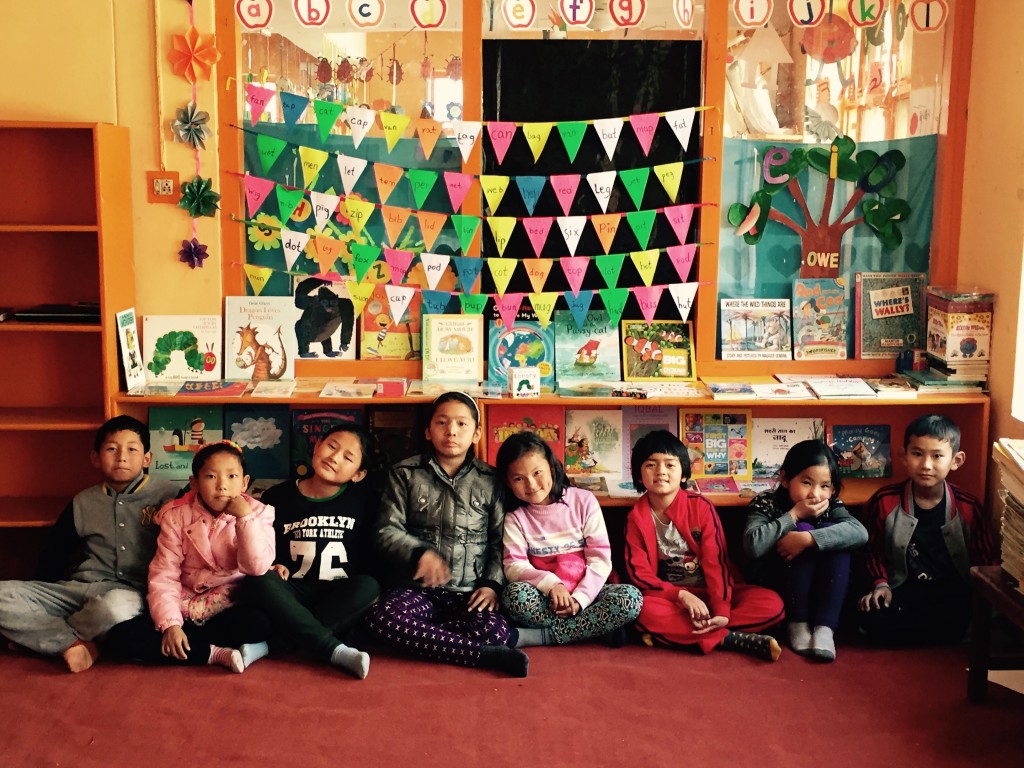
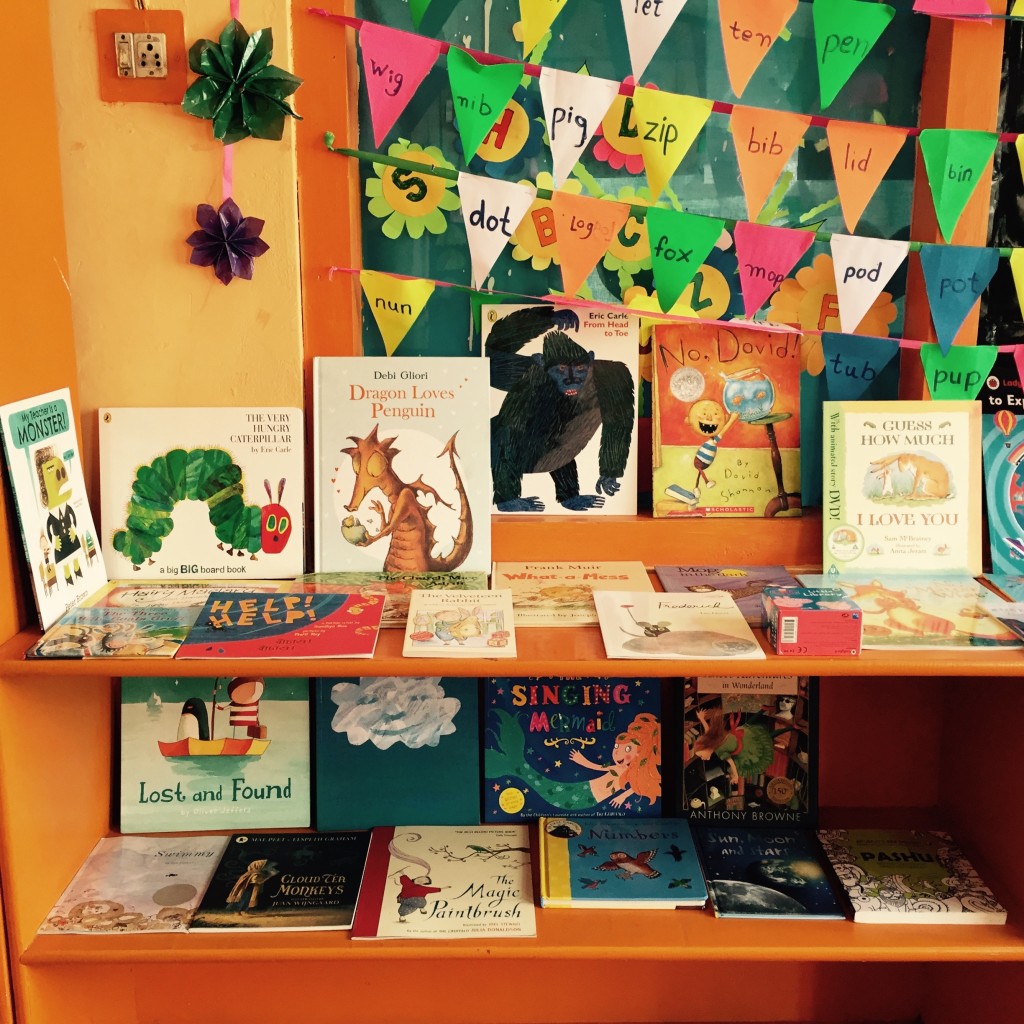
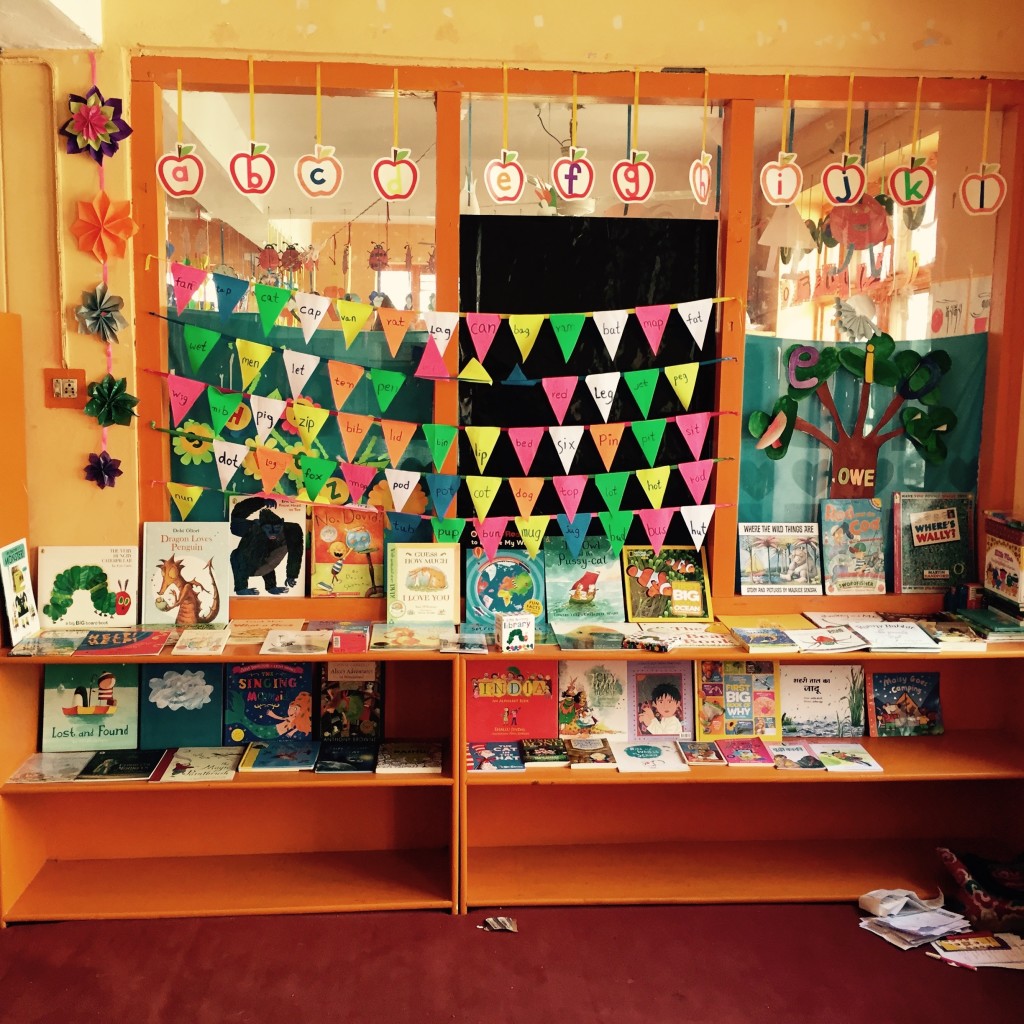
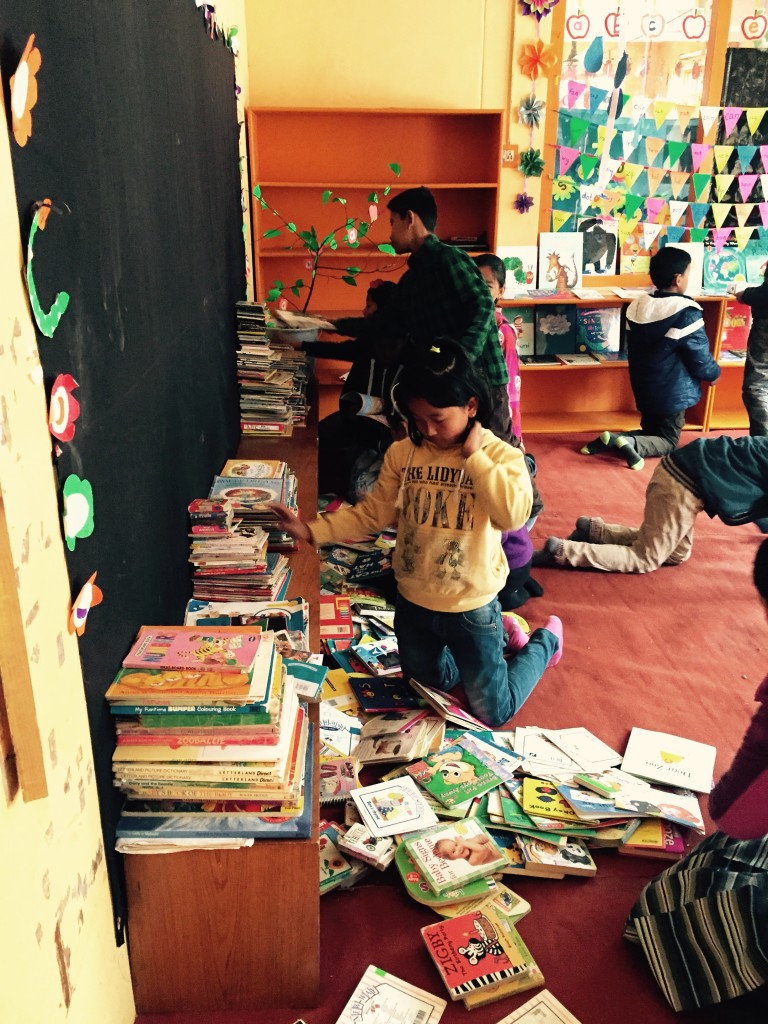
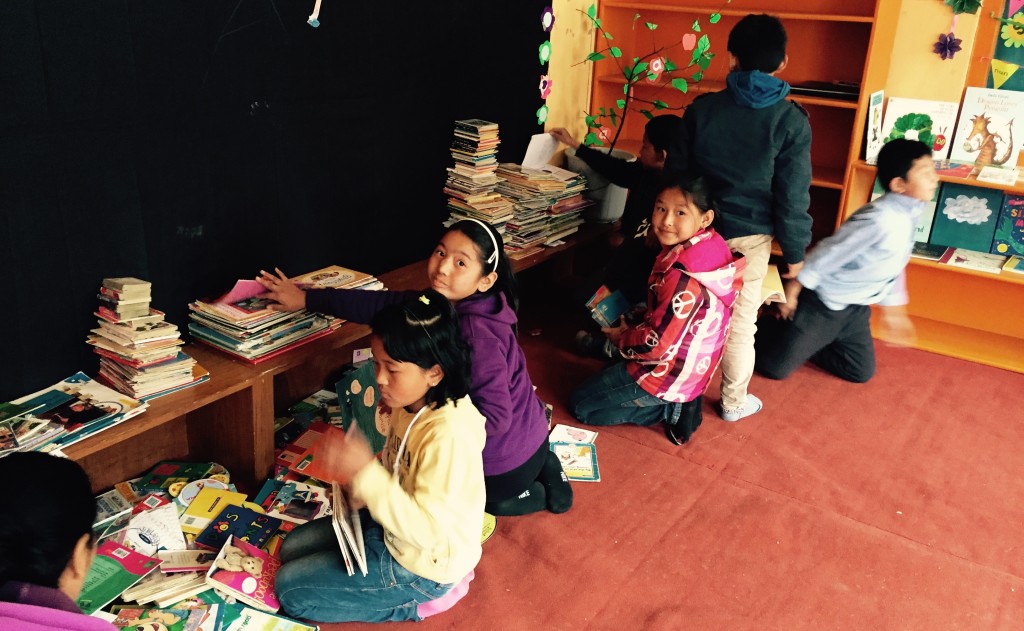
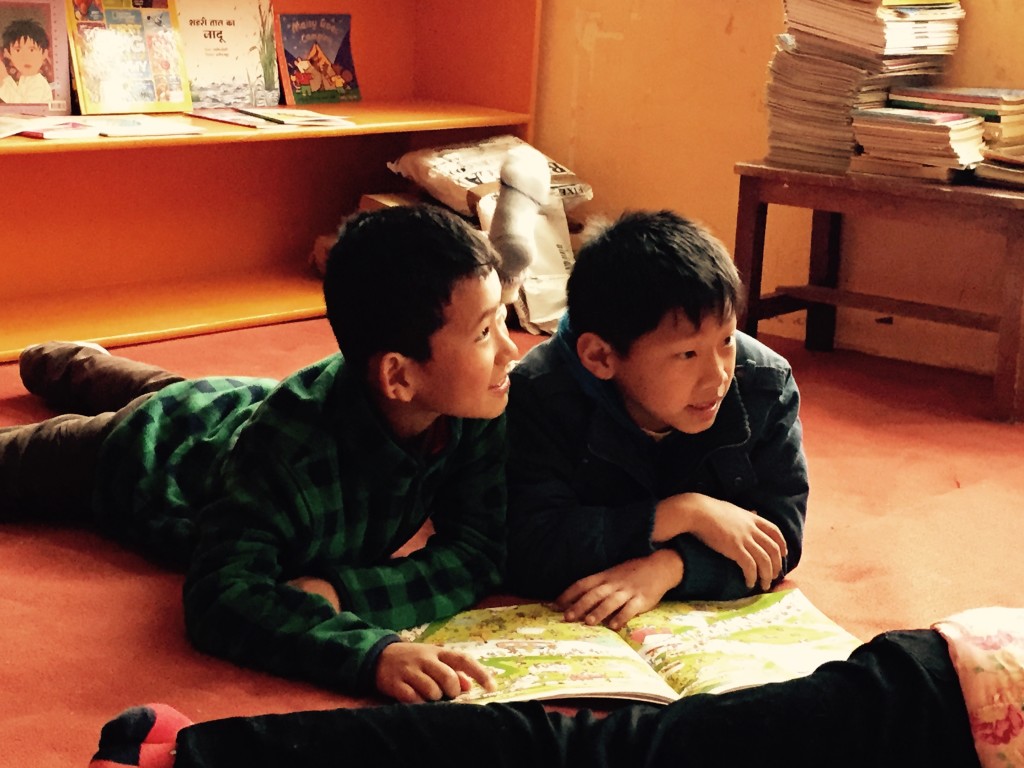
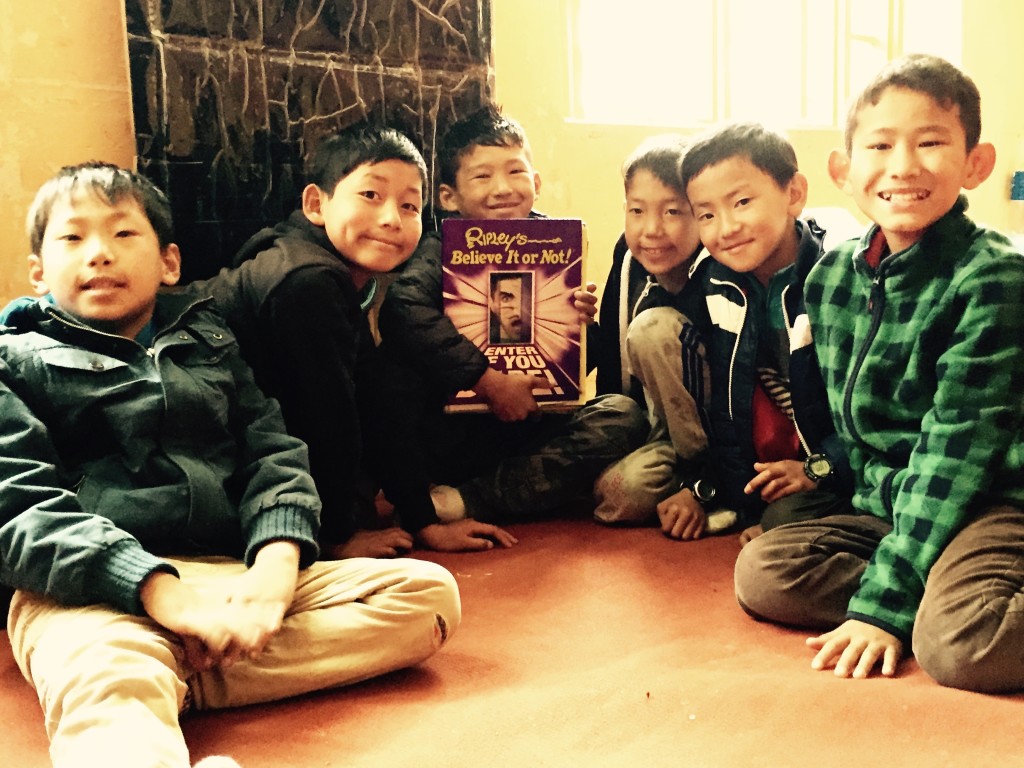
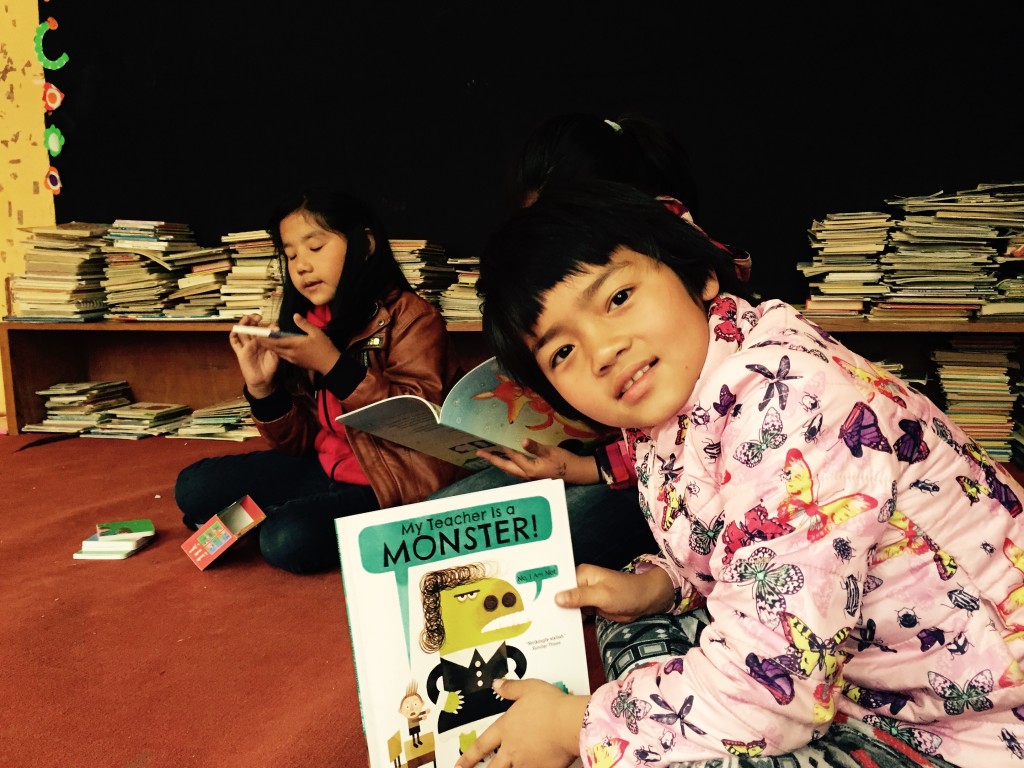
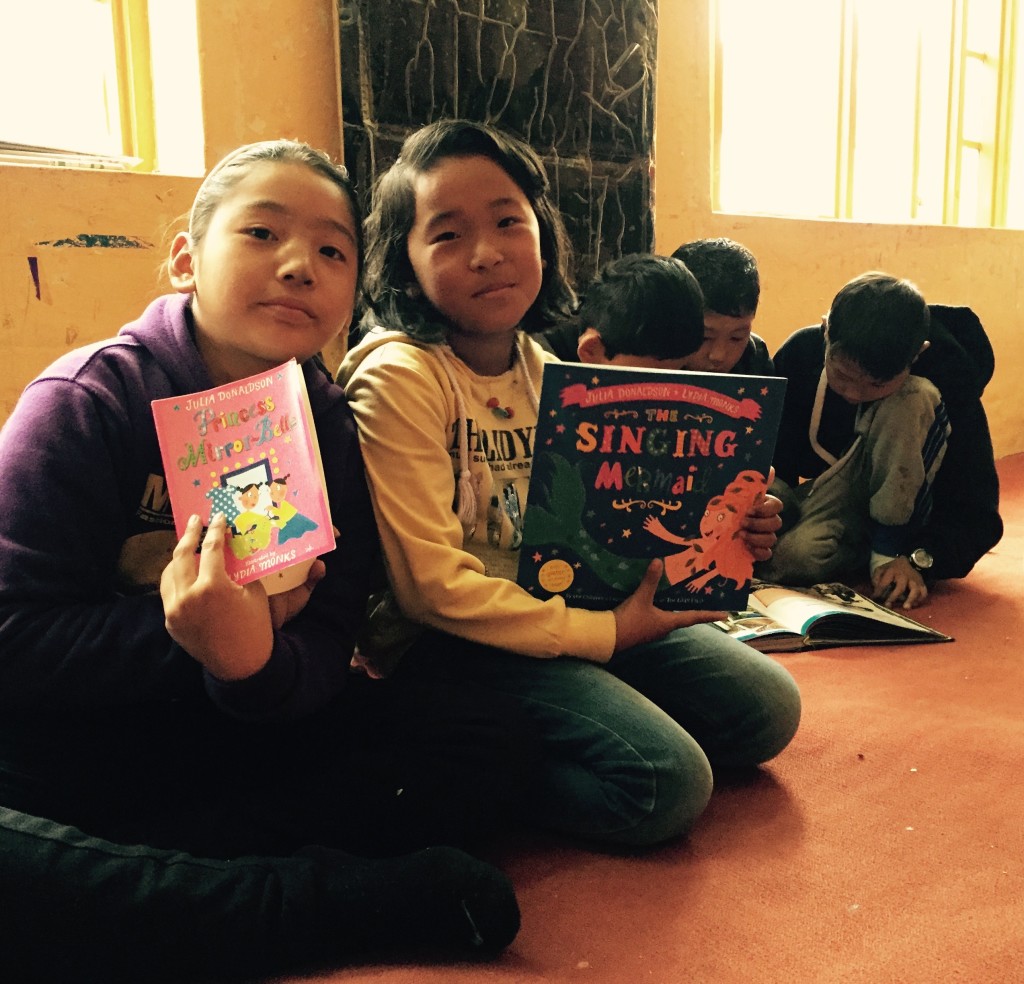
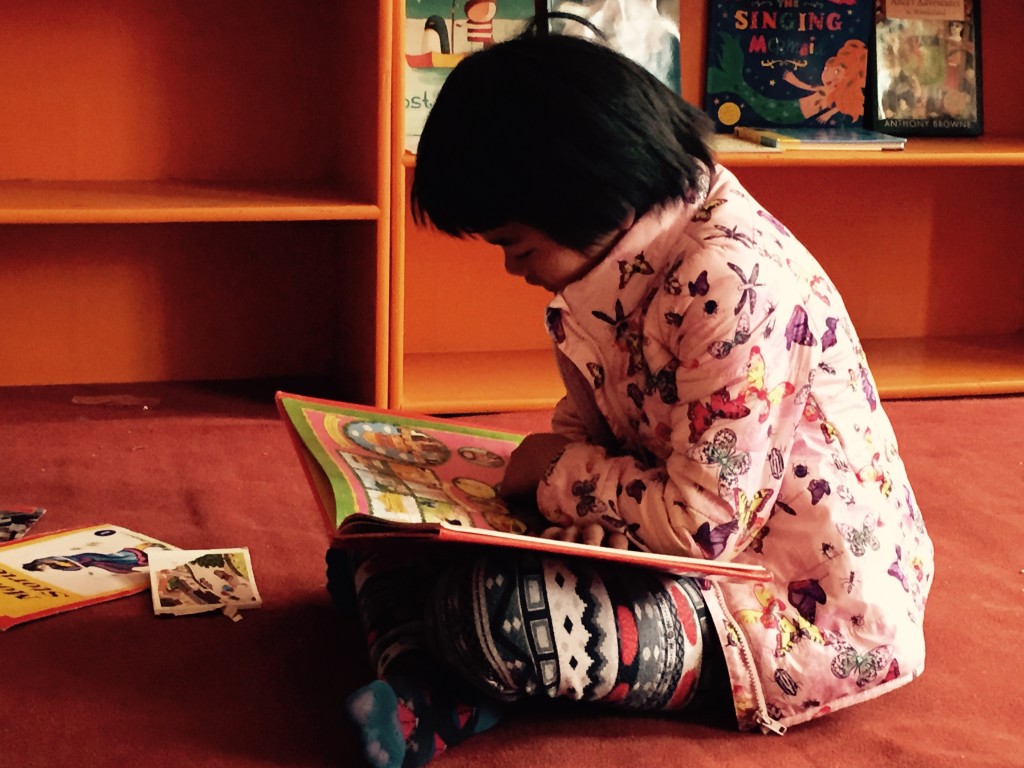
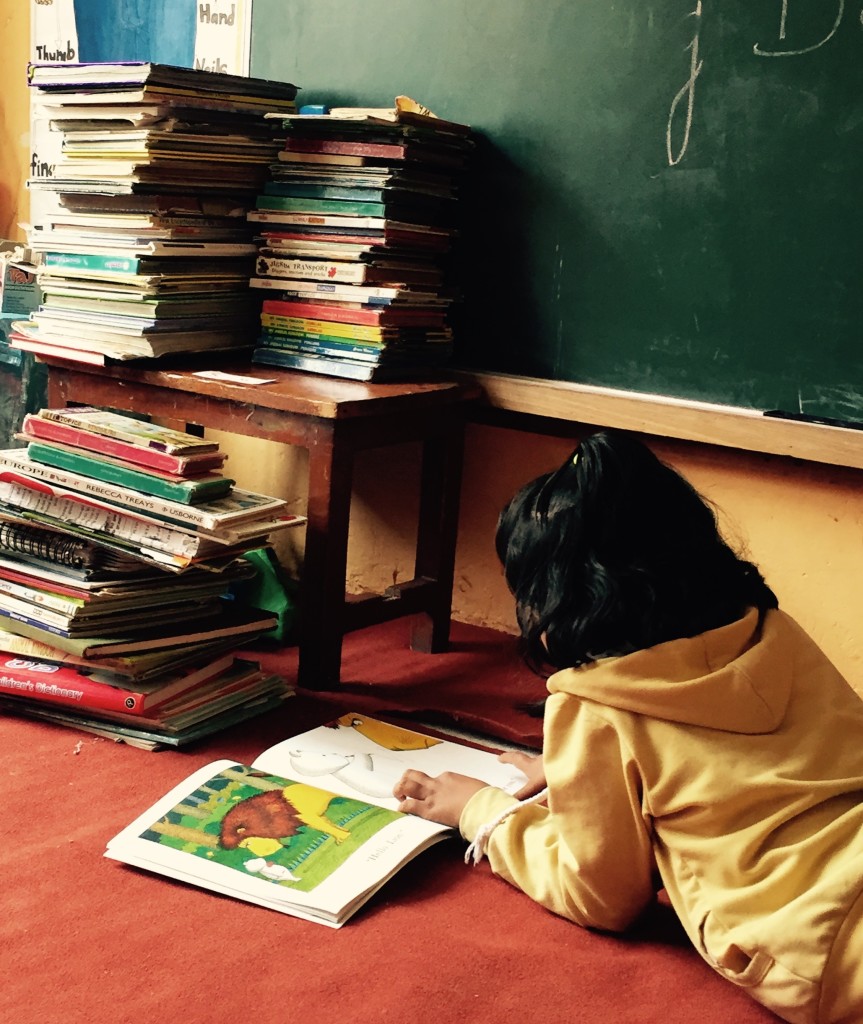
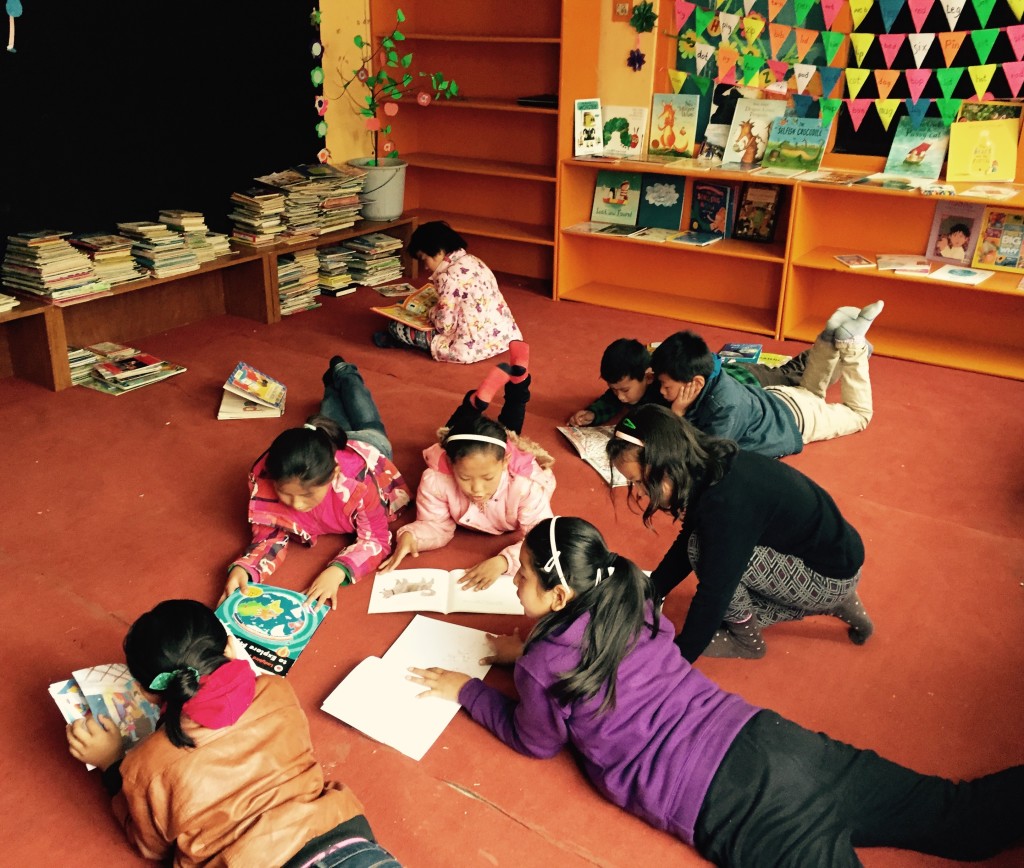
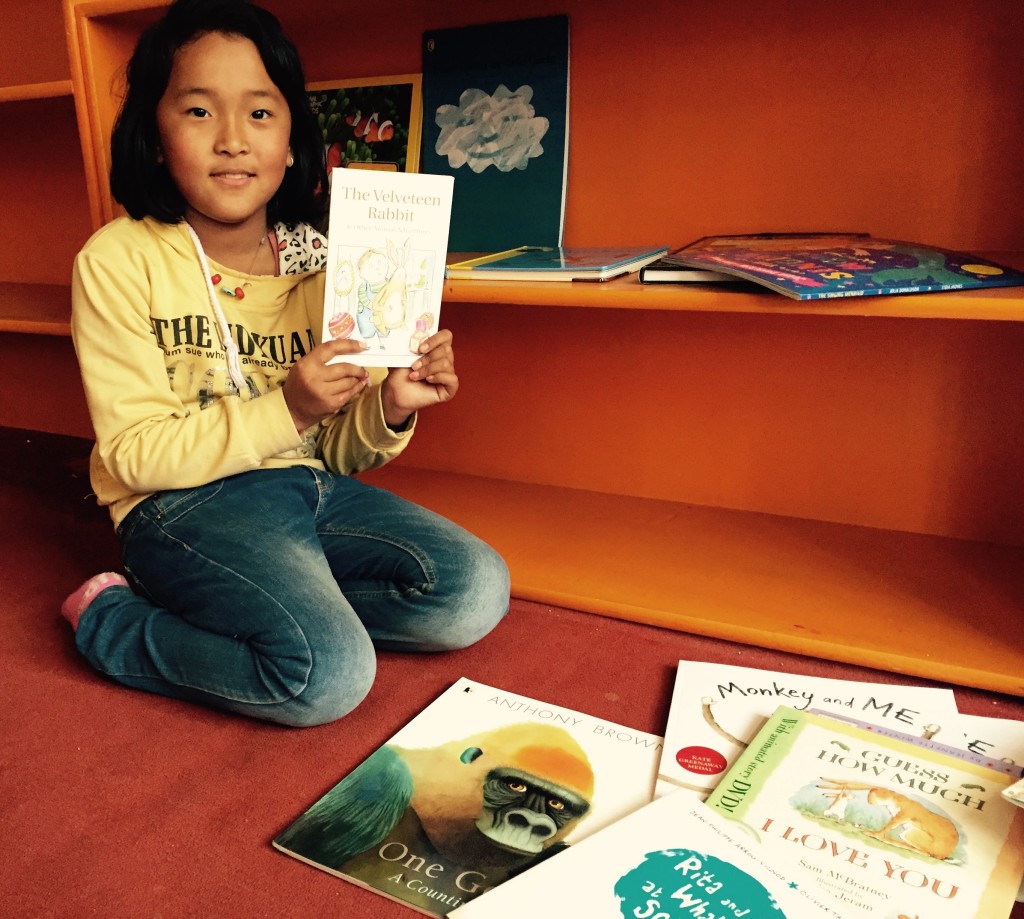
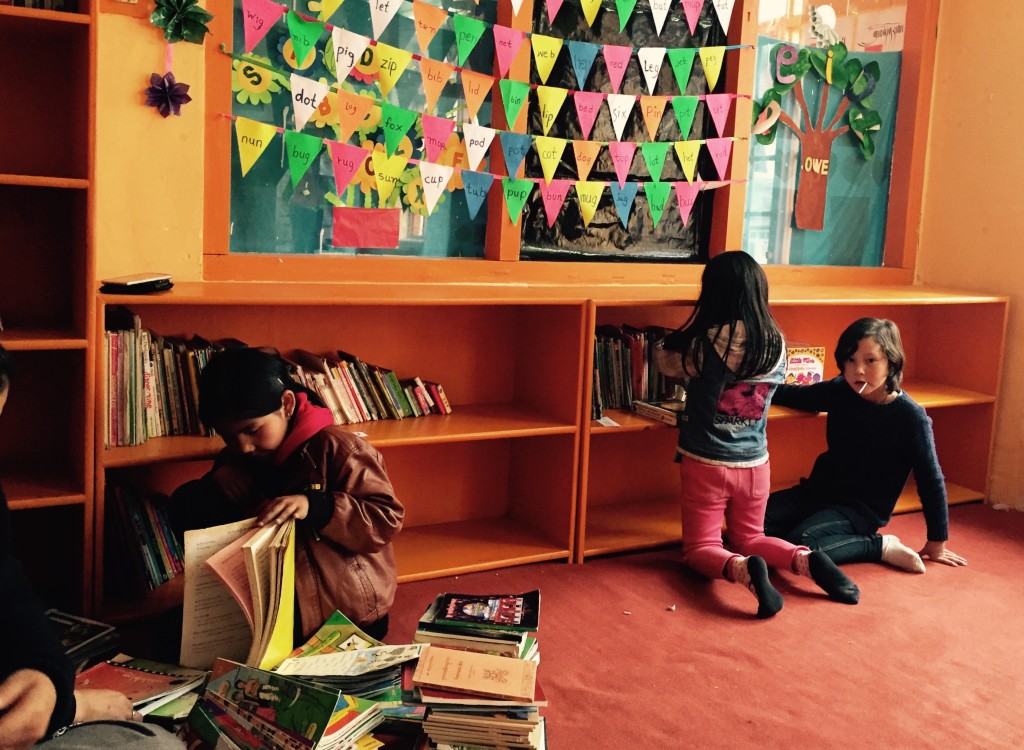
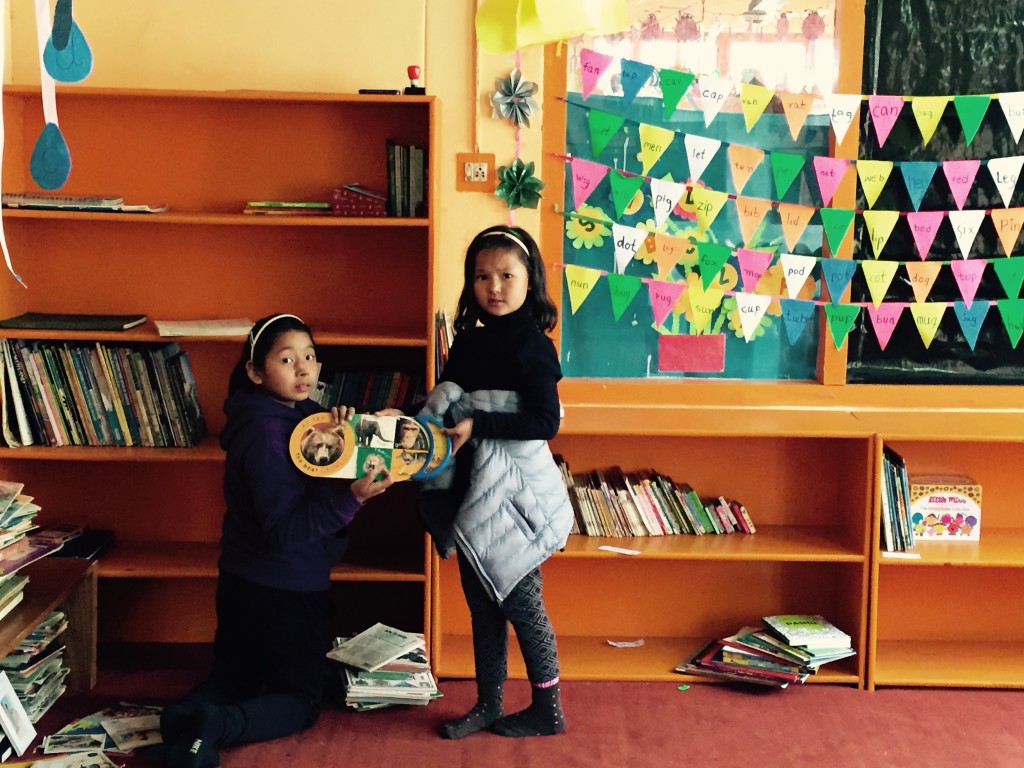
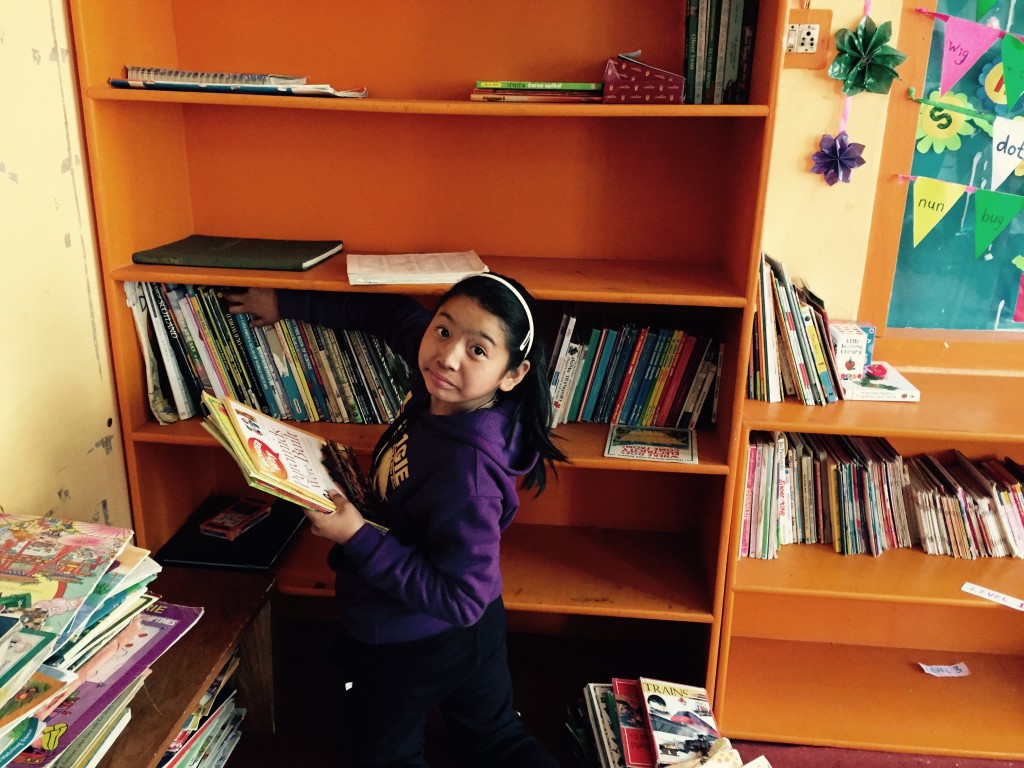
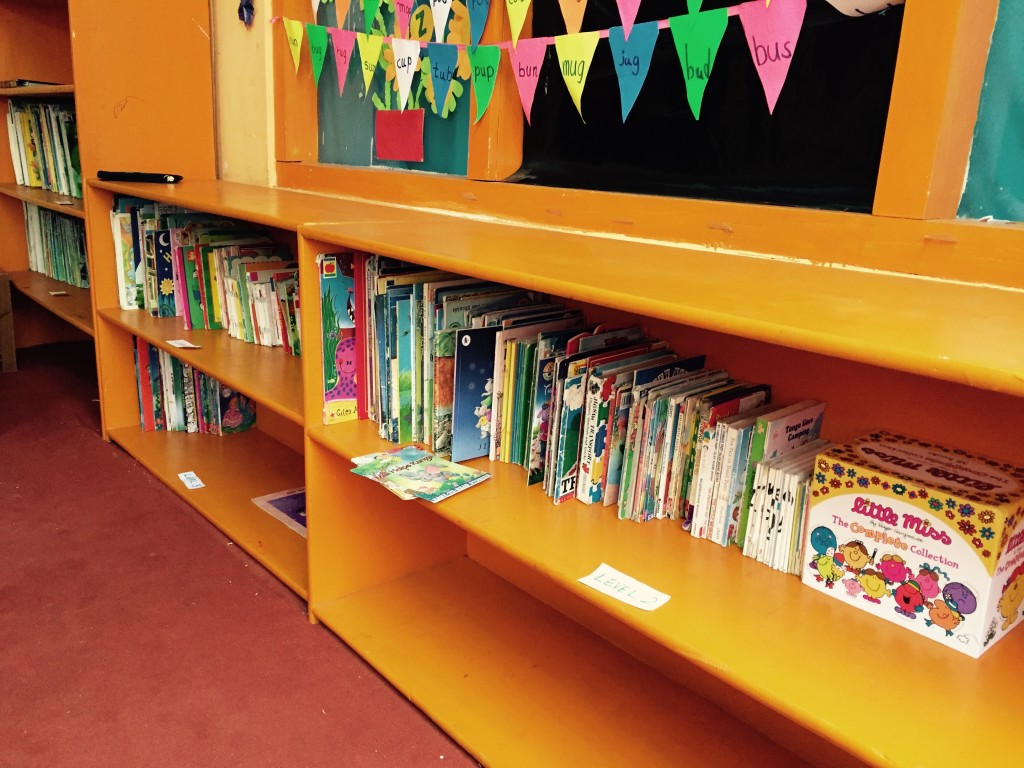
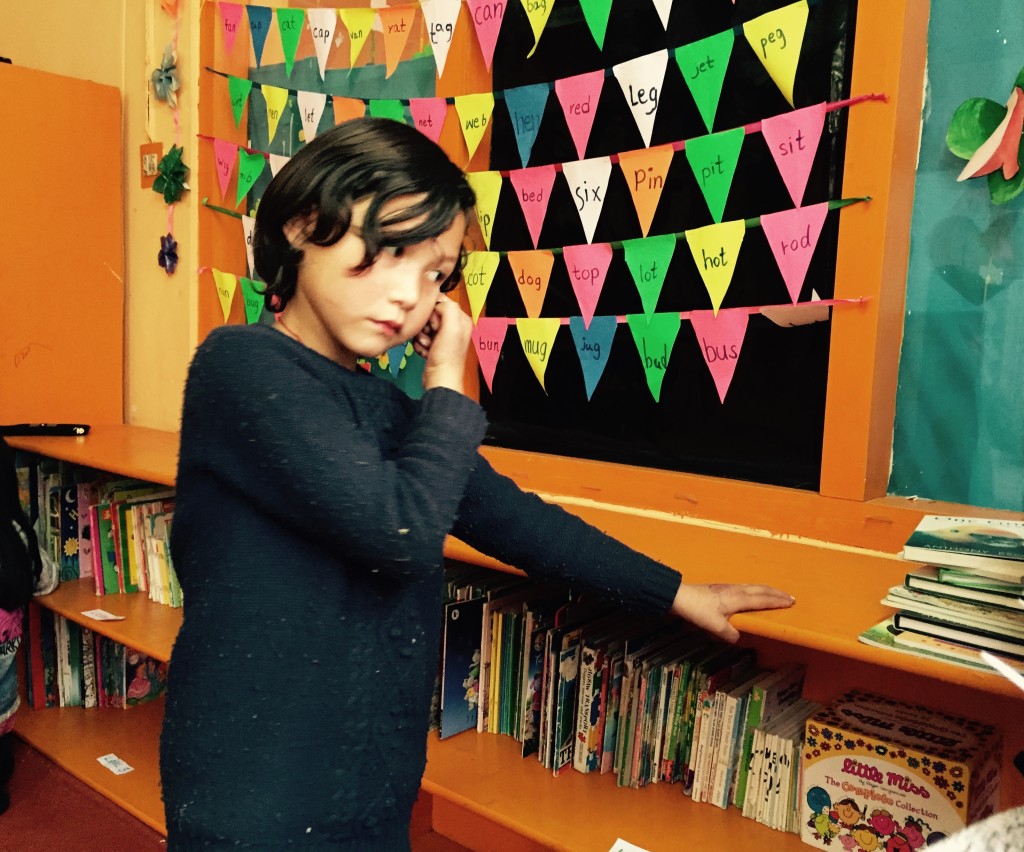
In a reading room supported by Avalokiteśvara Trust, the activity can also change the atmosphere. A normally quiet space becomes a place for conversation, concentration and shared discovery, while books remain nearby as sources of ideas.
Hands-on play makes abstract ideas visible
Young learners can hear about balance, symmetry and structure in a lesson, but bricks allow them to see those ideas in action. A child building a tall tower soon notices that a wide base makes it steadier. A child designing a vehicle discovers that wheels need to sit evenly for it to move.
The activity supports early mathematical thinking without requiring a worksheet. Children count pieces, recognise patterns, compare lengths and estimate whether a structure will fit on the table. They also practise fine motor skills as they connect small bricks and separate tightly fitted parts.
Language development forms another part of the experience. Children describe what they are making, explain how a design works and negotiate which pieces to share. Depending on the group, conversation may move between local languages, Hindi and English. Every explanation gives a child a reason to communicate clearly.
Stories begin to rise from the bricks
A LEGO model is rarely just a model for long. A small house can become part of a village, a bridge can connect two imagined communities, and a boat can carry characters across a mountain lake. Construction becomes a starting point for storytelling.
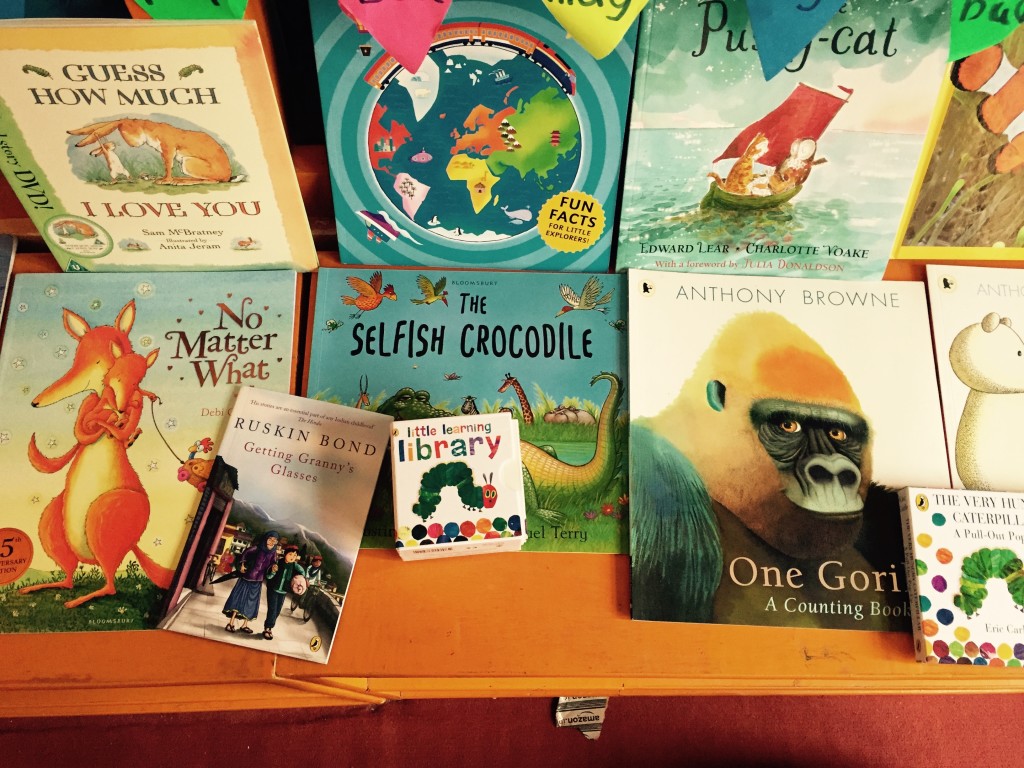
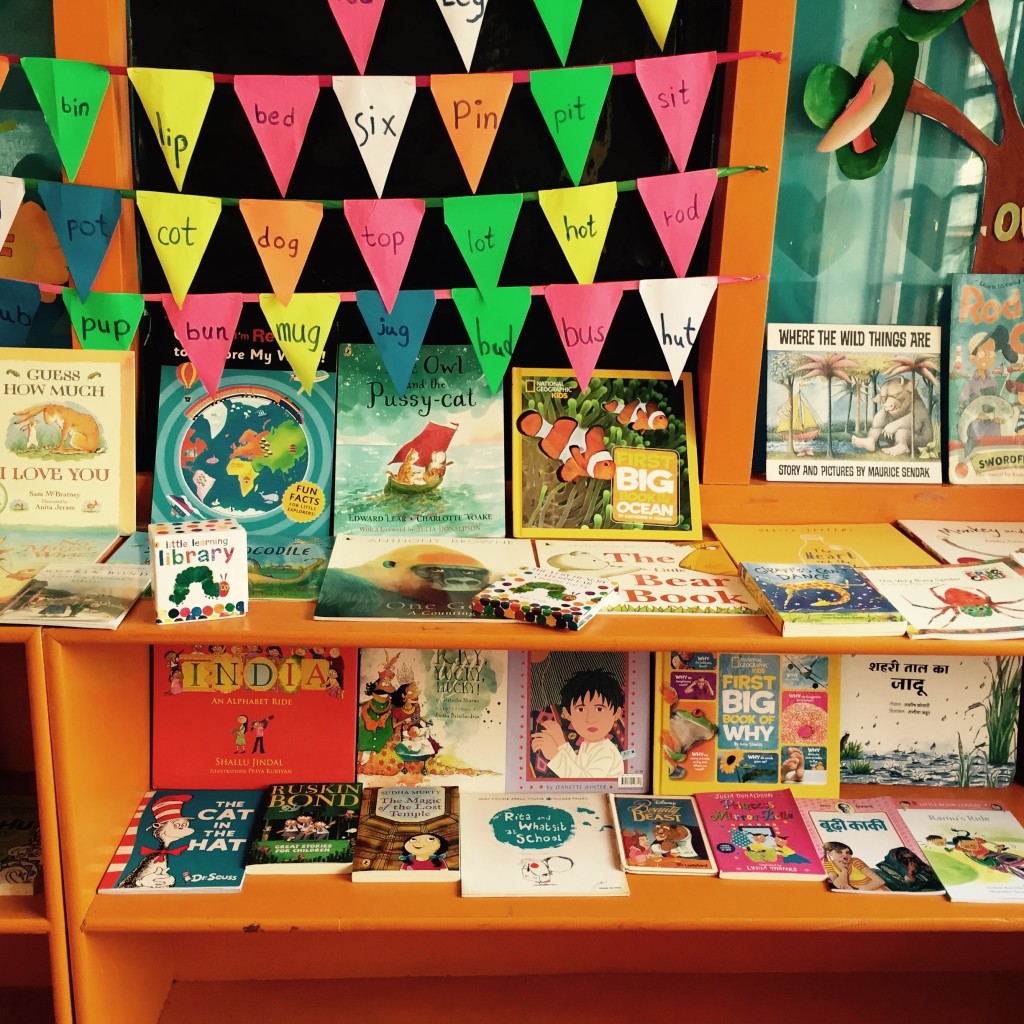
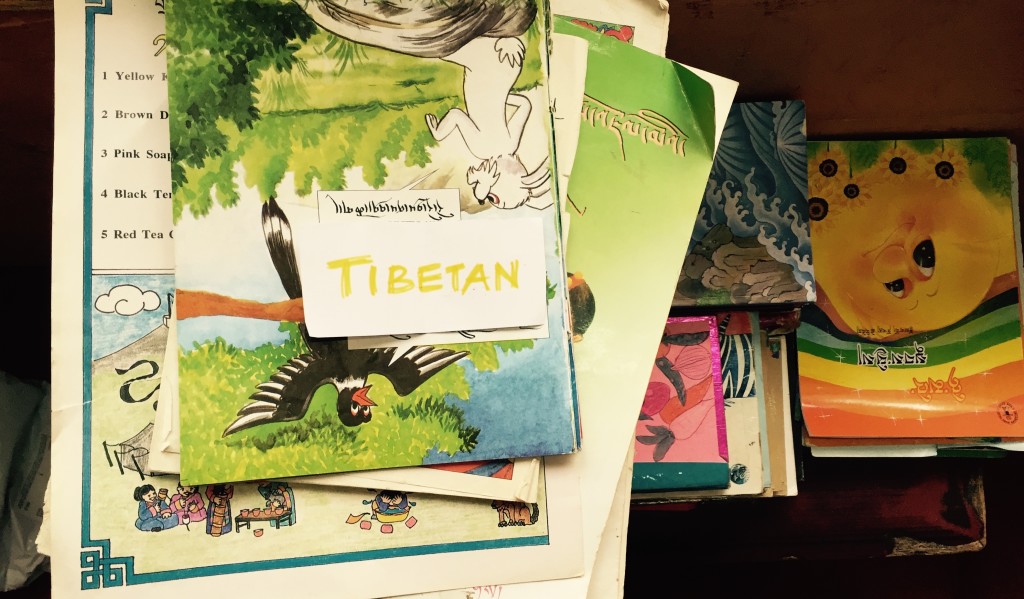
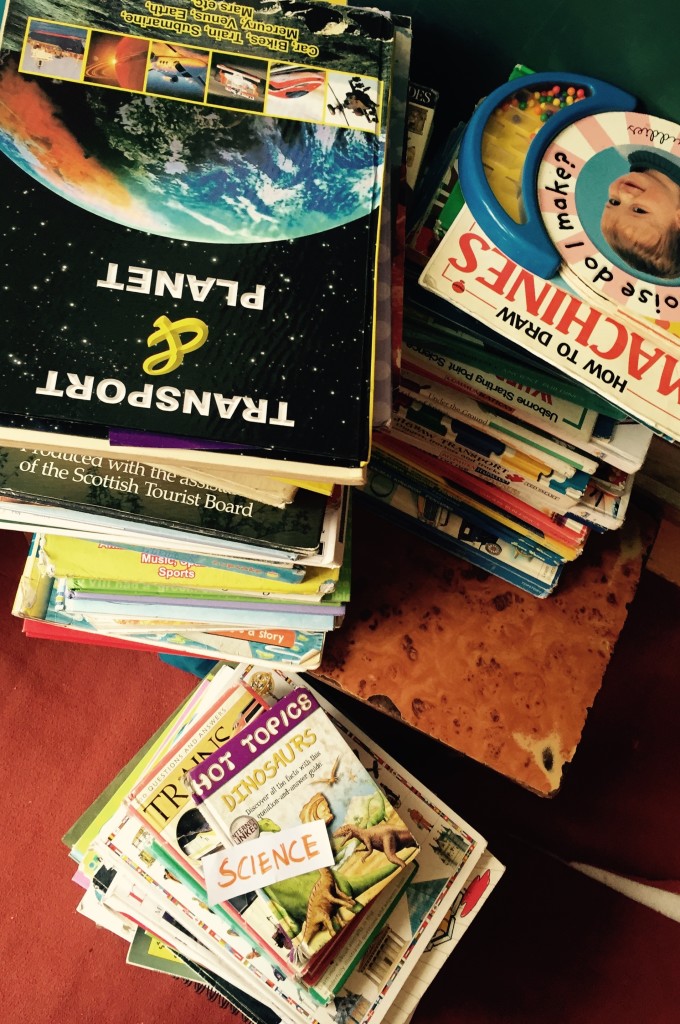
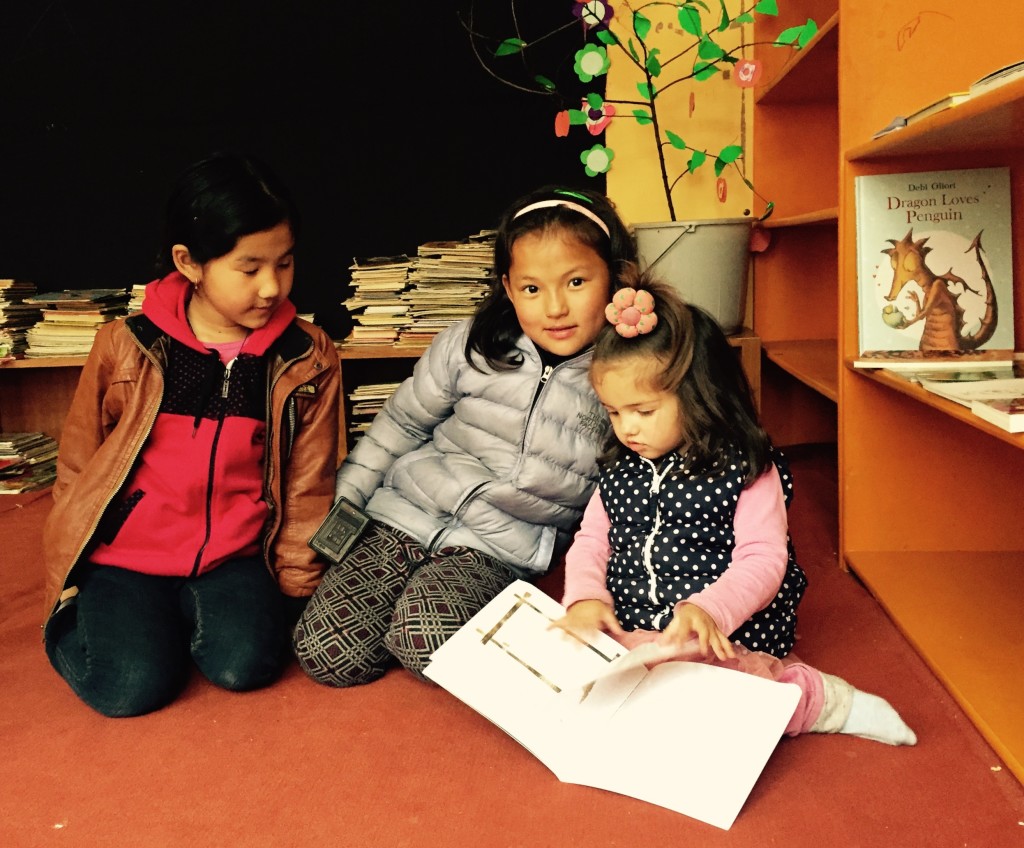
Books in the reading room can extend this imaginative play. A picture book about animals may inspire a habitat, while a folk tale may lead to a scene with houses, paths and travelling characters. Children can retell a story using their models or invent a new ending, combining literacy with creative expression.
This connection is especially valuable for children who may not initially describe themselves as readers. A child attracted by the colours and movement of building may gradually become interested in the book that inspired the scene. Play creates a gentle pathway into reading rather than presenting literacy as a separate task.
Building together teaches cooperation
A shared set of bricks naturally creates moments of negotiation. Children decide who will make the base, who will search for particular pieces and how separate sections can join. They learn to wait, offer alternatives and explain an idea without taking control of the whole project.
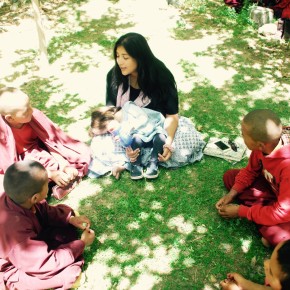
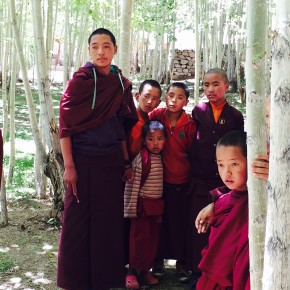
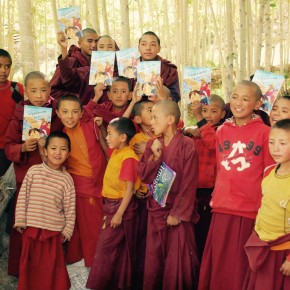
Older children and young monks can become informal mentors during these sessions. They may help younger participants read a simple instruction, find a matching brick or repair a structure. This kind of peer support develops responsibility while making the activity more inclusive.
The social benefits extend beyond the finished model. Children practise listening and problem-solving with people of different ages and abilities. A group that completes a shared build has a visible reminder that individual contributions can become something larger.
A creative activity can reflect local life
The most meaningful builds do not have to copy landmarks from a picture guide. Children may construct a home with a courtyard, a mountain route, a farm, a school or a place of worship. Their models can reflect familiar surroundings while leaving room for invention.
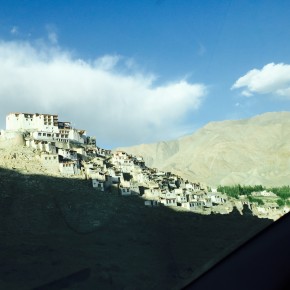
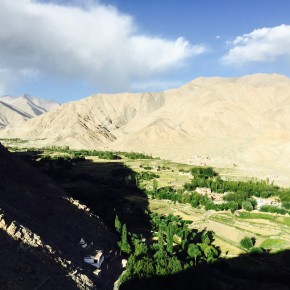
Ladakh’s villages, rugged passes and high desert scenery offer rich material for imaginative projects. A child might create a road connecting remote communities or design a shelter for winter. Another might build a future city with a library, music room and garden. These ideas reveal how children interpret their environment and imagine what it could become.
For Australian supporters, the distance can feel large, whether they are reading about the project in Sydney, Melbourne, Brisbane or a regional town. Yet the basic experience is recognisable. Children in Ladakh, like children attending a school holiday workshop in Australia, often become absorbed when they can make choices with their hands and see an idea take shape.
What supporters can see in the first session
A first session is not measured only by the tallest tower or the most elaborate model. Observers may notice quieter changes: a child who stays focused for longer, a group that begins sharing without prompting, or a hesitant participant who starts explaining a design.
Signs of individual growth
- Greater willingness to test an idea and rebuild it
- Longer periods of concentration on one task
- More confident use of descriptive language
- Improved hand control when joining and separating pieces
- Pride in showing a completed or partly completed model
Signs of group learning
- Children sorting and returning pieces responsibly
- Older participants helping without doing all the work
- Shared decisions about colour, shape and structure
- Conversations that connect building with books or local stories
- New games, characters and narratives created by the group
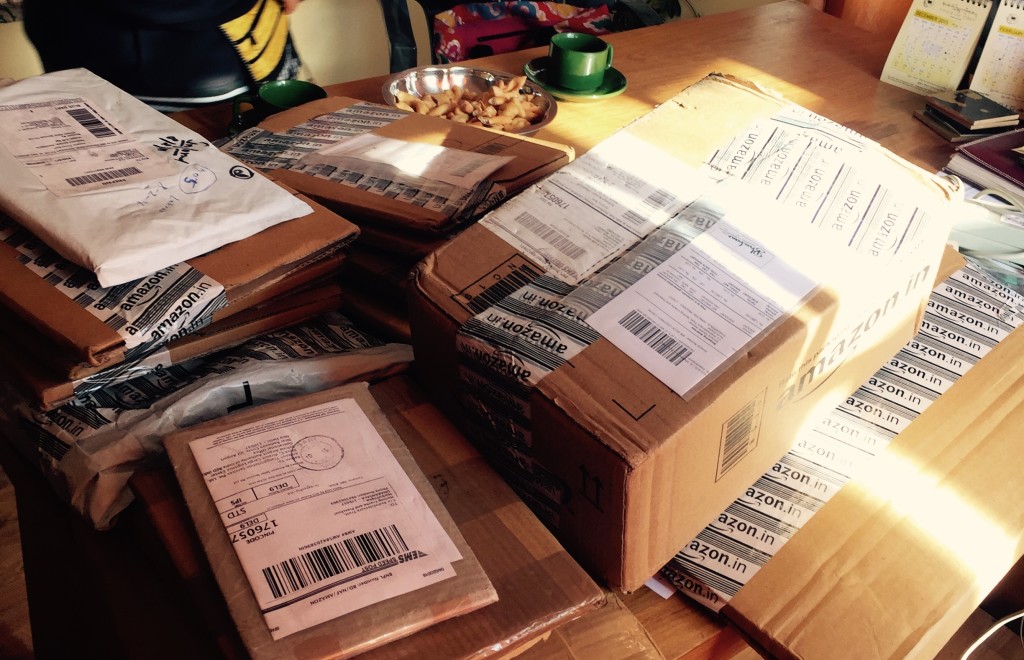
The wider Australian community can support this work through familiar local channels. A school in Perth might organise a book-and-brick collection, while a community group in Adelaide could hold a fundraising morning tea or sausage sizzle. Families can also look at the Australian toy market with care, choosing durable construction sets from retailers such as Kmart, Big W or independent toy shops, then donating suitable items through a coordinated programme.
A useful donation is one that can be safely shared, stored and used repeatedly. Loose bricks, clear storage containers and age-appropriate building guides may be more practical than a single large themed kit. Australian donors should also consider postage, customs requirements and the cost of transporting materials to remote Himalayan communities.
| First session |
Regular creative programme |
| Children explore pieces and learn basic connections |
Children plan larger builds and more complex designs |
| Adults model safe sharing and simple problem-solving |
Children take greater responsibility for organising materials |
| Builds may be individual or loosely connected |
Groups can complete shared villages, landscapes or stories |
| Attention centres on discovery |
Attention expands to planning, revision and presentation |
| A new activity attracts curiosity |
Building becomes part of a lasting learning routine |
From first bricks to lasting confidence
A LEGO set cannot replace books, skilled educators or stable access to schooling. Its value comes from how it complements those resources. Building encourages children to ask questions, tell stories and persist with a challenge, while reading rooms provide the knowledge and imagination that keep those challenges growing.
A thoughtful programme also needs structure. Sets should be sorted into manageable containers, pieces checked regularly and activities adapted for different ages. Children need freedom to create, yet clear routines help protect the materials and ensure that everyone has a chance to participate.
The first build may be modest: a wall, a small animal or a vehicle with uneven wheels. Its importance lies in the experience behind it. A child discovers that an idea can become visible, that a failed design can be changed and that working with others can make a difficult task easier. In practical terms, the best starting point is a shared box of durable bricks, a nearby book for inspiration and enough time for children in Ladakh to build, rebuild and explain what they have made.