What Blank Books Can Unlock In A Child’s Imagination
A blank book can look modest: a few plain pages, a soft cover, and no prescribed activity waiting inside. Yet when children receive one without instructions, the empty space can become an invitation to decide, experiment and make meaning. A page no longer belongs to a worksheet or an adult’s expected answer. It belongs to the child.
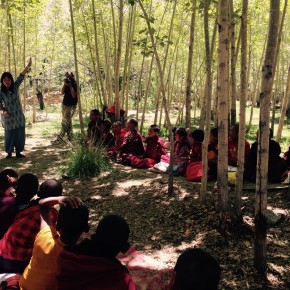
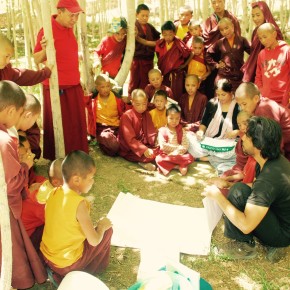
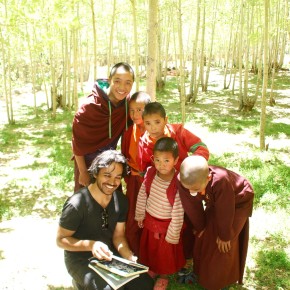
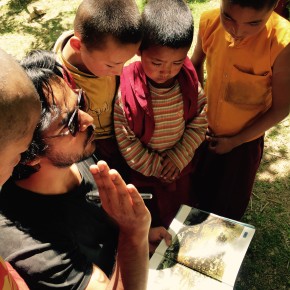
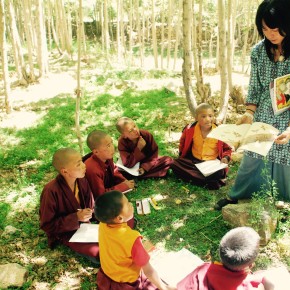
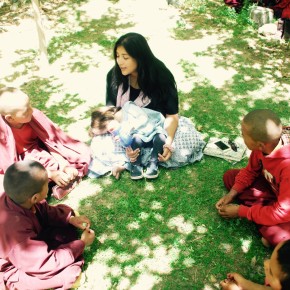
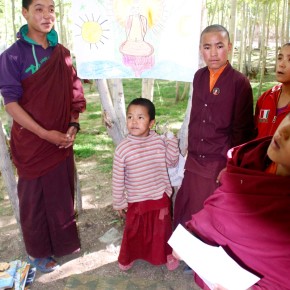
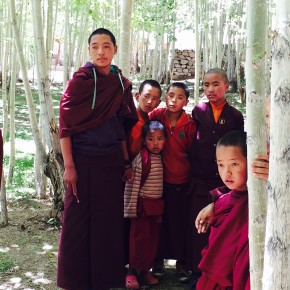
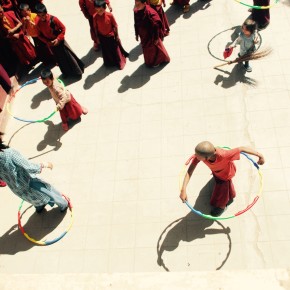
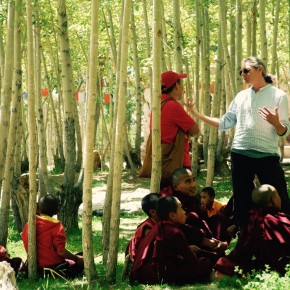
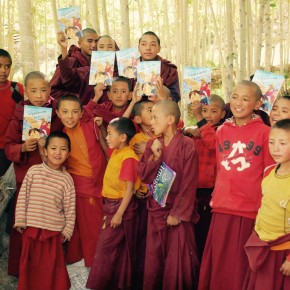
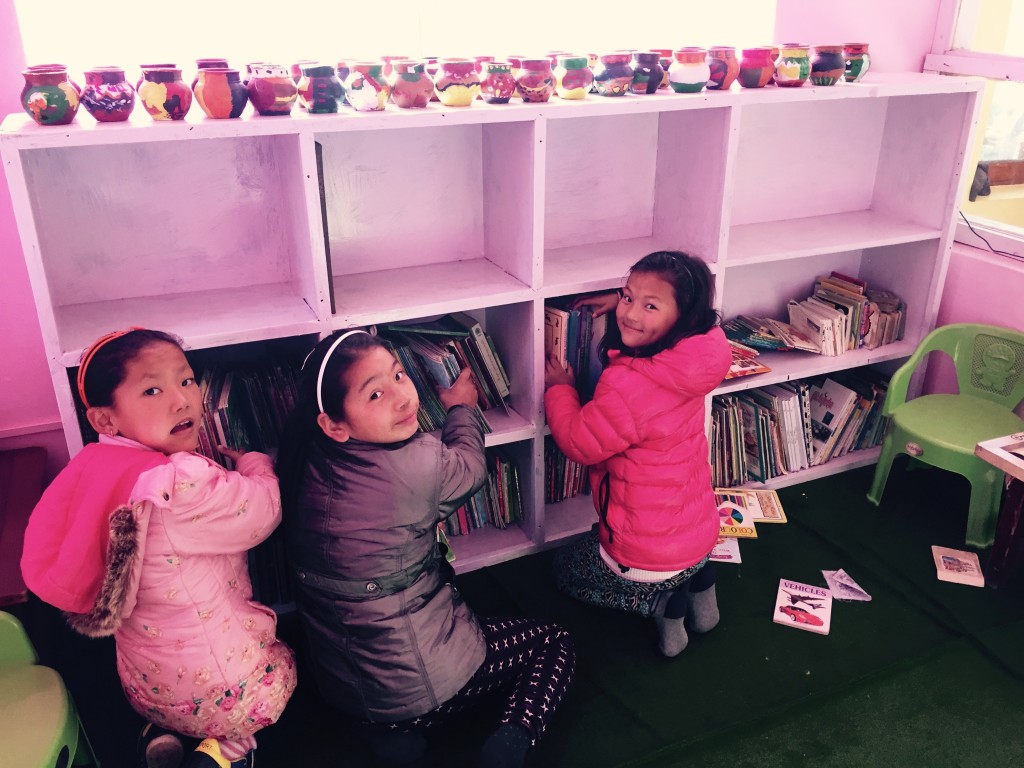
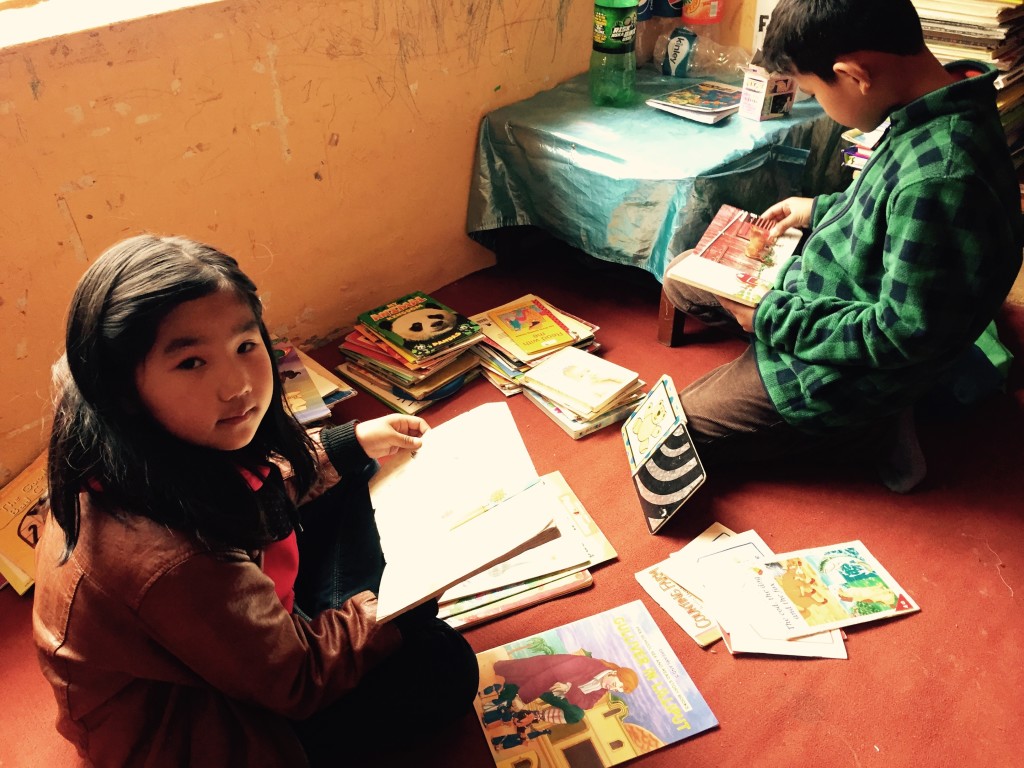
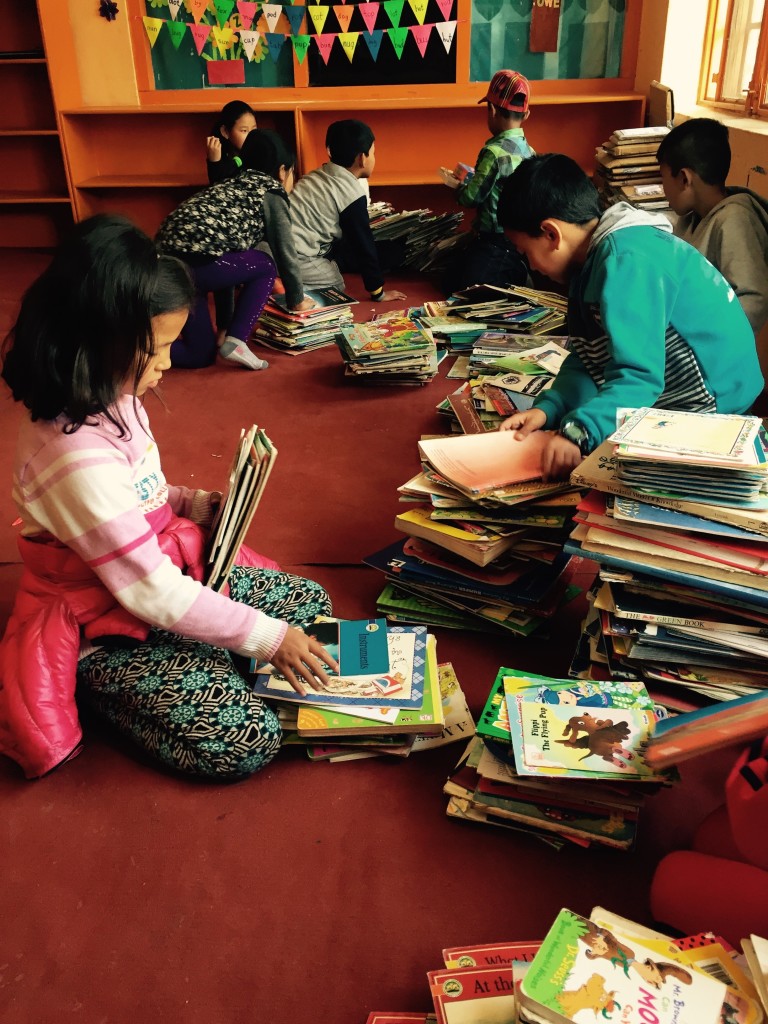
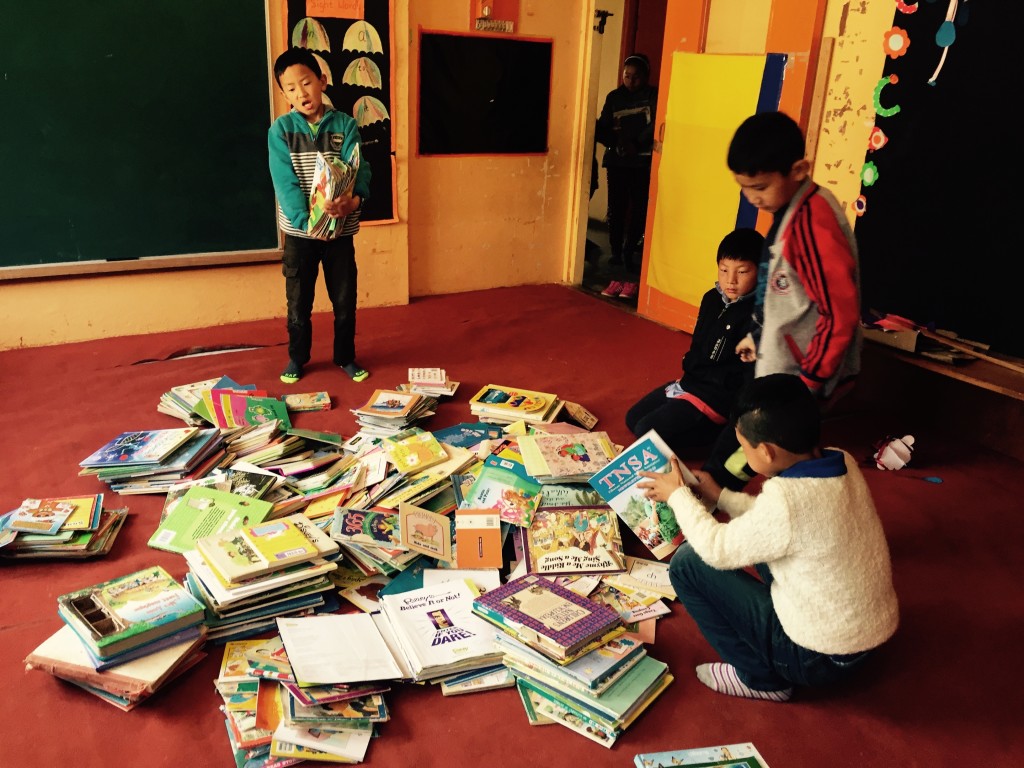
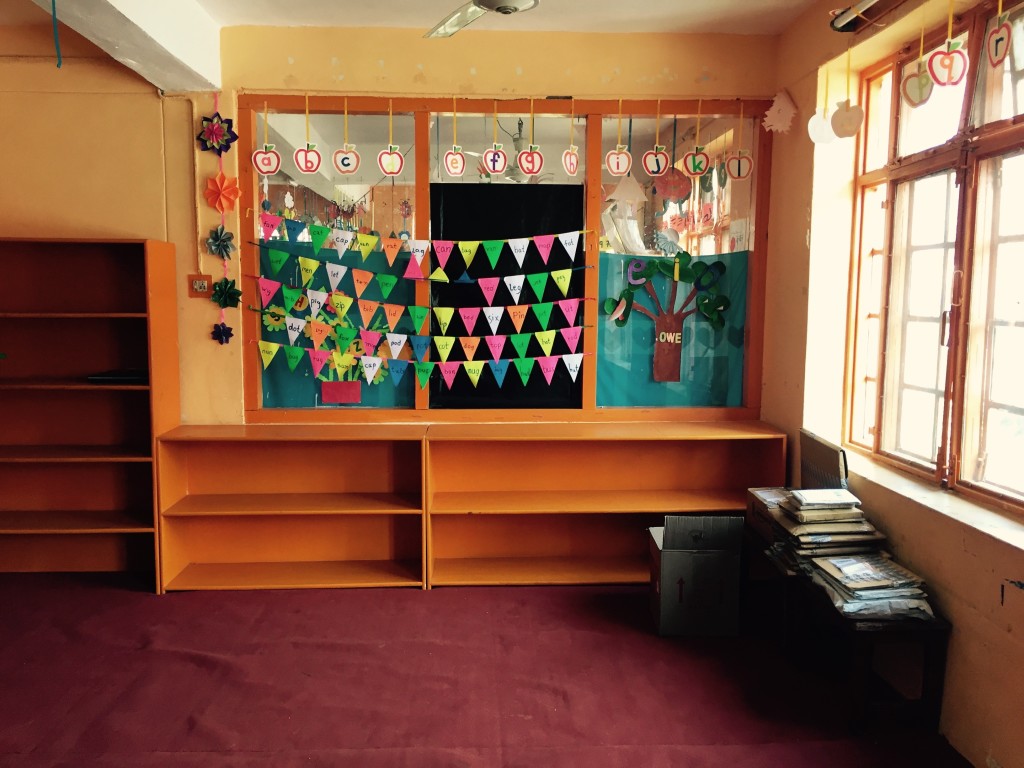
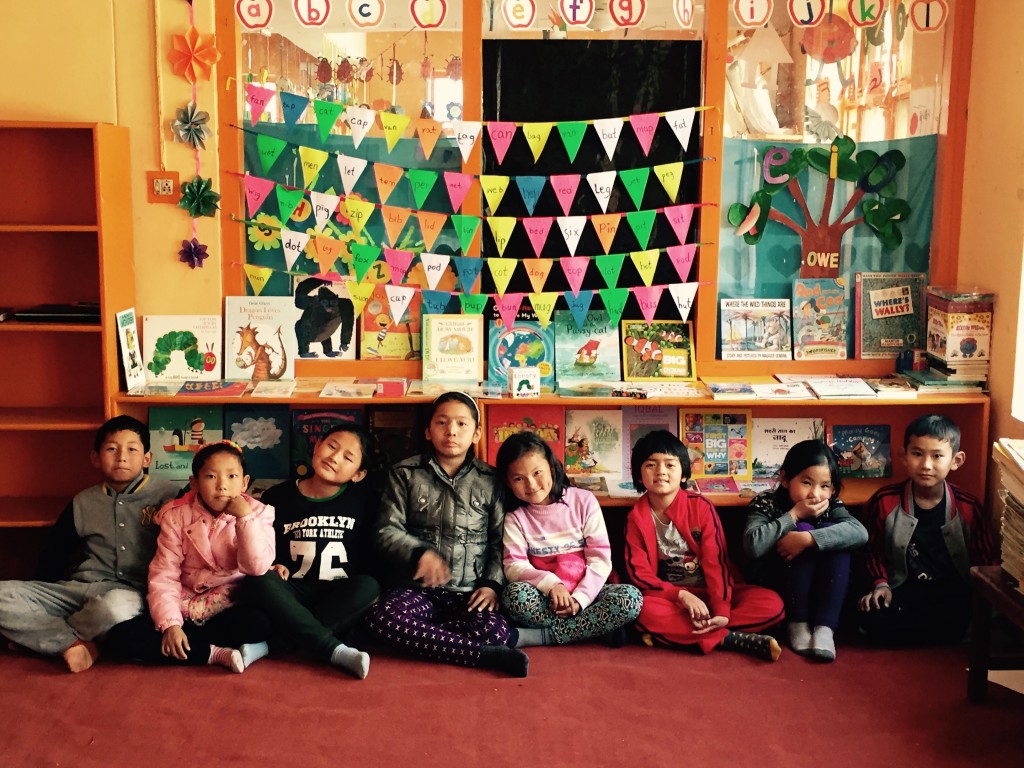
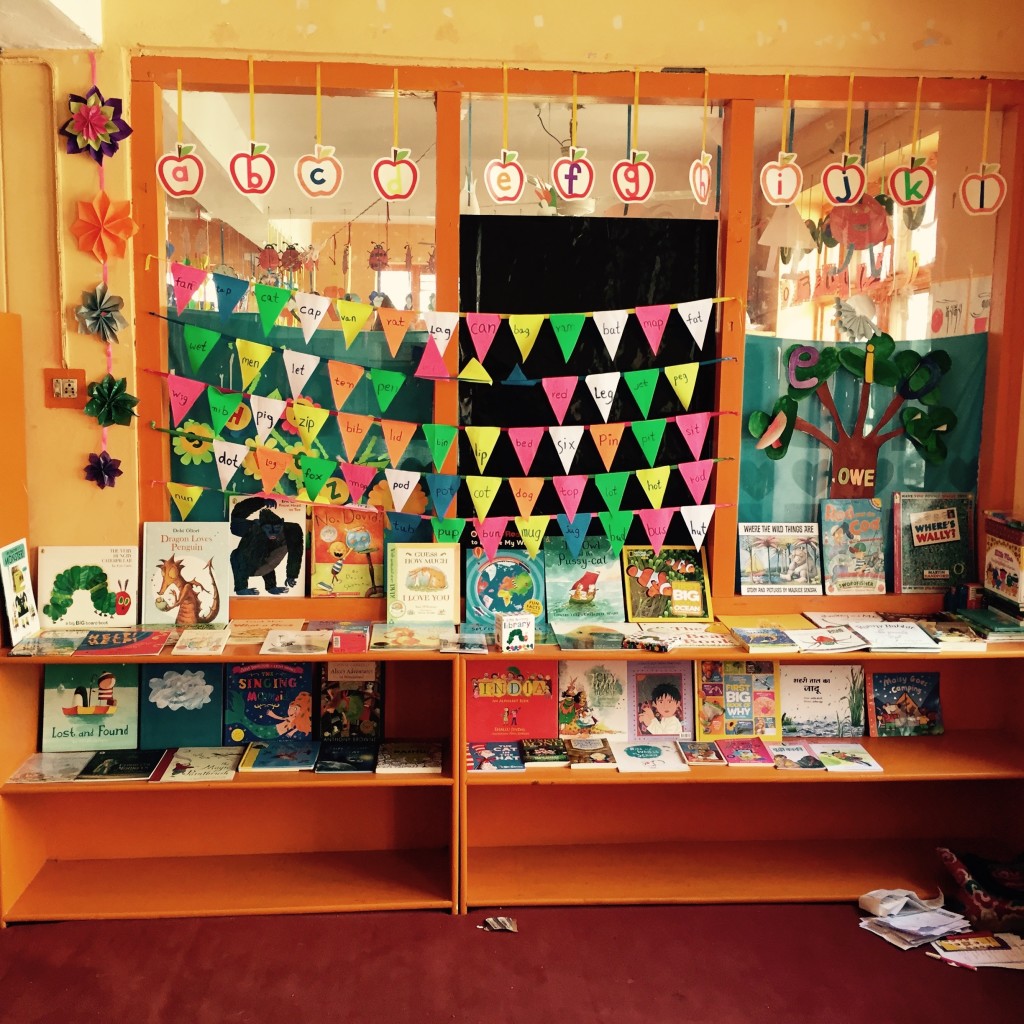
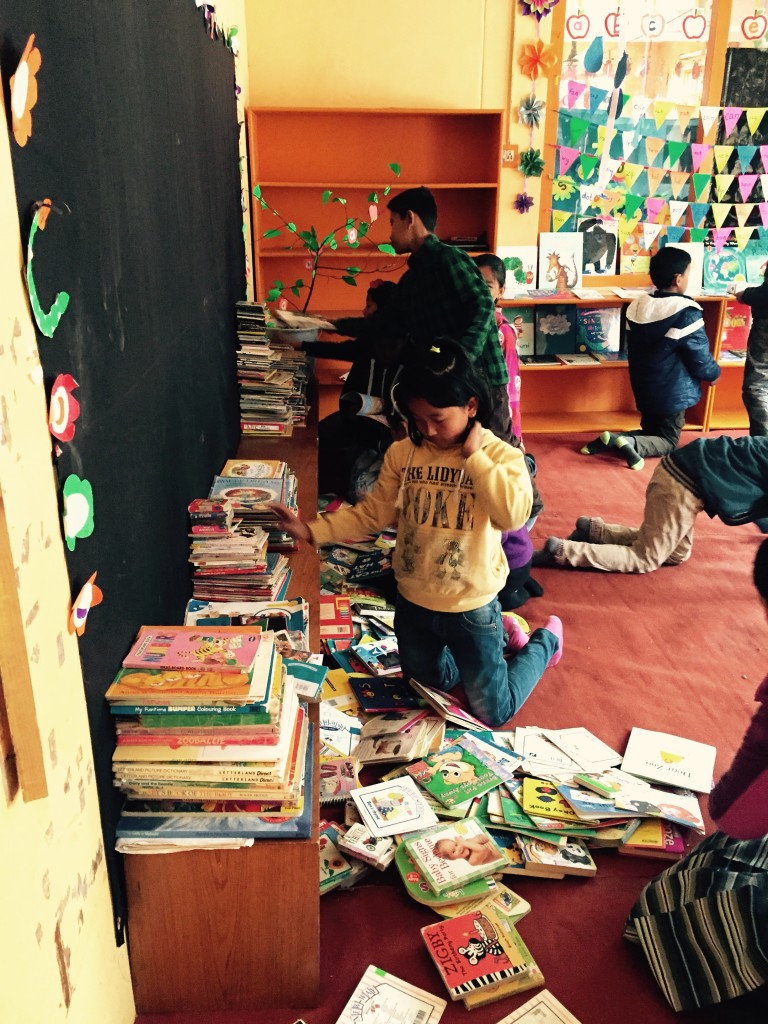
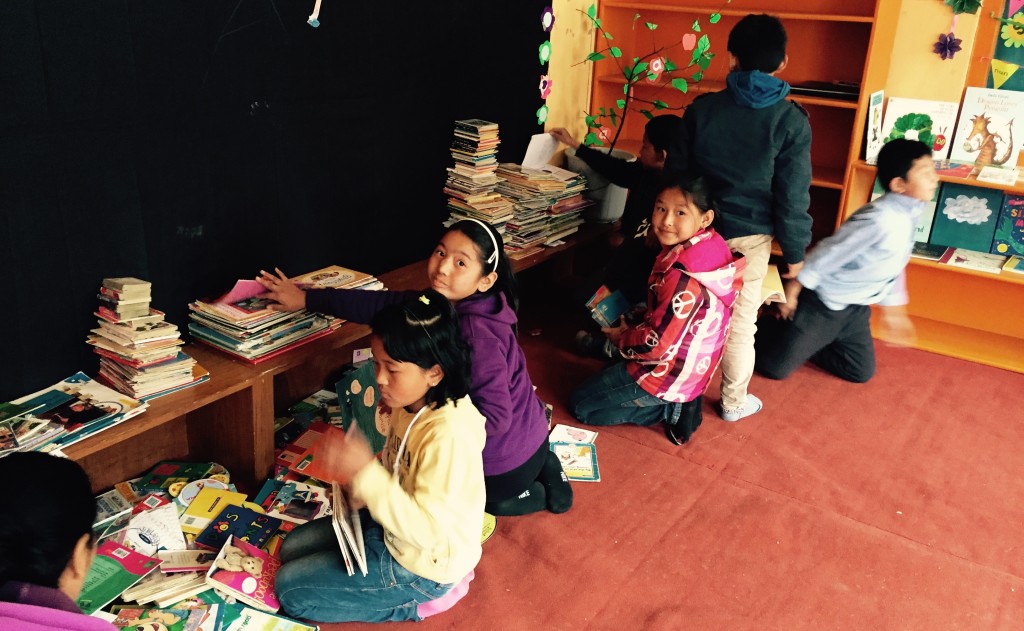
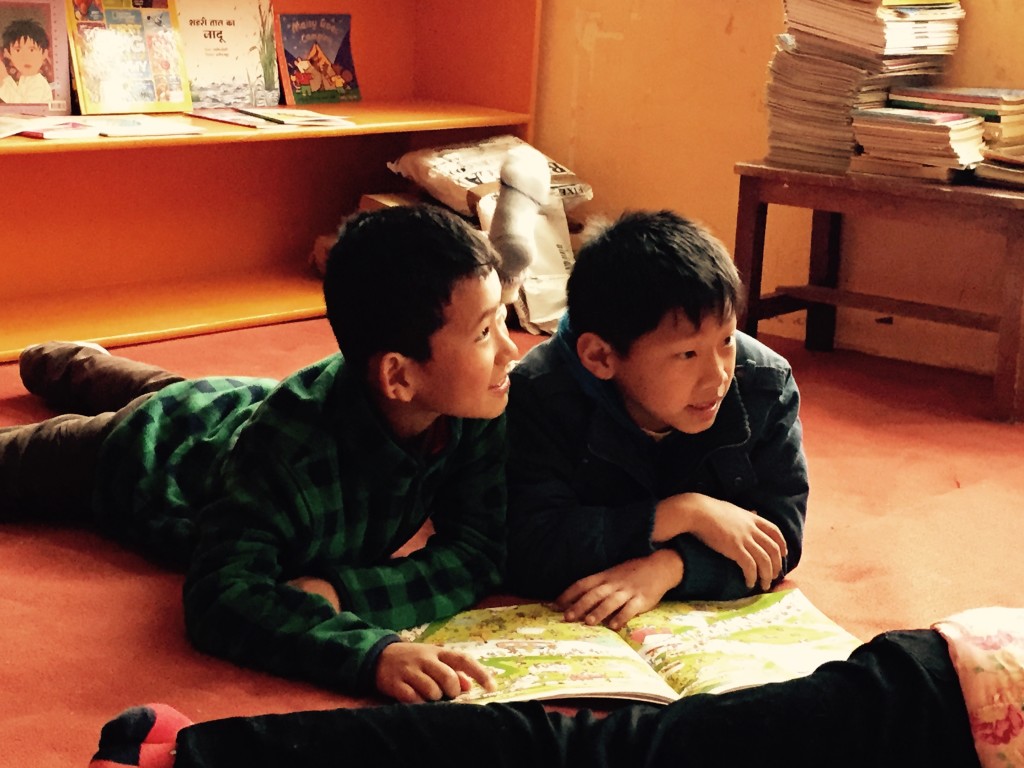
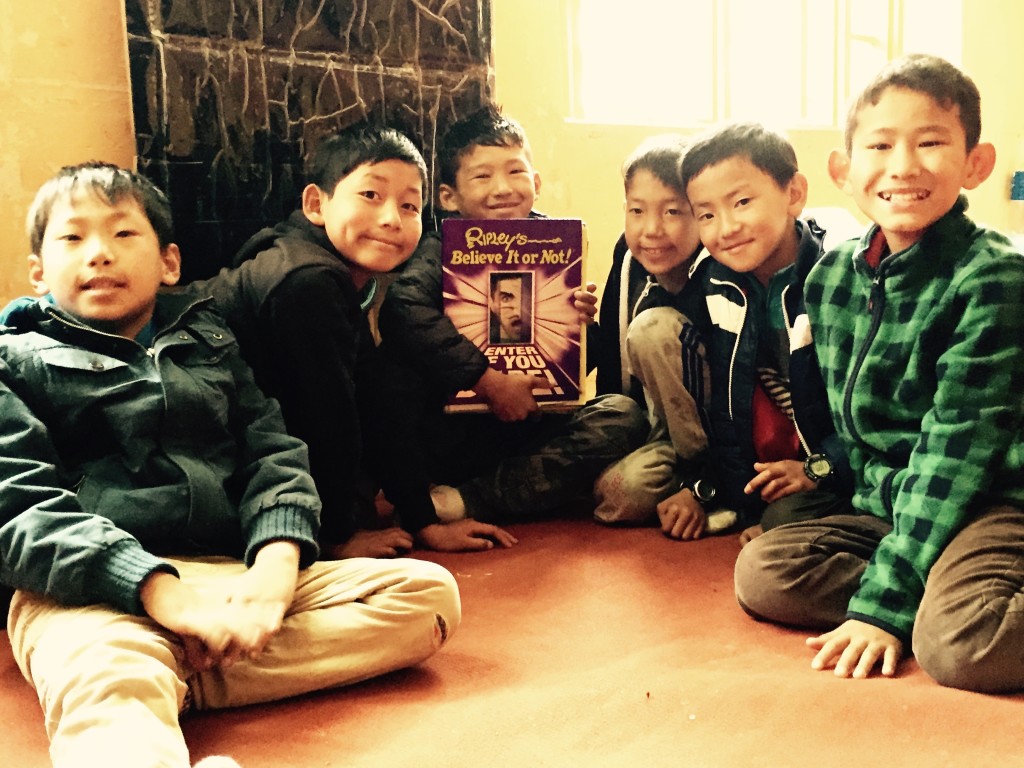
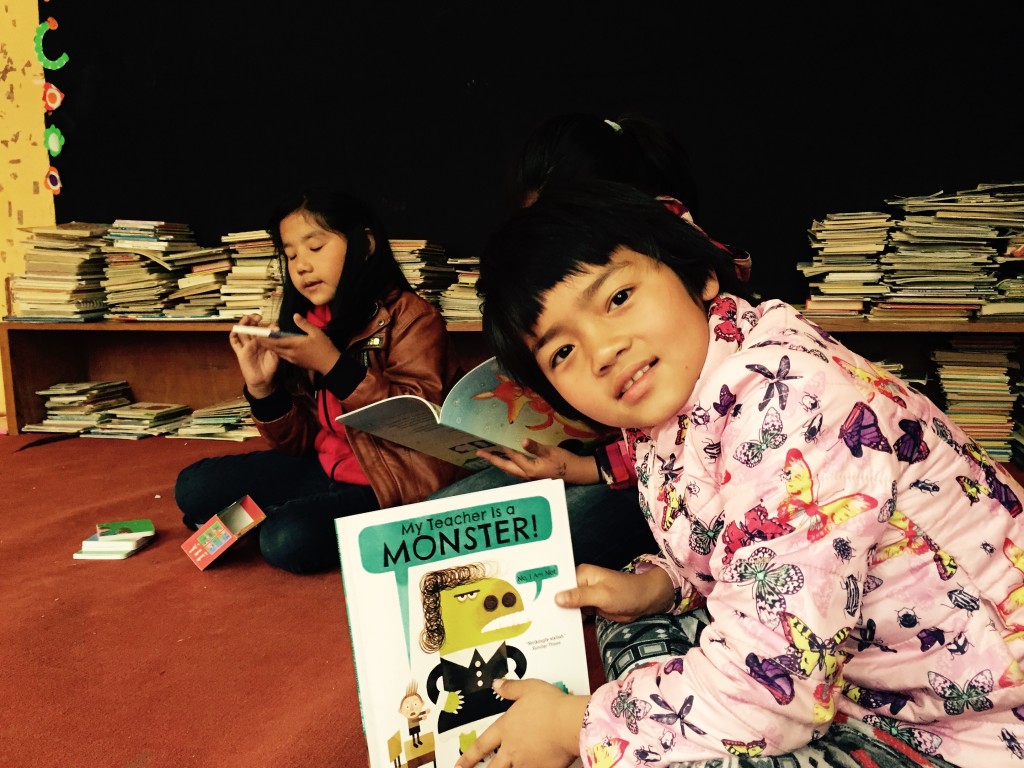
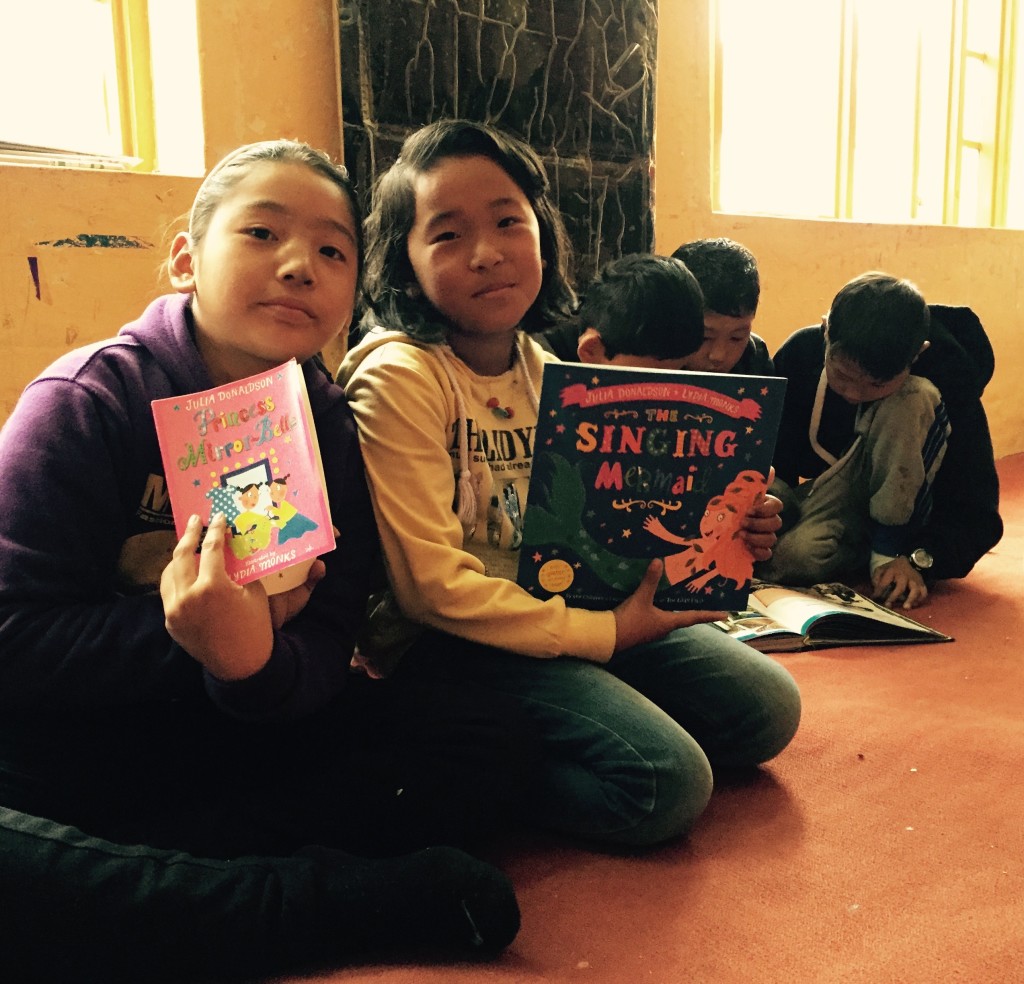
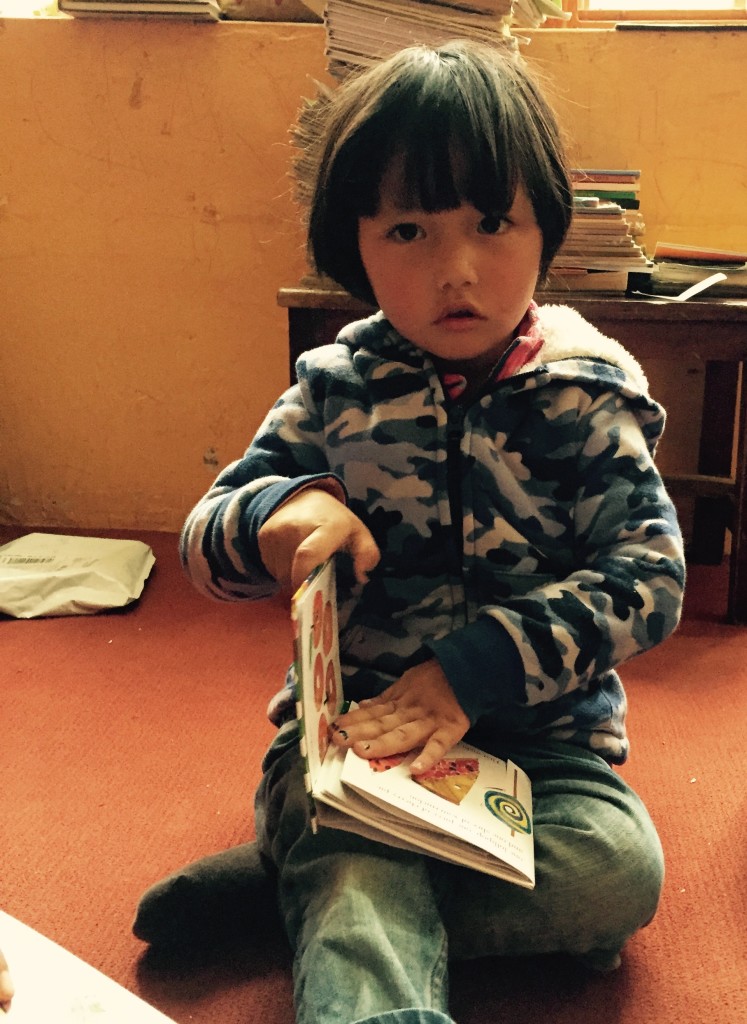
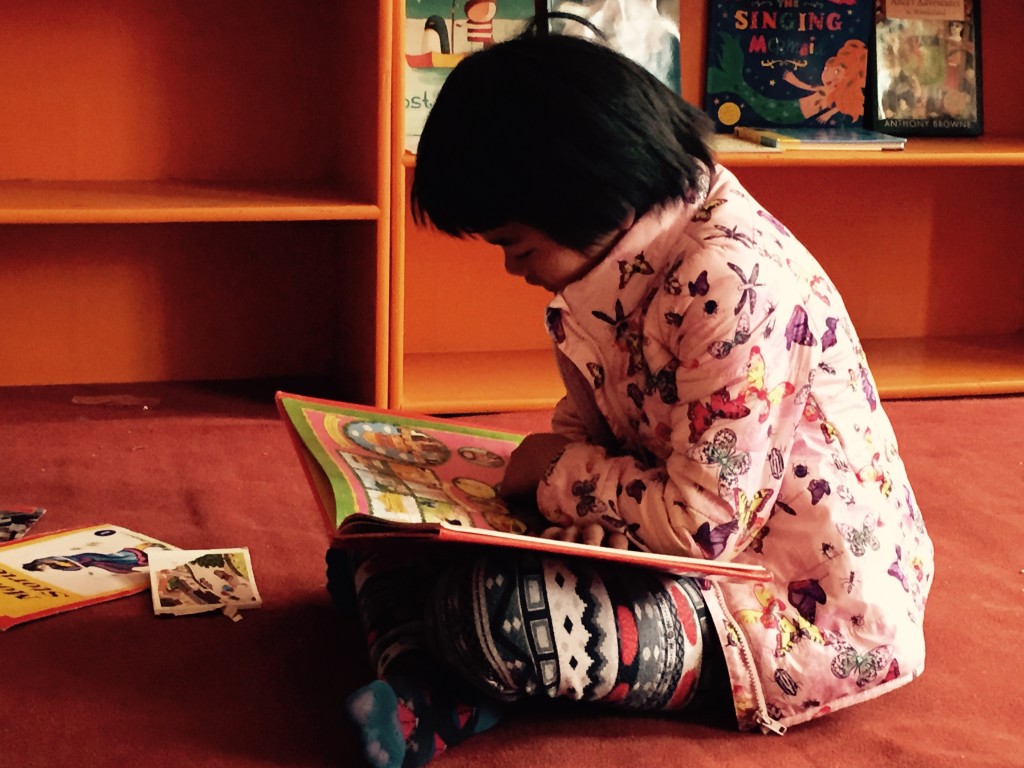
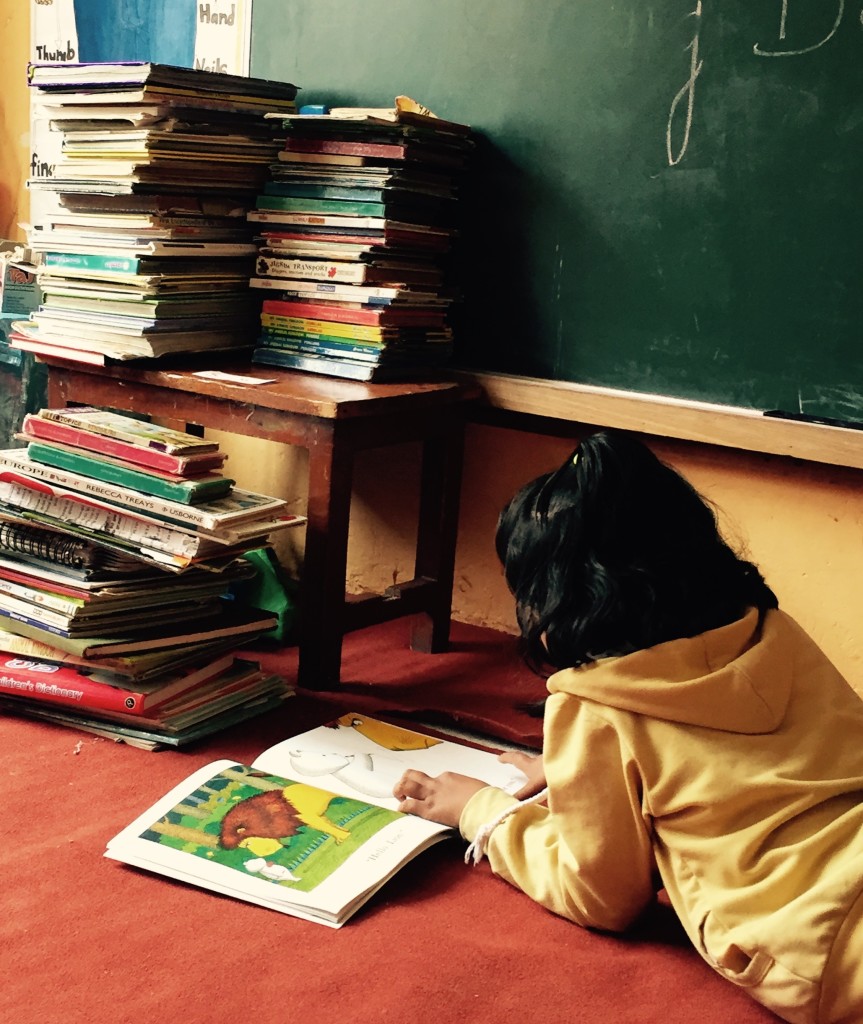
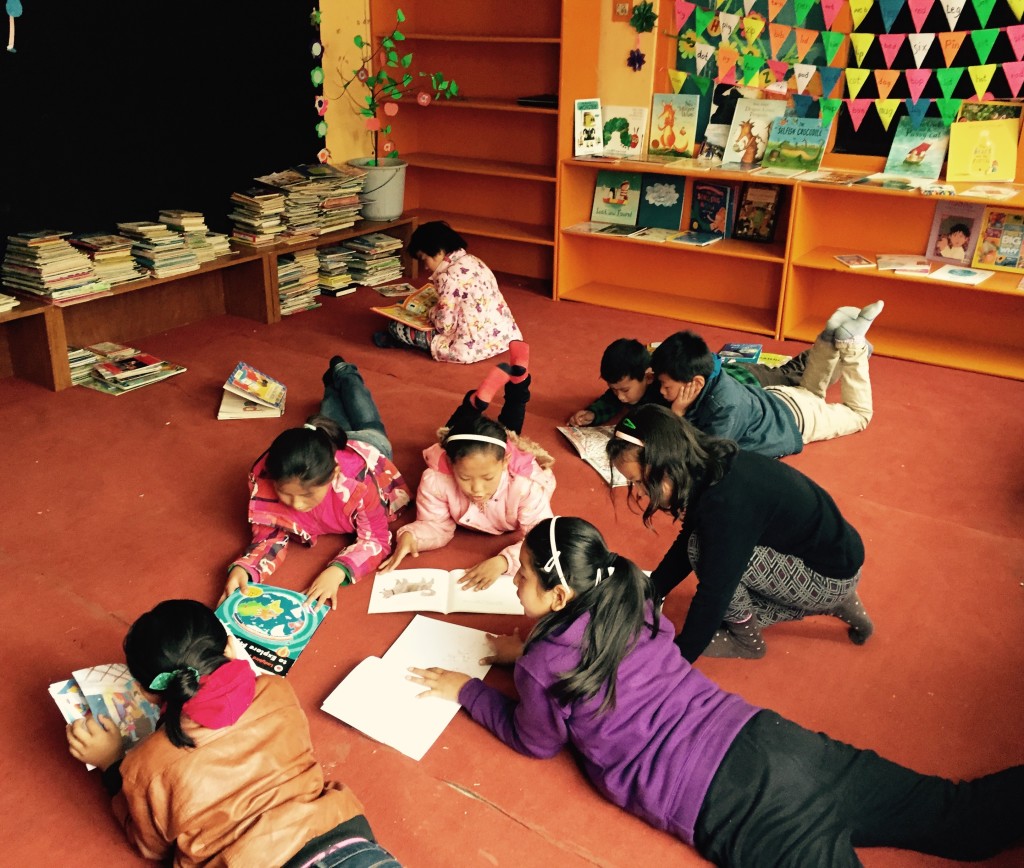
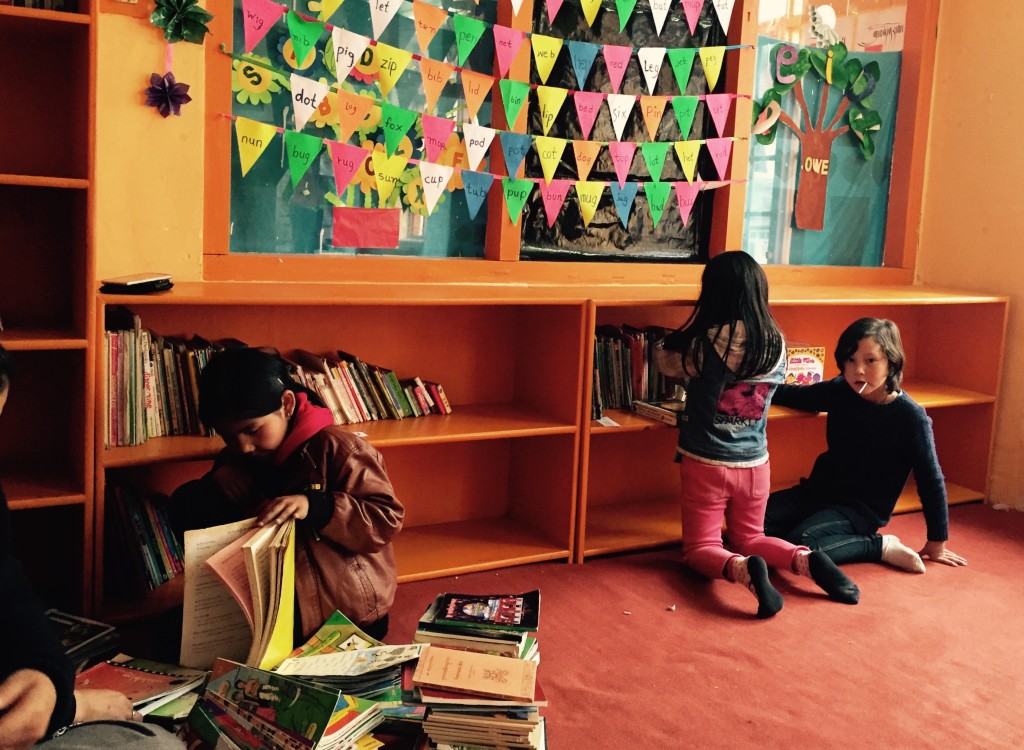
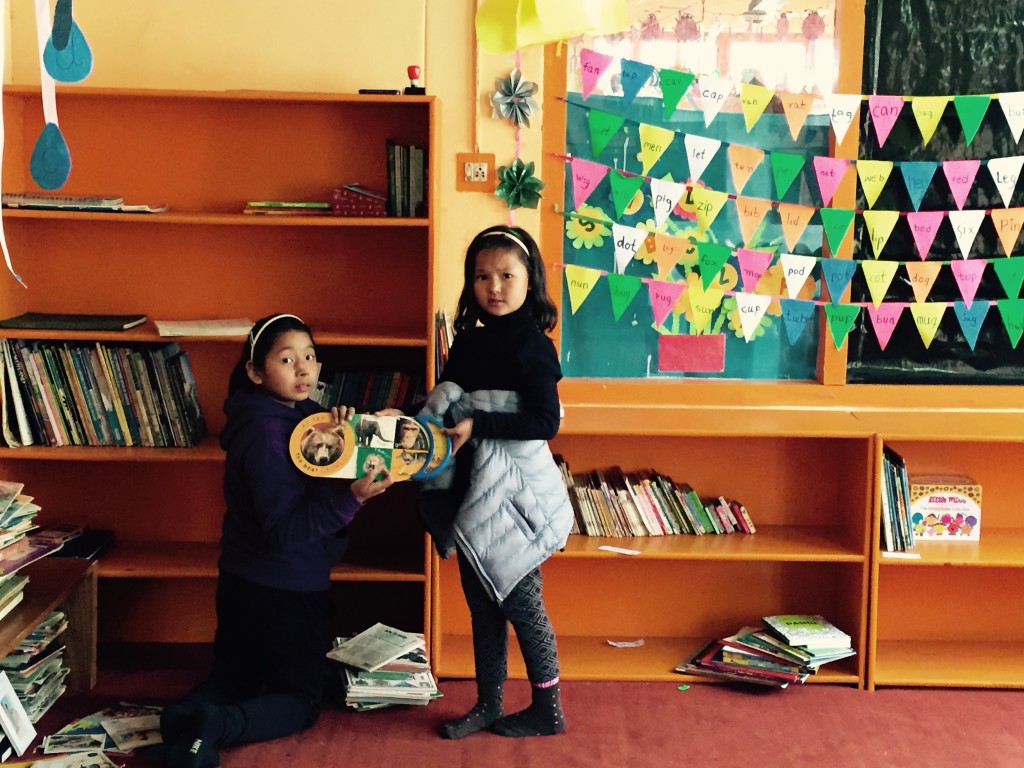
For children in a reading room in Ladakh, a blank notebook may become a place for mountain sketches, family stories, invented creatures or careful handwriting practice. For young monks, it might hold observations from daily life, copied poems, drawings or questions that are not easily spoken aloud. The value lies in the freedom to begin anywhere.
This kind of open-ended creative activity also matters in Australia, where children’s lives can be shaped by packed school schedules, organised sport and screen-based entertainment. A blank book offers a slower rhythm. It creates a private, portable space for literacy, art and reflection without requiring expensive equipment or a perfect result.
The First Mark Changes The Book
At the beginning, an empty notebook can feel exciting or uncomfortable. Children accustomed to colouring within outlines or completing teacher-set tasks may wait for an adult to explain what the page is “for”. That hesitation is useful information. It shows how strongly children learn to look for approval before trusting their own ideas.
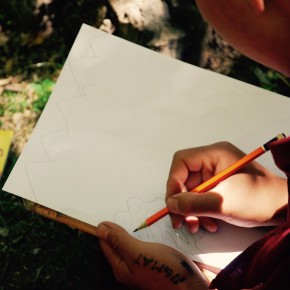
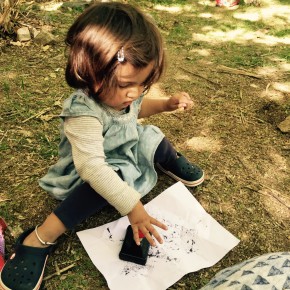
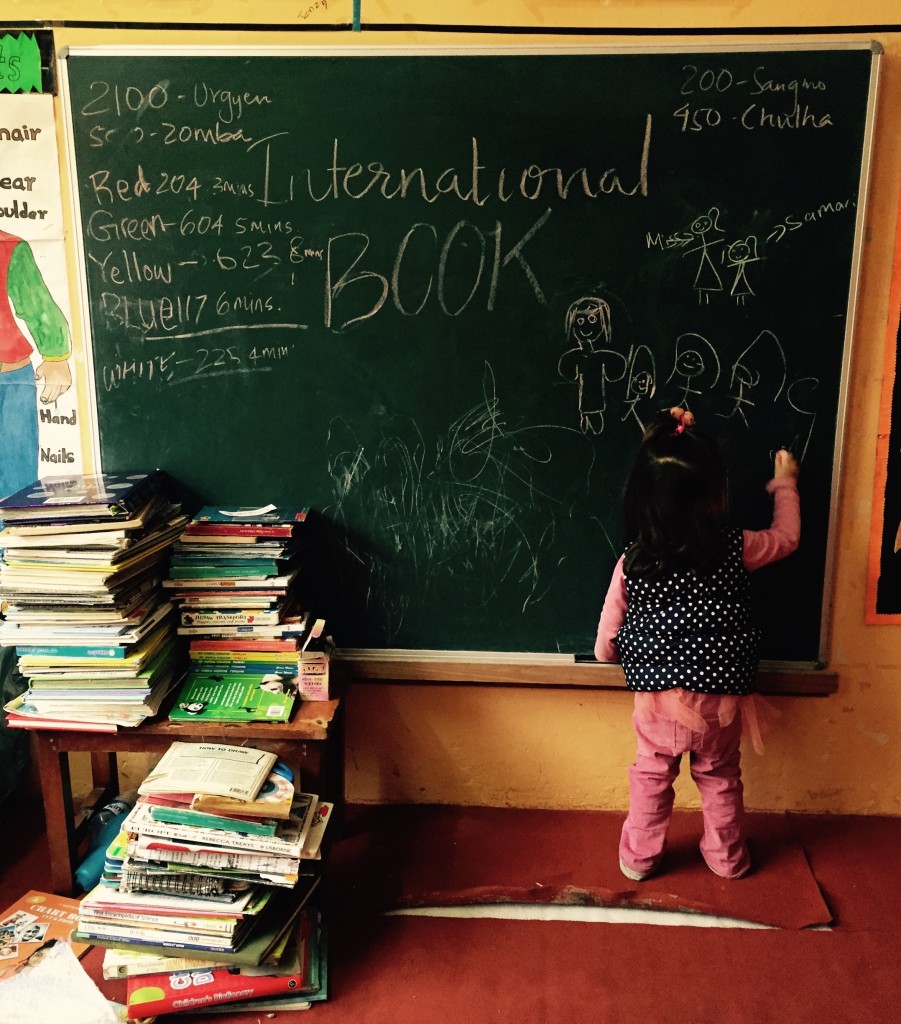
Once the first mark appears, the blank book changes status. A line can become a road, a border, a face or simply a line. A child may write one word, tear out a page, cover it with colour or leave several pages untouched. Each choice establishes ownership, and ownership often encourages children to return to the book.
The result is not measured by neatness. A young writer who fills pages with phonetic spelling is practising language. A child who draws repeated patterns is exploring rhythm and visual structure. A child who records small daily events is learning that ordinary experiences are worthy of attention.
Freedom Supports Literacy And Confidence
Open-ended bookmaking supports several forms of literacy at once. Children read visual symbols, select vocabulary, arrange events and discover that a story can have a beginning, interruption or unfinished ending. They also learn that writing is a process rather than a test completed for someone else.
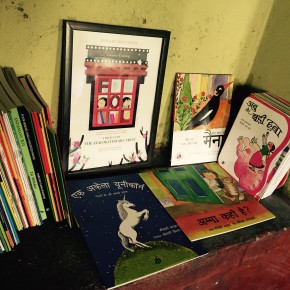
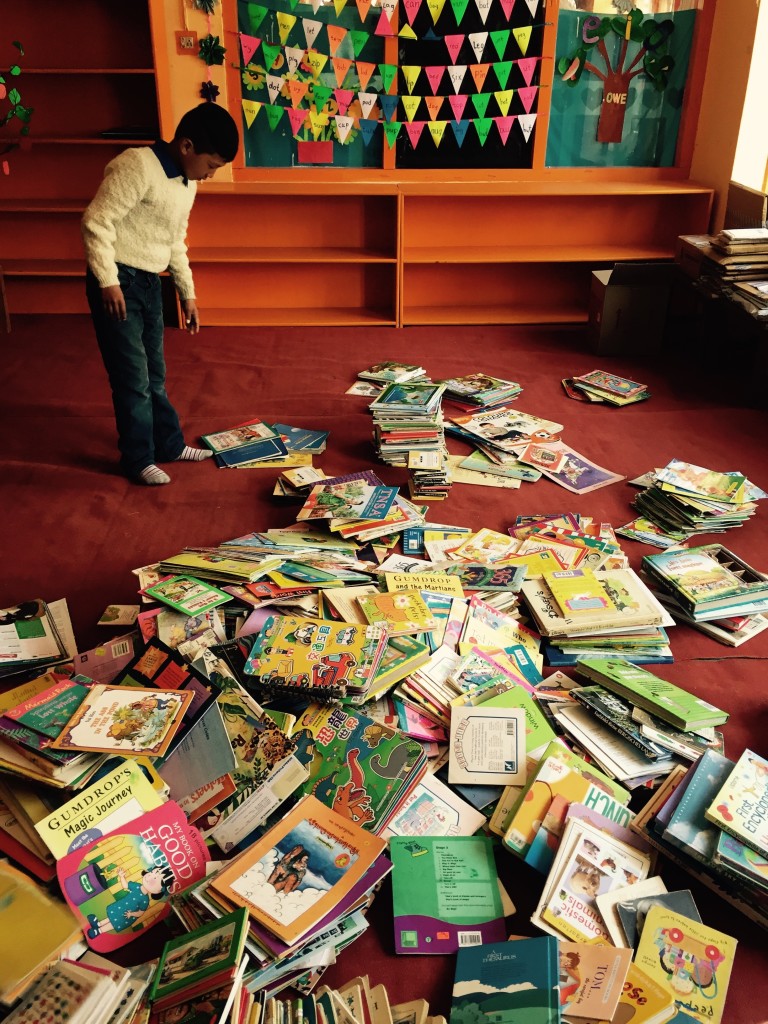
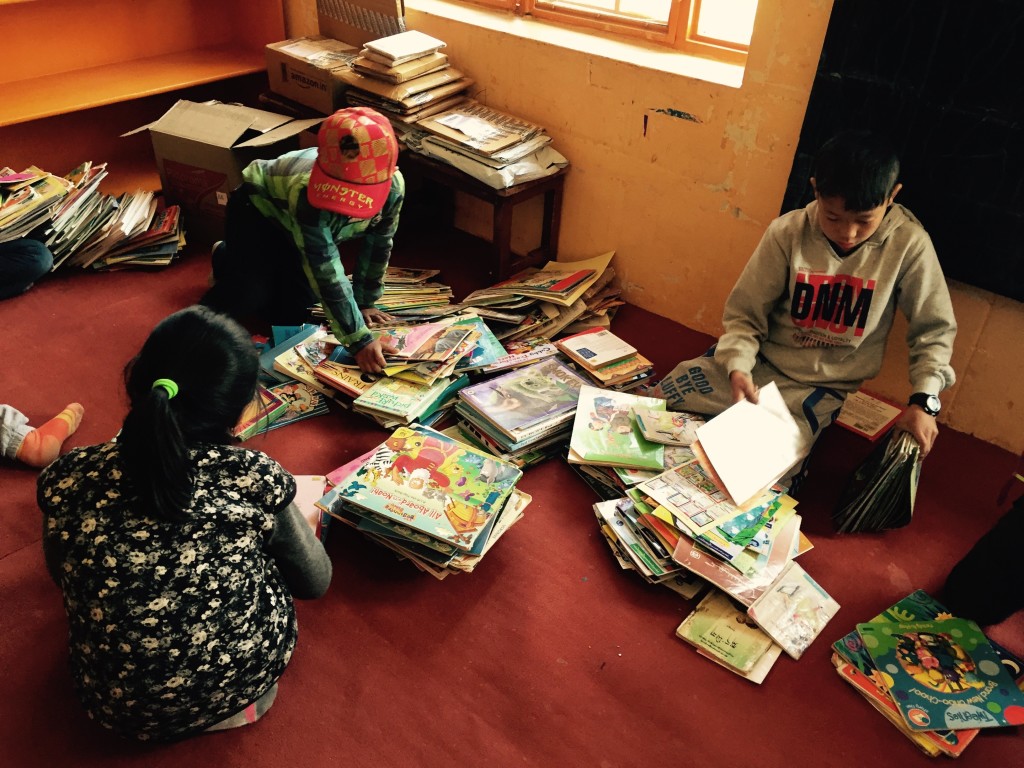
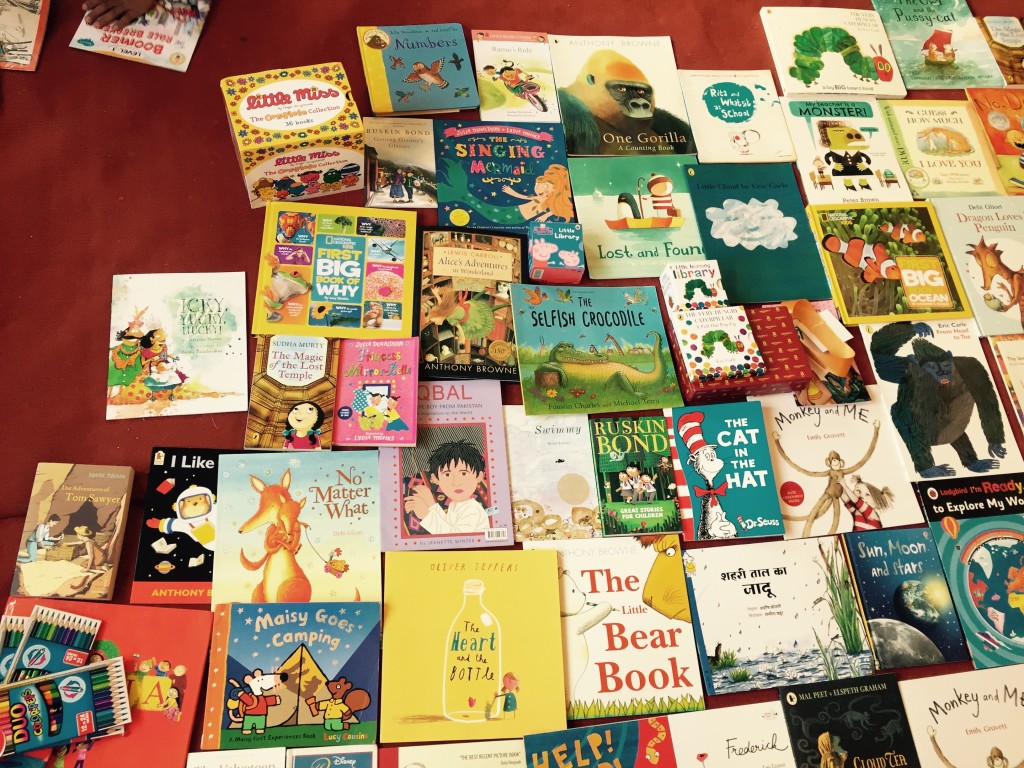
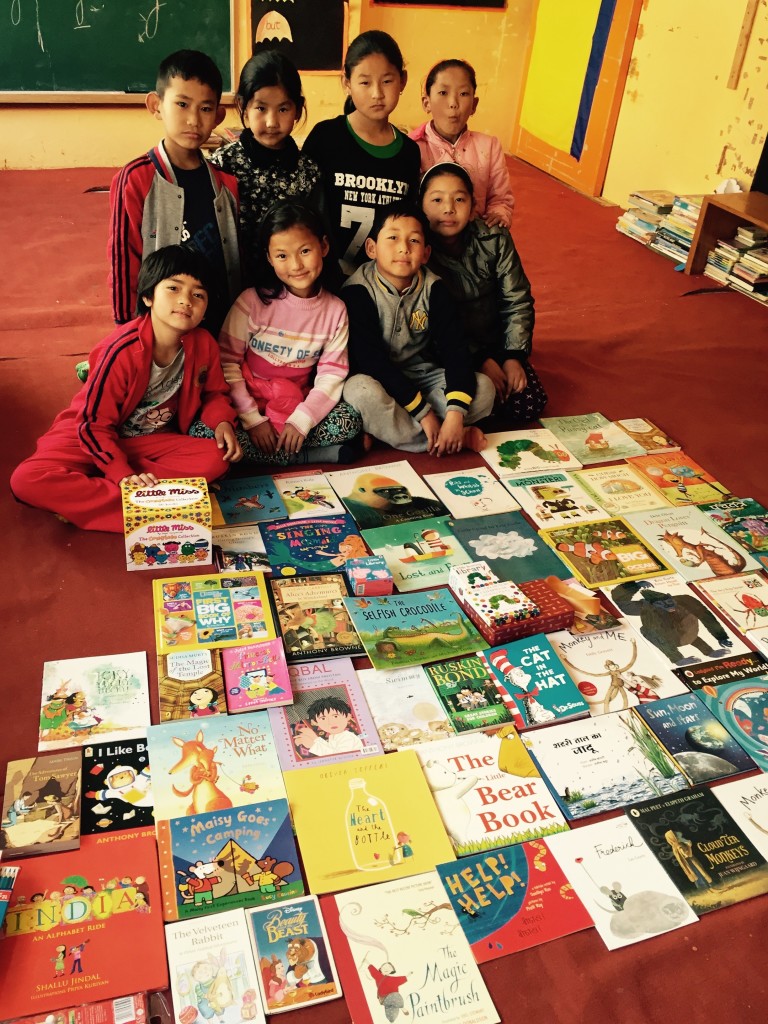
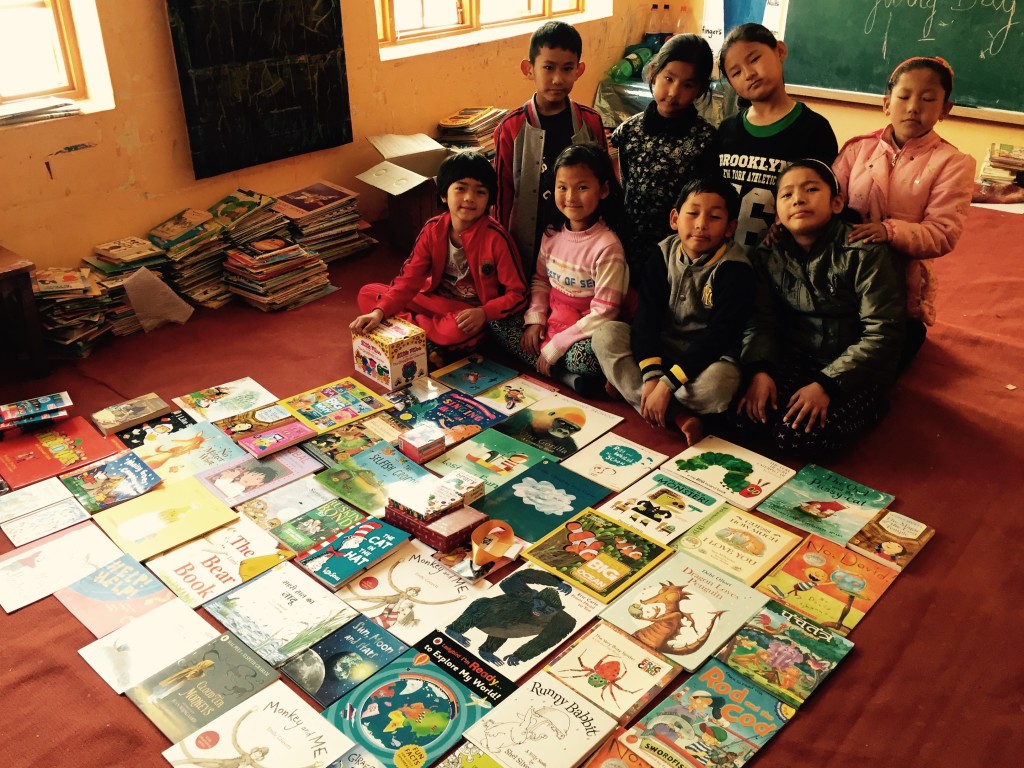
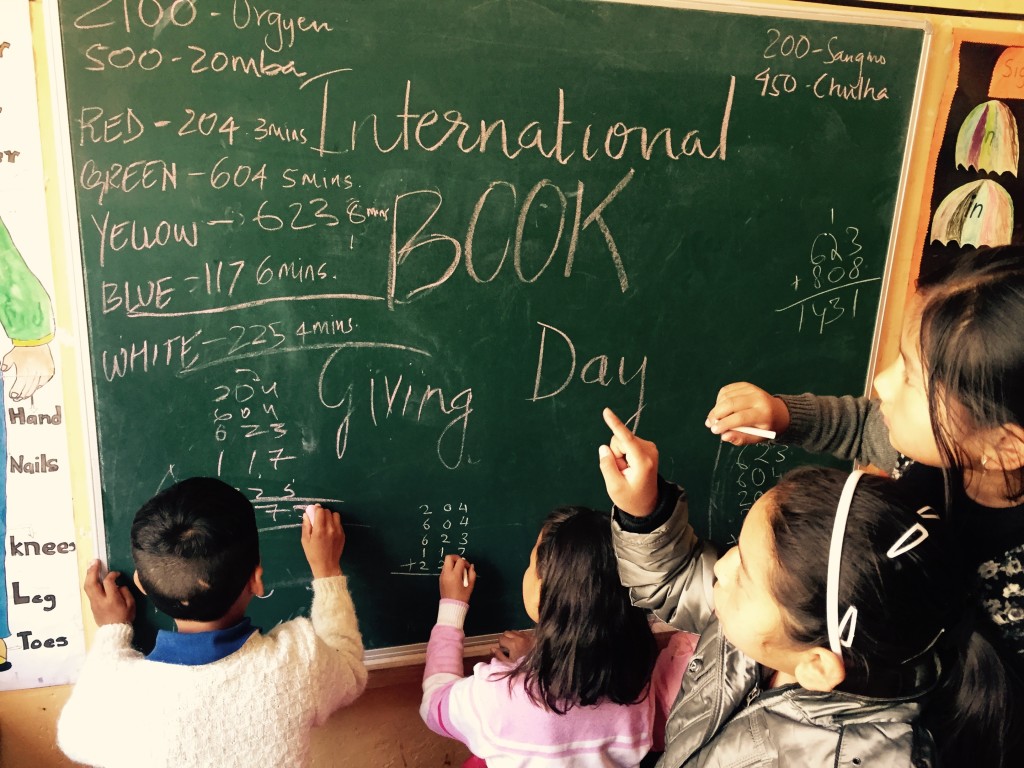
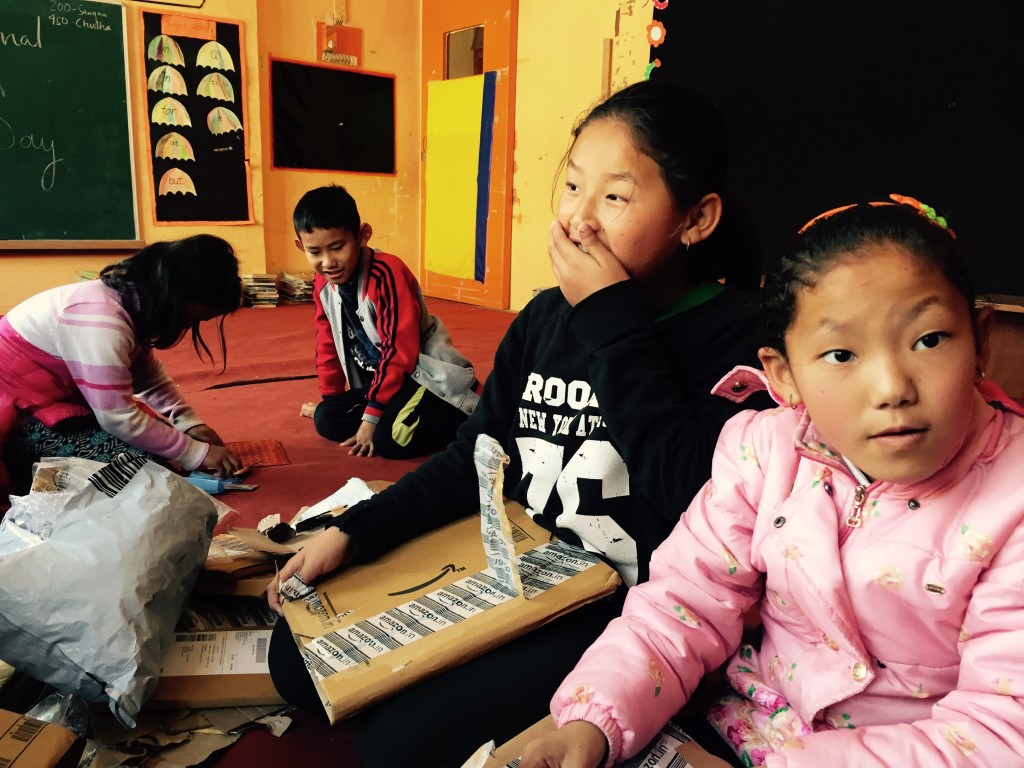
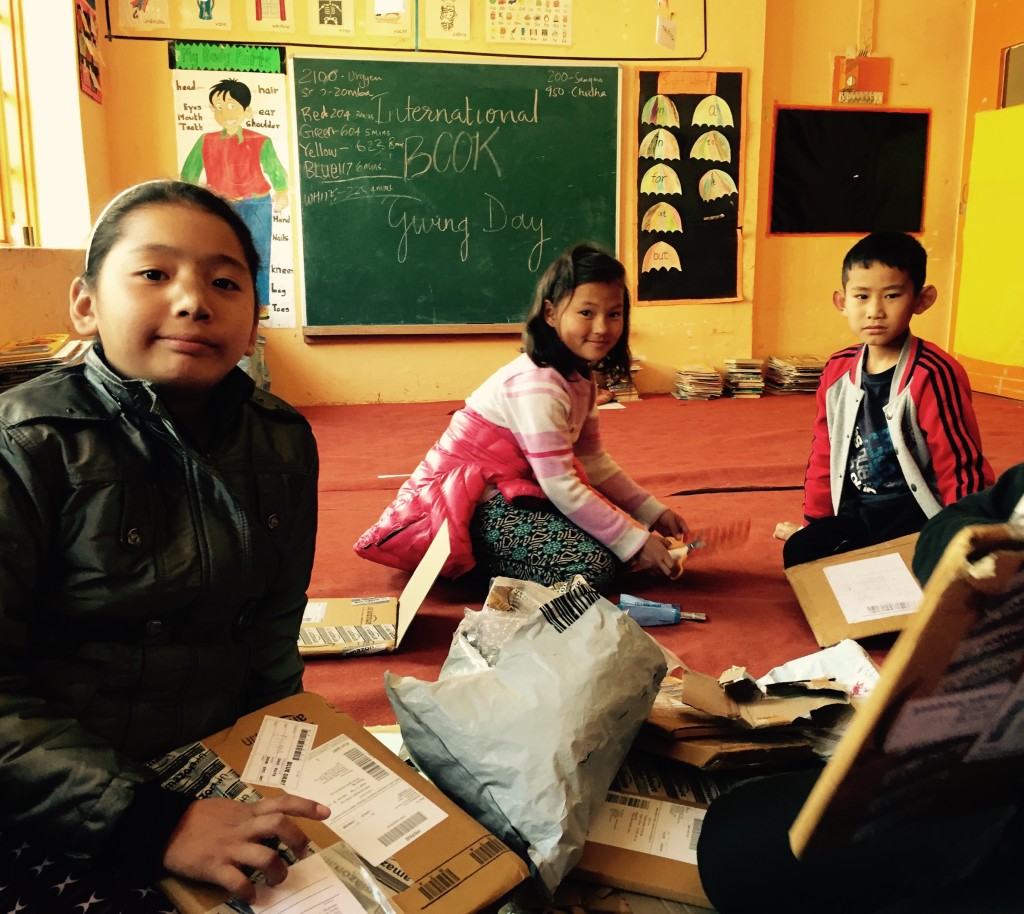
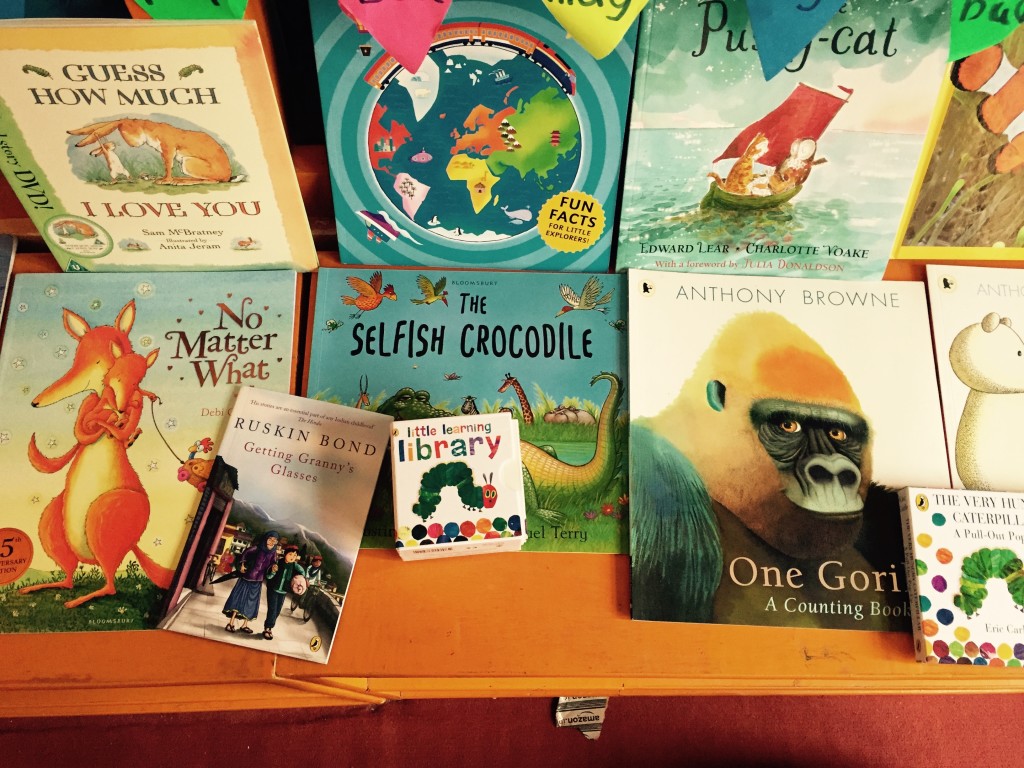
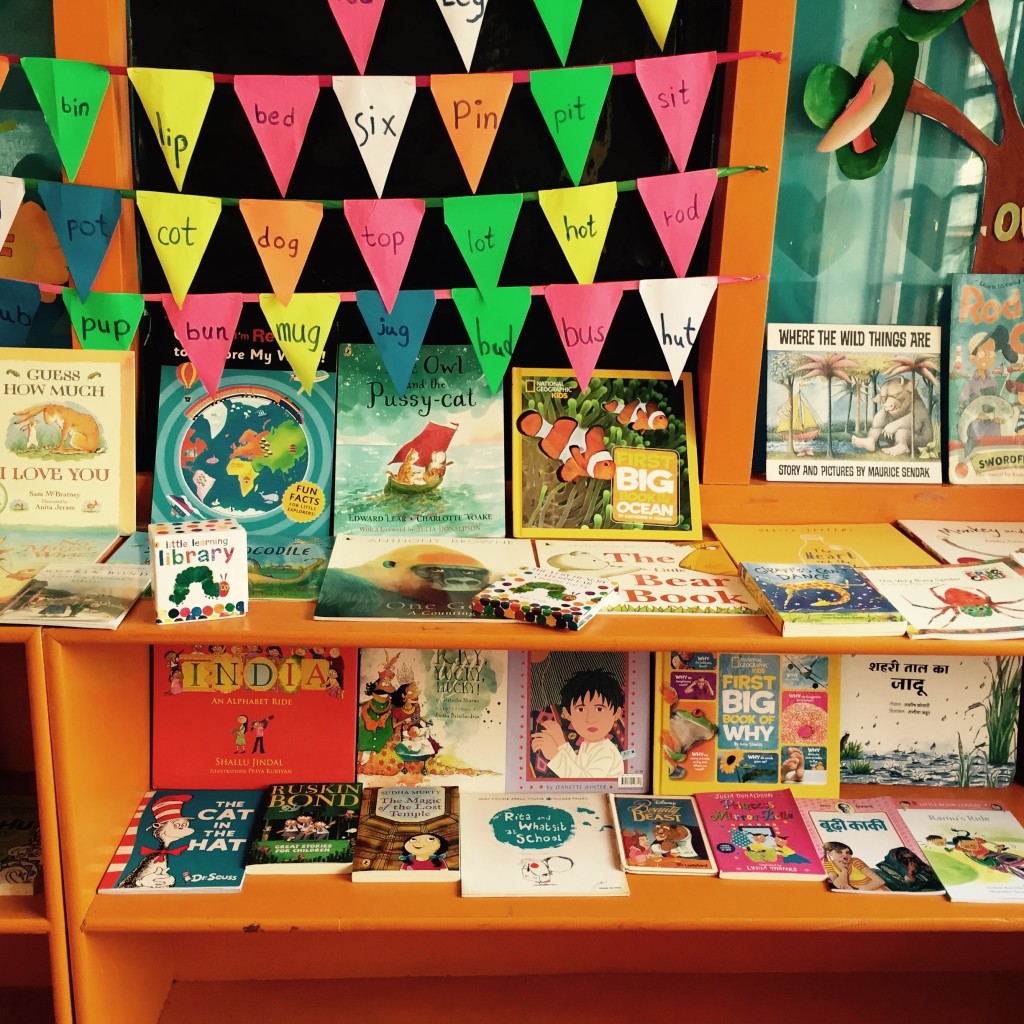
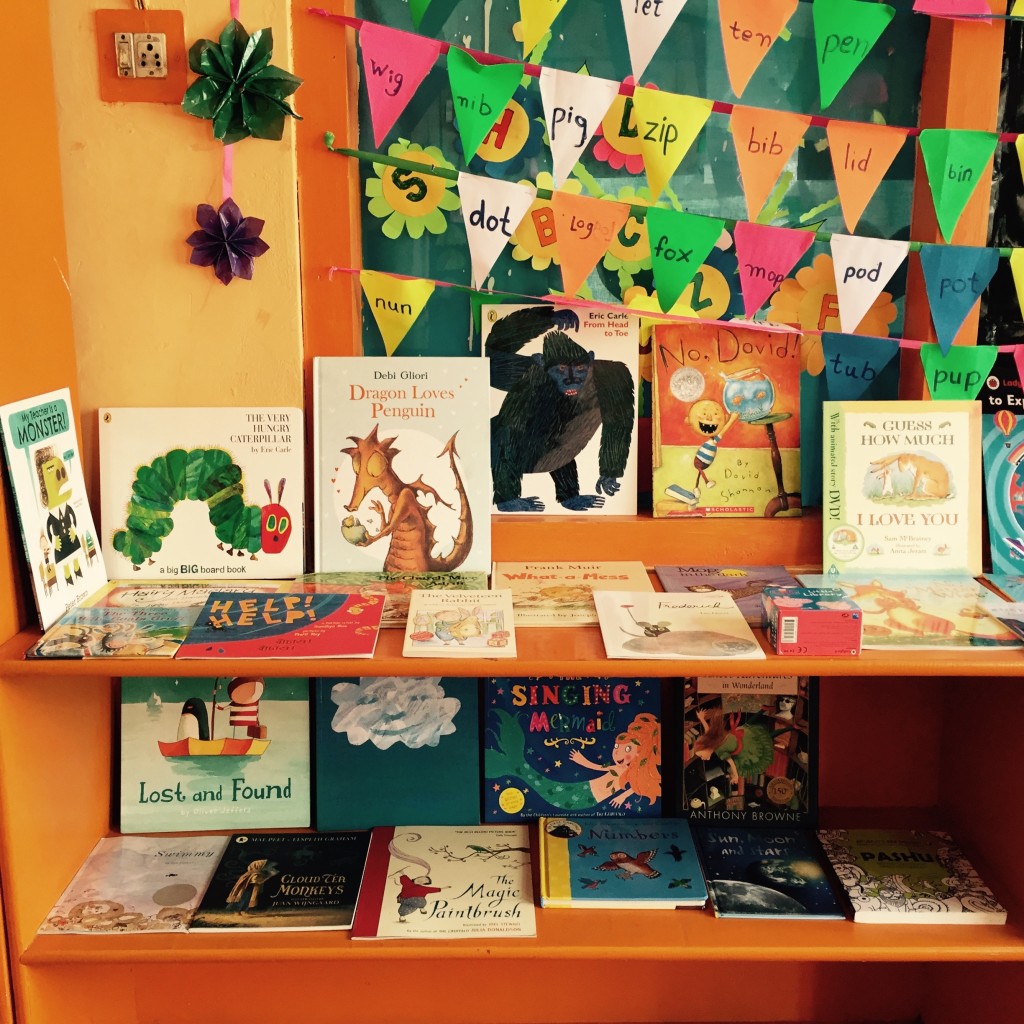
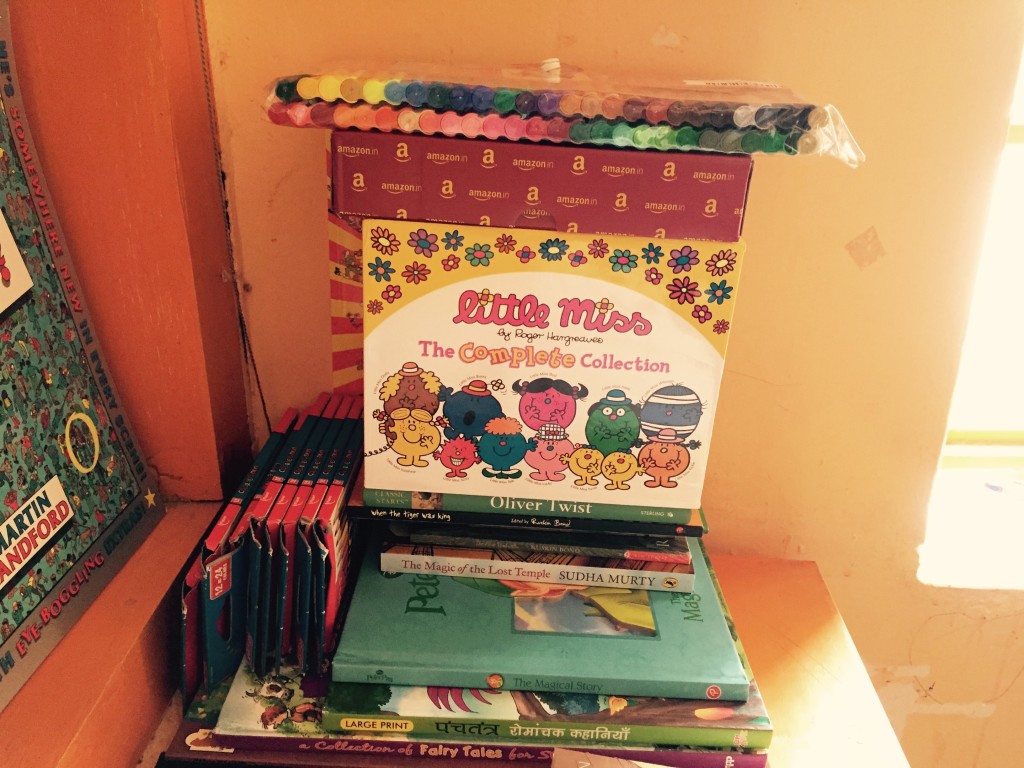
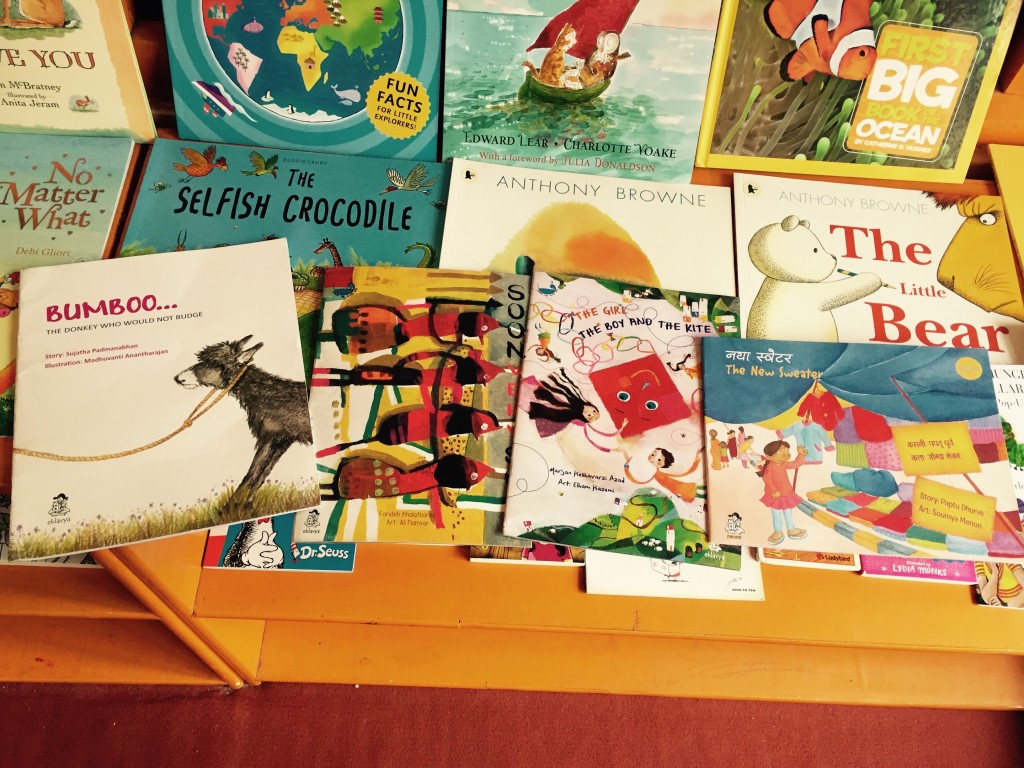
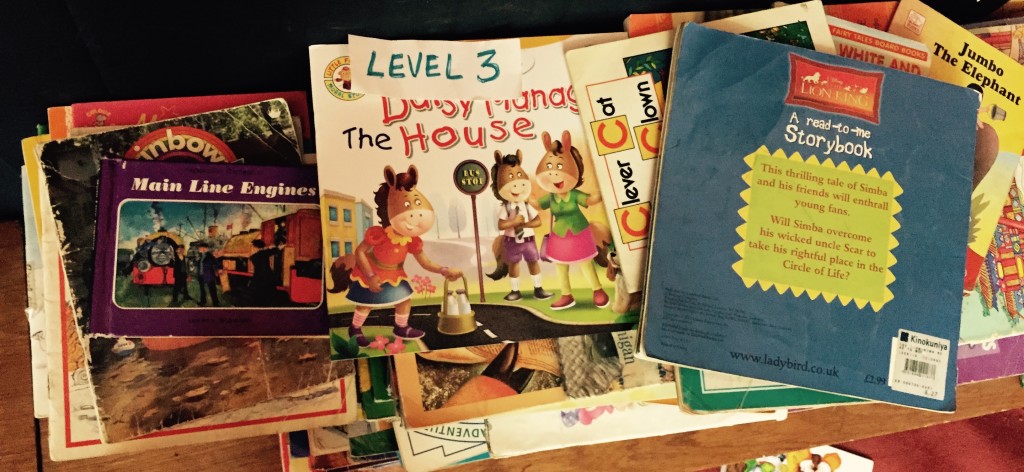
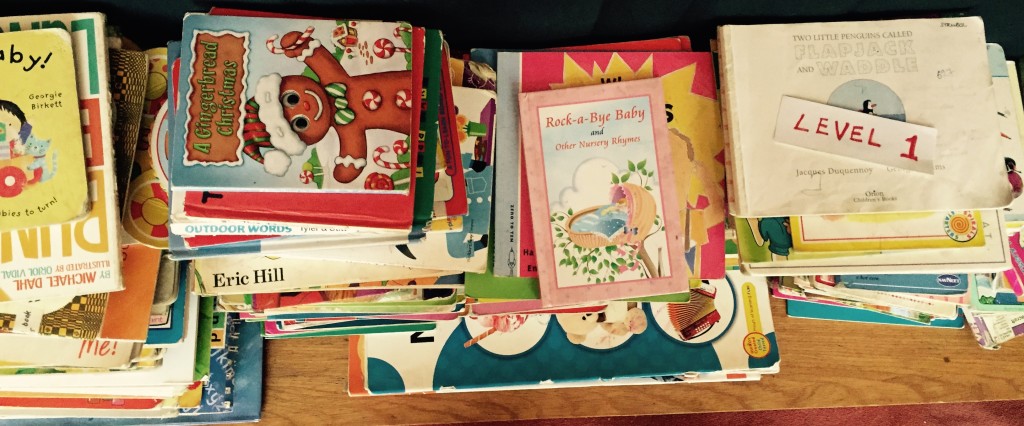
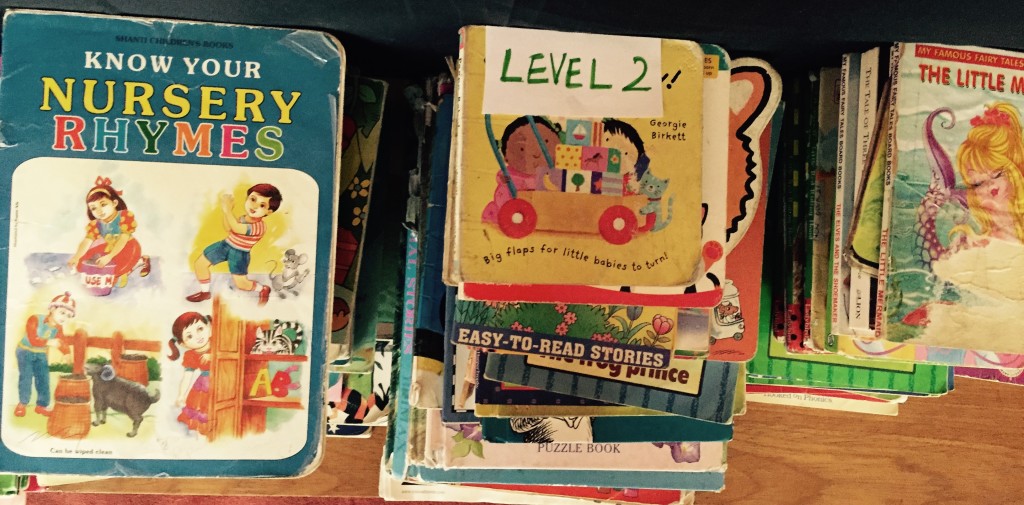
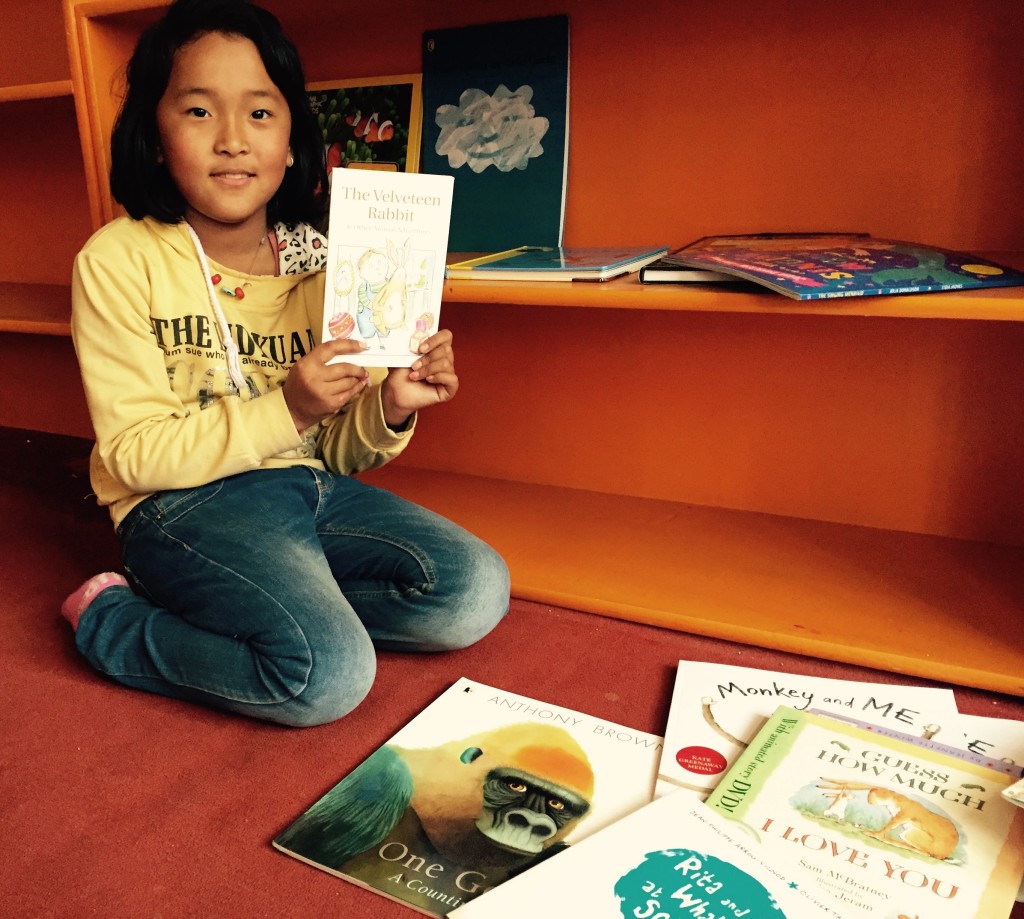
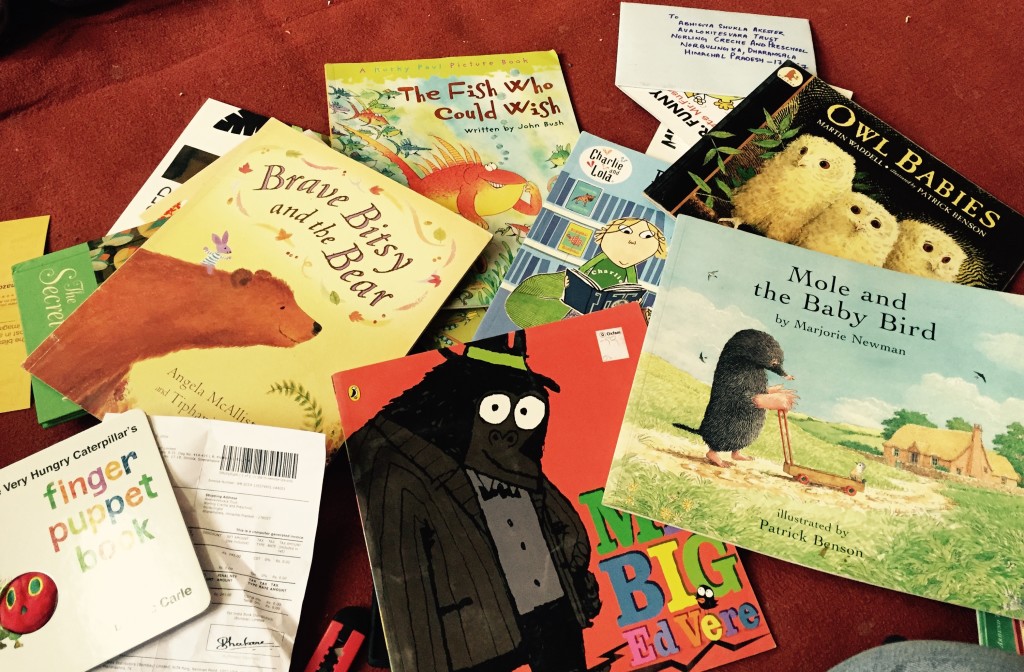
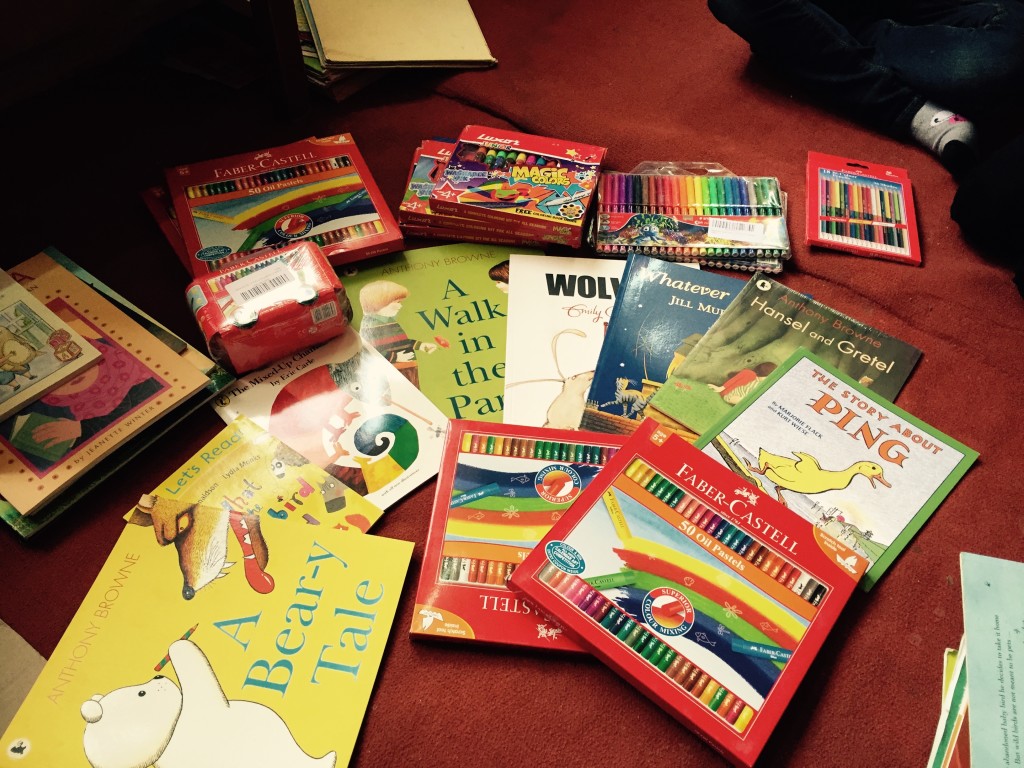
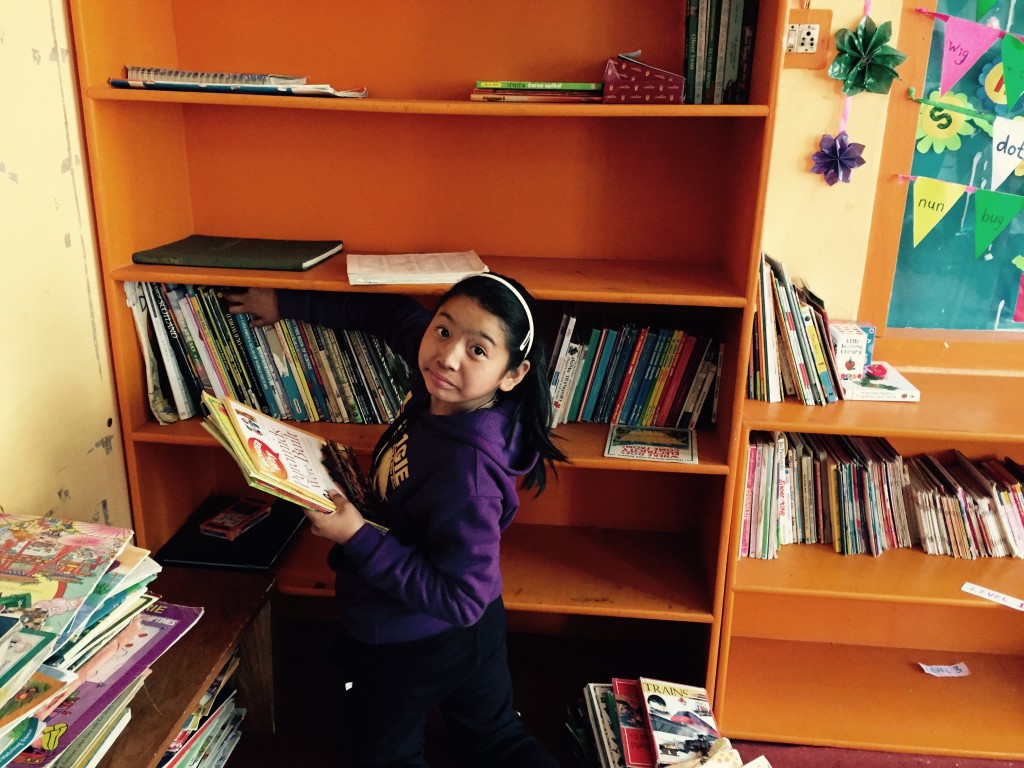
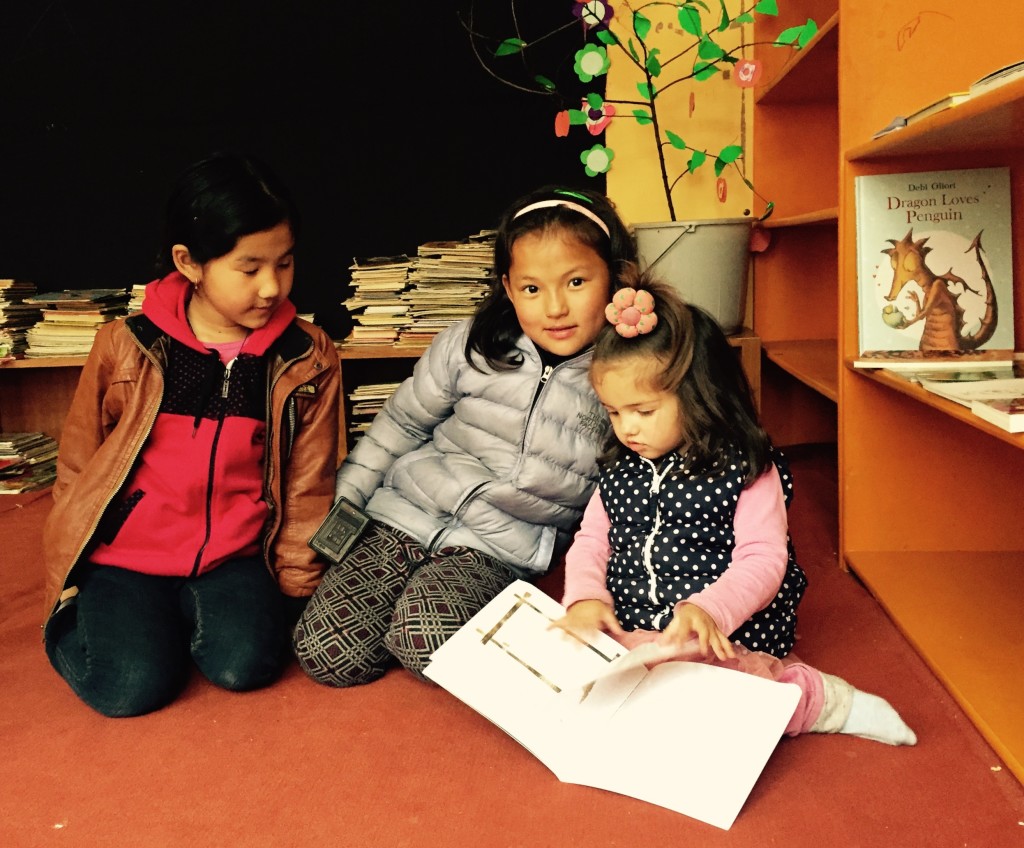
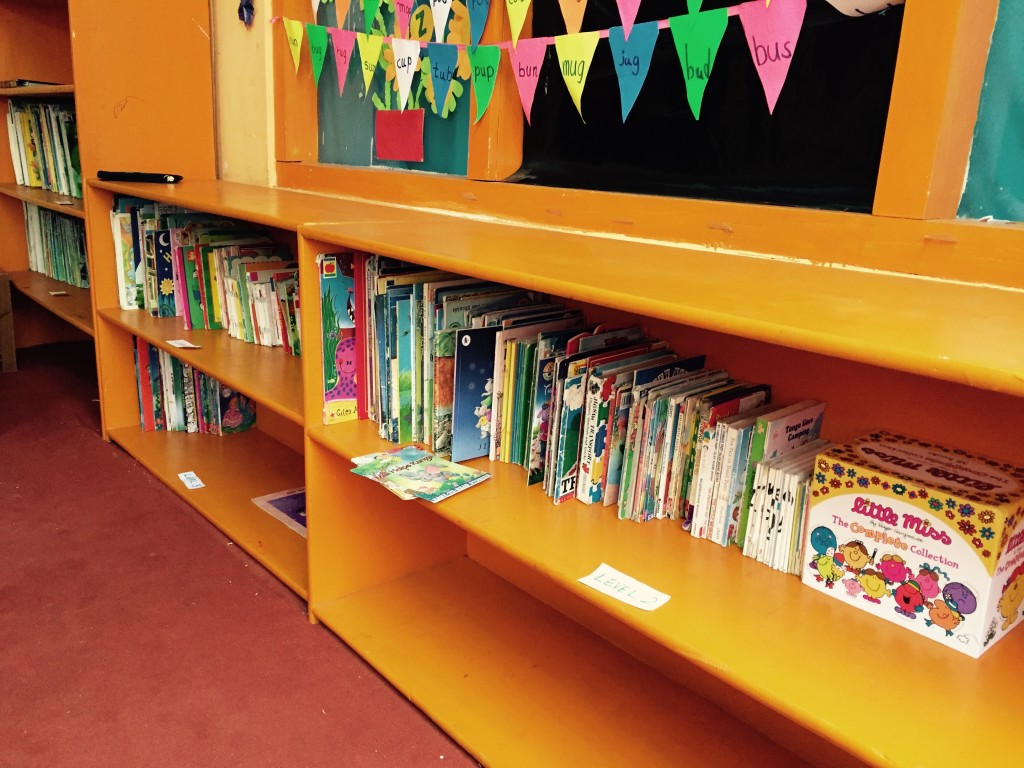
In a community with limited access to books, a personal notebook can extend the effect of a reading room. After hearing a folktale, a child might retell it through pictures. After discovering a new word, they might use it in a sentence or decorate it across a page. A book drive that supplies storybooks and blank journals gives children both models to follow and room to create their own work.
This freedom can be especially meaningful for children who are shy, learning a second language or unsure of their academic abilities. A blank page does not announce that an answer is wrong. It allows a child to communicate through drawing, symbols, mixed languages and gradual attempts. Over time, the notebook becomes evidence of progress that the child can see and hold.
Different Conditions, Similar Creative Possibilities
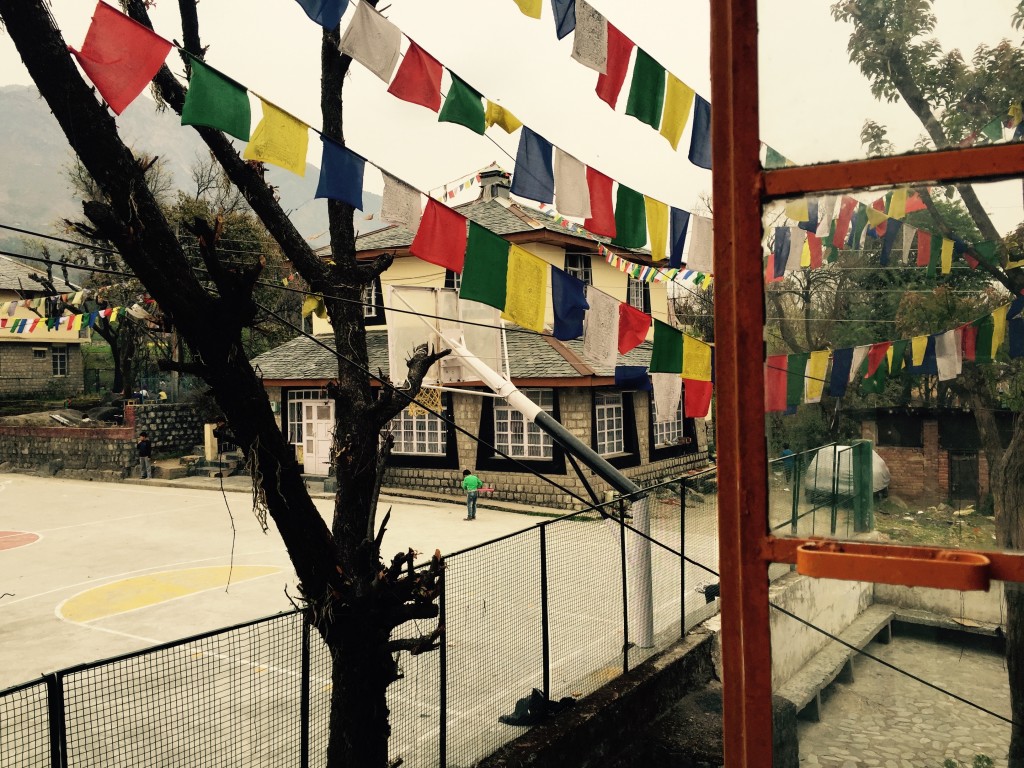
The setting changes how children use an empty book, but the underlying invitation remains familiar. In a remote Himalayan village, paper may be treated carefully because supplies are scarce. In Melbourne or Brisbane, where stationery shops and school materials are more readily available, the challenge may be creating time and permission for unstructured making.
Families in Australia may spend around school terms, weekend activities and the local book market, where a new children’s book can be a considered purchase rather than an everyday item. A blank notebook can be an affordable addition to a home library, particularly when paired with recycled paper, pencils or donated art supplies. Its value comes from sustained use, not from its price.
| Setting |
What The Blank Book May Offer |
Helpful Adult Response |
| Reading room in Ladakh |
A personal place for stories, drawings and language practice |
Protect time for quiet making and provide varied materials |
| Monastic learning environment |
Reflection, copying, observation and creative expression |
Respect the child’s pace and cultural context |
| Australian home |
A screen-free space for journalling, sketching or invented stories |
Keep the book accessible without demanding regular entries |
| Australian classroom or library |
A low-pressure way to explore ideas before formal writing |
Accept different forms of response, including images and symbols |
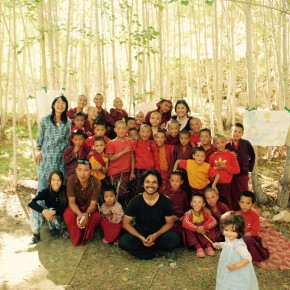
For organisations supporting children across regions, the important point is adaptability. The same simple resource can serve different needs when adults avoid imposing a single definition of productive learning. Avalokiteśvara Trust reflects this broader connection between books, creativity and educational access through its work with children and young monks in Himalayan communities.
The Adult’s Role Is To Protect Possibility
“No instructions” does not mean “no support”. Children still benefit from a calm environment, suitable materials and an adult who takes their work seriously. The adult’s role is closer to a host than a director: make the space welcoming, offer resources and resist the urge to control the outcome.
A useful response to a child’s page is descriptive rather than evaluative. “You used three different kinds of lines” gives the child something specific to consider. “Tell me about this part” invites conversation without demanding a polished explanation. Praise focused only on talent can make children cautious; interest in their decisions helps them remain curious.
There are practical boundaries as well. Shared materials need to be stored safely, younger children may require non-toxic supplies, and personal writing should not be displayed without permission. In Australia, organisations working with children must follow relevant state or territory child-safe requirements, while privacy obligations can apply when names, photographs or identifiable stories are collected. Respect for children includes respect for what they choose to keep private.
Ways To Make An Empty Book Inviting
- Place pencils, crayons, collage scraps and rulers nearby without arranging a model page.
- Offer optional prompts such as “a sound I remember” or “a place I would visit”.
- Allow drawing, mapping, lists, invented alphabets and unfinished stories.
- Keep completed books safe so children can revisit earlier ideas.
- Share examples from many cultures without presenting one style as the correct one.
A blank book also gives adults a chance to notice rather than intervene. A sudden change in colour, repeated image or new interest in writing may reveal what a child is thinking. That observation should be gentle, never treated as a demand for personal disclosure.
From Private Pages To Shared Communities
Some children will want their books to remain entirely private. Others will enjoy reading aloud, displaying a drawing or contributing a page to a group story. Both choices should be respected. Creative confidence grows when sharing is an option rather than a condition of participation.
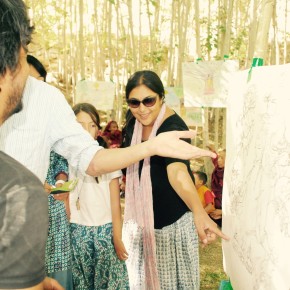
In a reading room, blank books can become a bridge between individual work and community life. Children might create a collective map of their village, illustrate local animals, record songs or make a bilingual word book. In an Australian library or classroom, they might document neighbourhood sounds, public transport journeys or seasonal changes in a local park. The activity connects literacy with place.
These projects also show why access to quality books matters. Children need rich examples of language and imagery, yet they also need opportunities to answer those examples in their own voices. Book donations, volunteer-led reading sessions and arts activities work best when they provide both guidance and room for independent expression.
Signs The Activity Is Working
- Children return to their books without being reminded.
- They begin borrowing words, formats or ideas from stories they have read.
- They explain their choices with growing detail or confidence.
- They experiment with unfamiliar materials and accept imperfect results.
- They invite others into their imagined worlds while keeping some pages personal.
The most valuable outcome may be invisible at first. A child learns that a book can be a tool for discovery, not merely an object containing someone else’s words. The child also learns that their own observations, languages and questions deserve a place on paper.
A blank book does not guarantee creativity, and it should never become another task measured by output. Its strength is quieter. It offers time, ownership and a physical record of a child’s developing mind.
When children receive empty pages and the freedom to choose what comes next, they practise making decisions, expressing ideas and trusting their attention. The pages may hold drawings, stories, mistakes or silence. What matters is that the book tells them their voice has room to grow.