The Quiet Beginning Of A Lifelong Reading Journey
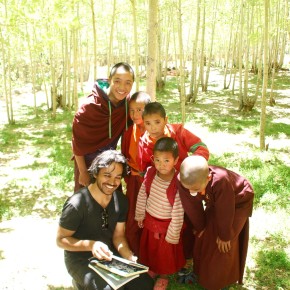
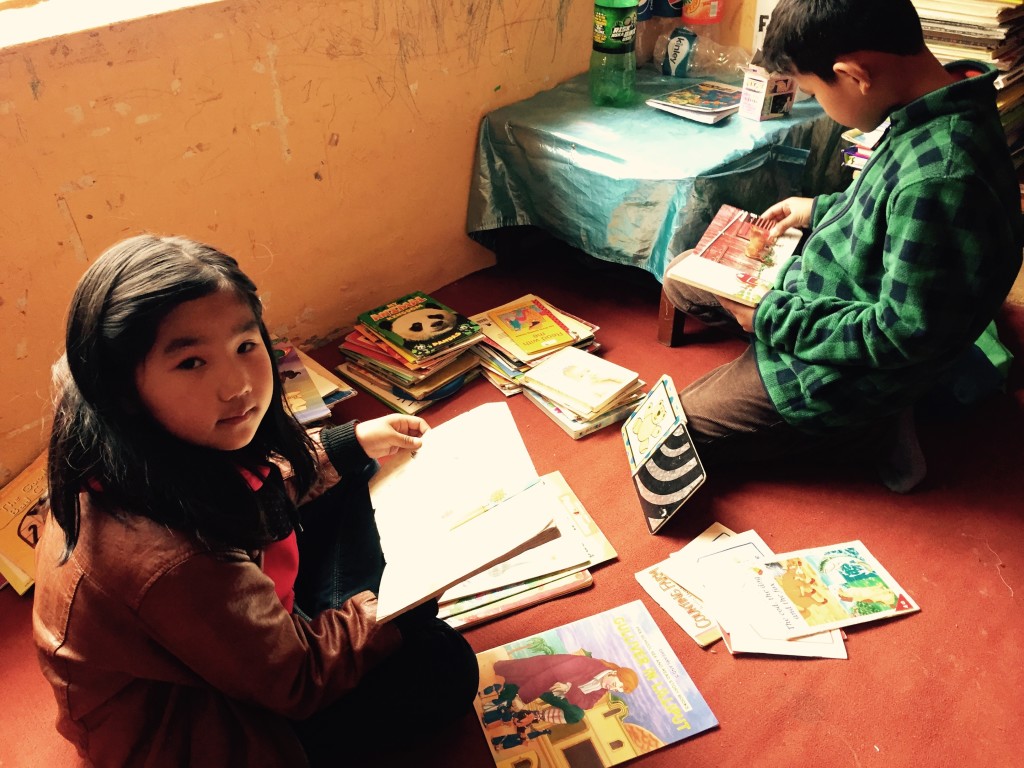
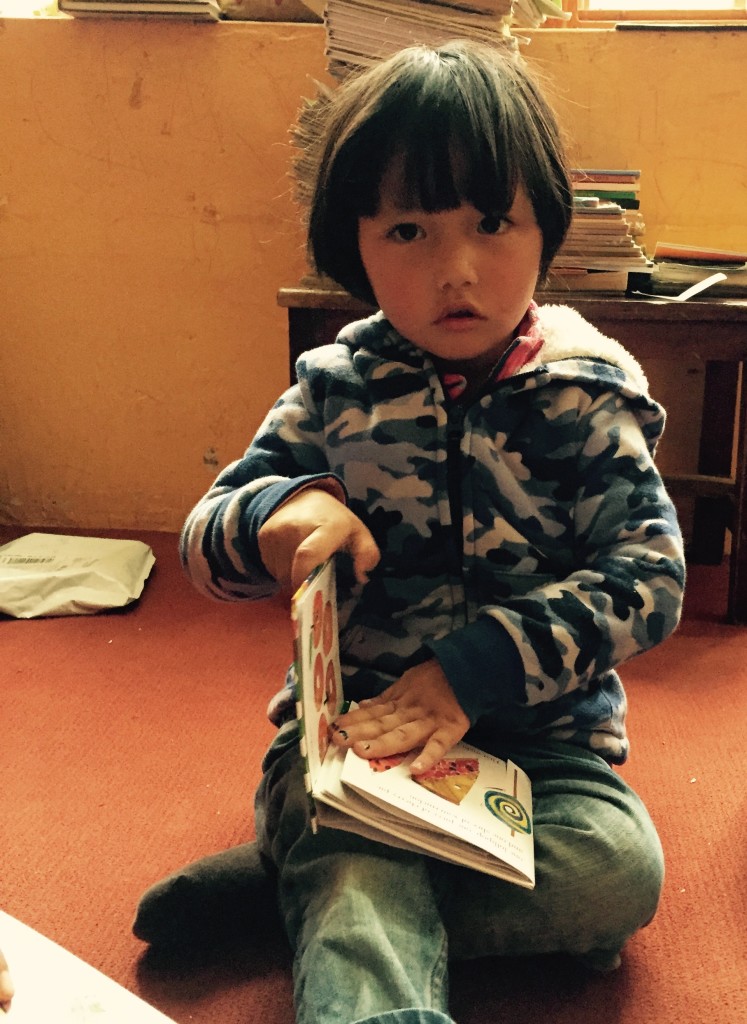
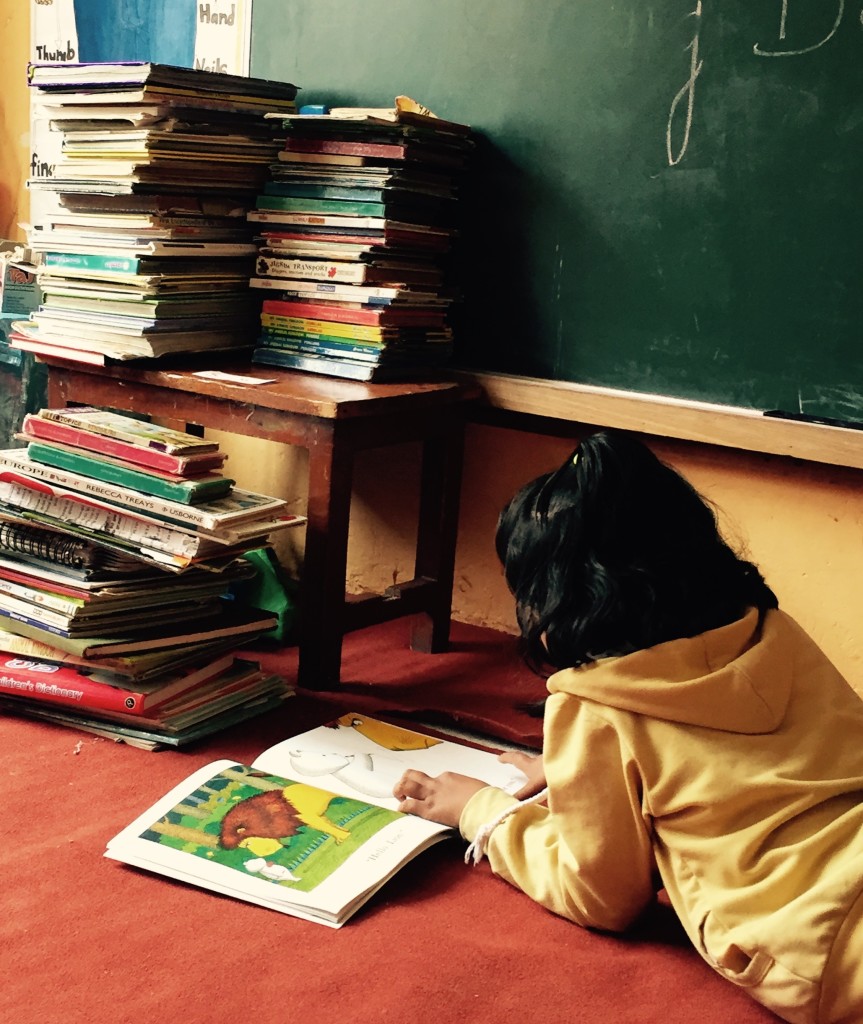
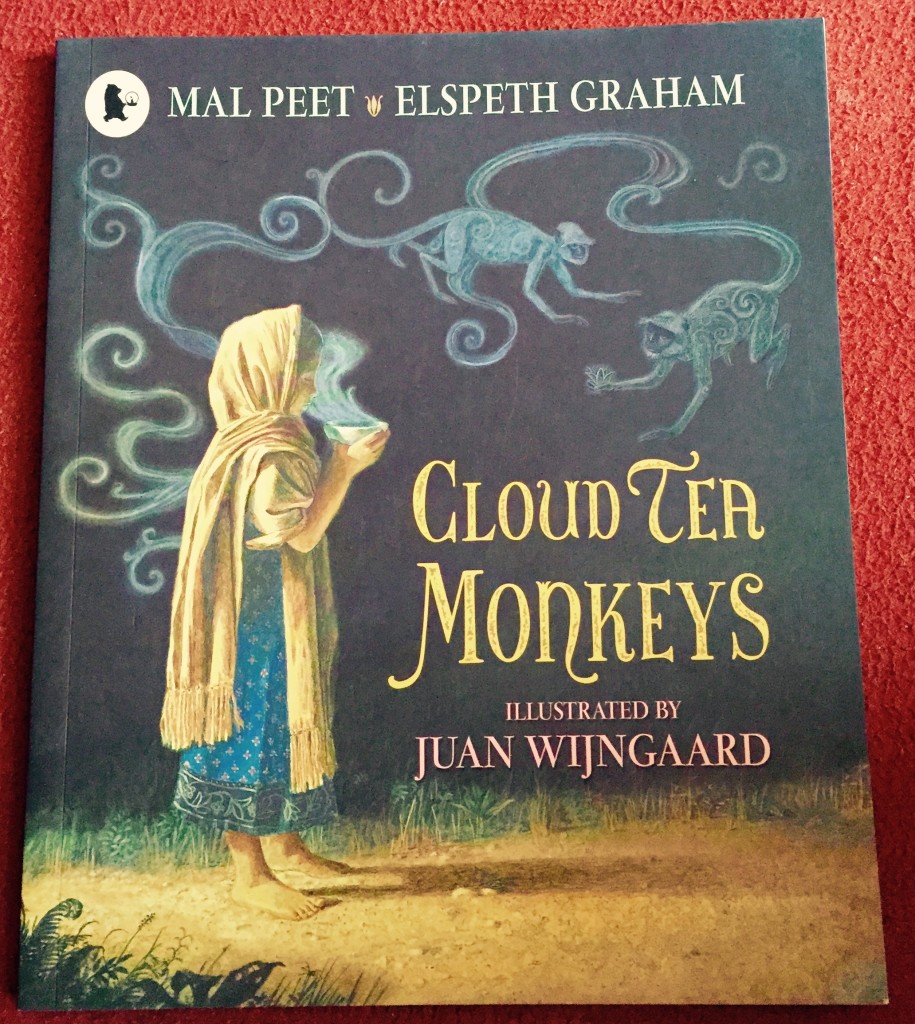
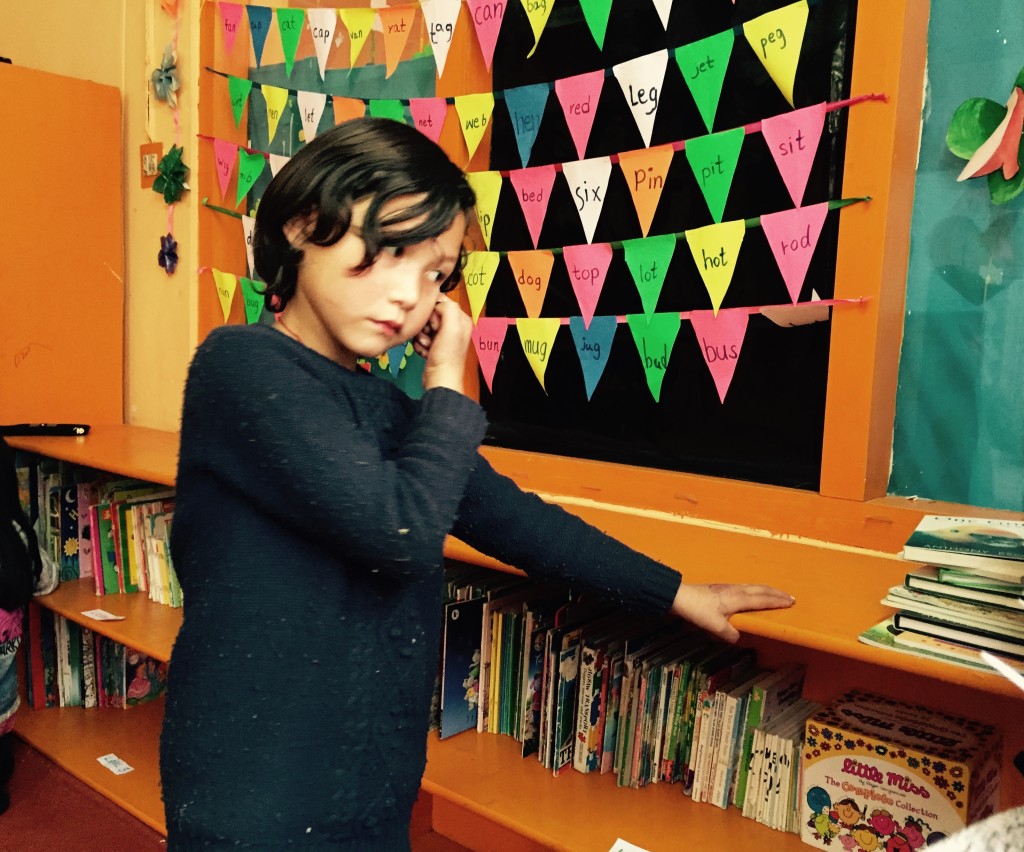
What happens when a child picks their first book is rarely visible in a photograph. There may be a pause, a careful touch of the cover, a glance toward an adult, and then the beginning of a private relationship with words. A book becomes more than paper and ink: it becomes an invitation to imagine, ask questions, and discover a world beyond immediate experience.
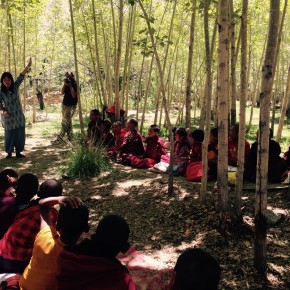
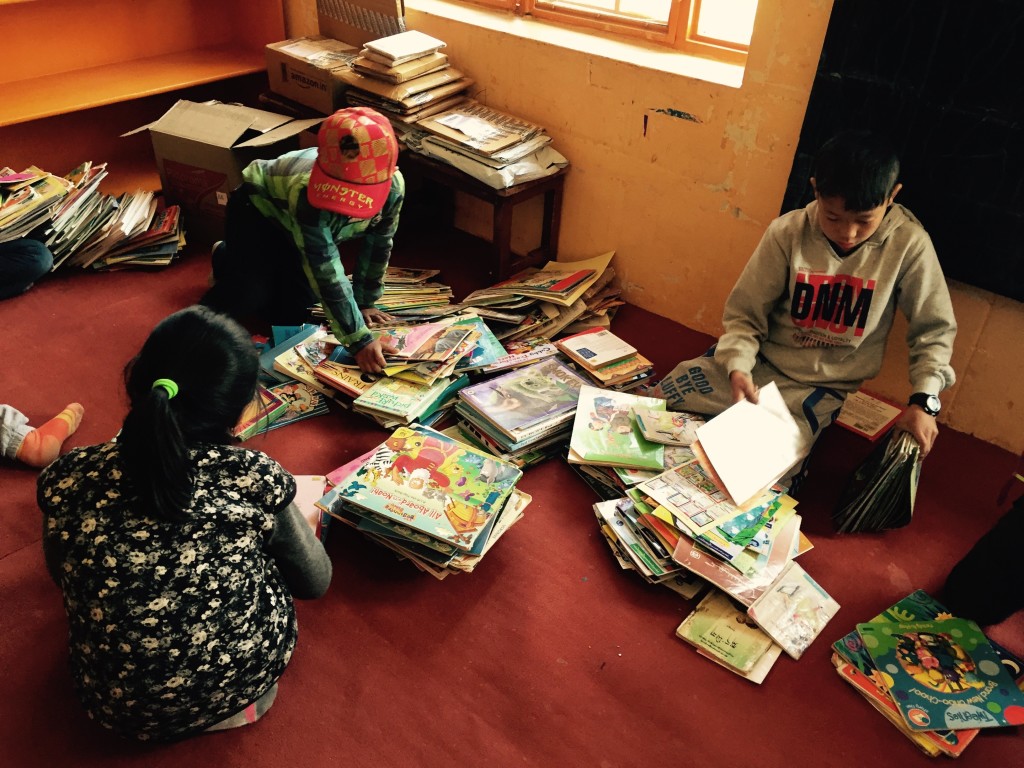
For children in Himalayan communities, access to that moment can depend on distance, household resources, language, and whether a welcoming reading space exists nearby. In Ladakh, where villages may be separated by difficult terrain, a small collection of thoughtfully chosen books can have a powerful effect. A reading room offers time, comfort, and permission to explore at a child’s own pace.
The first book does not need to be difficult or educational in a narrow sense. It might be a picture story, a folk tale, an illustrated science book, or a collection of poems. What matters is the connection between the child and the page: the feeling that reading belongs to them.
The Moment A Story Becomes Theirs
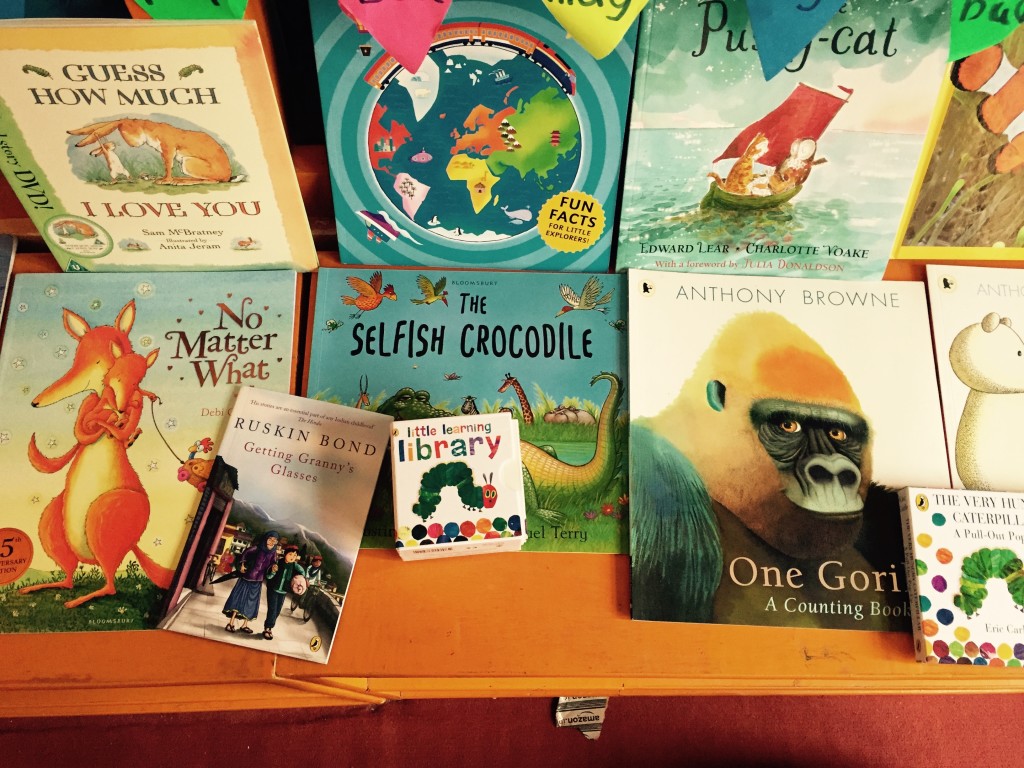
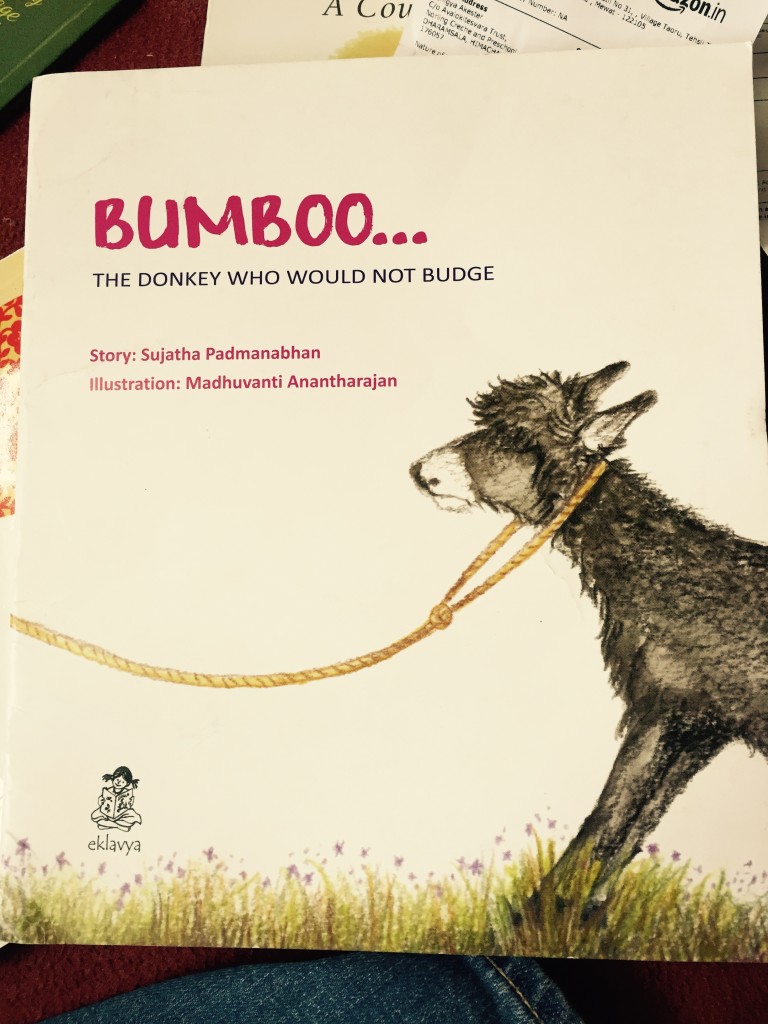
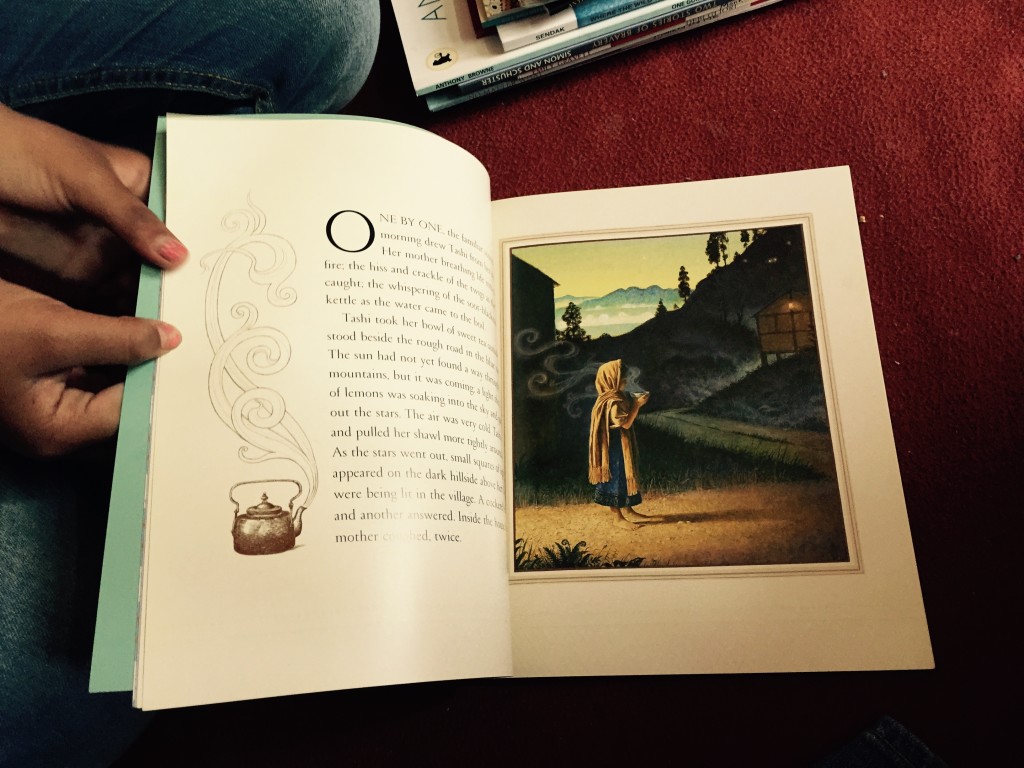
A child often approaches a first book through the senses. Bright illustrations draw the eye. A textured cover invites a hand. A familiar animal or face creates recognition before the child can read every word. These details reduce the distance between an unfamiliar object and a personal discovery.
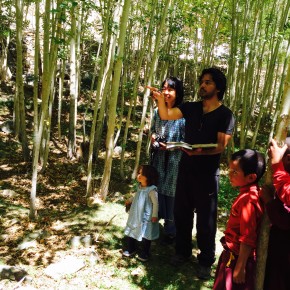
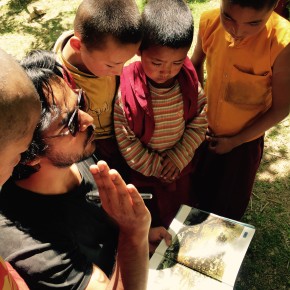
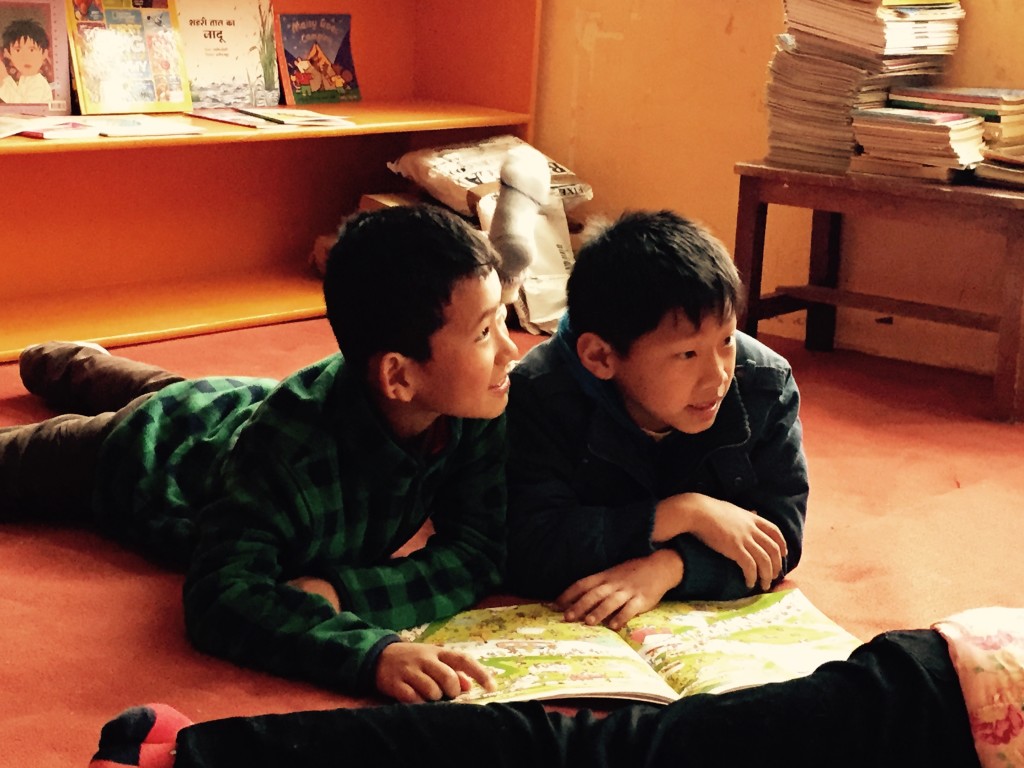
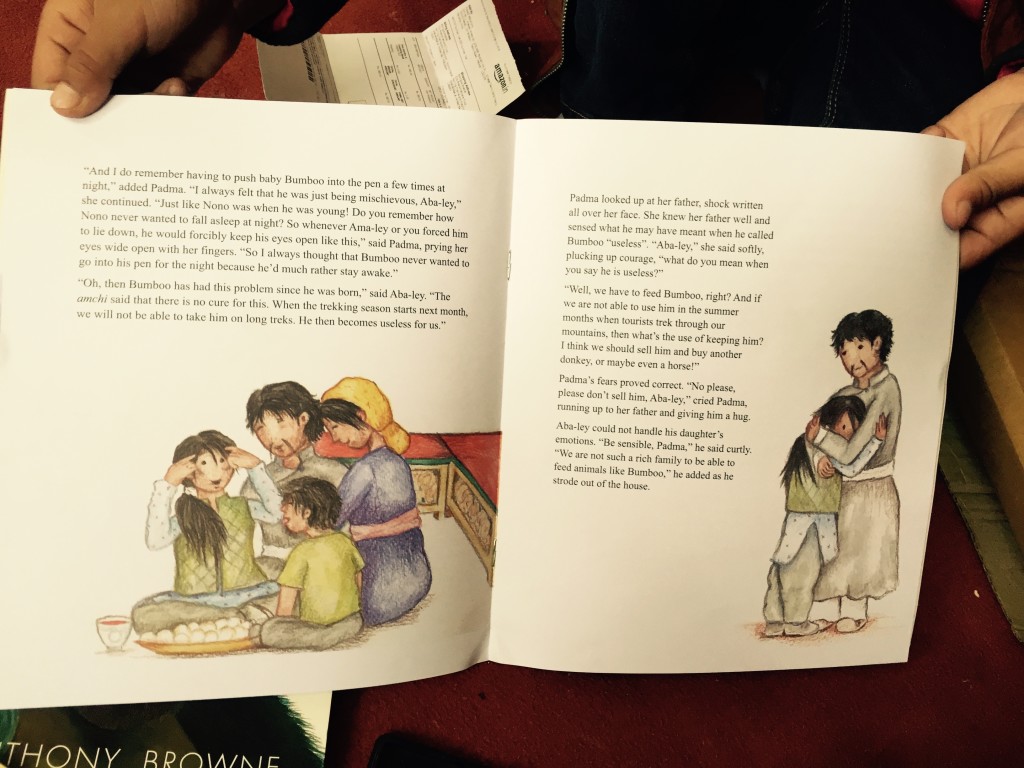
When an adult reads aloud, the experience gains another layer. The child hears rhythm, expression, and new vocabulary while studying the pictures. They may interrupt, point, repeat a phrase, or invent an ending. These responses are signs of active engagement, not distraction. The child is learning that books can hold a conversation.
This early encounter also creates an emotional memory. If the first reading experience is warm and unhurried, the child may associate books with safety, attention, and enjoyment. That association can encourage future visits to a library, reading room, or classroom collection.
A Choice That Builds Agency
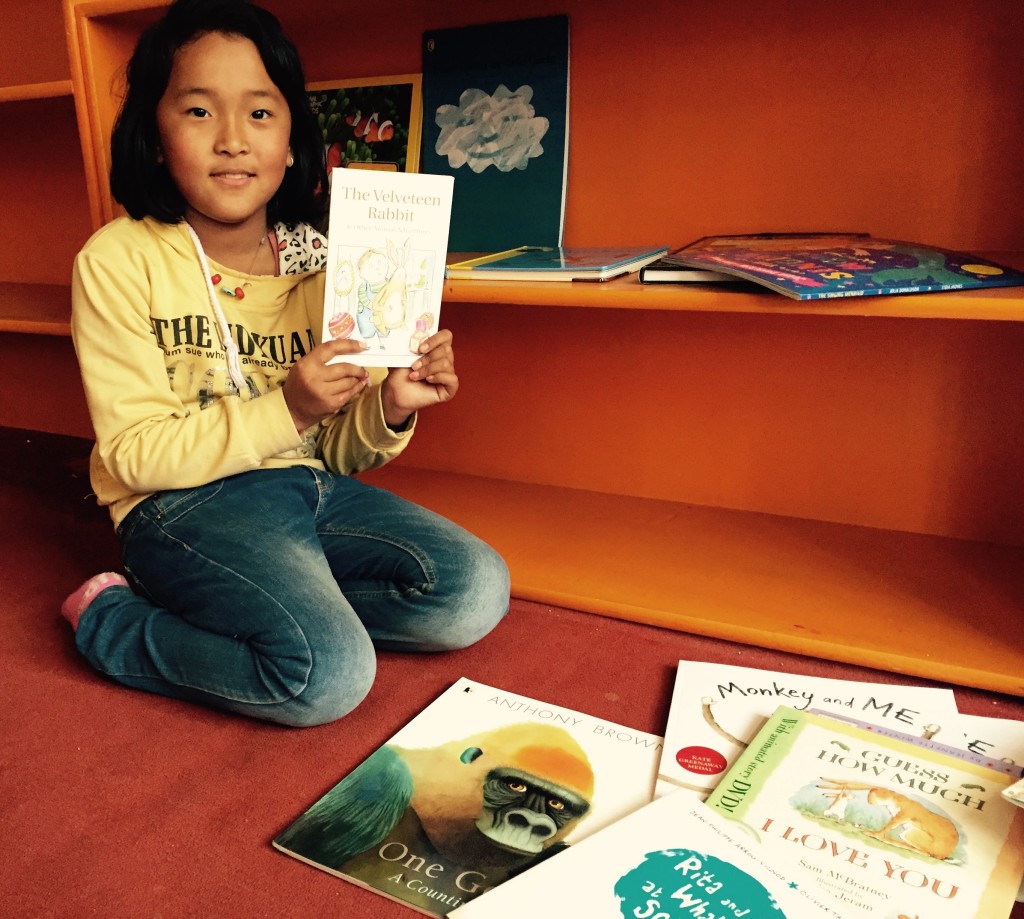
Being allowed to choose a book is a small act of independence. Children learn that their interests matter and that reading is not simply an assignment selected by someone else. A child fascinated by birds, music, mountains, or adventure may follow that interest into increasingly complex books.
Choice supports motivation because it gives reading a personal purpose. A young reader who selects a story about a brave character may be exploring courage. Another who chooses a book about distant places may be developing curiosity about geography and culture. The meaning of a book can change as the child grows.
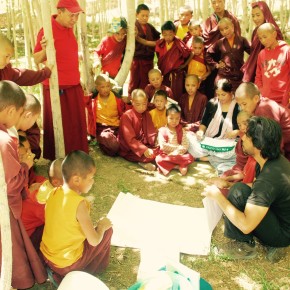
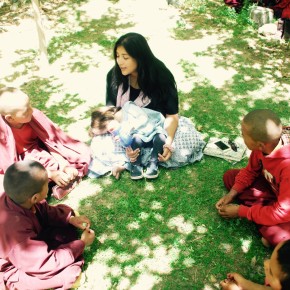
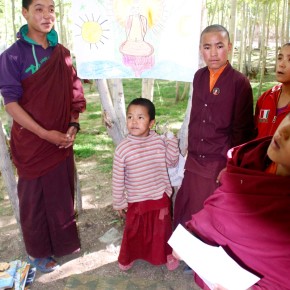
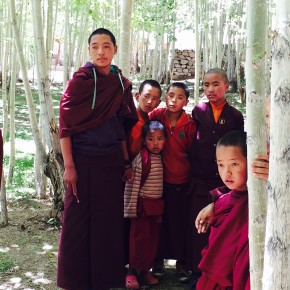
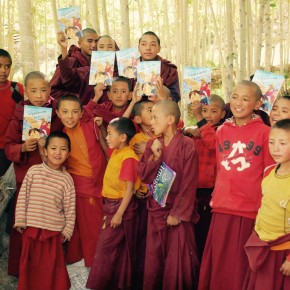
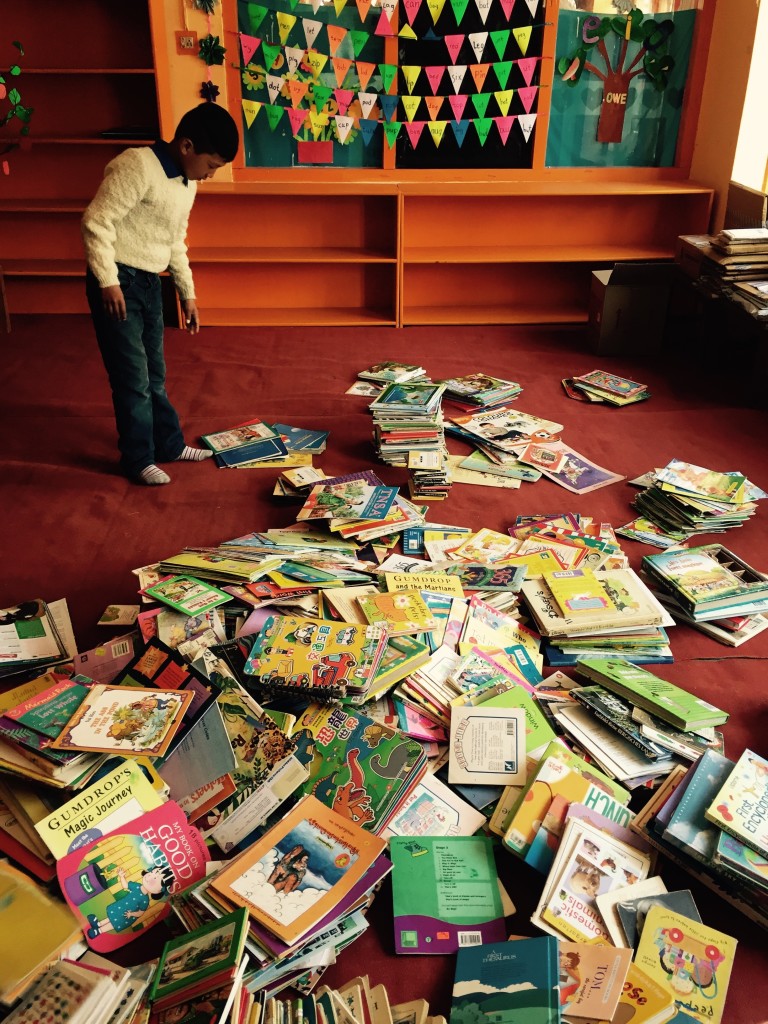
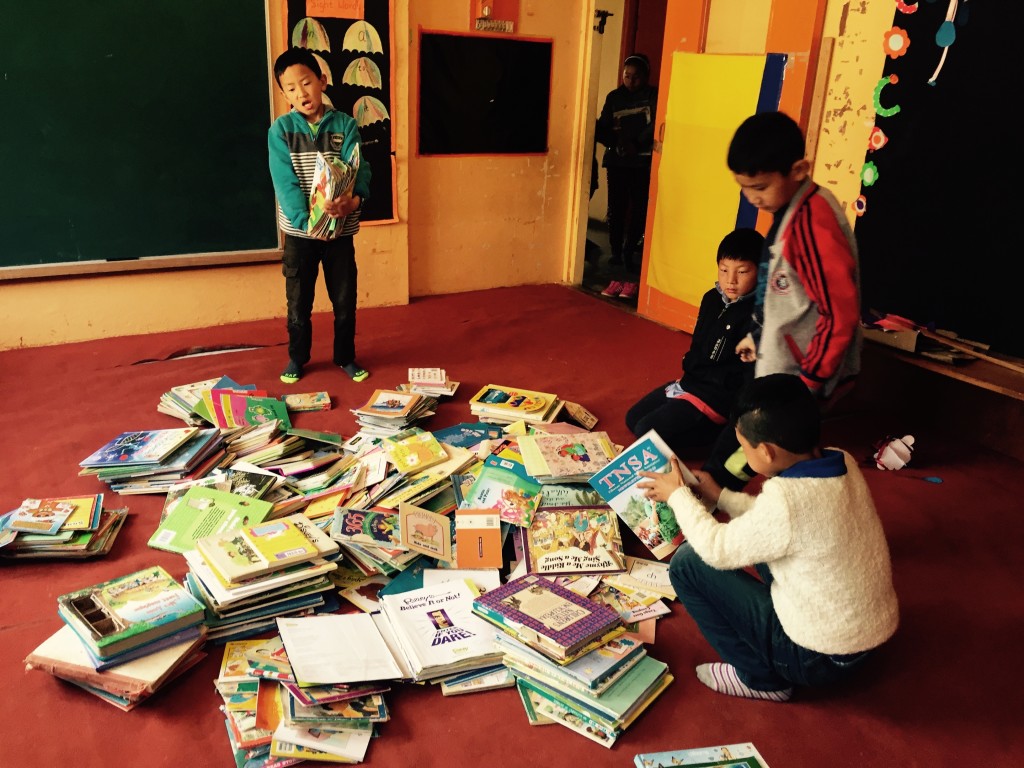
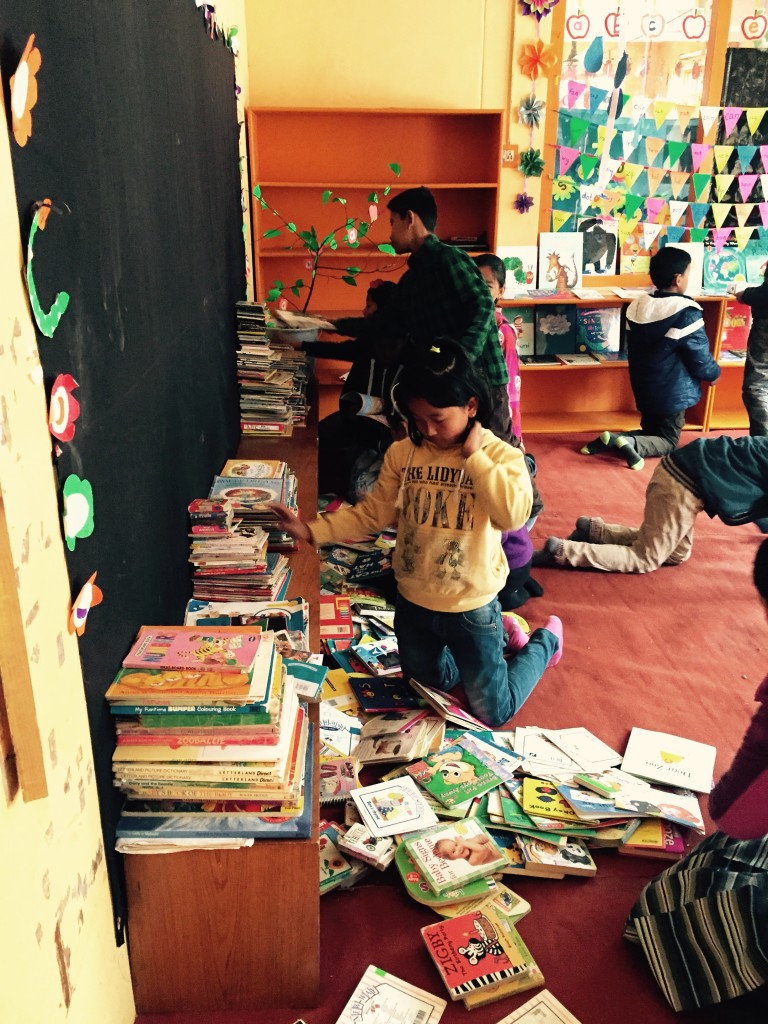
For young monks and children living in remote communities, this sense of agency can be especially valuable. Educational materials may be limited, and structured learning may leave little room for individual preference. A well-organized book drive or community library broadens the range of possible interests, allowing each child to find a starting point.
Reading Spaces That Invite Discovery
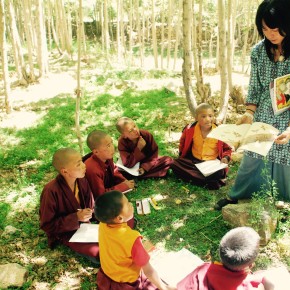
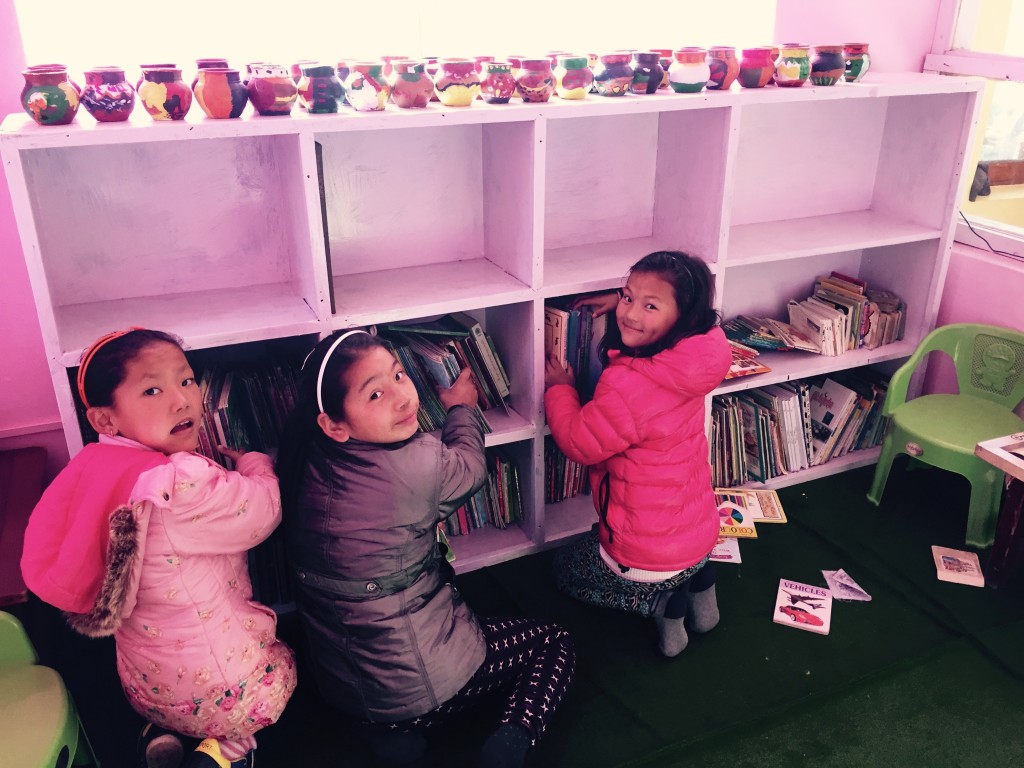
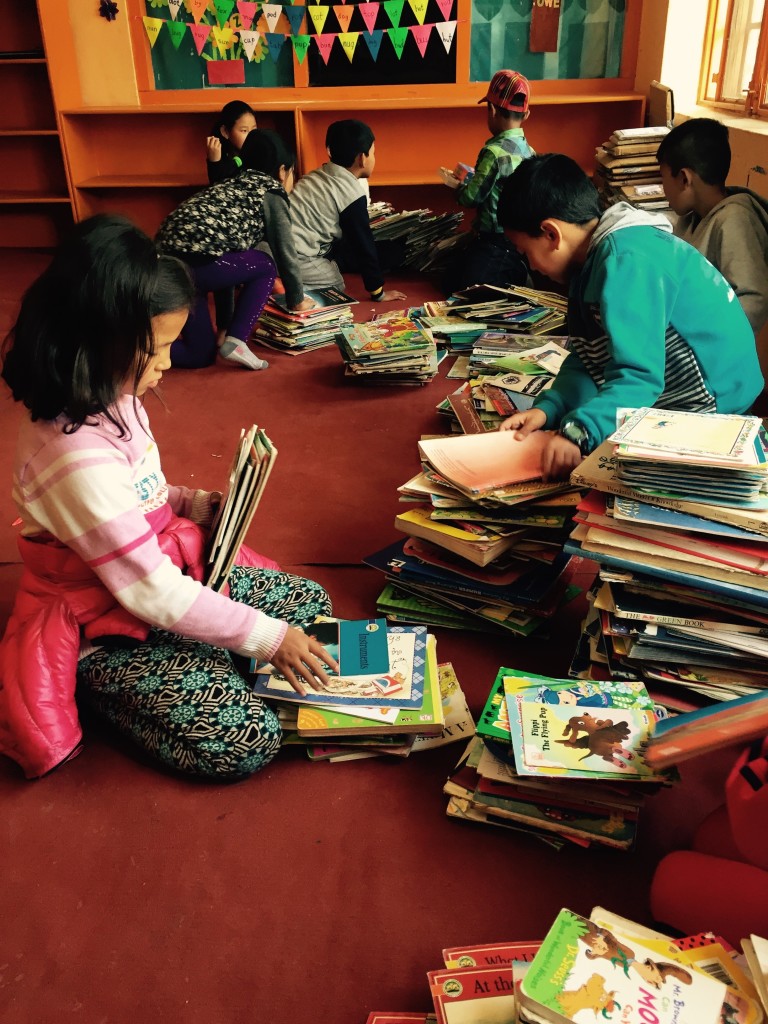
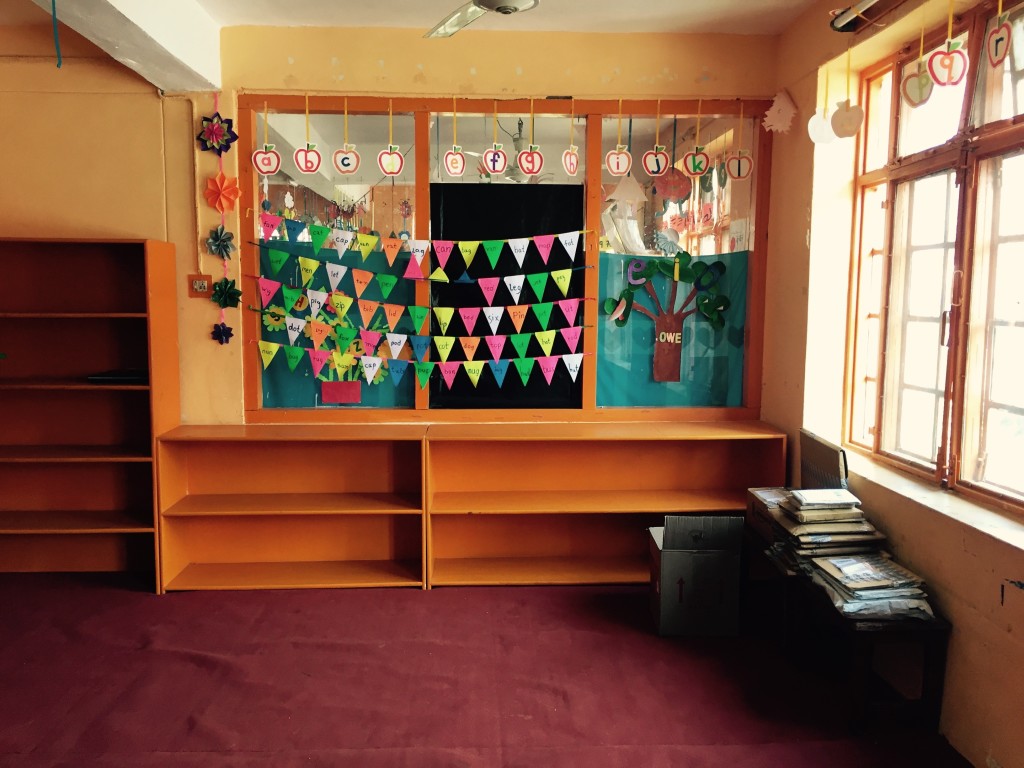
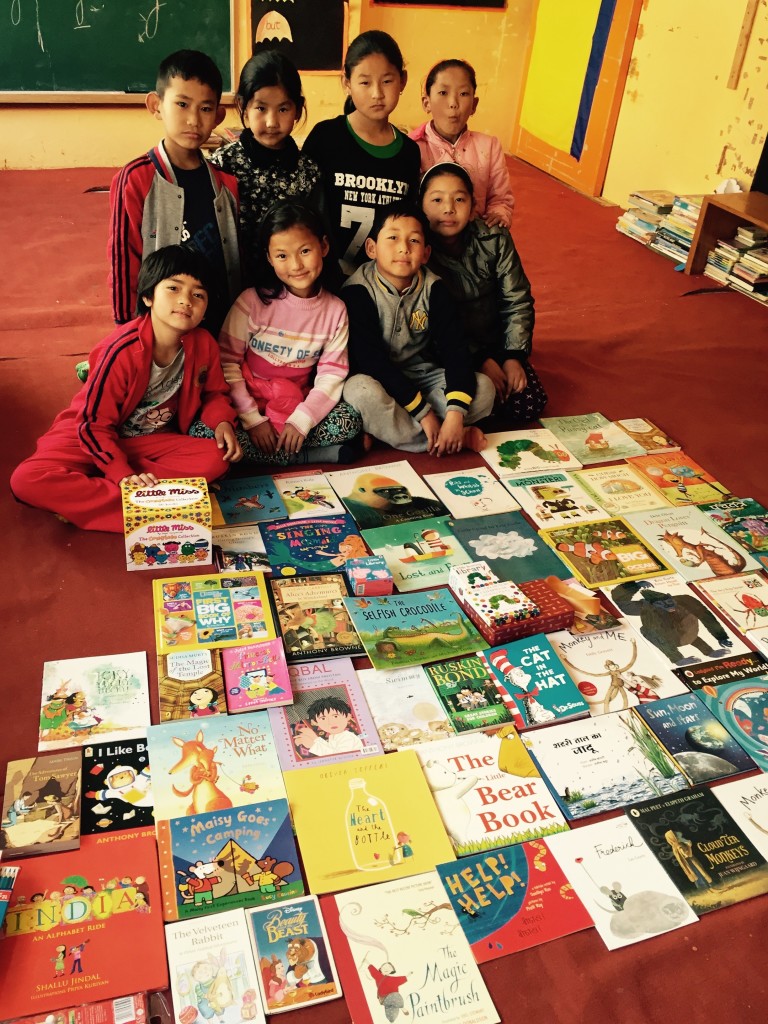
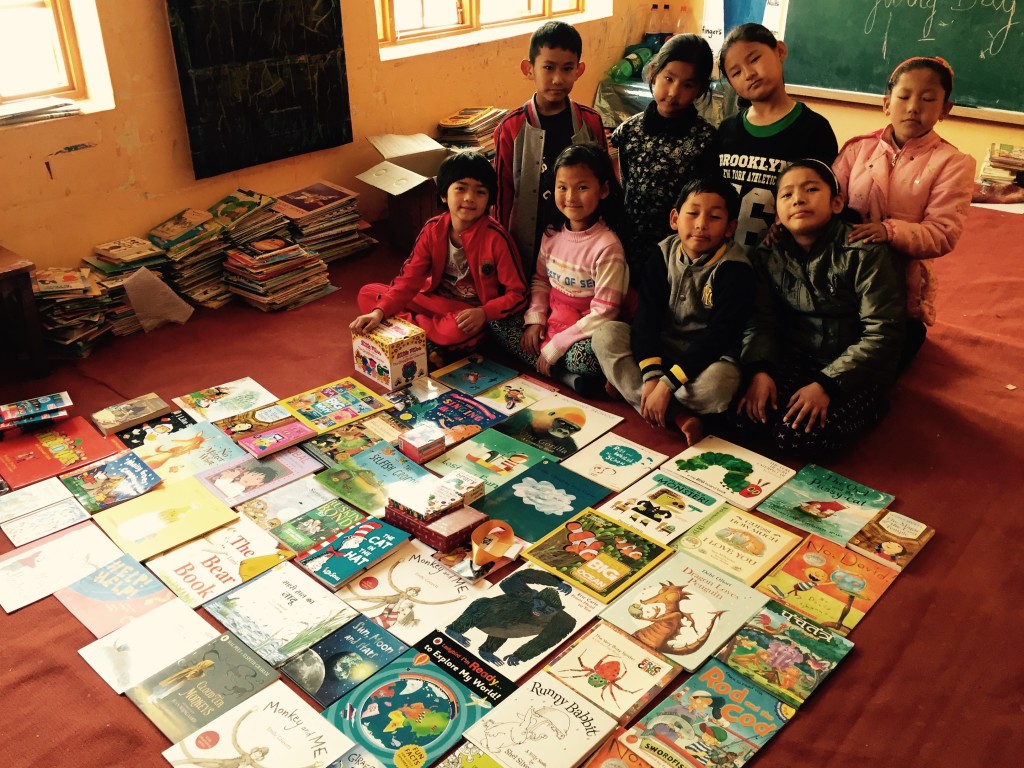
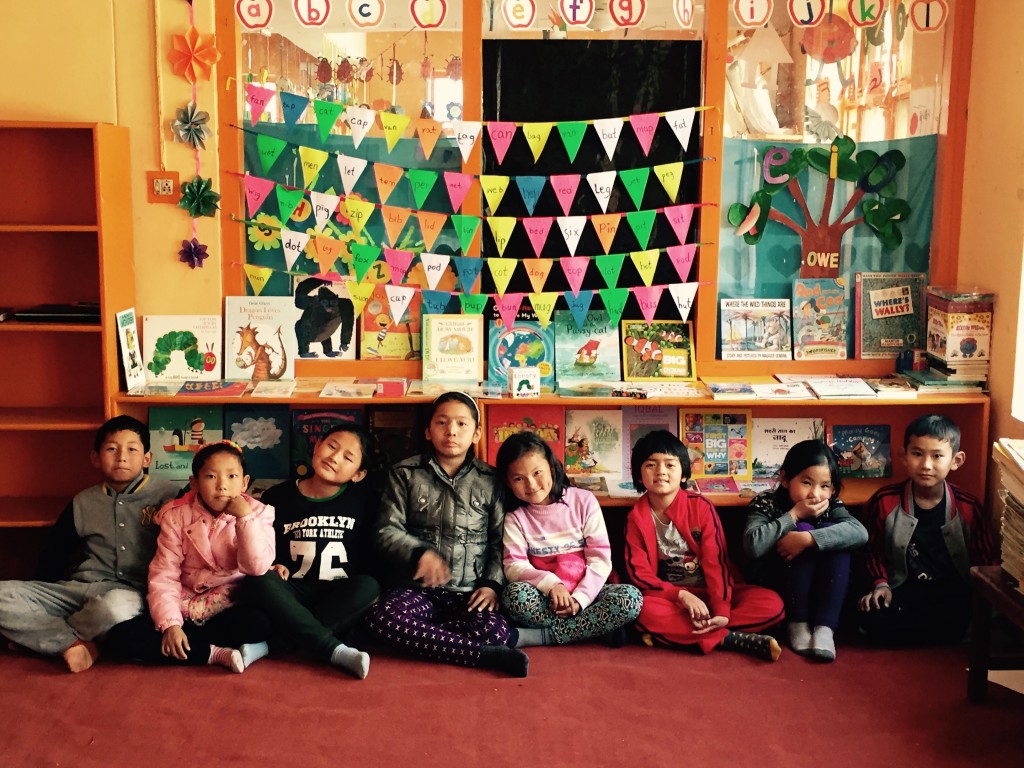
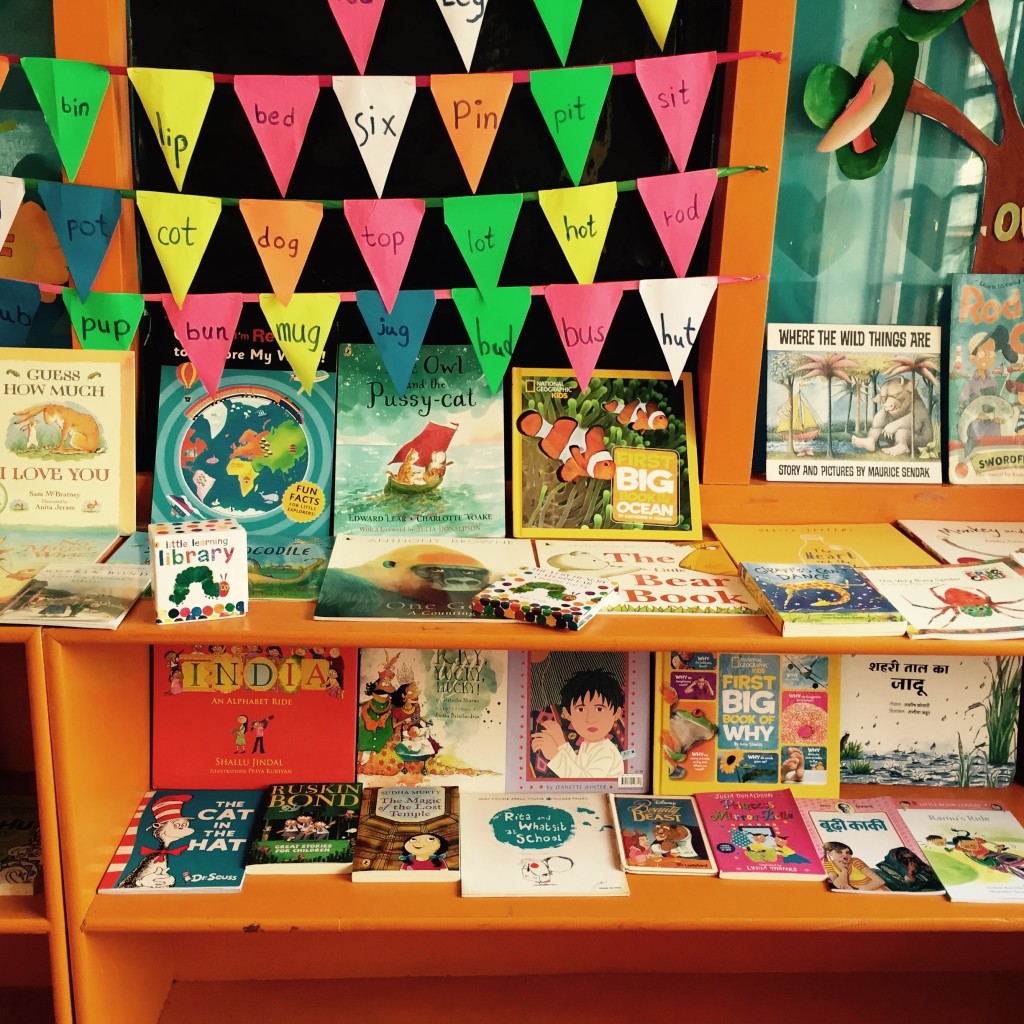
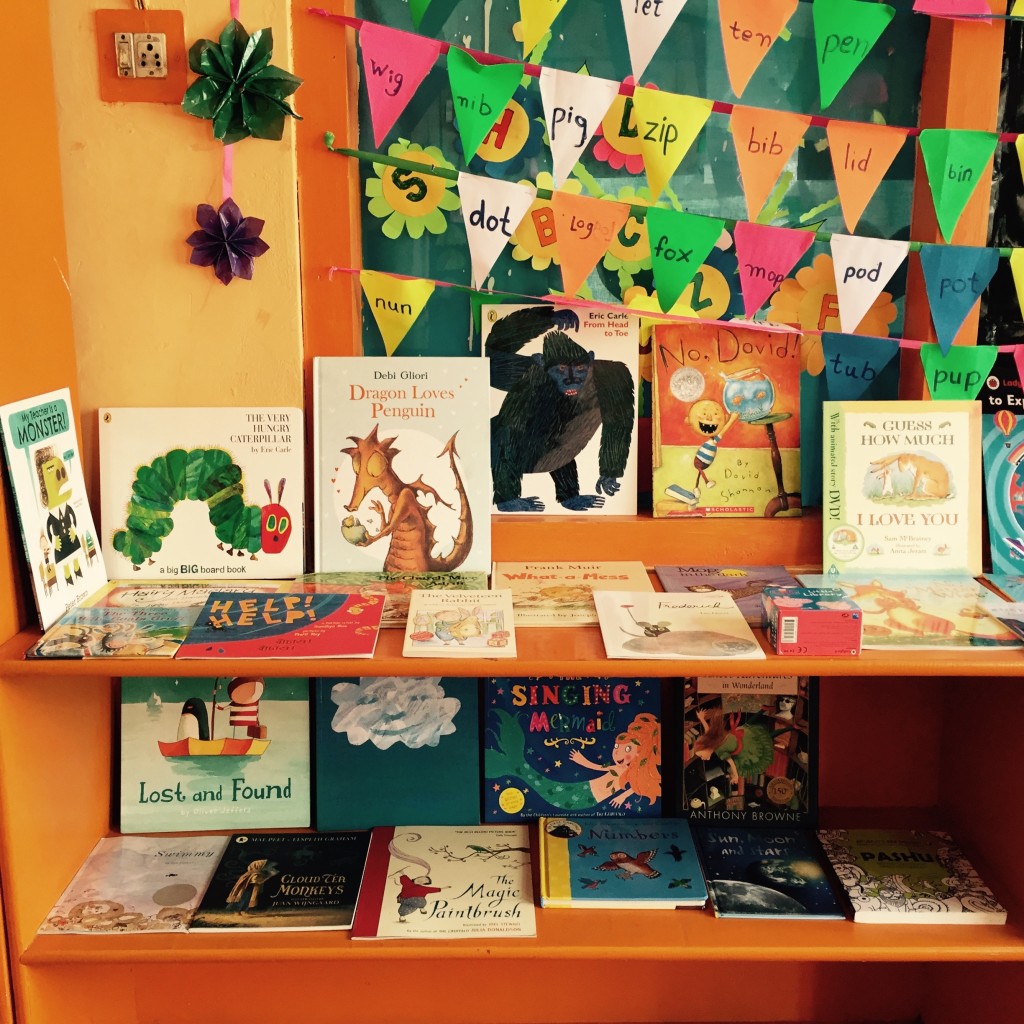
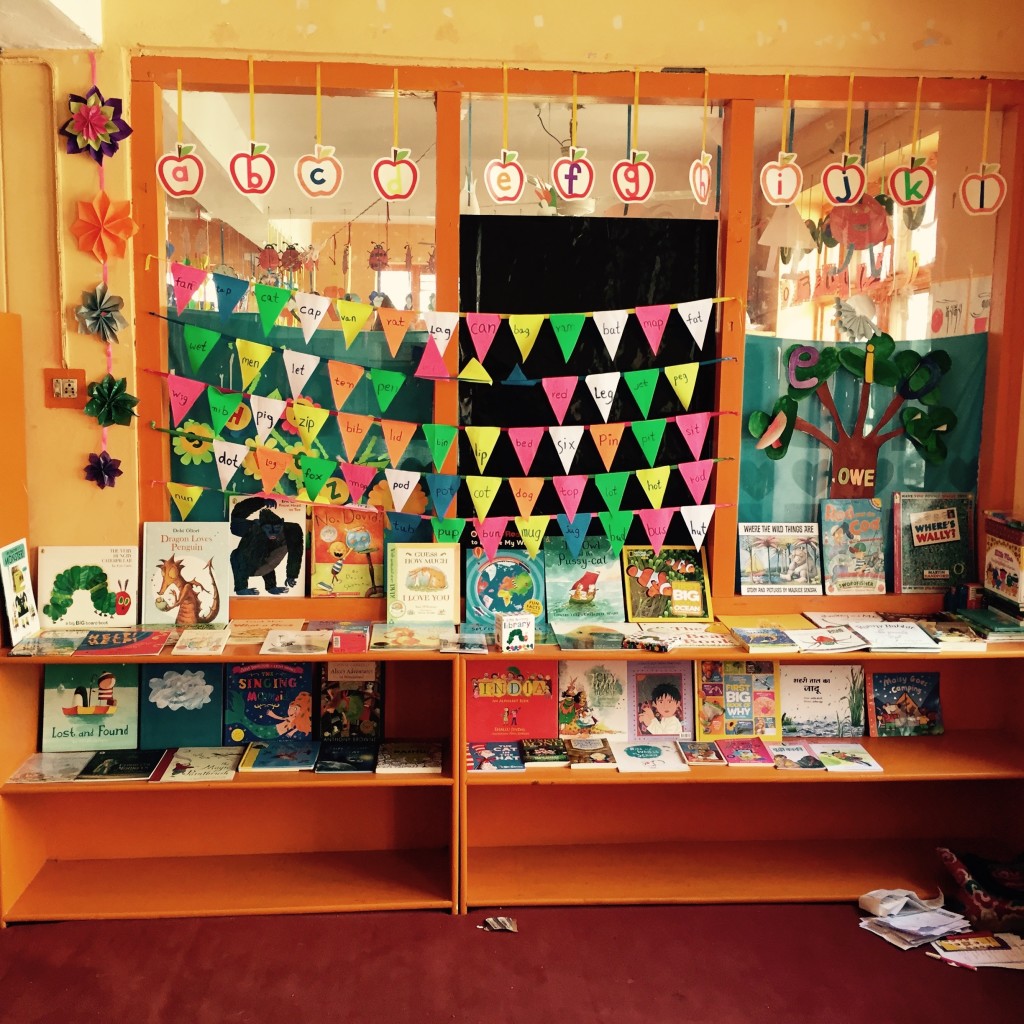
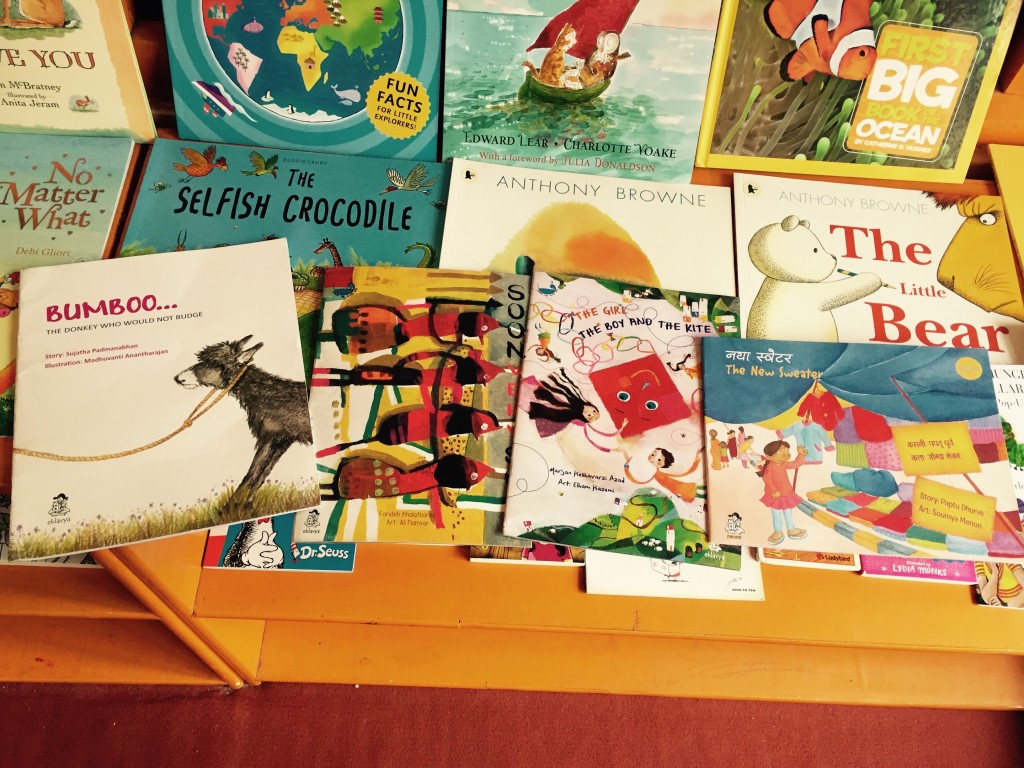
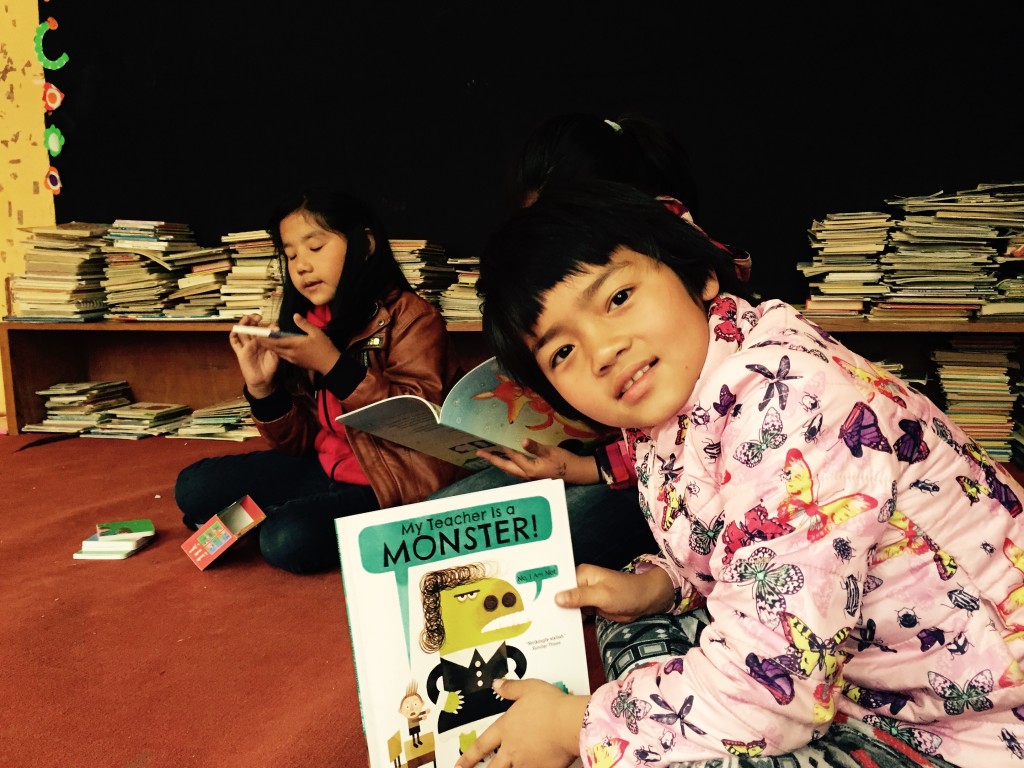
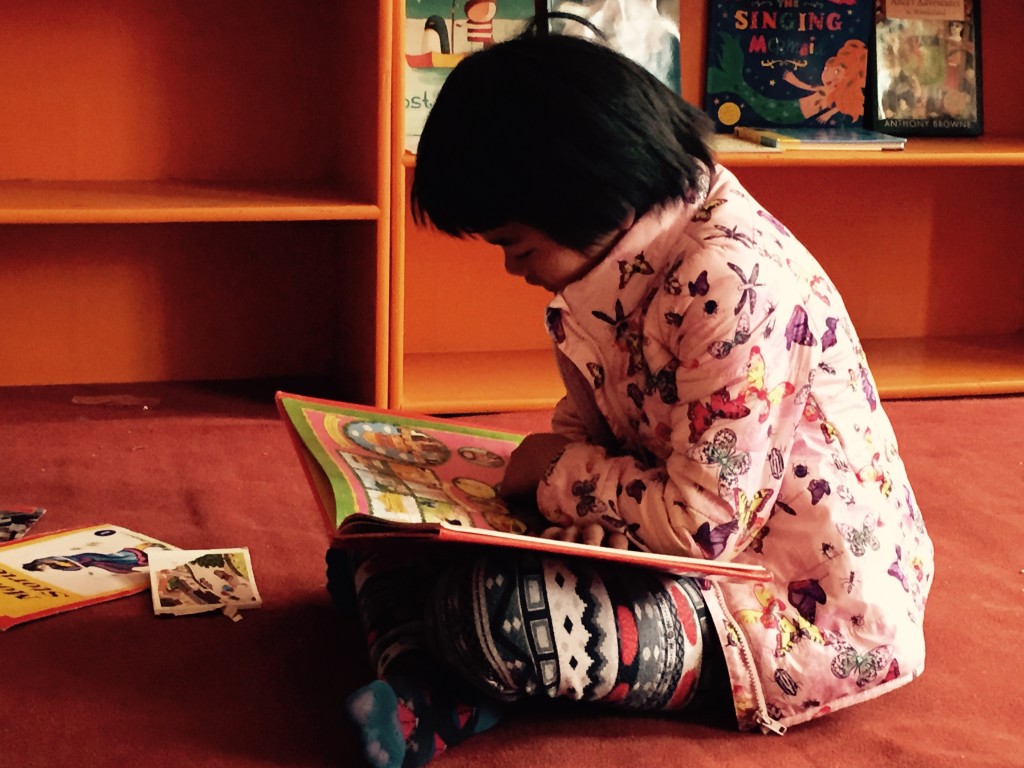
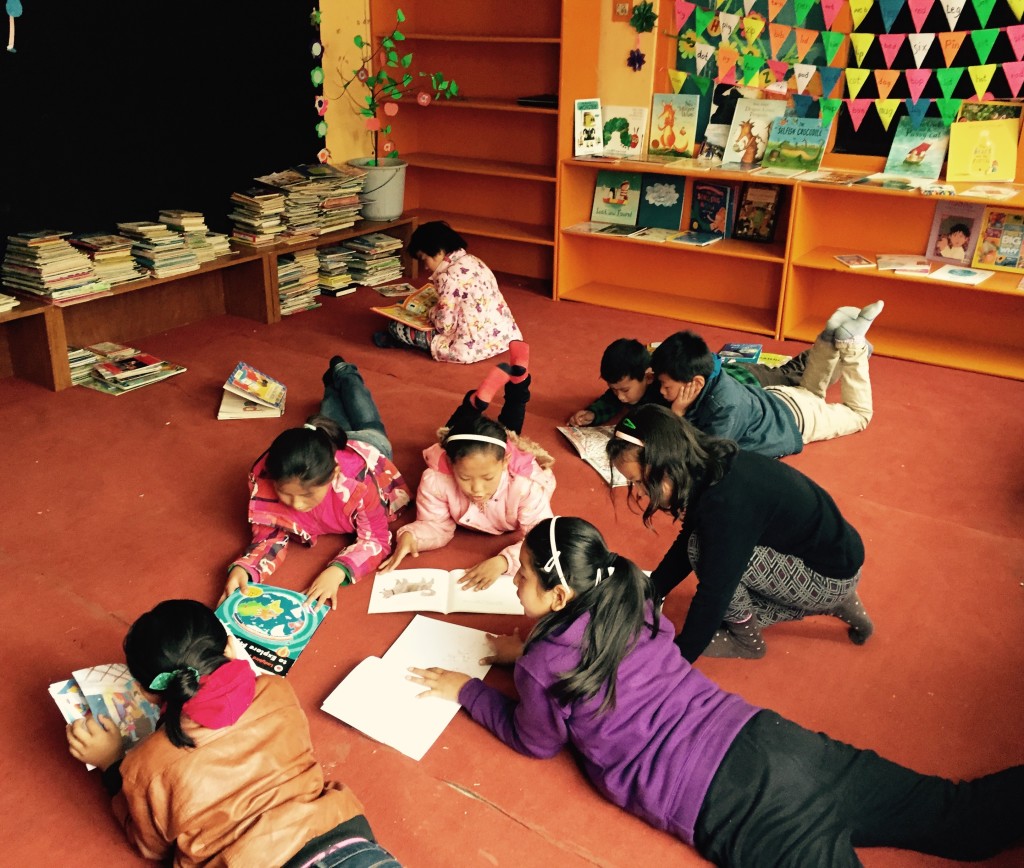
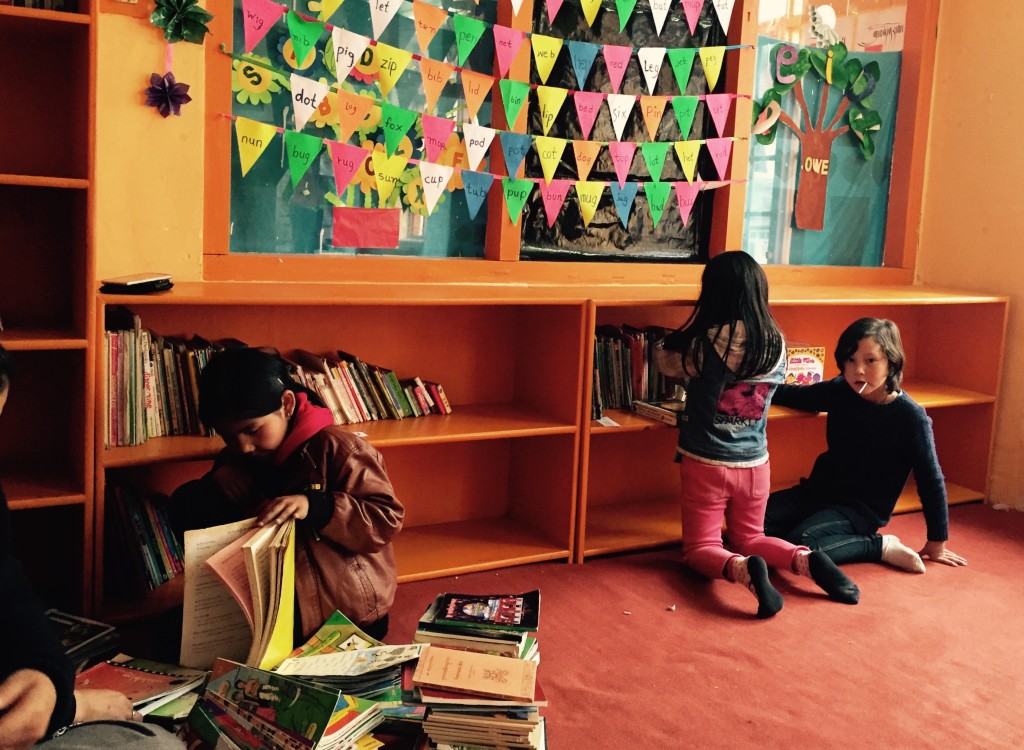
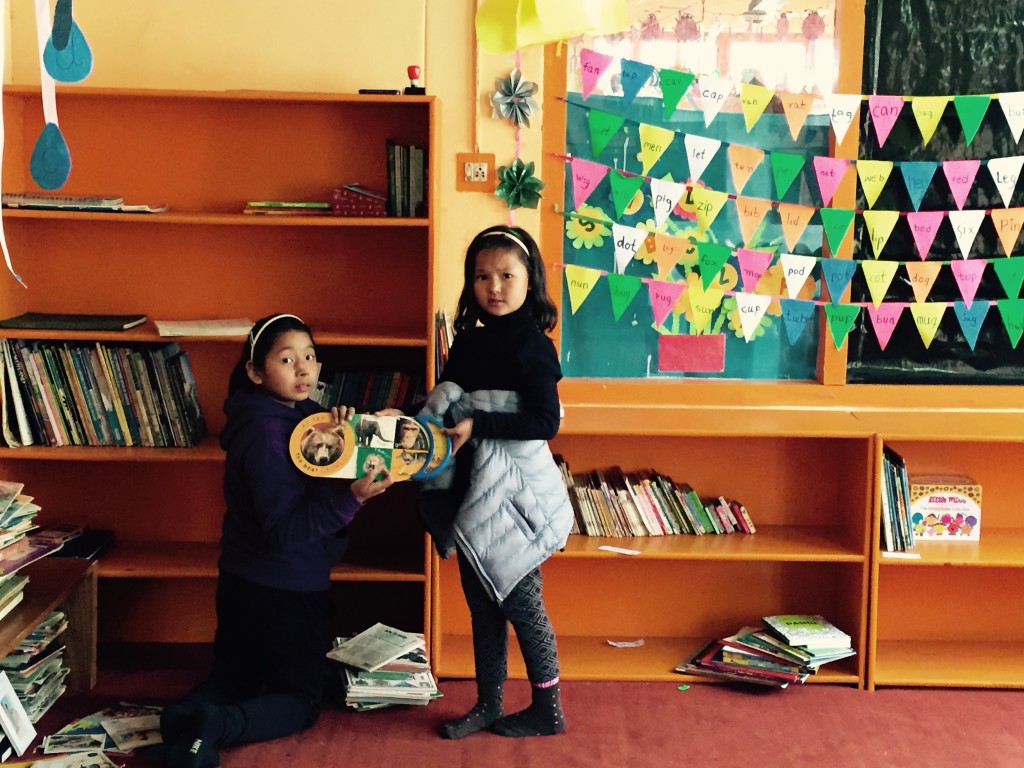
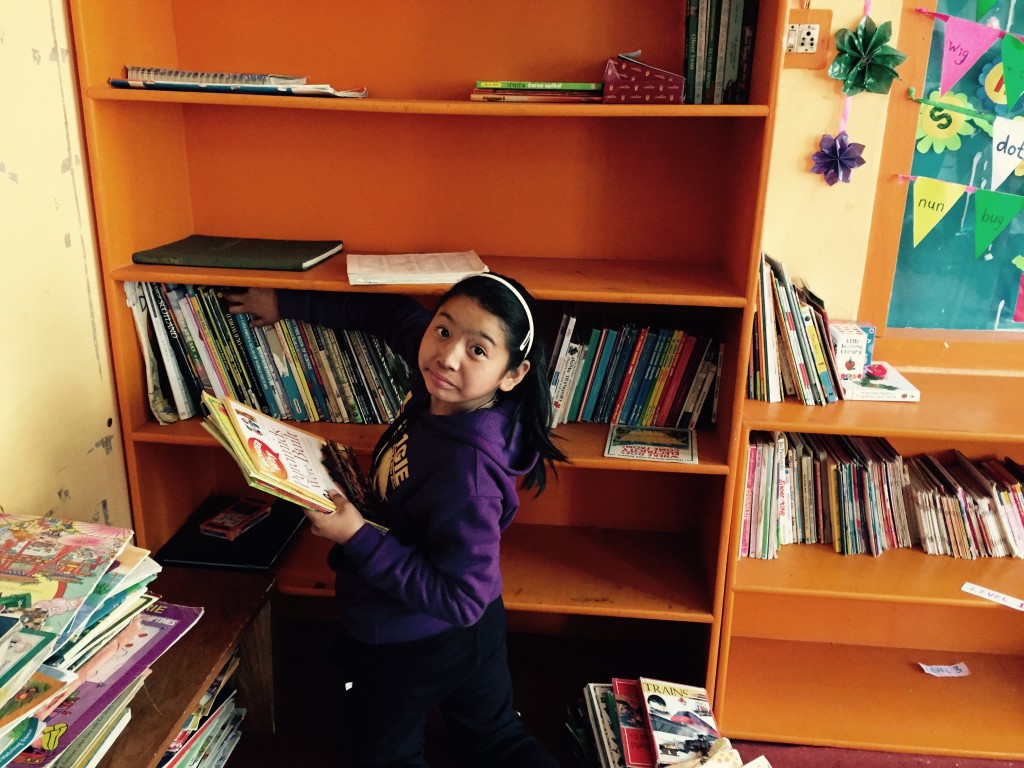
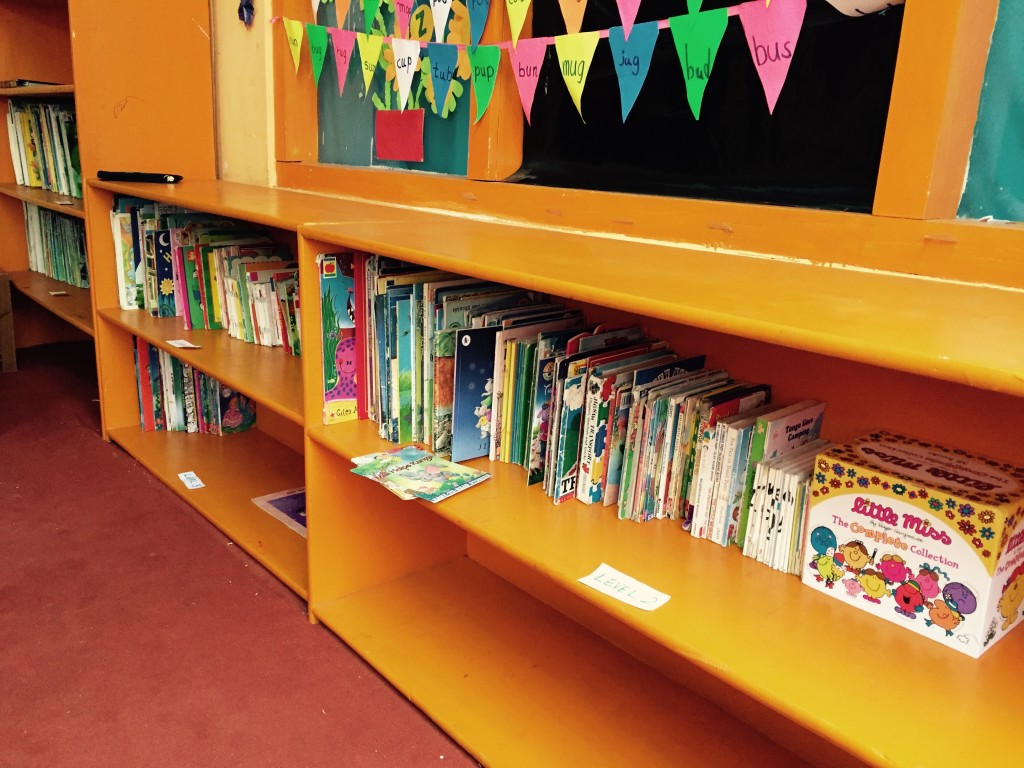
A reading room changes how books are encountered. Instead of being stored out of reach or treated as fragile possessions, books become part of a shared environment where children can browse, return, discuss, and revisit them. Low shelves, comfortable seating, good light, and clear organization can make the act of choosing feel natural.
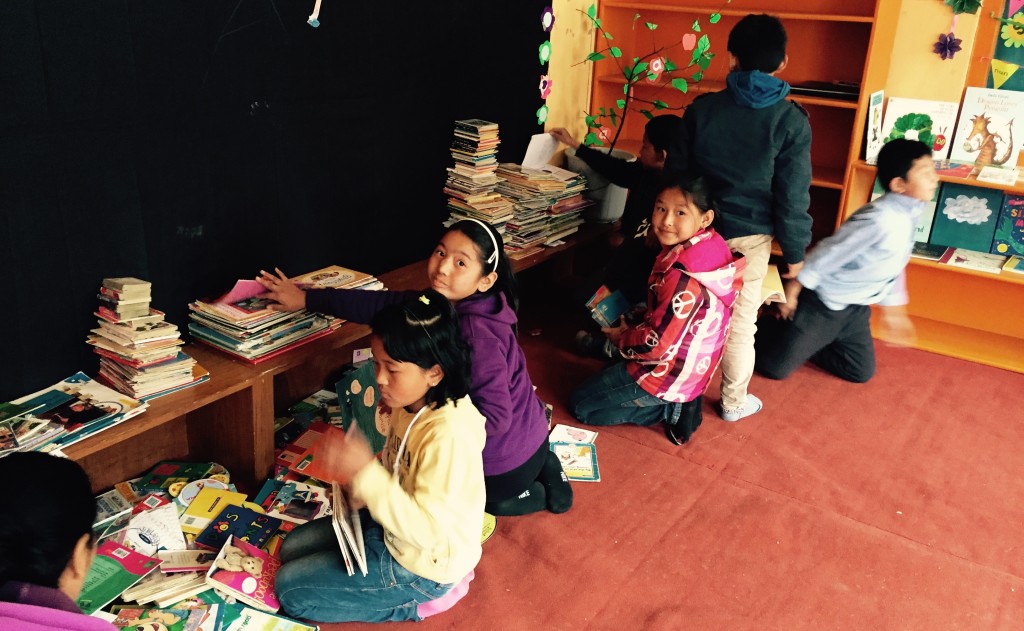
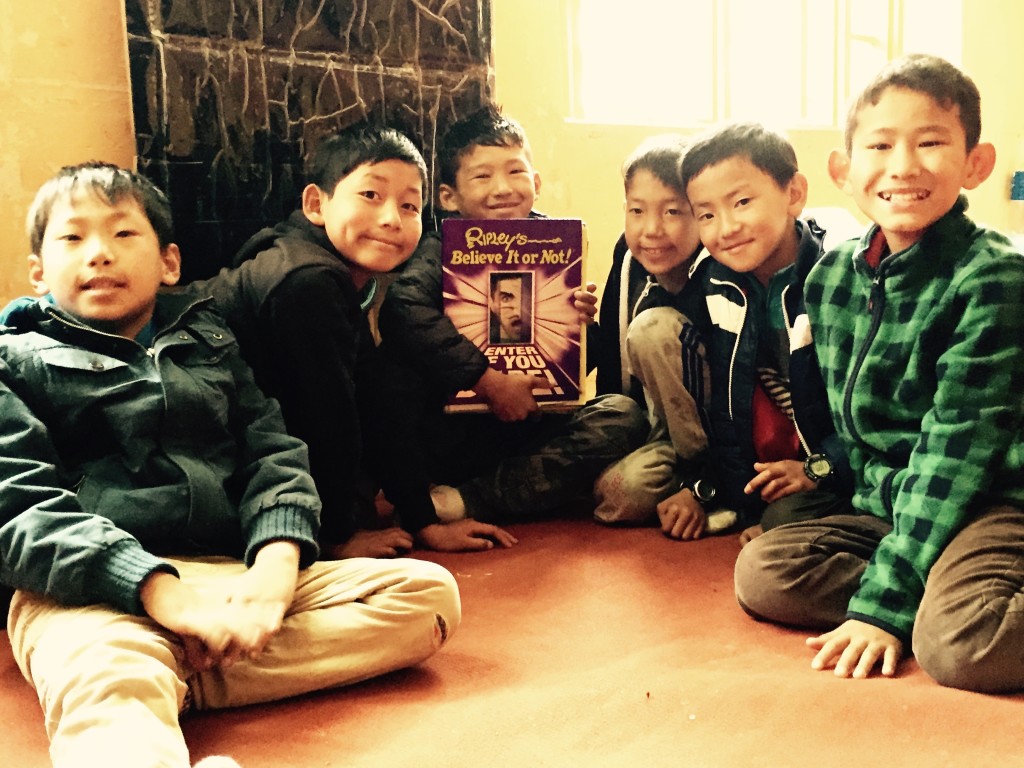
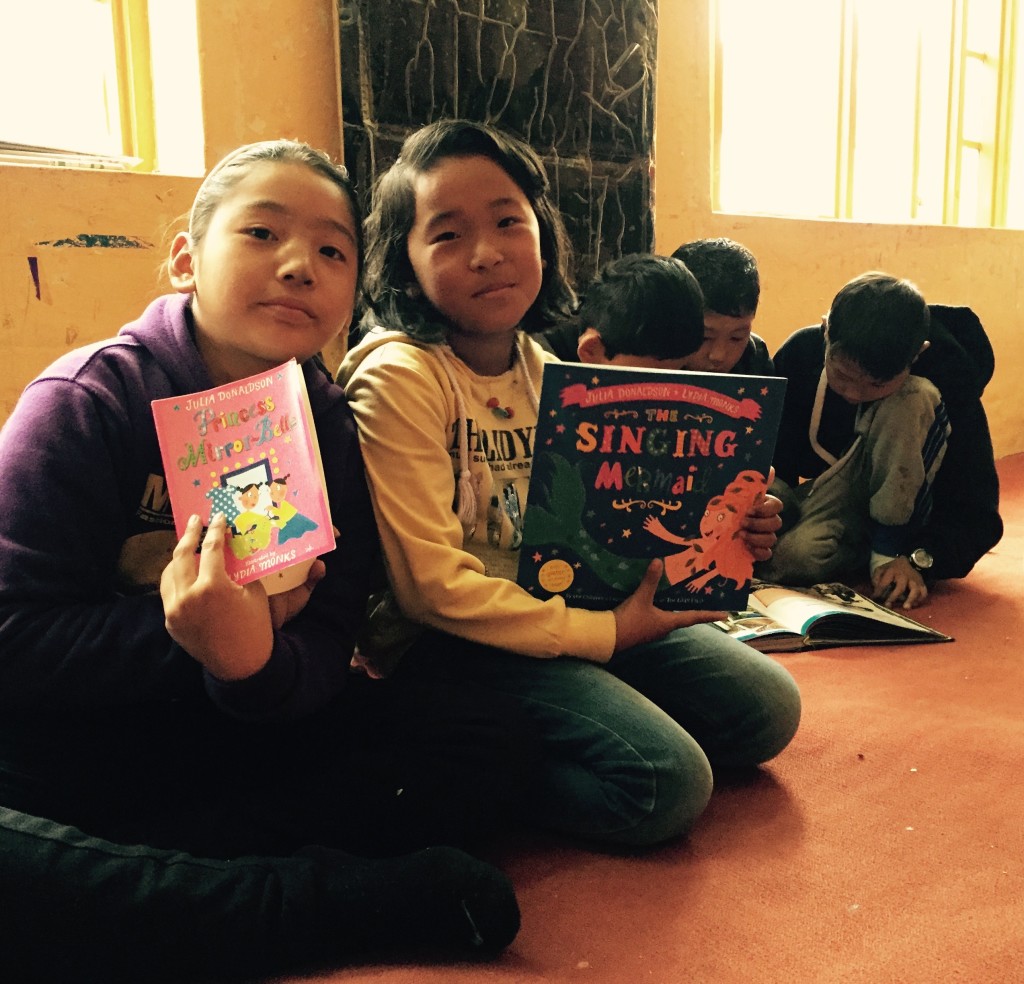
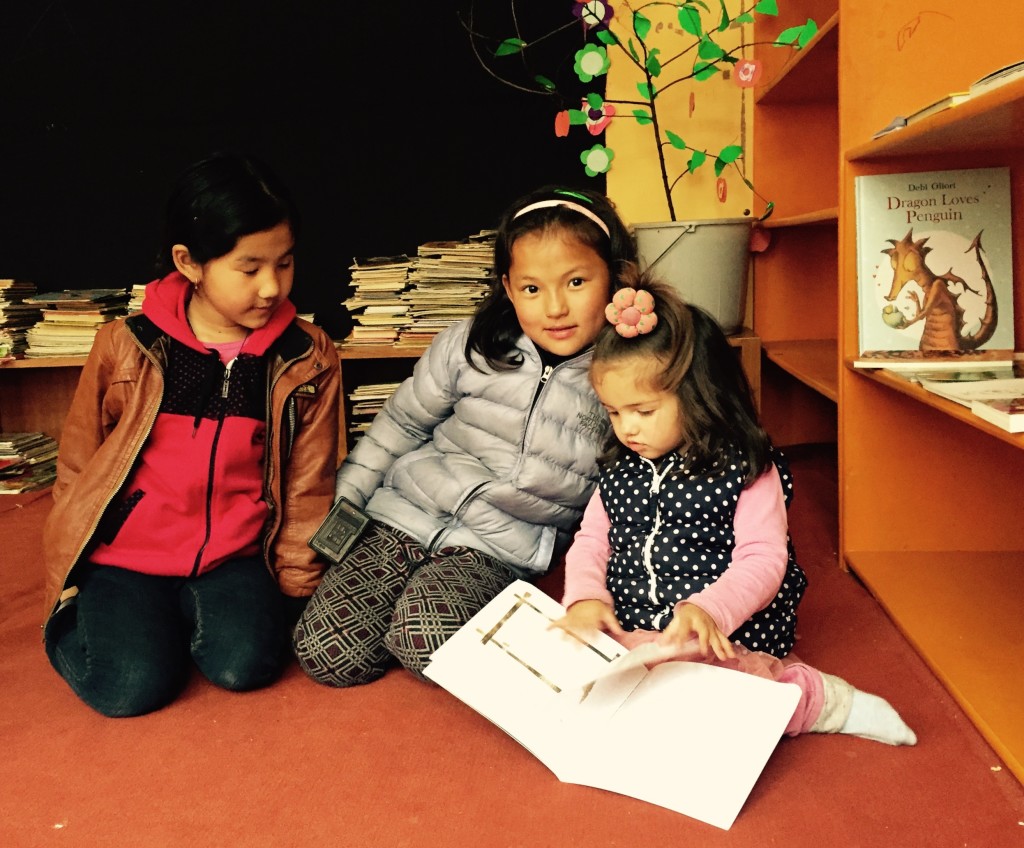
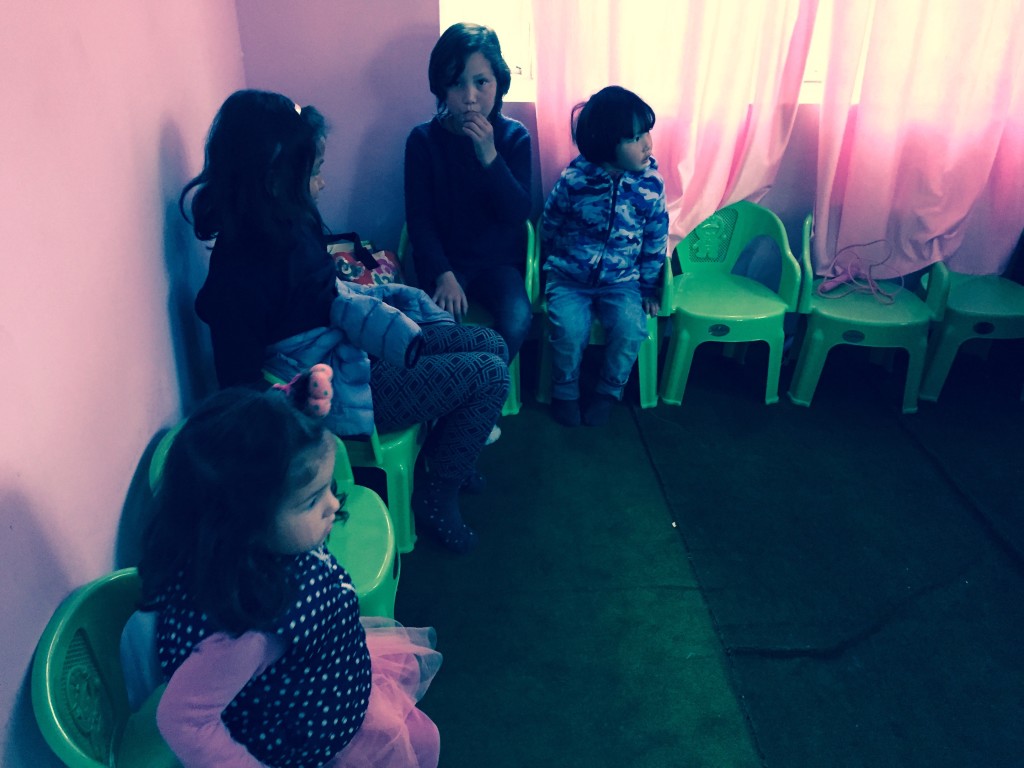
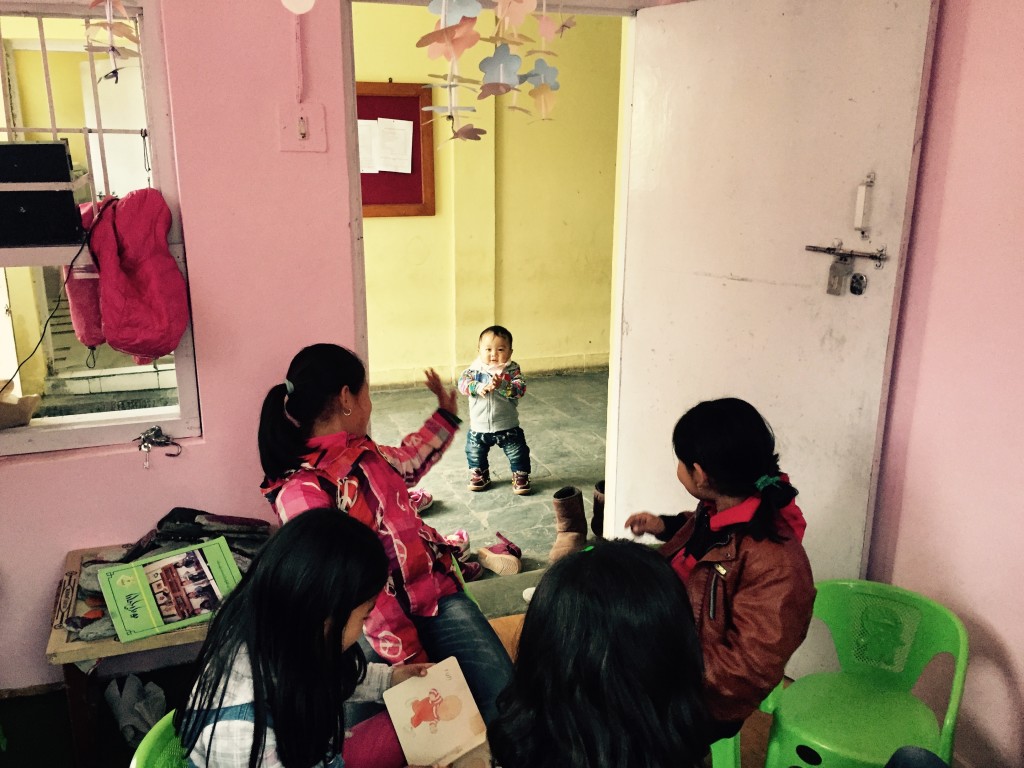
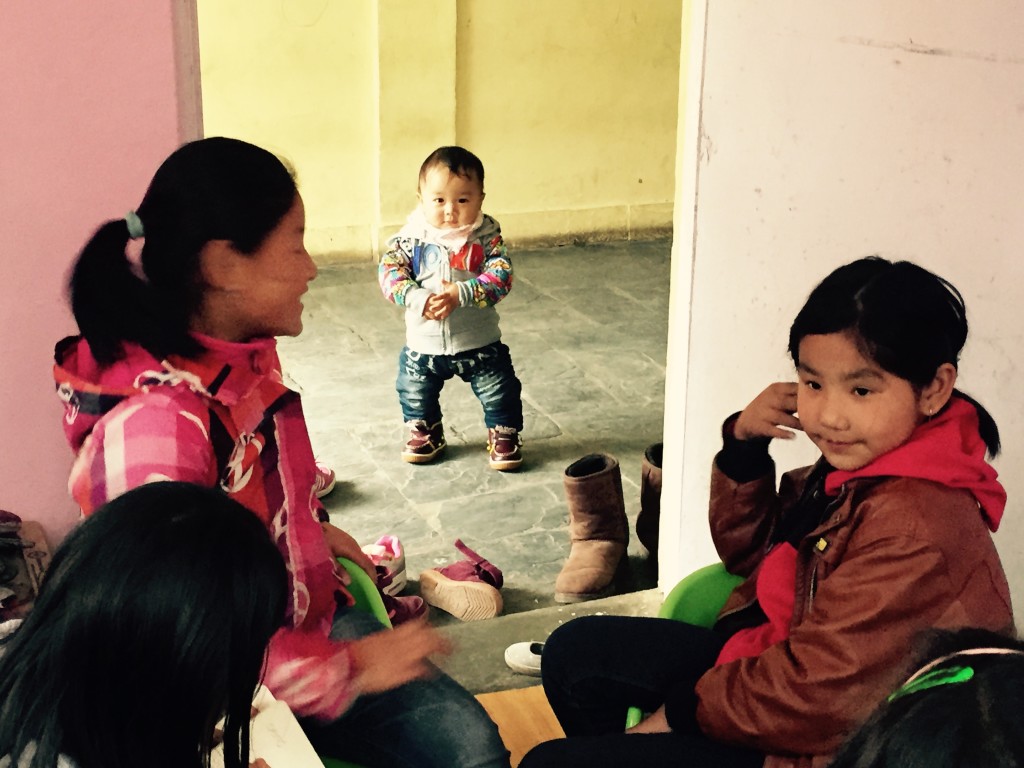
The setting also supports social learning. Children watch one another select books, listen to stories together, and recommend favorite pages. A hesitant reader may gain confidence by sitting near a friend. Older children can read aloud to younger ones, strengthening fluency while creating bonds across age groups.
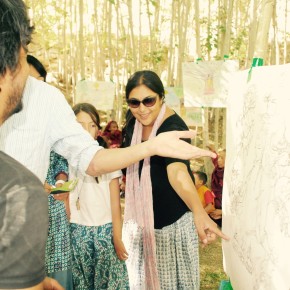
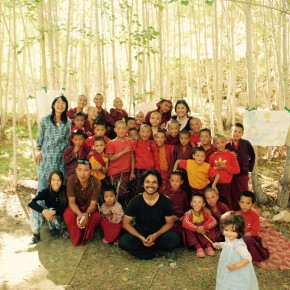
Organizations such as Avalokiteśvara Trust help make these experiences possible by supporting literacy, creative activities, and access to quality books in Himalayan communities. Their work shows how a reading room can become a place for imagination, artistic expression, and shared learning rather than a quiet storage space.
| Stage of the First Reading Experience |
What The Child May Discover |
Long-Term Benefit |
| Choosing a cover |
Personal preference and curiosity |
Greater willingness to explore |
| Looking at pictures |
Visual meaning and sequencing |
Stronger comprehension |
| Listening to words |
Rhythm, vocabulary, and expression |
Better language development |
| Turning pages independently |
Control and concentration |
Growing confidence |
| Talking about the story |
Interpretation and communication |
Deeper social learning |
| Returning to a favorite book |
Recognition and memory |
A lasting reading habit |
From Pictures To Questions
The first book can expand a child’s language without feeling like a lesson. New words become easier to remember when they are connected to a character, image, or event. A child may learn the name of an unfamiliar animal while also wondering where it lives, what it eats, or why it behaves a certain way.
Questions are a natural part of this process. “Why did the character leave?” “How high is that mountain?” “Can this really happen?” Each question opens a path toward knowledge. Adults do not need to provide every answer immediately; they can help children look for clues in the text, pictures, other books, or their own observations.
Reading also develops the ability to follow sequence and understand cause. A child begins to recognize that one action leads to another and that different characters can experience the same event in different ways. These skills support comprehension across subjects, from history and science to moral education and creative writing.
Stories That Carry Culture And Imagination
Children need access to stories that reflect their surroundings as well as books that take them somewhere unfamiliar. A tale rooted in Himalayan landscapes, local traditions, or community life can affirm a child’s identity. It tells them that their language, environment, and experiences are worthy of being represented.
Books from other places offer a different kind of possibility. They introduce new families, ecosystems, inventions, and ways of solving problems. When these stories are shared thoughtfully, they widen the child’s understanding without suggesting that one culture is the measure of all others.
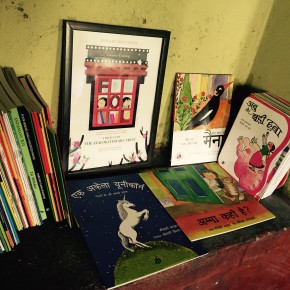
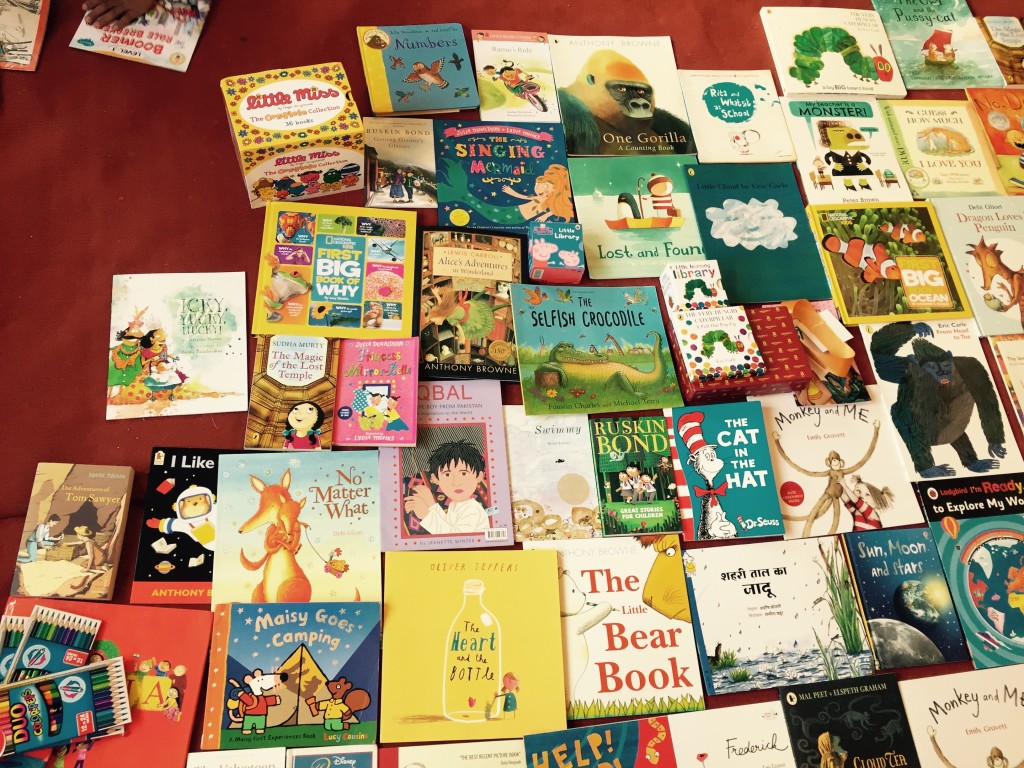
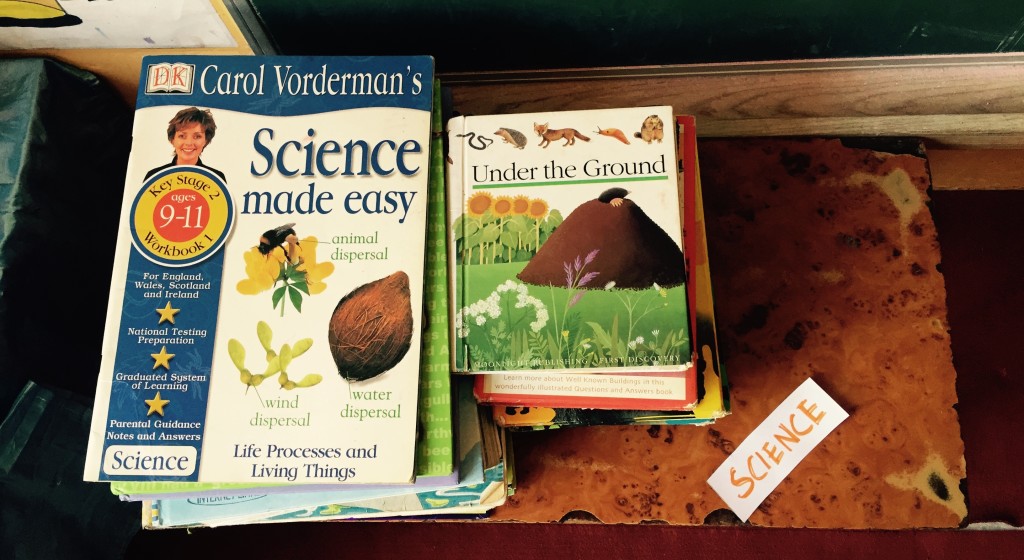
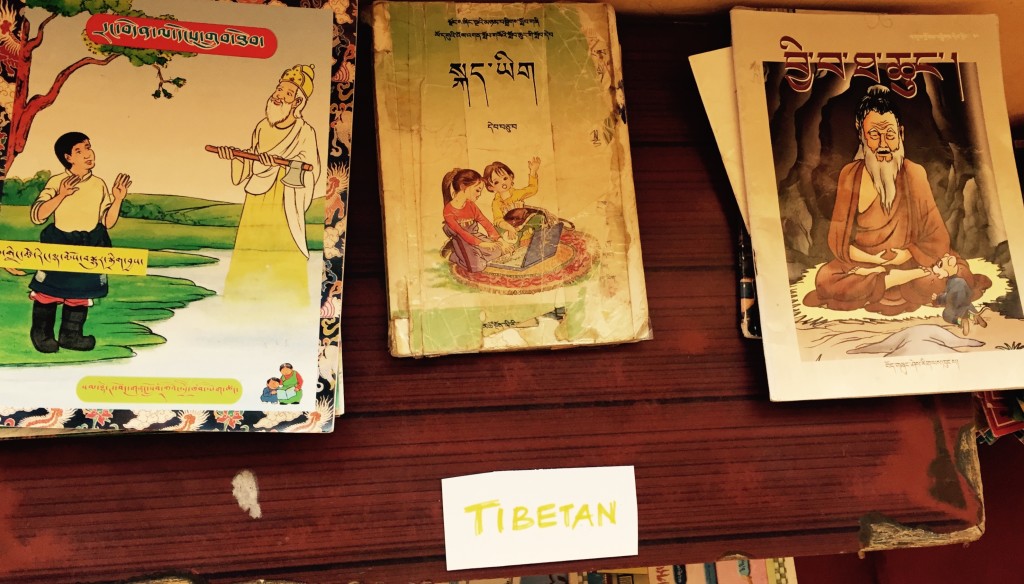
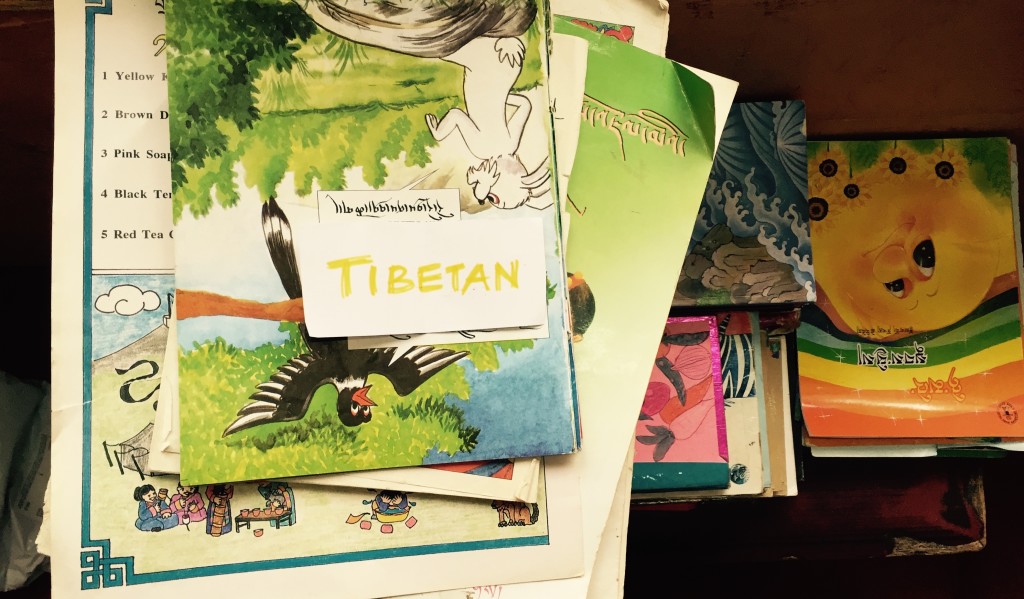
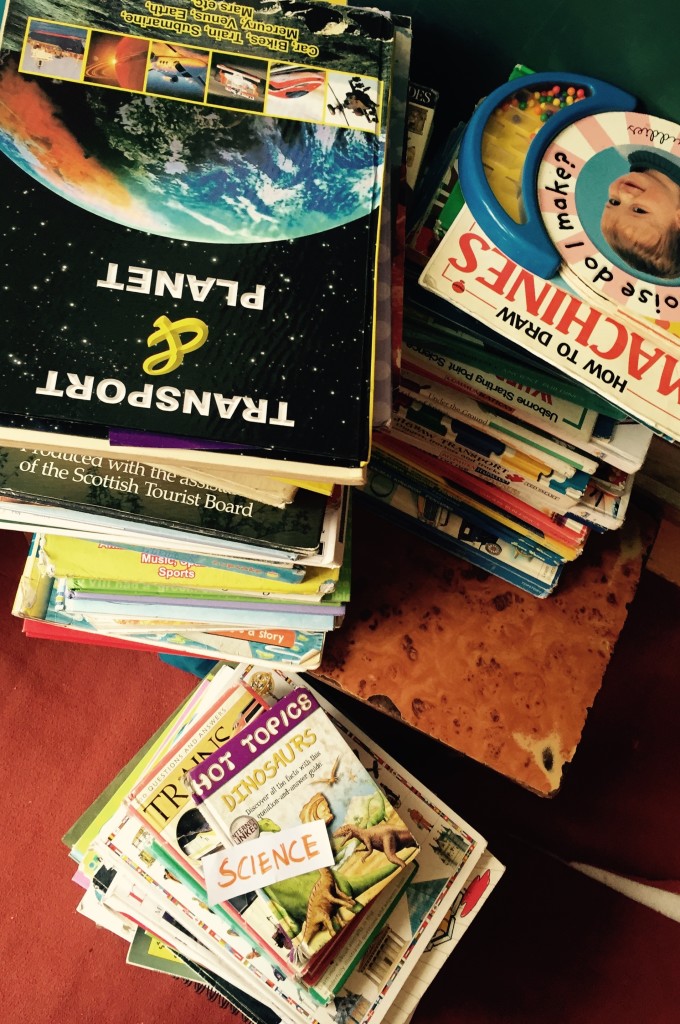
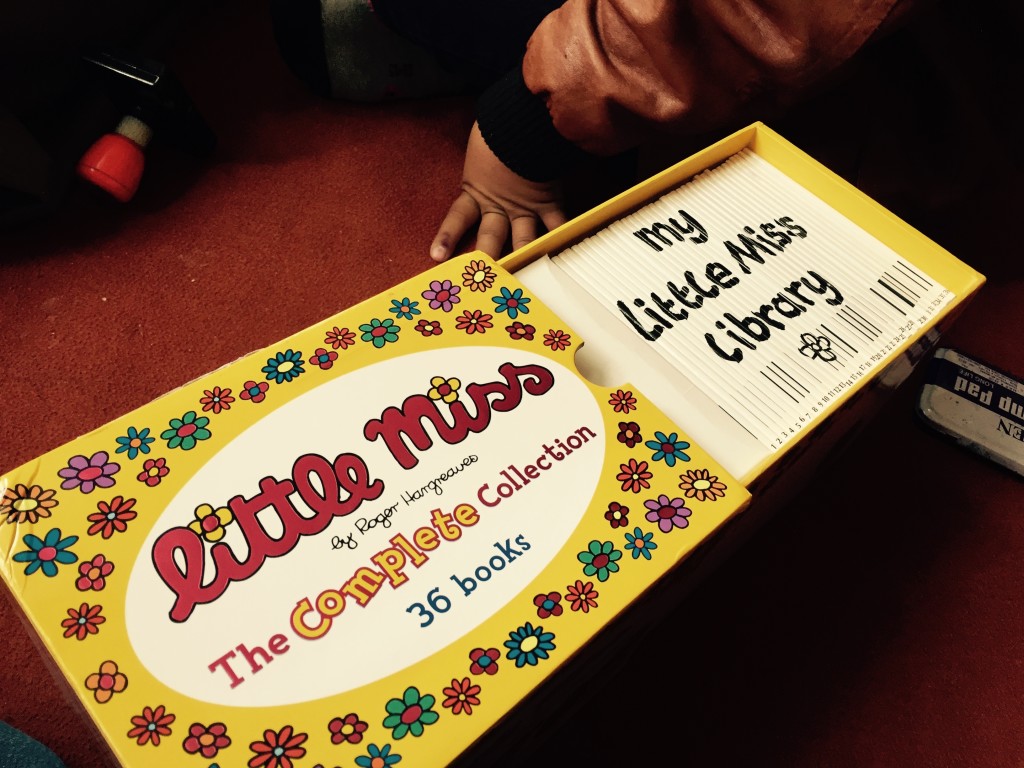
A balanced collection can include folk stories, contemporary fiction, biographies, poetry, nature writing, art books, and age-appropriate reference materials. Multilingual resources are valuable where children use several languages in daily life. Illustrations and bilingual editions can help readers move between familiar speech and new written vocabulary.
Turning A First Book Into A Habit
One memorable book can open the door, but regular access helps a reading habit take root. Children benefit when they can return to the same story, discover related titles, and see adults treating books as part of everyday life. Consistency matters more than pressure.
Short reading sessions can be enough. Ten minutes of shared reading, a weekly visit to a reading room, or a quiet period after school can gradually strengthen attention. Repetition is useful: rereading a beloved story builds fluency and gives children a sense of mastery.
Adults can support the process by asking open questions and accepting different responses. A child may focus on an illustration while an adult notices the plot. Both perspectives can be valid. The goal is to preserve delight while gently encouraging reflection, vocabulary, and comprehension.
Practical Ways To Nurture Young Readers
A community, school, or family can make the first-book experience more meaningful through simple, deliberate choices. The most effective support respects children’s interests while ensuring that books are available, appealing, and easy to handle.
Useful approaches include:
- Place books where children can see and reach them without asking permission each time.
- Offer a varied selection of stories, picture books, poetry, nonfiction, and local-language materials.
- Read aloud regularly, using expression and allowing children to interrupt with comments.
- Invite children to recommend, exchange, or retell books they enjoy.
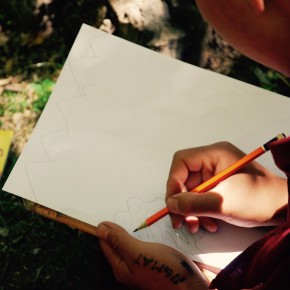
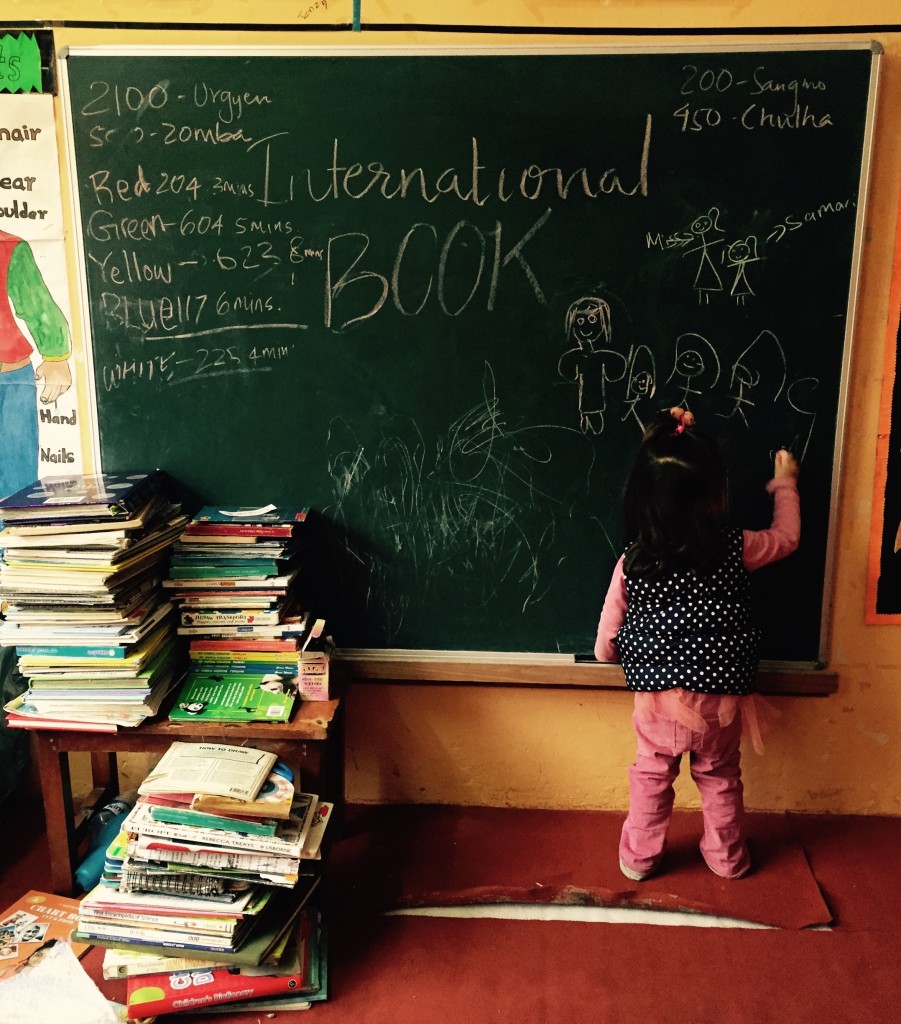
- Connect stories with drawing, music, drama, outdoor observation, or creative writing.
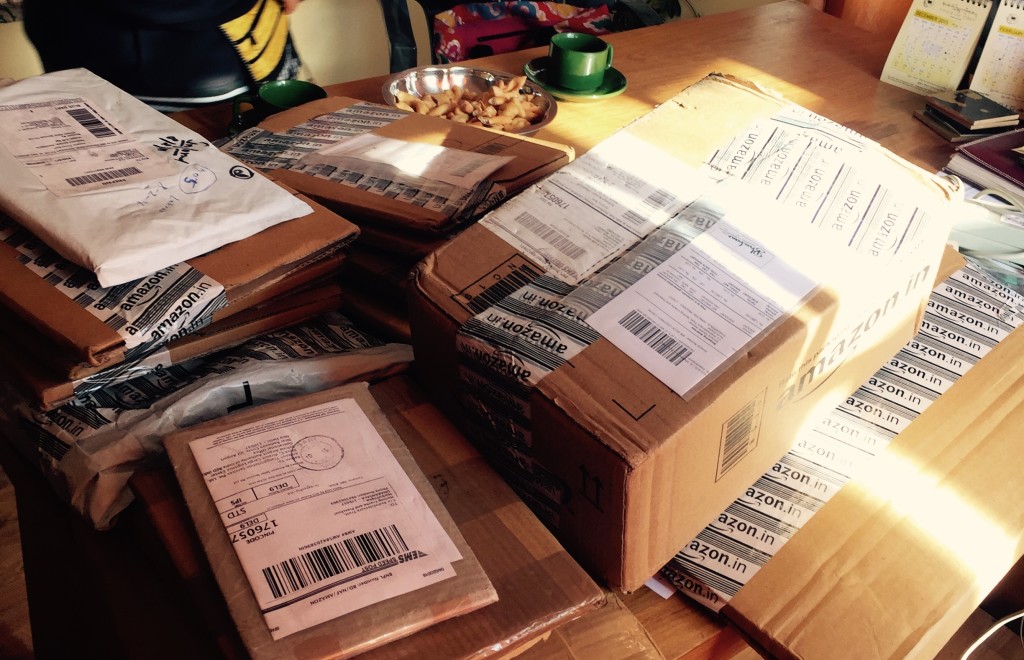
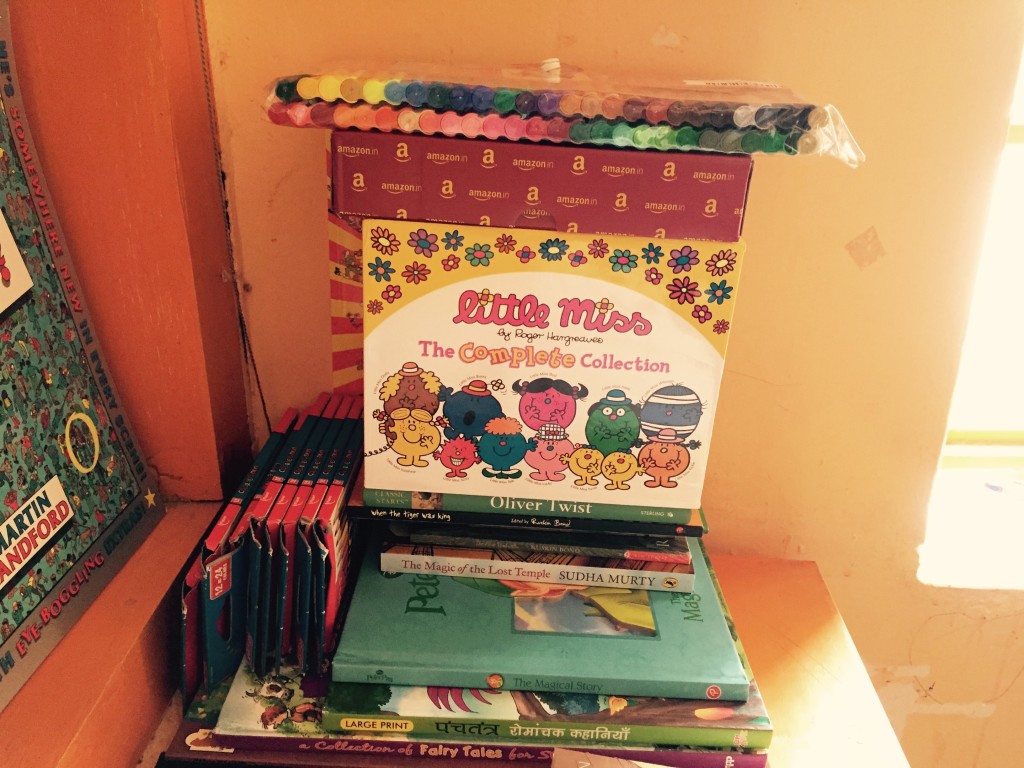
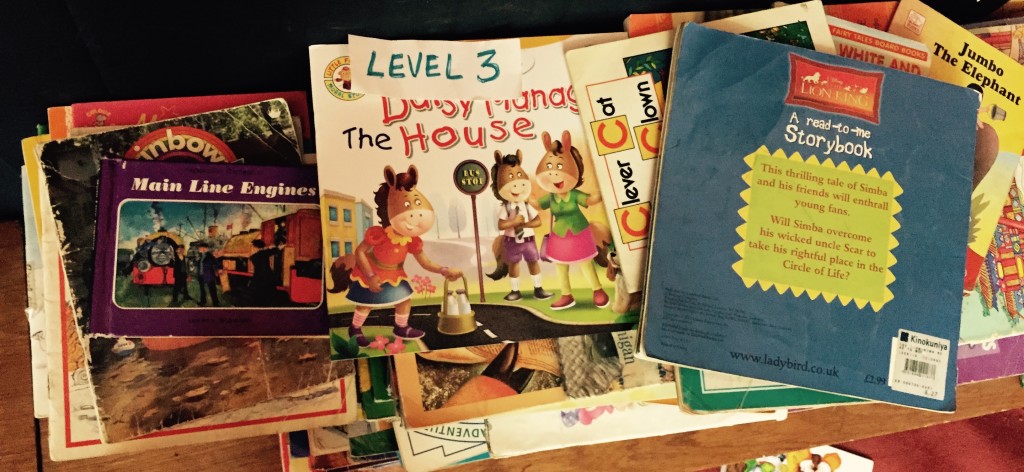
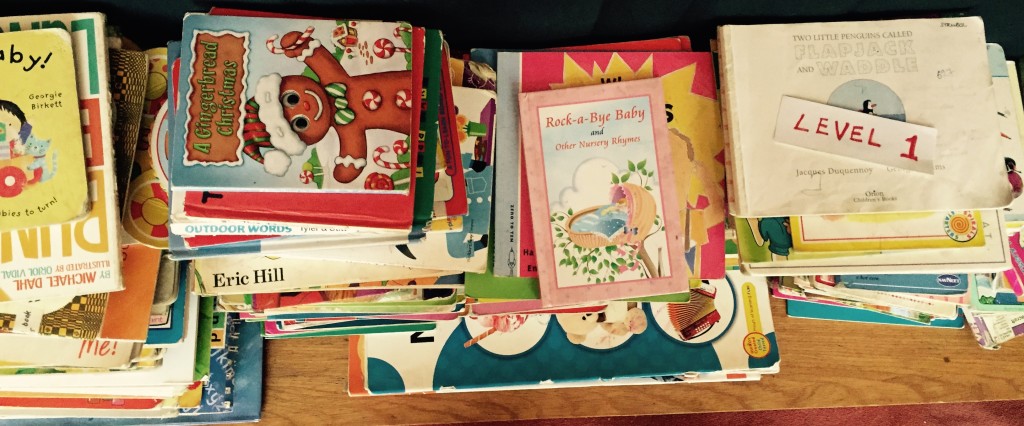
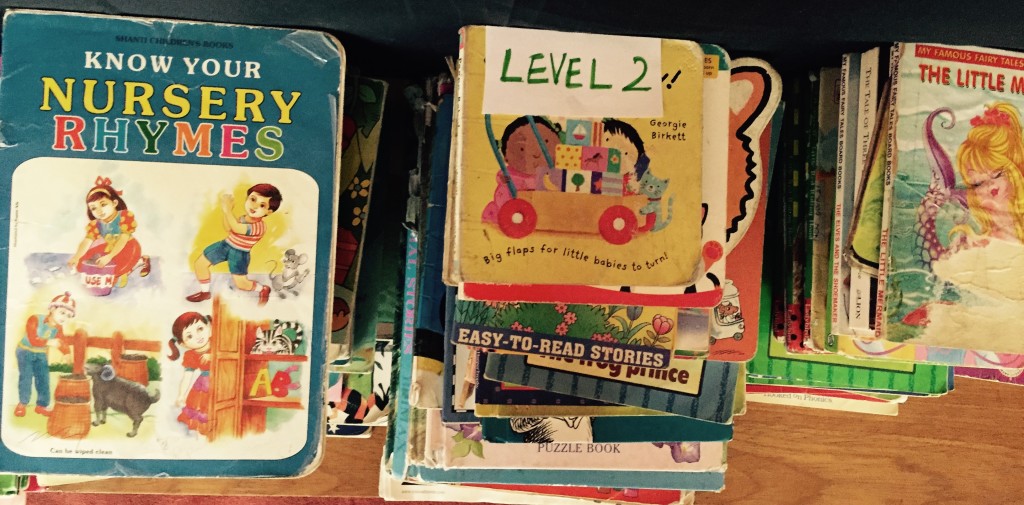
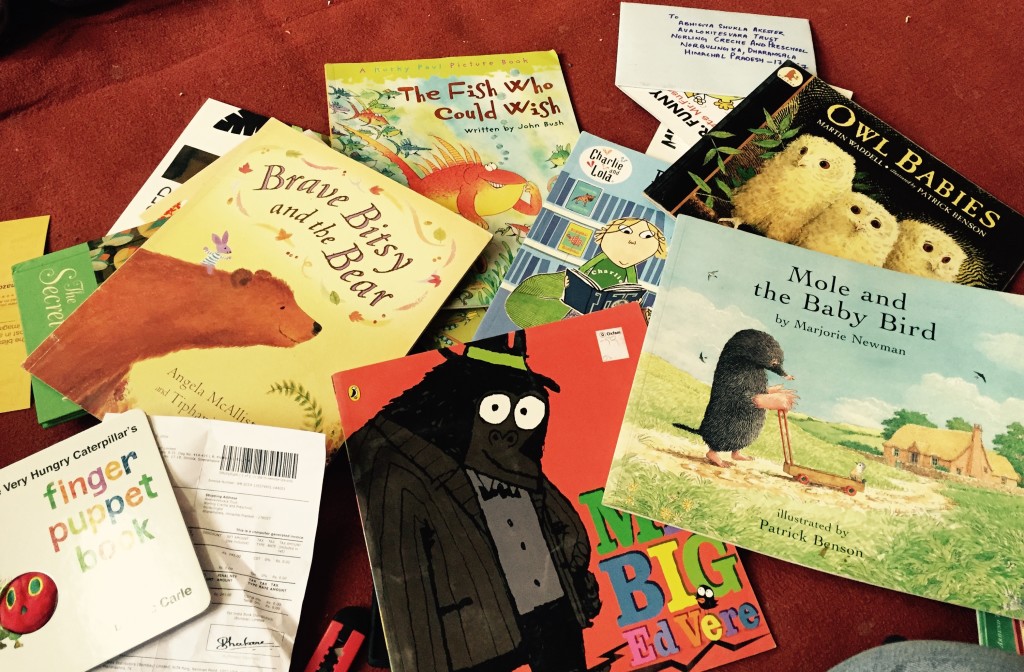
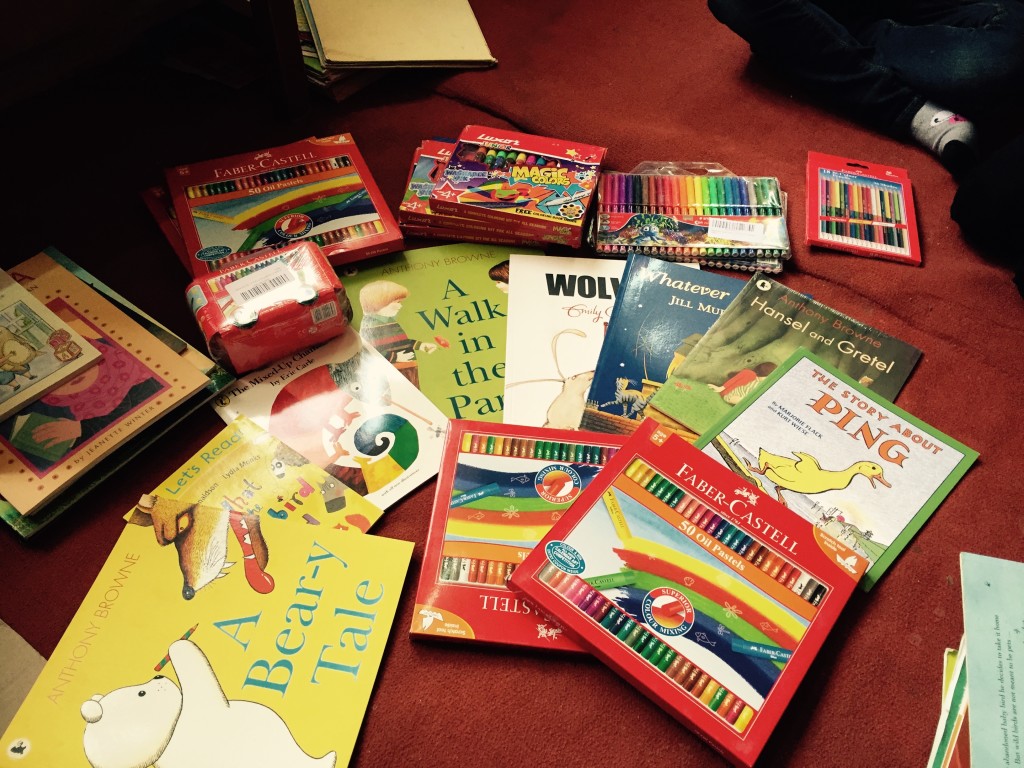
Book donations are most helpful when they match the community’s ages, languages, reading levels, and interests. A carefully selected collection often serves children better than a large shipment of unrelated titles. Volunteers can also help by cataloguing books, repairing worn copies, and creating welcoming activities around reading.
A first book should be treated as a beginning rather than a test. The child does not need to finish every page, pronounce every word, or explain the moral of a story. Curiosity may appear as a question, a drawing, a dramatic retelling, or a decision to choose another book tomorrow.
When a child opens that first story, a new form of possibility becomes available. With supportive adults, welcoming spaces, and a steady supply of meaningful books, the moment can grow into confidence, imagination, and a stronger connection with learning. Support literacy and reading opportunities for children in Himalayan communities by visiting the Avalokiteśvara Trust website and finding a way to take part.