What Children in Ladakh Teach Volunteers About Resilience
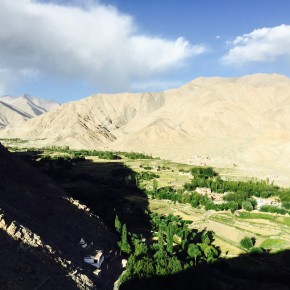
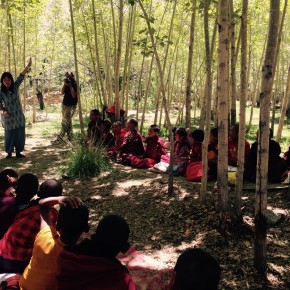
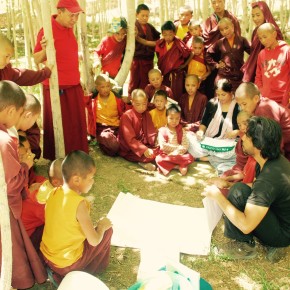
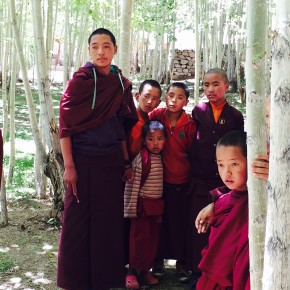
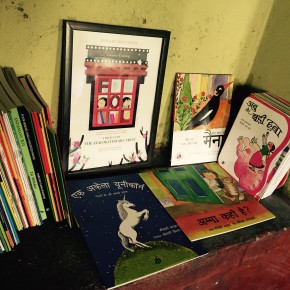
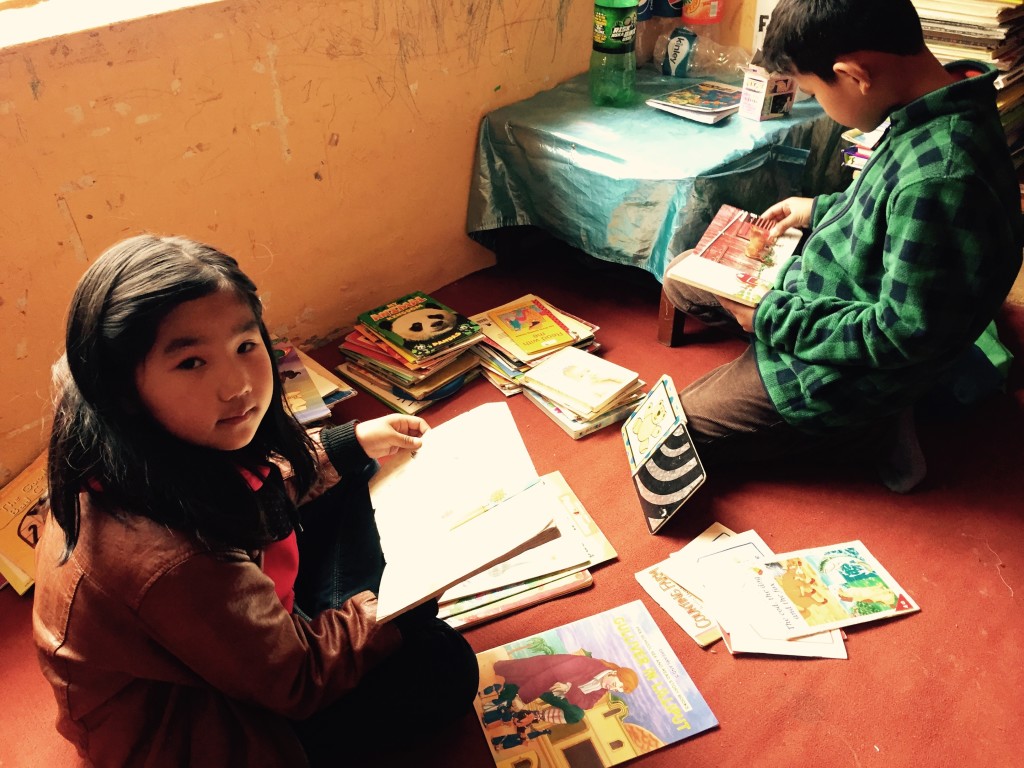
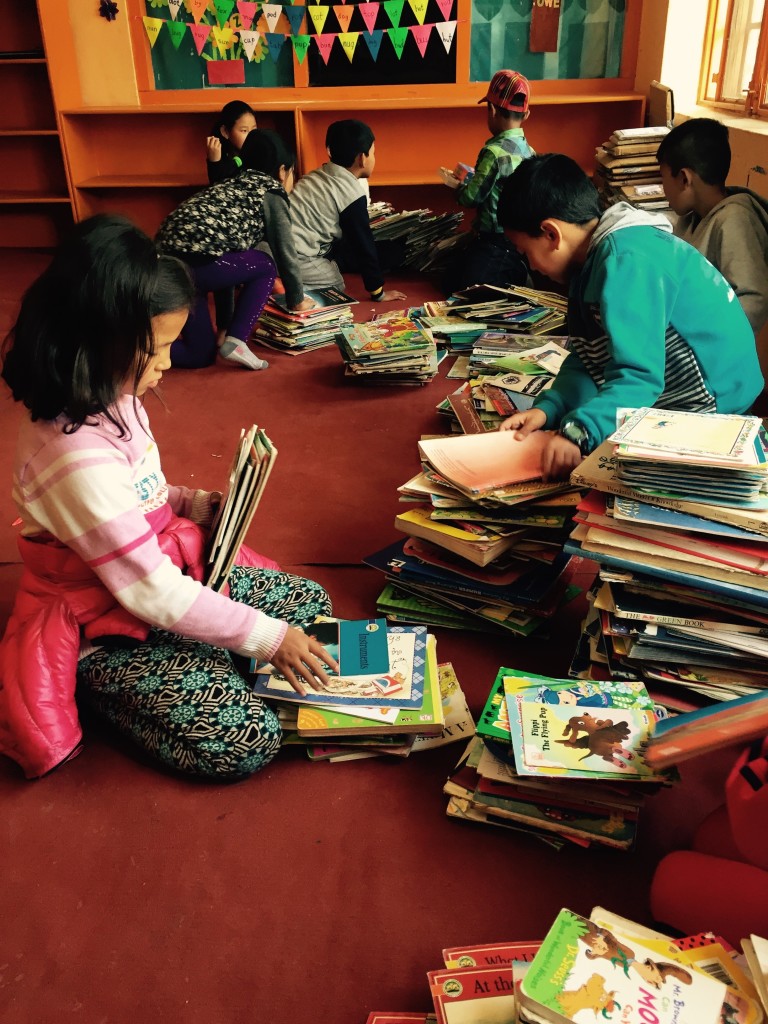
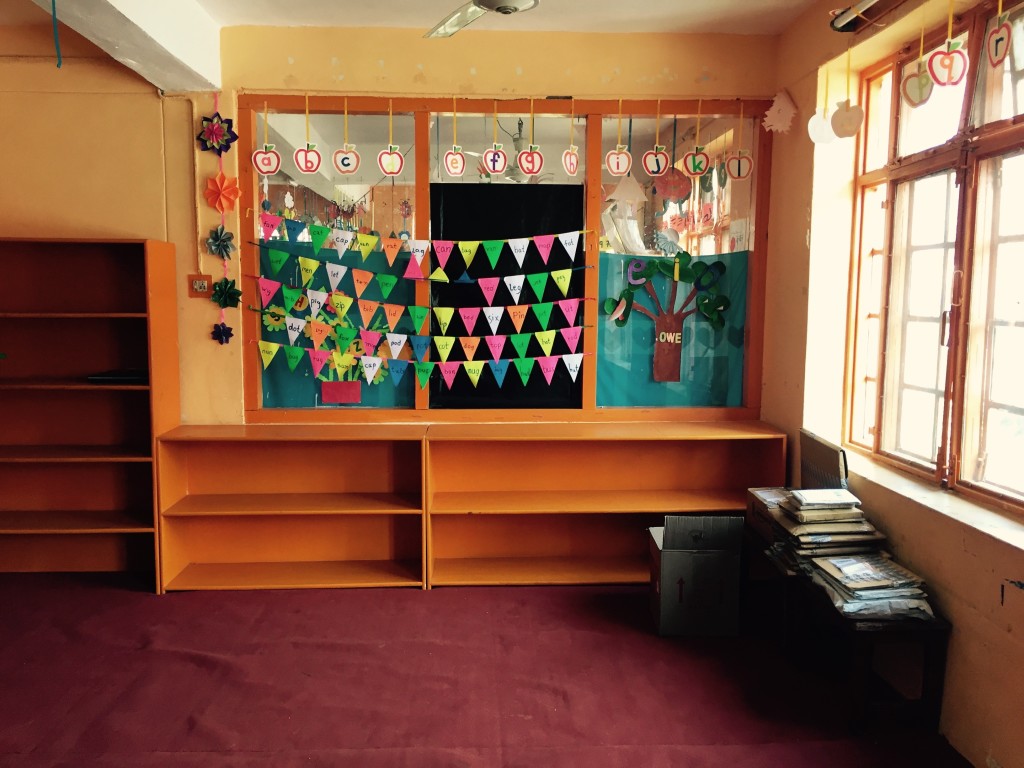
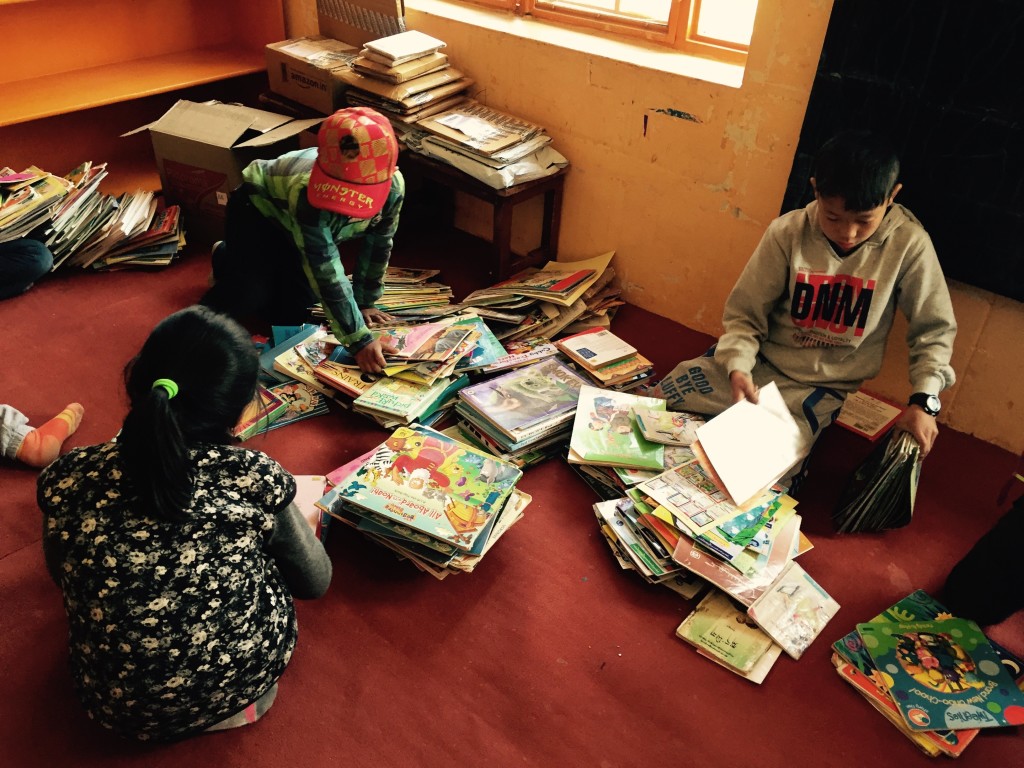
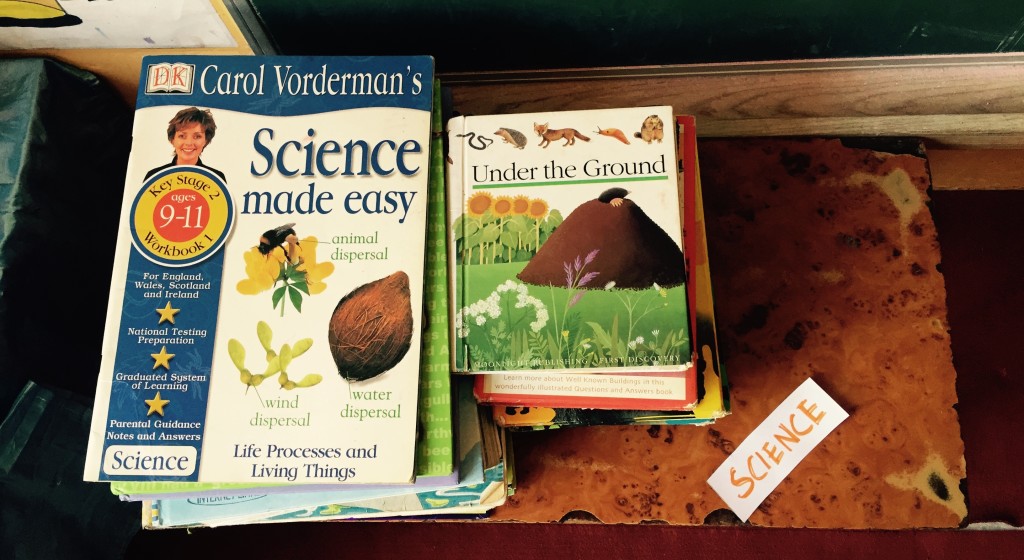
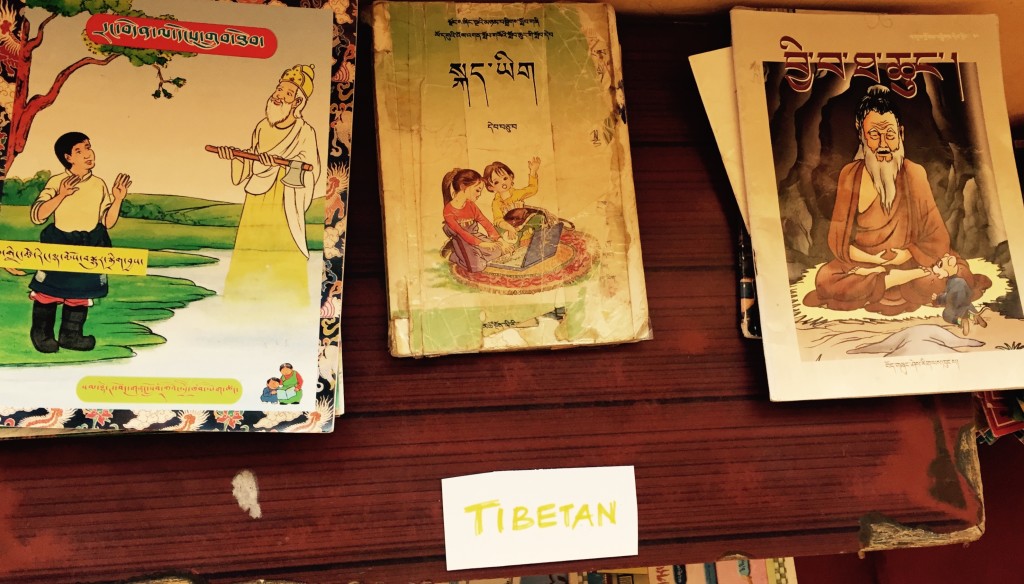
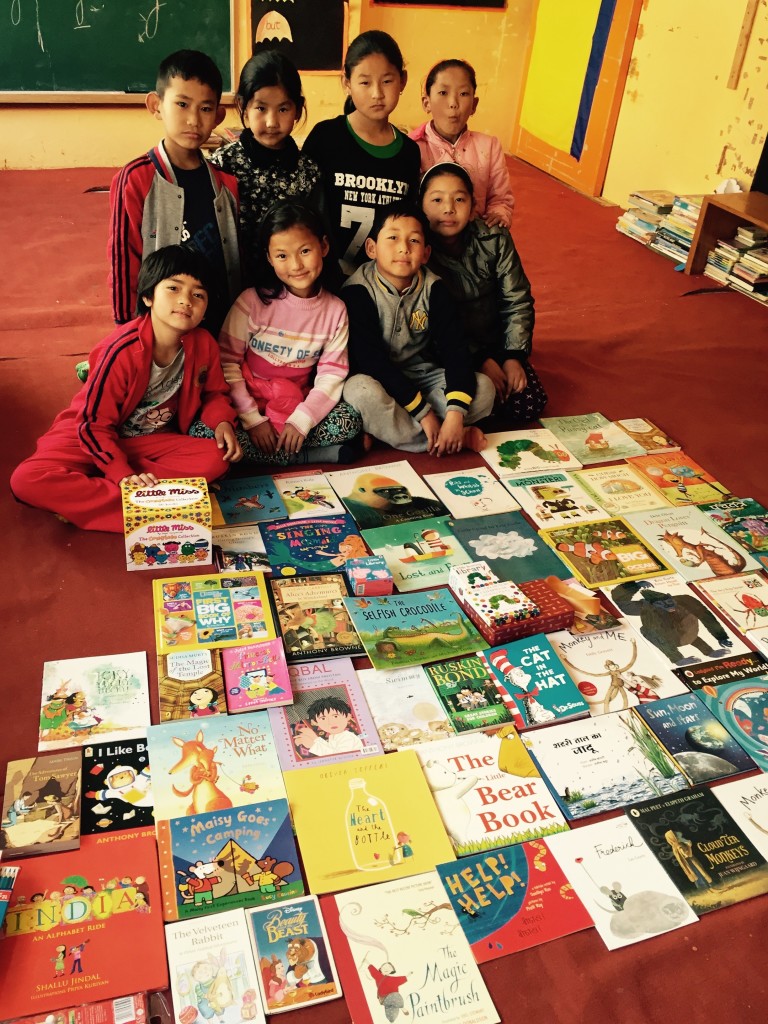
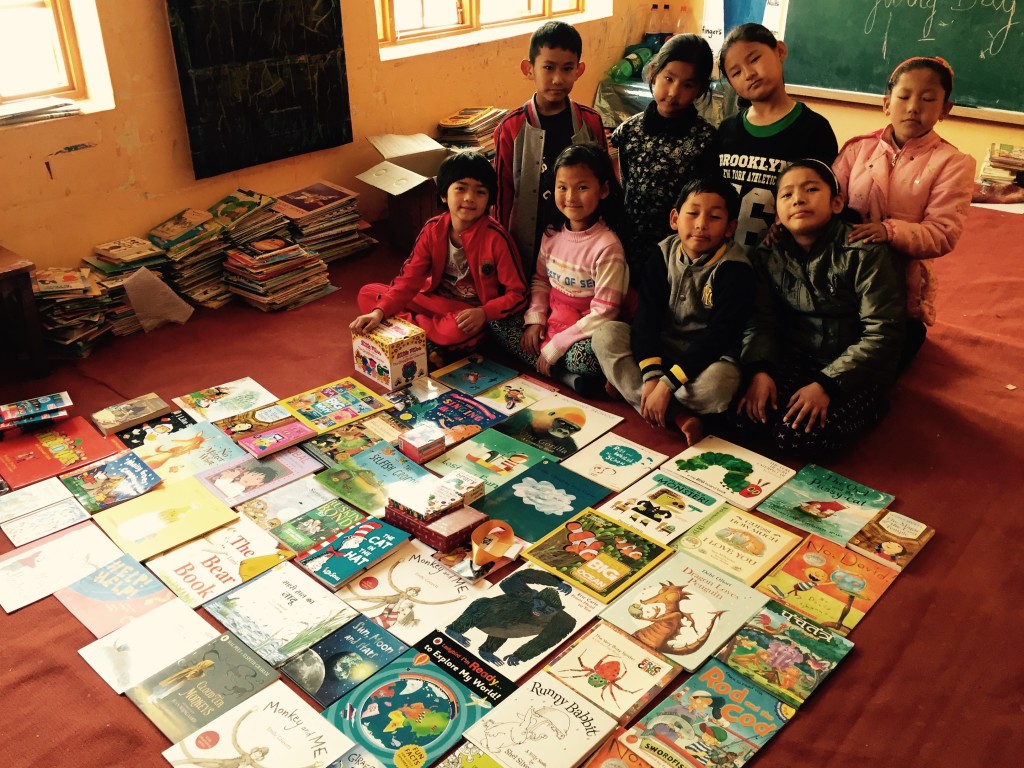
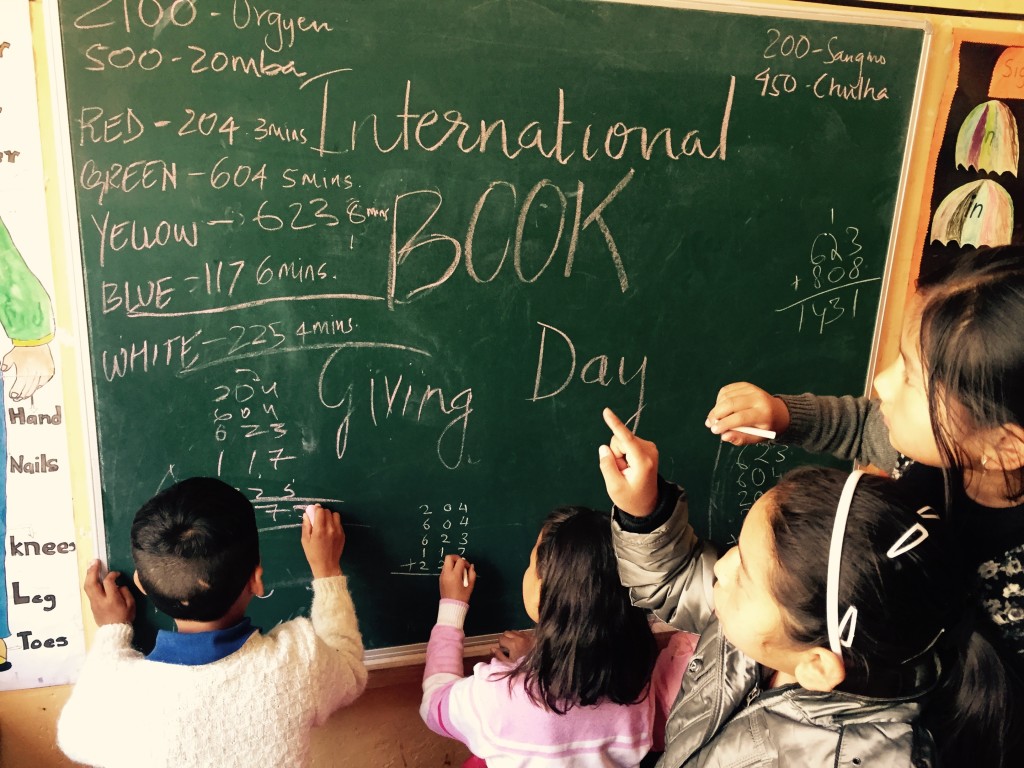
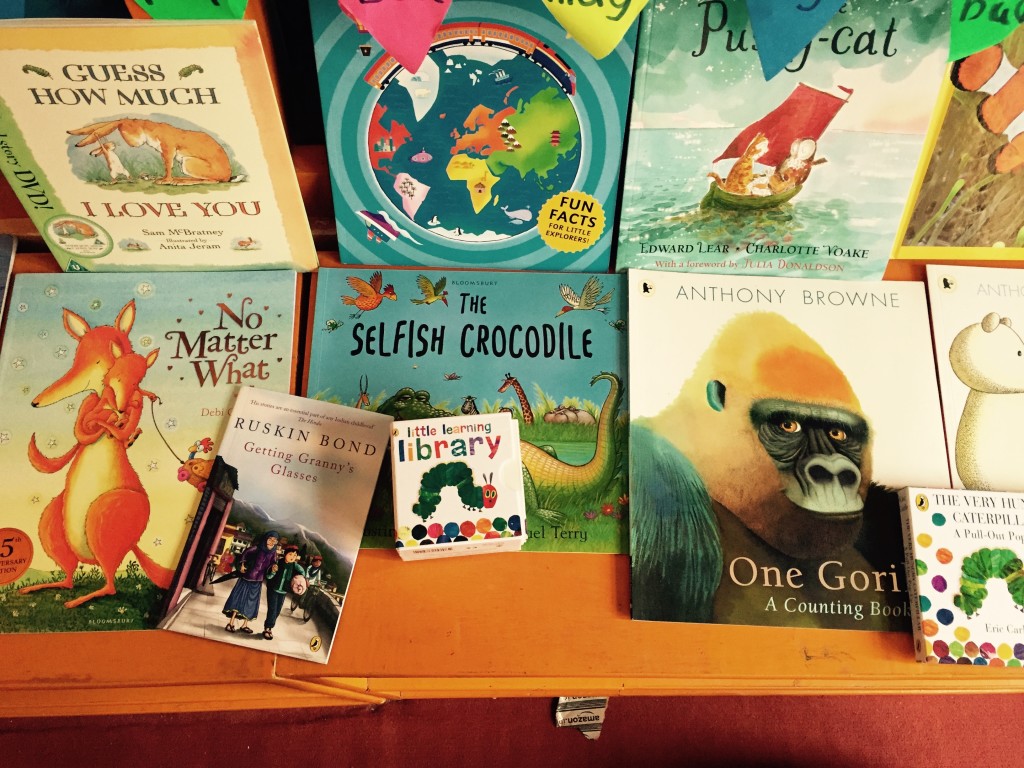
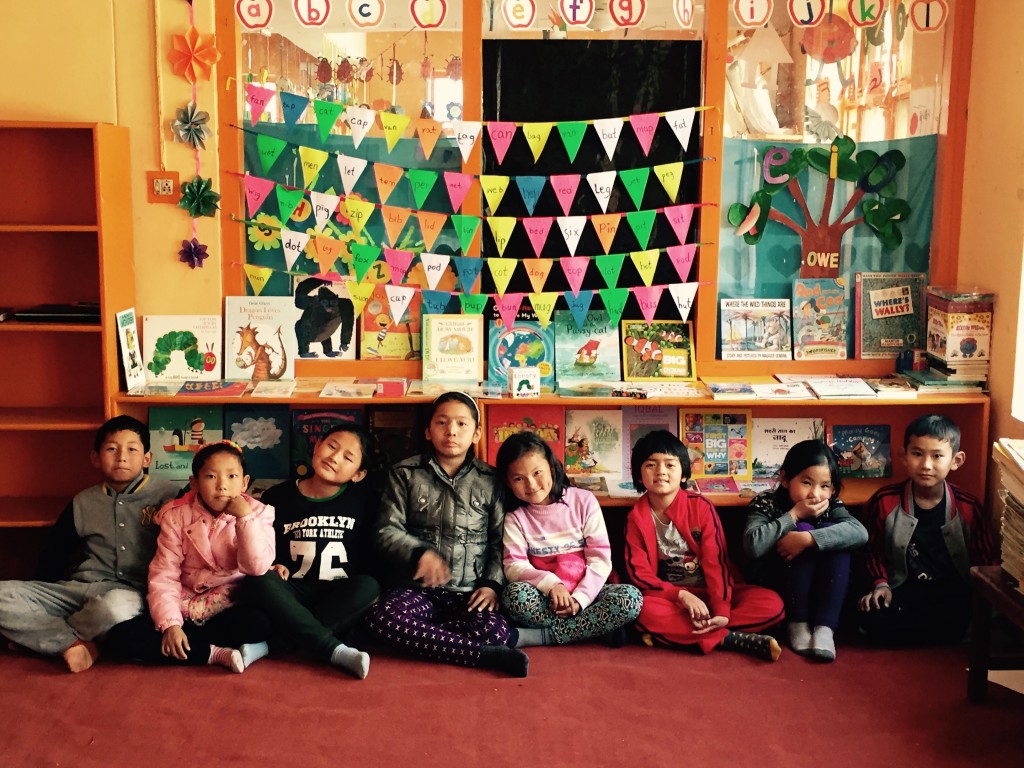
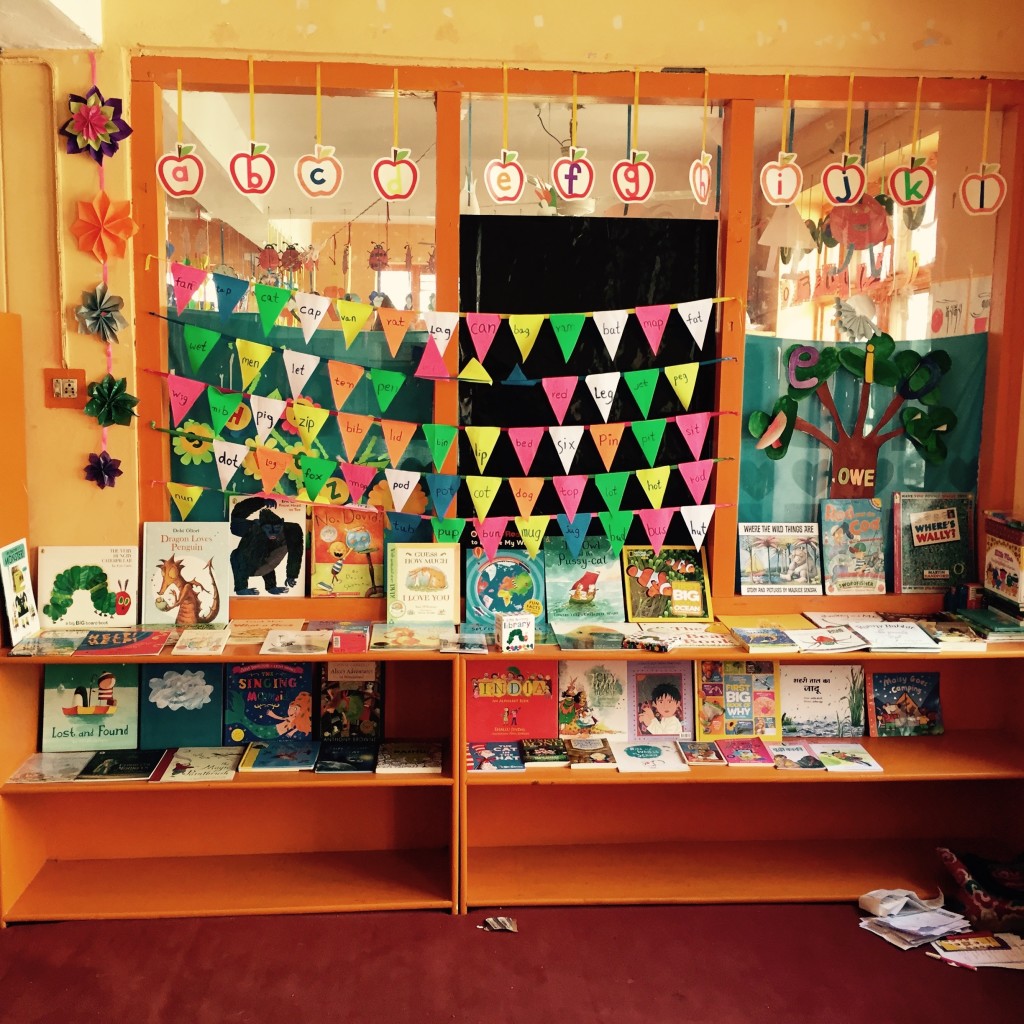
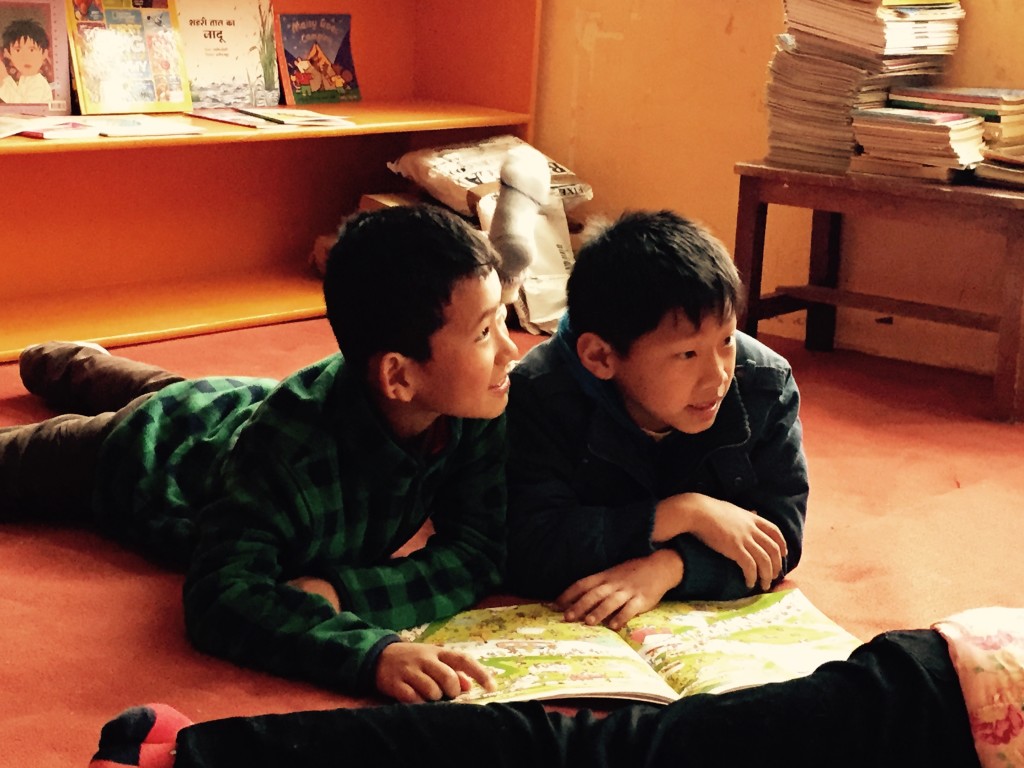
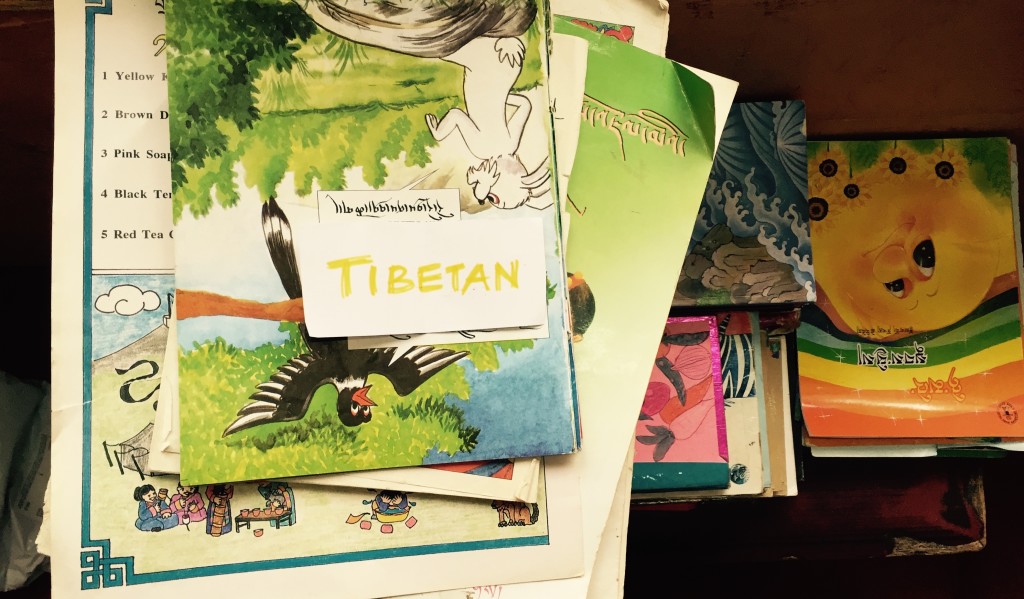
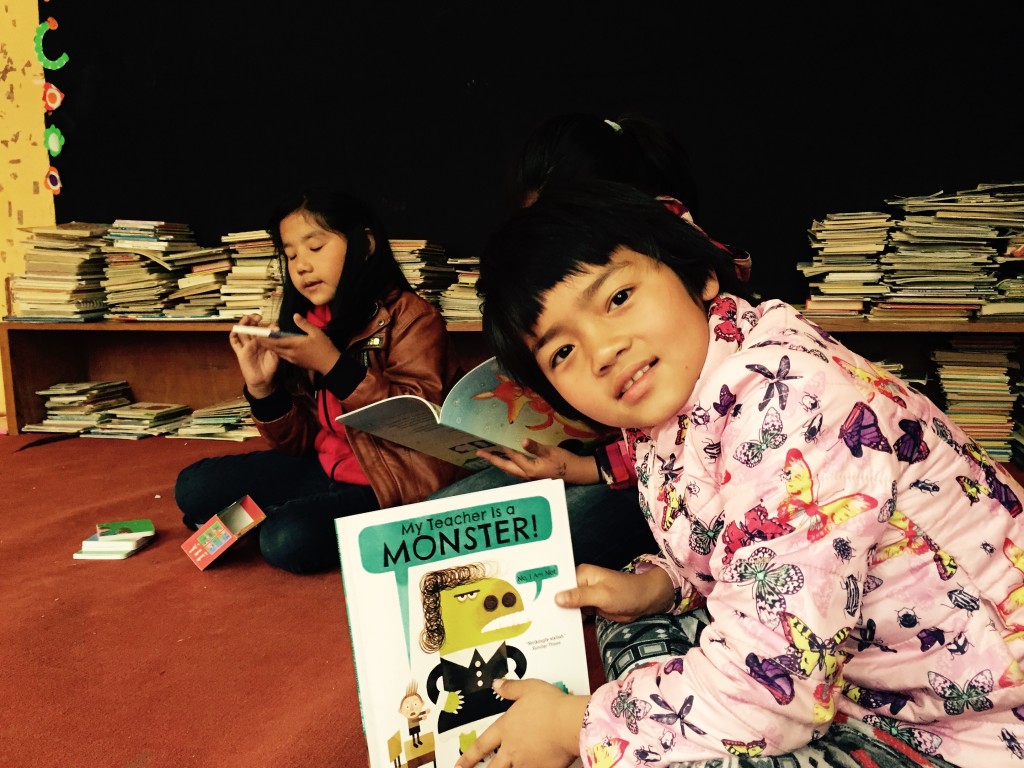
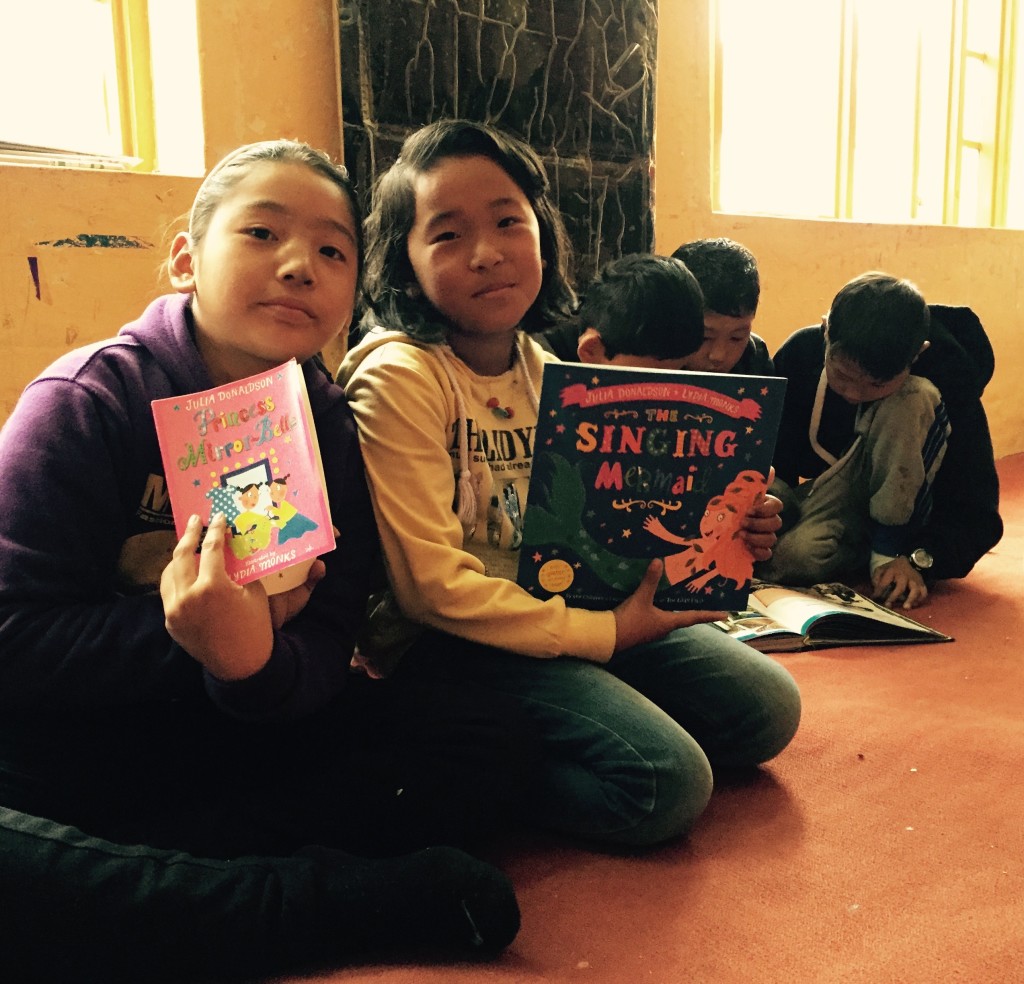
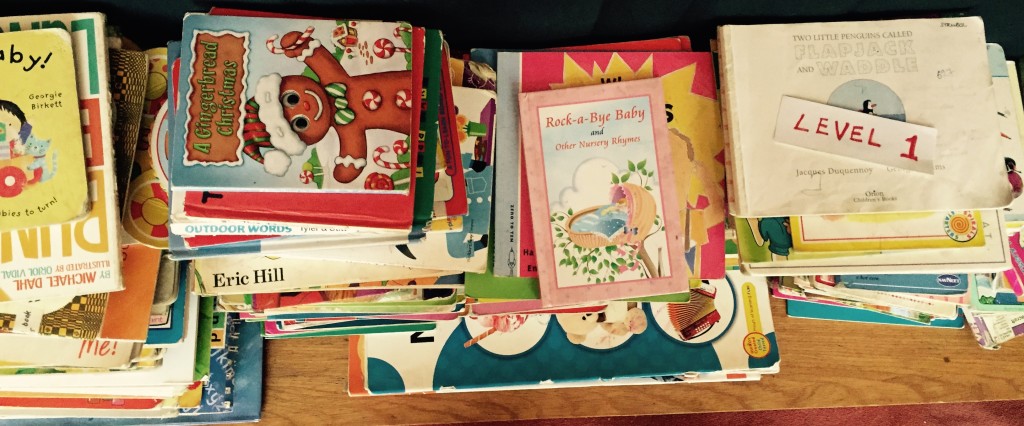
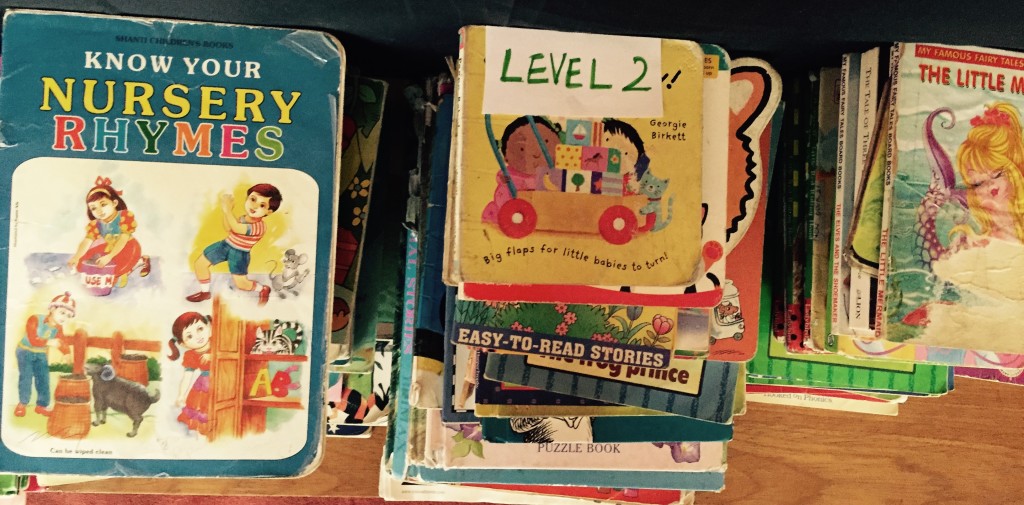
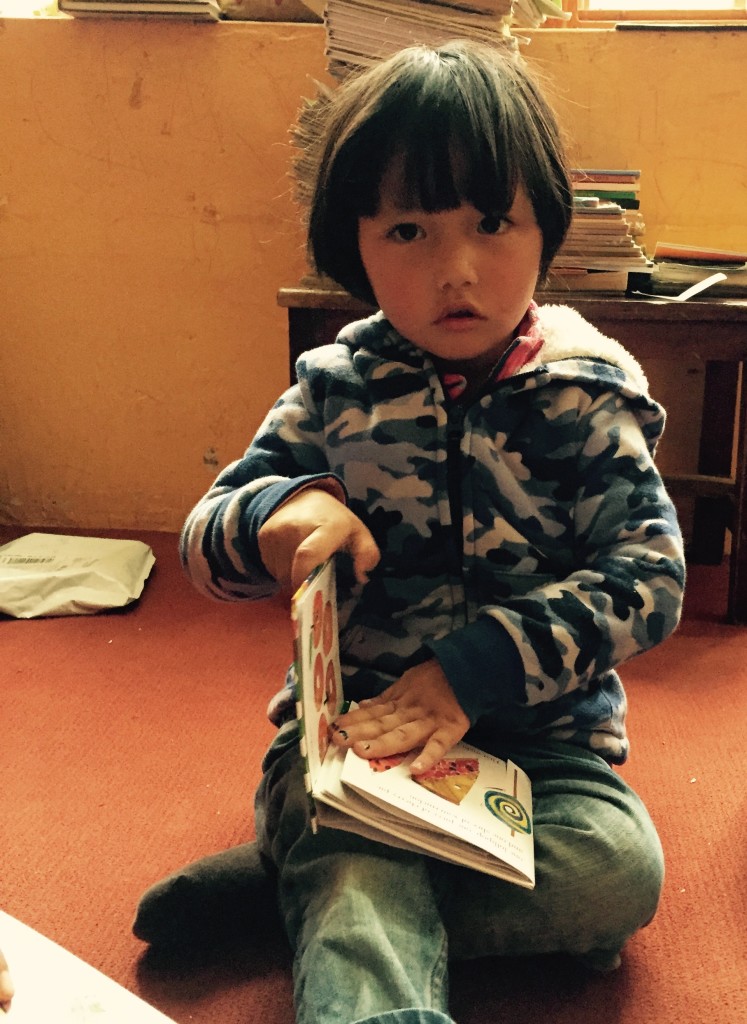
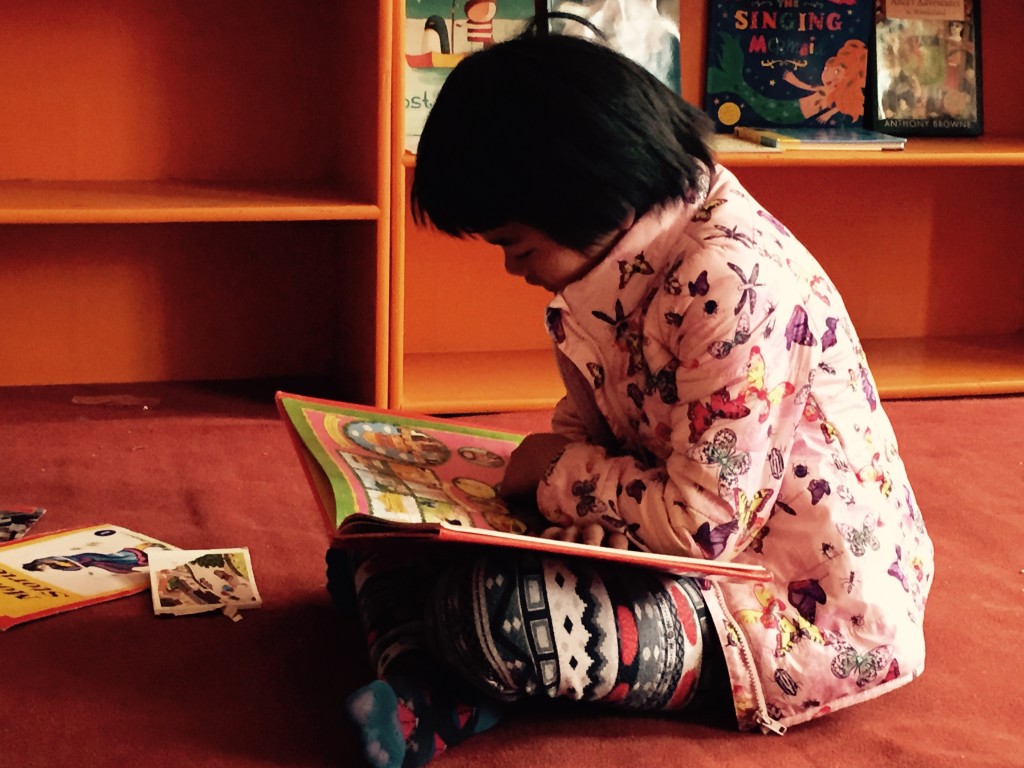
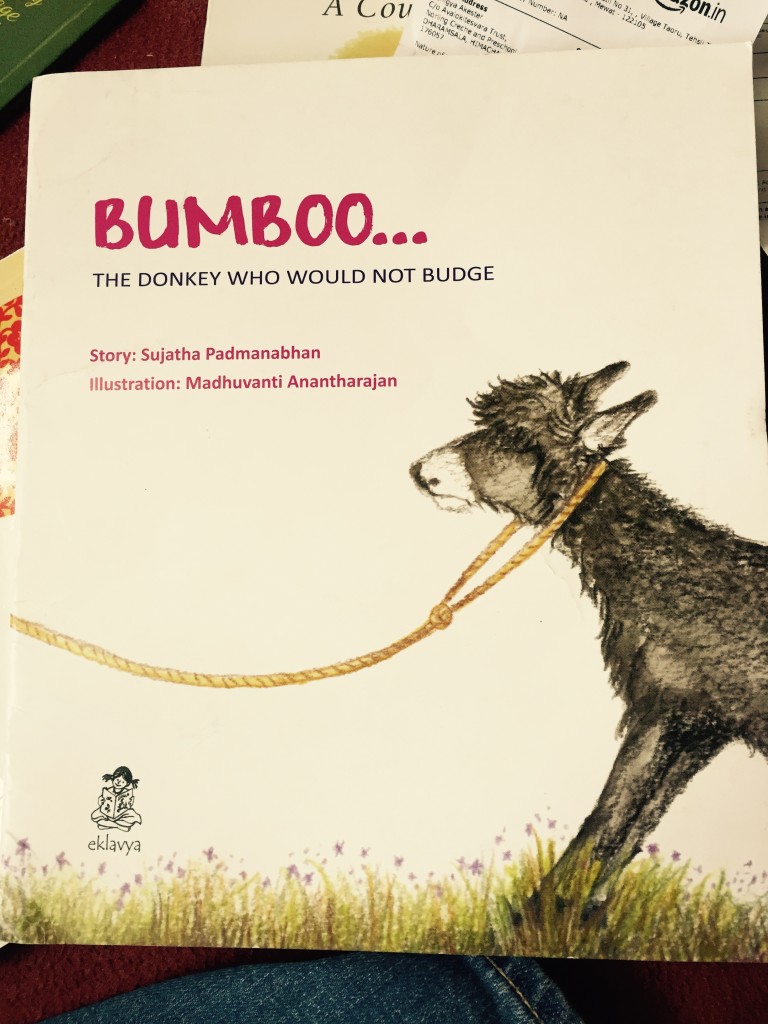
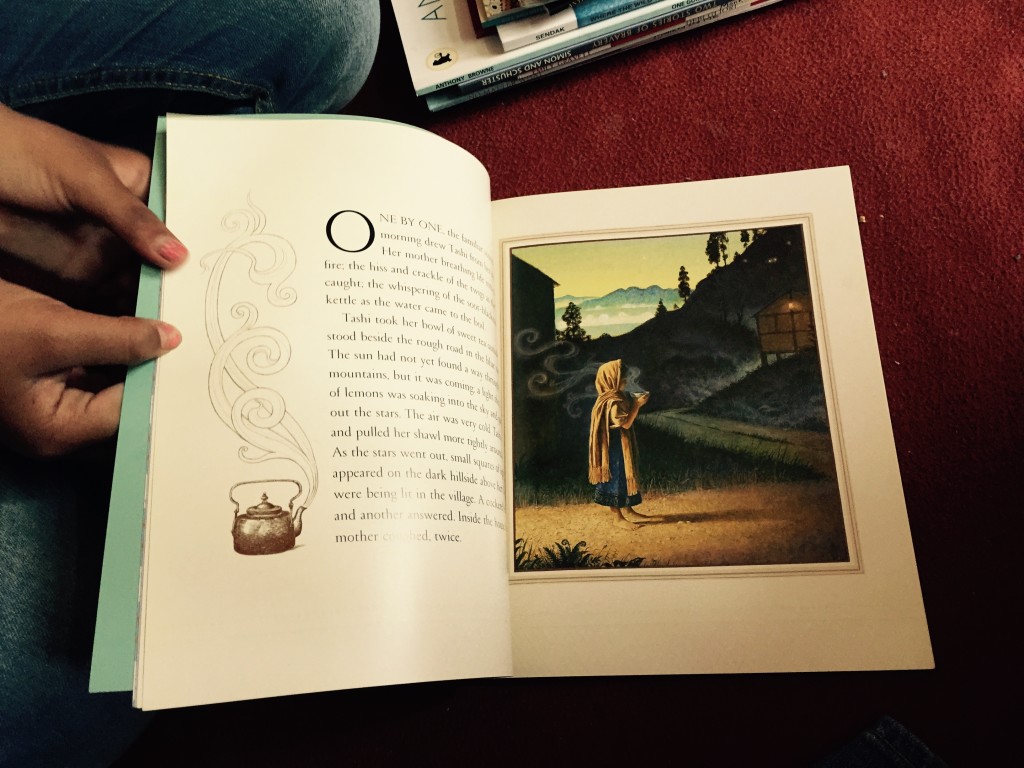
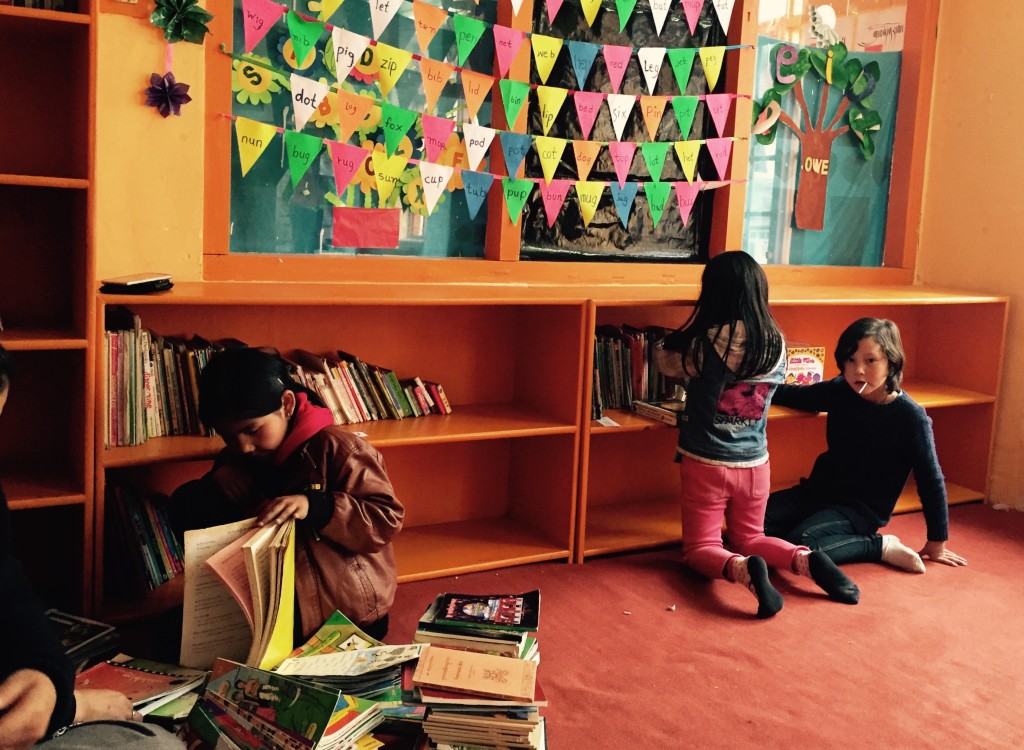
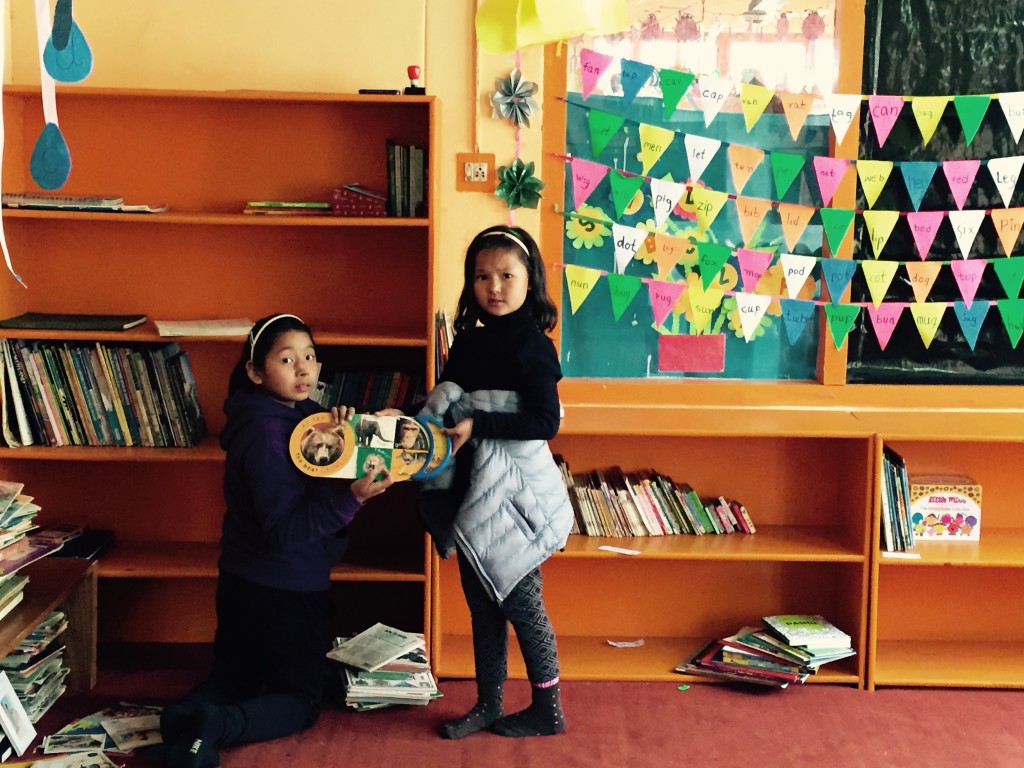
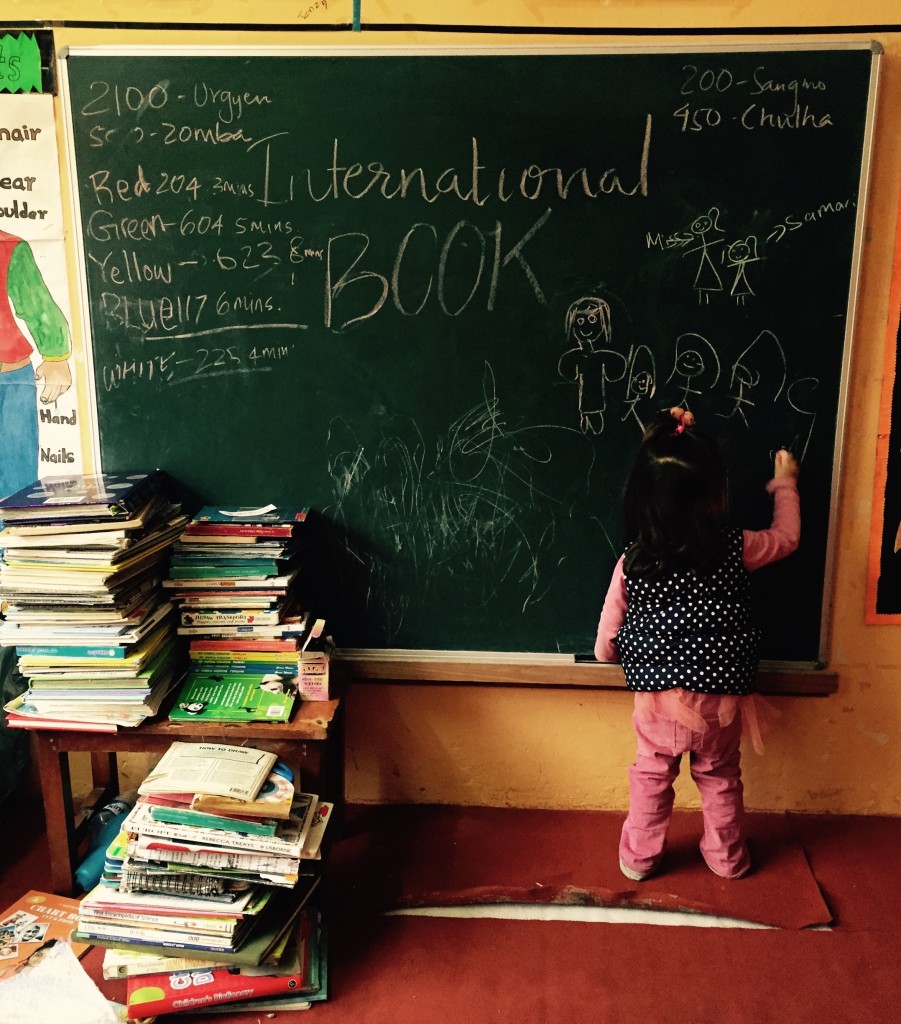
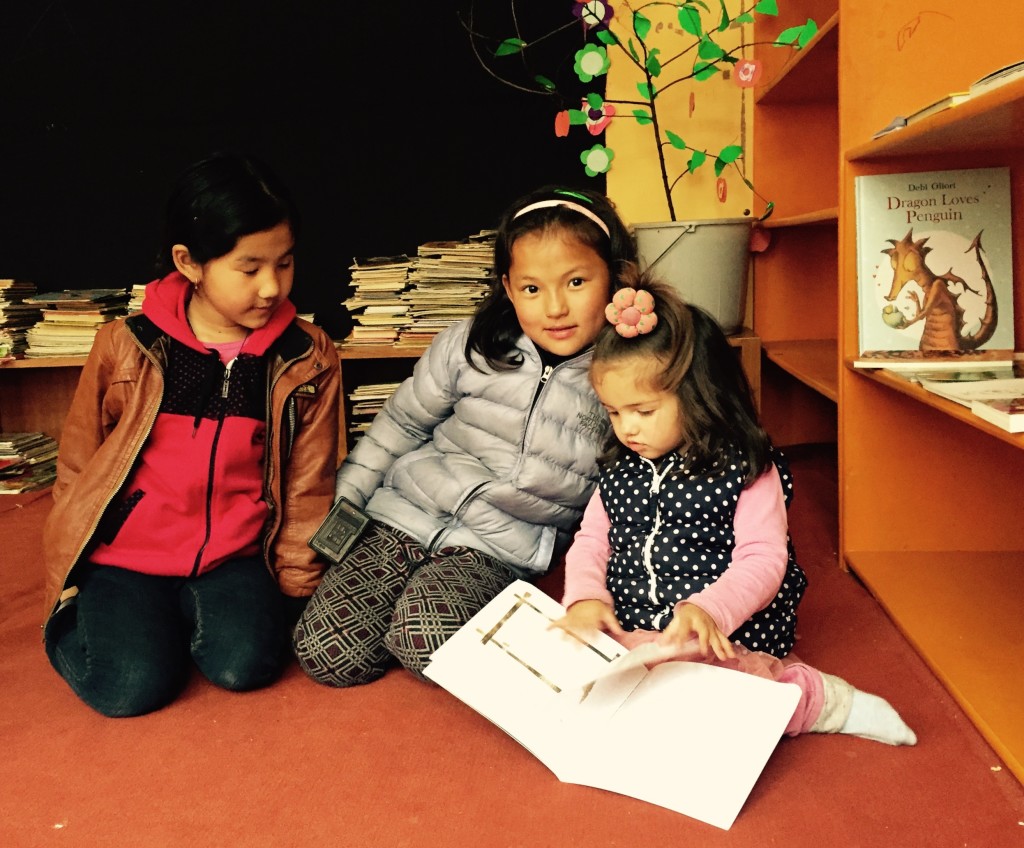
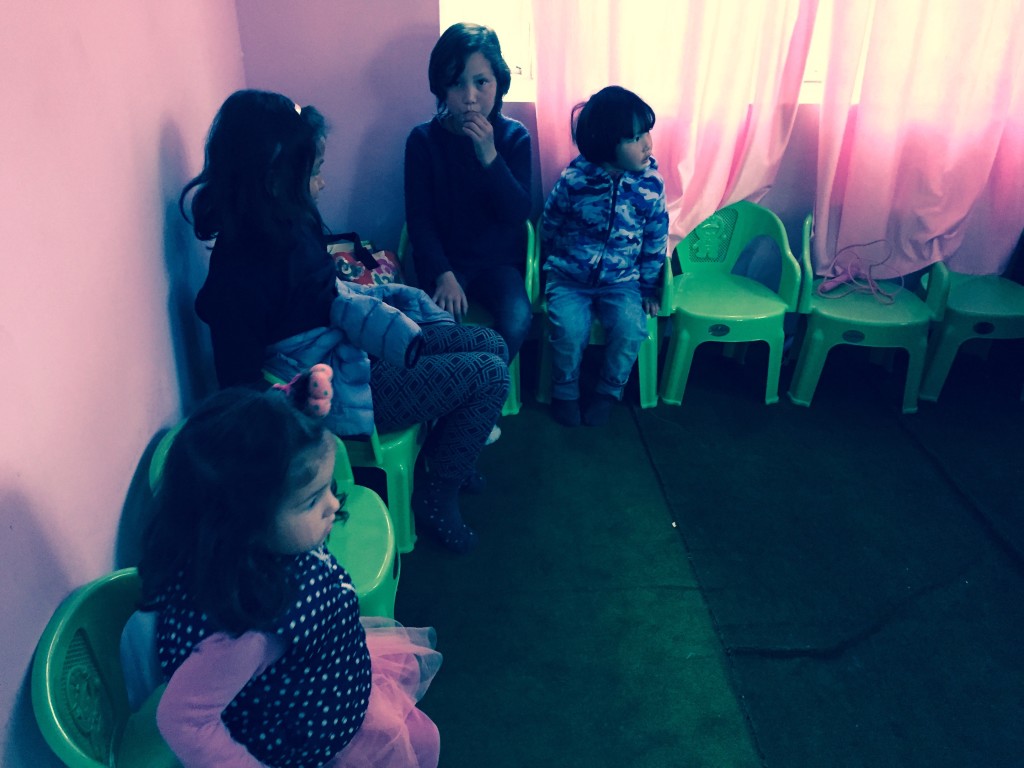
In Ladakh, childhood unfolds beneath vast mountain skies, in villages connected by winding roads and shaped by long winters. For many children and young monks, access to books, warm learning spaces and creative activities can depend on community effort. A reading room may become far more than a place to study: it can offer routine, curiosity and a sense of possibility.
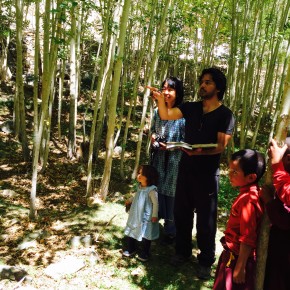
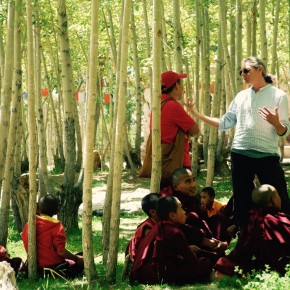
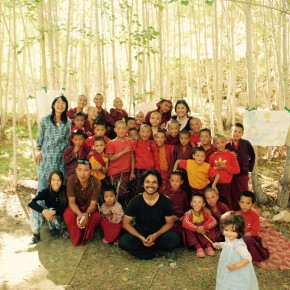
Volunteers who arrive hoping to help often discover that the relationship works in both directions. Children share practical wisdom formed through distance, weather, family responsibilities and changing access to education. Their resilience is rarely dramatic. It appears in small habits: returning to a difficult book, making art with limited materials, or welcoming a new visitor with generous confidence.
This perspective has meaning for Australians, too. A volunteer from Melbourne, Brisbane or regional New South Wales may be used to reliable transport, extensive libraries and fast internet, yet still recognise the pressure of distance and uneven opportunity. Remote communities across Australia know that a learning resource matters most when it is dependable, relevant and close to home.
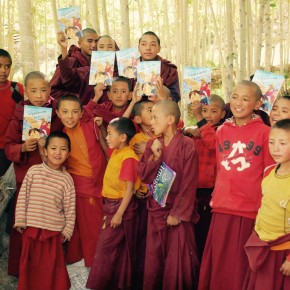
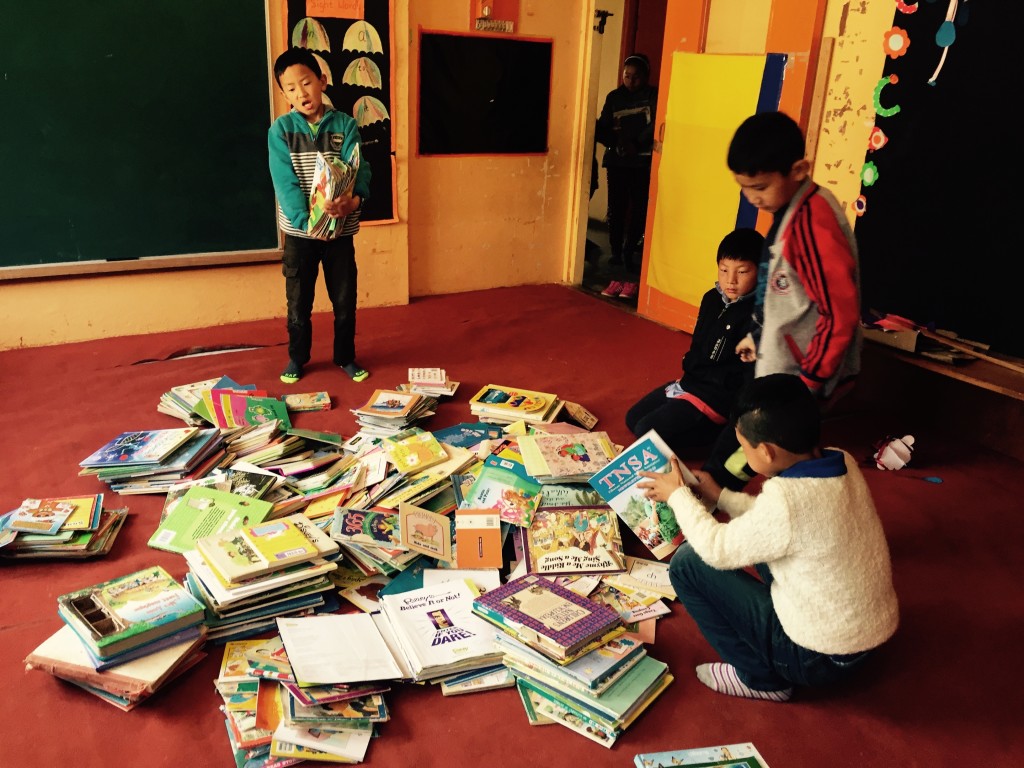
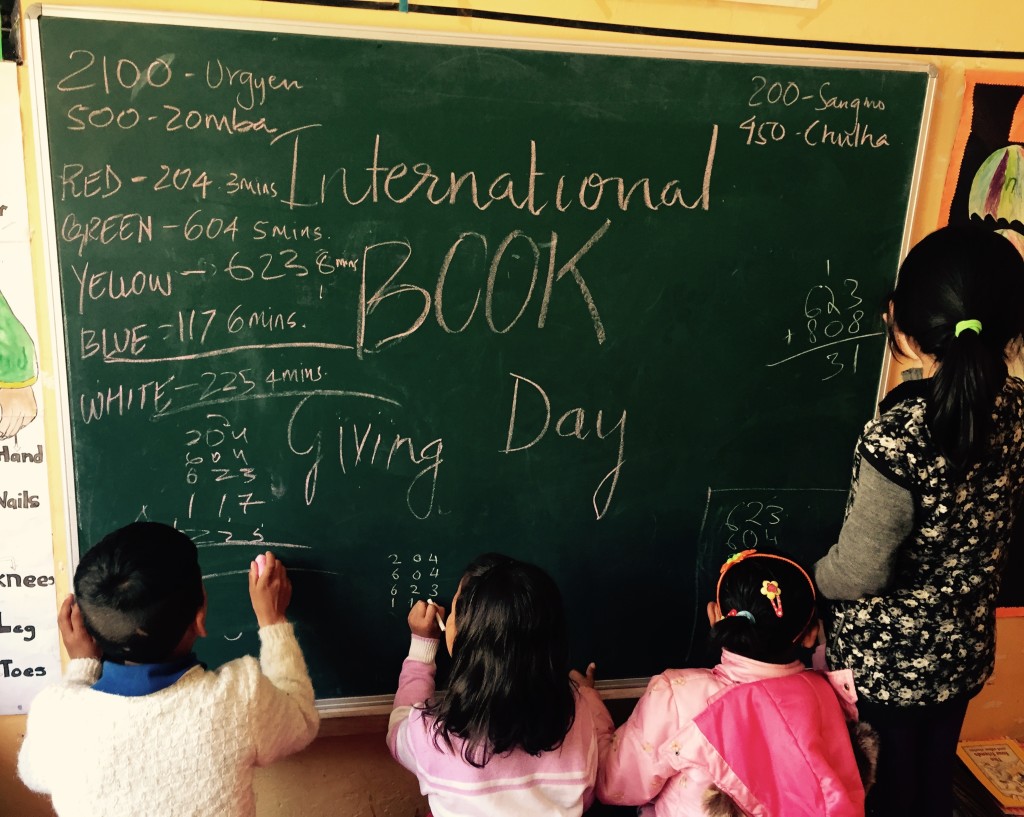
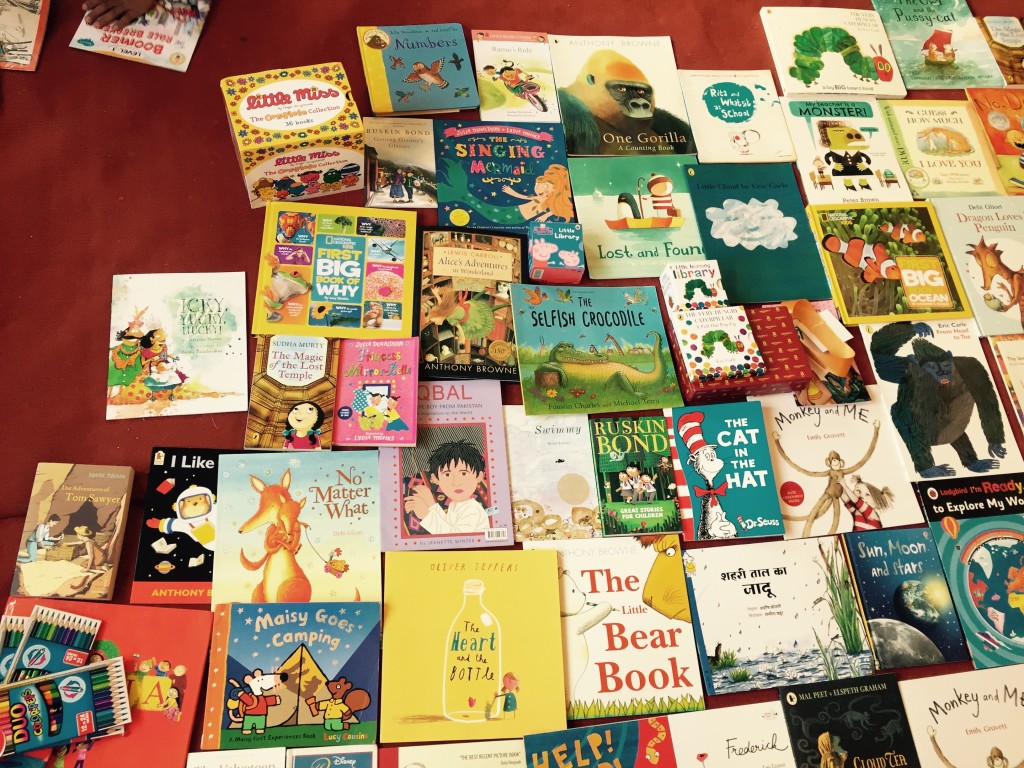
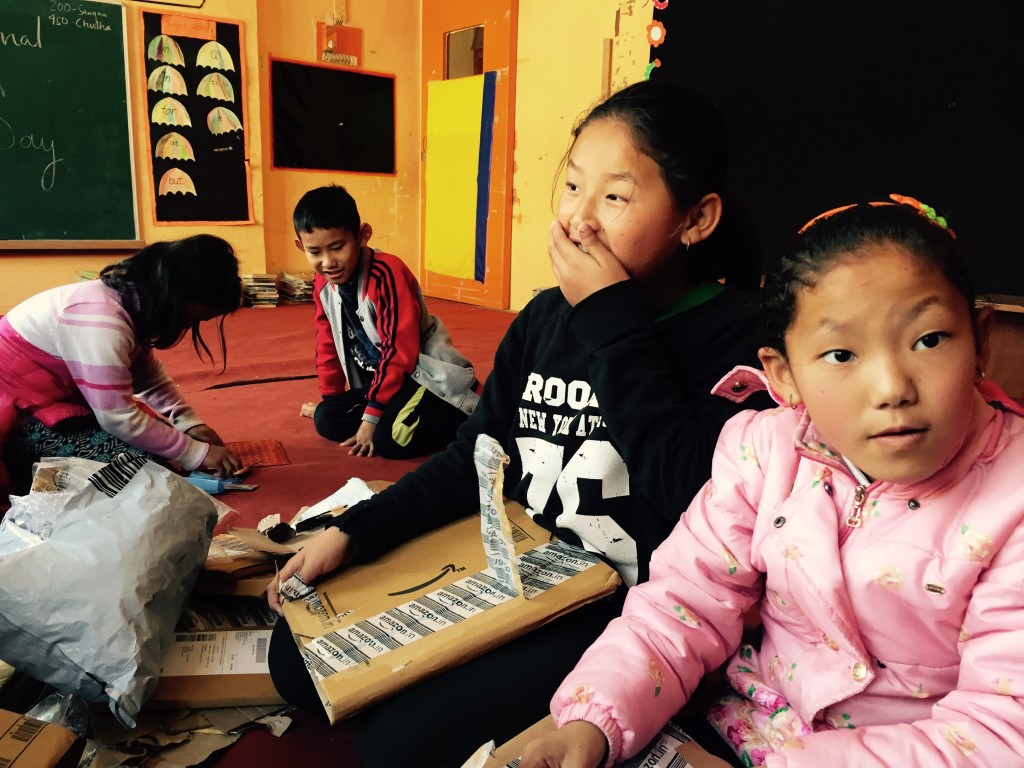
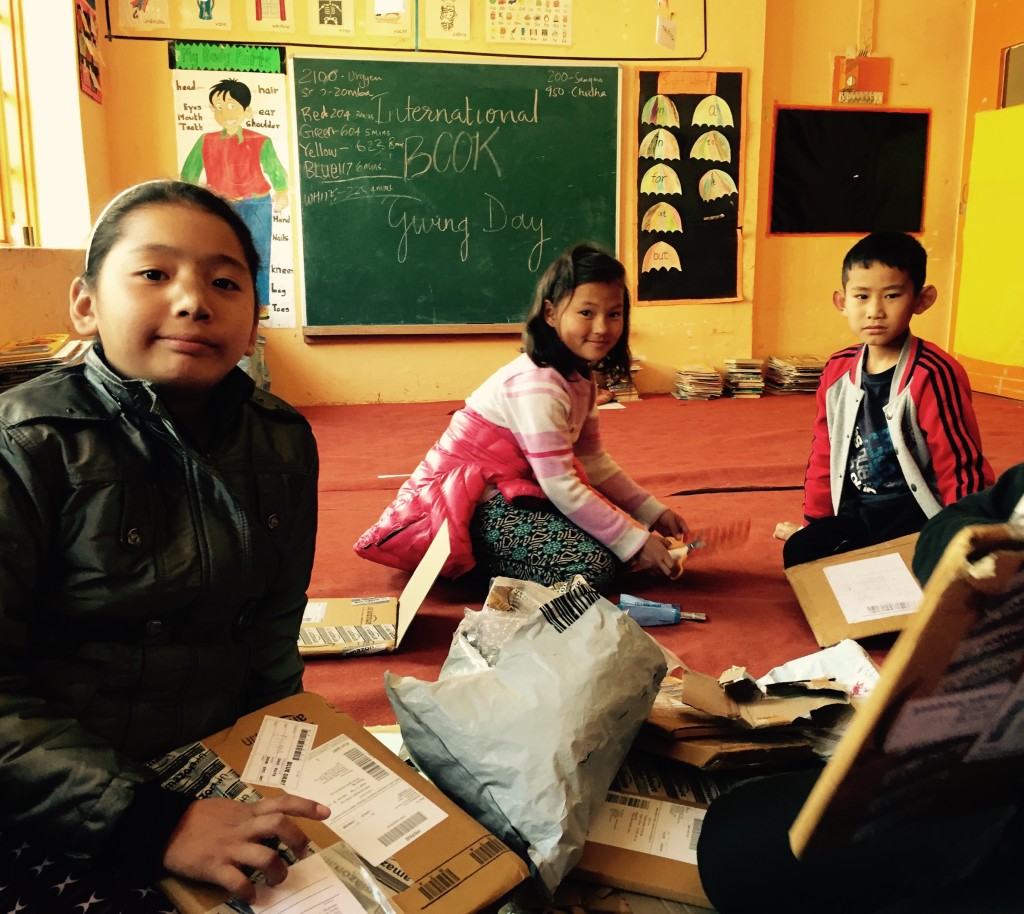
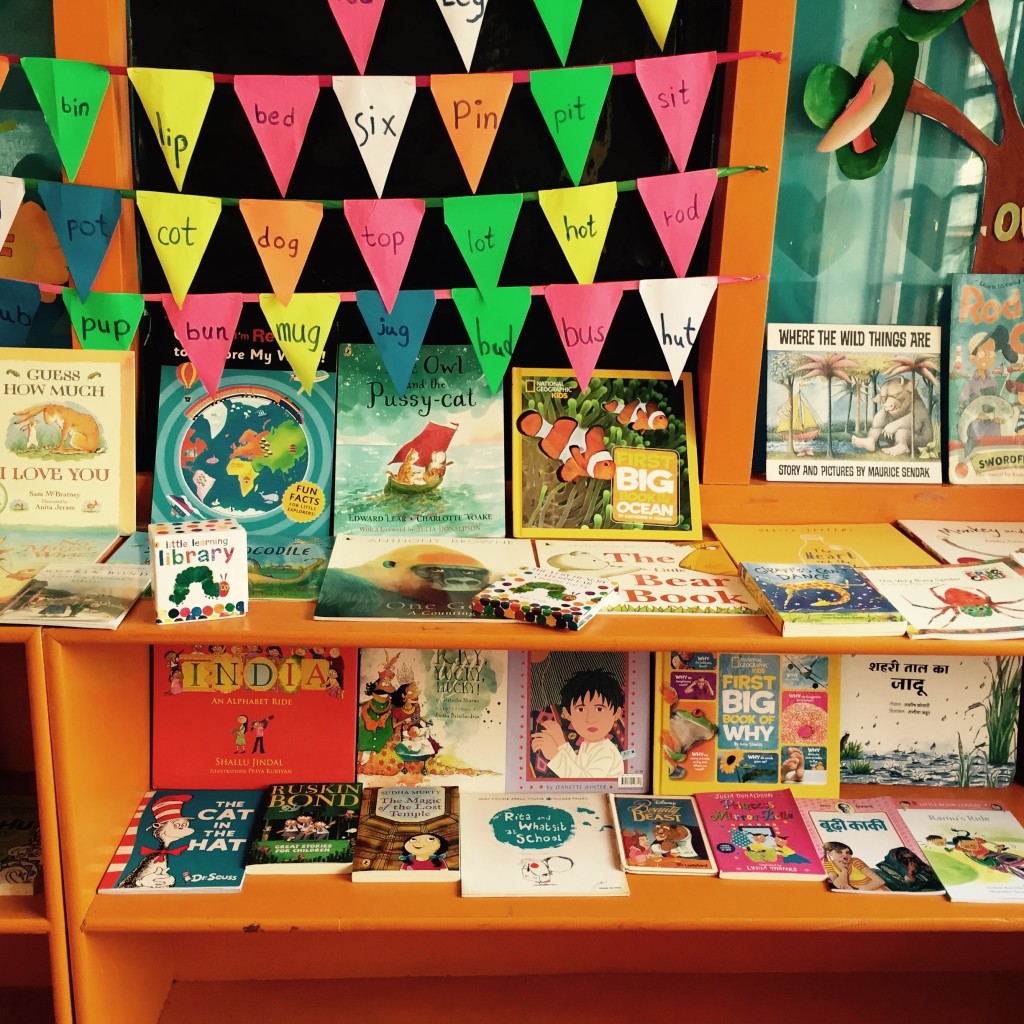
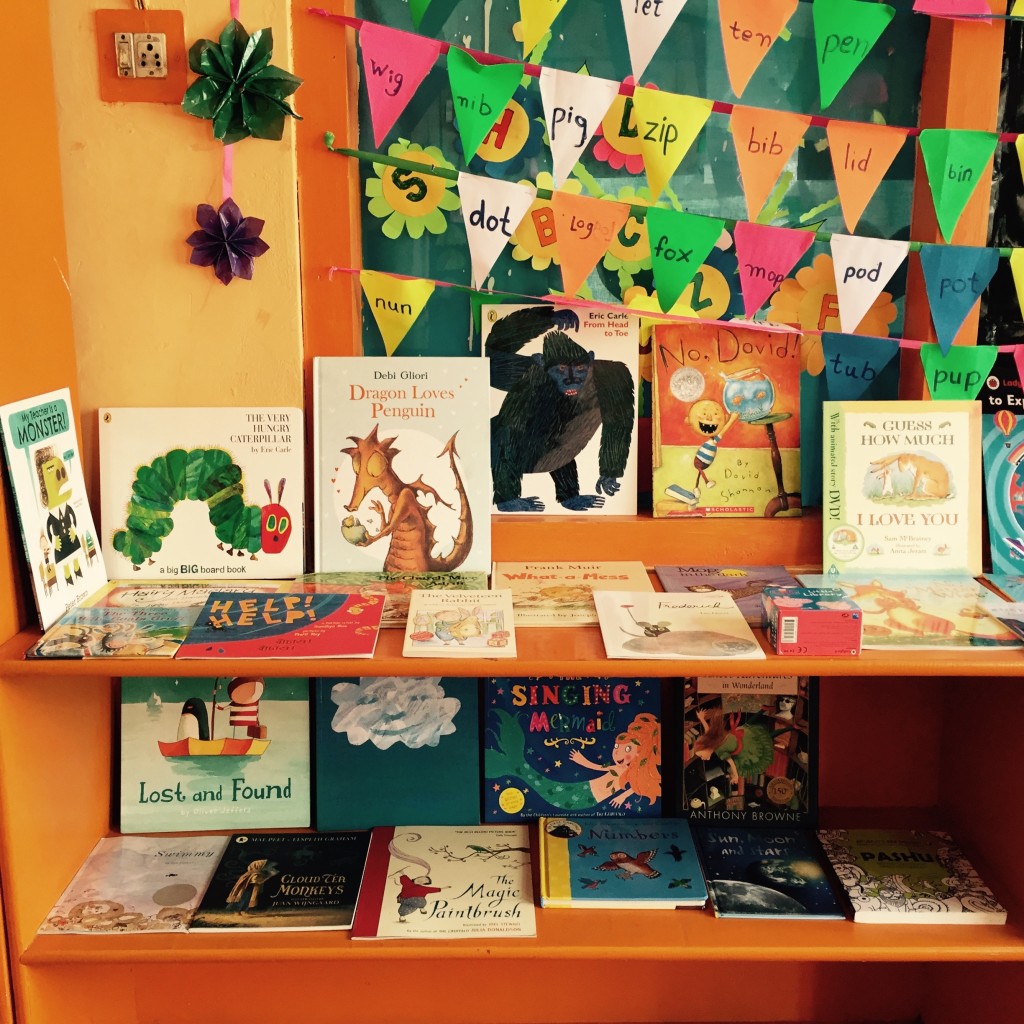
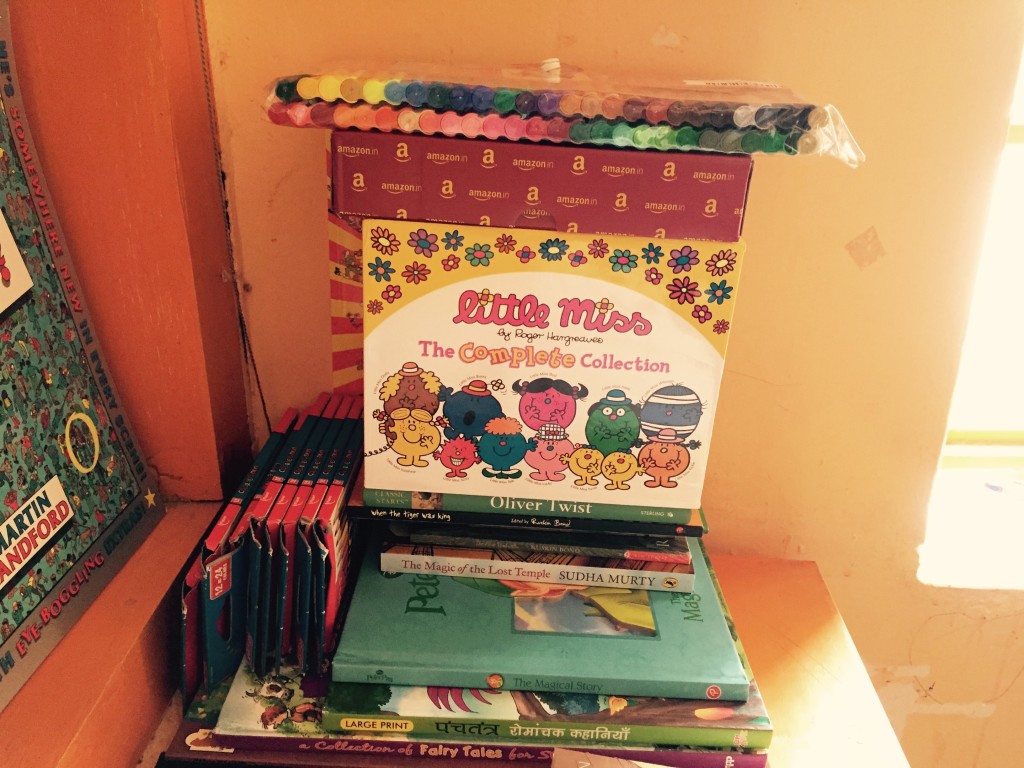
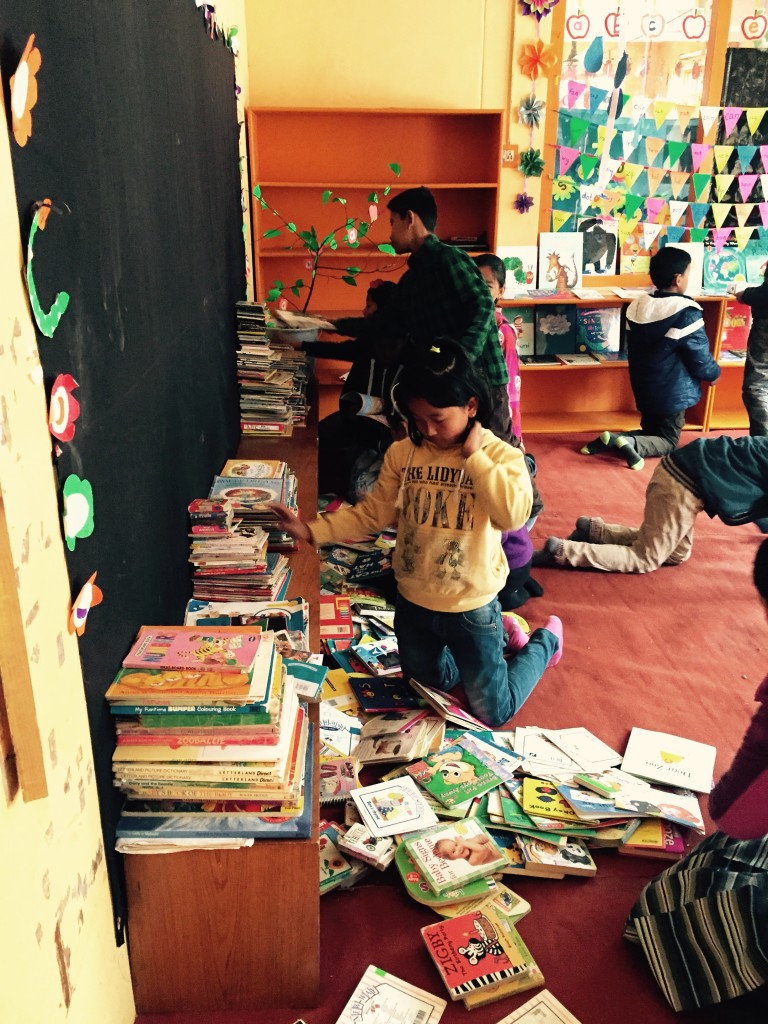
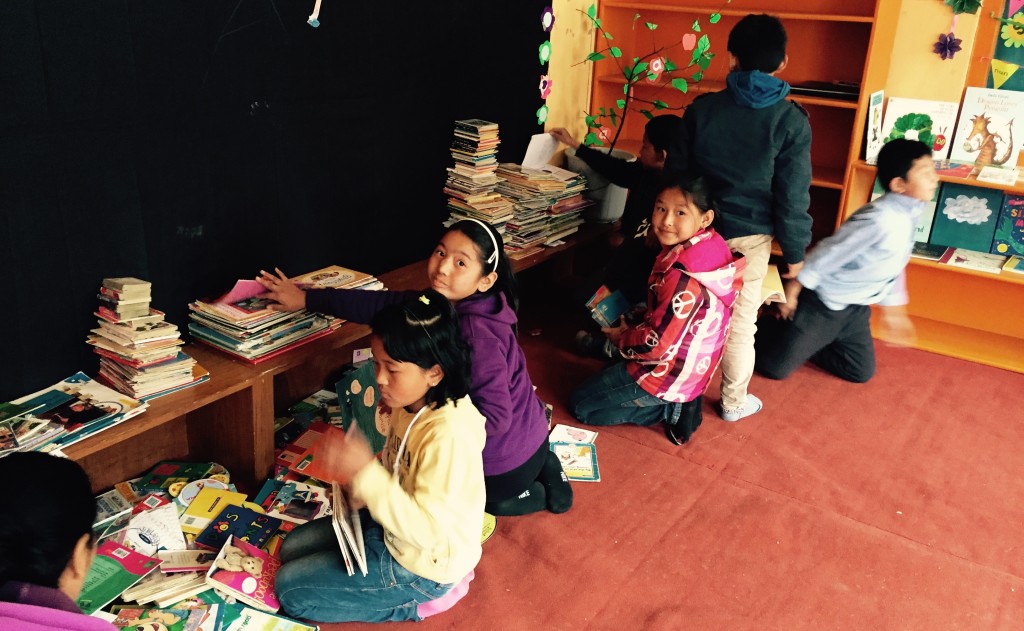
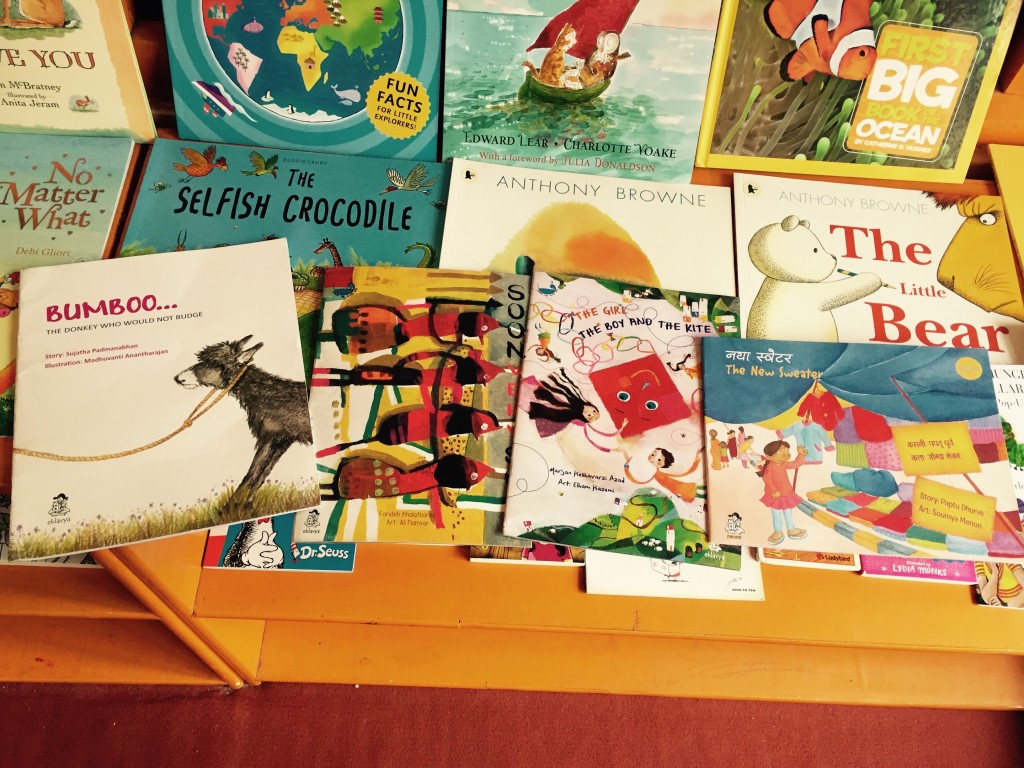
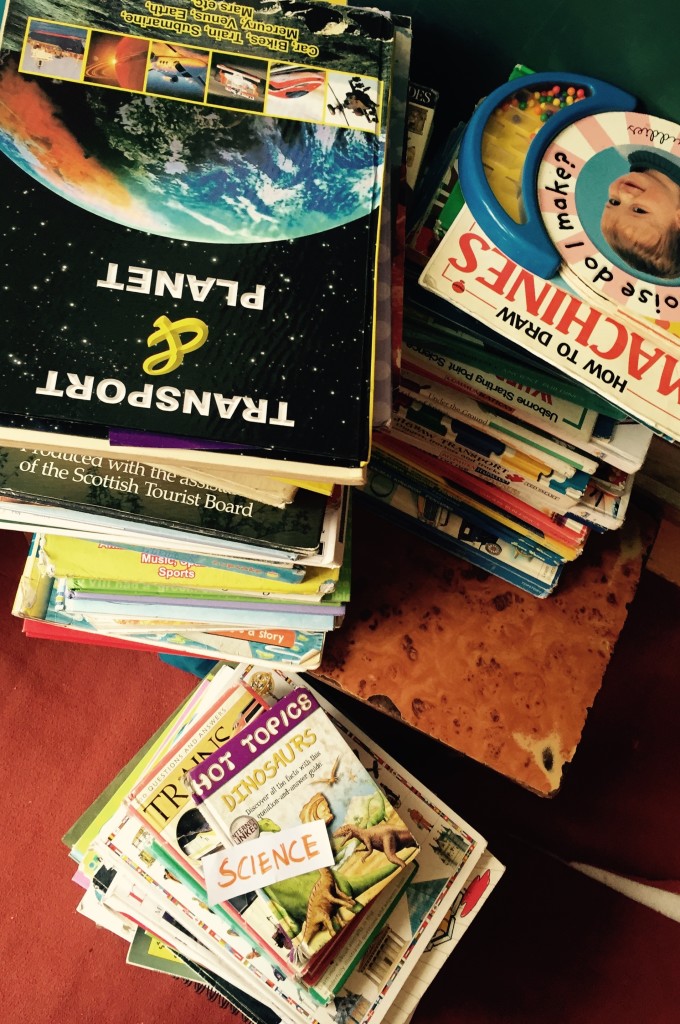
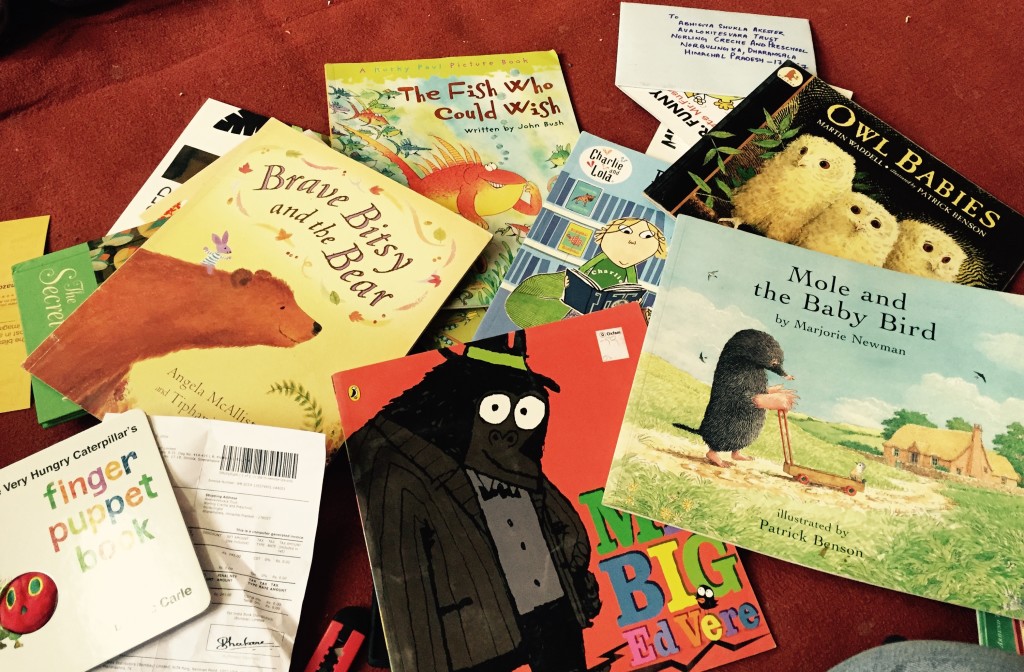
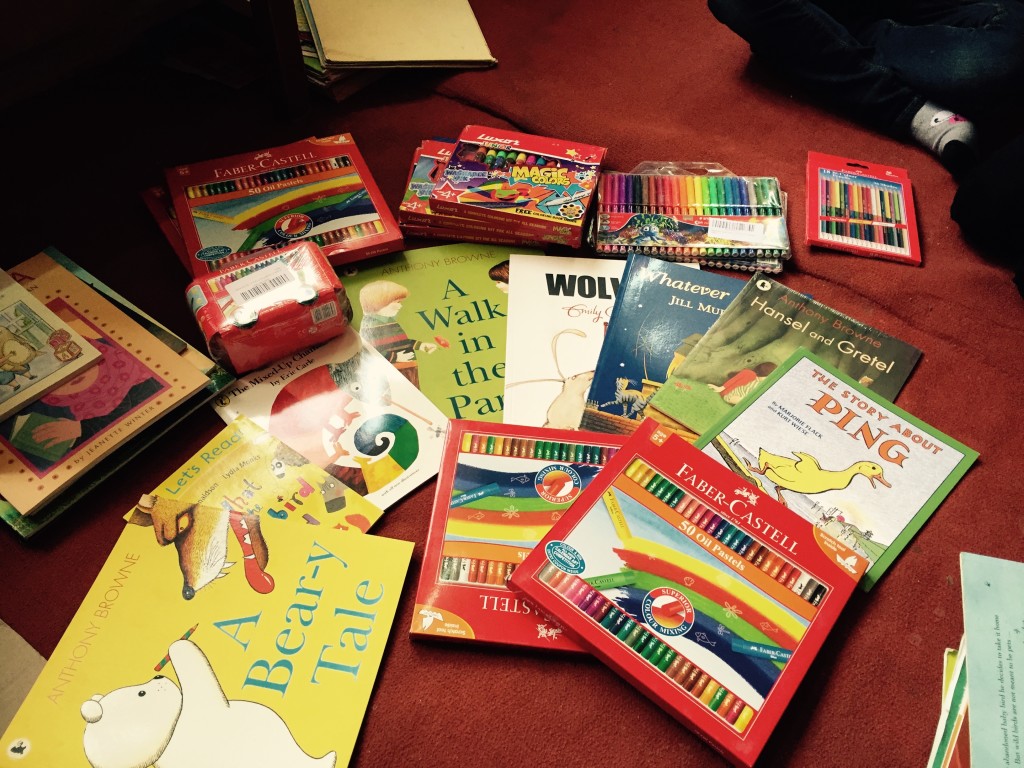
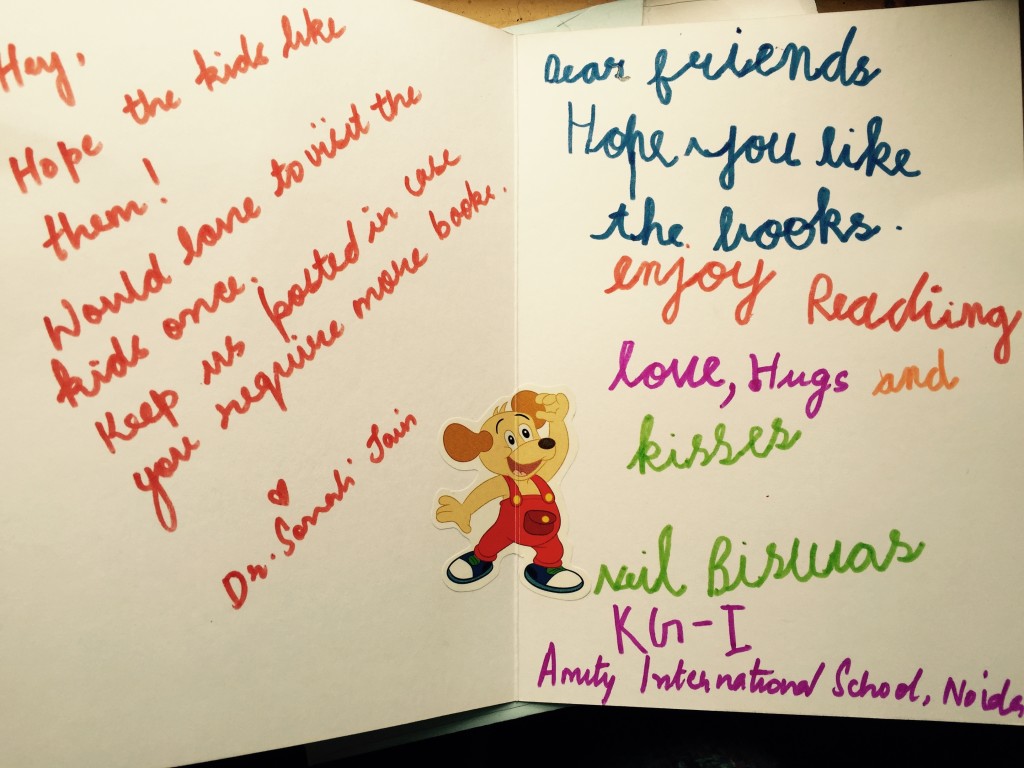
The work of Avalokiteśvara Trust centres on those foundations. Through book drives, reading rooms, music, art and educational activities, the organisation helps children build skills while protecting the pleasure of discovery. The lessons volunteers carry home are therefore practical as well as emotional.
| What children demonstrate |
What volunteers learn |
How support can respond |
| Patience with limited resources |
Progress can be steady without being fast |
Provide durable, accessible materials |
| Curiosity across subjects |
Learning grows through variety |
Combine books with art, music and discussion |
| Care for shared spaces |
Community ownership protects resources |
Involve children in organising and maintaining rooms |
| Courage in unfamiliar settings |
Confidence develops through welcome and routine |
Create predictable, respectful activities |
| Adaptability through seasonal change |
Plans should allow for local conditions |
Build flexible programmes and realistic schedules |
Resilience In Everyday Routines
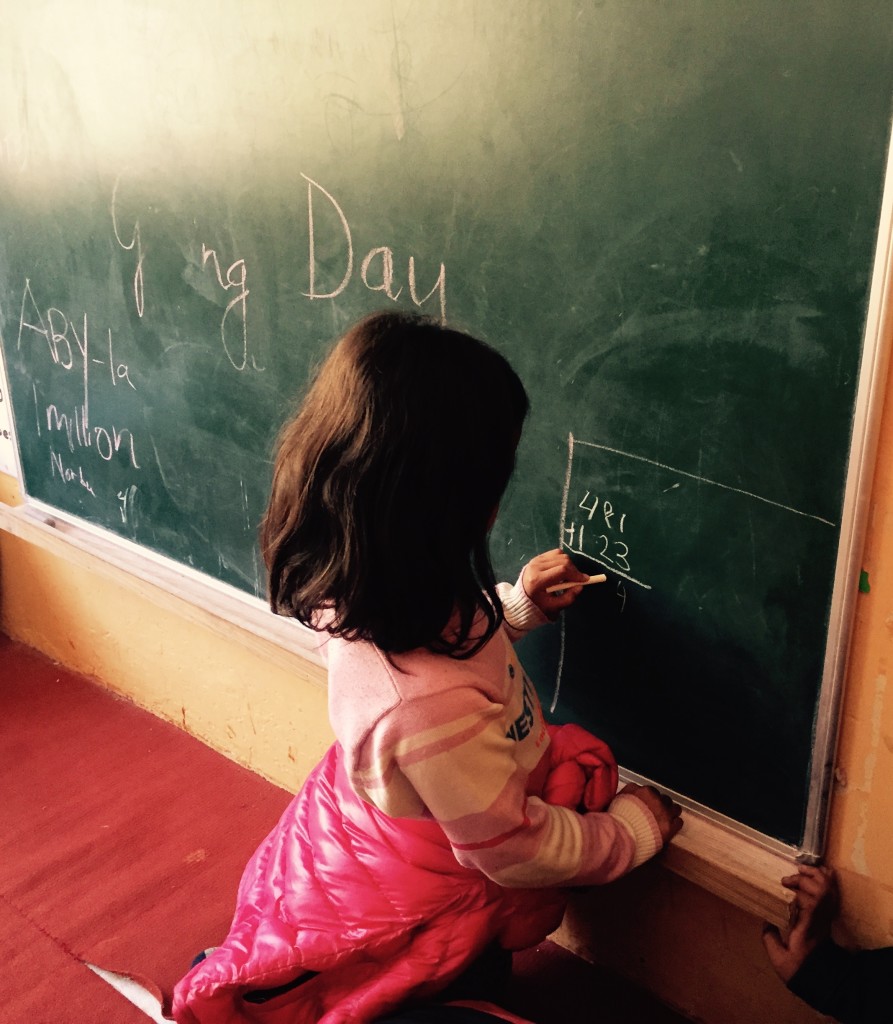
A child’s strength is often easiest to see in repetition. Reading a few pages each day, practising a song, attending a lesson after a tiring journey and helping younger children all require commitment. These actions may look ordinary to an outside visitor, yet they show how resilience is built through rhythm rather than sudden bursts of bravery.
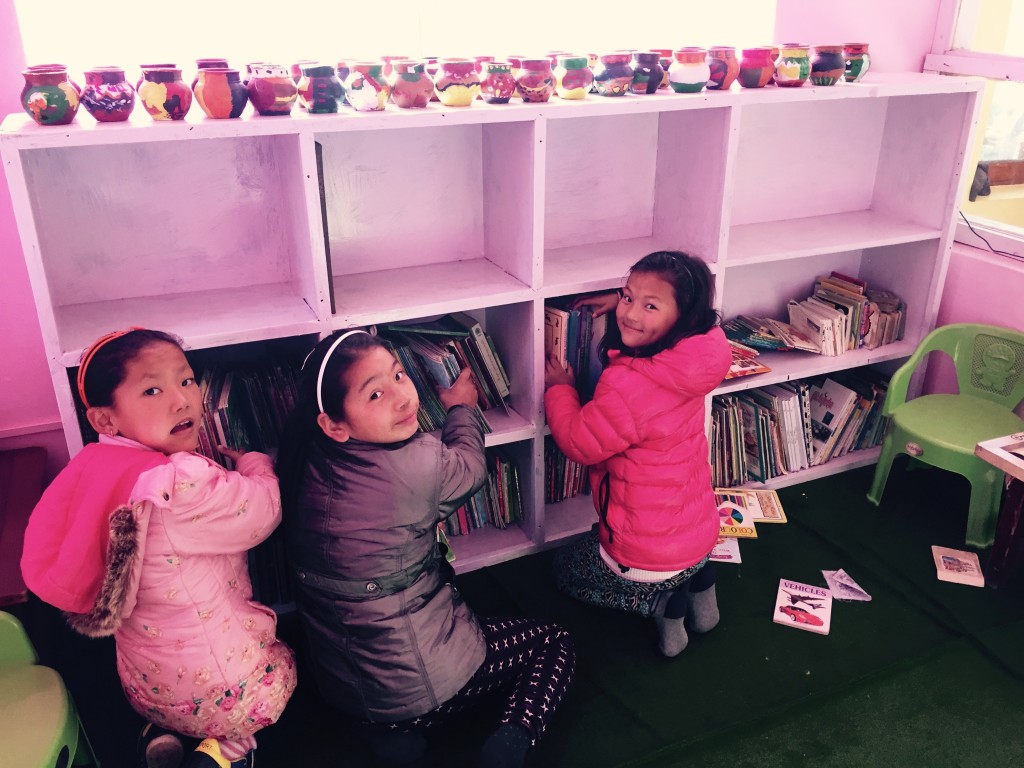
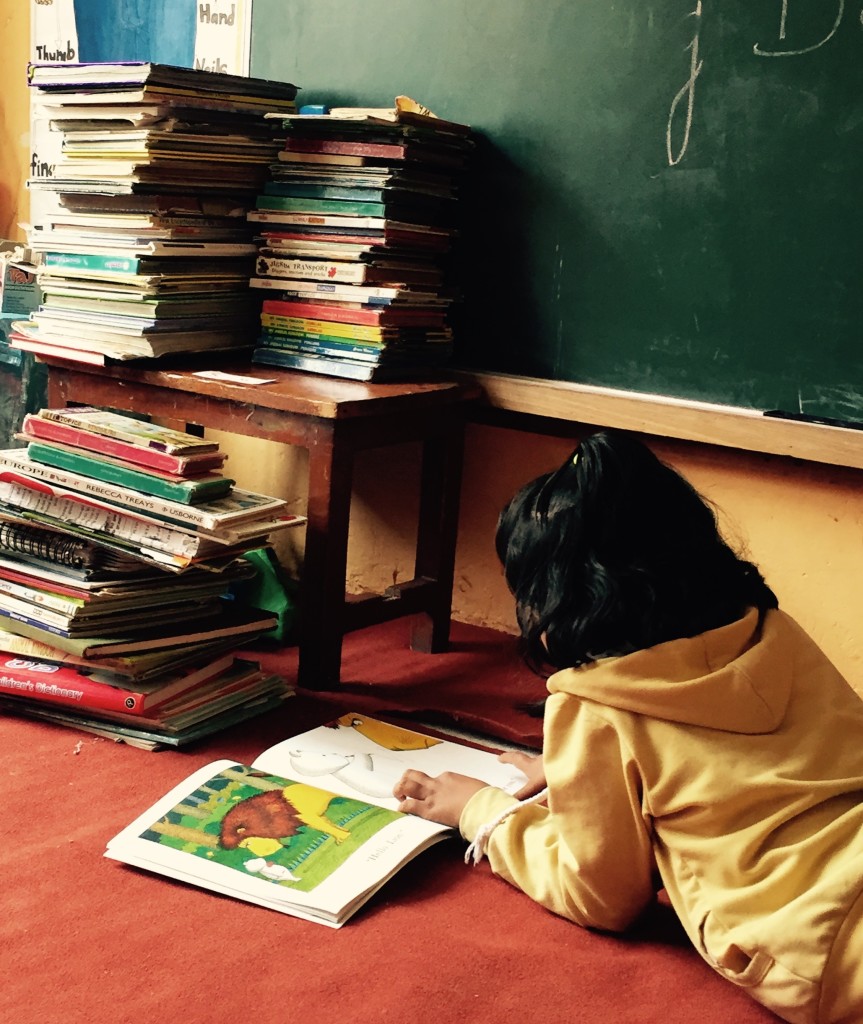
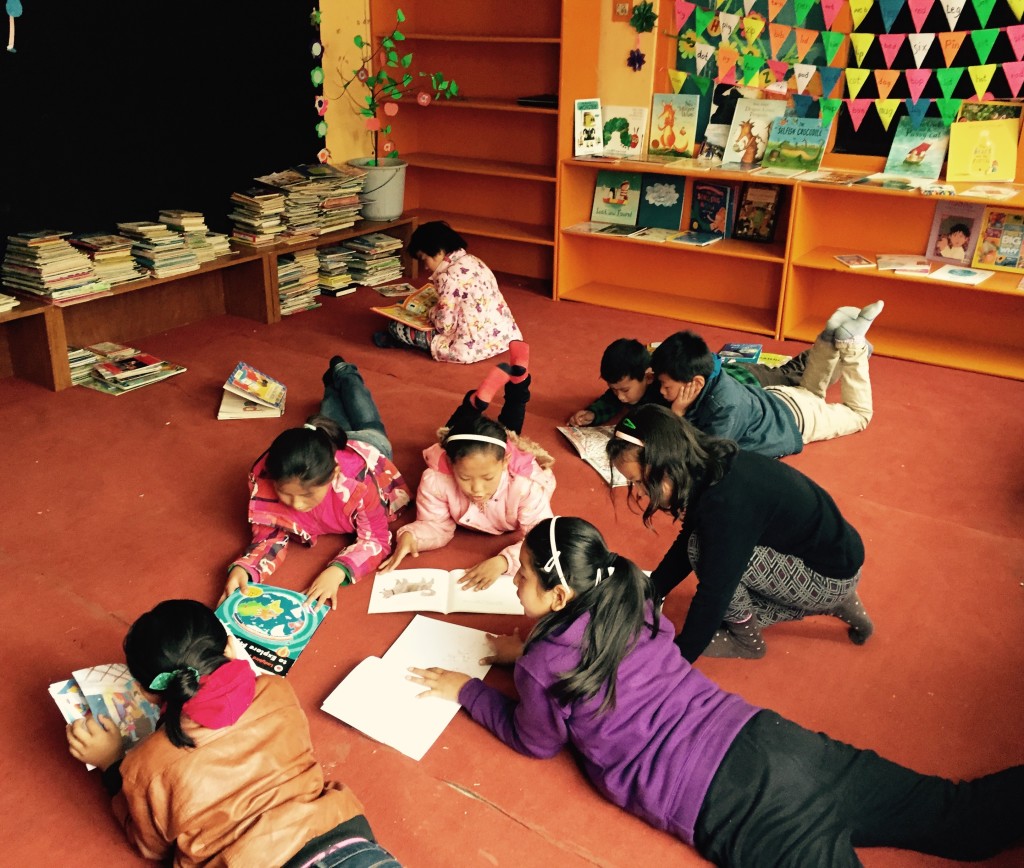
In Ladakh, geography gives routine a particular weight. Mountain roads, harsh weather and scattered settlements can affect attendance and access to supplies. A reading room with a thoughtful collection gives children a dependable place to return to, even when other parts of life feel uncertain. The value lies in continuity: books remain available, activities recur and adults keep their promises.
Volunteers learn to notice this kind of persistence. Instead of measuring success only through quick academic results, they begin to recognise concentration, cooperation and willingness to try again as meaningful achievements.
Patience Beyond Instant Results
Australians often live within a culture of convenience. Public libraries, online ordering and same-day services can make resources feel close at hand, even when a family lives in a regional town. In Ladakh, acquiring suitable books or materials may involve greater planning, transport and expense. Children understand the worth of an item because its arrival cannot be assumed.
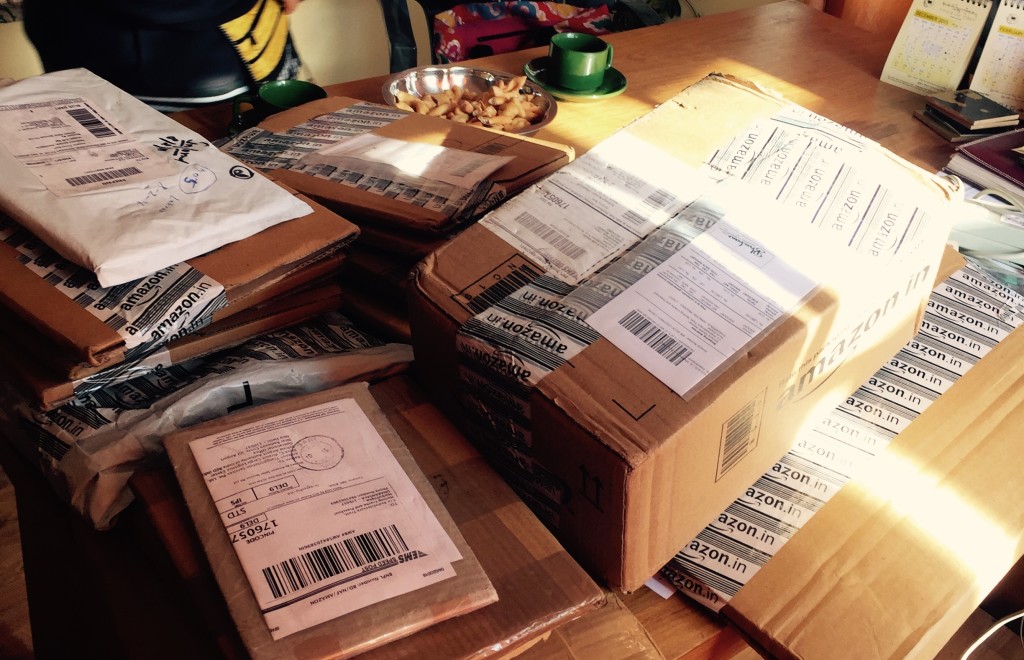
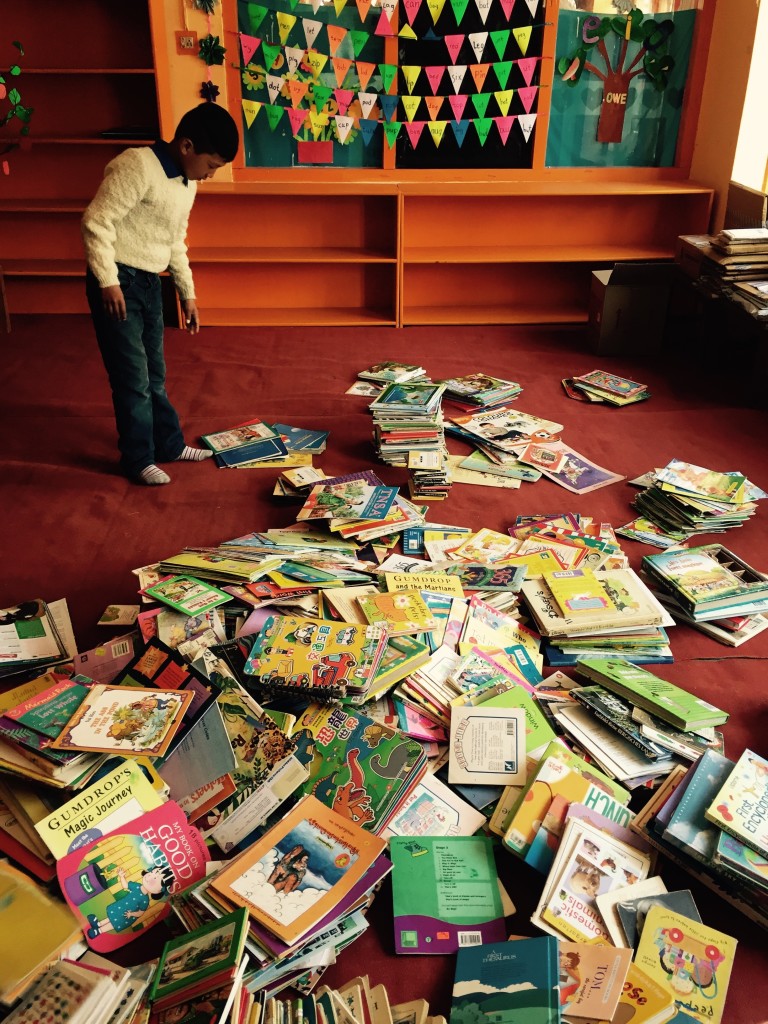
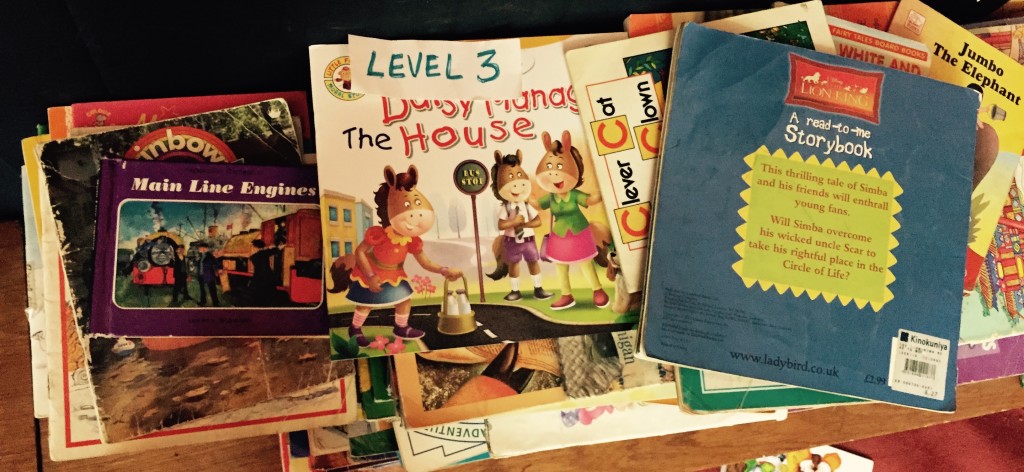
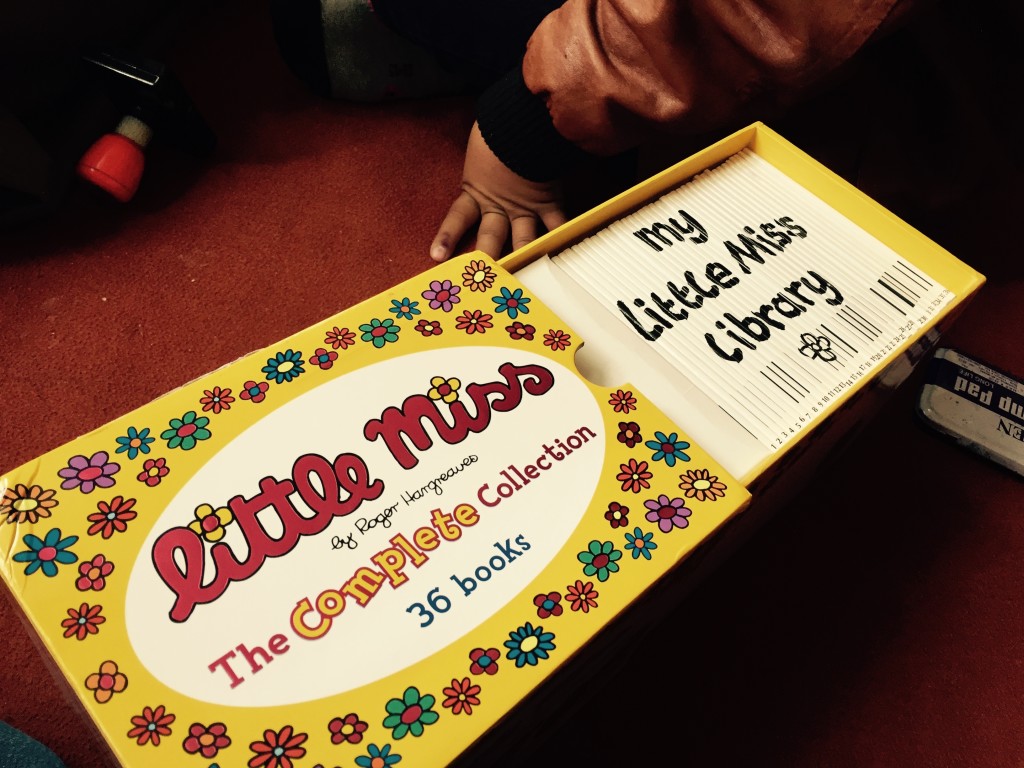
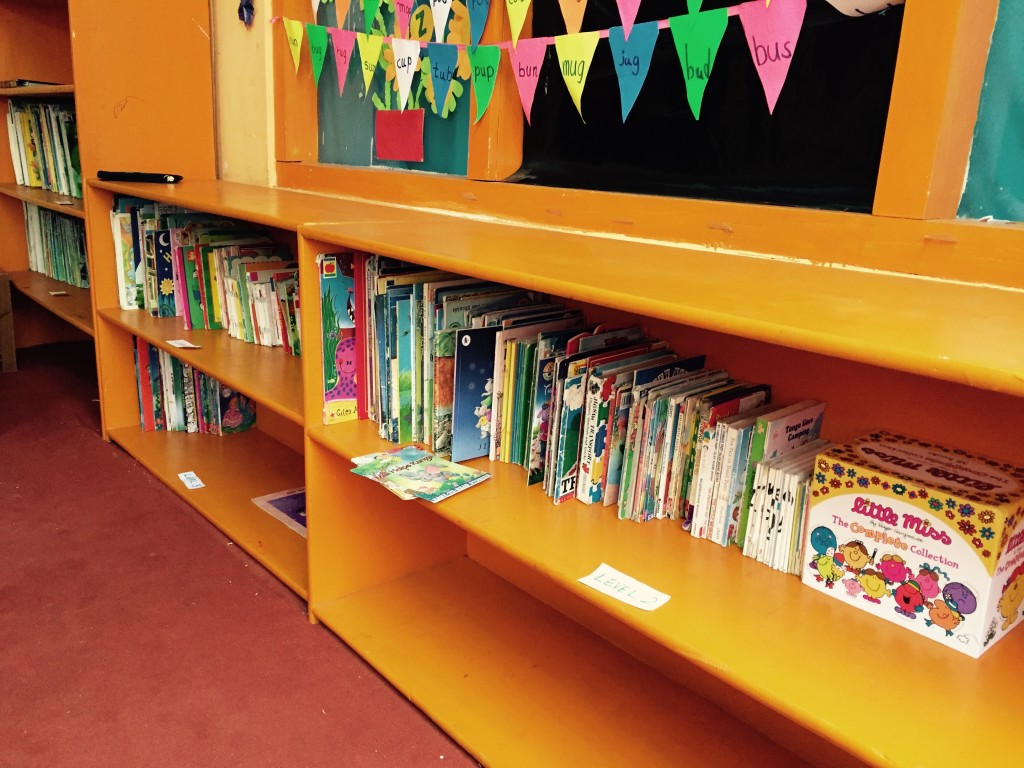
That awareness can change a volunteer’s understanding of educational support. A book drive is not simply a matter of collecting whatever is available. The selection needs to reflect reading levels, local interests, language needs and the condition of the books. A smaller, carefully chosen collection may serve children better than boxes filled with unsuitable titles.
This is a useful lesson for Australian donors and community groups. Whether a collection is organised in Perth, Hobart or a country town, thoughtful giving matters. Quality, relevance and longevity should guide every contribution.
Learning Through Creativity
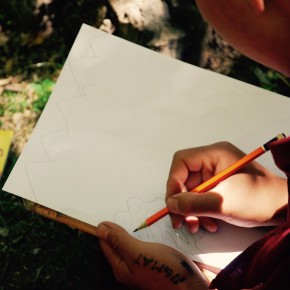
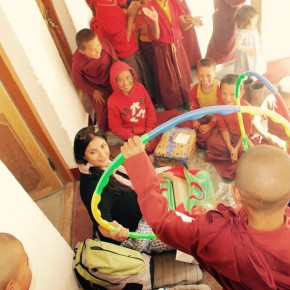
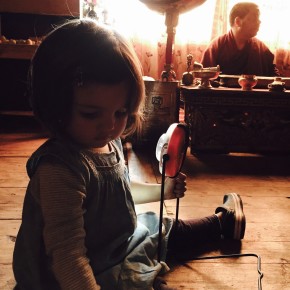
Art and music create forms of expression that do not depend entirely on fluent language. A child who is shy in conversation may communicate confidently through colour, rhythm or movement. Creative activity also gives children room to experiment without the pressure of producing one correct answer.
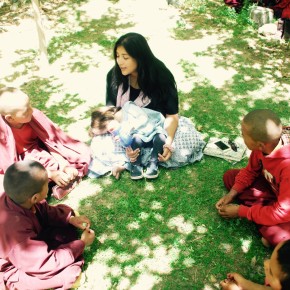
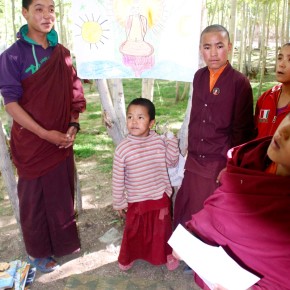
Young monks and other children can use these activities to explore identity, memory and community. A painted scene, a handmade book or a group performance may connect traditional influences with new ideas. Volunteers who facilitate these sessions are often surprised by how quickly children adapt materials to suit their own purposes.
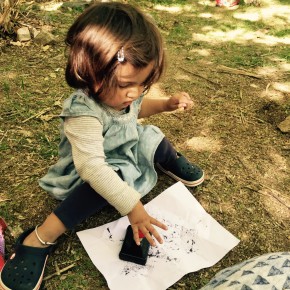
Creative resilience means being able to work with what is available. It might involve turning recycled paper into a storybook or using a simple percussion instrument to build a shared rhythm. The lesson for volunteers is clear: meaningful learning does not require elaborate equipment, but it does require encouragement and time.
Sharing Space And Responsibility
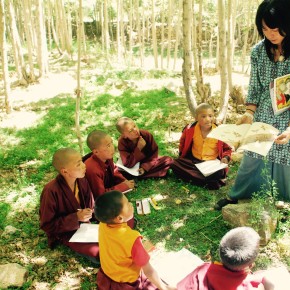
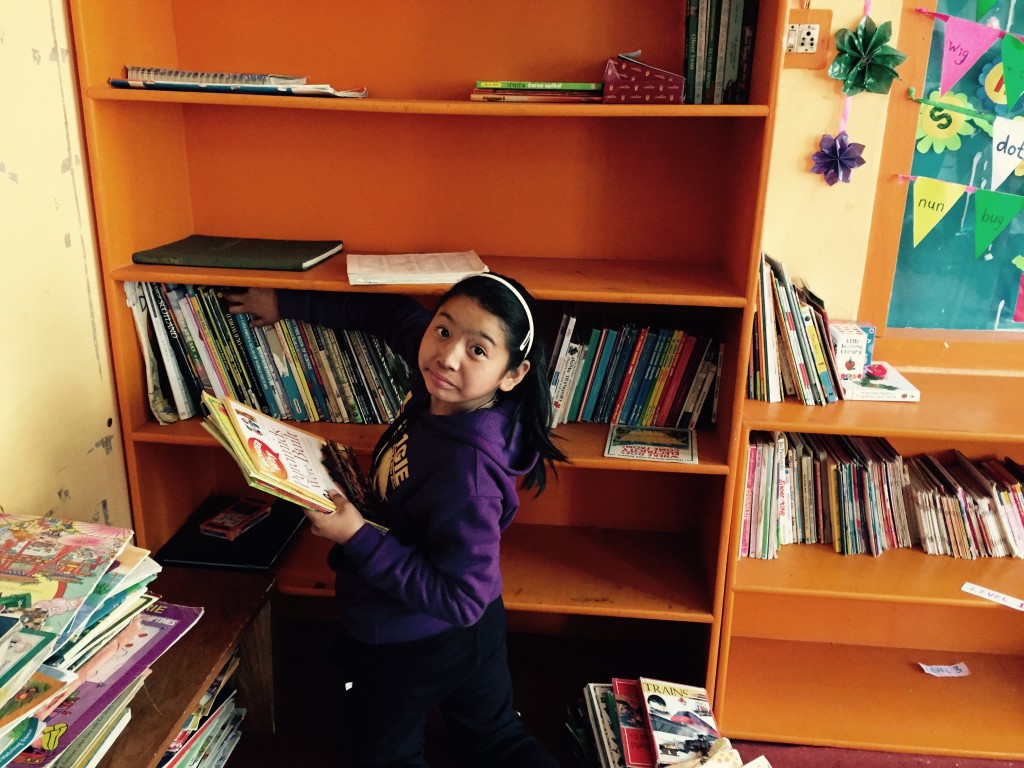
A reading room becomes stronger when children feel it belongs to them. They may help arrange shelves, recommend books, look after supplies or guide a younger reader. These responsibilities develop practical skills while reinforcing the idea that education is a shared community resource.
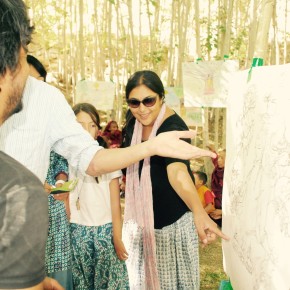
This approach differs from treating children as passive recipients of aid. Volunteers bring energy and skills, but children bring knowledge of their surroundings, friendships and daily realities. Listening to them helps ensure that activities fit the setting rather than imposing an outside timetable.
The same principle applies to Australian community fundraising. A school in Adelaide or a neighbourhood group in Canberra can support Himalayan education more respectfully when it learns about the intended use of donations. Clear communication builds trust, and trust makes long-term partnerships possible.
Making Sense Of Risk And Change
Children often understand uncertainty in direct, practical ways. Weather can alter plans, a family commitment can interrupt study and a visitor’s schedule may change. Their response is frequently flexible rather than defeatist. They adjust, wait, improvise and continue when circumstances allow.
Volunteers may also use games and reading materials to explore ideas about chance, decision-making and consequences. For example, age-appropriate conversations about probability can turn a familiar game into a lesson in careful thinking; a discussion of roulette can sit within wider media-literacy work when adults explain how odds and risk are represented. The purpose is not to promote gambling, but to help children distinguish chance from choice and advertising from evidence.
This kind of learning has relevance in Australia, where young people encounter commercial messages through sport, social media and mobile apps. Resilience includes the ability to pause, assess information and make considered decisions rather than reacting to every immediate invitation.
The Strength Of Welcome
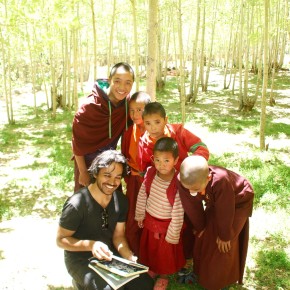
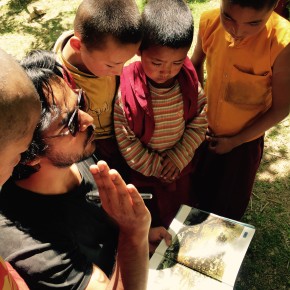
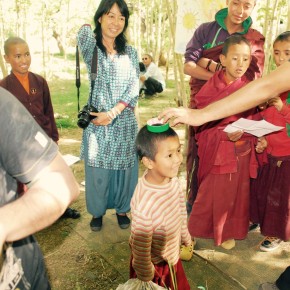
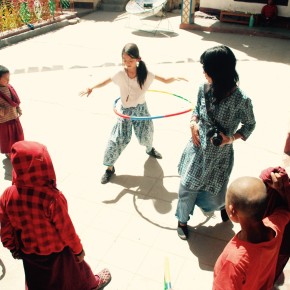
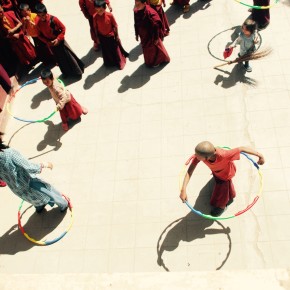
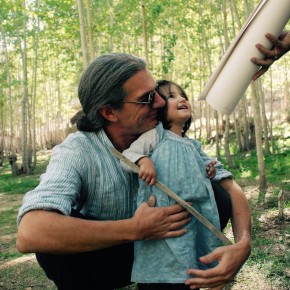
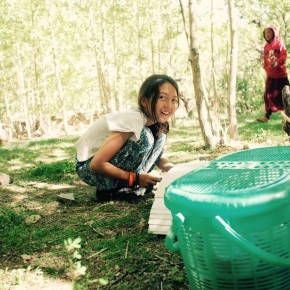
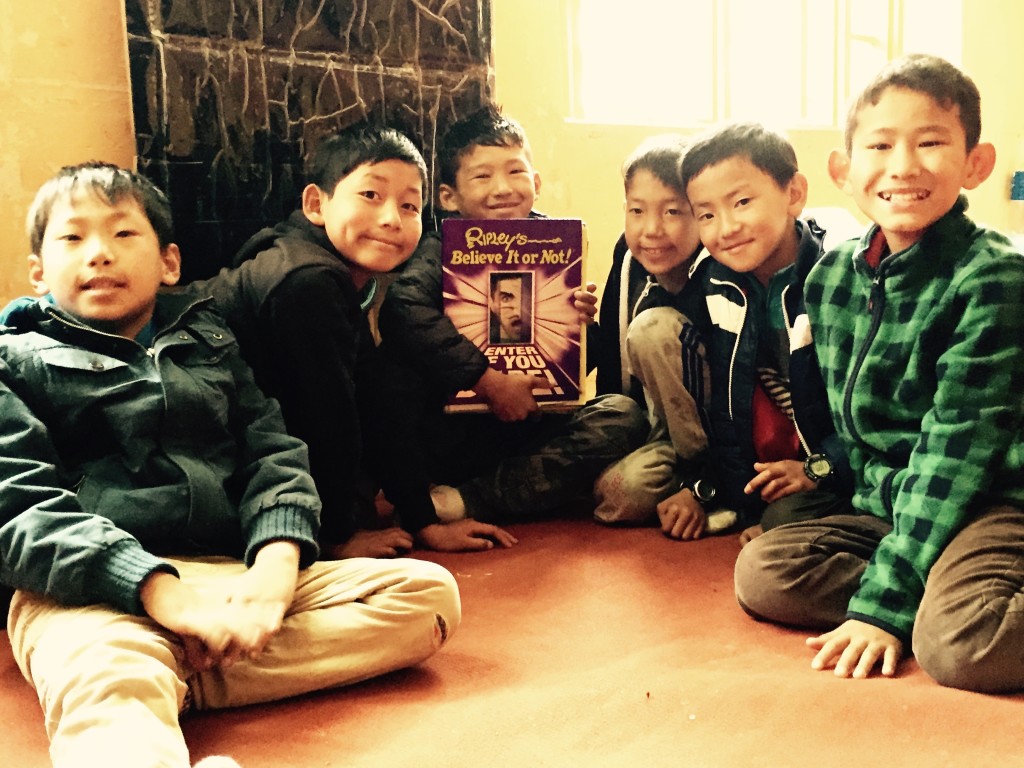
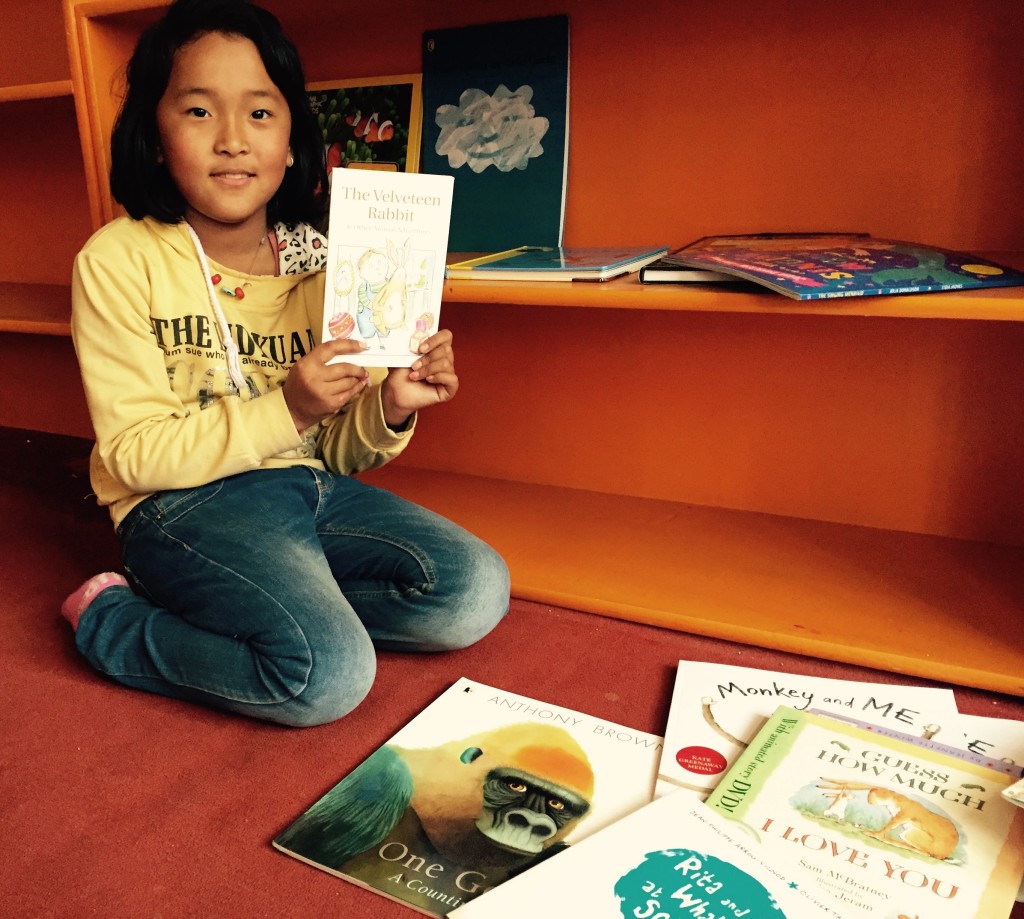
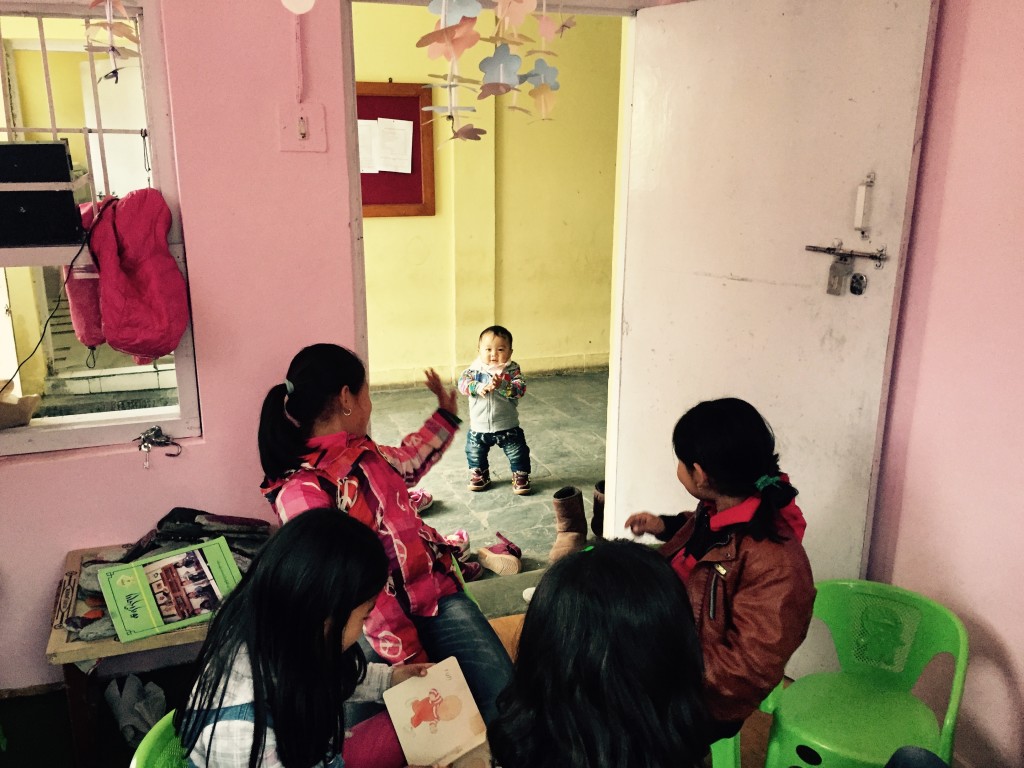
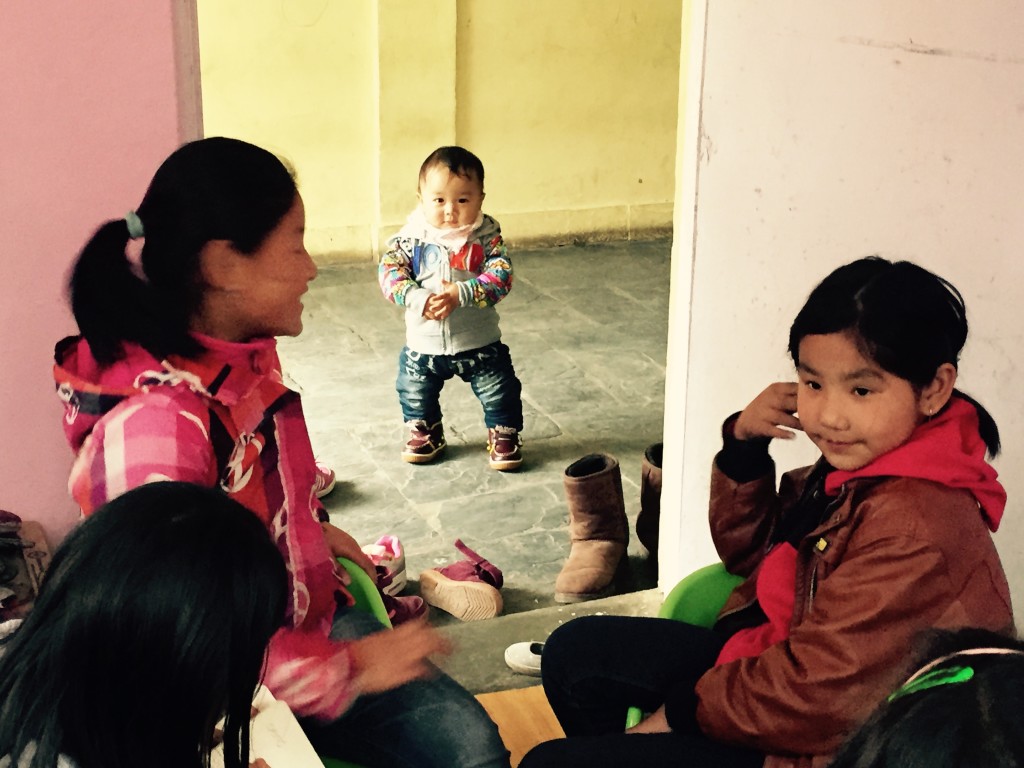
Many volunteers remember a child’s welcome more vividly than the task they expected to complete. A smile, a shared book or an invitation to join a game can dissolve the distance between unfamiliar people. Hospitality becomes a form of confidence: children show that they can meet difference with interest instead of fear.
For volunteers, this welcome carries responsibility. Cultural respect begins with observation and listening. Visitors should learn local expectations, follow the guidance of community partners and avoid assuming that their own methods are automatically best. Simple behaviour—arriving on time, dressing appropriately, asking before taking photographs and keeping commitments—can make a genuine difference.
The exchange can also challenge Australian assumptions about who is helping whom. A volunteer may contribute reading practice or creative skills, then leave with a deeper understanding of patience, generosity and social courage. The relationship is strongest when children are seen as participants with agency, not symbols of hardship.
Carrying The Lesson Home
The resilience children demonstrate in Ladakh is not an invitation to romanticise limited resources or overlook genuine needs. Children deserve safe spaces, capable teachers, good books and opportunities to develop their talents. Admiration must be matched by practical support that respects local knowledge and strengthens existing communities.
For Australians, the most useful response may begin close to home. A local library in Darwin, a school in Geelong or a volunteer group on the Sunshine Coast can organise a book drive, host a cultural learning evening or support a sustained programme rather than a one-off gesture. Australian donors also expect transparency, so clear reporting about materials, activities and outcomes helps maintain confidence.
Volunteers can carry the lesson into their workplaces and families by valuing steady effort over quick applause. They can make room for reading, creative practice and patient conversation, especially for children who feel overlooked. The mountain setting may be far away, but the principles are portable.
The next concrete step is to set aside one suitable children’s book, check that it is culturally and educationally appropriate, and contact Avalokiteśvara Trust about contributing it through an organised book drive.