What Children in Ladakh Dream About—and How Books Help
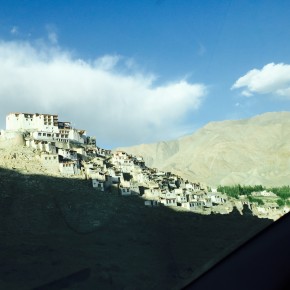
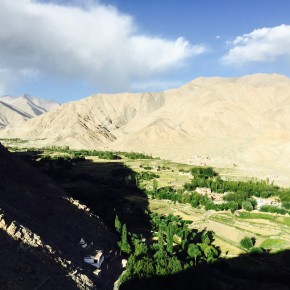
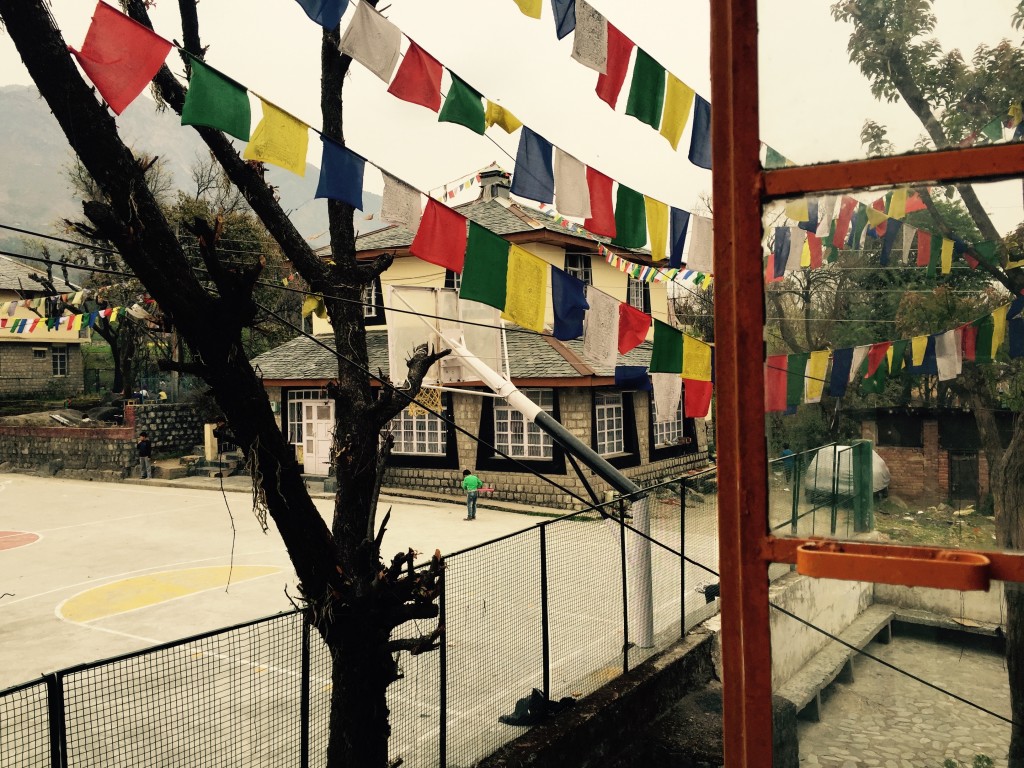
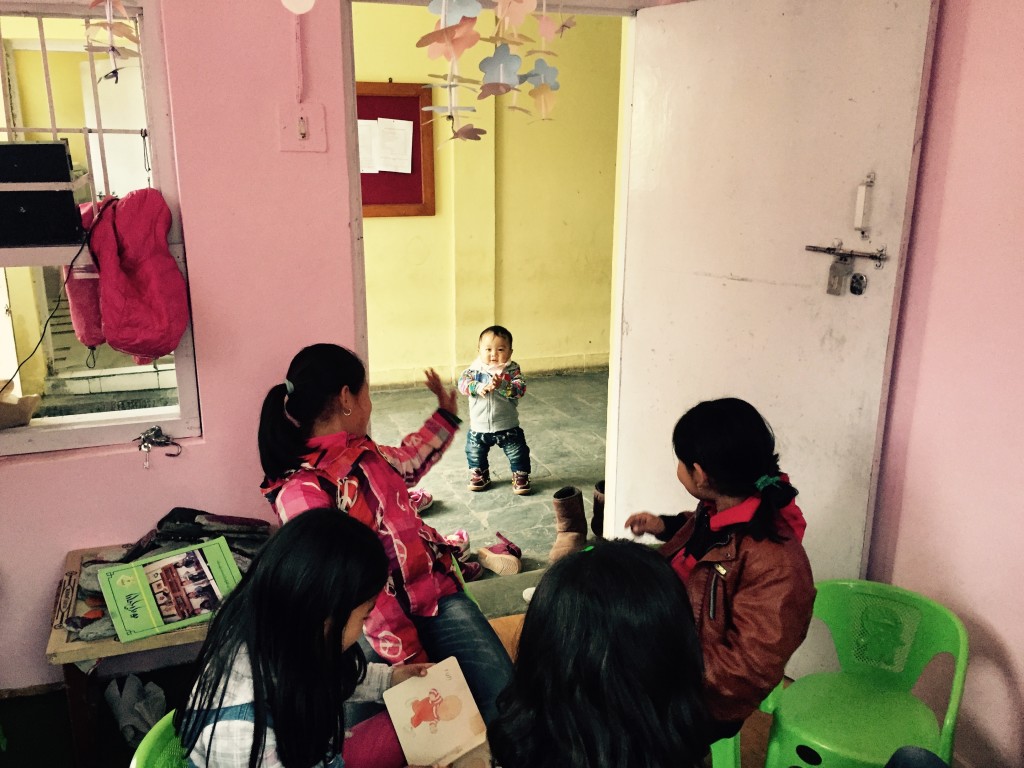
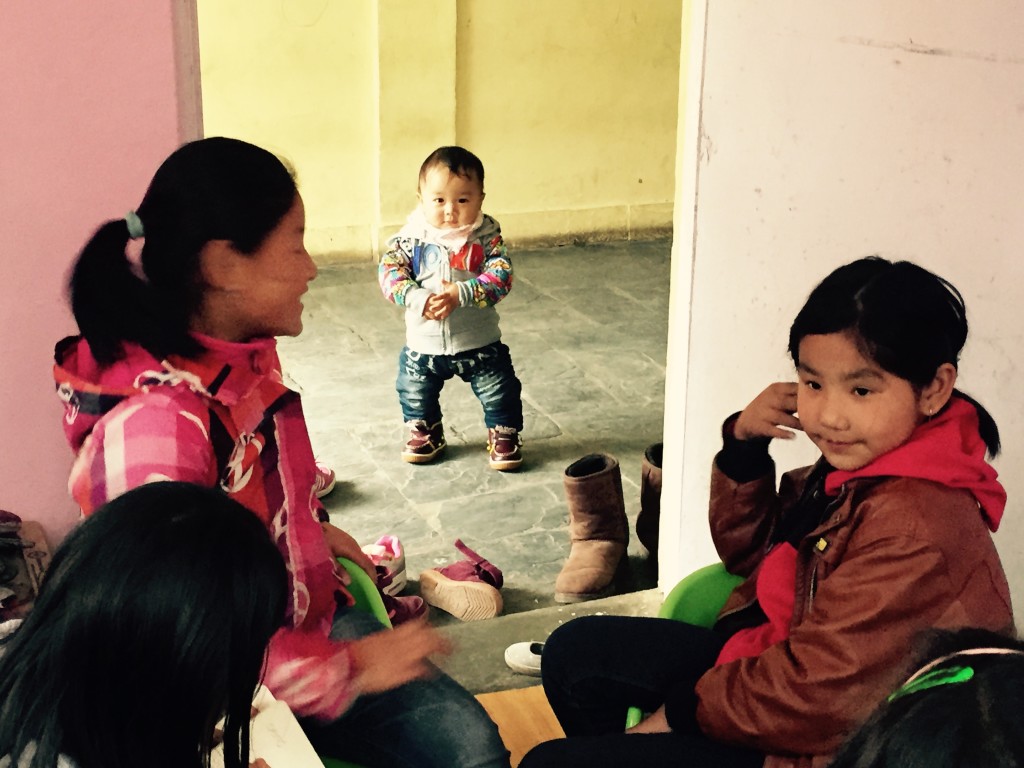
In Ladakh, childhood unfolds beneath wide skies, among high mountain passes, dry valleys, monasteries, villages, and growing towns. Children may help with family responsibilities, attend school, play with friends, and spend long periods traveling between home and class. Their lives are shaped by a strong local culture, yet their hopes reach far beyond the landscapes they know.
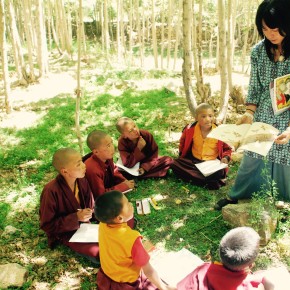
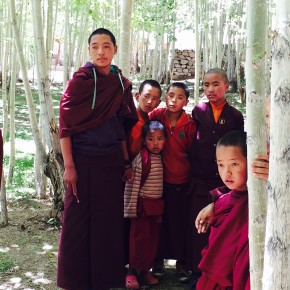
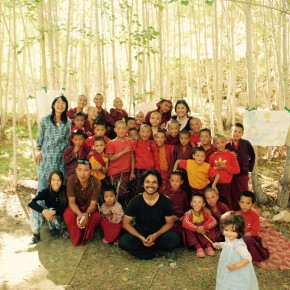
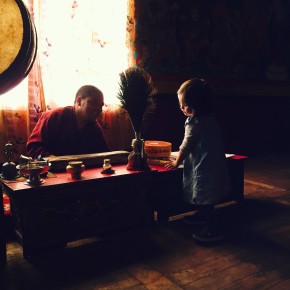
Some dream of becoming doctors, teachers, artists, pilots, engineers, musicians, or athletes. Others imagine caring for animals, protecting the mountains, working in their communities, or building a peaceful future for their families. Young monks may hope to become wise teachers, compassionate leaders, or skilled practitioners while developing interests in science, art, language, and the wider world.
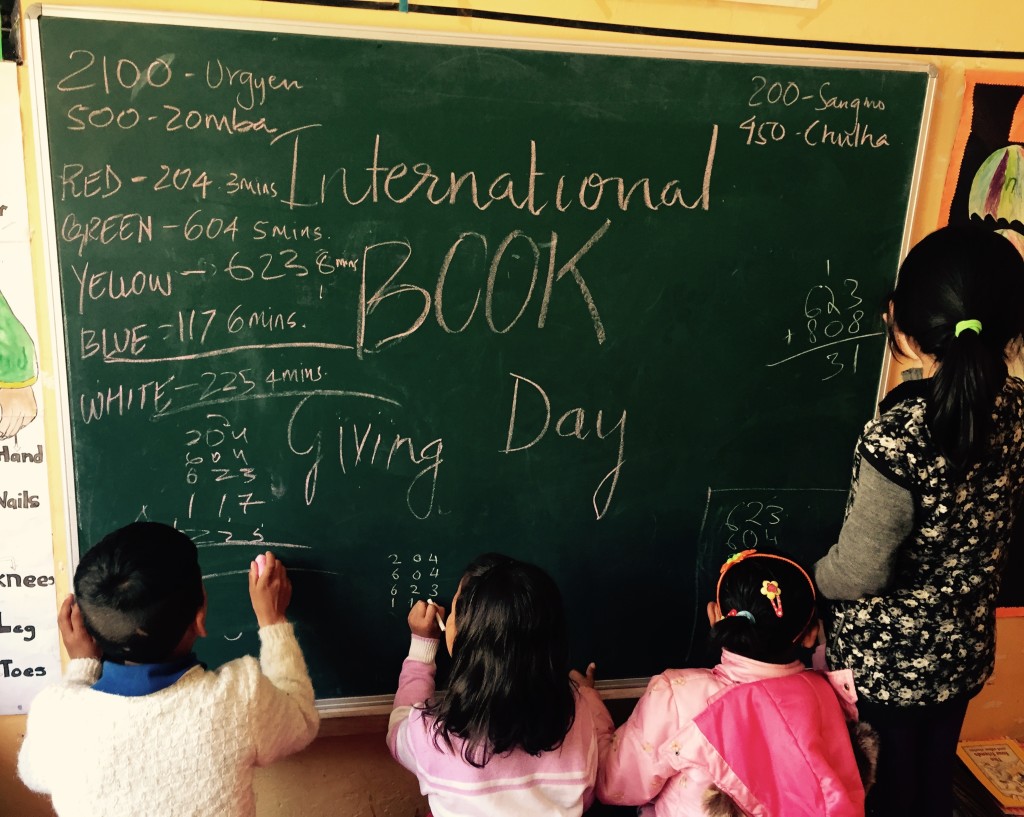
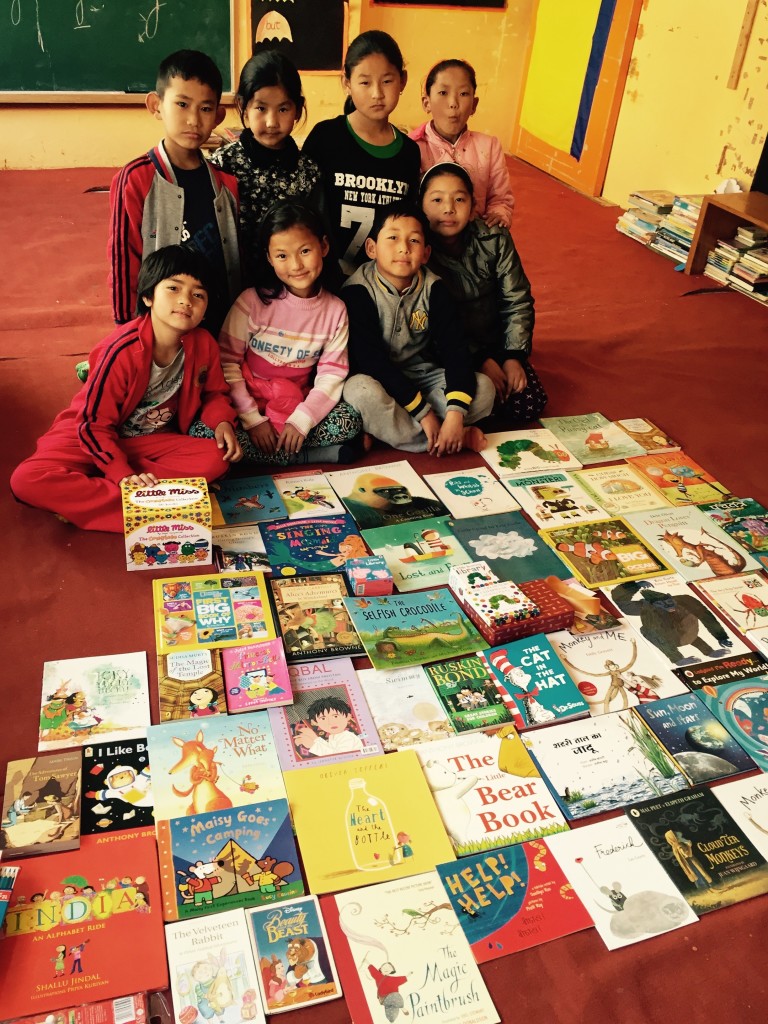
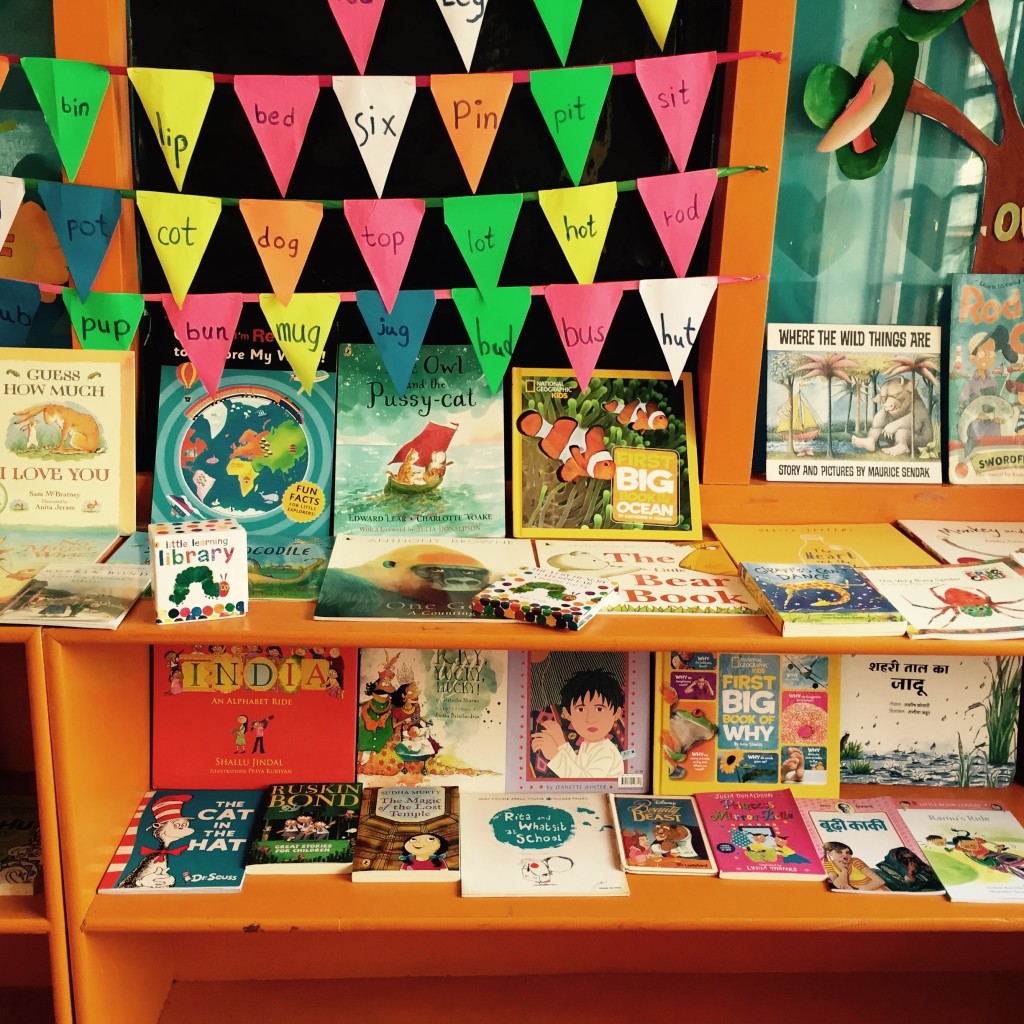
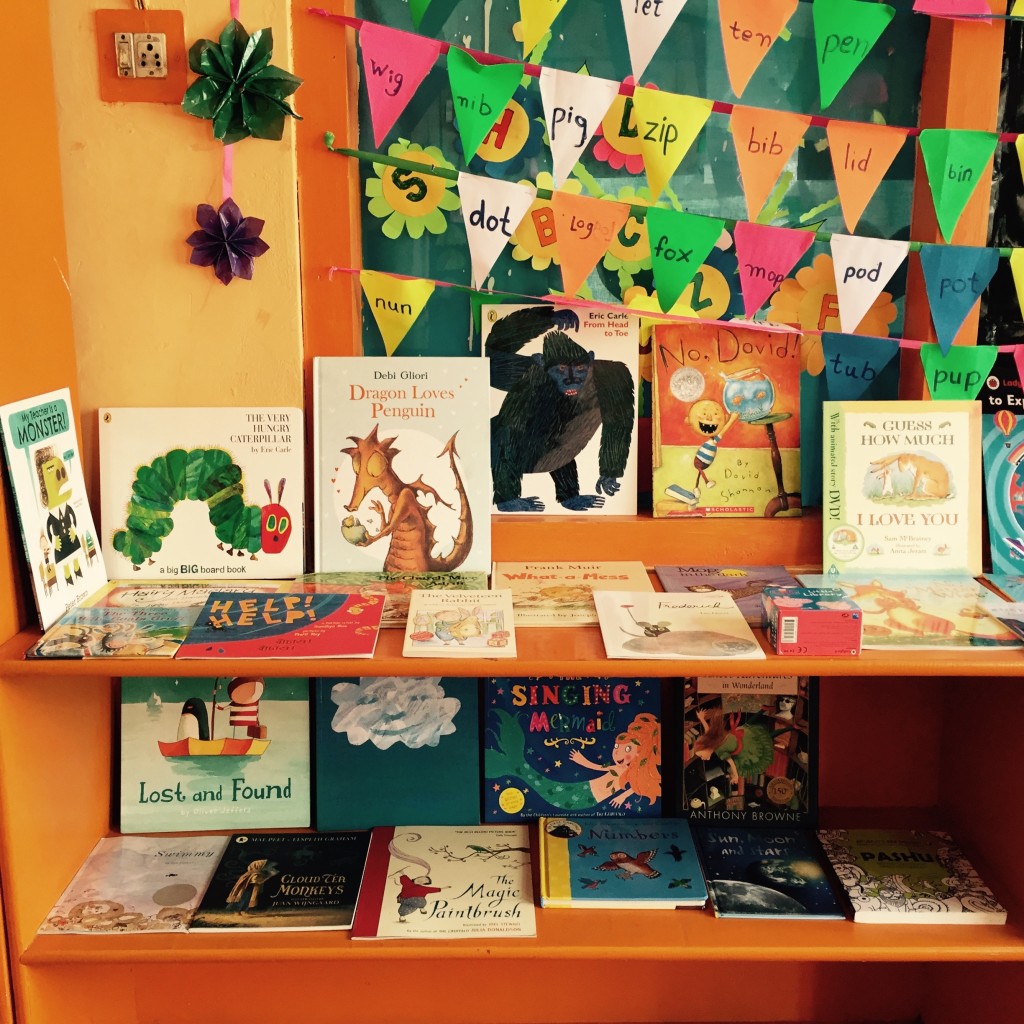
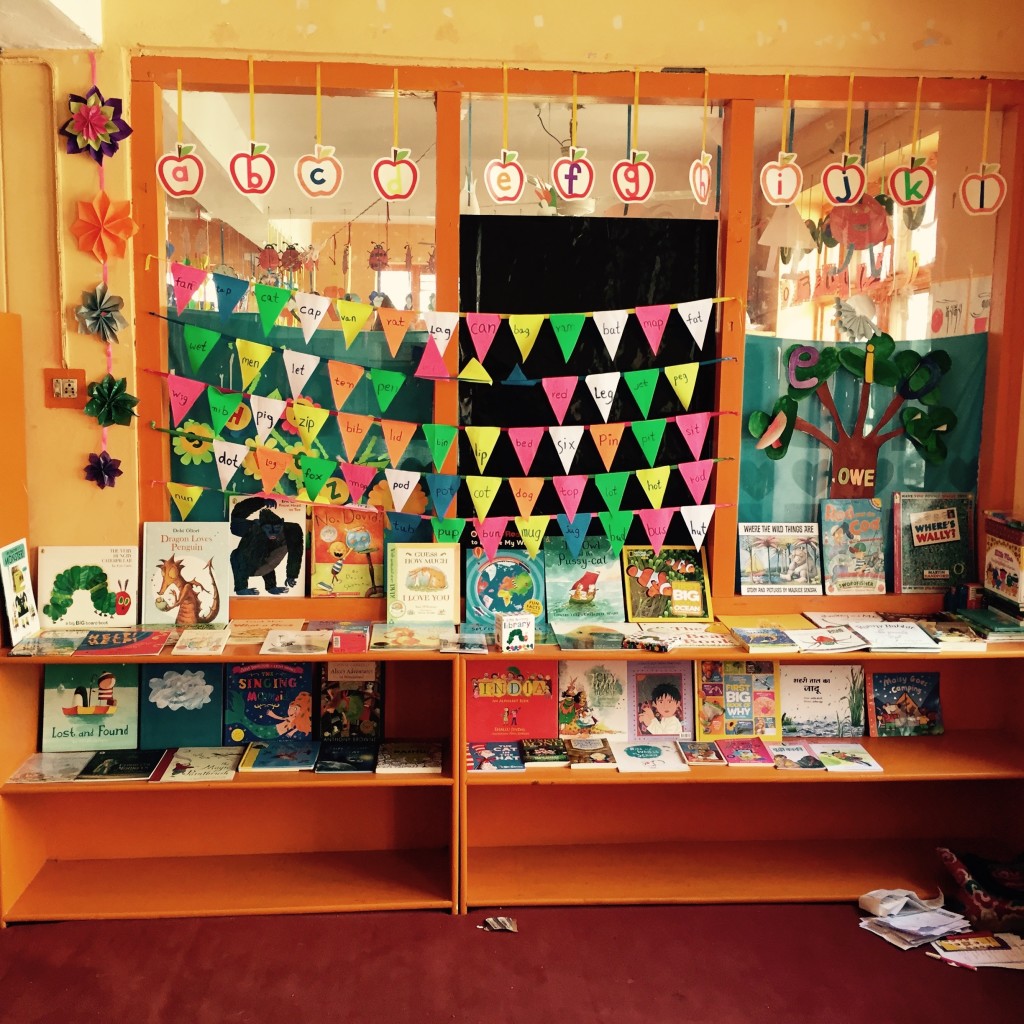
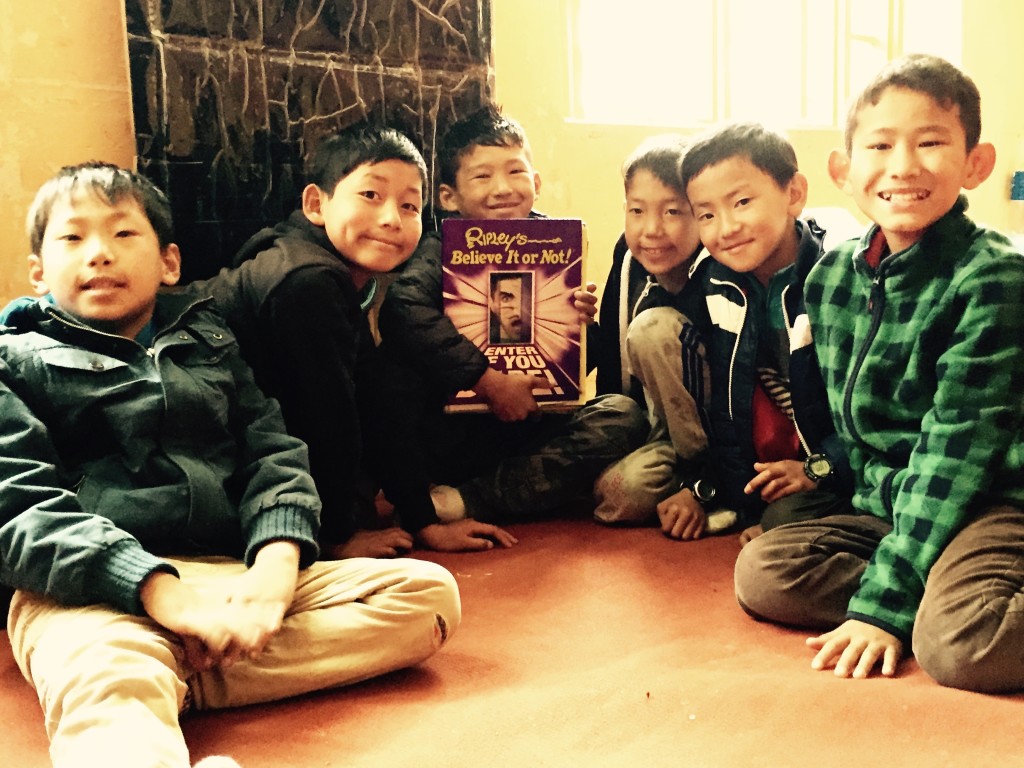
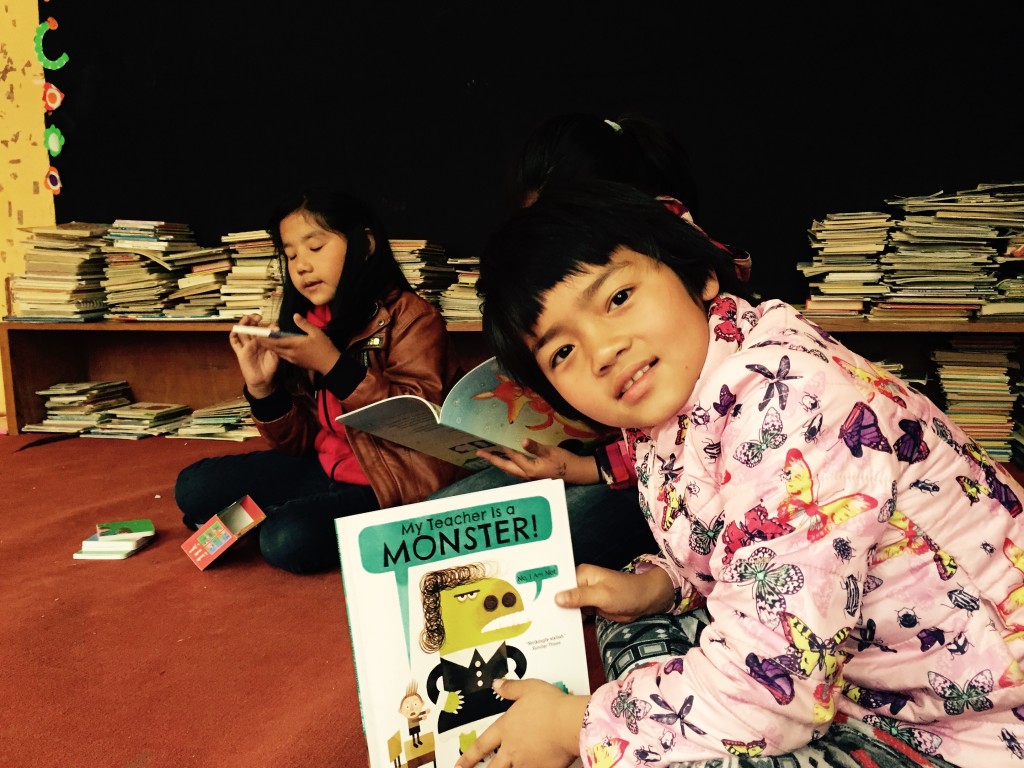
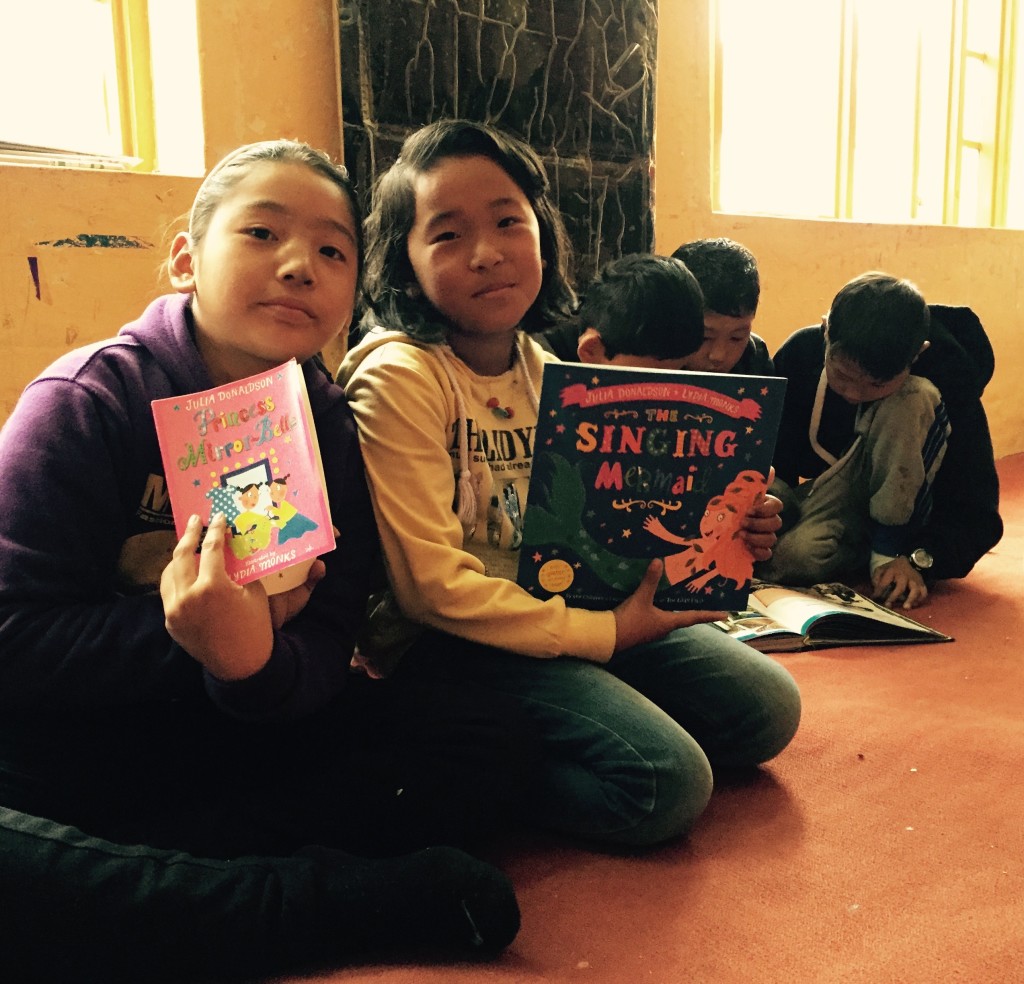
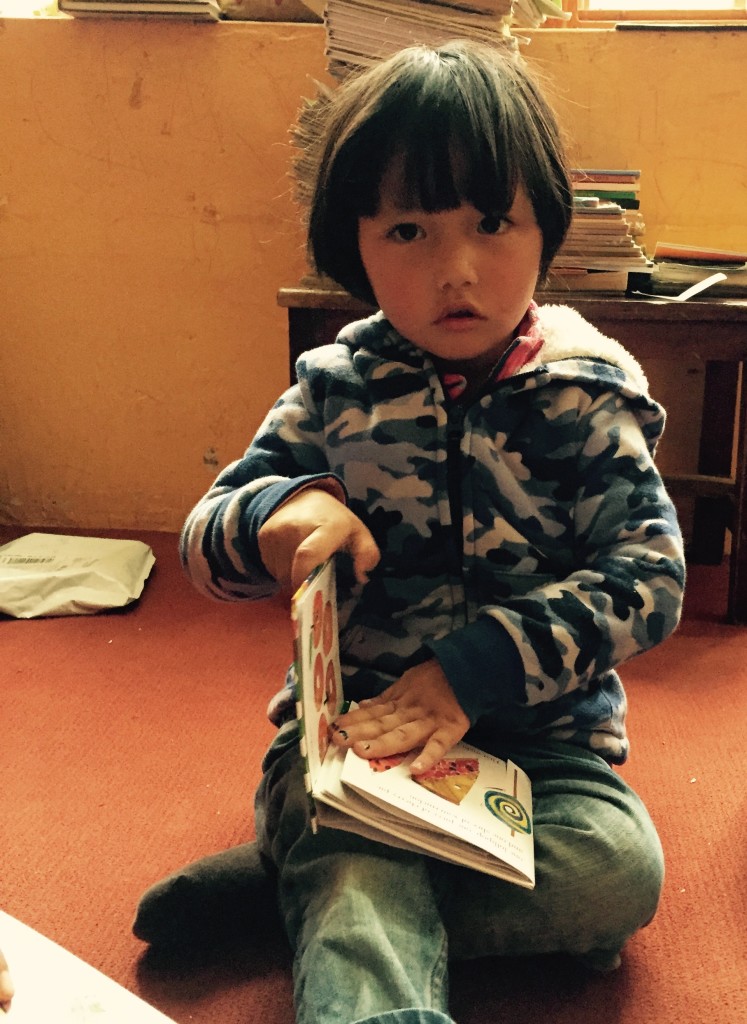
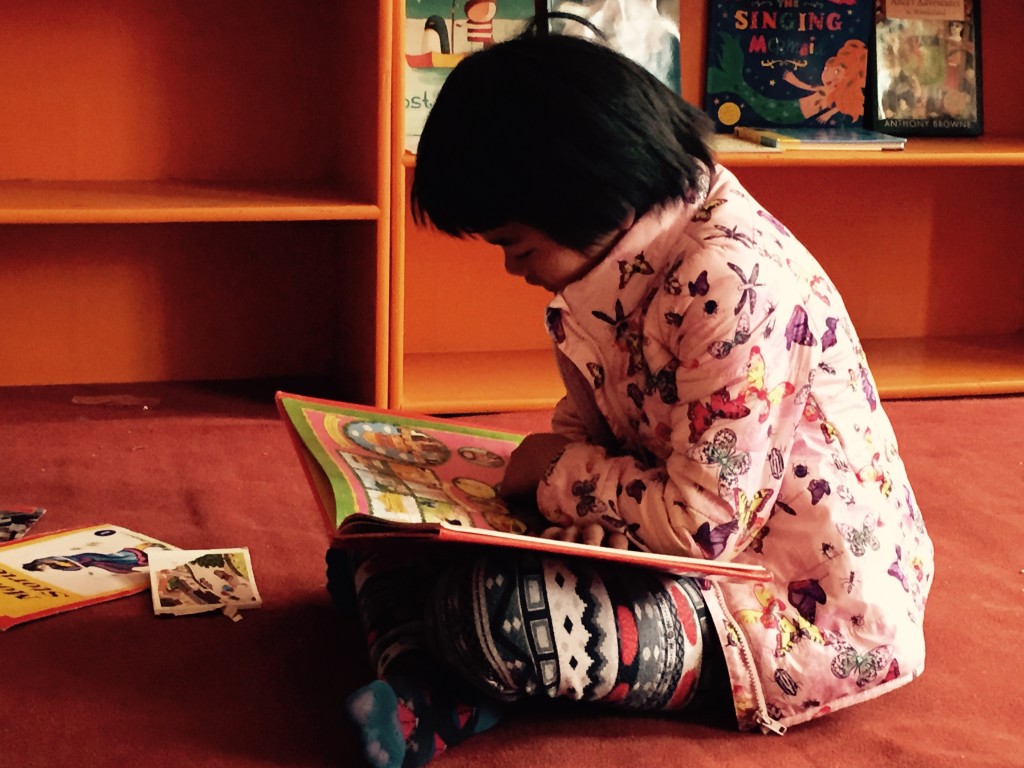
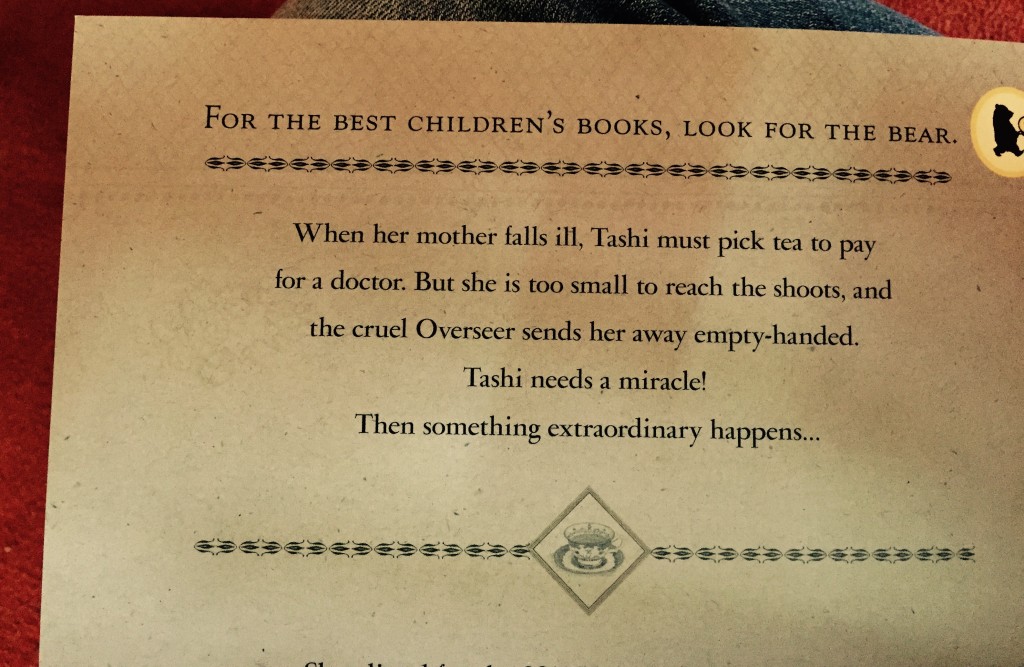
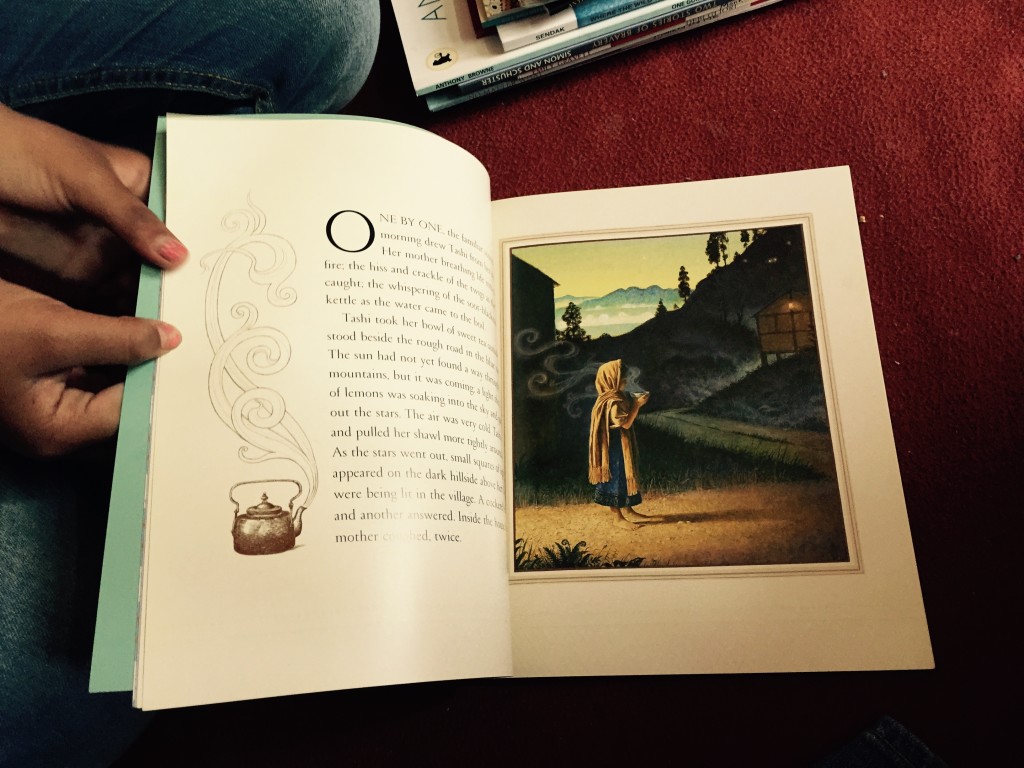
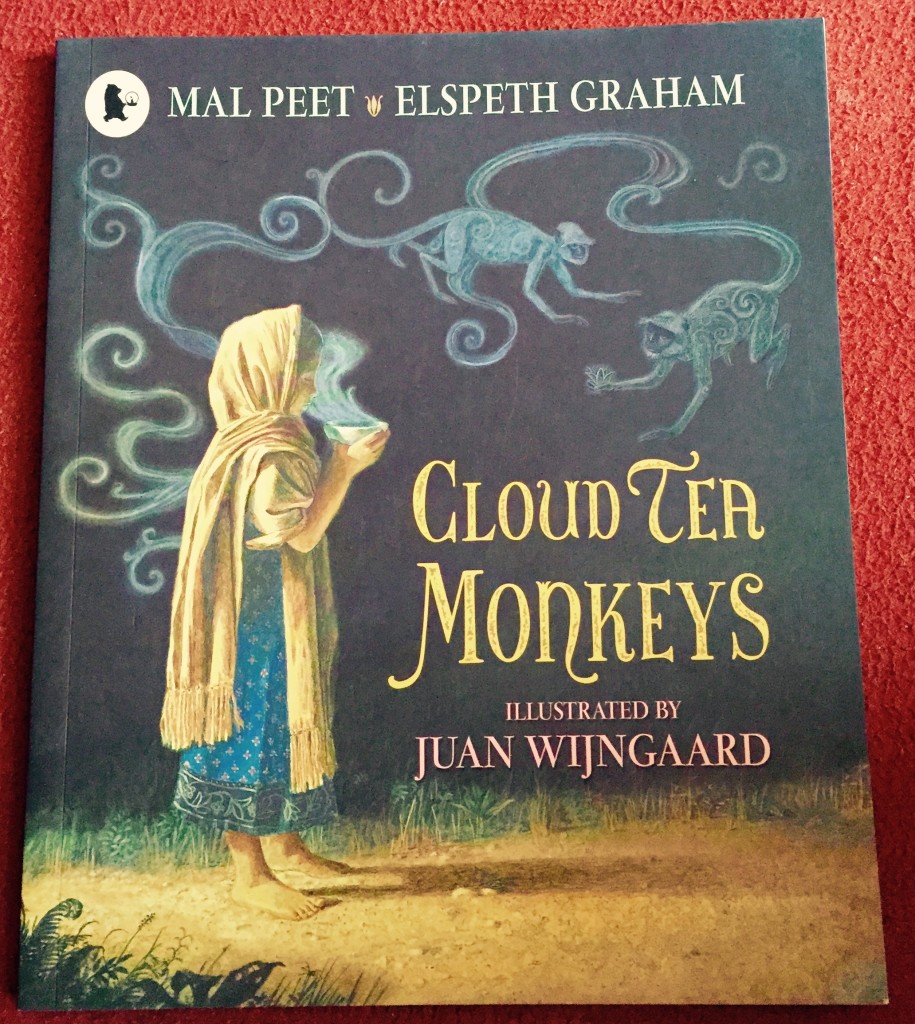
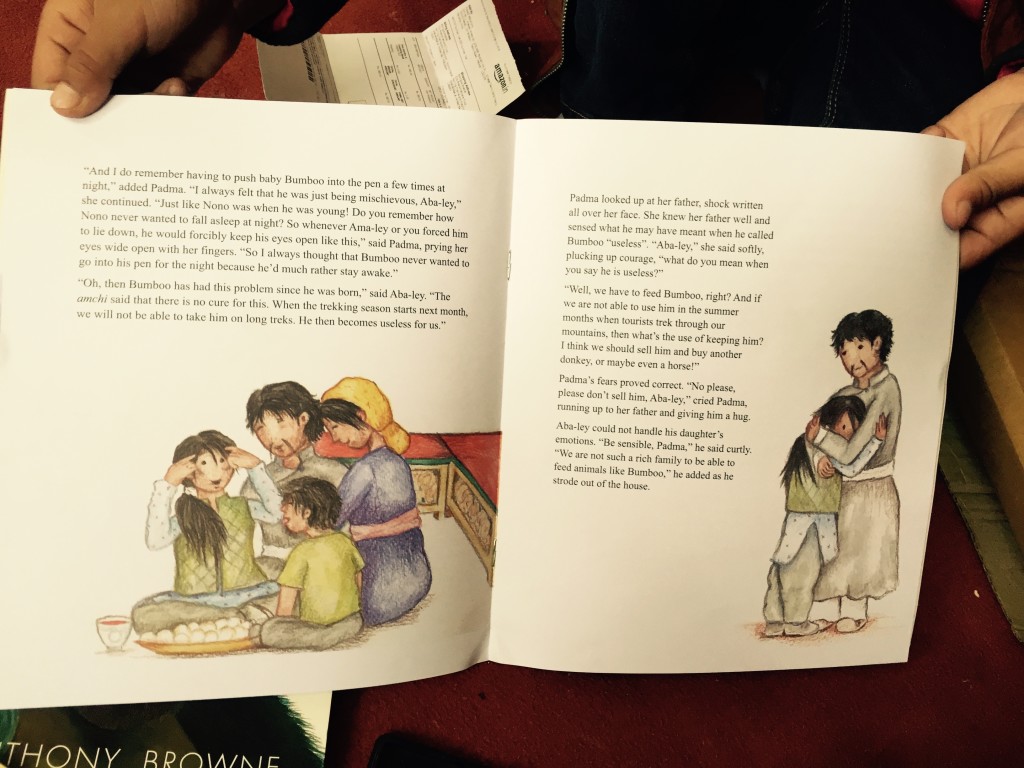
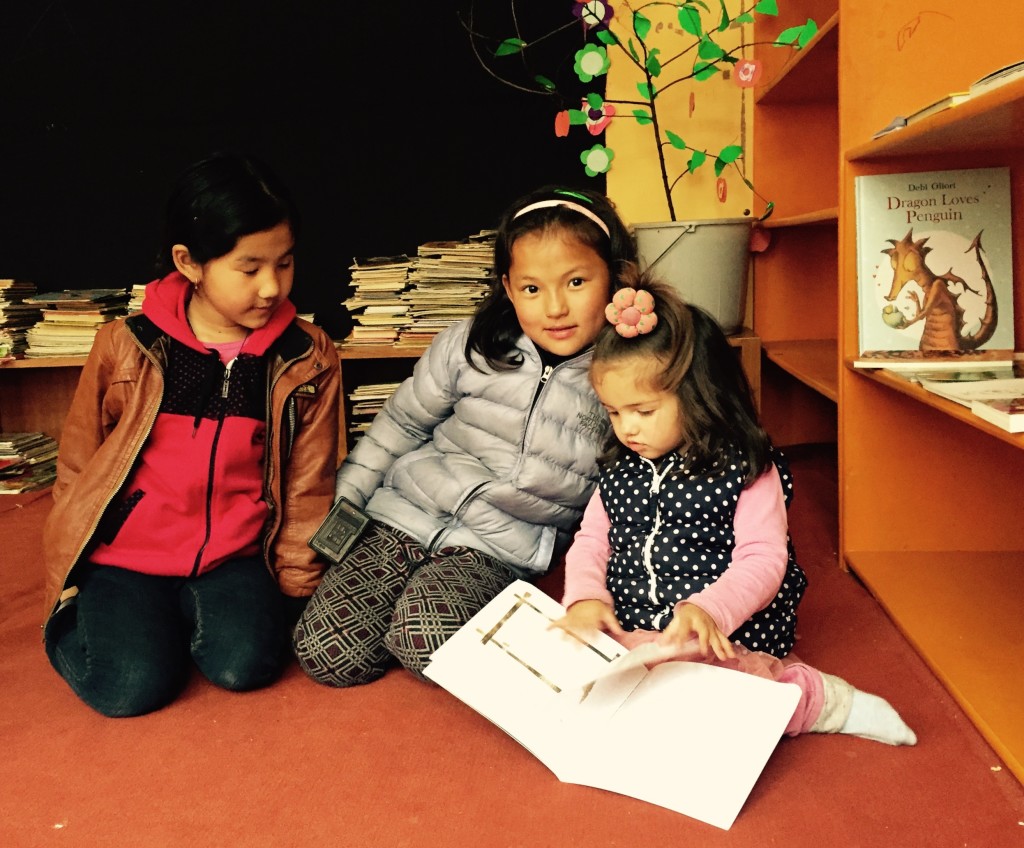
Books give these dreams room to grow. A story can introduce a child to a distant country, a new profession, a different way of solving a problem, or a character who shares a familiar worry. In a reading room, a young reader gains more than access to printed pages: they find time, concentration, imagination, and the confidence to picture possibilities.
Dreams Shaped By Mountain Life
Children in Ladakh often grow up with a close relationship to land and community. Seasonal work, family traditions, Buddhist values, and the dramatic Himalayan environment all influence the way they understand responsibility and success. A child may admire a local teacher, help in a family shop, care for younger siblings, or watch visitors arrive from places they have only seen in photographs.
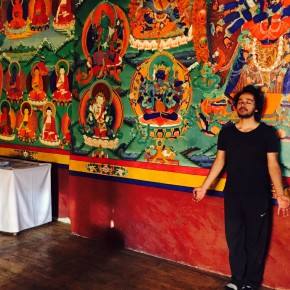
These experiences can inspire practical ambitions. A child who has seen a relative struggle to reach medical care may dream of becoming a doctor. Someone fascinated by a monastery mural may wish to become an artist or conservator. A student who enjoys explaining lessons to younger children may discover a calling in education. Dreams are personal, and they often emerge from ordinary moments.
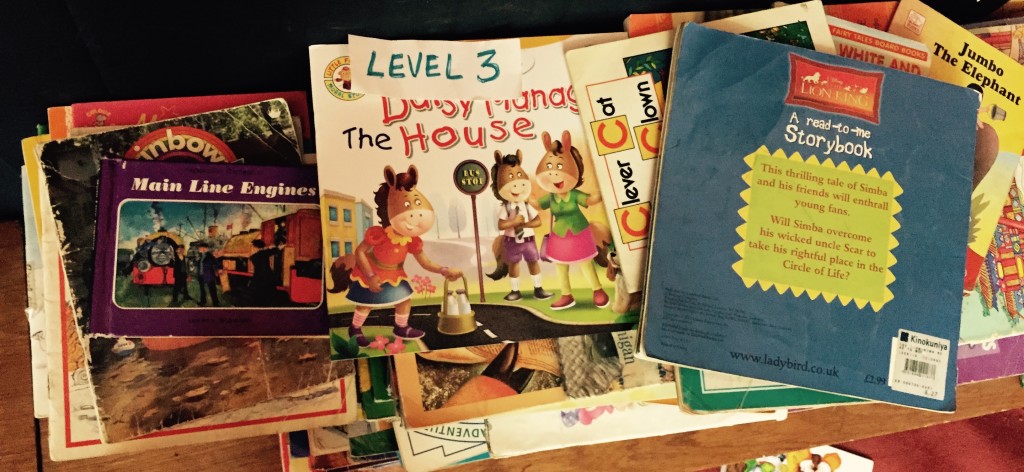
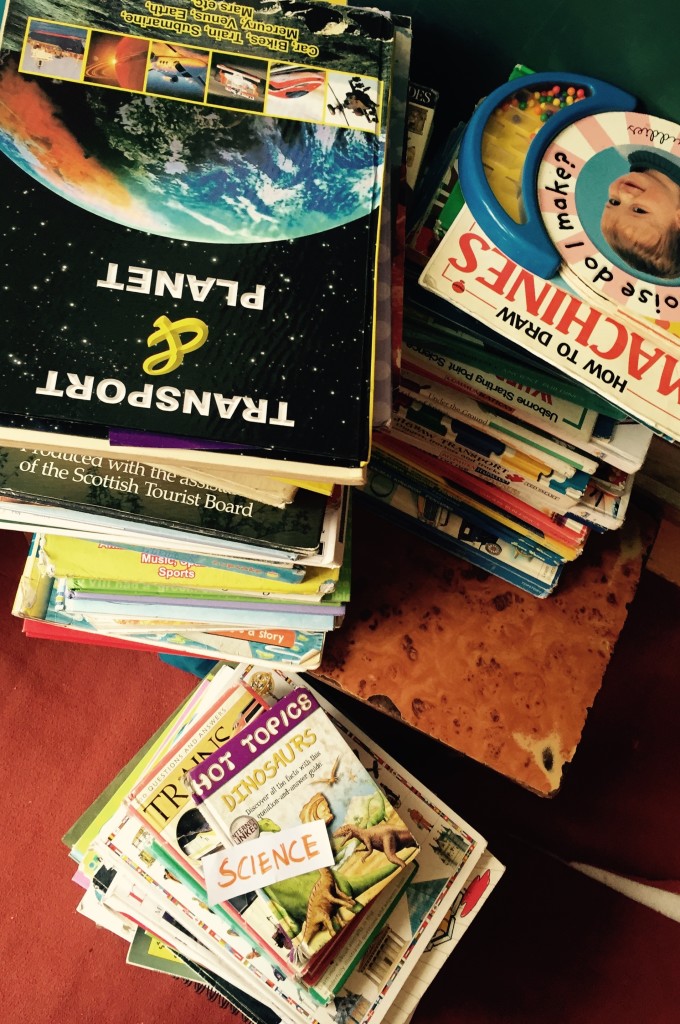
Access to books helps children explore these interests before they have the chance to meet people in every profession. Biographies, science books, picture books, atlases, and stories about everyday life can make unfamiliar careers feel real. Reading expands the vocabulary children use to describe what they care about.
Reading Beyond The Horizon
Geography can make the world feel both close and distant. Ladakh is connected to national and global culture through schools, phones, tourism, travel, and the internet, yet access to reliable educational materials remains uneven in many communities. A well-stocked library or community reading room offers a dependable way to encounter new ideas.
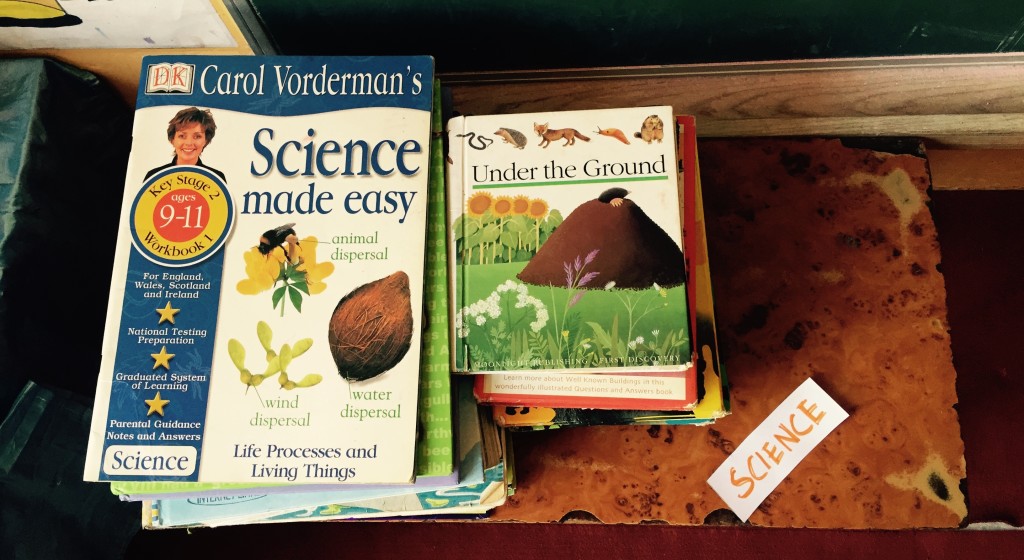
A book about oceans can lead to questions about climate and conservation. A story about a child in another mountain region can reveal shared experiences of family, isolation, or friendship. A beginner’s science book can turn curiosity about snow, stars, rivers, or animals into a path toward deeper study. Fiction gives children emotional insight by allowing them to see life through another person’s eyes.
Reading also helps children imagine the future without asking them to leave their identity behind. Local culture, language, spiritual life, and family relationships can remain central while a child learns about other communities. The strongest reading experiences create connection rather than replacement: they show that the world is broad and that Ladakh has a meaningful place within it.
A Quiet Place To Learn
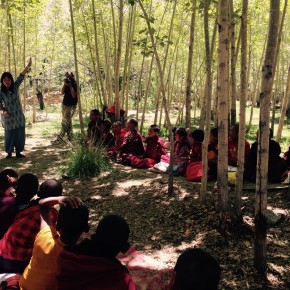
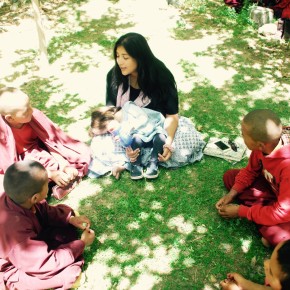
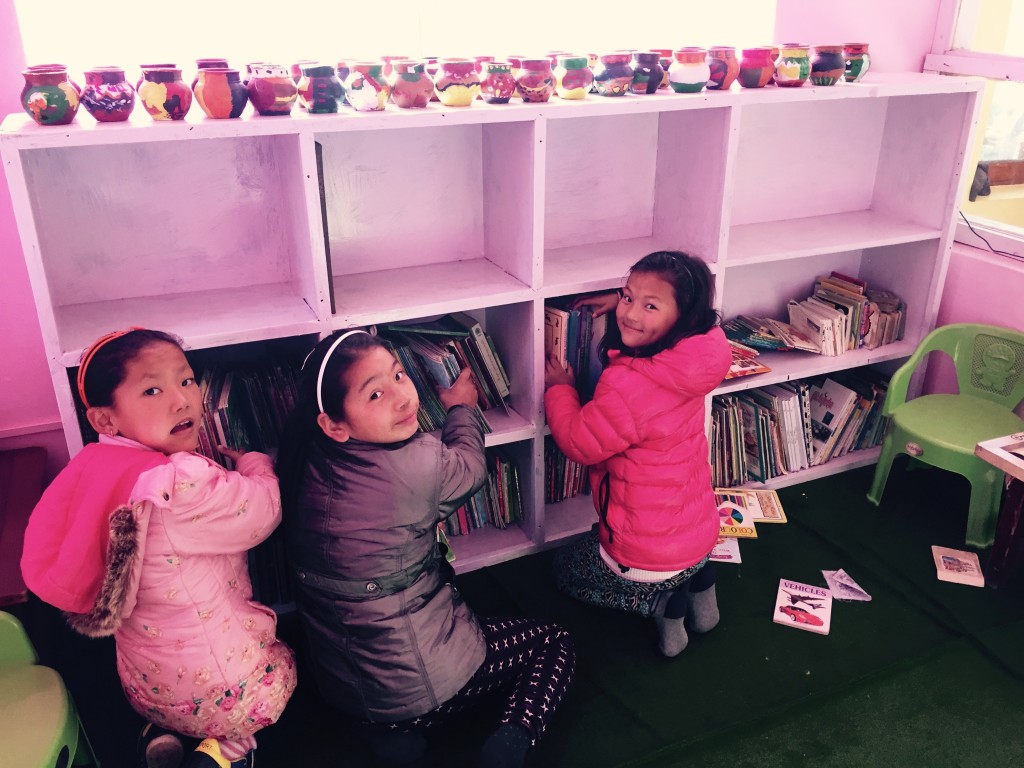
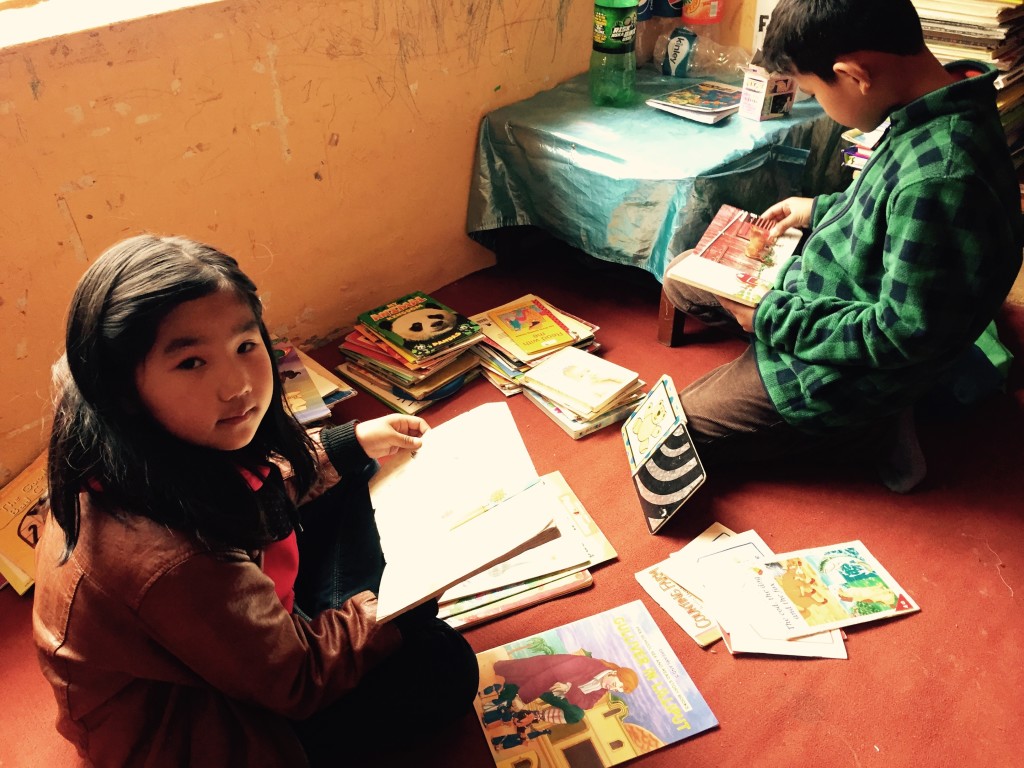
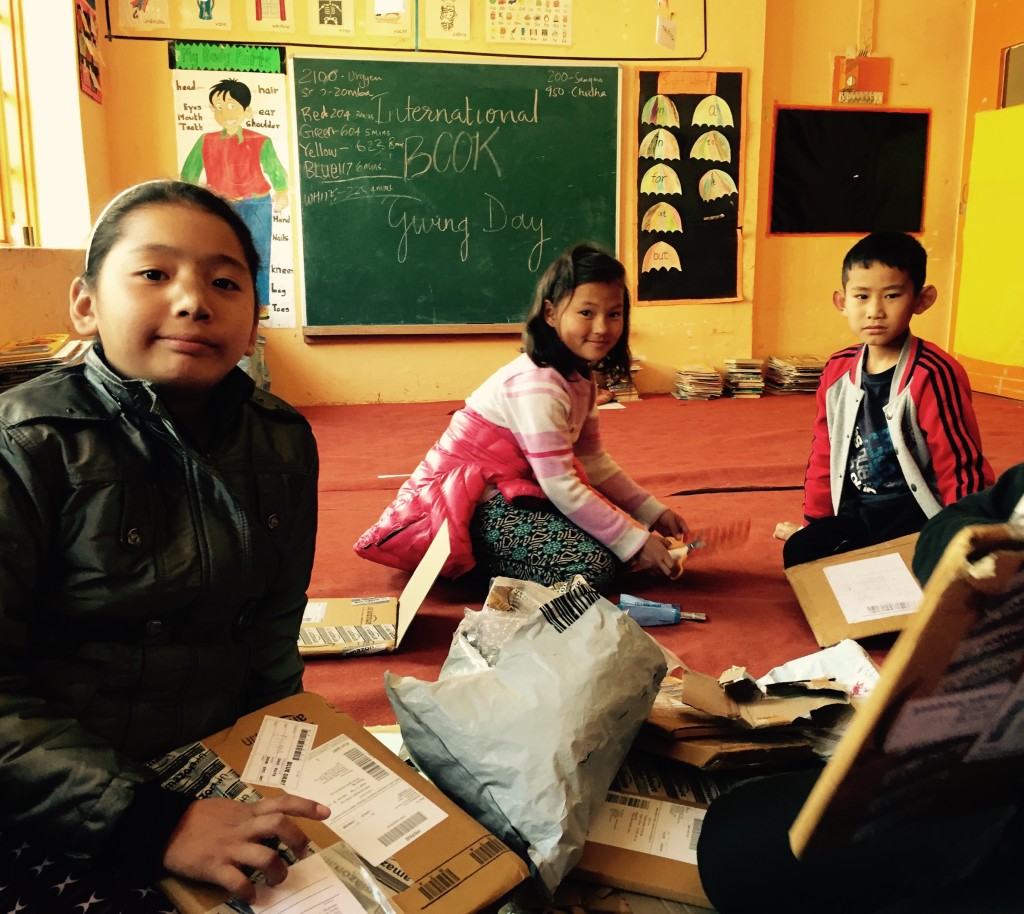
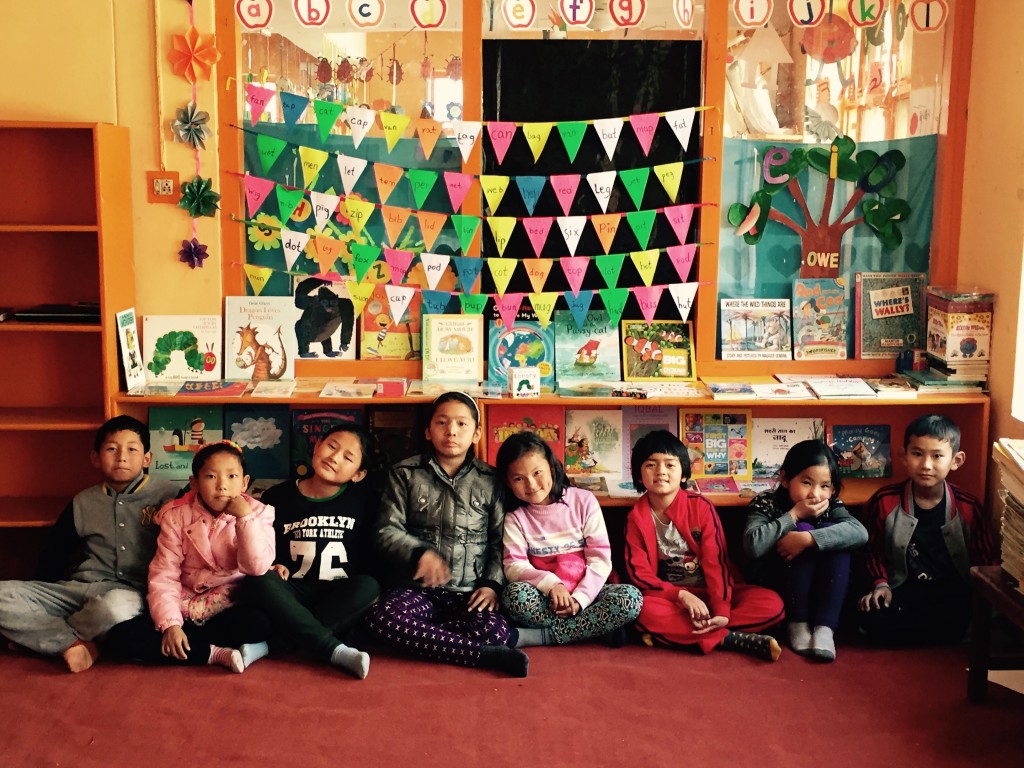
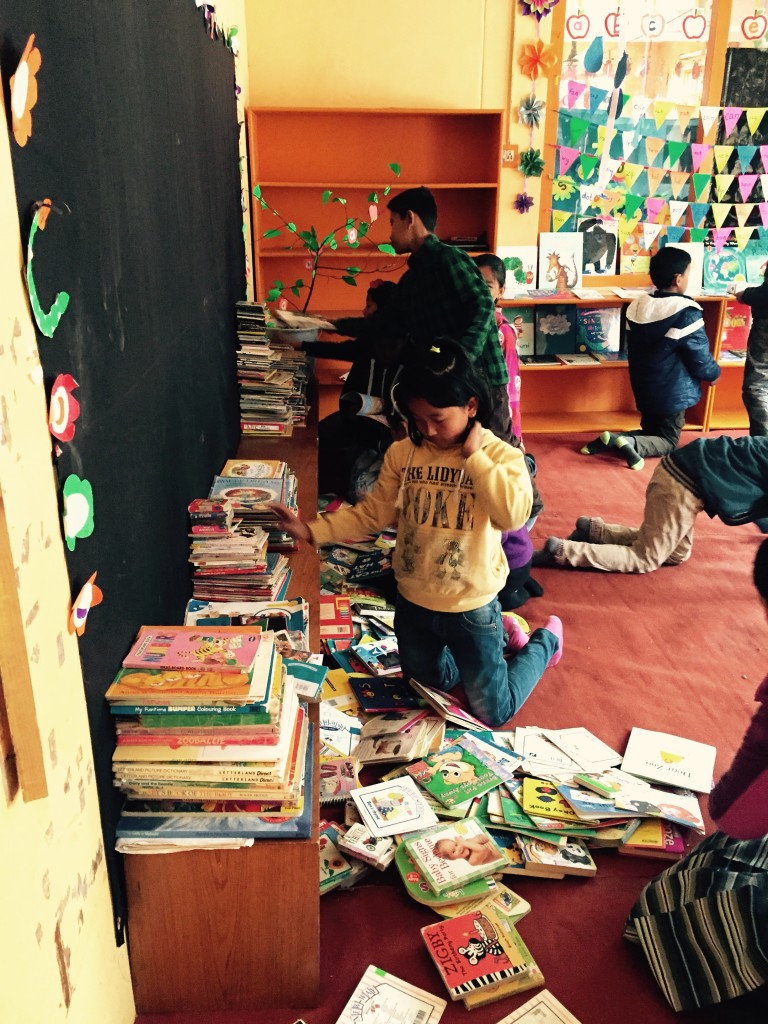
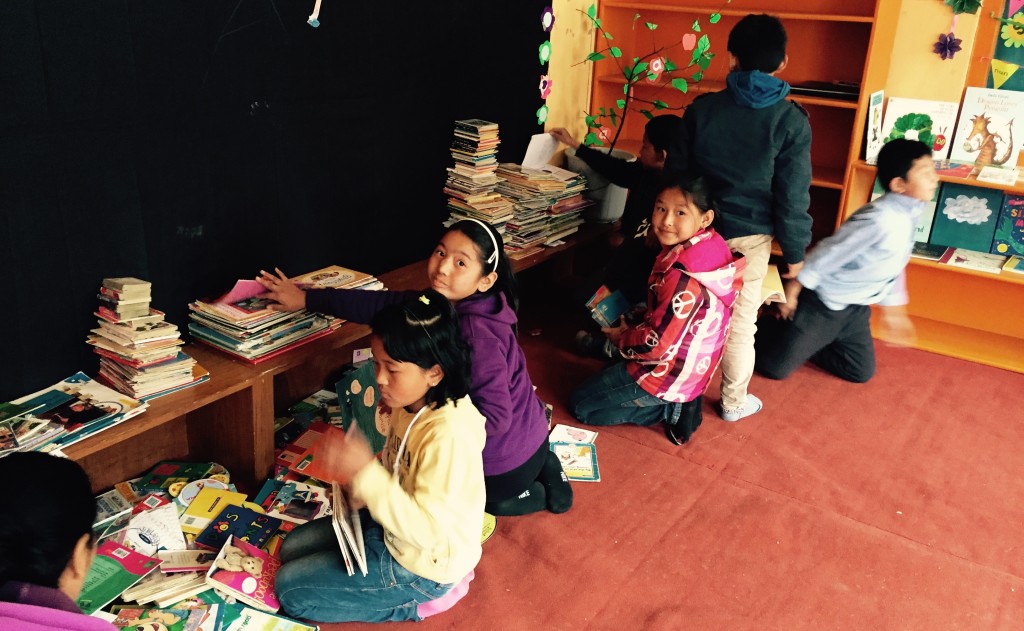
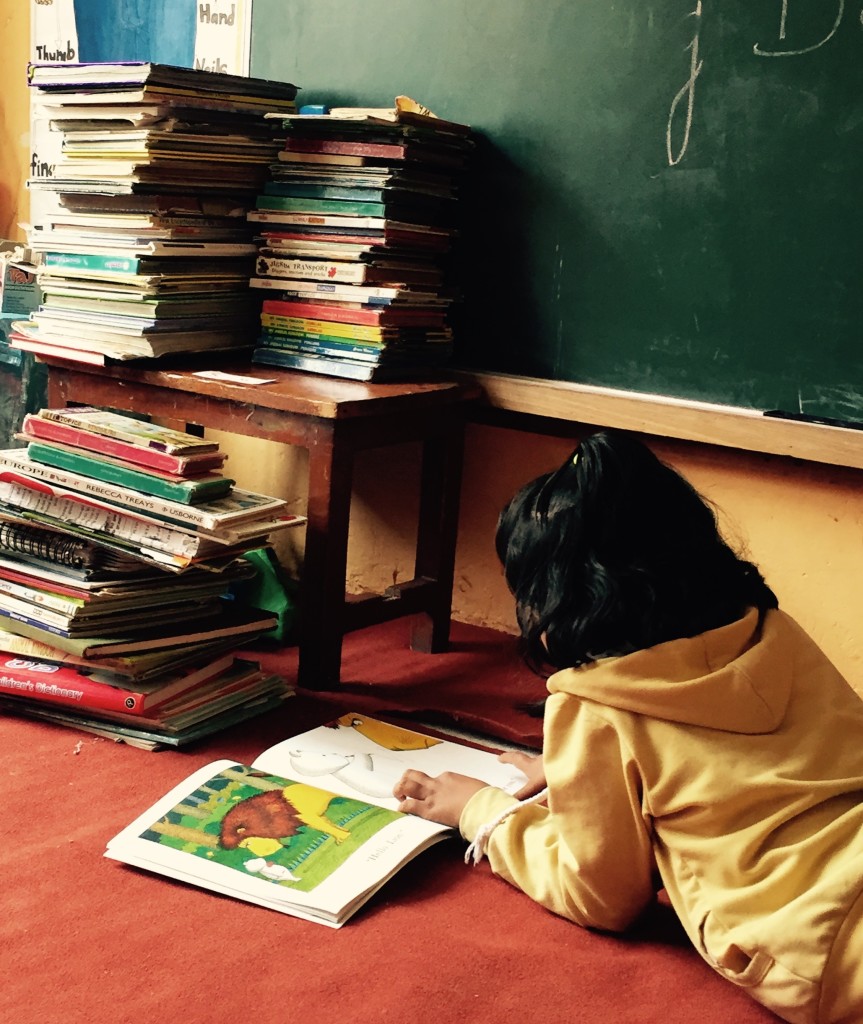
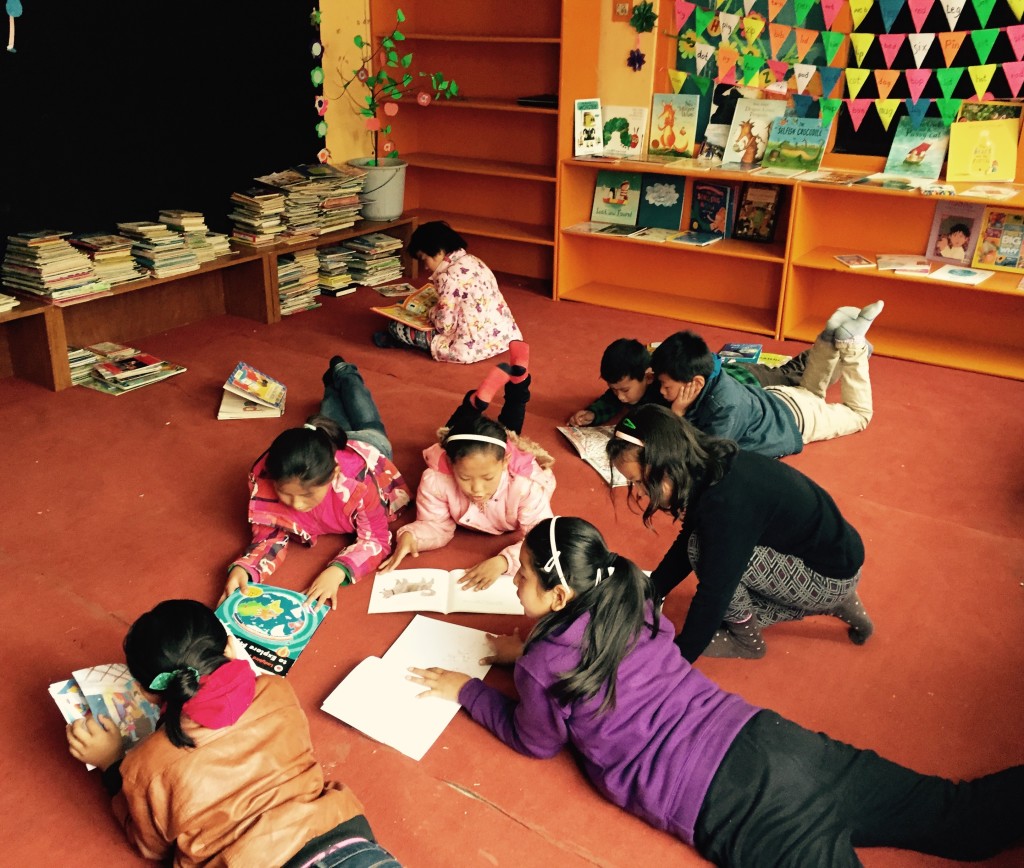
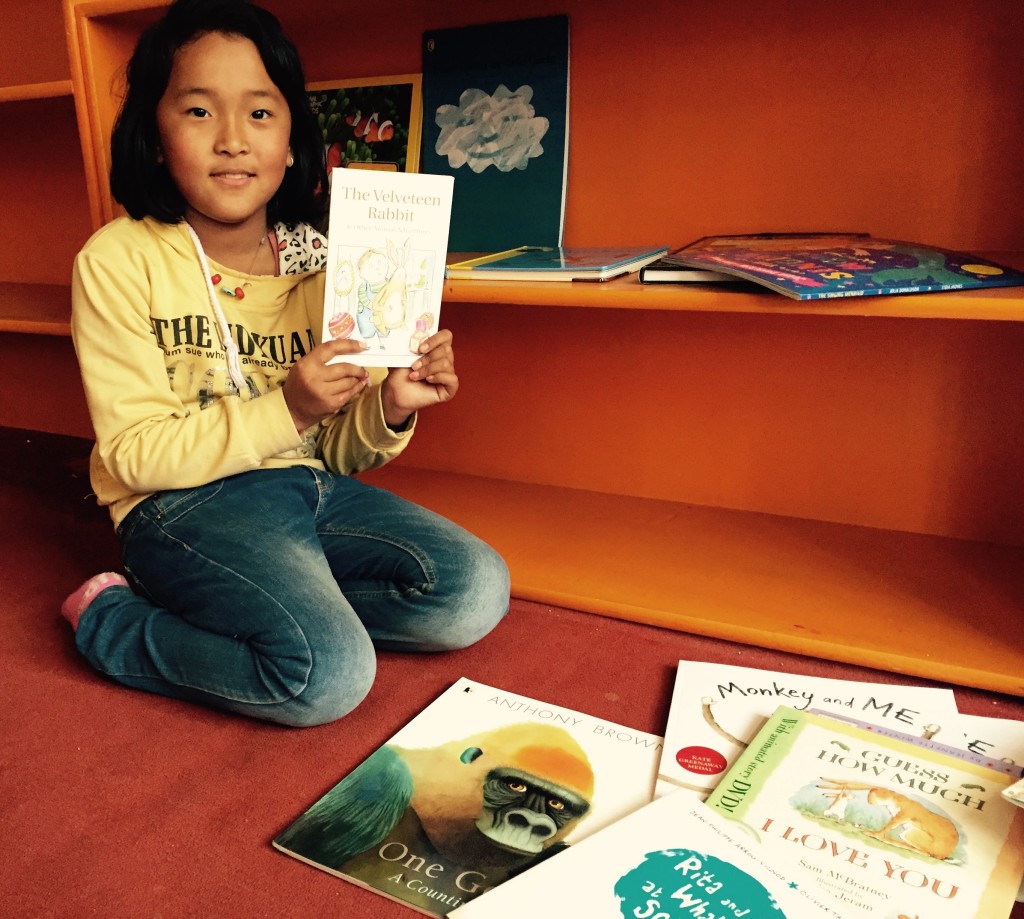
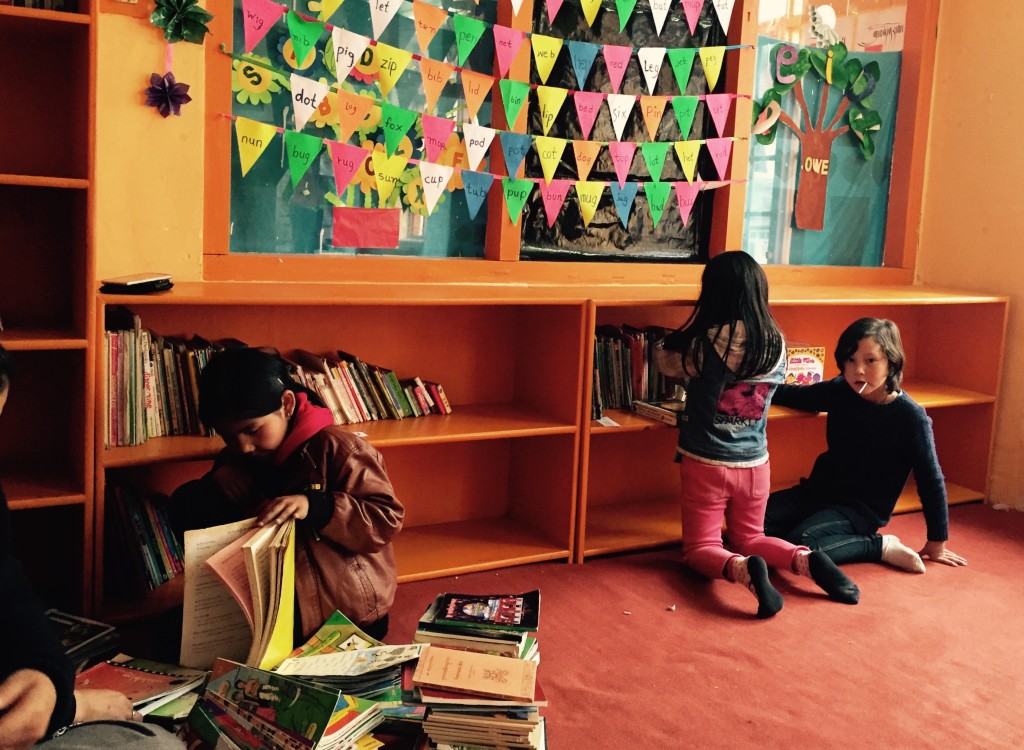
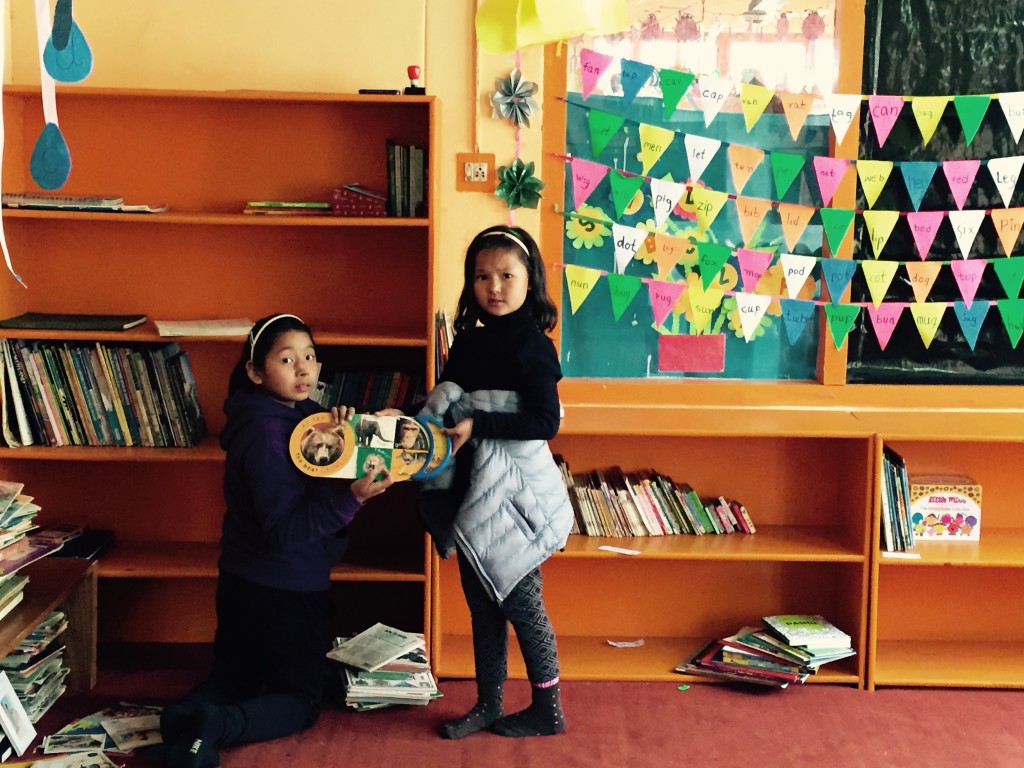
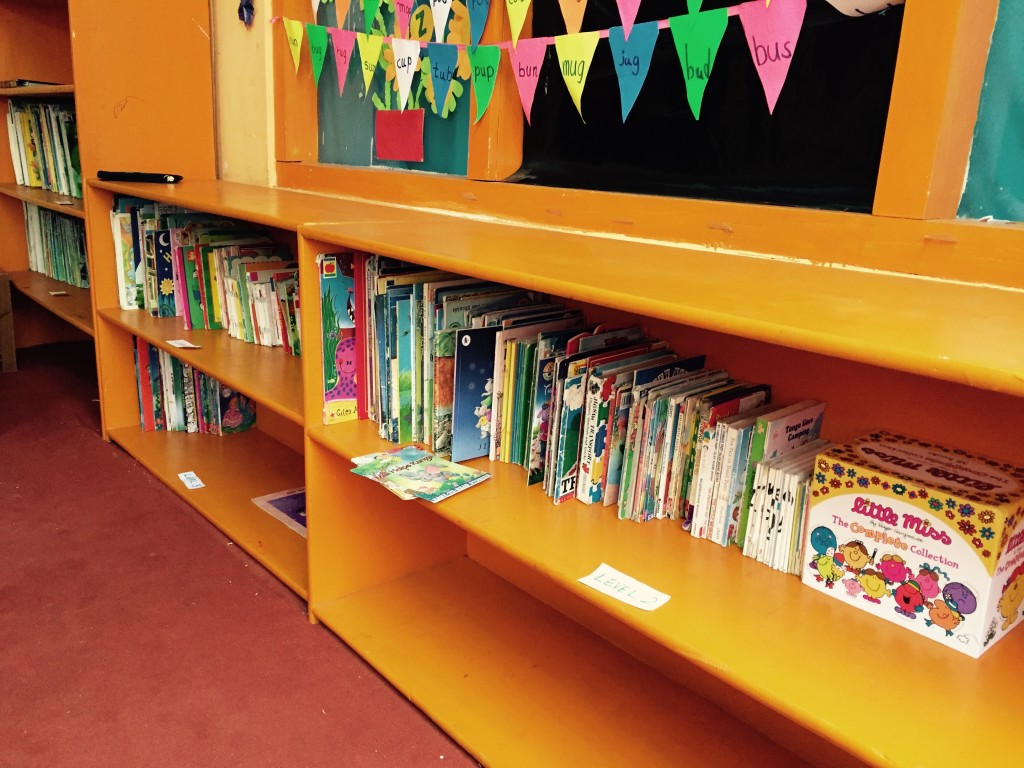
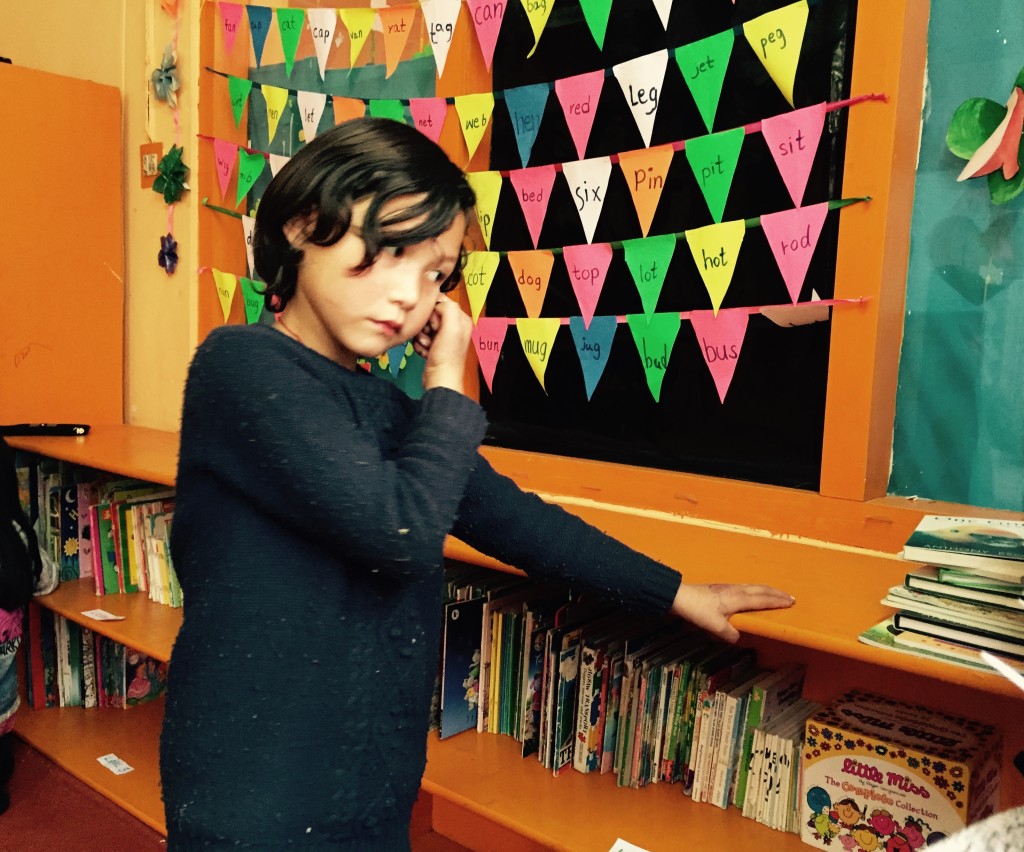
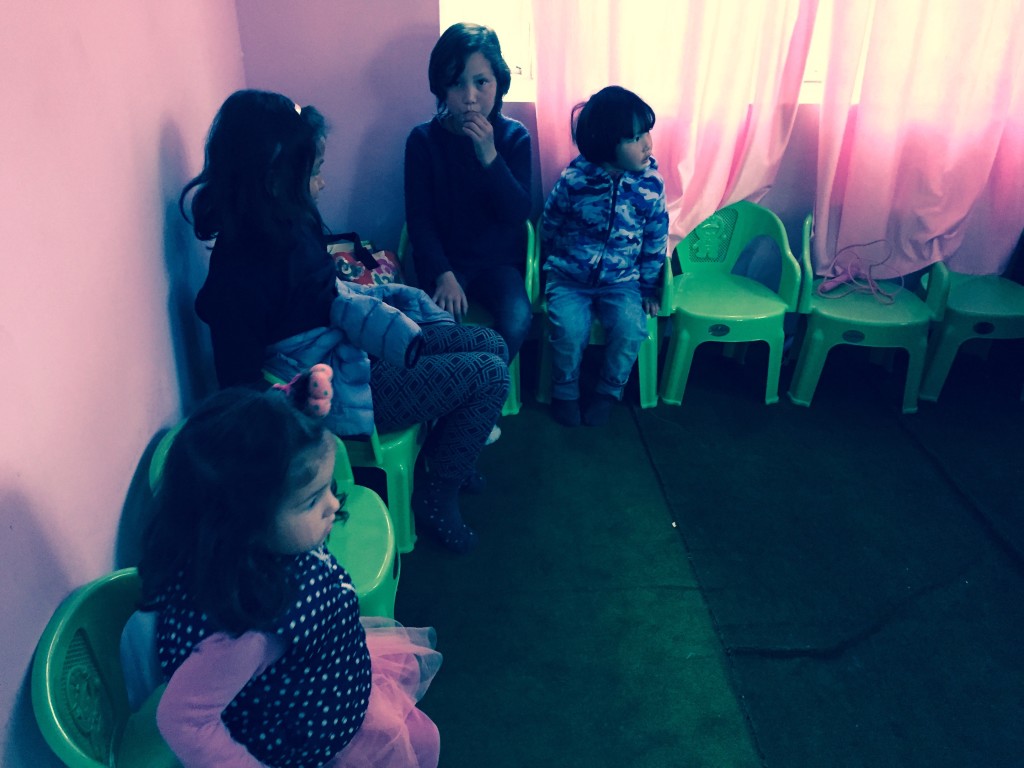
For many children, a reading room is valuable because it provides an atmosphere that home or school cannot always offer. Several children may share limited space at home, while school time is focused on lessons and examinations. A welcoming library gives young readers somewhere to browse, read at their own pace, draw, ask questions, and return to a favorite book.
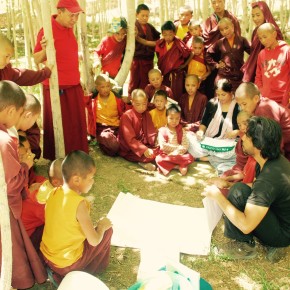
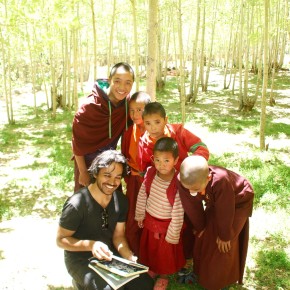
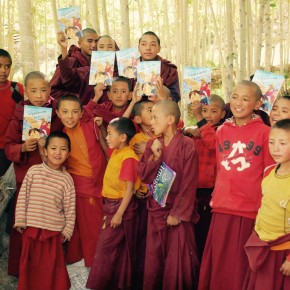
This setting matters for young monks as well. Monastic education can be rigorous and deeply focused, while supplementary books offer opportunities to explore subjects such as geography, ecology, technology, literature, and visual art. A young monk who is curious about the natural world or enjoys storytelling benefits from resources that support learning in different forms.
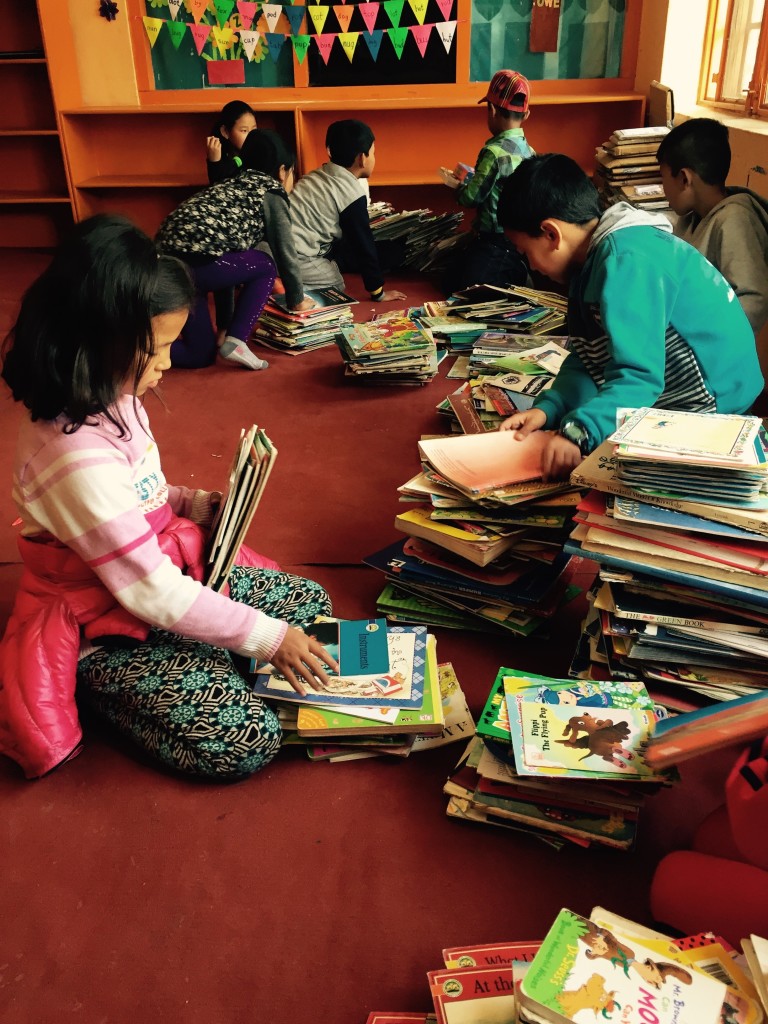
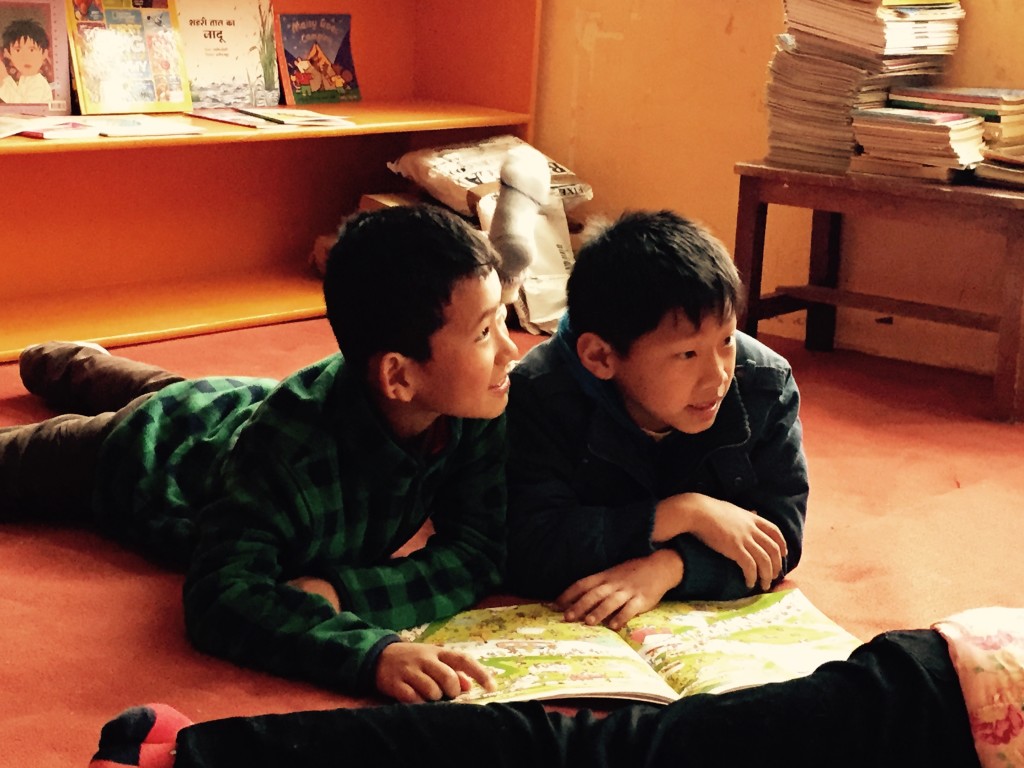
A reading room also builds a habit of attention. Children learn to choose a book, follow an idea, care for shared materials, and discuss what they have read. These small practices strengthen independence. Over time, reading becomes less like an assignment and more like a trusted companion.
Language, Confidence, And New Possibilities
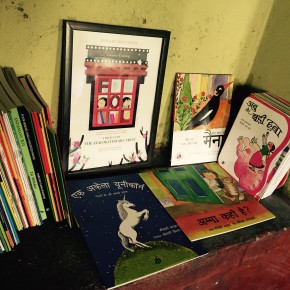
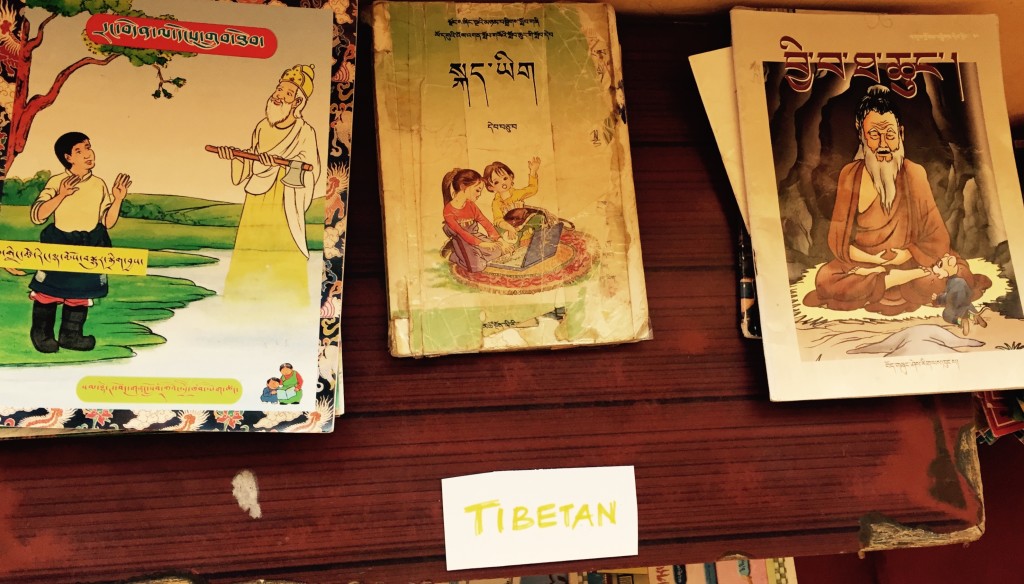
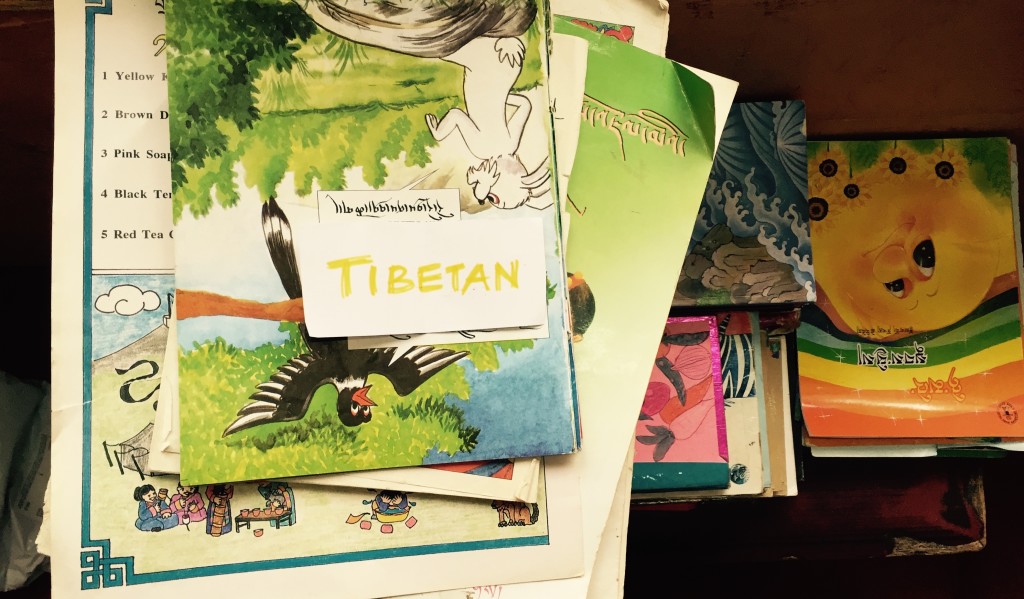
Children in Ladakh may encounter several languages in daily life, including Ladakhi, Hindi, English, and Tibetan, depending on their family, school, and community. Books in accessible and varied languages can support literacy while respecting this multilingual environment. Illustrated stories and bilingual resources are especially useful for children who are still developing confidence in a second or third language.
Reading aloud helps children hear sentence patterns, learn new words, and understand how stories are structured. It can also make participation feel less intimidating. A child who hesitates to speak in class may be willing to describe a character, explain a picture, or share a favorite page in a reading room.
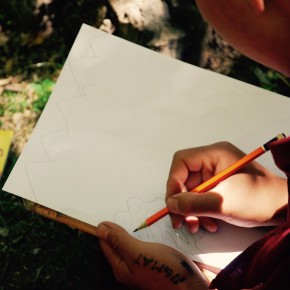
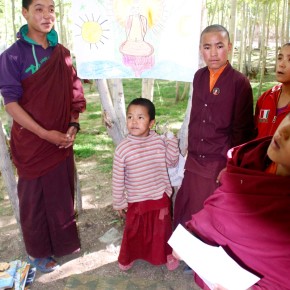
The benefits reach beyond academic performance. When children see their thoughts taken seriously, they begin to trust their own voices. Writing a poem, retelling a folktale, or creating a drawing inspired by a book can help transform a private dream into something visible and shareable.
| Resource |
What It Can Offer |
Possible Impact |
| Picture books |
Visual storytelling and simple language |
Encourages early literacy and observation |
| Science and nature books |
Explanations of animals, weather, space, and the environment |
Turns curiosity into investigation |
| Biographies |
Examples of persistence, service, and achievement |
Makes future careers easier to imagine |
| Folktales and fiction |
Emotional insight, cultural connection, and imagination |
Builds empathy and creative thinking |
| Art and music books |
Ideas, techniques, and cultural expression |
Supports confidence beyond conventional academics |
Stories As Creative Companions
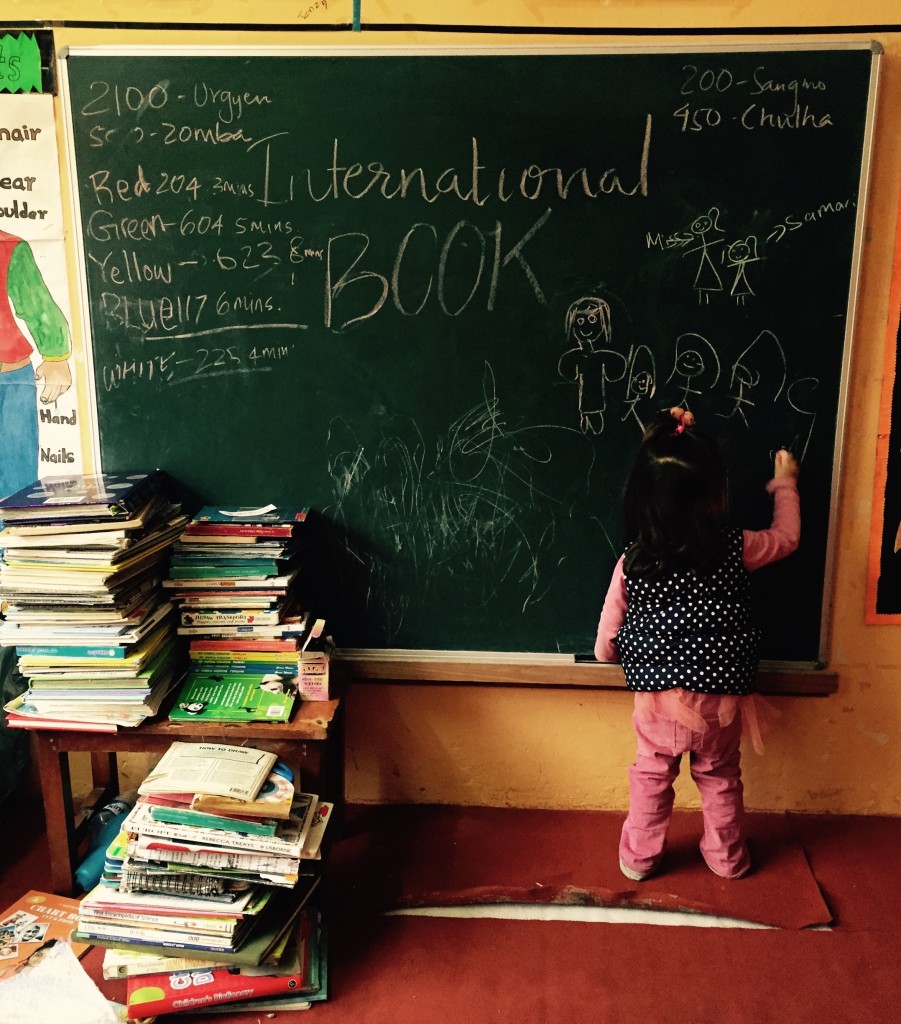
Books do not have to lead directly to a particular career to be valuable. A child may read a story about a painter and begin sketching mountain villages. Another may discover music through a book about instruments and create rhythms with friends. Someone drawn to animals may begin writing observations about birds, yaks, or local wildlife.
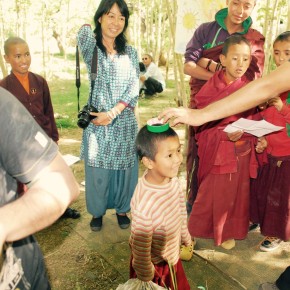
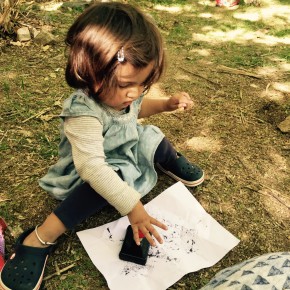
Creative activities help children process what they read. Art, music, drama, and storytelling allow them to interpret ideas rather than simply remember information. These forms of expression are especially important for children who find it difficult to communicate through formal written work.
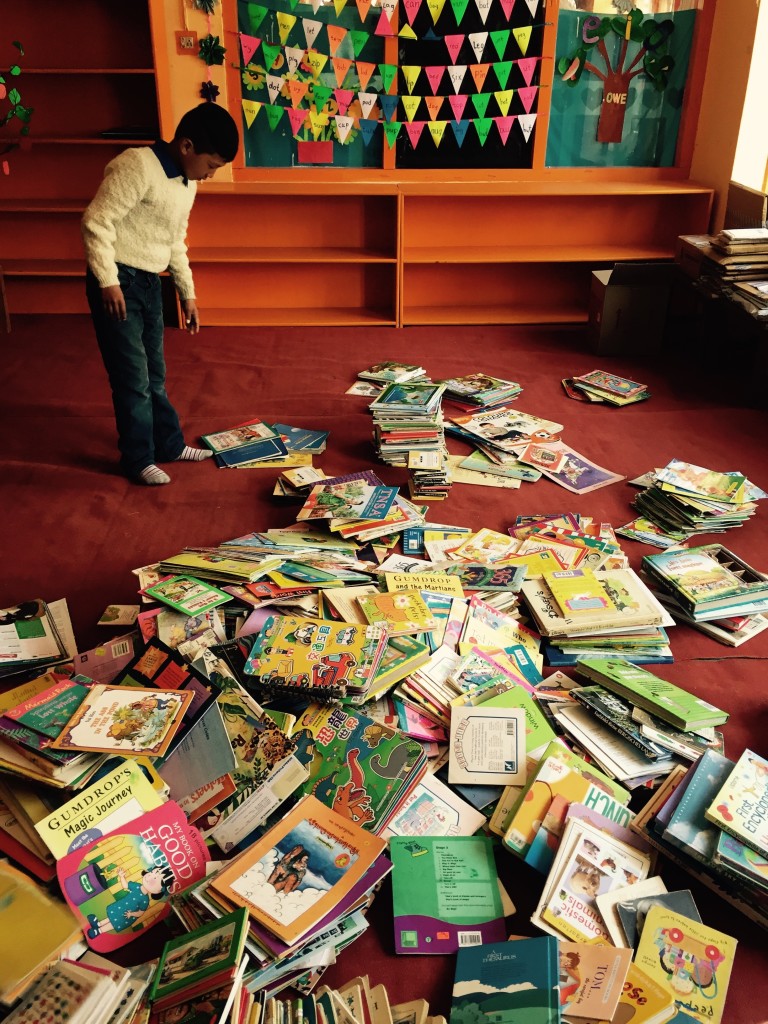
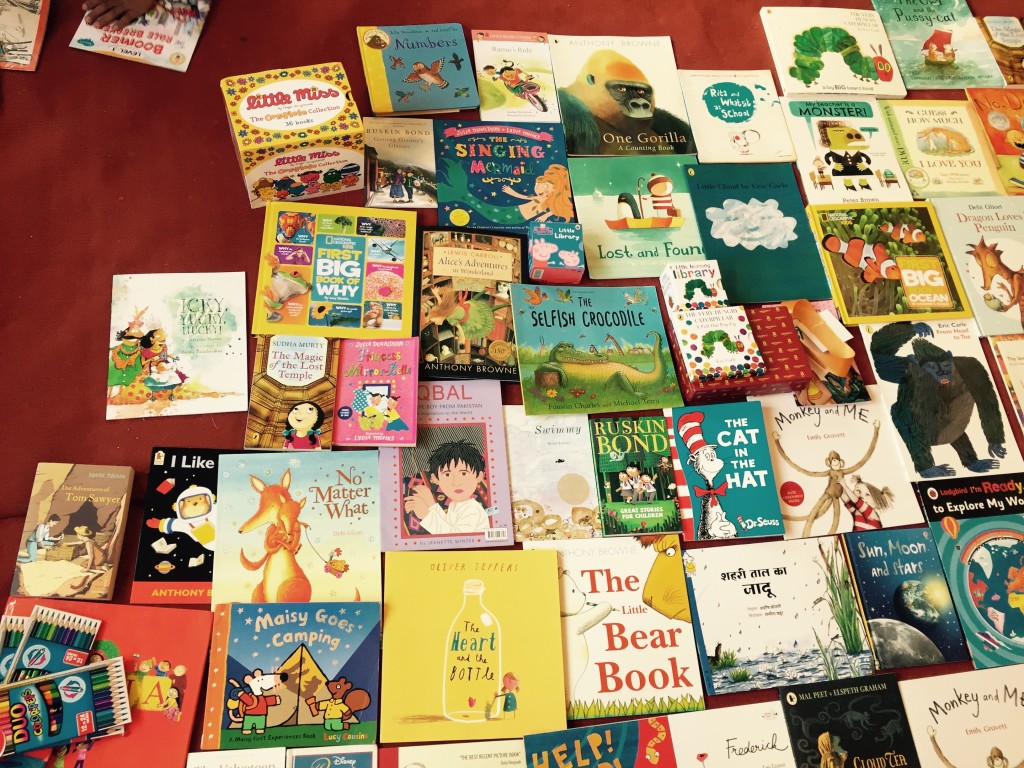
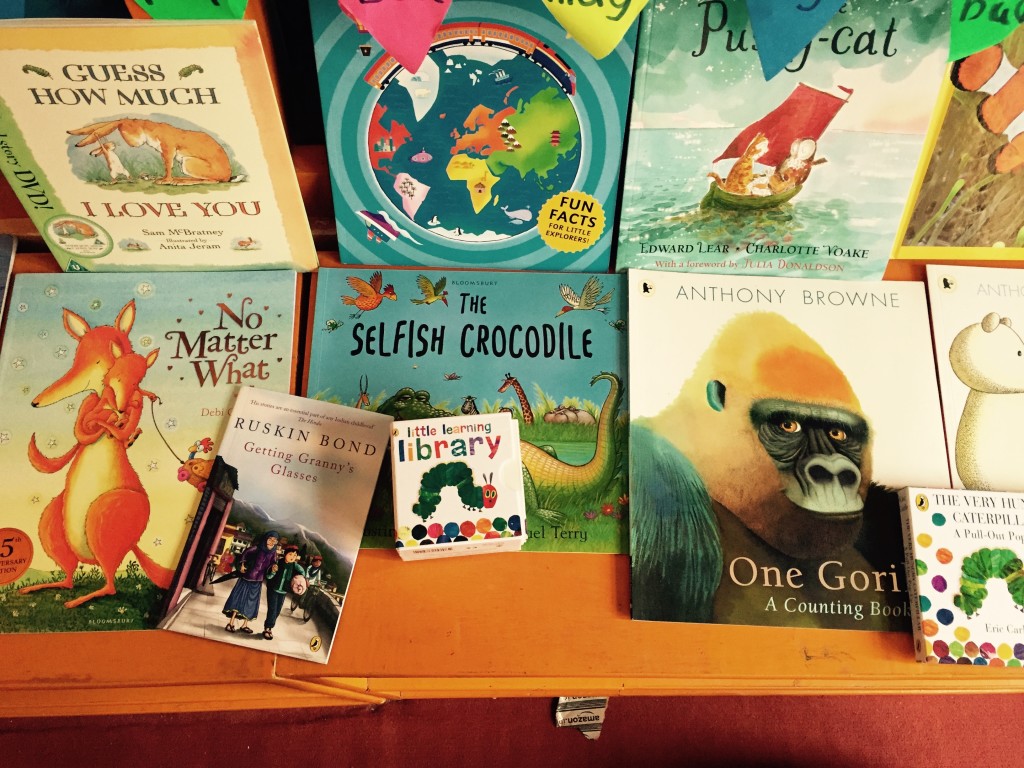
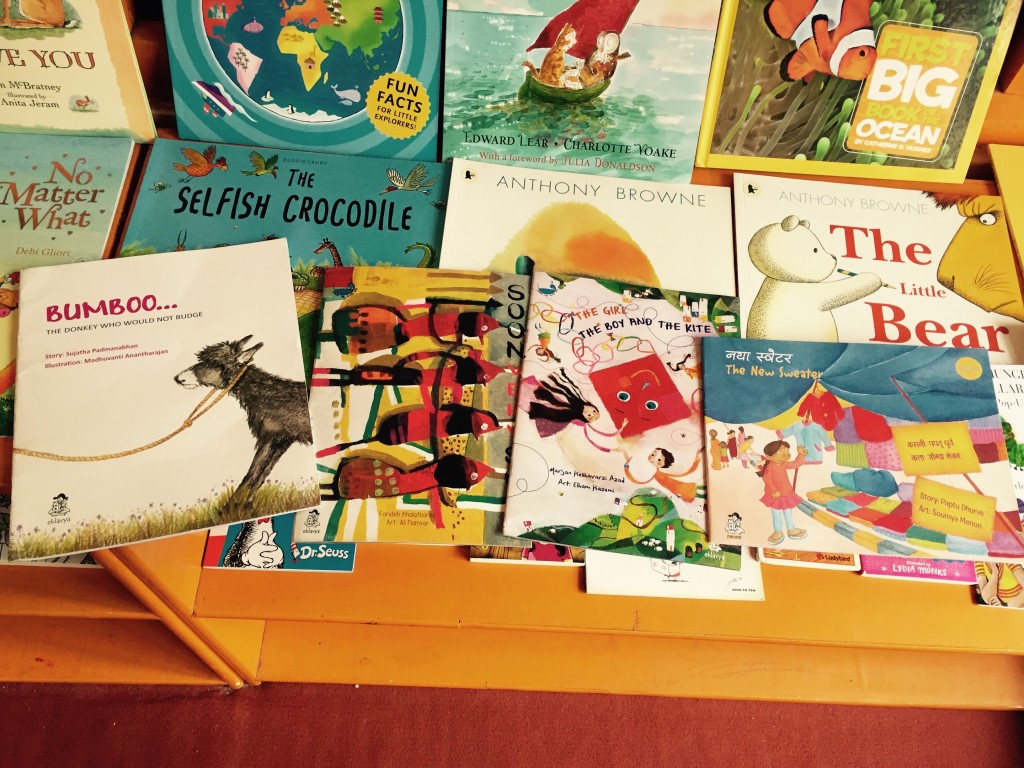
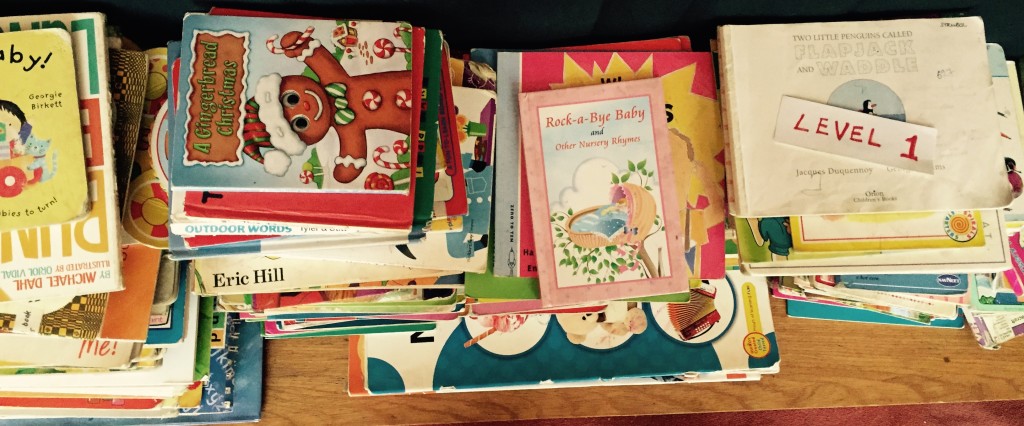
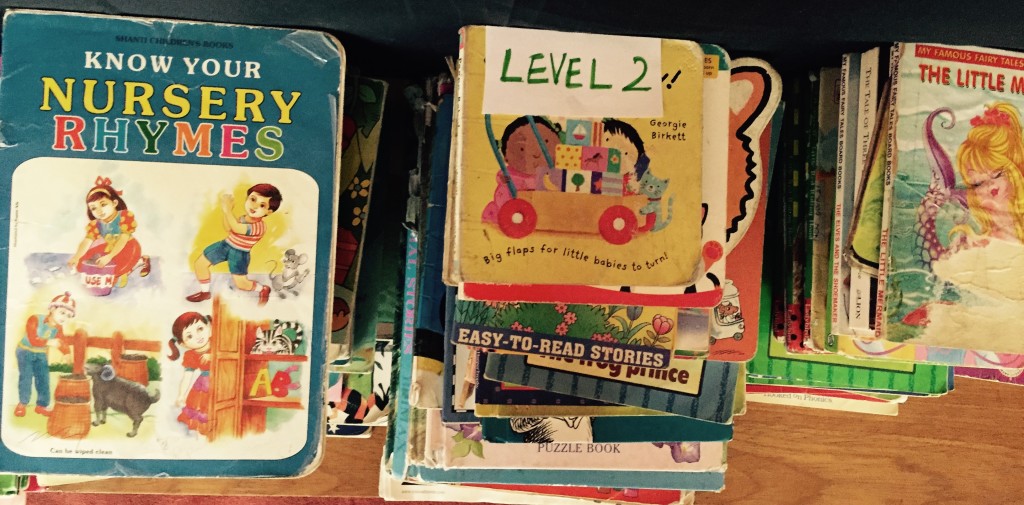
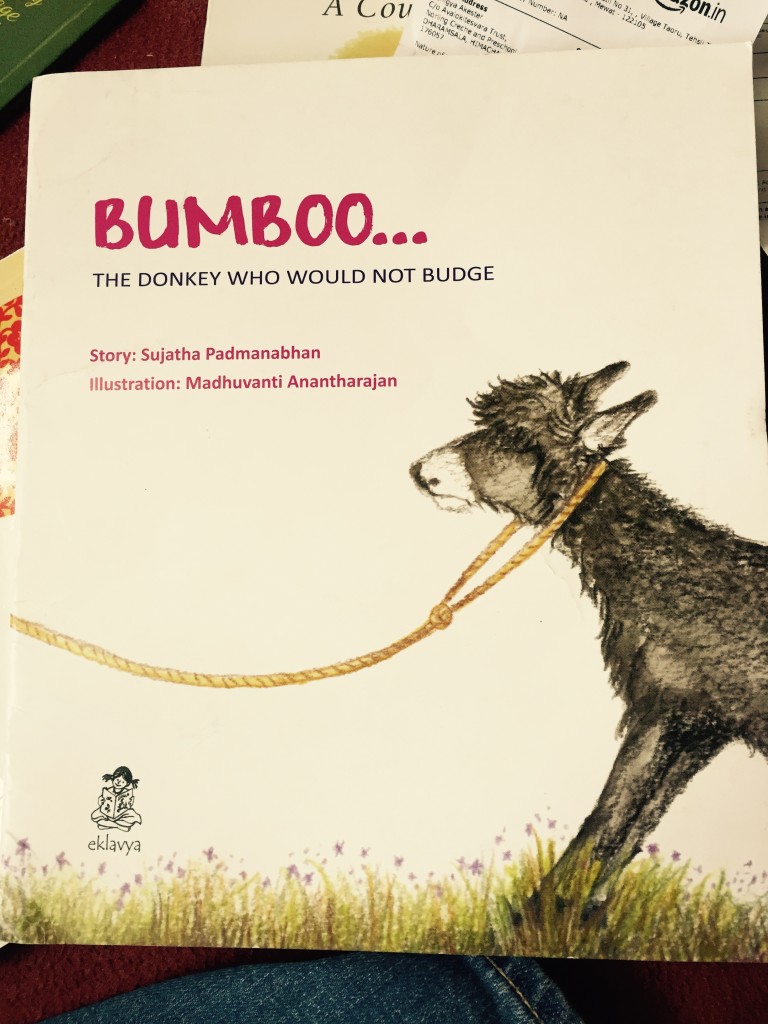
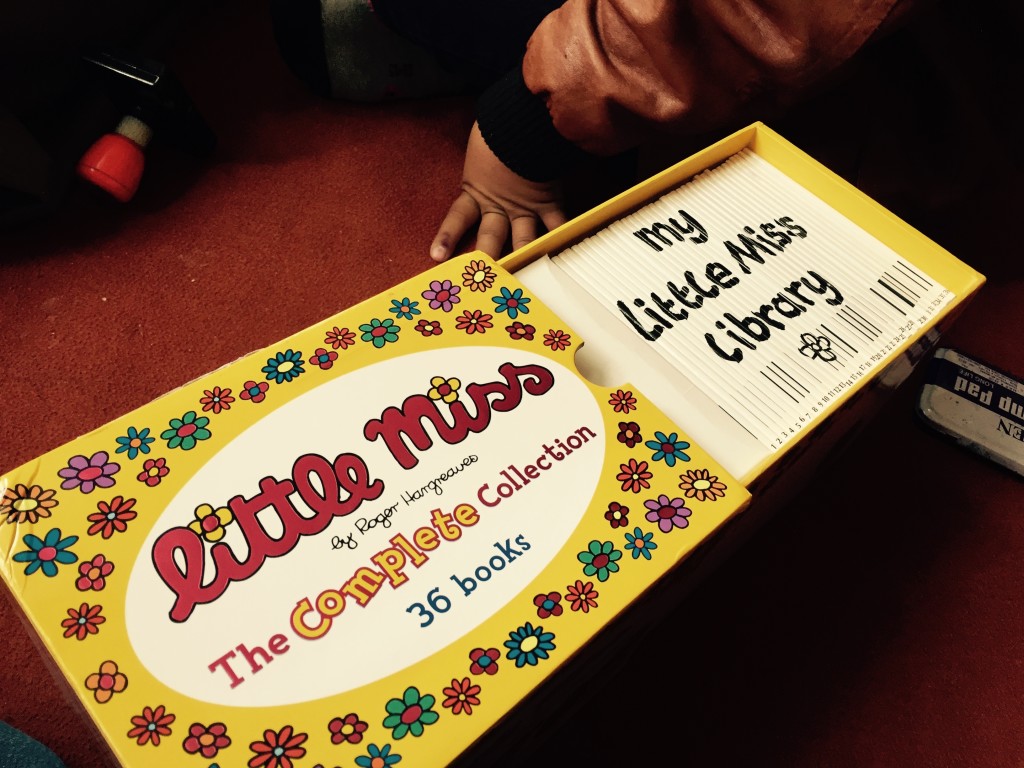
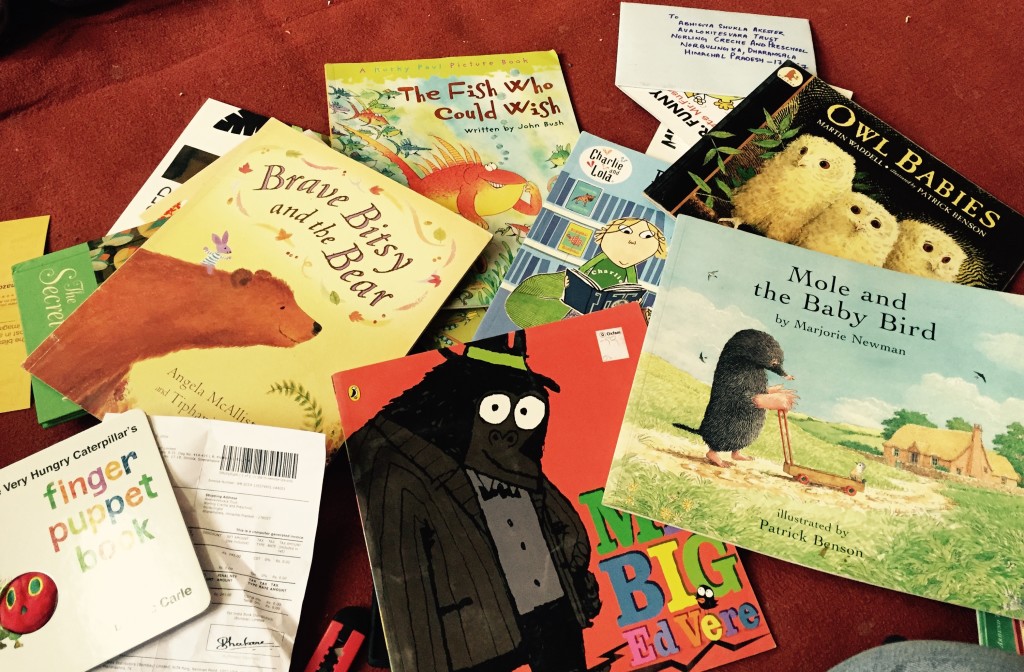
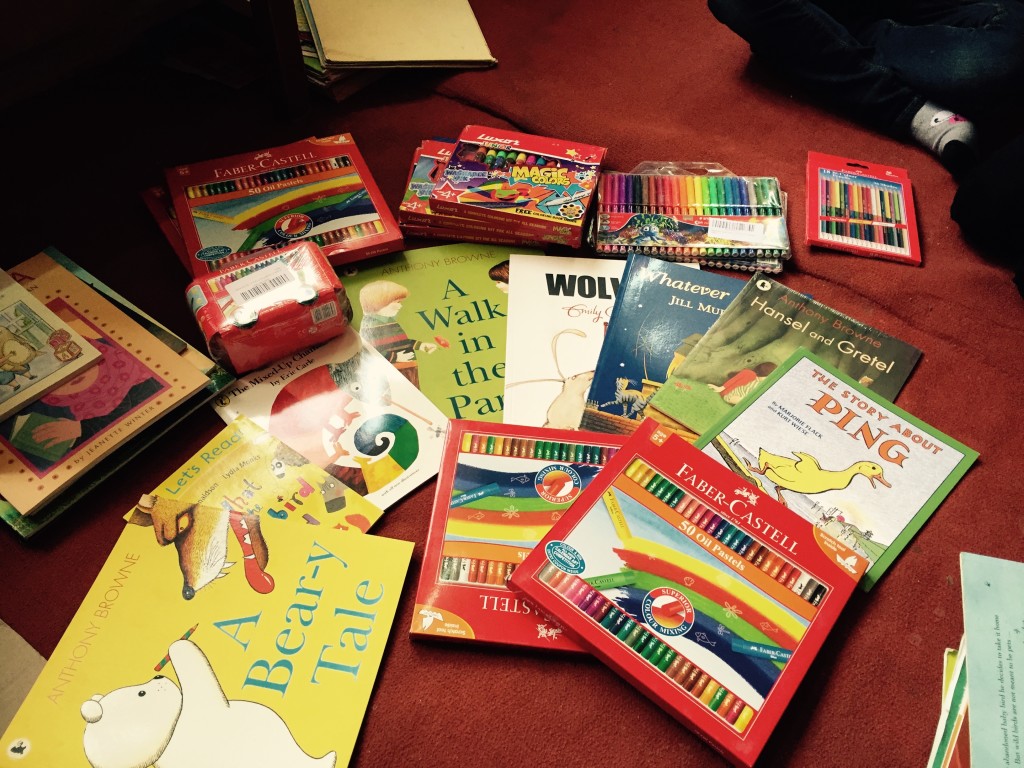
Book drives and educational programs can support this wider vision of learning. A collection that includes novels, comics, reference books, poetry, craft guides, and music resources gives children different ways to enter the world of reading. There is no single correct book for every child; choice is part of discovery.
Turning Shared Resources Into Lasting Opportunity
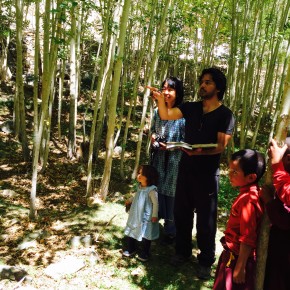
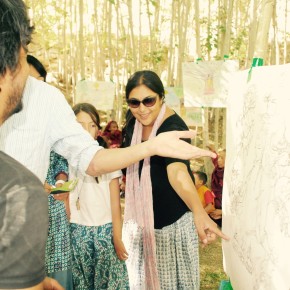
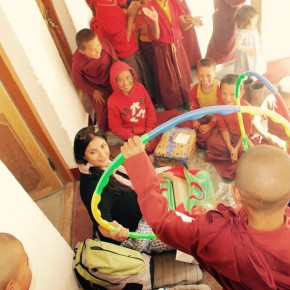
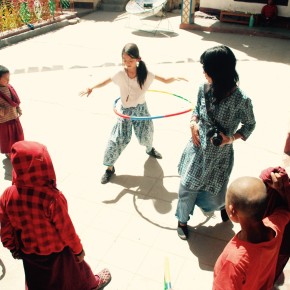
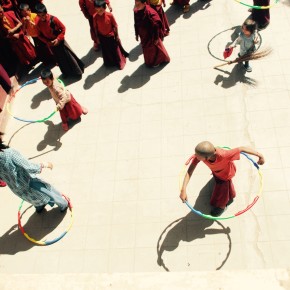
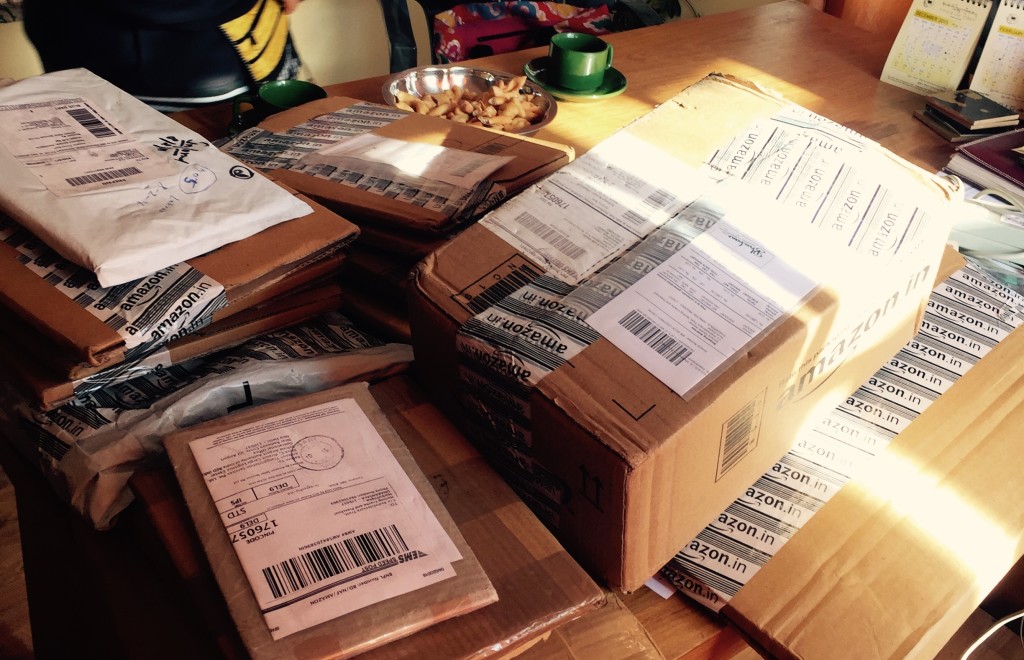
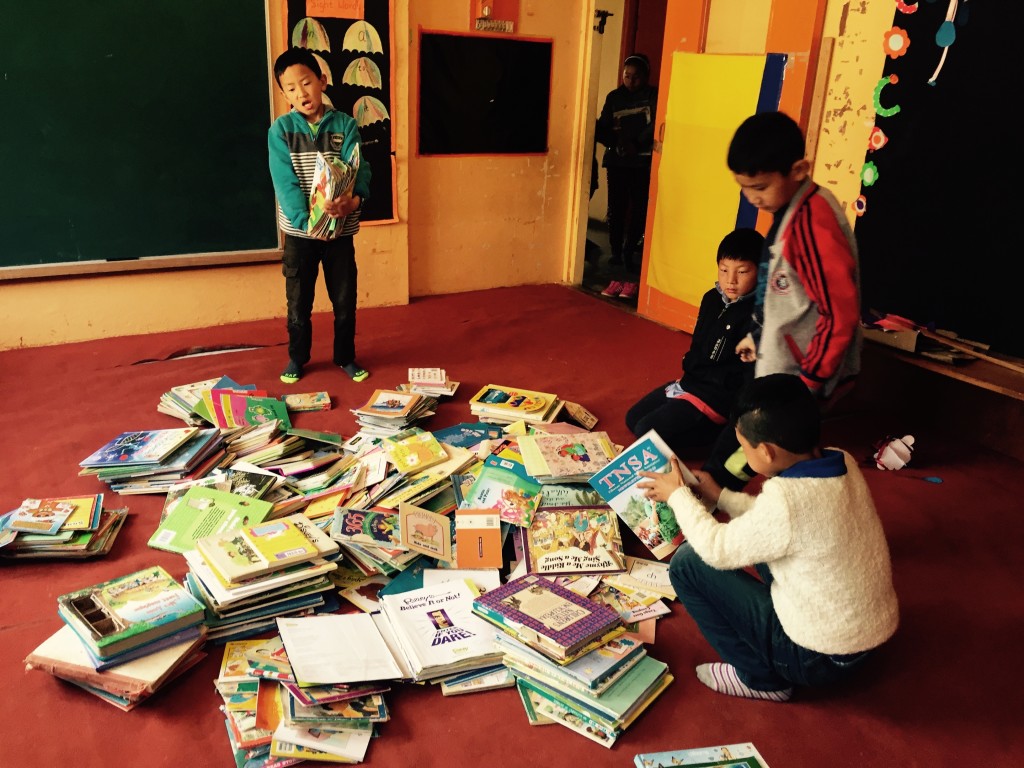
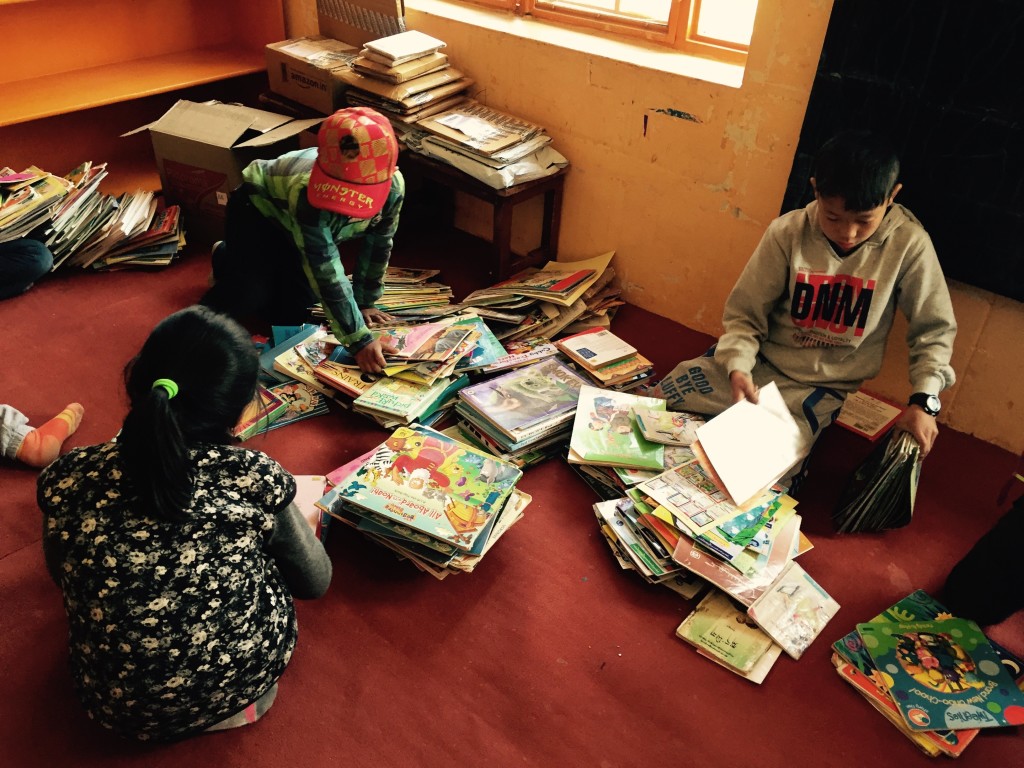
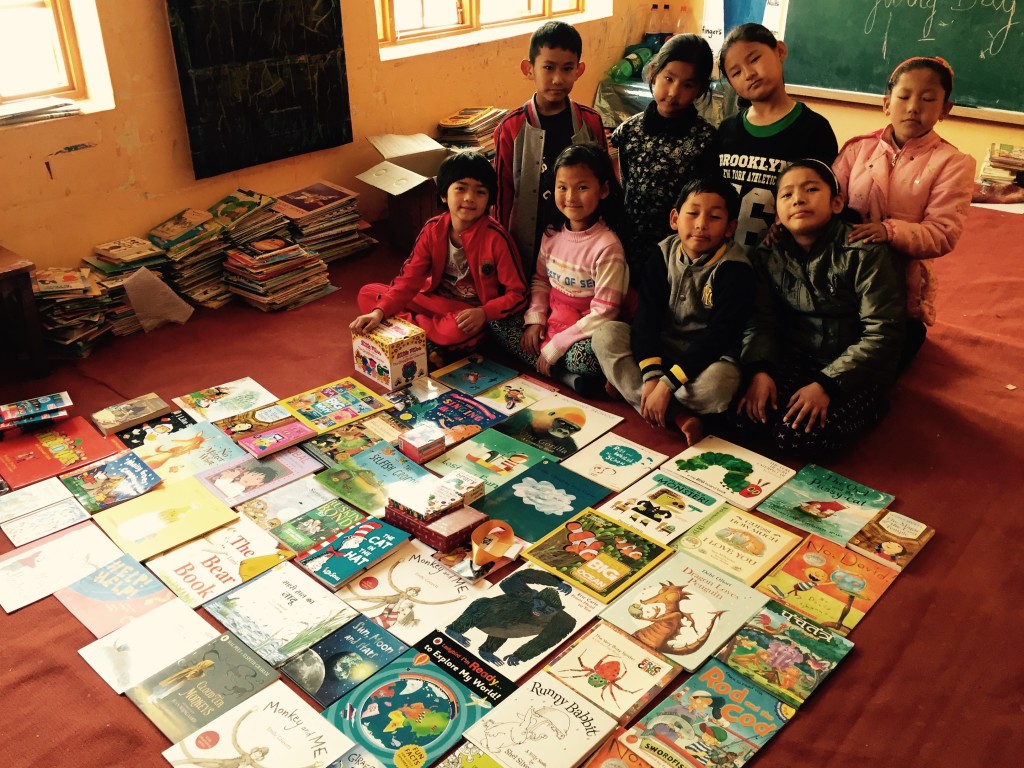
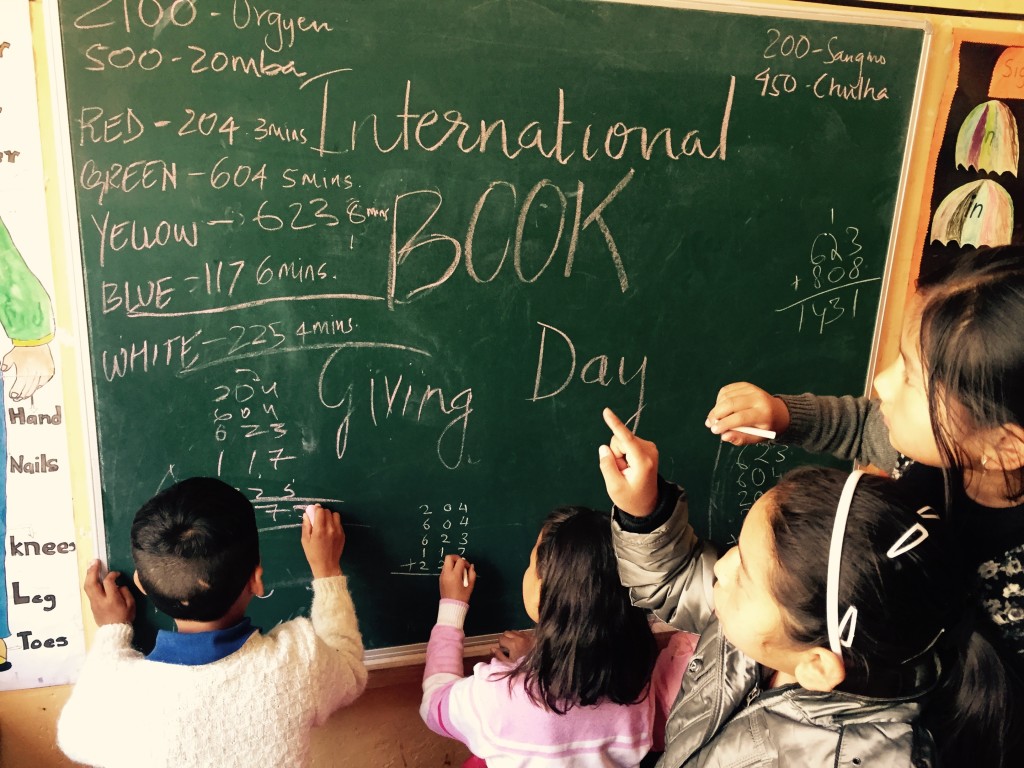
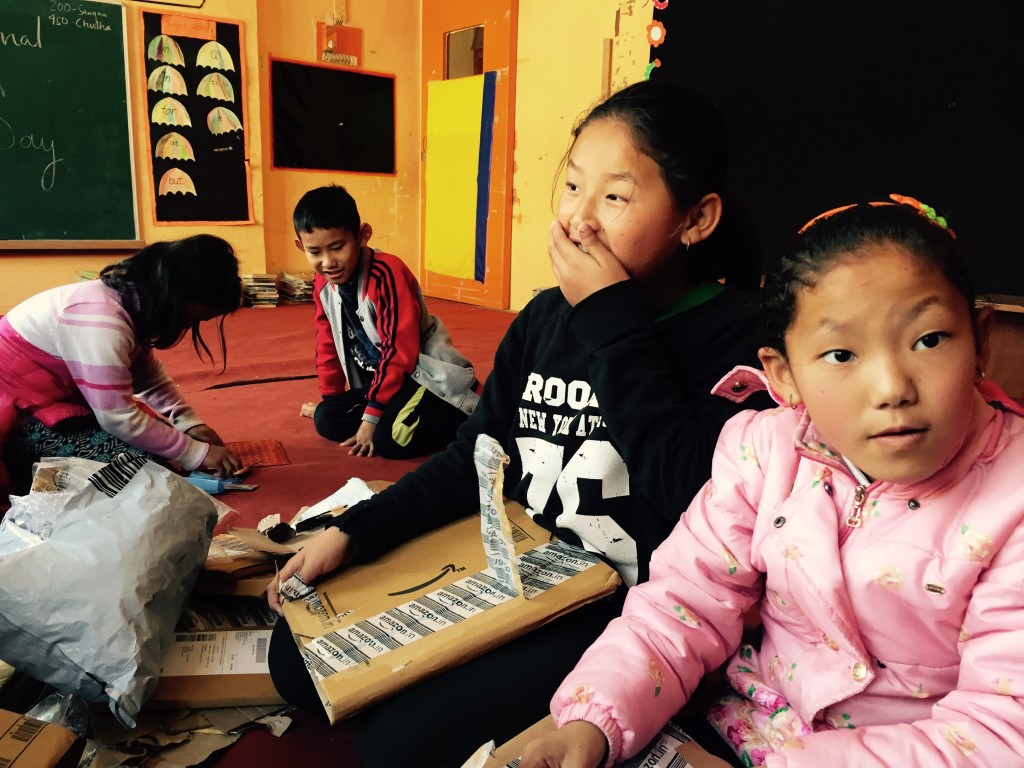
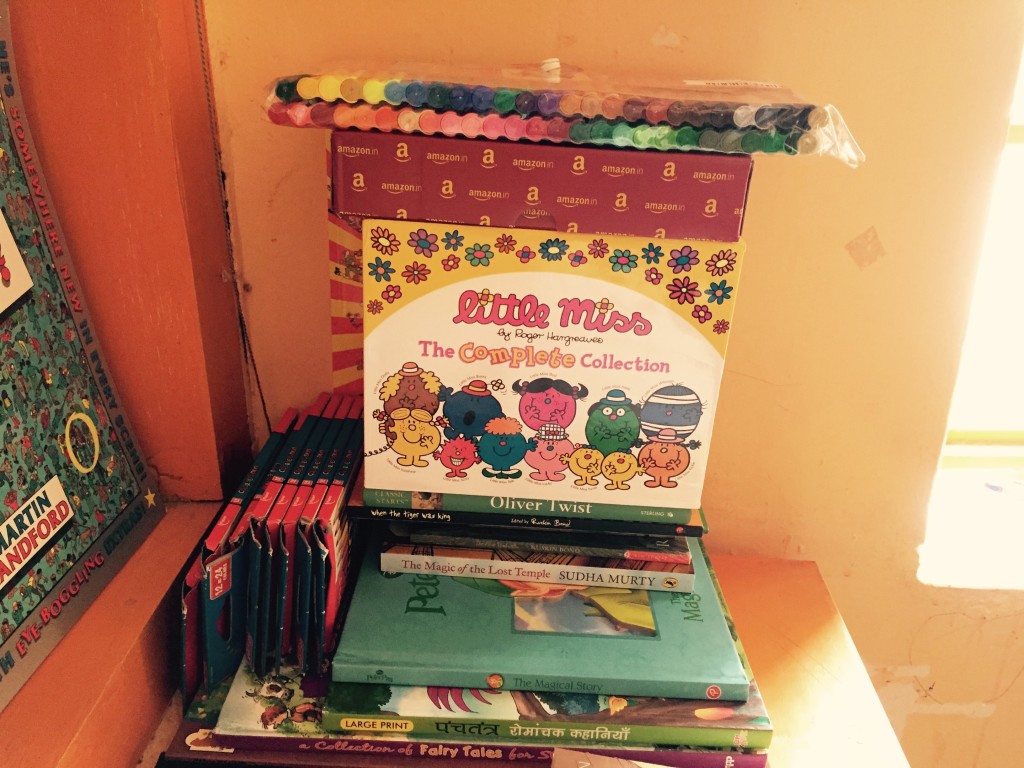
The work of Avalokiteśvara Trust connects books with places, people, and regular activities. Creating reading rooms in Ladakh and other Himalayan communities can make educational resources available where families and schools may have limited collections. Book drives help build those collections, while artistic and musical programs encourage children to use what they discover.
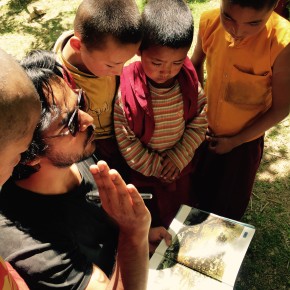
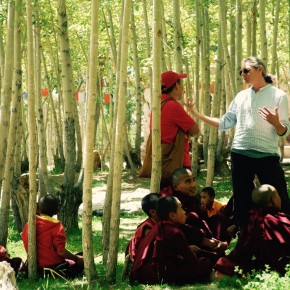
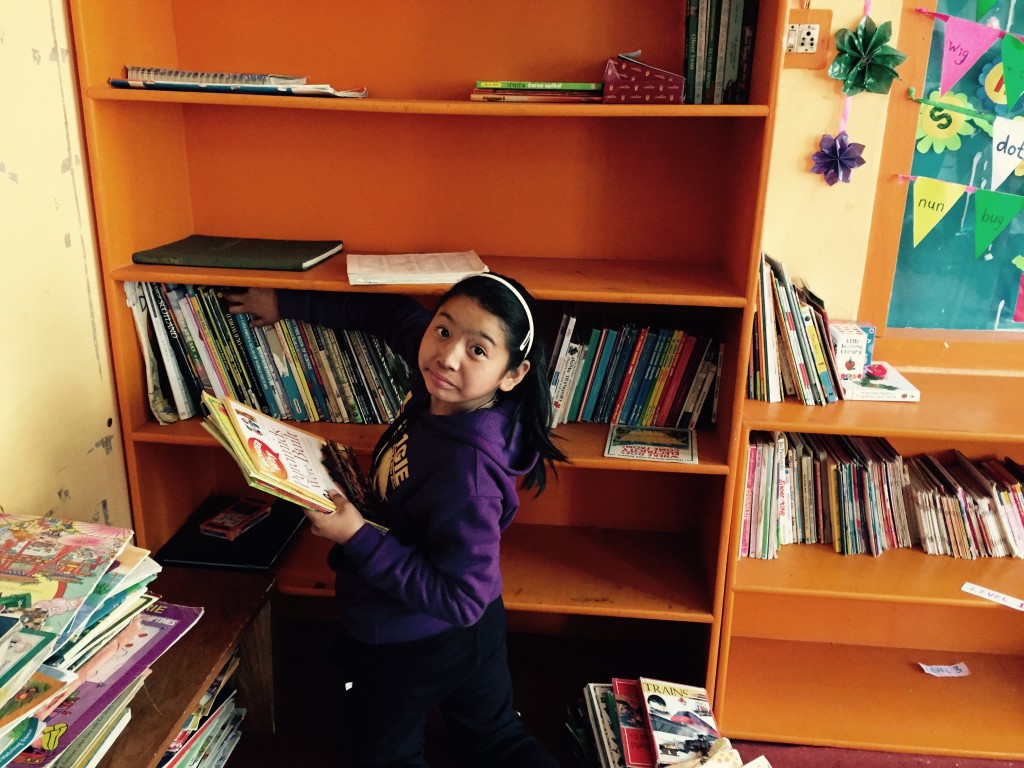
The value of this support grows when books are cared for, organized, and connected to relationships. Volunteers can read with children, help them select suitable titles, lead creative sessions, or simply make the reading room feel welcoming. Donors can help provide new materials, storage, furnishings, and programs that keep the space active.
Useful support can take several forms:
- Donate age-appropriate fiction, nonfiction, picture books, and bilingual materials through an established book drive.
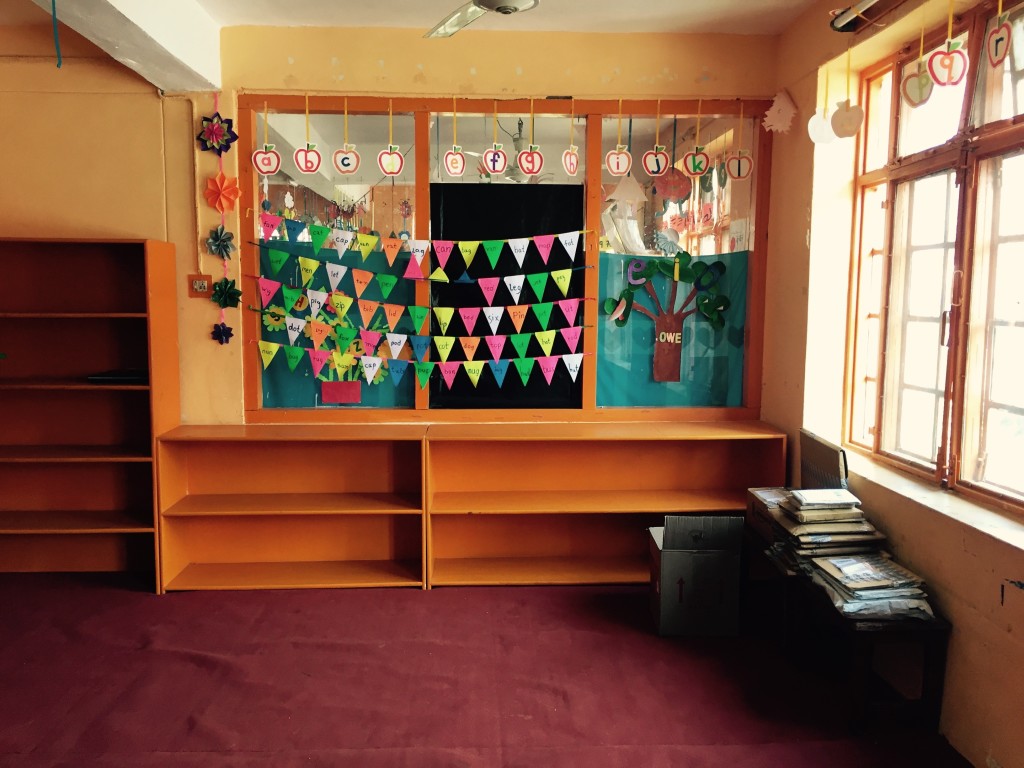
- Support reading rooms with funds for shelving, comfortable seating, lighting, and book maintenance.
- Share skills in storytelling, art, music, literacy, or educational activities as a volunteer.
- Choose books that reflect a range of cultures while including materials connected to Himalayan life.
- Encourage children to create their own poems, drawings, stories, and performances after reading.
When a child finds a book that speaks to a private hope, the experience can be quietly powerful. The page may offer a new word for an ambition, a character who provides courage, or information that turns curiosity into a plan. In Ladakh, where distances can be great and opportunities unevenly distributed, a shared collection of books can help bring the wider world within reach.
Supporting Avalokiteśvara Trust helps place those possibilities in the hands of children and young monks. Through a donation, a thoughtful book, or time spent helping in a reading room, you can help create spaces where Himalayan children read widely, express themselves freely, and begin shaping the futures they imagine.