The volunteer who sewed curtains to create a private reading corner
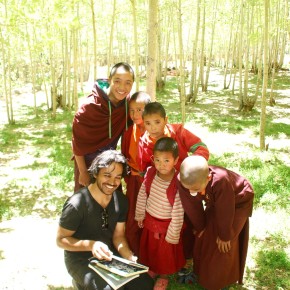
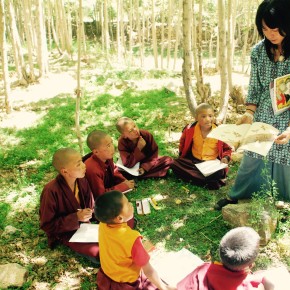
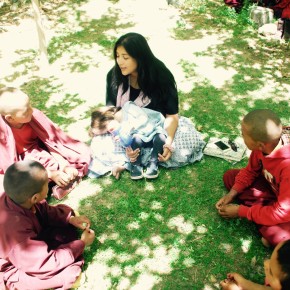
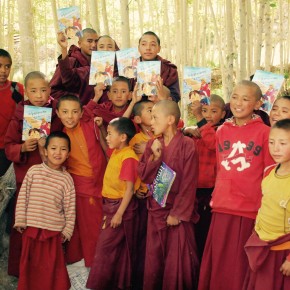
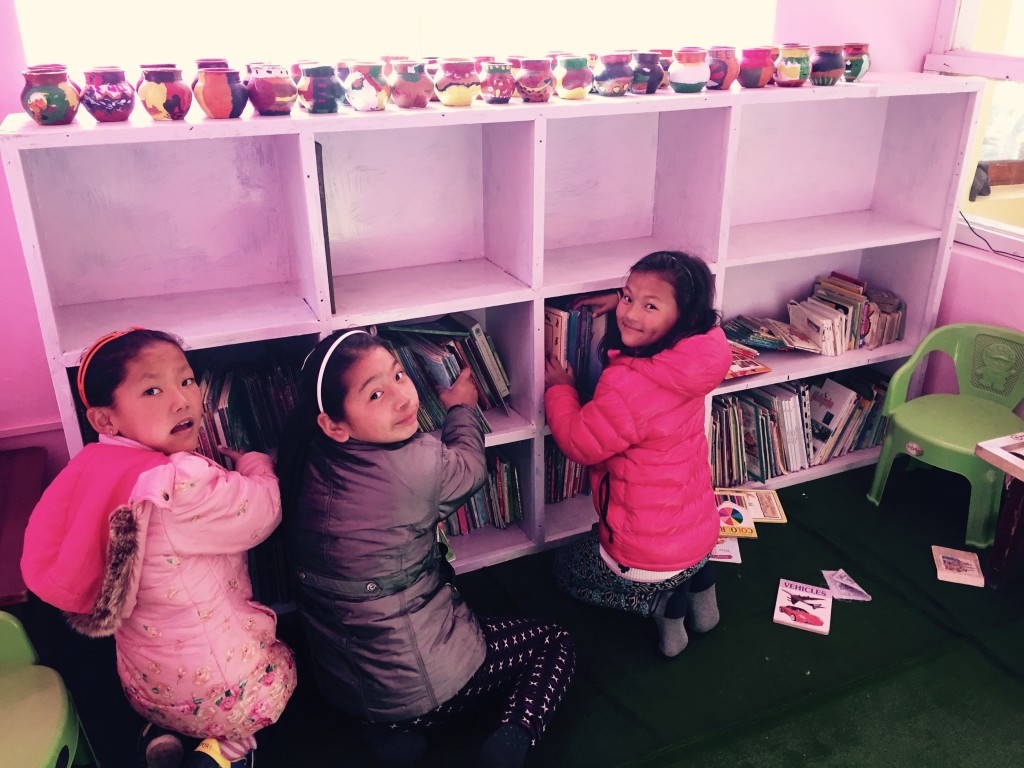
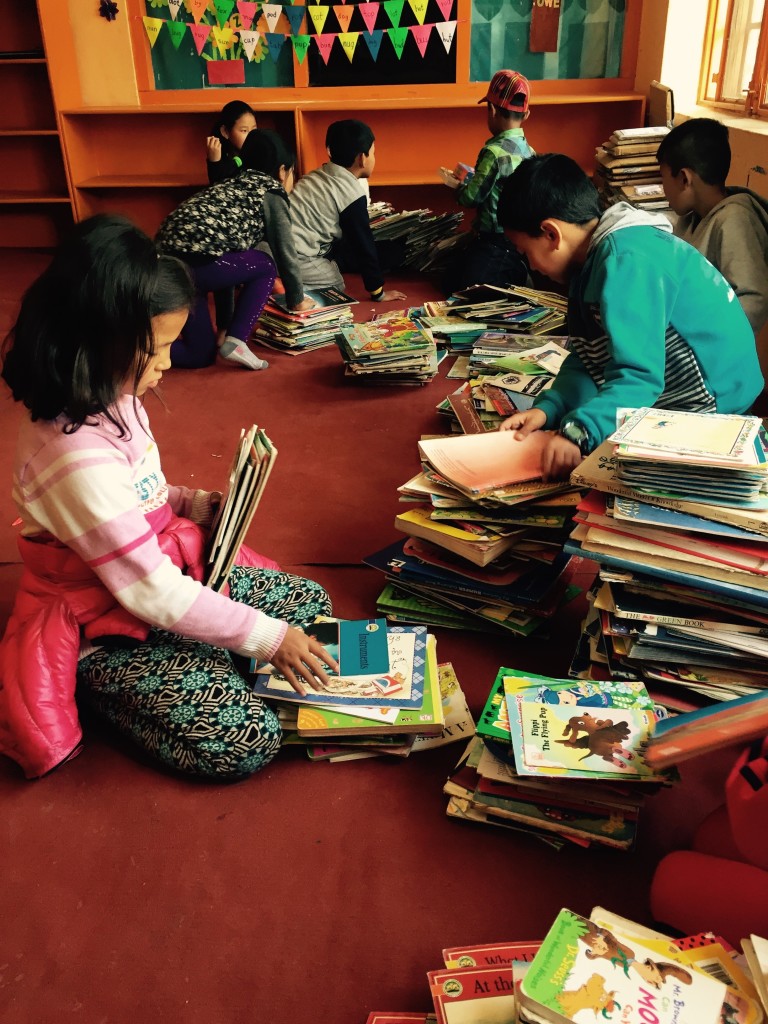
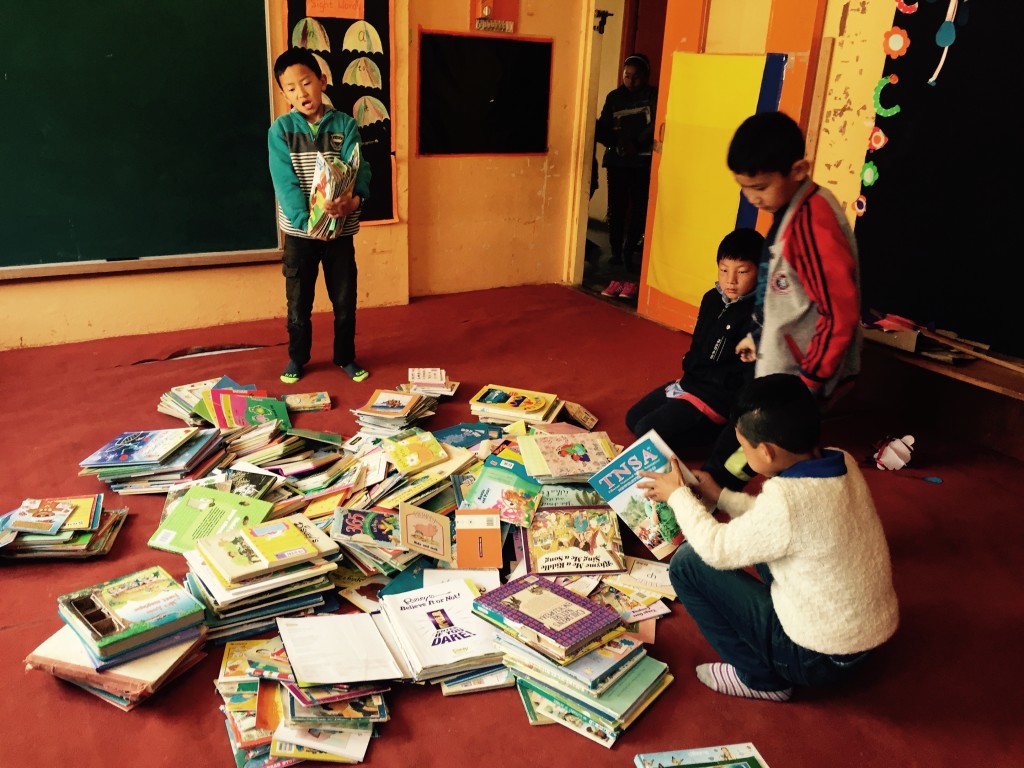
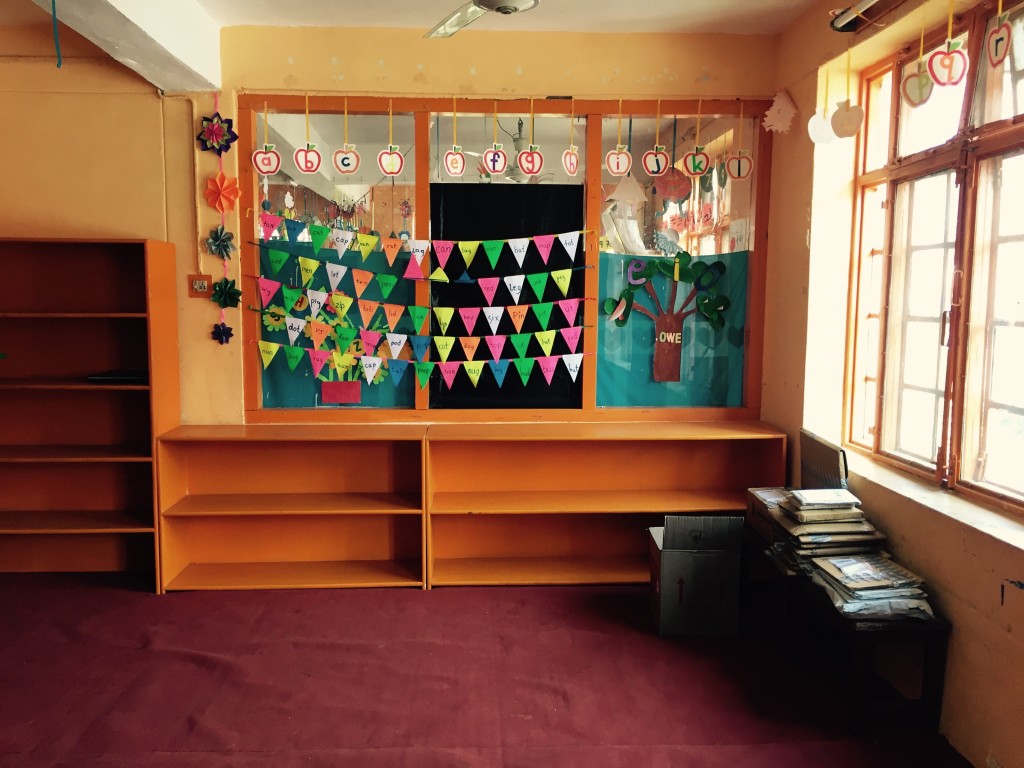
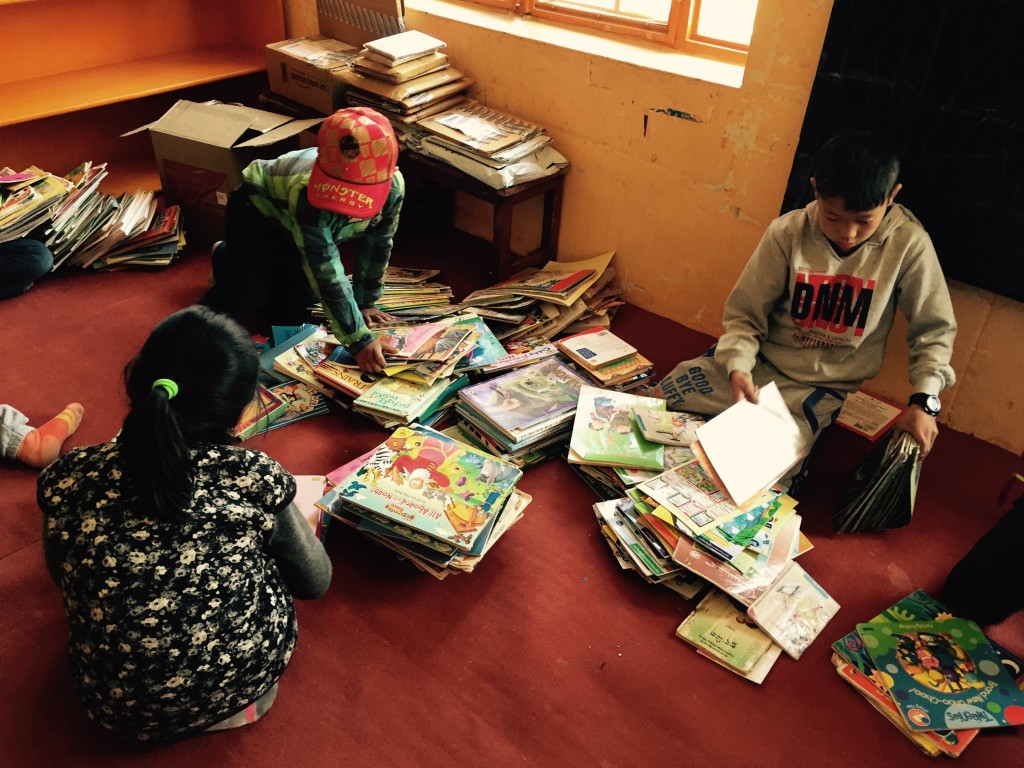
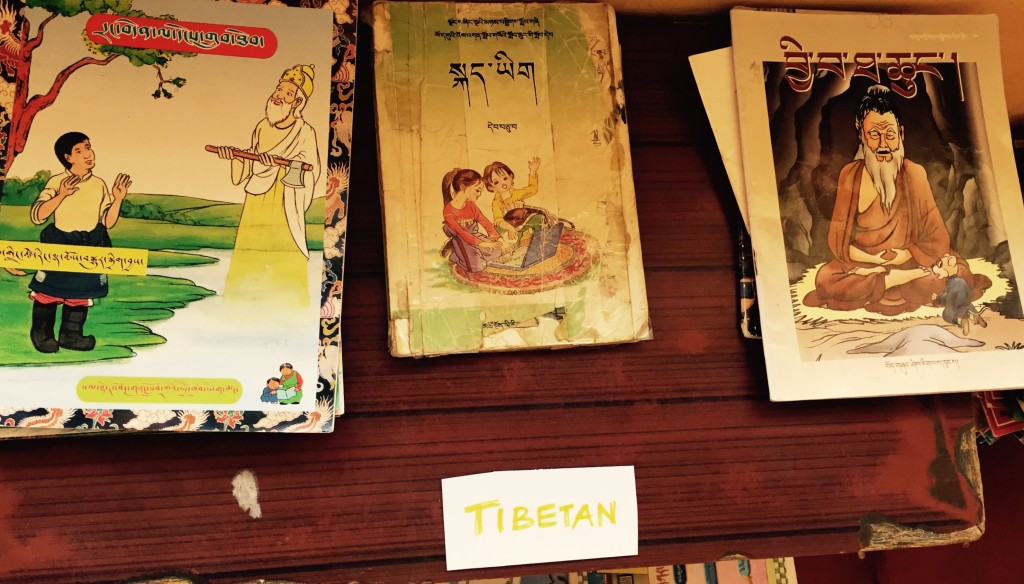
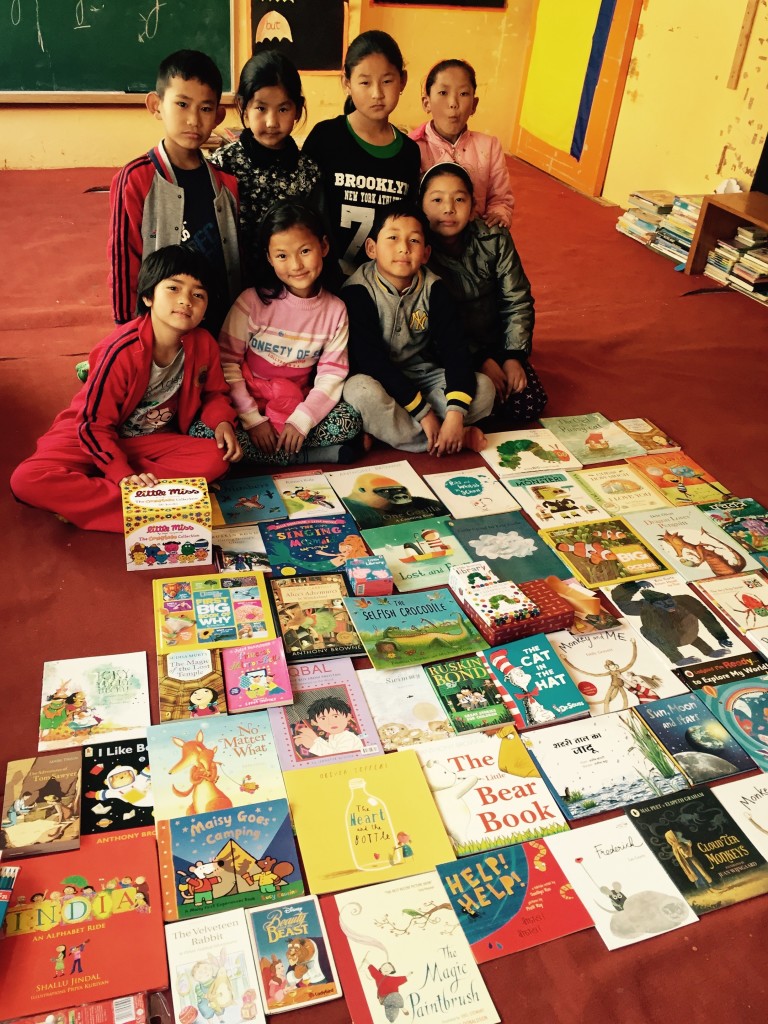
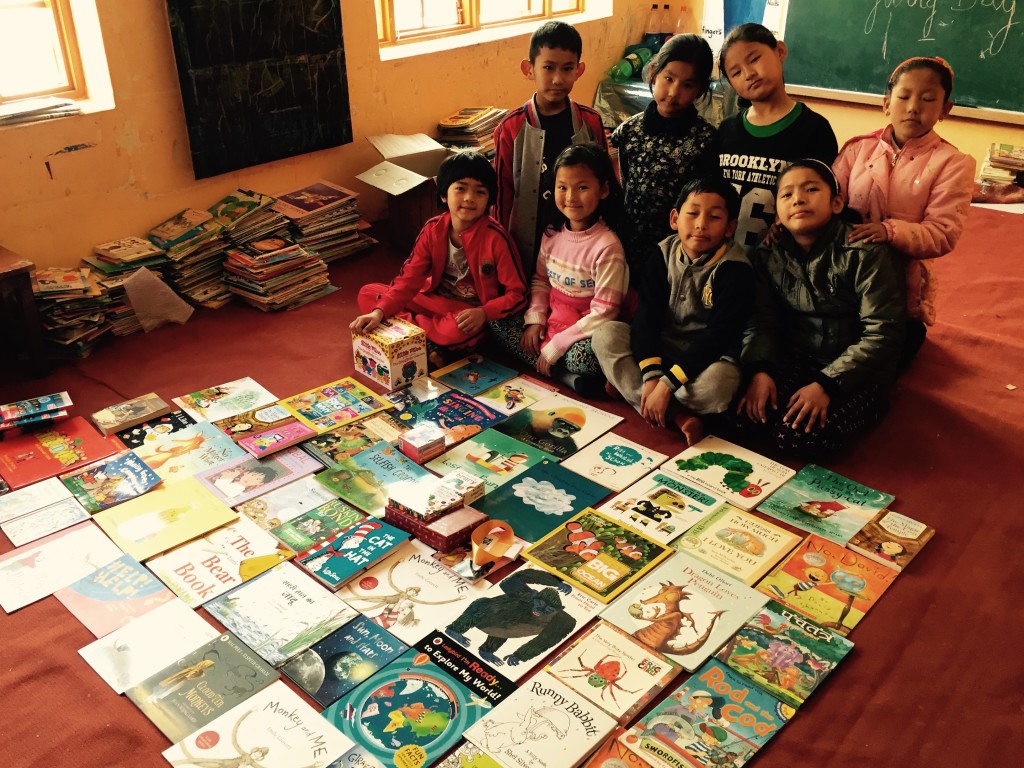
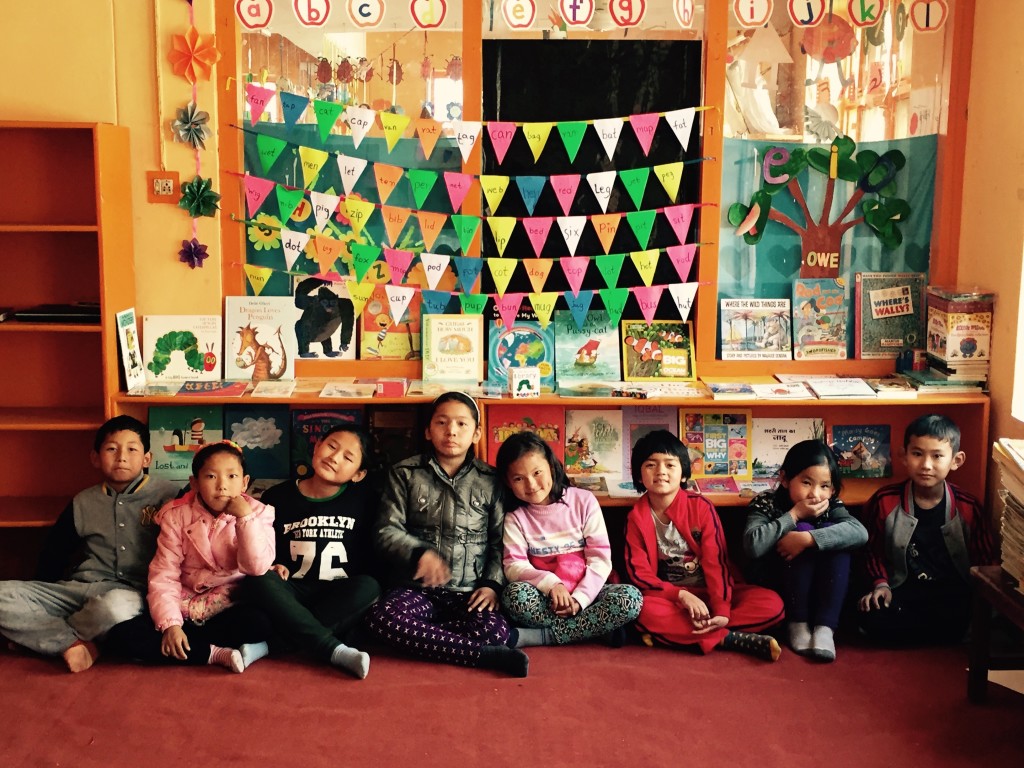
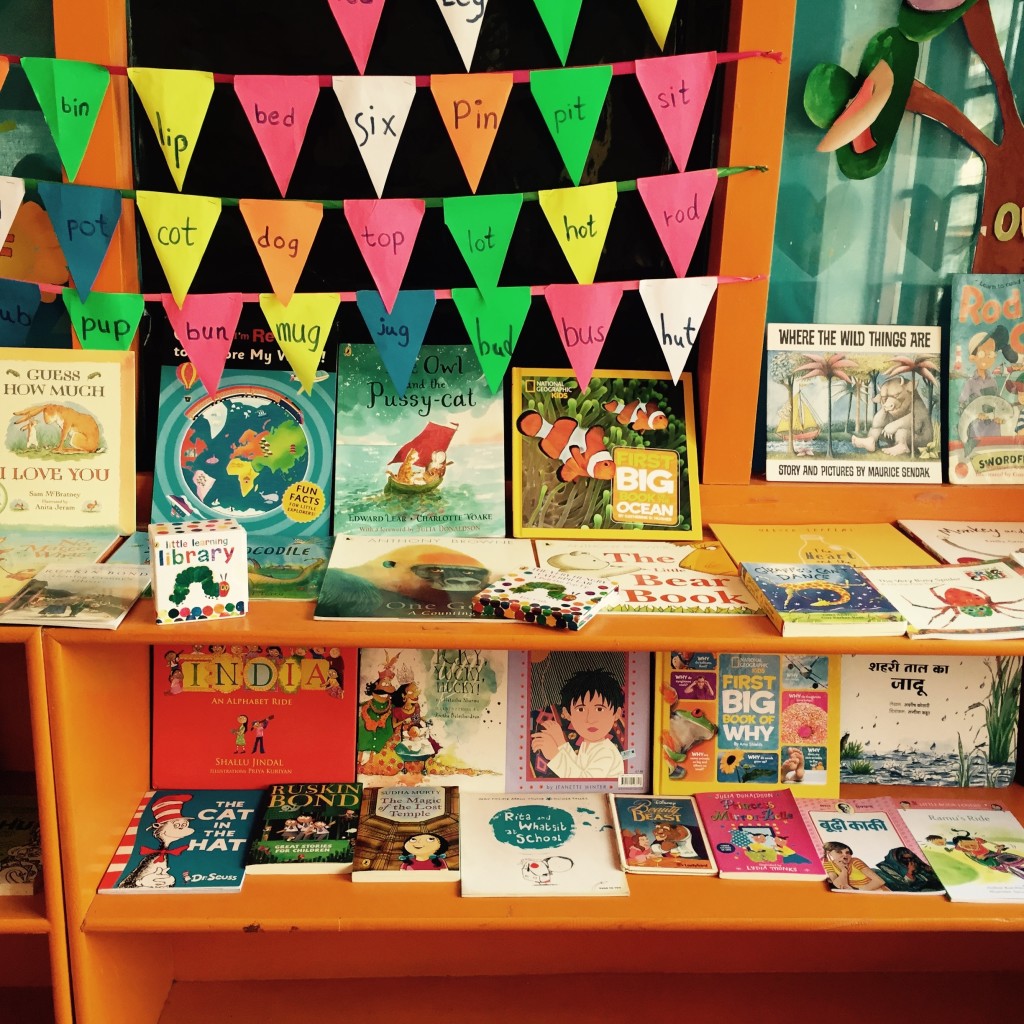
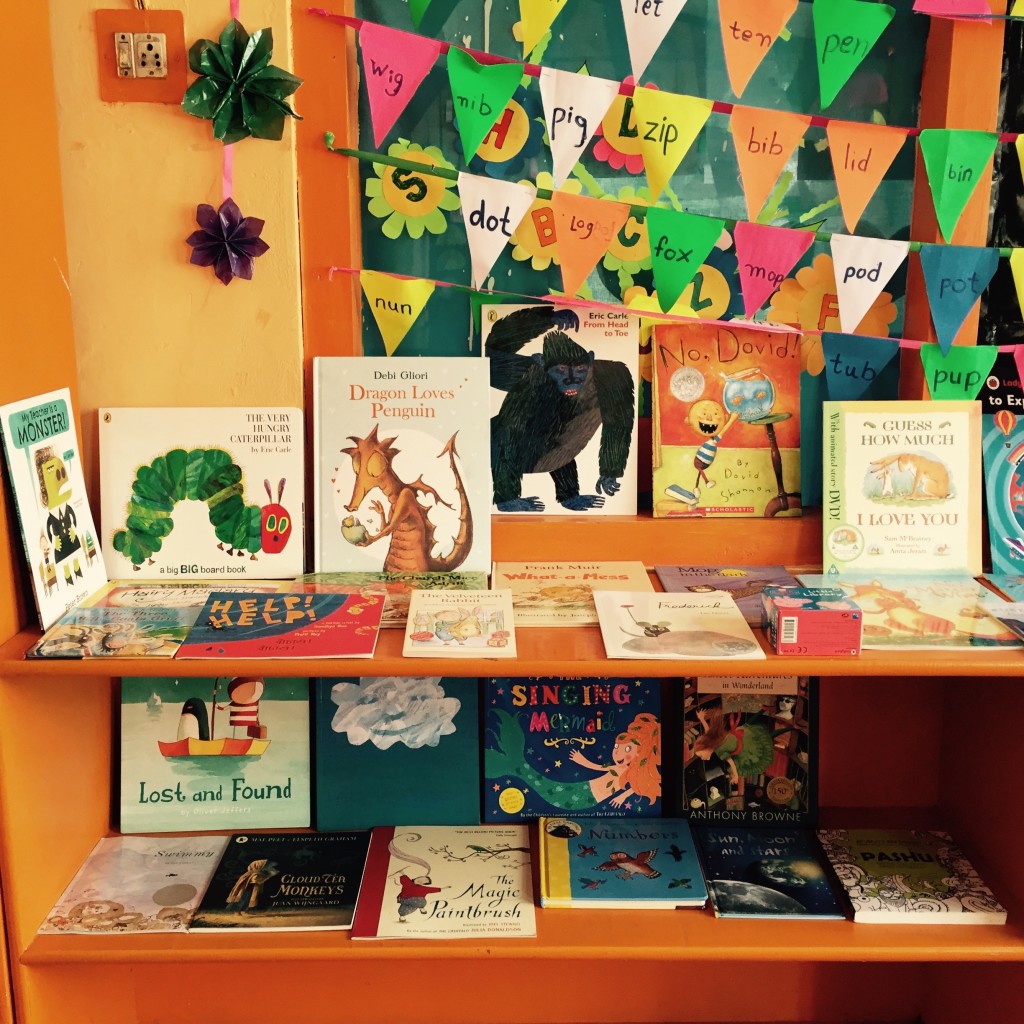
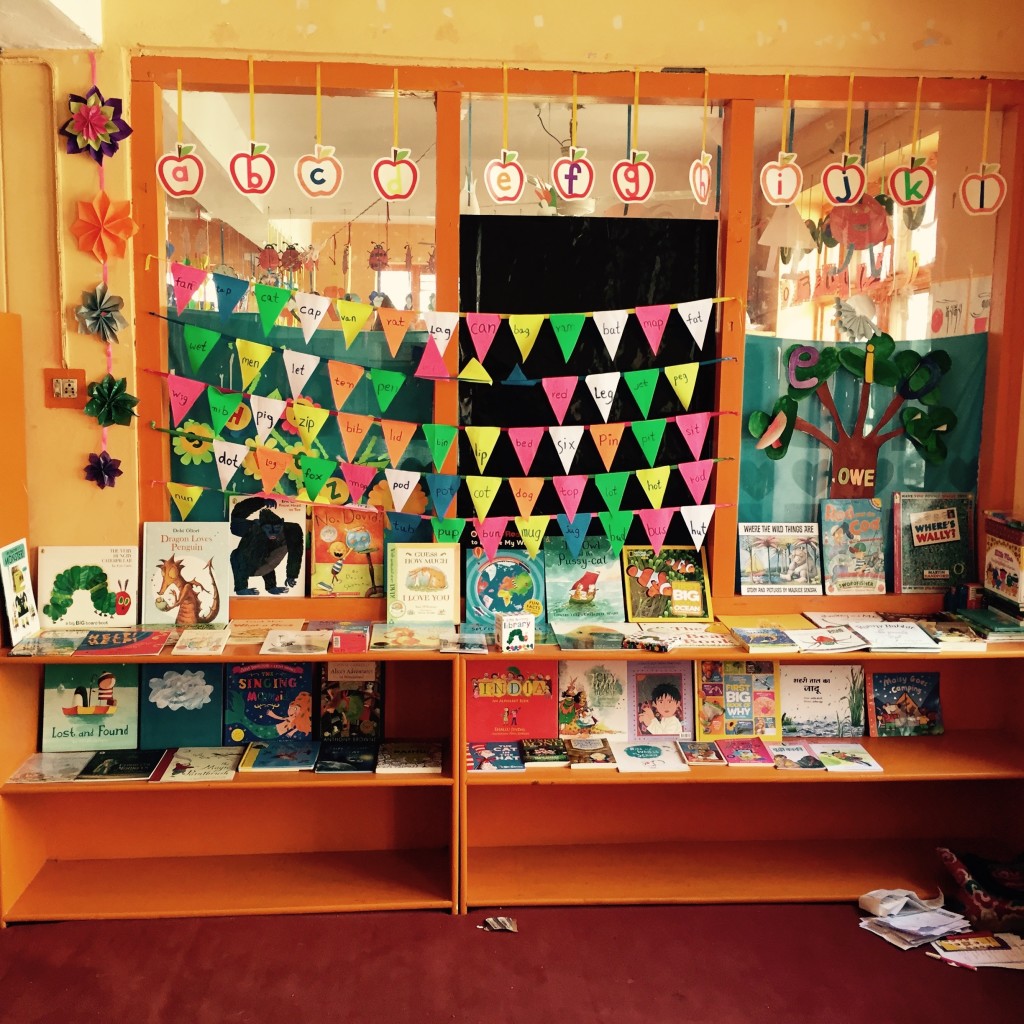
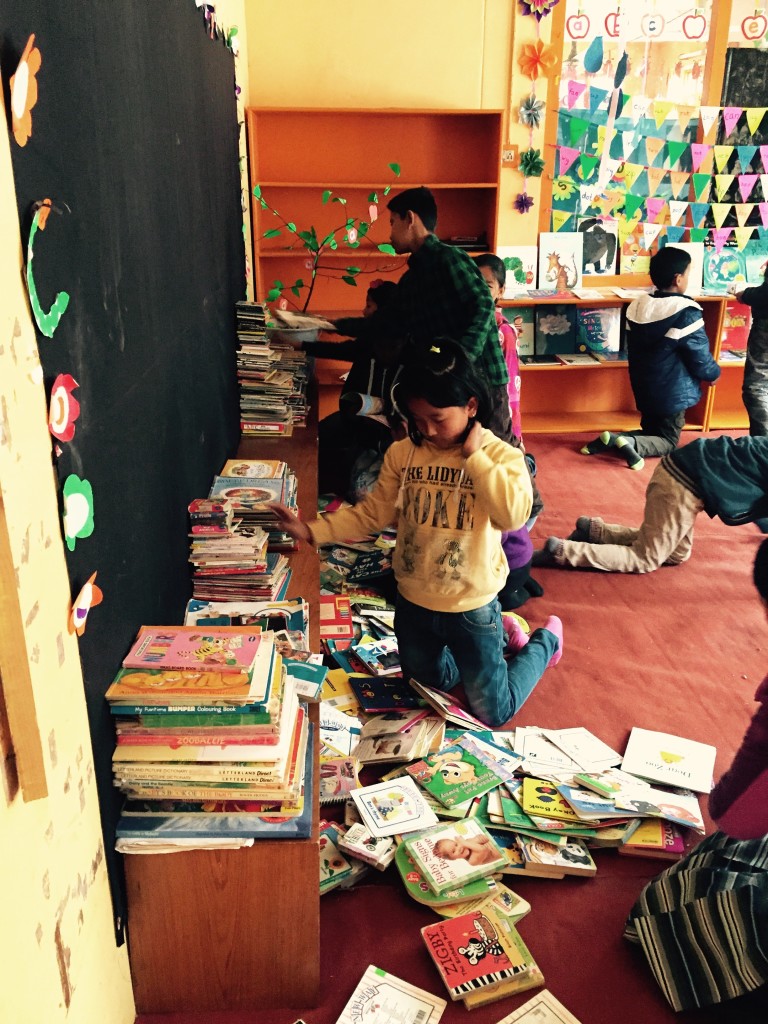
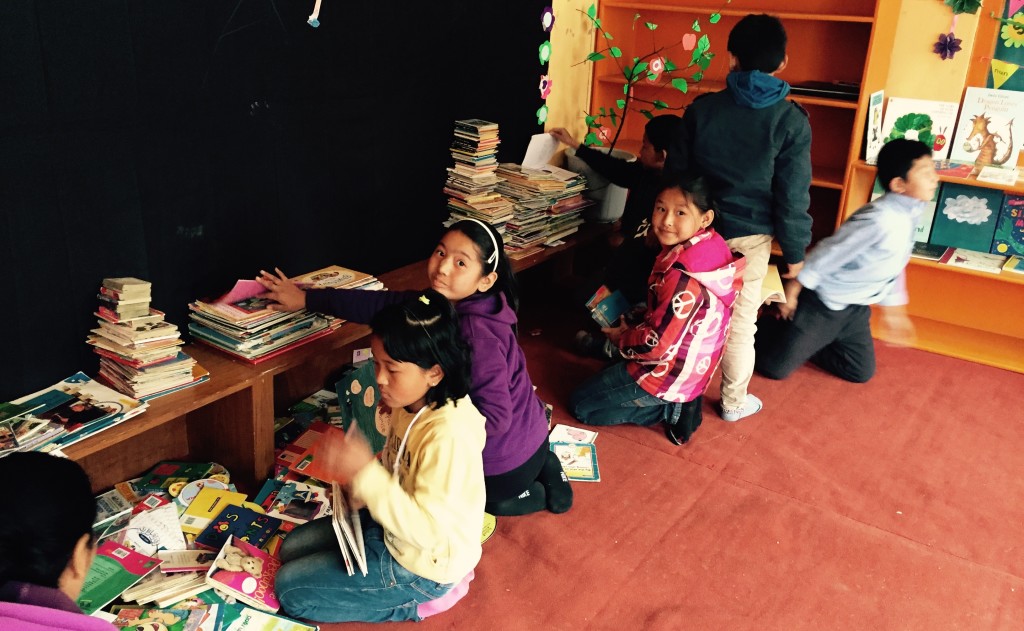
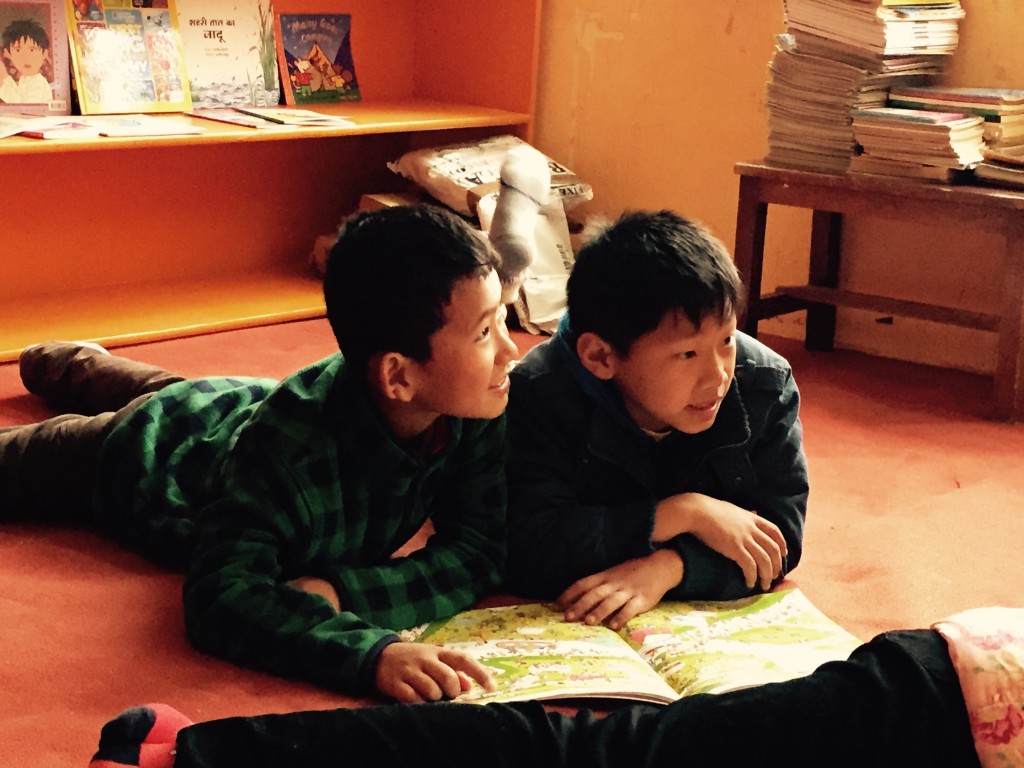
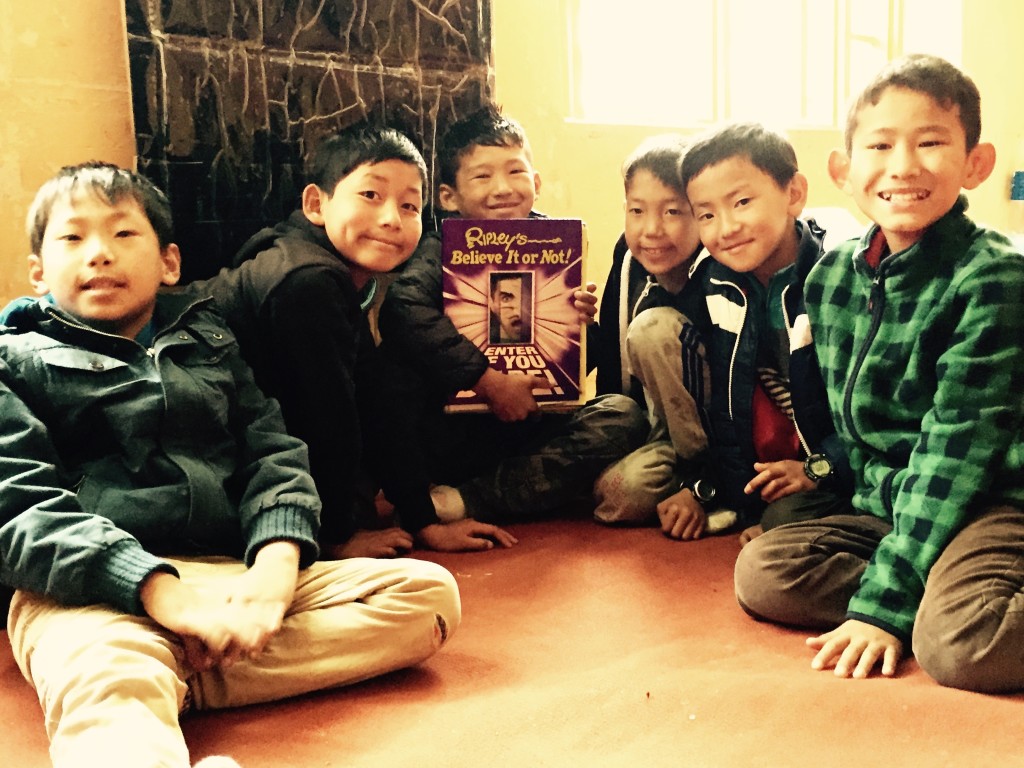
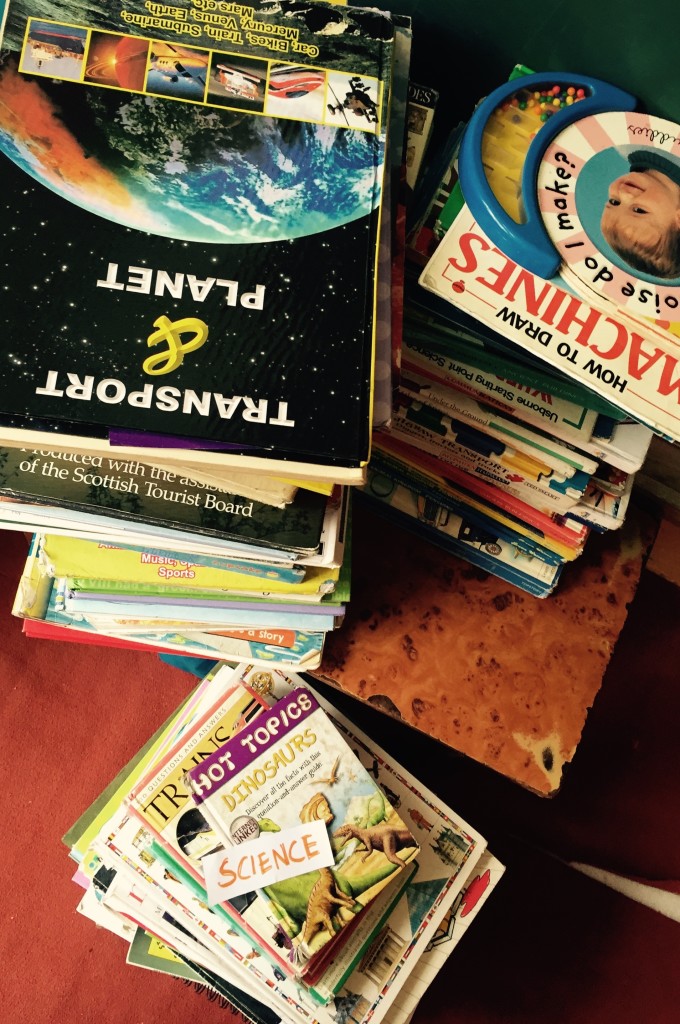
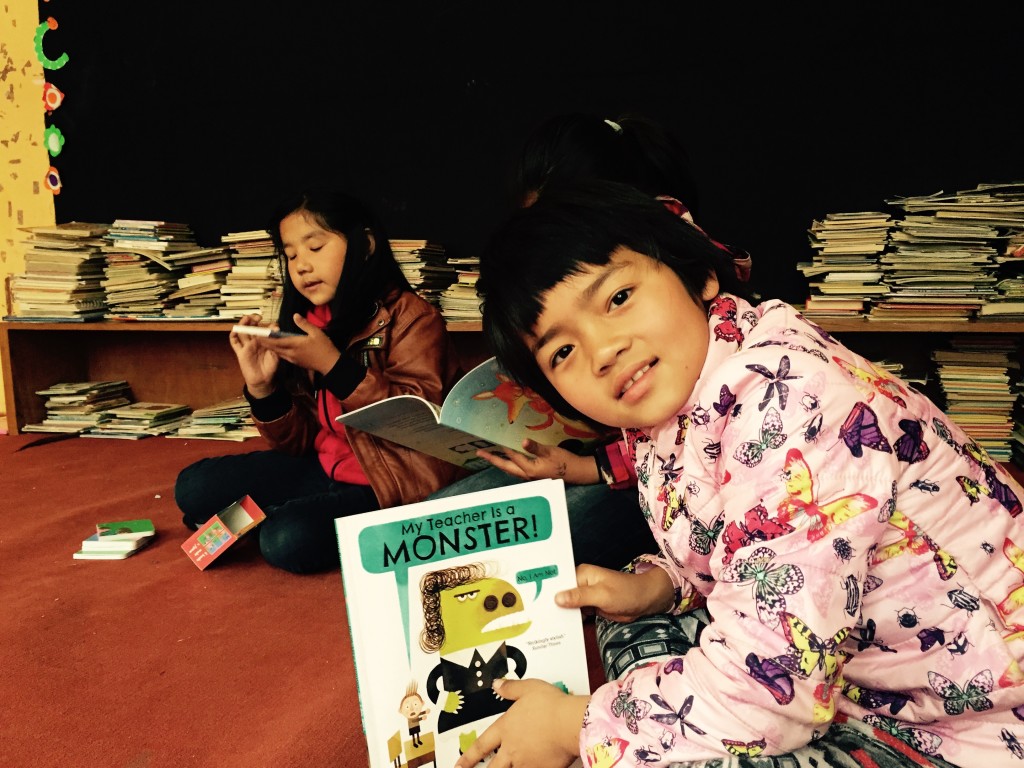
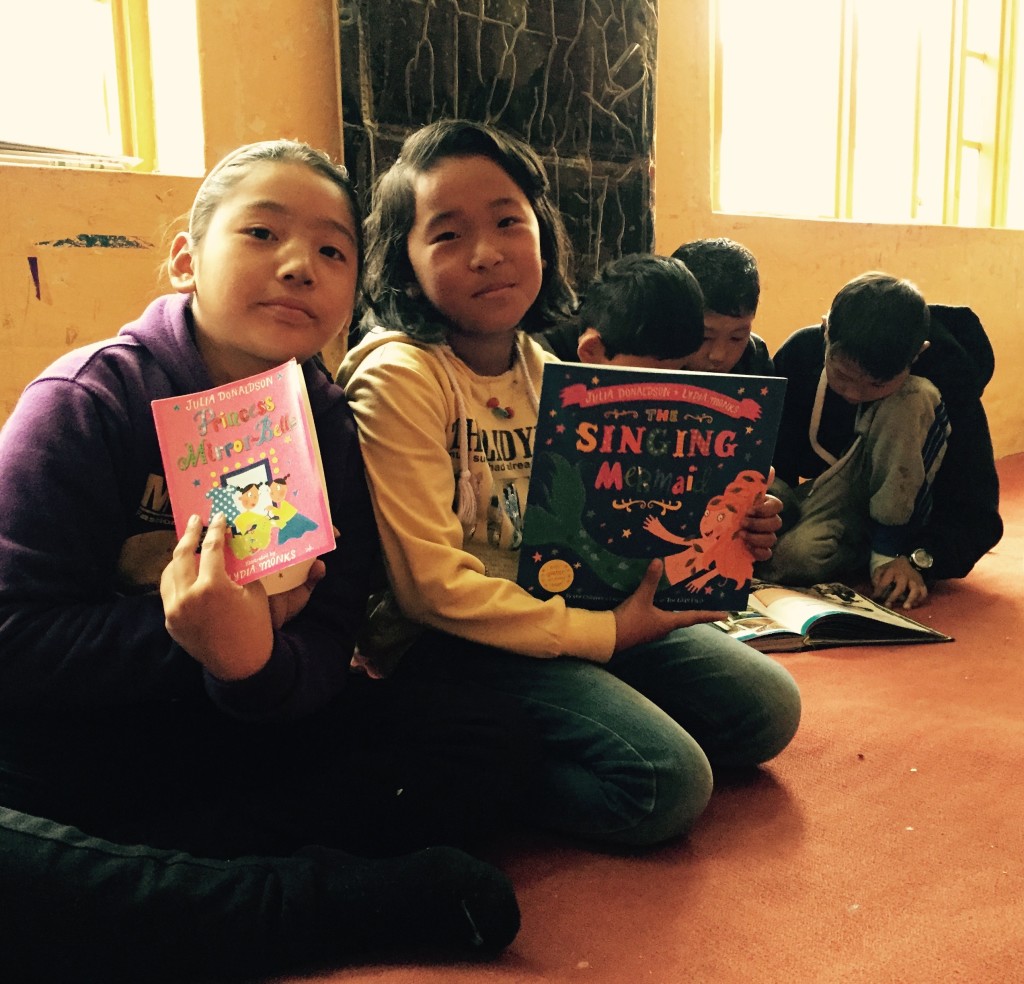
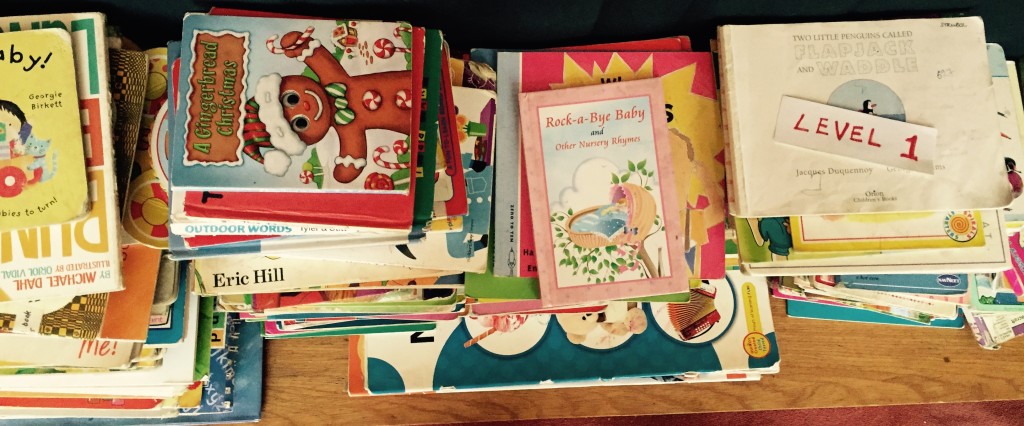
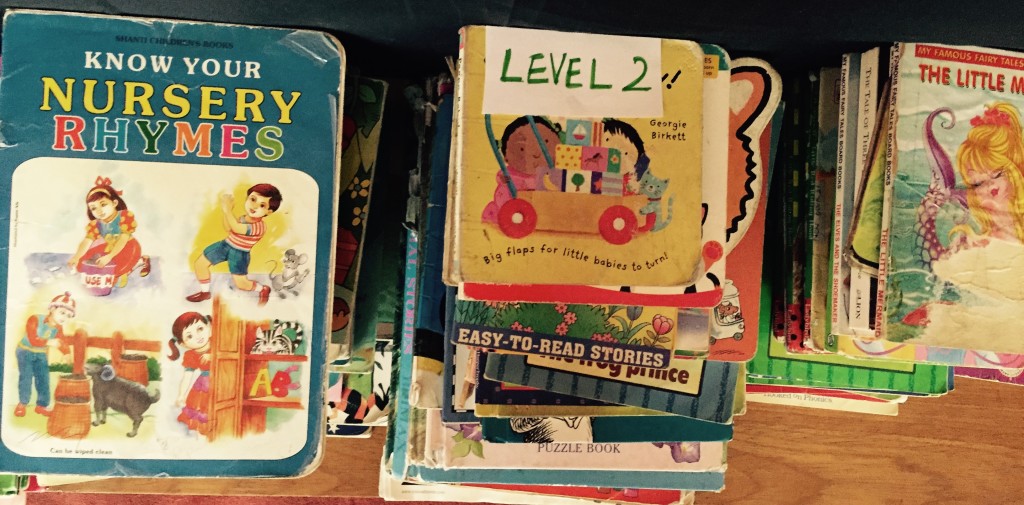
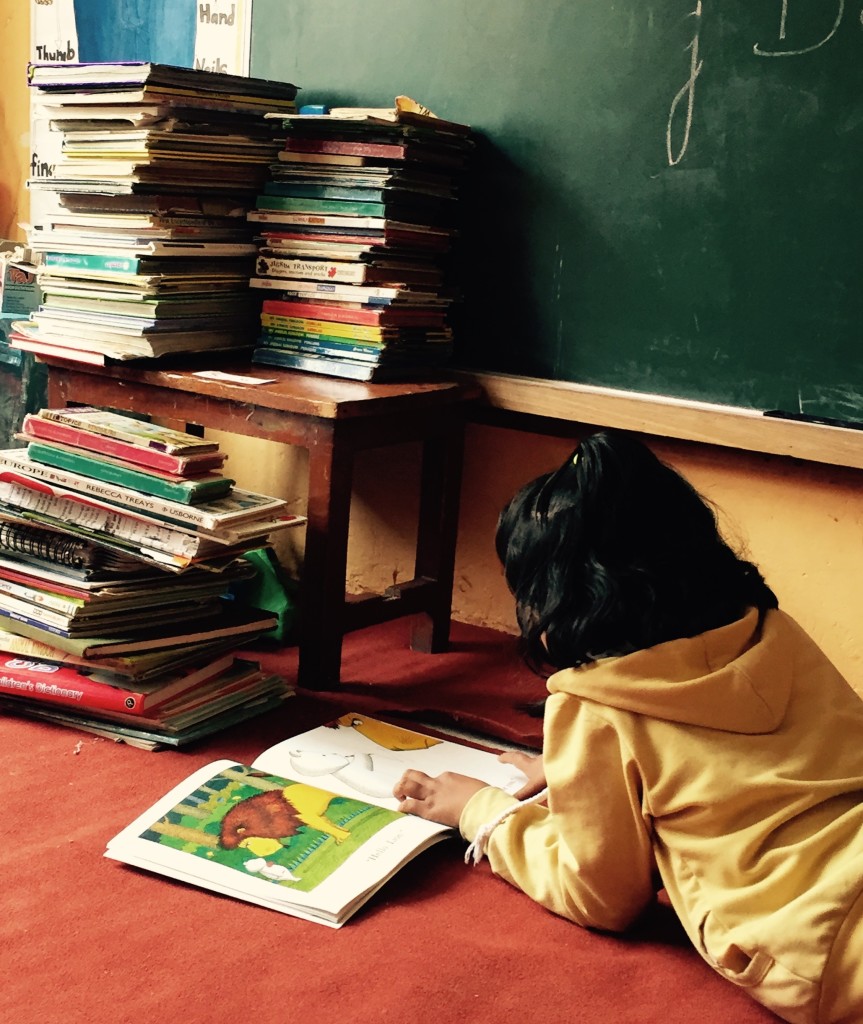
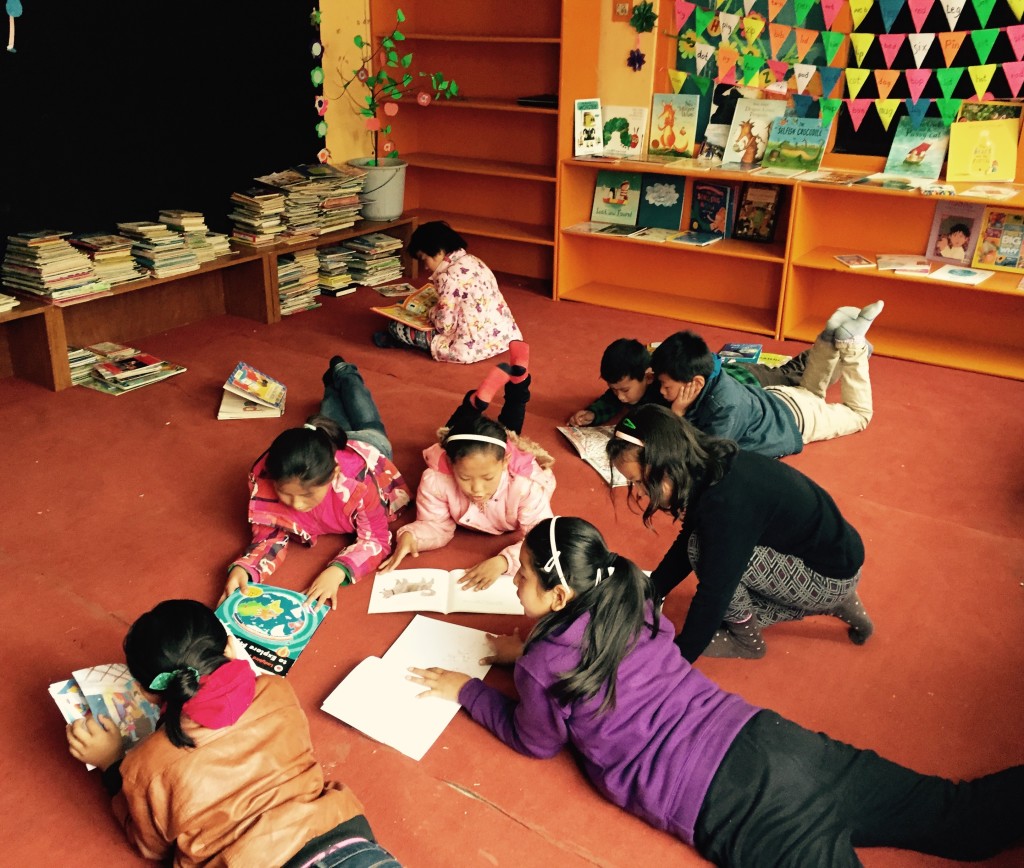
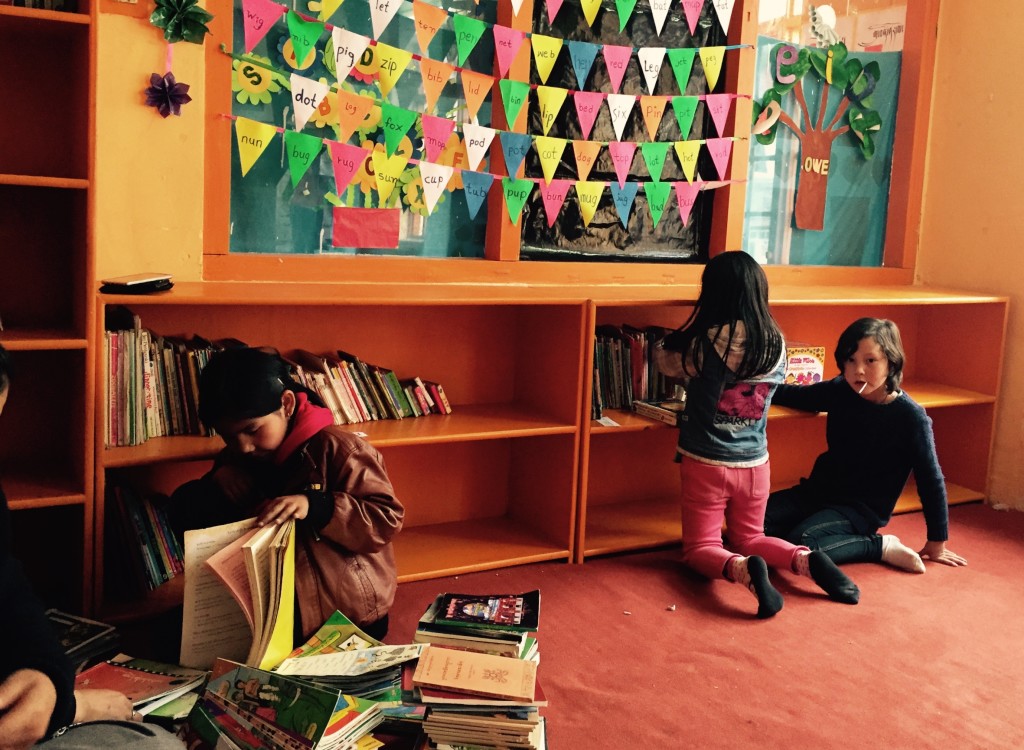
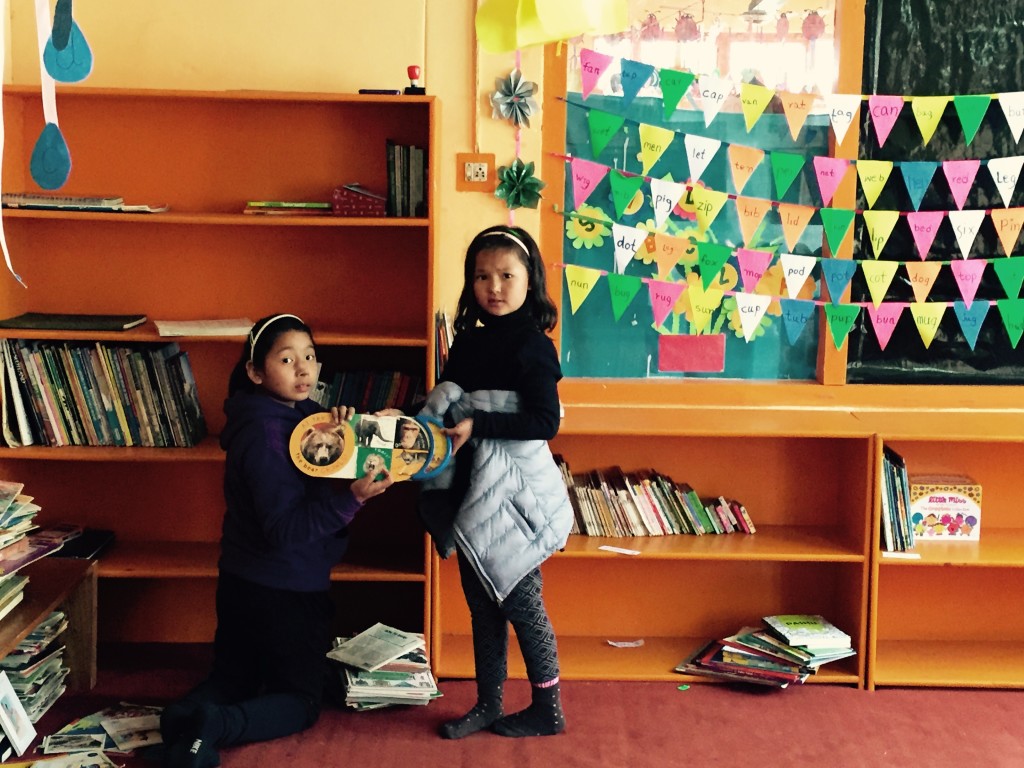
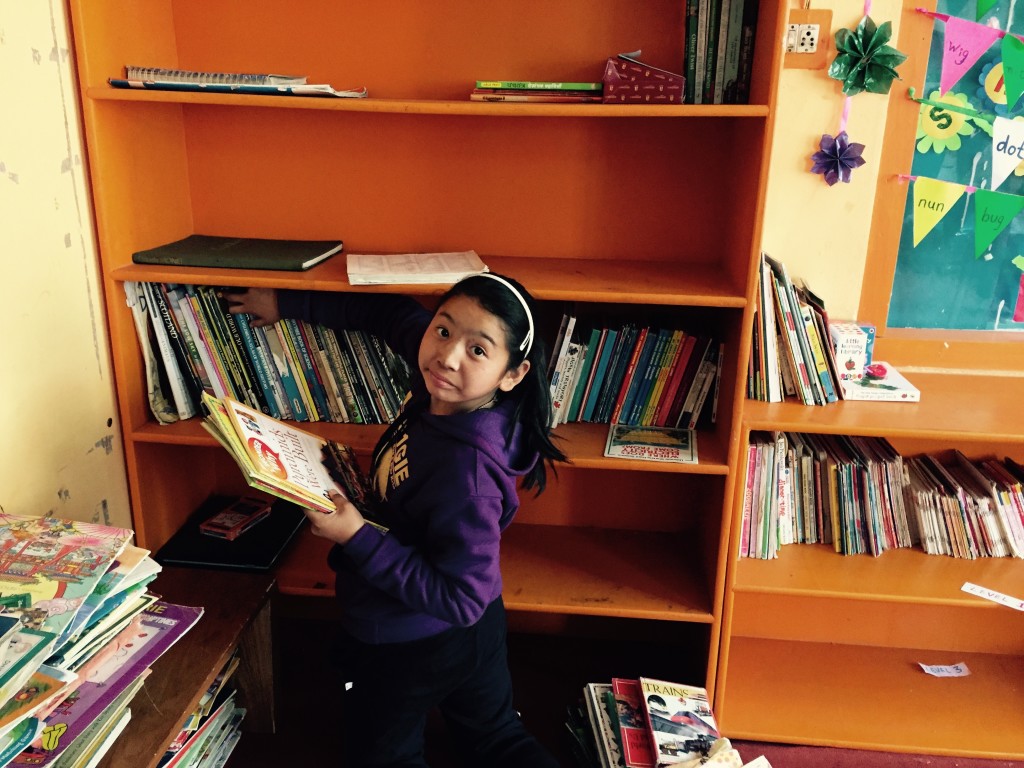
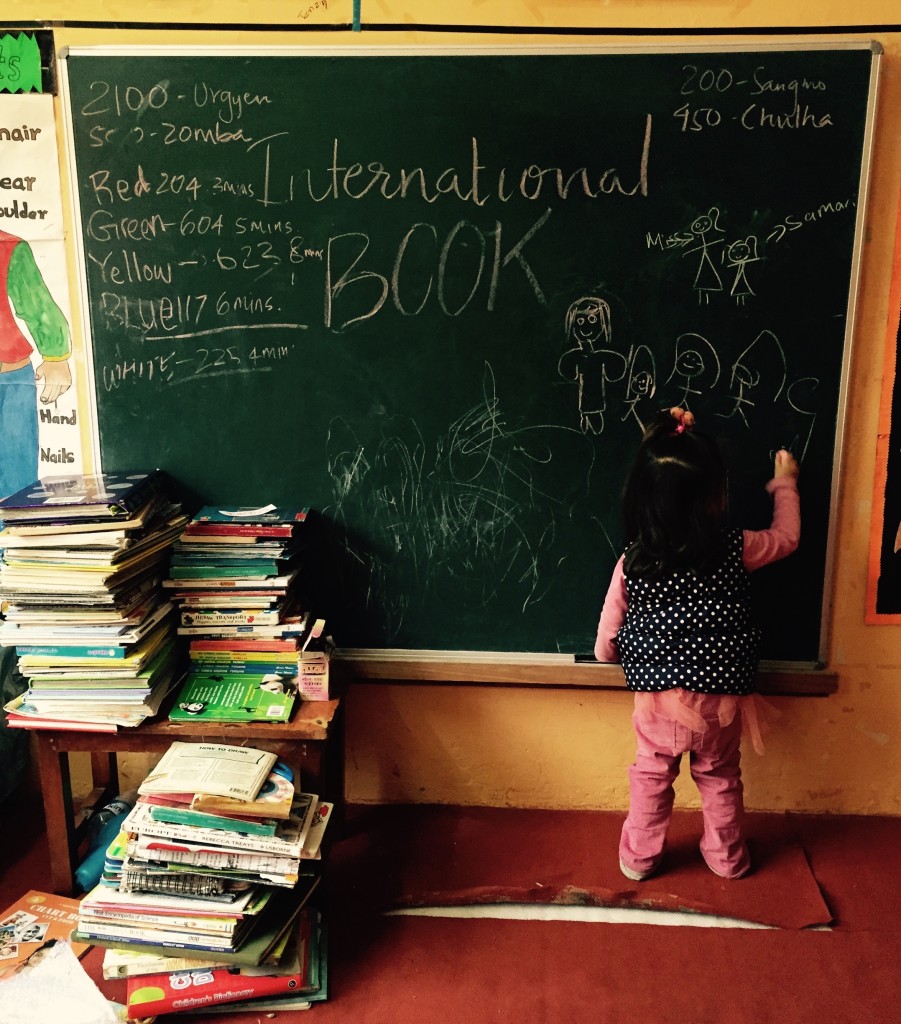
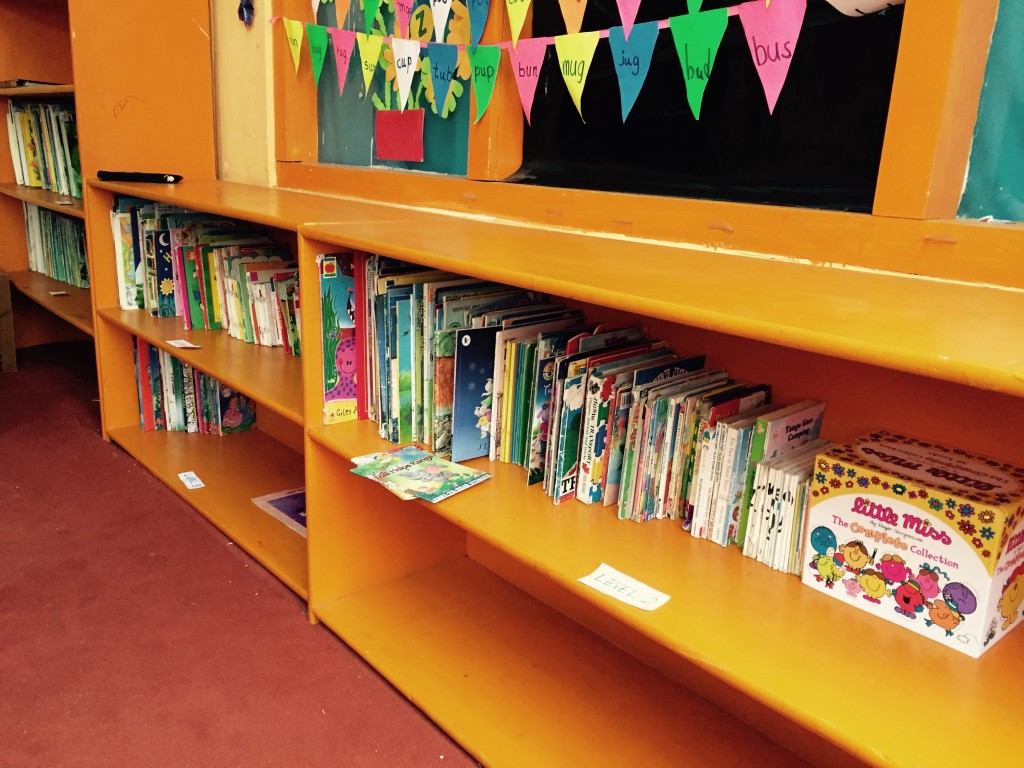
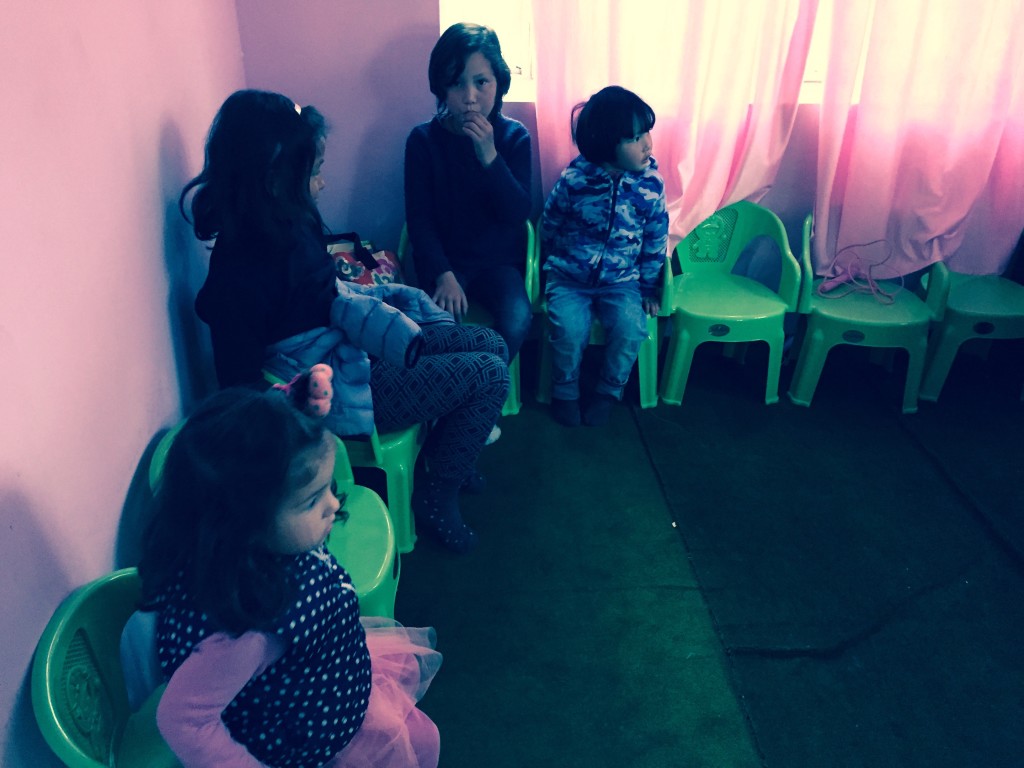
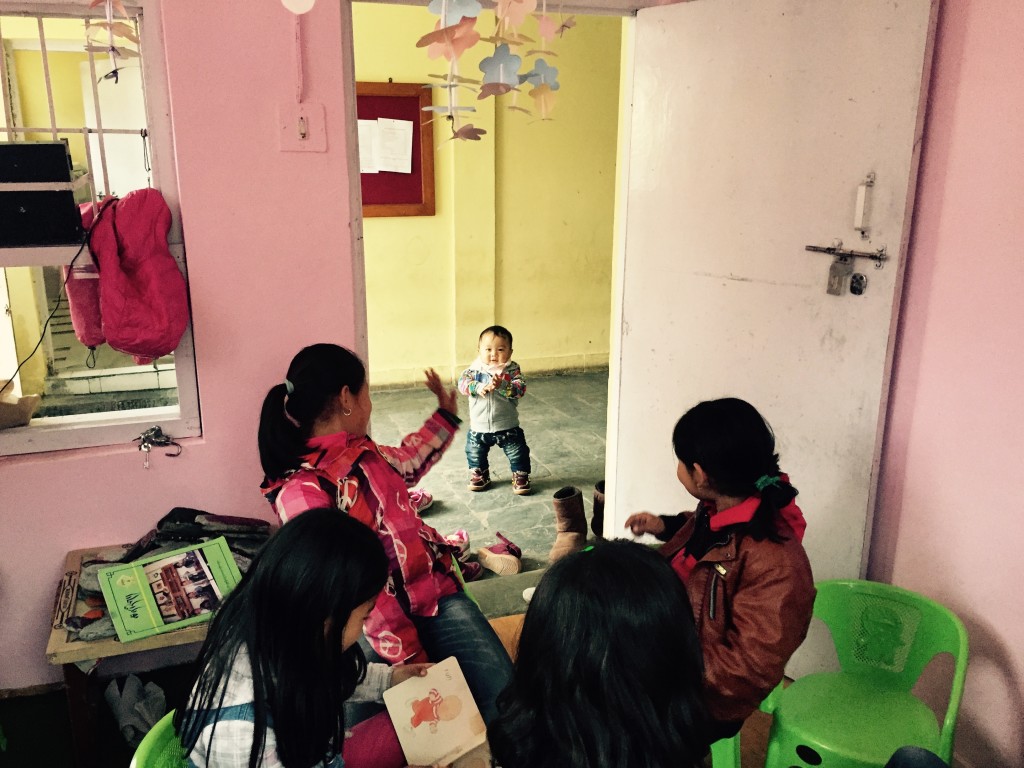
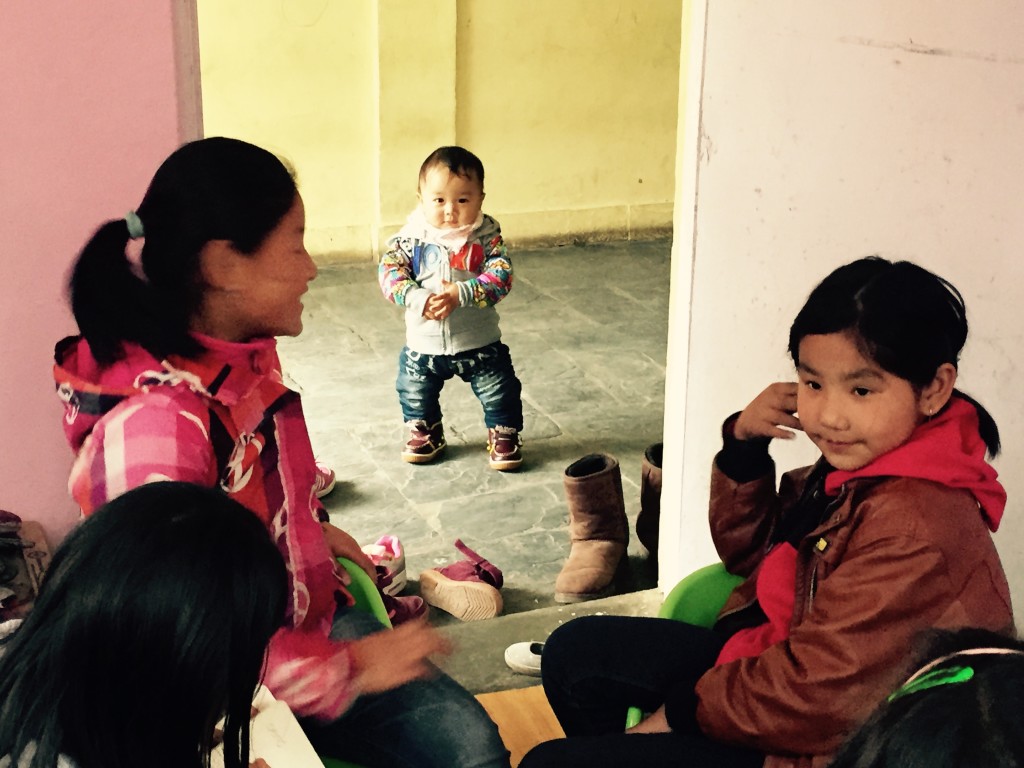
In one of Avalokiteśvara Trust’s reading rooms in Ladakh, books once had to be shared in a single open space. Children and young monks browsing the shelves could see every reader, hear every page turn and feel the next activity approaching. The room offered access, but it offered little privacy for anyone who wanted to settle with a story. Learn more about Casino Slow Internet Tips 0f99.
One volunteer saw the space differently. The volunteer who sewed curtains to create a private reading corner began with donated cloth, a needle and the belief that privacy could be made from simple materials. By dividing an open area with movable fabric panels, they turned an overlooked corner into a welcoming retreat for individual readers. Learn more about Cleanairmm.com.
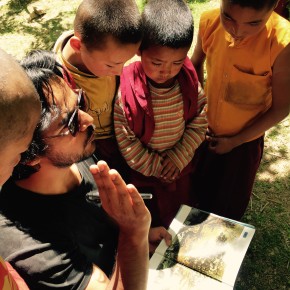
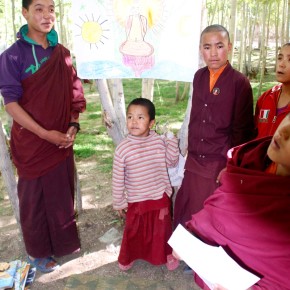
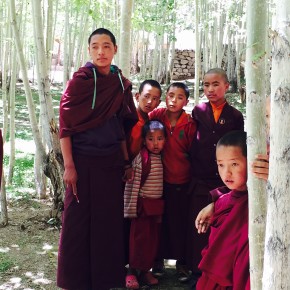
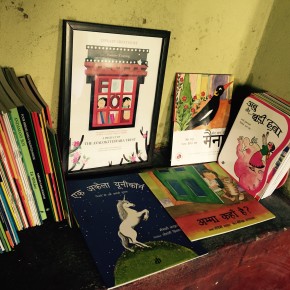
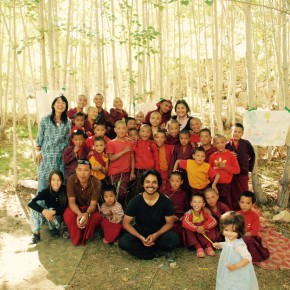
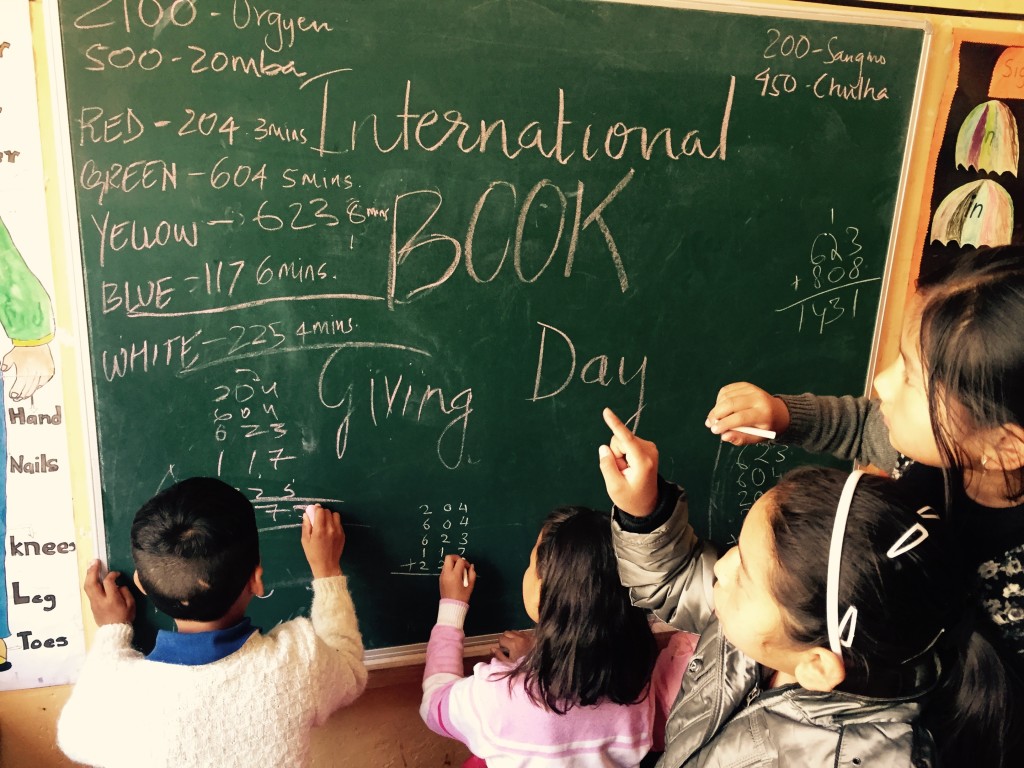
The project supports the wider work of Avalokiteśvara Trust, a charitable organisation that creates reading rooms, organises book drives and provides educational, artistic and musical activities. Its work shows that access to books is only one part of literacy. Readers also need comfort, concentration and enough room to make a book their own.
For Australian supporters, the story offers a familiar lesson: practical acts often carry the greatest weight. Sydney and Melbourne have busy op shops, active community centres and volunteers who know how to turn a donated object into something useful. The same resourcefulness can travel to Himalayan reading rooms, where every metre of space and every piece of cloth must earn its place.
A quiet corner begins
The reading corner developed through observation rather than a large purchase. The volunteer watched how the room was used, noting where children paused, where groups gathered and where sunlight made reading difficult. Fabric panels could be moved, replaced or repaired, unlike fixed timber partitions that would have been costly and slow to install in a remote setting.
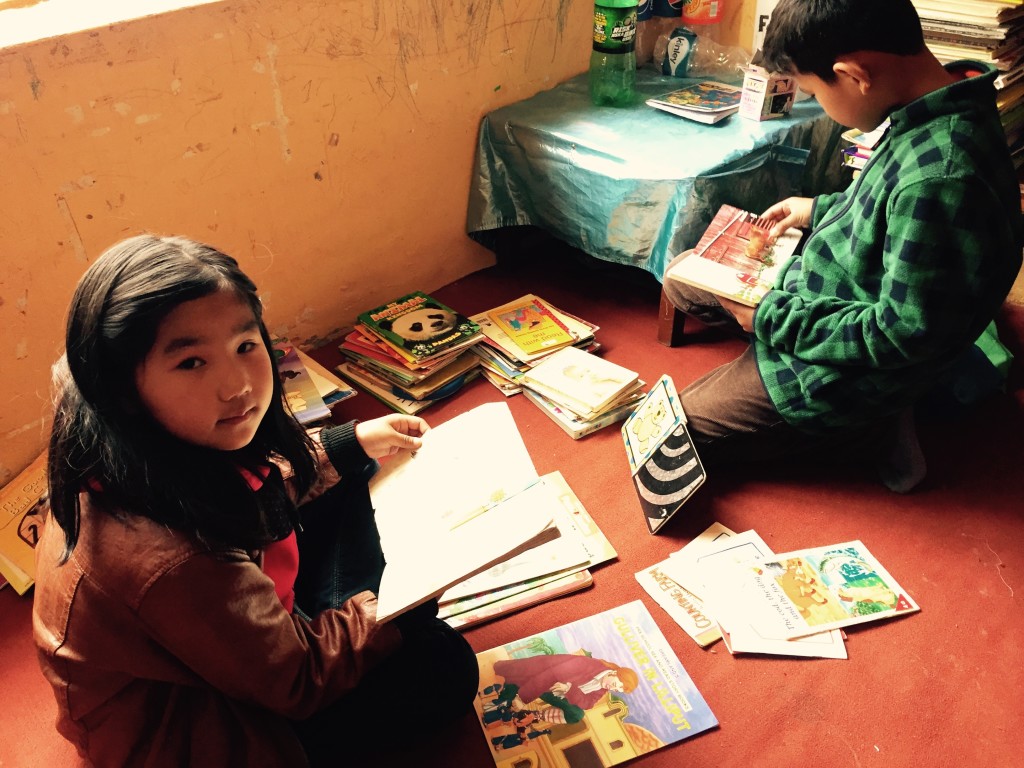
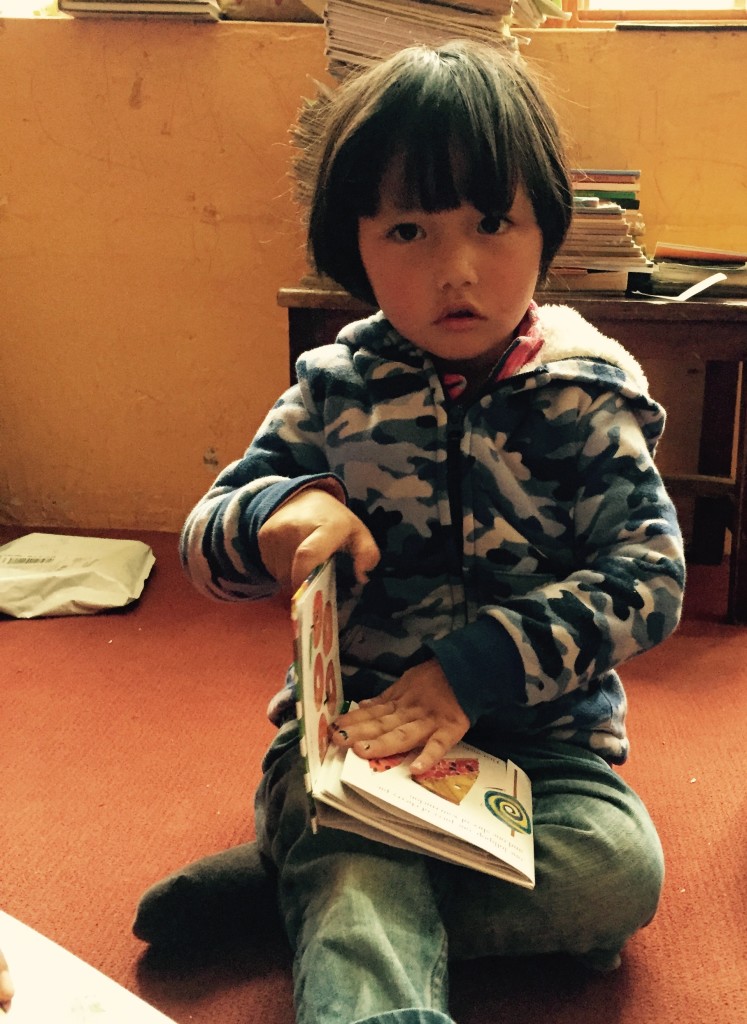
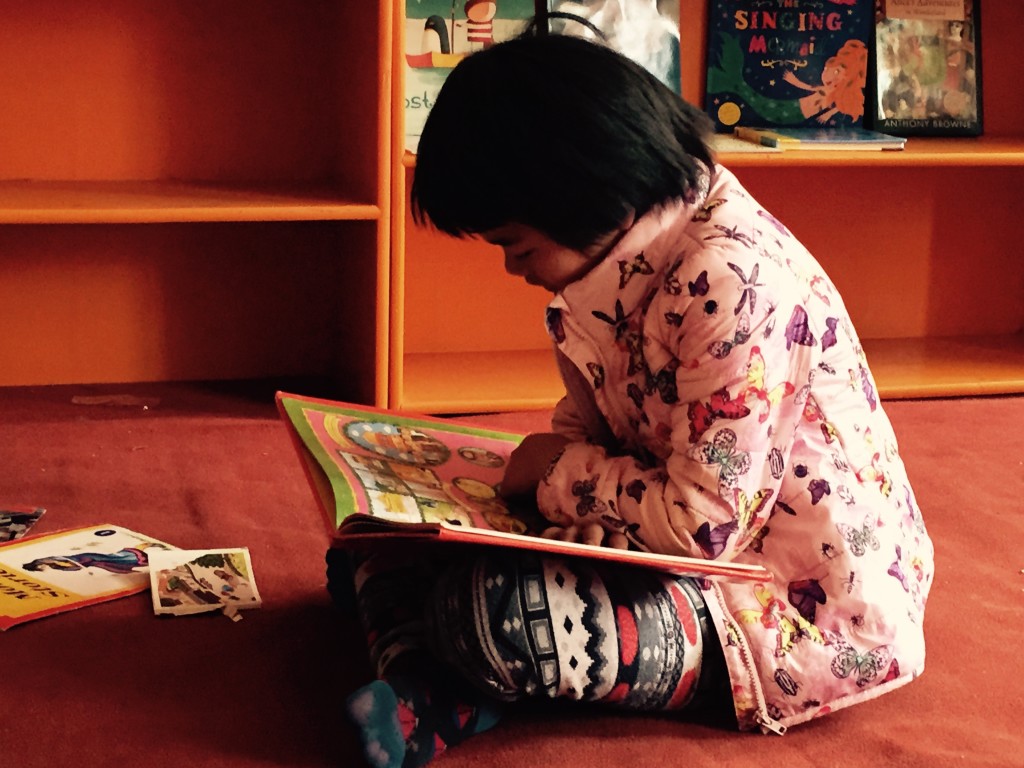
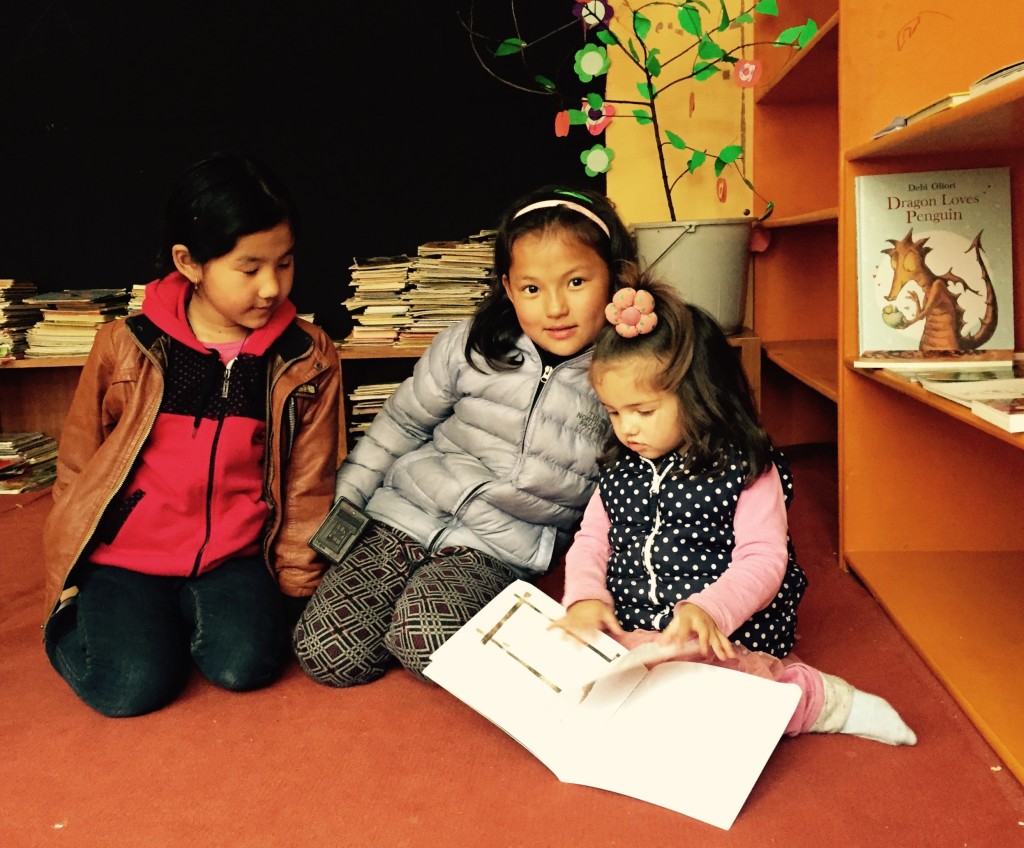
Hand-sewn curtains also allowed the space to feel personal. A child could pull a panel partly closed, sit on a cushion with a story and emerge when finished. For younger readers, that sense of control changed the room from a shared storage area into a place where reading had a clear beginning, a middle and an end.
Why privacy helps reading flourish
Privacy changes how children approach books. A beginner may worry about being watched while sounding out unfamiliar words, while a confident reader may rush to finish before the next activity begins. A defined nook gives both readers permission to slow down and follow the pace set by the page.
The curtains also reduce visual distractions. When a picture book opens in someone’s hands, the rest of the room does not compete for attention. Soft cloth absorbs some movement and sound, helping the nook remain peaceful without requiring expensive acoustic equipment or a permanent change to the building.
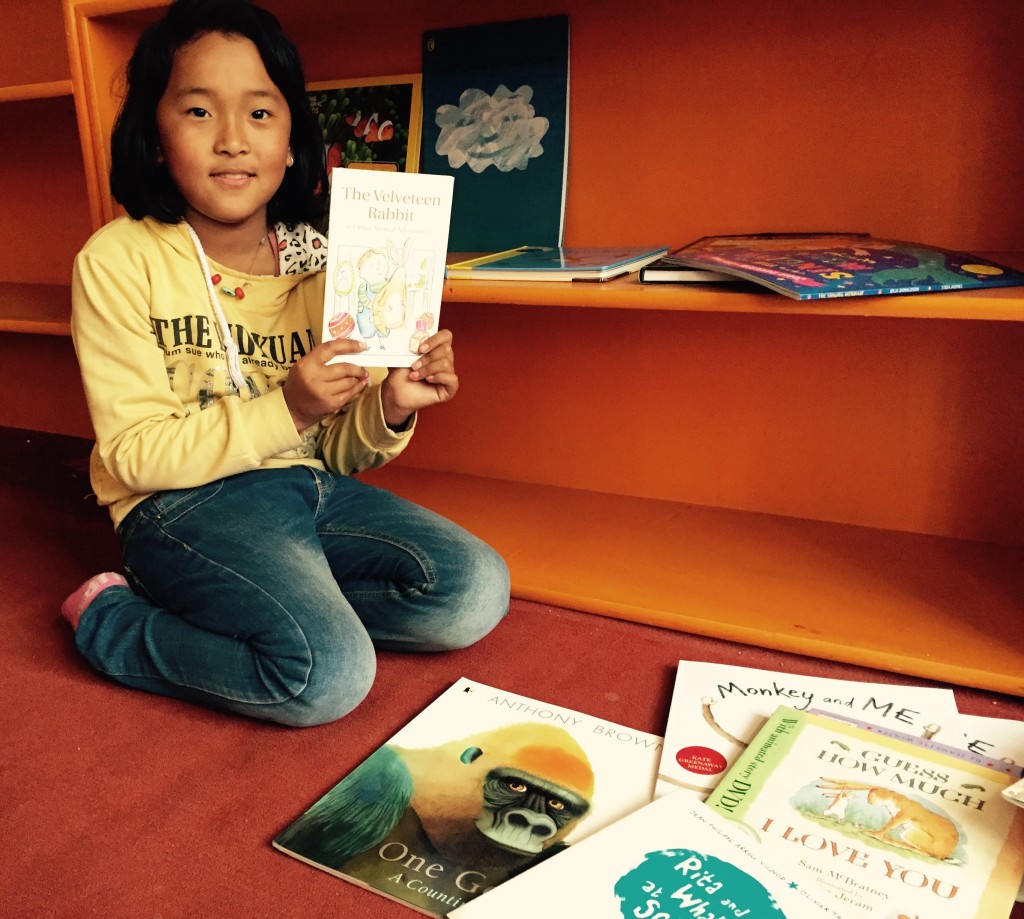
For young monastics reading in a shared environment, a private corner can be especially valuable. It provides continuity: the same book can be returned to, the same cushion can become familiar, and each visit can feel separate from the bustle of group learning. Familiar surroundings can encourage children to read more often and with greater confidence.
Turning cloth into a classroom
The practical work began with measuring the available area and checking the condition of donated fabric. The volunteer selected material that was light enough for children to move but sturdy enough to withstand repeated use. Panels were hemmed by hand, with attention paid to edges that might catch small fingers.
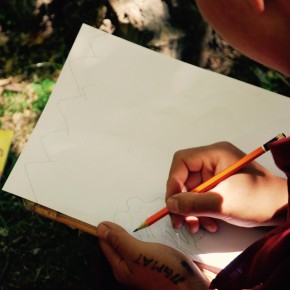
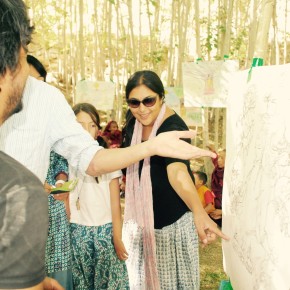
Children and educators were consulted about the result. Their preferences shaped the number of curtains, the width of each opening and the arrangement of the seating area. This kept the project grounded in daily use rather than an adult idea of what a reading room should look like. It also allowed the creative programme to continue through simple decoration of the space.
Remote coordination can be frustrating on an unstable connection, so the project team keeps offline photographs of book lists and consults this slow internet advice before attempting a video call. Useful records and regular local contact matter when materials, books and people are spread across different regions.
What the curtains changed
Before the intervention, privacy and concentration depended on timing. A reader might find a quiet moment when the room was empty, but there was no reliable place to return during busier periods. The curtains created a consistent option that could be used throughout the day.
The change was modest, yet its value could be seen in ordinary behaviour. Children chose books independently, younger readers spent longer with illustrations, and groups no longer needed to occupy the entire reading area. The intervention did not increase the number of titles on the shelves; it improved the conditions in which those titles could be enjoyed.
| Reading need |
Before the curtains |
After the curtains |
Practical result |
| Privacy |
Readers remained fully visible |
A child could close a fabric panel |
Less hesitation when beginning a book |
| Concentration |
Movement in the room interrupted reading |
Each reader had a defined space |
Longer and more regular reading sessions |
| Flexible use |
One open area served every activity |
Small nooks could be adapted quickly |
The room worked for individuals and groups |
| Book care |
Books were often held in a shared queue |
Readers could settle before choosing |
Less crowding and a calmer approach |
Bringing the idea home to Australia
Australian volunteers may first think of materials available through op shops such as Salvos, local craft groups or fabric remnants listed on Gumtree. In Sydney and Melbourne, those networks make it possible to gather useful cloth without buying new material. Melbourne’s inner-city laneways and community craft markets can be particularly rich sources of small offcuts, while local sewing groups already have the skills needed to turn them into panels.
Timing matters as well. Australian school holidays in January and the break in late June or early July can support book drives, fabric collection days and volunteer sorting sessions. Libraries and community centres can provide temporary collection points, while neighbourhood Facebook groups and volunteer networks can help organisers reach families who may not encounter an international charity through traditional channels.
Weather adds another local consideration. Heatwaves and bushfire smoke can make eastern Australian cities uncomfortable or unsafe, so event planners can check official warnings alongside clean air resources before moving children outdoors. Indoor reading activities may need flexible plans, extra ventilation or another suitable venue when conditions change.
A practical plan for supporting reading spaces
Australian supporters who want to assist should begin by learning what the reading room actually needs. Fabric dimensions, the condition of existing curtains and the ages of the intended readers matter more than a large quantity of miscellaneous supplies. Direct communication with the Trust or its local partners can prevent well-intentioned donations from becoming difficult to store or use.
The most useful support combines material, practical skills and books. When giving instructions to volunteers, keep the tasks specific and manageable, from measuring panels to checking donated titles against the existing collection.
- Ask the project for current panel sizes, fabric quantities and colour preferences before purchasing anything.
- Donate clean, durable, lightly coloured cloth that can be cut without damaging printed designs.
- Fund thread, needles, trims and local tailoring so the work can be completed and repaired nearby.
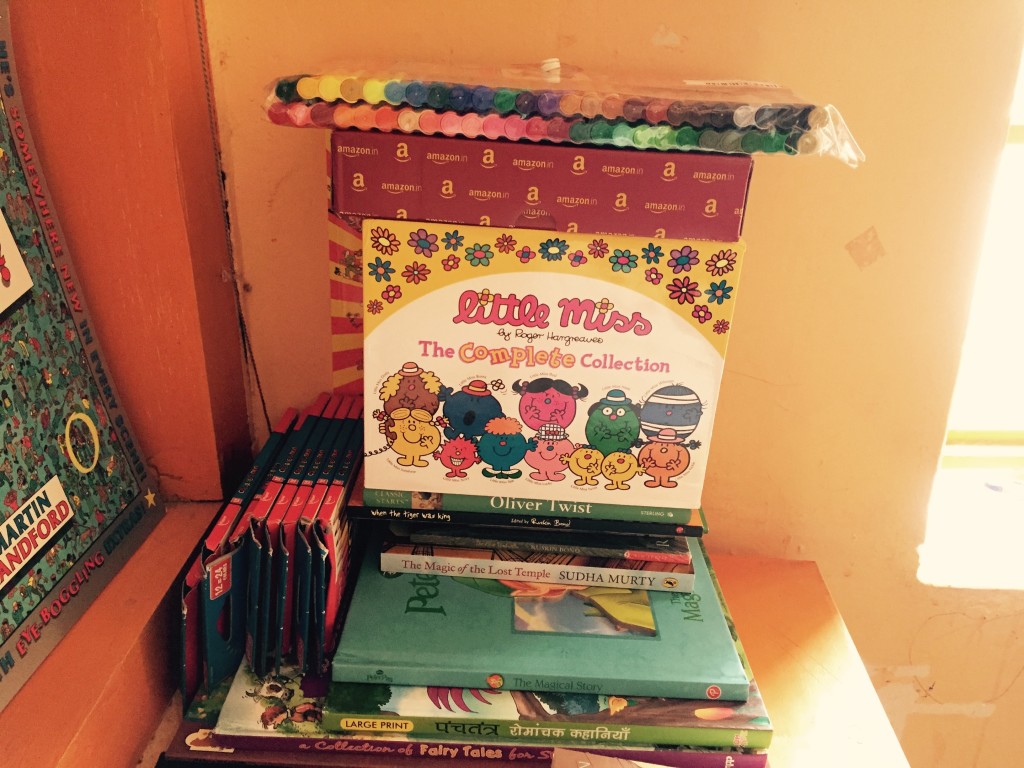
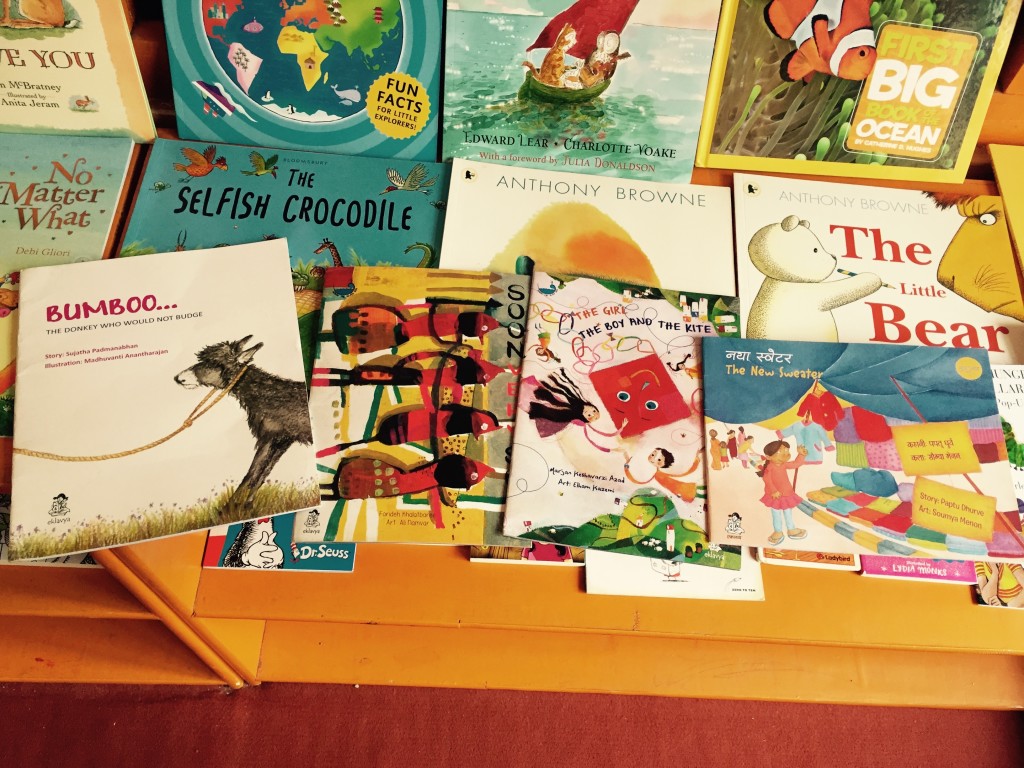
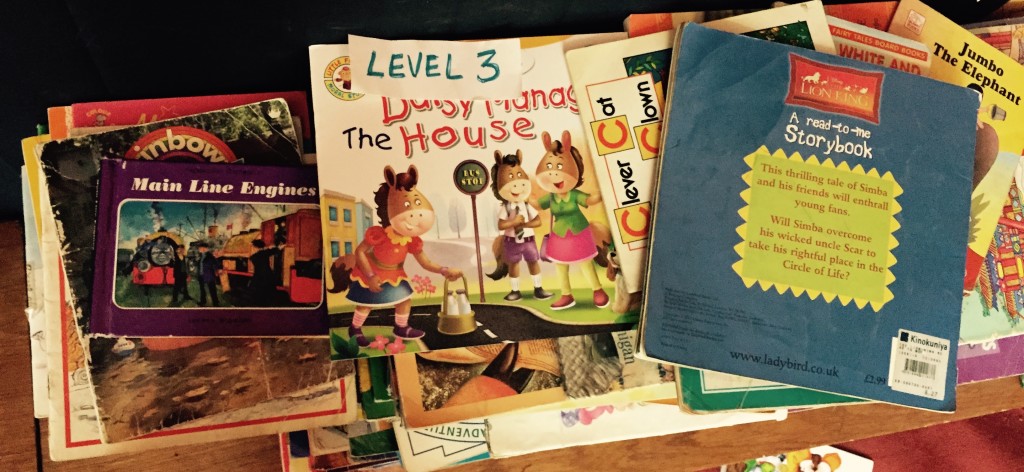
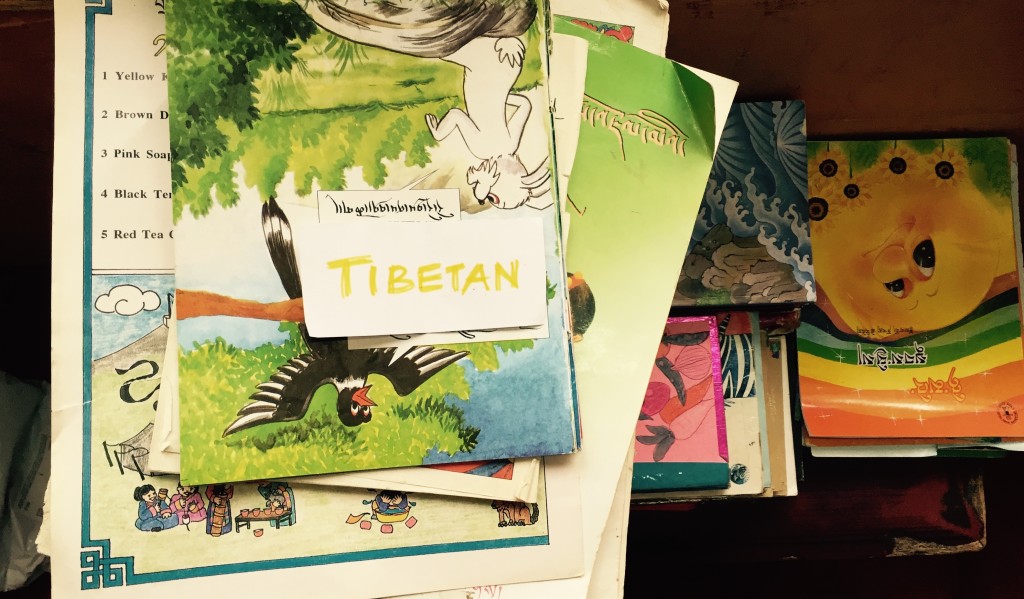
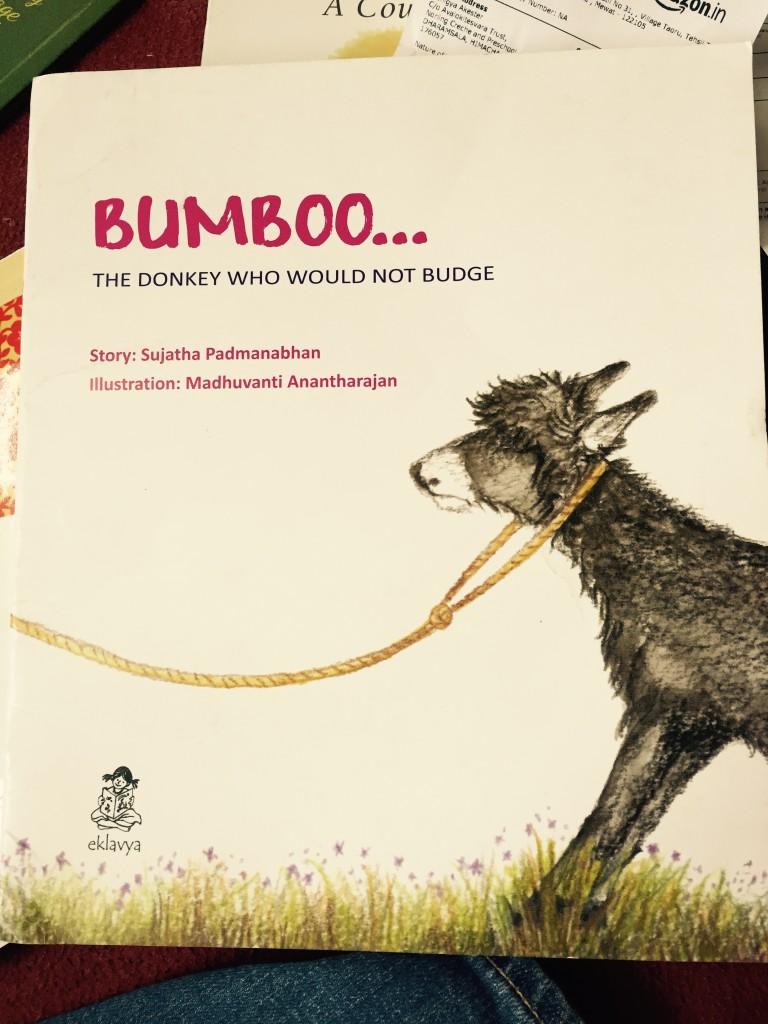
- Pair fabric donations with an age-appropriate book drive, avoiding titles that duplicate existing shelves.
- Invite children to make removable bookmarks or illustrated panels, linking the project to the Trust’s artistic activities.
- Record a simple maintenance and fabric-replacement plan with the reading-room team.
The concrete next step is one matched bundle of durable cloth, sewing supplies and age-appropriate books, coordinated with Avalokiteśvara Trust for a single reading corner.