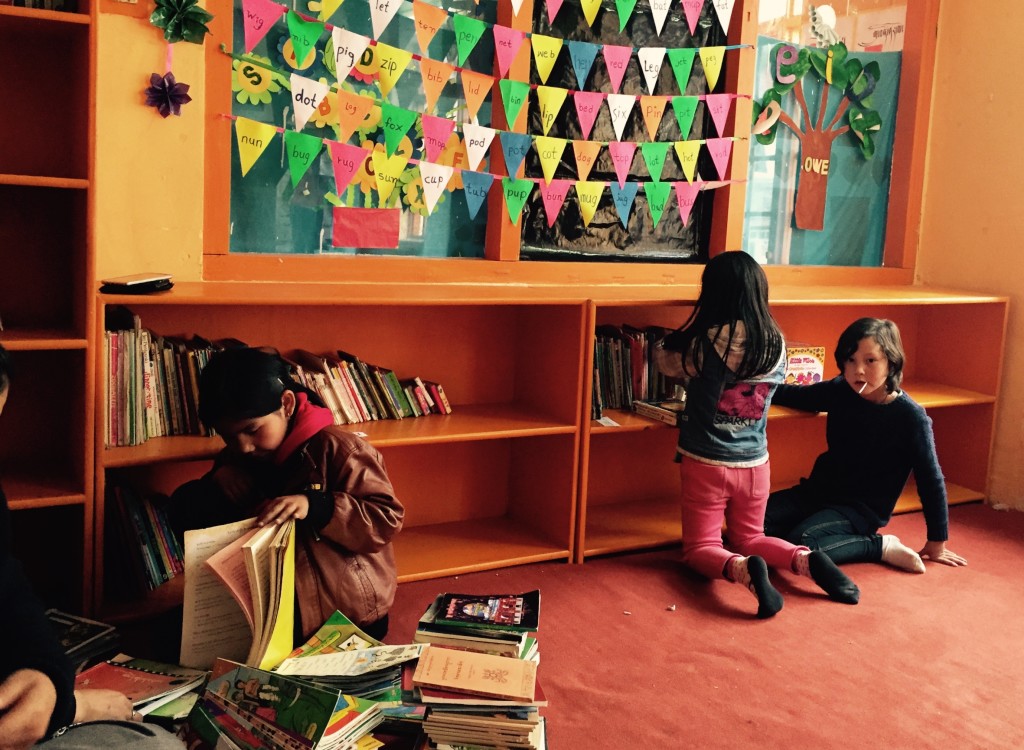
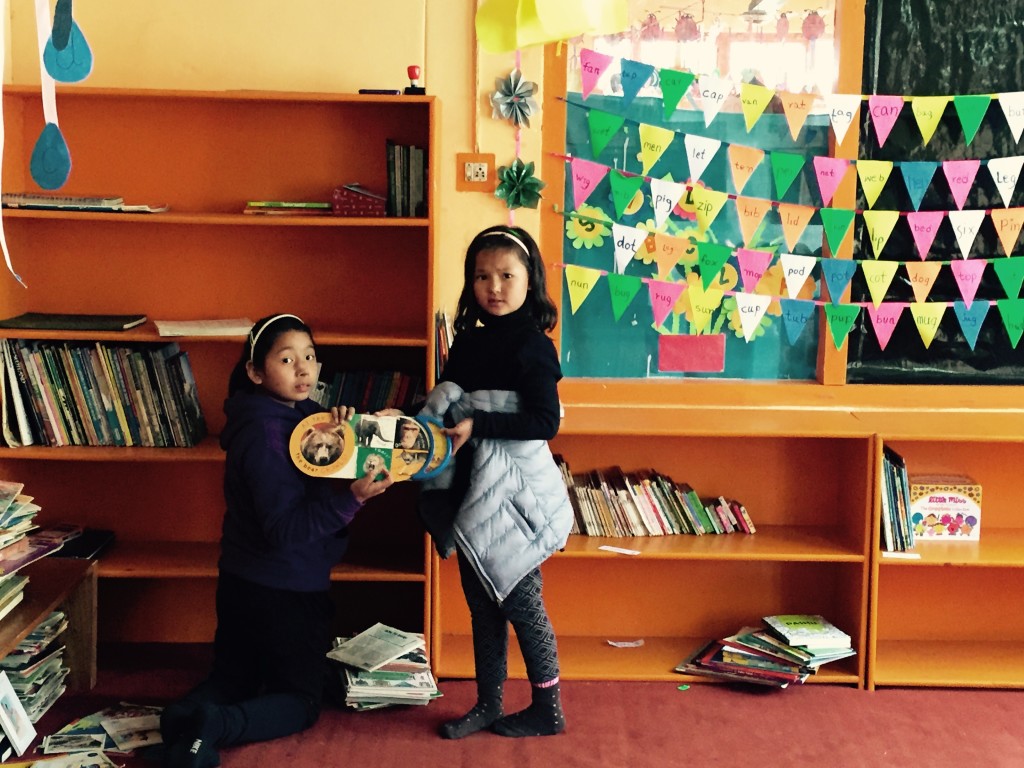
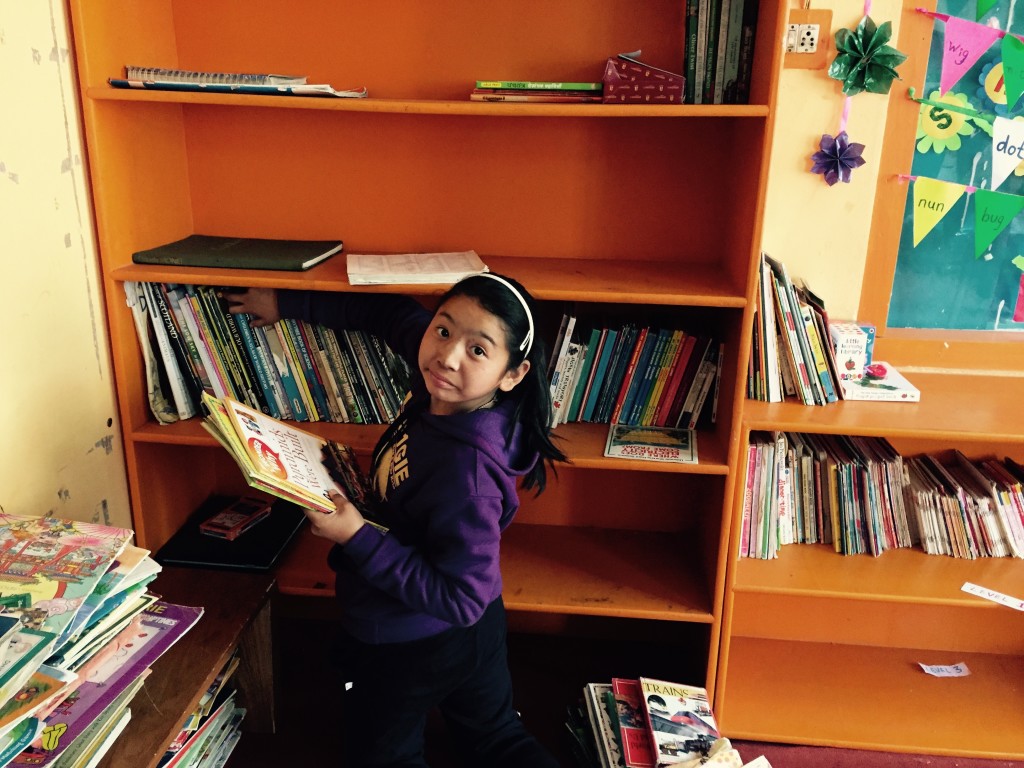
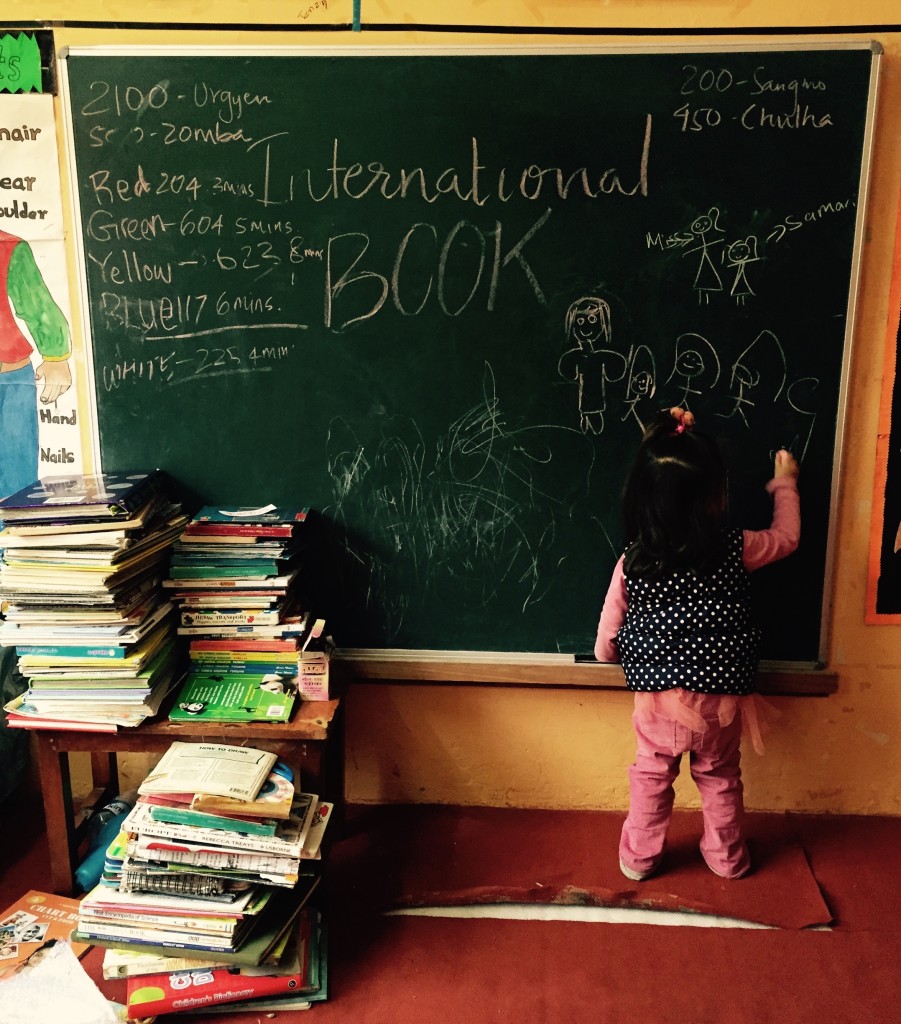
The volunteer who read The Hobbit aloud over ten afternoons
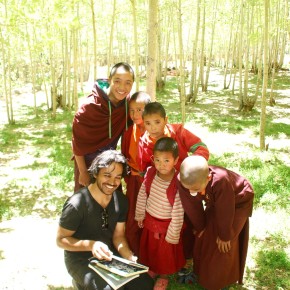
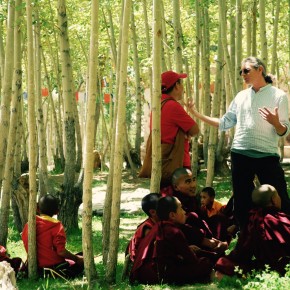
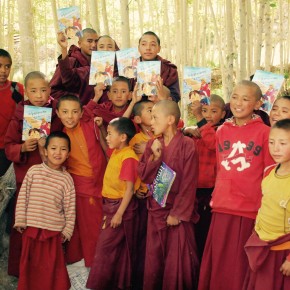
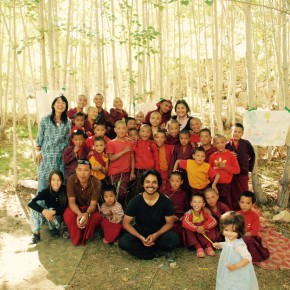
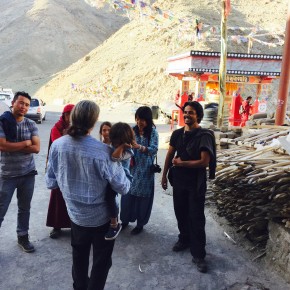
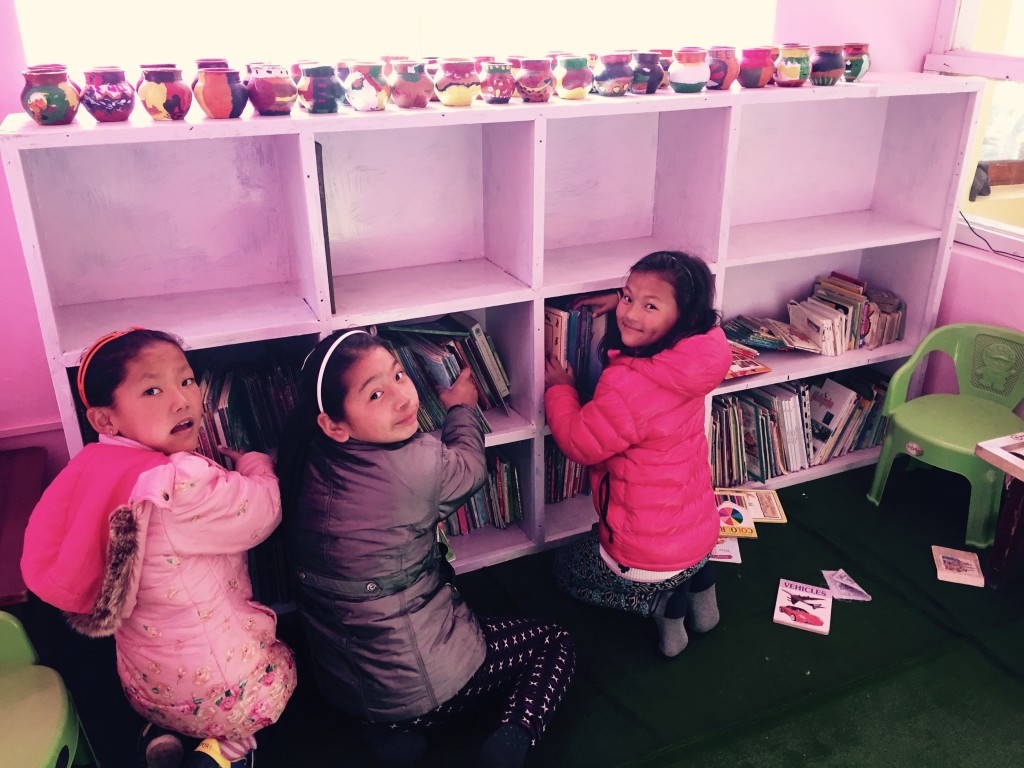
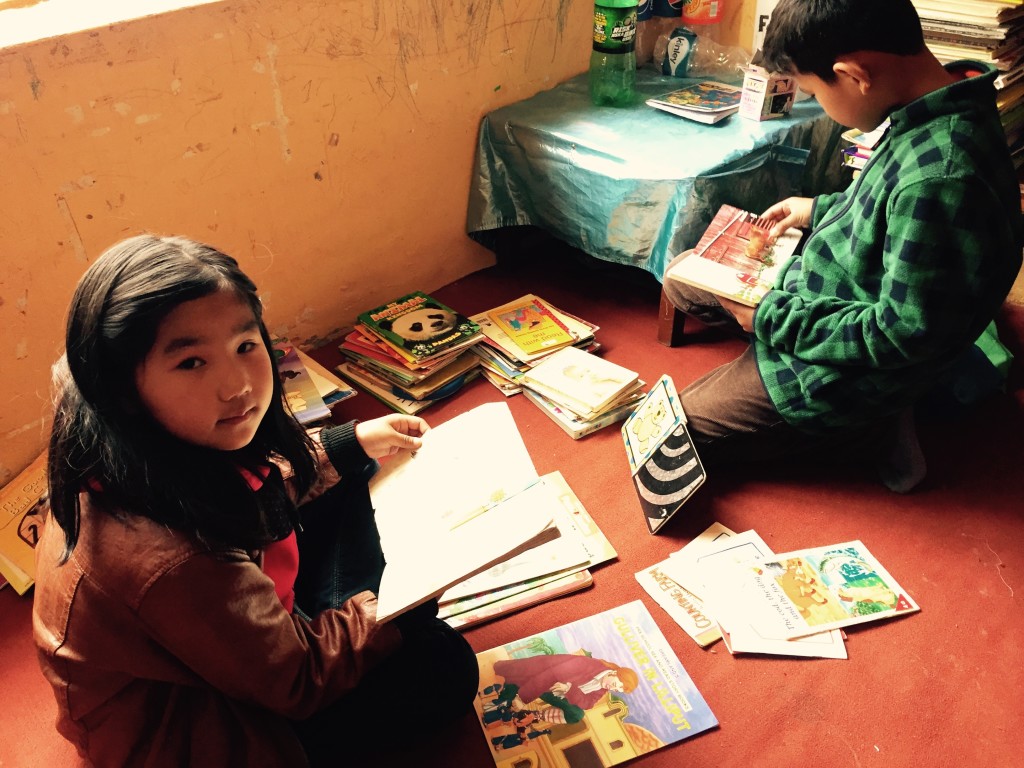
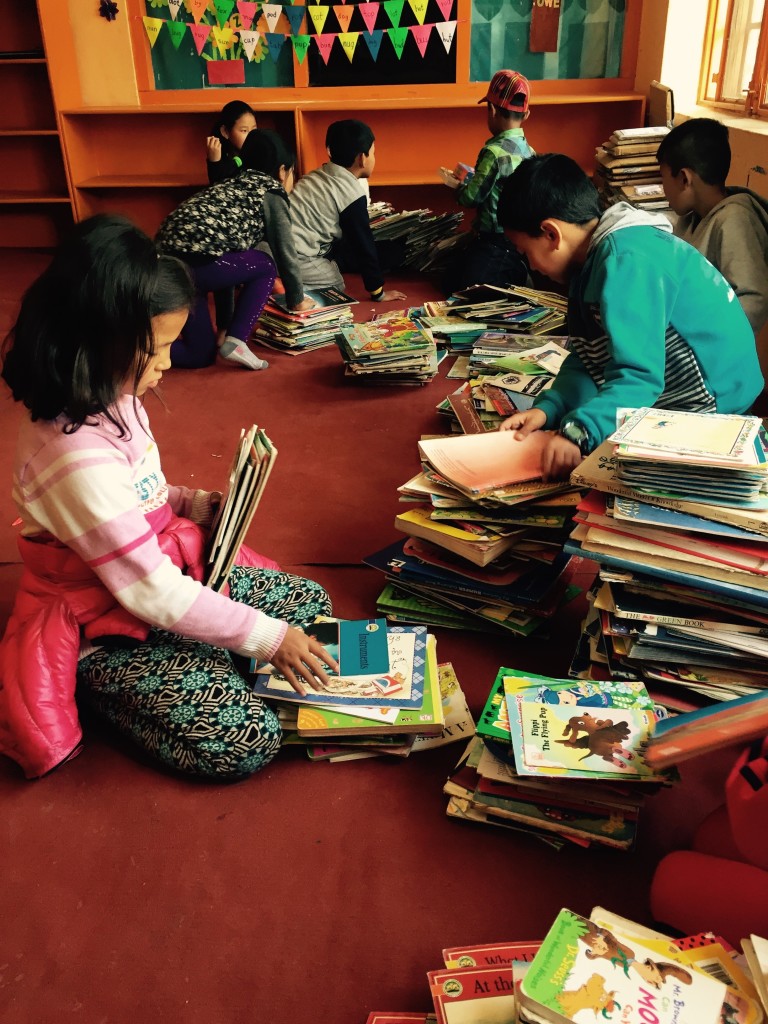
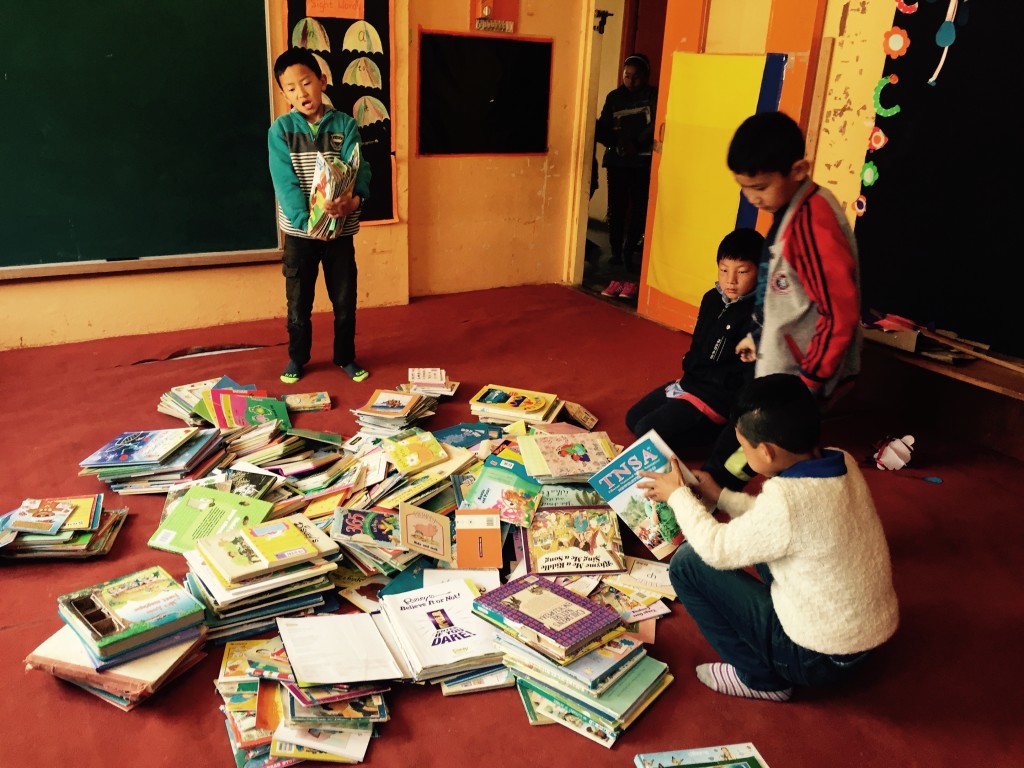
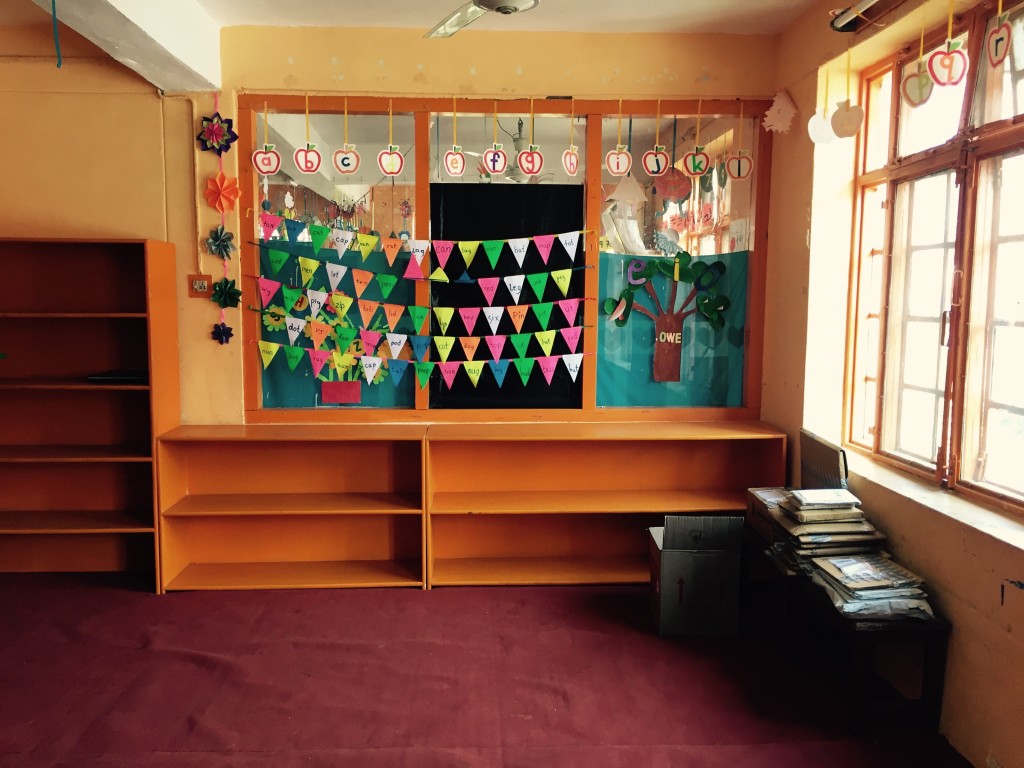
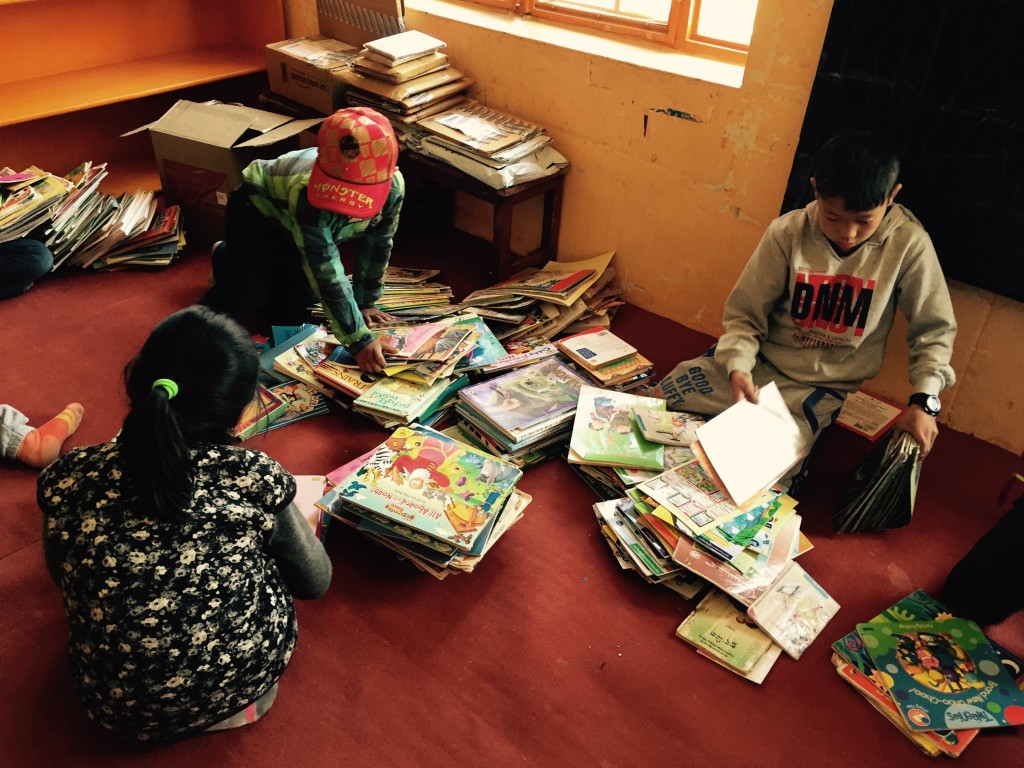
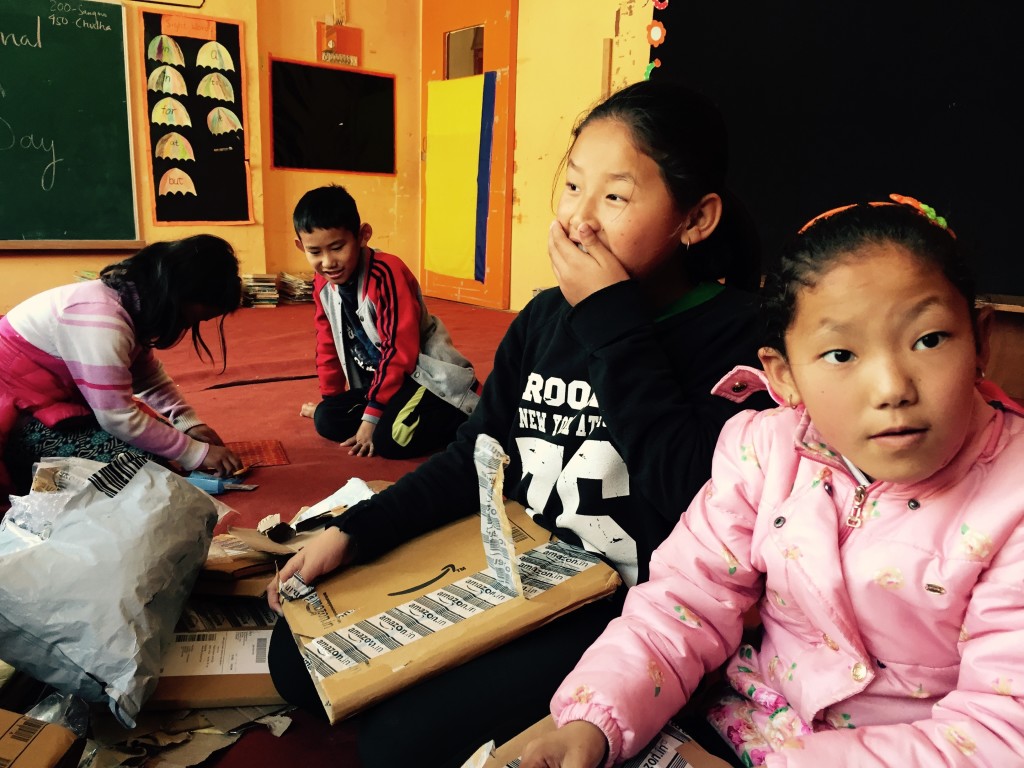
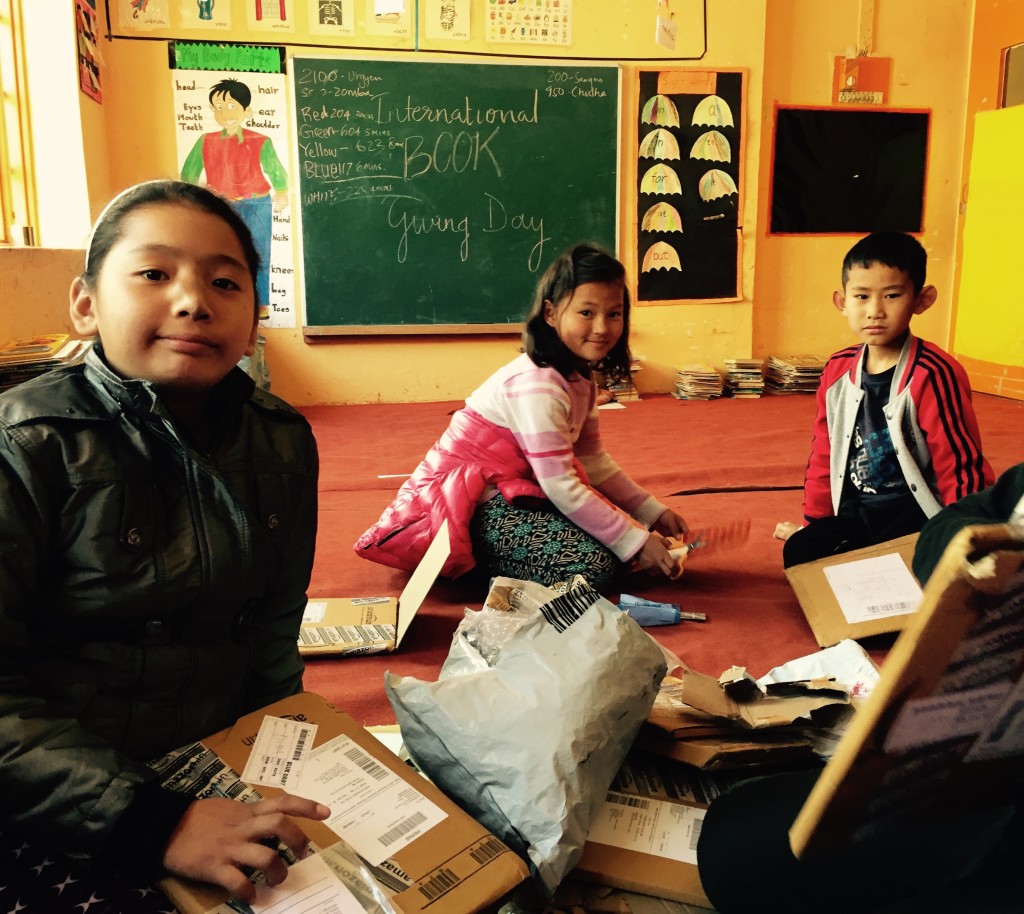
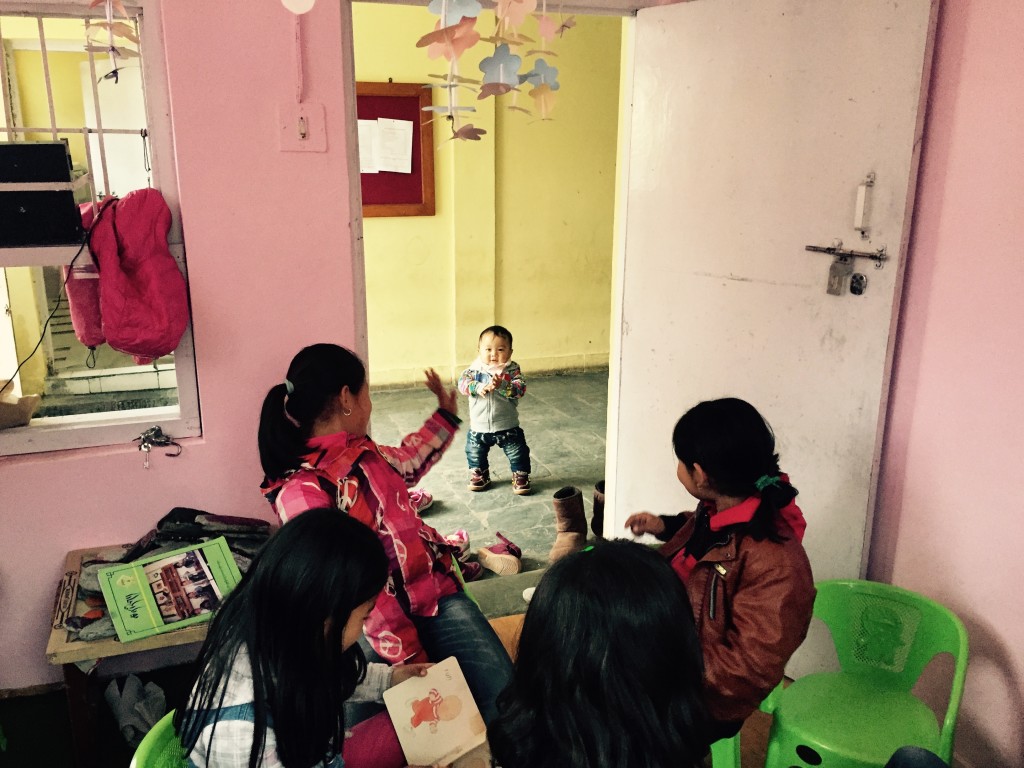
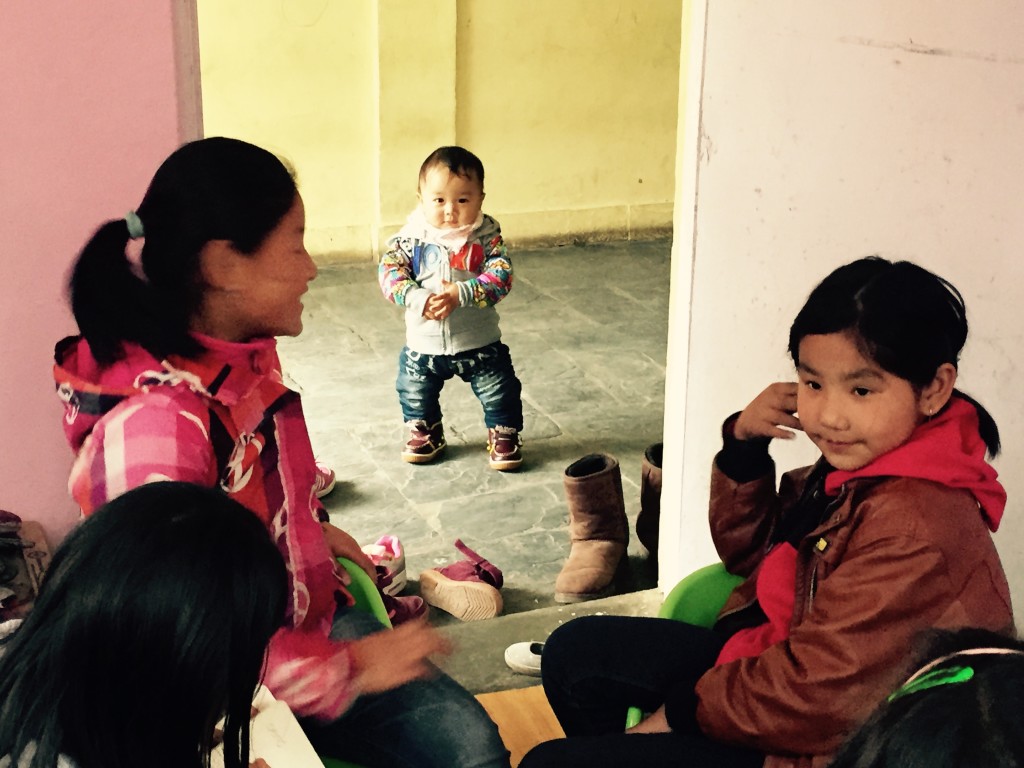
Ten afternoons is long enough for a story to become part of a child’s daily routine. Its most vivid episode is The Volunteer Who Read The Hobbit Aloud Over Ten Afternoons to a Captive Audience: a volunteer, a book and ten small sessions in a Ladakhi reading room. What began as an invitation to listen grew into a shared ritual, with children settling in before the reading and waiting to hear what would happen next to Bilbo Baggins.
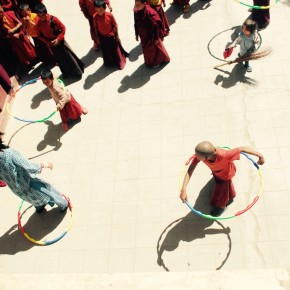
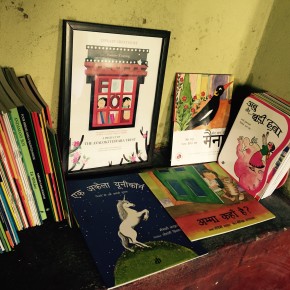
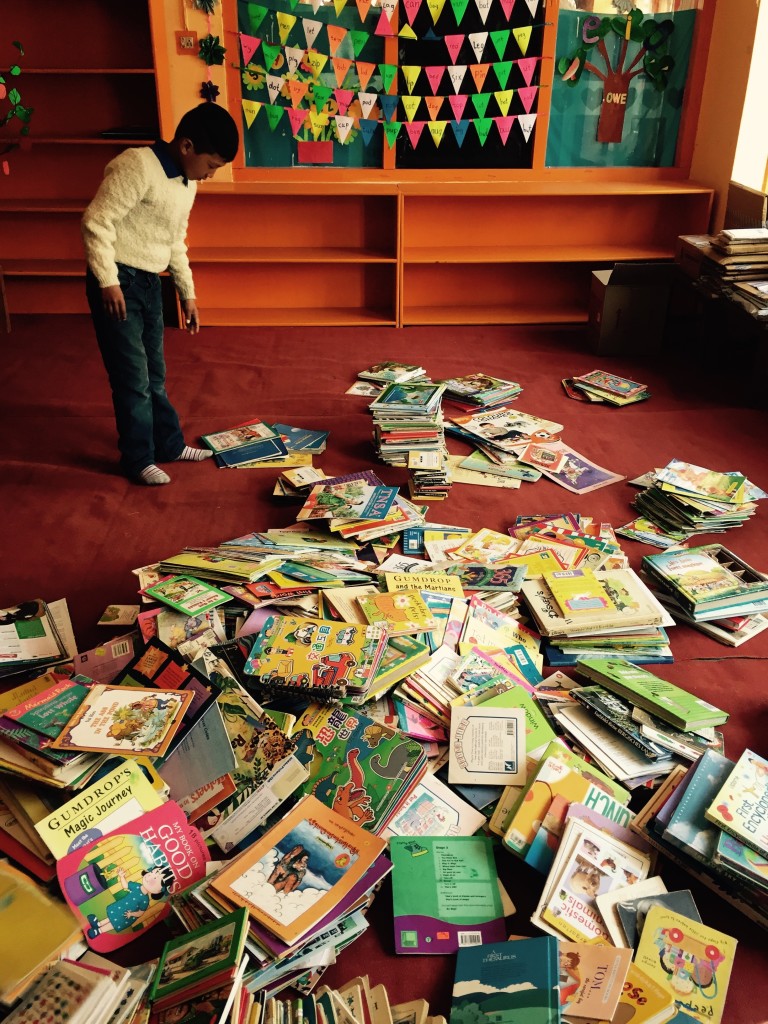
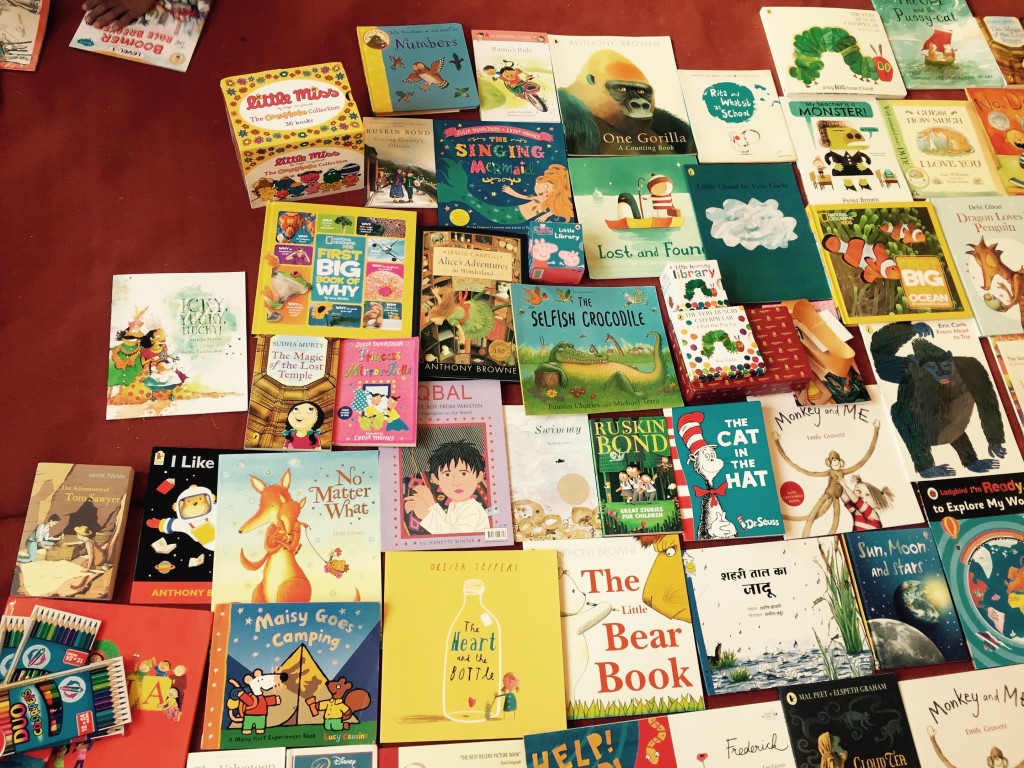
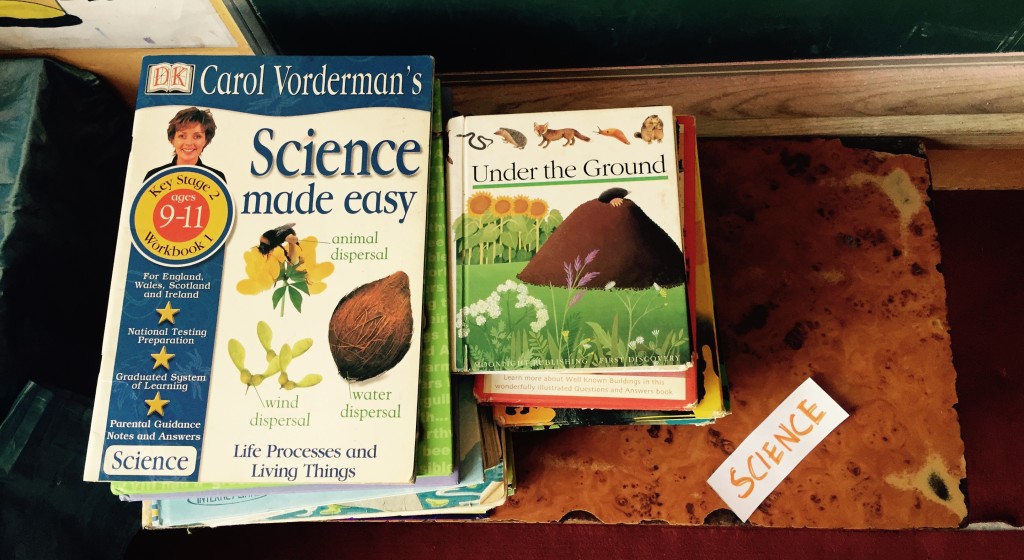
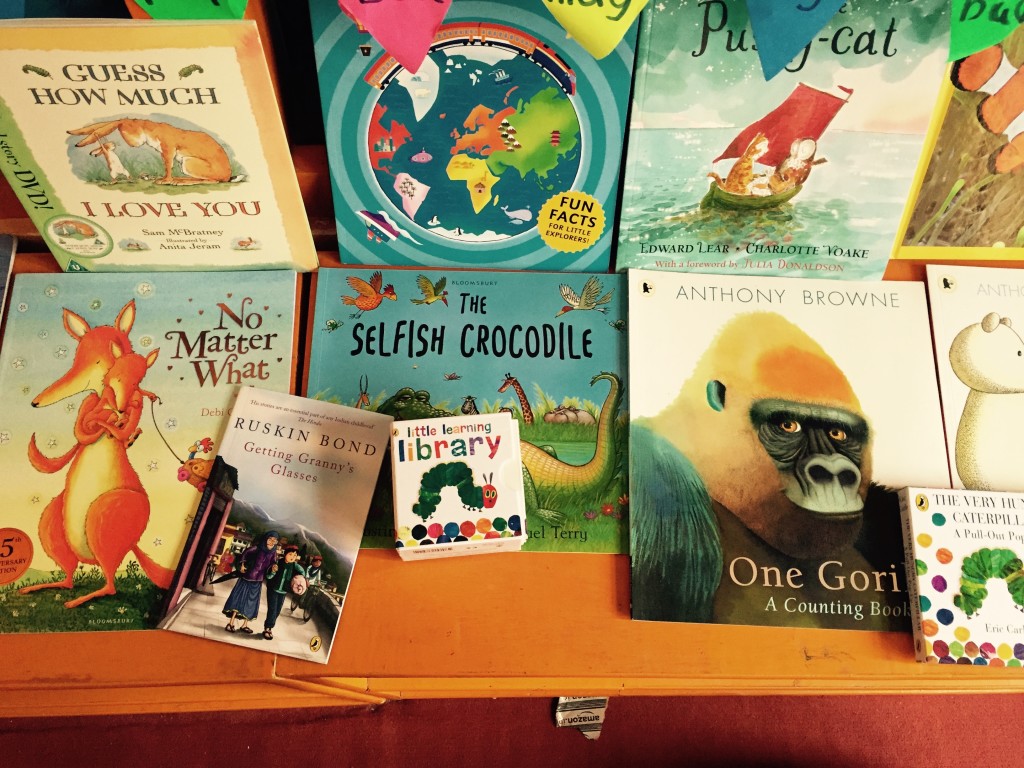
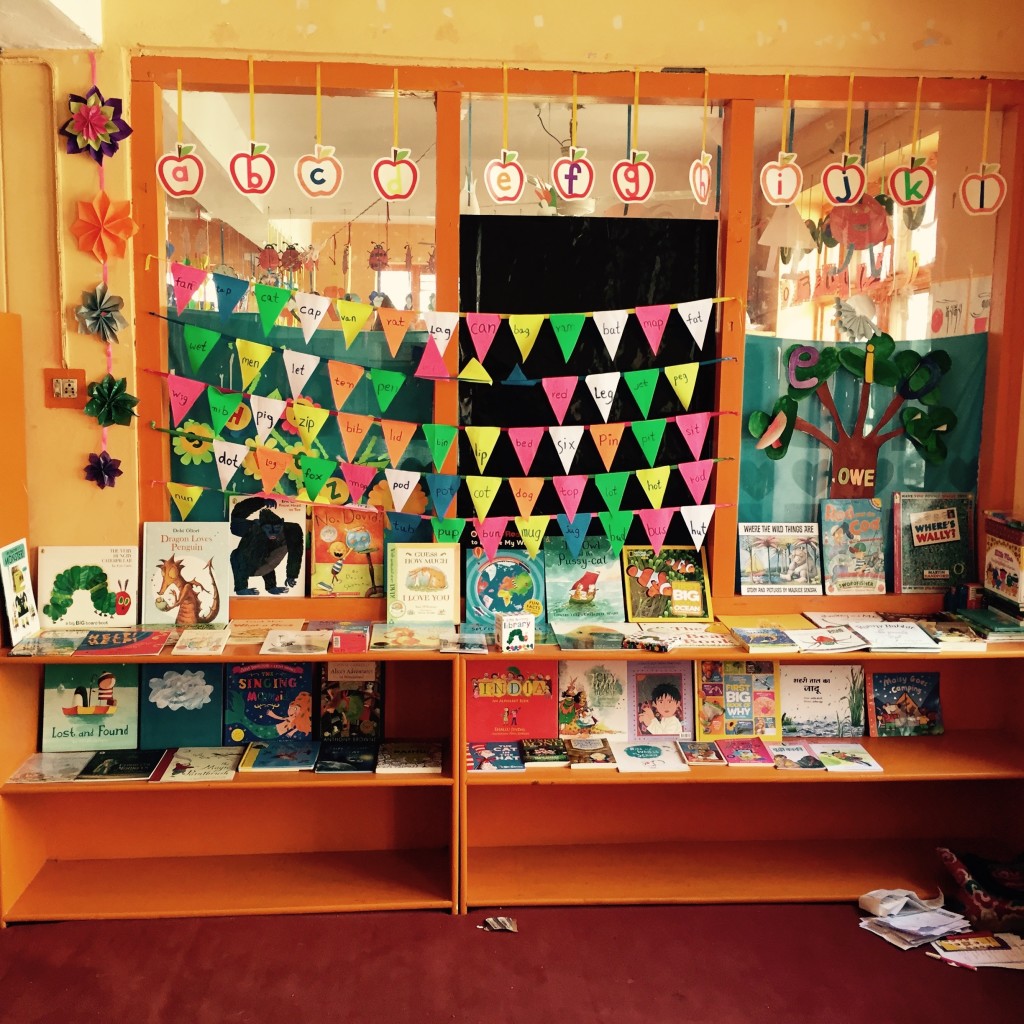
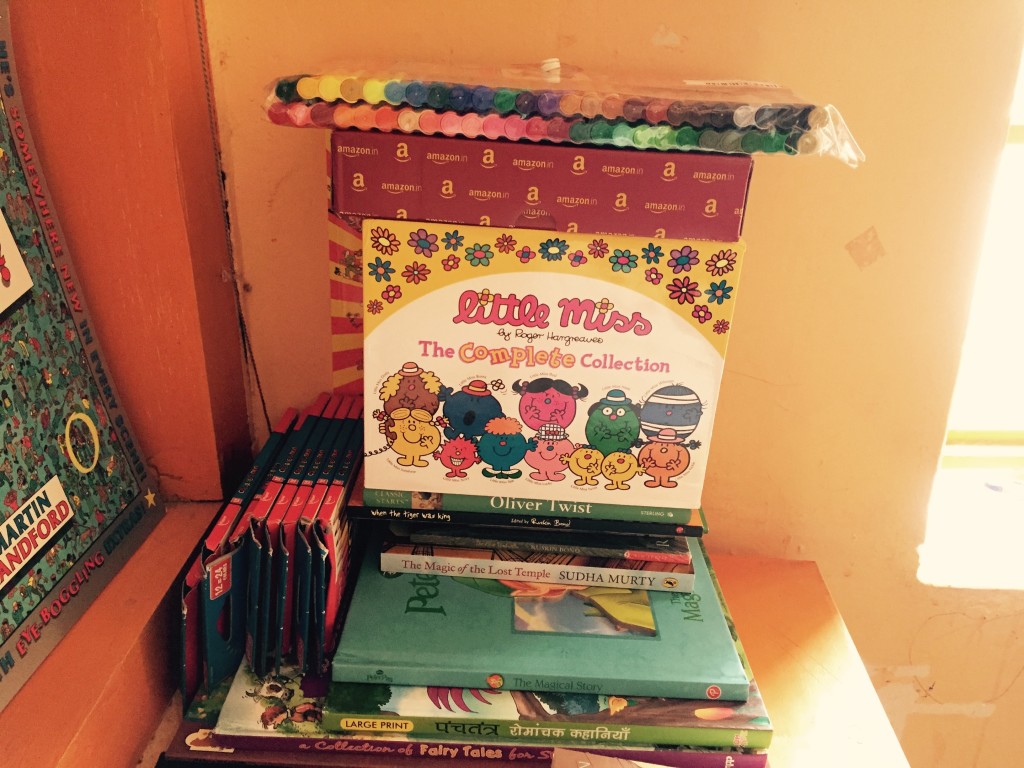
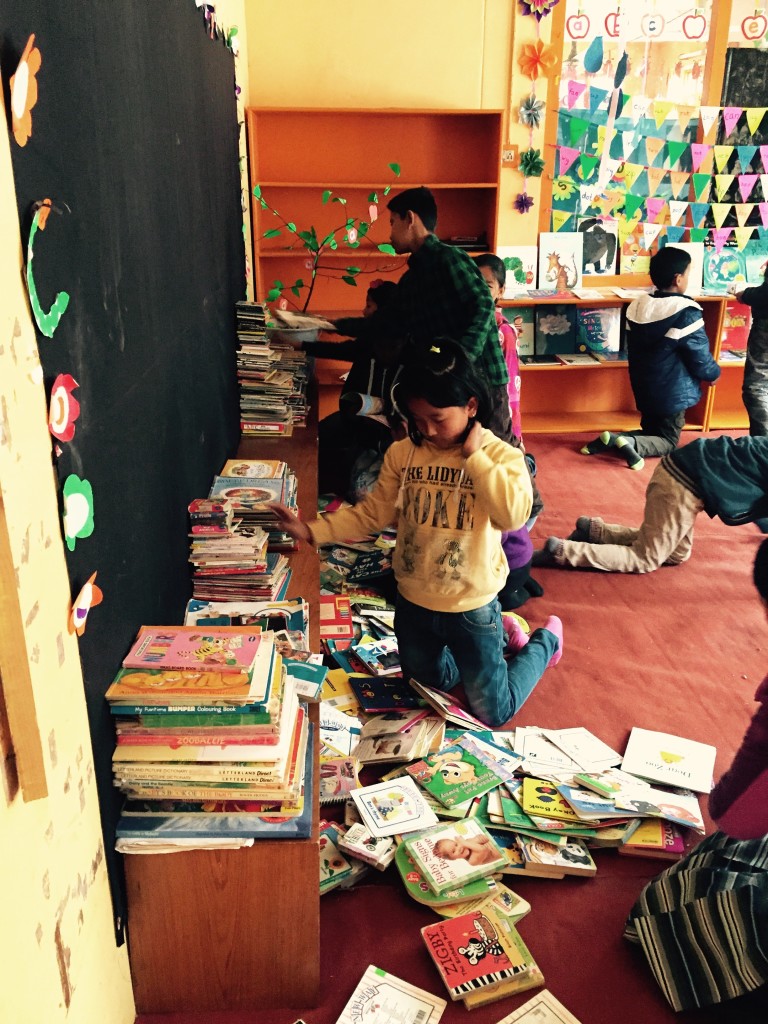
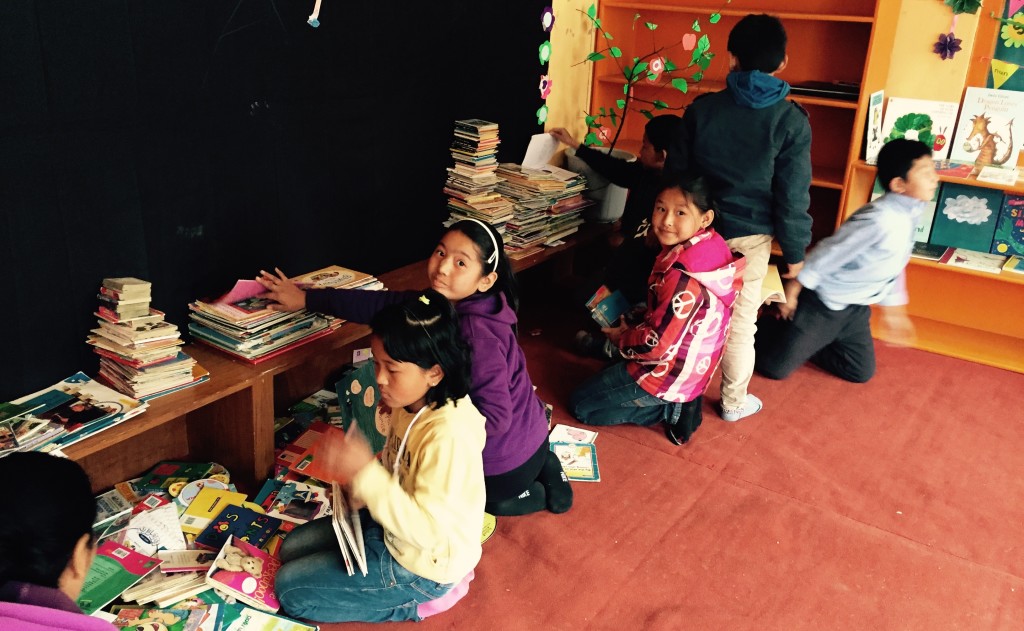
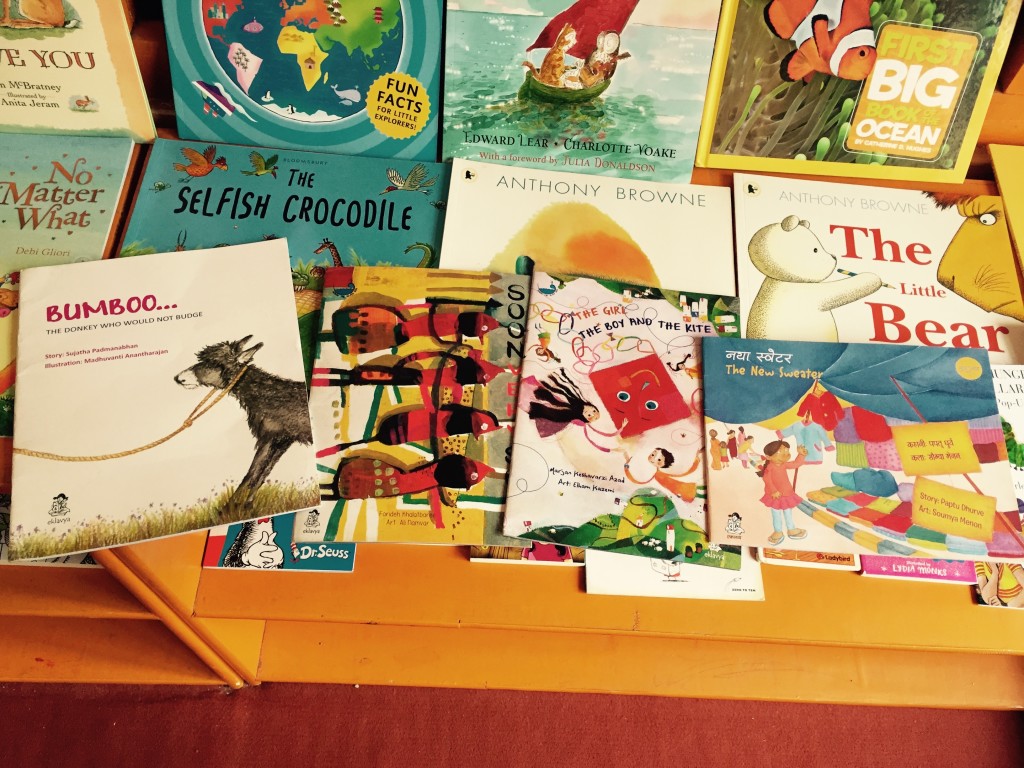
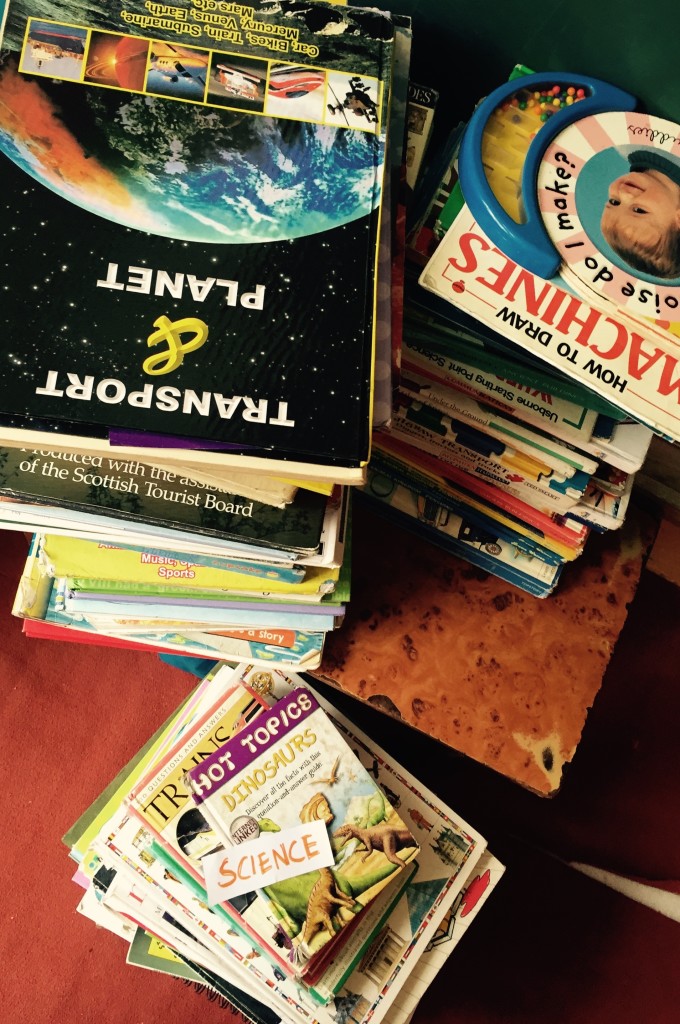
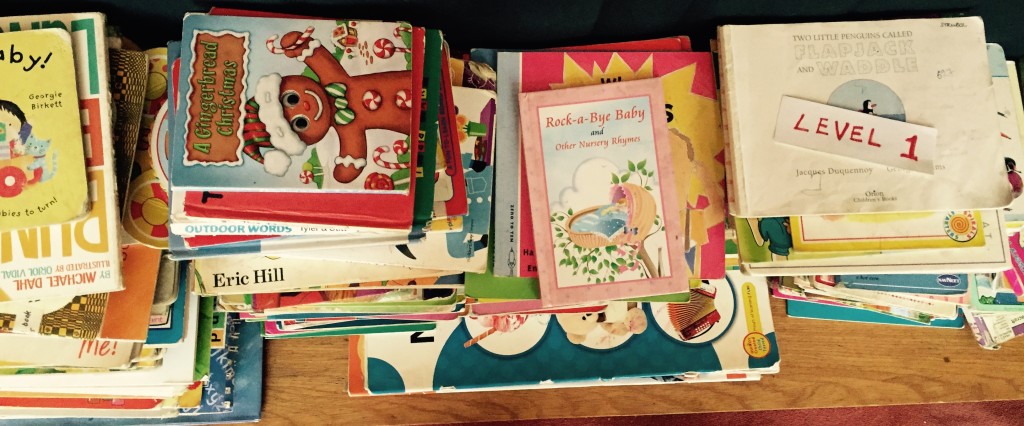
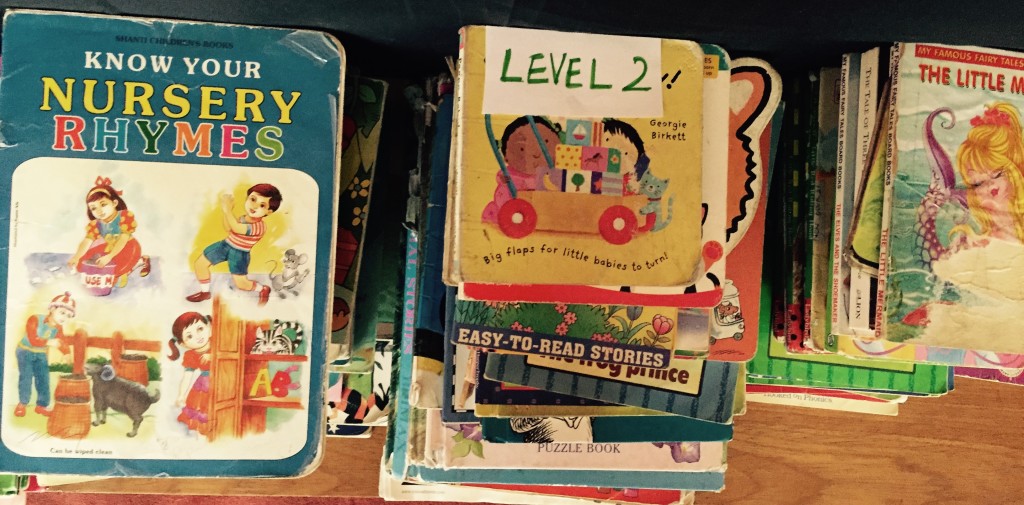
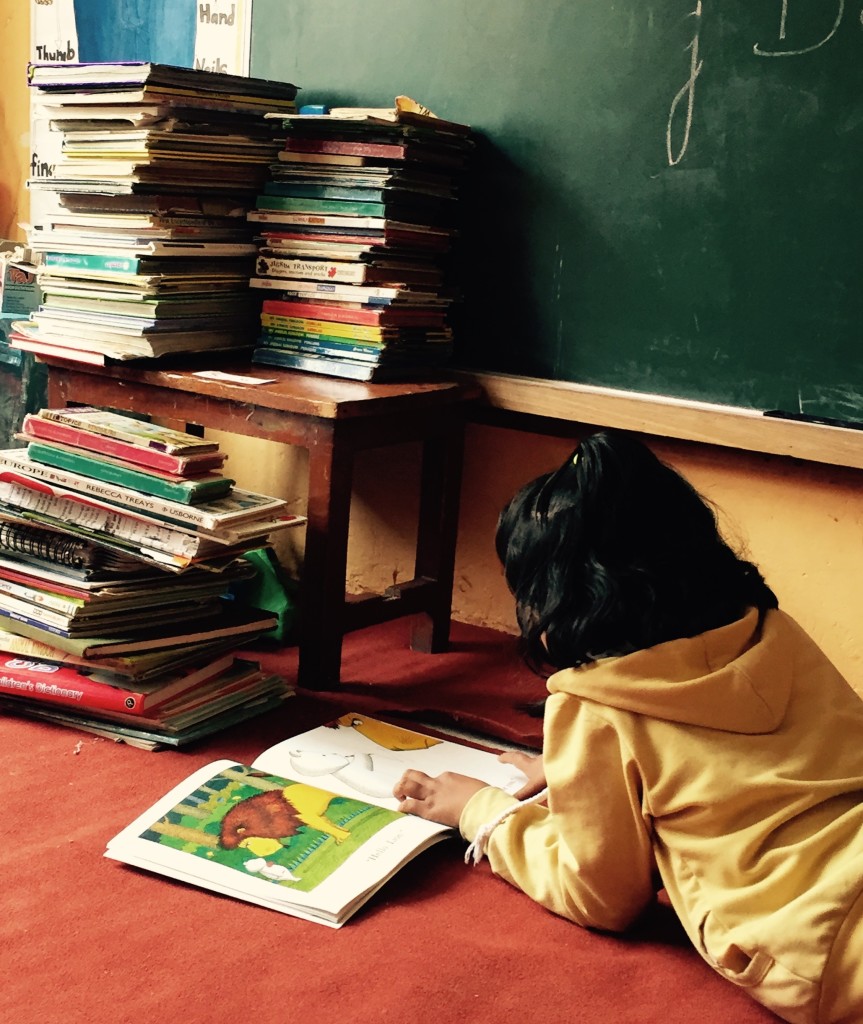
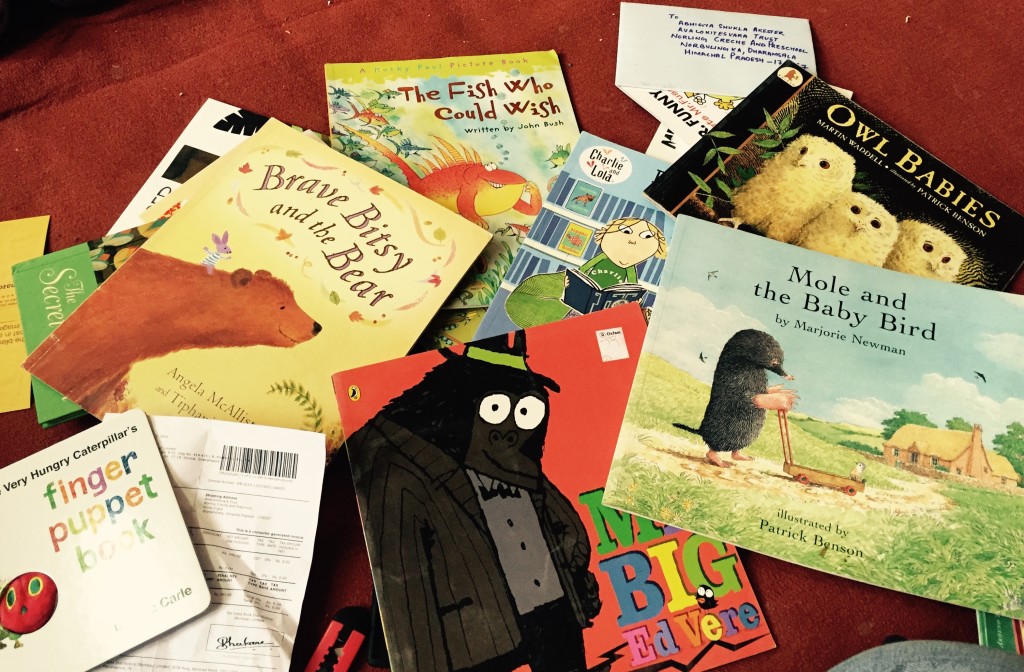
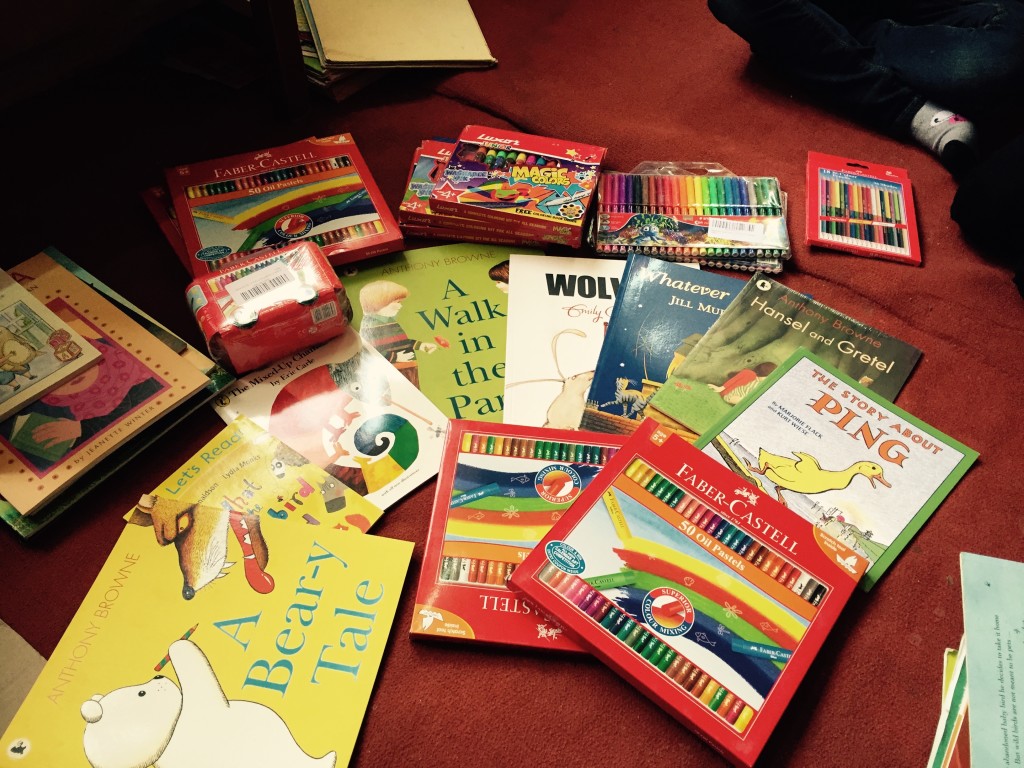
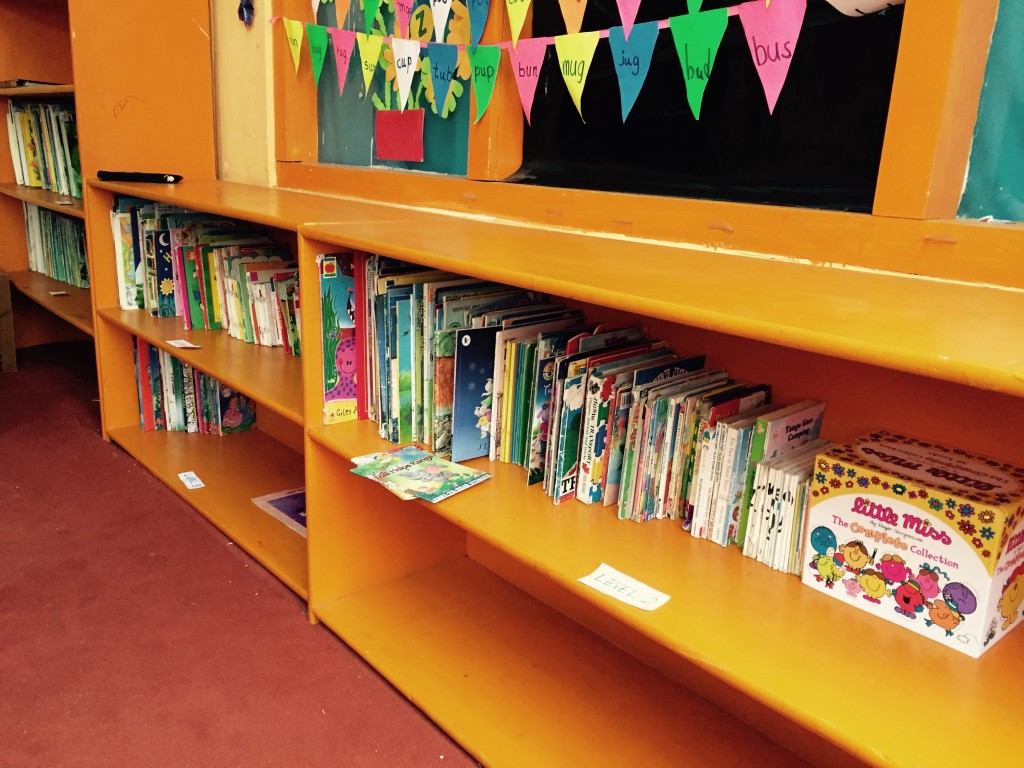
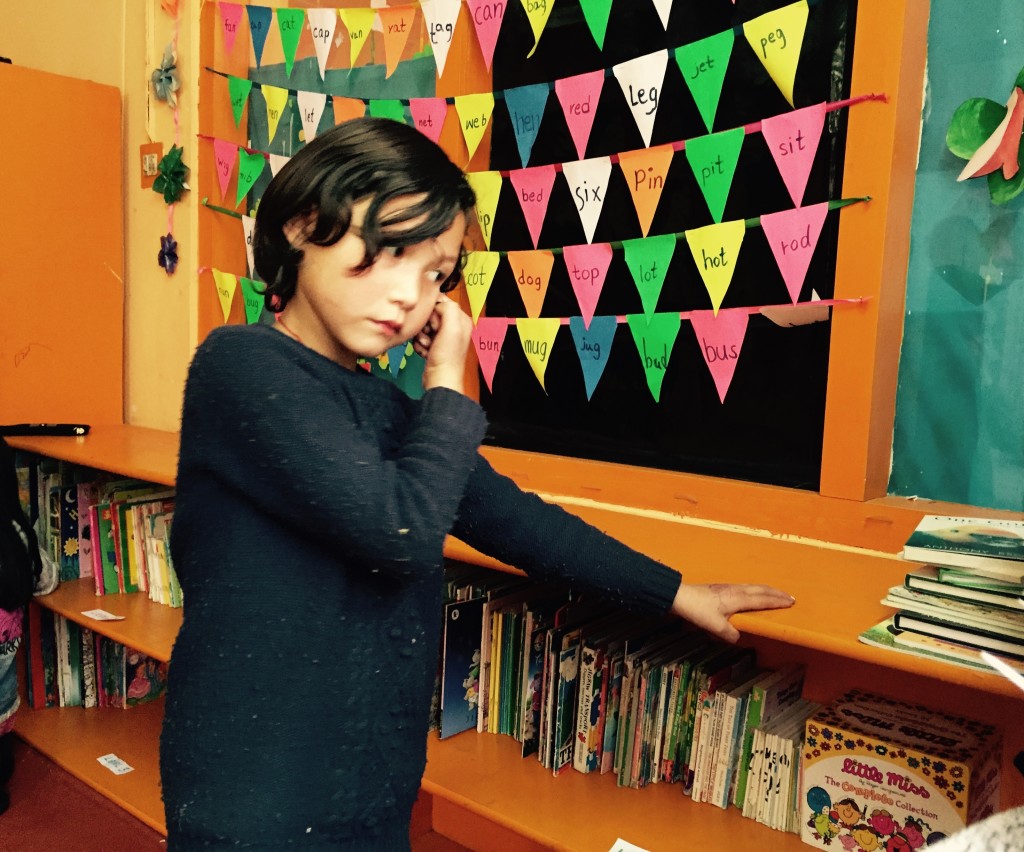
The episode belongs to Avalokiteśvara Trust’s wider support for children and young monks in the Himalayan region. It shows how a reading room can be more than a place to borrow books. Alongside book drives, educational activities and creative work with art and music, a live story brings language, imagination and community into the same space. The volunteer’s experience also offers a practical starting point for Australian supporters who want to help literacy reach children far beyond their own neighbourhoods.
Ten afternoons in a Ladakhi reading room
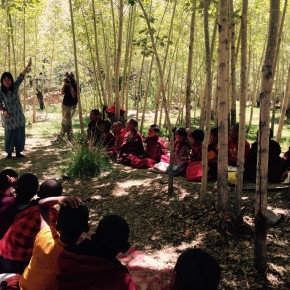
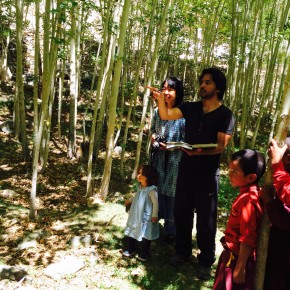
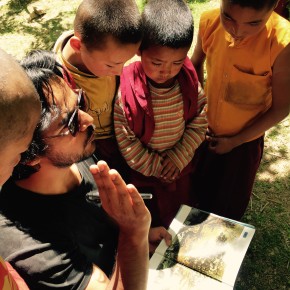
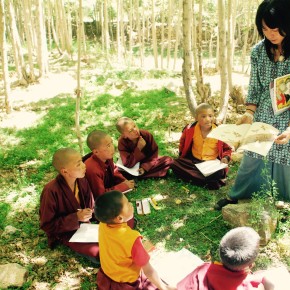
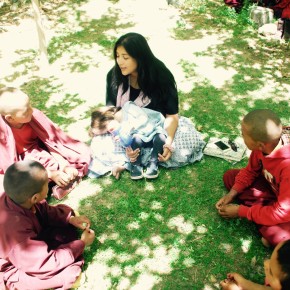
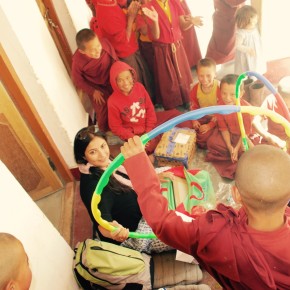
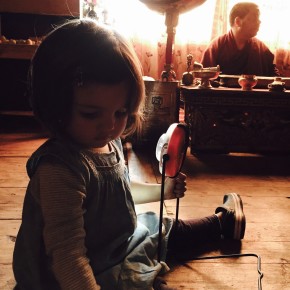
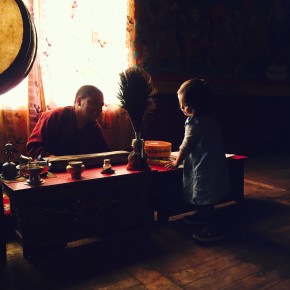
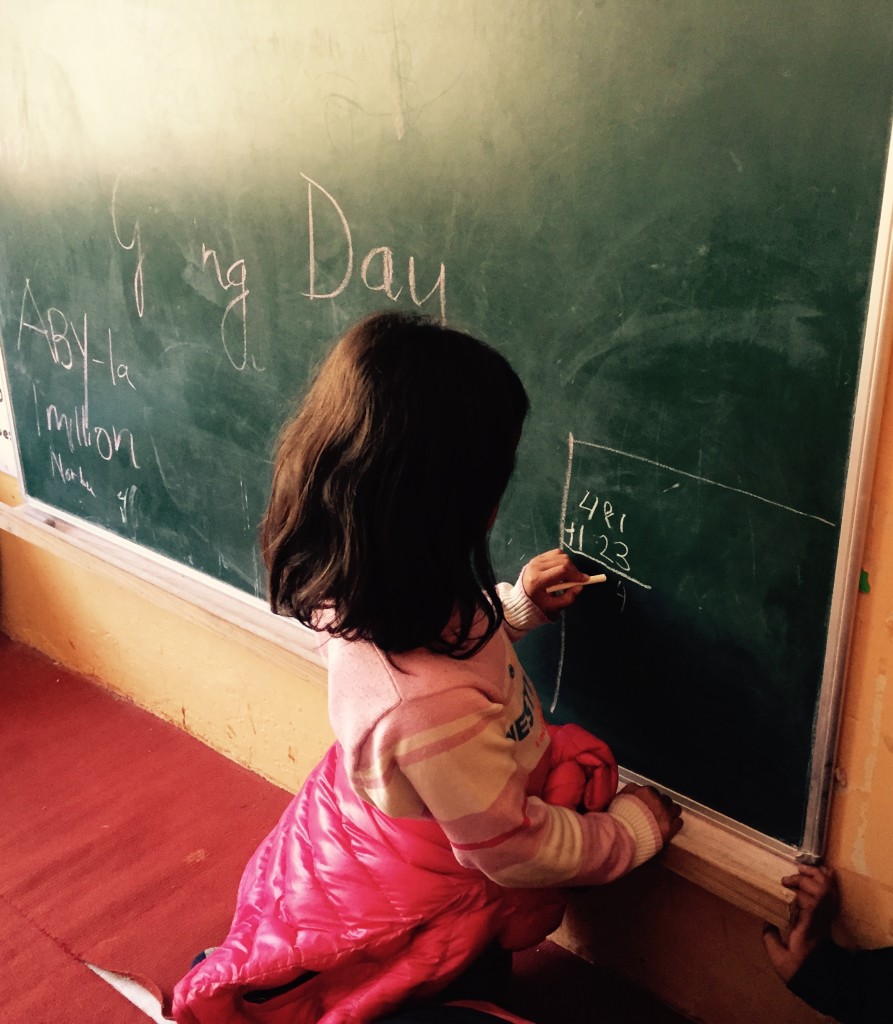
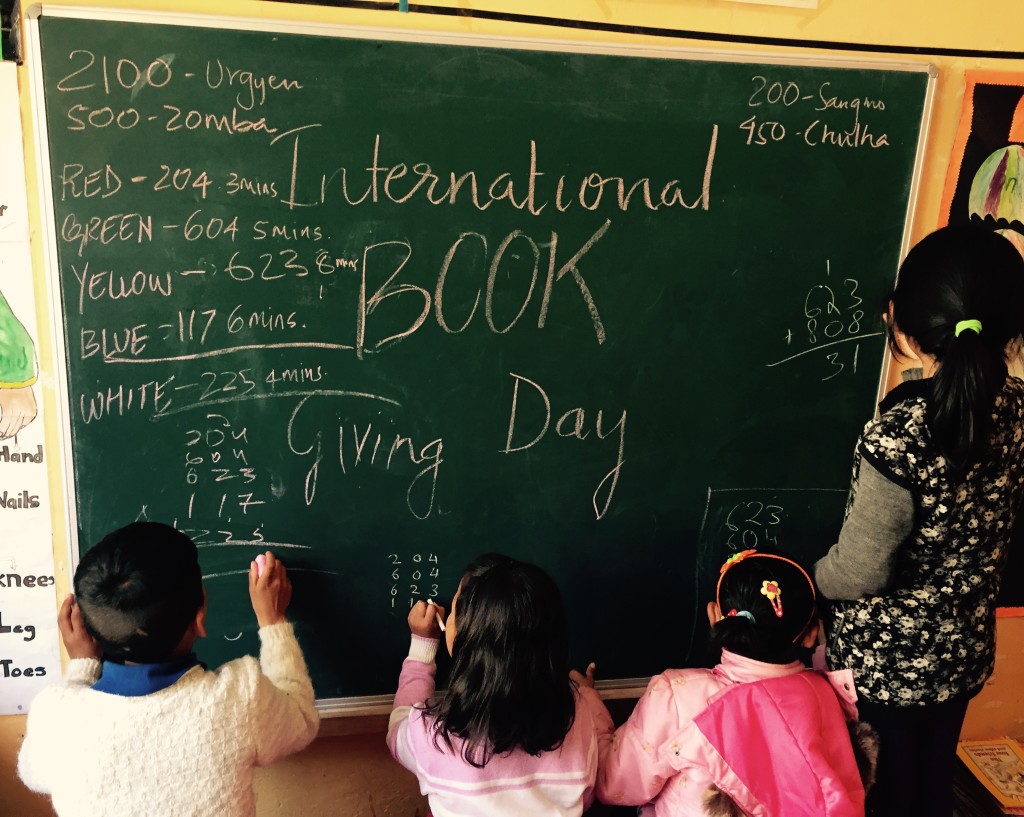
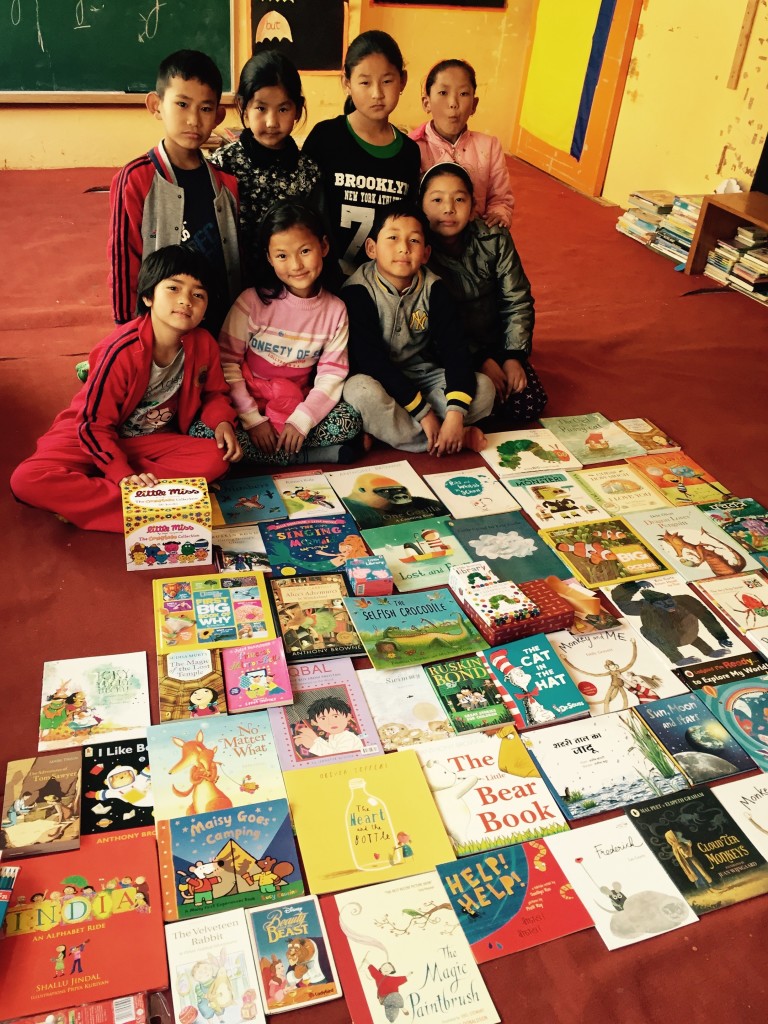
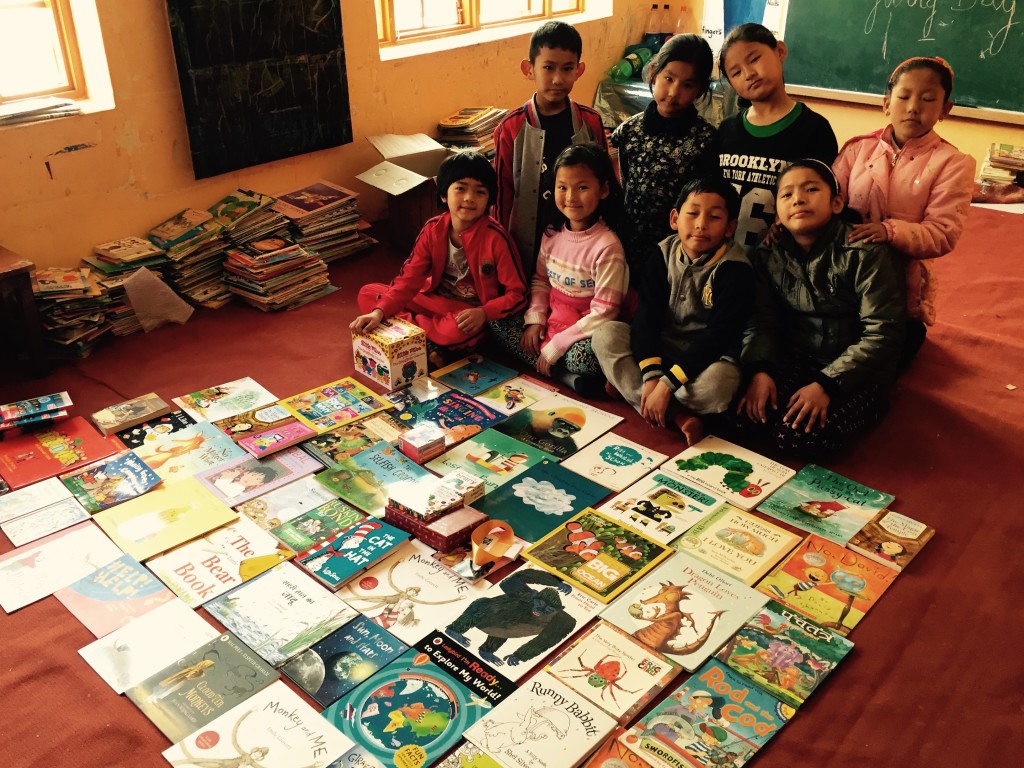
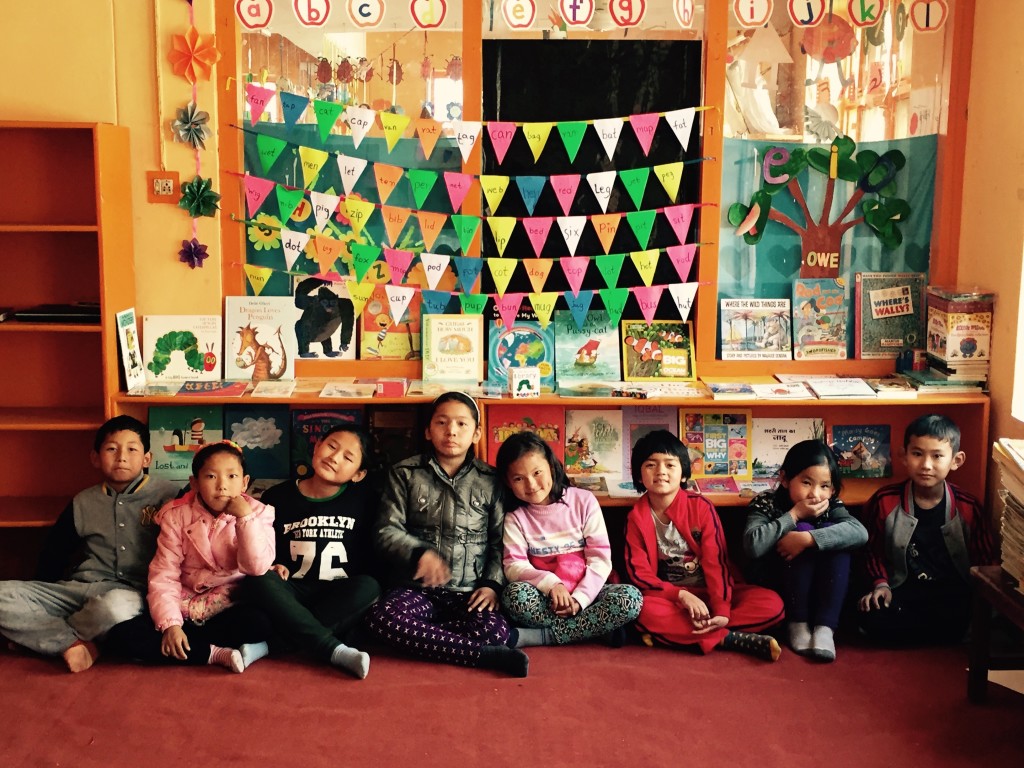
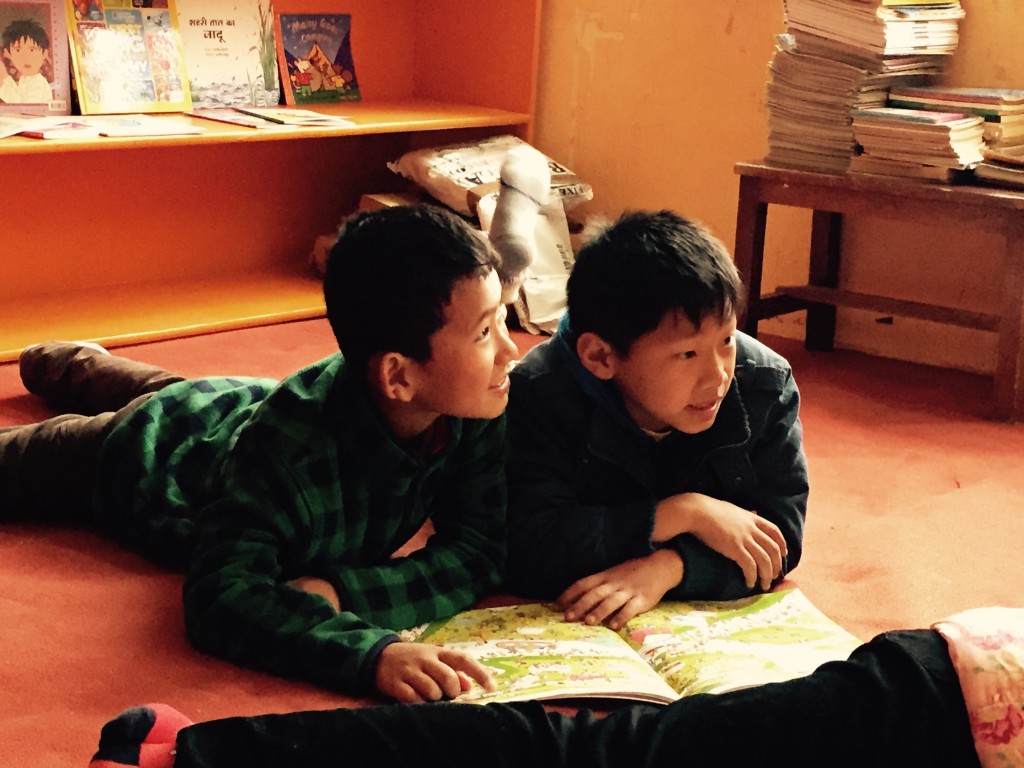
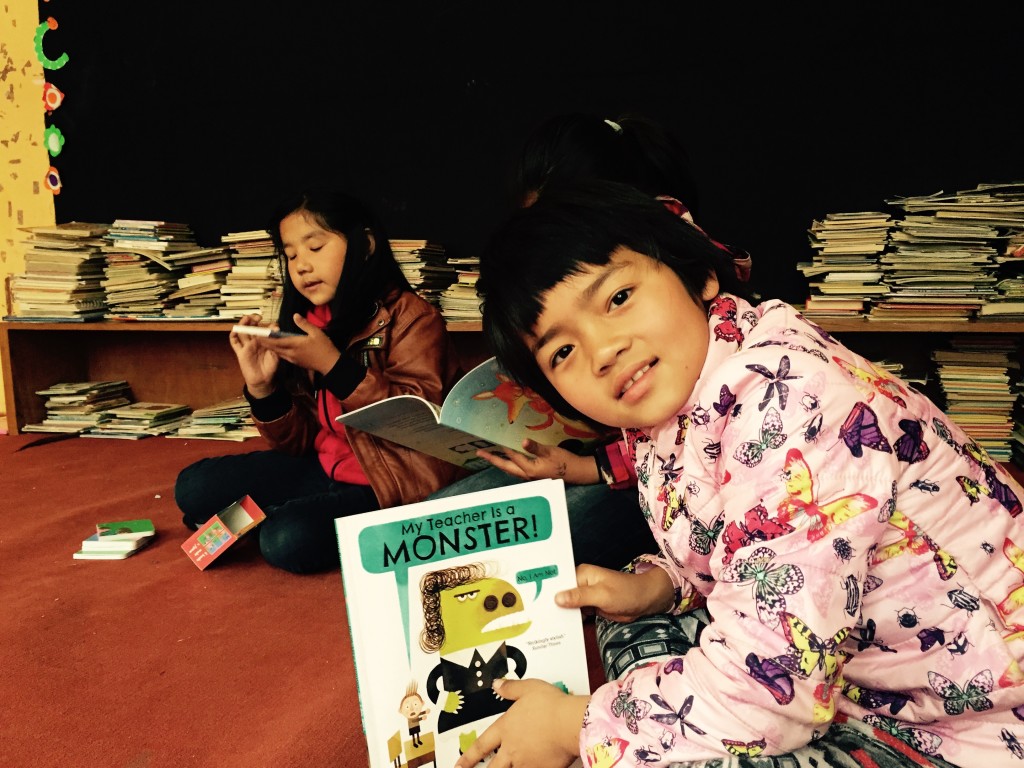
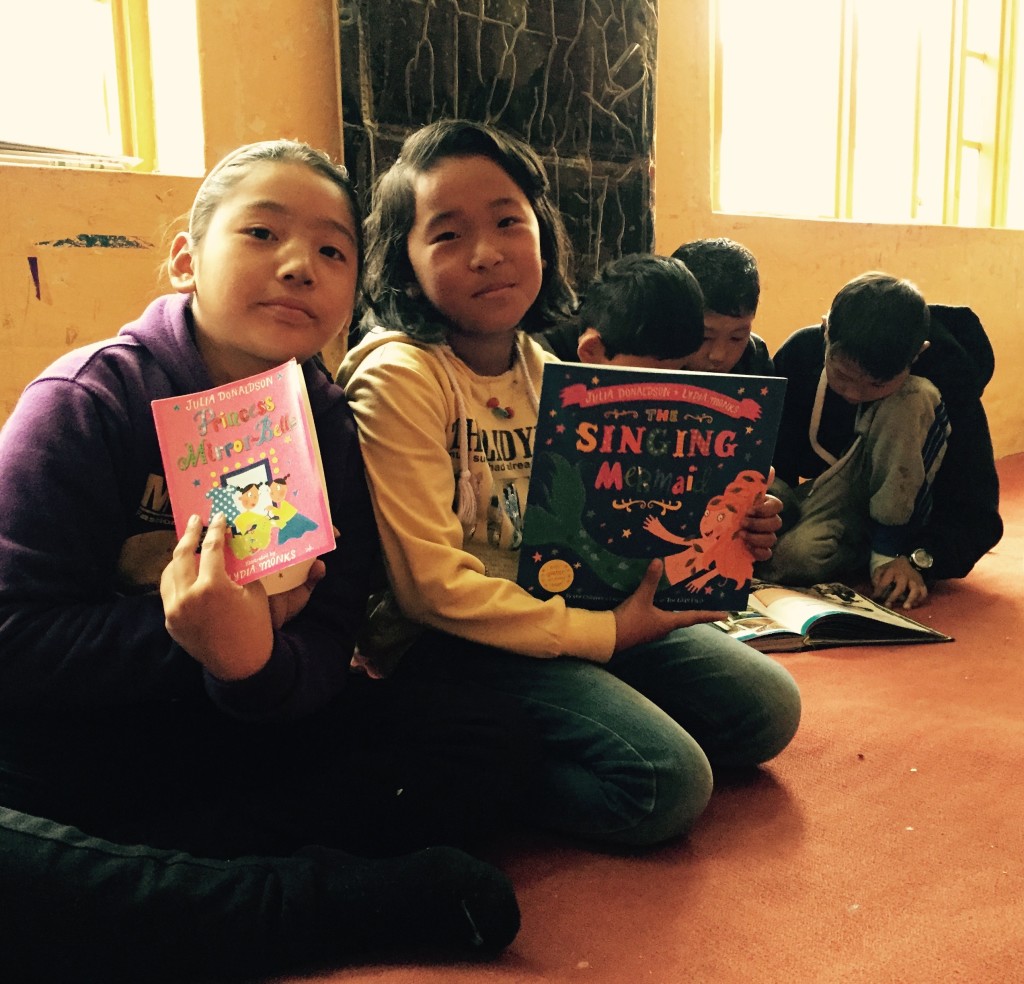
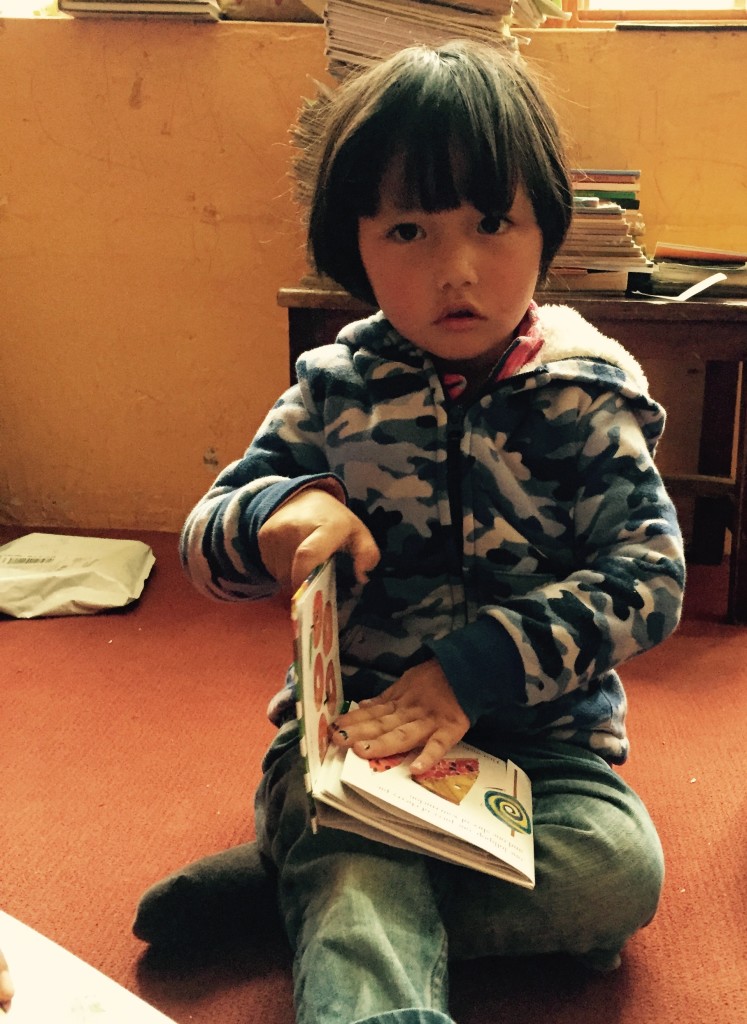
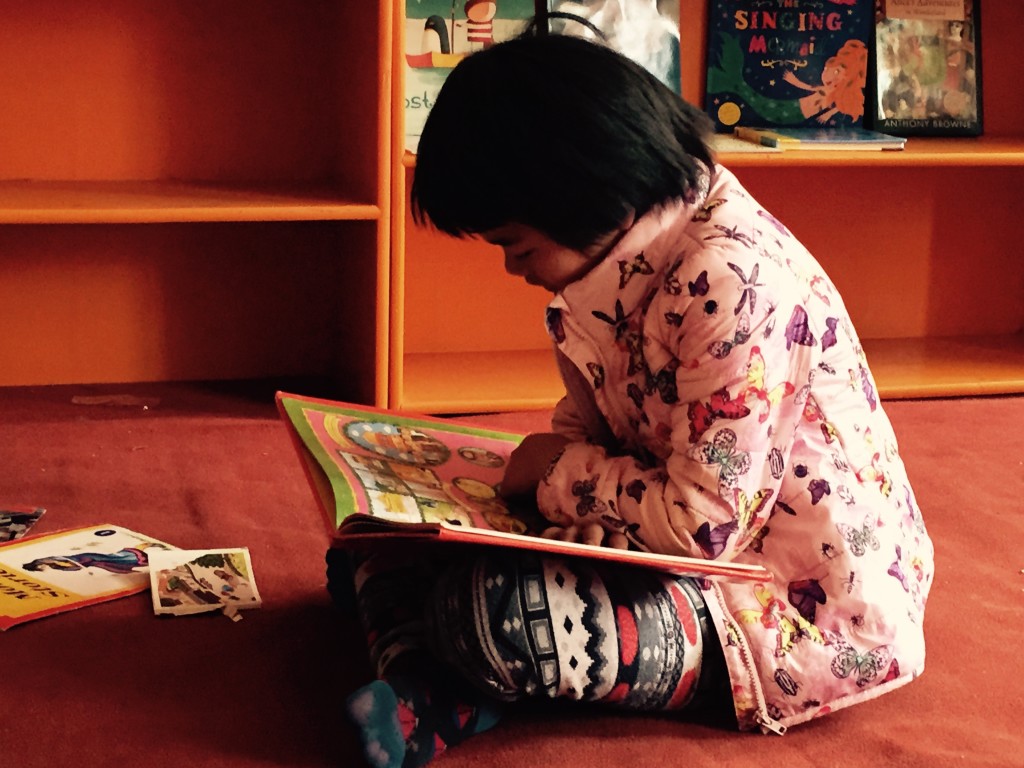
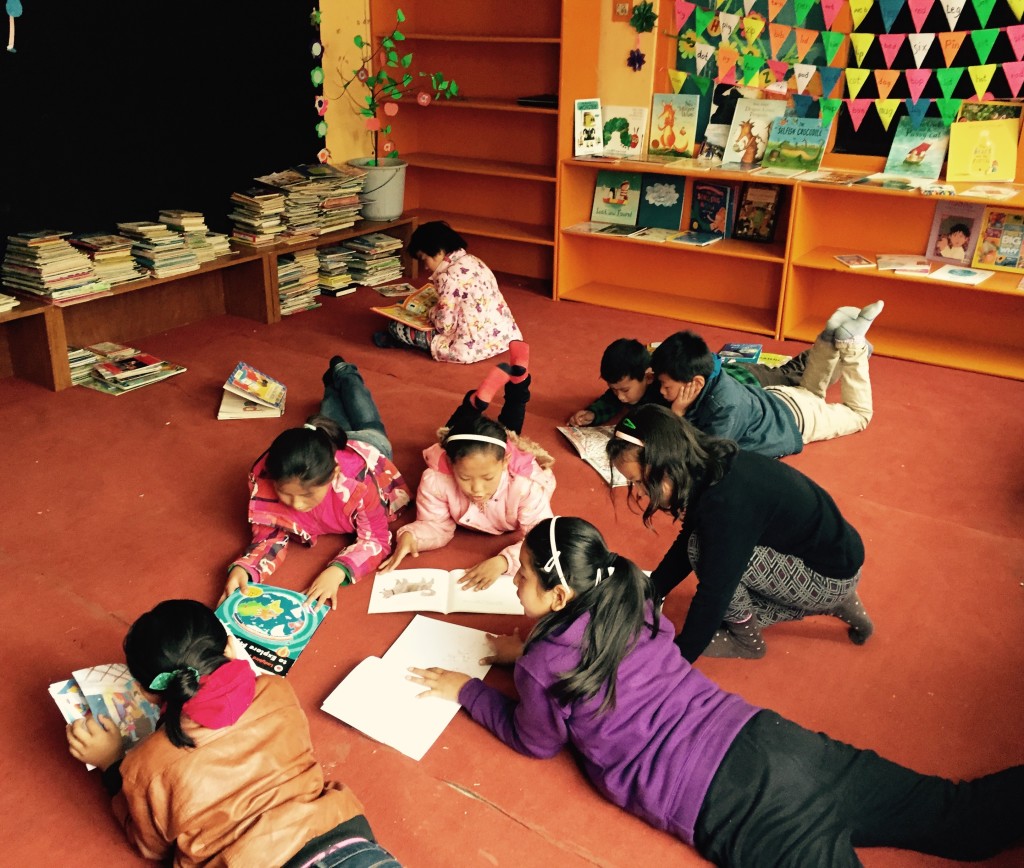
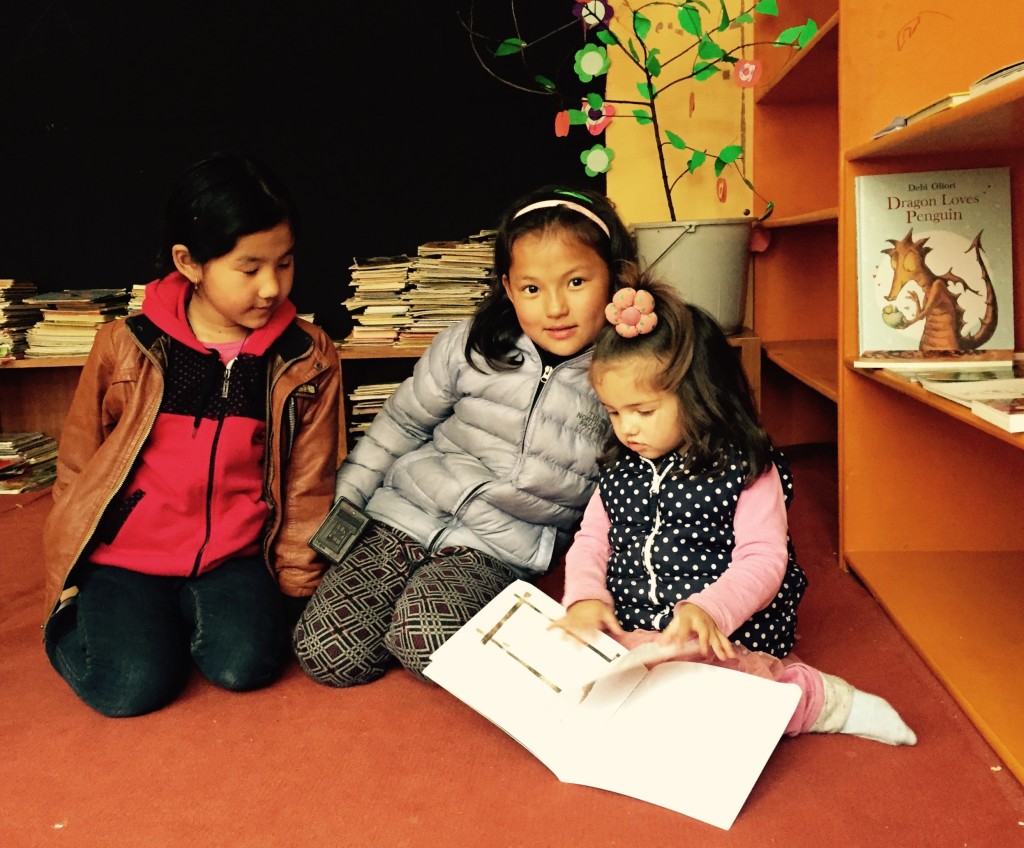
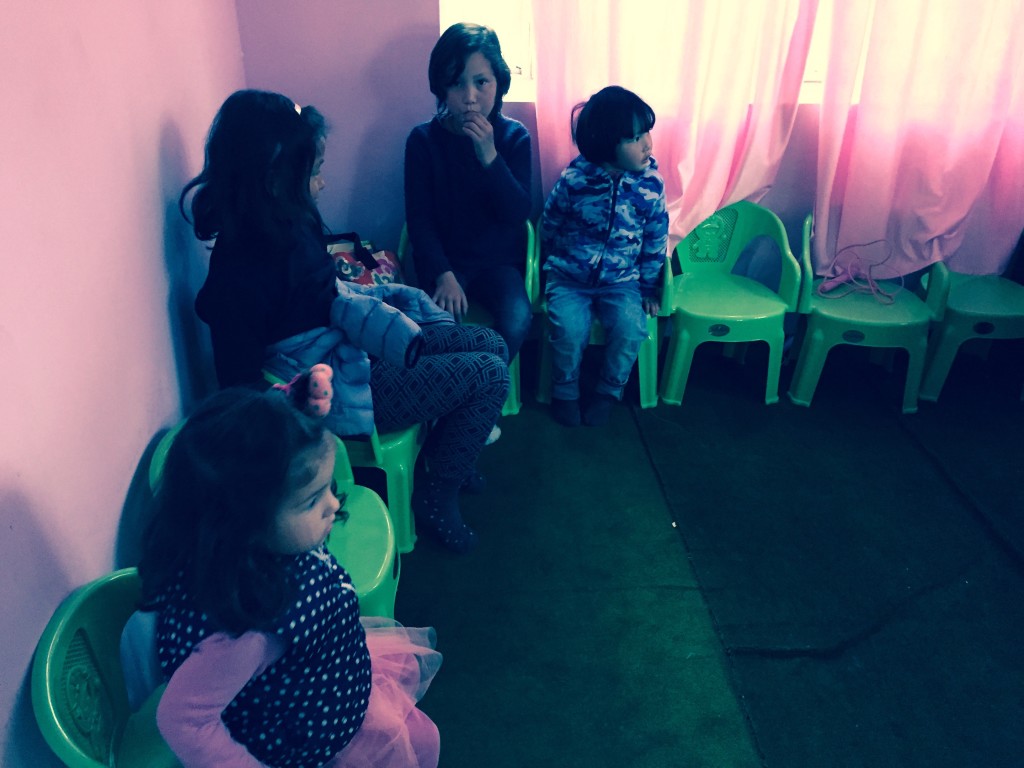
The first afternoon had the easy awkwardness of any new gathering. The volunteer brought a copy of The Hobbit, while children and young monks settled onto cushions, chairs or the carpet. The opening pages established the tone: a comfortable home, an unexpected visitor and a journey towards a world much larger than the room. Listening gave the younger children time to absorb new words, while the pictures helped everyone share one imagined place.
On the second afternoon, fewer people needed convincing. Some children remembered Bilbo’s first meal and smiled before the volunteer reached it. Others watched the volunteer’s hands as unfamiliar creatures and places were described. That small act of anticipation mattered. A child who expects the next part of a story is likely to return, borrow a book and talk about what has been read.
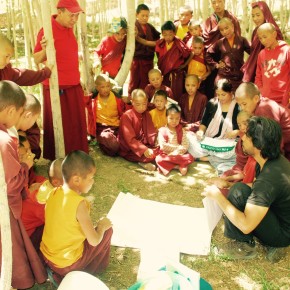
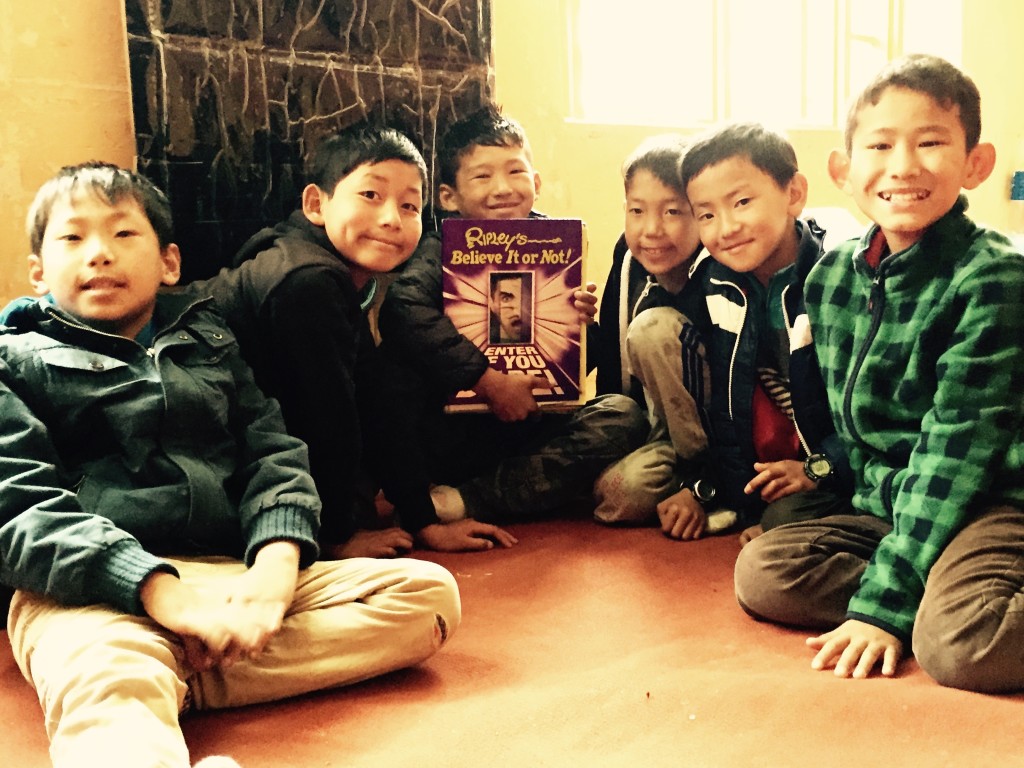
By the later sessions, the group had developed its own momentum. The volunteer read with pauses for questions, laughter and requests to hear a favourite passage again. A ten-part reading did not demand ten identical performances. It allowed confidence to build gradually, with quieter listeners becoming more willing to comment, draw a character or offer an opinion. The consistency of an afternoon slot was as important as the book itself.
Why the story held their attention
The Hobbit offered humour, danger and discovery in equal measure. Many listeners knew the broad shape of a heroic quest without needing every detail of Tolkien’s world. That space between familiarity and invention gave them room to ask what a hobbit was, why a mountain mattered or how a small character could solve a difficult problem. Read aloud, those questions became part of the adventure rather than interruptions to it.
Riddles, songs and comic exchanges offered natural ways to join in. A raised eyebrow at a pompous character could draw a laugh, while the storyteller’s changing voice made a simple sentence feel theatrical. Children did not have to sit silently for the whole session. They could answer a question, make a sound, point at an illustration or turn to a friend to whisper a guess.
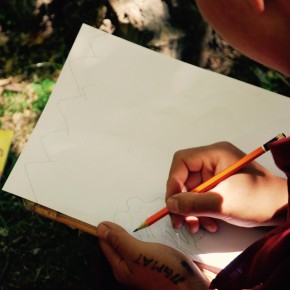
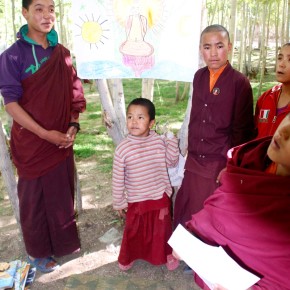
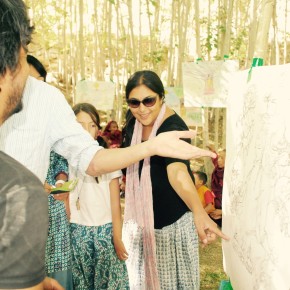
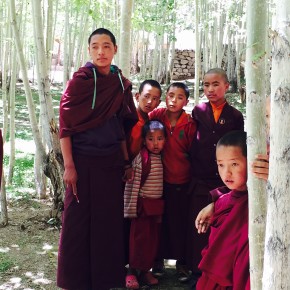
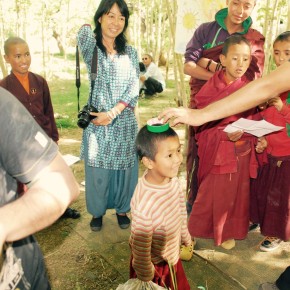
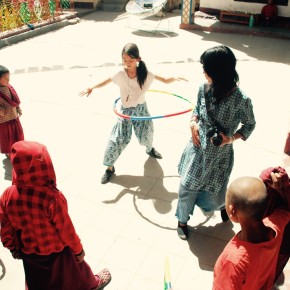
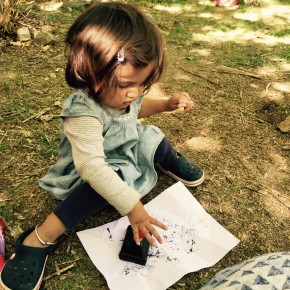
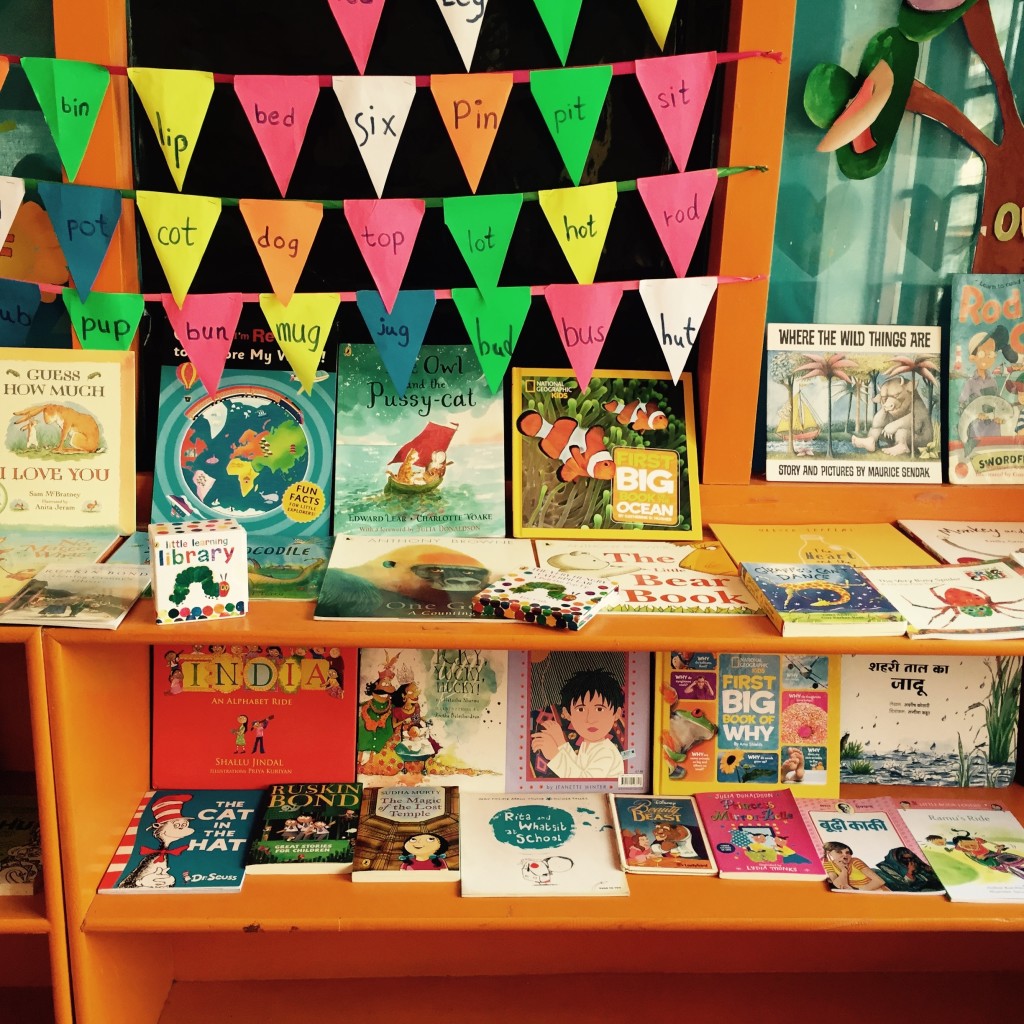
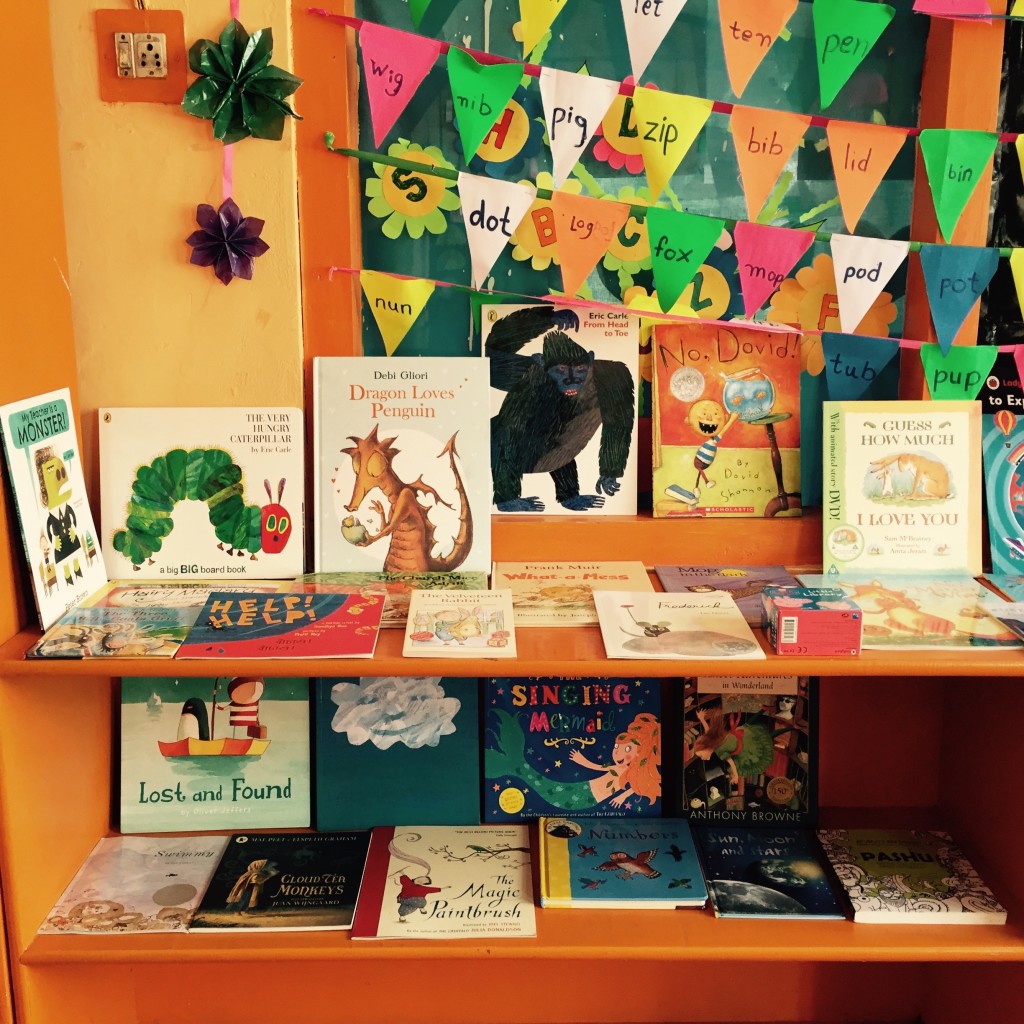
The benefits extended beyond entertainment. Hearing a narrative builds vocabulary, listening stamina and a sense of how a sequence of events holds together. The reading also connected naturally with Avalokiteśvara Trust’s artistic and musical activities: a description could lead to a drawing, a song could give a character a rhythm, and a group performance could build confidence. Field photographs and stories from the reading room can preserve that sense of participation without reducing the children to a picturesque backdrop.
What the volunteer learned
Volunteering is often described through what an organisation gives. Here, listening to the children taught the volunteer how to teach. The clearest lesson was to slow down. A pause allowed a child to picture a place, work out a new word or decide what happened between two spoken sentences. Silence during a story was not a failure to engage.
The work also demanded flexibility. The volunteer could follow a planned chapter, yet remain ready for an energetic question, a quieter mood or a change caused by weather and school schedules. Children with different levels of familiarity with English needed different amounts of explanation. A drawing, an object or a familiar local comparison often carried more meaning than a complicated translation of the text.
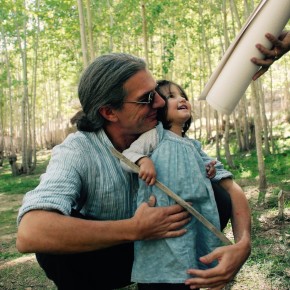
The exchange ran in both directions. The volunteer learned about the children’s interests, their references and the landscape around them, while the children gained access to a voice and a story from beyond their daily circle. That mutual ground is central to Avalokiteśvara Trust’s charitable work. Support works best when it respects local knowledge, builds genuine relationships and leaves room for children to shape the activity in their own way.
Turning a reading into a community tradition
A book drive creates a valuable collection; a recurring reading creates a reason to return. In Australia, neighbourhood reading hours in public libraries and community centres provide a ready model, including branches such as Sydney City Library and Melbourne City Library. A useful point of comparison comes from Friends of the Library in Chattanooga, whose community reading work shows how a familiar story can become a local gathering. An organiser could partner with a library, school or community centre and give a monthly story hour a permanent place in the calendar.
The session itself can be simple. Read a chapter aloud, pause for drawings, add a short song or movement activity, then let pairs discuss one question. A take-home book extends the shared experience into home. These elements connect literacy with the artistic and musical parts of Avalokiteśvara Trust’s wider programme, rather than treating reading time as an isolated academic exercise.
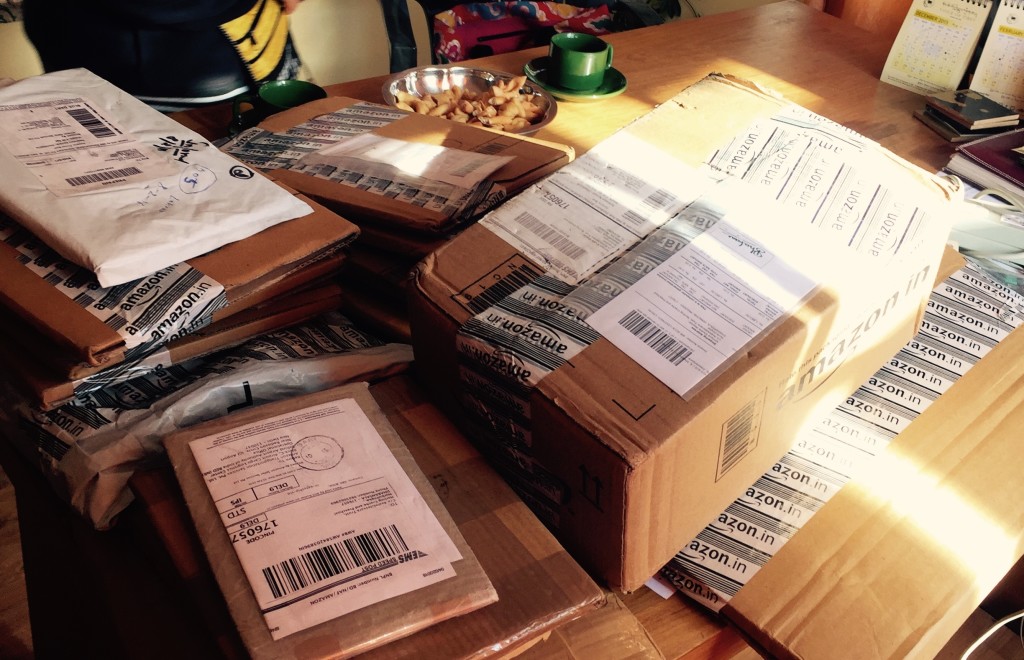
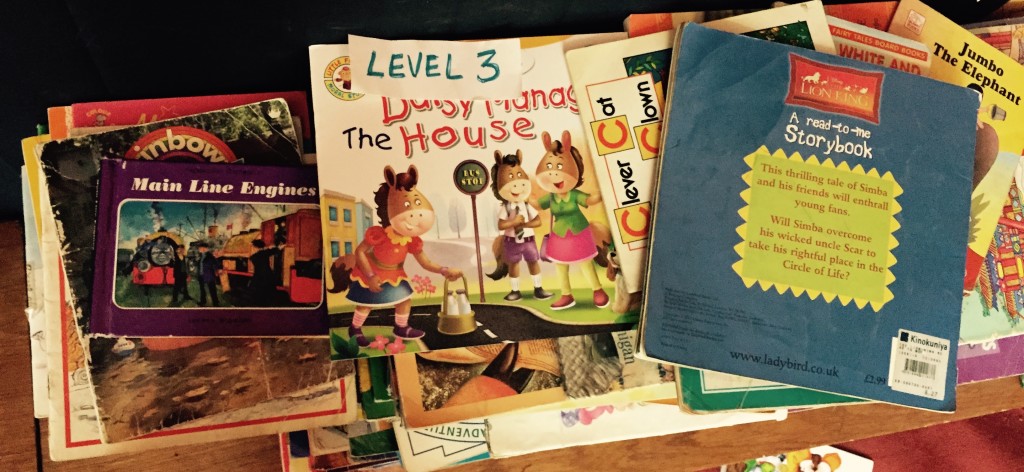
Local markets make this kind of programme approachable. Australian book drives often draw on school collections, community donations and second-hand shops, while independent bookshops and second-hand sellers provide other sources of titles. Buying a missing book in AUD, or placing a requested title on a shop’s order list, can direct money towards the children who need it. Fewer heavy parcels also means more practical use of each contribution.
Keeping the work practical and accountable
Anyone working directly with children in New South Wales should check whether the Working with Children Act 2000 requires a Working with Children Check; screening and supervision requirements vary across states and territories. The Privacy Act 1988 may also apply to personal information held by an organisation. Stories about children need informed consent, and photographs should be shared only with permission and handled with care for each child’s dignity.
Donations can support the work in several forms. Cash may provide more flexibility than buying books at full retail price, while an agreed gift of professional services or freight can be equally useful. The Charities Act 2011 and Australian Charities and Not-for-profits Commission rules shape how donations are handled. A tax deduction depends on eligibility and proper records, and some charities need Deductible Gift Recipient status before they can issue a tax-deductible receipt.
Accountability also applies to the volunteer’s time. A clear budget can show what a donated sum buys, which books are still needed and how transport or teaching materials are covered. Short updates about activities keep donors connected to the purpose of their support. They also recognise the quiet work behind a memorable story: preparation, patience and careful attention to a group of young readers.
| Approach |
Main strength |
Practical consideration |
| One-off book drive |
Builds a collection quickly |
Agree age groups and requested titles before collecting |
| Recurring read-aloud circle |
Creates continuity and a reason to return |
Book a reliable venue and prepare for different attention levels |
| Story-linked art or music |
Connects reading with creative expression |
Keep activities simple, inclusive and linked to the text |
| Fundraising through books |
Lets donors direct support towards reading |
Track sales, receipts and delivery costs clearly |
A reading that can keep growing
The strength of this episode lies in its scale. A volunteer read a well-loved fantasy to a small audience in a Himalayan reading room, and ten afternoons gave the children time to live with it. That experience reflects the purpose of Avalokiteśvara Trust: widening access to good books while giving children and young monks space to read, imagine, create and take part.
A lasting programme can begin with that modest scale. The next concrete step is a fifteen-minute induction call between the Ladakhi reading-room lead and the prospective volunteer, followed by a confirmed date for the first shared reading.