The Bookmark That Made Every Finished Book Matter
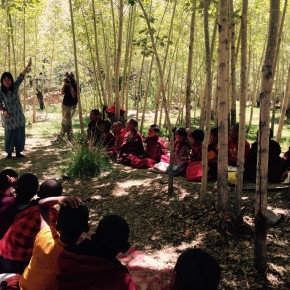
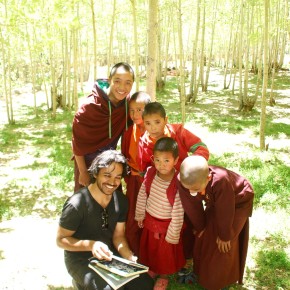
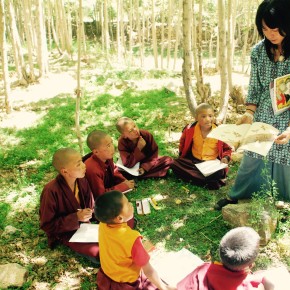
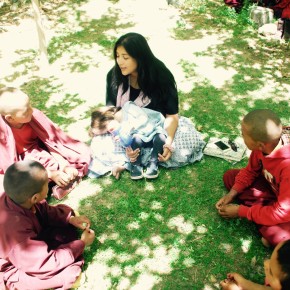
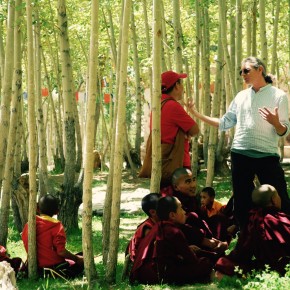
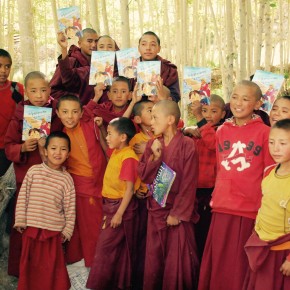
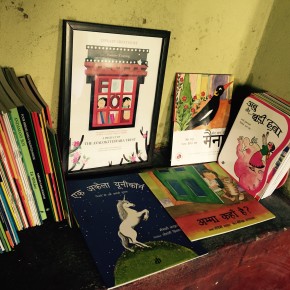
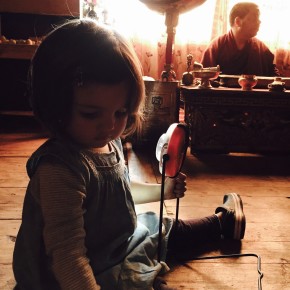
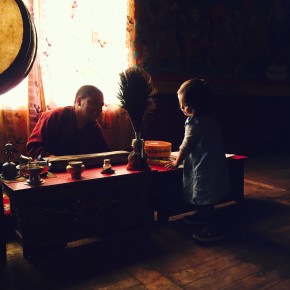
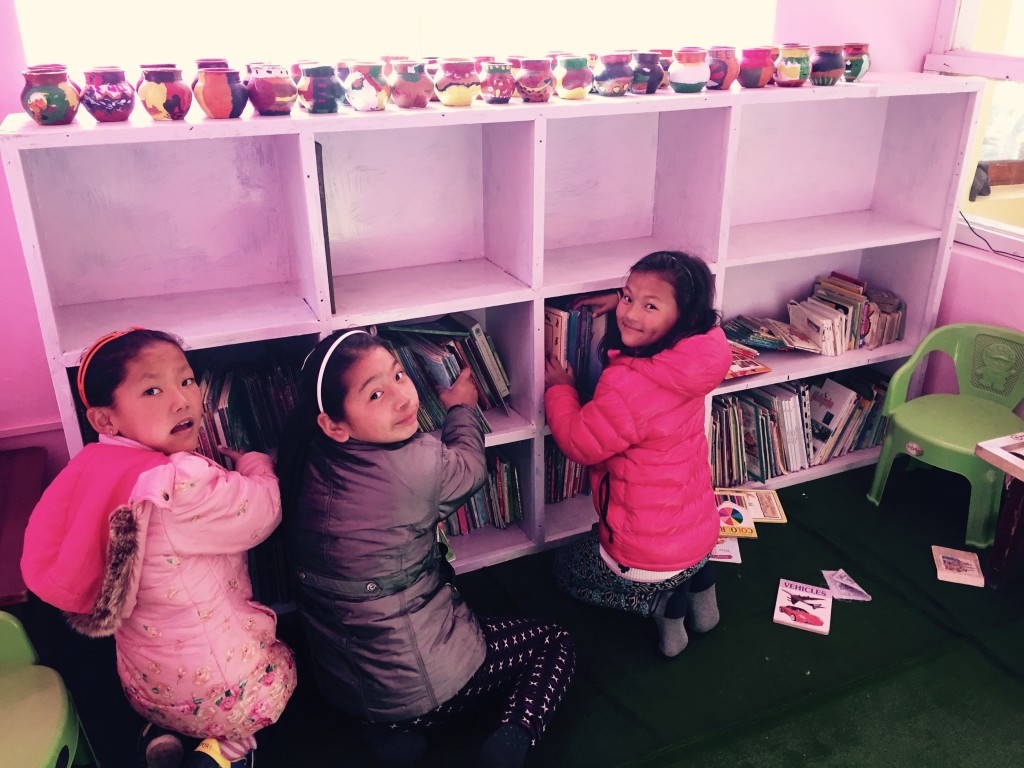
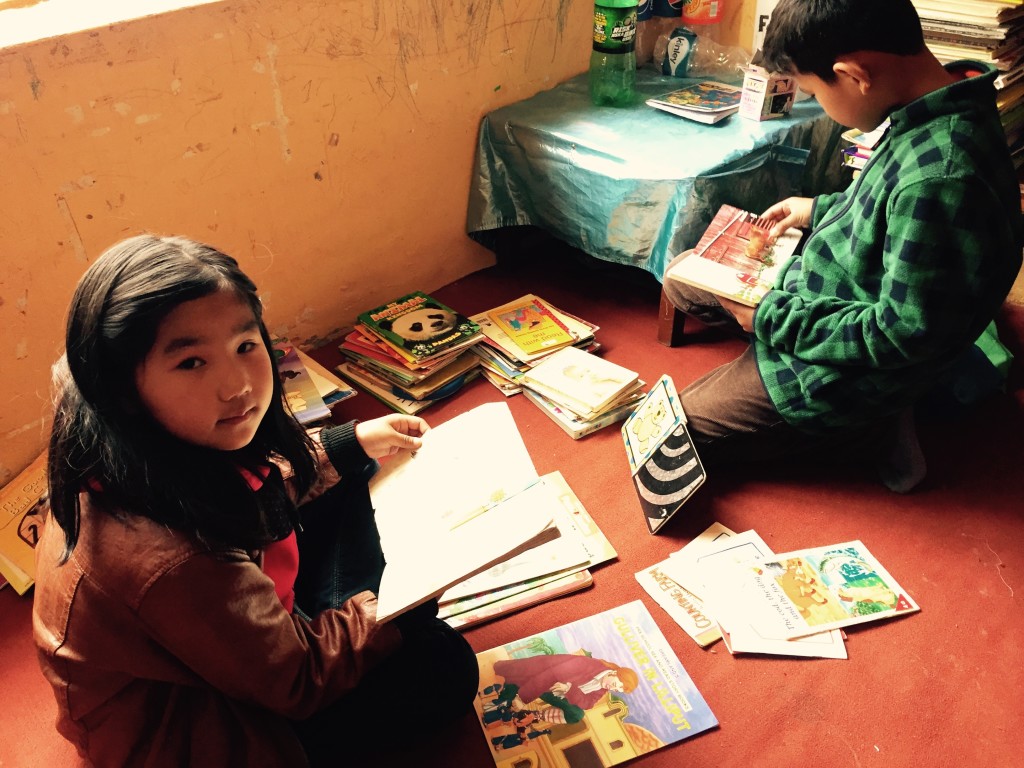
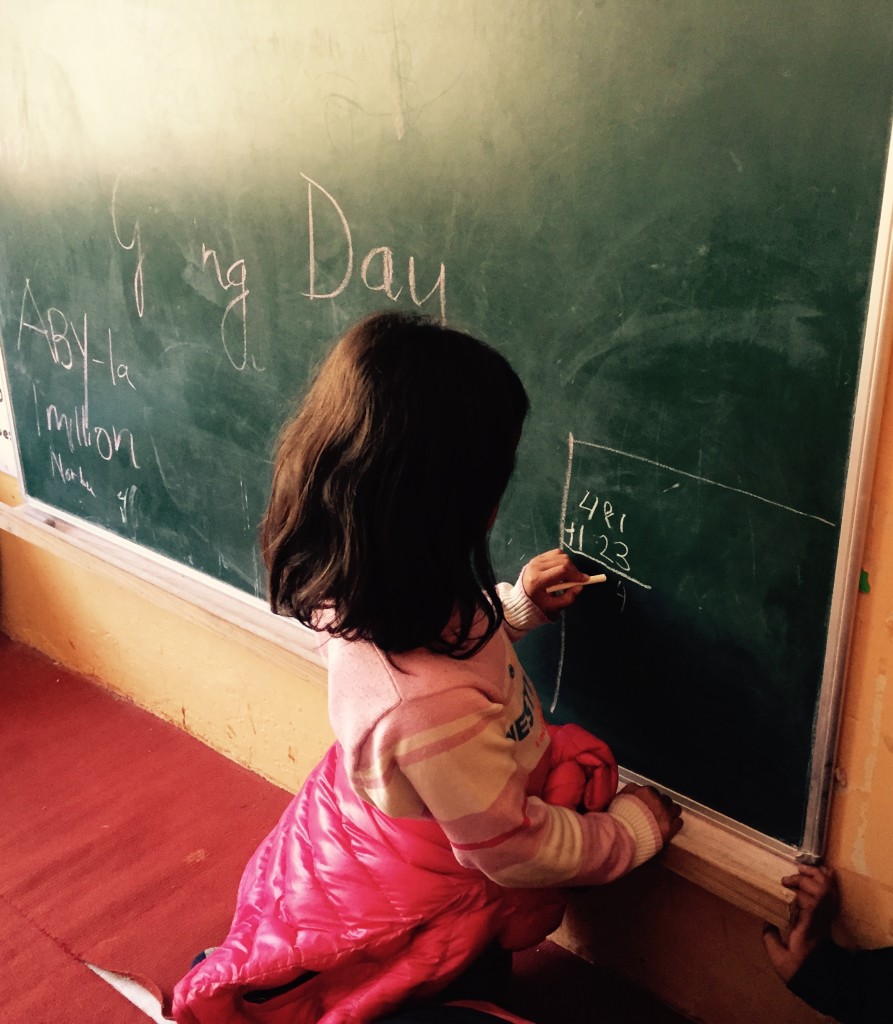
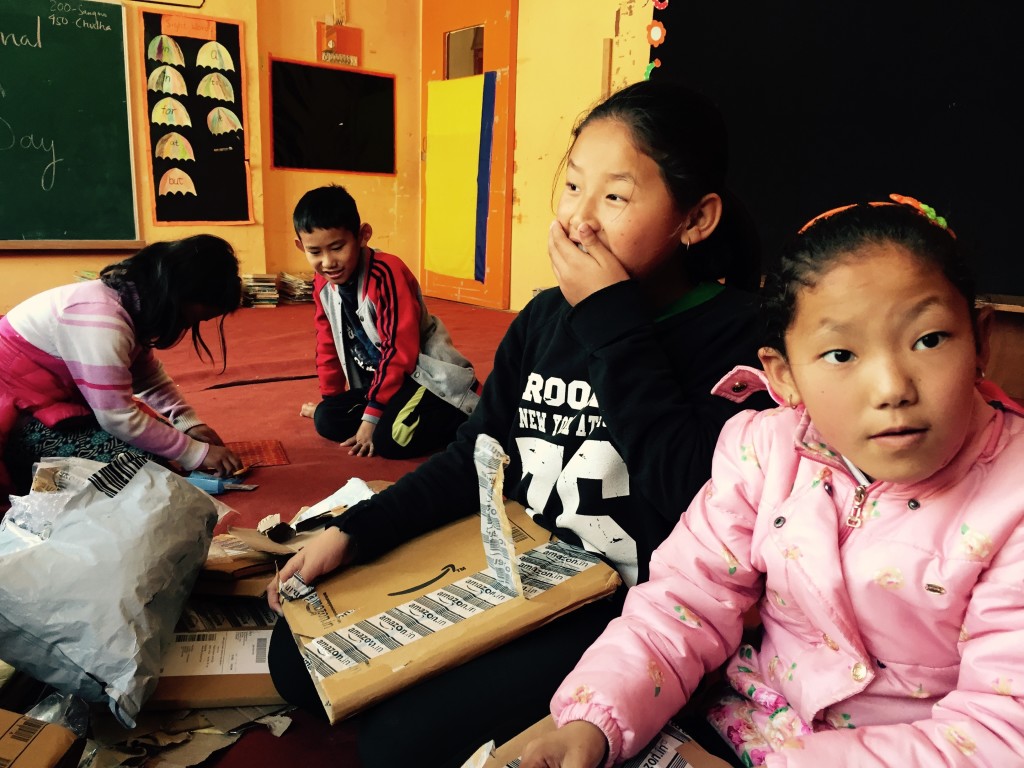
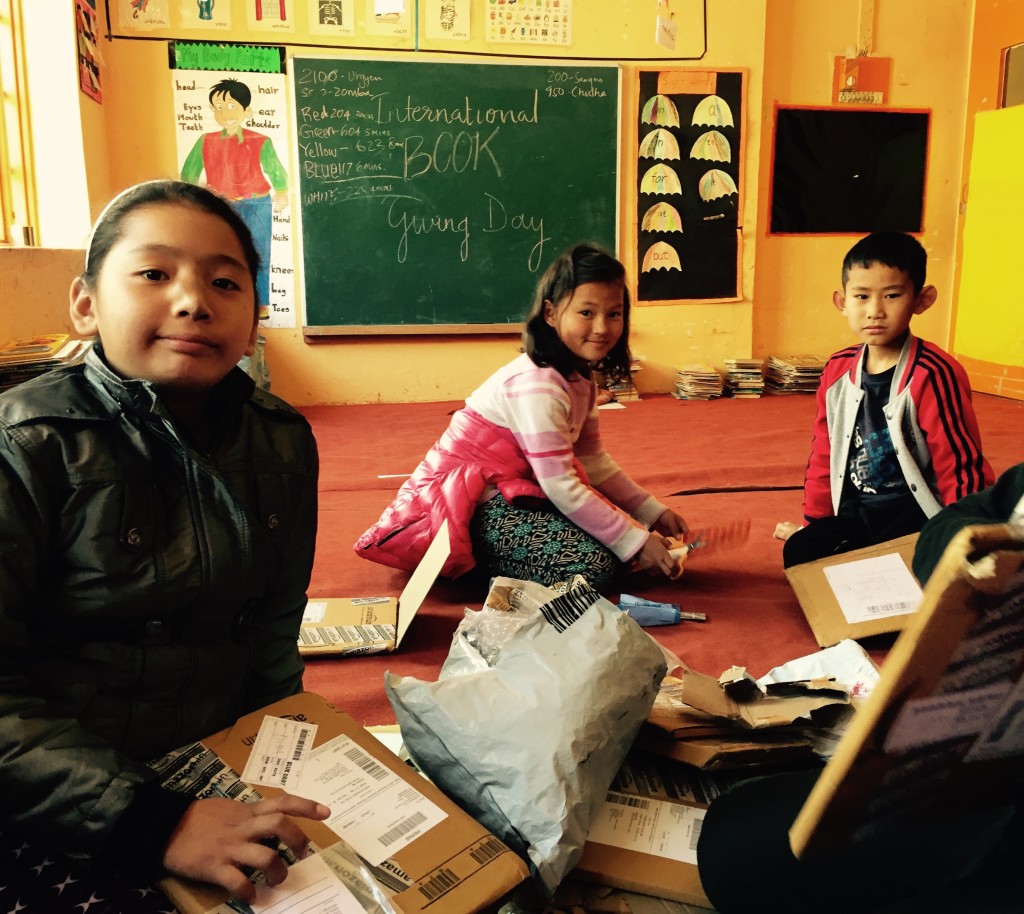
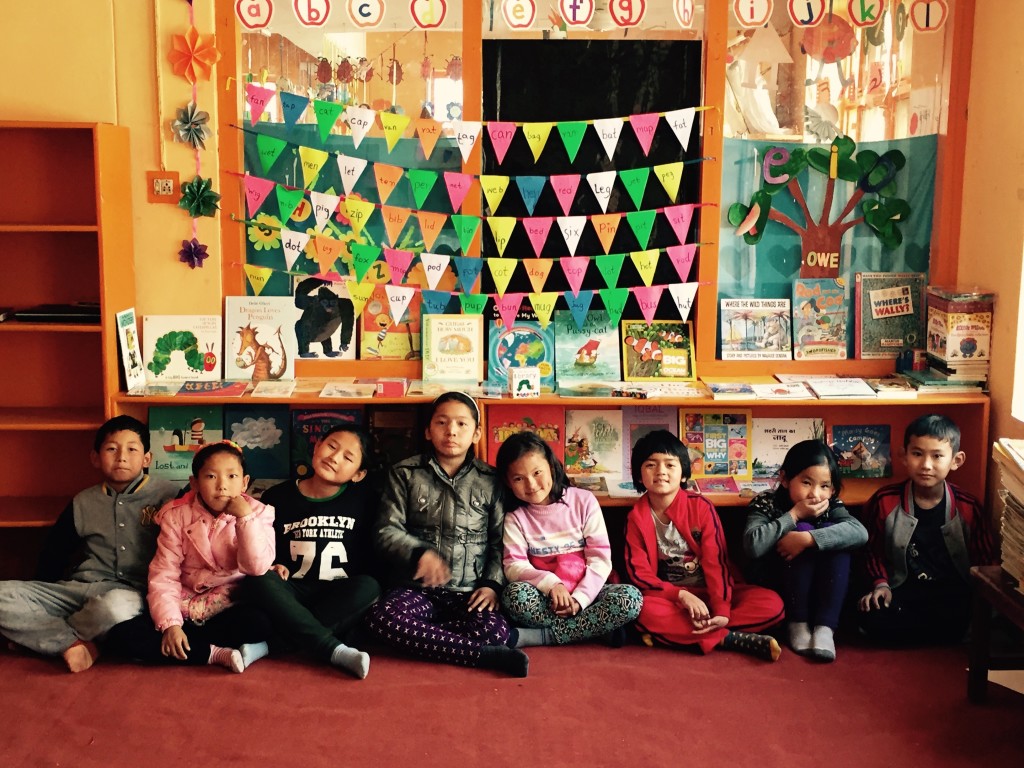
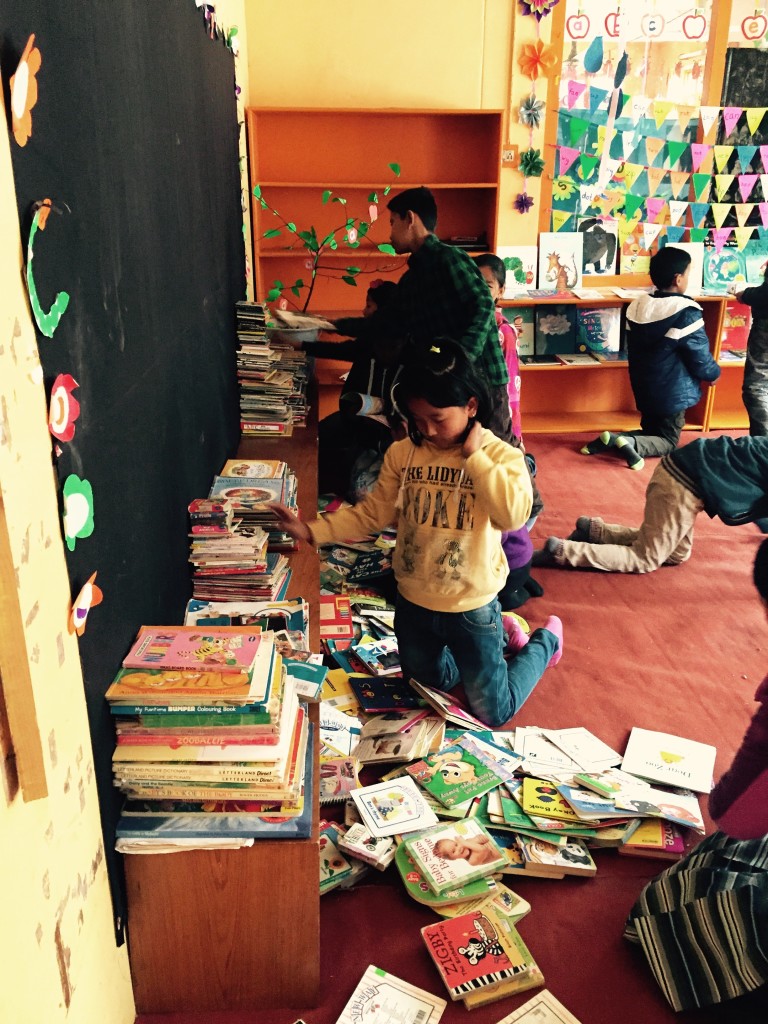
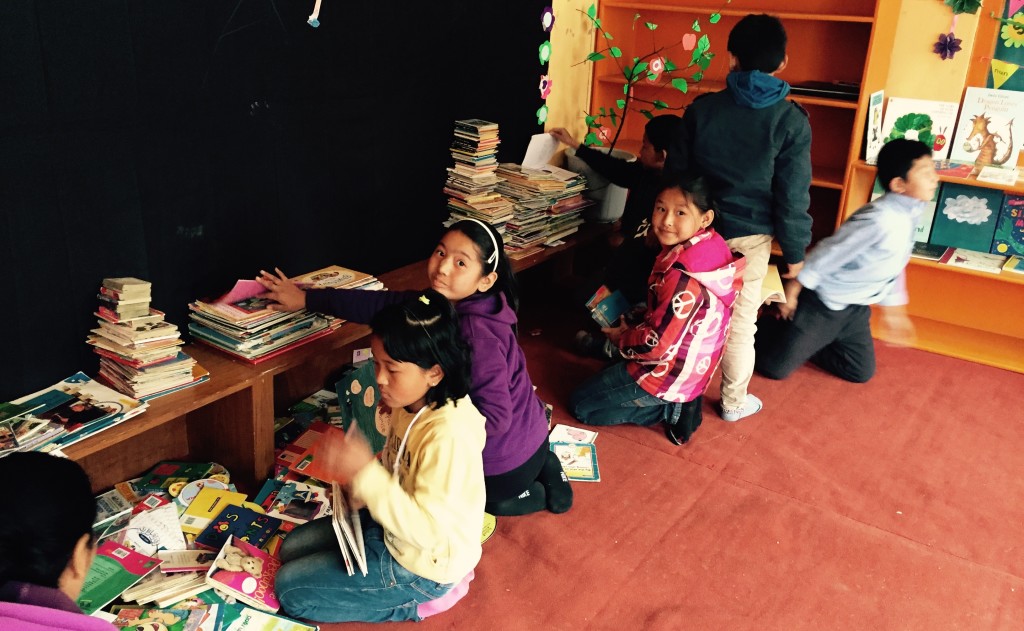
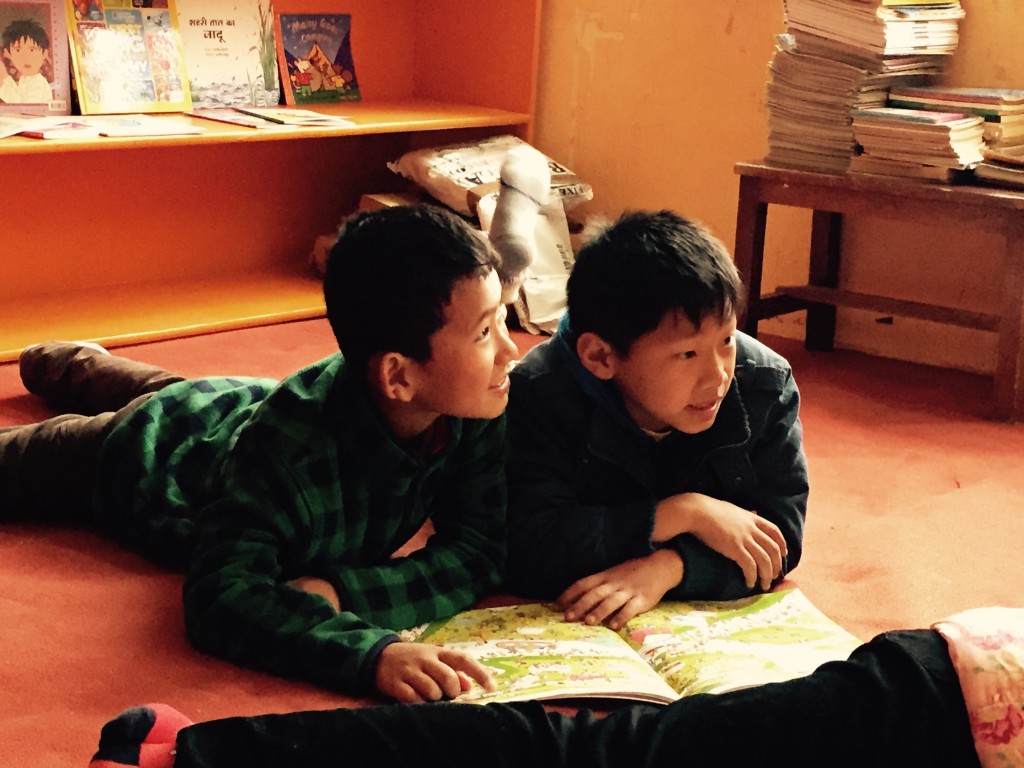
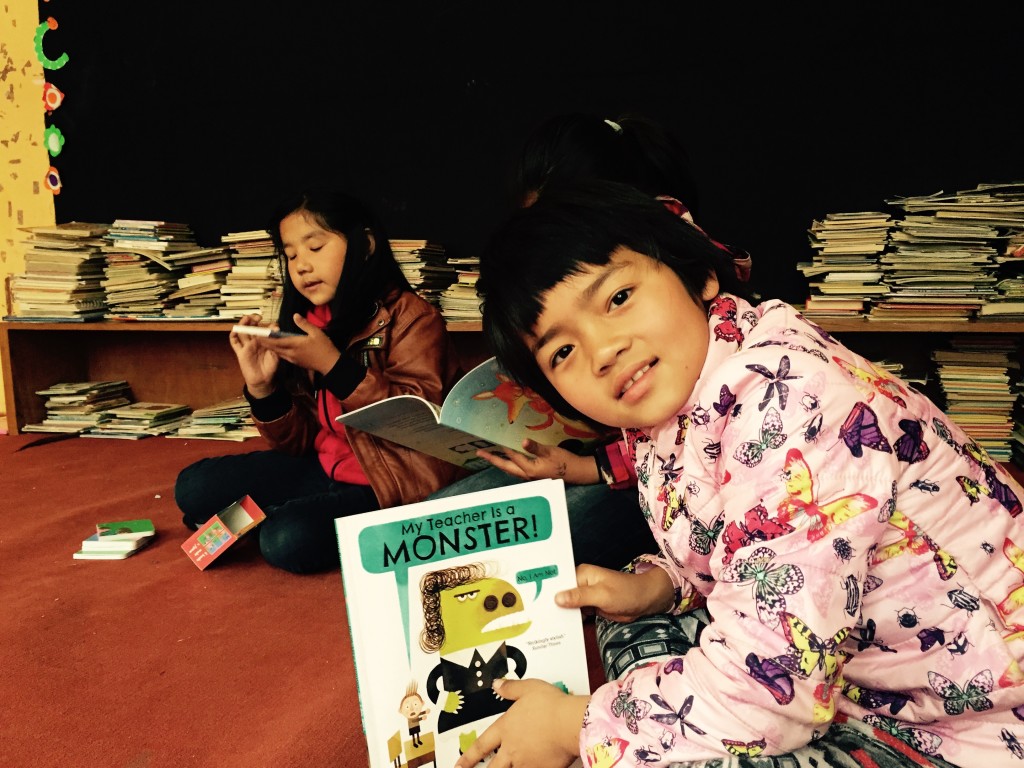
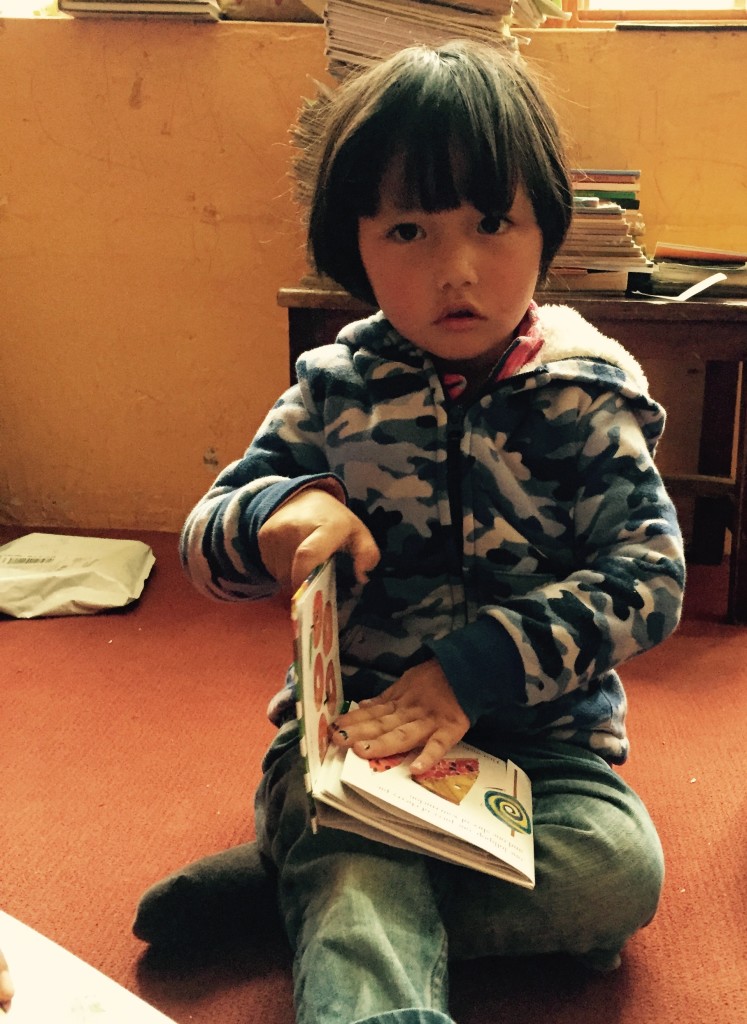
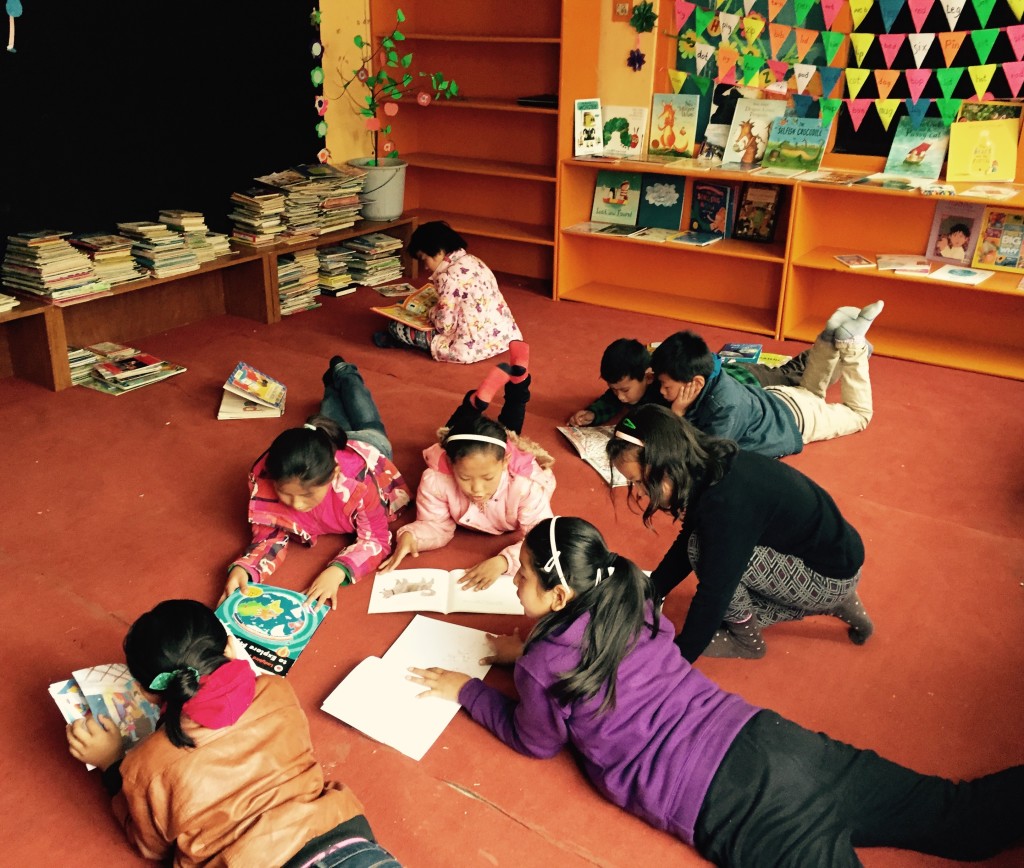
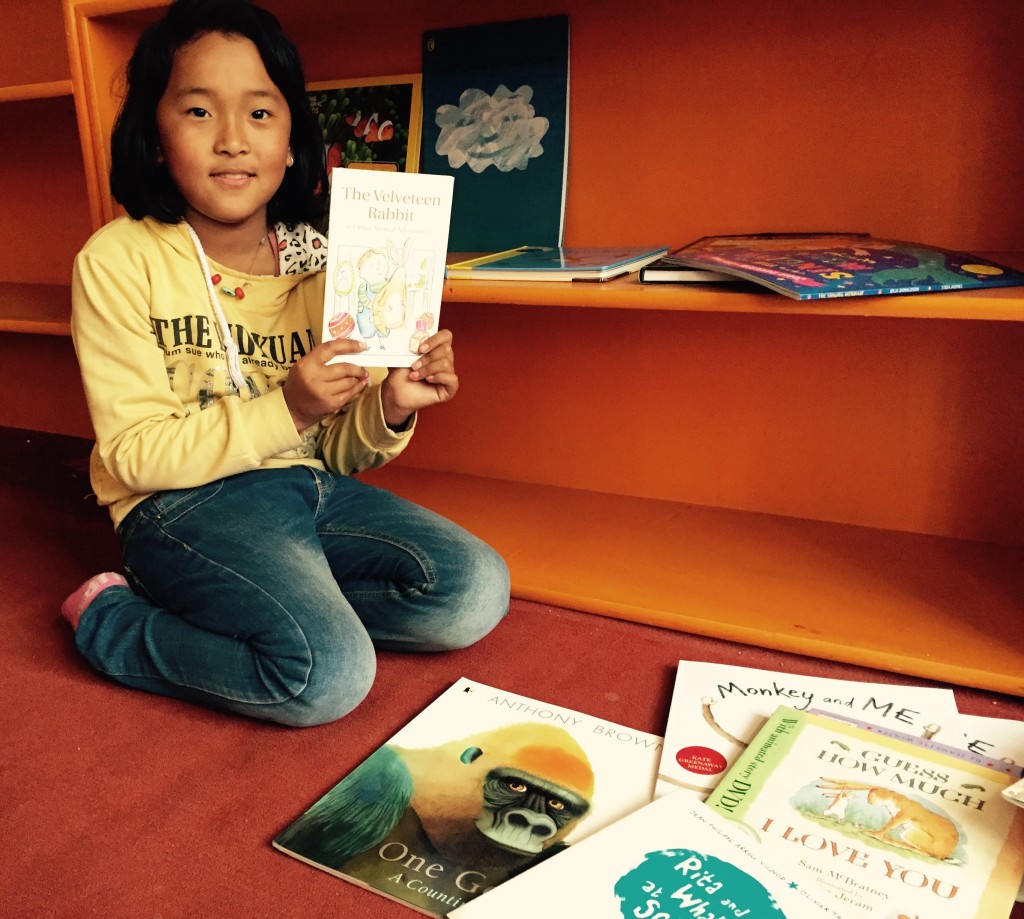
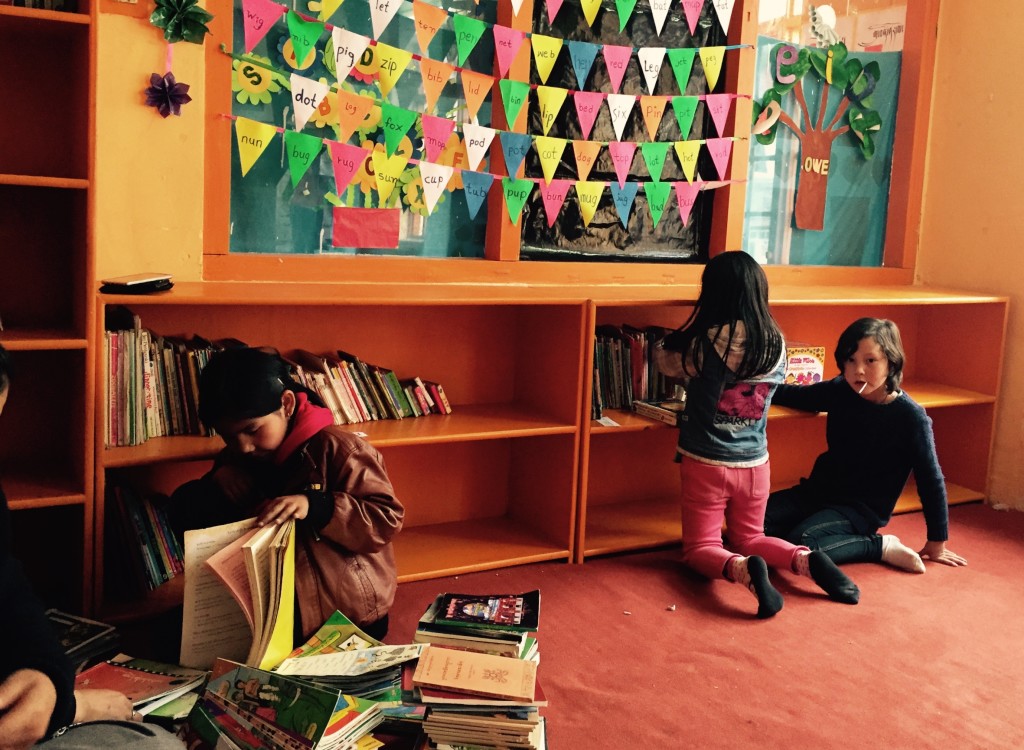
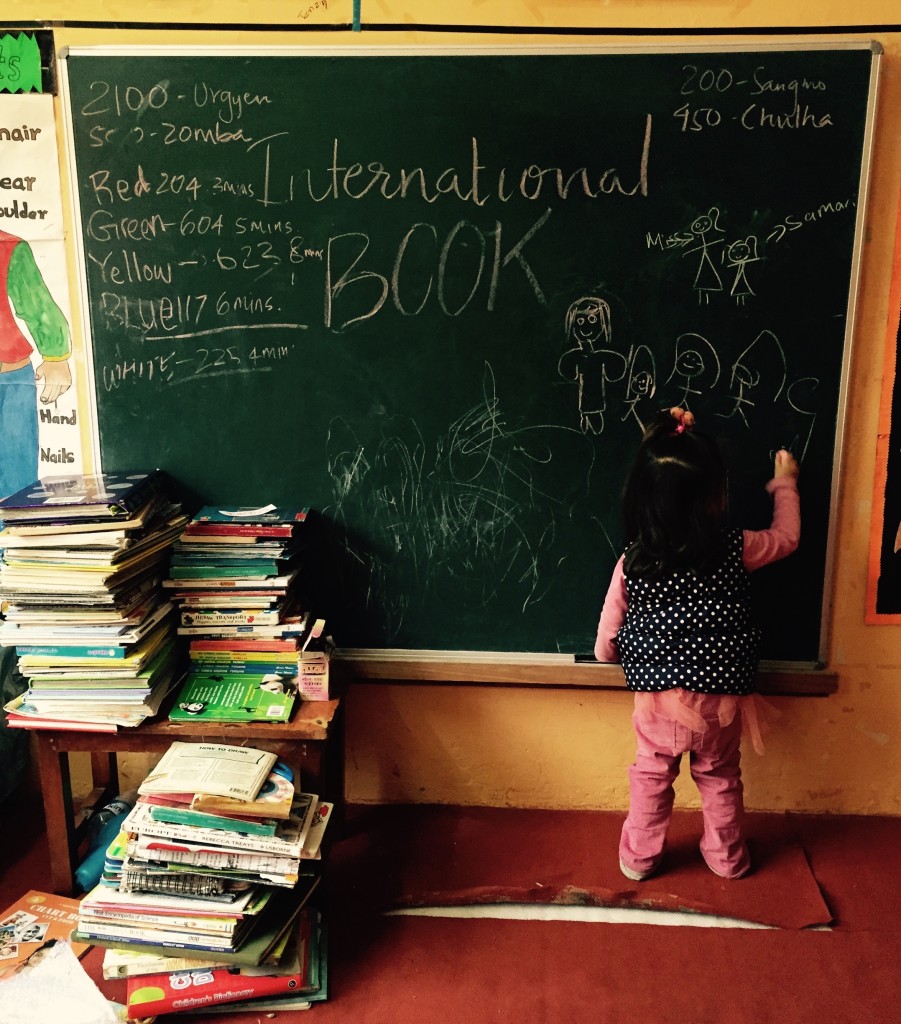
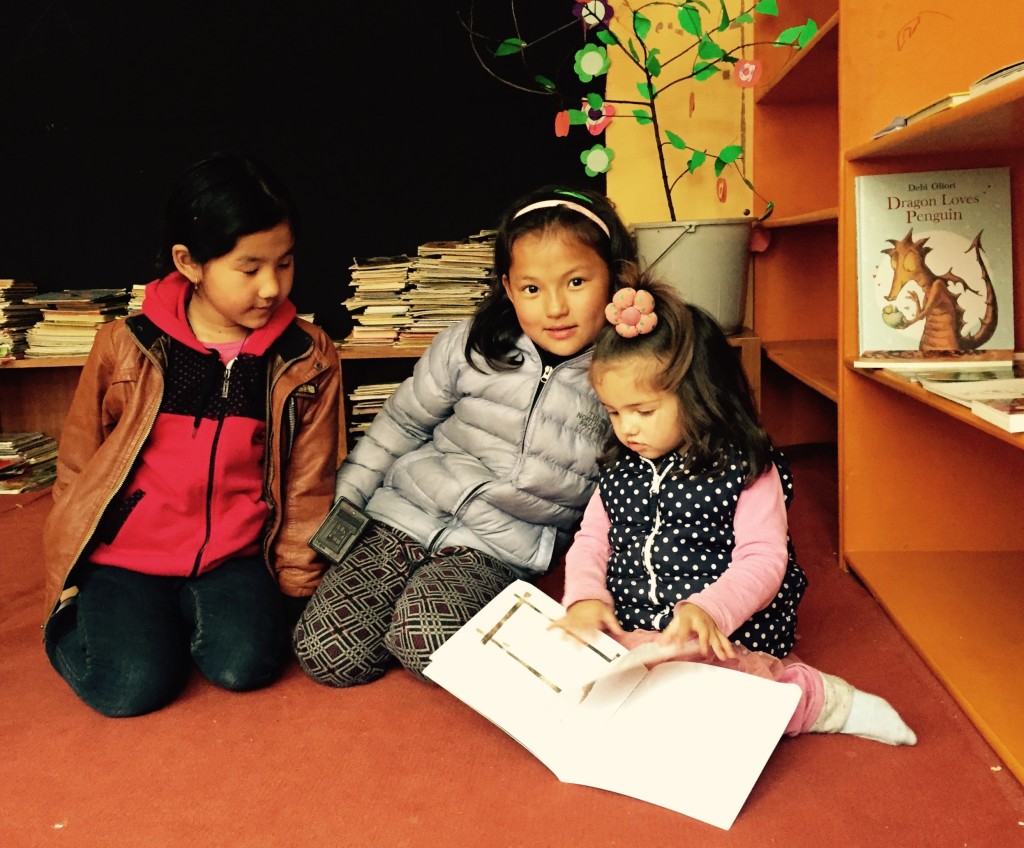
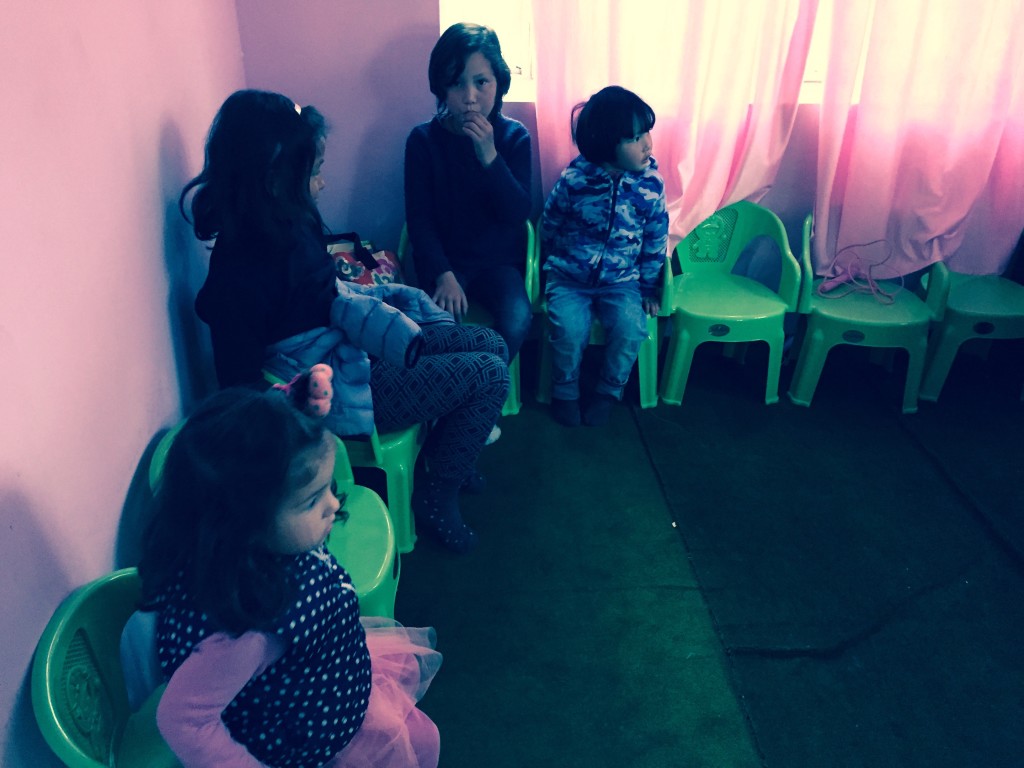
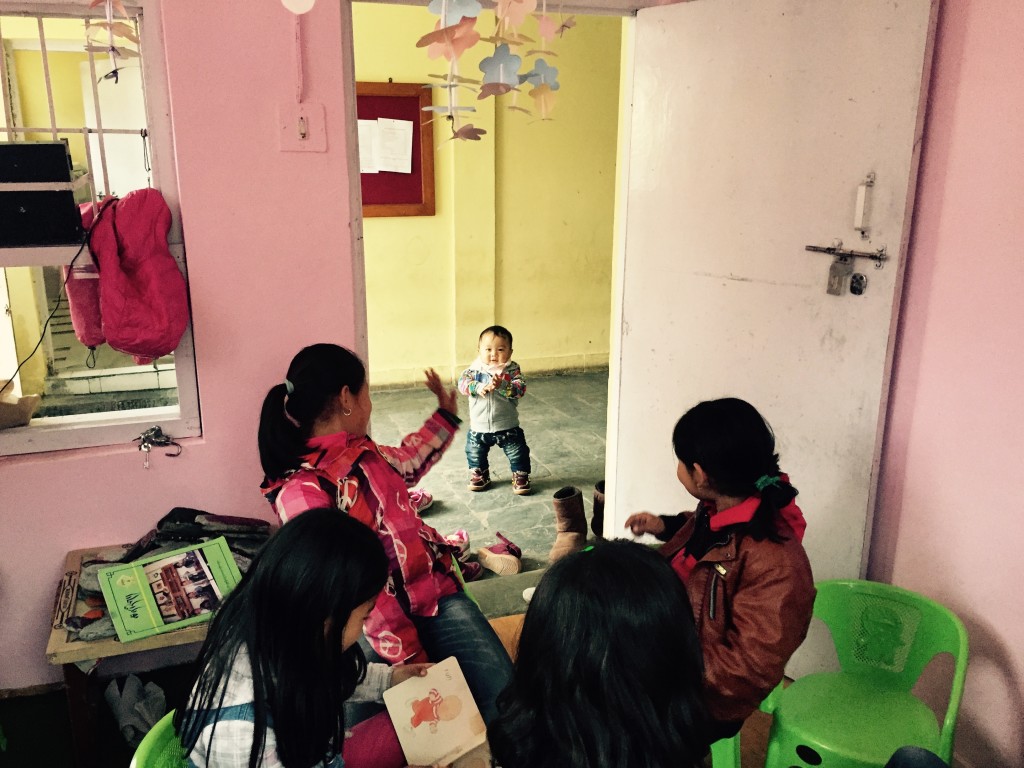
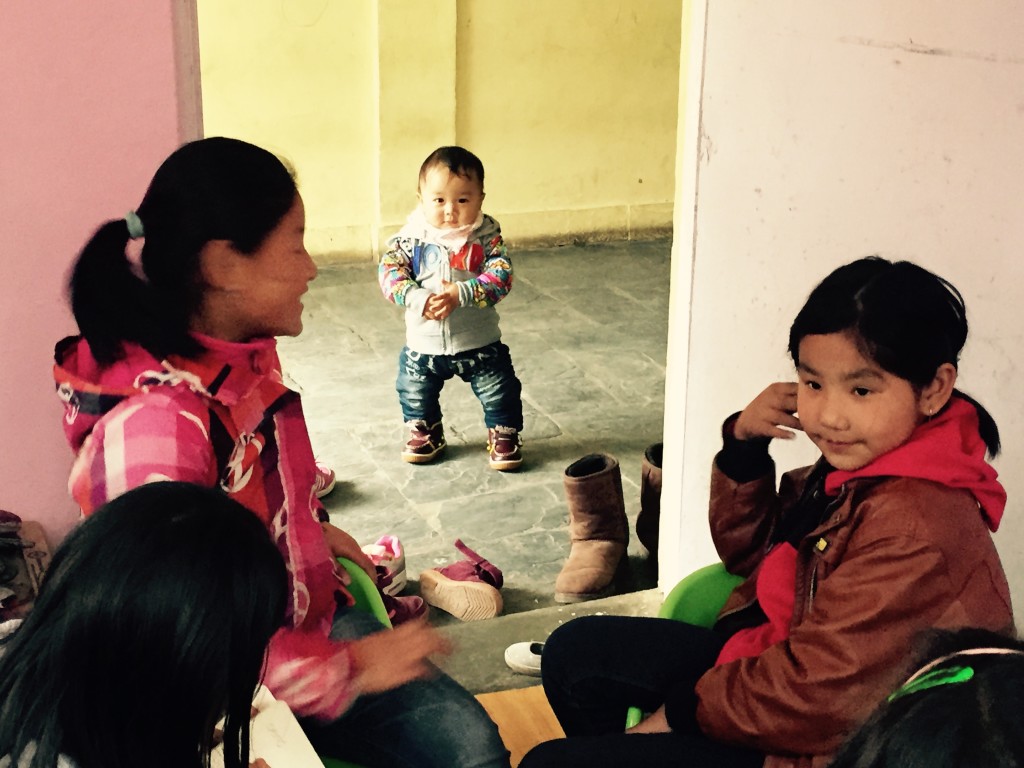
In a reading room supported by Avalokiteśvara Trust in Ladakh, finishing a book was not marked with fireworks. A child closed the cover, looked at the volunteer on duty and waited for the small reward that had become part of the reading routine.
The volunteer who knitted bookmarks for every child who finished a book had started with a simple supply of wool and a practical stitch. She wanted the reward to acknowledge persistence, not speed or competition.
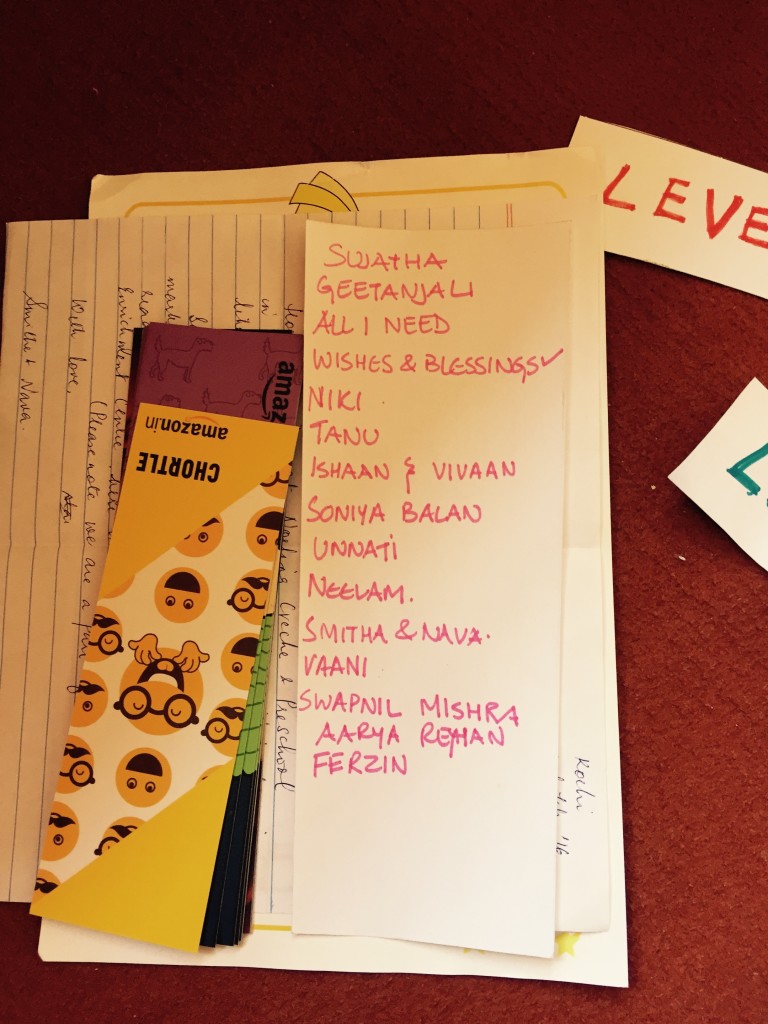
Each bookmark was knitted in sturdy garter stitch, with enough length to sit securely inside a book and enough colour to feel personal. The materials were inexpensive, the pattern was manageable and the meaning came from the exchange between reader and maker.
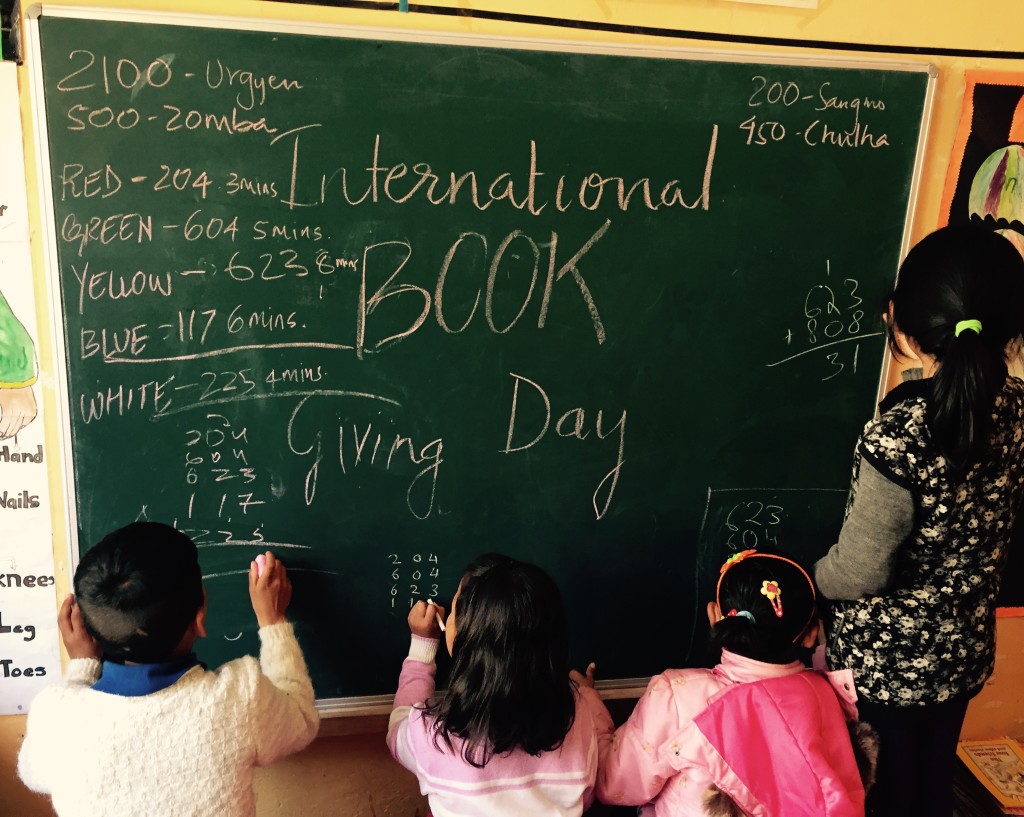
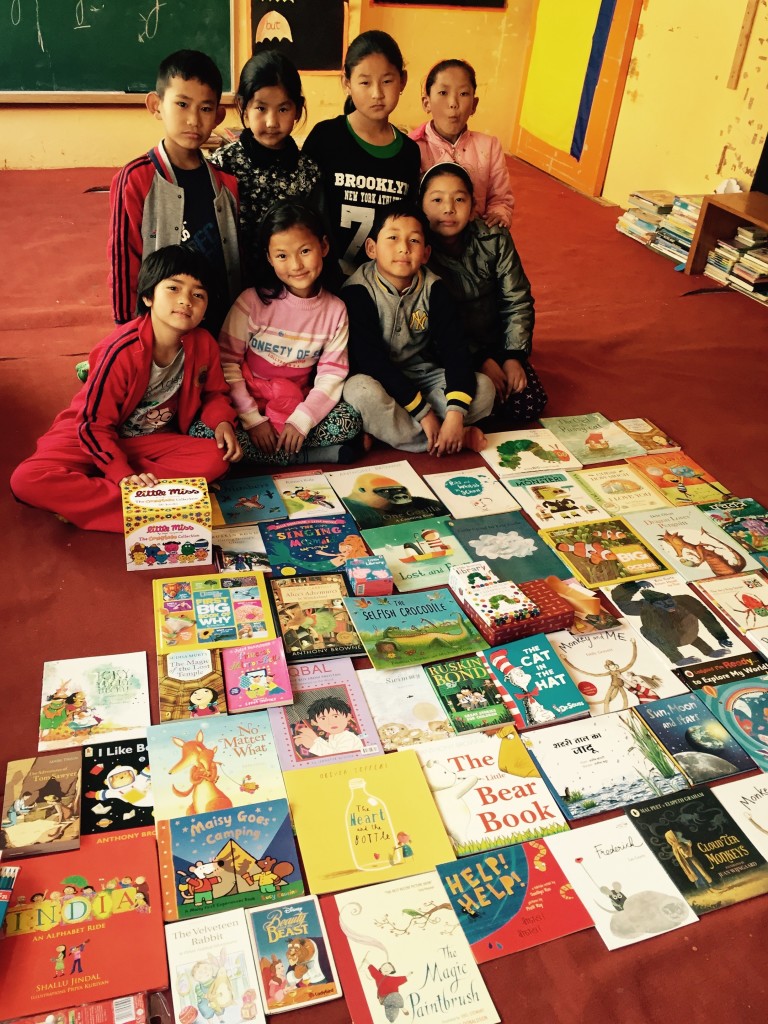
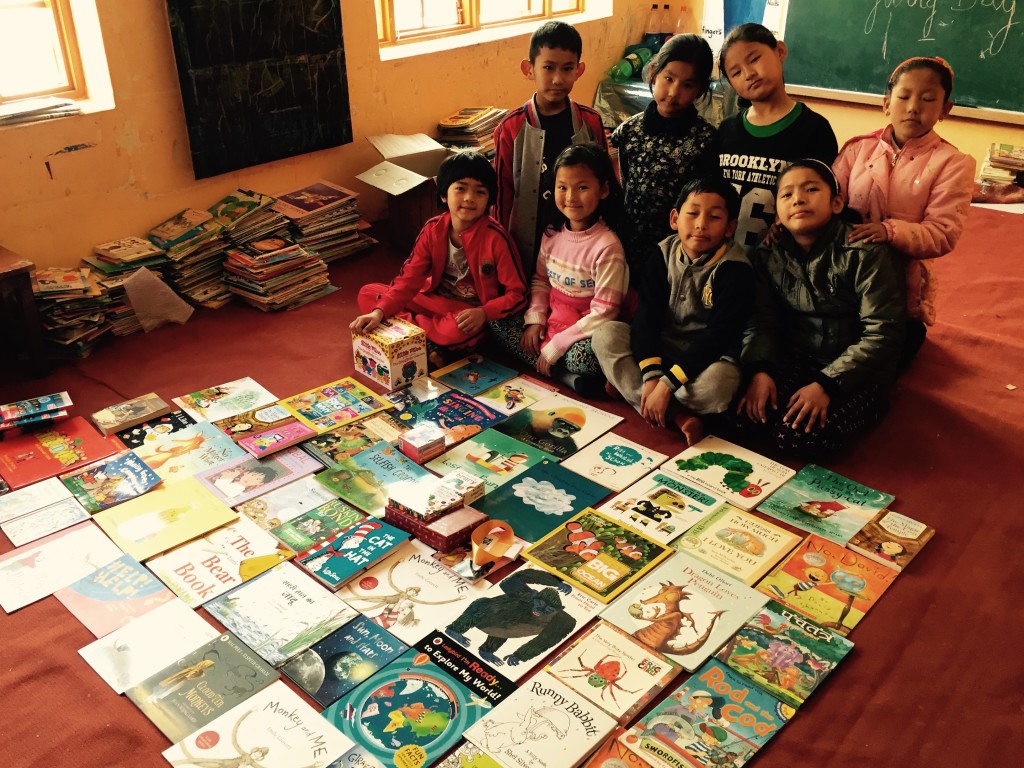
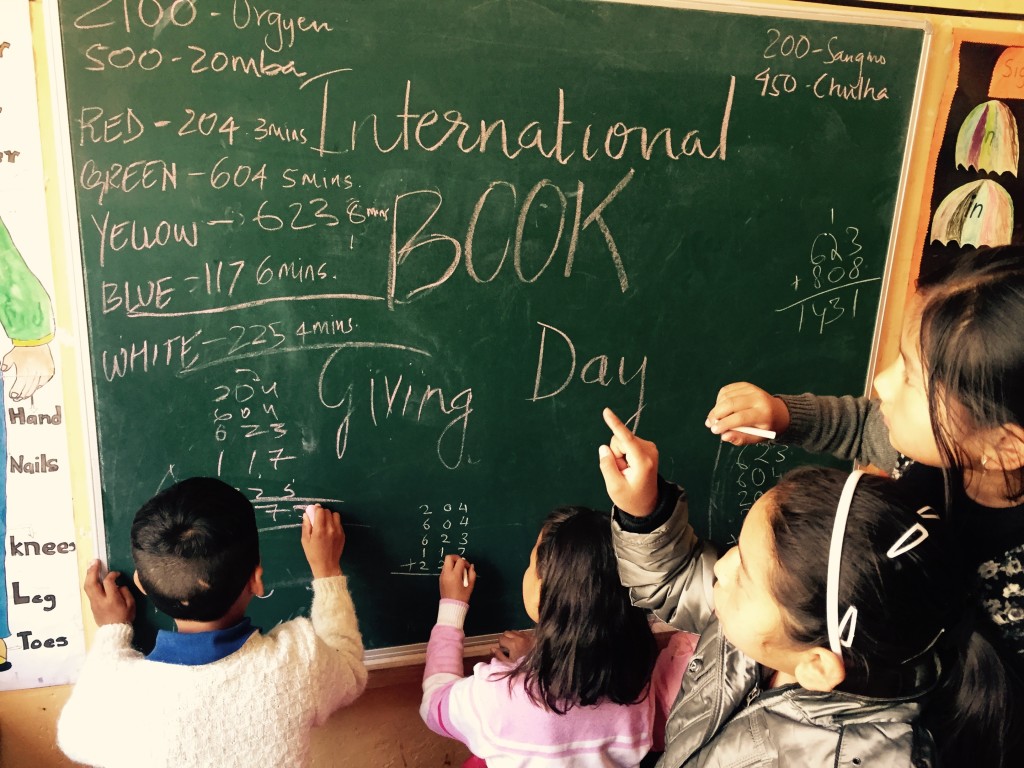
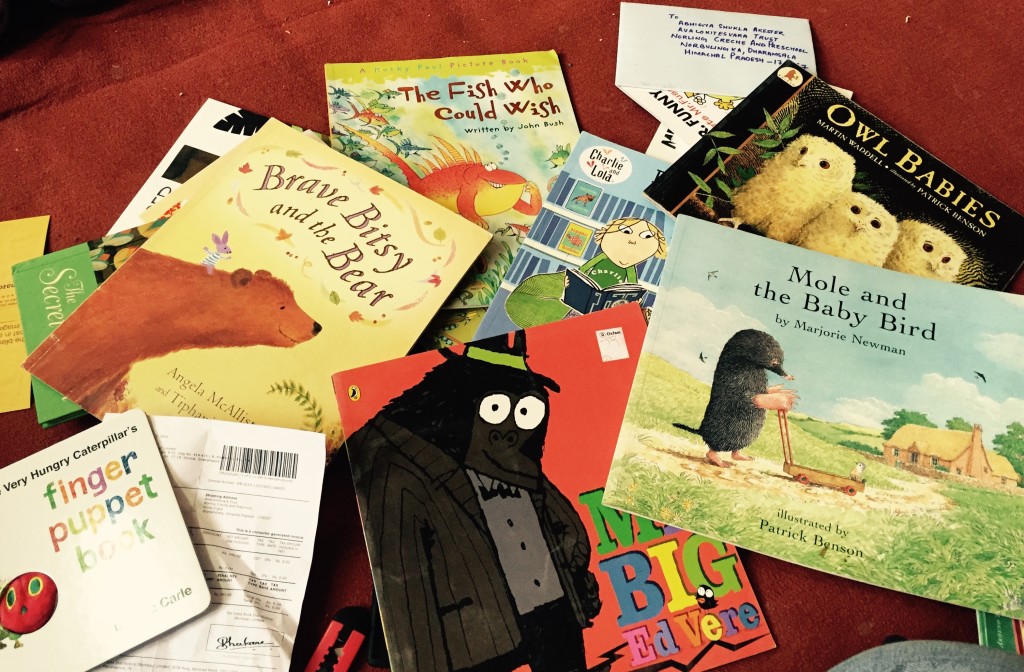
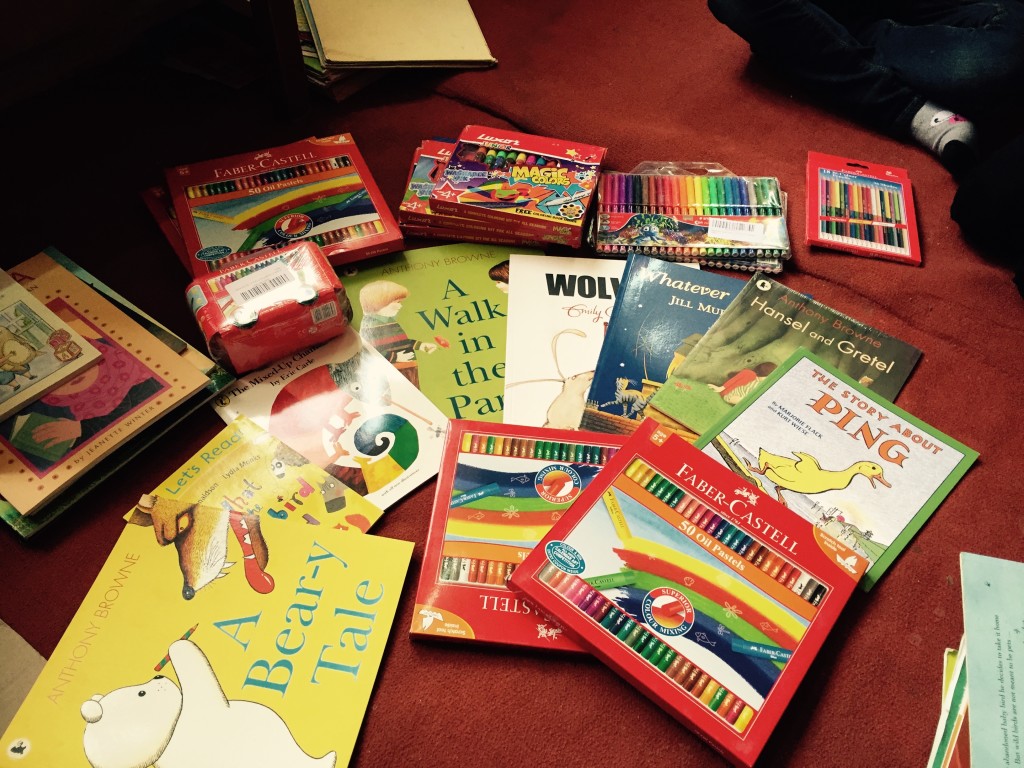
This modest ritual fits the wider work of Avalokiteśvara Trust, where reading rooms, book drives and educational, artistic and musical activities give children and young monks room to discover what books can offer. The practice also travels well to Australian schools, libraries and community groups, where a handmade reward can make sustained reading feel tangible.
A Yarn Idea Takes Root in Ladakh
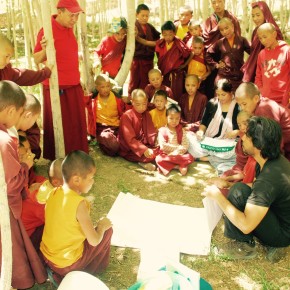
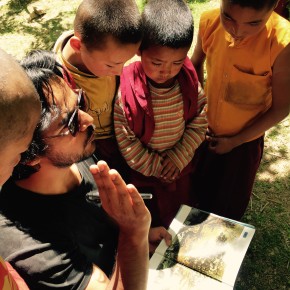
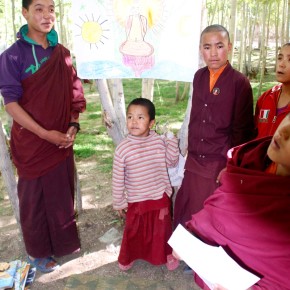
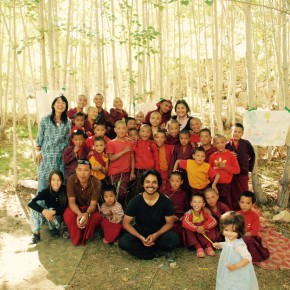
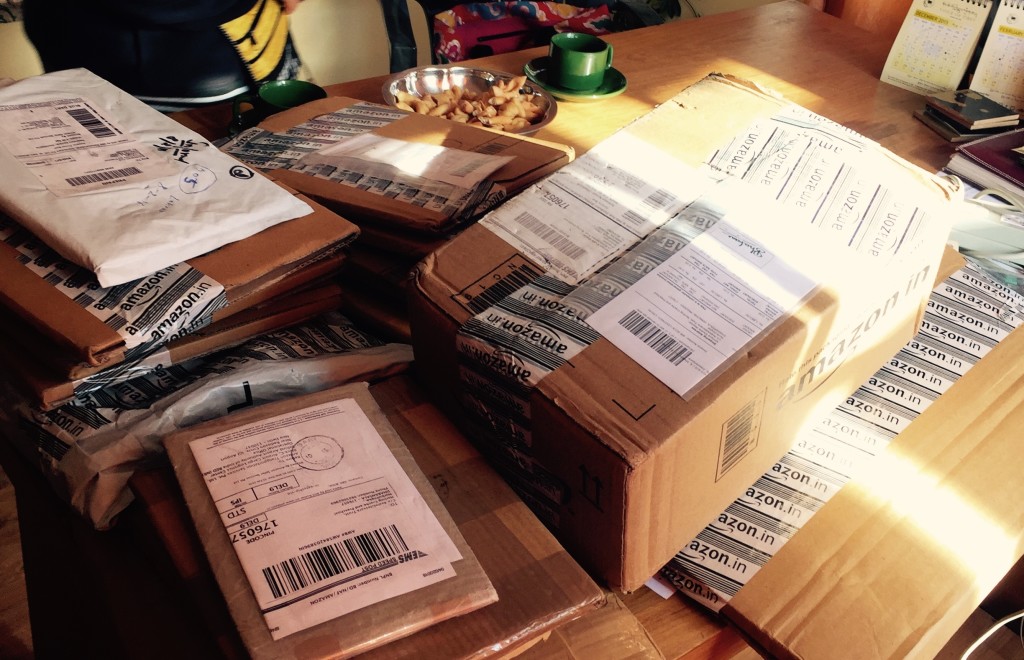
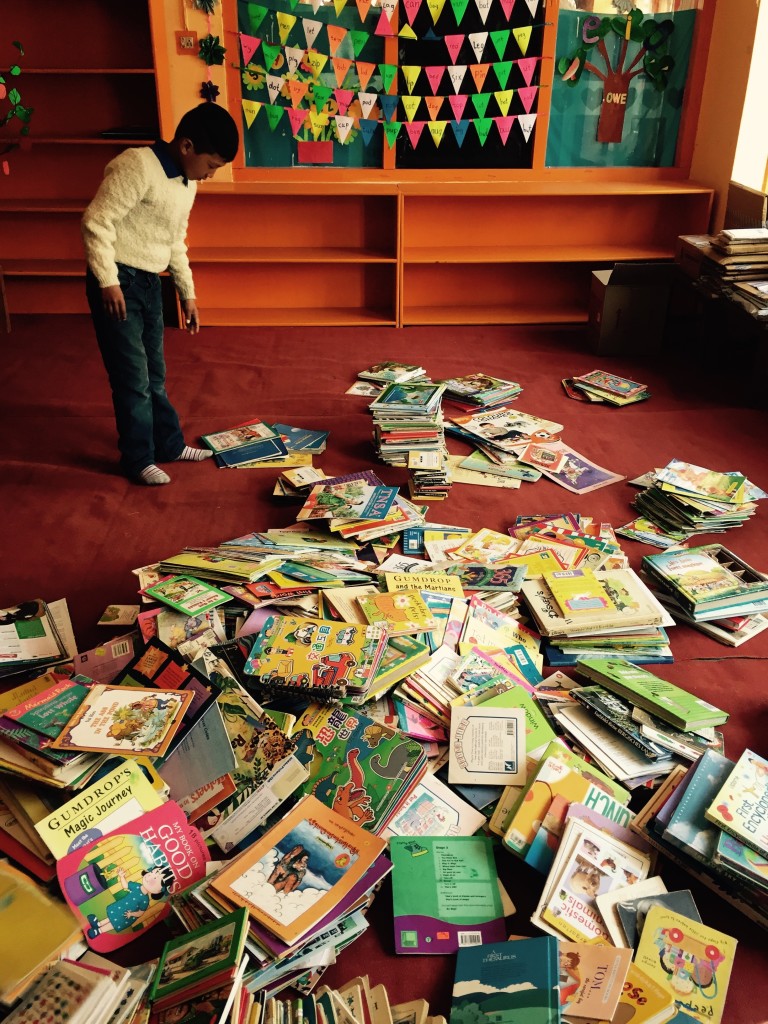
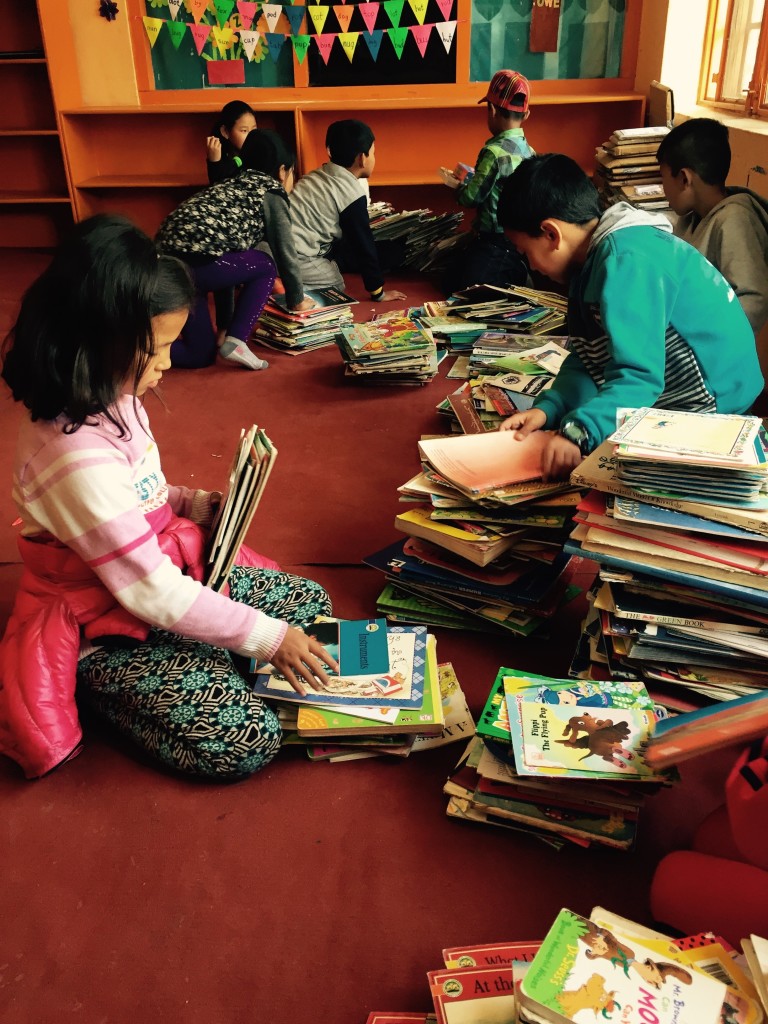
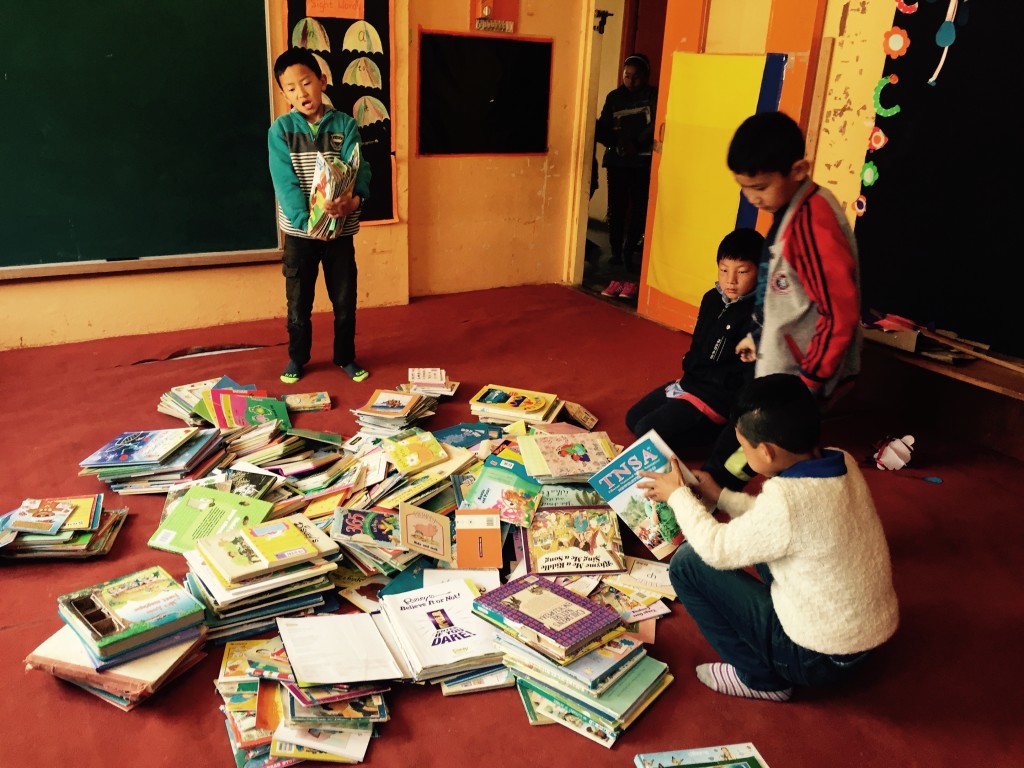
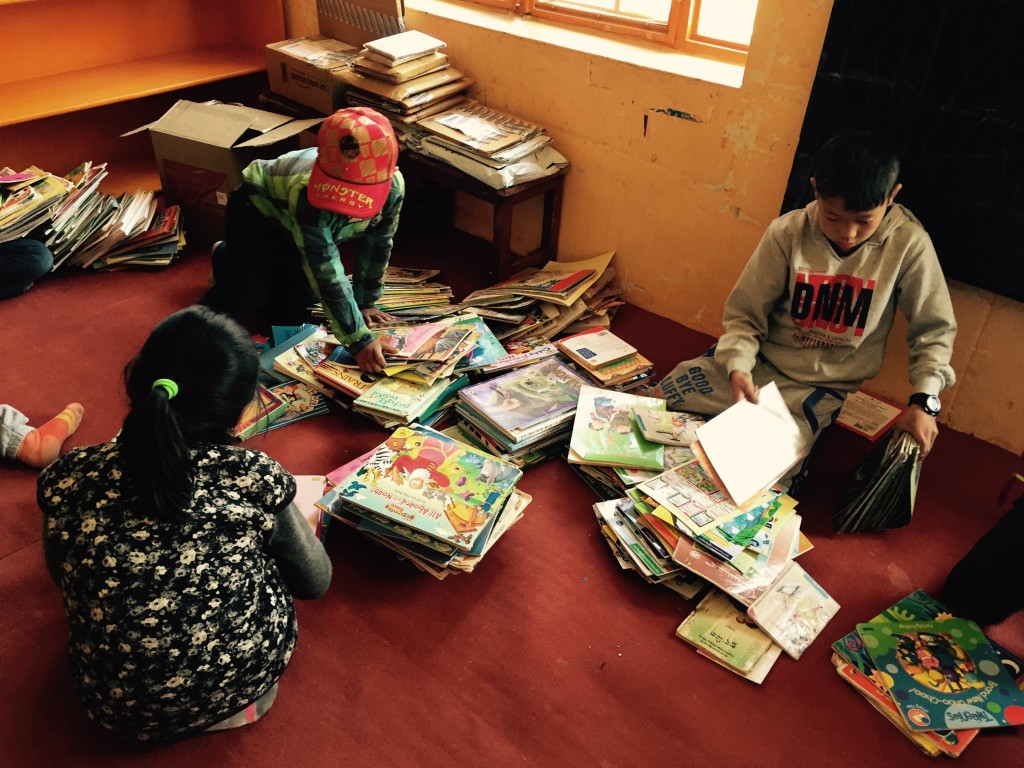
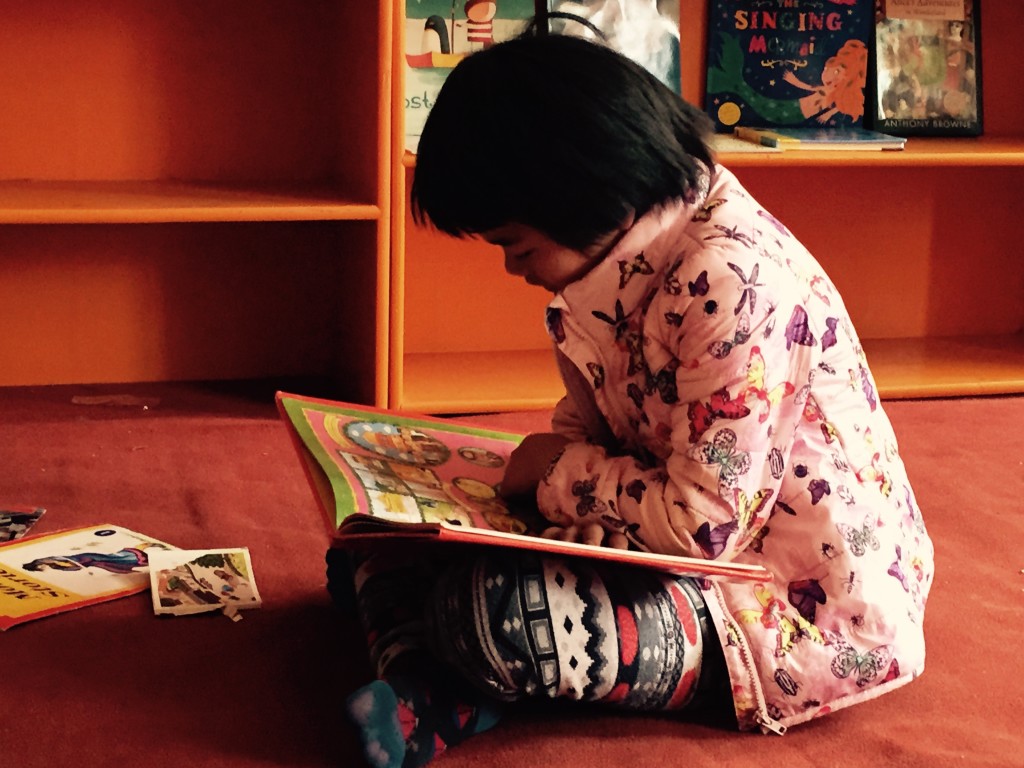
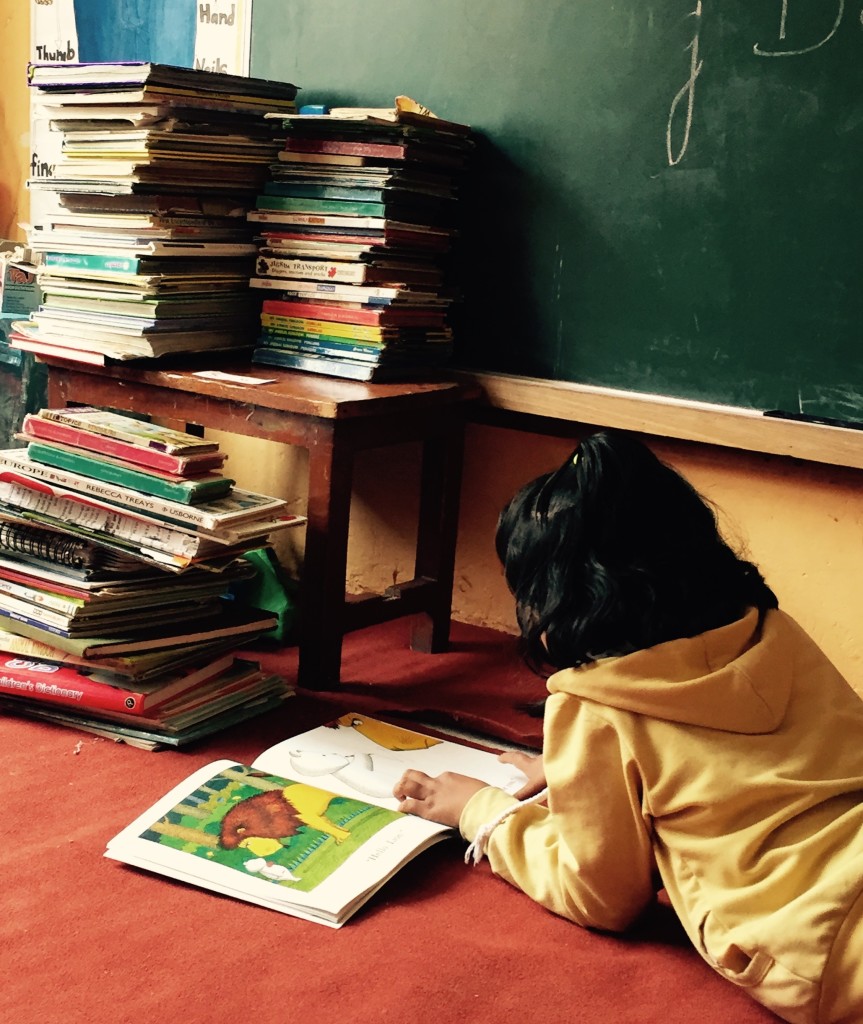
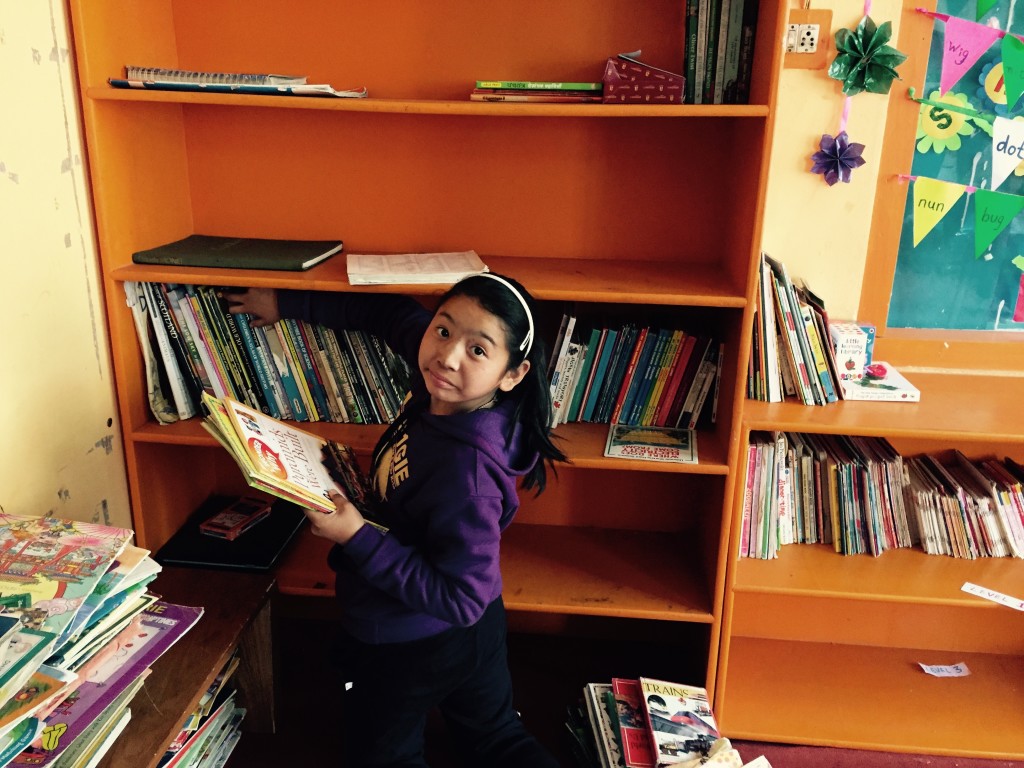
The volunteer first joined the reading room by sorting donated books and repairing damaged covers. That work brought her into contact with children at different reading levels, including young monks who visited after lessons. She noticed that books held different degrees of attraction for different readers, especially when reading was still a new habit.
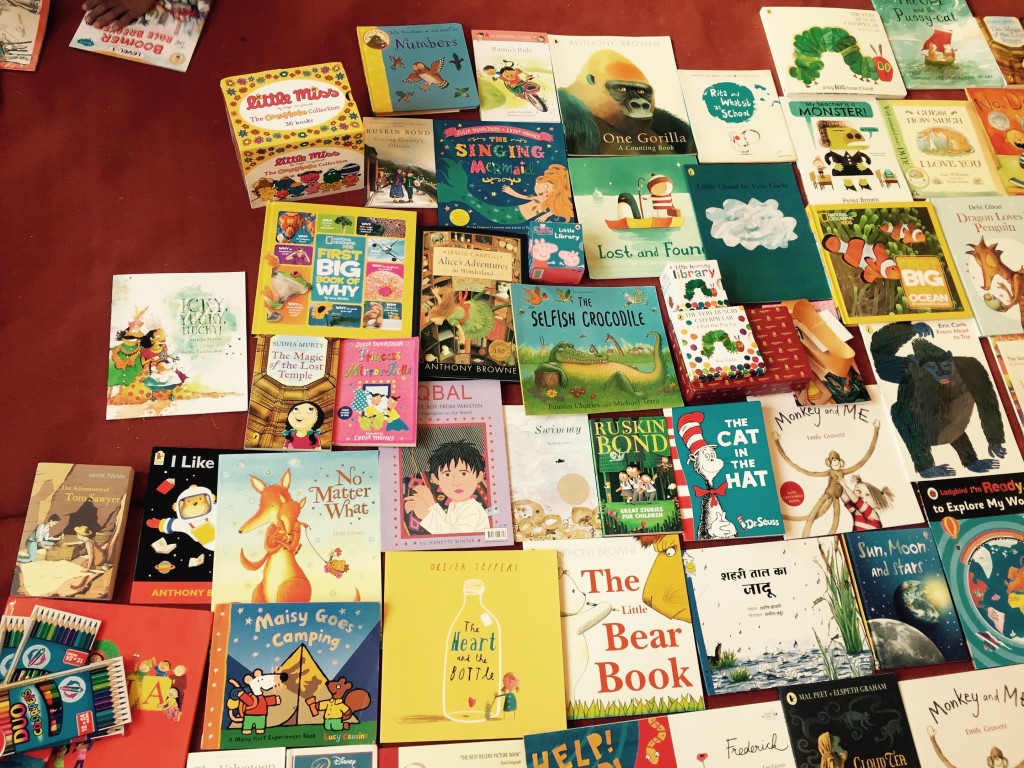
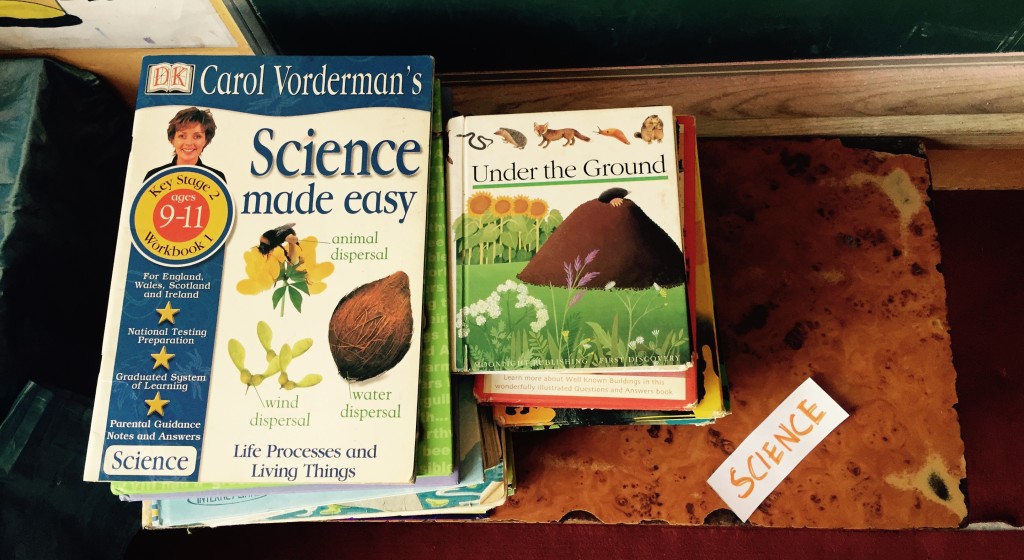
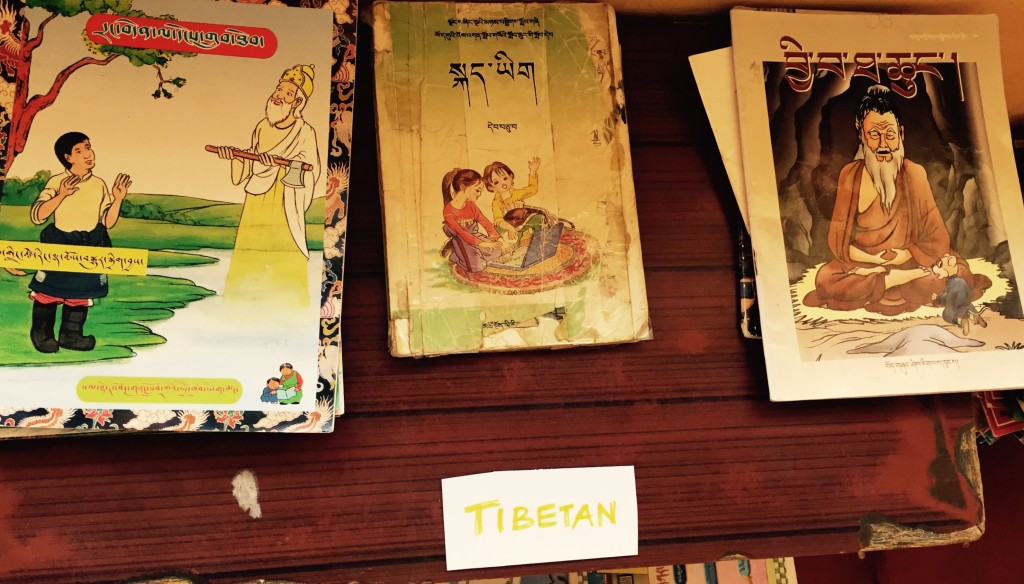
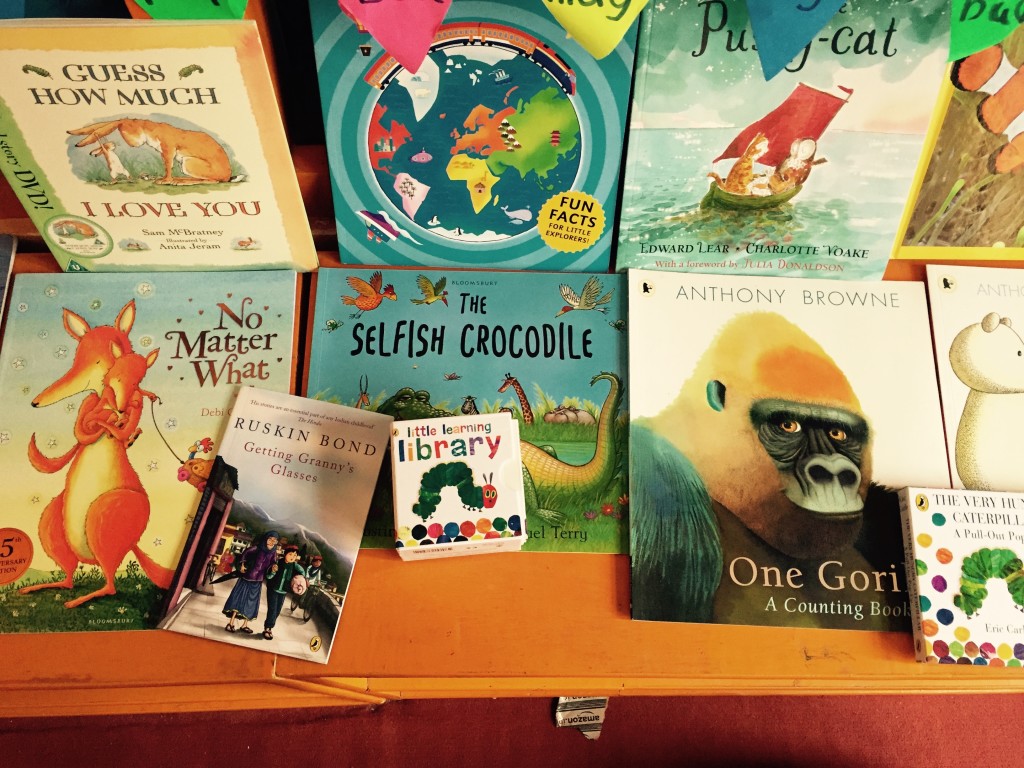
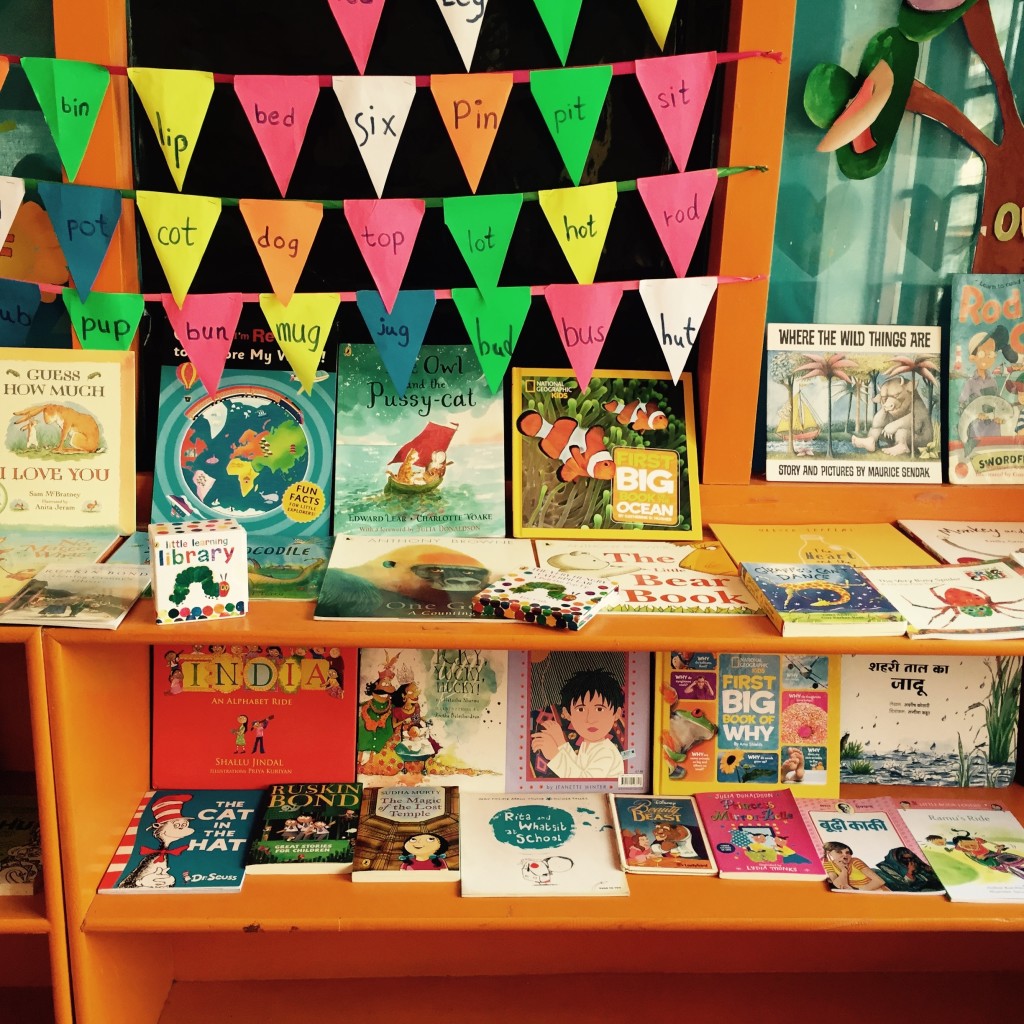
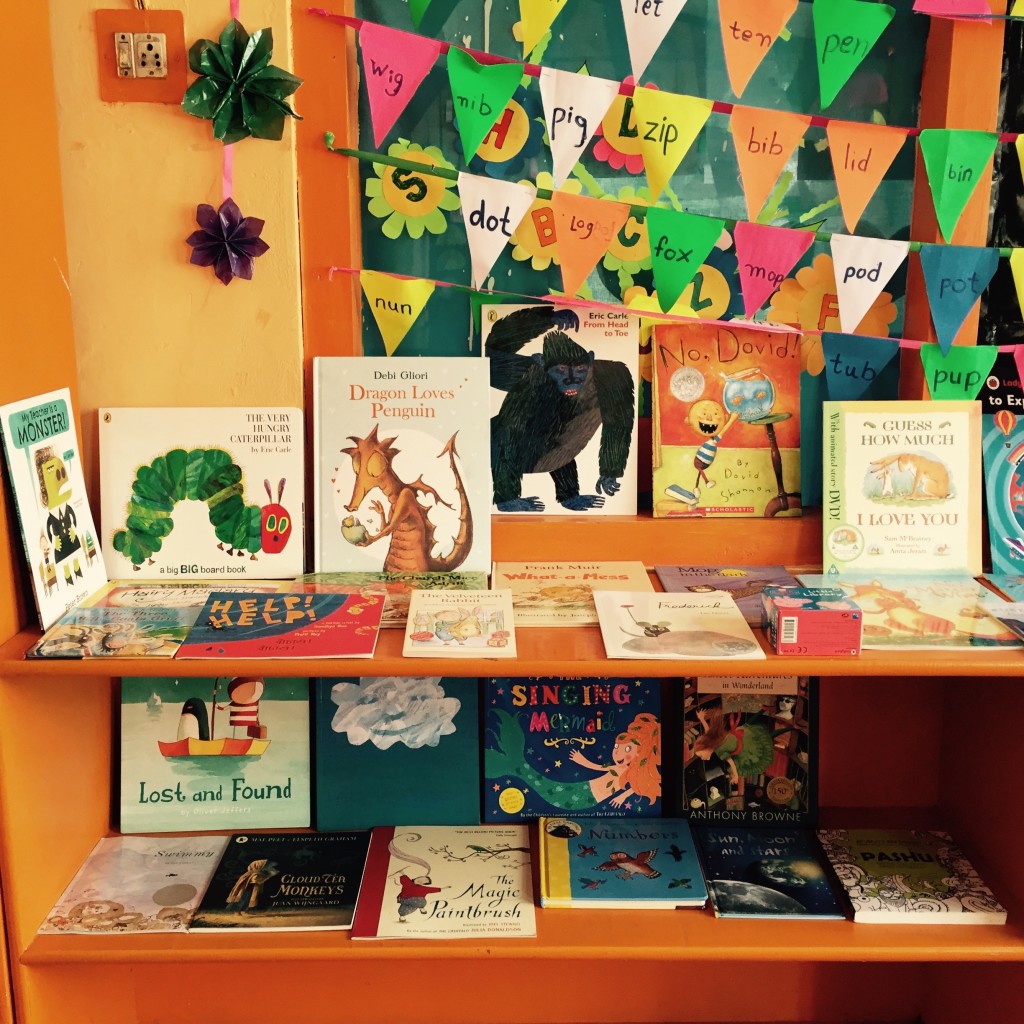
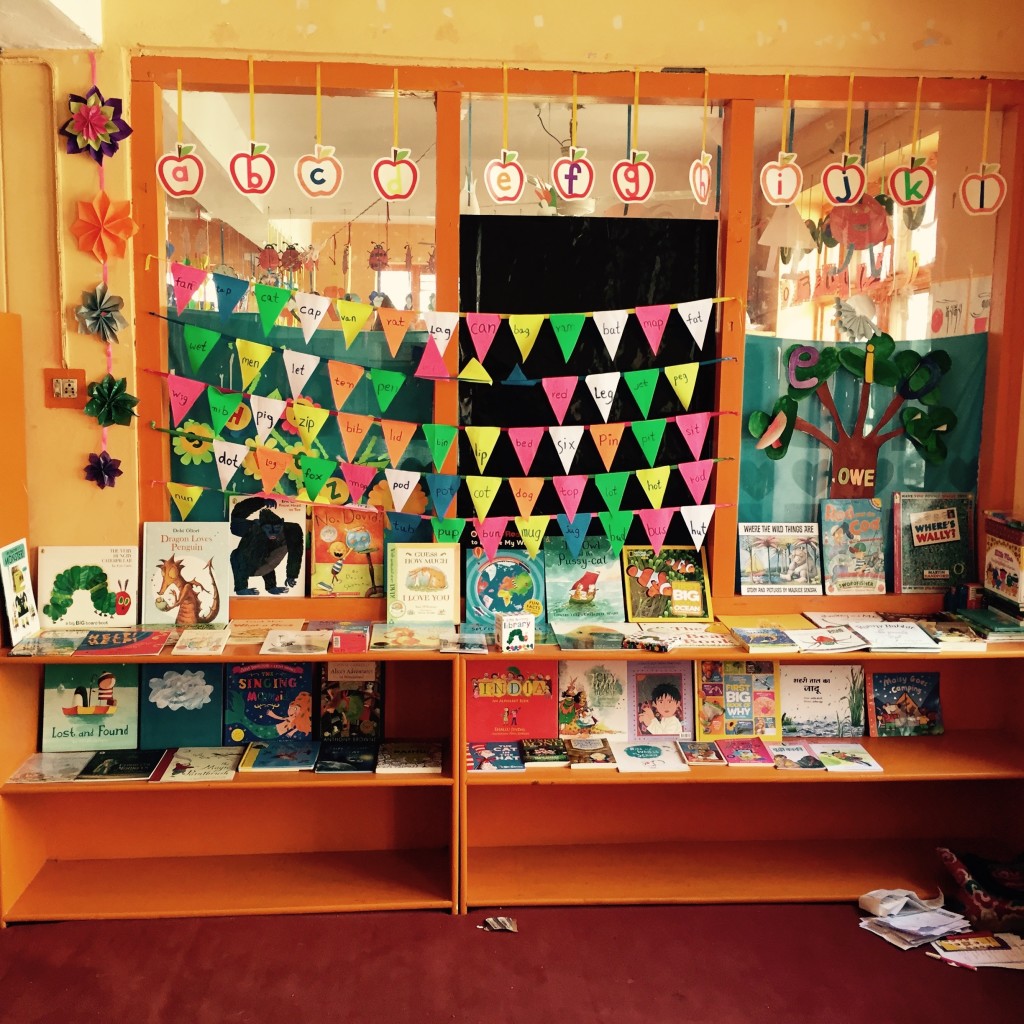
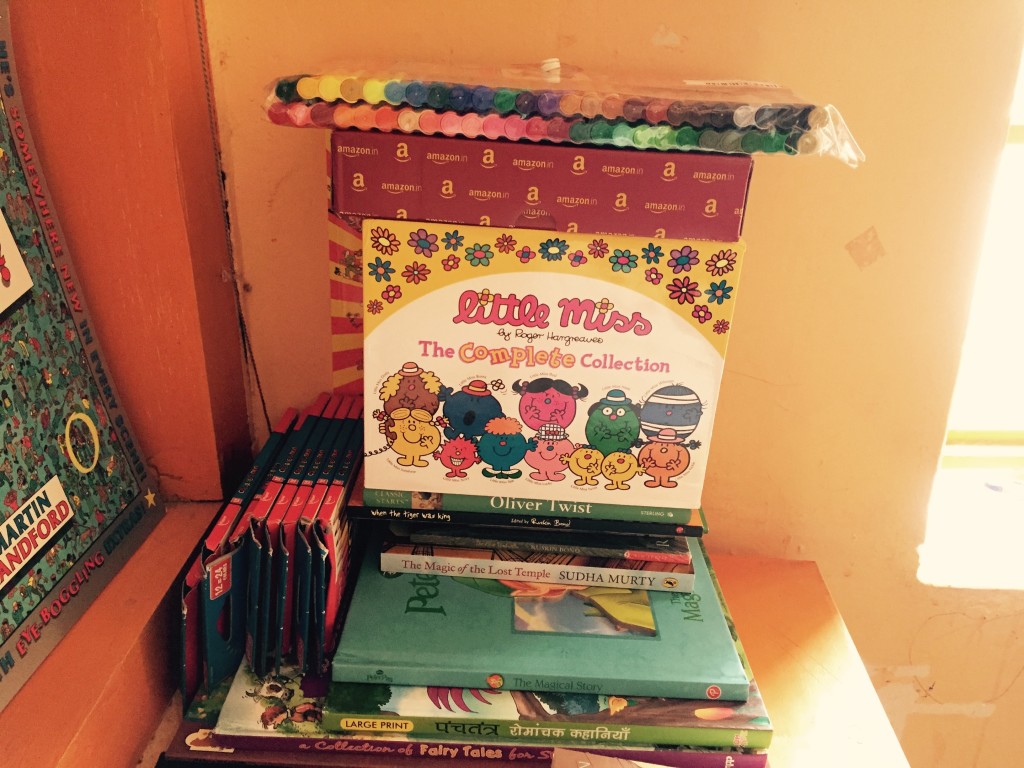
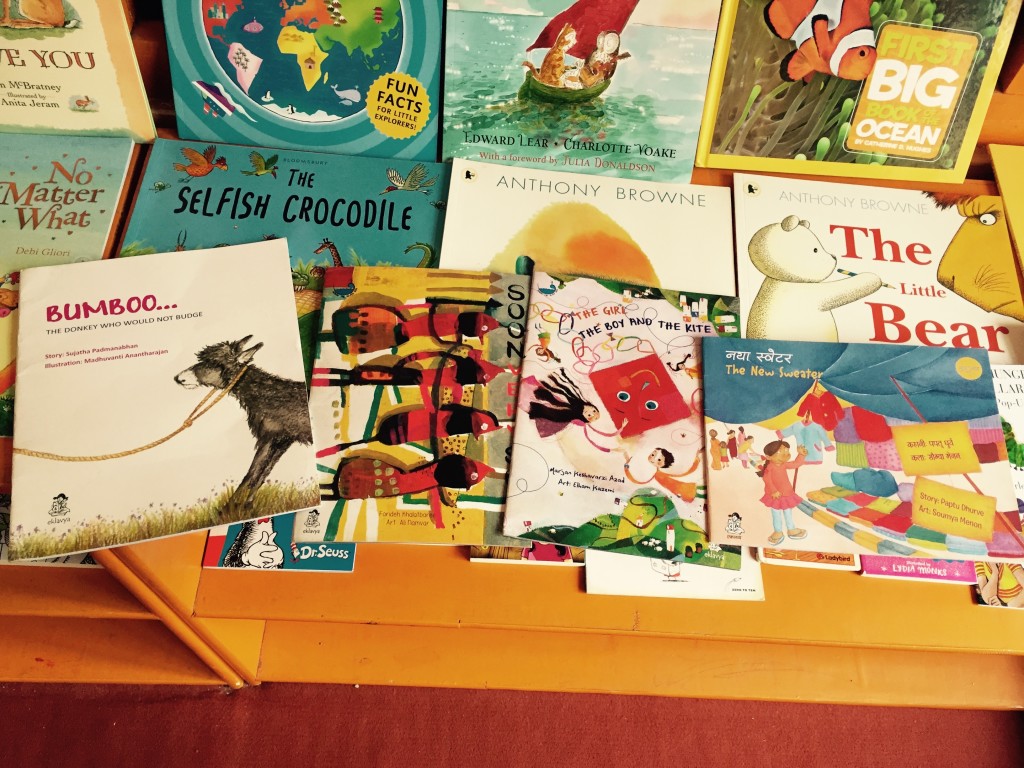
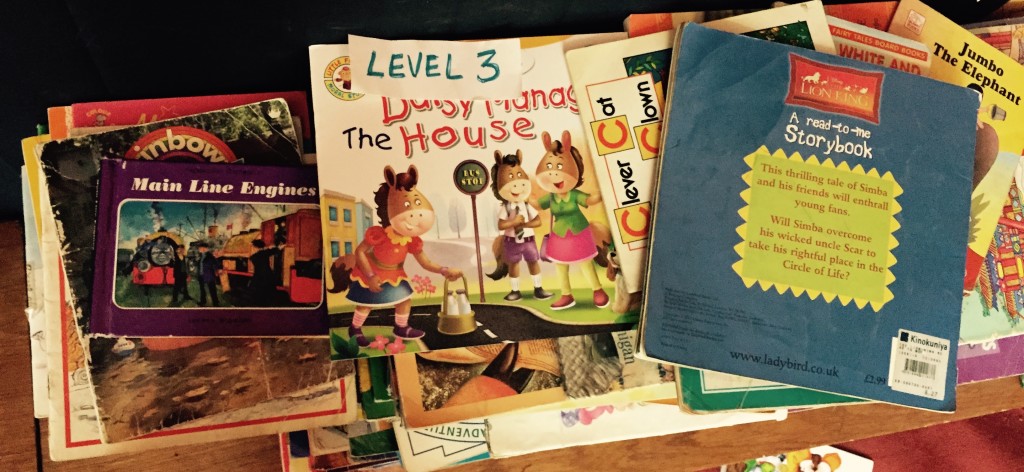
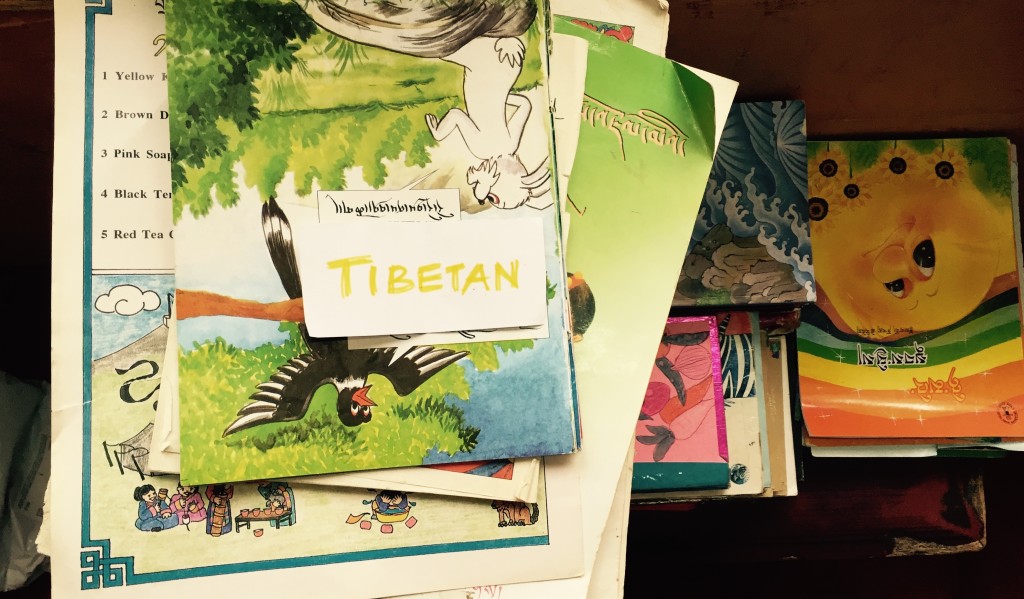
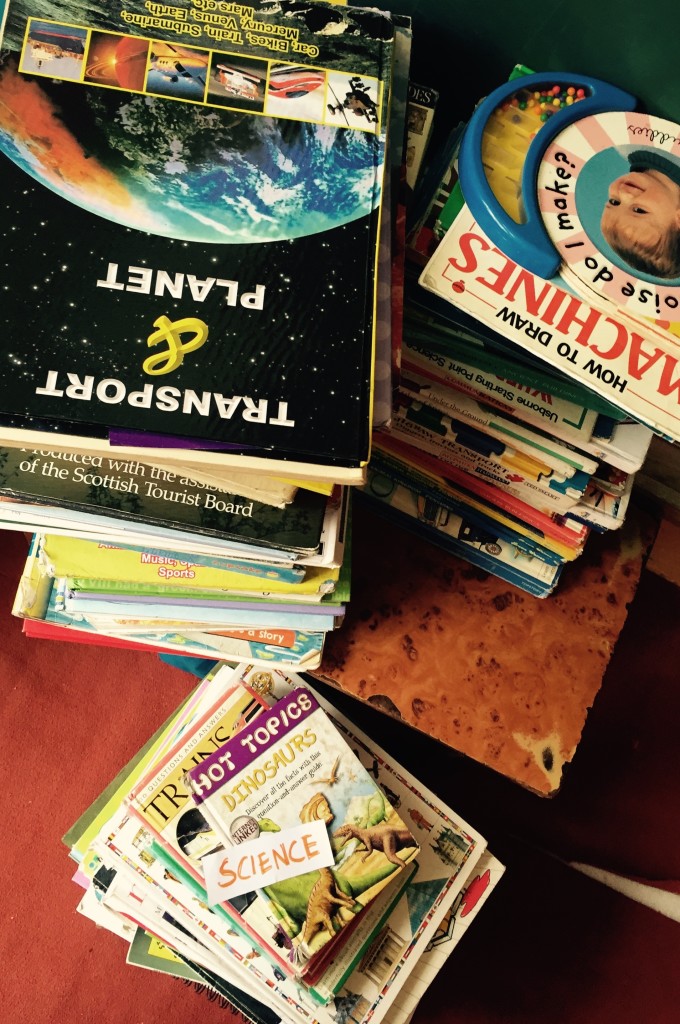
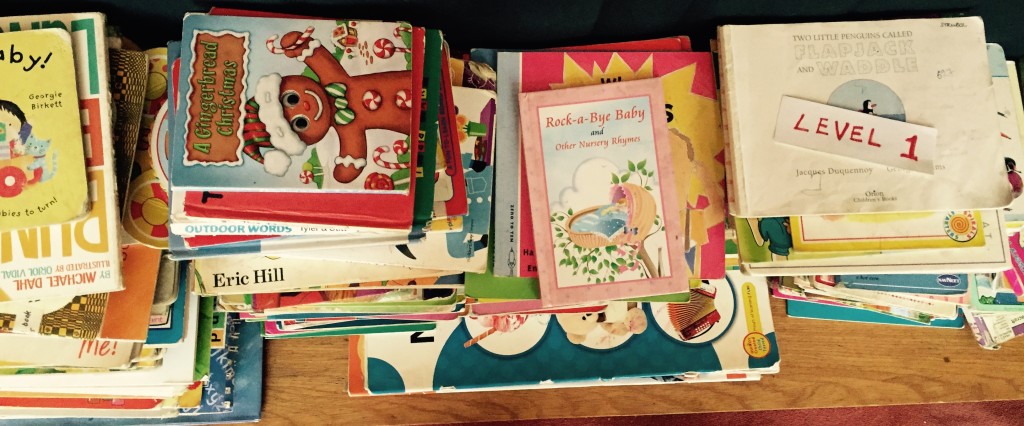
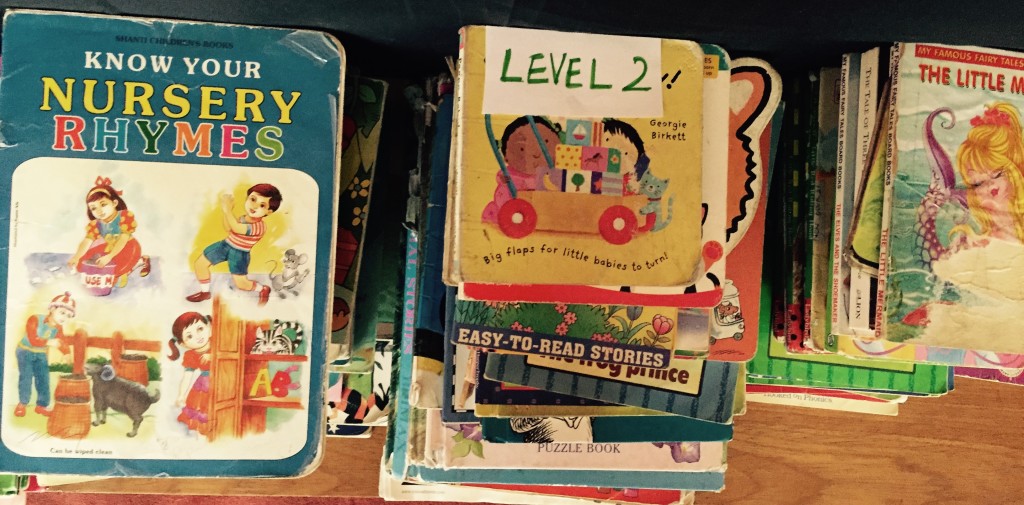
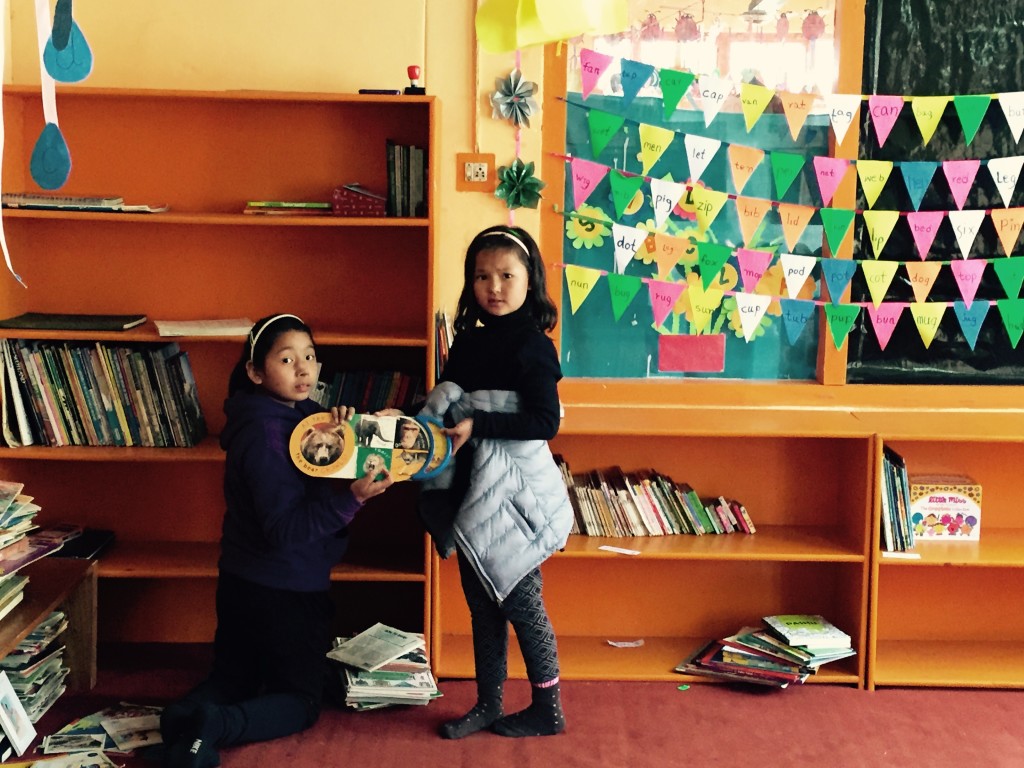
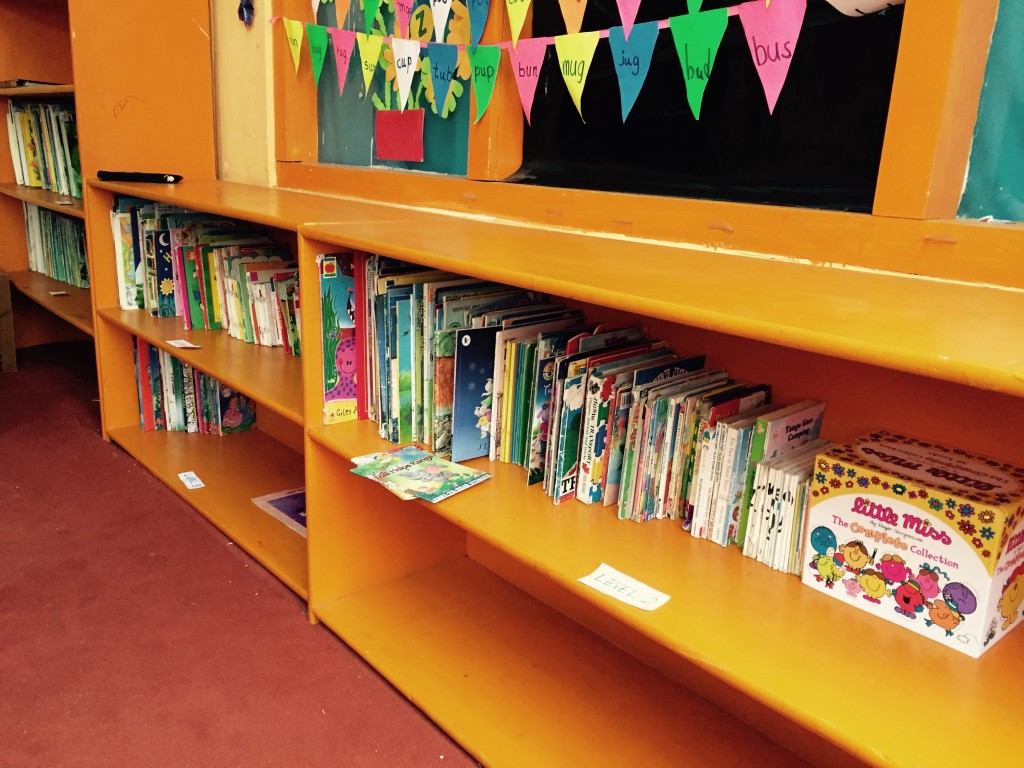
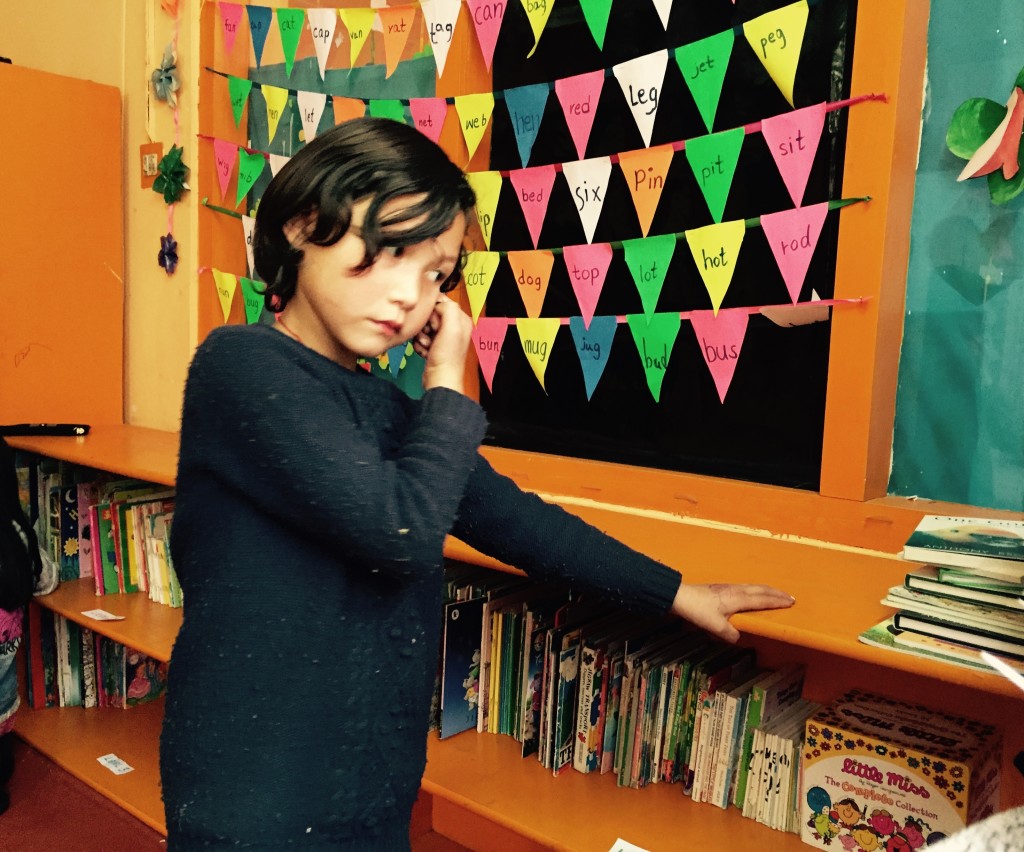
In Ladakh, access to good books is shaped by geography, transport and the cost of reaching larger collections. A local reading room can therefore do something important: place suitable stories within reach of children whose homes and schools may be far from a substantial library. Avalokiteśvara Trust supports that access through donated books and welcoming spaces designed for children.
A handmade reward had to fit that practical setting. Buying an item for every child would have required money the volunteer did not have and created expectations that the programme might not sustain. Reclaiming yarn and using a simple stitch offered a sustainable alternative that added almost no cost to the reading room.
From the Last Page to a Keepsake Bookmark
The bookmark had to survive being handled, stored and carried between home and the reading room. Wool offered warmth and strength, while garter stitch created a thick, flexible fabric that resisted curling. A short fringe gave each piece a distinctive finish without requiring complicated equipment.
Children could choose a colour while the yarn was available. That small decision made the object feel personal, although the selection was never presented as a prize hierarchy. The bookmark belonged to one reader for one completed book and carried a private association with the story inside it.
The most valuable part of the ritual was what happened around the handover. A volunteer marked the achievement, and the child received permission to be proud. Reading was still the central activity, but the bookmark recorded it. Instead of disappearing when a cover closed, the effort of reaching the final page had a visible sign.
Why a Handmade Bookmark Carried Meaning
For a child who found reading difficult, that visible sign could be powerful. The object connected the pages already read with the effort required to continue. It transformed a sequence of unfamiliar words into a personal achievement that could be kept, shown at home or brought back for the next story.
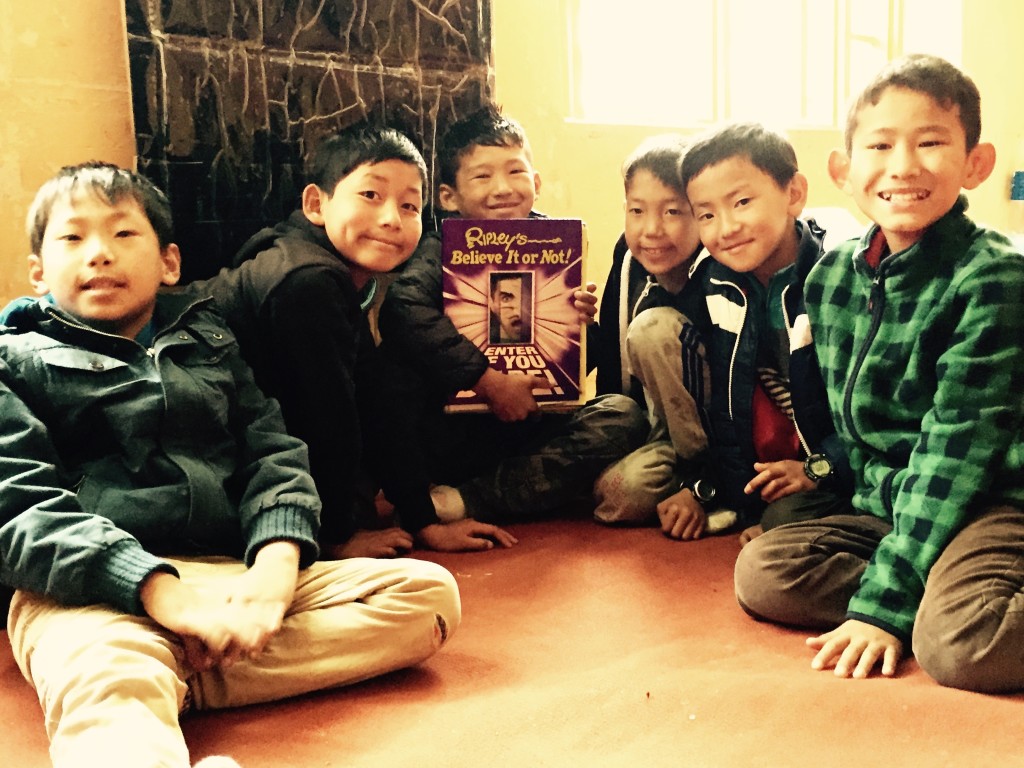
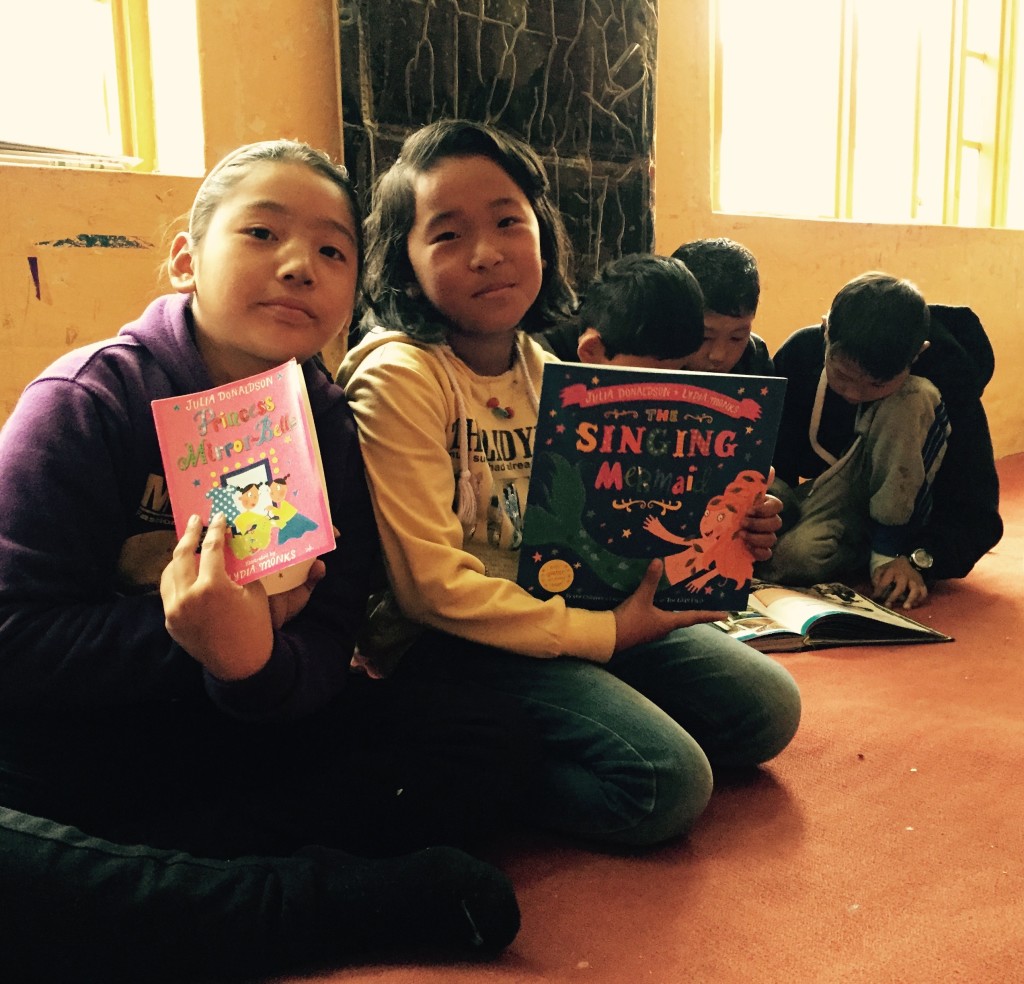
For young monks and other children beginning to build confidence with books, the message was equally useful: completing a text was worth celebrating. No public ranking or reading speed was required. The reward belonged to the reader, and the reading experience remained more important than the object.
Handwork also carried associations that a purchased bookmark might lack. Wool, patience and time communicated care. The child received something made rather than dispensed, creating a small connection with an adult who had noticed the effort. In a communal reading space, those connections helped children see reading as a shared activity rather than a solitary task.
When Knitting and Reading Shared a Table
The project made room for shared skills as well as individual rewards. An older child who had learned the basic stitch could show a younger child how to hold the needles. In return, the older reader gained a reason to explain what they knew and to stay involved with younger readers.
This approach fitted naturally alongside Avalokiteśvara Trust’s educational, artistic and musical activities. A knitted bookmark belonged to the same creative ecosystem as storytelling, drawing and music-making. Rhythm could support recitation, while the textile work gave children a way to respond to a story with their hands as well as their voices.
Knitting also changed the volunteer’s role. She did not stand over children and measure their progress. She sorted yarn, repaired loose fringes, listened to descriptions of favourite stories and offered encouragement. A child who had finished a book could become someone who helped another child begin, making reading confidence more visible across generations.
Lessons for Australian Libraries and Schools
In Melbourne, Brisbane and Sydney, public libraries already offer familiar places for children to borrow books, join holiday reading programmes and take part in activities with other families. A bookmark reward could fit these programmes without requiring expensive equipment, particularly where a book remains in the library after the session.
Local op shops, independent yarn stores and weekend maker markets provide familiar sources of materials. Australia’s wool industry also makes knitted and felted goods familiar, while community craft circles often gather in neighbourhood centres and Country Women’s Association rooms. At a community craft morning, bringing a reusable coffee cup is a normal part of sitting down with other people.
Australian schools use the Australian Curriculum as a shared learning framework, with reading assessed through NAPLAN in Years 3, 5 and 7. A finished-book ritual would complement that wider approach by recognising effort without presenting every learner on the same competitive scale. The reward would work best when reading, reflection and creative activity remained connected.
Local legislation also shapes how such an activity is organised. Schools and charities must follow applicable image-consent policies and privacy obligations, including the Privacy Act 1988 where relevant. Donors of books should also understand that the Copyright Act 1968 restricts unauthorised copying, even when a book is offered generously to a reading programme.
A Practical Blueprint for Bookmark Rewards
A small programme can work well when its rules are clear, its materials are durable and its purpose remains focused on reading rather than collecting objects.
- Define completion in a child-friendly way, such as reaching the final page and sharing a brief reflection with a volunteer, teacher or older reader.
- Use washable yarn without loose beads, excessive fringe or other features that could snag a book or become a safety concern for younger children.
- Let each reader personalise the marker with a colour, stitched initial or small symbol, keeping names and identifying details off the public display.
- Pair the reward with a short conversation about the book, giving children an opportunity to recount a favourite scene, explain a character or recommend the story to someone else.
- Plan for consent, storage and continuity by collecting only authorised photographs, keeping finished rewards in a labelled box and teaching other volunteers the simple pattern.
- Reuse suitable yarn, invite older children to help with basic stitching and keep a small stock of plain colours so that no child misses out because a preferred choice has run out.
The finished-book reward should remain supplementary. It works best alongside patient reading, access to varied books and the support of adults who listen to children talk about what they have read.
Keeping the Thread of Reading Alive
The strongest lesson from the knitted bookmarks is that ordinary materials can carry an educational message. Avalokiteśvara Trust brings books and creative learning together, but the volunteer added something equally simple: a personal acknowledgement at the moment a child reached the end.
A handmade marker does not replace good teaching, classroom time or a varied collection of books. It makes one specific achievement easier to recognise and gives that achievement a lasting form. The practical takeaway is simple: a visible finish can turn a child’s effort into pride and make the next reading goal feel possible.