A tiny puppet stage with a very big purpose
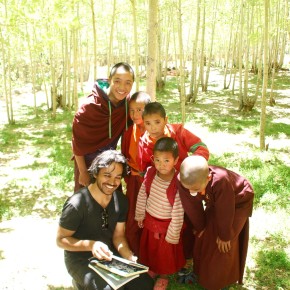
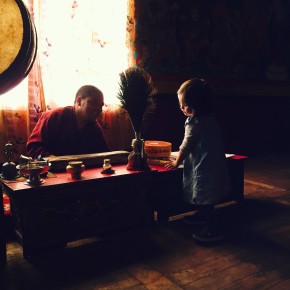
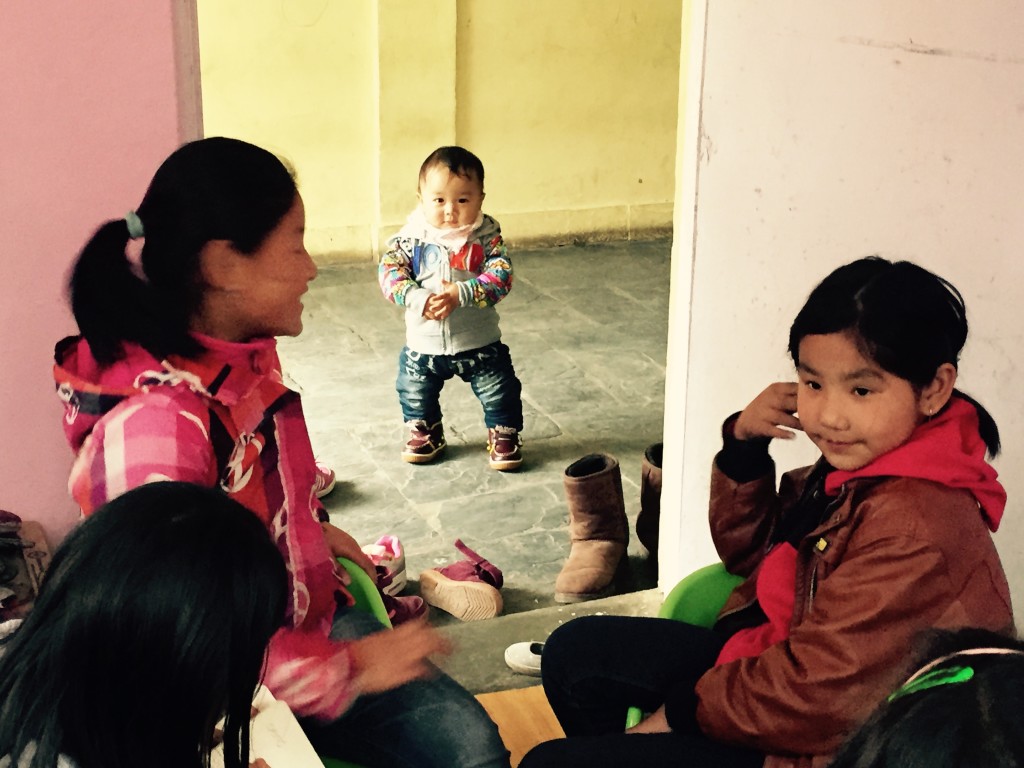
In a reading room high in the Himalayas, a few timber offcuts, scraps of fabric and a generous slice of imagination became a theatre. The stage was small enough to fit against a wall, yet large enough to invite children into stories, songs and shared play.
The volunteer who built a tiny stage for puppet shows in a reading room understood something important about learning: books become more memorable when children can act, draw, sing and make their own meaning. The structure did not require expensive equipment or a specialised workshop. It required attention to the room and the children who used it.
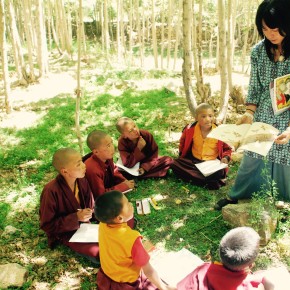
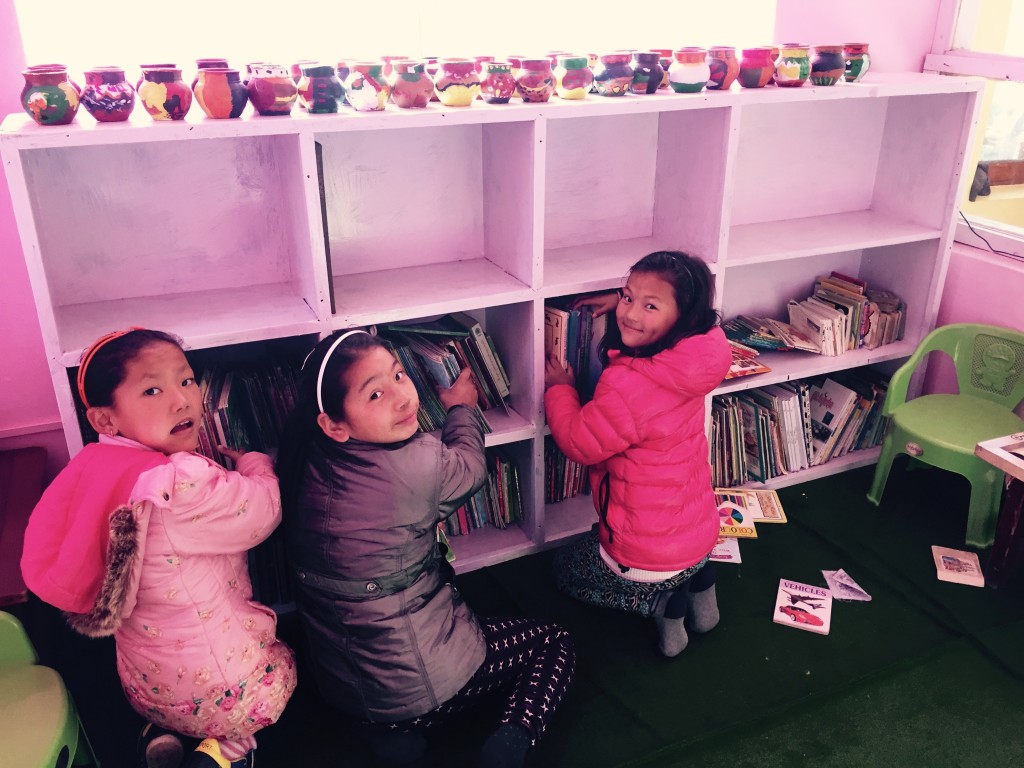
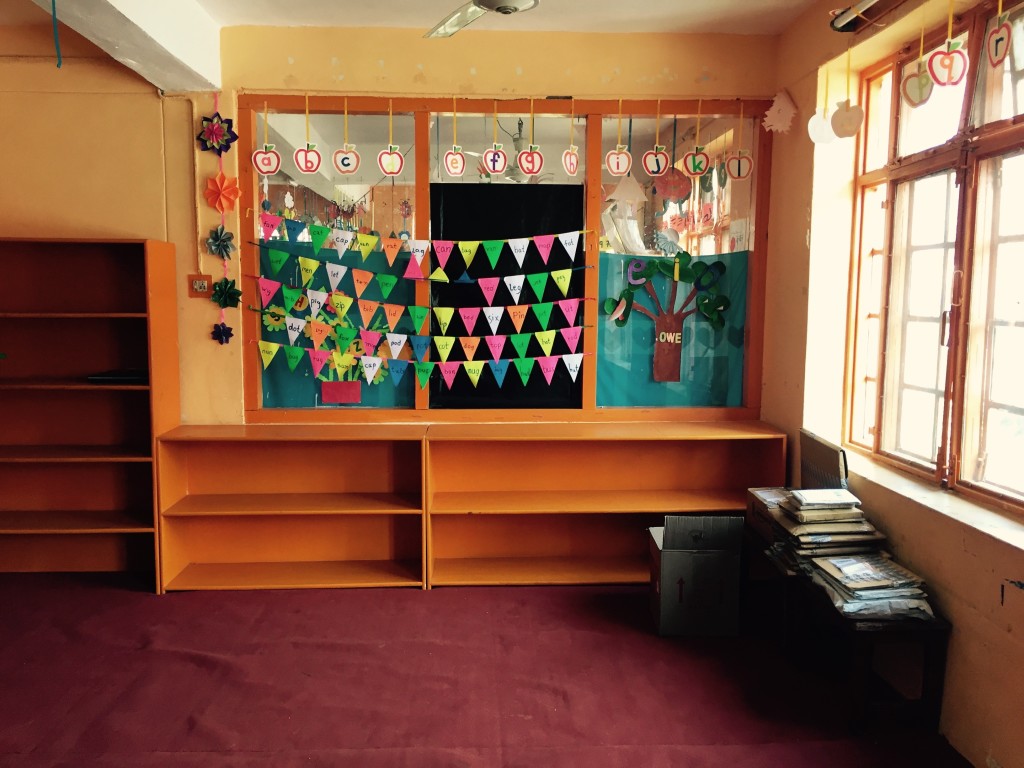
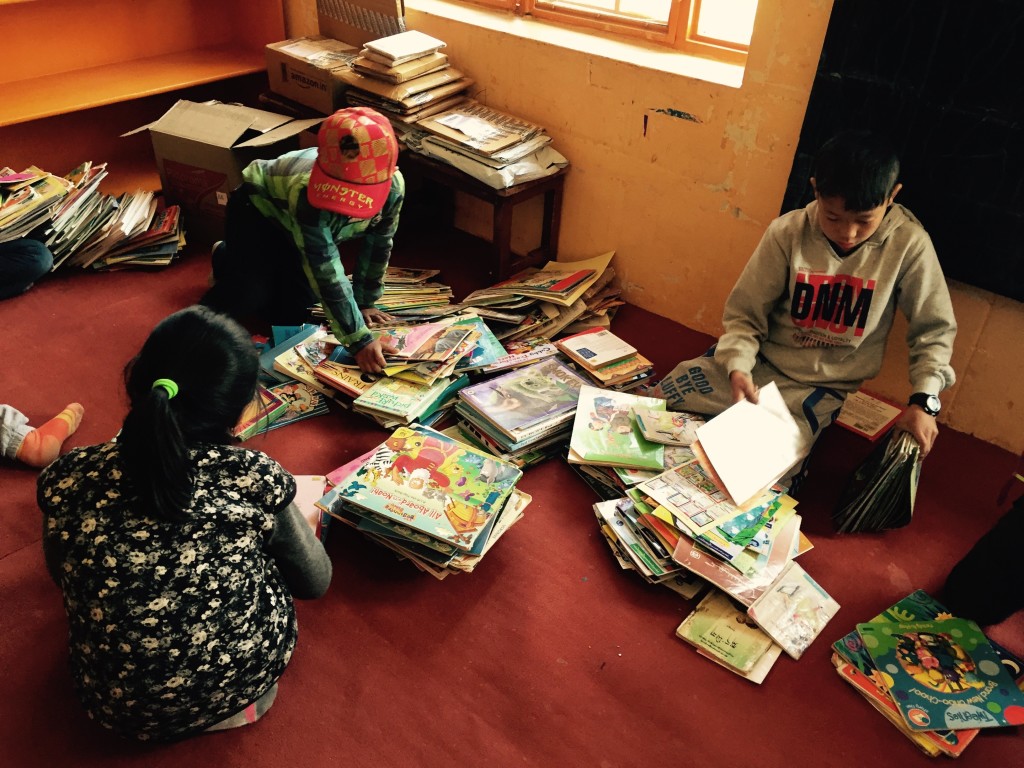
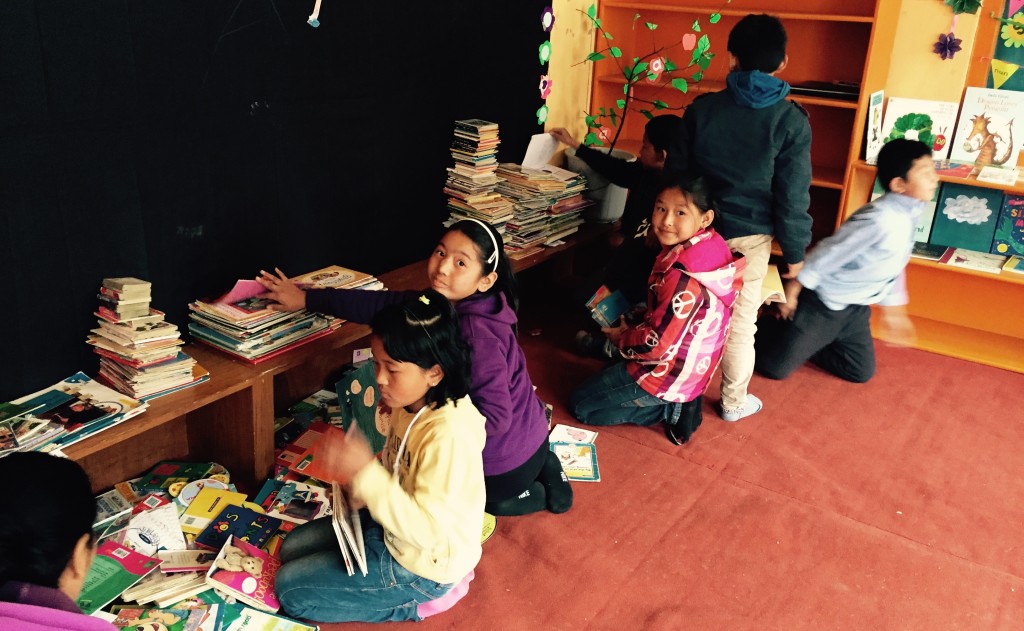
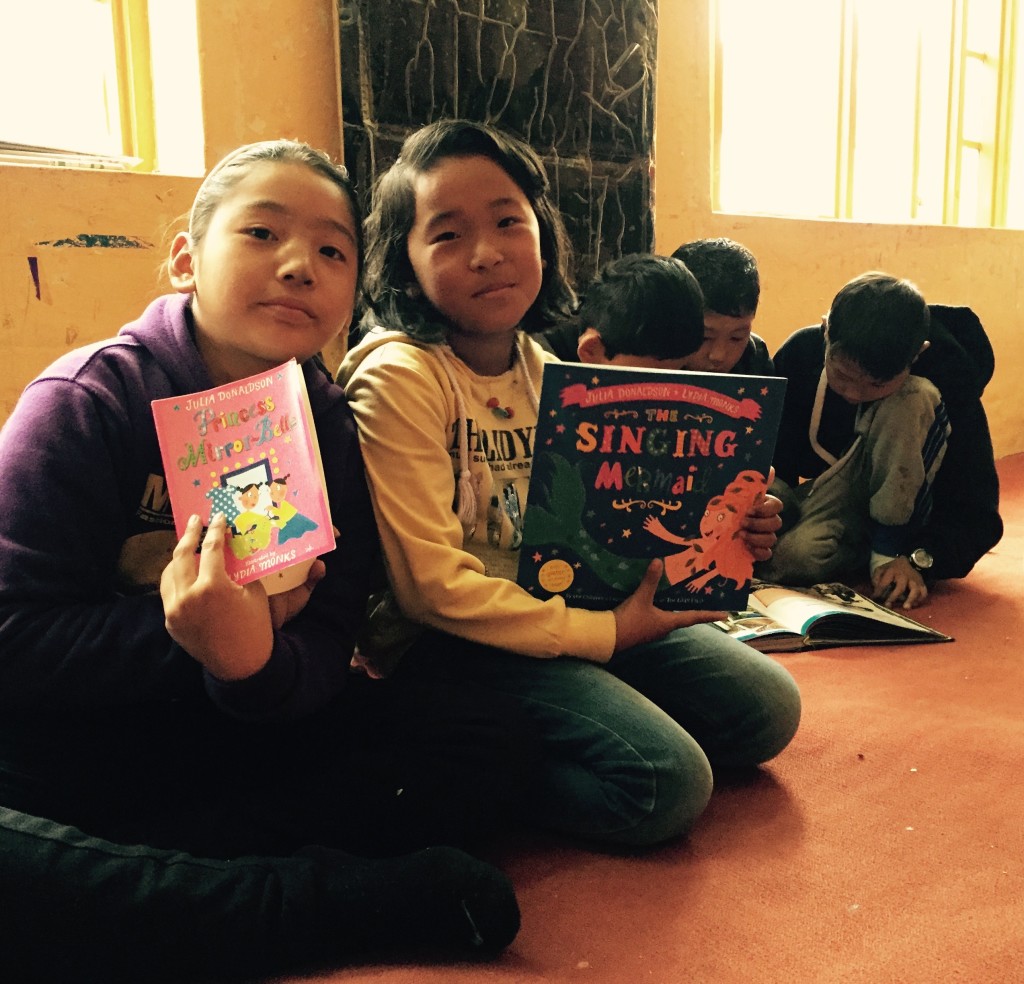
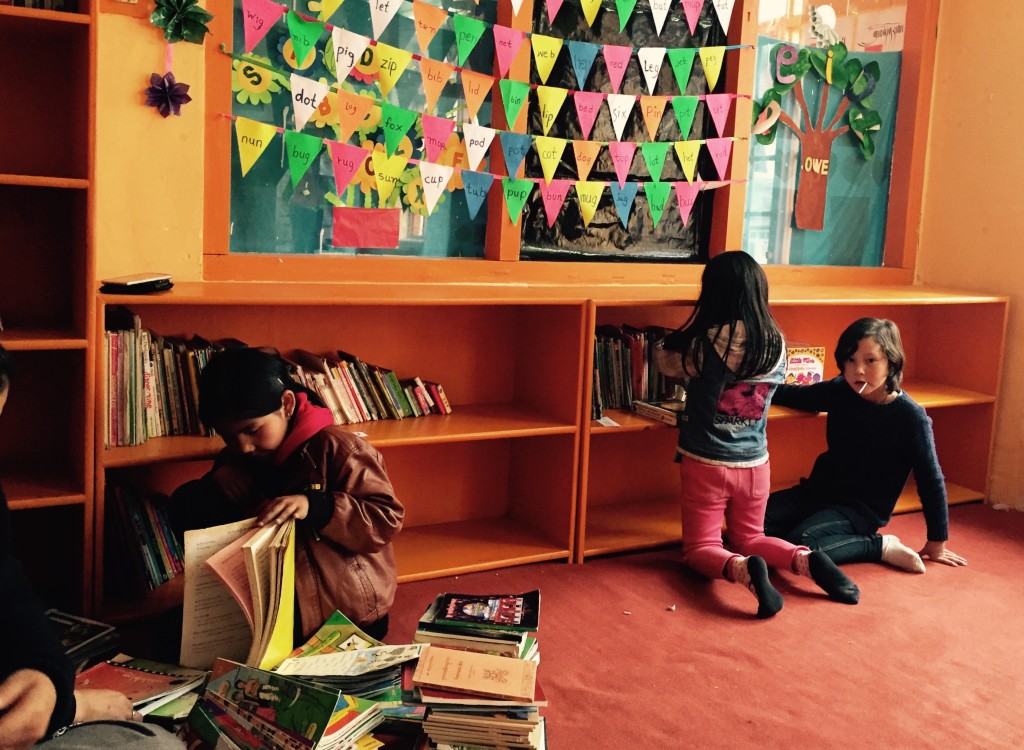
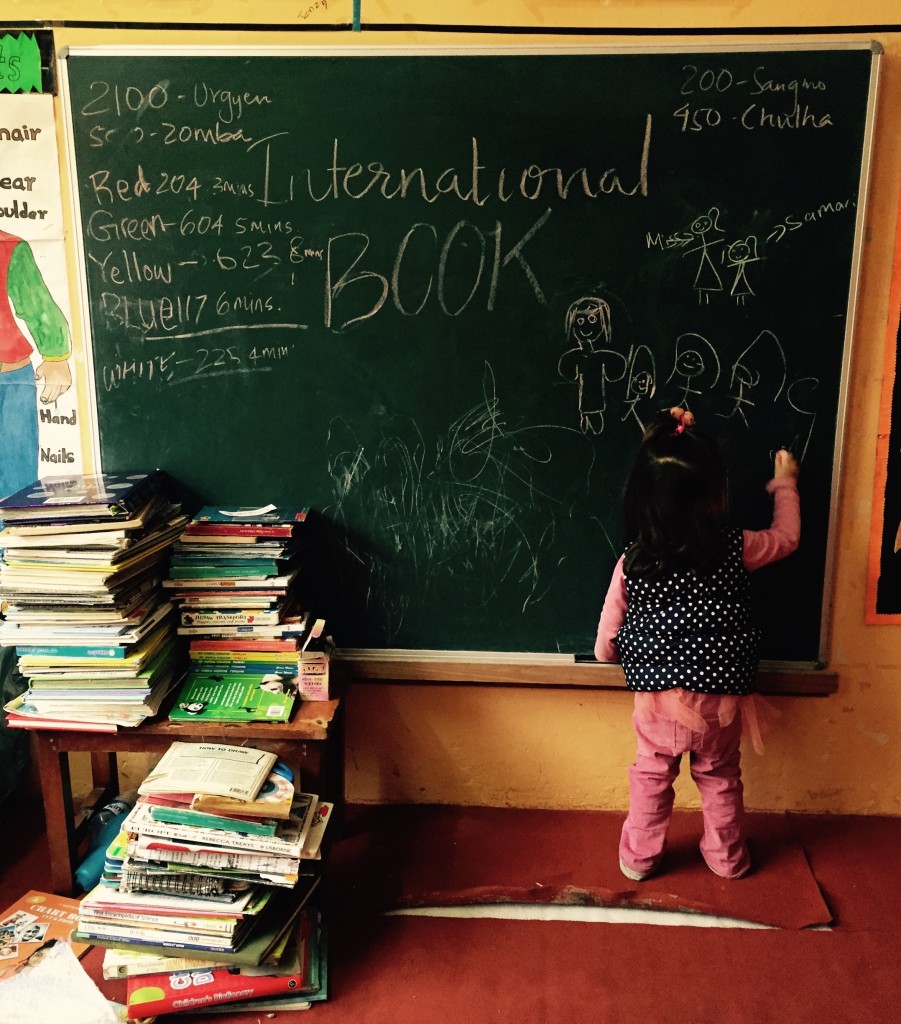
In Ladakh, where distances are long and educational resources can be limited, a reading room can serve many purposes. It may be a library, art space, after-school gathering place and shelter from the cold. A simple puppet theatre adds another layer, turning a quiet corner into a place where children can speak with confidence.
For supporters in Australia, the project offers a clear picture of how practical creativity can strengthen community education. A book drive in Melbourne, a school fundraiser in regional New South Wales or a weekend craft session in Brisbane can all help build the kind of resources that make learning feel welcoming.
The idea begins with a quiet corner
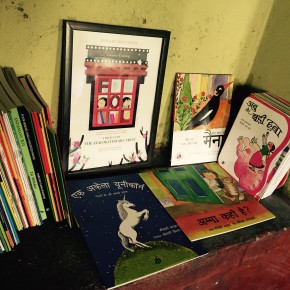
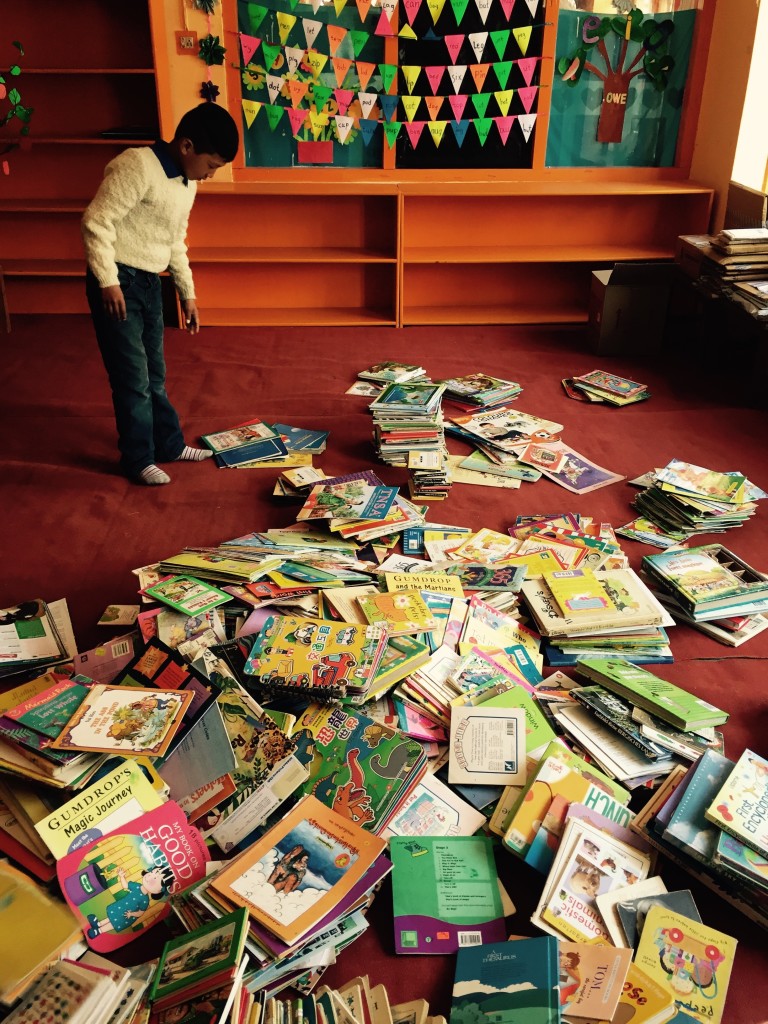
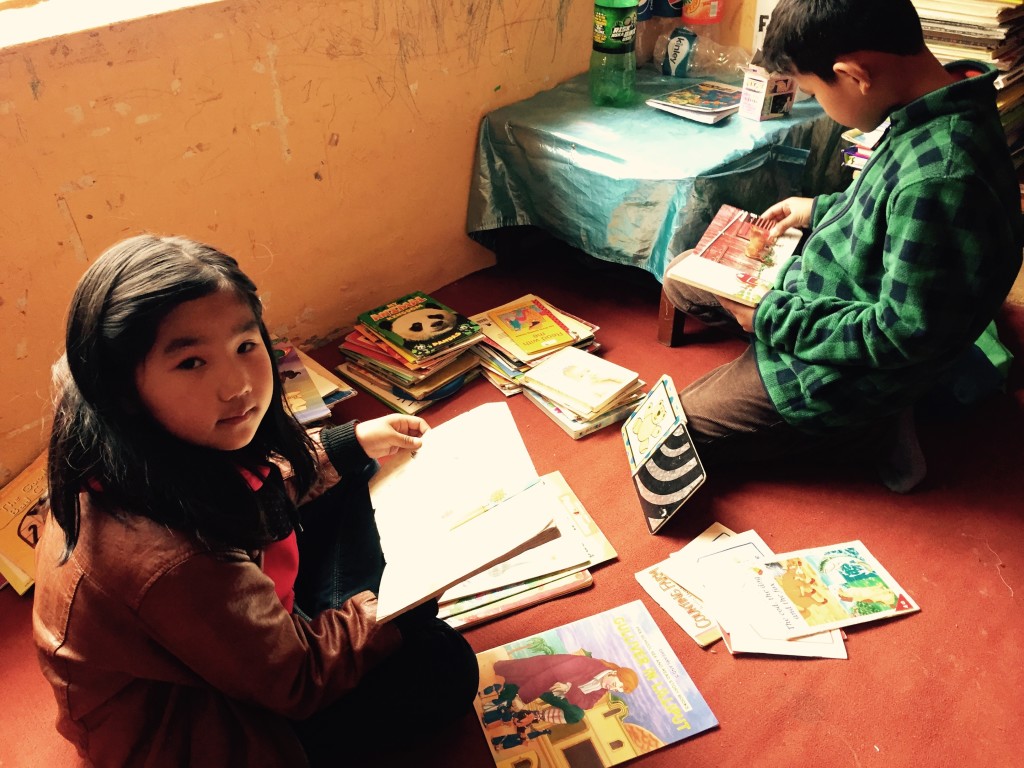
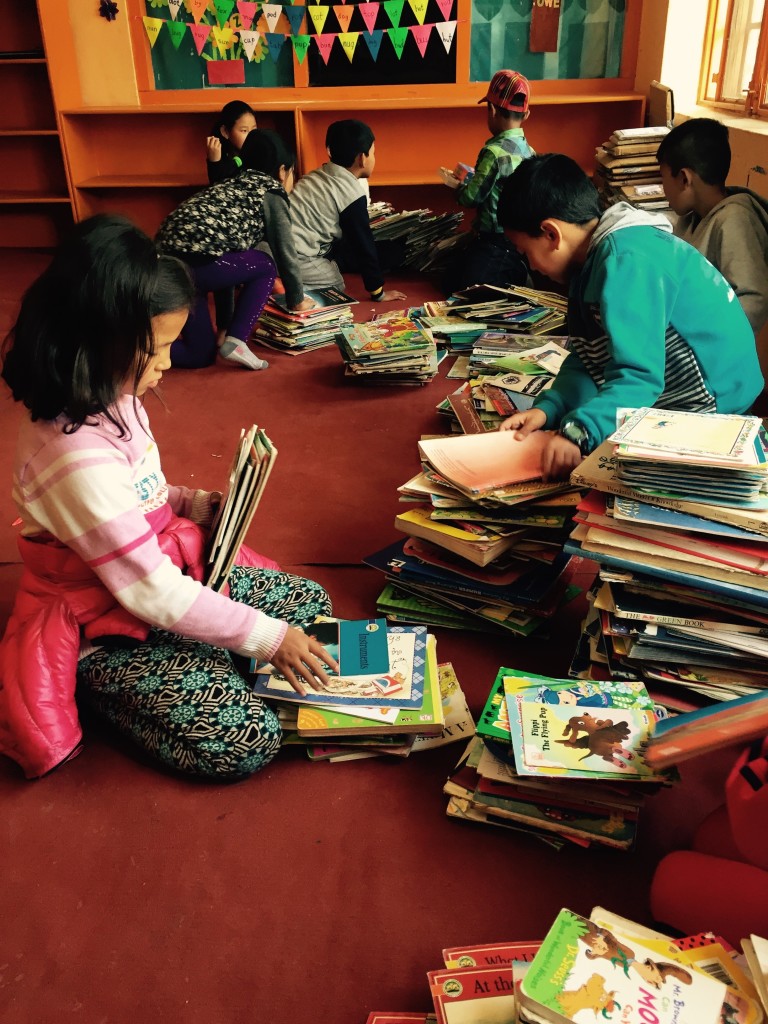
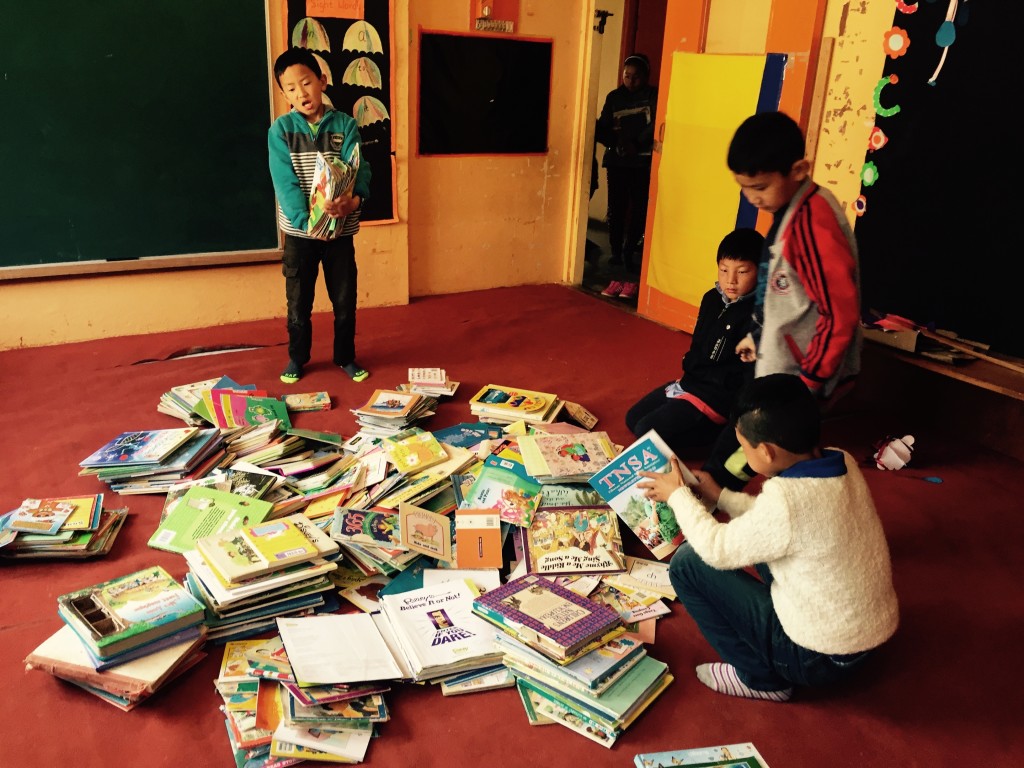
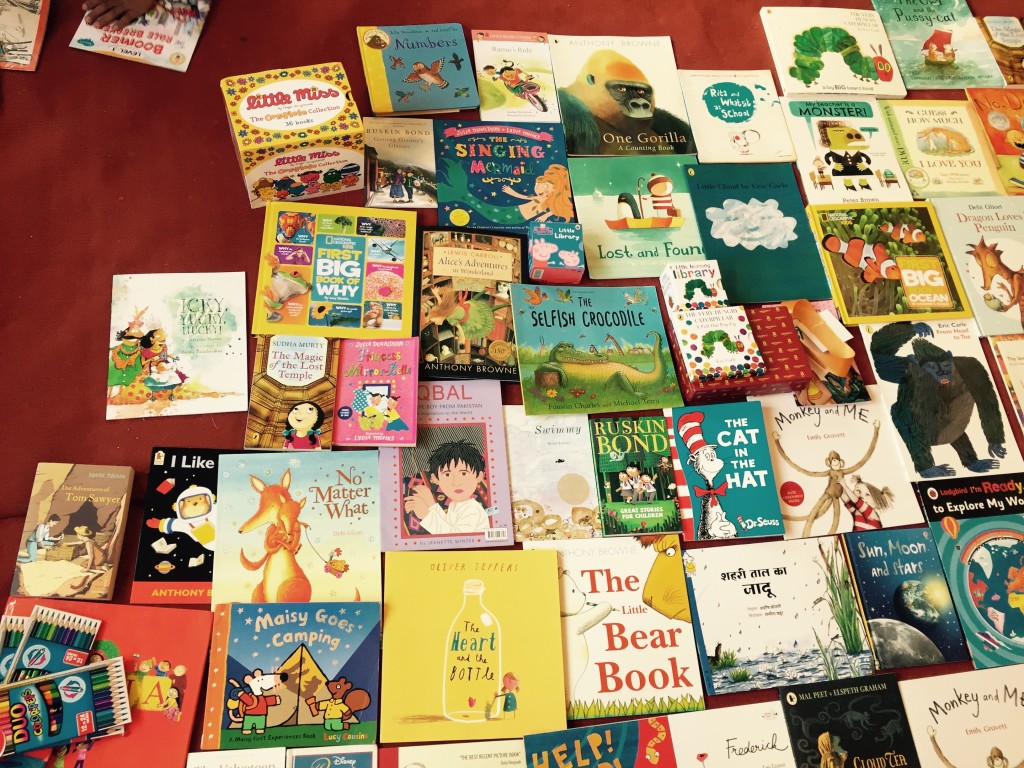
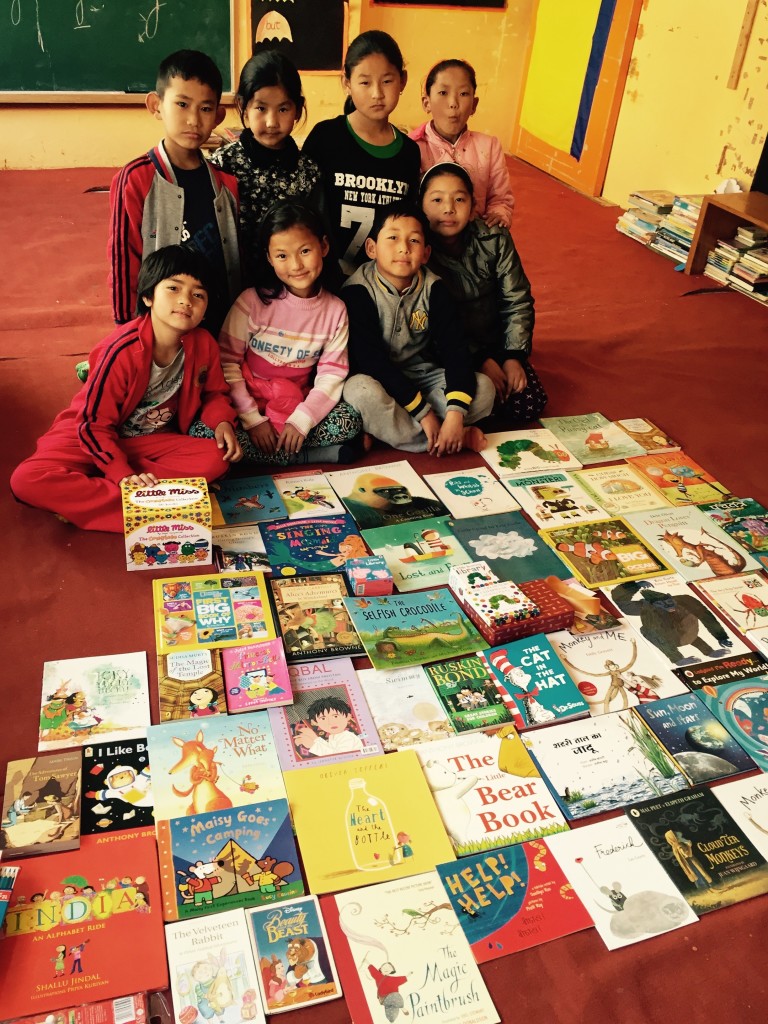
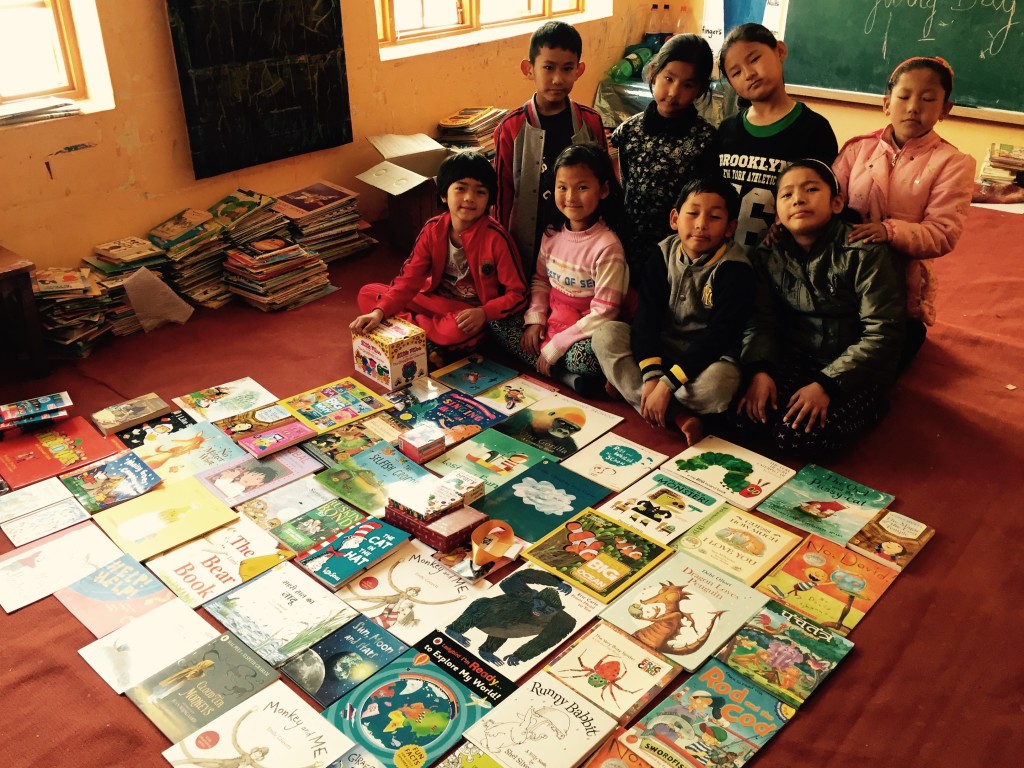
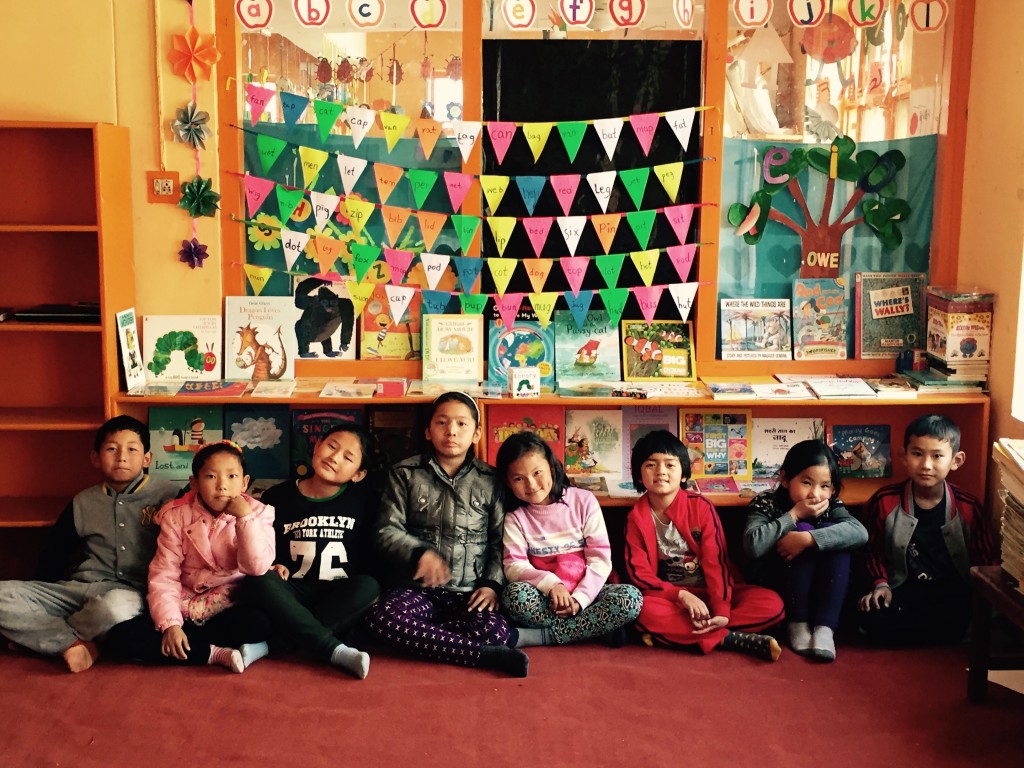
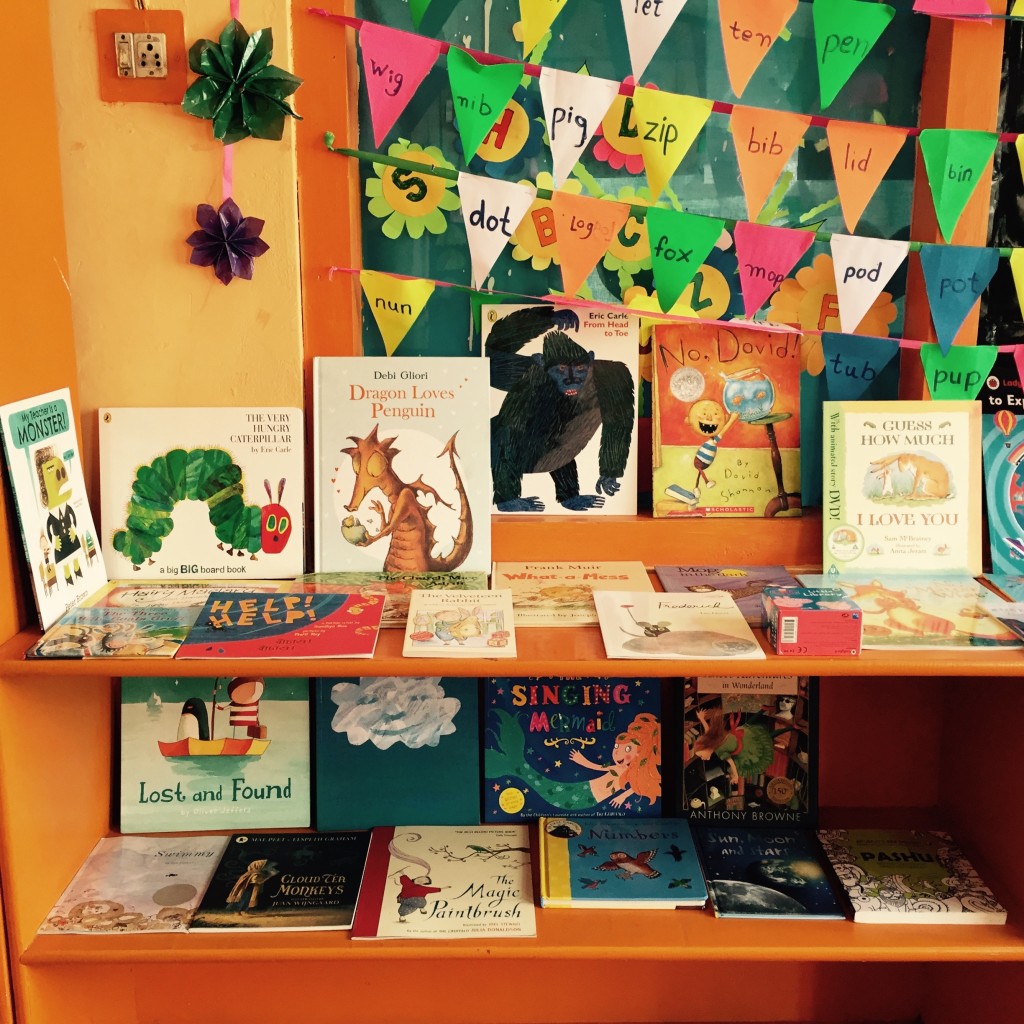
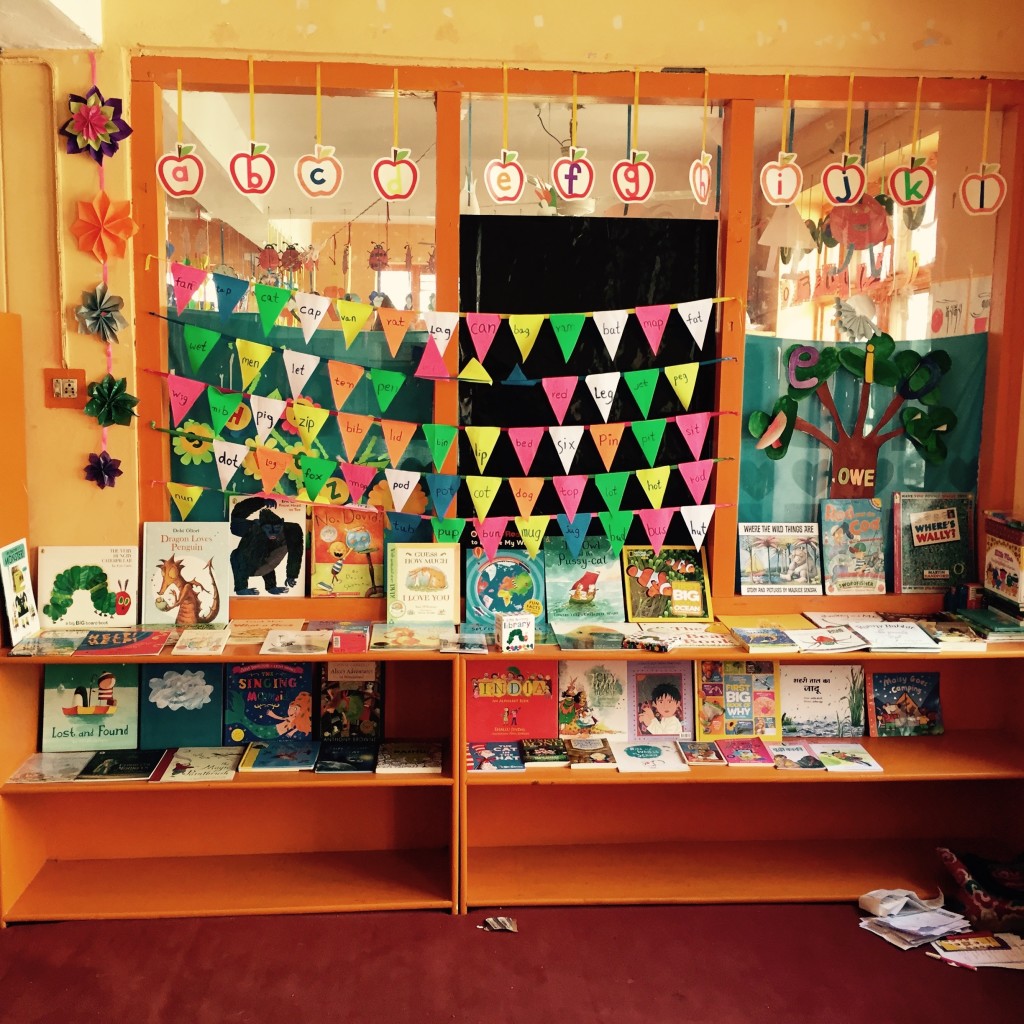
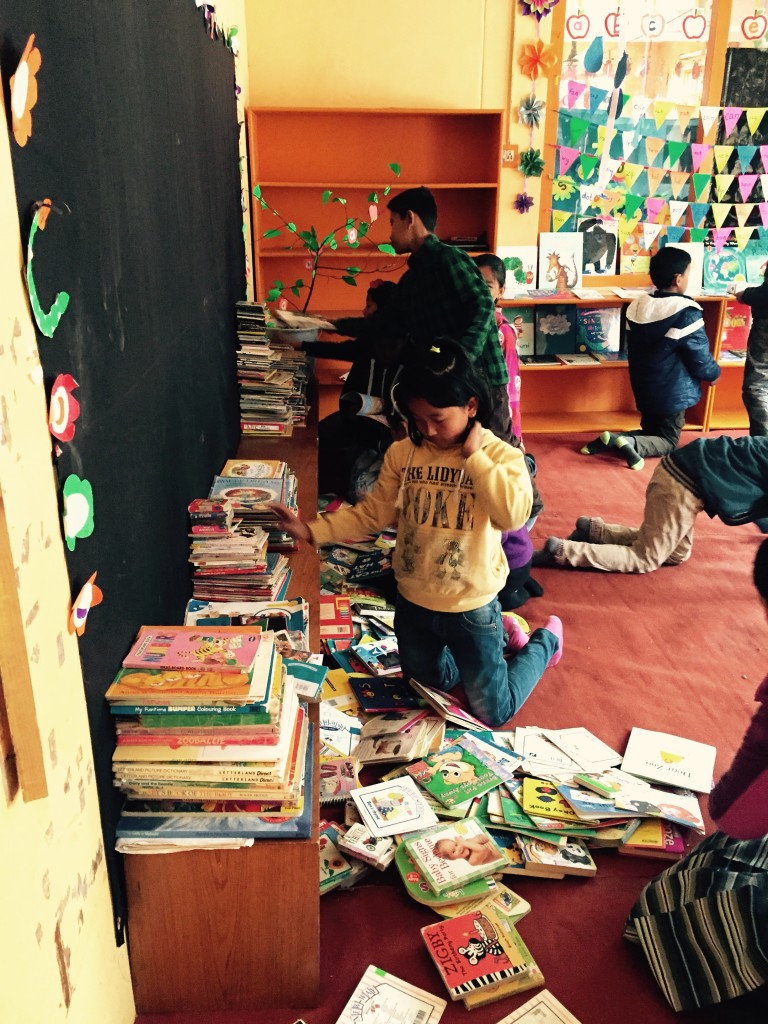
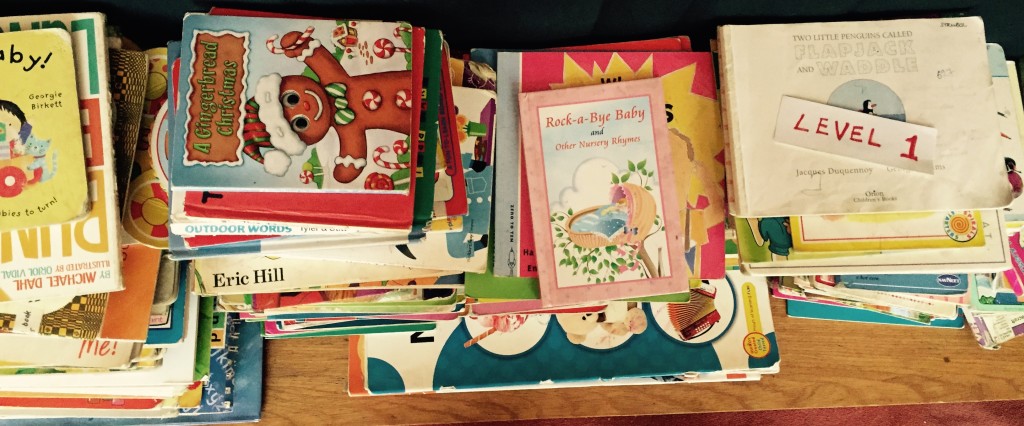
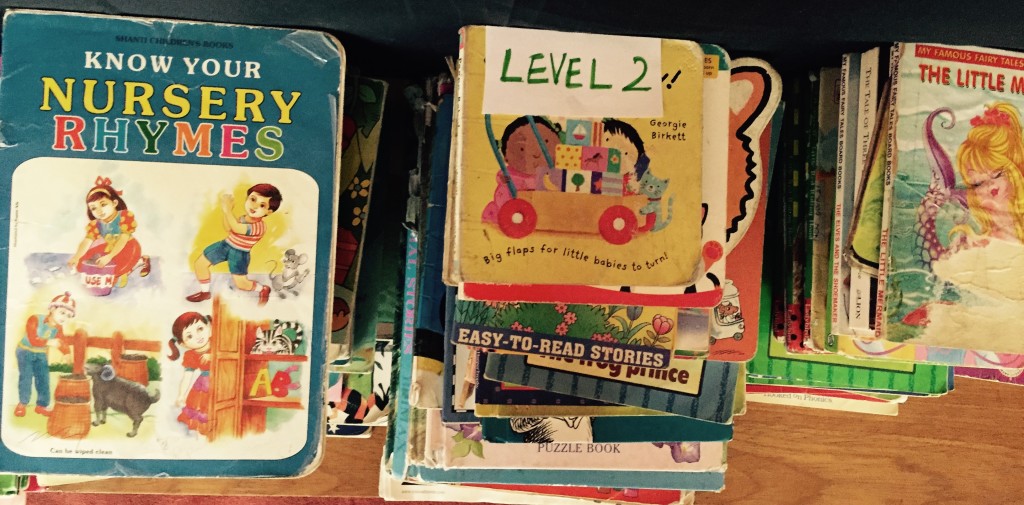
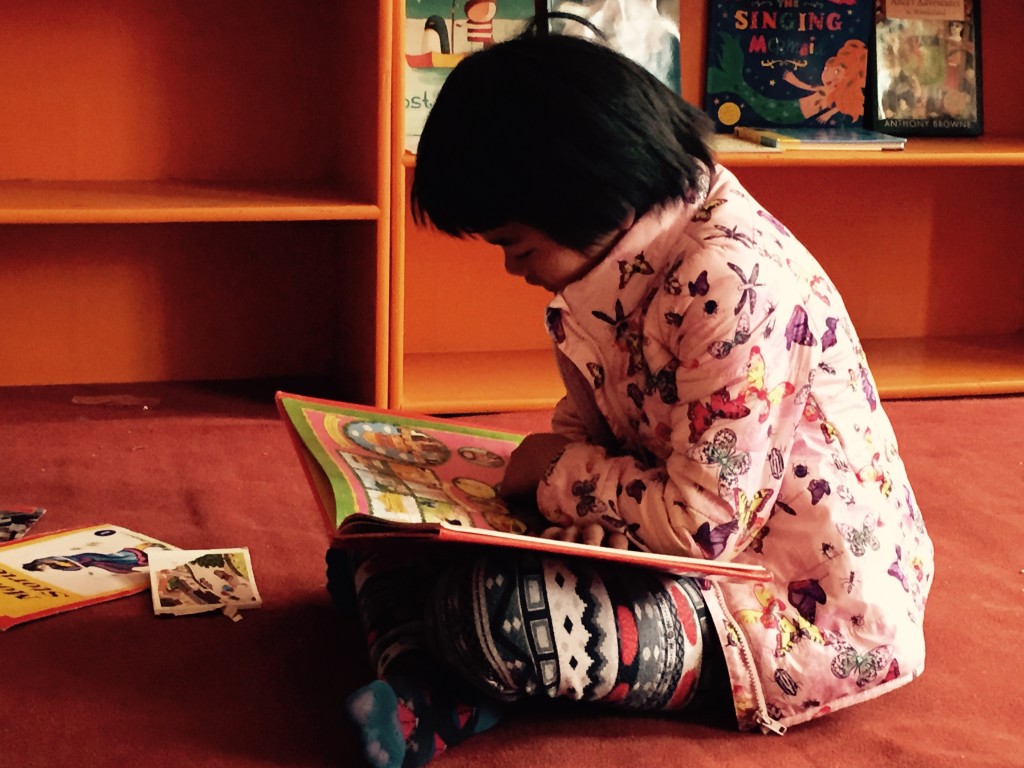
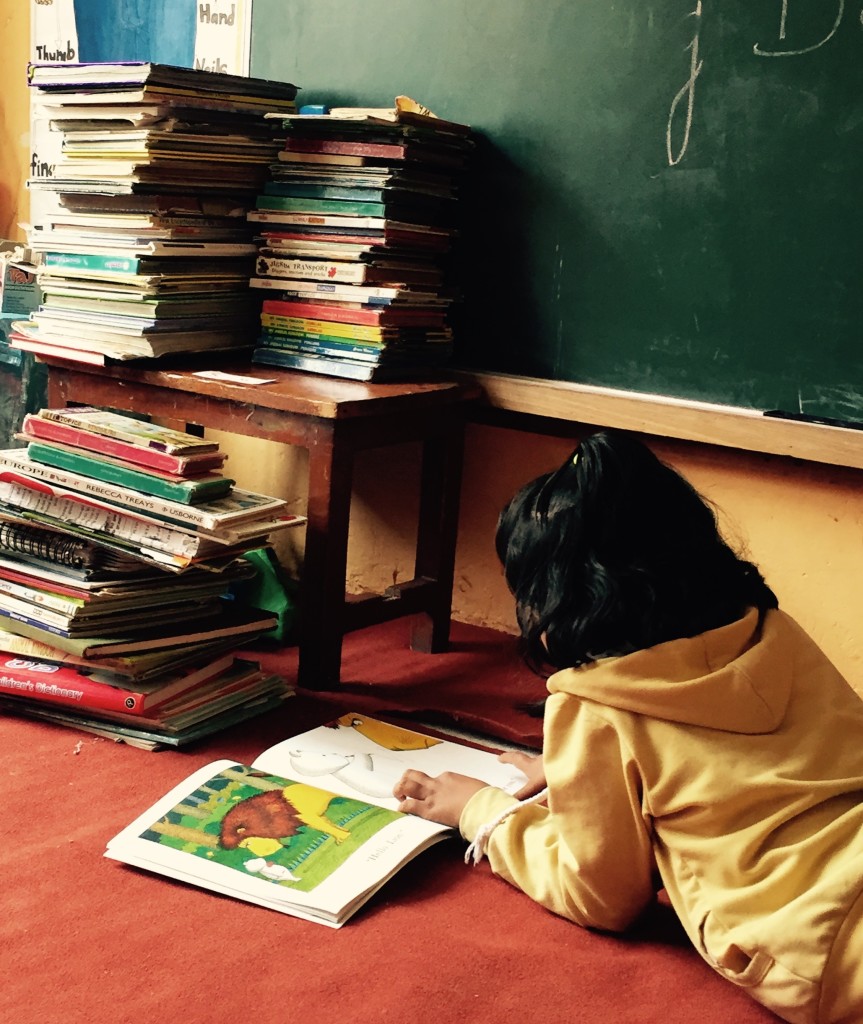
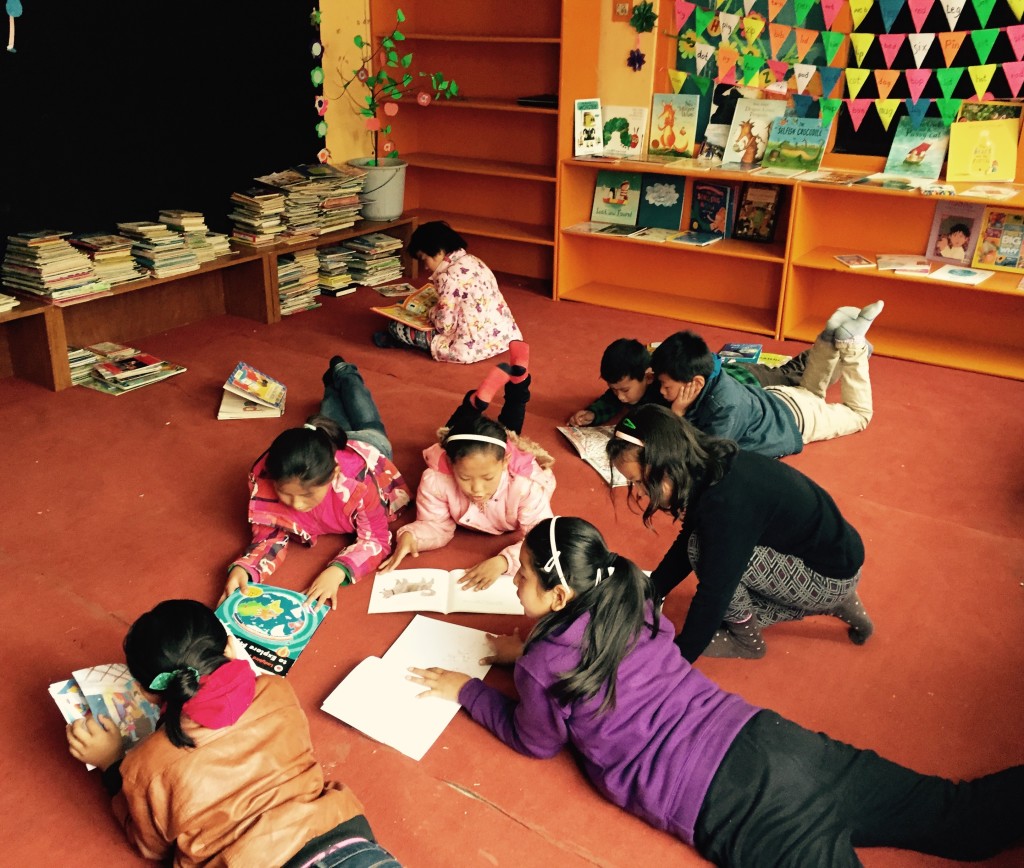
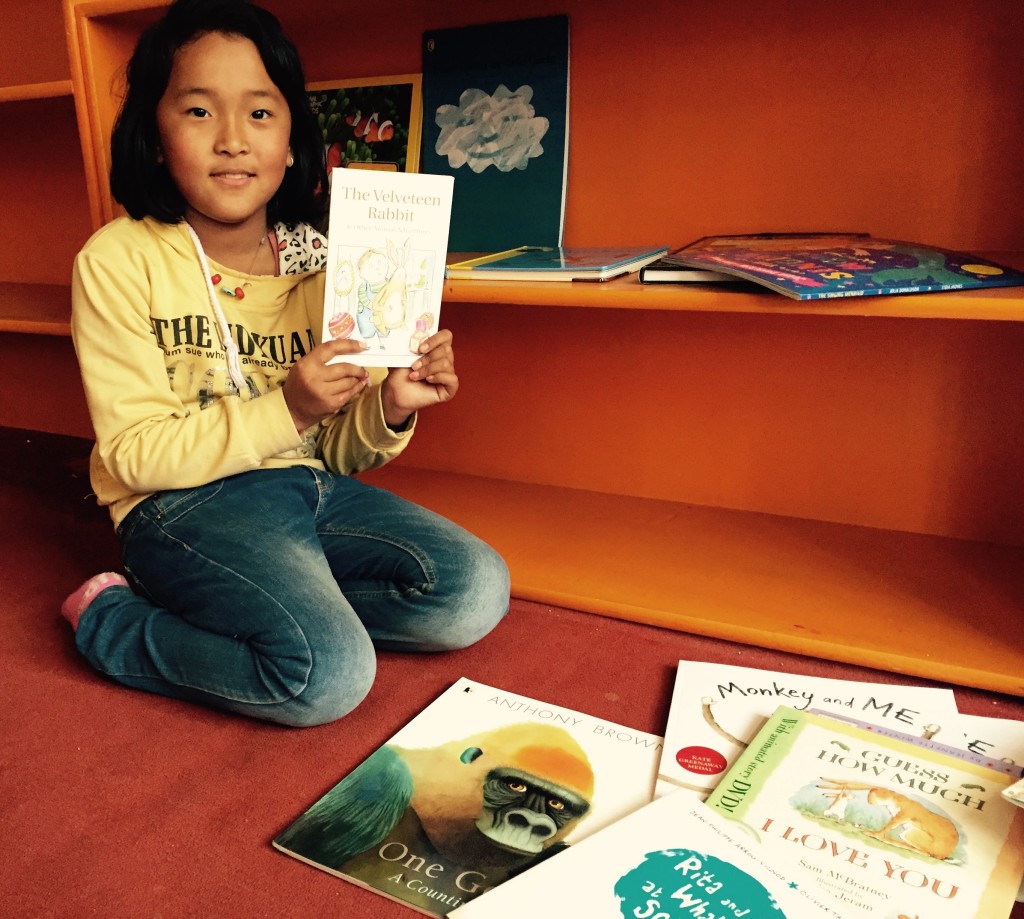
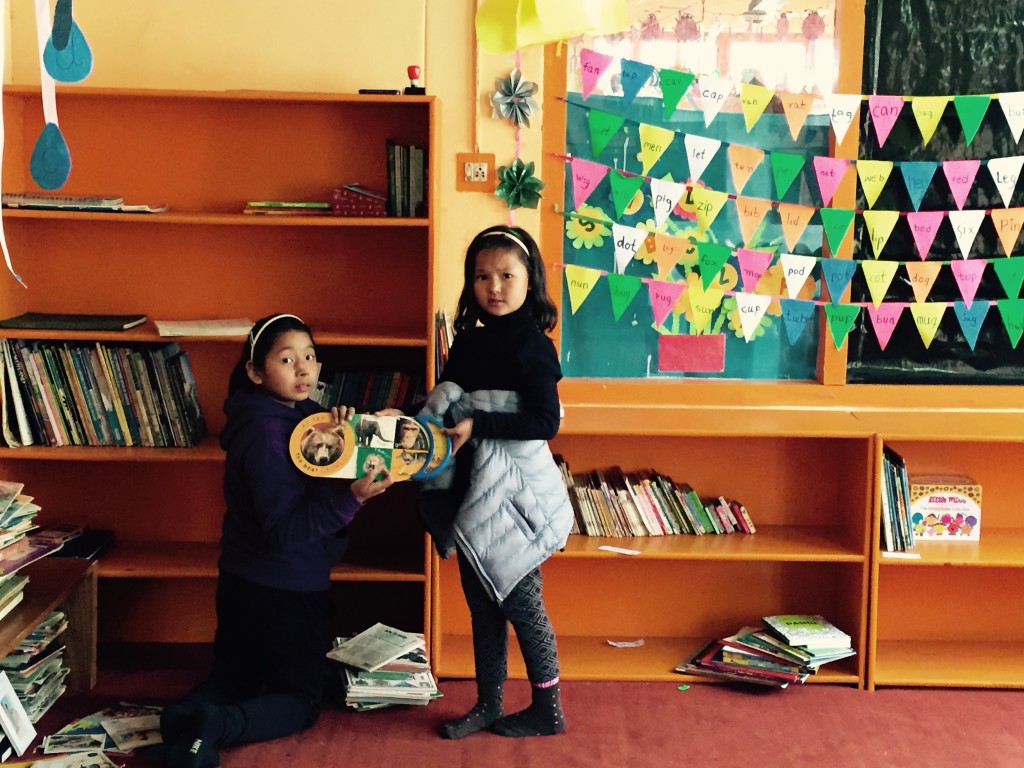
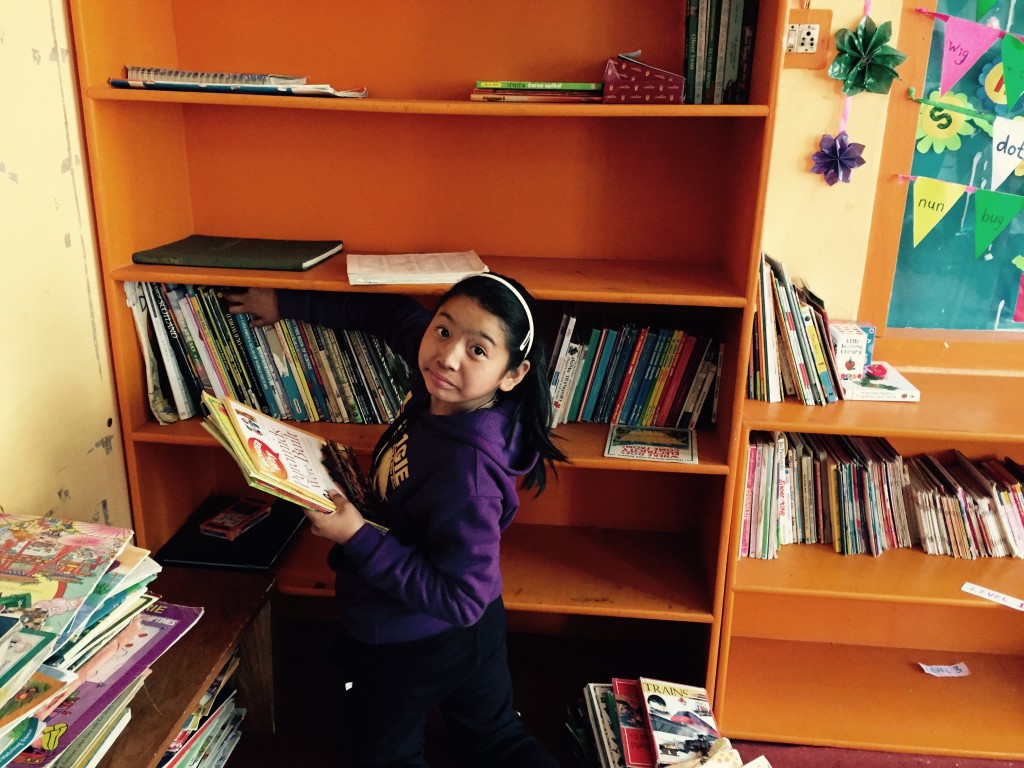
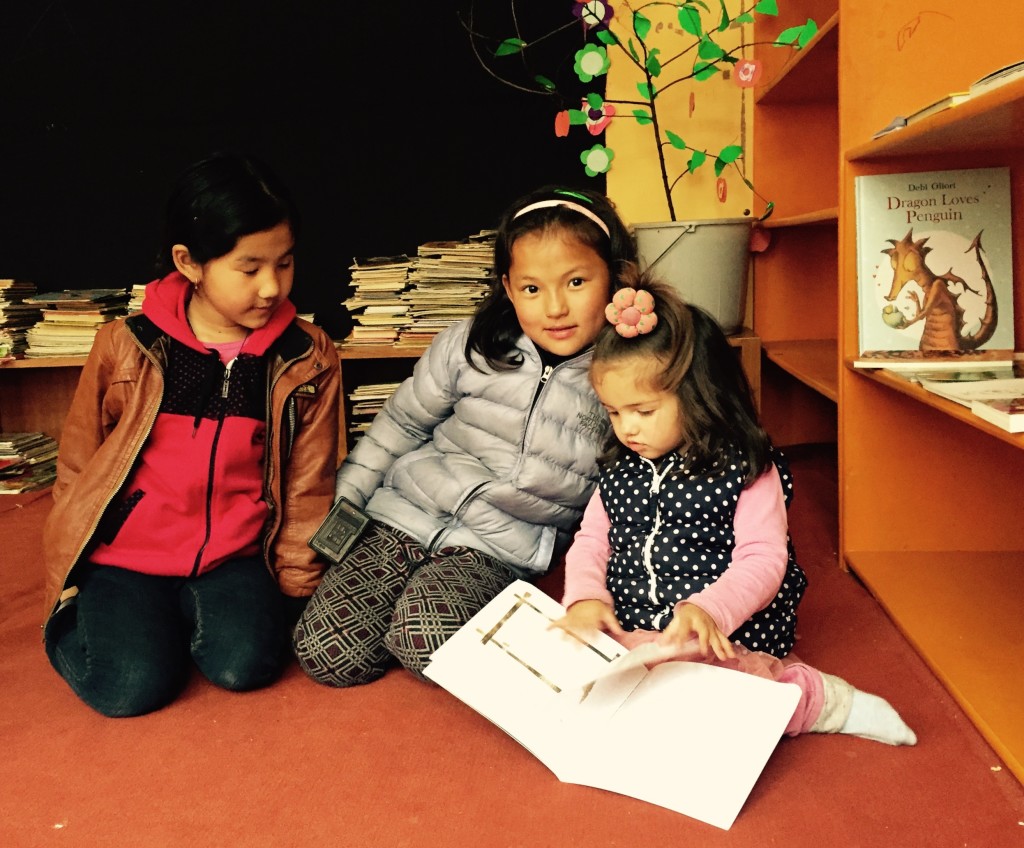
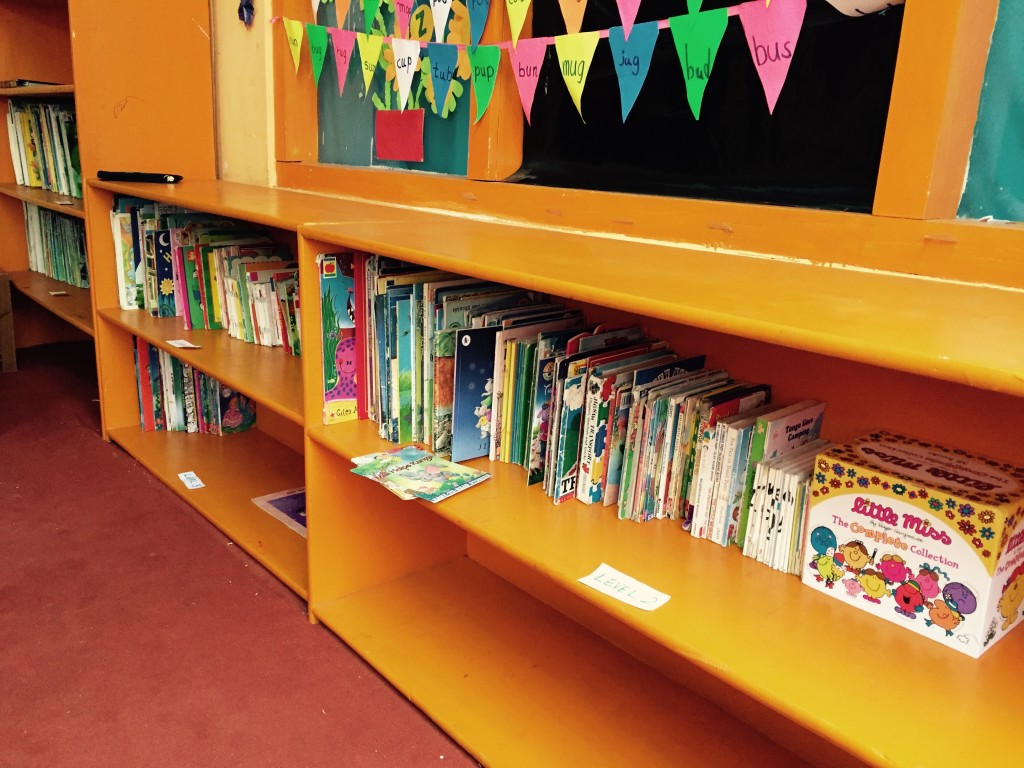
The reading room already had shelves of children’s books, floor cushions and tables for drawing. What it lacked was a flexible activity that could bring several children together without making the room feel crowded. Puppet shows answered that need. Two children could perform while others watched, read lines or helped create scenery.
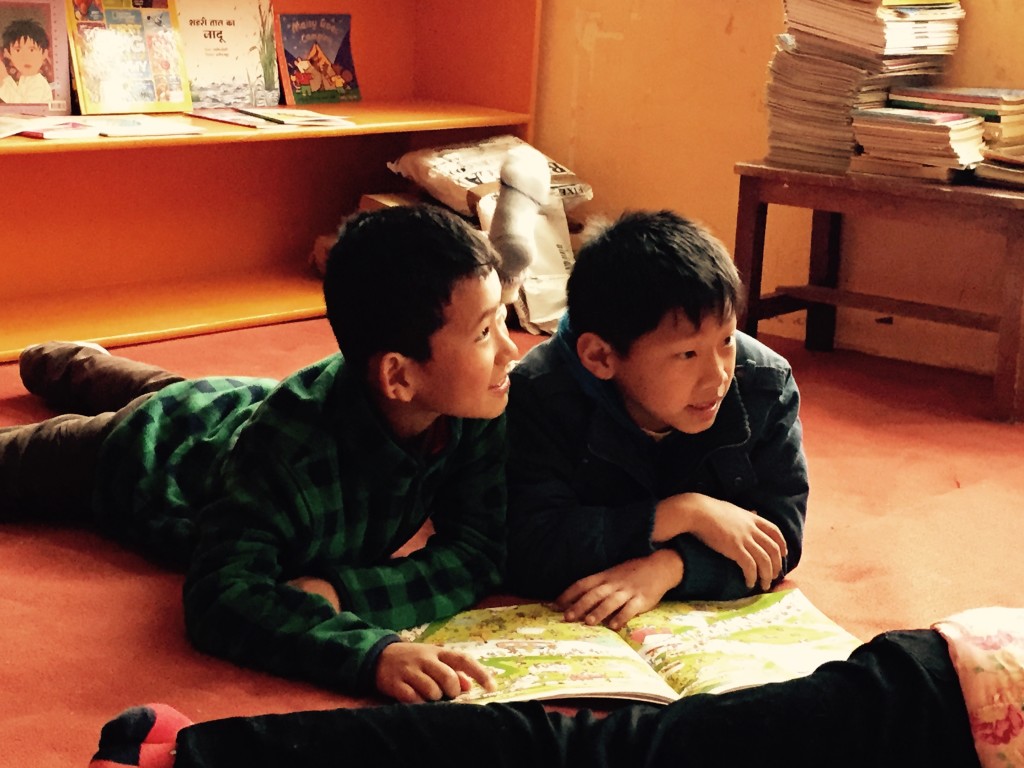
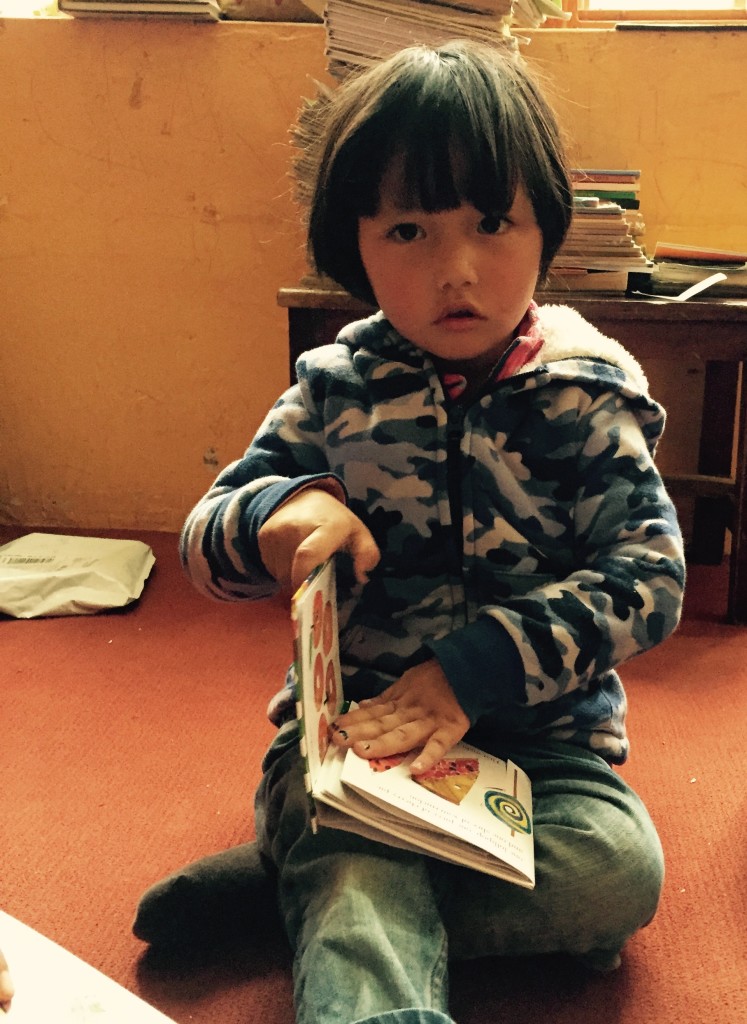
The volunteer began by observing how the room worked during an ordinary afternoon. Children moved between picture books, music and conversation. Some were eager to speak, while others stayed close to the shelves. A small stage offered a gentle way into participation: a child could begin behind a curtain, use a puppet as a voice and gradually become more comfortable being seen.
The design was deliberately modest. It had to be light enough to move, strong enough for regular use and simple enough for local helpers to repair. Its size also mattered. The theatre needed to support imaginative play without taking away valuable floor space for reading circles and art activities.
From sketch to puppet theatre
The first drawings showed a low wooden frame with a performance window at child height. A fabric curtain softened the edges and made the reveal feel special. The back remained open so adults could guide younger performers and so children could swap puppets without climbing around in a cramped enclosure.
Safety shaped every decision. Corners were sanded smooth, fastenings were checked and the base was made stable. Lightweight panels reduced the risk of injury when the theatre was moved. Paints and finishes were chosen with ventilation and regular handling in mind, while the curtain could be removed for washing.
The build also became a lesson in problem-solving. Children watched the volunteer measure, adjust and test the frame. They saw that a first attempt might wobble, a curtain might hang too low and a panel might need to be redesigned. Those small changes showed practical persistence more clearly than a polished object ever could.
Stories take centre stage
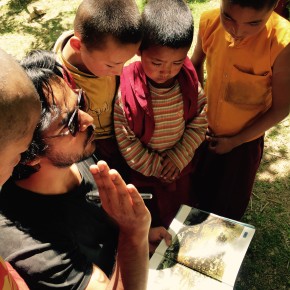
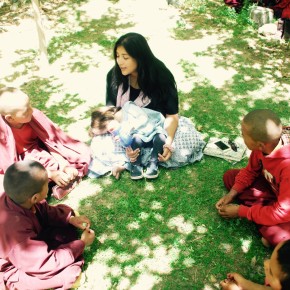
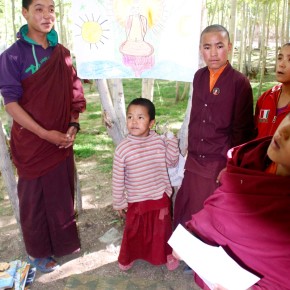
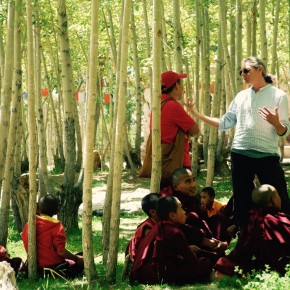
Once the puppet theatre was ready, the reading room changed its rhythm. A folktale could be read from a book, retold with hand puppets and then adapted by the children. A young monk might perform a wise character, while another child created a mountain backdrop with coloured paper and crayons.
Puppet play supports language development because it gives children a reason to listen carefully and choose words. It also allows them to explore emotion at a safe distance. A puppet can be frightened, cheeky, lonely or brave, giving children a way to discuss feelings without having to speak directly about themselves.
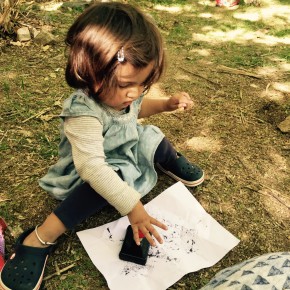
The stage encouraged cooperation as well. Performers had to share space and remember cues. Children who preferred drawing could make signs or scenery. Those who enjoyed music could create sound effects with bells, drums or clapping. A reading room became a small arts venue where literacy and creativity worked together.
Materials, making and local support
The project demonstrates how a useful learning resource can grow from ordinary materials. In an Australian setting, volunteers might recognise the same approach from a school fete, a neighbourhood shed or an afternoon spent browsing an op shop for fabric and props. The value lies in thoughtful reuse rather than a large budget.
A build like this can be planned around materials that are easy to source and maintain:
- Smooth plywood or light timber for the frame
- Washable cotton, felt or donated curtain fabric
- Child-safe paint, non-toxic adhesive and rounded fasteners
- Cardboard, paper bags and wool for simple puppets
Australian supporters often know how quickly a practical project can gather momentum. A primary school in Melbourne might collect picture books and craft supplies, while a community group in Adelaide could run a sausage sizzle or silent auction. In regional towns, a local hardware store may donate offcuts, and a library can help select books suitable for storytelling.
The Australian market also has a strong culture of small, visible fundraising. People may say they are chipping in for a good cause, joining a working bee or putting something aside for the kids. These familiar forms of support can be directed towards durable learning resources rather than one-off decorations.
A reading room becomes a shared classroom
The puppet stage was useful because it belonged to the whole community. Children could help decide which stories to perform, teachers could connect shows with reading activities and volunteers could introduce new books through drama. Each group added something of its own.
The wider work of the Avalokiteśvara Trust follows this same principle of creating access to books, artistic activities and supportive spaces. A reading room is most effective when it responds to local interests and gives children several ways to engage with learning.
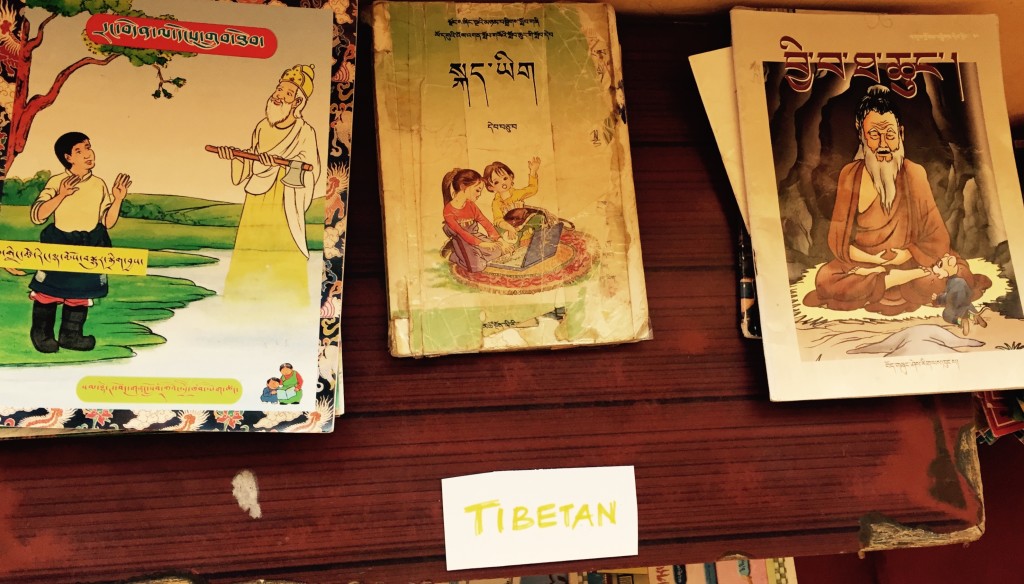
A simple performance can also bring generations together. Older students may write a short script for younger children. Monks and community members can share regional stories. Visitors can learn a few words in the local language and help with props. These exchanges make the room feel less like a service being delivered and more like a place being built together.
What volunteers can learn from the build
The project offers useful guidance for anyone planning educational volunteering, whether the work takes place in Ladakh, a remote Australian community or an urban neighbourhood. The strongest ideas begin with observation. Before bringing materials or activities, volunteers need to notice how children use a space and what resources are already available.
A small creative project works best when it has clear boundaries:
- Start with the room’s actual dimensions and daily routines
- Choose materials that local people can repair or replace
- Include children in decorating, testing and storytelling
- Make safety checks part of every activity
- Leave behind instructions so the project can continue
Australian volunteers should also allow time for practical requirements. Anyone working directly with children may need a Working with Children Check, depending on the state or territory and the organisation’s policies. Planning around school terms, public holidays and travel distances is equally important, particularly for people coming from Sydney, Perth or other large cities into remote areas.
The volunteer’s role is not to arrive with a finished answer. It is to contribute skills, listen to local knowledge and make something that remains useful after the visit ends. The stage succeeded because it could be adapted by the people who used it every day.
A small build with a long reach
The puppet theatre can be compared with other common reading-room additions. Each has a different cost, space requirement and educational effect, yet the stage stands out because it combines books, performance, making and cooperation in one compact resource.
| Reading-room resource |
Space required |
Main learning value |
Ongoing involvement |
| Book display shelf |
Low |
Encourages independent reading |
Low |
| Art table |
Medium |
Develops visual expression and fine motor skills |
Medium |
| Music corner |
Medium |
Builds rhythm, listening and confidence |
Medium |
| Puppet theatre |
Low to medium |
Supports language, imagination and teamwork |
High |
| Floor reading nook |
Medium |
Creates calm, focused reading time |
Low |
The stage also carries a quiet message about dignity. Children are trusted with a real performance space, real stories and materials worth caring for. Their ideas are treated as part of the reading room’s future, rather than as an interruption to adult-led education.
For donors and volunteers, this is a reminder that meaningful change can have a modest physical footprint. A carefully made frame may open the way to dozens of performances, new friendships and repeated encounters with books. The next step is to sketch a child-height frame, list locally available materials and match it with three stories for the first show.