A Dentist Who Read Aloud While Filling Teeth in a Himalayan Outpost
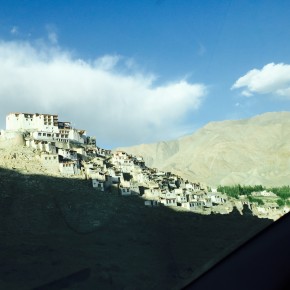
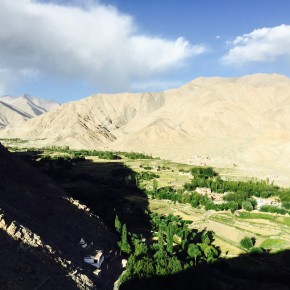
In a single-storey building tucked between apricot orchards and the brown flanks of the Stok range, a volunteer leans over a plastic chair with a headlamp on her forehead. Outside, wind carries the call to prayer across rooftops frosted at dawn. Inside, a six-year-old opens wide while a picture book rests against the instrument tray.
Dr. Anika Rao, a general dentist from Carlton in inner Melbourne, has traded flat whites for instant noodles. She travelled north with the Avalokiteśvara Trust to spend a month offering free dental care to children and young monks in villages where the nearest permanent surgery is more than a day's drive. Her unusual method, reading stories while she checks teeth, has turned anxious queues into a storytelling hour with a side of oral hygiene.
The Clinic at the Edge of the Cold Desert
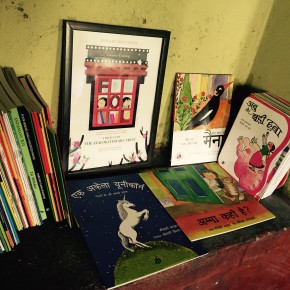
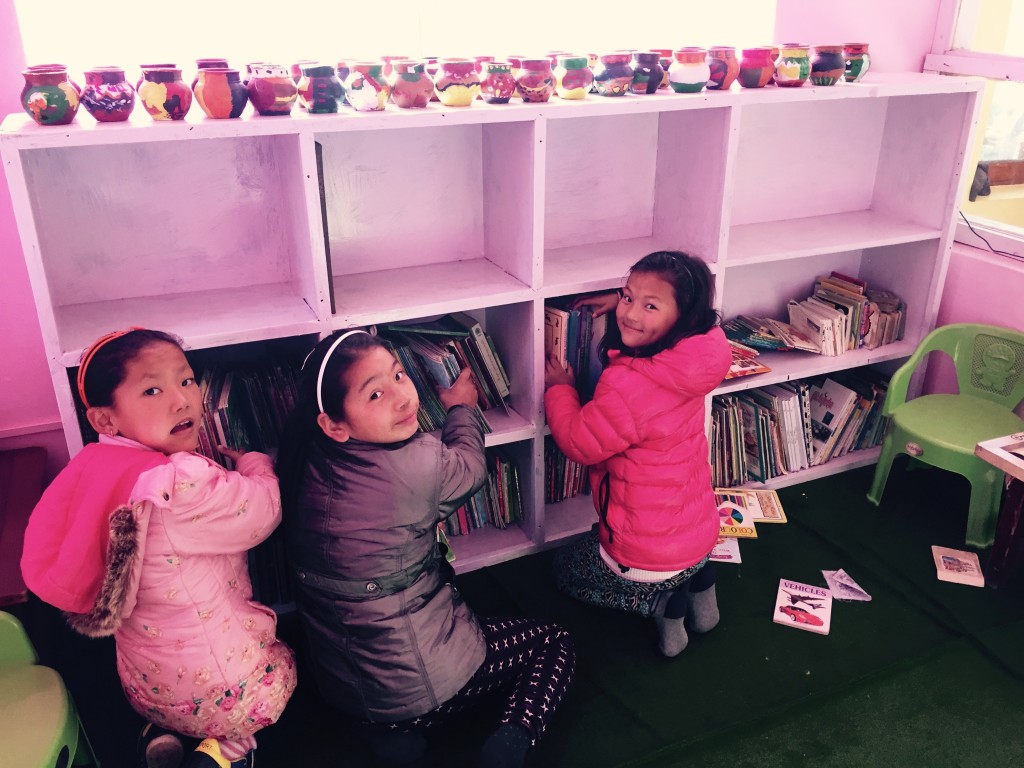
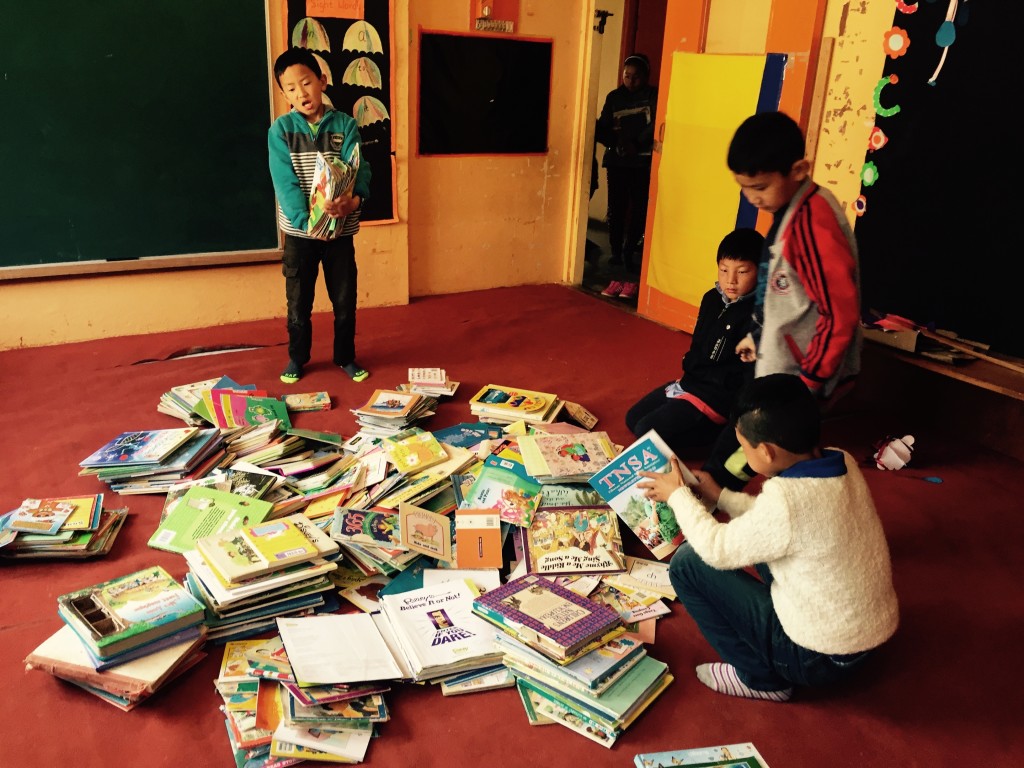
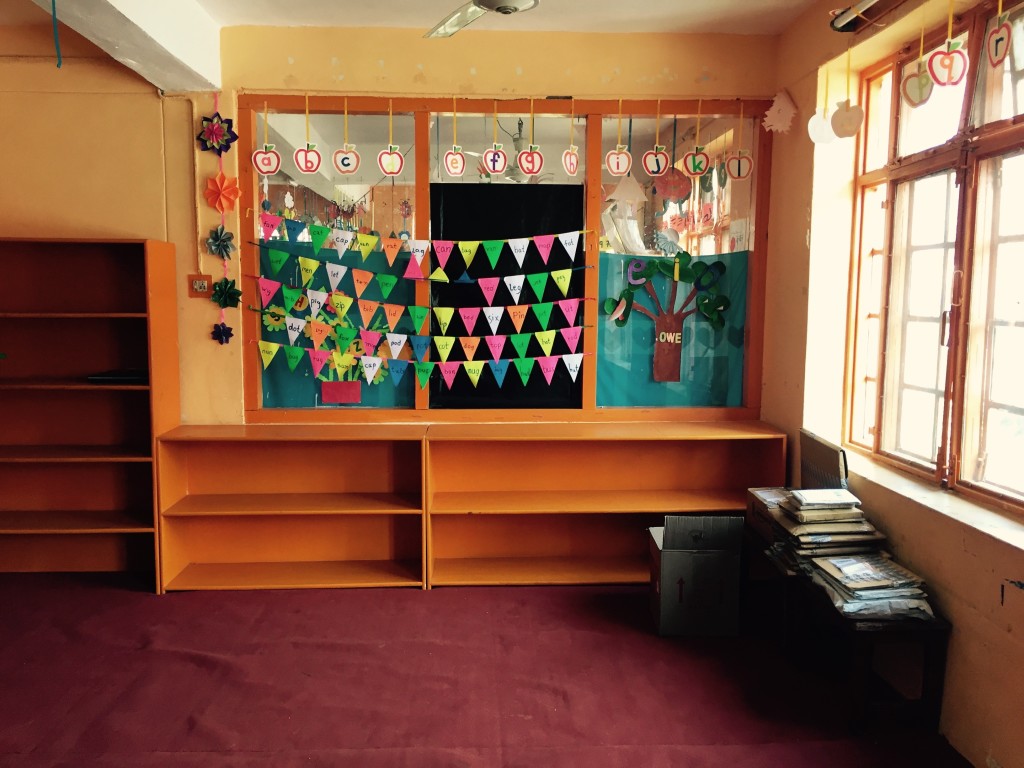
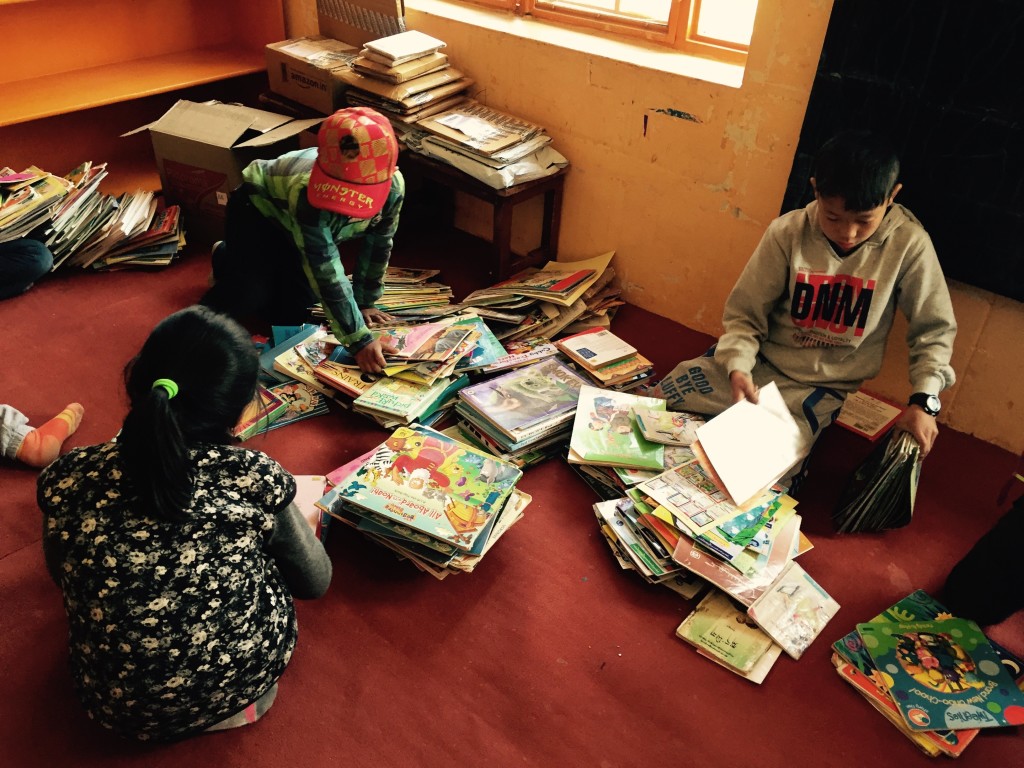
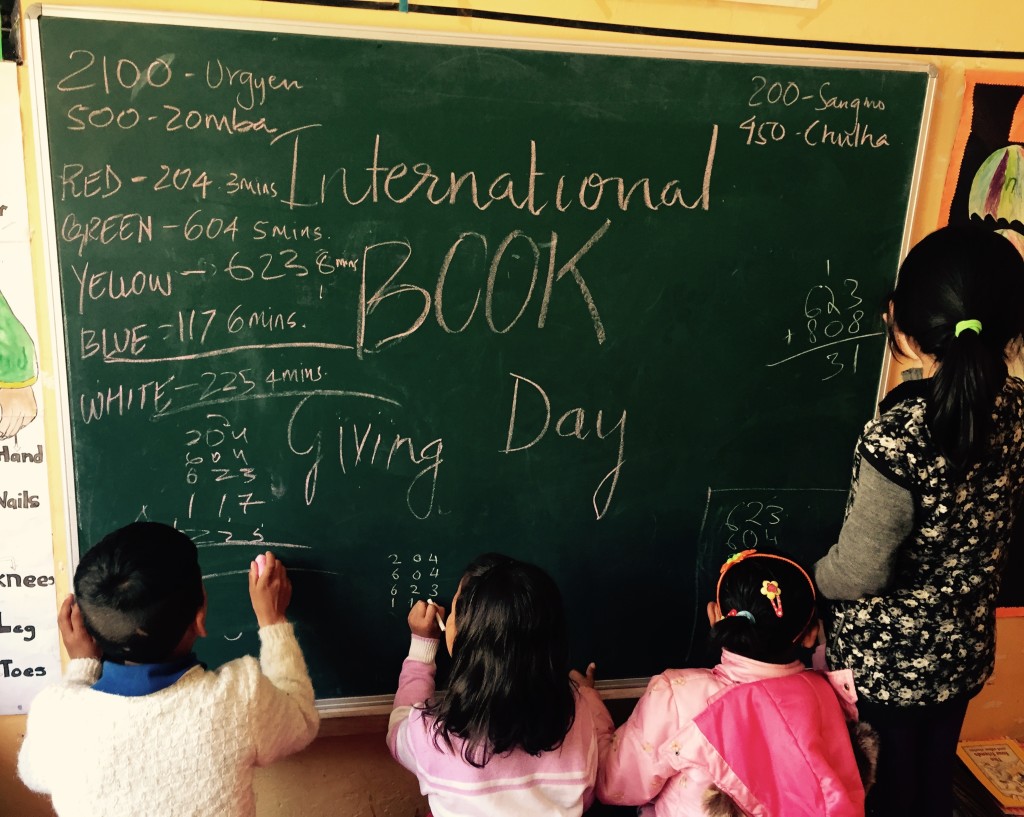
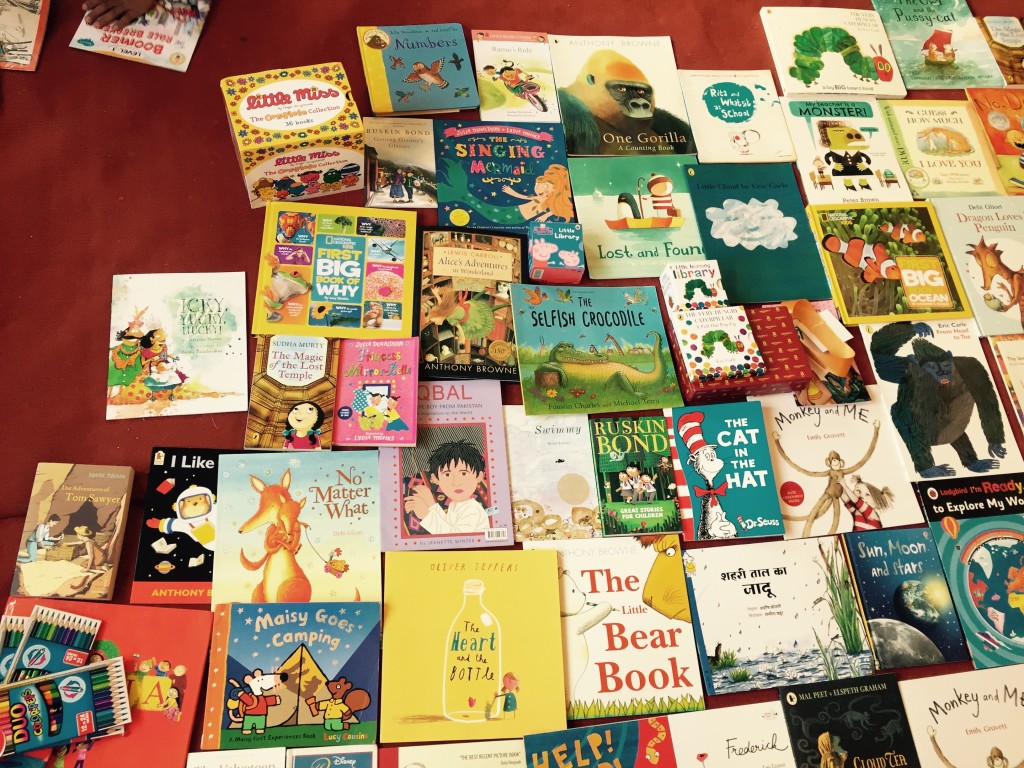
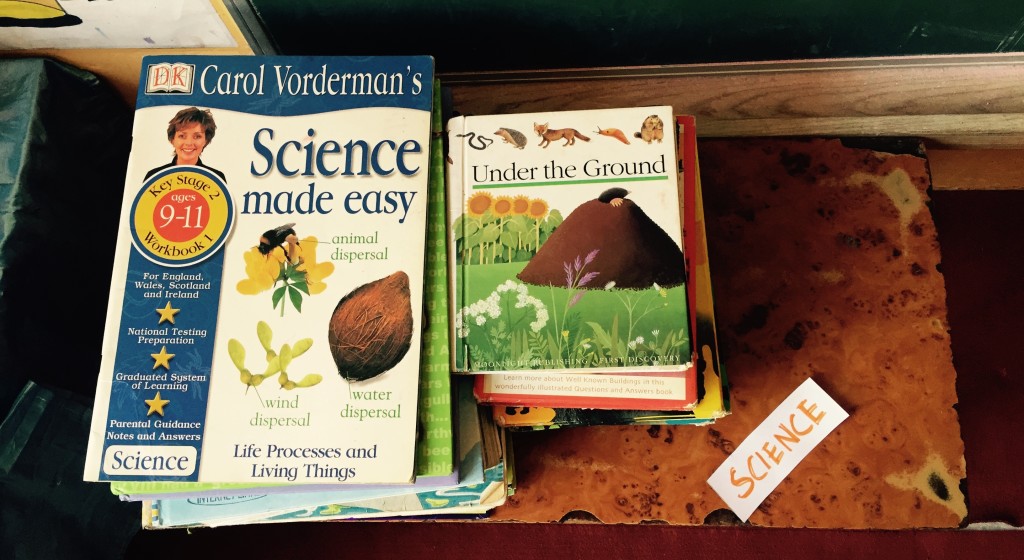
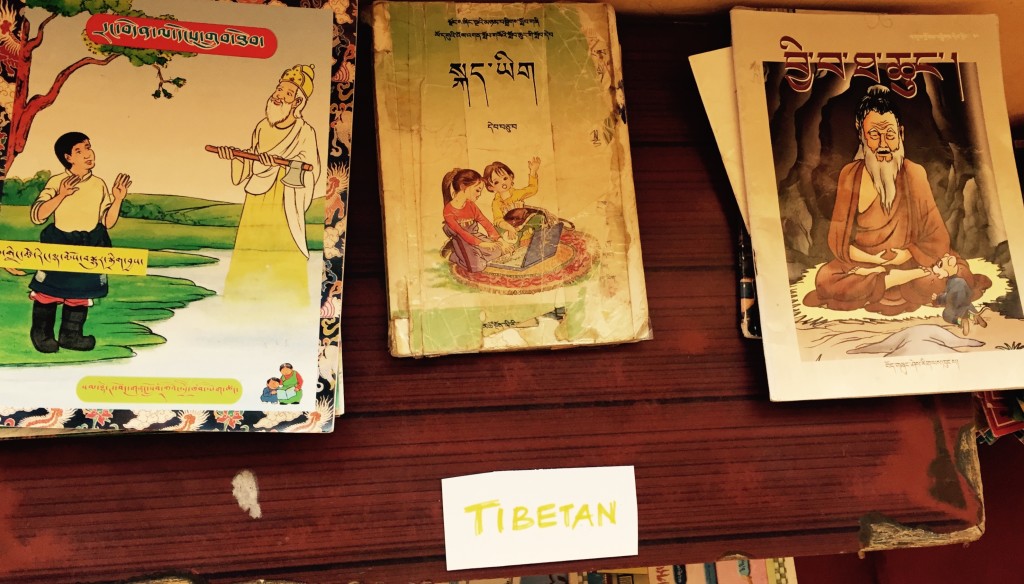
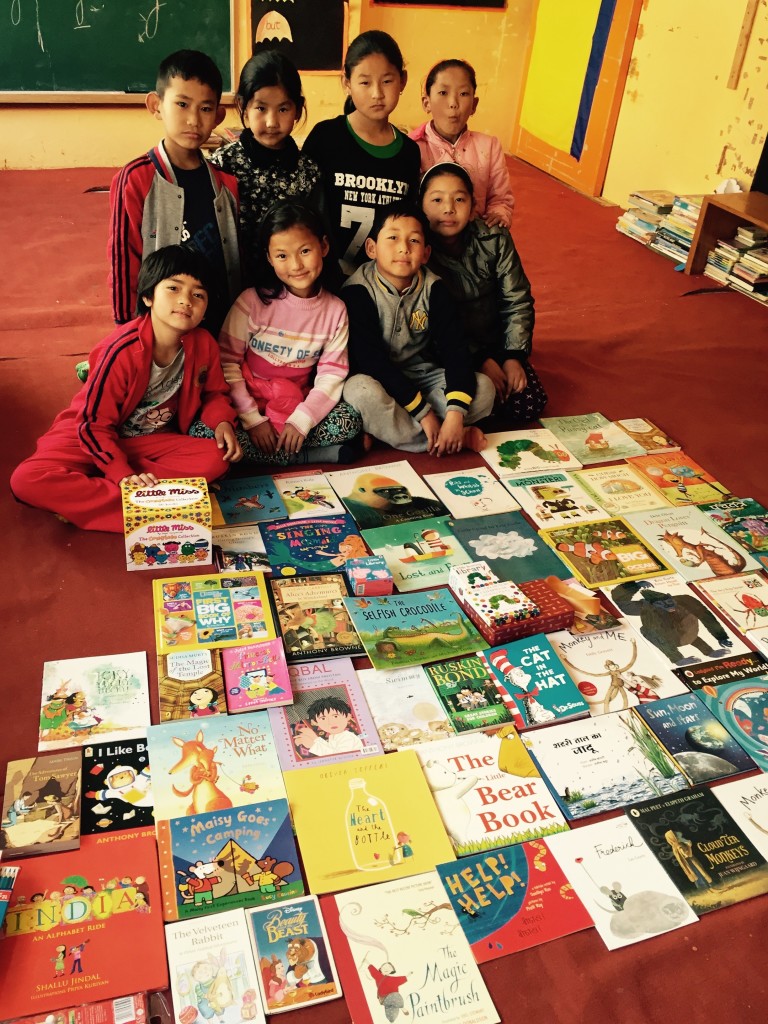
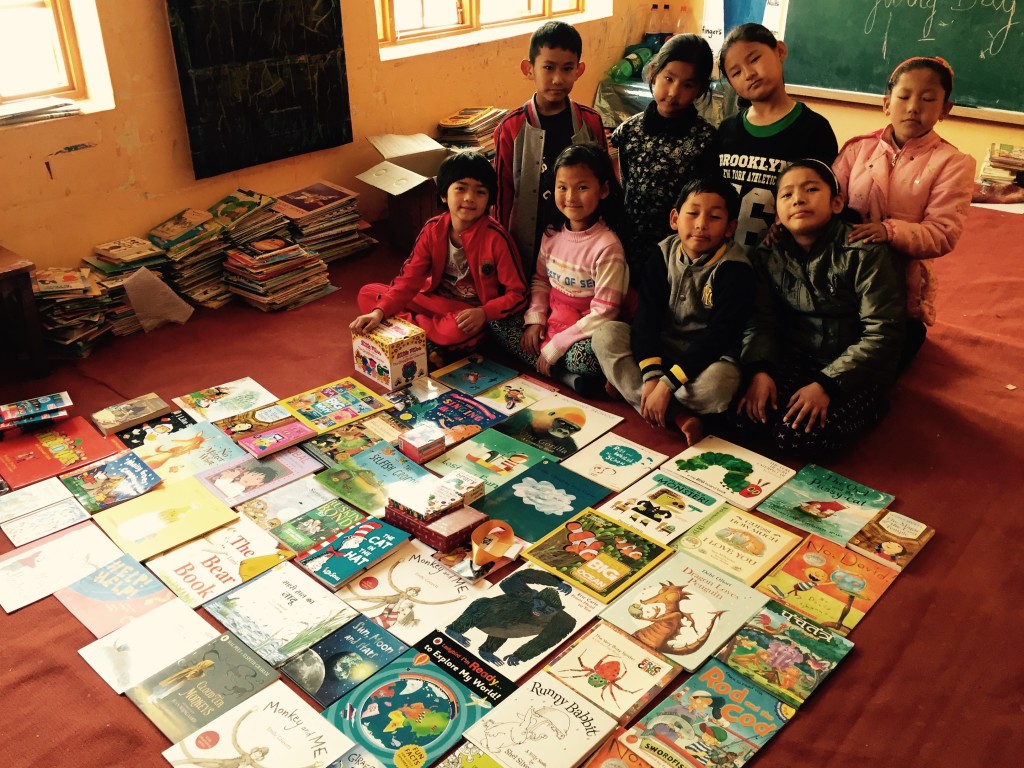
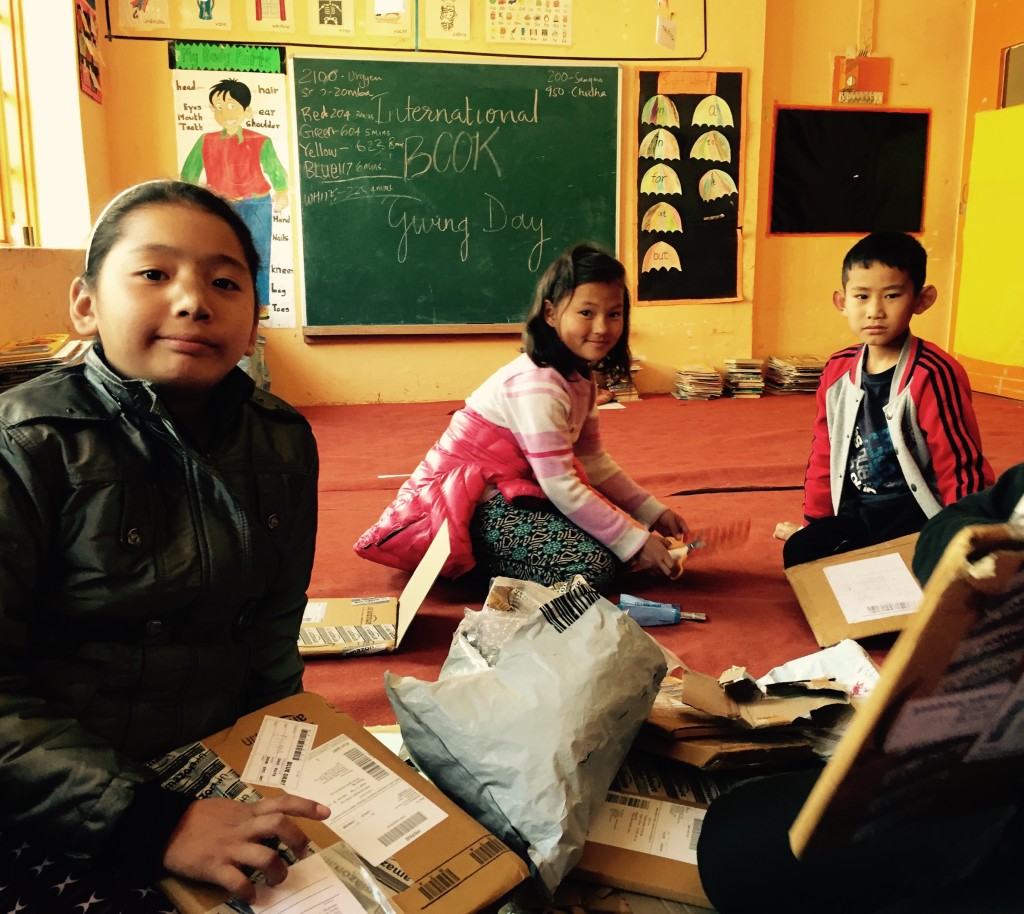
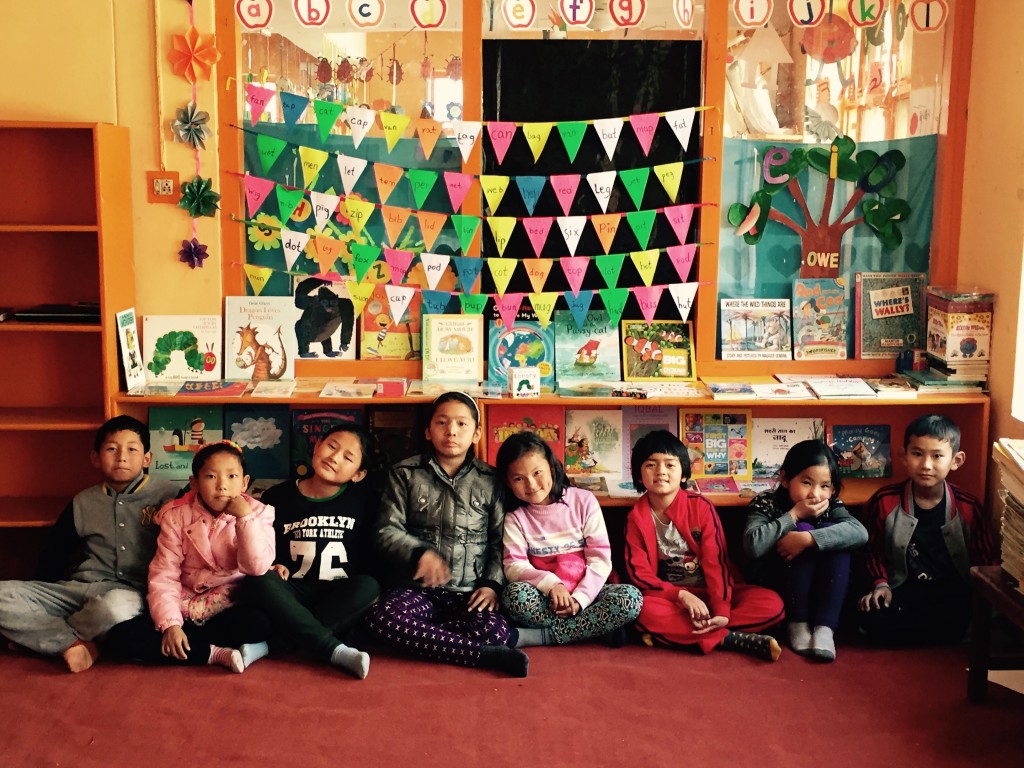
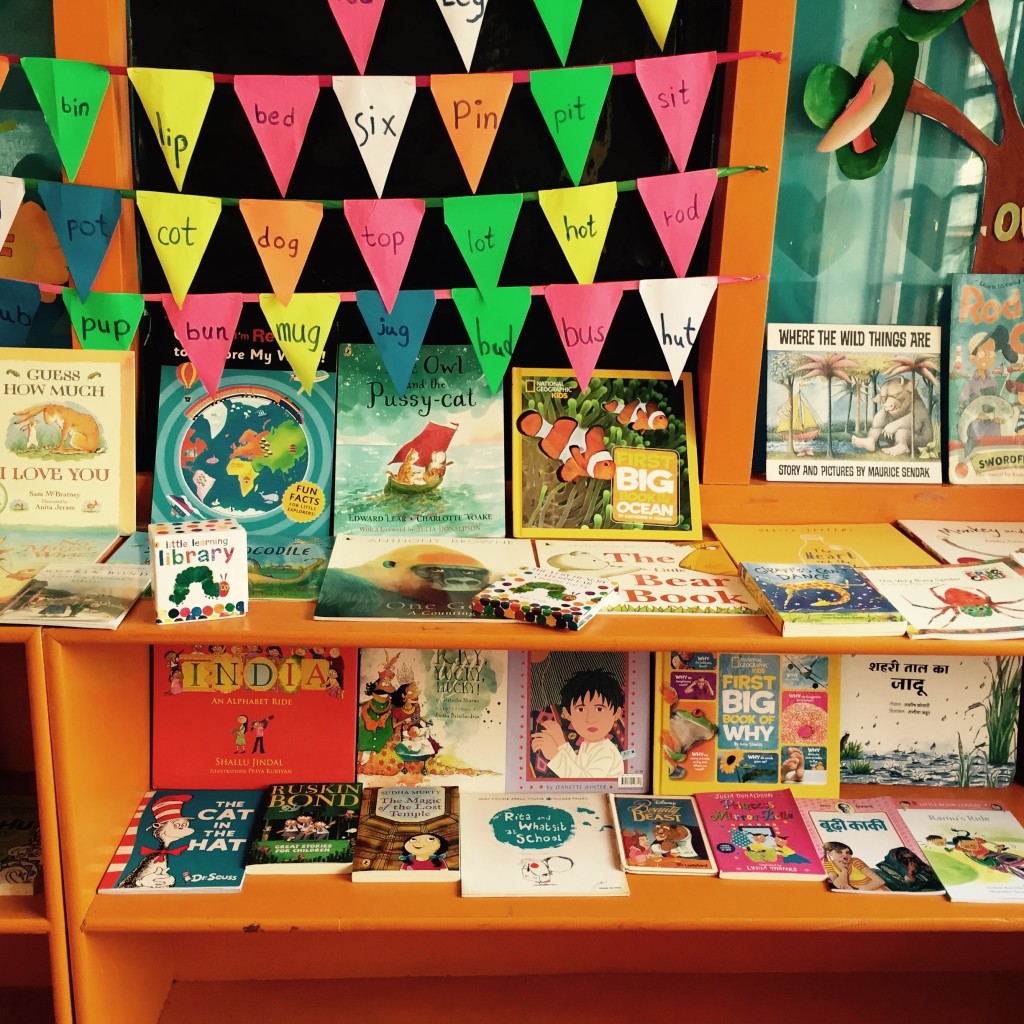
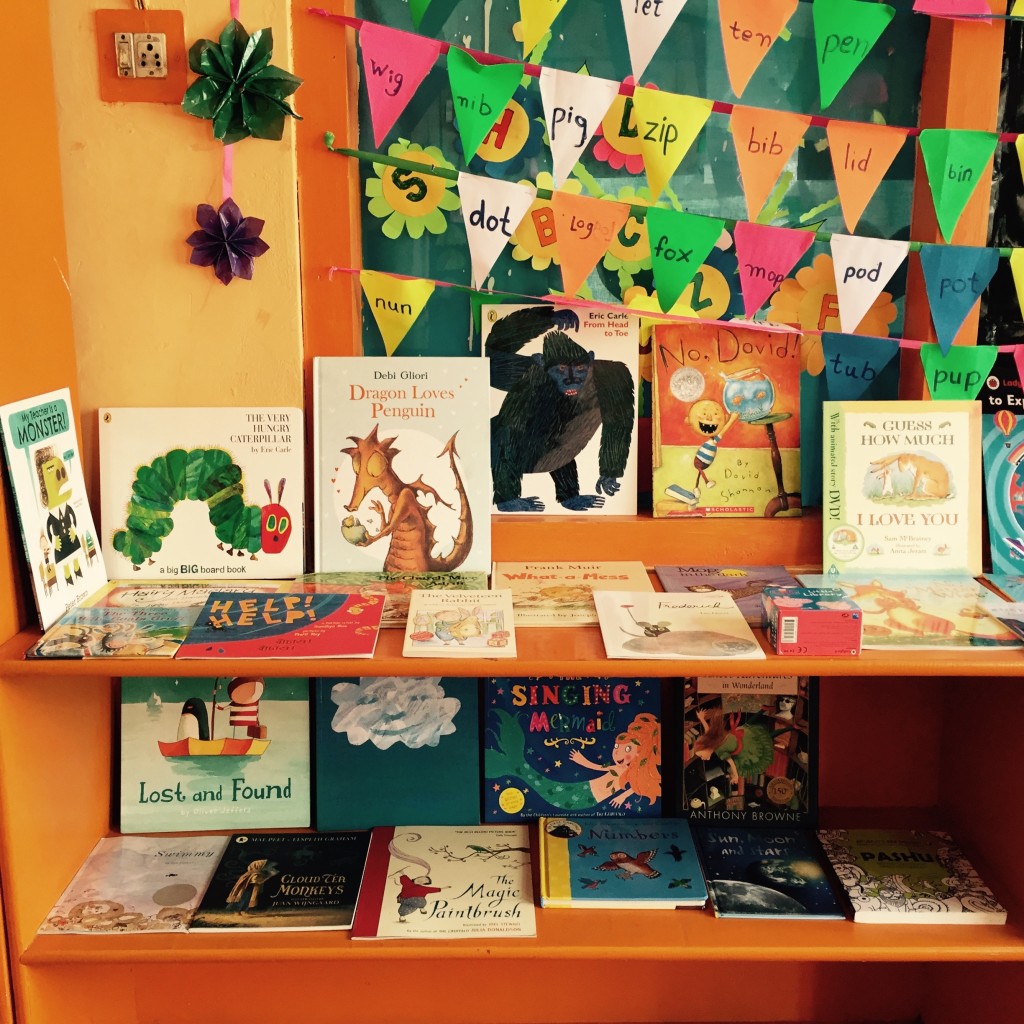
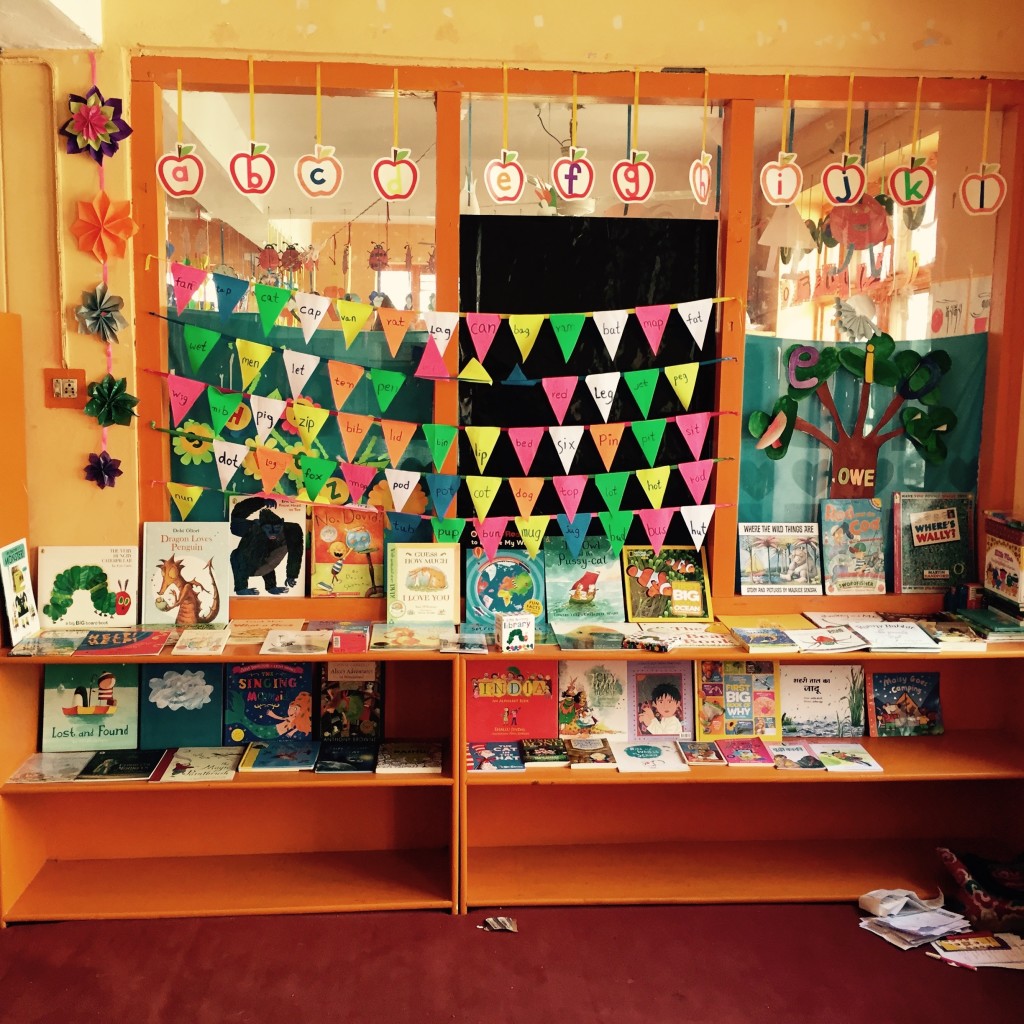
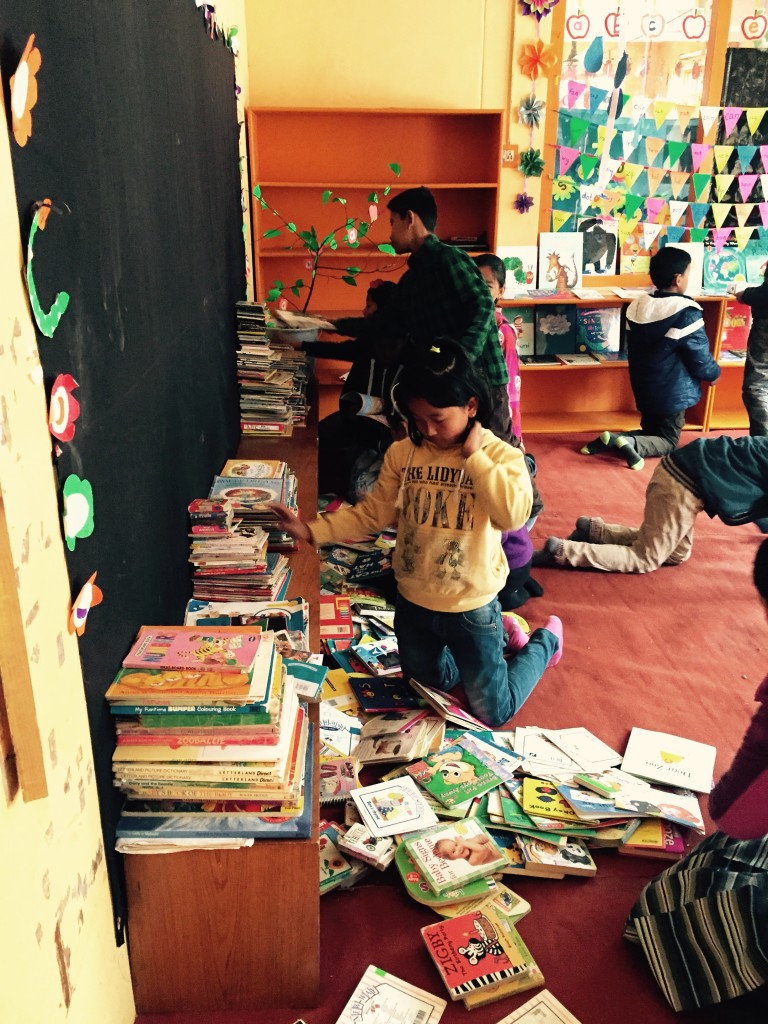
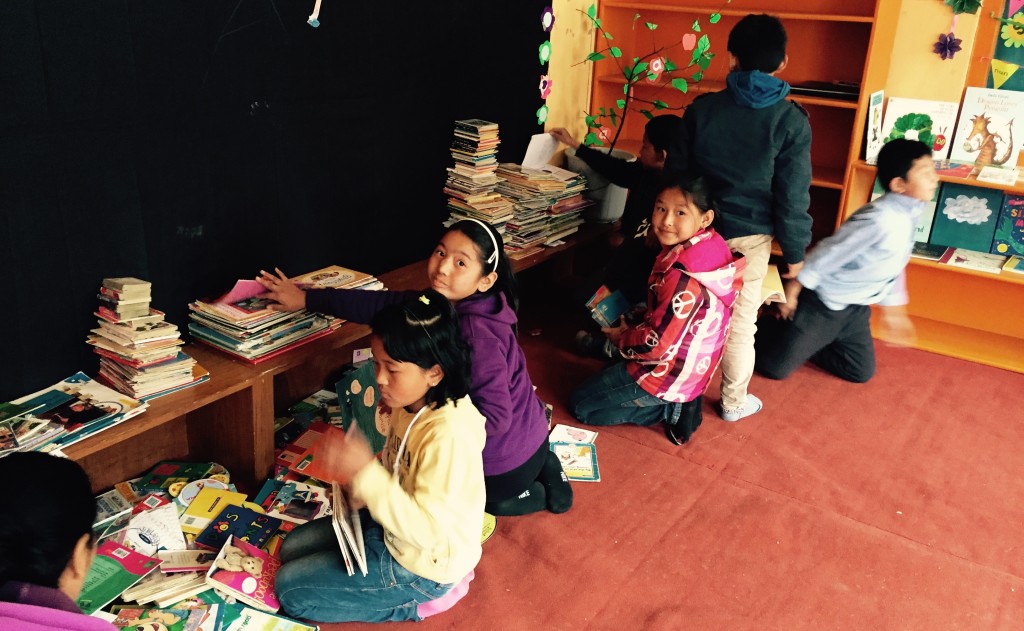
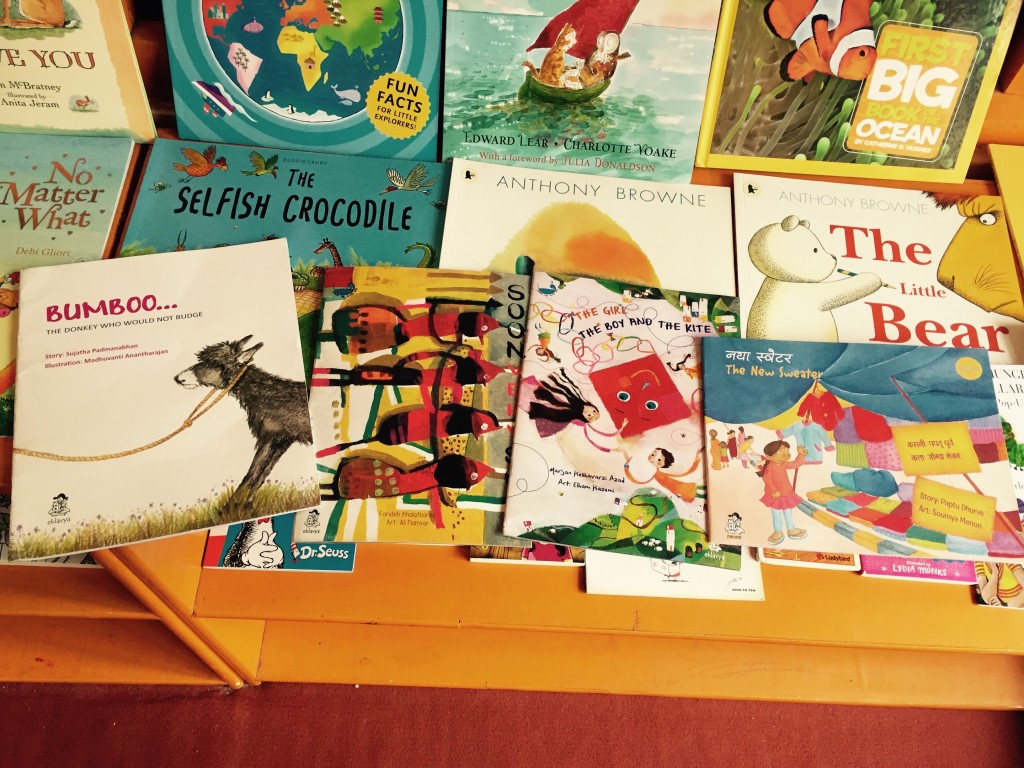
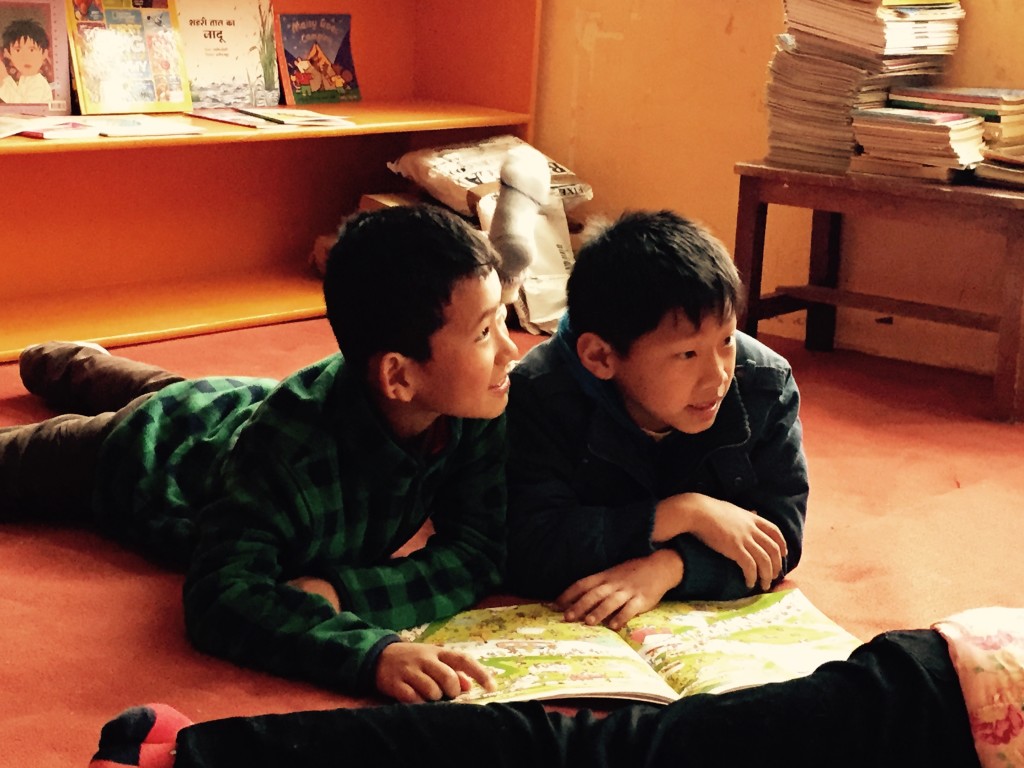
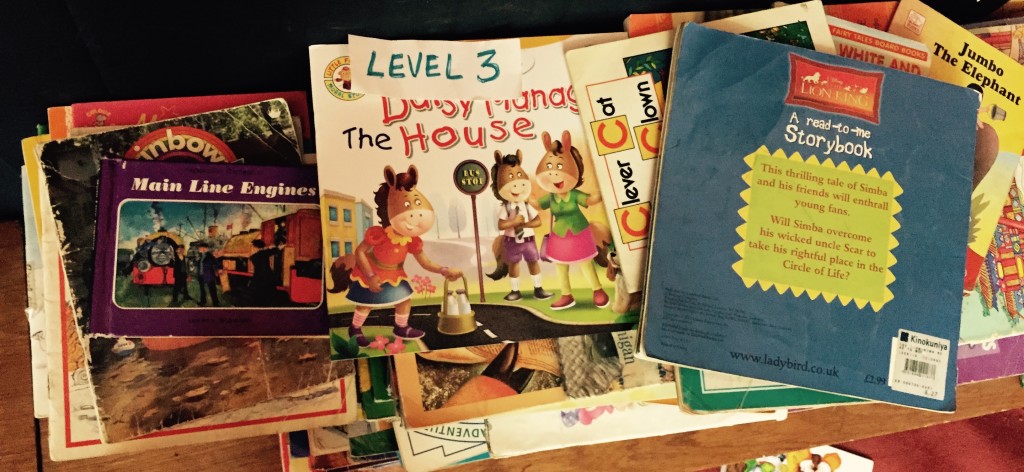
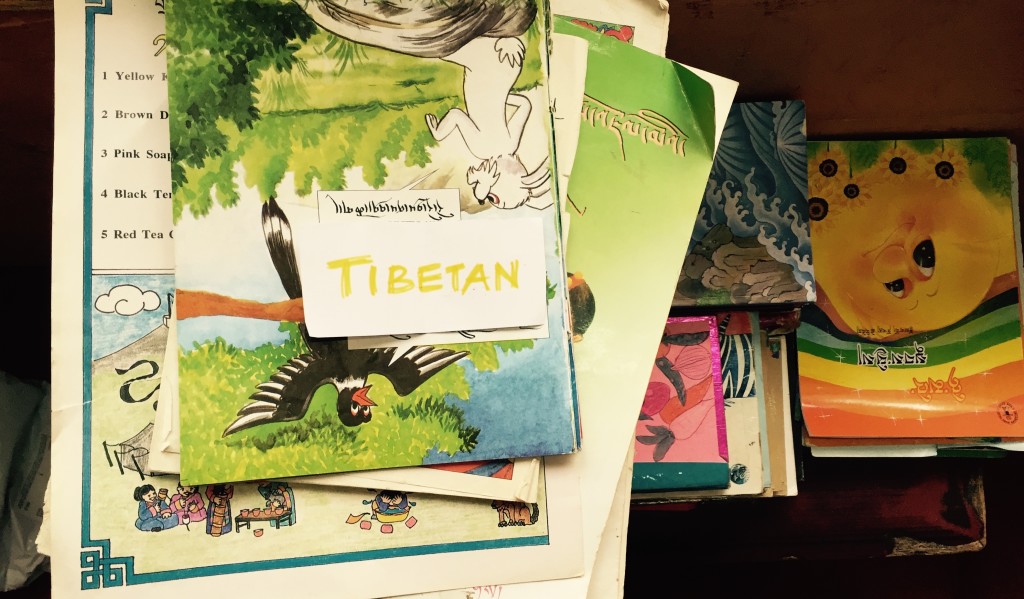
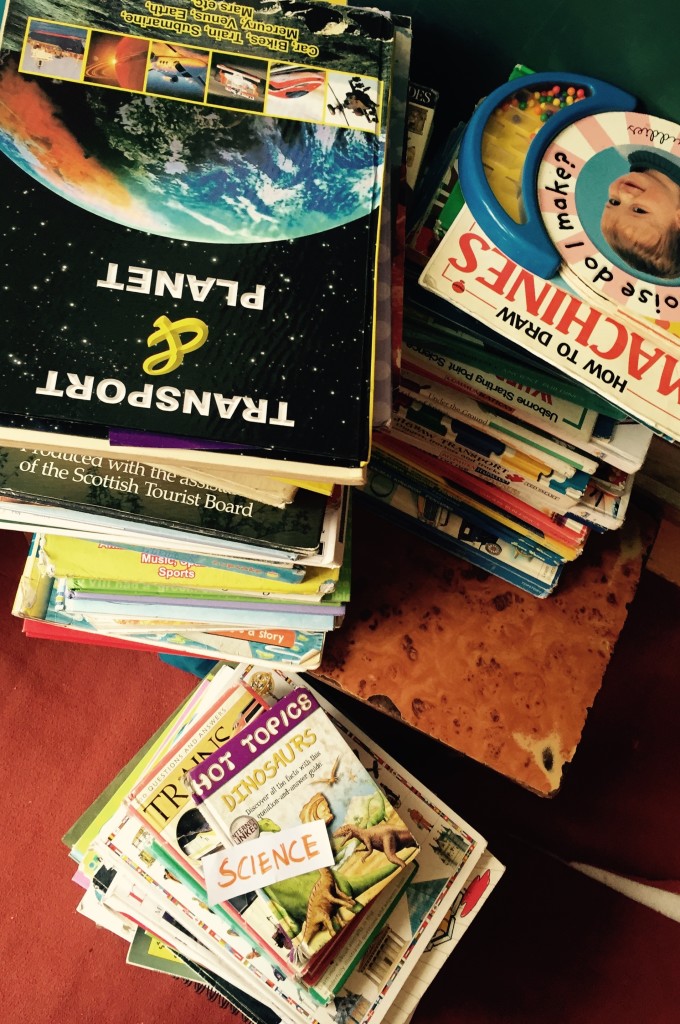
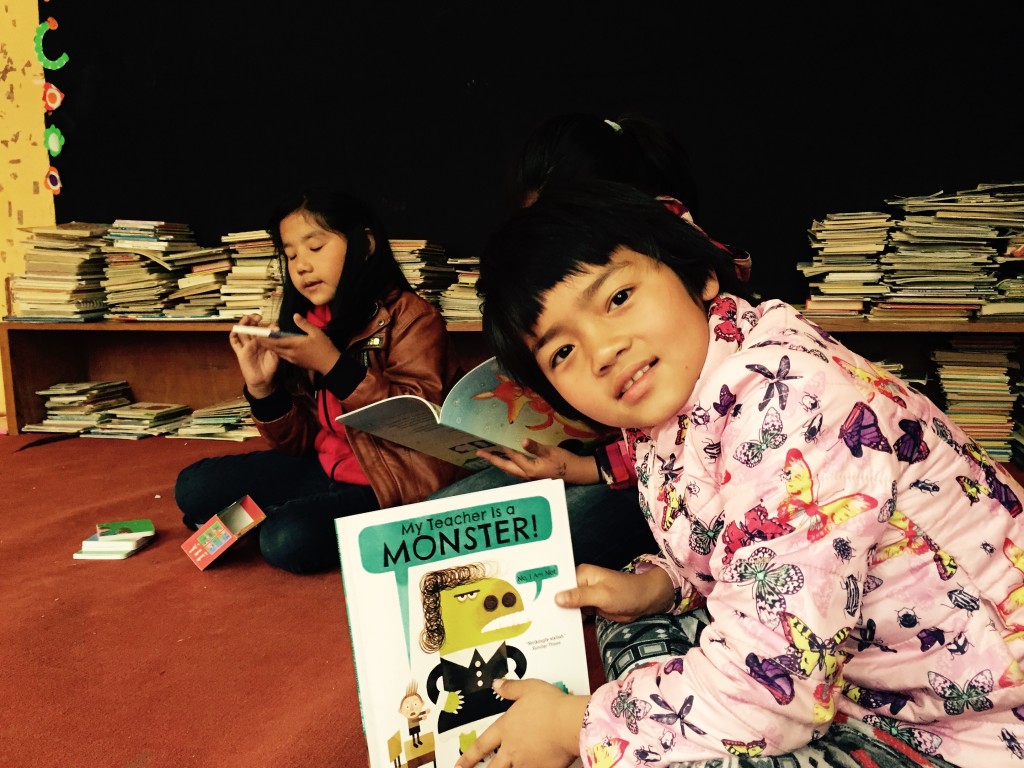
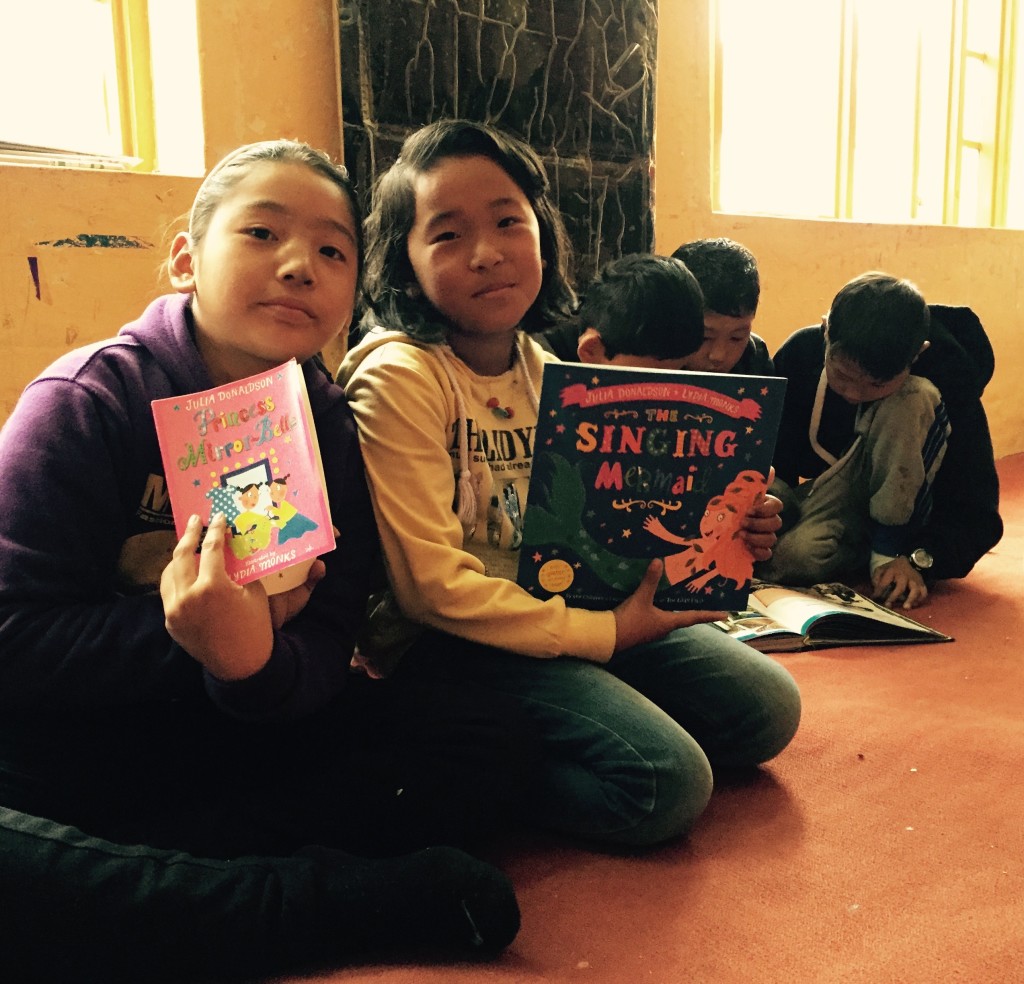
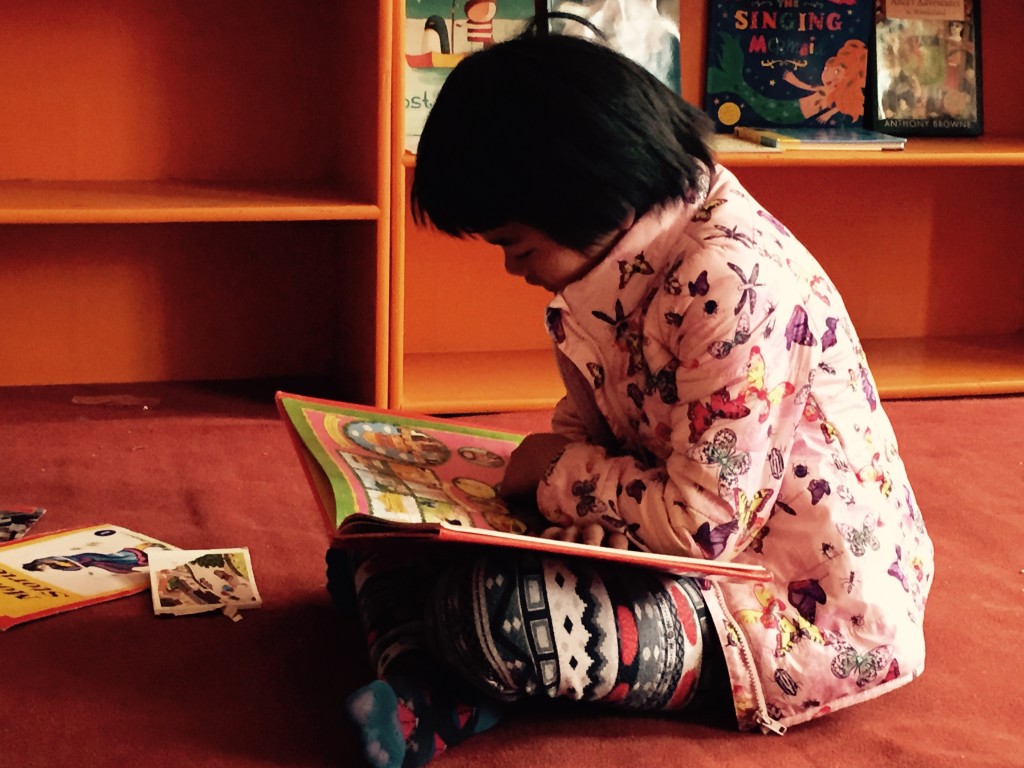
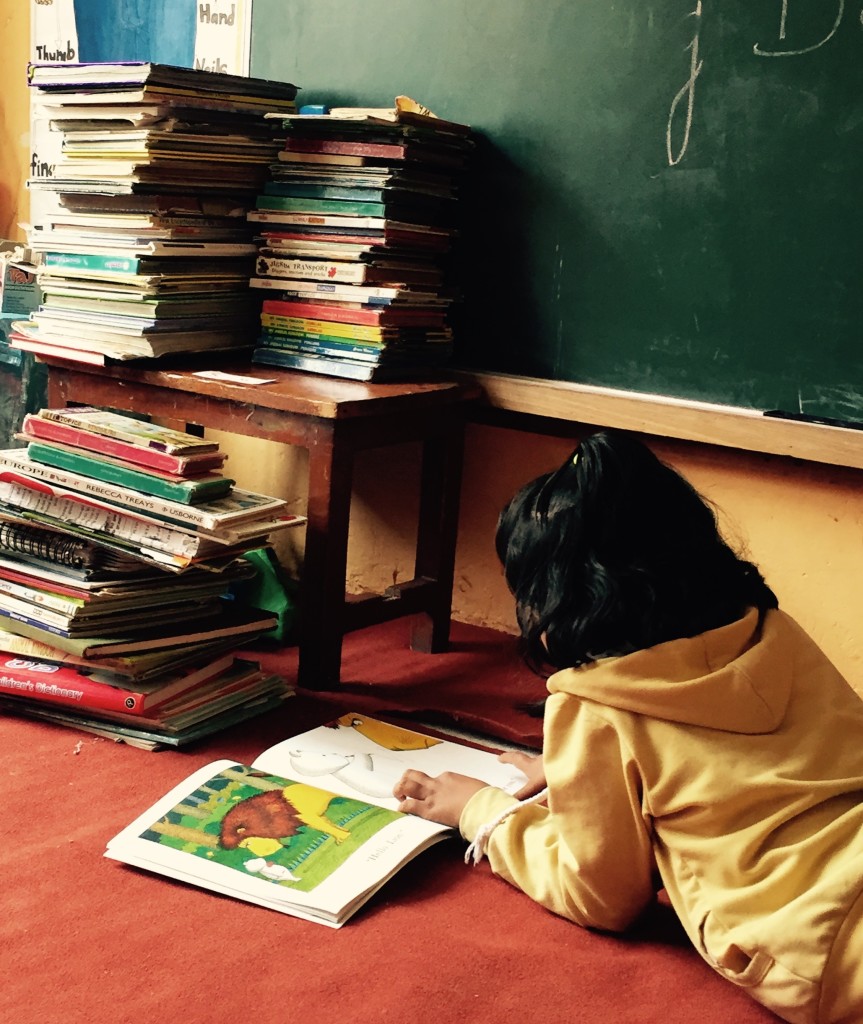
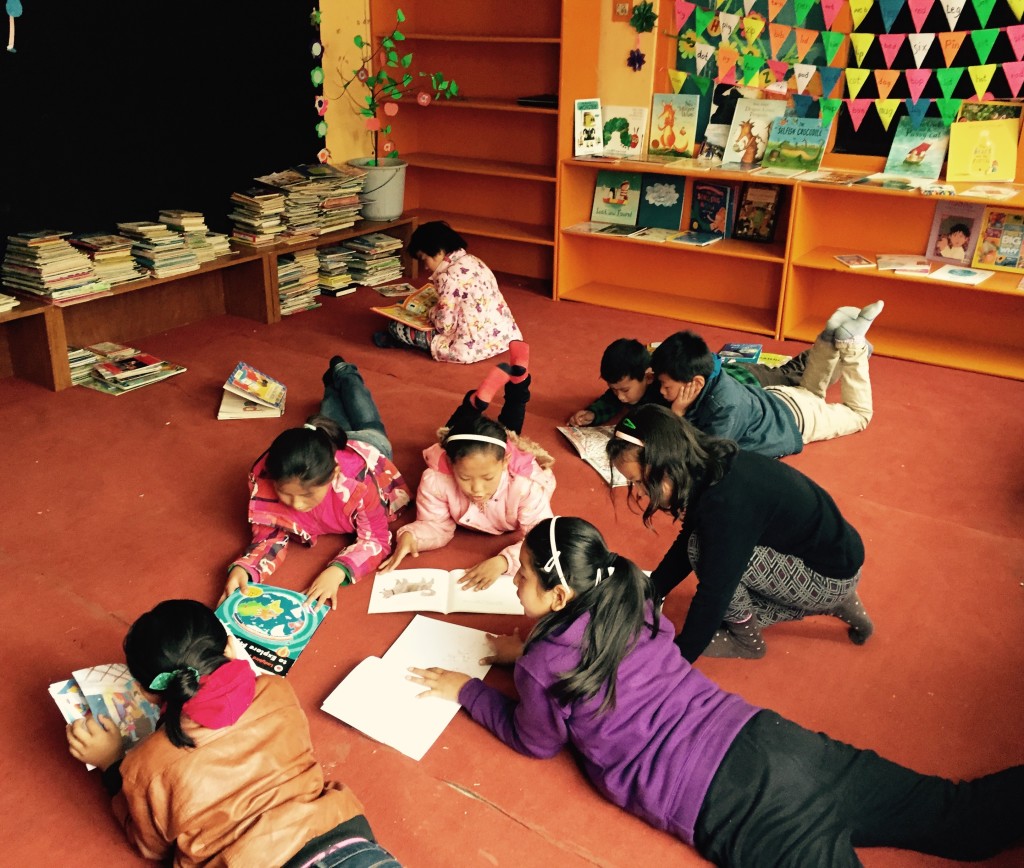
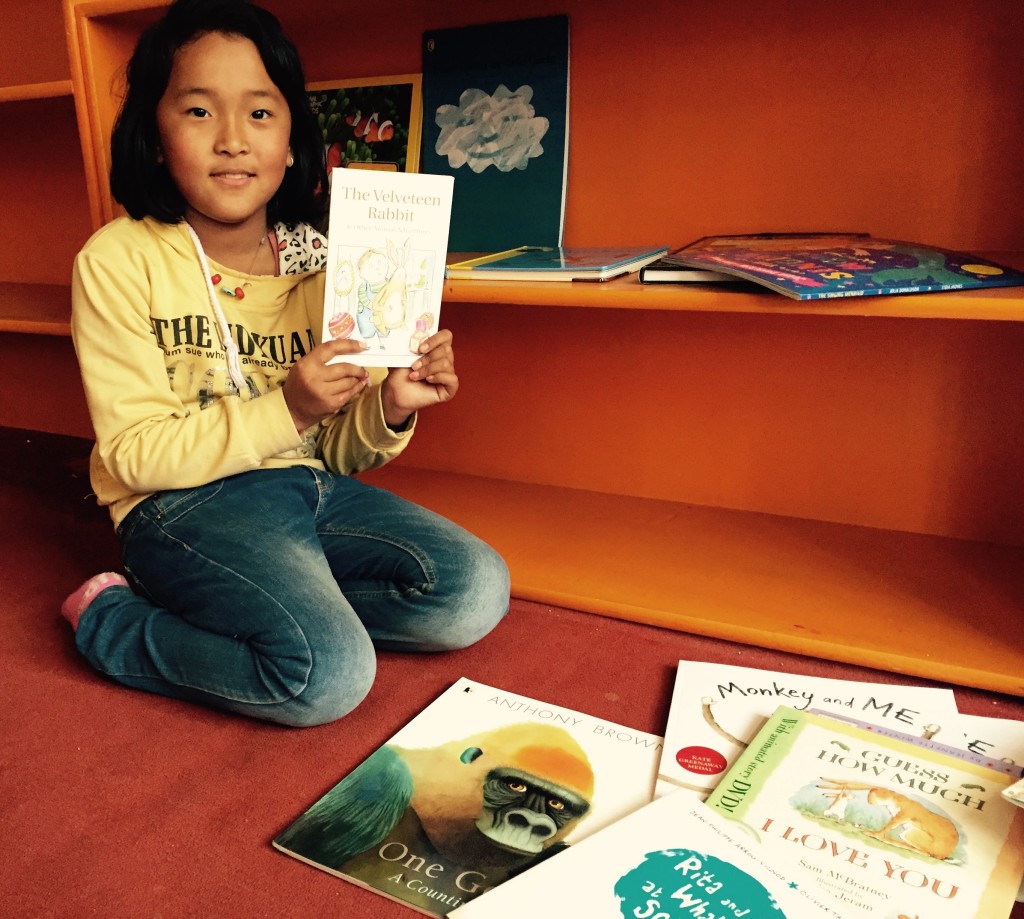
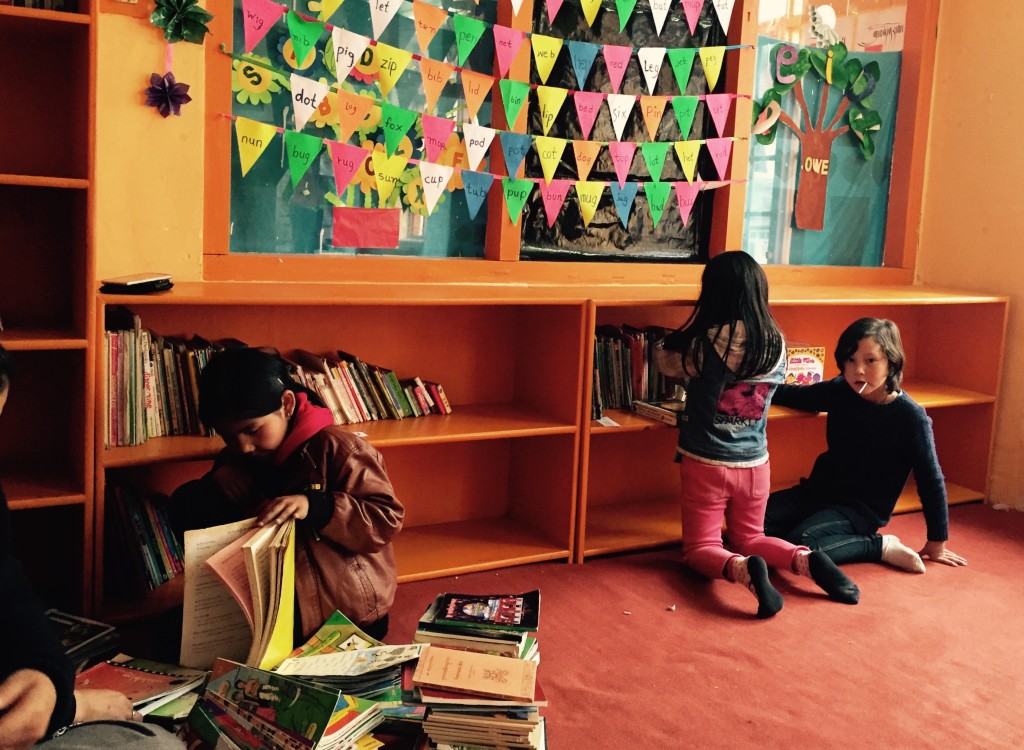
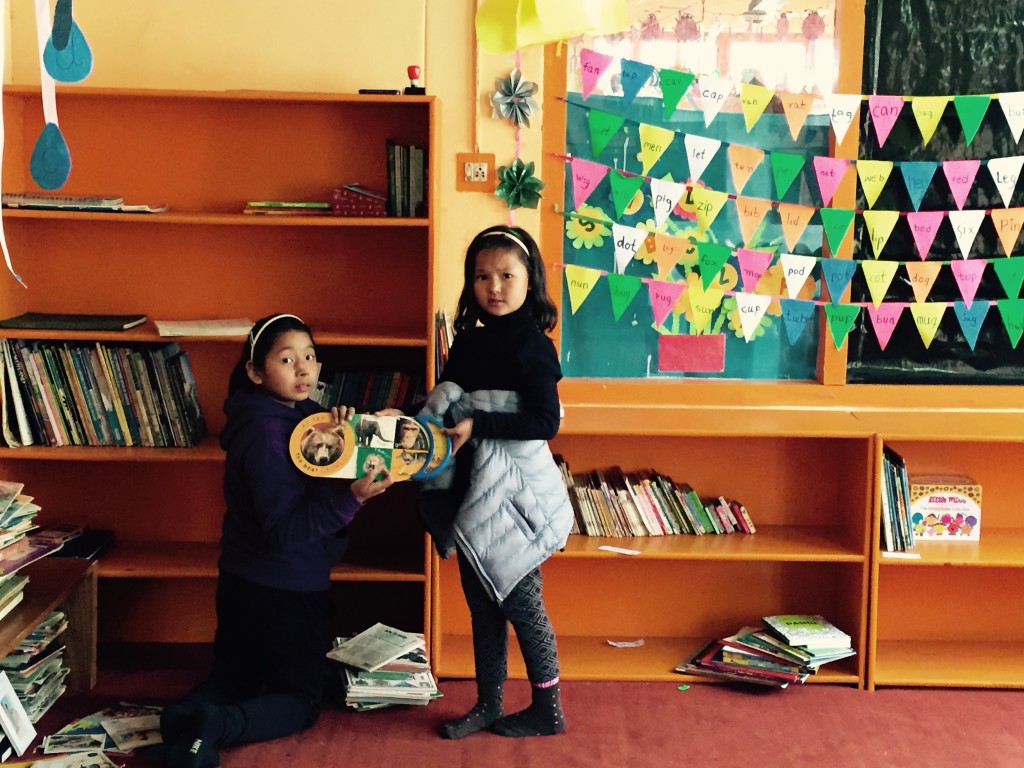
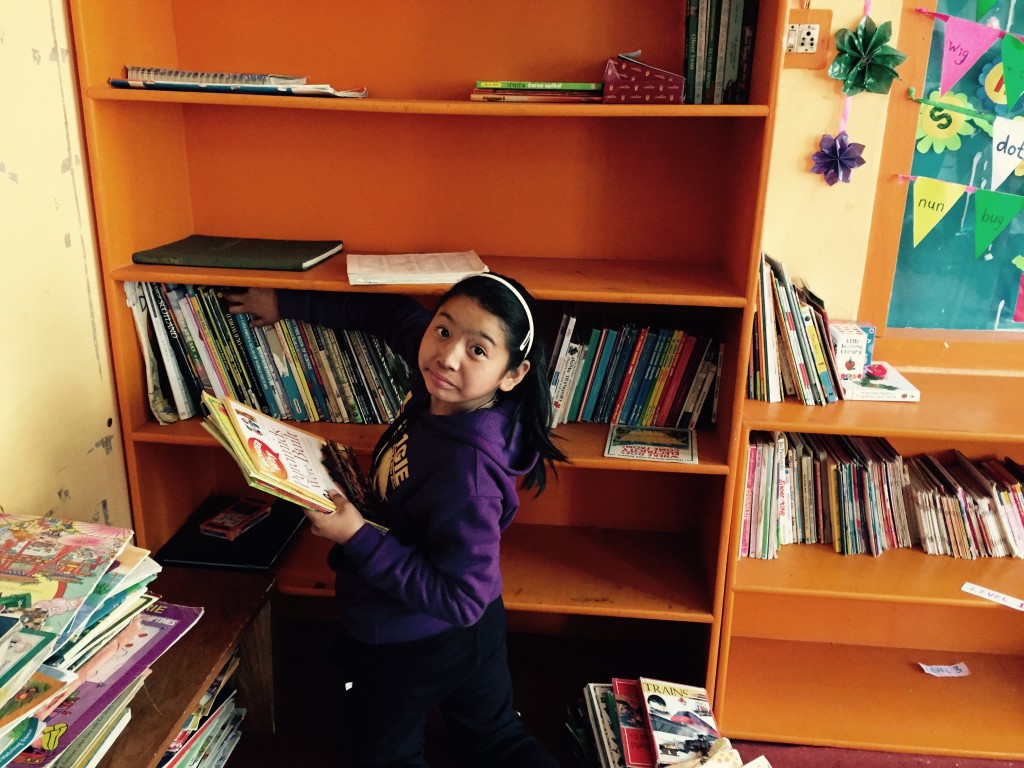
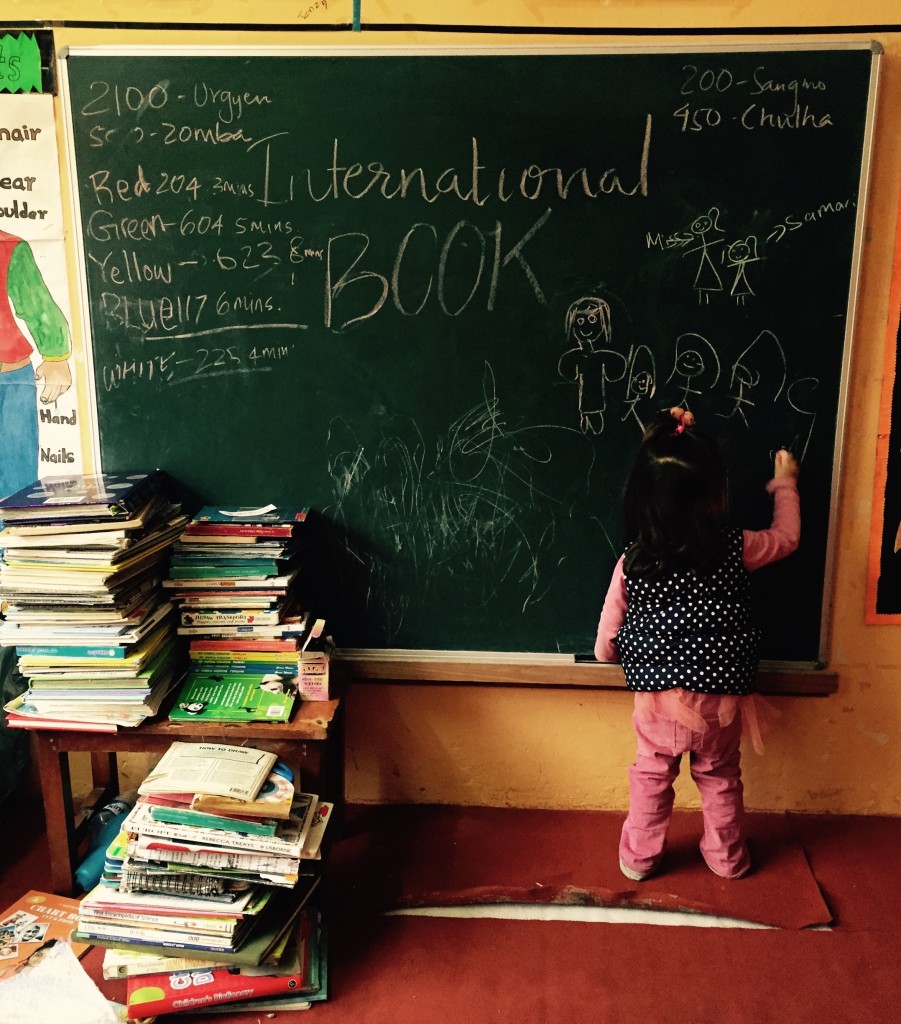
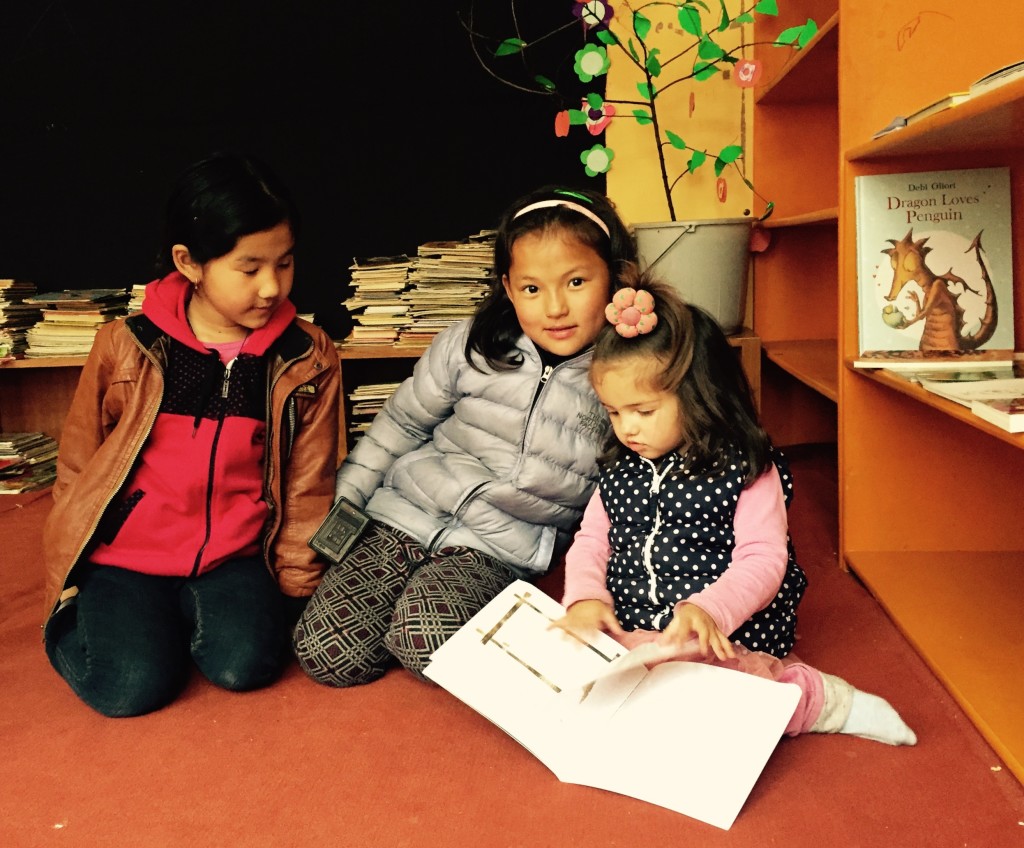
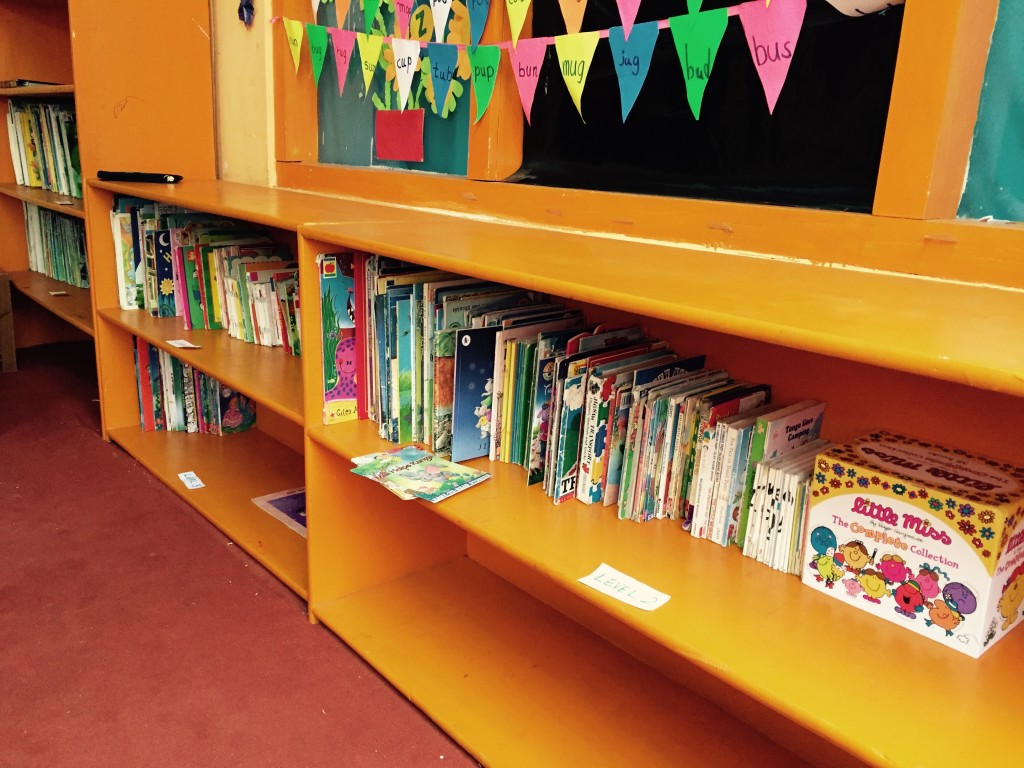
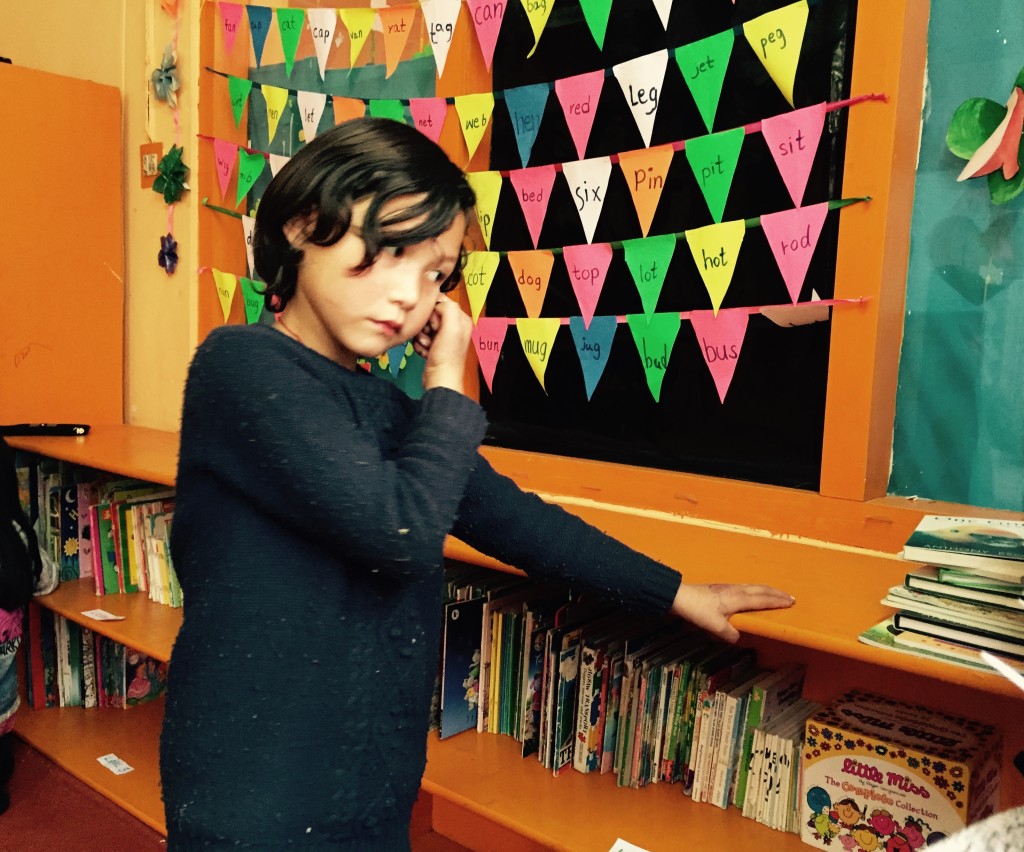
The Trust's outpost in the Ladakhi village of Skurbuchan began as a reading room, a warm space with low benches, woollen rugs, and shelves stacked with Ladakhi, Hindi, and English titles donated through book drives run from Sydney and Adelaide. A neighbouring storeroom became a makeshift surgery: a folding dental chair, a portable suction unit, a steriliser that hums on a generator, and a row of plastic cups holding toothbrushes that meet Australian TGA specifications.
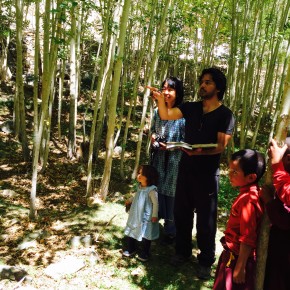
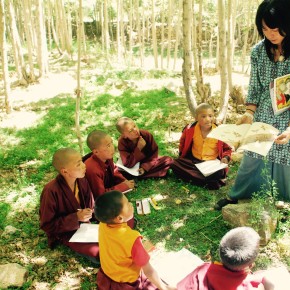
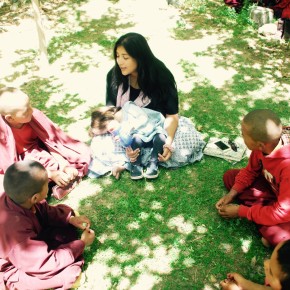
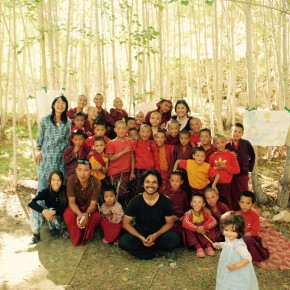
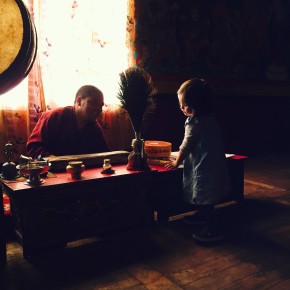
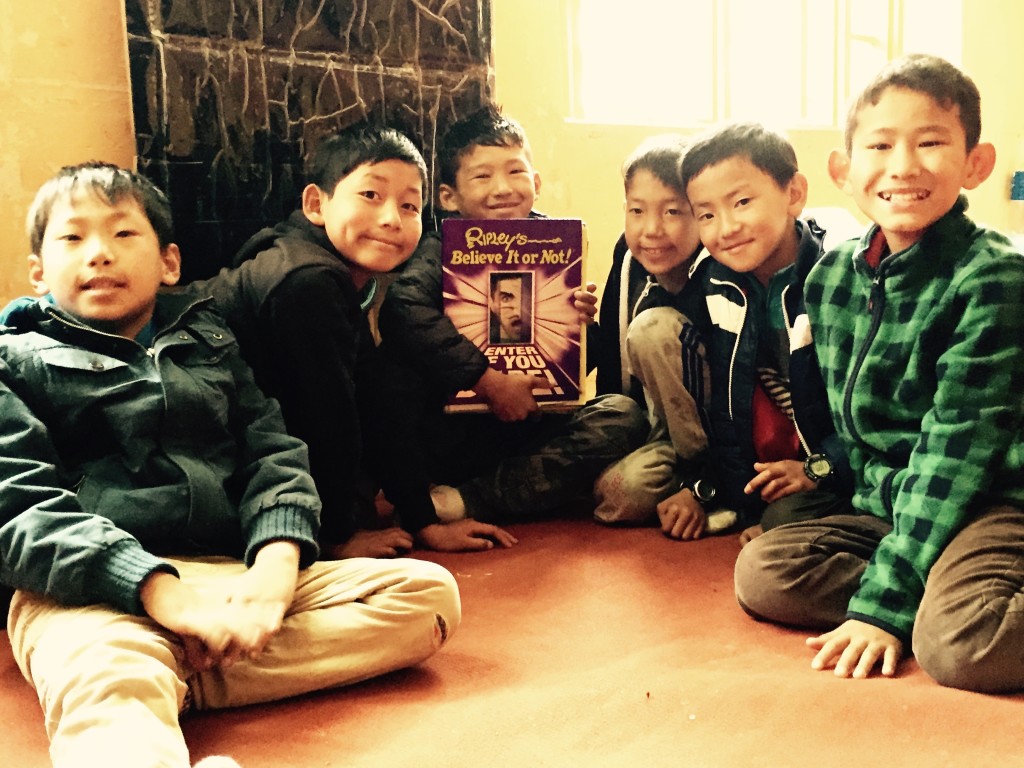
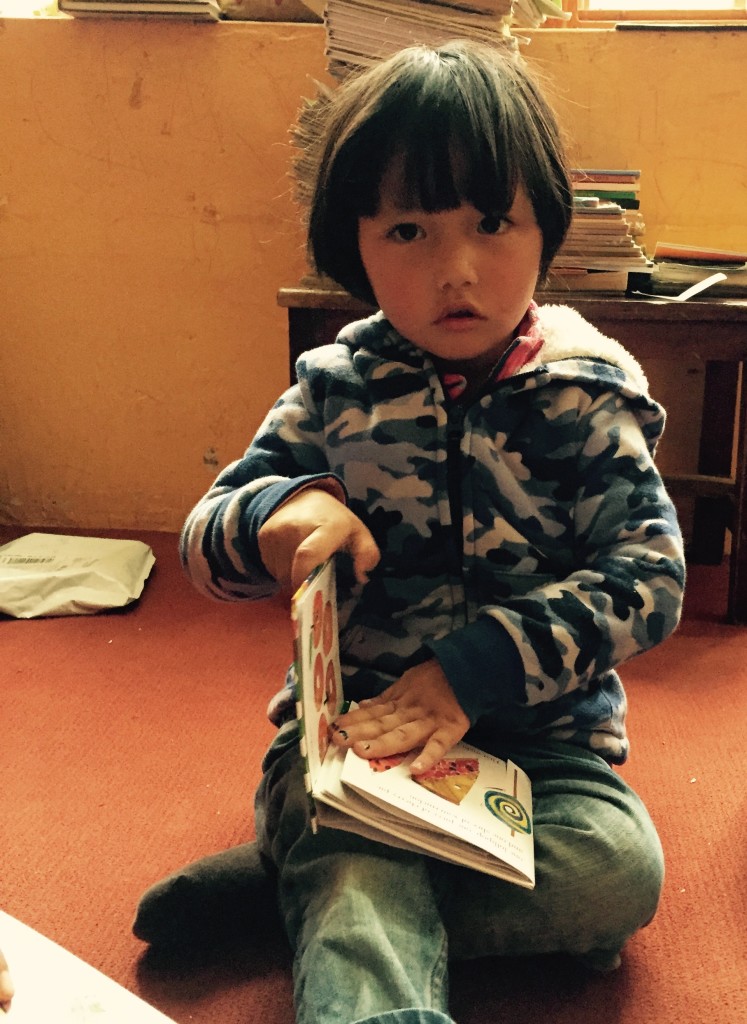
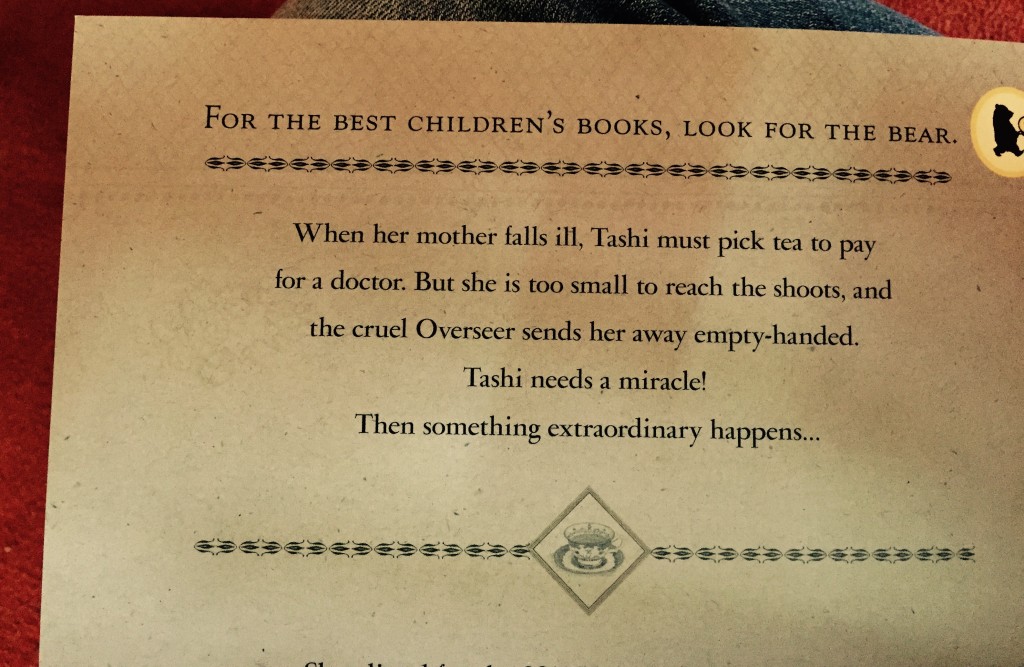
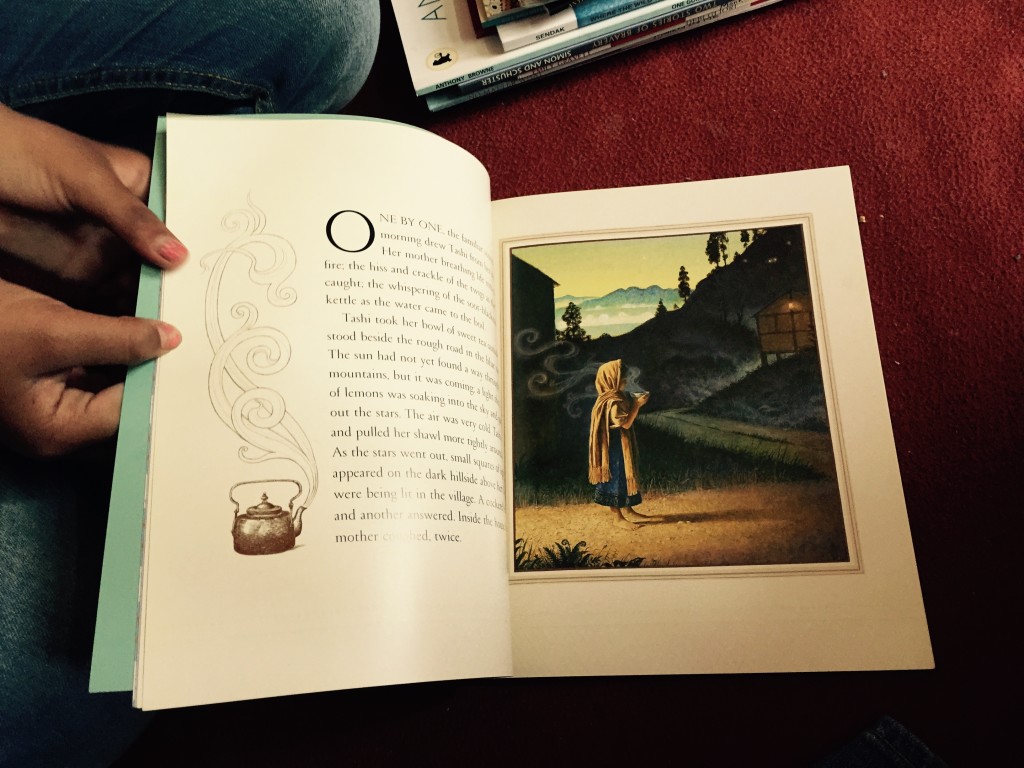
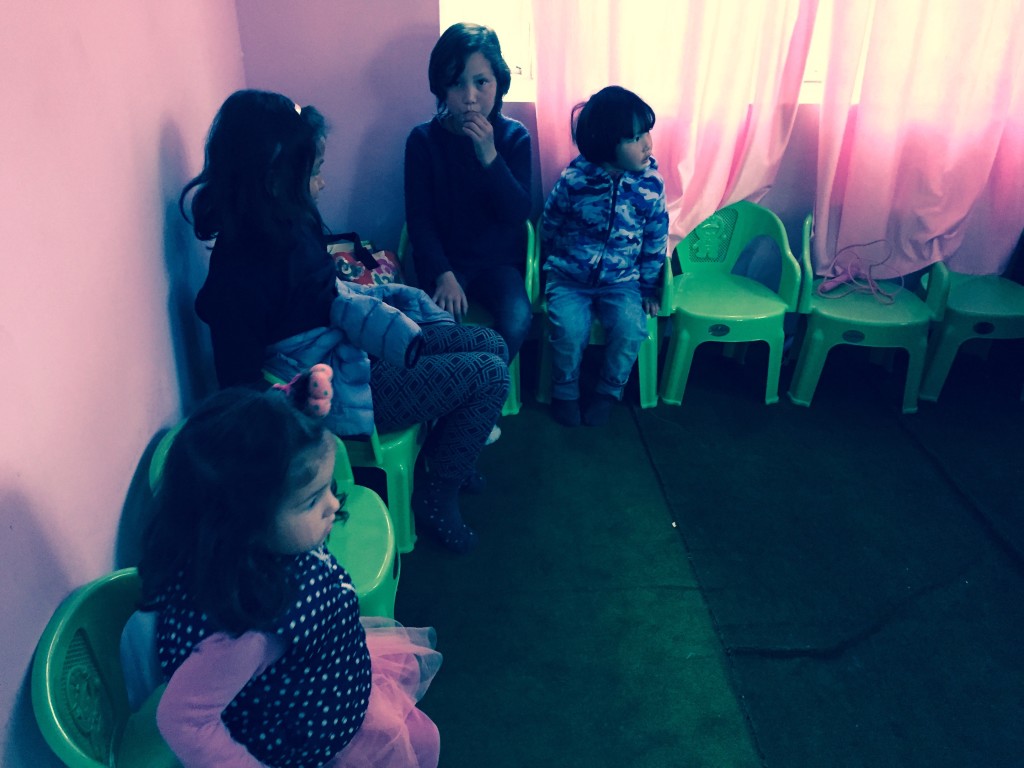
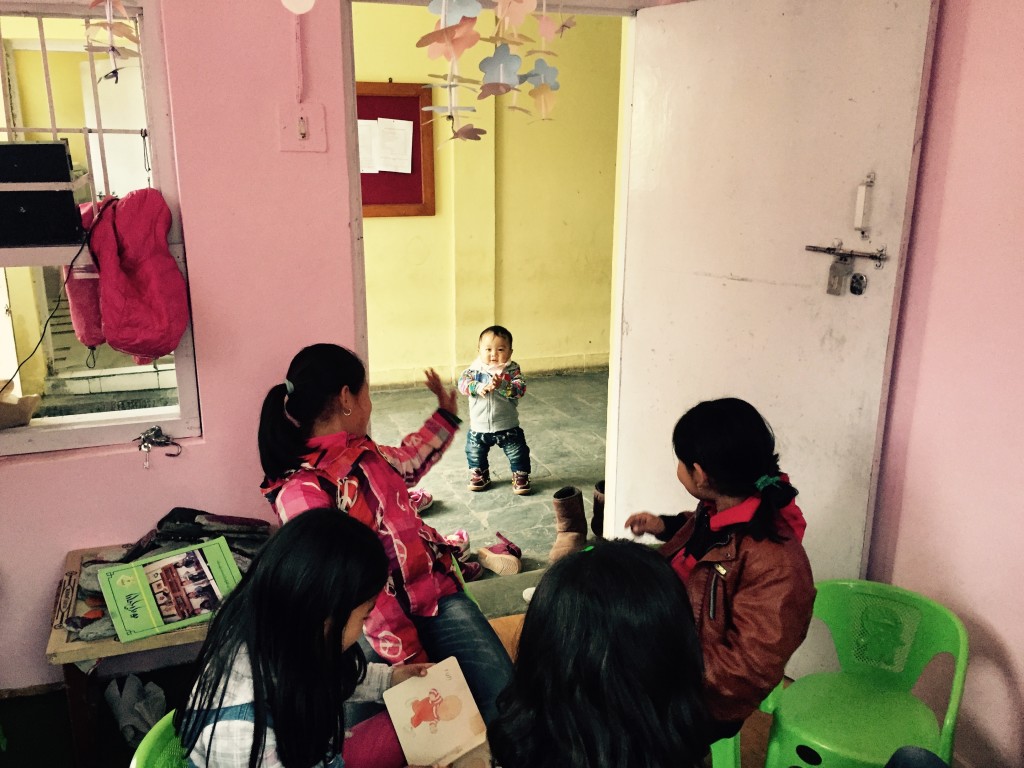
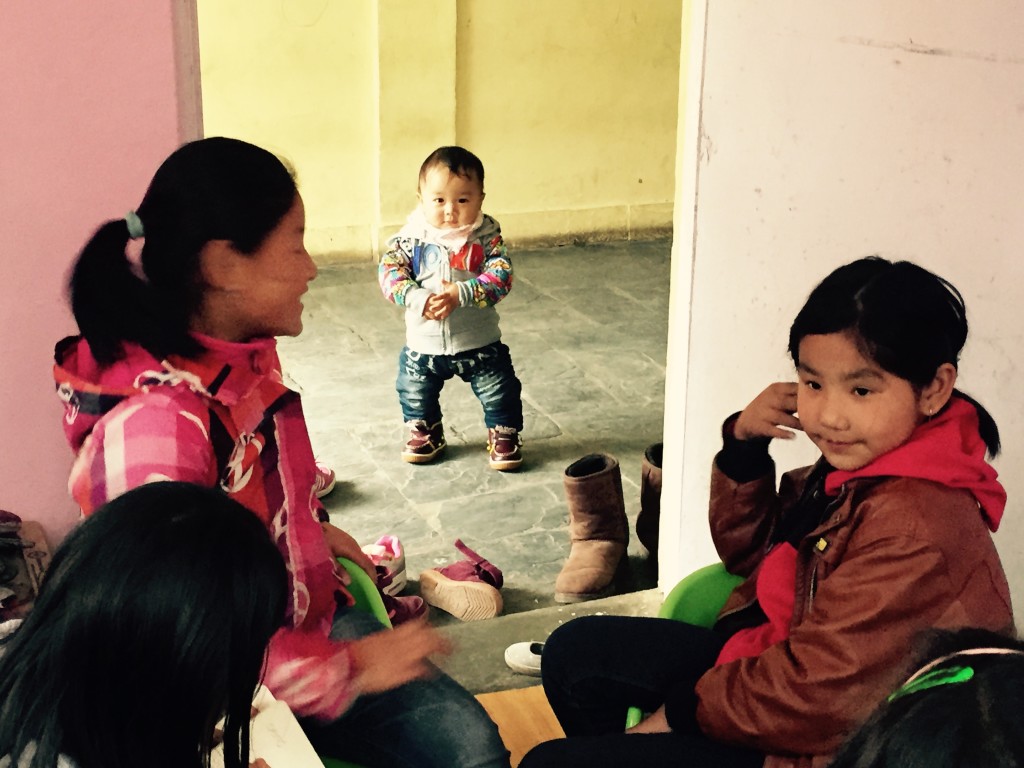
Children arrive with parents or older siblings, sometimes on foot from hamlets three valleys away. Many have never seen a dentist before. Caries are common, fuelled by sugary tea, dried apricots between meals, and the absence of routine brushing. The children open wide for Anika because she sits on a small stool, opens a picture book, and begins to read in a voice warm enough to make the drill sound like background music.
A Volunteer from the Southern Hemisphere
Anika had worked in private practice for nine years before taking unpaid leave to join the Trust. The decision grew from a Sydney conference where a colleague from the Australian Dental Association mentioned the Trust's need for oral health volunteers. She registered with AHPRA, confirmed her indemnity covered overseas placements, and packed her kit alongside picture books picked out by children from her own clinic waiting room.
The work felt familiar. Australian dentists who serve remote Aboriginal communities through the Royal Flying Doctor Service and Aboriginal Community Controlled Health Organisations face similar terrain: long journeys, language workarounds, generators, and the slow task of building trust. The difference here is altitude, and books being precious cargo rather than everyday objects.
Why a Picture Book Softens the Drill
Reading aloud during a dental examination is a deliberate technique borrowed from paediatric psychotherapy and adapted for clinical settings. When a child follows a story, attention shifts from the unfamiliar sounds of a suction tip to the rising cadence of a familiar voice. Heart rate settles. The jaw relaxes. The mouth, which would otherwise clamp shut, opens of its own accord.
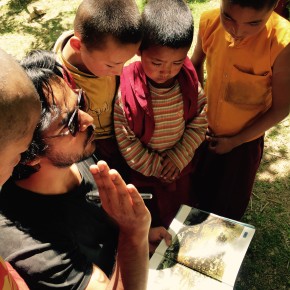
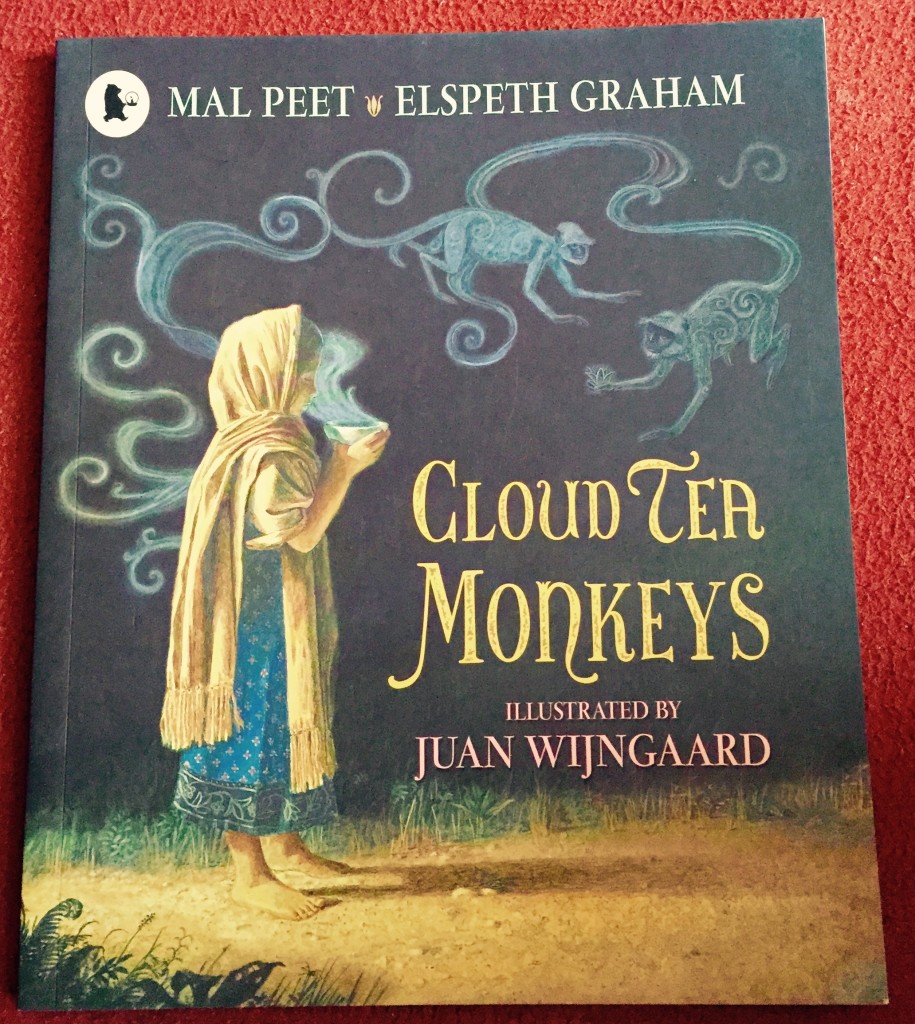
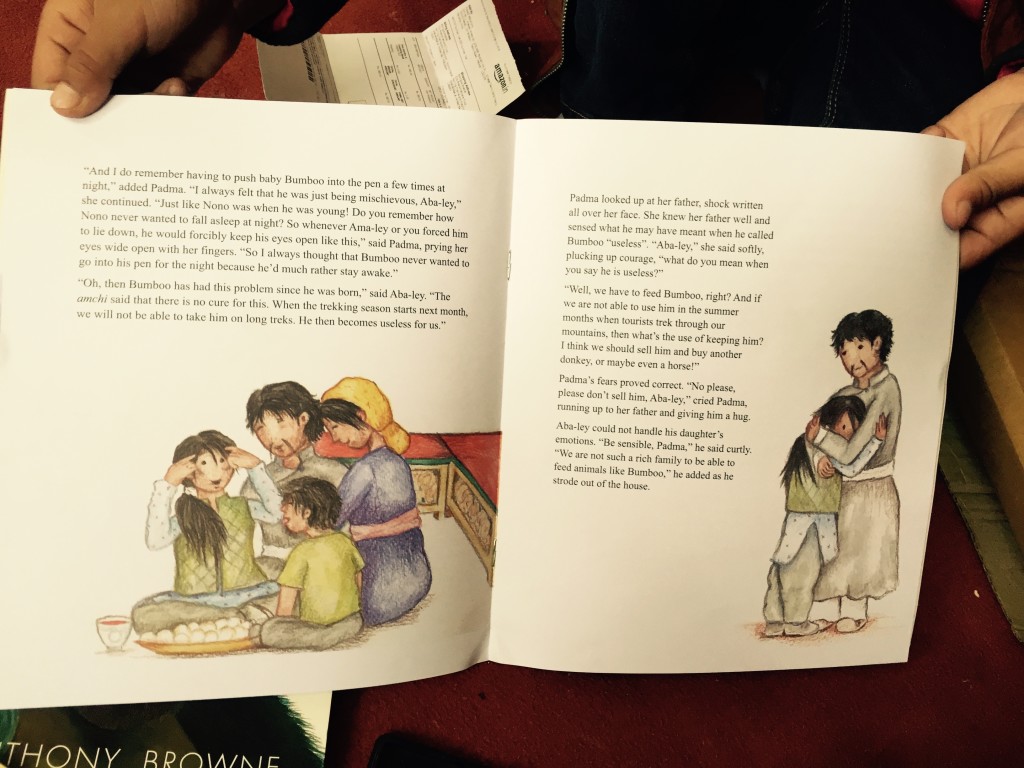
Anika chooses books with repetition, gentle humour, and short scenes. She reads in English, but rhythm matters more than language, and a helper translates when needed. Stories with animals work best: a Ladakhi version of the fox who loses his teeth, a Hindi retelling of the lazy bear who never brushed, a simple board book about a yak with a sore molar that ends with a visit to the yak dentist.
What the Mouths Reveal
The first week produces a pattern Anika records in a small notebook. Roughly seven in ten children show visible decay. Most have never used toothpaste; few own a toothbrush. The diet, rich in carbohydrates from tsampa, noodles, biscuits, and sweet tea, is the obvious culprit, but routine is the deeper issue. There is no national child dental scheme in this region, and the fluoride varnish programs that Australian children access through the Medicare Child Dental Benefits Schedule have no local equivalent.
Her response is practical. Each child leaves with a toothbrush, fluoride paste, and a printed chart in Ladakhi showing the correct brushing motion. Parents receive a short consultation in the reading room, where cups of butter tea accompany a talk about diet, sippy bottles, and rinsing with water after sweet tea.
A Day Woven Between Stories and Scalers
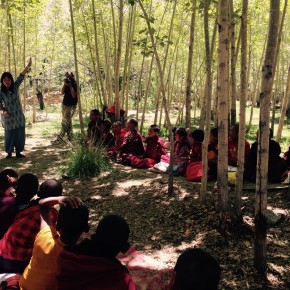
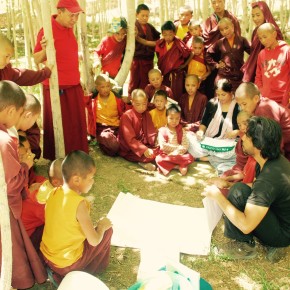
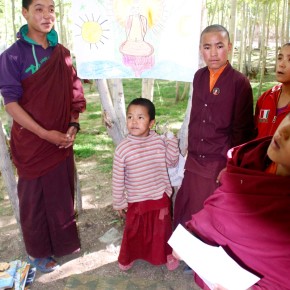
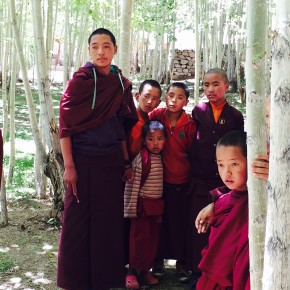
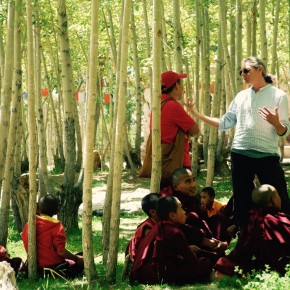
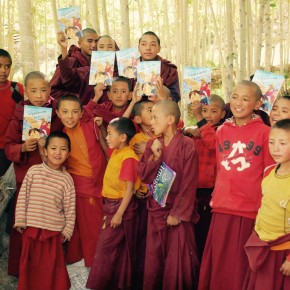
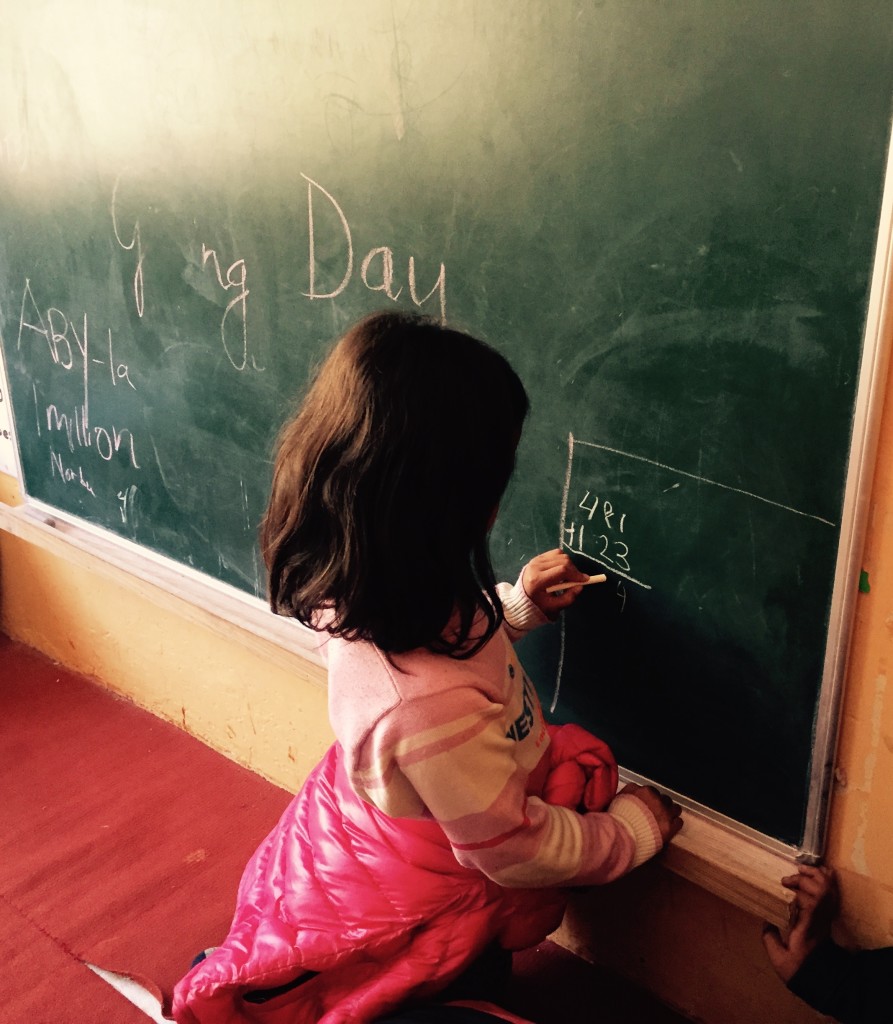
Mornings belong to the surgery. Children file in for examinations, cleanings, and the occasional extraction, with a story running through every appointment. By lunchtime the instruments are sterilised. Afternoons belong to the reading room, where Anika joins the Trust's literacy team for group sessions with younger children and novices from the nearby monastery.
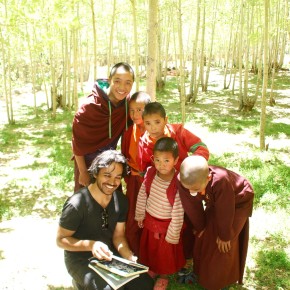
The blend is intentional. The Trust's broader mission is literacy, but it has learned that children who feel safe enough to listen are also children willing to open their mouths. A shared story becomes a shared ritual. A toothbrush handed over after a tale about a forgetful snow leopard becomes a trophy. The line between health worker and teacher blurs, and that is the point.
Books That Travel Farther Than the Drill
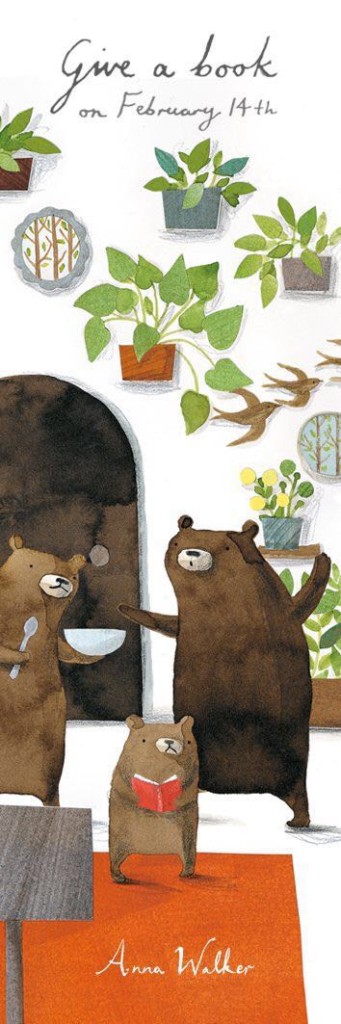
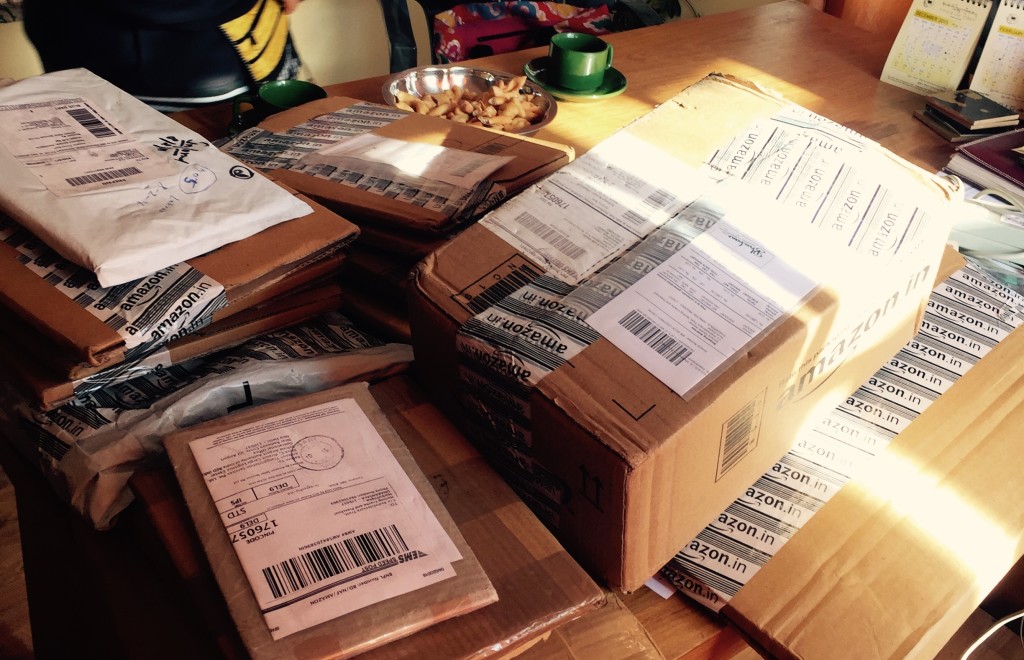
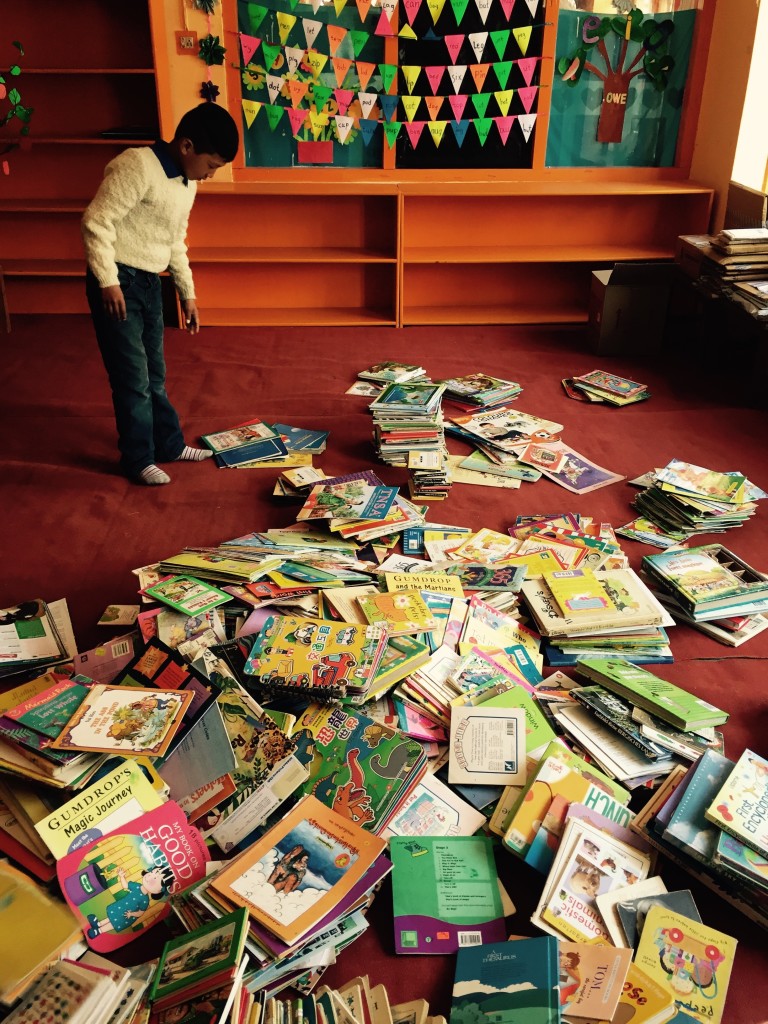
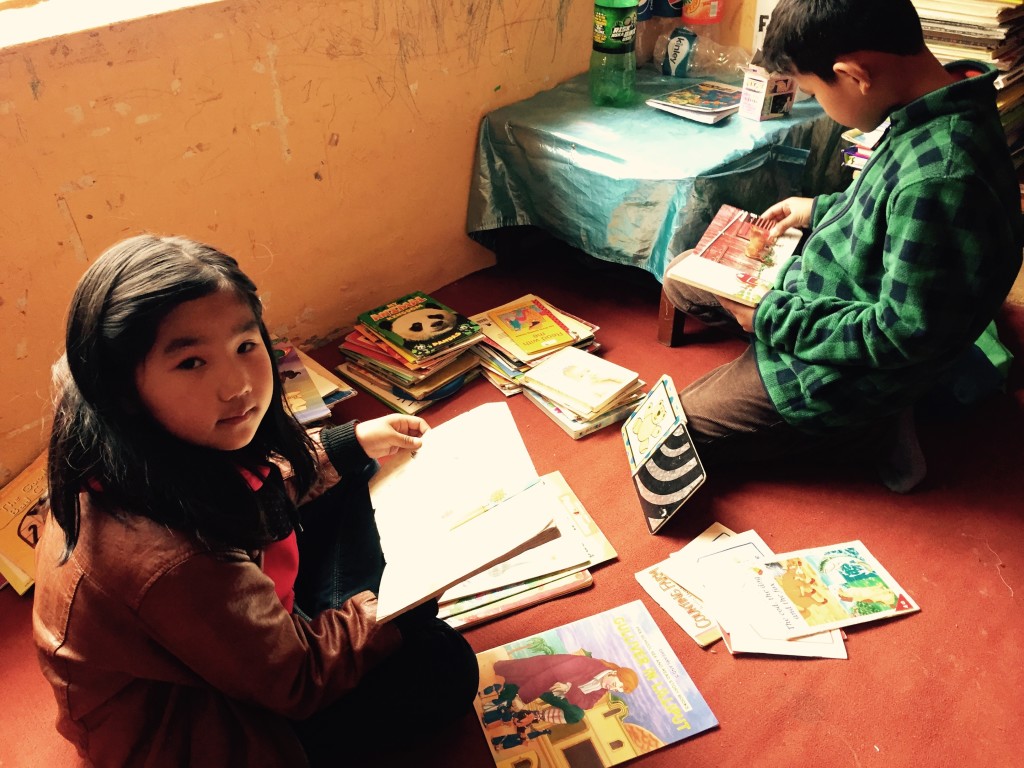
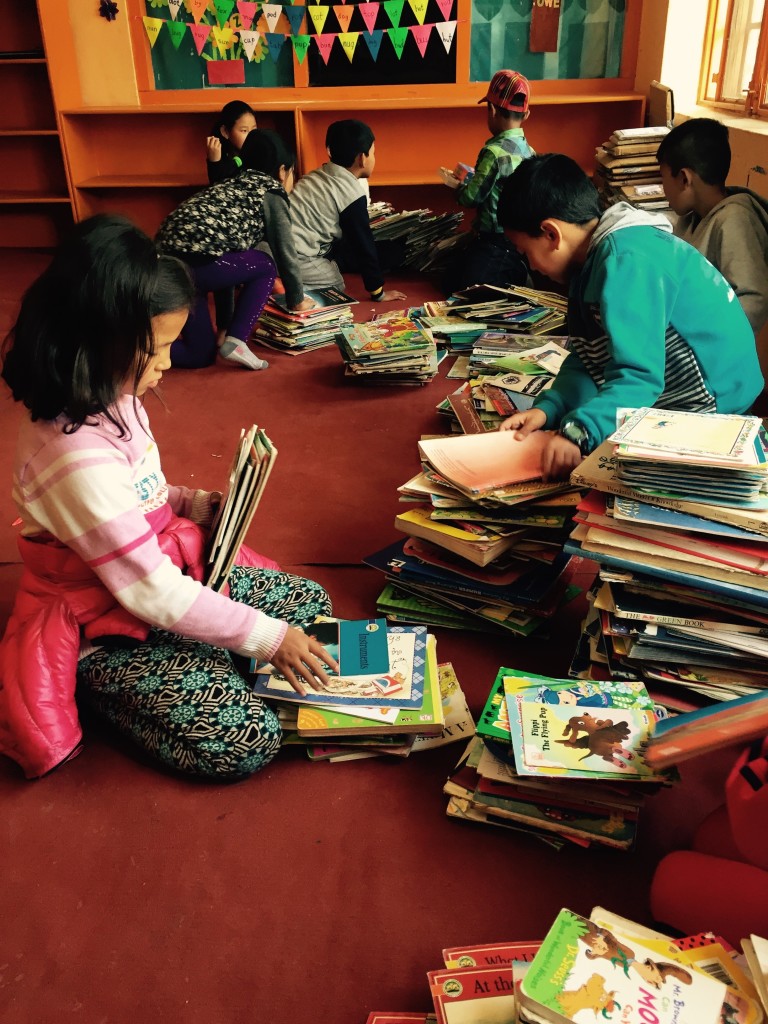
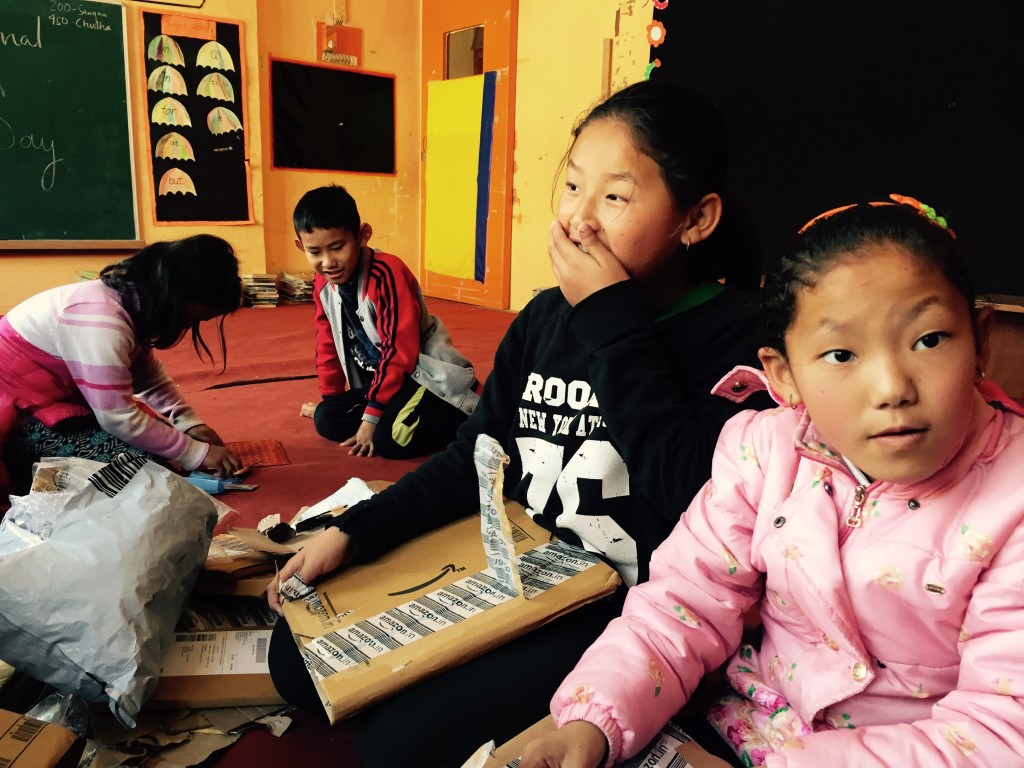
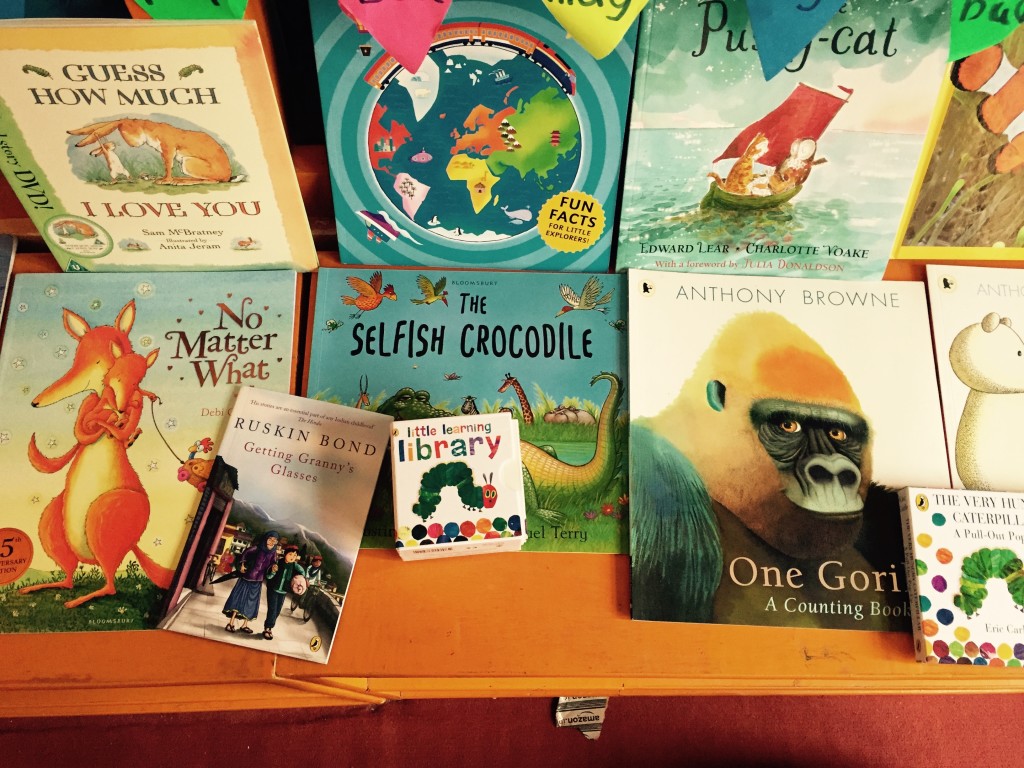
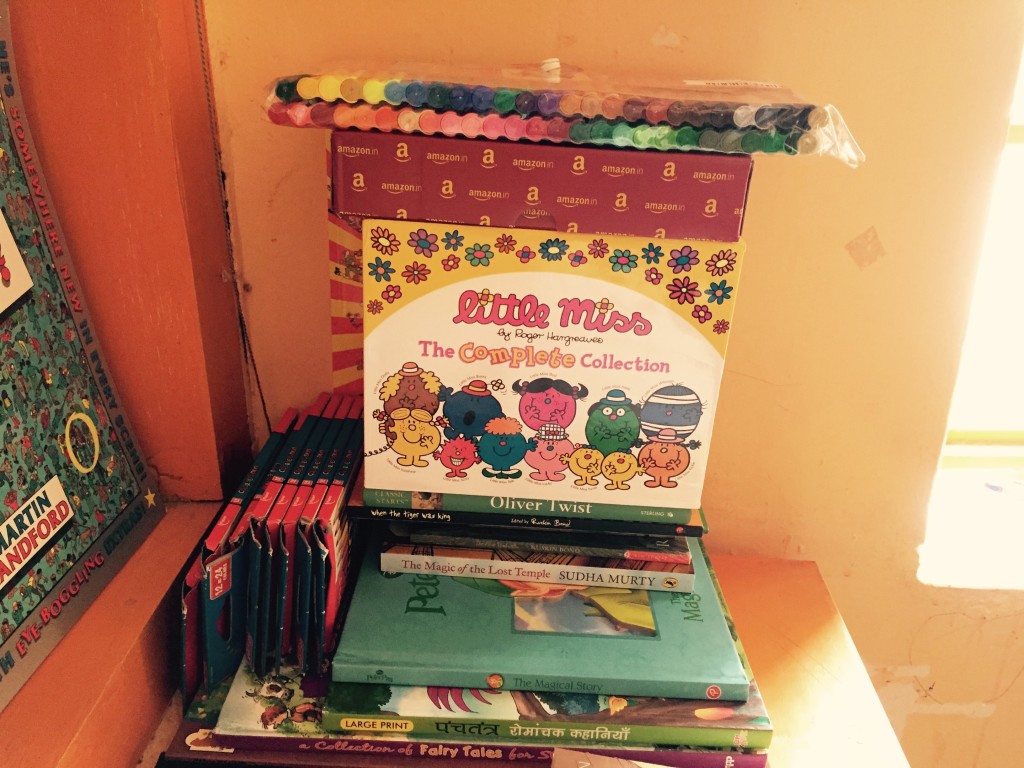
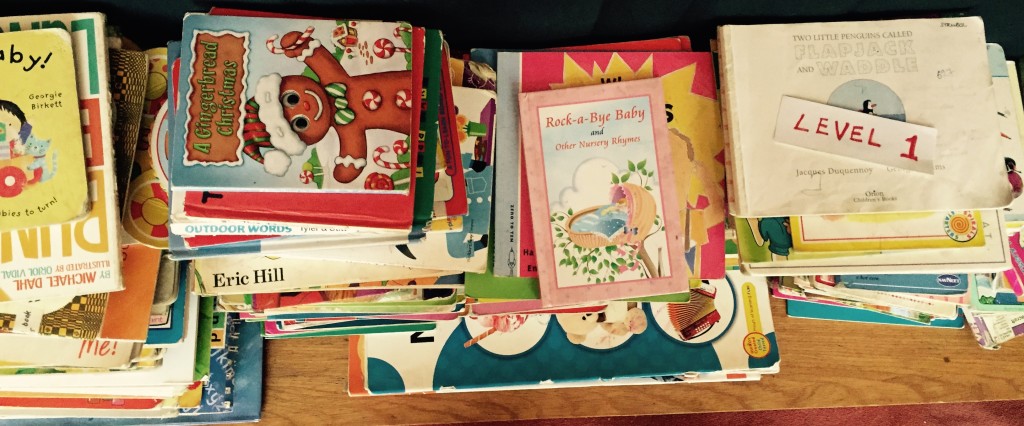
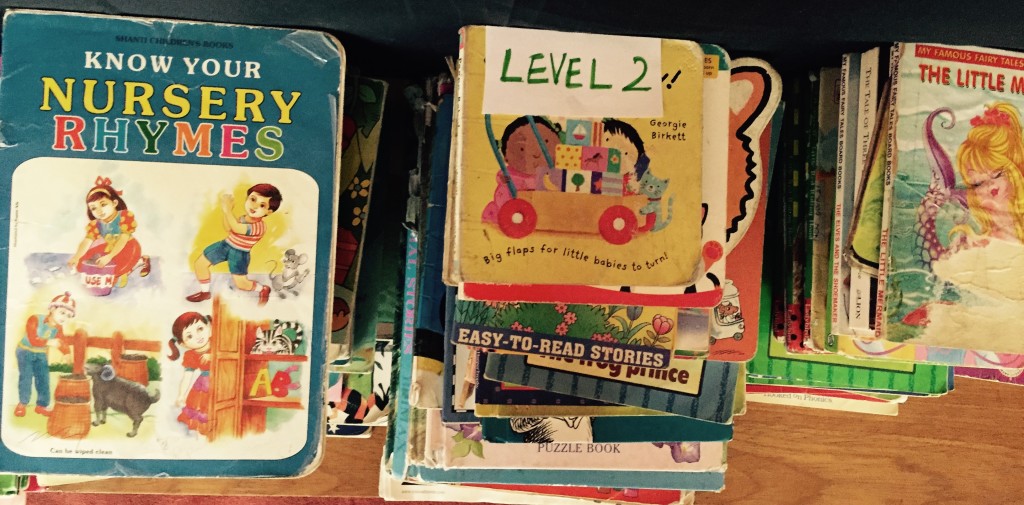
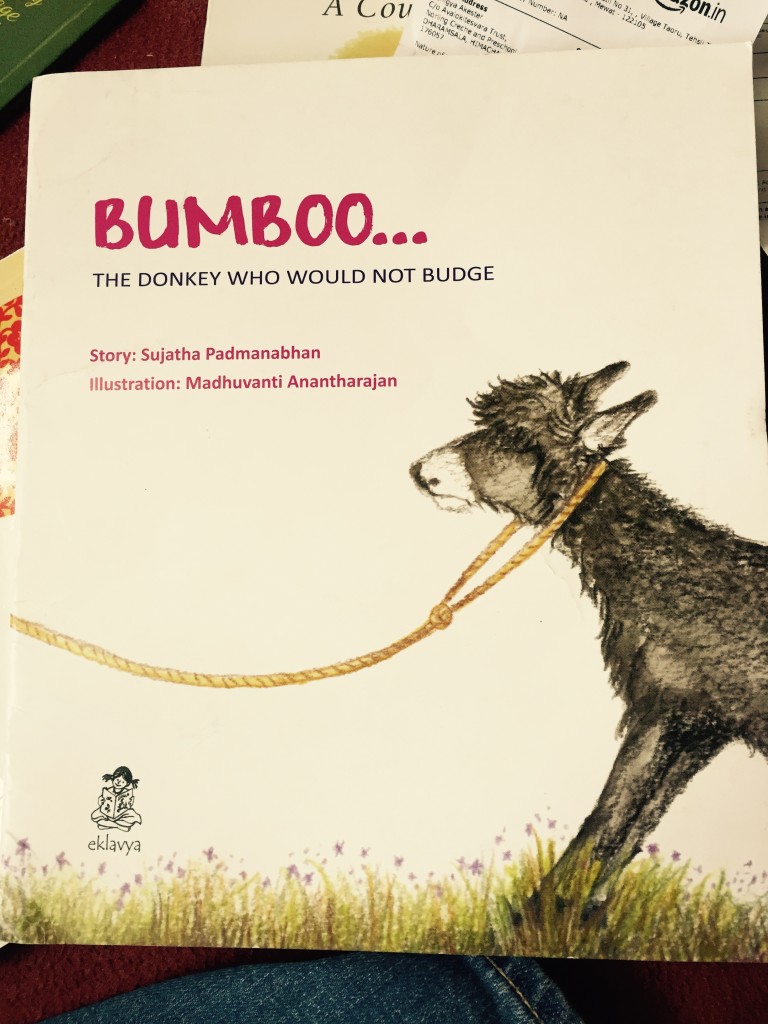
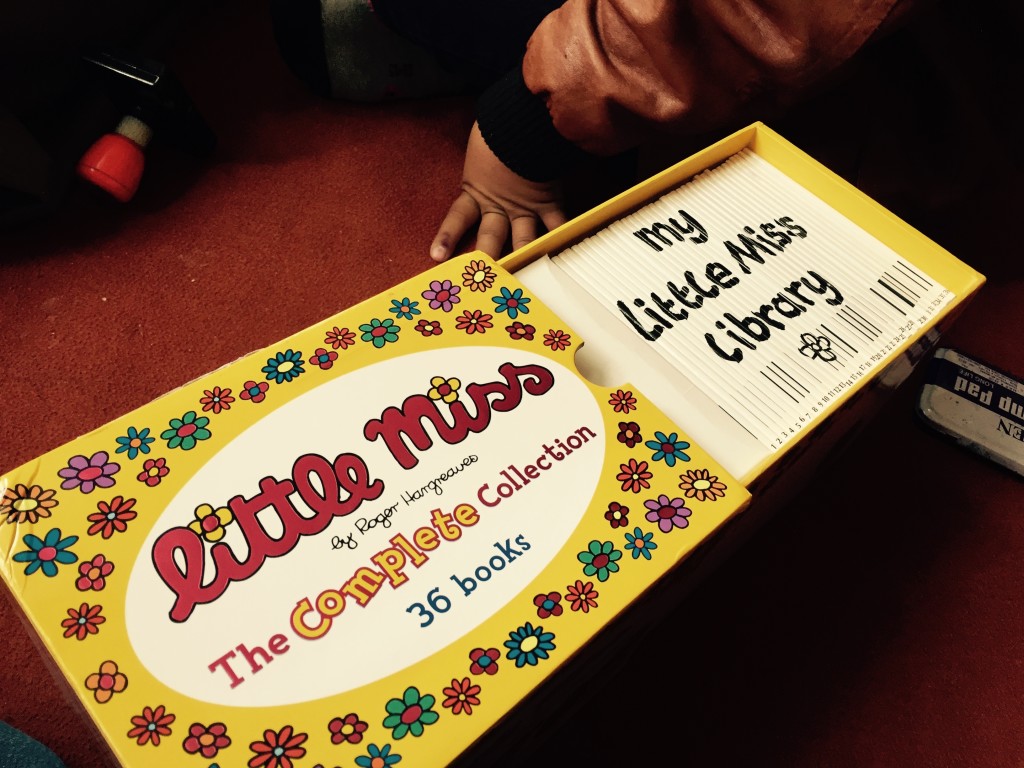
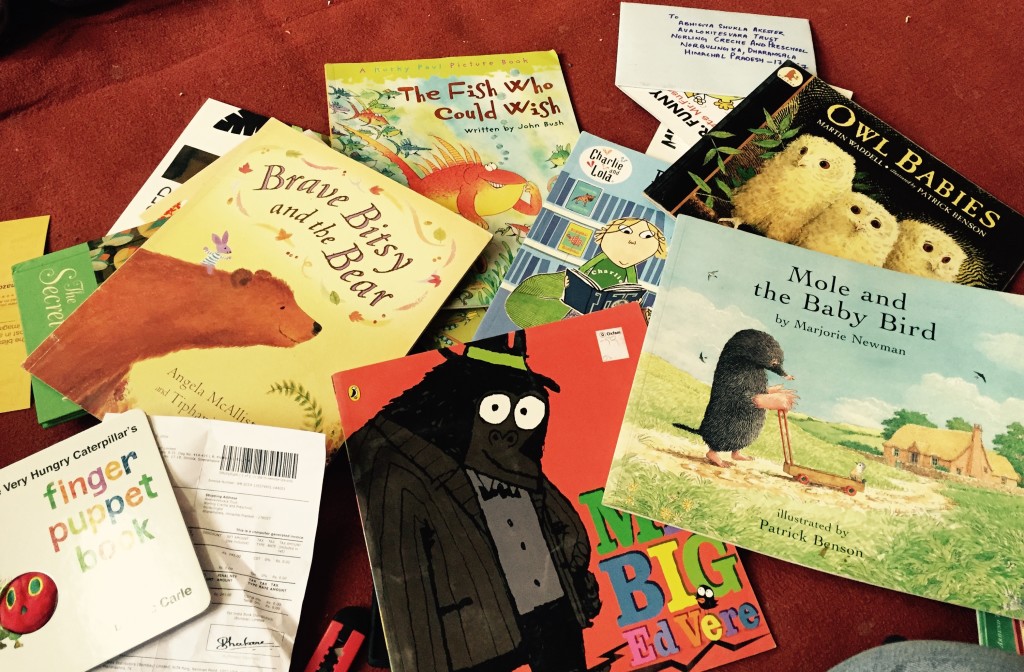
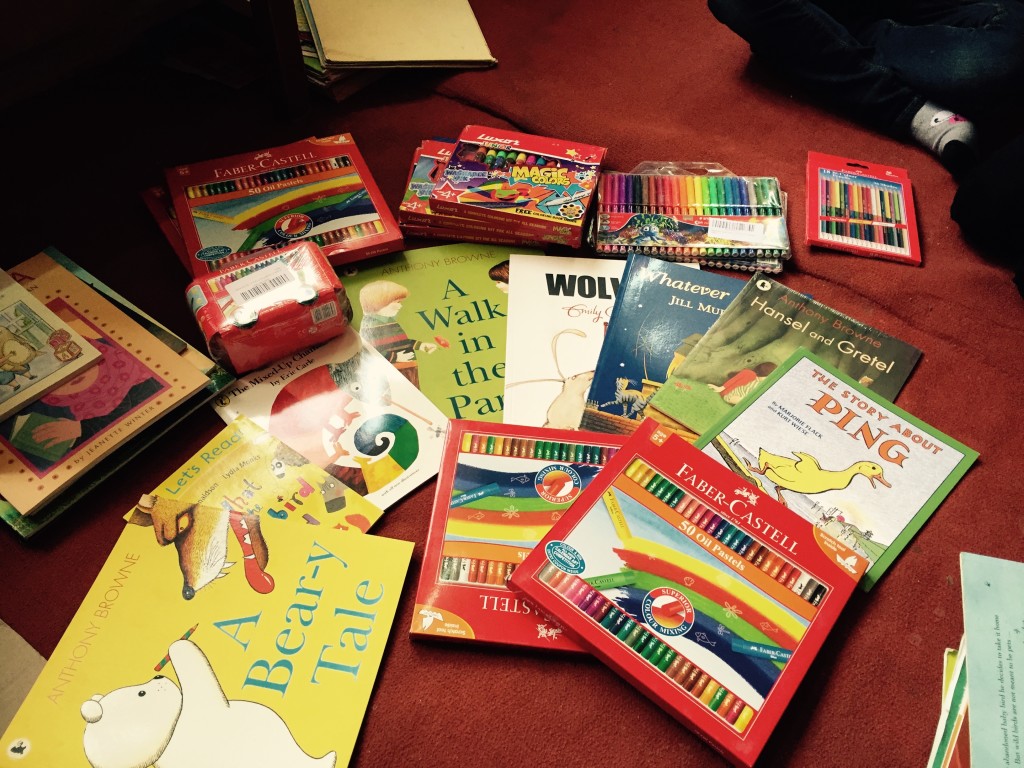
The book drives that keep the reading rooms stocked run on a surprisingly Australian current. Donations arrive from independent bookshops in Brisbane and Perth, school libraries in Hobart and Darwin, and families clearing shelves after children outgrow picture books. Volunteers carry them across the Himalayas in suitcases, and the Trust catalogues every title so communities can request specific stories in later visits.
Children who visit the reading room regularly are more likely to attend follow-up dental appointments. They remember which volunteer read which story, and they ask when the next visit will be. The drill is forgettable; the story is not.
What Travels Back to Australia
The exchange moves in both directions. Anika is adapting what she learned for outreach clinics in northern New South Wales, where dental therapists visit remote towns and Aboriginal communities. The reading-aloud approach travels well there too, particularly with children wary of a stranger in a clinical coat. She has also pushed her practice to stock books in the waiting room, a small change that turns idle minutes into shared ones.
Oral health and literacy share a need for trust, repetition, and the patience to wait while a small person decides to open up, whether that means opening a book or opening a mouth. The Trust's quiet fusion of the two offers a template any volunteer program could adapt.
| Traditional Dental Visit |
Storytelling Dental Visit |
| Child meets clinician briefly, often standing |
Story becomes a familiar voice before any tool appears |
| Anxiety managed with reassurance and topical gel |
Anxiety lowered through narrative absorption and rhythm |
| Education happens at the end, often verbally |
Education woven into the chosen story and the chart given afterwards |
| Follow-up depends on parental motivation |
Follow-up motivated by the next scheduled reading session |
| Outcome measured in cleanings and fillings |
Outcome measured in cleanings, fillings, and books borrowed |
Supplies that earn their space in a volunteer's duffel:
- A folding dental chair with a stable base for uneven floors
- A portable autoclave or pressure cooker for sterilising instruments
- Toothbrushes in child and adult sizes, individually bagged
- Fluoride toothpaste tubes under 100 grams to meet airline rules
- Ladakhi, Hindi, and English picture books with thick cardboard pages
- A small notebook for recording decay patterns and treatment notes
Tales that hold a child's attention while hands work:
- The Forgetful Snow Leopard Who Forgot to Brush
- The Yak With a Sore Tooth and the Wise Old Goat
- A Fox Counts His Teeth Before Bed
- The Little Monk Who Lost His First Tooth
- The Mountain Birds Who Brought a Twig Toothbrush
- Round and Round the Apricot Tree, a brushing rhyme
The takeaway from a season in Skurbuchan fits on a postcard. Oral care lands best wrapped in something a child already loves. A drill cleans teeth for a moment; a story shapes a habit for years. For the children who leave the Trust's clinic with a clean mouth and a borrowed book under their arm, the two gifts feel like the same one.