The Value of Quiet Reading in Oral Storytelling Cultures
In many Himalayan communities, knowledge has traditionally travelled through spoken stories, songs, recitation and careful listening. Elders, teachers and spiritual guides pass on history, moral lessons and practical wisdom through human connection. Quiet reading adds another kind of attention: a child can pause over a page, return to a sentence and follow an idea at a personal pace.
The value of quiet reading time in a culture of oral tradition lies in this balance. Books do not replace storytelling; they extend it. A well-chosen story can preserve a local voice, open a window onto another place or give a young reader language for experiences that are difficult to discuss aloud. In Ladakh and in Australian communities, calm access to books can support literacy, imagination and thoughtful participation.
| Learning experience |
What it develops |
How it complements oral tradition |
| Listening to a story |
Memory, empathy and concentration |
Builds shared understanding through voice |
| Reading independently |
Vocabulary, reflection and self-direction |
Allows children to revisit and interpret ideas |
| Discussing a book |
Expression and respectful disagreement |
Continues the communal exchange of knowledge |
| Drawing, music or drama |
Creative confidence |
Gives stories new forms beyond the spoken word |
Reading Beside the Spoken Word
Oral storytelling is active learning. Children watch a speaker’s expression, listen for changes in rhythm and notice which details receive emphasis. They learn that meaning can live in tone, gesture and silence as much as in written words. This kind of listening strengthens attention and helps children understand stories as relationships between people, rather than as information alone.
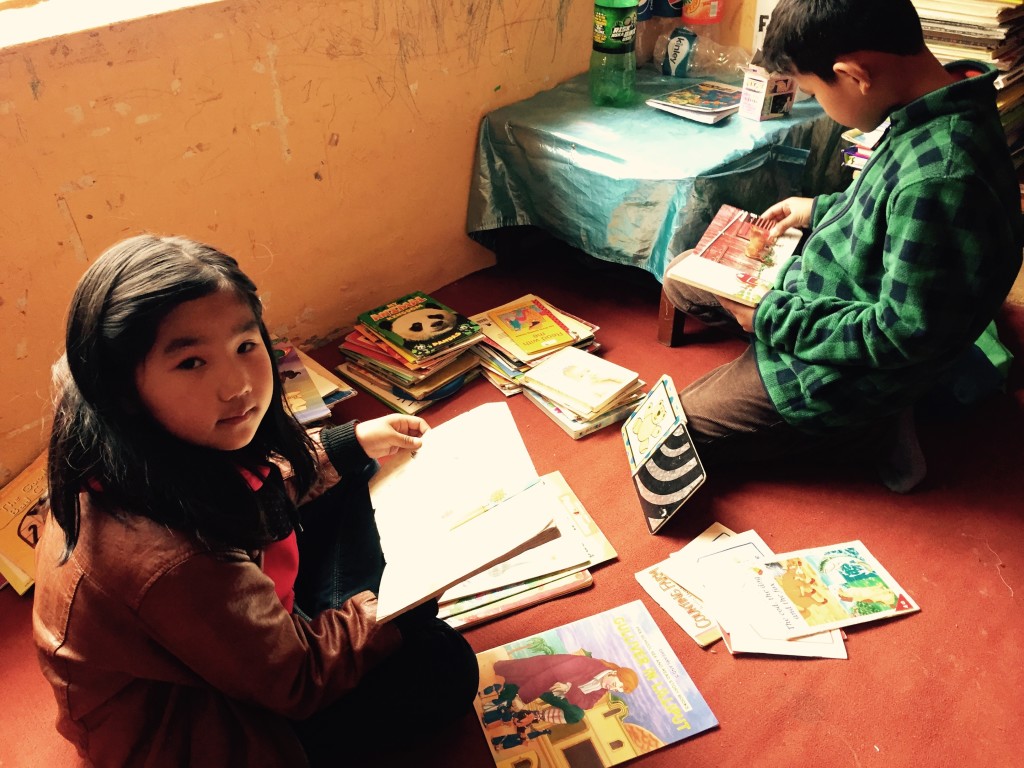
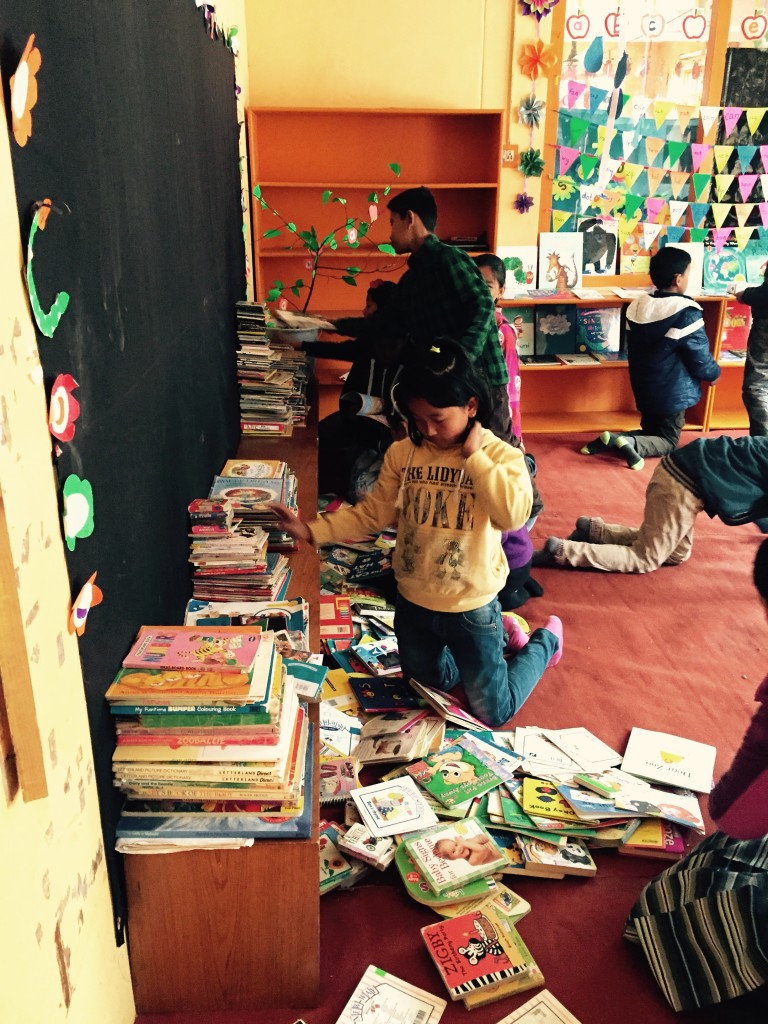
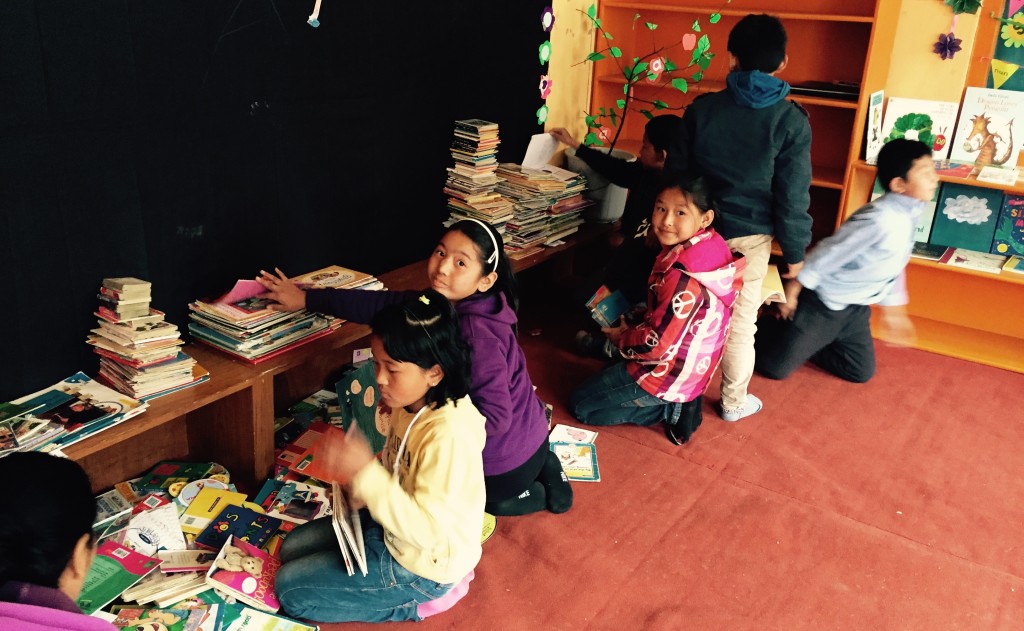
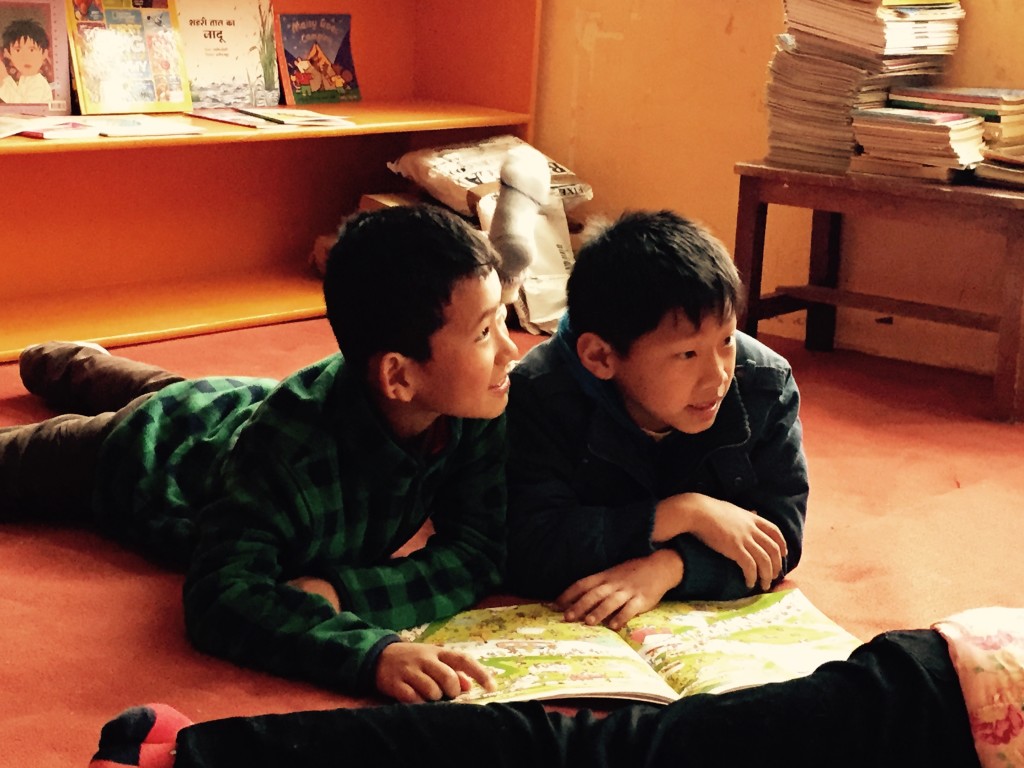
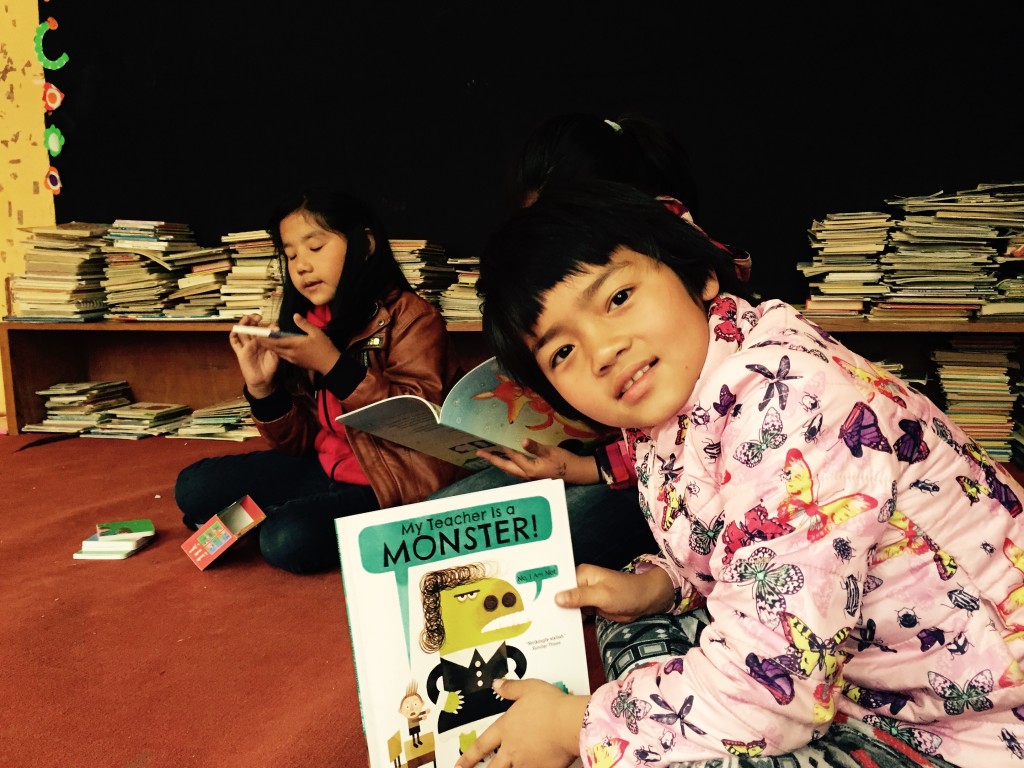
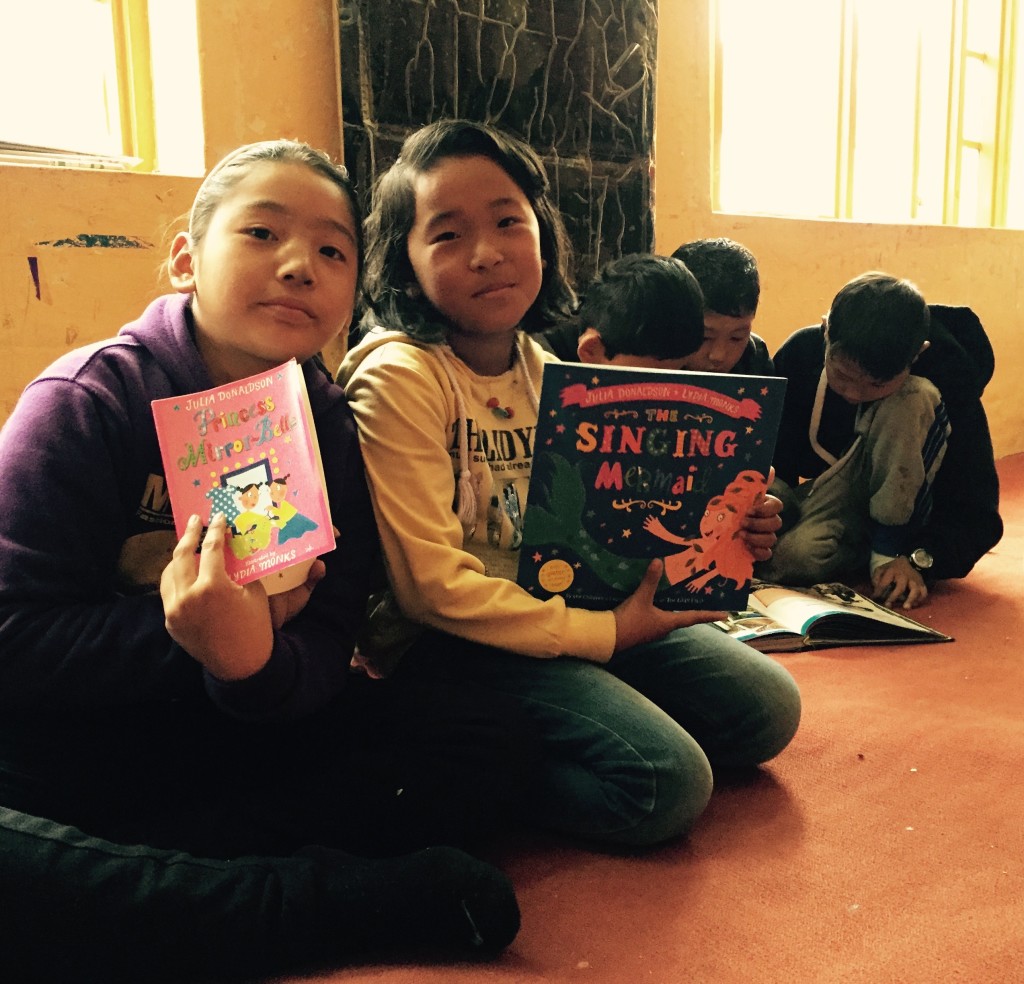
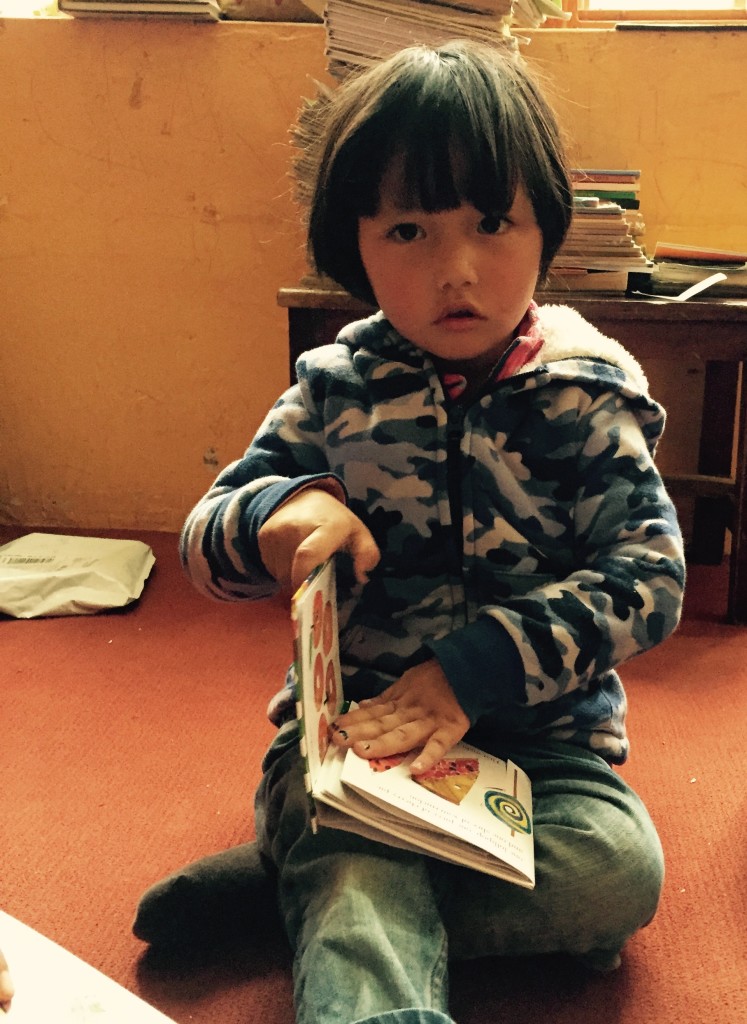
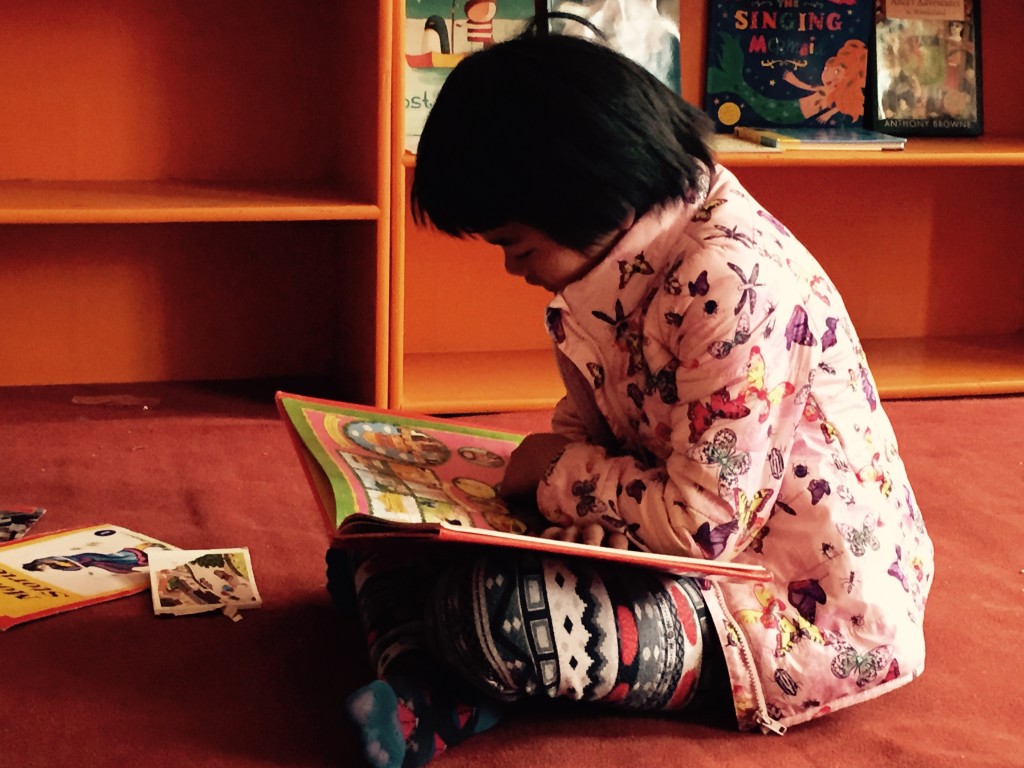
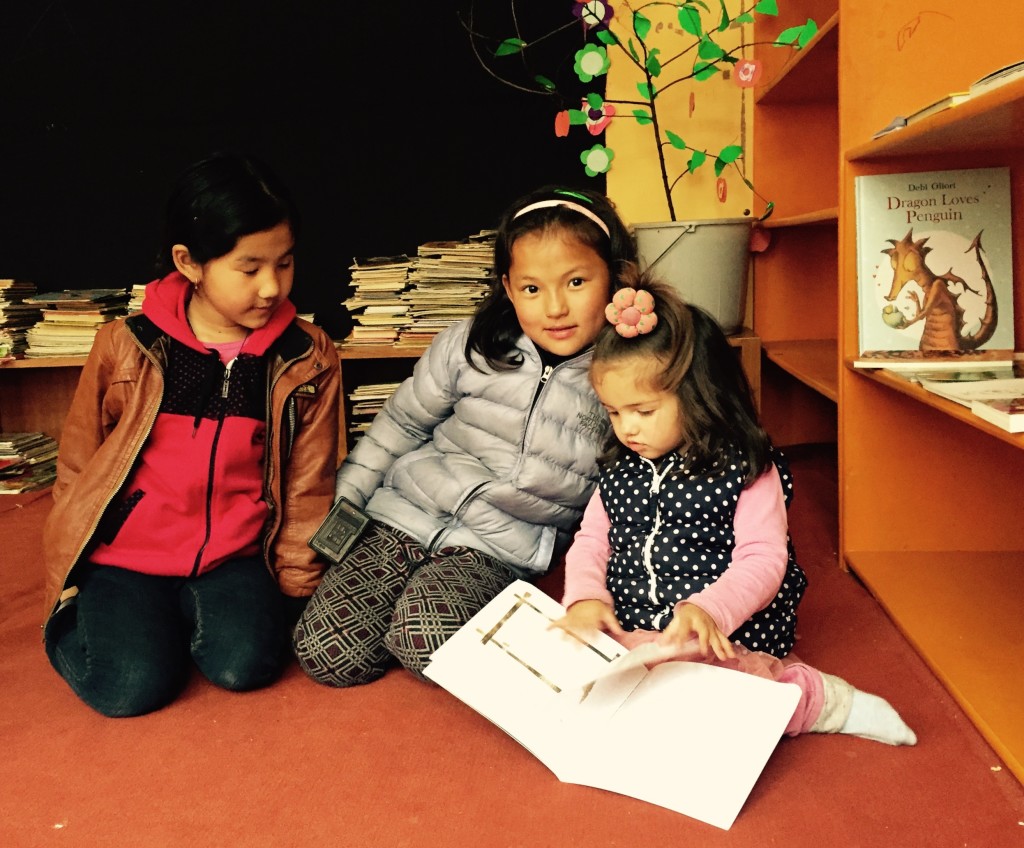
Quiet reading offers a slower, private form of engagement. A child may study an illustration, sound out an unfamiliar word or imagine a character’s feelings without needing to keep up with a group. The experience is especially valuable for children who are shy, learning a second language or still developing confidence with formal schooling.
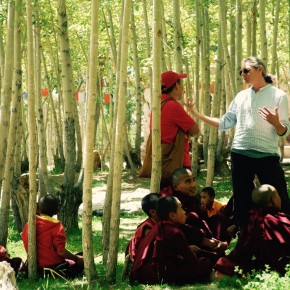
The two practices can reinforce each other. A teacher might read a folktale aloud, invite children to share memories connected with it, and then provide illustrated books for individual exploration. The spoken story creates a common starting point; the printed page gives each child room to think further.
Why Silence Helps Children Learn
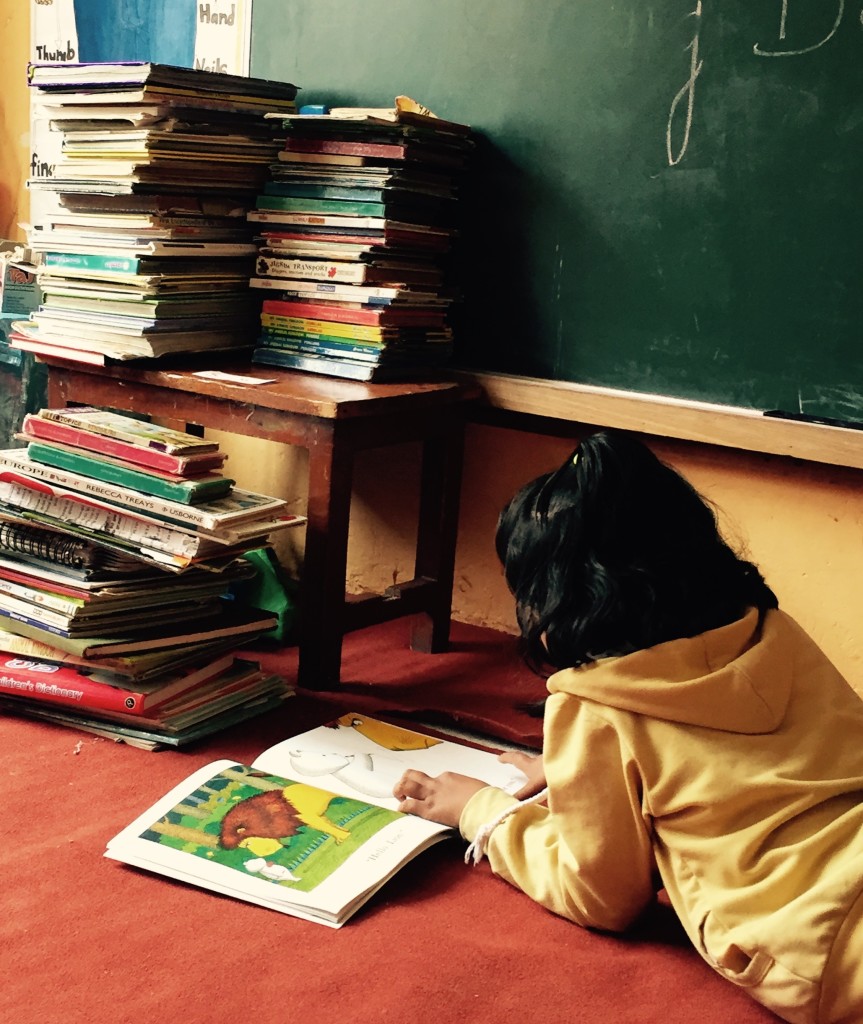
A quiet corner reduces the pressure to respond immediately. Children can concentrate on sentence structure, make predictions and notice links between pages. Regular reading also builds stamina, which supports later study in subjects such as science, history and mathematics. Even a short daily session can make sustained attention feel familiar rather than demanding.
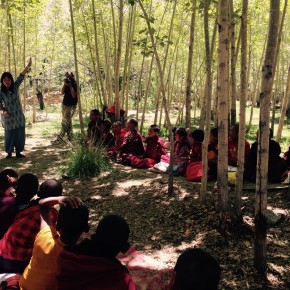
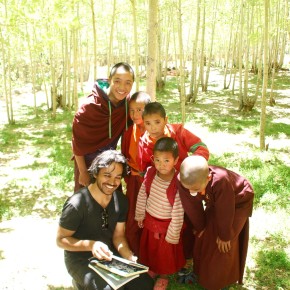
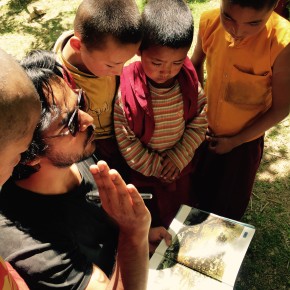
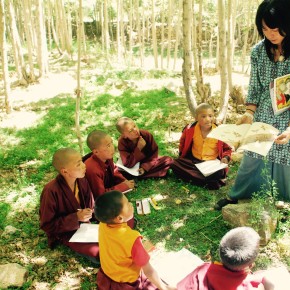
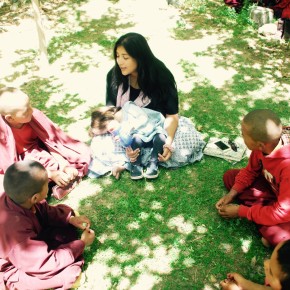
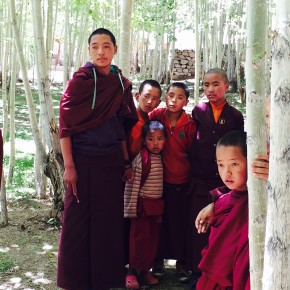
For young monks, reading may sit alongside prayer, memorisation and community responsibilities. For children elsewhere, it may follow a long walk home, household duties or a busy school day. The important point is consistency rather than duration. Fifteen peaceful minutes with a suitable book can be more useful than an occasional forced reading lesson.
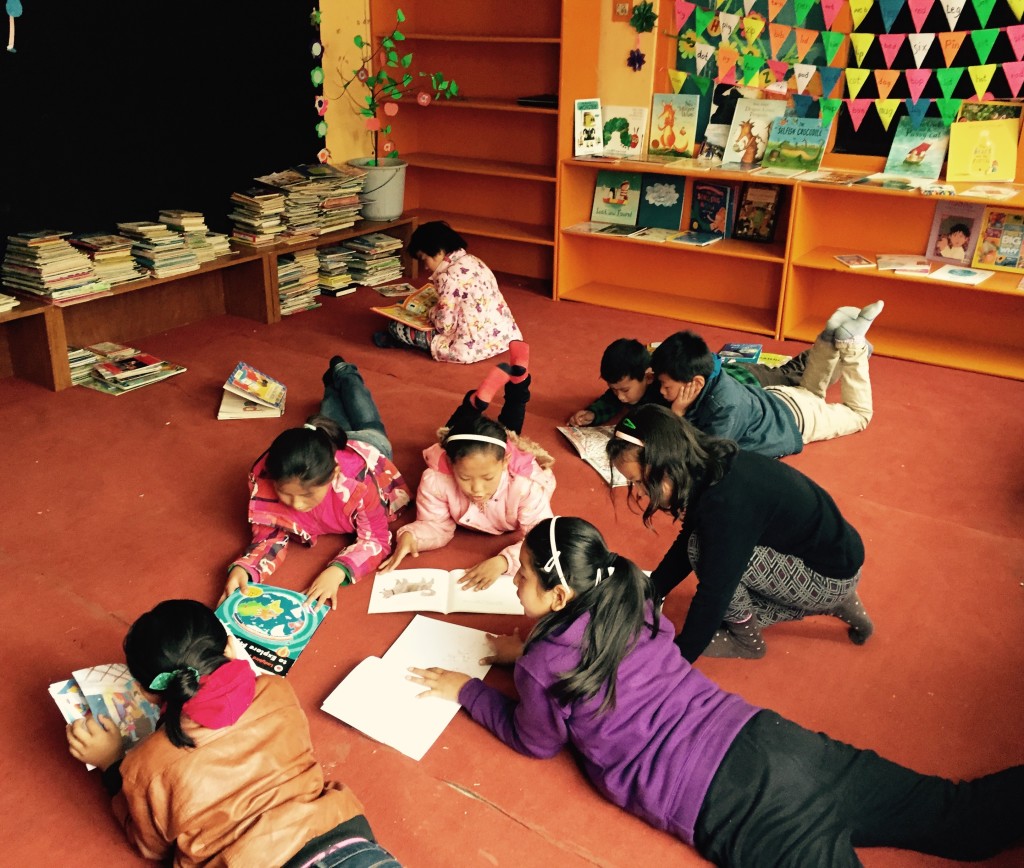
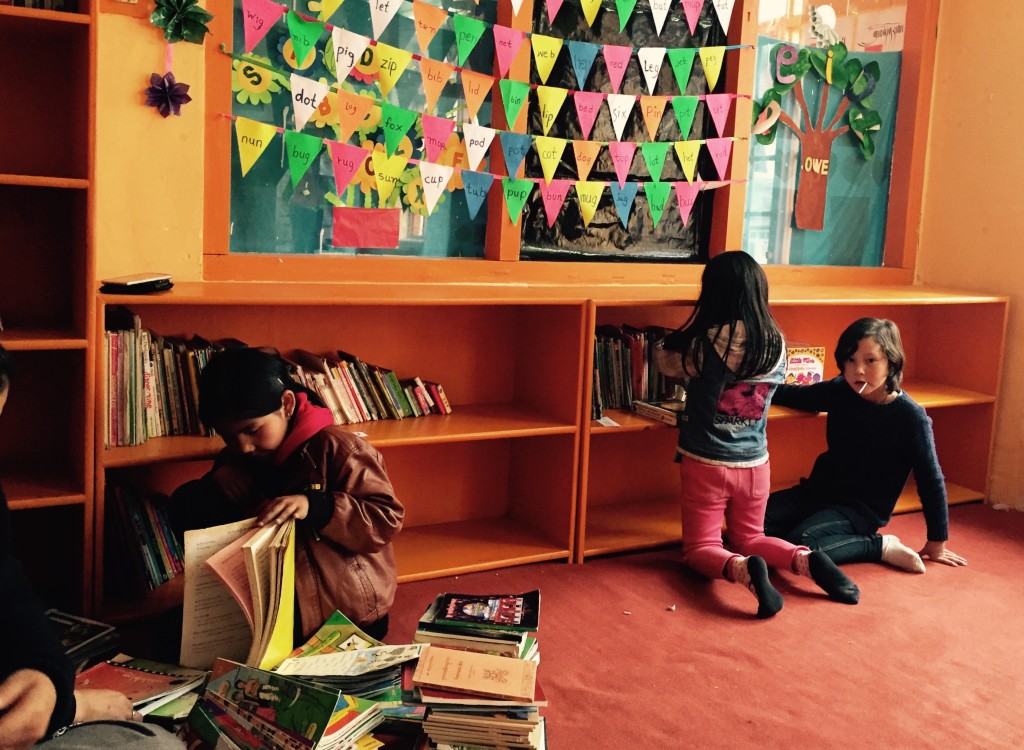
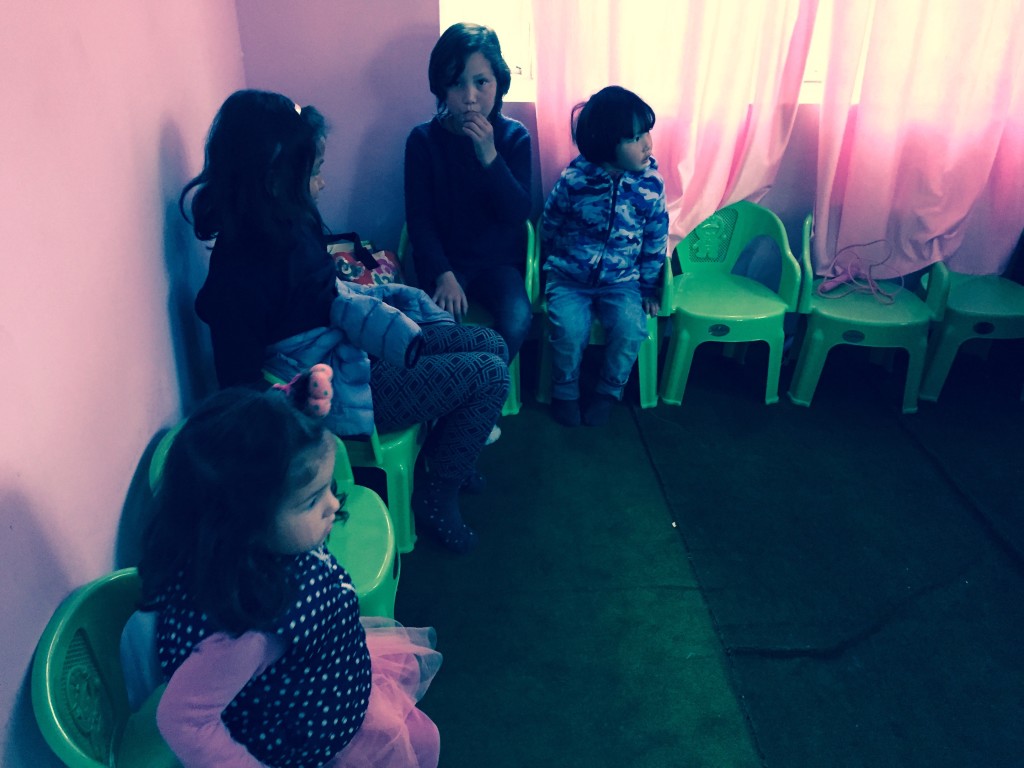
Silence should not mean isolation. A reading room can remain welcoming, with cushions, shared shelves and adults available to explain a word or talk about a picture. The calm atmosphere protects concentration while the social setting reminds children that learning is a communal good.
Learning Across Ladakh And Australia
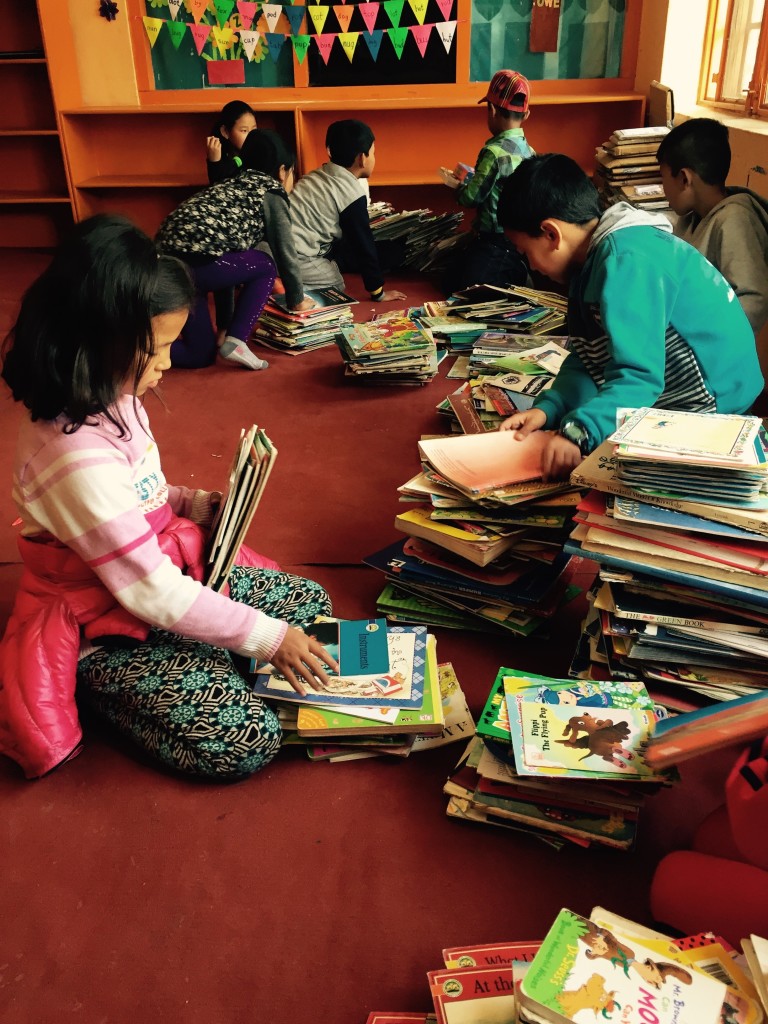
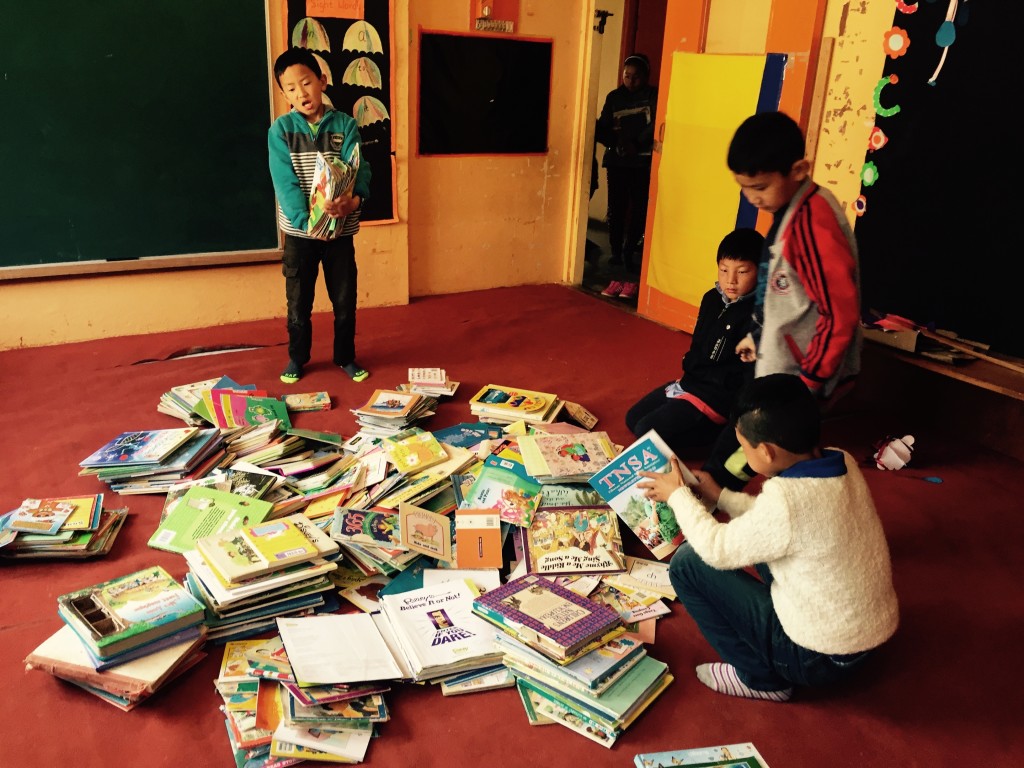
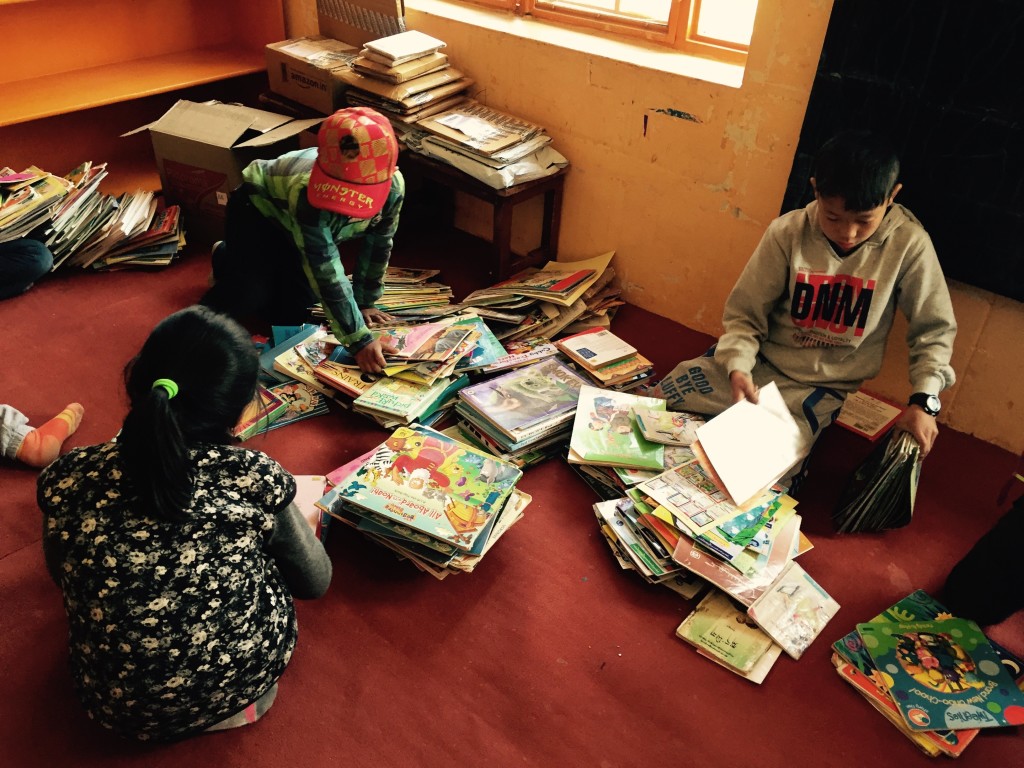
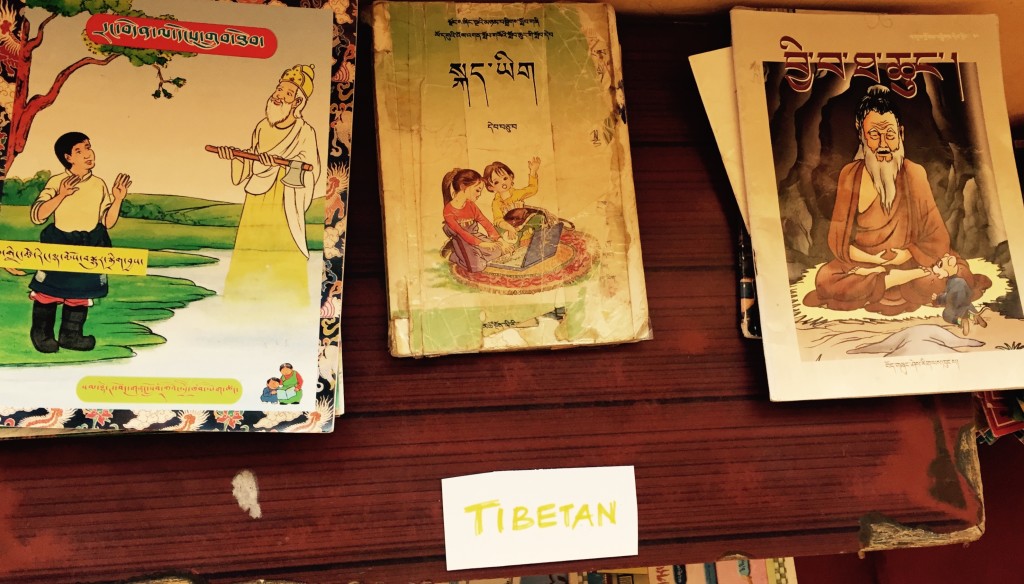
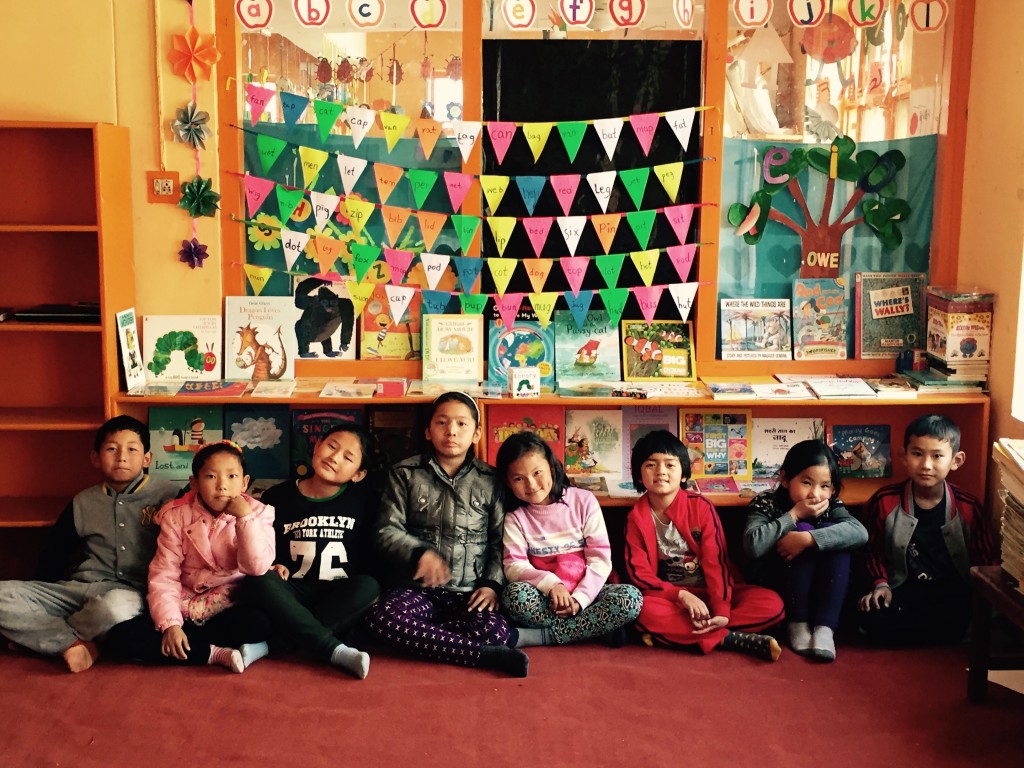
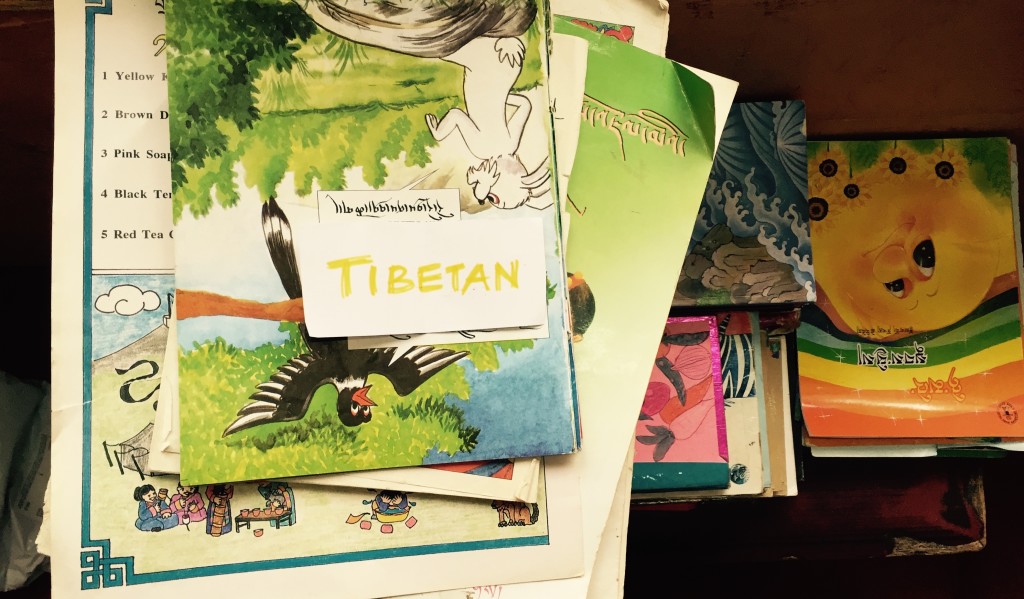
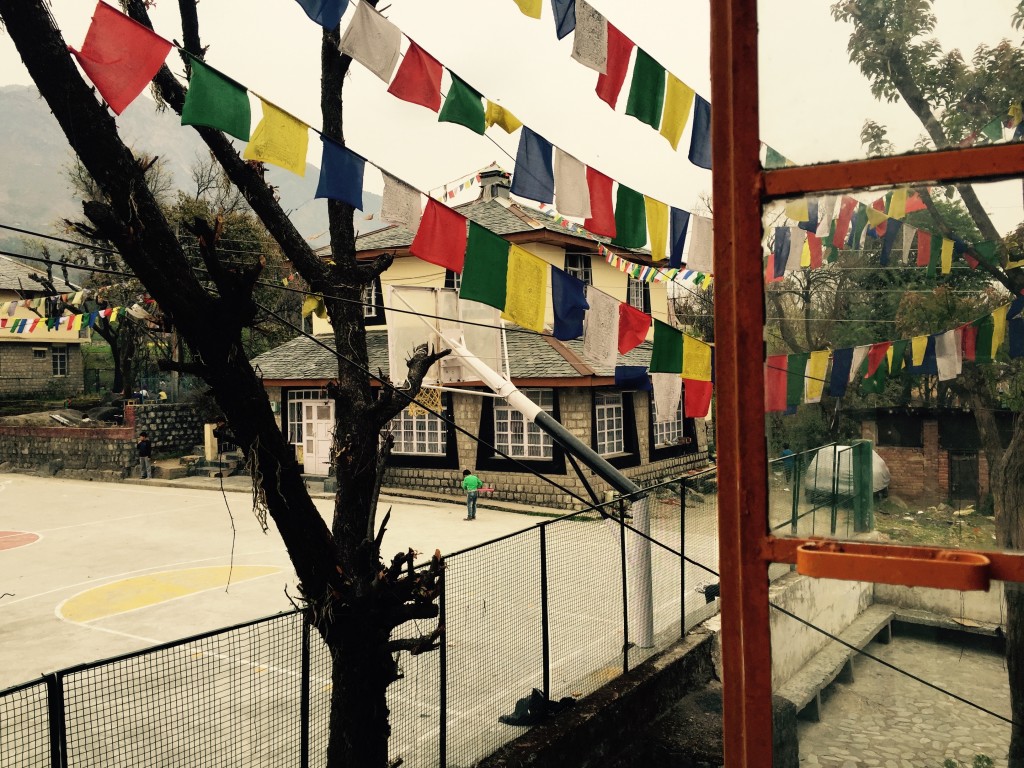
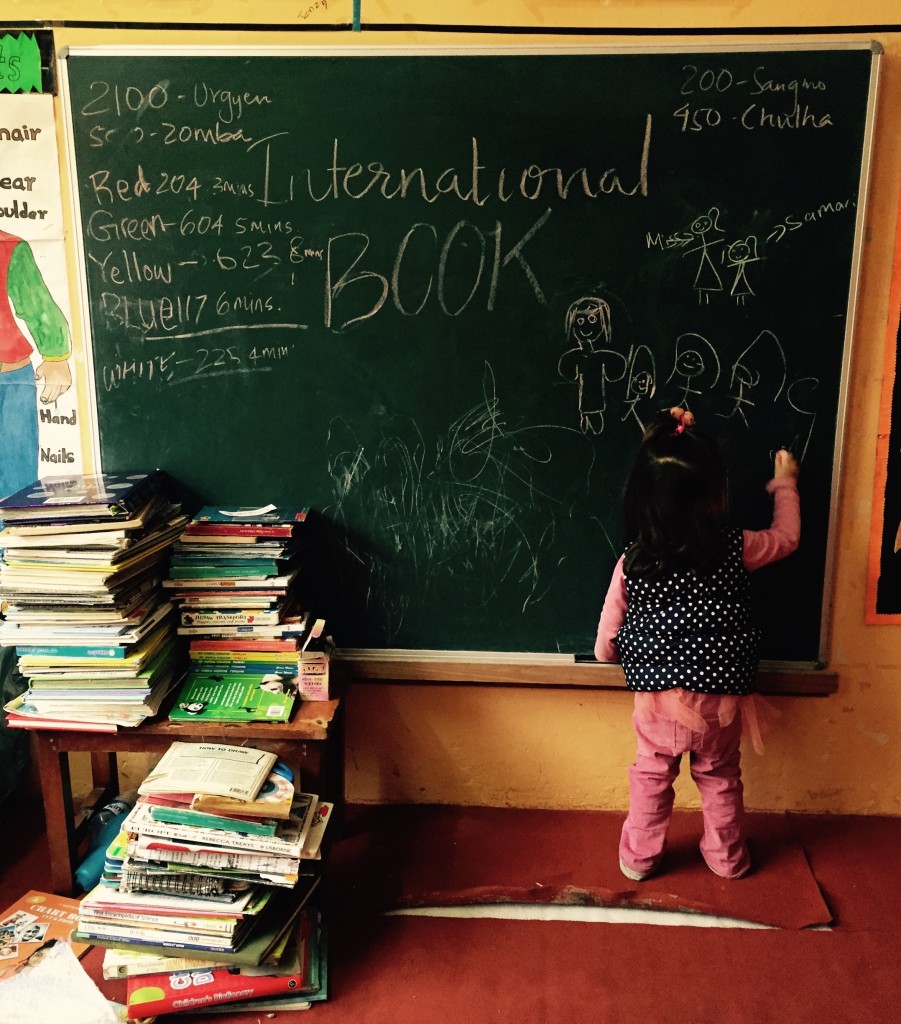
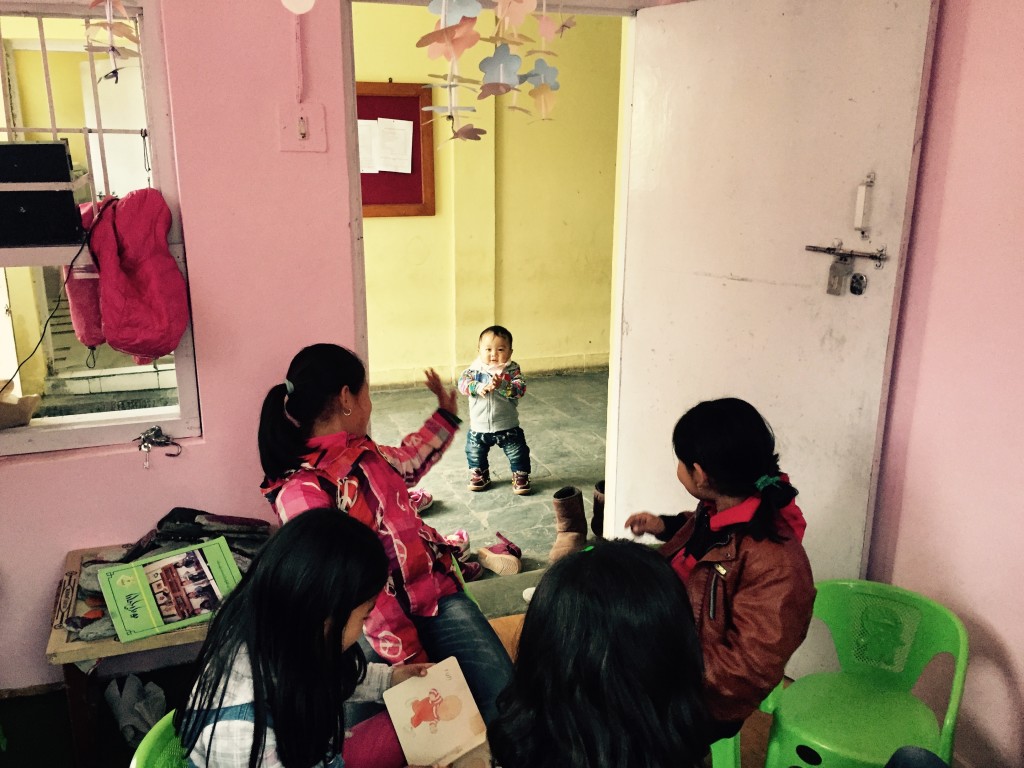
In Ladakh, access to books can be affected by distance, seasonal conditions and the limited range of reading material available in some villages. A small reading room may therefore become a significant community resource. It can give children stories beyond their immediate surroundings while still making space for local language, Buddhist texts, regional history and familiar landscapes.
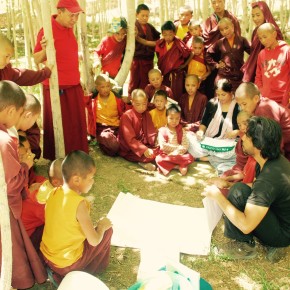
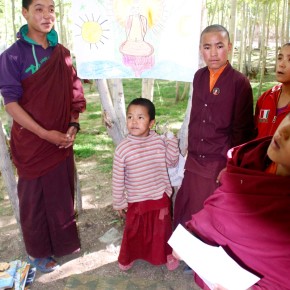
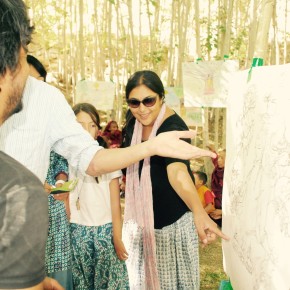
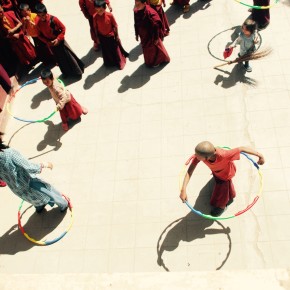
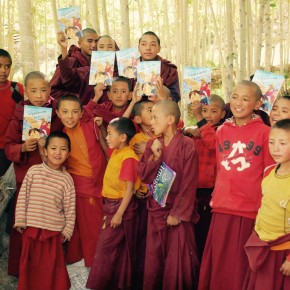
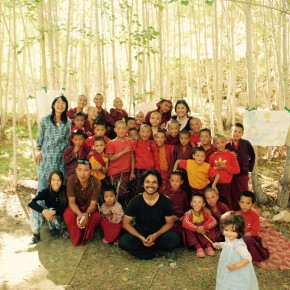
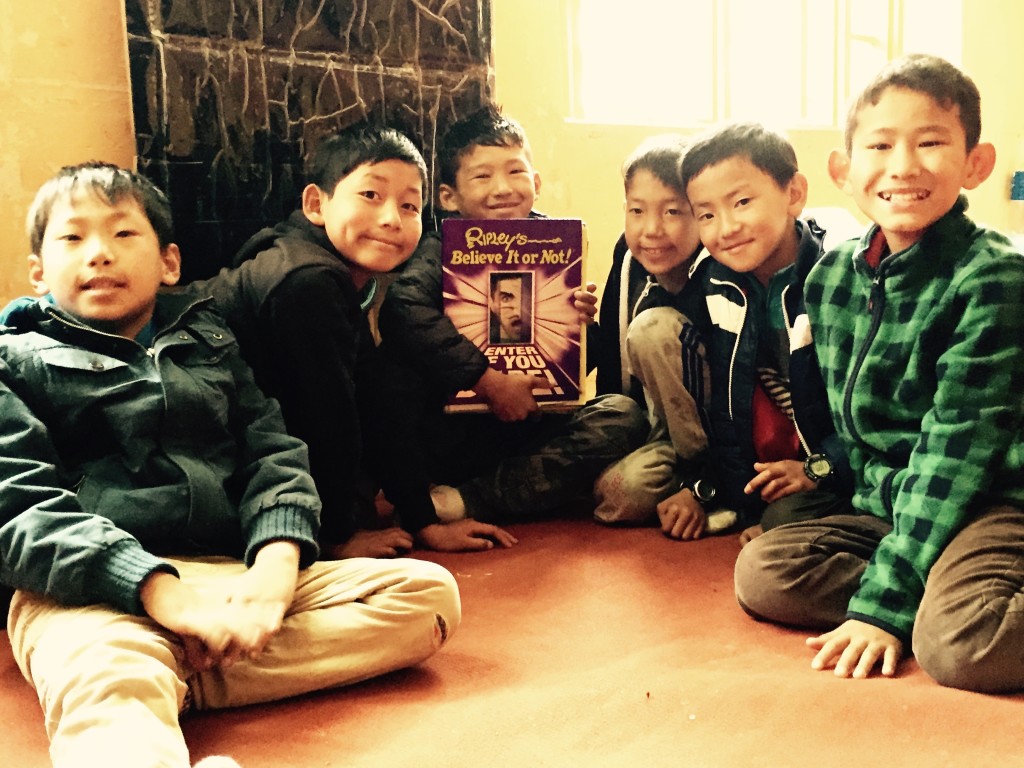
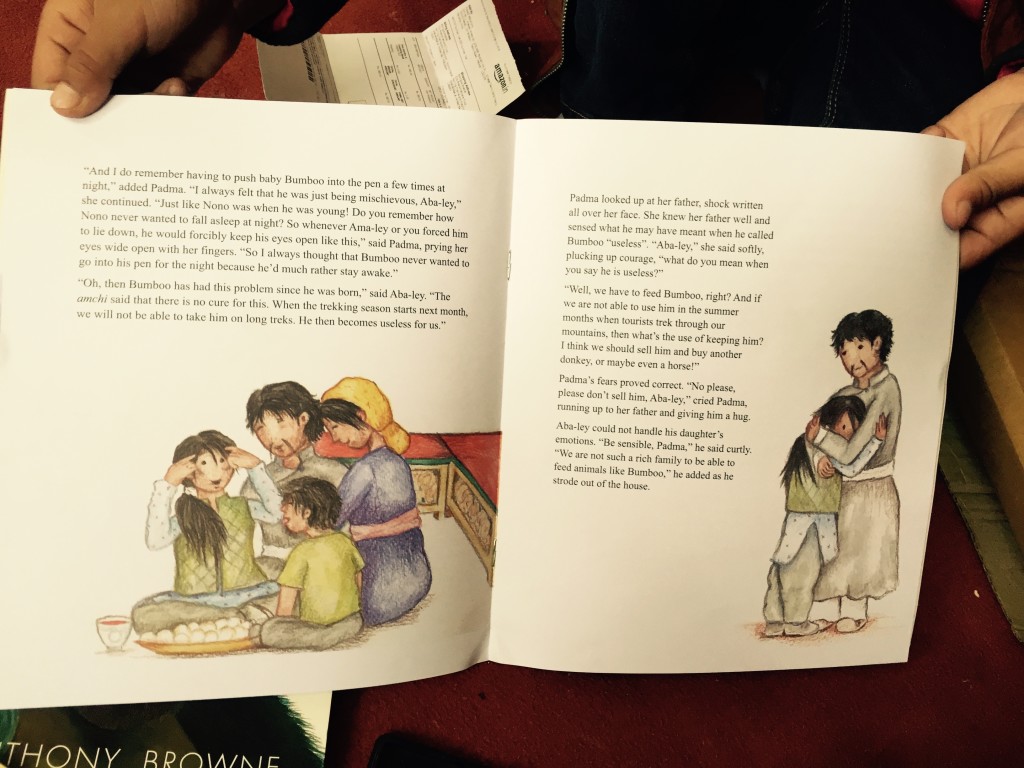
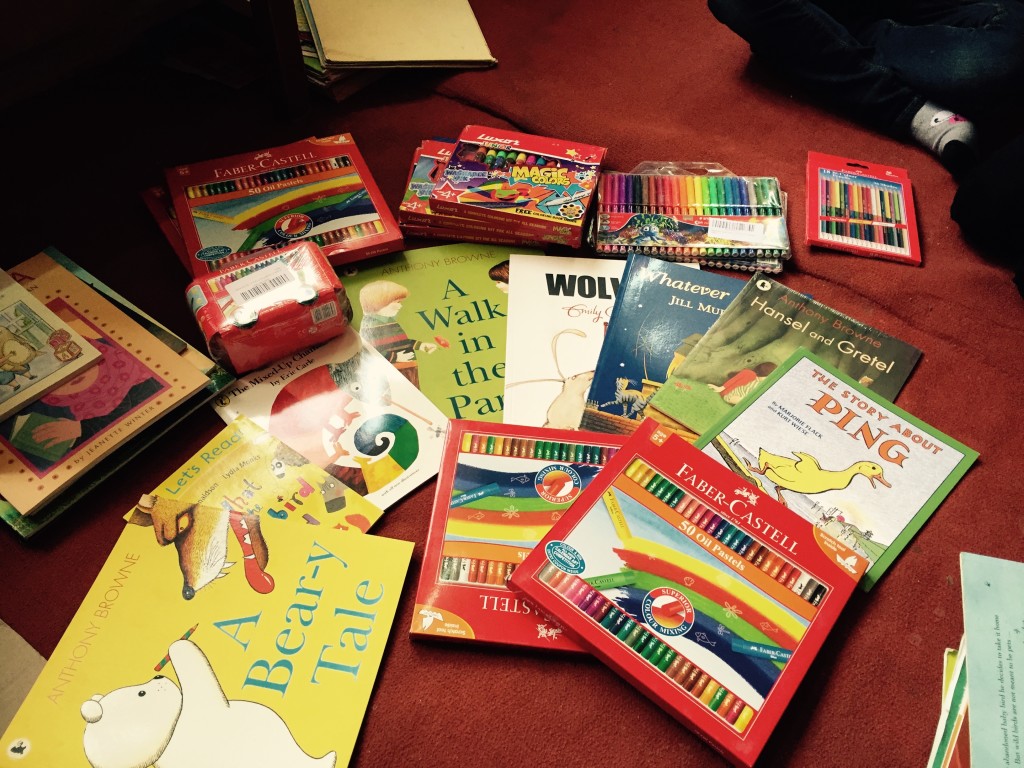
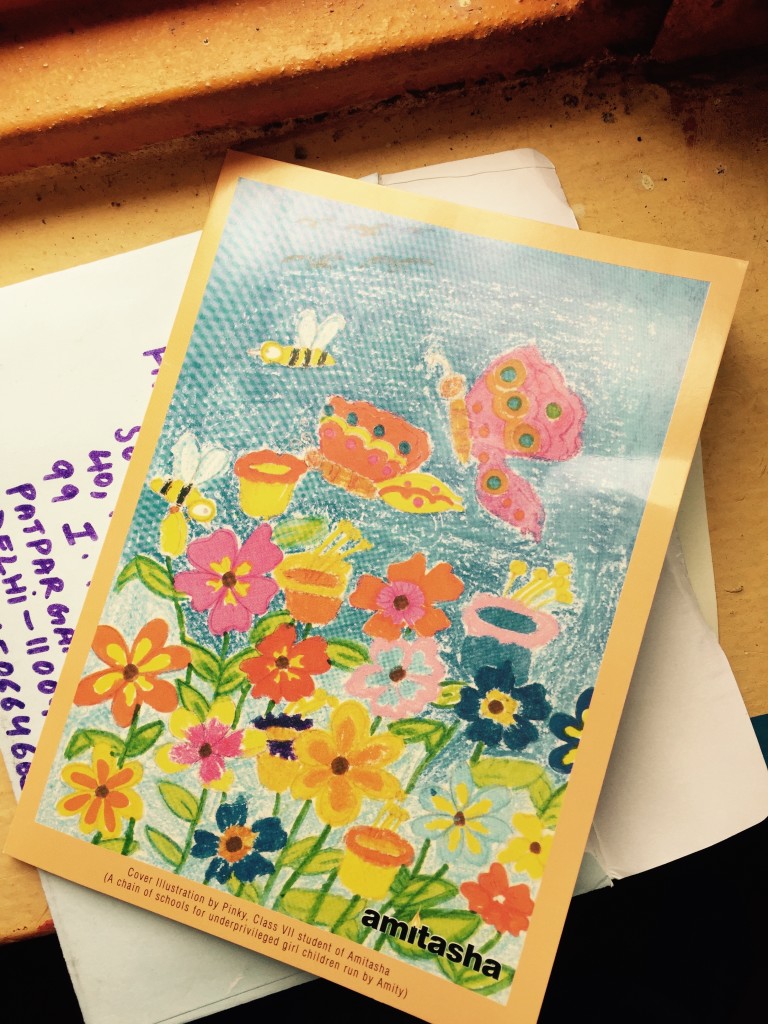
The work of Avalokiteśvara Trust connects books with artistic, musical and educational activities for children and young monks. This broad approach matters because literacy grows through curiosity. A child who draws a scene, sings a poem or performs a character may later return to the book with deeper understanding.
Australian readers may recognise similar principles in a different setting. Public libraries in Melbourne, Sydney and regional towns provide free access to books, computers and children’s programs, yet distance, transport, family finances and digital access still shape who can use those services regularly. A reading room in a remote Himalayan settlement and a library outreach program in an Australian bush community respond to different circumstances, but both make learning resources easier to reach.
Creating A Welcoming Reading Space
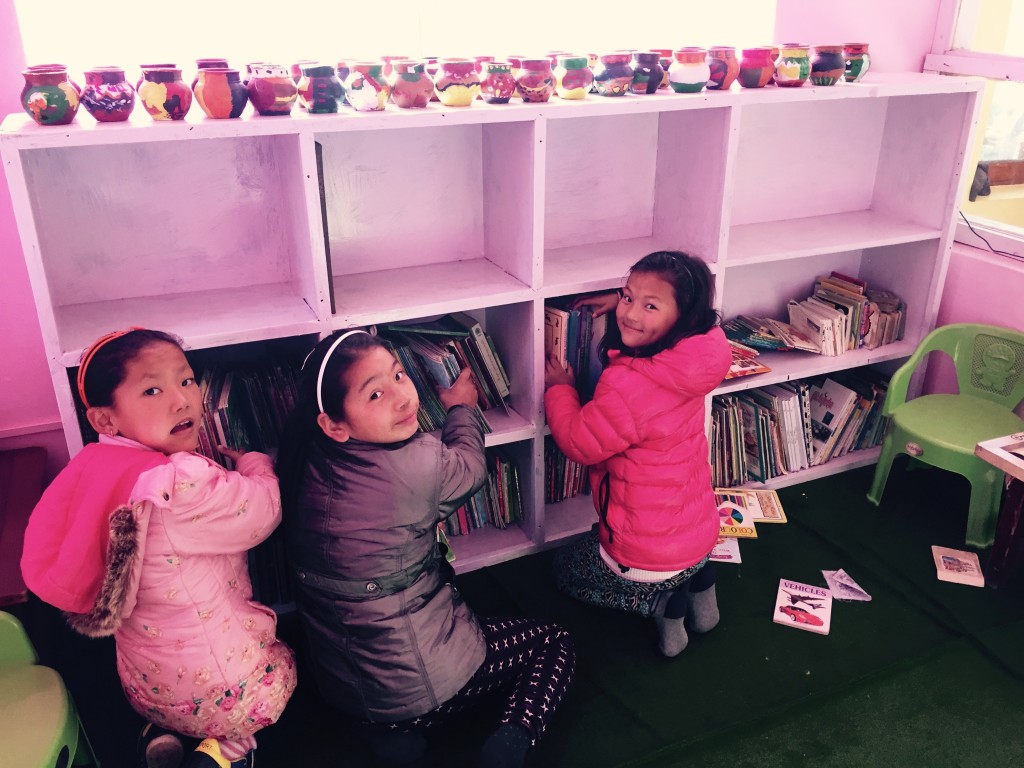
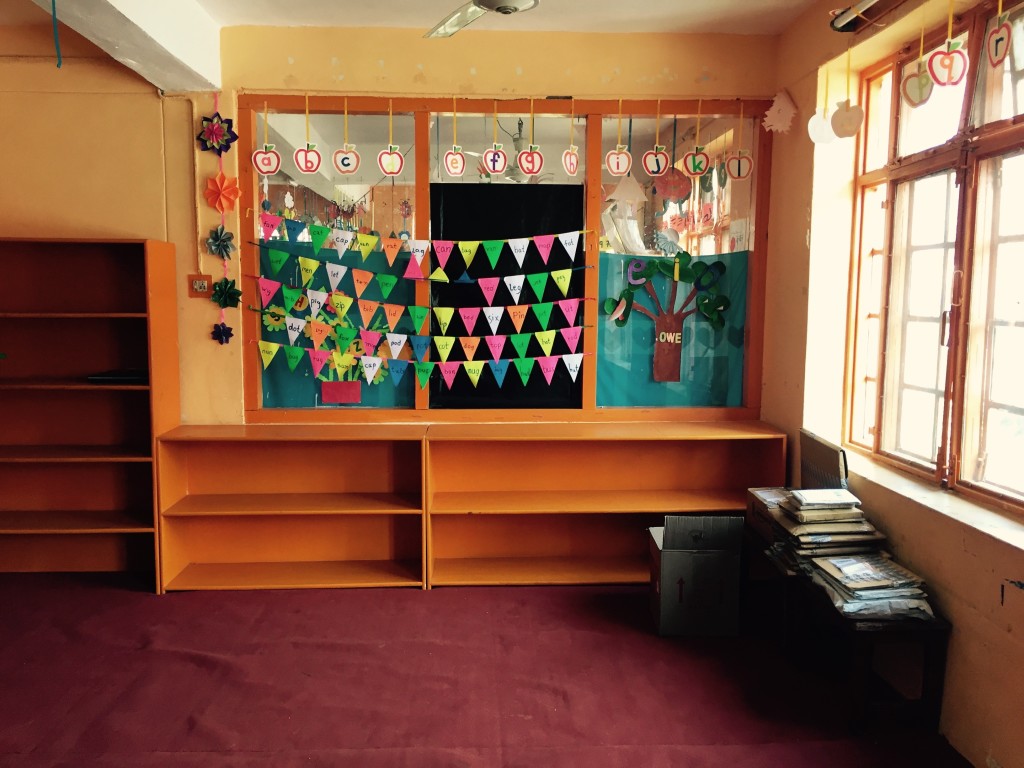
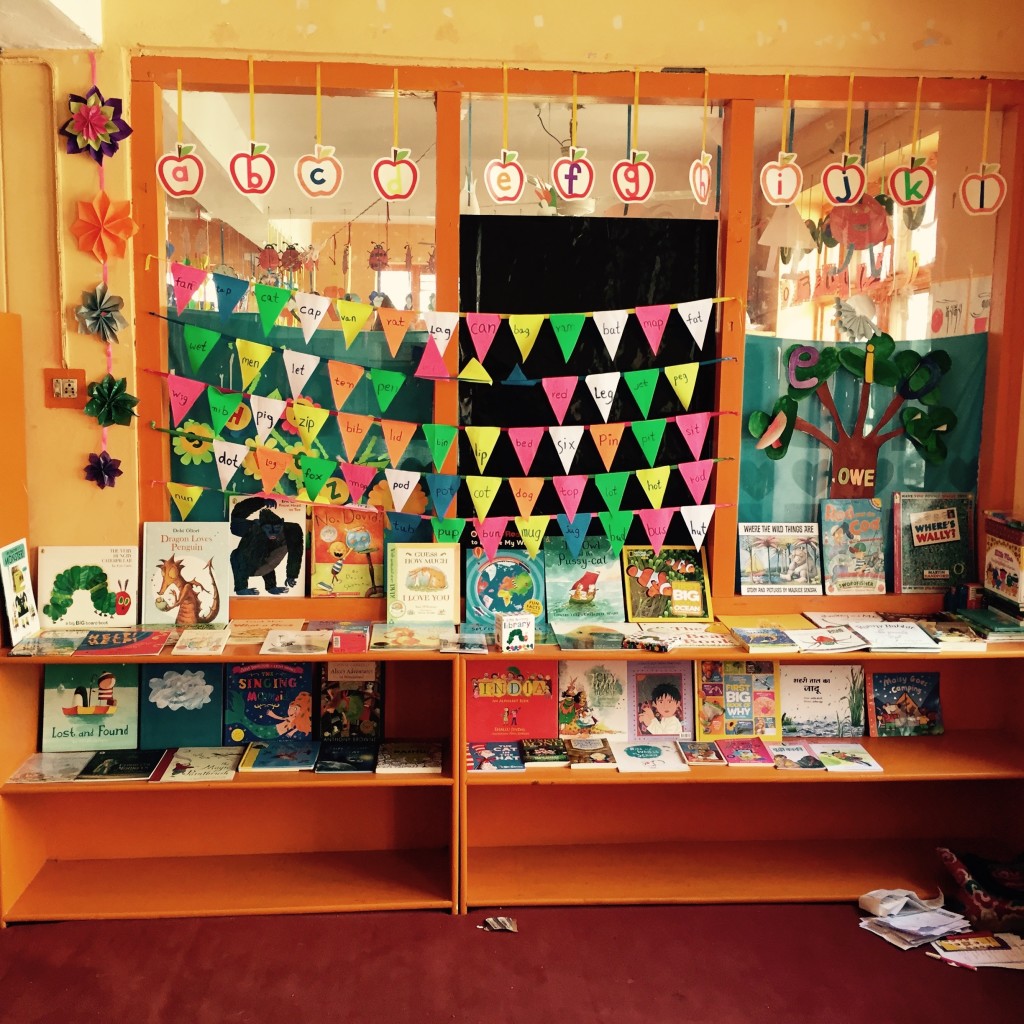
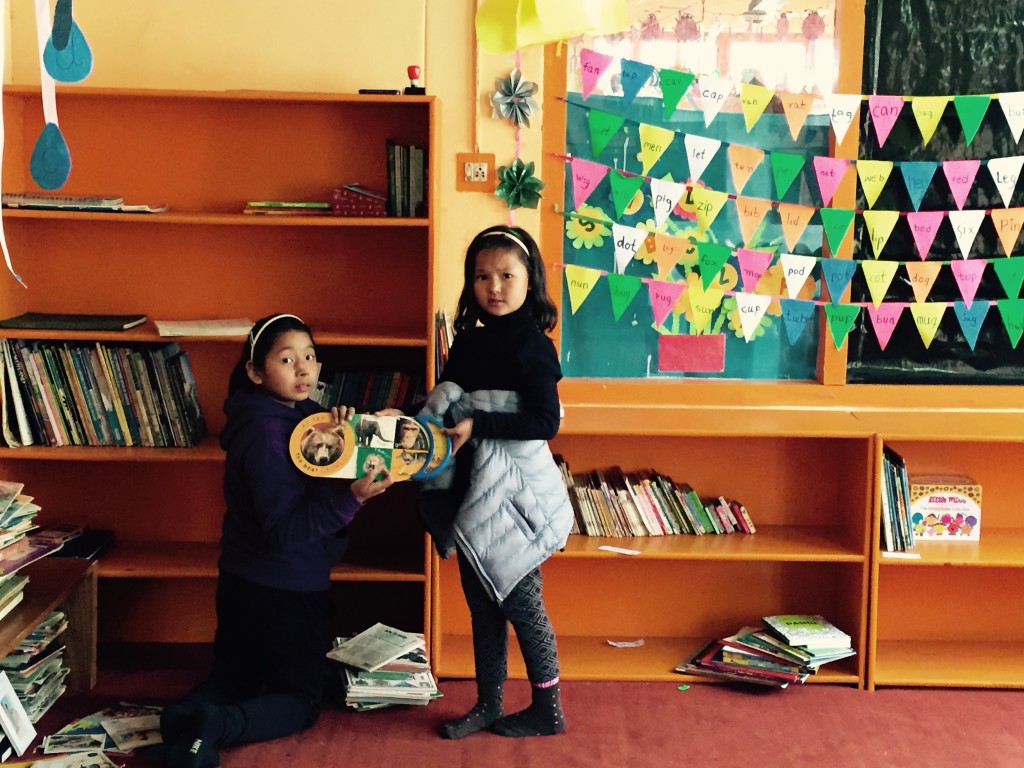
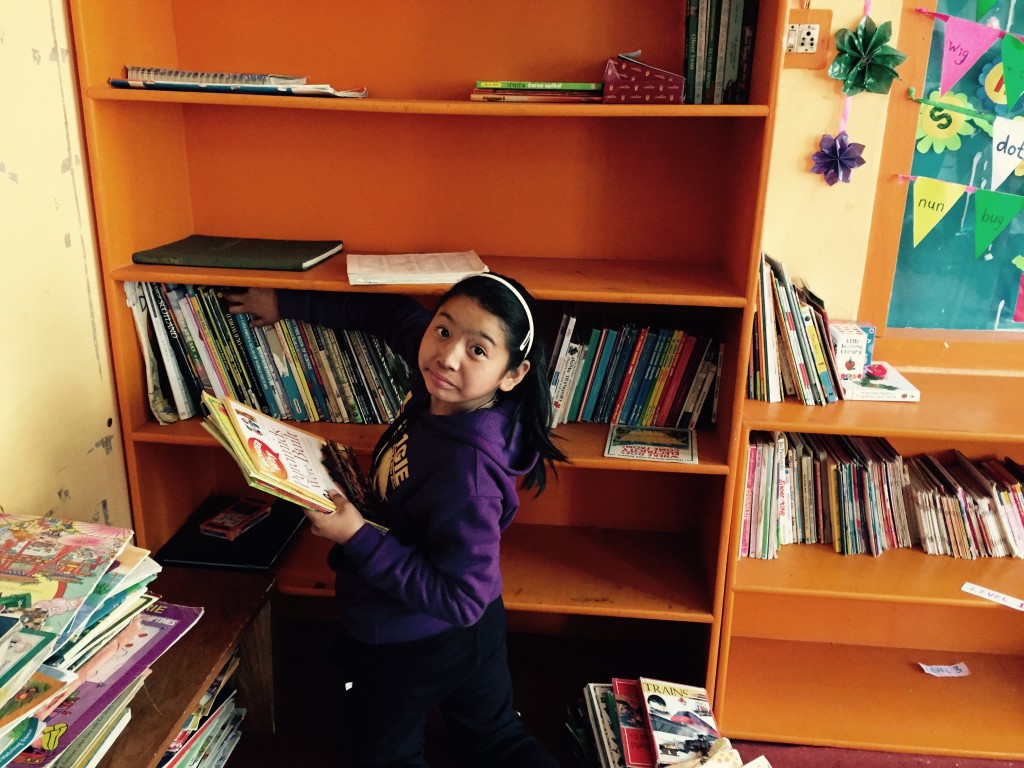
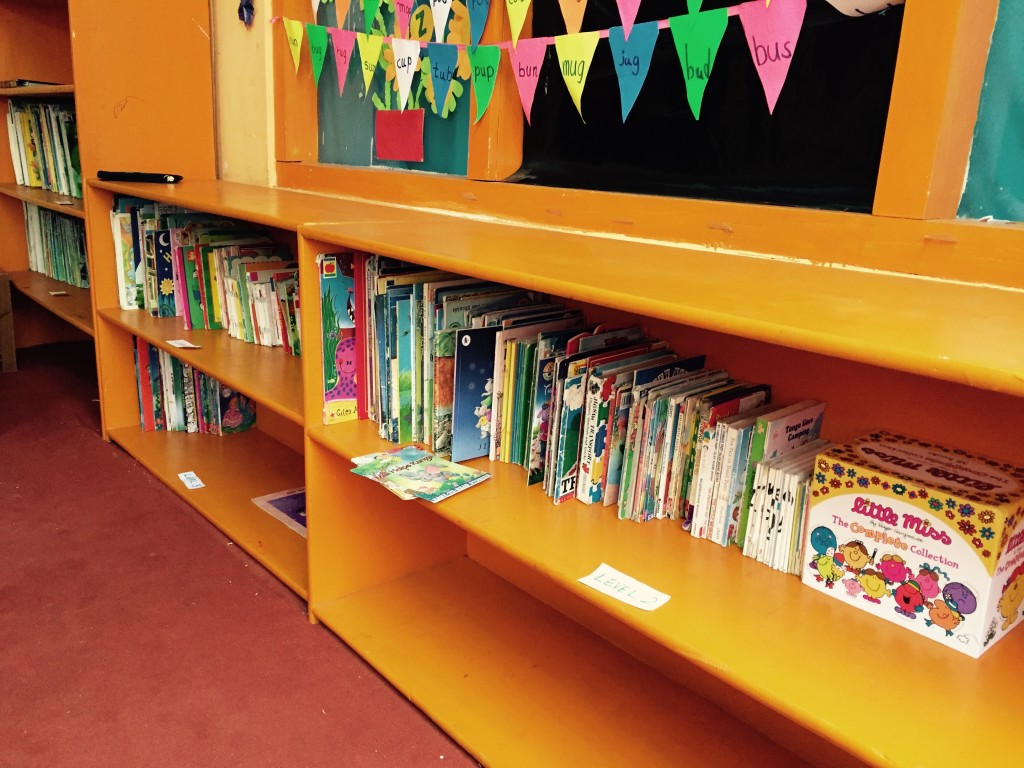
The design of a reading area influences whether children see books as a pleasure or a test. It does not need expensive furniture. Clean shelves, good light, floor cushions and clearly grouped books can create an inviting environment. In Australia, a school or community centre might also use a shaded outdoor area during warmer months, while a Himalayan space may need to prioritise warmth and protection from dust.
Practical features that support calm reading include:
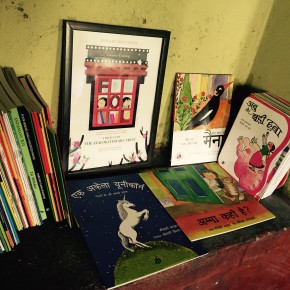
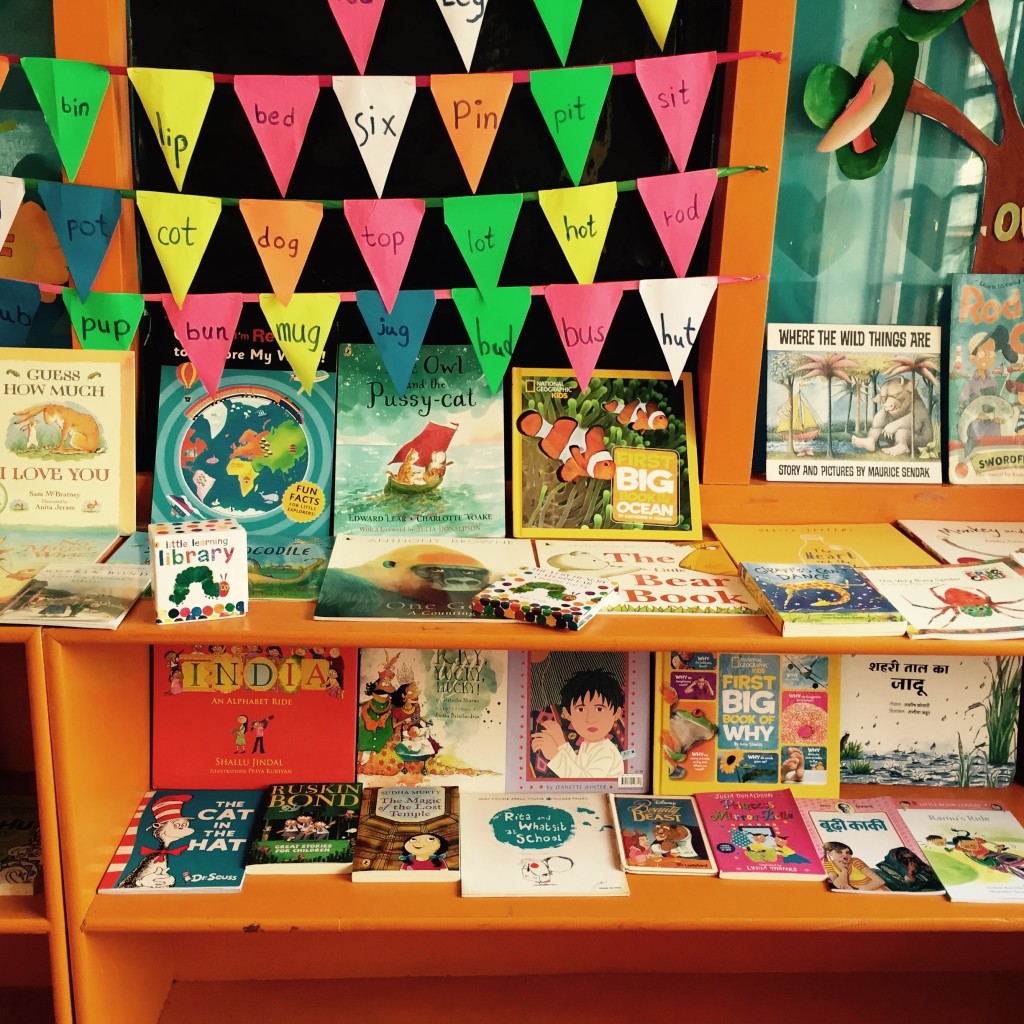
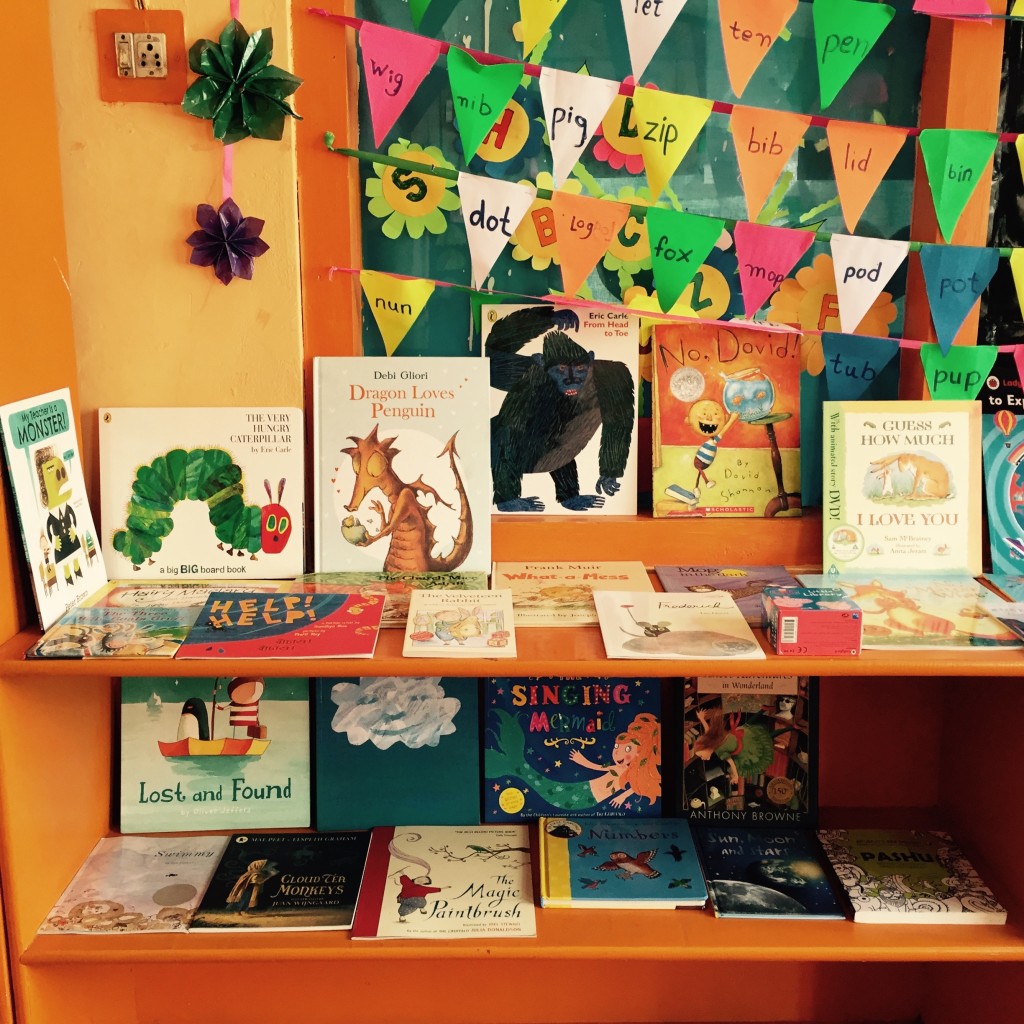
- Books displayed with covers facing outwards for younger readers
- A mixture of picture books, novels, poetry and factual resources
- Low shelves that children can browse without assistance
- A quiet signal or agreed period when conversations are softened
- A small table for drawing, writing and book-related activities
The collection should reflect both familiarity and discovery. Children benefit from seeing their own lives represented in stories, including family structures, landscapes, languages and everyday work. They also need books that introduce unfamiliar places and perspectives without suggesting that one culture is the standard for all others.
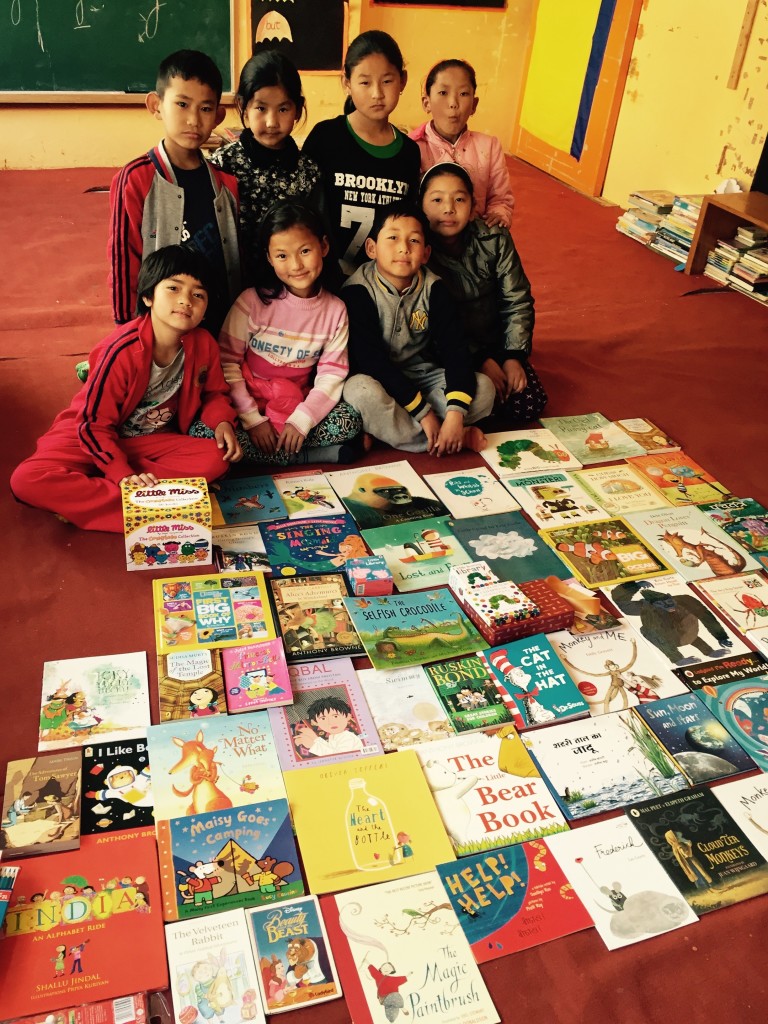
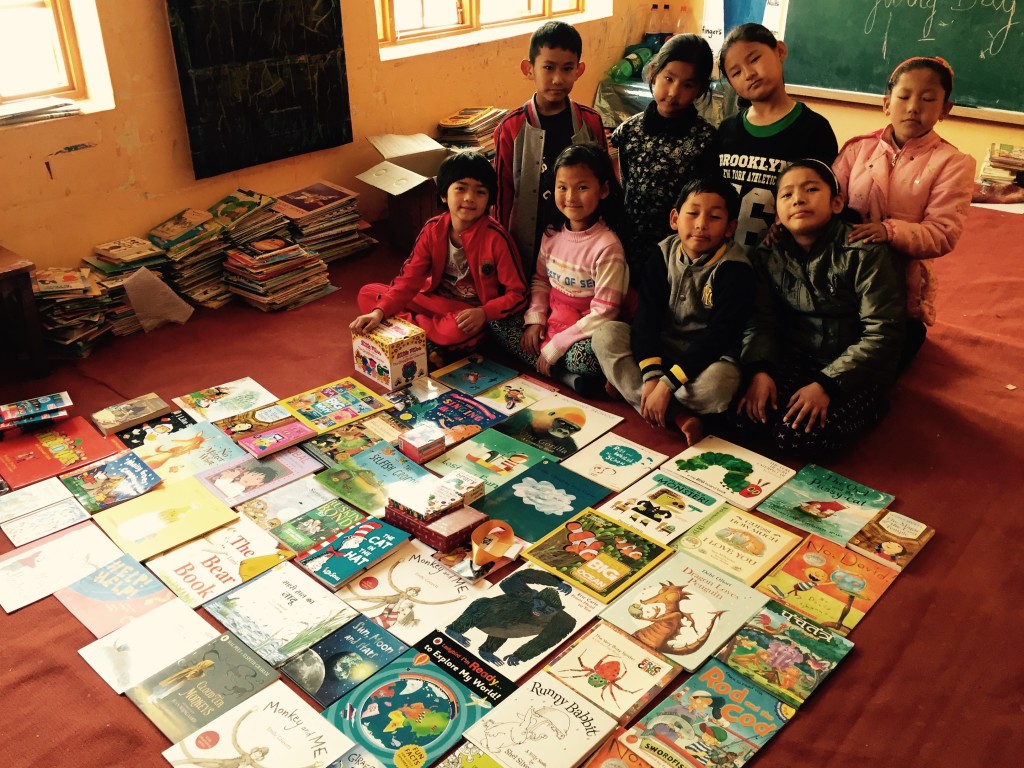
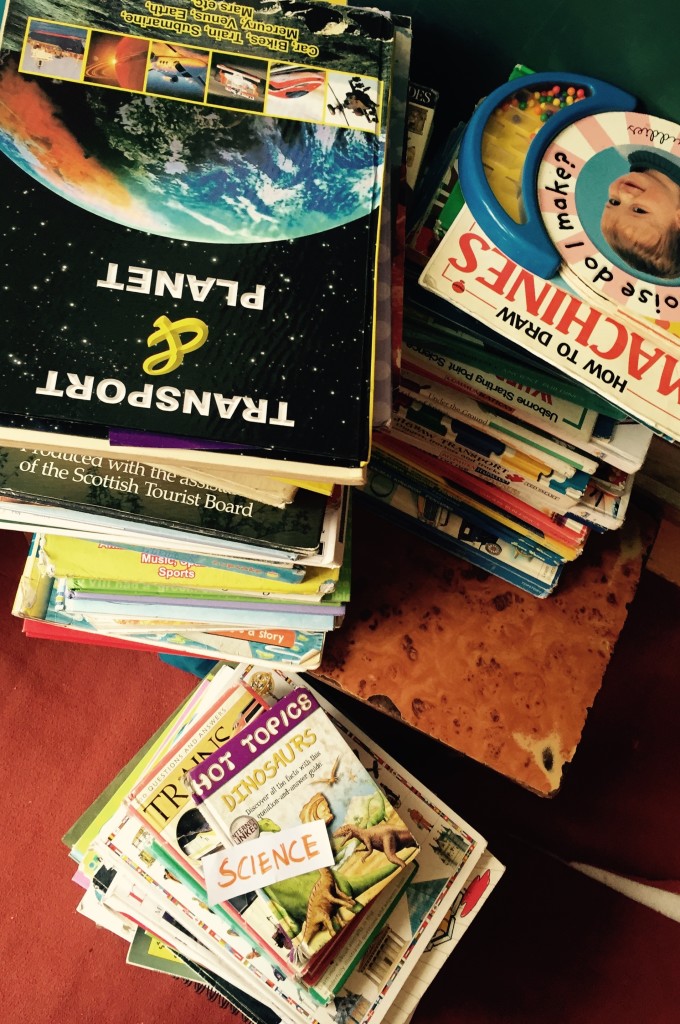
Australian communities can build collections through library partnerships, school book fairs, responsible second-hand buying and carefully organised book drives. Local markets and op shops may offer affordable titles, although donations should be selected for condition, age suitability and cultural relevance rather than sent without consideration.
Choosing Books That Invite Reflection
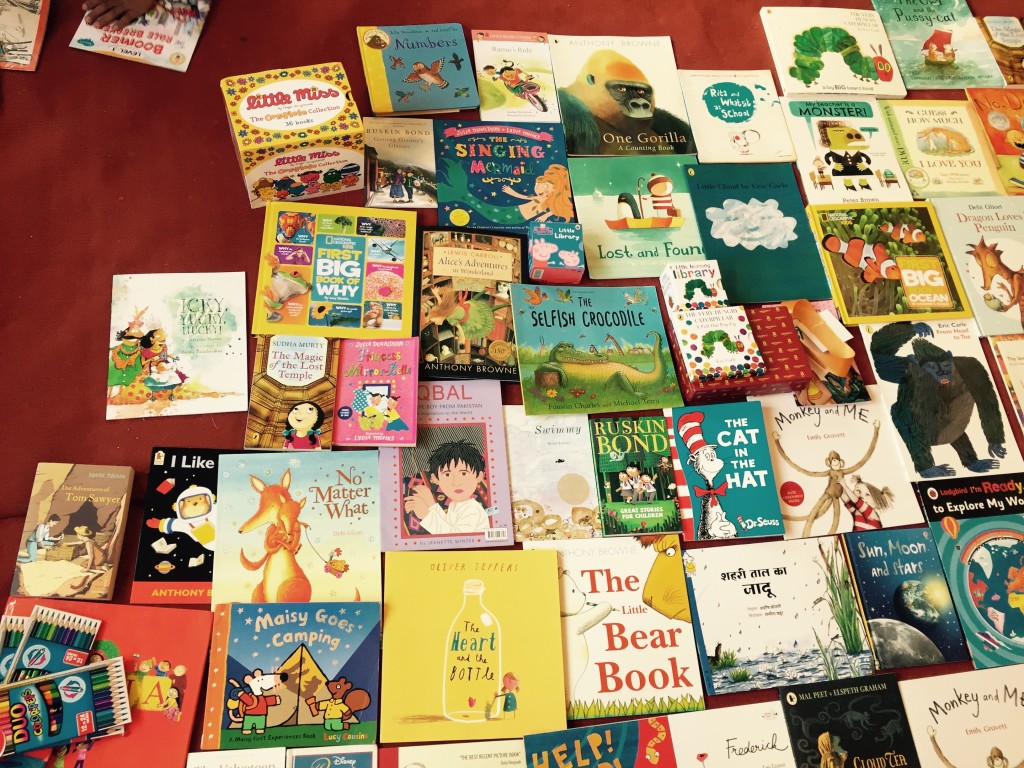
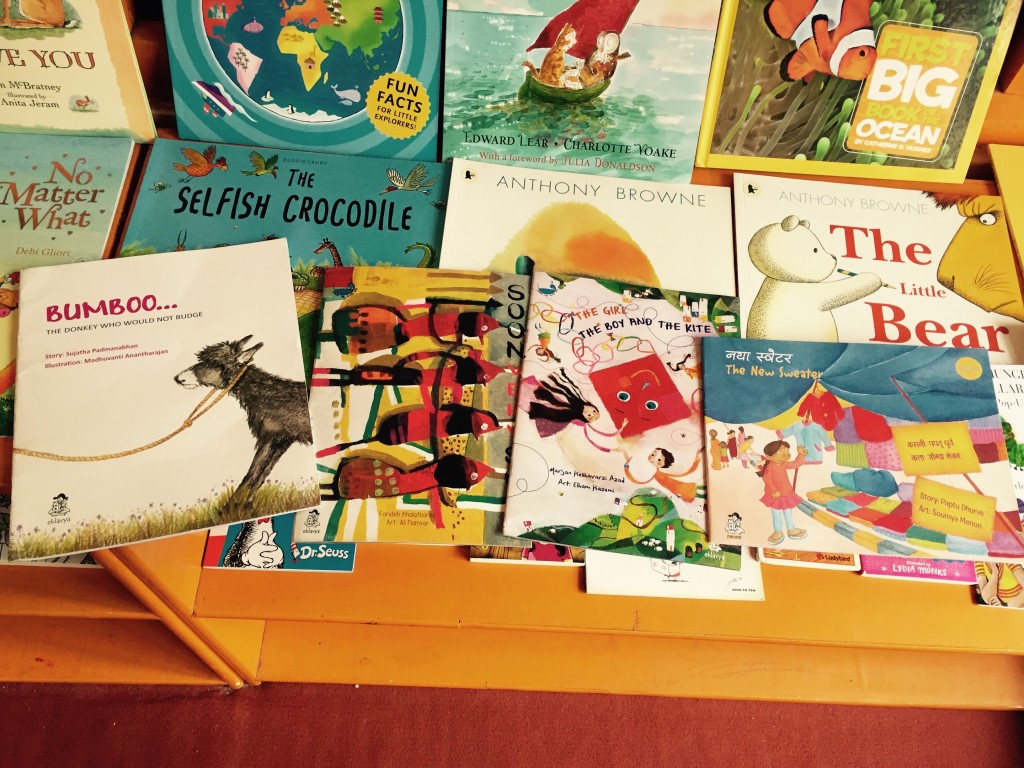
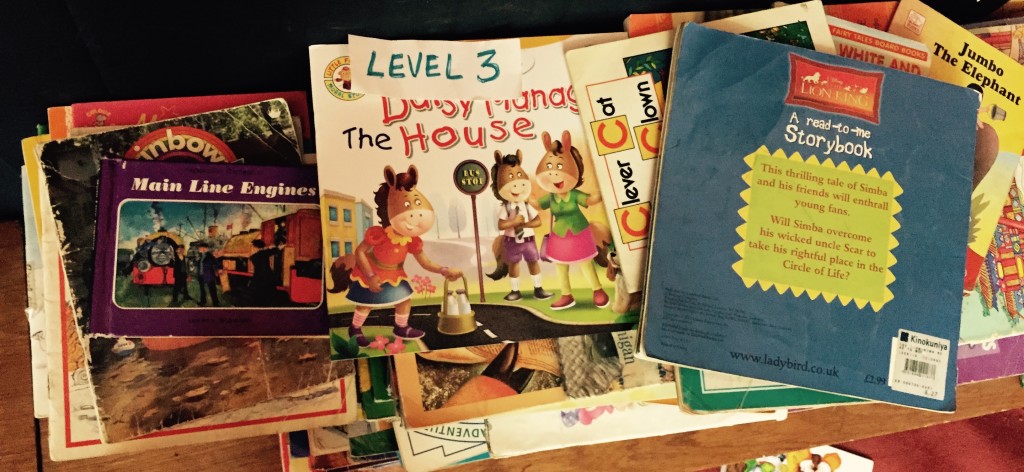
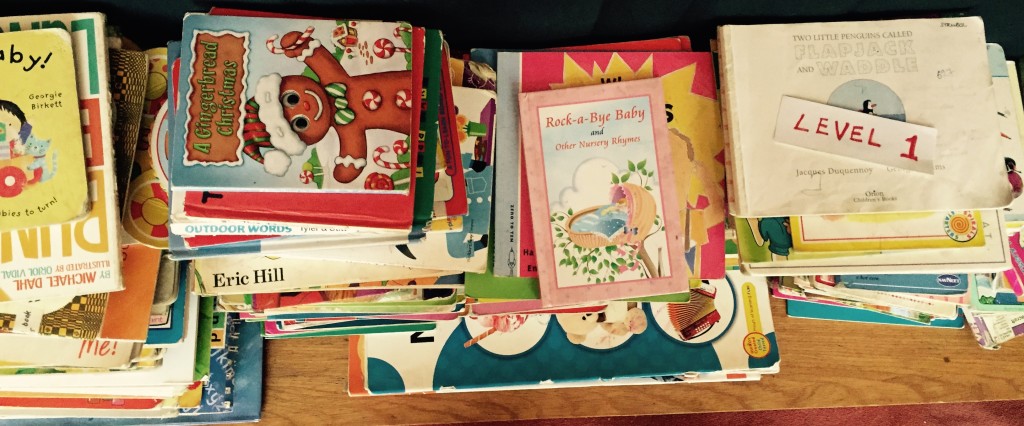
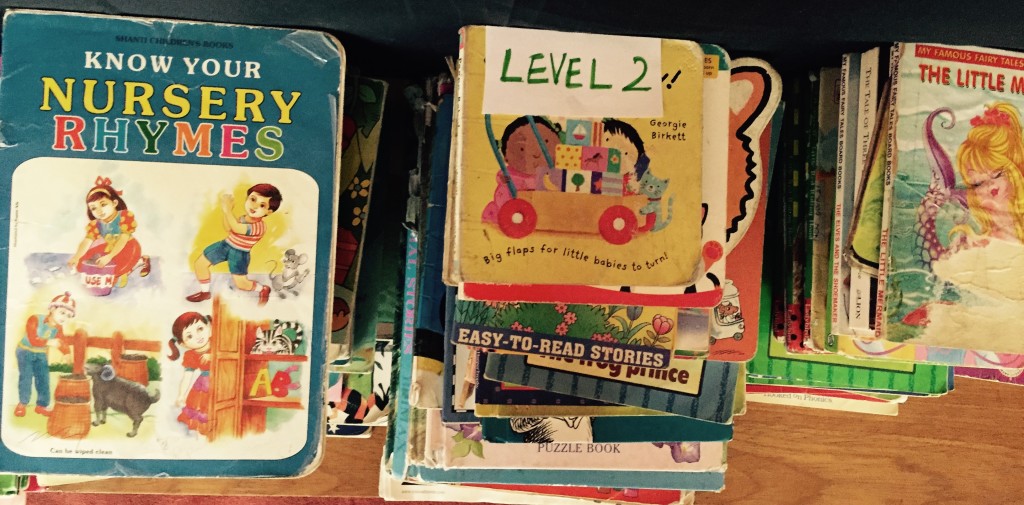
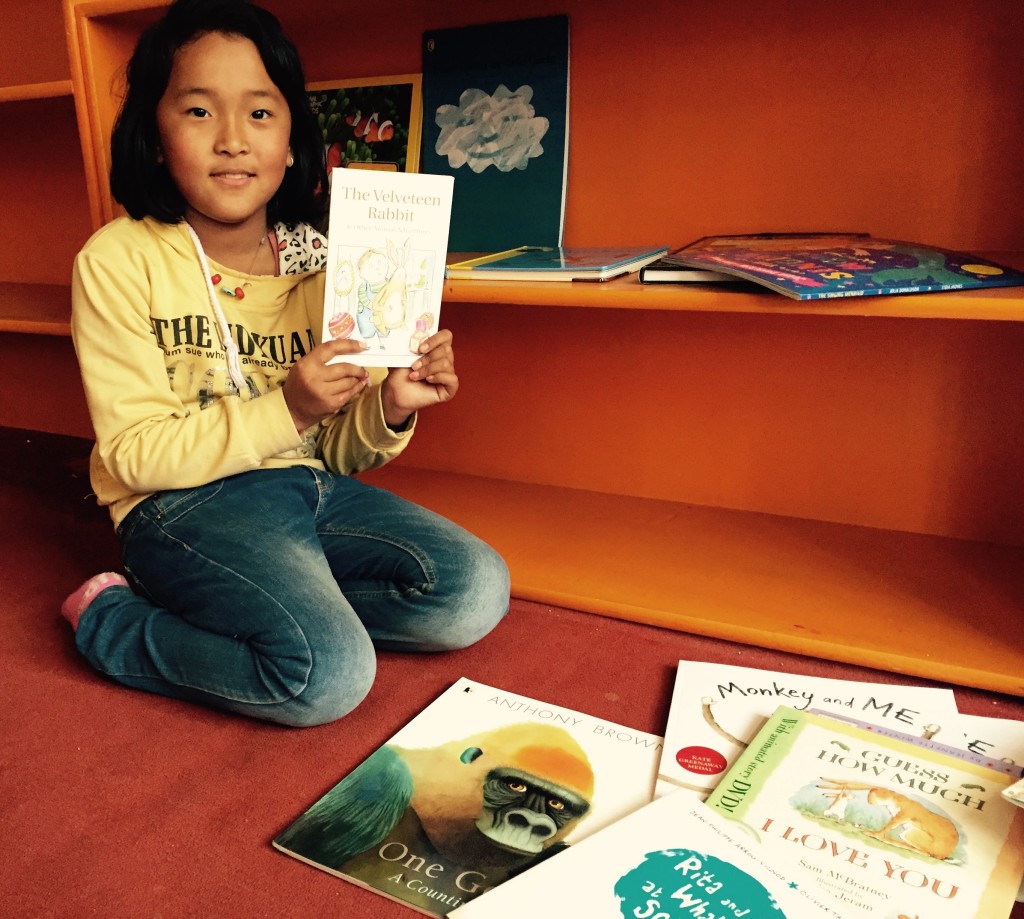
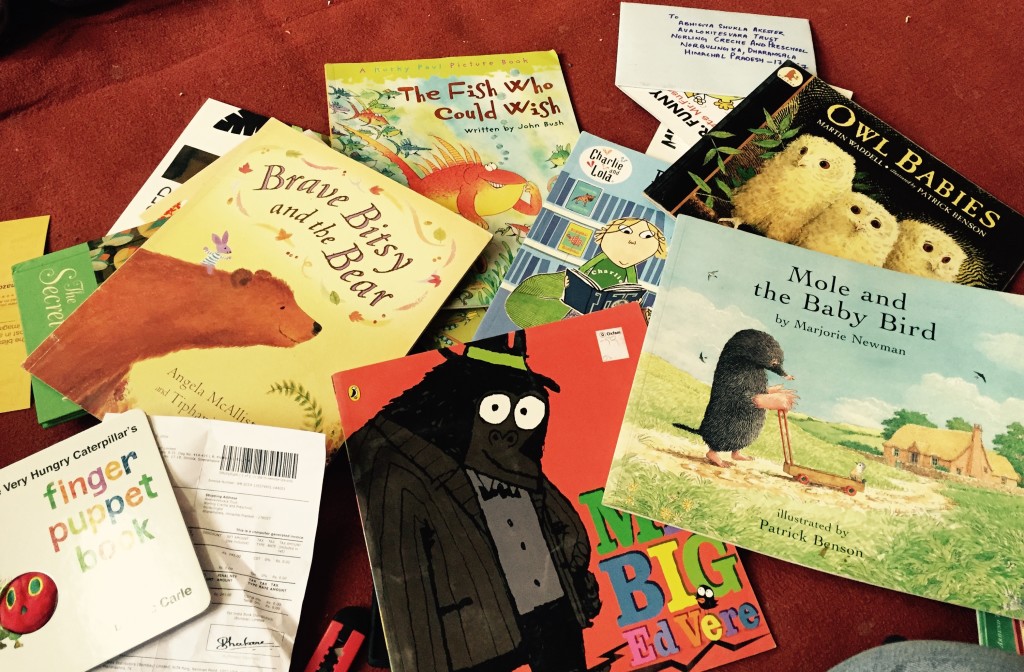
A strong reading collection does more than fill shelves. It offers different levels of difficulty, varied formats and opportunities for children to encounter beauty, humour and serious ideas. Wordless picture books can support discussion across language differences. Poetry develops sensitivity to sound. Non-fiction helps children investigate questions that arise from stories.
Useful qualities in a children’s collection include:
- Clear, engaging language without talking down to young readers
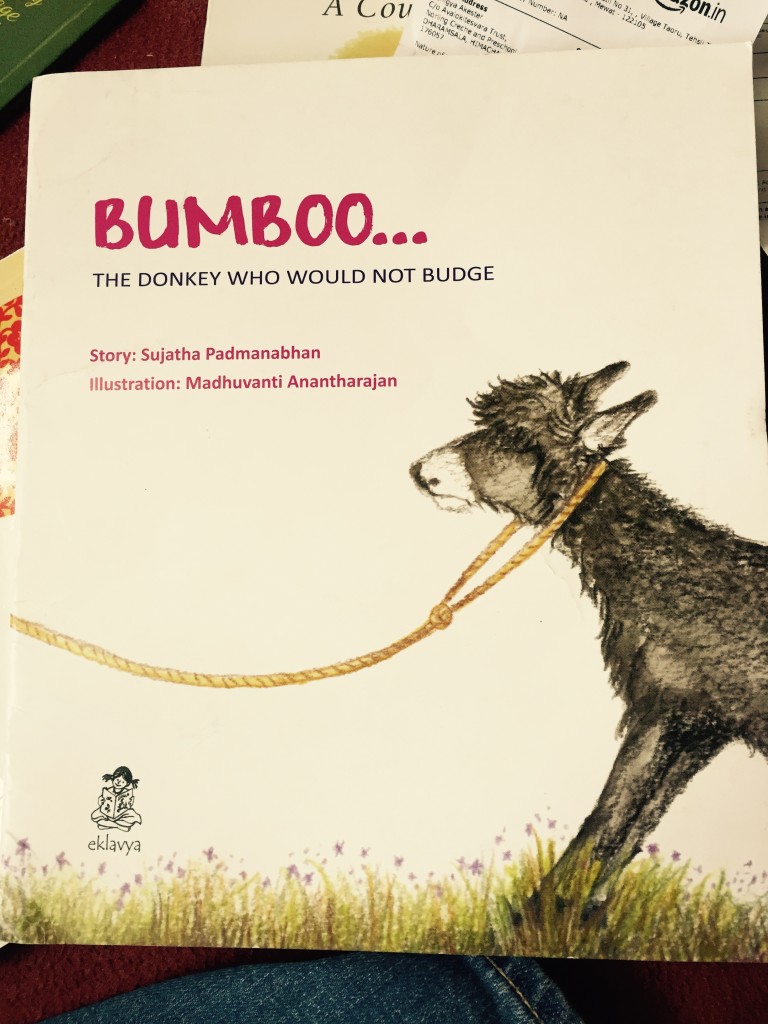
- Illustrations that add meaning rather than simply decorate a page
- Stories connected to local culture, landscape and community life
- Books that represent different abilities, families and experiences
- Materials that encourage drawing, music, research or conversation
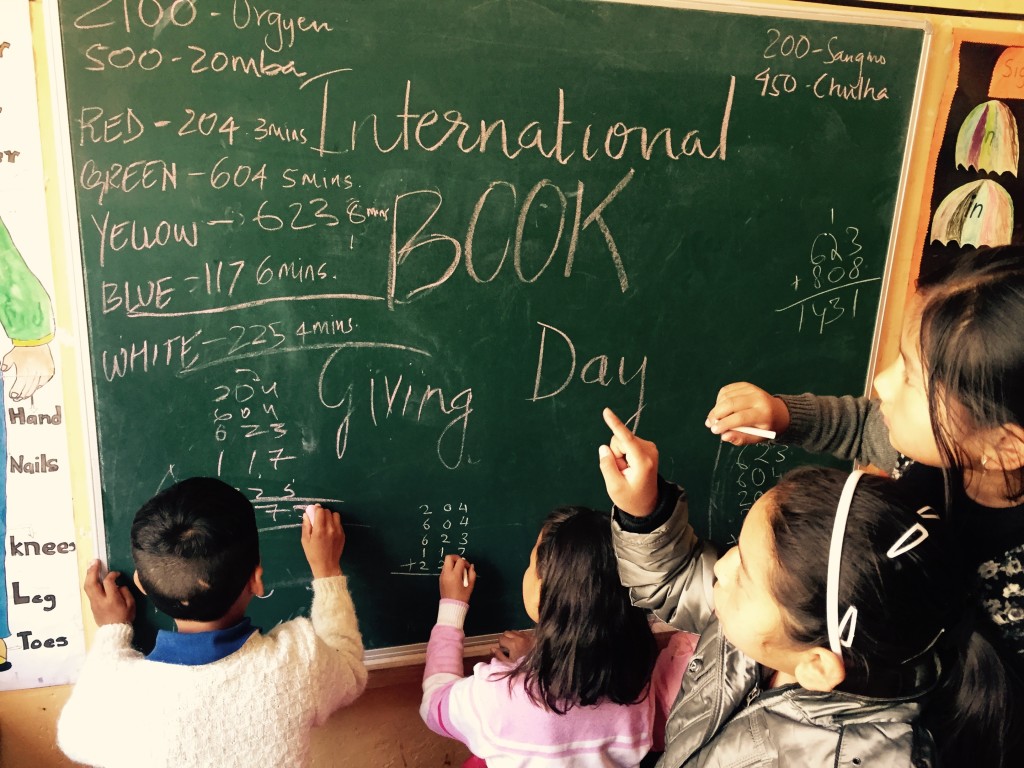
Cultural care is essential when selecting books about First Nations Australians, Himalayan communities or any tradition outside the reader’s own experience. Resources should be created with respect, avoid stereotypes and, where possible, include voices from the communities represented. During events such as Australian Children’s Book Week, schools can pair popular titles with local authors, oral histories and creative responses rather than treating reading as a competition for the largest number of books.
Adults also have a role in modelling curiosity. A teacher, volunteer or parent who reads quietly, handles books carefully and speaks warmly about stories shows children that reading belongs in ordinary life. This can be more persuasive than repeated instructions to read.
Making Quiet Time A Shared Practice
A sustainable reading habit grows when it fits the rhythm of a community. A reading room might open before lessons, after afternoon study or during a weekly gathering. Families can share a story at home, while schools can protect a brief period when everyone reads, including teachers. In Australia, this may work well before the evening rush of sport, homework and commuting; in a monastery or village, it may sit naturally beside study and reflection.
Quiet time can also lead back to speech. After reading, children might retell a chapter, compare it with a family story, compose a song or create a picture. These activities preserve the strengths of oral culture while allowing written language to become part of the exchange. Reading is then less about silent achievement and more about developing a richer inner and shared life.
The practical takeaway is simple: provide a dependable space, offer books that respect children’s worlds, and protect a small period each day for unhurried reading followed by conversation or creative expression.