Why Comics Matter To Himalayan Children
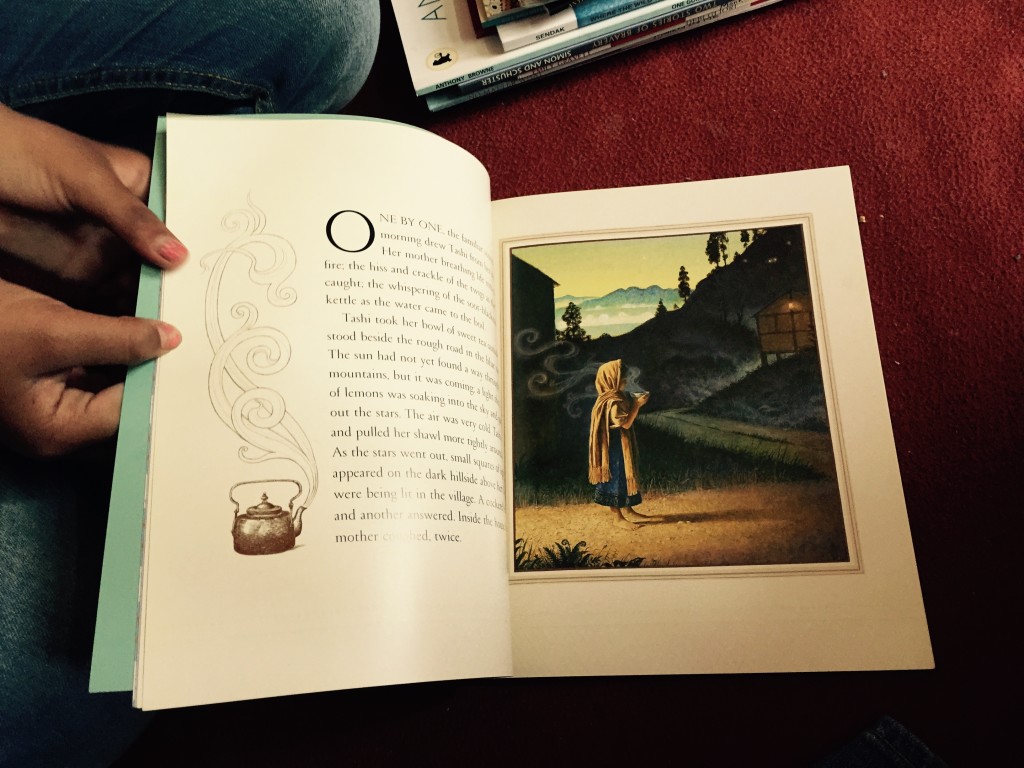
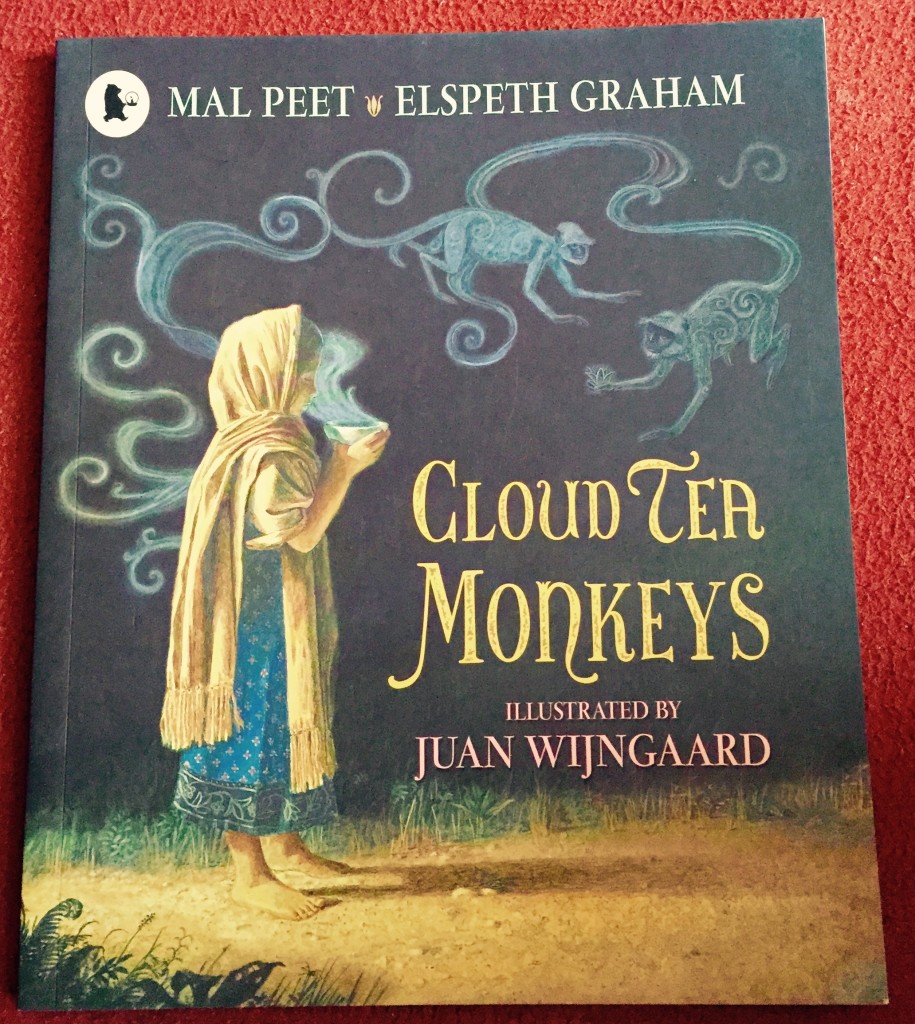
In mountain communities across Ladakh and the wider Himalayan region, a comic book can become much more than a source of entertainment. It may be a child’s first invitation to read independently, a bridge between languages, or a way to explore ideas that feel distant from everyday life. Bright illustrations and short sections make stories approachable for children with different reading abilities.
The popularity of comics among Himalayan children often surprises visitors who imagine that traditional stories, textbooks, and religious literature dominate young readers’ interests. In reality, illustrated stories fit naturally alongside these forms of learning. They offer humor, adventure, friendship, and problem-solving while quietly strengthening vocabulary and confidence.
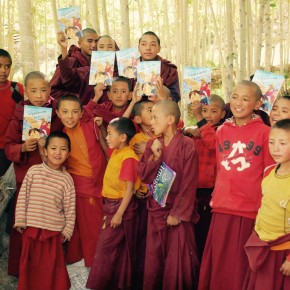
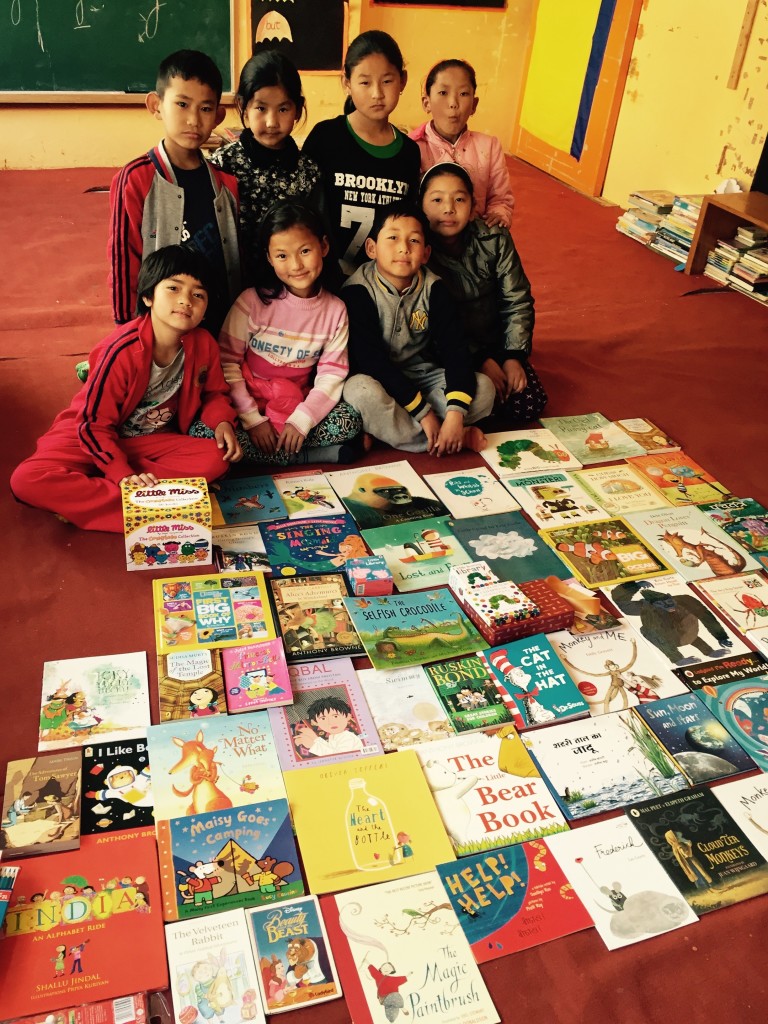
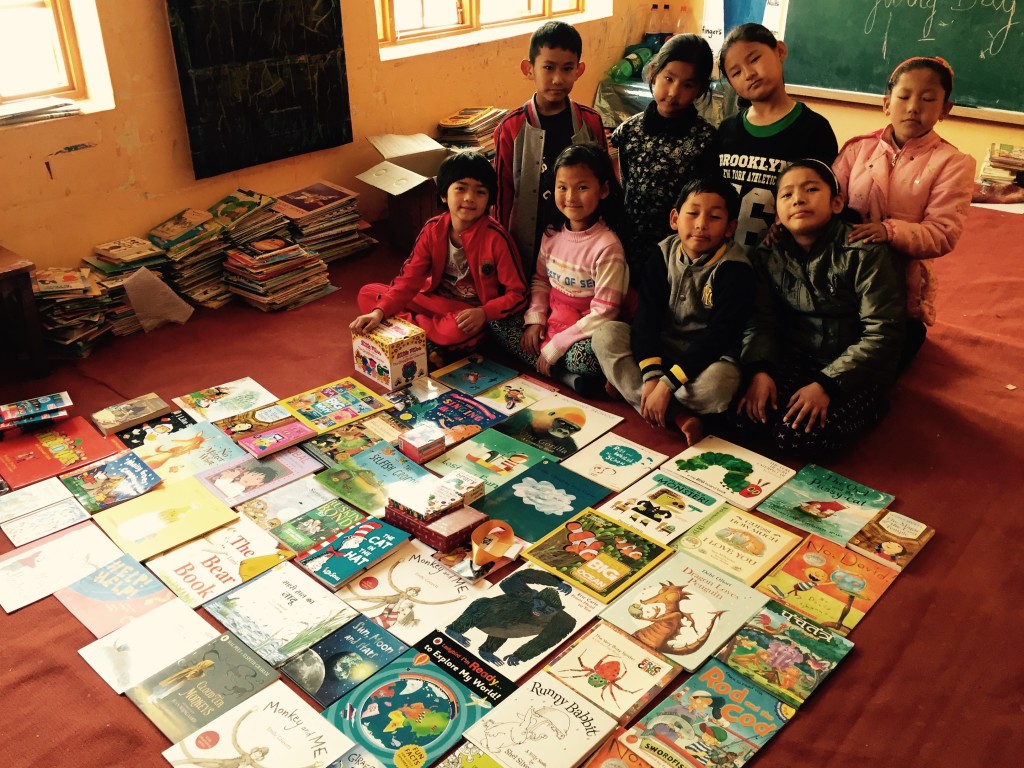
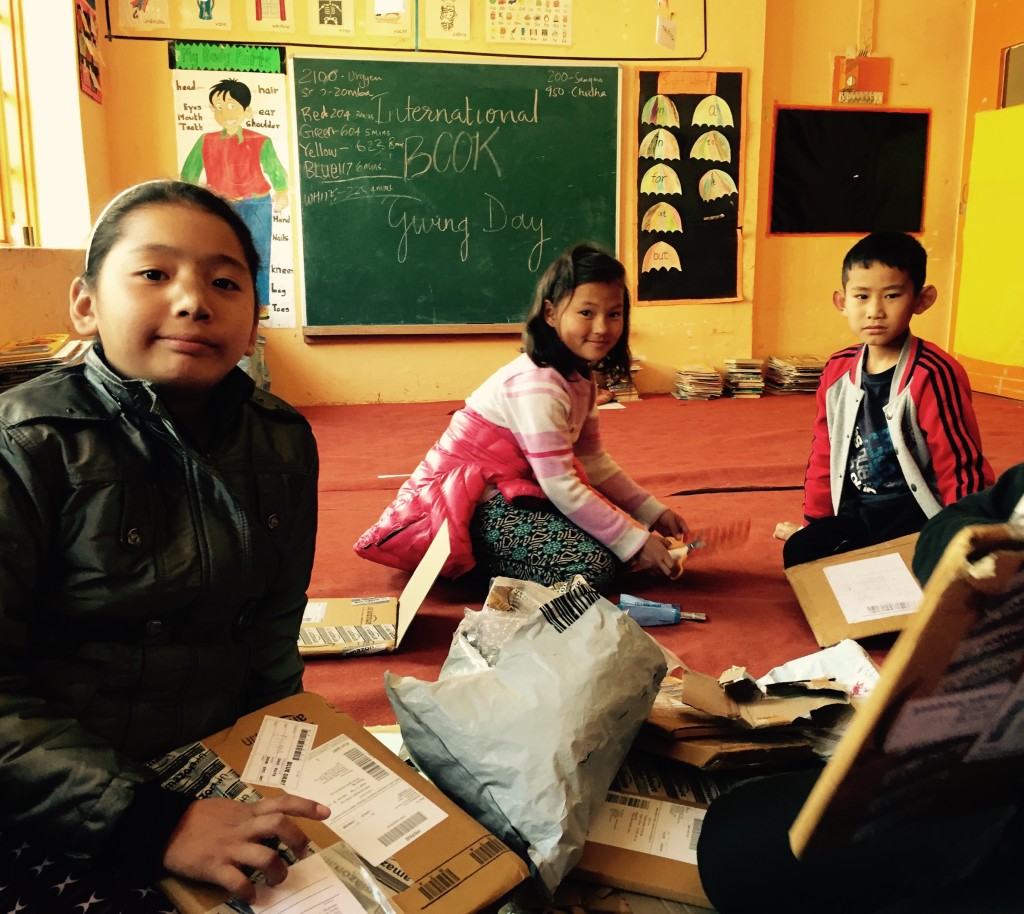
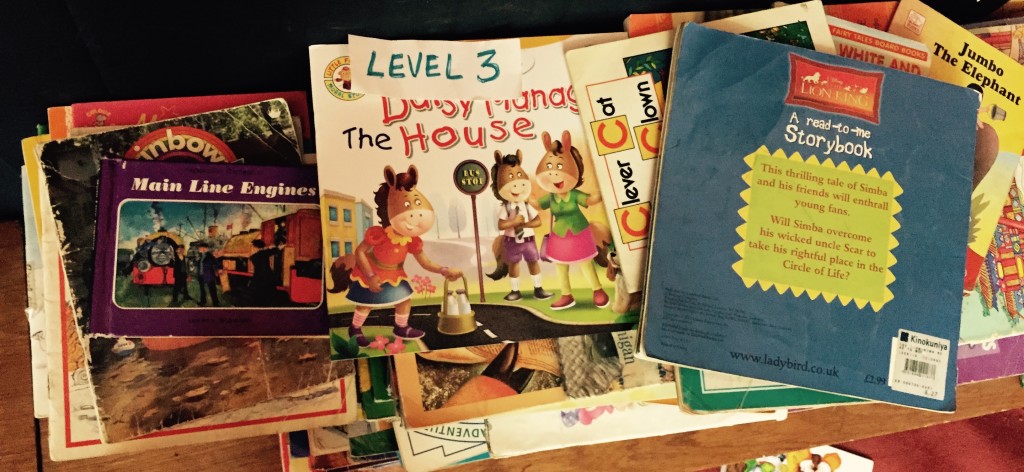
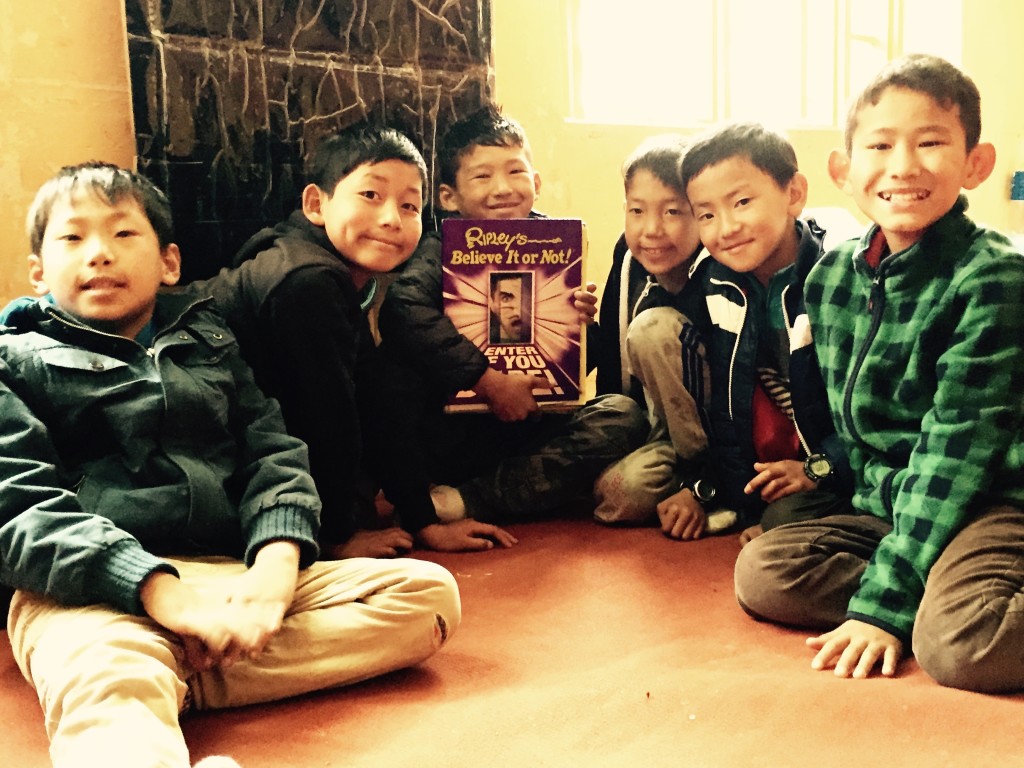
For organizations working to improve access to books, comics are also practical tools. They can attract children into reading rooms, encourage regular visits, and create shared activities for young monks and local students. In places where books are limited or expensive to transport, a carefully selected comic collection can have a lasting effect.
A Doorway Into Independent Reading
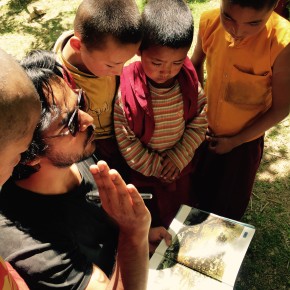
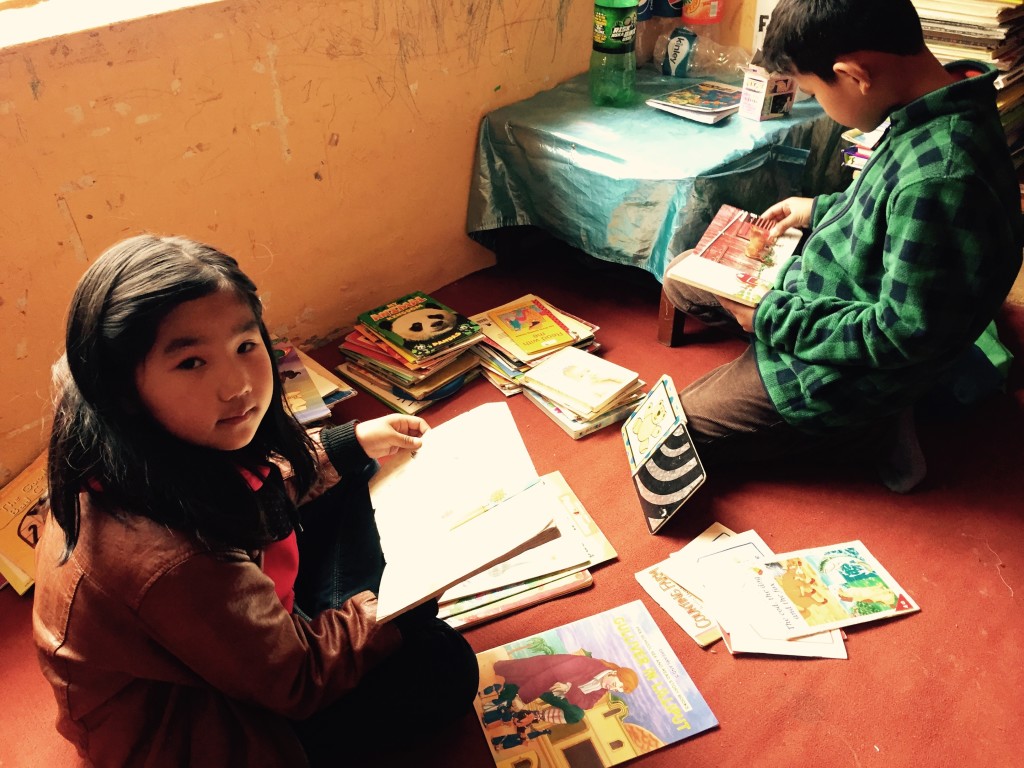
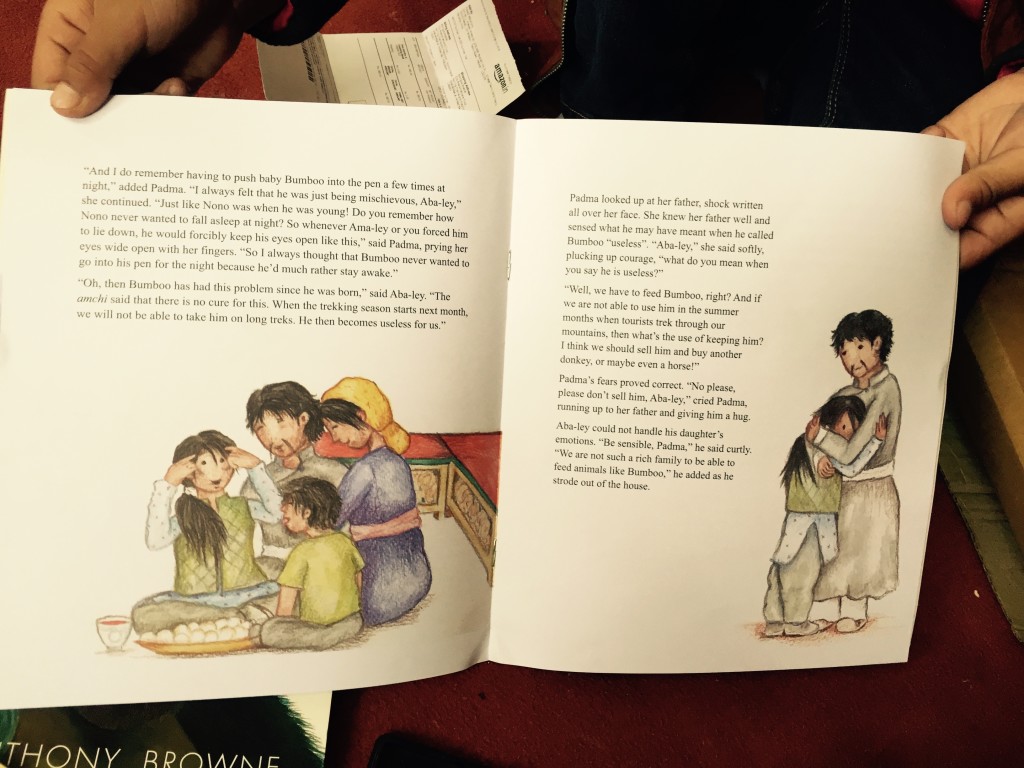
Many children are drawn to comics because the page gives them several ways to understand a story. Pictures show emotion, movement, setting, and relationships, while speech bubbles provide manageable amounts of text. A child who might hesitate before a dense page of prose can often follow a comic’s sequence with greater ease.
This visual support is especially valuable for emerging readers and children learning in more than one language. Even when some words are unfamiliar, a character’s expression or the action in the panel can offer clues. Children can infer meaning, predict what happens next, and gradually connect written language with context.
Comics also allow children to read at their own pace. They may study one image, skip ahead, return to a favorite scene, or read the same story several times. Repetition strengthens recognition of common words without making practice feel like an exercise. Over time, a child’s willingness to attempt longer books can grow from this early pleasure.
Stories That Travel Across Mountains
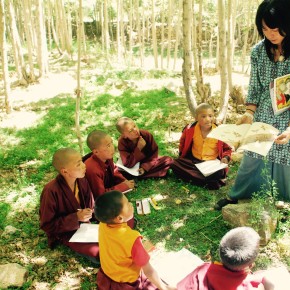
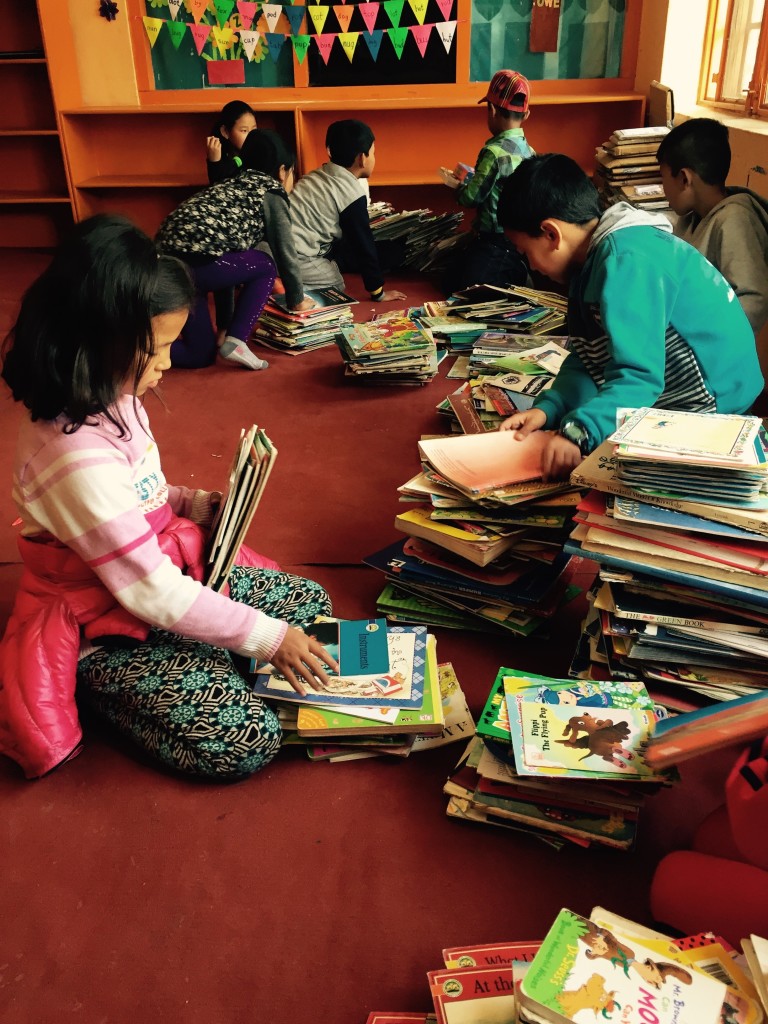
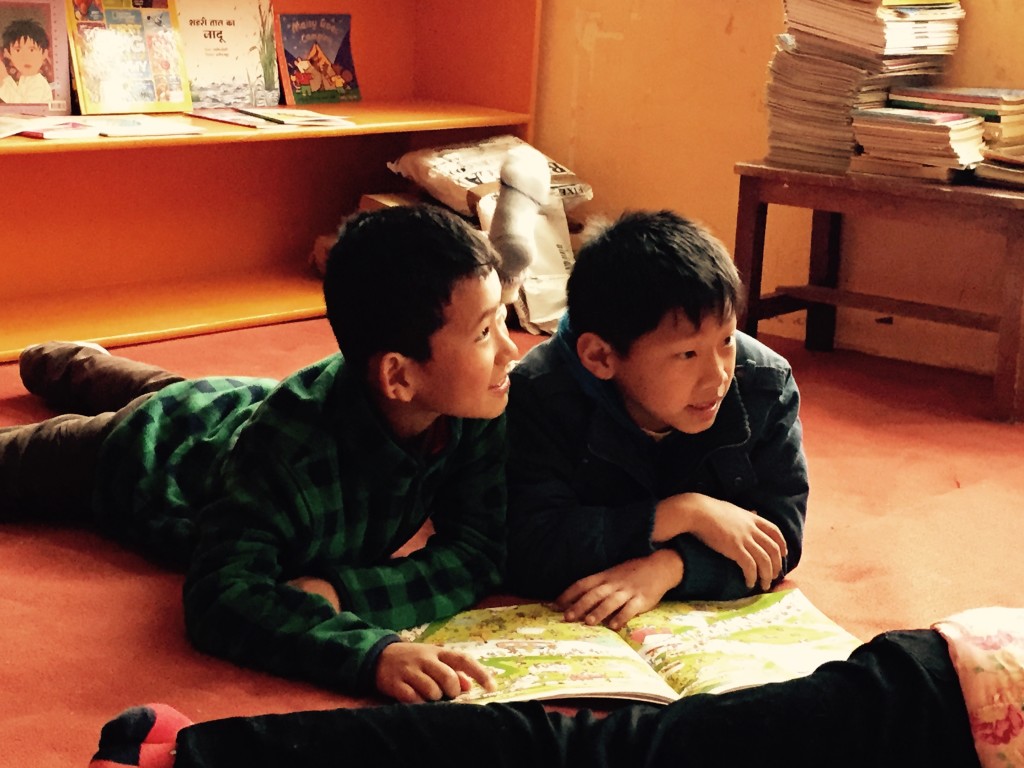
A comic’s format travels well between communities. A small stack can serve many readers in a village reading room, monastery library, school corner, or family home. Children can exchange titles, retell scenes, and recommend characters to friends. The shared nature of comic reading turns books into social objects rather than silent possessions.
The stories themselves can travel across cultural settings too. Tales about courage, cooperation, family, environmental care, and kindness have meaning in many places. When children encounter heroes who solve problems through patience, ingenuity, or teamwork, they gain material for conversation about their own lives.
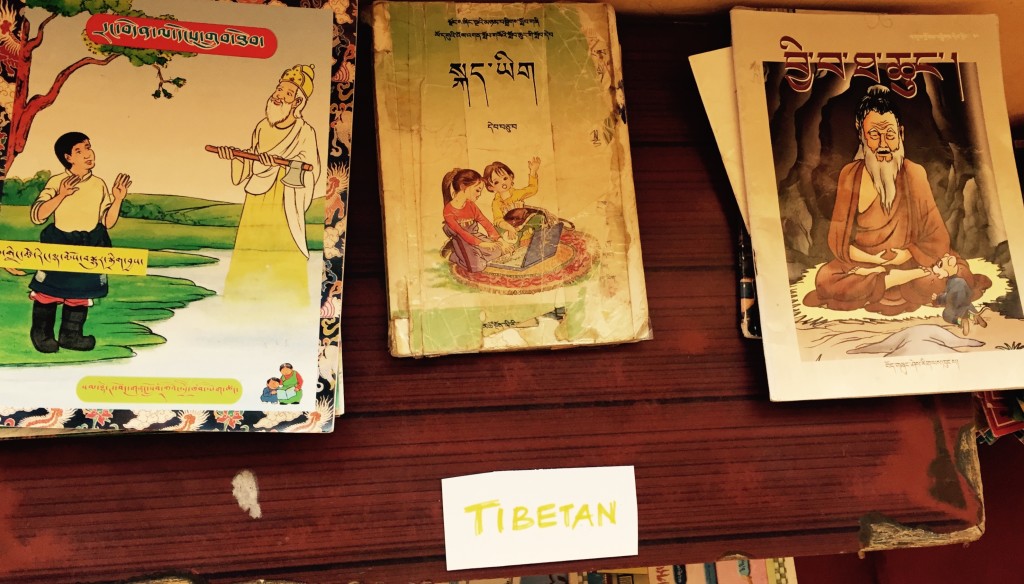
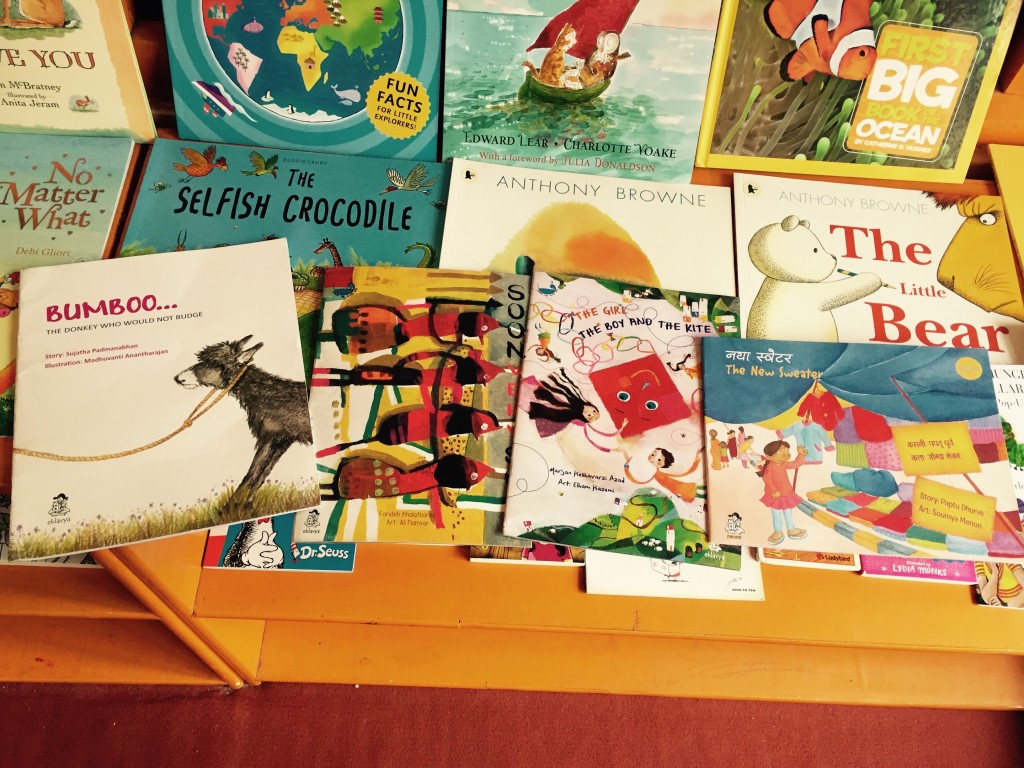
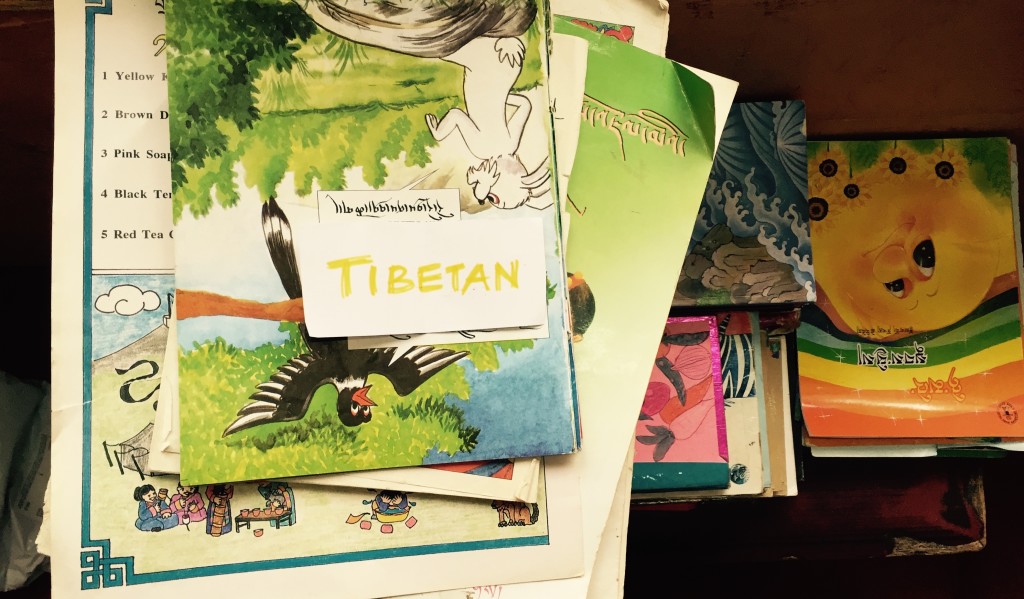
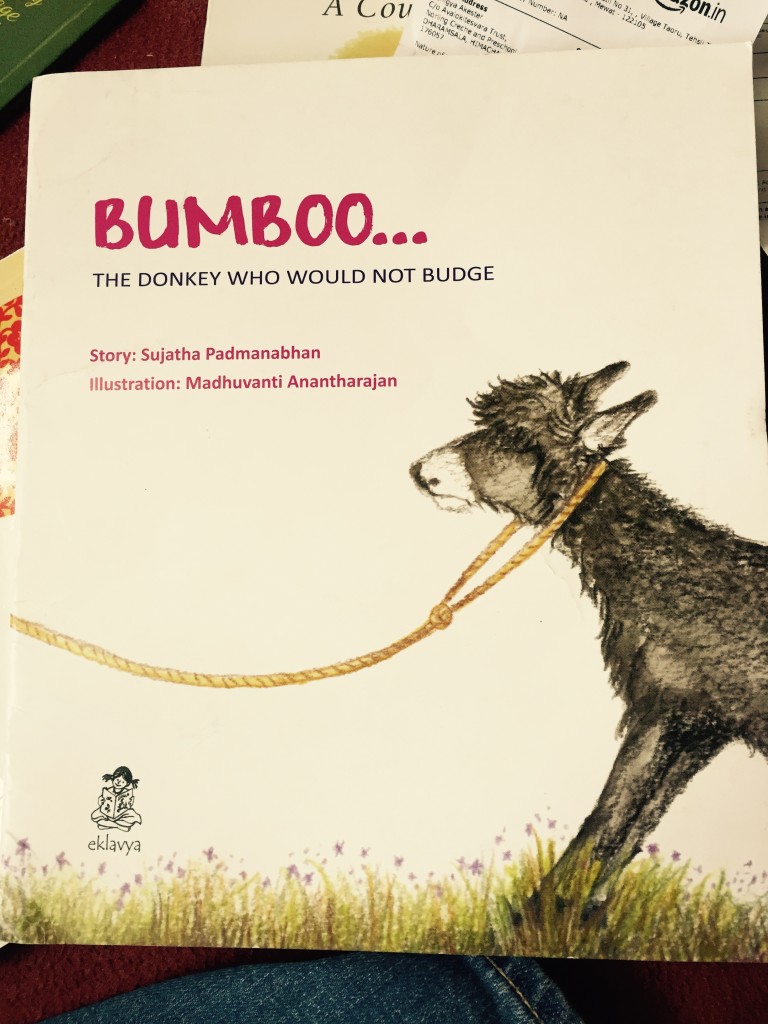
Local relevance remains important. Imported comics may spark interest, yet books featuring Himalayan landscapes, familiar clothing, Buddhist values, mountain animals, or village life can create a stronger sense of recognition. A balanced collection might include global adventure stories, translated works, graphic nonfiction, folktales, and locally produced illustrations.
Why Images Encourage Deeper Thinking
It is easy to assume that pictures make reading less demanding. In practice, comics ask readers to interpret several forms of information at once. Children must follow the order of panels, understand changes in viewpoint, notice visual details, and connect dialogue with action. These skills support visual literacy and analytical thinking.
A wordless or nearly wordless graphic story can be particularly powerful. Children can describe what they see, invent dialogue, compare interpretations, and build a narrative together. Such activities welcome readers with limited English or unfamiliarity with formal literary language. They also give children opportunities to lead, explain, and listen.
Educators can use comics as a starting point for writing and discussion. After reading a scene, students might create a new ending, draw a missing panel, research an animal shown in the story, or write a short character diary. Art, language, music, and drama can grow from one accessible book, making a comic a flexible educational resource.
| Comic feature |
Benefit for young readers |
Possible learning activity |
| Illustrated panels |
Supports comprehension and visual sequencing |
Arrange mixed-up panels in order |
| Short dialogue |
Builds vocabulary and reading confidence |
Perform a scene with different voices |
| Recurring characters |
Encourages sustained reading |
Compare a character’s choices |
| Adventure or mystery |
Promotes prediction and inference |
Guess the next event and explain why |
| Local settings and themes |
Connects reading with lived experience |
Draw a familiar place as a story setting |
Reading Rooms Become Shared Spaces
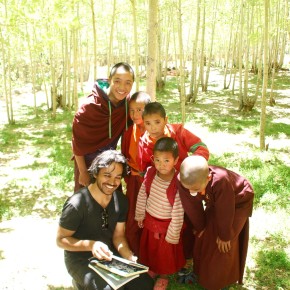
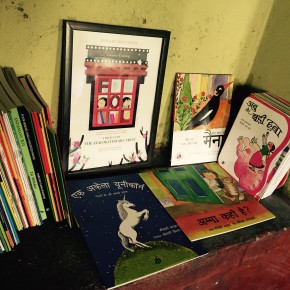
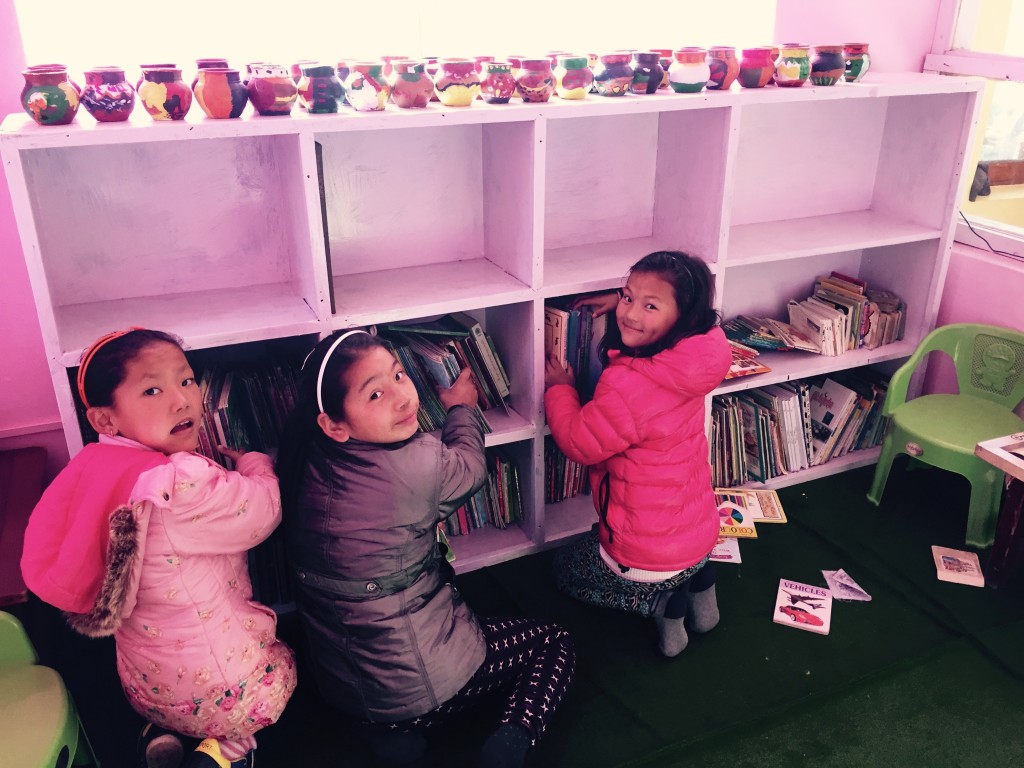
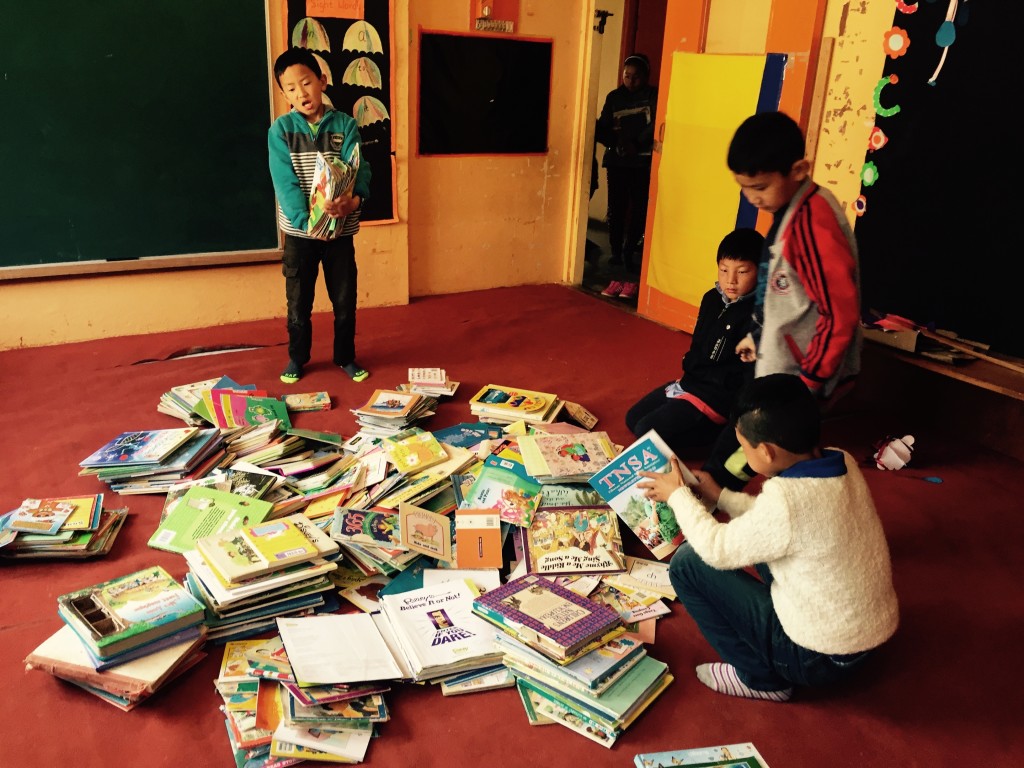
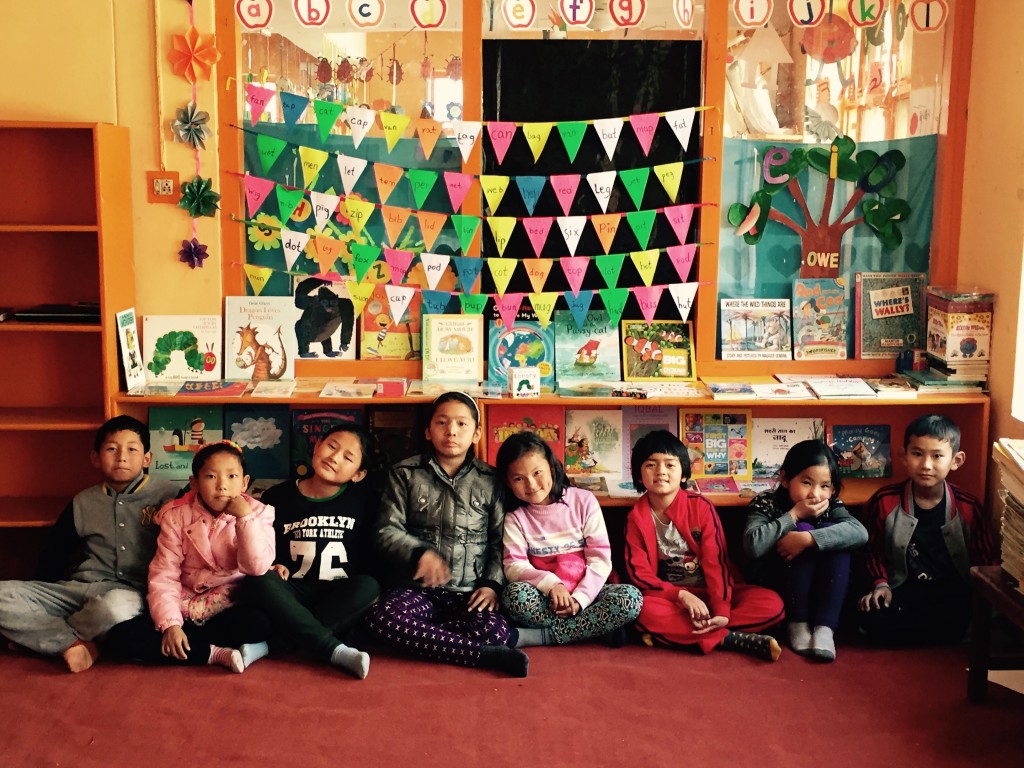
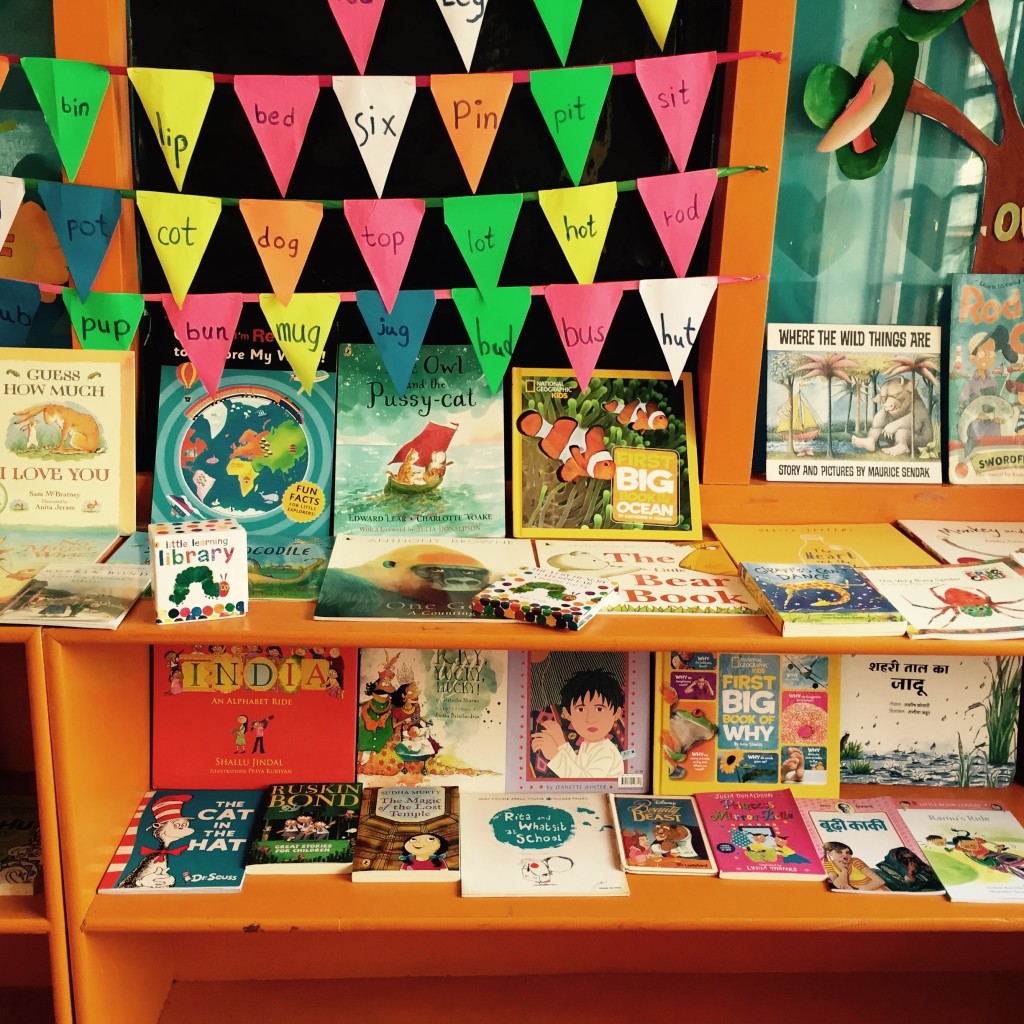
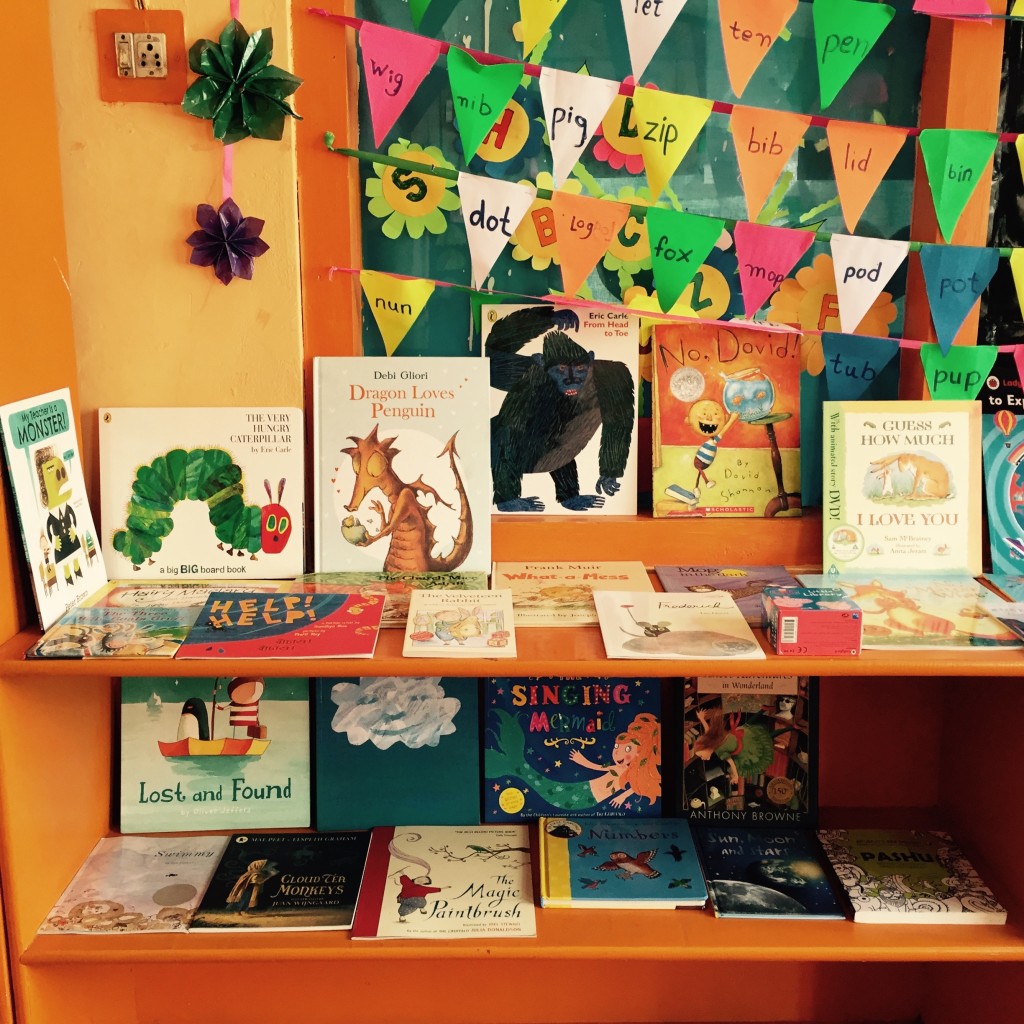
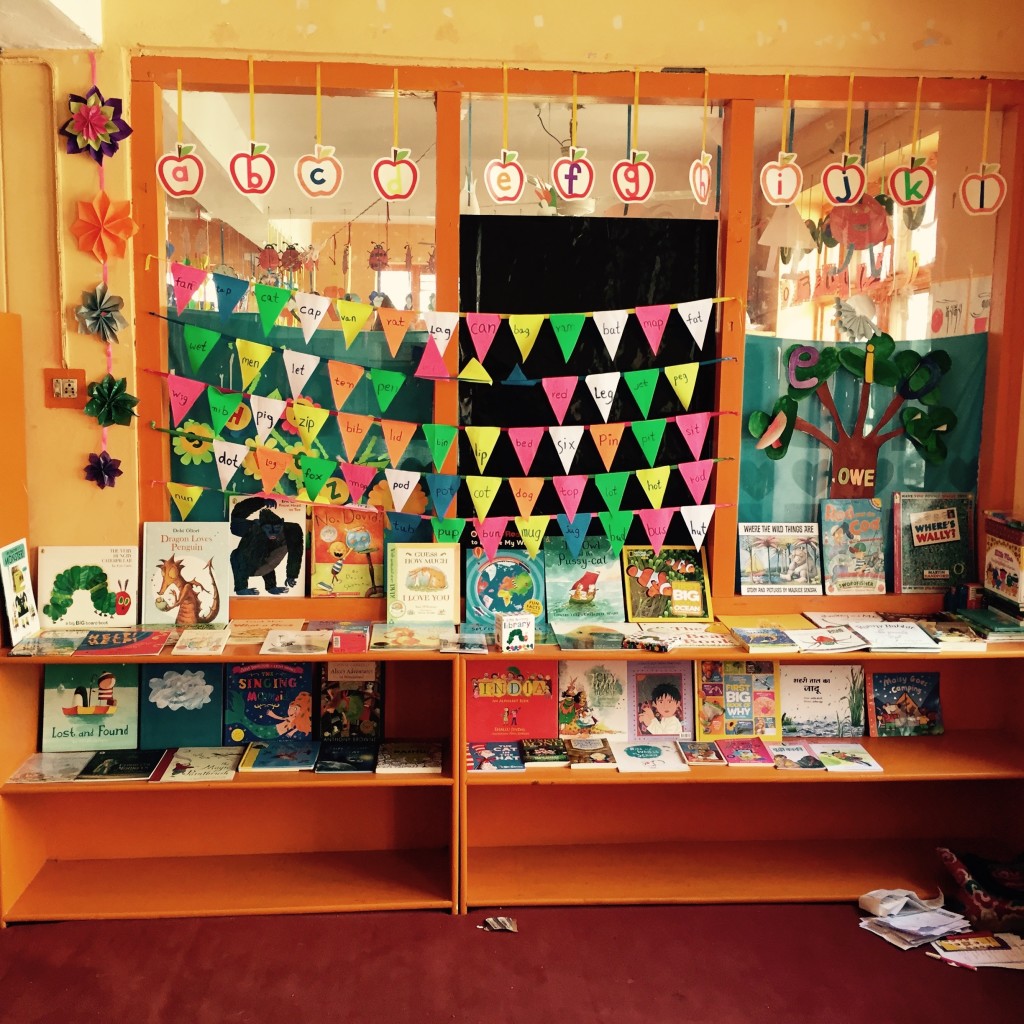
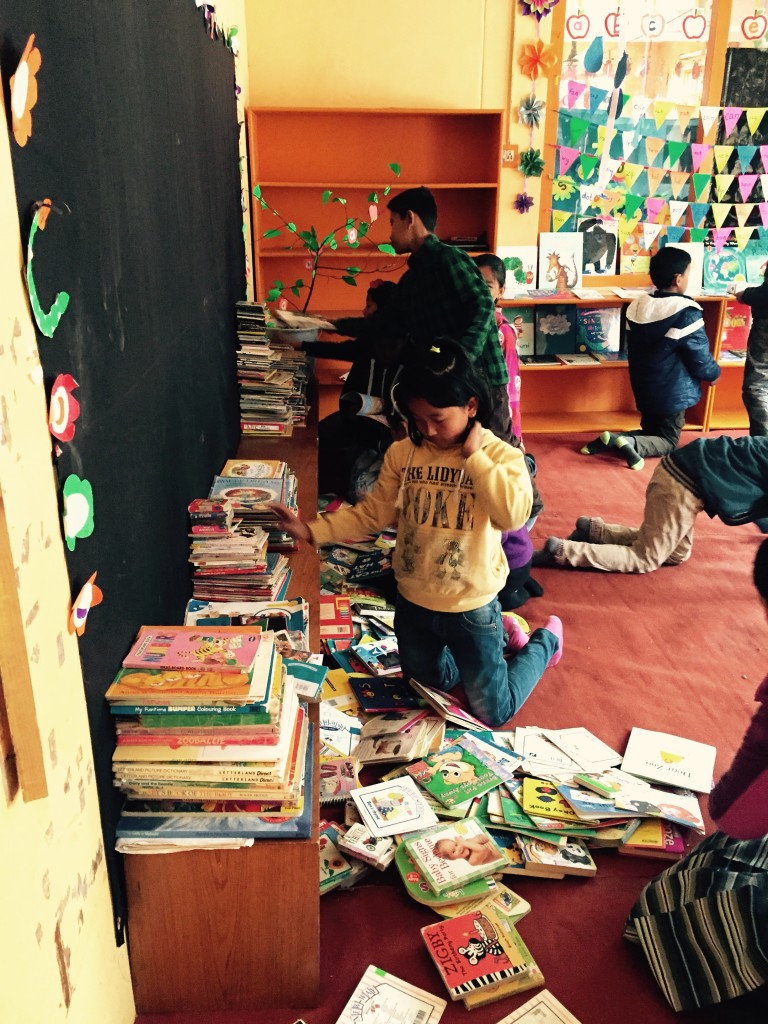
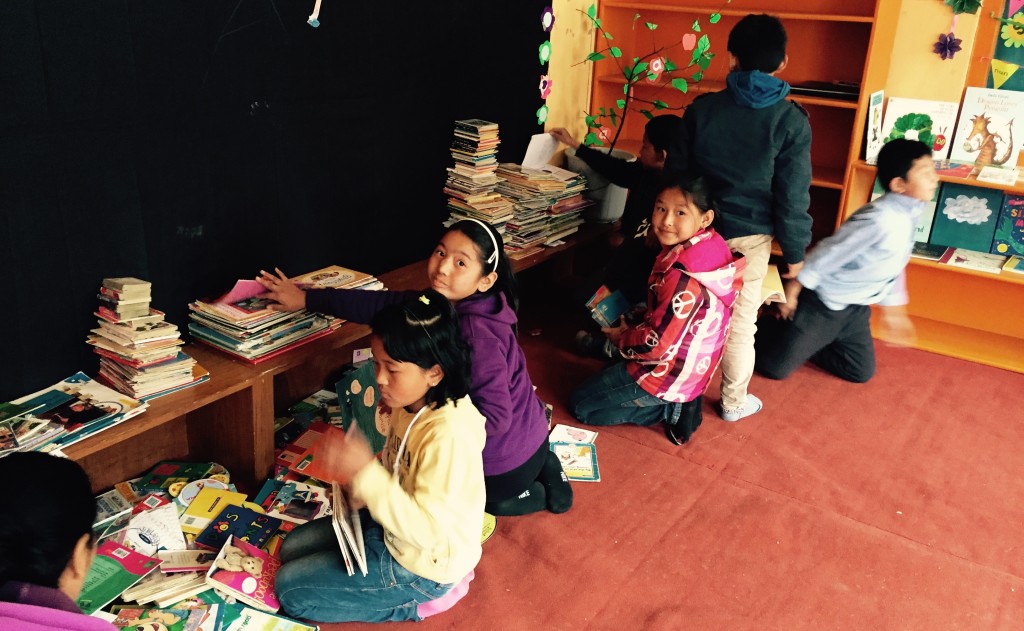
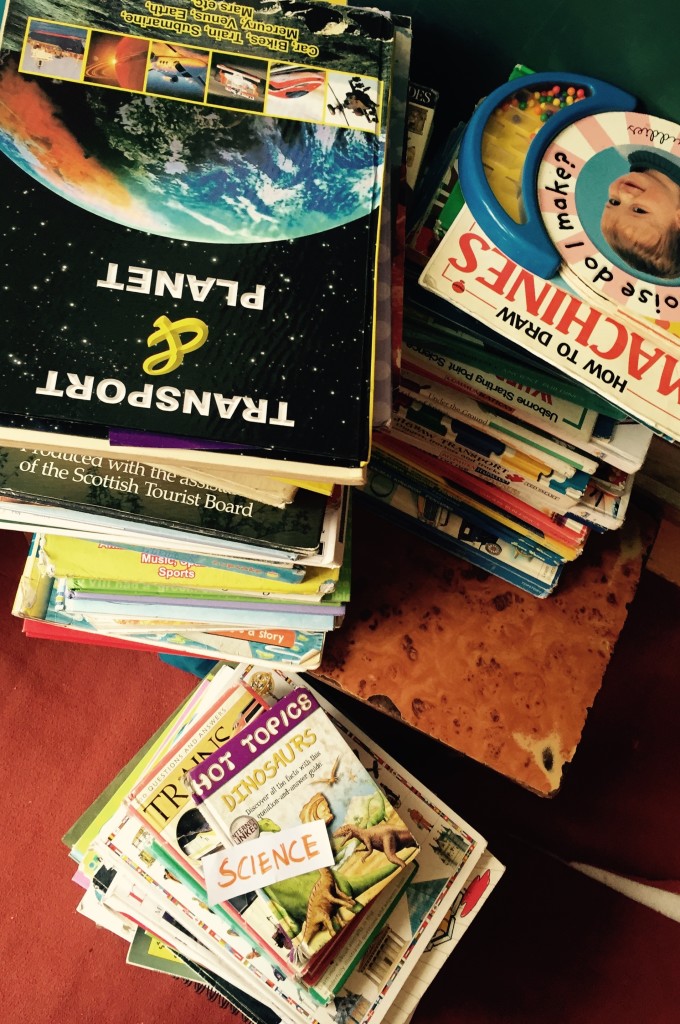
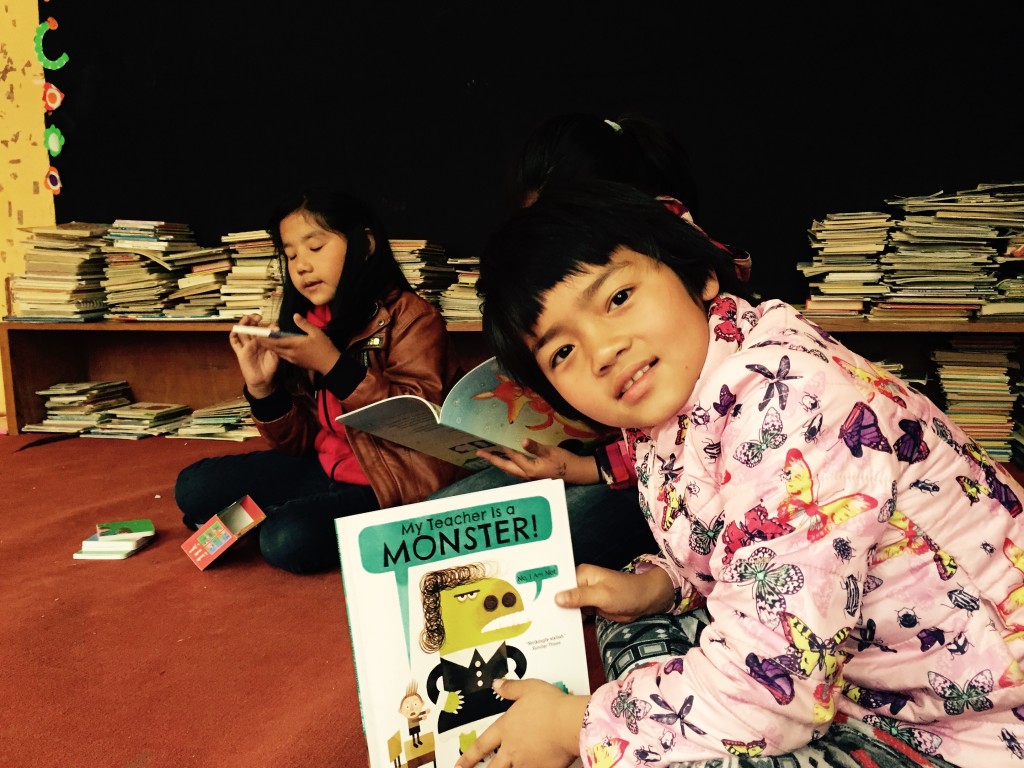
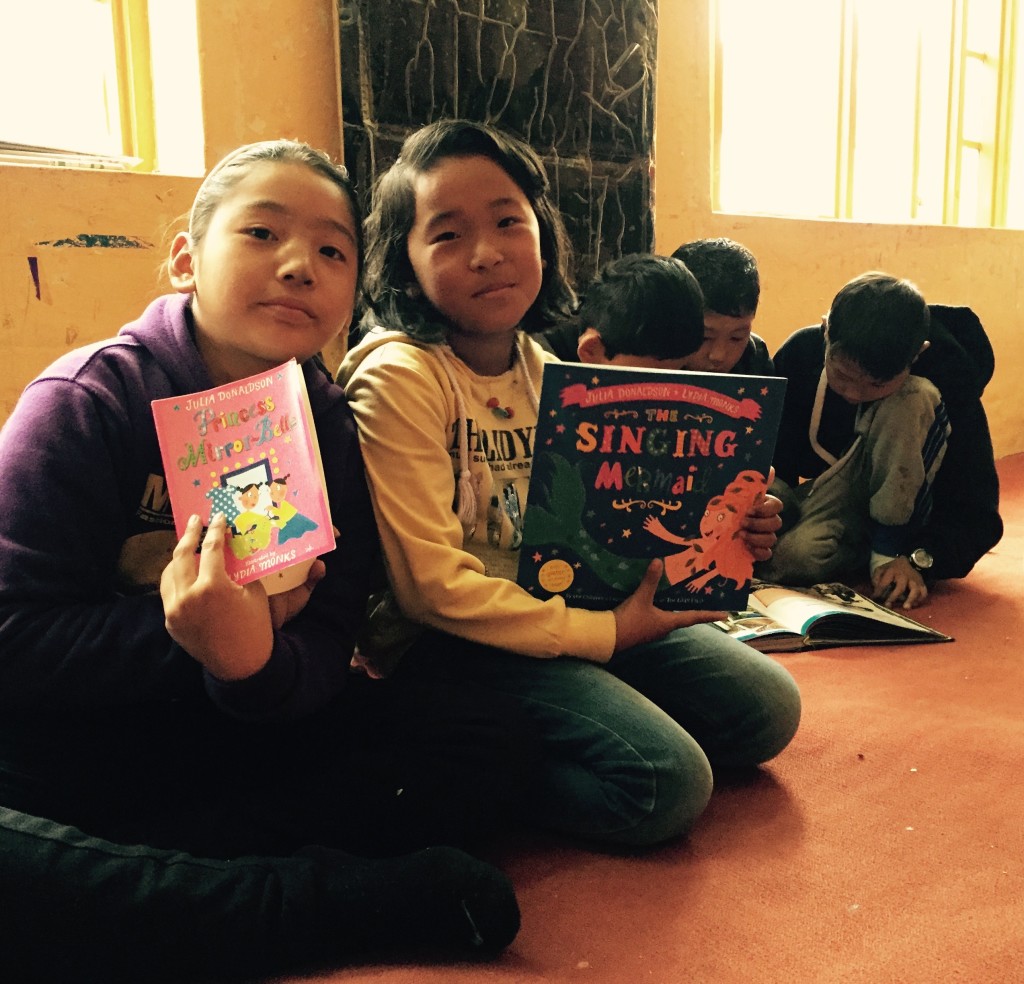
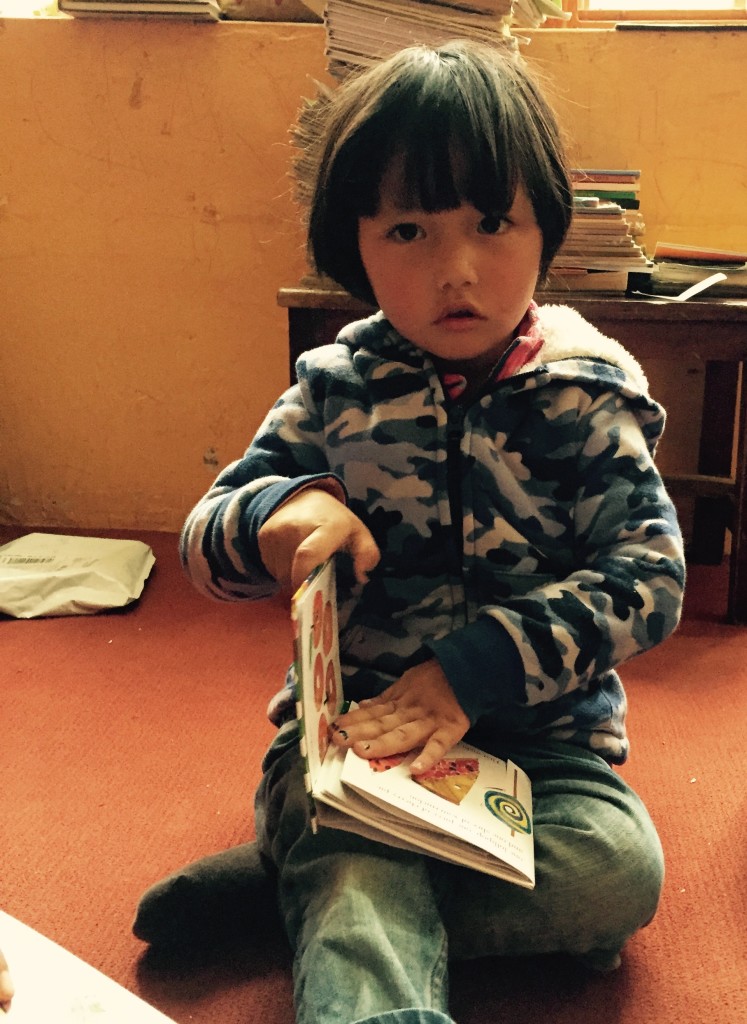
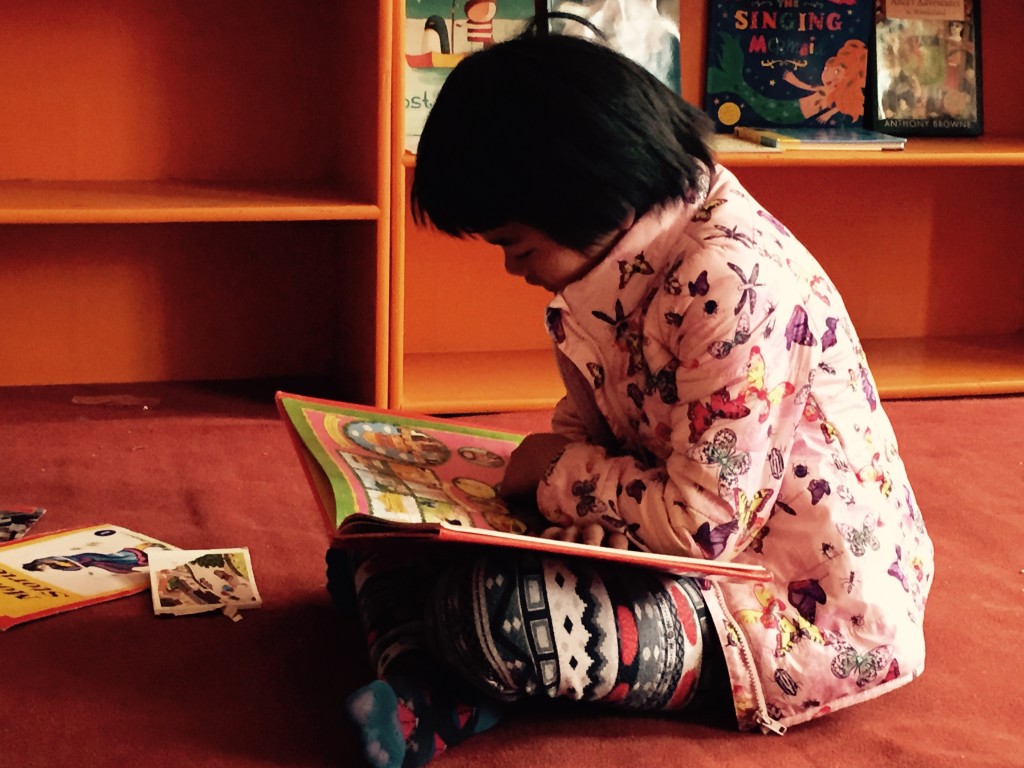
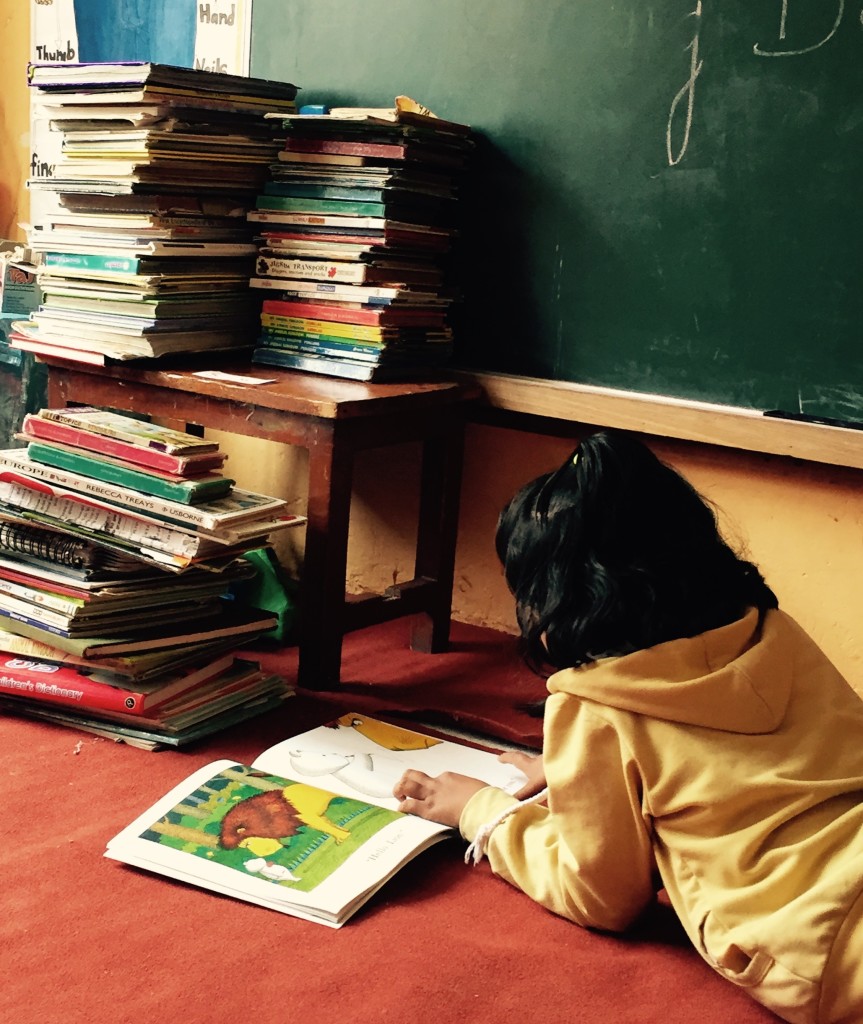
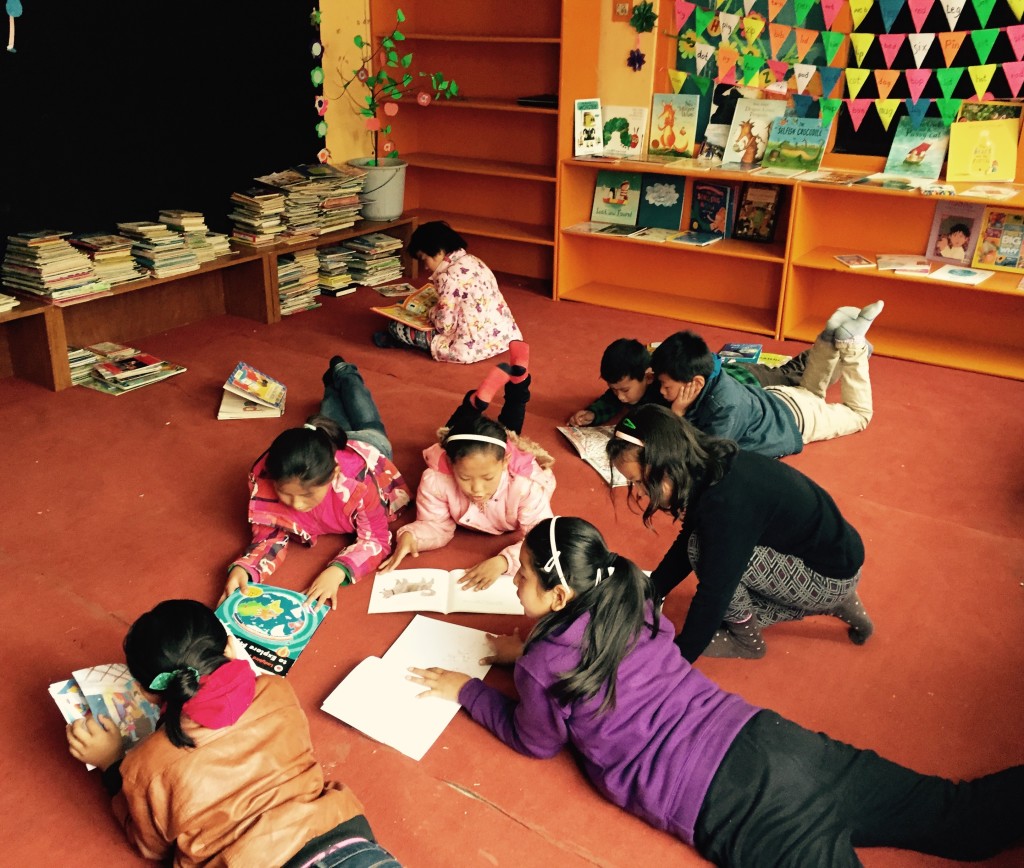
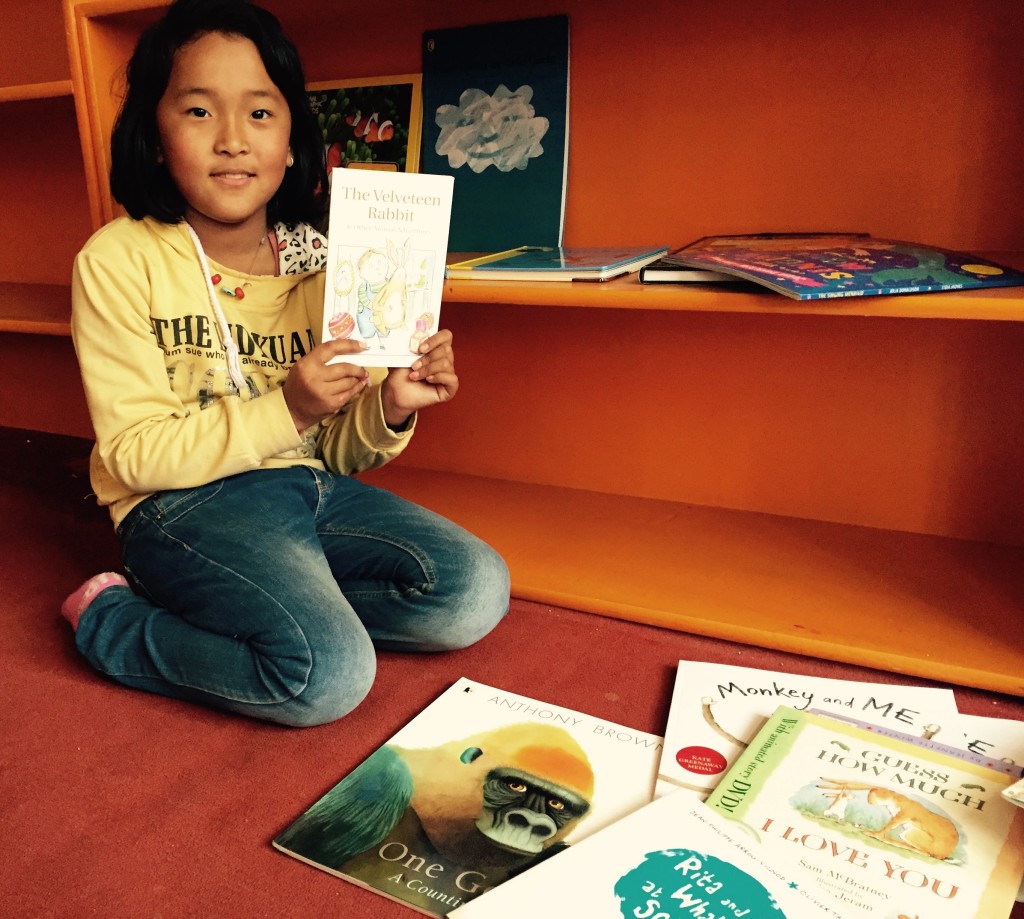
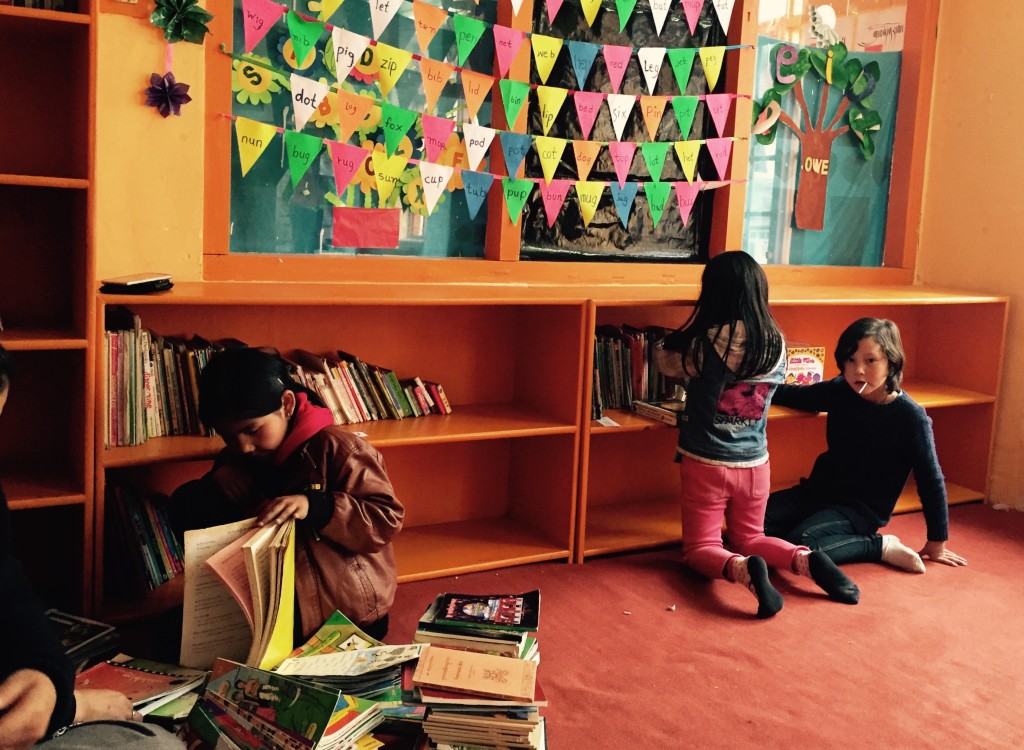
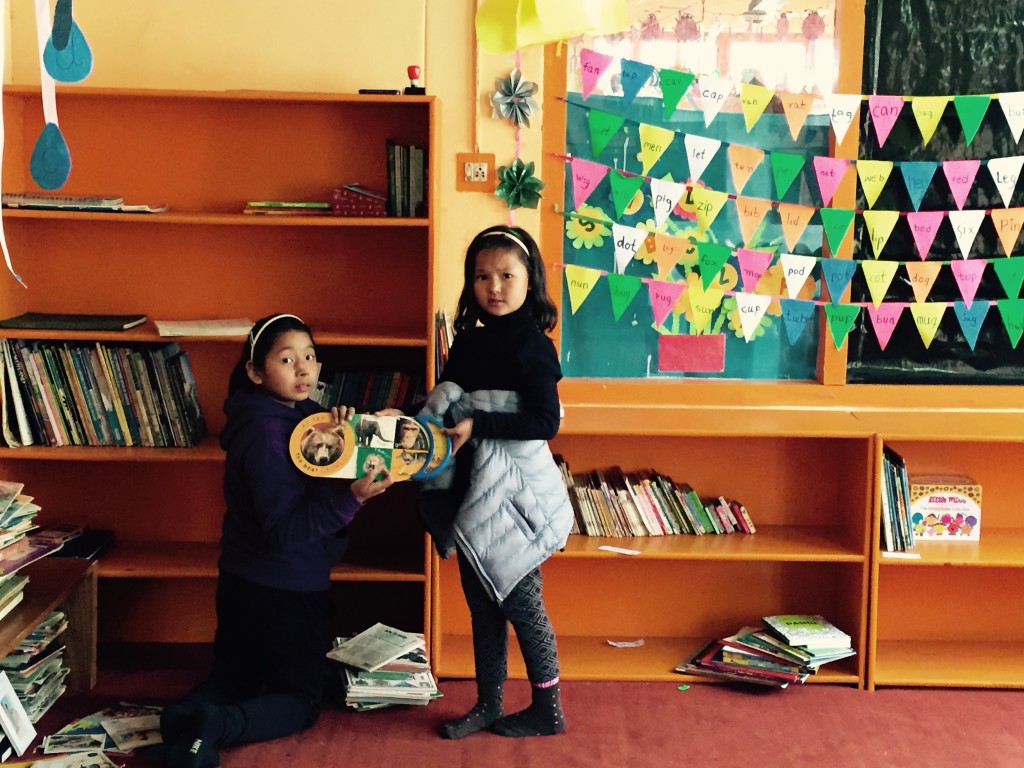
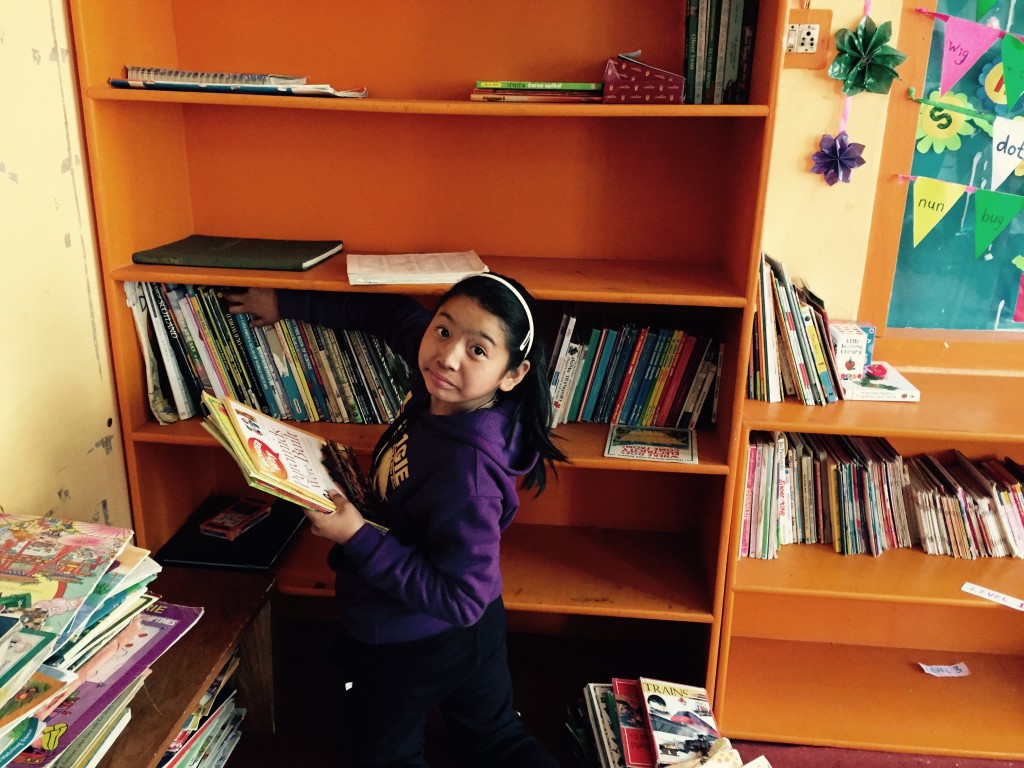
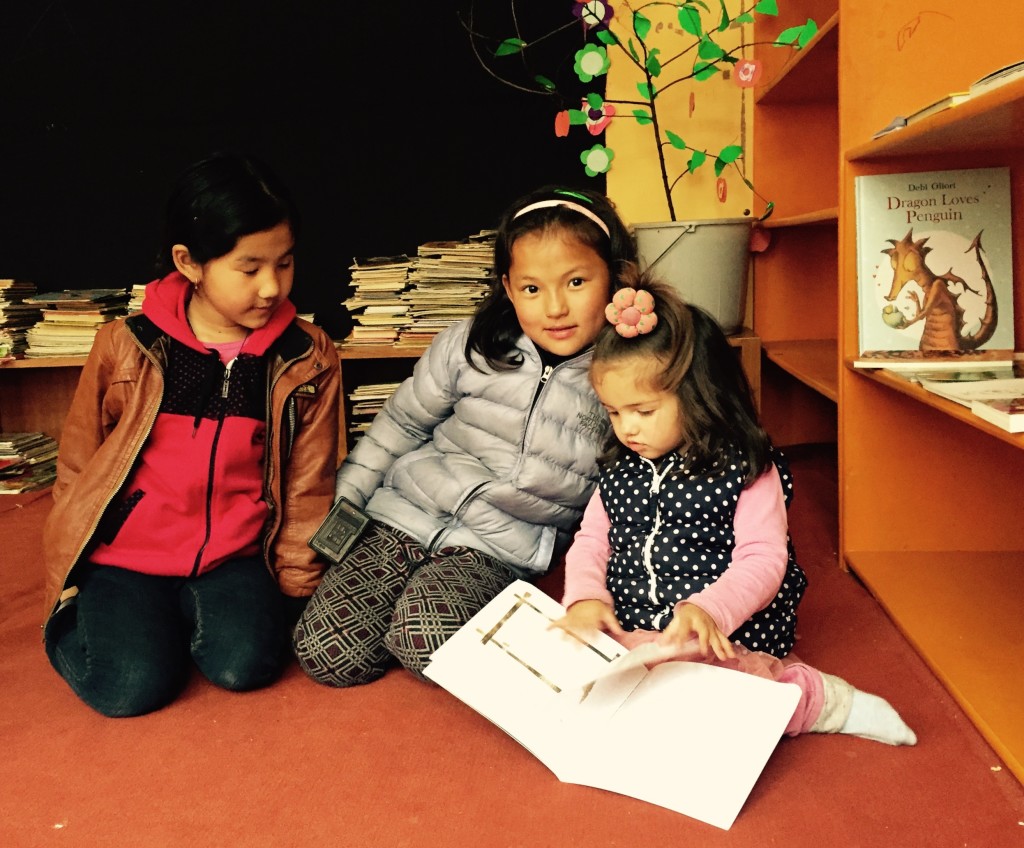
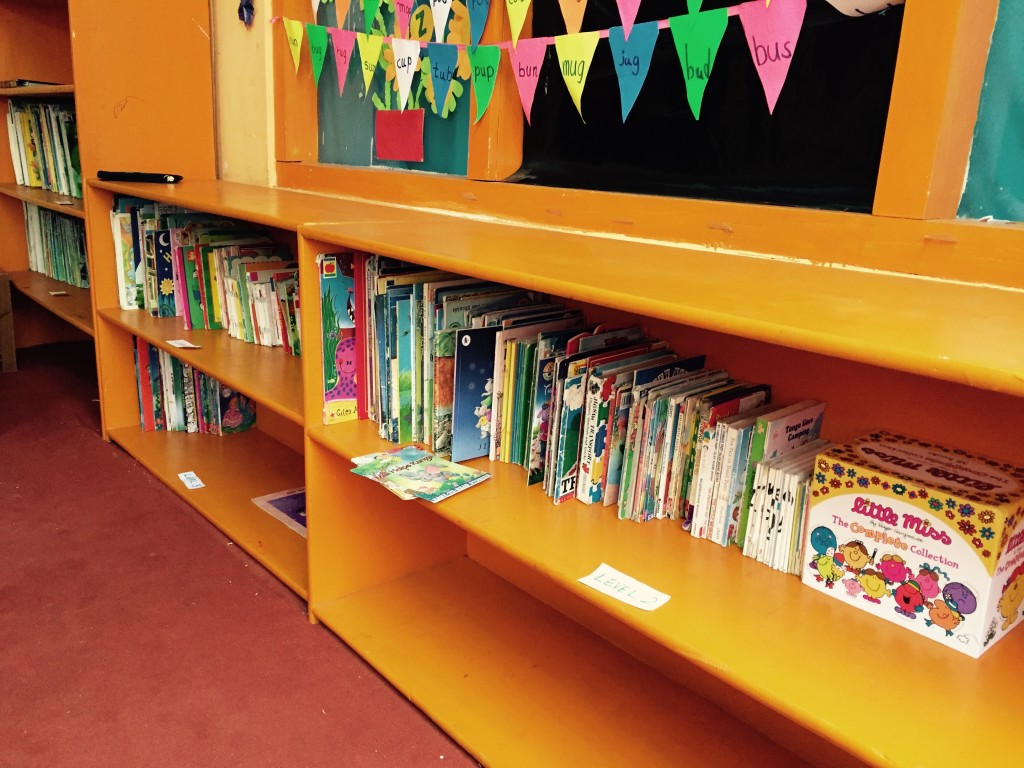
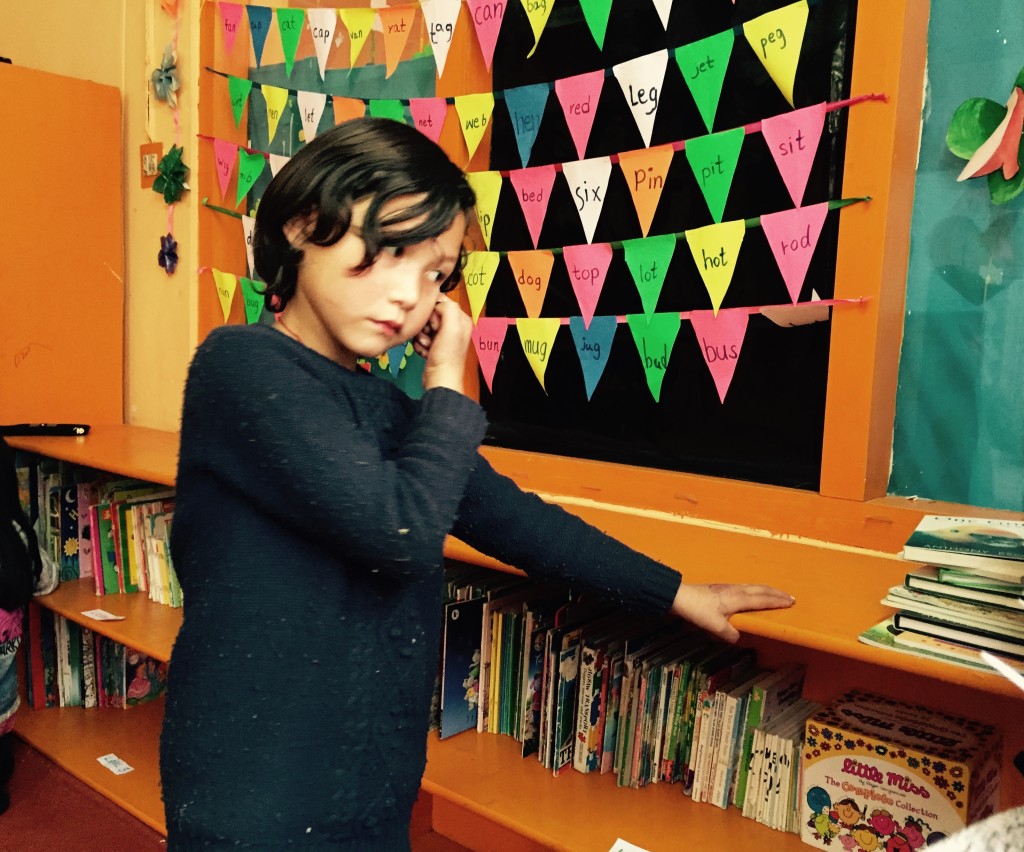
A reading room becomes more inviting when its shelves include books that children actively want to open. Comics can provide that first attraction. A child may enter to look at a superhero, animal tale, or humorous character and then discover poetry, science books, biographies, or folktales nearby.
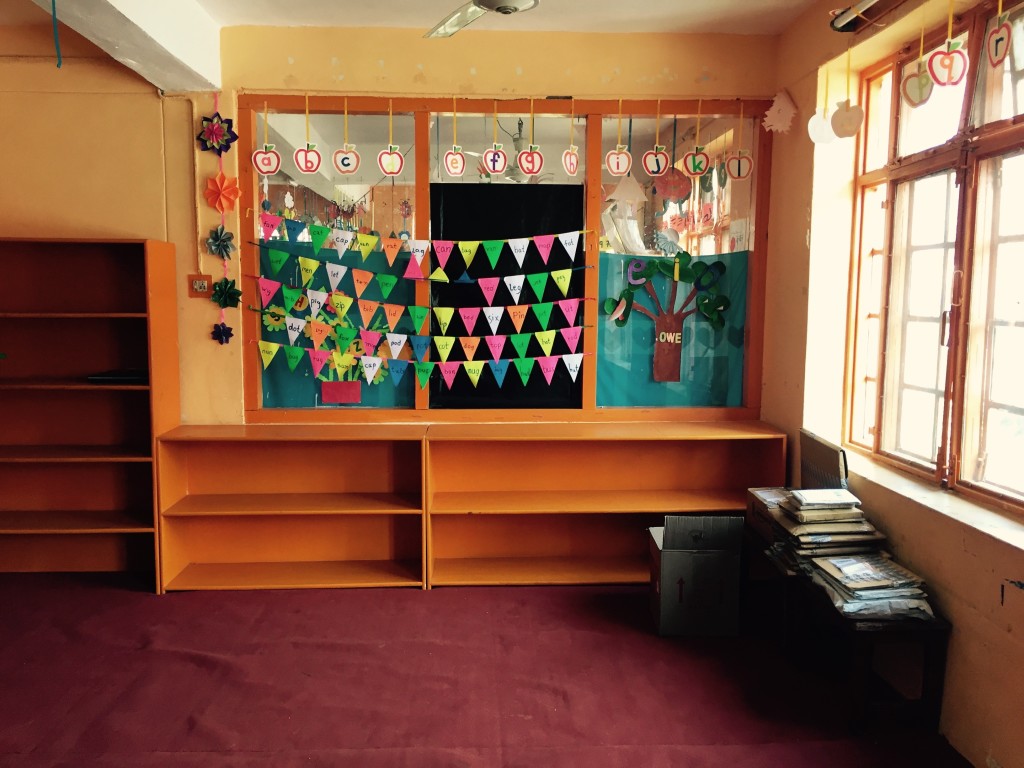
This effect matters in communities where access to quality reading material is uneven. A well-organized space can offer quiet reading, group storytelling, drawing, and book discussion under one roof. The Avalokiteśvara Trust supports this wider culture of literacy through educational and creative activities for children and young monks in Himalayan communities.
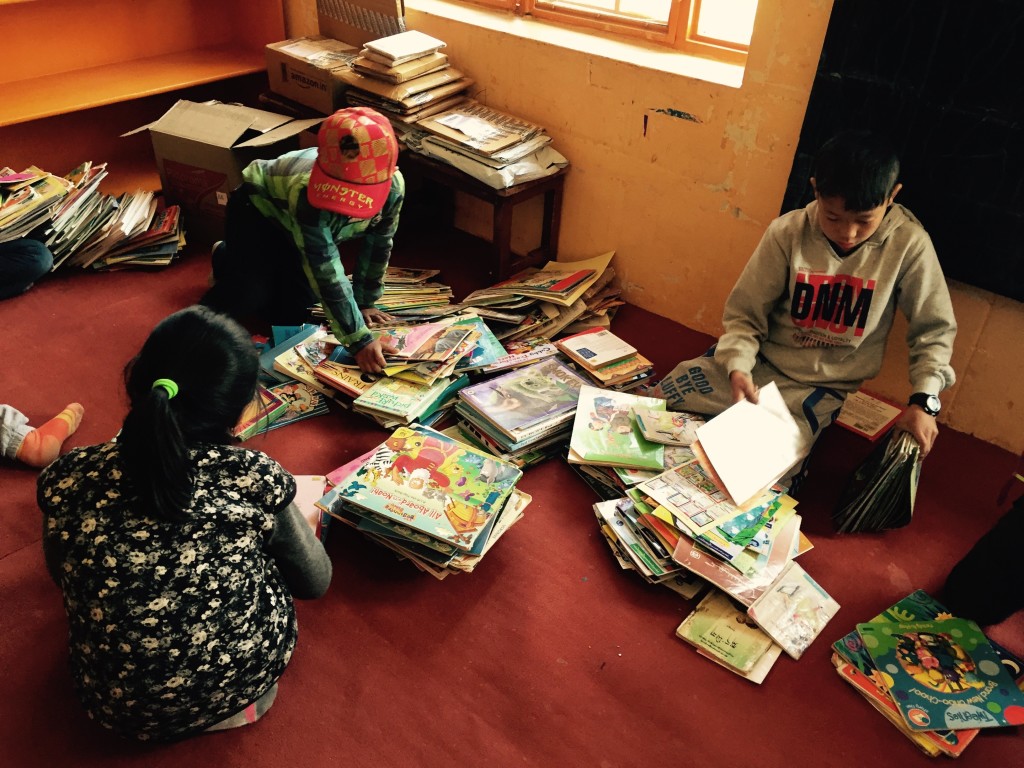
Adults play an important role without controlling every reading choice. Volunteers and teachers can recommend books, read aloud, explain unfamiliar references, and help children care for shared materials. They can also observe which topics attract different age groups, using that knowledge to shape future book drives and library collections.
Respecting Culture While Expanding Choice
Comic books should complement local traditions rather than displace them. Himalayan children deserve access to stories rooted in their own communities as well as books from other parts of the world. This broad range helps them recognize their experience in print while developing curiosity about unfamiliar places and perspectives.
Selection requires care. Some comics rely heavily on violence, stereotypes, or humor that does not translate well across cultures. Others may be visually exciting but offer little substance for younger readers. Age suitability, translation quality, representation, durability, and educational value all matter when building a collection for a school or reading room.
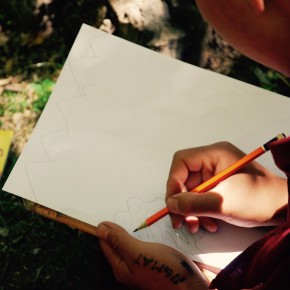
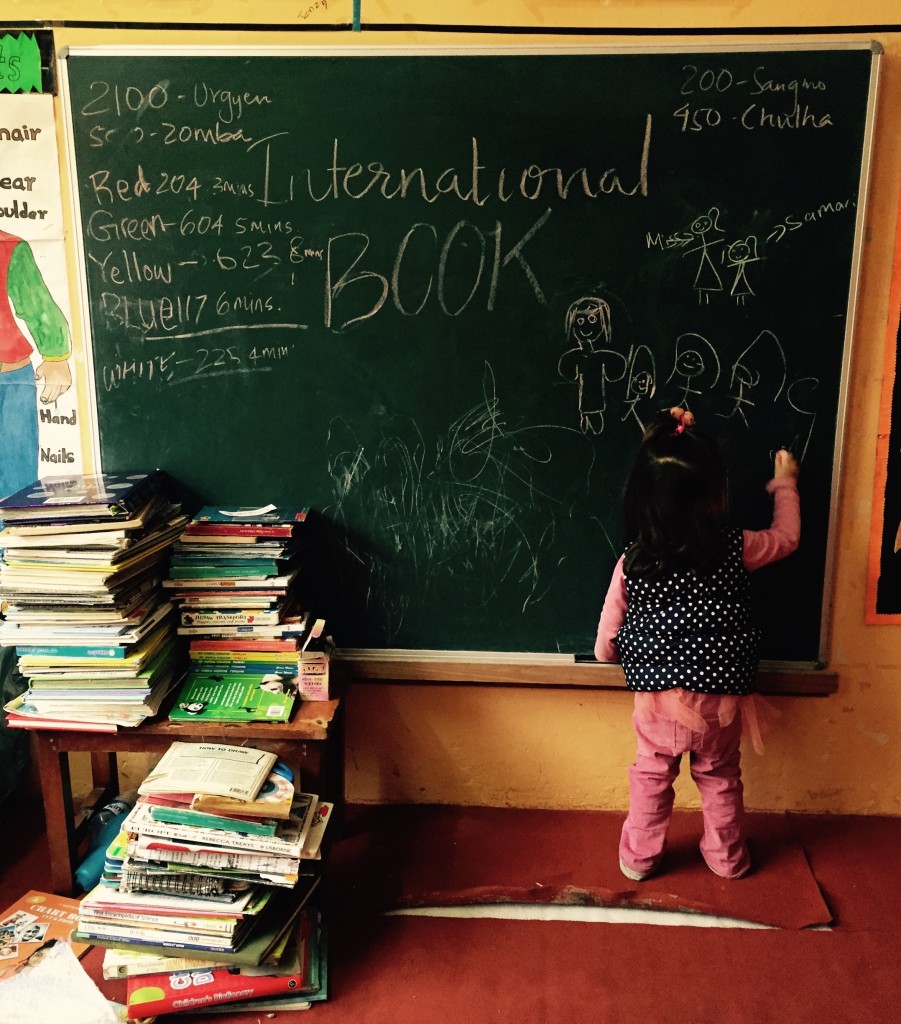
Children can also become creators. Inviting them to draw mountain adventures, portray monastery life, illustrate local legends, or produce comic strips about protecting water and wildlife gives them ownership of the medium. Their work can be displayed, shared with families, or turned into small community publications. Reading then becomes connected to expression and identity.
Turning Enthusiasm Into Lasting Learning
The appeal of comics is most useful when it leads to sustained engagement. A child who enjoys a graphic story may be ready for a related novel, a nonfiction book about its subject, or a longer illustrated biography. Teachers and volunteers can create pathways between formats instead of treating comics as an endpoint.
Simple activities can deepen the experience:
- Pair a comic with a folktale from Ladakh or another Himalayan community.
- Create a “character shelf” with books about courage, friendship, animals, or exploration.
- Invite children to recommend a title and explain its appeal to younger readers.
- Organize a comic-making workshop using recycled paper and colored pencils.
- Display bilingual labels and vocabulary from popular stories.
These approaches respect enjoyment while adding purpose. Children learn that reading can be relaxing, social, artistic, informative, and personally meaningful. That broad understanding is more likely to produce lifelong readers than pressure to finish a certain number of pages.
Building A Stronger Culture Of Books
Comic books have become popular among Himalayan children because they meet readers where they are. Their visual storytelling lowers barriers, their characters create emotional connection, and their flexible format supports many kinds of learning. In a remote setting, these qualities can make a real difference to children who have limited opportunities to encounter varied books.
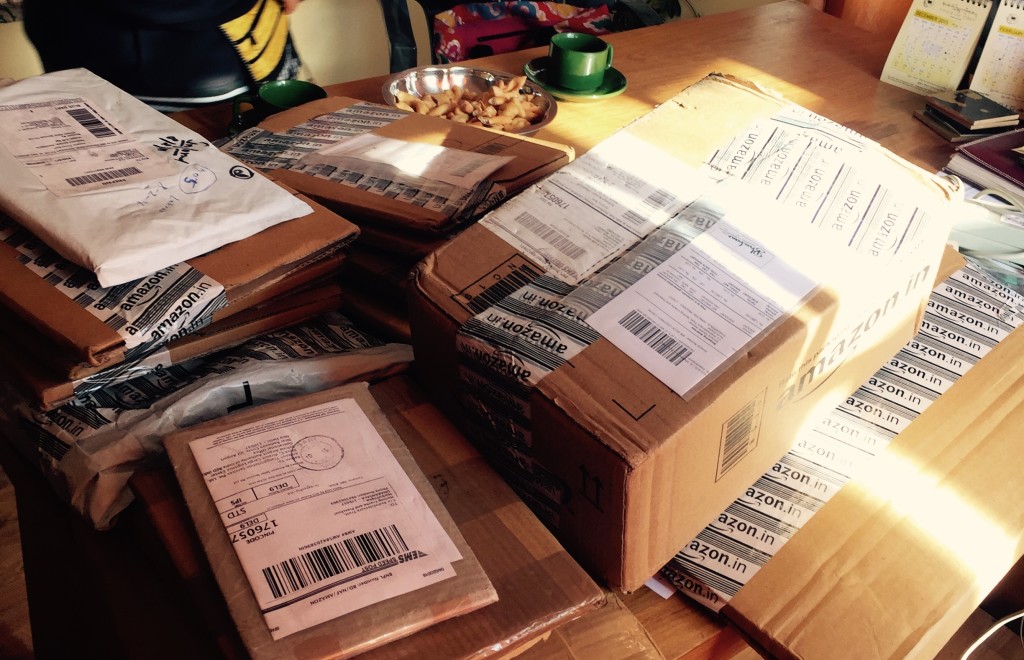
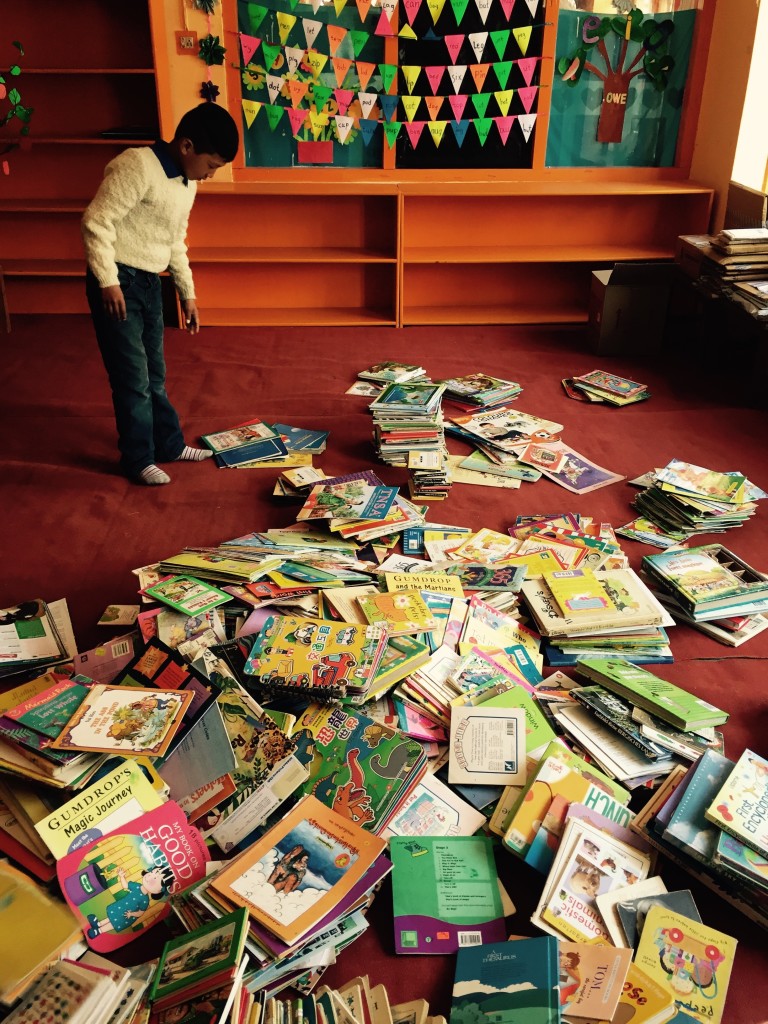
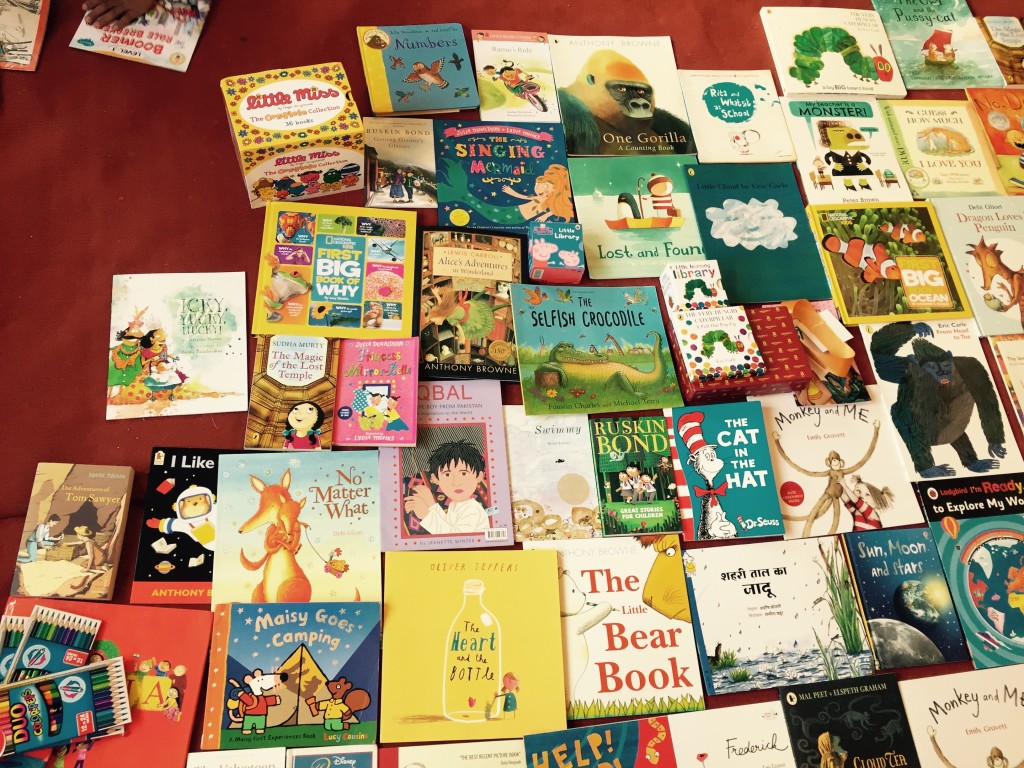
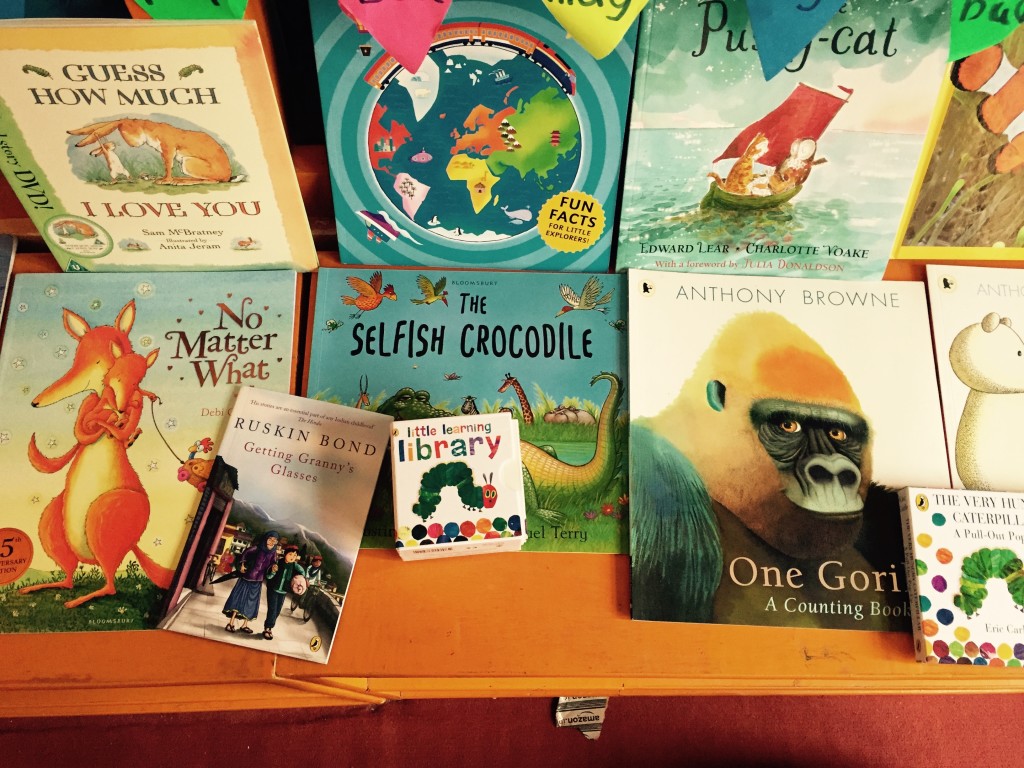
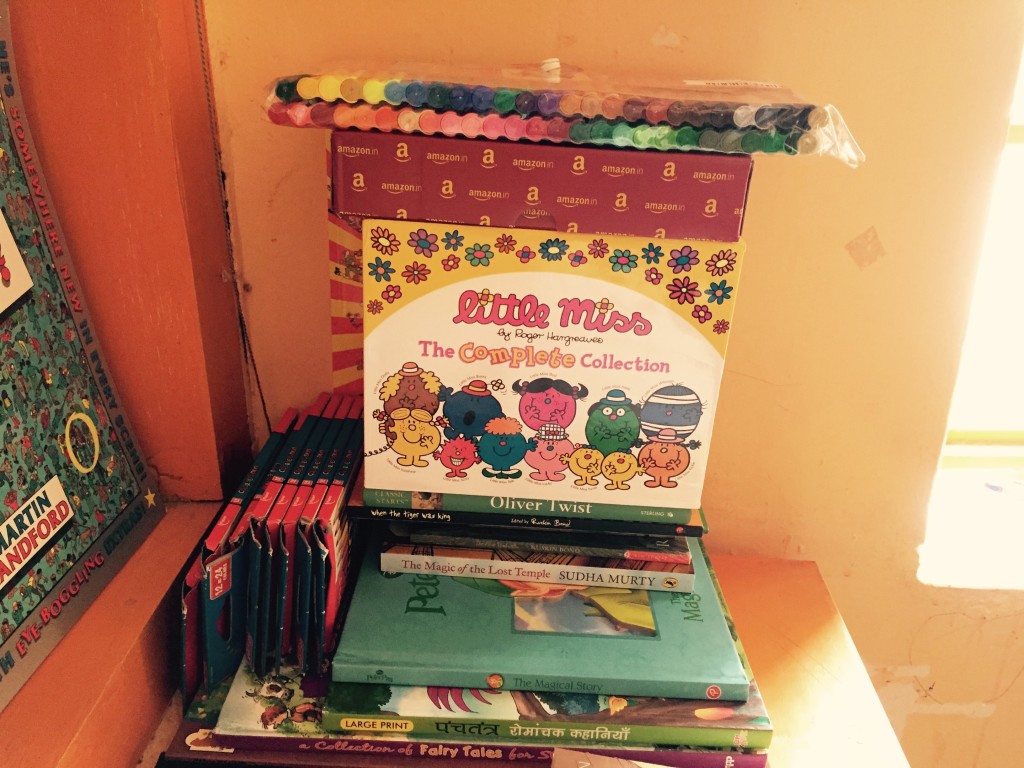
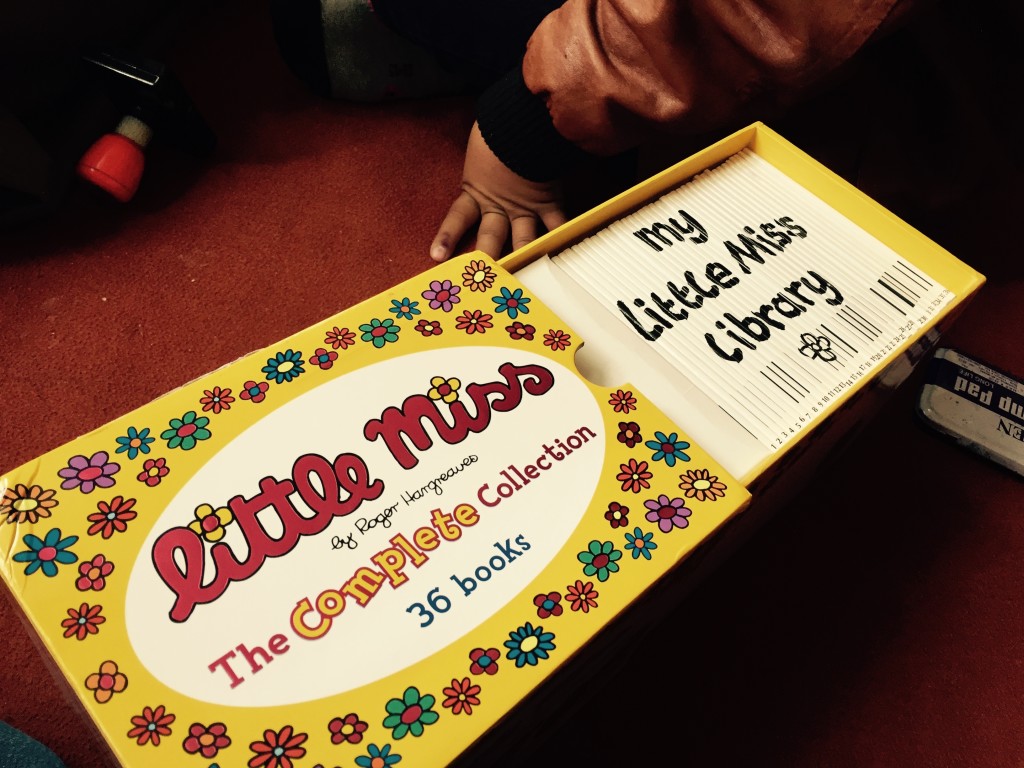
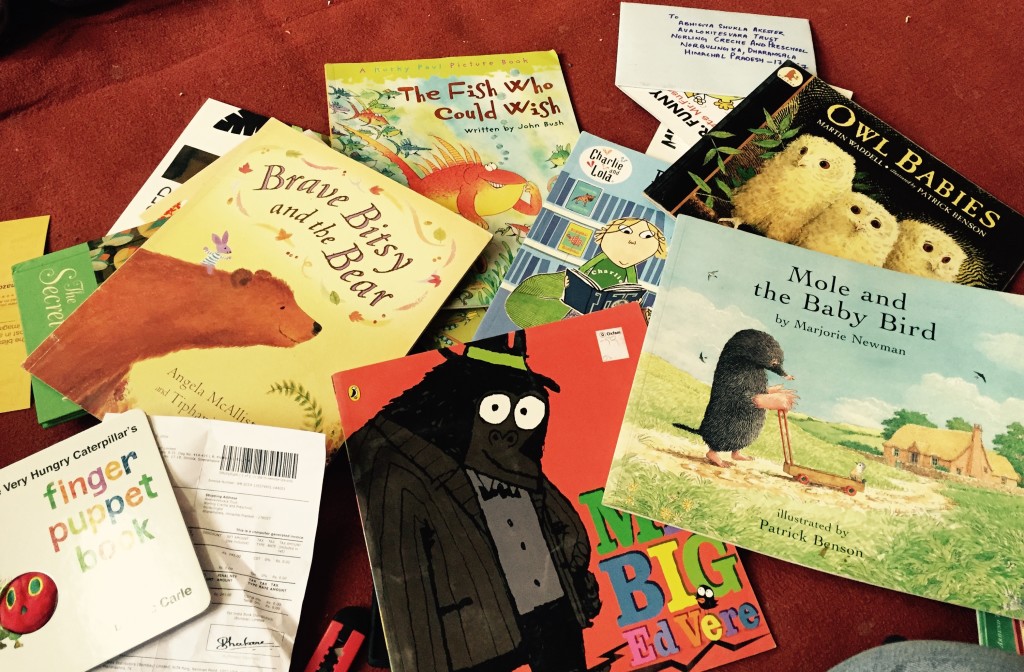
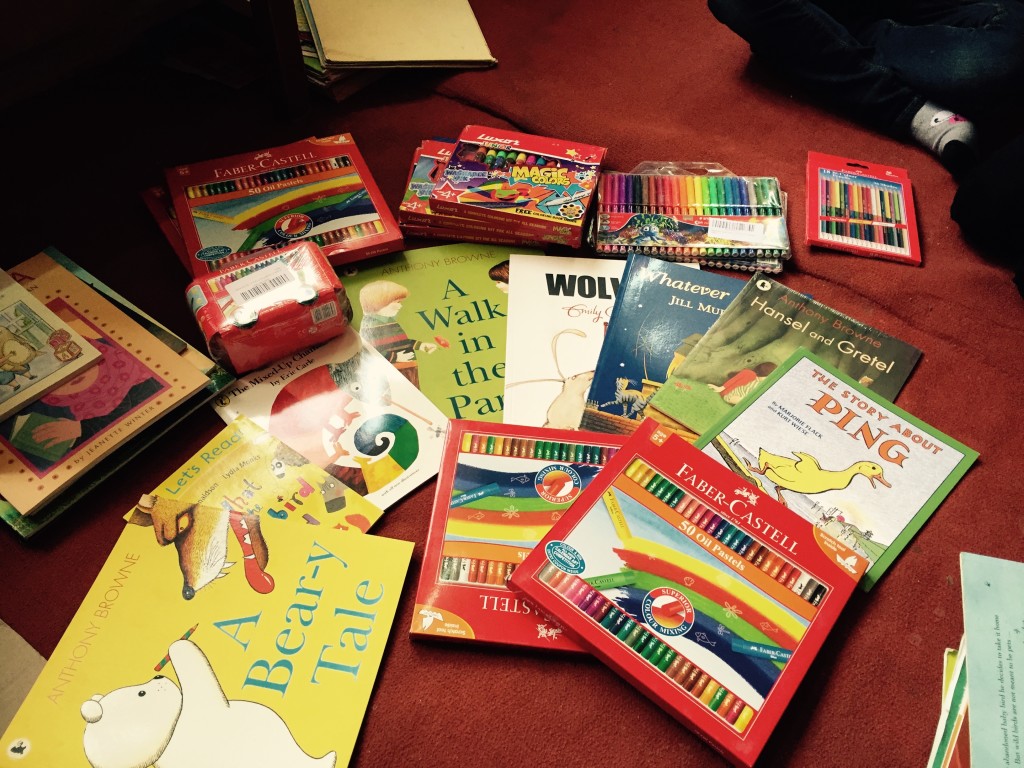
A thoughtful book drive can include comics alongside picture books, chapter books, reference materials, local-language publications, and creative supplies. Donors can help by choosing durable, age-appropriate titles and supporting the transport and organization of collections. Volunteers can contribute time by reading aloud, leading art sessions, cataloging books, or helping children discover what interests them.
When a child picks up a comic and begins reading, a small moment of curiosity can become a lasting habit. Support reading rooms and educational programs serving Himalayan children by sharing resources, volunteering skills, or contributing to collections that place engaging books within reach.