When Crayons and Paper Are All a Child Has, the Imagination Takes Over
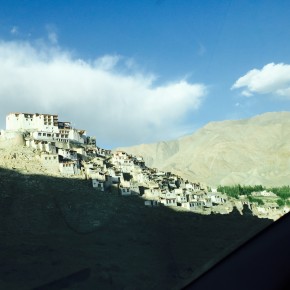
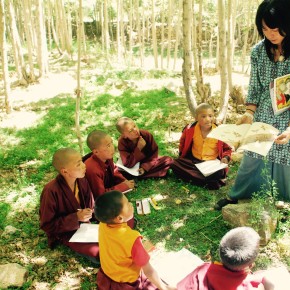
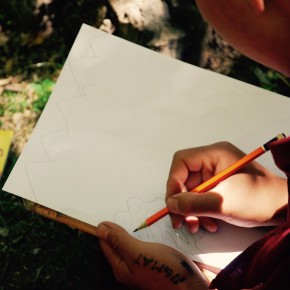
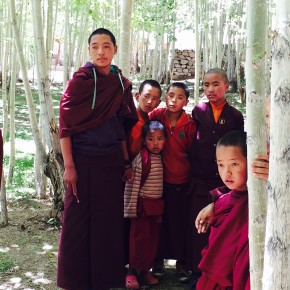
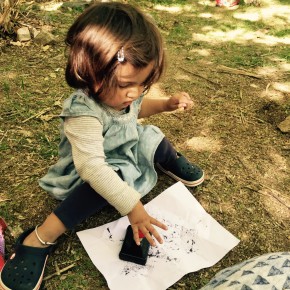
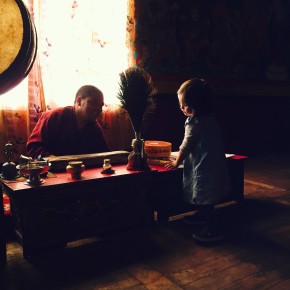
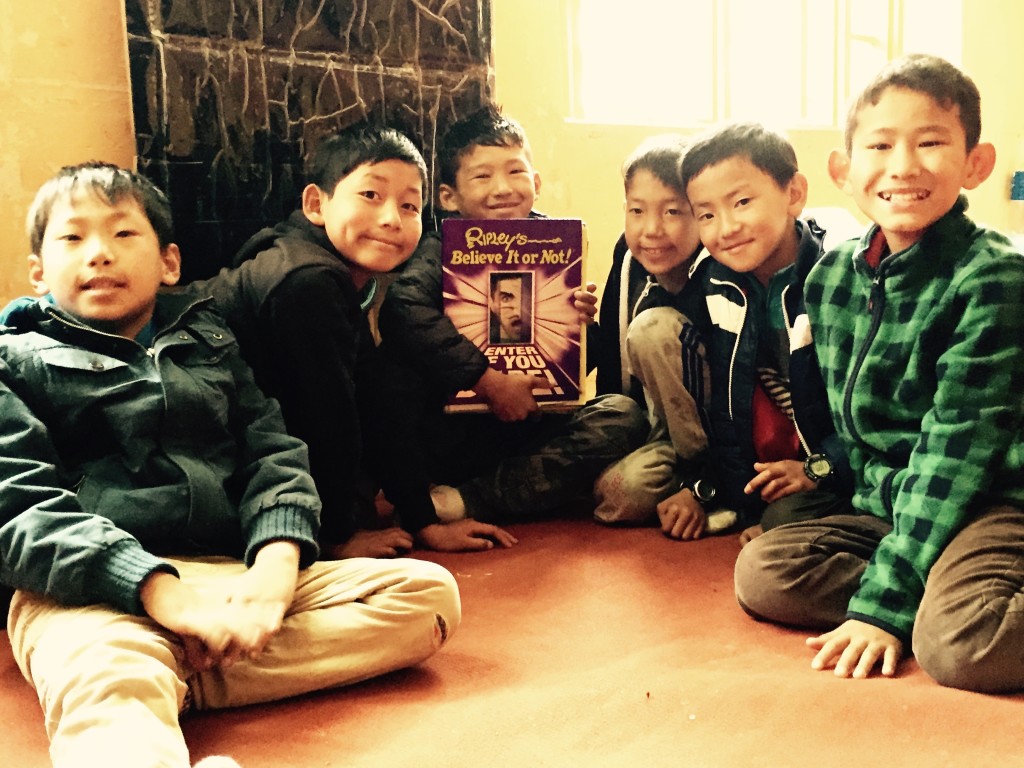
In a quiet room high in the Indian Himalayas, a young monk sits cross-legged over a fresh sheet of paper. Six crayons, all a bit stubby. Within minutes the page fills with tigers, an oddly orange sun, and what looks like a satellite dish tilted over a mountain. There is no instruction, no template, no app.
Walk into a kitchen in Alice Springs or a verandah in the Kimberley, and you will find something strangely familiar. A child crouched on the tiles with a single texta, drawing on the back of an opened envelope. Paper absorbs whatever is happening in that small head.
Early childhood researchers in Sydney and Adelaide have noticed that children offered only basic drawing tools spend longer on each piece, invent more original compositions, and return to refine their work more often than children handed a fully stocked art box. When the supply cupboard is shallow, the well of ideas gets deeper.
For Australian parents, grandparents, and early-years teachers, this matters. Art supplies often get treated as an extra, especially during busy weeks of school runs and arvo pickups. Yet something powerful happens when those supplies are pared back to almost nothing.
The strange power of having too little to work with
Creativity researchers often describe constraints as a kind of fertiliser. Hand a child every colour, brush, and glitter pot, and the choices become overwhelming. Many default to copying whatever is in front of them. Strip the palette back to three crayons and one sheet of paper, and the brain has to do real work. It has to decide what matters.
Paul Klee wrote that drawing was taking a line for a walk. A line cannot walk far if the path is paved with every turning. A child who has only a stub of burnt sienna still has to figure out the tiger, the mountain, the strange orange sun. The constraint becomes the prompt.
Watch any group handed the same paper and four crayons. Within minutes each sheet becomes a different world — a back-yard cricket match, a far-off galaxy, a tiny self-portrait with a very serious mouth. The uniformity of materials amplifies the variety of thinking rather than smothering it.
From scribbles to sharp little fingers
Gripping a crayon, pressing it against a waxy surface, and staying inside a line is a serious workout for the small muscles in a child's hand. Occupational therapists in Brisbane and Perth regularly prescribe drawing activities for children who need help with pencil grip or the steady wrist movement required for handwriting later on.
Skill-building of this kind feels like play. A child laying down careful cross-hatching on a paper kite is not thinking about their pencil test in year three. They are absorbed in making the kite look like it is moving in wind. Small effort, visible reward, and so the child keeps going.
Those same muscles support concentration. To stay inside a shape, a child has to slow down. In a classroom in Footscray or a kindergarten in Fremantle, five quiet minutes with paper and crayon is often enough to reset a restless group. Teachers lean on this long before any formal mindfulness program is introduced.
A long Australian tradition of making much from little
Australia has its own deep reservoir of art made with very little. For tens of thousands of years, Aboriginal artists across the continent built visual systems from crushed ochre, charcoal, and natural pigments on bark, stone, and sand. The Western Desert dot paintings from Papunya, the bark works of Arnhem Land, and the cross-hatched rarrk patterns of the Kimberley relied on mineral, plant, fibre, and unbroken chains of teaching — not a warehouse of supplies.
In those traditions, a restricted palette is rarely a limitation. It is a discipline that sharpens the artist's hand. Children learning alongside elders are taught to grind ochre in precise rhythms and lay each mark with care. The constraint is revered. The young learner comes to understand that the medium is more than material.
Many of these works hang in the National Gallery of Australia in Canberra and the Art Gallery of New South Wales in Sydney. Visitors who wander through those rooms on a hot summer afternoon see how far humble materials can travel when the eye behind them is patient.
| Approach |
What the child gets |
What the brain does |
Cost |
Best for |
| Fully stocked kit with 60 markers, stickers, glitter |
Wide choice, immediate reward |
Hops between activities, copies cover art |
Higher |
Birthday parties, short craft sessions |
| Limited kit (6–8 crayons, paper, one pencil) |
Clear boundaries, time to focus |
Invents original work, returns to refine |
Low |
Quiet afternoons, classroom calm-down corners |
| Natural materials (ochre, charcoal, bark) |
Cultural depth, sensory richness |
Slow observation, layered thinking |
Variable |
Storytelling, learning on Country, intergenerational projects |
| Digital drawing tablet |
Endless colour, undo button |
Experiments freely, flits quickly |
Highest |
Older children, animation play, idea sketching |
Quality thinking does not wait for a brand-new art kit. It is just as often born from a folded sheet of paper and four worn crayons.
Inside a reading room where paper is the only screen
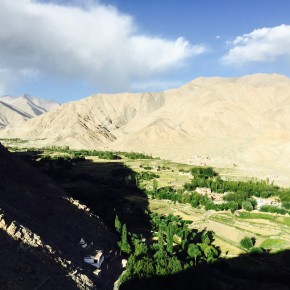
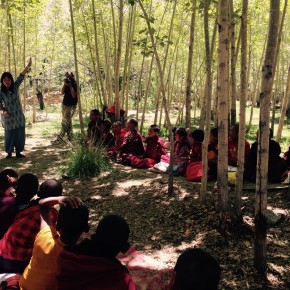
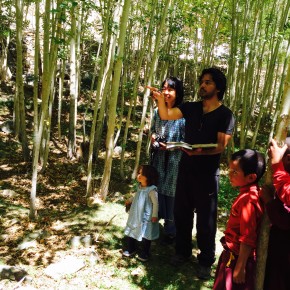
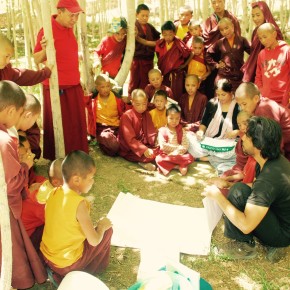
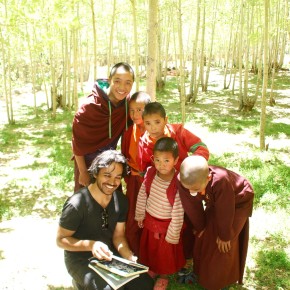
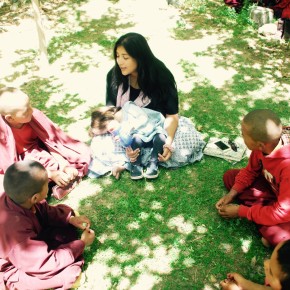
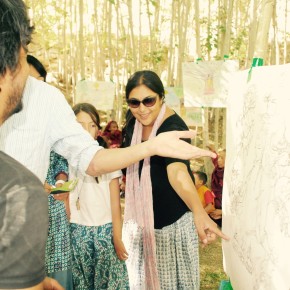
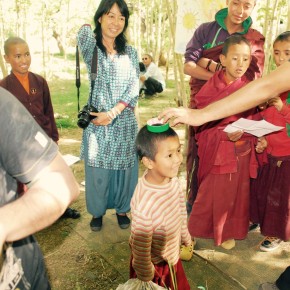
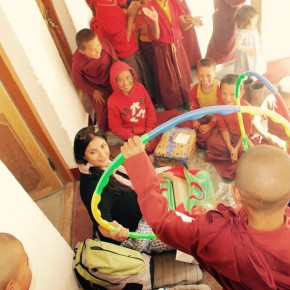
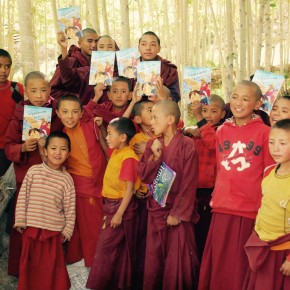
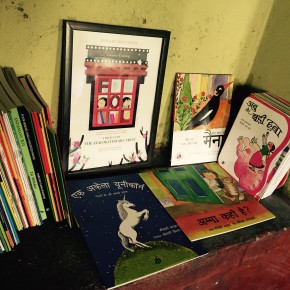
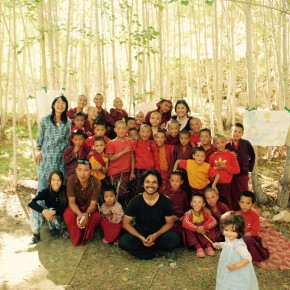
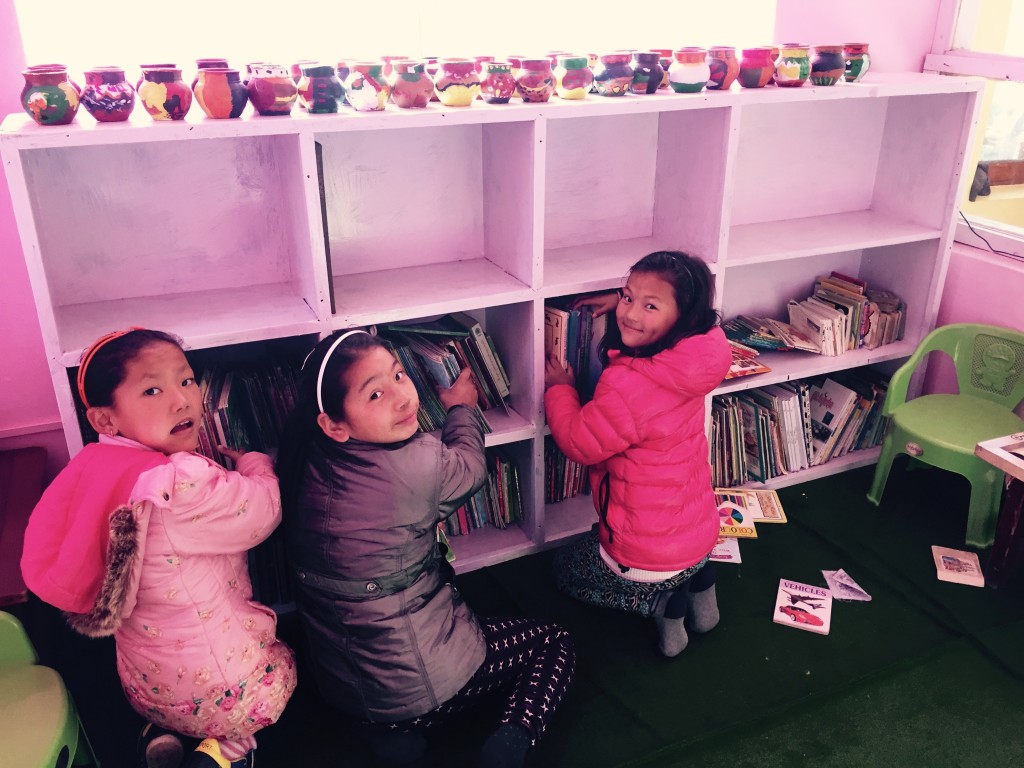
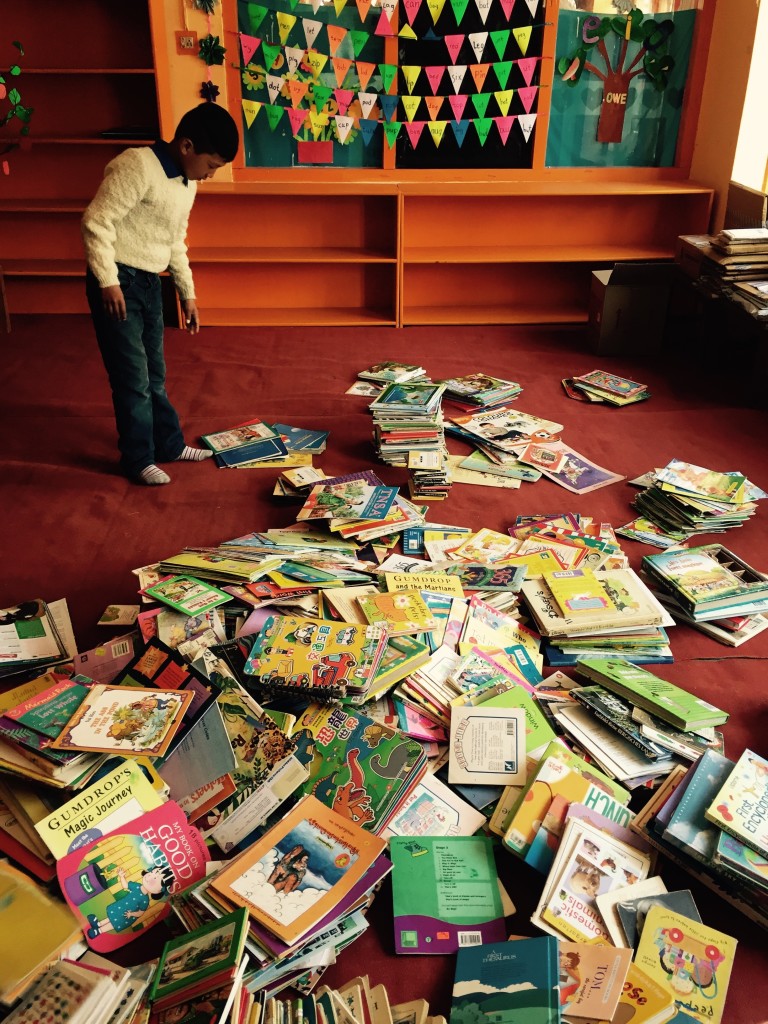
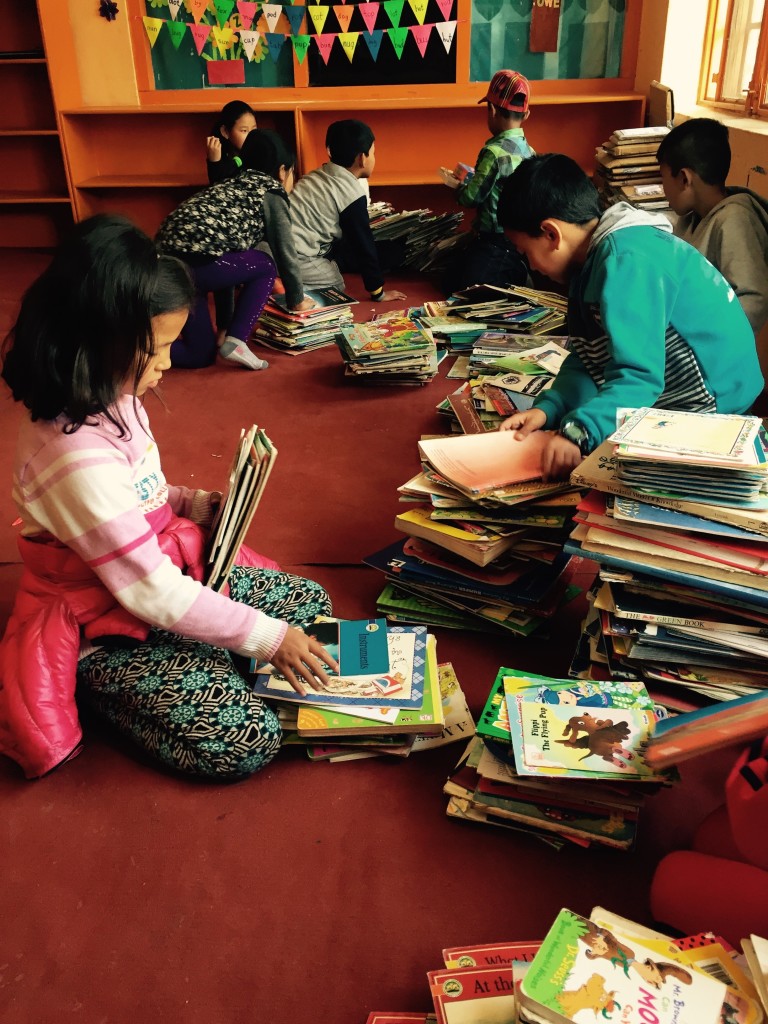
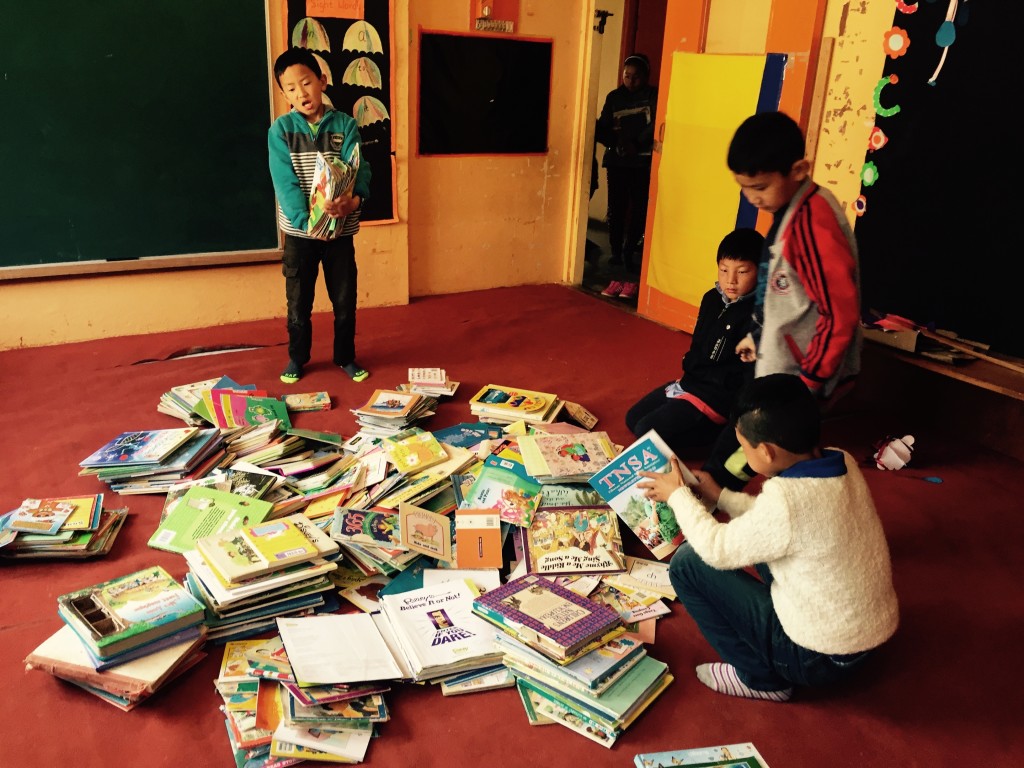
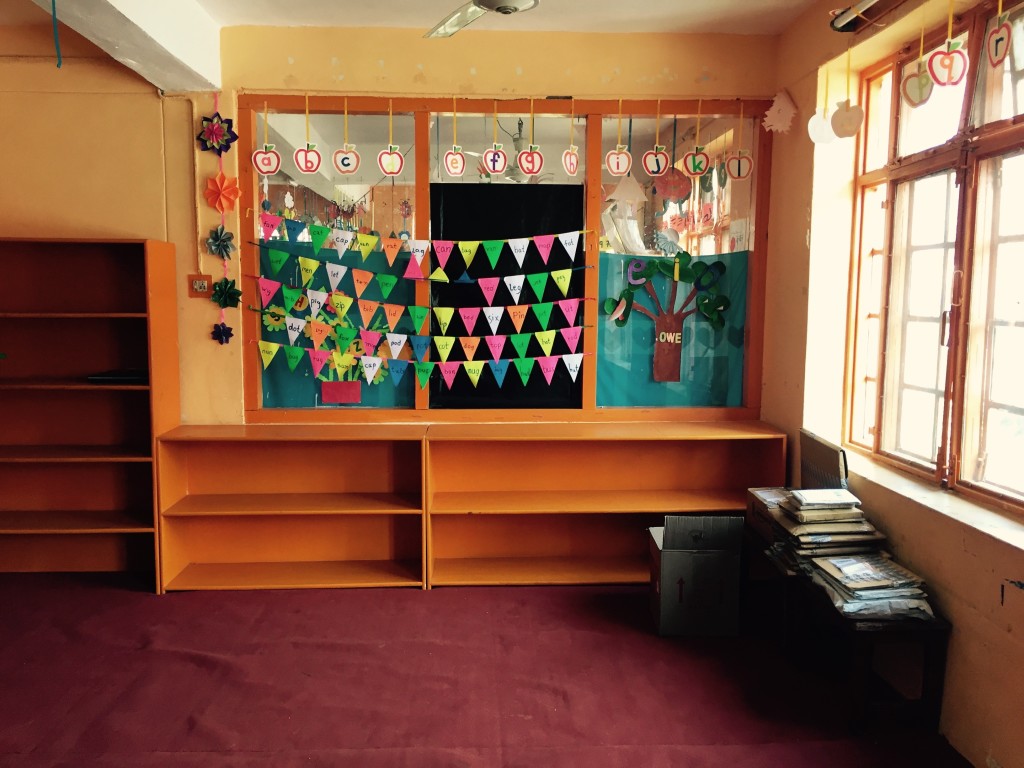
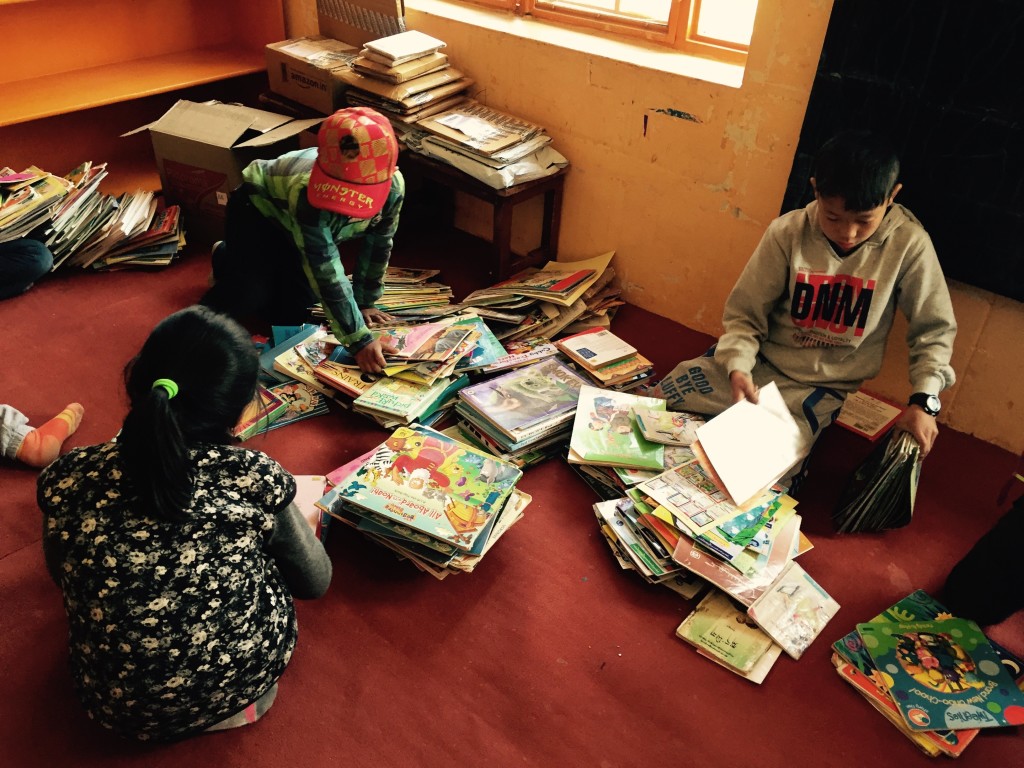
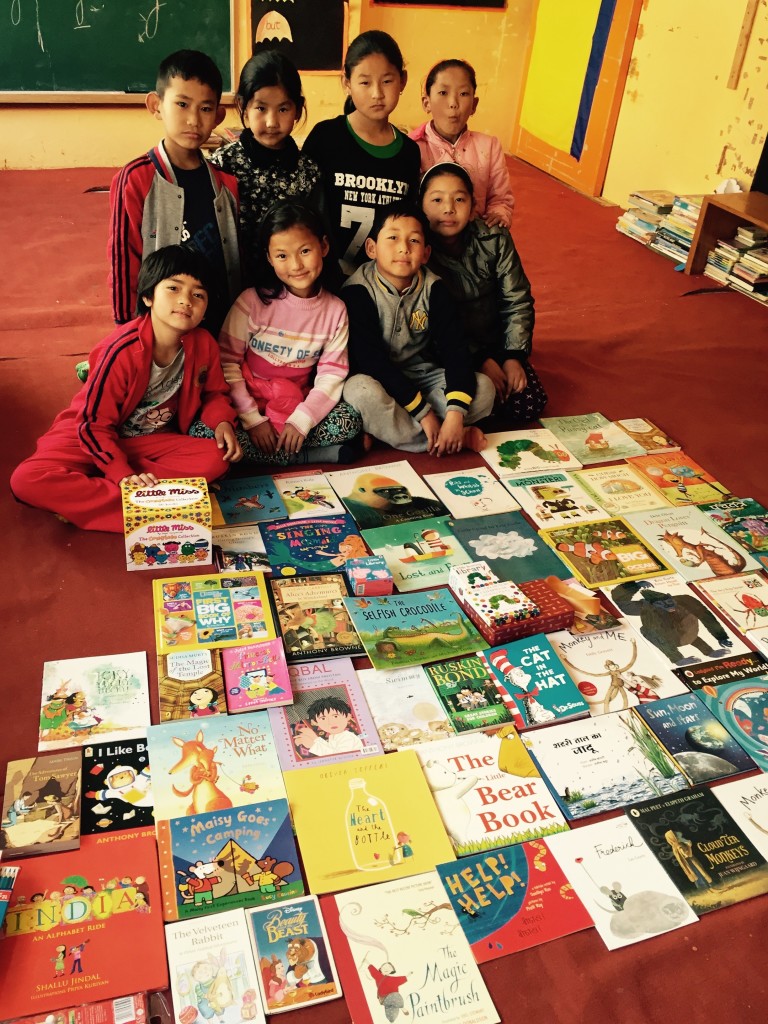
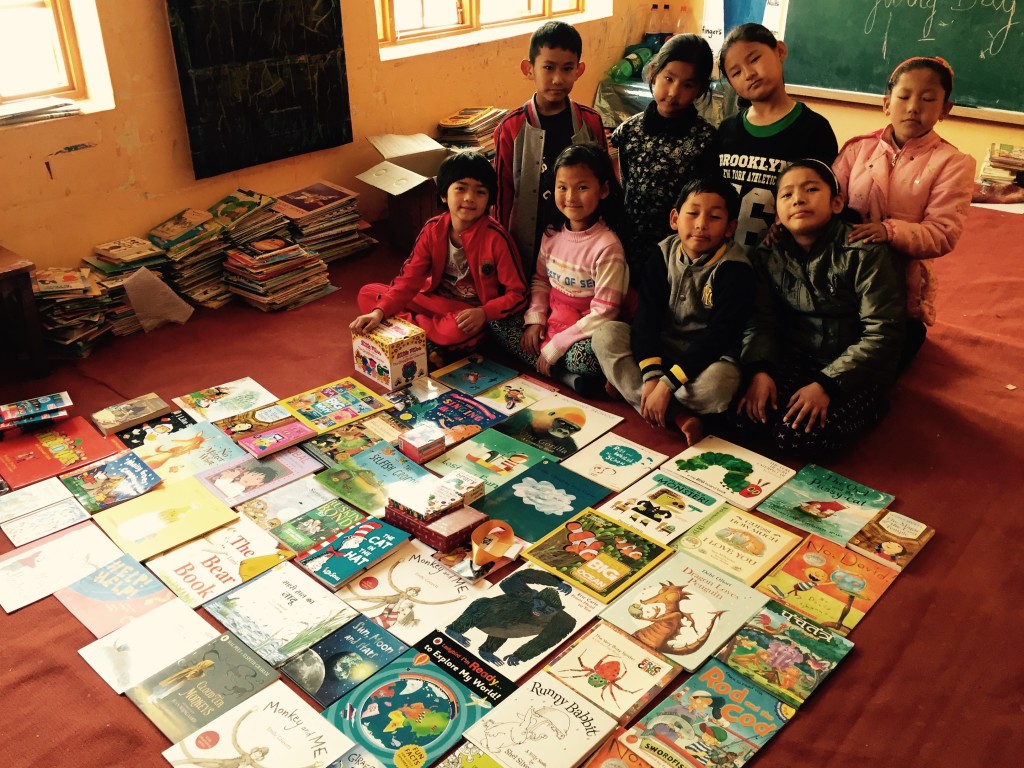
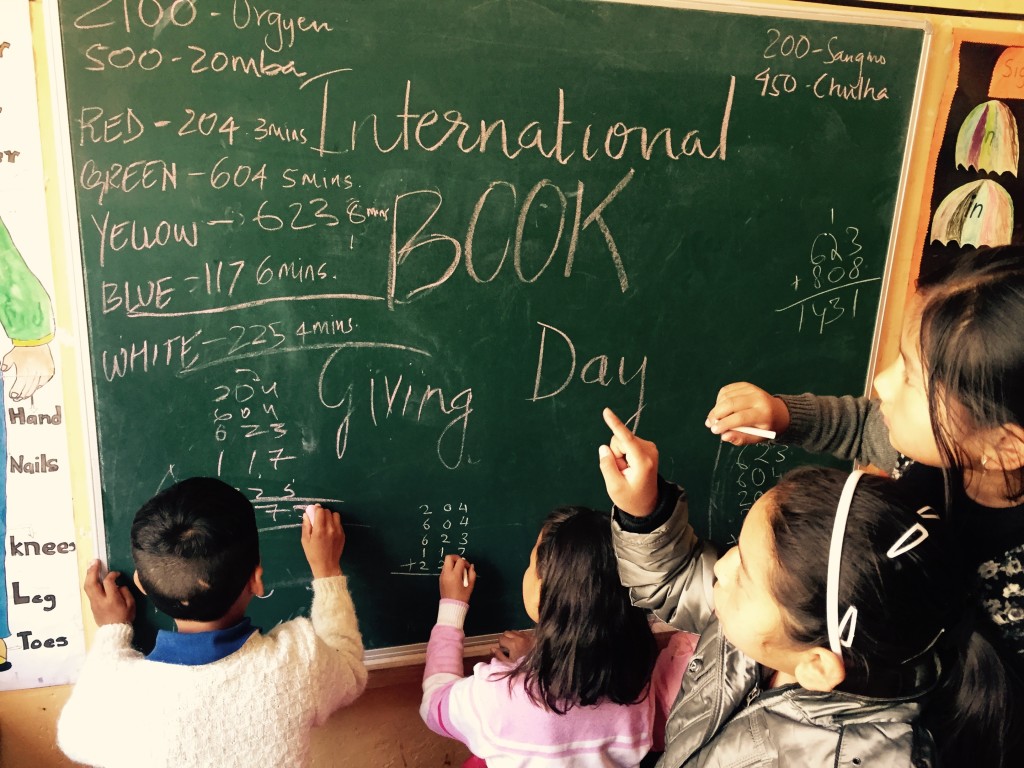
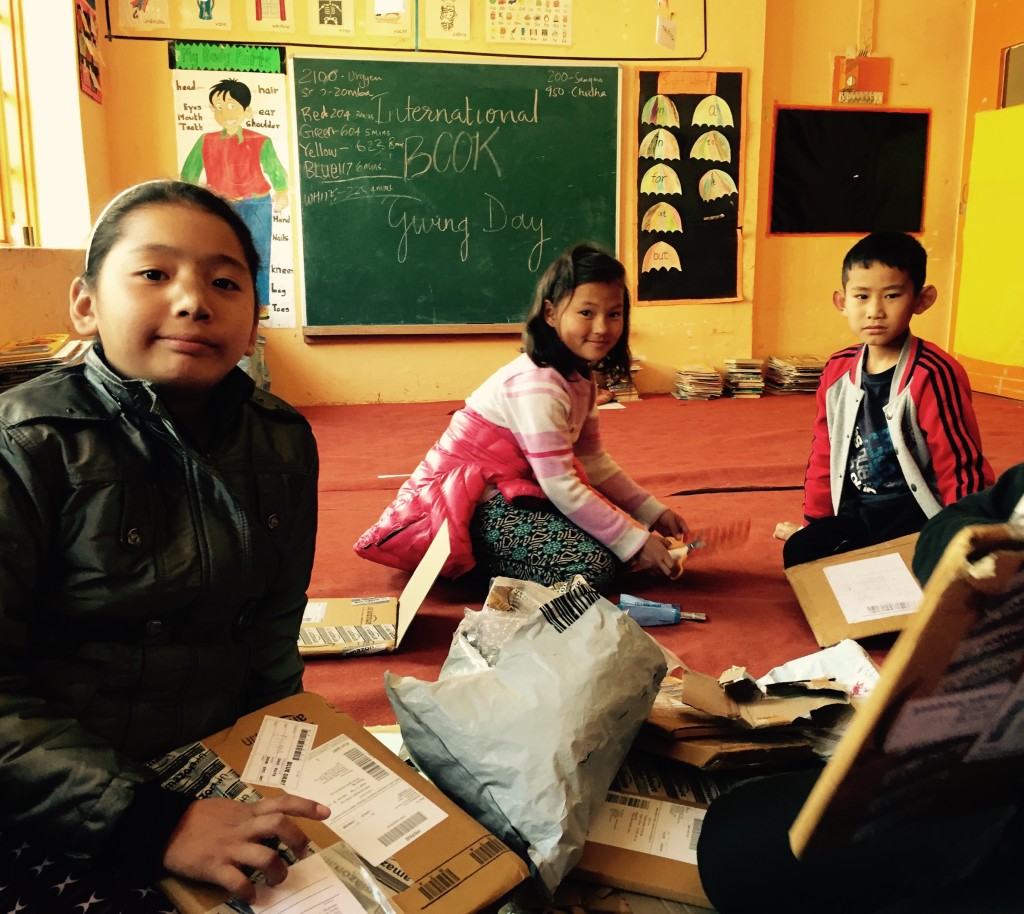
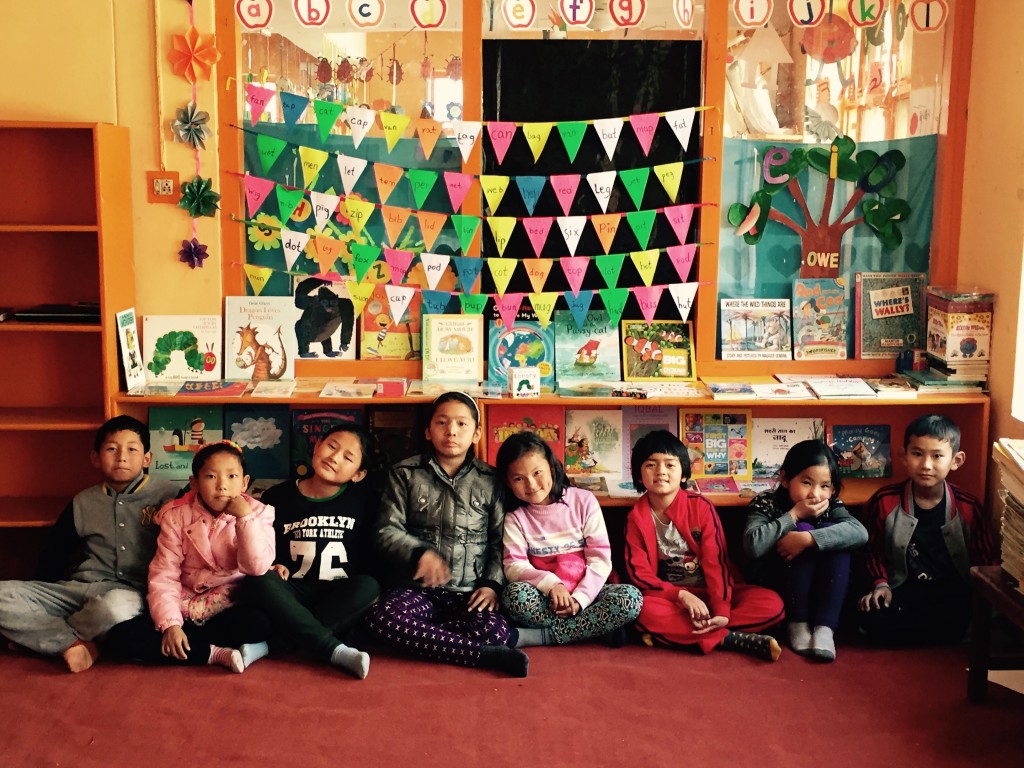
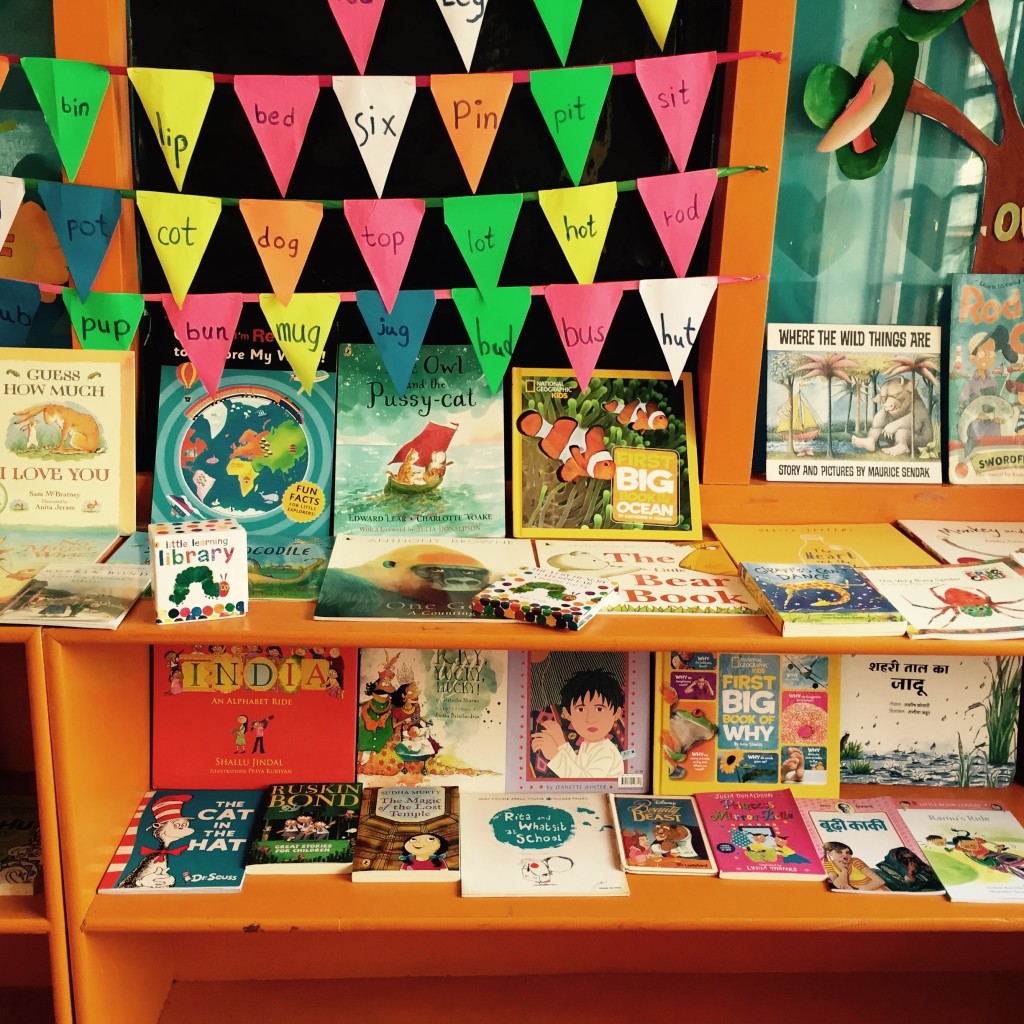
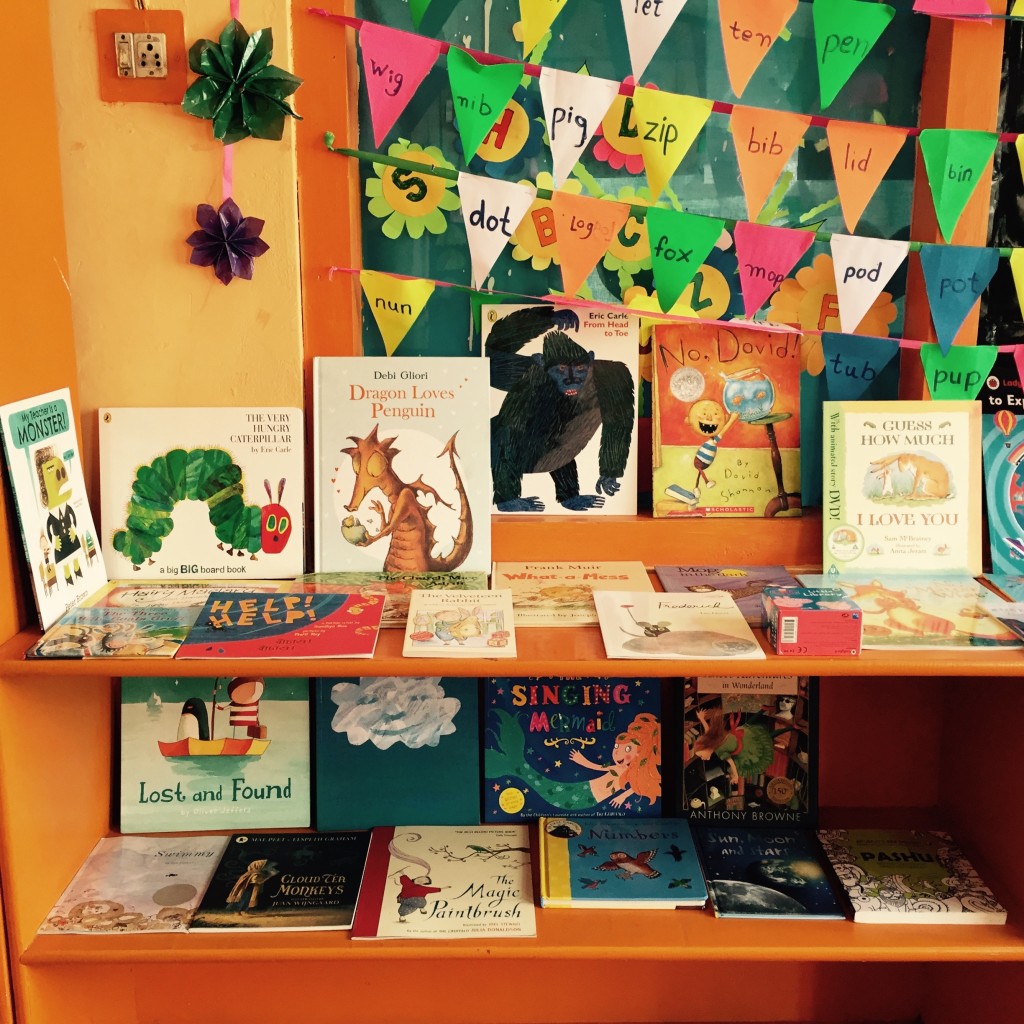
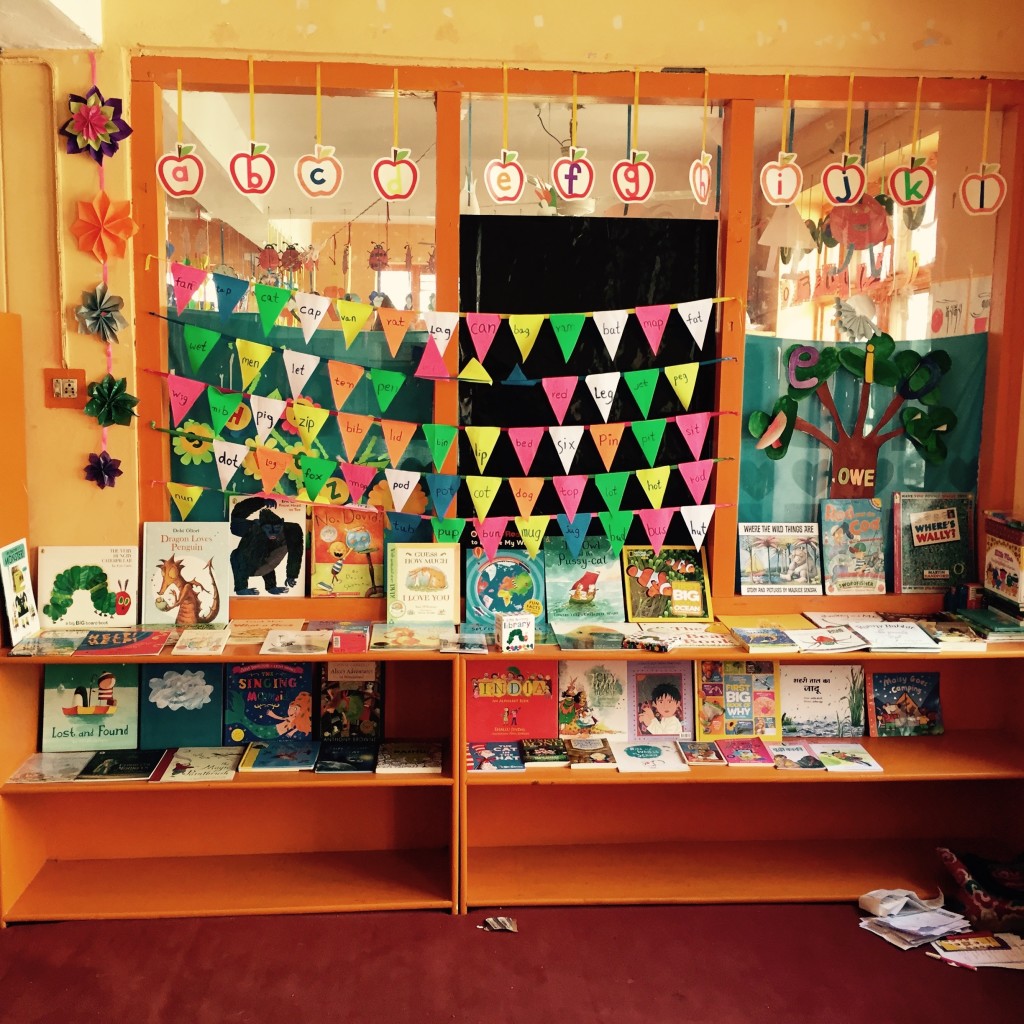
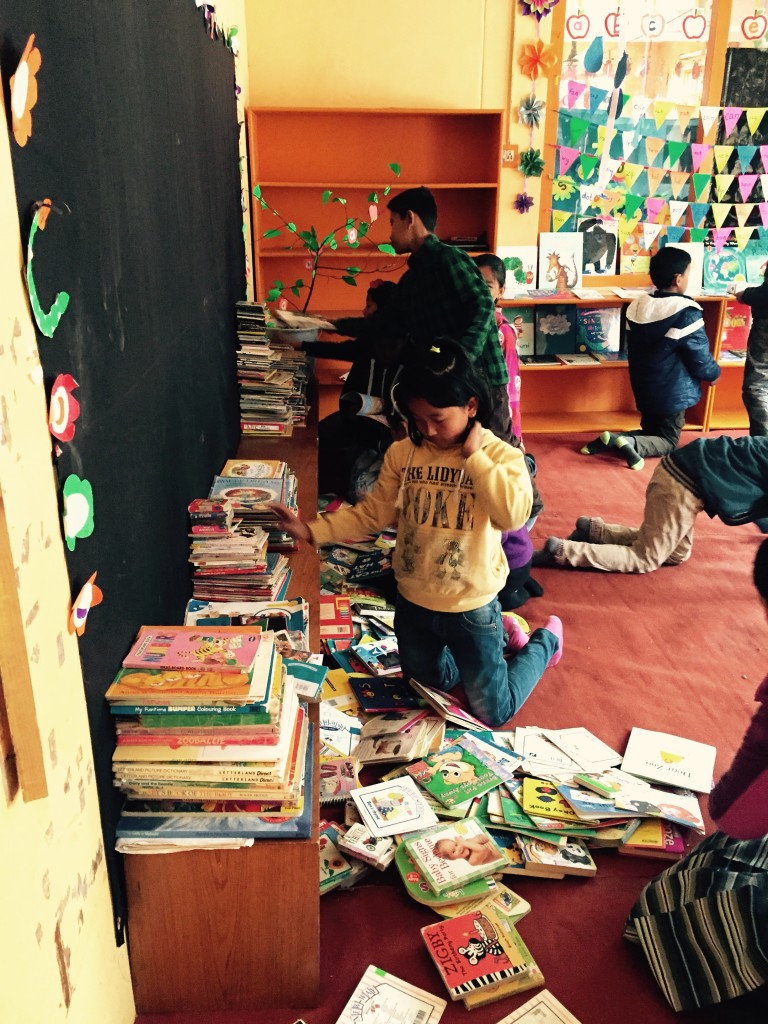
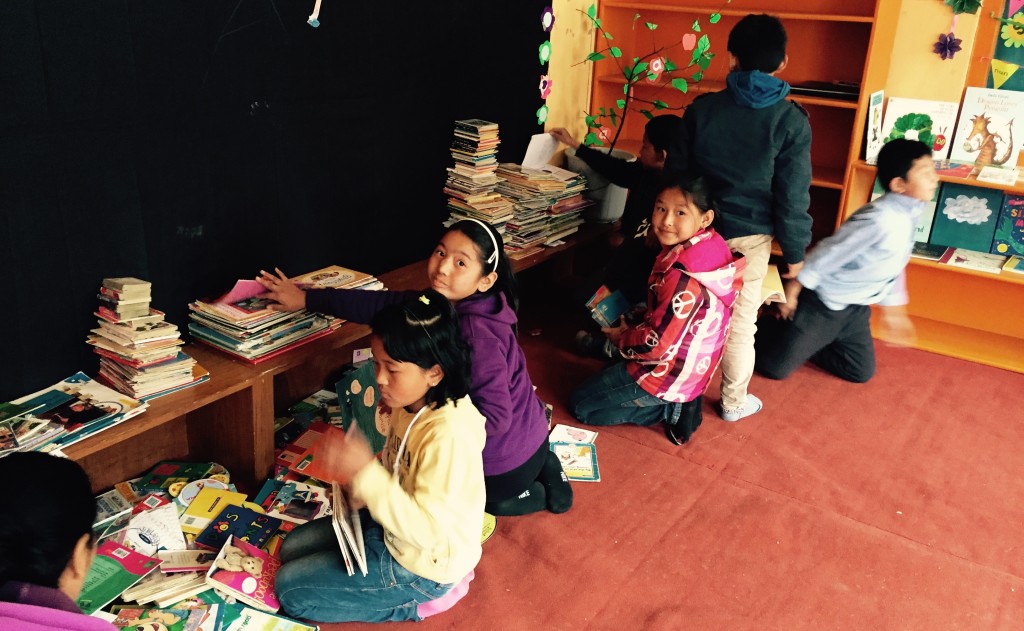
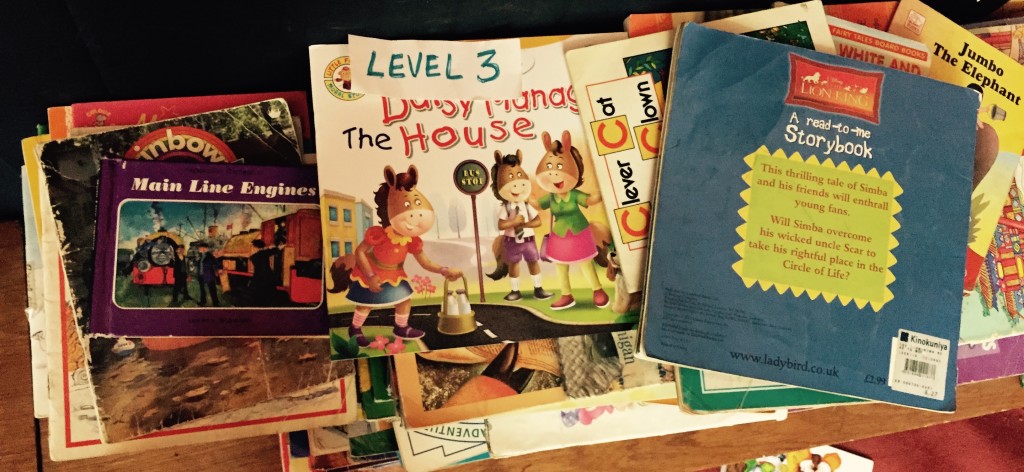
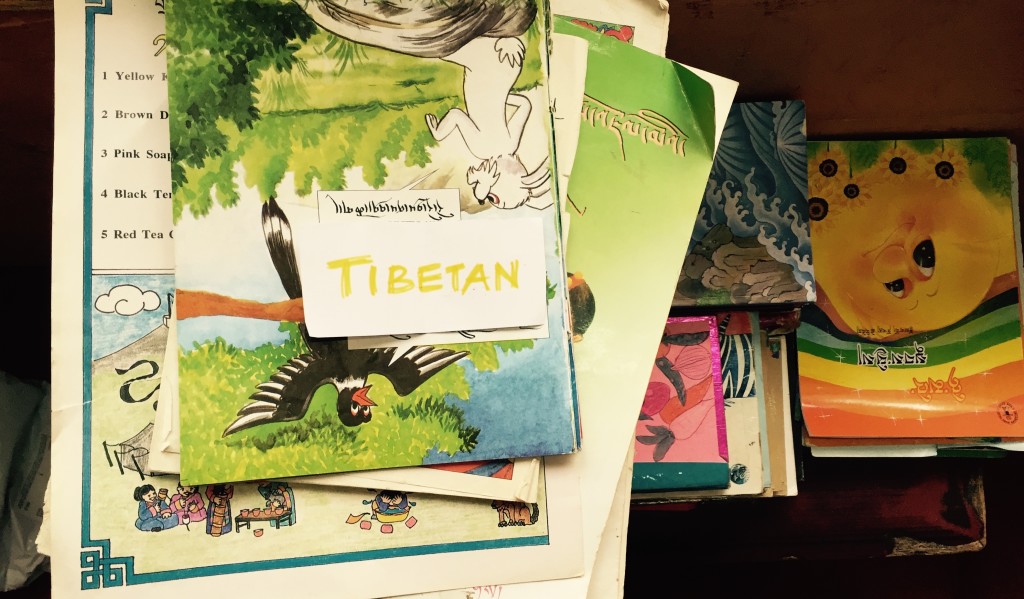
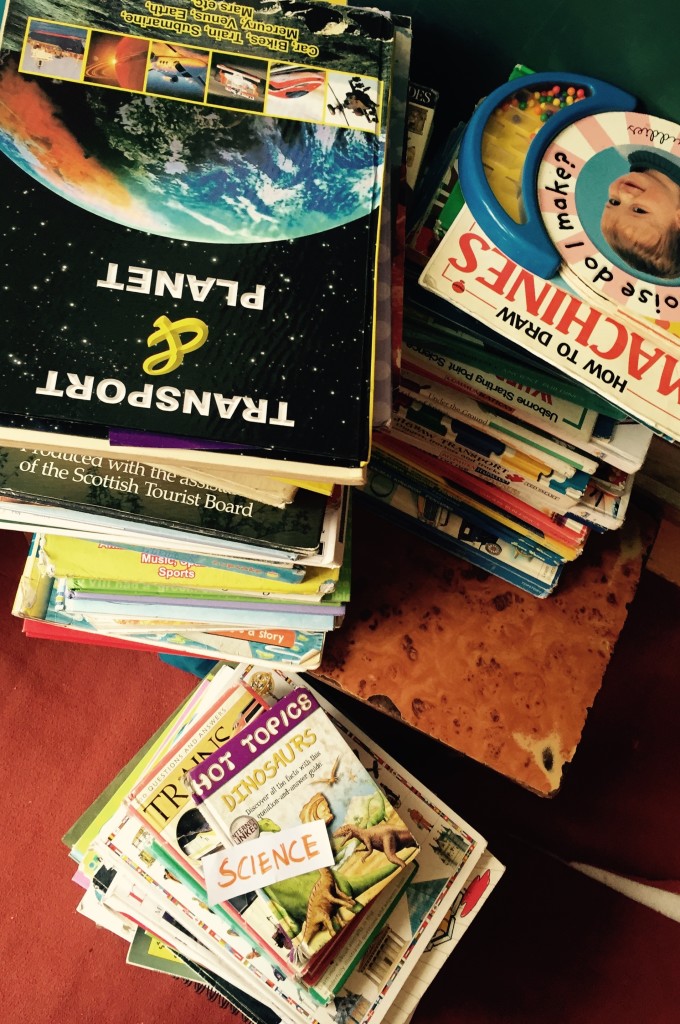
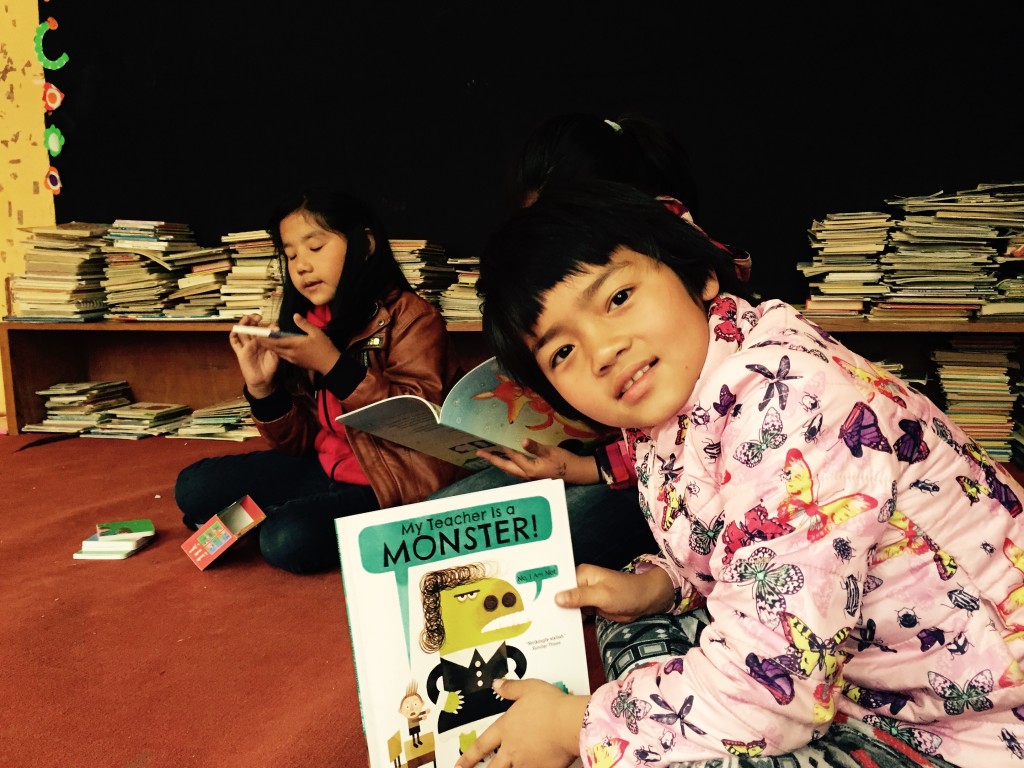
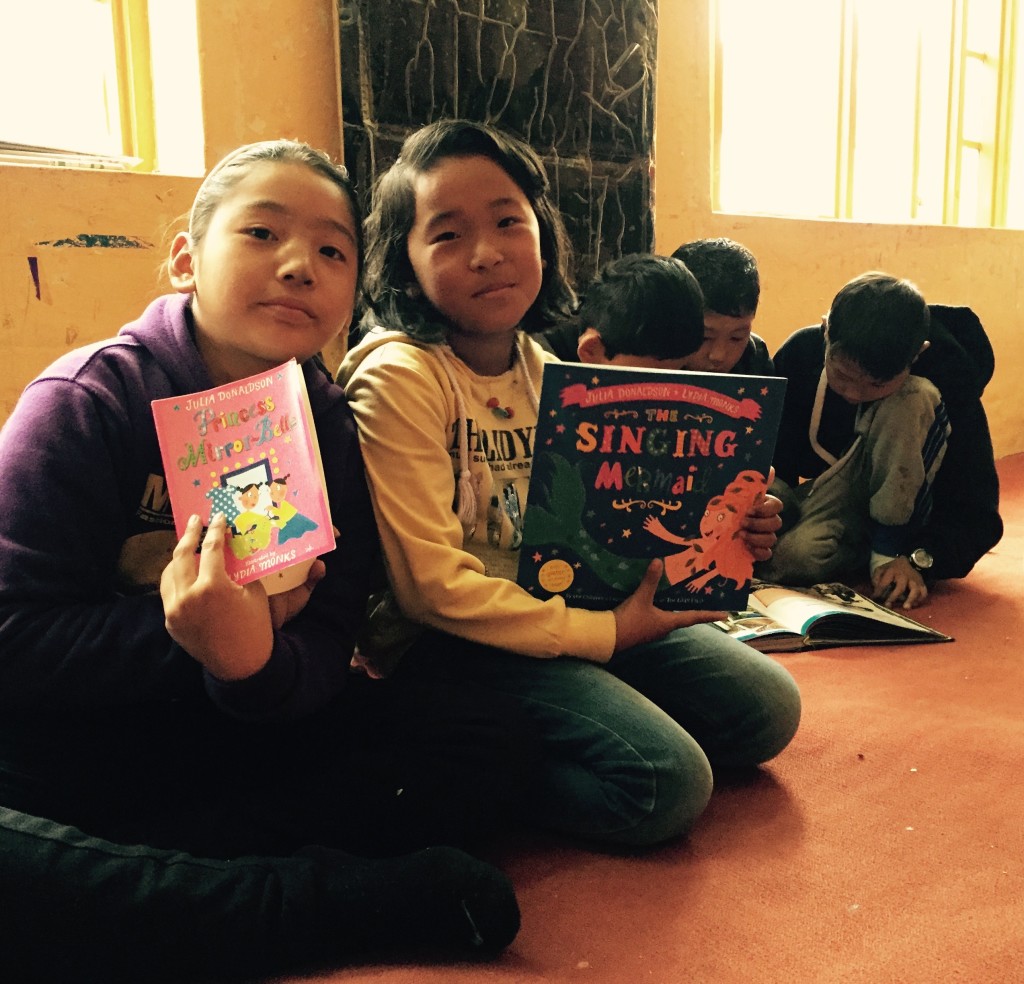
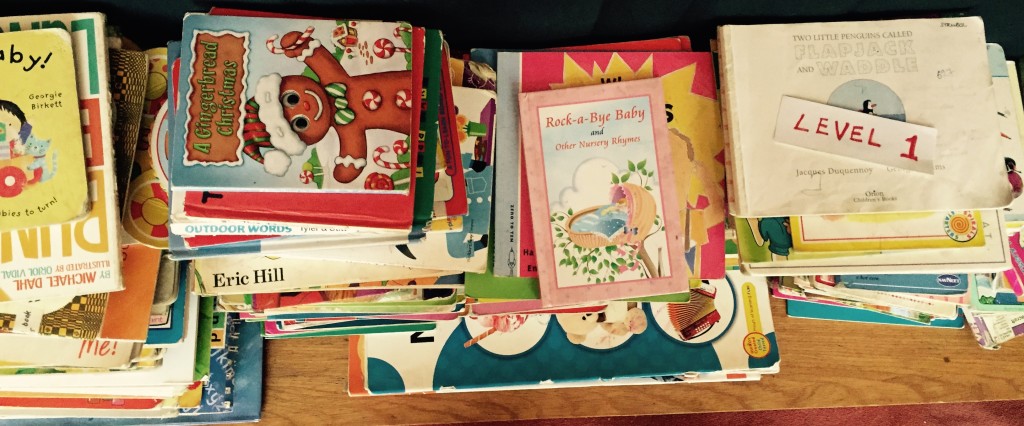
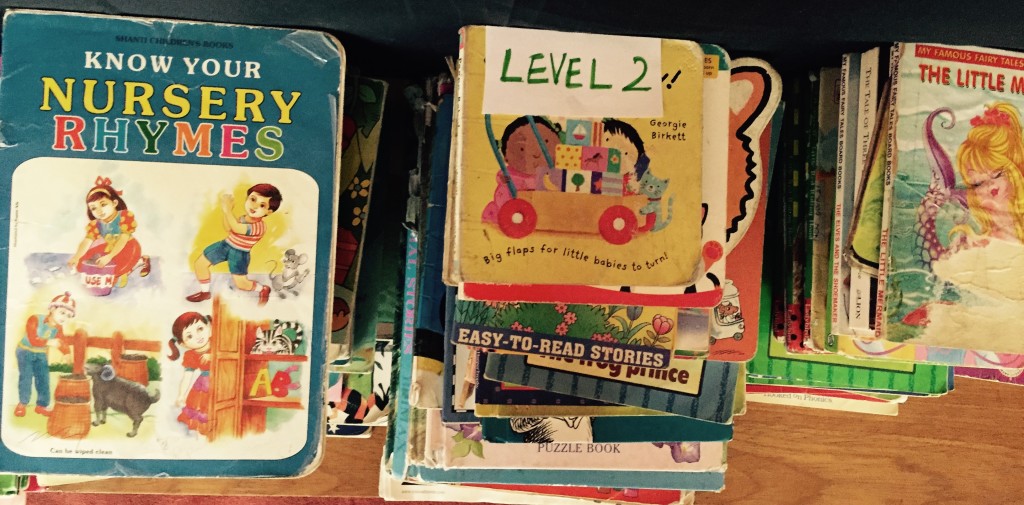
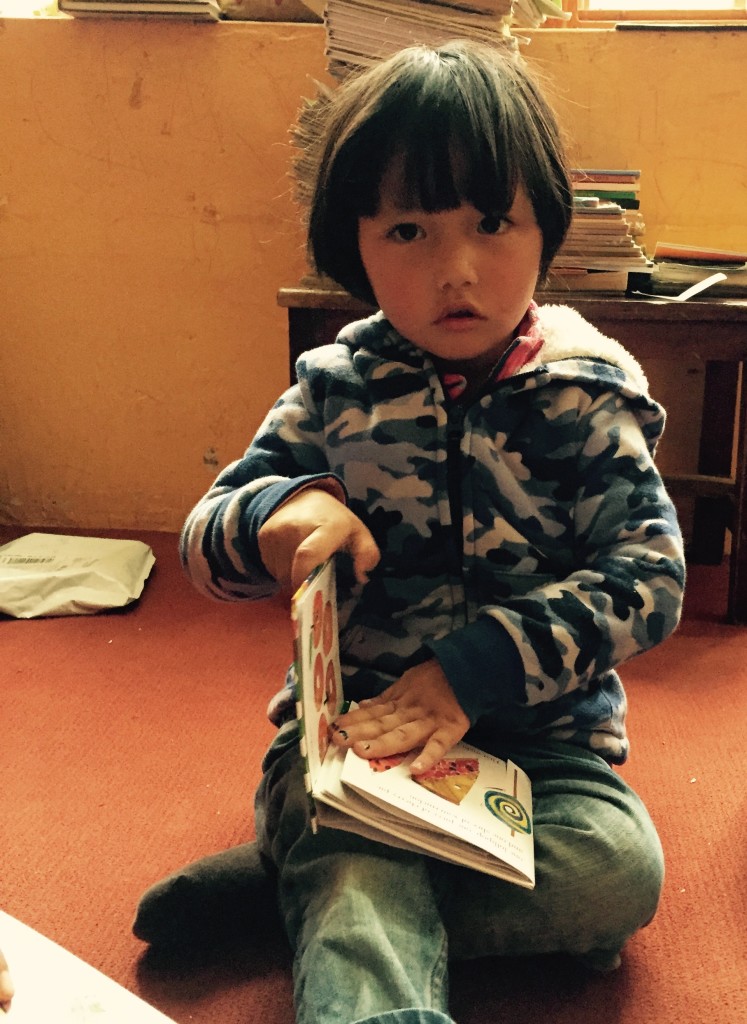
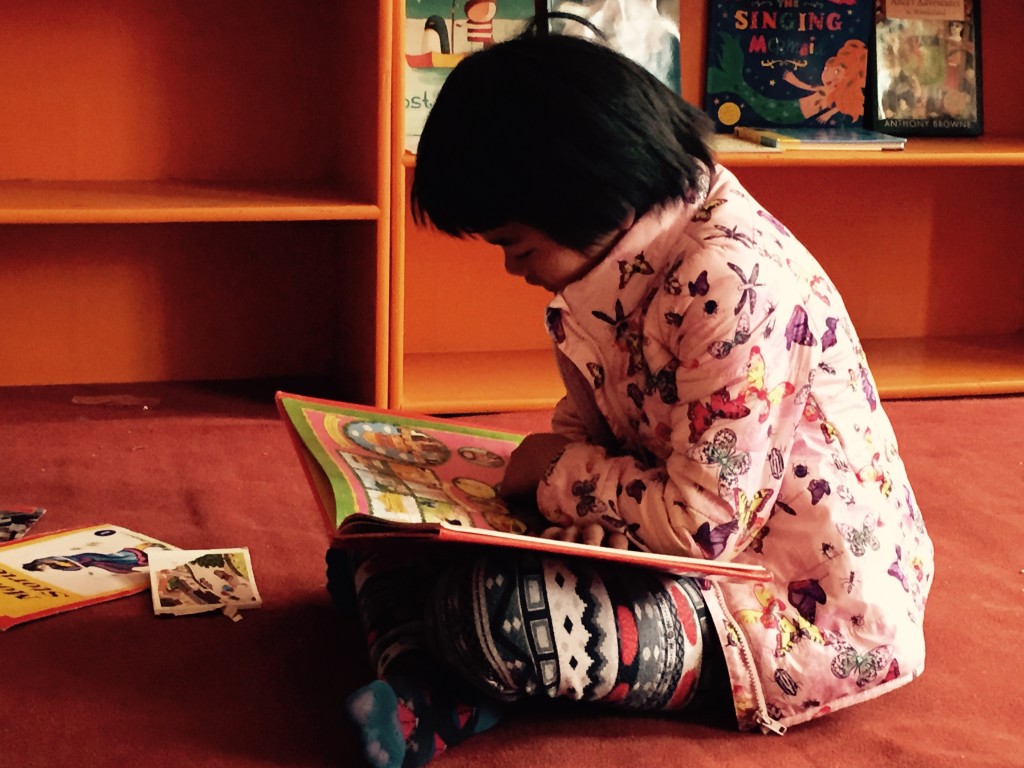
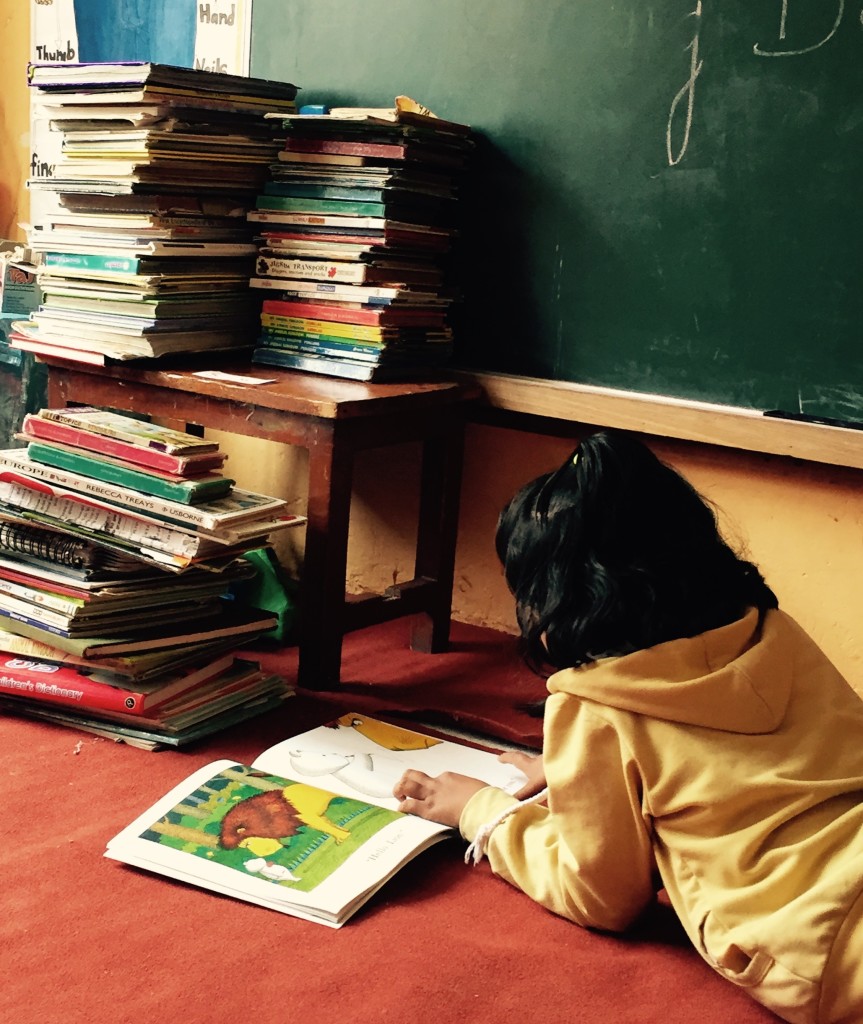
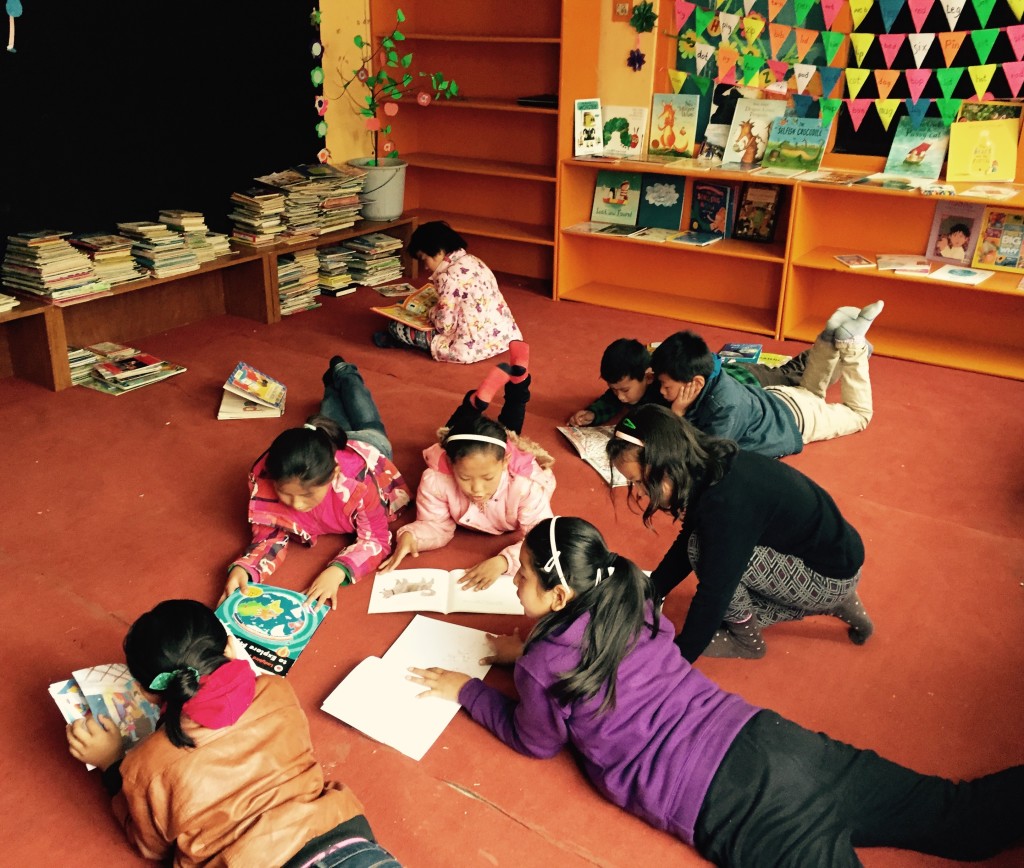
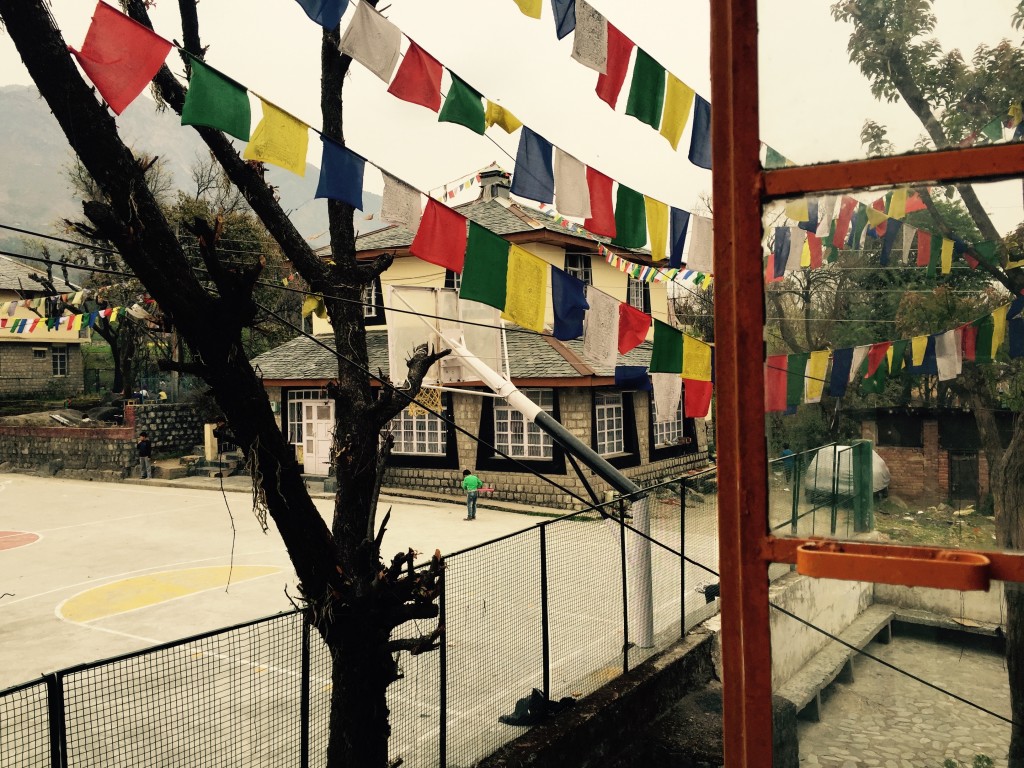
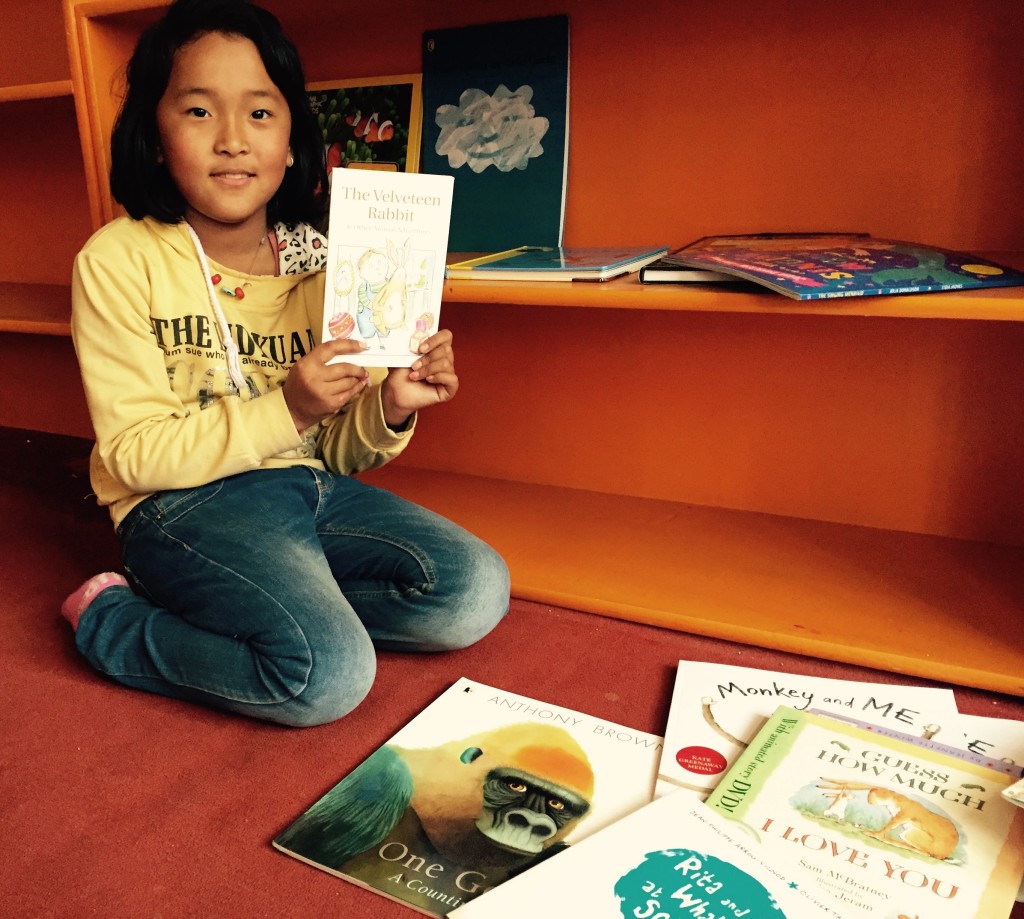
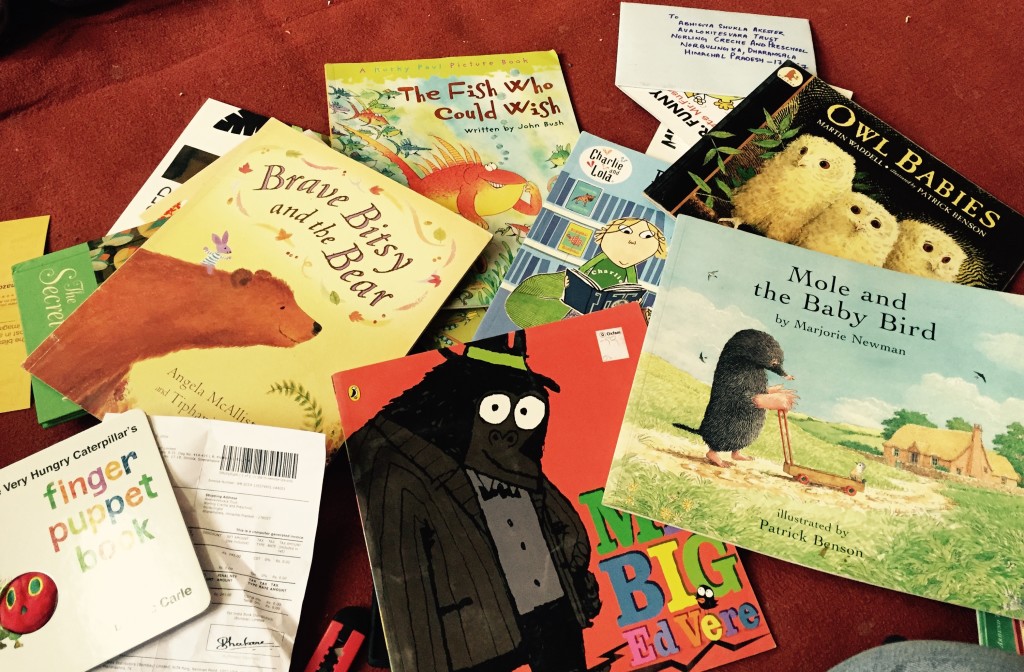
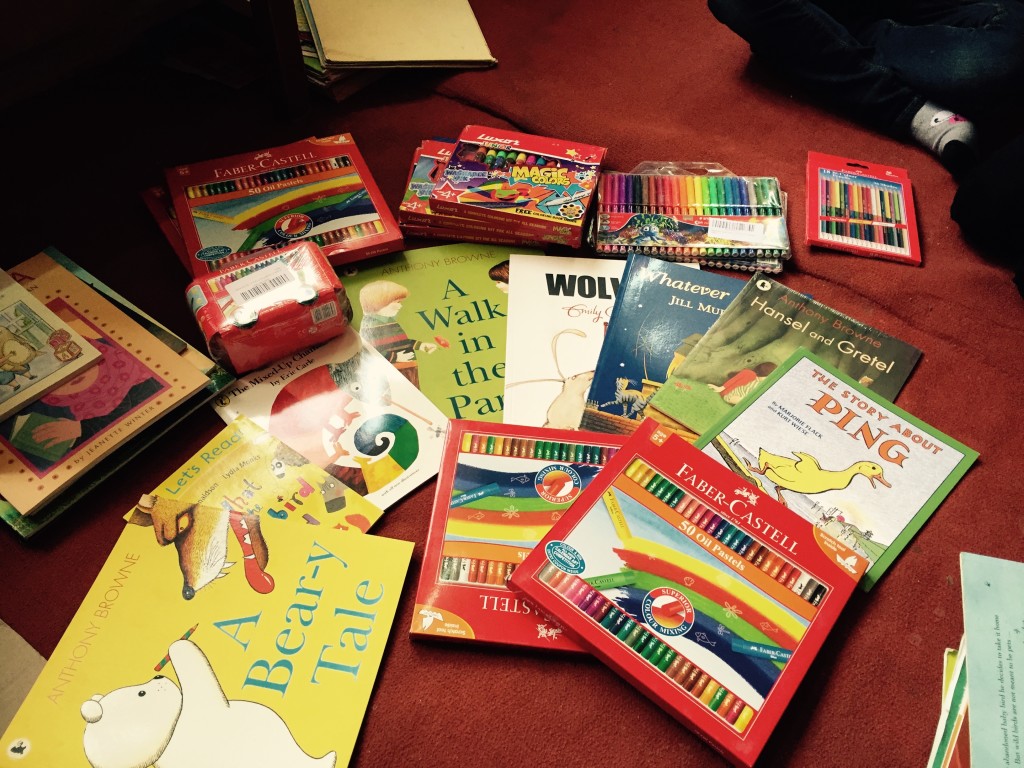
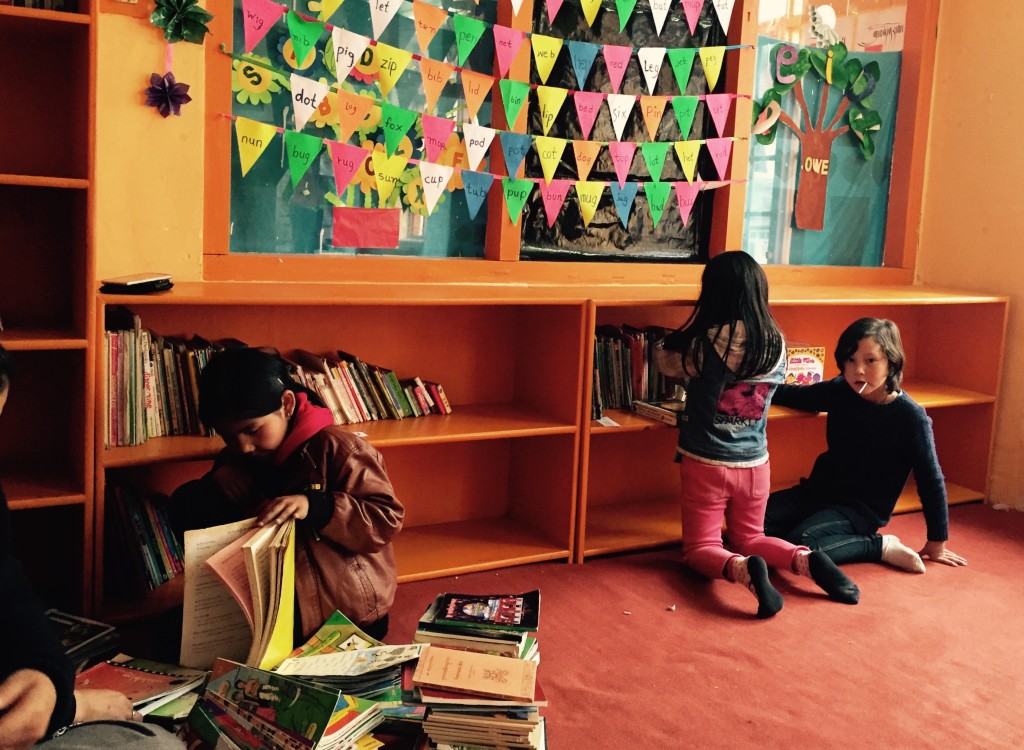
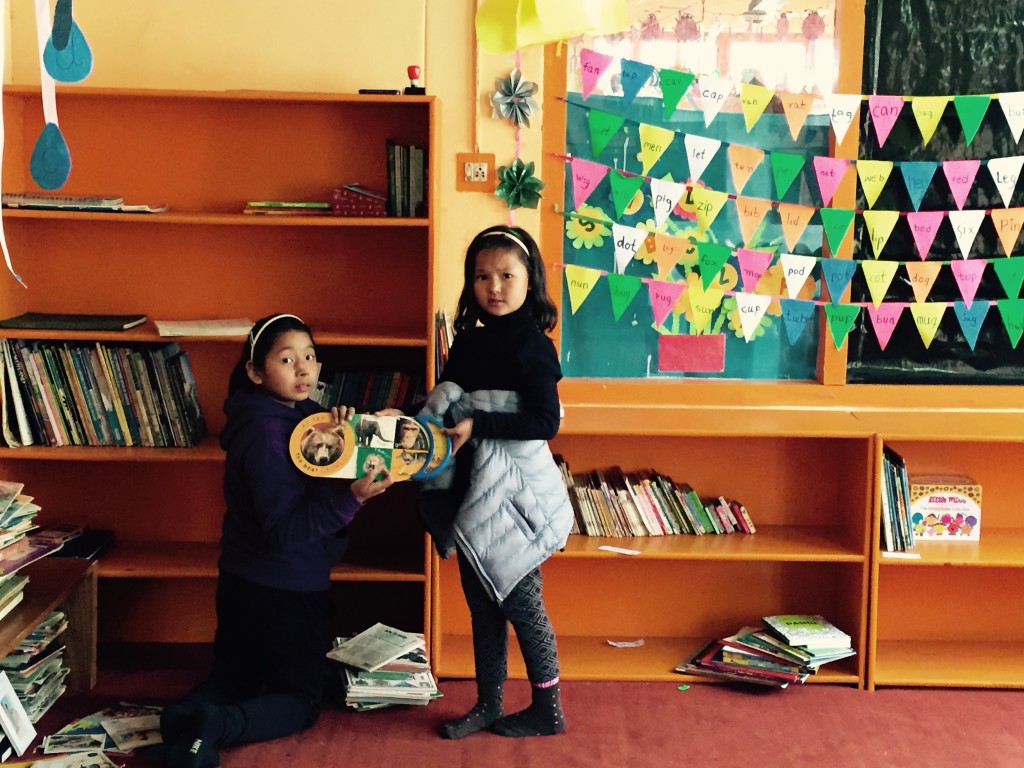
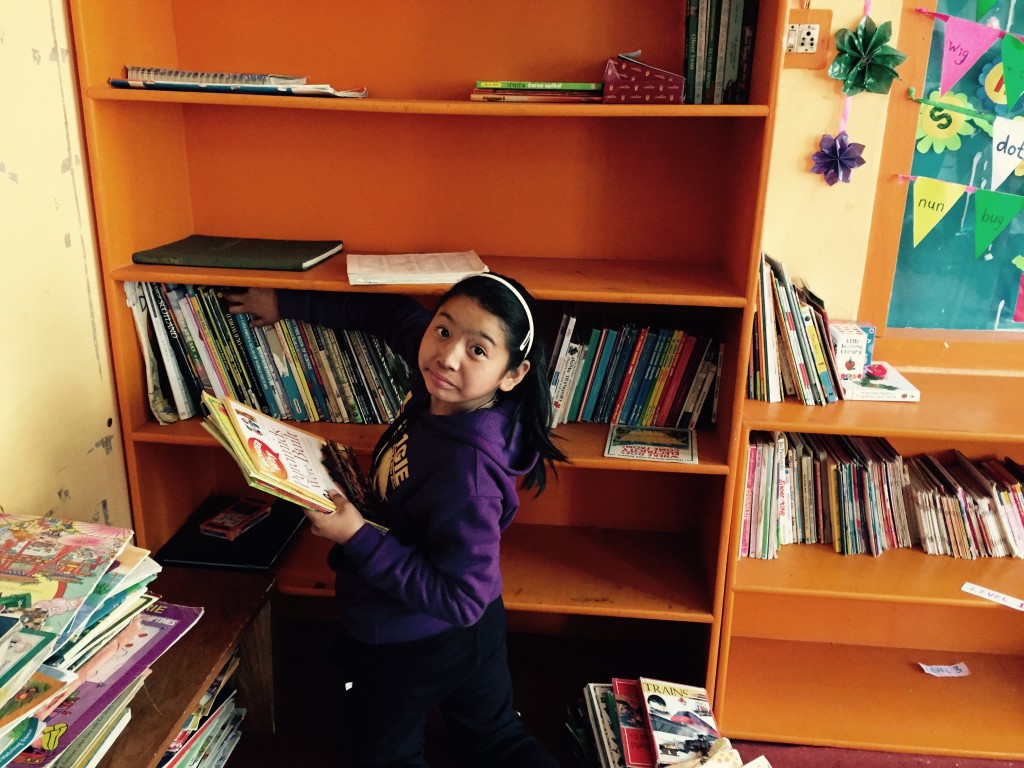
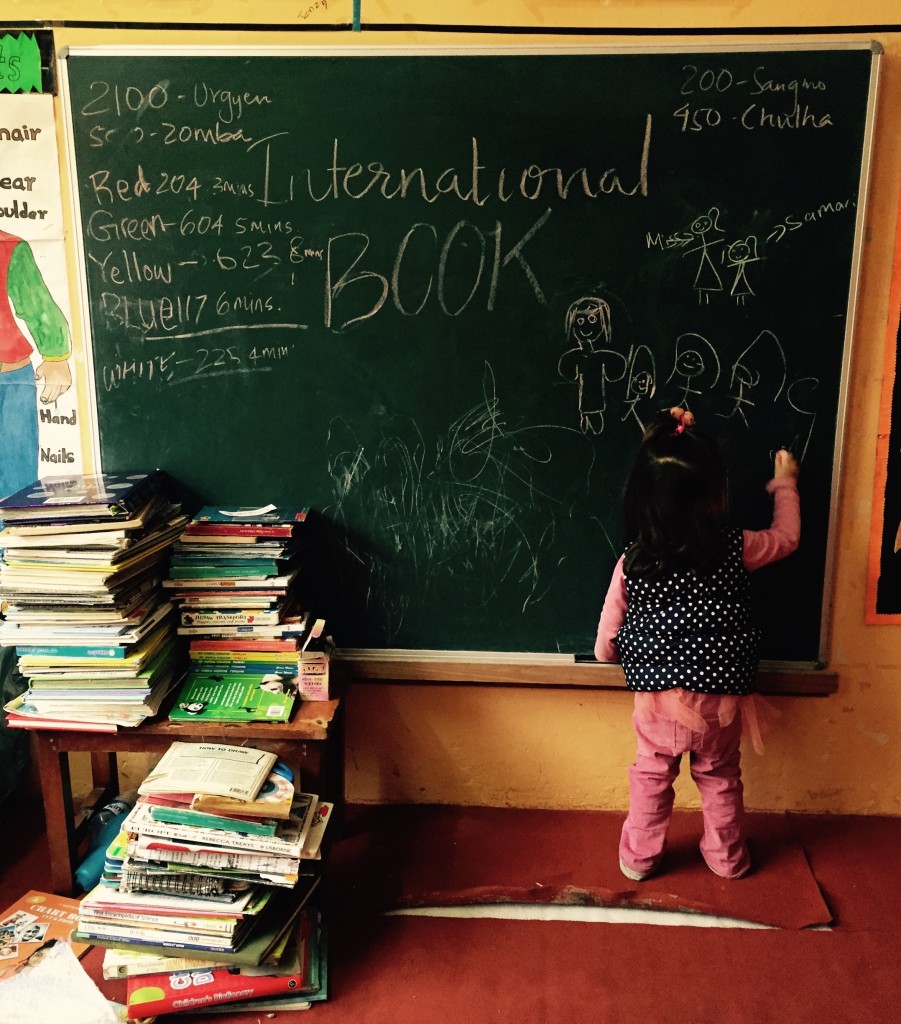
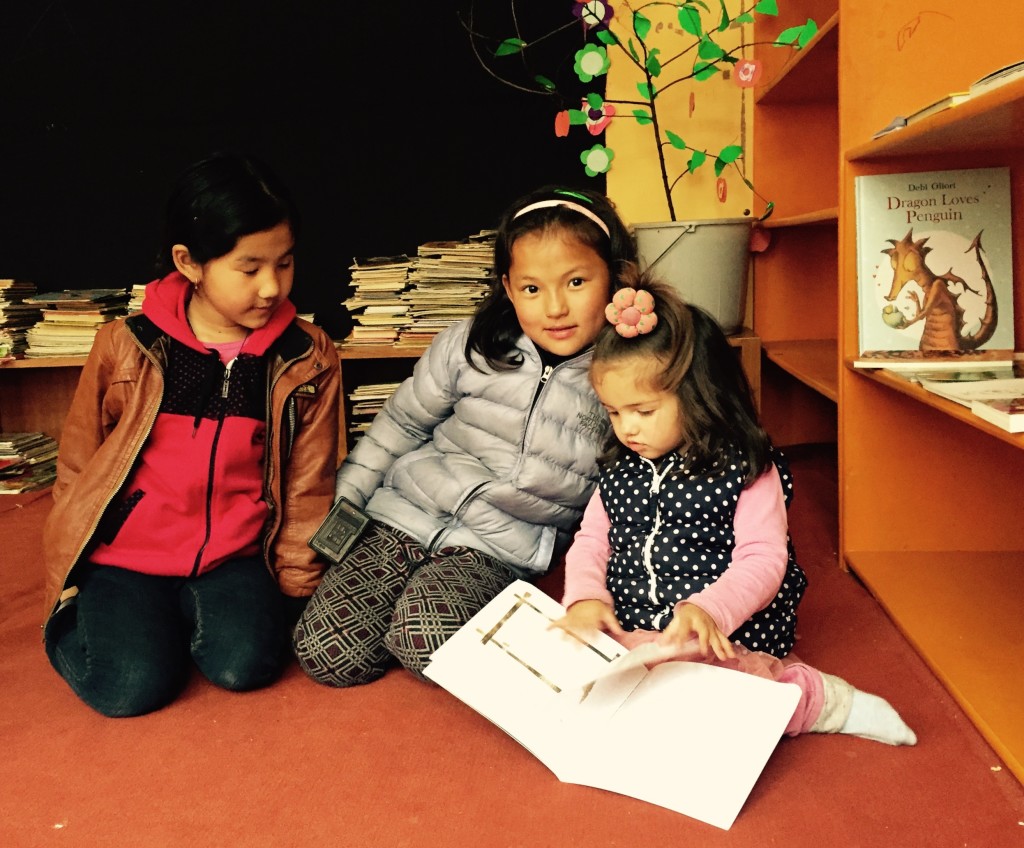
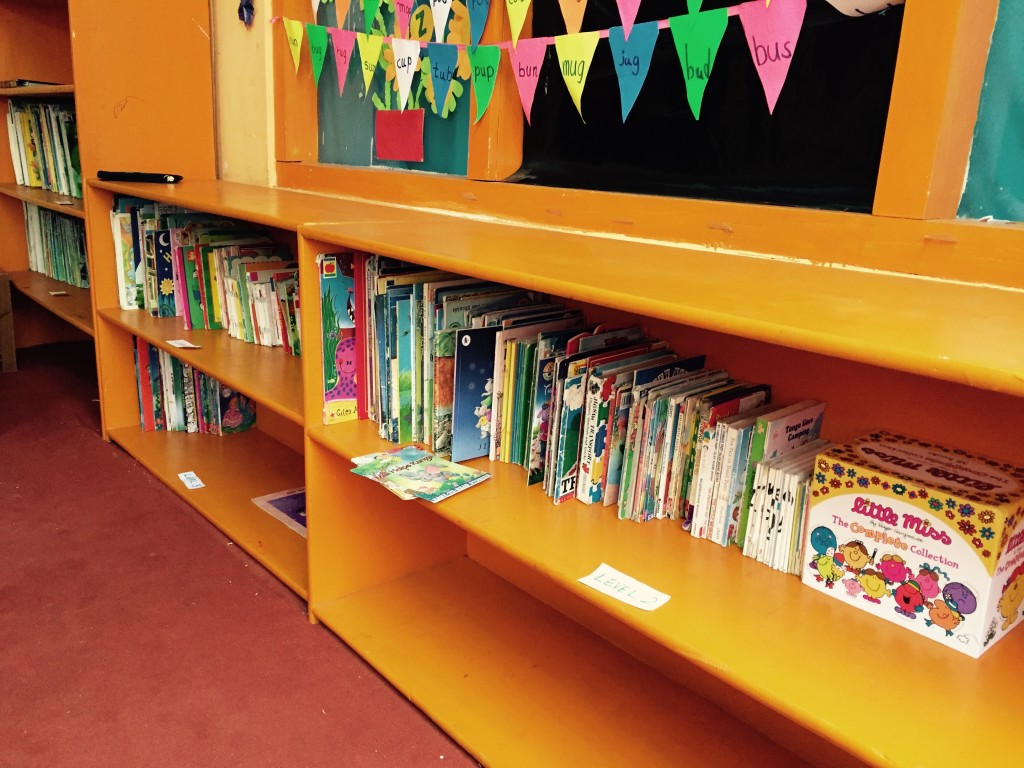
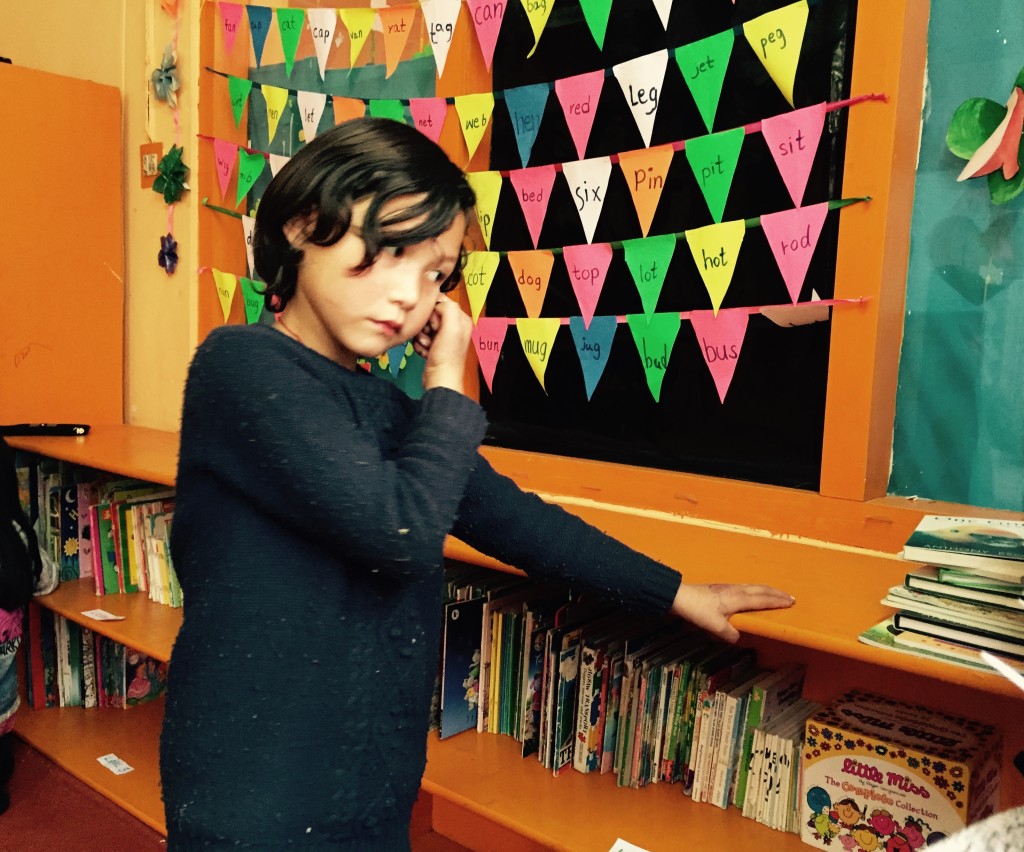
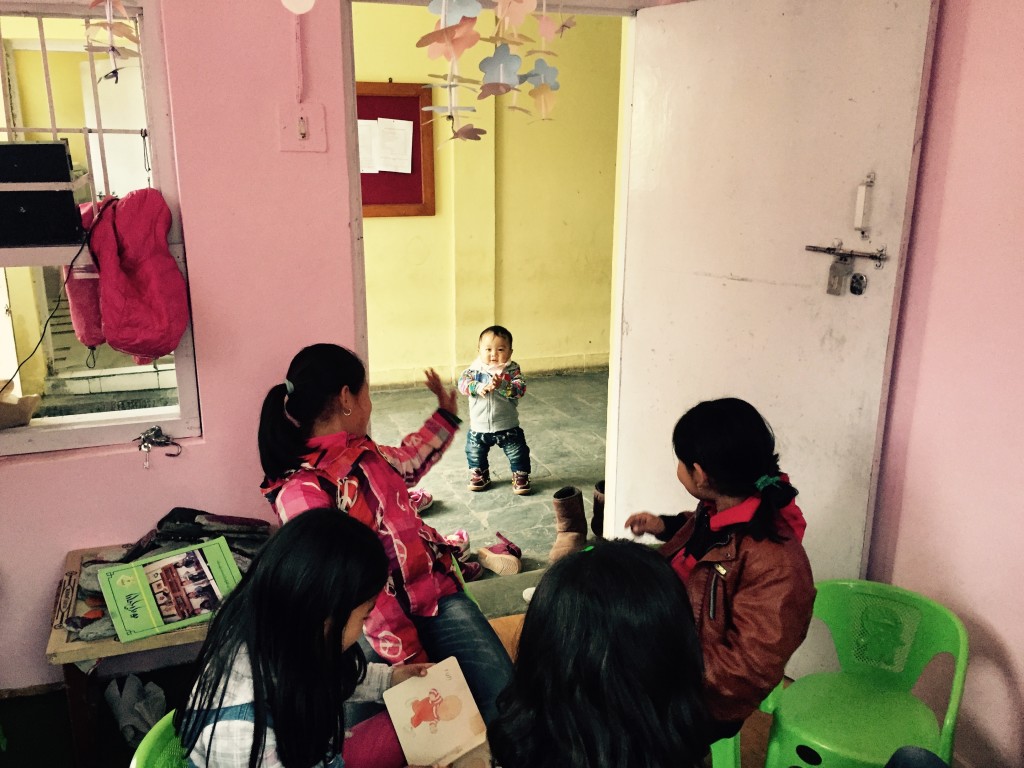
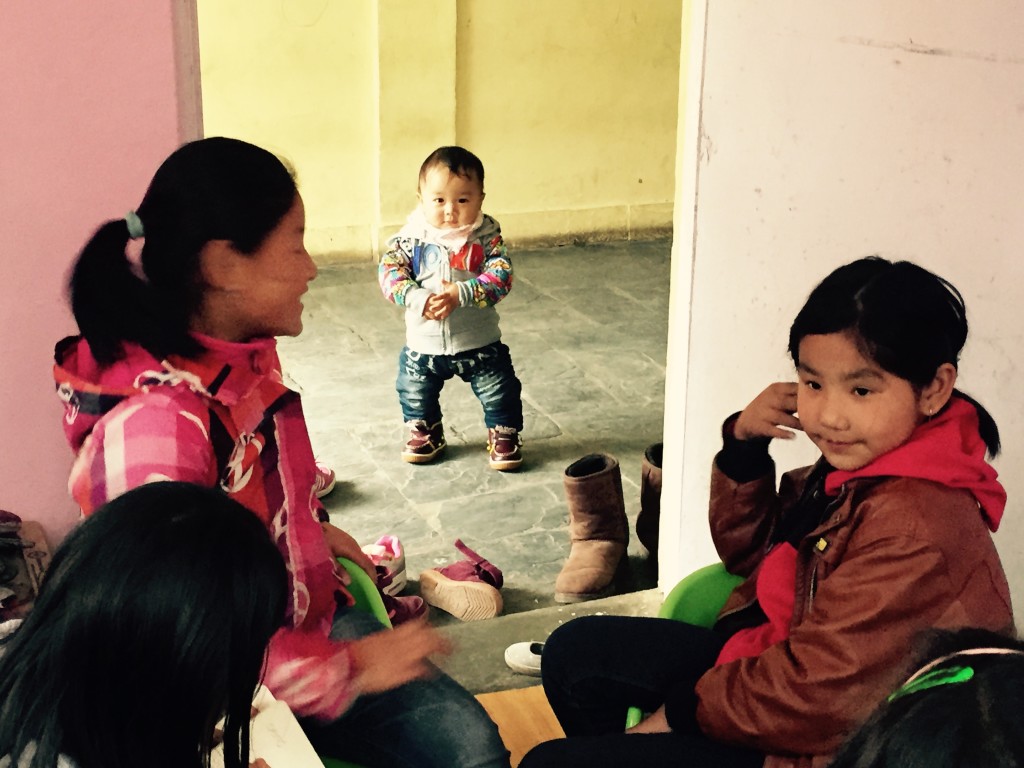
Reading rooms set up by small charities in remote Himalayan villages function on simple shelves of donated books, a few cushions, and almost always a small stack of paper with a tin of crayons. There is no electricity in many of these rooms. There is certainly no Wi-Fi. The space is shaped entirely around what a child can do with their hands.
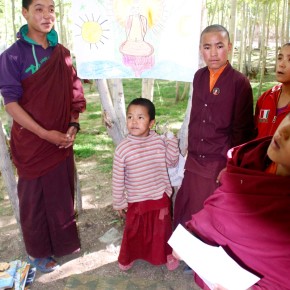
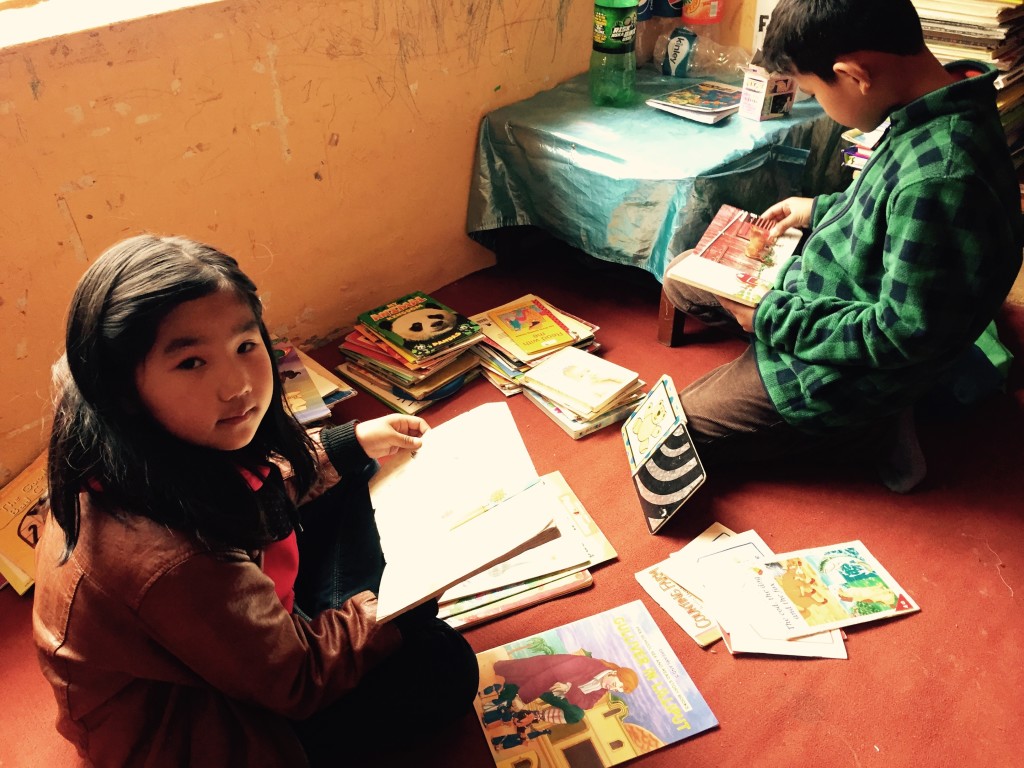
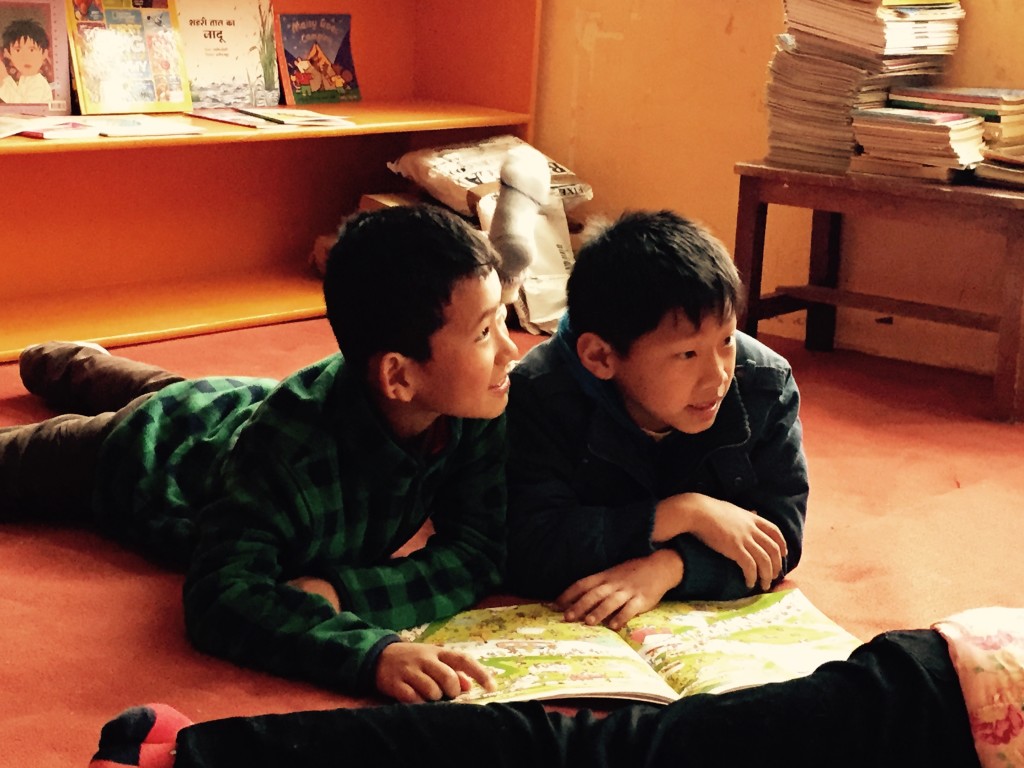
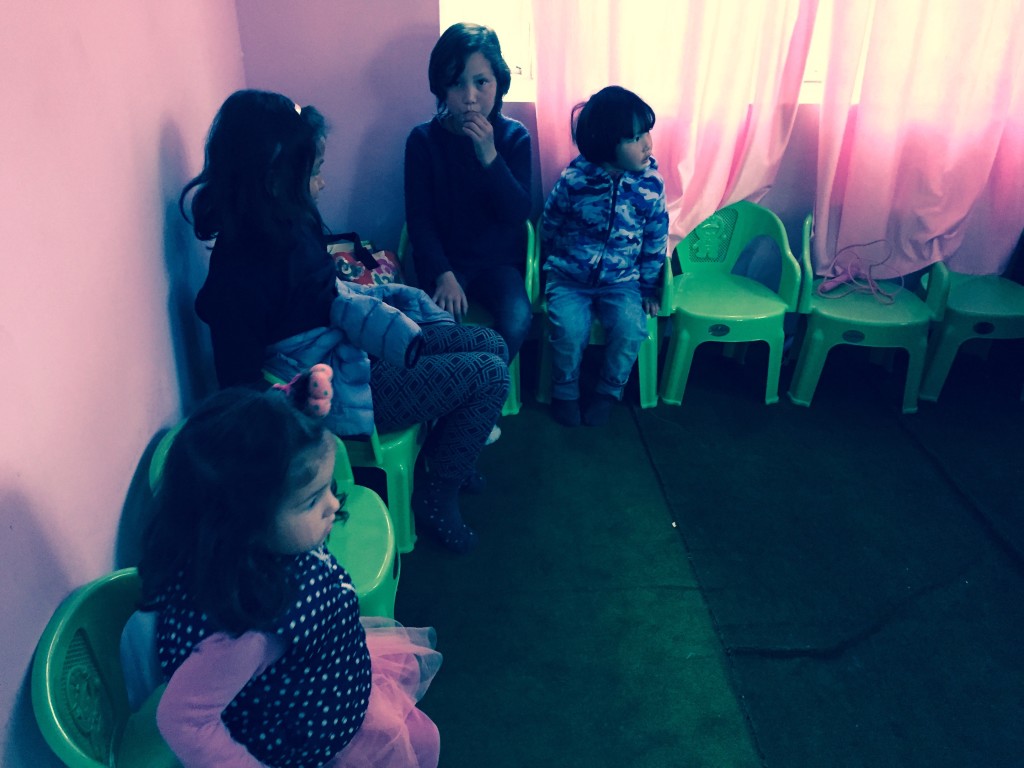
Volunteers describe the early weeks as a little chaotic. Children are unsure what to do when no one is telling them what to do. Then, almost without anyone noticing, the room settles. A book opens. A drawing begins. A young monk spends forty minutes shading the folds in a robe. Two siblings start a comic strip across four pages. The space becomes a small workshop of attention.
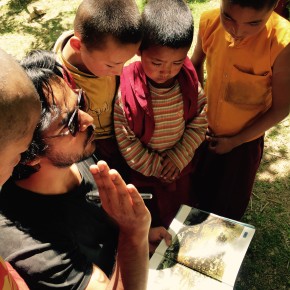
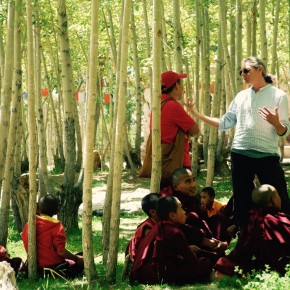
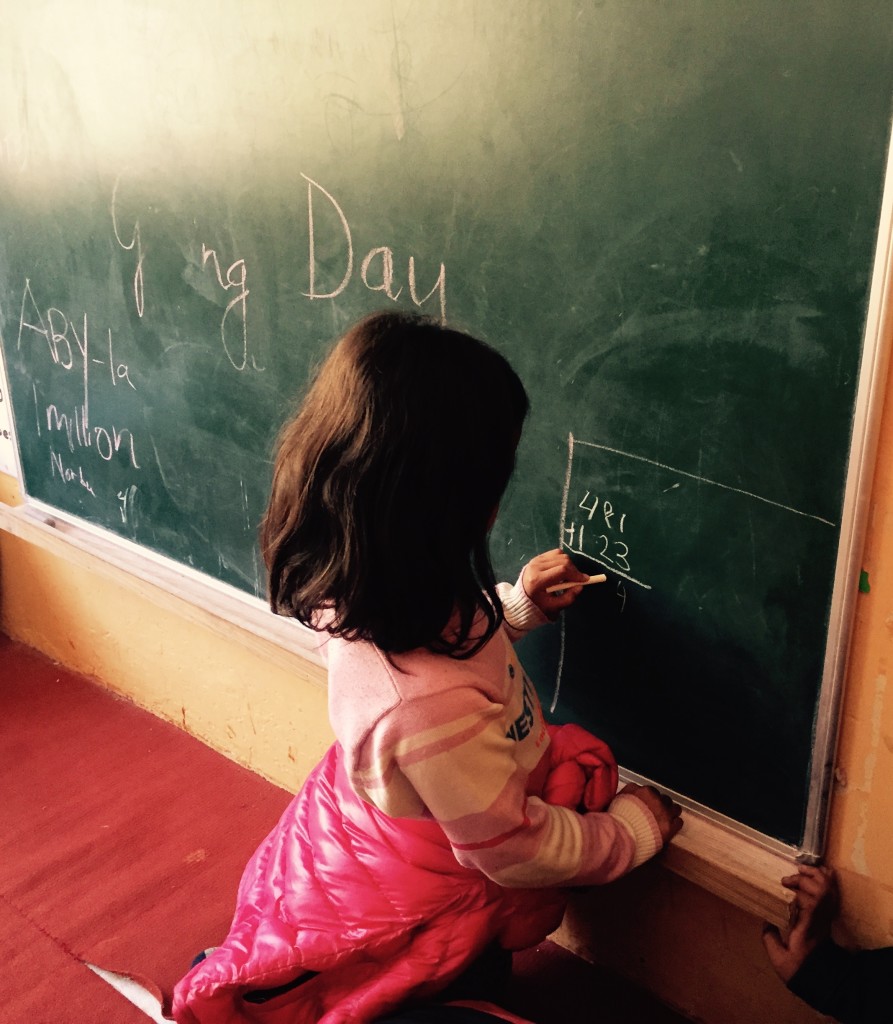
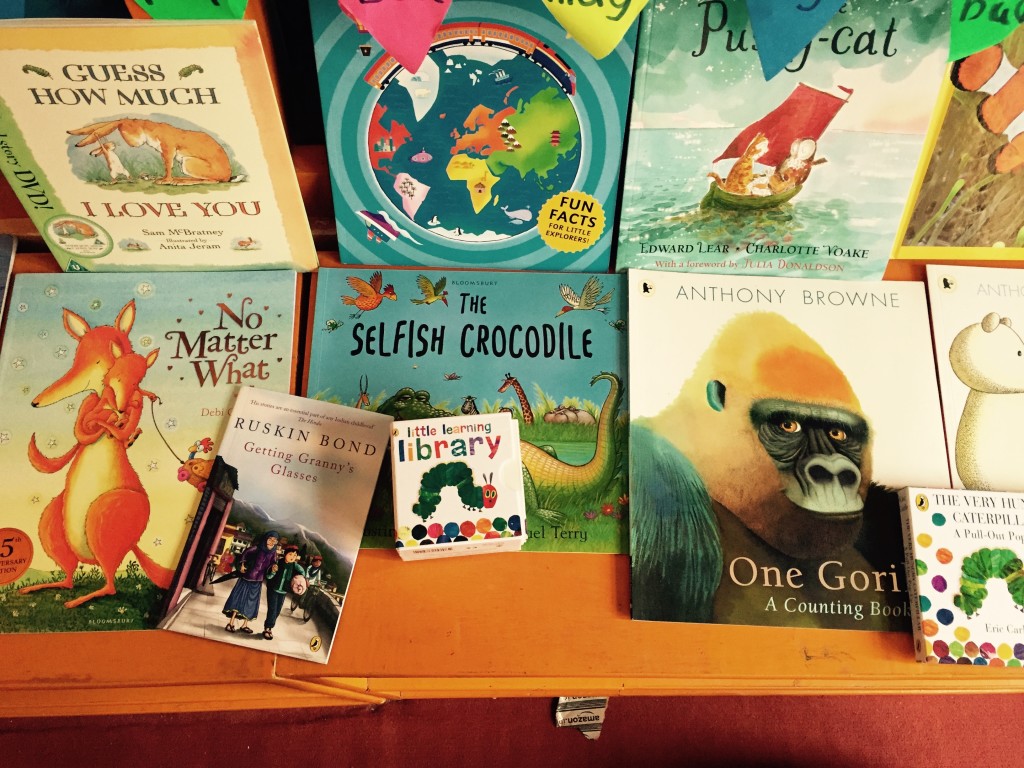
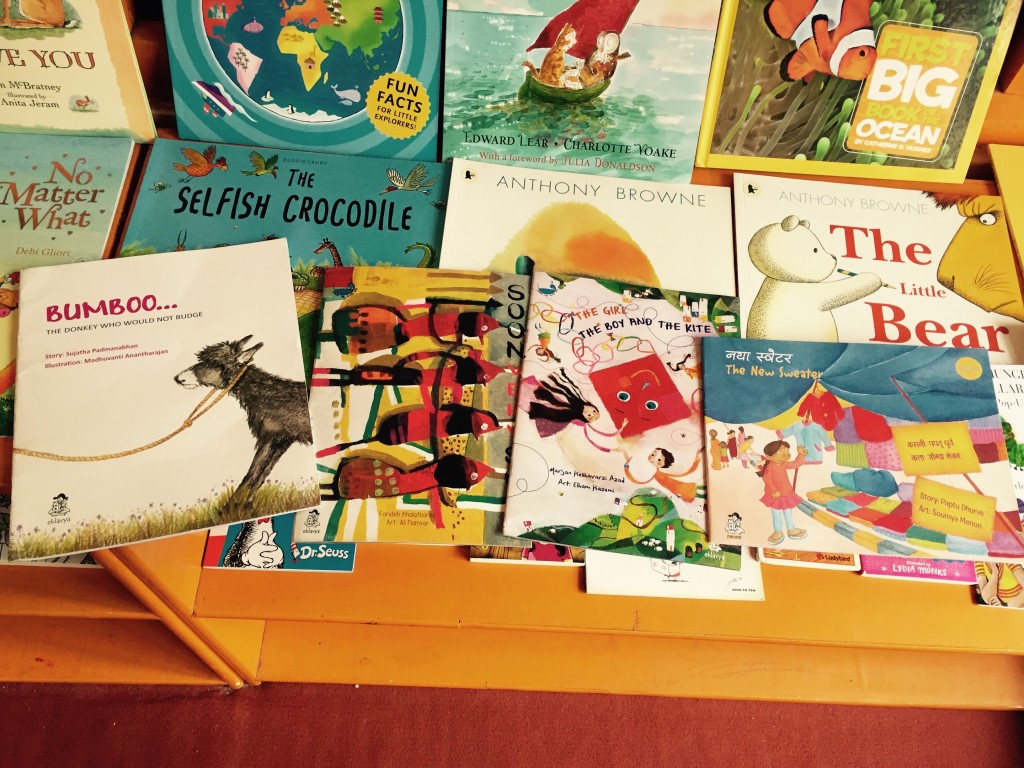
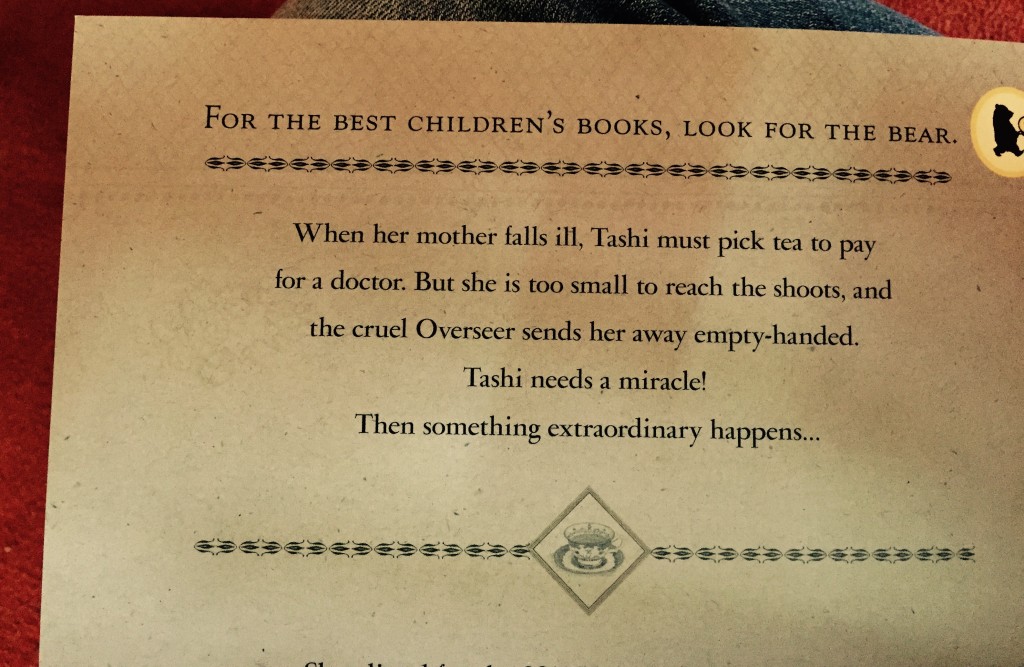
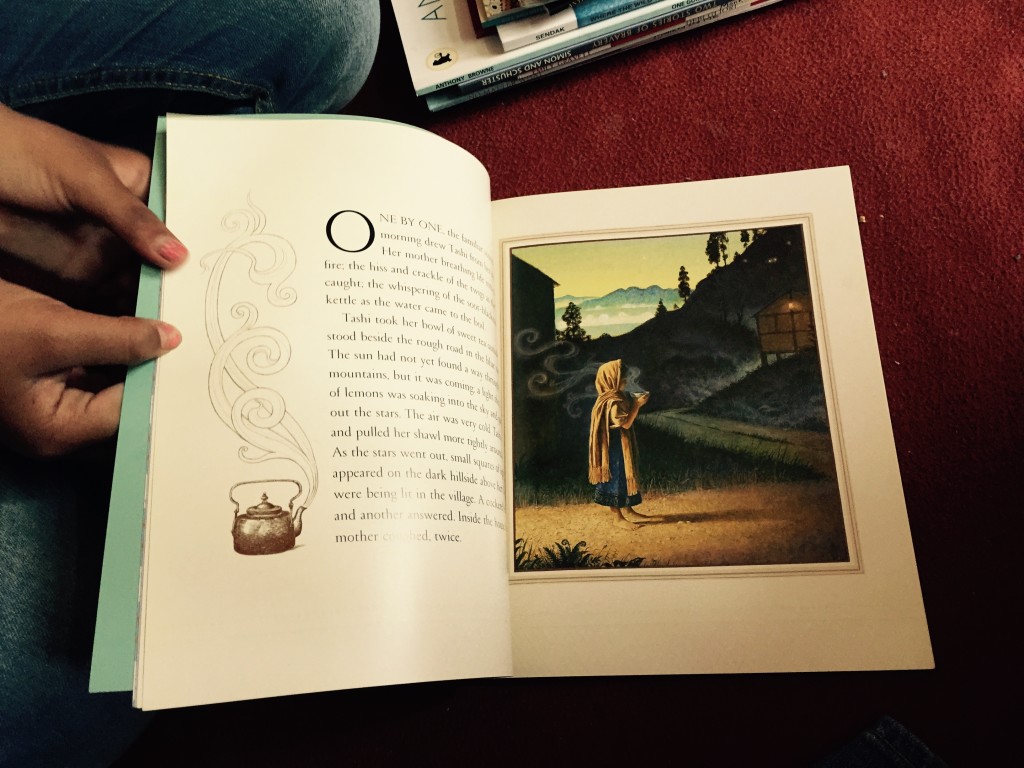
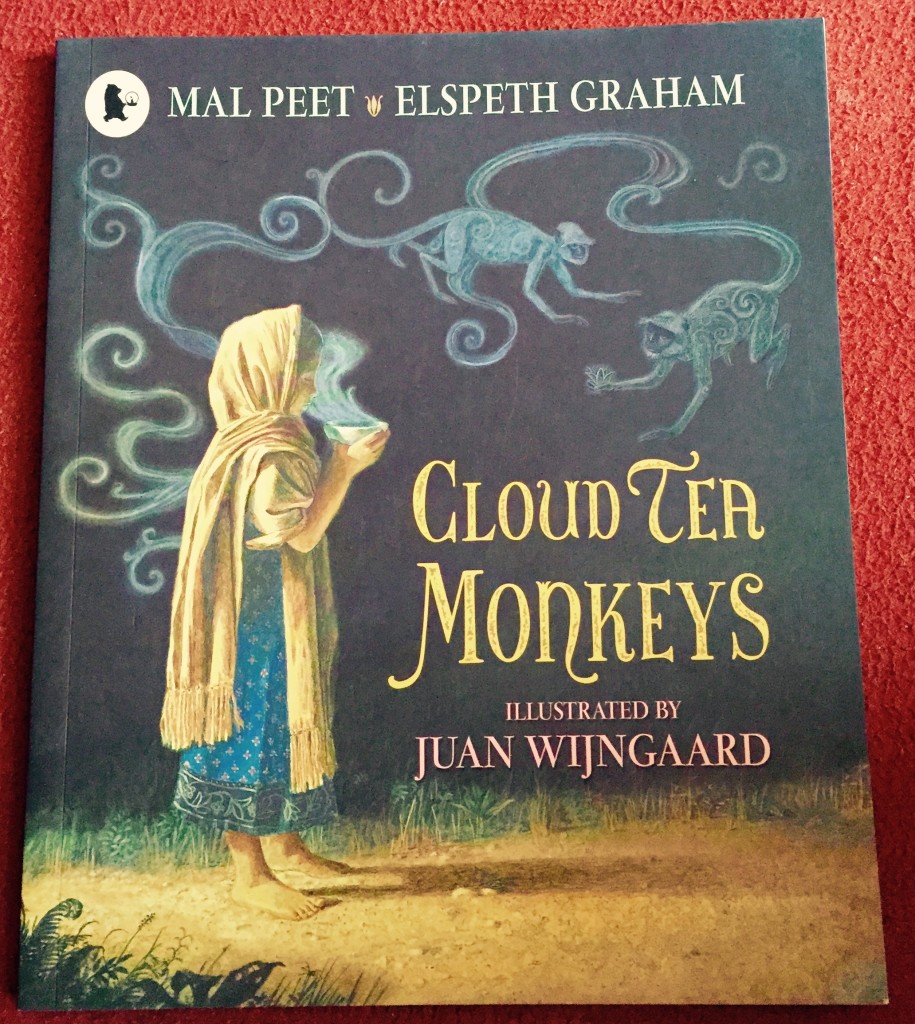
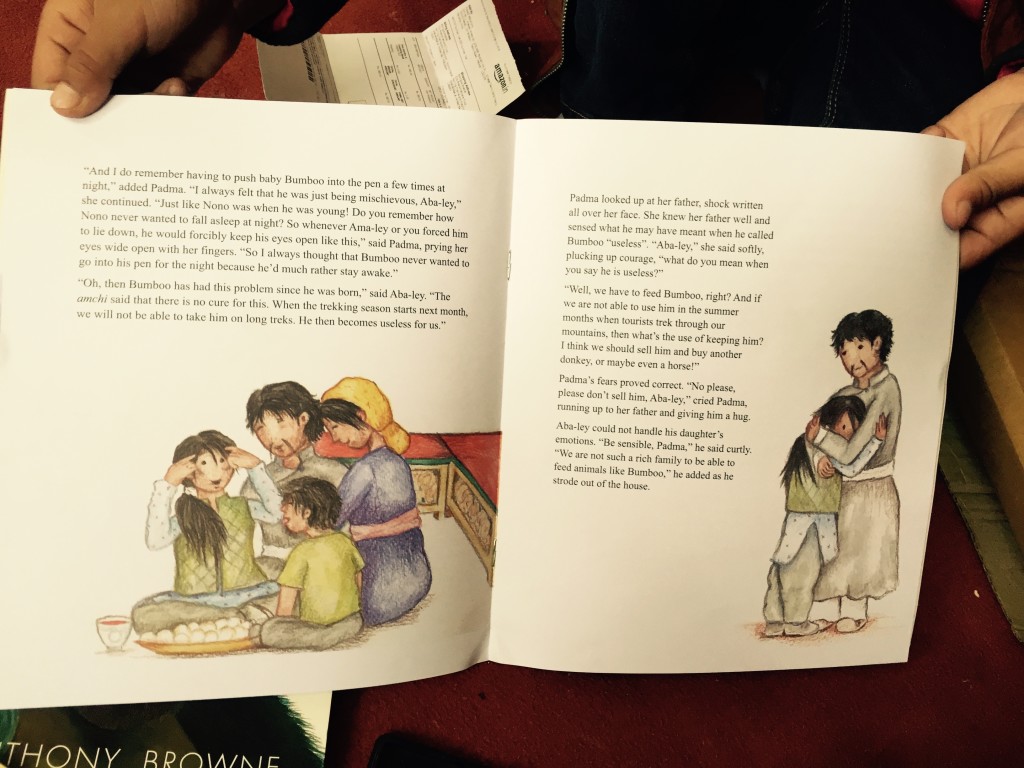
Programmes like the Ladakh learning projects that link reading, drawing, and storytelling show how a child moves between a book and a blank page as if they were two halves of the same activity. Read a story about a mountain, draw the mountain. Crayons and paper become a bridge between comprehension and creation.
Children rarely ask for more. They do not pine for tablets. The materials are enough because they match what a child's body and brain are actually hungry for at that age — sensory texture, slow feedback, the quiet satisfaction of producing something with their own hands.
Lessons from the red dirt that reach the high Himalayas
There is something quietly Australian about this whole story. Outback art rooms have run on minimal supplies for decades. A teacher in Mount Isa or a community educator in the APY Lands will tell you that children do not need the latest kit to produce something arresting. They need time, a sheet of paper, and the patience of an adult who treats their effort as worth looking at properly.
The same goes for suburban loungerooms. A parent who clears the kitchen table after brekkie, sets out a single mug of crayons, and asks, "What are you going to make today?" is doing something close to what an experienced Ladakh volunteer does. They are signalling that the next half hour belongs to the child, and whatever comes out of those crayons will be taken seriously.
Australian schools are already reaching for similar ideas. The early years frameworks in Victoria and New South Wales explicitly call for open-ended materials that invite children to interpret rather than replicate. A tin of crayons and a stack of photocopy paper ticks every box, even on a tight budget.
Bringing the approach home without overhauling the toy box
Borrowing this way of working does not need a full overhaul. It needs a small shift in what you put in front of a child, and a small shift in how you respond.
- Set out a modest kit each afternoon — six crayons, one pencil, a few sheets of paper — and resist adding extras every time a child asks.
- Ask open questions rather than directing. "Tell me about the blue bit" works better than "Why is the sky blue?"
- Tape finished drawings at the child's eye level for a week before quietly recycling them.
- Pair drawing with reading. After a picture book, offer paper and crayons and see what the child draws.
- Trade some screen time for ten paper minutes, especially after school. A slower pace resets attention.
The point is not to fill every arvo with art. The point is to give the mind regular, low-stakes opportunities to invent without instructions.
A handmade picture, finished slowly and kept for a few days, is one of the cheapest forms of intellectual nourishment a child can be offered. Crayons in a tin and a stack of paper — the kind that travels easily into remote classrooms, into Ladakh reading rooms, into a Brisbane kitchen, or onto a verandah in regional Western Australia — does more for a young mind than almost any expensive gadget. Hand a child the simplest kit, and trust them to do the rest.