How Tashi Discovered Science Through Books
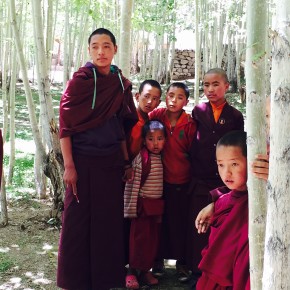
The story of Tashi: A Young Monk Who Discovered Science Through Books begins in a quiet Himalayan monastery, where daily life follows a steady rhythm of prayer, study, chores, and shared meals. Tashi was a thoughtful young monk who loved listening to stories, yet his lessons rarely extended beyond the texts immediately available to him.
His curiosity grew whenever he looked beyond the monastery walls. Why did the moon change shape? How could birds fly across the valley? What caused snow to melt, streams to swell, and clouds to gather above the mountains? These questions had no simple place in his usual lessons, but they stayed with him.
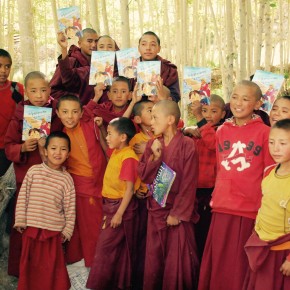
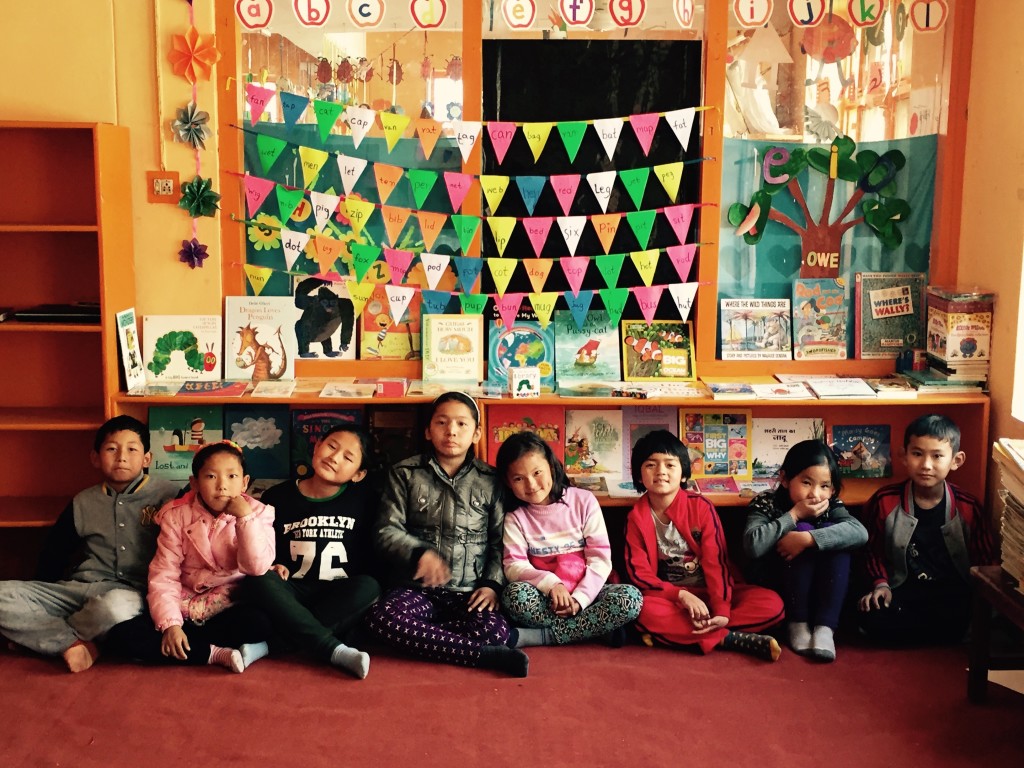
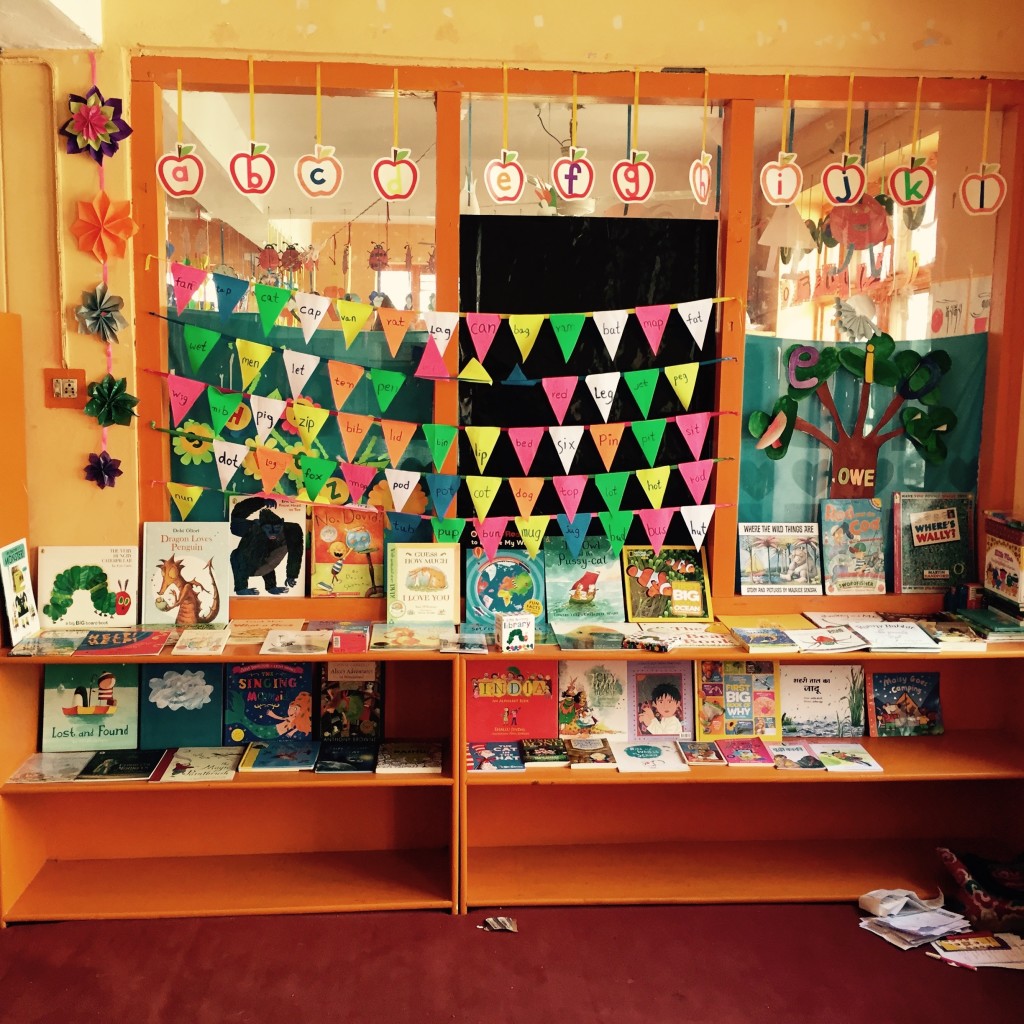
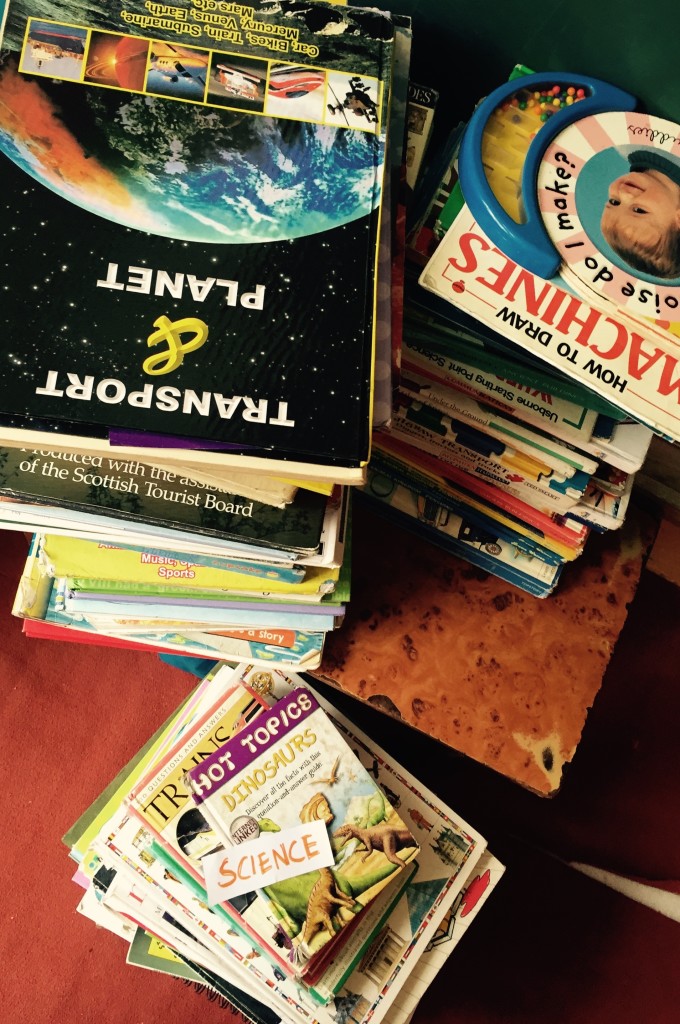
A reading room supported by Avalokiteśvara Trust gave Tashi a new way to explore. Through carefully chosen children’s books, illustrated science guides, and educational resources, he encountered ideas that connected his spiritual education with the natural world around him.
Where Curiosity Began
Tashi lived in a high-altitude community where the landscape itself offered daily lessons. Mountain winds shaped the weather, sunlight shifted quickly across the slopes, and winter transformed familiar paths into fields of ice and snow. He noticed these changes, but he did not yet have the vocabulary to explain them.
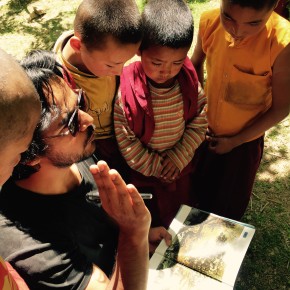
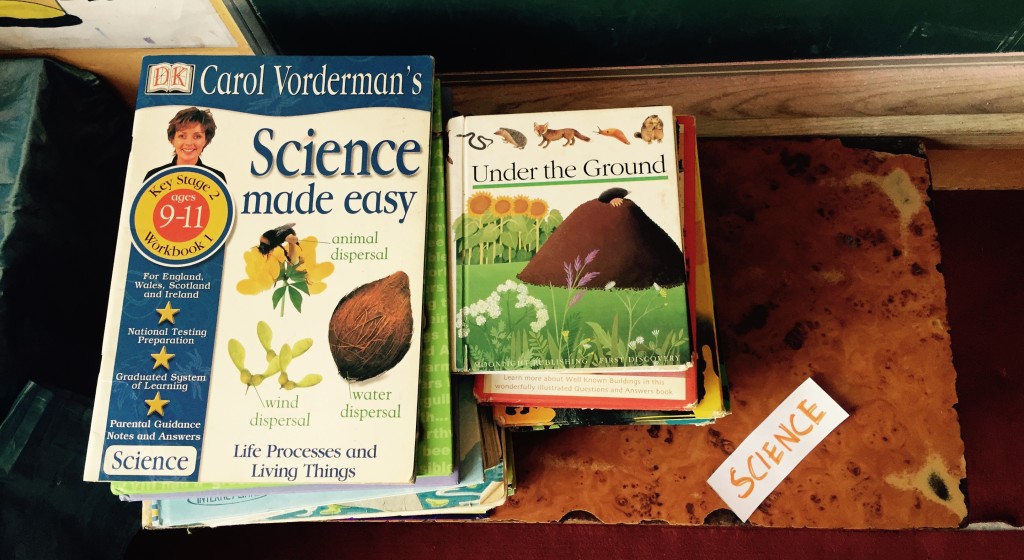
The first book that truly captured his attention was a picture-filled guide to the Earth and its atmosphere. It showed mountains forming over long periods, clouds moving through the water cycle, and rivers carrying snowmelt toward distant valleys. Tashi read slowly, returning to the same pages and tracing each diagram with his finger.
The book did not replace his traditional learning. Instead, it gave him another lens through which to understand his surroundings. Science became a companion to observation, reflection, and careful study.
A Reading Room Opens A Door
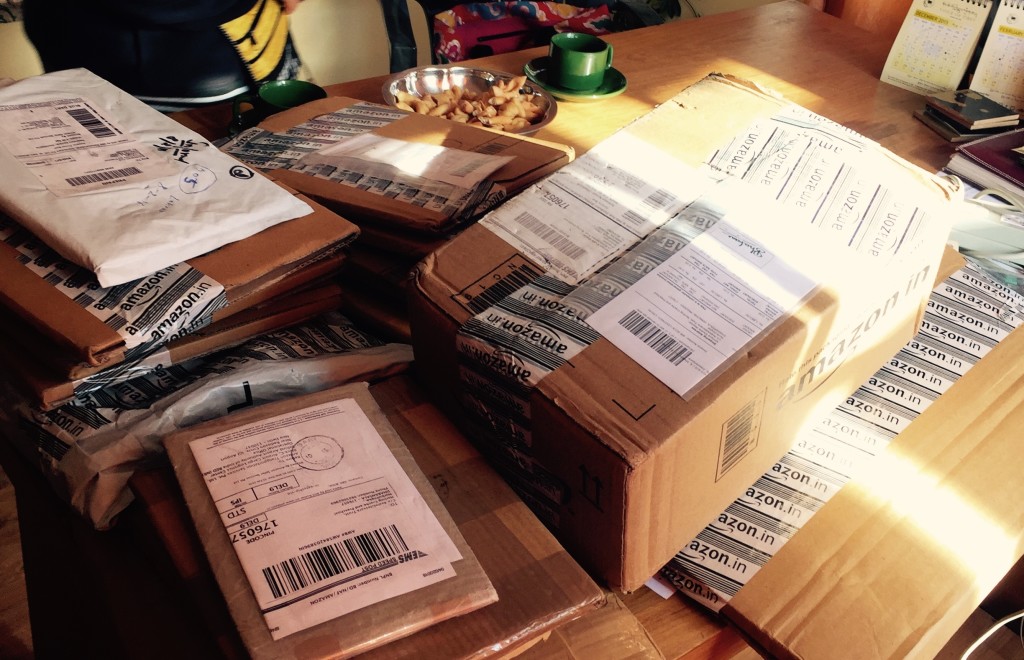
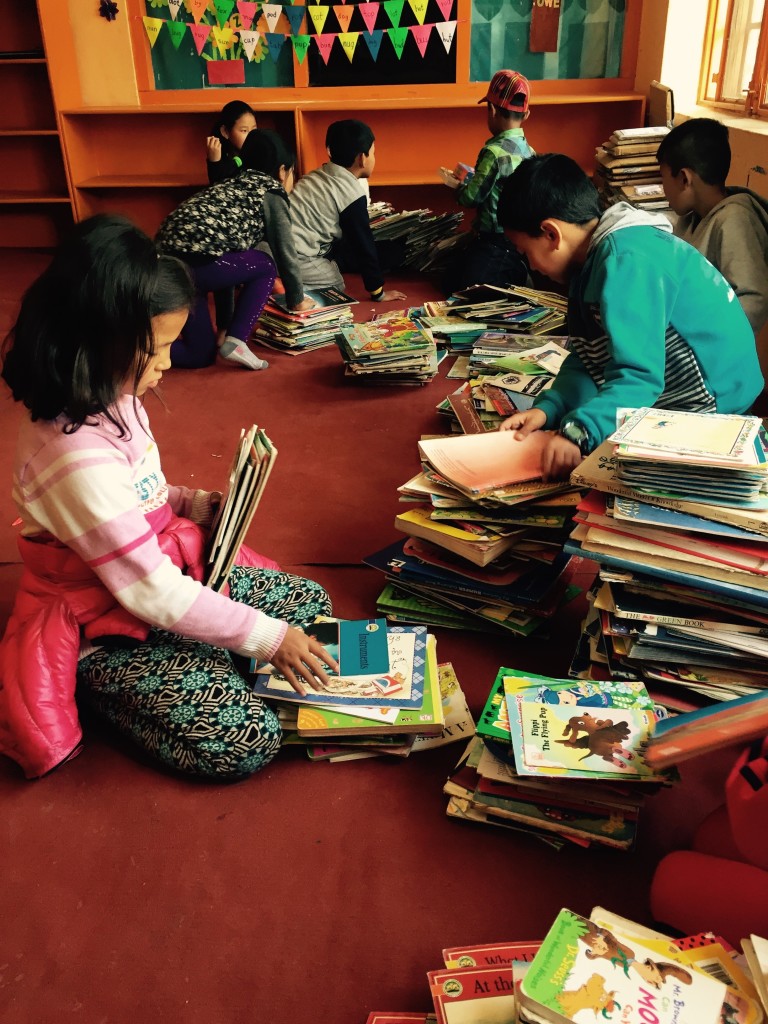
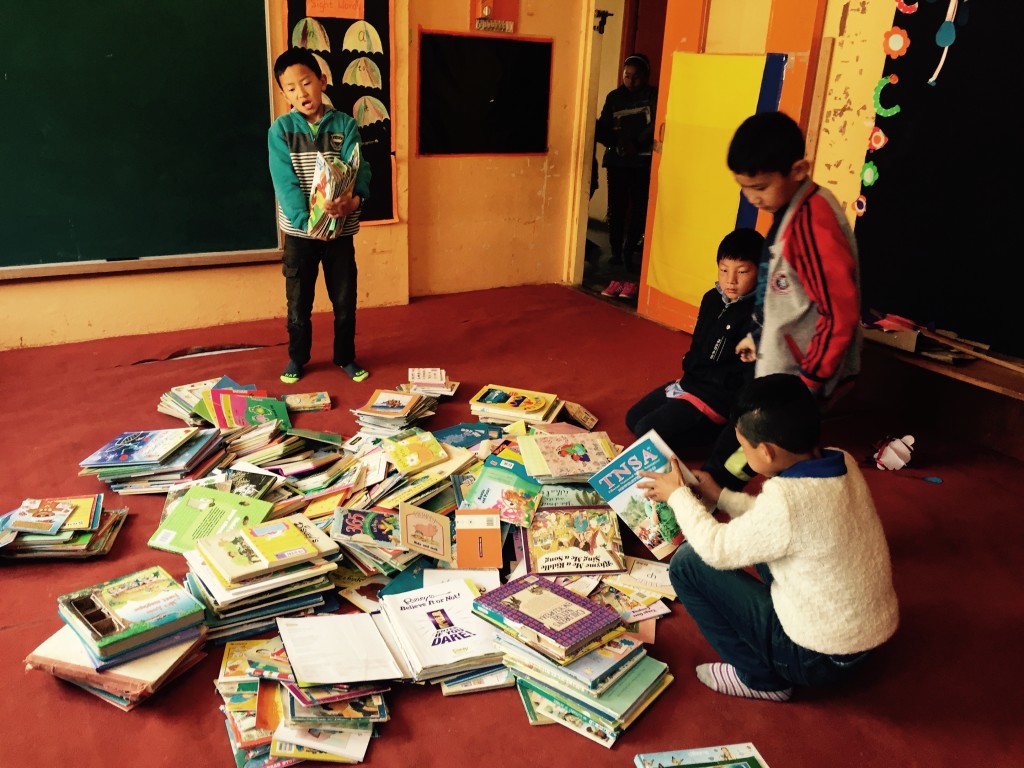
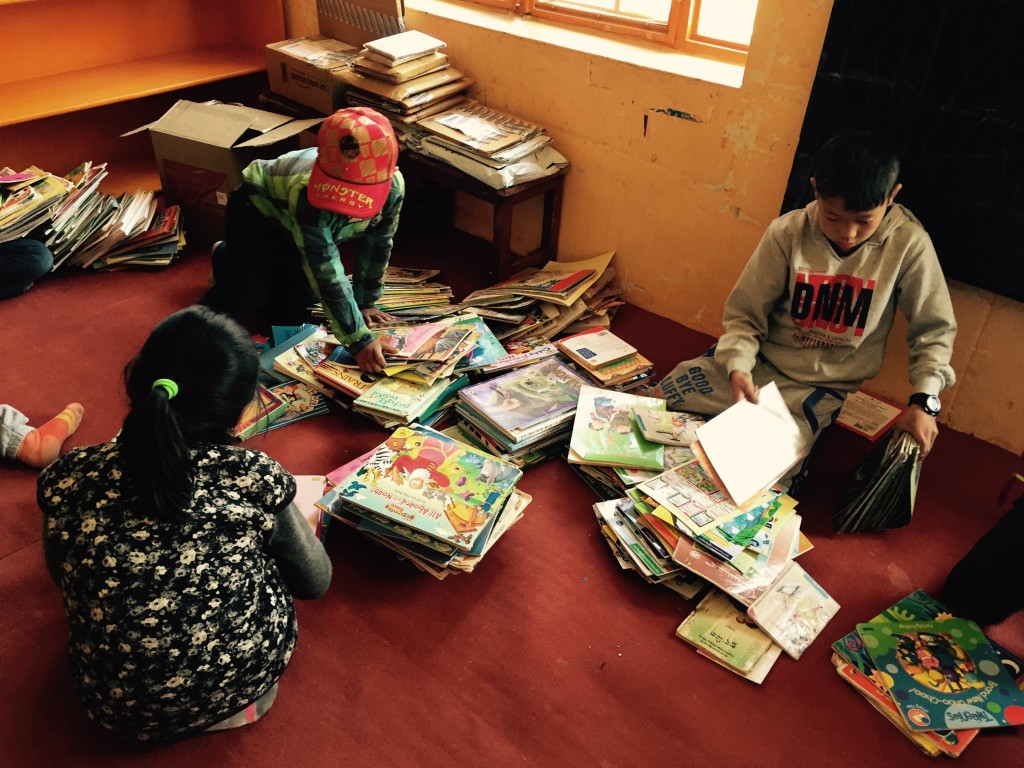
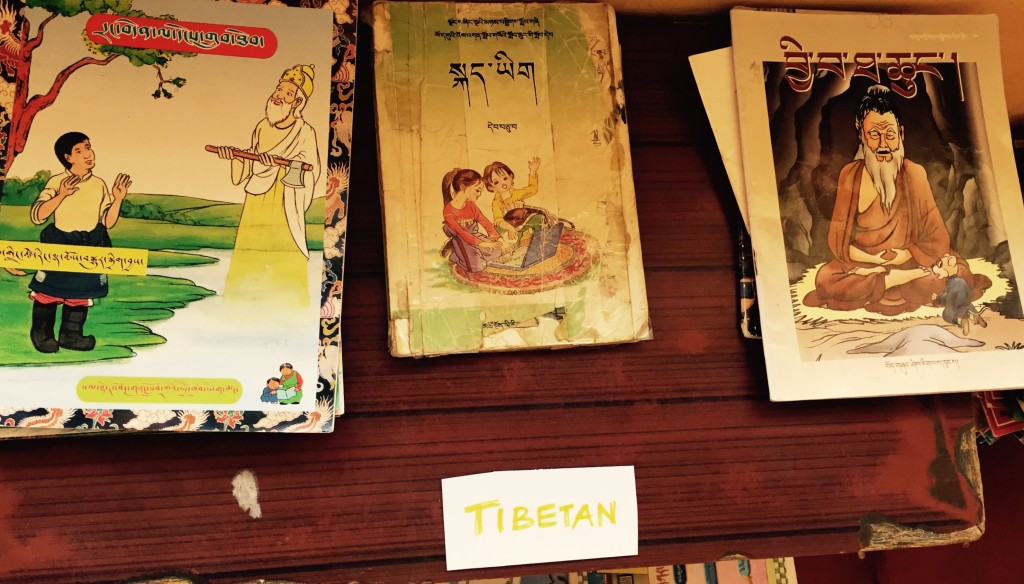
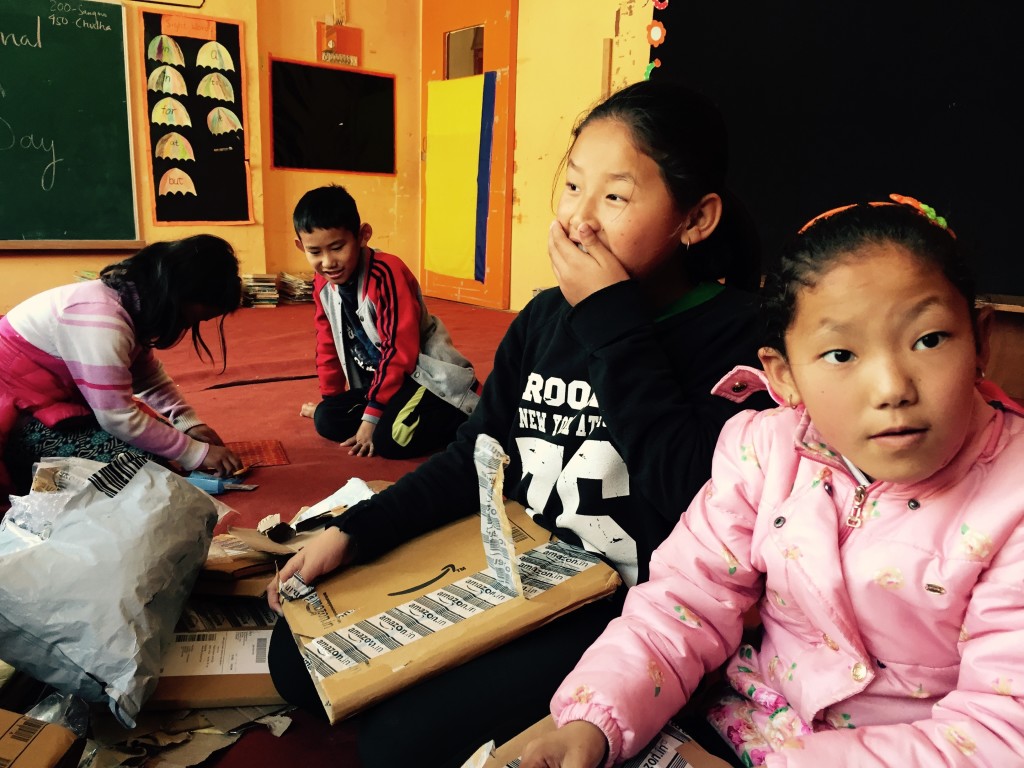
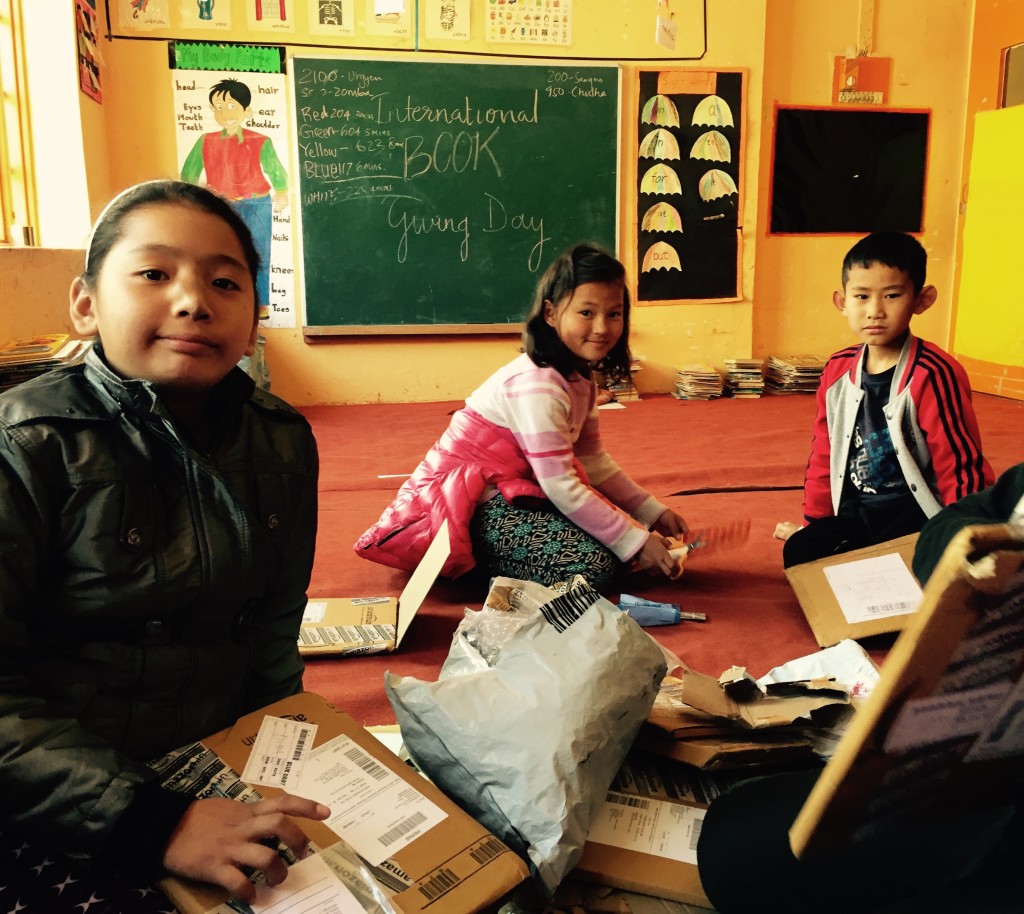
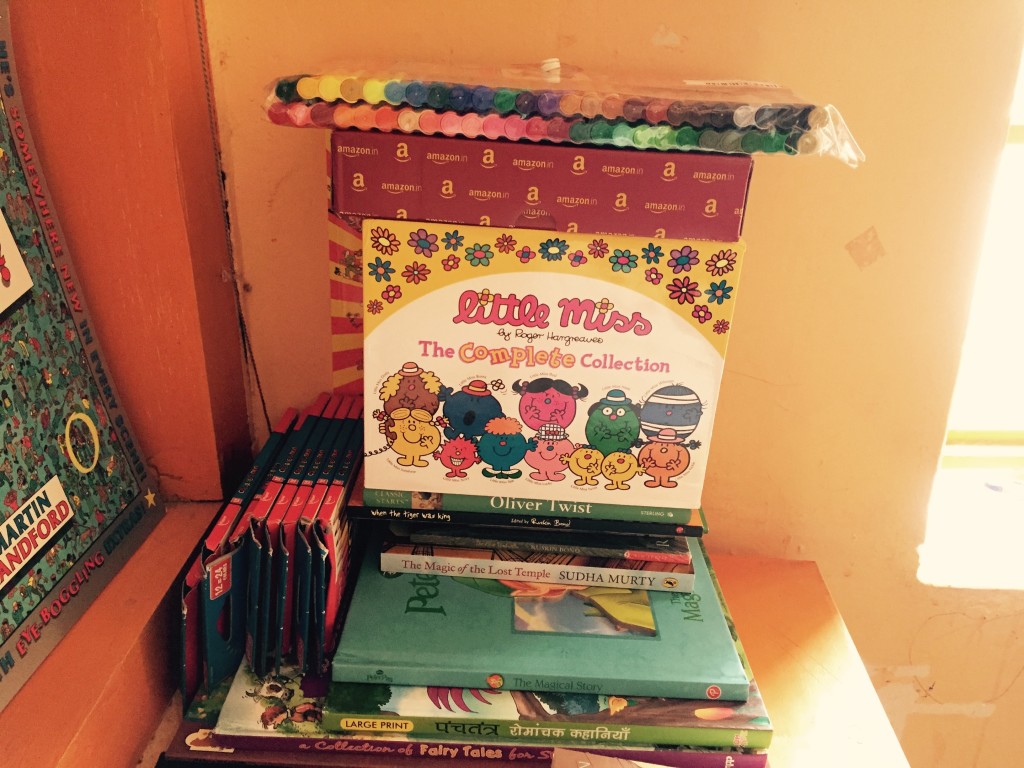
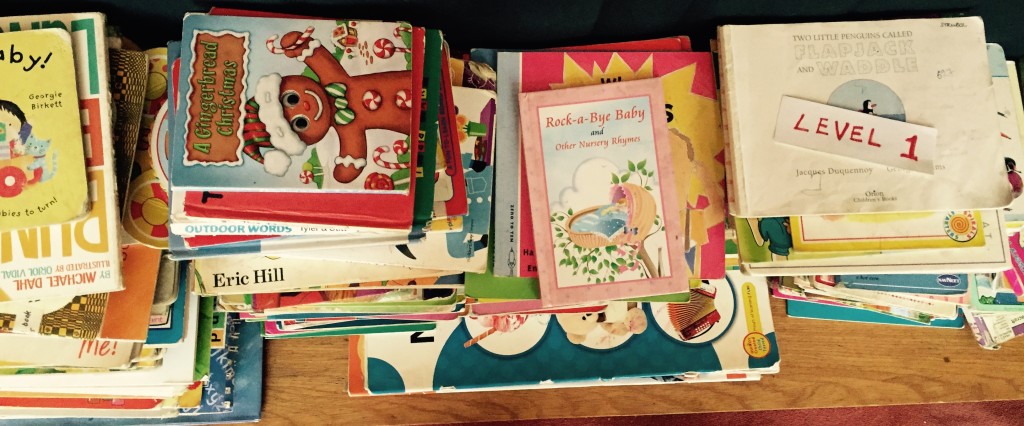
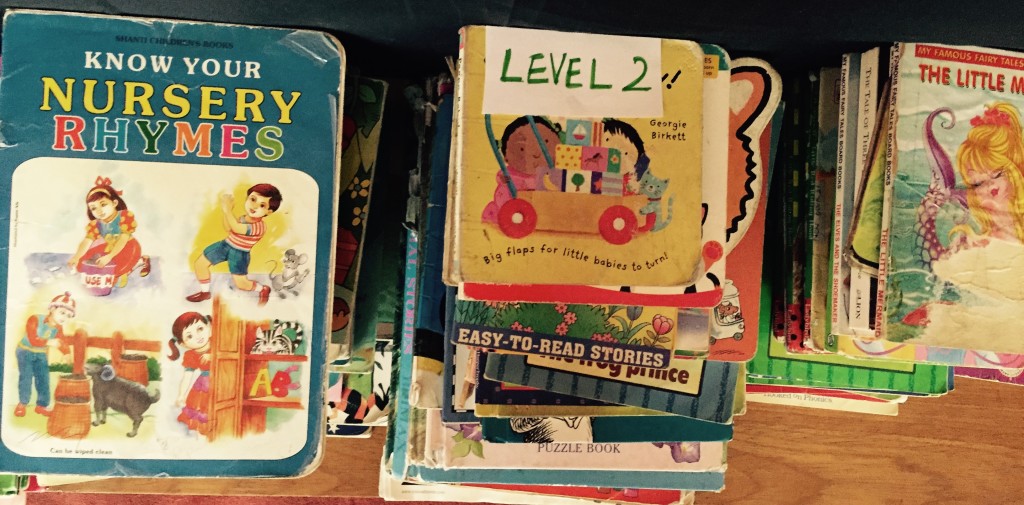
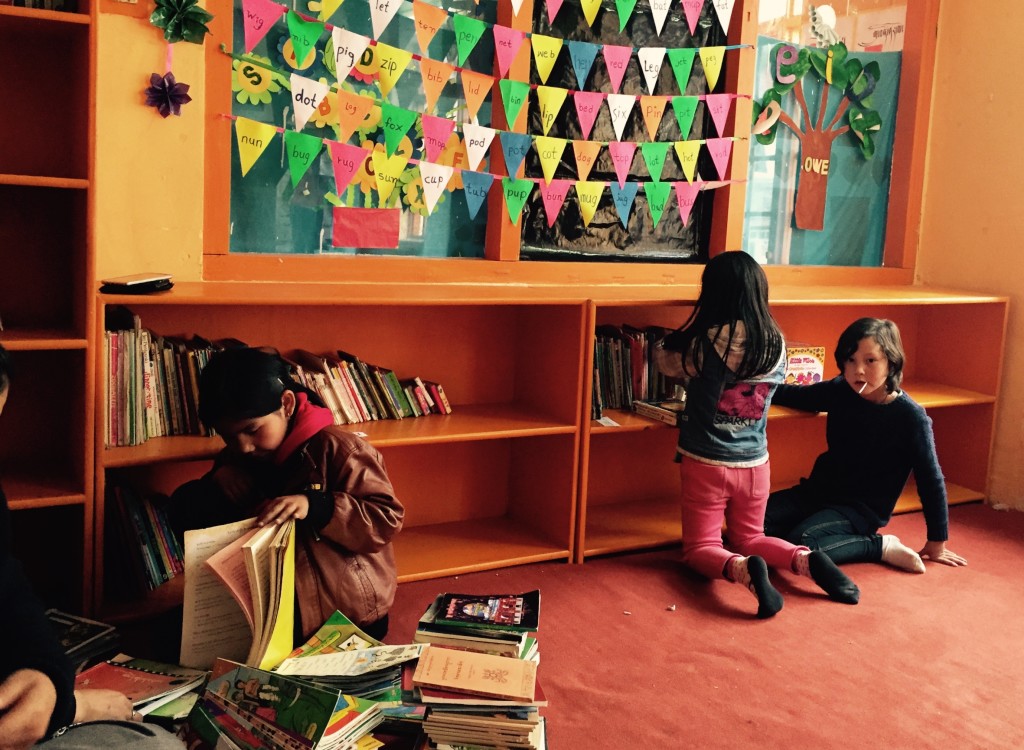
Before the reading room was established, books were scarce. A few worn volumes circulated among many children and young monks, while newer educational materials were difficult to find in remote communities. The arrival of donated books changed the atmosphere of the monastery’s study space.
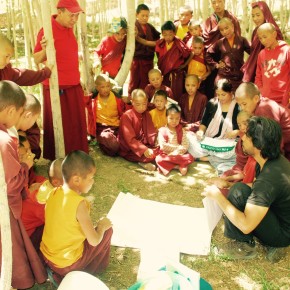
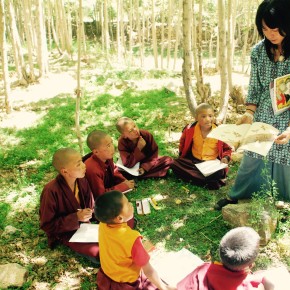
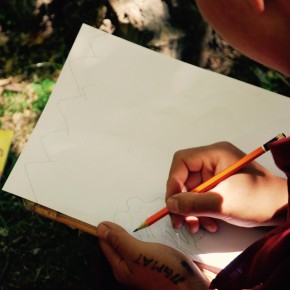
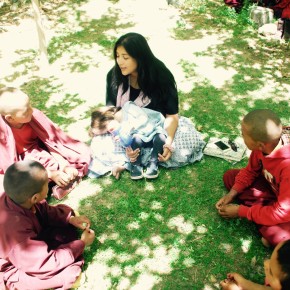
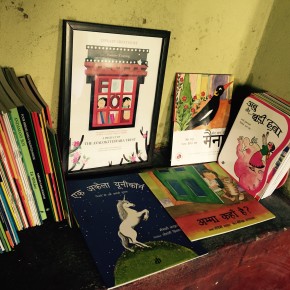
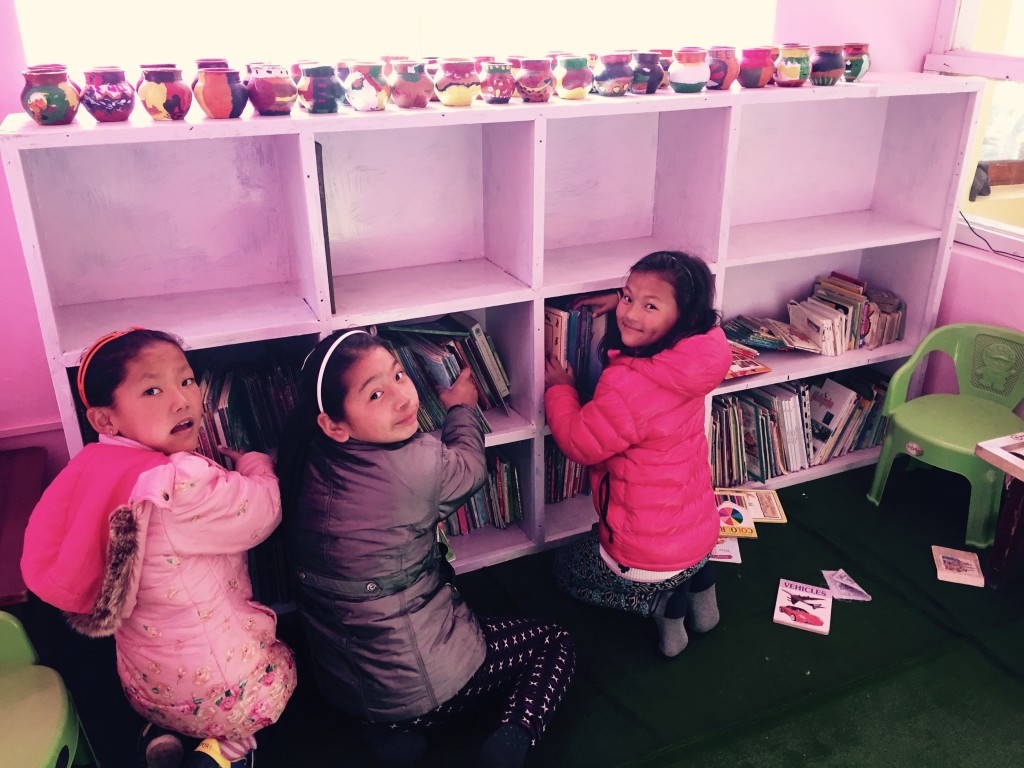
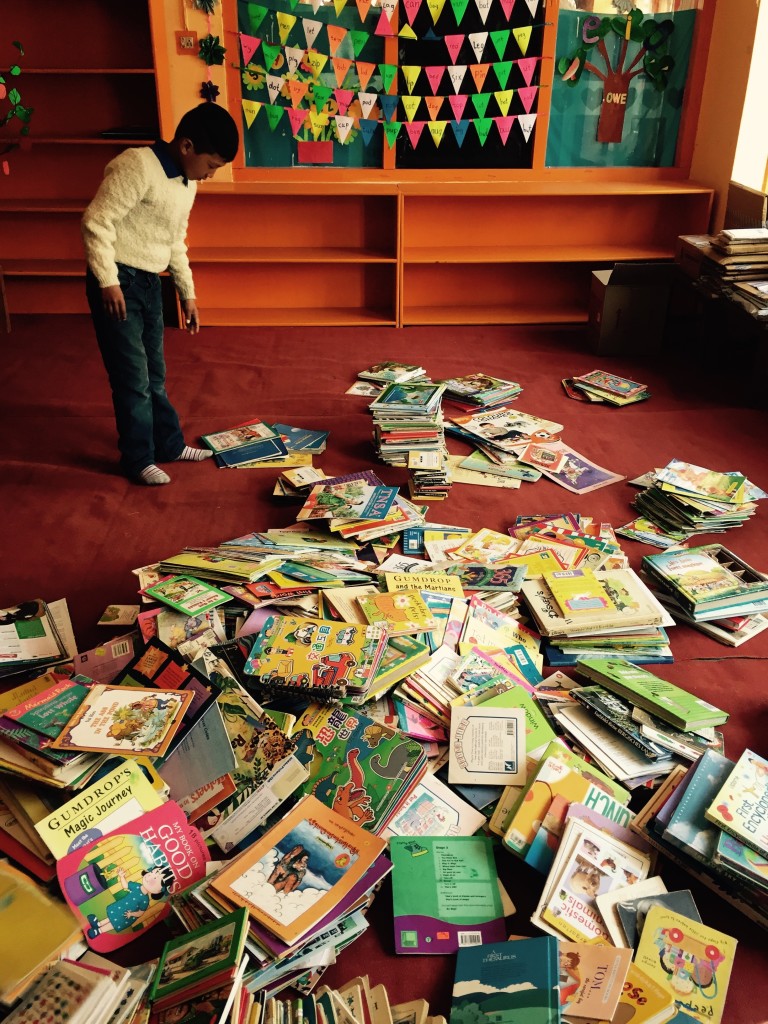
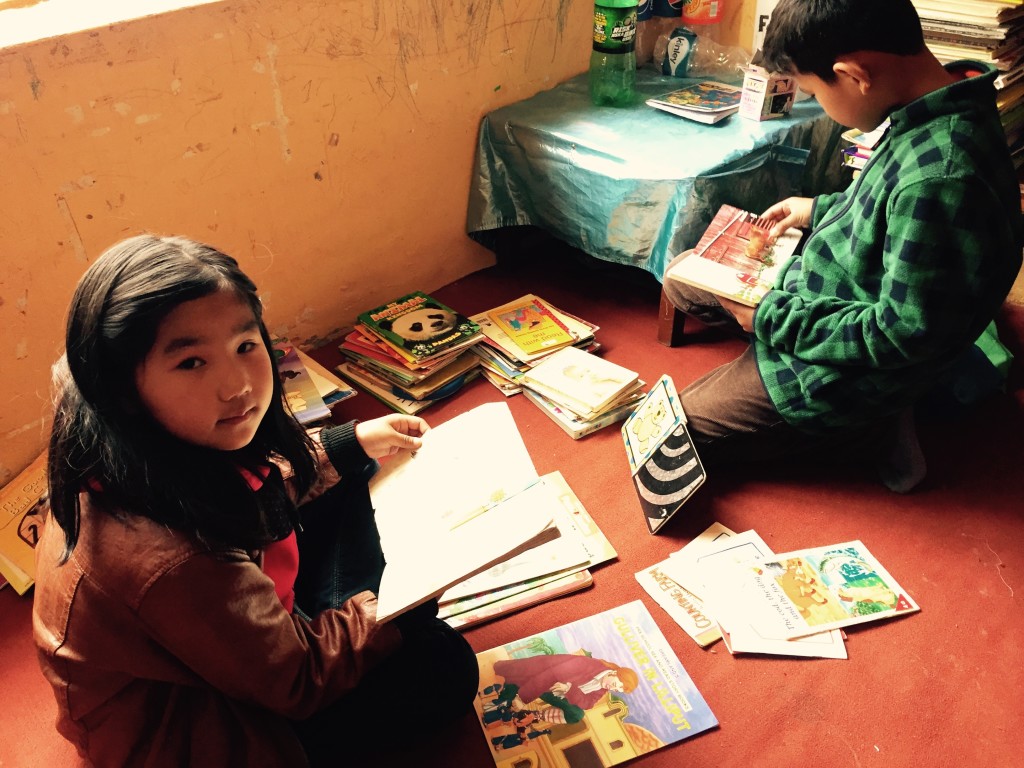
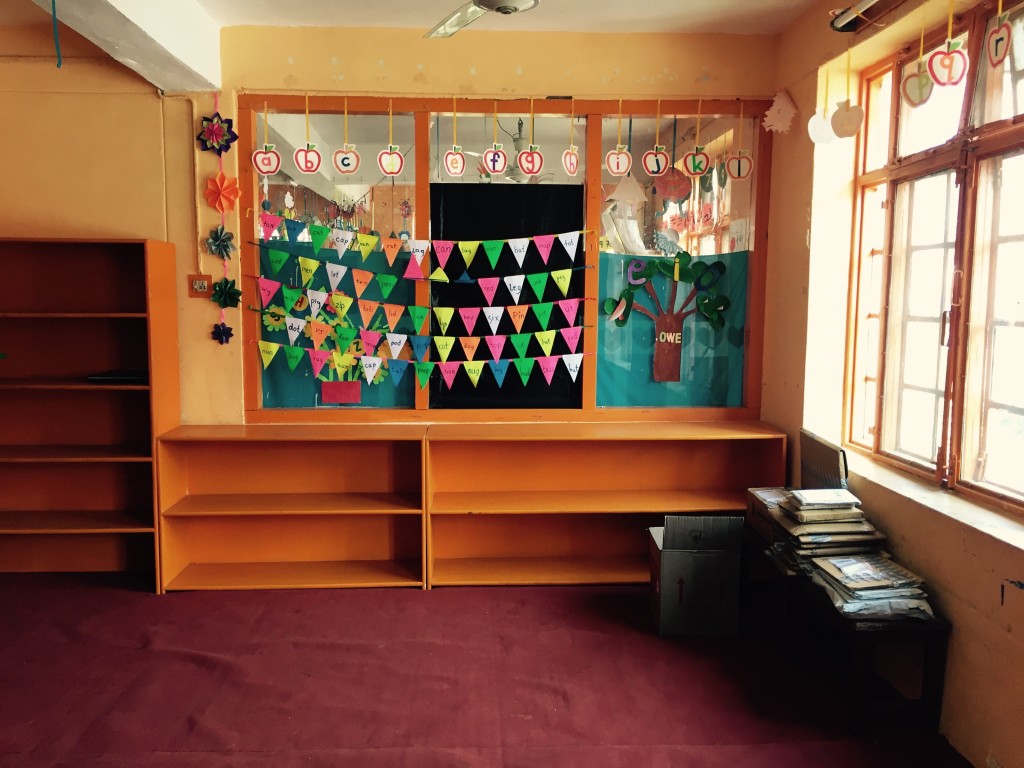
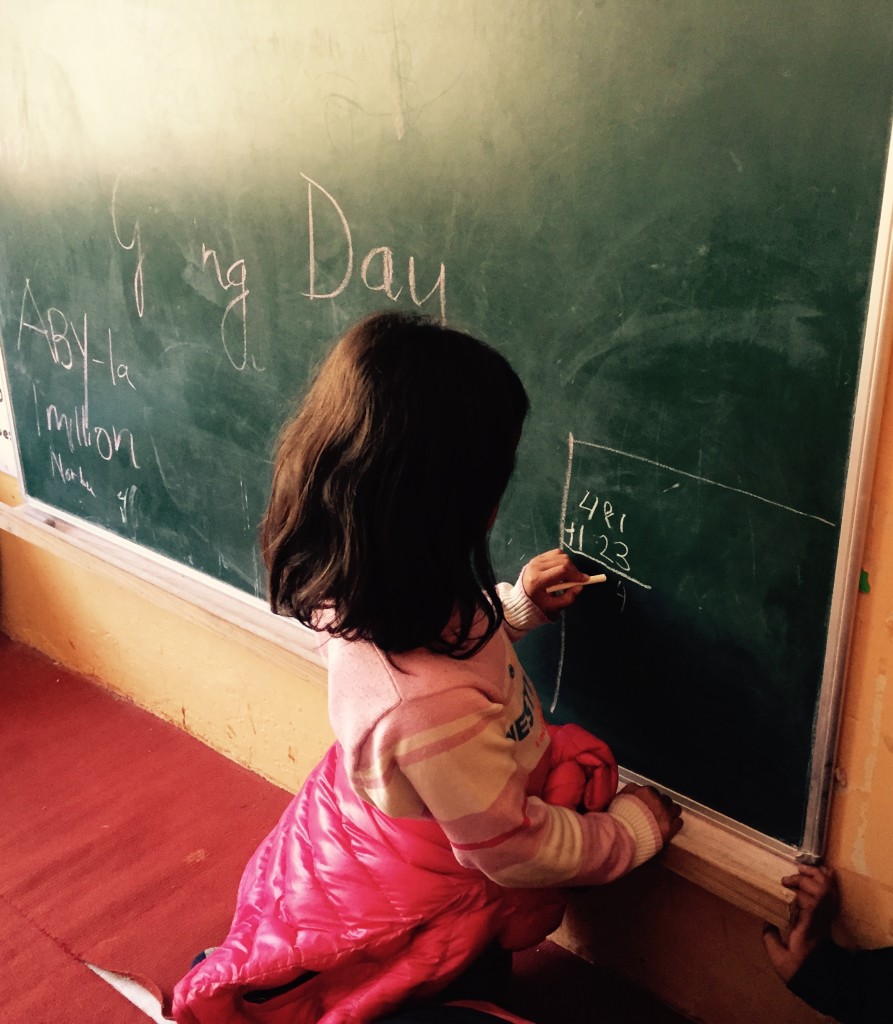
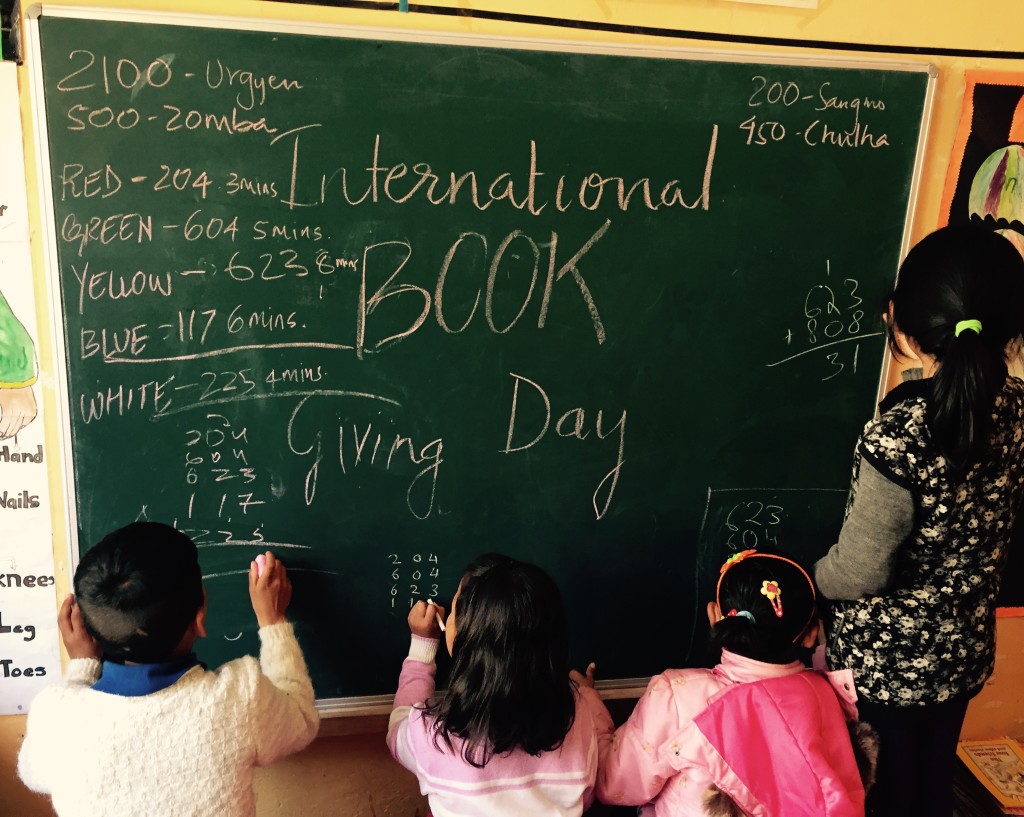
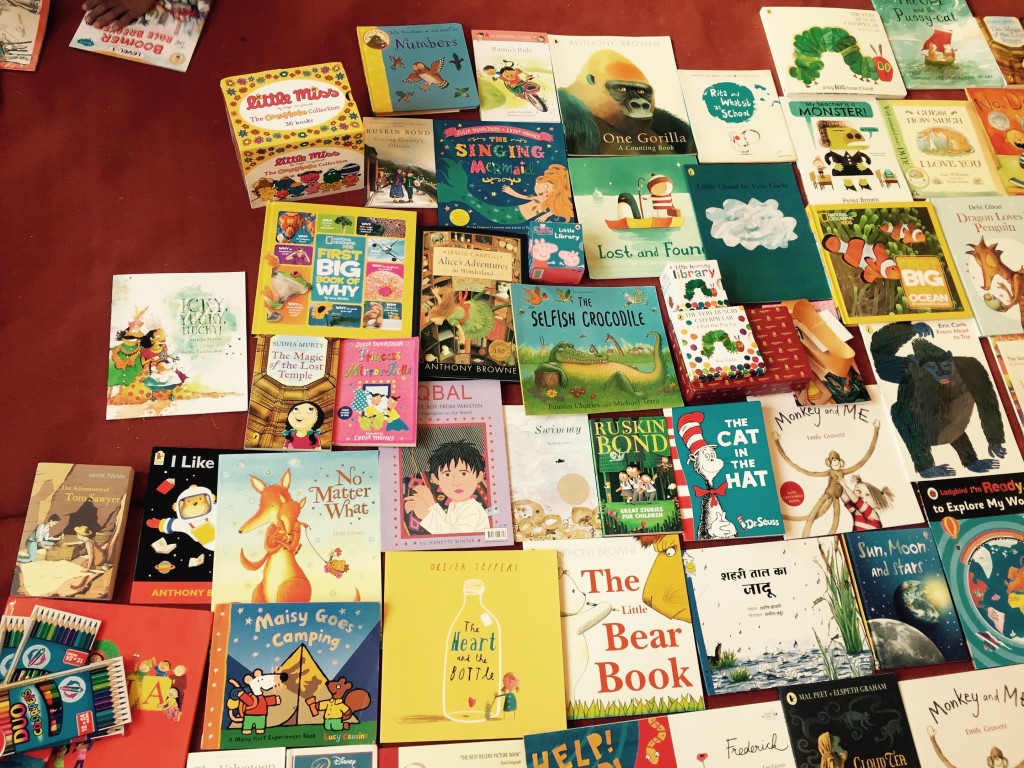
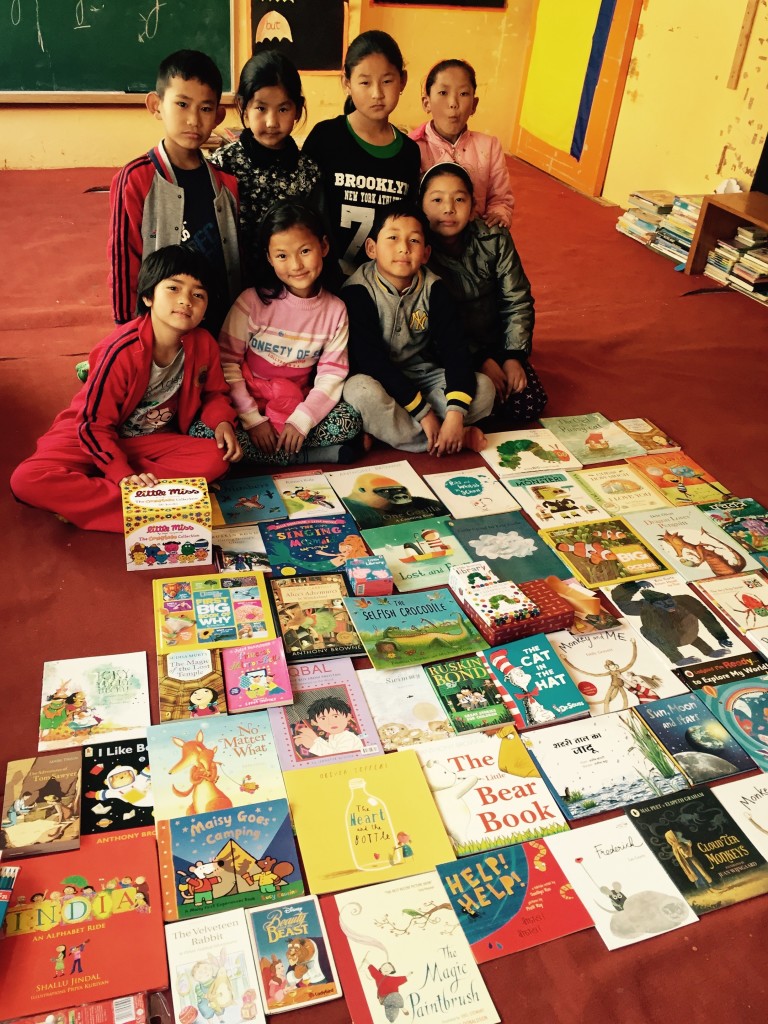
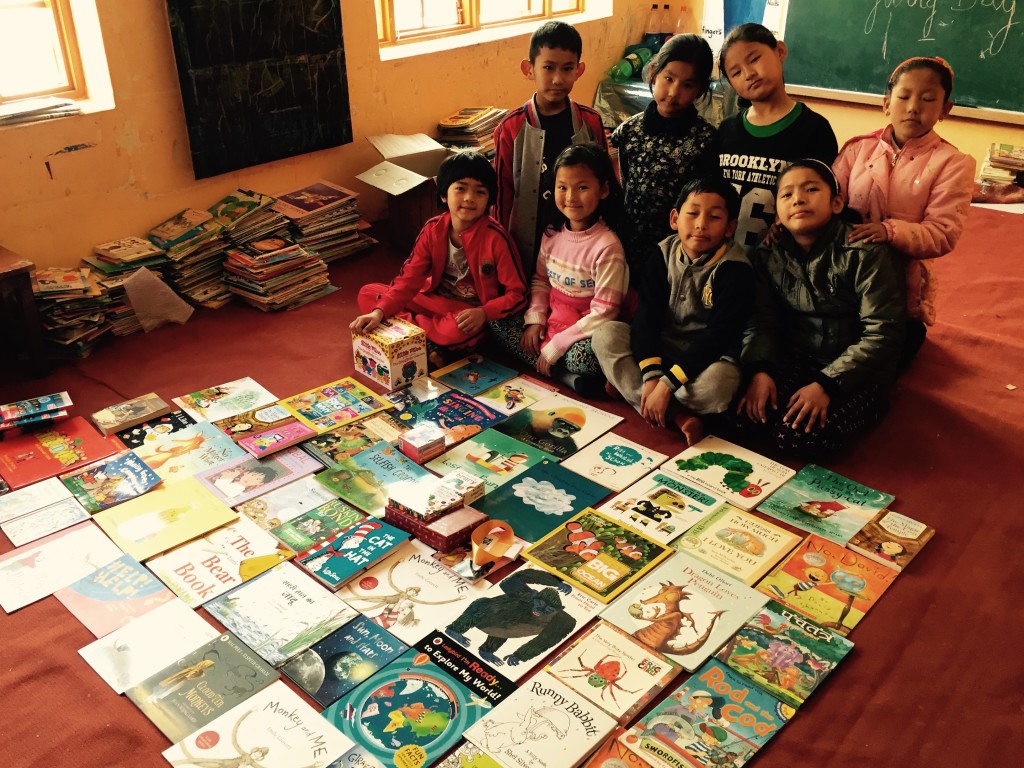
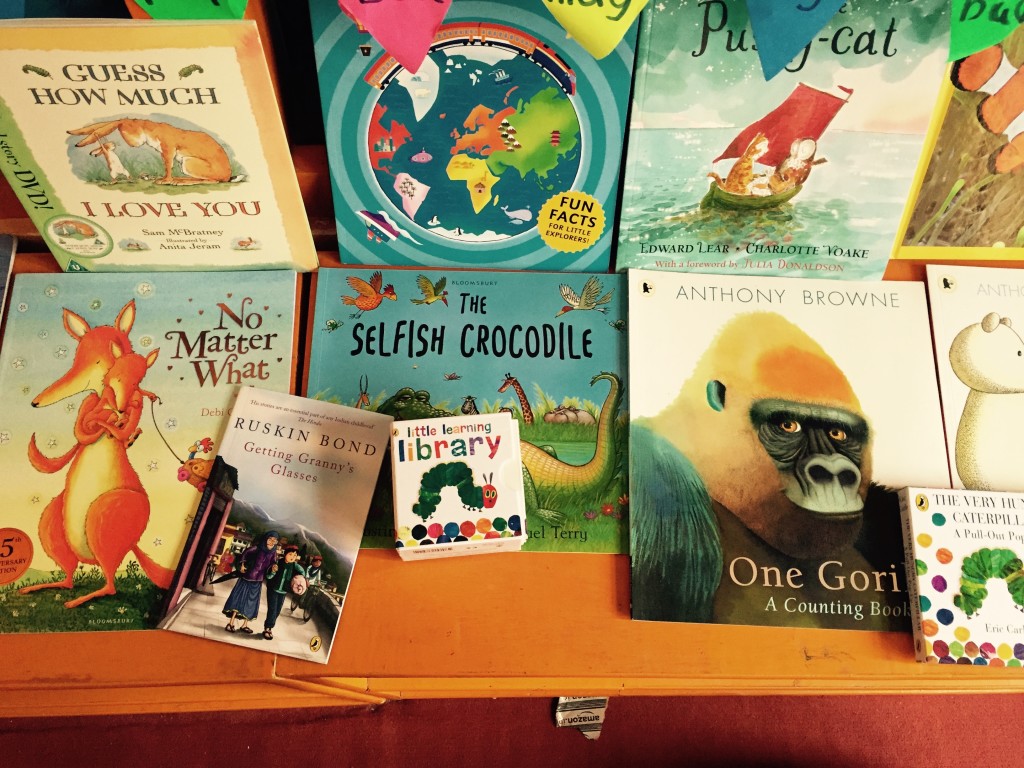
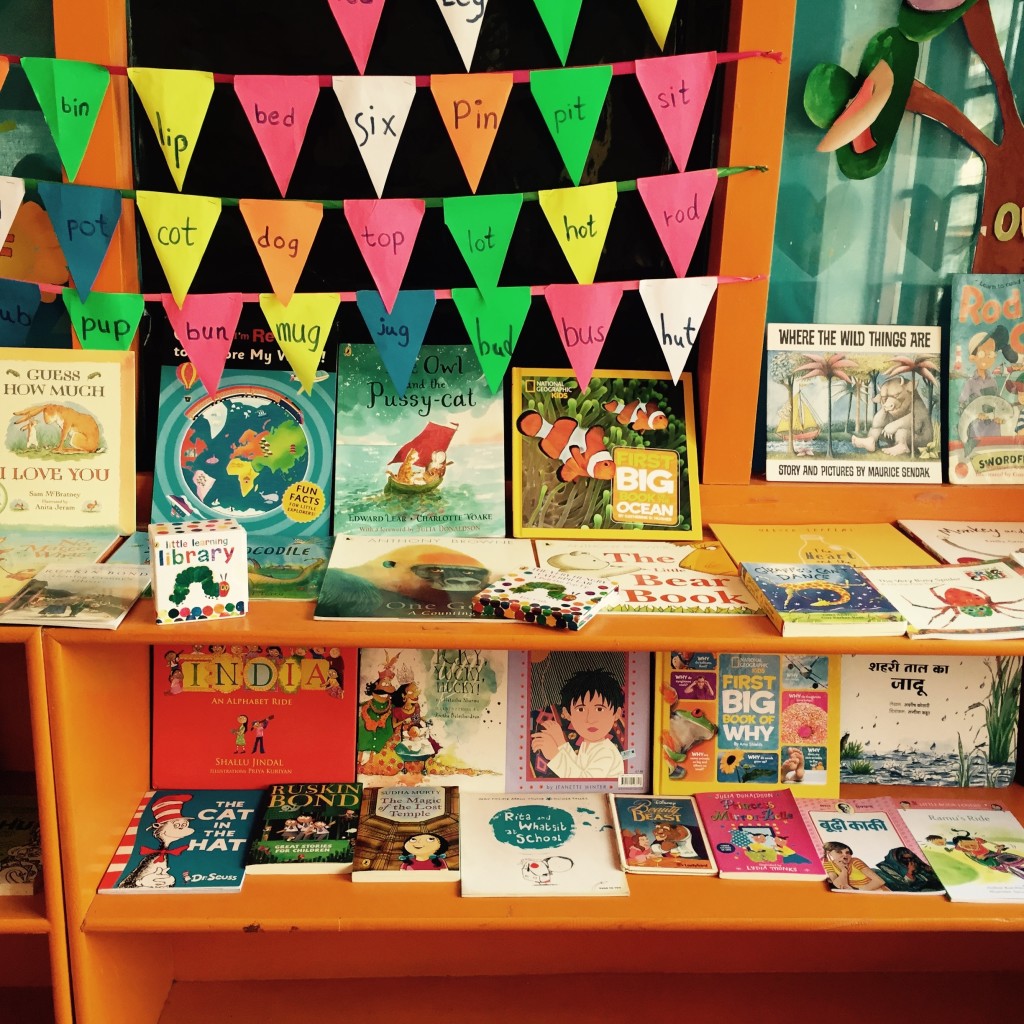
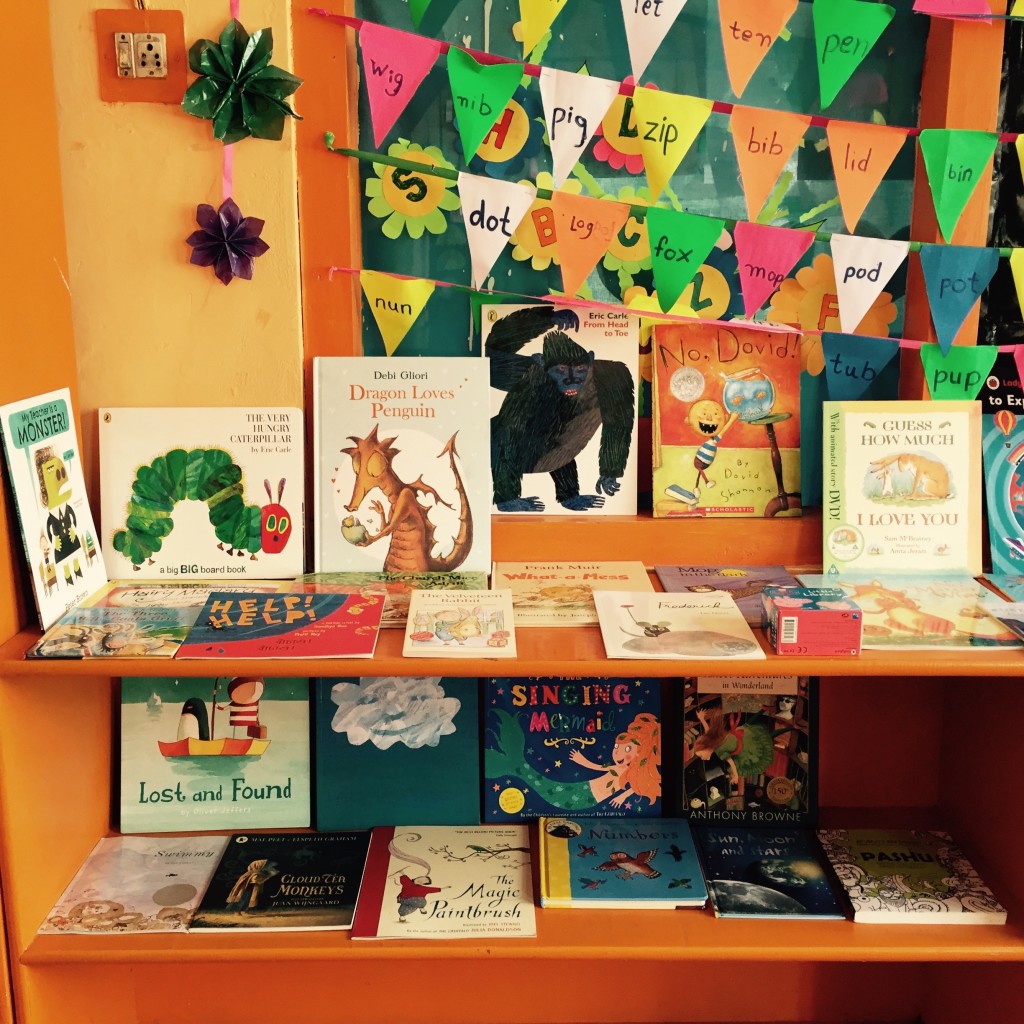
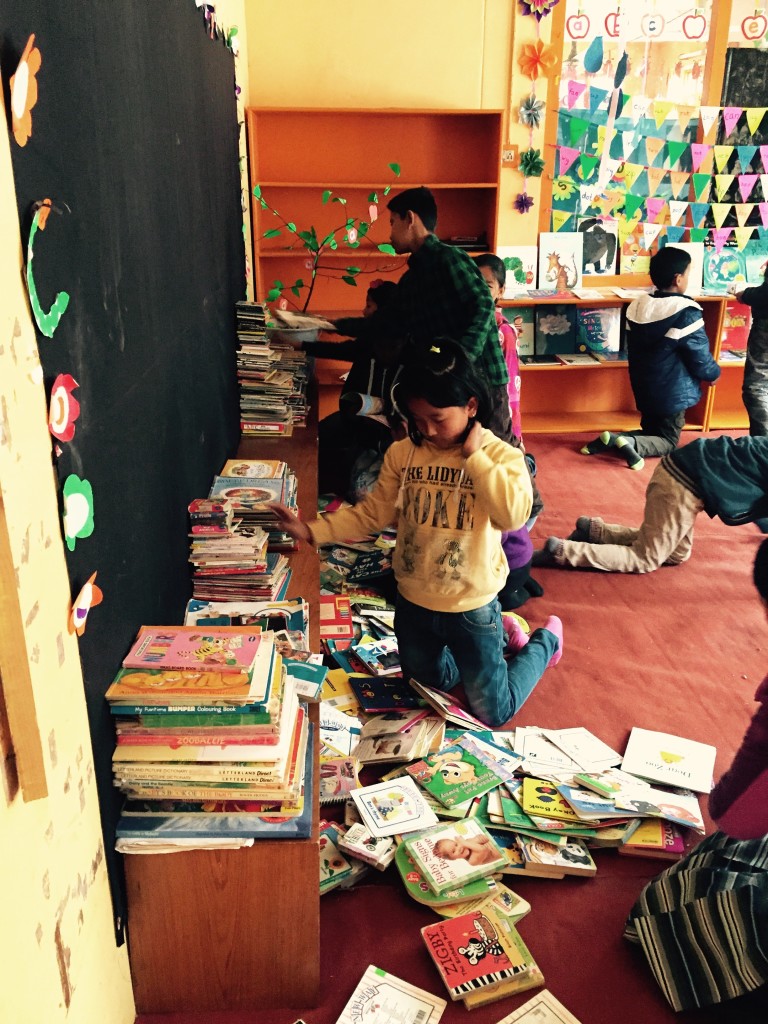
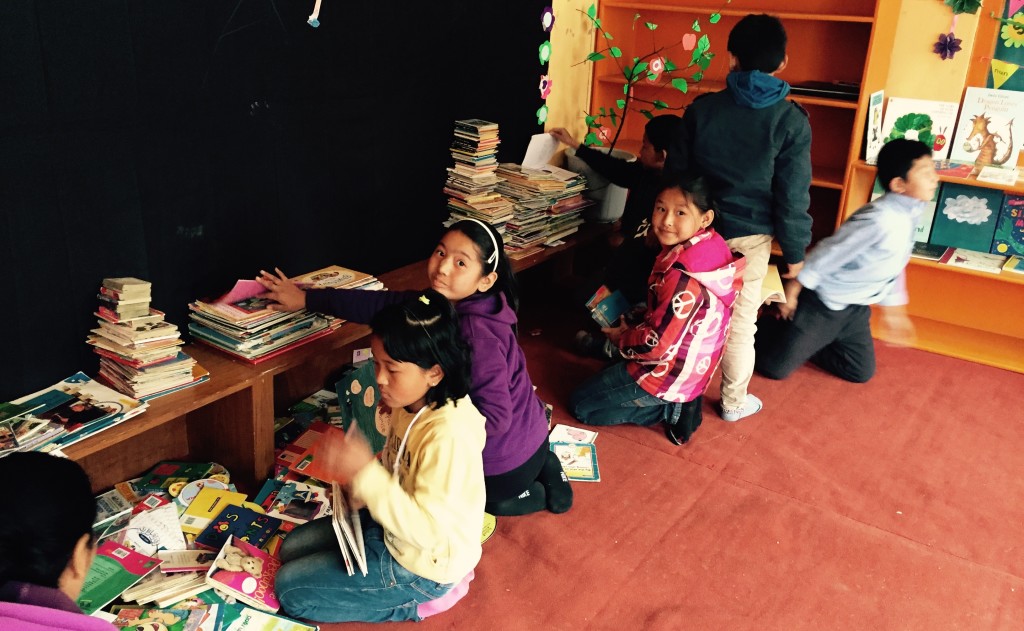
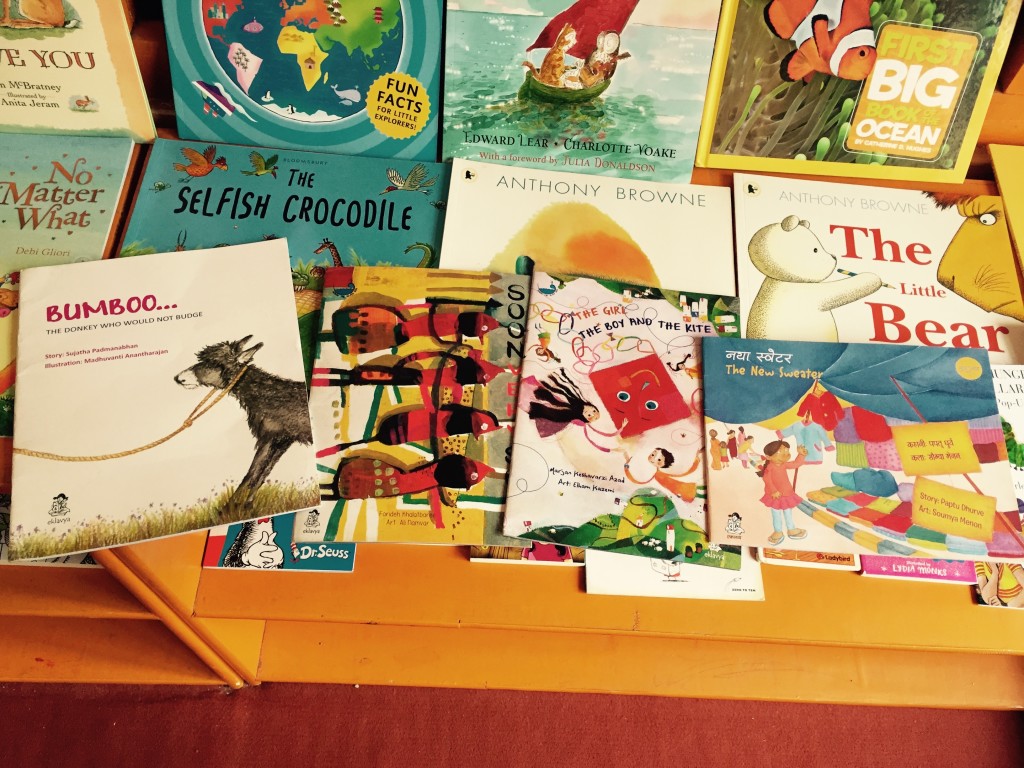
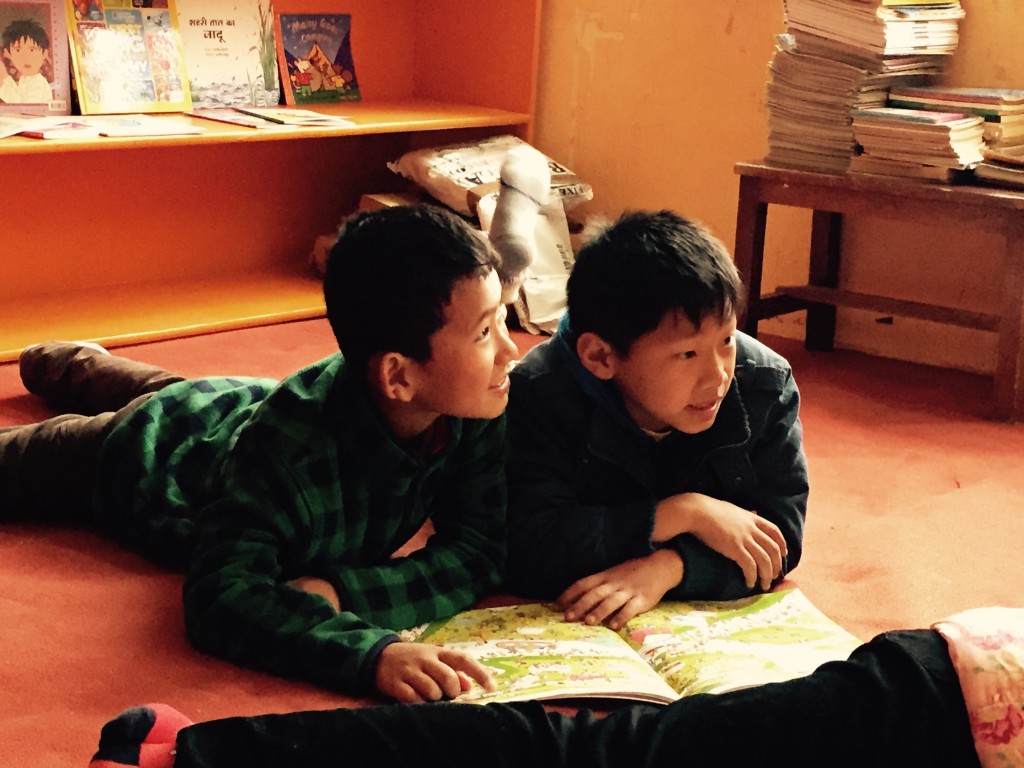
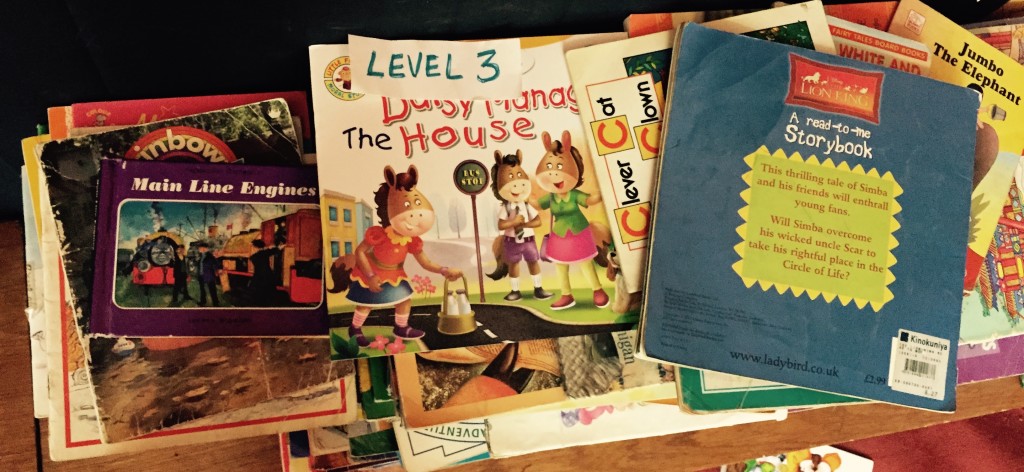
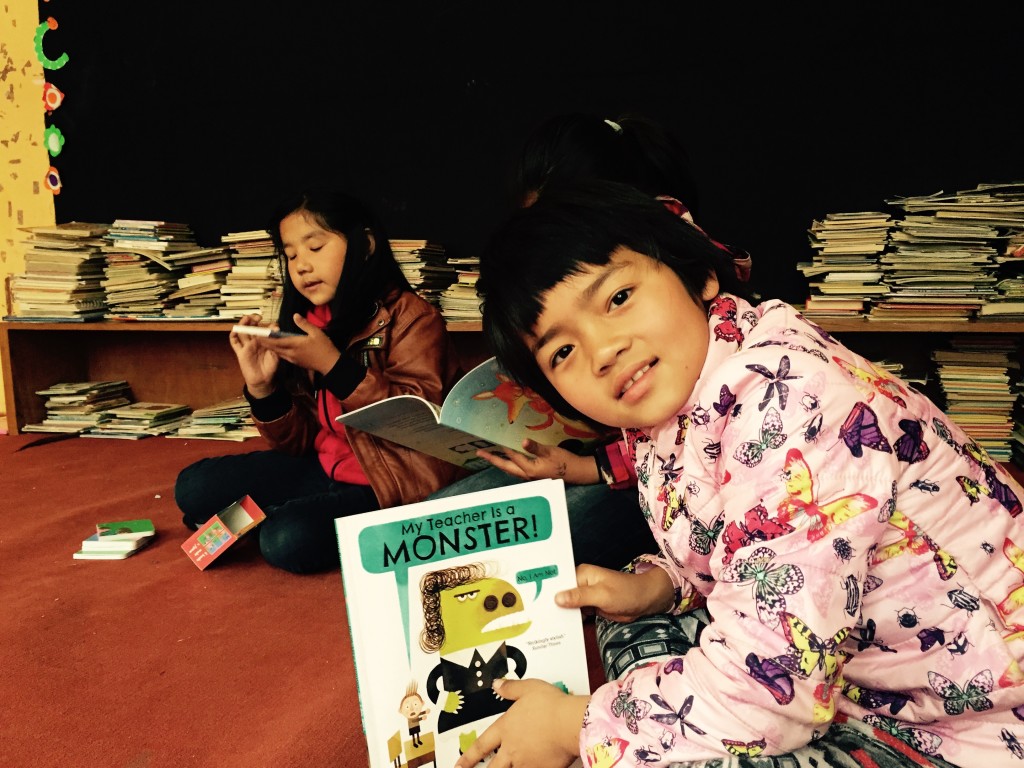
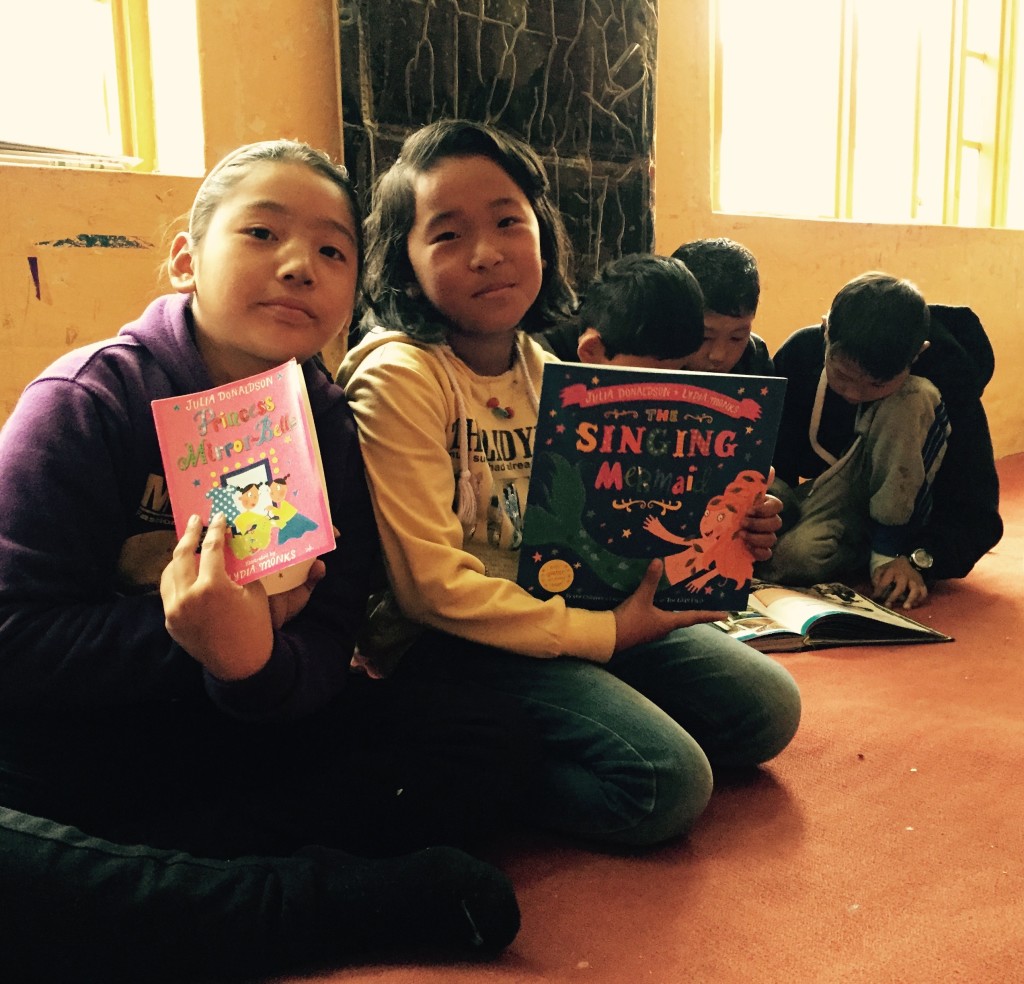
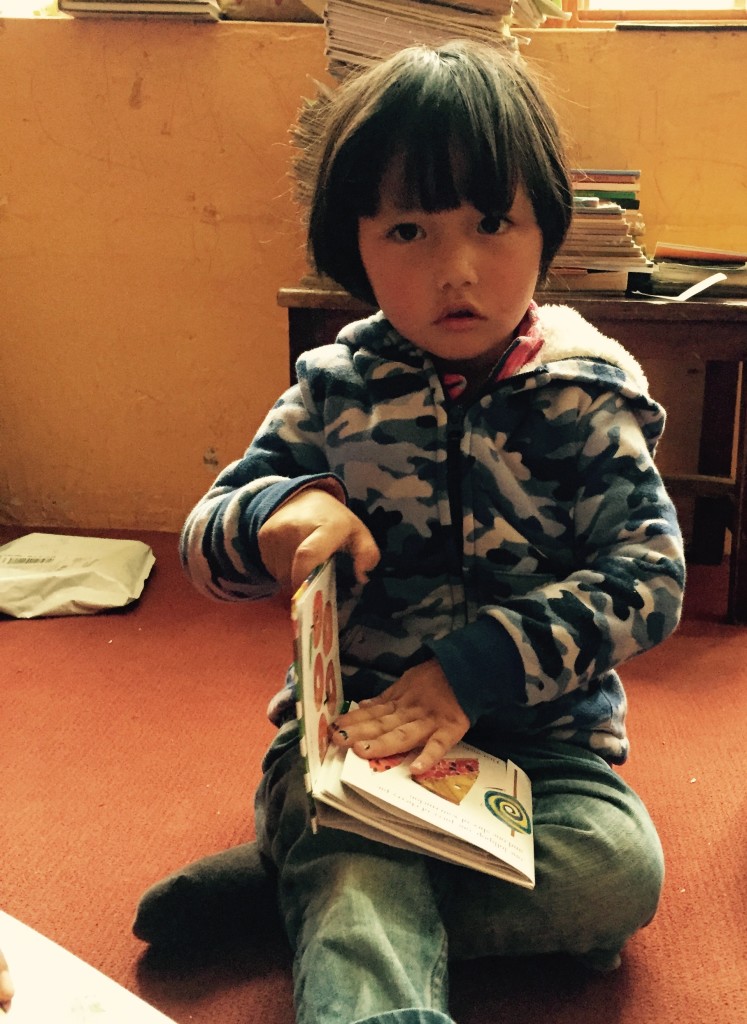
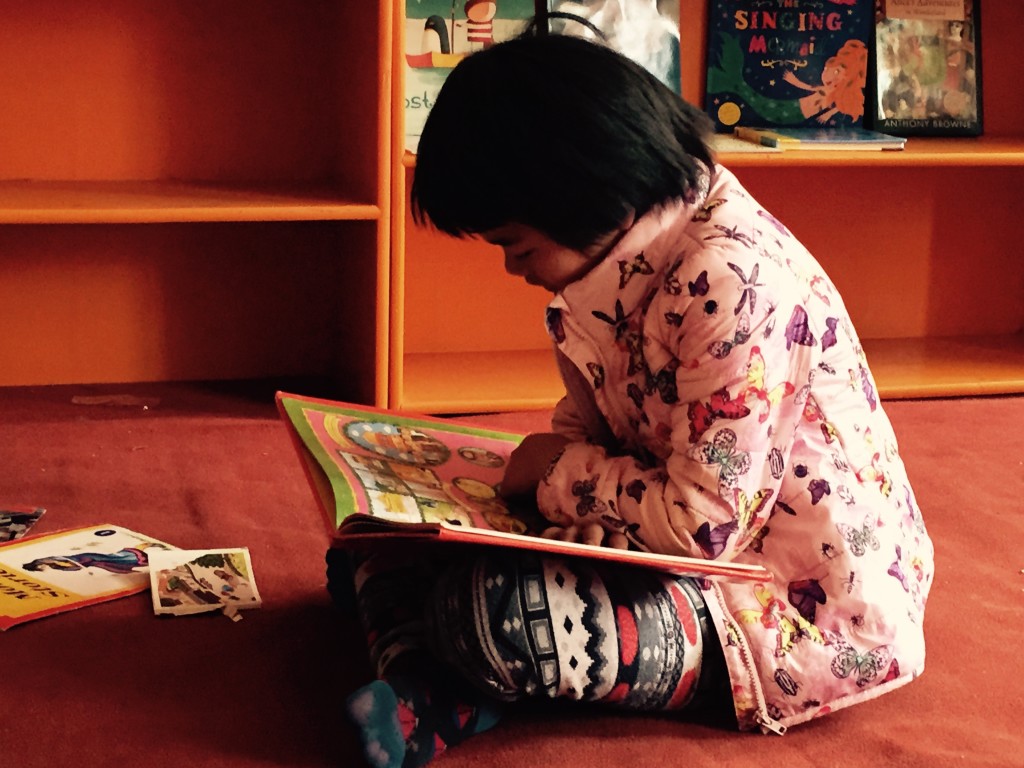
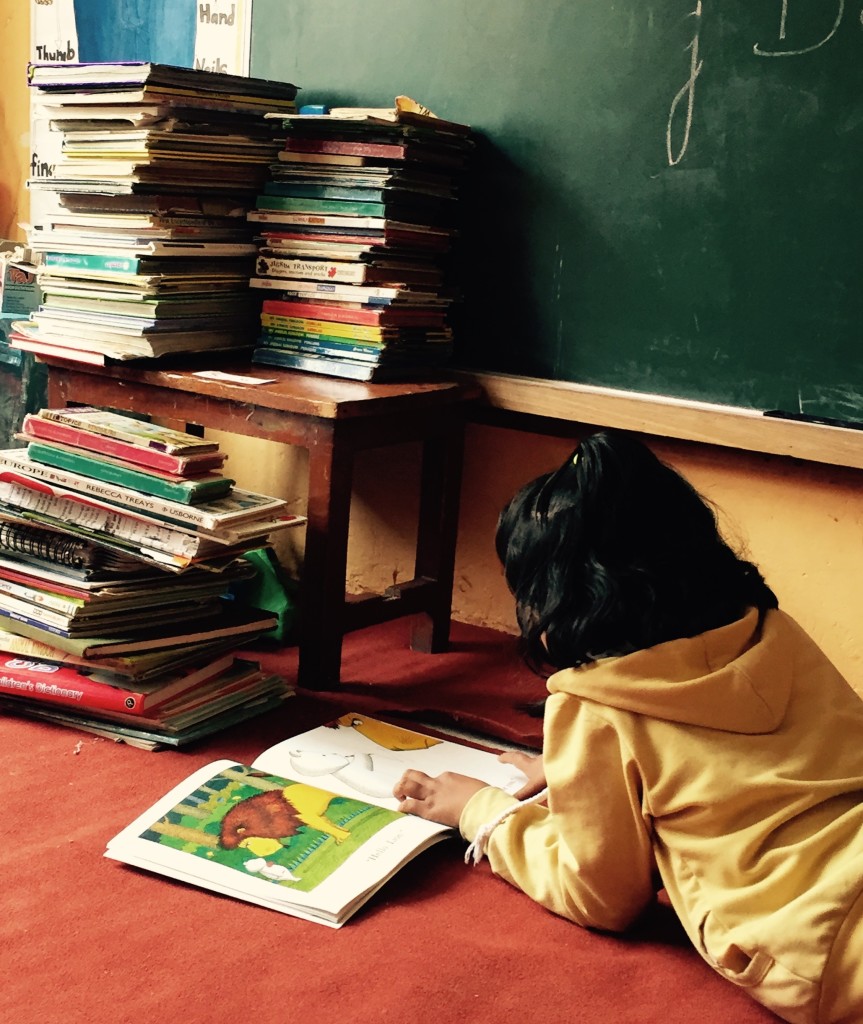
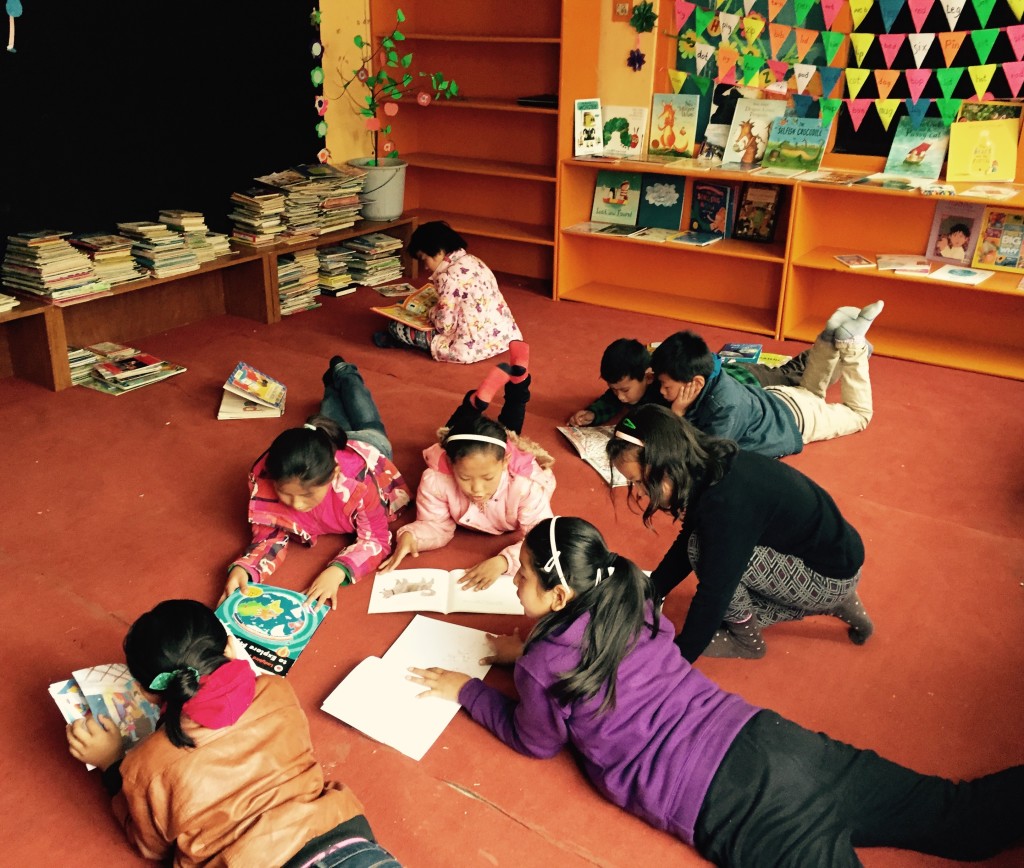
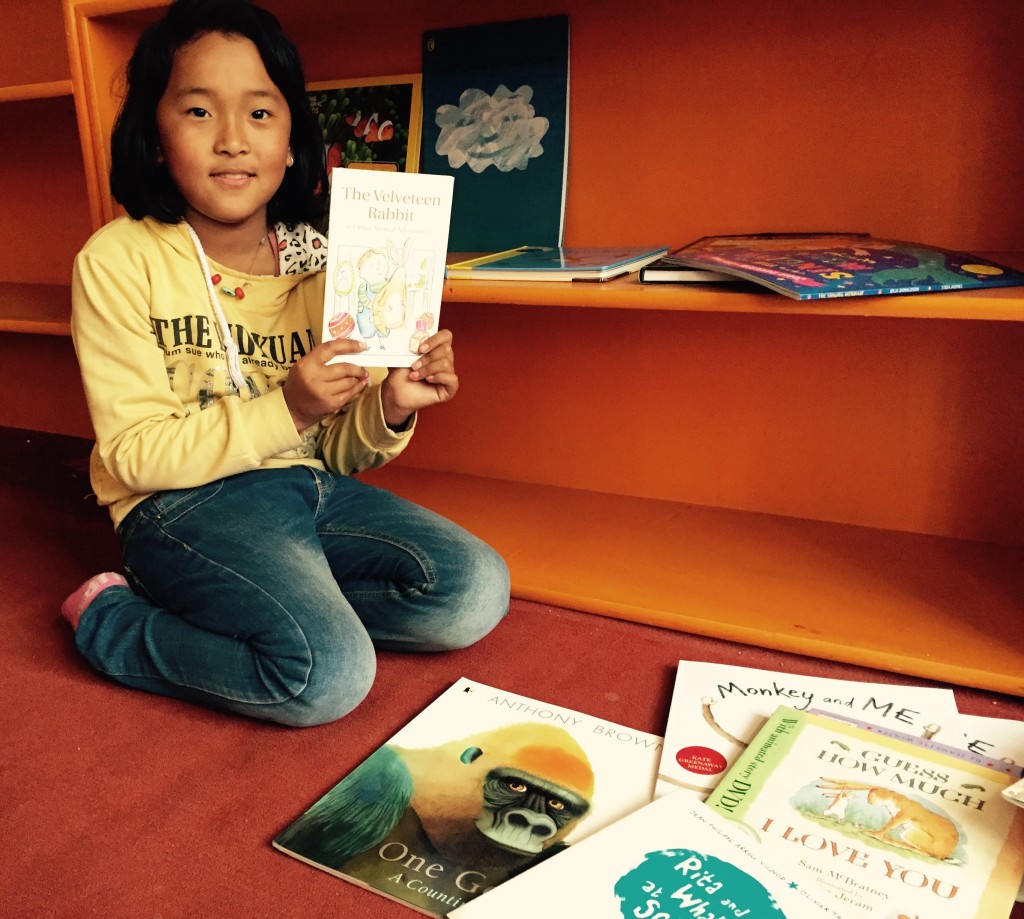
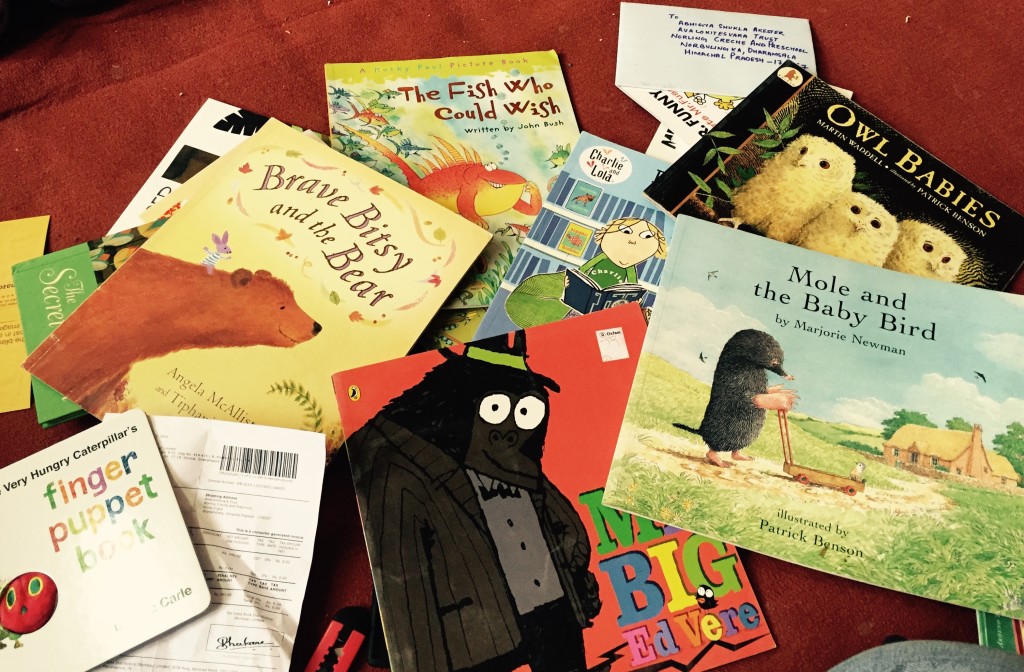
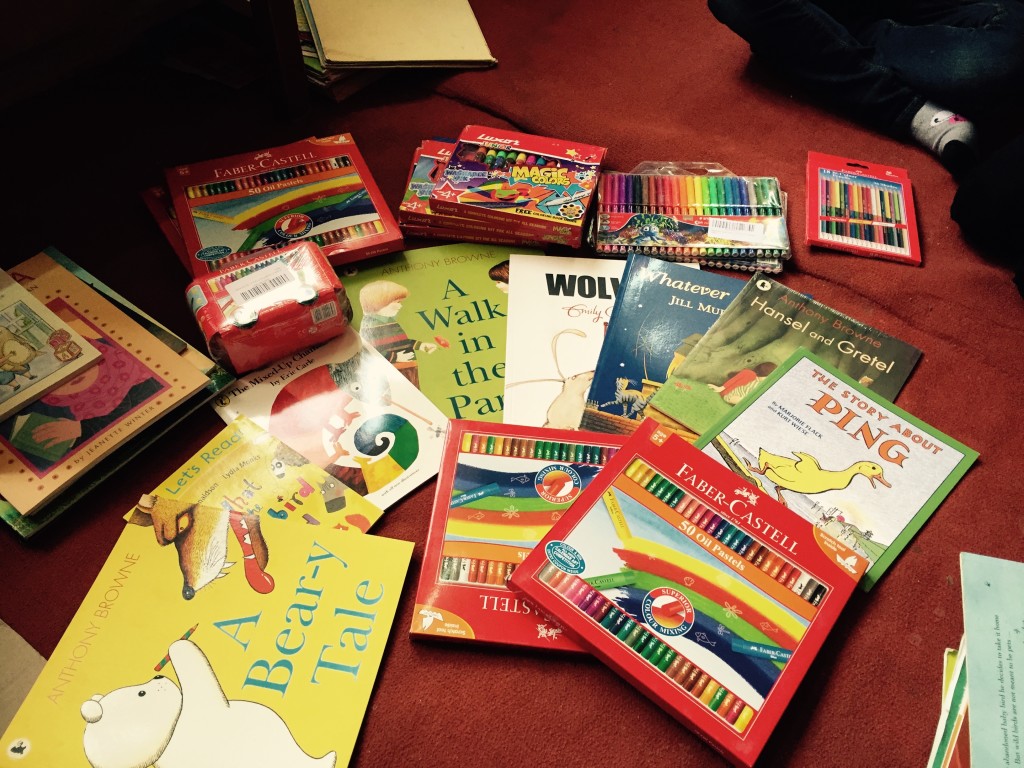
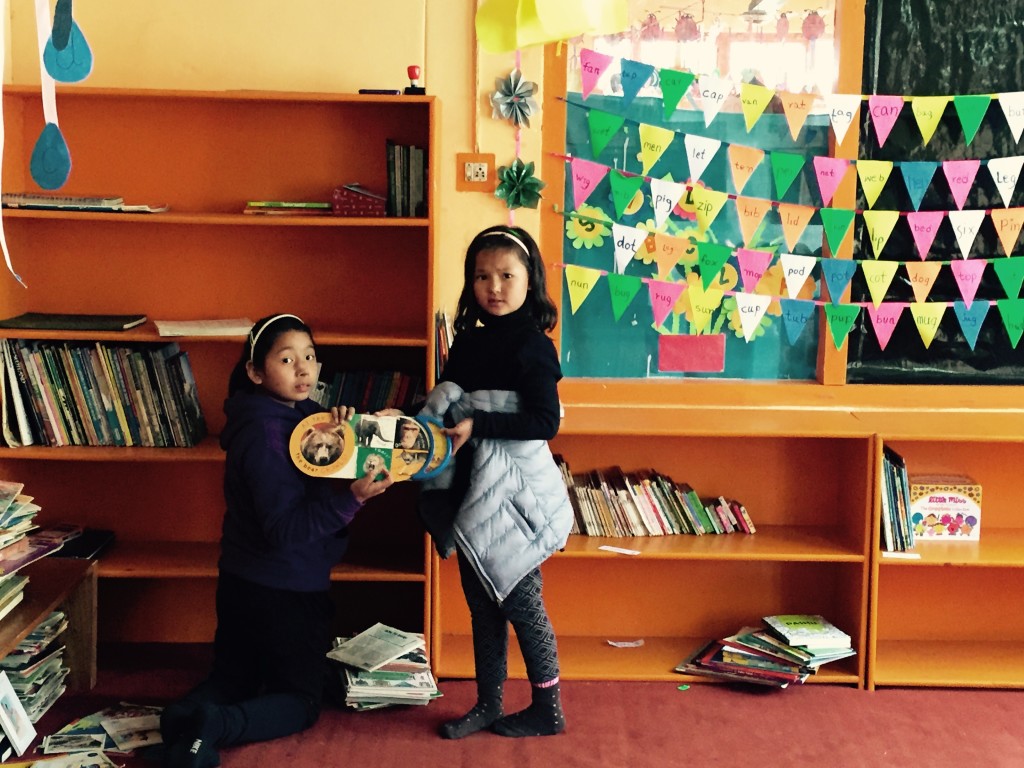
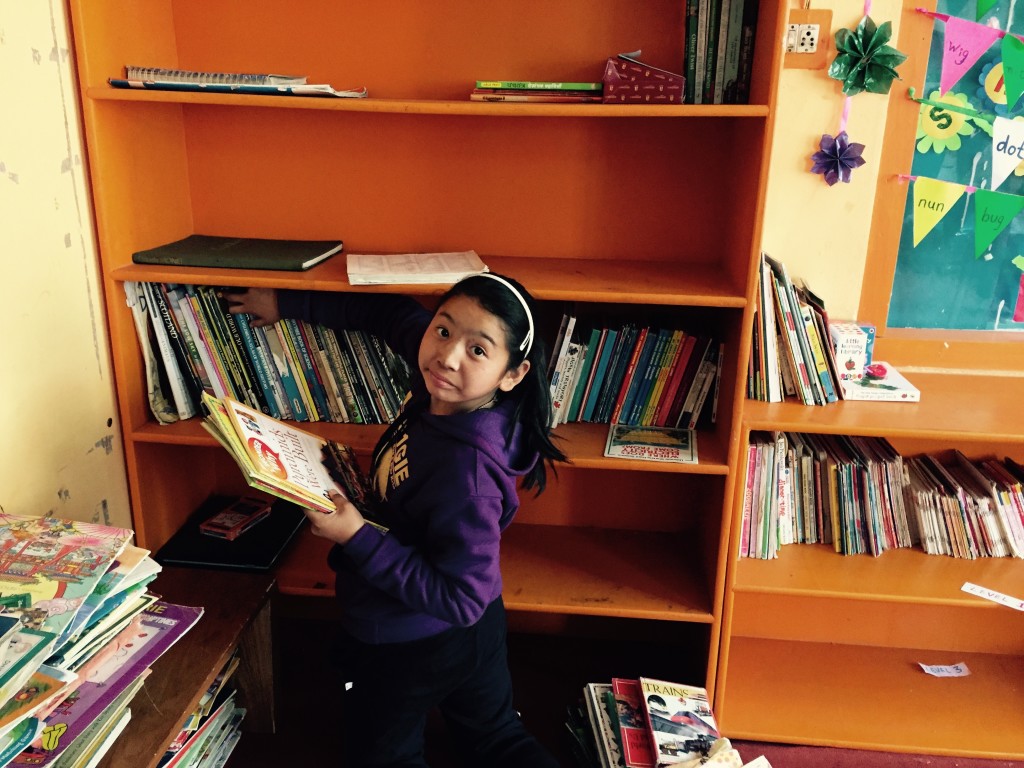
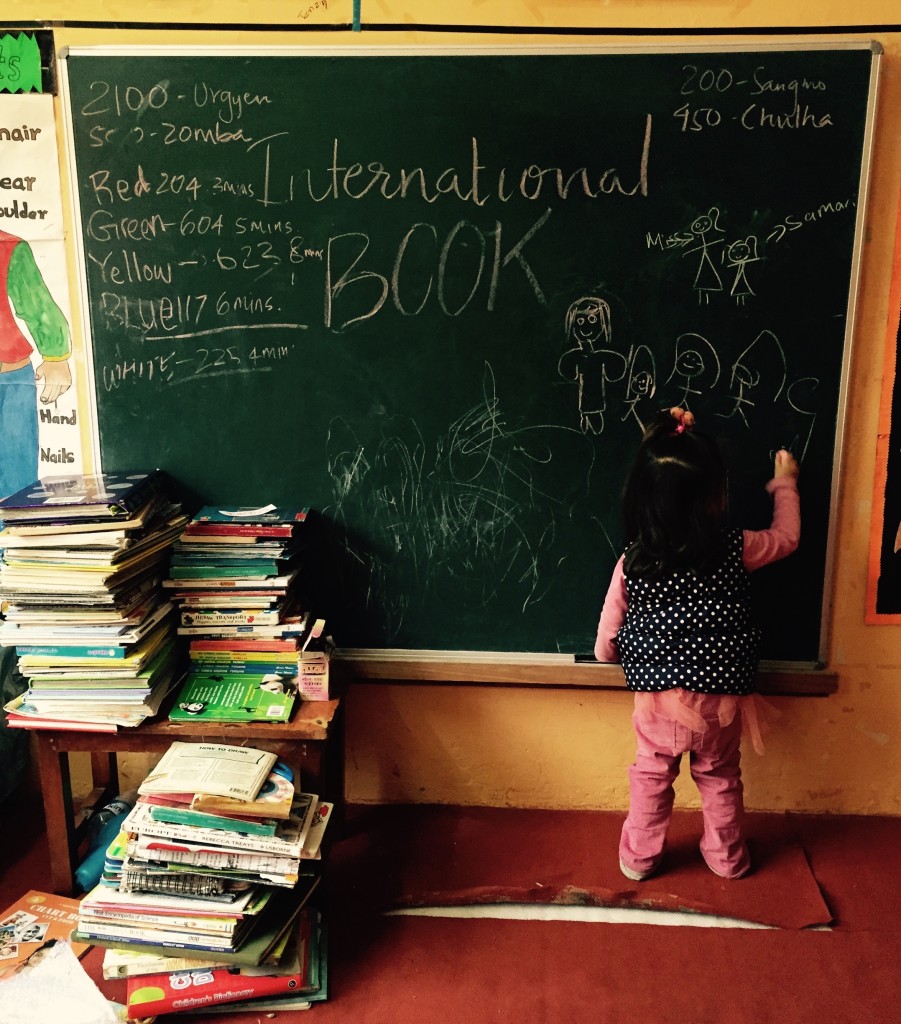
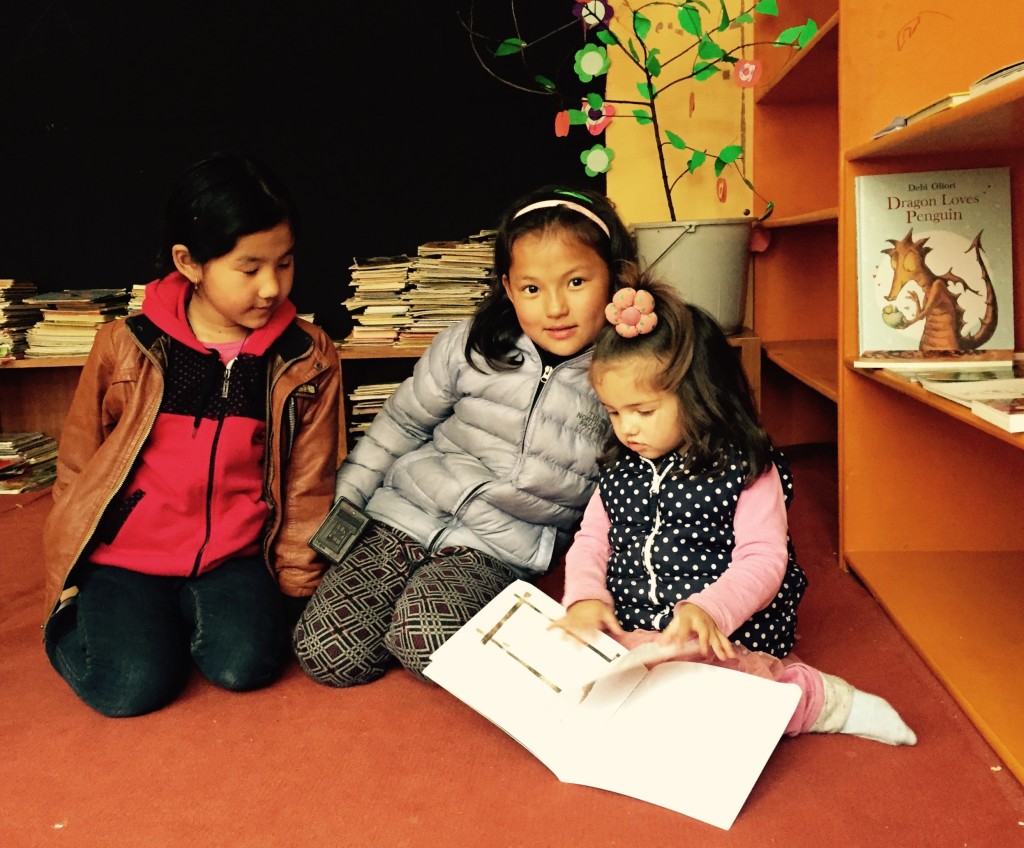
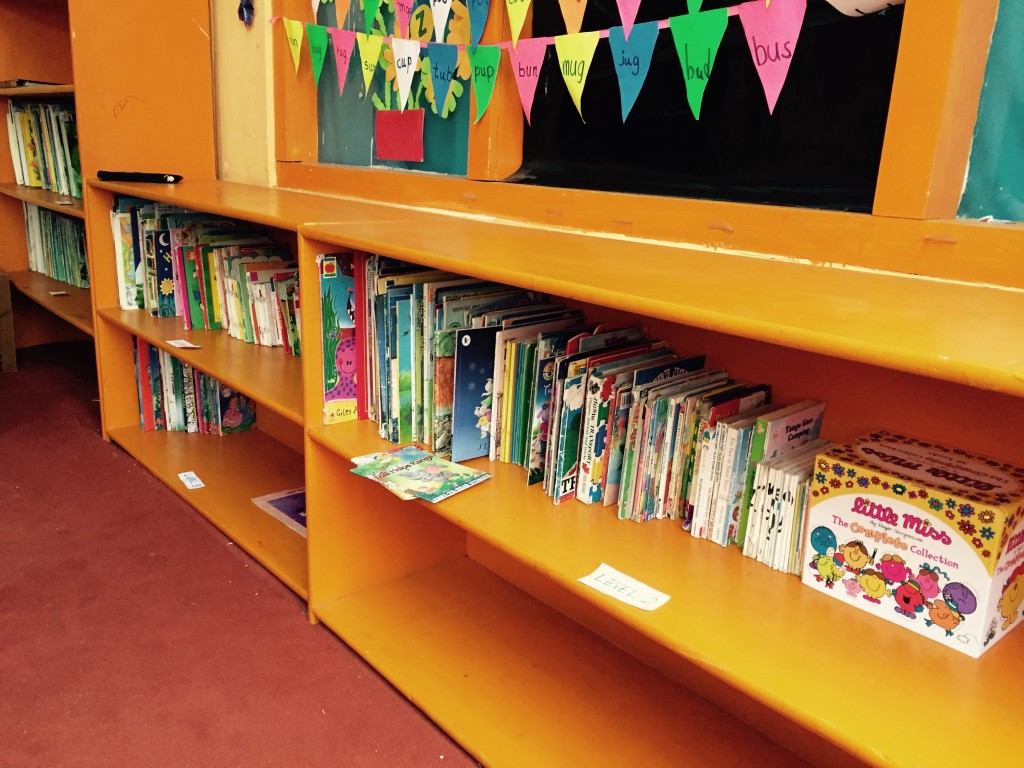
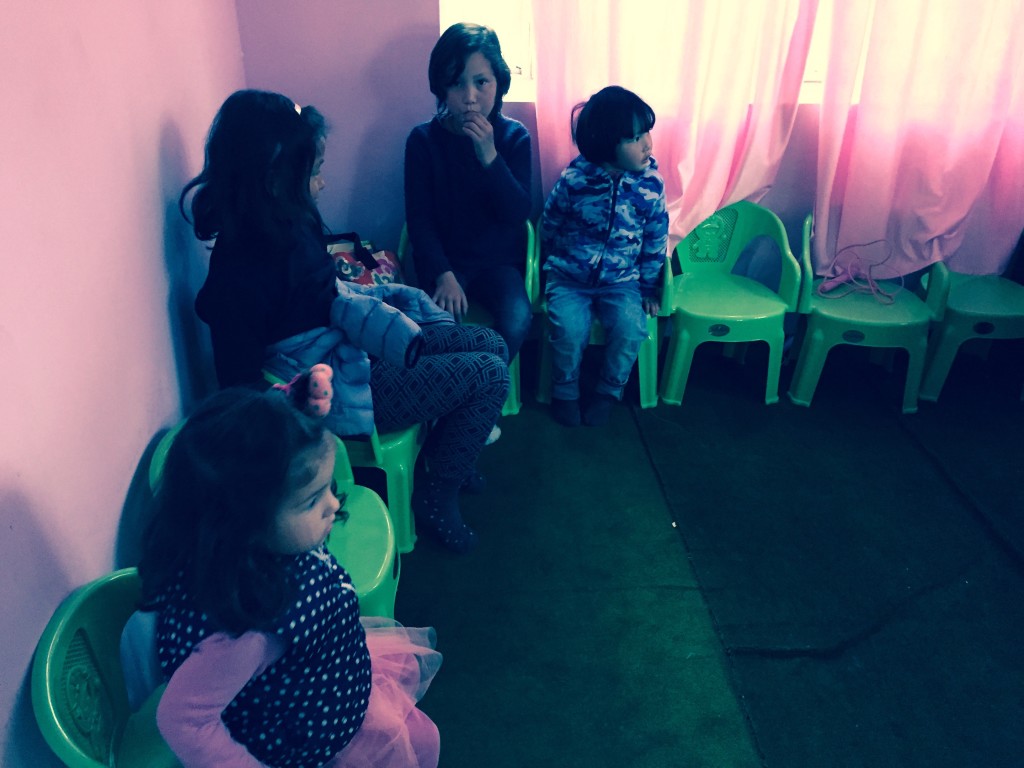
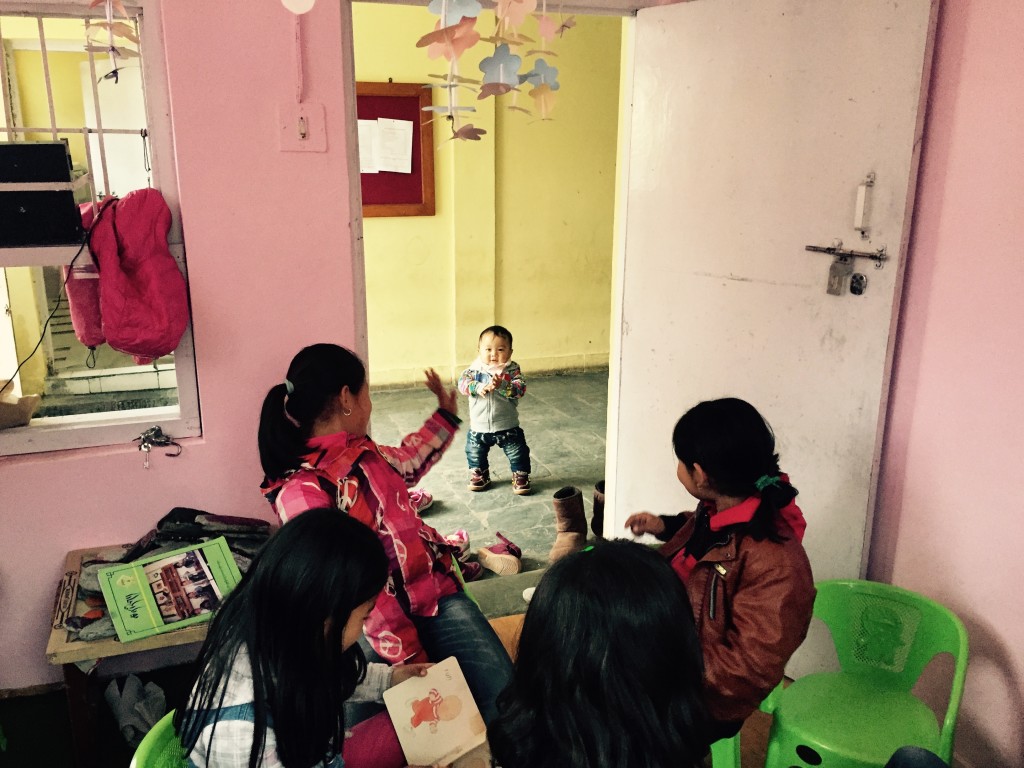
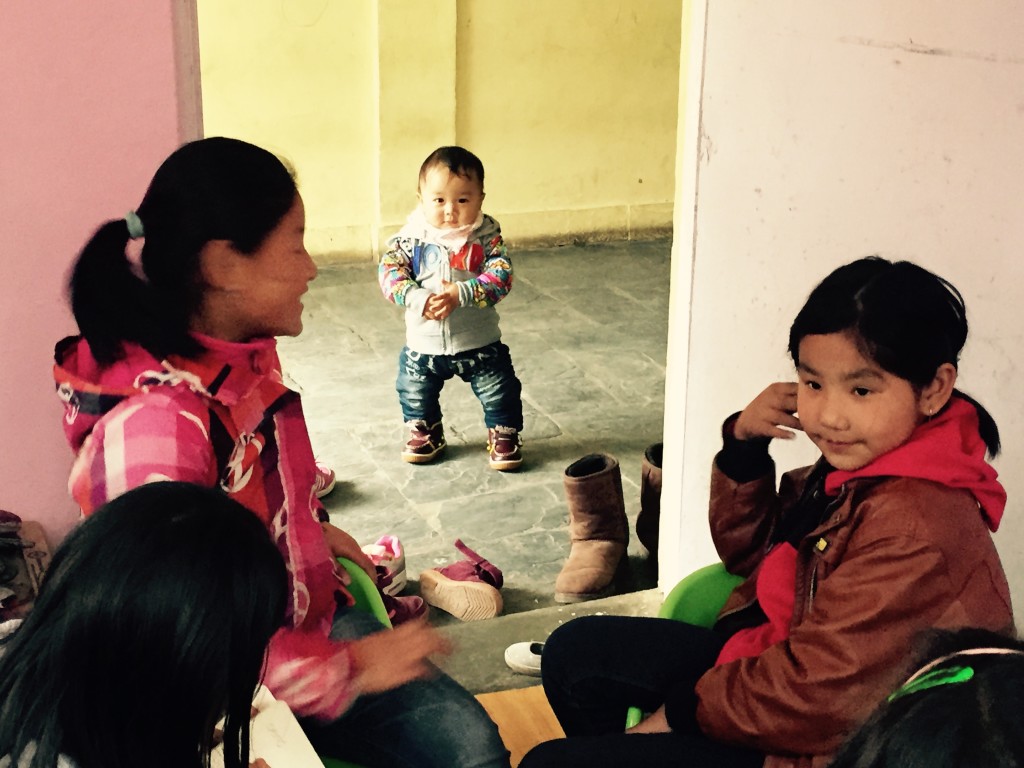
Shelves were filled with storybooks, atlases, biographies, drawing materials, and introductory books about animals, space, the human body, and the environment. The reading room became a place where children could learn at their own pace. Some read silently, while others gathered around a book and discussed its pictures.
Tashi began visiting after his morning responsibilities. At first, he chose books because of their illustrations. Soon he was selecting them for their subjects. He moved from planets to weather, from insects to electricity, and from simple experiments to accounts of famous scientists.
Science Enters Through Story
Facts became meaningful when Tashi met them through stories. A biography of a scientist described a child who collected stones, asked persistent questions, and kept notes about every discovery. Tashi recognized the same habits in himself. He began carrying a small notebook to record observations from the monastery courtyard.
He wrote about the direction of the wind, the time shadows changed length, and the insects appearing near the kitchen garden. His spelling was still developing, so his pages included drawings, symbols, and short phrases. The notebook became a personal record of learning rather than an exercise assigned by a teacher.
Books also helped him see science as a human activity. Scientists did not simply memorize answers; they observed, tested, revised, and shared what they learned. This process gave Tashi permission to be uncertain. A question was no longer evidence that he lacked knowledge. It was the beginning of investigation.
From Quiet Reading To Questions
As Tashi’s reading expanded, his conversations changed. He asked why some plants survived cold nights better than others and whether the color of a roof affected the temperature inside a building. He wondered how solar panels could provide electricity in a region with intense sunlight and long winters.
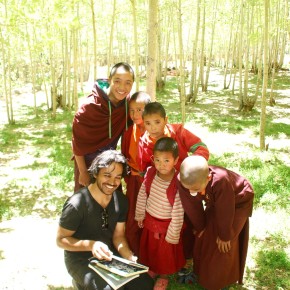
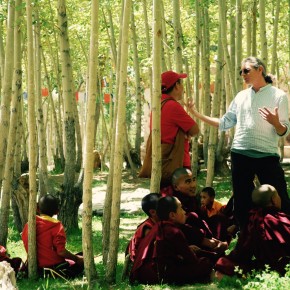
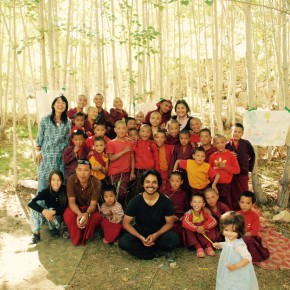
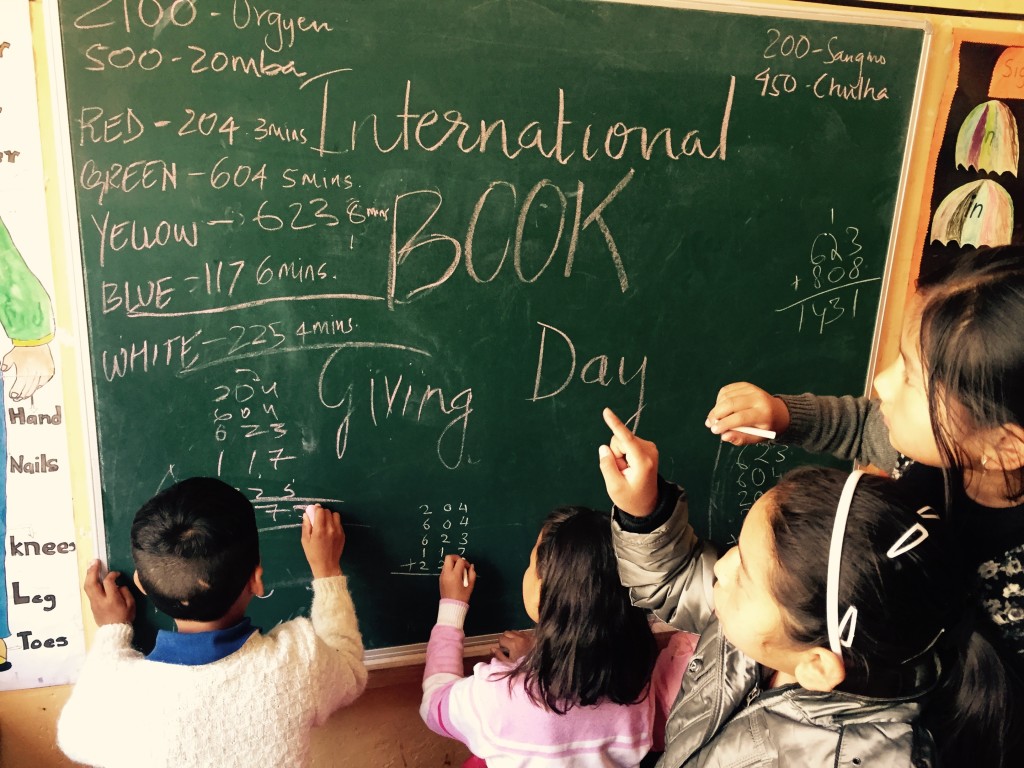
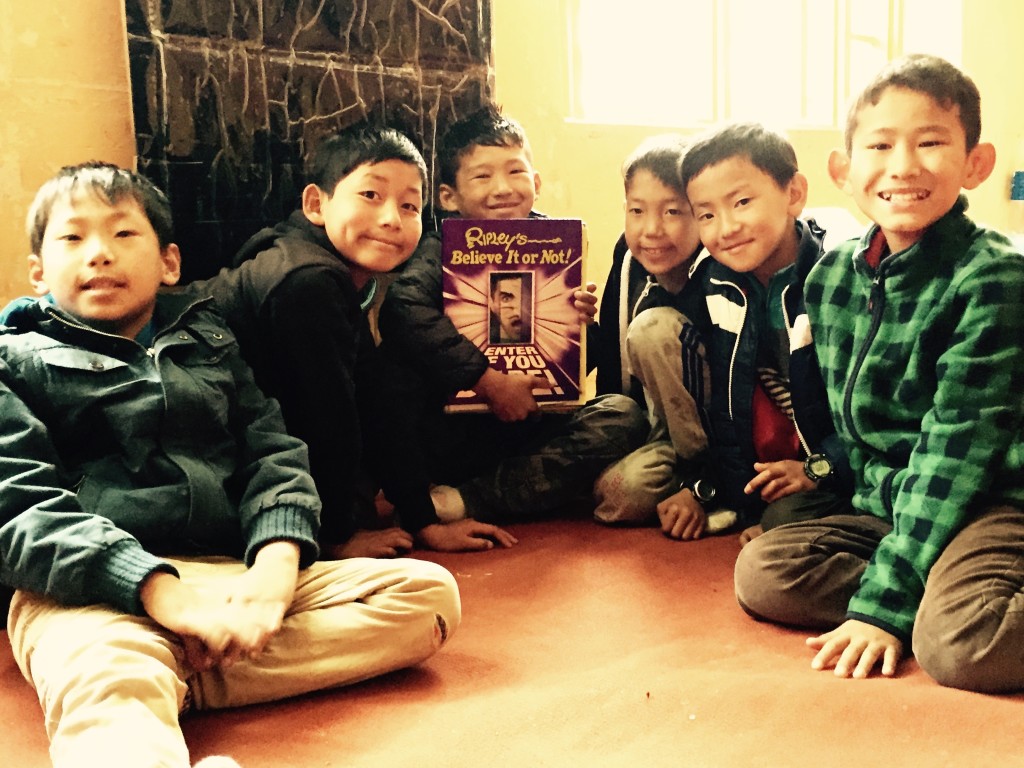
Other young monks joined him in the reading room. Together, they used library books to compare diagrams, identify mountain animals, and find explanations for everyday events. Their discussions were lively, even when they disagreed. A shared book became a starting point for cooperation and critical thinking.
The adults around them noticed this new confidence. Tashi was still respectful and attentive during his religious studies, but he had become more willing to speak during lessons. His questions showed that reading was developing his ability to connect ideas, listen carefully, and explain his reasoning.
Learning With Hands And Imagination
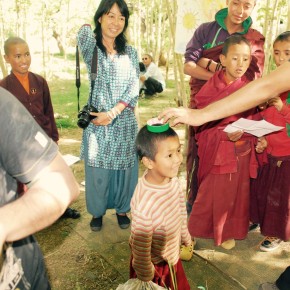
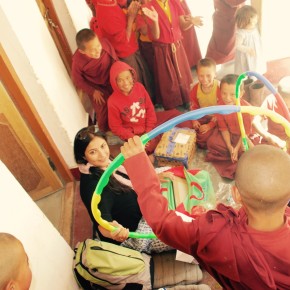
Printed knowledge became more powerful when paired with practical activities. Simple projects allowed Tashi and his friends to test what they read, using ordinary materials available in the monastery and surrounding community. These exercises made science approachable rather than distant.
| Book-Based Idea |
Simple Activity |
Learning Outcome |
| The movement of air |
Build paper wind spinners and observe them at different times of day |
Notice wind direction and changing air currents |
| The water cycle |
Place water in a covered container and observe evaporation and condensation |
Understand how water changes form |
| Mountain habitats |
Draw local animals and match them with their environments |
Connect species with climate and geography |
| Light and shadow |
Track a stick’s shadow from morning to afternoon |
Observe the Earth’s changing relationship with the sun |
| Clean energy |
Read about solar power and inspect a small solar device |
Link scientific principles with community needs |
Tashi especially enjoyed activities that connected books with Ladakh’s environment. A lesson about renewable energy led him to think about how sunlight could support remote schools and monasteries. A chapter on conservation encouraged him to notice litter near a stream and discuss ways to protect local habitats.
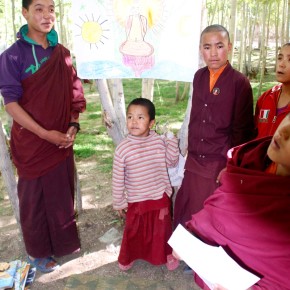
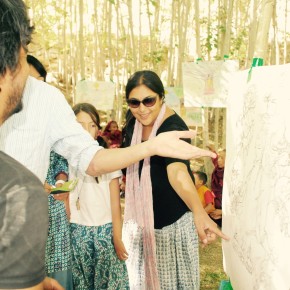
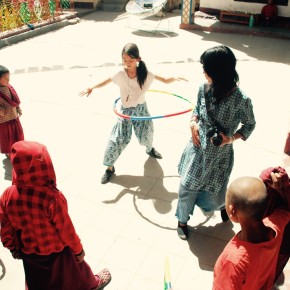
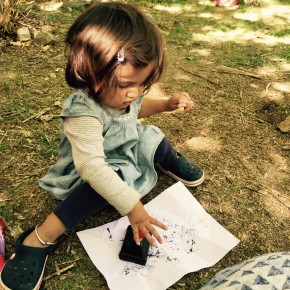
These experiences also strengthened artistic and musical learning. Children drew diagrams, designed posters, wrote short poems about the weather, and created rhythms to represent rainfall or flowing water. Literacy grew through many forms of expression.
What A Supportive Learning Space Provides
A well-stocked reading room offers more than shelves. It provides time, encouragement, and the freedom to follow an interest beyond the limits of a standard lesson. For children in remote Himalayan communities, access to books can make unfamiliar subjects feel reachable.
Tashi’s progress also shows why educational support should be broad. A science book may spark curiosity, while art supplies help a child communicate an idea. Group activities build confidence, and patient guidance helps young readers move from recognizing words to understanding complex concepts.
For communities seeking to nurture independent learners, the following elements are especially valuable:
- Age-appropriate books covering science, nature, history, culture, and literature
- Quiet reading spaces where children and young monks can explore without pressure
- Book discussions and hands-on activities that turn information into experience
- Art, music, and creative writing resources that support different learning styles
- Caring volunteers and local mentors who encourage questions and steady progress
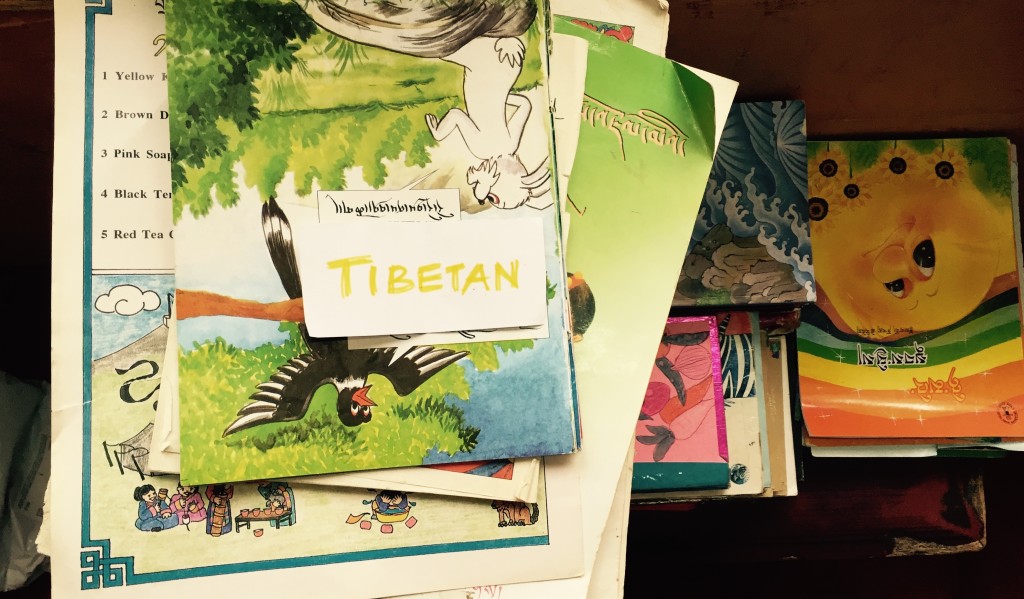
These resources do not need to be elaborate to be effective. A small collection chosen with care can serve many readers when it reflects their interests, language needs, and surroundings.
A Wider View Of The World
Through books, Tashi began to understand that his mountain home was connected to a much larger world. He learned about oceans he had never seen, forests unlike the high desert, and scientists working in laboratories far away. At the same time, he recognized that his own environment held important lessons worth studying.
This balance mattered. Education did not pull him away from his community; it helped him see its strengths and needs more clearly. He became interested in water conservation, sustainable energy, local wildlife, and ways that technology could support schools in remote areas.
His story reflects what can happen when children are trusted with meaningful resources. A book can offer information, but it can also give a child language for curiosity, confidence to investigate, and a reason to imagine a future shaped by knowledge.
The change began with a shelf of books and a place to read. It continued through conversations, drawings, experiments, and the patient encouragement of people who believed that every child deserves access to learning. Tashi’s growing interest in science is one example of how literacy can open unexpected paths.
Support the work of Avalokiteśvara Trust by helping bring books, reading rooms, creative activities, and educational opportunities to children and young monks across the Himalayan region. A donated book, a volunteer’s time, or a contribution toward a community learning space can help another young reader begin asking questions—and discovering where those questions may lead.