The Young Monk Who Found a Poem in His Yak
In a high valley of Ladakh, where winter air settles over stone walls and distant peaks, a young monk began writing about an animal he knew well. His subject was not a famous hero or a figure from an old scripture. It was a yak: patient, strong, shaggy and essential to everyday life in the Himalayas.
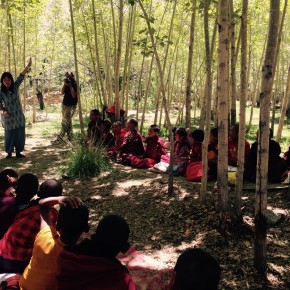
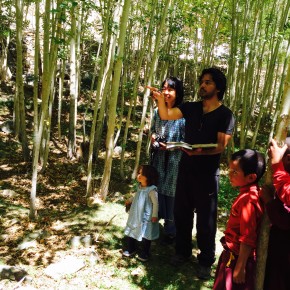
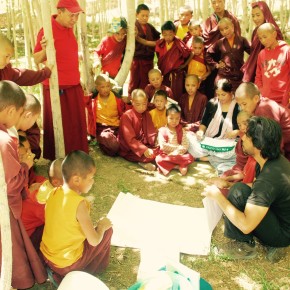
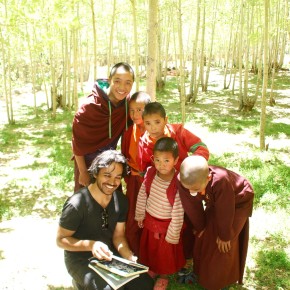
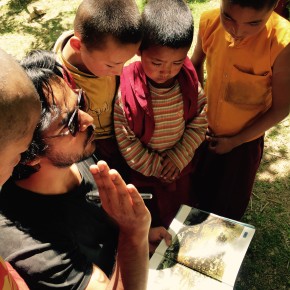
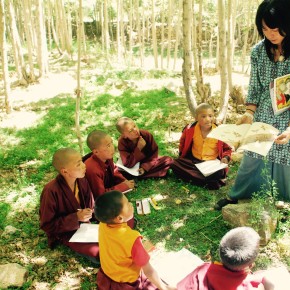
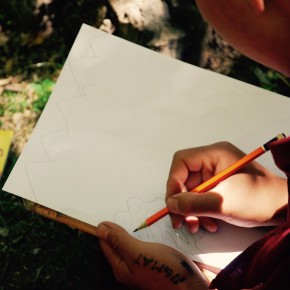
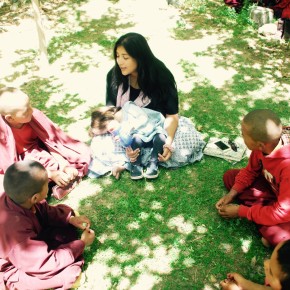
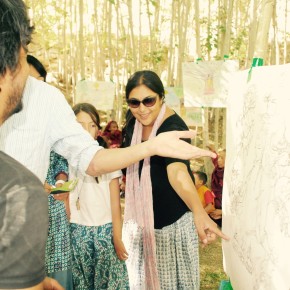
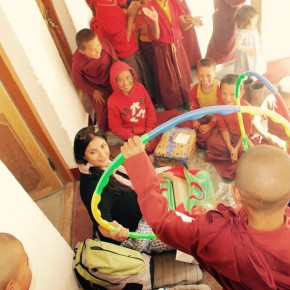
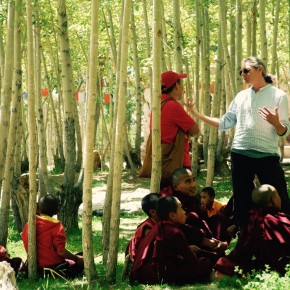
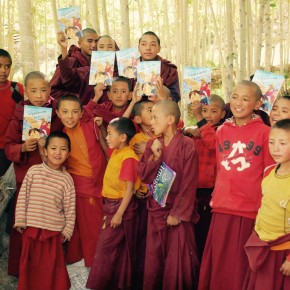
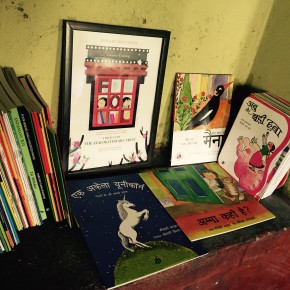
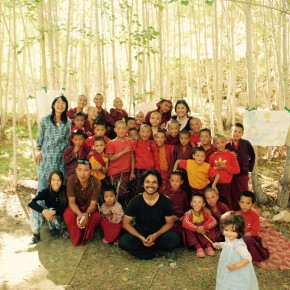
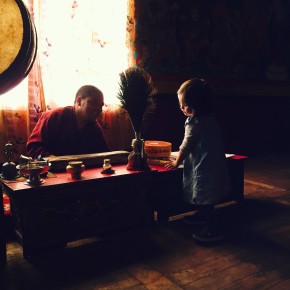
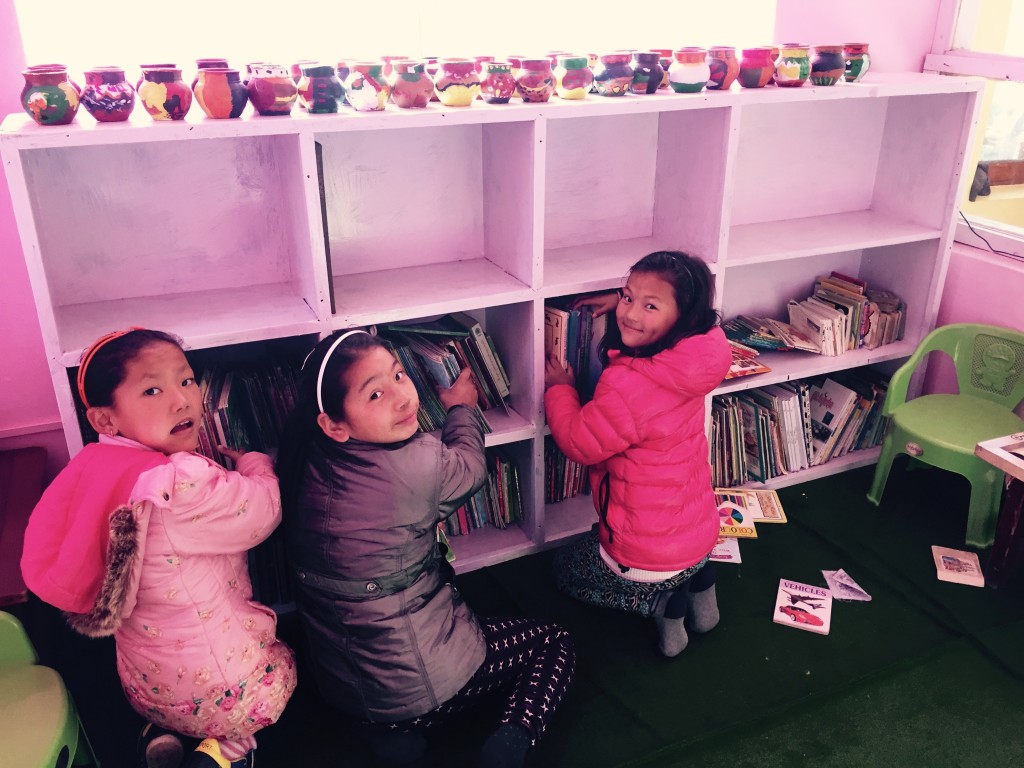
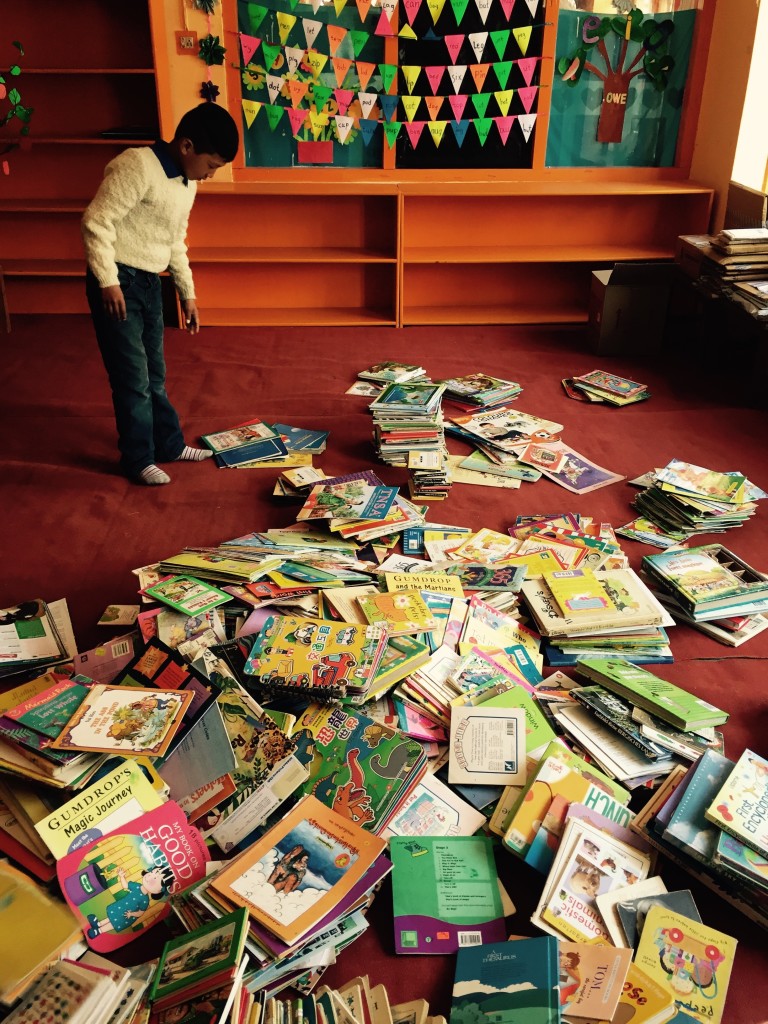
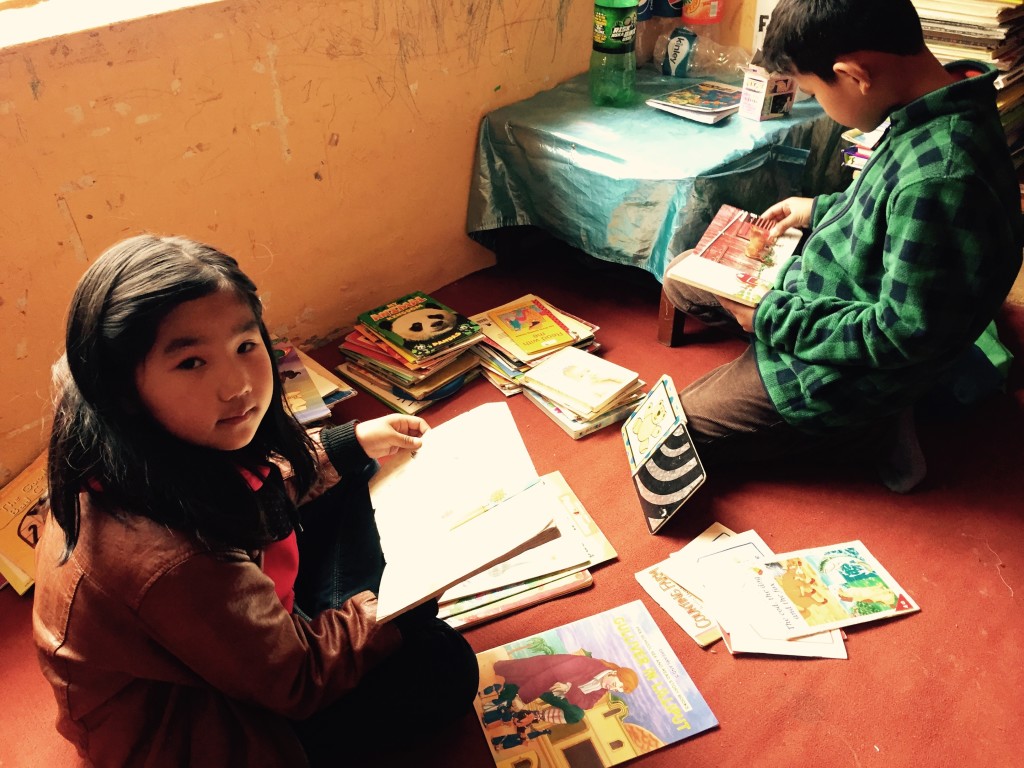
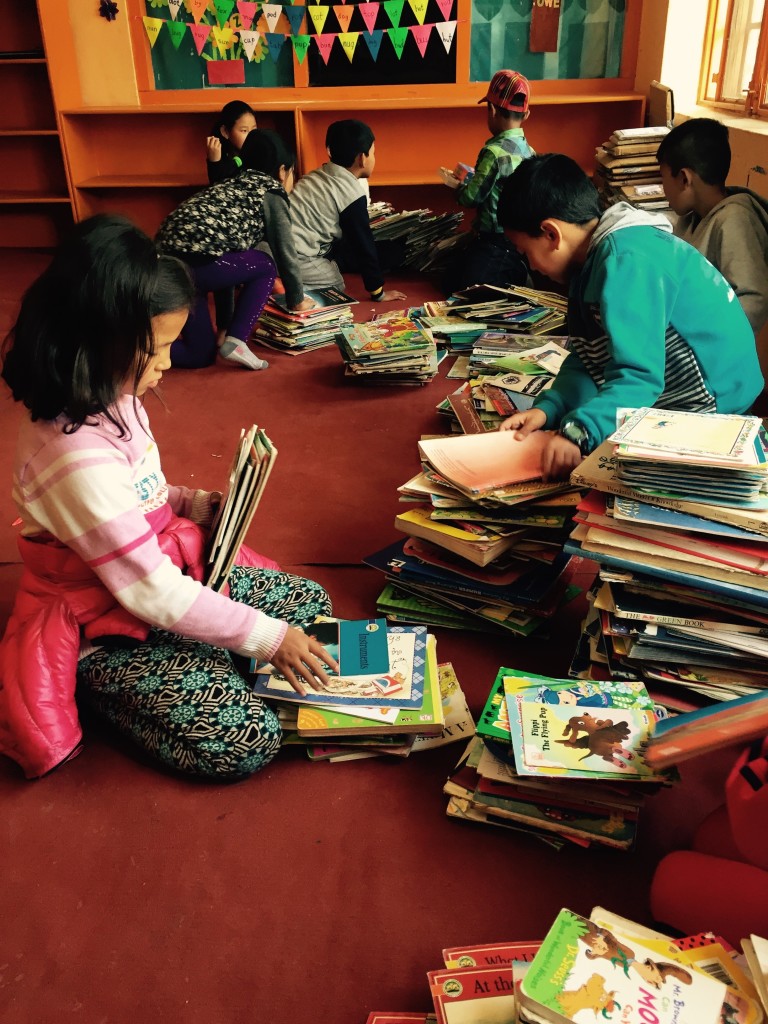
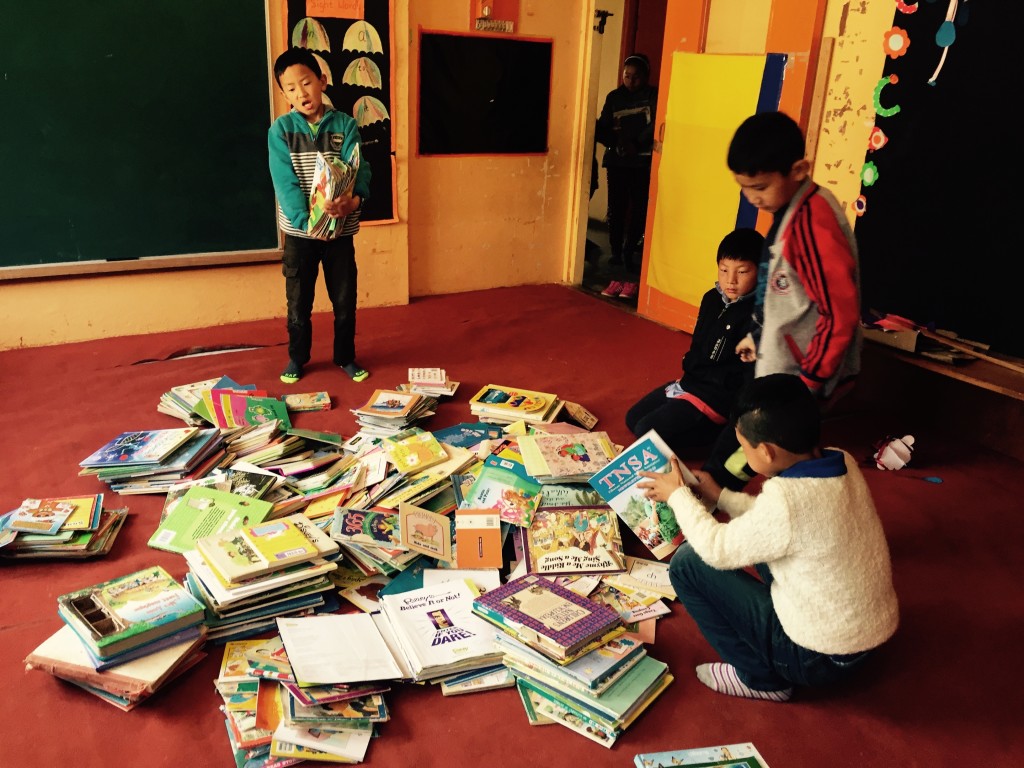
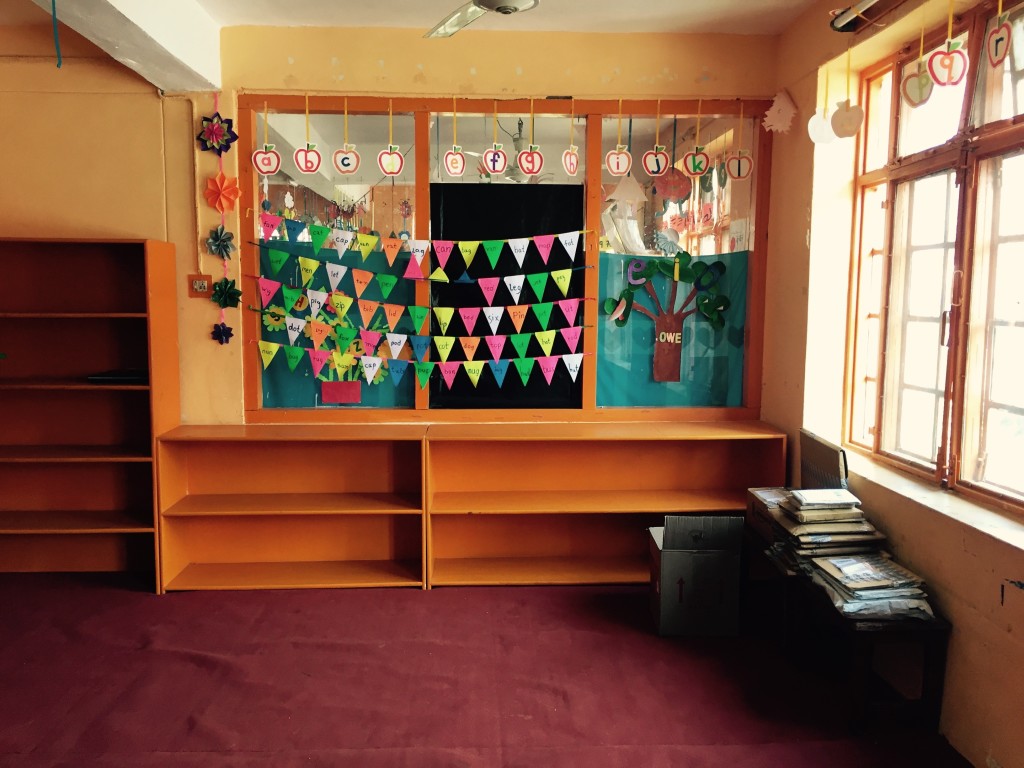
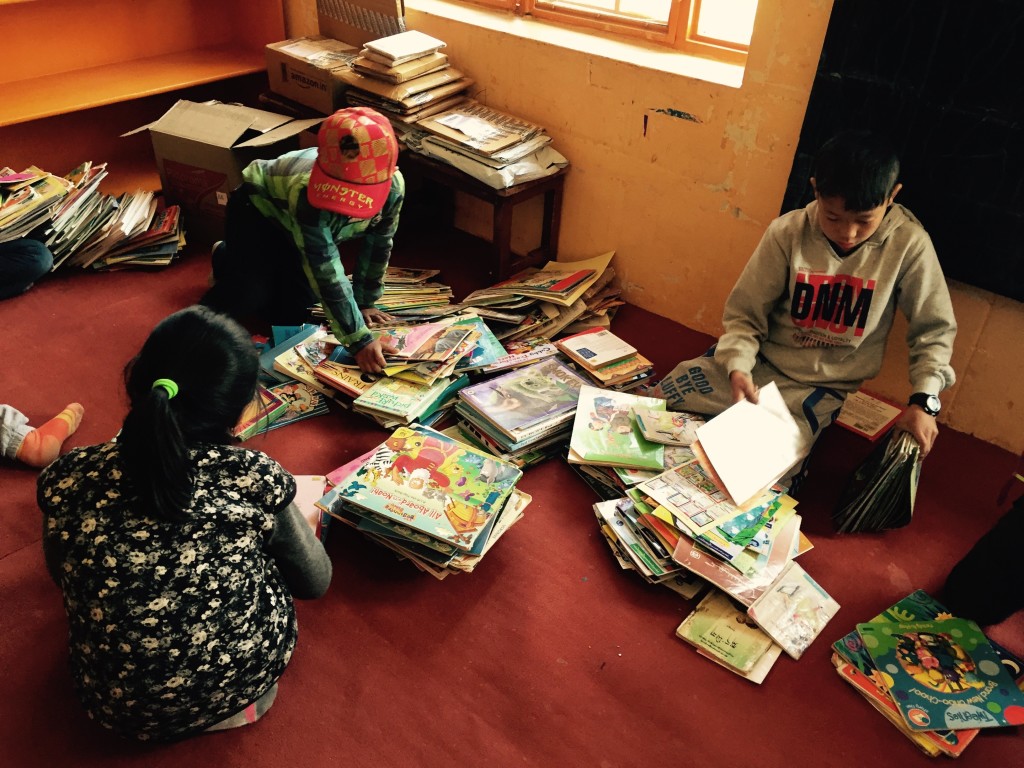
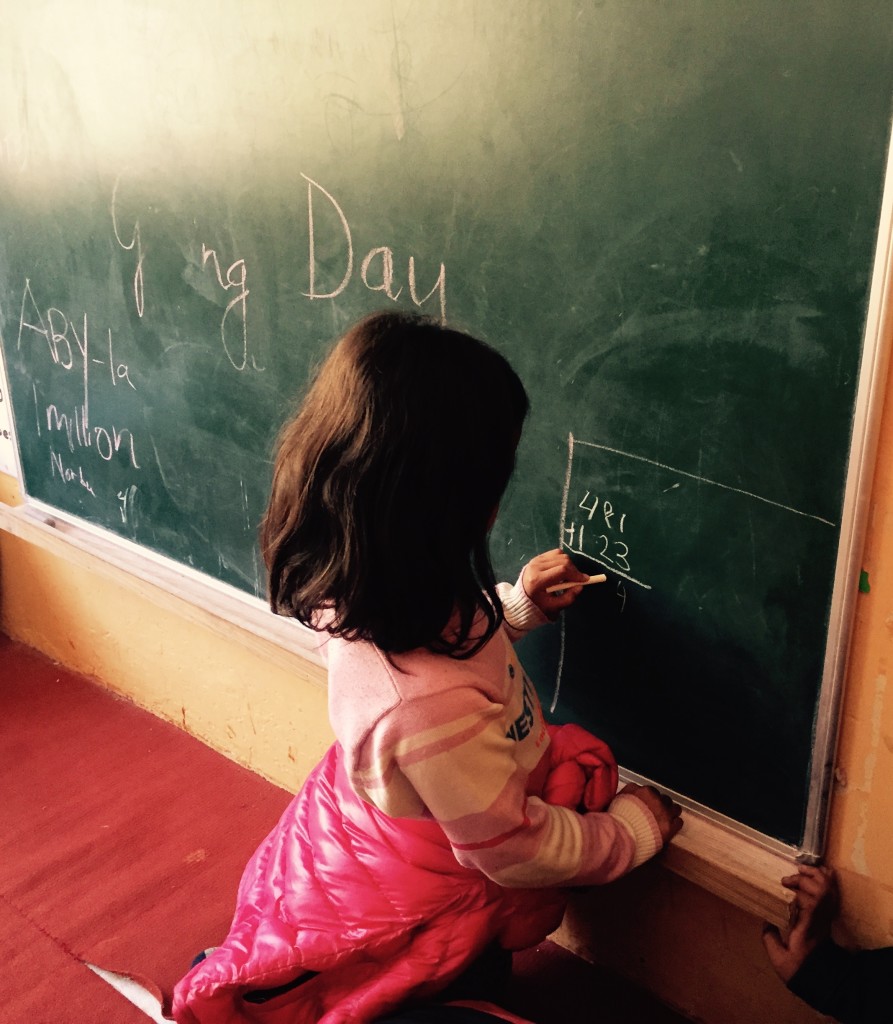
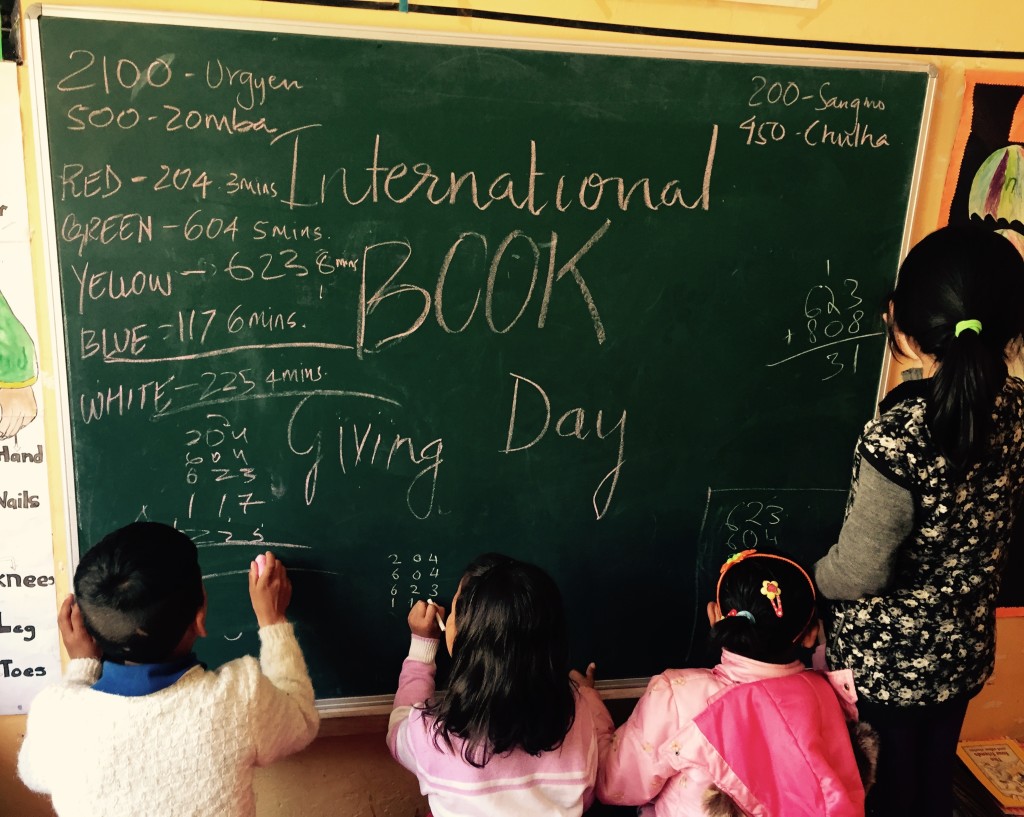
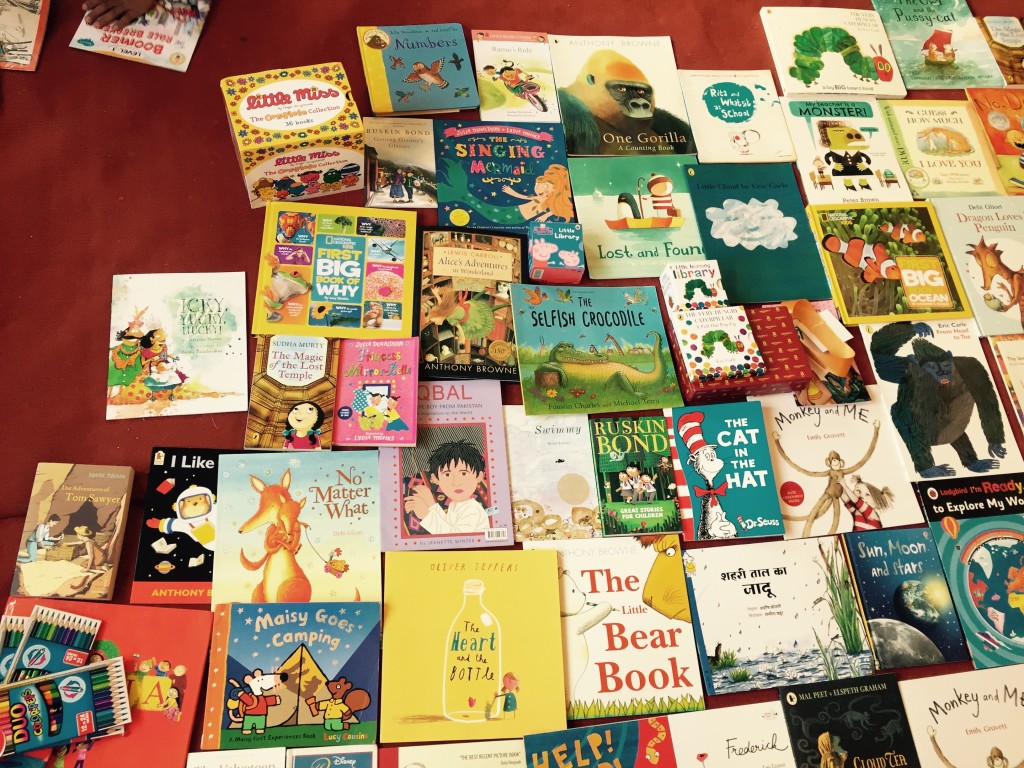
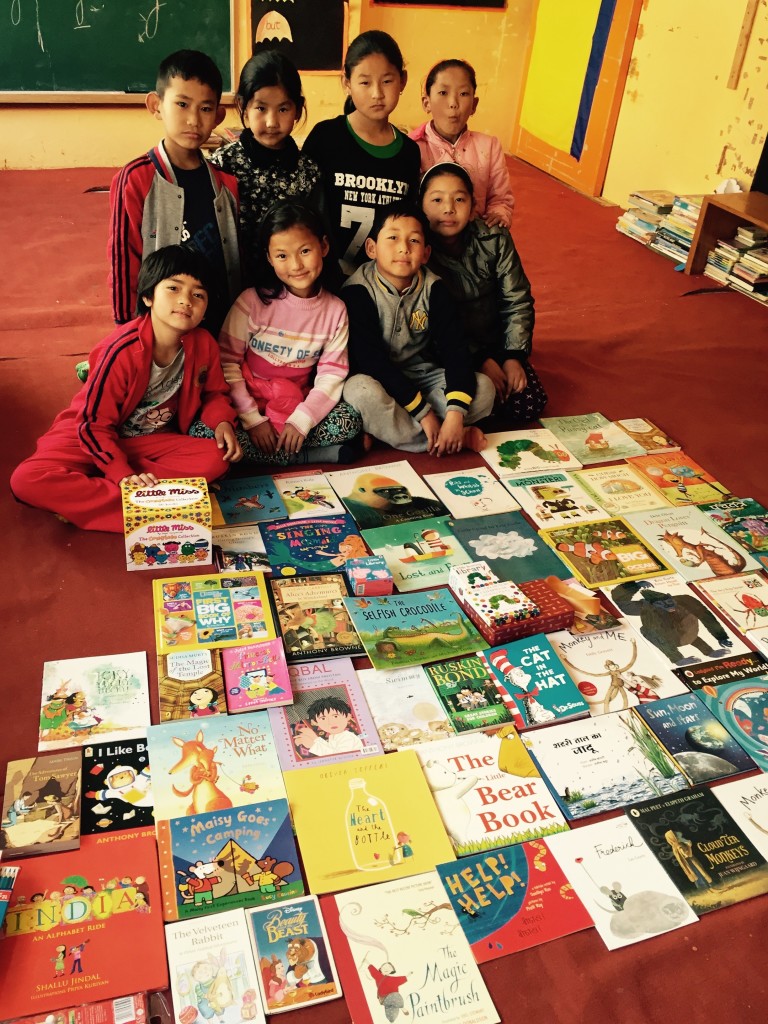
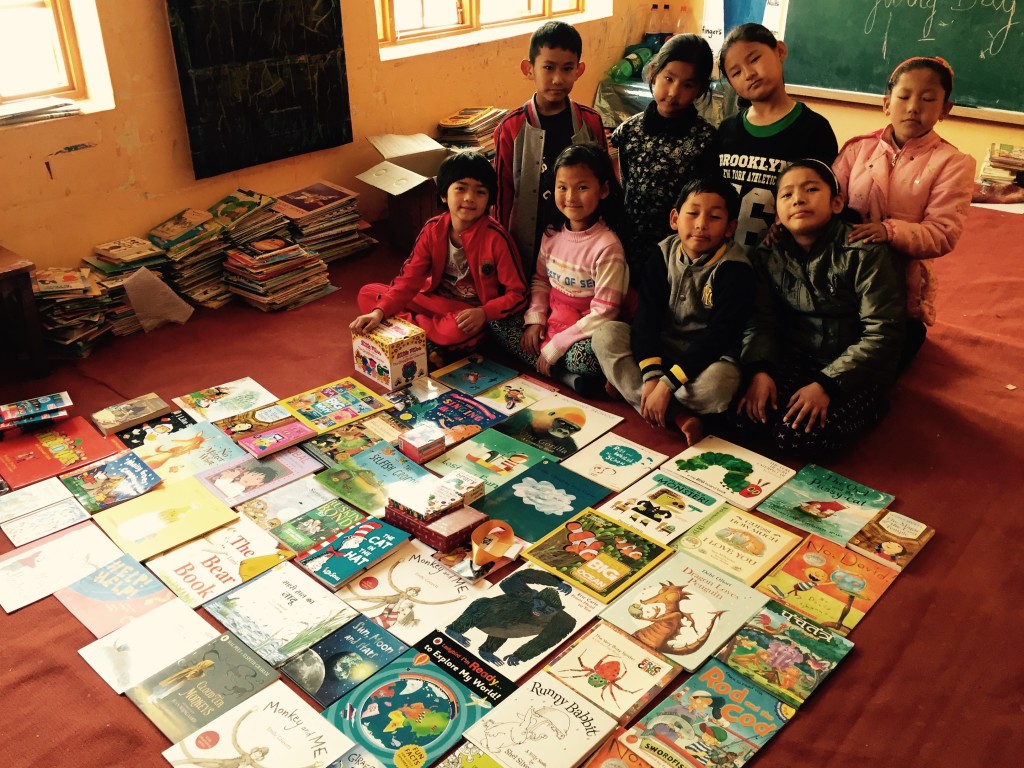
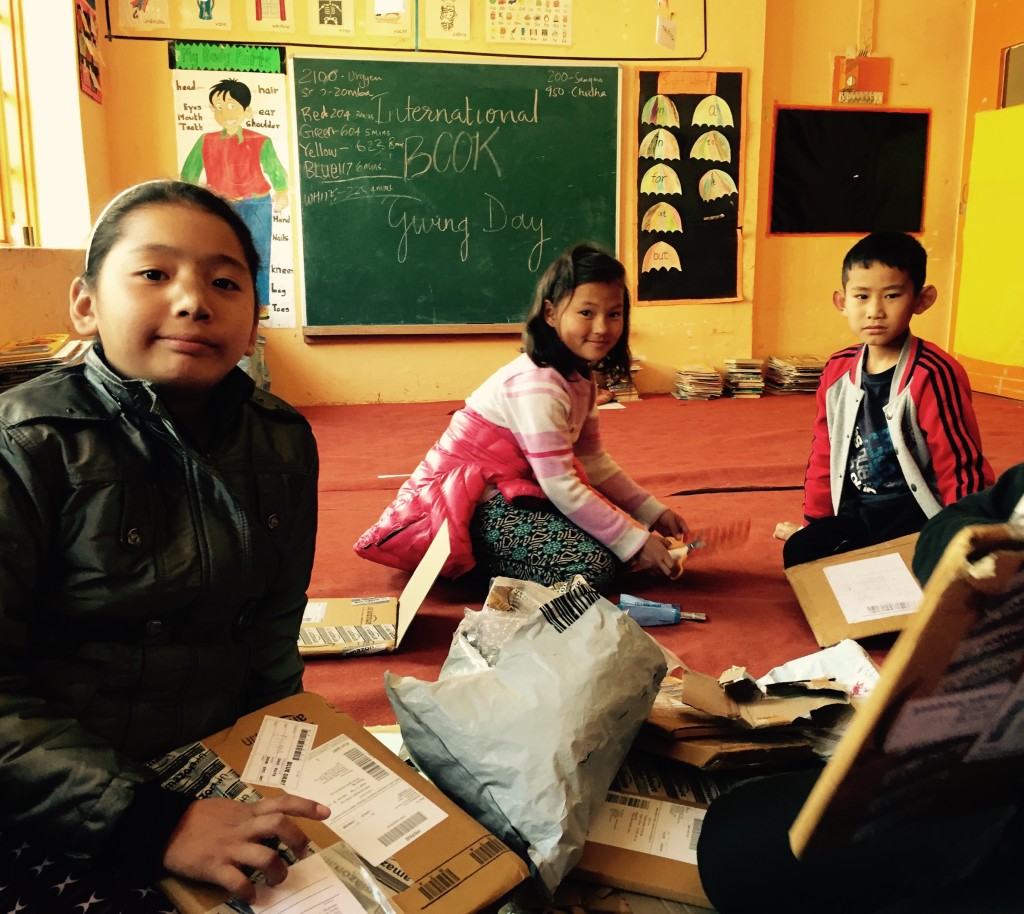
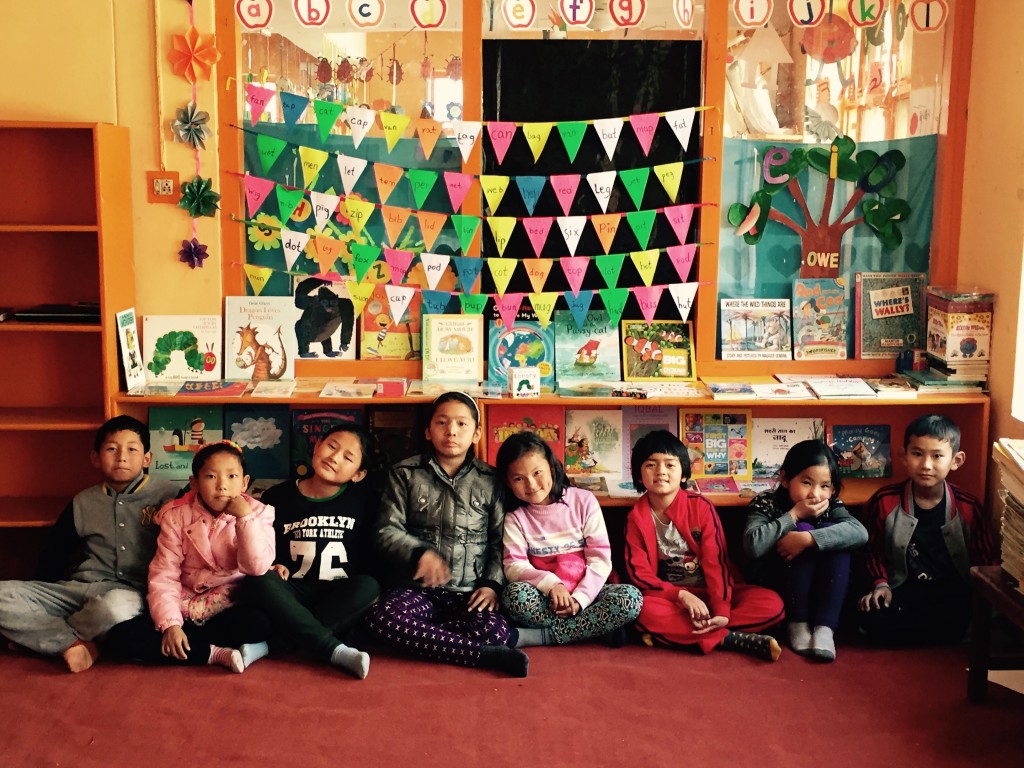
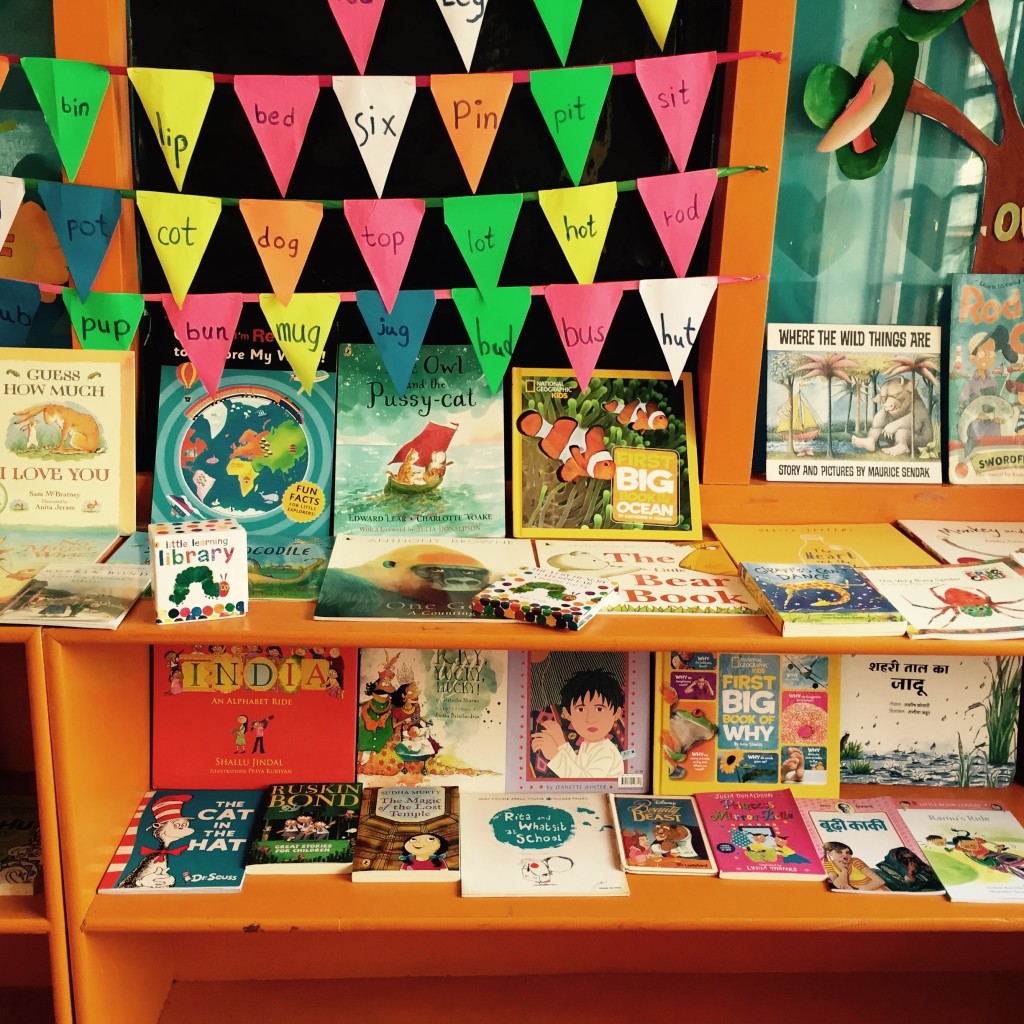
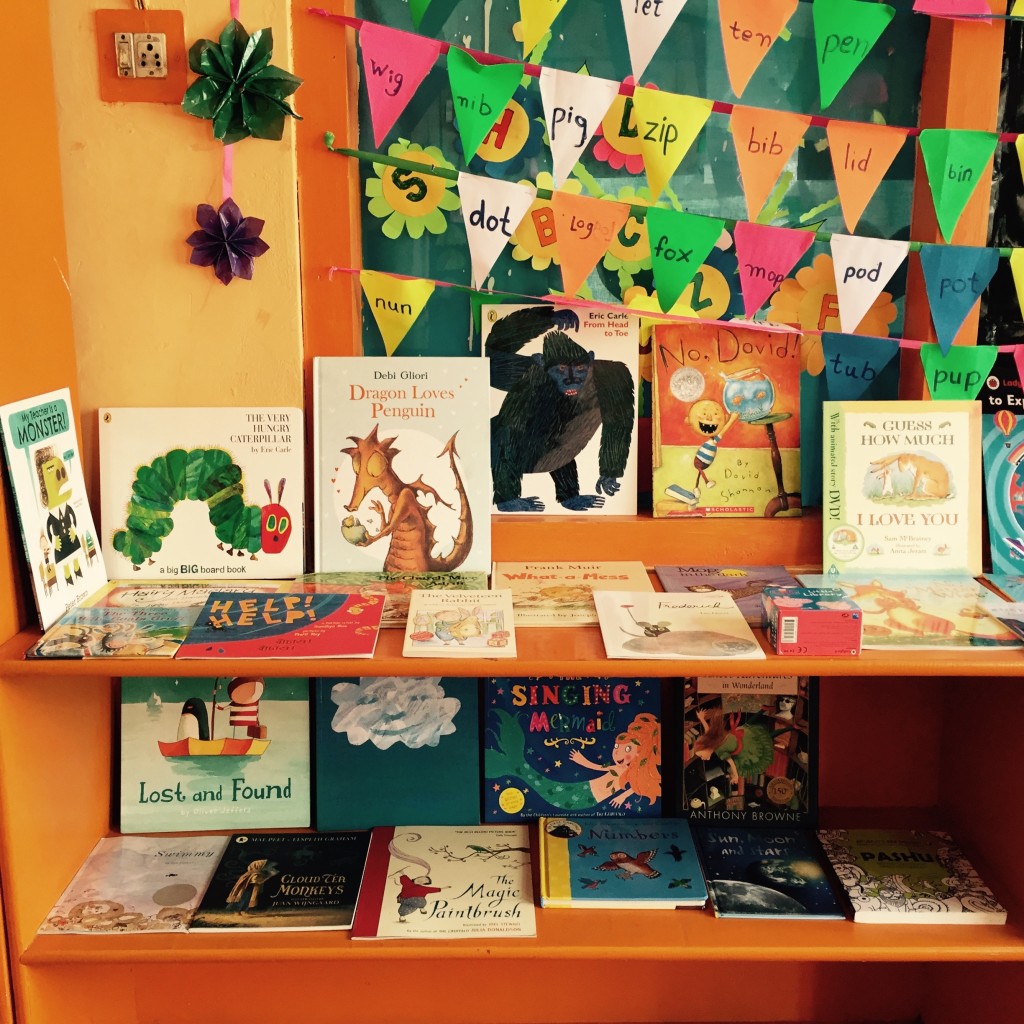
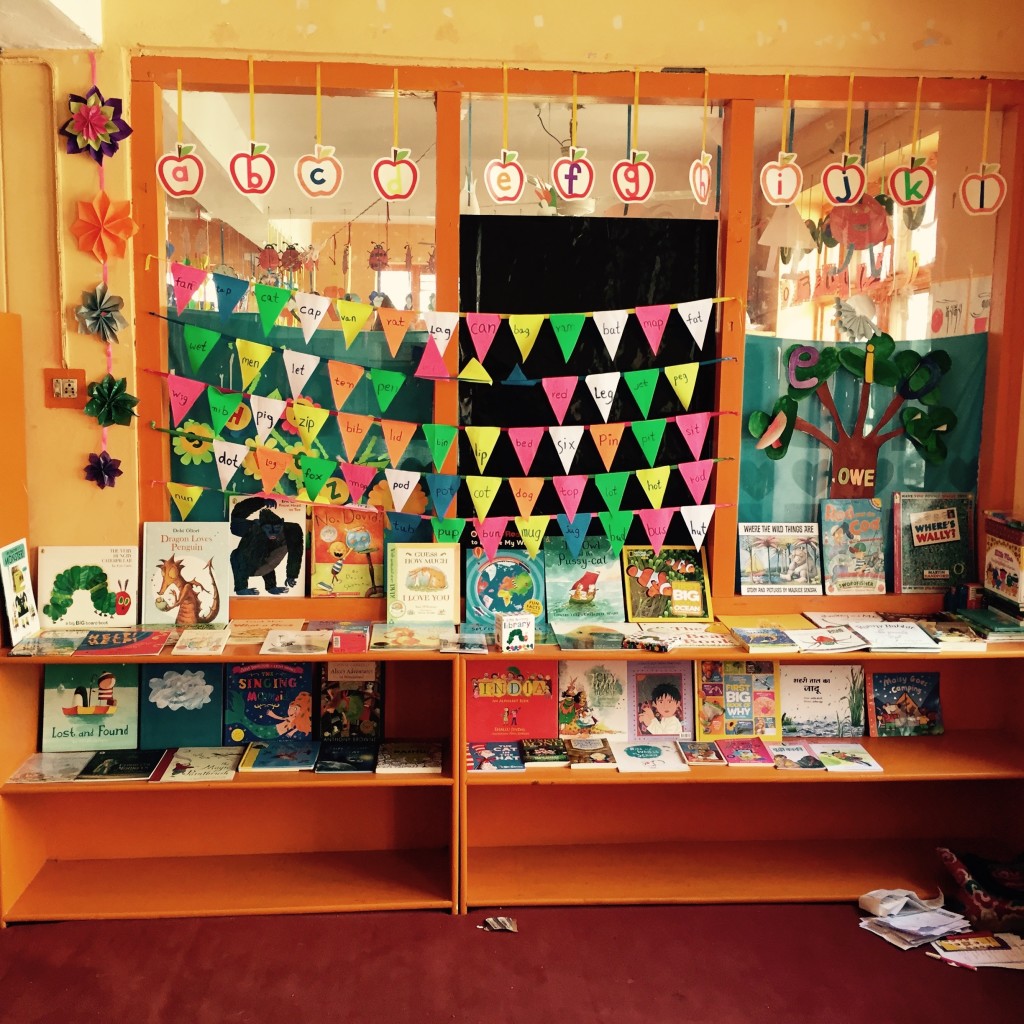
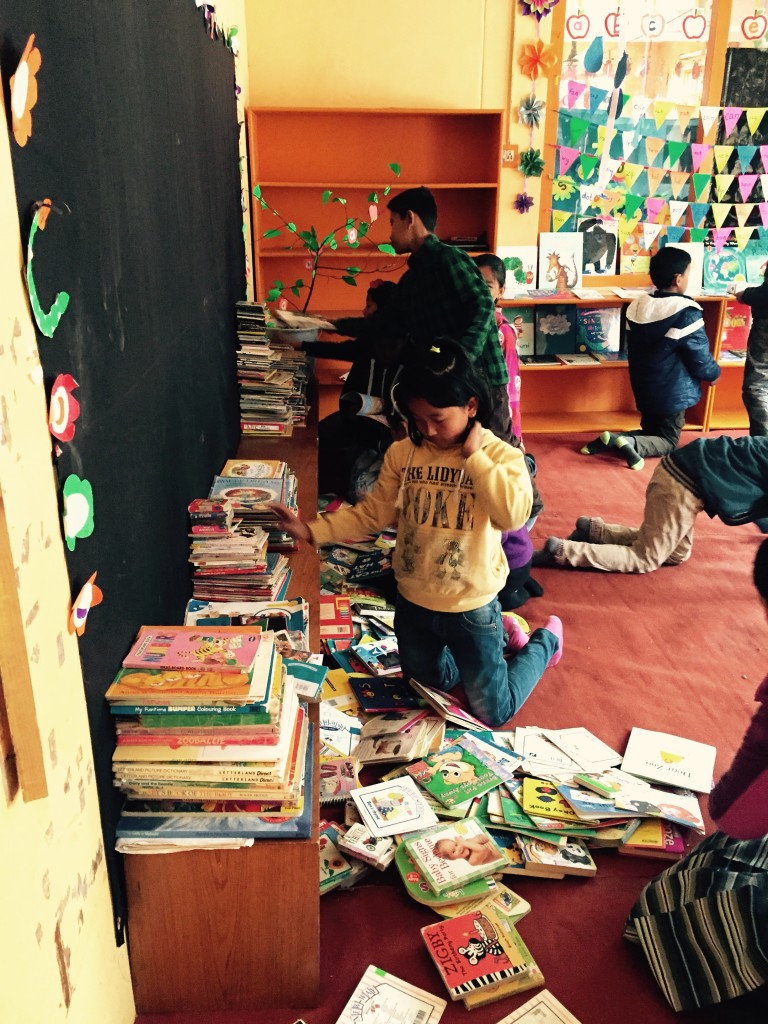
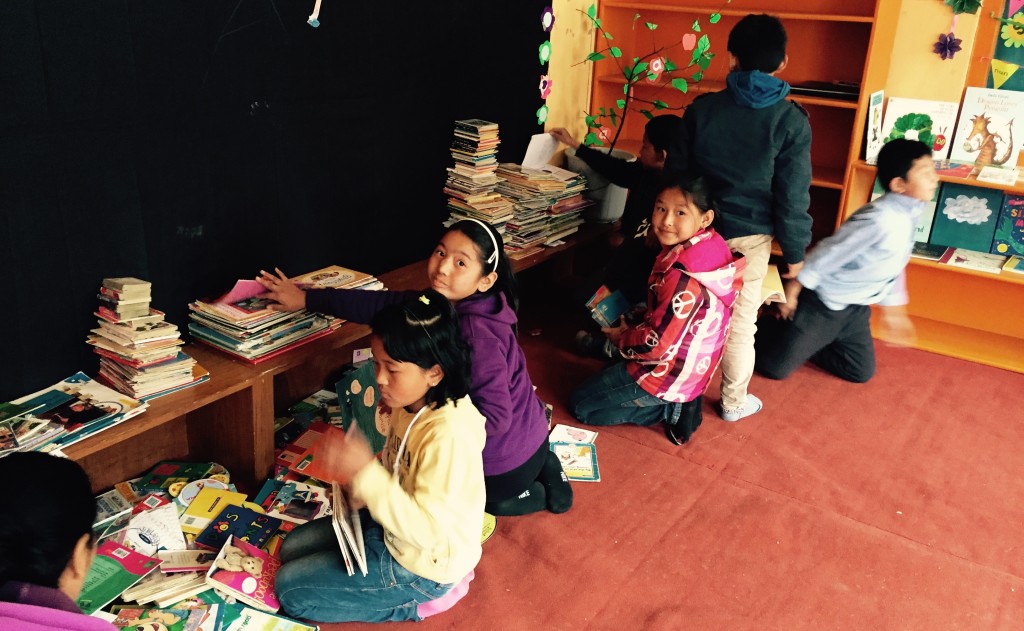
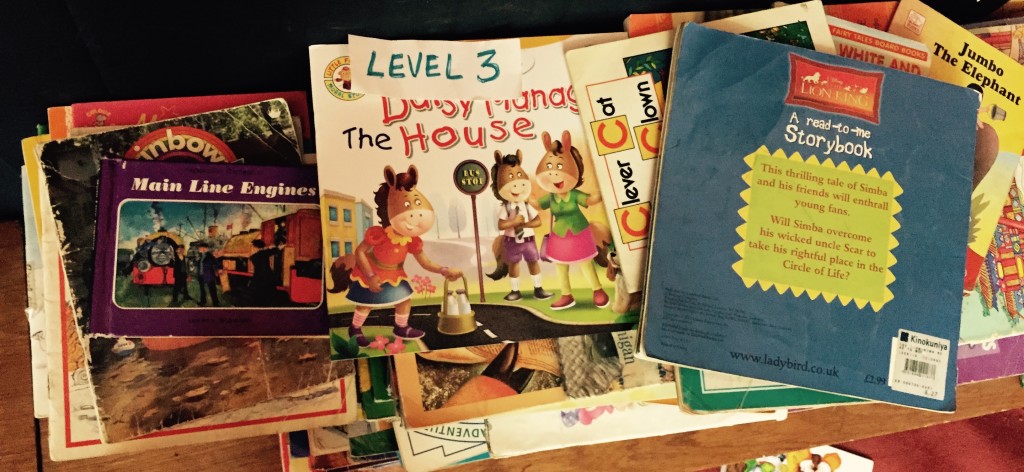
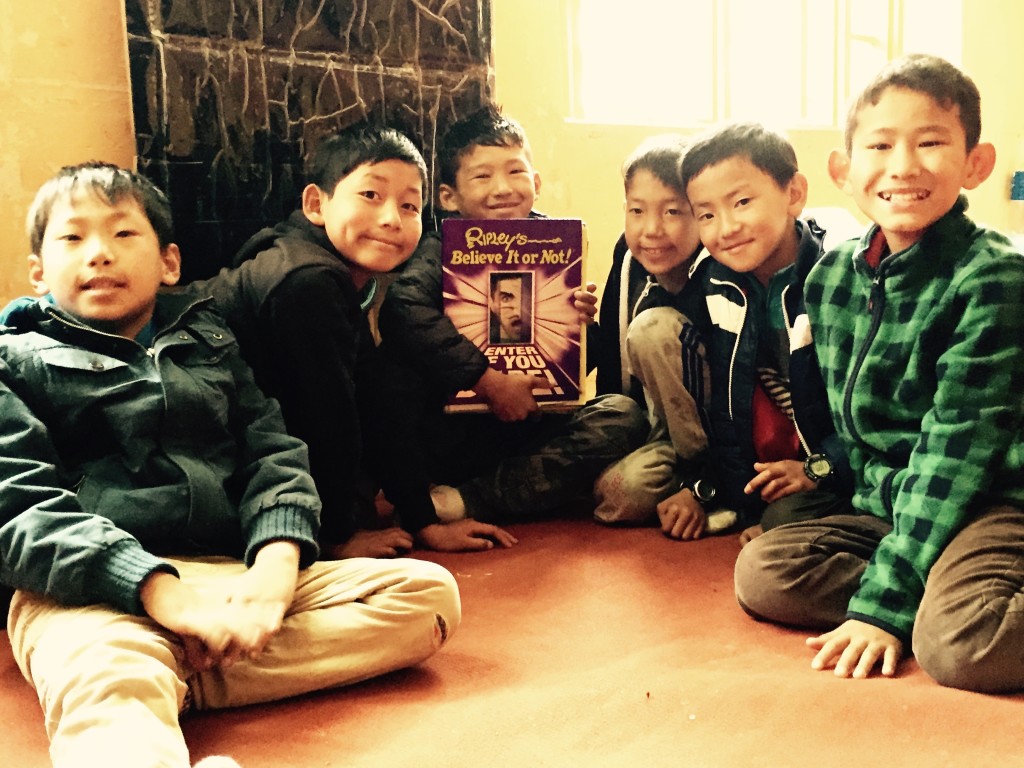
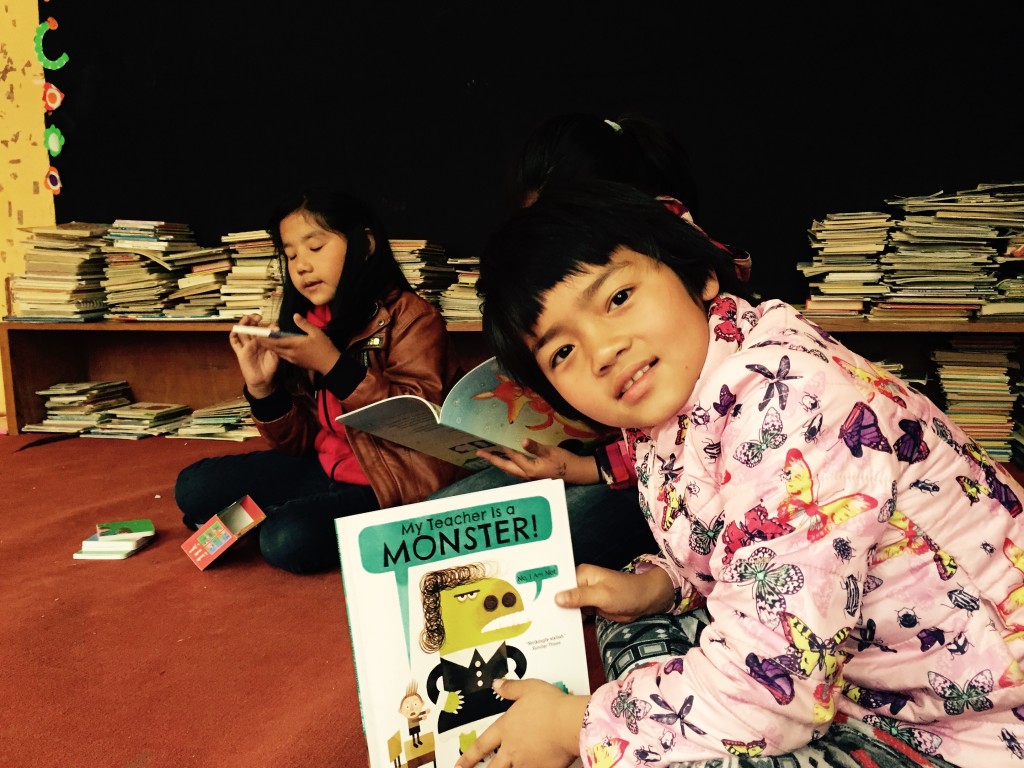
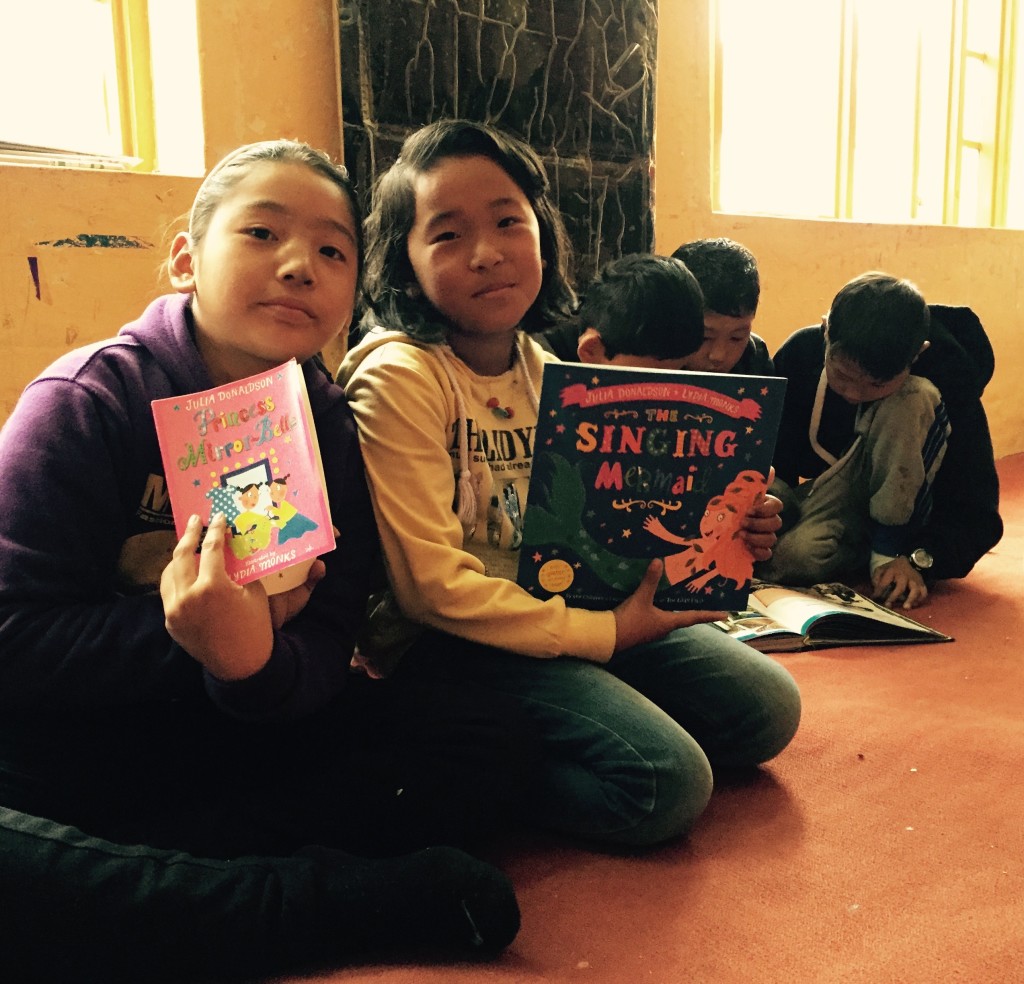
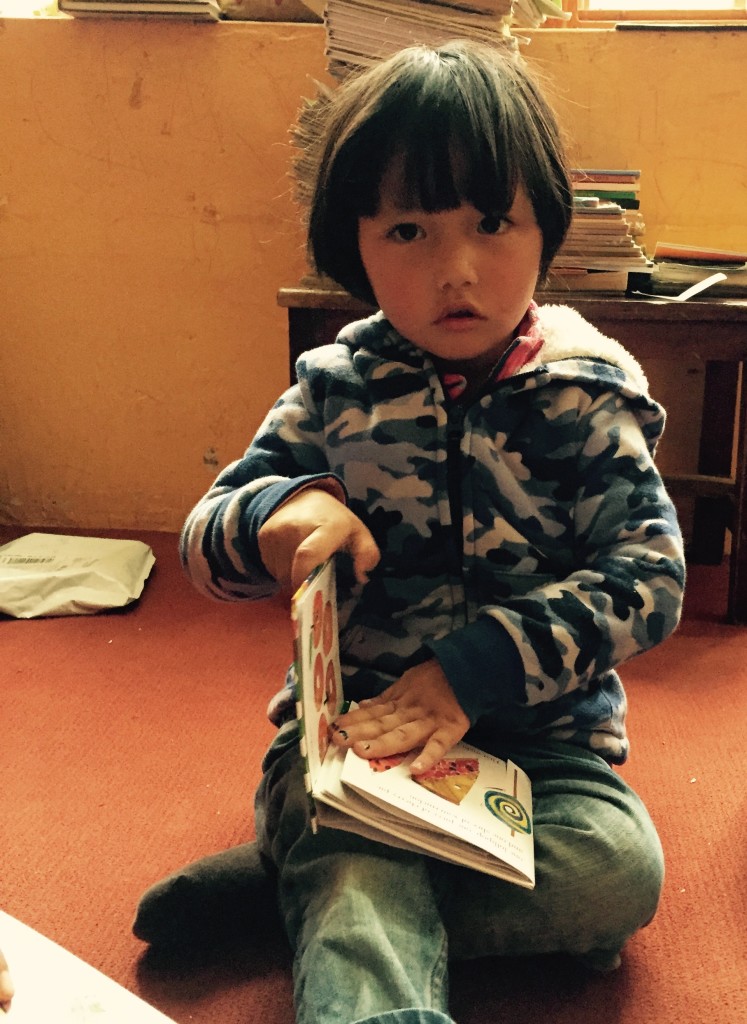
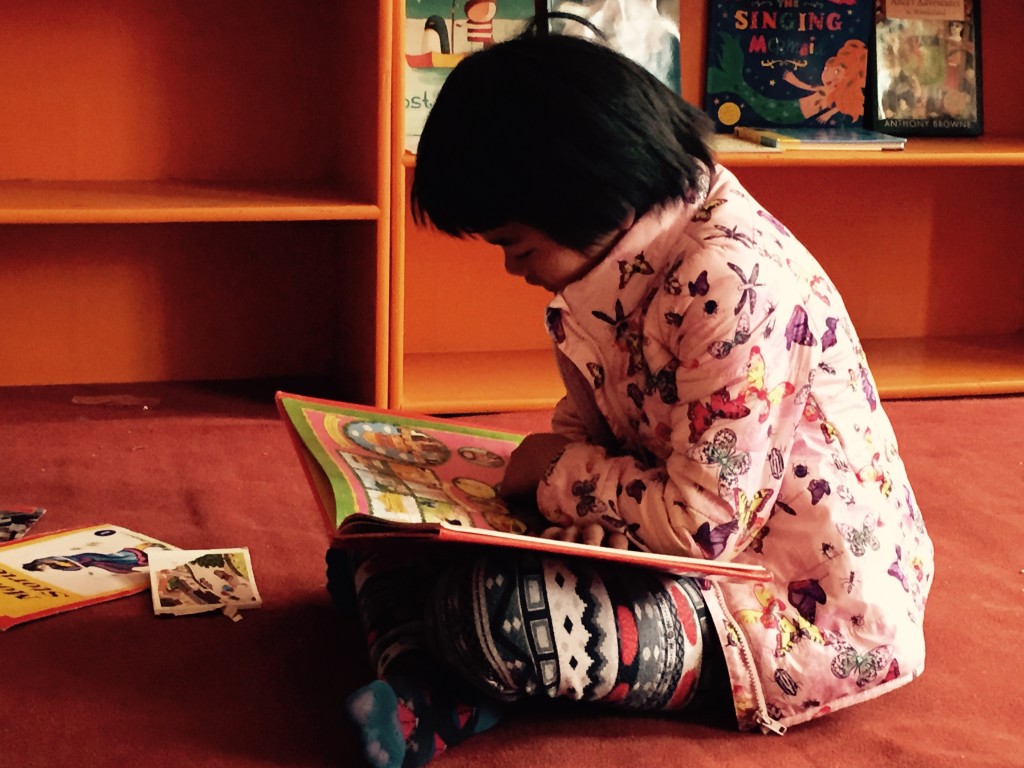
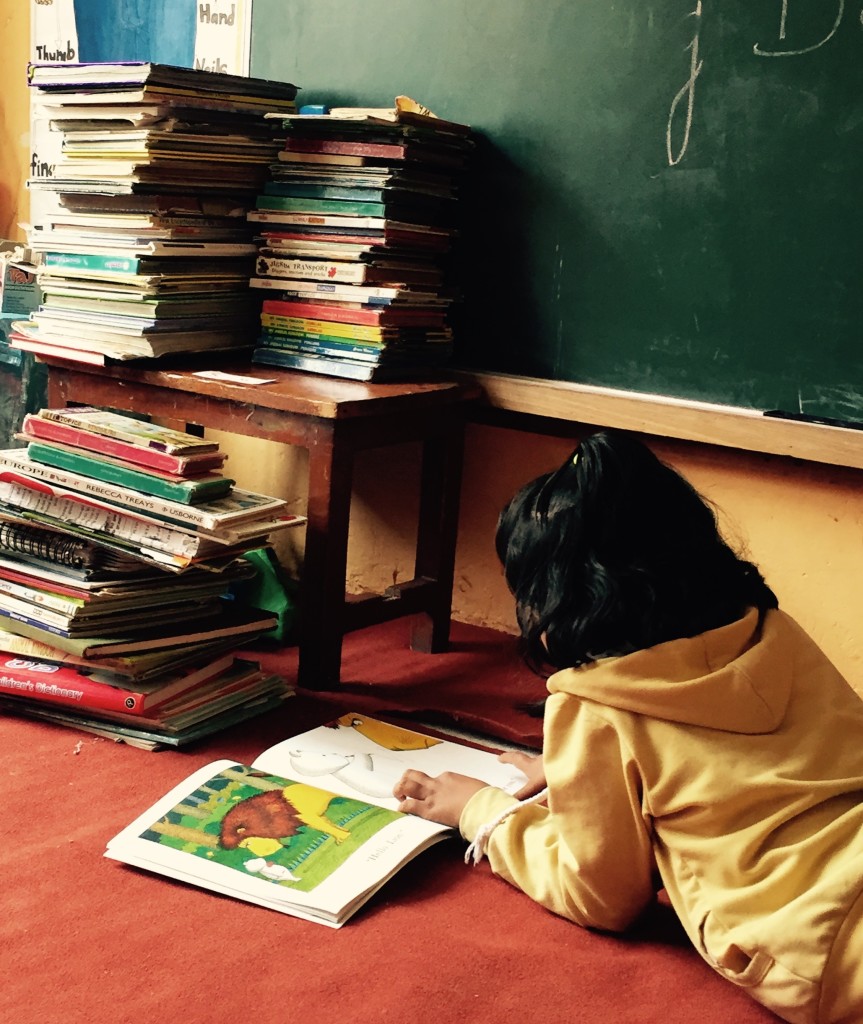
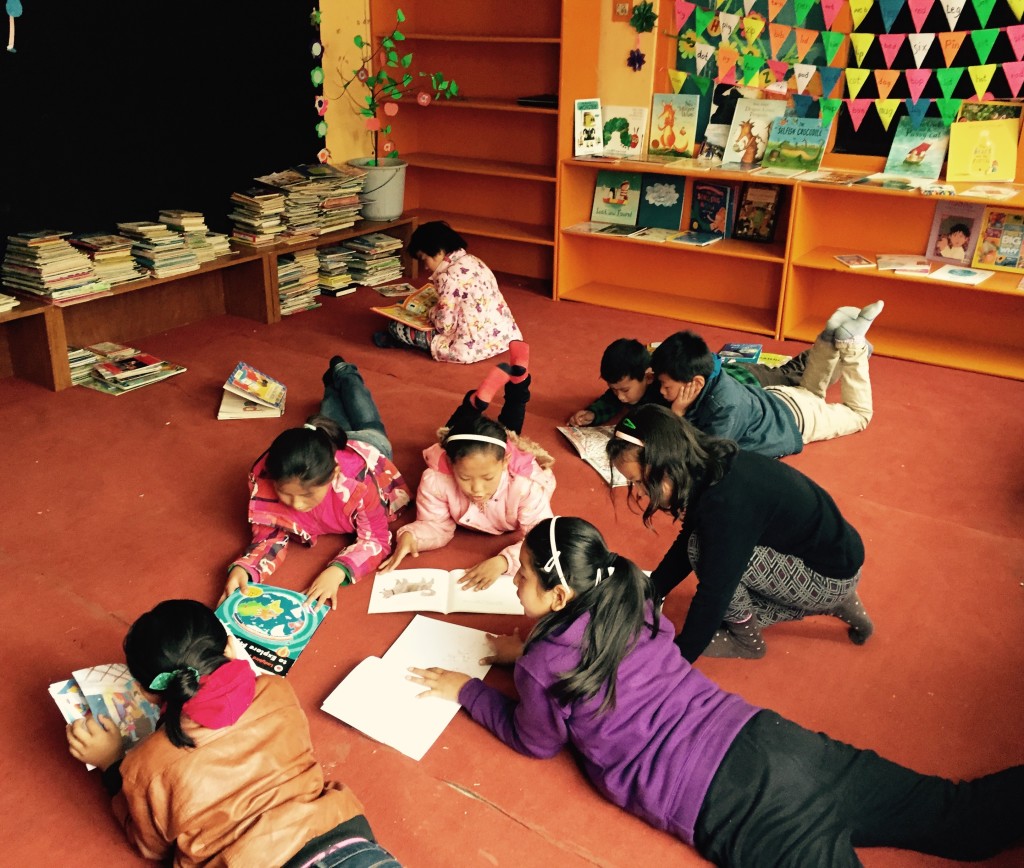
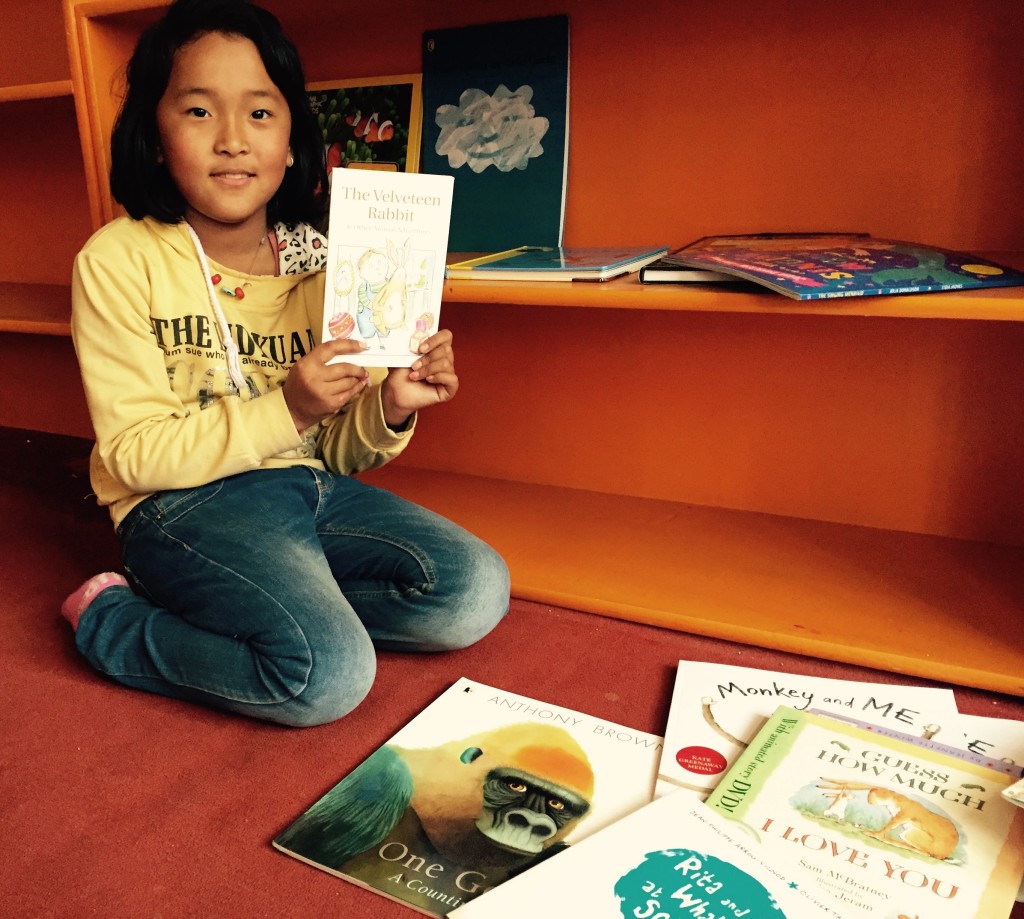
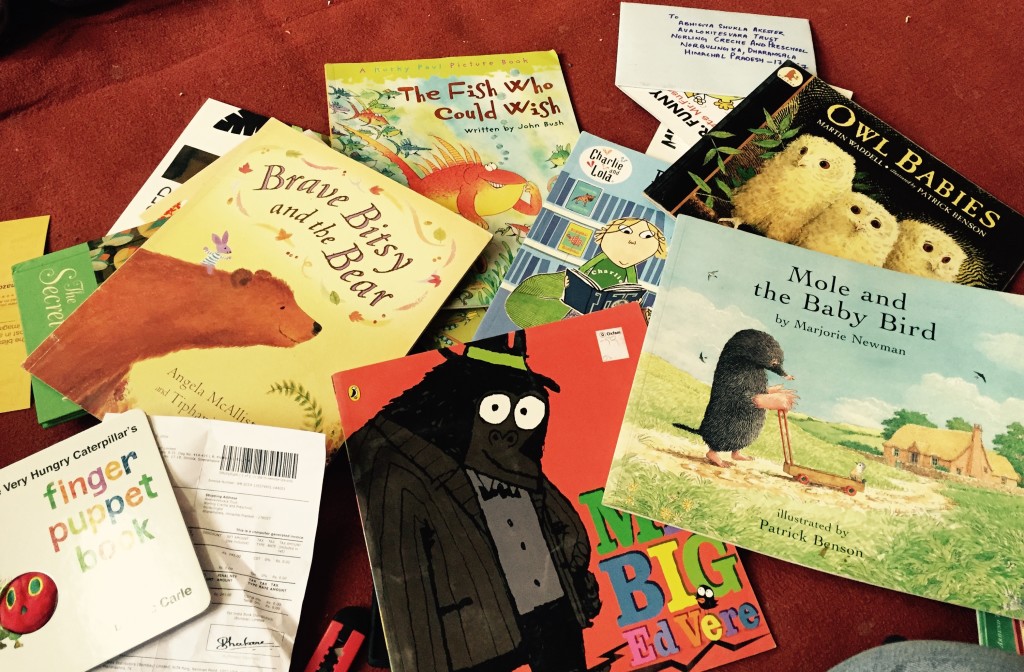
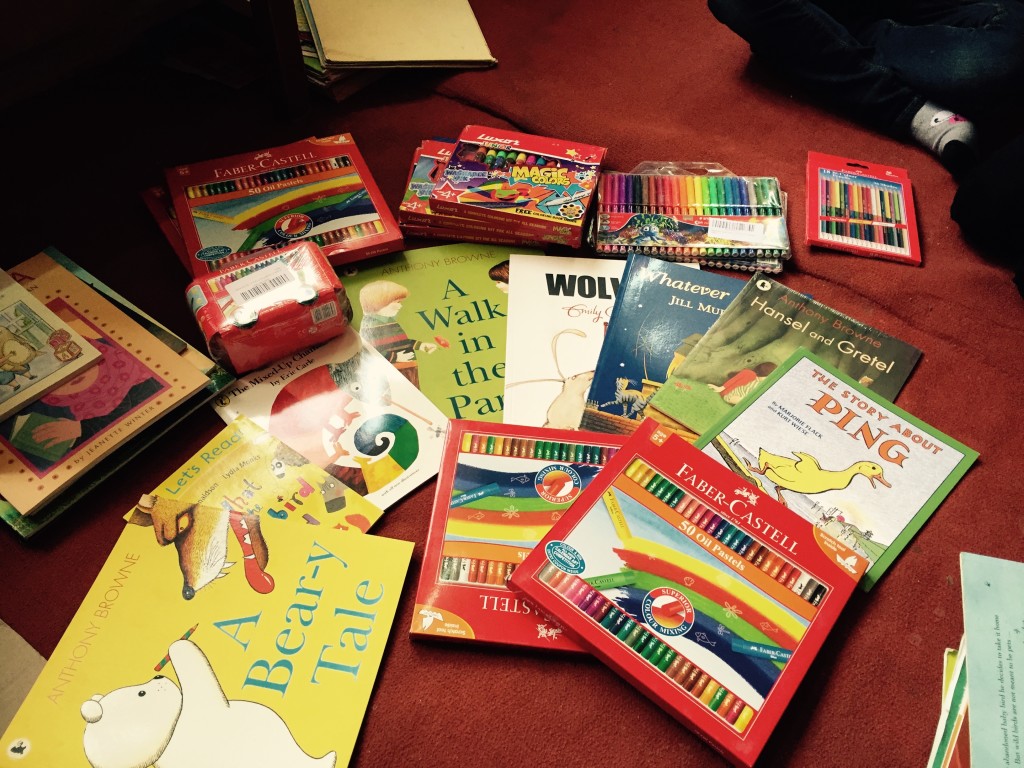
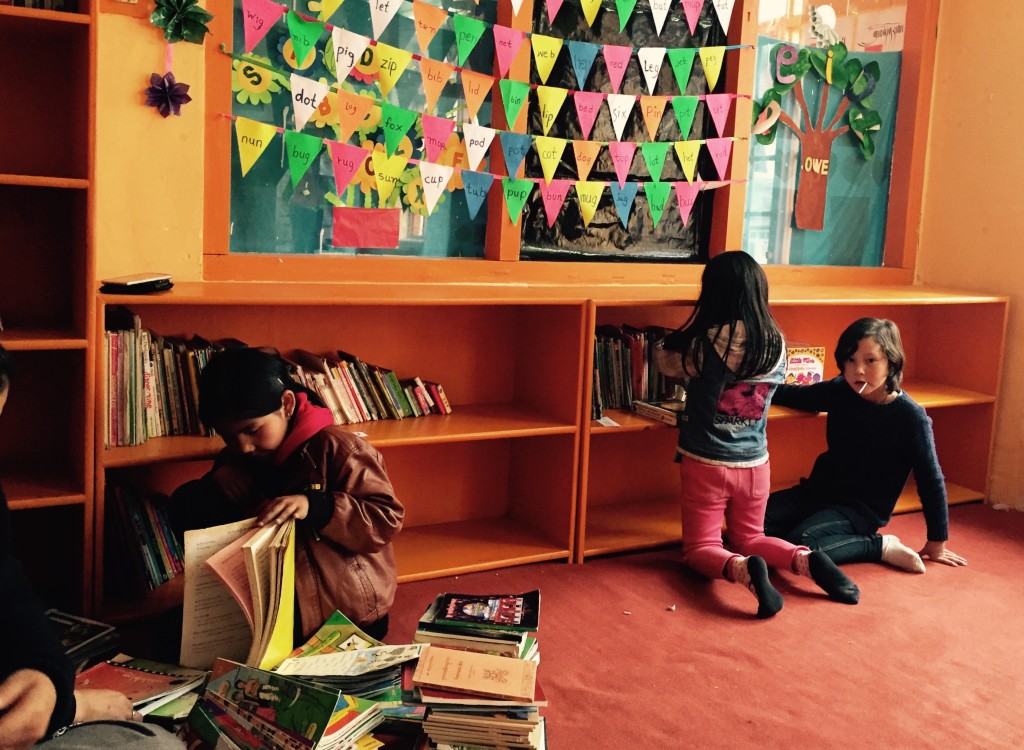
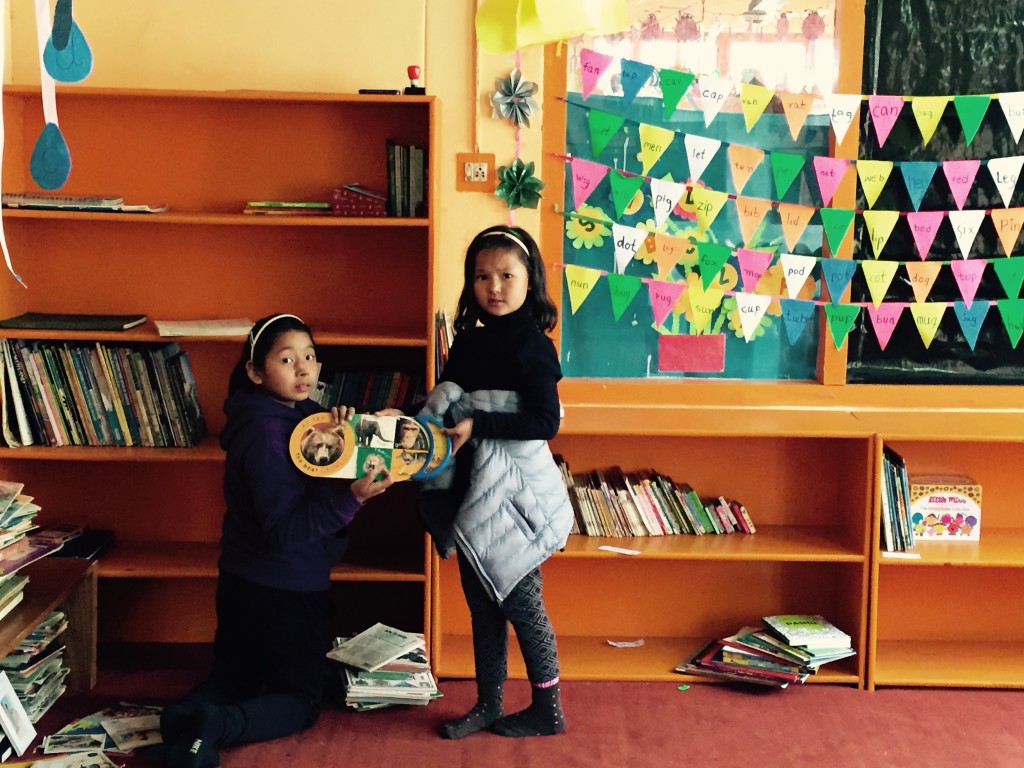
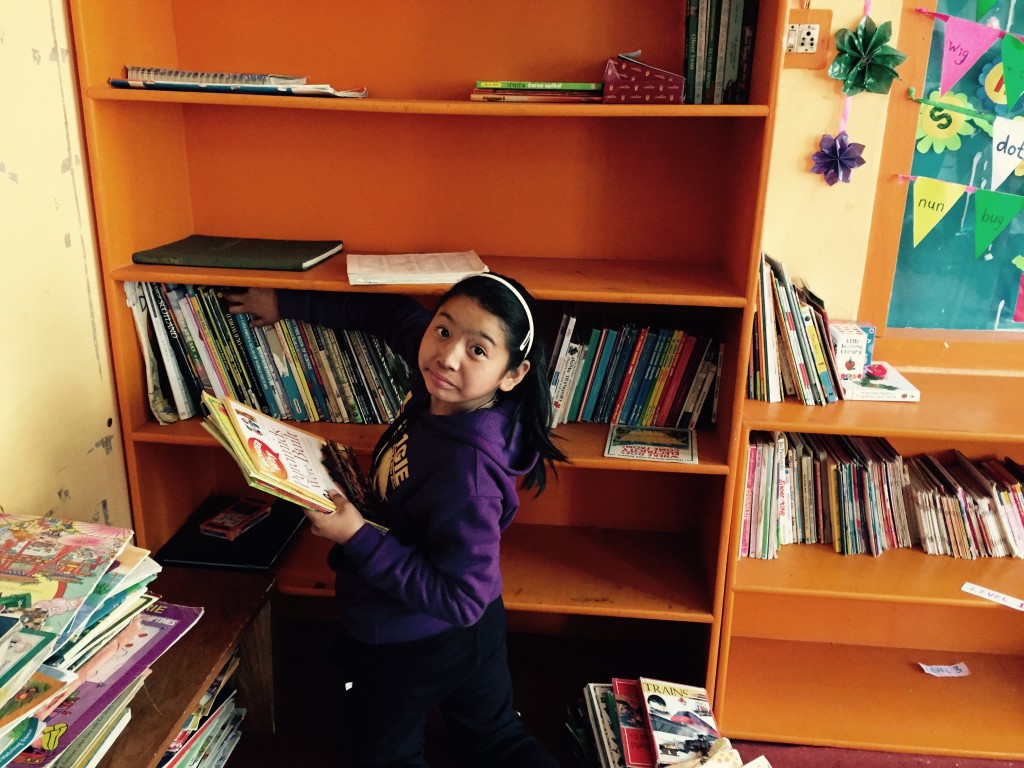
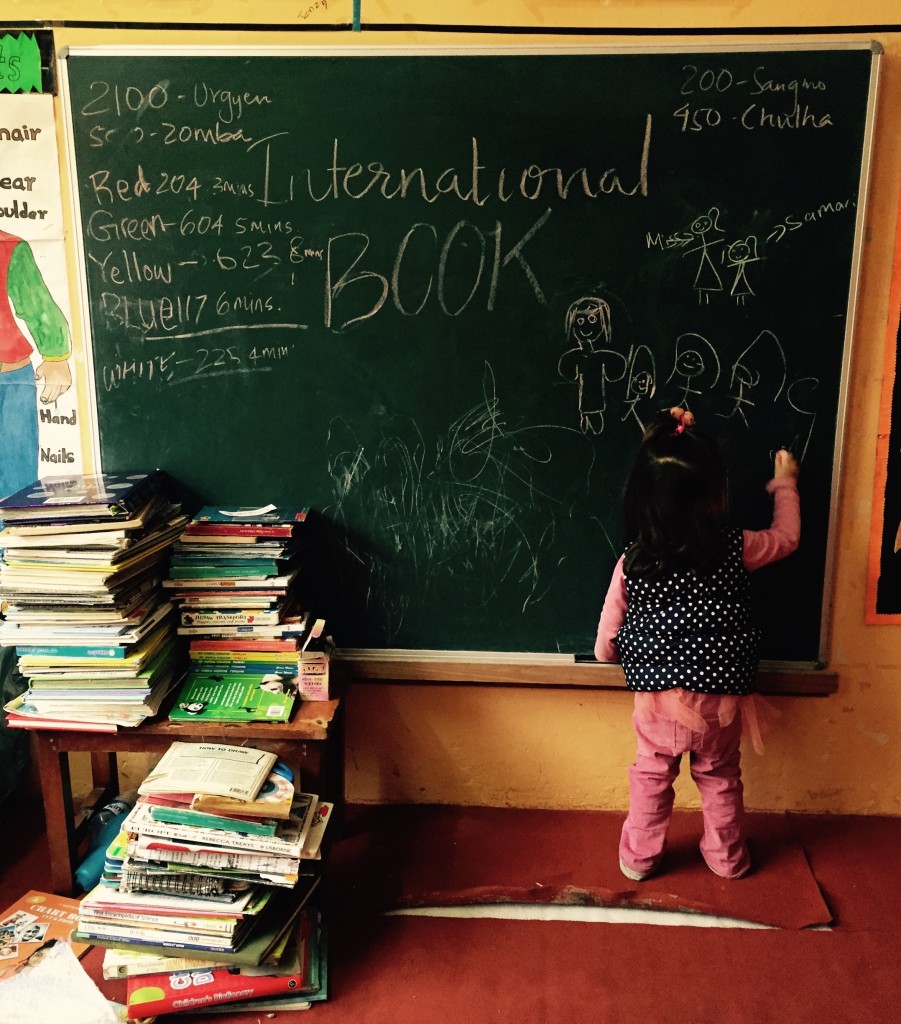
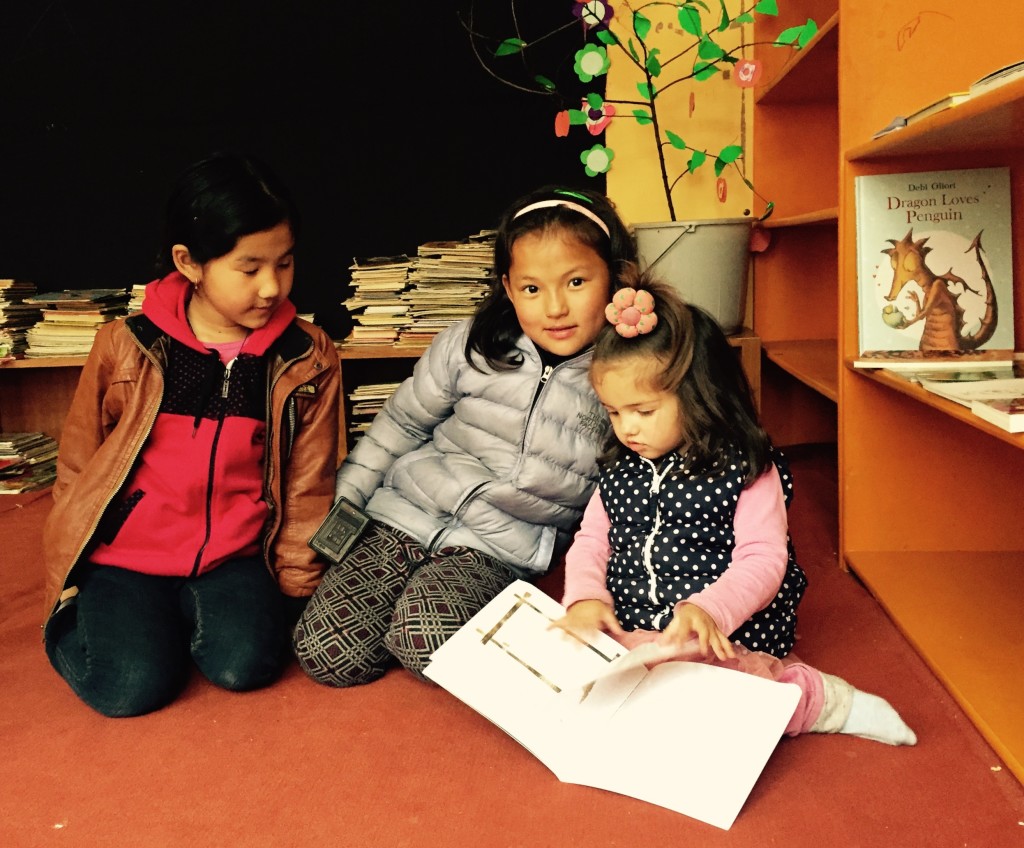
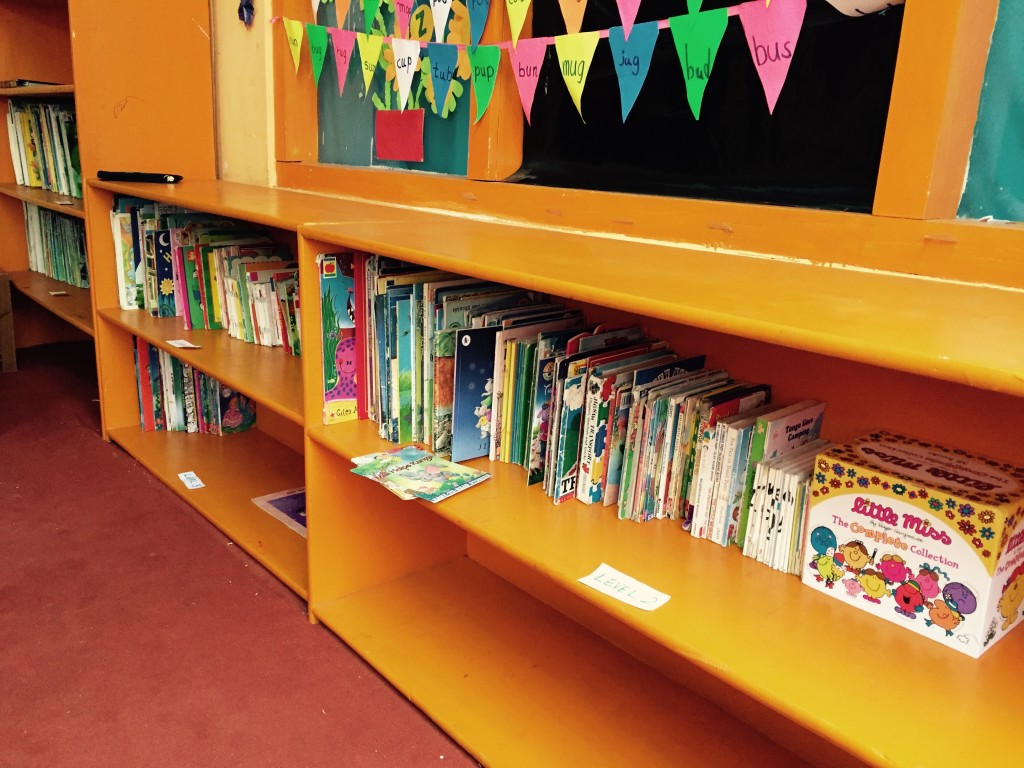
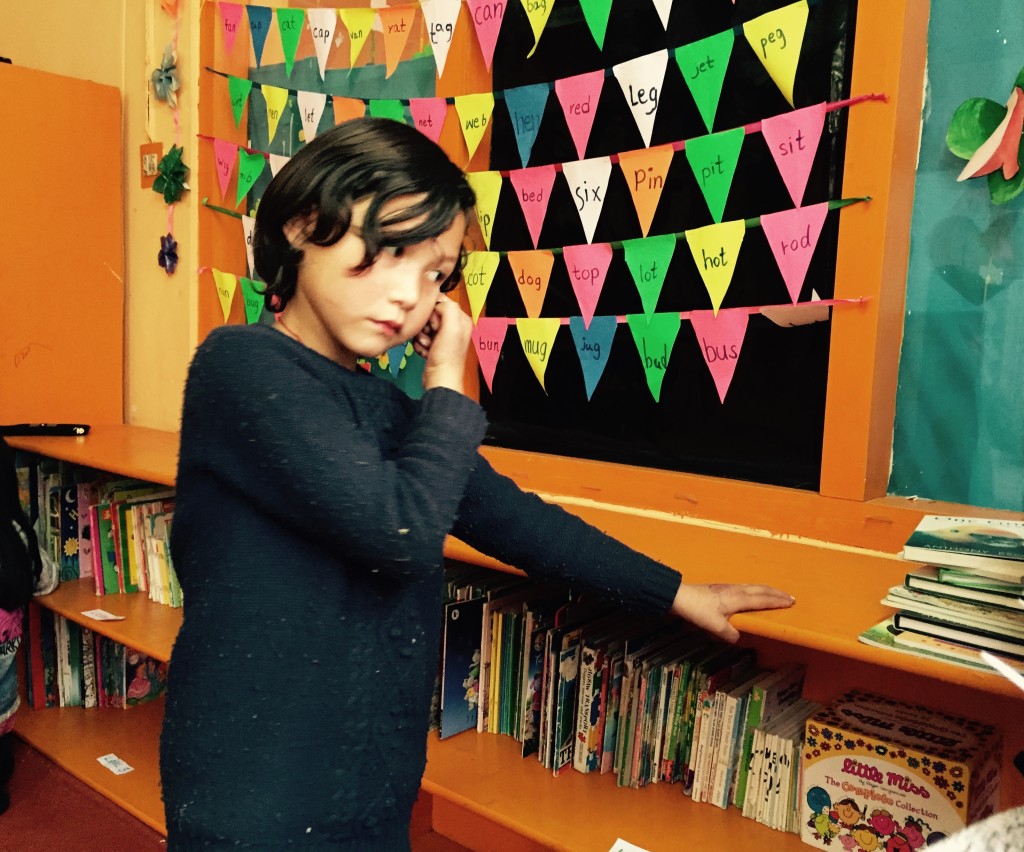
The poem emerged during a creative writing session supported by the Avalokiteśvara Trust. In a reading room filled with donated books, coloured pencils and shared stories, the boy found a way to describe the animal that carried supplies, crossed rough paths and stood quietly through snow. His poem became a small record of home.
For children and young monks, access to books can create space for this kind of expression. A story about a yak may begin with a familiar sight, then grow into a reflection on family, responsibility, landscape and change. That is the quiet power of literacy projects in Ladakh and neighbouring Himalayan communities.
A morning shaped by mountains and monastery life
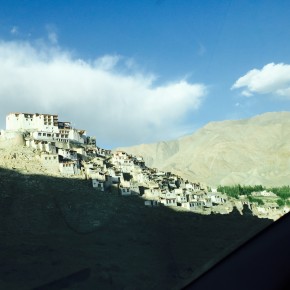
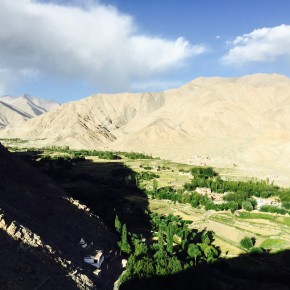
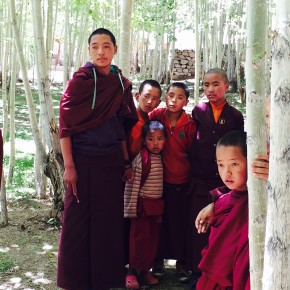
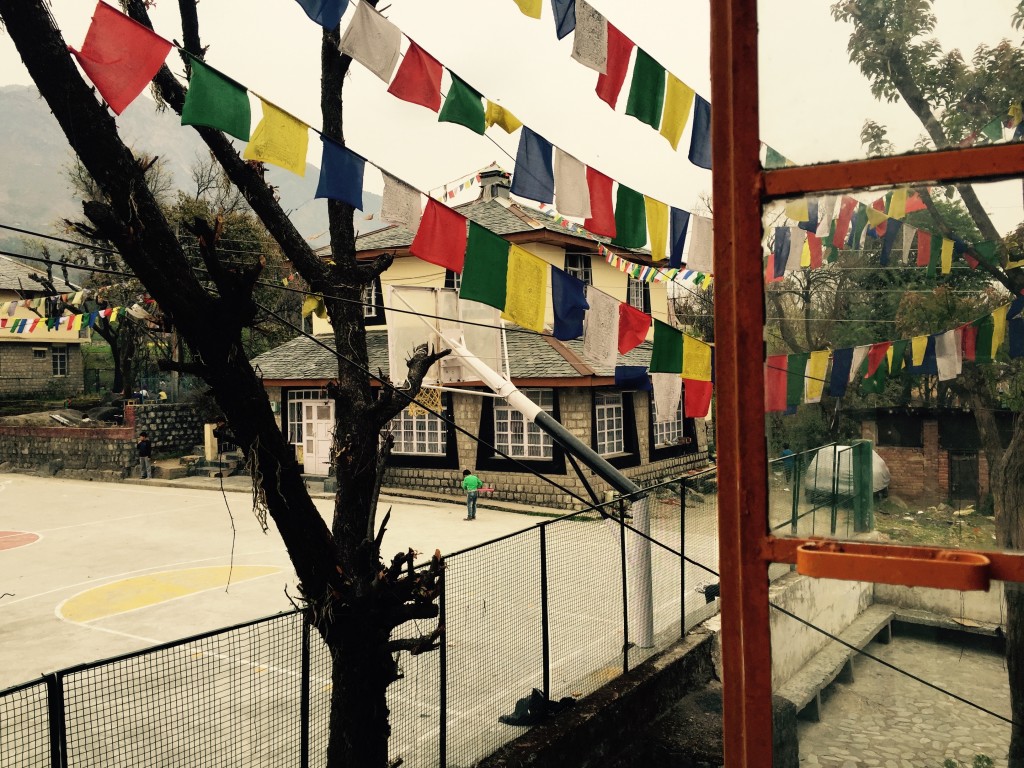
The boy, whom we can call Tenzin, lived and studied near a monastery in a high-altitude settlement. His day followed a steady rhythm: lessons, prayers, chores, meals and time with other young monks. Beyond the monastery buildings, the landscape stretched into bare slopes, narrow fields and paths used by people and pack animals.
The yak belonged to this world as naturally as the prayer flags and stone walls. In Himalayan communities, yaks provide milk, butter, wool and transport. They are adapted to cold, thin air and difficult ground, making them far more than picturesque animals in a travel photograph. To a child growing up among them, a yak may be part of the household economy and a familiar presence on the journey between villages.
During one activity, the children were invited to choose something from their surroundings and describe it in their own words. Tenzin selected the yak because he understood its habits. He knew the sound of its hooves, the movement of its long hair in the wind and the patience required to lead it along a steep trail.
How an animal became a poem
At first, Tenzin’s writing was a list of observations. The yak had dark eyes. It walked slowly. It ate grass and carried heavy loads. A volunteer helped him read the lines aloud, listen for repeated sounds and decide which details felt most important. The exercise was not about correcting every sentence. It was about helping him recognise that his own knowledge was worth recording.
As the poem developed, the yak became a quiet companion. Tenzin compared its breath to clouds and its back to a moving hill. He wrote about following it through cold mornings and about the way it seemed to understand the path without being told. The language remained simple, yet the images gave the poem warmth and movement.
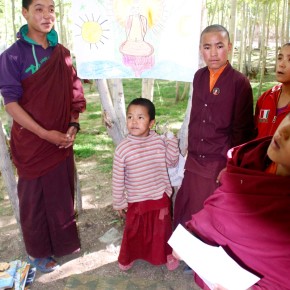
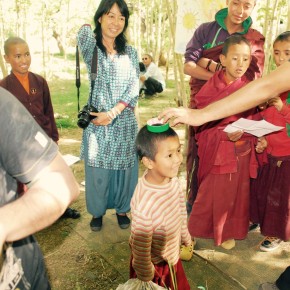
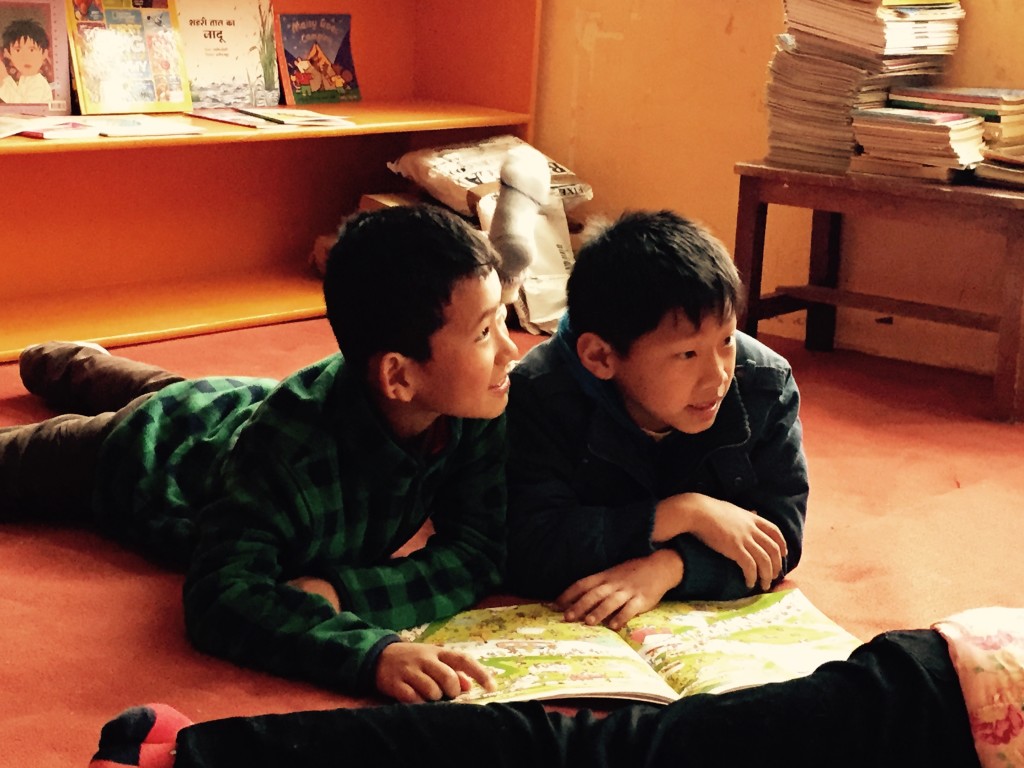
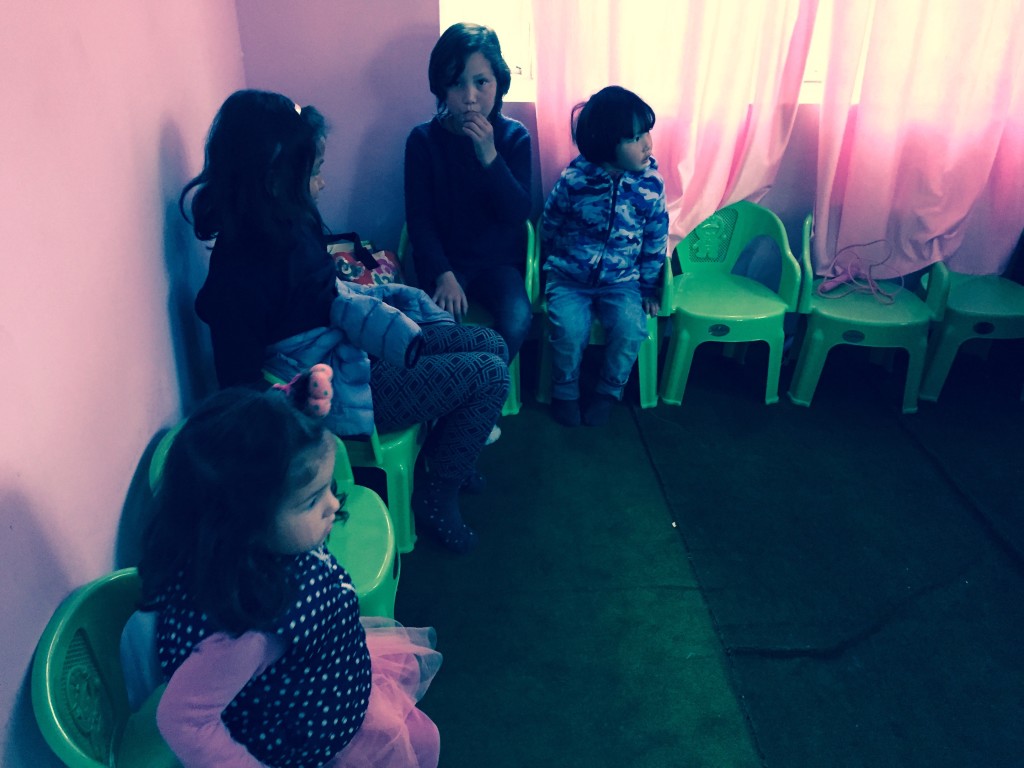
The finished piece was shared with other students in the reading room. Some children laughed at the animal’s stubbornness; others added memories of their own. A short poem had opened a wider conversation about work, care and the landscape around them. Creative writing gave the young monk a way to speak about a familiar part of life with attention and pride.
Details that gave the poem its character
- The yak’s thick coat against the sharp Himalayan cold
- A steady walk along a narrow mountain trail
- The sound of bells, hooves or breathing in the morning air
- The bond between children, animals and village families
Why creative literacy matters for young monks
Reading and writing activities offer young monks more than academic practice. They support observation, confidence and the ability to communicate across different settings. A child who learns to shape a poem can also learn to explain an idea, record a memory or contribute to a group discussion.
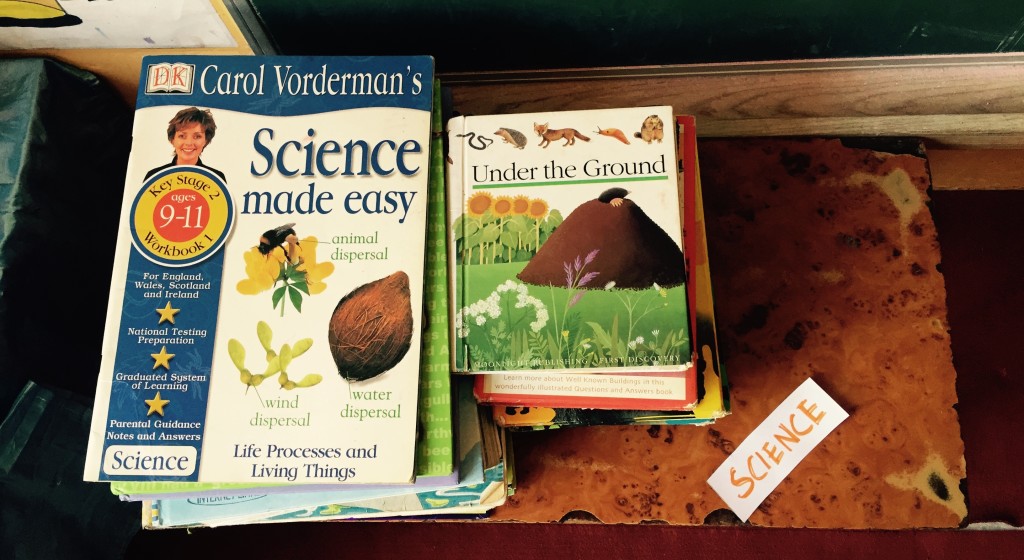
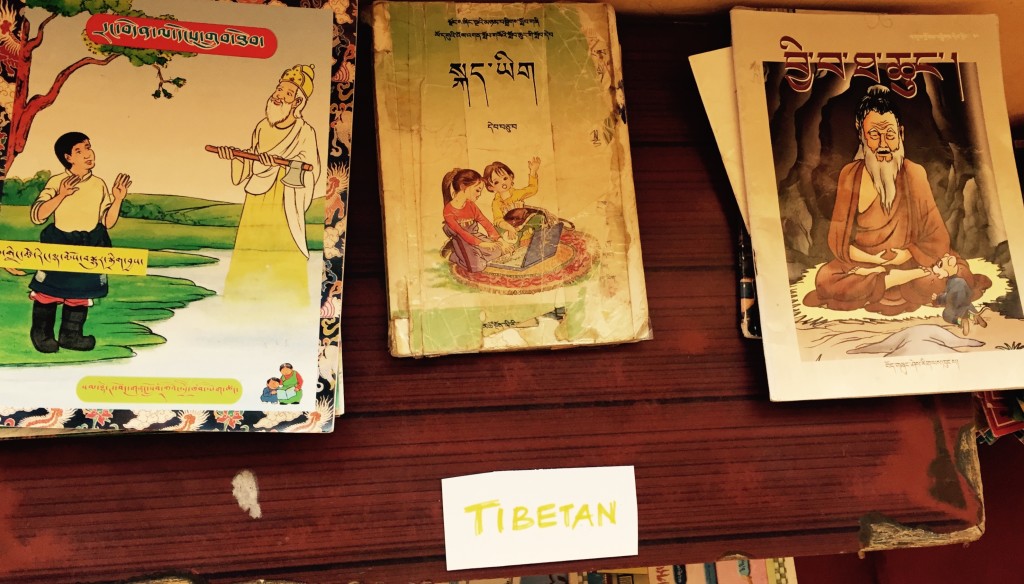
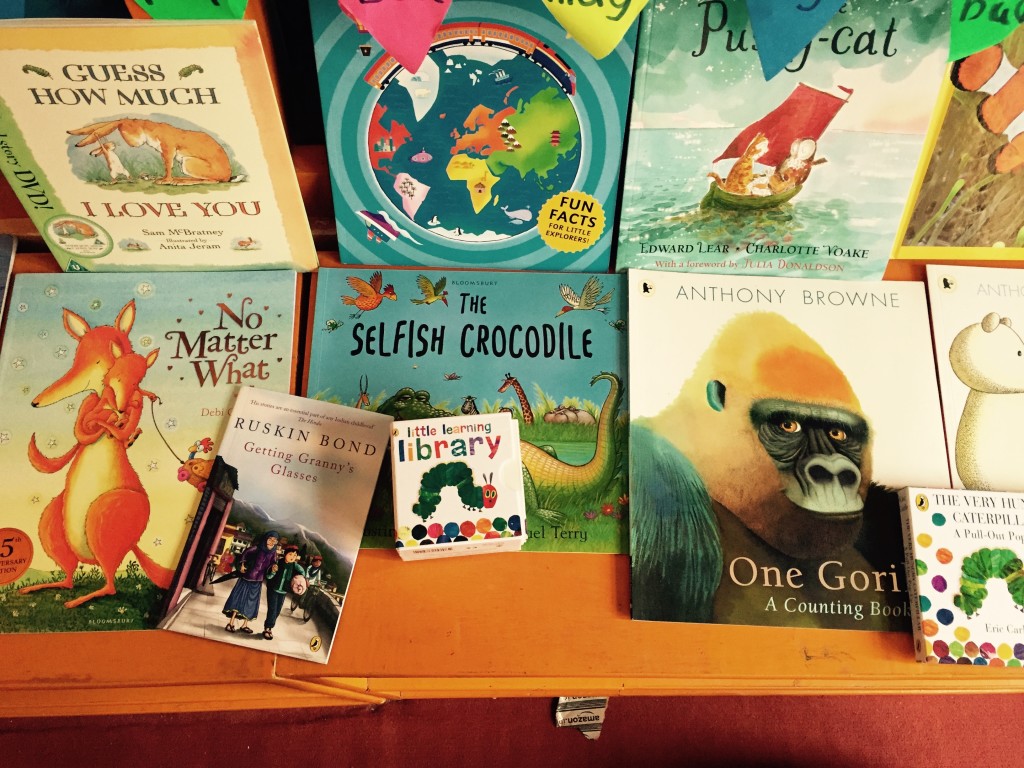
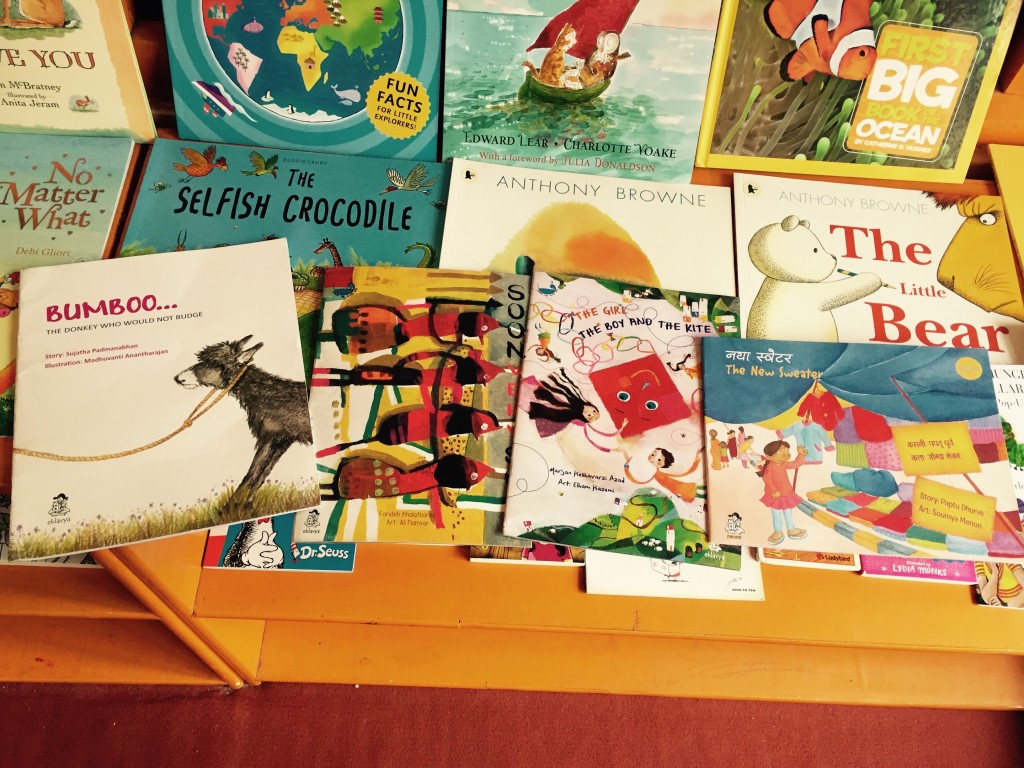
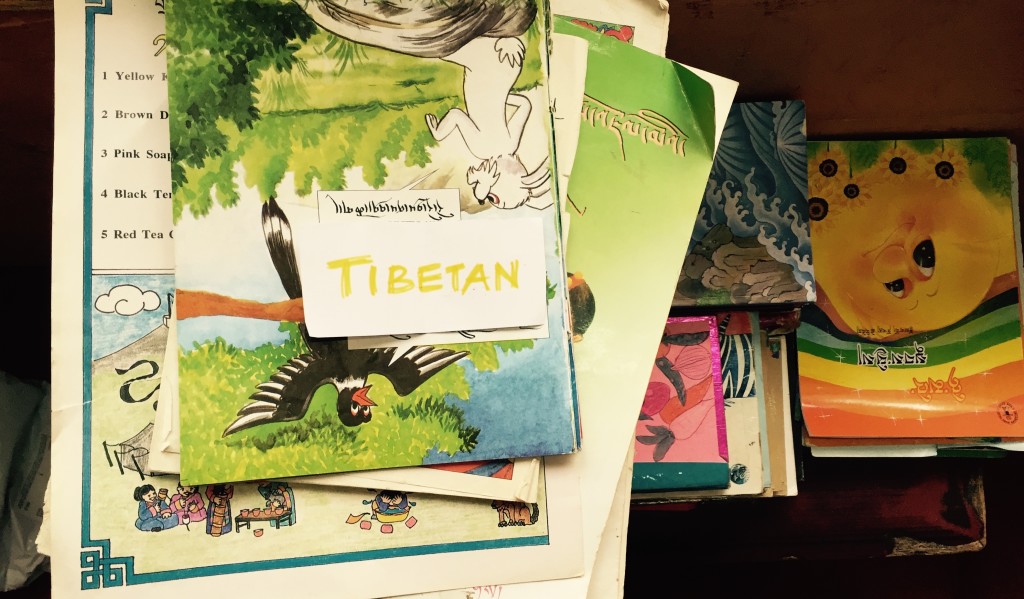
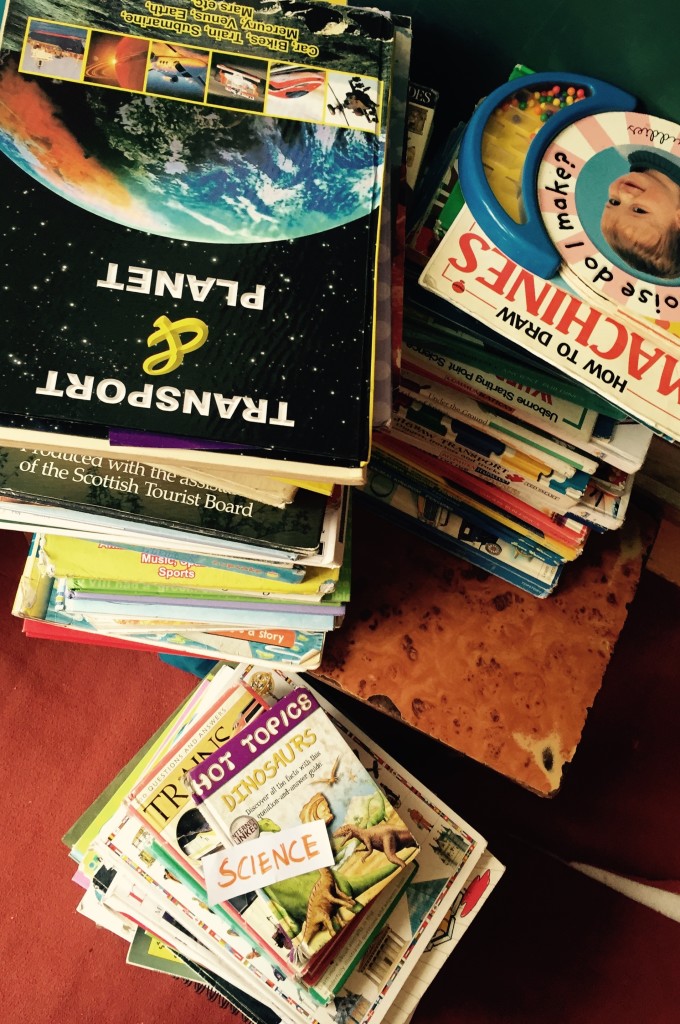
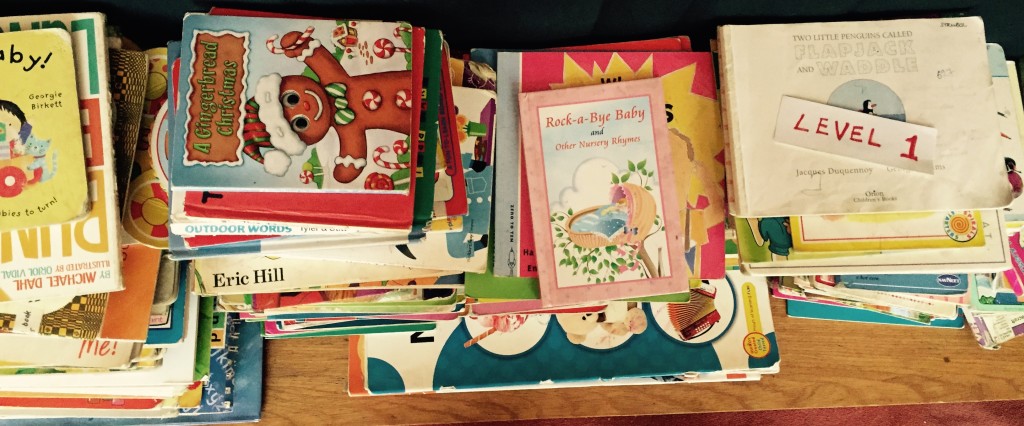
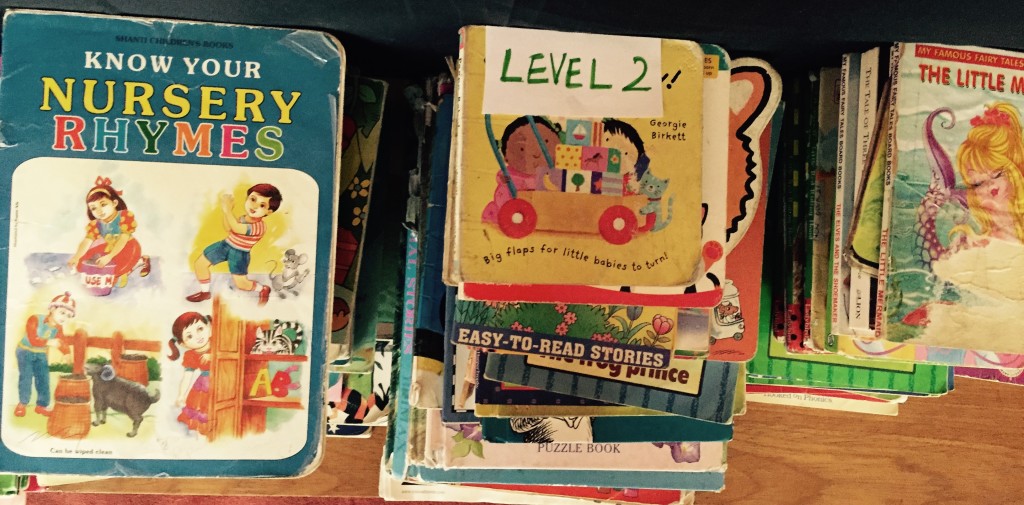
For children in remote Himalayan communities, a well-stocked reading room can be especially valuable. Books may be limited at home, while travel between settlements can be difficult. A small collection of stories, dictionaries, picture books and reference works gives students opportunities to explore subjects beyond their daily lessons.
The work also respects local knowledge. A poem about a yak does not treat rural life as something old-fashioned or unimportant. It places that life at the centre of learning. The child’s experience becomes the starting point for language, imagination and artistic expression.
Projects of this kind can include reading aloud, drawing, music, theatre and handmade books. Each activity gives children another way to connect ideas with memory. For a young monk, writing about an animal may sit alongside learning traditional texts, studying languages and developing the confidence to share an original thought.
From a Ladakhi reading room to Australian bookshelves
Supporters in Australia may be thousands of kilometres away, yet familiar community habits can help explain the value of this work. Public libraries in Melbourne, Sydney, Brisbane and regional towns often provide quiet spaces where children read, draw and attend holiday programs. In Ladakh, a community reading room can serve a similar purpose, even when the setting, climate and available resources are very different.
Australian families are used to school book fairs, library borrowing and book donations. A child in Adelaide choosing a new picture book or a student in Perth joining a writing workshop may take these opportunities for granted. For a child in a Himalayan monastery, a donated book can be a rare invitation into another place, language or way of thinking.
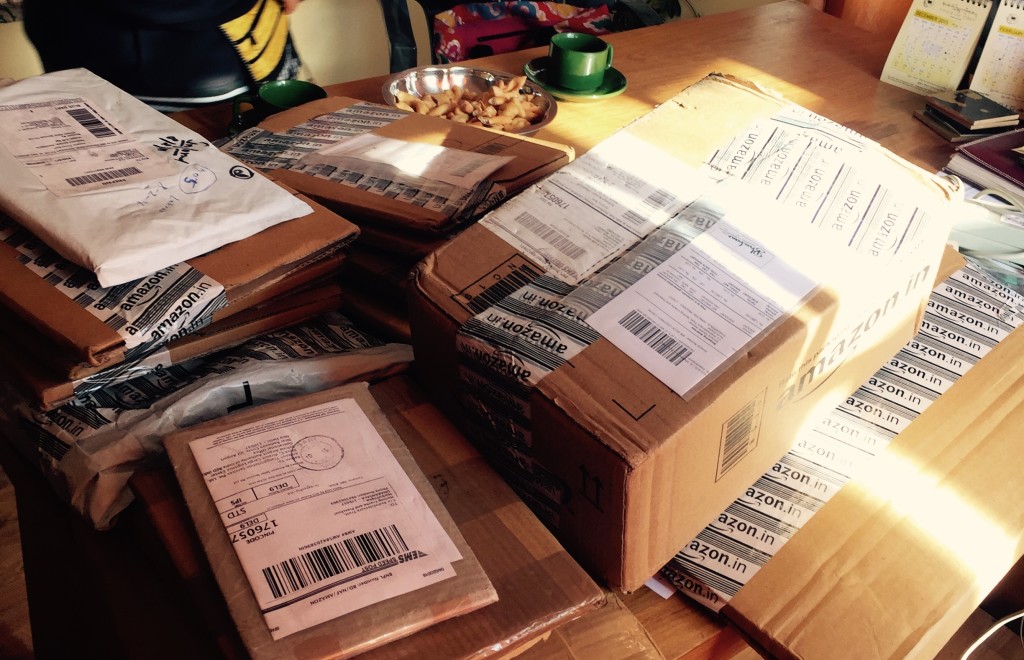
The local market also shows how modest purchases can support learning. A book bought during the Melbourne Writers Festival, a second-hand title from a Sydney bookshop or a children’s story purchased in Australian dollars can become part of a shared collection overseas. Organisations must still consider postage, customs, local languages and the practical cost of transporting materials, so suitable, durable books are often more useful than large quantities of unsuitable ones.
Books and activities with lasting value
- Illustrated stories that can be enjoyed by readers at different levels
- Dual-language or language-learning books
- Poetry, folktales and books about animals or the natural world
- Drawing materials, notebooks and simple musical instruments
- Durable reference books chosen with local teachers and volunteers
What the yak teaches about place and responsibility
The poem’s central animal carries several meanings at once. It represents endurance in a demanding environment, but it also points to dependence: people rely on animals, land and community cooperation. By writing about the yak with affection, Tenzin was describing a relationship rather than producing a detached nature study.
This perspective matters when stories from Himalayan communities reach audiences abroad. Ladakh should not be reduced to dramatic mountains, remote monasteries or colourful festivals. Children who live there have ordinary interests and complex hopes. They enjoy humour, friendship, music, sport, art and stories, while also living within particular cultural and environmental conditions.
A young monk’s poem can therefore be read at several levels. It is a child’s creative work, a glimpse of local life and a reminder that education grows from close attention. The yak remains a real animal with practical importance, while the poem allows it to become a symbol of memory and belonging.
The story also shows why photographs and written accounts should be shared with care. A child’s voice deserves context and dignity. When a project records his poem, the focus should remain on his creativity and learning rather than presenting him as an exotic curiosity.
A small poem with a wide circle of support
The reading room made Tenzin’s poem possible, but many forms of support stand behind such a moment. Volunteers may organise book drives, sort suitable materials, run creative sessions or help maintain welcoming spaces. Donors may contribute to transport, furniture, stationery, local teaching support and activities that make reading enjoyable.
Different kinds of contributions have different effects. A book can introduce a new story, while a writing session helps a child make something of his own. A shelf creates continuity, and a trained volunteer can encourage a hesitant reader week after week. The strongest programs combine these elements rather than treating literacy as the delivery of books alone.
| Support in Australia |
Possible benefit in a Himalayan community |
| Donating suitable children’s books |
Expands access to stories, poetry and reference material |
| Giving in Australian dollars |
Helps cover local program costs, transport and supplies |
| Joining a book drive |
Builds awareness through schools, libraries and community groups |
| Supporting creative workshops |
Encourages writing, drawing, music and confident expression |
| Sharing project stories responsibly |
Connects supporters with children’s learning and achievements |
Tenzin’s poem did not require expensive equipment or a grand classroom. It began with a familiar animal, a few materials and an adult willing to listen. The reading room gave him the time and setting to turn observation into language, while the wider network of supporters helped make that setting available.
For an Australian reader, the practical lesson is clear: choose quality books, support respectful education programs and remember that a simple notebook can give a child the means to describe an entire world.