Eight Planets, One Book and a Young Monk’s Discovery
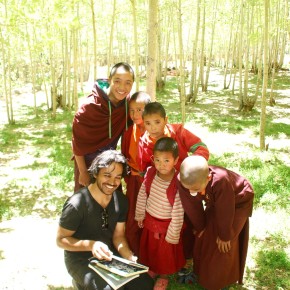
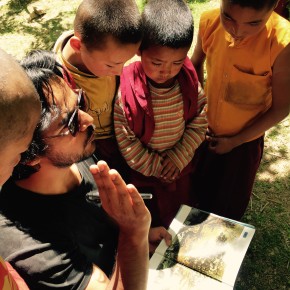
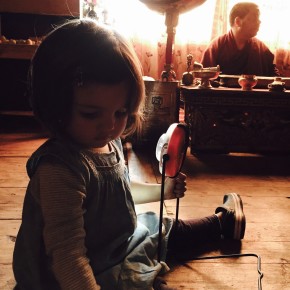
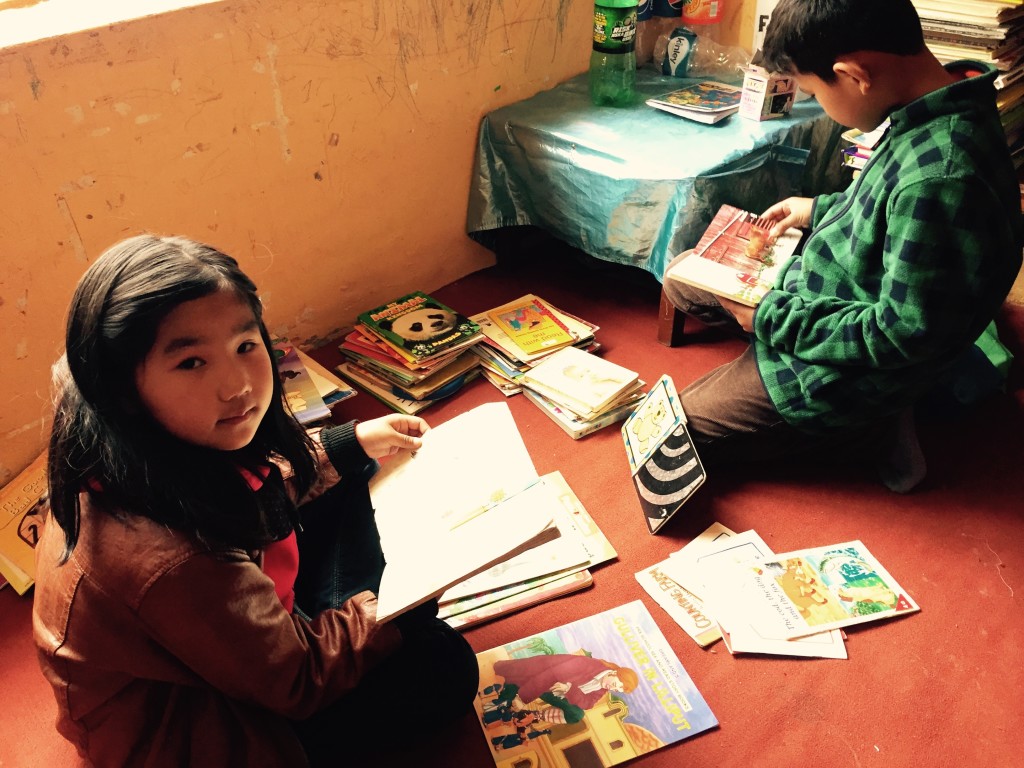
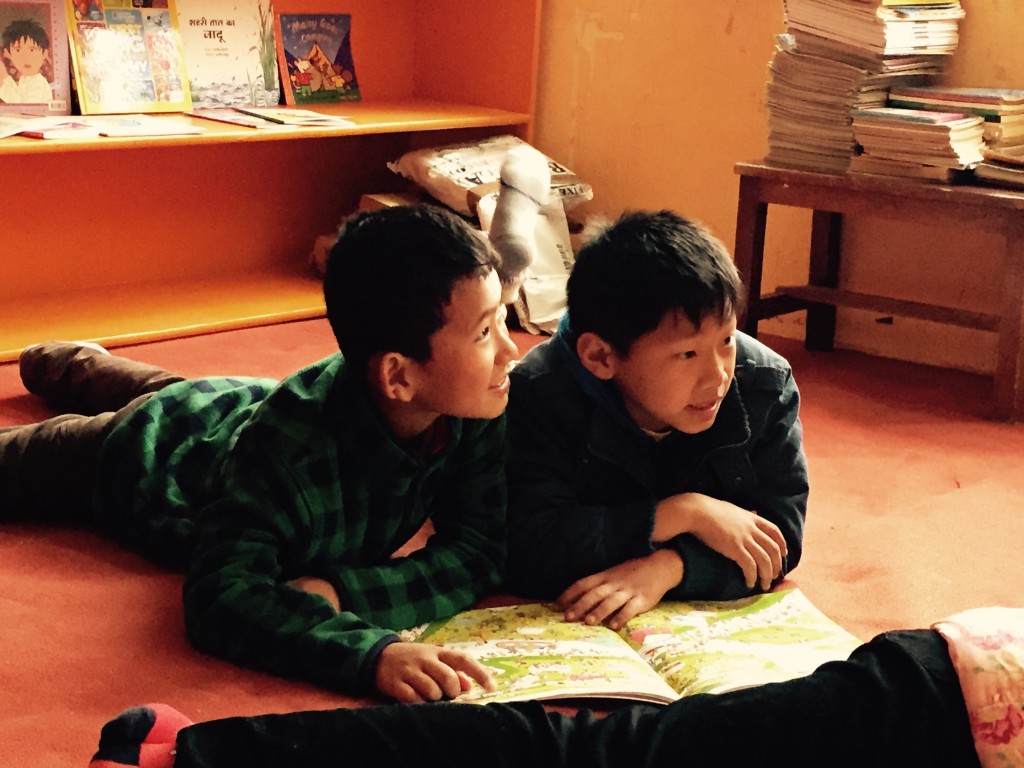
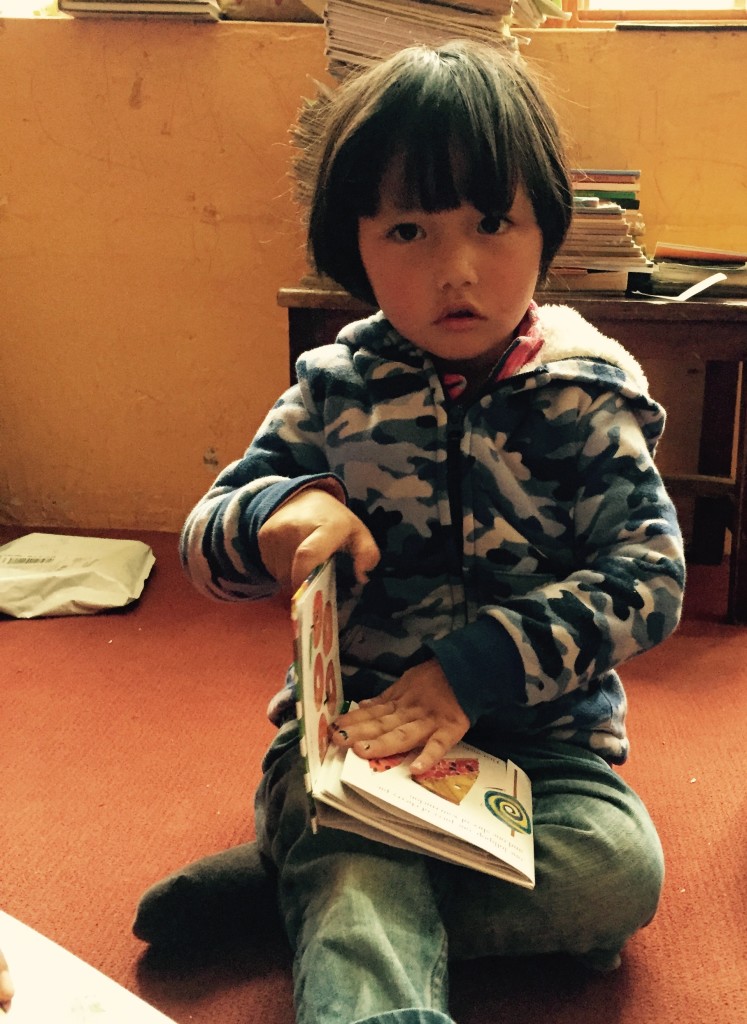
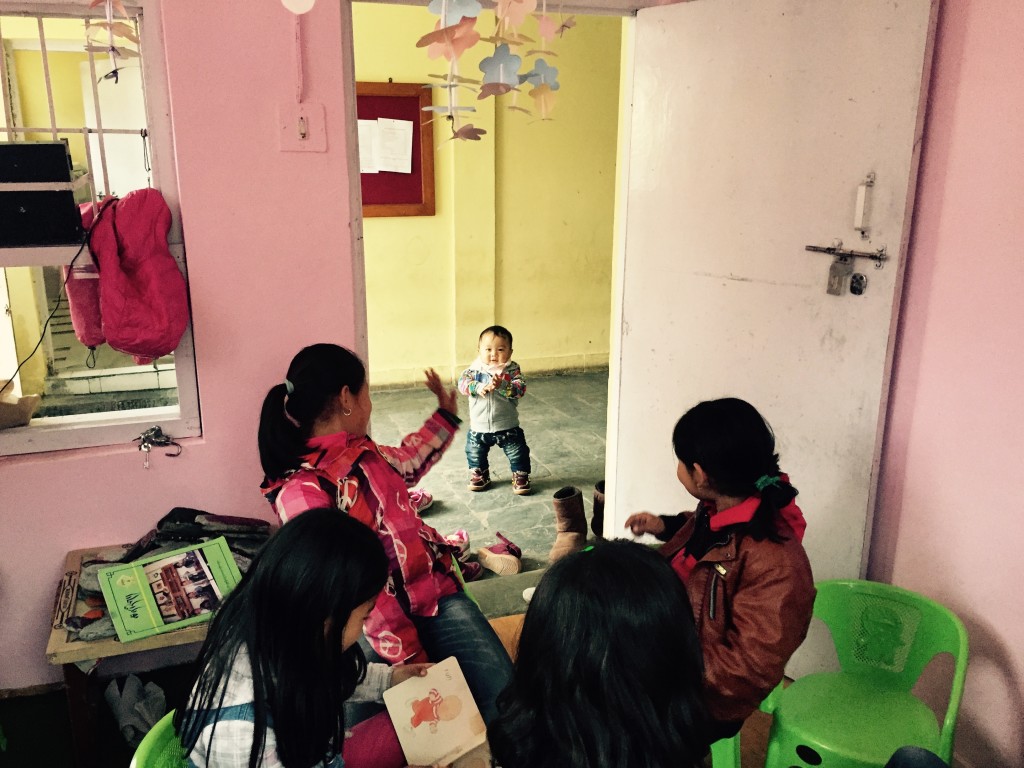
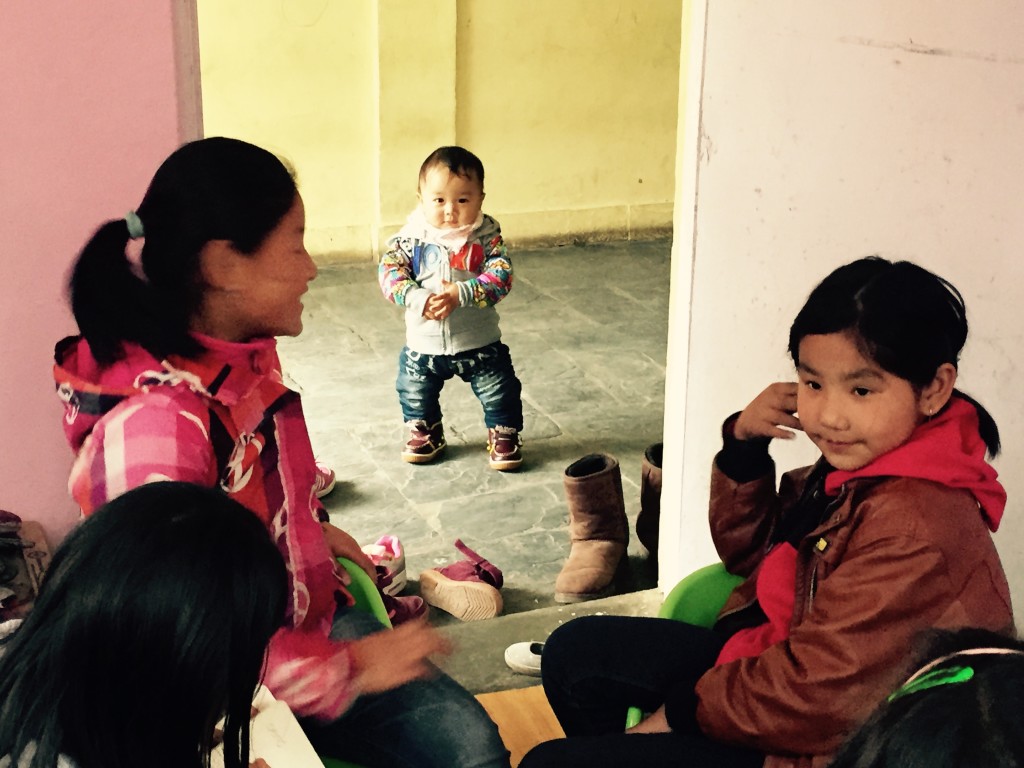
On an ordinary afternoon in a Ladakhi reading room, a young monk opened a small, well-used astronomy book. He began with Mercury, passed through Earth, and continued until all eight planets were in order. Within days, he could recite their names without the book in his hands. The book had become a portable sky.
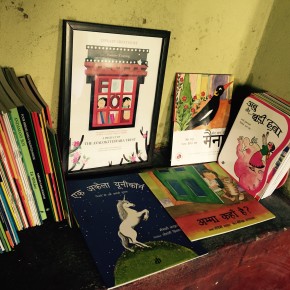
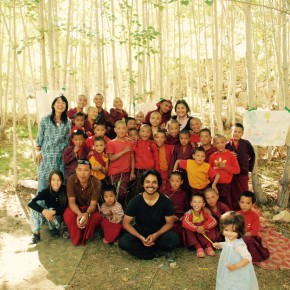
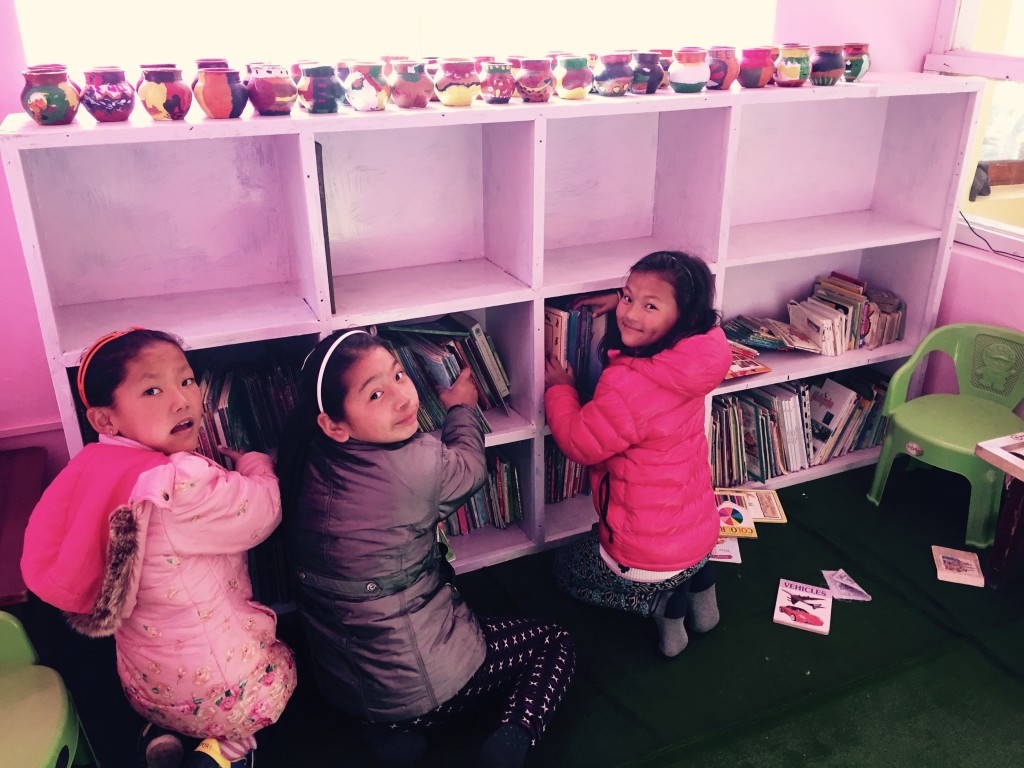
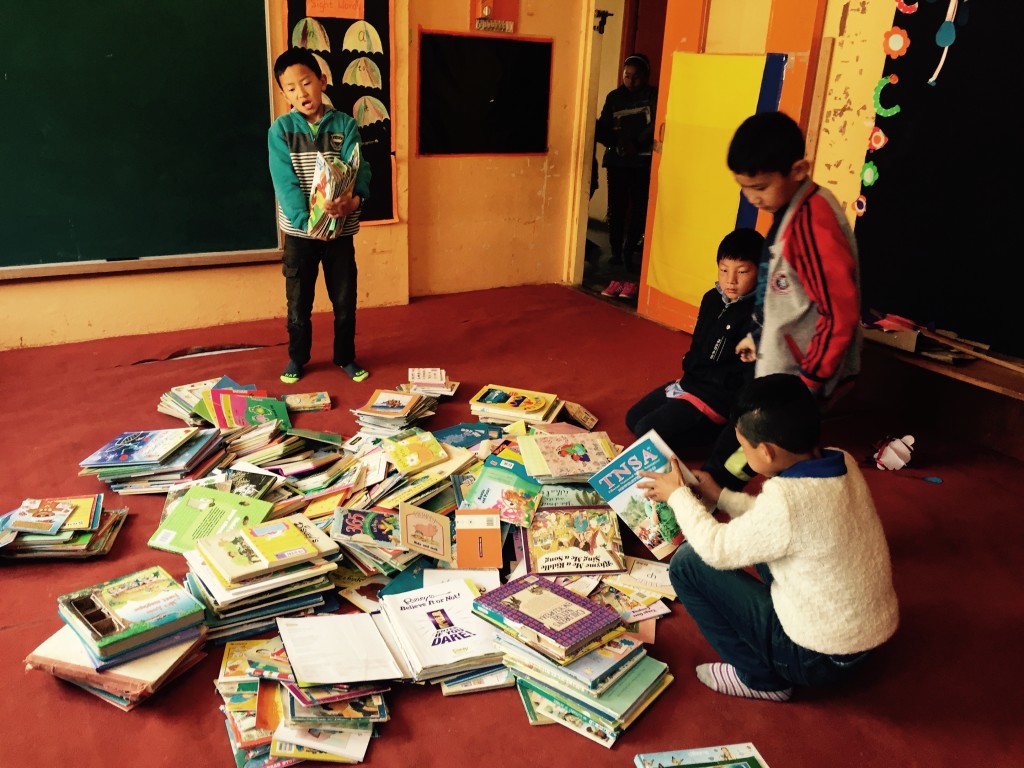
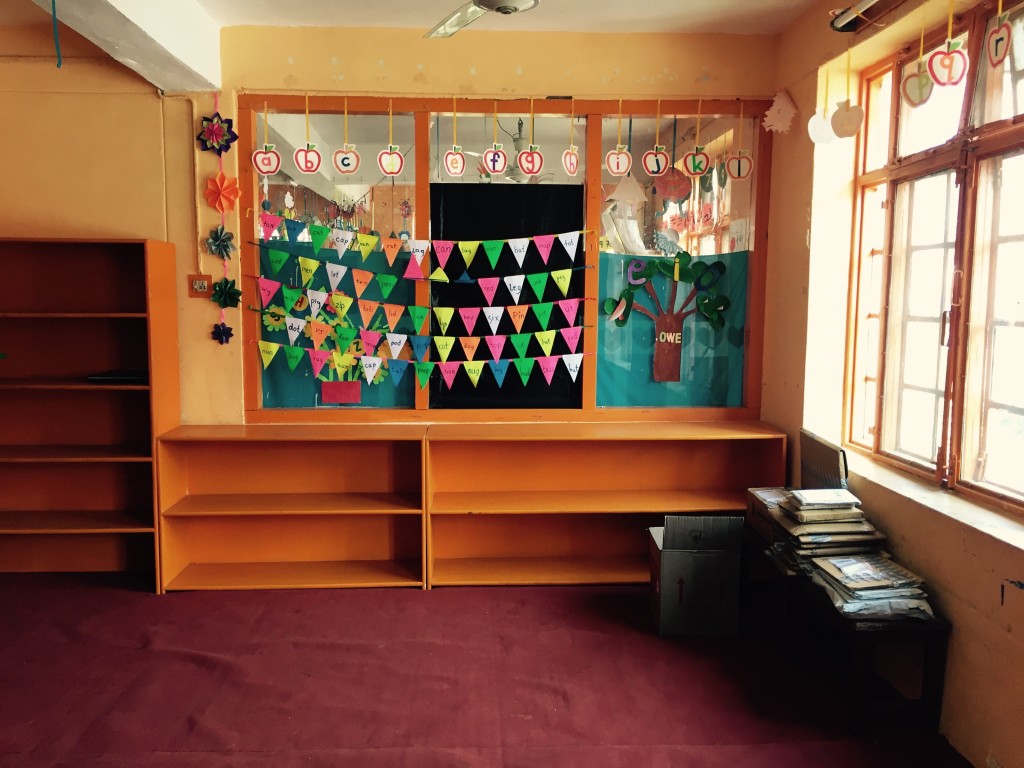
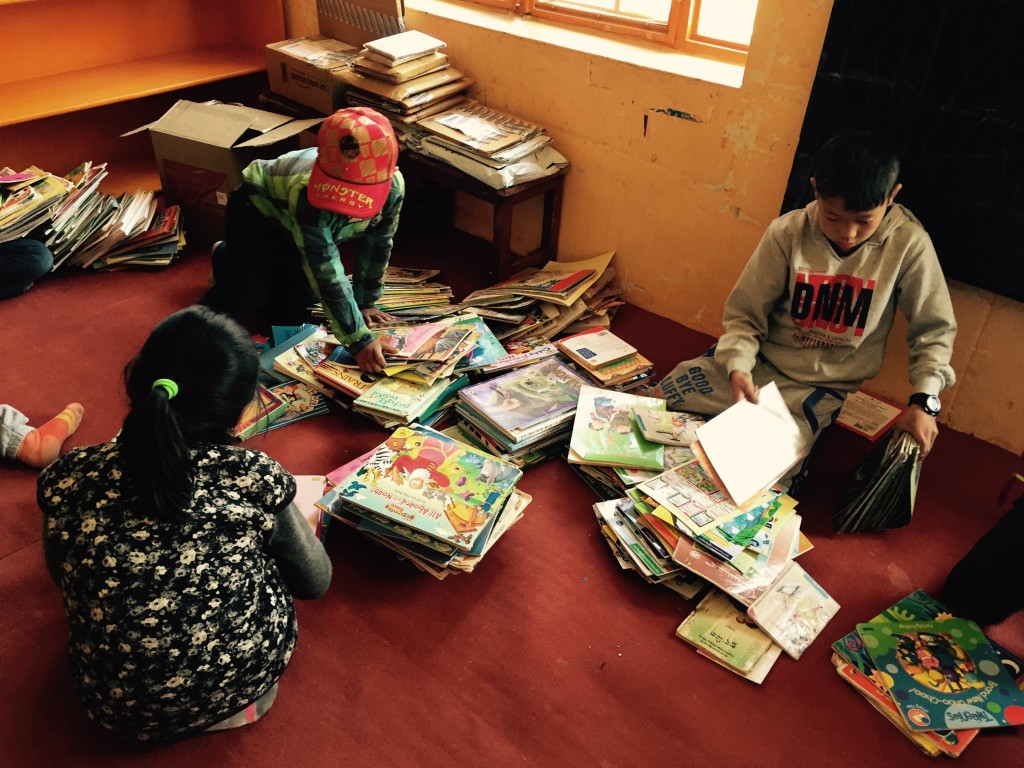
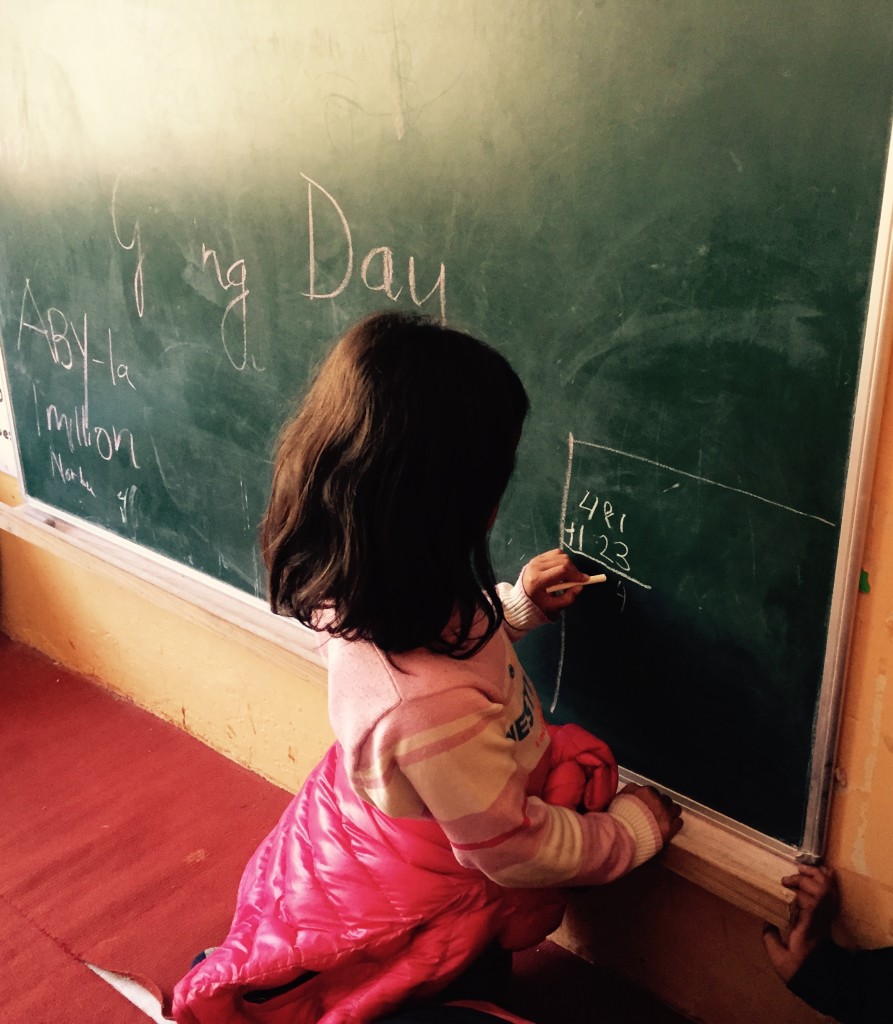
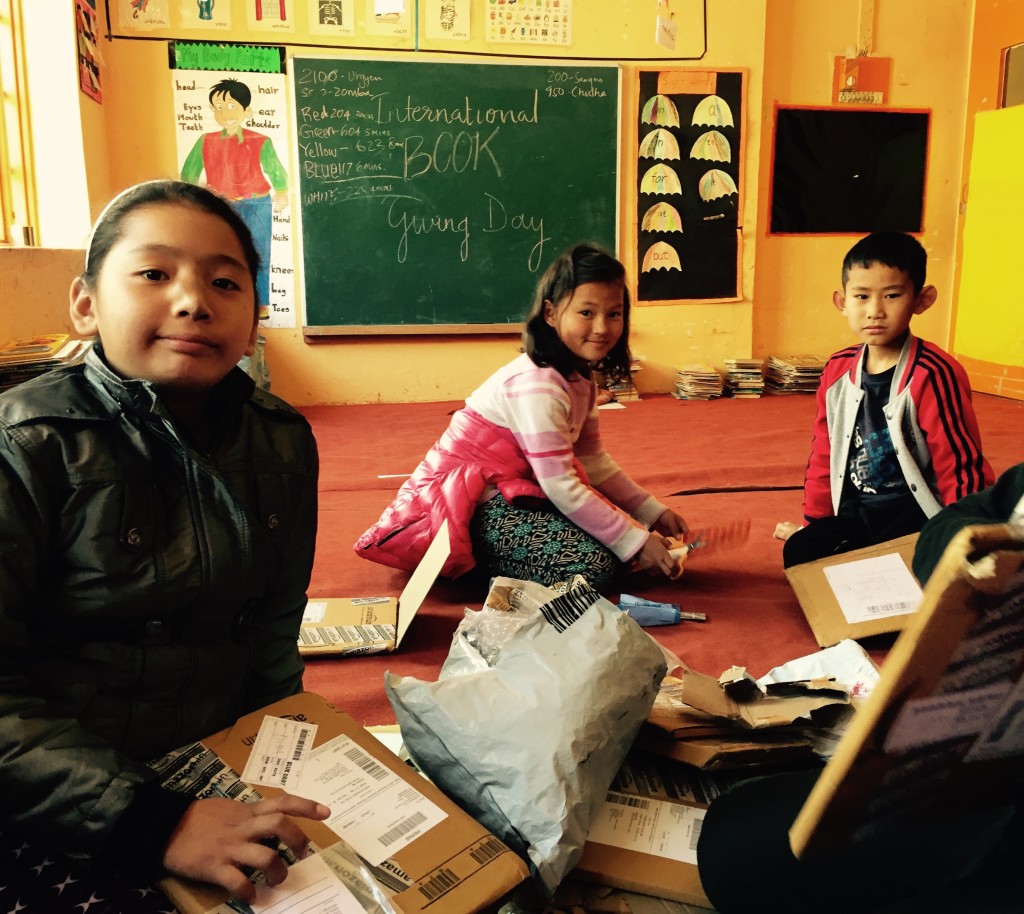
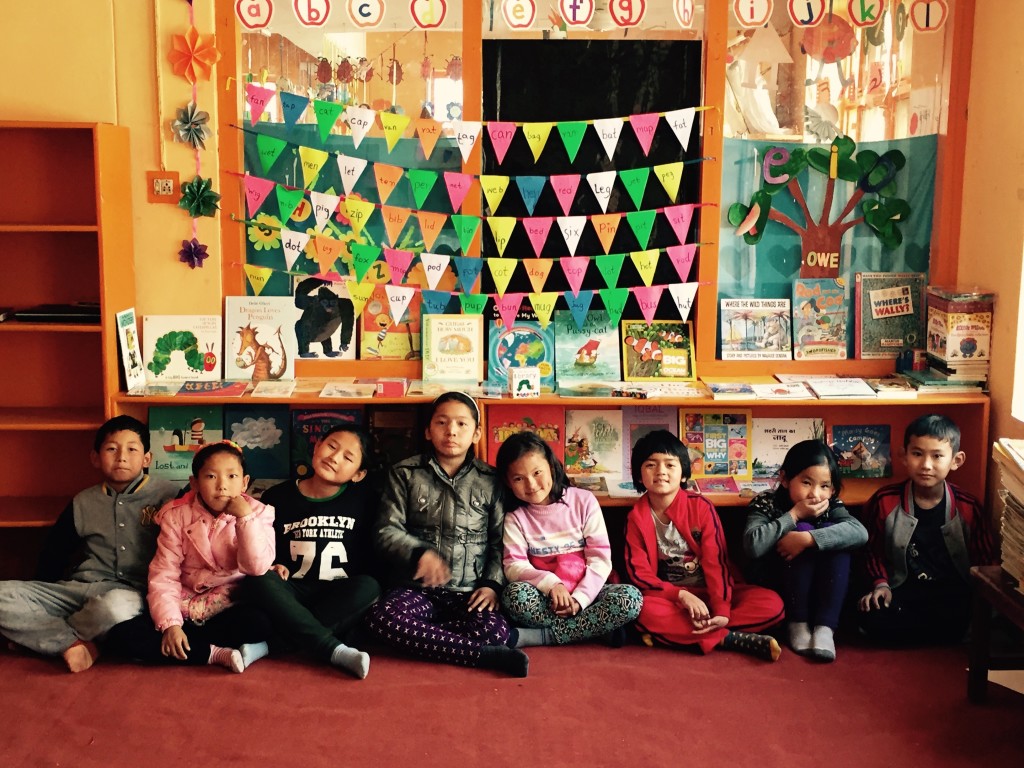
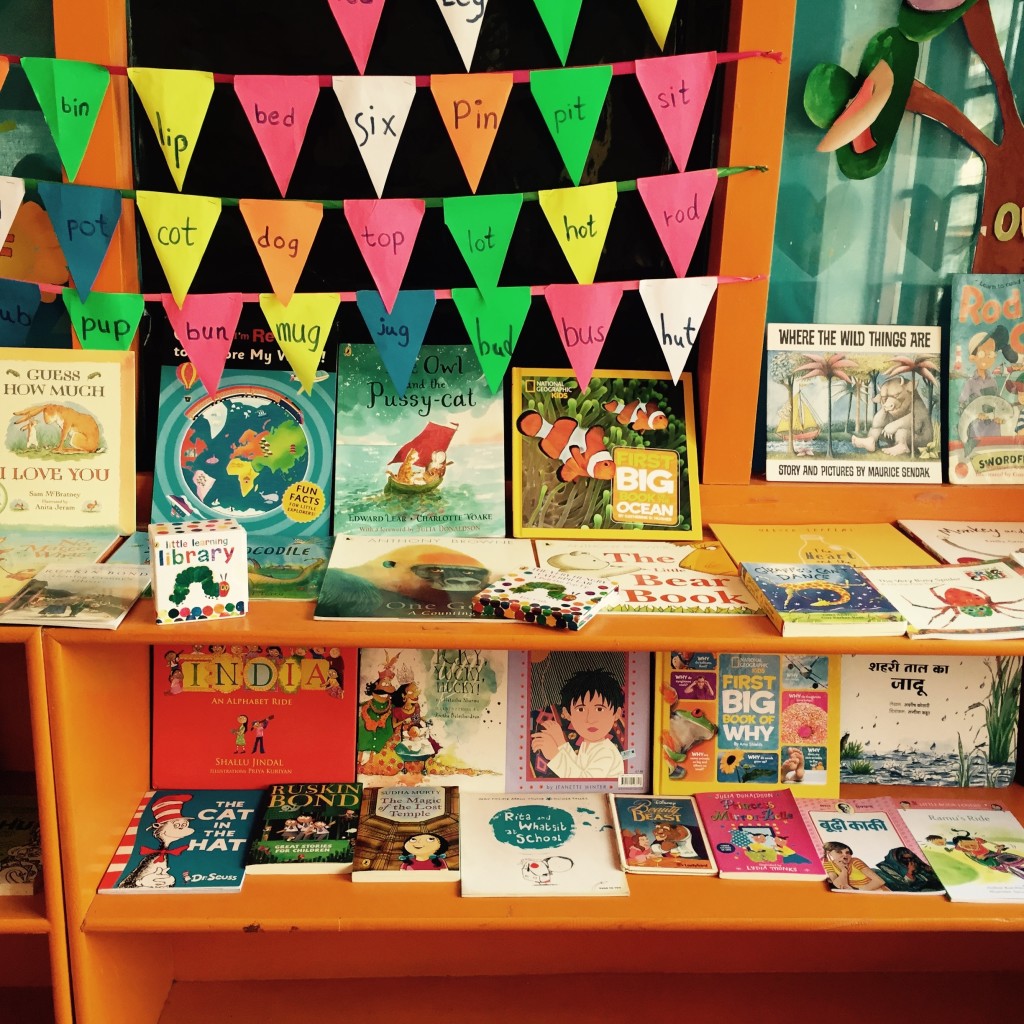
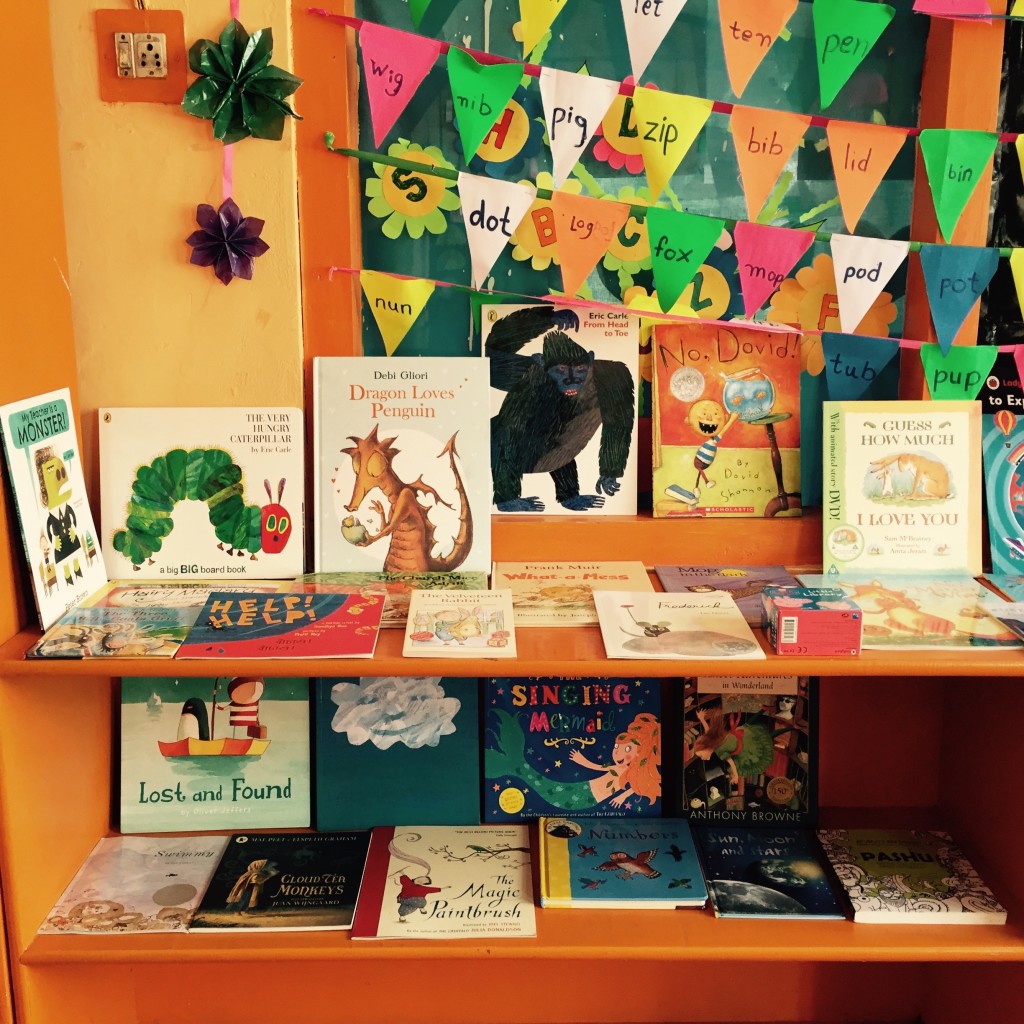
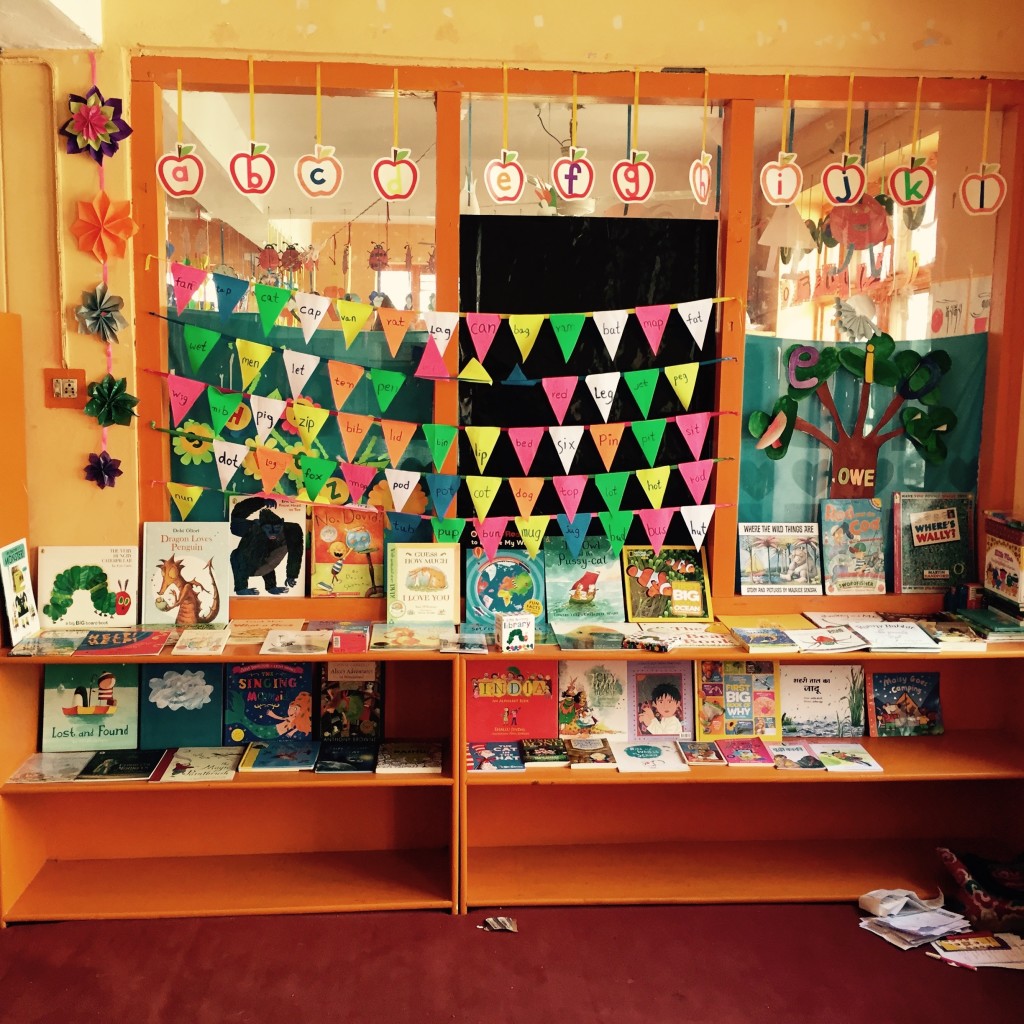
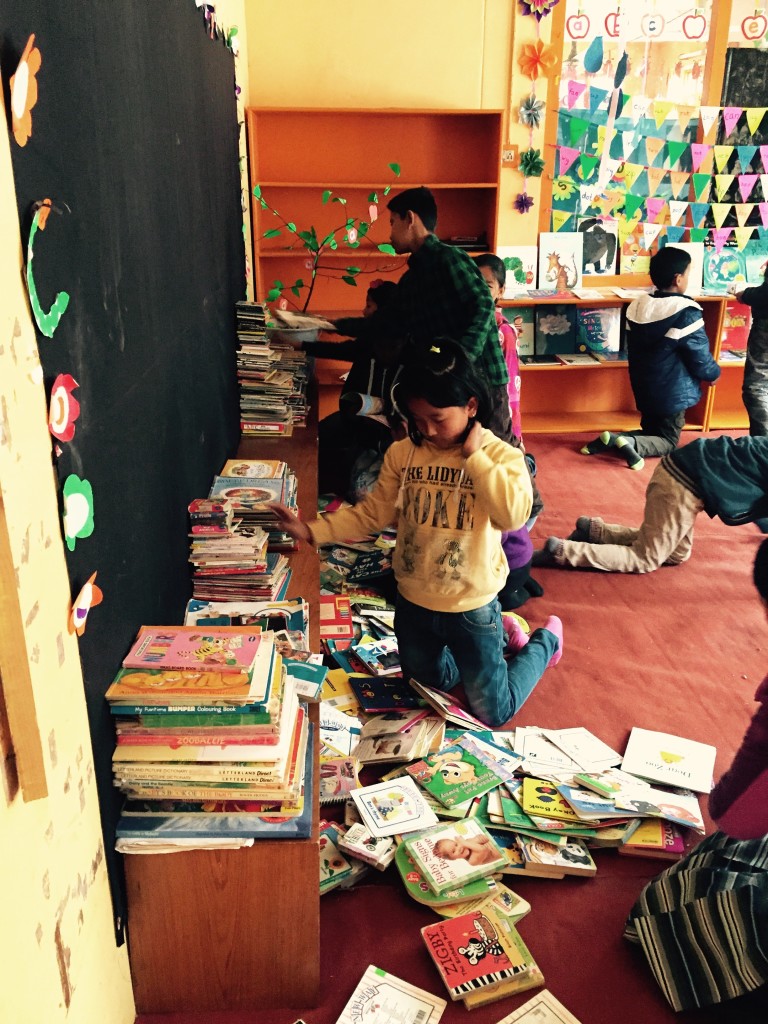
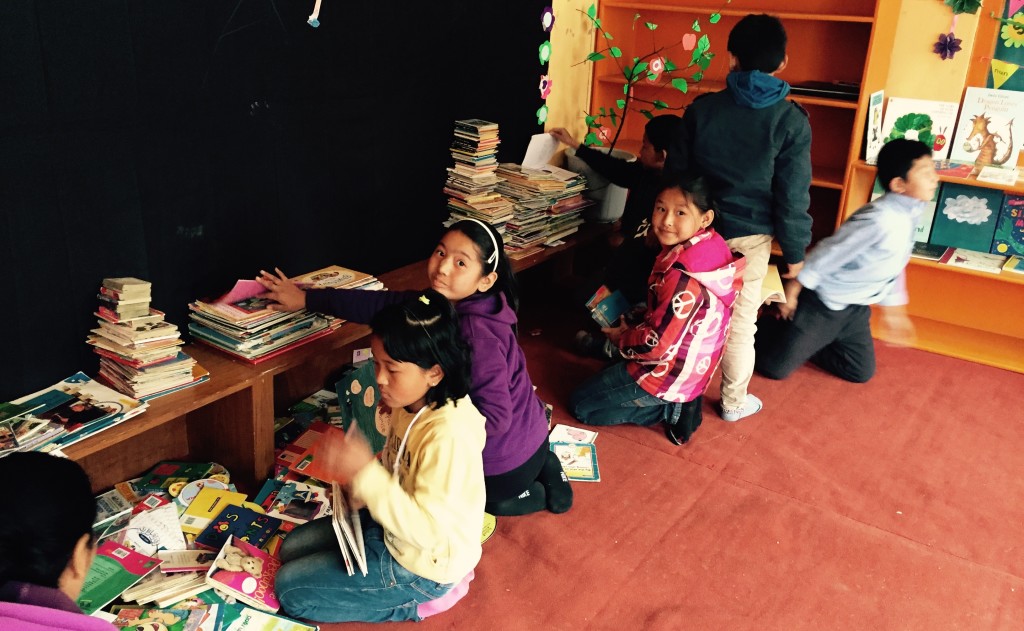
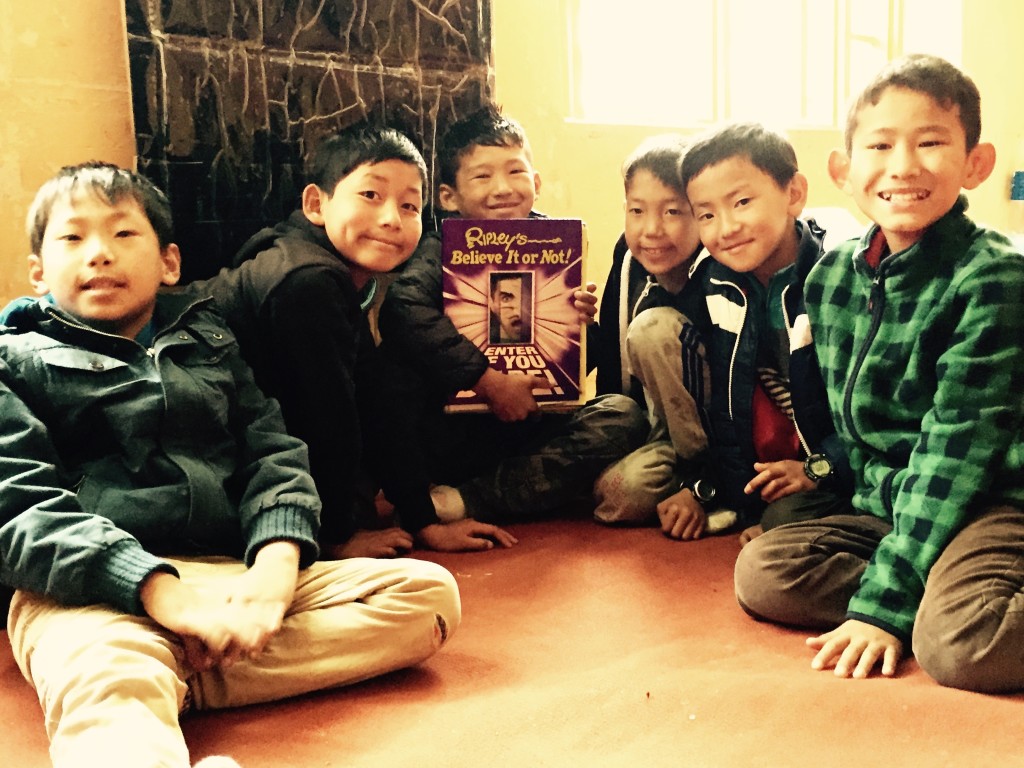
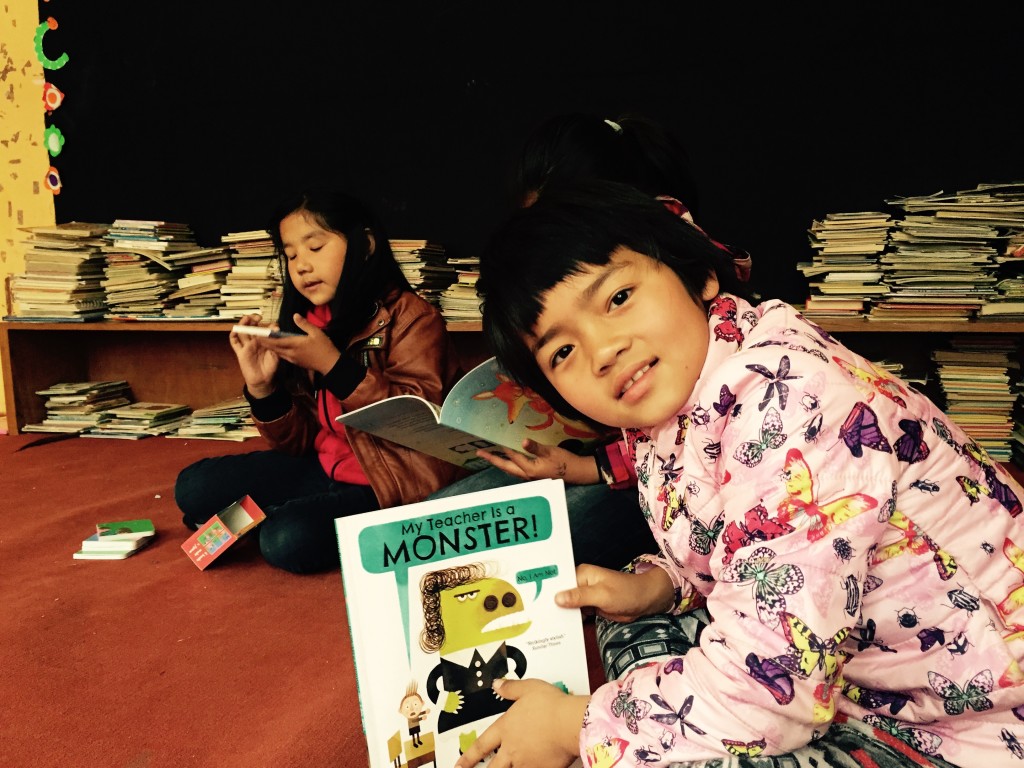
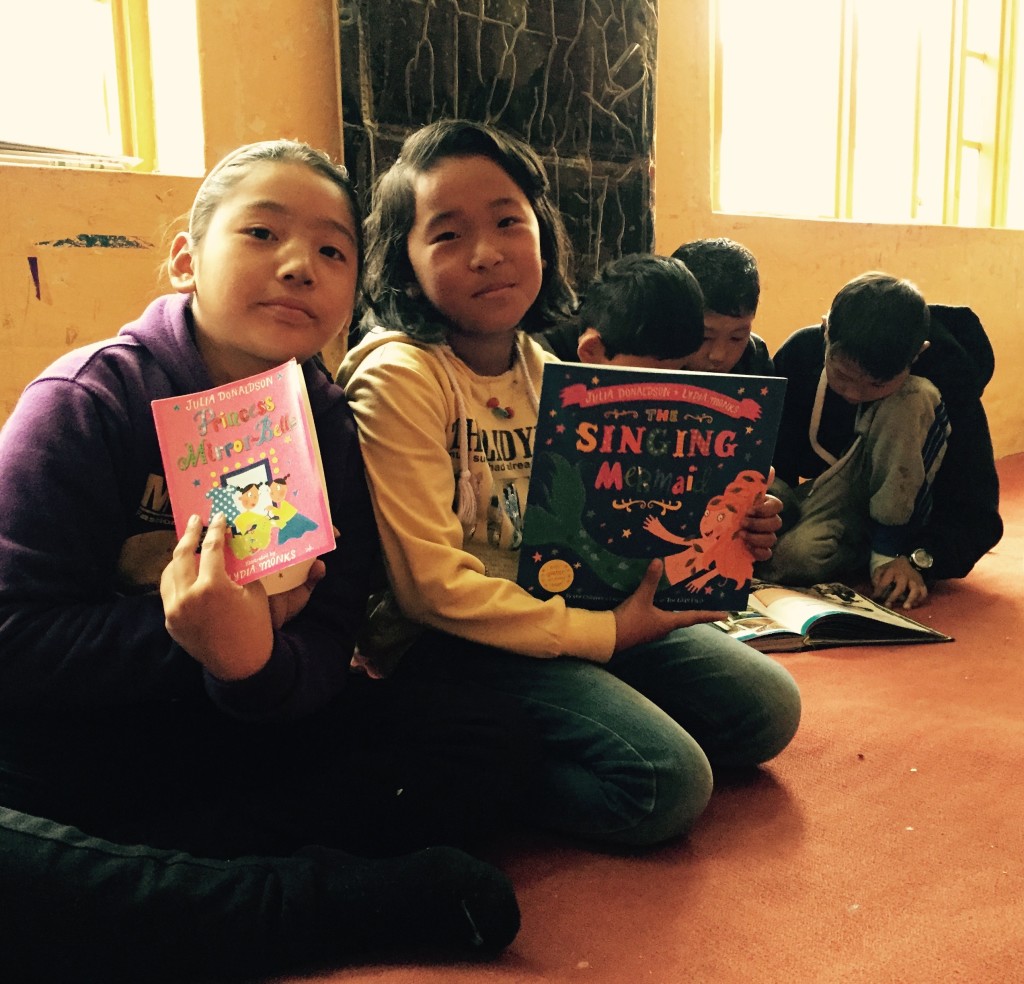
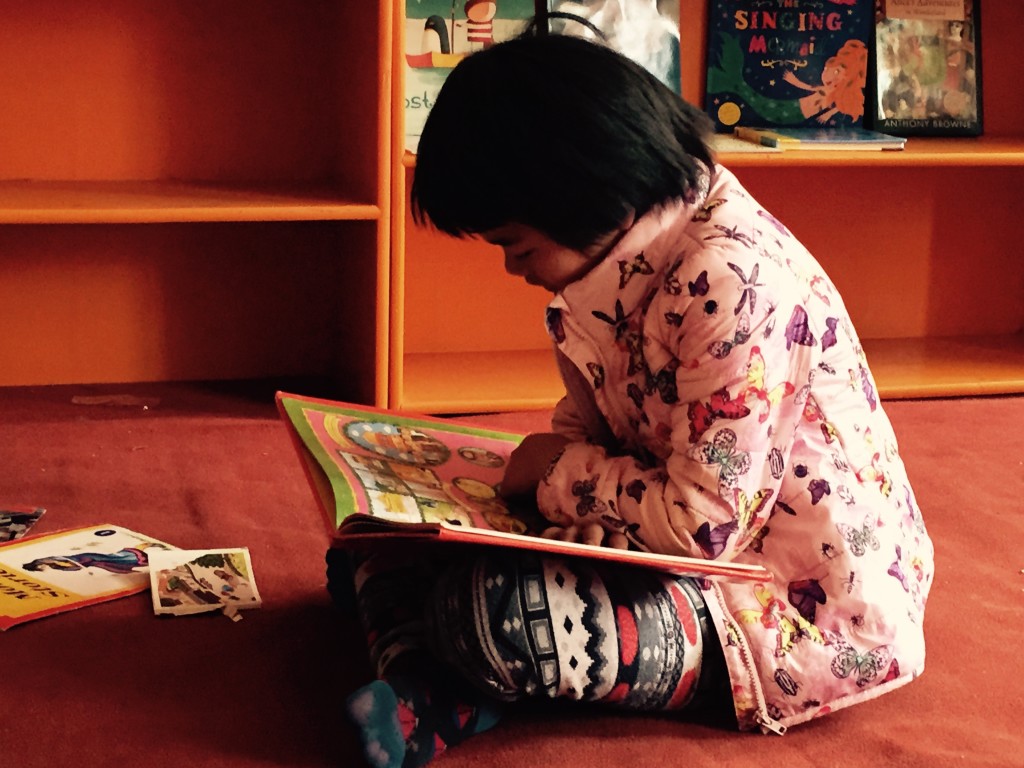
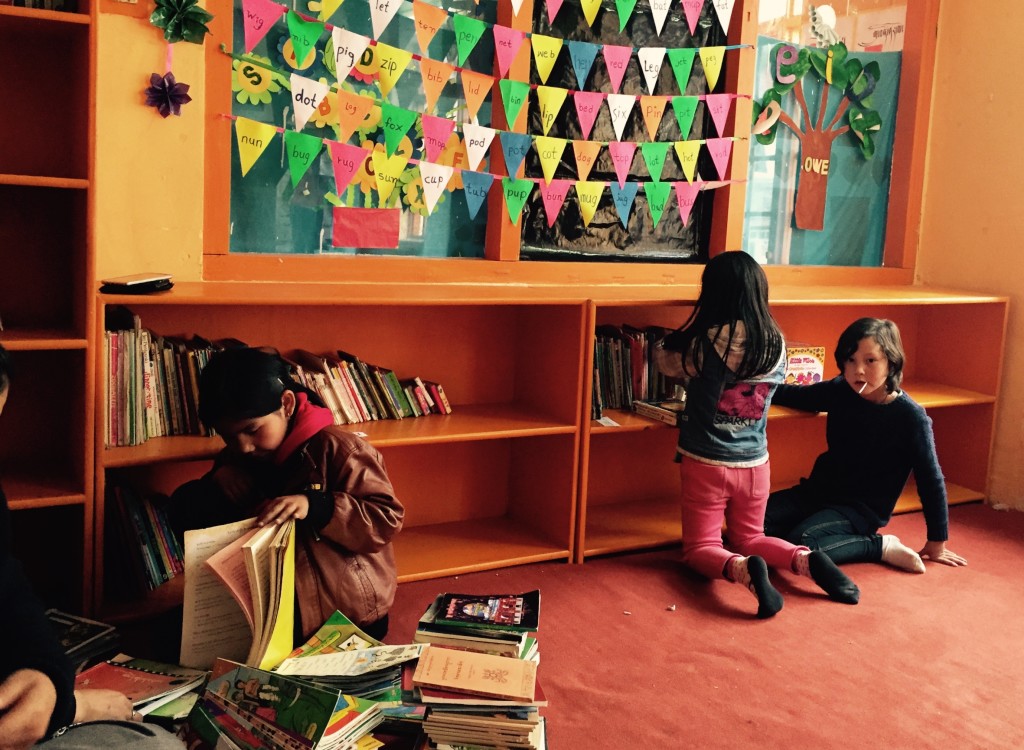
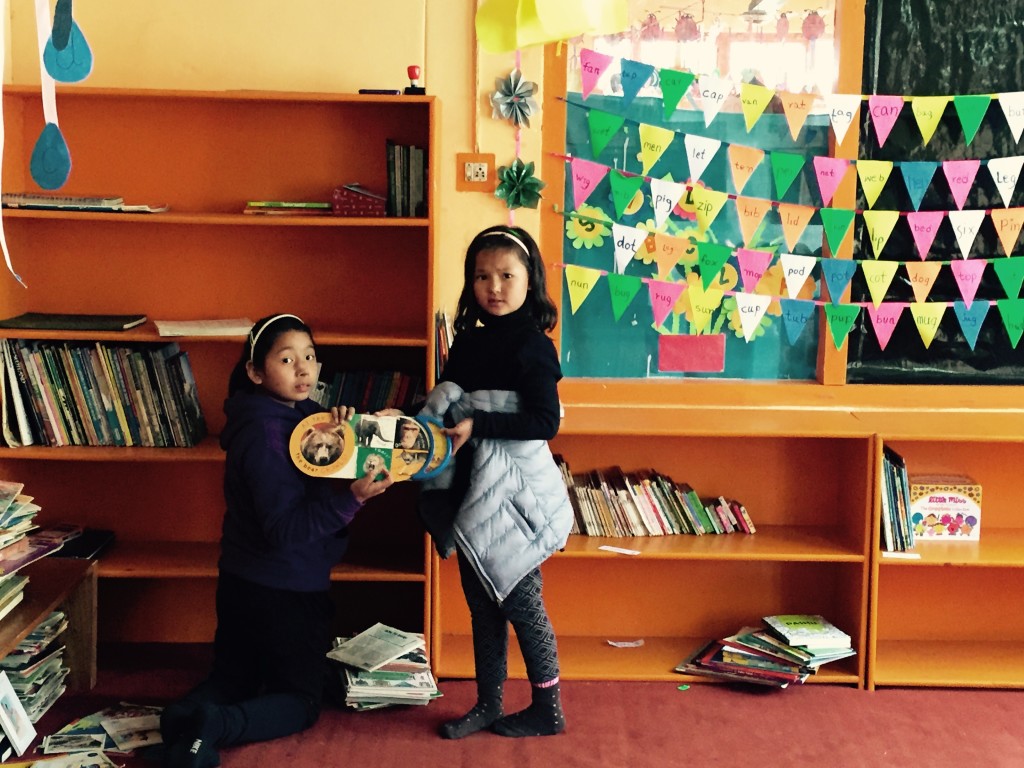
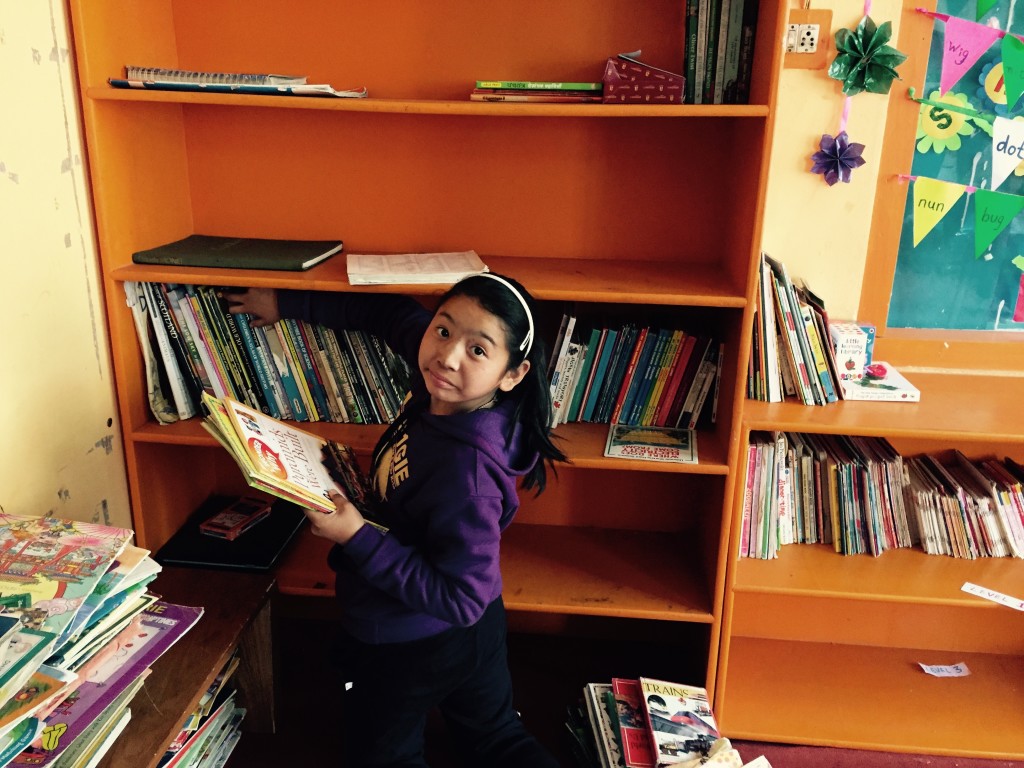
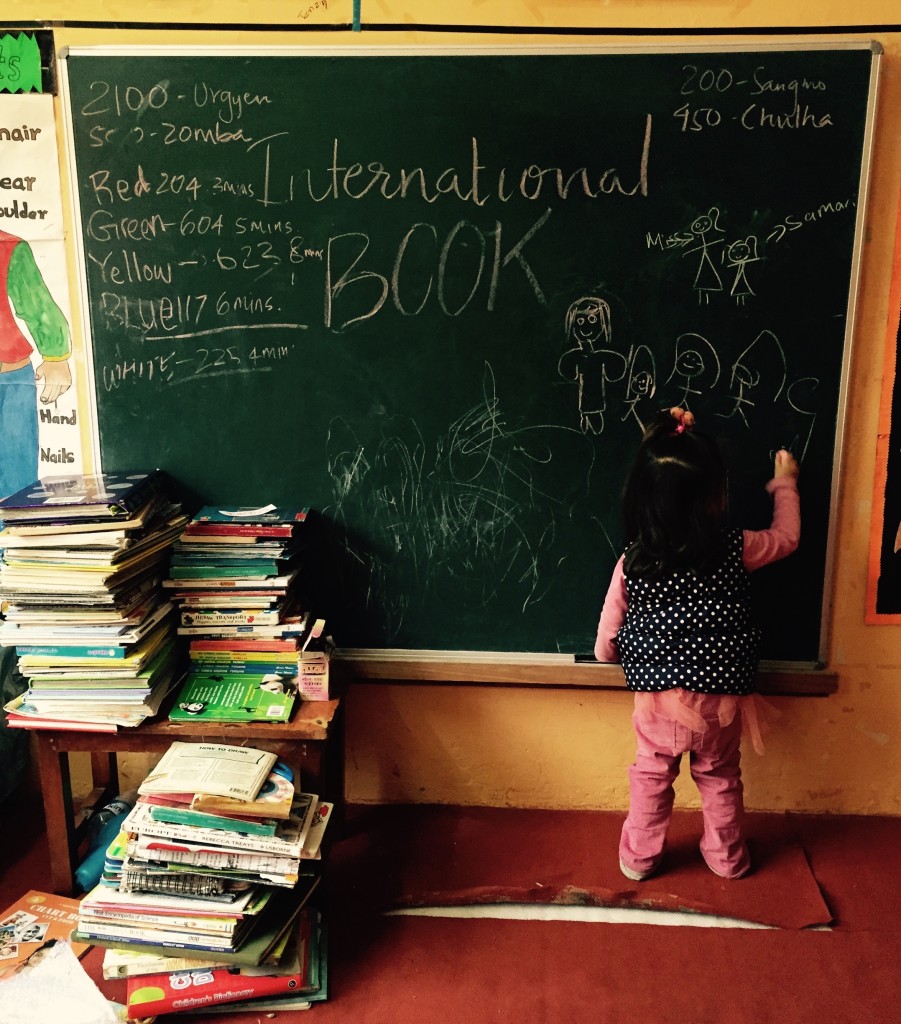
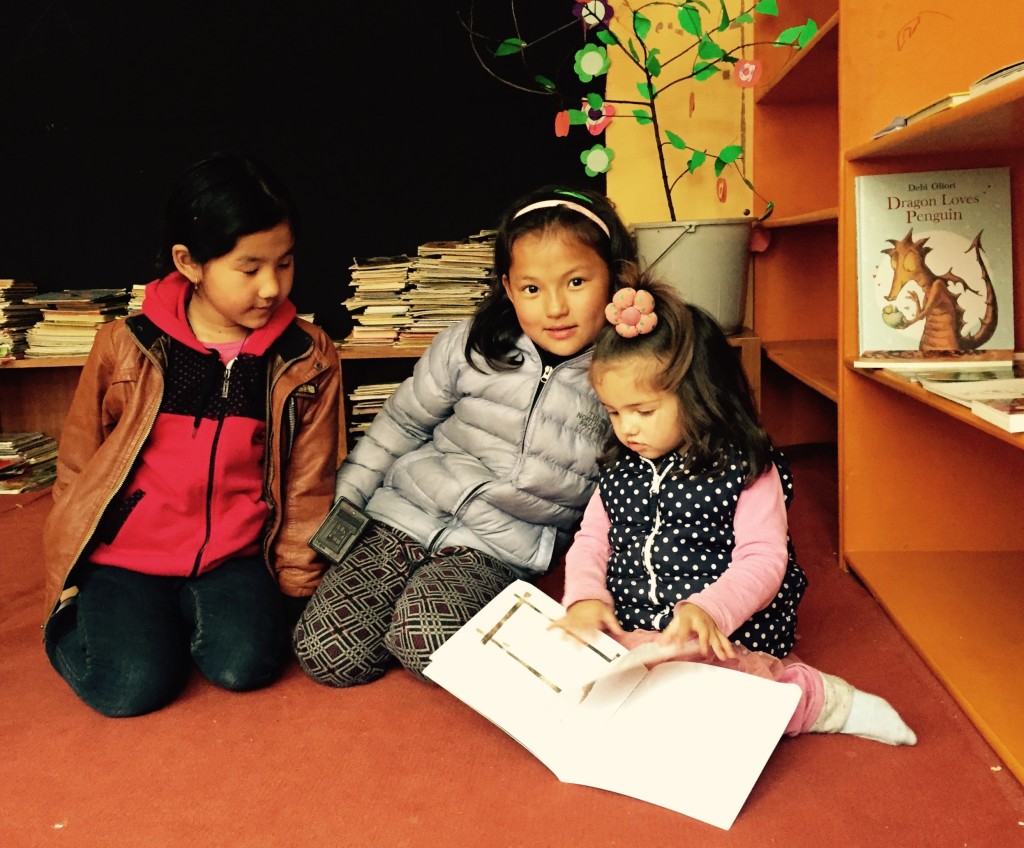
The story of a young monk who memorized all the planets from a single book is more than a feat of memory. It shows how a child can turn a modest volume into a world of questions. Avalokiteśvara Trust supports reading rooms, book drives, educational activities, art and music in Himalayan communities, creating paths between a borrowed book and a young person’s imagination.
A Book Small Enough to Carry
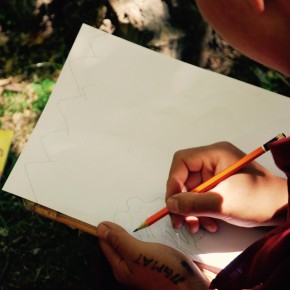
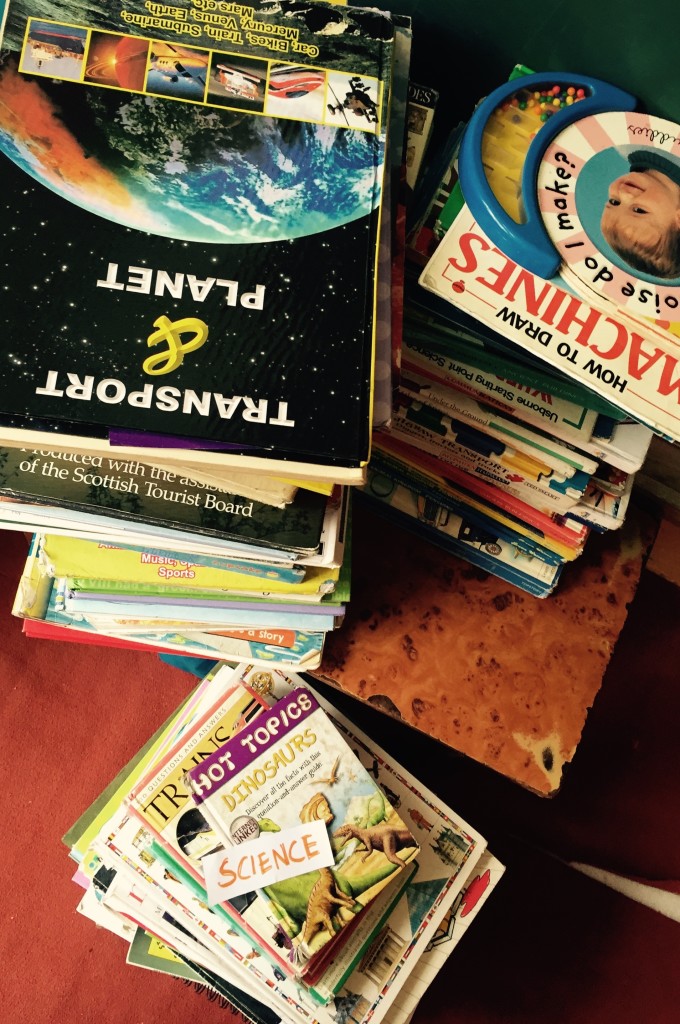
The astronomy book was not an encyclopaedia. It had short chapters, simple diagrams and enough space for a child to draw. Its compact size allowed the monk to return to it whenever curiosity returned. Rather than treating memorisation as the final task, his teacher turned each fact into an activity: point to a planet, place it in sequence, or explain what the picture was showing.
| Learning step |
What the monk did |
What he gained |
| Name the eight planets |
Recited the names from Mercury through Neptune |
A reliable sequence he could retrieve |
| Match each planet with an image |
Connected a name with a visible feature |
Memory hooks that joined words to pictures |
| Arrange the planets from the Sun |
Used diagrams and spoke each position aloud |
Better recall and spatial understanding |
| Check the book’s claims |
Asked where its information came from |
A habit of questioning remembered facts |
| Teach a younger reader |
Repeated the sequence using a picture card |
Confidence gained through explanation |
Memorisation supplied the scaffolding, while the illustrations supplied the hooks. A red world for Mars, a pale one for Venus and a ringed figure for Saturn gave each name a place in the story. By closing the book and describing what he had seen, the monk strengthened the connection between the page and his own language. He was not copying a list blindly; he was rehearsing a map.
Even a memorable book can contain outdated ideas. Some older introductory books include Pluto among the planets, while current teaching identifies eight planets and classifies Pluto as a dwarf planet. The young monk’s recitation opened a door, but it did not settle every question. A good reading room makes room for both wonder and correction.
When Recitation Became Understanding
Soon, the monk was asked to do more than say the names. Could he explain why Earth is the third planet from the Sun? What did the book mean by orbit? Were the illustrations drawn to scale? These prompts changed memorisation into inquiry. Repeated words gave him confidence, while experiments with diagrams and movement gave those words meaning.
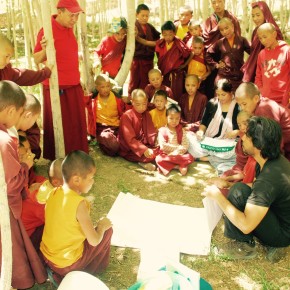
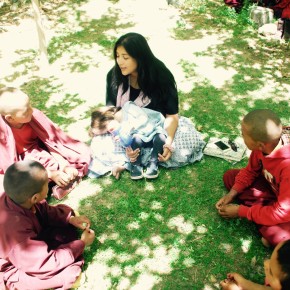
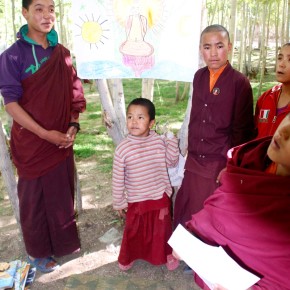
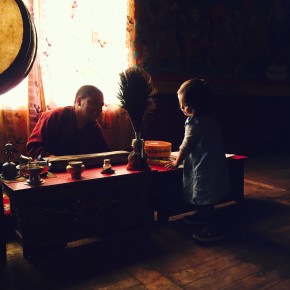
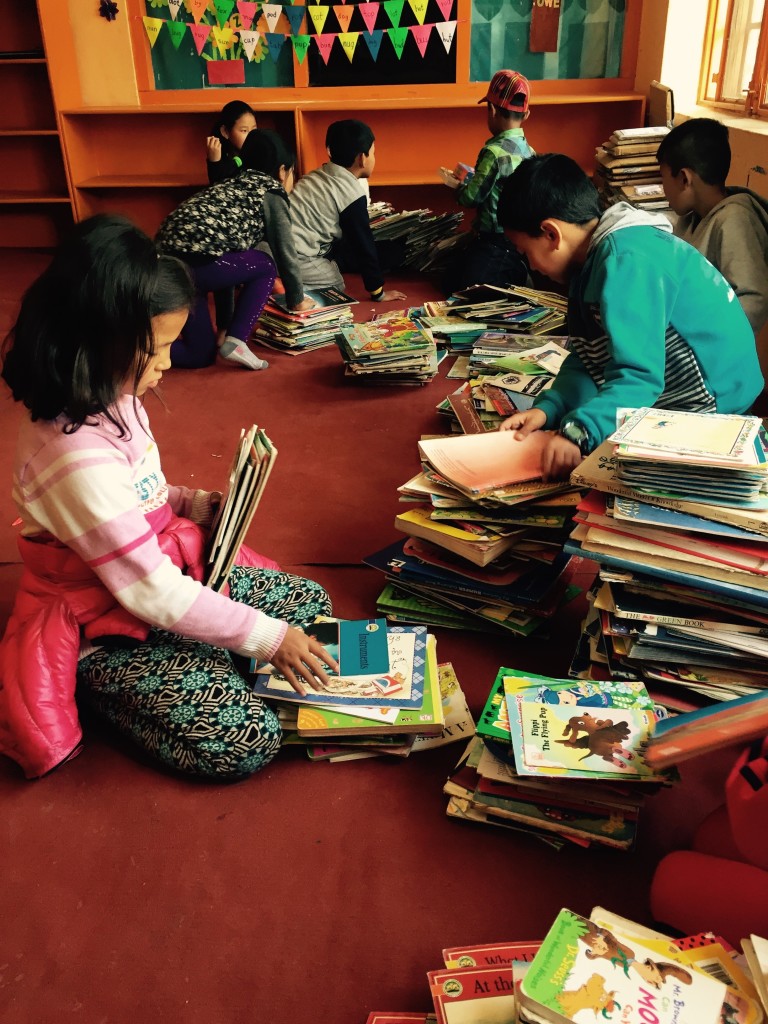
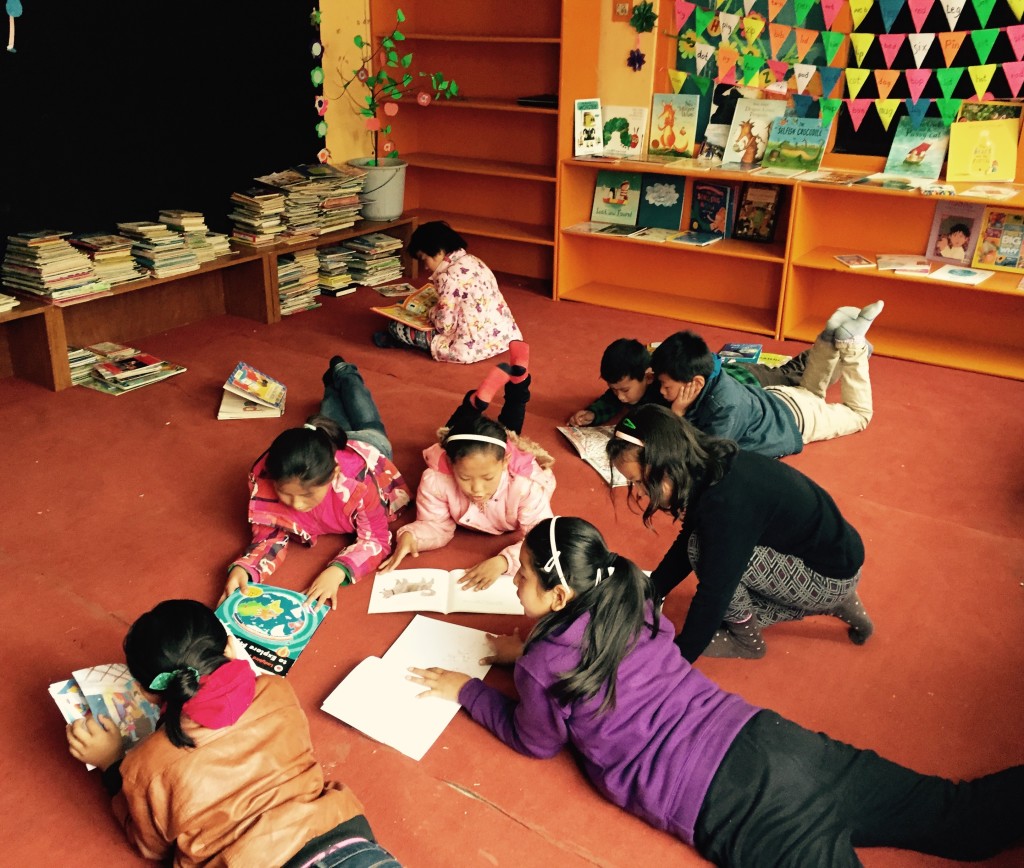
At the reading room, a card for each planet helped. The children arranged them beneath a strip of paper representing the Sun and used beads to demonstrate movement. They compared sizes with measured circles rather than the dramatic artwork in the book. Music offered another route: one child beat a quick rhythm for Mercury’s swift orbit, while another invented a deeper rhythm for Jupiter. The exercise made an abstract system physical, social and memorable.
The crucial turn came when the monk could teach without simply chanting. They used plain language, checked a diagram and admitted when the book did not answer a question. That habit matters in literacy: recall is useful, but a learner also needs evidence, vocabulary and the confidence to say, “I do not know yet.” The solar system became a practical lesson in disciplined curiosity.
Books That Open Doors in Ladakh
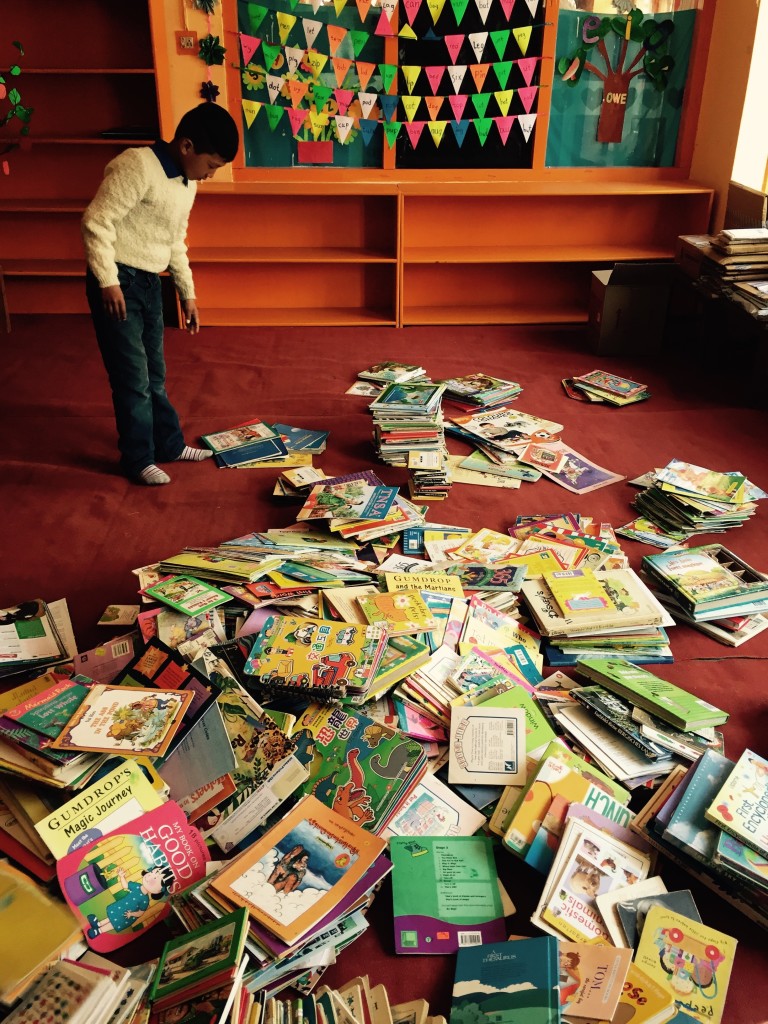
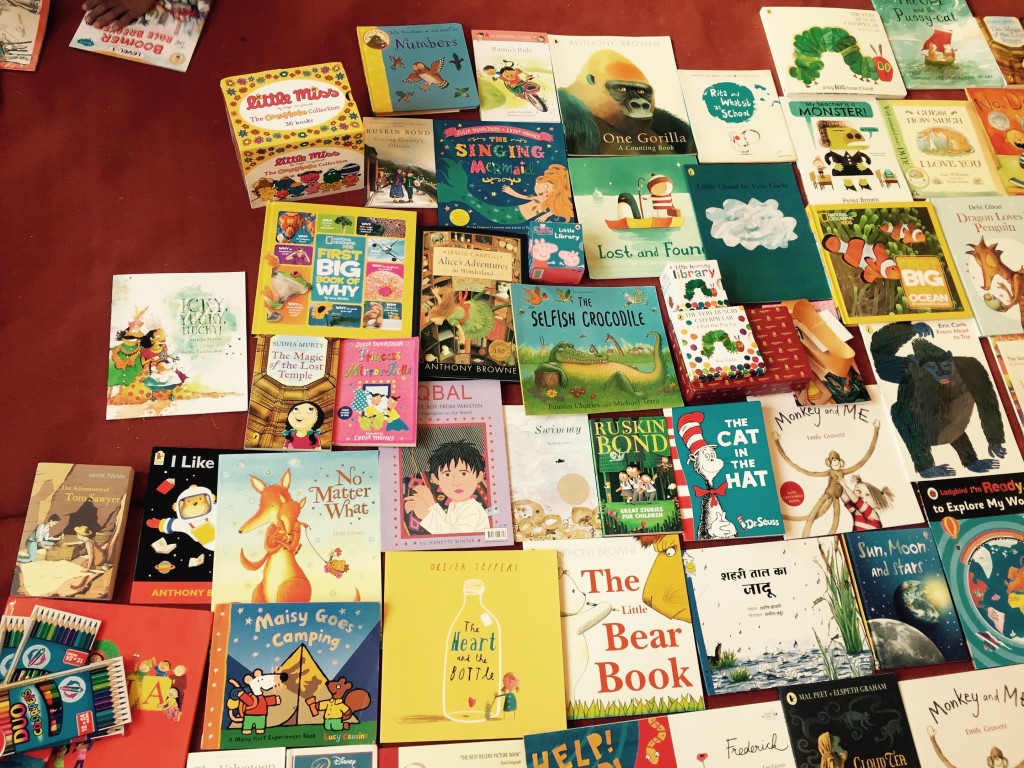
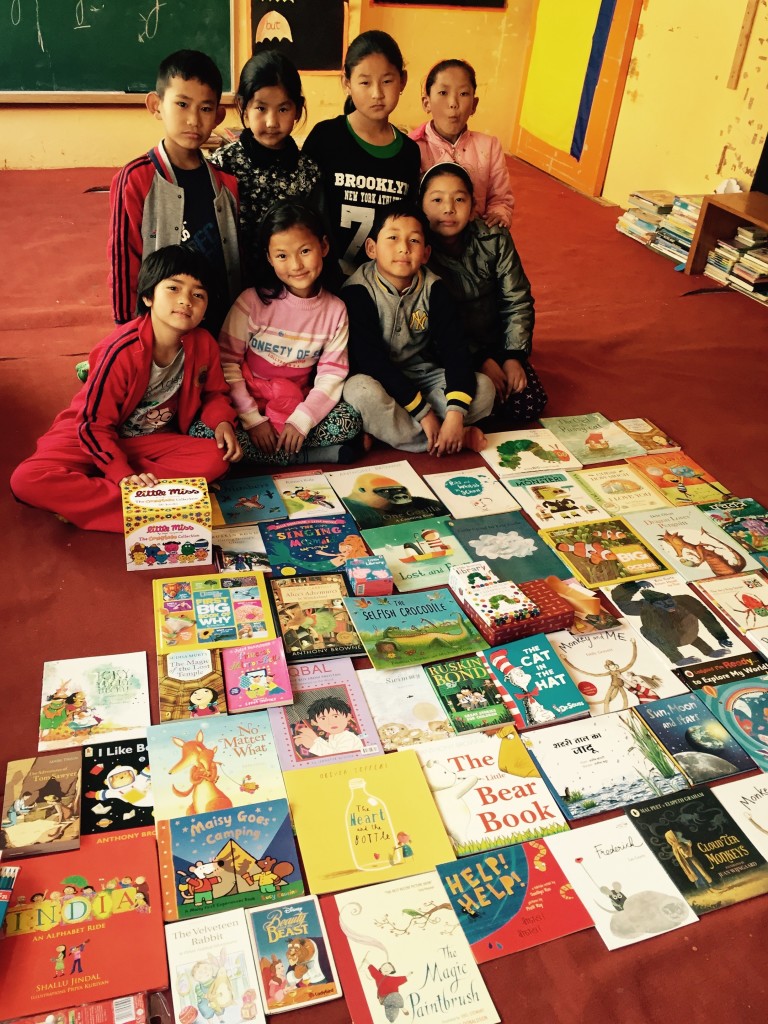
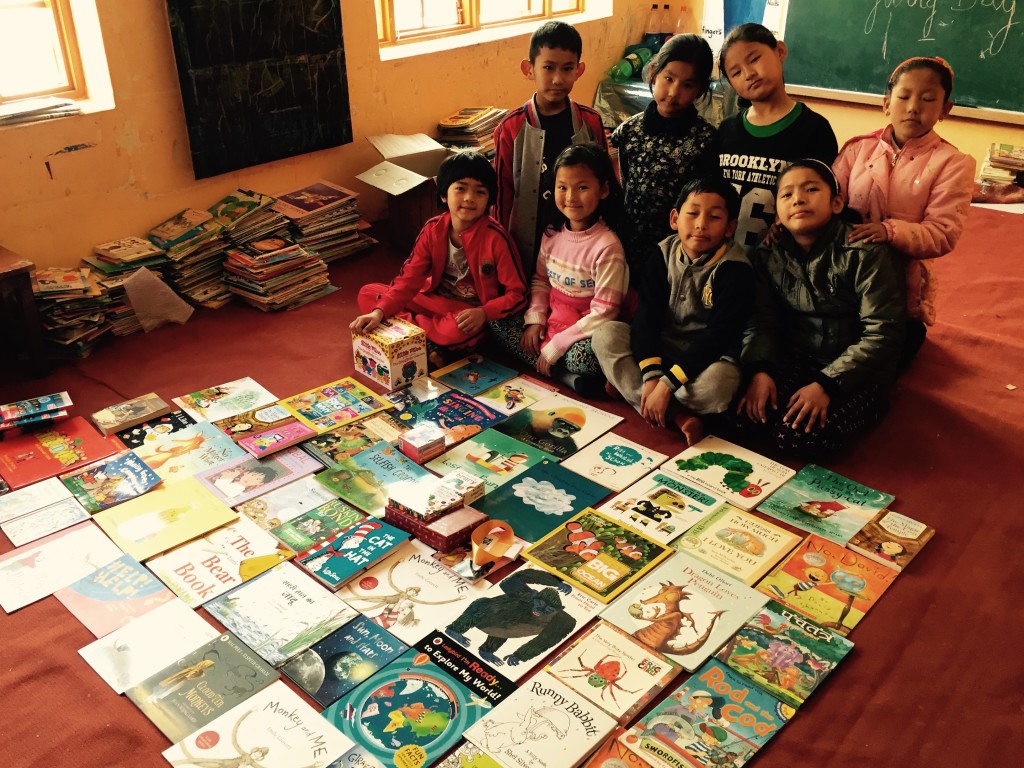
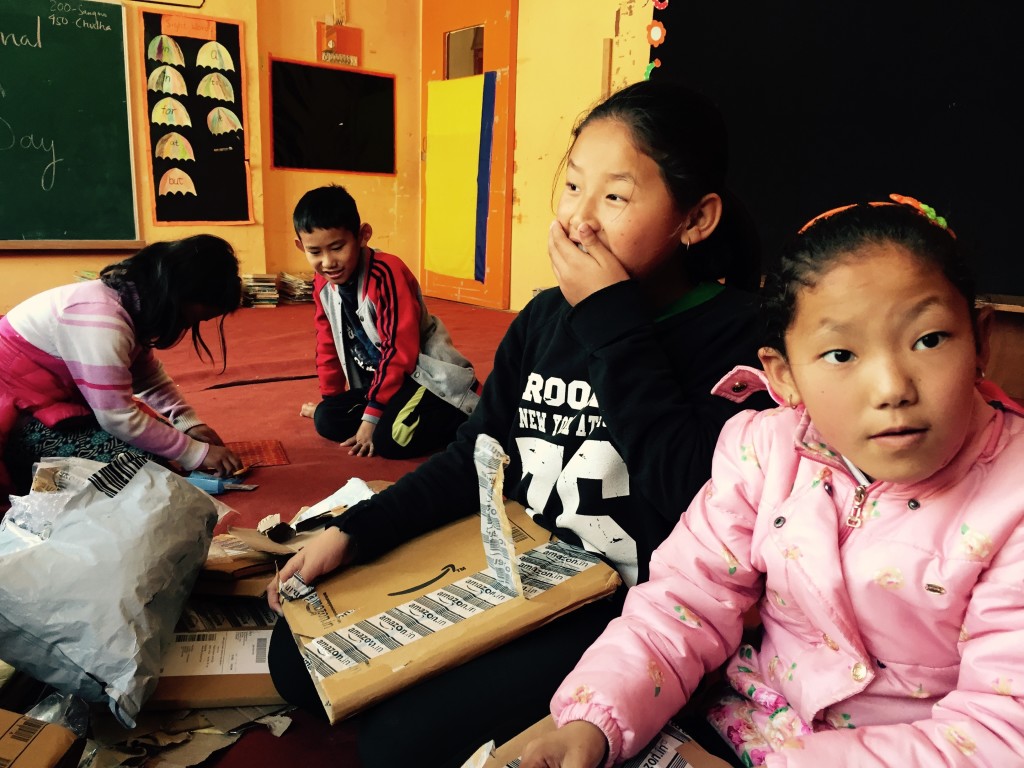
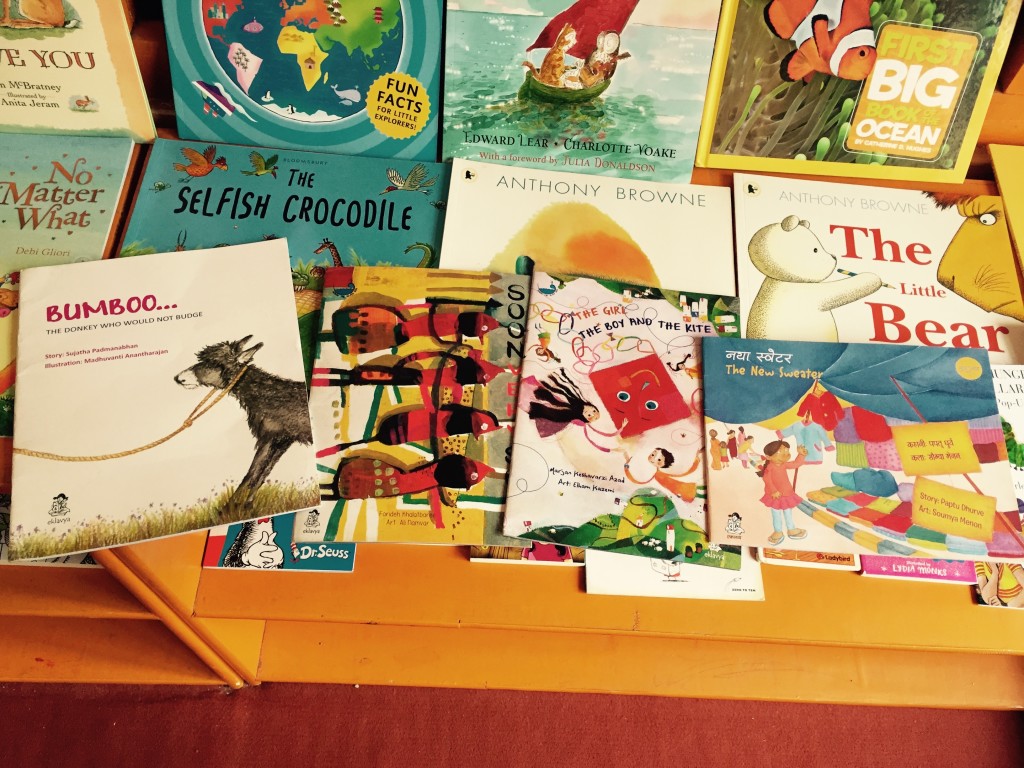
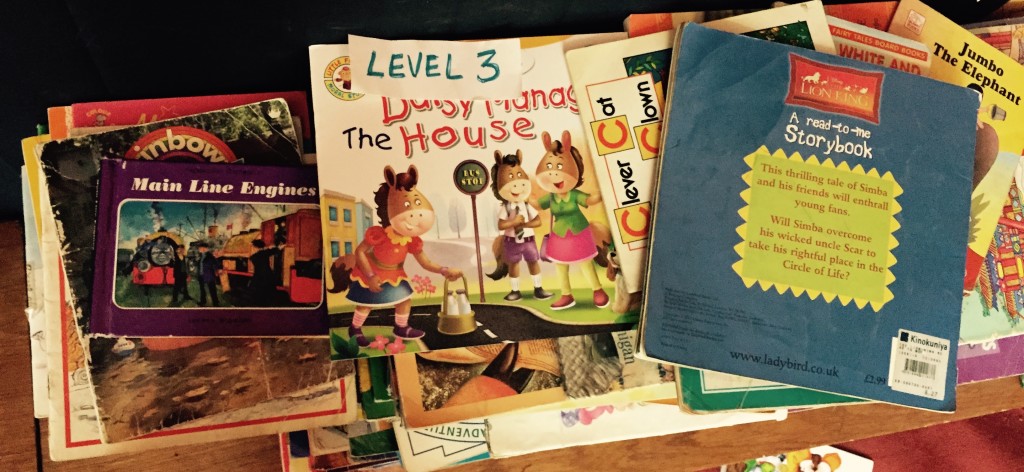
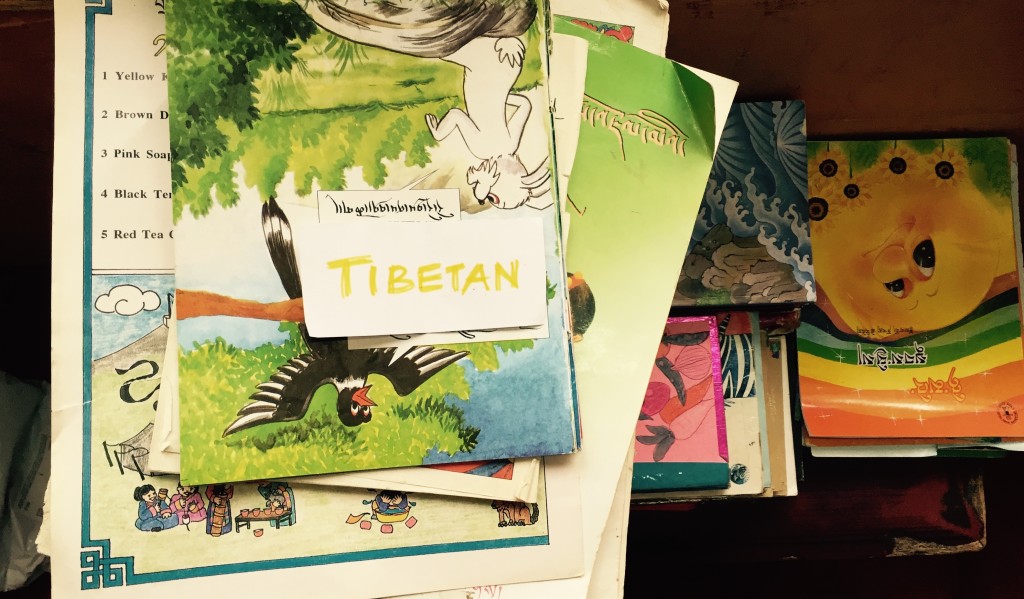
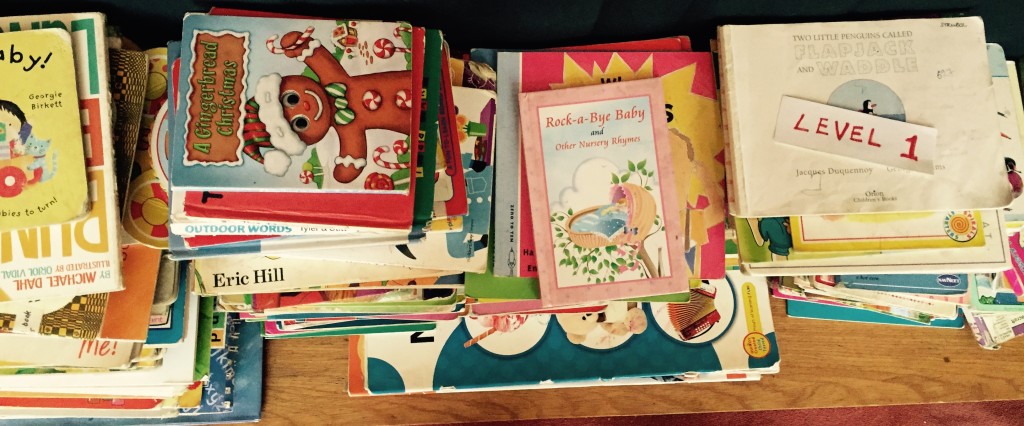
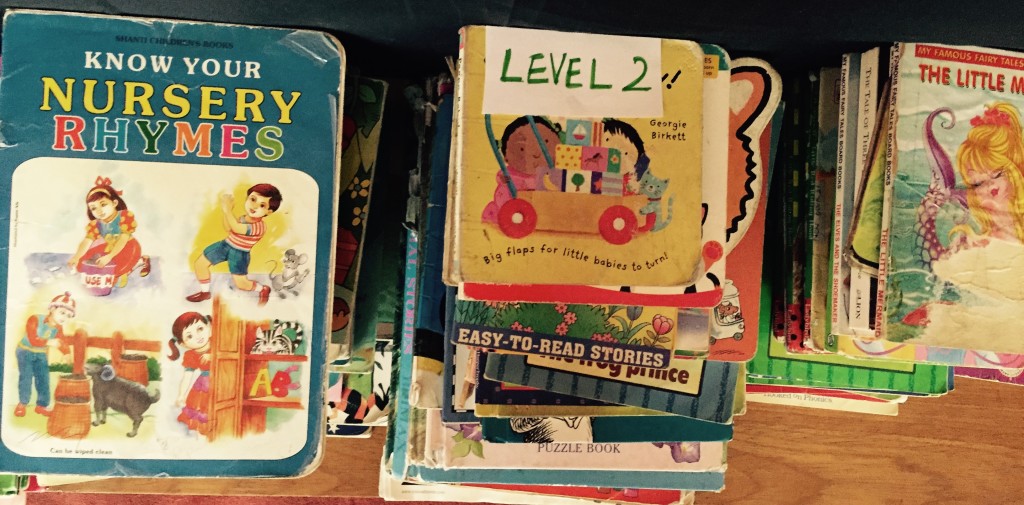
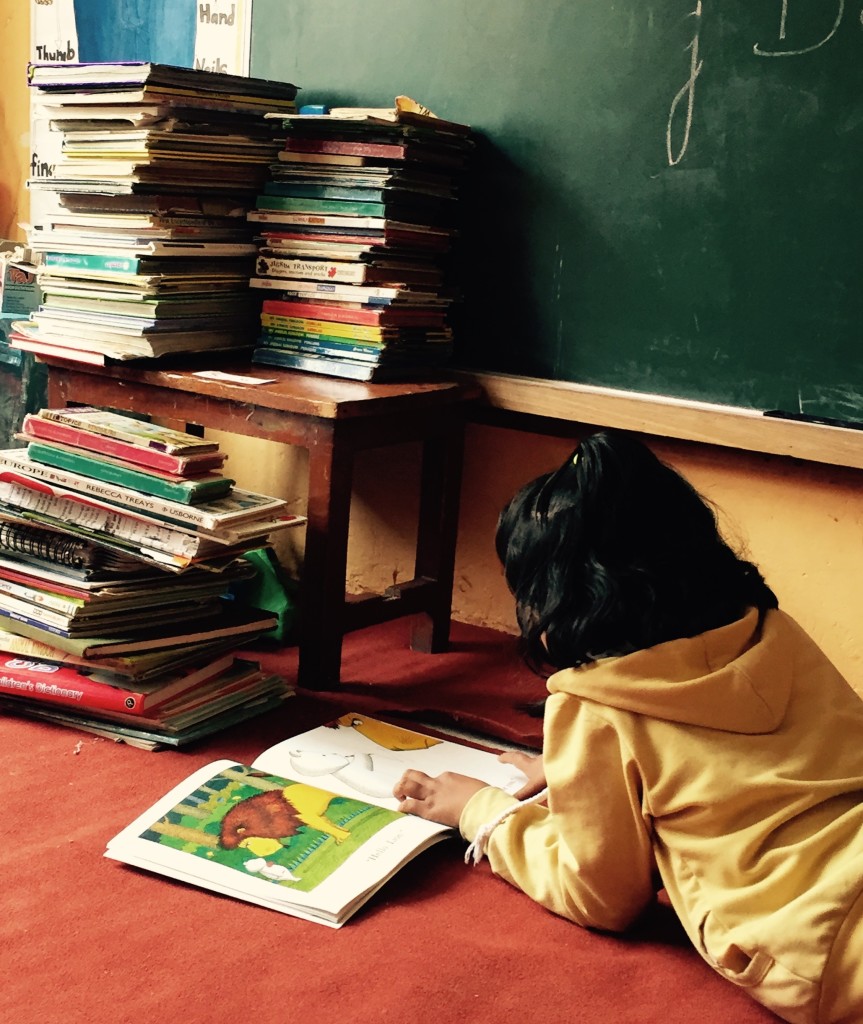
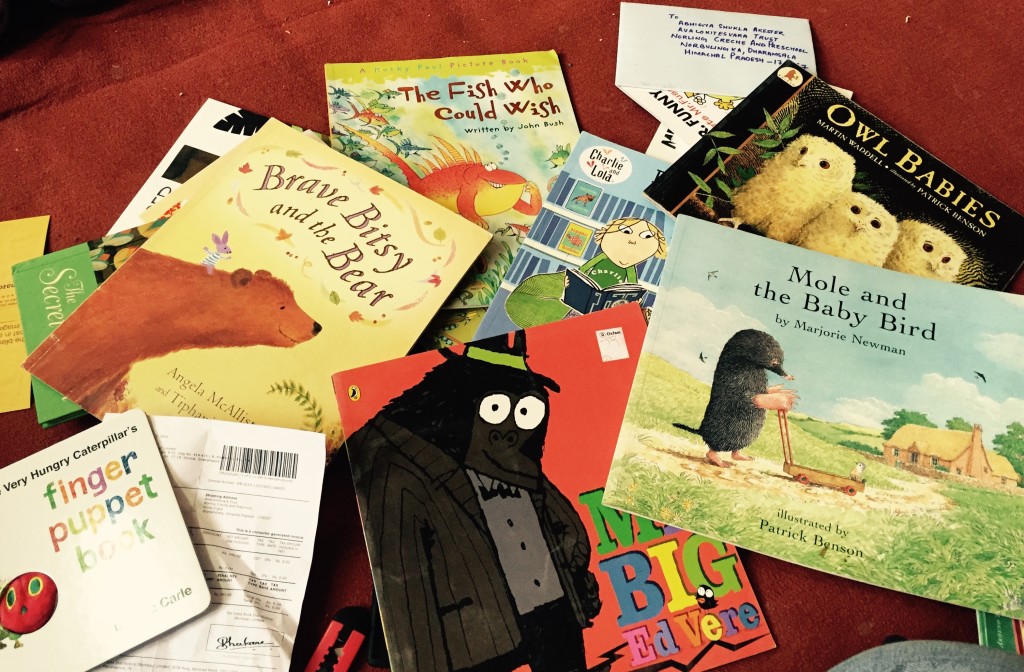
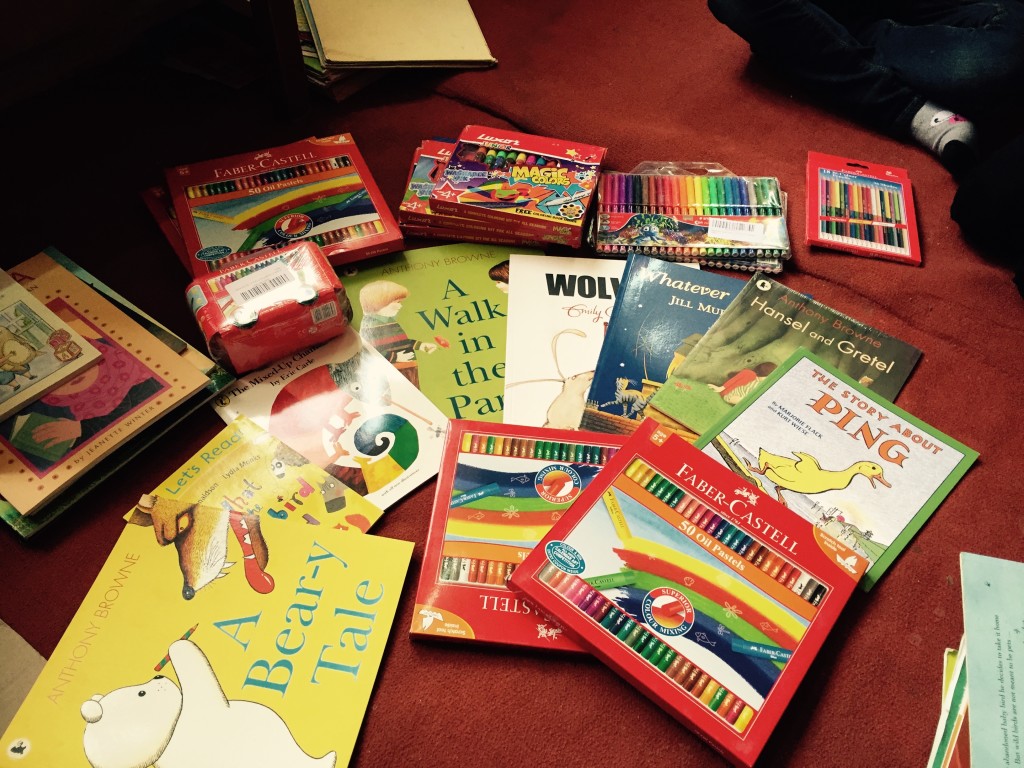
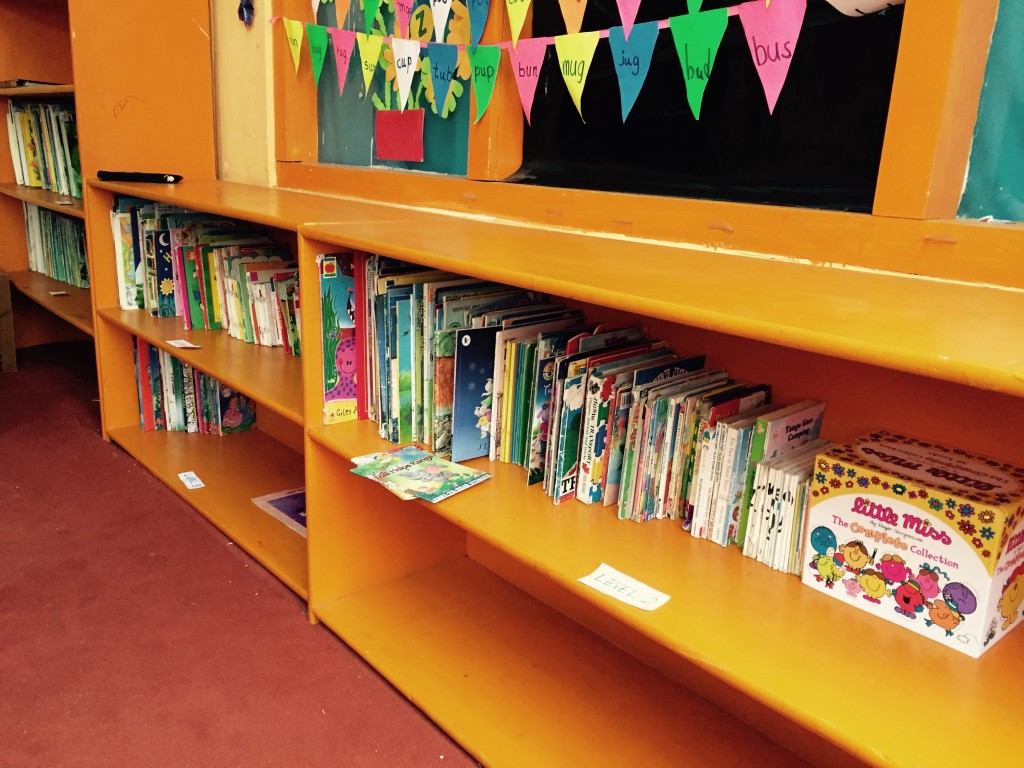
A book that changes one child’s thinking matters twice when it can be passed on. In Ladakh and other Himalayan communities, suitable children’s books can be scarce, and distances make each trip to a large bookshop costly. Donated volumes also need to match local languages, classroom interests and a child’s stage of learning. A pile of unrelated adult books can be generous in intention without being useful in practice.
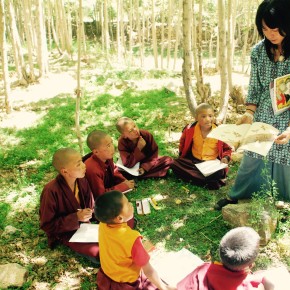
Book drives solve part of this problem, but circulation is the real gift. A slim astronomy book might spend a week in one home, visit a reading room and then return with a child’s drawing tucked inside. Each reader adds a trace of use. The pages begin to record not only where a planet was described, but how one young mind interpreted it.
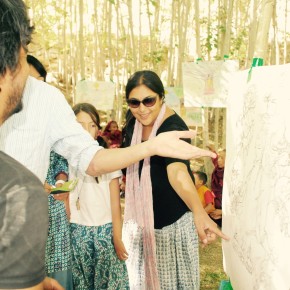
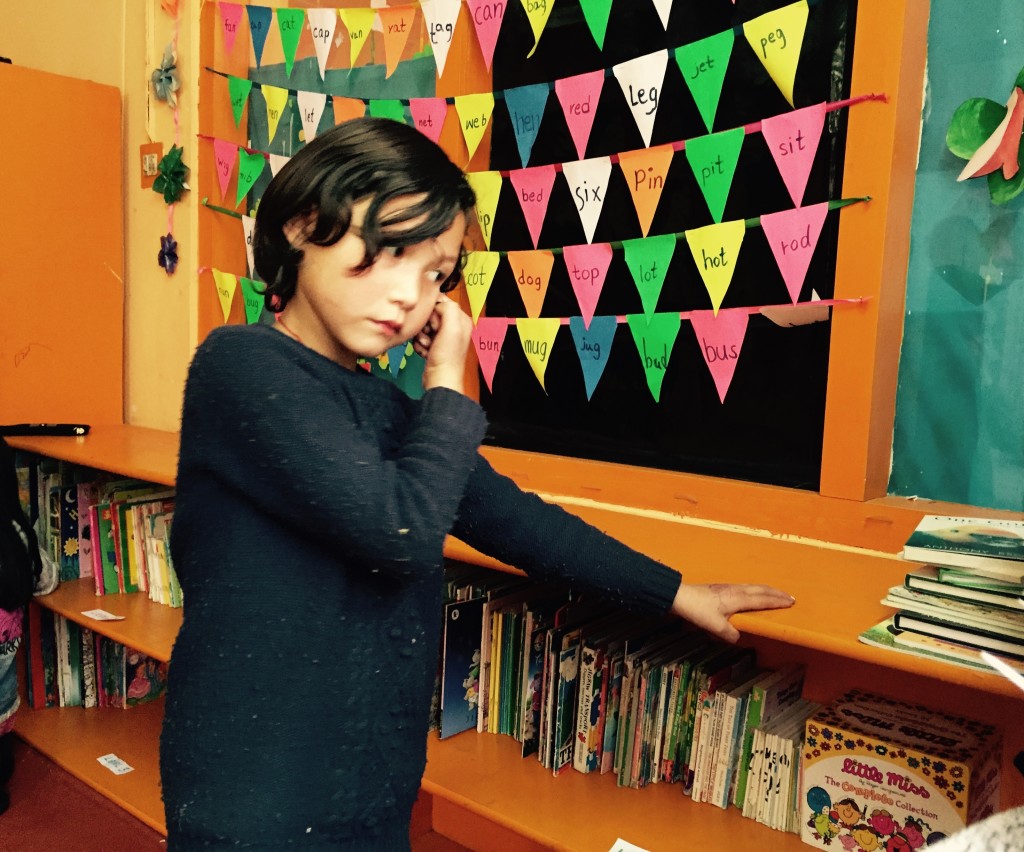
Educational, artistic and musical activities can deepen a donation’s value. A reading-room session might lead to painted planets, a handmade model of the solar system or a group song about the Sun and its neighbours. These are not decorations placed around the book; they give children ways to interpret its ideas. The strongest learning happens when an image, a sound and a question all point back to what was read.
What Makes Books Work in Ladakh and Australia
Across Australia, distance also shapes access to books. A volume collected in Sydney can travel thousands of kilometres to a rural town in western Victoria or a remote community in the Northern Territory. Public libraries, school libraries and travelling collections often fill gaps that a conventional bookshop cannot, especially where populations are small and specialist shops are far away.
Australian book lovers may describe a well-used copy as having “had a fair bit of a workout”. That casual phrase captures something practical: books with signs of use often invite another reader to pick them up. The second-hand market supports the same cycle through charity shops, op shops, school fundraisers and online resale platforms. For an international donation, current guidance from the receiving organisation matters more than filling a shipping carton with spare volumes. Wish lists, suitable languages, postage arrangements and local receiving partners should be checked before anything is sent.
Money also matters. Australian donors can look for clear information about how funds are transferred, what the charity can deliver and how outcomes are reported. Some registered Australian charities can claim Gift Aid on eligible donations, but an overseas organisation cannot simply be treated as eligible. That status must be verified rather than assumed. Transparency is part of good book-drive practice, just as checking an outdated scientific fact is part of good teaching.
What made the astronomy lesson memorable
- A clear sequence: the eight planet names, beginning with the planet nearest the Sun.
- Vivid images that could be recalled with the book closed.
- Questions that turned a correct answer into another investigation.
- An opportunity to explain the idea to someone else.
What a useful Australian book drive should send
- Titles requested by teachers, families and the receiving reading room.
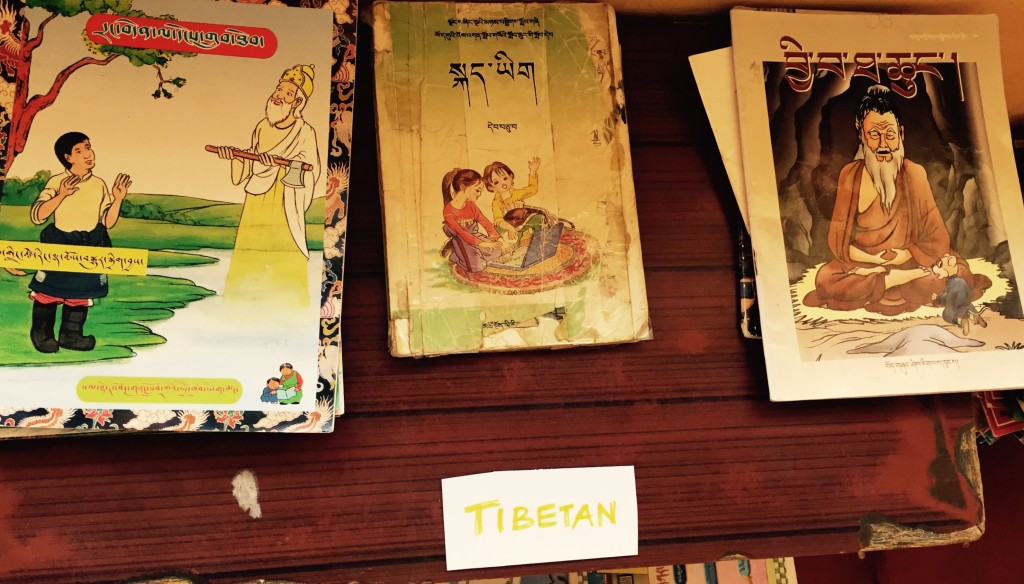
- Books in the languages children use at home and in class.
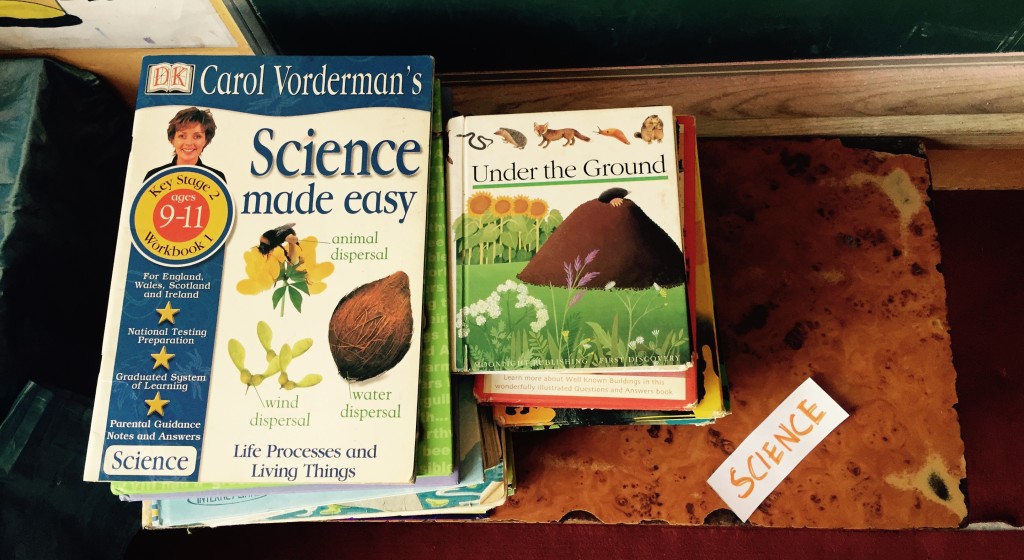
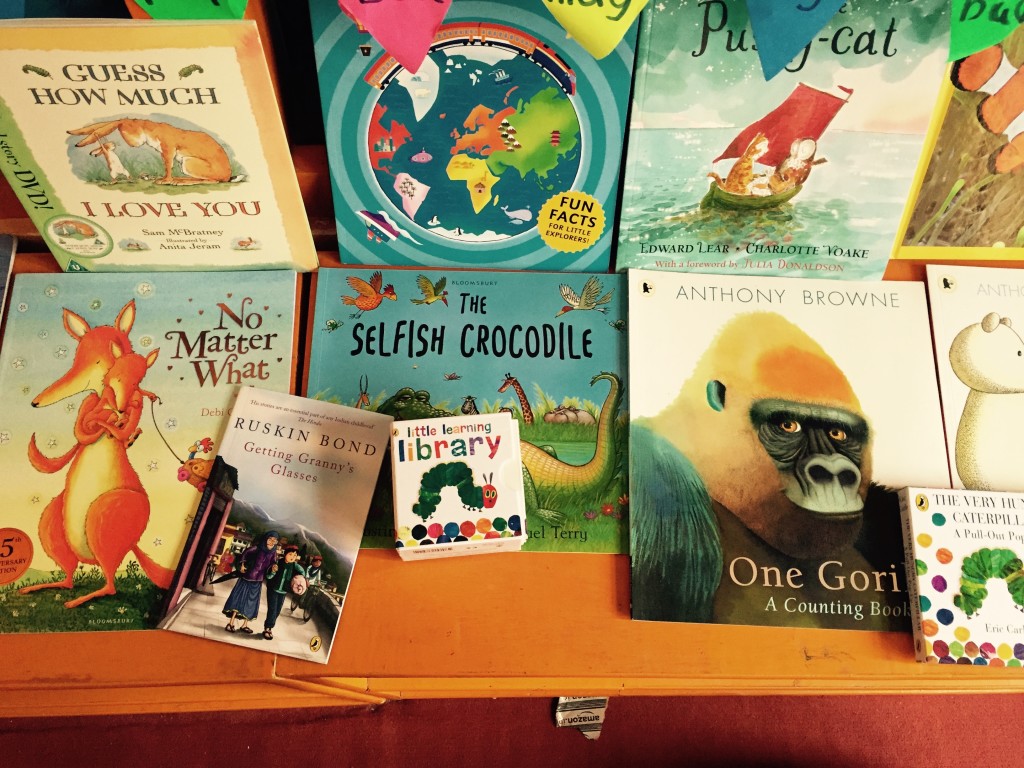
- Illustrated science and nature books at suitable reading levels.
- Durable, clean copies selected for repeated handling rather than shelf appeal alone.
The Knowledge That Outlasts Memorisation
The young monk’s achievement is best remembered as more than a display of recall. One book gave him an ordered set of names, images that held those names in place, and questions that pushed him towards explanation. Reading, drawing, music and teaching transformed possession of facts into a way of thinking. The planet sequence was only the beginning of the journey.
What should remain is the belief that a child’s first book can become a working library of ideas. For the children and young monks supported by Avalokiteśvara Trust, that belief is built through shared reading rooms, thoughtful book drives and creative activities that make learning possible and joyful. The eight planets remain a simple example: one small book opened a much larger world.