The Young Monk Who Became a Storyteller
Before dawn, when the Himalayan valleys were still blue with shadow, a young monk began carrying a small notebook through the quiet corridors of his monastery. He recorded the stories he heard from elder monks, visiting teachers, shepherds, and children from nearby villages. At first, his notes were private reminders. In time, they became a living collection of memory, wisdom, humor, and local history.
The story of a young monk who became a storyteller for his monastery is also a story about books, listening, and belonging. His voice grew from a community where spoken teachings mattered as much as written lessons, and where a child’s curiosity could open a path toward service.
In a remote Himalayan setting, storytelling was never simply entertainment. It helped younger monks understand compassion, discipline, courage, and responsibility. It also connected the monastery to families beyond its walls, creating a shared space for imagination and learning.
A Quiet Childhood Among Books
The monk, whom we will call Tenzin, grew up in a high-altitude village where winter lasted long and books were scarce. His family valued education, but the nearest library was many hours away. He learned his first stories from his grandmother, who could remember folktales, songs, and legends passed through several generations.
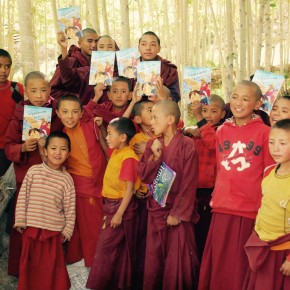
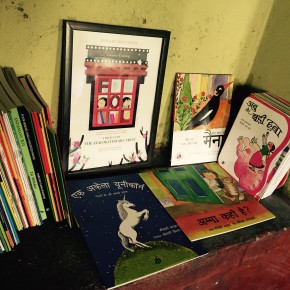
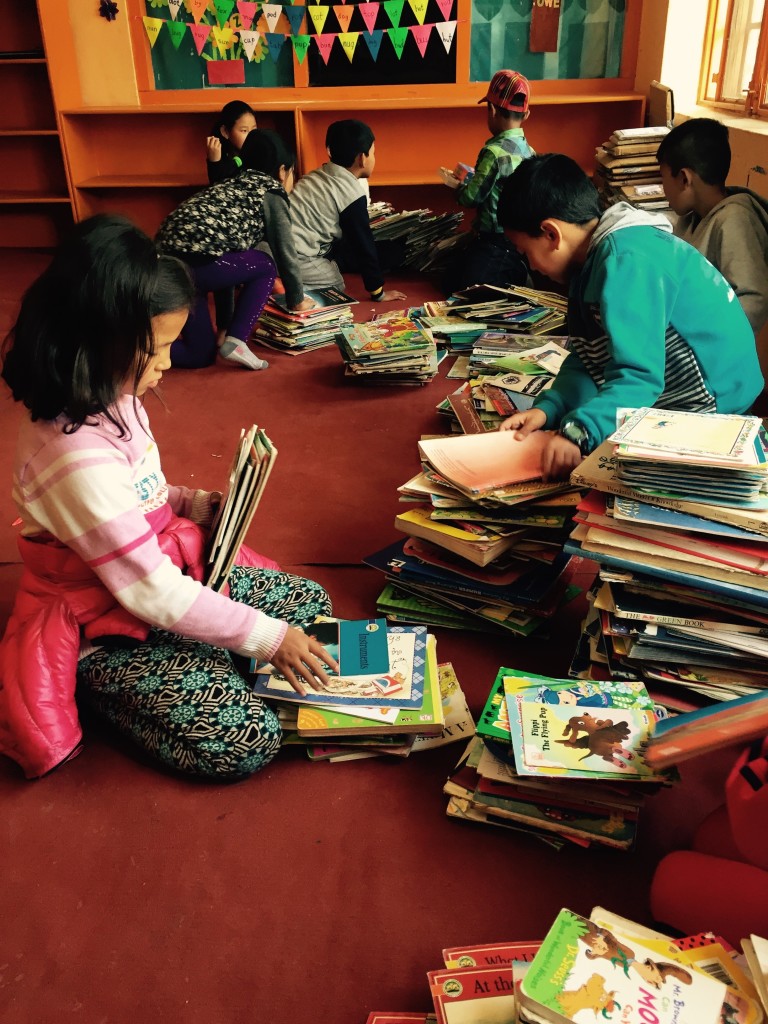
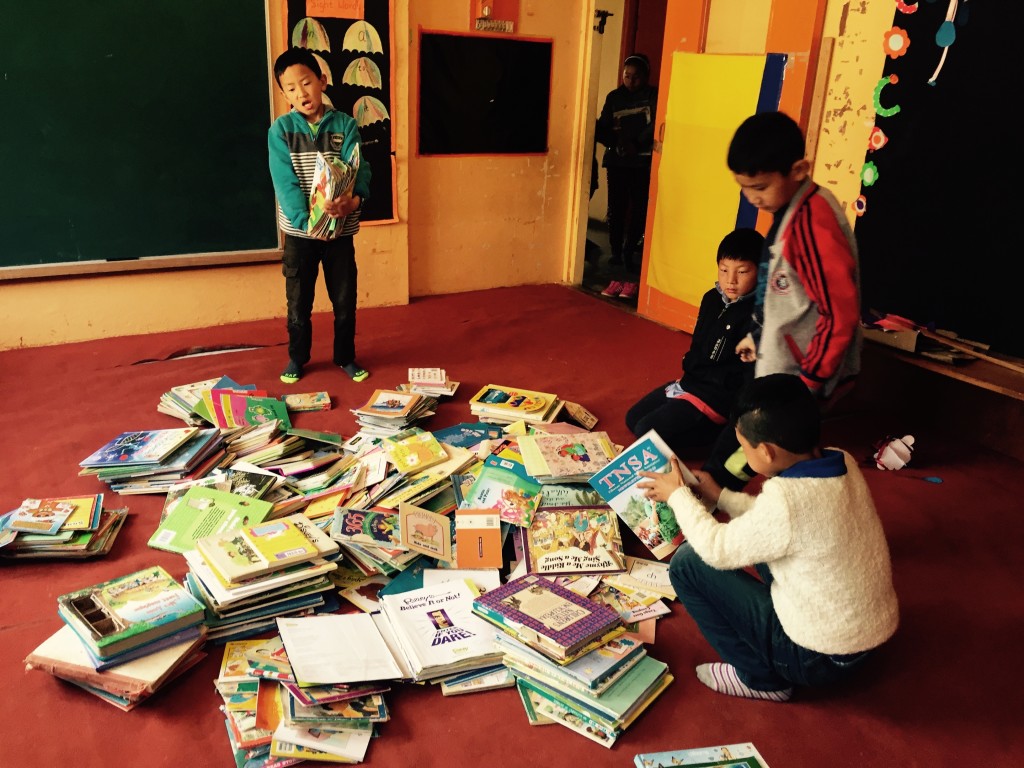
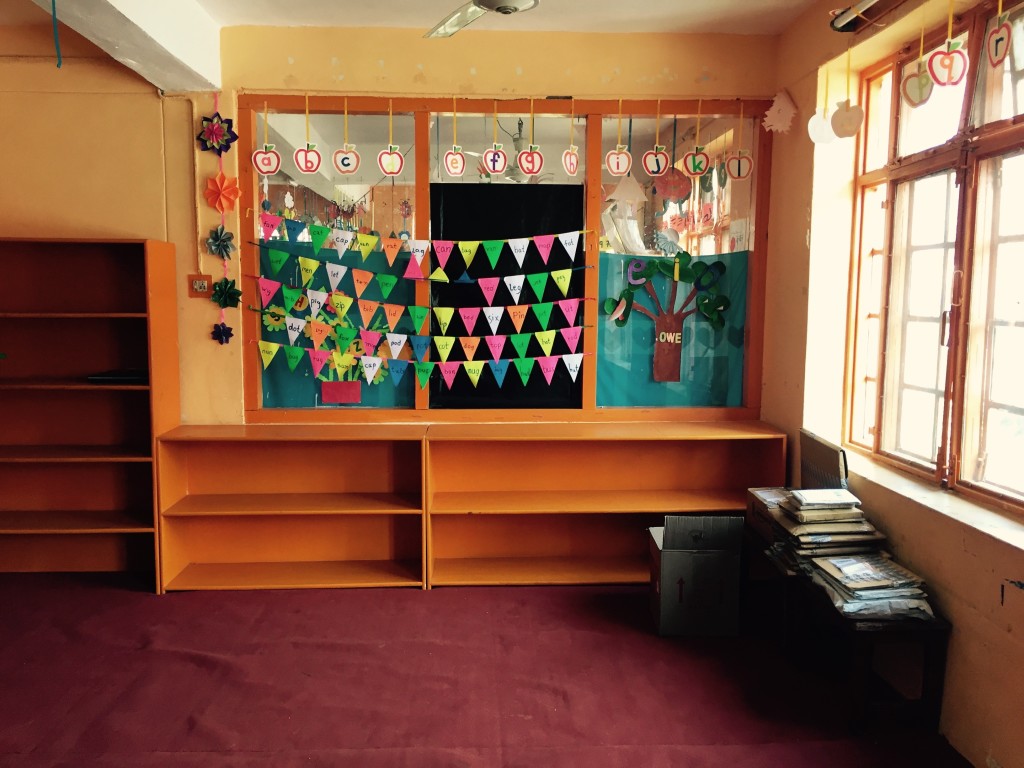
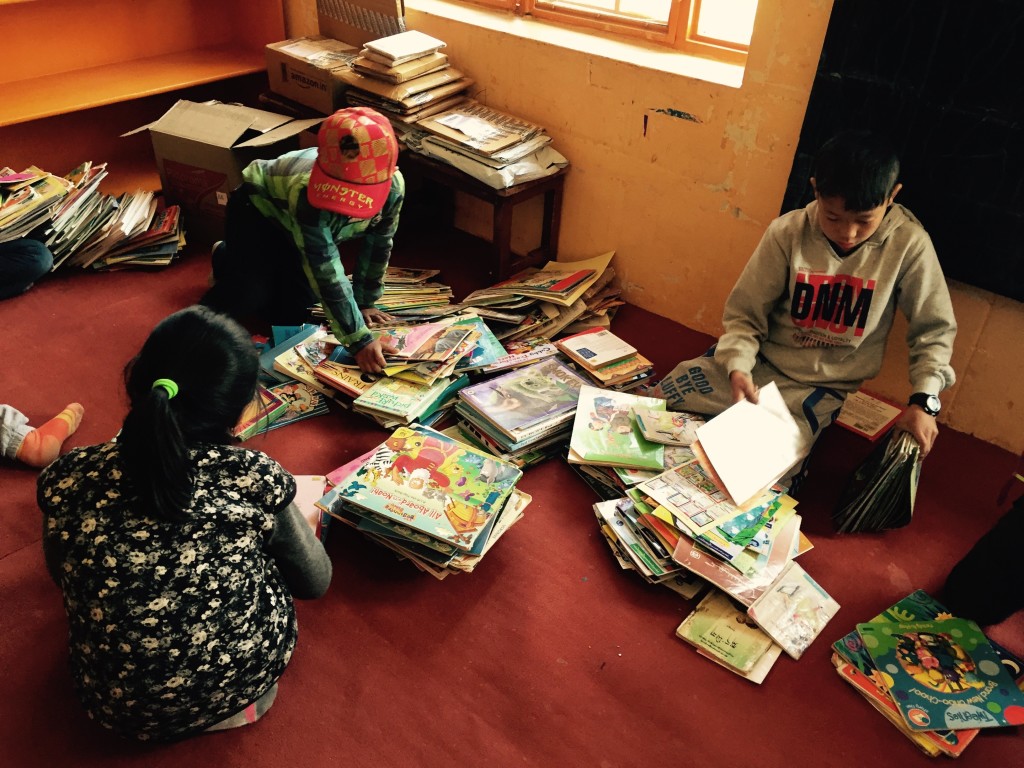
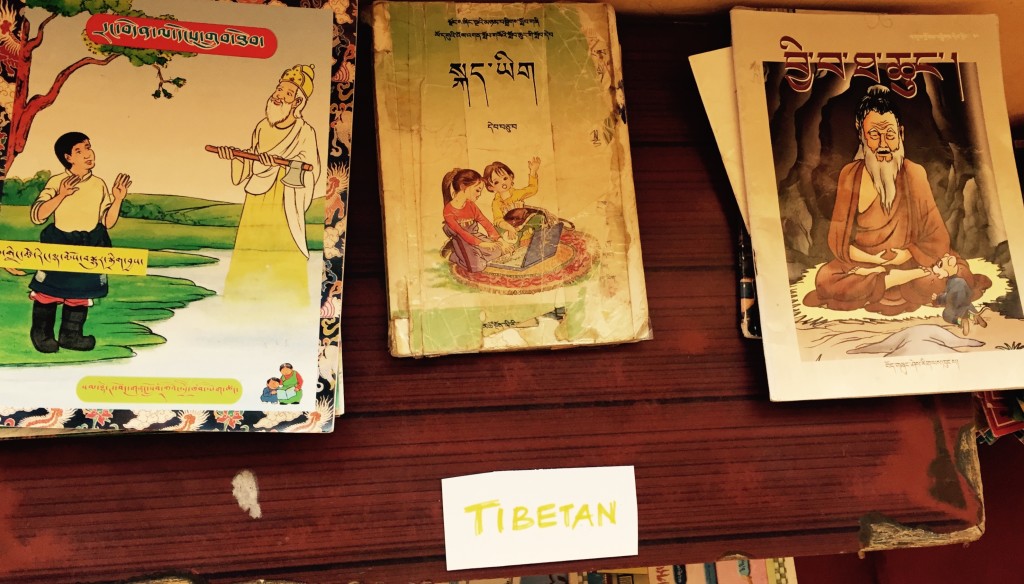
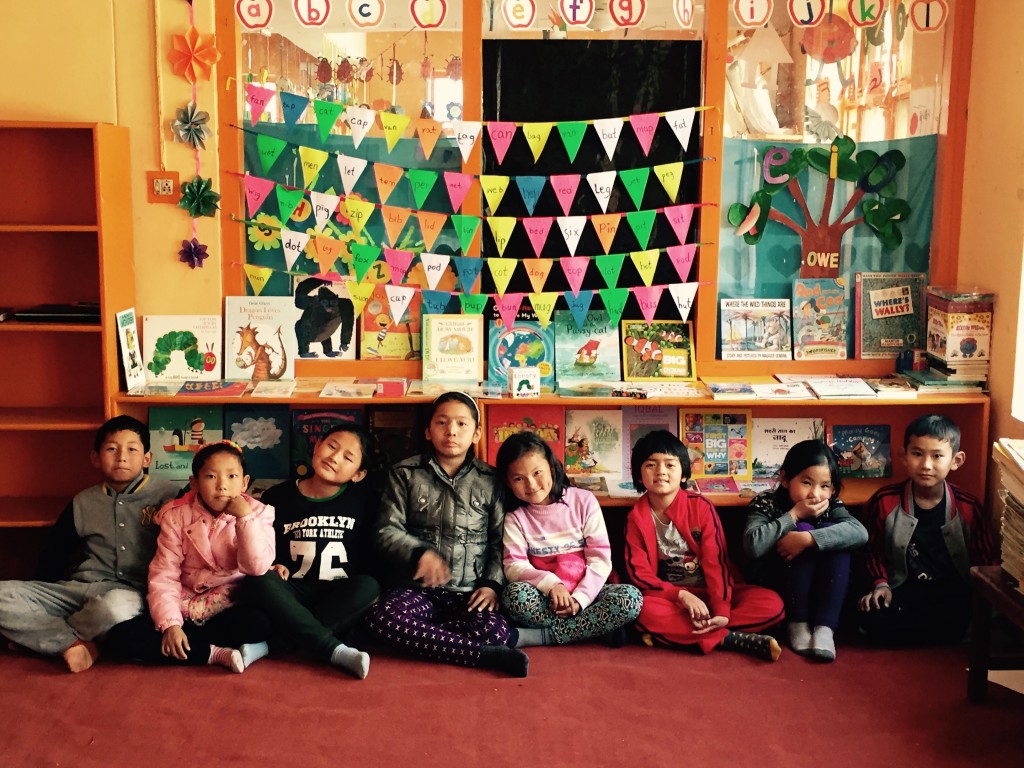
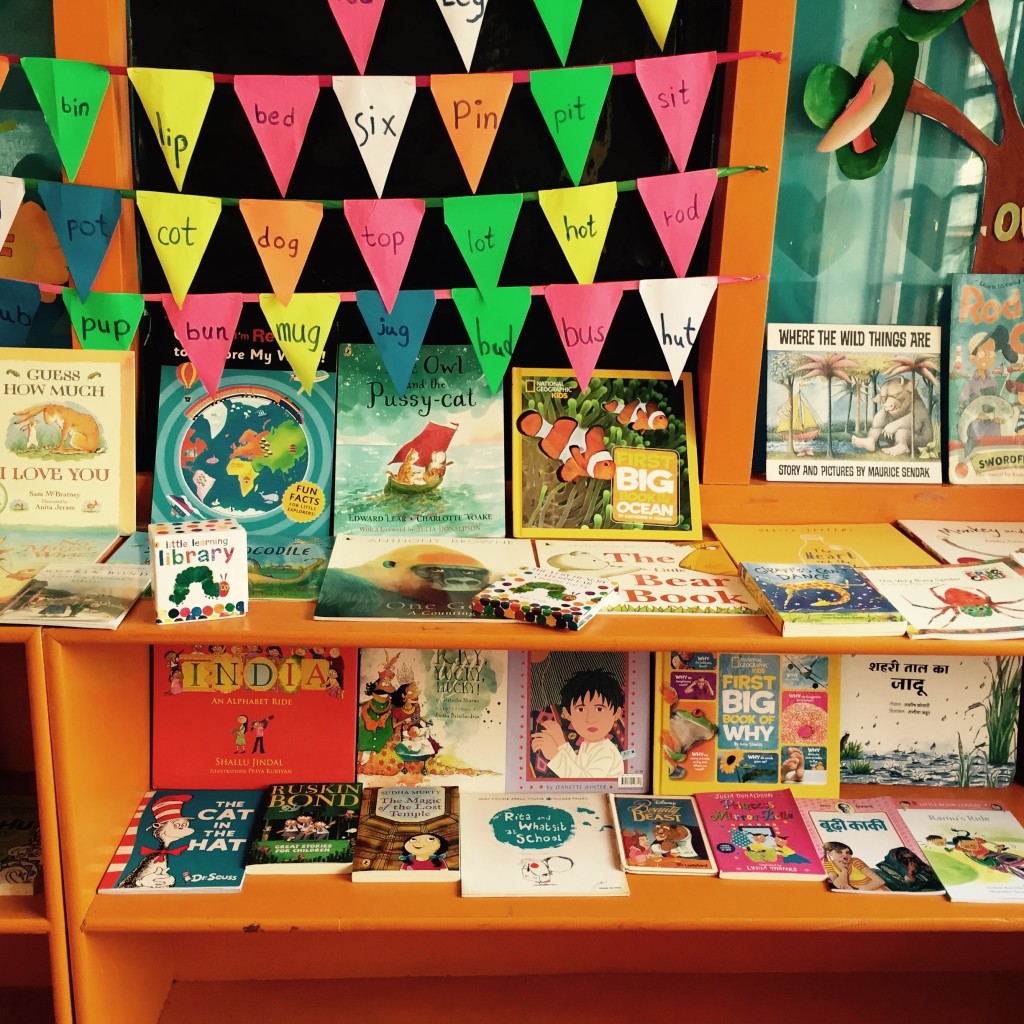
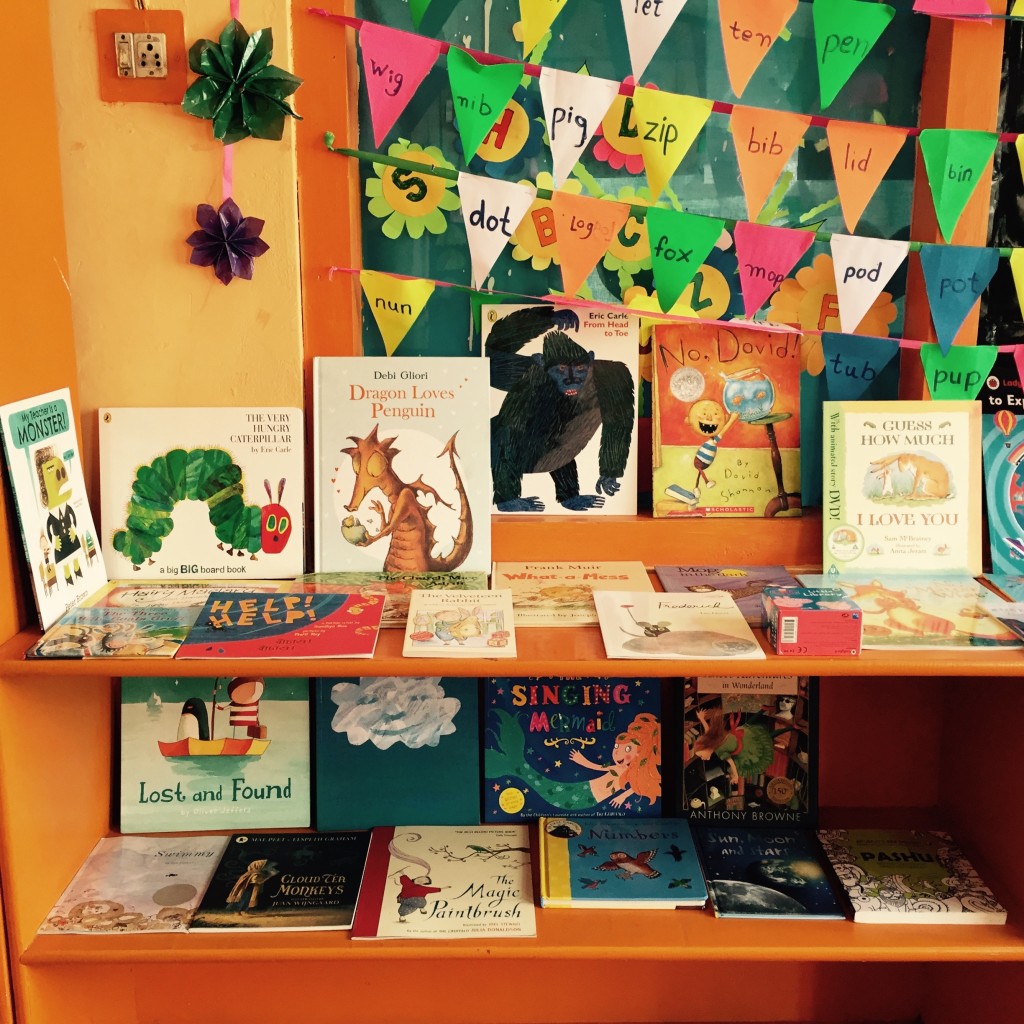
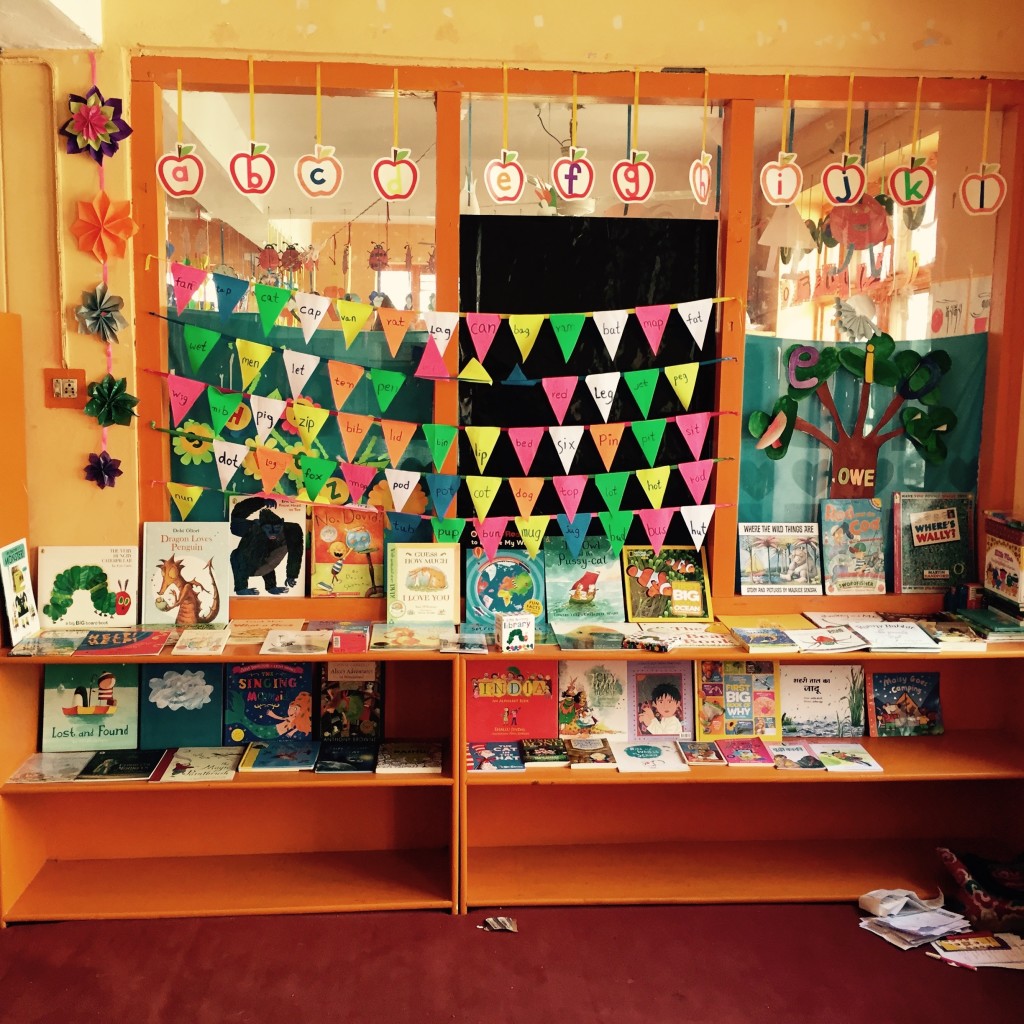
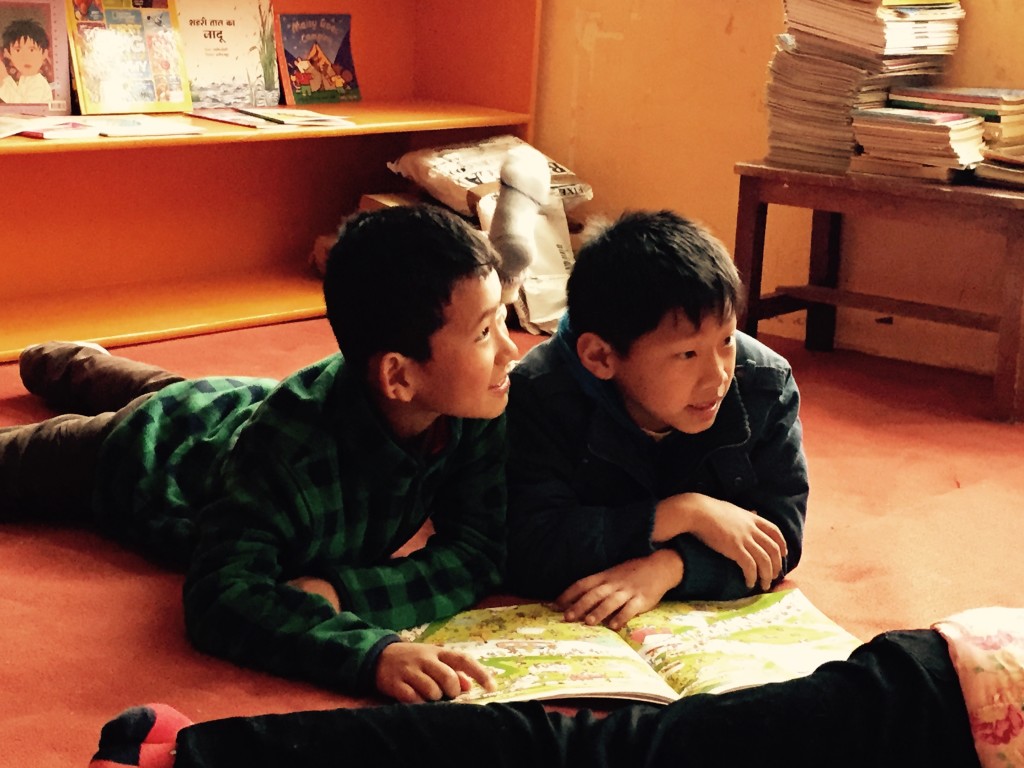
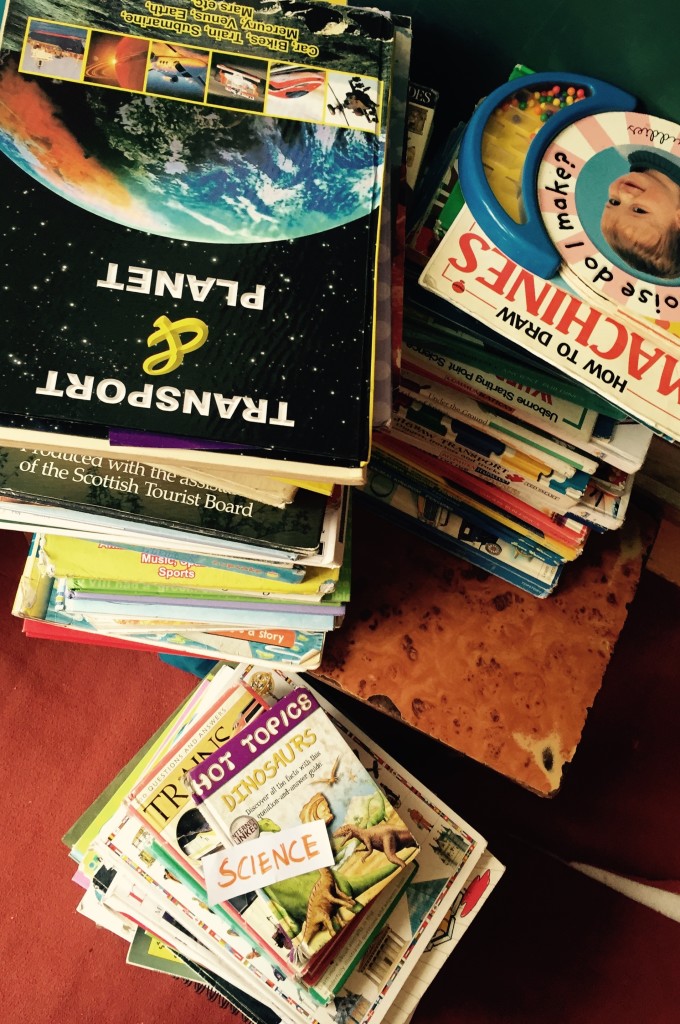
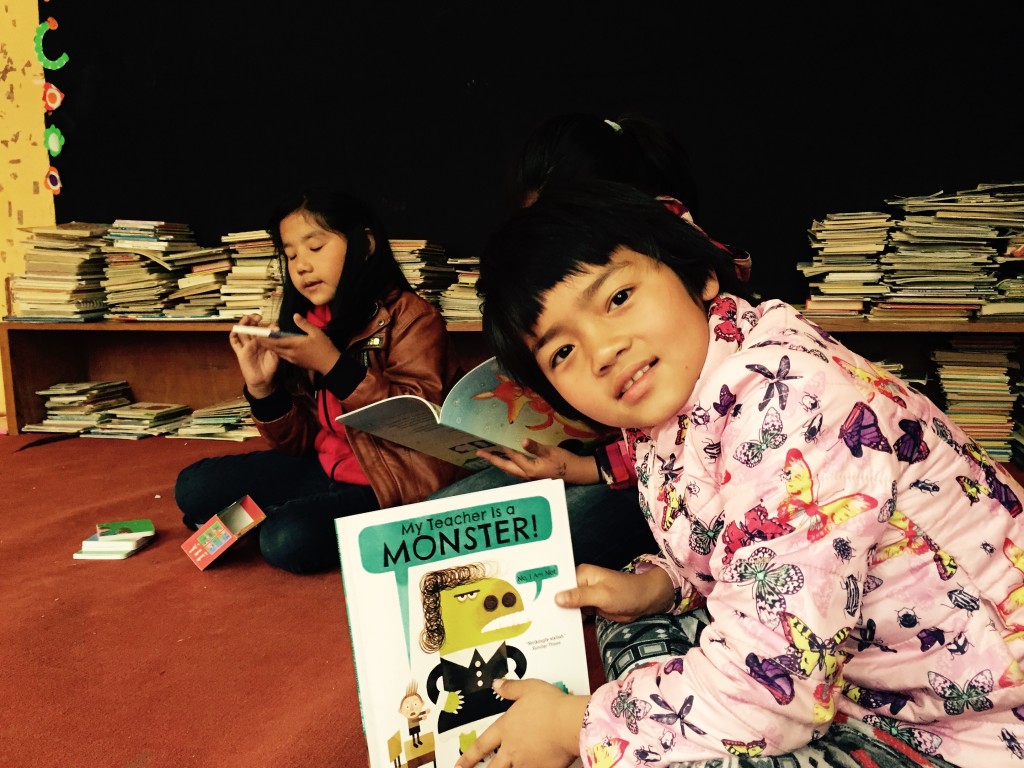
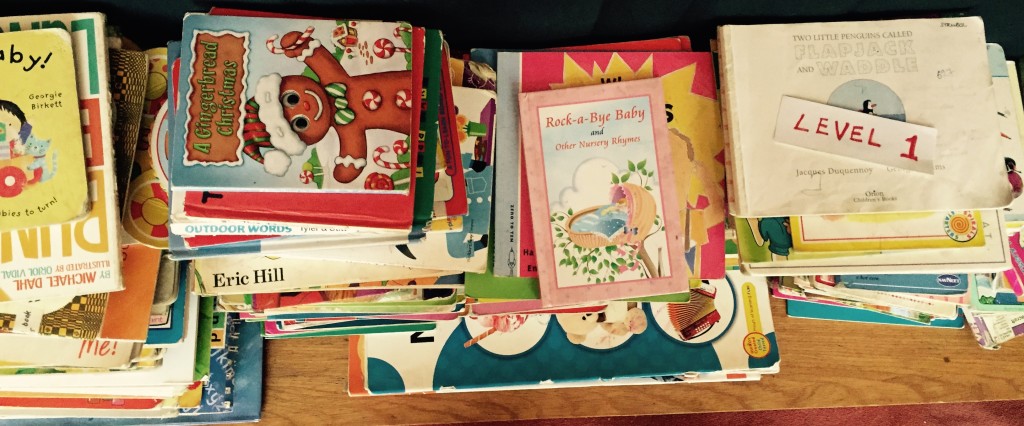
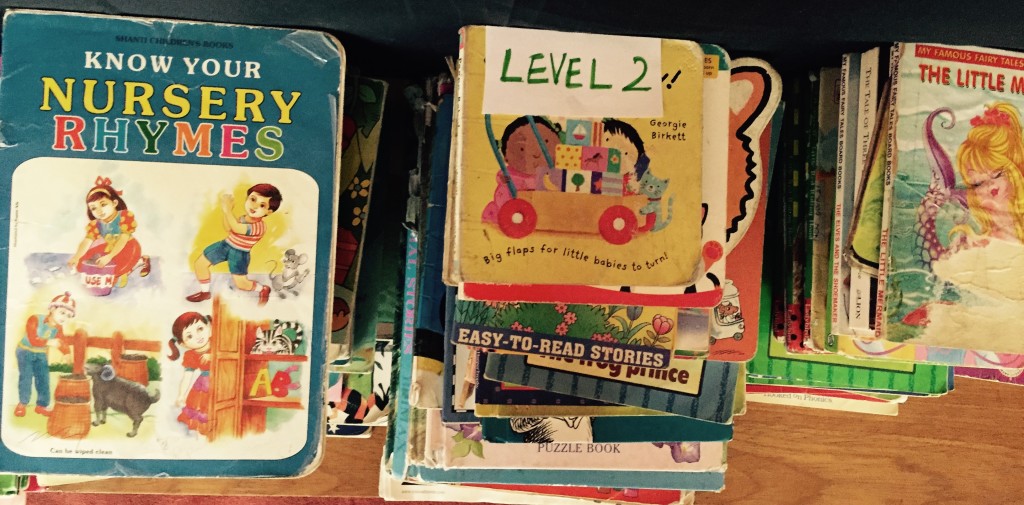
When Tenzin entered the monastery, he found a different kind of story. The senior monks recited teachings, biographies of respected teachers, and accounts of journeys across mountain passes. He listened carefully, yet he was especially drawn to the small reading room, where donated books introduced him to illustrated tales, history, poetry, and stories from distant countries.
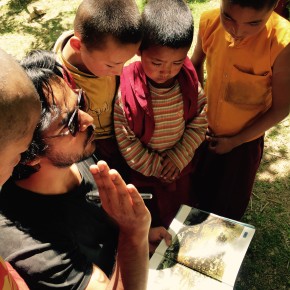
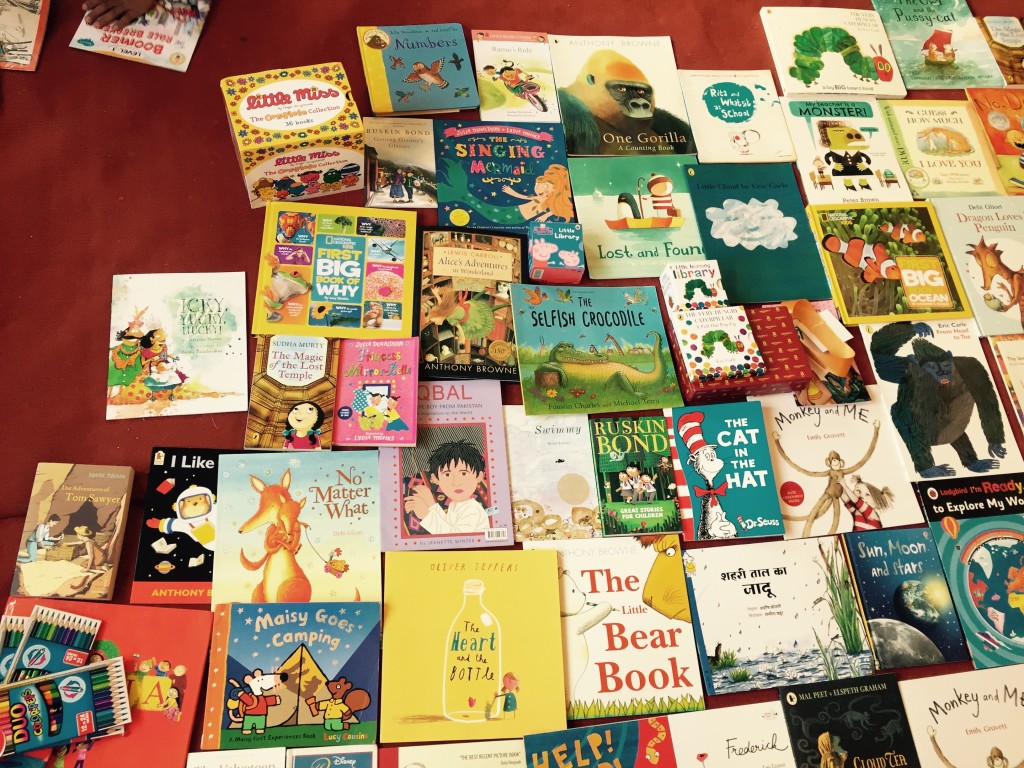
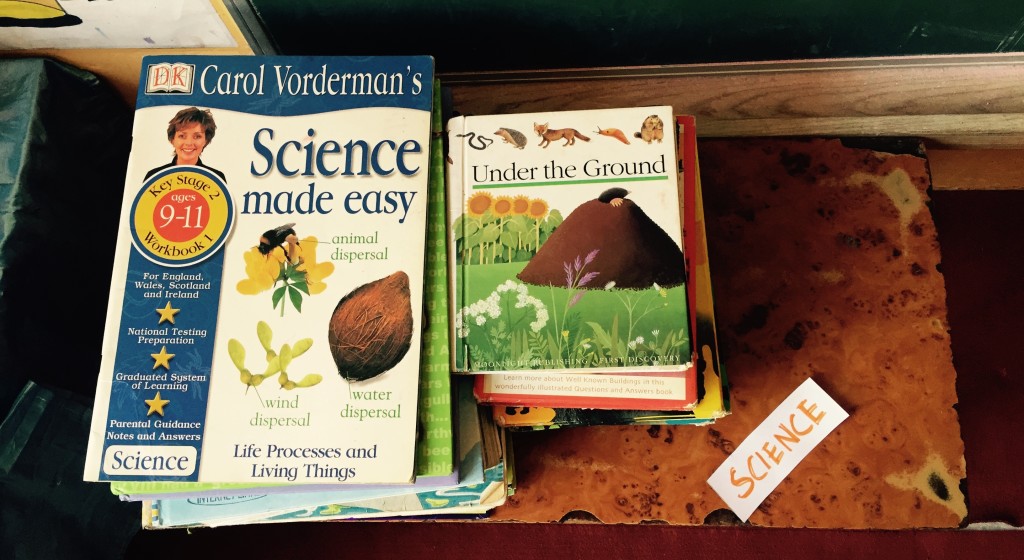
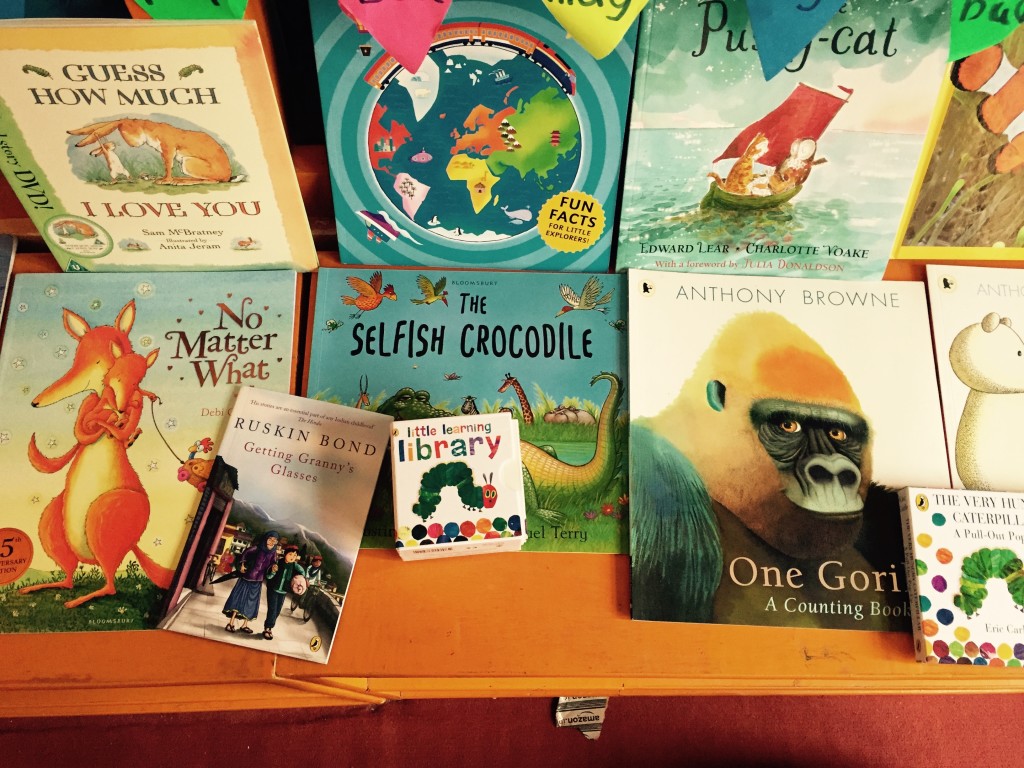
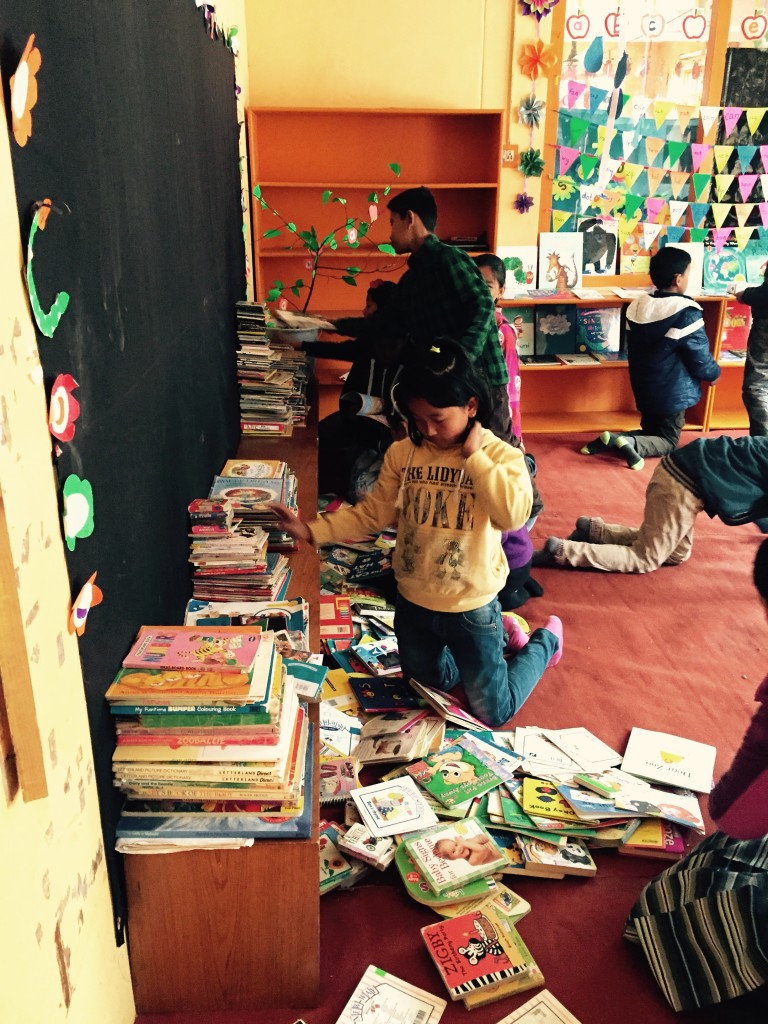
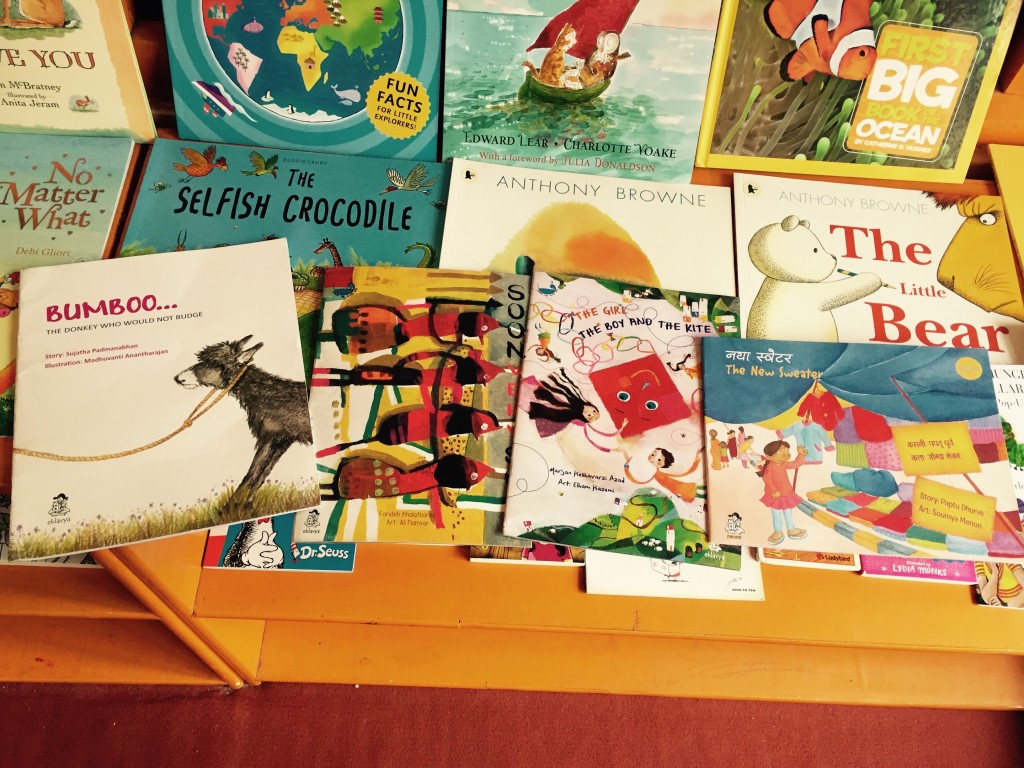
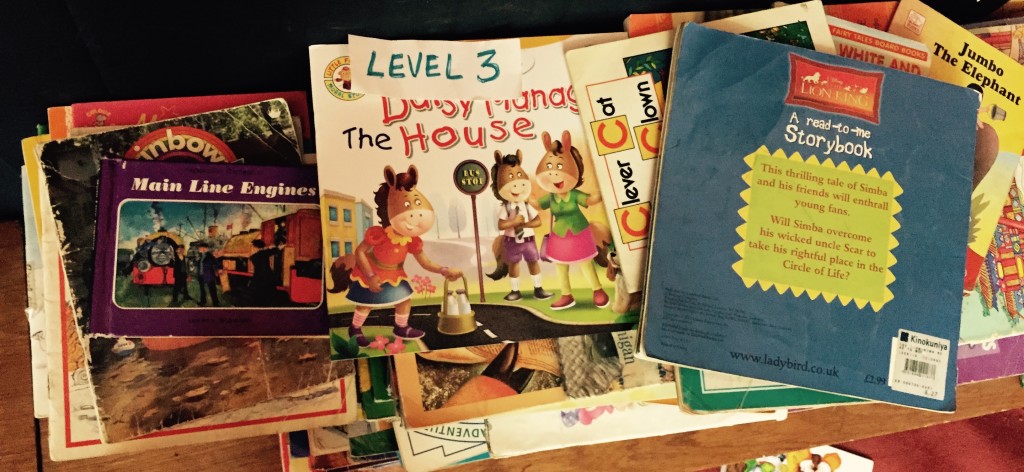
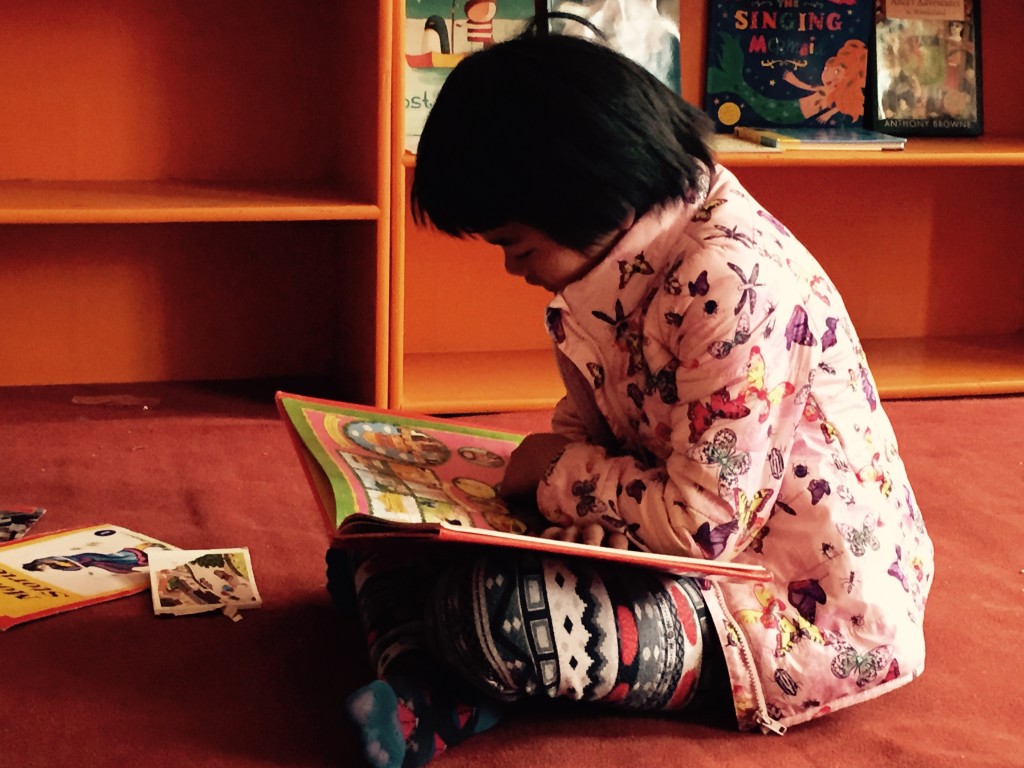
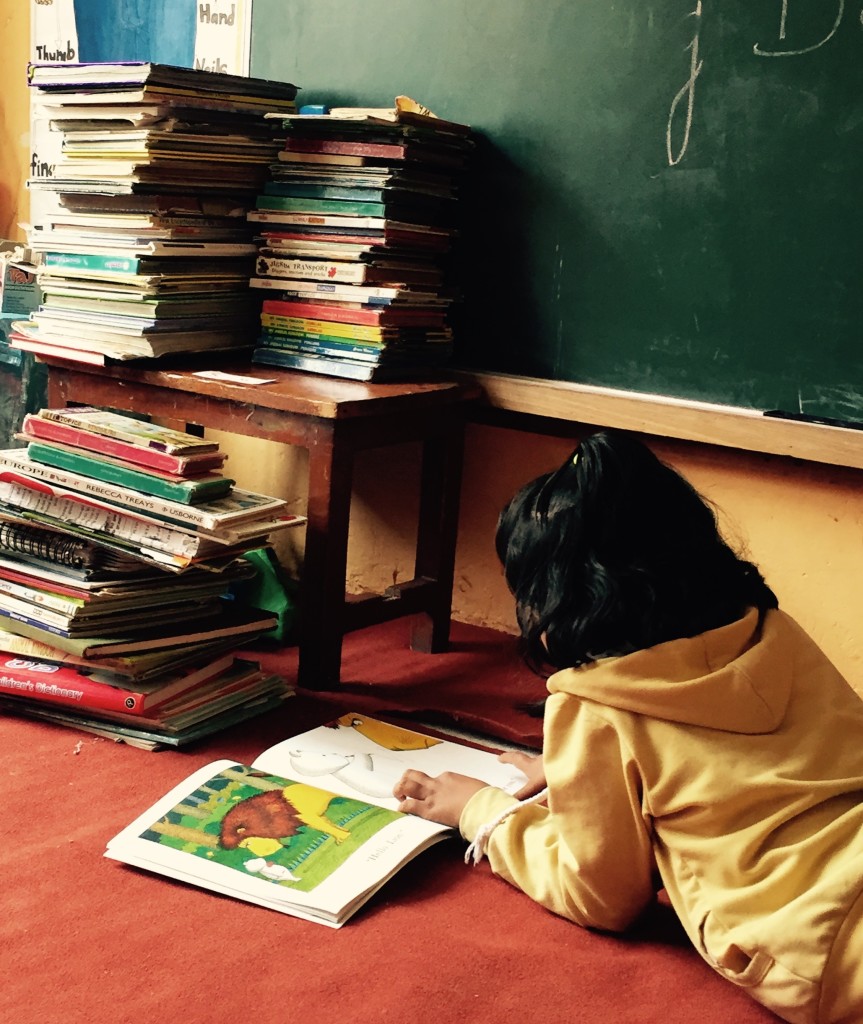
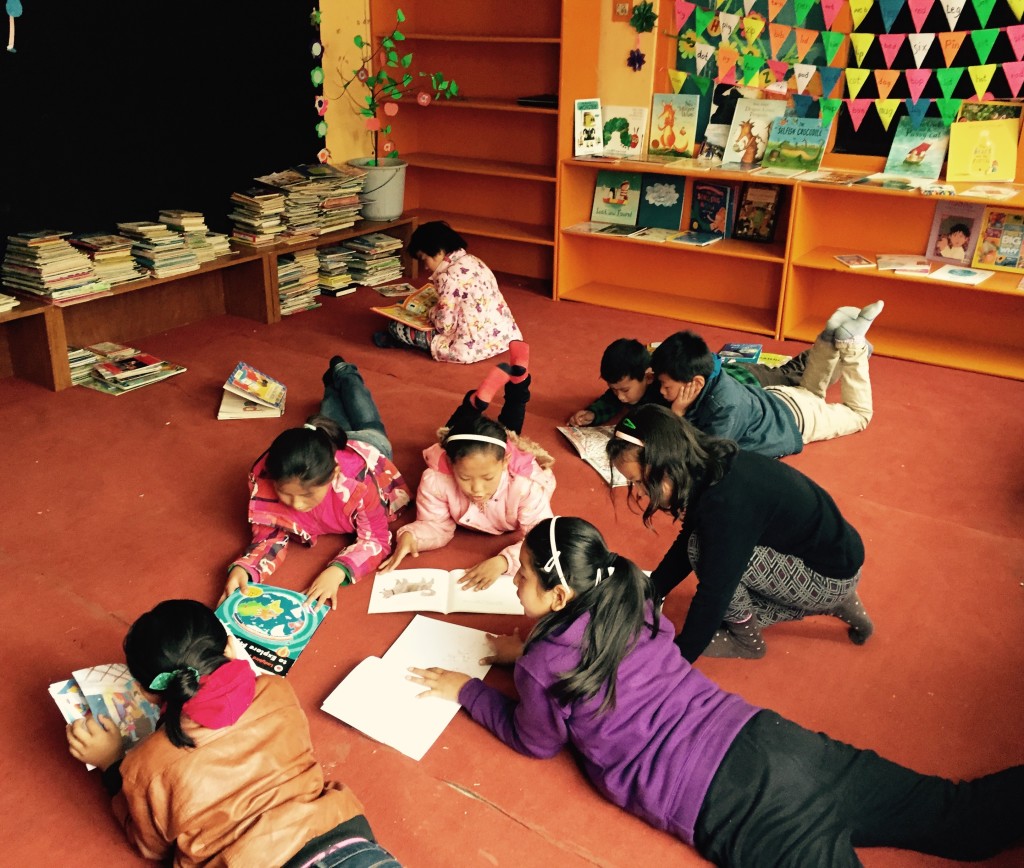
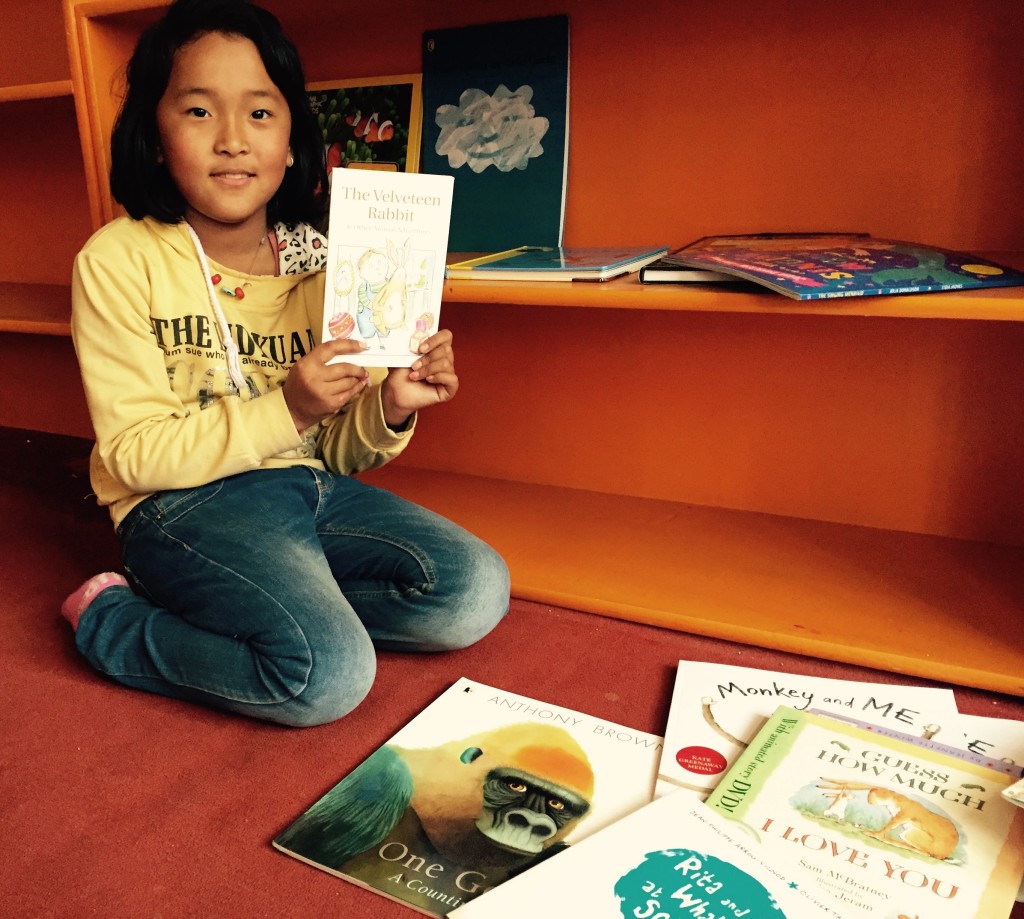
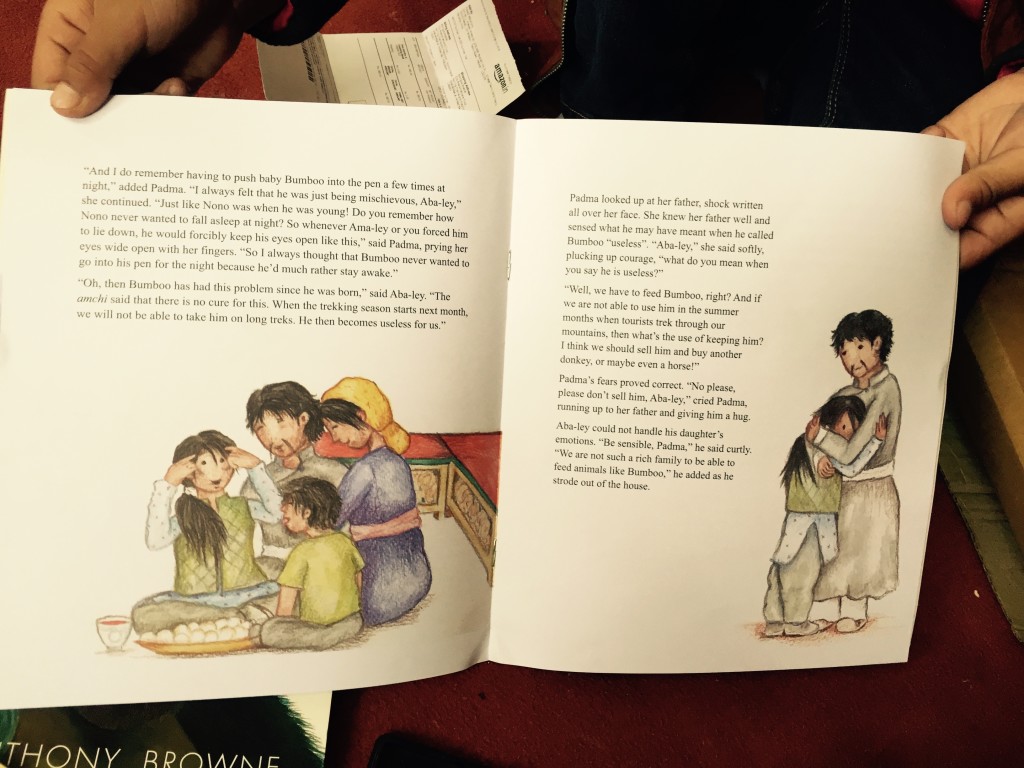
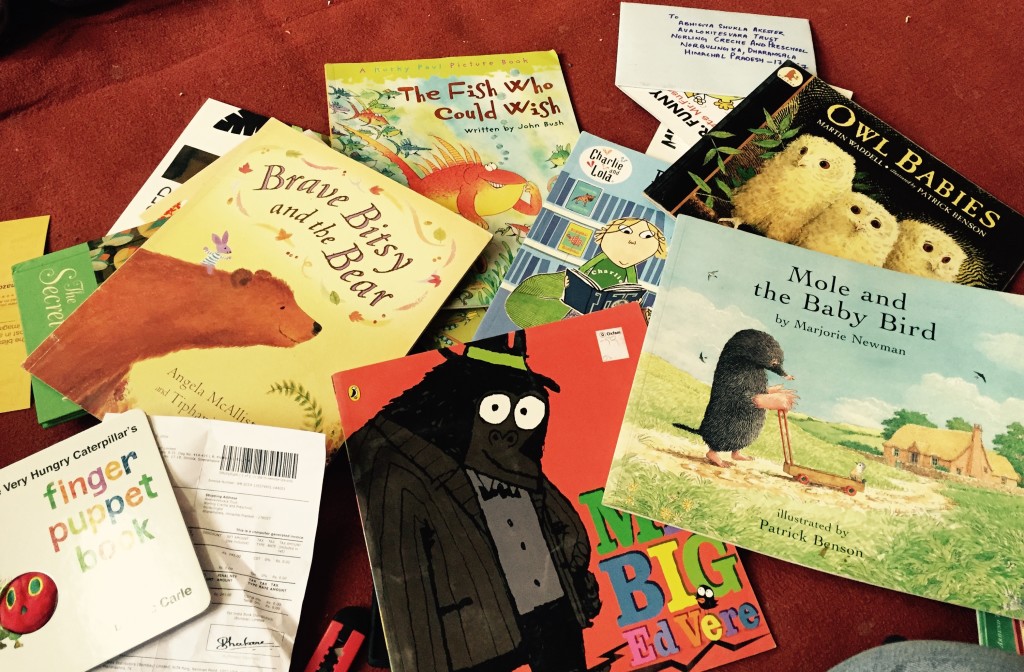
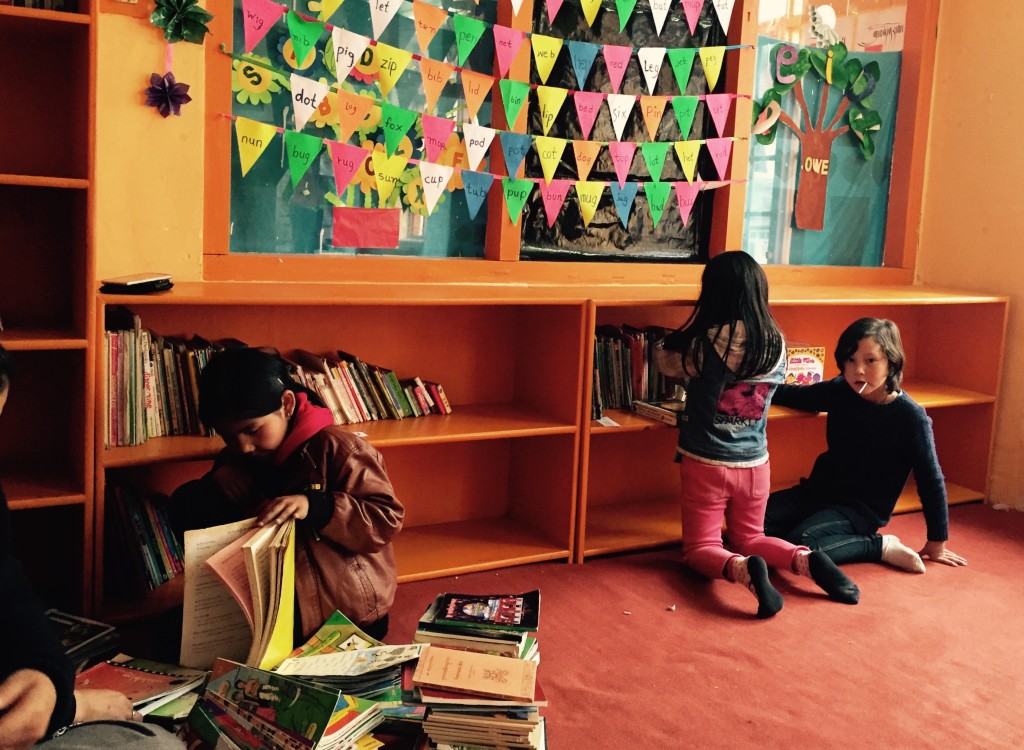
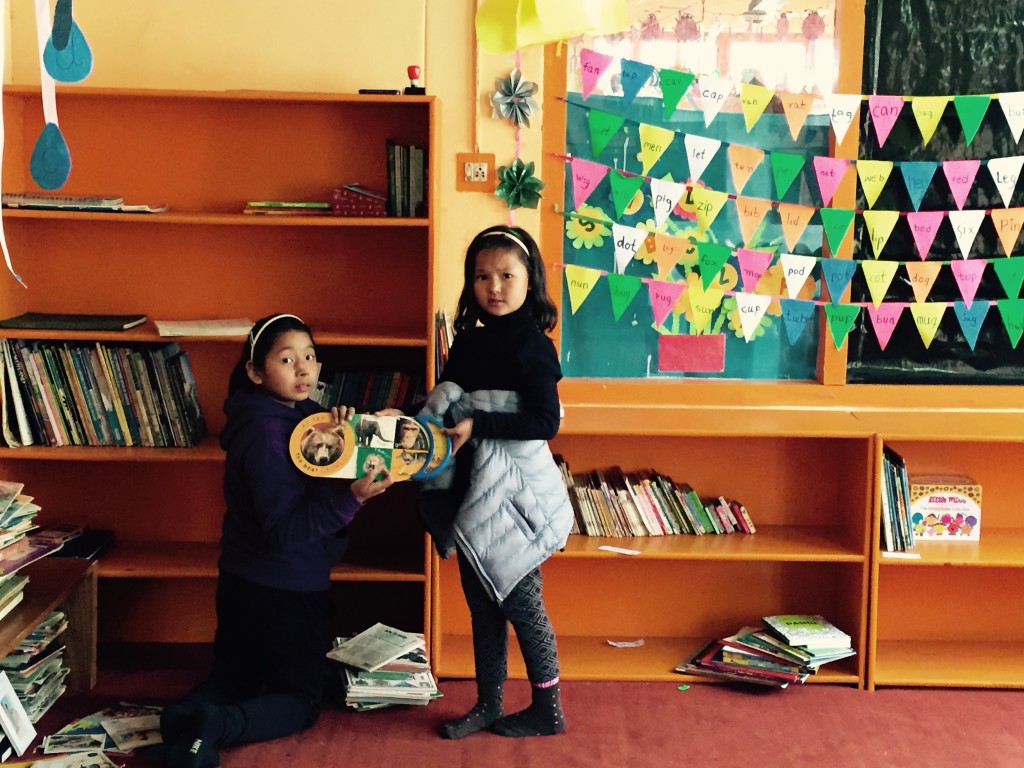
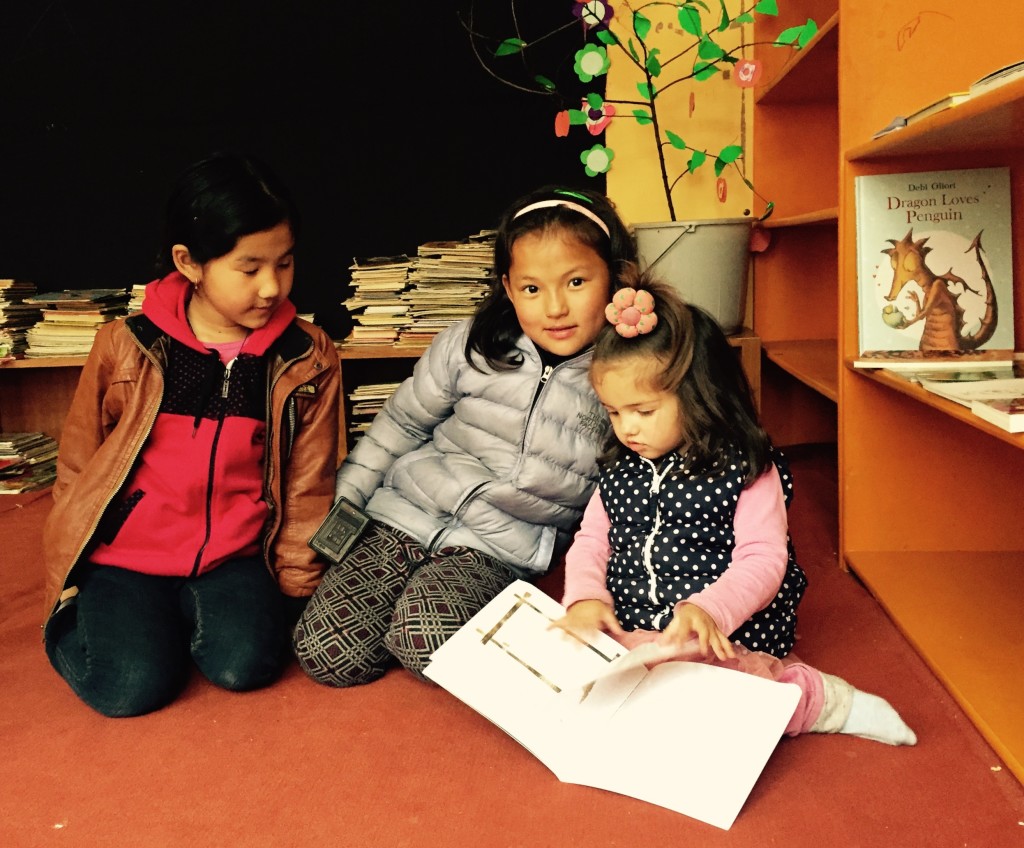
The reading room gave him a place to explore at his own pace. A picture book about wildlife led him to ask questions about the animals living beyond the valley. A translated novel showed him that children in other places also worried, dreamed, argued, and hoped. Books expanded his understanding without taking him away from his own culture.
Learning To Listen Before Speaking
Tenzin’s first attempts at storytelling were hesitant. He often rushed through details or forgot the order of events. An older monk encouraged him to slow down and listen more closely. “A good storyteller does not collect only words,” the teacher told him. “He notices the person behind them.”
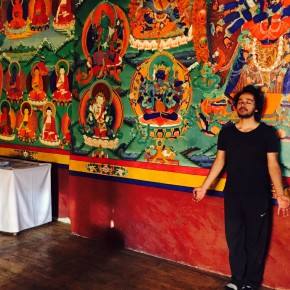
That advice changed the way Tenzin moved through the monastery. He began asking elders about the founding of the prayer hall, the meaning of old murals, and the journeys made by monks before him. He spoke with cooks, caretakers, artists, and young novices. Each person offered a different view of monastery life.
He discovered that listening required patience. Some stories emerged through long pauses. Others appeared in a joke, a song, or a memory shared while sorting books. Tenzin wrote down names, places, and small details, then returned to check that he had understood correctly. His storytelling became an act of respect rather than performance.
From Notebook Pages To Community Gatherings
As Tenzin’s confidence grew, a senior teacher invited him to tell a story during an evening gathering for young monks. He chose a tale about a traveler who mistakes a mountain echo for the voice of a spirit. The story made the children laugh, but its message was thoughtful: fear often grows when people refuse to investigate what they do not understand.
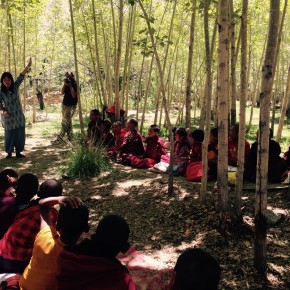
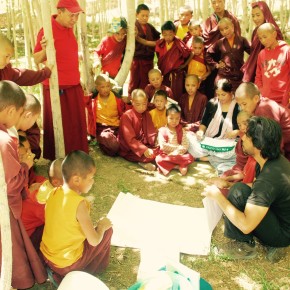
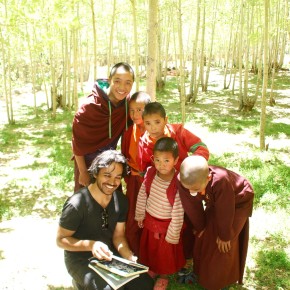
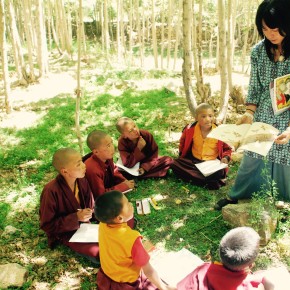
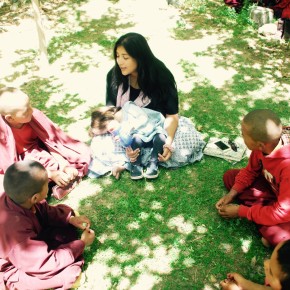
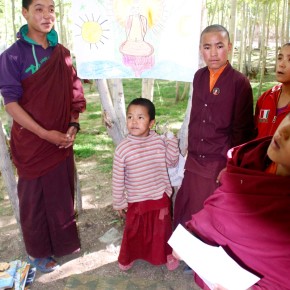
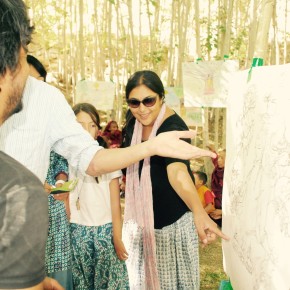
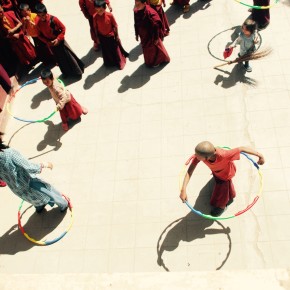
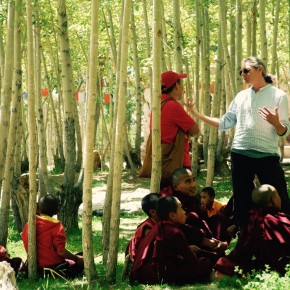
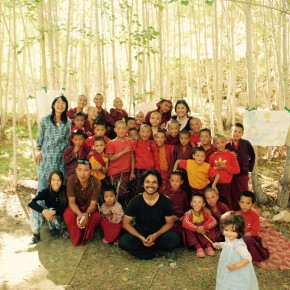
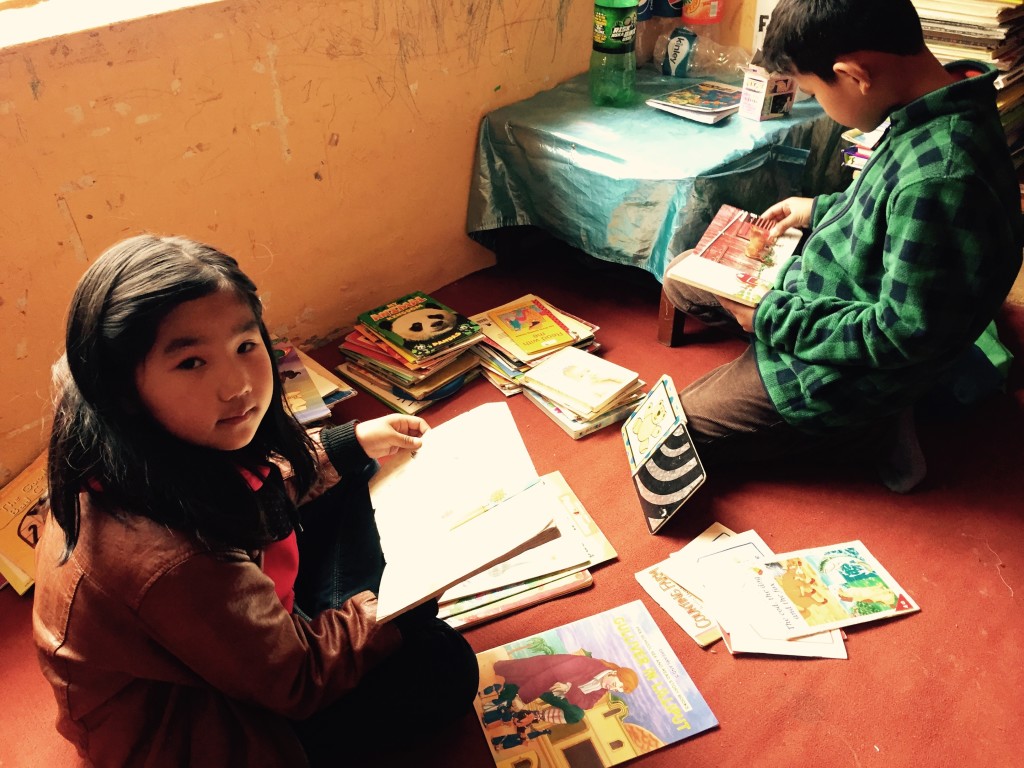
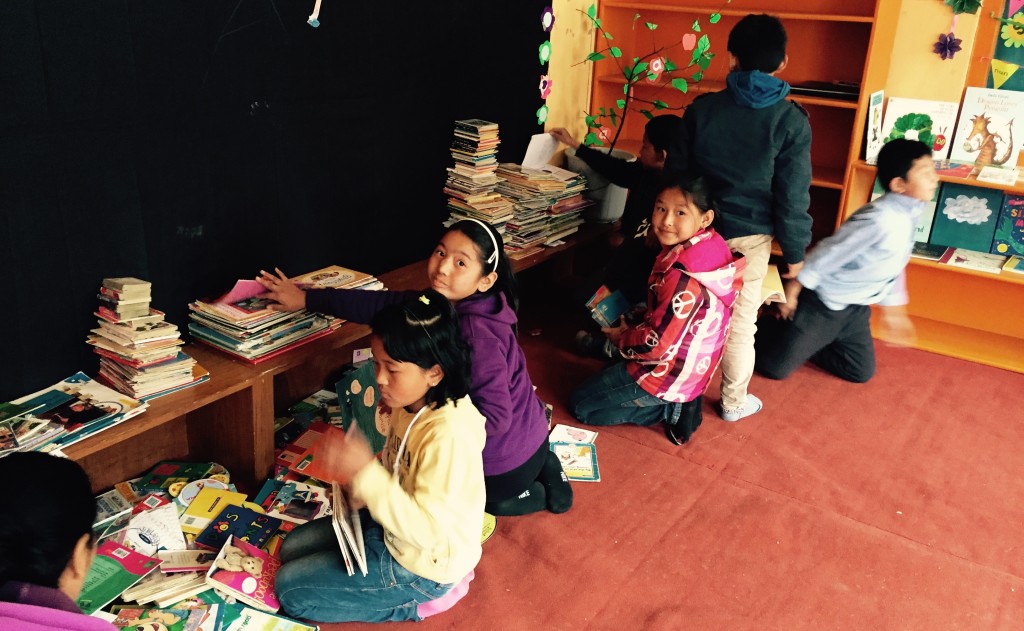
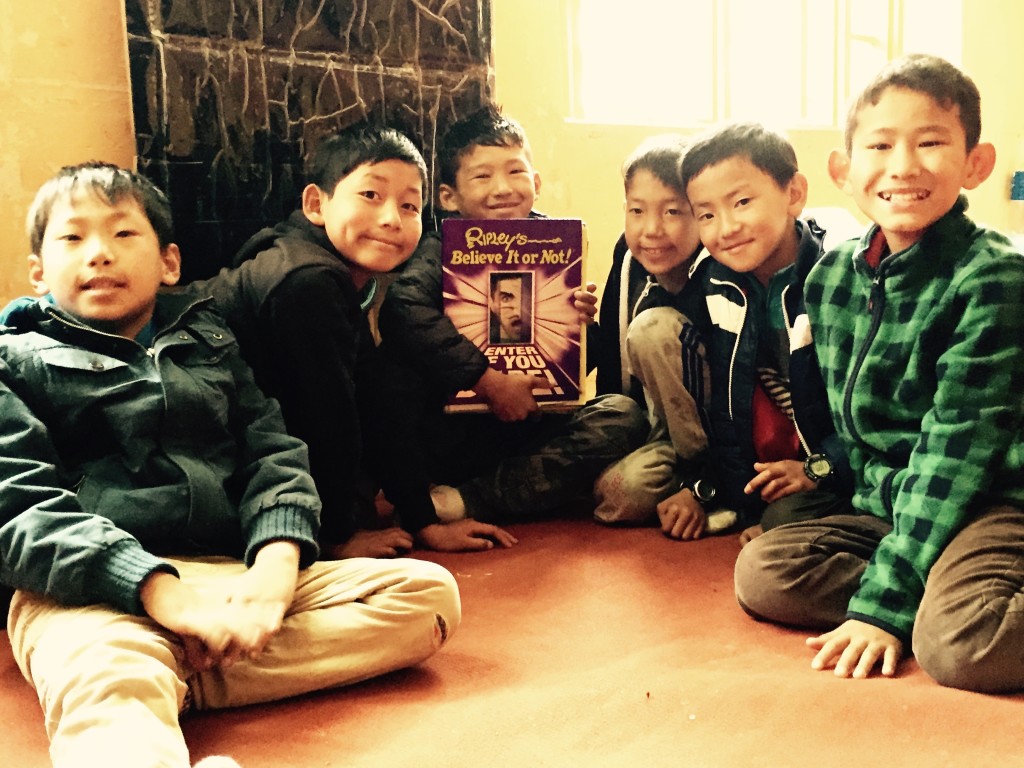
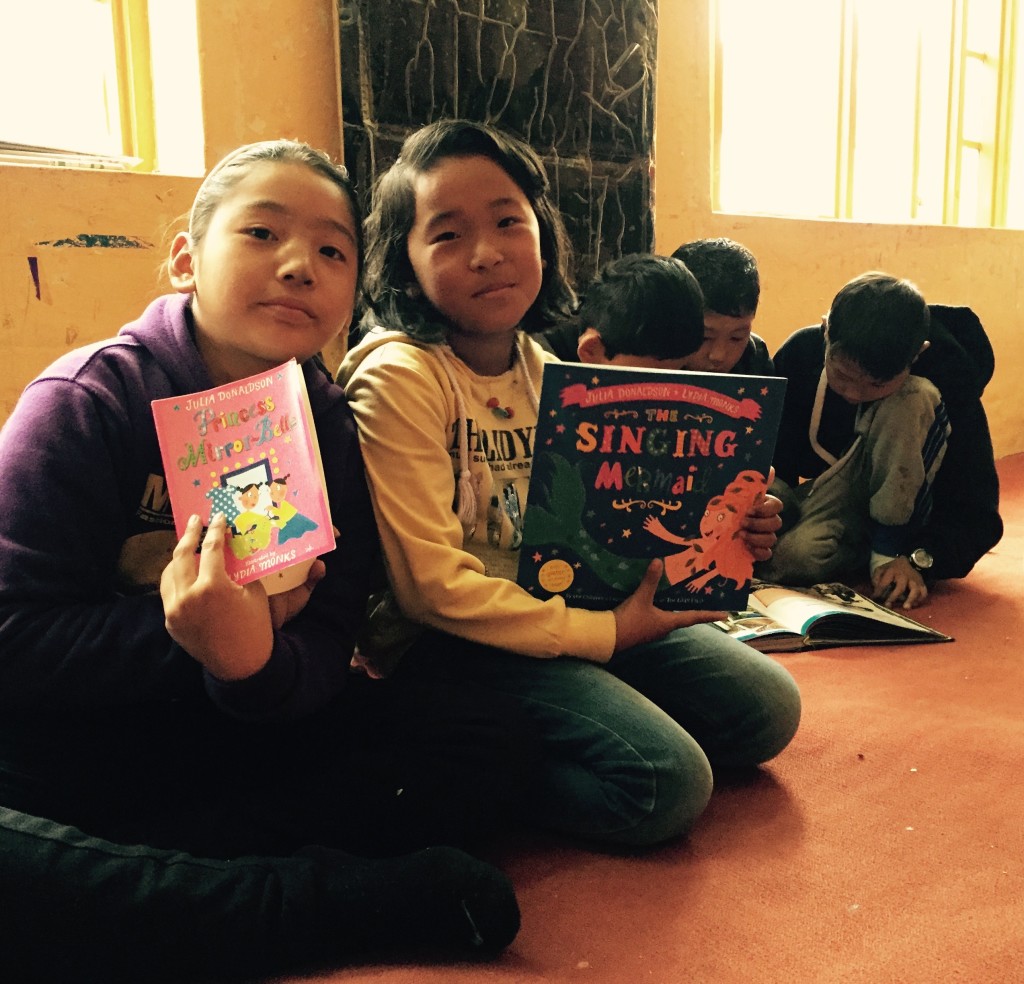
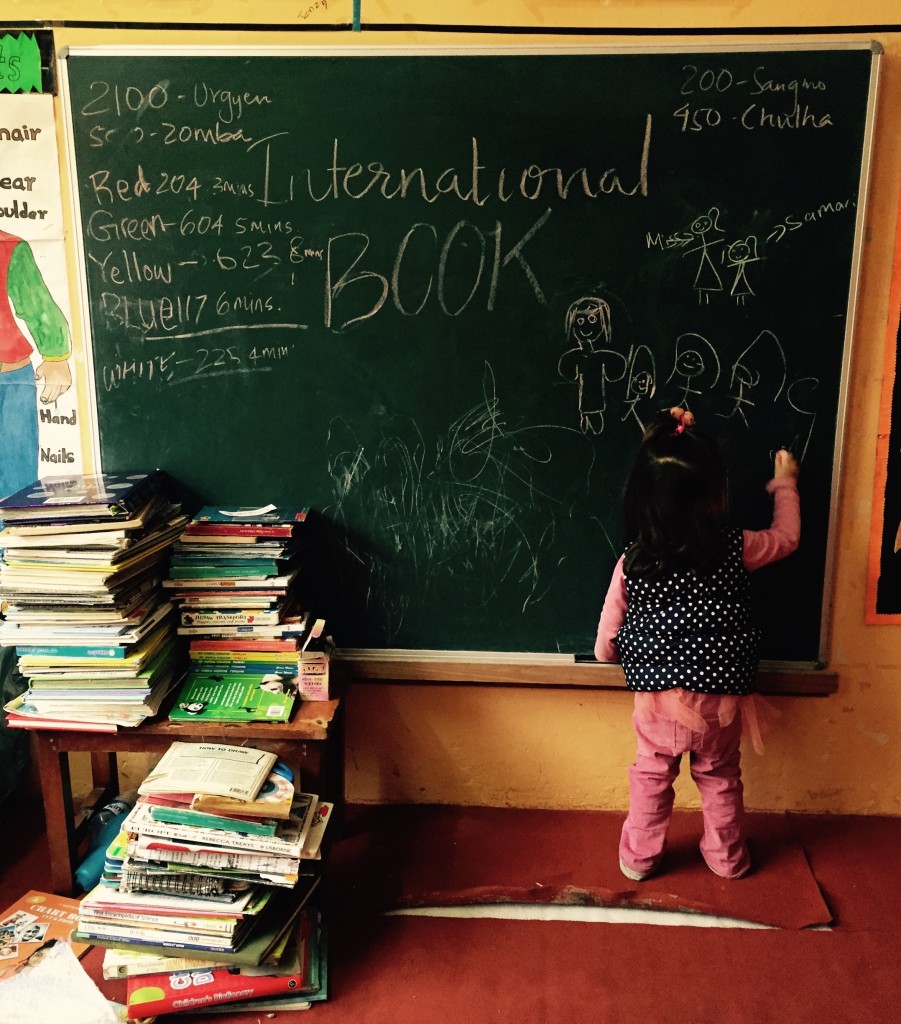
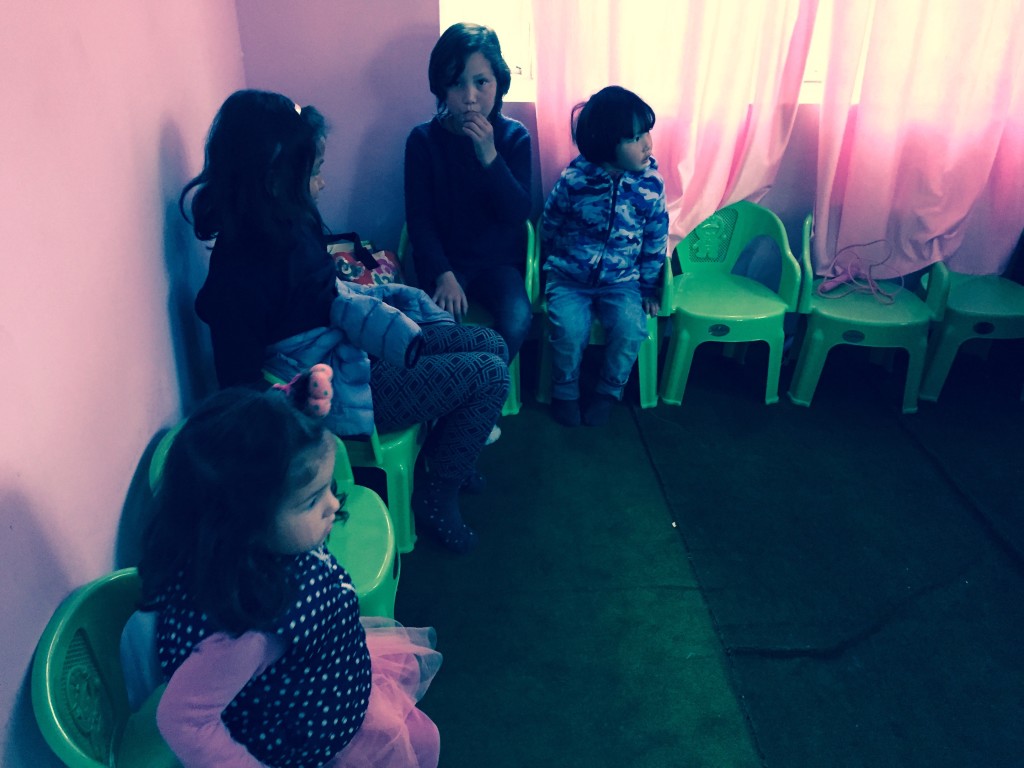
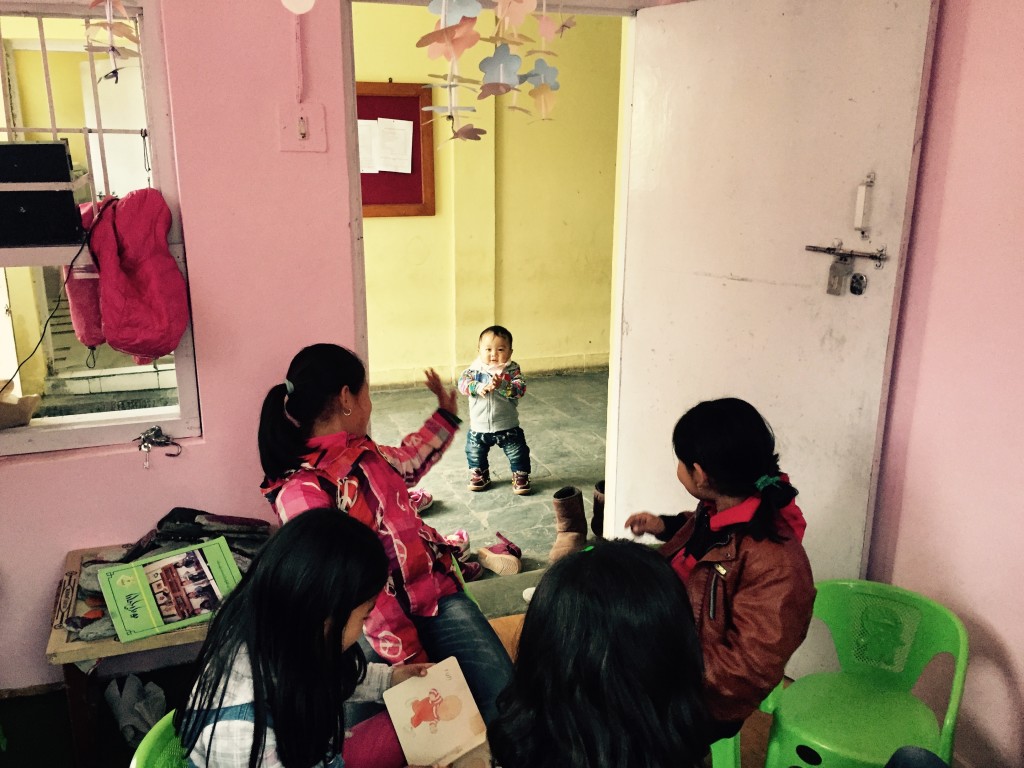
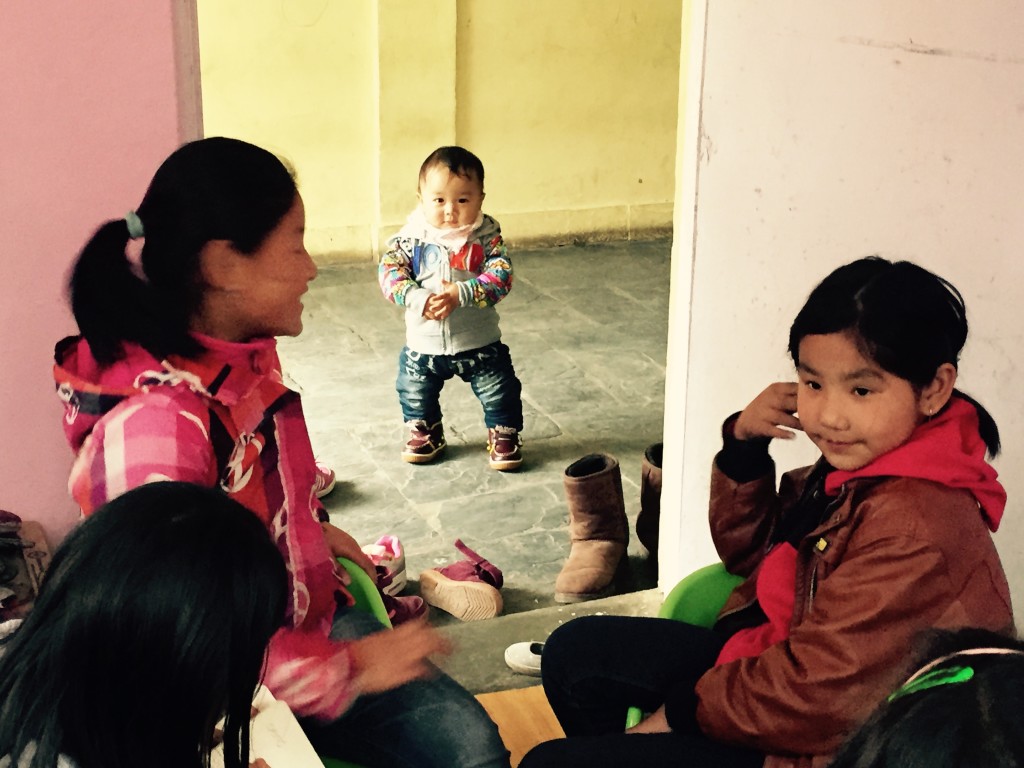
The gathering became a regular event. Once a week, children sat on woven mats while Tenzin shared a folktale, a biography, or a story inspired by daily life. Sometimes he invited the youngest listeners to supply an ending. At other times, they drew scenes from the story or acted out a conversation between its characters.
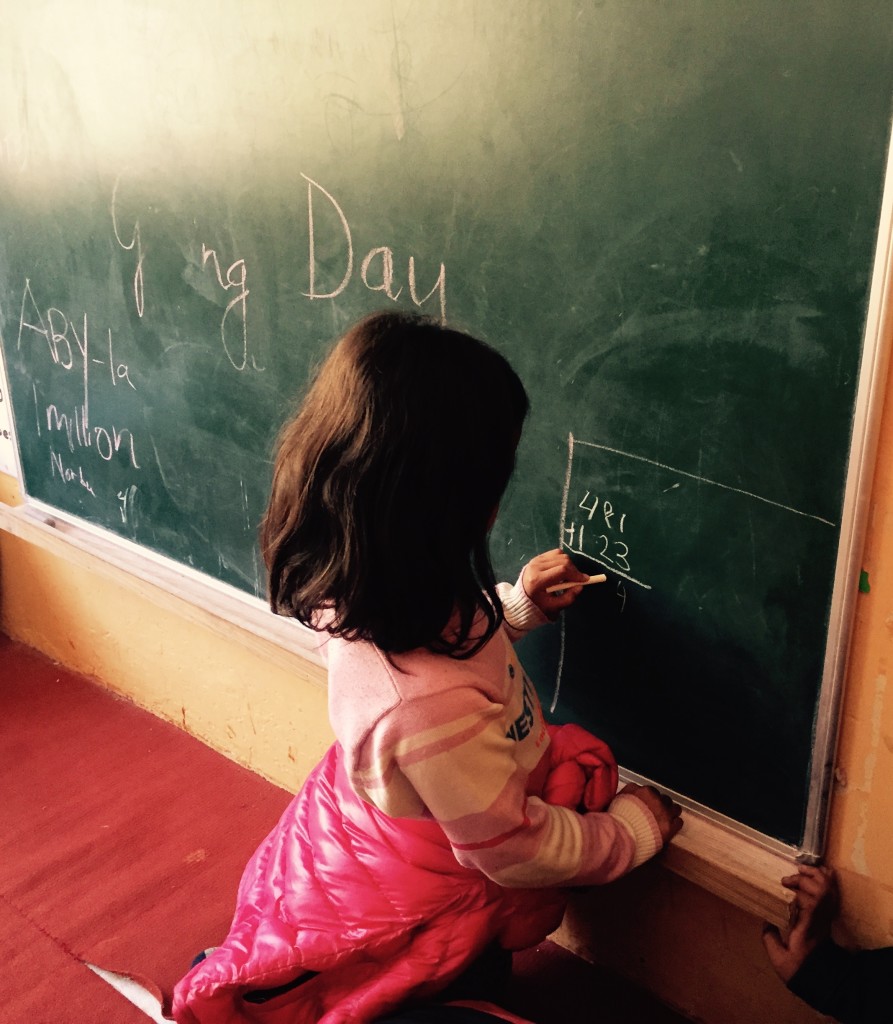
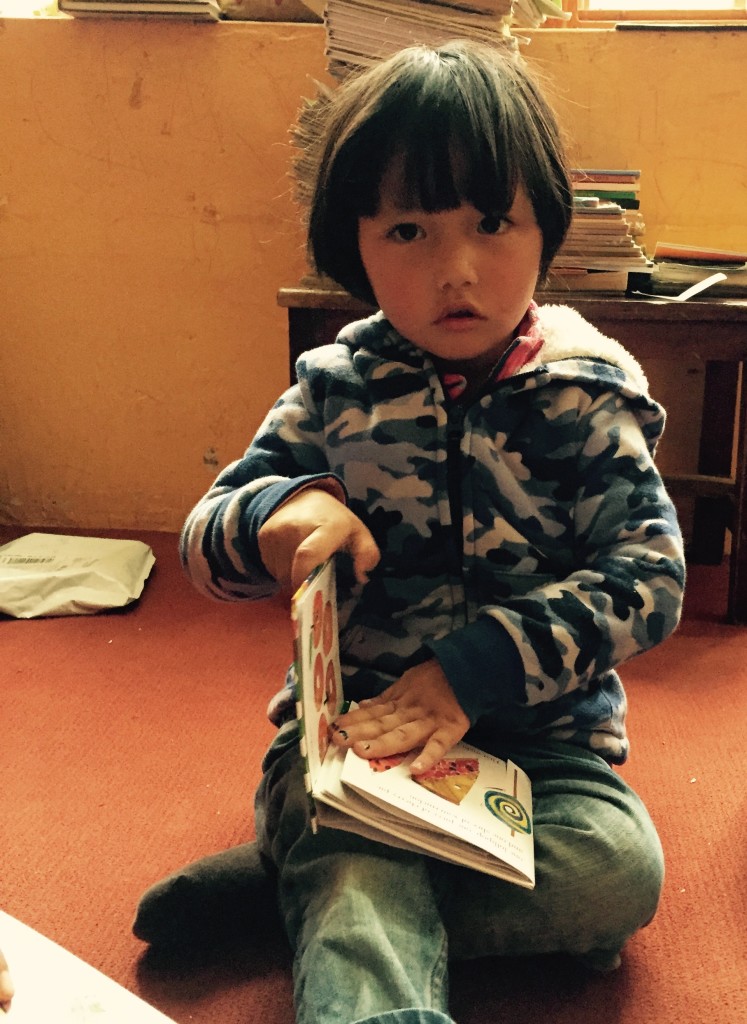
These sessions transformed the reading room into a meeting place. A child who was shy during lessons might speak boldly while playing a character. Another who struggled with reading could remember an entire plot after hearing it aloud. Storytelling helped build vocabulary, confidence, empathy, and a sense of shared participation.
What Different Activities Give Children
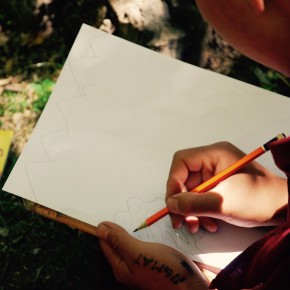
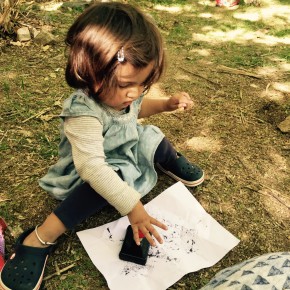
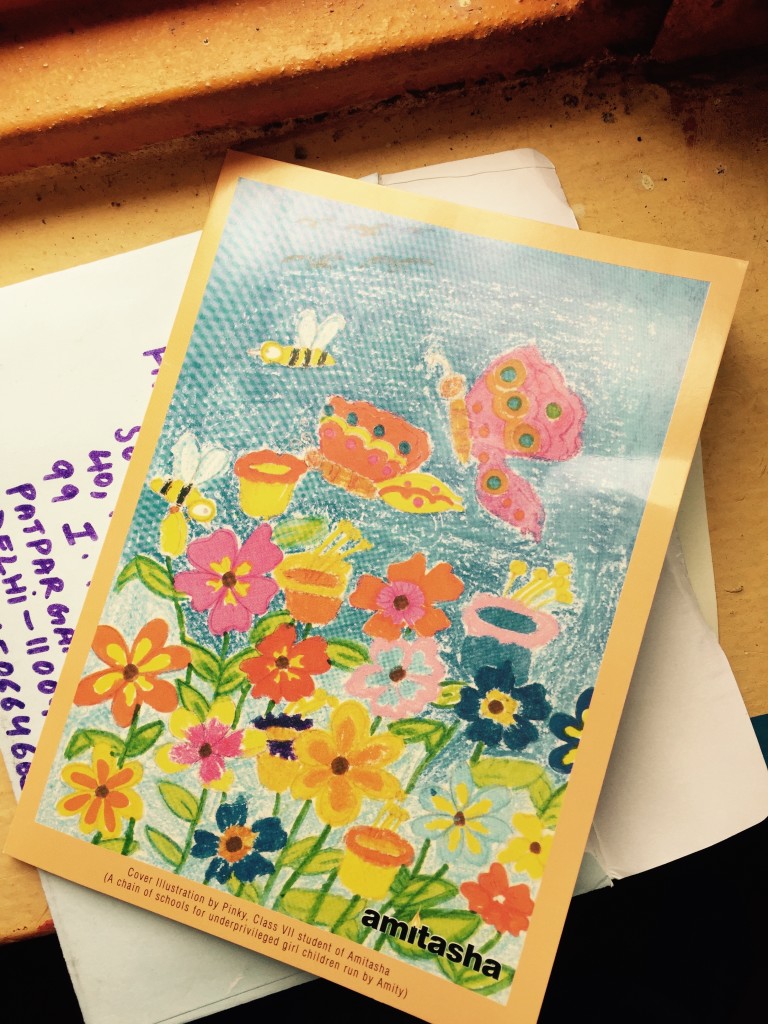
Tenzin gradually understood that every form of creative learning served a different purpose. Reading provided quiet concentration, while oral storytelling strengthened memory and expression. Drawing allowed children to communicate feelings that were difficult to explain. Music helped them work together and discover rhythm, confidence, and joy.
| Activity |
Skills Encouraged |
Community Benefit |
| Shared reading |
Vocabulary, focus, comprehension |
Creates a calm learning routine |
| Oral storytelling |
Memory, speaking, empathy |
Preserves local knowledge |
| Drawing and painting |
Observation, imagination, self-expression |
Makes ideas visible and shareable |
| Music and song |
Cooperation, rhythm, confidence |
Brings different ages together |
| Story writing |
Organization, creativity, reflection |
Gives children a voice |
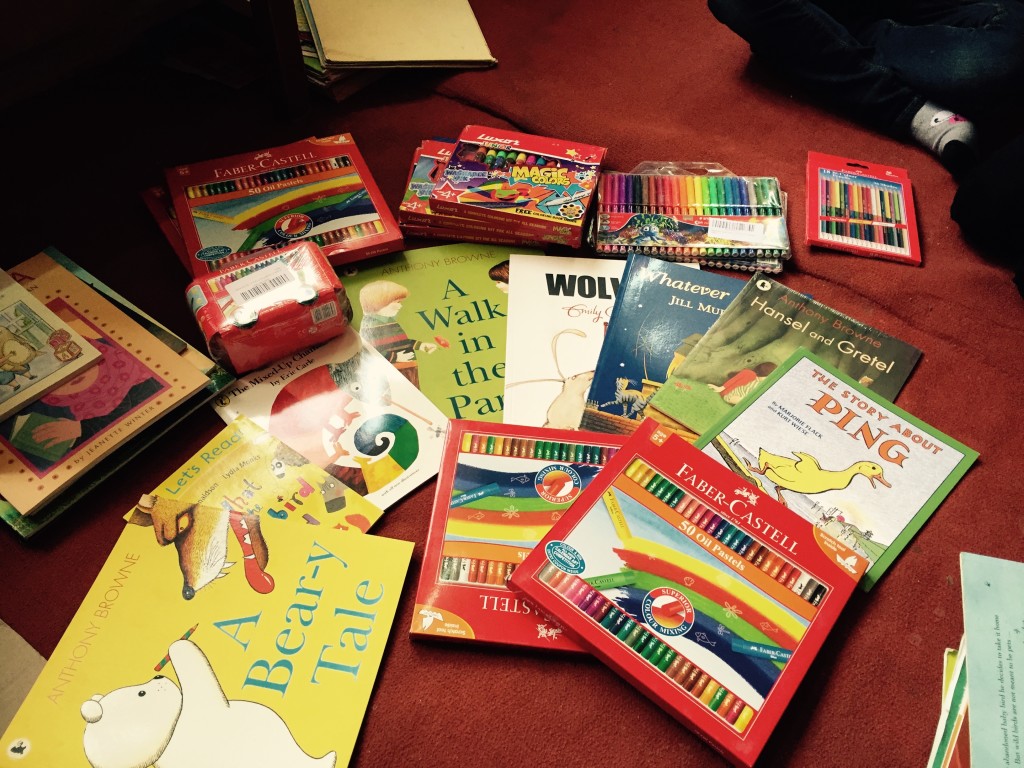
This combination mattered in a place where educational resources could be limited. A child did not need expensive equipment to participate. A donated book, a pencil, a drum, or an attentive listener could become the beginning of a meaningful learning experience.
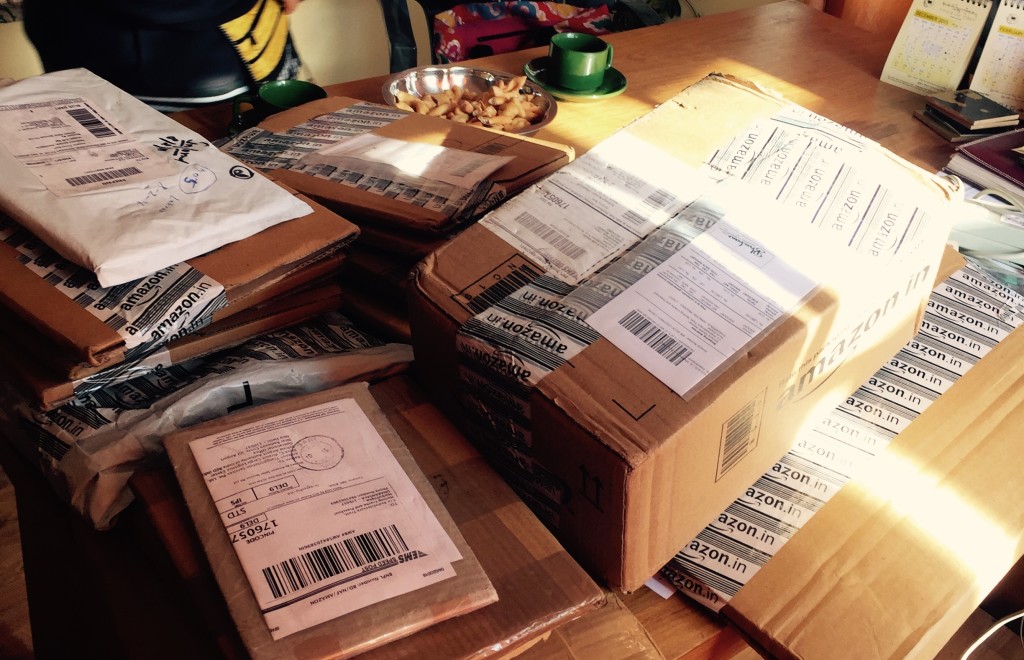
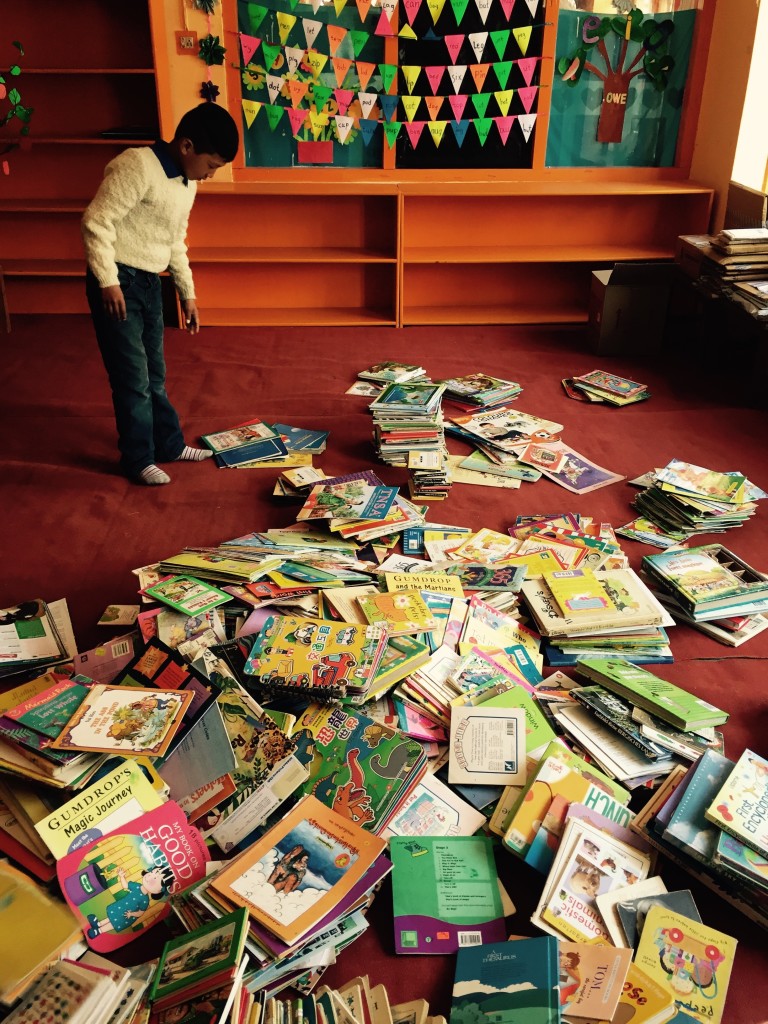
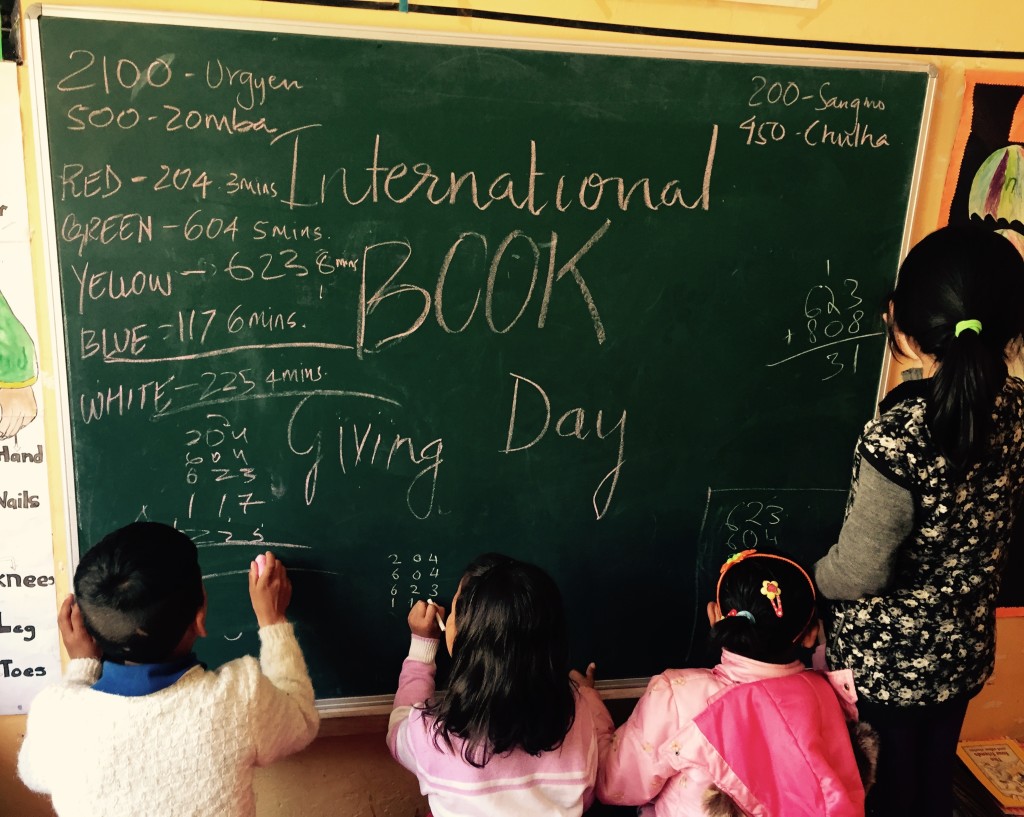
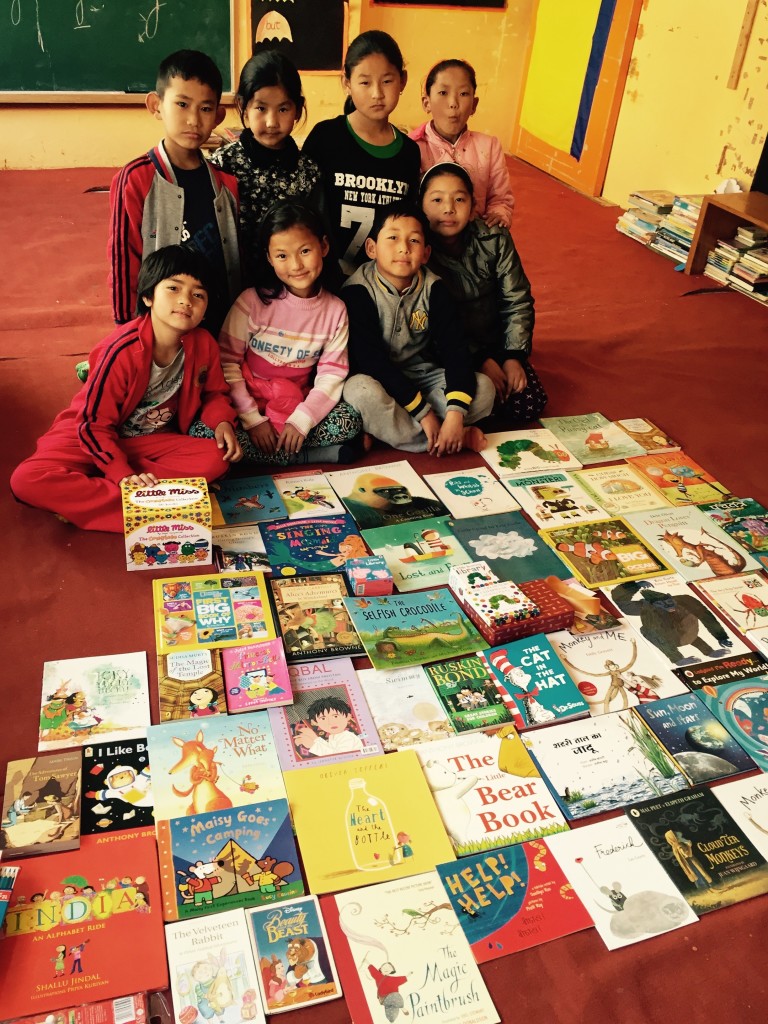
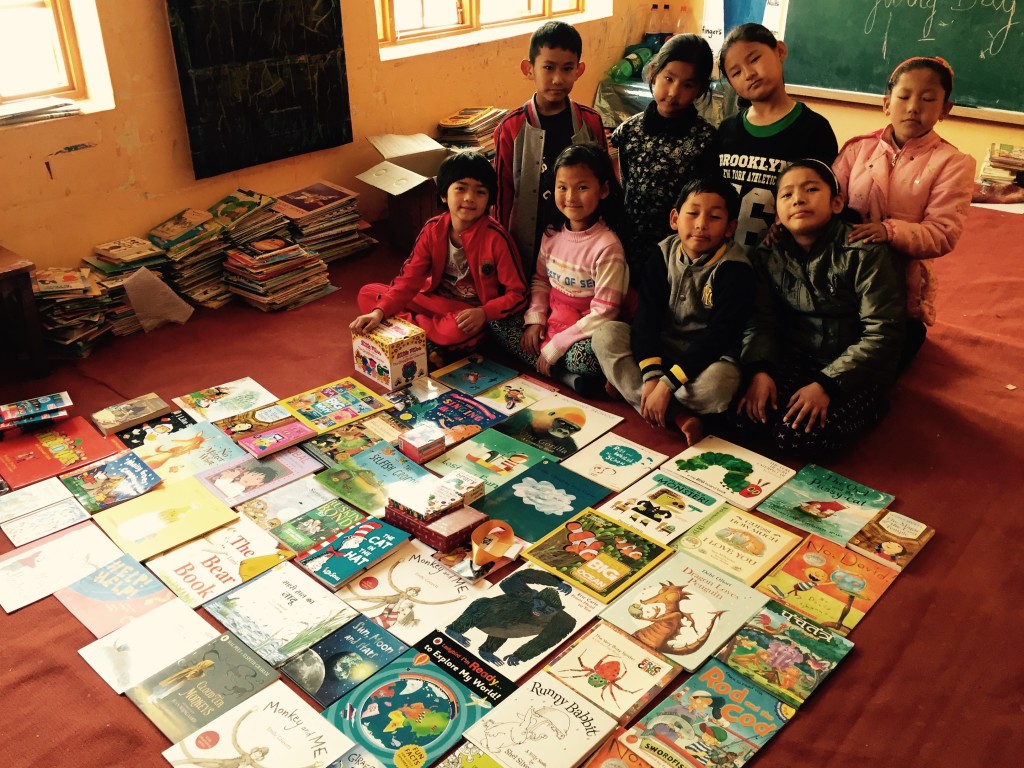
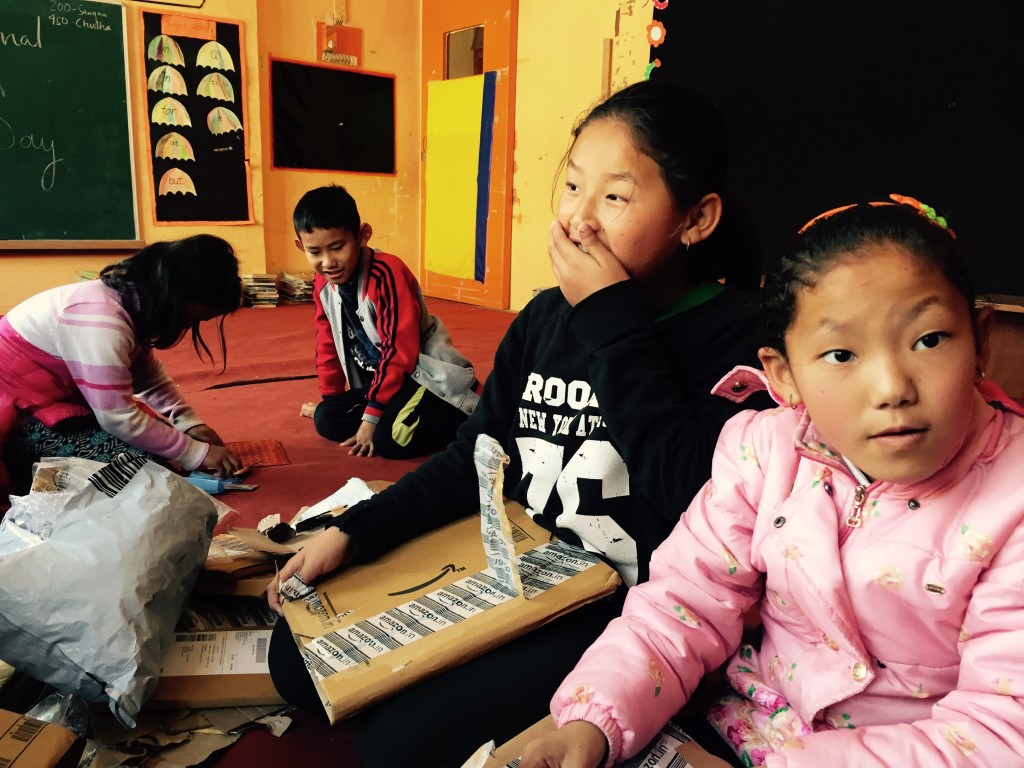
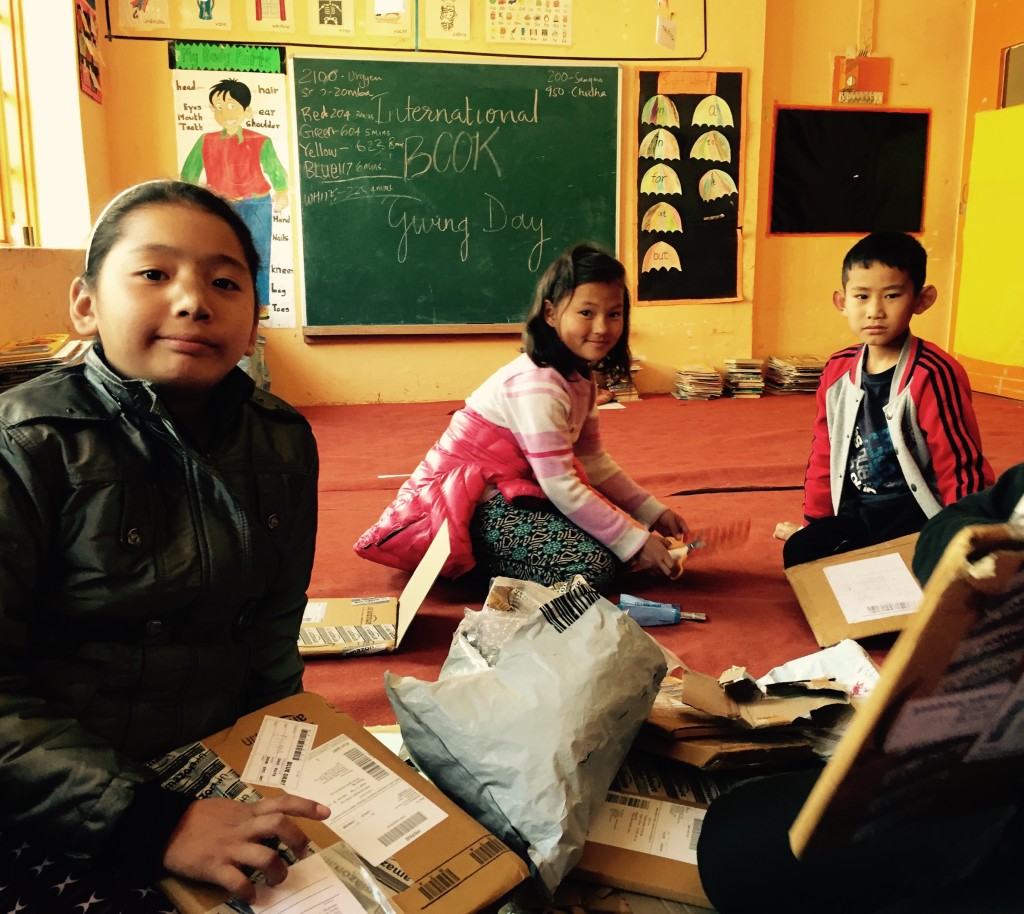
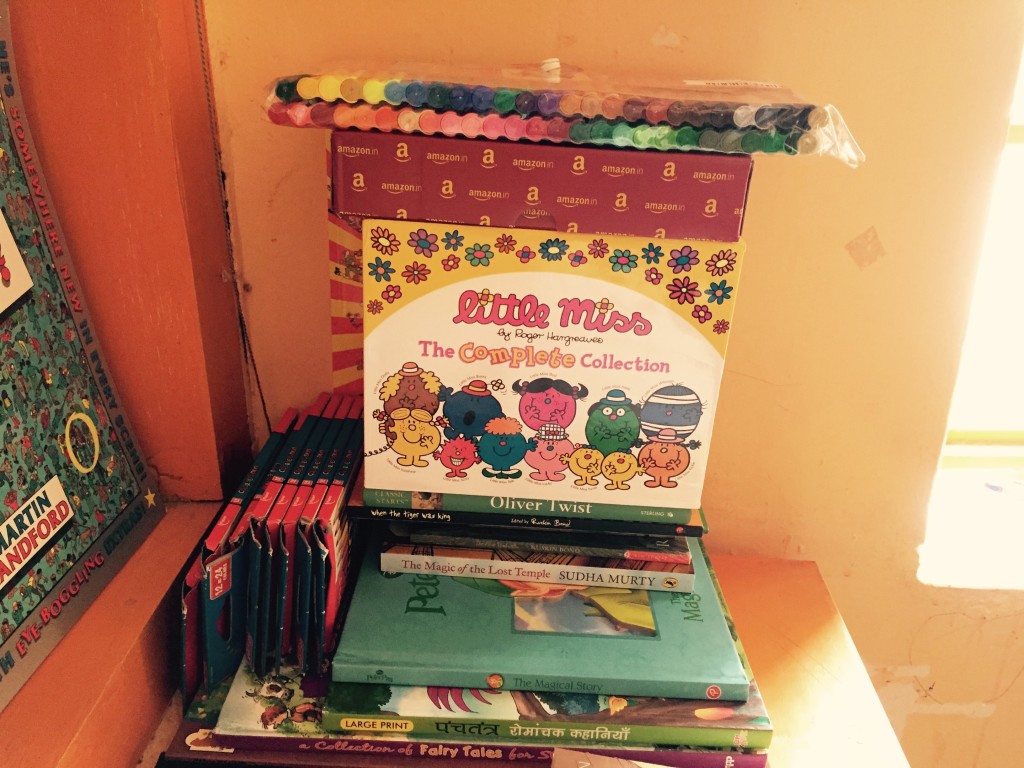
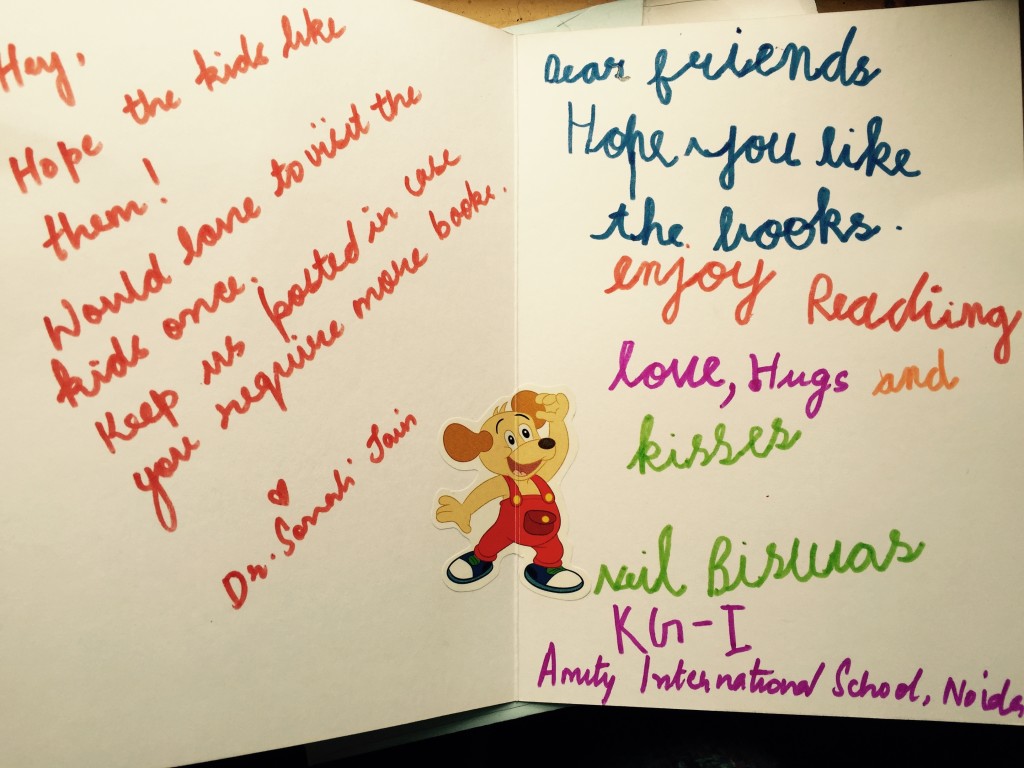
Organizations such as the Avalokiteśvara Trust help make this kind of environment possible by supporting reading rooms, book drives, and creative activities for children and young monks in Himalayan communities. Their work gives local learners access to resources while honoring the culture and character of each community.
Preserving Memory In A Changing Valley
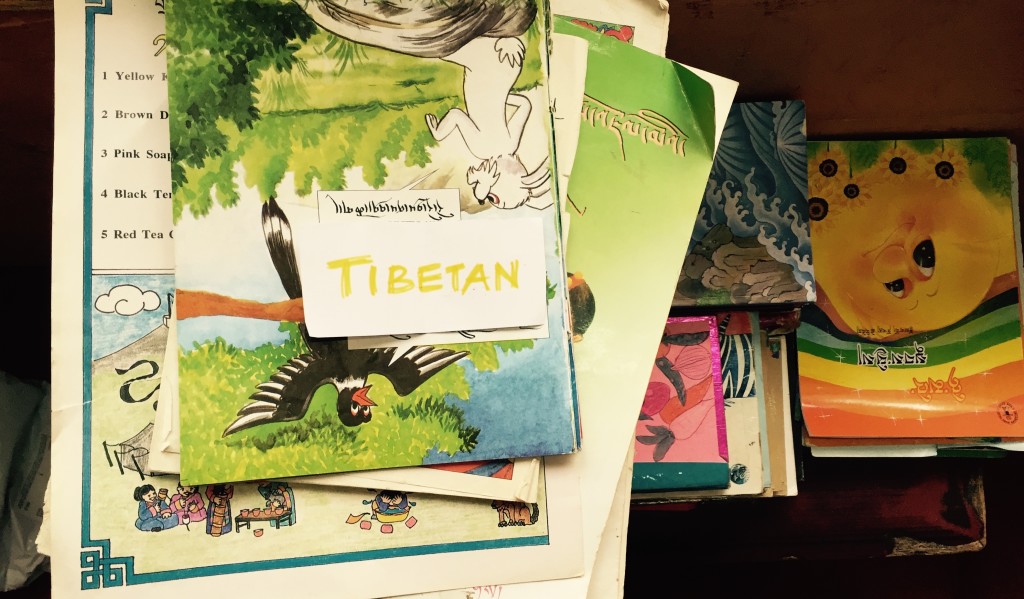
As roads, mobile phones, and modern schools changed life in the valley, Tenzin became increasingly aware that some memories could disappear. Older residents remembered traditional songs, seasonal customs, and stories about difficult journeys, but few had written them down. He began recording these accounts with permission and translating selected passages for younger readers.
His collection included a tale about a village rescued from a winter storm, a humorous account of a novice who mistook a yak for a shadow, and a reflective story about a monk who planted trees along a barren path. Tenzin did not treat these narratives as museum pieces. He encouraged children to illustrate them, retell them in their own words, and connect them to present-day concerns.
The young monk also learned to distinguish between preserving a story and possessing it. Some accounts were sacred or personal and were not meant for public sharing. He asked permission, accepted boundaries, and credited the people who had entrusted him with their memories. This made his work more reliable and strengthened relationships between the monastery and the surrounding villages.
A Voice That Serves Others
Tenzin’s role expanded beyond weekly storytelling. He helped younger monks choose books, coached children preparing a small performance, and wrote short summaries for visitors who wanted to understand the monastery’s history. His work connected literacy with service. He was no longer simply gathering stories; he was helping others find their own voices.
The monastery also began inviting village children to contribute stories. Some wrote about caring for animals, others described festivals, mountain weather, family traditions, or hopes for the future. Their work was read aloud during community gatherings and displayed beside drawings and photographs. The children saw that their experiences were worthy of attention.
For Tenzin, storytelling remained a spiritual practice. It asked him to be attentive, truthful, and compassionate. A story could entertain, but it could also encourage kindness toward a stranger, patience with a younger child, or courage during a difficult season. In this way, narrative became part of the monastery’s daily service.
Helping Young Storytellers Find Their Voice
A supportive learning environment can help children and young monks develop as readers, writers, artists, and communicators. The most effective approach is usually simple, consistent, and rooted in the community.
- Set aside regular time for shared reading and oral storytelling, even when the collection of books is small.
- Invite elders, teachers, artists, and families to share memories, songs, folktales, and practical knowledge.
- Let children respond through drawing, music, drama, or writing instead of requiring every learner to use the same format.
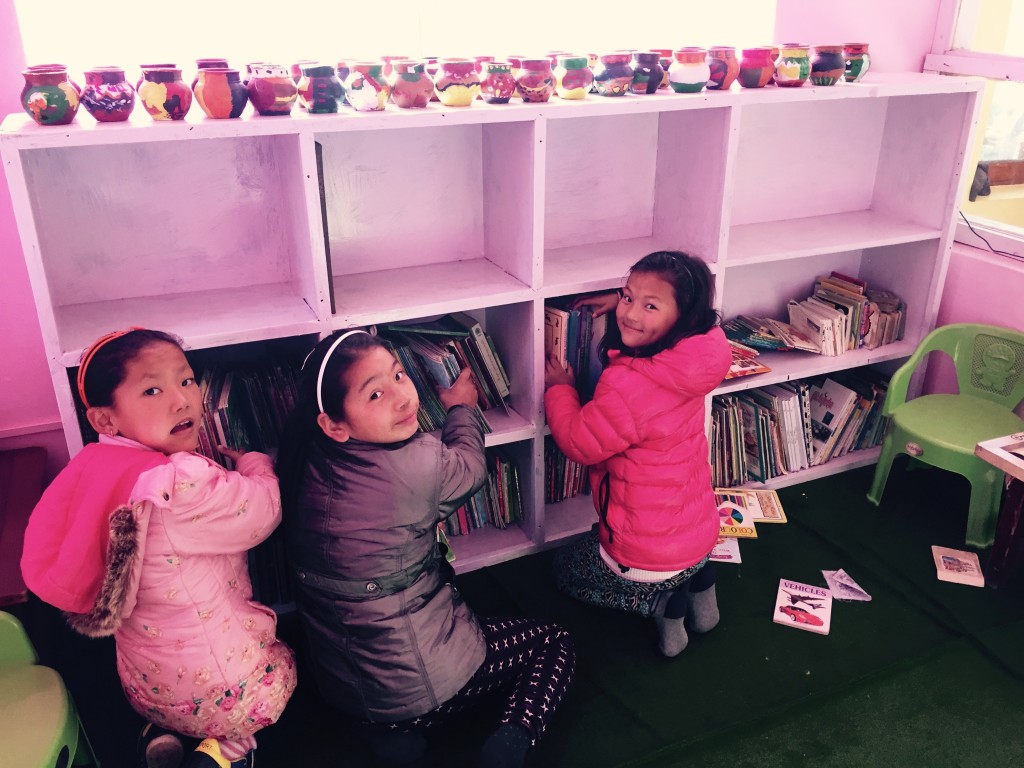
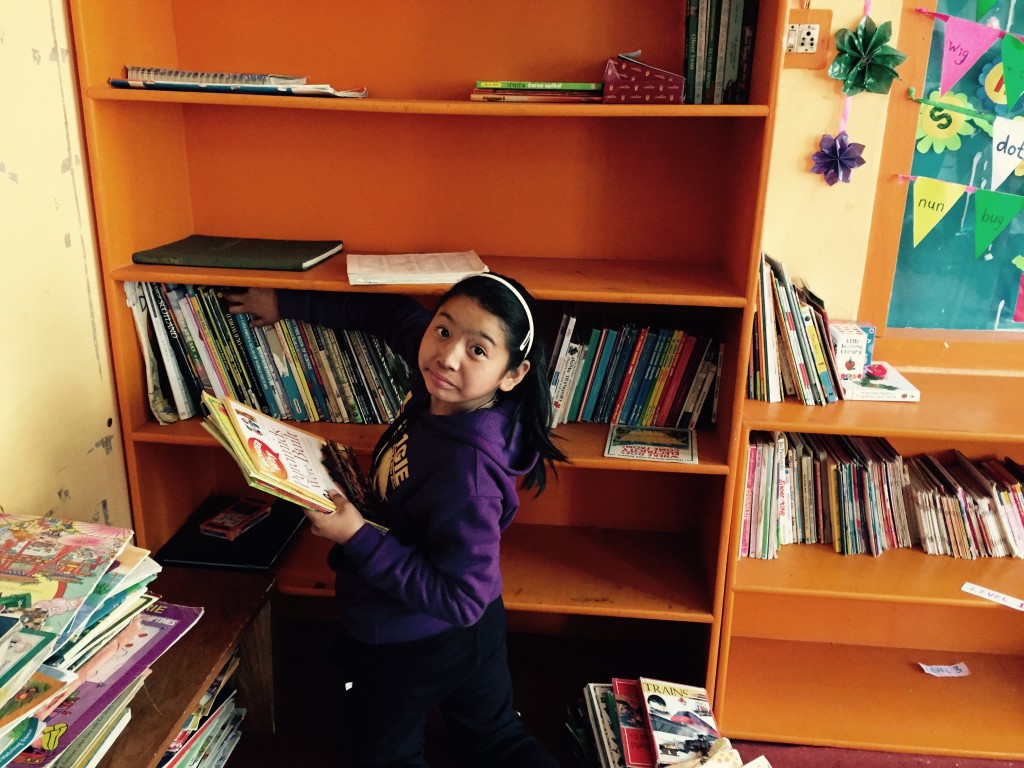
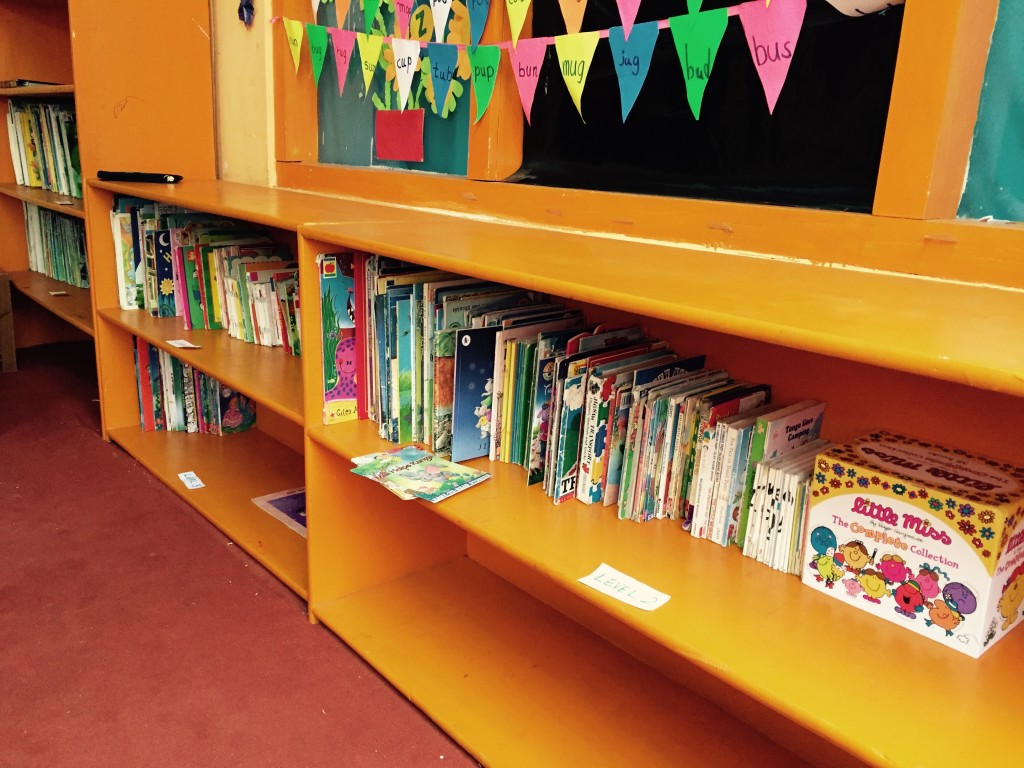
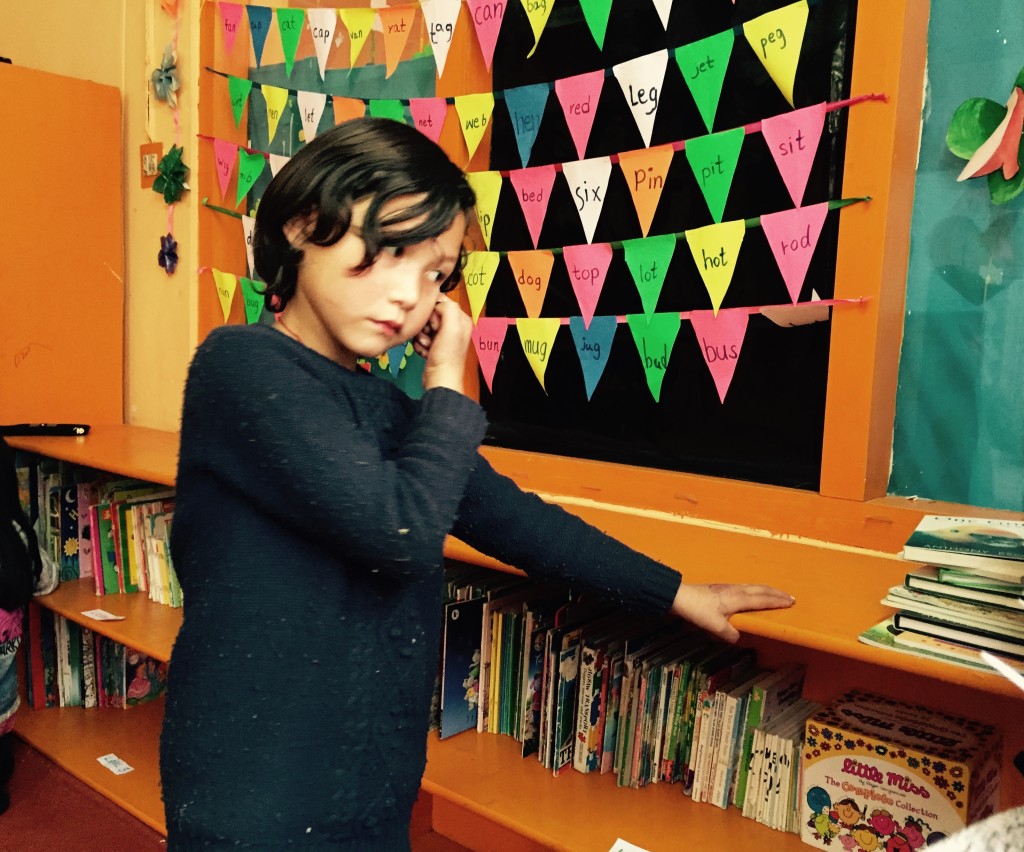
- Create a welcoming reading space where books are easy to reach and young readers can choose material independently.
- Record local stories carefully, asking permission and preserving the speaker’s meaning, language, and cultural context.
Tenzin’s example shows that a storyteller is shaped by a whole community. His grandmother gave him his first tales, his teachers taught him to listen, and the children gave him a reason to keep practicing. The books in the reading room offered new windows, while local memories kept his feet firmly planted in the Himalayan landscape.
When a child receives a book, an encouraging audience, or the chance to tell a story, the effect can continue far beyond one afternoon. A young reader may become a teacher. A shy listener may become a poet. A novice with a notebook may become the keeper of a community’s memories.
Support for literacy and creative education helps these possibilities take root. By sharing resources, volunteering time, or helping bring quality books to remote communities, people can help ensure that more children and young monks discover the confidence to read, imagine, and speak. Their stories deserve to be heard, and the next storyteller may already be turning the first page.