The Book She Read Ten Times
In a Himalayan village, a young girl discovered that one well-loved book could become a teacher, a companion and a doorway into a wider world. She could not understand every English word when she first opened it. The pages were unfamiliar, the sentences moved quickly, and many expressions sounded nothing like the language spoken at home.
Still, she returned to the same story again and again. By the tenth reading, she could follow the plot, recognise common phrases and retell parts of it in her own words. Her progress was quiet and gradual, built through patience, repetition and the confidence that comes from having a safe place to learn.
A Small Book With A Big Reach
We will call the girl Tsering to protect her privacy. She lived in a community where English books were scarce and often too expensive for families to buy. Her school provided lessons, yet there were few opportunities to practise reading beyond the classroom.
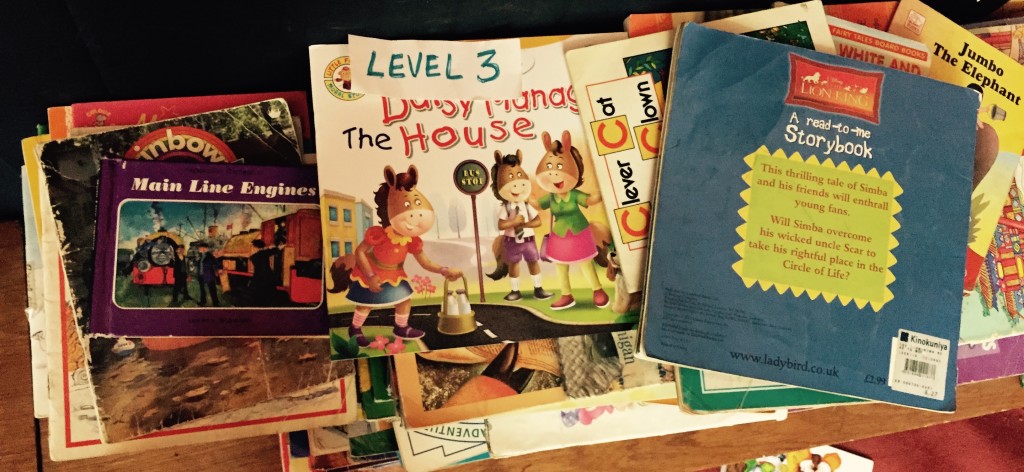
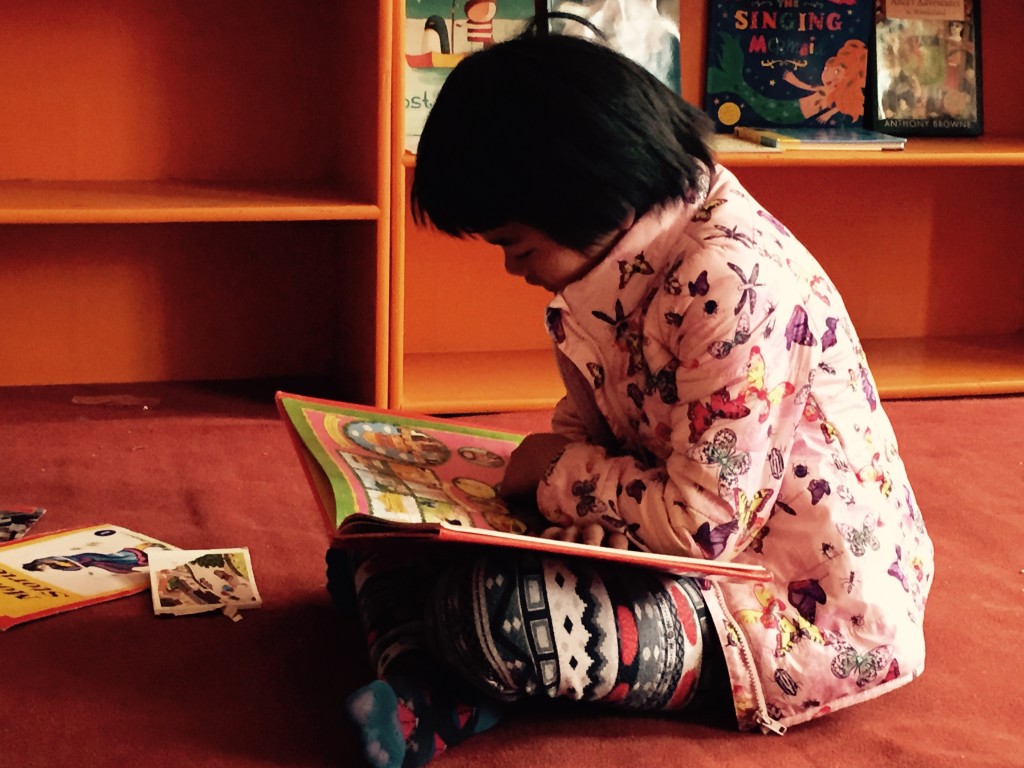
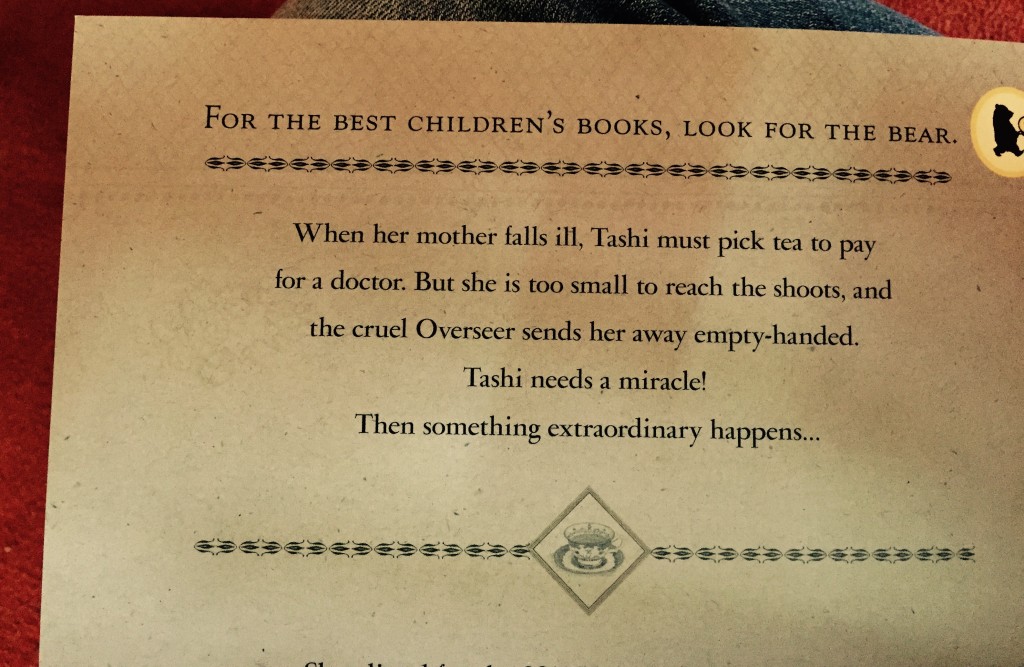
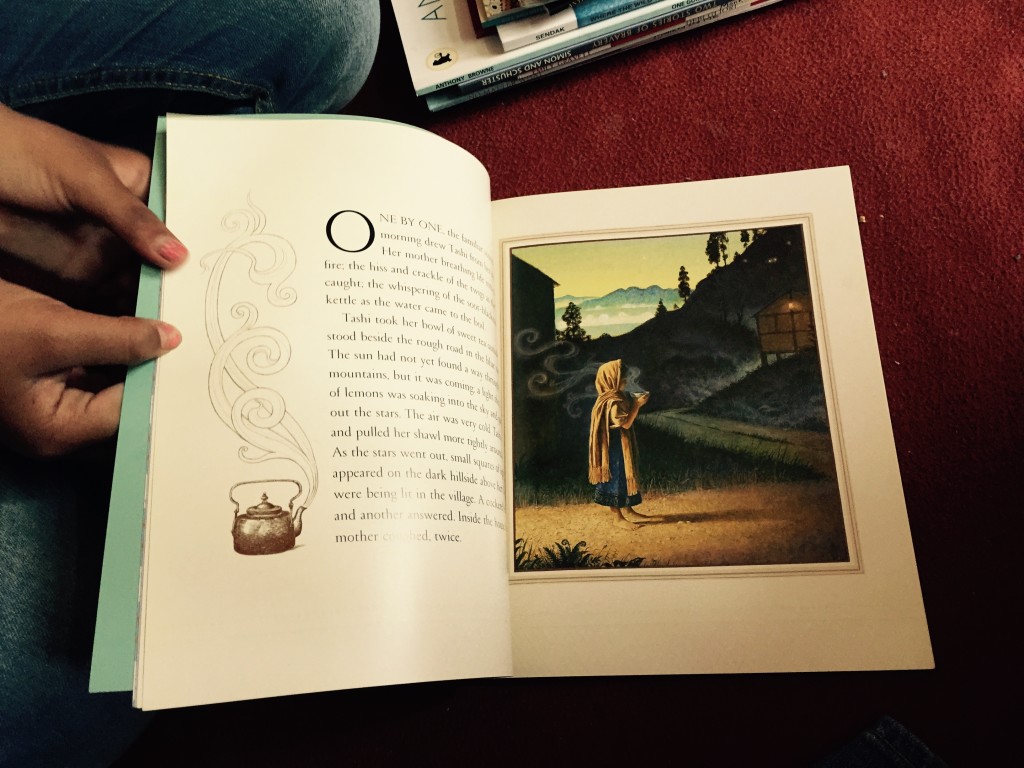
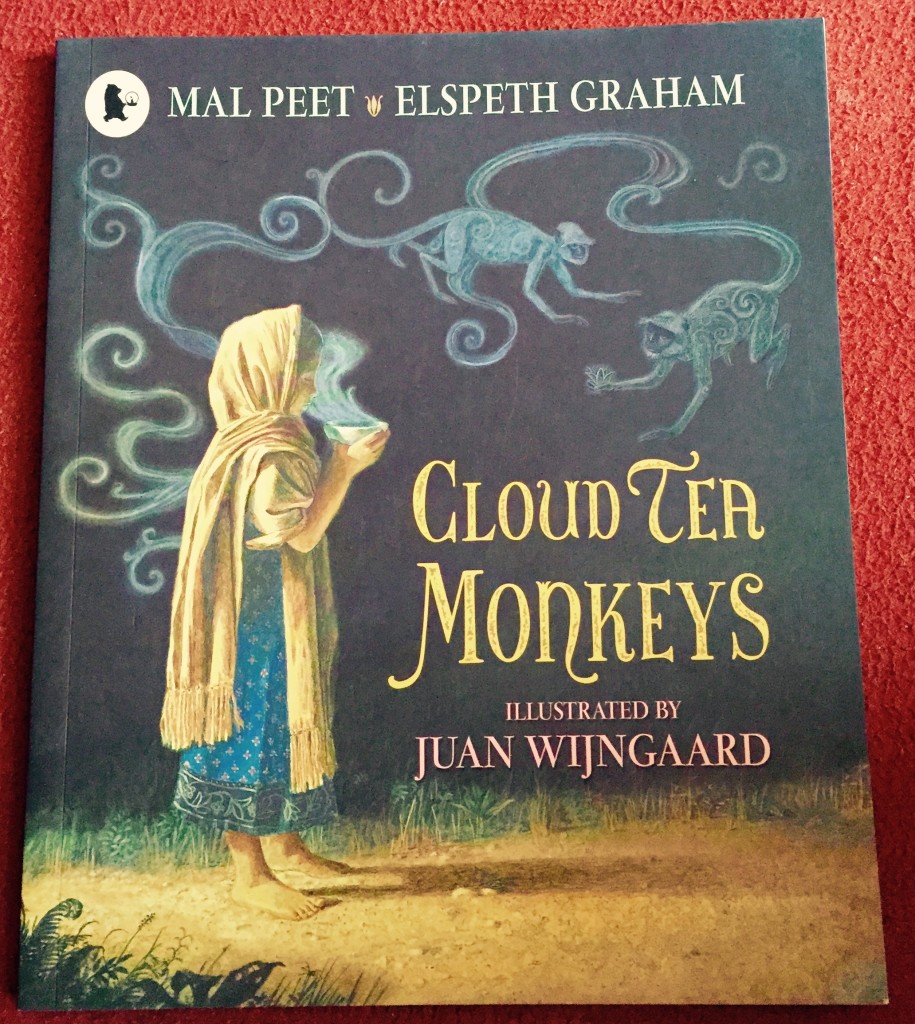
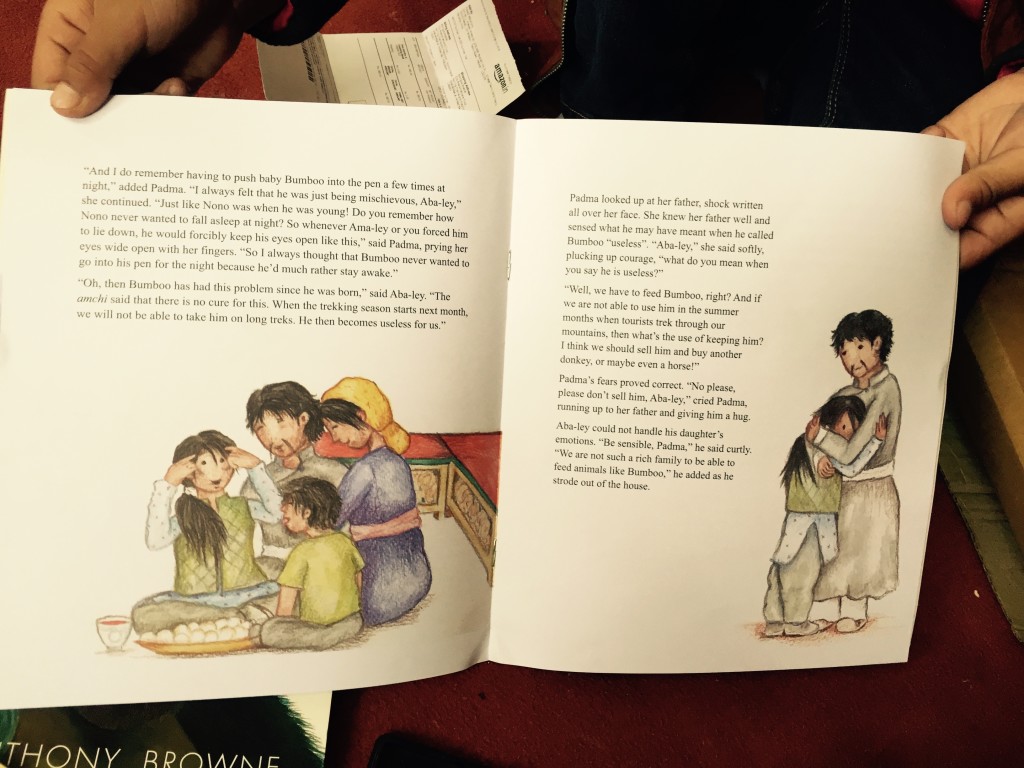
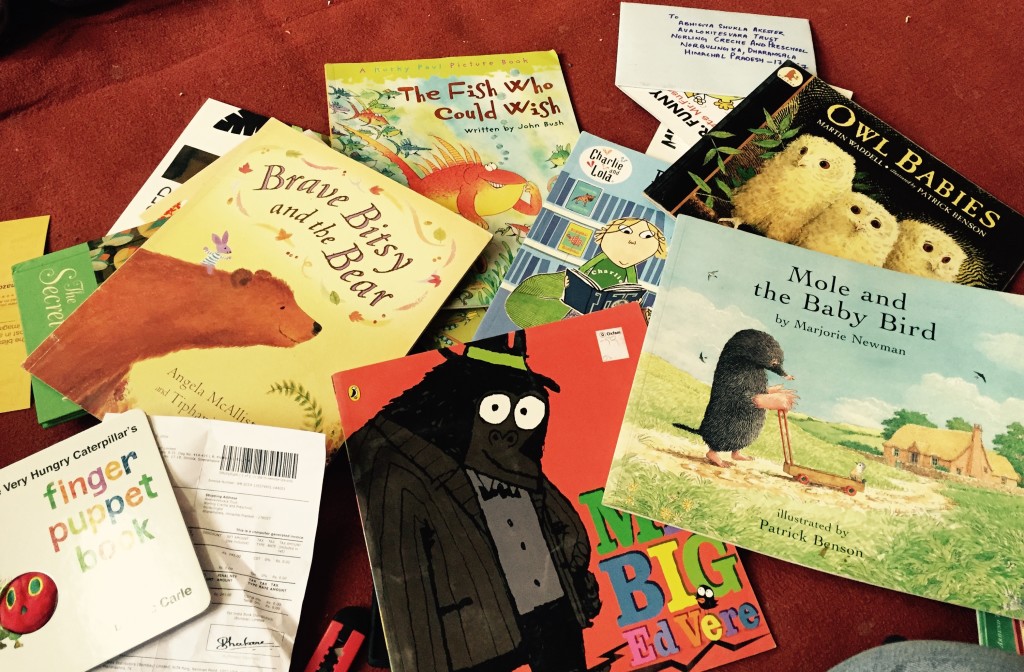
The book she chose was a simple illustrated story with short chapters and familiar themes: friendship, courage and a child trying to solve a difficult problem. At first, Tsering relied on the pictures. She watched the actions of the characters and guessed what was happening before checking the meaning of individual words.
Her first reading was an exercise in persistence. She paused frequently, sounded out unfamiliar vocabulary and sometimes asked an older student for help. The story itself gave her a reason to keep going. Each return to the book made the next page slightly easier.
Repetition Turned Confusion Into Confidence
On the second and third readings, Tsering began to notice patterns. Words such as “said”, “went”, “looked” and “because” appeared often enough to become recognisable. She started to understand how English sentences were arranged, rather than treating every line as a separate puzzle.
By the fifth reading, she no longer needed to translate every sentence. She could predict what a character might do next and identify the beginning, middle and end of the story. This kind of repeated reading is especially useful for children learning a second language because it reduces the pressure of encountering something new on every page.
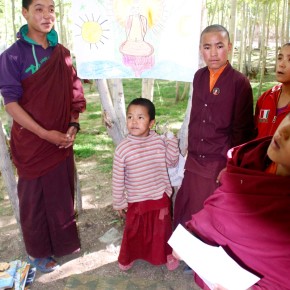
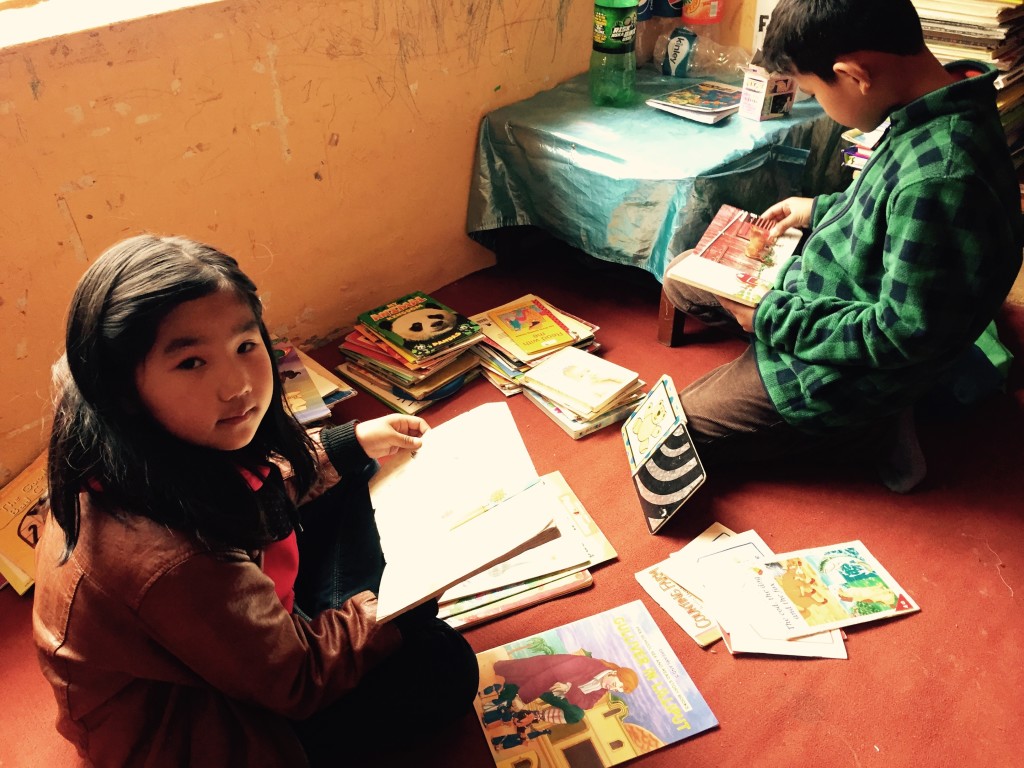
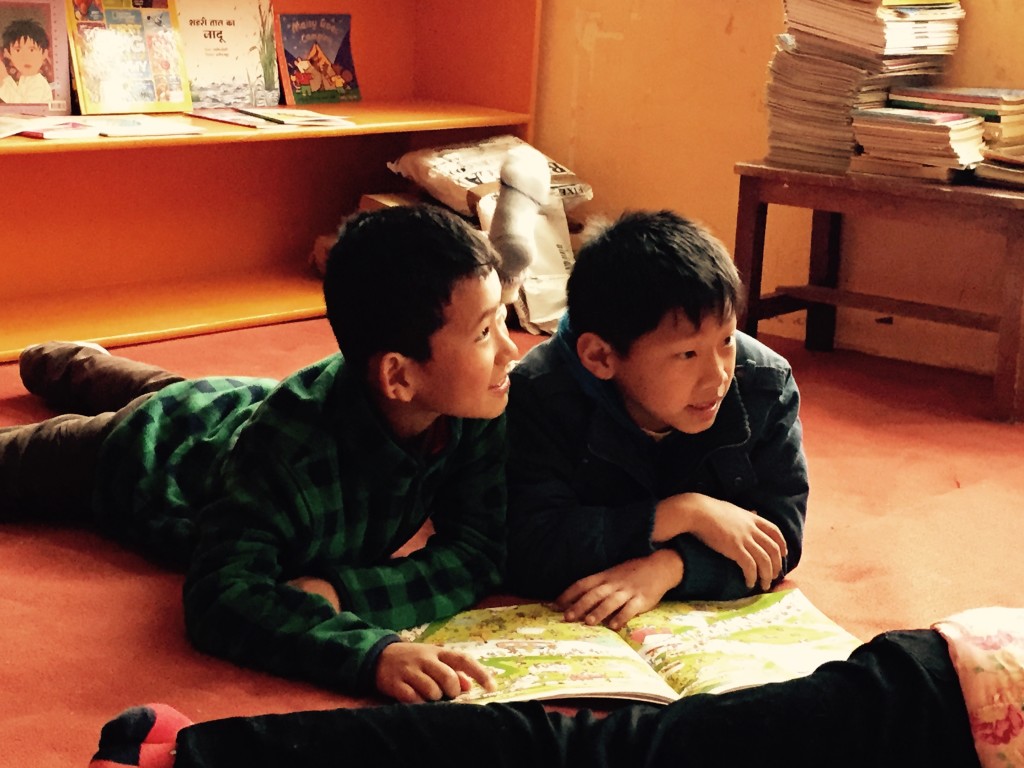
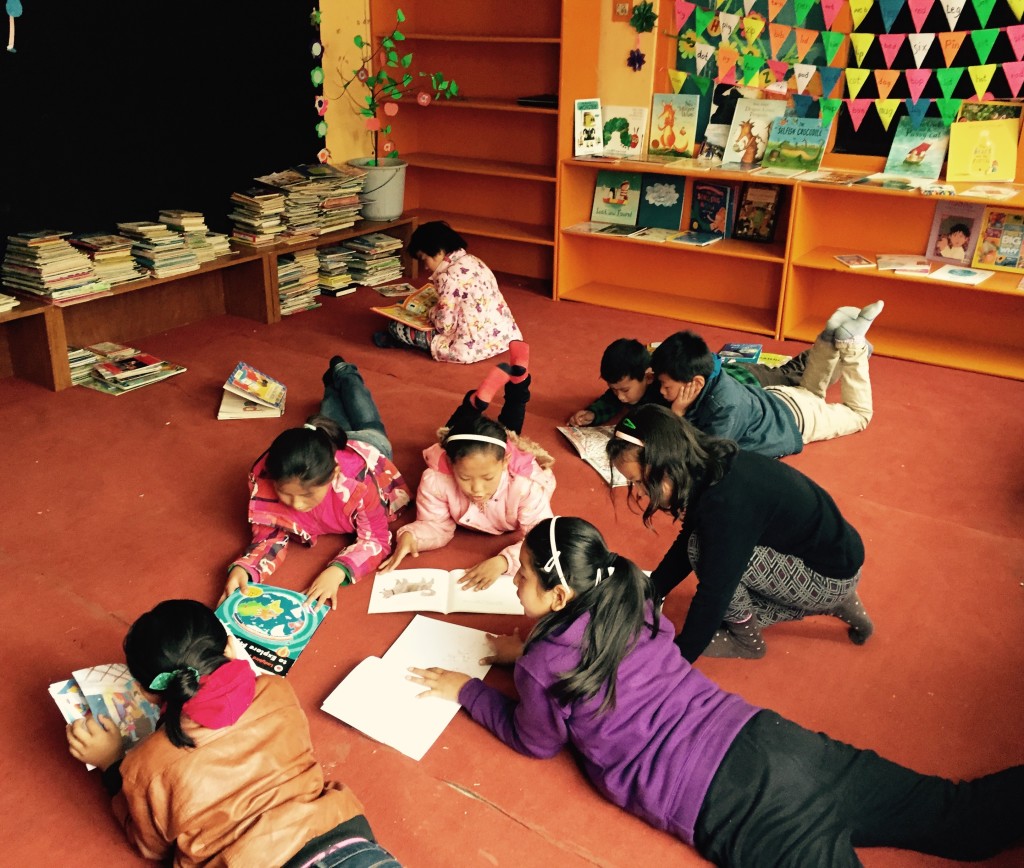
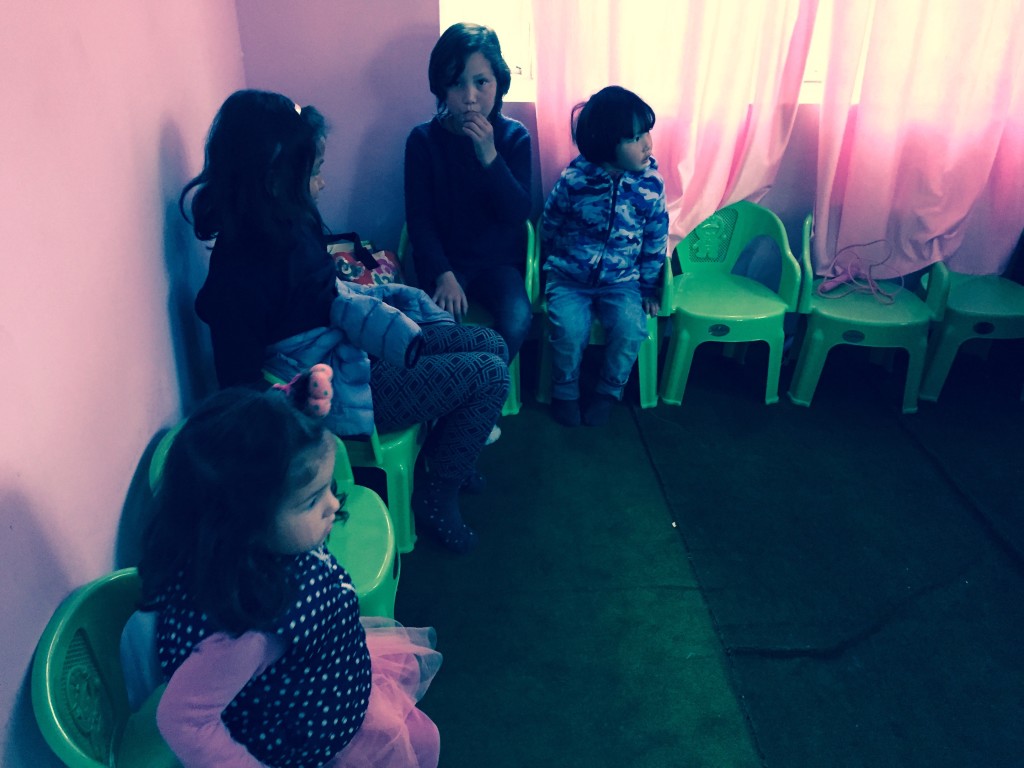
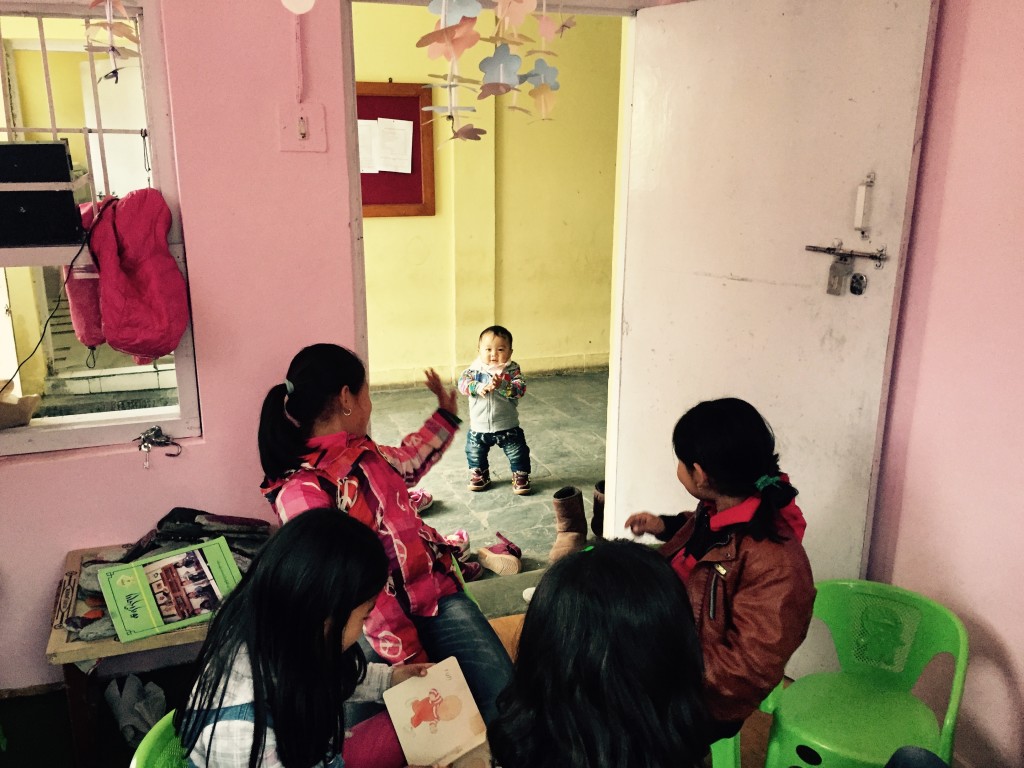
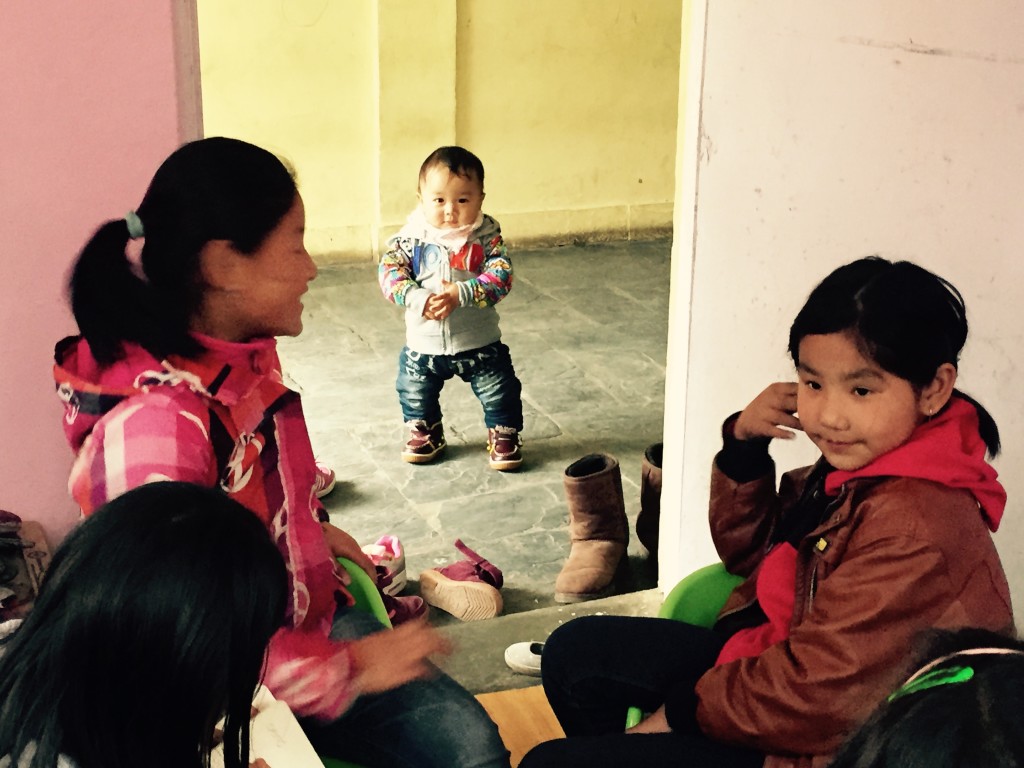
The tenth reading brought a different kind of achievement. Tsering read aloud to younger children in the reading room. Her pronunciation was still developing, but she was willing to speak, pause, correct herself and continue. The book had become familiar enough for her to focus on meaning and expression.
The Reading Room Made The Difference
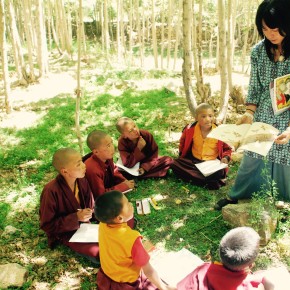
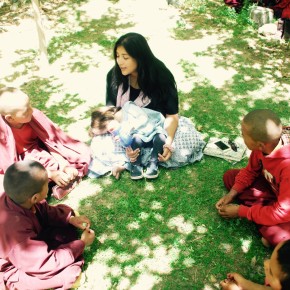
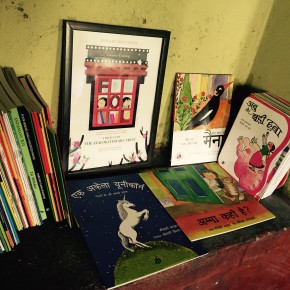
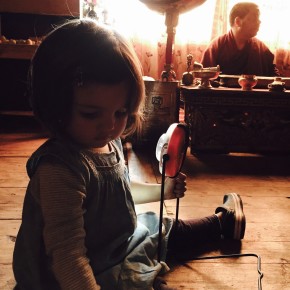
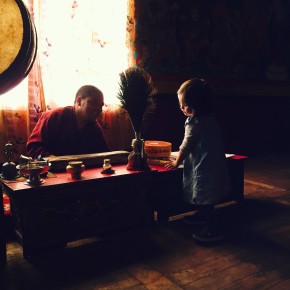
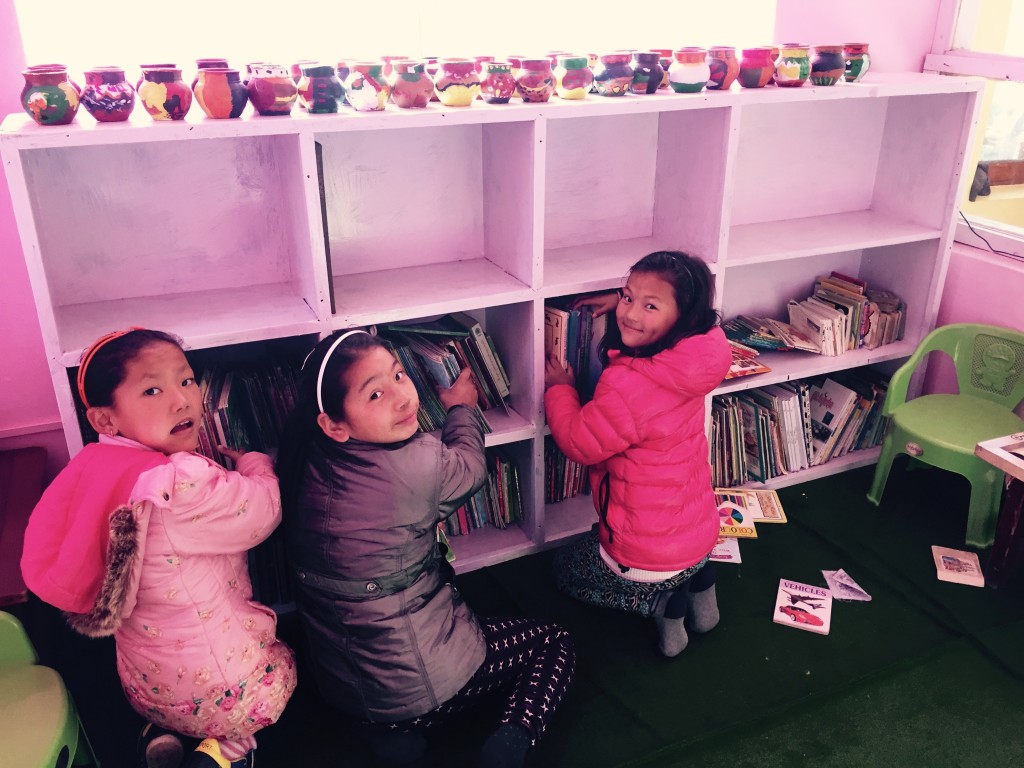
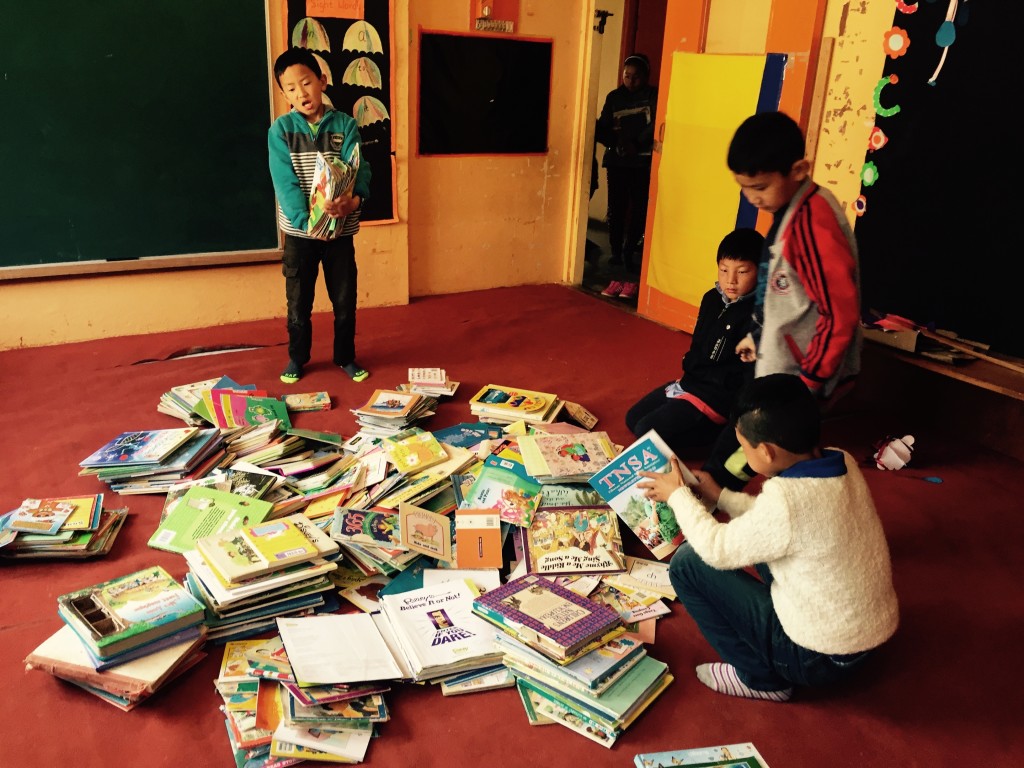
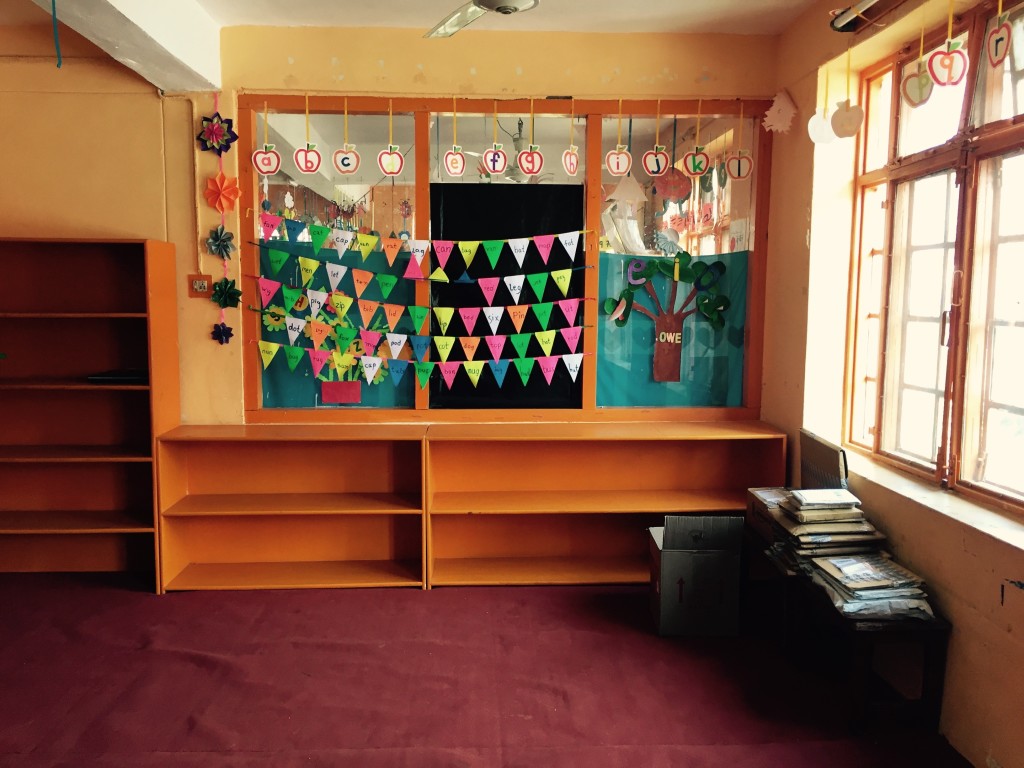
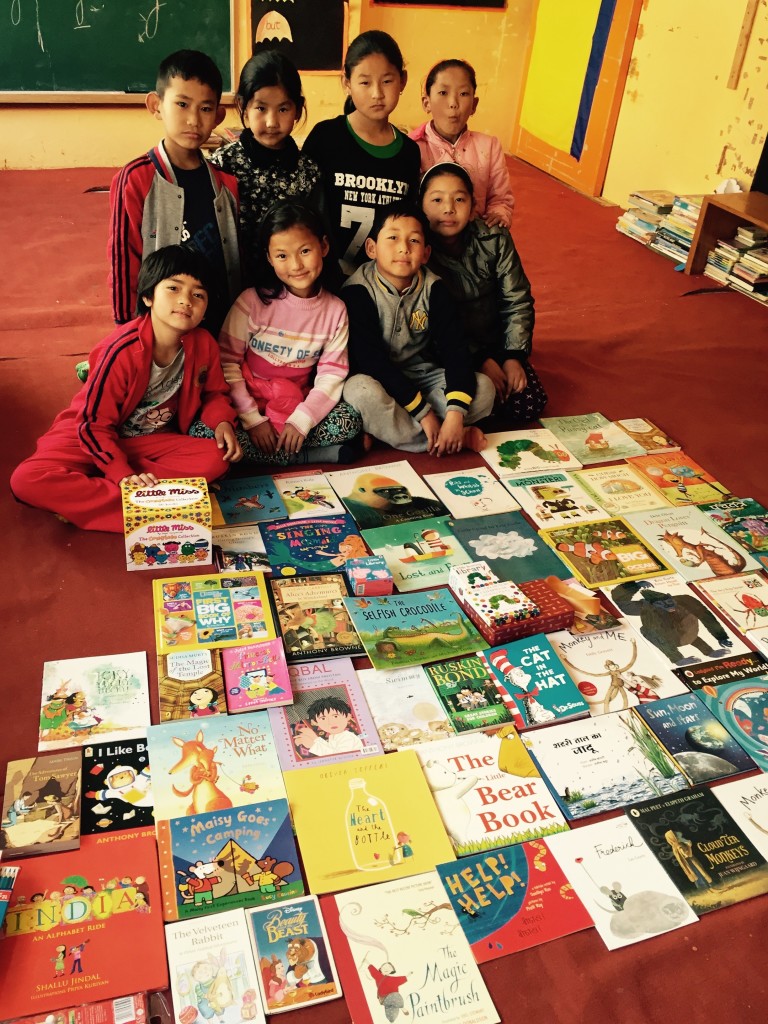
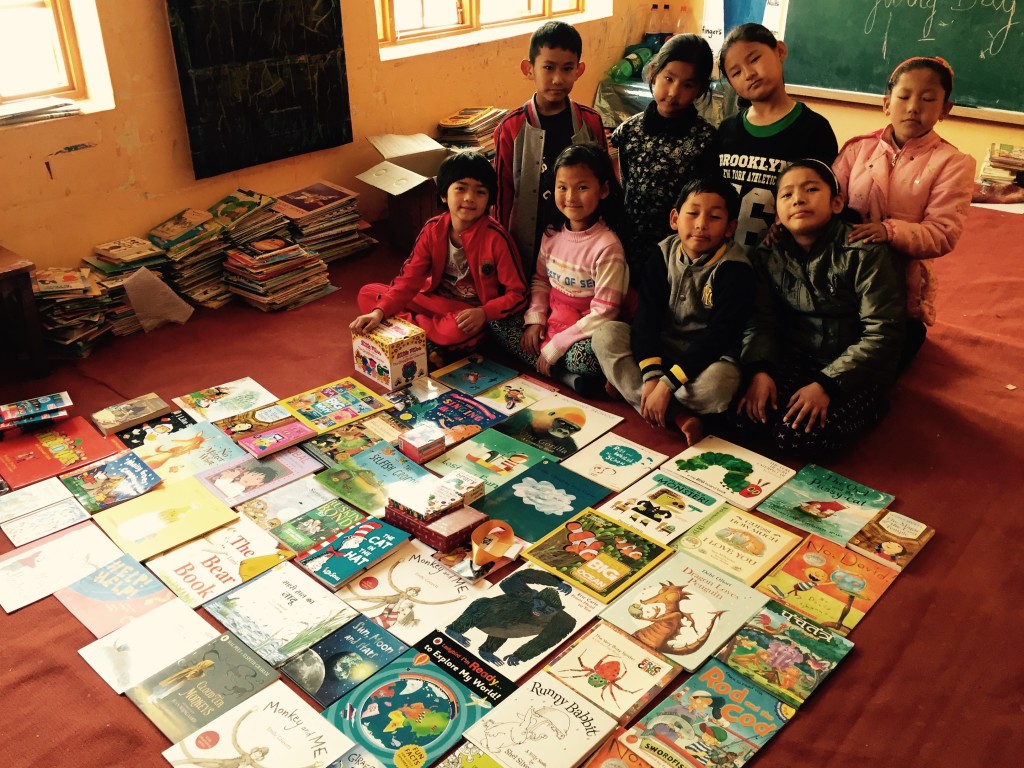
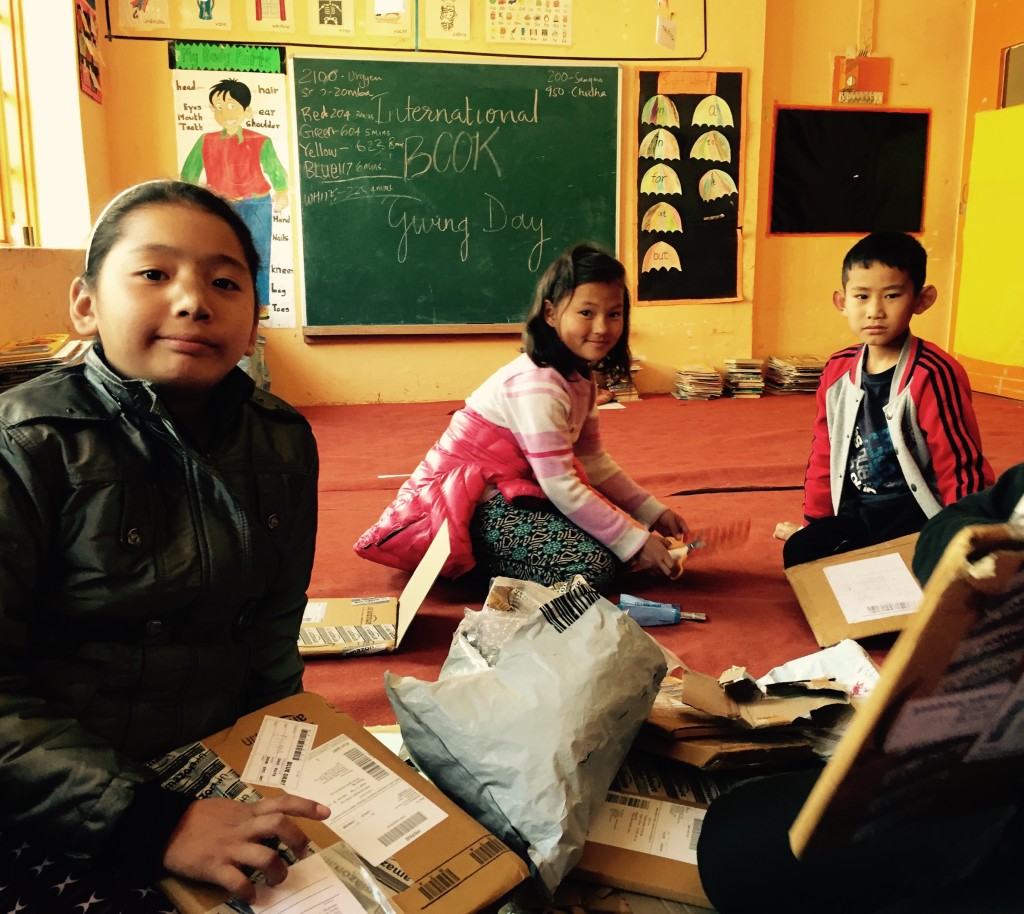
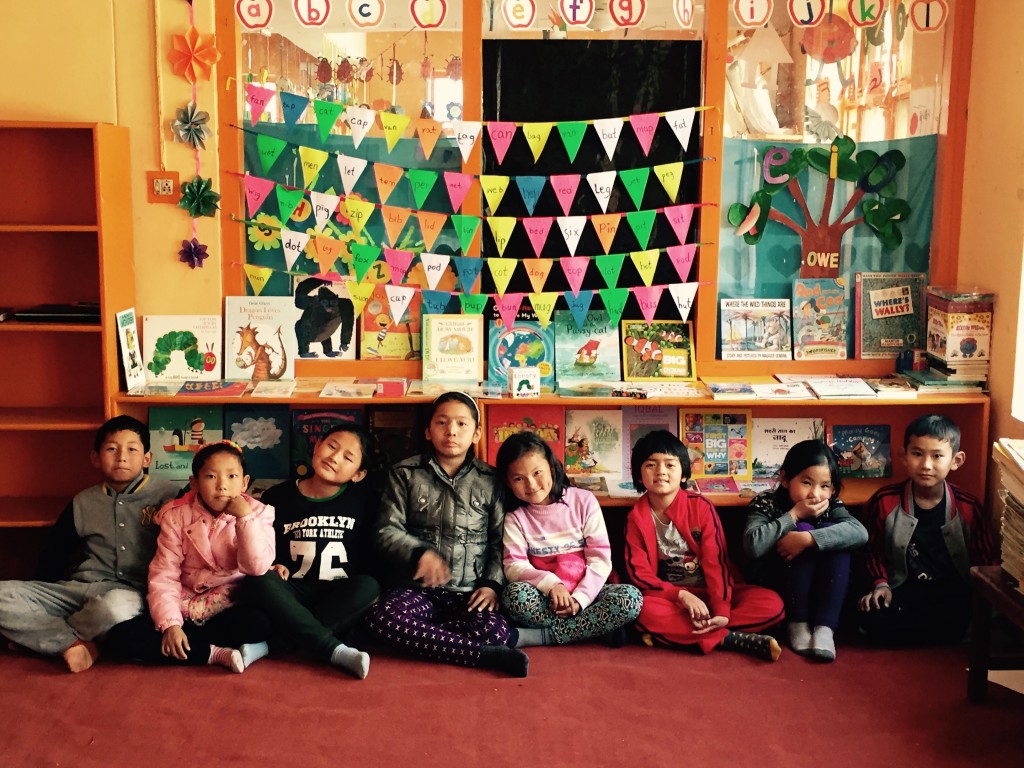
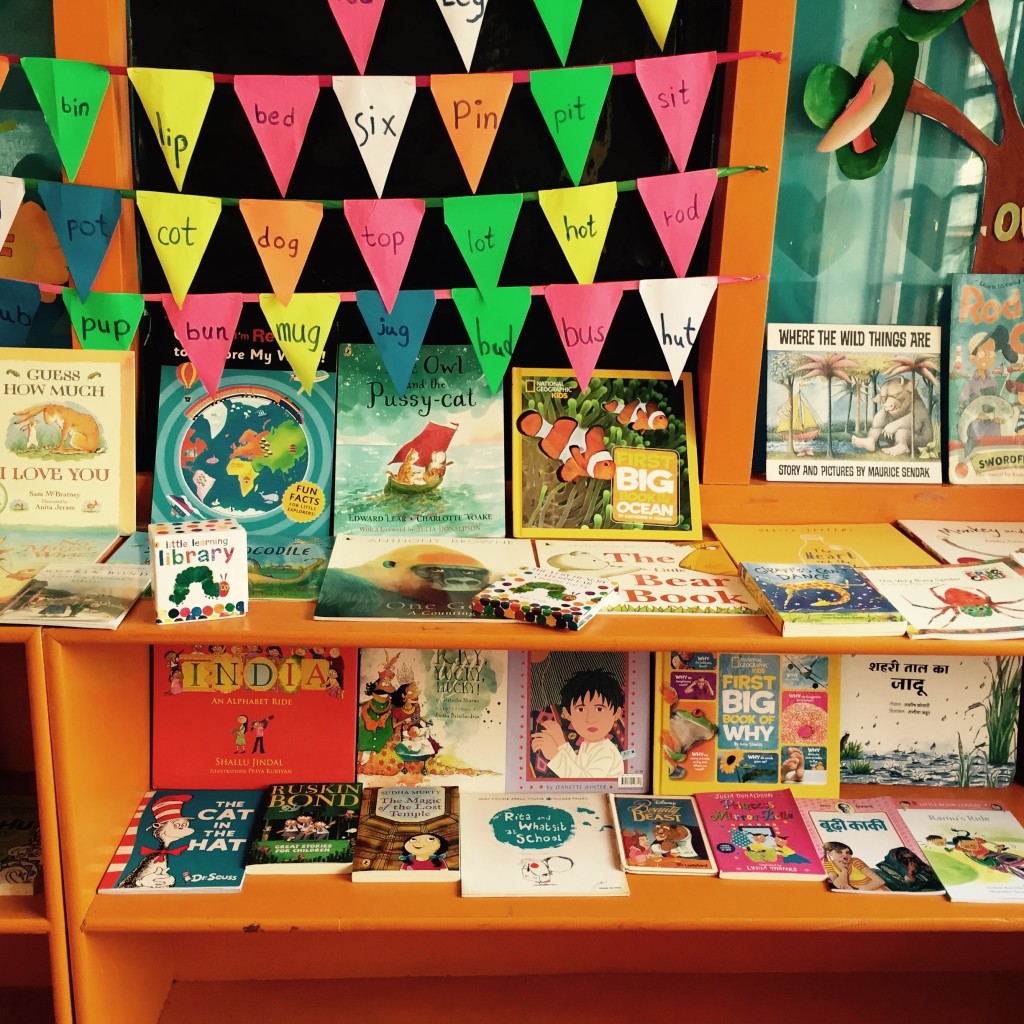
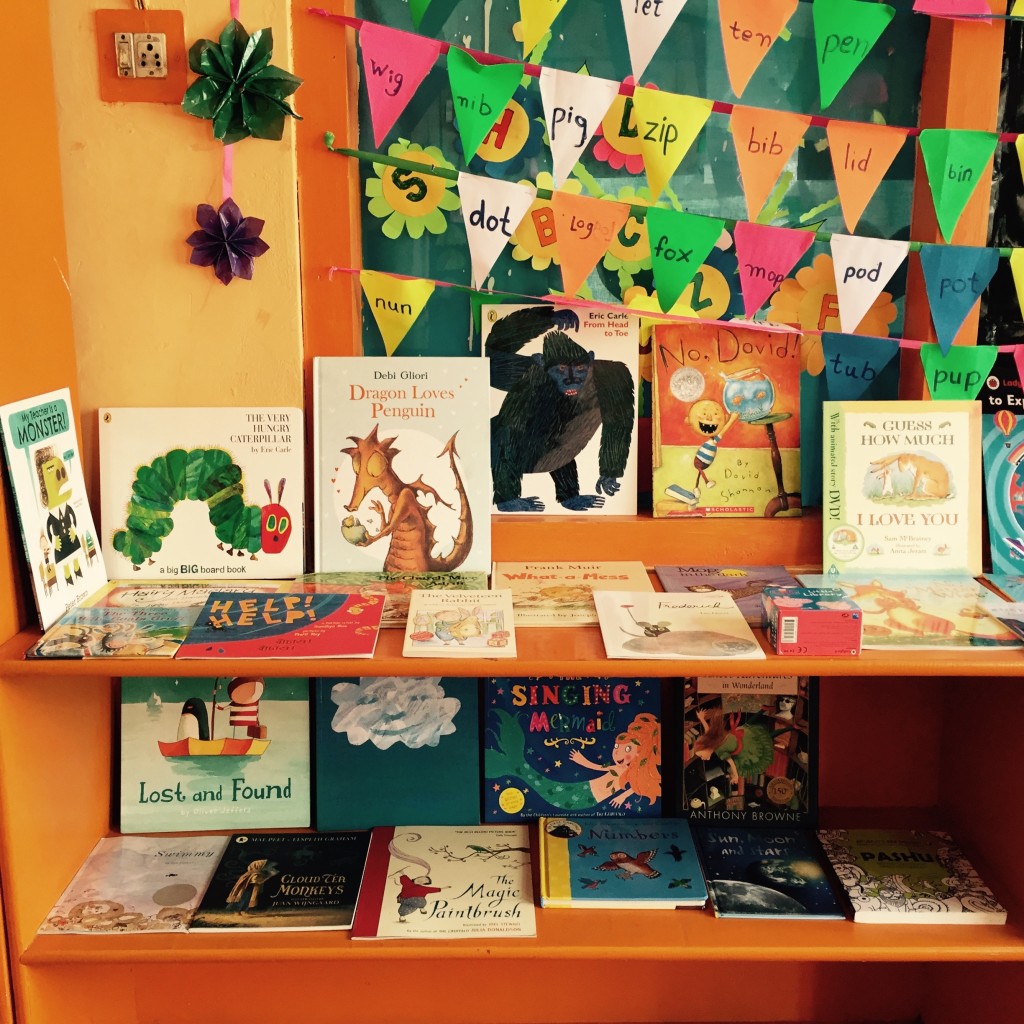
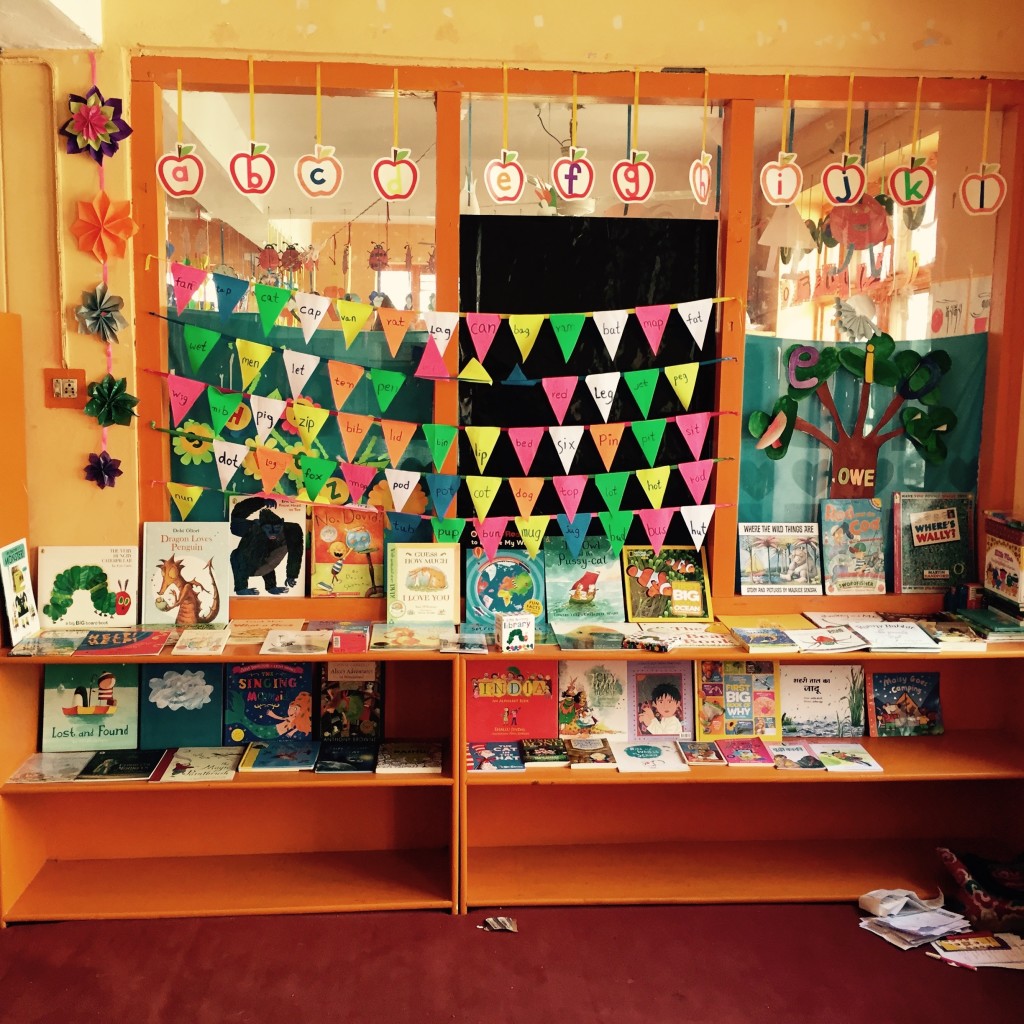
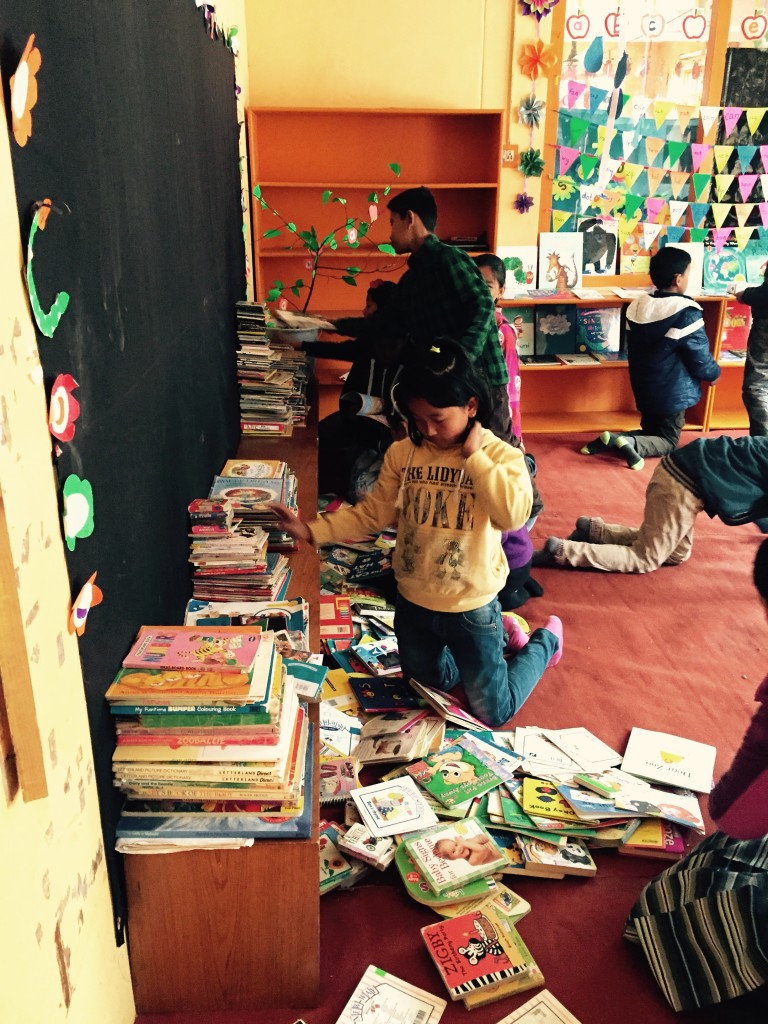
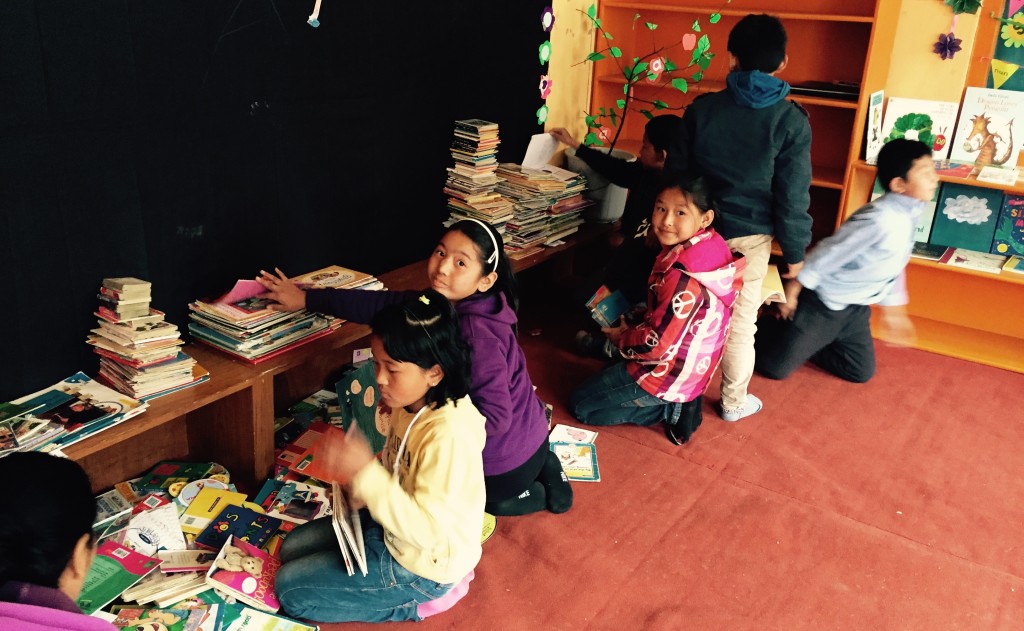
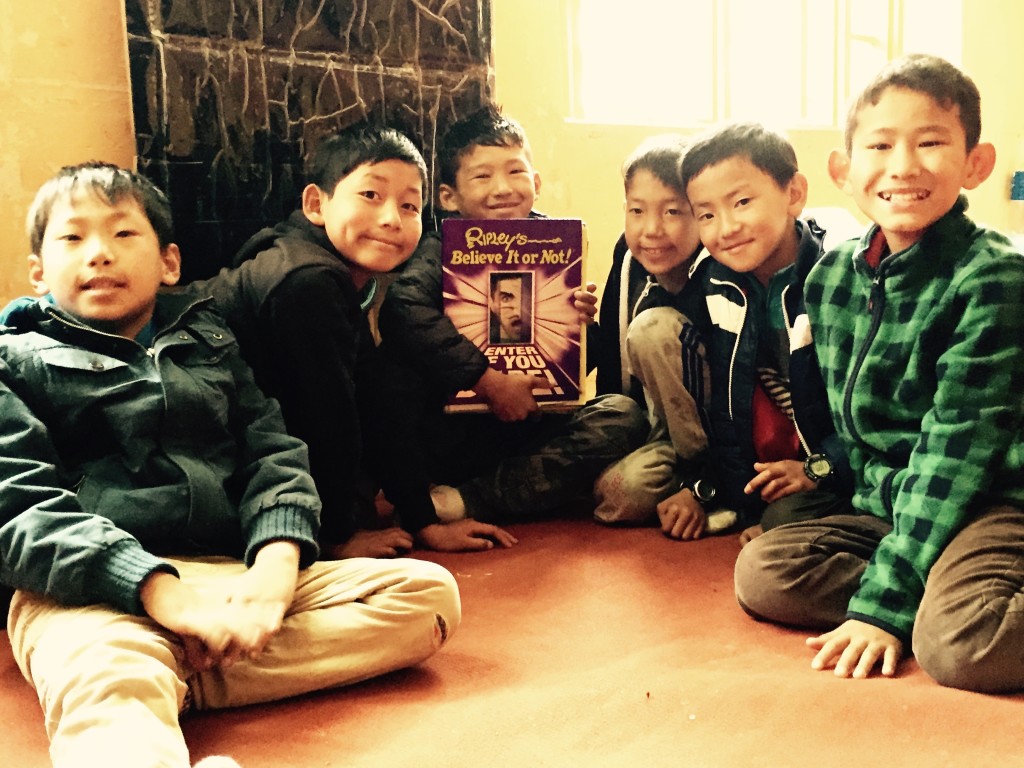
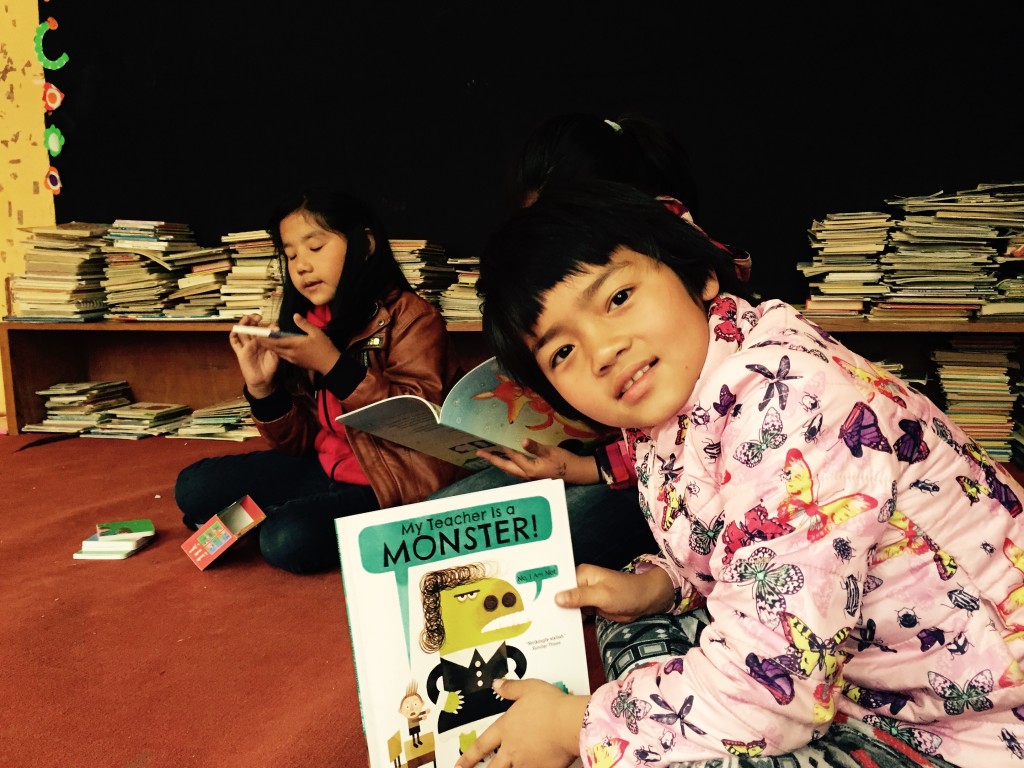
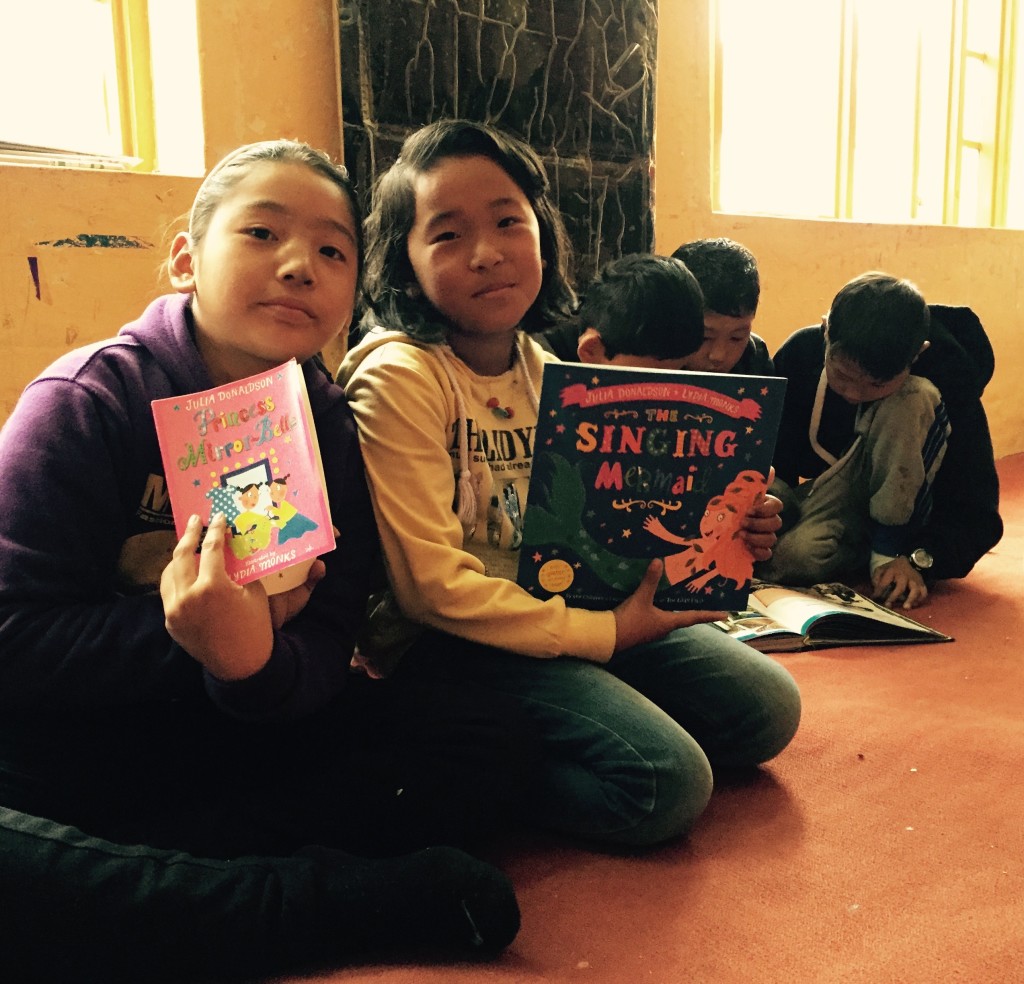
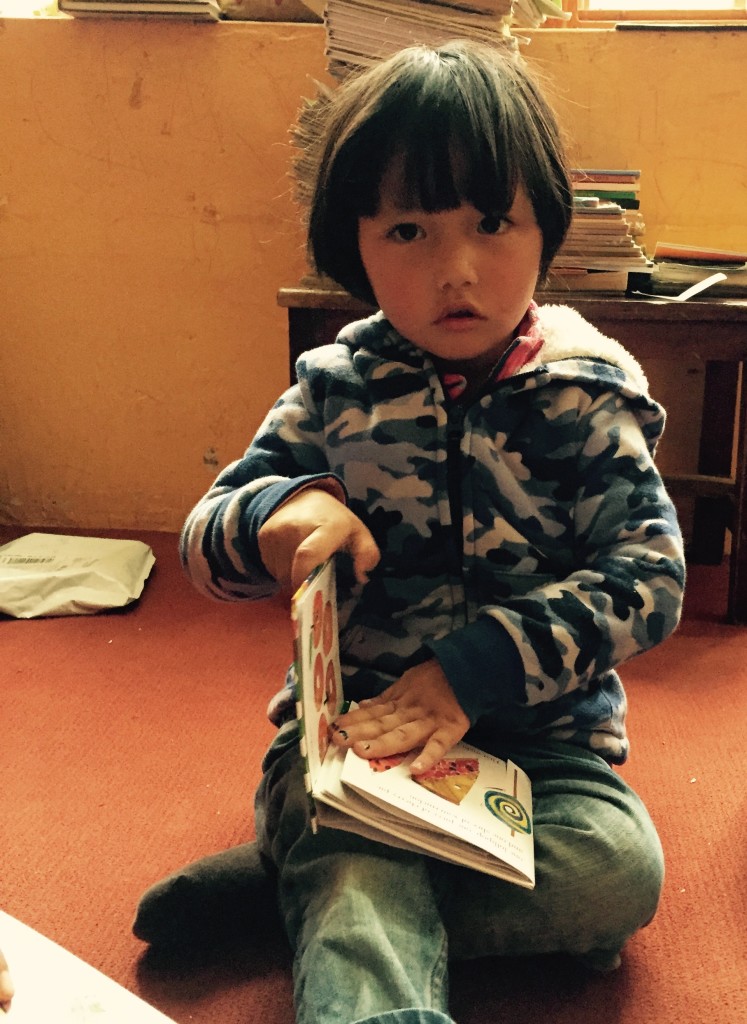
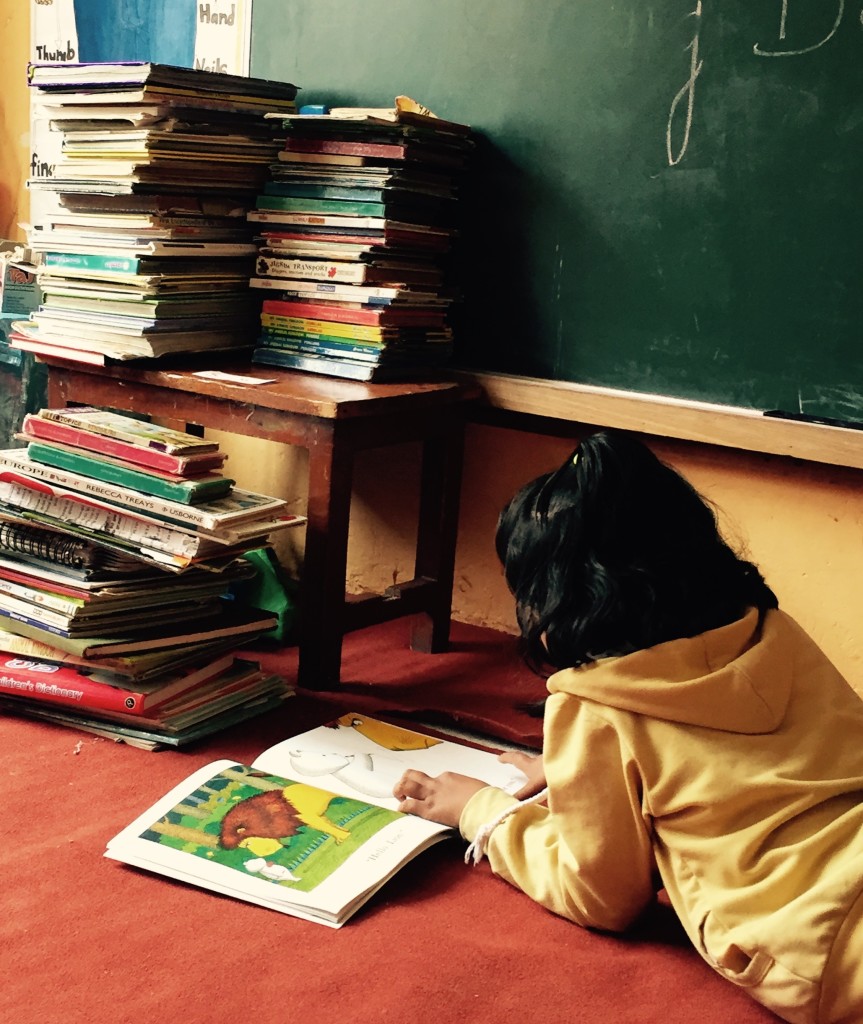
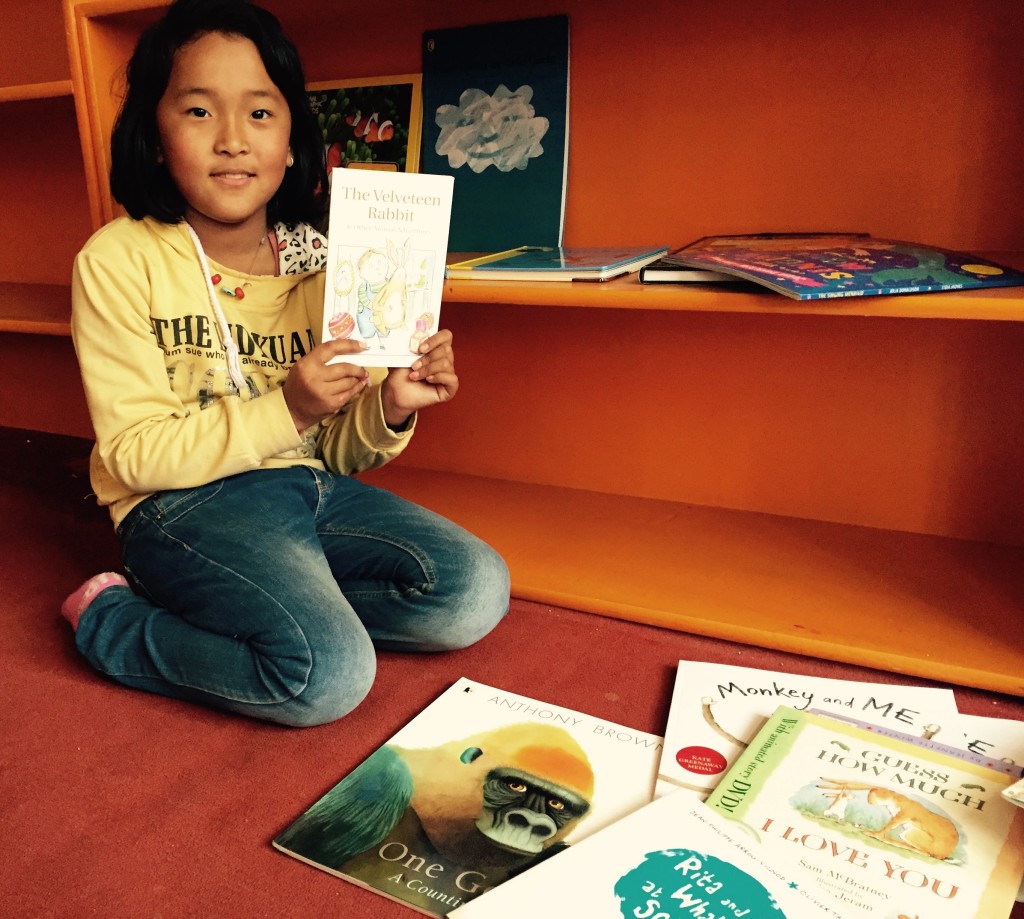
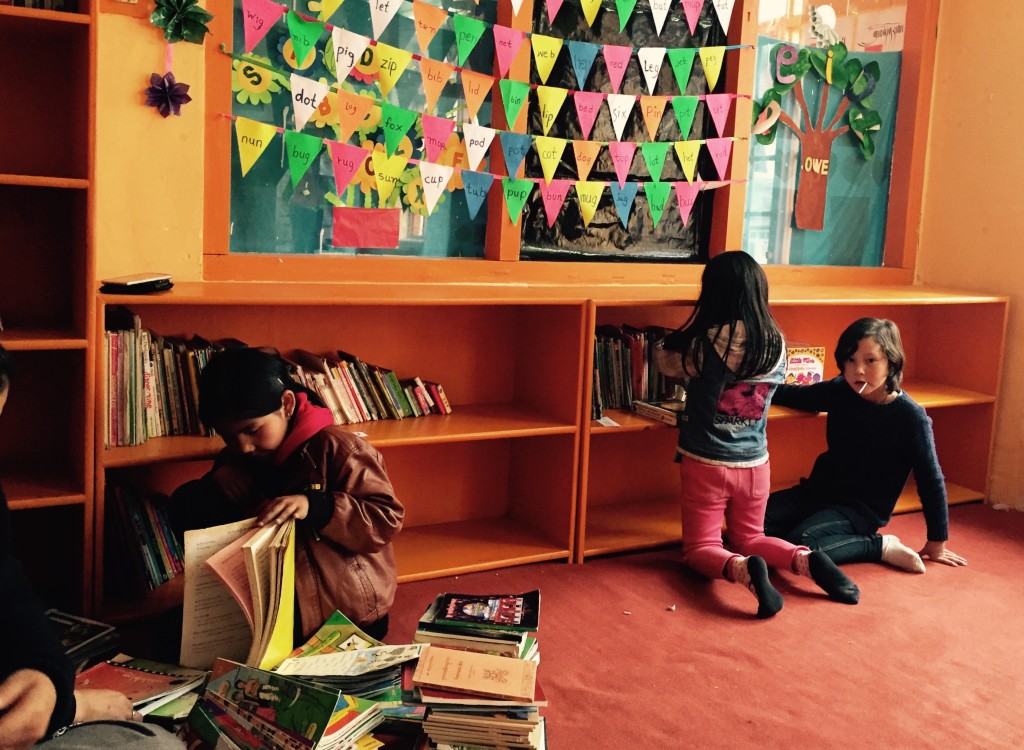
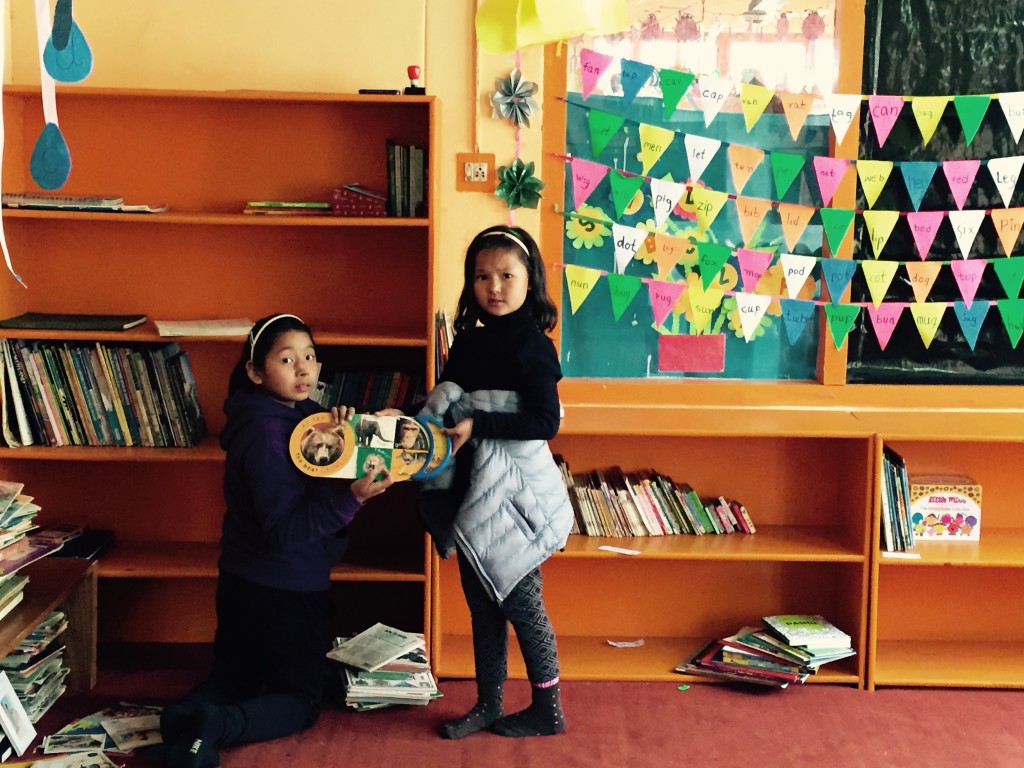
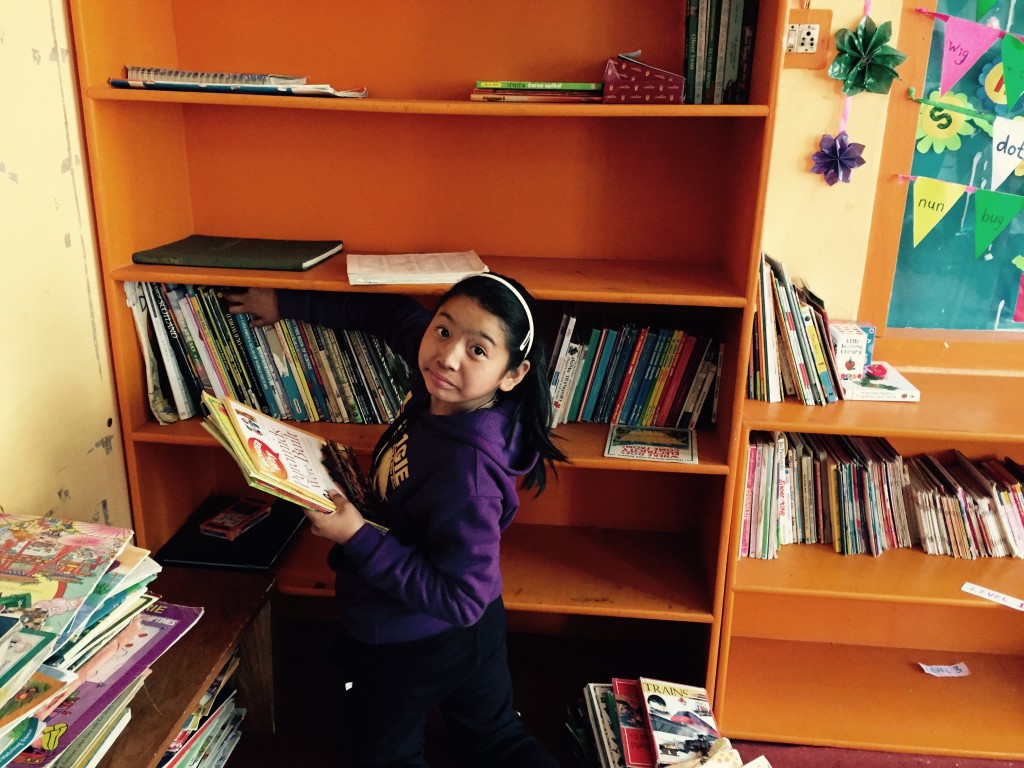
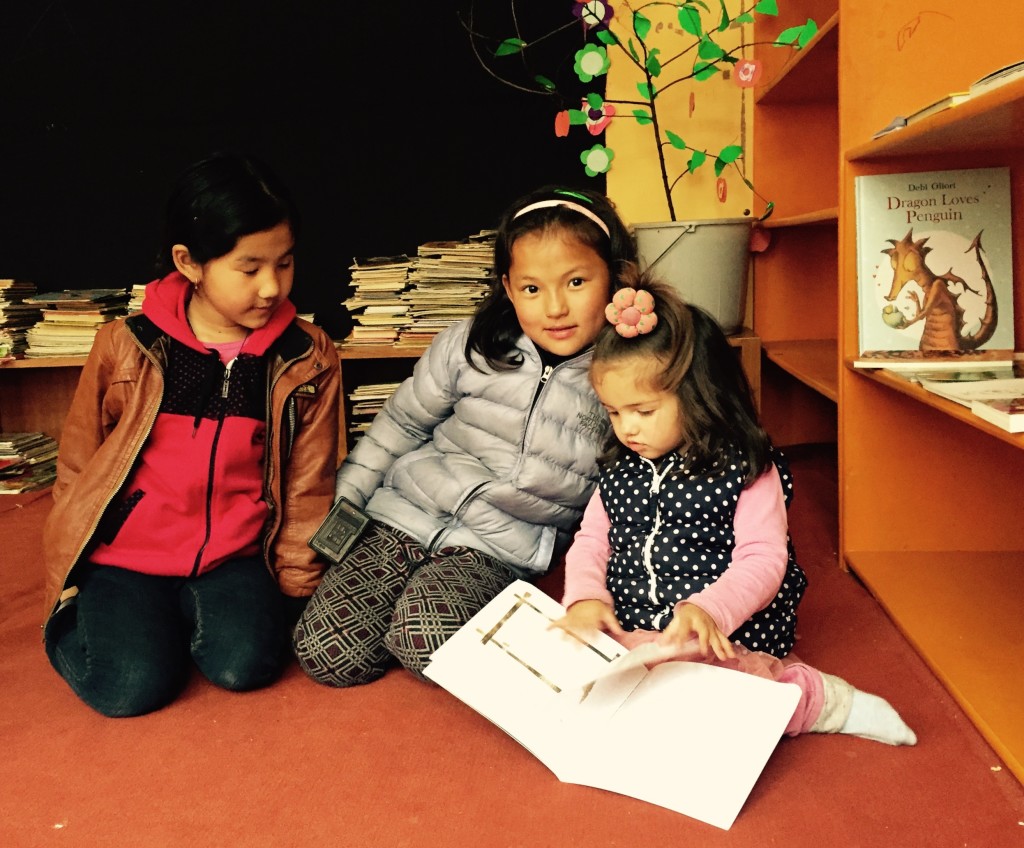
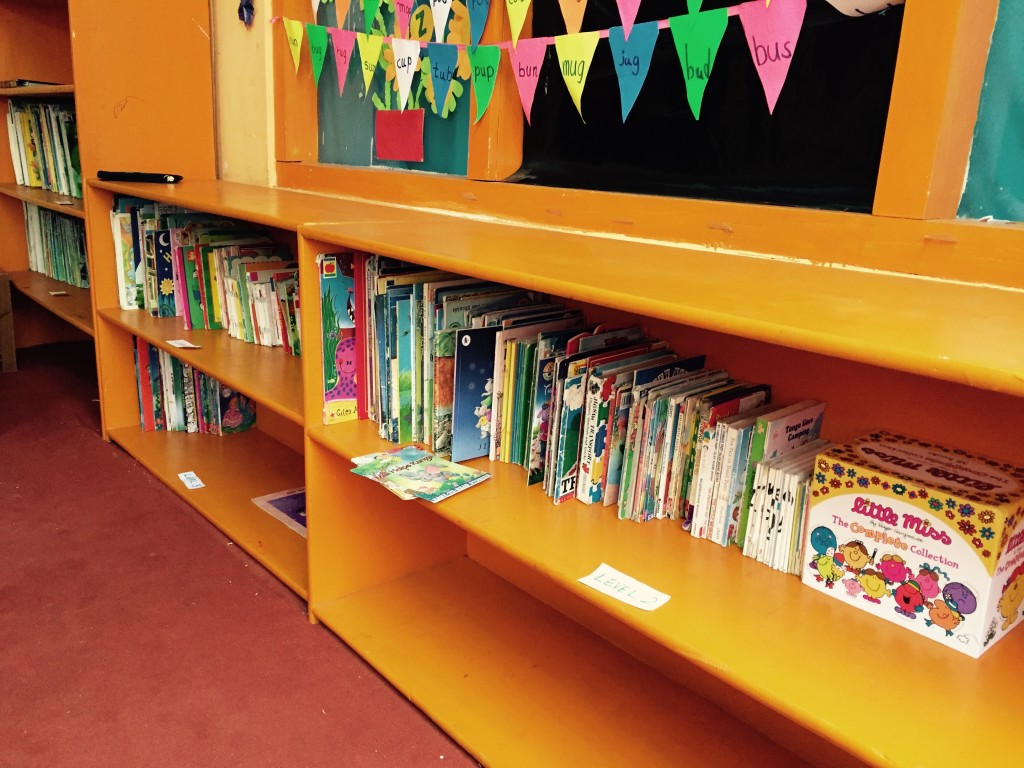
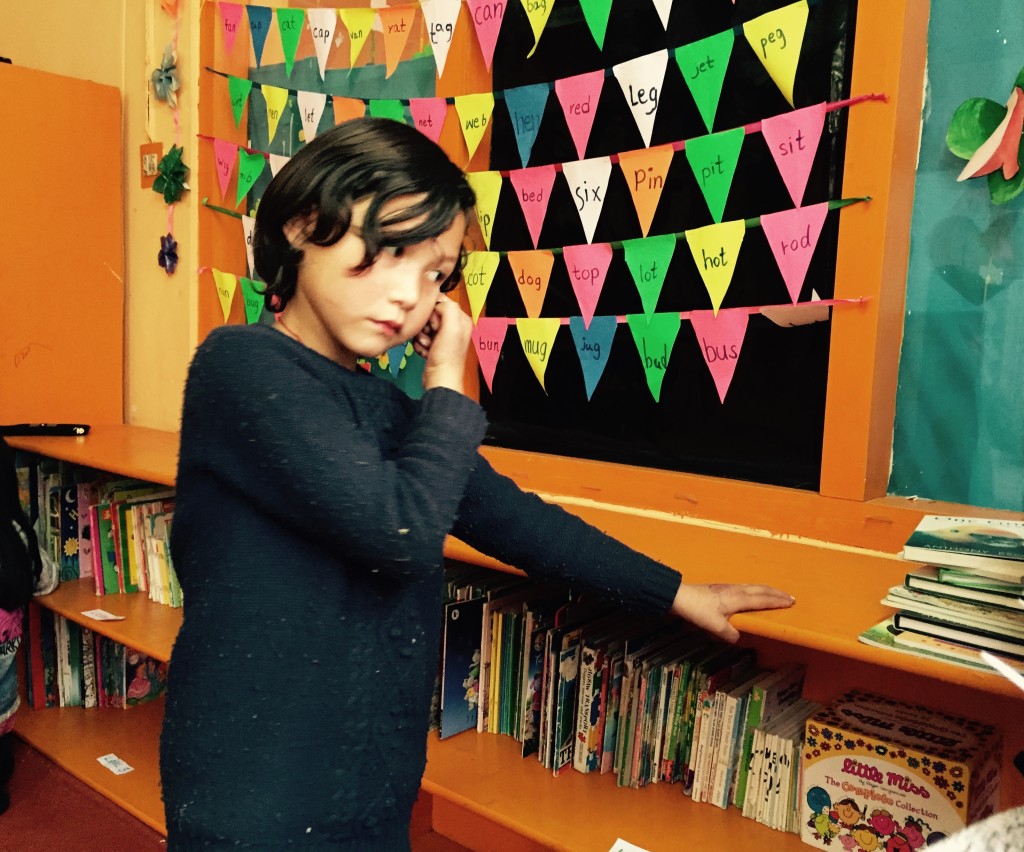
A single book mattered because Tsering had somewhere to return to it. The reading room offered light, shelves, cushions and a calm setting where children could browse without being hurried. It also gave her access to adults and older students who could explain a word or listen to a page.
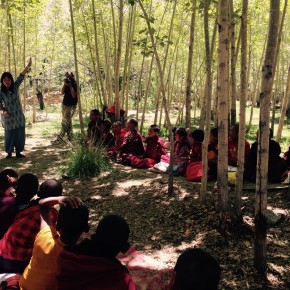
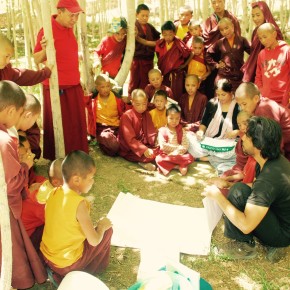
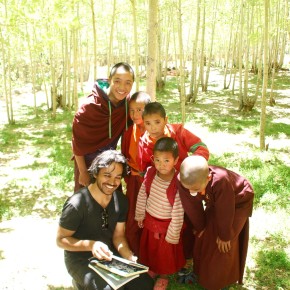
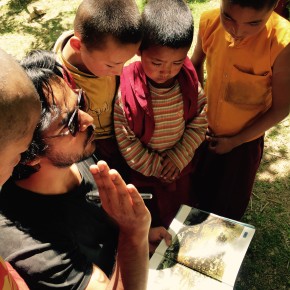
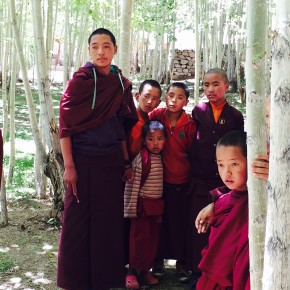
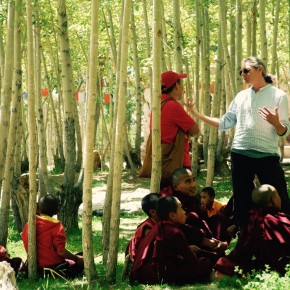
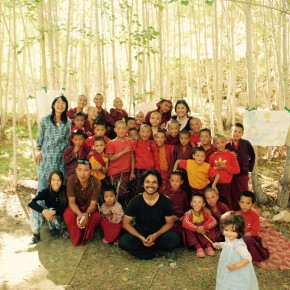
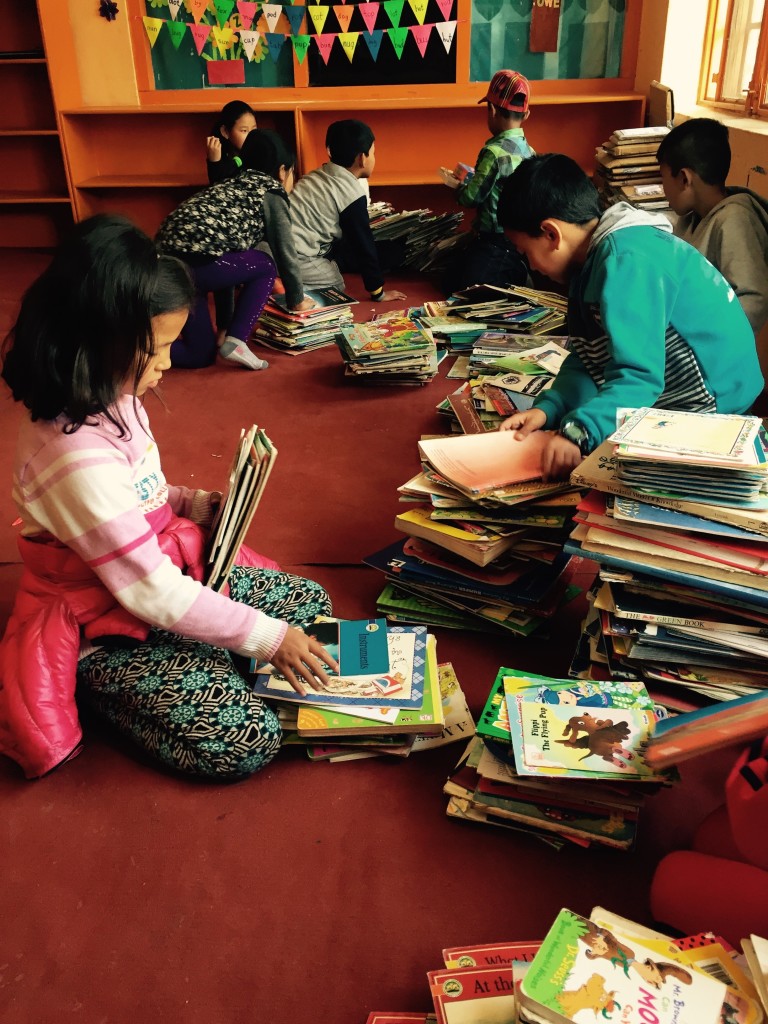
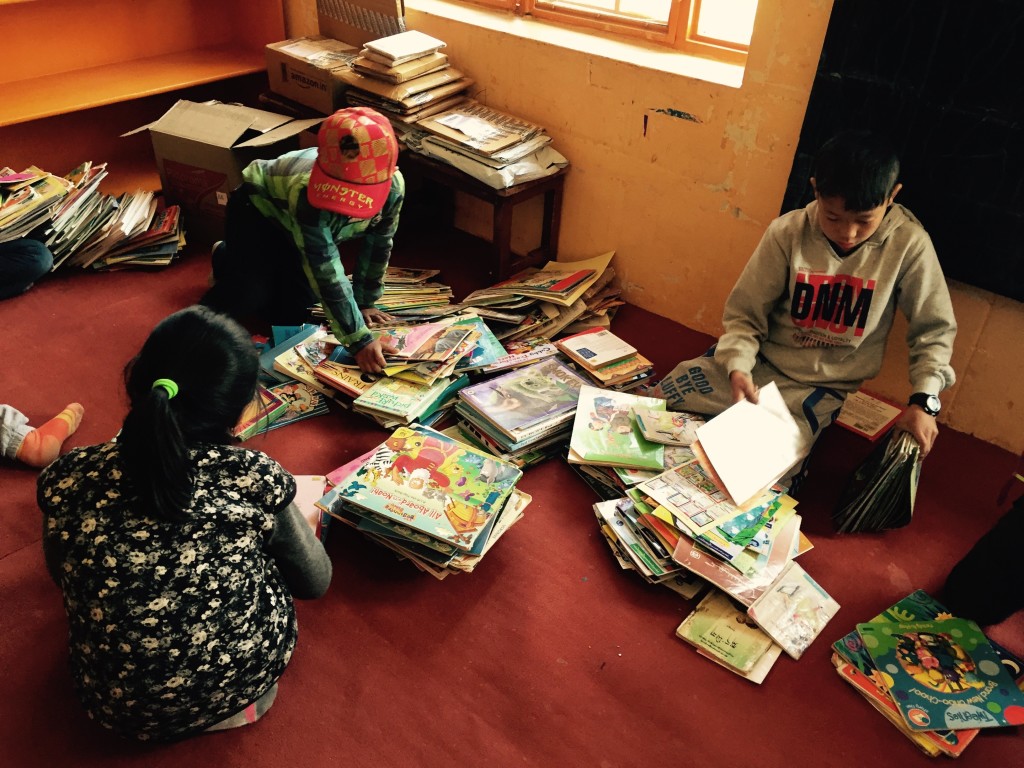
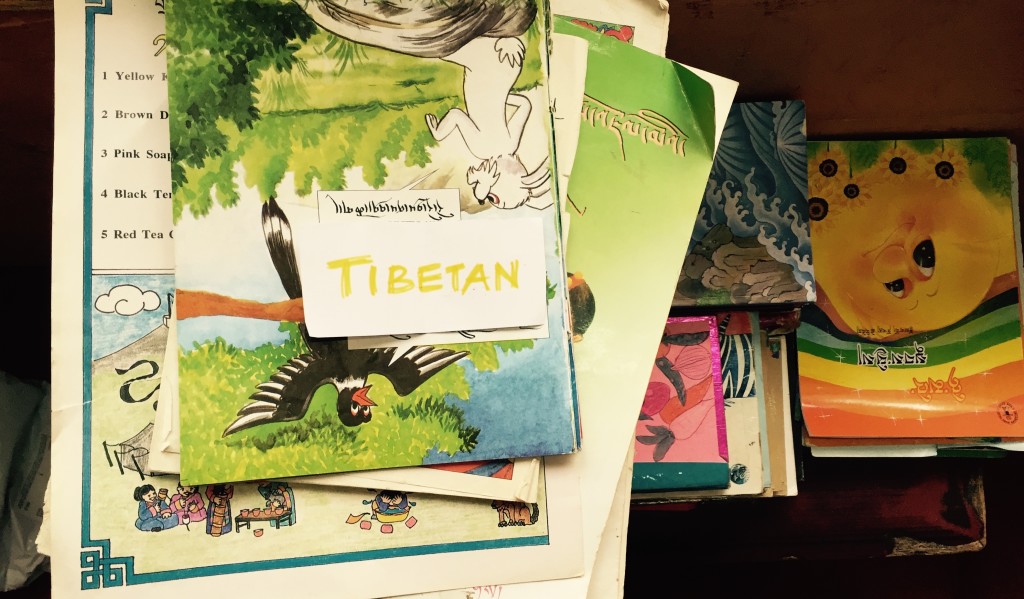
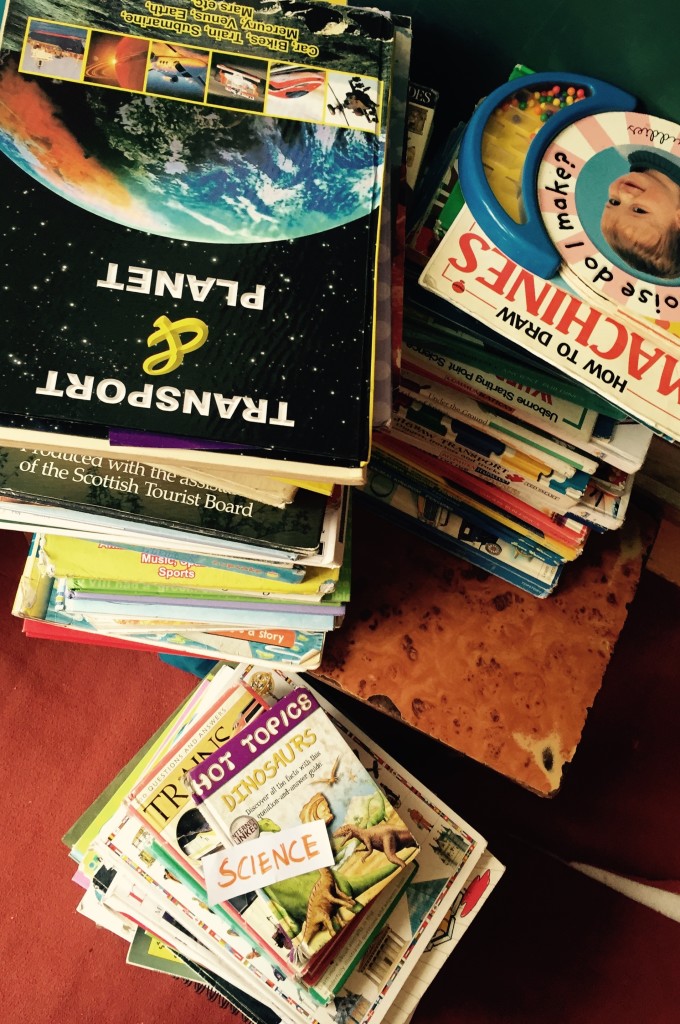
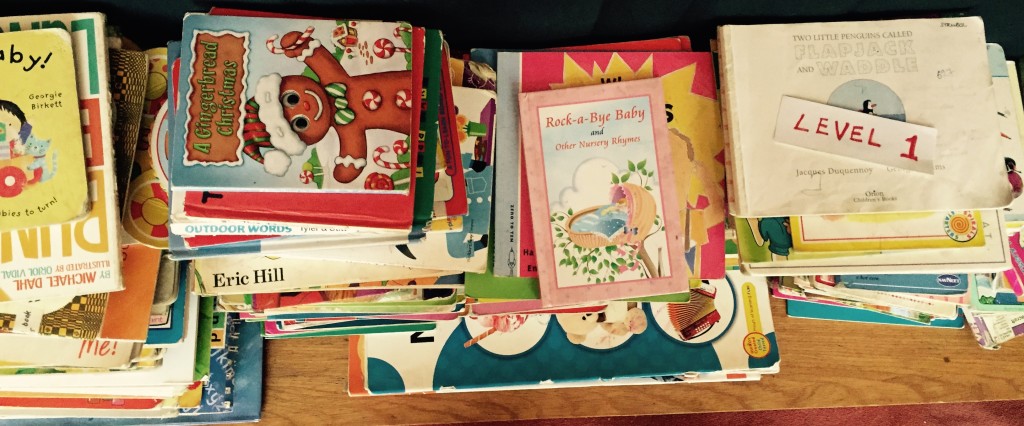
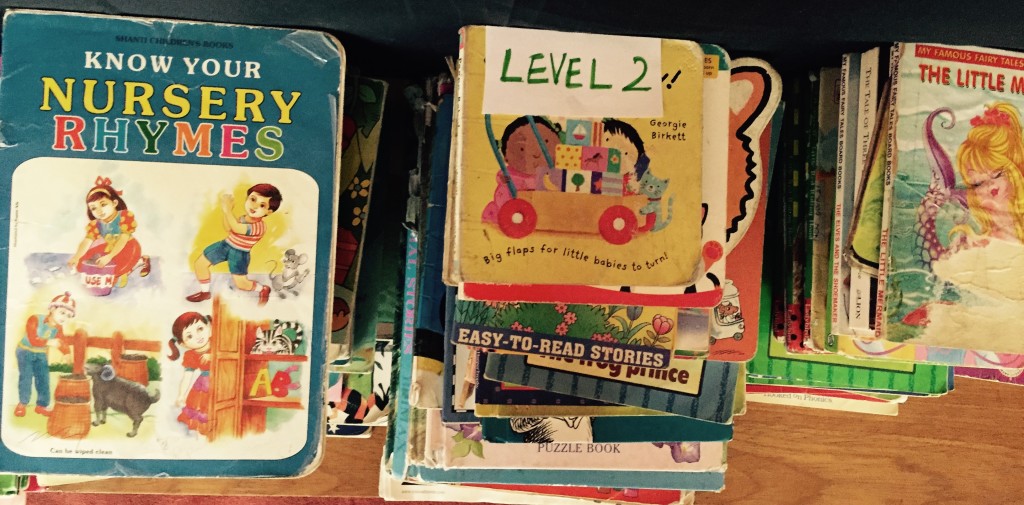
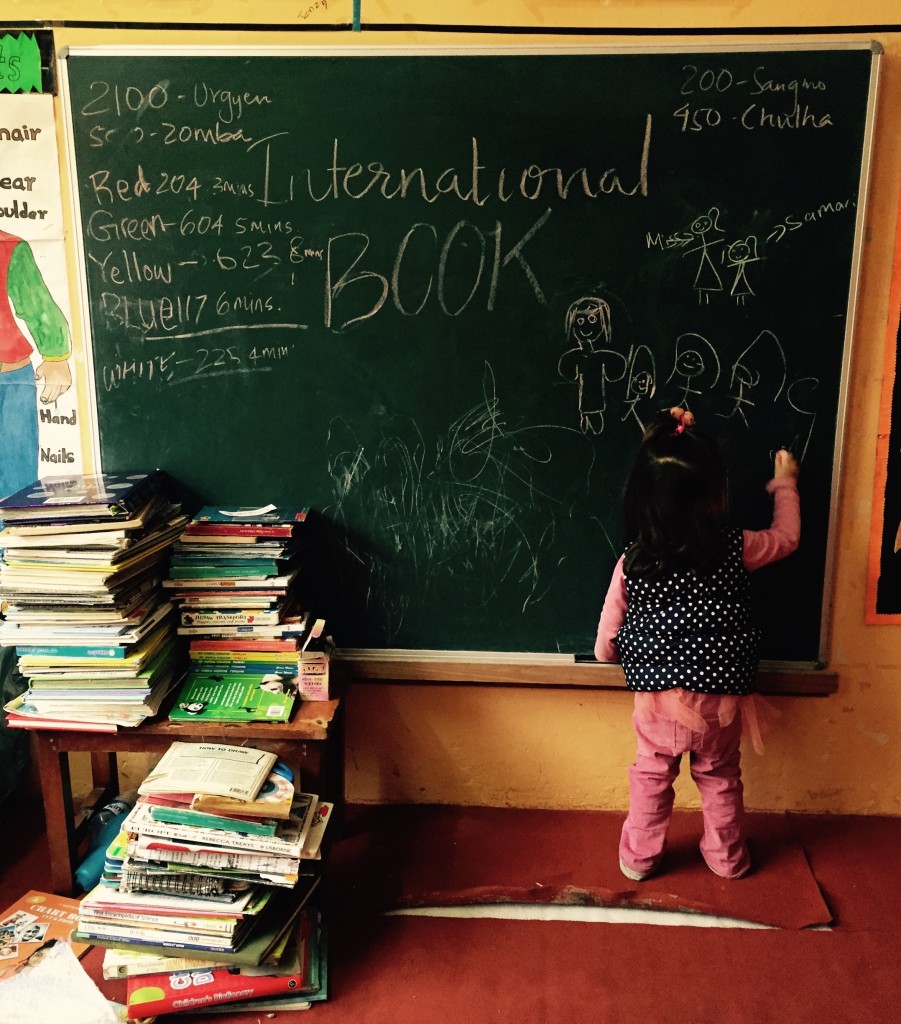
This is the purpose behind reading-room work: creating regular opportunities for children and young monks to read, draw, make music and explore ideas. In Ladakh and other Himalayan communities, a small collection of good books can serve an entire group of learners.
For Australian supporters, the setting may feel a long way from a local public library in Melbourne, Brisbane or Hobart. Yet the basic need is familiar. A child learns more readily when books are available, welcoming and suited to their level. A reading room turns access into a routine rather than a rare event.
Why Children Return To The Same Story
Adults sometimes assume that children need a constant supply of new books. Variety has value, but repetition is a powerful part of literacy development. A familiar story allows a learner to move from decoding words to understanding tone, sequence, grammar and character motivation.
Repeated reading can also protect a child’s confidence. A new book may contain too many unknown words at once. A known book offers manageable success. The child remembers the plot, so effort can be directed towards vocabulary, pronunciation and sentence structure.
There is an emotional benefit as well. Tsering knew how the story began and where it would lead. That sense of control encouraged her to read aloud and share the book with others. Her achievement was not measured by a test result; it was visible in the way she began to participate.
This approach has a clear parallel in Australia. During school holidays, families may visit a local library, browse an op-shop book stall or swap novels through a school community. A child who reads the same favourite story repeatedly is building fluency, even when the activity looks simple.
Books Travel Through Communities
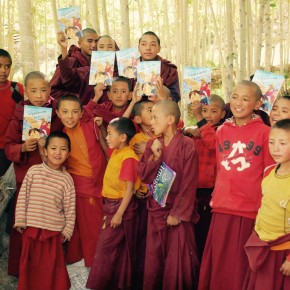
A useful book rarely belongs to just one reader. After Tsering gained confidence, younger children borrowed the story. They recognised her as someone who could help them, and she developed leadership skills while practising English. The book became part of the reading room’s shared memory.
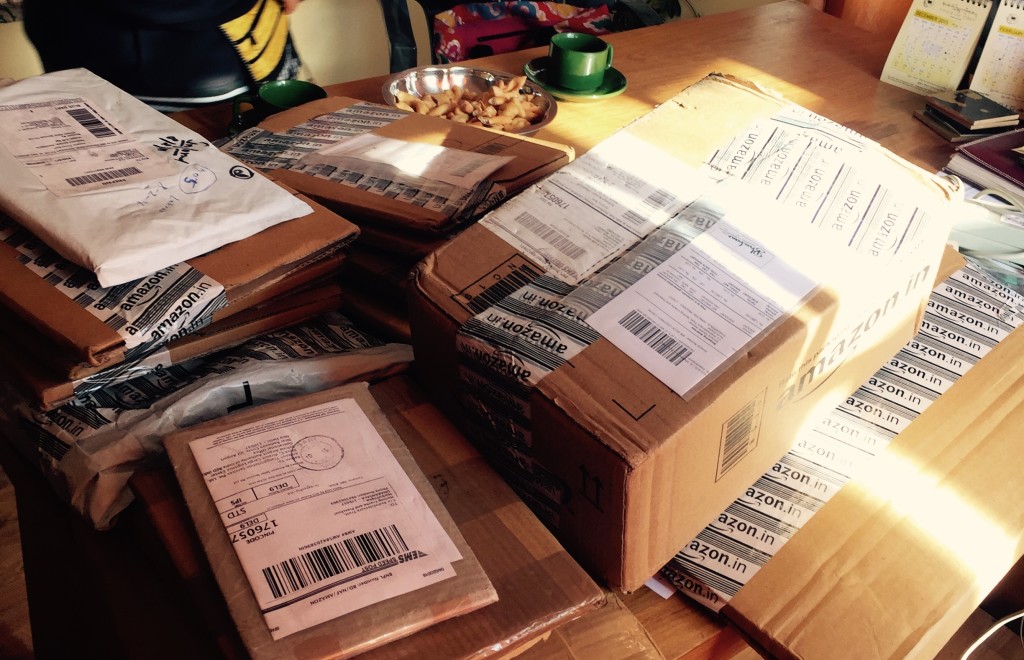
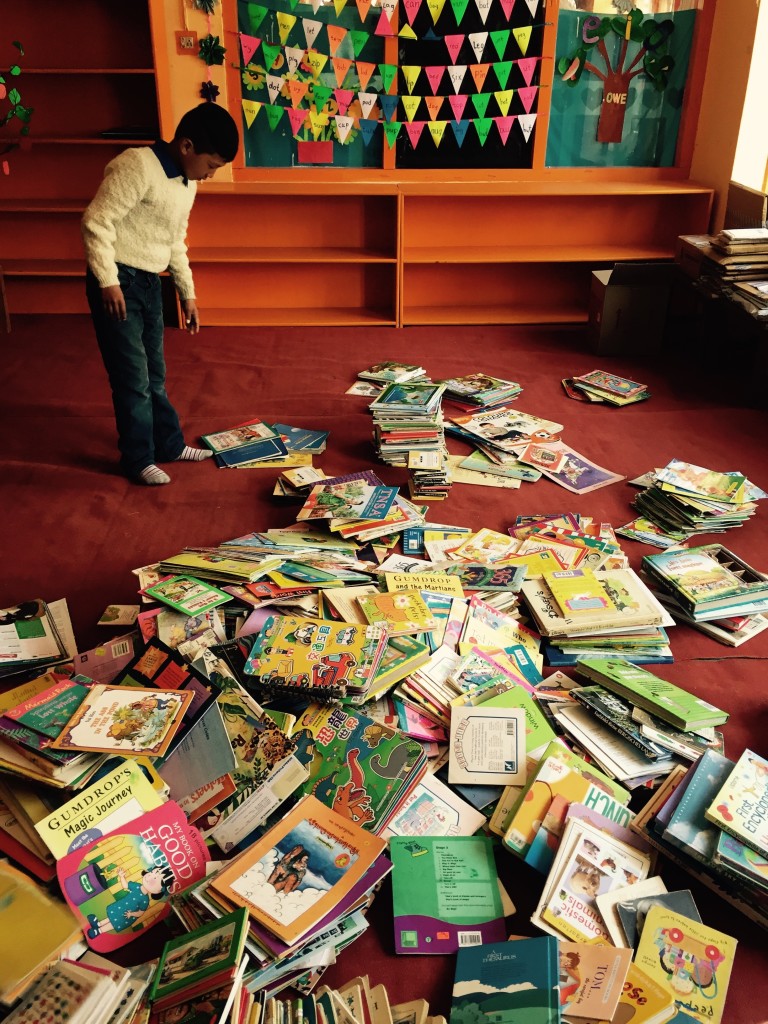
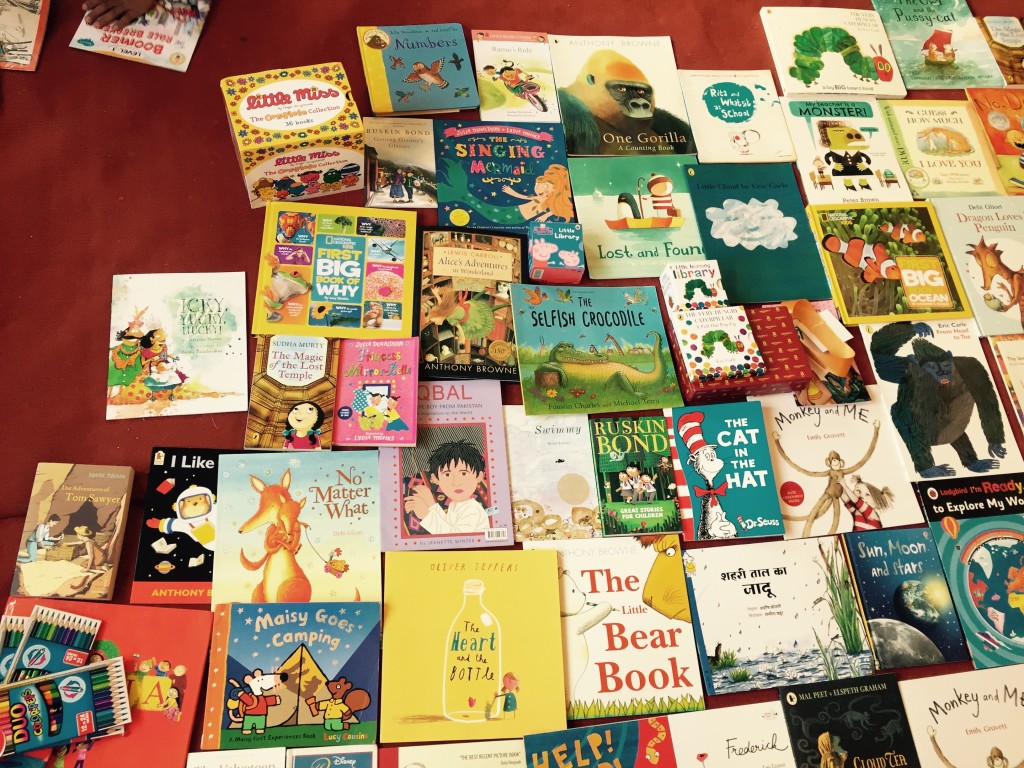
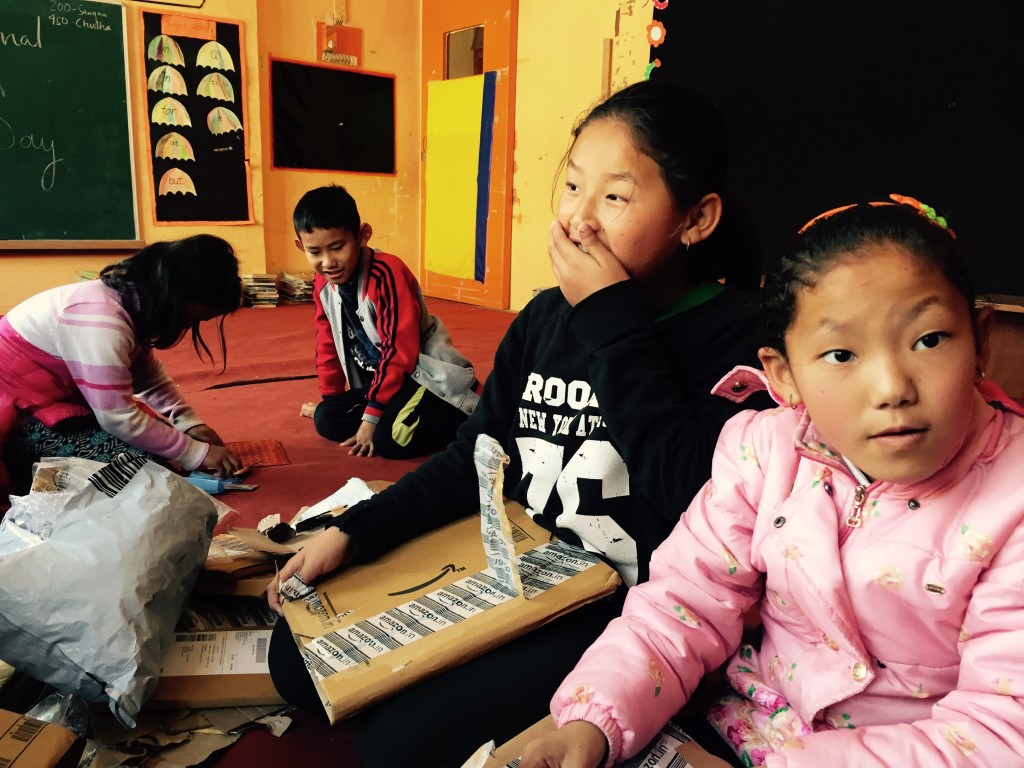
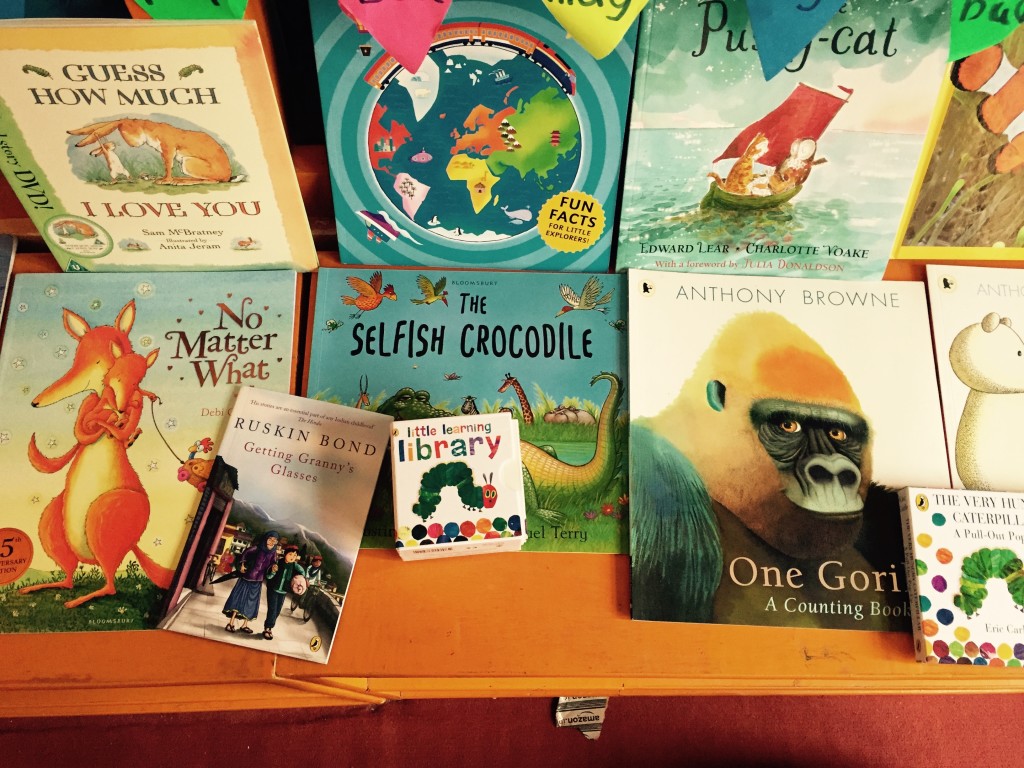
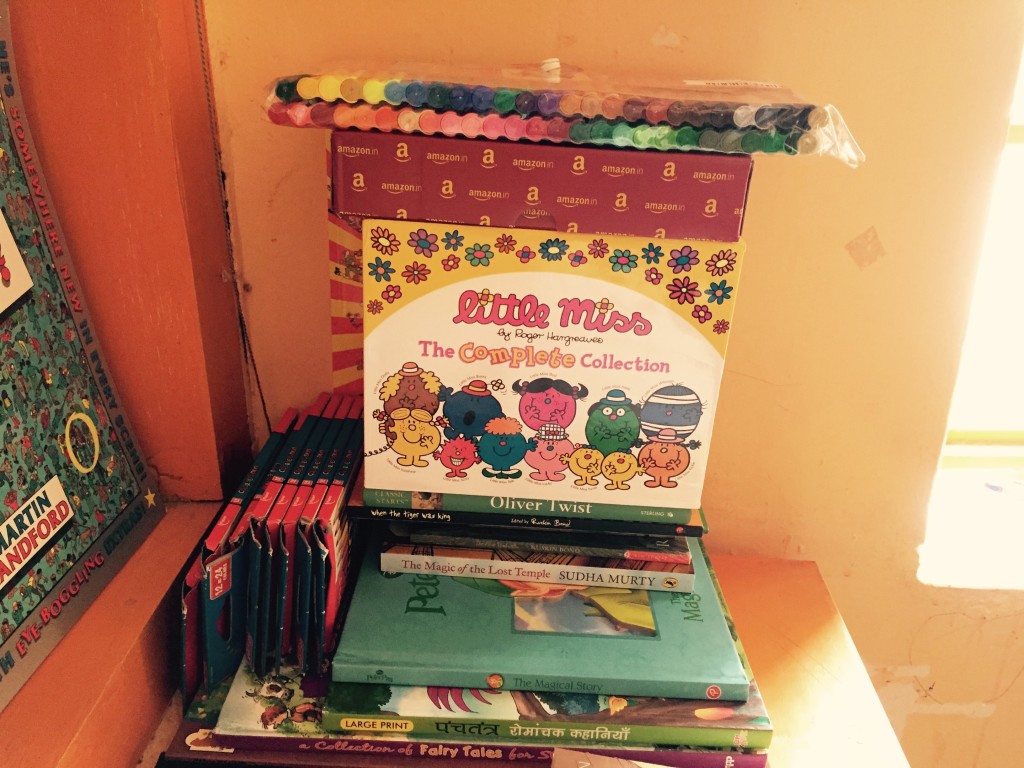
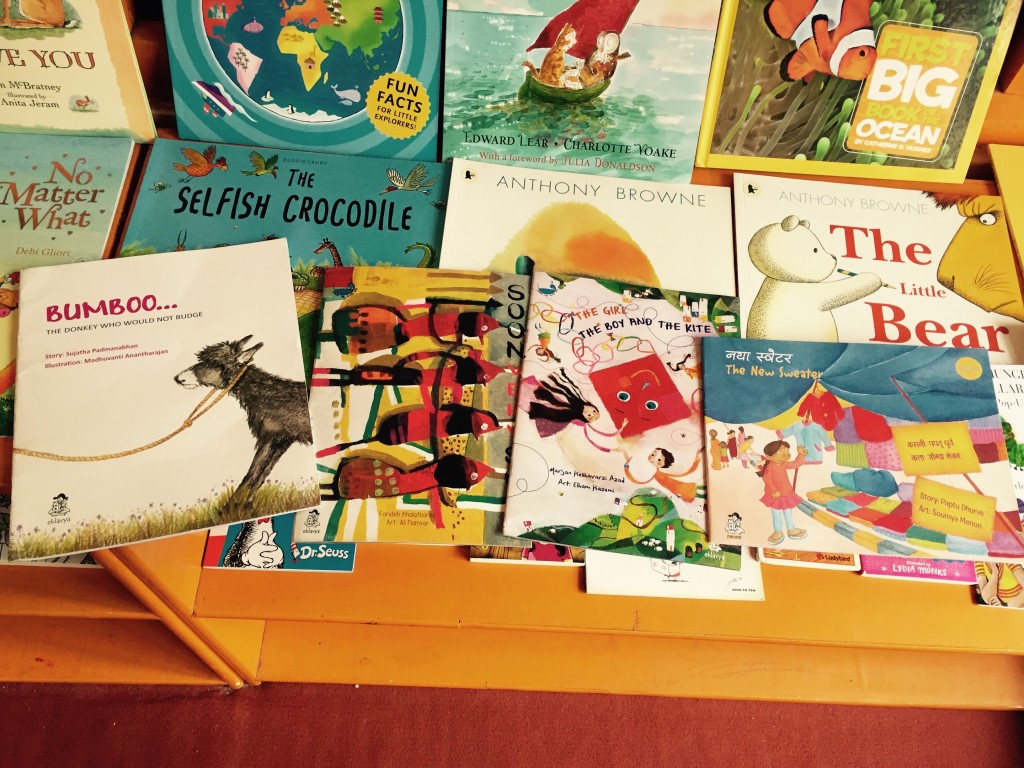
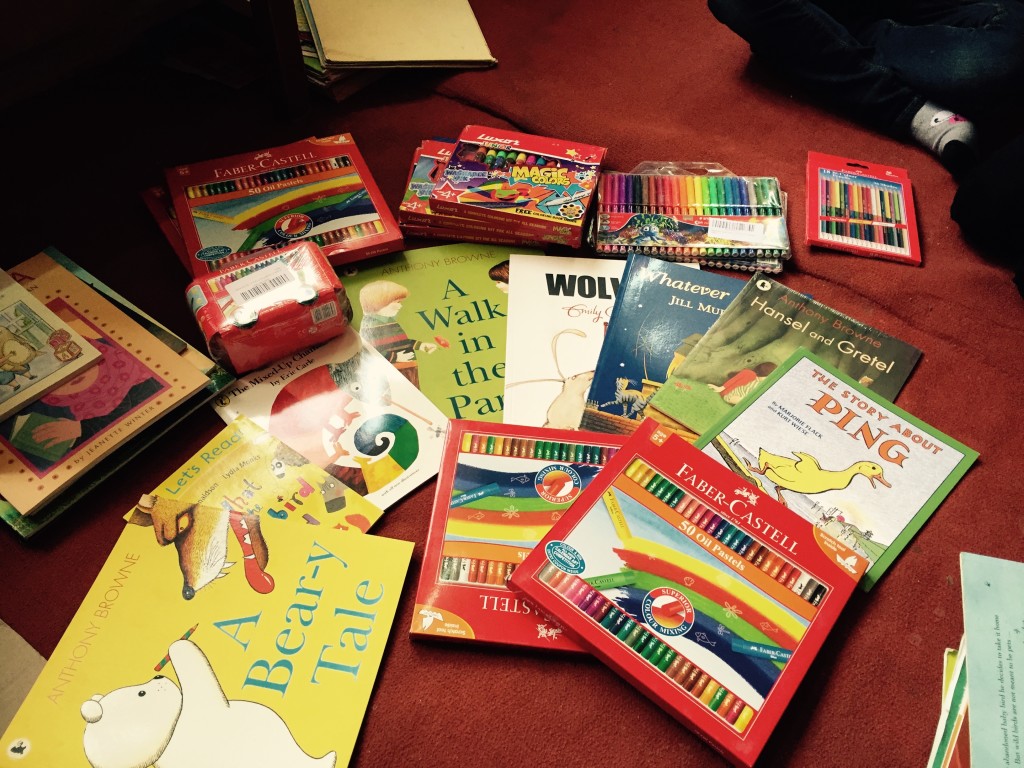
Book drives can support this kind of exchange when they are carefully organised. Suitable titles should be durable, age-appropriate and relevant to the children who will receive them. Shipping a box from Australia to the Himalayas also involves freight, sorting and local distribution, so quality matters more than sending large quantities of unsuitable material.
Australian community groups already understand the value of collecting resources together. A school library in regional New South Wales, a neighbourhood group in Perth or a community centre near Alice Springs may use a fete, a weekend gathering or a small local fundraiser to gather books and funds. The strongest support combines generosity with practical planning.
The comparison below shows why a familiar book can be especially effective for a new language learner.
| Reading experience |
Likely benefit for the learner |
| First reading |
Builds curiosity and broad understanding through pictures and context |
| Second or third reading |
Helps recognise repeated vocabulary and sentence patterns |
| Fifth reading |
Supports smoother reading and stronger recall of the story |
| Tenth reading |
Encourages retelling, reading aloud and independent confidence |
| Sharing the book |
Extends learning to younger children and strengthens leadership |
A Quiet Achievement With A Wider Future
Tsering’s experience shows that literacy is built from ordinary moments: a child choosing a book, returning the next day and discovering that one difficult page has become manageable. The change may be slow enough to miss if progress is measured only in grades or completed workbooks.
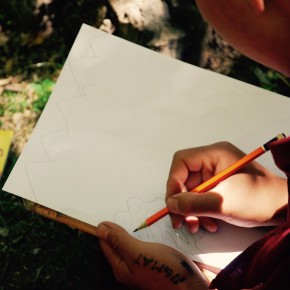
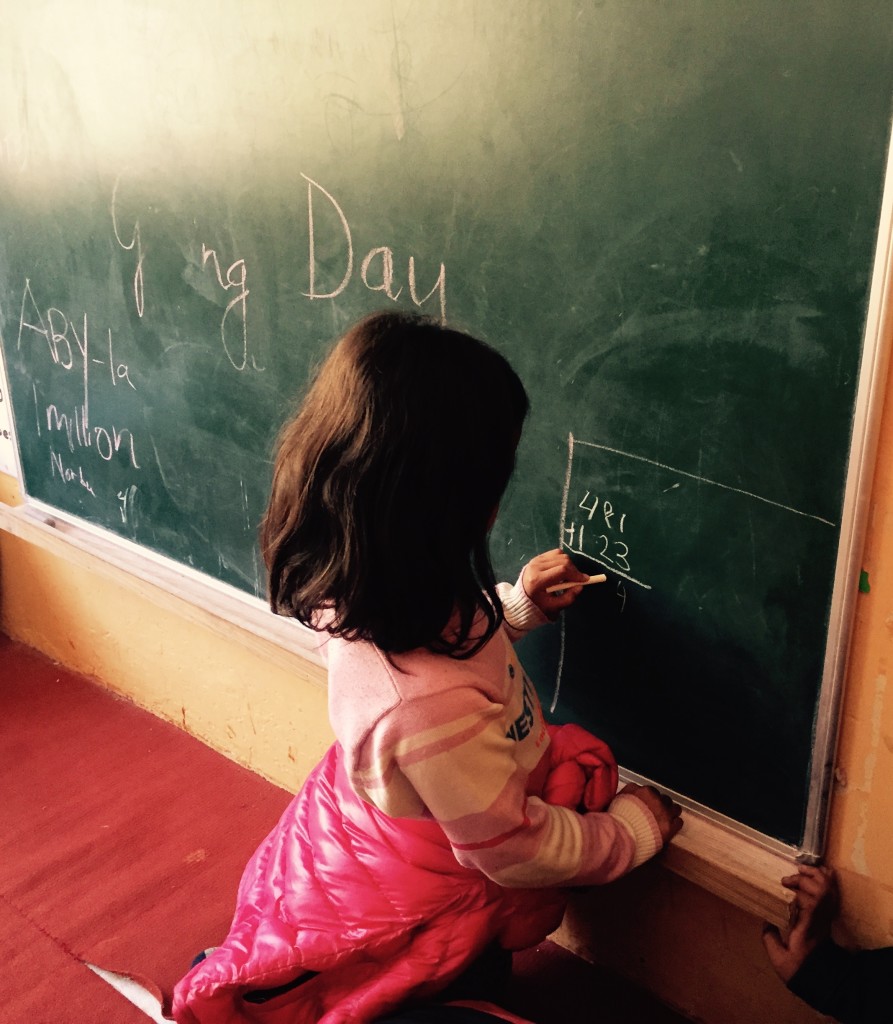
Her story also points to the wider role of educational support. Books can help children learn English, yet the deeper outcome is confidence in learning itself. Reading can lead to drawing, writing, discussion, music and questions about places beyond the reader’s immediate surroundings.
For families and supporters in Australia, the most useful response is grounded and specific. Begin with one suitable children’s book, check whether it is appropriate for an international book drive, and pair it with support for the reading room that will make repeated reading possible. Set aside one good book this week for a carefully planned community collection.