How Book Illustrations Opened a Young Monk’s Creative World
In a quiet Himalayan monastery, a young monk discovered that books could offer more than words. Their illustrations became windows into unfamiliar places, showing animals, landscapes and people he had never seen. By patiently copying those pictures, he began to understand shape, proportion and the pleasure of making something with his own hands.
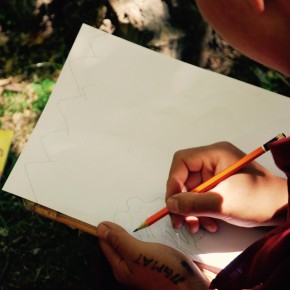
The drawing began simply. He placed a sheet of paper beside an illustrated storybook, studied each line and tried to reproduce it with a pencil. At first, his figures were uneven and his mountains leaned at curious angles. Over time, repeated practice gave his hand confidence and turned a private pastime into a creative language.
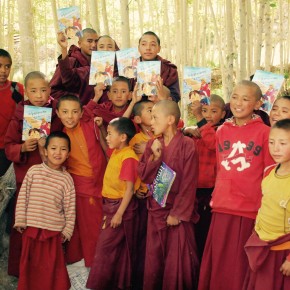
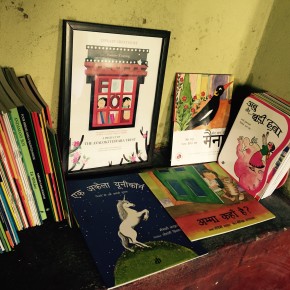
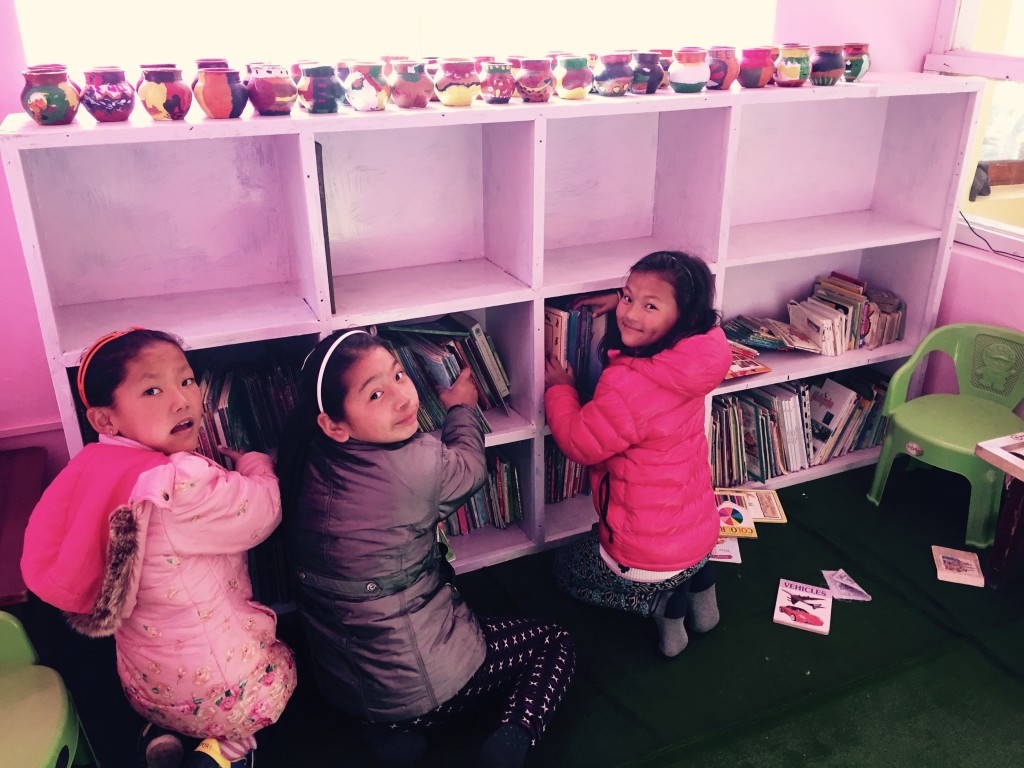
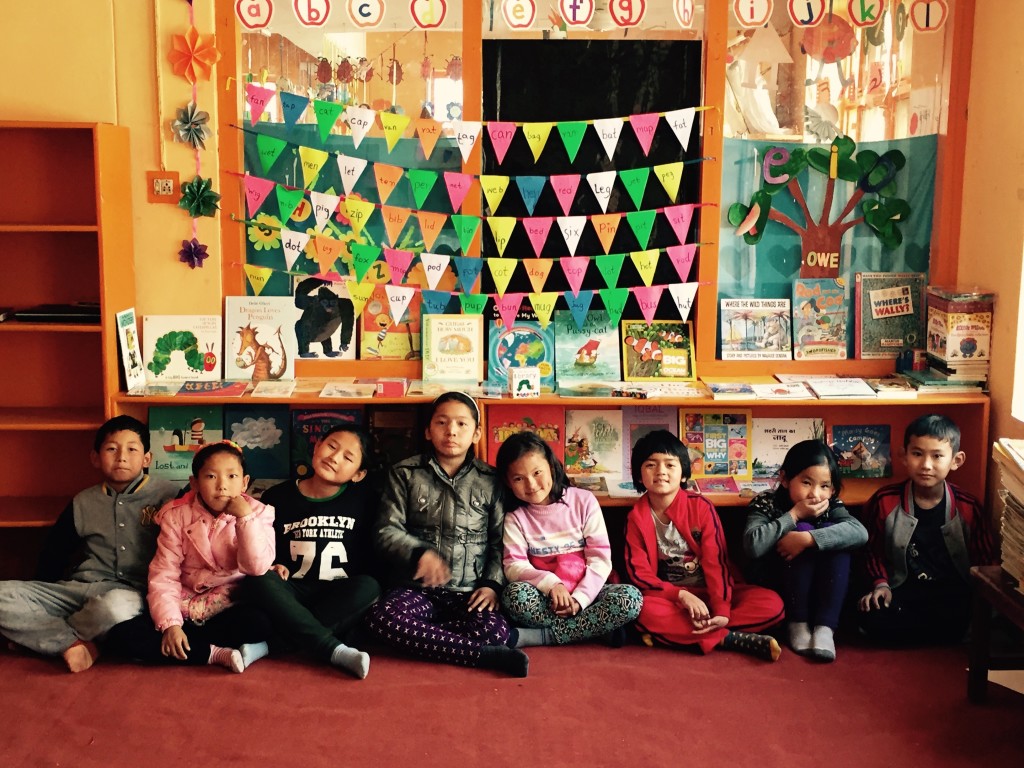
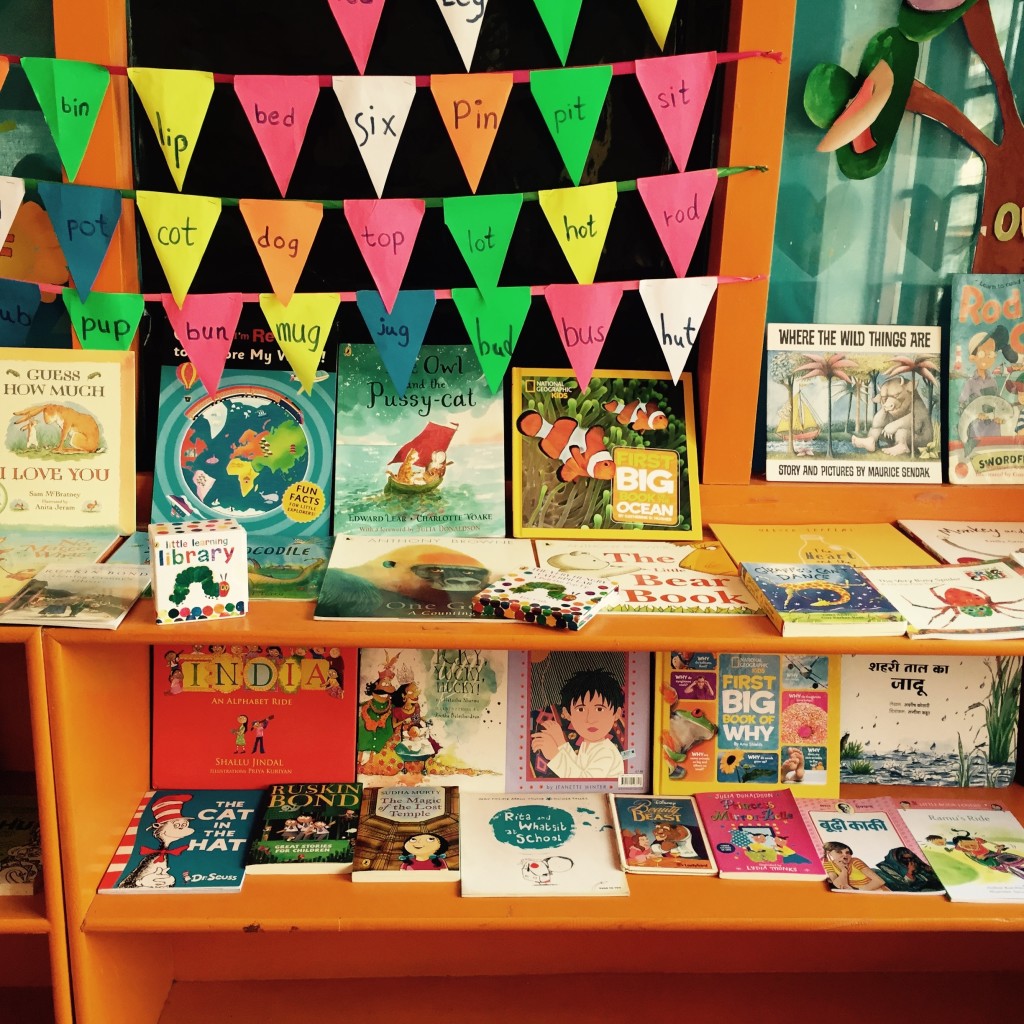
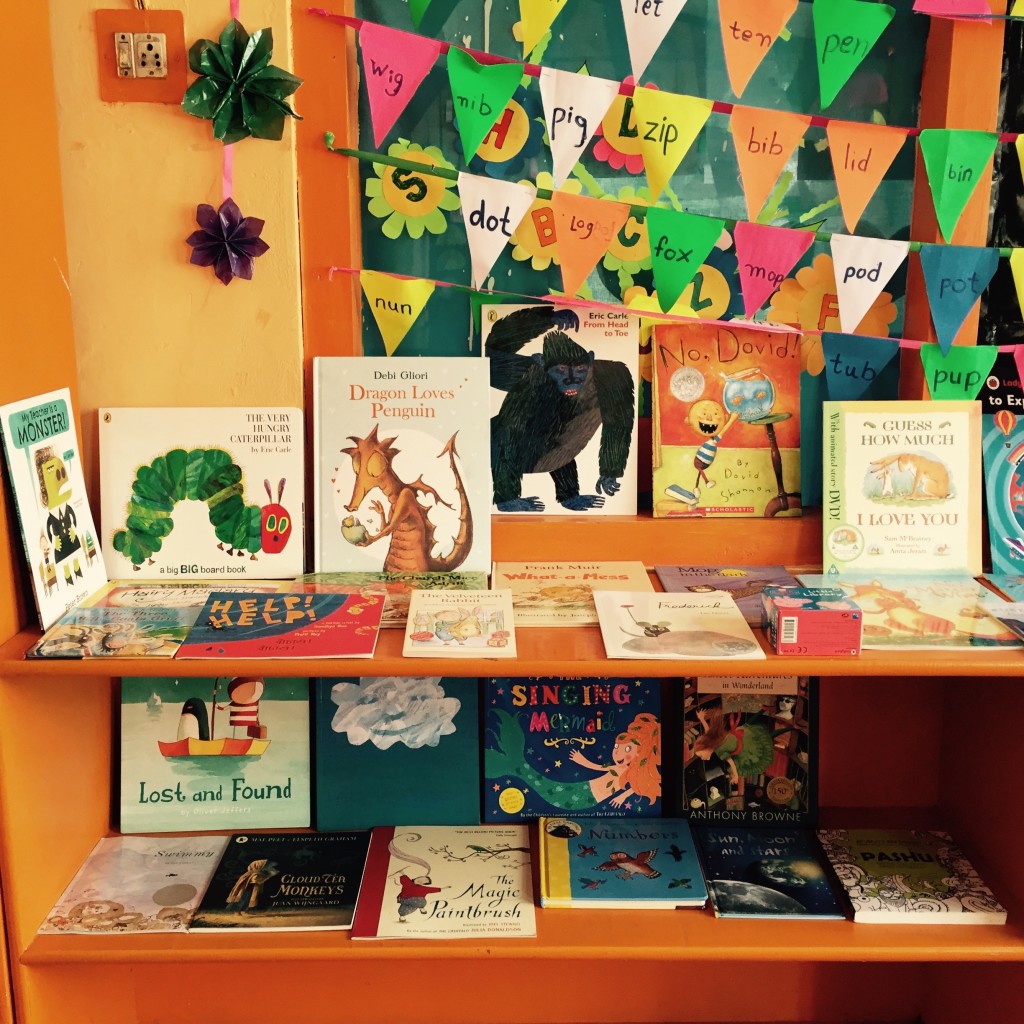
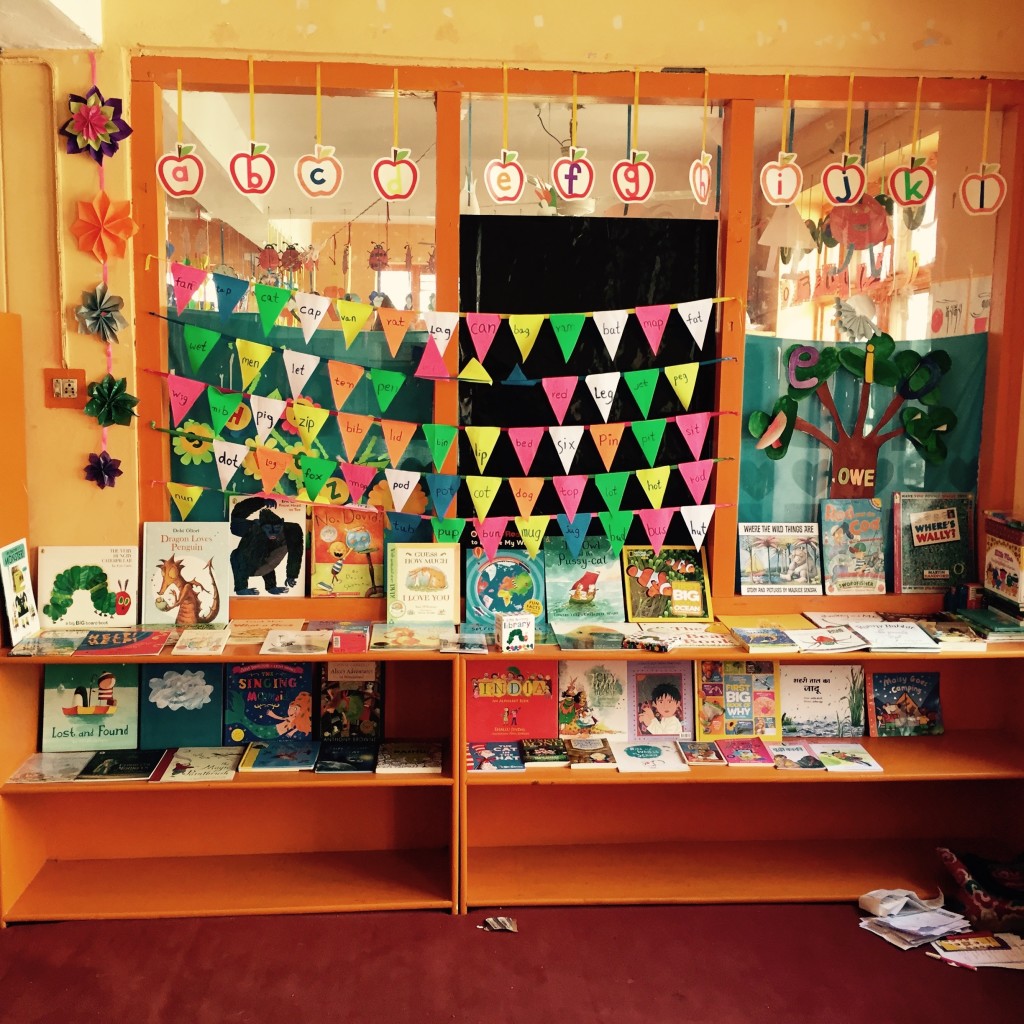
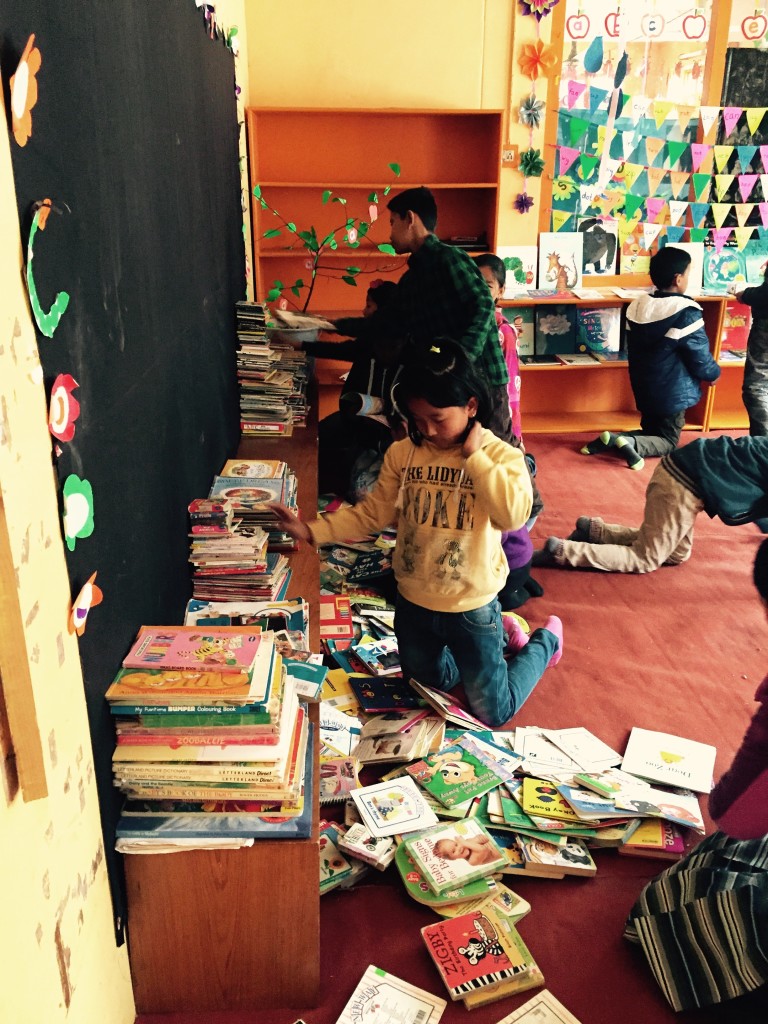
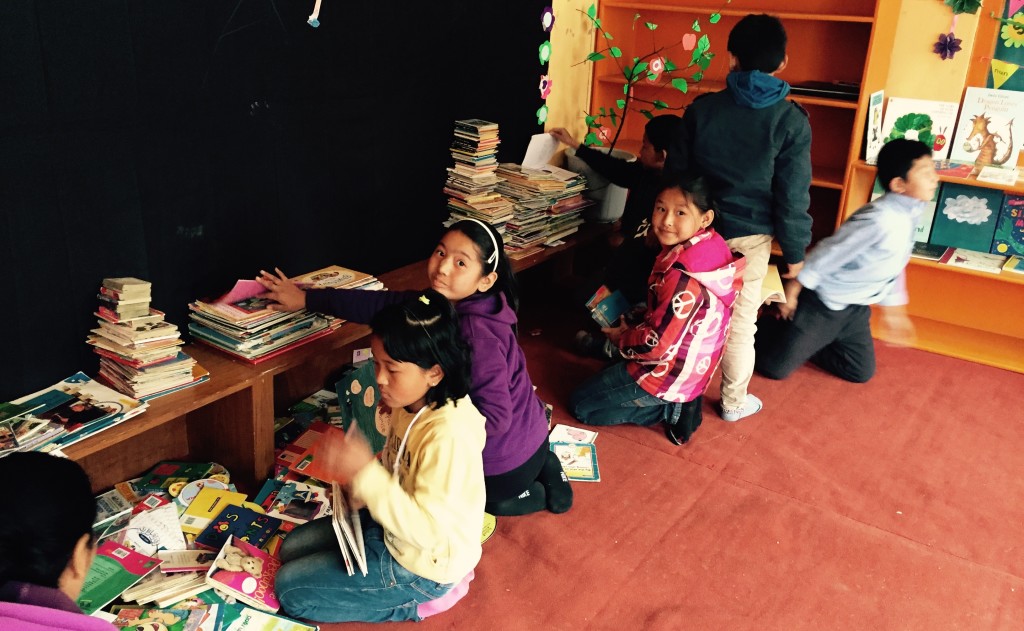
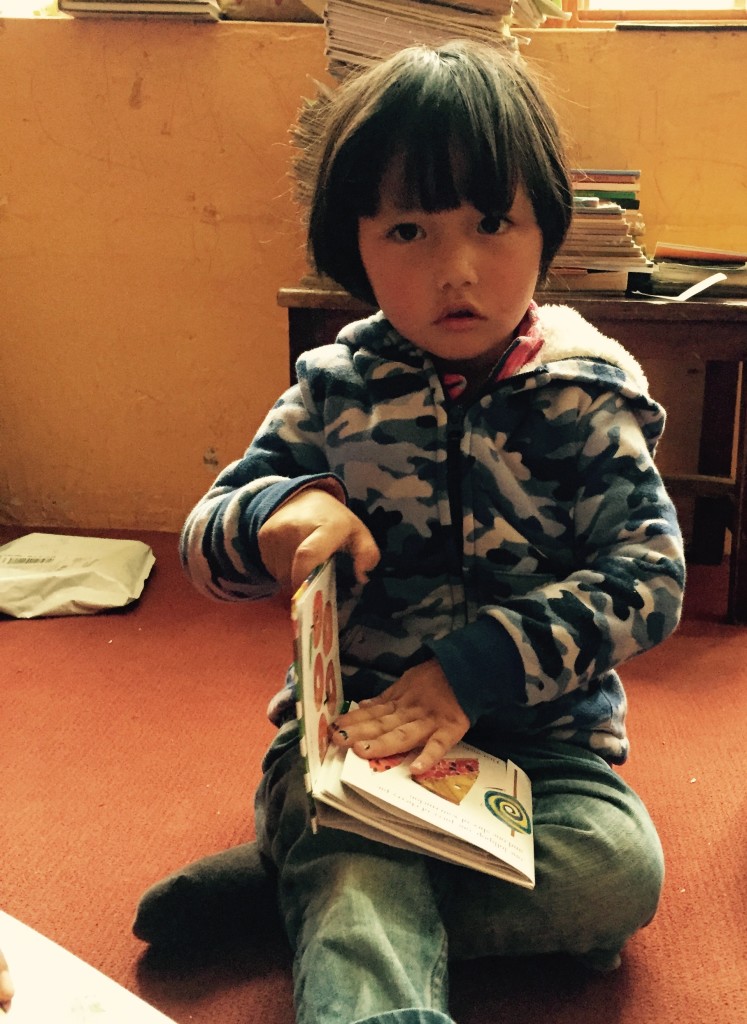
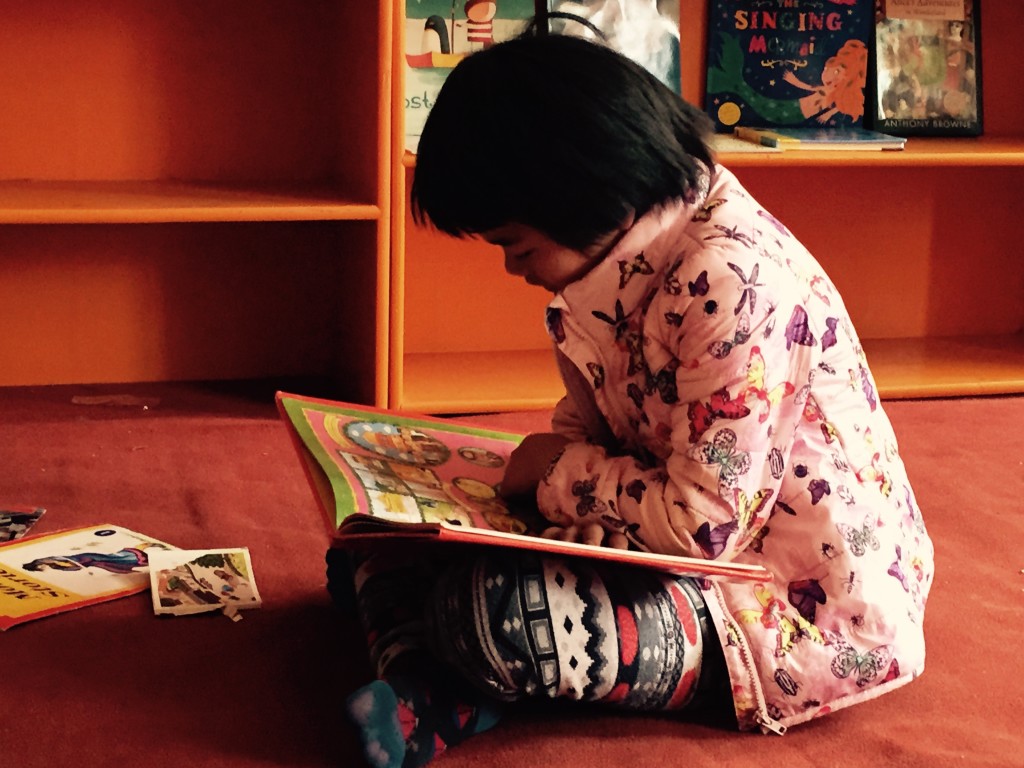
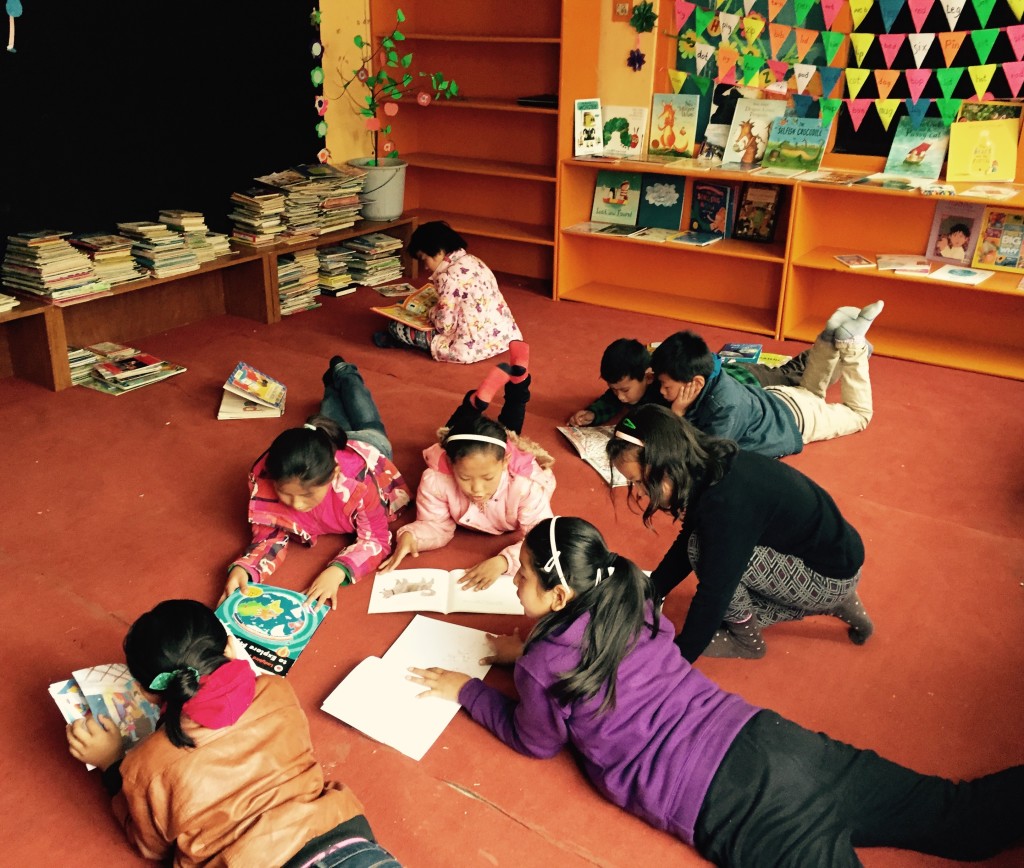
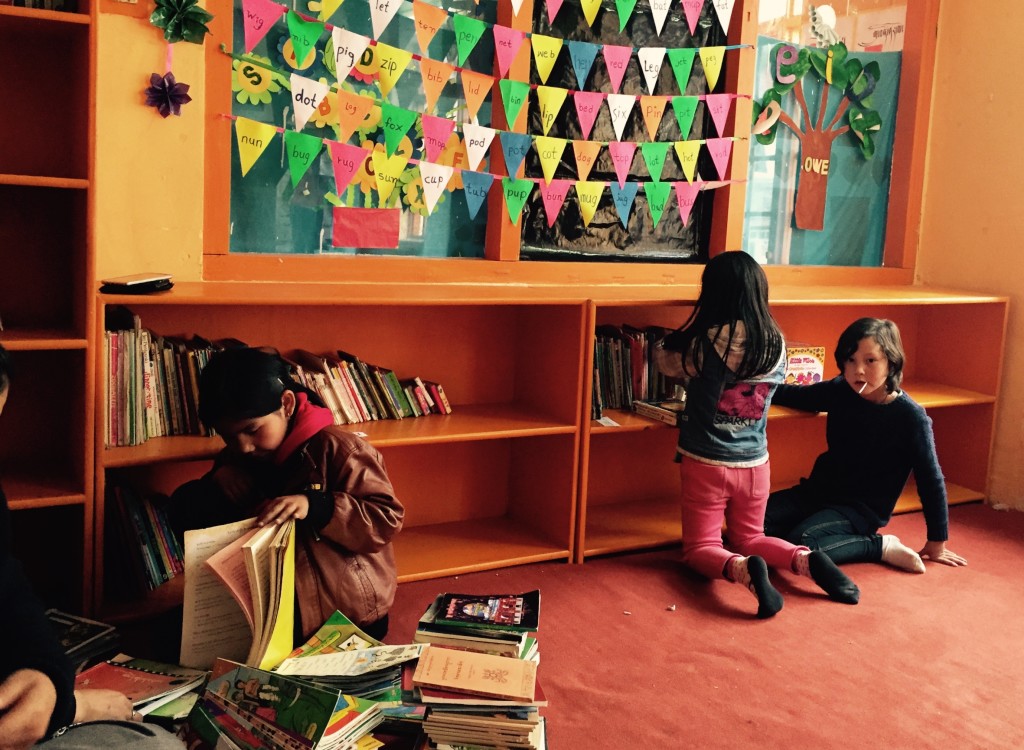
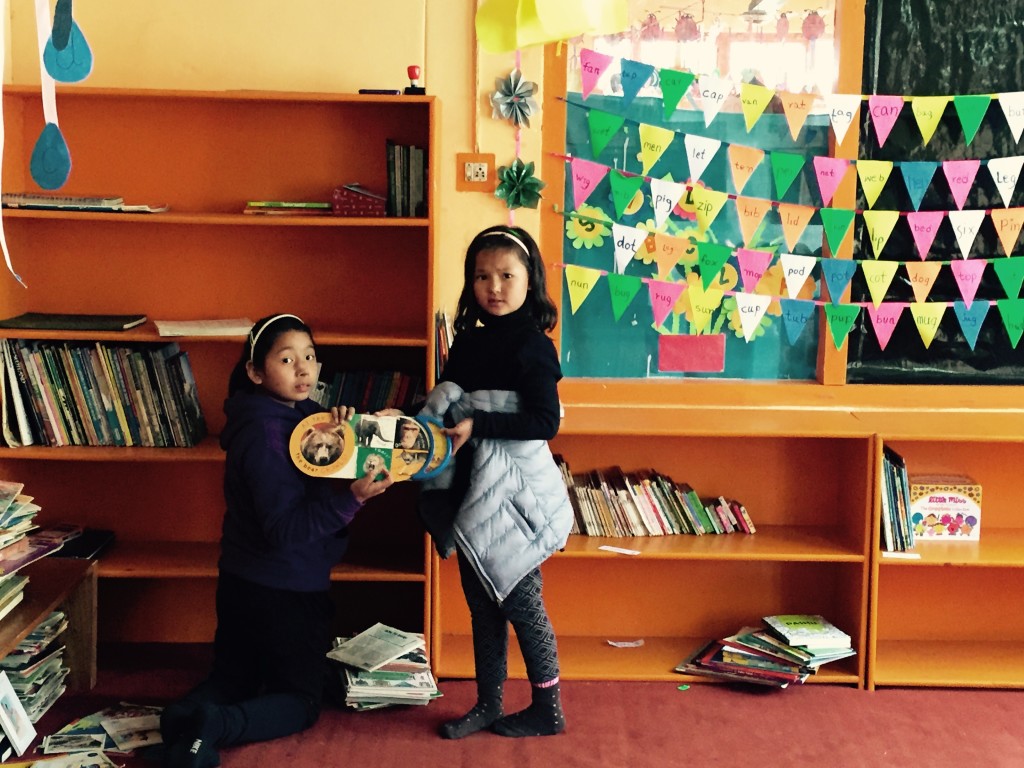
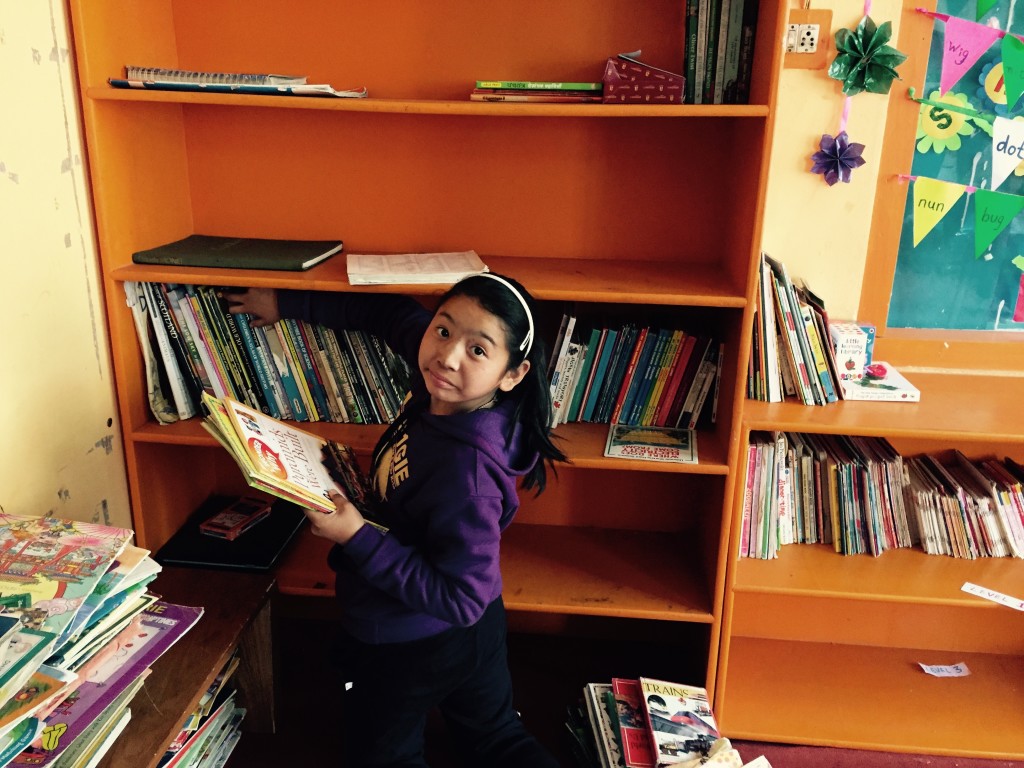
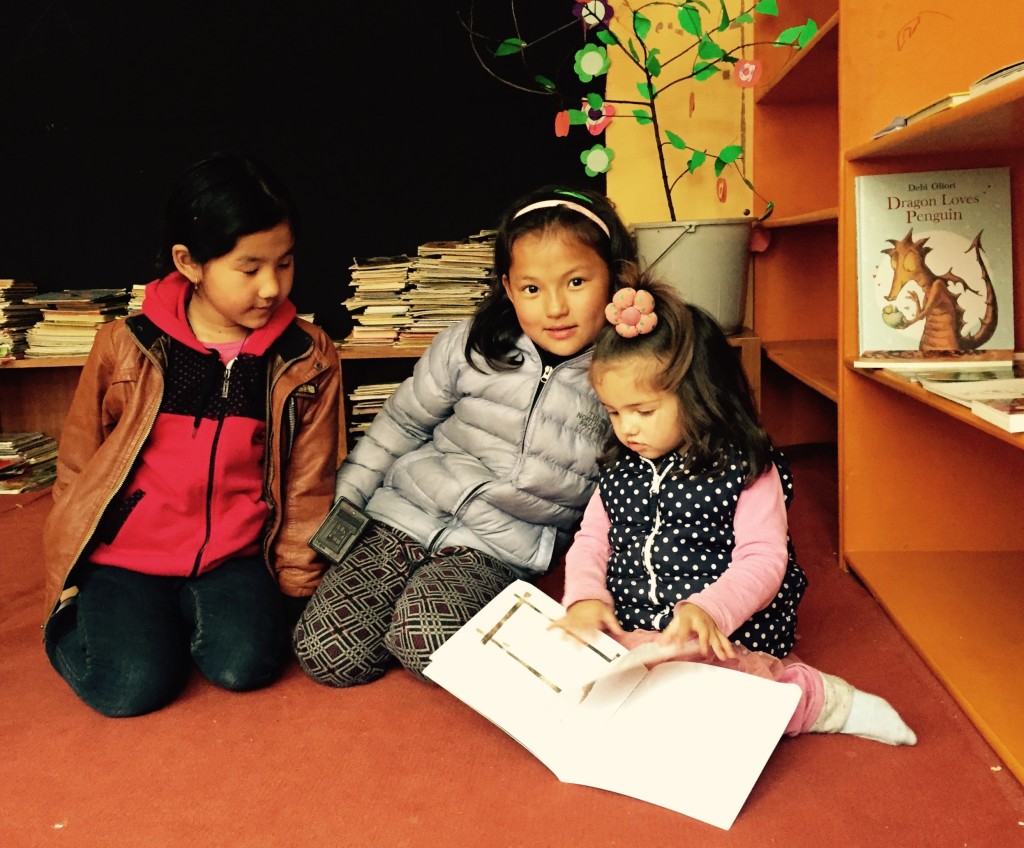
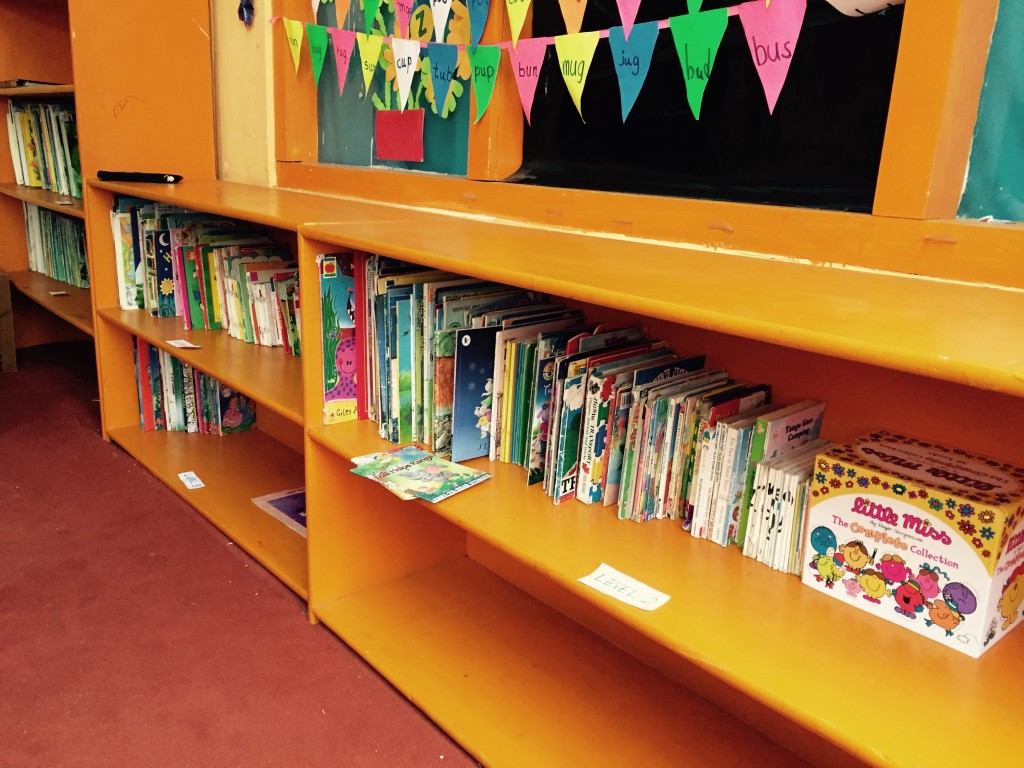
The Story of a Monk Who Learned to Draw by Copying Book Illustrations is also a story about access. A well-stocked reading room, a donated pencil and a welcoming adult can help a child or young monk find an ability that might otherwise remain hidden. In Ladakh and neighbouring Himalayan communities, books can become a bridge between literacy, imagination and artistic expression.
| Stage of learning |
What he practised |
What changed |
| Looking closely |
Shapes, outlines and details |
He learned to slow down and observe |
| Copying |
Animals, people and landscapes |
His hand became steadier |
| Experimenting |
Lines, shading and backgrounds |
He began making personal choices |
| Sharing |
Showing drawings to friends |
Art became a social activity |
| Creating |
Designing original scenes |
He developed confidence and a distinct style |
A Single Illustration Starts the Journey
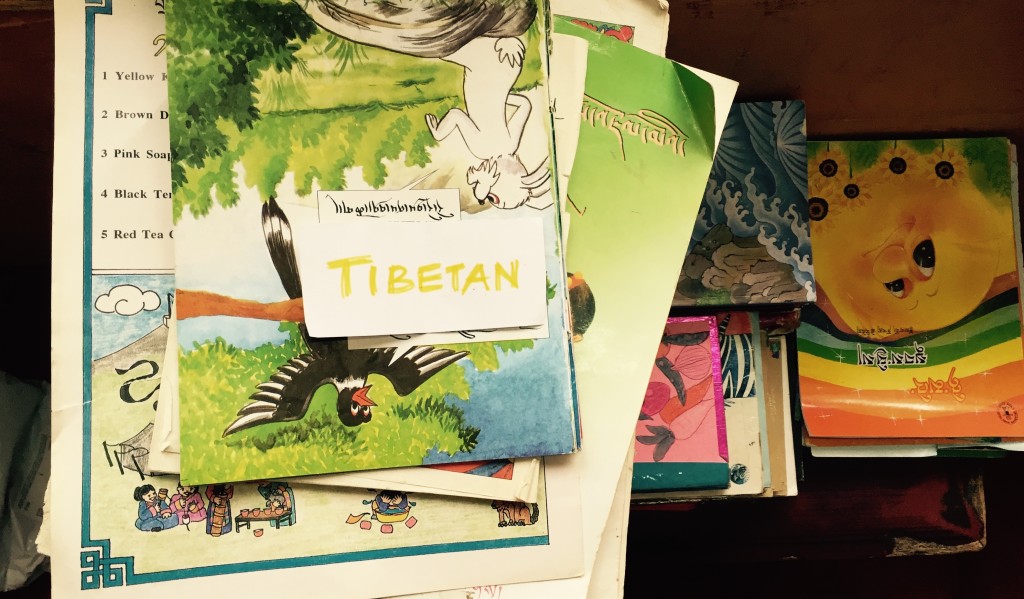
The picture that first held his attention showed a small bird perched on a branch. It appeared in a children’s book donated to a monastery reading room. The young monk was familiar with birds around the valley, yet the printed image presented one in a new way: a few curved lines suggested feathers, movement and alertness.
He copied it many times. The early attempts were too large, then too narrow, and the branch sometimes disappeared beneath the bird’s body. Each version taught him something. He began to notice how an illustrator could suggest texture without drawing every feather and create distance by changing the size of objects.
Copying was not treated as a shortcut or a lesser form of art. It was a form of visual reading. Just as a child traces letters before writing a sentence, he traced lines before inventing his own pictures. The pages gave him a safe starting point and a vocabulary for future drawings.
From Repetition To Confidence
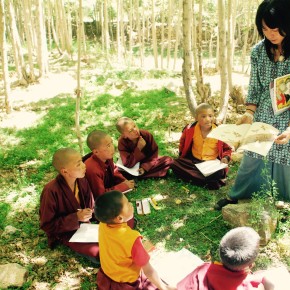
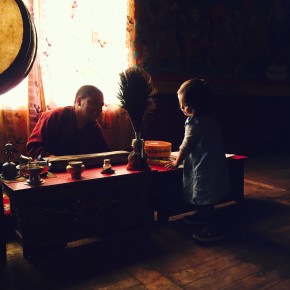
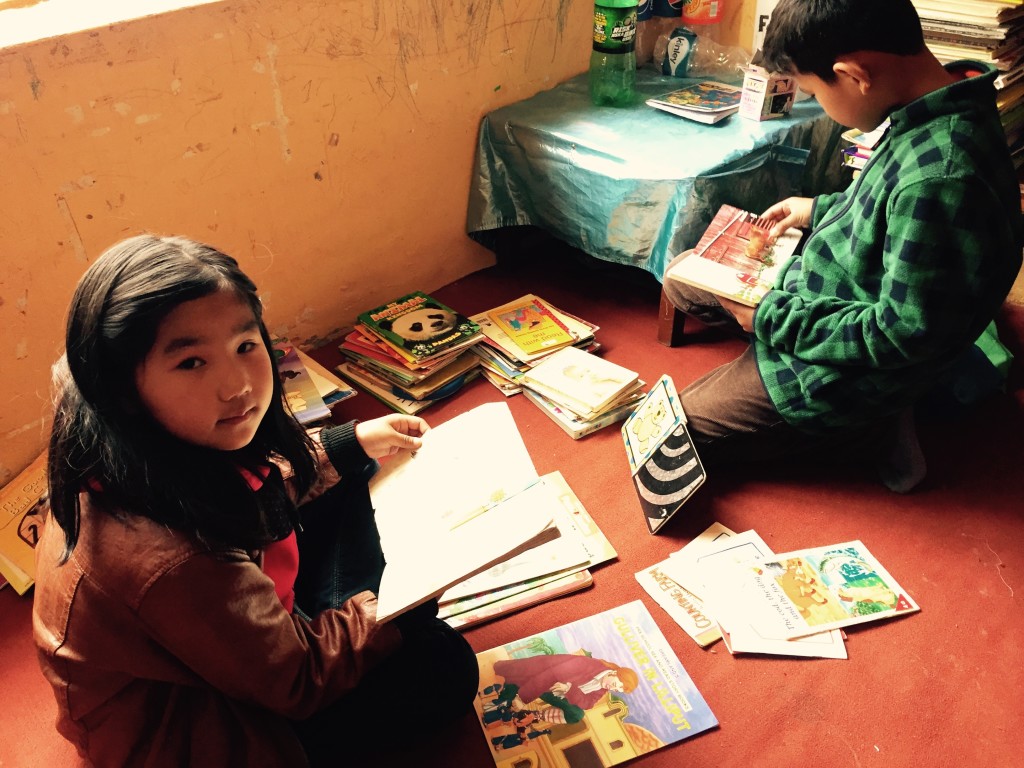
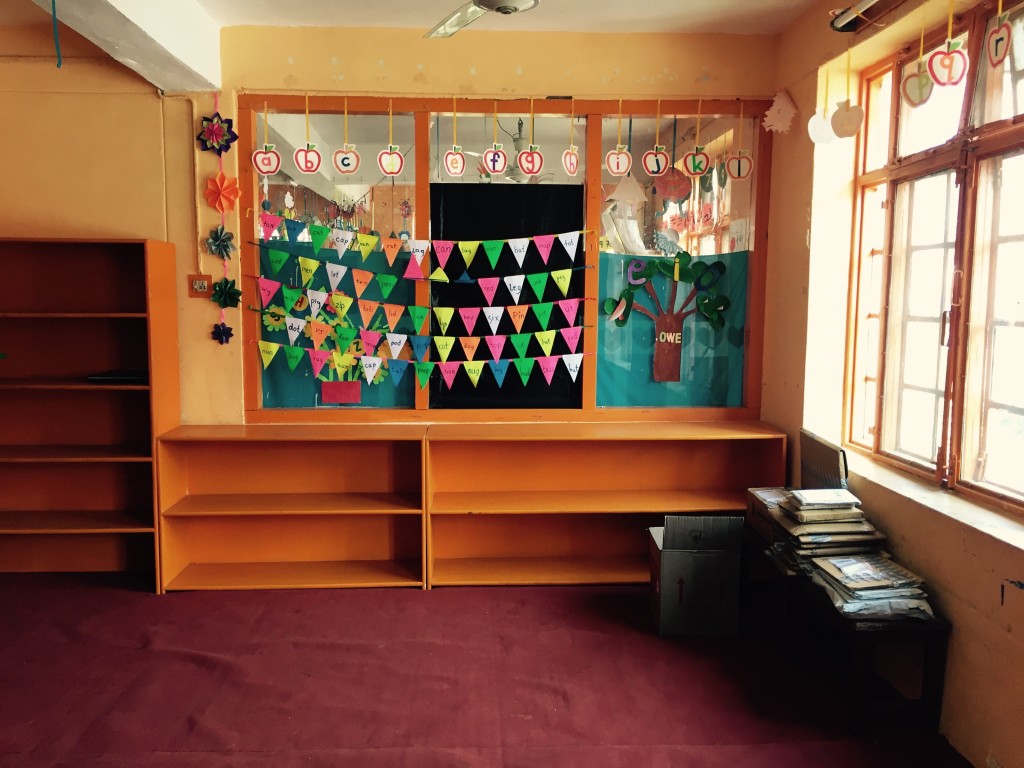
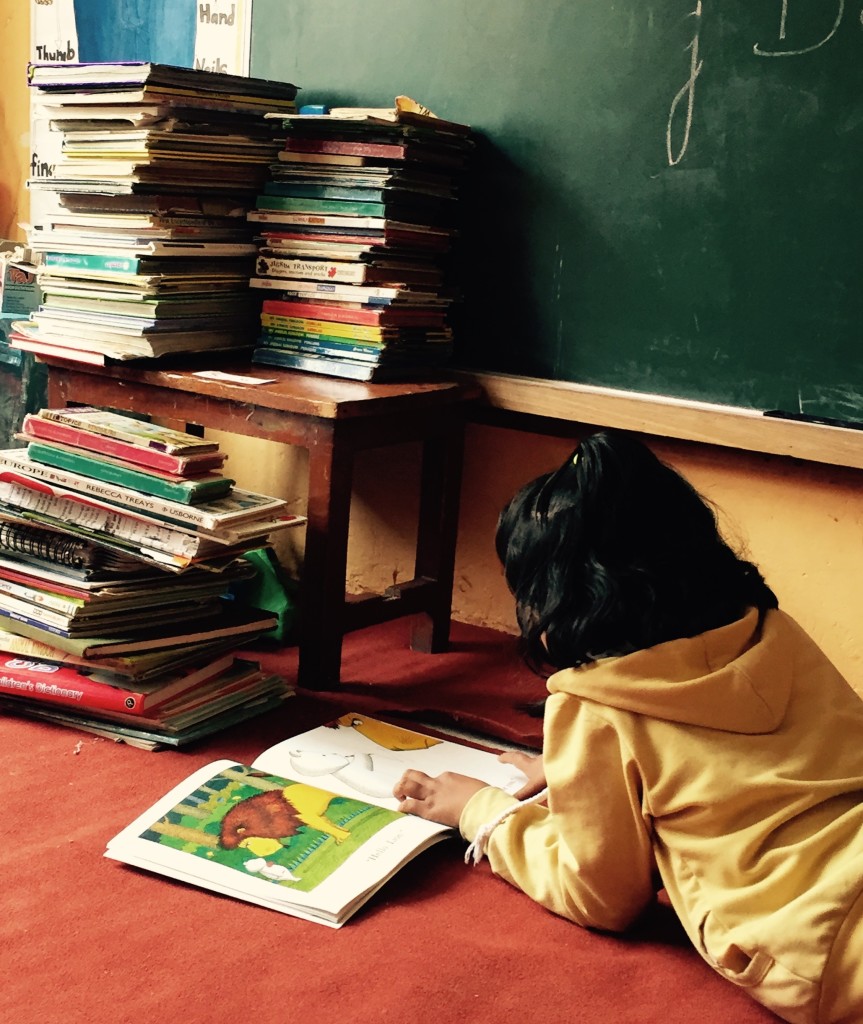
His routine developed around the monastery day. After lessons and responsibilities, he visited the reading room, selected a book and found a quiet corner. Sometimes he worked with a blunt pencil on recycled paper. At other times, a volunteer provided coloured pencils and encouraged him to try the same image in different ways.
The repeated exercises strengthened skills that are useful far beyond drawing. He practised concentration, remembered visual details and learned to accept mistakes without abandoning the task. When a face looked unusual or a mountain became distorted, he simply turned the page or began another version.
The change was gradual enough to be easy to miss. Then friends started asking him to draw animals for their notebooks. He illustrated a yak, a snow leopard and a row of village houses. The copied pictures had given him the confidence to make images from memory and observation.
Books As Art Teachers
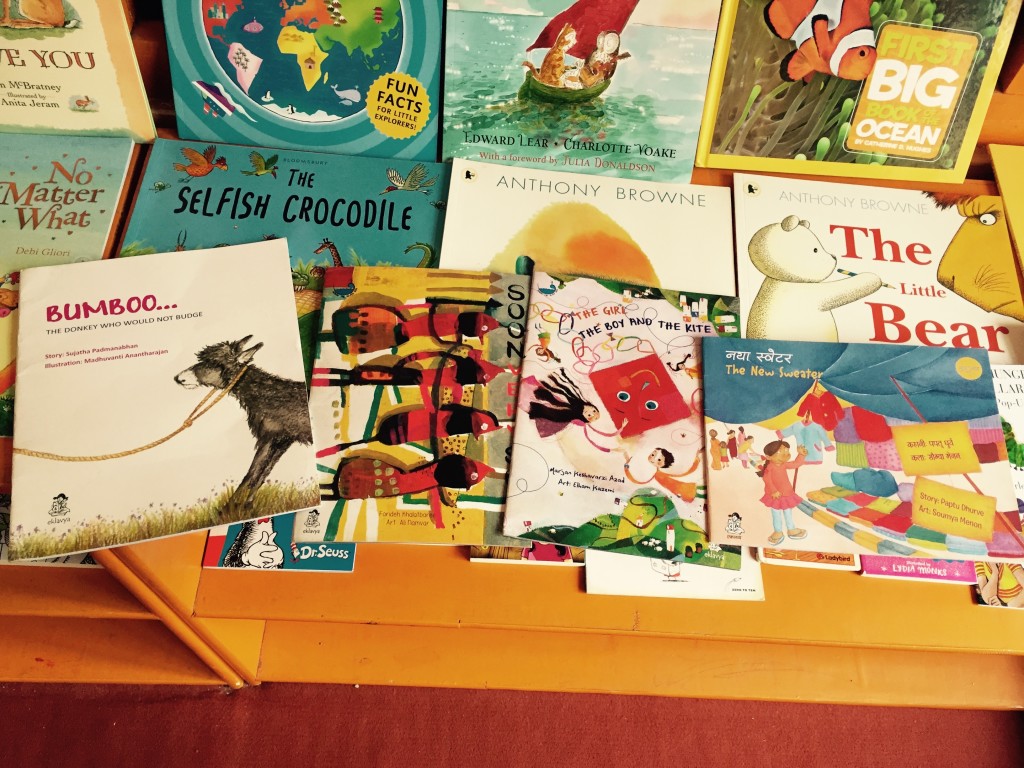
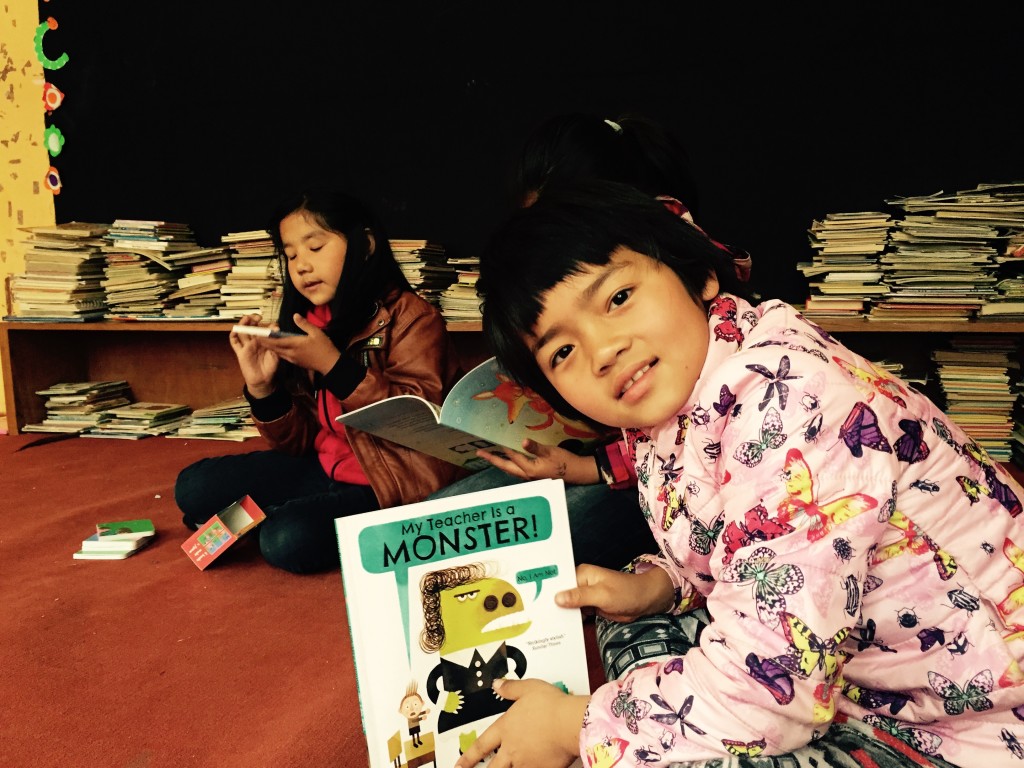
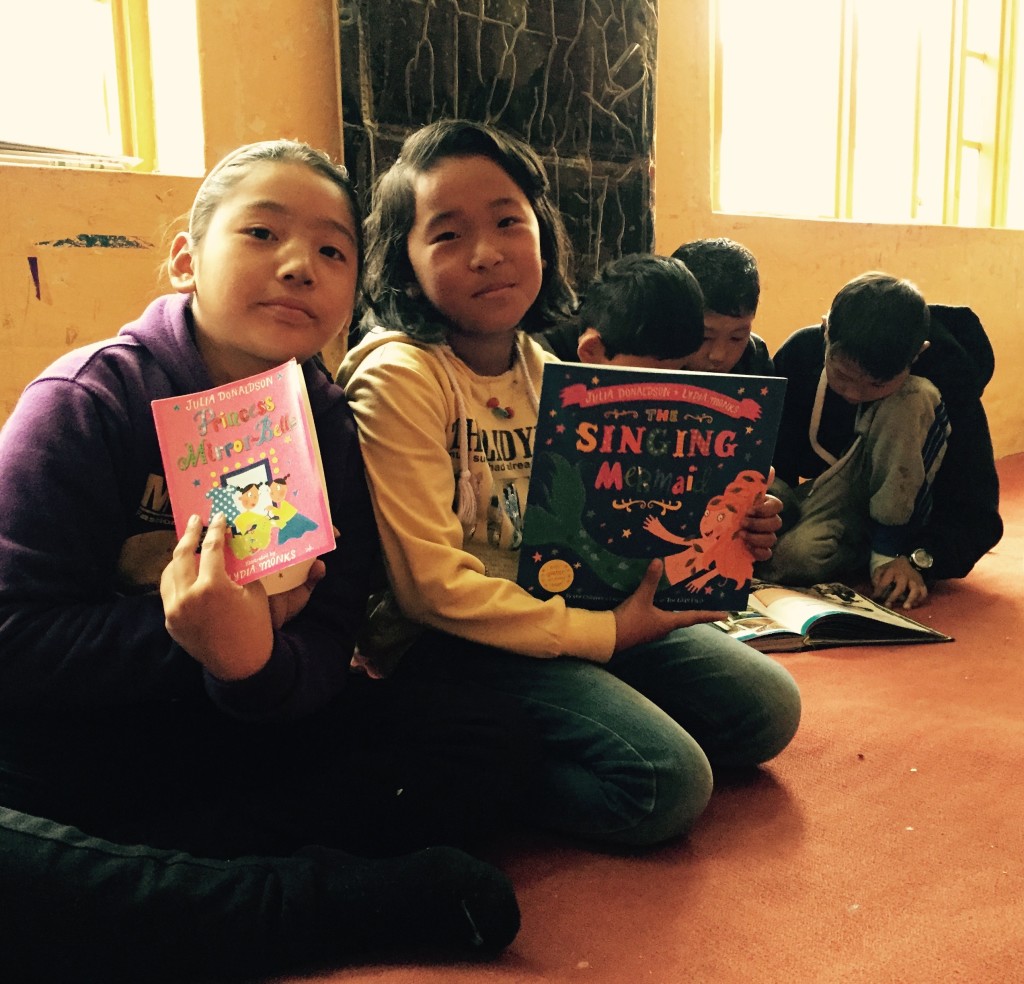
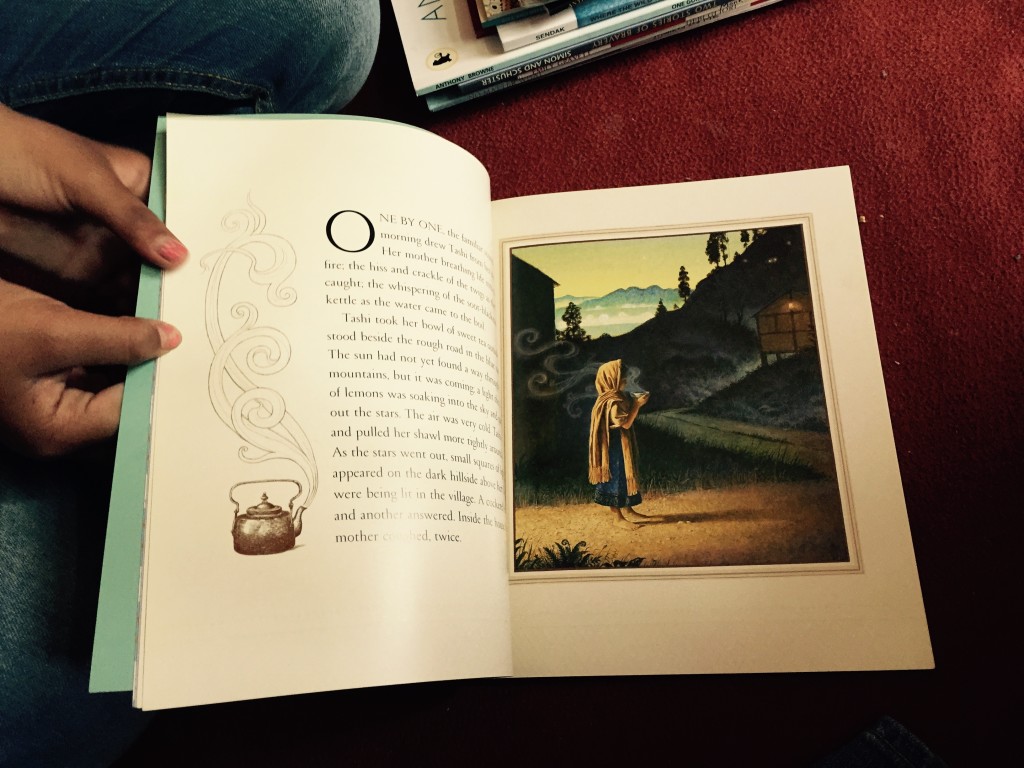
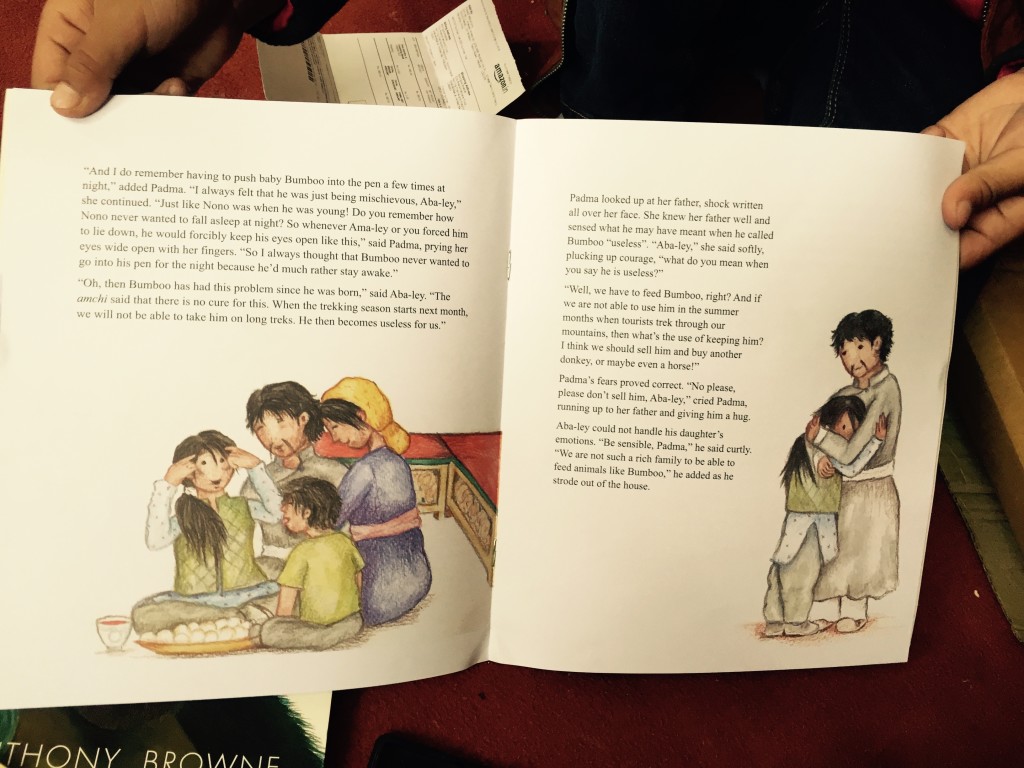
Picture books are powerful teaching tools because they combine visual information with narrative. A child can follow a story while noticing how an illustrator communicates weather, emotion, movement and place. For young monks, illustrated books may also introduce artistic traditions, natural environments and cultures beyond their immediate surroundings.
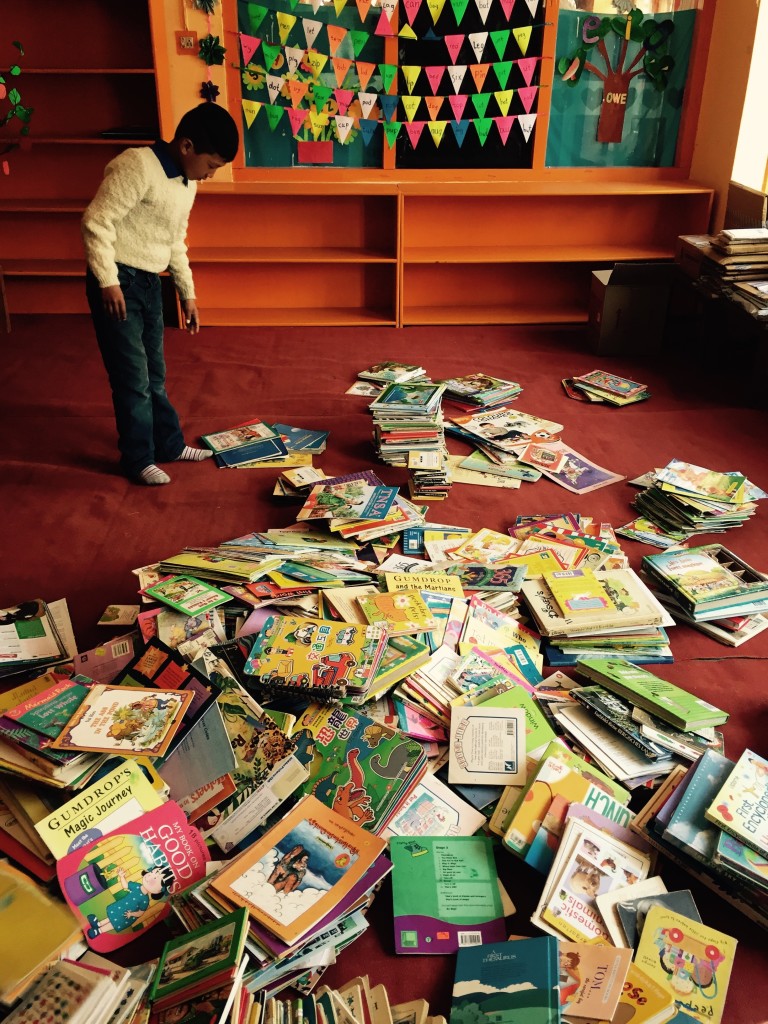
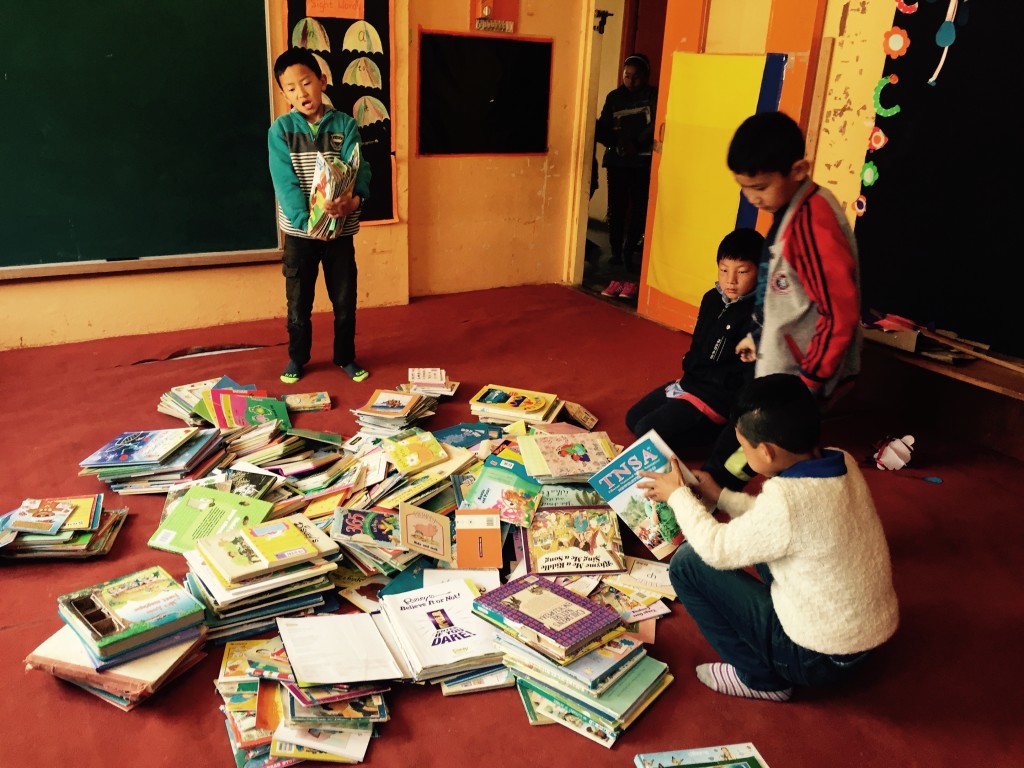
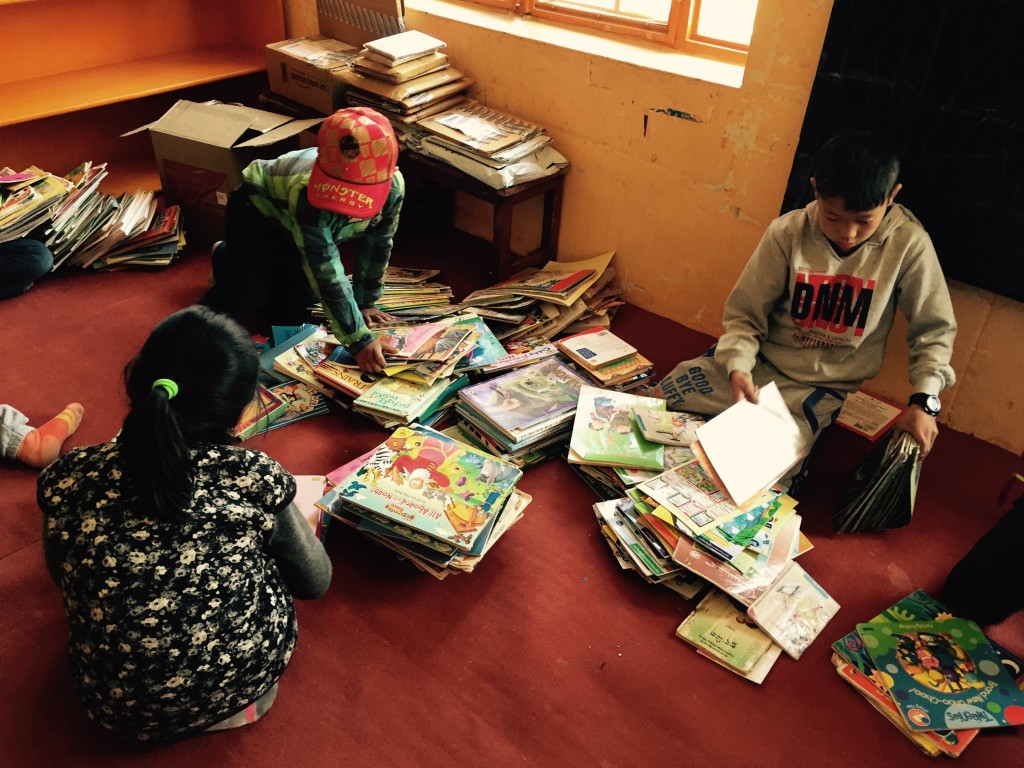
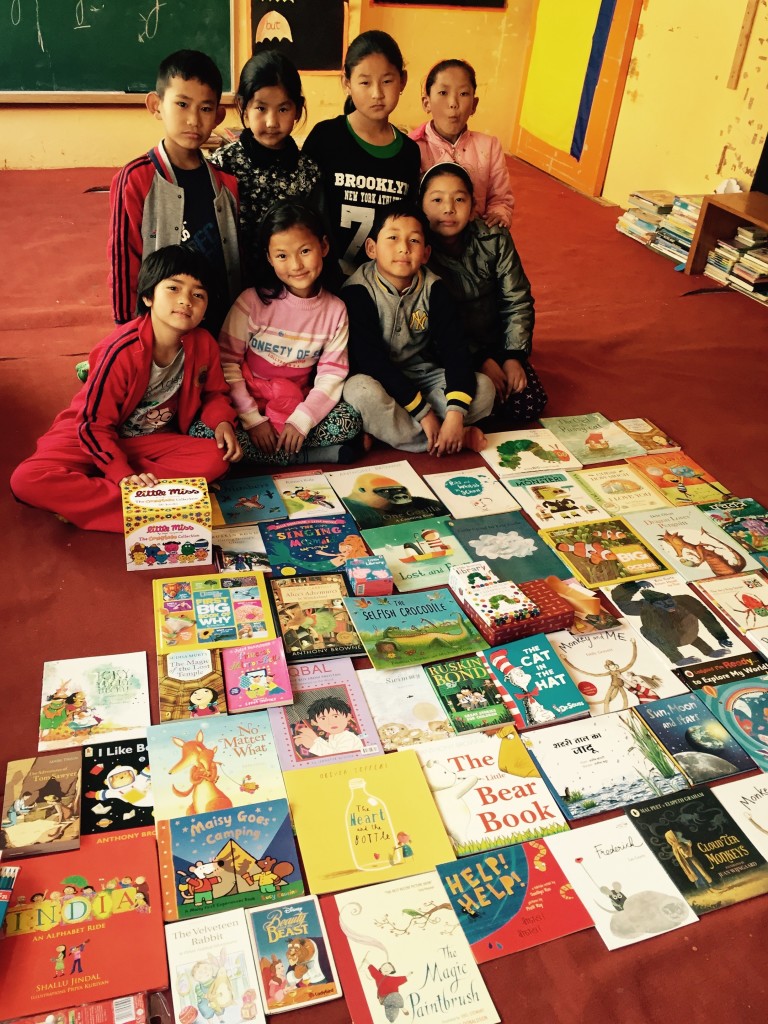
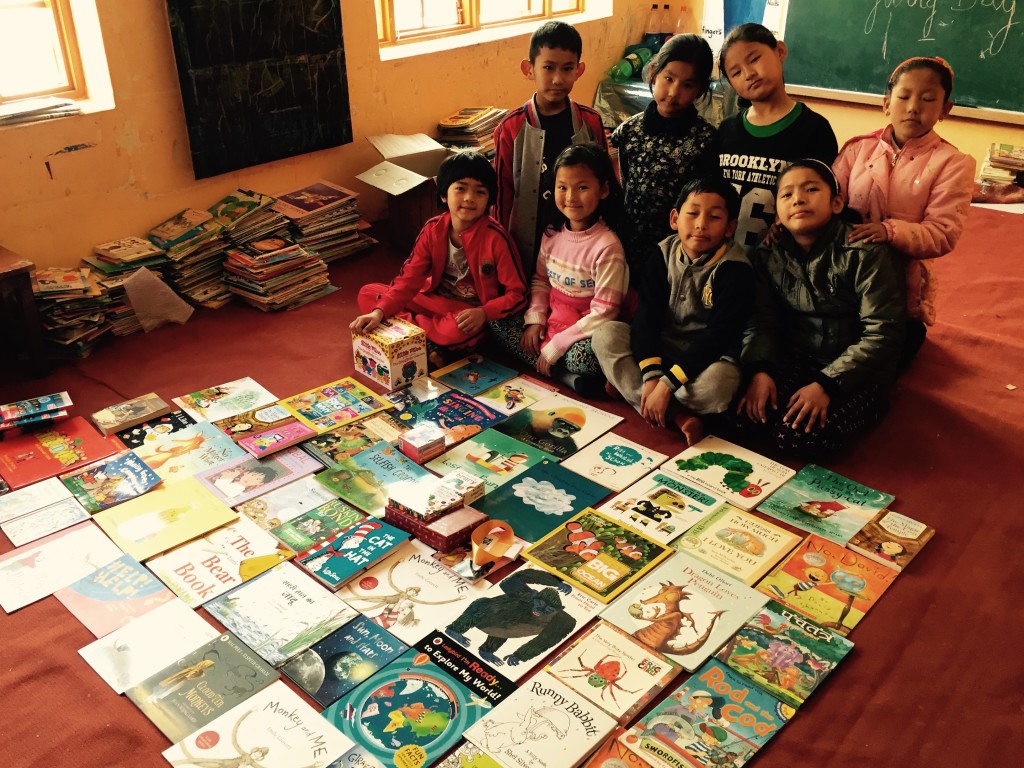
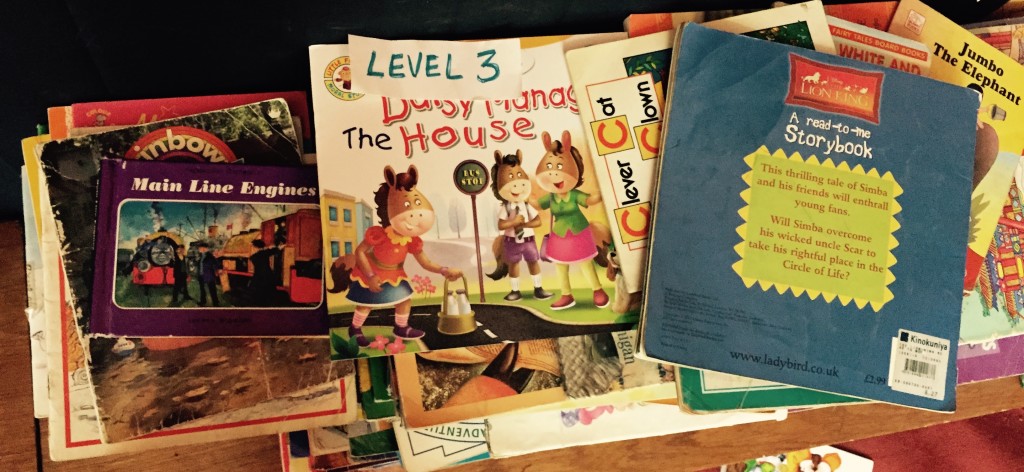
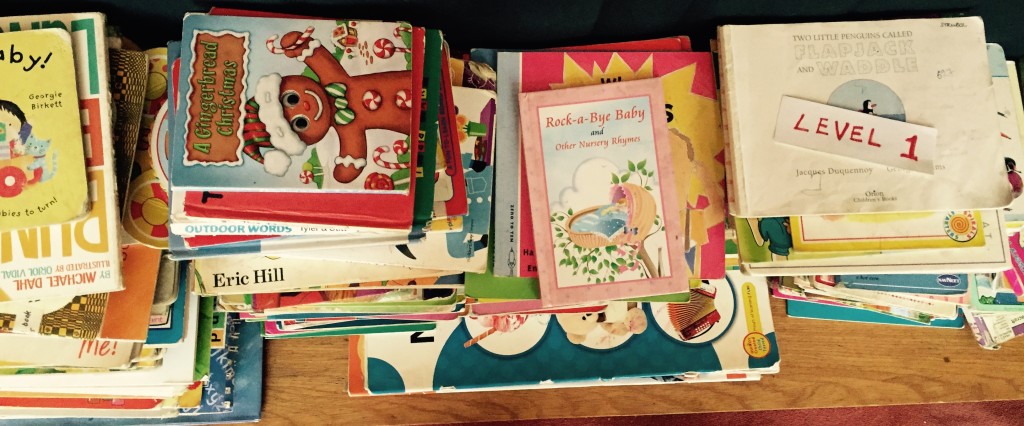
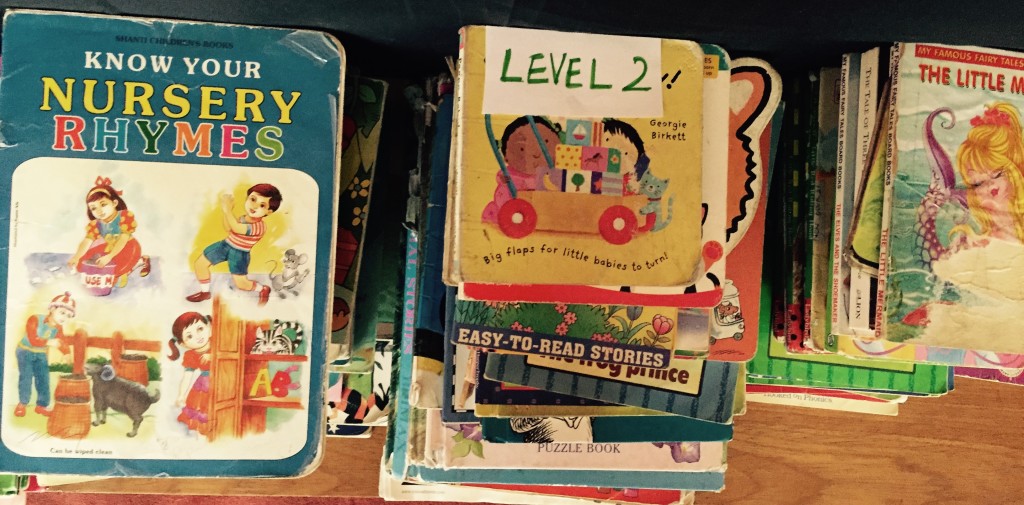
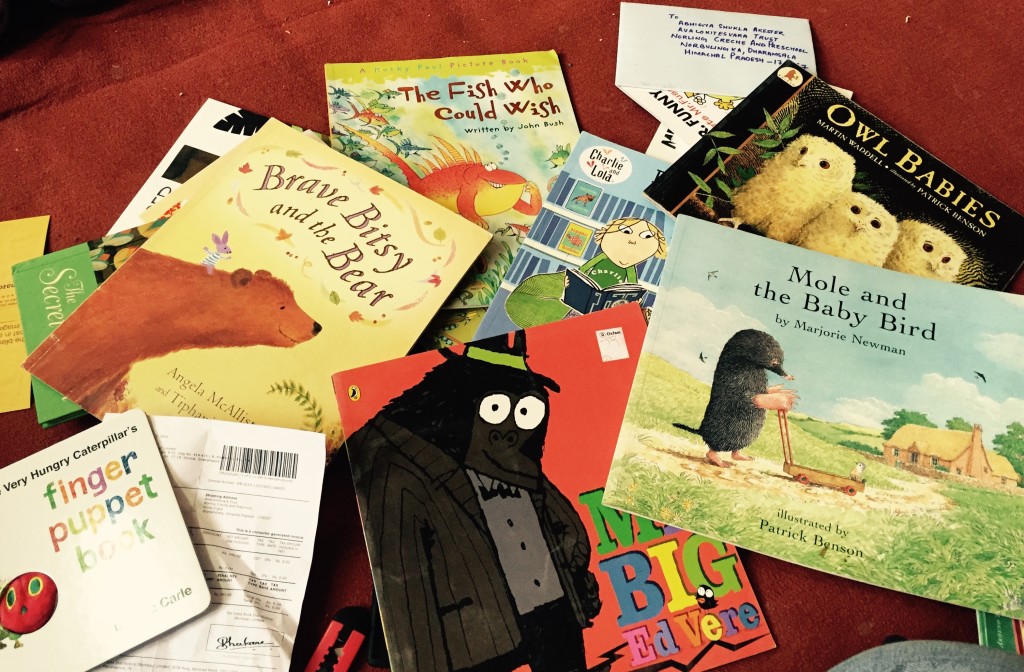
A donated book does not need to be new to be valuable. A well-loved copy with clear images can inspire weeks of practice. In Australia, families often pass books through school fairs, community libraries, op shops and weekend markets. A picture book bought in Melbourne or found at a Brisbane book drive may eventually become a treasured resource in a Himalayan reading room.
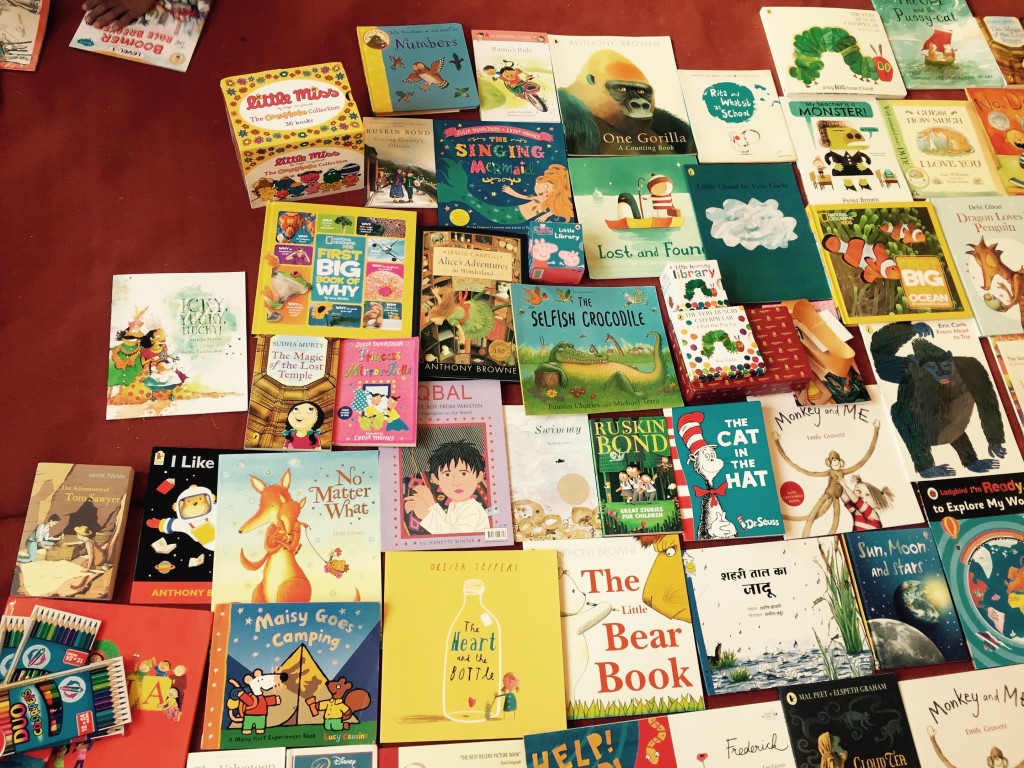
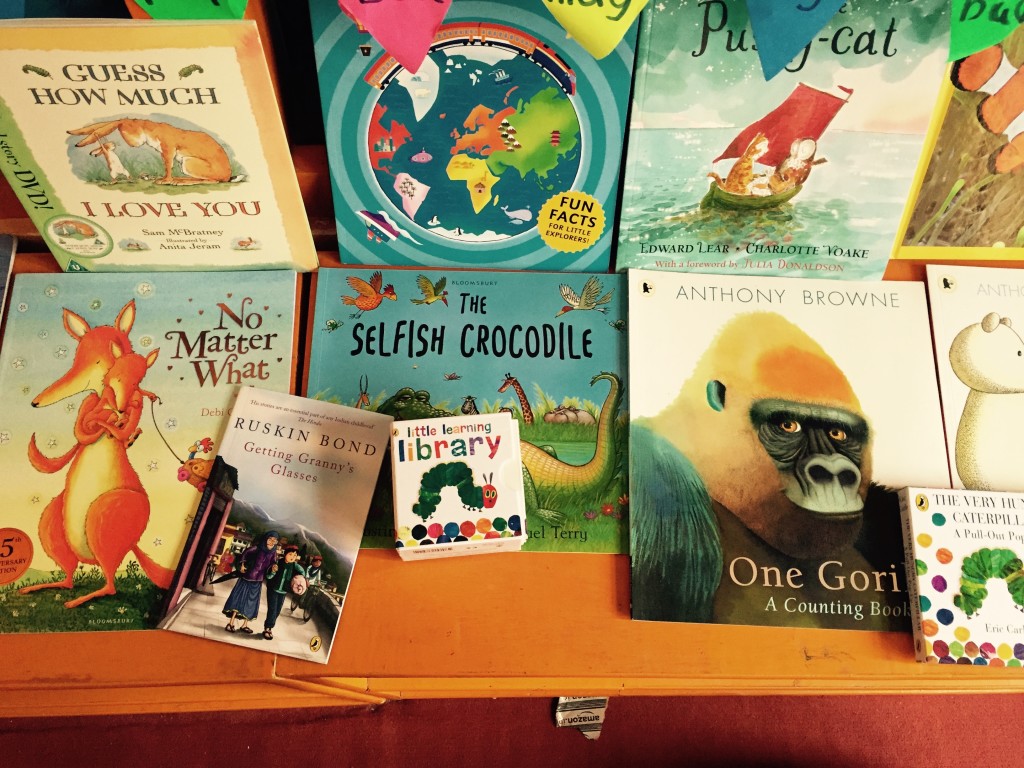
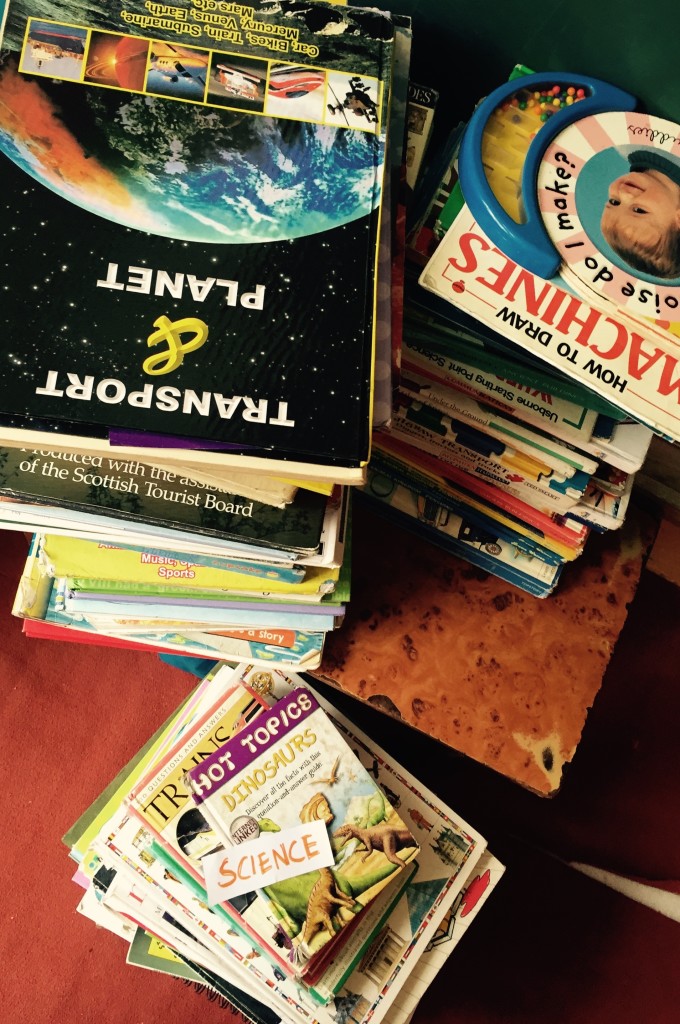
For organisations supporting literacy, book selection matters. Stories with expressive pictures, strong paper and uncluttered layouts are especially useful for drawing exercises. Books about animals, plants, journeys and everyday life can invite observation while giving children subjects they recognise or want to explore.
What Drawing Teaches Beyond Technique
The young monk’s drawings did more than improve his ability to reproduce images. They helped him communicate ideas without relying entirely on spoken language. A sketch could show a place he remembered, a festival scene, a favourite animal or an imagined journey across the mountains.
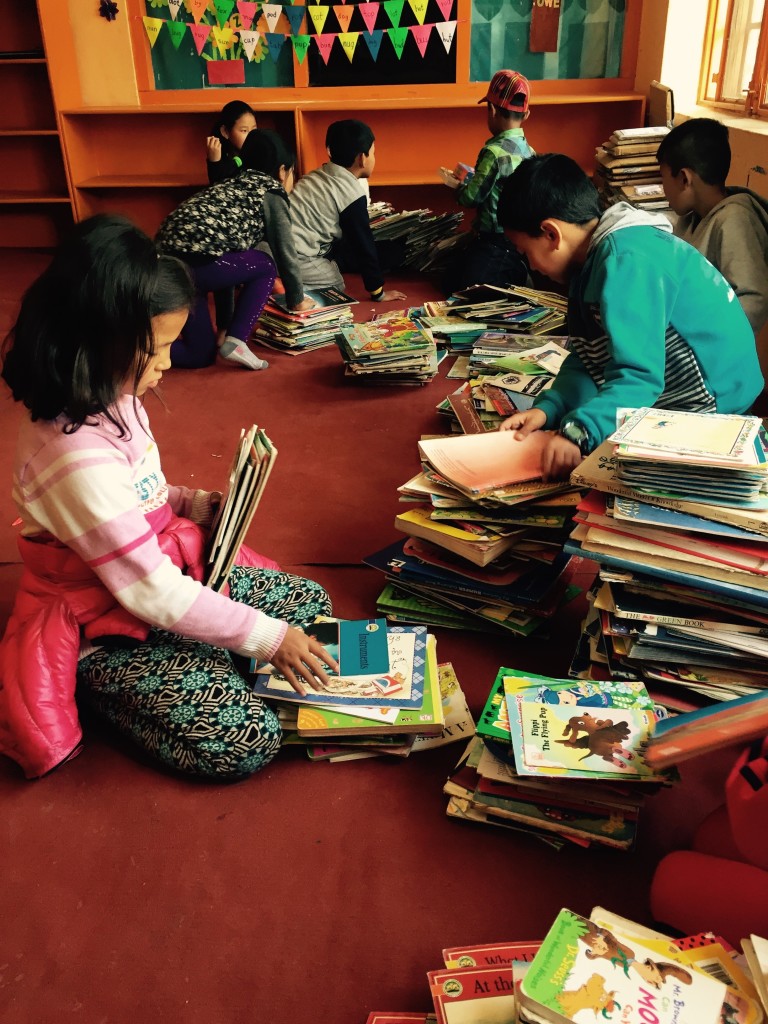
Drawing also created a gentle way for children of different ages and abilities to work together. One child might copy an outline, another might add colour and a third might create a background. The activity supports cooperation without making artistic talent a requirement.
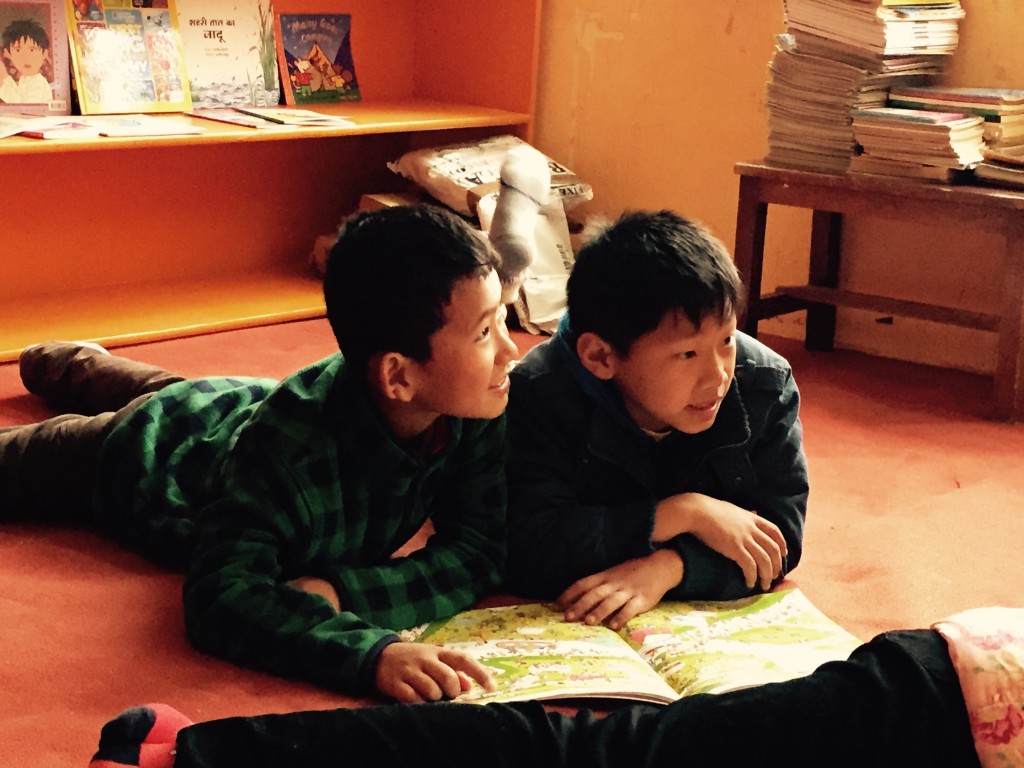
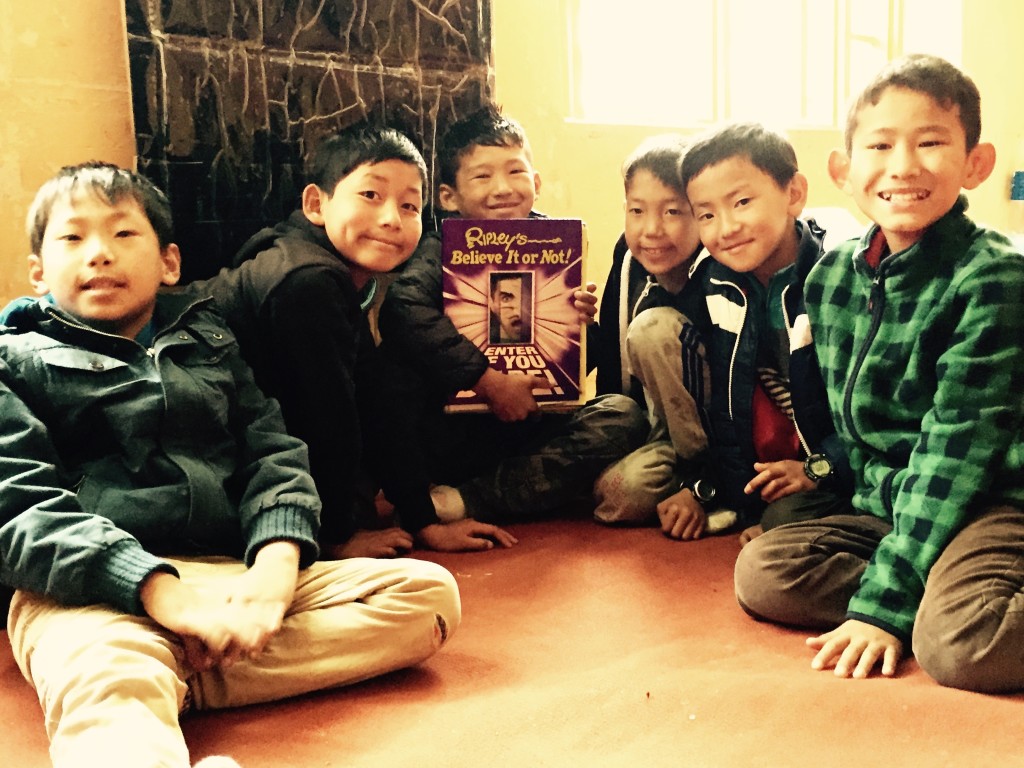
In a reading room, these moments can change how books are used. A book is no longer treated as something fragile that must be read from beginning to end. It becomes a source of questions, experiments and conversation. This active relationship with books can strengthen a child’s interest in reading itself.
Materials That Make Practice Possible
- Illustrated storybooks with clear, engaging pictures
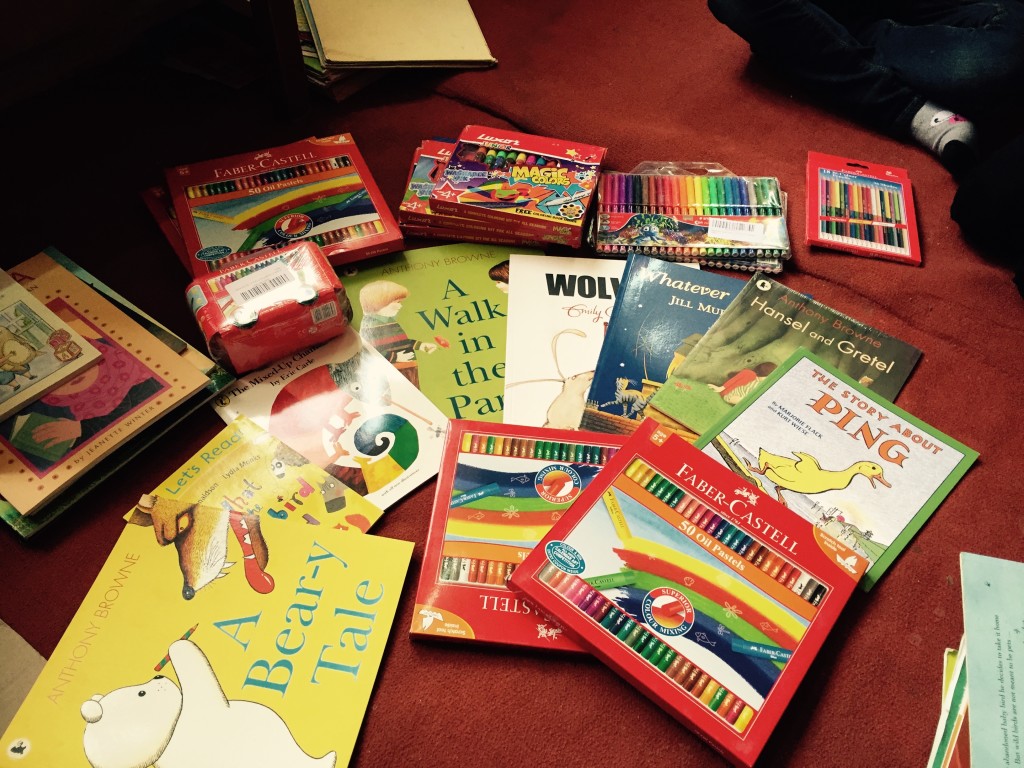
- Graphite pencils, coloured pencils, sharpeners and erasers
- Recycled paper, sketchbooks and sturdy drawing boards
- Simple reference cards featuring local animals and plants
- Folders or clips to protect finished artwork
The Role Of A Patient Mentor
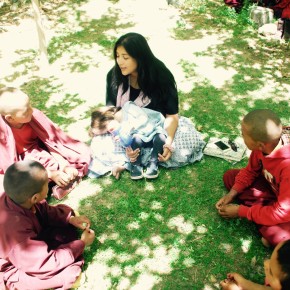
A mentor did not correct every line or insist that the monk copy an image perfectly. Instead, the adult guiding the activity asked him to look again. Where did the bird’s wing begin? Which line made the face appear happy? How did the illustrator show that one mountain was farther away?
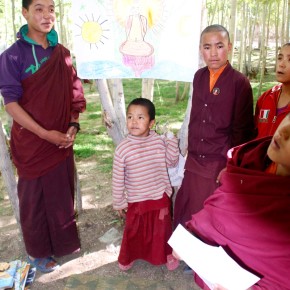
This approach respected the learner’s pace. Encouragement focused on attention and persistence rather than artistic brilliance. When the young monk completed a drawing, it was displayed in the reading room alongside the book that inspired it. Seeing his work valued gave him a reason to continue.
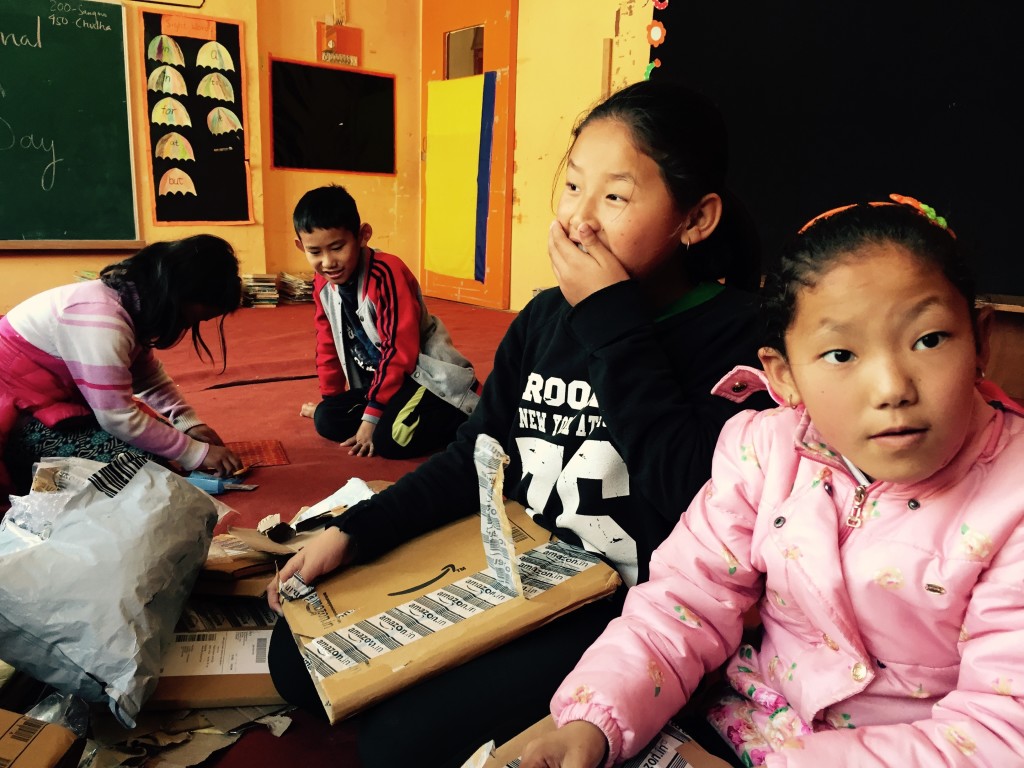
Volunteers can support this kind of learning without being professional artists. Reading a story aloud, sorting donated materials, sitting quietly while a child works or helping label drawings can all contribute. In Sydney, Perth or Adelaide, a volunteer may help prepare a book parcel; in Ladakh, that parcel may become the starting point for an afternoon of creative practice.
Small Actions That Support Creative Learning
- Choose picture books with durable pages and meaningful illustrations
- Add a short note describing the book’s theme or age suitability
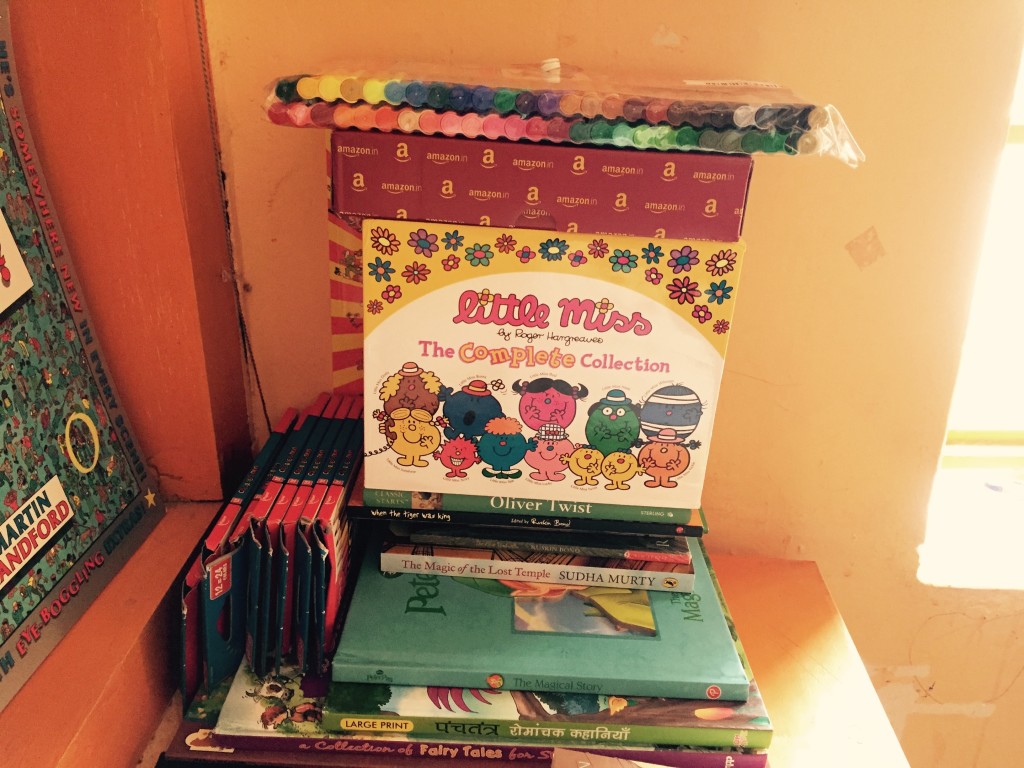
- Include pencils and paper when preparing a book donation
- Support local book drives through schools, libraries or community groups
- Share children’s artwork respectfully, with permission and context
From Copying To Original Work
After many months, the monk began changing the scenes he copied. He gave the bird a different branch and placed it above a valley he knew. He drew a monastery wall behind an animal from a storybook. Eventually, he made a picture of children sitting together in a reading room, each holding a book.
This movement from imitation to invention is an important part of creative development. Copying teaches structure, while original work allows a learner to make decisions. The monk could now choose which details mattered, where to place them and what mood the image should carry.
His drawings also began to reflect his community. The lines of the mountains became more familiar, and the people wore clothing he recognised. The illustrations that once introduced him to distant worlds had helped him see his own surroundings with greater care.
A Shared Story Across Distance
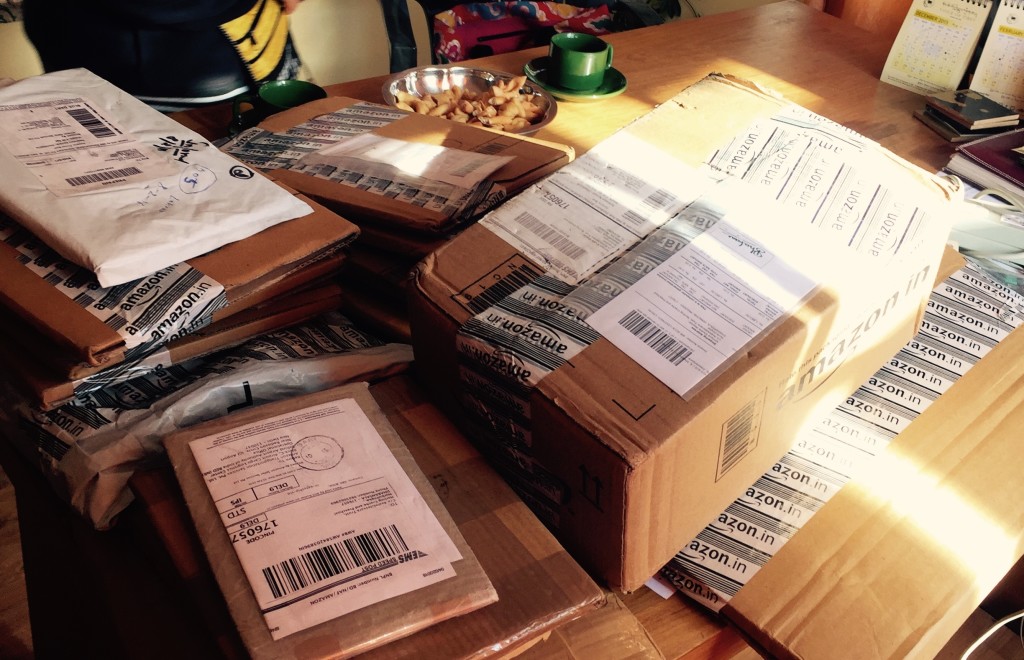
The journey from an Australian book collection to a Himalayan reading room can involve many small acts of generosity. A family in Melbourne may clear a shelf before moving house. A school in Sydney may organise a book stall. A community group in Hobart may collect donations during a winter appeal. These efforts can connect local habits of sharing with practical educational needs overseas.
Financial support is equally important because transporting books, maintaining reading rooms and supplying art materials all carry costs. Donations in Australian dollars can help organisations purchase suitable resources closer to the communities they serve, reducing unsuitable titles and unnecessary freight.
The monk’s experience shows why literacy projects are strongest when they leave room for curiosity. A child who enters looking for a story may discover drawing. Another may find music, painting or a love of science. Books provide the first invitation, while patient support helps the invitation become a lasting part of life.
The next page begins with one suitable picture book, one sharpened pencil and a quiet place where a young learner can copy, practise and eventually draw something entirely their own.