The Long Walk To A World Of Books
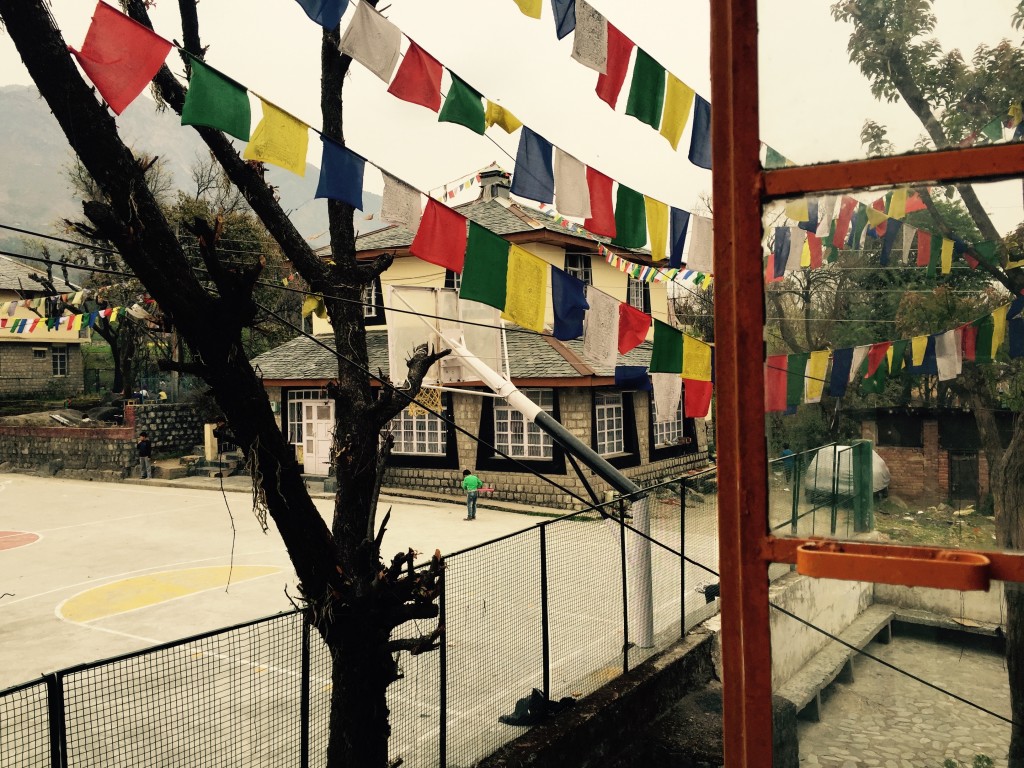
Before sunrise in a high Himalayan village, a girl named Dolma would wrap a woollen shawl around her shoulders, check the weather, and begin walking. The reading room she visited was two hours away, across a steep route shaped by dry valleys, loose stones, and long stretches without a shop or bus stop. She made the journey because books were rare at home and precious enough to justify the distance.
Her story reflects the experience of children in communities where a library is not part of the daily landscape. For Australian families, a book may be borrowed from a local council library, ordered online, or picked up during a weekend visit to a bookshop. In Ladakh, access can depend on a child’s stamina, the season, and whether a community reading room has received a new supply of books.
| Aspect |
Dolma’s village |
A typical Australian community |
| Access to books |
A long walk to a small reading room |
Local libraries, school libraries and book retailers |
| Travel time |
About four hours return |
Often minutes by car, bicycle or public transport |
| Choice of books |
Limited and carefully shared |
Broad collections in English and community languages |
| Main barriers |
Distance, weather, cost and supply |
Transport, digital access and household budgets |
| Community response |
Shared shelves and book drives |
Library networks, school programmes and charity support |
A Journey Measured In Footsteps
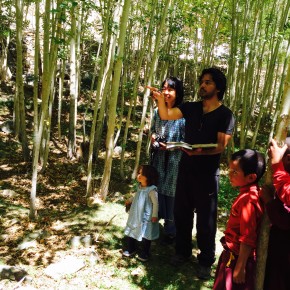
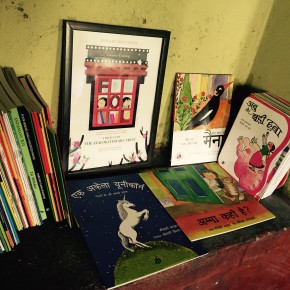
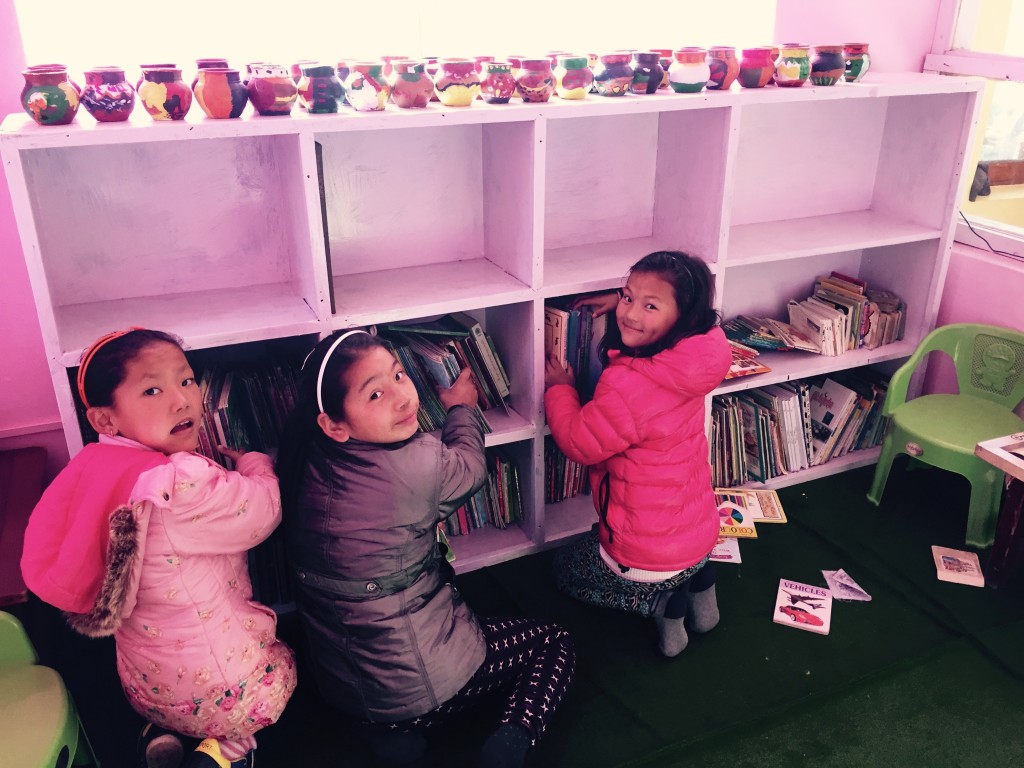
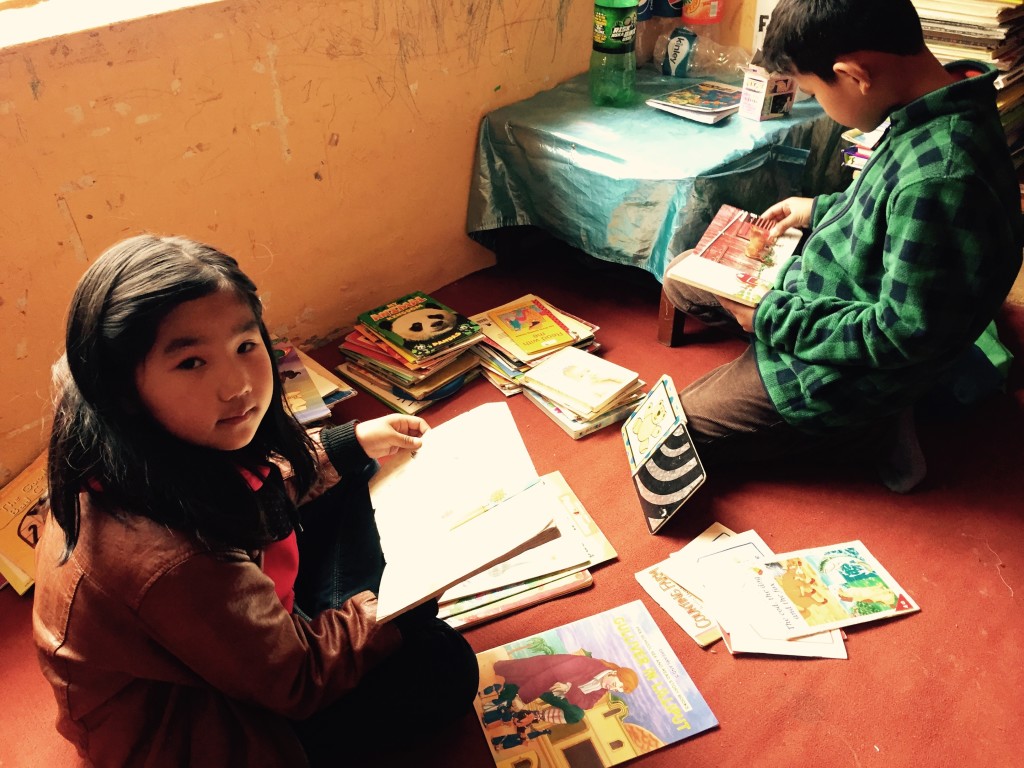
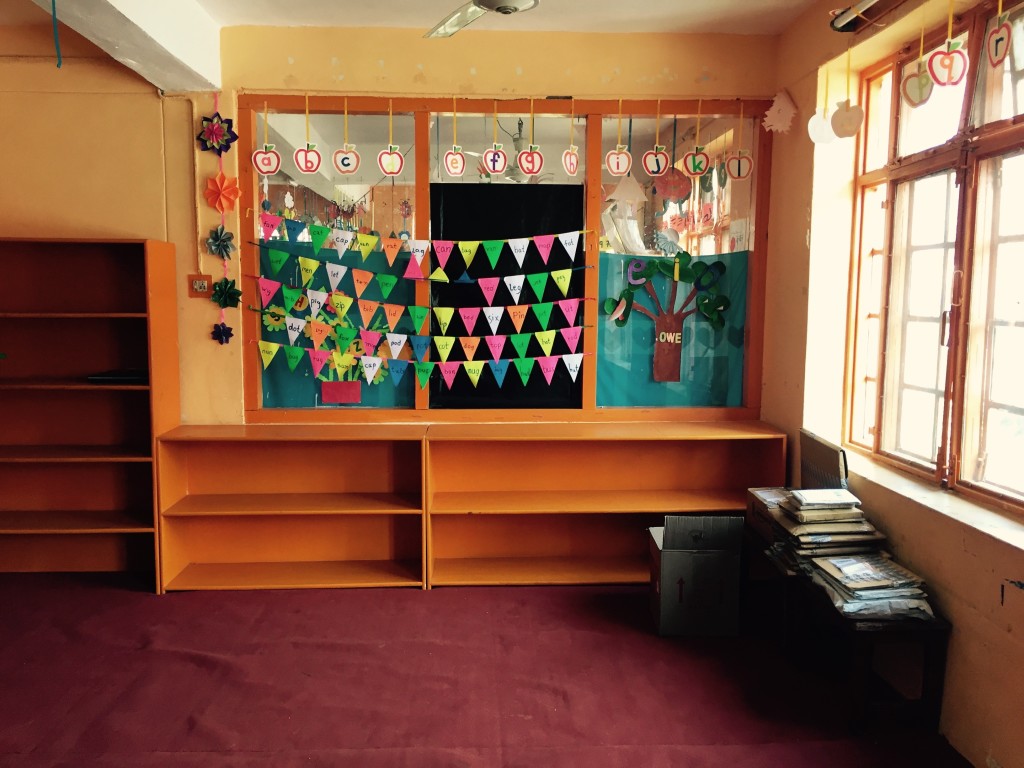
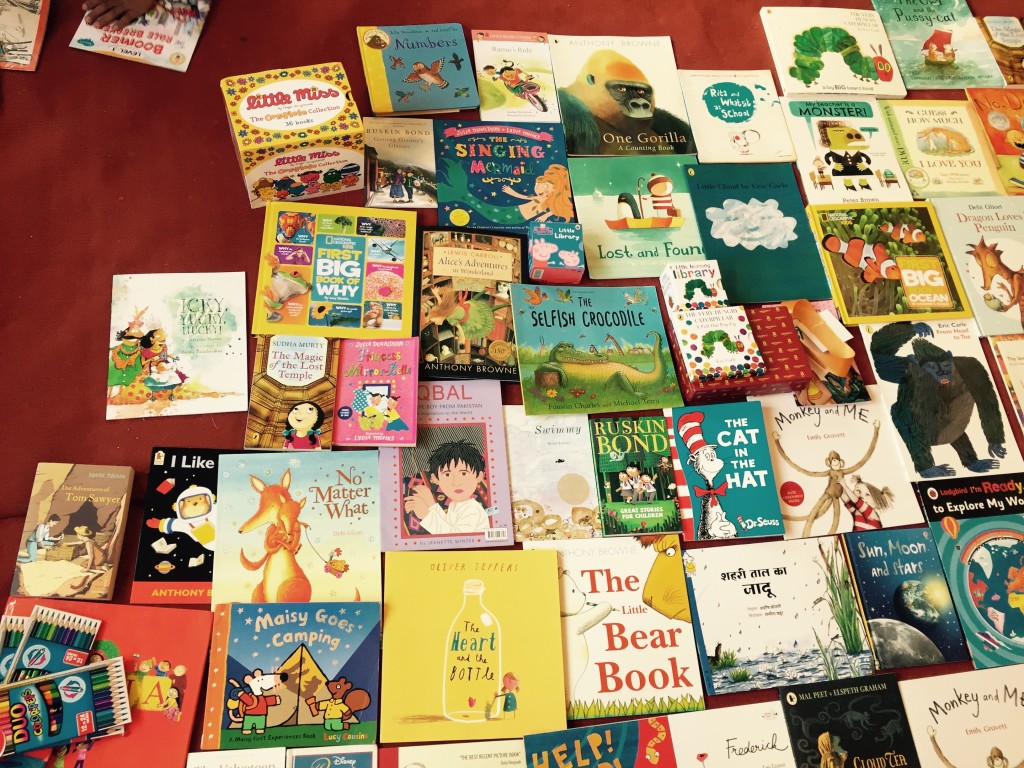
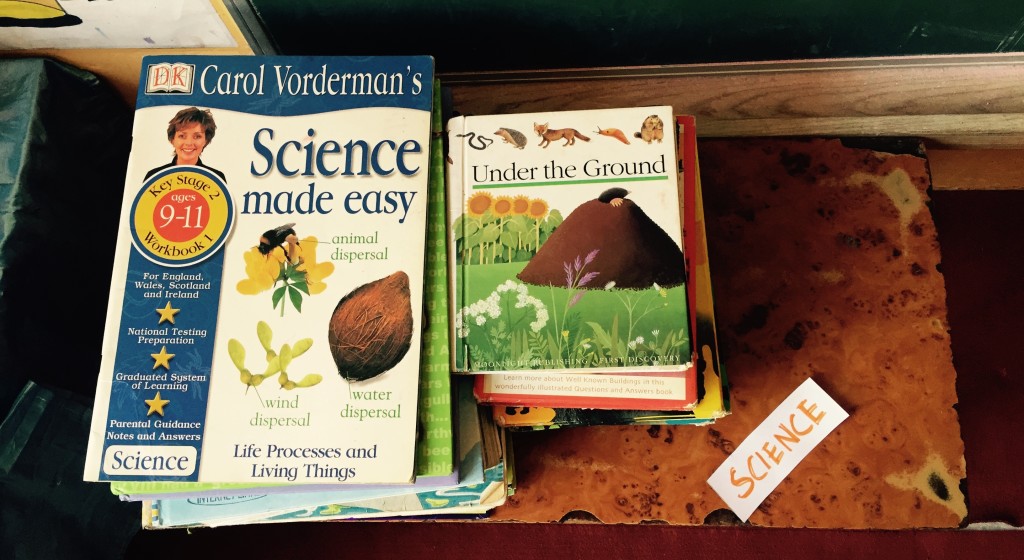
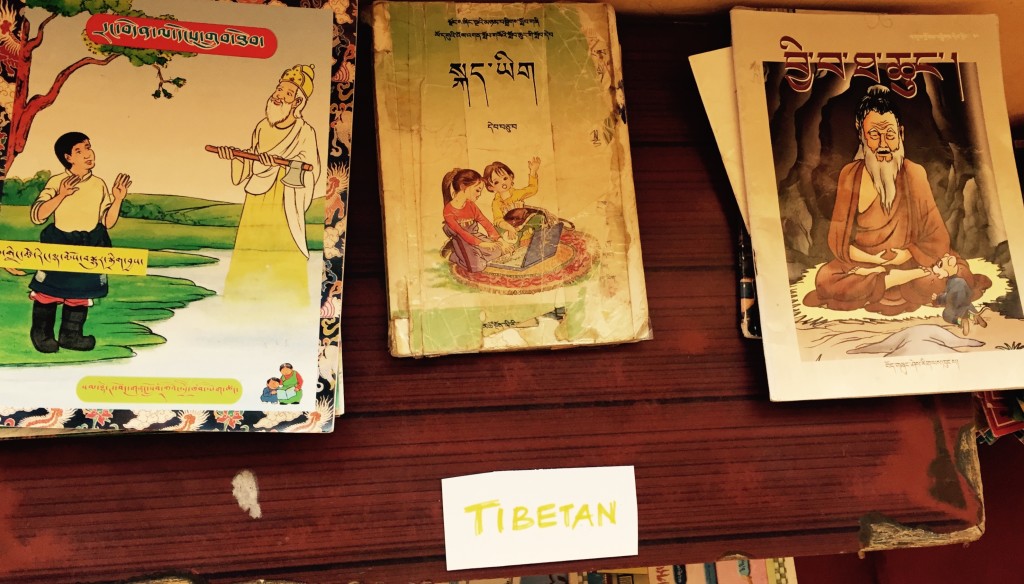
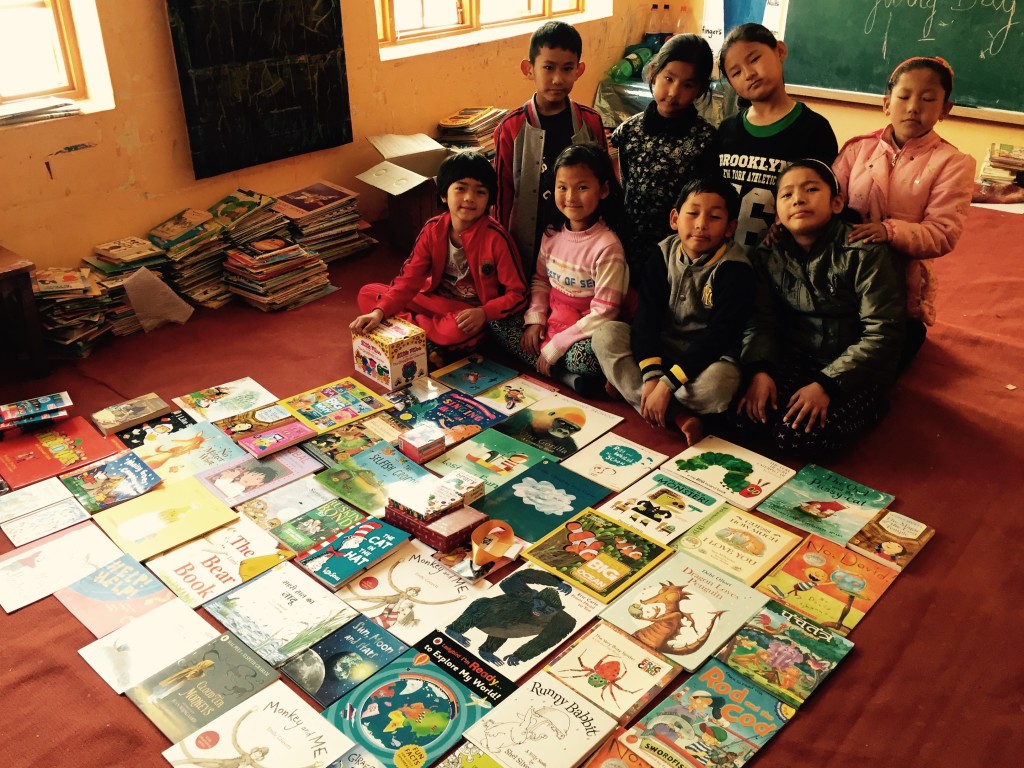
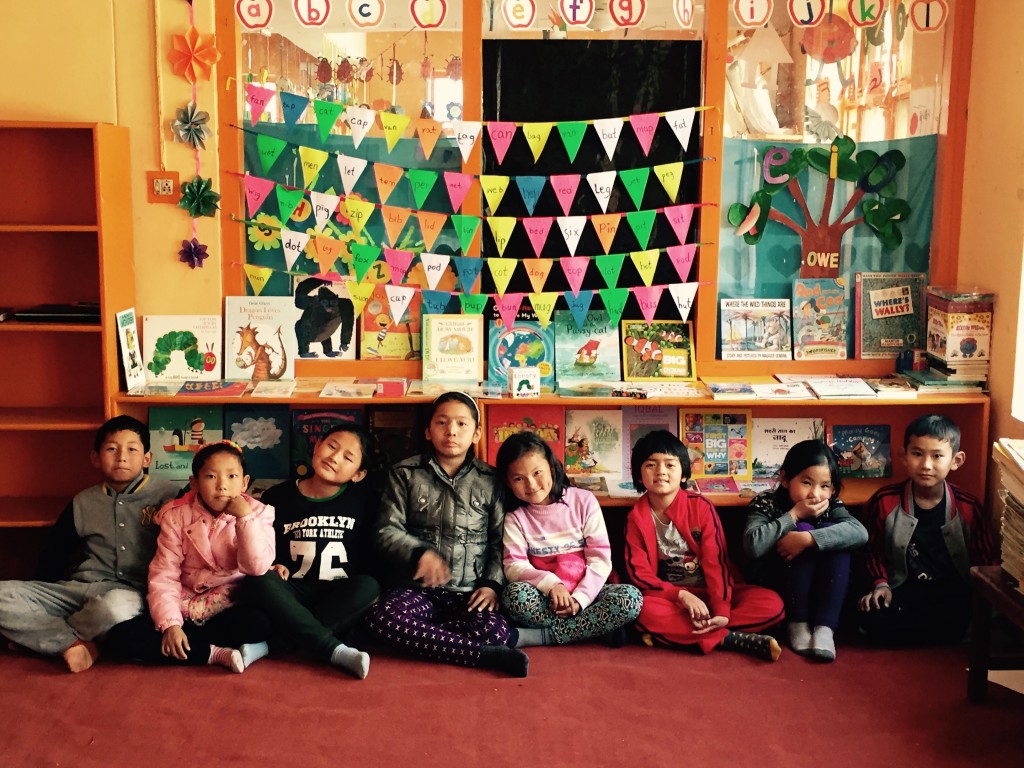
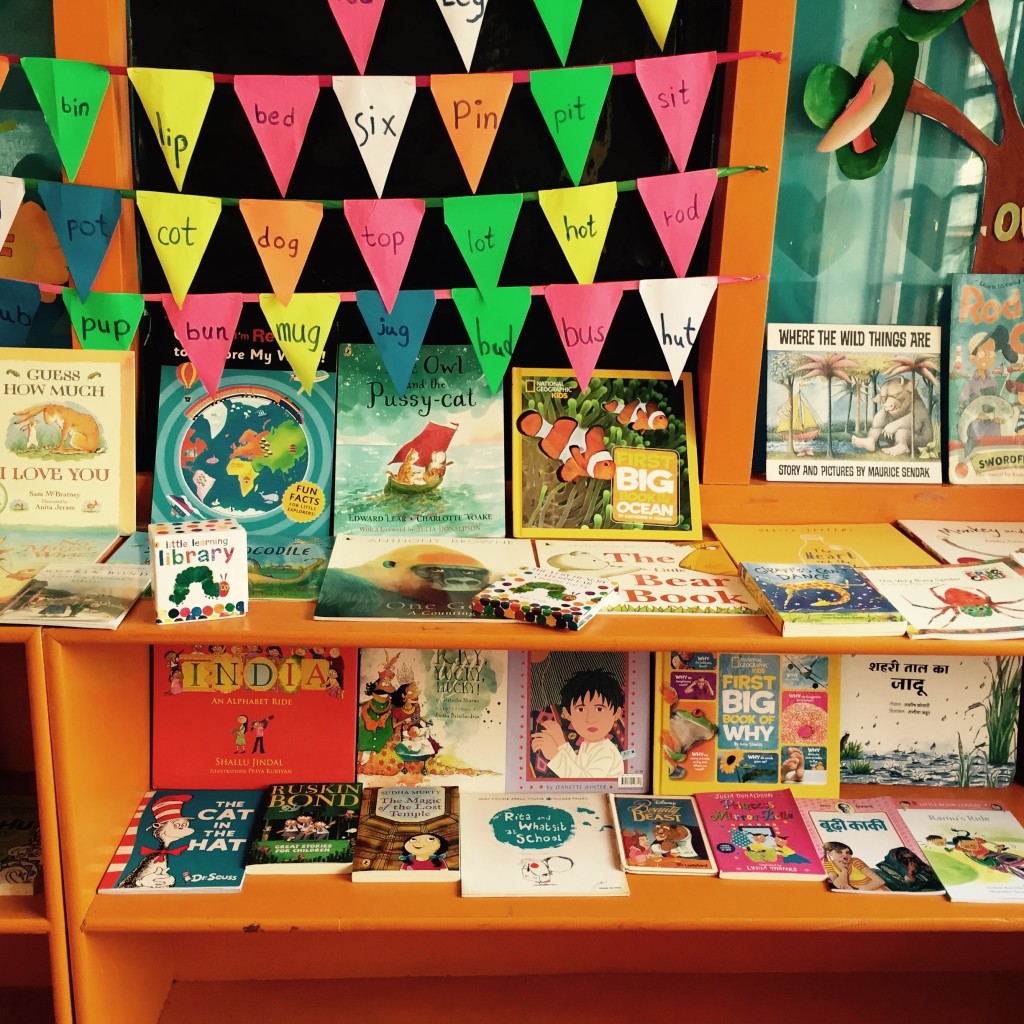
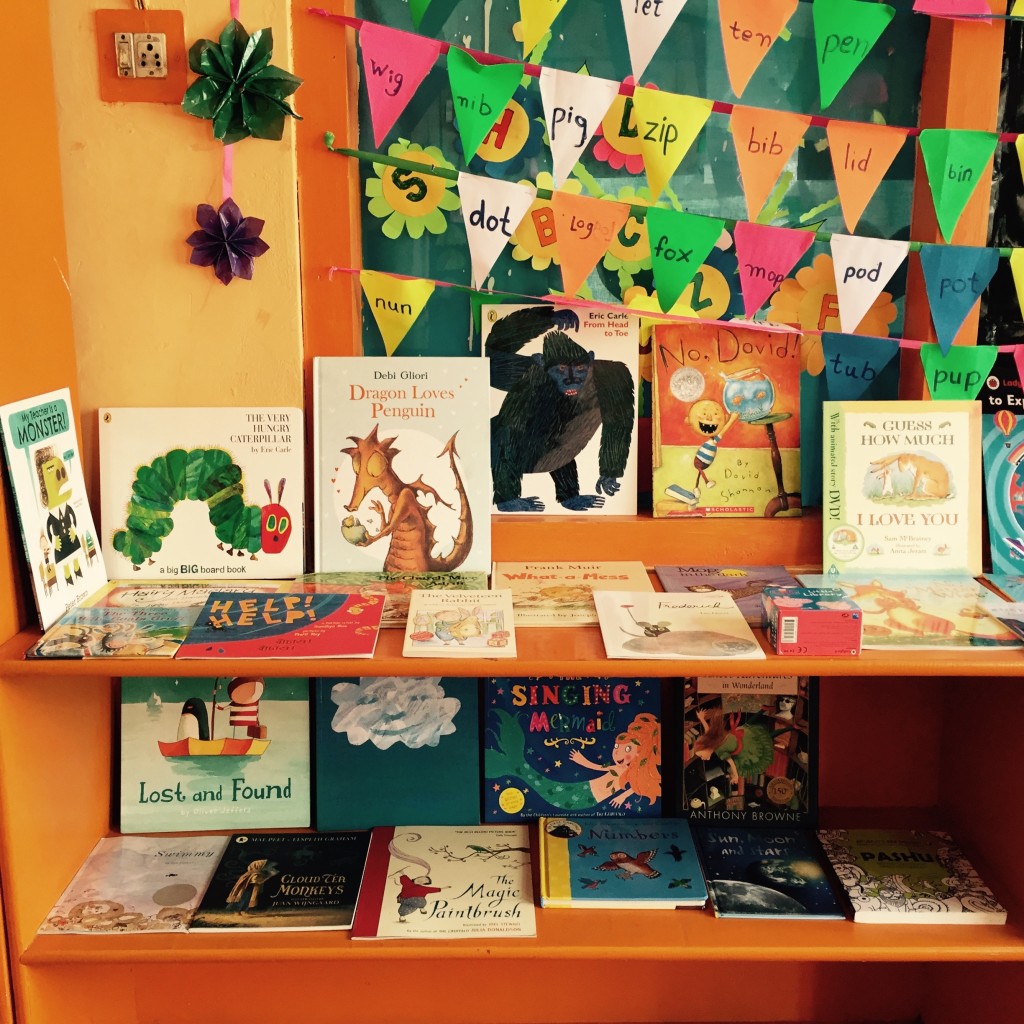
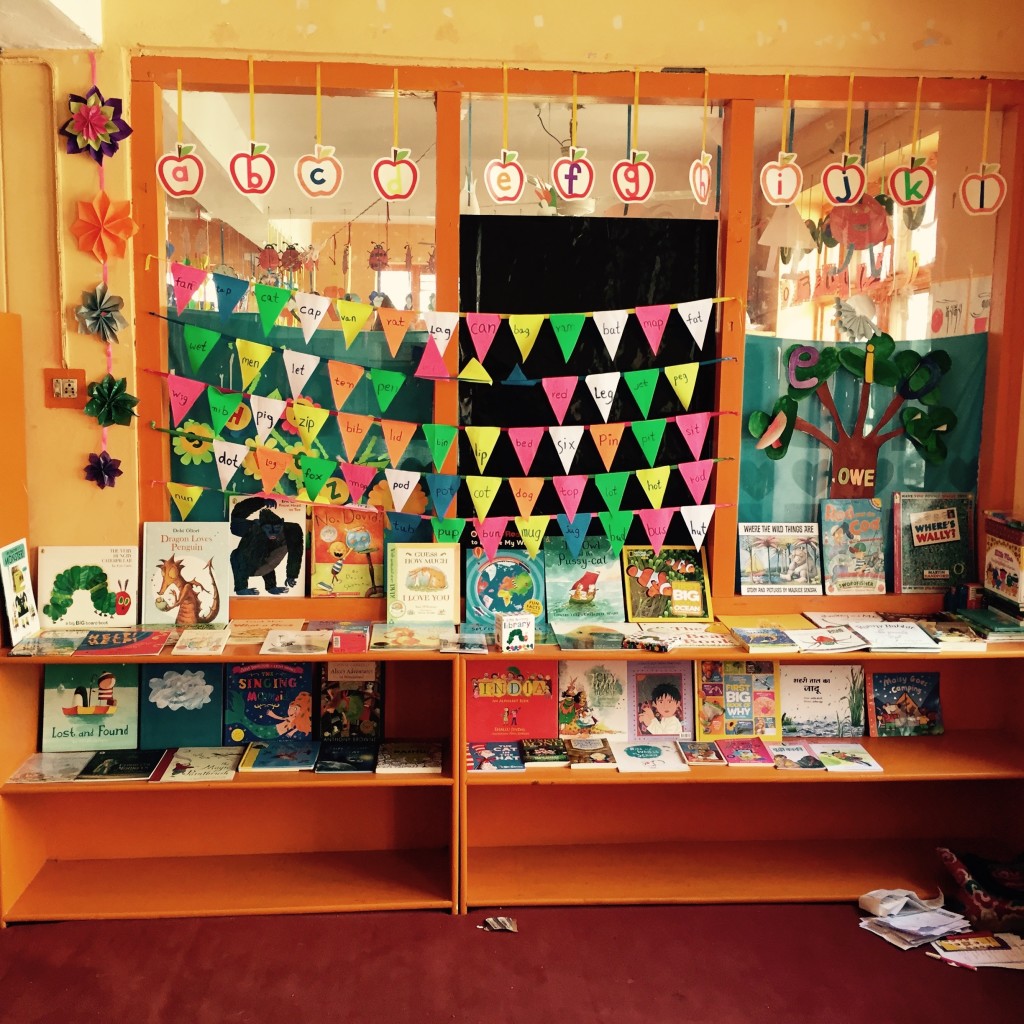
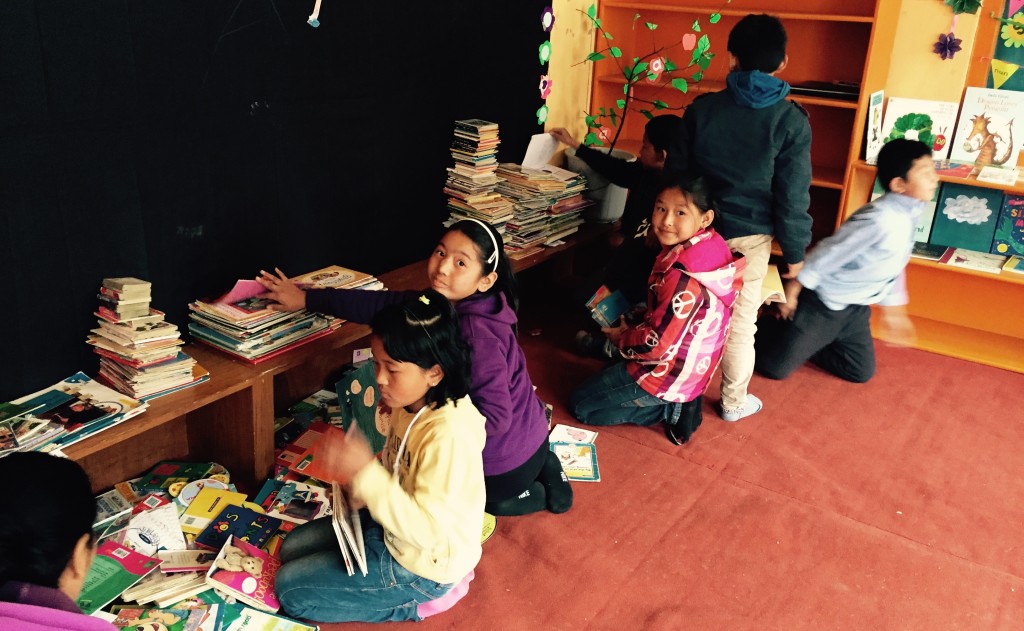
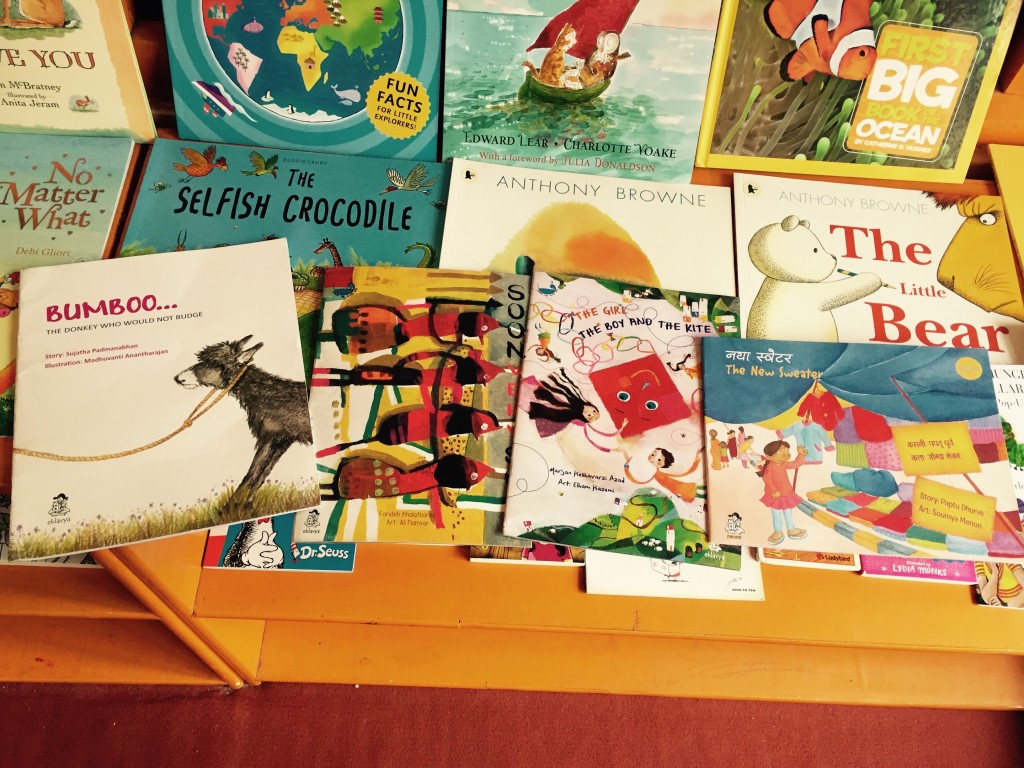
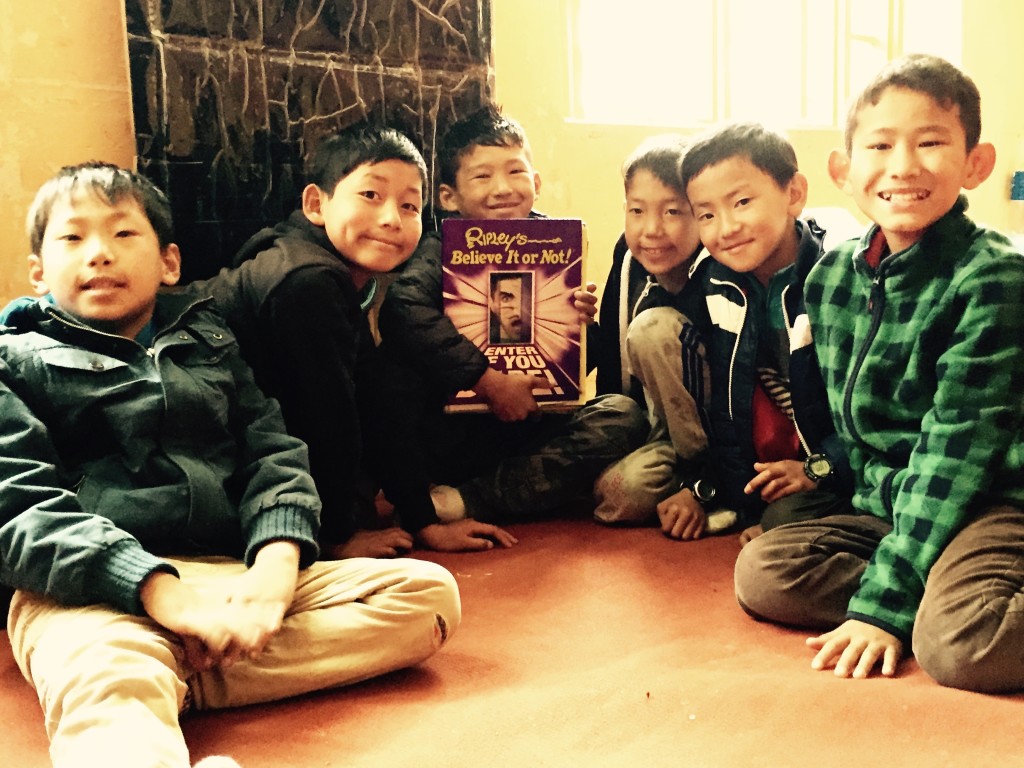
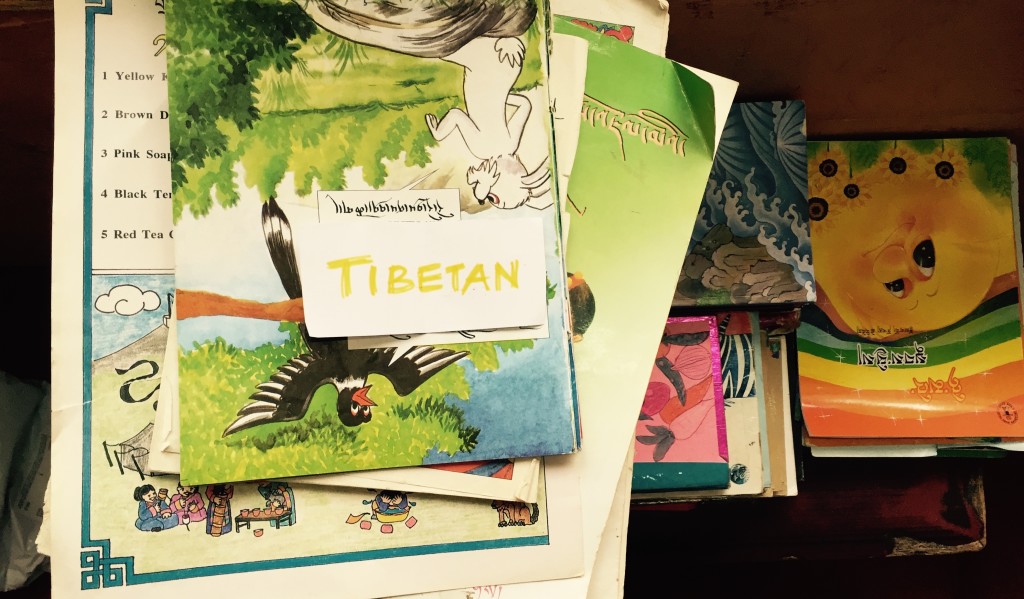
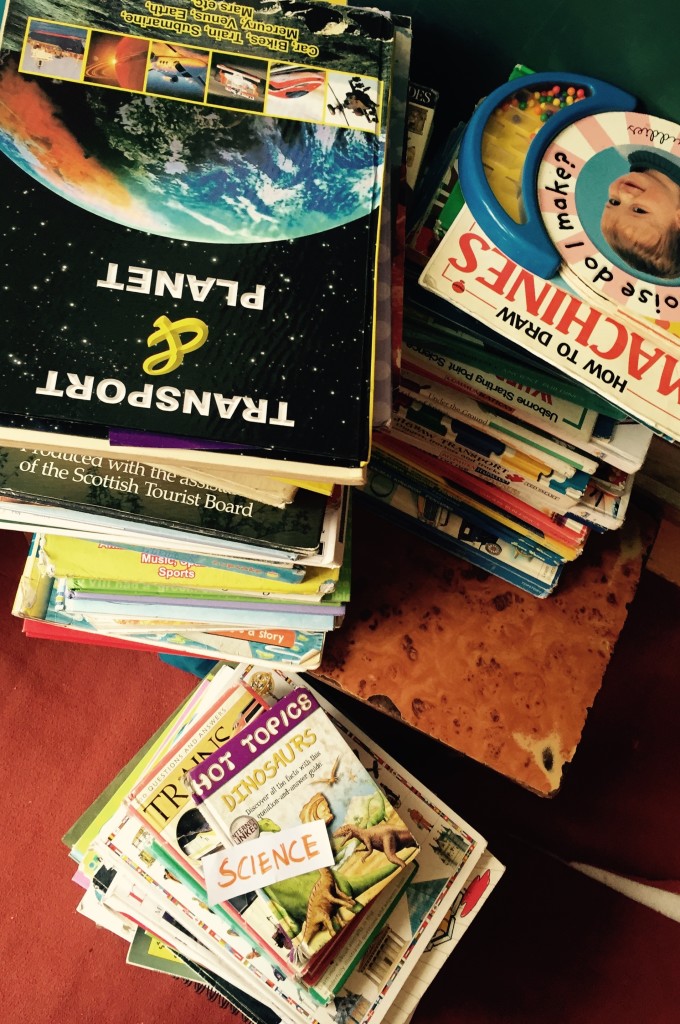
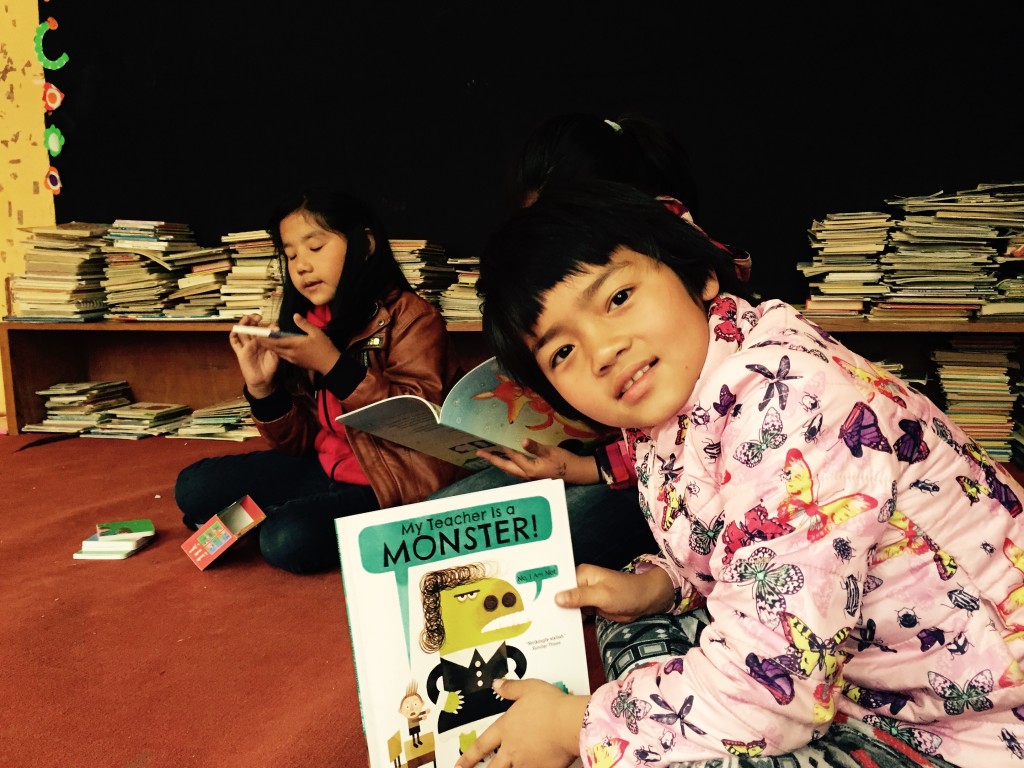
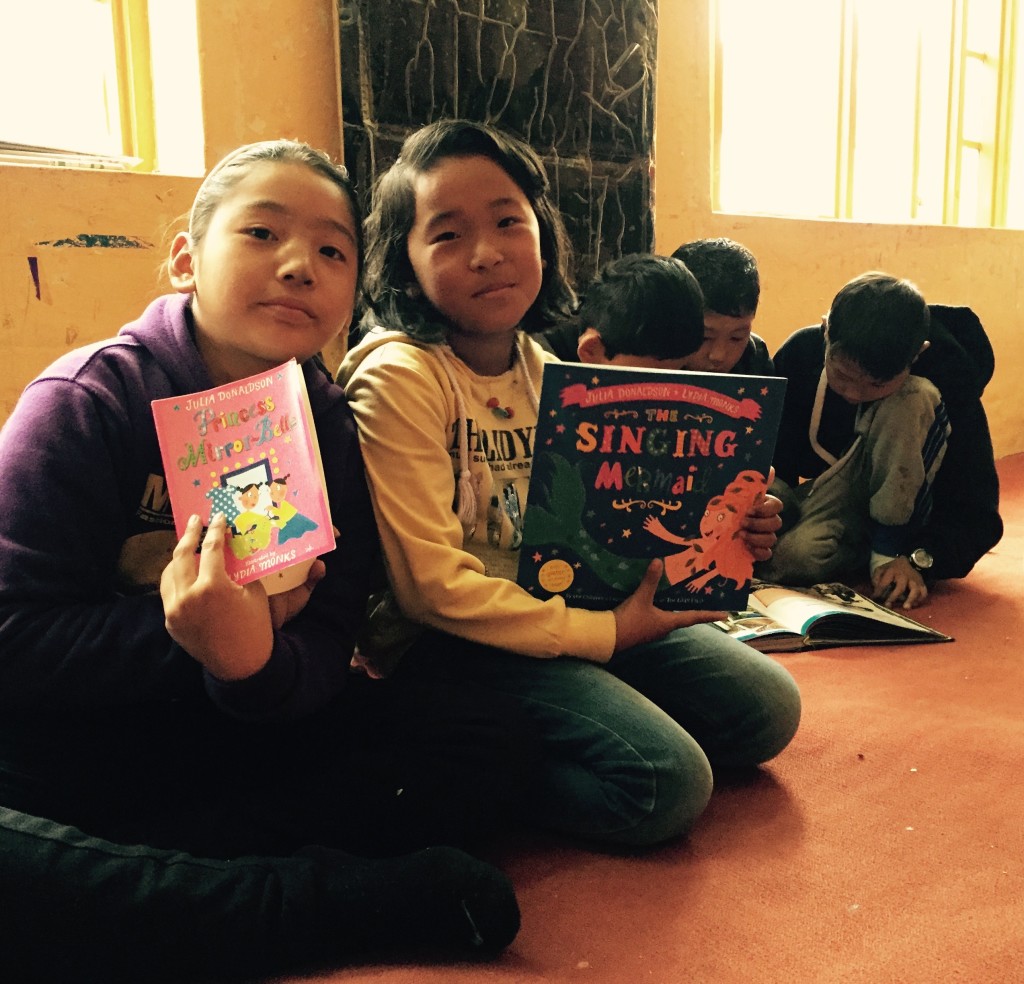
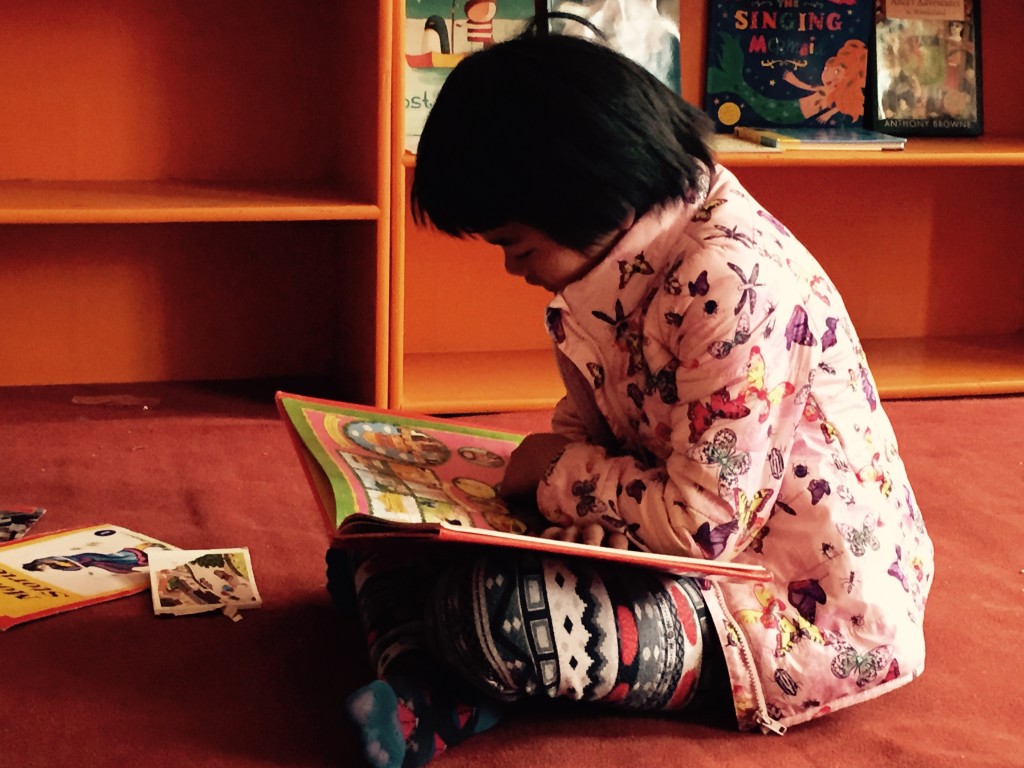
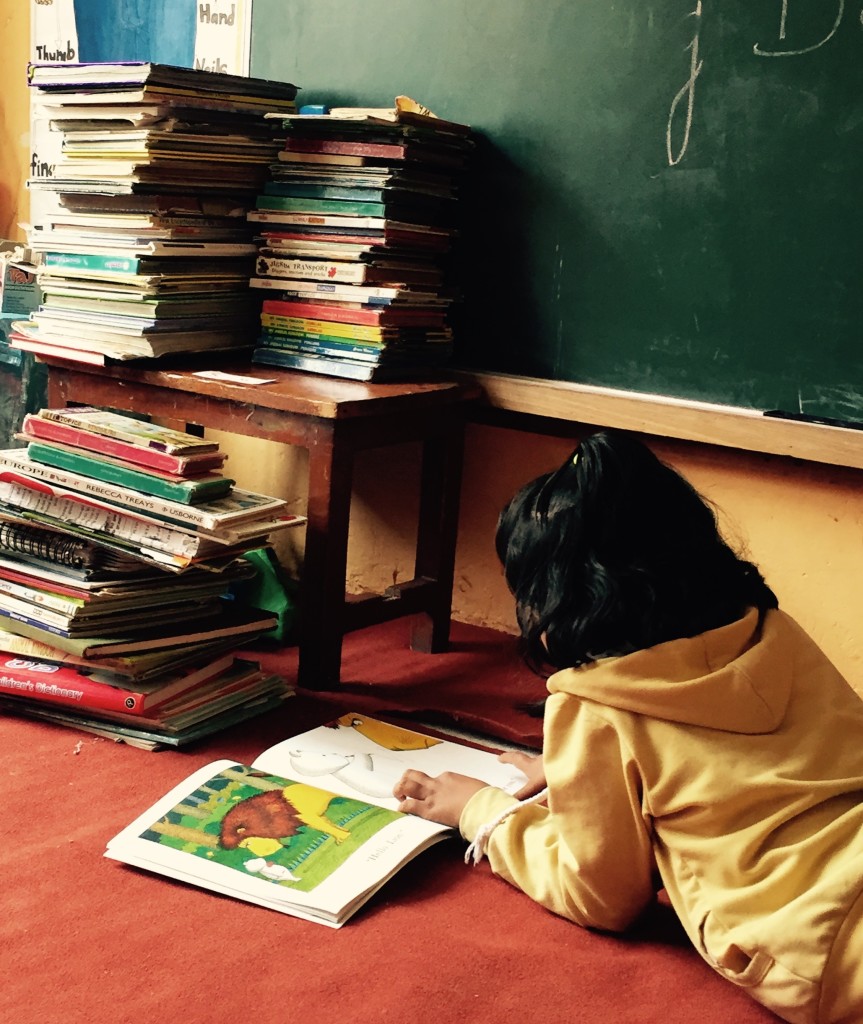
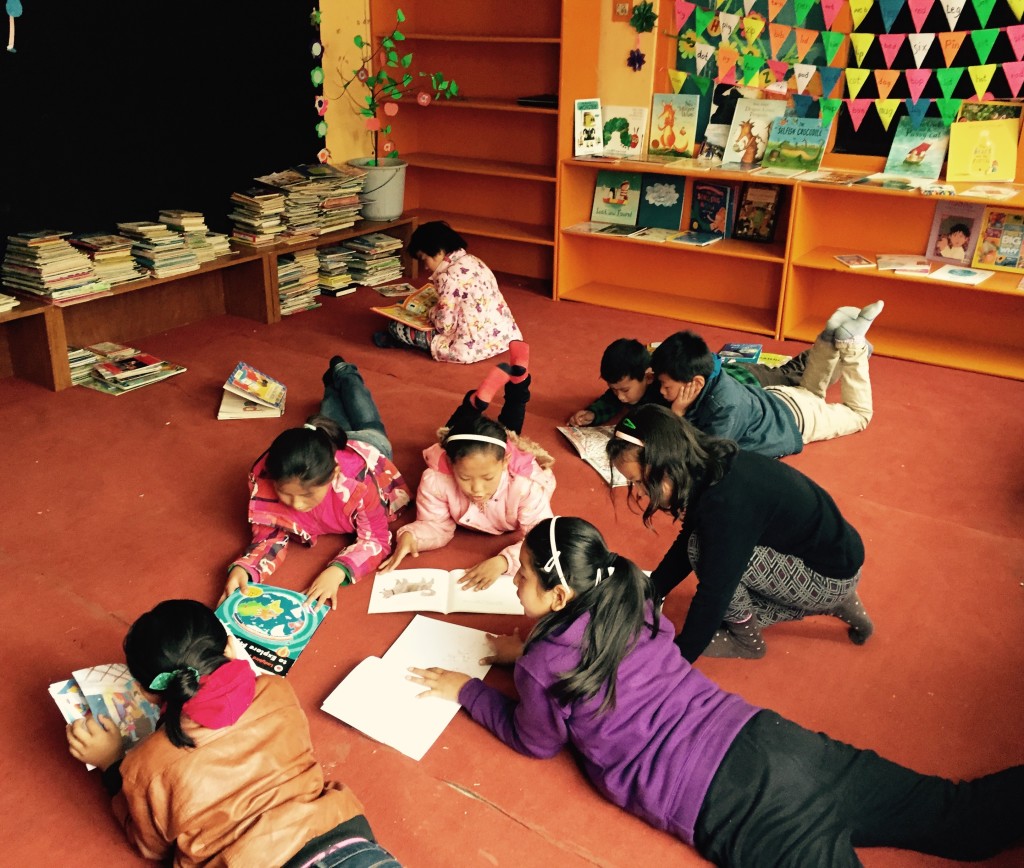
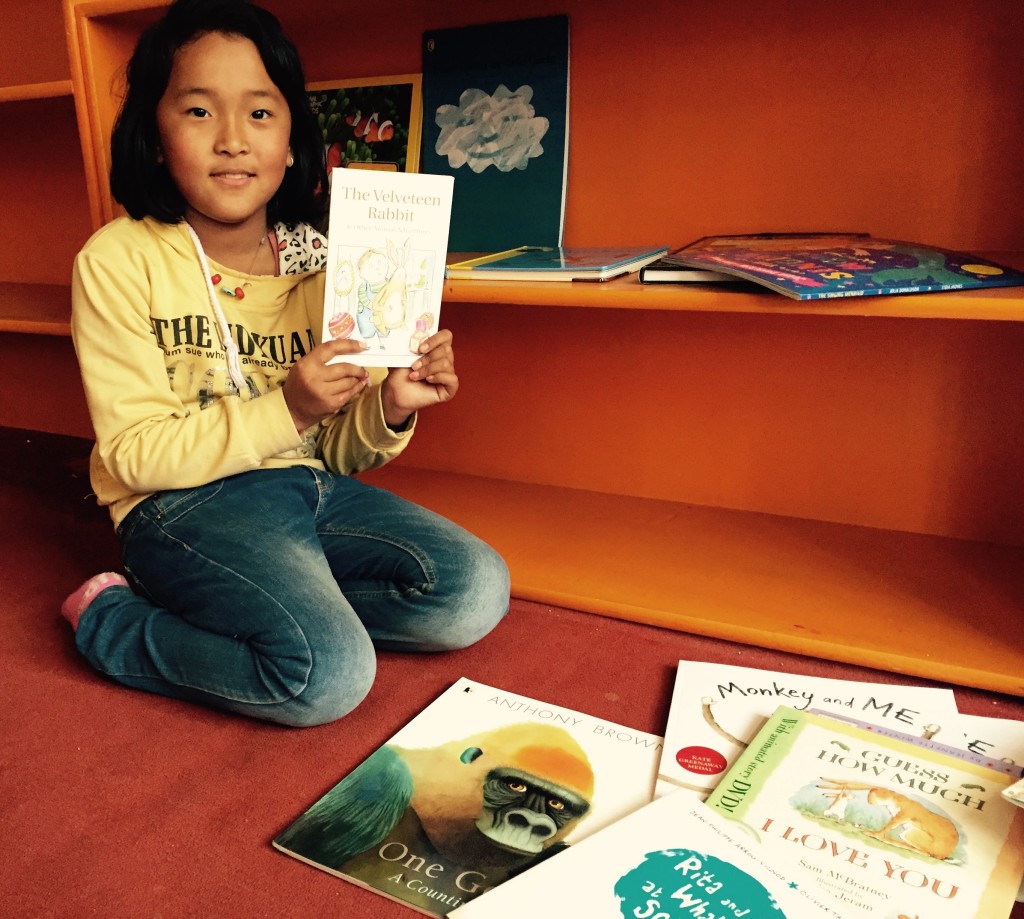
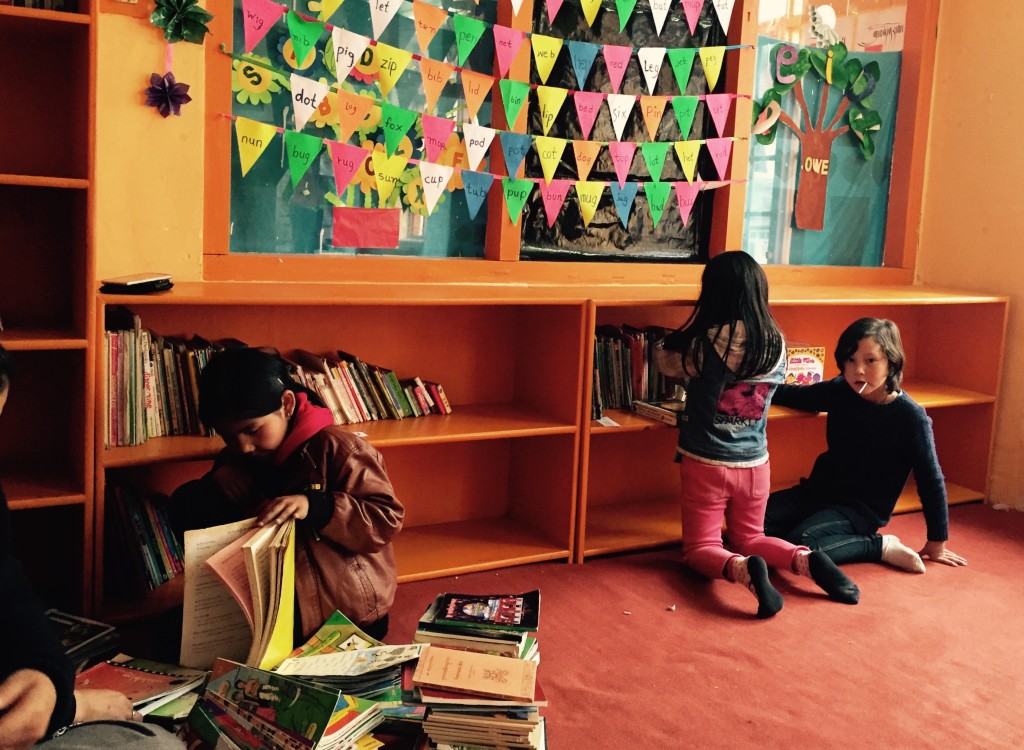
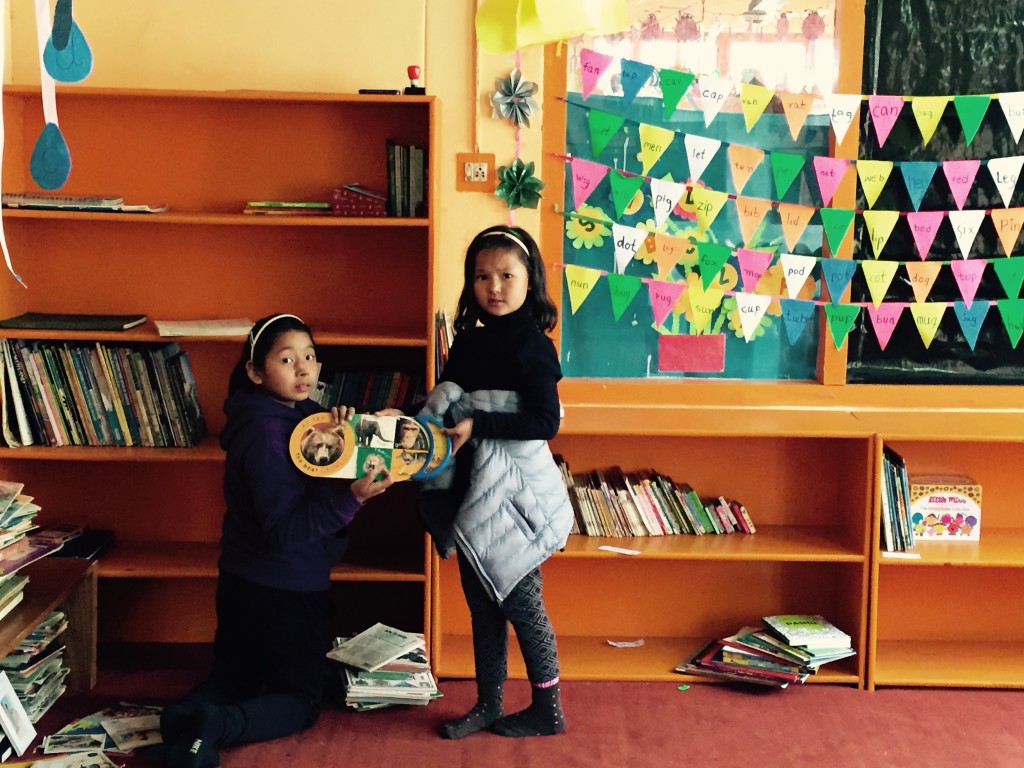
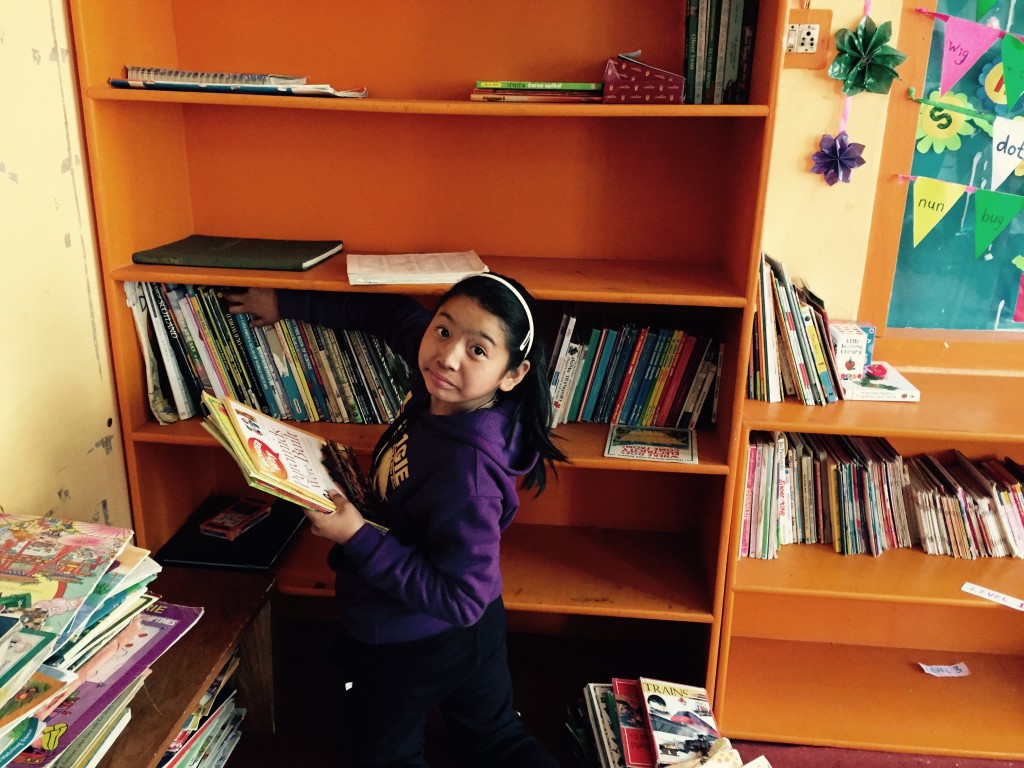
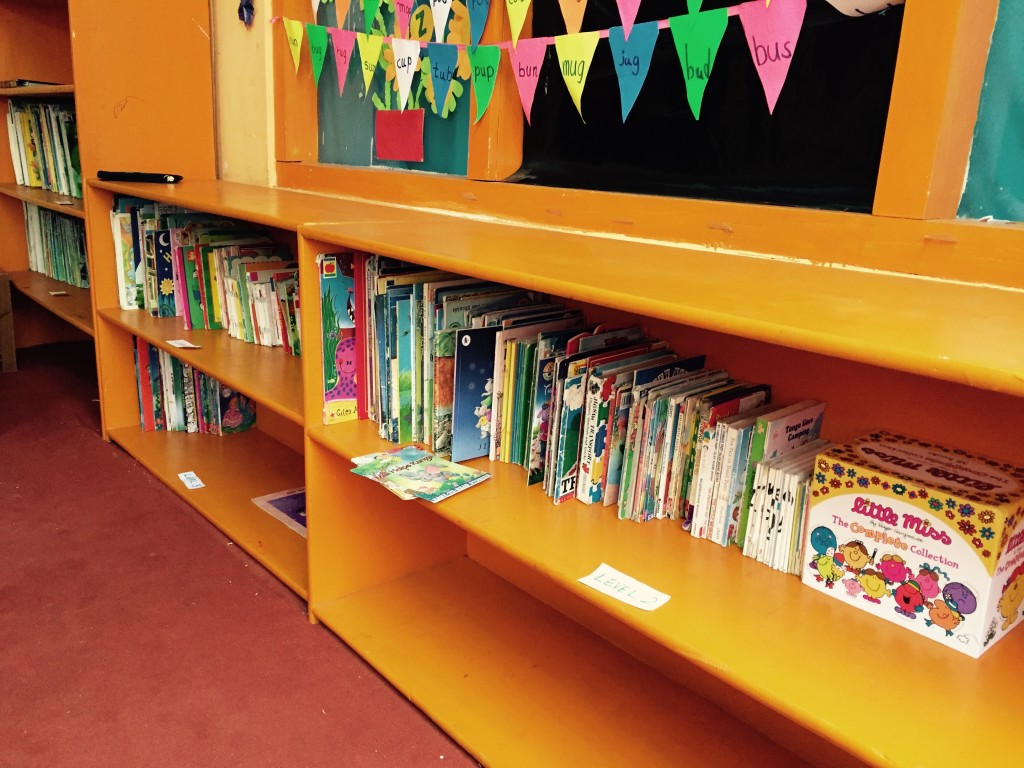
Dolma first noticed the reading room when she was helping her aunt carry vegetables through the village. It occupied two simple rooms near a monastery, with low shelves, bright floor cushions, and books in English, Hindi and Tibetan. Some were picture books. Others explained animals, planets, famous artists, or distant cities she had never seen.
The first book she borrowed was about the night sky. She could already identify several stars above the village, where the air was cold and clear after sunset. The book gave names and stories to those points of light. On the walk home, she repeated new words to herself so she would remember them.
Two hours each way meant that borrowing a book was never a casual errand. Dolma planned visits around household work, school lessons and daylight. During winter, she left earlier, carried water, and watched the road carefully. When snow or heavy rain made the route unsafe, she waited. Reading mattered deeply, but safety came first.
Why The Reading Room Mattered
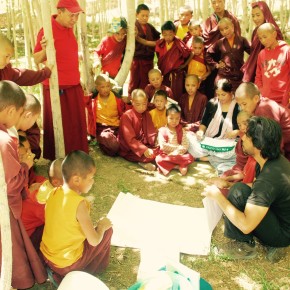
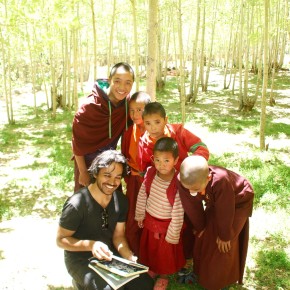
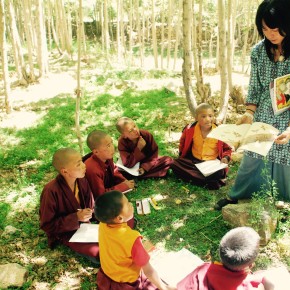
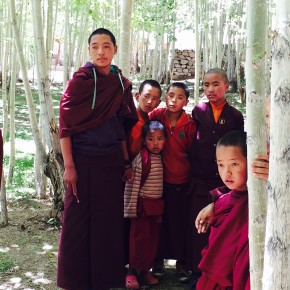
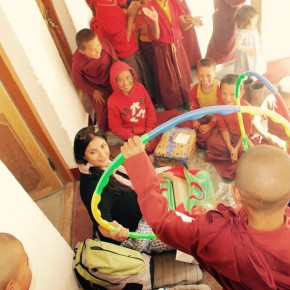
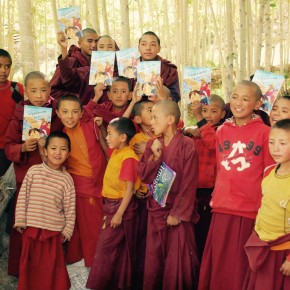
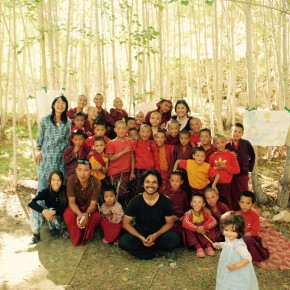
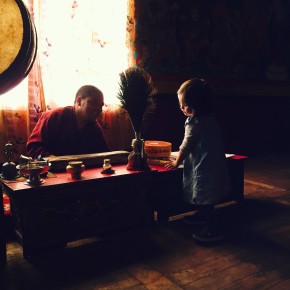
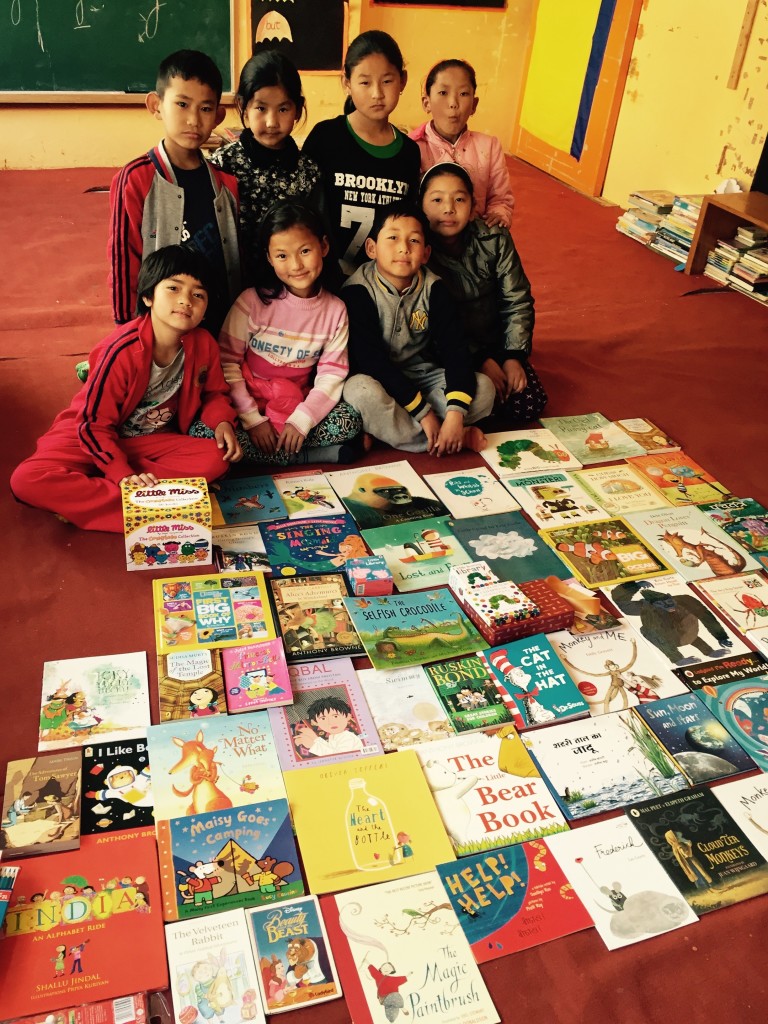
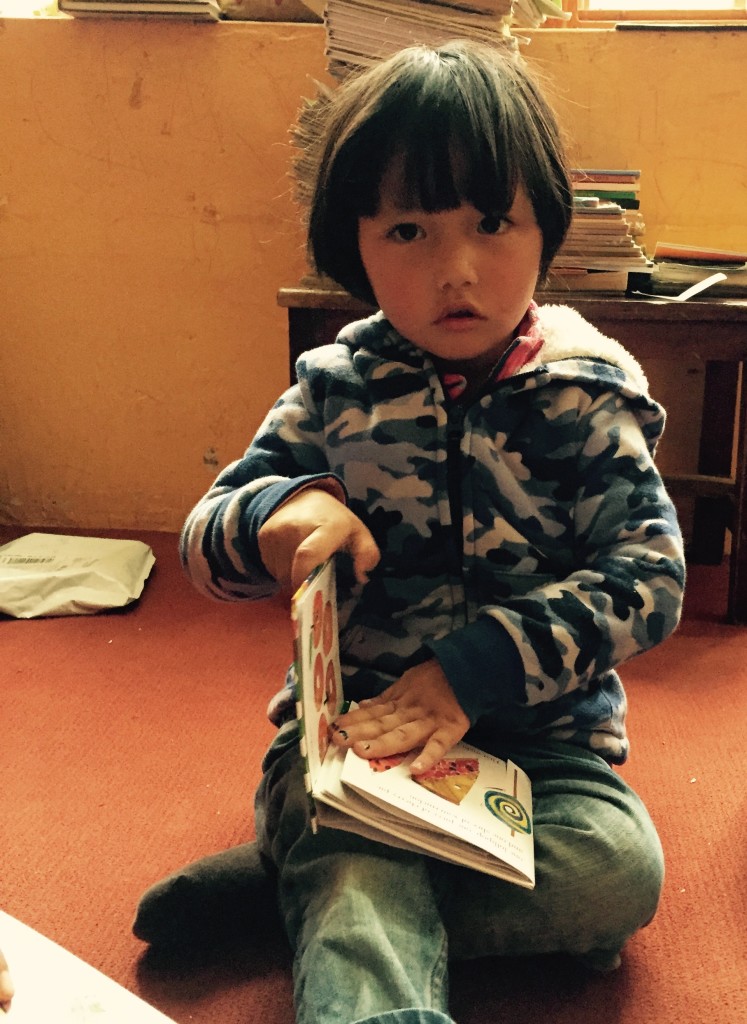
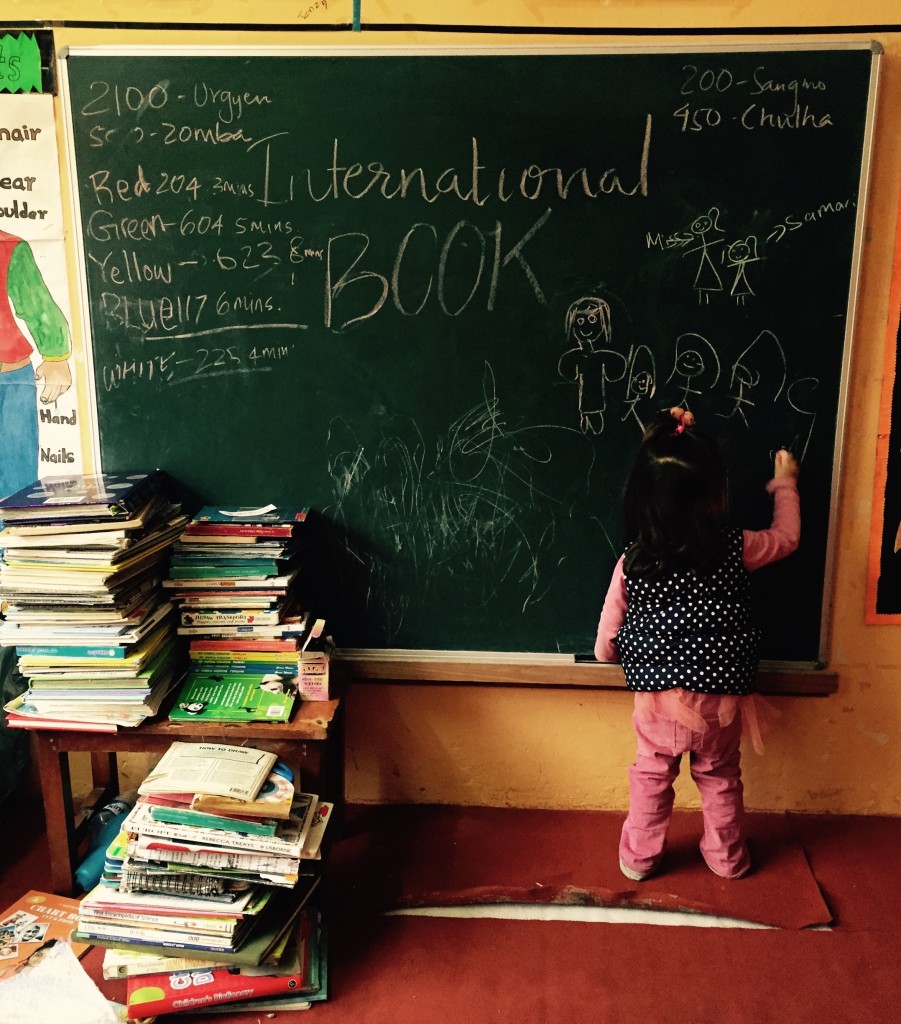
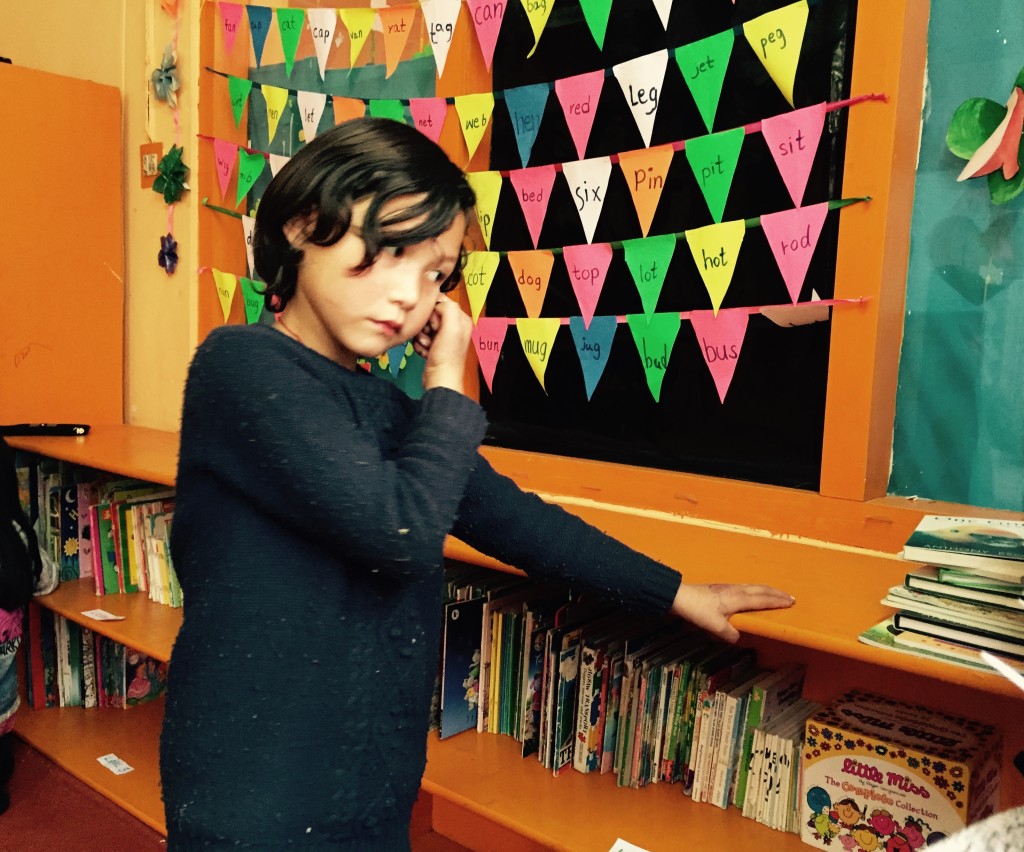
A reading room offers more than a shelf of paper. It creates a place where children can concentrate, ask questions and discover interests beyond their immediate surroundings. For young monks, it can add stories, reference materials and creative activities to their religious studies. For village children, it can make learning feel active rather than restricted to a classroom.
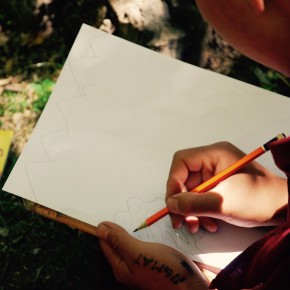
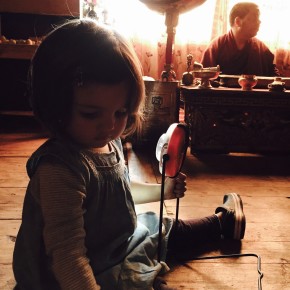
Dolma found that every book opened a new kind of possibility. A story about an architect encouraged her to draw buildings. A children’s atlas helped her understand where Australia was on the map. A book about music led her to try a simple rhythm on a borrowed instrument during an activity session.
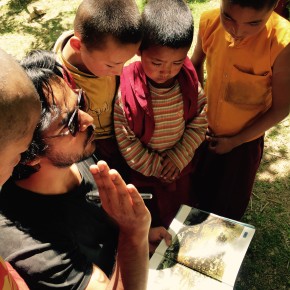
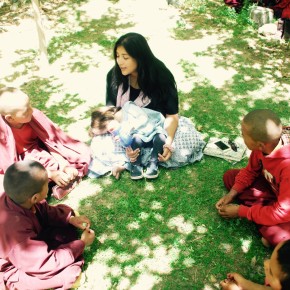
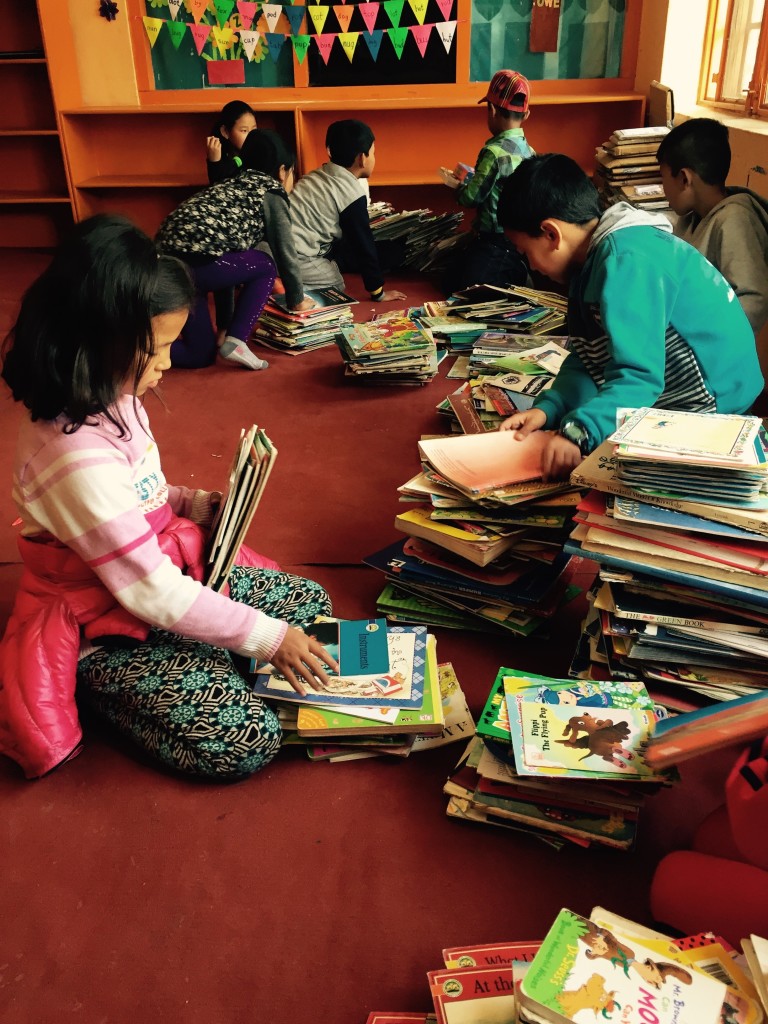
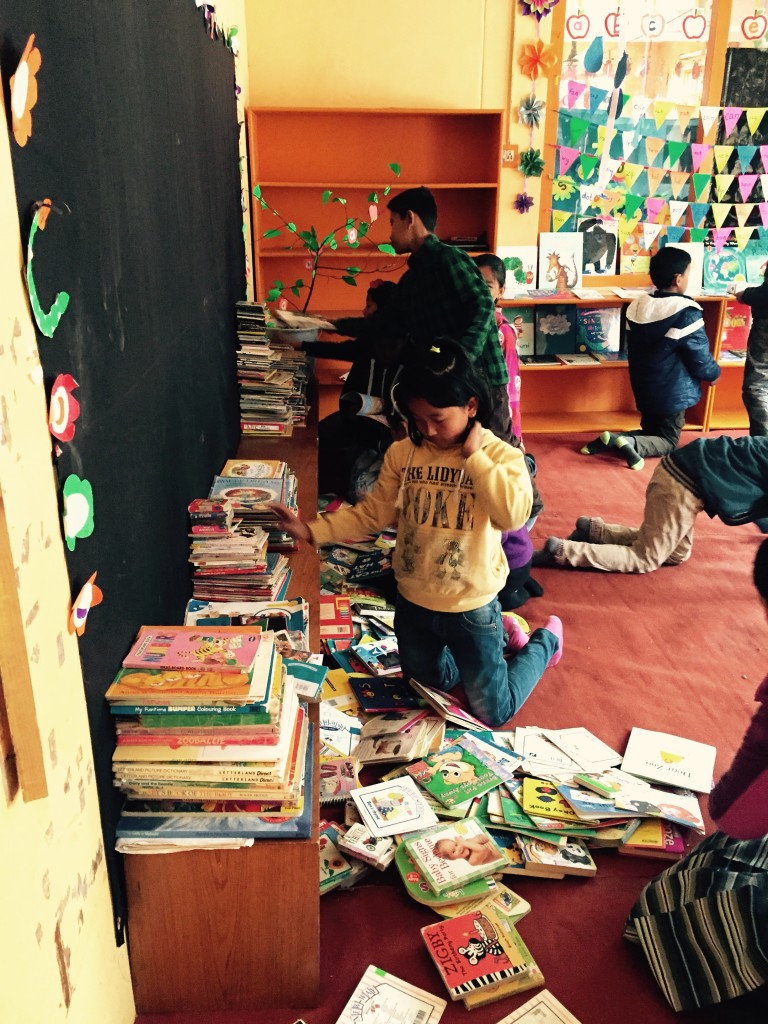
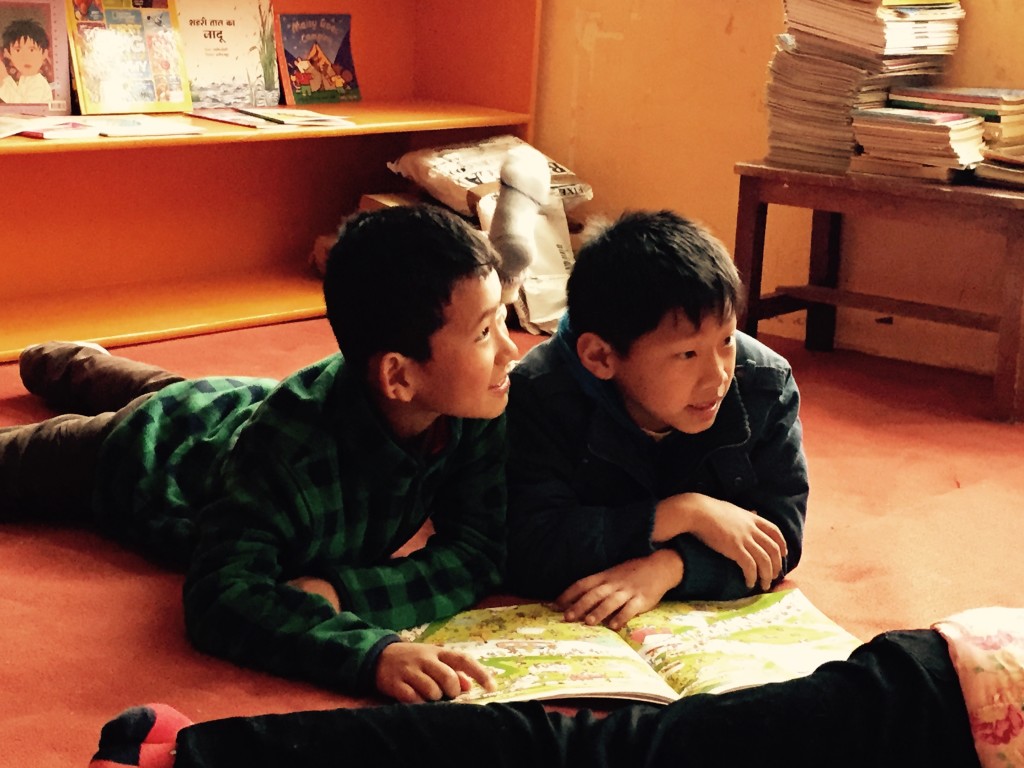
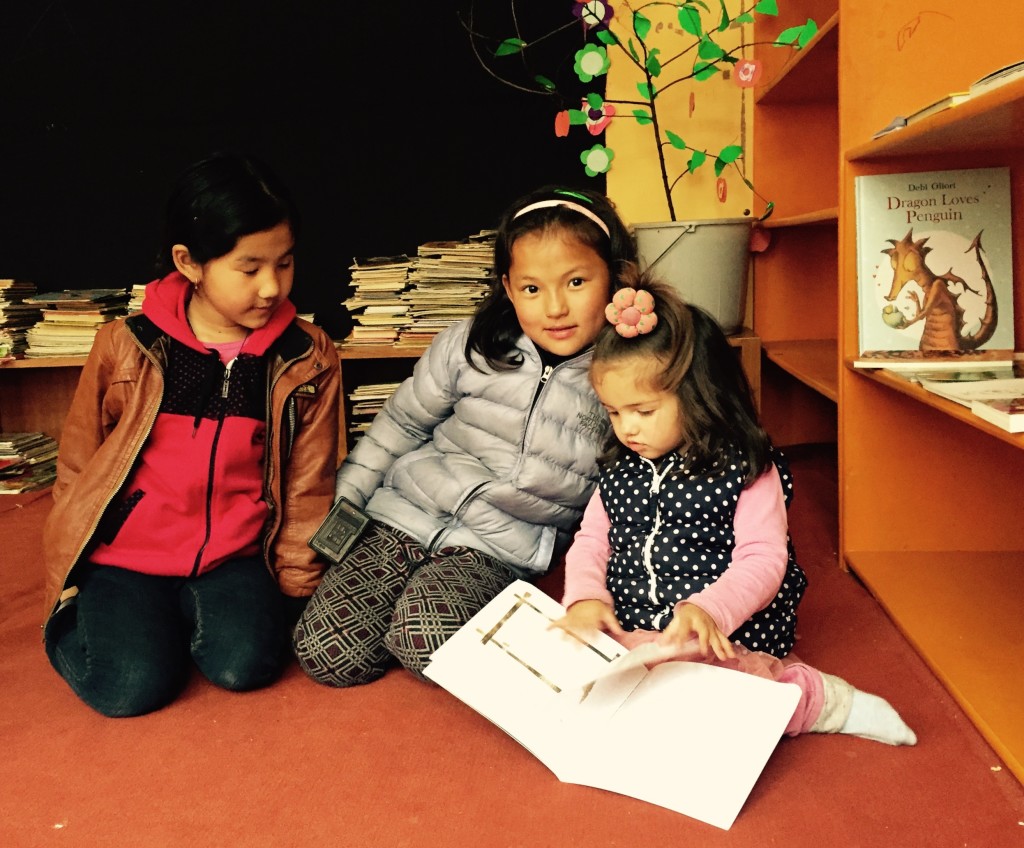
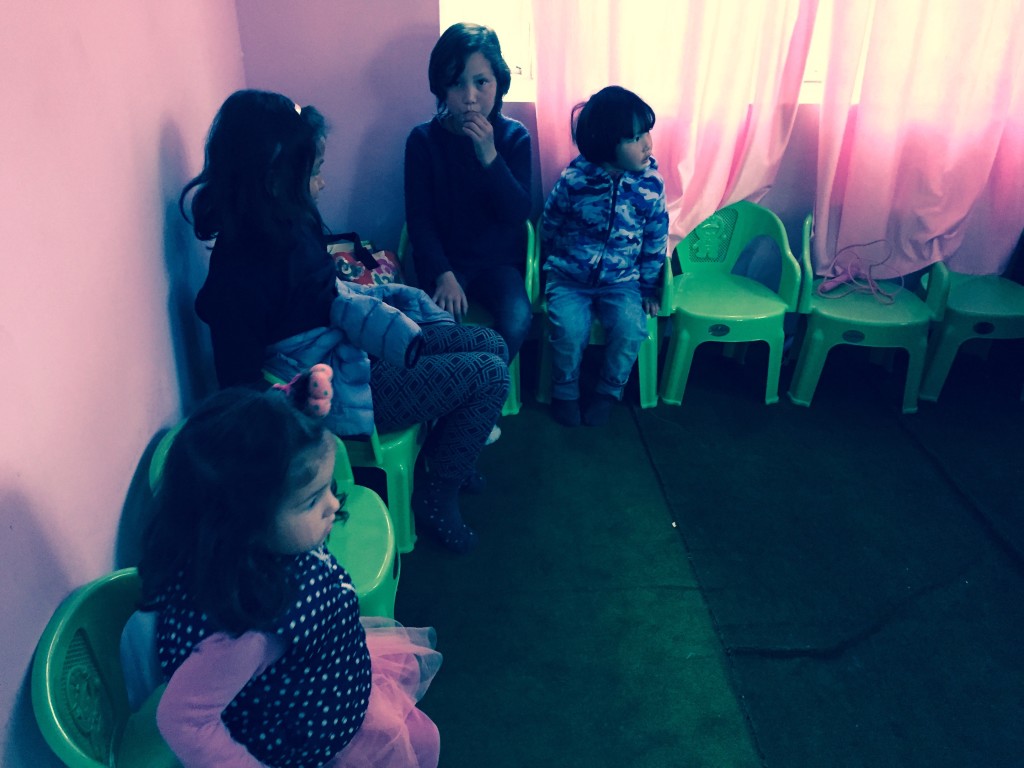
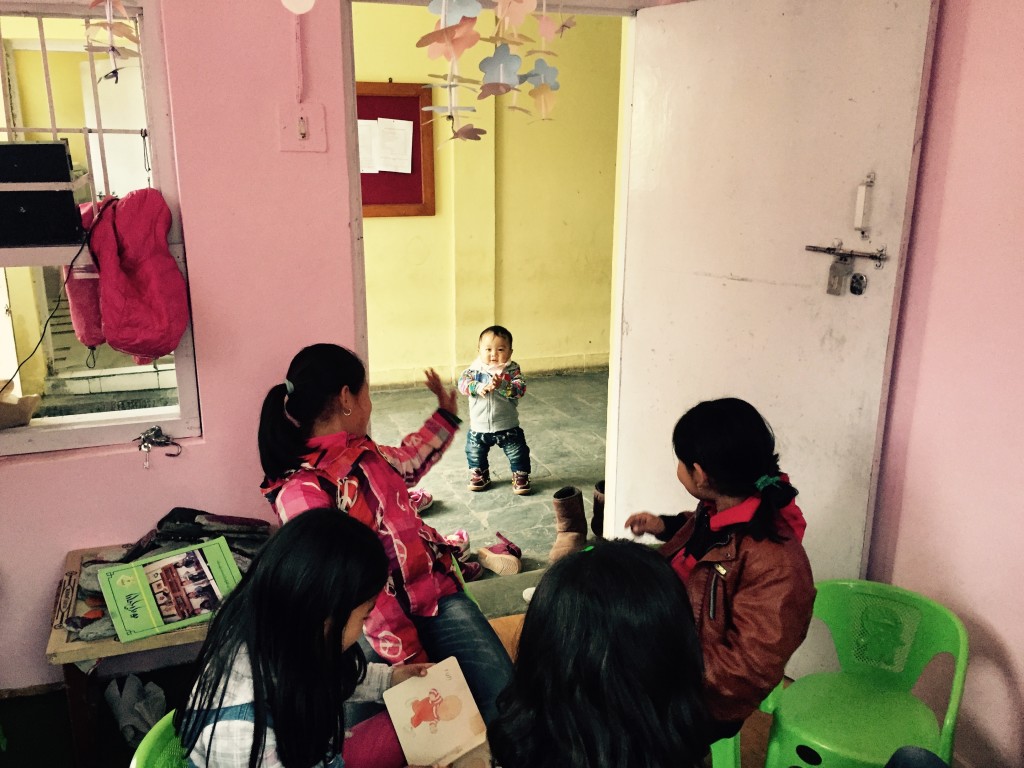
These small encounters can shape confidence. A child who learns to choose a book, read aloud, explain an idea and return the book carefully is practising independence. Shared reading also brings children together. Older readers help younger ones, and a quiet room becomes a meeting point for curiosity, friendship and imagination.
The Work Behind A Shared Shelf
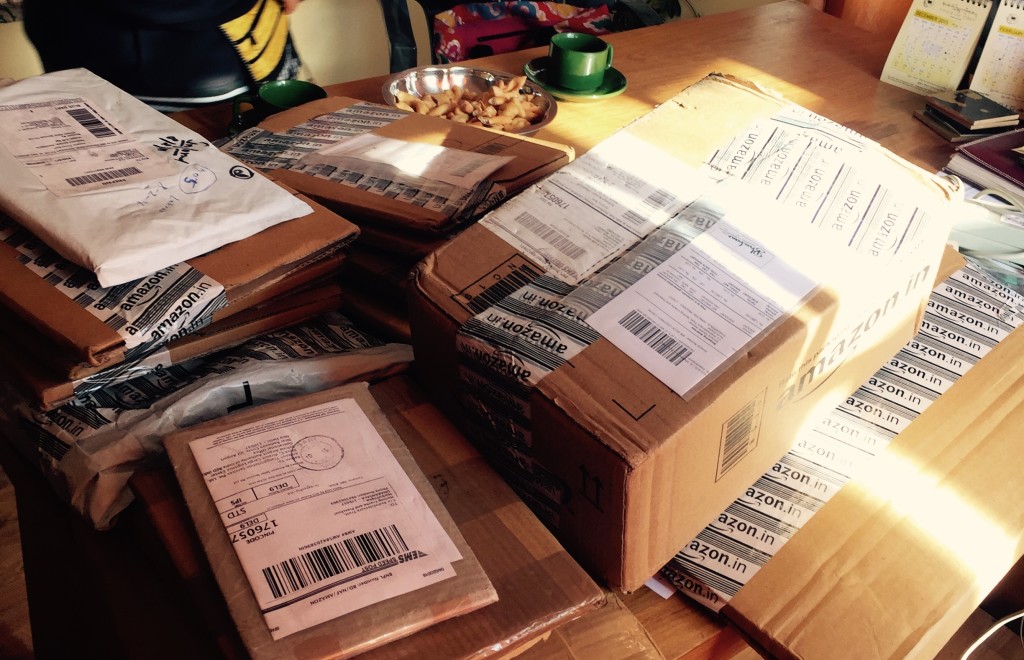
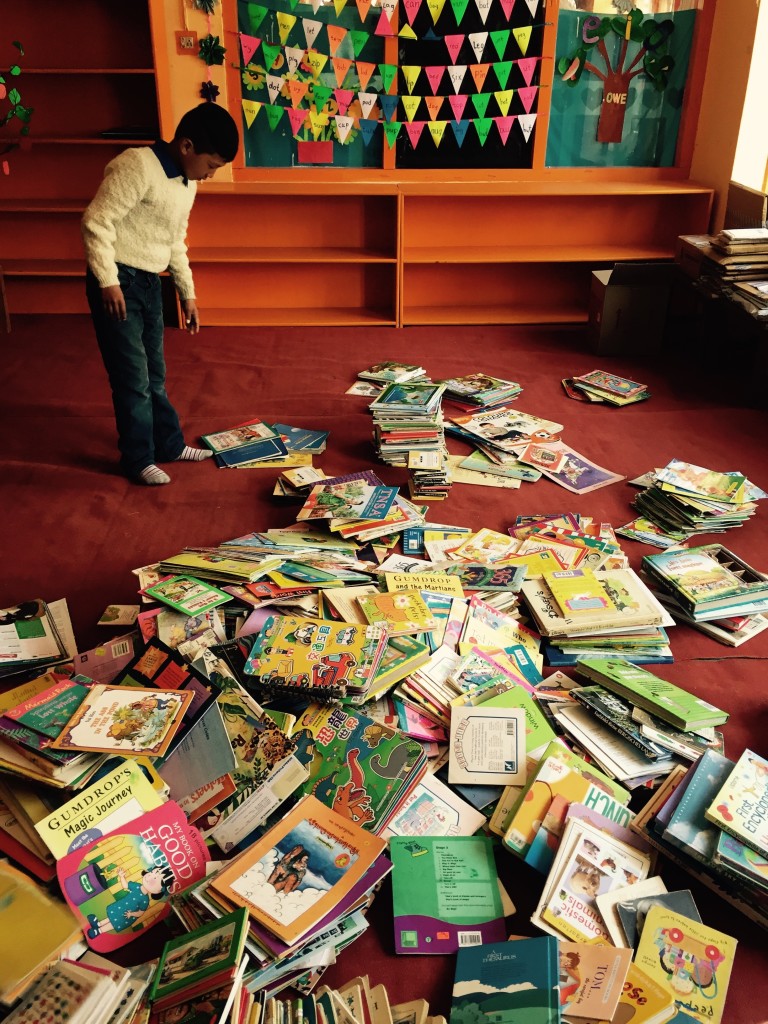
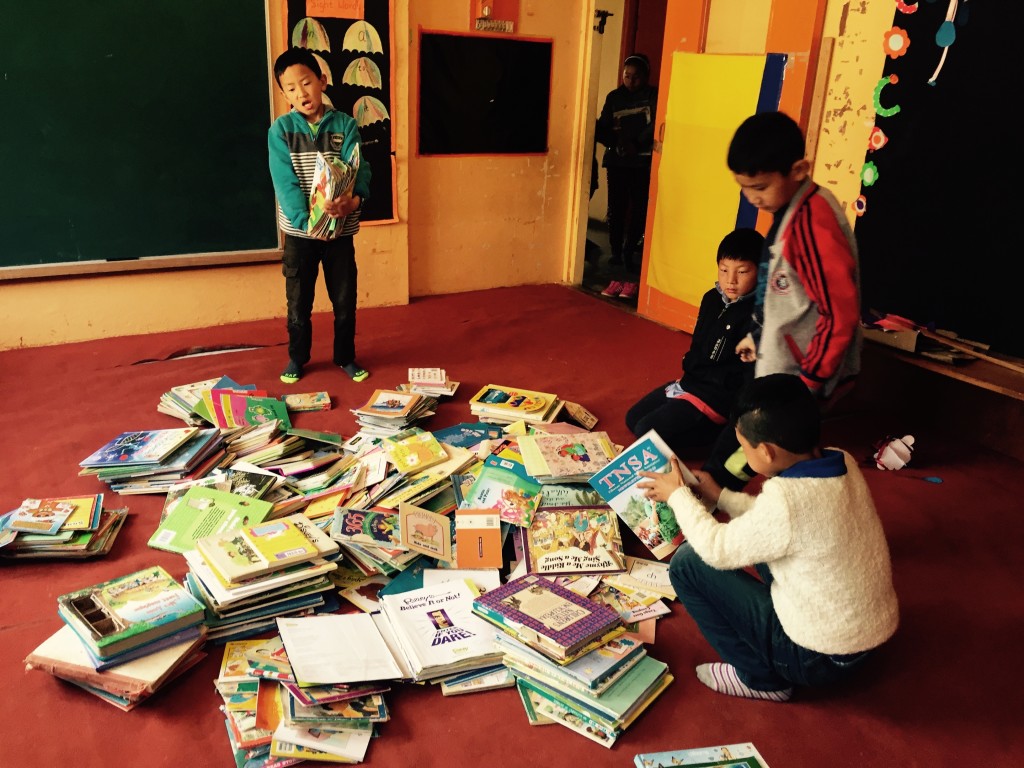
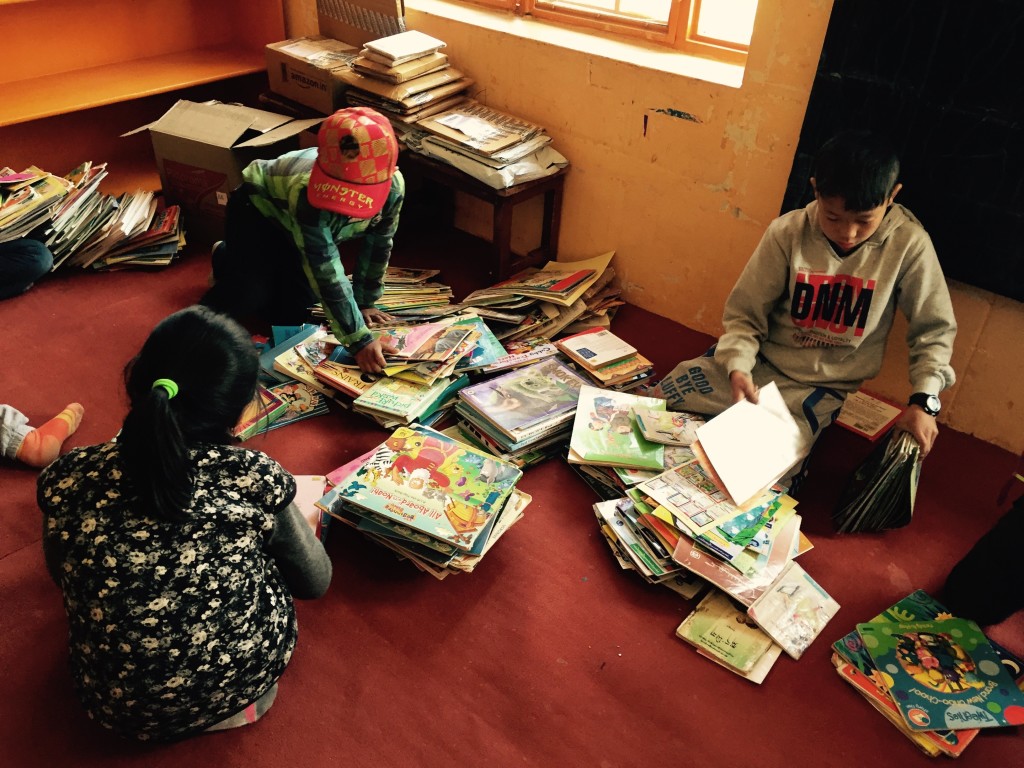
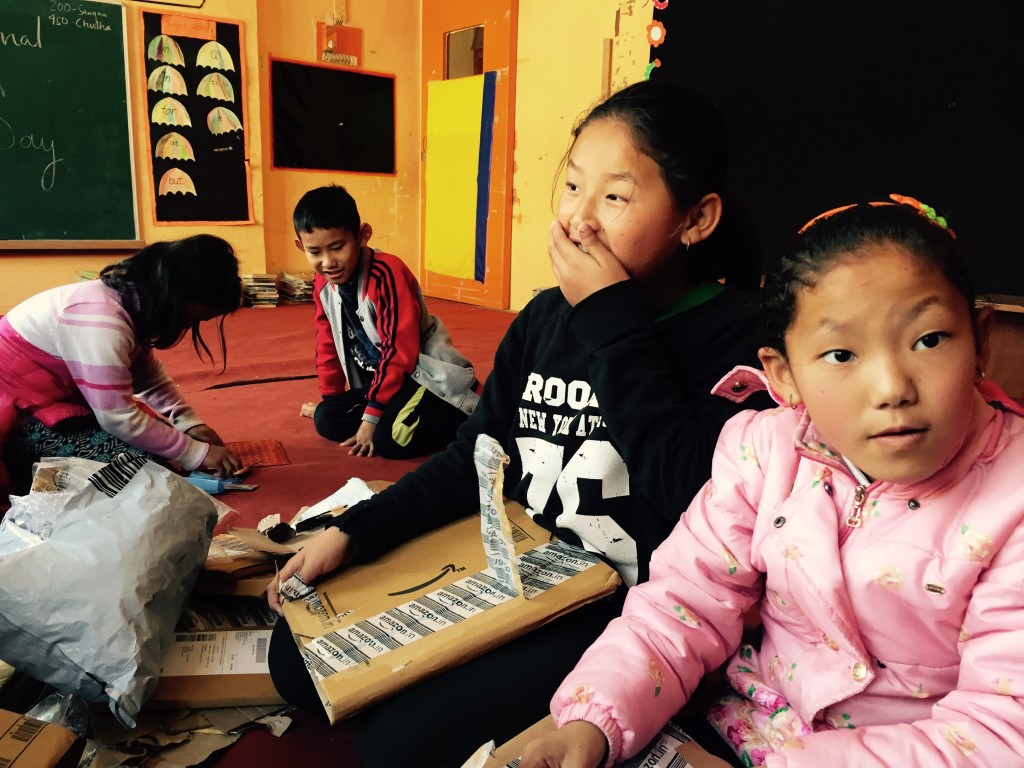
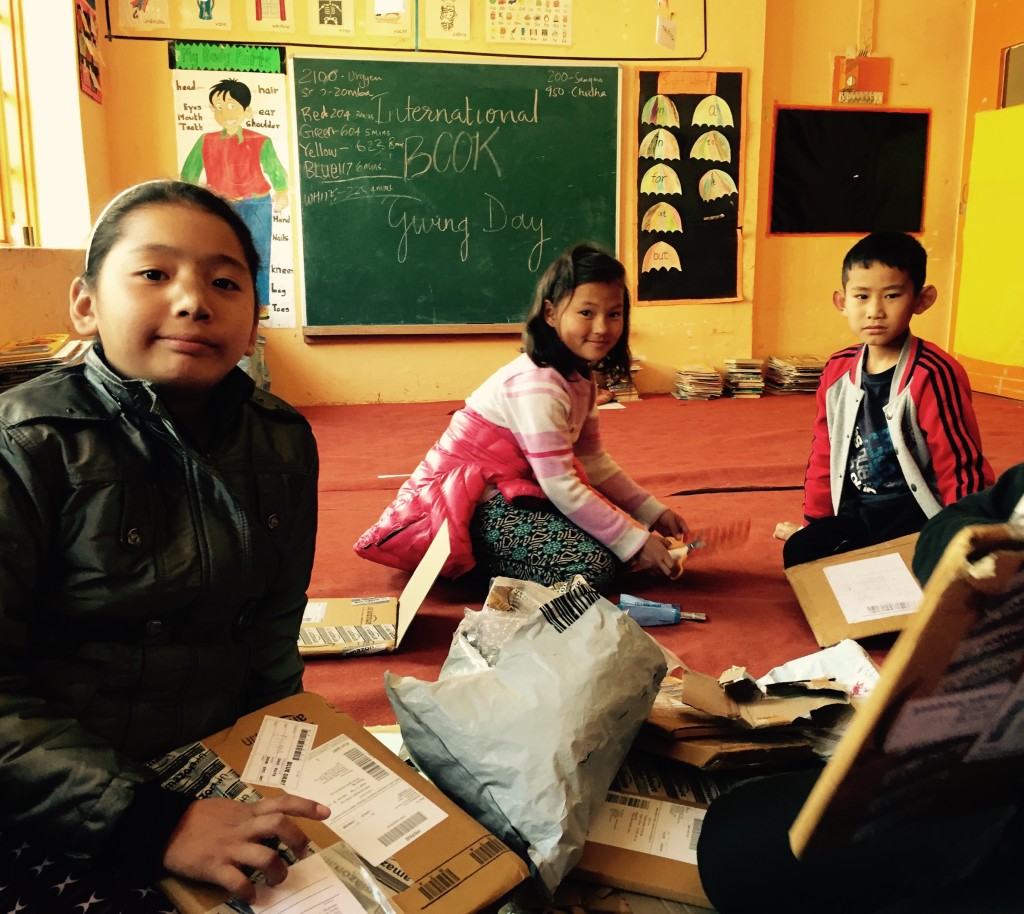
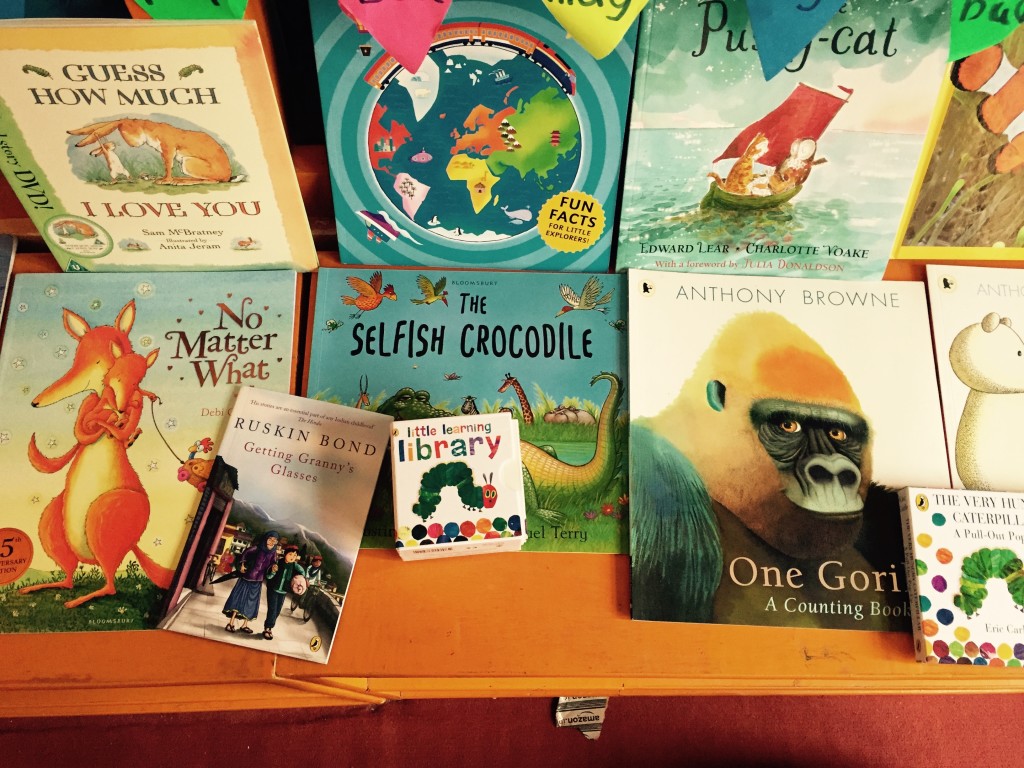
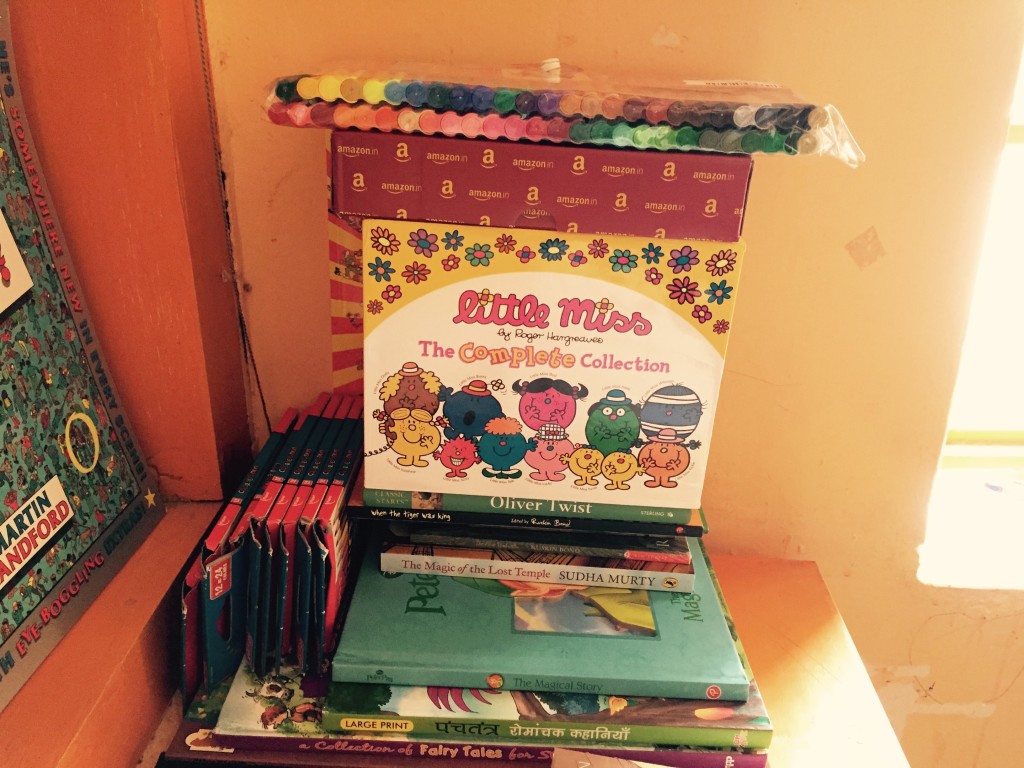
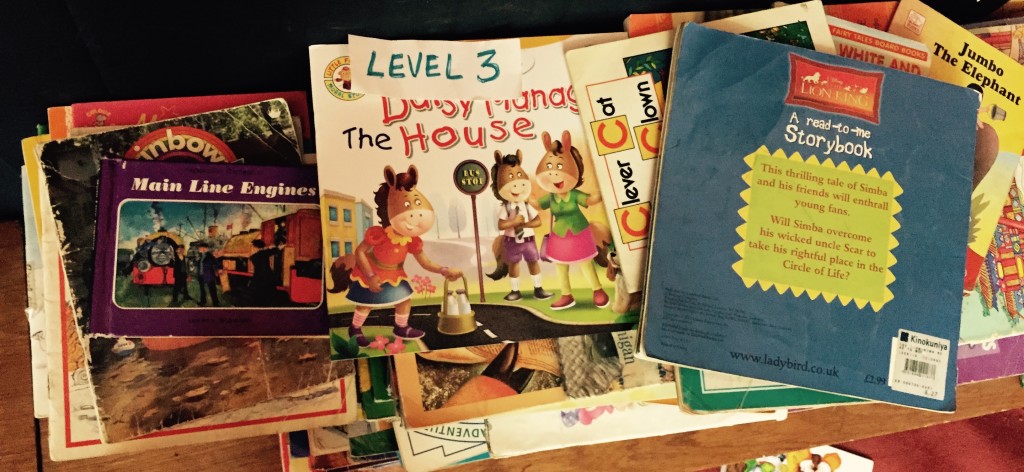
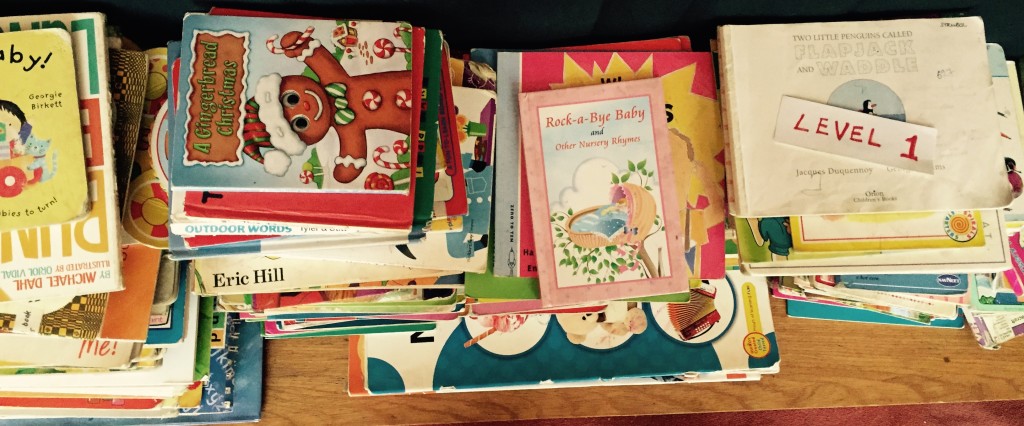
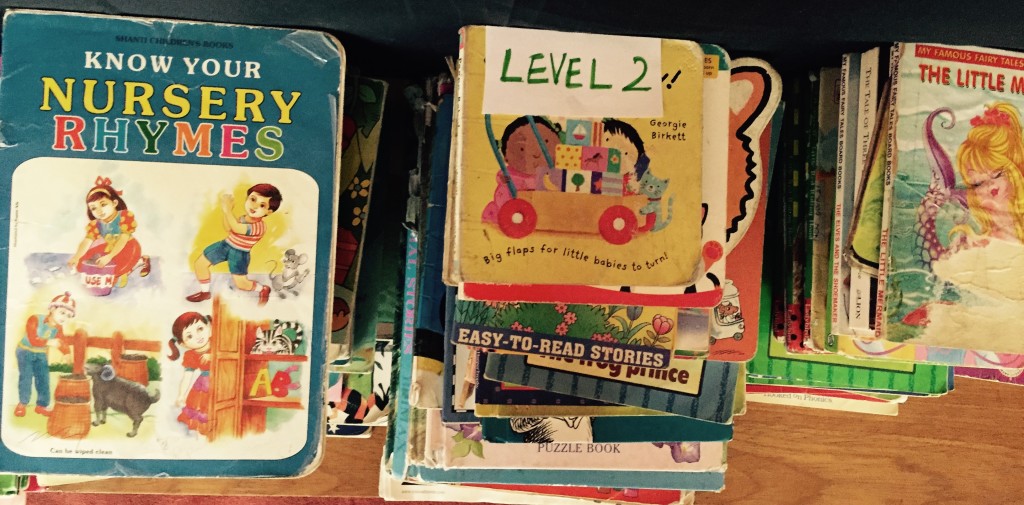
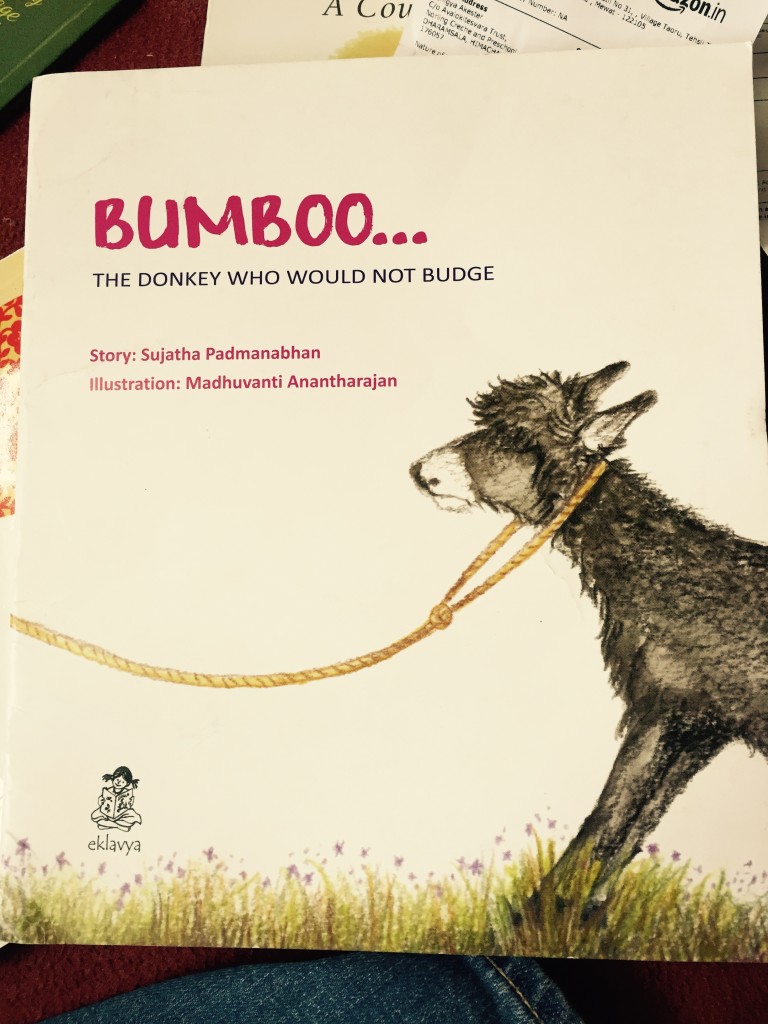
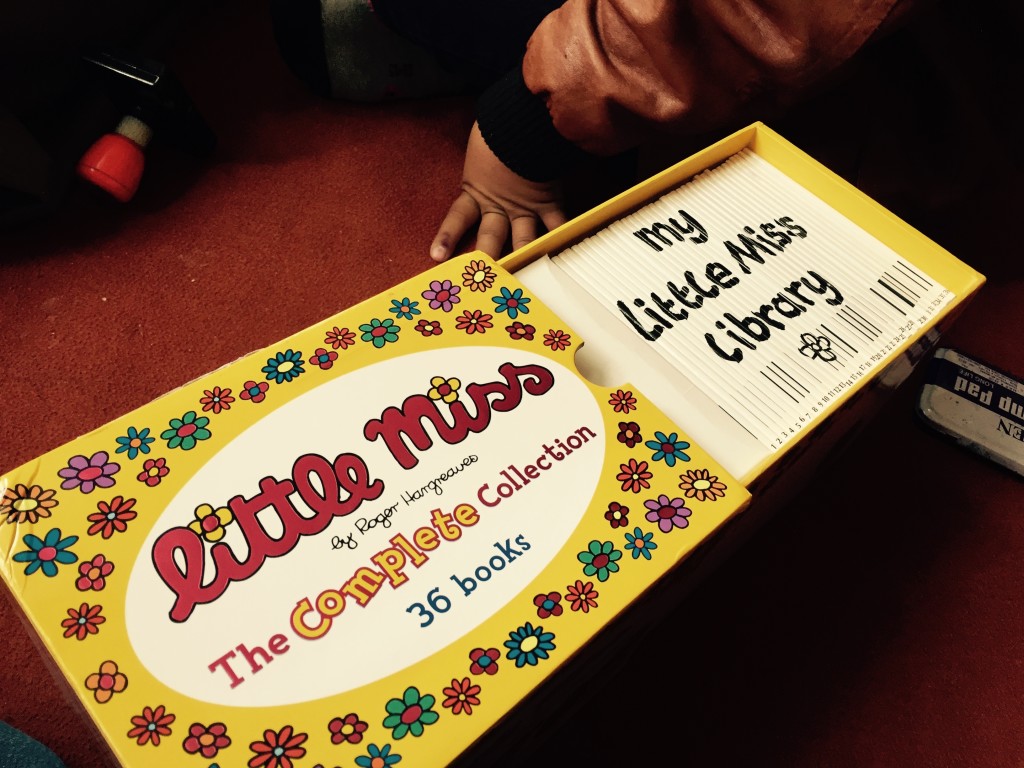
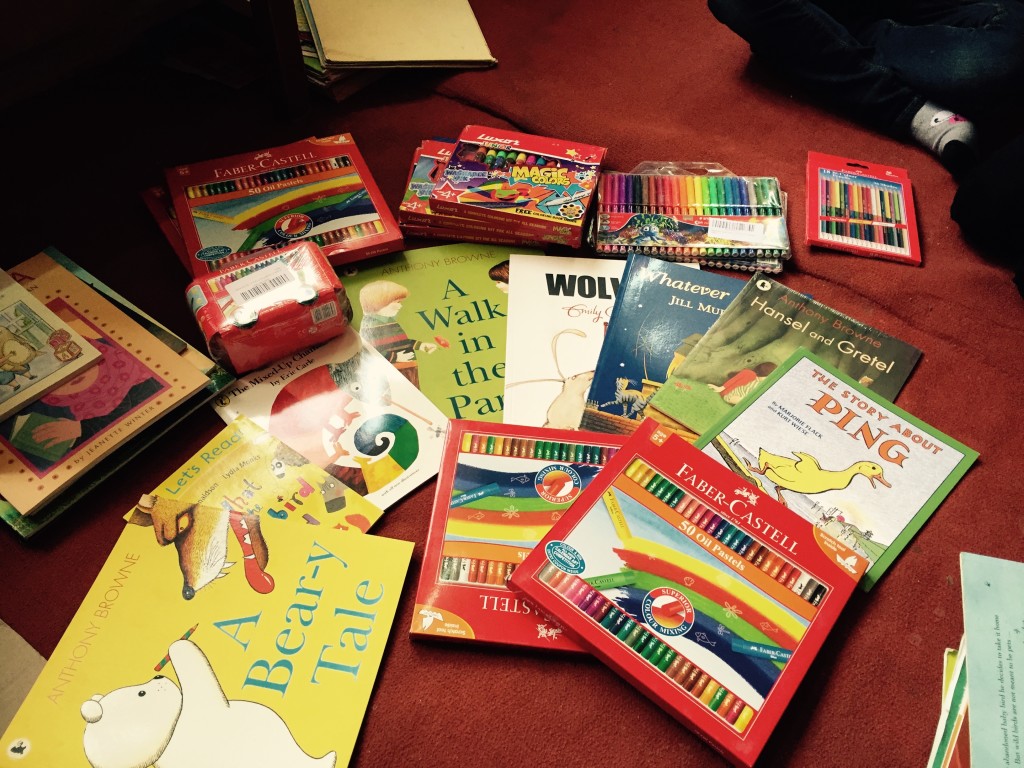
Creating a reading room in a Himalayan community involves much more than sending cartons overseas. Books must suit the age of the readers, respect local languages and cultures, and survive transport, dust and frequent handling. Shelves, floor mats, lighting and storage matter too. A useful collection is one children can understand and enjoy, rather than a pile of unsuitable donations.
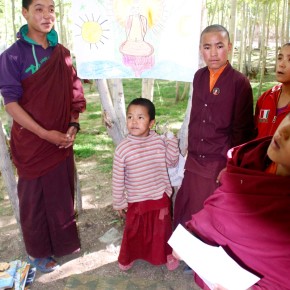
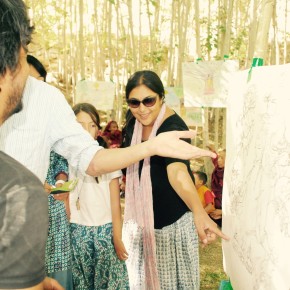
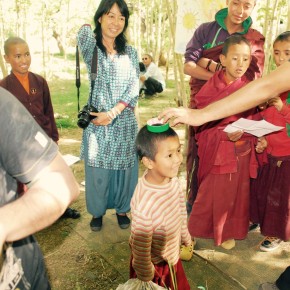
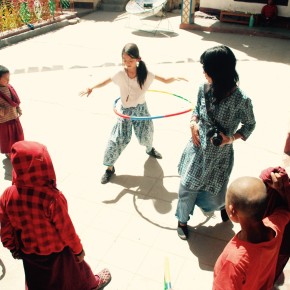
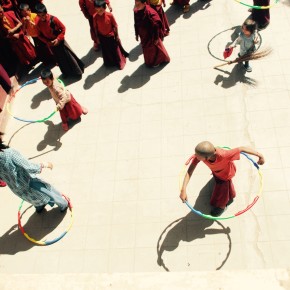
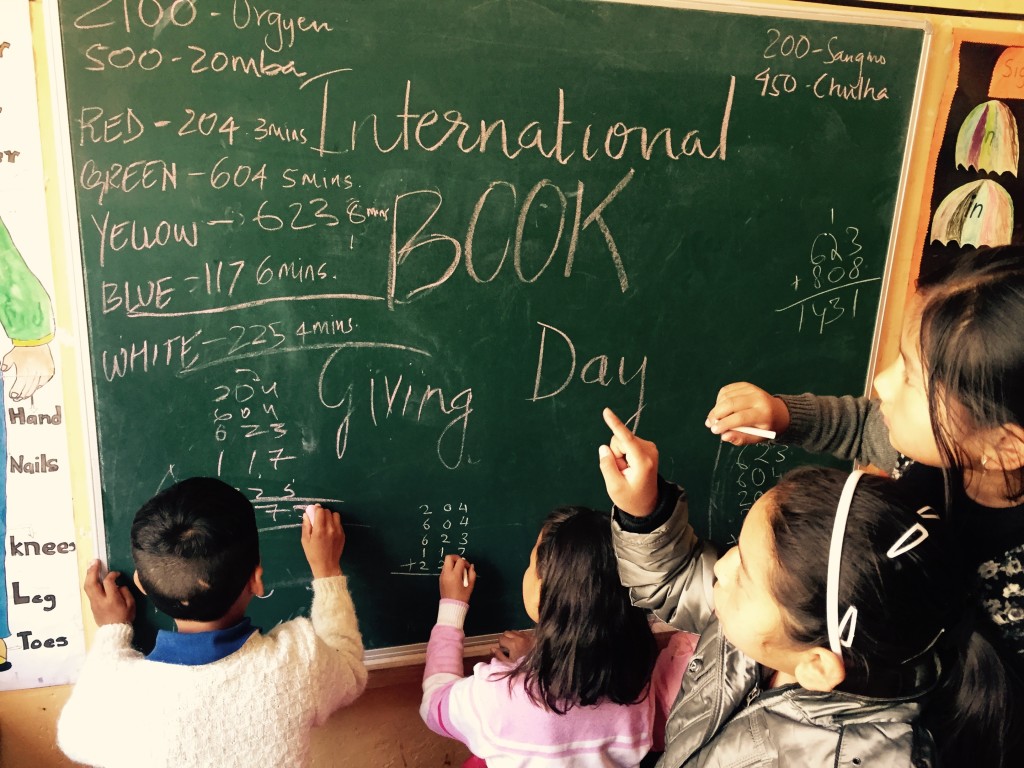
Avalokiteśvara Trust supports this kind of practical access through book drives, reading spaces and educational activities. Its work in Ladakh and other communities connects literacy with art, music and social learning. A child may arrive to borrow a novel and stay for drawing, singing or a group storytelling session.
The most valuable resources are selected with local partners. They understand which languages children use, what schools already provide, and what subjects spark interest. This approach avoids treating remote communities as passive recipients. Children and local educators help shape a collection that belongs to the community.
What Australian Readers Can Recognise
The distance in Dolma’s story may feel unfamiliar to someone living in Melbourne, Brisbane or regional New South Wales, yet the meaning of a local reading space is easy to recognise. Australian children often visit a council library after school, browse shelves during a Saturday outing, or listen to audiobooks while travelling to sport. Public libraries provide free access to knowledge, internet services, study areas and community events.
Access is still uneven. Families facing high rent, regional isolation, limited transport or unreliable internet may find it harder to buy books or participate in digital learning. A children’s book that costs a modest amount in a suburban Australian bookshop can represent a significant household expense when several children need school materials.
The Australian book market also shows why thoughtful giving matters. Independent bookshops, chain retailers, online sellers and library suppliers offer a wide range of titles, yet shipping books abroad can be expensive and unsuitable stock can create extra work. Financial support can allow local organisations to purchase culturally relevant books closer to where they are needed.
Australian donors can also look for clear accountability. Organisations registered with the Australian Charities and Not-for-profits Commission publish information about their governance and activities. Where a charity has deductible gift recipient endorsement, eligible donors can generally claim donations on their tax return if they keep the required receipt. Checking the organisation’s official details before giving supports responsible philanthropy.
From A Long Walk To A Wider Horizon
As Dolma grew older, she began helping the reading room coordinator. She sorted returned books, repaired torn pages with clear tape and recorded which titles children requested most often. Her long journey had given her a close understanding of what the room meant. She knew which younger children preferred animal stories and which students needed illustrated science books for school.
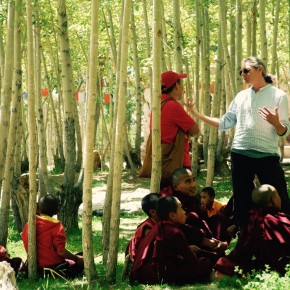
Eventually, she started reading stories aloud to a small group. At first she spoke softly and looked down at the page. With practice, she used different voices for different characters and paused to explain unfamiliar words. Children who had once waited outside began coming in earlier, eager to hear the next chapter.
This change is one of the lasting effects of a community library. A book reaches one child, then another. A reader becomes a helper, and a helper may become a teacher, artist or musician. The original journey remains part of the story, but the path becomes easier for those who follow.
A Book Can Change The Shape Of A Day
Dolma’s walk was difficult because books were far away, yet the distance also showed how strongly she valued them. Her determination should not be used to romanticise hardship. Children deserve nearby, safe and well-resourced places to read. The purpose of a reading room is to reduce the burden of distance, not to make endurance a requirement for education.
For children in Ladakh, a well-chosen book can support school learning, language development and creative confidence. For young monks, it can complement spiritual education with wider knowledge and artistic expression. For Australian supporters, a donation or carefully organised book drive can help make that access more reliable.
The most direct next step is to visit Avalokiteśvara Trust’s official giving page, read how its current book and reading-room projects are funded, and make one considered contribution that helps place quality books within a child’s daily reach.