The Donated Piano at the Heart of a Village Music Program
A piano can be more than a decorative instrument in a community hall. It can become a meeting place, a teaching tool and a reason for children to test their voices in public. The story of a donated piano that became the heart of a village music program began with an unusual kind of generosity: not prestige, but a useful object offered for a second life.
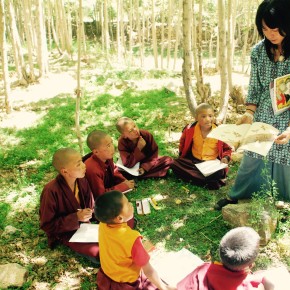
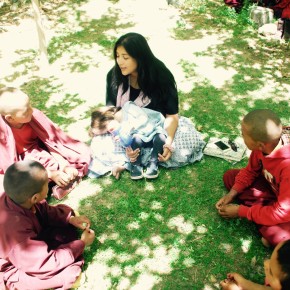
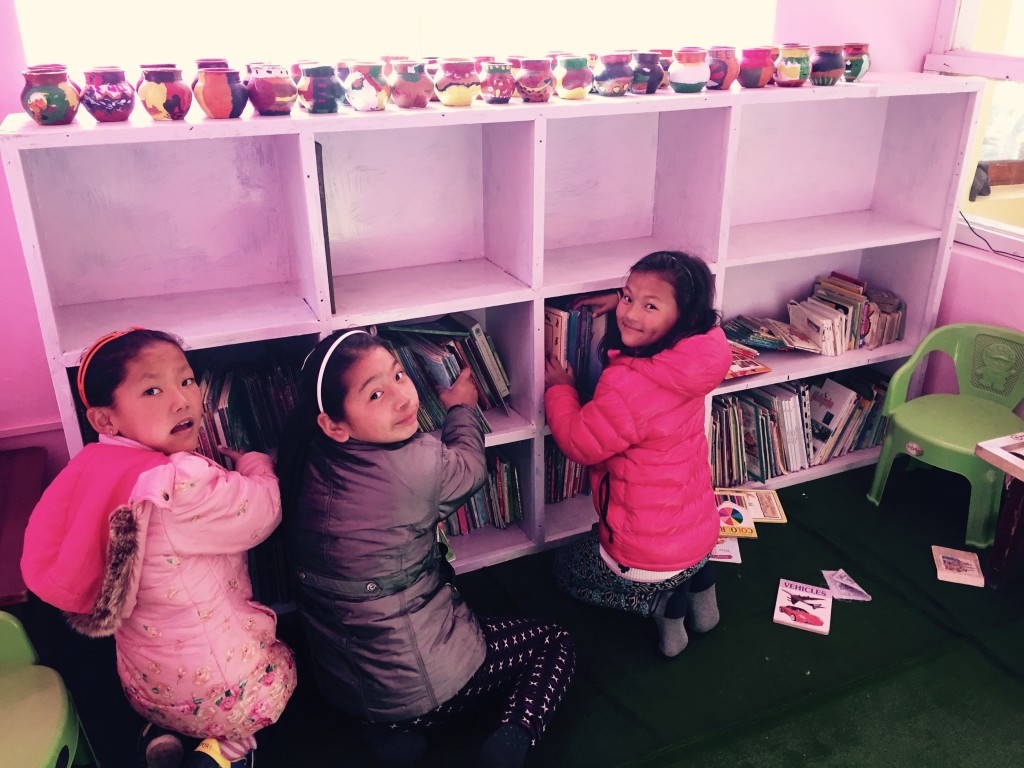
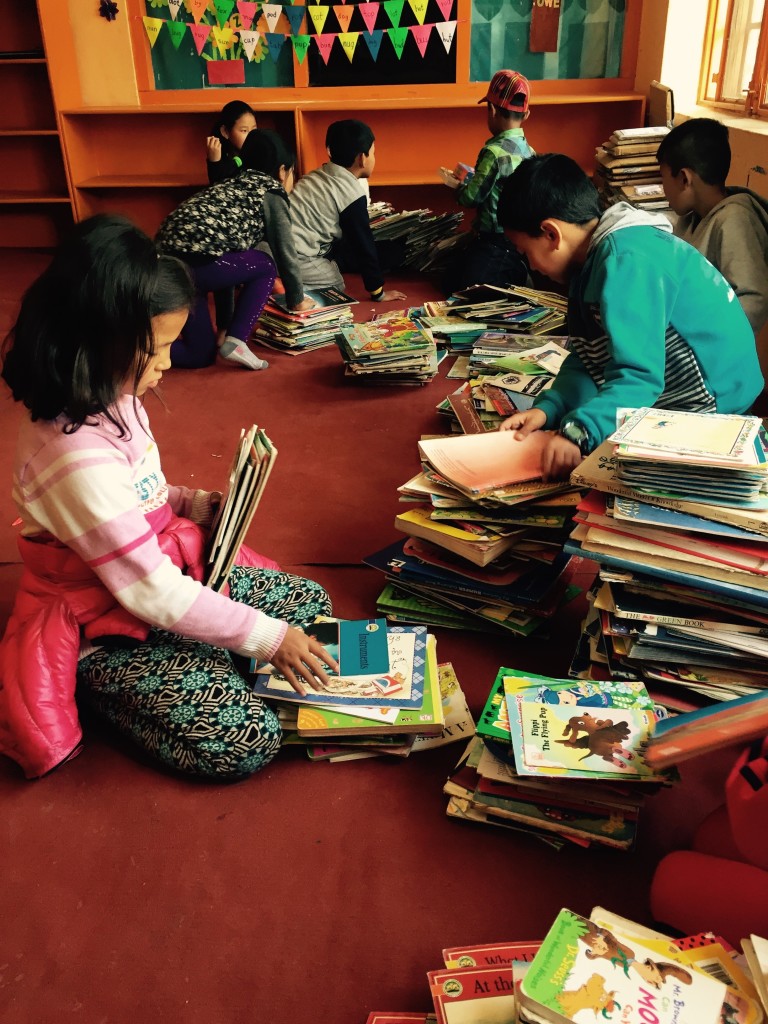
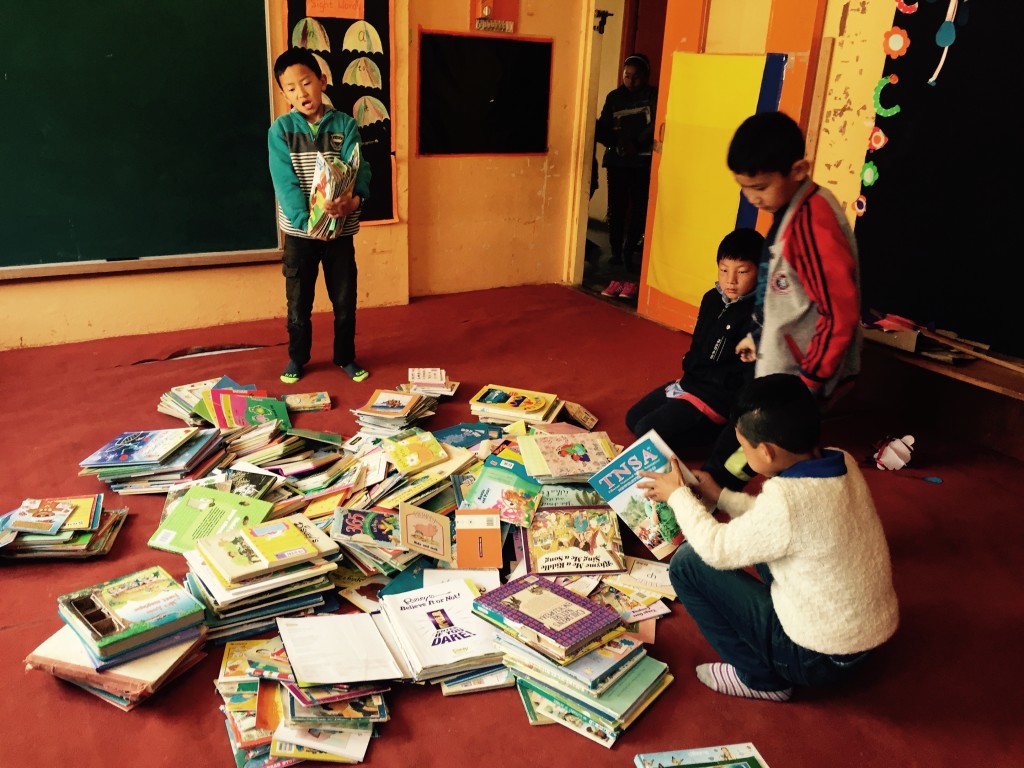
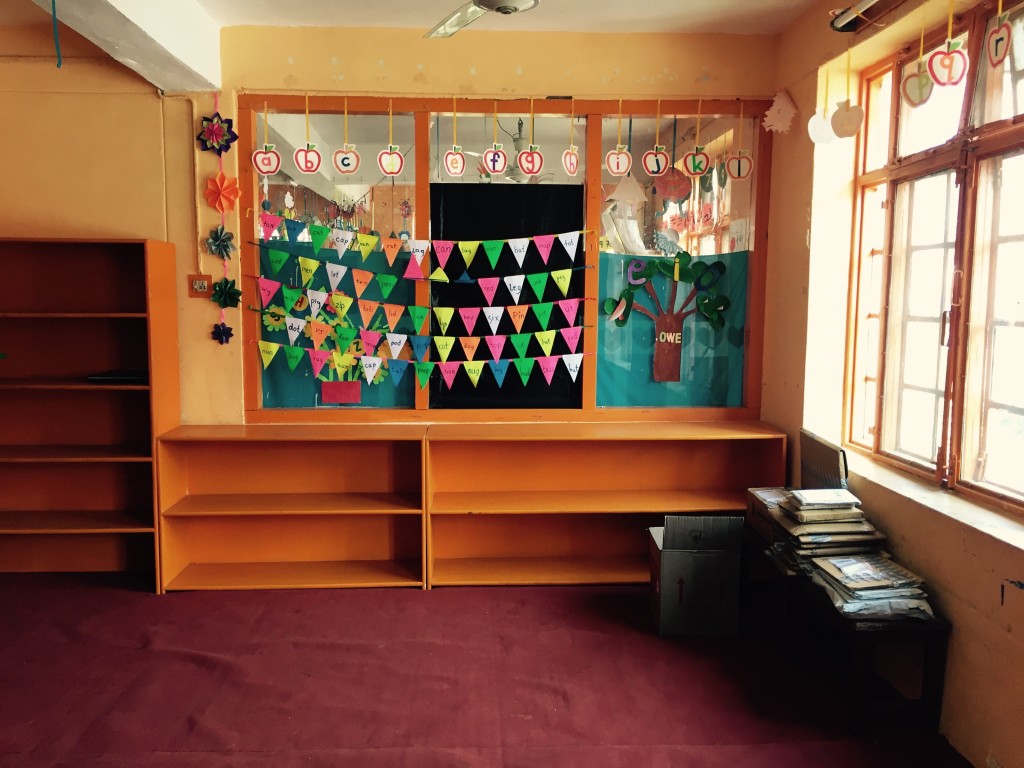
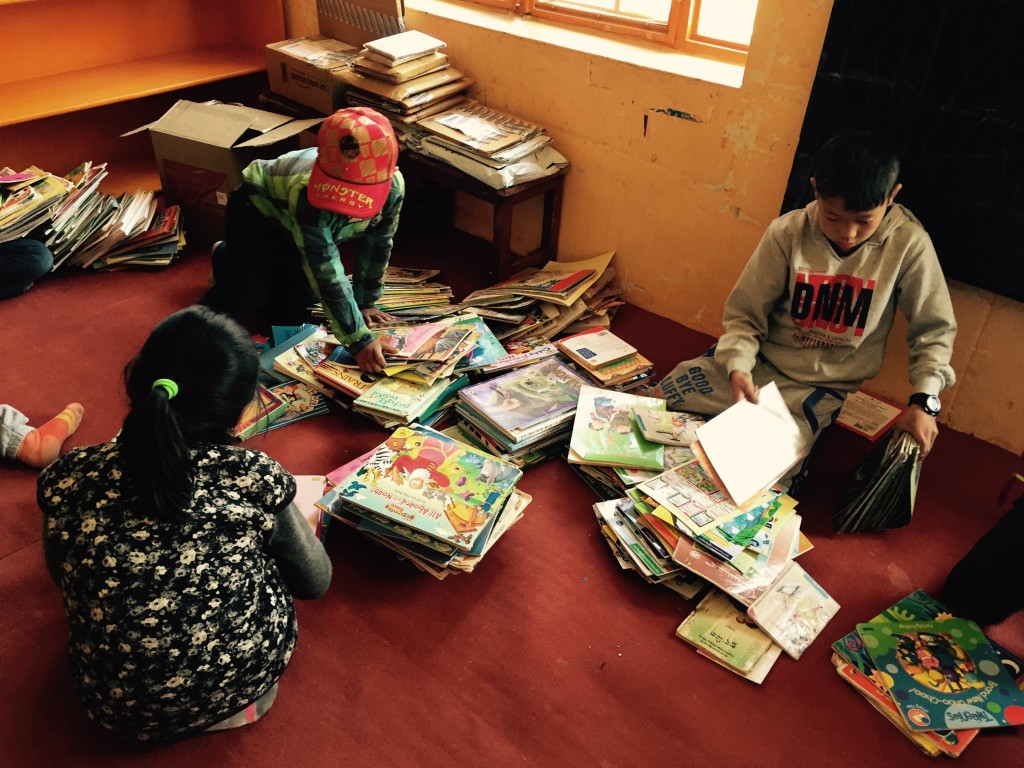
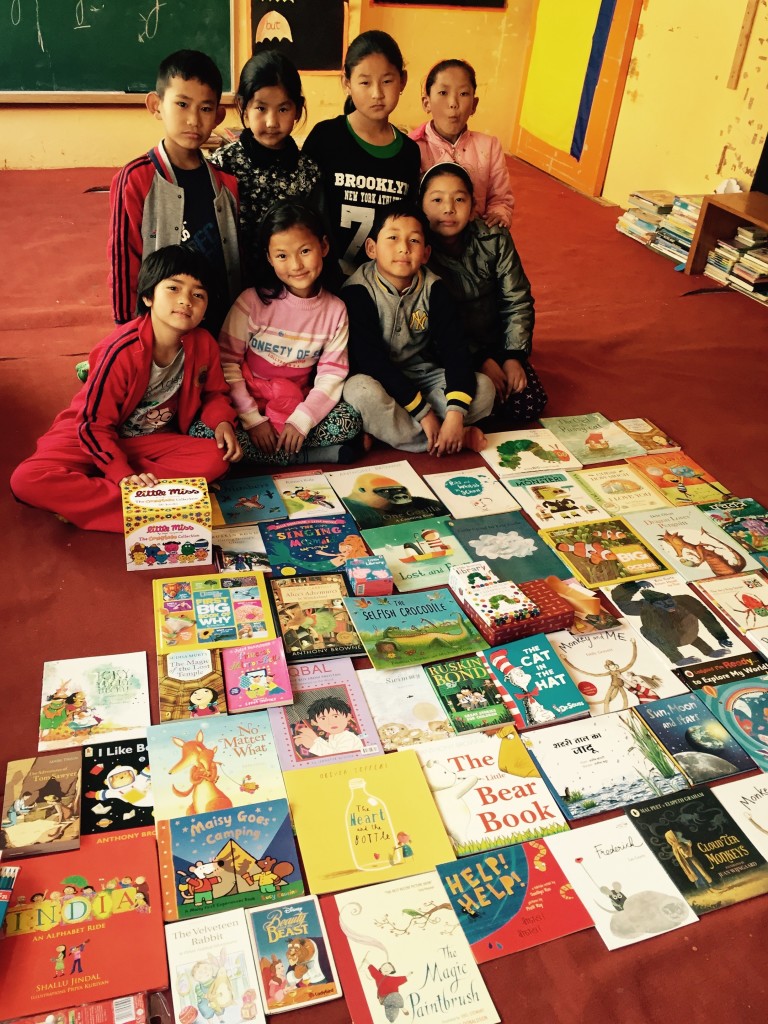
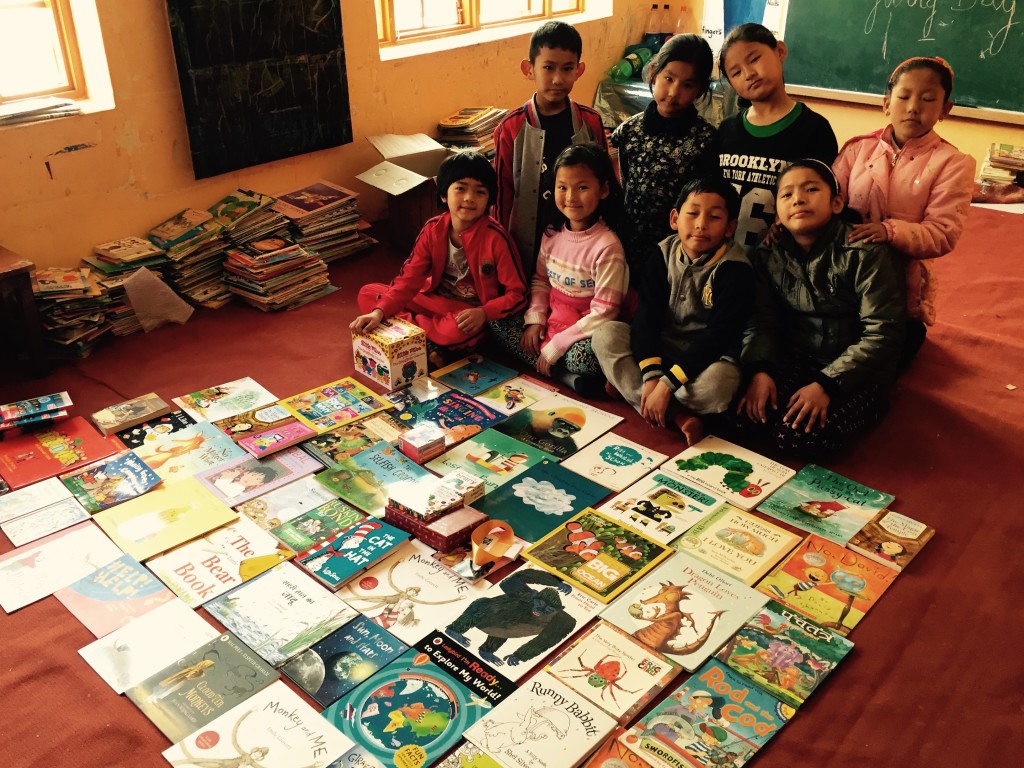
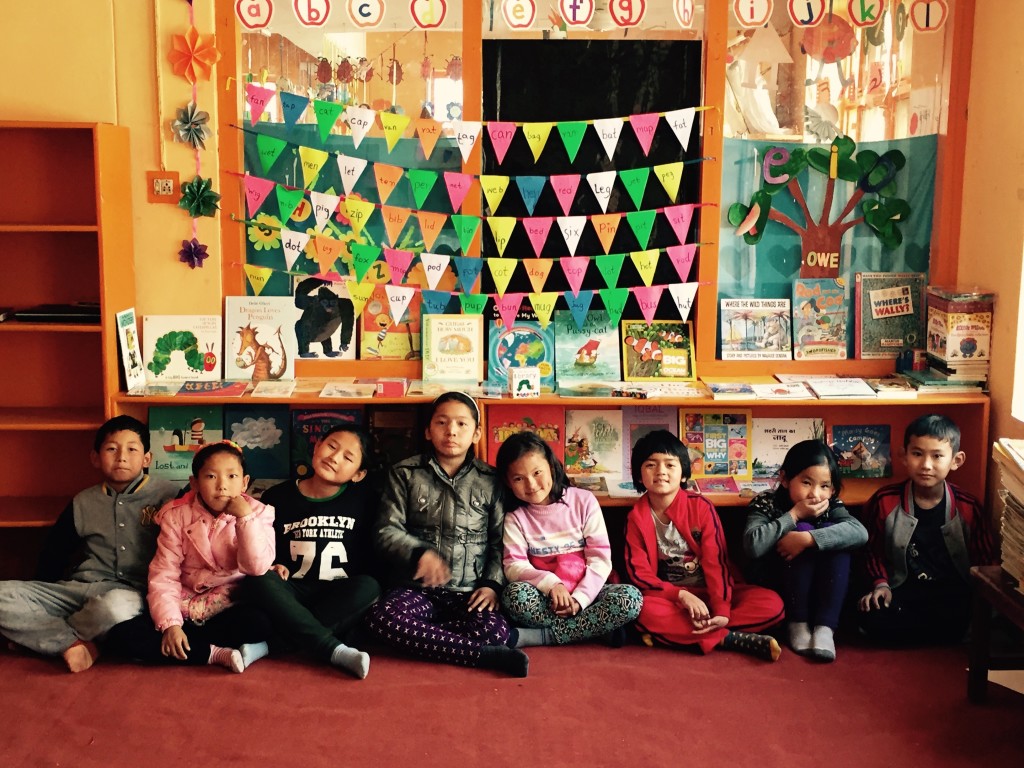
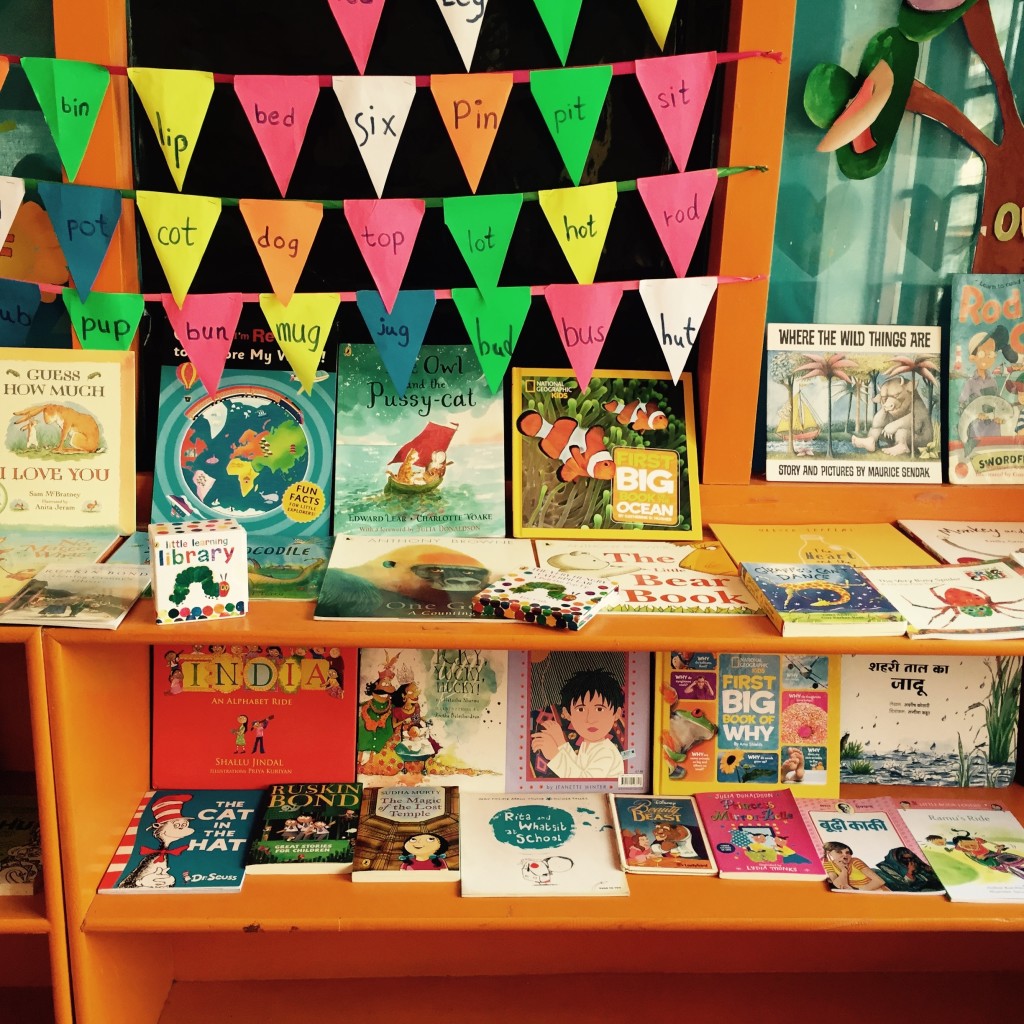
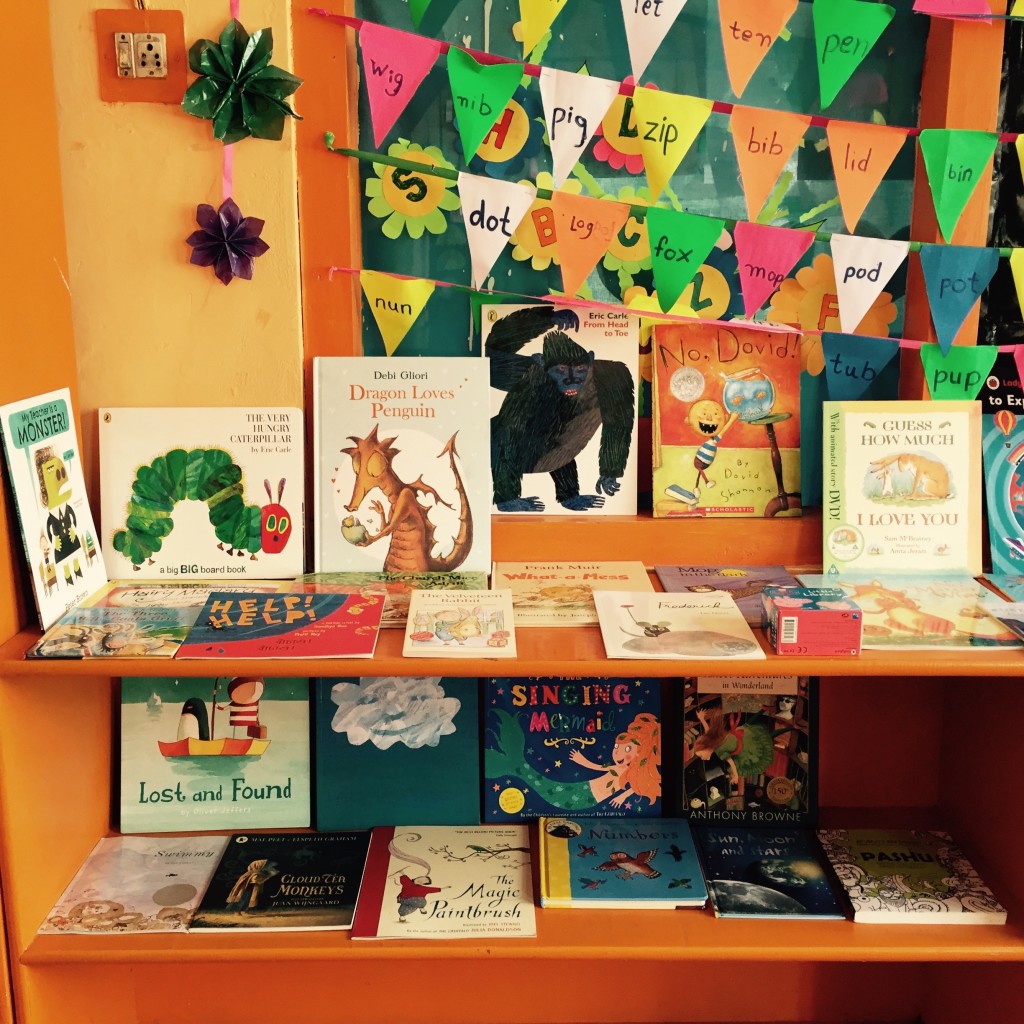
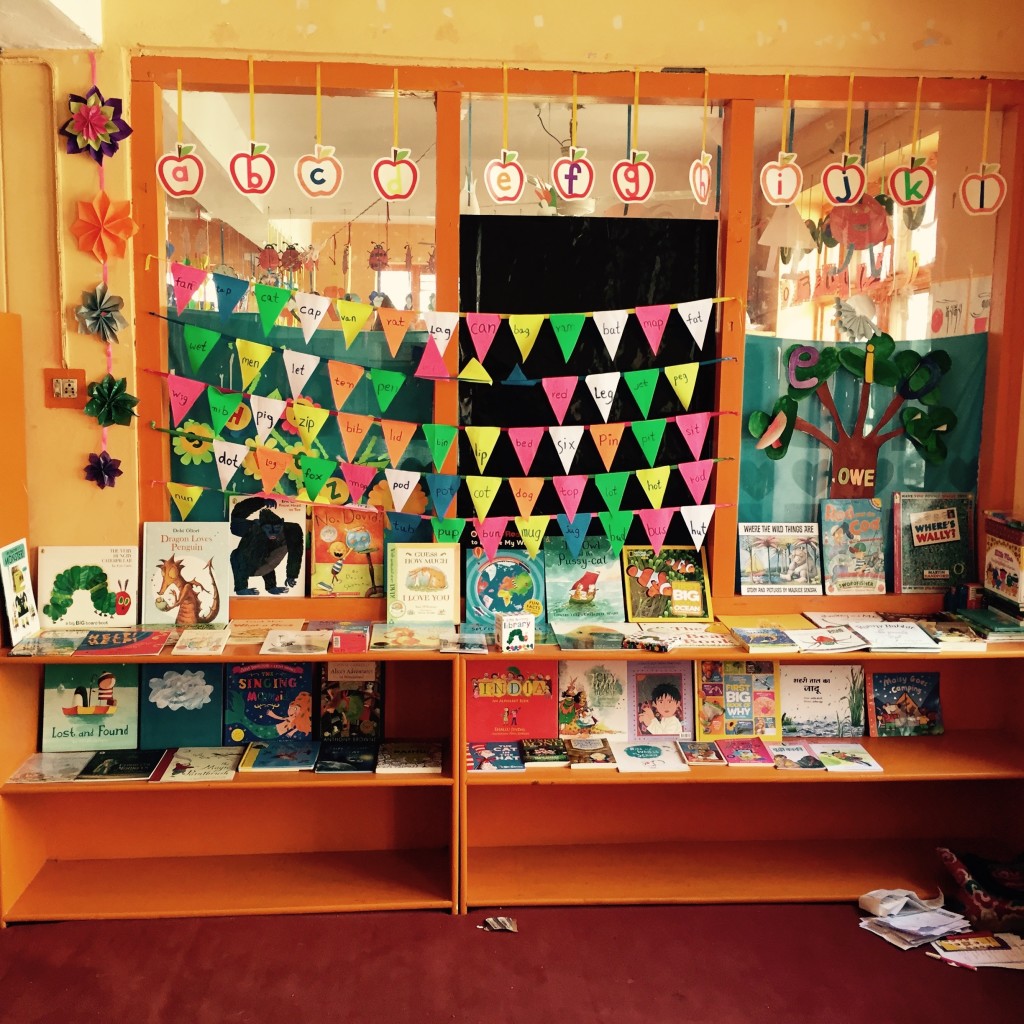
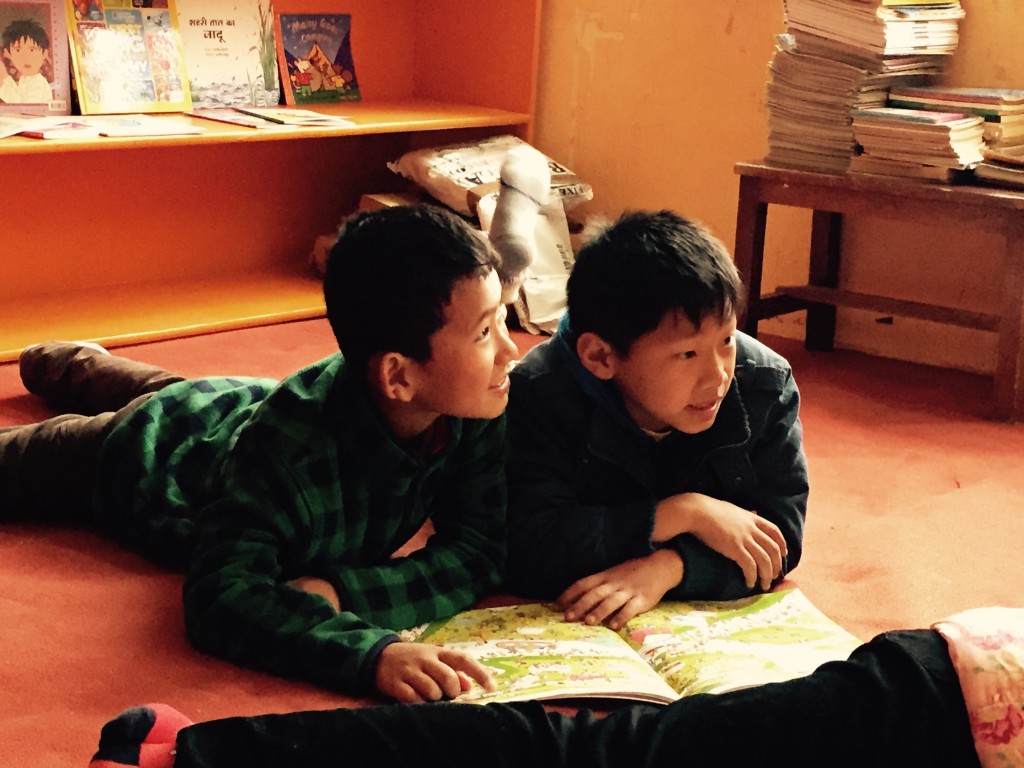
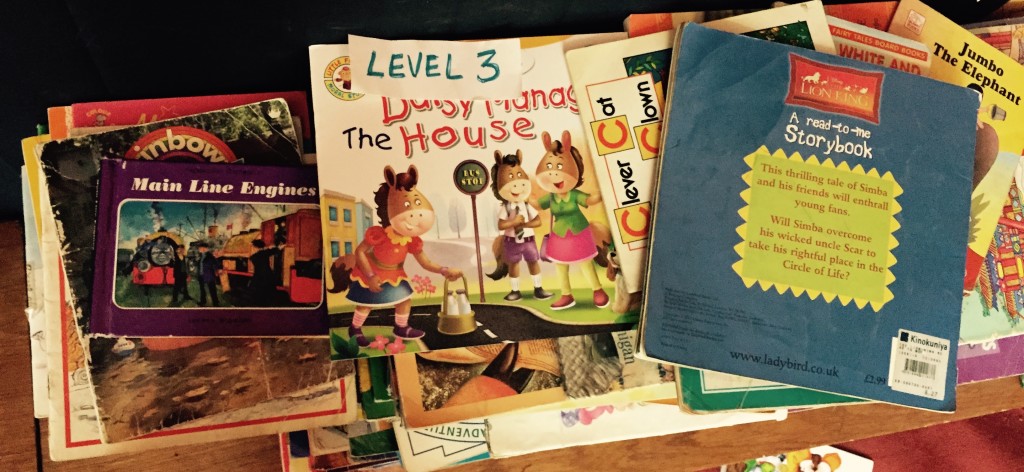
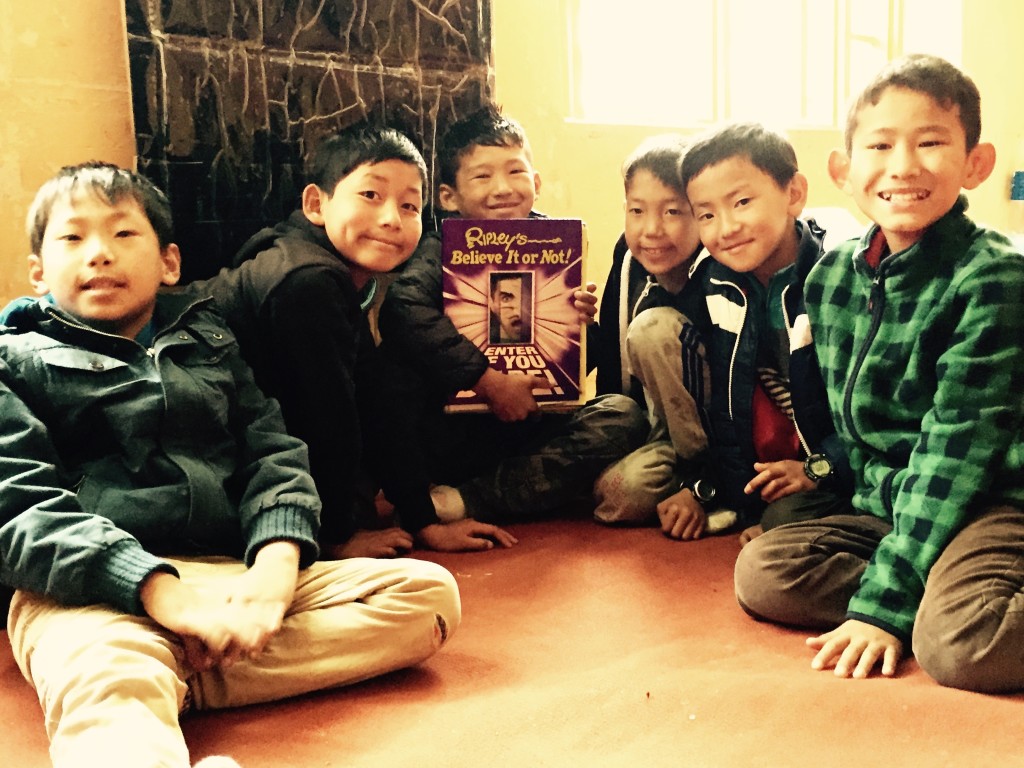
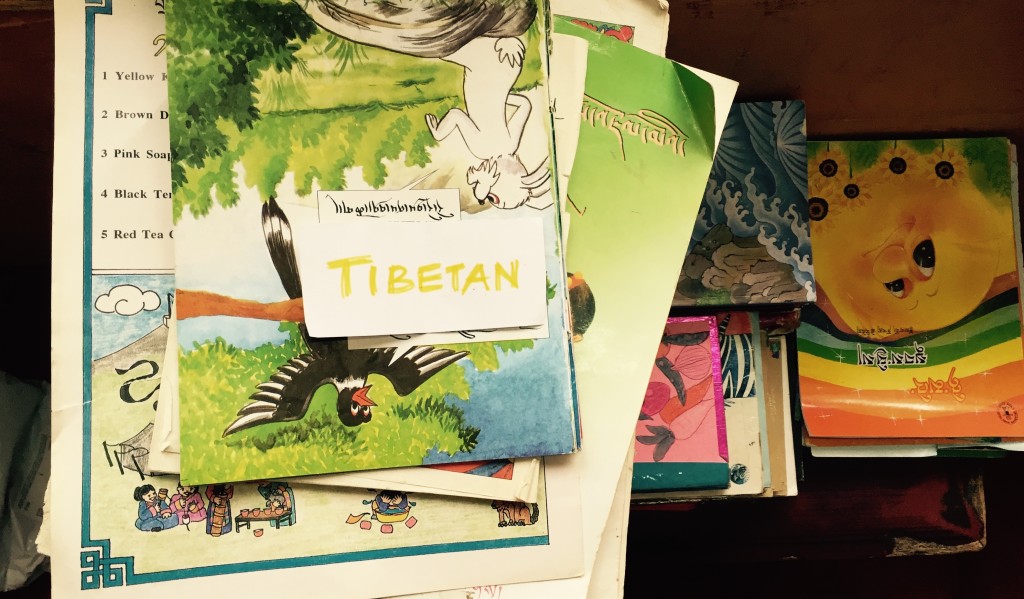
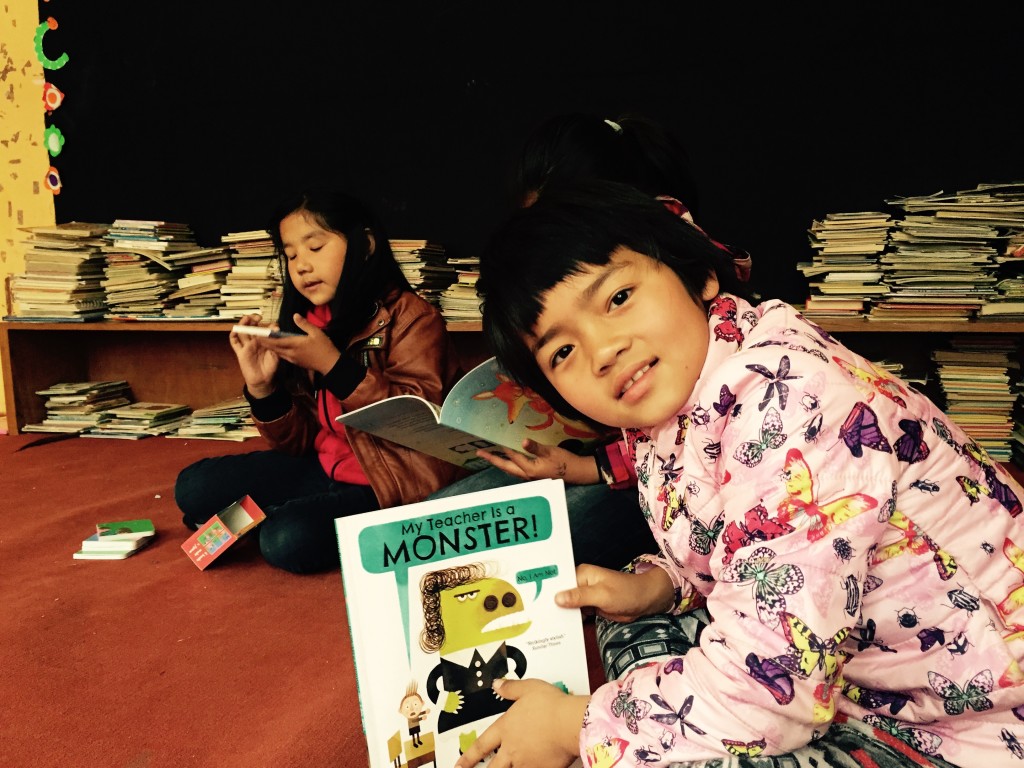
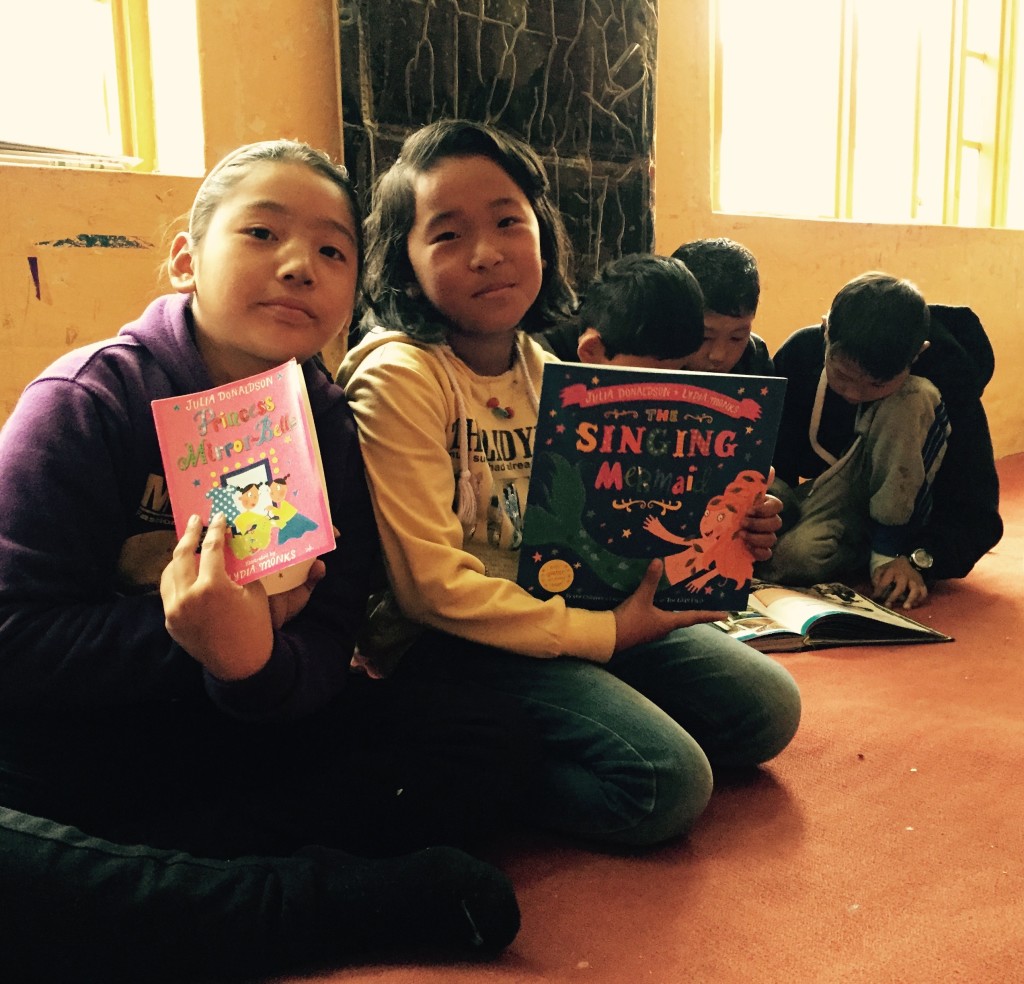
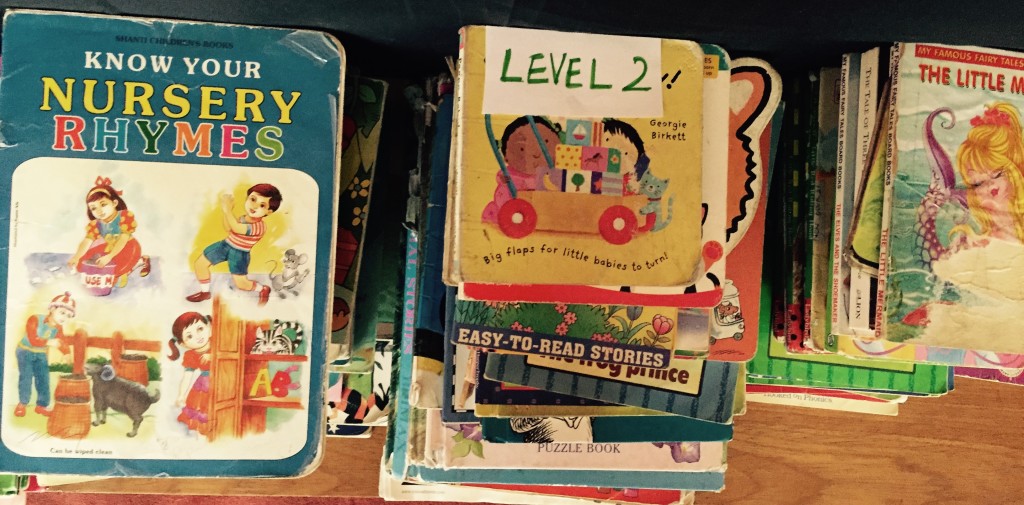
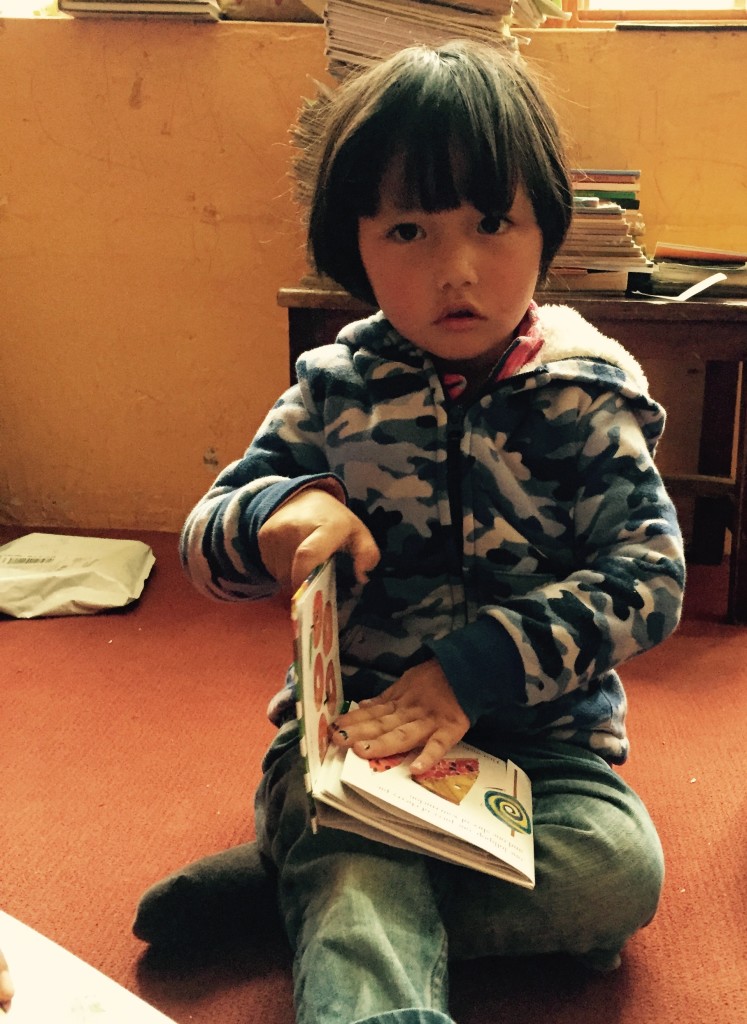
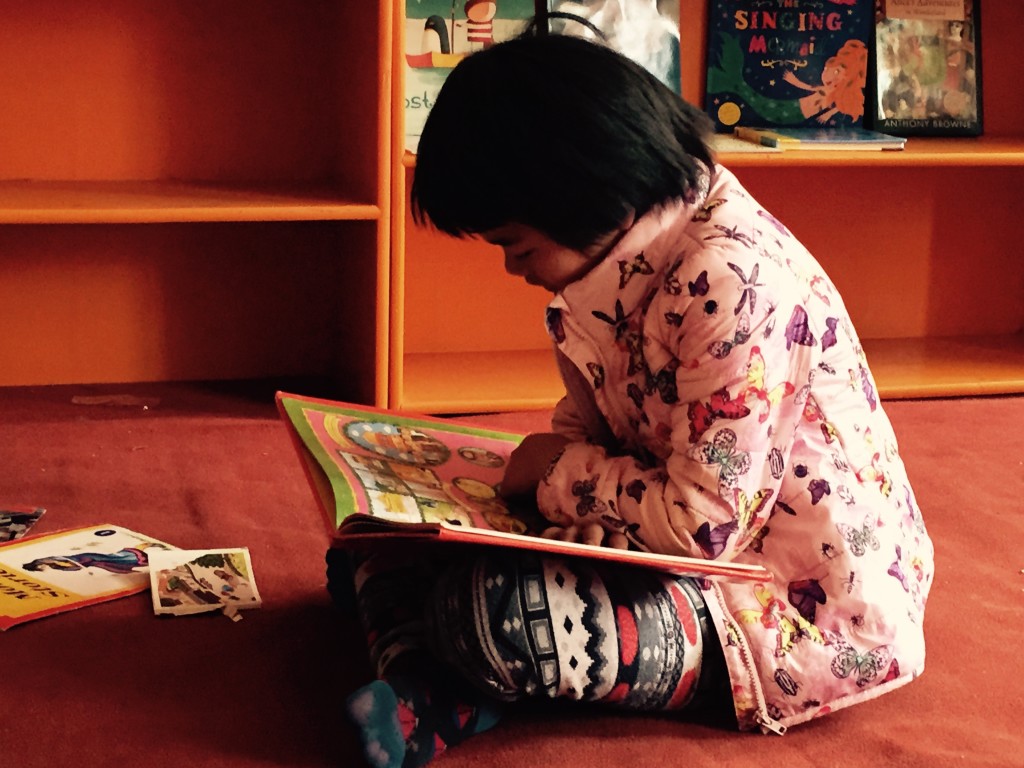
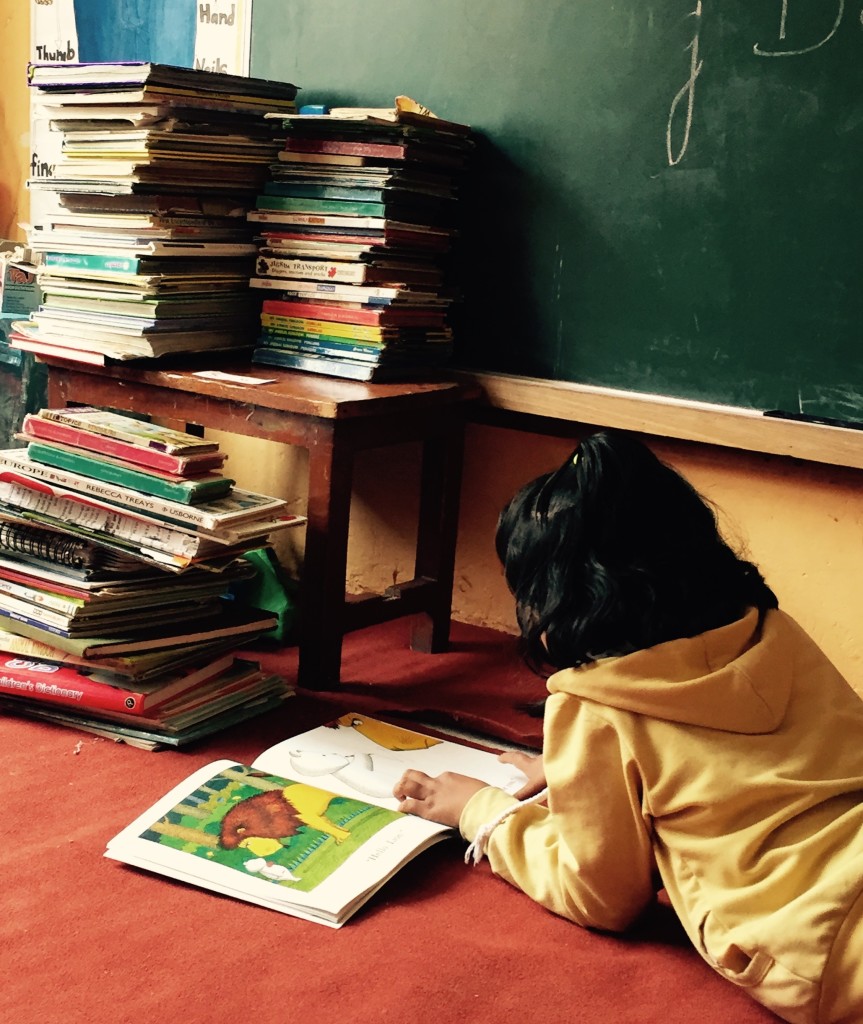
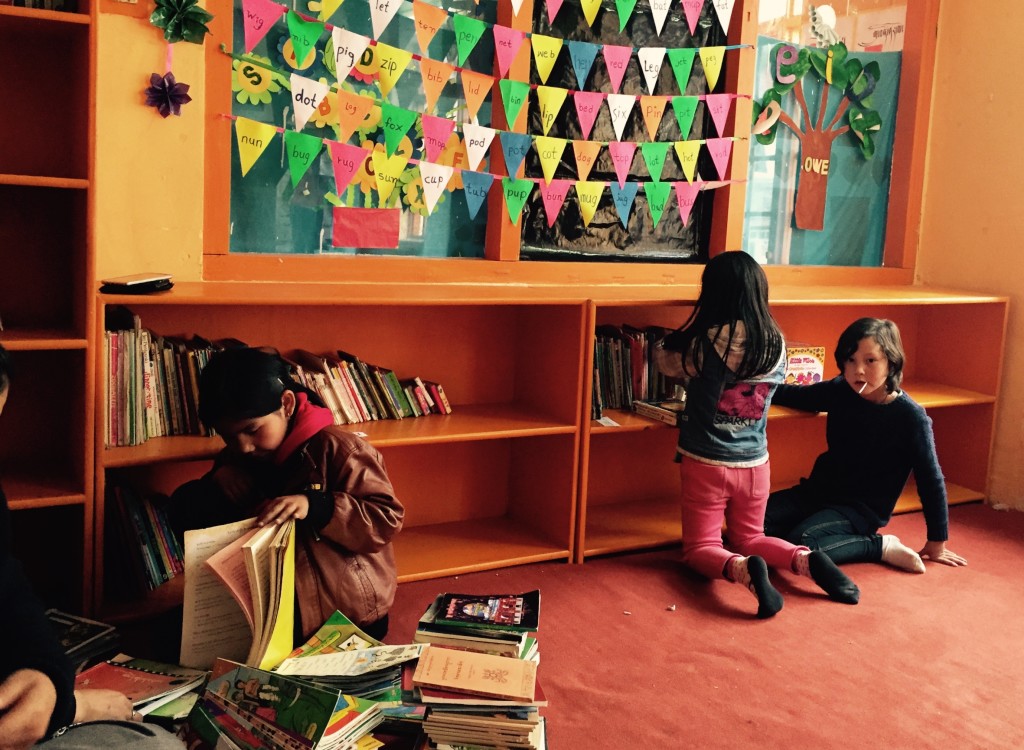
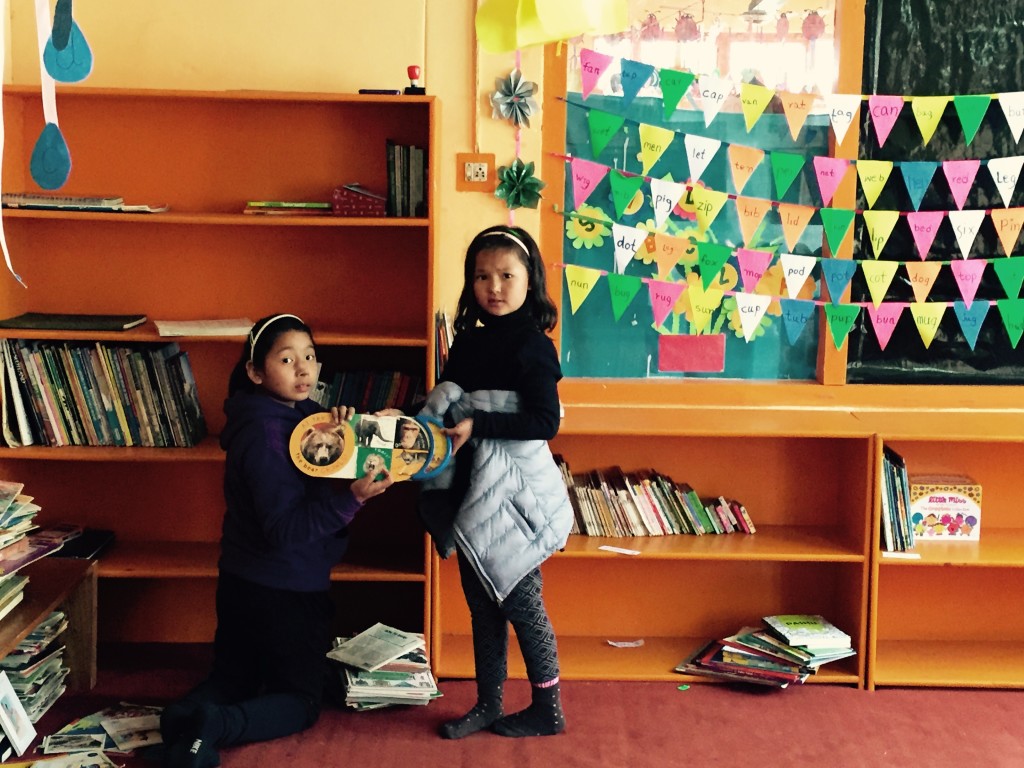
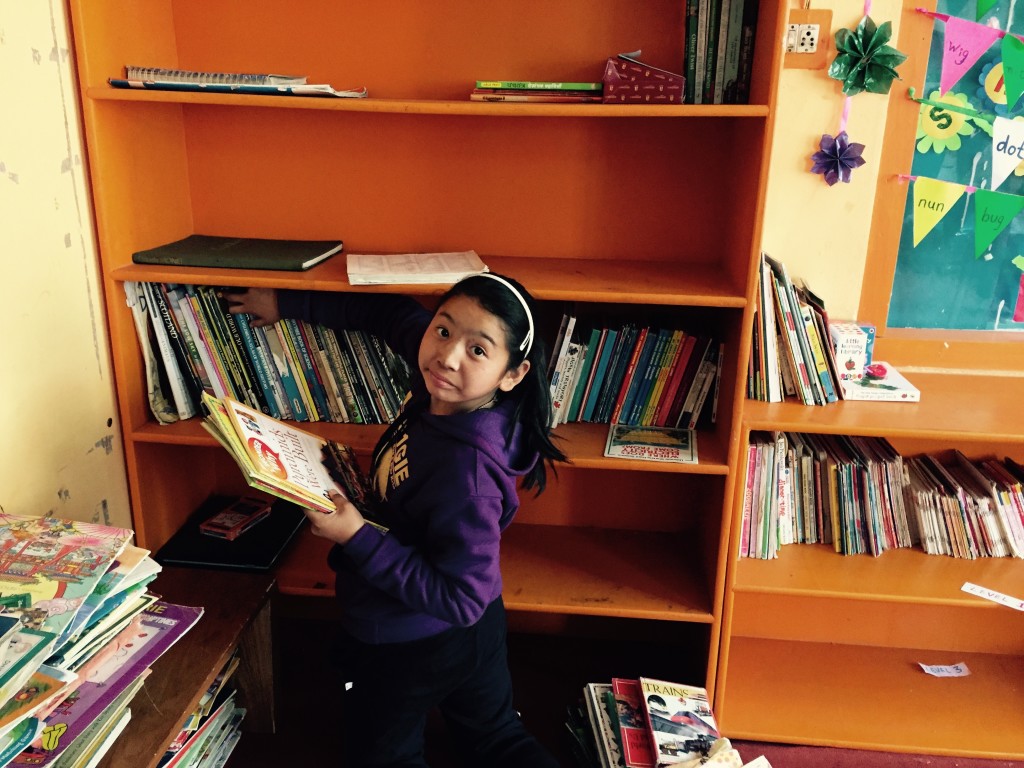
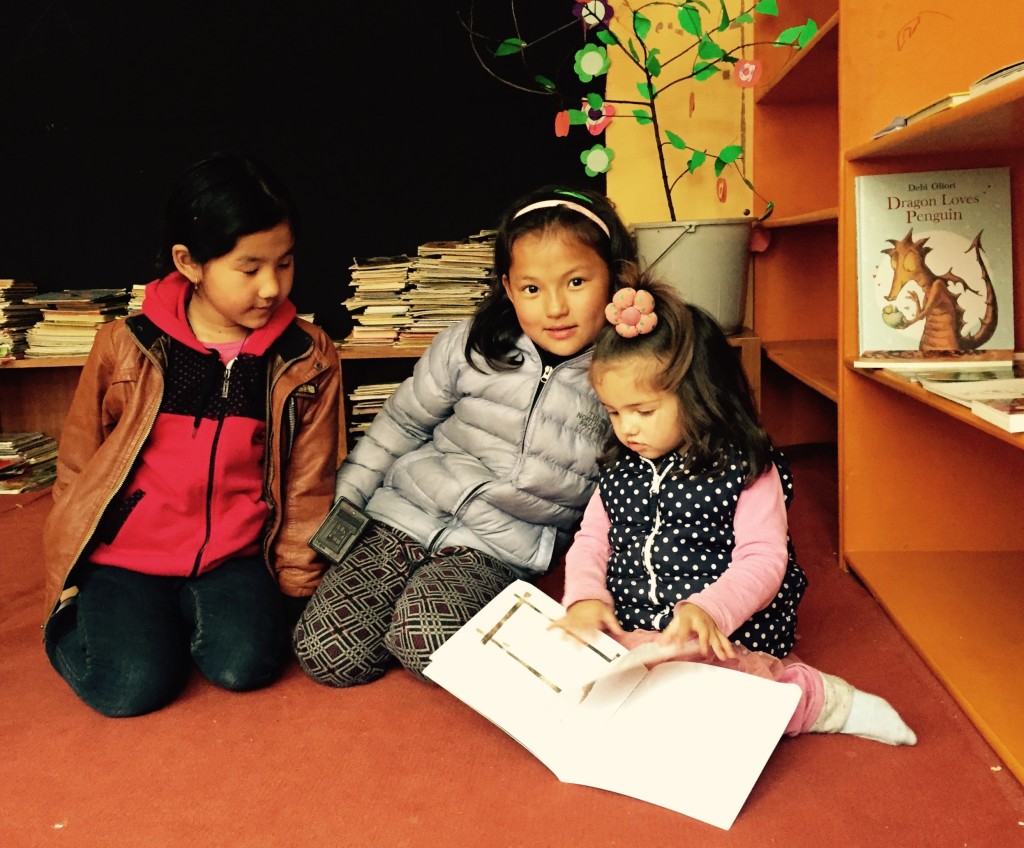
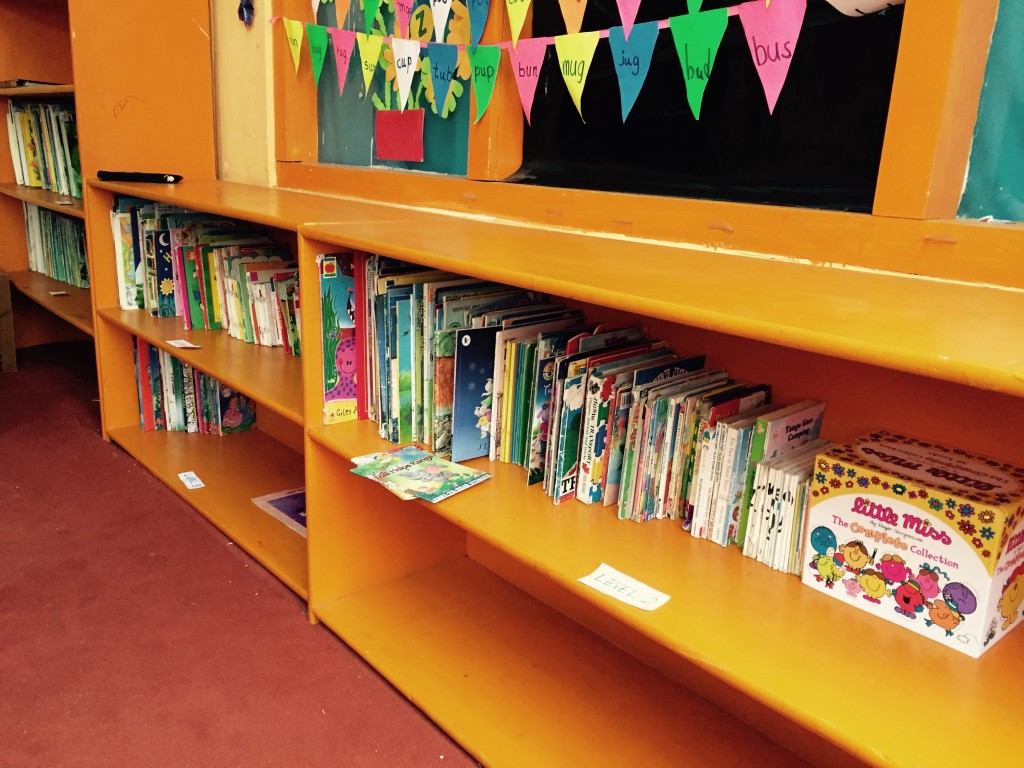
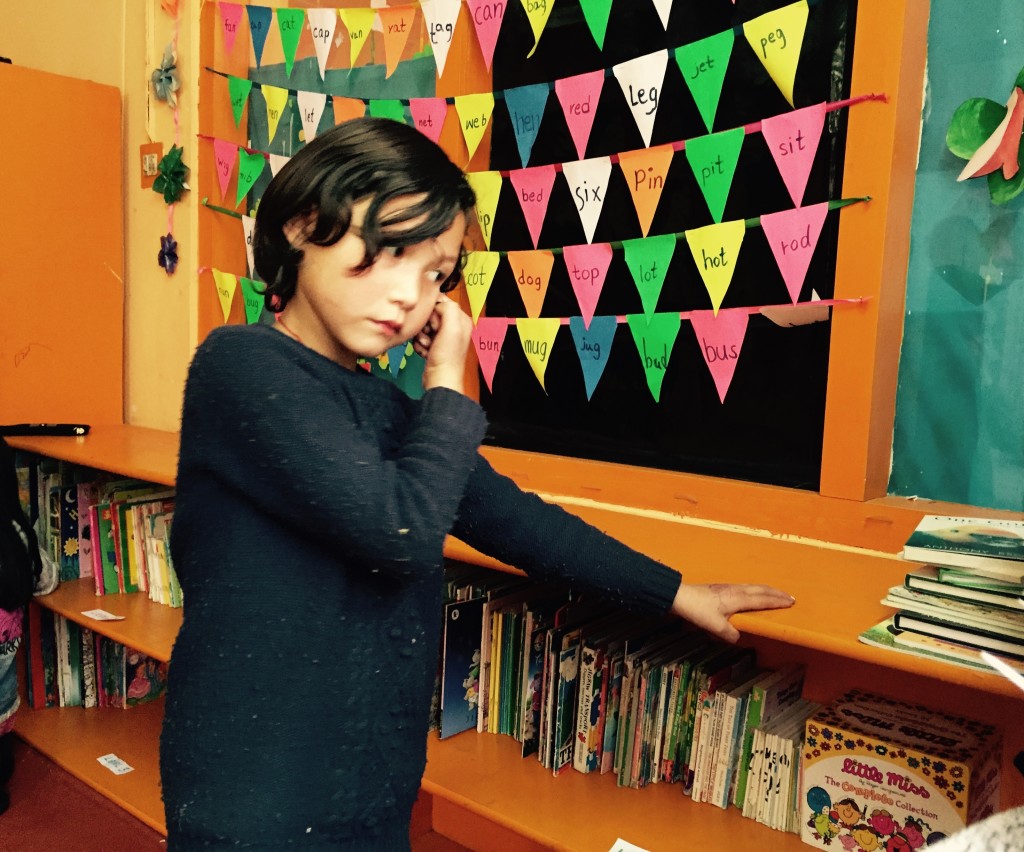
For Avalokiteśvara Trust, whose work supports children and young monks through reading rooms, book drives, and educational, artistic and musical activities, that second life unfolded in Ladakh. The piano sat inside a reading room where books already encouraged imagination. Music added another route into the same world, helping shy participants become listeners, learners and confident young performers.
A gift travels farther than its price
The instrument was an upright piano from an Australian household. Its finish was scratched, one pedal needed attention, and its tone had the slightly uneven character of a piano that had been played rather than stored. Those qualities did not count against it. For the children who would use it, a robust and repairable instrument was more valuable than a polished one.
Getting it to Ladakh required planning. Professional piano movers prepared it for the journey, local transport covered the final route, and the receiving community made space for storage and regular practice. The support of a skilled piano technician in Australia helped select the instrument and document its condition before dispatch. Such preparation matters because a donated piano is a heavy, delicate object that cannot simply be placed on a vehicle and expected to arrive ready to play.
What arrived was the beginning of the project, not the whole project. Local teachers and families agreed on rehearsal times, identified young people who could learn basic maintenance, and set aside funds for tuning and replacement parts. The piano belonged to the community’s music program in practice, even though it had been given by someone thousands of kilometres away.
The first morning of shared music
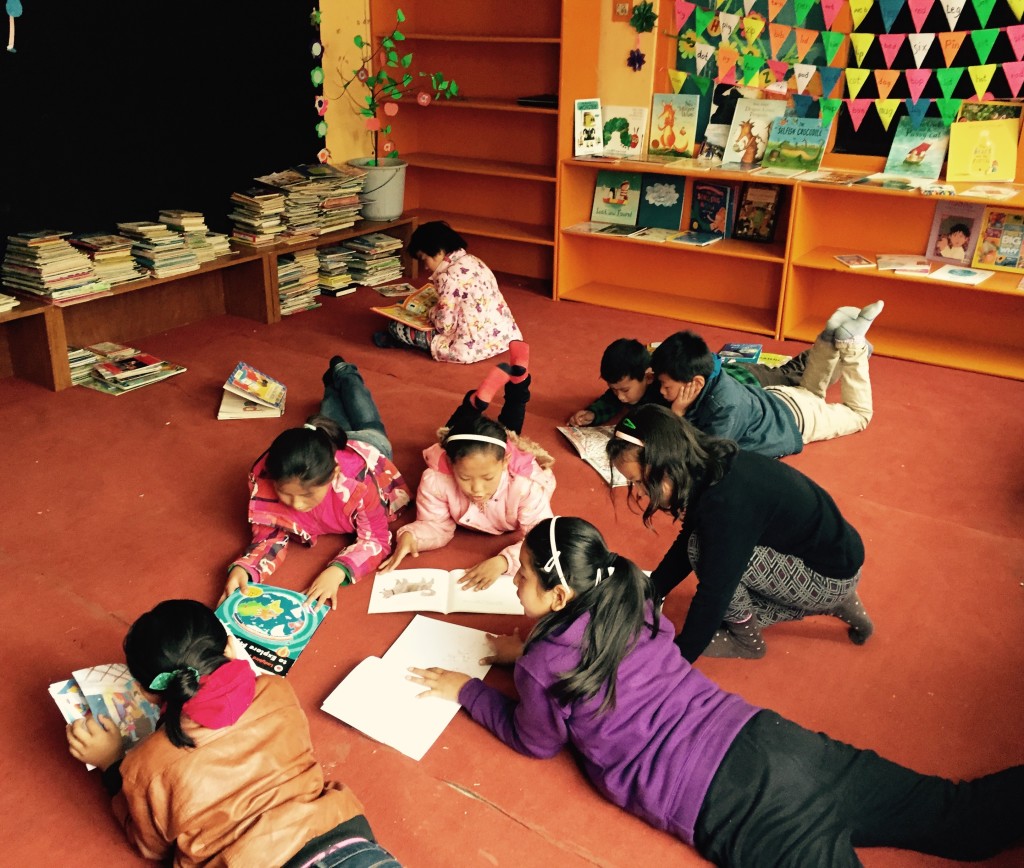
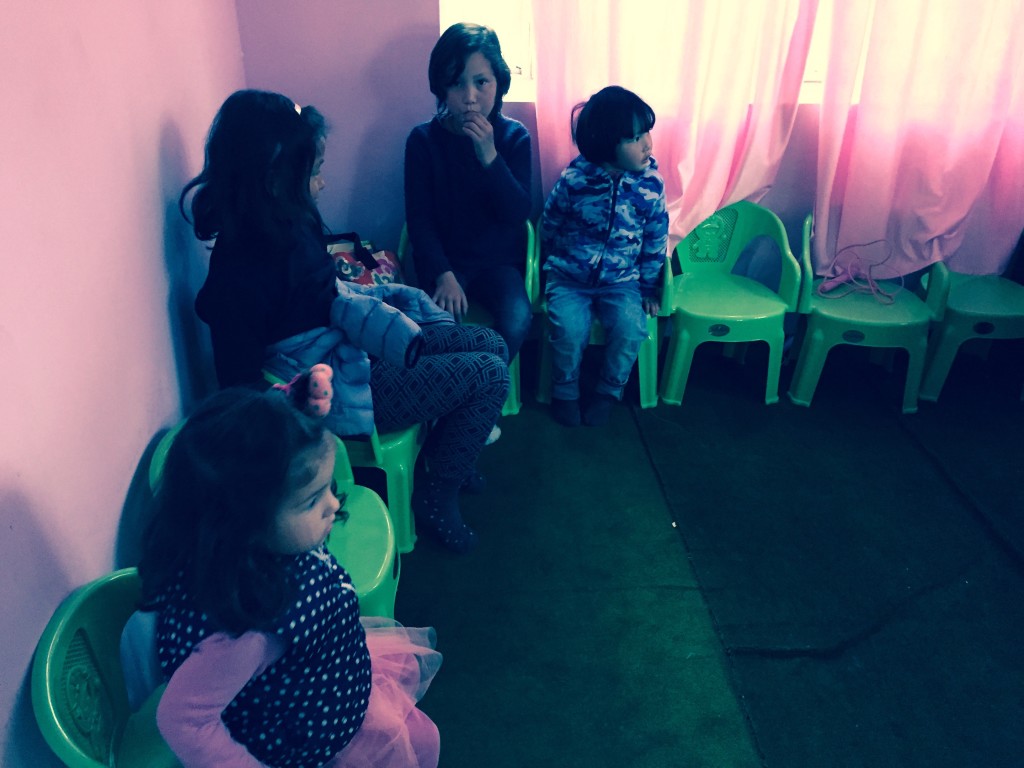
On the first morning, the reading room filled with hesitation as well as curiosity. Children sat near the walls while a local teacher opened the music, tested a pedal and played a simple melody. Someone clapped the rhythm, another child smiled, and the first song brought several voices into the room.
The early repertoire came from what the participants already knew. Folk songs, devotional pieces and simple instrumental tunes gave children an immediate way in. Over time, they learned about pulse, dynamics and notation, while the teacher used the keyboard to connect written music with sound. Younger children could join through clapping, counting and movement even before they read a note.
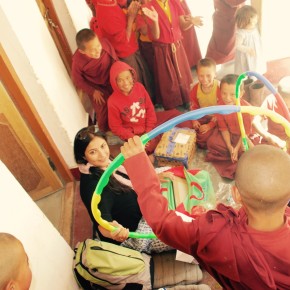
The wider value of the program became clear as participation grew. Children who arrived quietly began helping others find songs, younger monks gained confidence in group singing, and reading exercises acquired a practical musical purpose. The room’s books and the piano now reinforced each other: stories stimulated songs, while songs brought listeners back to the stories.
This approach reflects the value of community-led giving, where donated resources are most durable when local people determine what is needed and how it should be used. The piano supplied an opportunity; the community supplied the purpose.
The reading room becomes a village gathering place
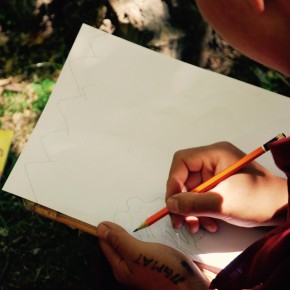
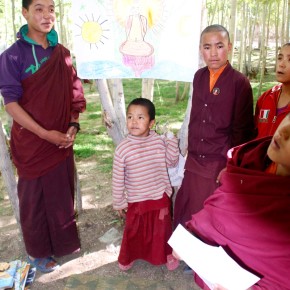
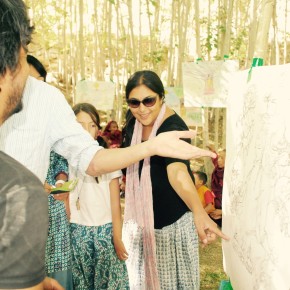
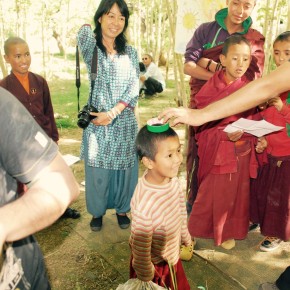
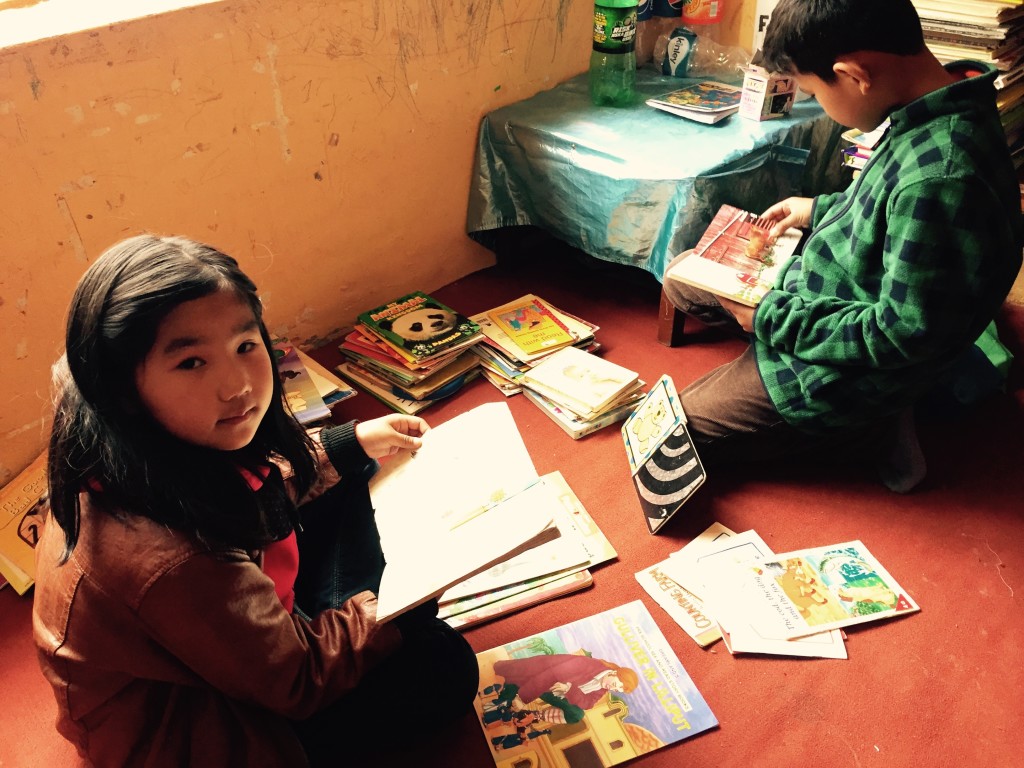
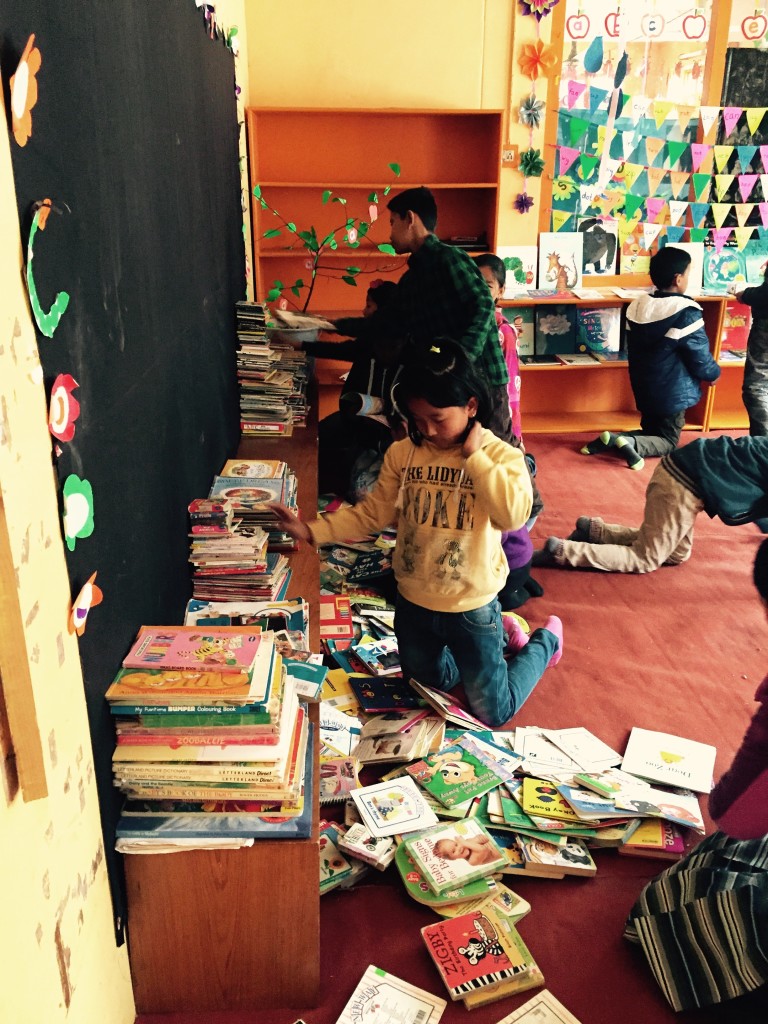
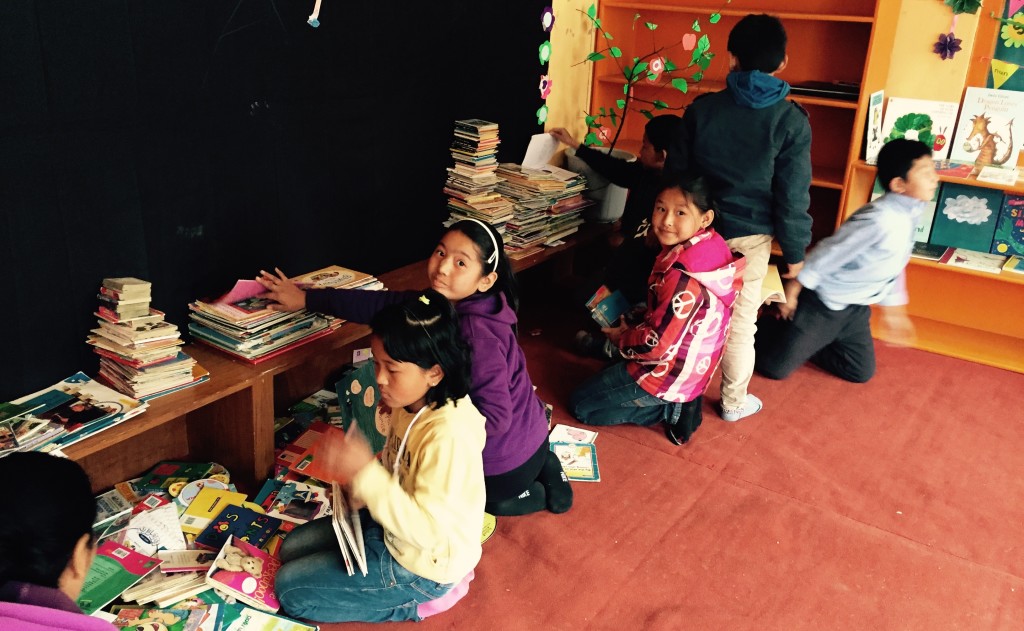
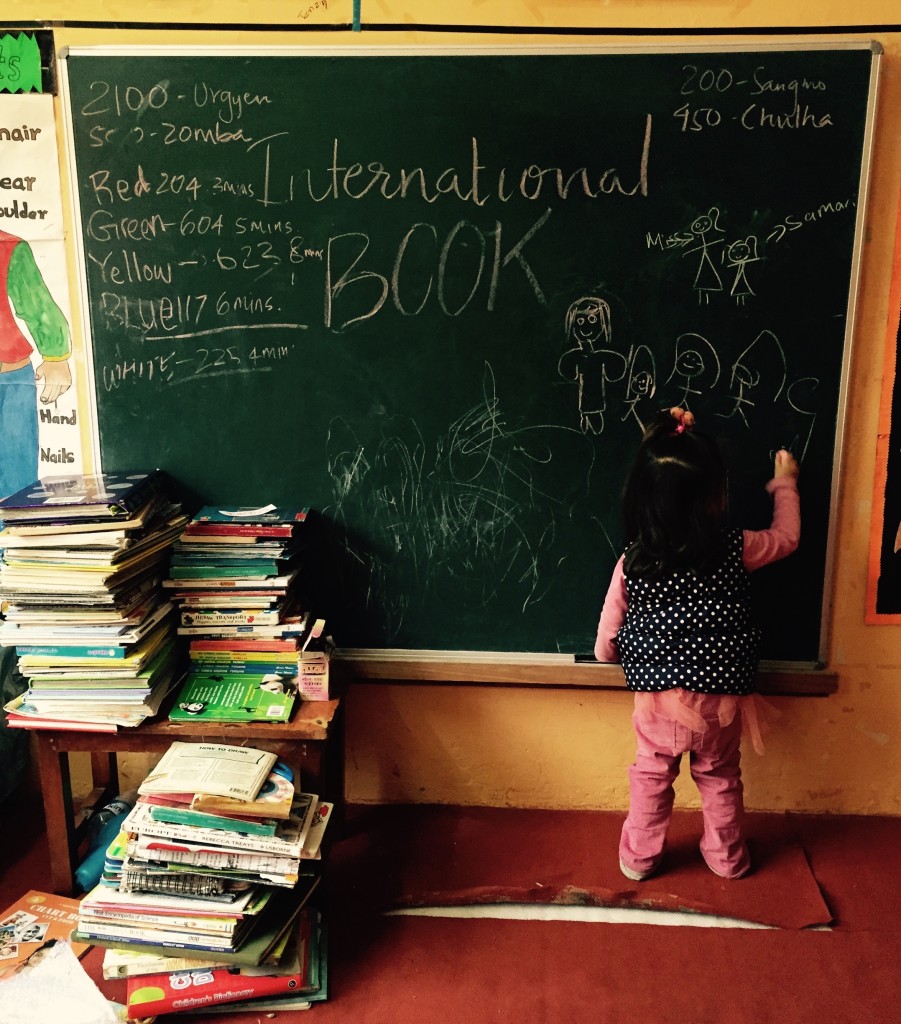
Weekly rehearsals gradually turned the reading room into more than a classroom. Families attended, elders shared songs from their own childhoods, and children performed short pieces for visitors. At the same time, the room continued to function as a library and creative space. Books were read aloud, stories inspired drawings, and instruments were made from simple materials.
The piano also changed how quiet activities were perceived. A child waiting for a turn at the keyboard had a role. A shy reader could accompany a familiar tune. Someone who did not want to perform alone could join a chorus. Music created entry points for different ages and abilities without requiring every participant to become a solo performer.
Regular gatherings made the instrument part of village life rather than a special event brought in from elsewhere. Teachers noticed improved listening and concentration, while families saw the room become a place where learning, creativity and conversation overlapped. The strongest sign of success was not a single concert. It was the dependable rhythm of children arriving, opening books, tuning instruments and beginning the next session.
Lessons for Australian supporters
Australian philanthropy offers several familiar routes for helping community projects: one-off donations, regular giving, tax-deductible gifts, workplace contributions and grants from councils or community foundations. Melbourne and Sydney have active second-hand instrument markets, while regional towns often rely on volunteer-run community halls and local piano technicians. These networks can provide practical value that extends beyond the purchase price of an instrument.
The market also shapes what responsible support looks like. Australian supporters are often direct about limitations: “Can someone service it in Leh?” “Will the room stay dry?” “Who handles customs and freight?” A donated Australian piano may need time to acclimatise to Ladakh’s dry winter air, and a replacement part may take weeks to arrive. Freight can cost almost as much as the instrument, so funding transport and maintenance is often more useful than buying a cheap piano.
Avalokiteśvara Trust’s experience with reading rooms, book drives and activities for children and young monks is valuable here. It helps supporters understand that success depends on local knowledge, reliable routines and the participation of children, families and teachers from the beginning.
Signs of a useful musical partnership
- Local teachers choose the repertoire and rehearsal schedule.
- Children receive roles that suit their interests and abilities.
- The instrument has a safe home and a documented care routine.
- Books, art and music activities reinforce one another.
- Community members can explain the program in their own words.
Support that travels well
- Ask about freight, customs, insurance and delivery before purchasing.
- Fund a technician or local tuner as well as the instrument itself.
- Include a maintenance reserve for strings, pedals and tuning.
- Use workplace giving or community grants for larger transport costs.
- Match volunteers with defined tasks agreed with the local team.
The sound carried forward
As the program settled into its routine, the piano began showing its age. Pedals needed adjusting, a key had to be regulated, and the action required careful cleaning. None of these repairs undermined the idea that had brought the instrument to Ladakh. They revealed something more useful: a community now understood that caring for a shared instrument was part of sustaining the program.
The contrast between an isolated donation and a durable program became increasingly clear. The instrument had arrived as a gift, but its lasting value came from the relationships, skills and routines surrounding it. The village could maintain the music program because local people had learned to manage both the visible and invisible parts of it.
| A donated piano alone |
A lasting village music program |
| Arrives without local instructions |
Begins with a plan shaped by teachers and families |
| Depends on occasional visitors |
Develops skills and leadership within the community |
| Stays idle between events |
Supports regular reading, rehearsal and performance |
| Risks breakdown and neglect |
Includes tuning, repairs and a care routine |
| Symbolises generosity |
Becomes a shared tool for learning and connection |
The story should be remembered as a story of stewardship: a donated instrument became valuable only when local people decided how it should sound, who should use it and how it should be cared for. The piano became the emblem, but the village music program was the real legacy, demonstrating that useful generosity begins with listening and grows through shared responsibility.