A donated globe’s journey from New York to Ladakh
A globe is usually a quiet classroom fixture, used to check a capital city or explain why the seasons change. This one had already taught a generation of children in New York before it crossed an ocean and became a shared reference point in a school in Ladakh. Its scratched surface and patched cradle were not discarded; they became evidence of a longer story about care, curiosity and the value of useful objects.
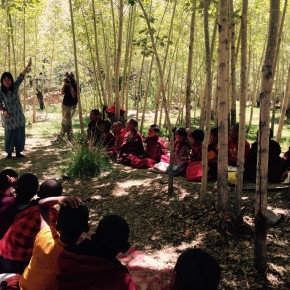
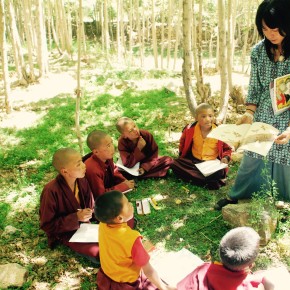
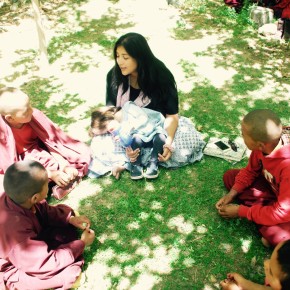
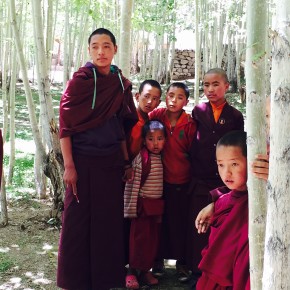
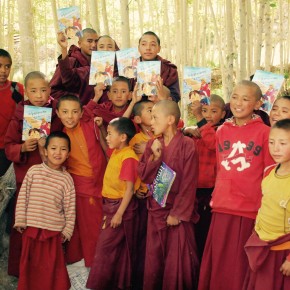
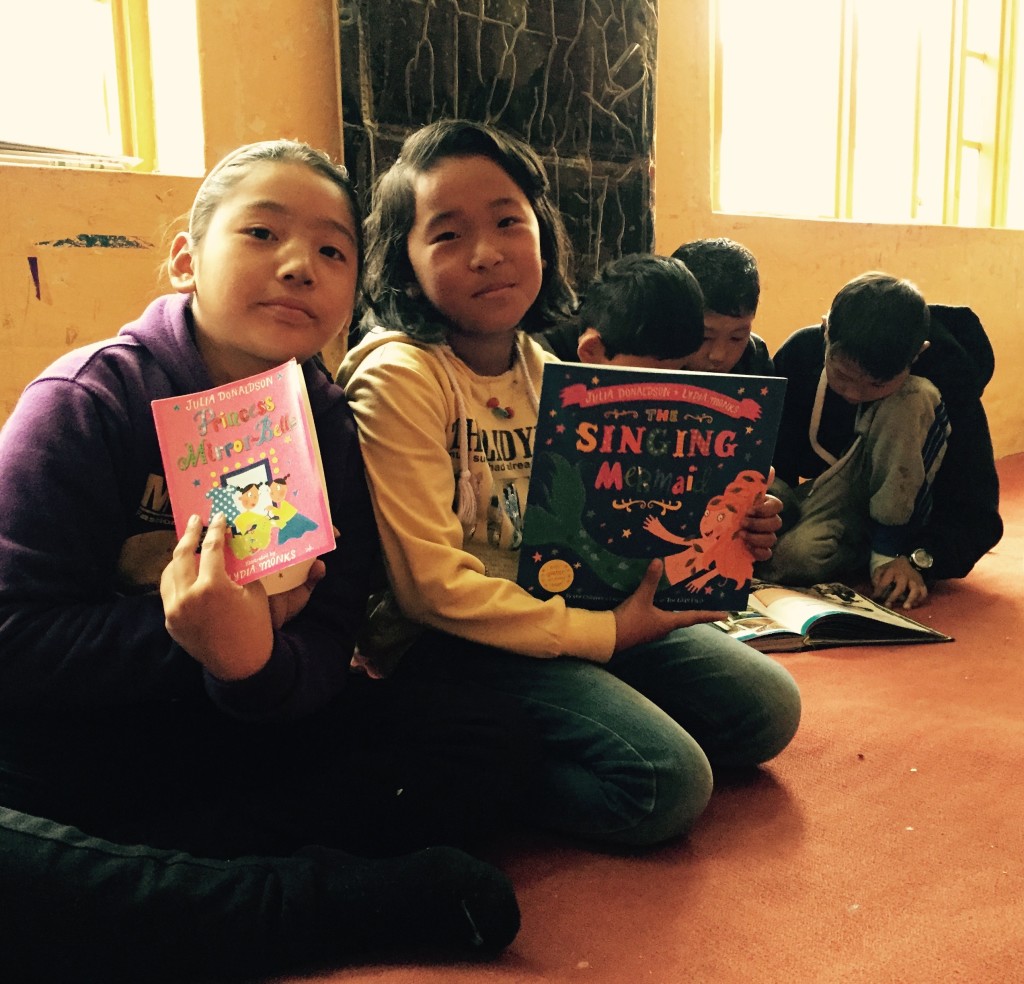
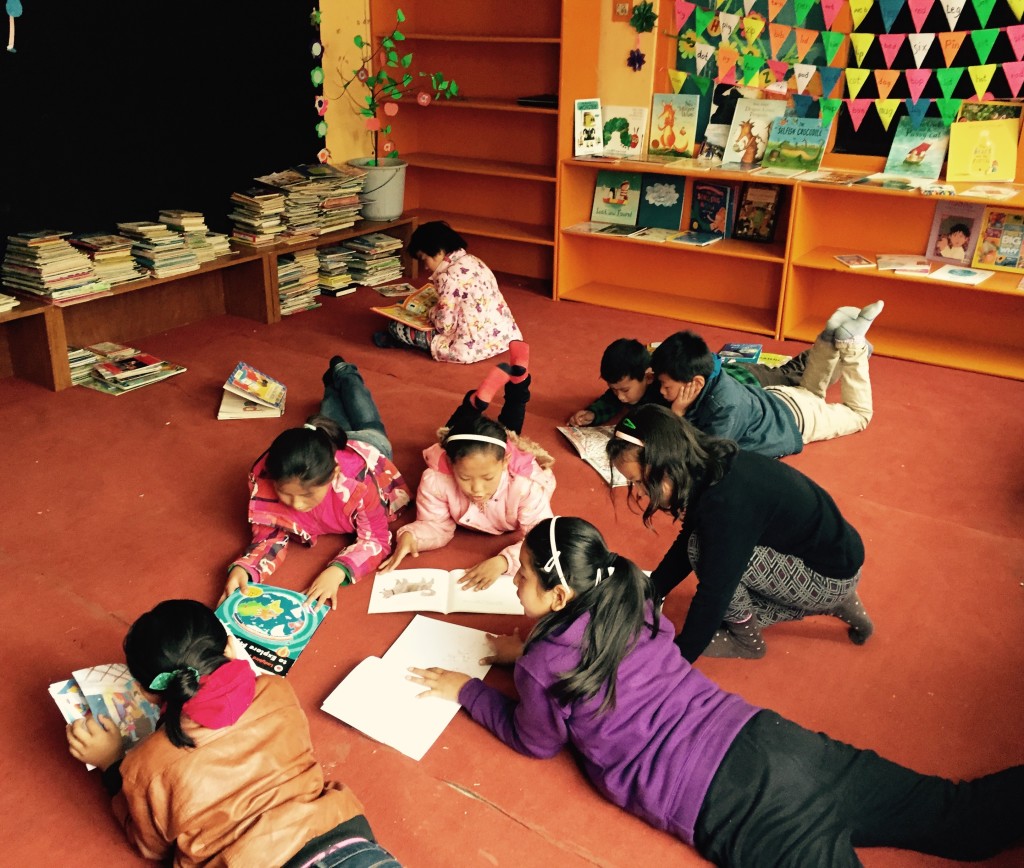
The donation began when a family in New York cleared a child’s old study corner. A retired classroom globe had survived years of fingers, chalk dust and cheerful handling, but its storage case no longer closed properly. Instead of sending it to a local resale shop, the family looked for a place where a physical globe could still support learning. Through the Avalokiteśvara Trust’s network of supporters, the globe was offered to a school in Ladakh, where children and young monks were already gathering for reading and creative activities.
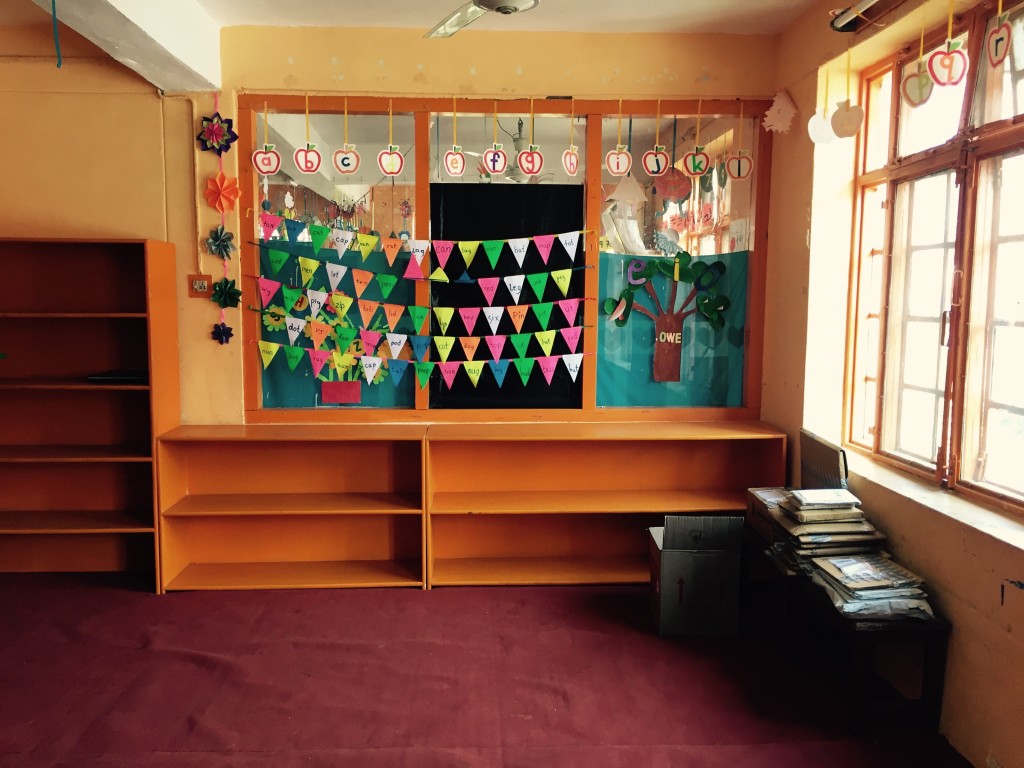
Travel took it from New York to Delhi and onward to Leh, the main gateway to Ladakh. The journey was practical rather than ceremonial: the globe travelled in protective packing, with a contact note inside its case and a record of every handover. At the receiving school, it was checked, positioned on a stable stand and given a place in the reading room. Its first new lesson was immediately visible: the route on its surface connected an ordinary New York household with a high-altitude Himalayan community.
From a New York classroom to the mountains
The globe had not been purchased for the expedition. It was a working classroom object in New York, retired when its school reorganised its library. The family considered its weight, balance and worn labels part of its biography rather than flaws to erase. Preserving those marks mattered because children could see that objects carry histories, even when the story behind them is no longer obvious.
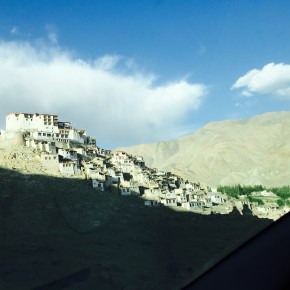
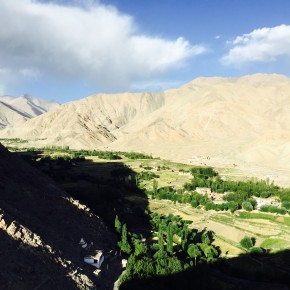
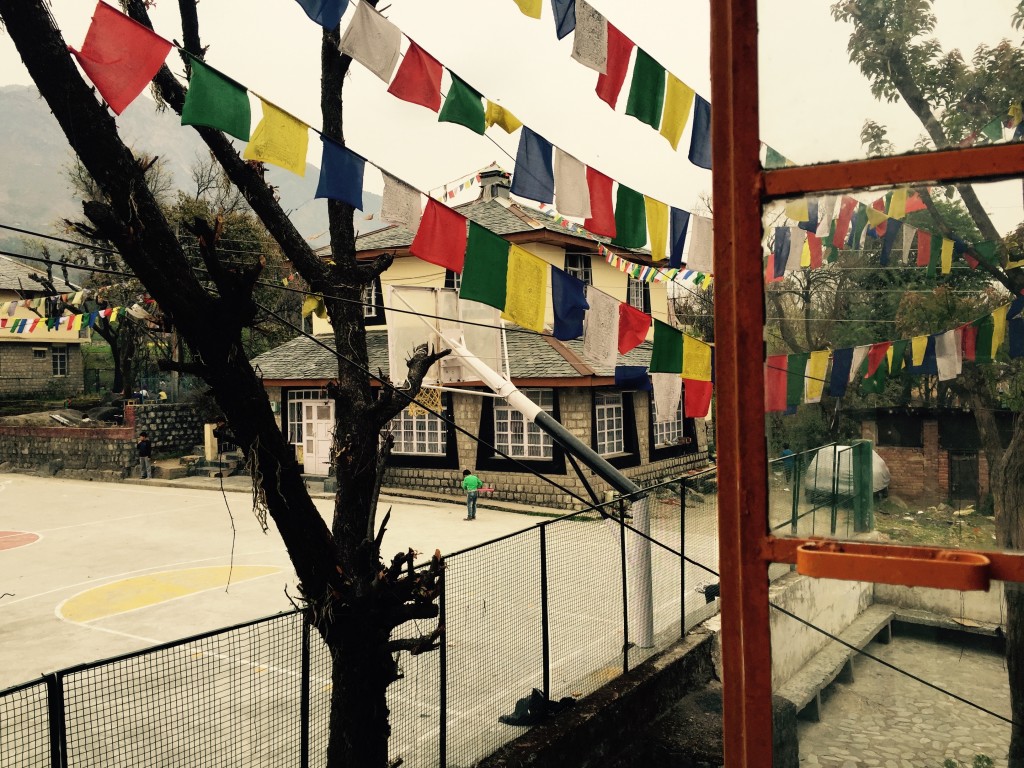
Leh sits at roughly 3,500 metres above sea level, where strong sun, dry air and severe winters shape daily life. Against that landscape, a globe of oceans and continents offered more than decoration. It helped learners place their own valley within a wider world and compare distances, climates and routes. For children accustomed to reading stories aloud, the globe also became a prompt for questions that a map alone could not hold.
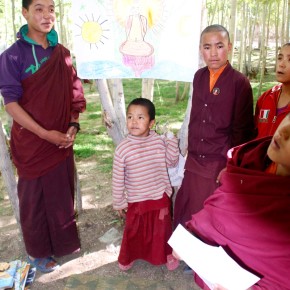
Arrival required more than opening a carton. The receiving coordinator checked the globe for loose hinges, turned its rings gently and secured the base. Children later pointed out New York, Delhi and Leh, learning that long journeys can be traced through small shared labels. A classroom resource donated across thousands of kilometres had acquired a new community, and the children’s use of it was the clearest sign that the handover had succeeded.
Why a physical globe still matters
Digital maps are excellent at zooming, routing and satellite imagery. A physical globe answers different needs. Tilting it makes the planet’s tilt tangible; tracing its curves encourages an understanding of scale; and handling it gives geography a weight that a flat screen cannot. The donated globe therefore sat beside books rather than replacing them, turning abstract coordinates into an object a learner could hold, rotate and discuss.
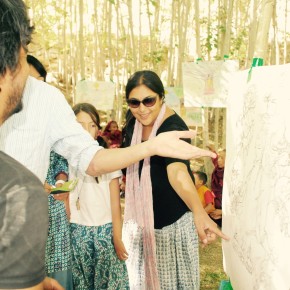
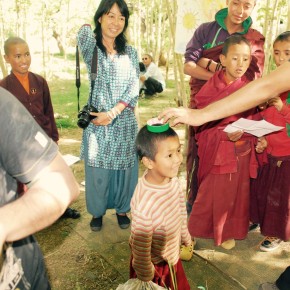
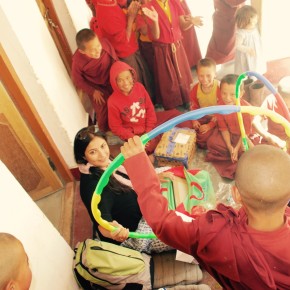
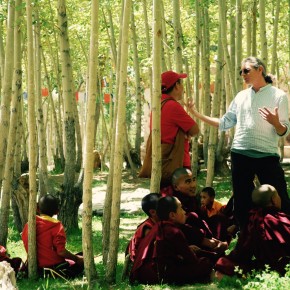
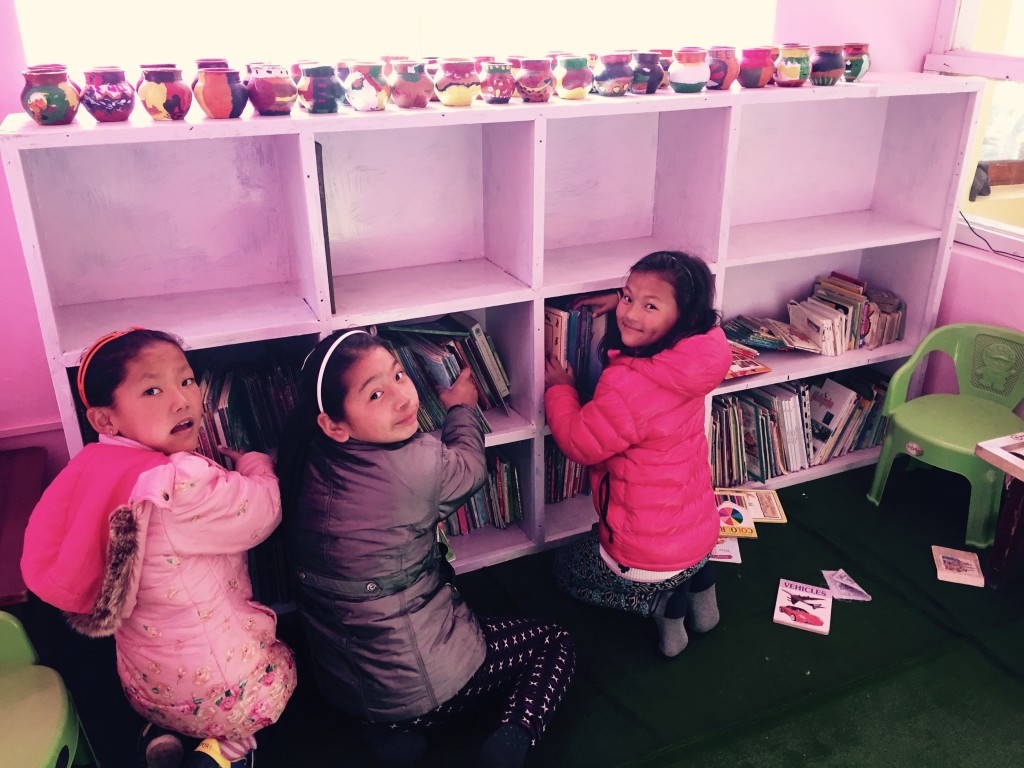
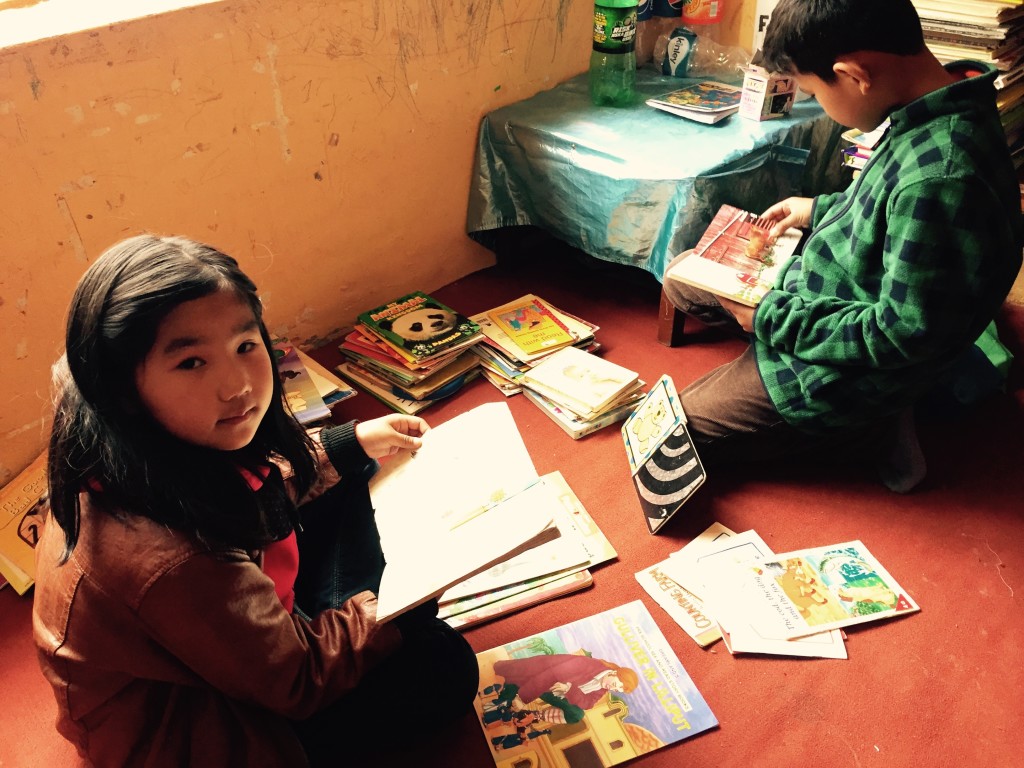
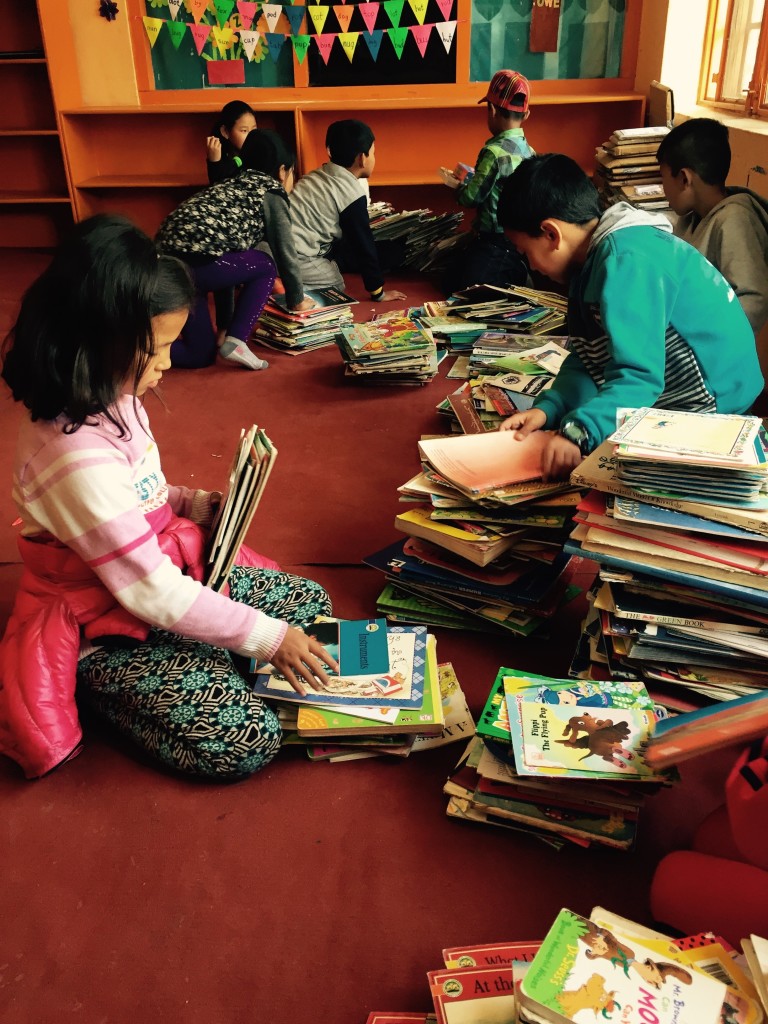
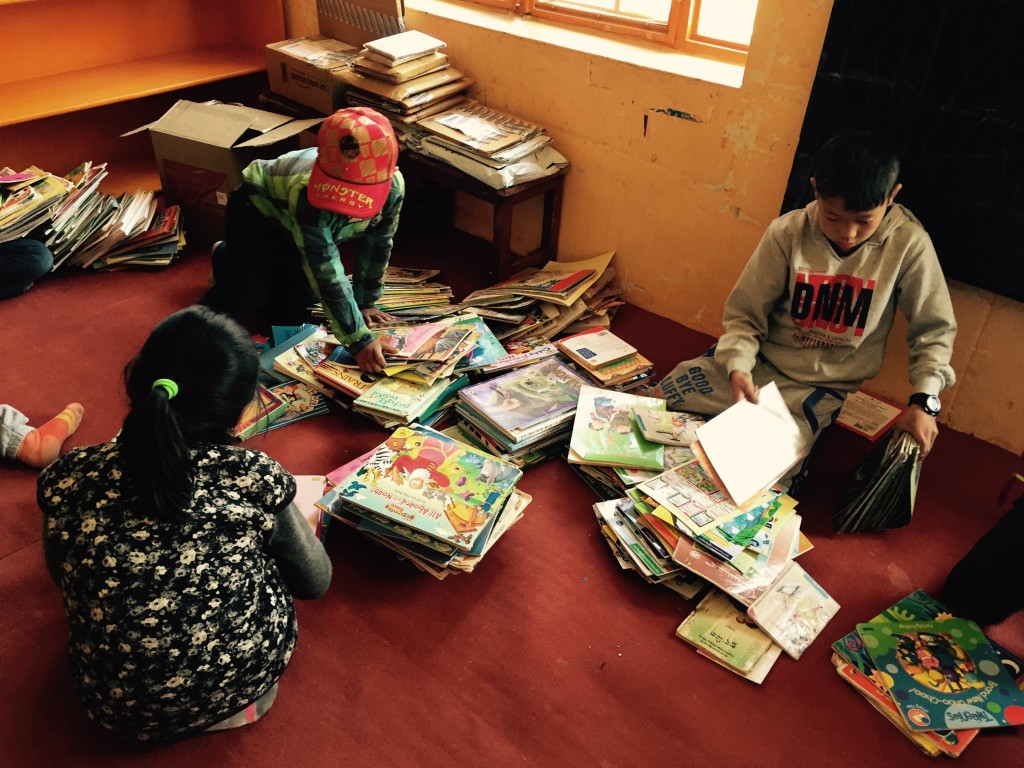
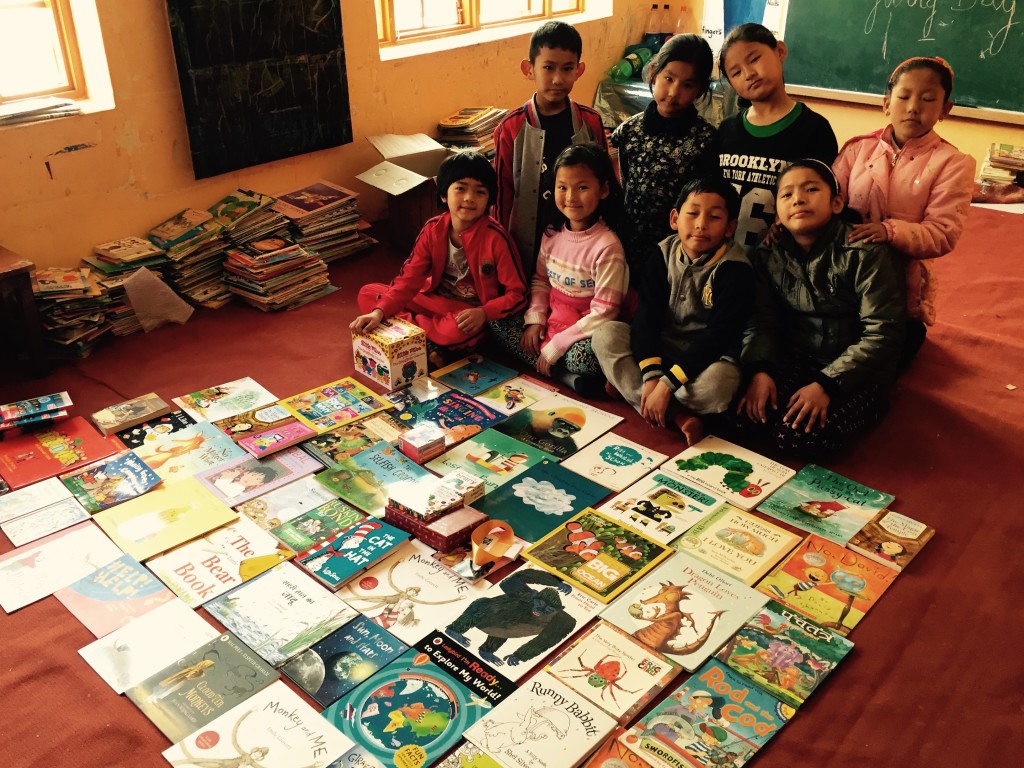
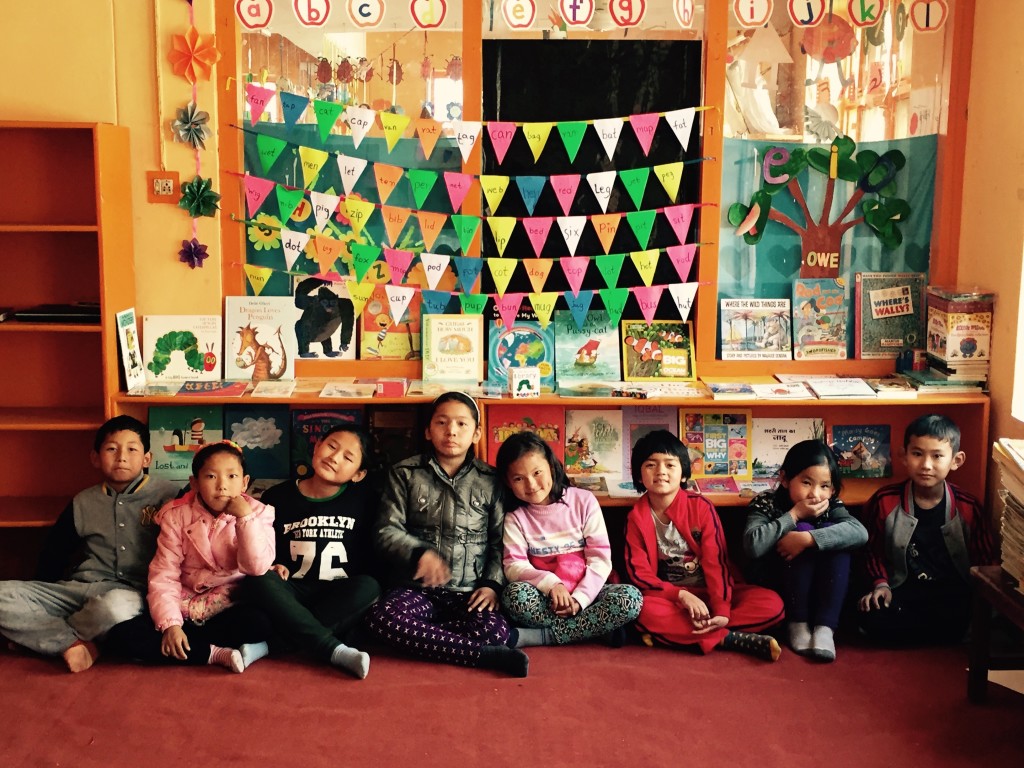
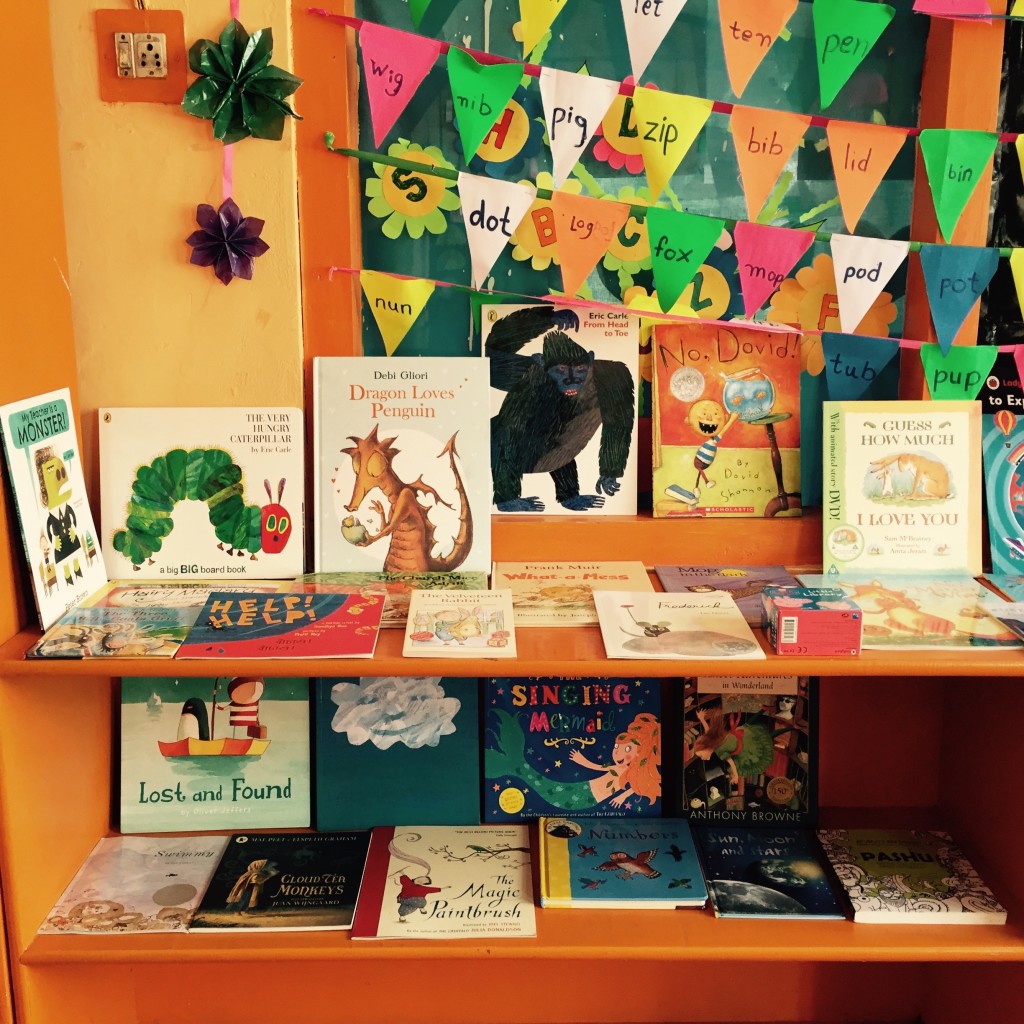
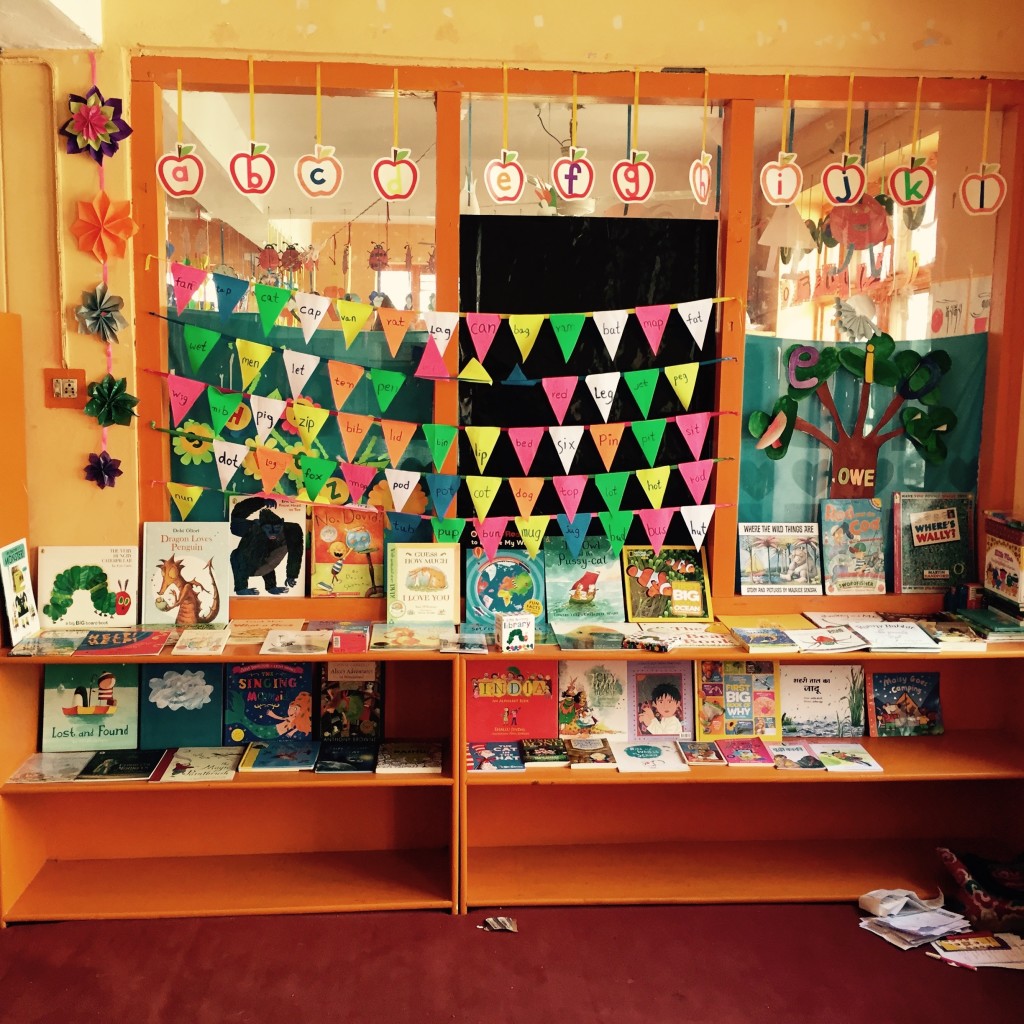
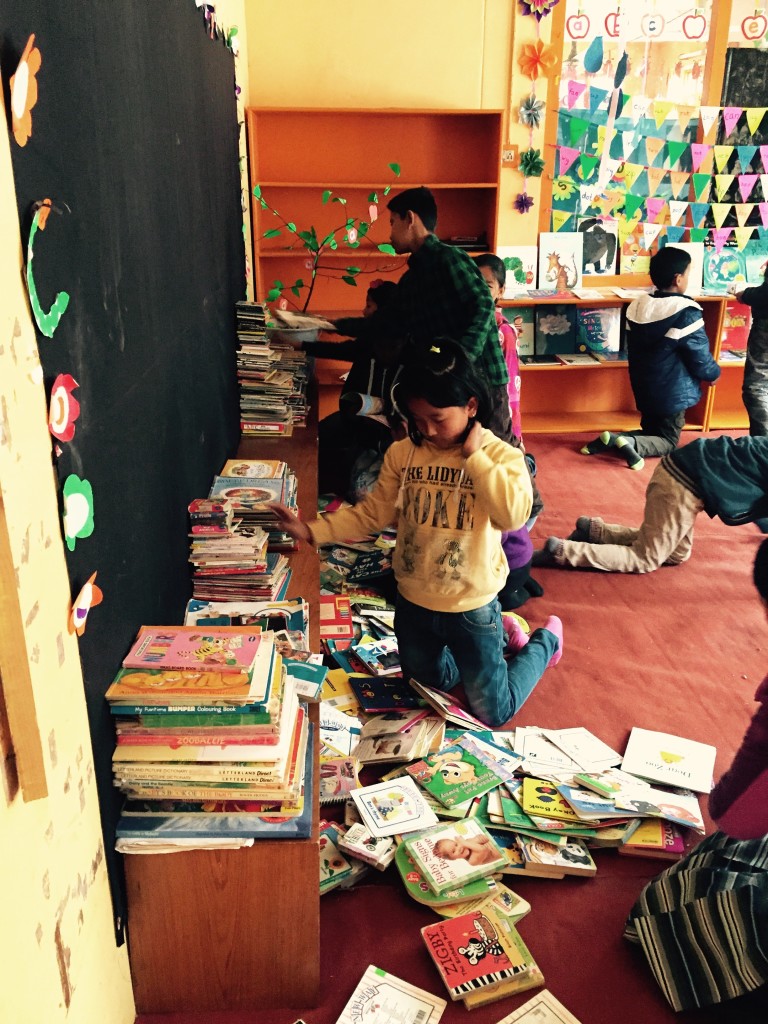
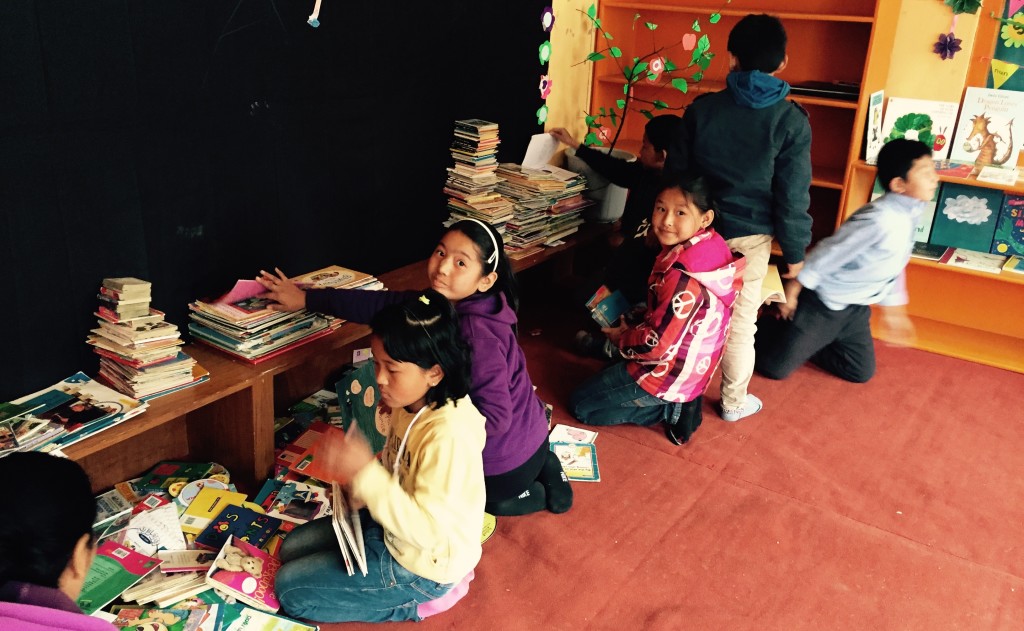
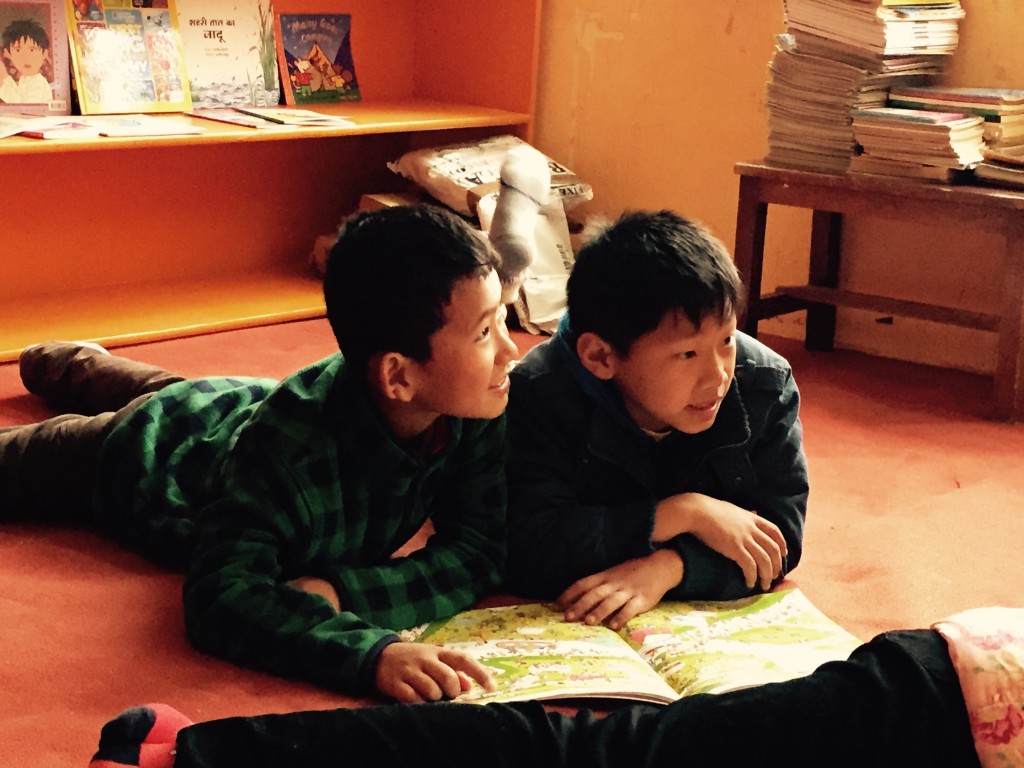
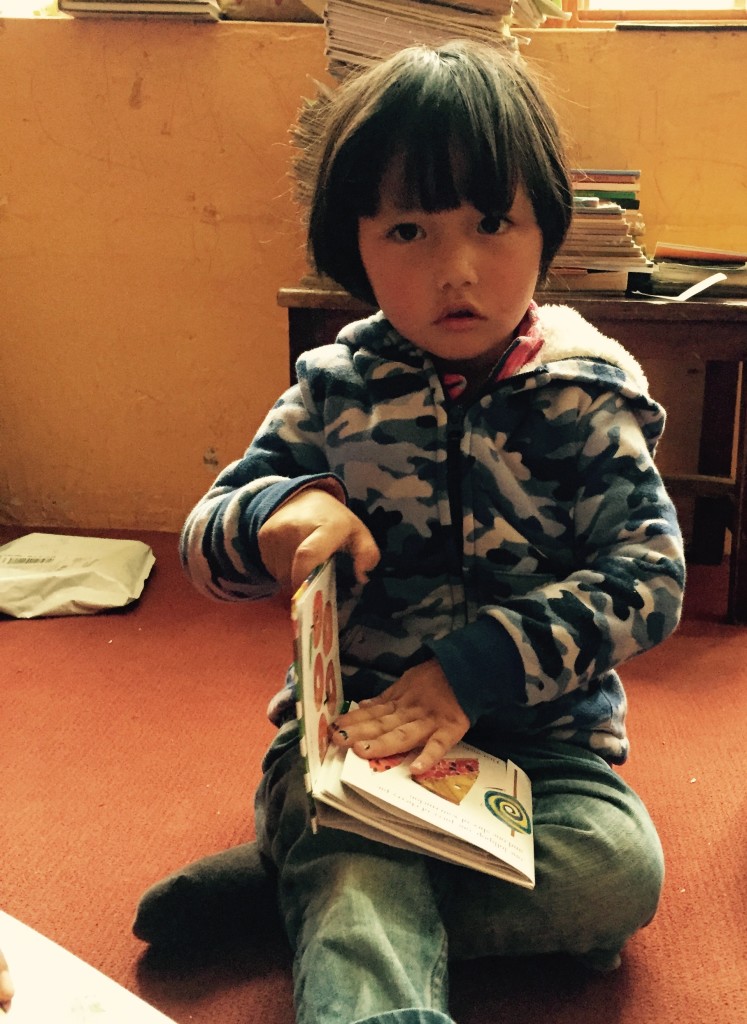
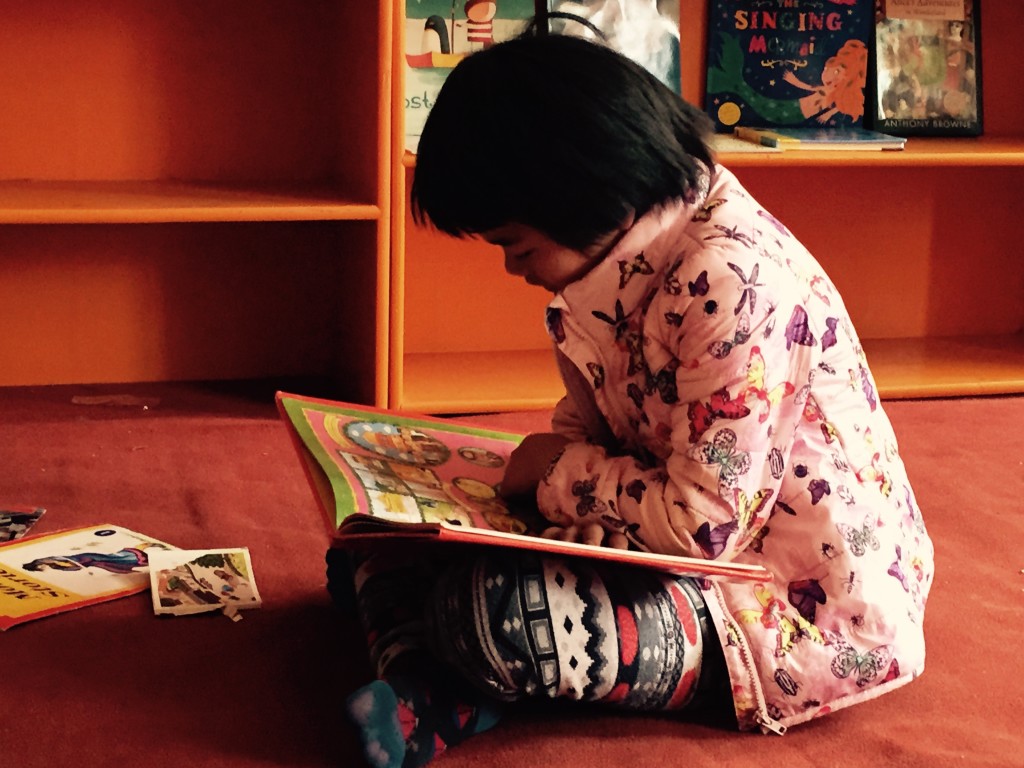
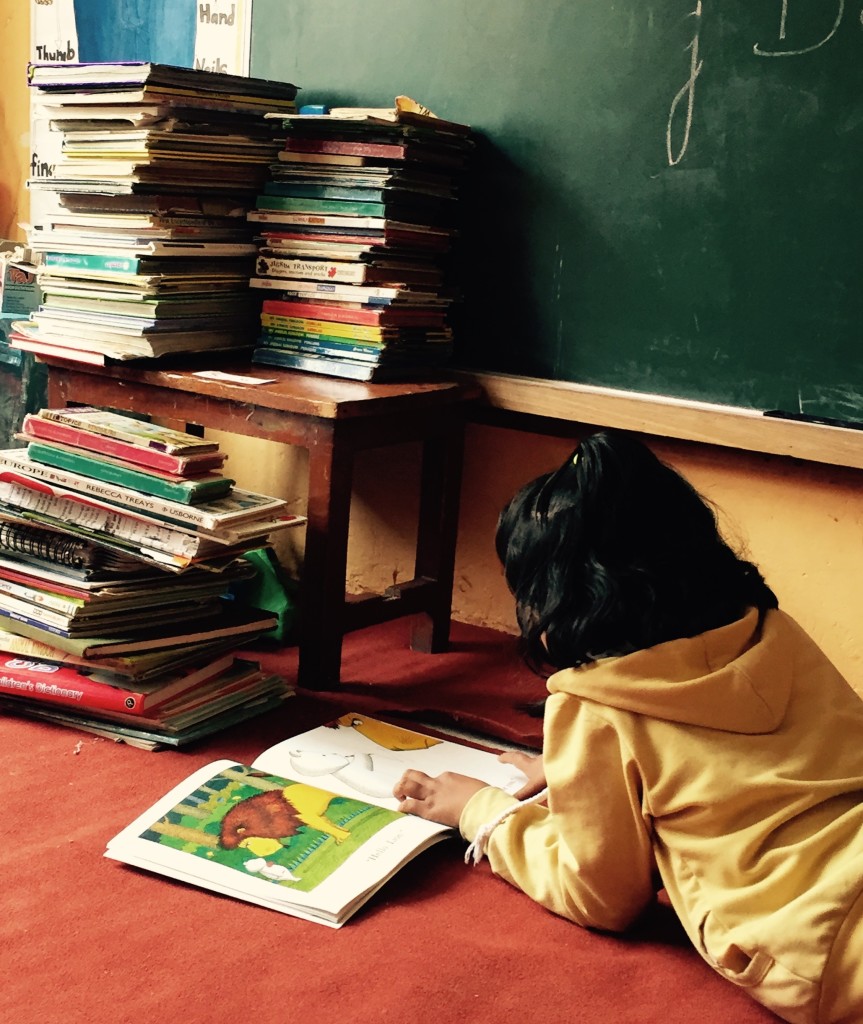
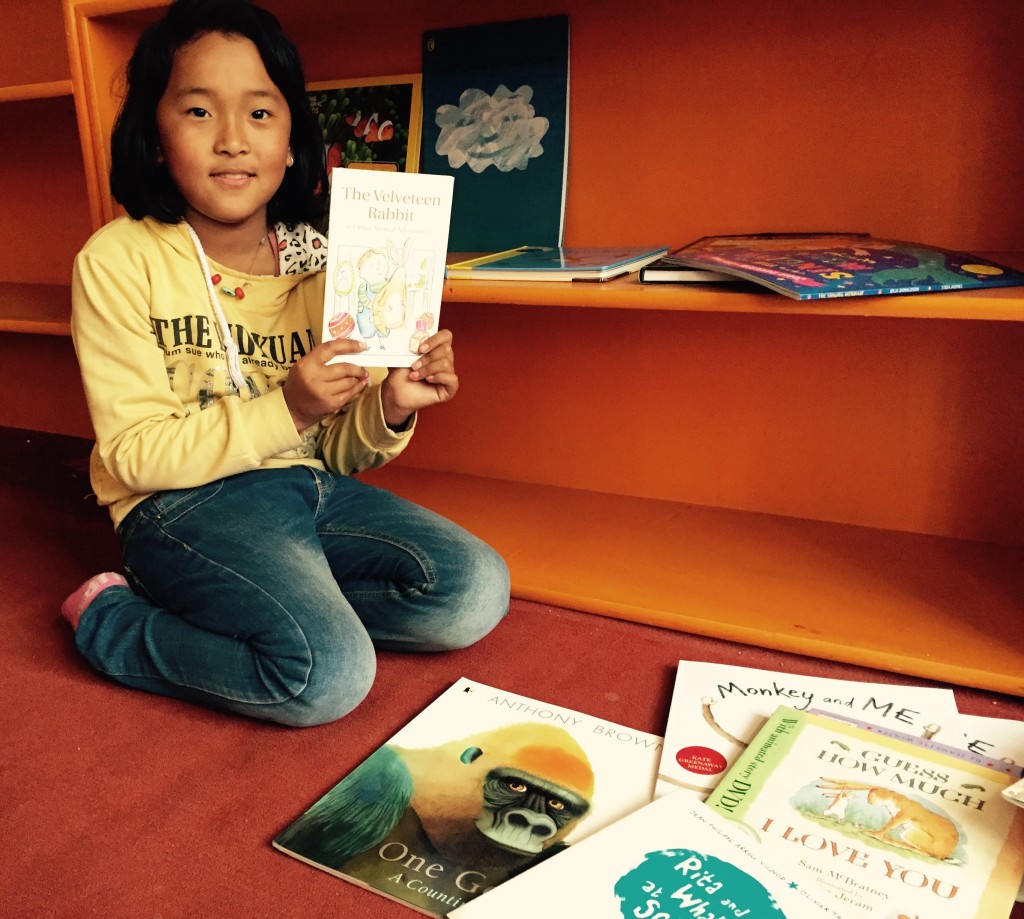
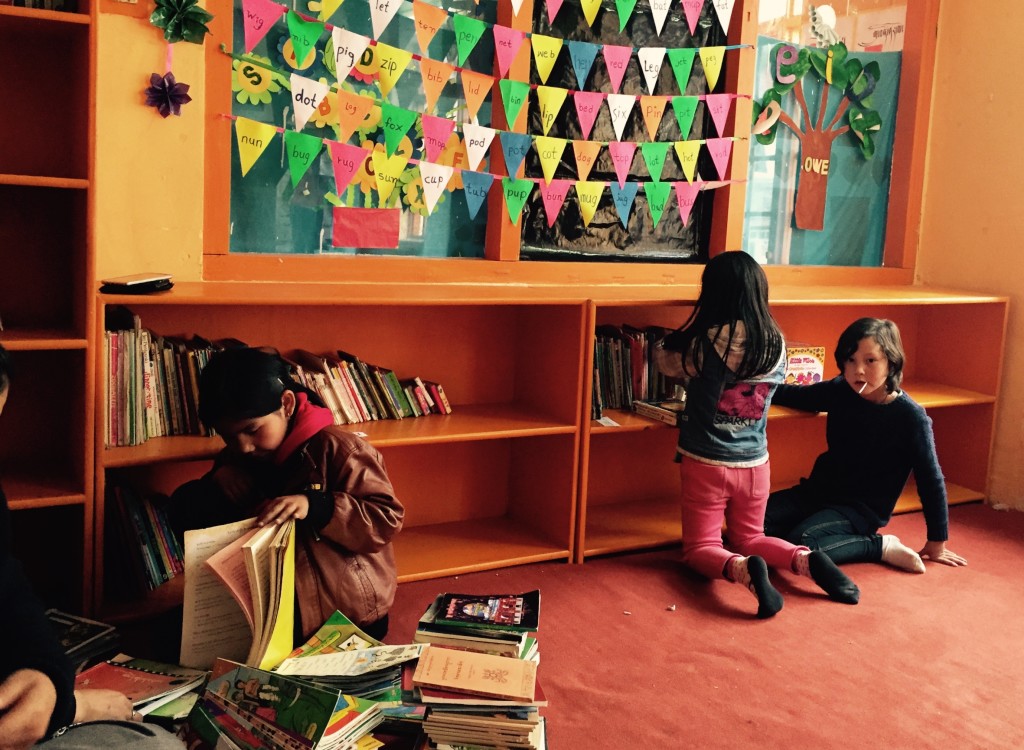
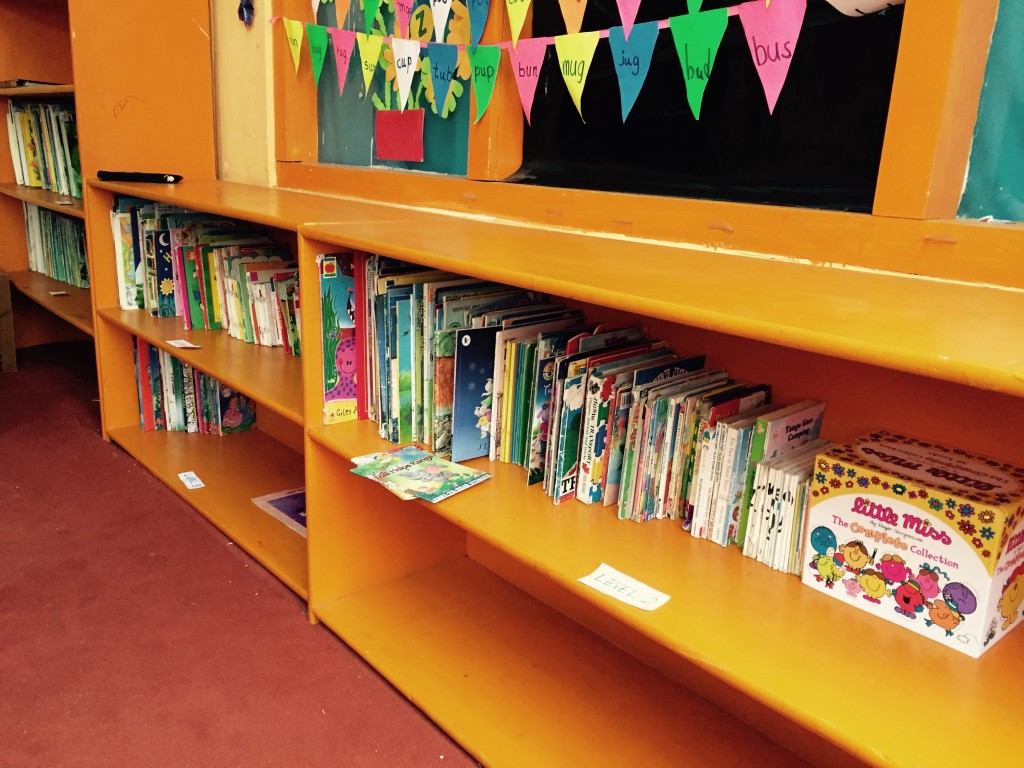
In the reading room, educators used it in short activities. Children found their village, matched country names with flags and followed the globe’s equator before locating Ladakh. They used sticky notes to mark places mentioned in stories, then removed them after each session so the globe remained a teaching tool, not a display of private guesses. Its value came from repeated use by children and young monks, each finding a new route across its surface.
Australian classrooms offer a natural comparison. Families in Sydney and Melbourne commonly use public libraries, local lending schemes and neighbourhood book swaps, while the Australian Curriculum includes interpreting maps and explaining significant places. State and territory governments set detailed school requirements, giving teachers a clear framework for the exercise. Australia’s secondhand market includes familiar charity shops, and school fundraisers often rely on donated goods, so passing on a well-loved learning resource feels practical rather than unusual.
What changed along the way
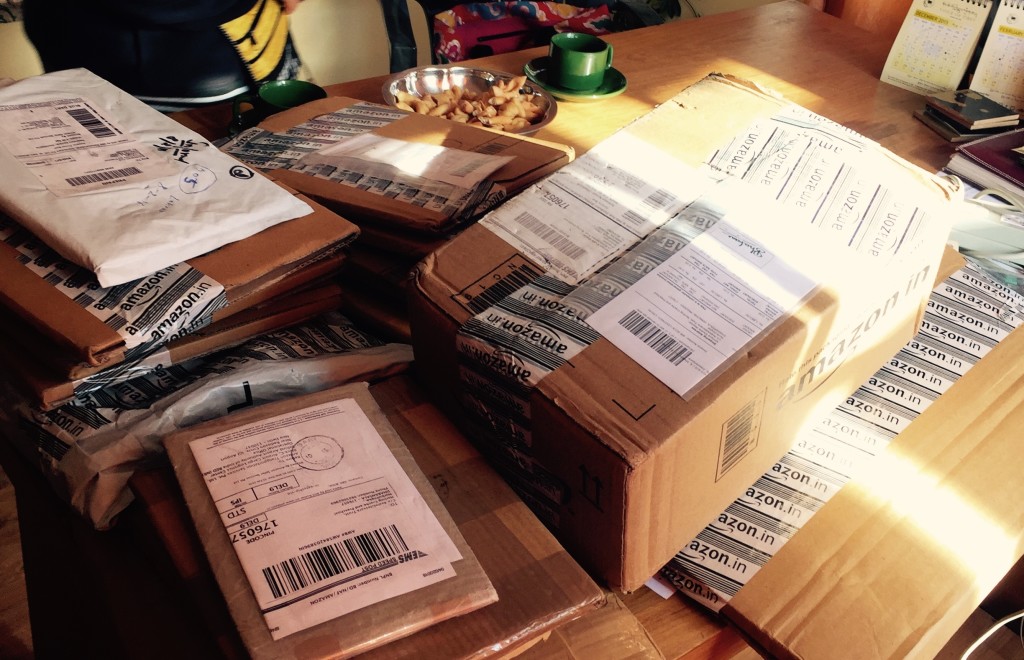
Preparation determined how well the globe survived the journey. A photograph of its condition helped the receiving school distinguish old wear from new damage. The case was padded, the stand was secured, and the donor recorded the contents before packing. Tracking information was retained so that a delayed parcel could be traced. These details protected the object and respected the school’s time.
The same care would matter if a globe were sent to an Australian school. International gifts arriving by post pass through Australian Border Force processes, and recipients may need to check whether duty or goods and services tax applies. A school business manager can also record the gift for its asset and procurement records. Local rules differ across states and territories, so checking the destination’s requirements is more reliable than assuming another country’s process.
| Stage |
What happened |
What the change meant |
| Before the journey |
A retired New York globe was cleaned, documented and packed |
Existing wear was preserved while new damage was prevented |
| During transit |
It travelled through Delhi to Leh with contact details inside its case |
Each handover had a named recipient and a traceable record |
| At the school |
The stand was checked and the globe was placed in the reading room |
A retired classroom object became a shared learning resource |
The comparison shows that the story was never only about distance. It was about stewardship at each stage: identifying a useful object, preparing it honestly, documenting it, and placing it where learners could reach it. The globe’s condition did not make it less valuable. Its condition made the preservation work visible.
Practical ways to support a useful donation
A good donation begins with the receiving school’s needs, not the donor’s available shelf space. An atlas, globe or musical instrument may be welcome, but only if it can be stored safely and used regularly. Trust staff can confirm the destination, intended group and any repair needed before a donor spends money on packing or postage.
- Confirm the item’s purpose and destination with the school or charitable organiser before packing.
- Photograph the globe’s condition and record missing stands, hinges, lids or other essential parts.
- Protect the object in a rigid inner box, then use a strong outer carton sized to prevent movement.
- Include the full postal address, a named contact, a working phone number and the preferred delivery method.
- Check the courier’s size, weight and customs requirements, and keep the receipt and tracking details.
- Ask whether the item should be displayed, repaired, used or sold to raise funds for books.
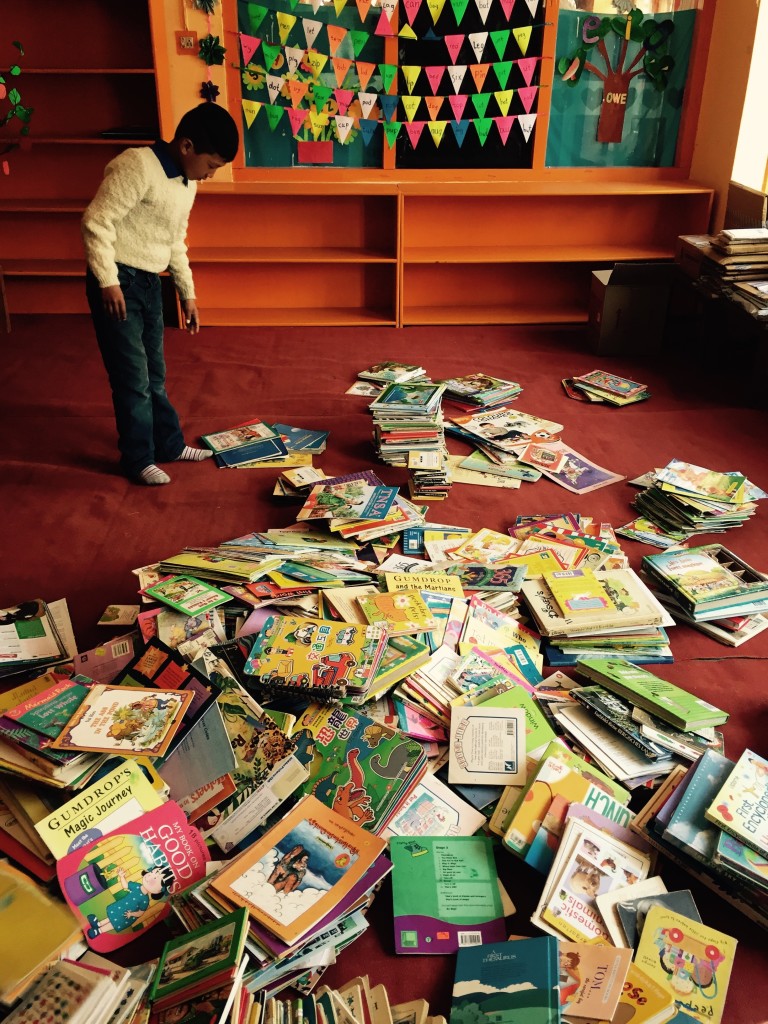
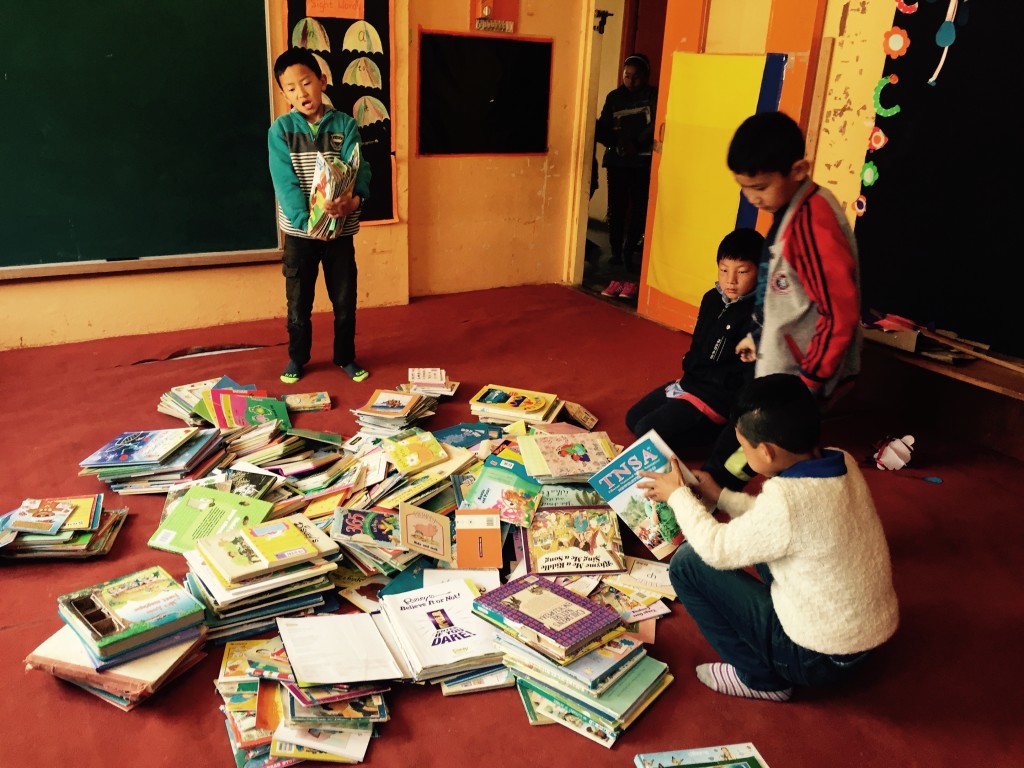
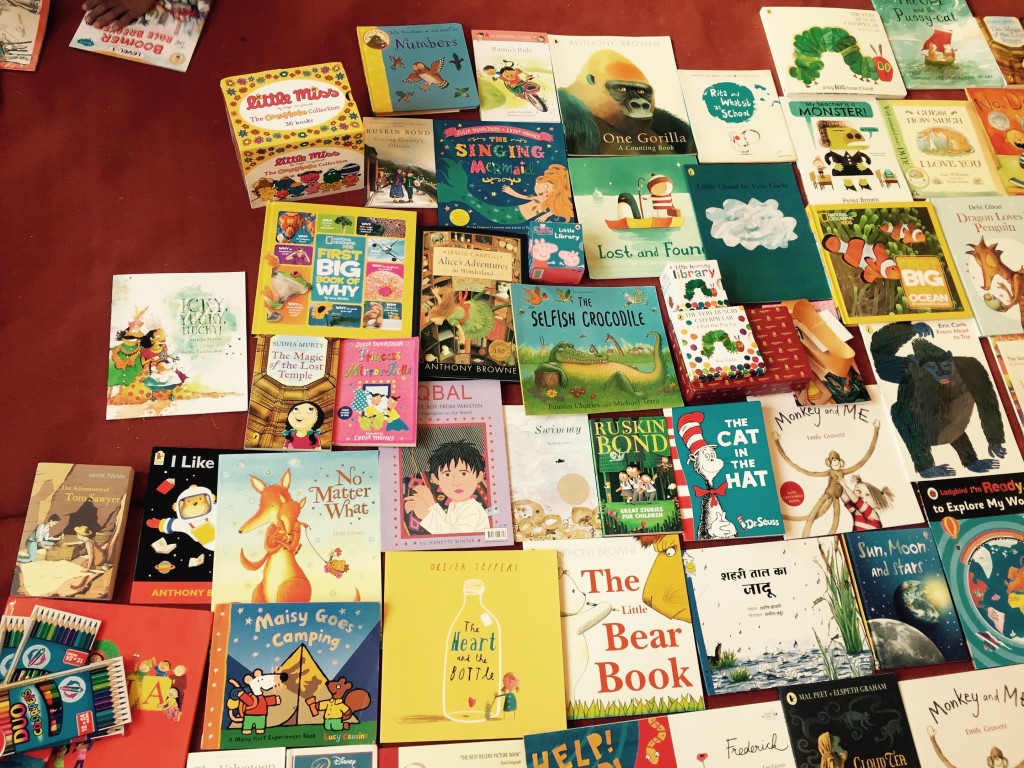
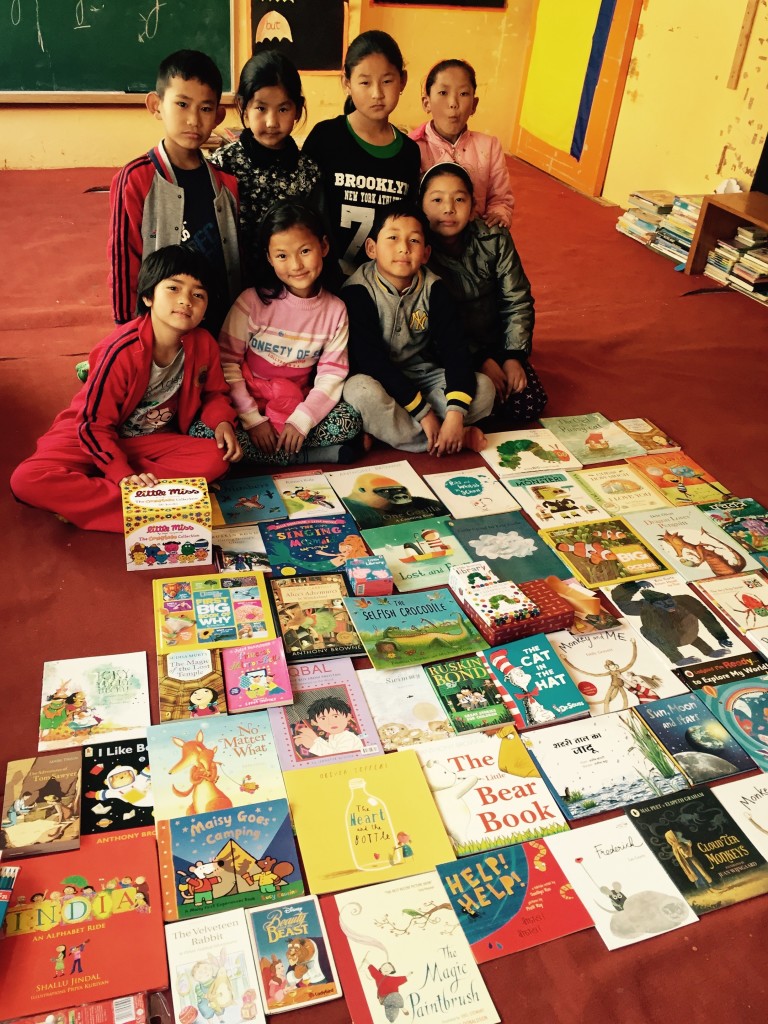
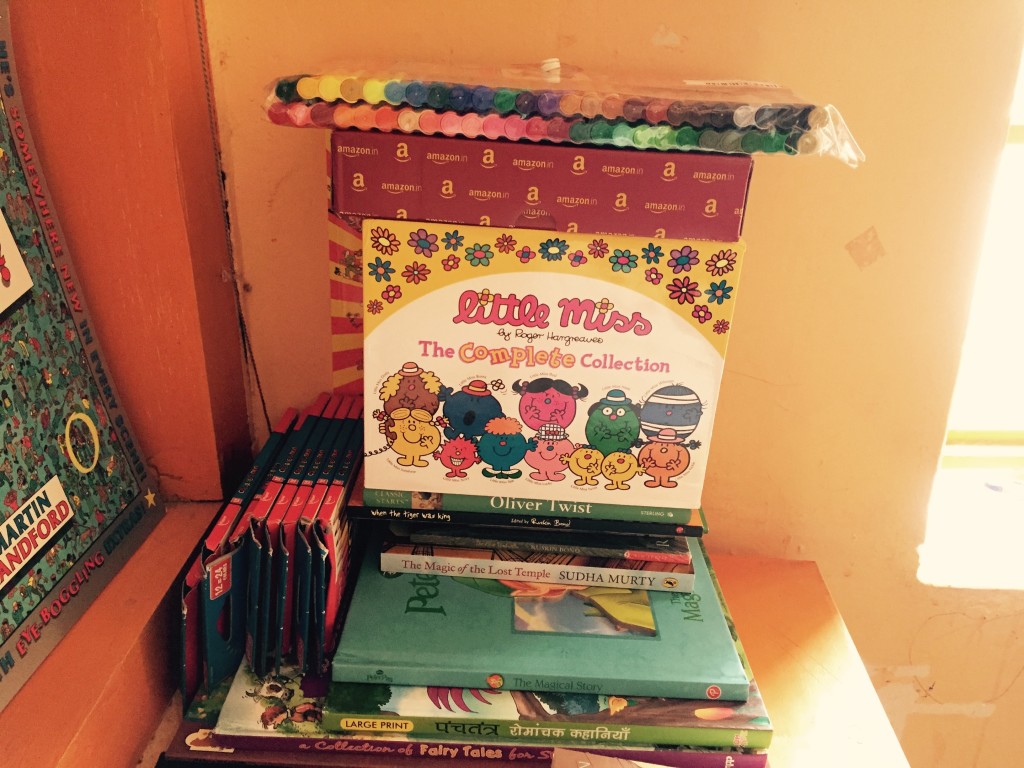
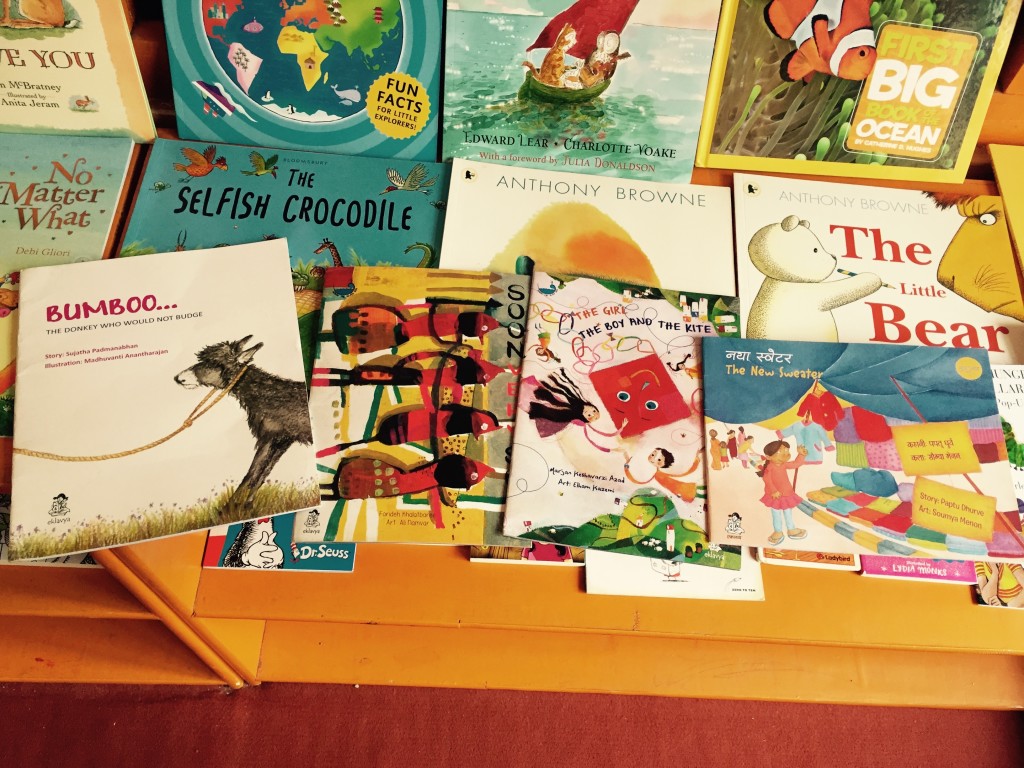
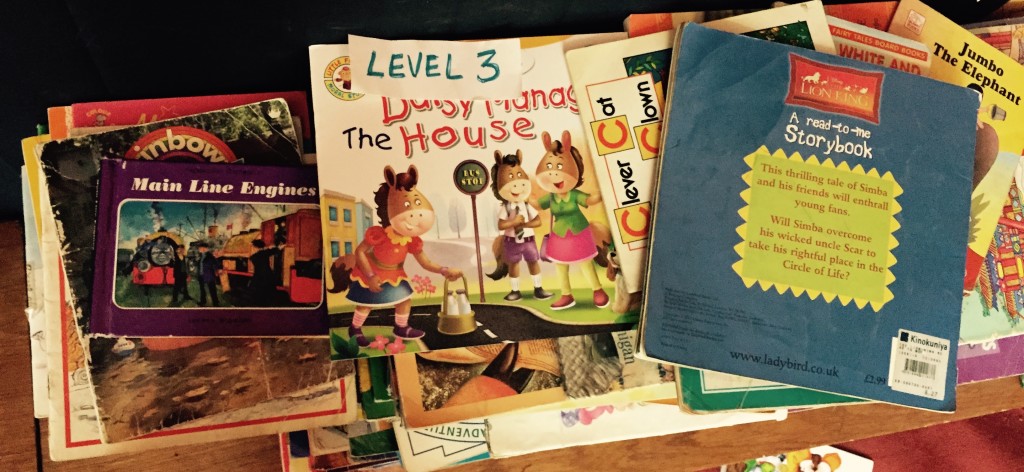
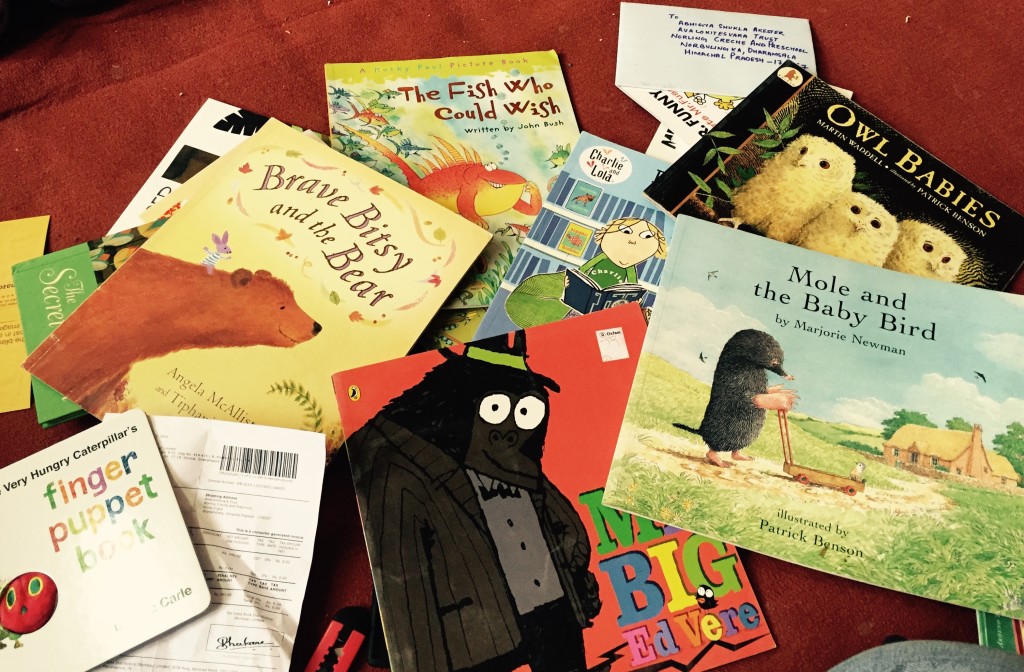
Books need the same careful handoff. Good examples of that practice can be found in library book drives, where books remain in circulation and reach new readers. Donors can apply that principle by following the receiving reading room’s wish list, checking for suitable titles and packing them for direct delivery.
A resource that keeps opening new routes
Months later, the globe remained in daily use. Its marks now included careful labelling by children who had never seen the New York classroom from which it came. Educators used it to connect stories about travel with real routes, then asked young monks to retell those routes in their own words. The object had travelled farther than most of the people who handled it, yet it had become familiar through the small acts of looking, pointing and asking.
Its journey also shows why donated resources deserve the same attention as purchased supplies. Age, care instructions, cultural context and intended use all affect whether a donation becomes a lasting learning tool. Clear communication protects the donor’s intention and the school’s limited resources. For a similar donation, the next concrete step is to affix a travel label to the globe’s case carrying the school’s full postal address, named contact and telephone number.