A Donated Encyclopedia Becomes a Lifelong Companion for a Himalayan Village
When a retired teacher in Melbourne finally cleared the boxes from her late father's garage, she found a fifteen-volume encyclopedia set from 1978. The books smelled of dust and eucalyptus, their spines faded to a pale olive, and she nearly sent them to the recycling skip. Instead, she listed them with a small local charity, and within months the volumes began a journey that ended beneath the painted beams of a reading room two thousand kilometres north of Delhi.
That journey reflects a quiet truth about books in remote places: a single set of donated reference volumes often travels further, and matters more, than anyone who packed the box could ever imagine. In a region where connectivity drops with the weather and winters freeze the modem lines, the weight of paper and ink becomes a kind of steady currency. For the children and young monks who now share those pages, the encyclopedia has turned into something far larger than a set of books, and has become a village treasure in its own right.
How a Forgotten Book Reached the Foothills
The teacher had kept the encyclopedia set because her father, a school principal in Ballarat, had insisted that every classroom needed one. After he passed, the books moved with her through three suburbs and two renovations, always packed last and unpacked first. When she finally posted a photo to a community noticeboard in Melbourne's inner north, an organiser from a small Himalayan education trust replied within a day. The trust had been searching for an illustrated, child-friendly reference set, and the listing matched exactly what their reading room coordinator in Ladakh had been requesting for over a year.
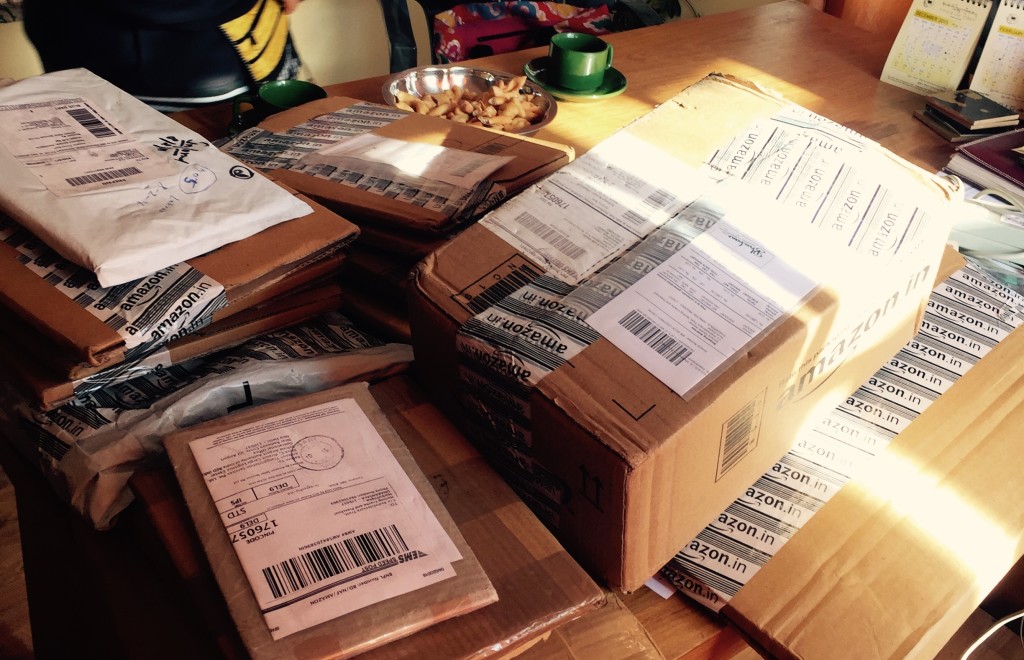
A cardboard crate was dispatched through a Sydney-based consolidator that specialises in humanitarian freight. The volumes travelled by sea to Mumbai, by truck to Leh, and finally by a local jeep that inched along a mountain road still partly covered by spring ice. By the time the crate was opened in the reading room at the edge of the village, the youngest child present had not yet been born when the books were first printed.
Why Encyclopedias Still Matter in the Digital Age
Australians living in remote areas know this problem well. Even with the National Broadband Network reaching further every year, households across the outback and along the coast still experience regular dropouts, and mobile data in the highlands of Ladakh is no more reliable. When the signal disappears, a downloaded PDF is useless, but a printed page turns itself. The reference set in the reading room needs no charger, no software update, and no subscription renewal, and that simplicity is exactly what makes it valuable in a place where power comes and goes with the sun.
| Resource Type |
Works Without Power |
Works Without Internet |
Easy for New Readers |
Reusable Across Years |
| Printed encyclopedia set |
Yes |
Yes |
Moderate |
High |
| Tablet with offline articles |
Limited battery |
Yes |
High |
Medium |
| Online subscription database |
No |
No |
High |
Low |
| Public library in regional capital |
Yes |
Yes |
Moderate |
Medium |
| Borrowed paperback fiction |
Yes |
Yes |
Low for reference |
Medium |
The comparison above shows why a heavy illustrated set can outperform the slickest device in a remote reading room. Children can flip between volume and volume without a charger, and the entries stay readable in low light when the solar inverter runs low.
The Reading Room That Grew Around the Volumes
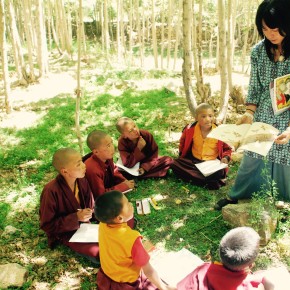
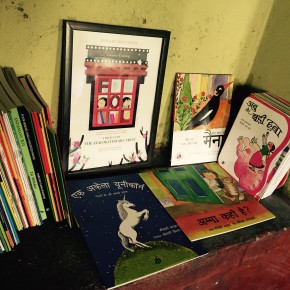
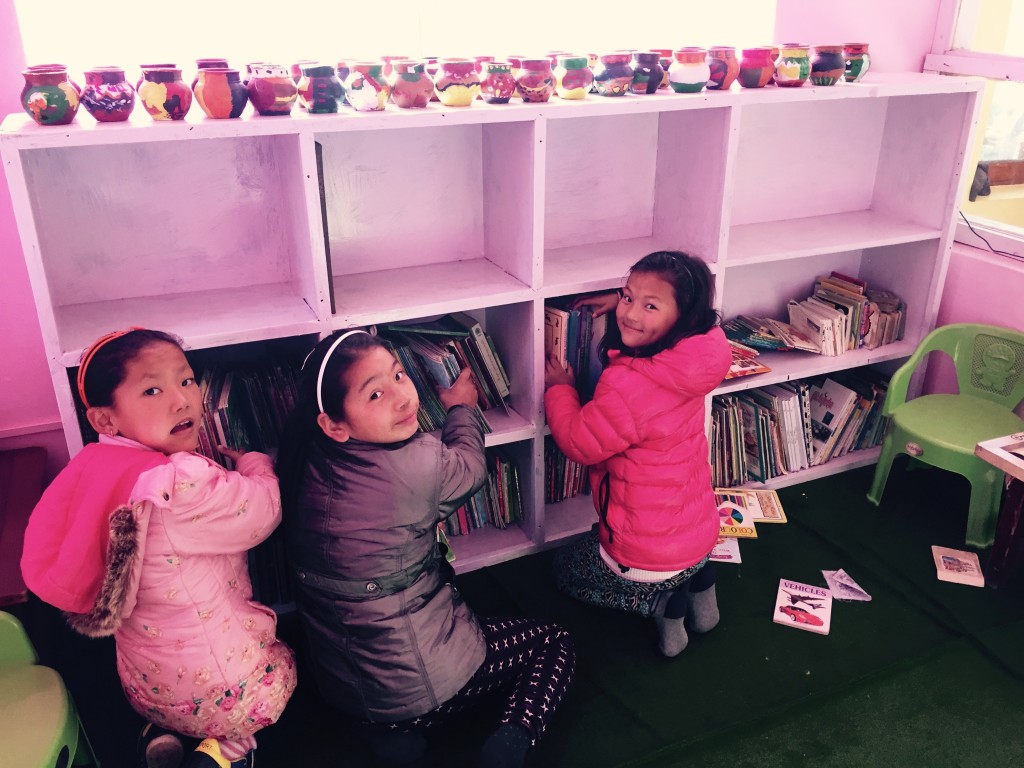
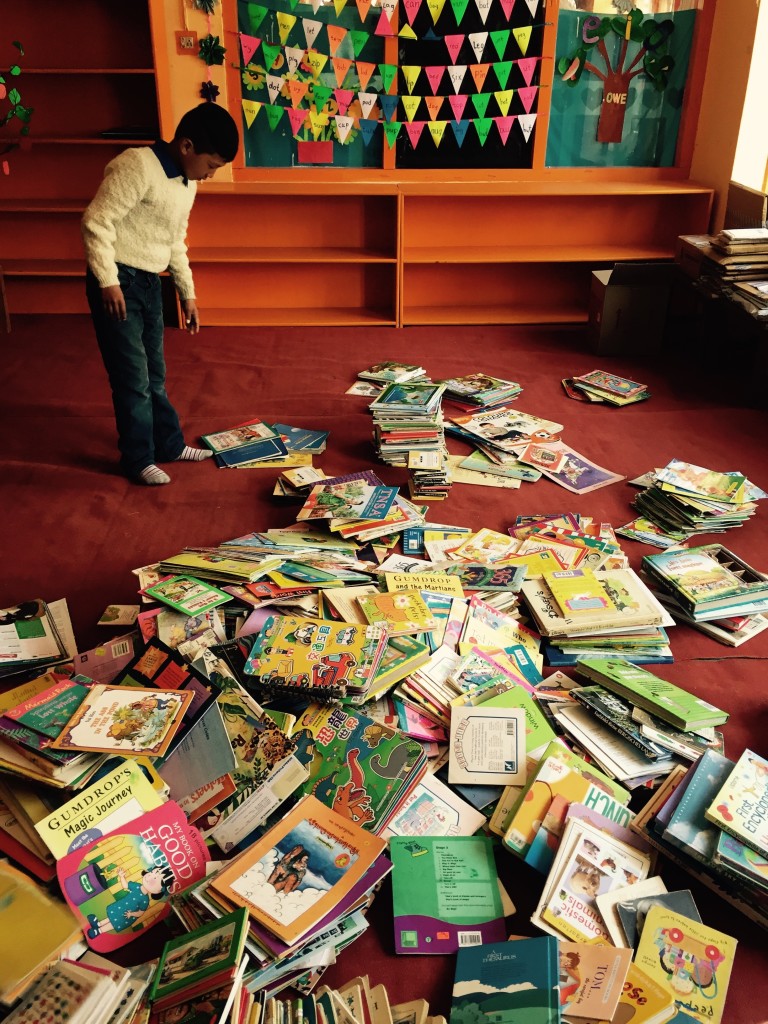
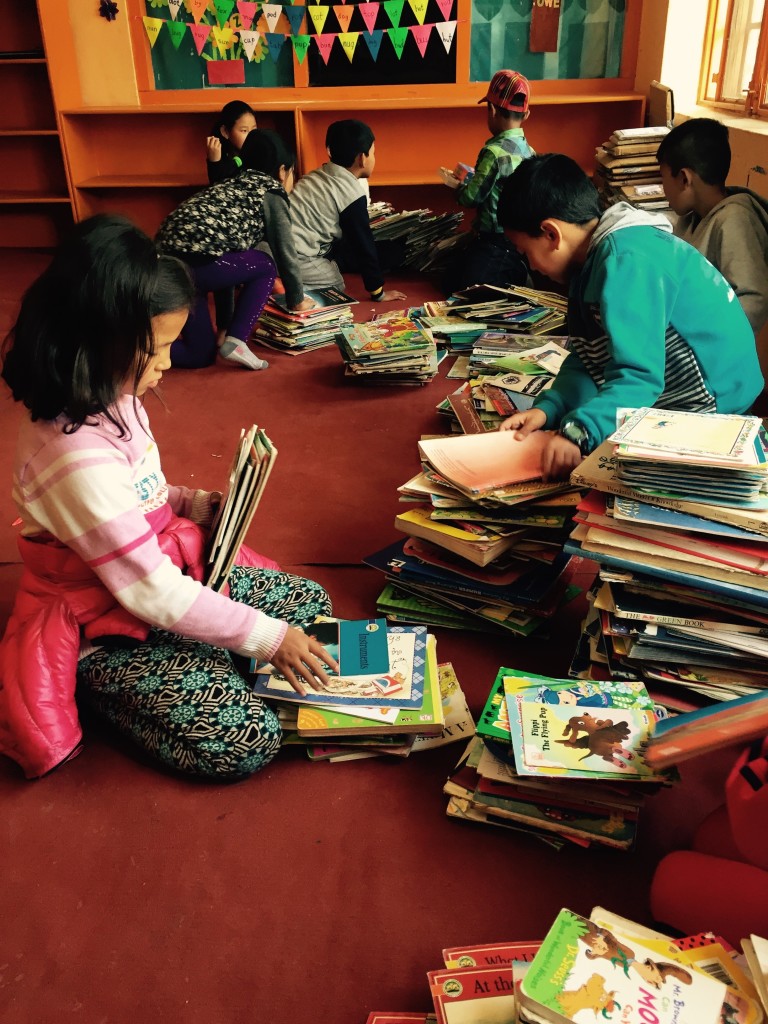
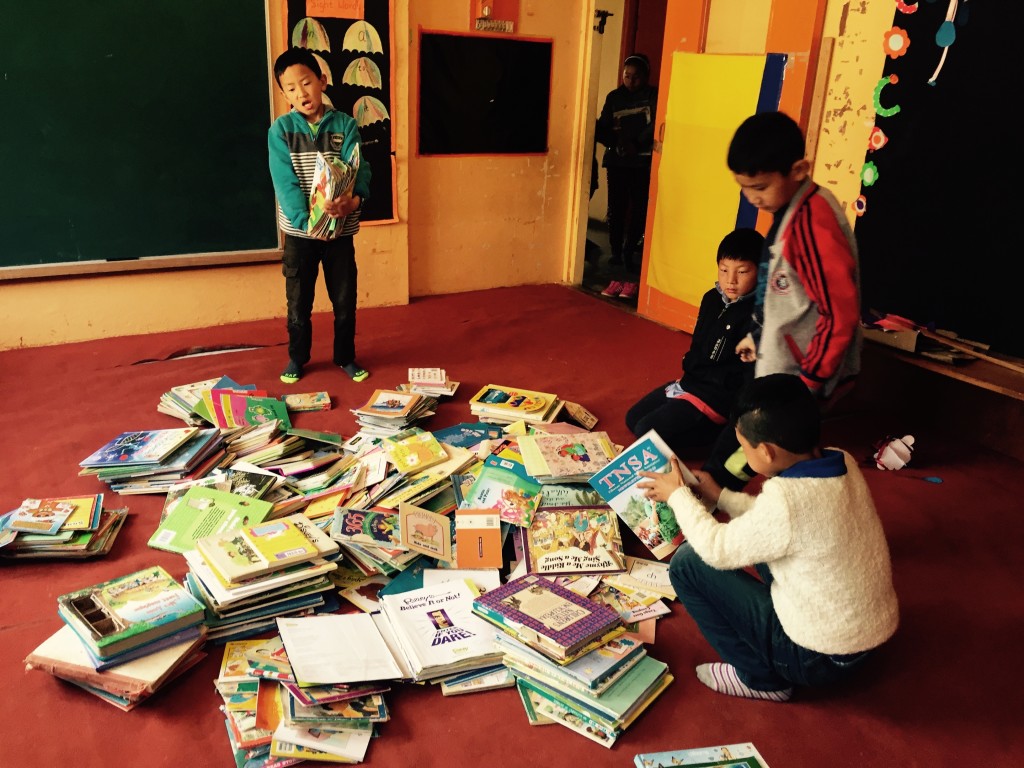
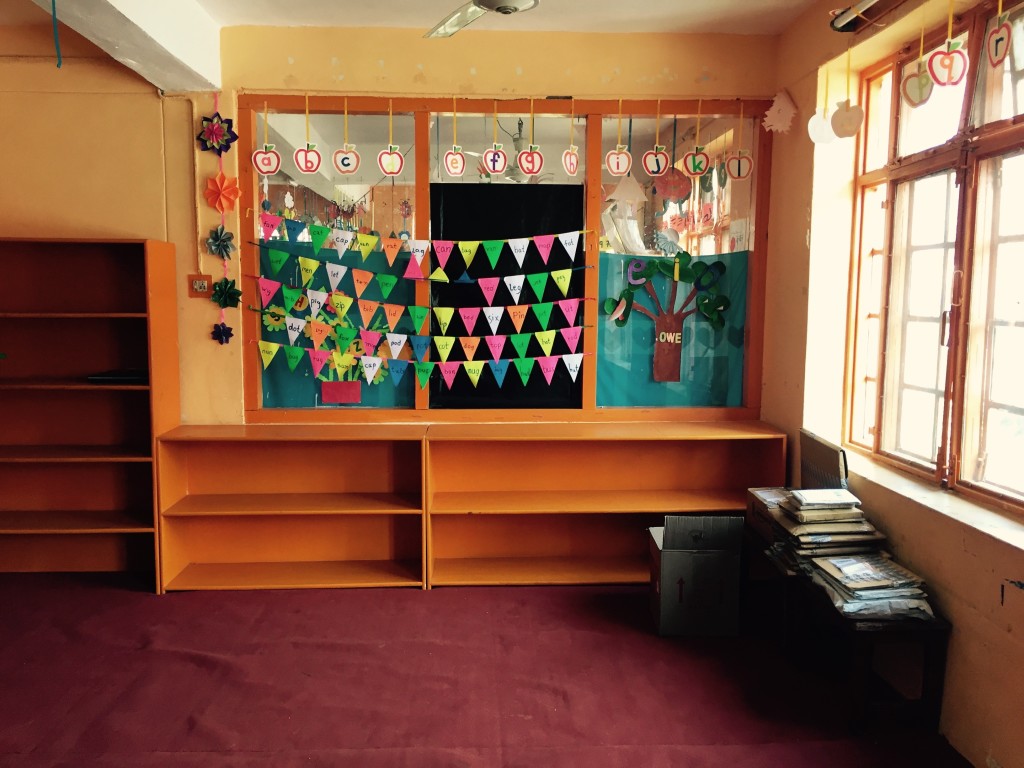
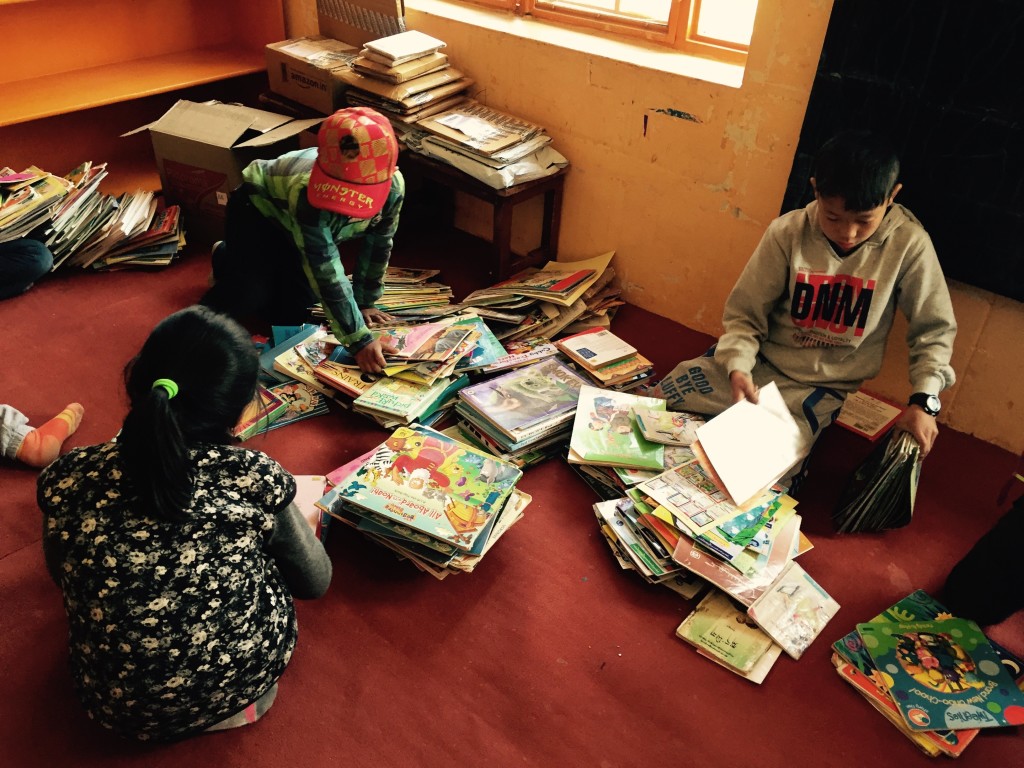
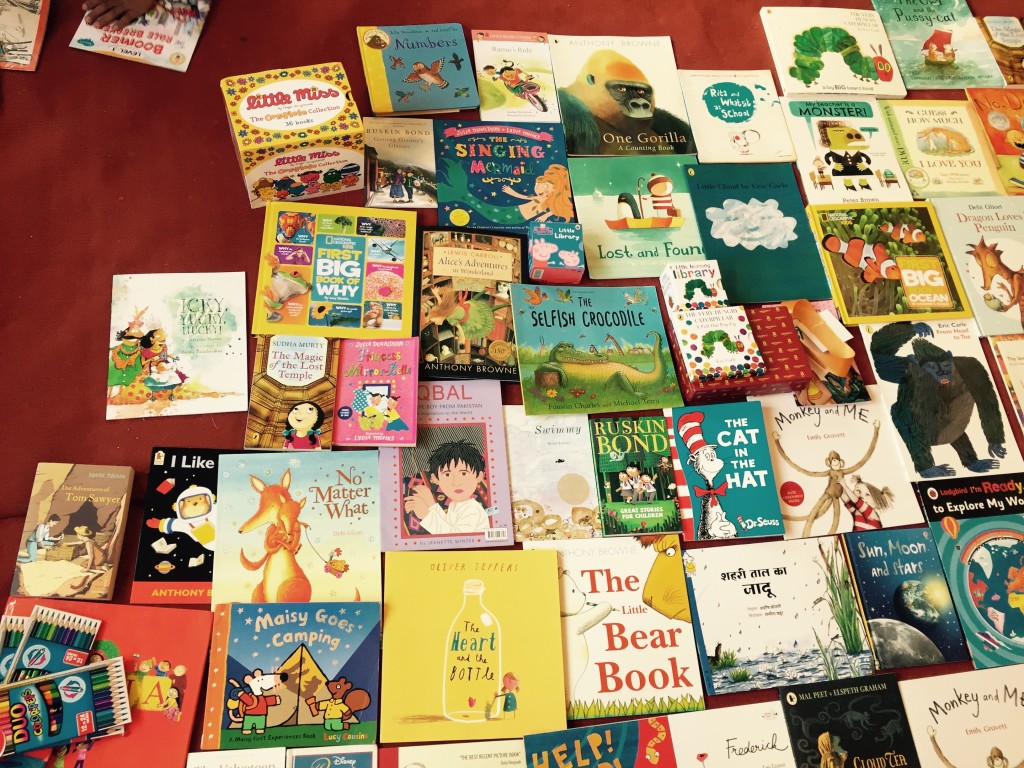
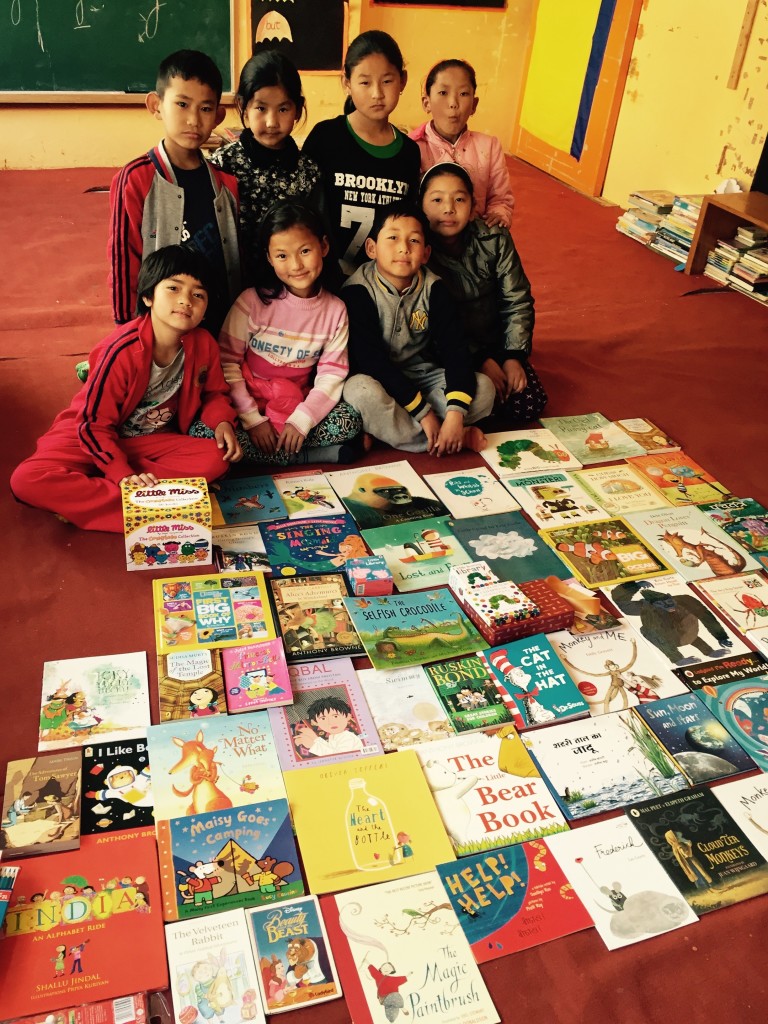
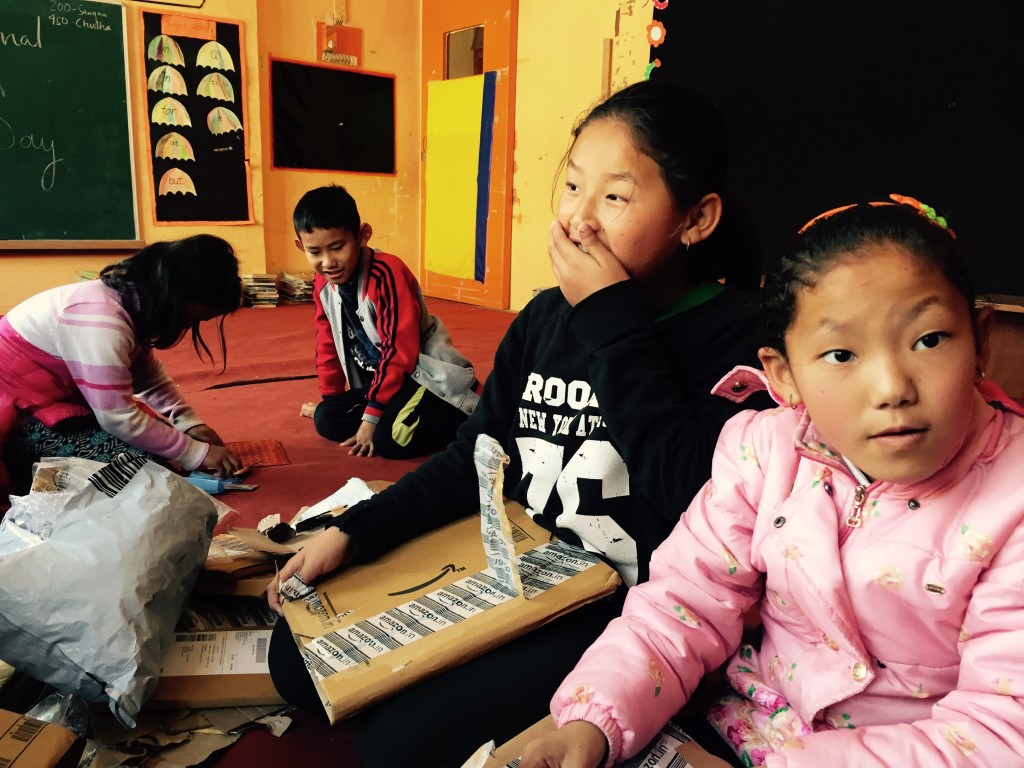
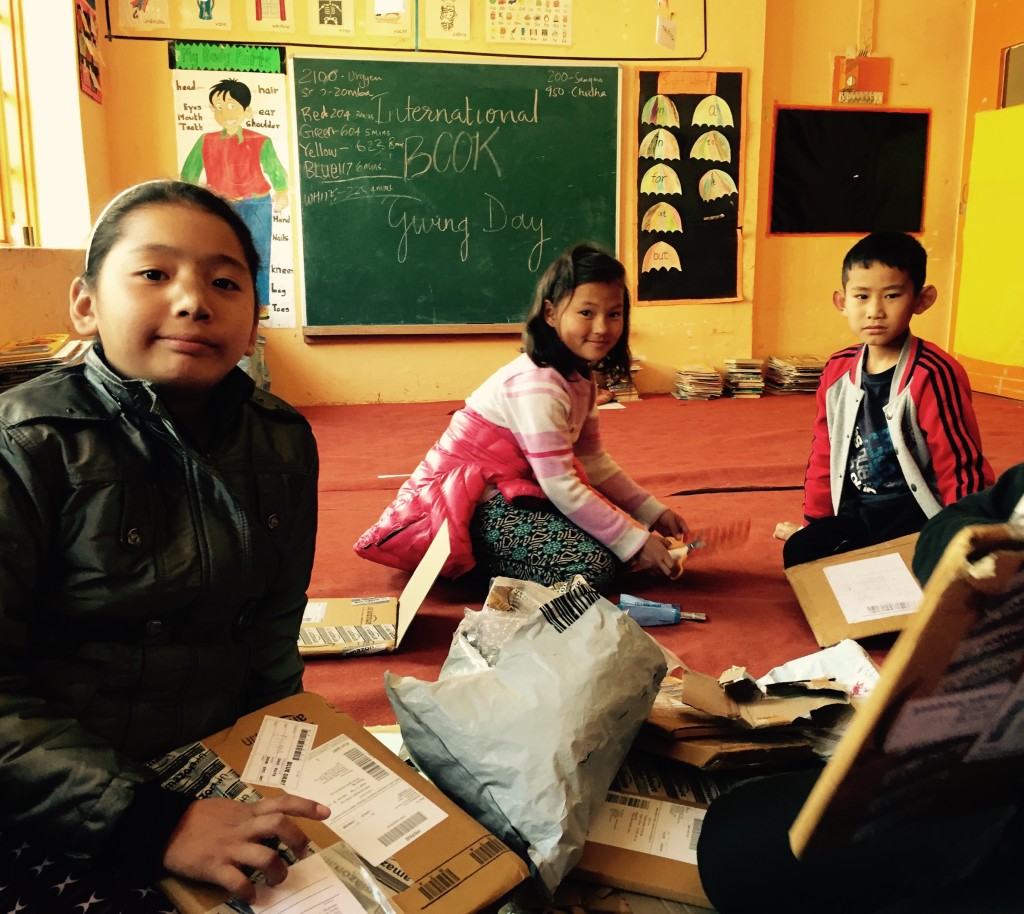
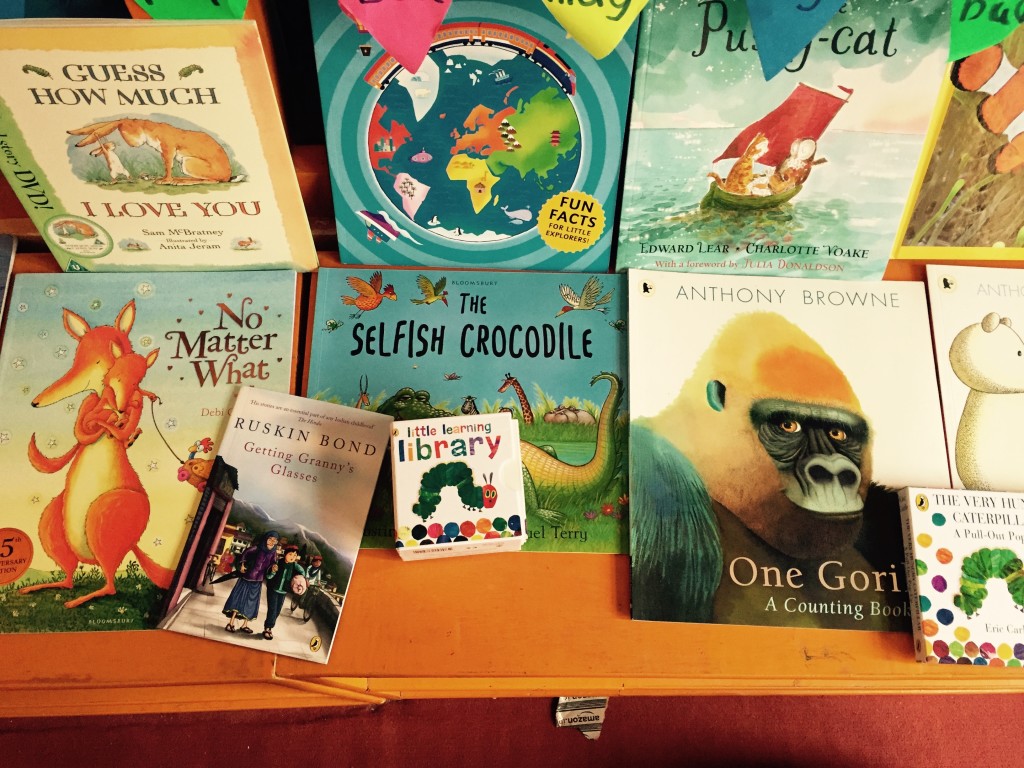
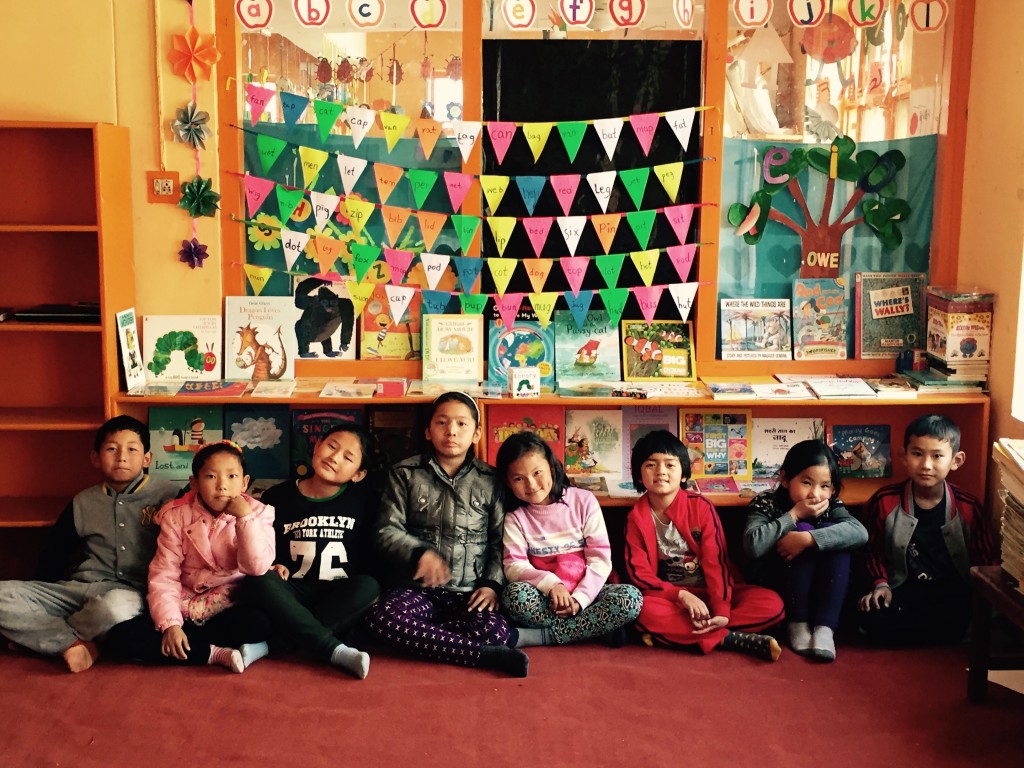
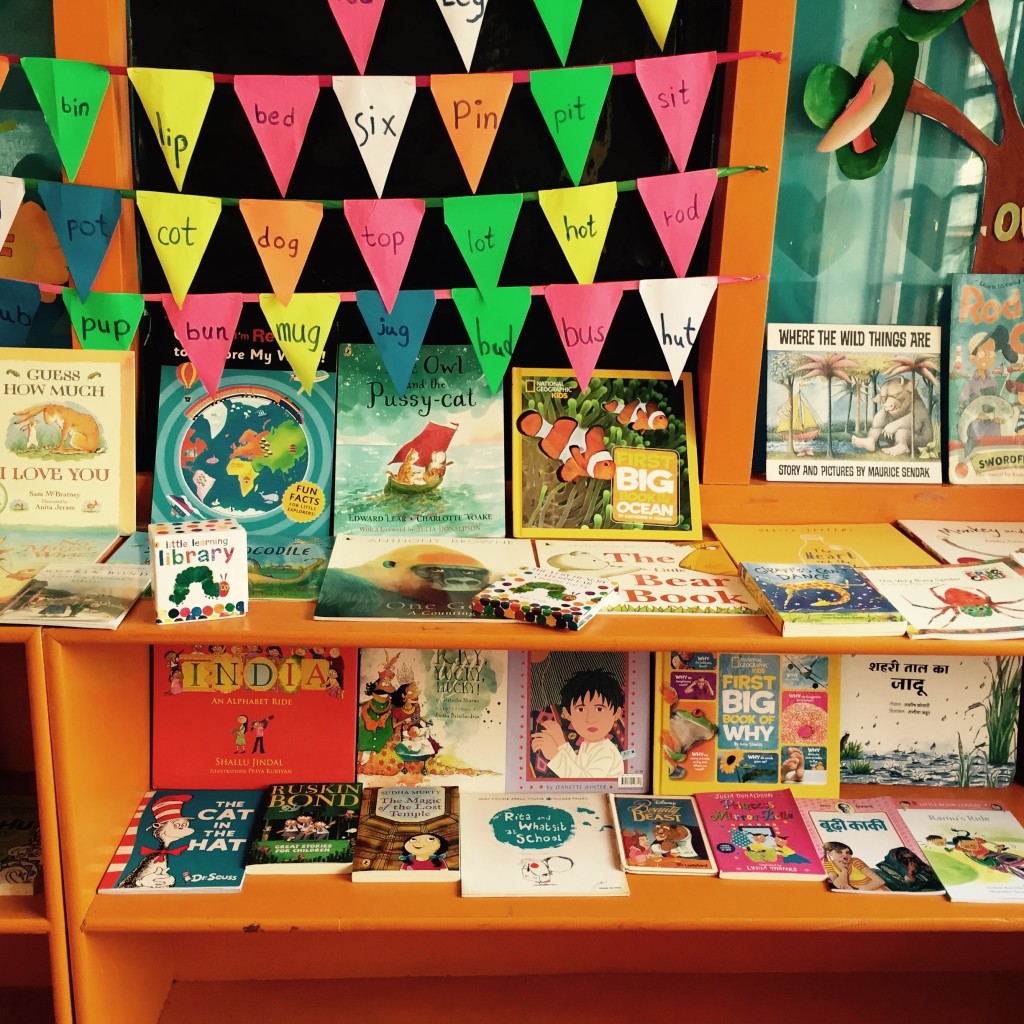
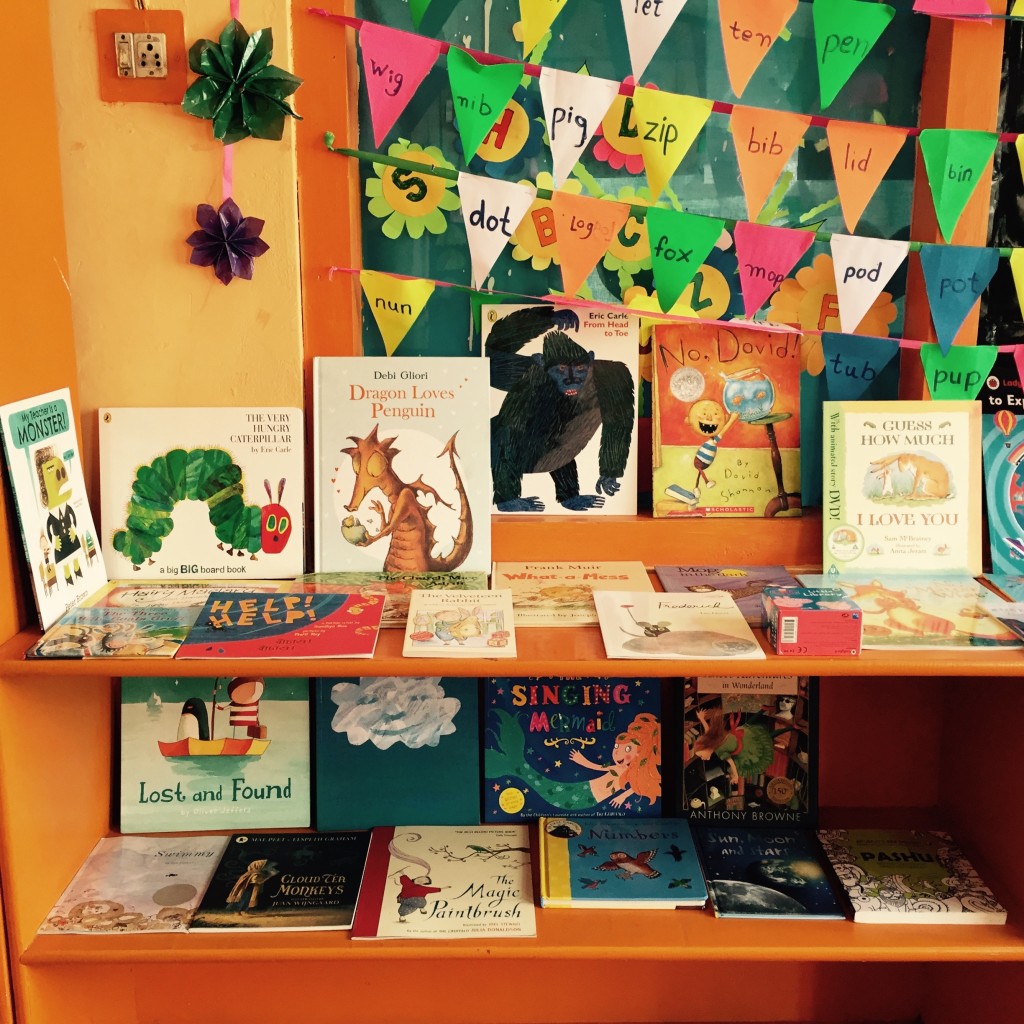
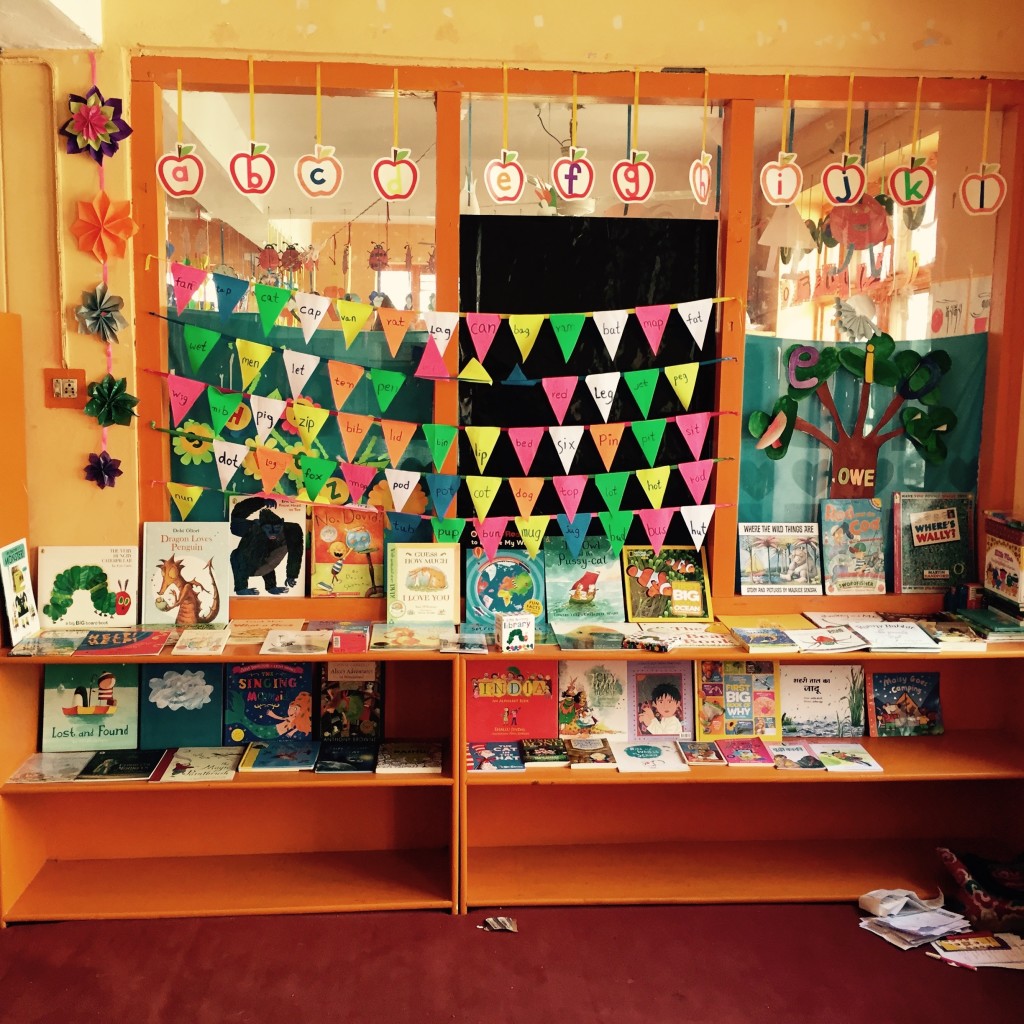
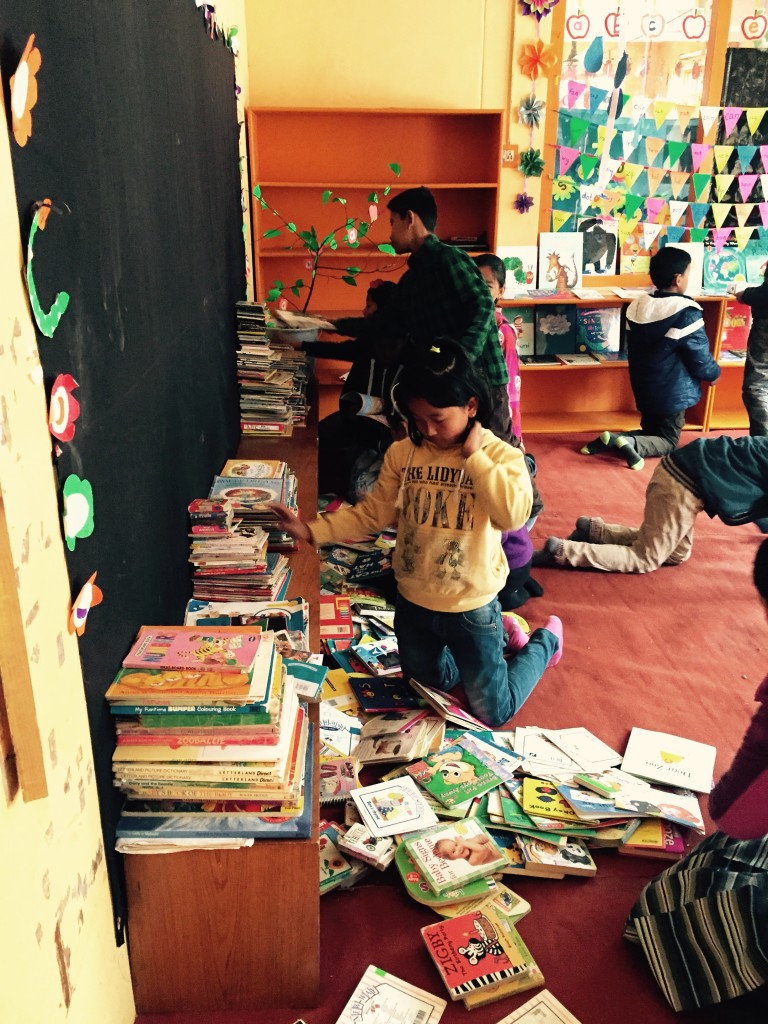
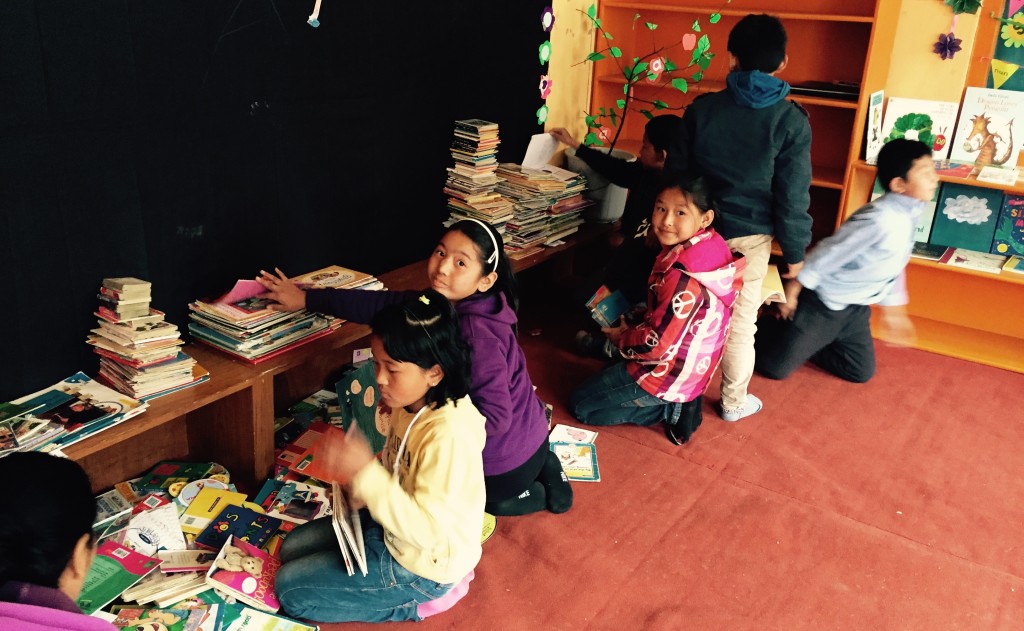
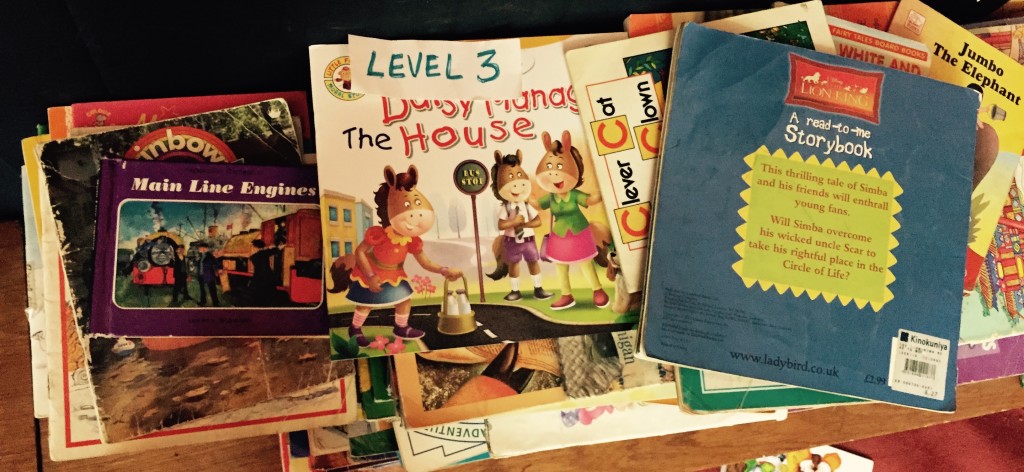
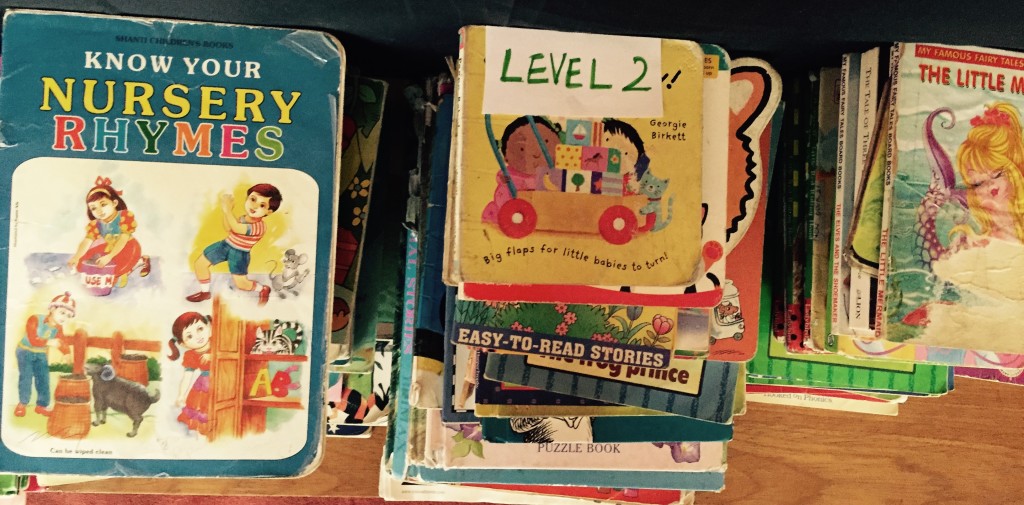
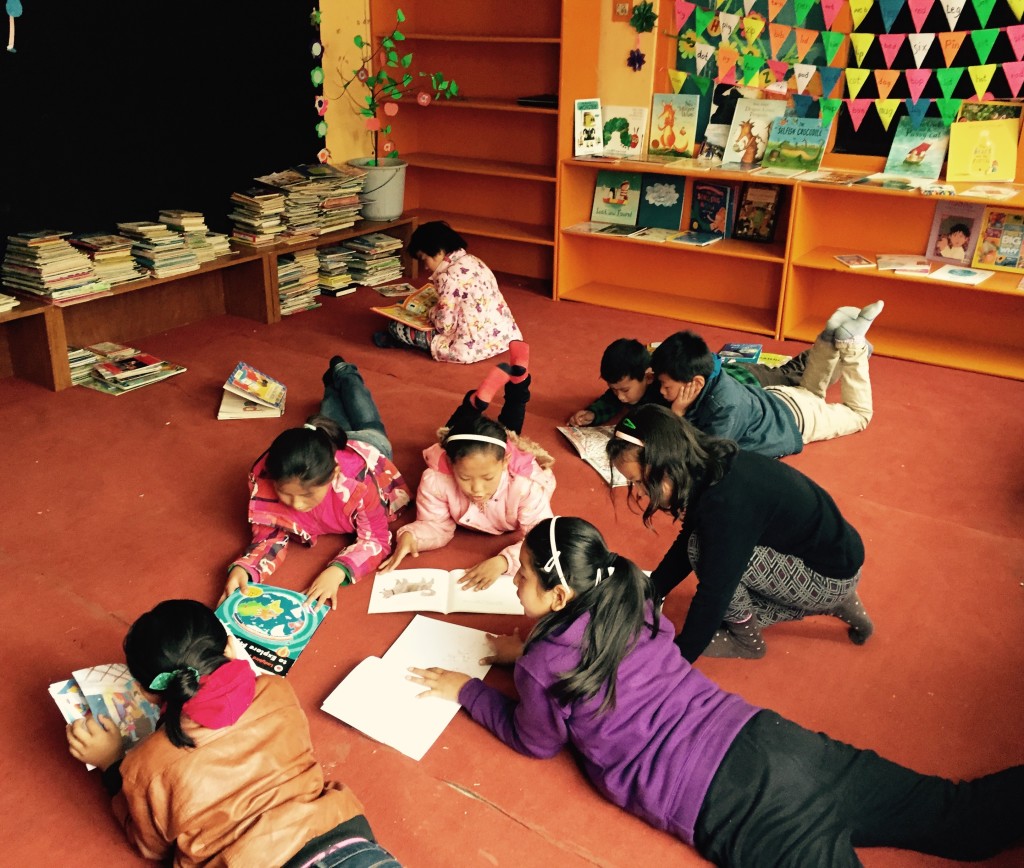
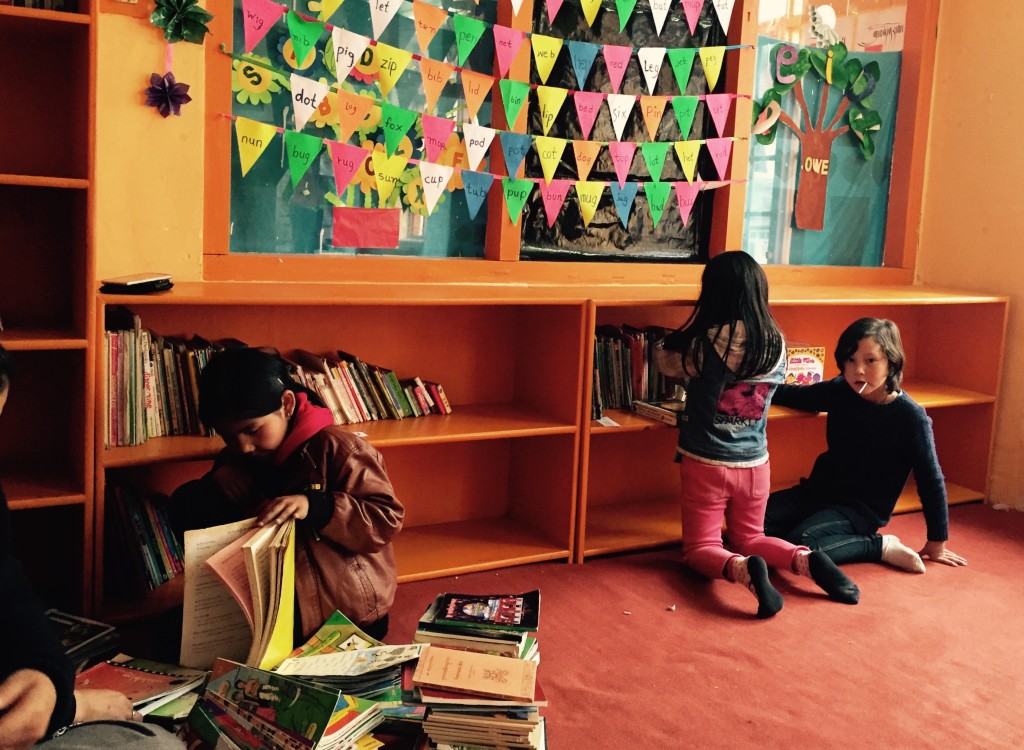
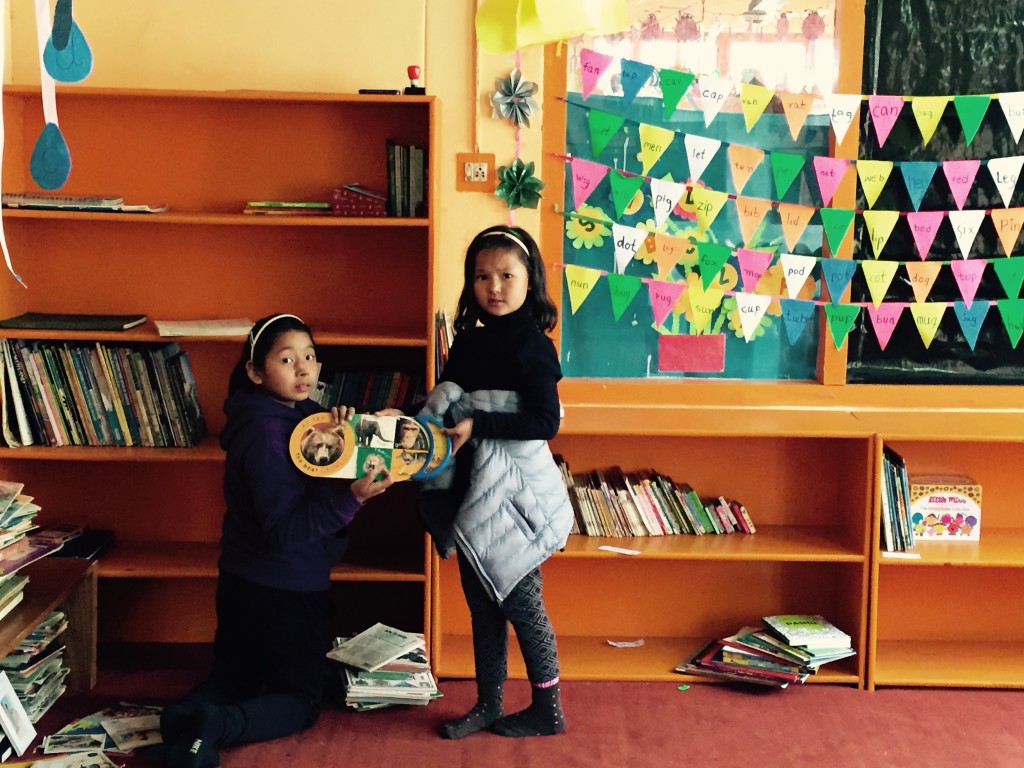
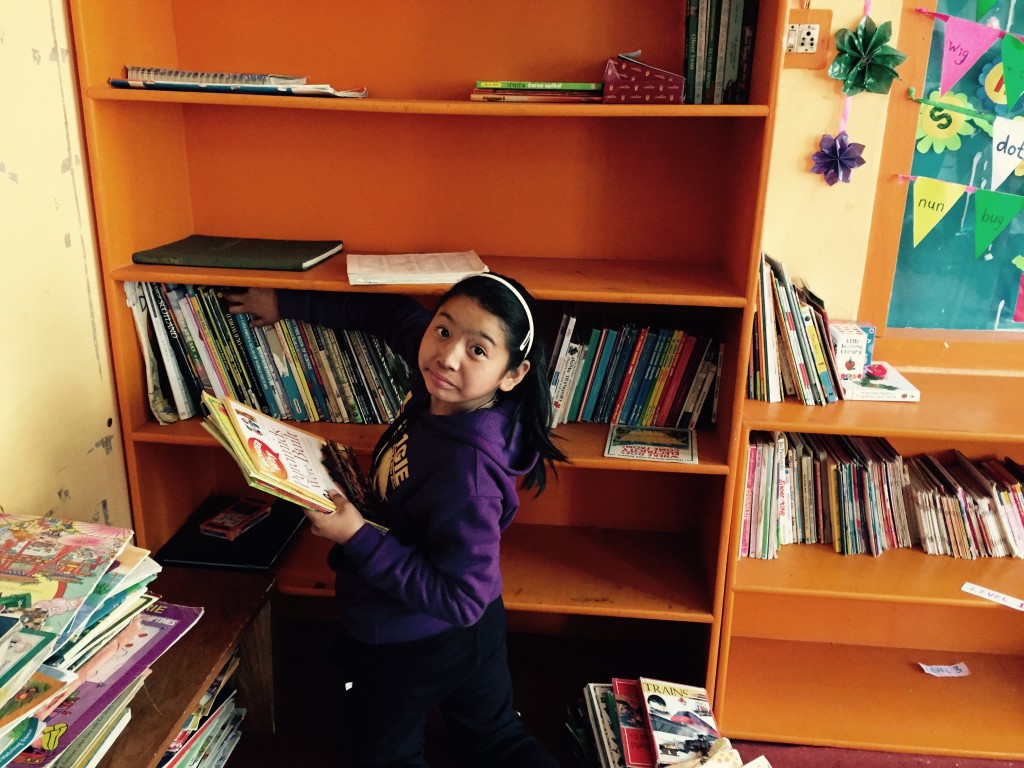
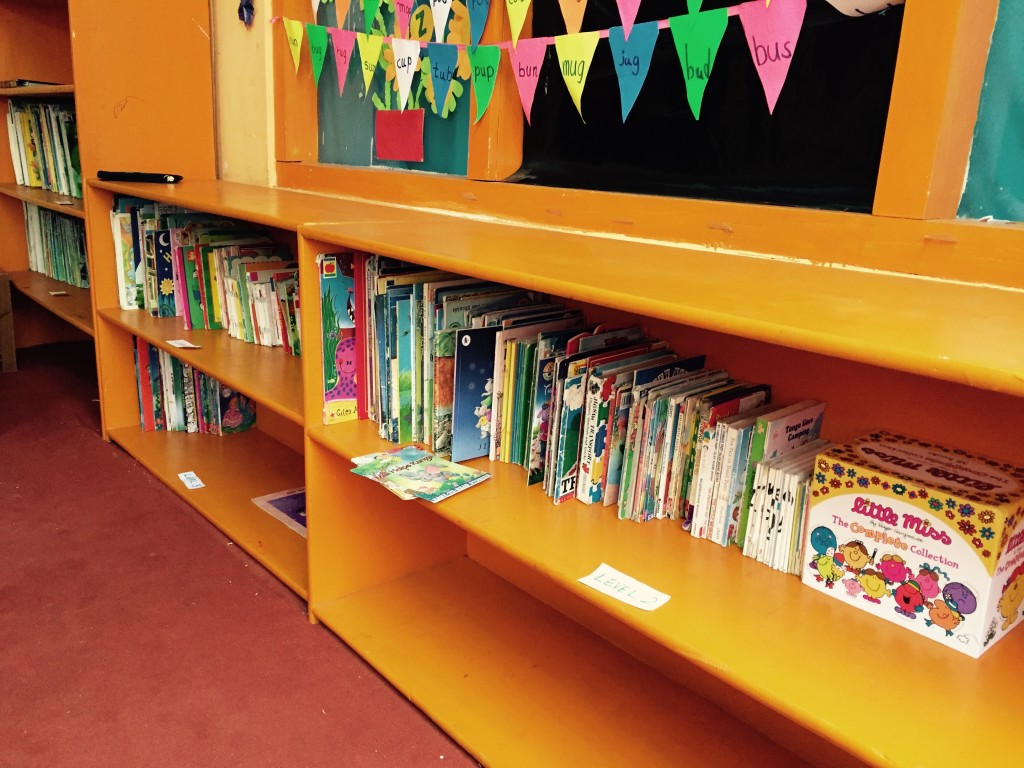
The reading room itself began as a borrowed corner of a monastery, with two low wooden tables and a small oil heater. When the encyclopedia arrived, the volunteer coordinator cleared a shelf along the back wall and arranged the volumes by spine colour so that even children who could not yet read the title could find their favourite section. Within a month, the shelf had grown into a small library of donated fiction, atlases, and art books mailed from supporters in Canberra, Adelaide, and regional New South Wales.
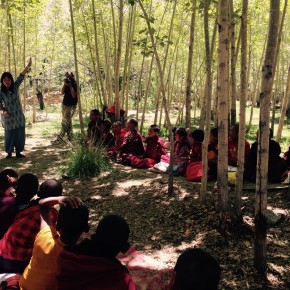
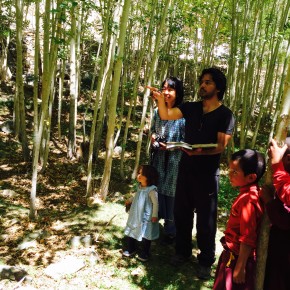
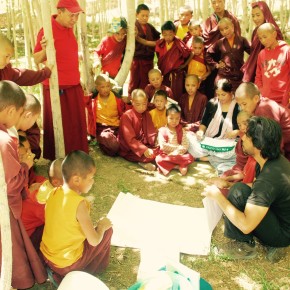
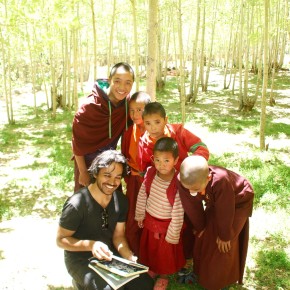
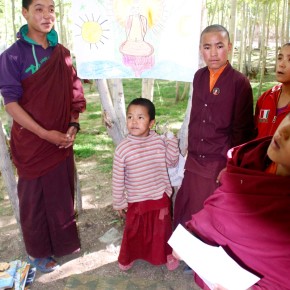
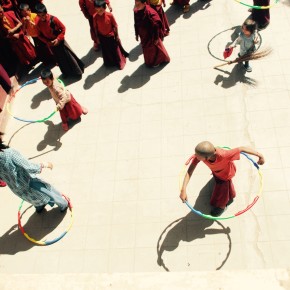
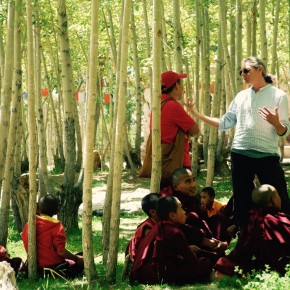
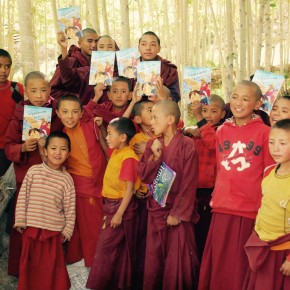
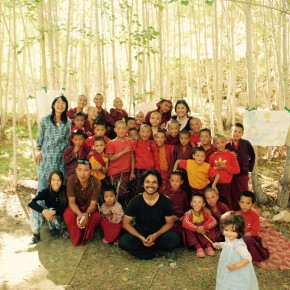
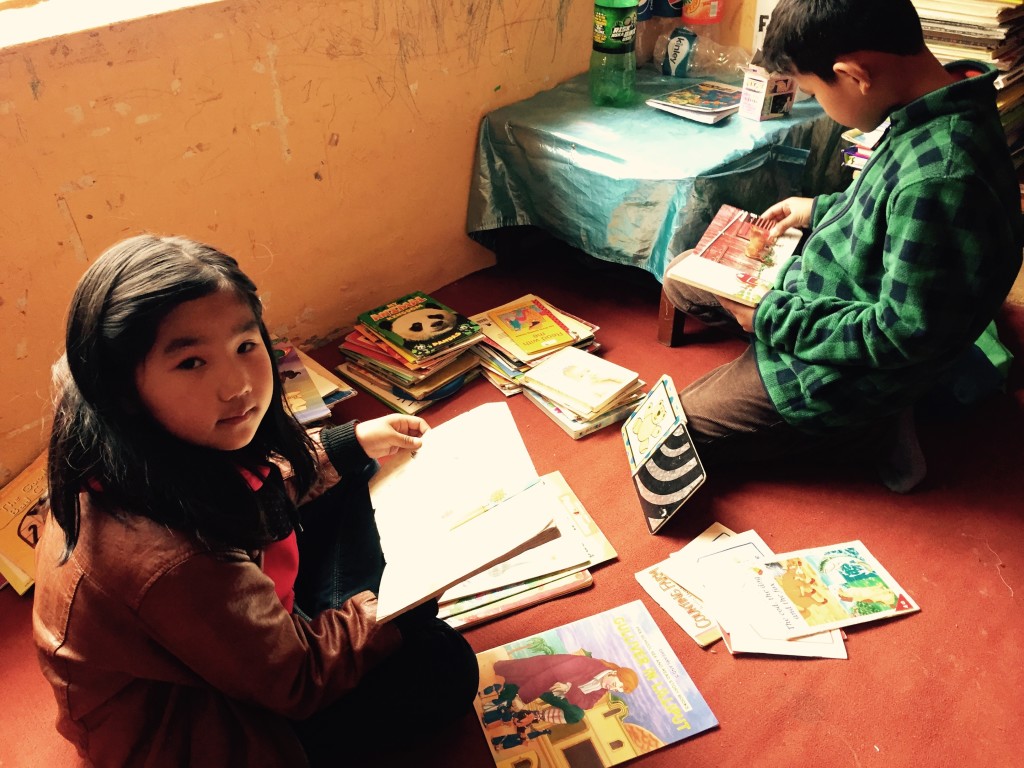
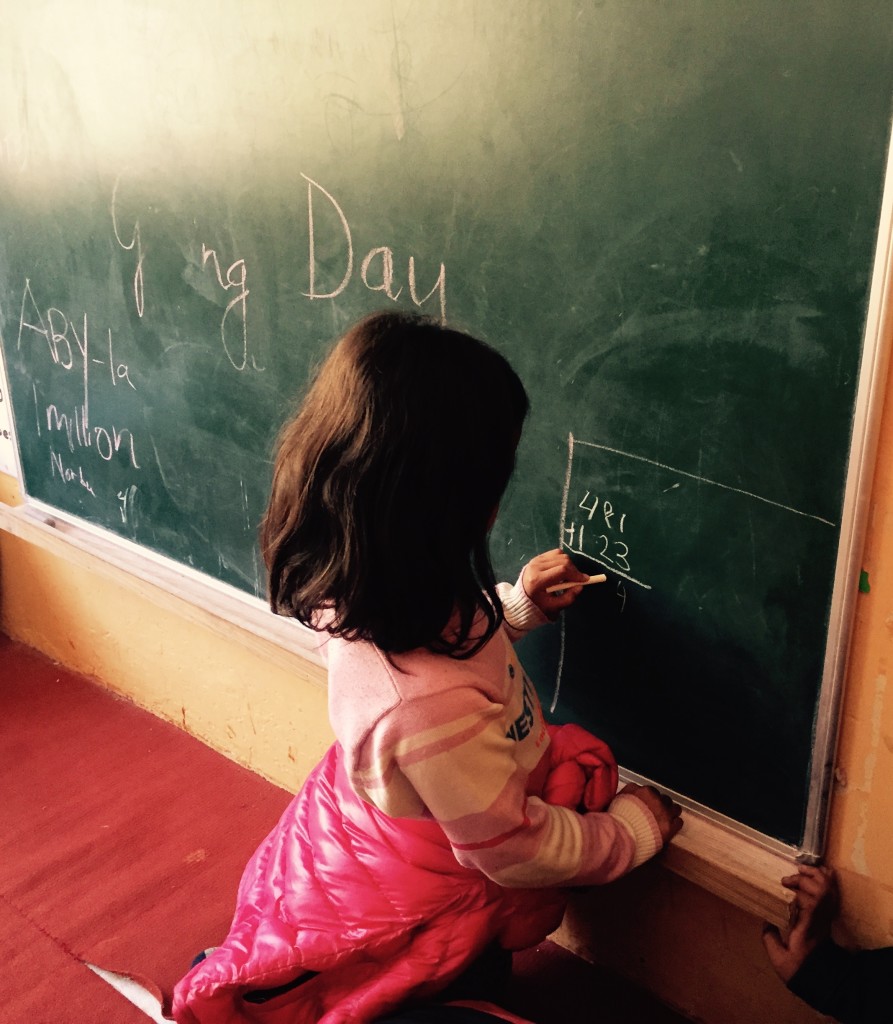
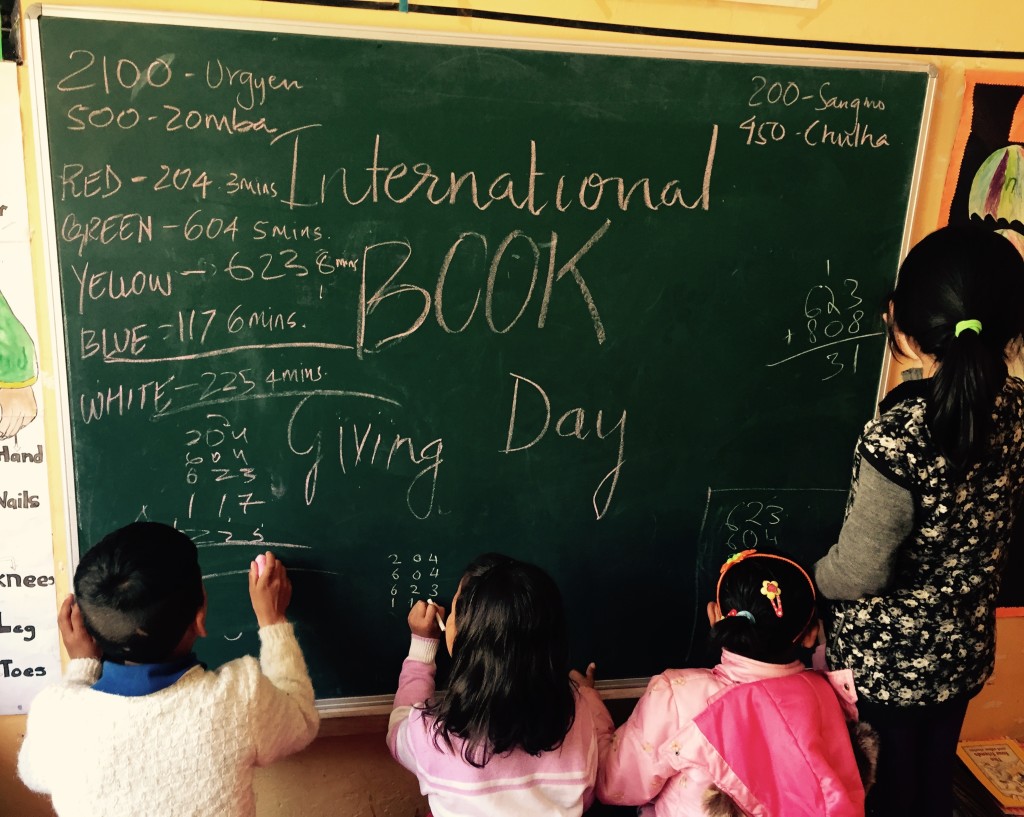
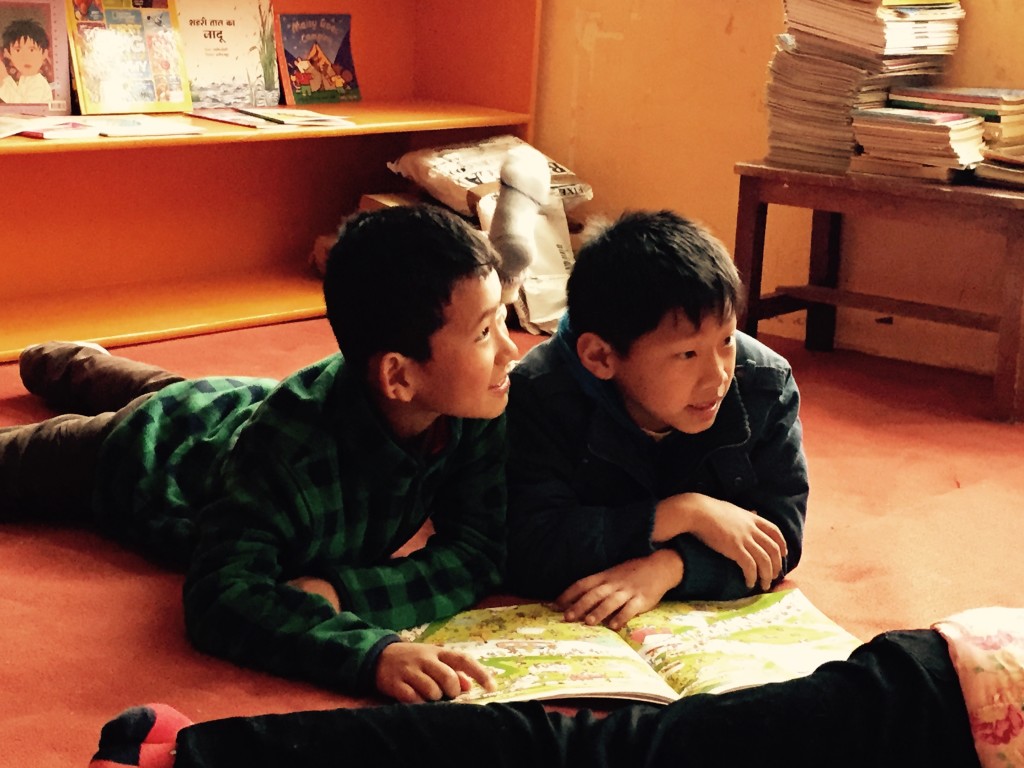
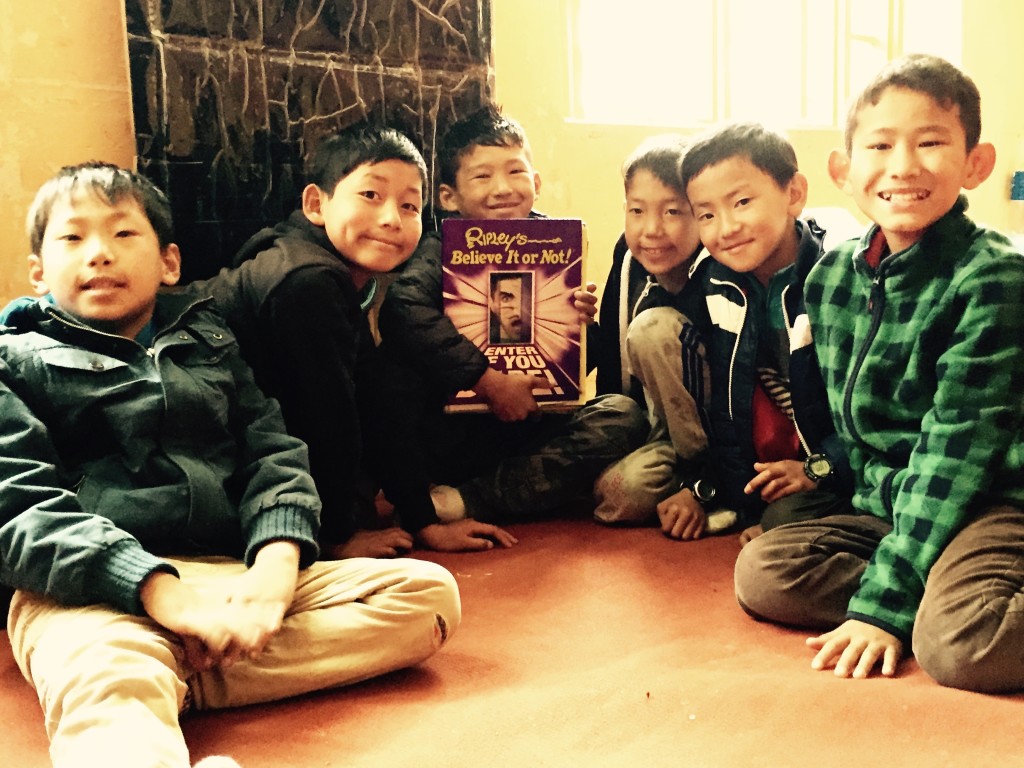
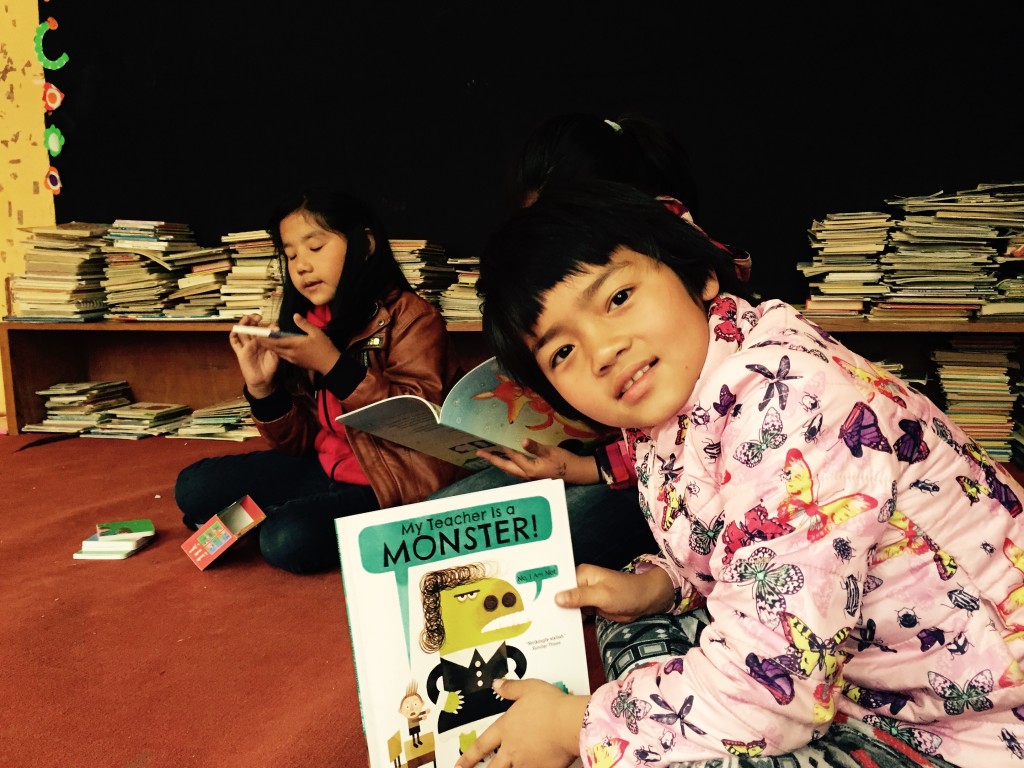
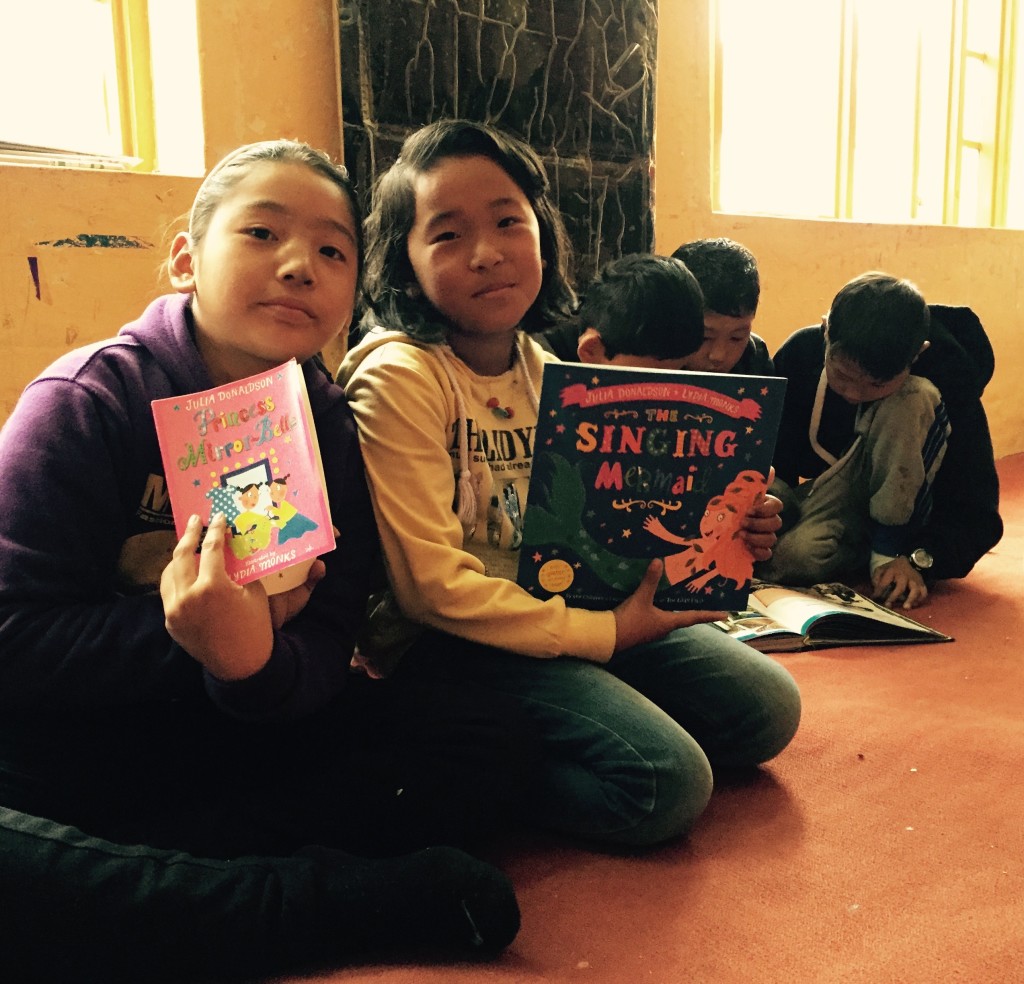
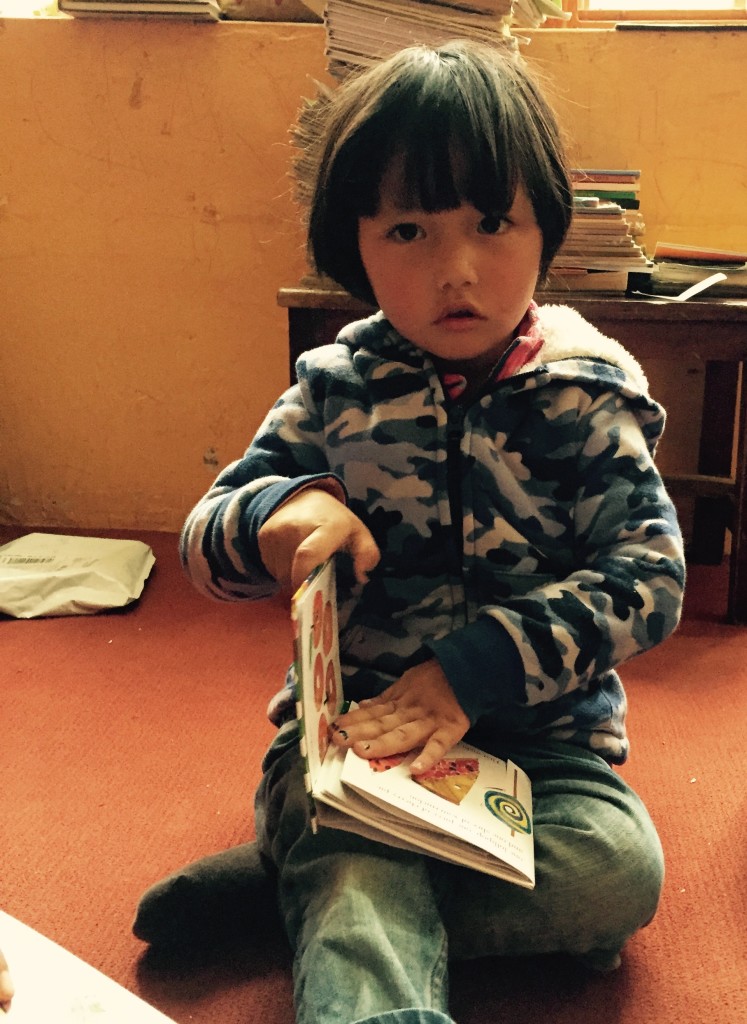
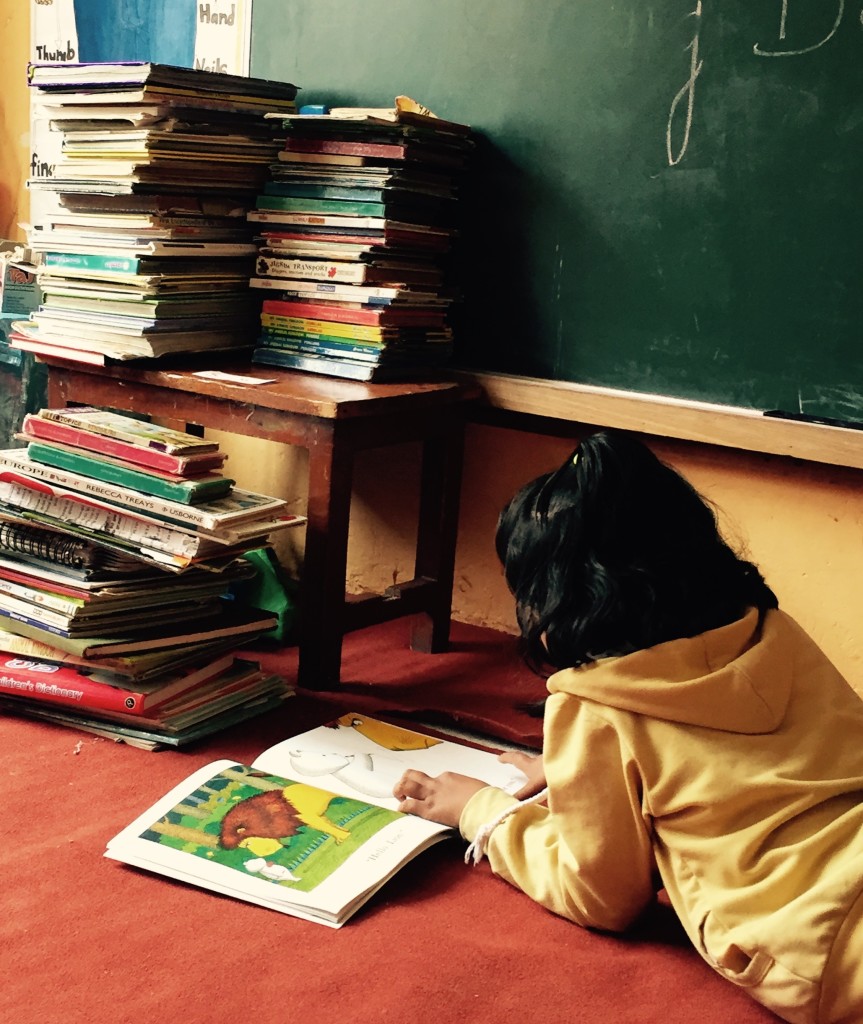
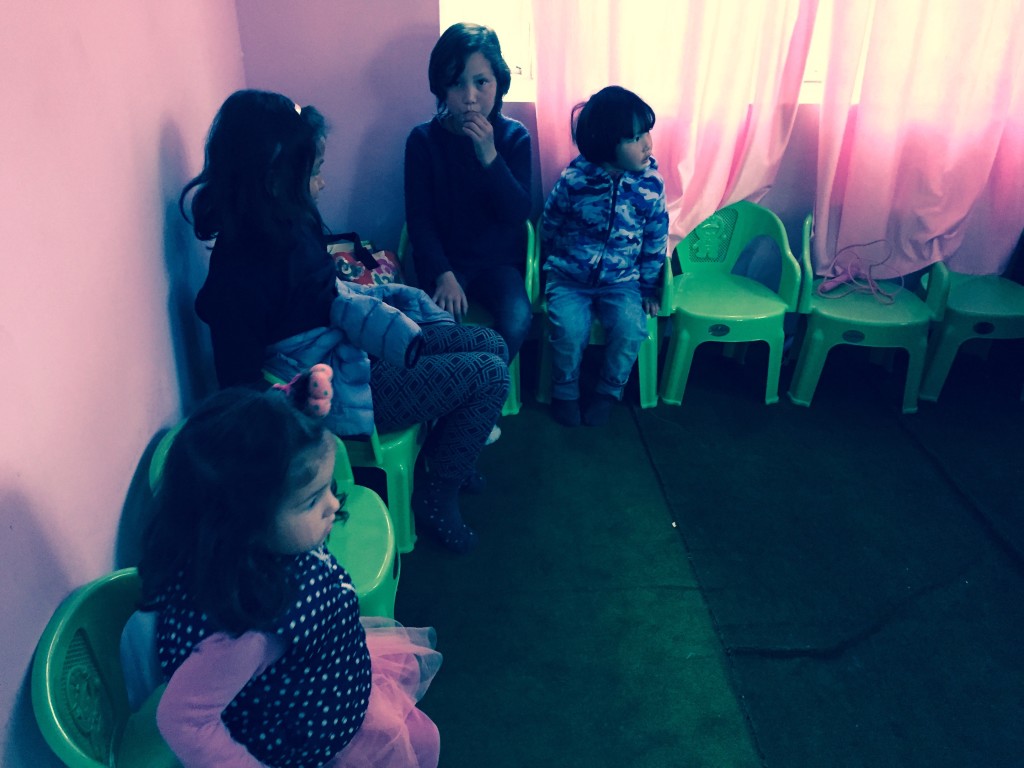
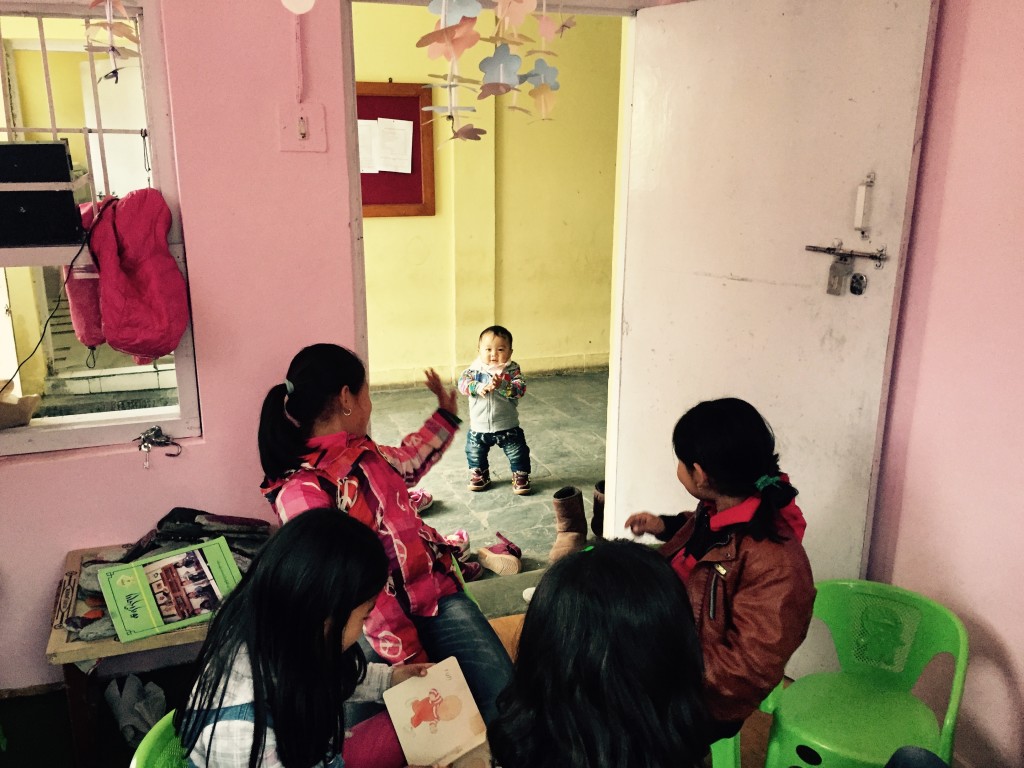
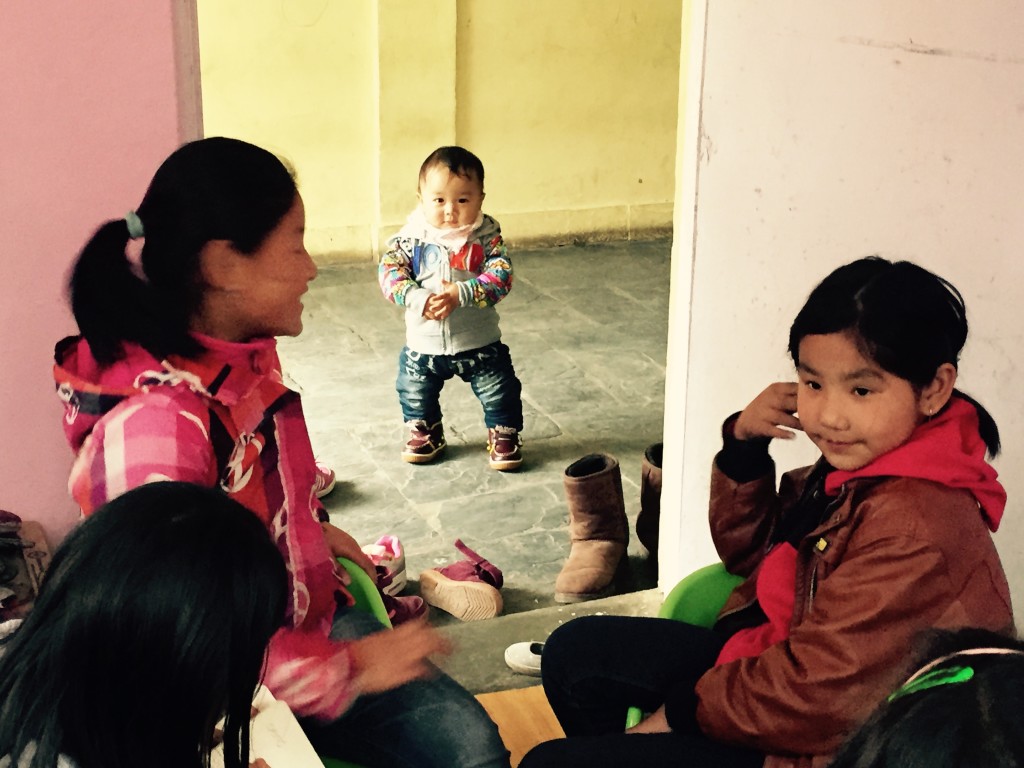
Children began arriving before school for short browsing sessions, often with a cup of butter tea in one hand. The young monks used the encyclopedia to settle arguments about the size of distant rivers, the spelling of unfamiliar capitals, and the proper names of constellations visible during the long winter nights. The reading room now opens its doors six days a week, and the encyclopedias remain the most borrowed items on the shelf.
Stories From the Children Who Use It Daily
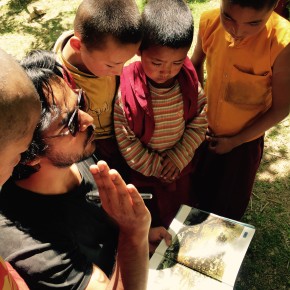
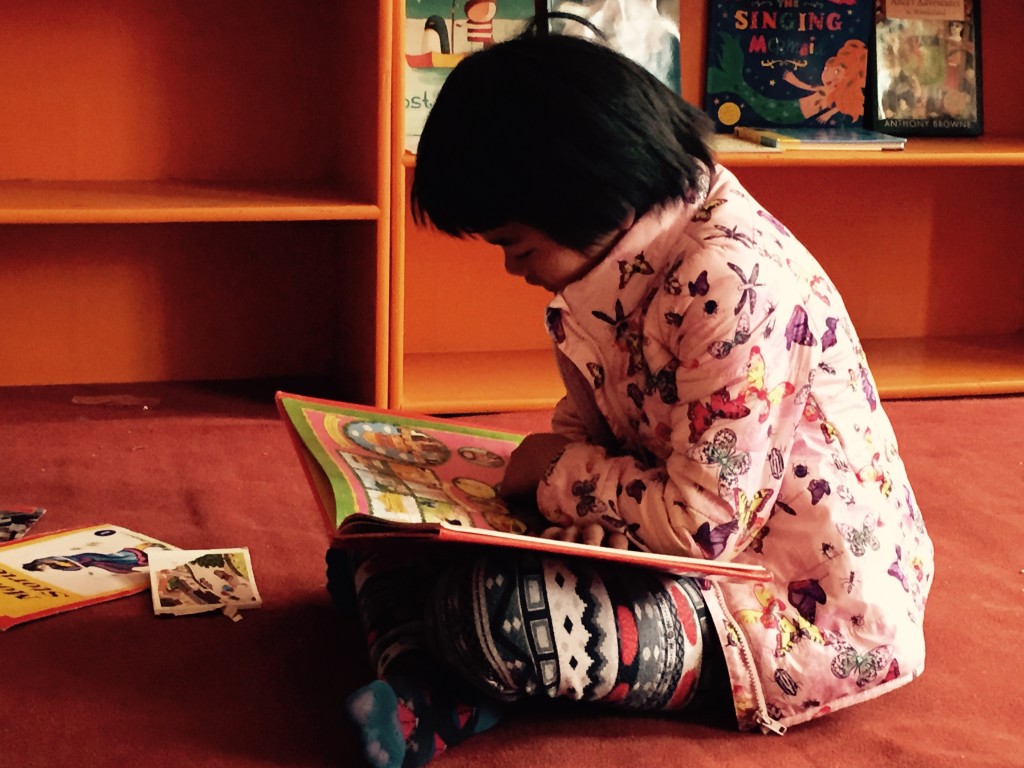
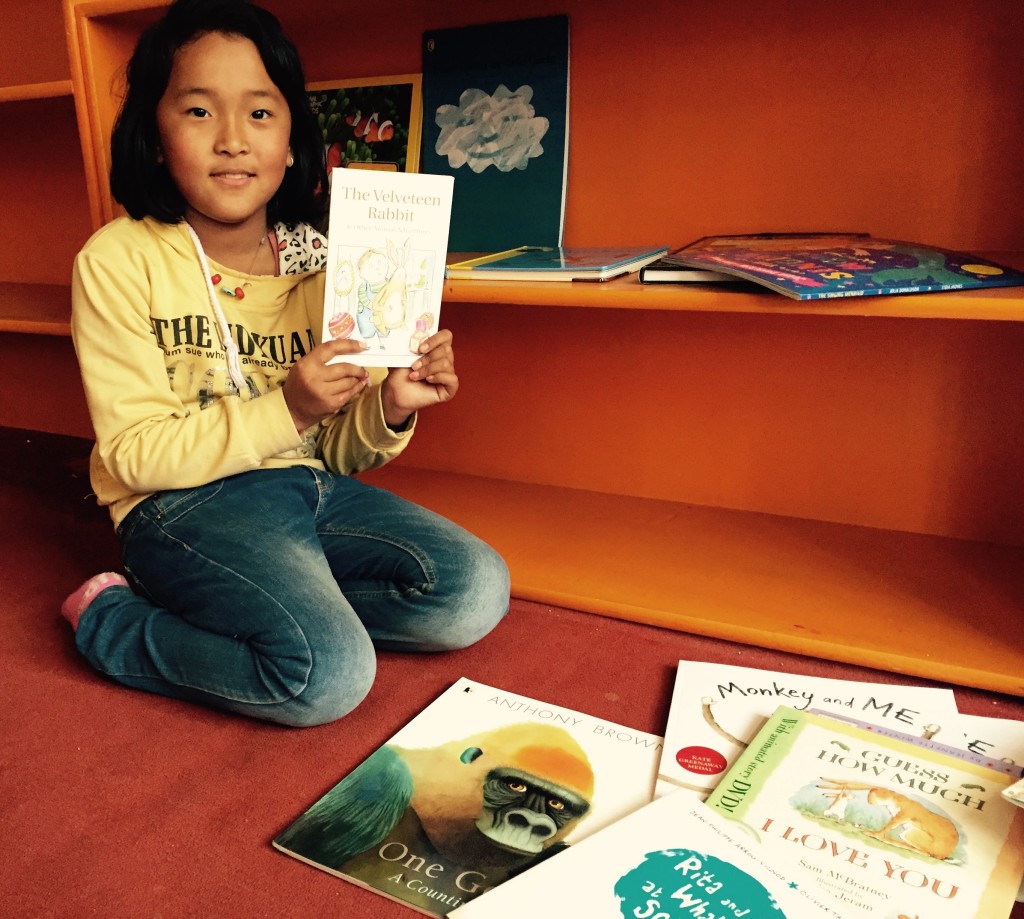
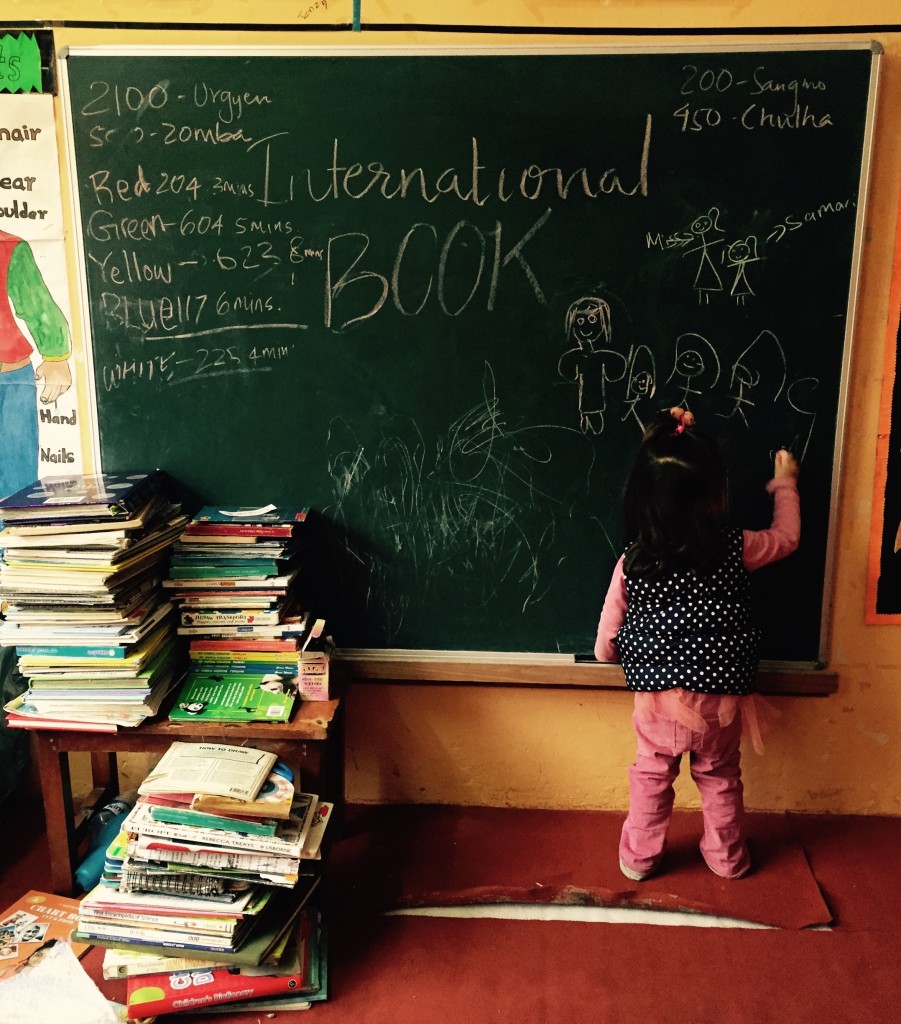
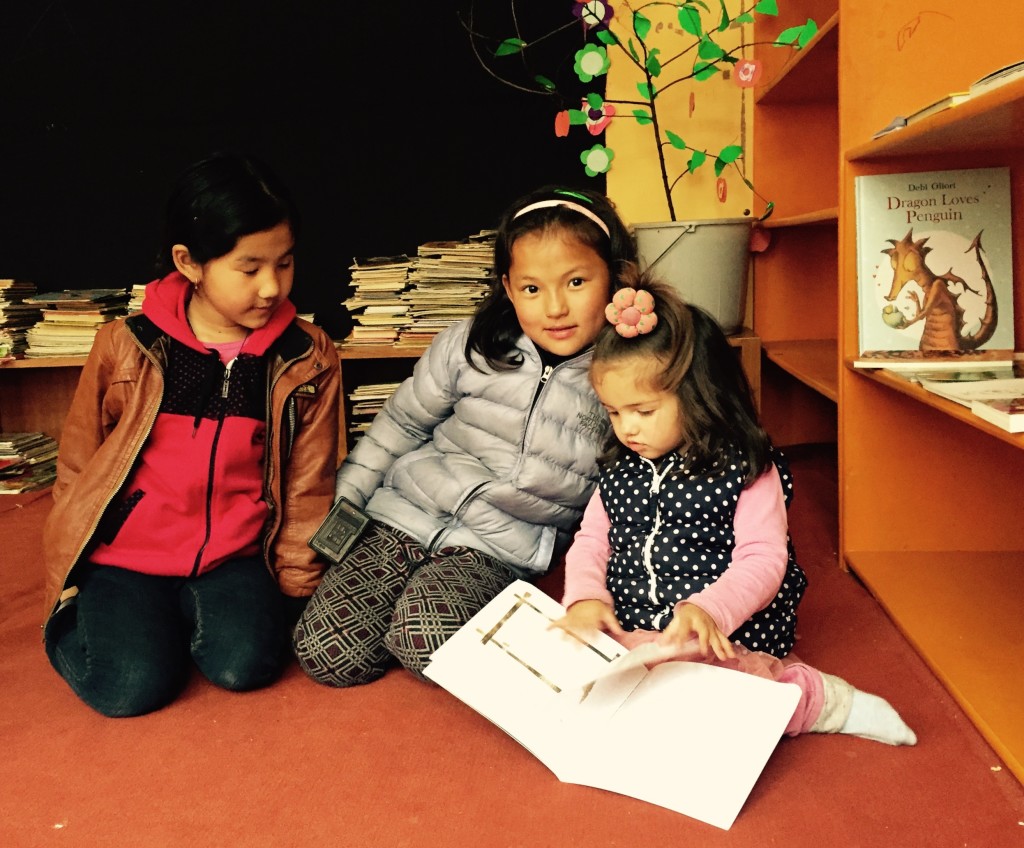
The youngest regular readers treat the volumes almost like picture books, drifting through the colour plates of birds, flags, and ancient cities. The slightly older children use the index to chase down answers to questions sparked by their lessons, and a few teenagers have begun to copy entries into handwritten notebooks that they swap among themselves.
A small group of habits has grown around the volumes, observed by the volunteer librarian:
- A rule that no more than two children share one book at a time, so the spines last longer.
- A weekly "page of the week" chosen by a young monk and read aloud after evening prayers.
- A repaired cover on volume eleven, glued and clamped by the volunteer after a fall.
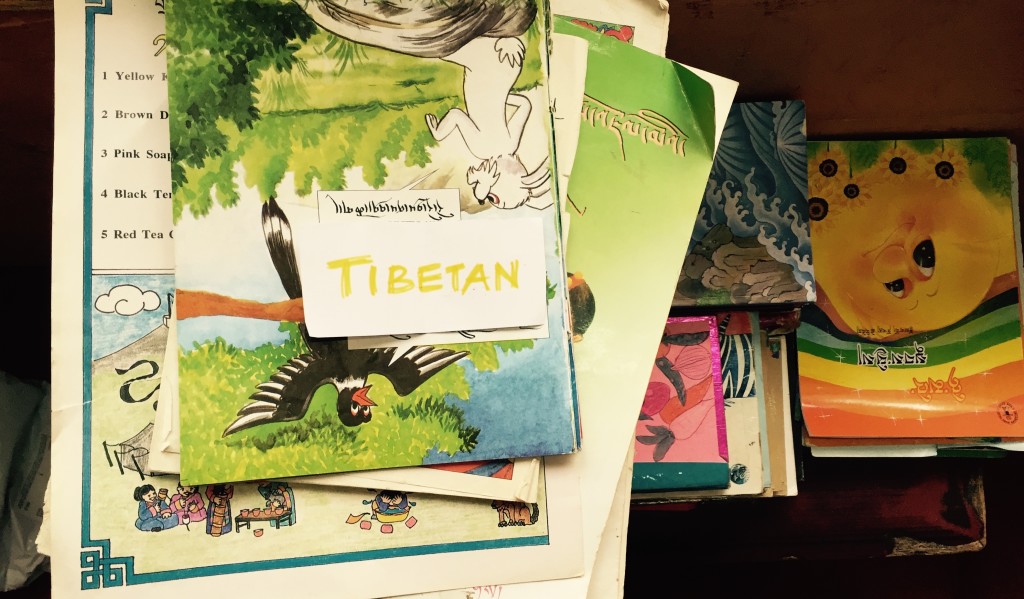
- A hand-drawn label on each spine in both English and the local script.
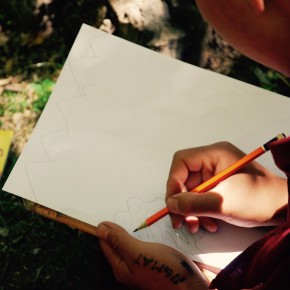
- A borrowing list written in pencil on the inside cover of each volume.
- A small tin where visitors leave folded notes about what they have learned.
The Broader Movement of Book Donations Across Regions
The story of this particular encyclopedia sits inside a much wider pattern. Across Australia, the Charities Act 2013 requires registered organisations, including those working overseas, to demonstrate clear outcomes for their beneficiaries, and the Australian Charities and Not-for-profits Commission publishes guidance on the kind of evidence that supports good reporting. For donors, this means that a humble box of books can be tracked, photographed, and acknowledged in ways that satisfy both local tax rules and the expectations of the receiving community.
Networks of supporters from Hobart to Perth have made similar donations possible, often working with partners that aggregate small parcels into larger shipments. Some of these efforts, such as the work of an international book donation network that links retired libraries to remote schools, have spent years refining their packing lists and shipping routes so that a volume can survive monsoon humidity and winter frost alike. In Ladakh, the same trust that received the Melbourne encyclopedia now passes on duplicate titles to neighbouring villages, extending the life of every donation.
Lessons for Donors, Volunteers and Communities
The clear lesson from this story is that usefulness does not end when a book leaves the original owner's shelf. A volume that feels outdated in a suburban lounge room can become the most consulted item in a mountain reading room, simply because it is there, intact, and readable without a charger. Practical steps that have worked well for similar donations include:
- Photograph each set and list the titles before posting, so receiving groups can confirm what they need.
- Pack volumes flat with cardboard stiffeners, avoiding tape on the spines themselves.
- Choose a registered charity with transparent reporting under Australian regulations.
- Budget for slow shipping rather than express freight, since sea and overland routes cost less and cause less damage.
- Keep an open channel with the receiving reading room, so future titles can be sent when needed.
For volunteers, the work that follows matters as much as the donation itself, from labelling spines in the local script to mending a torn cover with the patience of a craftsman. The encyclopedia that nearly went to the recycling skip now sits on a wooden shelf in Ladakh, its pages still turning under small hands, and the village that received it has come to treat those fifteen volumes as a piece of shared inheritance, proof that a donated book, given the right route and the right care, can quietly outlast the era in which it was first printed and become part of the daily life of a place its original owner may never see.