How a Cafeteria Book Drive in New York Reached Children in Ladakh
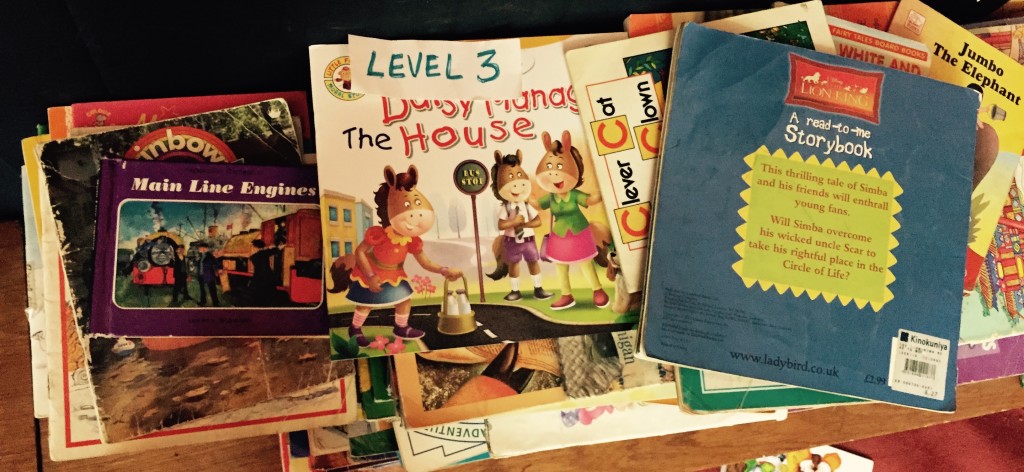
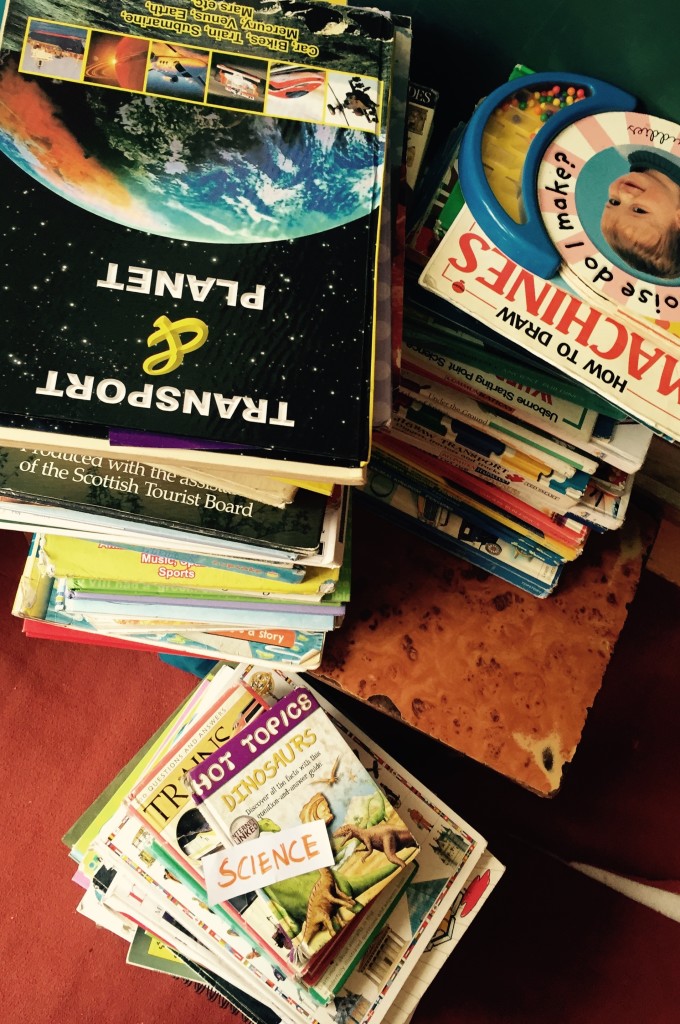
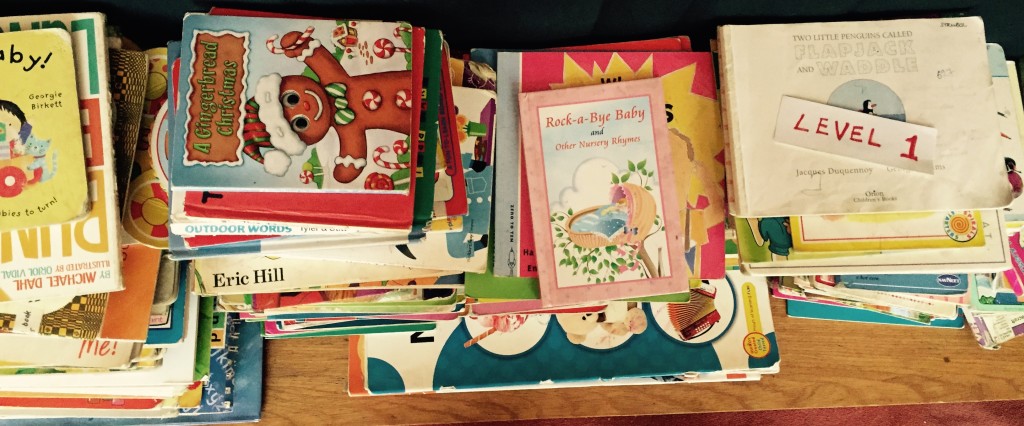
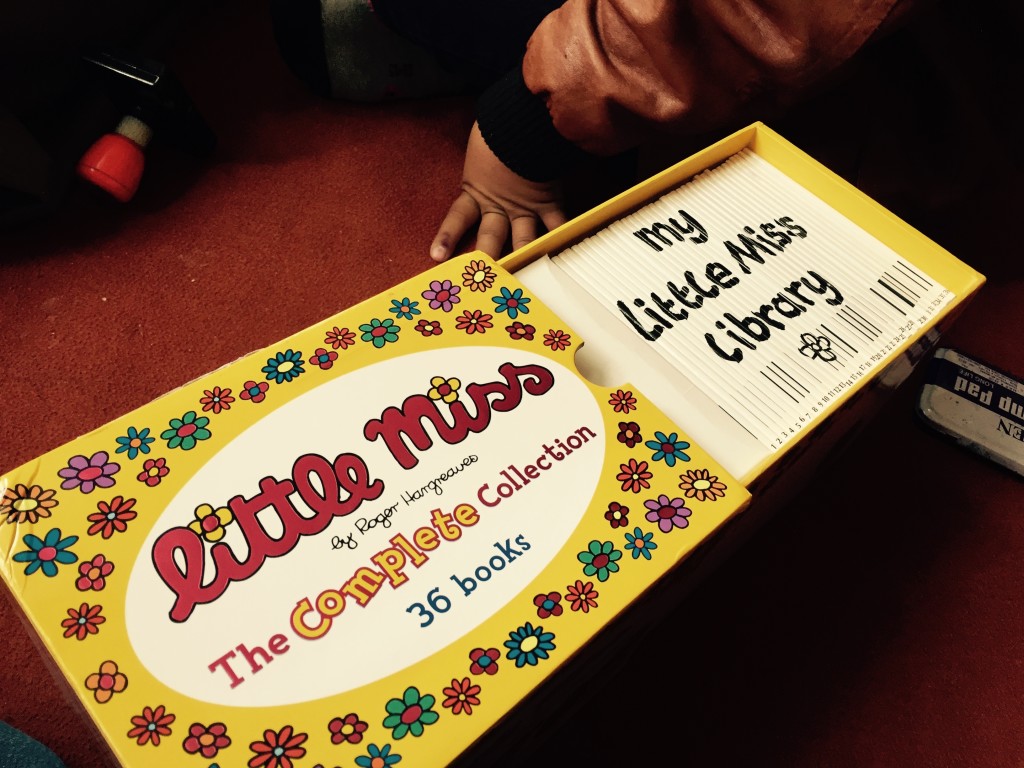
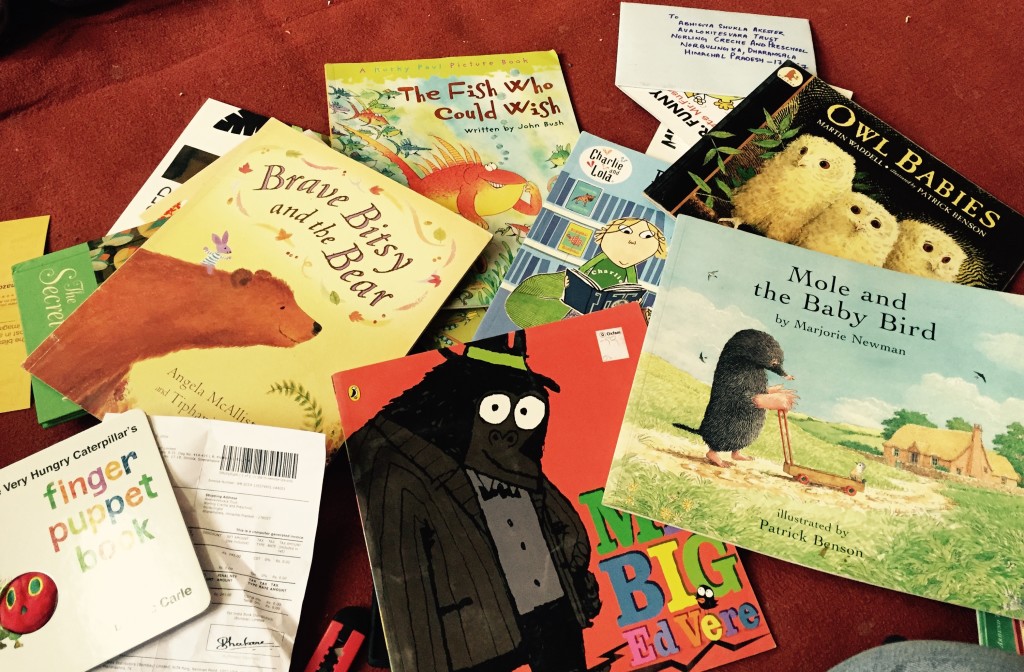
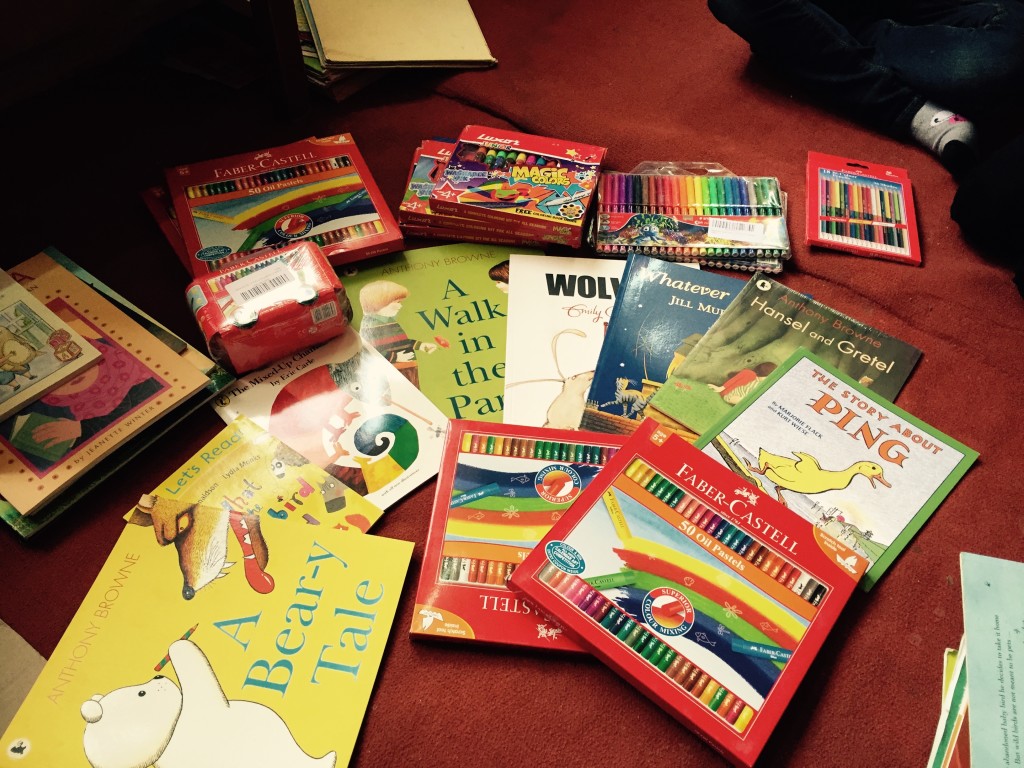
In the autumn of 2019, a lunchroom at a public school in the Bronx was being cleared of trays and spilled milk when a group of seventh-graders began stacking paperbacks on the long tables. The cafeteria was not being used for a book fair; it had simply become the only space large enough to hold what they had collected. Within two weeks, more than two thousand books had arrived, sorted by language and reading level, and packed into cardboard boxes marked with handwritten labels.
The Avalokiteśvara Trust was, at that time, a small group of volunteers based between Delhi and Sydney, focused on building reading rooms and supporting young monks in the Himalayan region of Ladakh. When word reached the founders about the New York collection, a logistics chain began that linked schoolchildren in the Bronx with children who had never owned a storybook of their own. The story of that shipment has since become one of the organisation's defining projects, and a reminder of how a single act of classroom generosity can ripple across oceans.
For readers in Australia, the story carries particular resonance. Many communities across New South Wales, the Northern Territory, and Western Australia face geographic and economic isolation similar to villages perched above the Indus. Book drives, reading rooms, and partnerships with local schools have become part of a wider conversation about literacy equity in remote places, and the New York initiative offers a model that adapts easily to suburban carparks, scout halls, and parish halls across the country.
The Moment a School Cafeteria Became a Hub for Giving
The seed of the project came from a Year 7 English teacher named Mr. Petrov, who had read about Avalokiteśvara's reading rooms in a newsletter shared by a colleague. He floated the idea with his homeroom class: rather than hosting another bake sale, what if they collected books for children their own age living thousands of miles away? The response was immediate, but the school had no storage room large enough to receive what arrived within days.
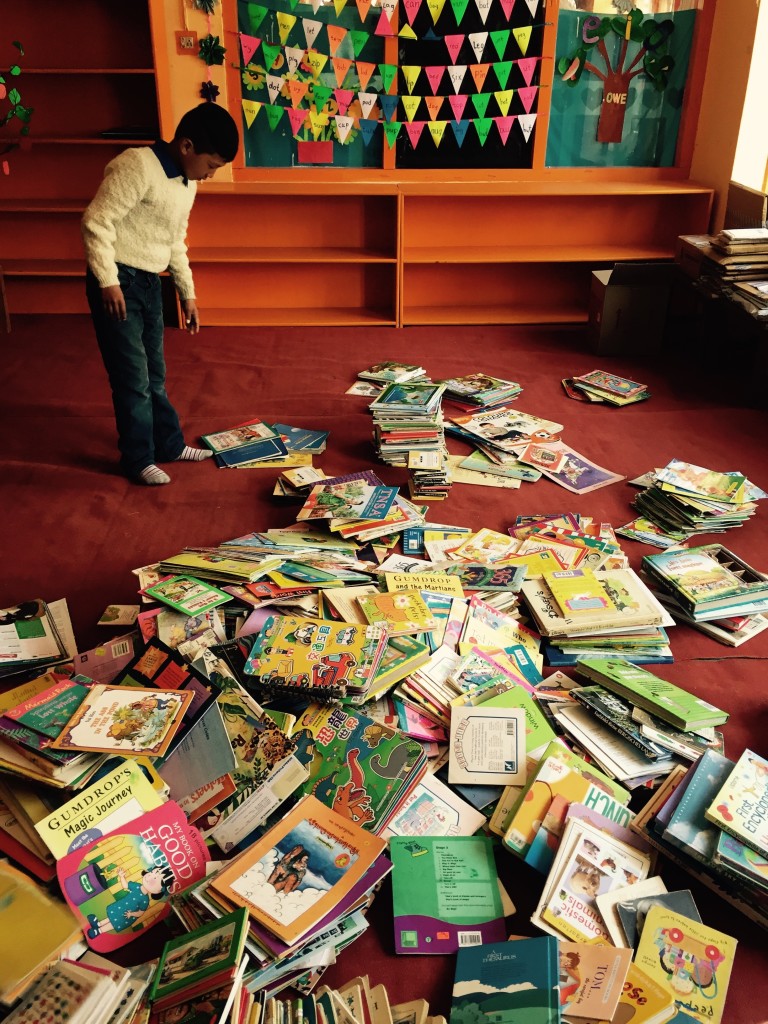
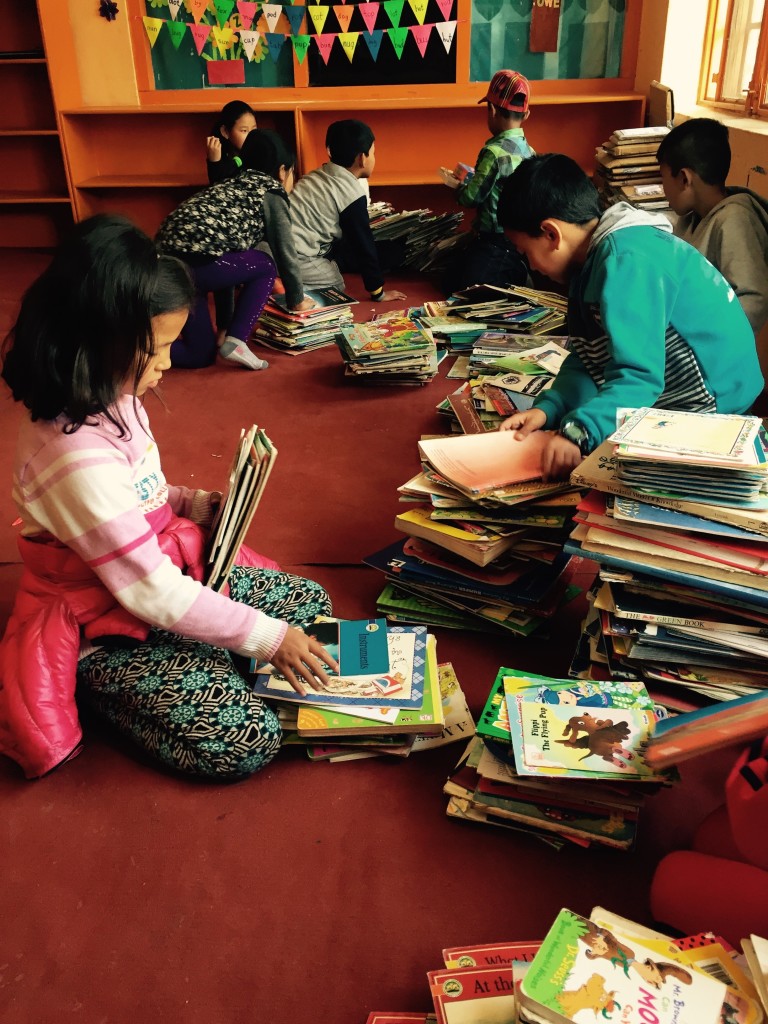
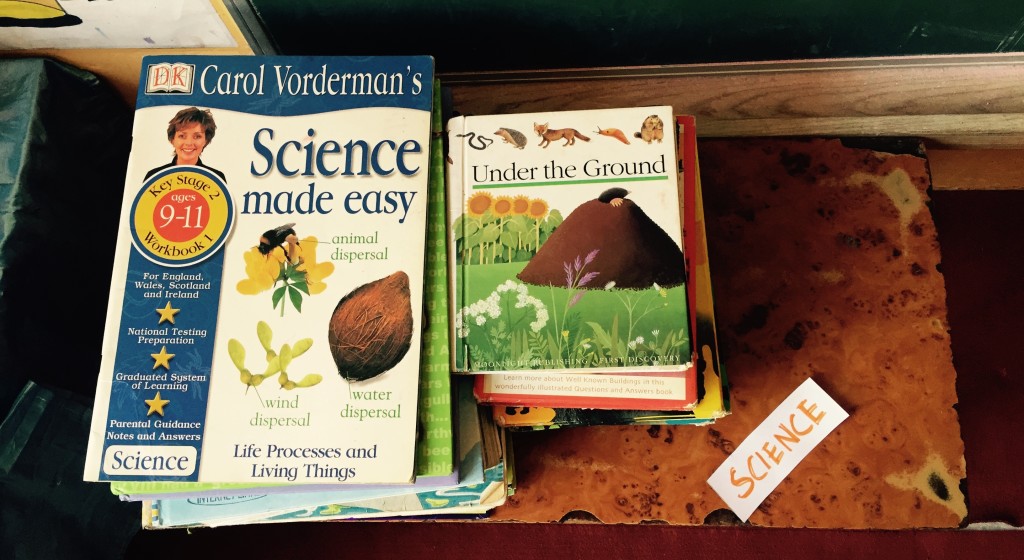
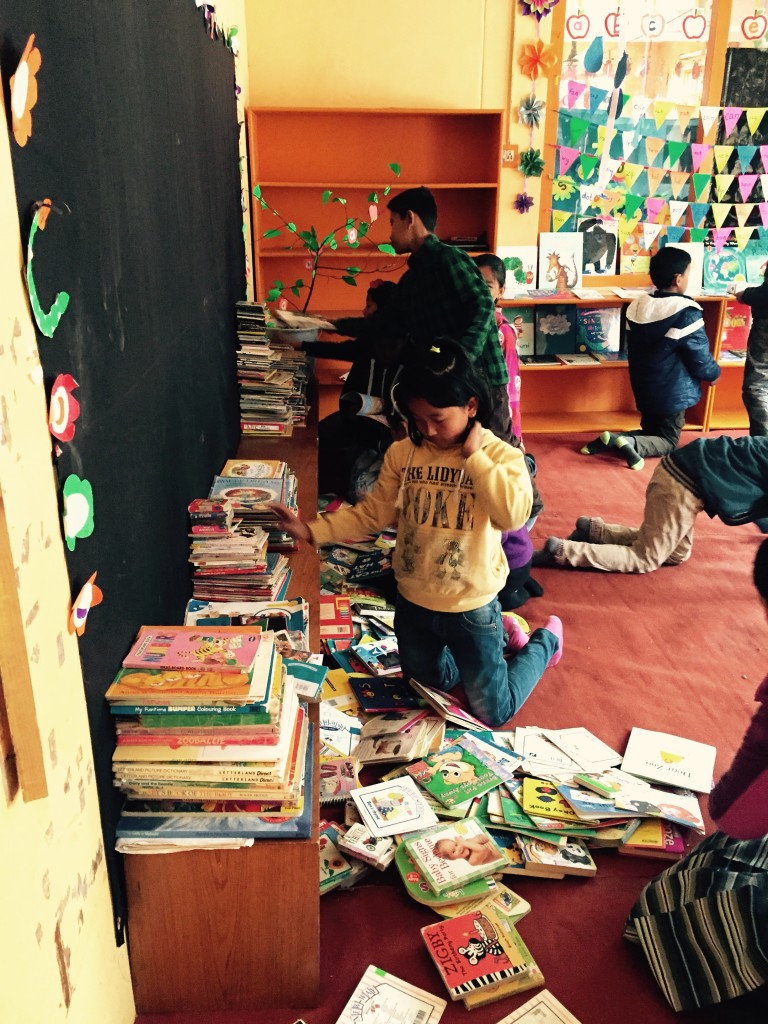
The cafeteria manager offered the lunchroom during off-hours. Parents drove boxes in from Brooklyn and Queens. A local café near the school donated sturdy cartons and printed labels that read "Library in Transit." Within a fortnight, the space resembled a small warehouse, organised by genre and reading age, with bilingual volunteers sorting donations in Spanish, Mandarin, and English. What had begun as a class initiative had quietly transformed into a community project.
The teachers noticed something subtle in the months that followed. Students who had helped pack boxes were more likely to borrow from the school library themselves, and attendance at reading sessions held during lunch breaks rose noticeably. A cafeteria that had once been simply a place to eat had become, in the words of one pupil, "the room where we figured out what kind of people we wanted to be."
How the Books Travelled Across Continents
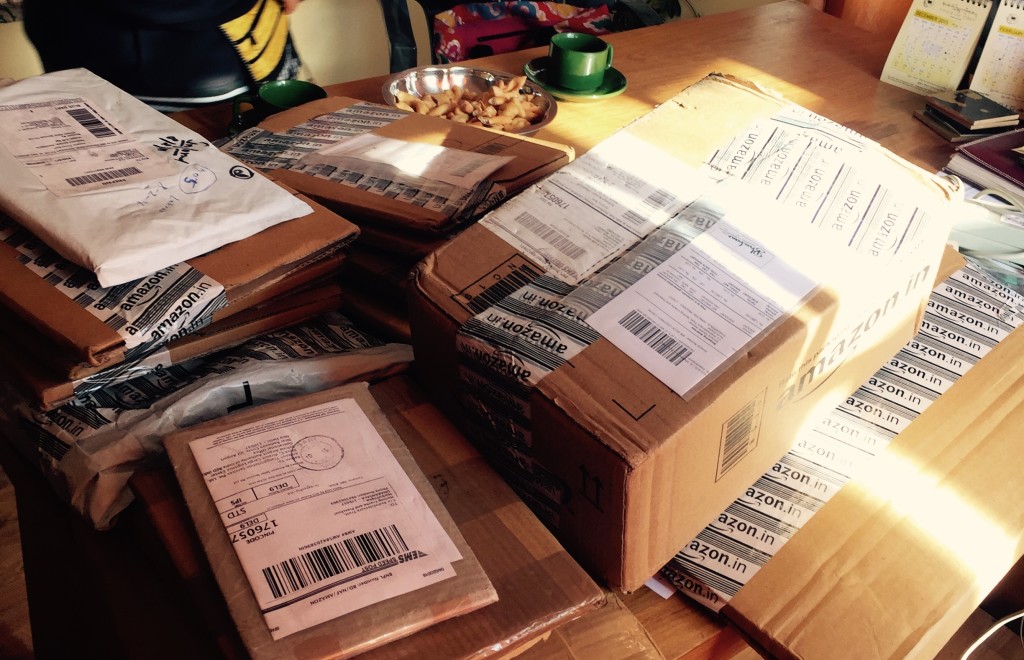
Shipping two thousand books across the world requires coordination, patience, and a fair amount of goodwill from freight companies. The Avalokiteśvara Trust partnered with a logistics firm that had previously moved supplies for monasteries in northern India. Each box was weighed, photographed, and registered in a spreadsheet that allowed the New York students to track their donation from the Bronx to Leh, the capital of Ladakh.
The journey took several weeks. Books were trucked to a warehouse in New Jersey, consolidated onto a container ship bound for Mumbai, then forwarded overland through the Himalayas. At every stage, volunteers posted updates on a shared online folder, complete with photos of pallets being loaded and customs forms being stamped. The transparency turned the donation into a live lesson in geography, supply chains, and the practical meaning of international cooperation.
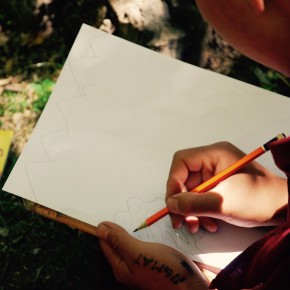
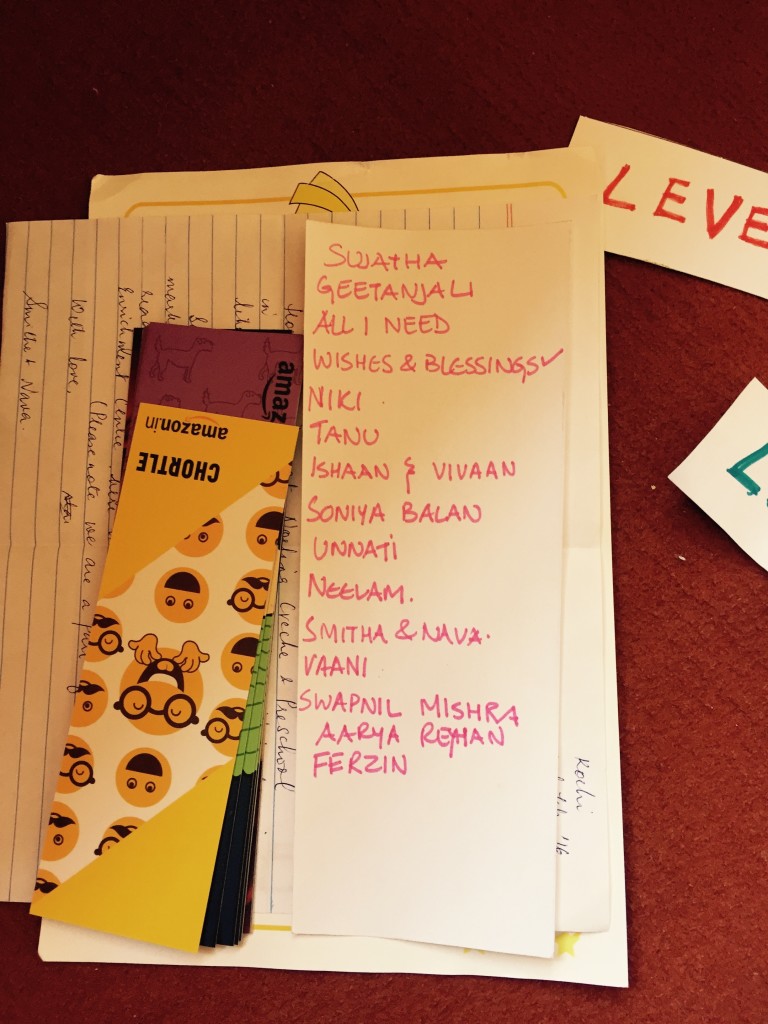
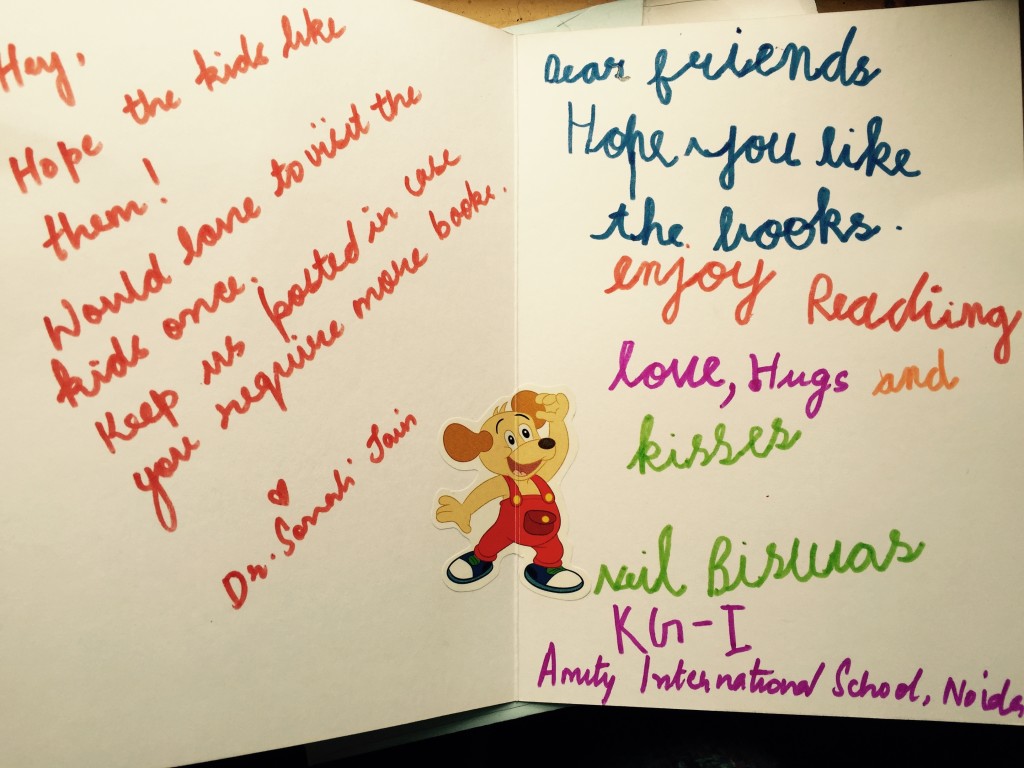
By the time the first boxes were unloaded at a monastery in the village of Diskit, the New York students had followed every step. Several wrote letters to the children who would receive their books, and a small collection of replies arrived months later, written on lined paper and decorated with pencil drawings of mountains. The exchange continues to this day, with new classes joining the correspondence each term.
Building Reading Rooms in High-Altitude Villages
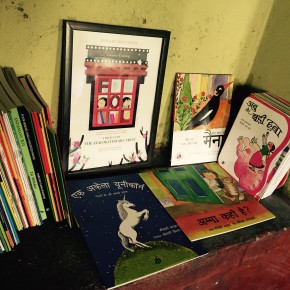
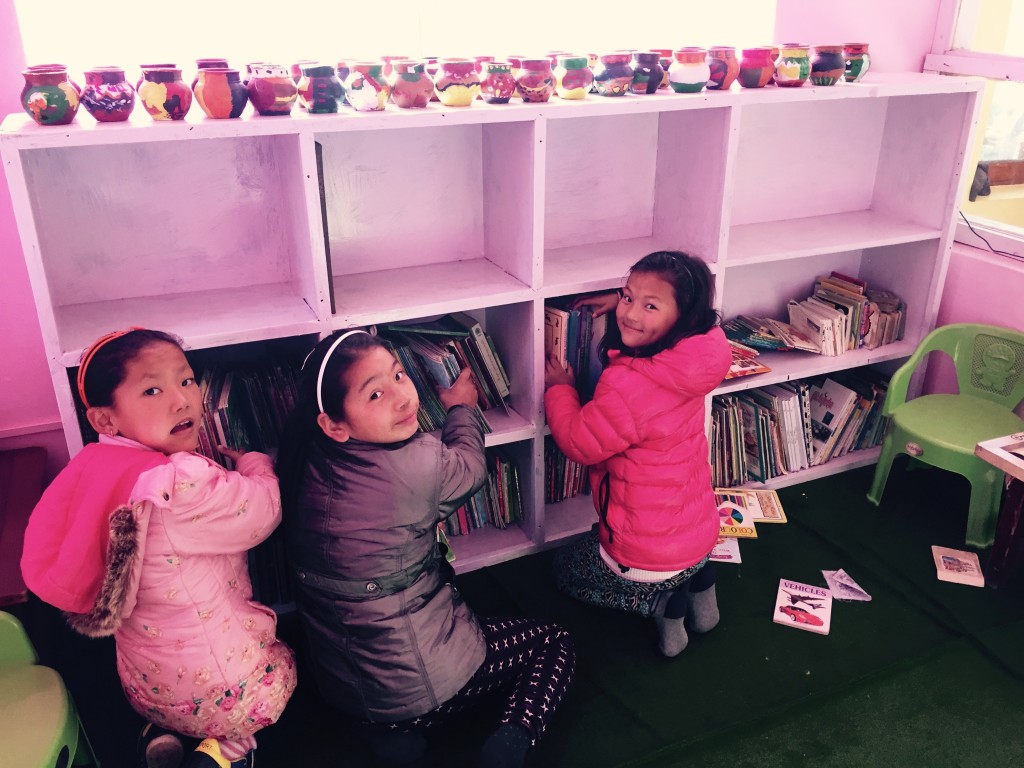
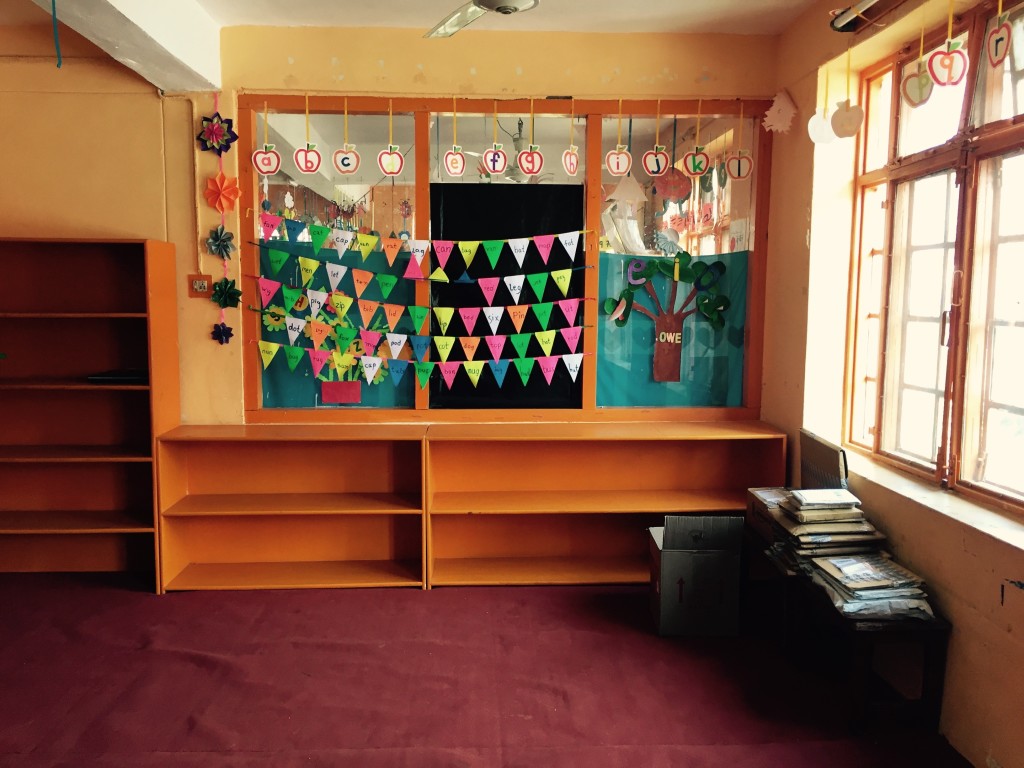
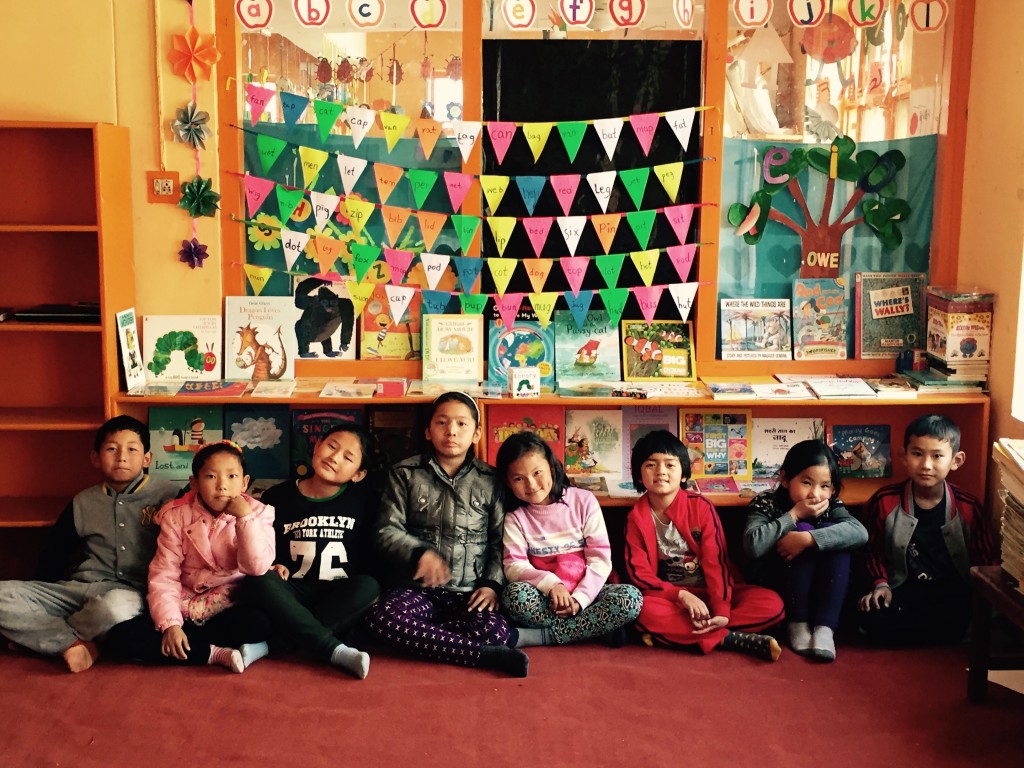
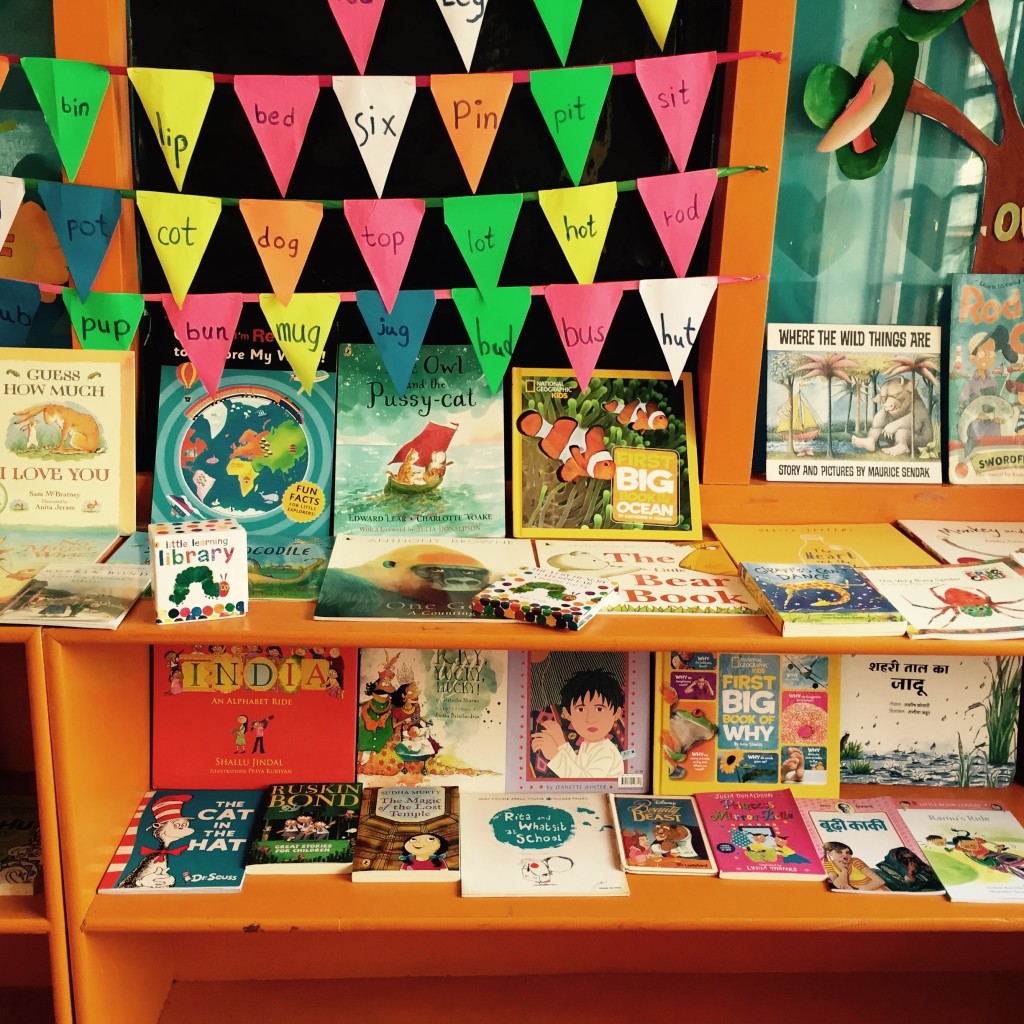
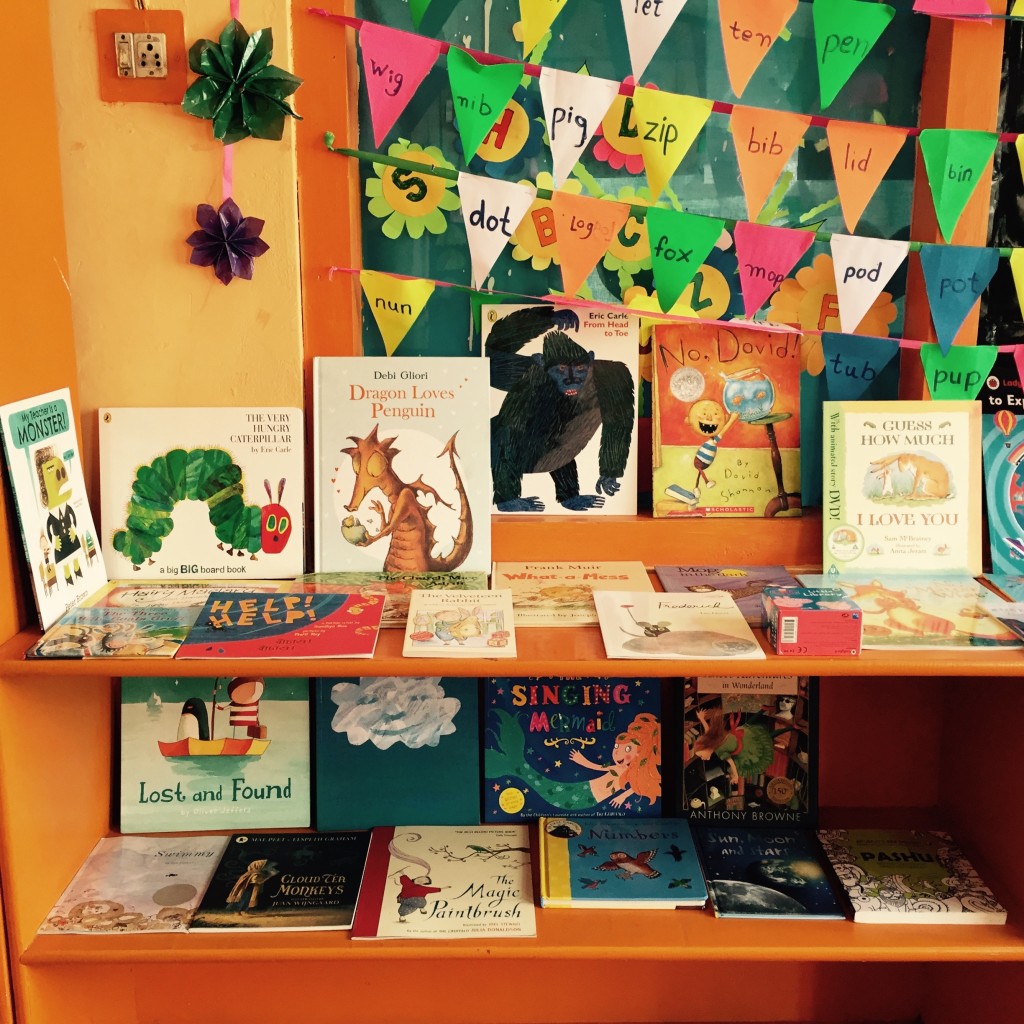
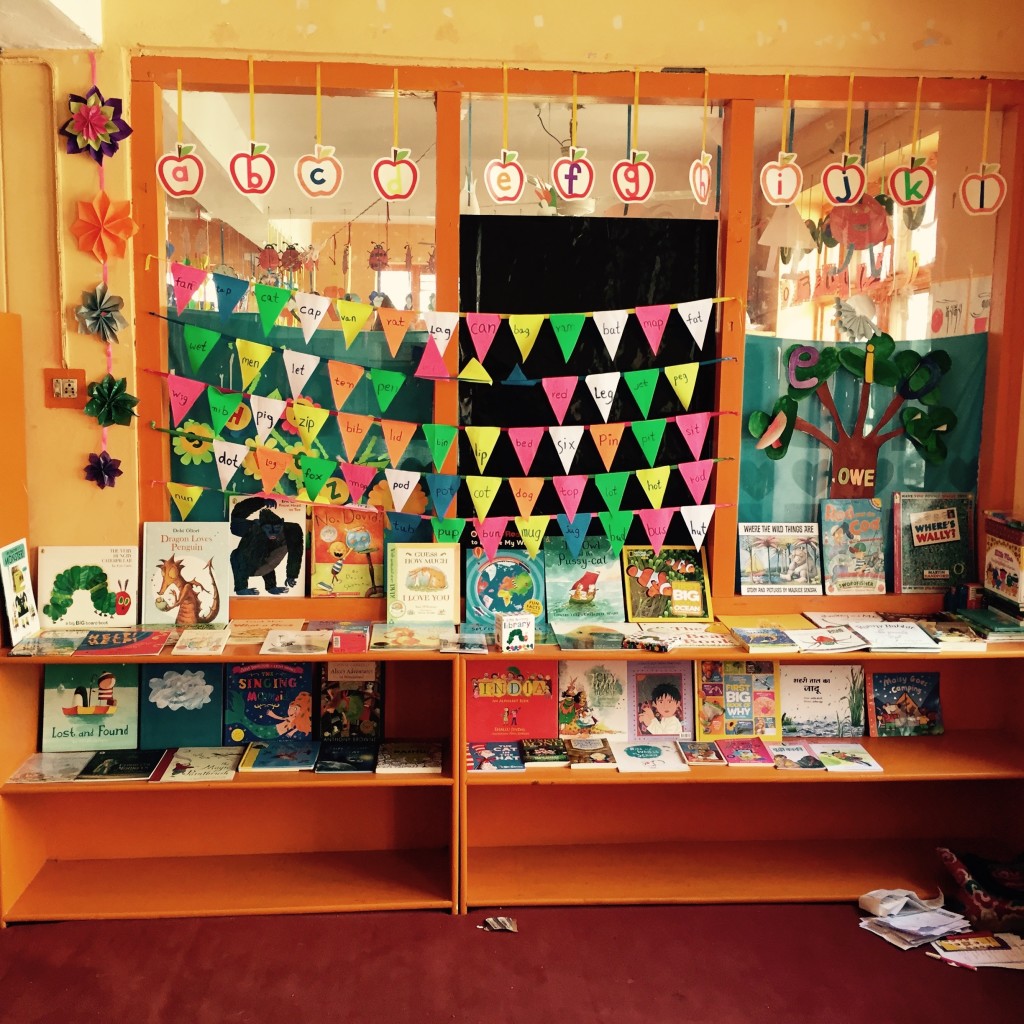
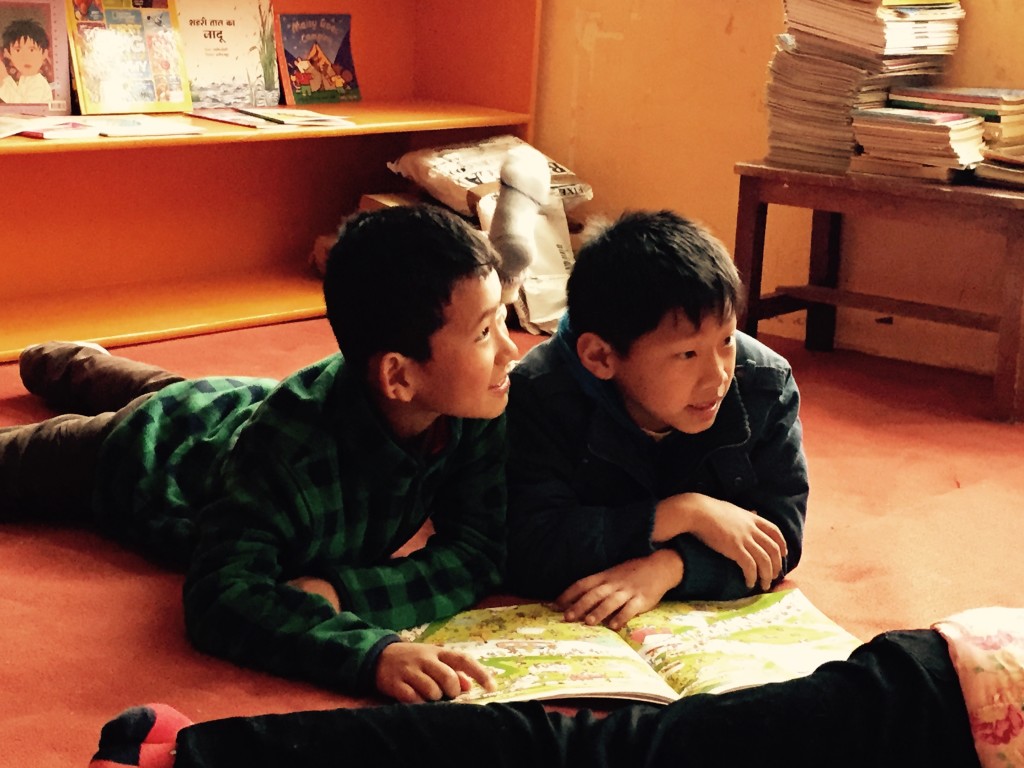
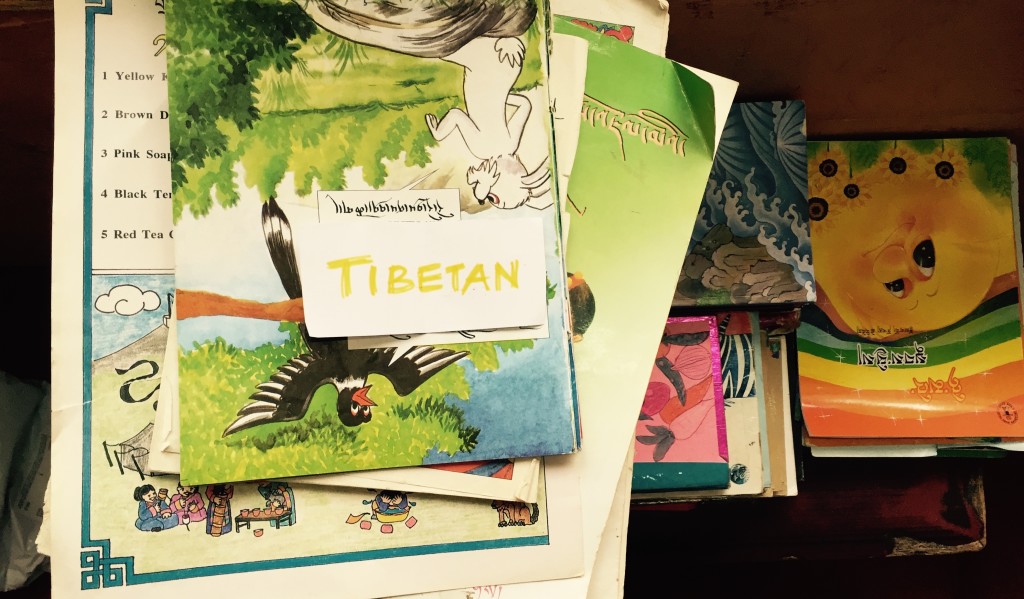
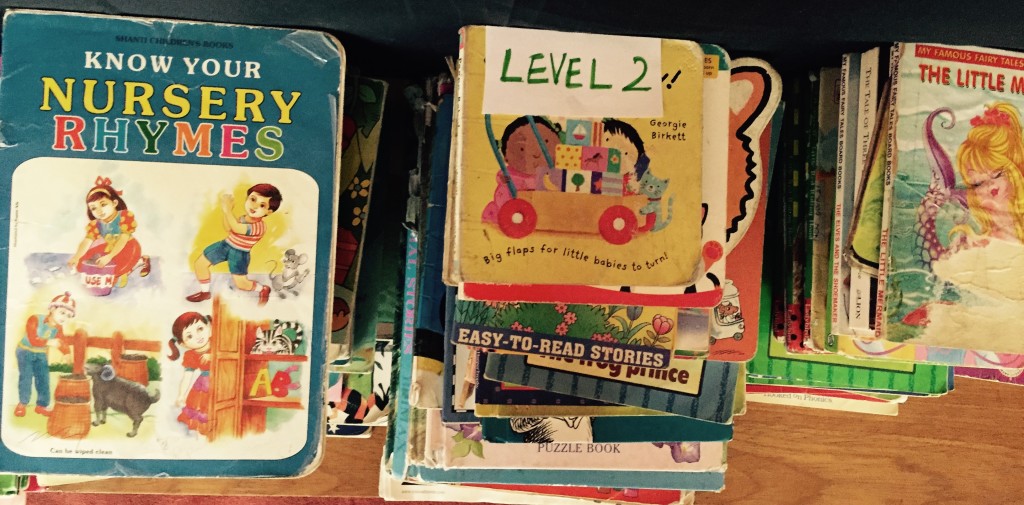
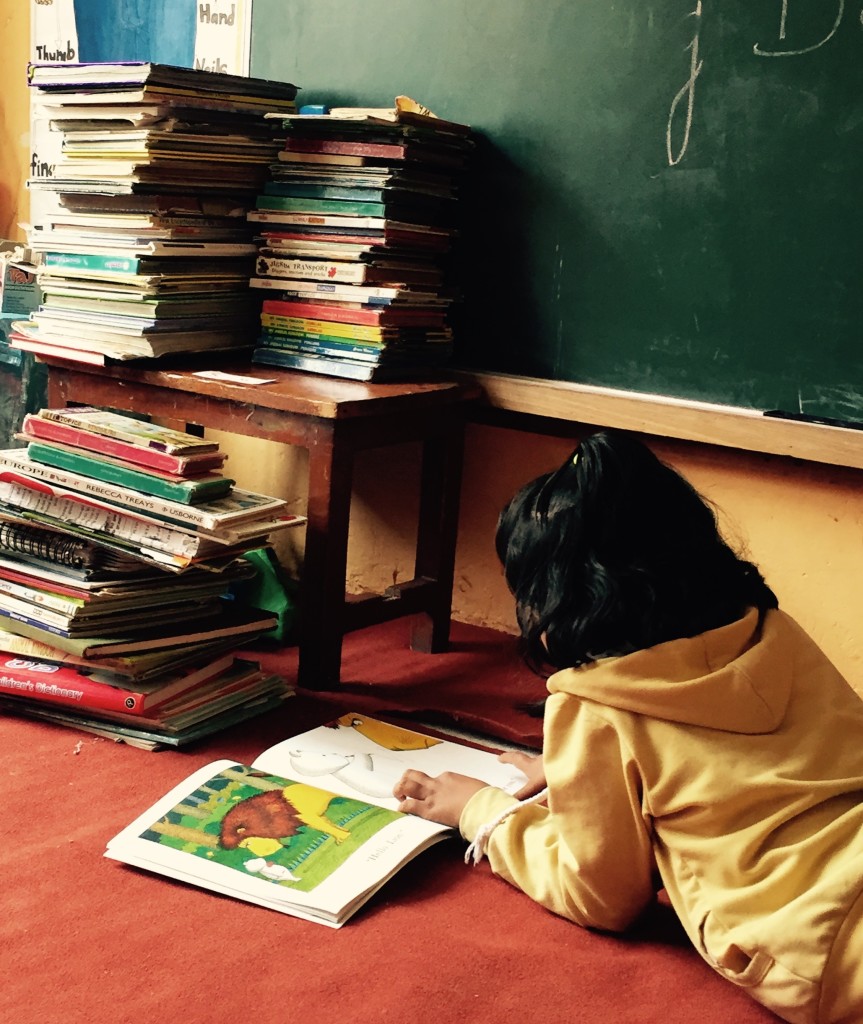
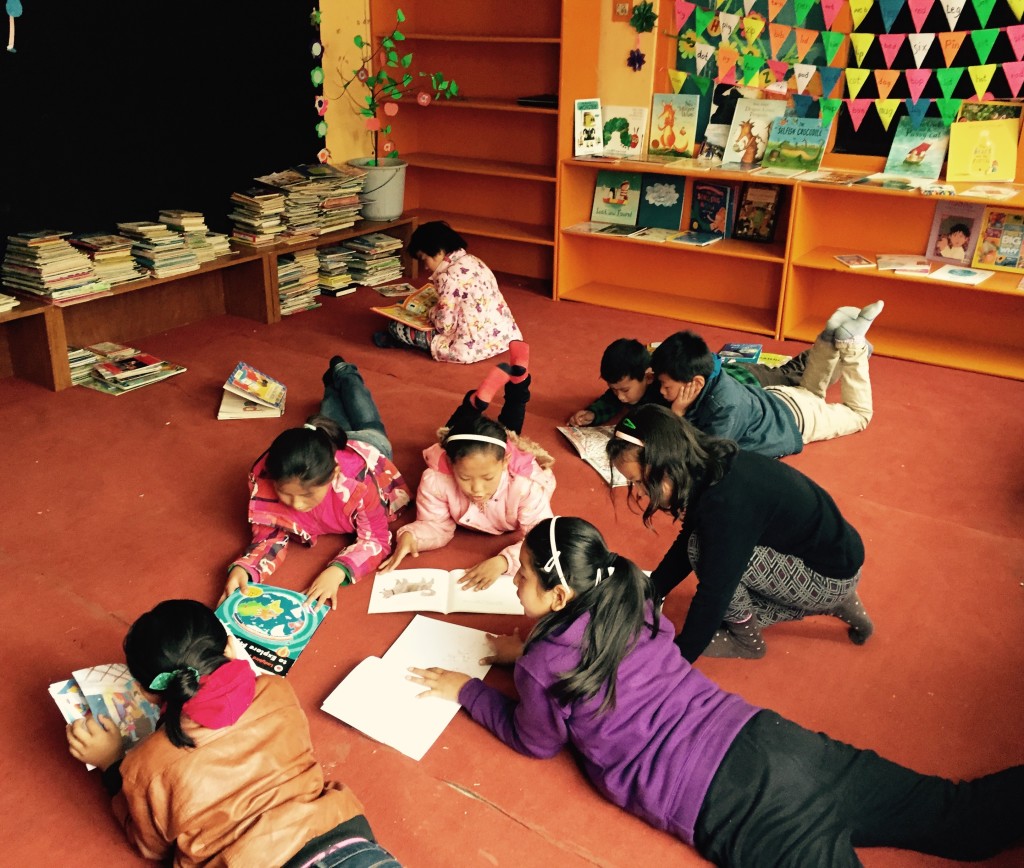
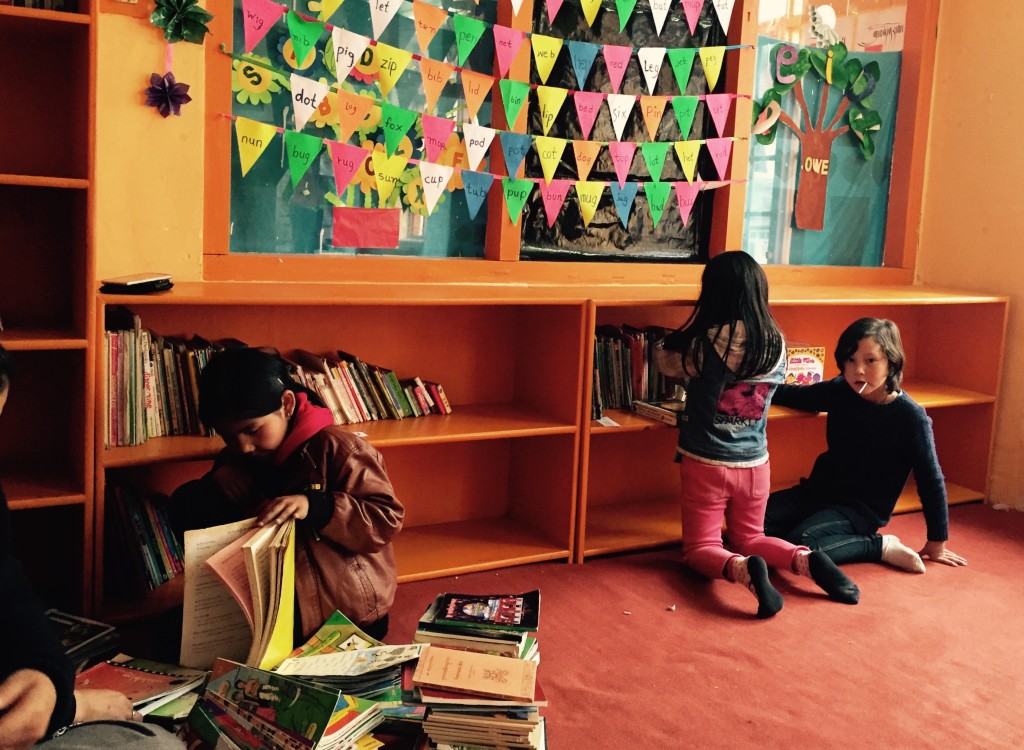
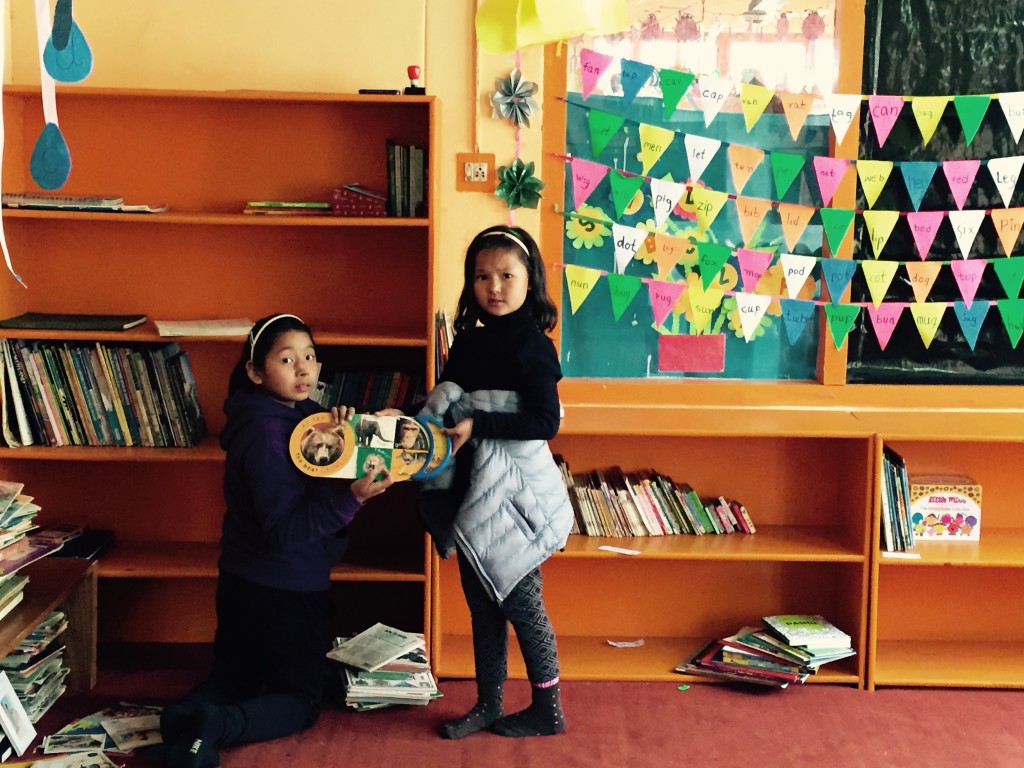
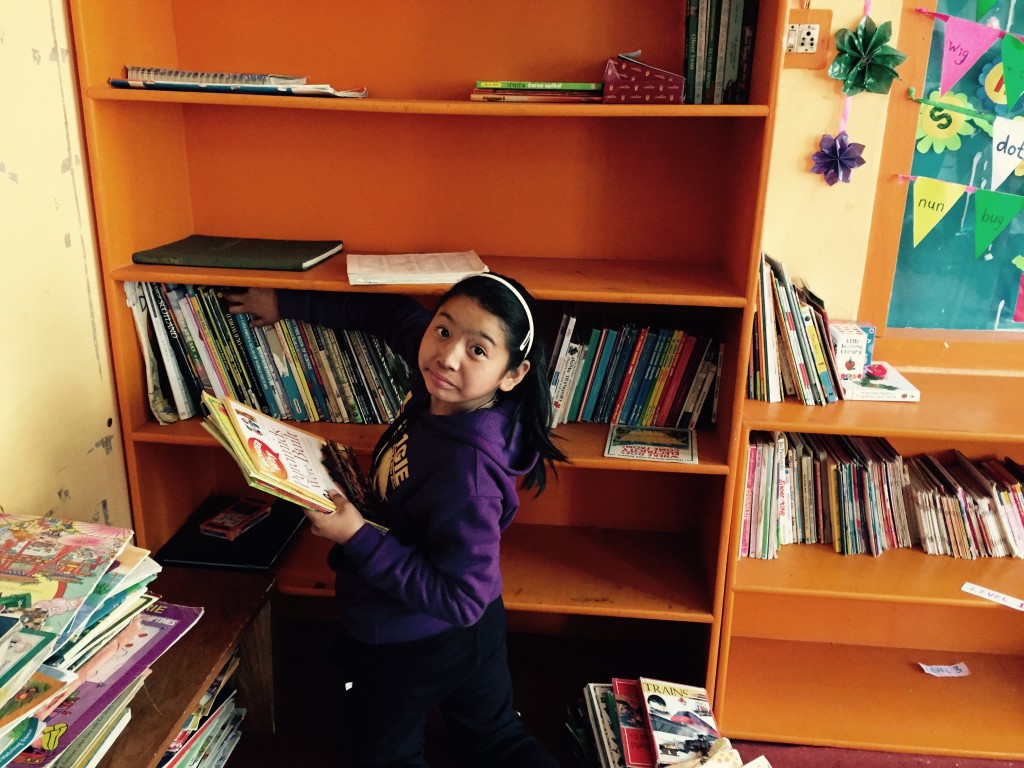
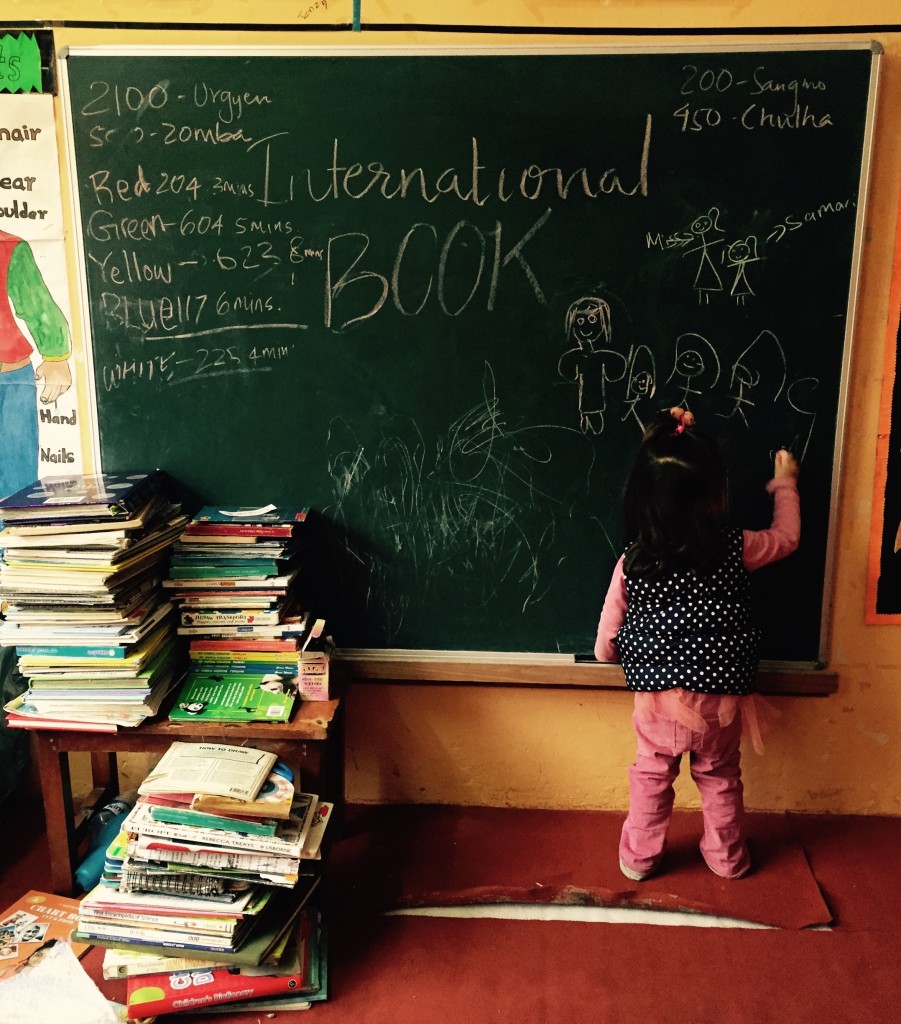
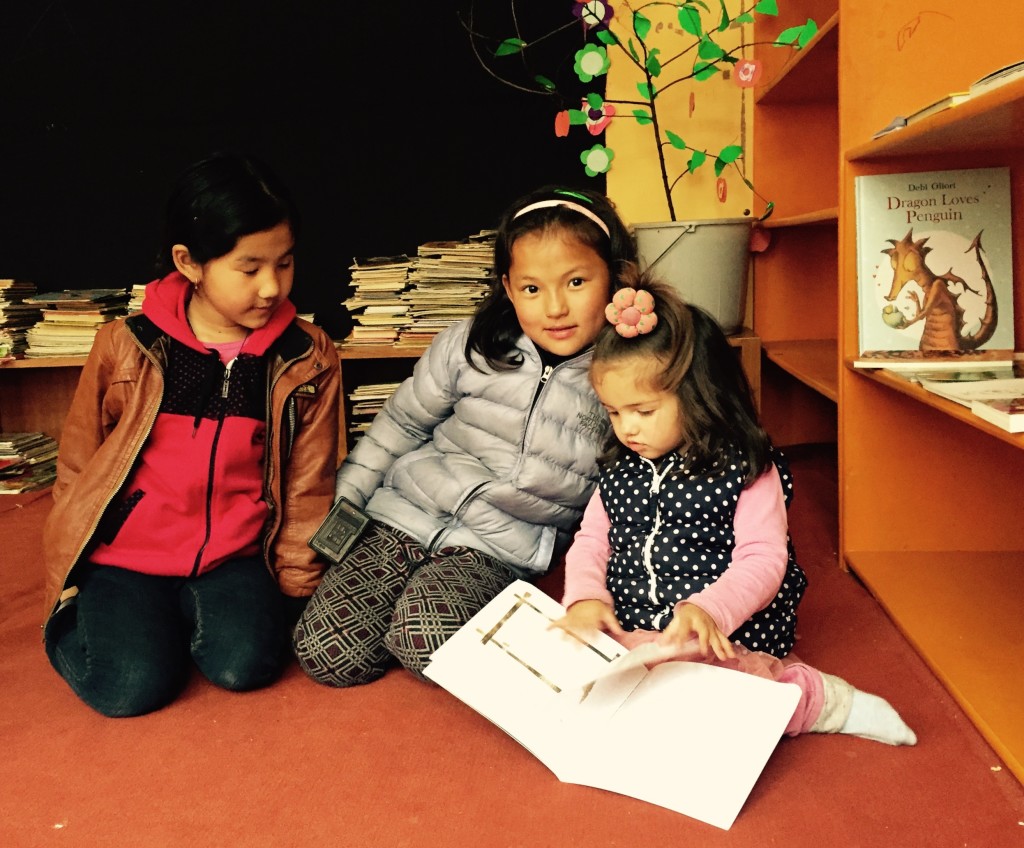
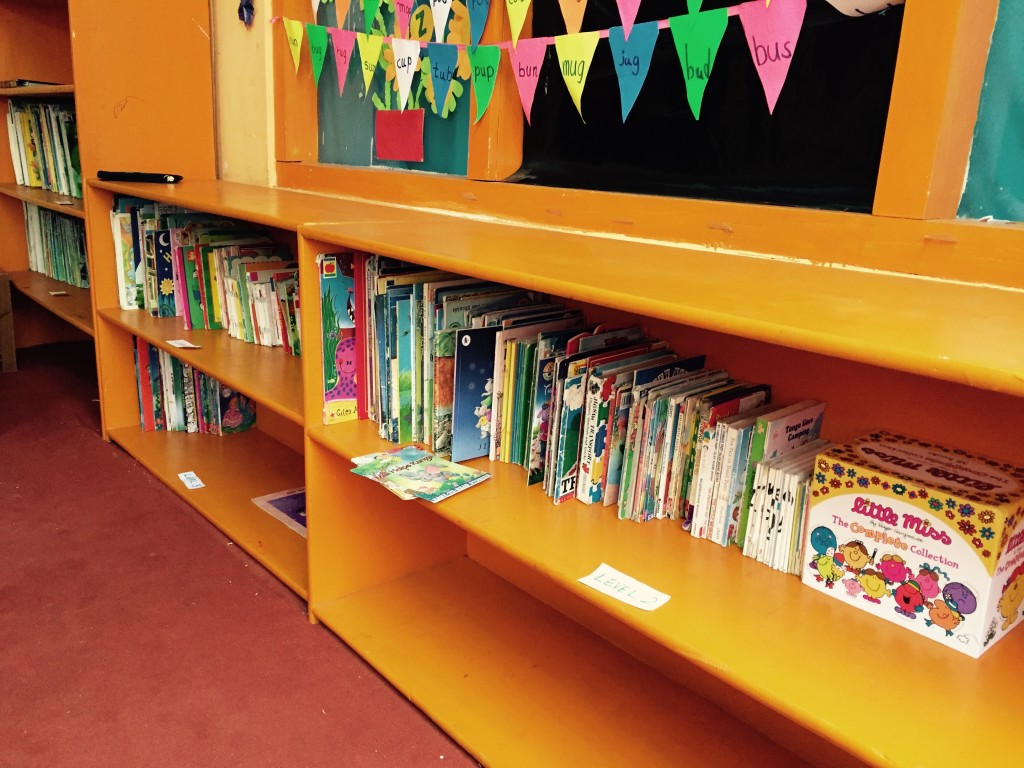
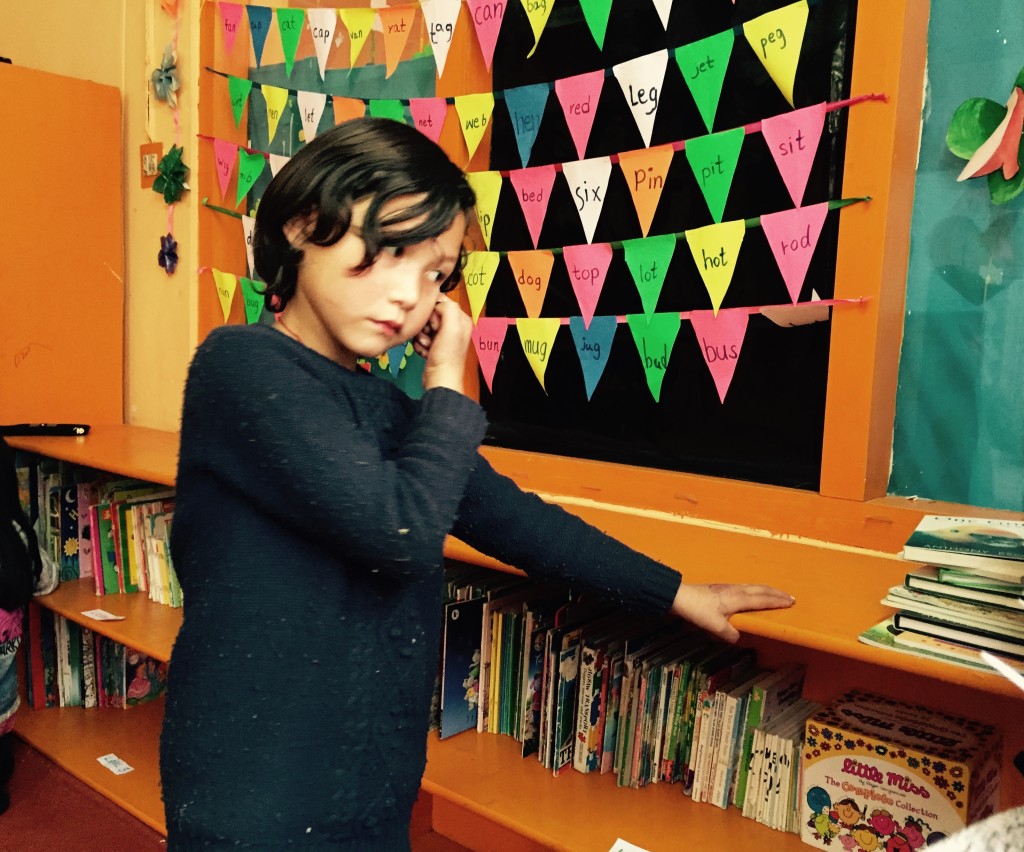
A book without a place to live is easily lost, and the Avalokiteśvara Trust has long emphasised reading rooms as the heart of its work. The shipment from New York was directed to a freshly refurbished space in a Buddhist monastery, where low wooden shelves were built by local carpenters to accommodate the wide range of titles. Picture books sat alongside novels, atlases, and quiet dictionaries in Tibetan, Hindi, and English.
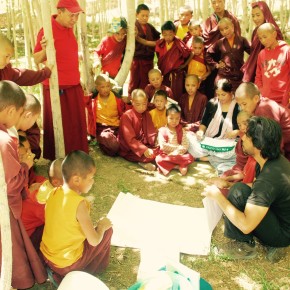
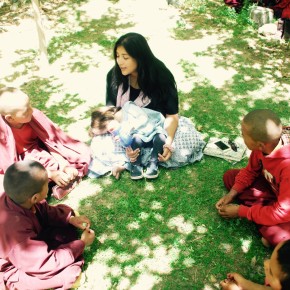
The reading rooms operate as more than quiet study spaces. They host storytelling afternoons for younger children, calligraphy workshops led by senior monks, and seasonal book-binding sessions using materials salvaged from the post office in Leh. Children who once walked hours to borrow a school textbook now have a steady rotation of materials close to home, and visiting educators have reported measurable improvements in reading fluency over the past three years.
This model has begun to influence how literacy is approached in similar high-altitude contexts, from the Mustang region of Nepal to parts of Bhutan. The trust's volunteers share open-source plans for shelving, lighting, and child-sized furniture, allowing other organisations to adapt the design without licensing fees or proprietary fittings.
The Children Who Received the First Shipment
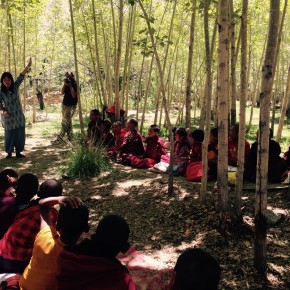
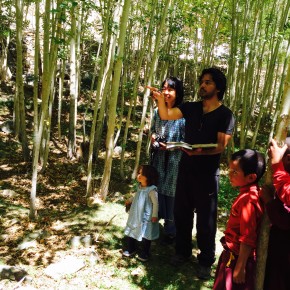
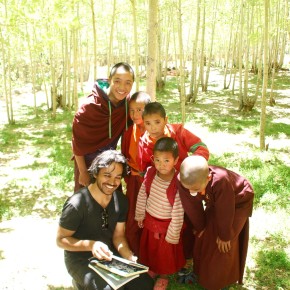
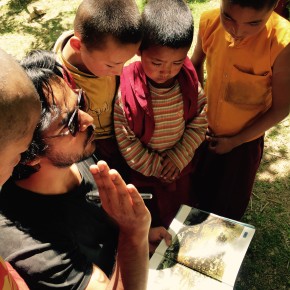
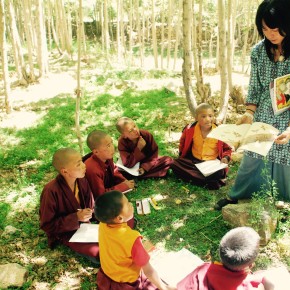
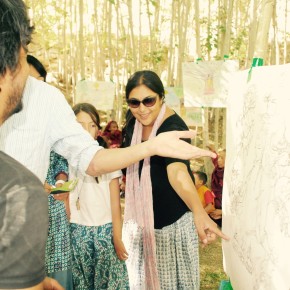
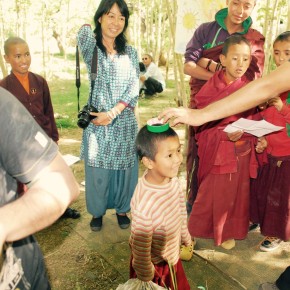
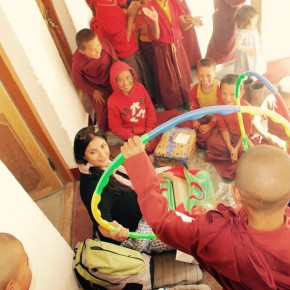
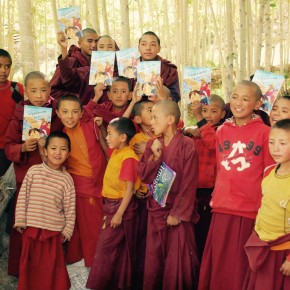
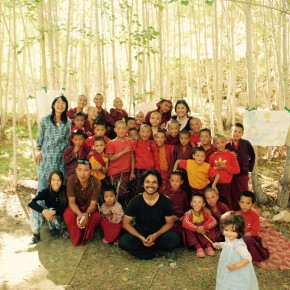
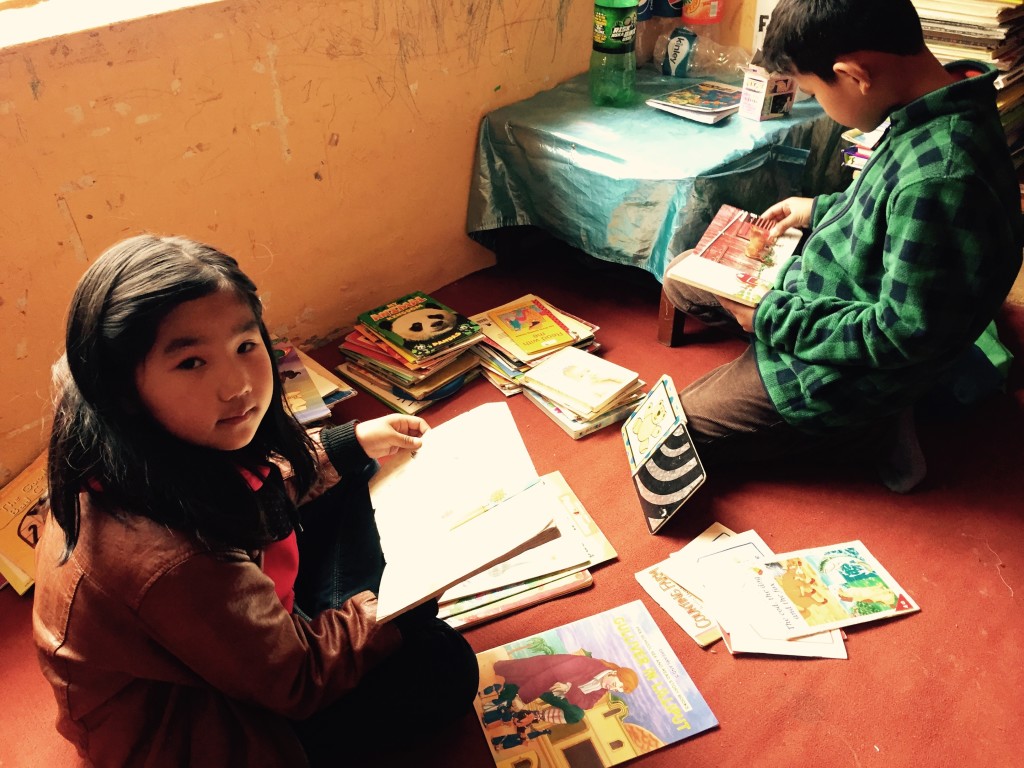
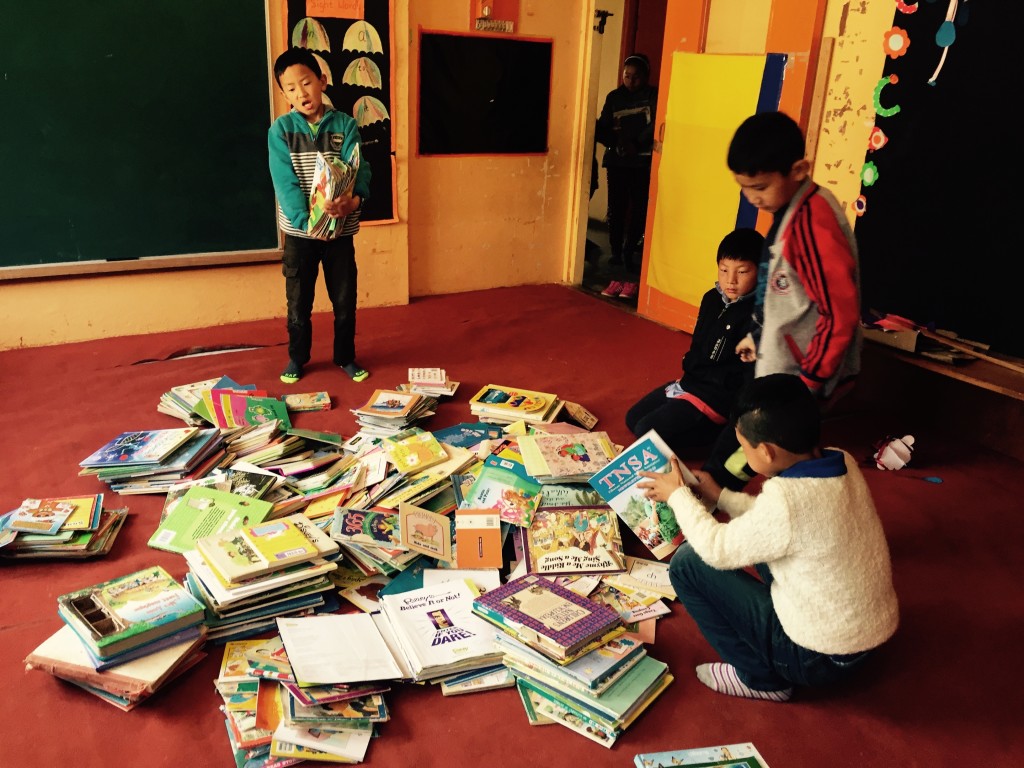
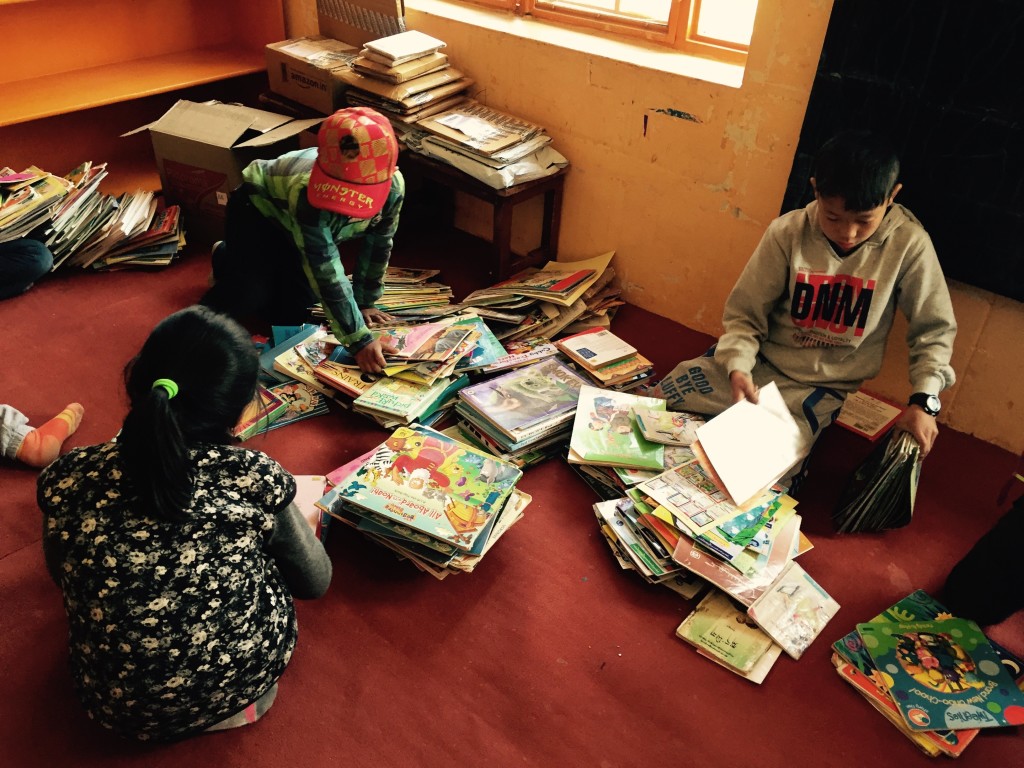
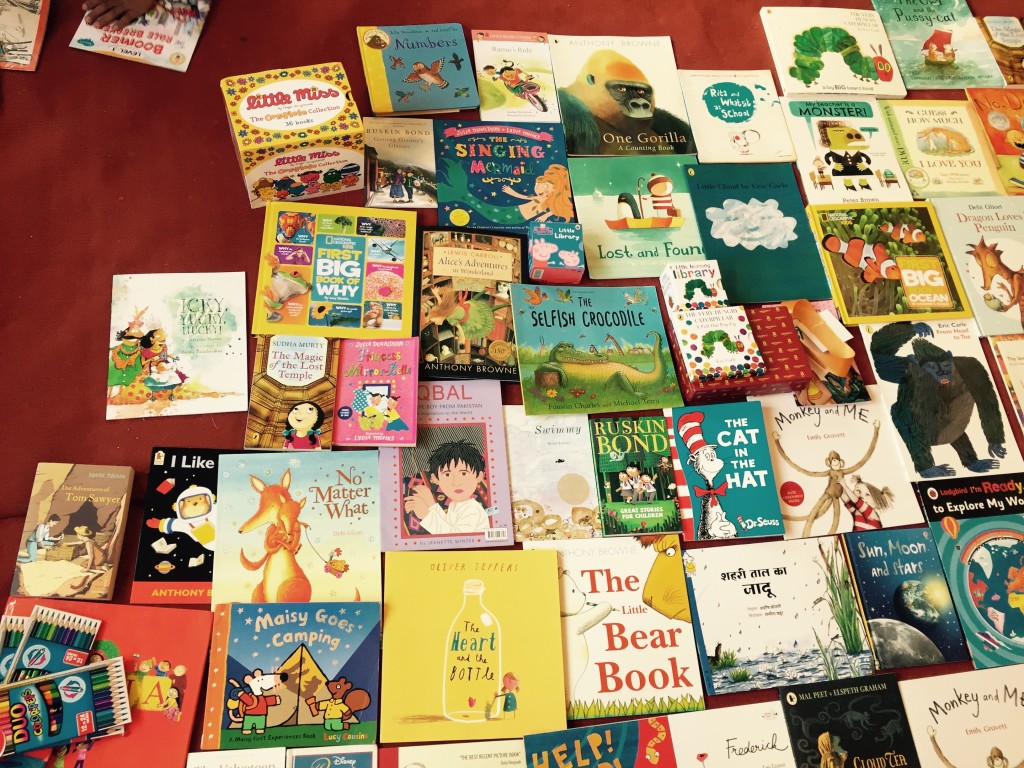
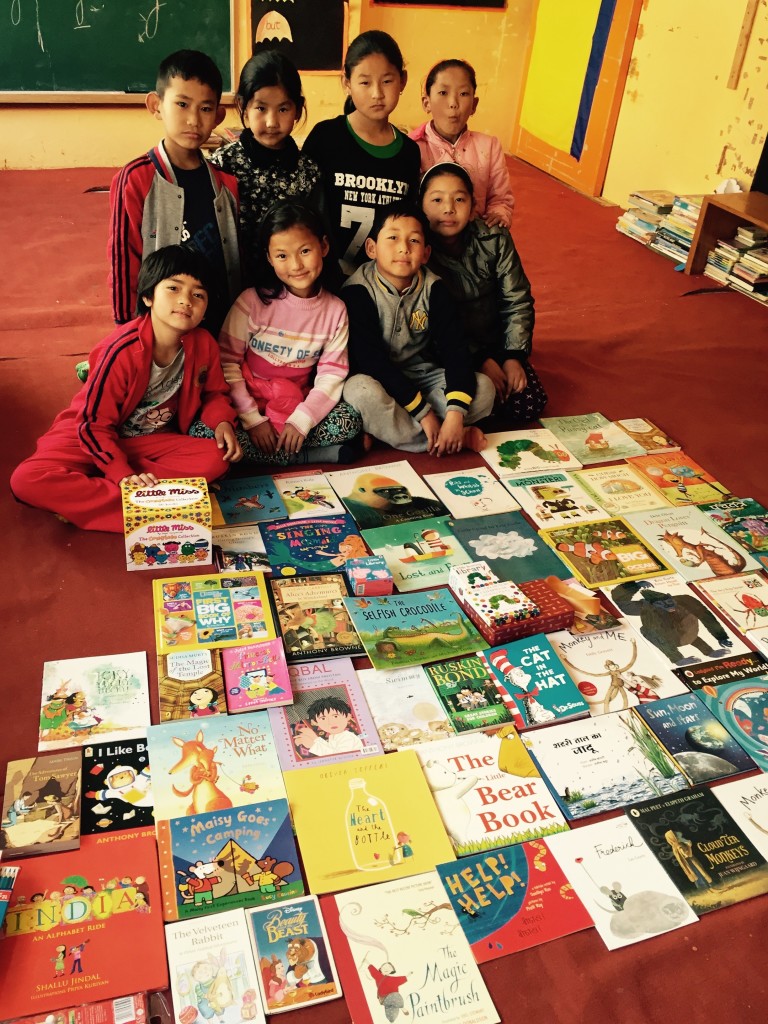
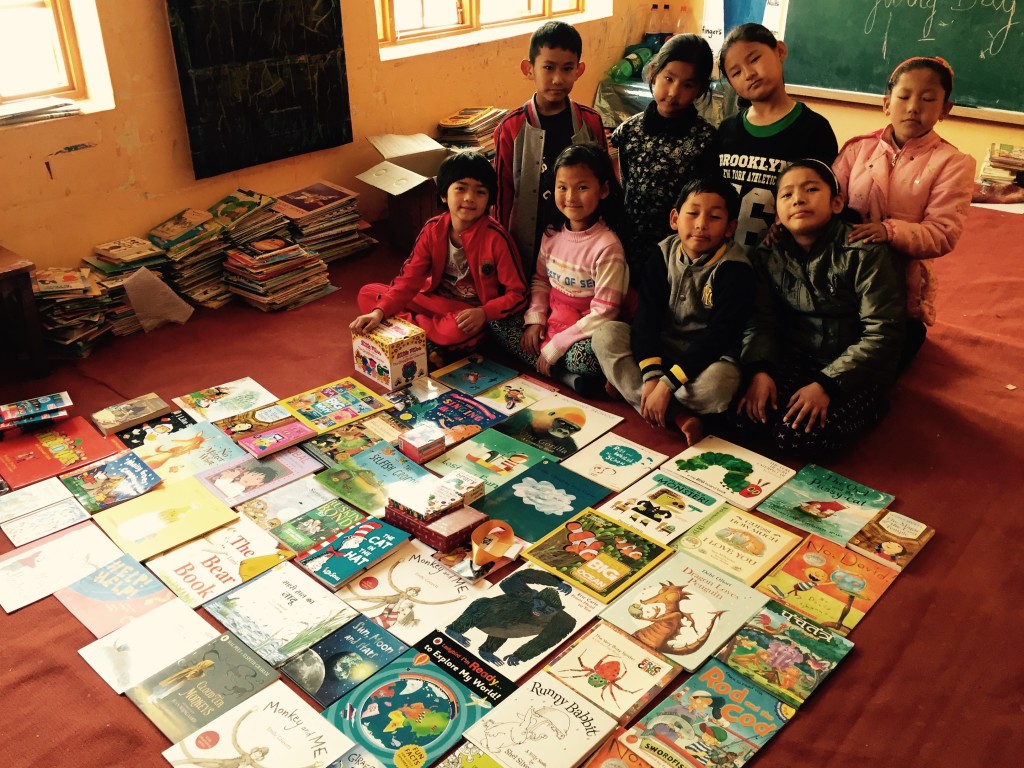
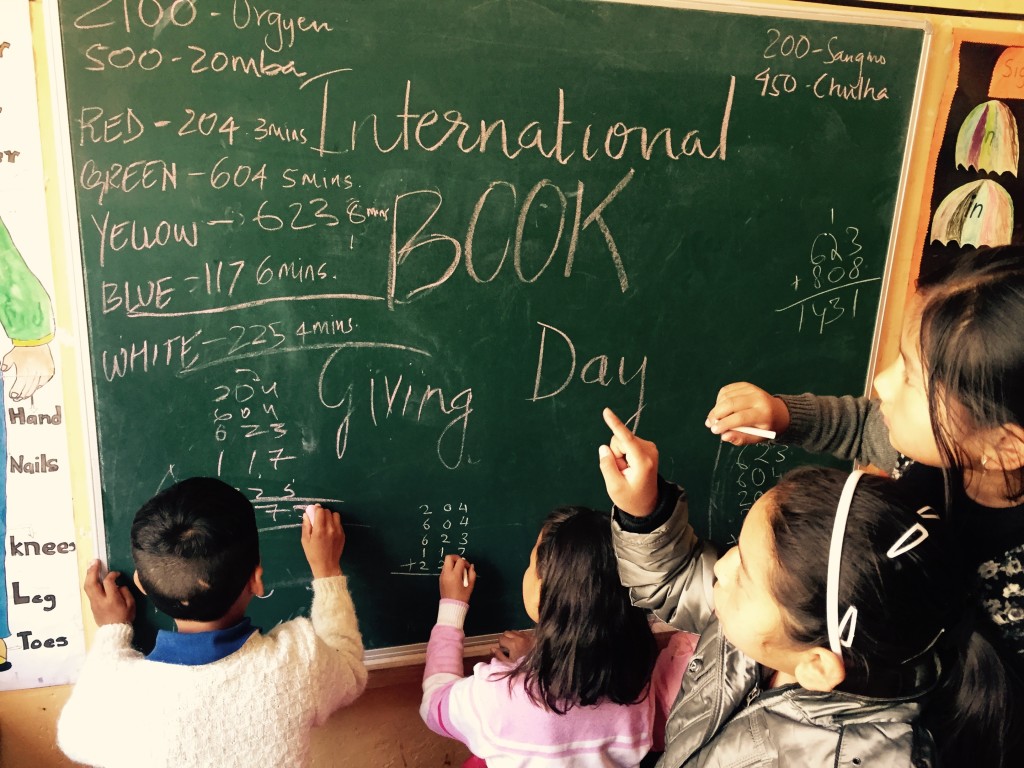
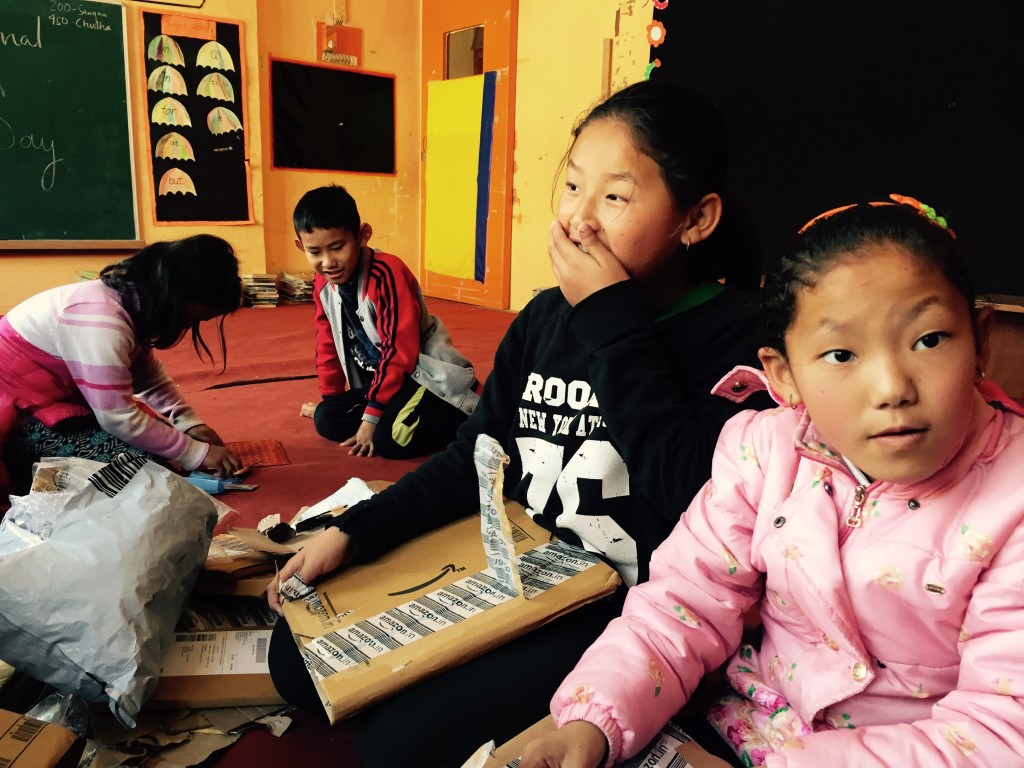
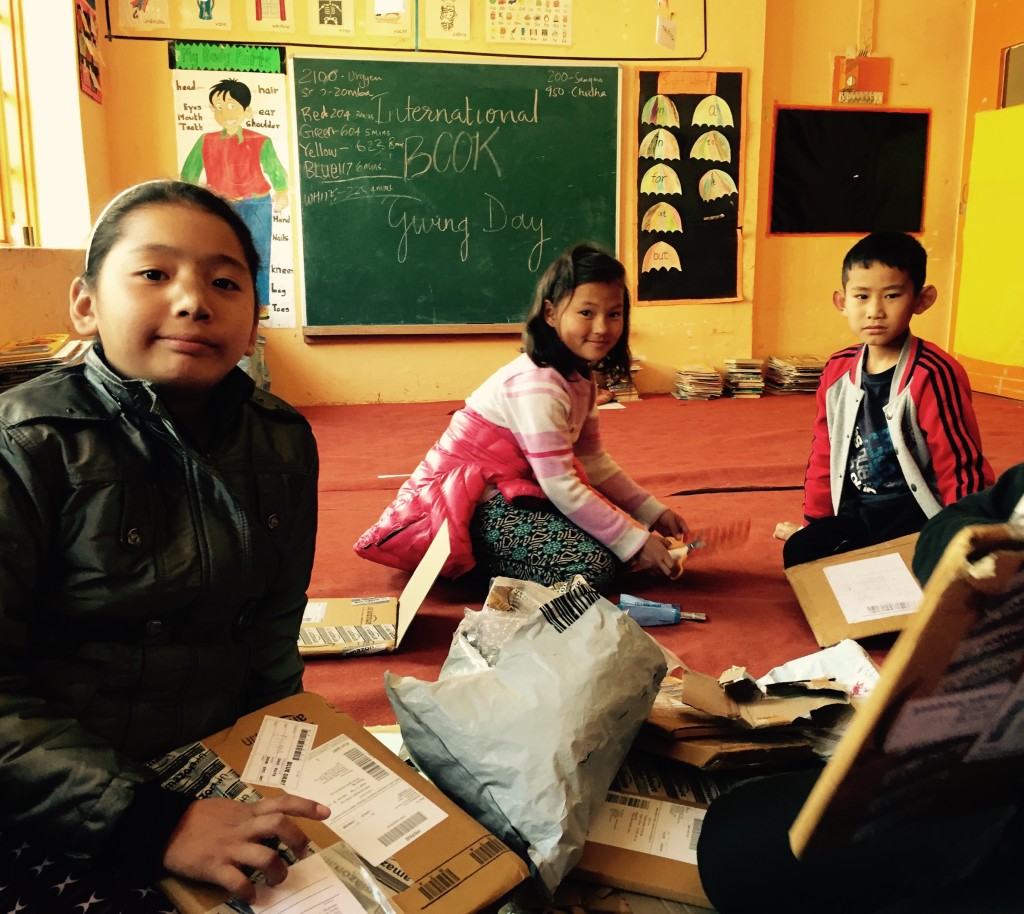
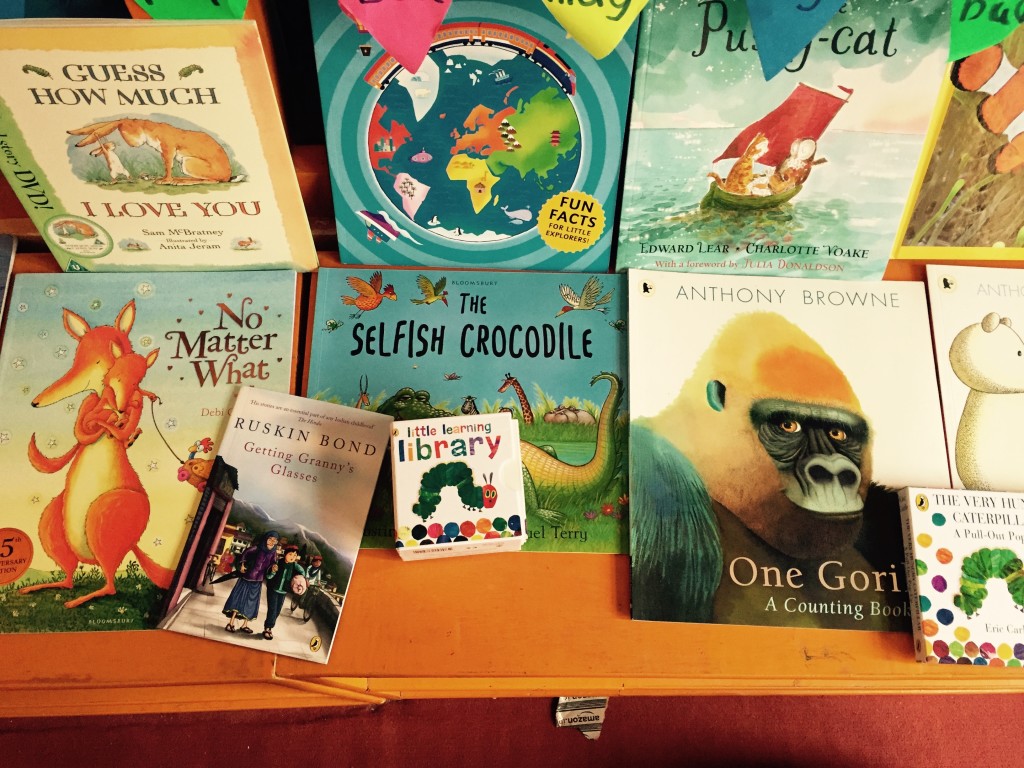
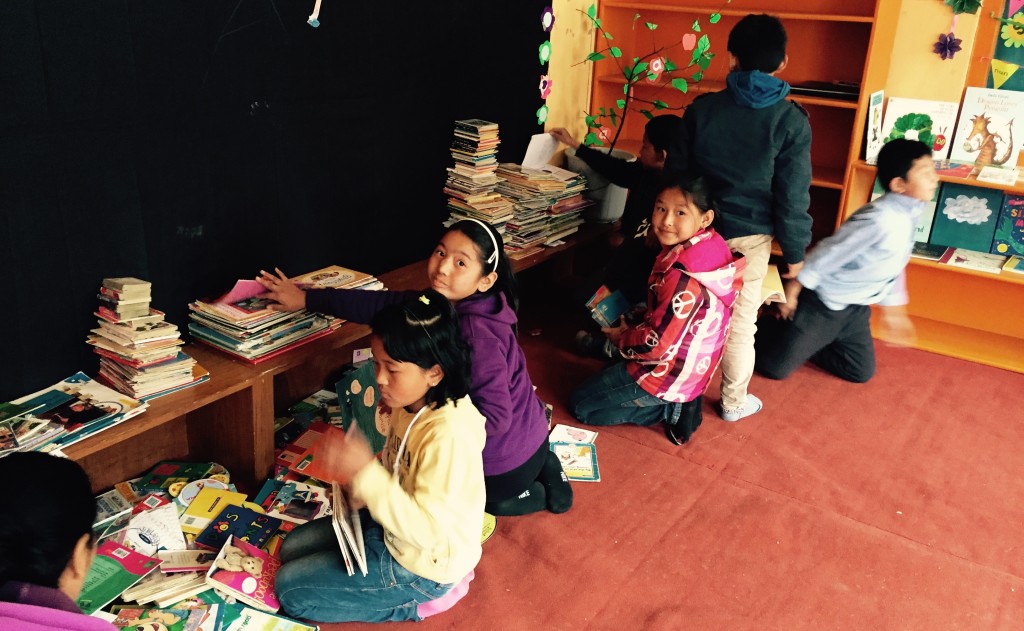
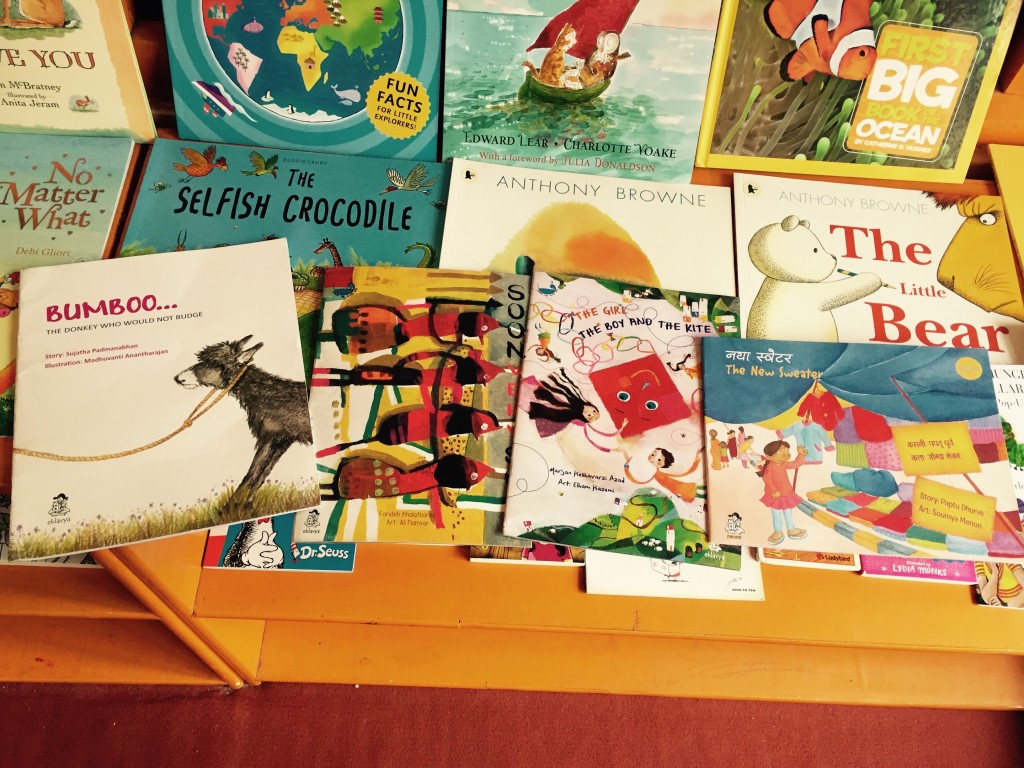
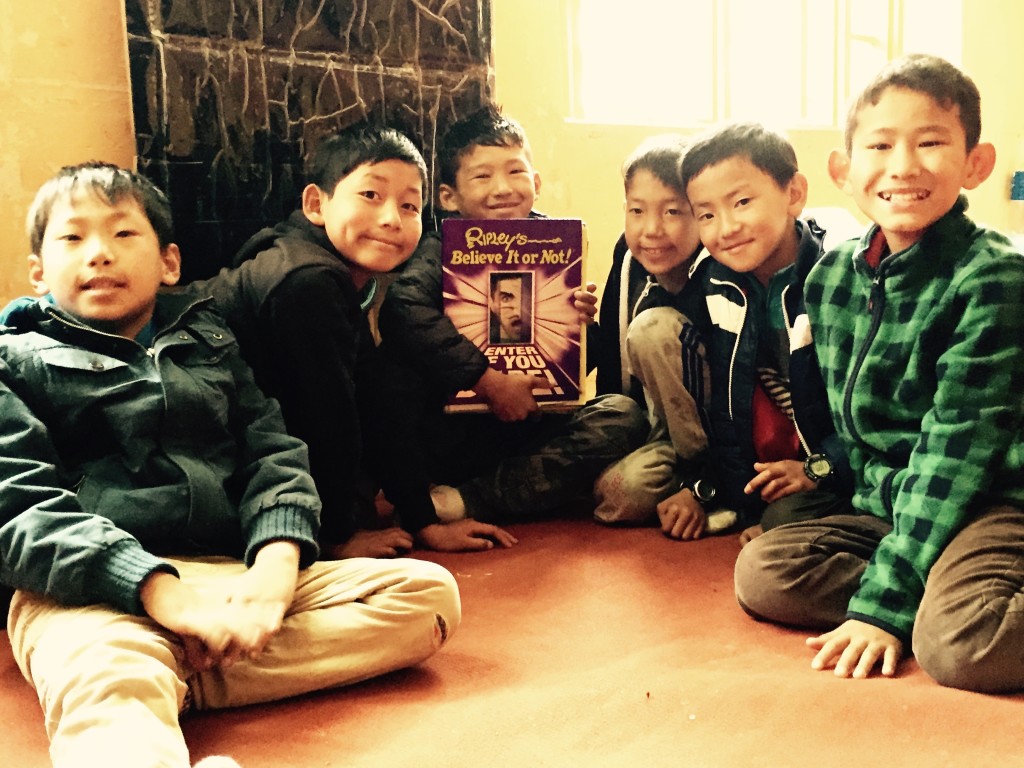
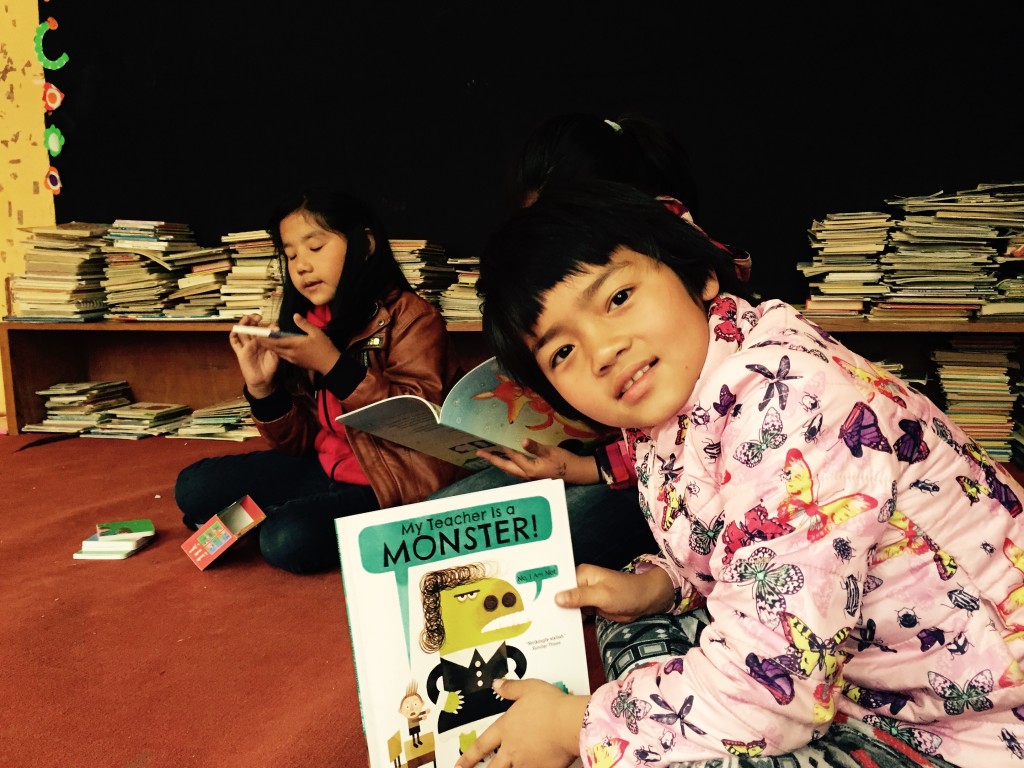
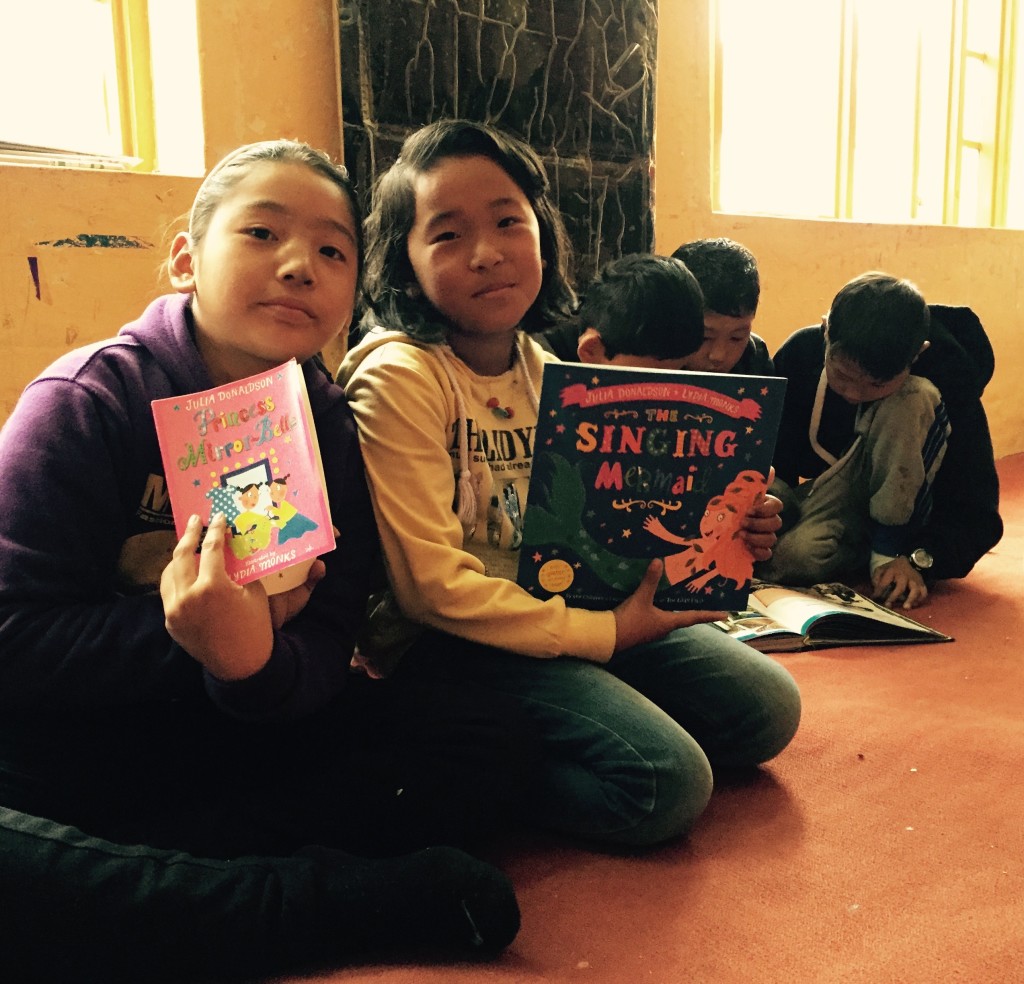
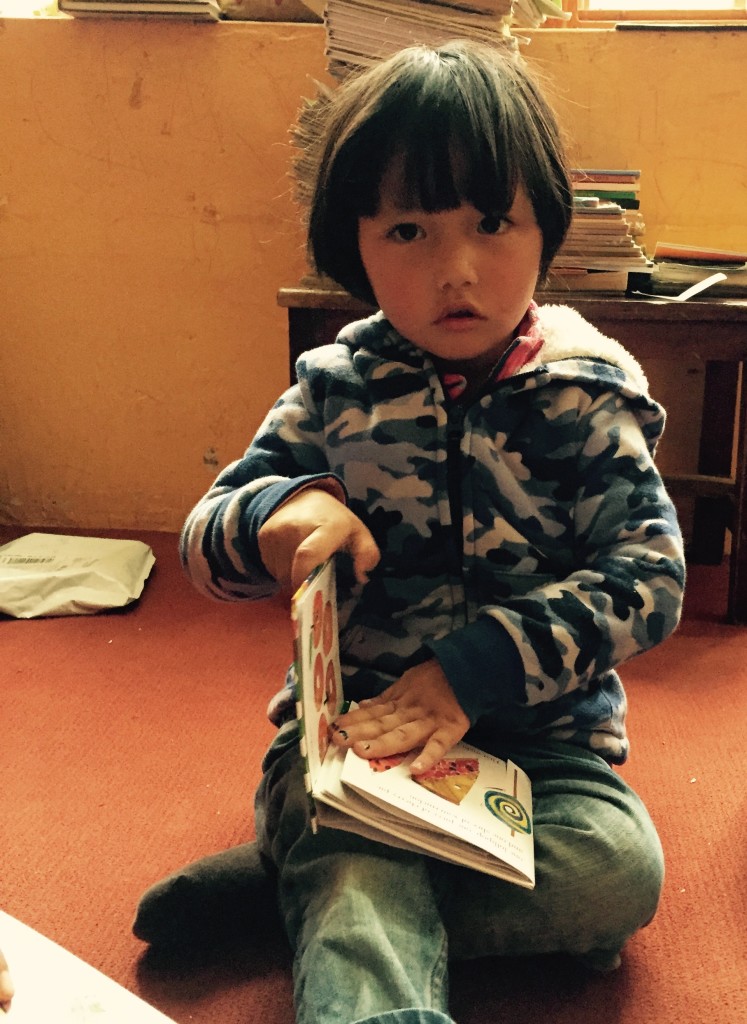
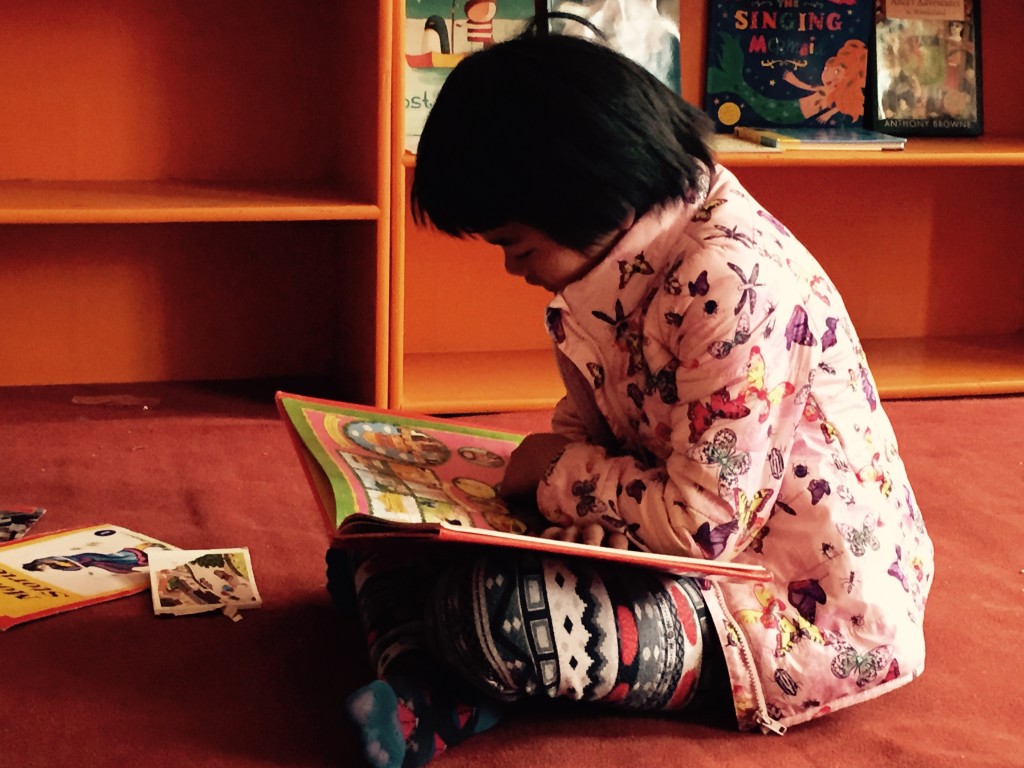
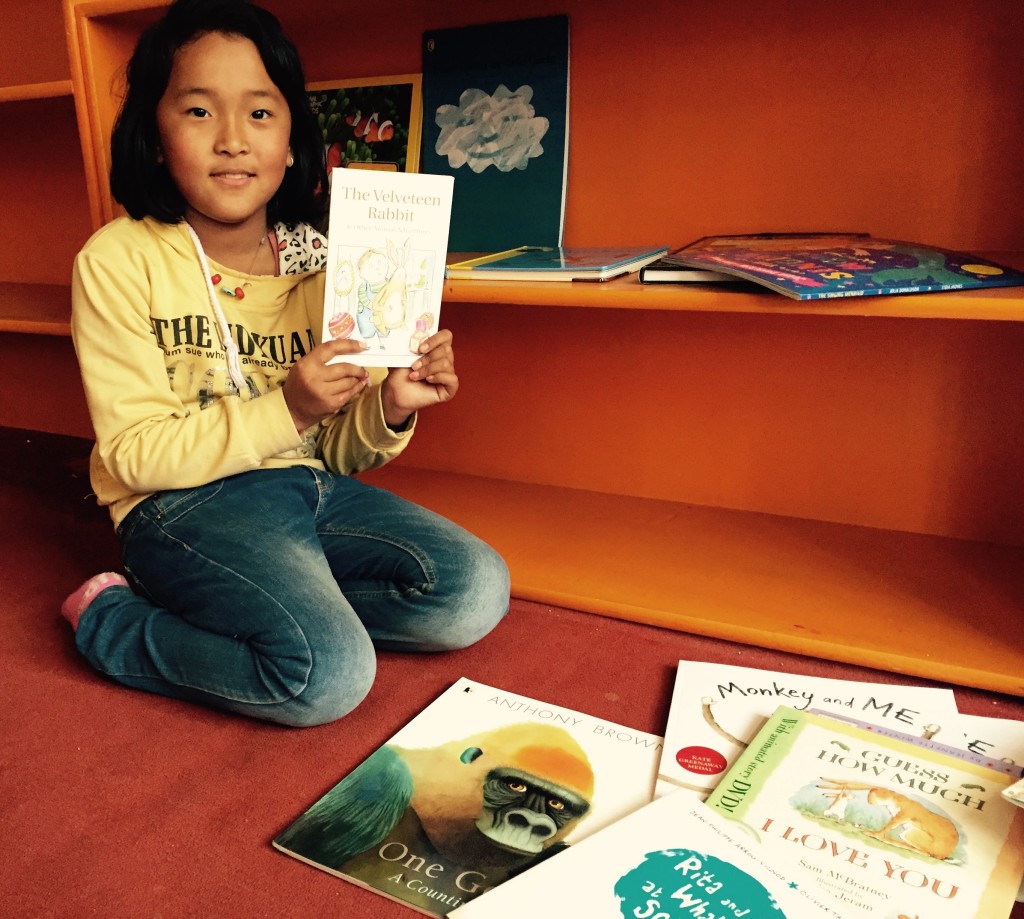
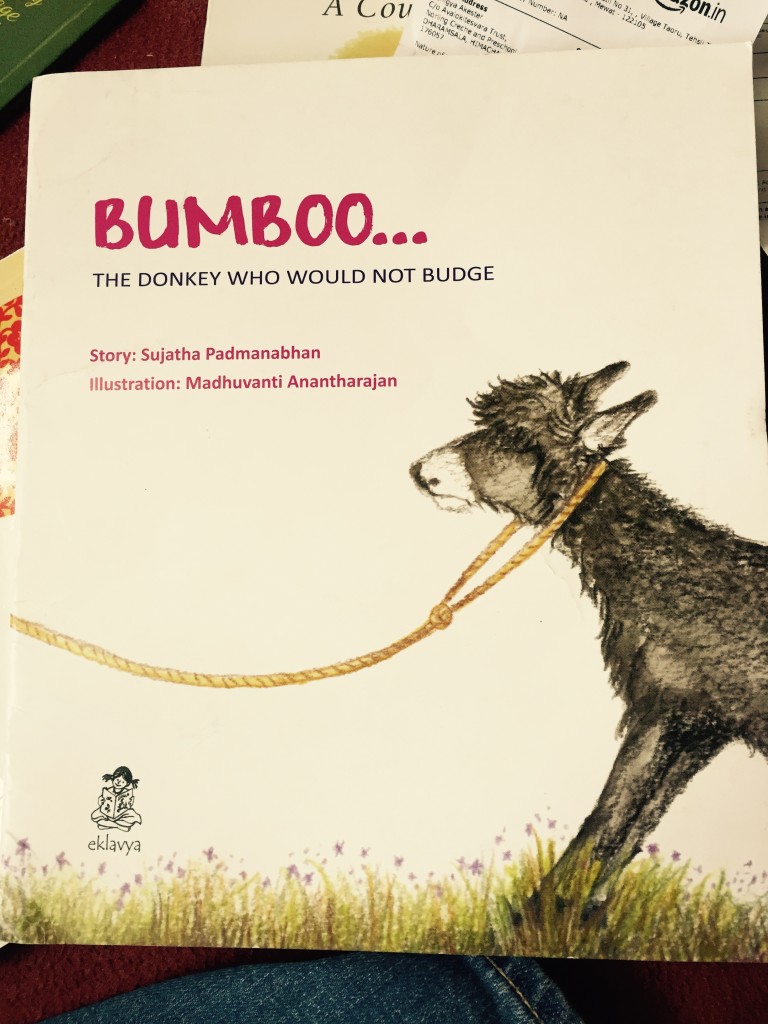
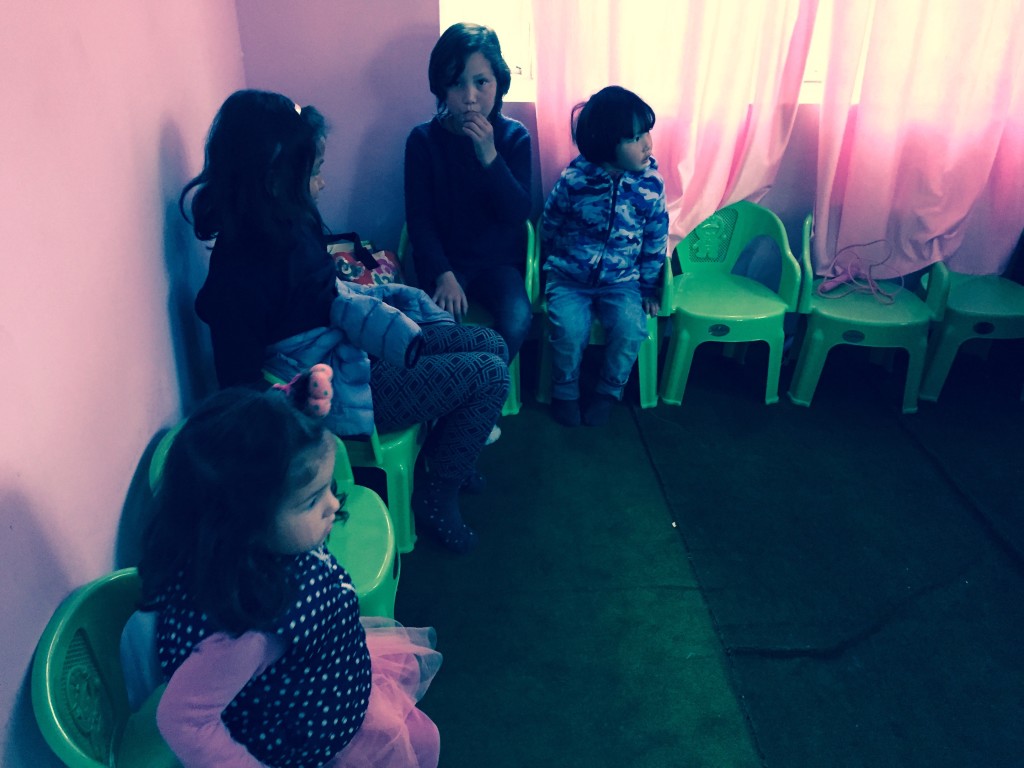
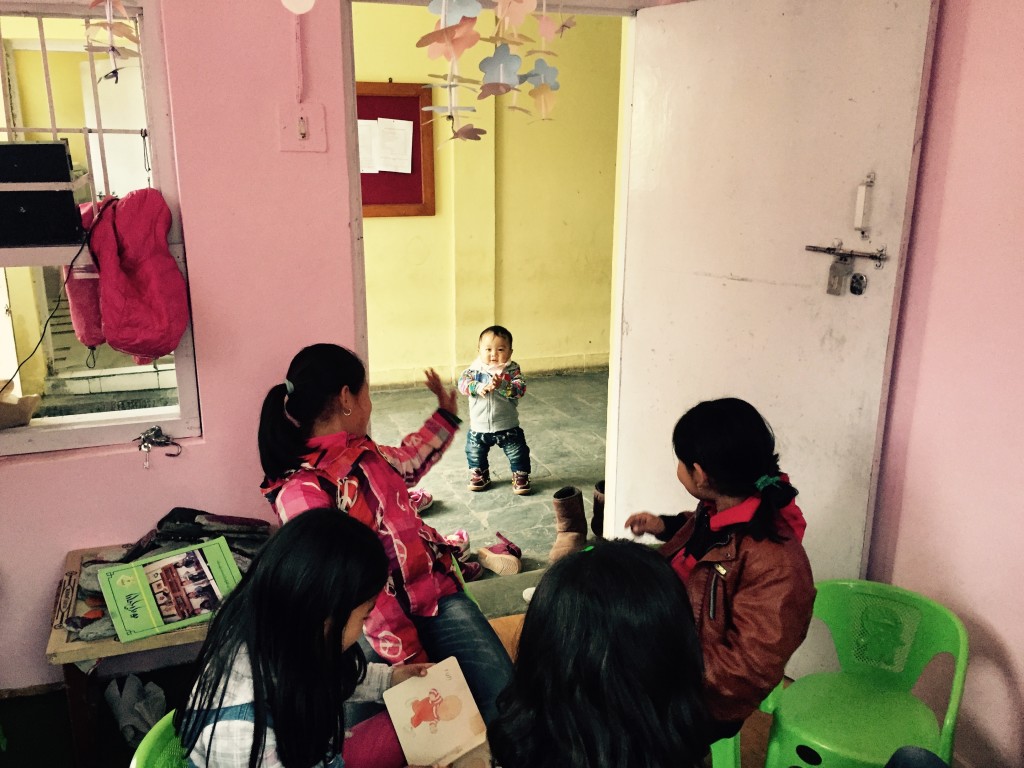
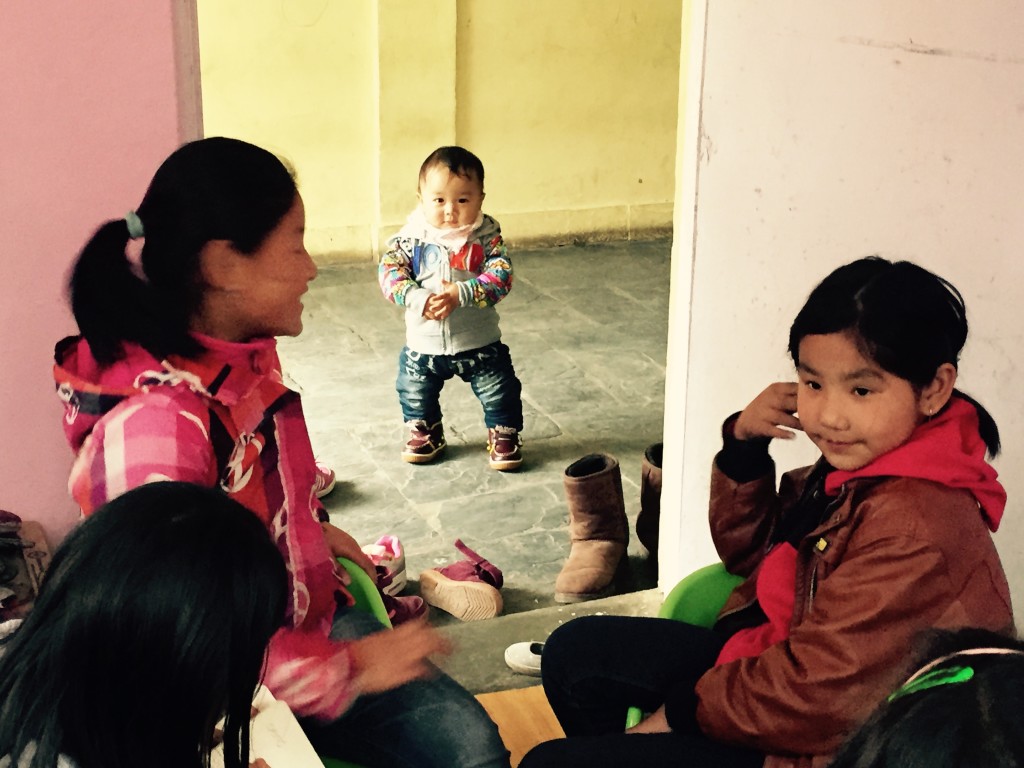
Among the first to open the boxes was a class of nine-year-olds at the Diskit monastery school. They had been learning English from a single tattered copy of a graded reader, and the arrival of fresh picture books sparked an impromptu celebration. Photographs from the day show children laughing as they pass around brightly illustrated covers, some pointing out animals they recognise, others sounding out unfamiliar words for the first time.
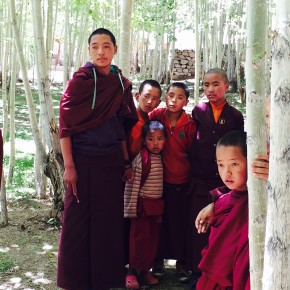
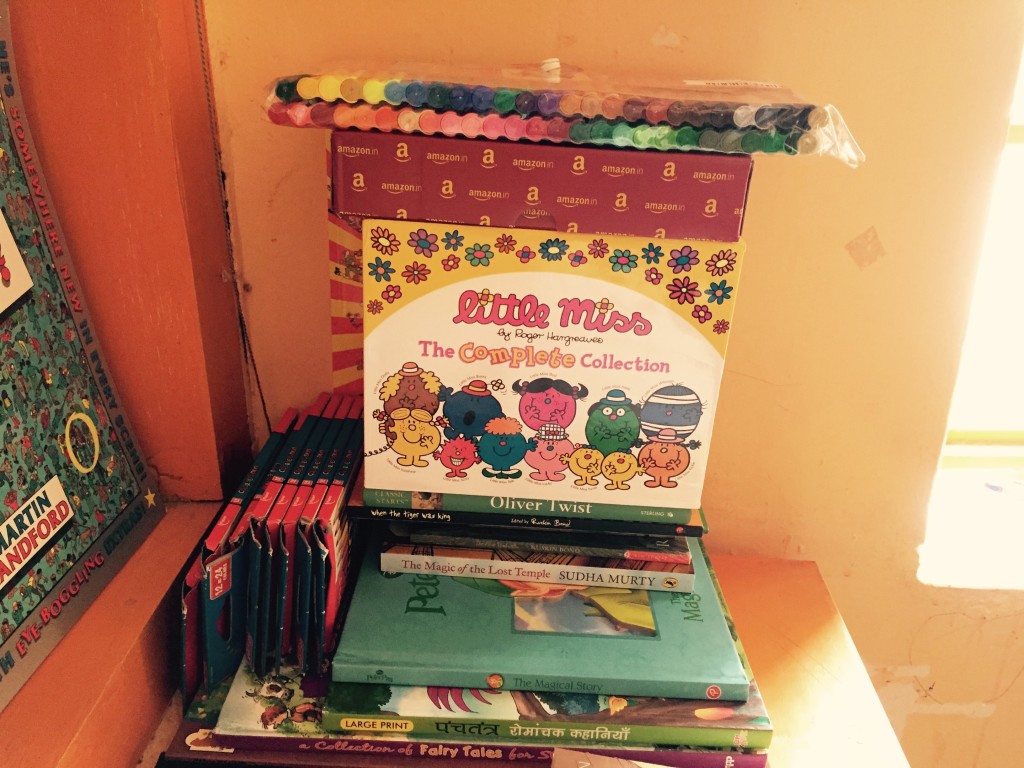
For the young monks studying at the monastery, the new titles offered something rarer: stories about children who lived ordinary lives far beyond the mountains. There were novels about New York subways, picture books about Australian beaches, and even a worn copy of a popular Sydney-based adventure series that one monk now treats as his personal treasure. The diversity of the donation widened the children's sense of the wider world.
Several of those original readers are now teenagers who help catalogue new arrivals and read aloud to the youngest pupils. The reading room has, in a small way, produced its own generation of librarians and storytellers, and a few of the older students have begun their own small collections, sharing books with neighbouring villages during festivals.
Lessons for Communities in Australia and Elsewhere
Australia's geography presents challenges familiar to anyone working in Ladakh. Children in remote communities around places like Katherine, Kalgoorlie, and the Bellarine Peninsula can face long travel times to access a well-stocked library, and book donations have long played a role in addressing these gaps. The New York initiative offers a template that local schools in Melbourne, Brisbane, and Hobart have begun to adapt, often partnering with multicultural community centres and parish networks.
Australian charities operate under a different regulatory framework than their American counterparts, with the Australian Charities and Not-for-profits Commission overseeing registration and reporting. For schools and community groups wanting to organise similar drives, understanding these obligations early helps avoid complications around tax-deductible receipts, donor privacy, and cross-border shipping. Many state education departments also have guidelines for student-led service projects that must be followed.
A practical difference worth noting is Australia's strong tradition of school-led charity drives, from local footy club fundraising to whole-school read-a-thons. Tying a book drive to an existing event, such as a school cross-country carnival or an interschool debating weekend, often produces stronger engagement than a standalone appeal. The Bronx story shows how a single classroom initiative can grow when it is given a clear identity and a visible space to operate.
| Initiative Aspect |
New York Cafeteria Drive |
Typical Suburban School Drive in Australia |
Remote Outpost Reading Room |
| Trigger |
Single classroom teacher |
School-wide leadership group |
Trust partnership |
| Collection point |
School cafeteria |
School hall or library foyer |
Monastery or community centre |
| Volume per year |
2,000–3,000 books |
500–1,500 books |
200–600 books |
| Sorting method |
Student volunteers by language and level |
Parent volunteers by age group |
Monks and older students |
| Final destination |
Diskit, Ladakh |
Various Australian remote communities |
Ladakh, Mustang, Bhutan |
| Tracking system |
Shared online spreadsheet with photos |
Local register and donor receipts |
Reading room borrow log |
The Role of Young Monks in Sustaining Literacy
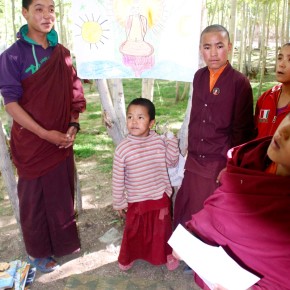
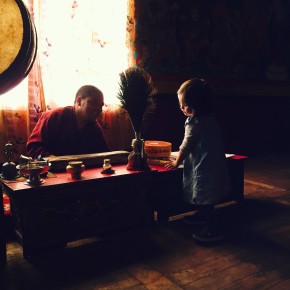
The young monks at the receiving monasteries are not only students; they are custodians of the reading rooms. Older novices take responsibility for cleaning shelves, repairing torn spines with cloth and paste, and maintaining a simple borrowing register. Their involvement ensures that the donated materials last for years rather than months.
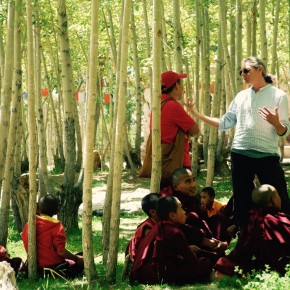
In the Avalokiteśvara model, monks are also encouraged to lead reading sessions for younger children in nearby villages. These sessions often blend traditional Buddhist stories with contemporary children's literature, creating a bridge between generations and across cultures. The monks, many of whom are themselves teenagers, gain confidence in public speaking and a renewed sense of purpose within their communities.
For Australian readers interested in supporting such work, partnerships with organisations like the Buddhist Council of Australia or local interfaith networks can provide pathways to contribute books, funds, or volunteer time. The trust's experience suggests that long-term literacy outcomes depend heavily on local ownership, and outside volunteers are most useful when they listen first and follow later.
From One Cafeteria to a Global Network of Donors
Six years on, the original New York school still hosts an annual book drive, though it has outgrown the cafeteria and now spills into the gymnasium. Schools in Toronto, London, and Auckland have launched sister initiatives, each adapting the model to local conditions. The Avalokiteśvara Trust acts as a clearinghouse, matching donations with reading rooms that need specific titles, languages, or reading levels.
The network operates without a large central staff. Volunteer coordinators in each city maintain spreadsheets, coordinate customs paperwork, and liaise with shipping partners. Communication happens through shared folders and quarterly video calls that bring together teachers, monks, librarians, and parents in a single conversation about children's literacy.
For anyone considering starting a drive of their own, the most important lesson from the Bronx story is that scale matters less than consistency. A small, well-organised collection that arrives reliably each year does more good than a single large shipment that cannot be sustained. Cafeterias, parish halls, scout rooms, and library foyers across Australia have the potential to become the next chapters in this story.
A Practical Path for Schools and Community Groups
- Begin with a single classroom or year level, rather than the whole school, to keep the workload manageable.
- Choose a clear destination partner and confirm reading levels and language needs before collecting.
- Allocate a generous, weatherproof space such as a hall, gym, or covered courtyard that can hold boxes for several weeks.
- Recruit parent volunteers early for sorting, labelling, and lifting; many hands shorten the timeline considerably.
- Use a shared digital spreadsheet to log every box, its weight, and its contents, so donors can see the journey of their books.
- Coordinate with a freight partner experienced in international or remote-area shipping to avoid customs surprises.
- Plan a handover moment, whether a virtual call, a photo exchange, or a written letter, to keep the human connection alive.
The story that began in a New York school cafeteria continues today in reading rooms where children turn pages for the first time, in letters exchanged across hemispheres, and in classrooms that now see charity as a quiet, ordinary habit rather than an occasional gesture. For a school in Sydney's Inner West or a community group in regional Queensland, the lesson is straightforward: gather the books, name the destination clearly, and let the children carry the work forward in their own hands.