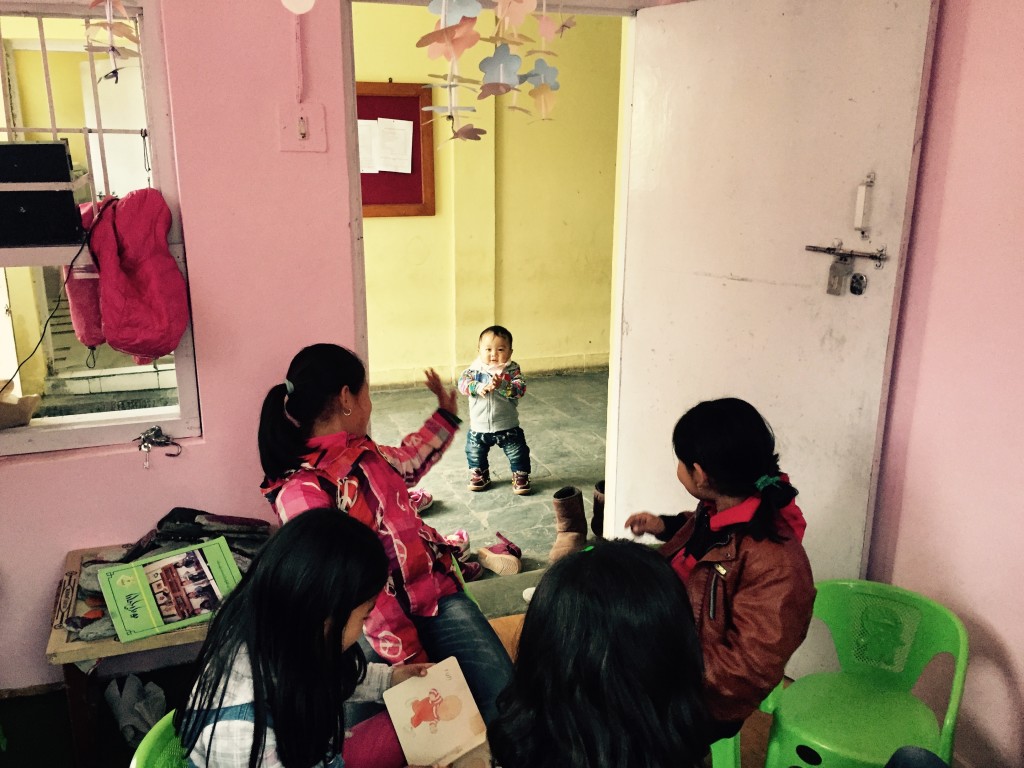
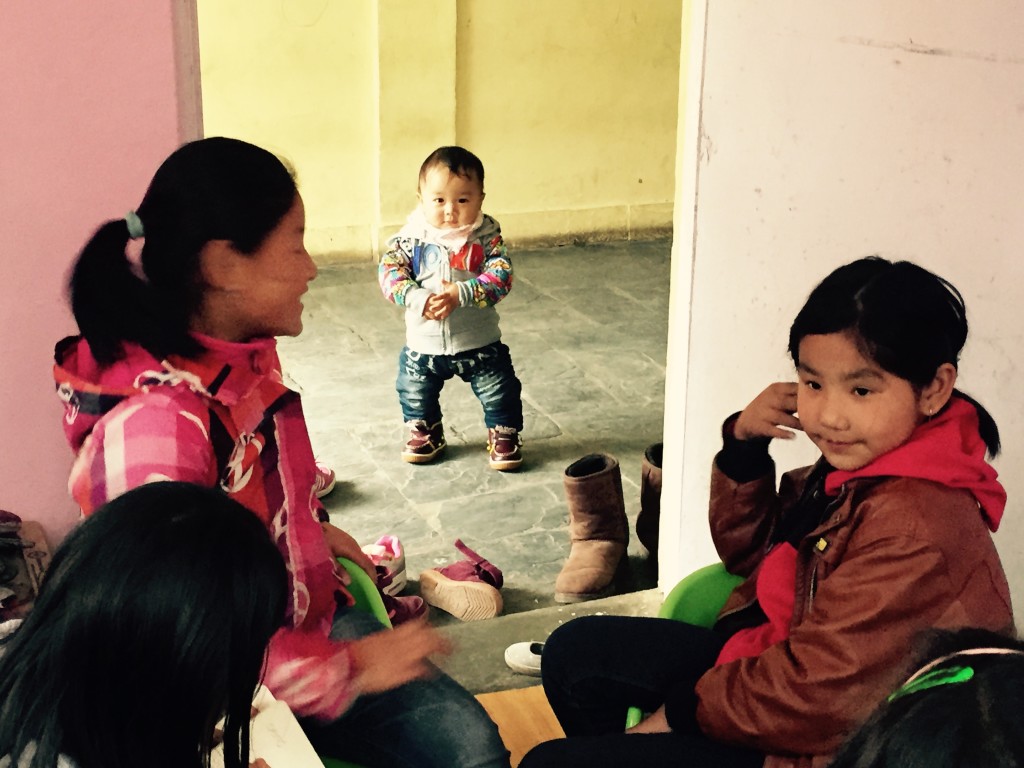
The Sound of a Reading Room in the Himalayas
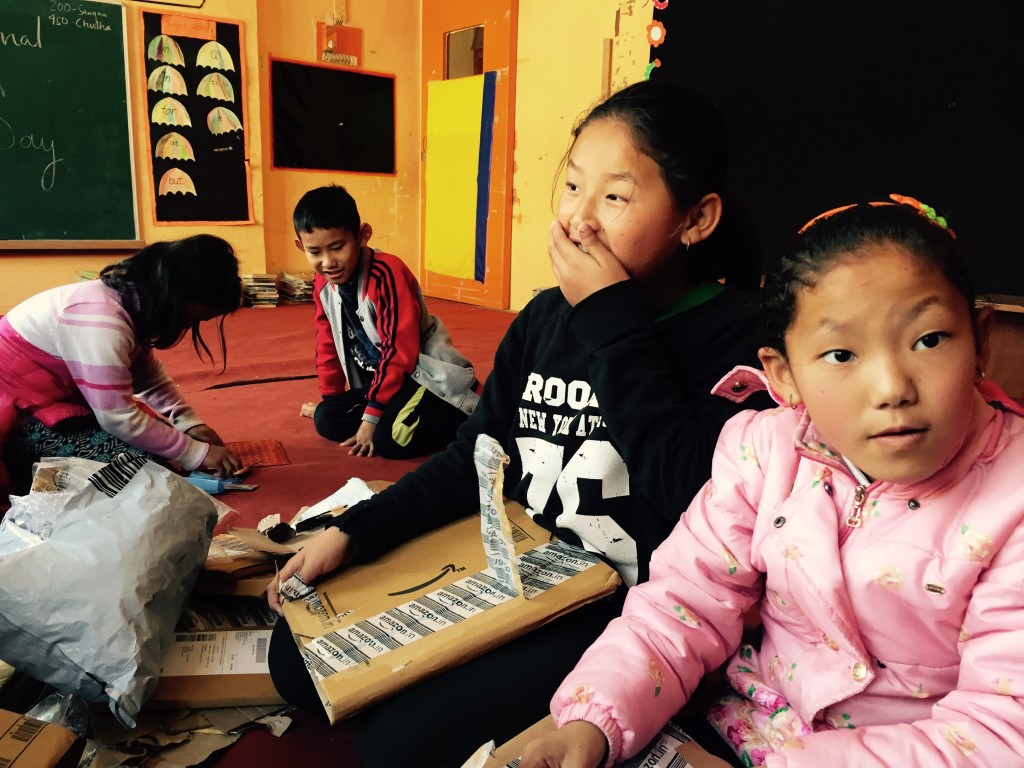
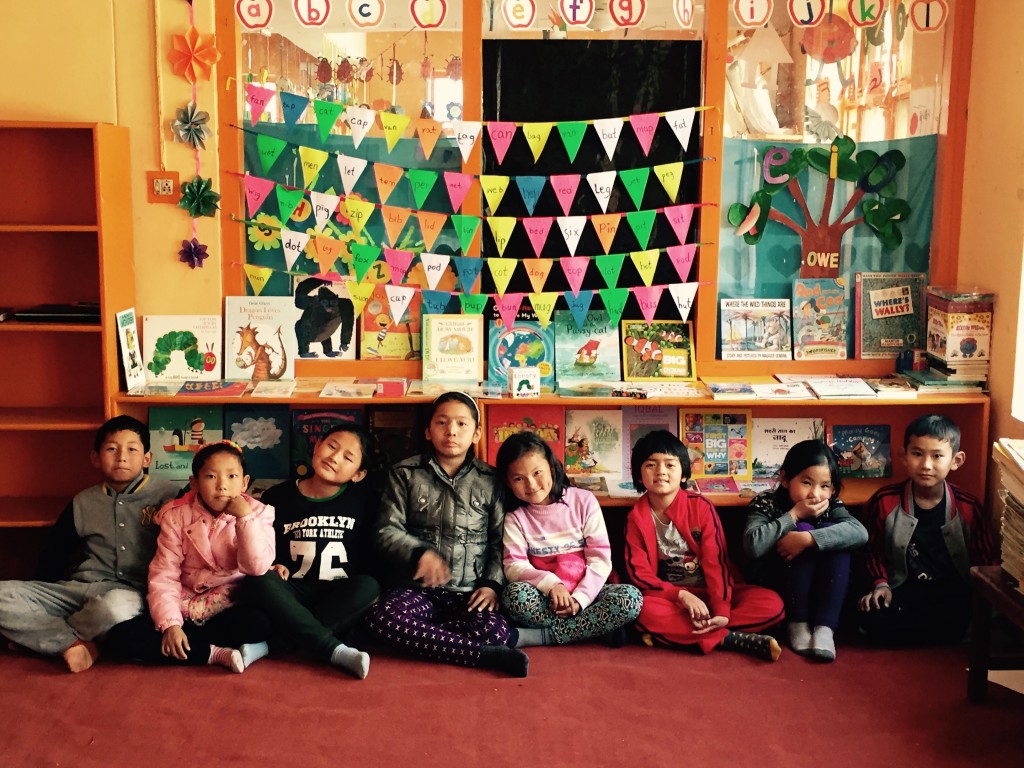
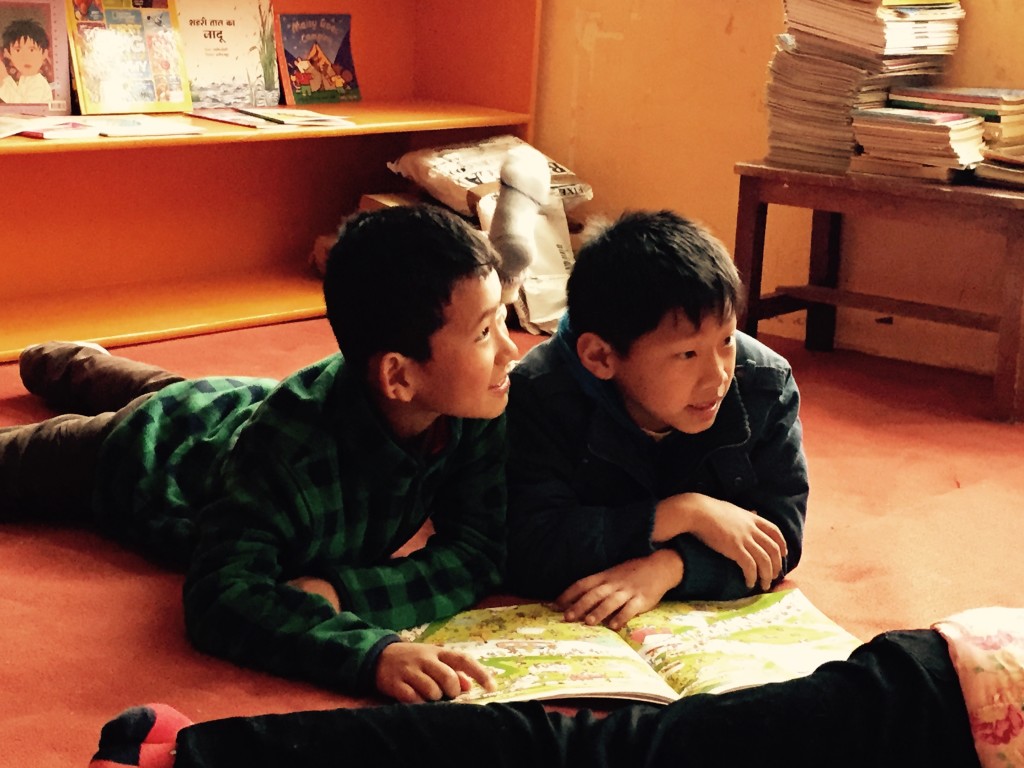
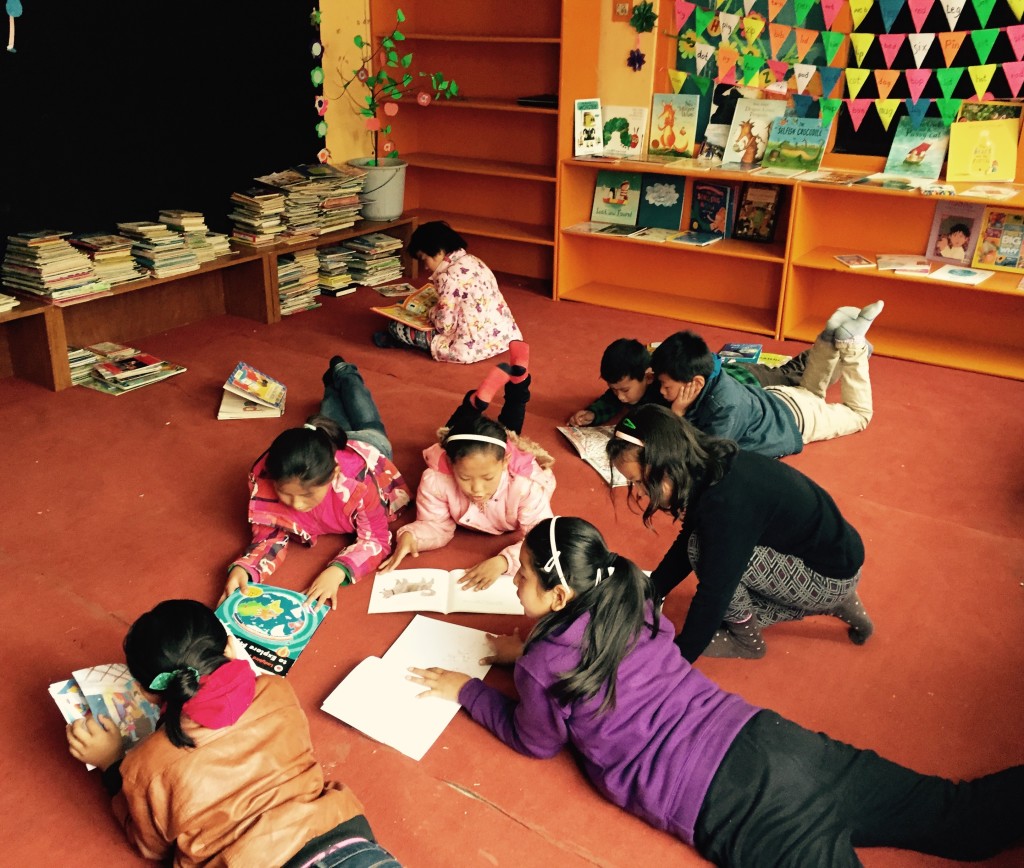
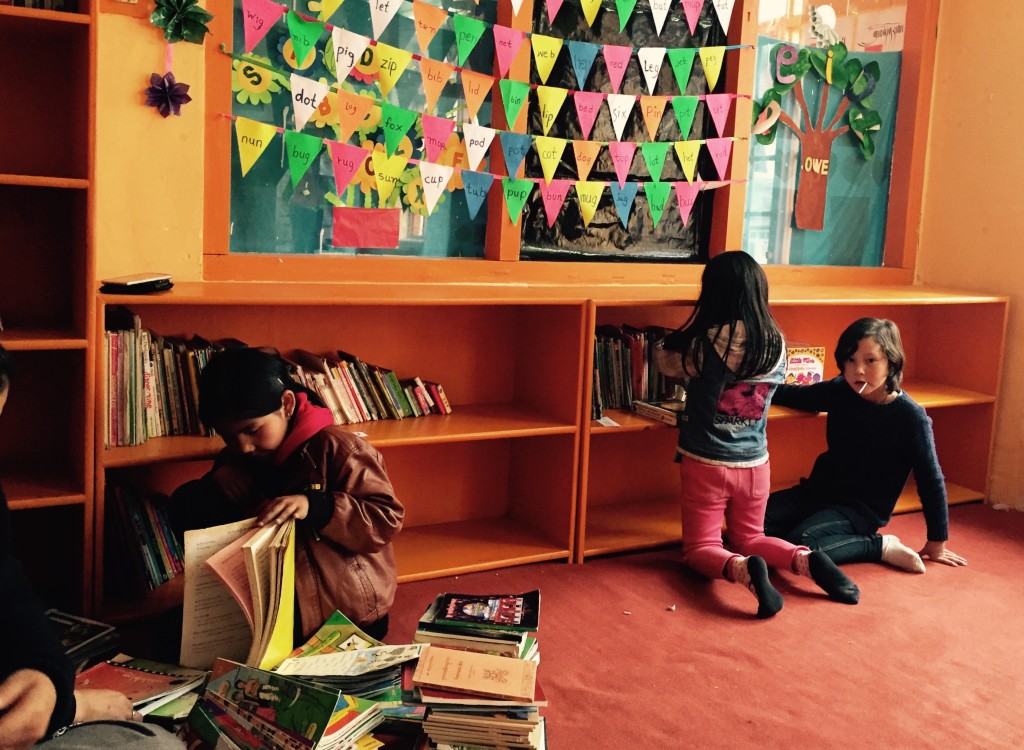
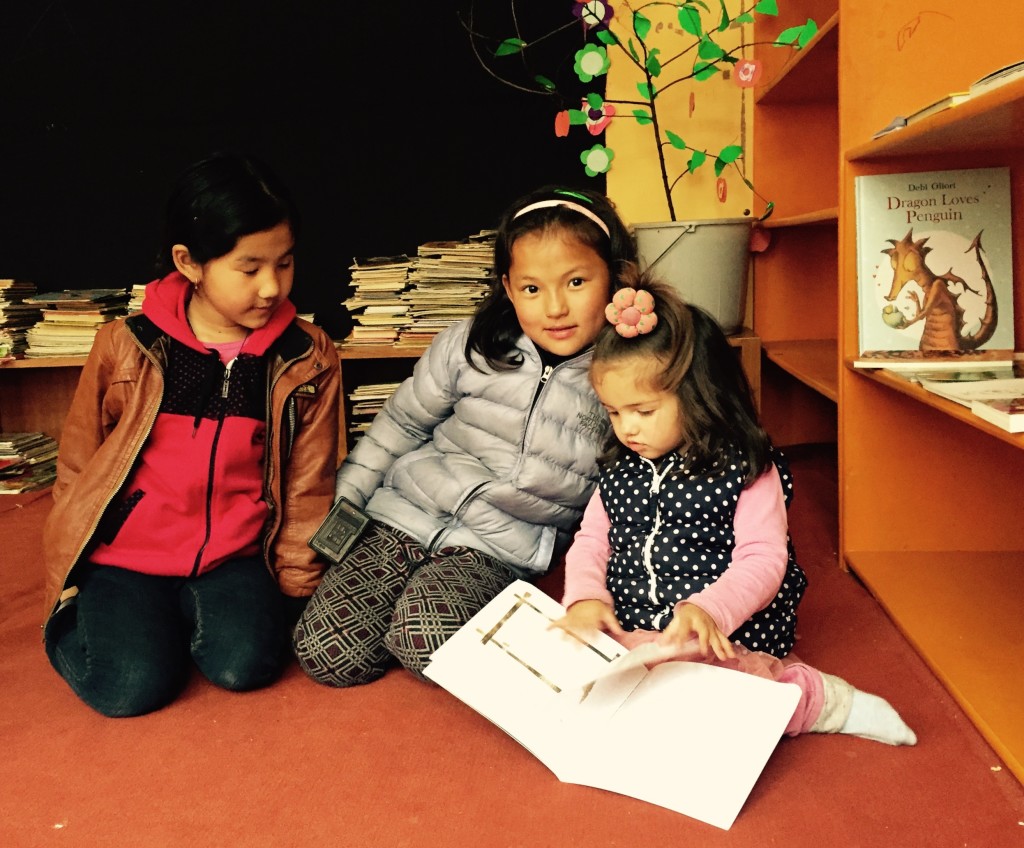
A reading room can seem quiet from the outside, yet inside it holds a lively combination of sounds. Pages turn, chairs move across the floor, pencils tap against notebooks, and a child’s laughter travels between the shelves. In Himalayan communities, these ordinary noises can signal something meaningful: children have a welcoming place to learn, imagine, and spend time together.
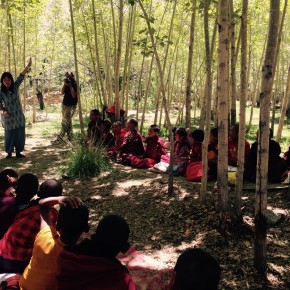
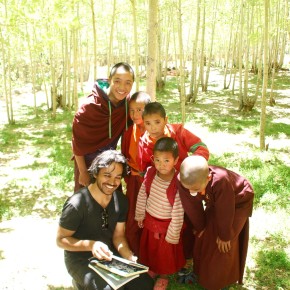
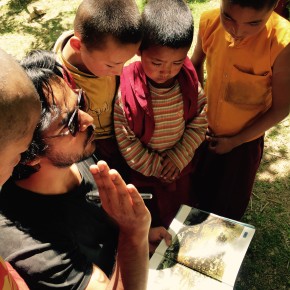
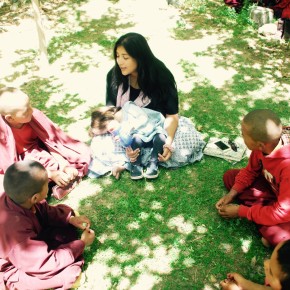
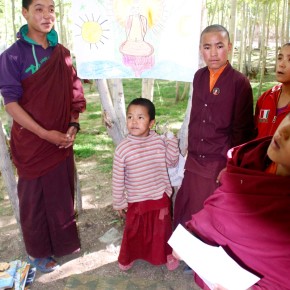
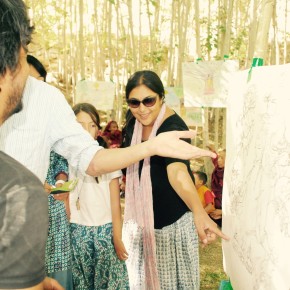
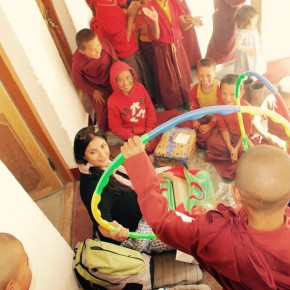
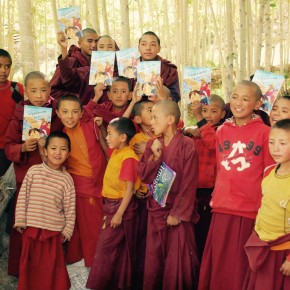
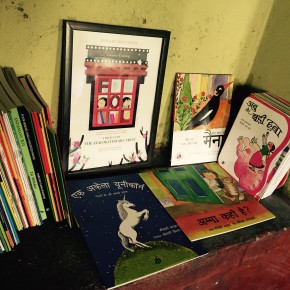
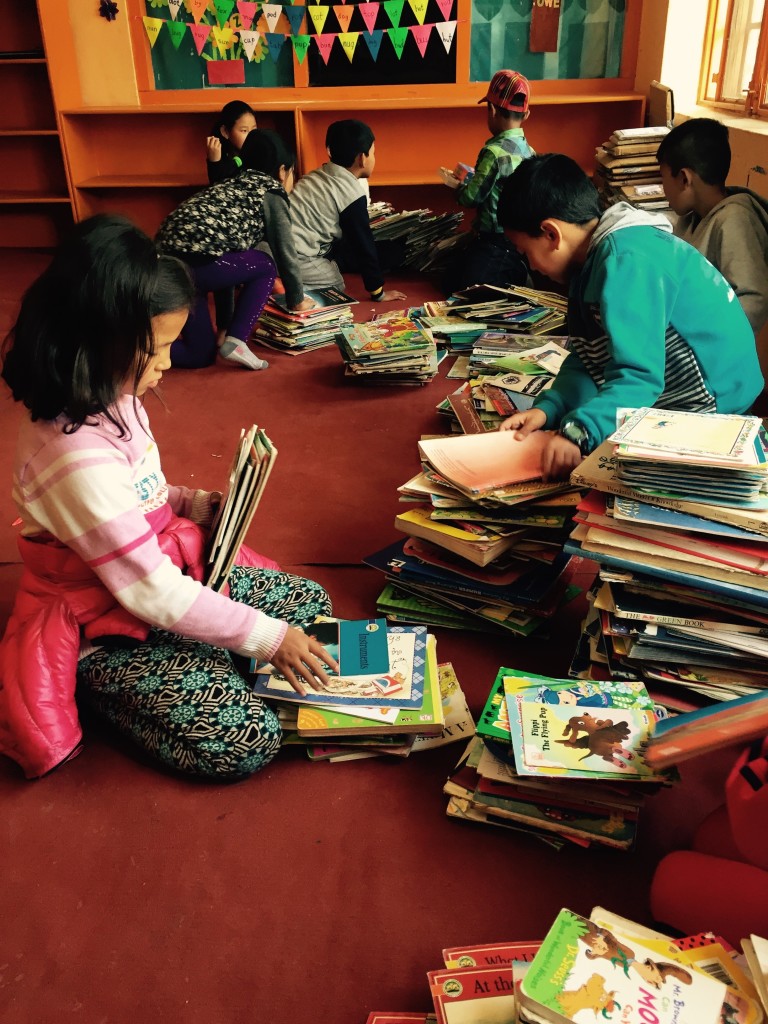
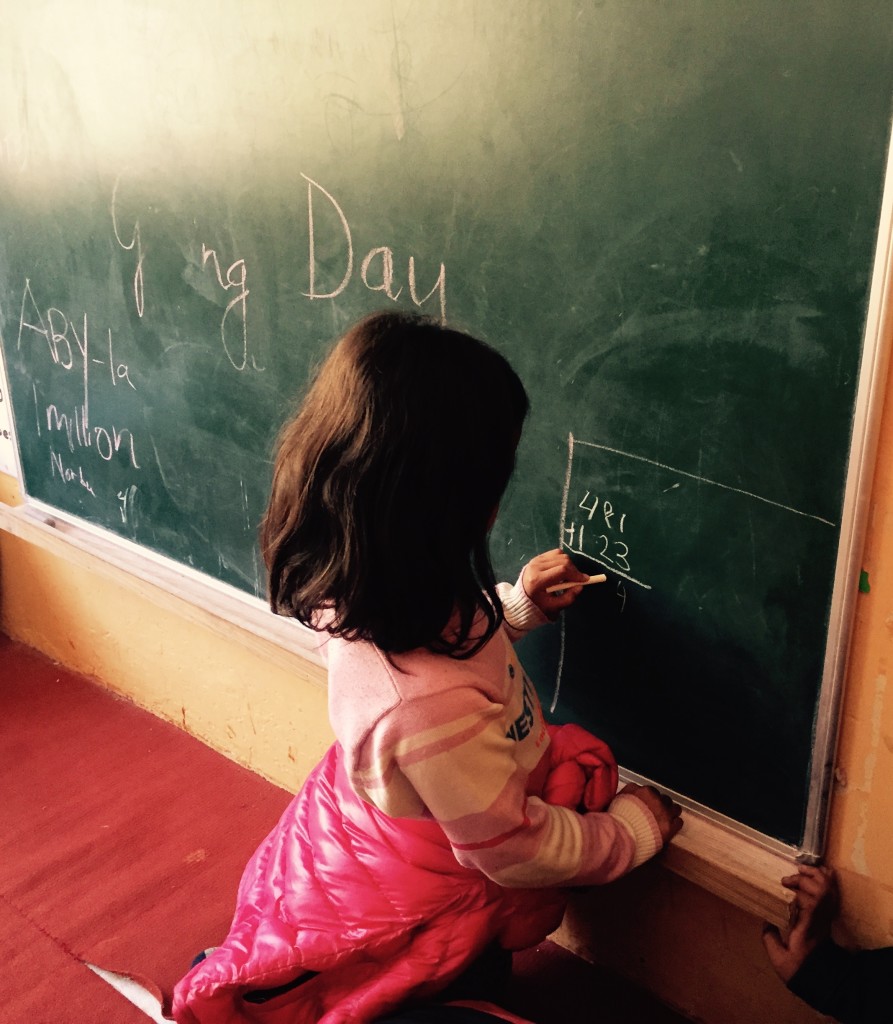
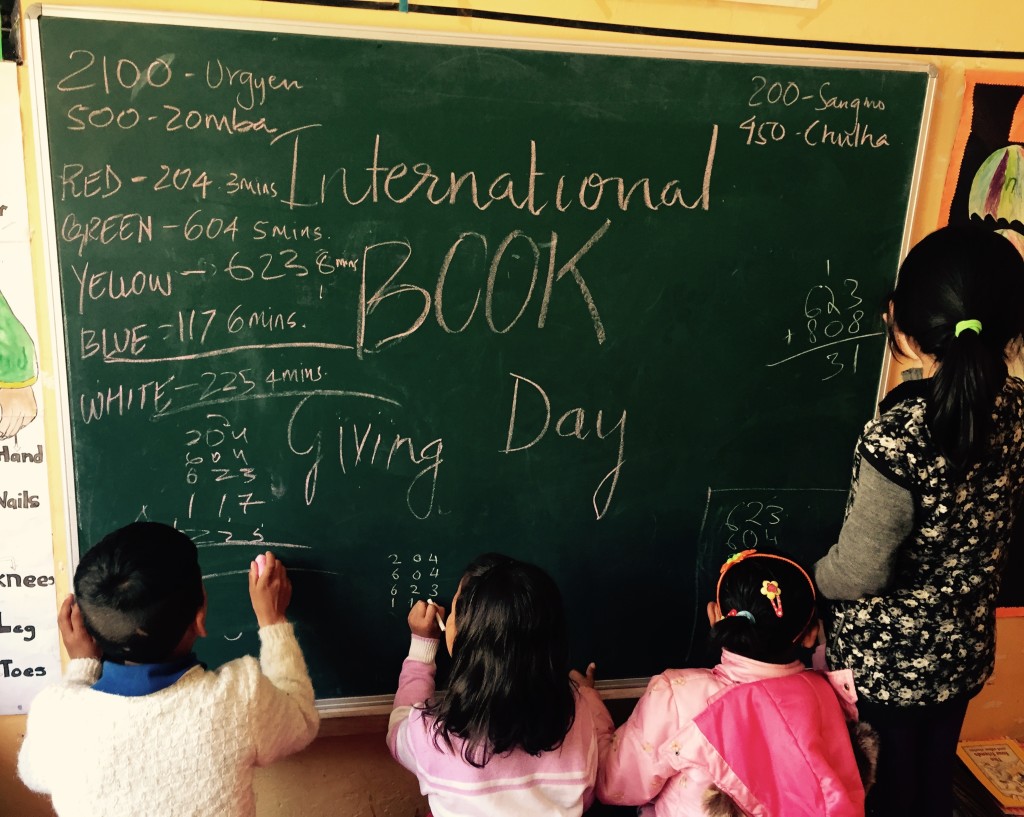
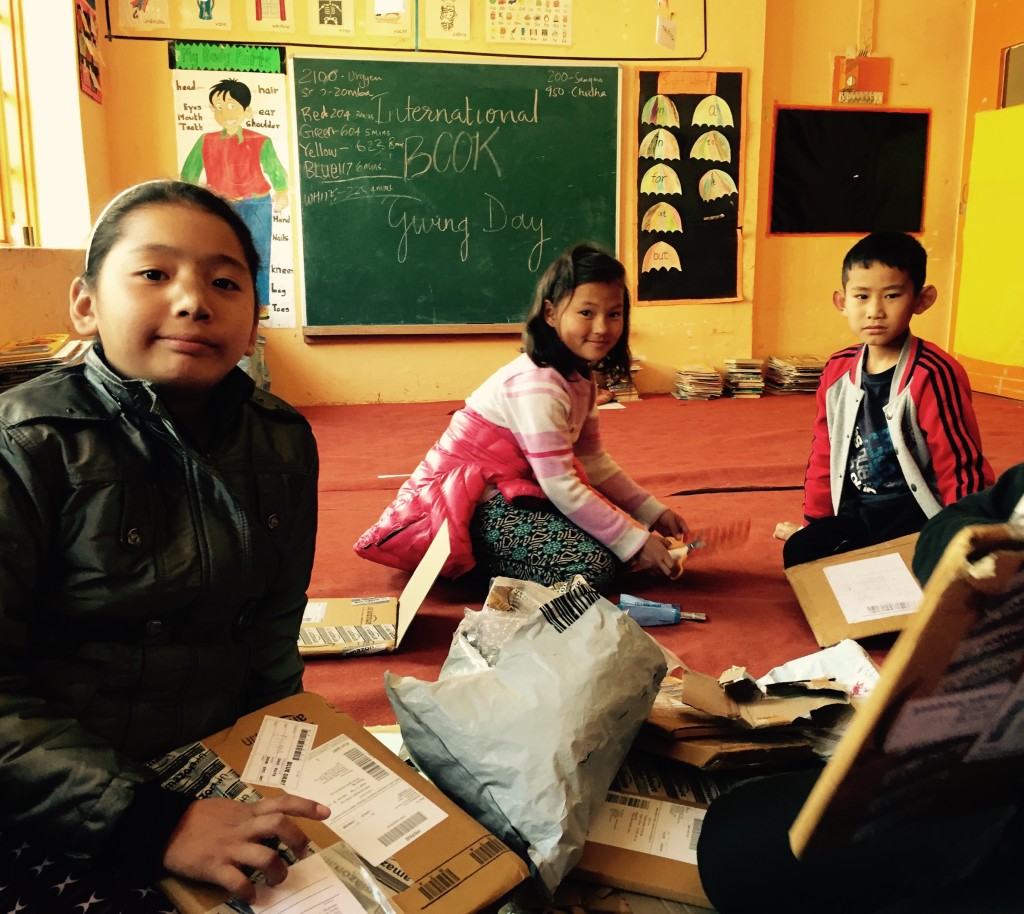
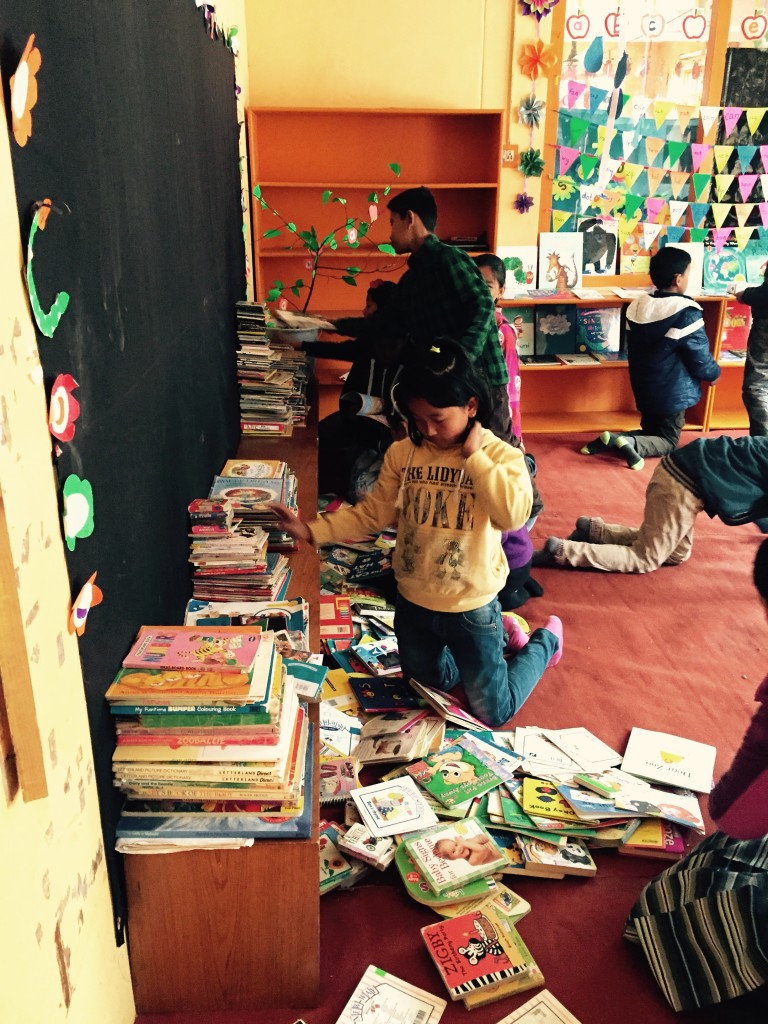
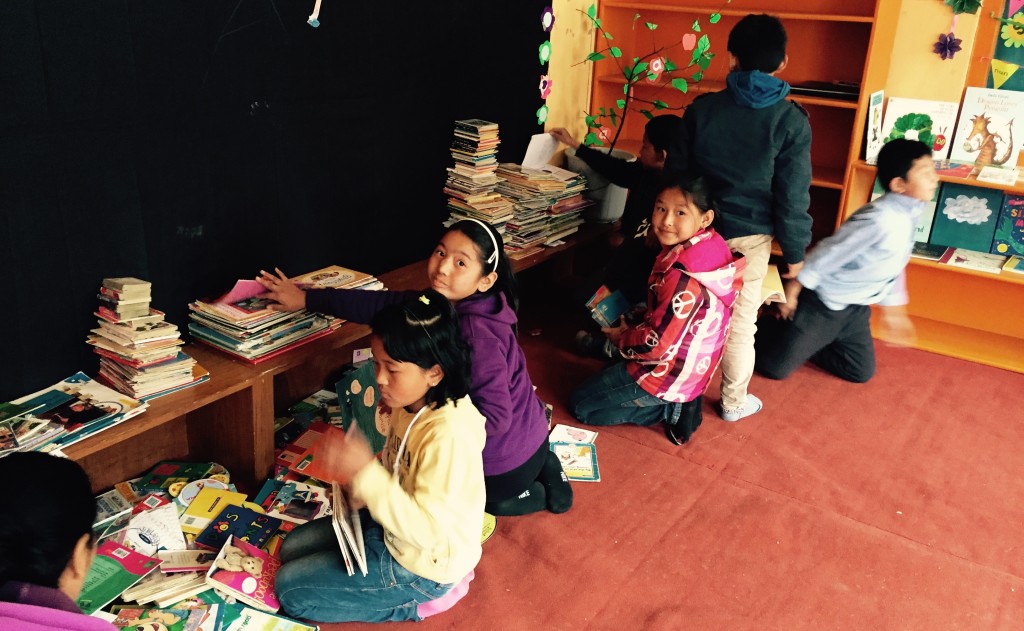
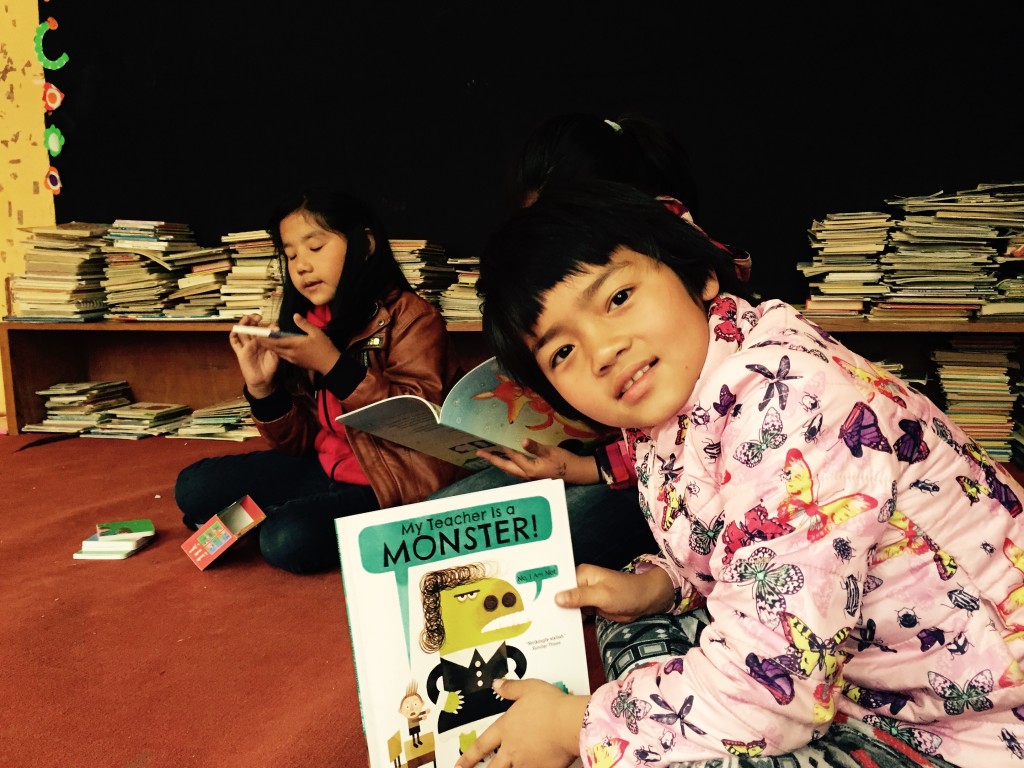
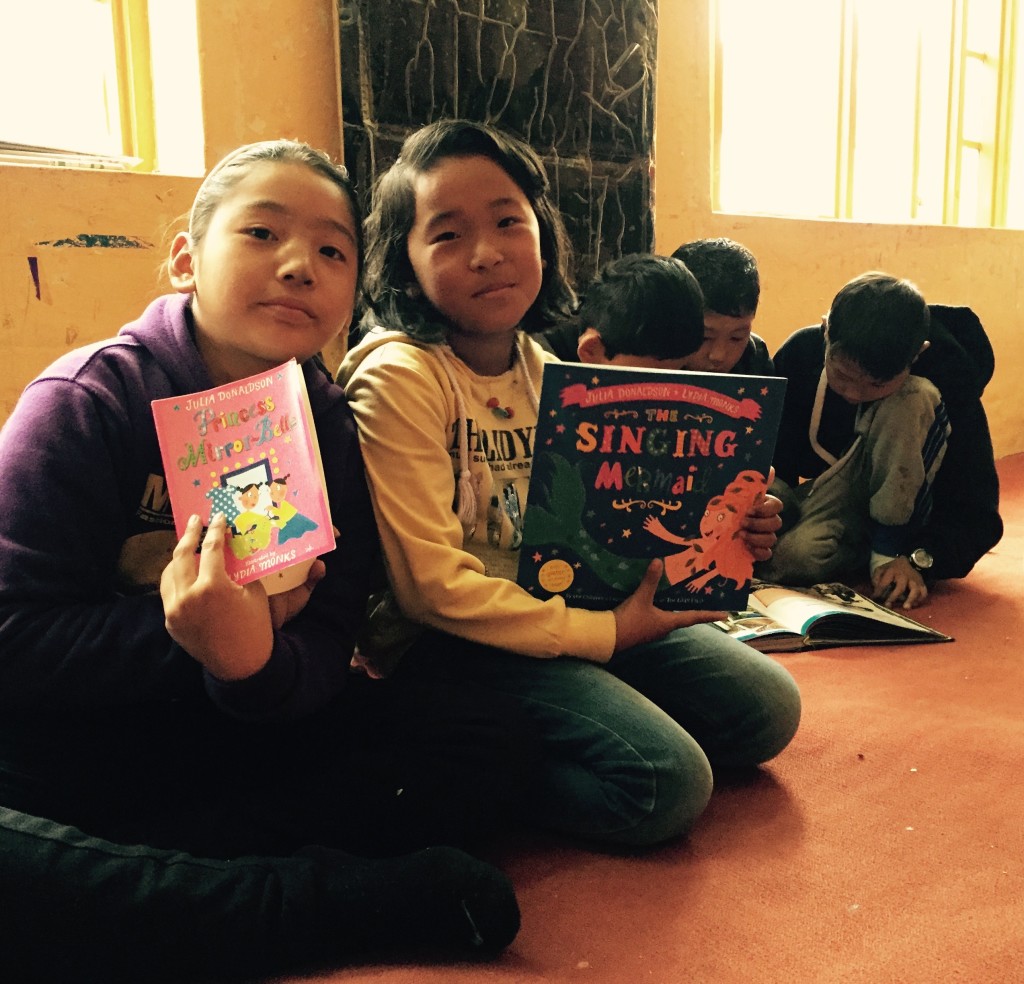
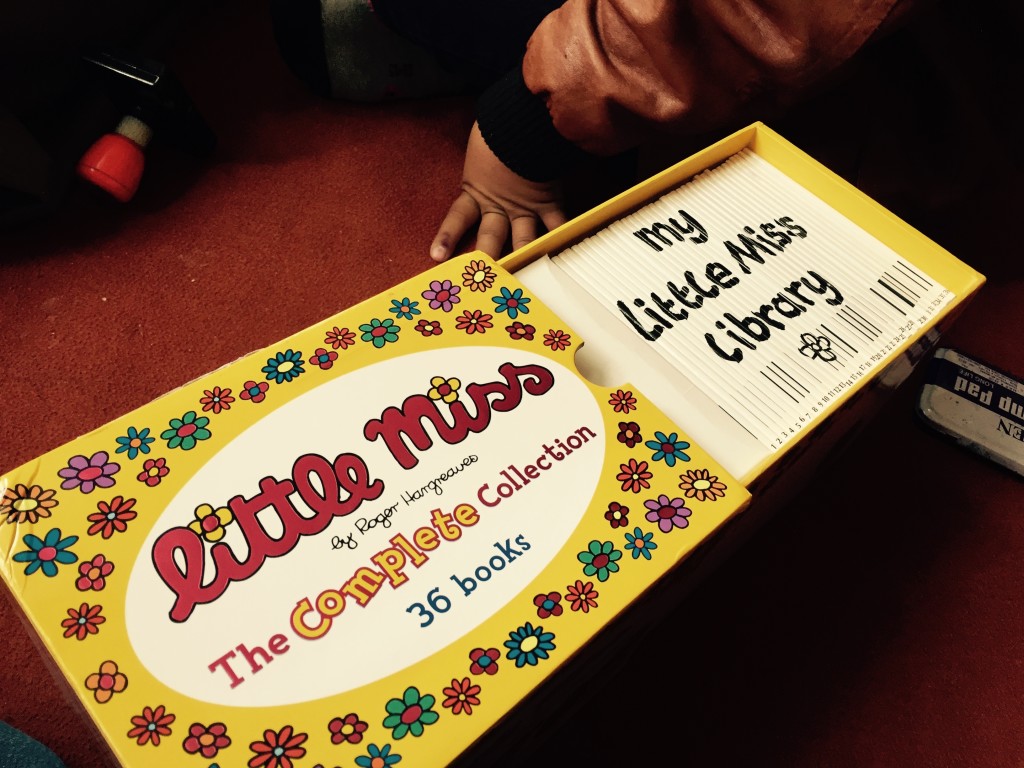
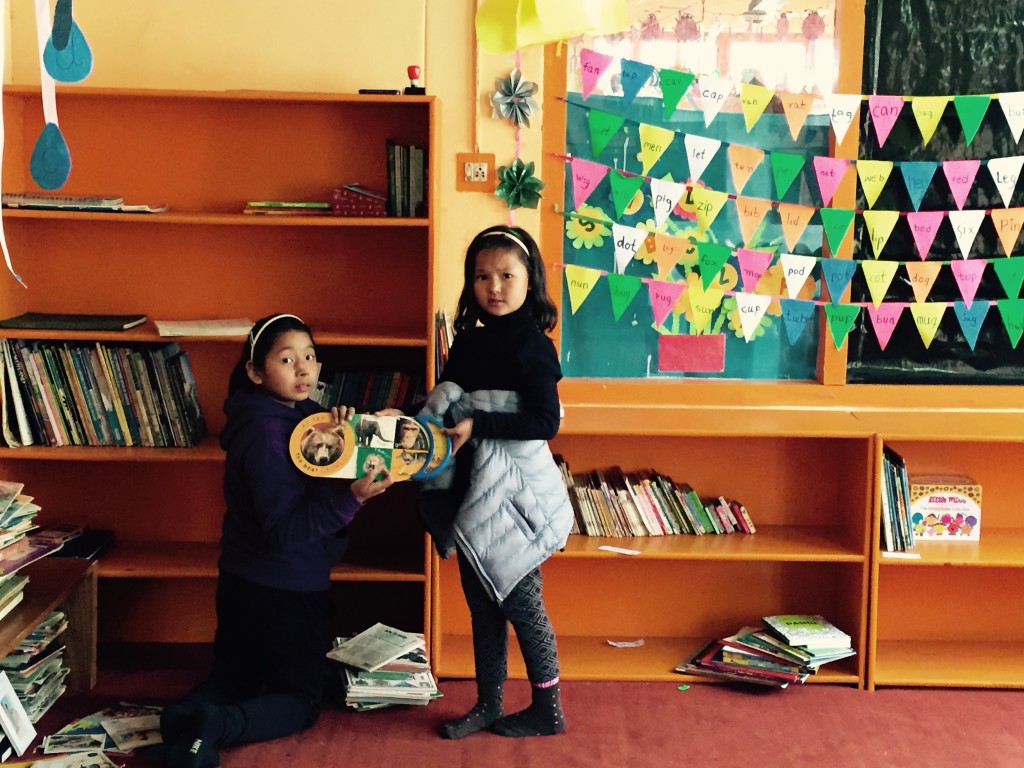
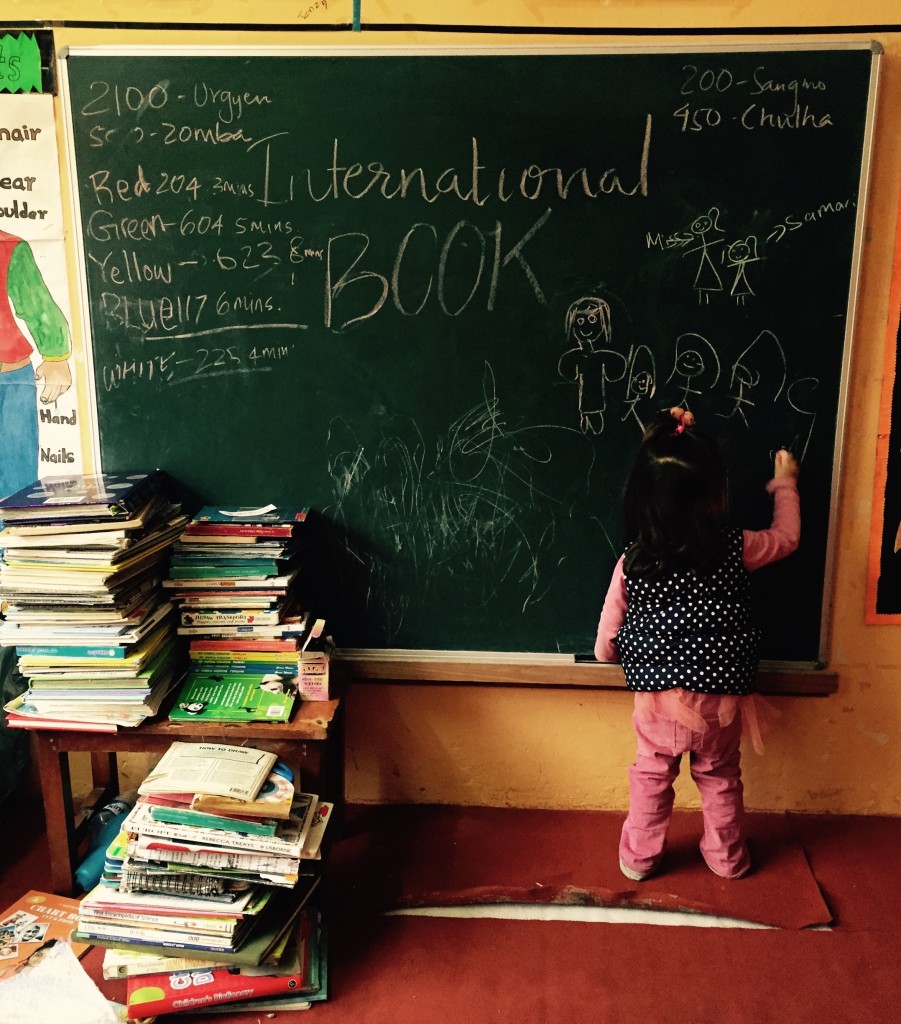
At an Avalokiteśvara Trust reading room, books are the starting point for many kinds of discovery. A young reader may arrive to explore a picture book, listen to a story, practice a new language, or work beside friends. Later, the same space may fill with singing, rhythm, drawing, or conversation as educational and artistic activities unfold.
This living atmosphere reflects the Trust’s wider work in Ladakh and other communities. By providing quality books, creative opportunities, and supportive spaces, the organization helps children and young monks build confidence through learning. The soundscape of a reading room is therefore a record of participation: every page, song, and burst of laughter shows that the space is being used.
Where Quiet Learning Begins
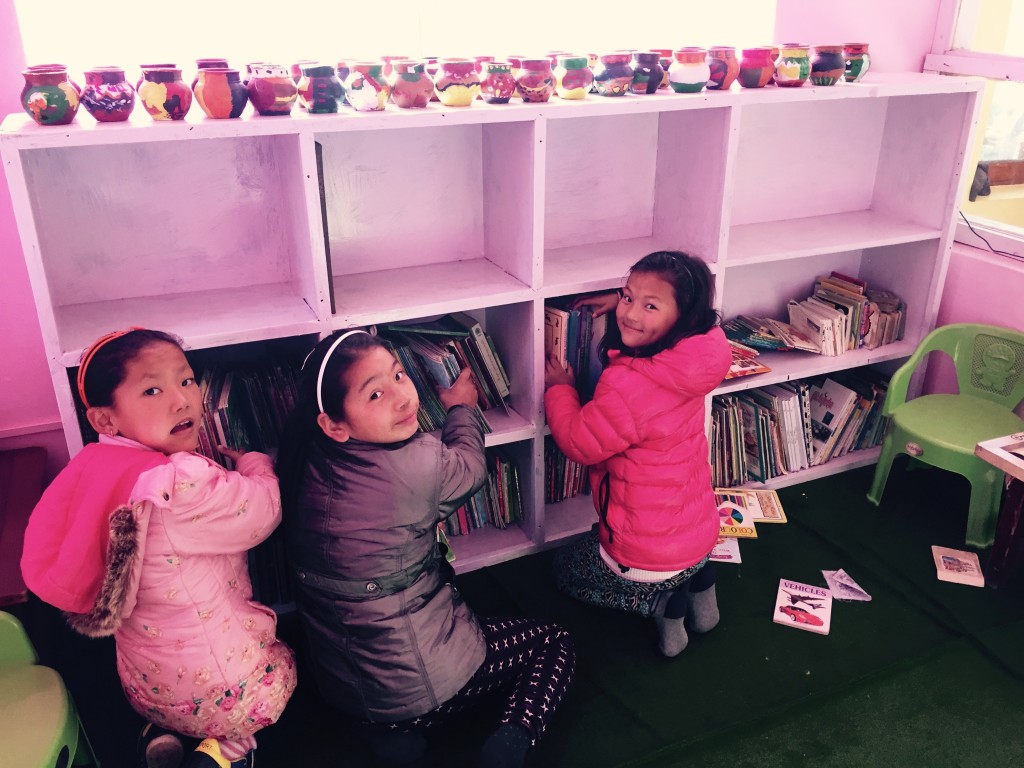
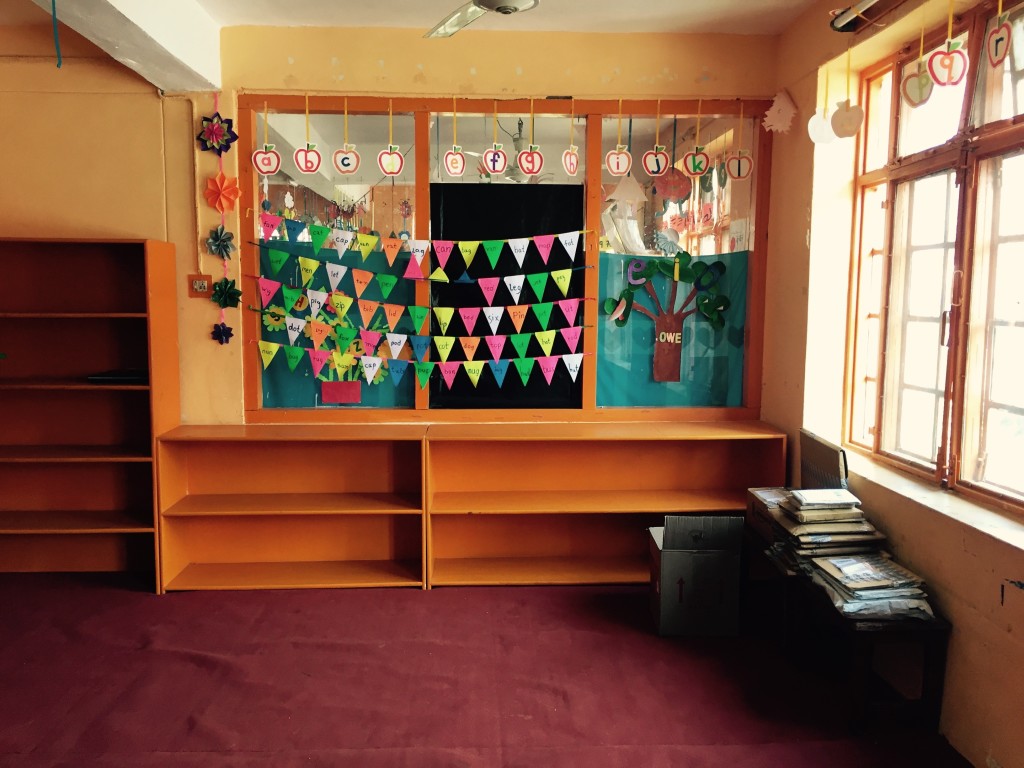
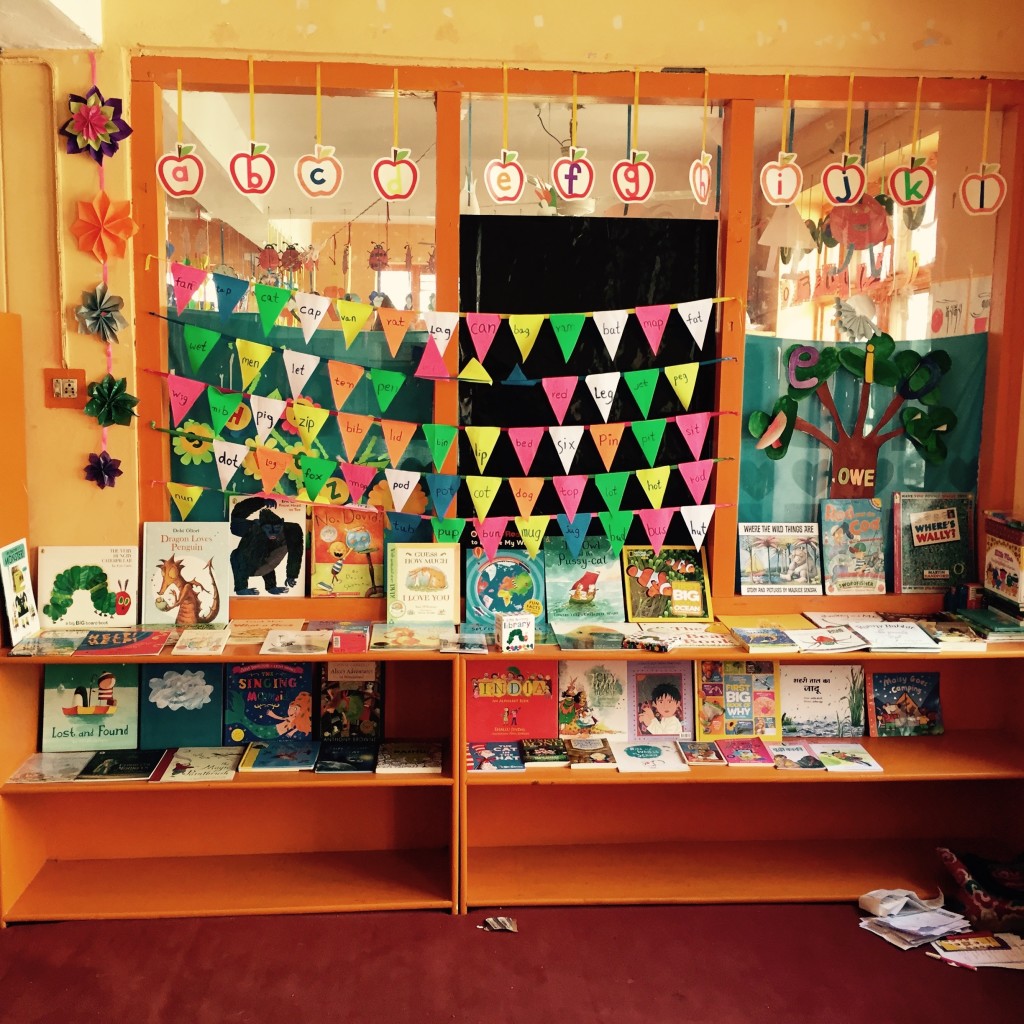
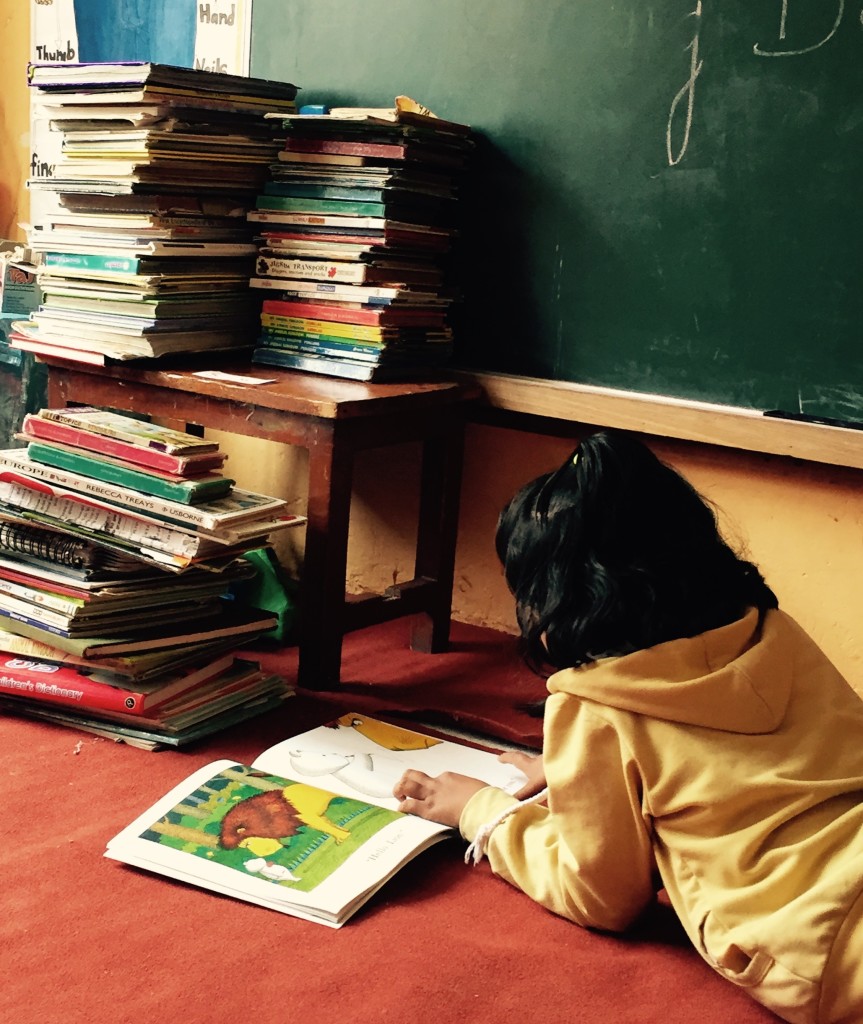
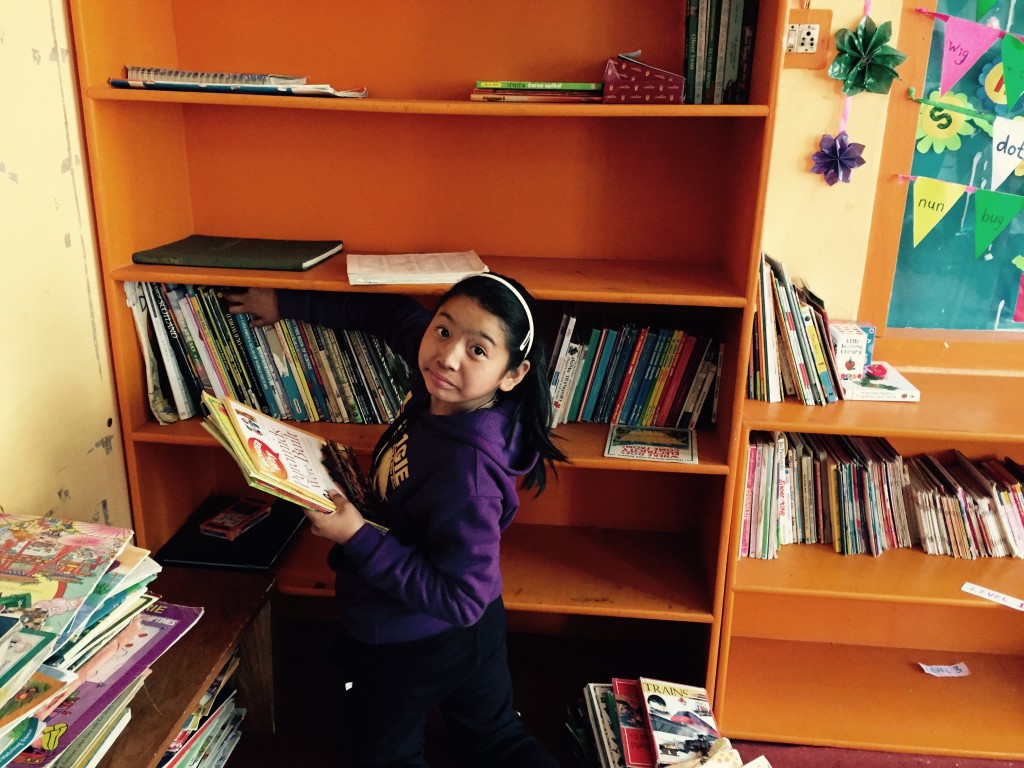
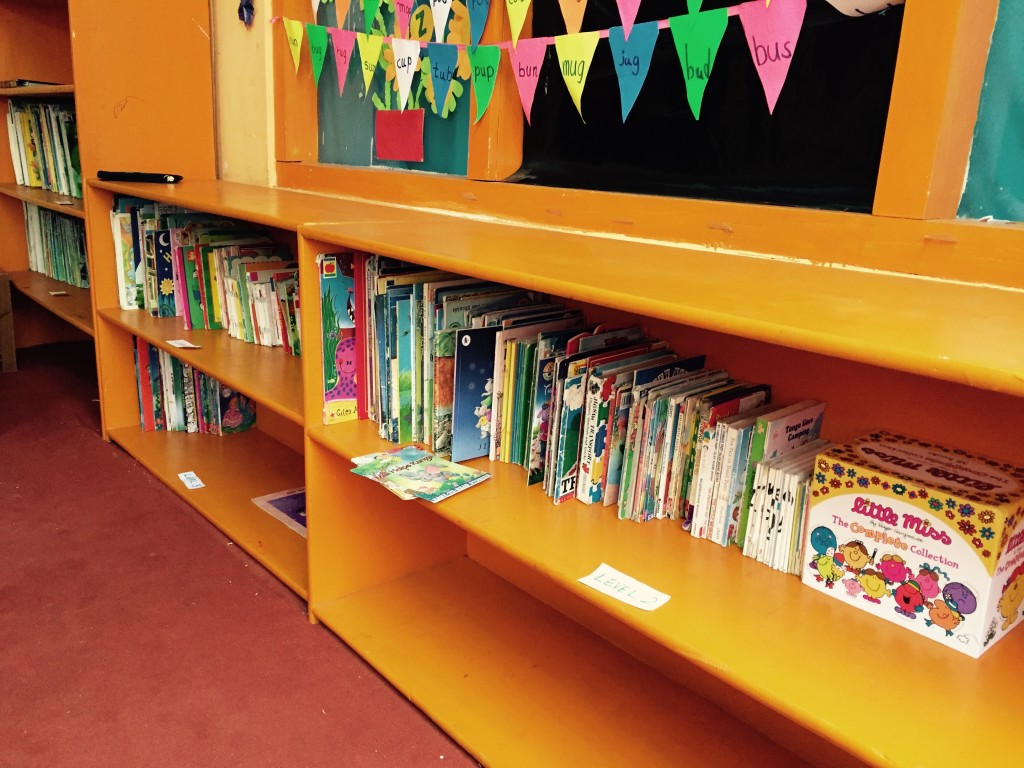
Reading rooms need a calm foundation. Children should be able to concentrate on a story, follow an illustration, or complete schoolwork without competing with constant noise. Shelves, floor cushions, tables, and carefully arranged books help create an environment where attention can settle naturally.
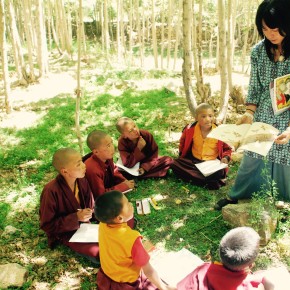
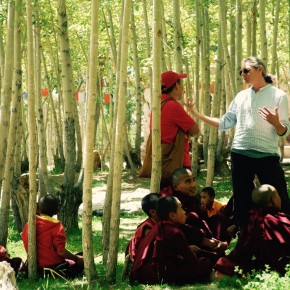
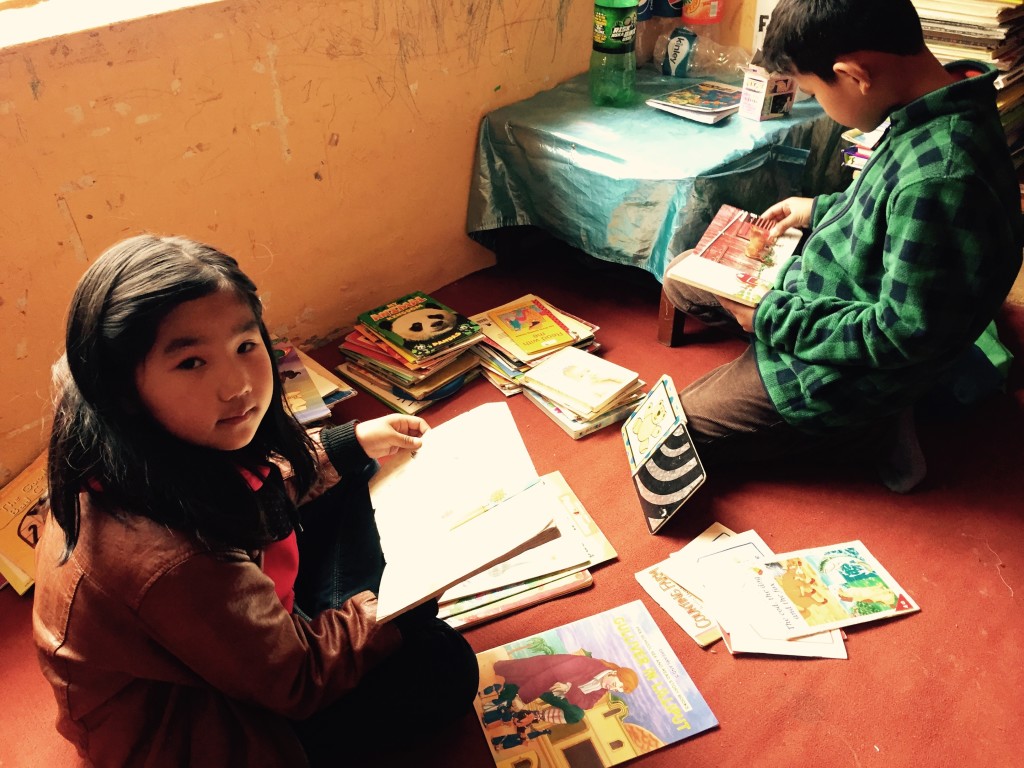
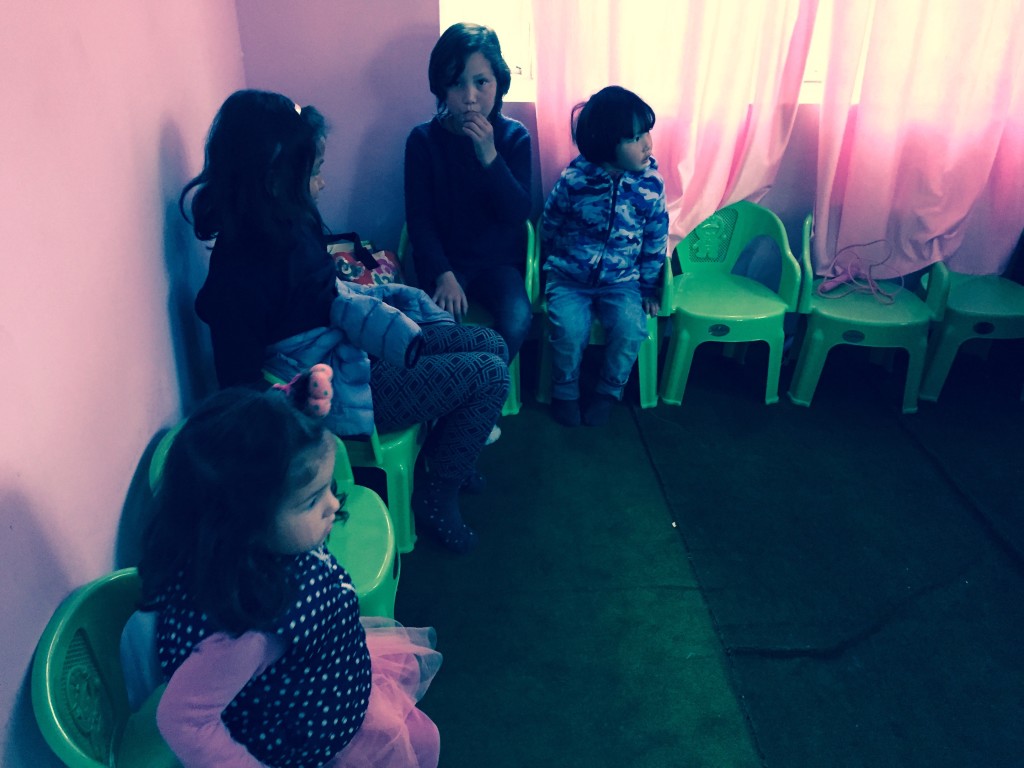
Silence, however, is not the goal. A healthy learning space allows quiet concentration to exist beside friendly conversation. One child may read independently while another asks for help with a word. A volunteer may share a folk tale with a small group as older students look through reference books nearby. These layers of activity make the room feel safe and active rather than strict or intimidating.
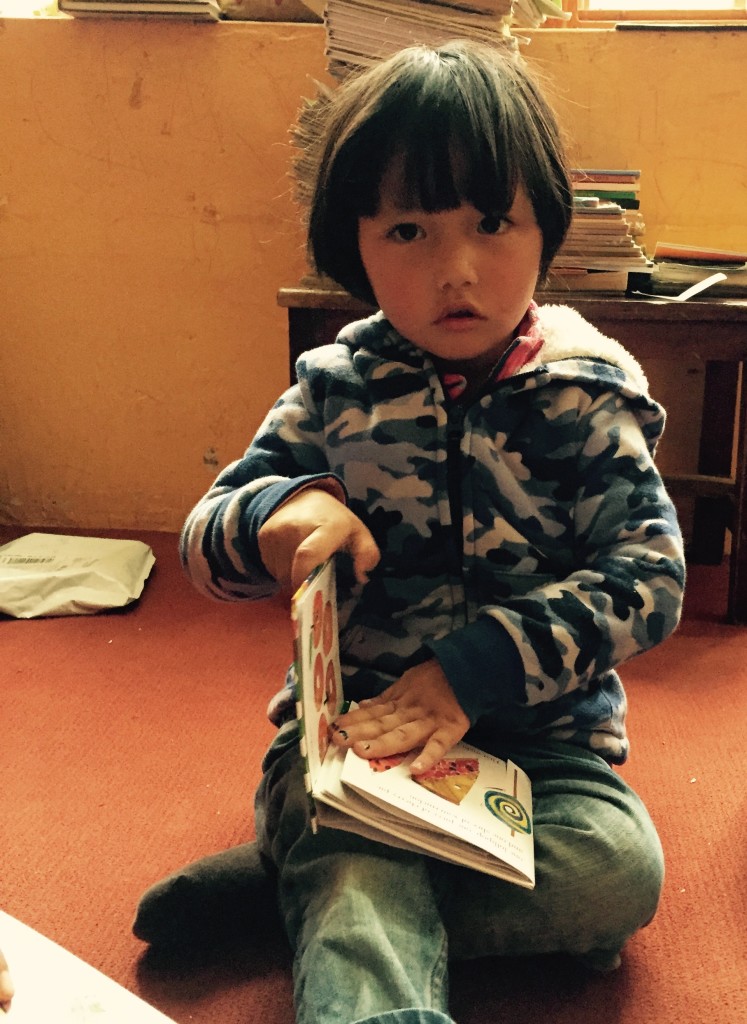
For children who have limited access to books at home, a reading room can become an important part of daily life. Regular visits help establish reading habits and give children the freedom to choose material suited to their interests and reading level. The gentle rhythm of returning books, opening new ones, and sharing discoveries builds a lasting connection with learning.
Pages Turning Into Possibility
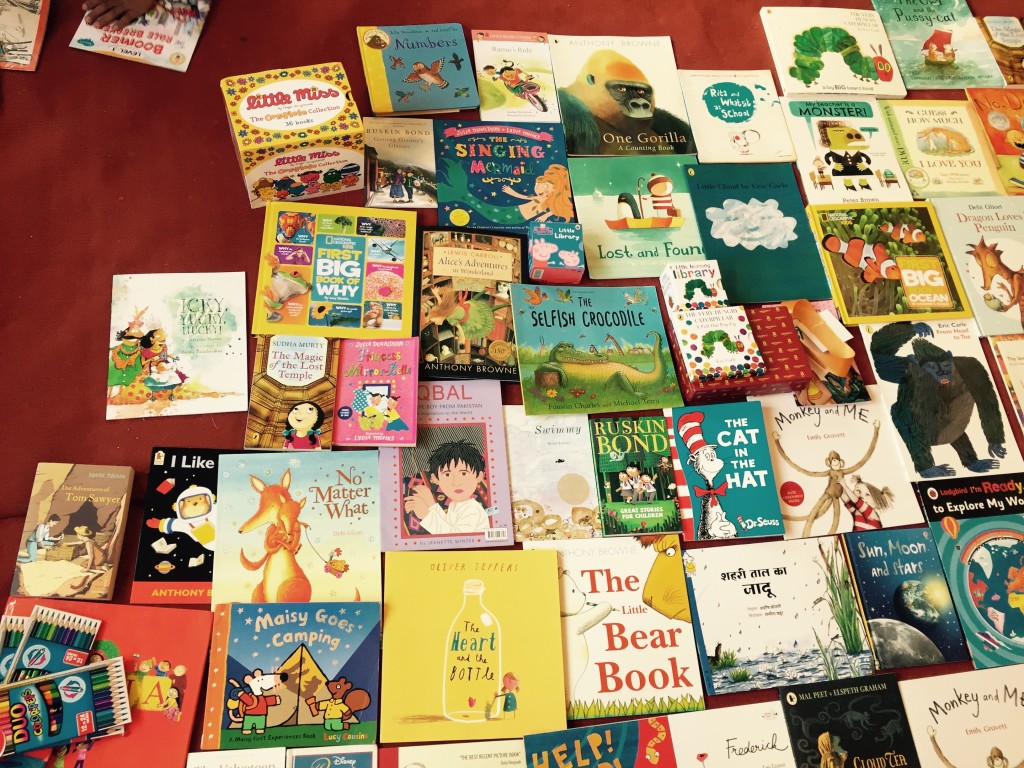
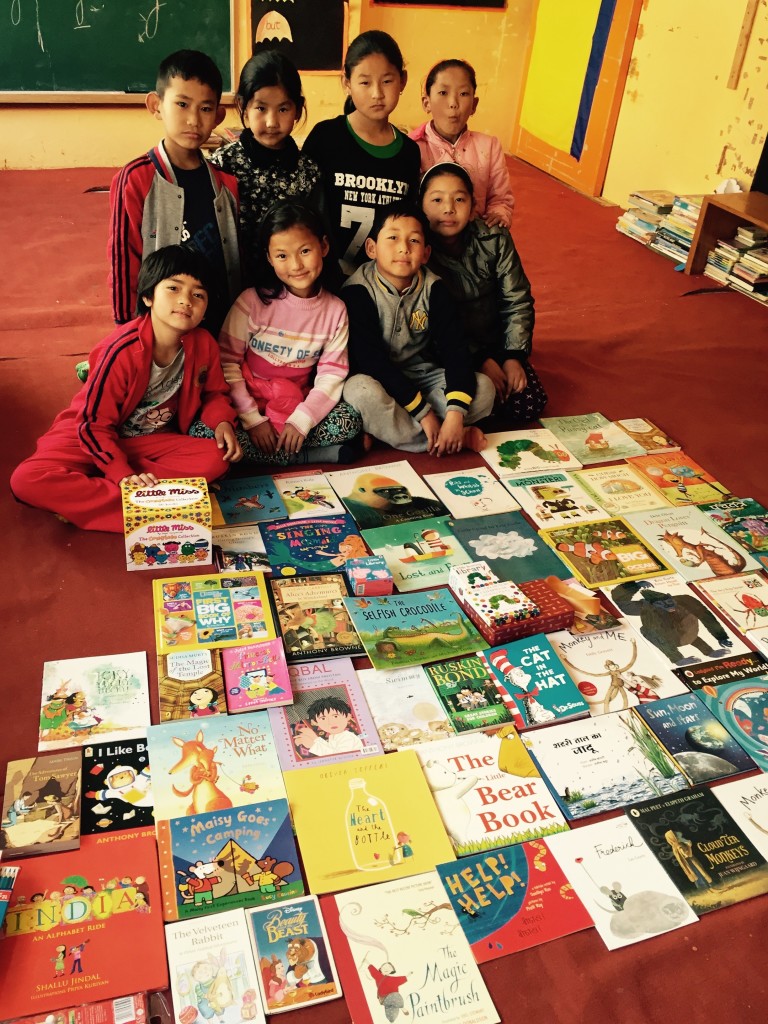
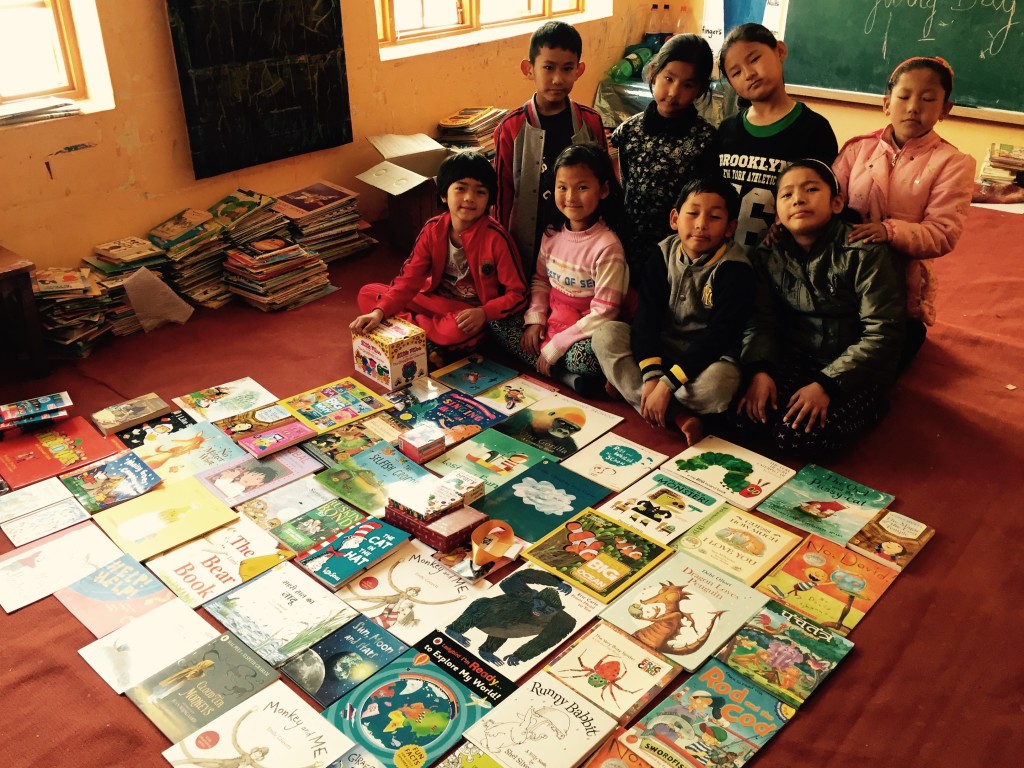
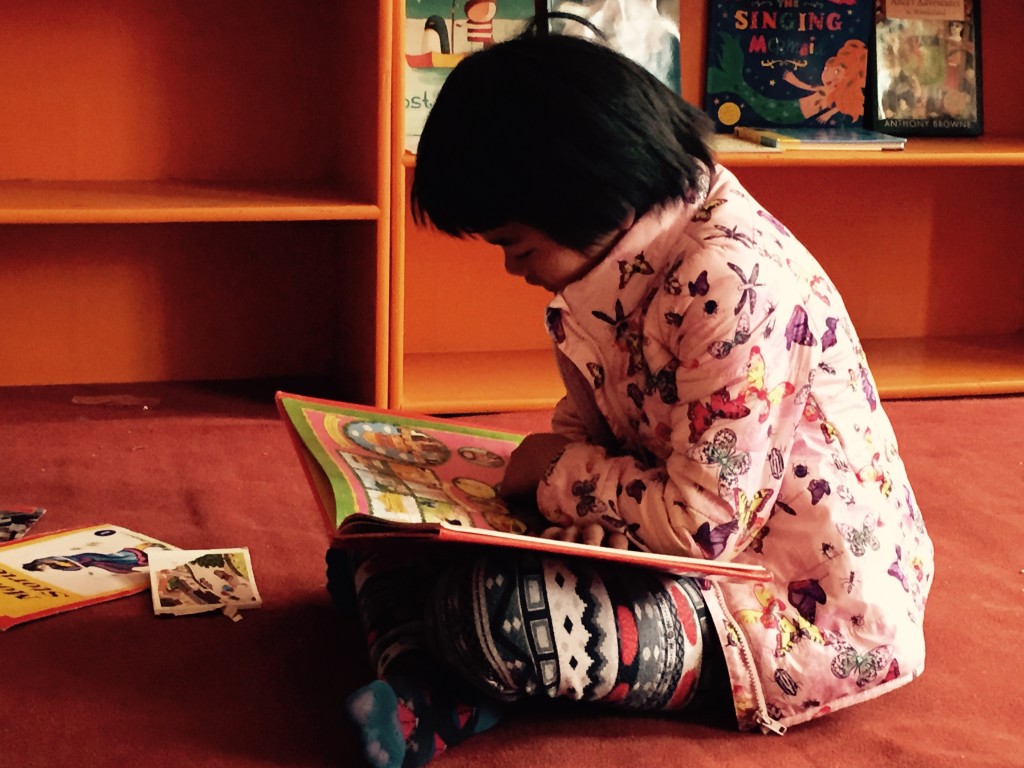
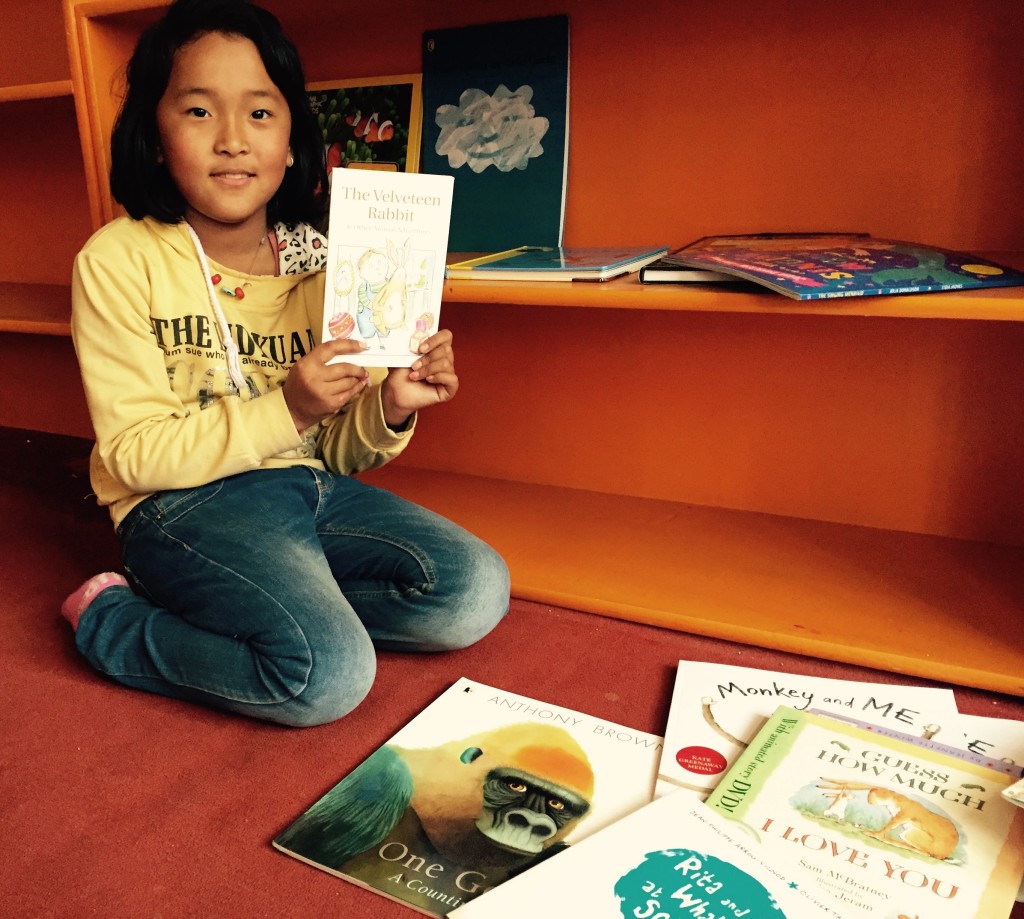
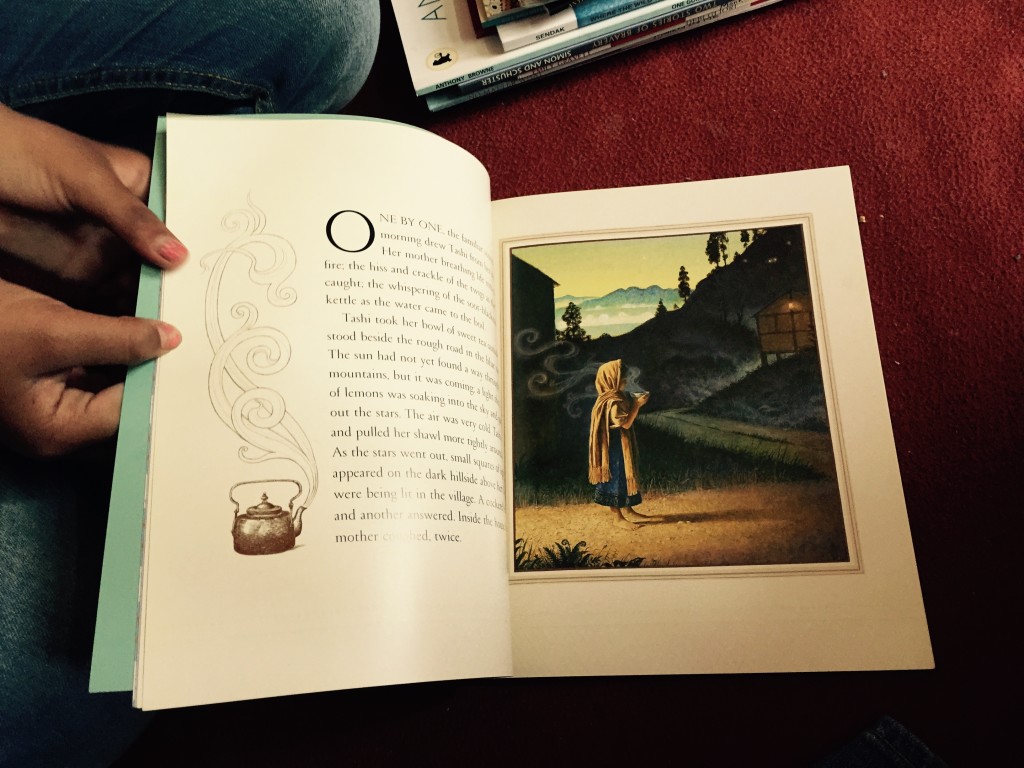
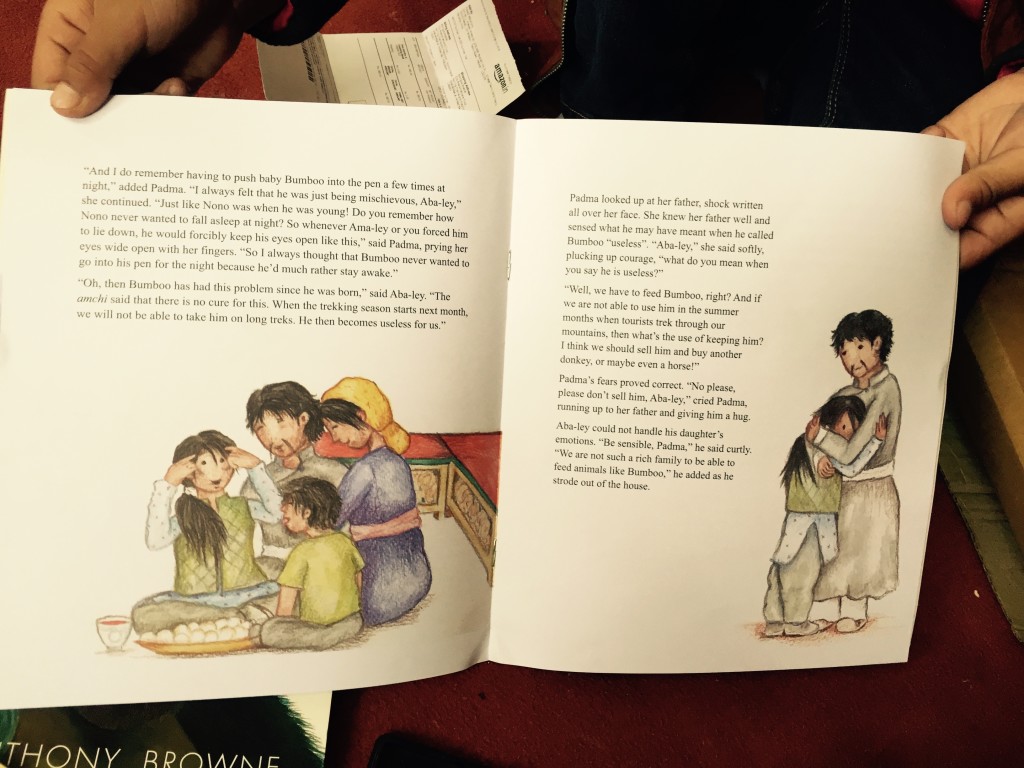
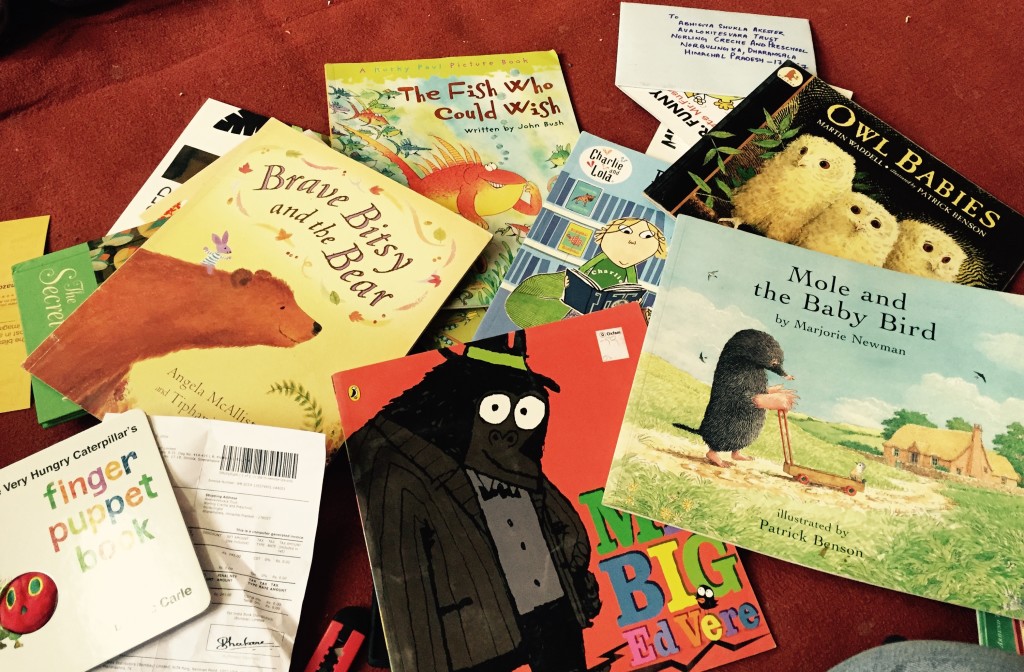
The sound of pages turning carries a particular kind of promise. It suggests that a child is moving through a story independently, making sense of unfamiliar words, or finding images that spark curiosity. A donated book may introduce distant landscapes, scientific ideas, traditional stories, or characters who help a young reader understand their own feelings.
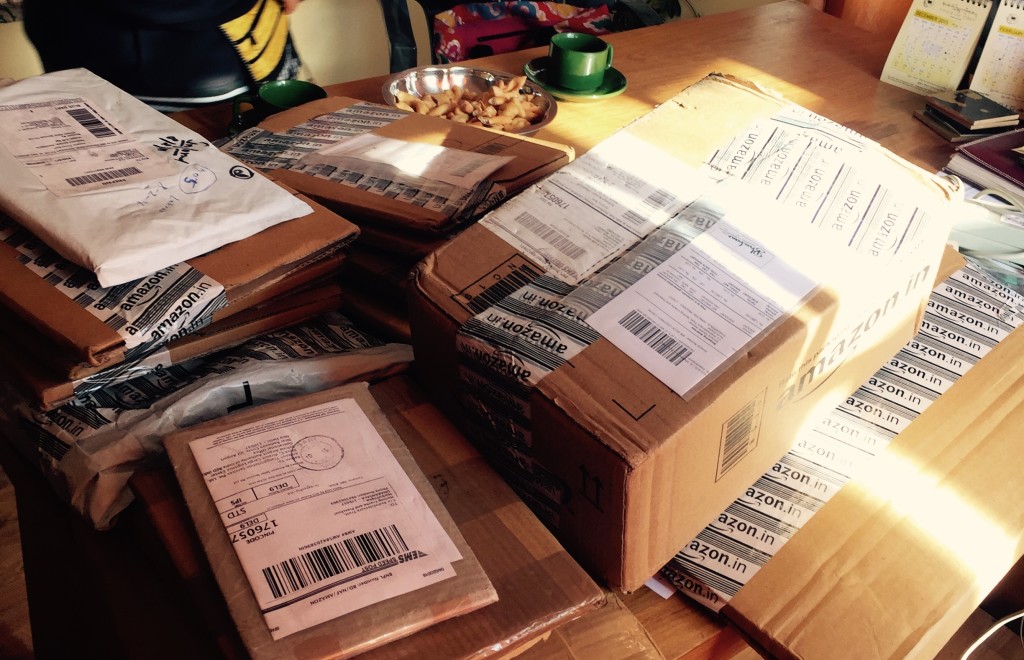
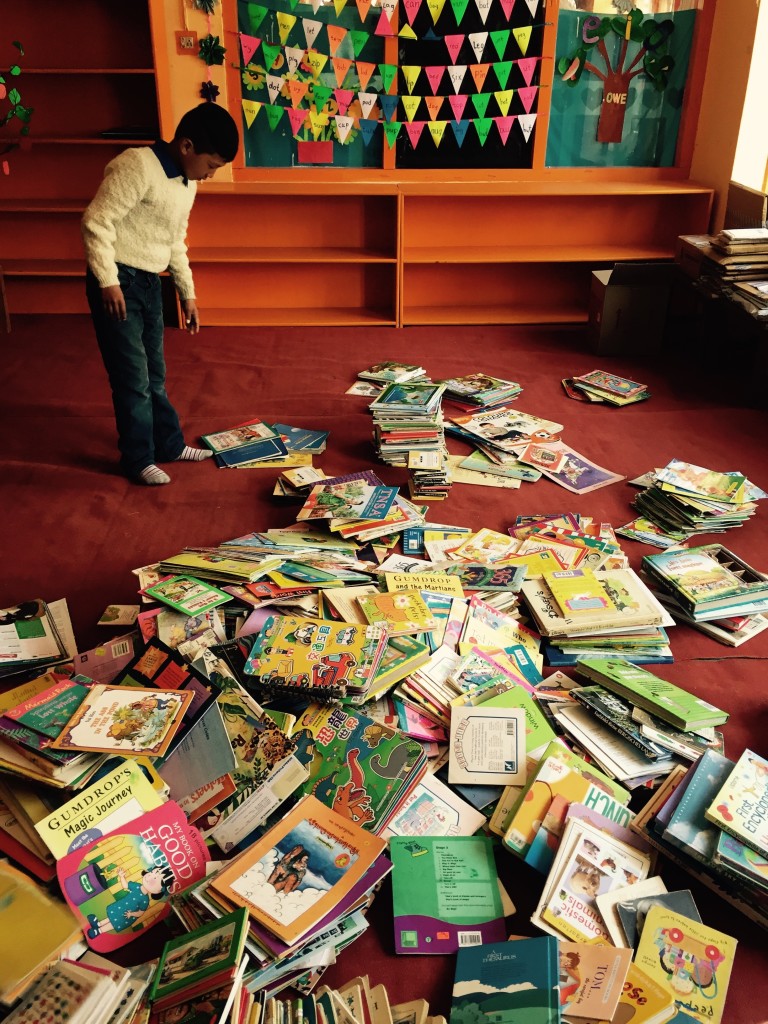
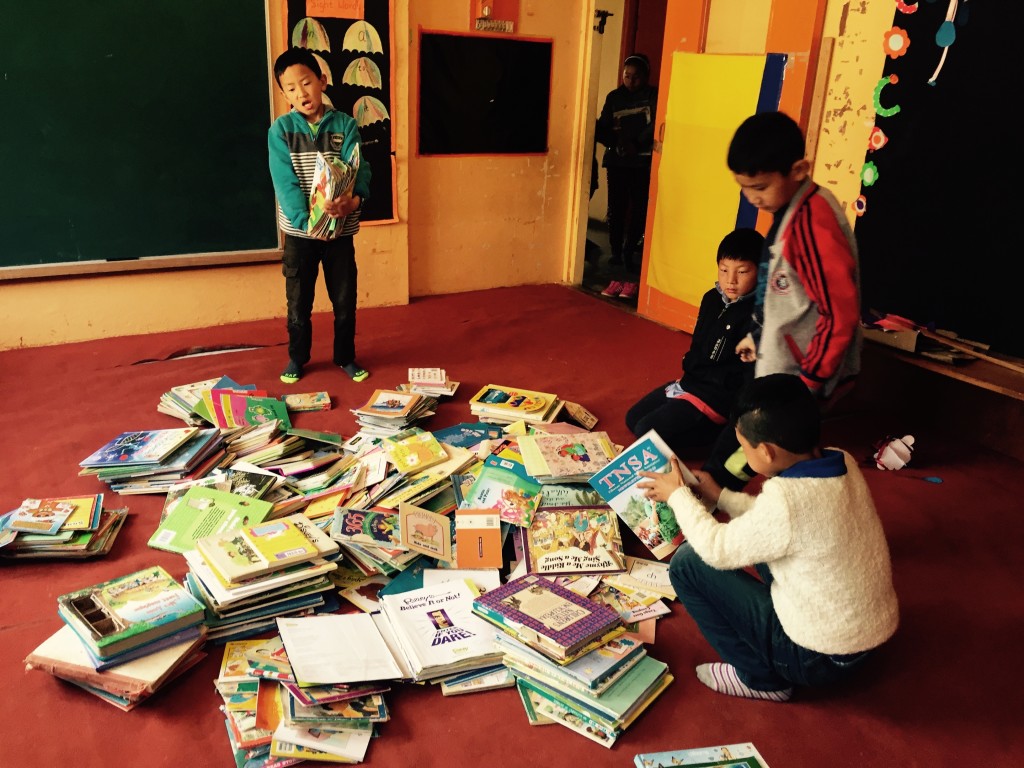
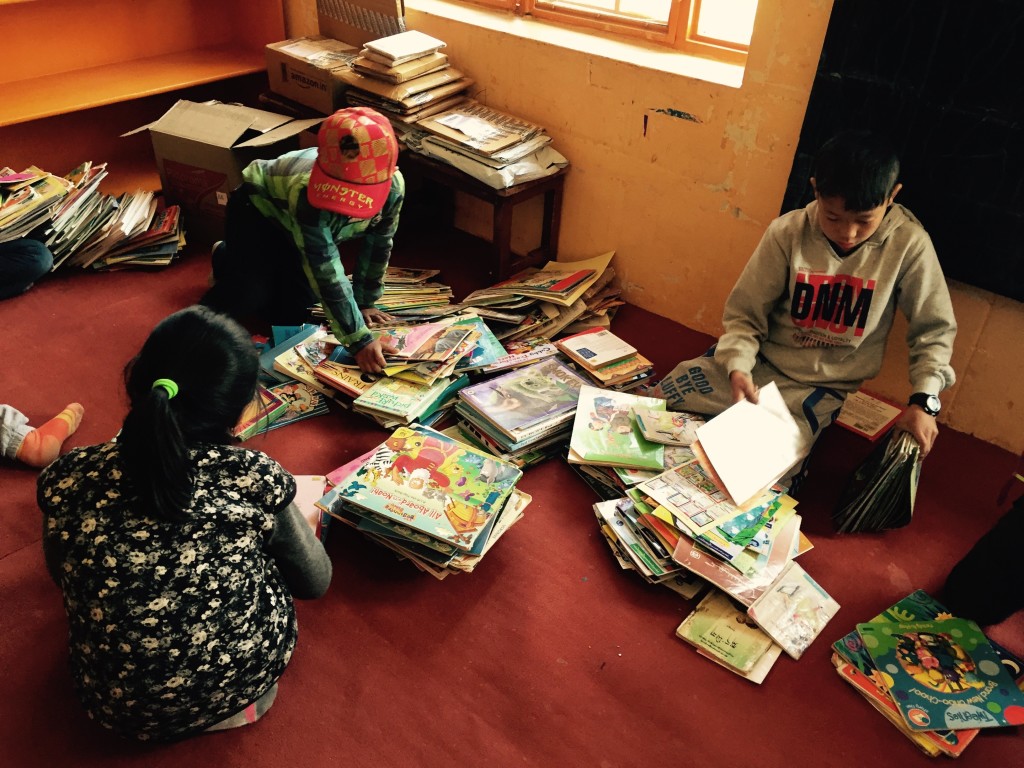
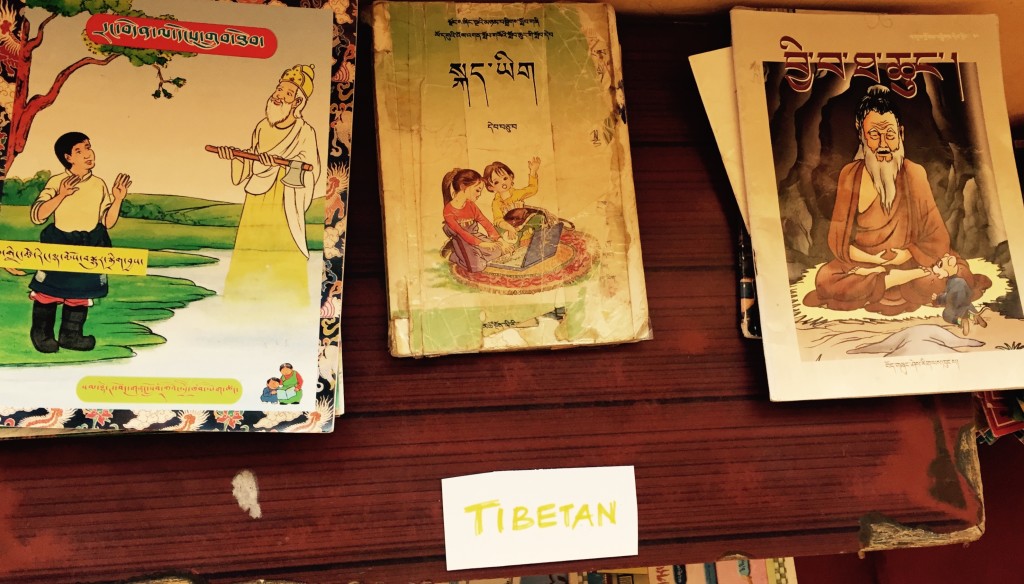
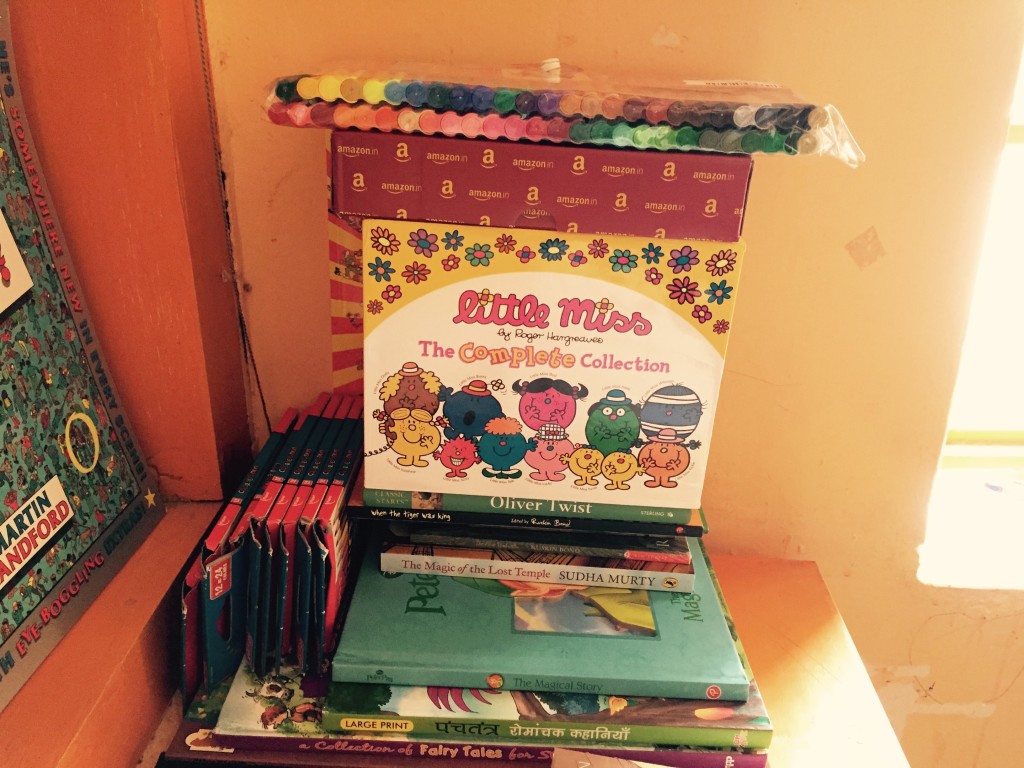
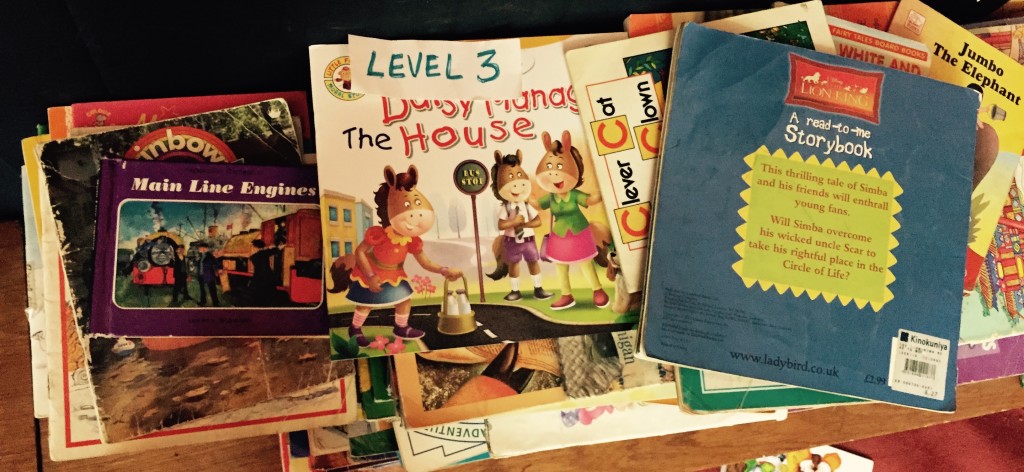
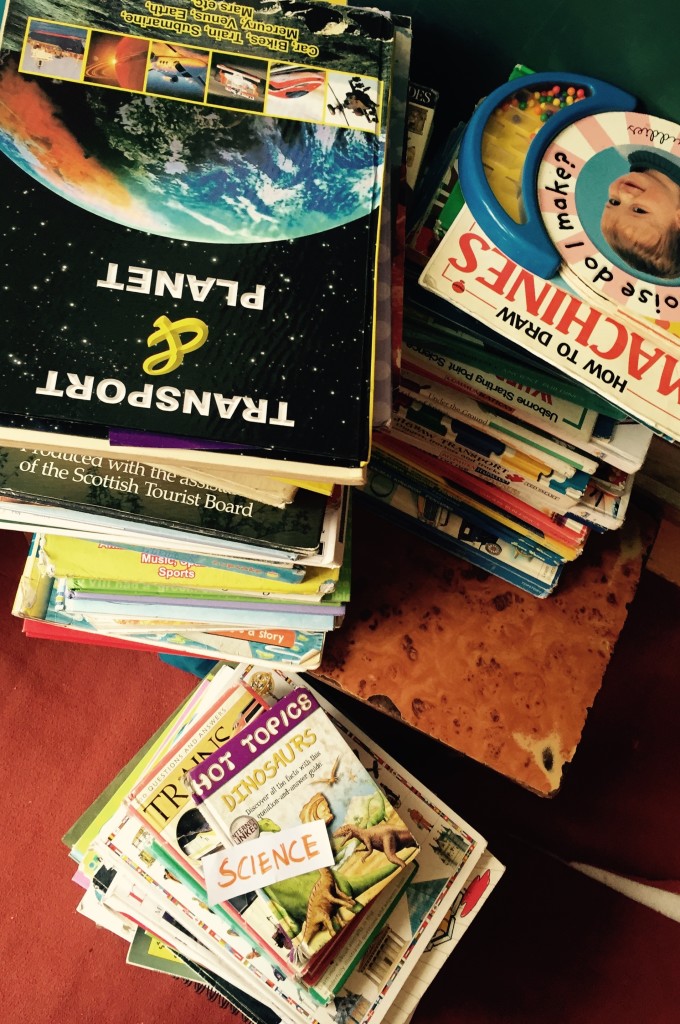
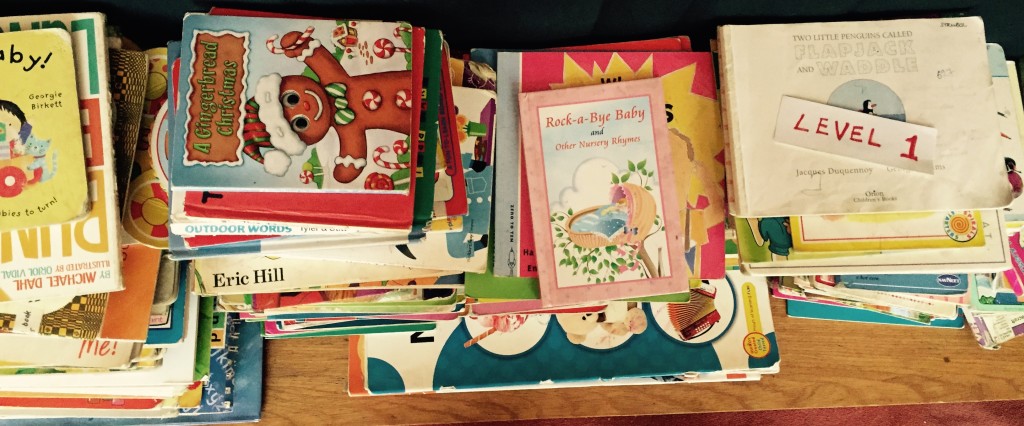
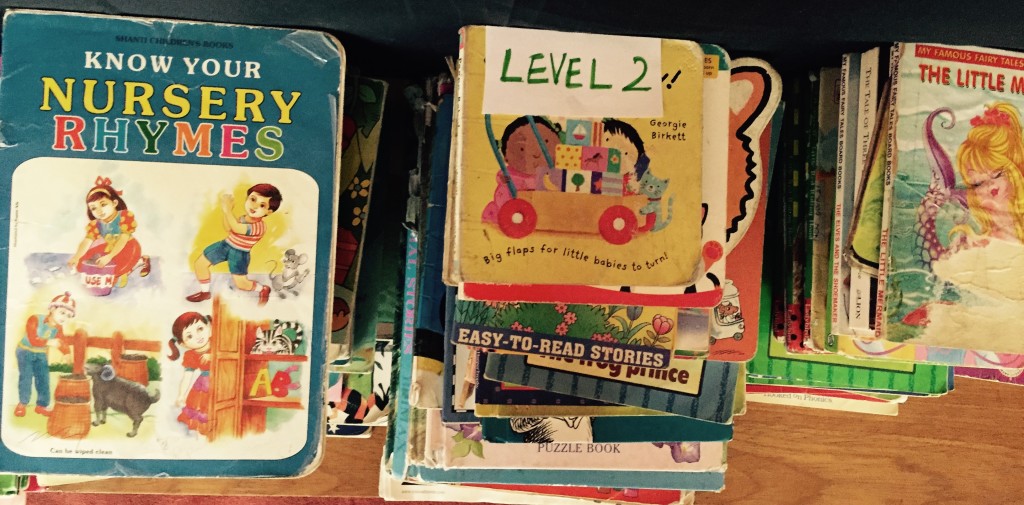
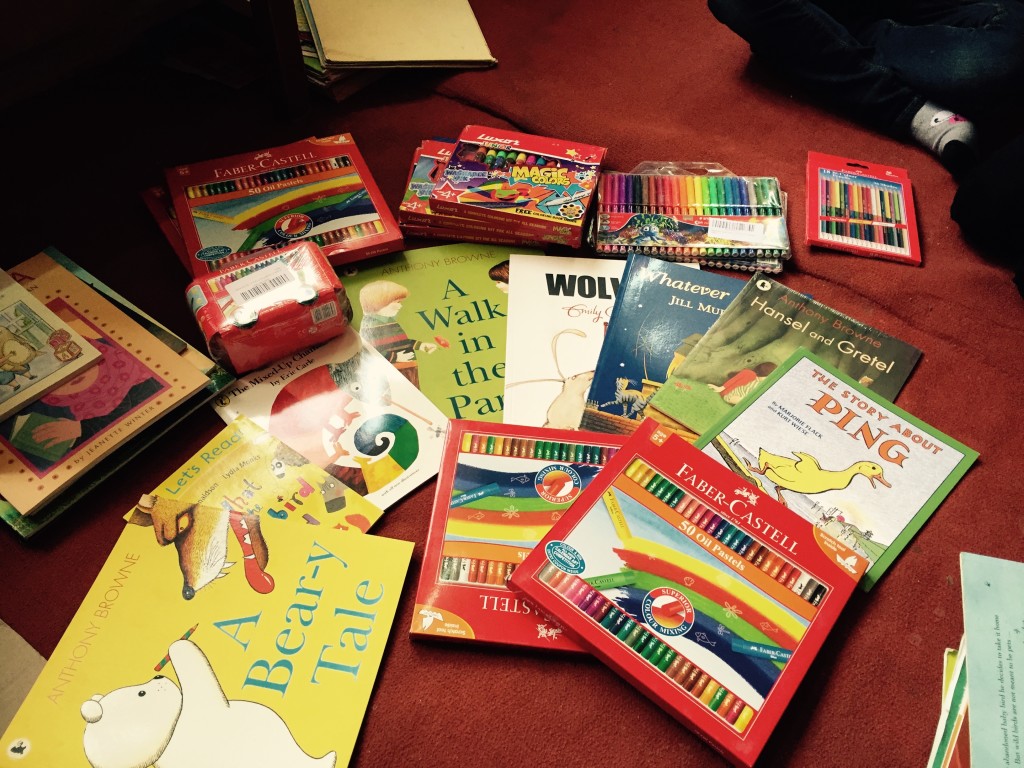
Book access is especially valuable in remote and high-altitude regions, where educational resources can be difficult to obtain. Book drives and carefully selected collections bring fresh material into communities that may have few libraries or bookstores. A varied collection supports literacy development while respecting the imagination and cultural background of the children who use it.
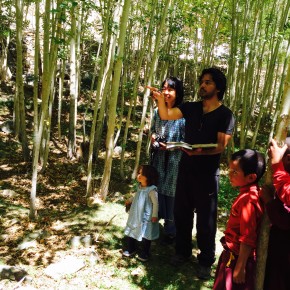
Reading also creates opportunities for connection. Children recommend favorite stories to one another, older readers assist younger ones, and volunteers can turn a difficult passage into a shared activity. In this way, books become social bridges. The room may be filled with the soft movement of pages, yet every reader is participating in a larger exchange of knowledge and encouragement.
When Laughter Belongs Among the Shelves
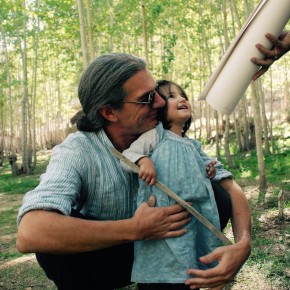
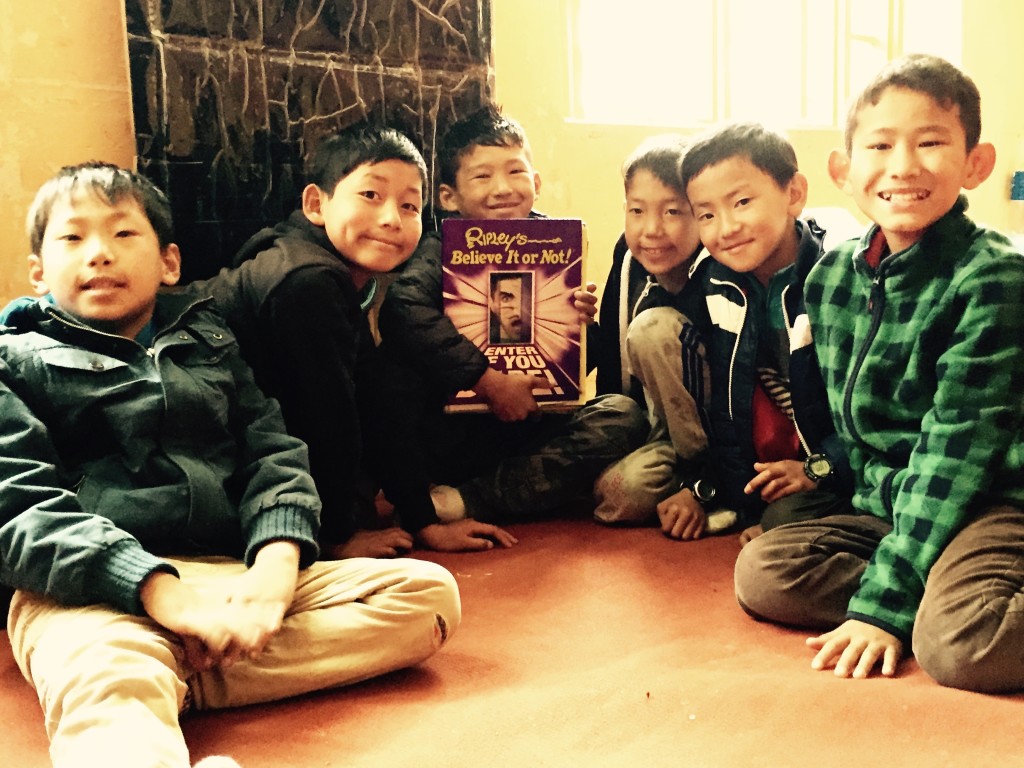
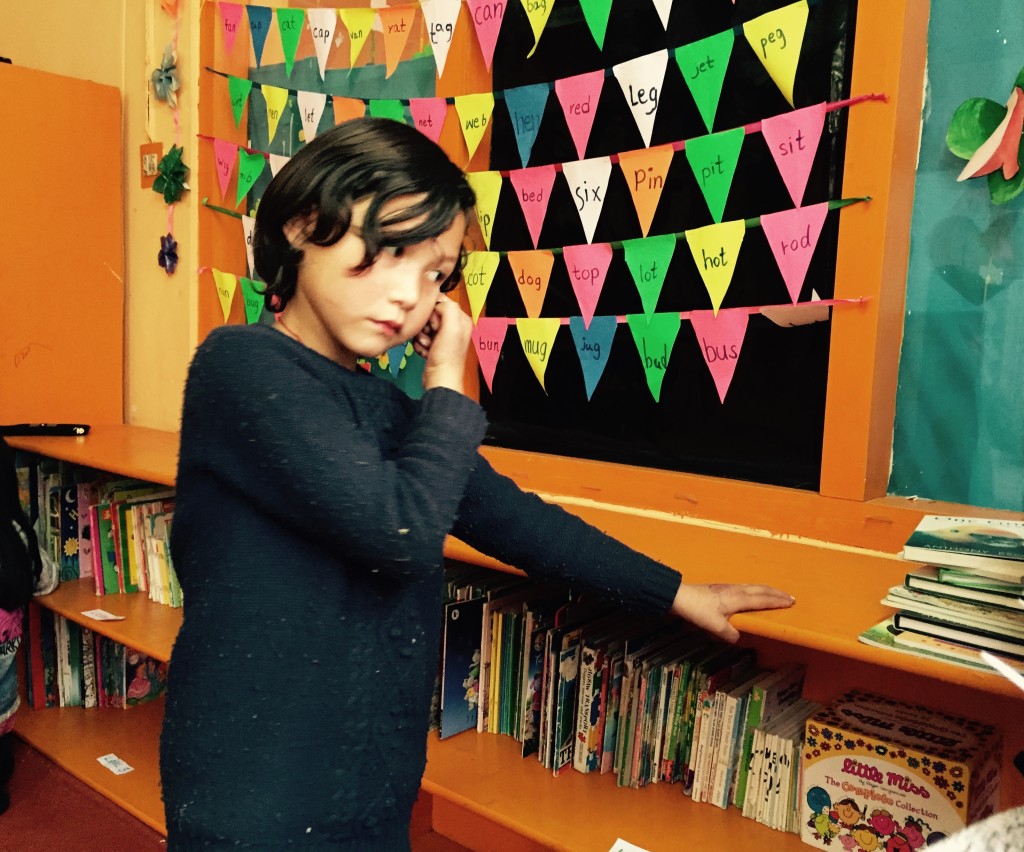
Laughter has an important place in a learning environment. It can appear when children act out a scene, discover a surprising illustration, or share a joke from a story. These moments ease anxiety and help children associate books with pleasure rather than pressure.
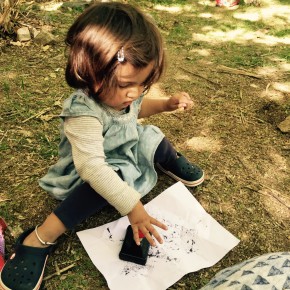
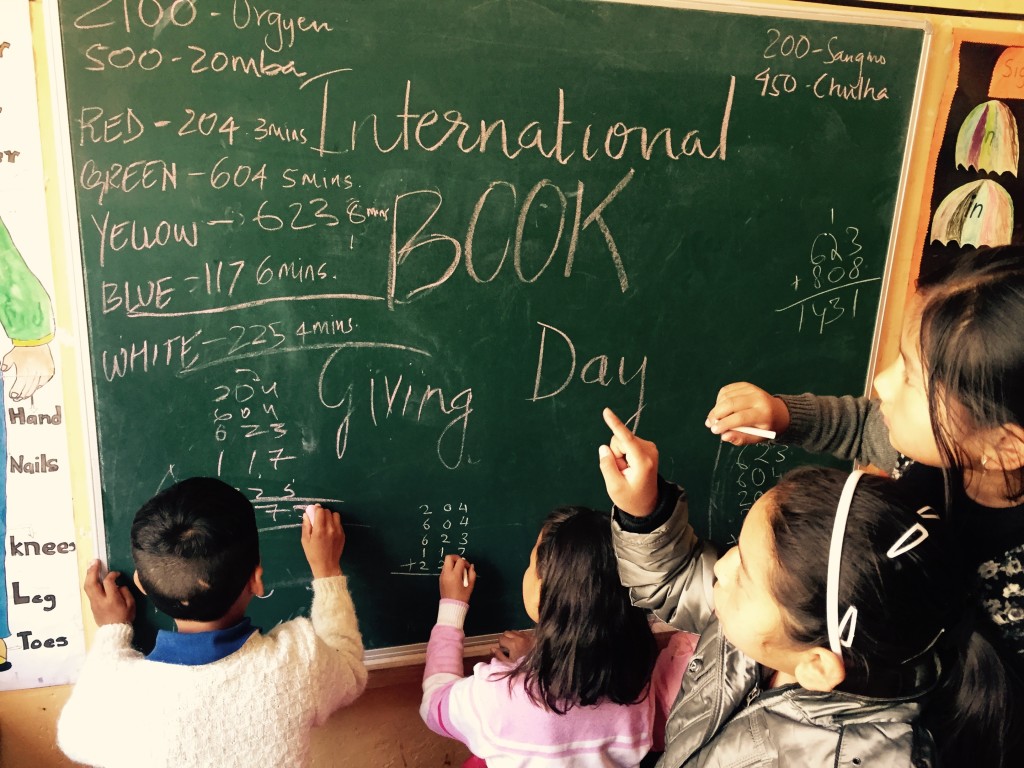
A welcoming reading room gives children room to be expressive. They can discuss a character, invent an alternative ending, or tell a personal story inspired by something they have read. Such activities develop vocabulary and communication skills while allowing children to see themselves as contributors to the group.
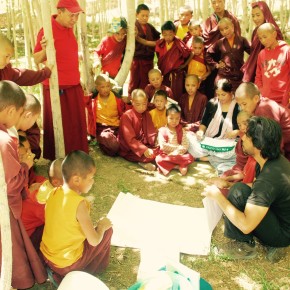
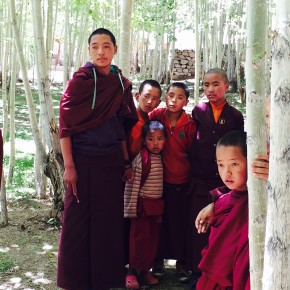
For young monks and other students, this balance can be especially valuable. A structured educational setting can be complemented by a place where curiosity and play are encouraged. Laughter does not interrupt learning; often, it shows that learning has become memorable. A child who feels comfortable speaking, moving, and sharing ideas is more likely to return to books with confidence.
Music Adds Another Layer
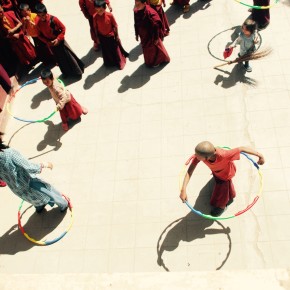
Music changes the character of a room. A melody can gather attention, establish a rhythm for an activity, or give children a way to express emotions that are difficult to put into words. Singing and simple musical exercises can take place alongside reading sessions, creating a broader approach to education.
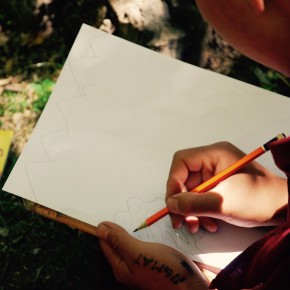
Artistic and musical programs also strengthen listening skills. Children learn to notice tempo, repetition, tone, and silence, all of which support concentration and language development. Clapping patterns, learning a song, or playing a basic instrument can turn an abstract lesson into an experience involving the whole body.
In Ladakh, music can also connect children with community traditions while introducing them to new forms of creative expression. A reading room that welcomes songs, storytelling, and art becomes more than a place for printed material. It becomes a cultural meeting point where imagination can move from a page into sound, color, and movement.
| Sound in the reading room |
What it can represent |
Learning value |
| Pages turning |
Independent reading and curiosity |
Literacy, focus, and comprehension |
| Quiet conversation |
Cooperation and shared discovery |
Language, confidence, and social skills |
| Laughter |
Comfort, play, and emotional connection |
Participation and positive associations with books |
| Singing and rhythm |
Creative expression and attentive listening |
Memory, coordination, and communication |
| Pencils and drawing tools |
Reflection and visual interpretation |
Imagination, observation, and fine motor skills |
| Storytelling voices |
Cultural exchange and collective attention |
Vocabulary, empathy, and narrative skills |
A Space Shaped By Many Hands
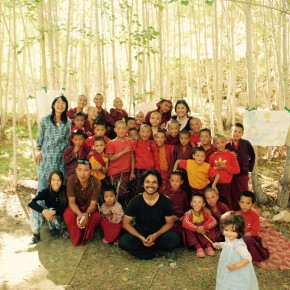
The atmosphere of a community reading room depends on more than its shelves. Donors help provide books, furniture, educational materials, and musical resources. Volunteers may lead reading circles, organize activities, support language practice, or simply make children feel welcome. Local partners help ensure that programs respond to the needs of each community.
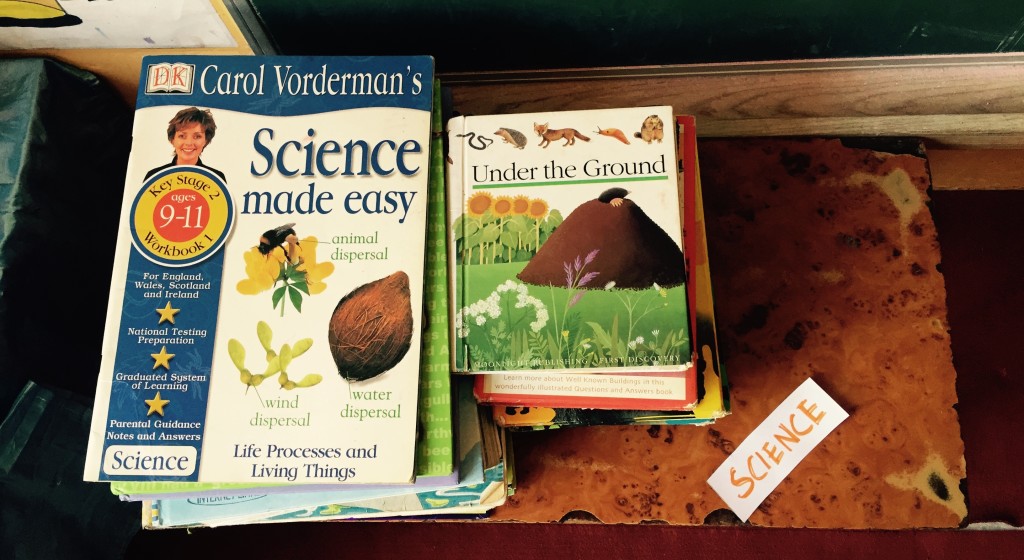
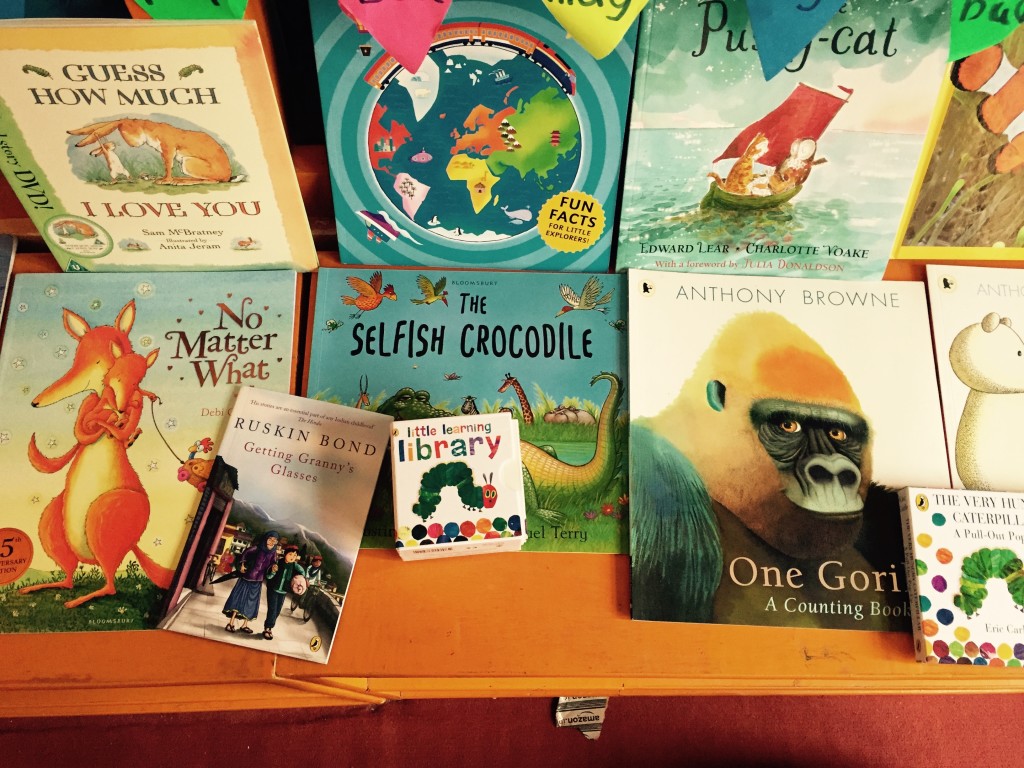
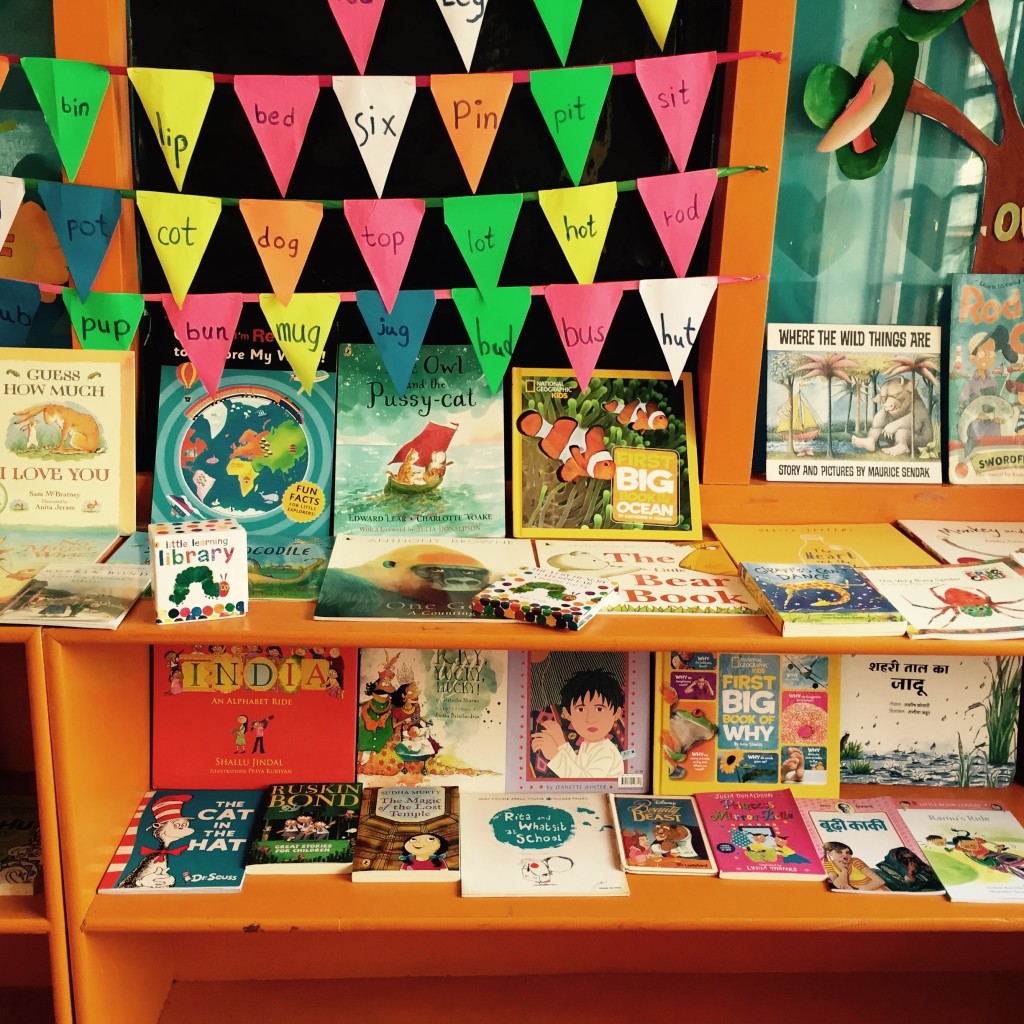
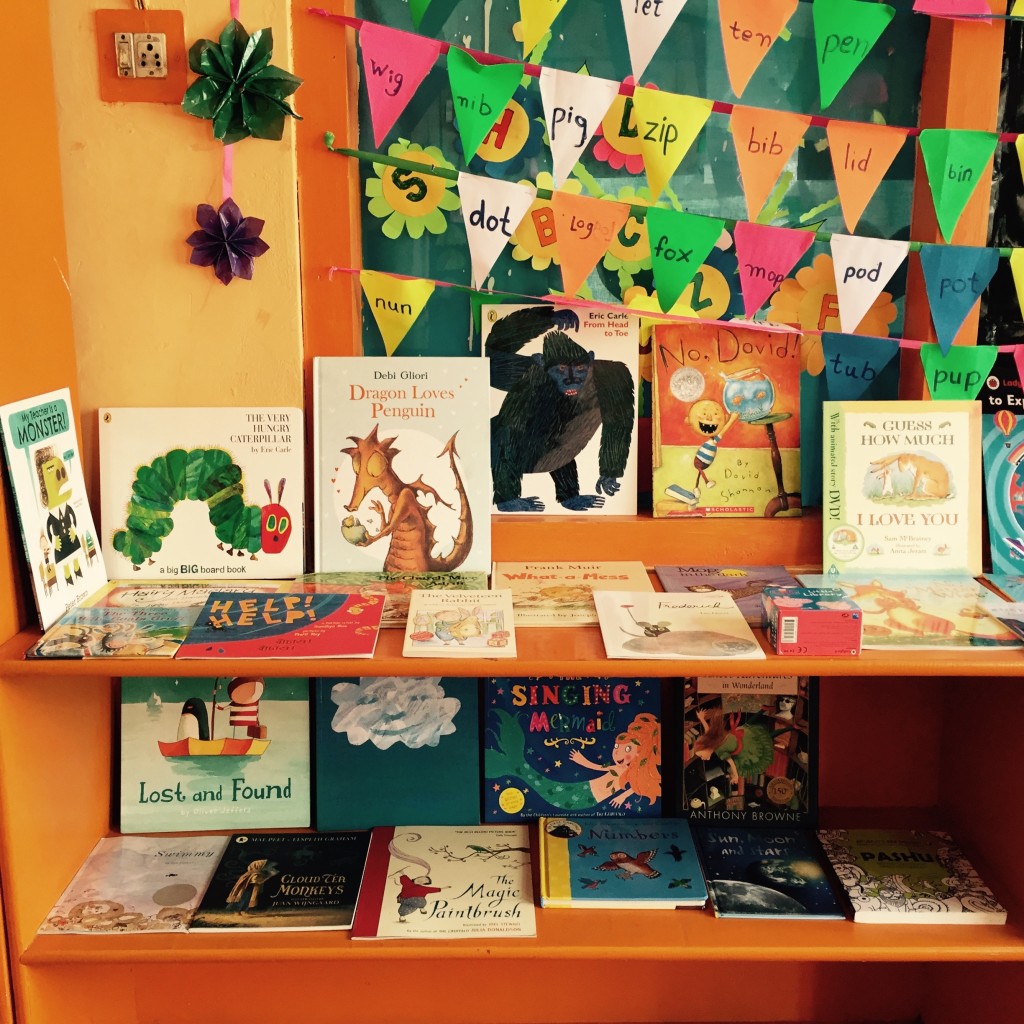
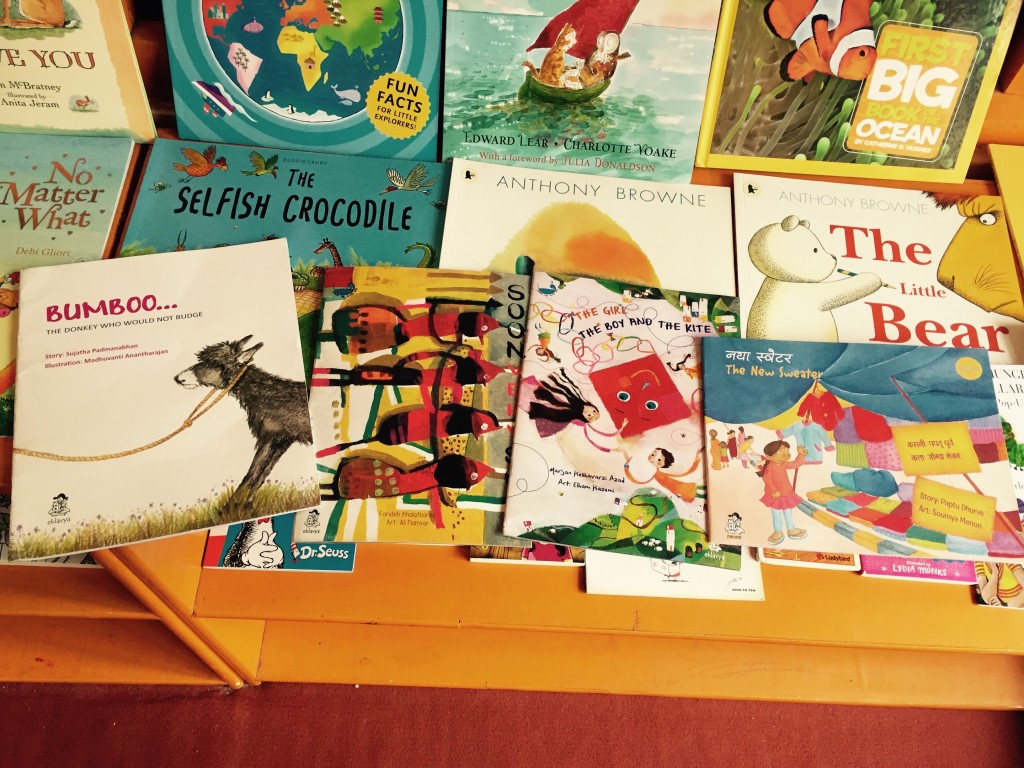
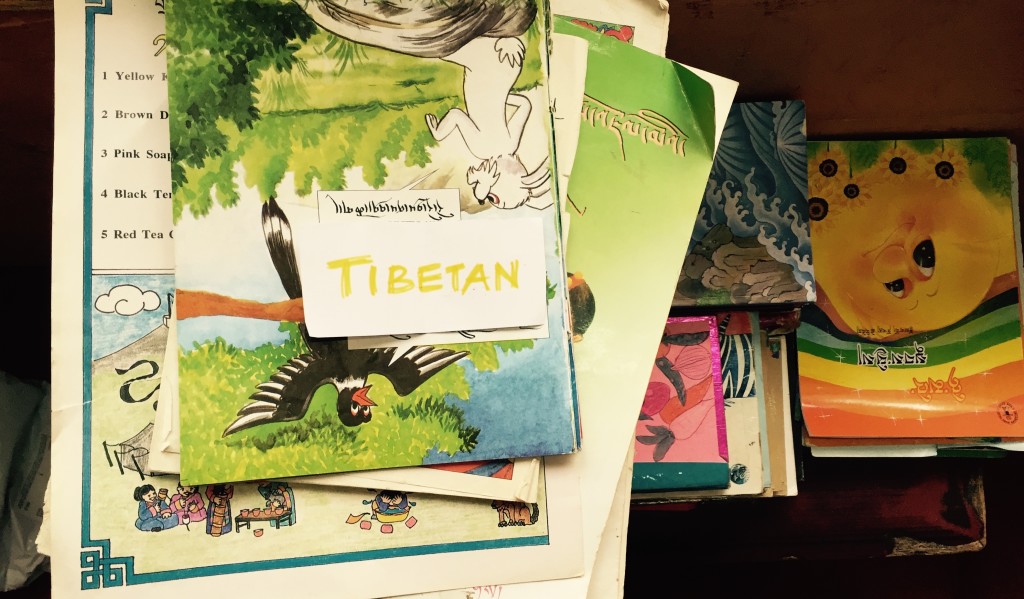
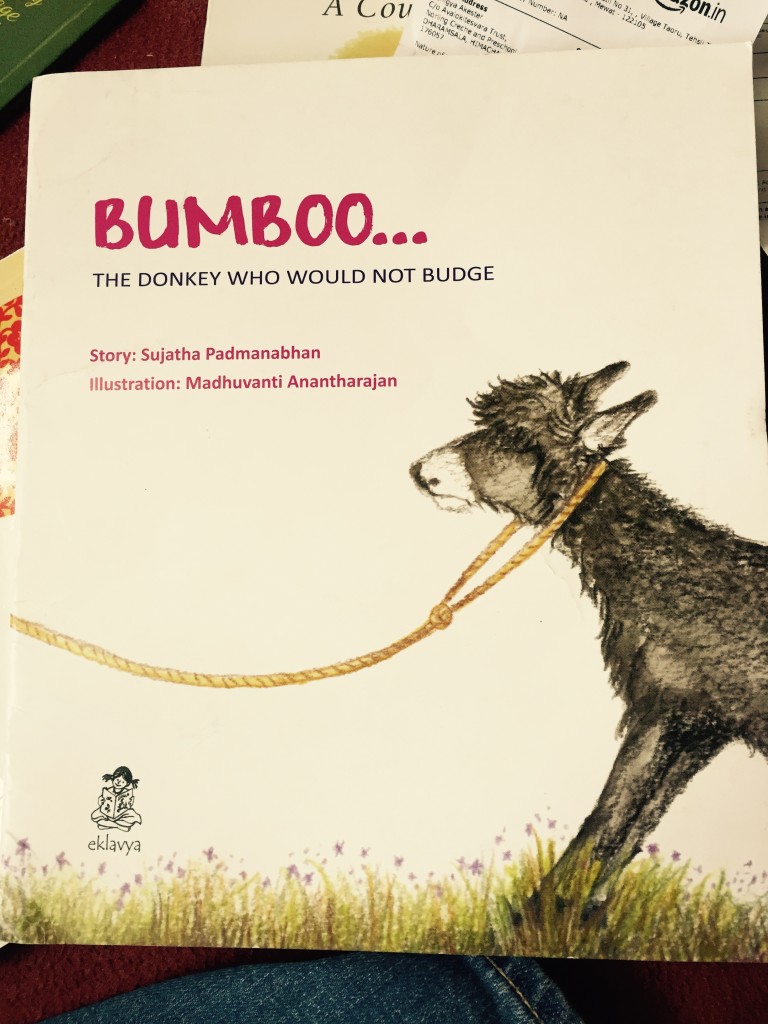
Book selection is an important part of this work. Children benefit from picture books, fiction, nonfiction, poetry, bilingual resources, and age-appropriate reference material. A well-rounded collection can support school learning while leaving room for personal interests. A child fascinated by animals, mountains, music, or drawing should be able to find something that invites further exploration.
The people who use the space shape it, too. Their questions reveal which subjects inspire attention. Their favorite books show what stories resonate. Their songs and artwork bring local character into the room. Over time, the soundscape becomes distinct to each community, reflecting its children, volunteers, families, and shared experiences.
Ways To Help Keep The Room Alive
Support for literacy can take many forms, whether it involves practical resources, personal time, or encouragement for creative programming. Effective contributions are consistent and responsive to the communities being served.
- Donate funds for books, reading furniture, art materials, and musical equipment.
- Organize a book drive with suitable, durable titles for children and young monks.
- Volunteer skills in reading support, storytelling, arts, music, or educational activities.
- Share Avalokiteśvara Trust updates to help more people understand the value of community learning spaces.
- Sponsor a reading room activity that combines books with drawing, performance, or song.
Each contribution helps preserve the conditions in which learning can flourish. A book can begin a conversation, a song can build confidence, and a welcoming volunteer can encourage a hesitant child to take part. Support reaches beyond a single session because it strengthens habits, relationships, and access to future opportunities.
The sound of a reading room is created through many small actions: a shelf being stocked, a story being read aloud, a notebook being opened, or a child returning with a new favorite book. In Himalayan communities, these sounds represent connection and possibility. They show that children have places where their questions are valued and their creativity has room to grow.
You can help sustain that sound by supporting Avalokiteśvara Trust’s book drives, educational programs, reading rooms, and volunteer initiatives. Your involvement can place meaningful books within reach, keep creative activities available, and help more children discover the joy of learning together.