The Science of Snow in a Winter Reading Room
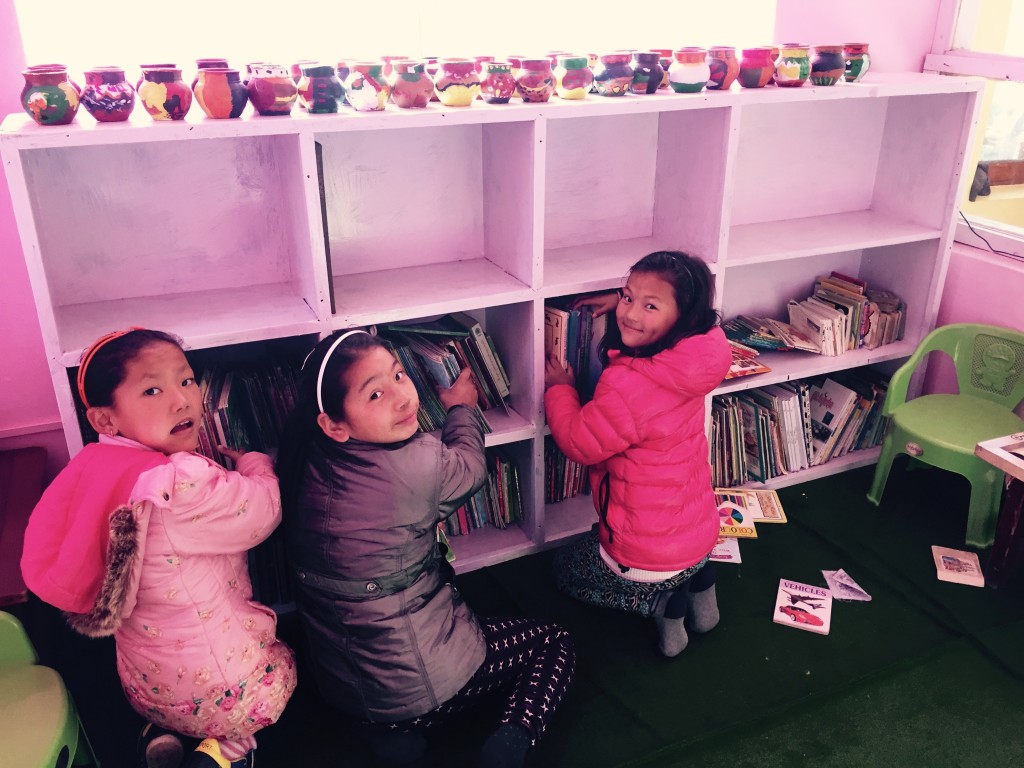
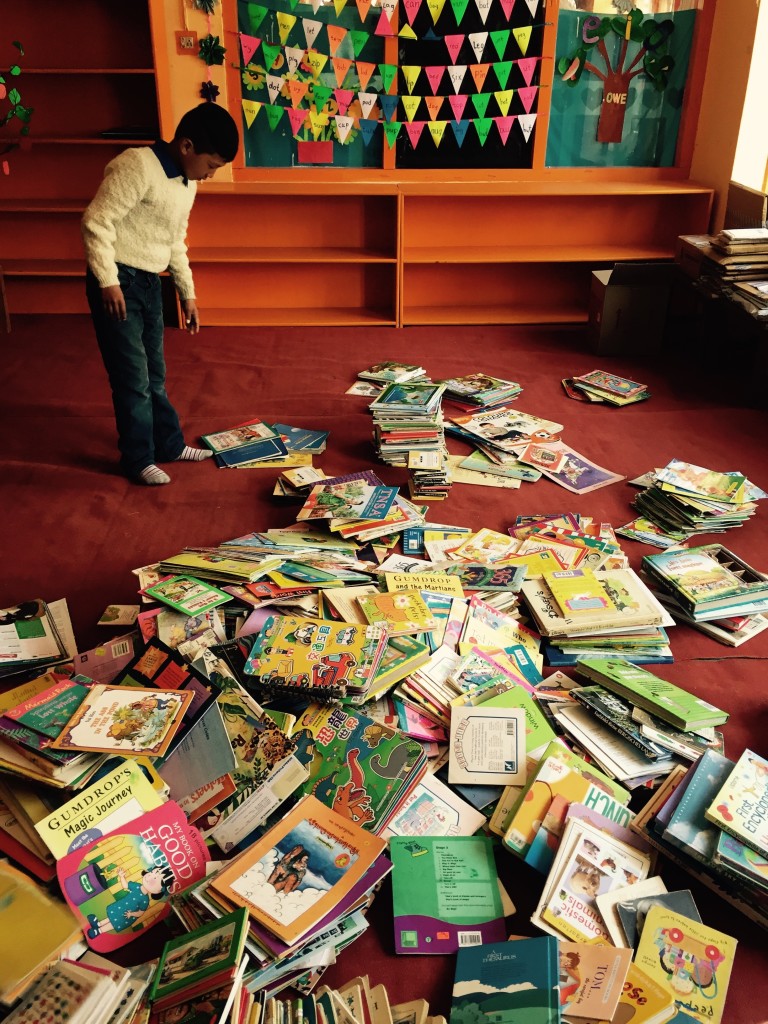
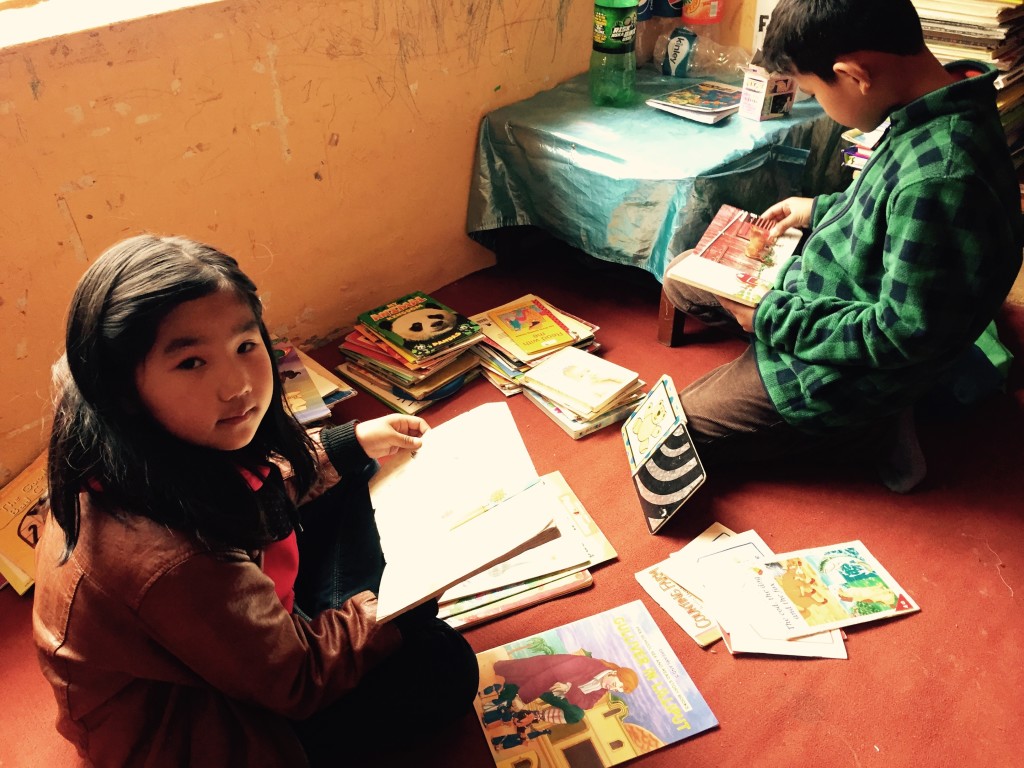
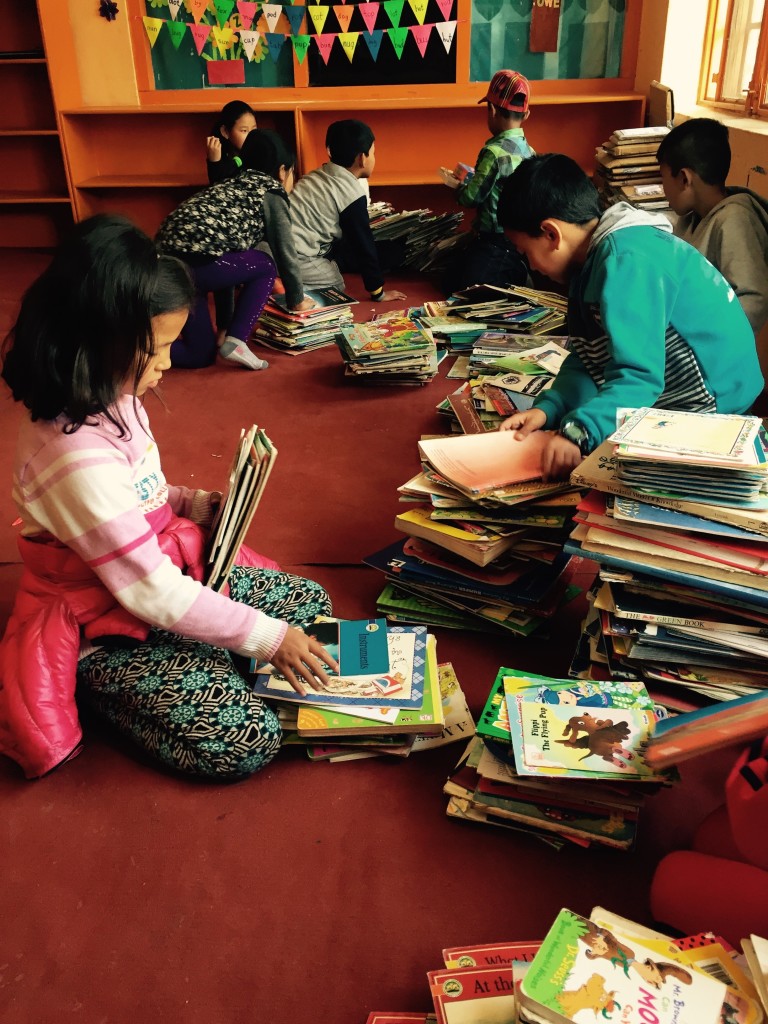
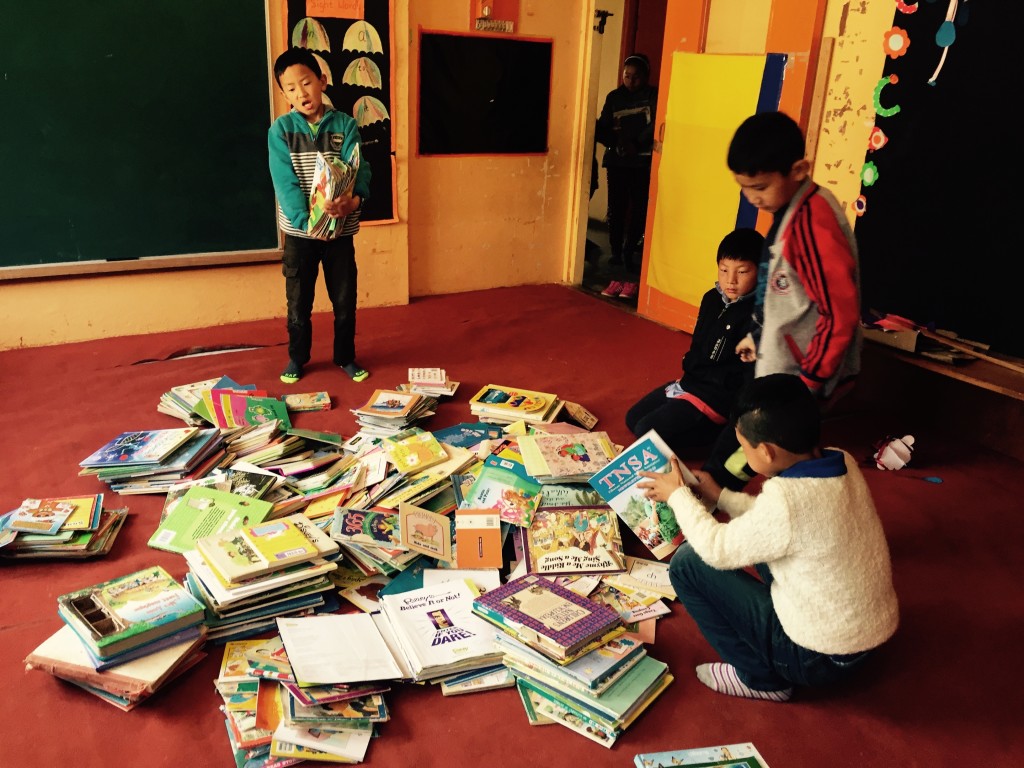
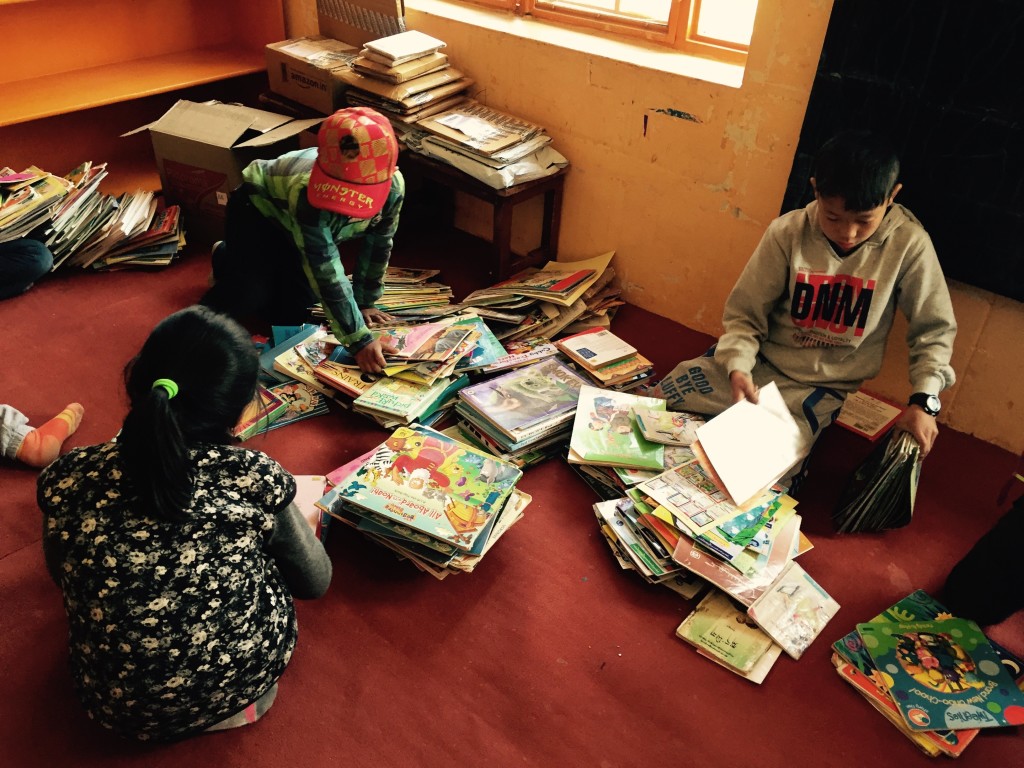
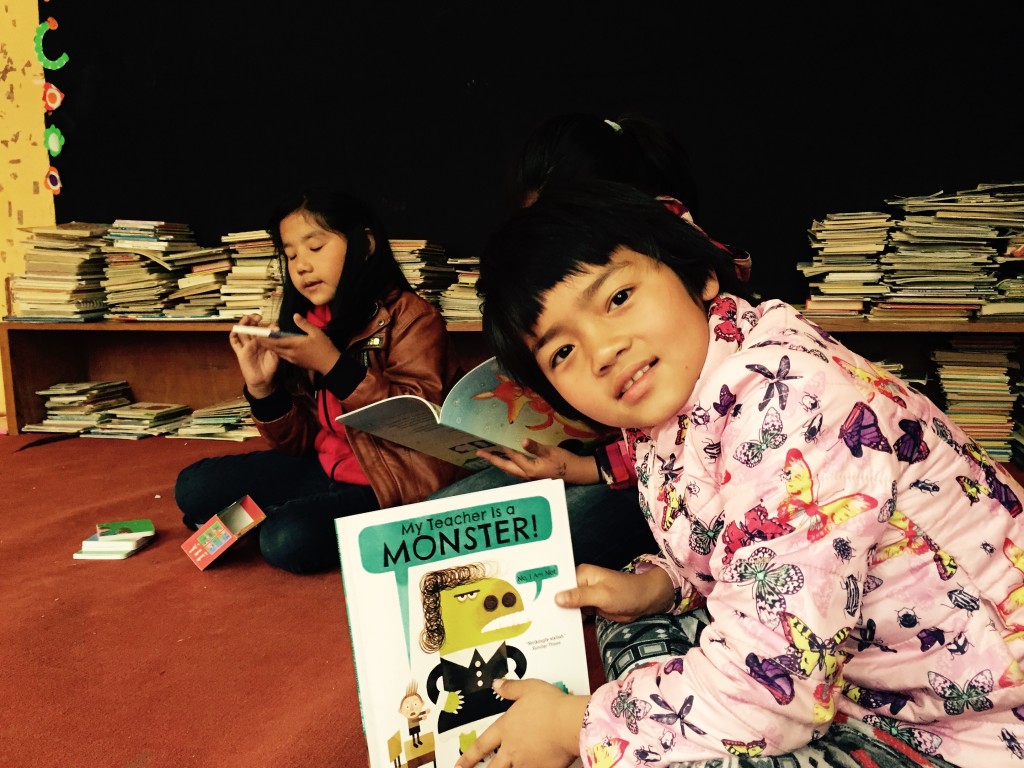
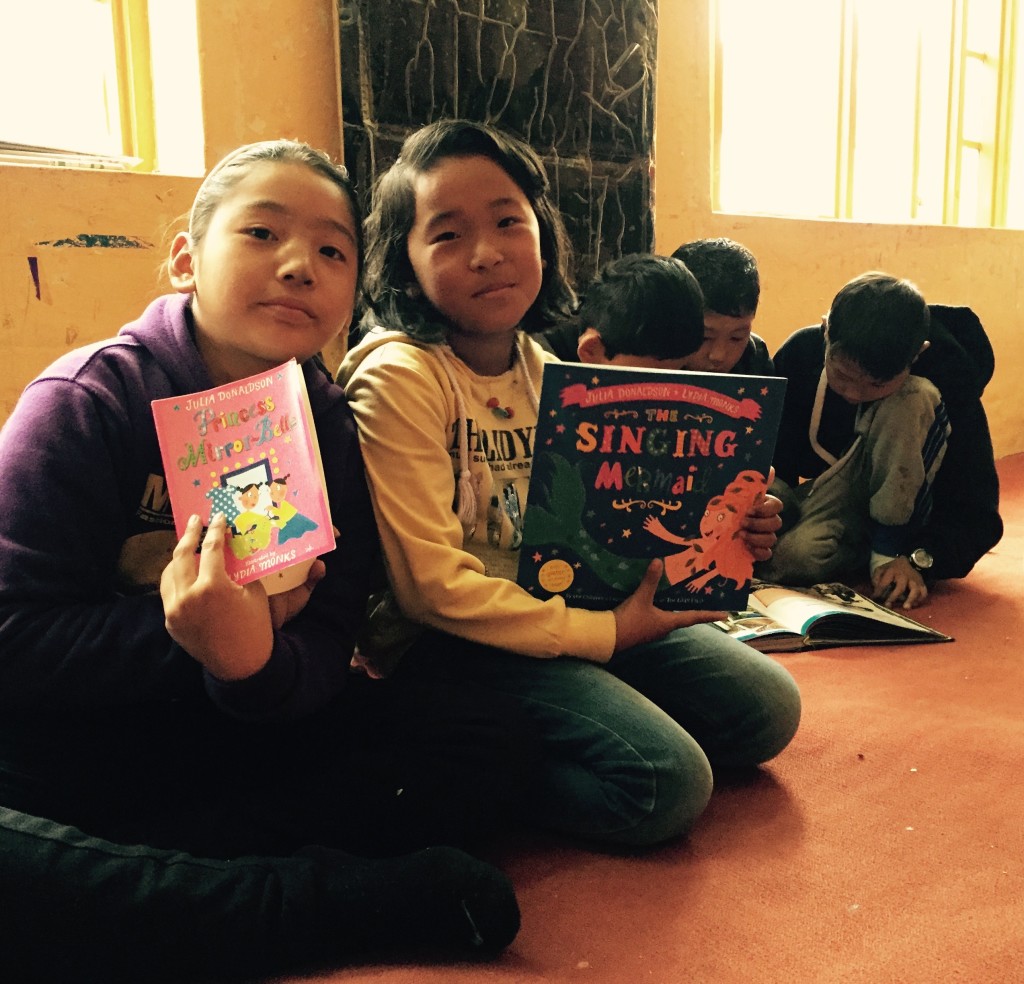
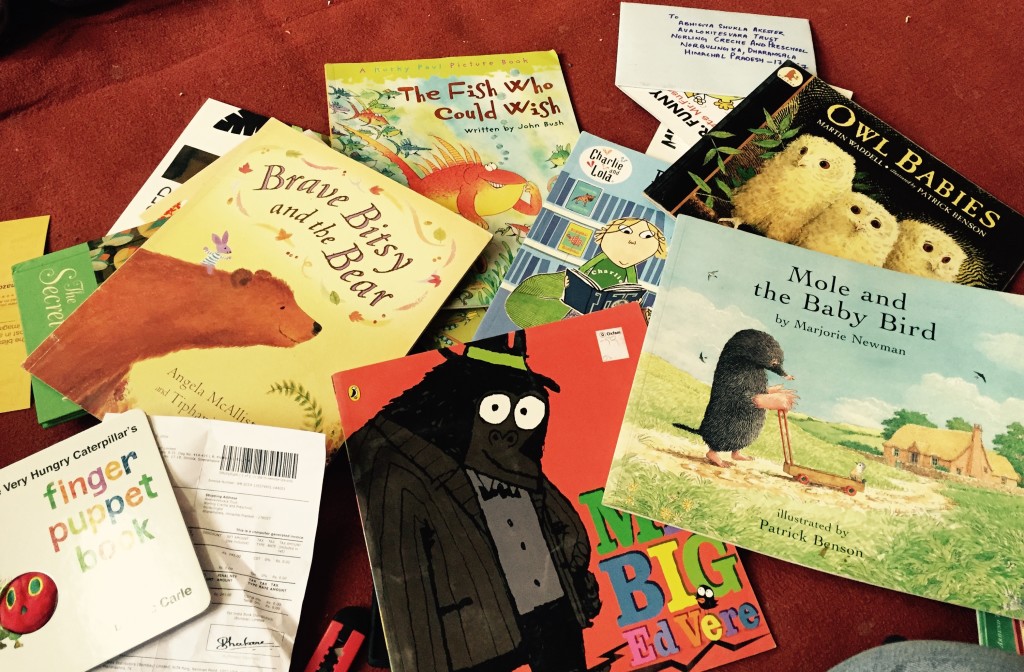
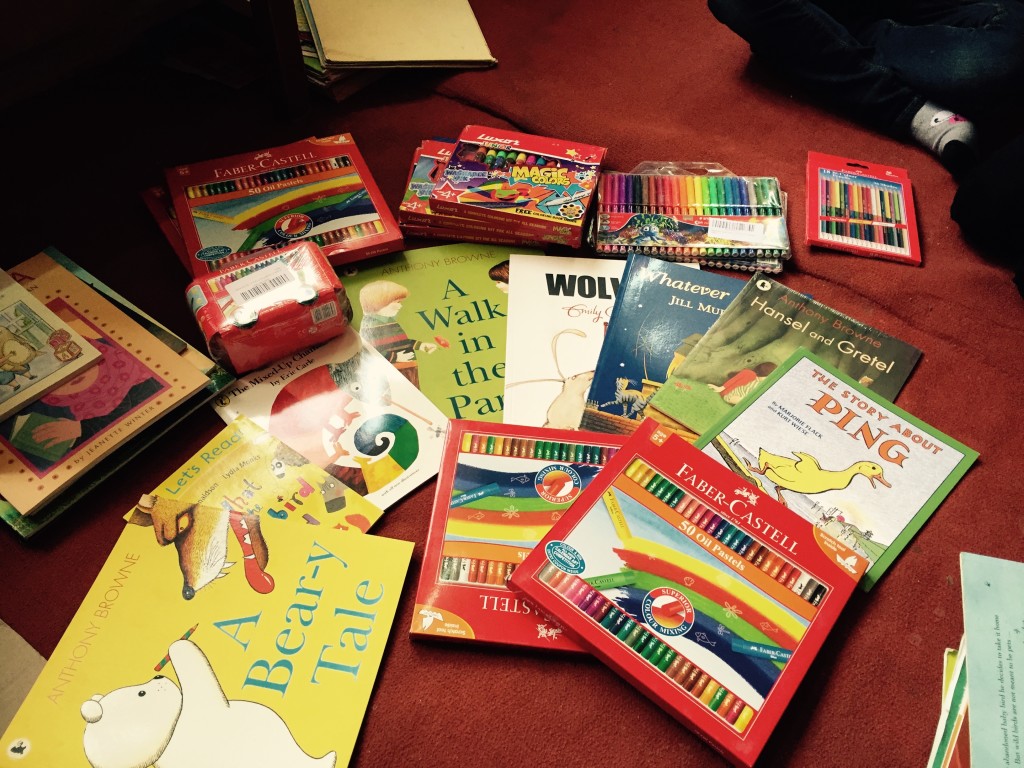
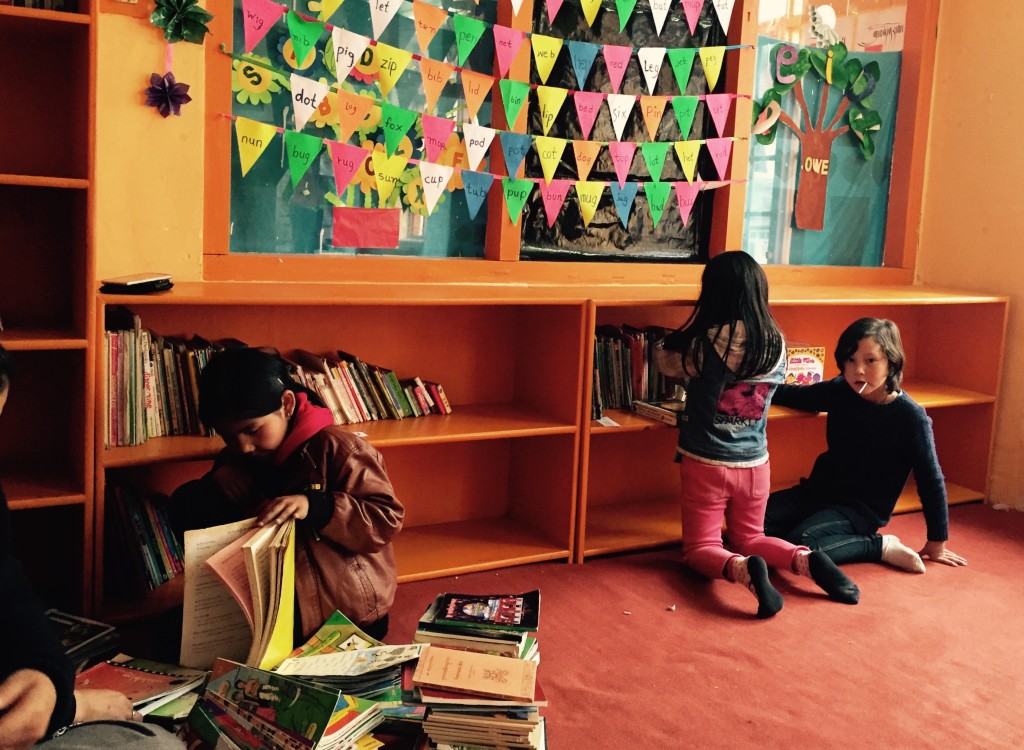
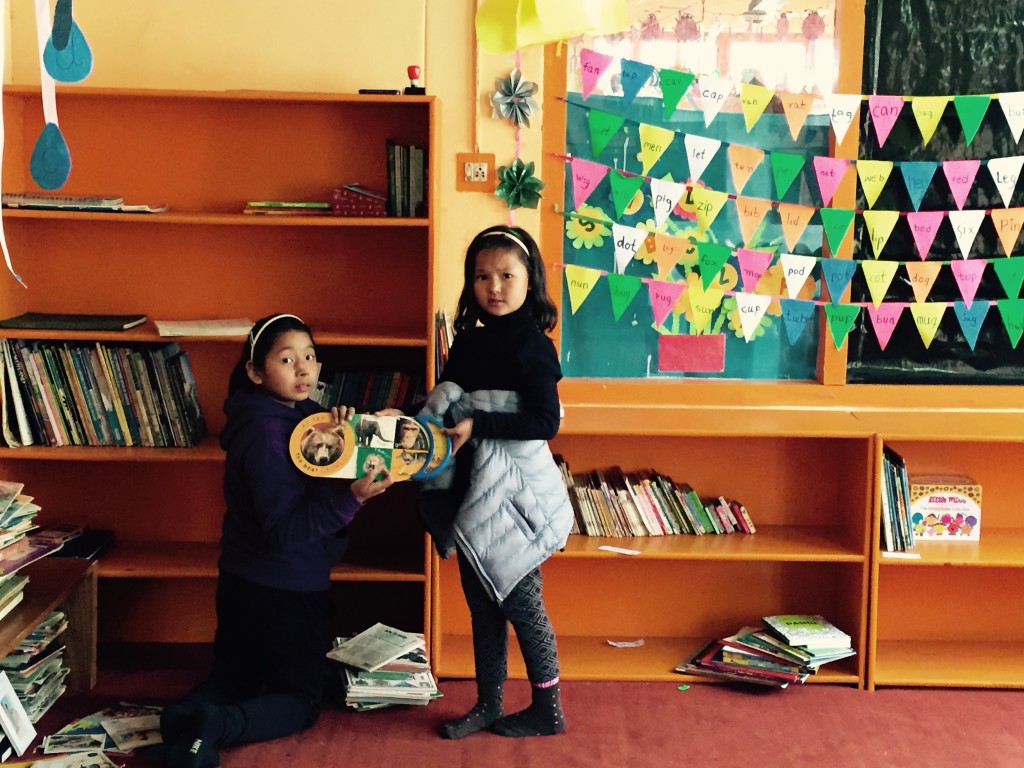
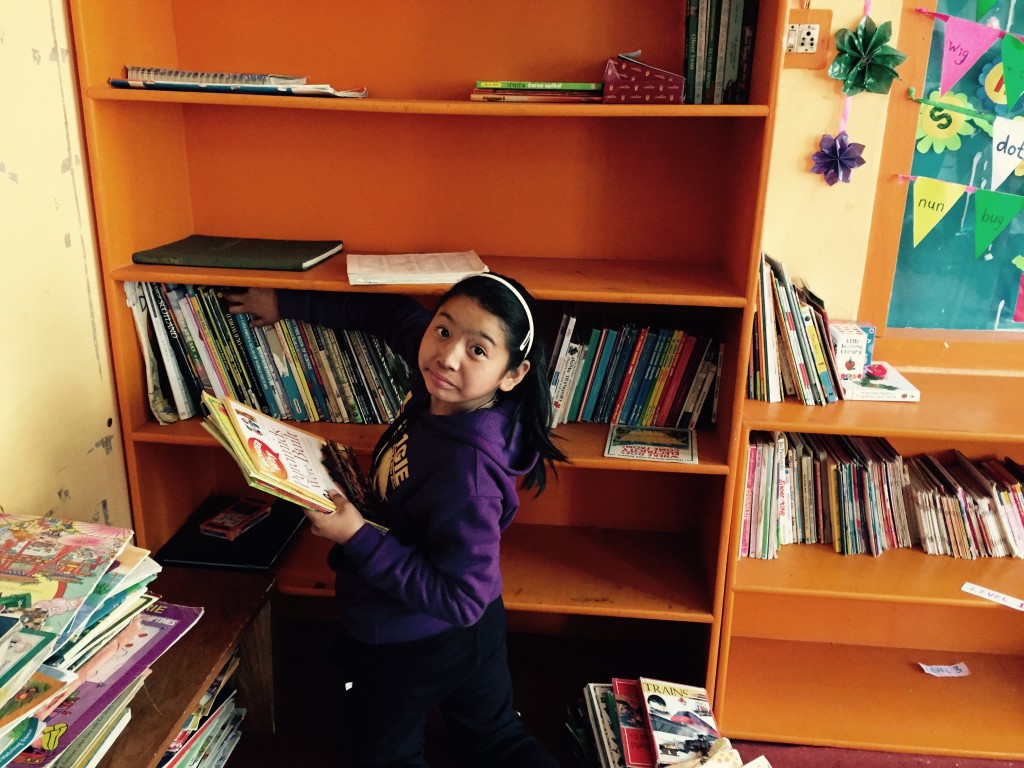
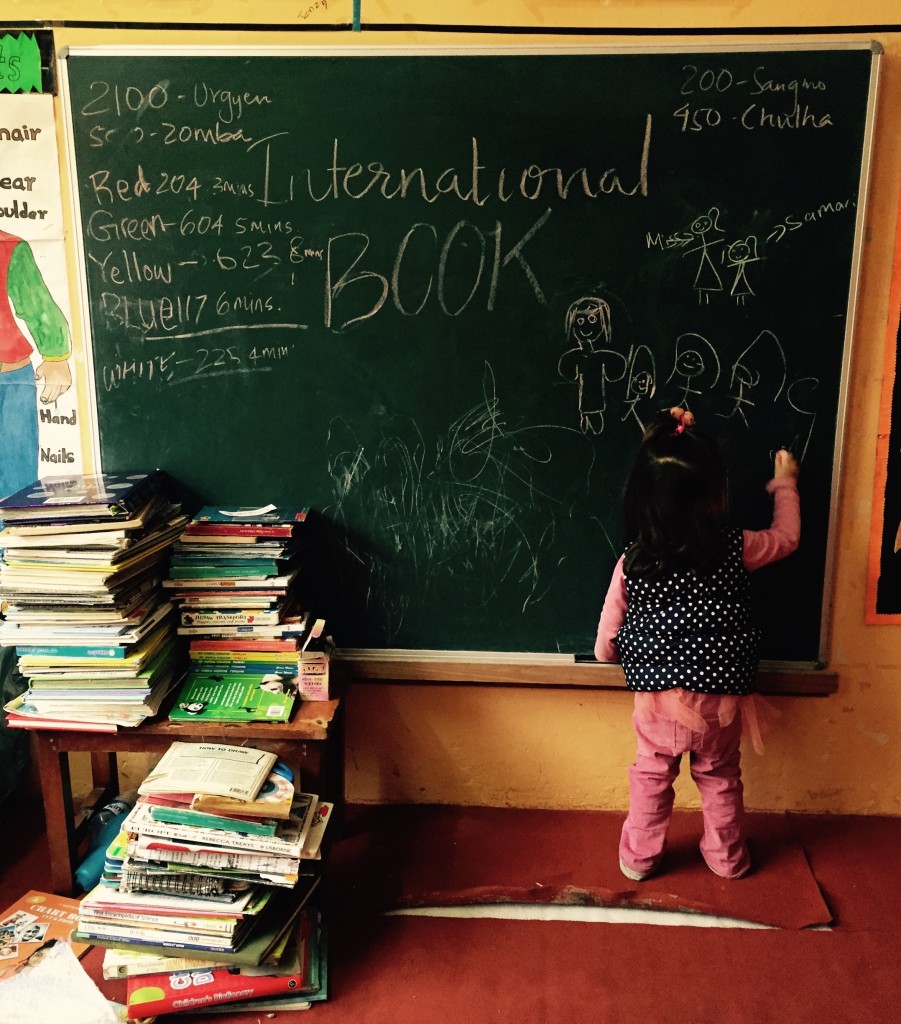
A winter reading room can become a small laboratory when children are invited to investigate snow. Books provide the stories and explanations, while simple materials turn ideas about freezing, melting, insulation and light into experiences children can see and touch. This approach suits the educational work of Avalokiteśvara Trust, where reading, creativity and practical discovery support one another.
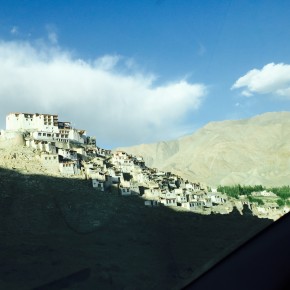
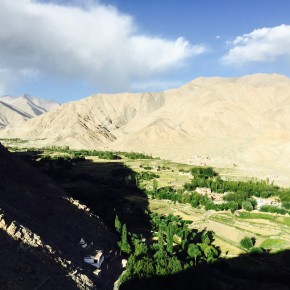
In Himalayan communities, snow is part of the landscape and daily life. In Australia, it may be a seasonal experience limited to the alpine areas of New South Wales, Victoria and Tasmania, or something children encounter through books, photographs and family trips to places such as Thredbo, Falls Creek or Mount Buller. A winter reading room can connect both realities, helping children compare local weather with high-altitude environments in Ladakh.
The science of snow becomes memorable when it is linked to questions children genuinely care about: Why does snow melt? Why do snowflakes look different? Can a layer of snow keep something warm? These activities require inexpensive equipment, careful observation and plenty of conversation, making them suitable for libraries, community centres, schools and volunteer-led learning spaces.
| Activity |
Main question |
Simple materials |
Science idea |
| Snow crystal observation |
Why are snowflakes shaped differently? |
Magnifying glass, black card, chilled tray, snow or ice crystals |
Crystal formation and symmetry |
| Melting race |
What makes ice melt faster? |
Ice cubes, plates, salt, cloth, timer |
Heat transfer and melting point |
| Insulation test |
Can snow slow down warming? |
Ice cubes, cups, paper, wool, foil |
Trapped air and insulation |
| Light and snow |
Why does snow look bright? |
White paper, dark paper, torch, ice |
Reflection and albedo |
| Snow in a jar |
What happens when snow warms? |
Clear jar, snow or crushed ice, thermometer |
Changes of state and water cycle |
Why Snow Makes A Powerful Teacher
Snow is frozen water made from tiny ice crystals. As water vapour freezes in clouds, the crystals grow into branching shapes. Temperature, humidity and the path through the cloud influence their structure, which is why no two snowflakes are exactly alike. Children can explore this idea without needing a sophisticated microscope. A magnifying glass, dark card and a few minutes of careful looking can reveal edges, points and patterns.
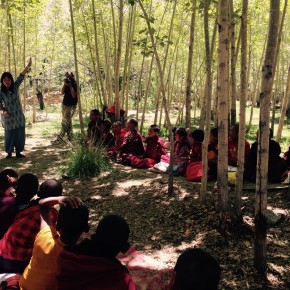
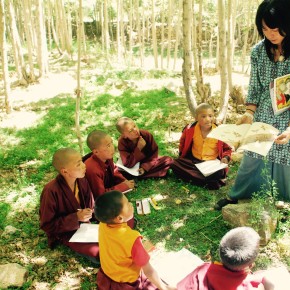
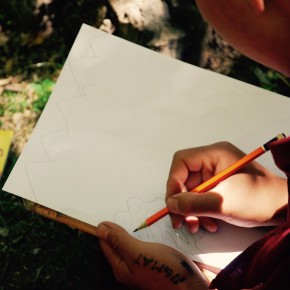
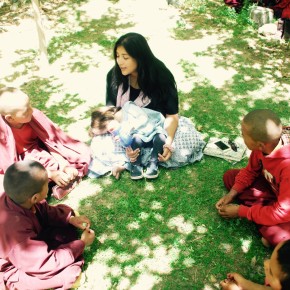
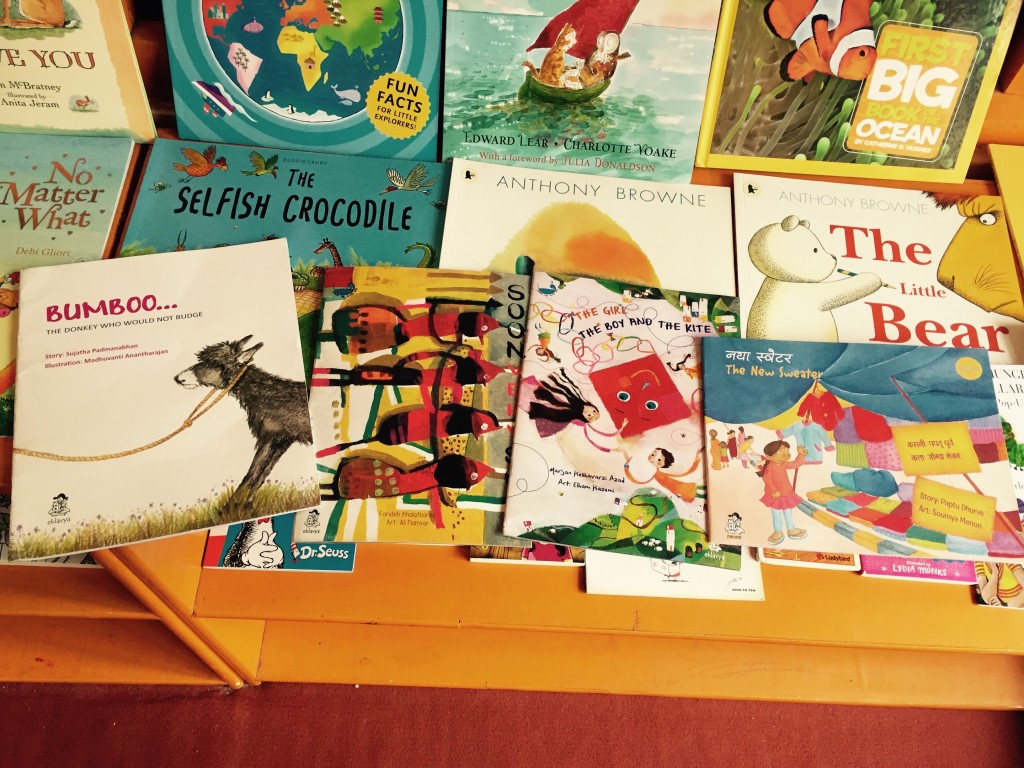
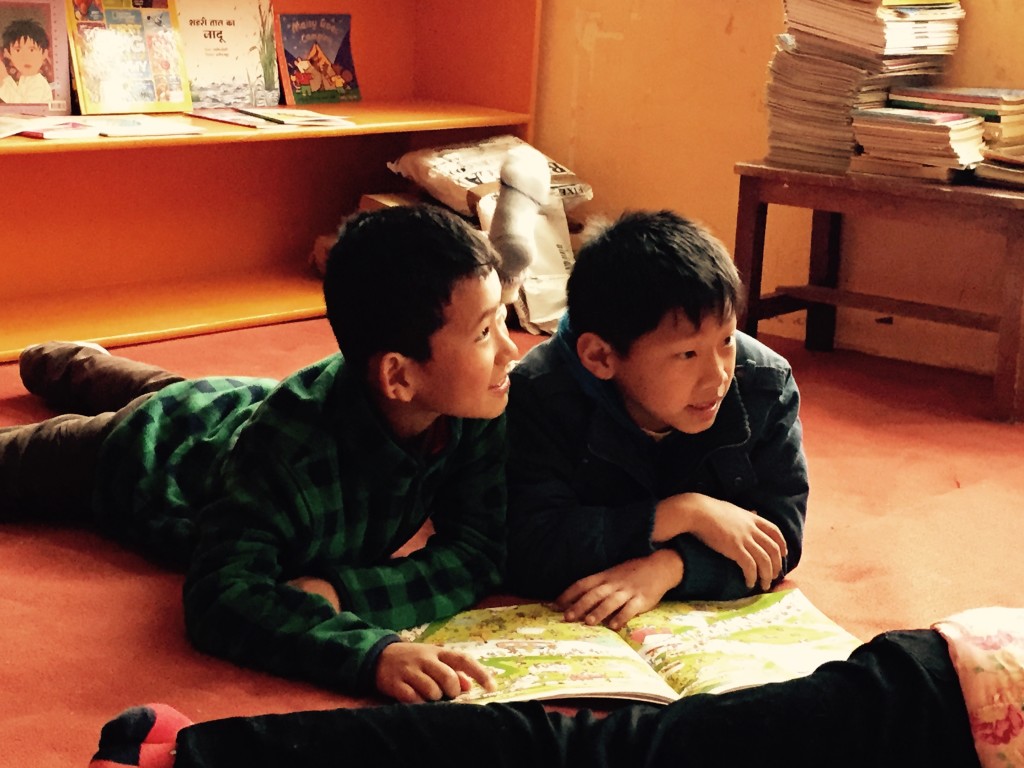
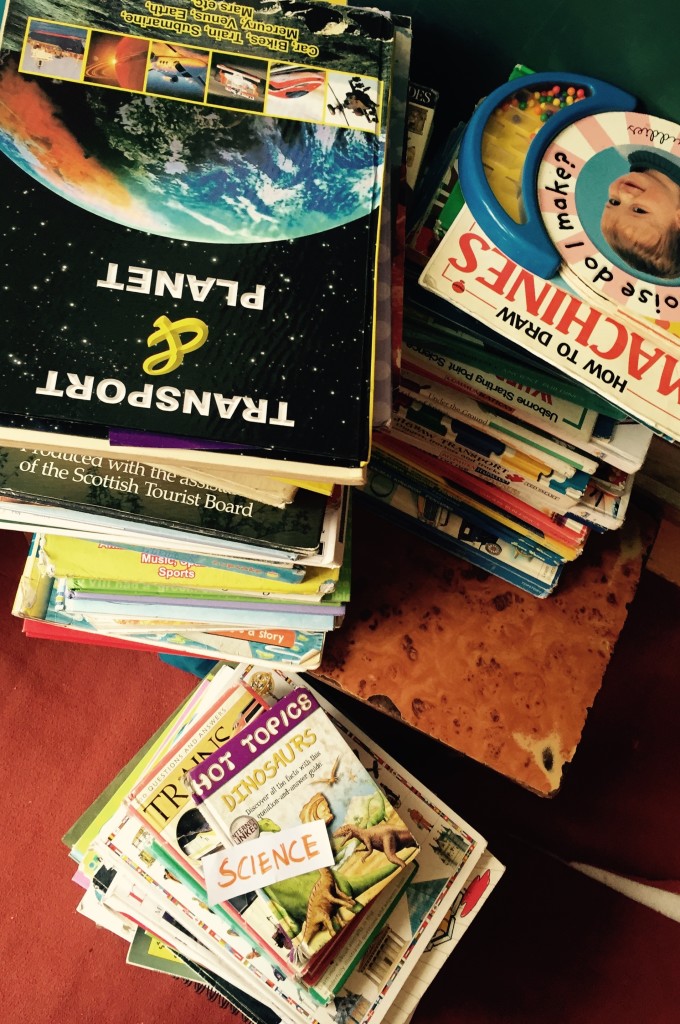
A reading room can pair an experiment with a picture book about winter weather, mountain journeys or the water cycle. Children might sketch what they see, label a diagram or invent a short story about a snow crystal travelling from cloud to stream. For young monks and children in Himalayan communities, this connects scientific observation with the visible environment around them. For Australian children, it can turn a holiday memory or a snowy documentary into a closer study of natural processes.
The subject also offers an opportunity to discuss mountain geography. Snowfall, glaciers and meltwater affect communities far beyond the slopes where snow lands. In high-altitude regions, seasonal water supplies may depend on snow and ice. That broader context gives a simple crystal observation real meaning without making the activity too abstract for younger learners.
Setting Up A Safe Winter Reading Room
A winter science session does not need an actual snowstorm. Clean snow can be collected outdoors, while crushed ice, ice shavings or commercially made artificial snow can provide a practical substitute. In warmer parts of Australia, a freezer and an insulated container are enough for most activities. A library in Brisbane or Perth may create a snow-themed session indoors, while a group near the Victorian Alps could compare freshly fallen snow with ice made at home.
Safety and hygiene should be established before the experiments begin. Children should never eat the snow or place unknown outdoor materials in their mouths. Cold objects should be handled with care, spills should be wiped promptly and younger children should work with an adult. If salt is used, it should be clearly labelled and kept away from food preparation areas. Volunteers can prepare trays and measuring tools in advance so the session feels calm rather than rushed.
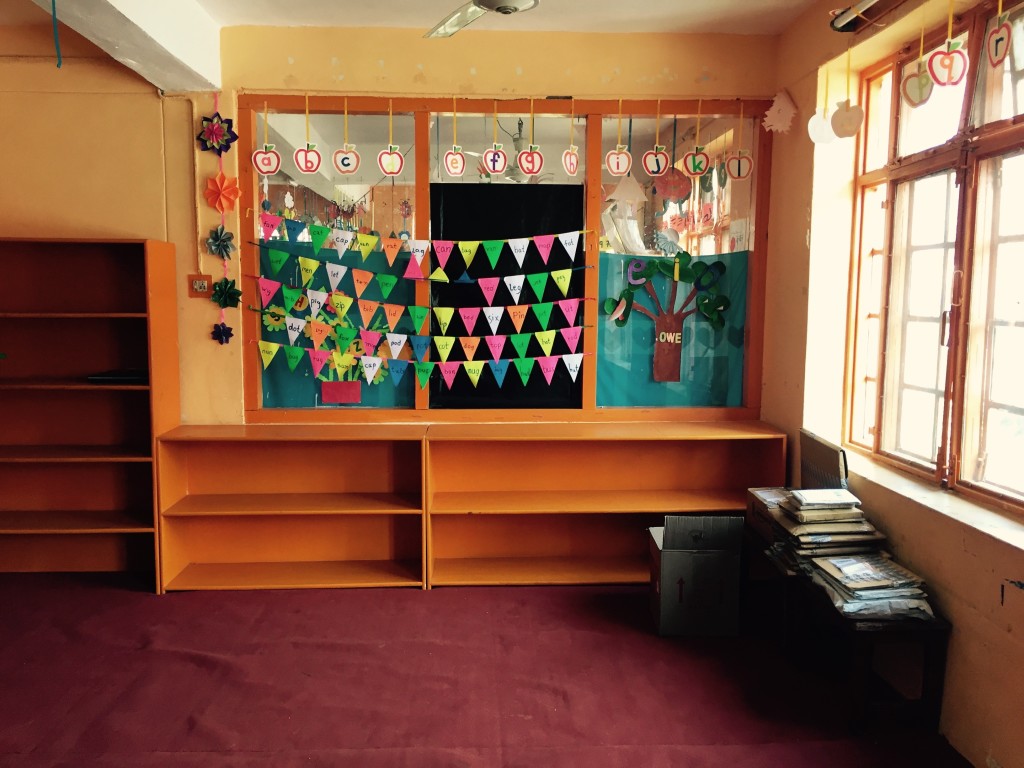
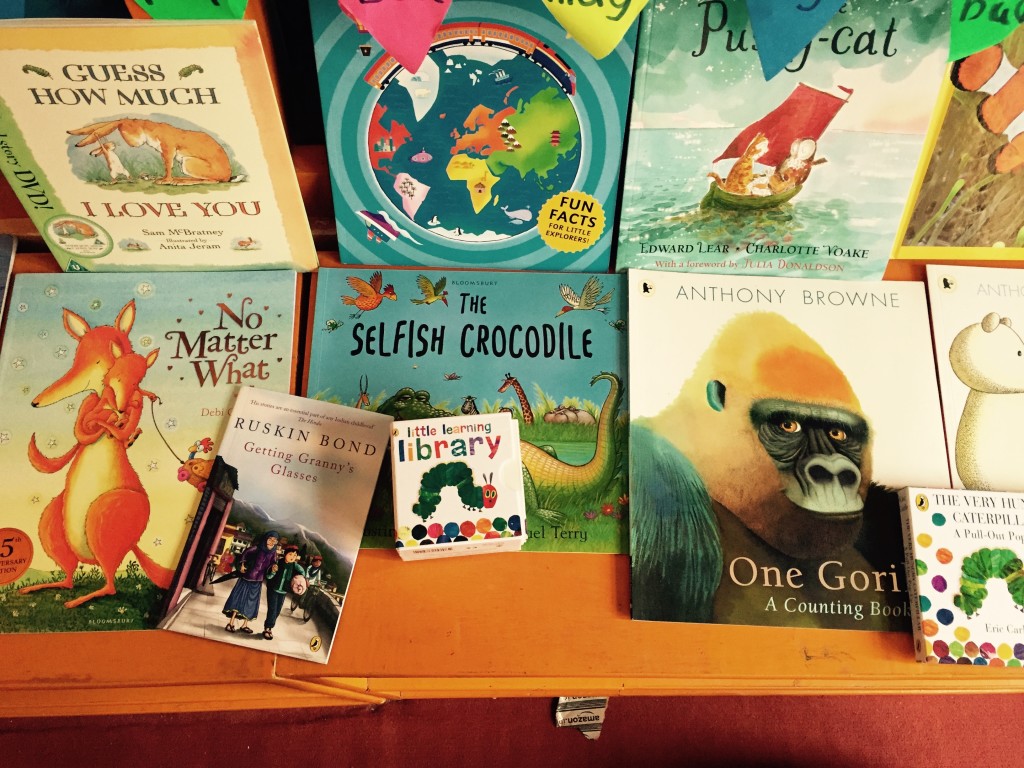
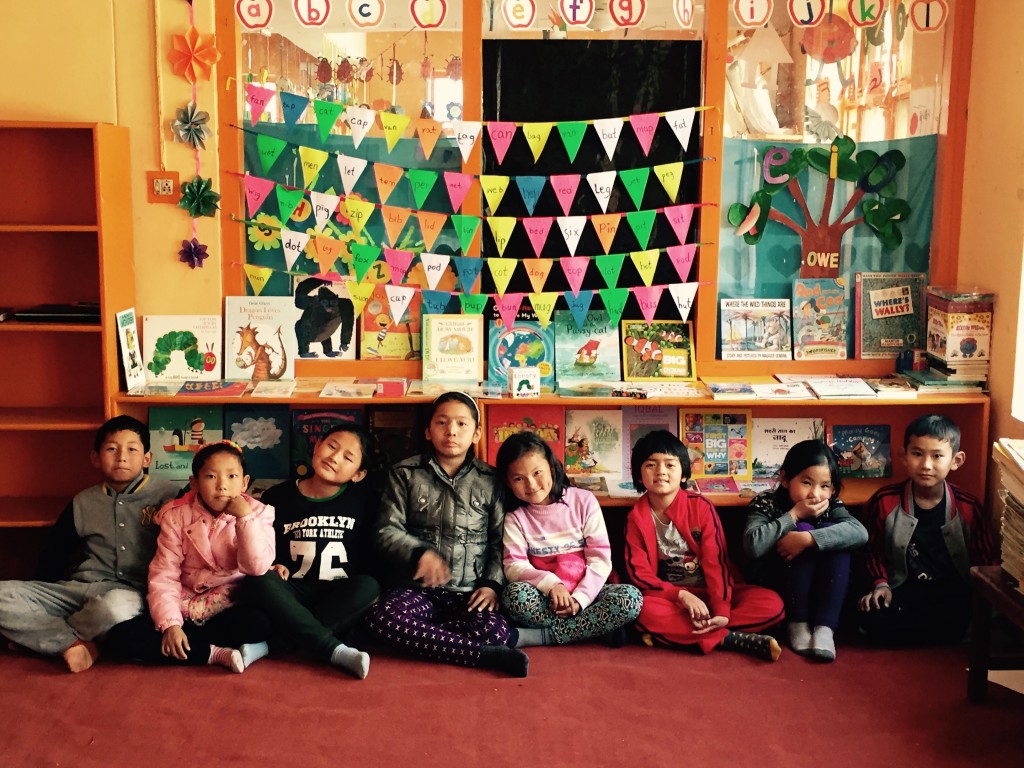
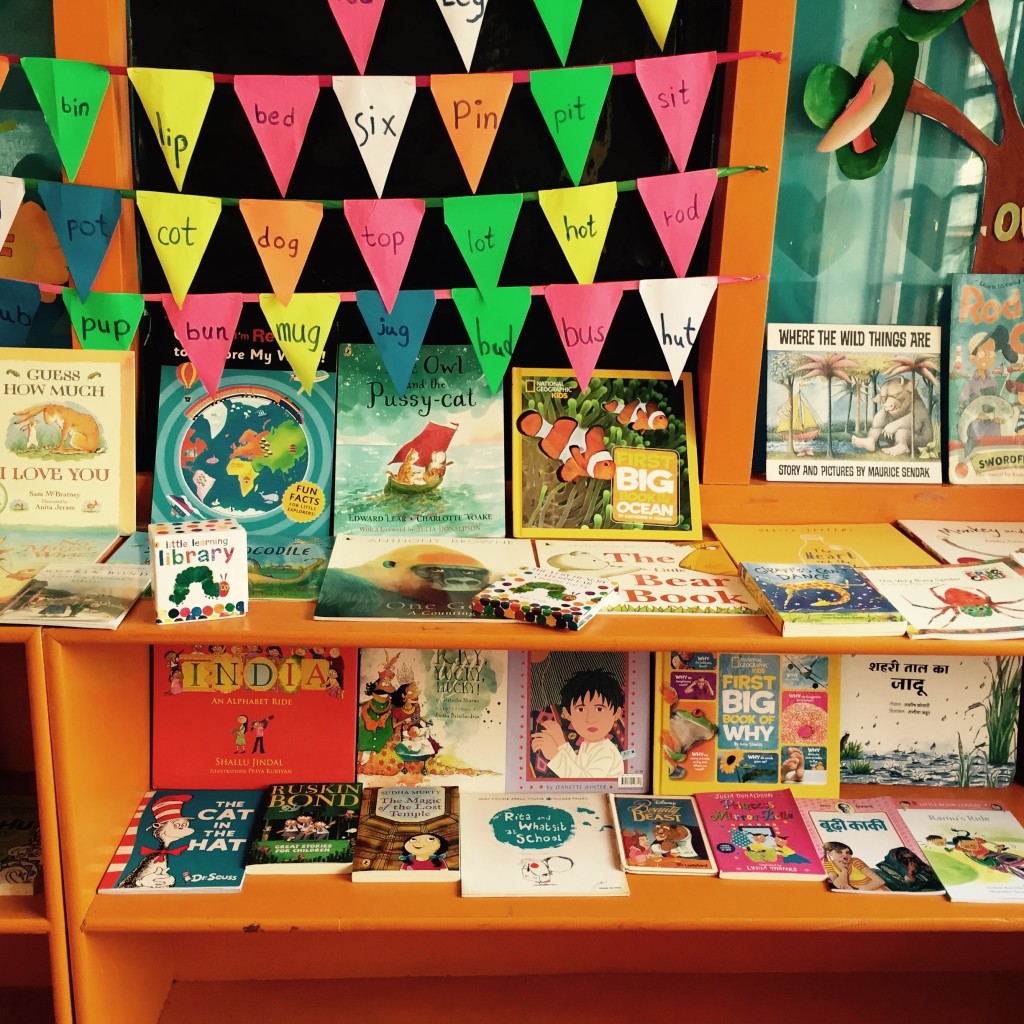
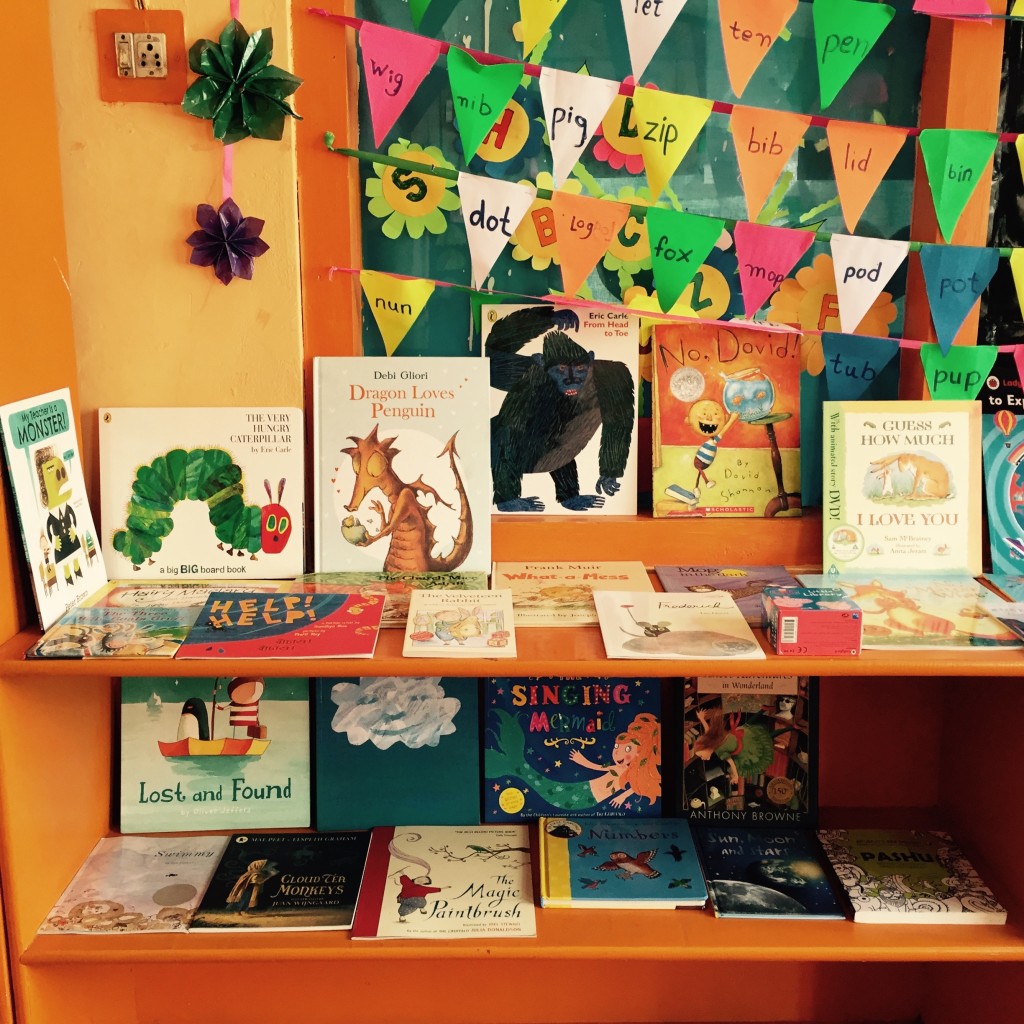
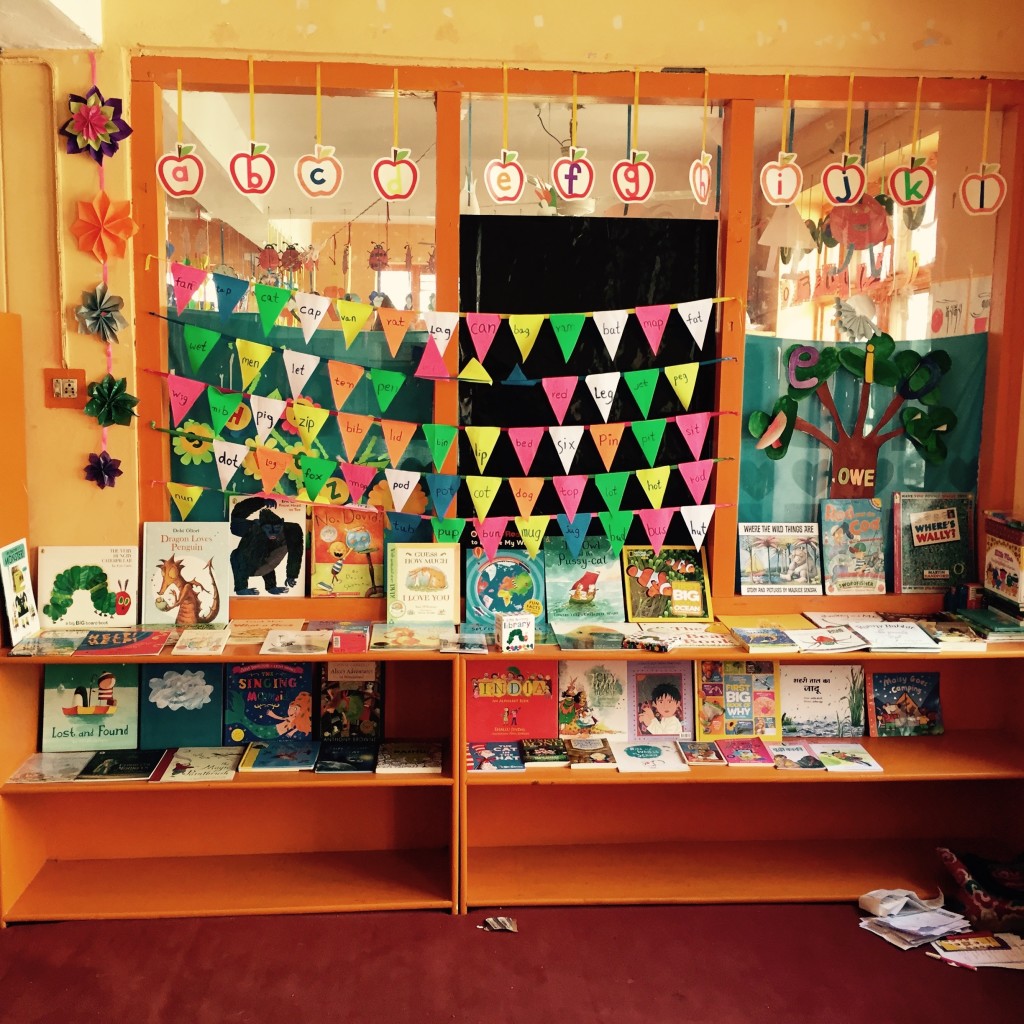
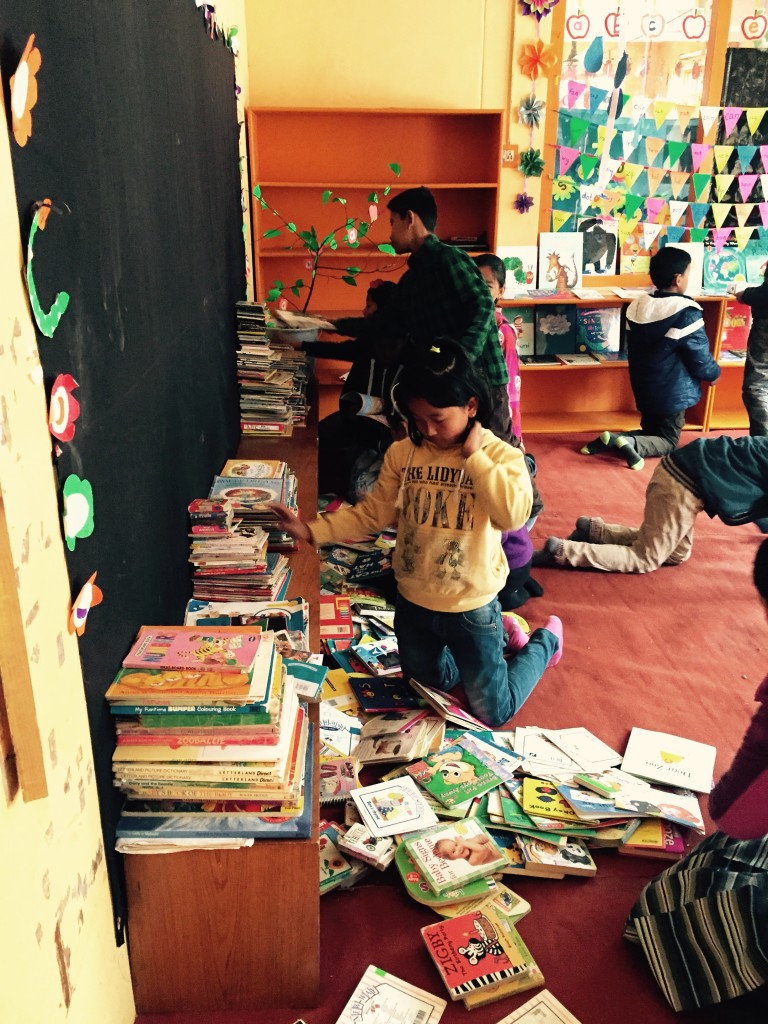
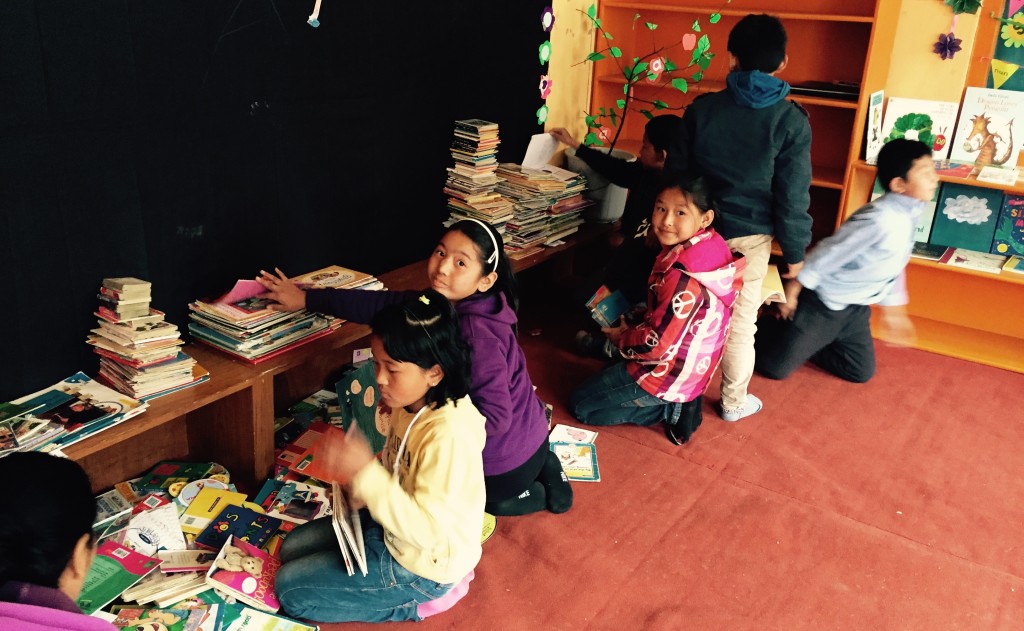
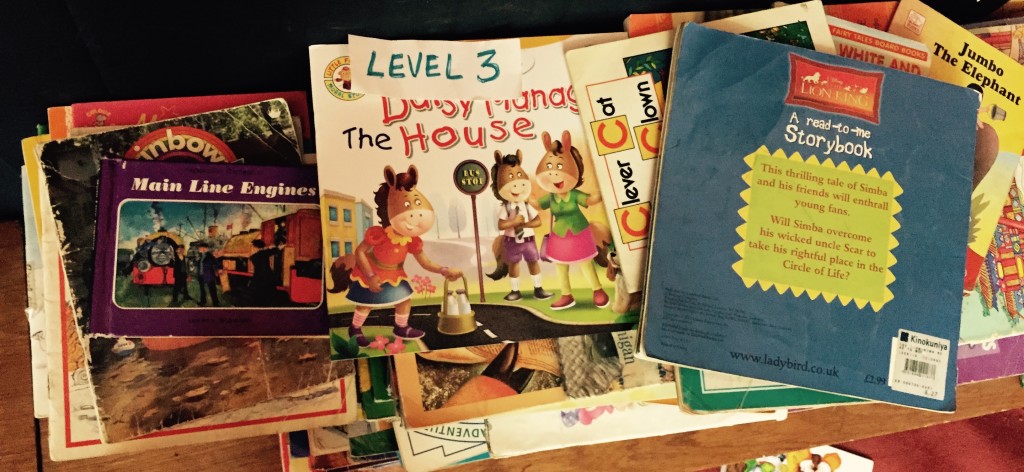
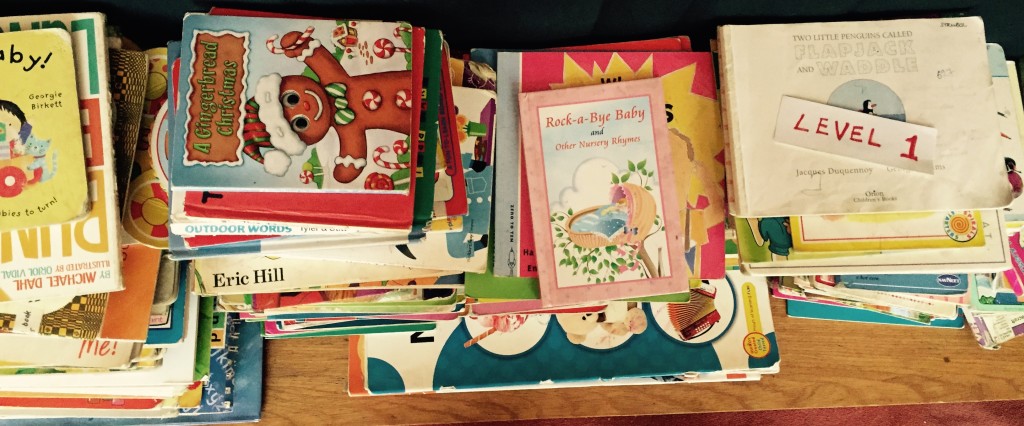
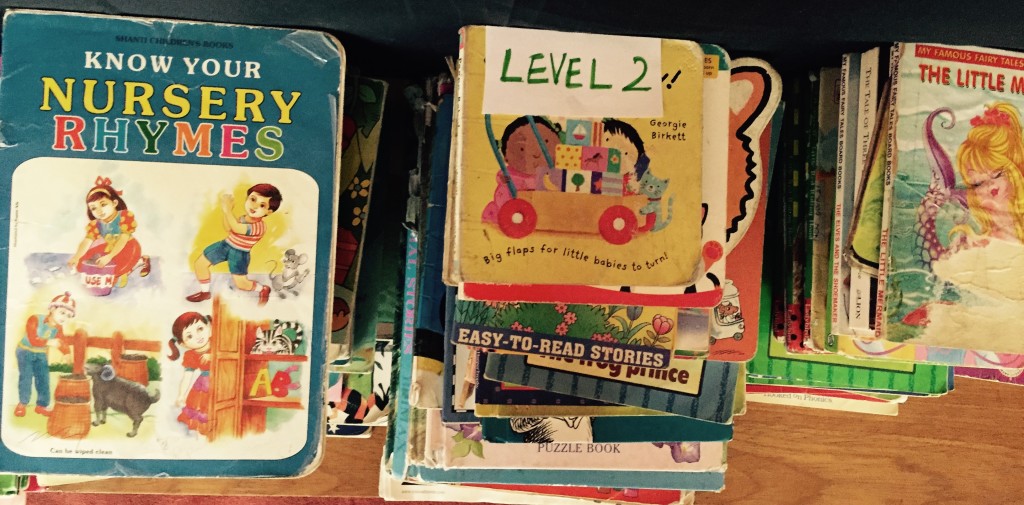
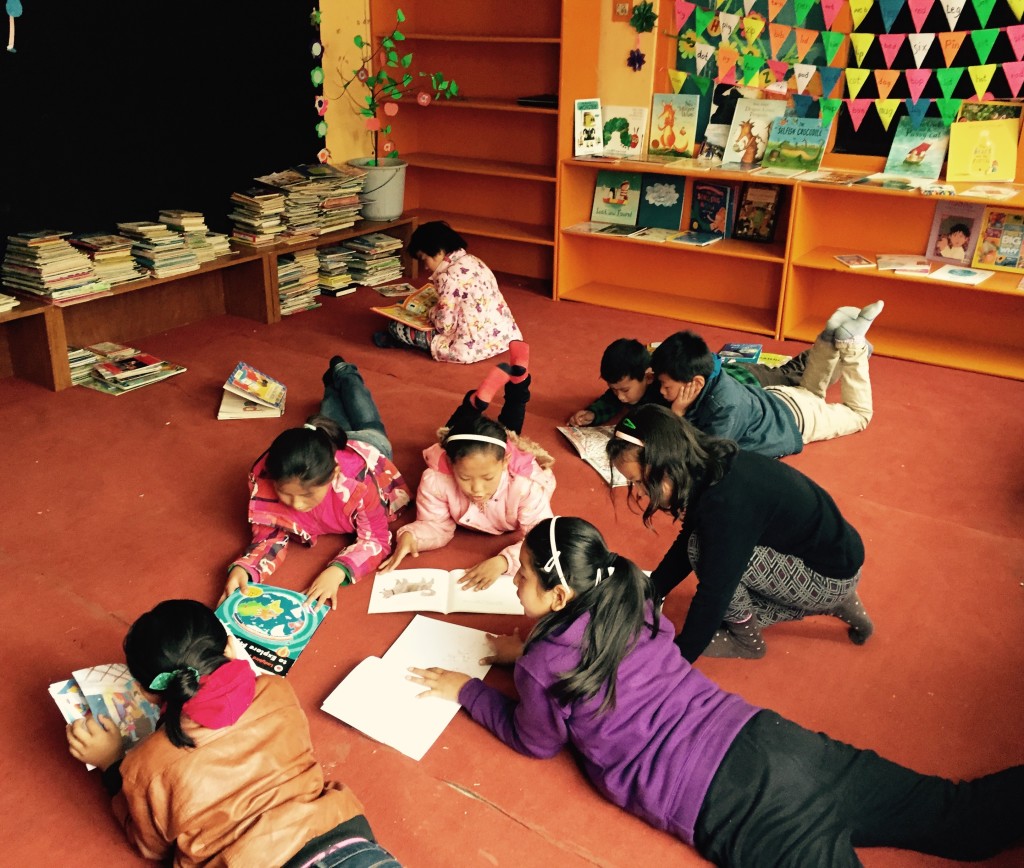
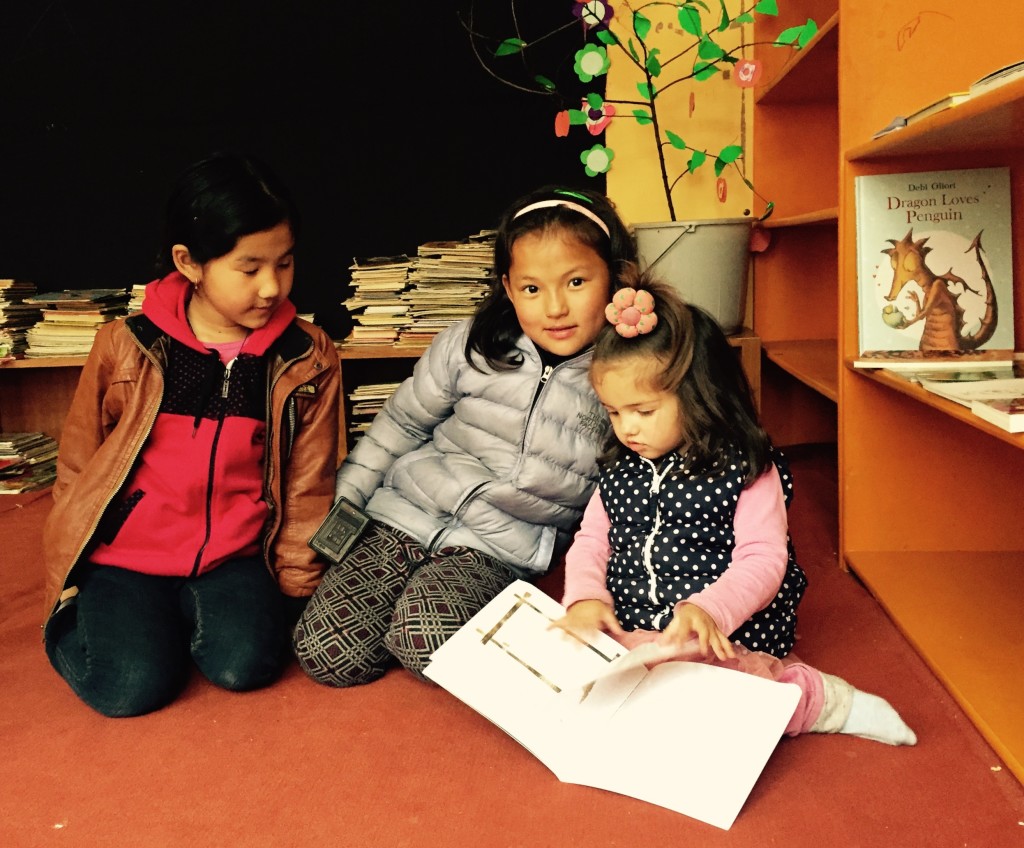
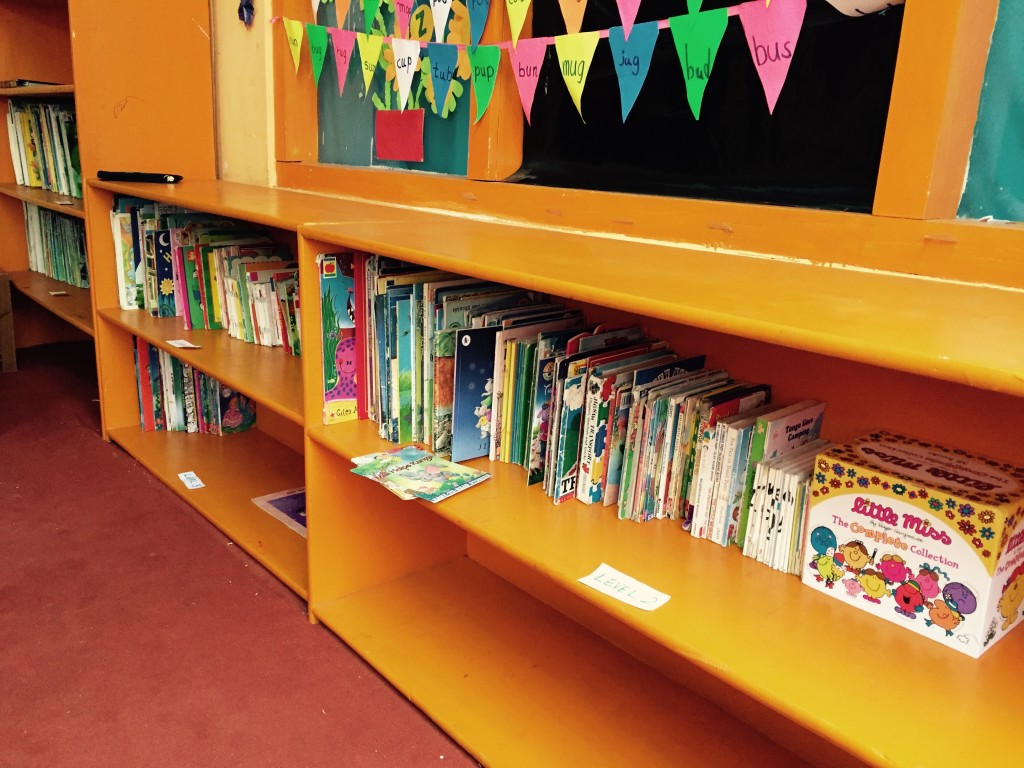
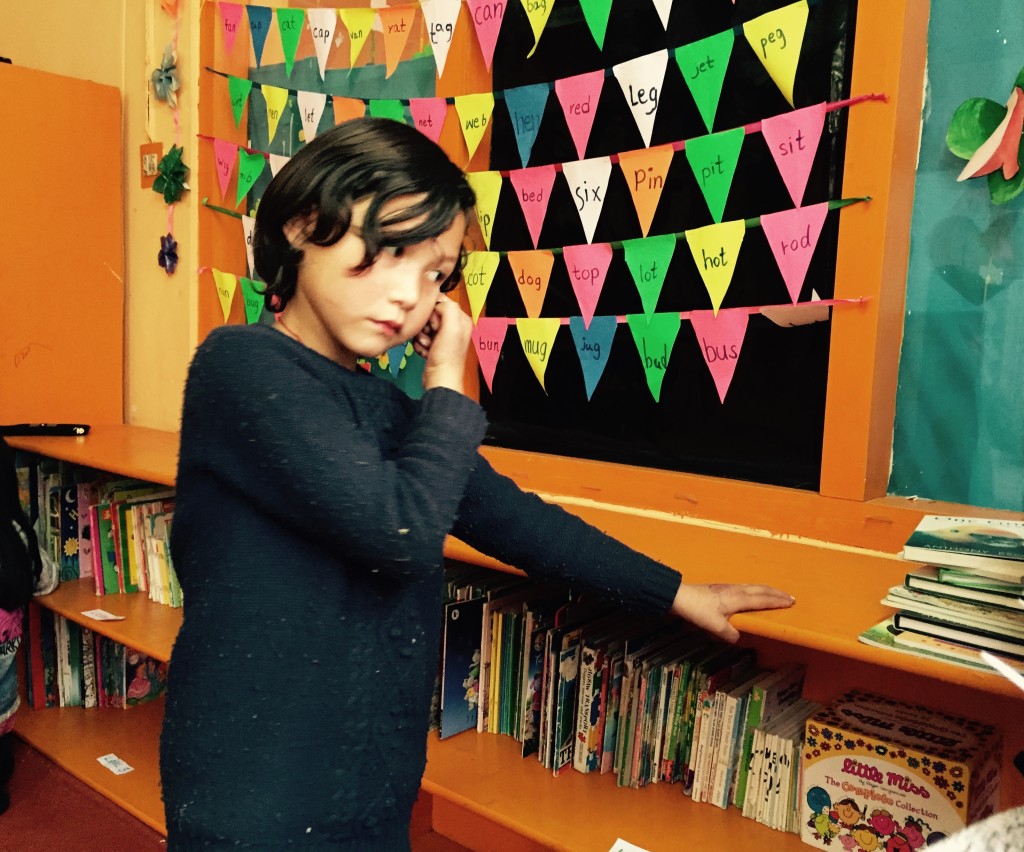
The room itself can support discovery. Place books about weather, mountains, polar animals and water on a nearby shelf. Display a map showing Ladakh, Australia’s alpine regions and the Southern Ocean. A simple vocabulary wall might include crystal, frost, melt, freeze, reflect, absorb, temperature and insulation. Australian children may describe an afternoon as an “arvo”; that familiar language can sit alongside scientific terms, showing that precise science belongs in everyday conversation.
Experiments Children Can See And Measure
A melting race is a useful starting point. Give each group identical ice cubes and place them on different surfaces: a metal plate, a cloth, a sheet of paper and a piece of foam. Ask children to predict which cube will disappear first, then check the size at regular intervals. The metal often transfers heat more efficiently than fabric or foam, while the surrounding room supplies the energy needed for melting.
For an insulation test, place ice in several small cups wrapped with different materials. Wool, folded paper, bubble wrap, foil and cotton can be compared. Children can record the time taken for the ice to shrink or measure the water left behind. The important idea is that insulation slows heat transfer. Materials containing trapped air often reduce the movement of heat, though the result depends on thickness, moisture and how tightly the material is wrapped.
A light experiment can explain why snowfields look dazzling. Shine a torch at white paper, dark paper, crushed ice and a shiny surface. White snow reflects a large proportion of incoming light, a property called albedo. Dark ground absorbs more light and warms more readily. This provides a clear bridge to climate science: when bright snow melts and darker land or water is exposed, more solar energy may be absorbed.
Children can finish by making a snow-in-a-jar observation. Fill a clear jar with clean snow or crushed ice, mark its level and leave it in the room. As it warms, the solid water becomes liquid. The group can record changes in volume, temperature and appearance, then discuss evaporation, clouds and rainfall. The experiment is simple, yet it shows that water changes form while remaining part of the same natural cycle.
Turning Observations Into Reading And Art
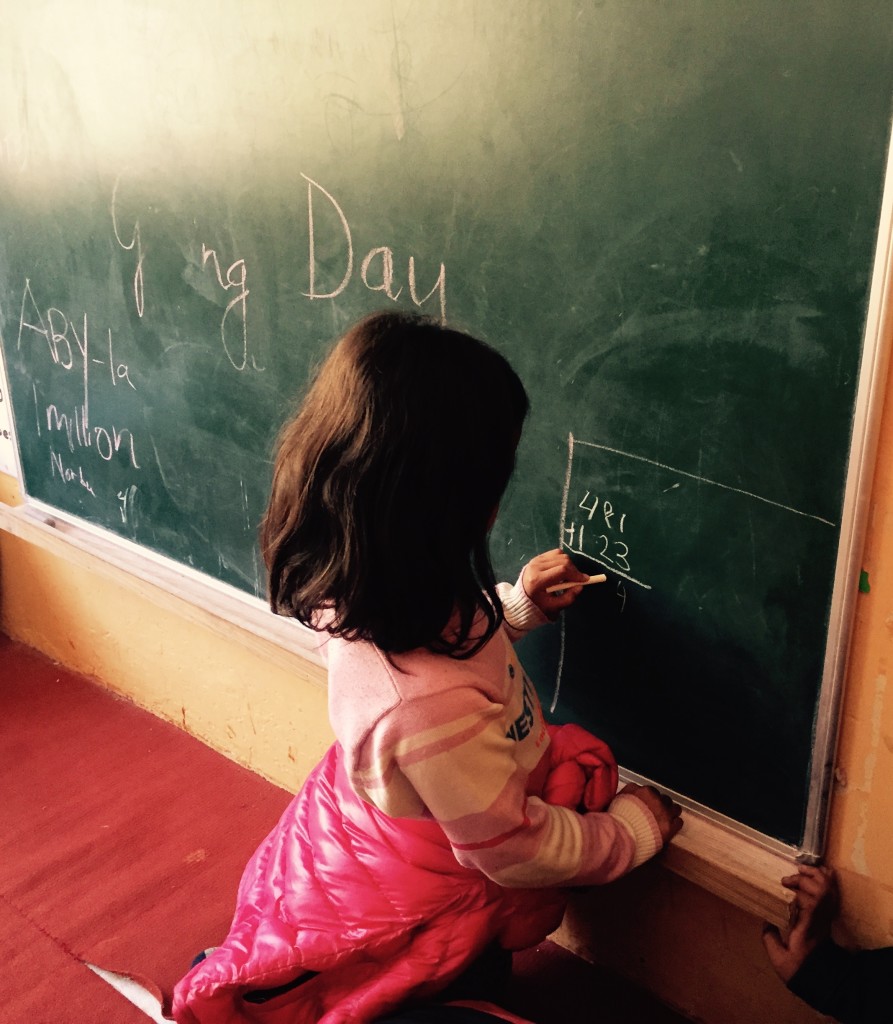
Hands-on science becomes stronger when children use language to explain what happened. Invite them to write a claim, evidence and explanation: “The ice wrapped in wool melted more slowly because…” This structure supports literacy while encouraging children to distinguish between a prediction and a result. Older learners can create a short report, while younger children can draw the experiment and dictate a sentence to a volunteer.
Art activities can extend the lesson without diluting the science. Children may cut symmetrical paper snowflakes, design a repeating crystal pattern or paint a mountain landscape using white space to represent reflected light. A music activity could explore the contrast between a soft snowfall and a fast-moving meltwater stream. These creative responses are especially suitable for a trust that combines books, artistic activities and musical experiences.
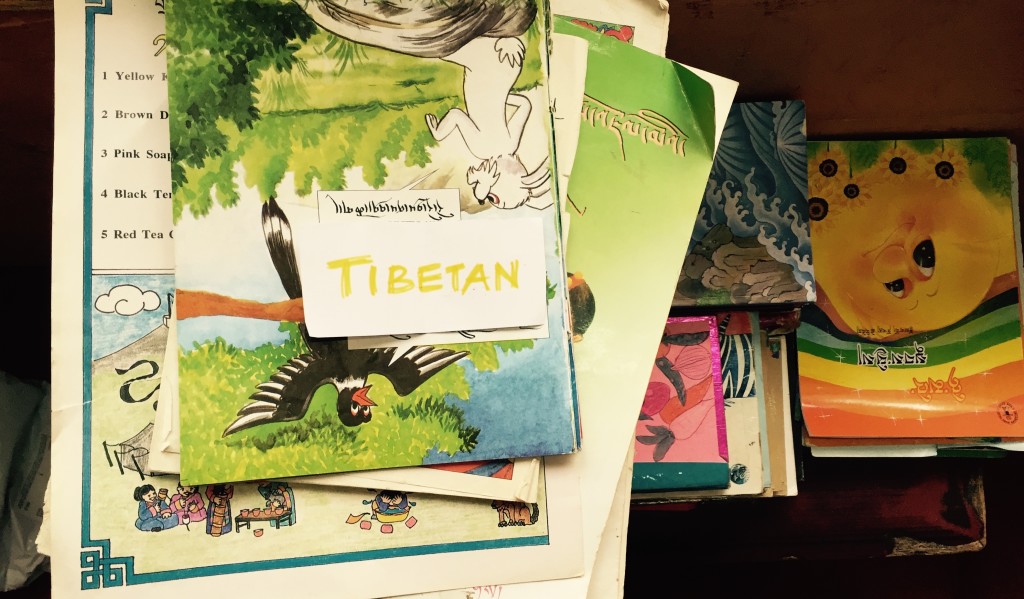
A reading room can also make space for multiple perspectives. A book about an Australian ski field might sit beside a story from Ladakh, allowing children to compare clothing, buildings, transport and water use. The comparison should avoid treating snow as identical everywhere. Snow in a dry Himalayan valley, snow in Tasmania and artificial snow at a ski resort each reflect different climates, resources and community needs.
Practical Guidance For Volunteers And Donors
A well-prepared session is easier to repeat and easier to share with supporters. Volunteers can photograph labelled experiment stations, record children’s questions and keep a small results folder. These records help a reading room build its own collection of local knowledge. They also give donors a clearer picture of how books and materials become active learning rather than remaining unused on a shelf.
For Australian supporters, practical donations can be matched to the needs of a particular community. Local businesses may contribute magnifying glasses, reusable containers or art paper, while schools and public libraries may organise book drives. When approaching Australian donors, it helps to show the cost and purpose of each item clearly, including whether funds support transport, storage, translation or volunteer training. Transparent details matter in a market where people often compare charities through websites, annual reports and donation platforms.
Useful planning principles include:
- Choose activities that use safe, low-cost materials available locally.
- Pair every experiment with a story, diagram, poem or information book.
- Record predictions and results in a shared reading-room science journal.
- Adapt snow activities for warm Australian climates with ice or photographs.
- Explain how equipment and donations support children’s learning over time.
- Give children opportunities to teach the experiment to another group.
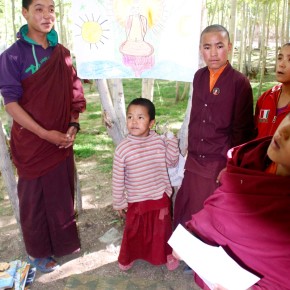
The most successful session may end with a display rather than a worksheet. Children can mount sketches, temperature readings, new vocabulary and short reflections beside the books that inspired them. A display like this welcomes families, encourages conversation and shows that scientific learning can grow from an ordinary reading room.
Snow offers a clear lesson in change: crystals form, ice melts, water moves and light behaves differently across surfaces. When children observe these processes, read about them and express their discoveries through writing, art and music, a winter activity becomes a richer educational experience. The idea to remember is simple: careful questions, accessible materials and good books can turn even a small reading room into a place of scientific discovery.